Buffalo City Hall Photo Gallery
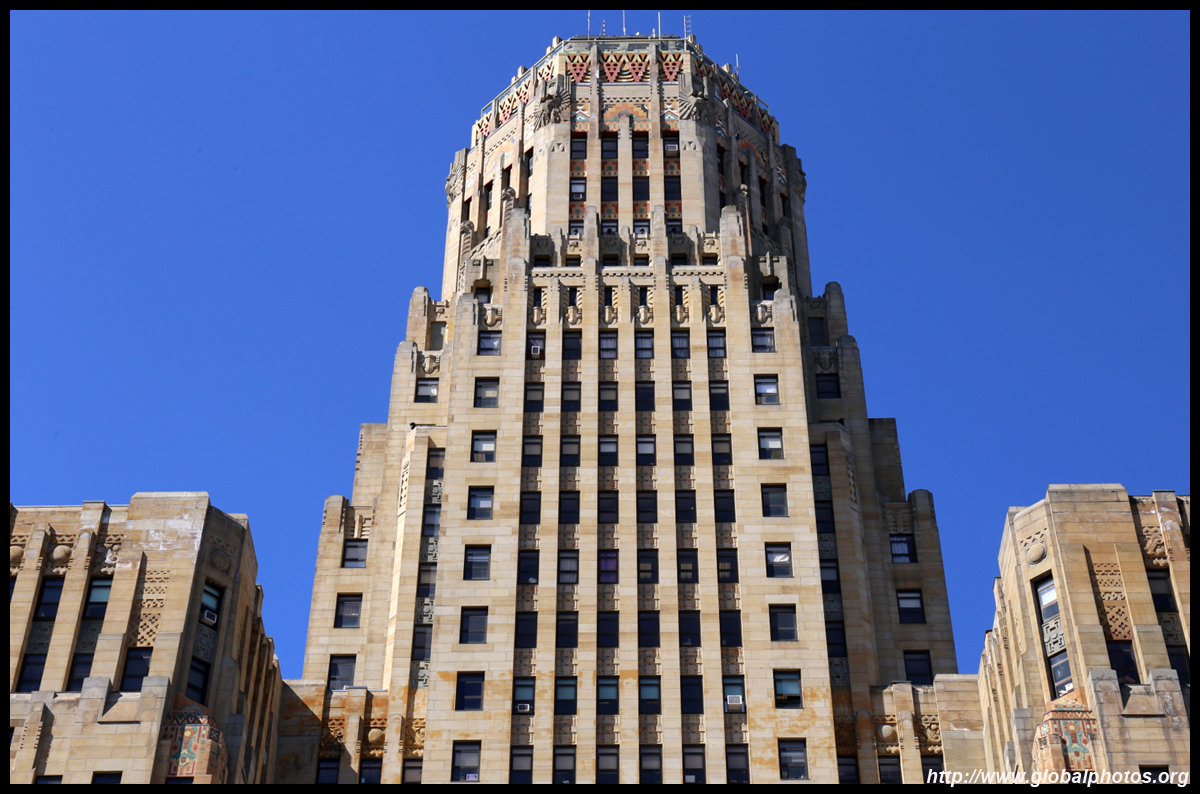
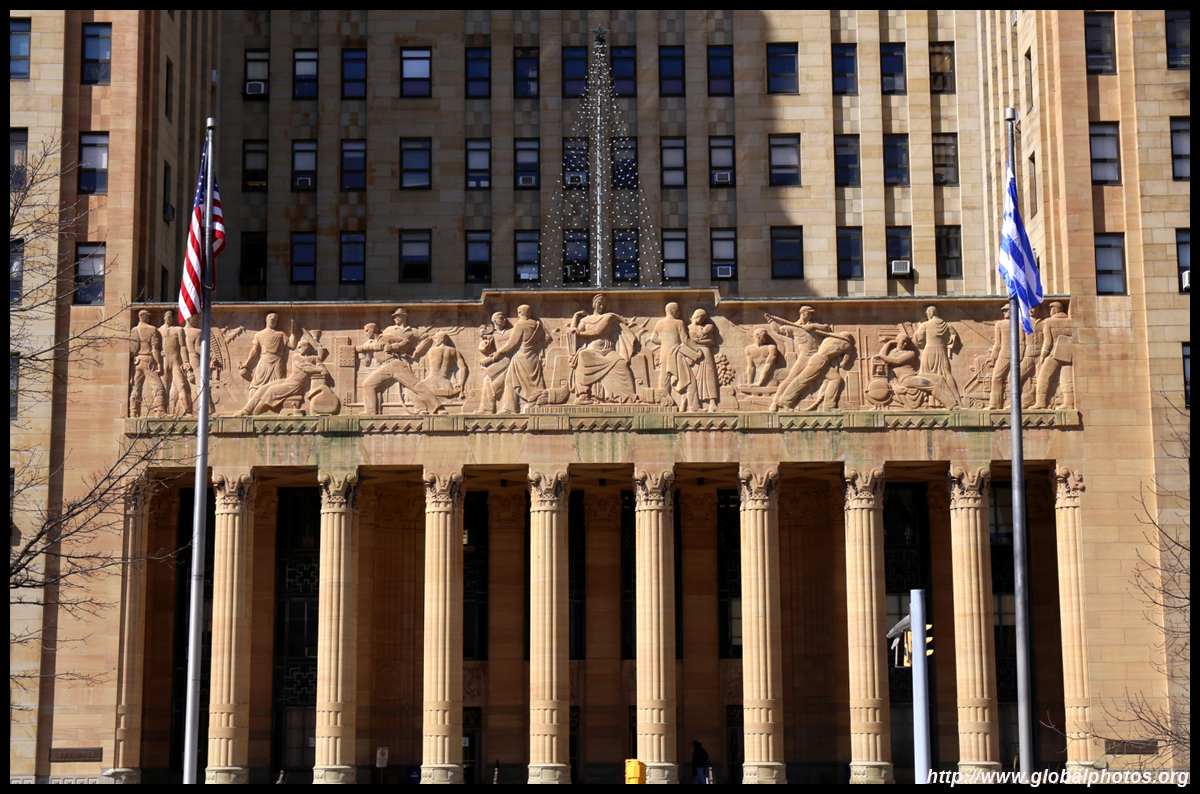
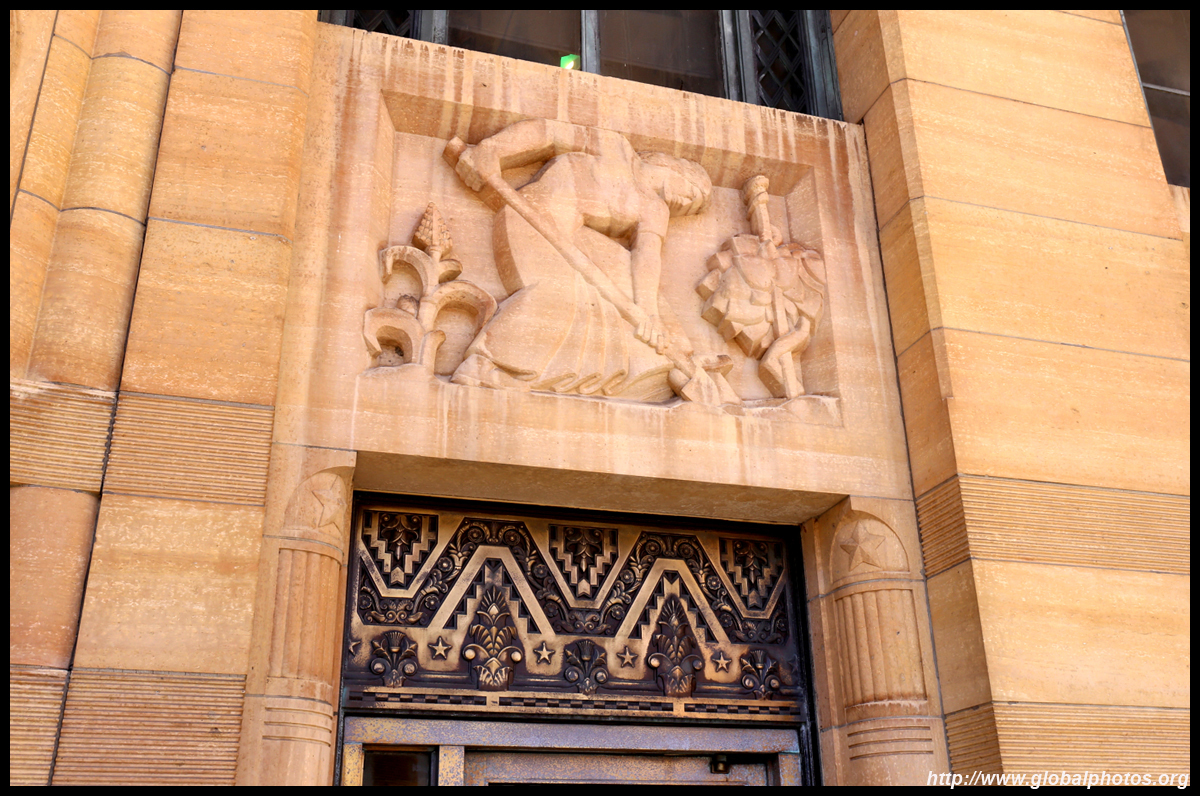
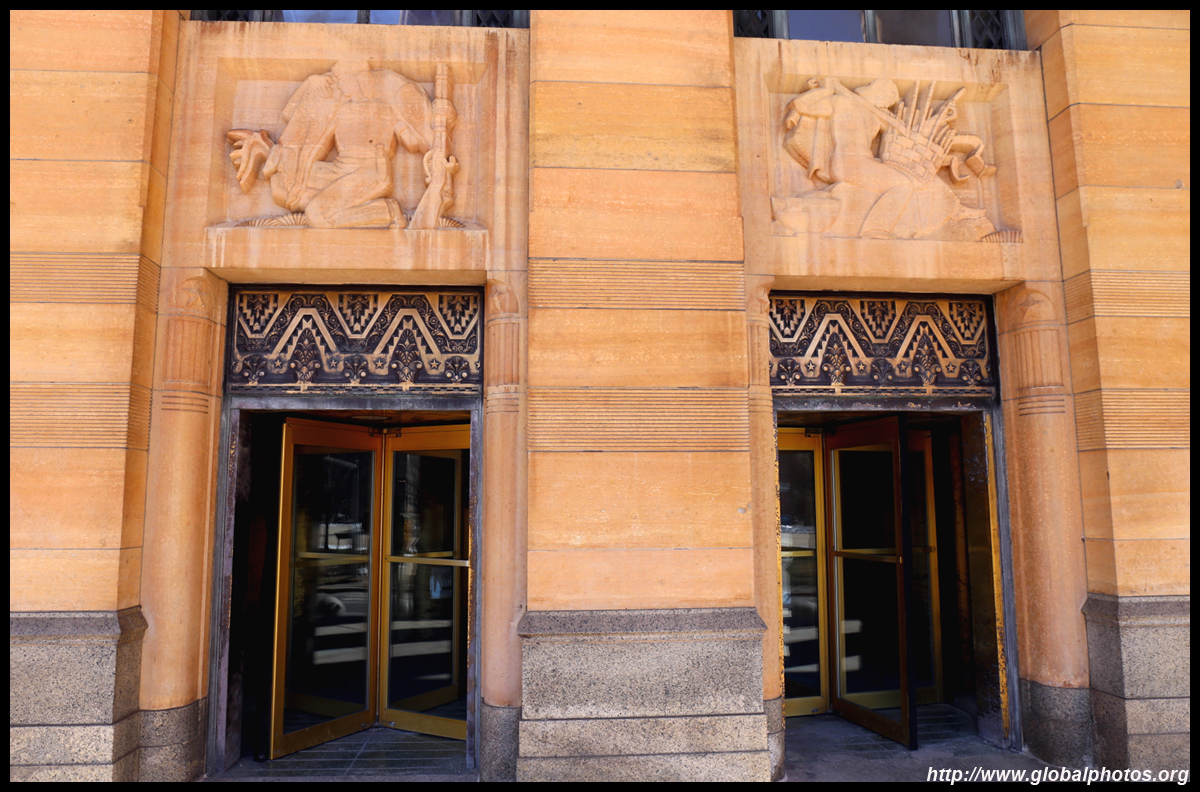
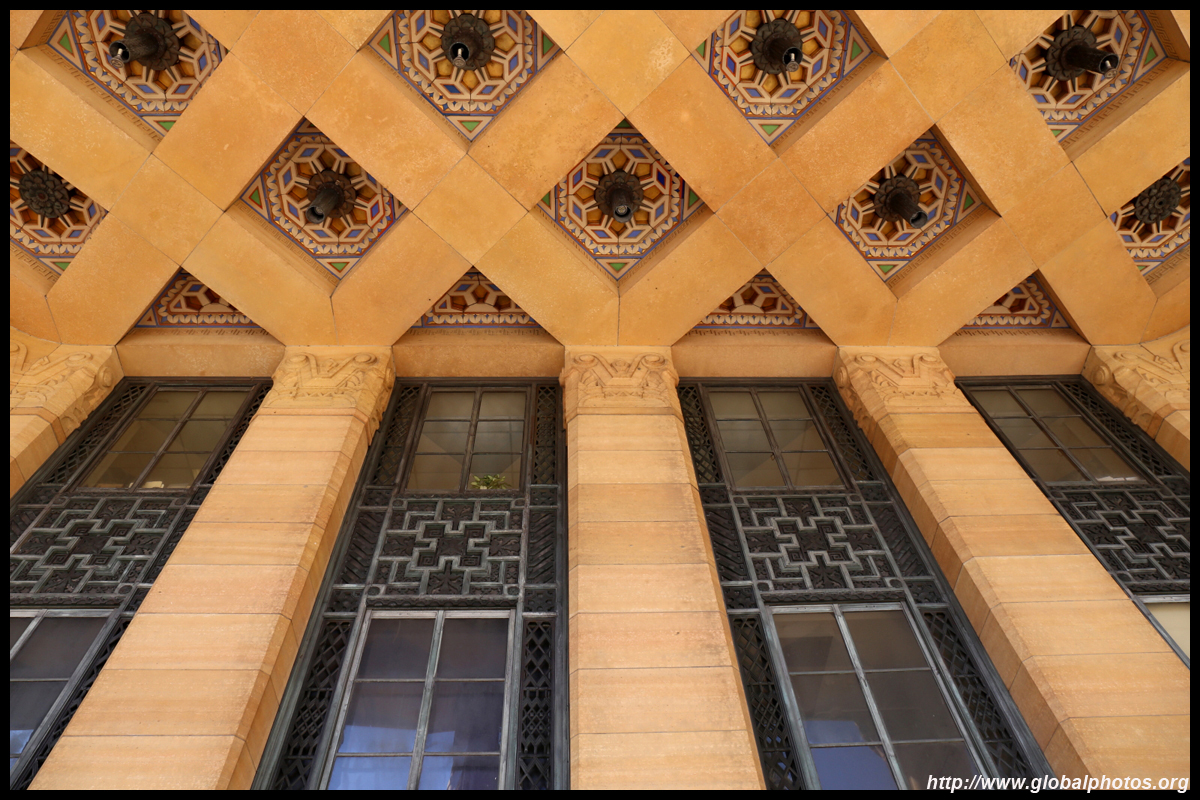
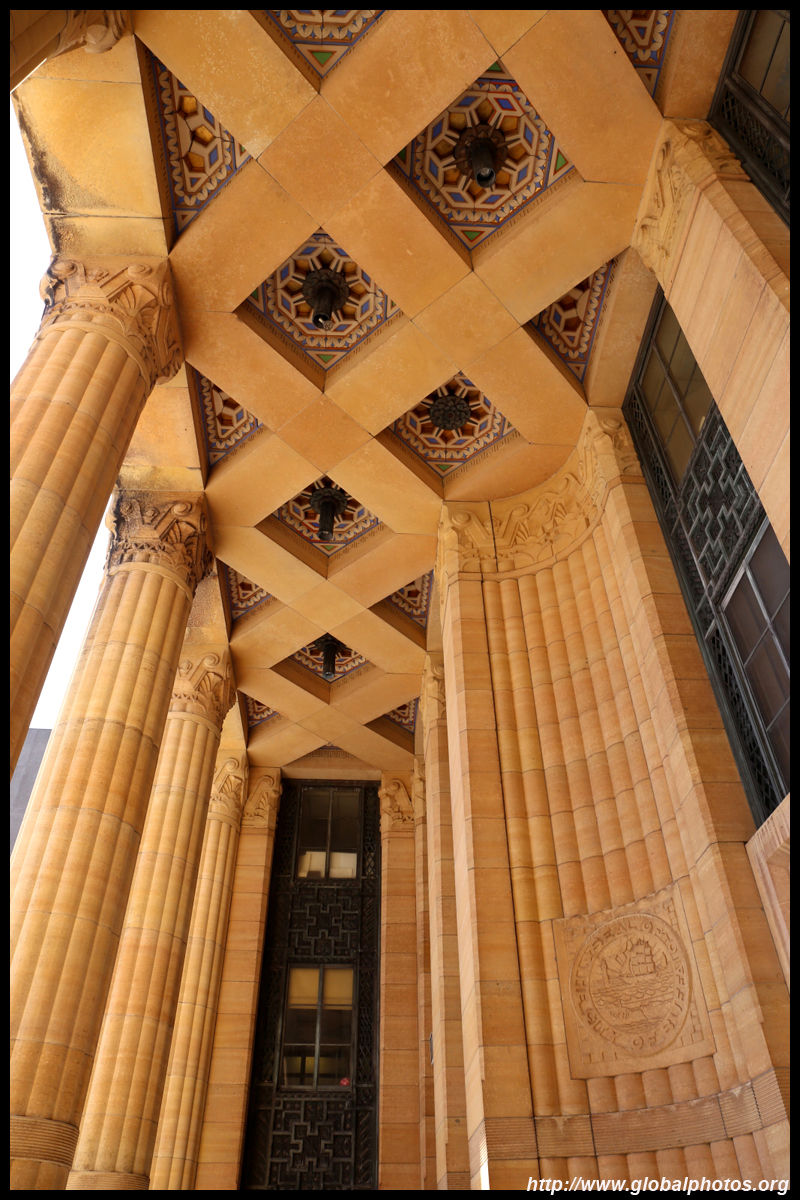
Sitting in front of Niagara Square is the imposing City Hall. Construction on the 32-storey building began in 1929 and the building opened in 1931.
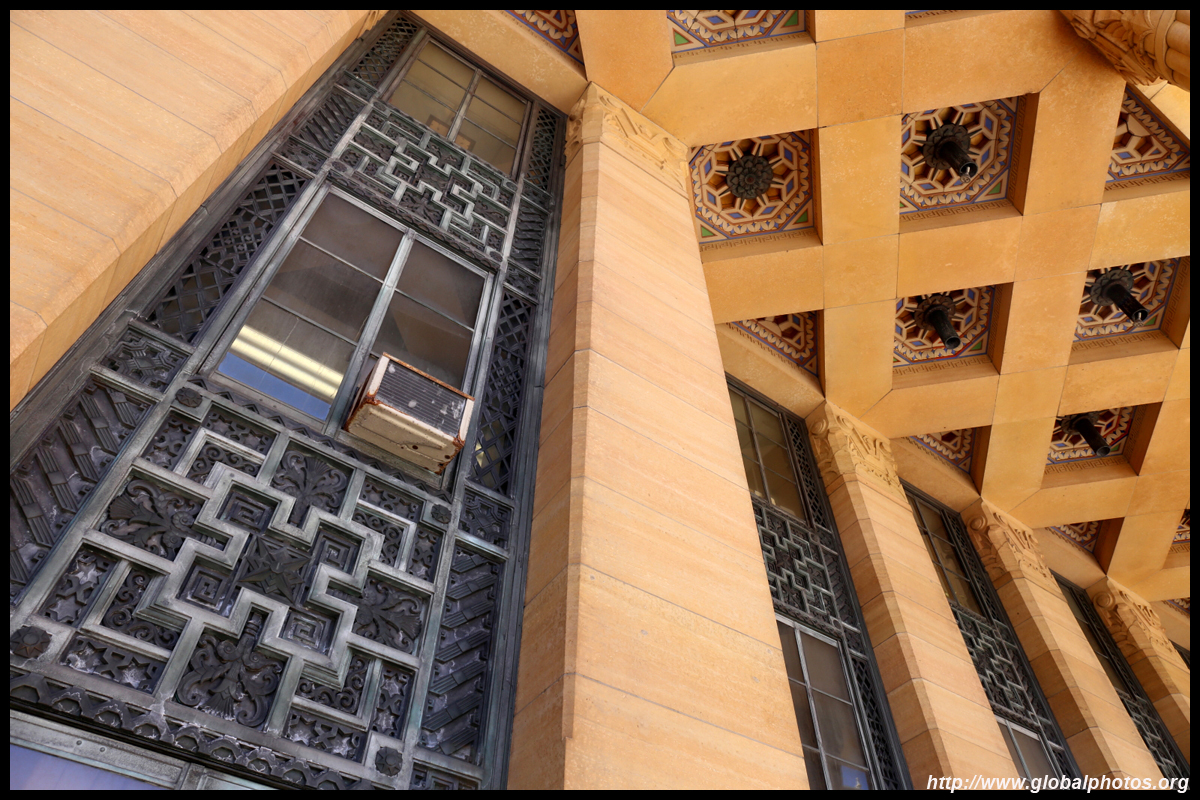
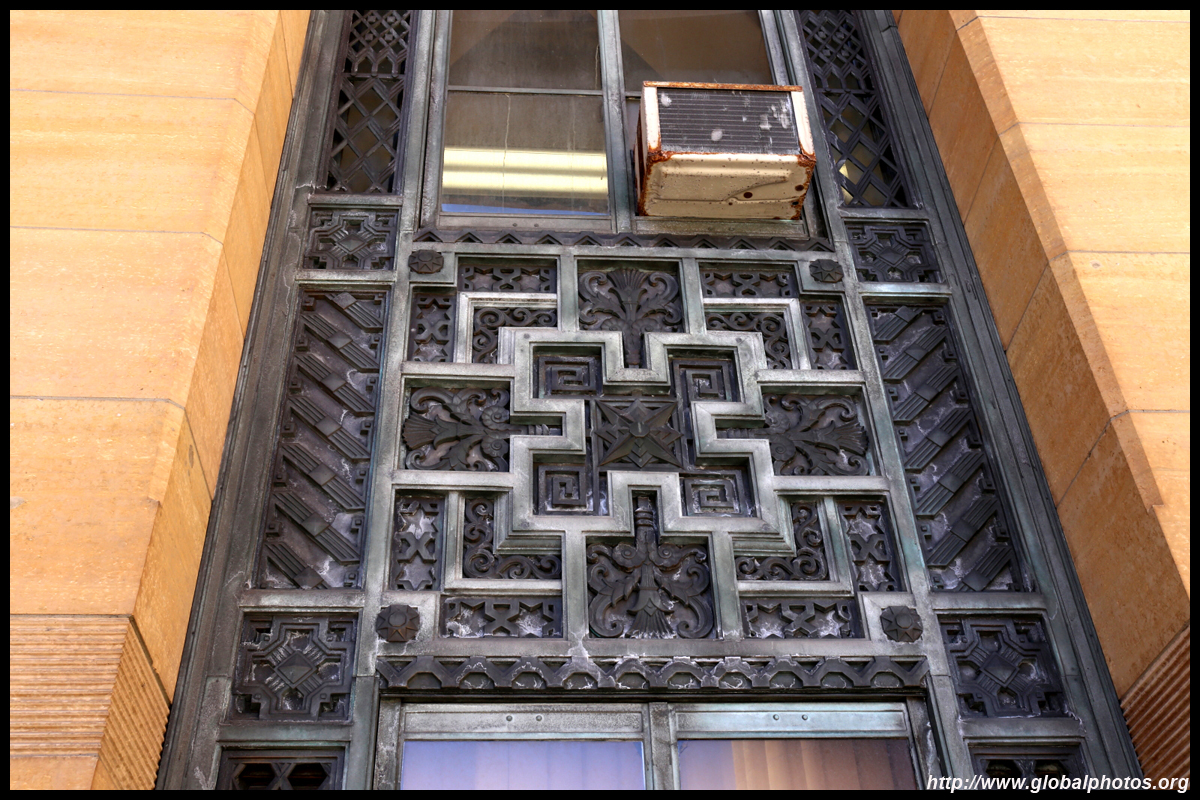
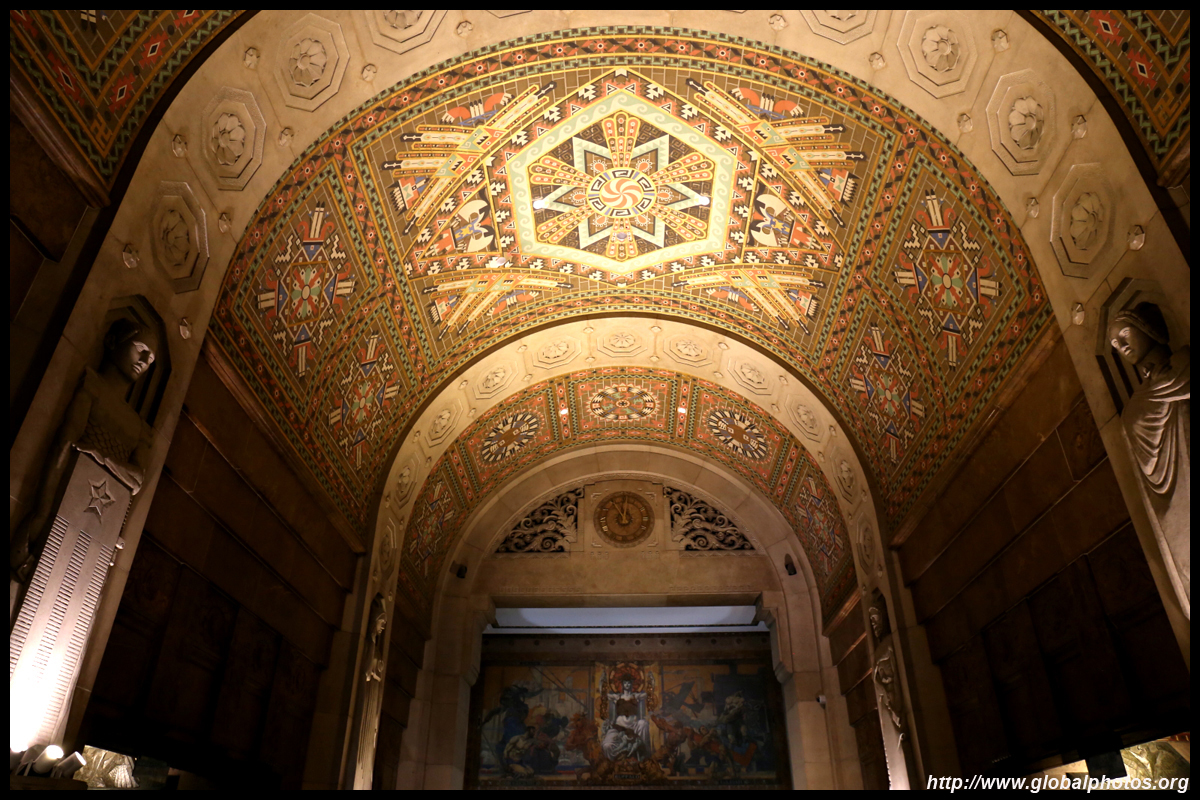
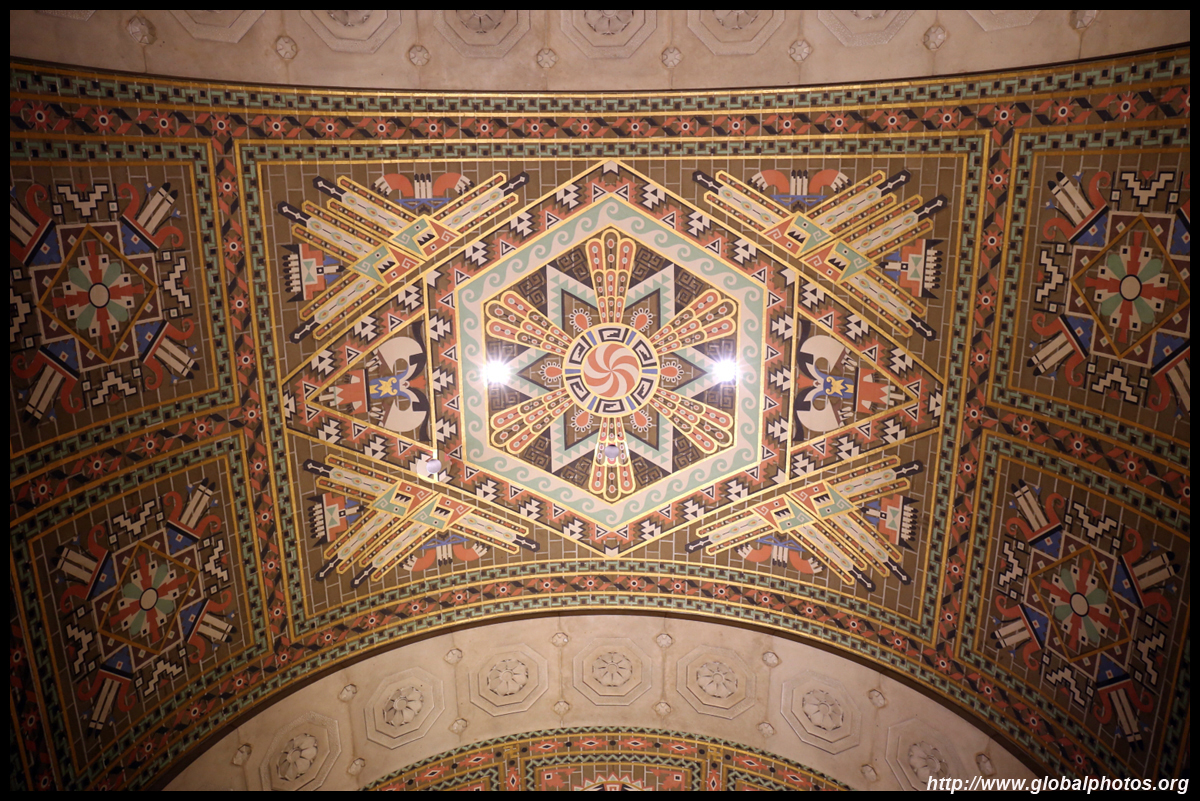
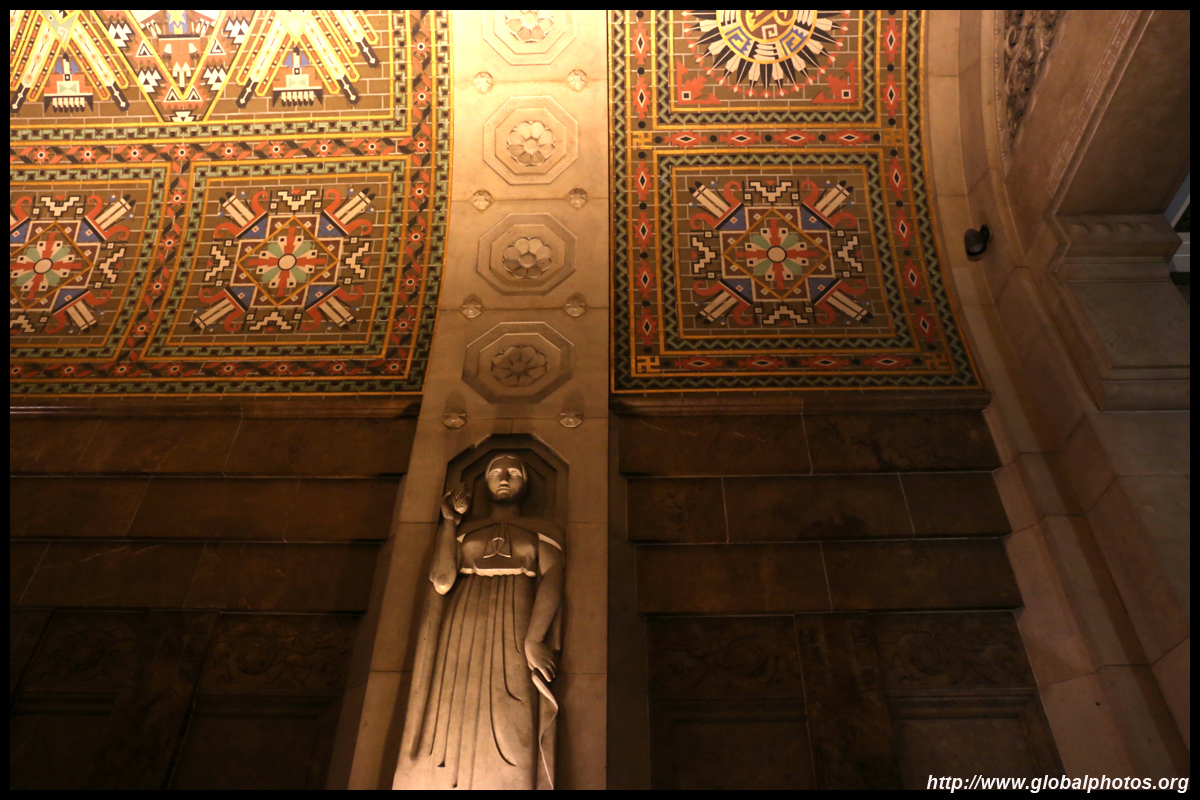
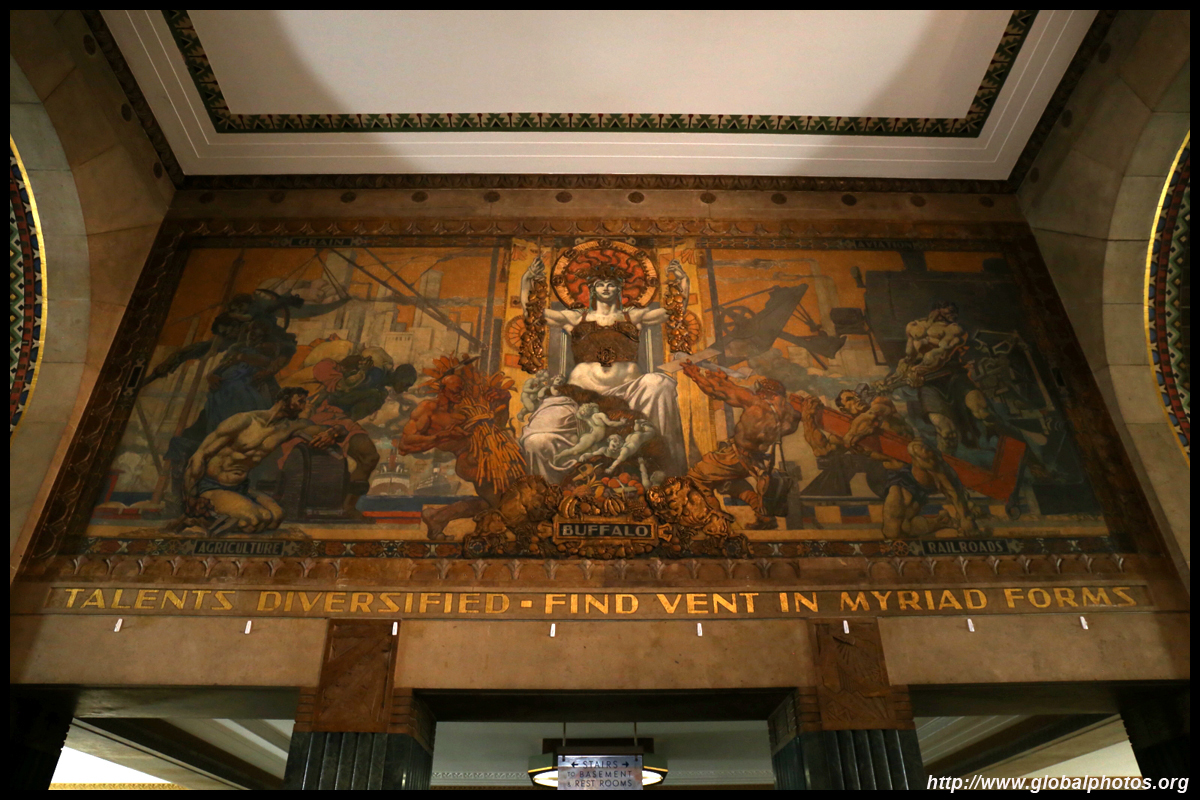
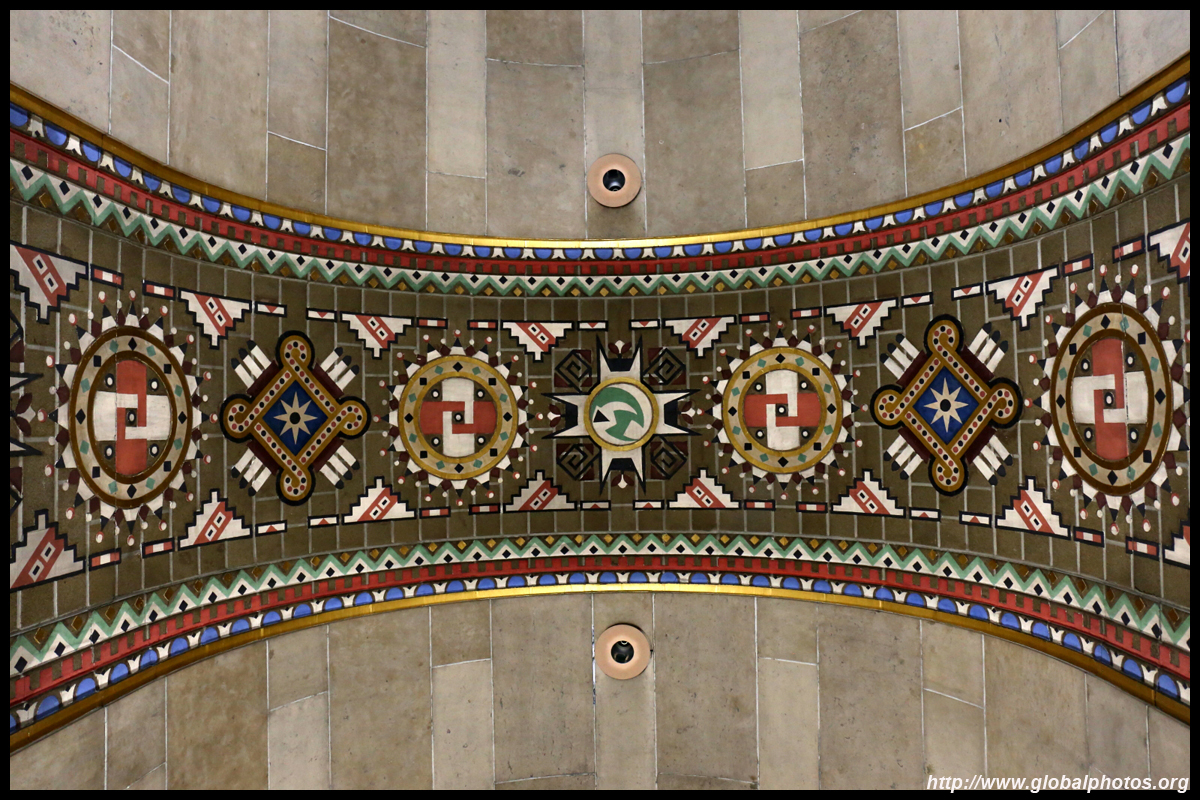
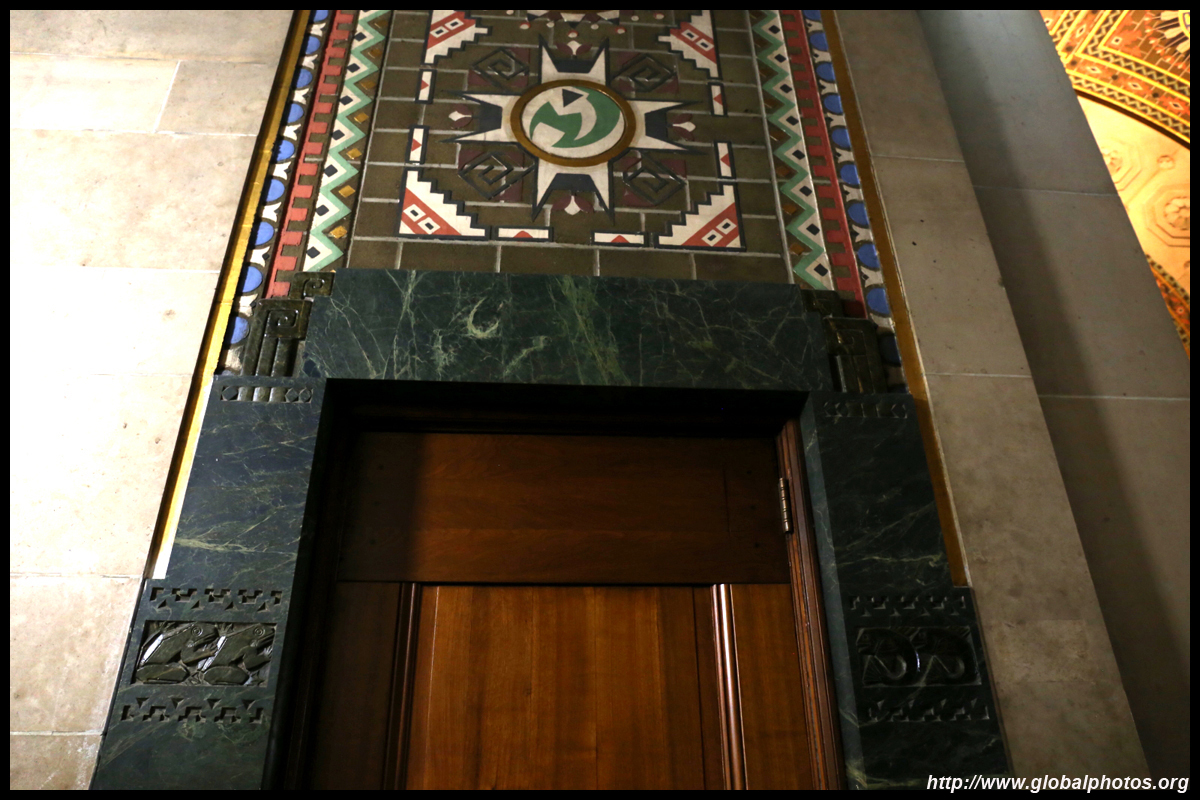
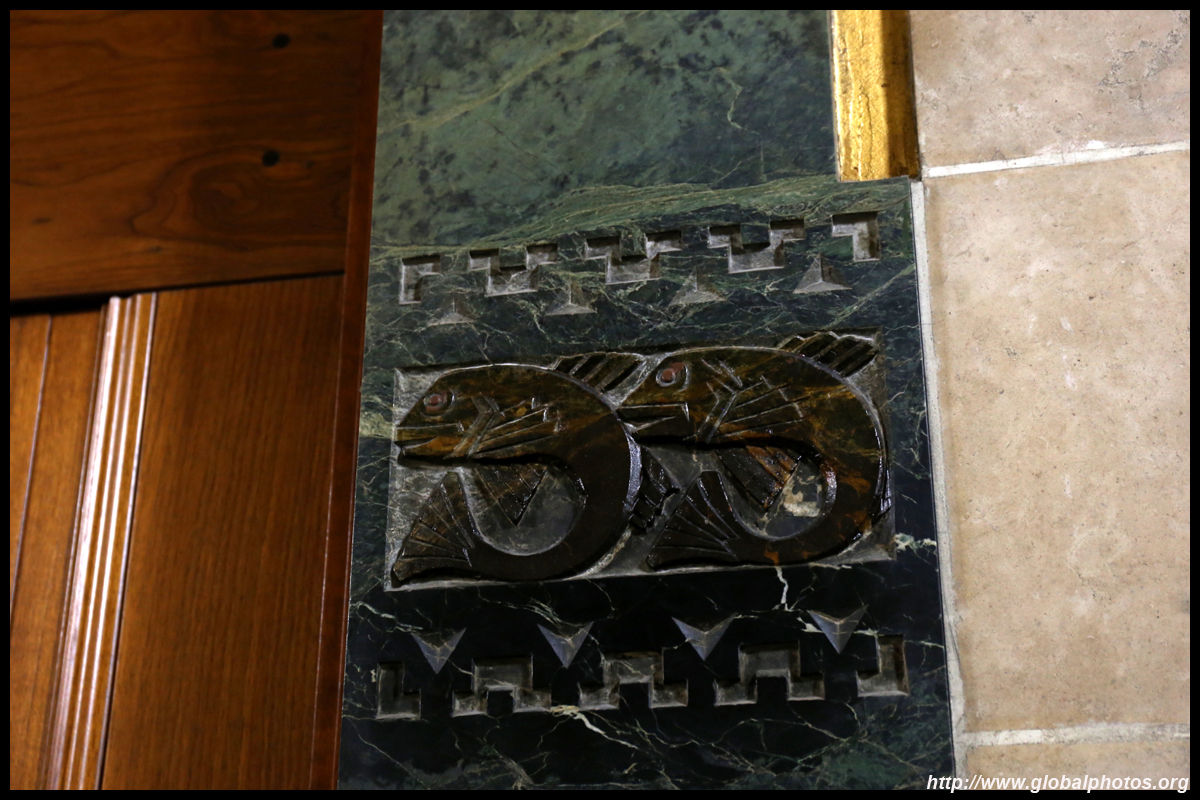
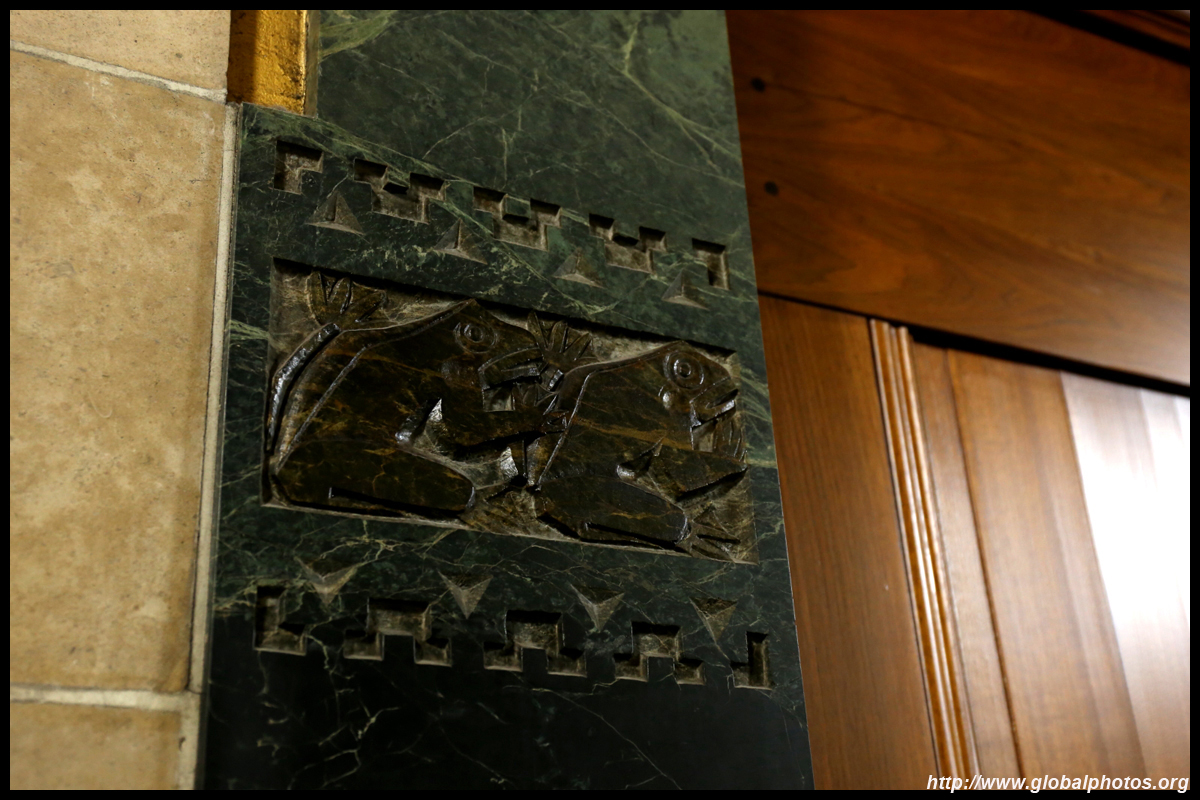
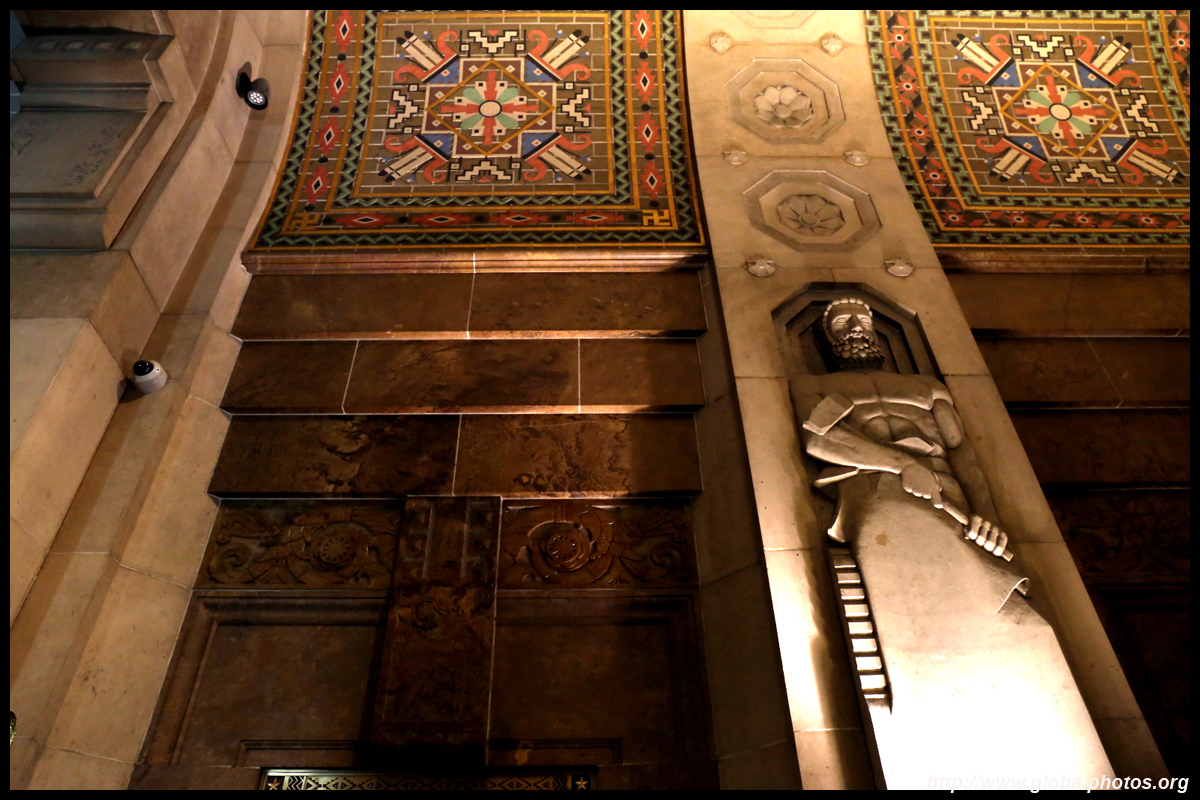
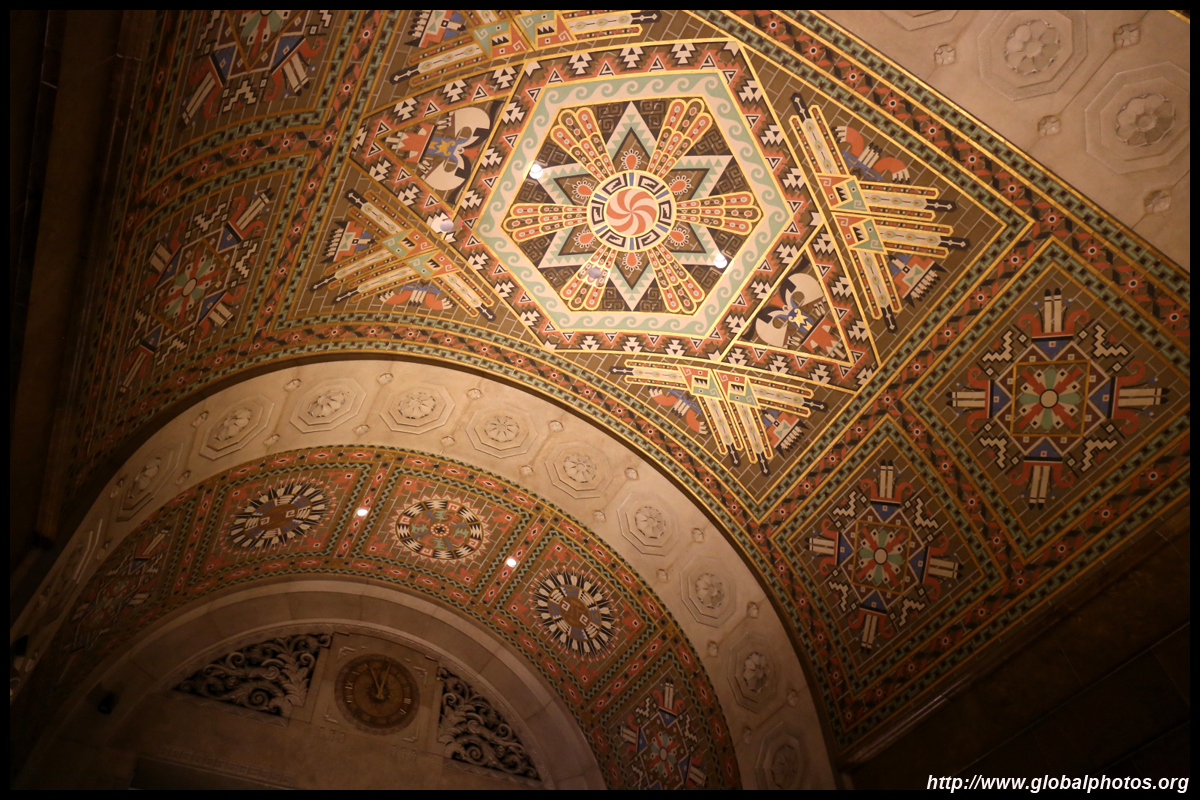
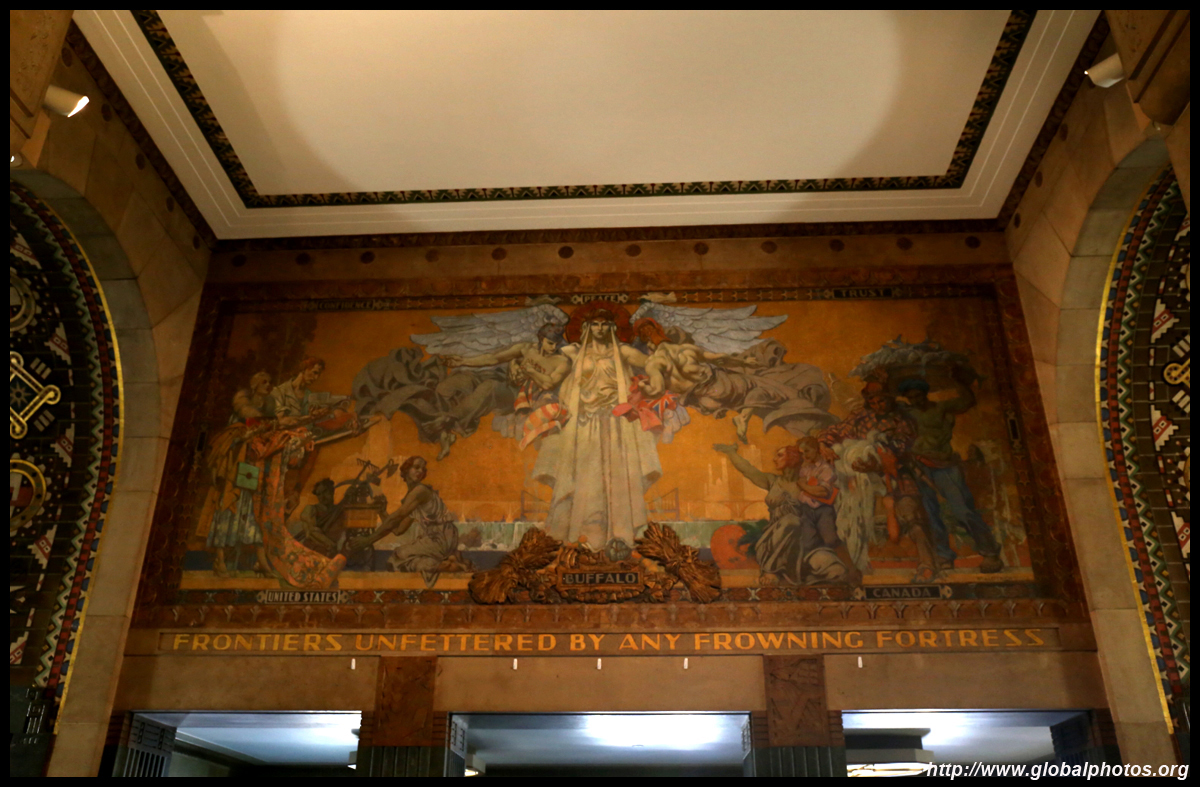
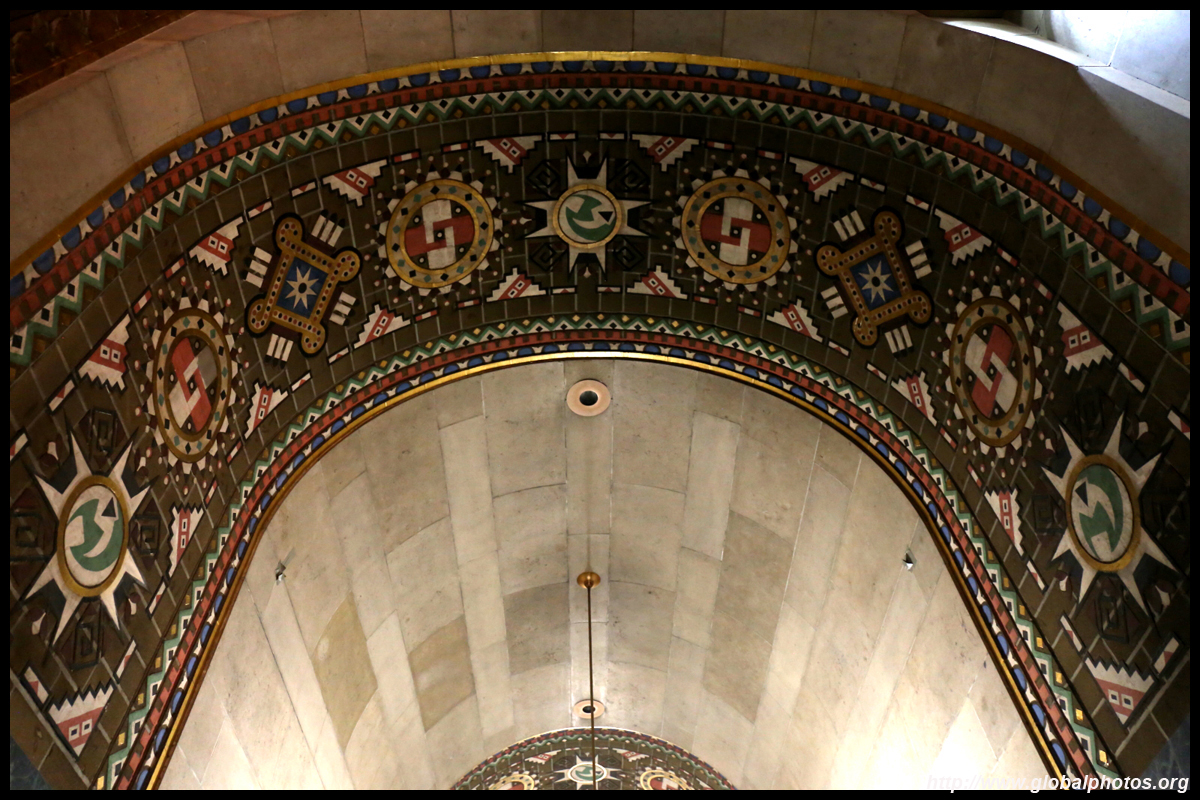
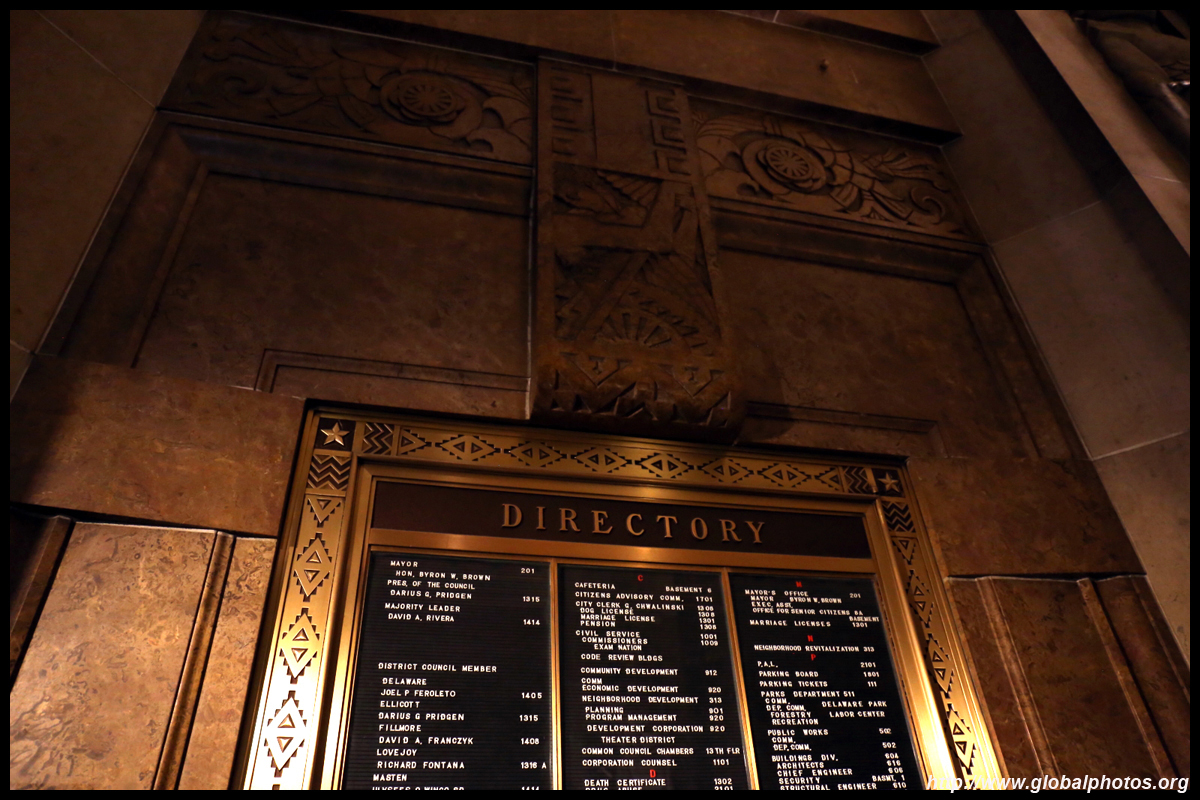
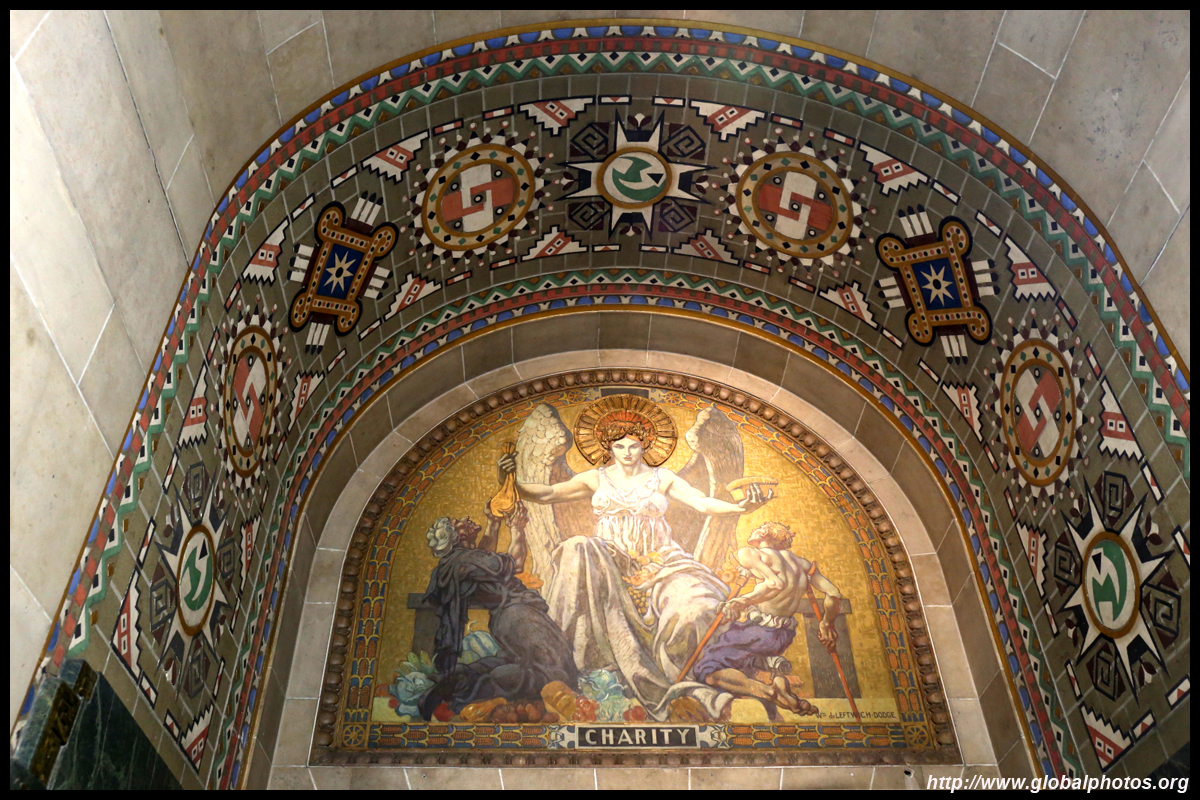
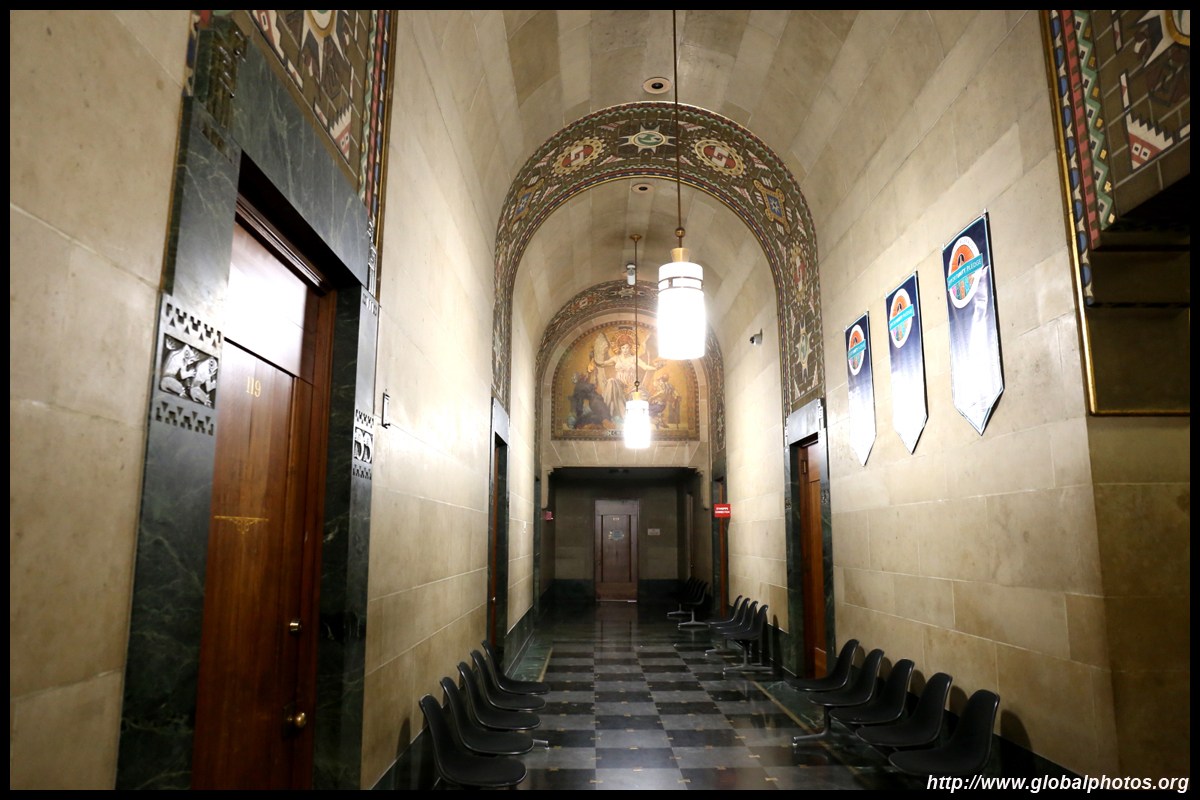
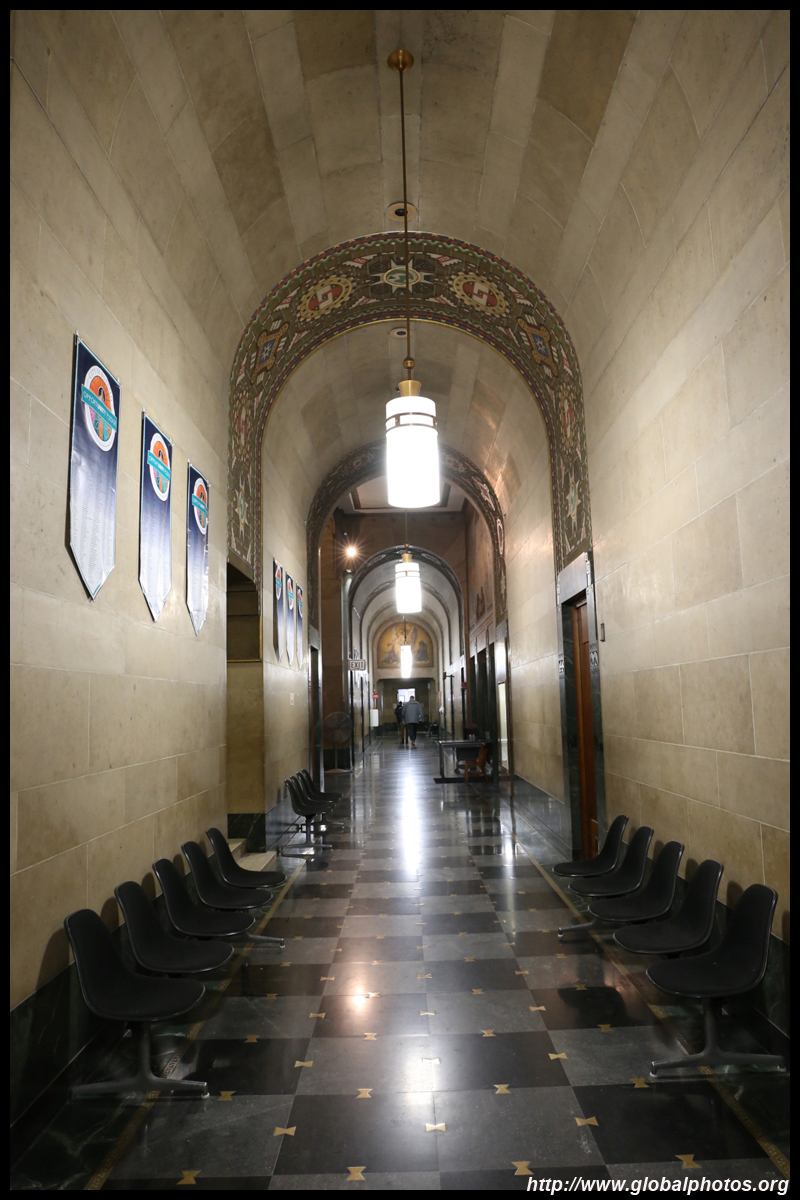
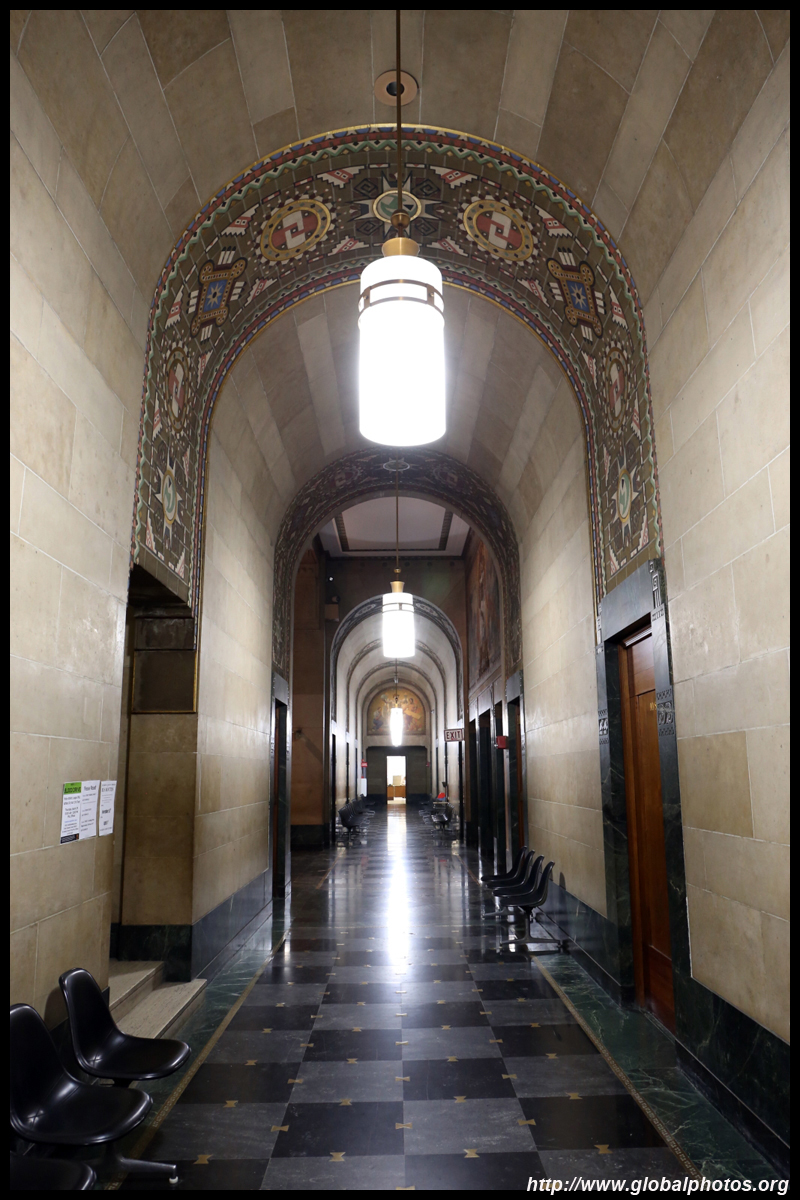
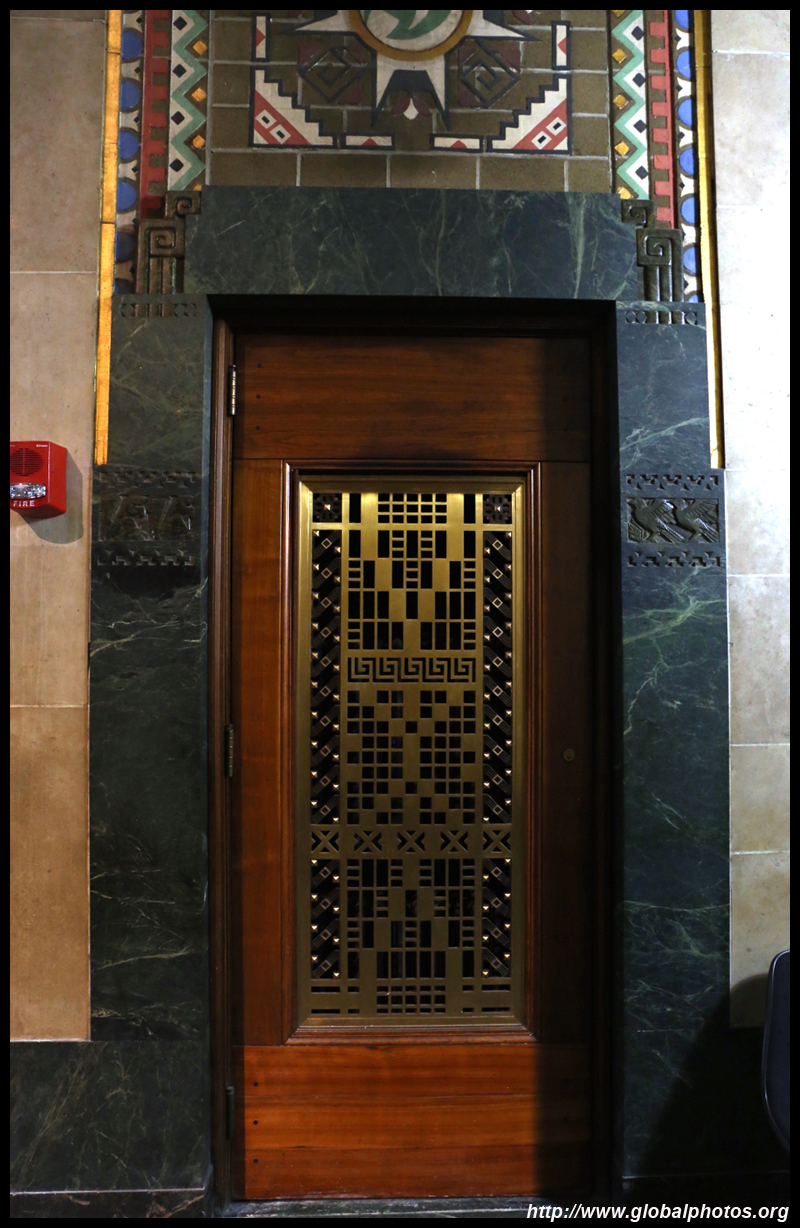
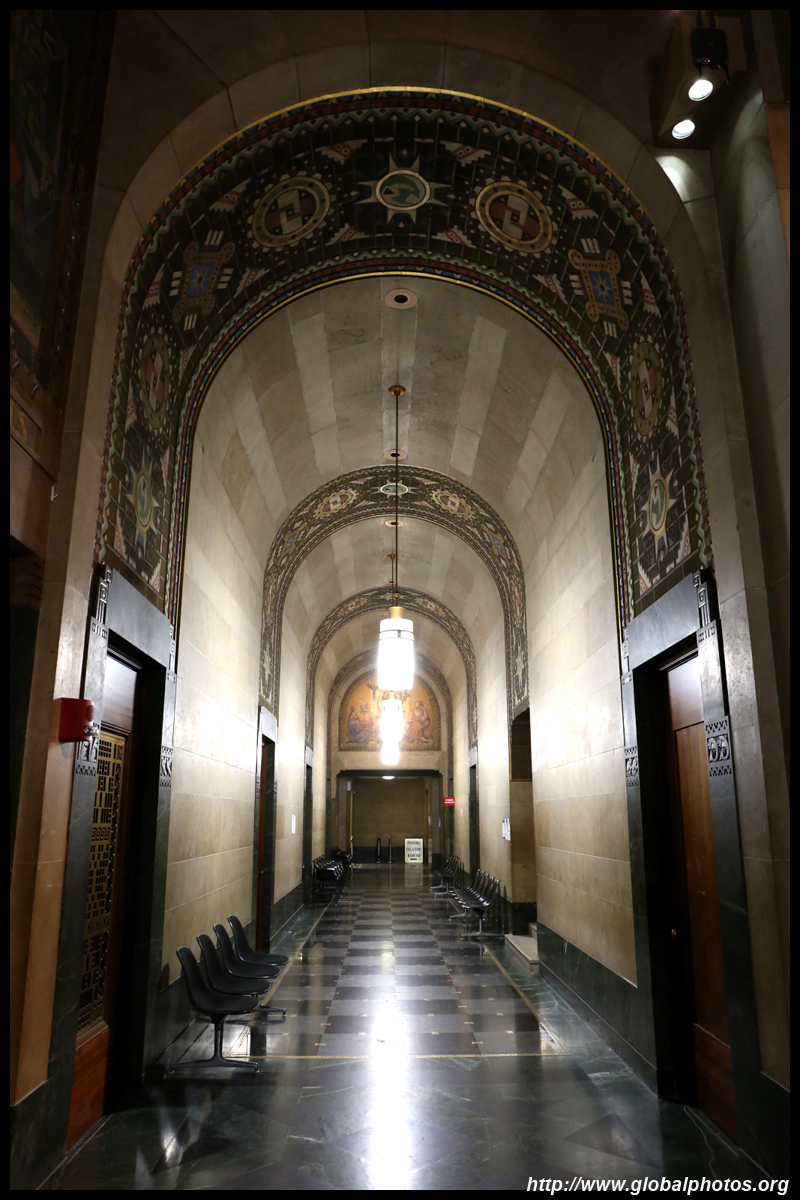
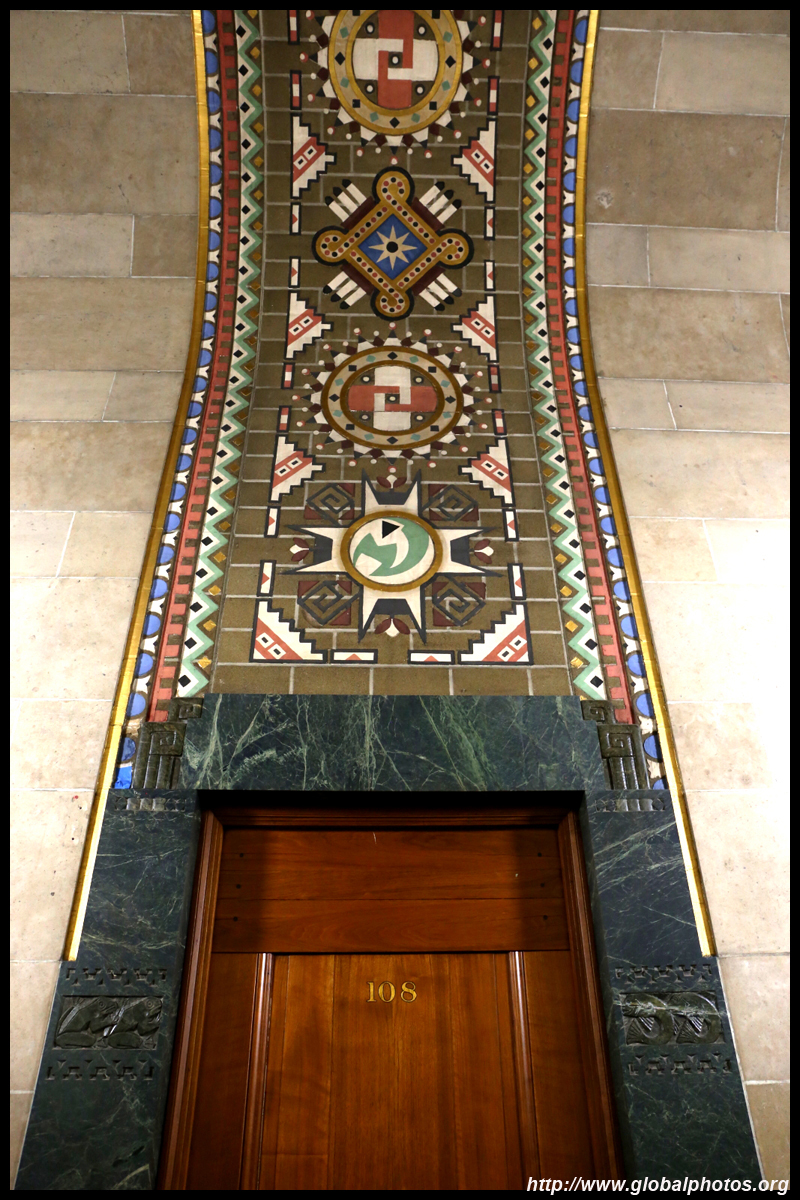
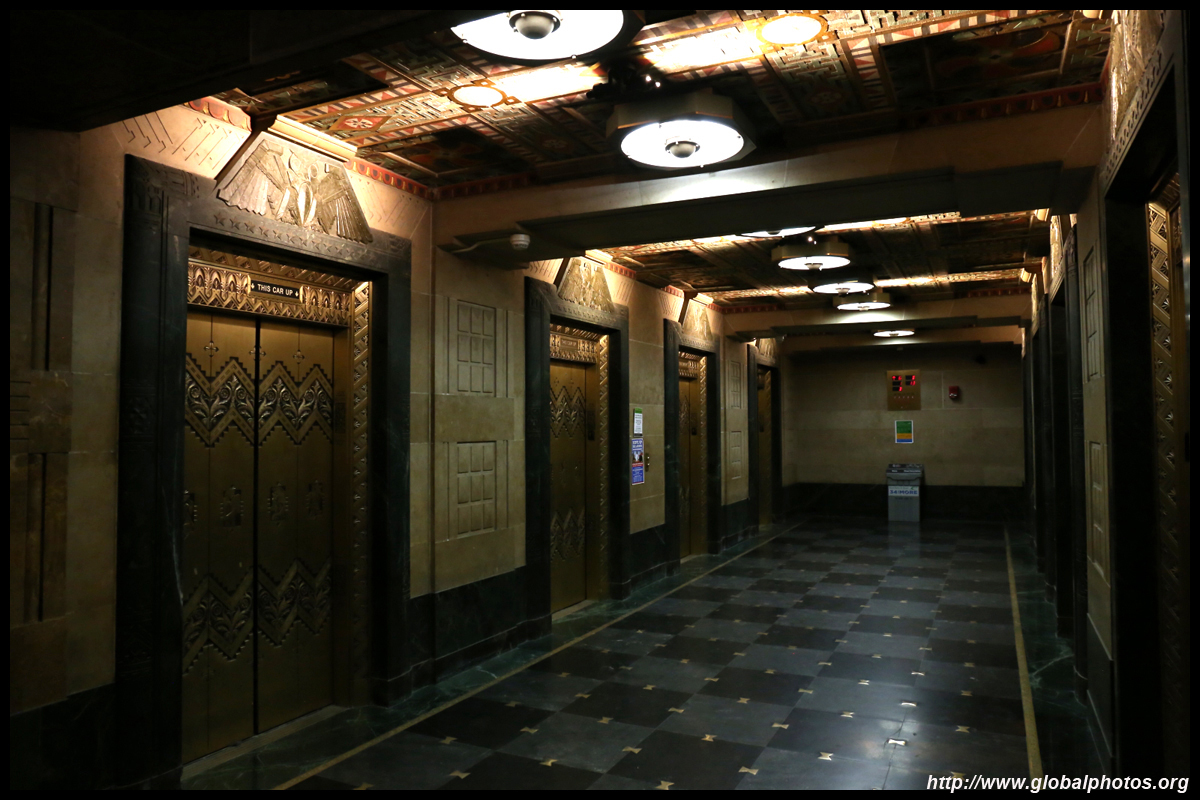
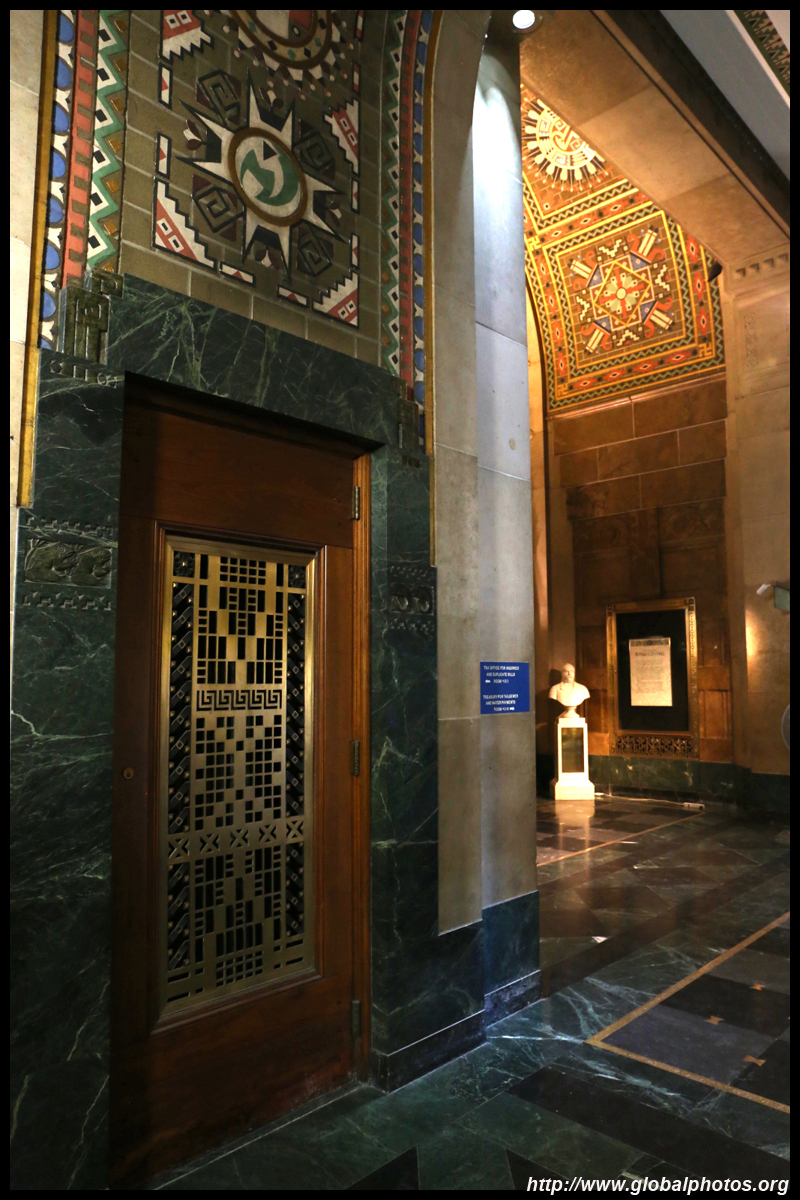
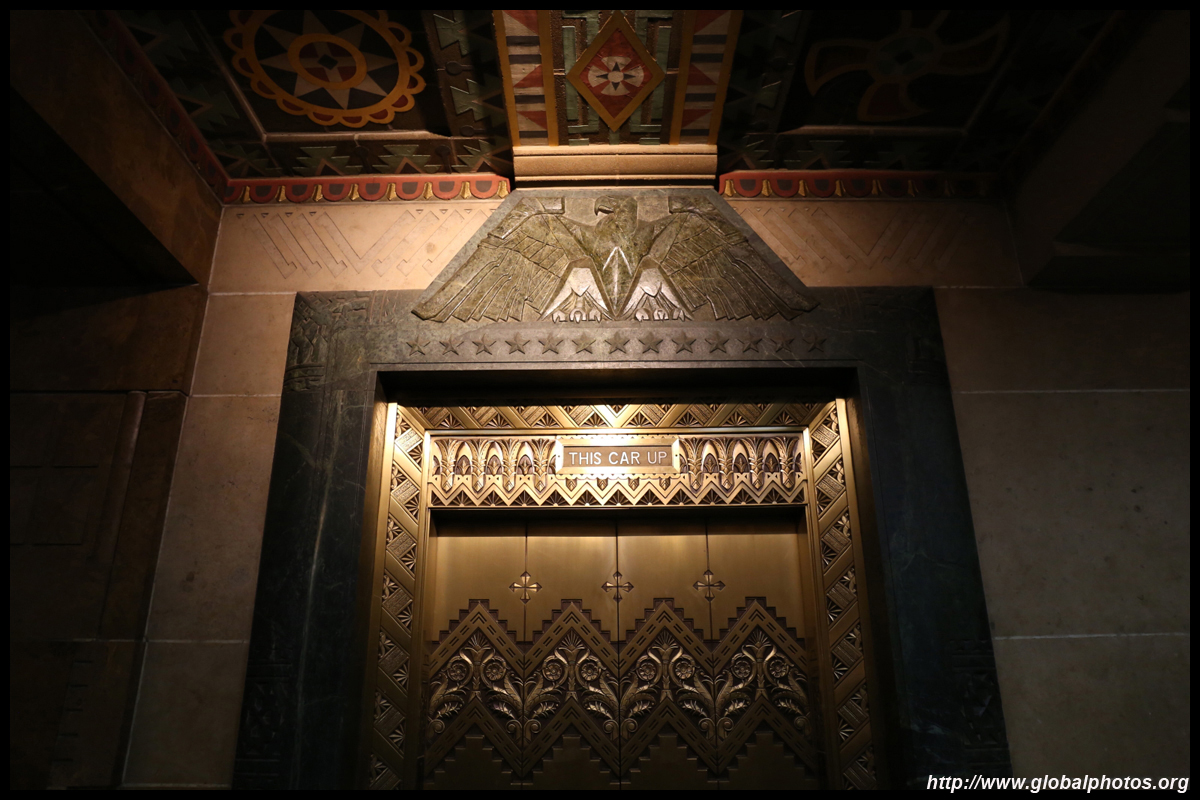
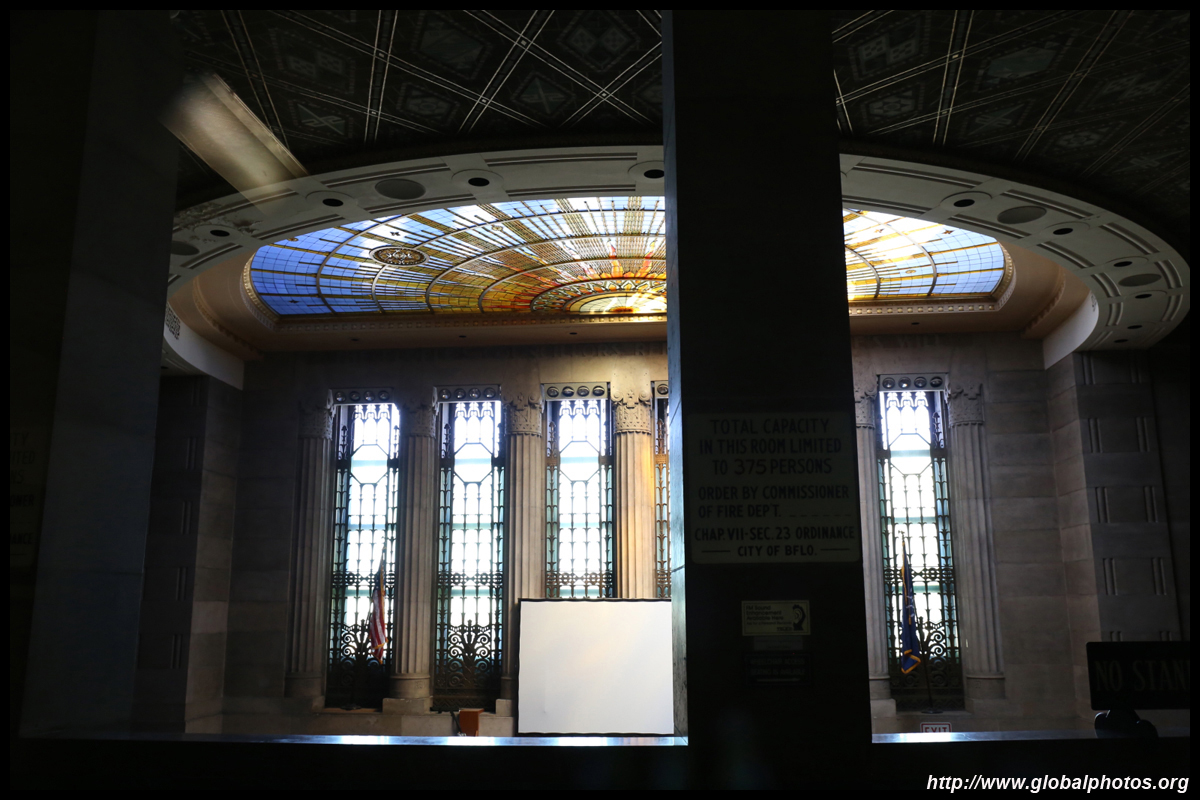
Step inside, go through the security check, and marvel at the interior decor.
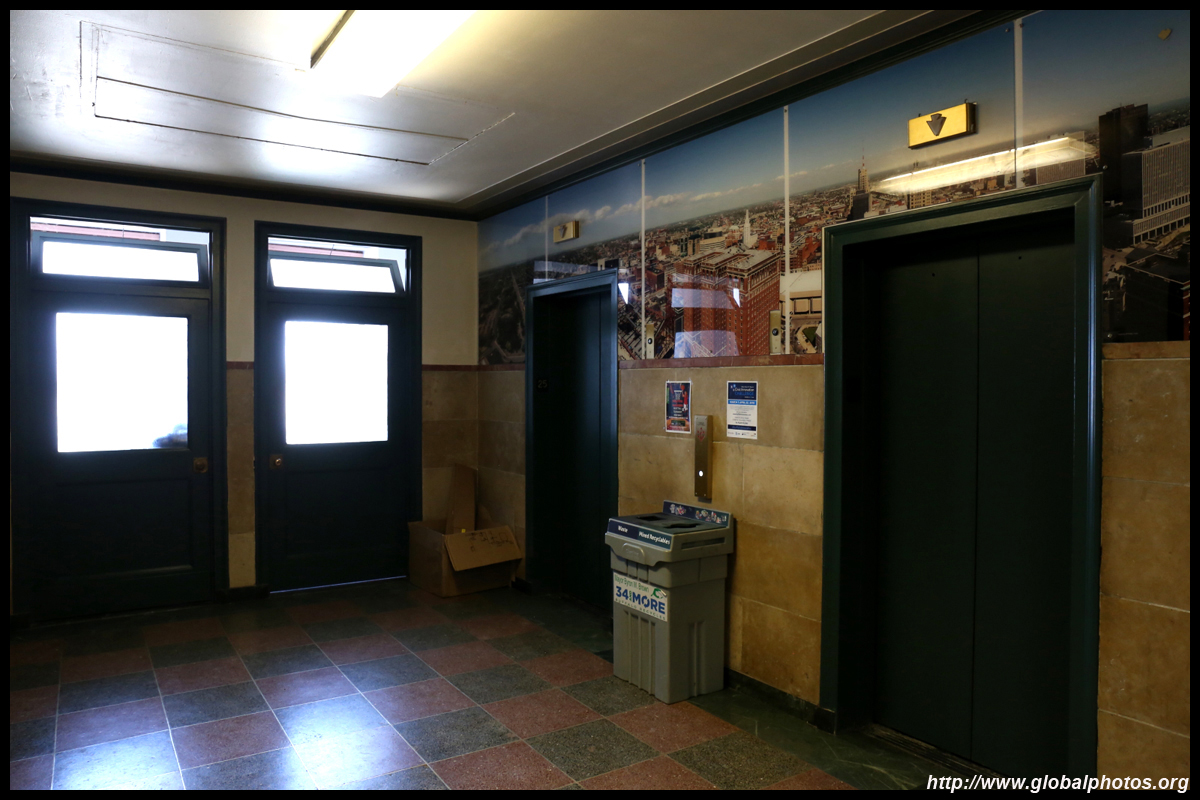
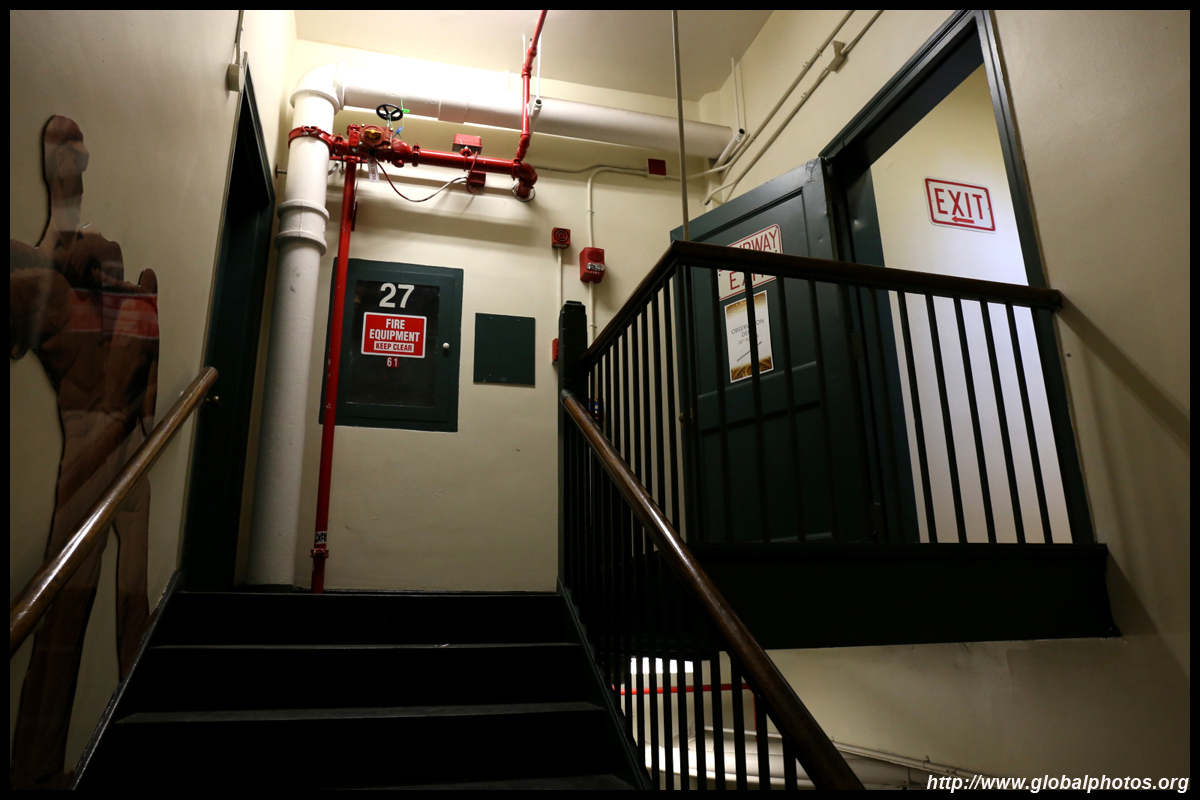
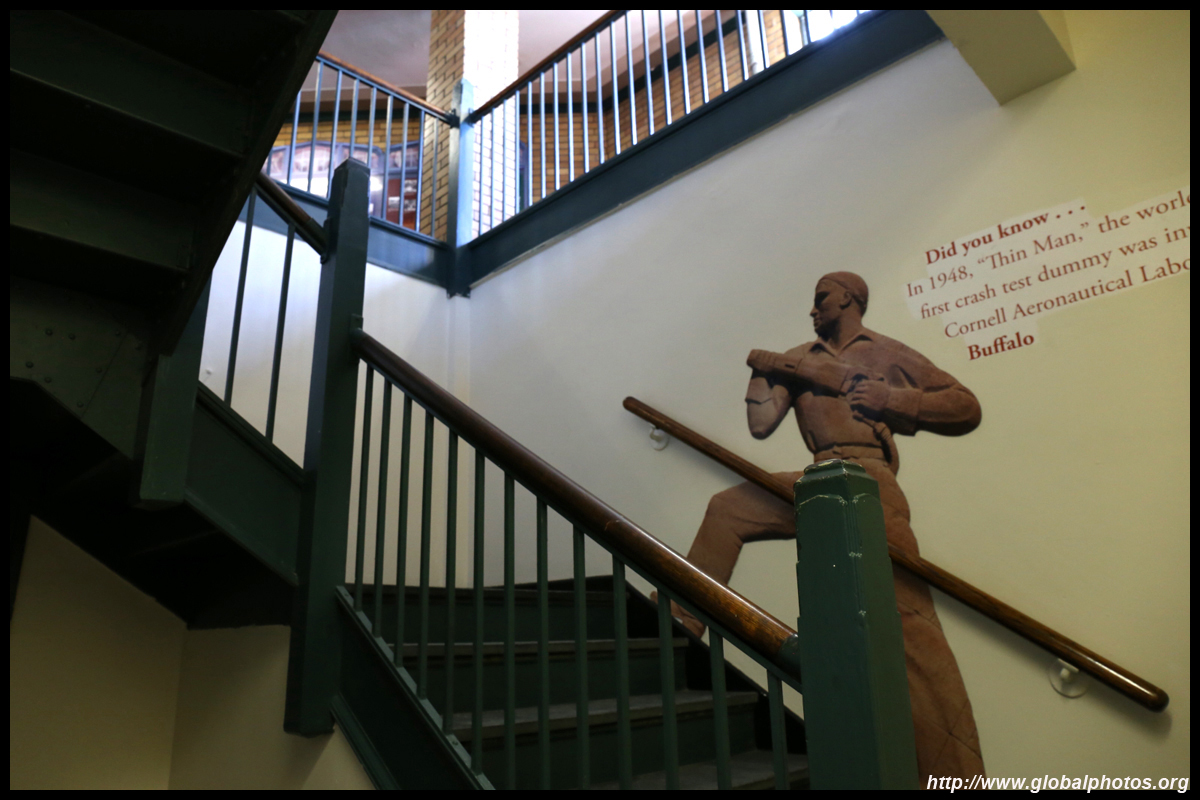
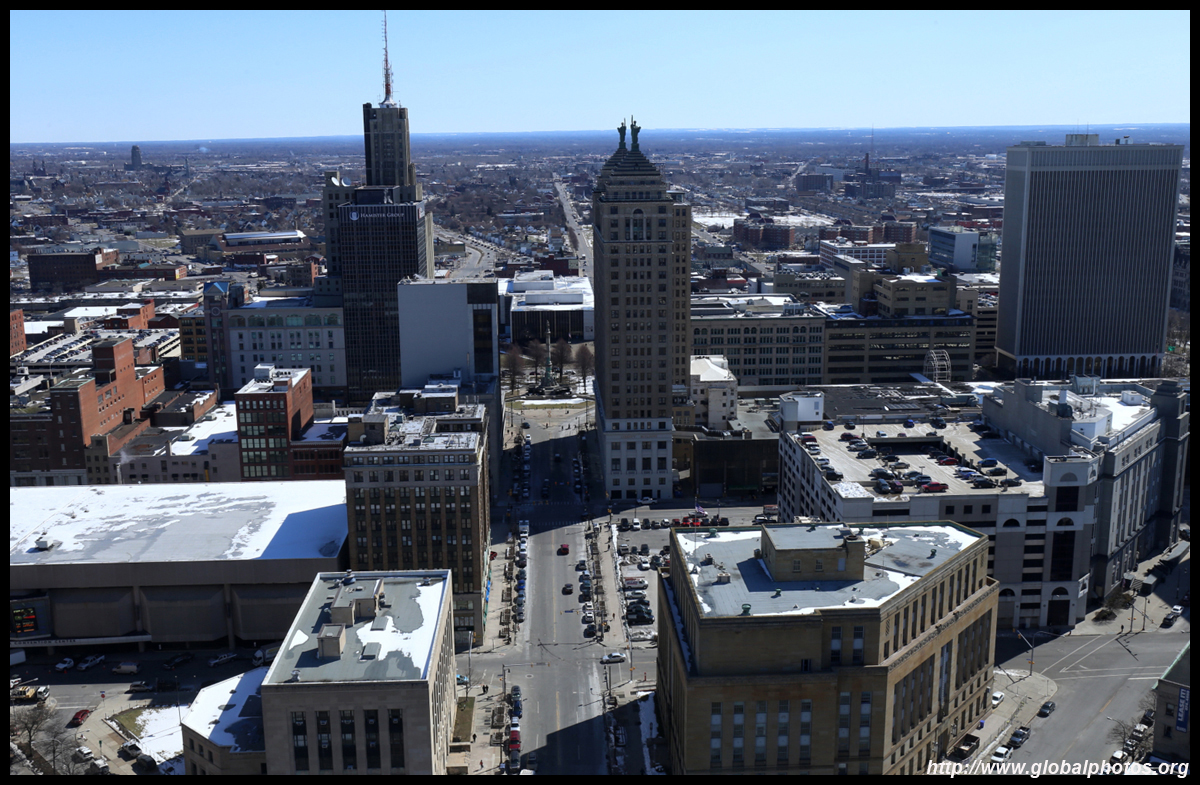
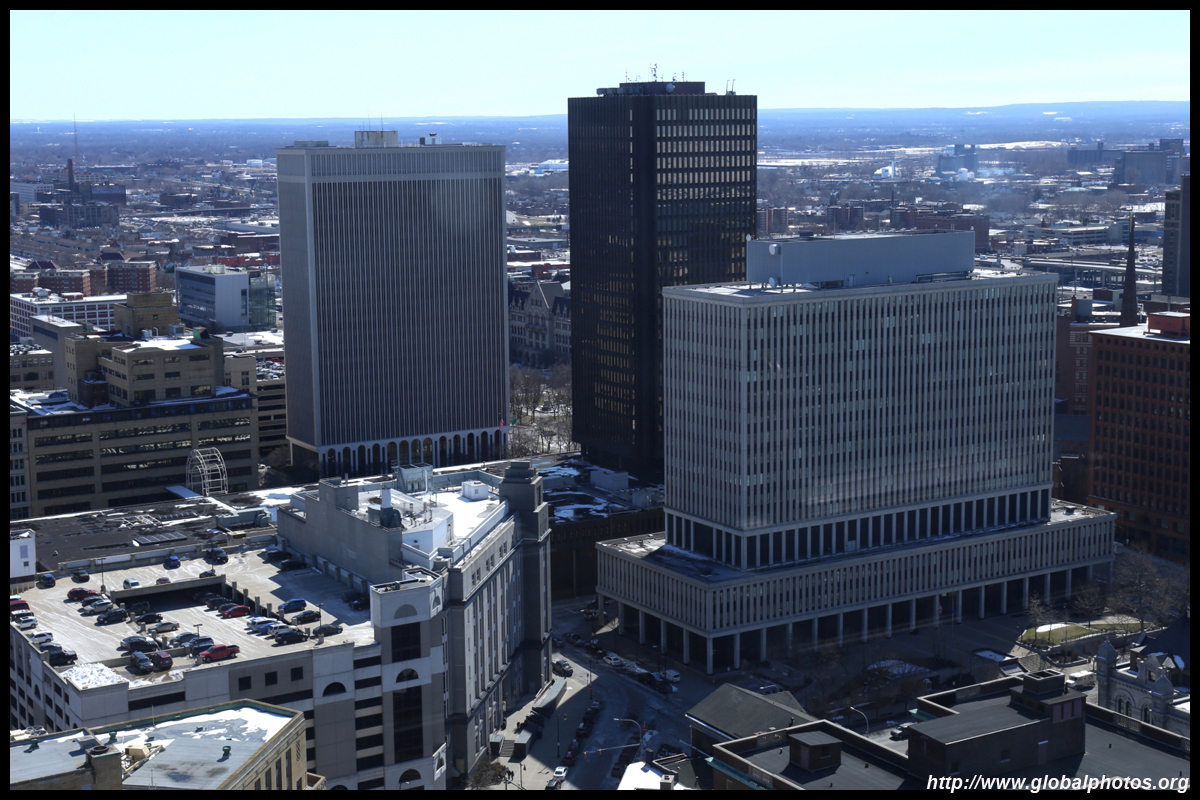
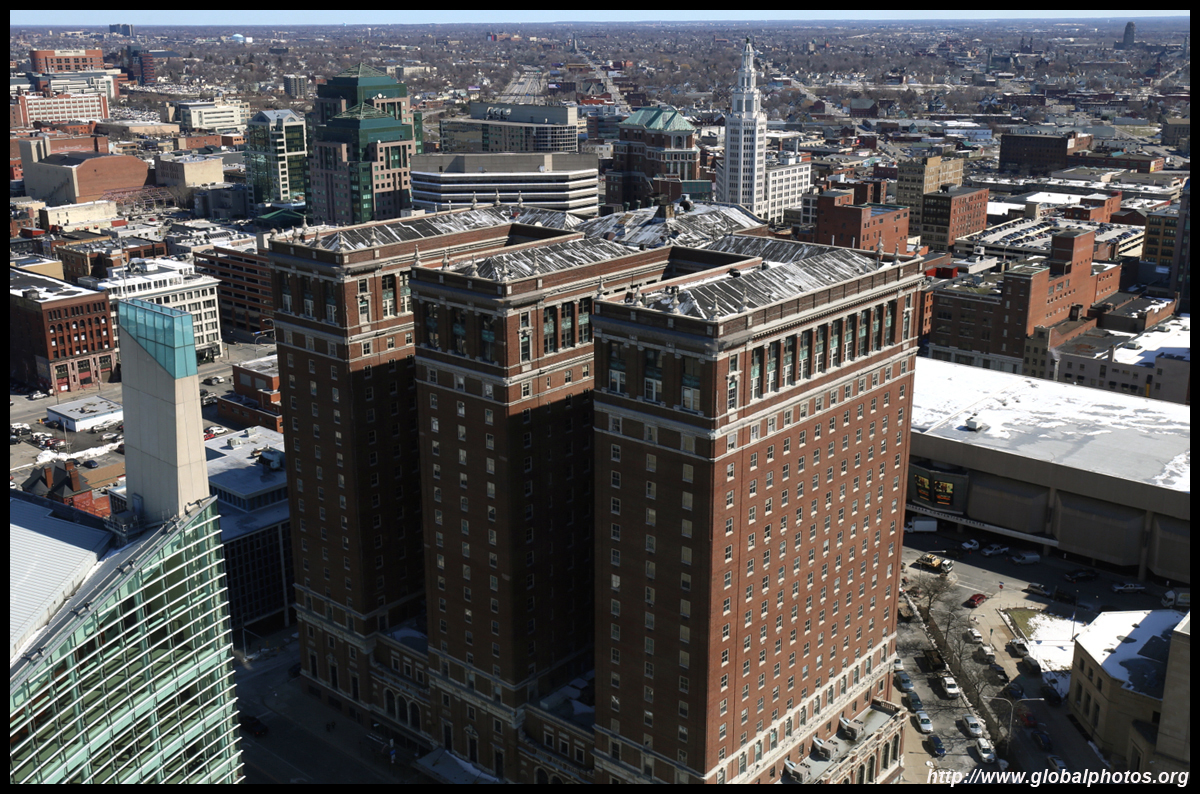
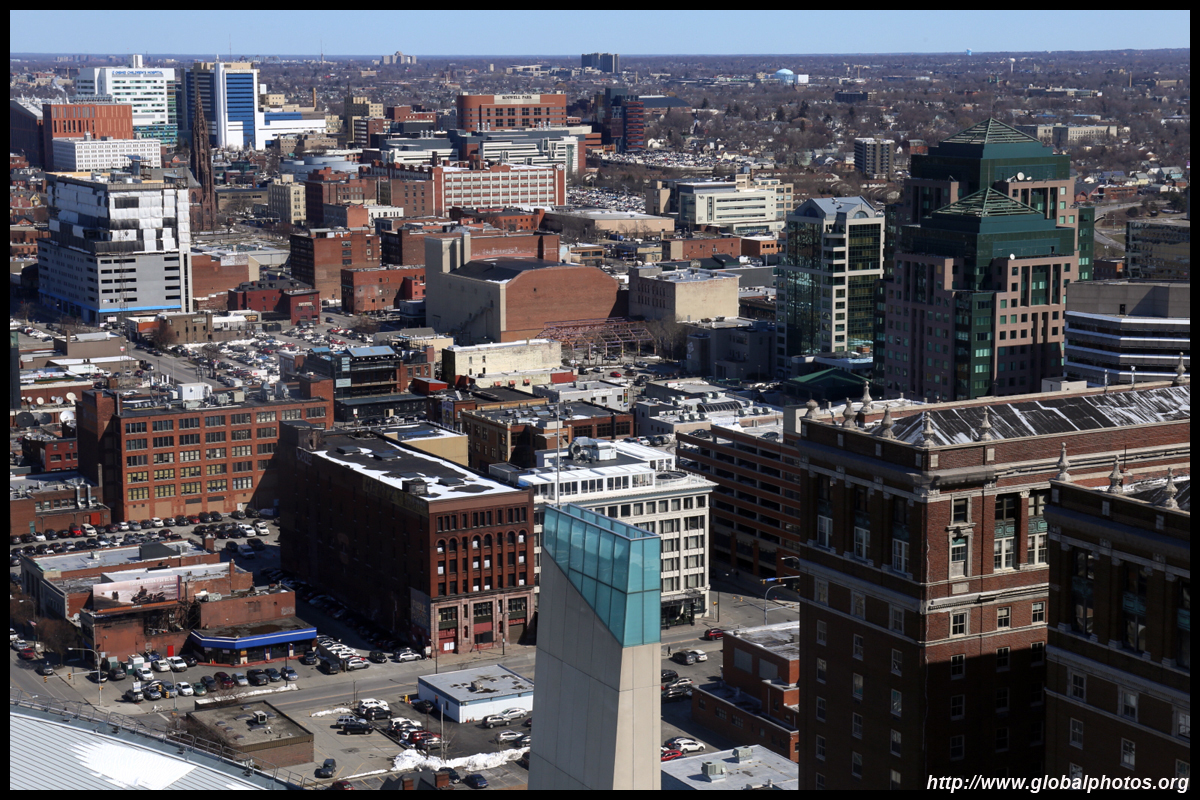
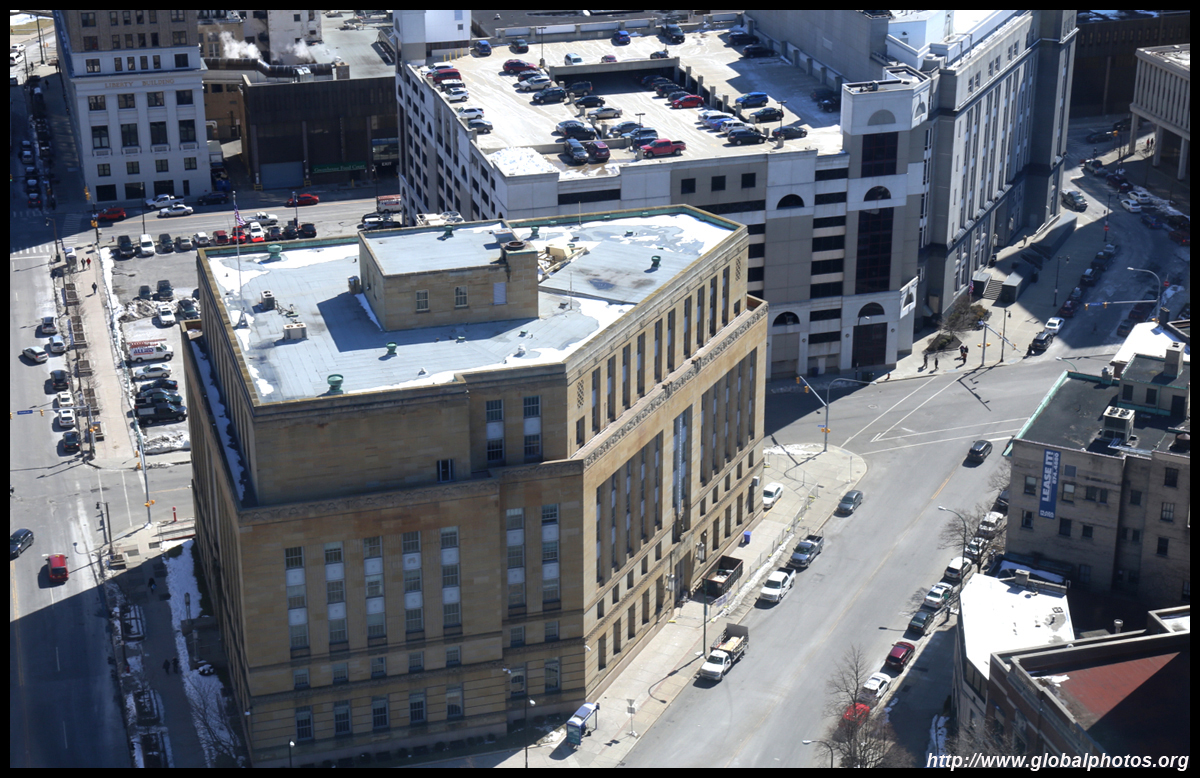
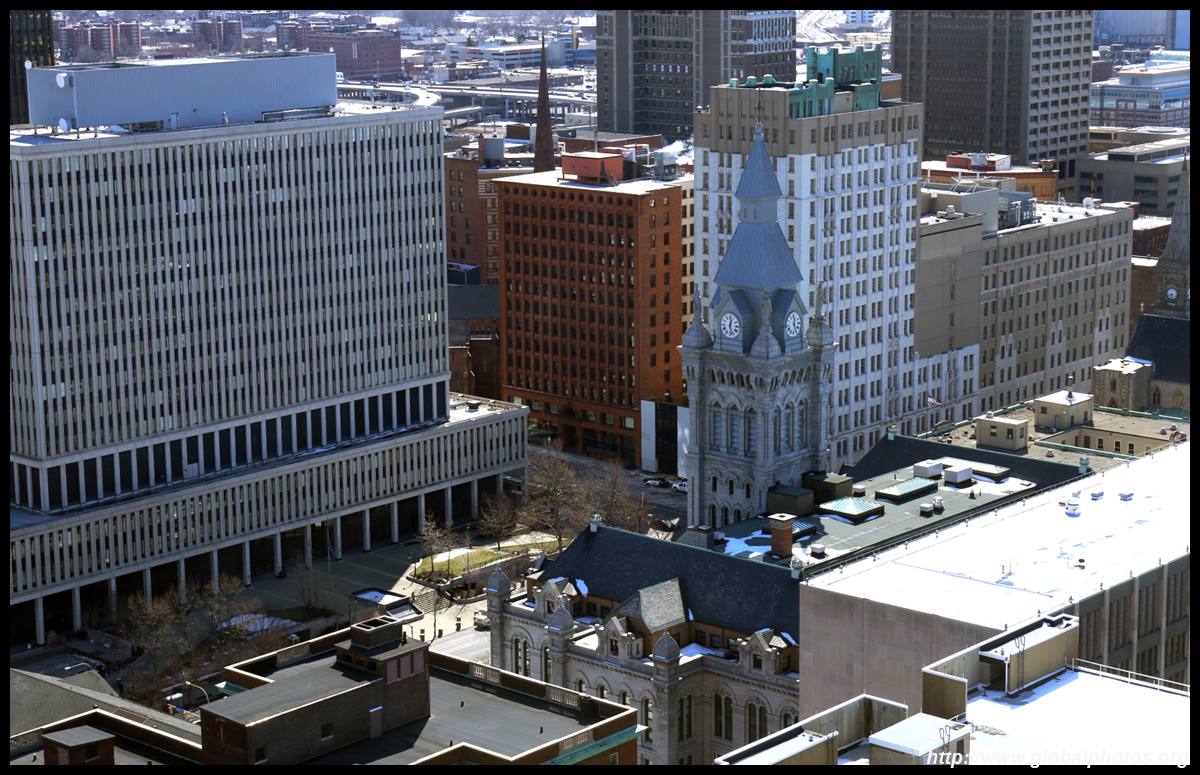
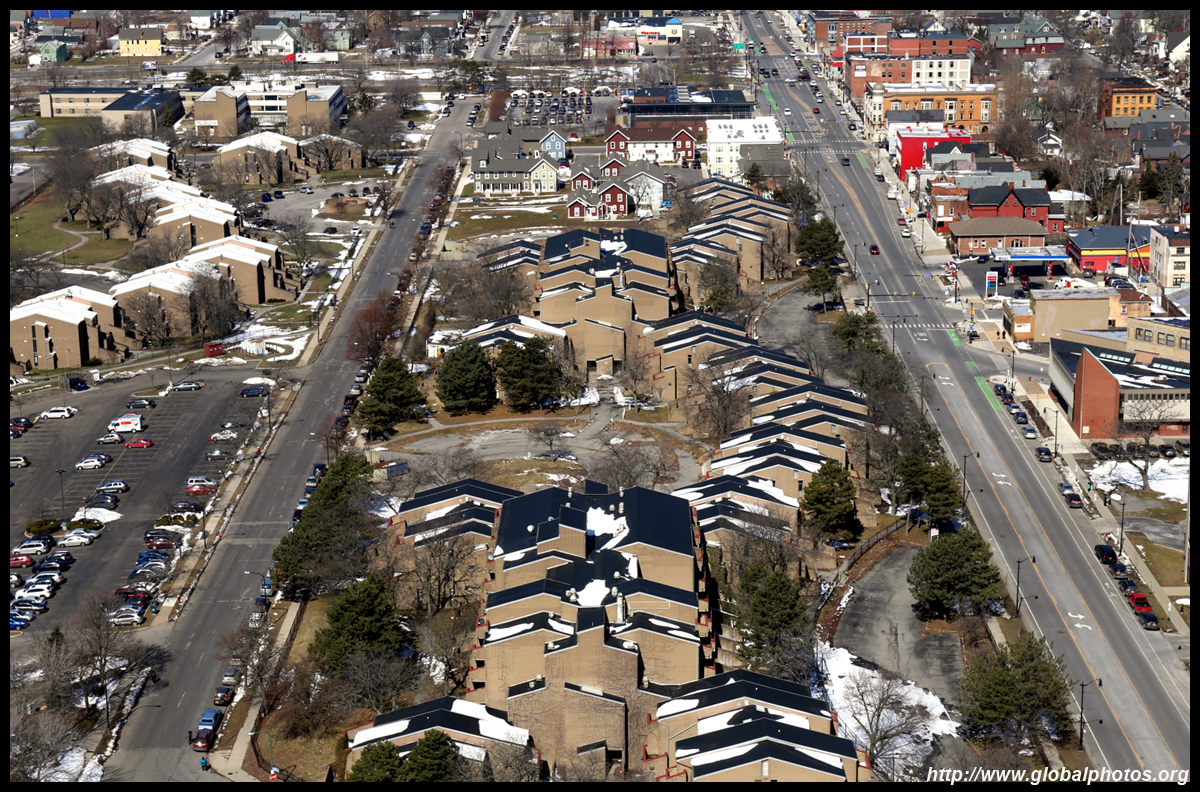
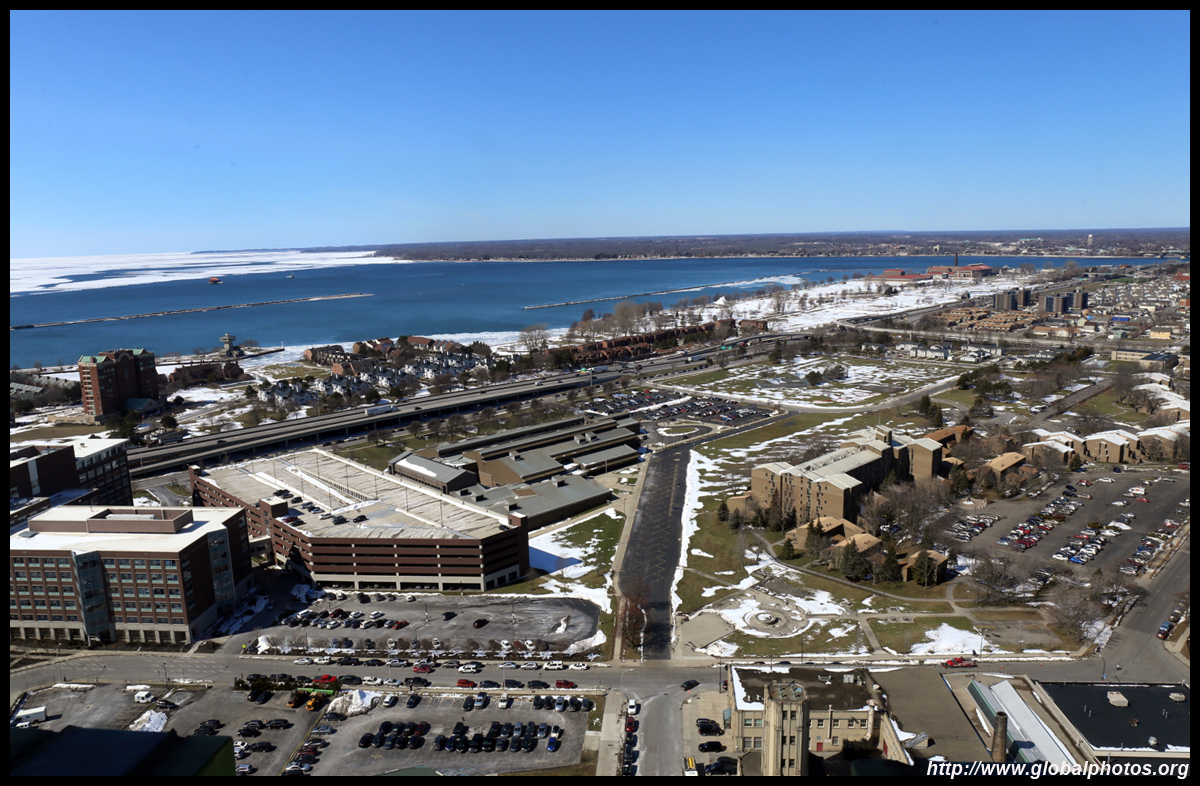
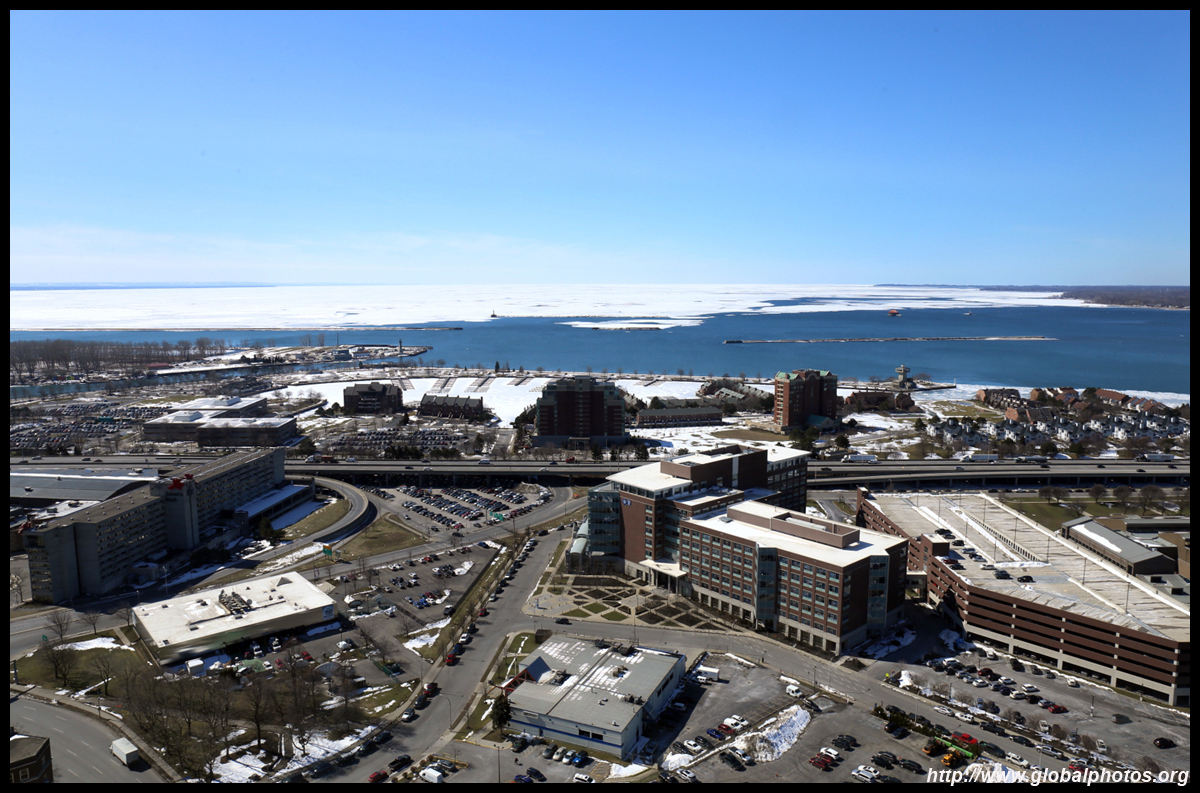
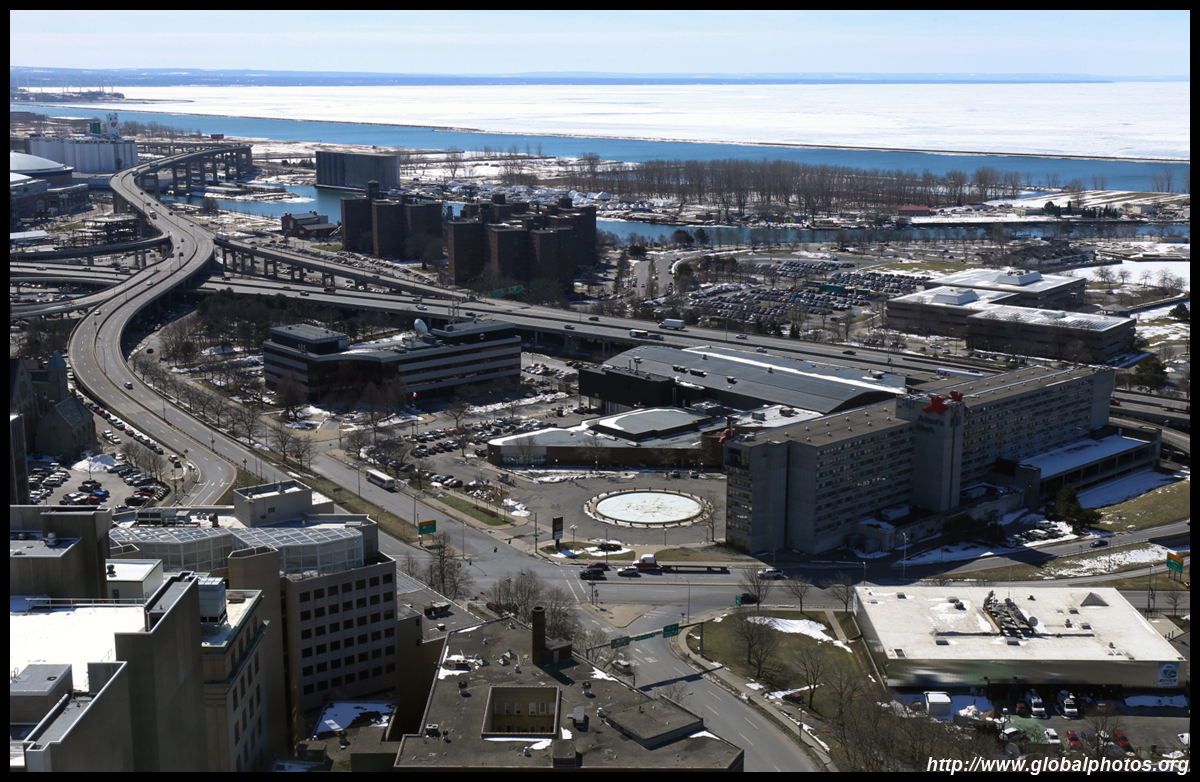
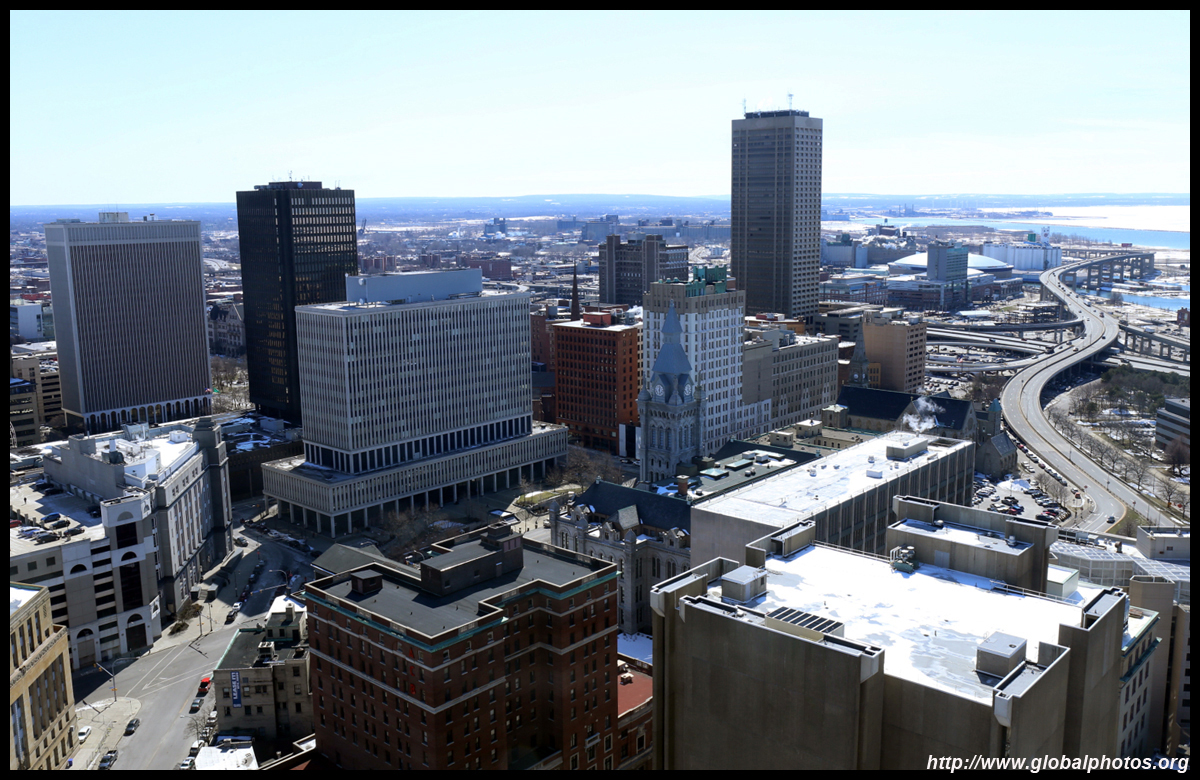
Take the elevator to the 25/F and walk up the stairs to the free outdoor observation deck for a beautiful view of the city. On a clear day, you can see all the way to Niagara Falls' skyline.
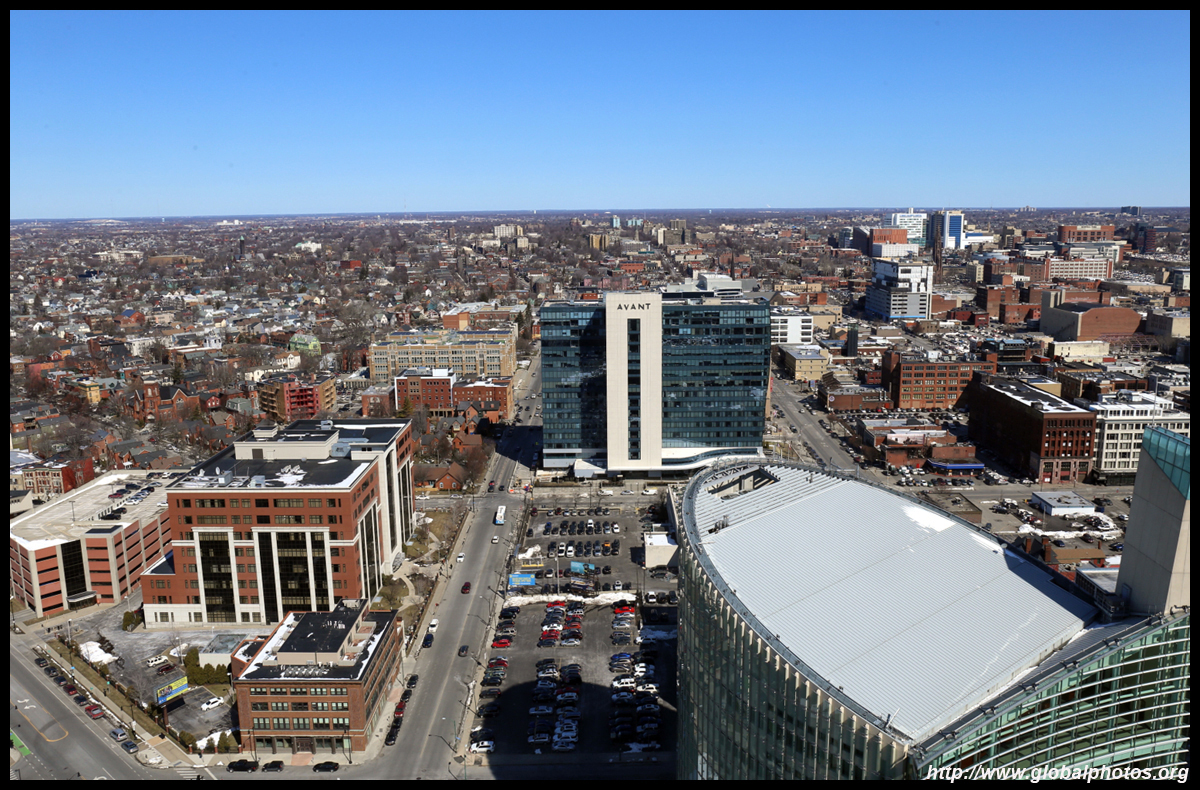
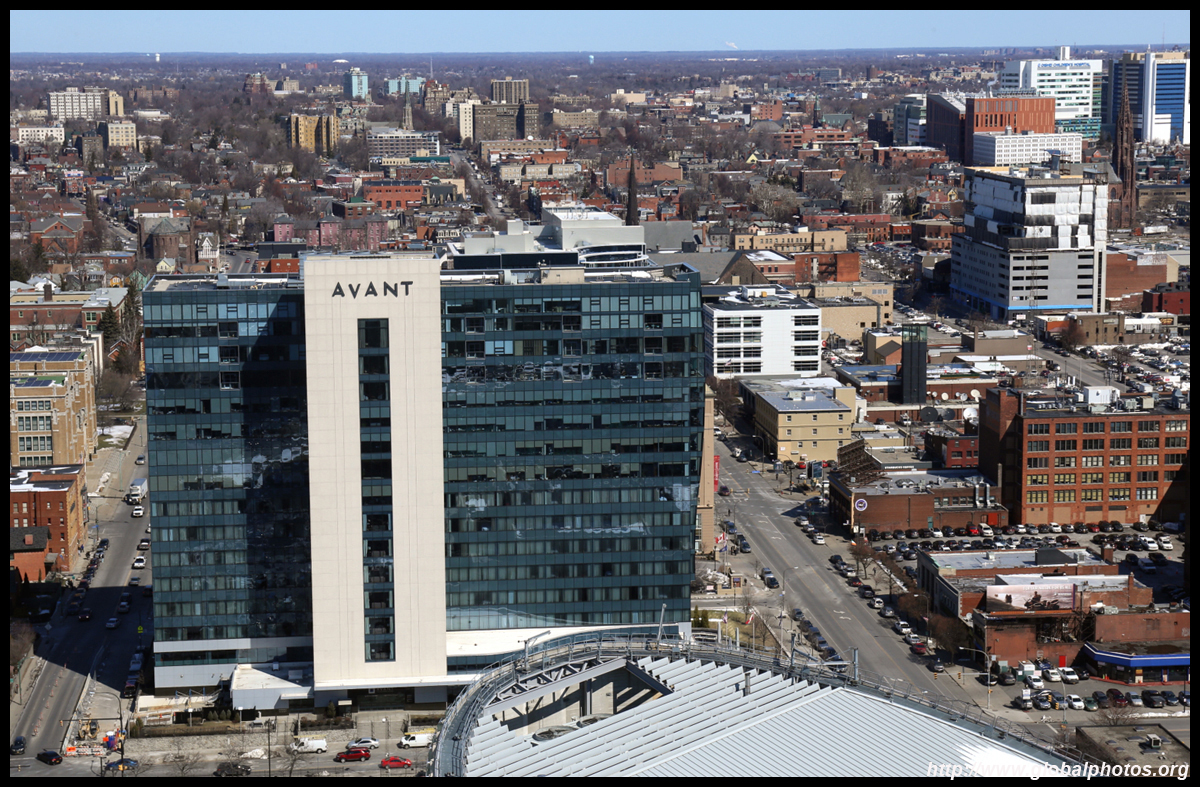
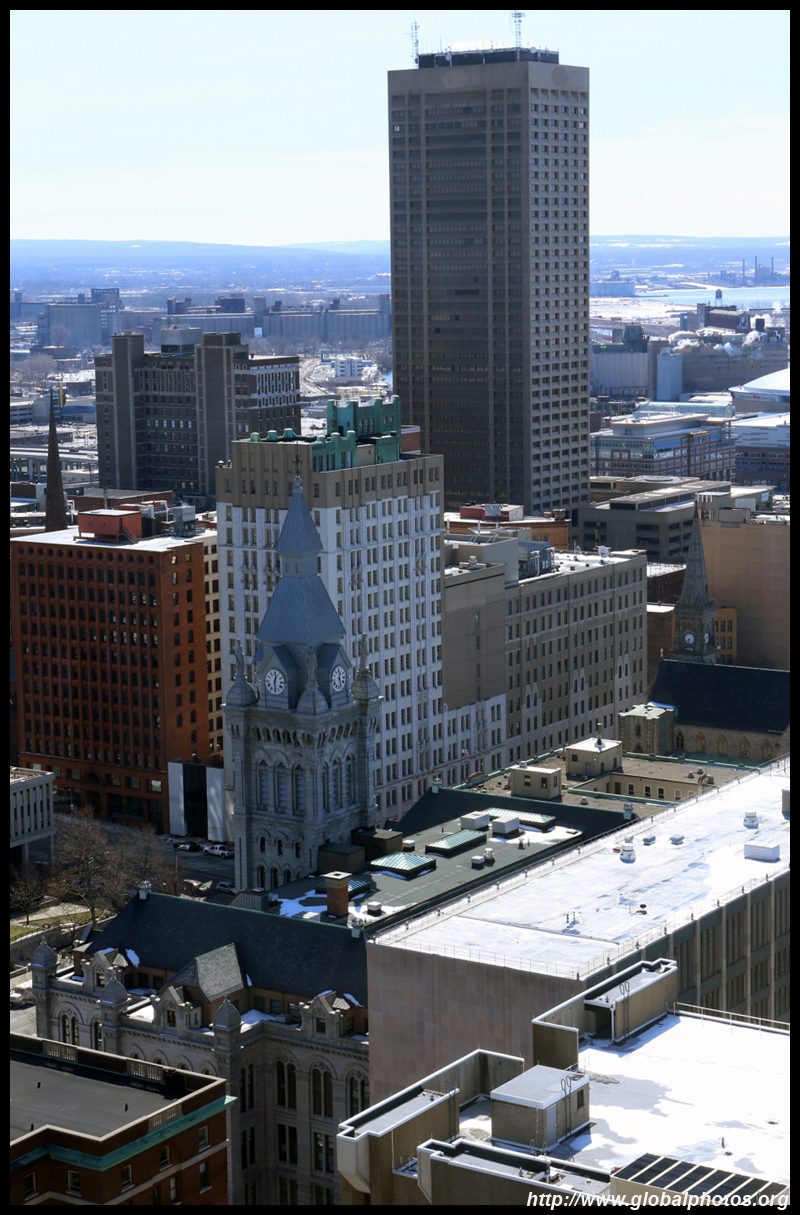
Look east to see the small downtown and the vast expanse of lowrises beyond.
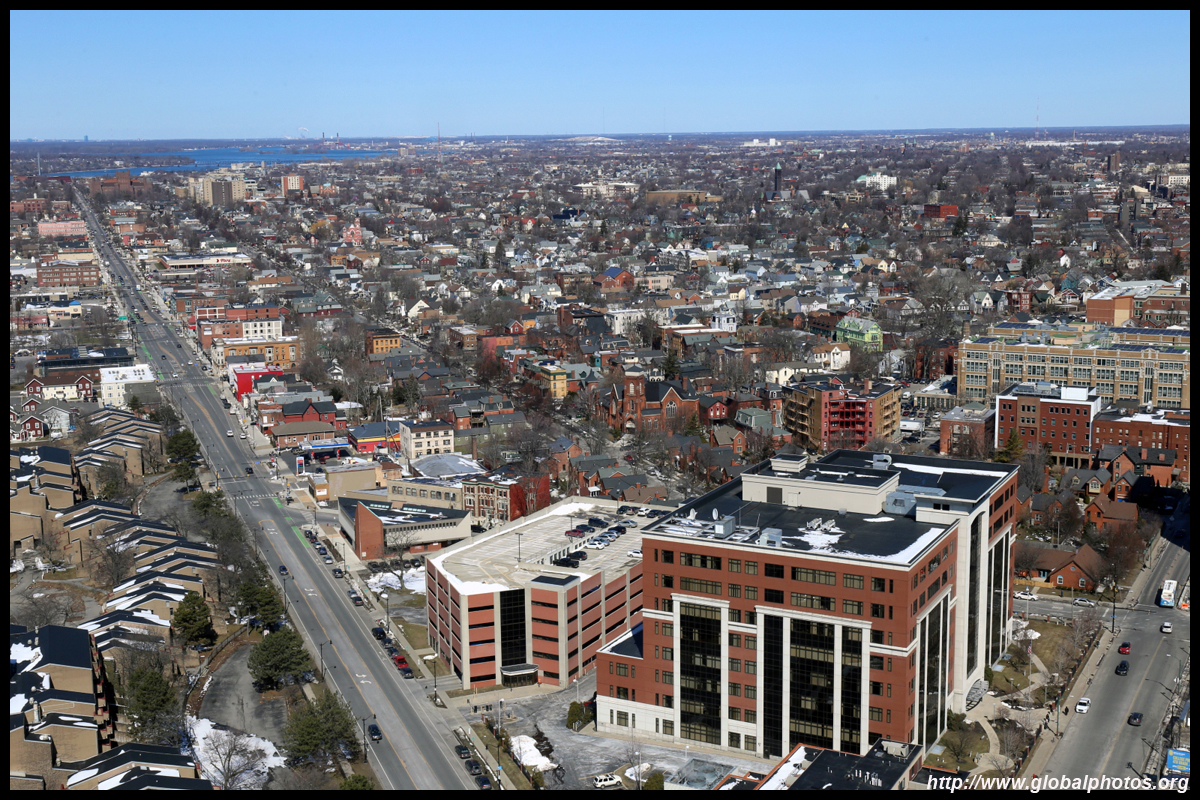
Niagara Falls is to the north of the city. A municipal bus will take you there in just under an hour.
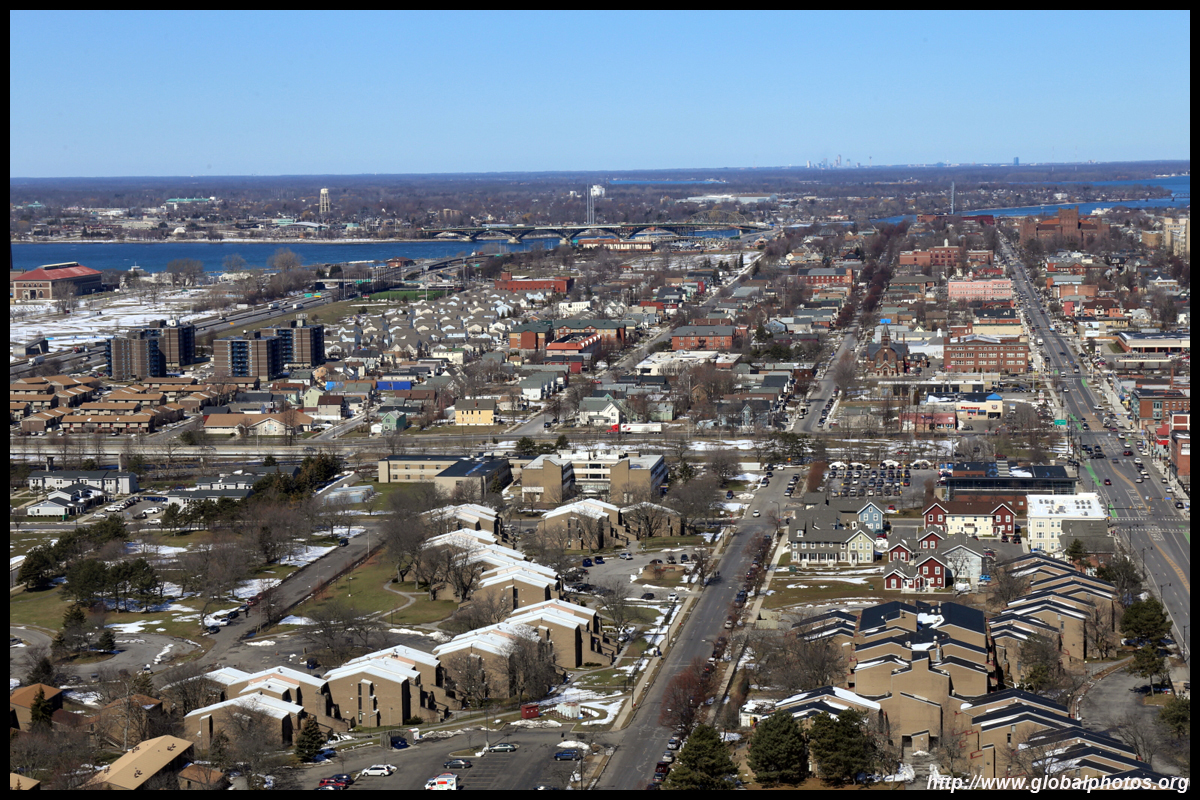
You can see the highrise hotels in Niagara Falls, Ontario, in the distance.
Lake Erie sits to the west. Boats cannot travel on the Niagara River for obvious reasons, so now they use the Welland Canal on the Canadian side to reach Lake Ontario and the St. Lawrence River.
HSBC's logo used to appear at the top of the city's tallest building, but their fortunes turned and the bank sold its retail branch network away in 2012, finally moving out of the building that has since changed its name.
In addition to the observation deck, drop by the 13/F to see the Council Chamber, which is adorned by a stained glass ceiling representing a sunburst. This part of City Hall can be accessed by a public tour at noon.
|
|||