New York Photo Gallery - USS Intrepid
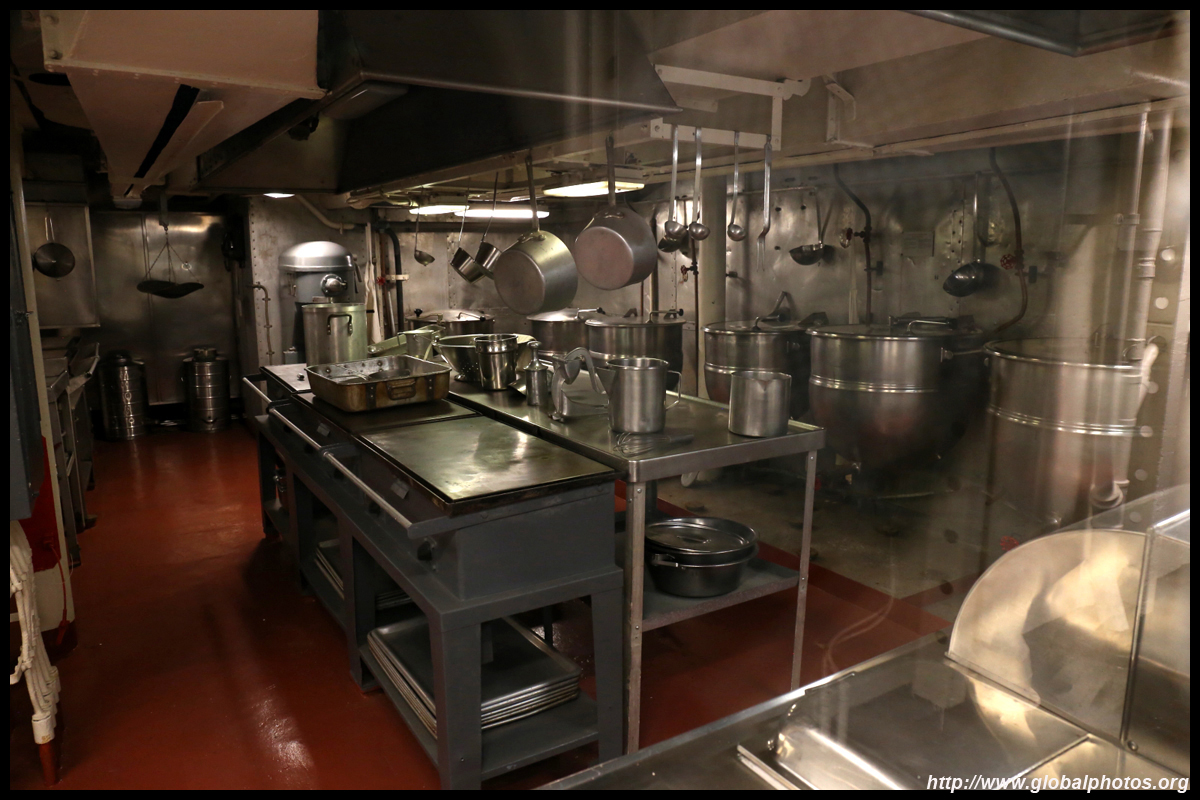
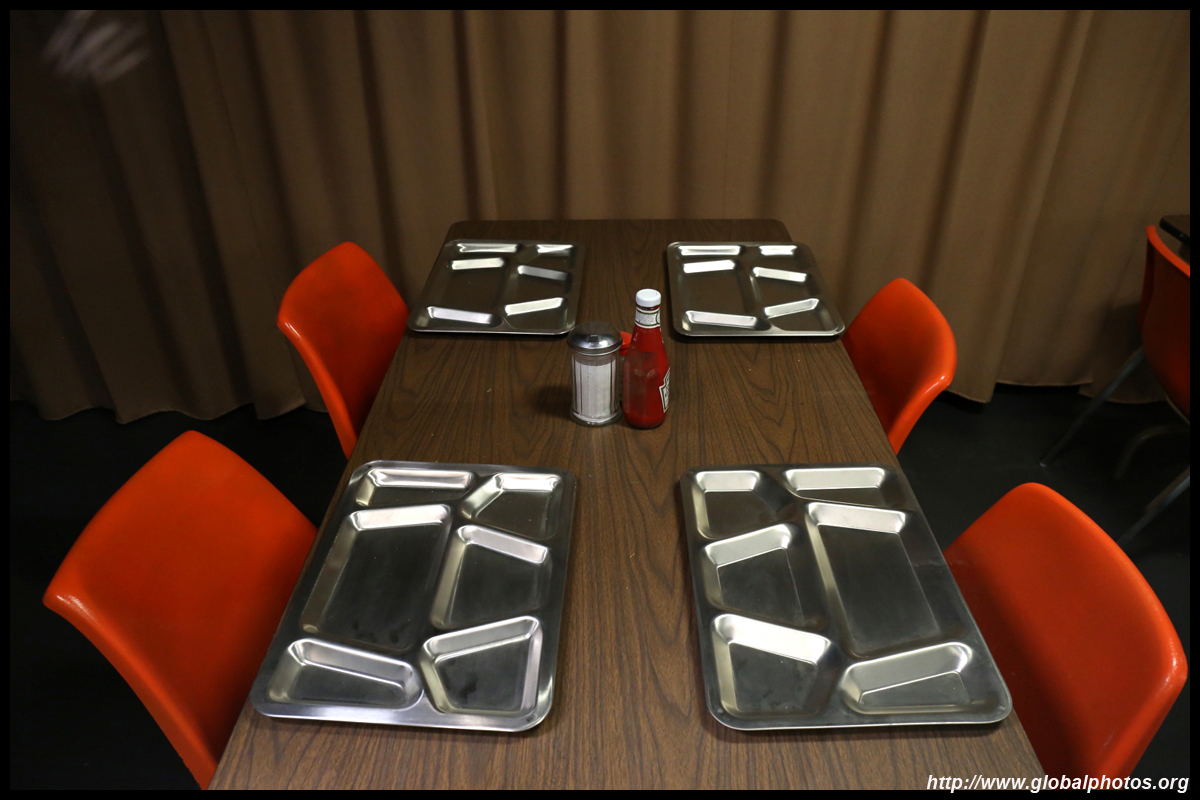
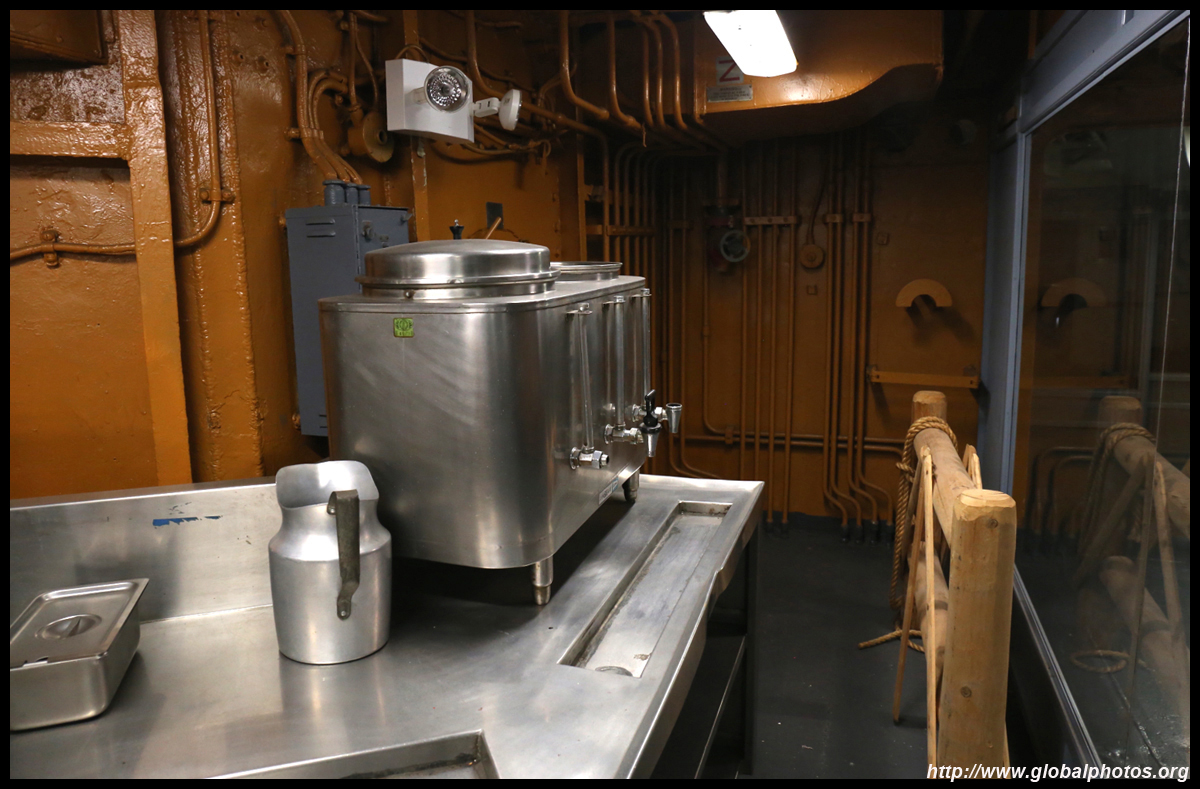
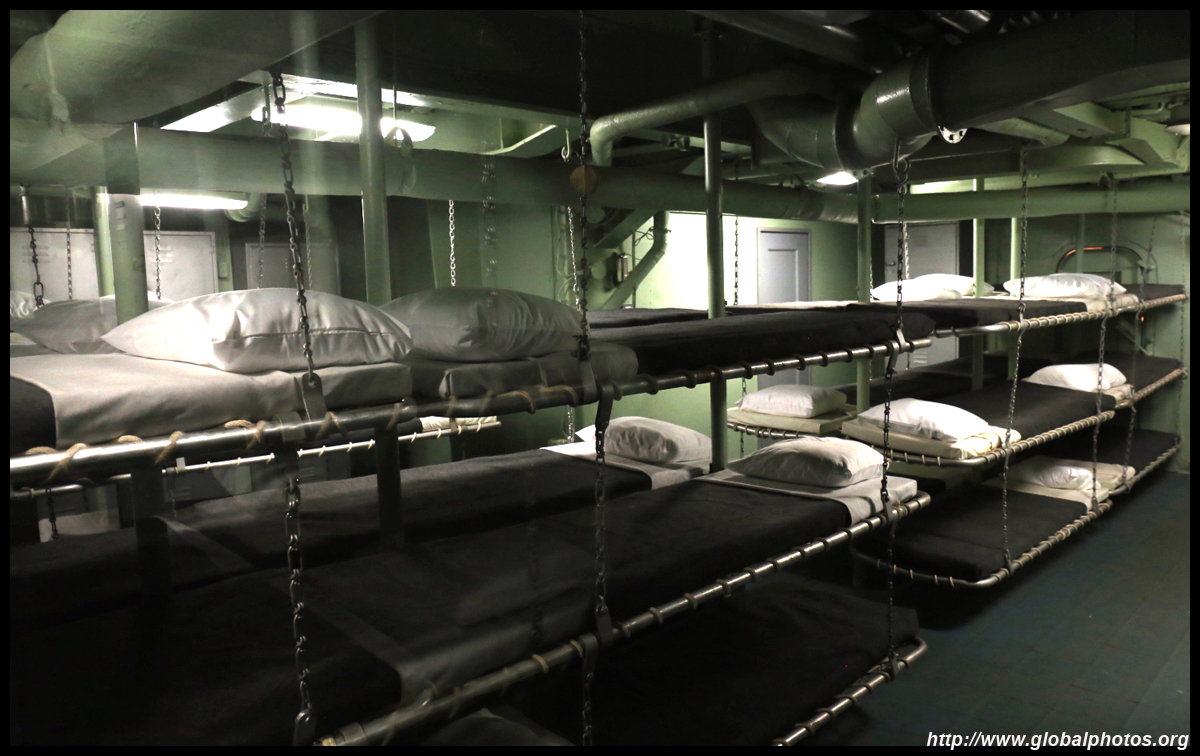
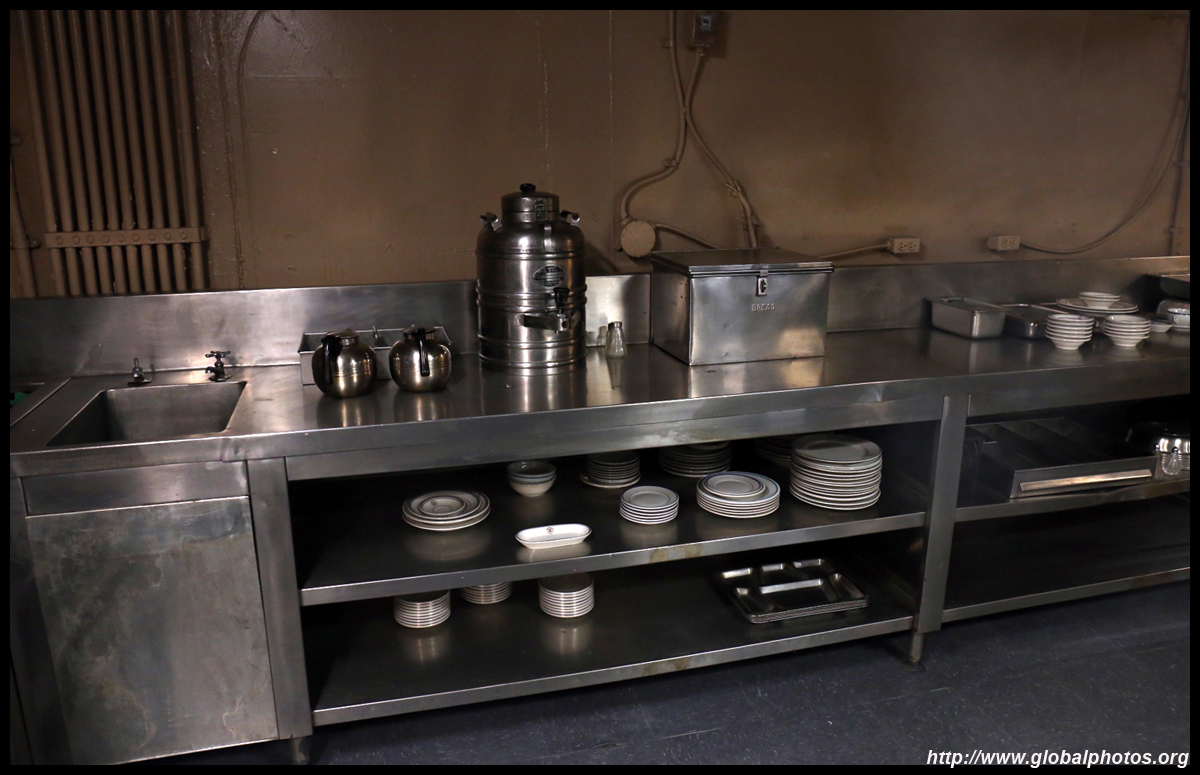
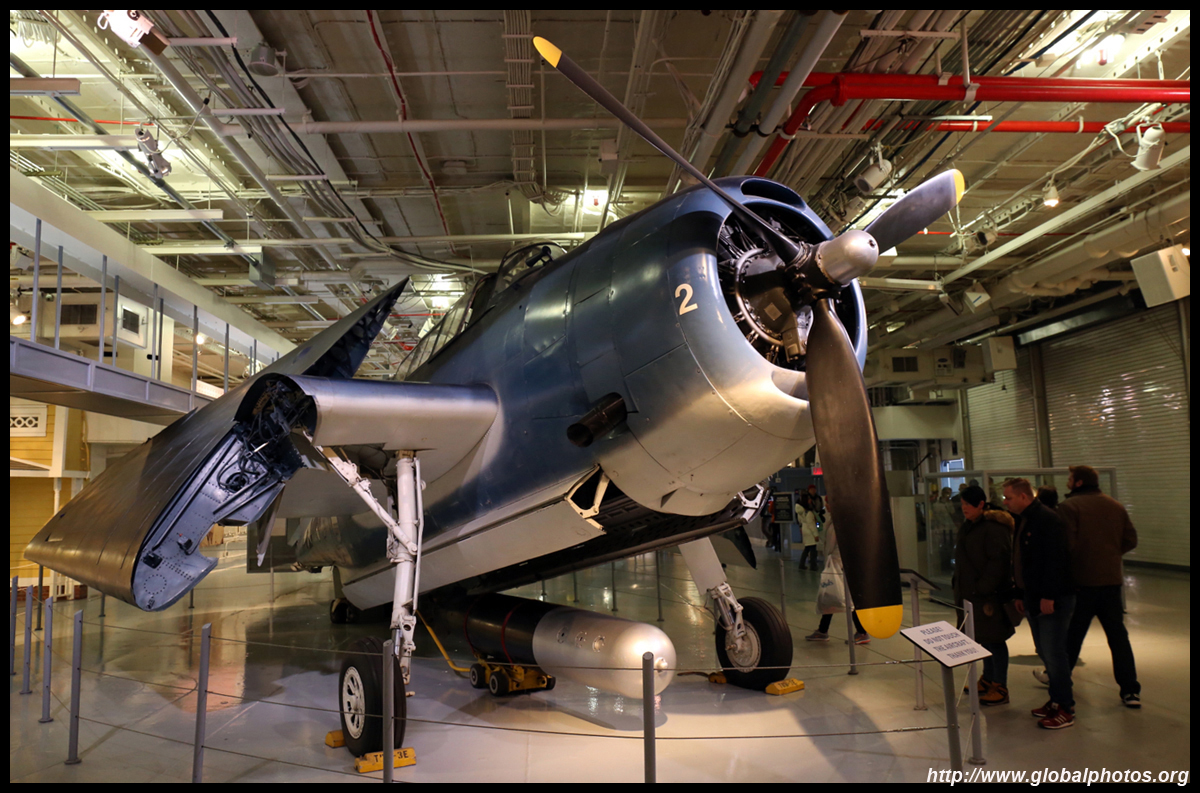
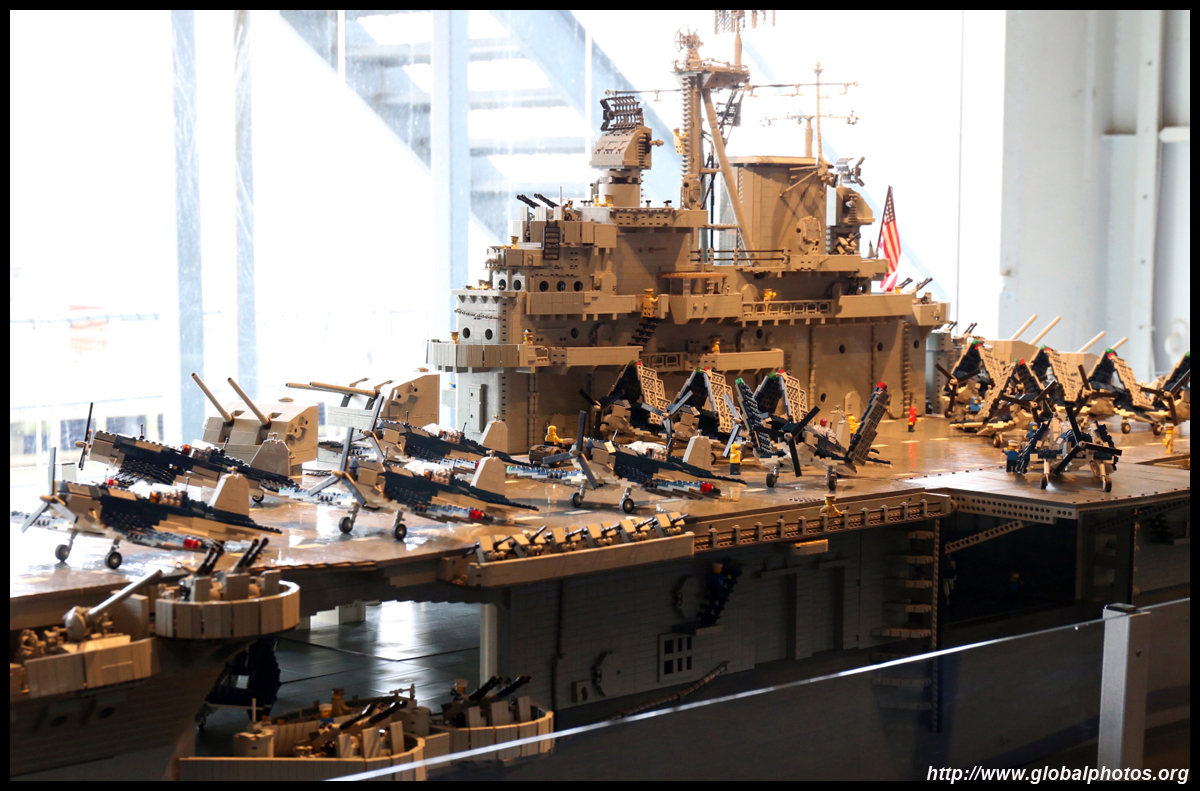
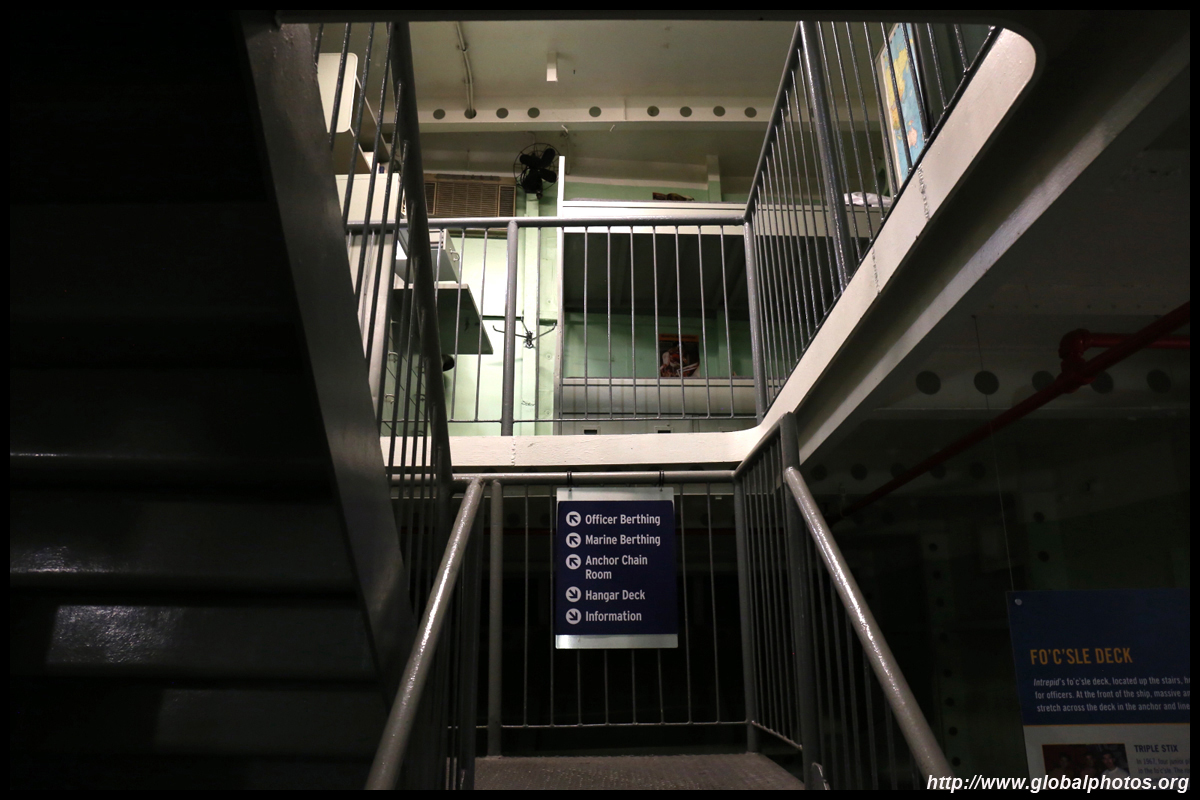
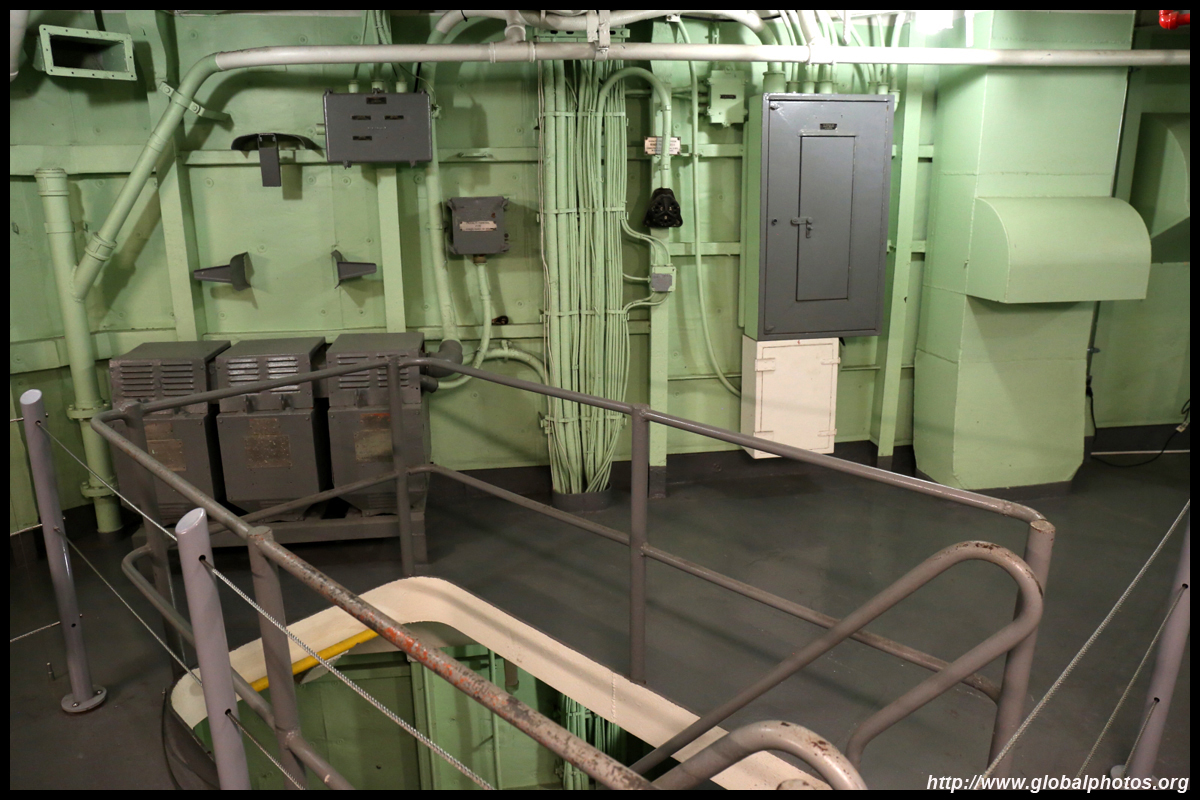
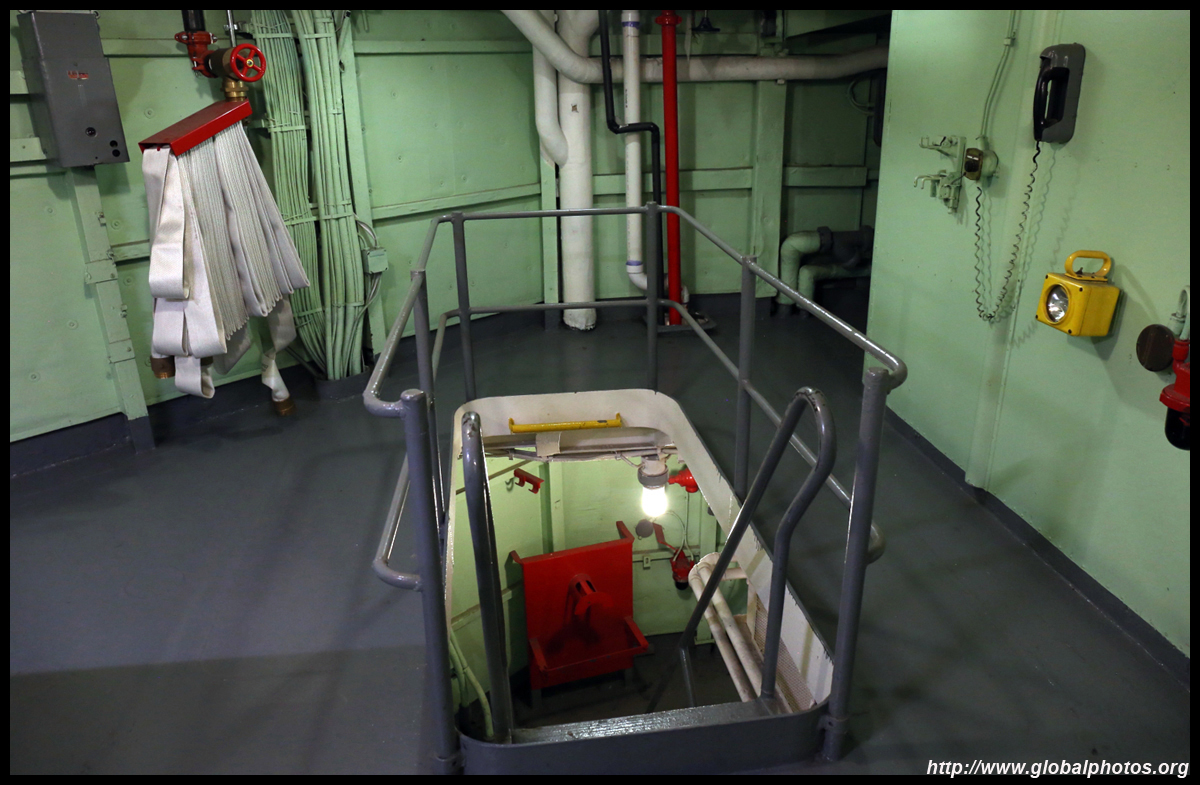
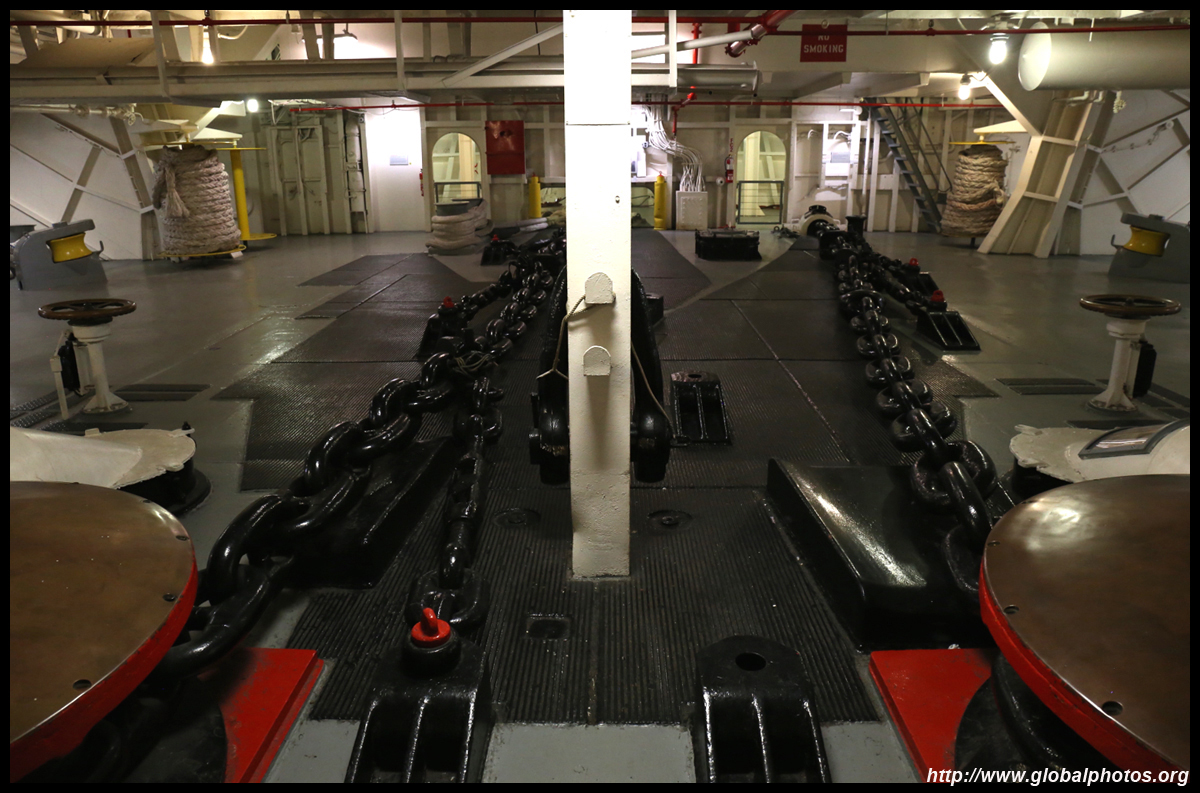
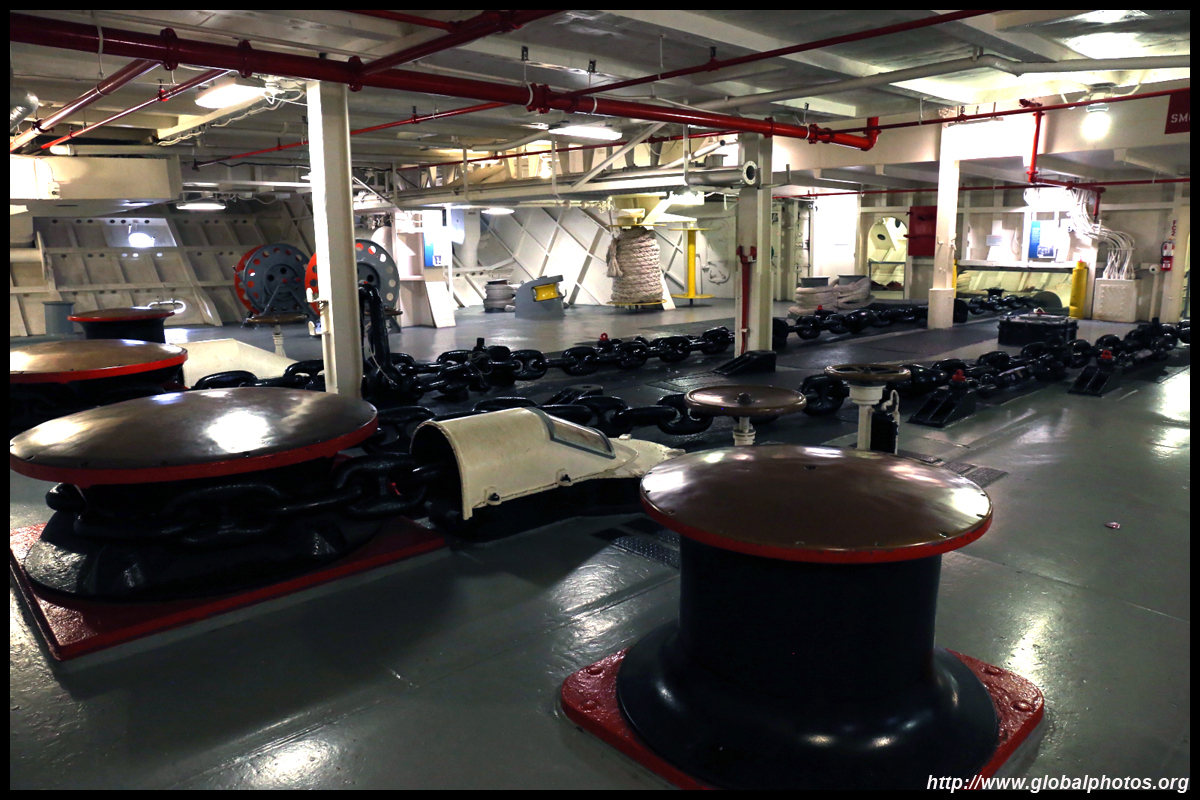
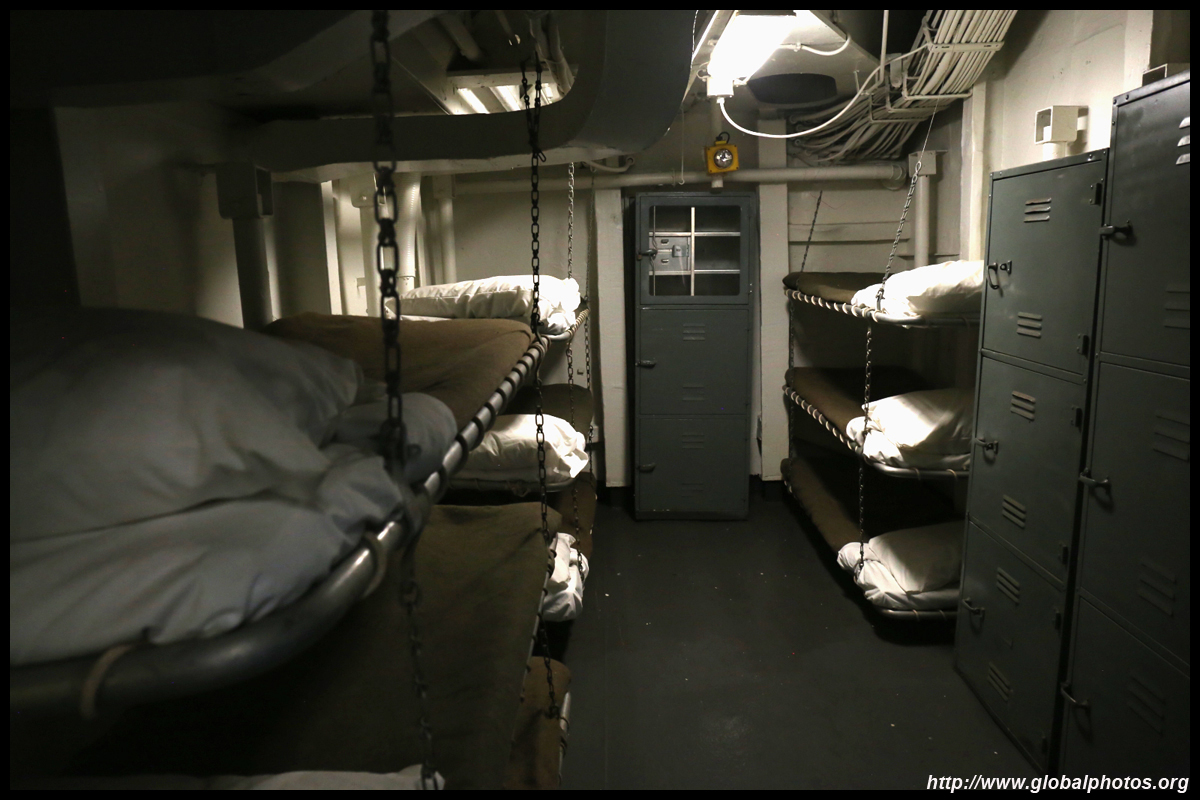
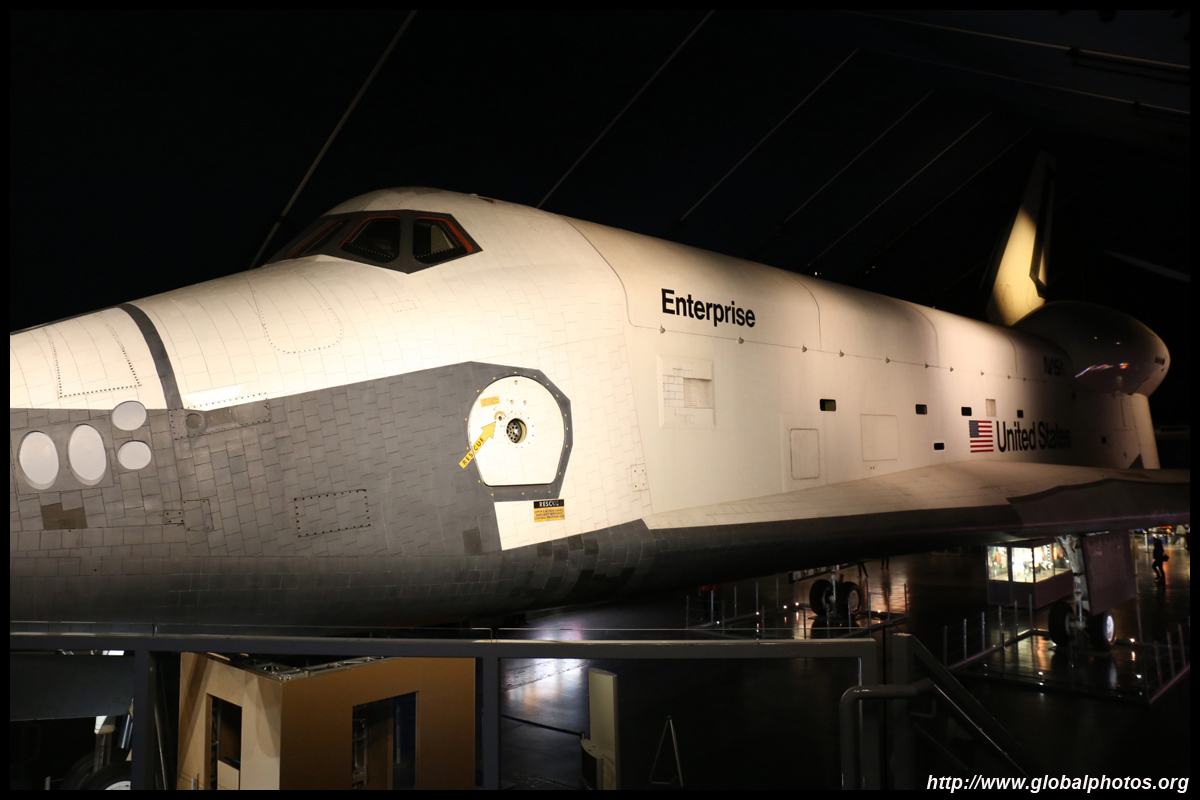
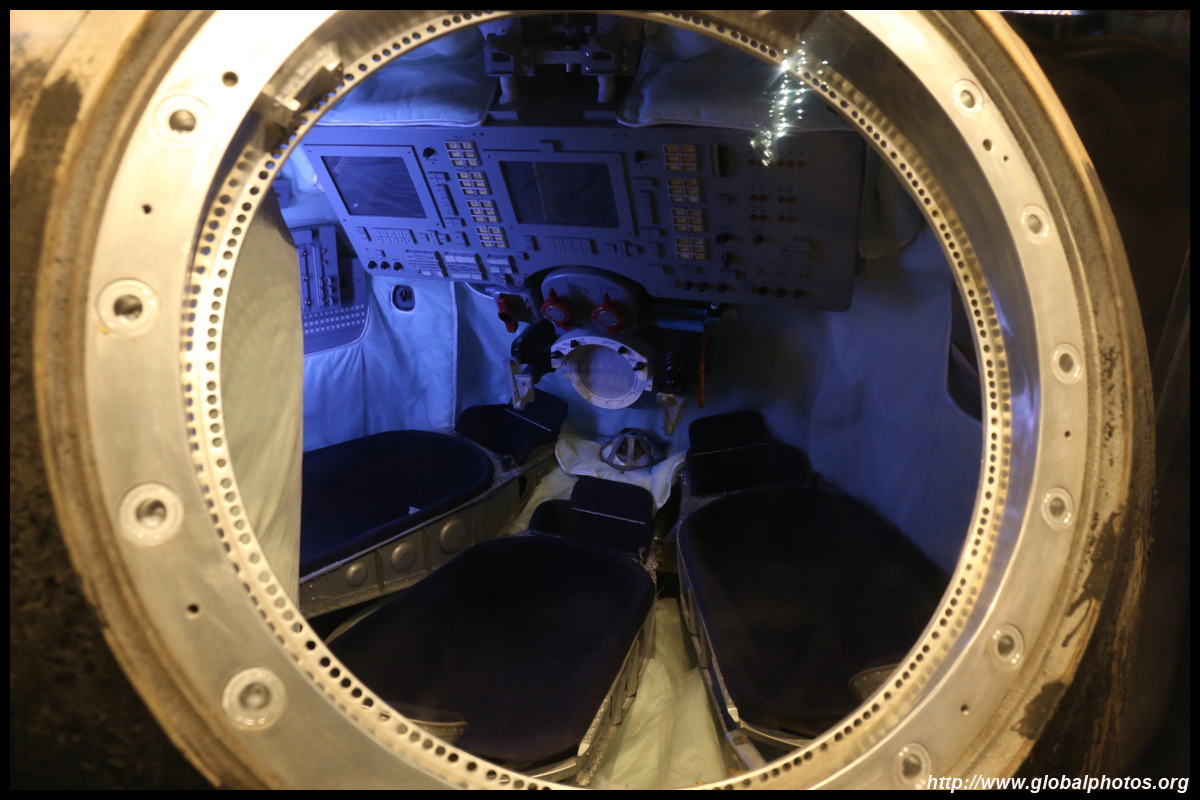
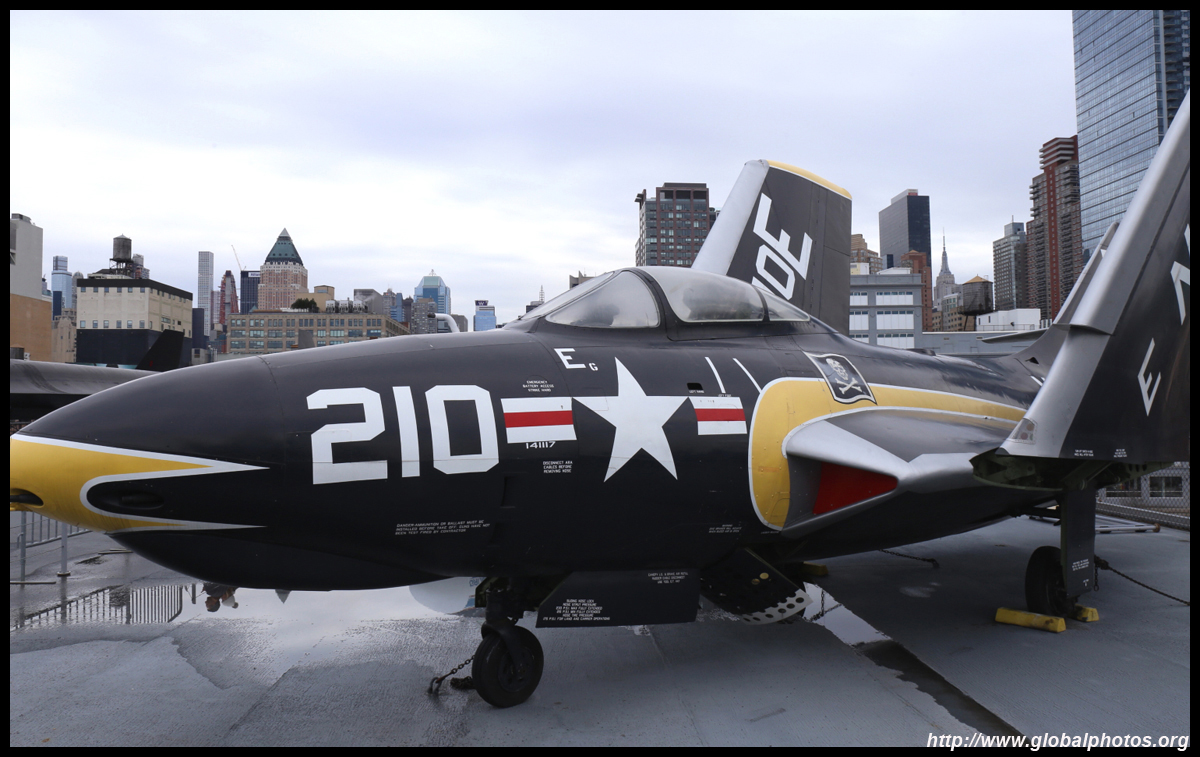
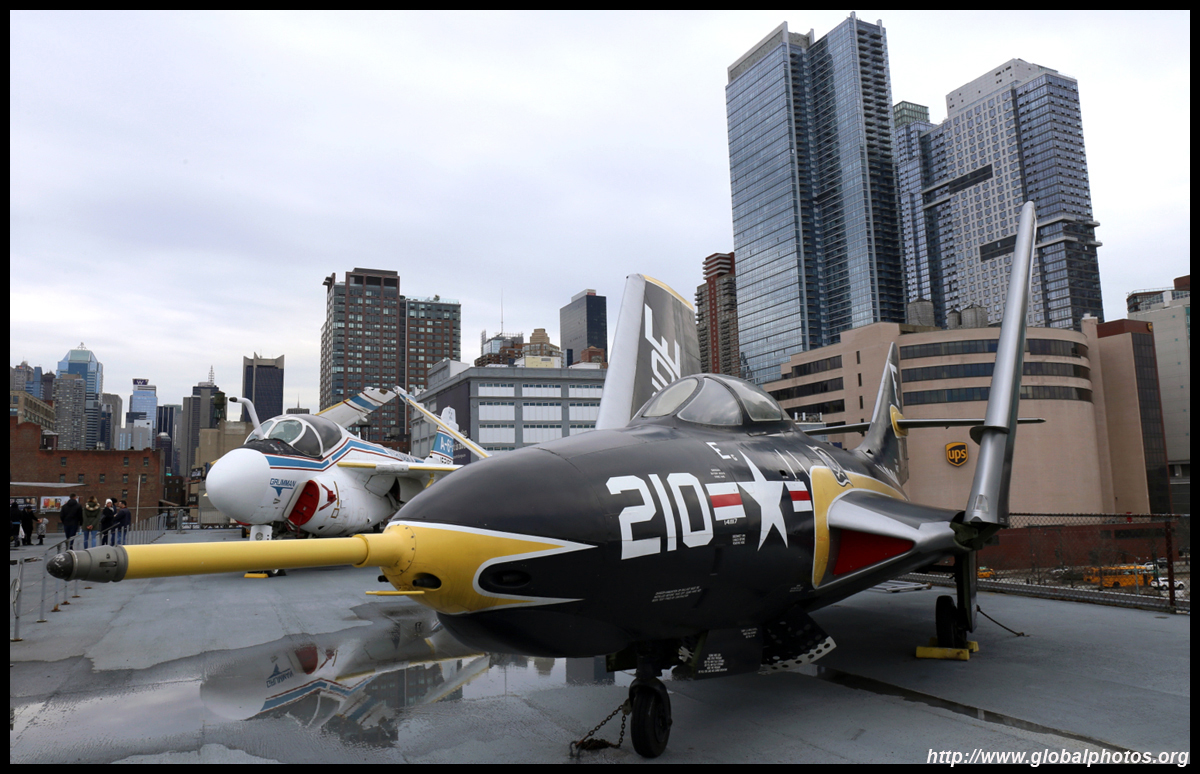
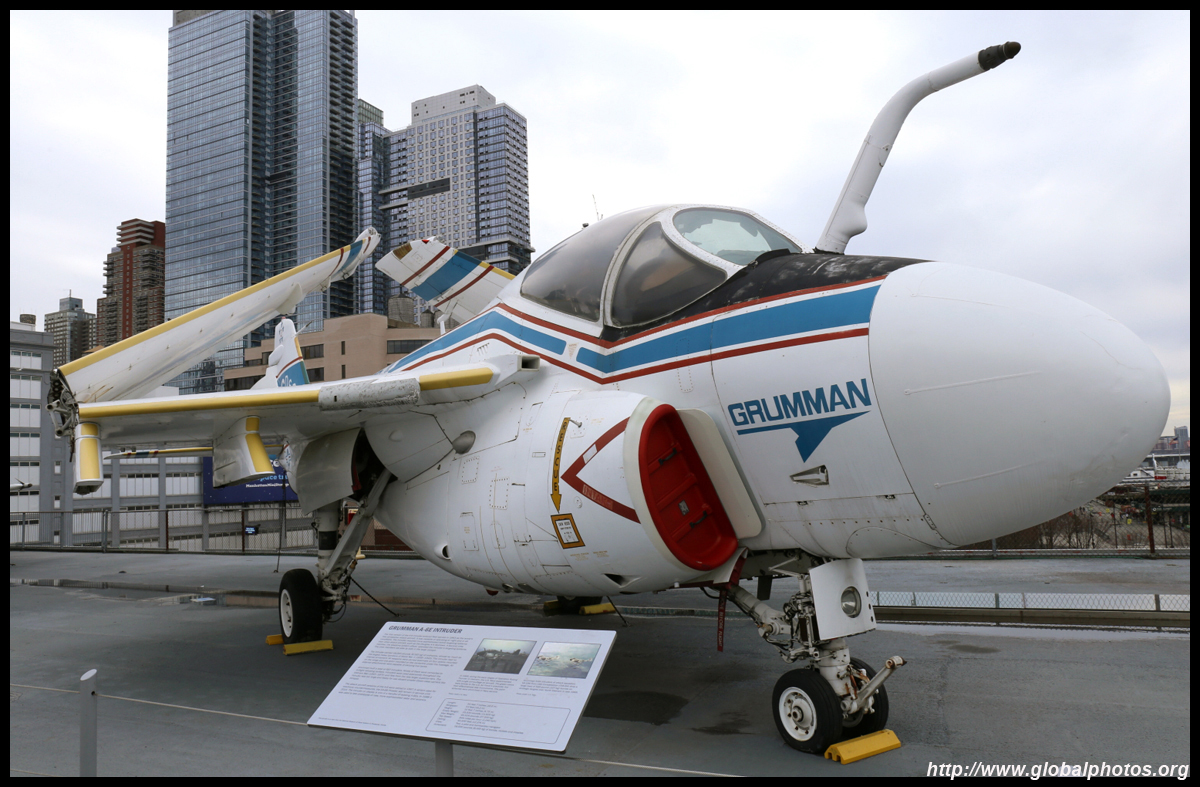
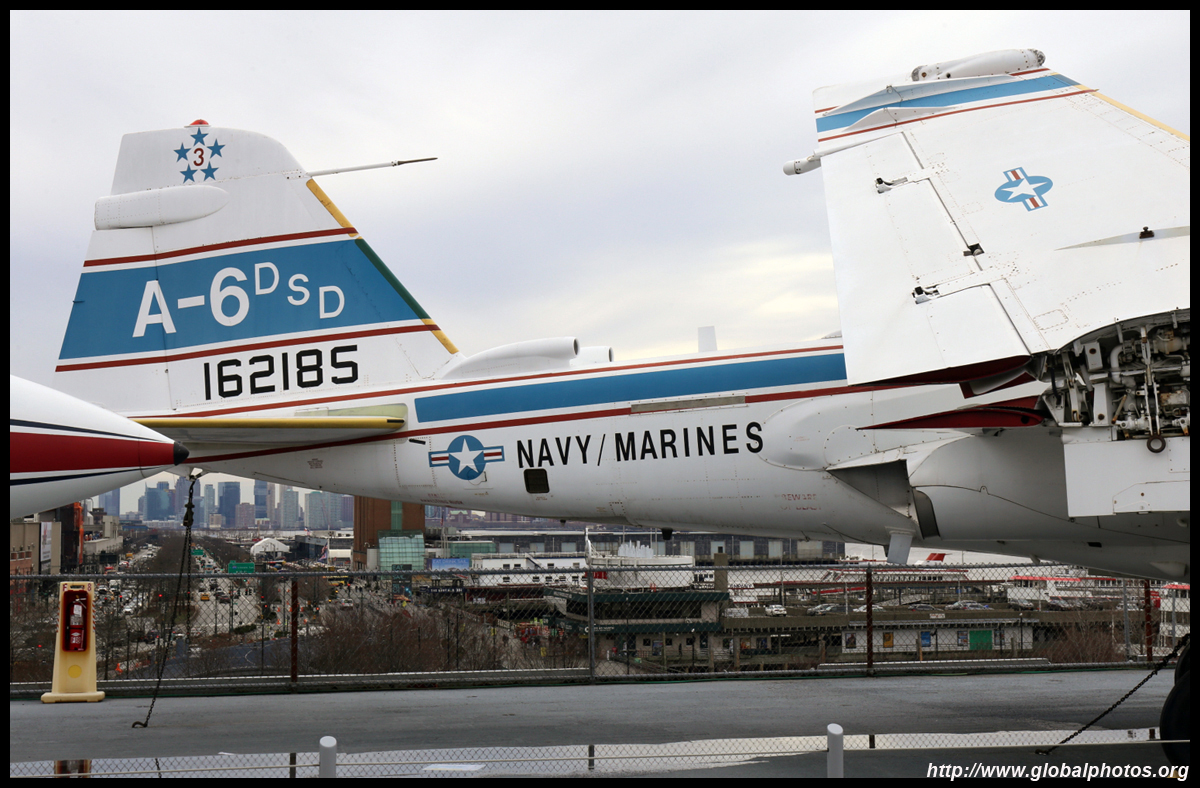
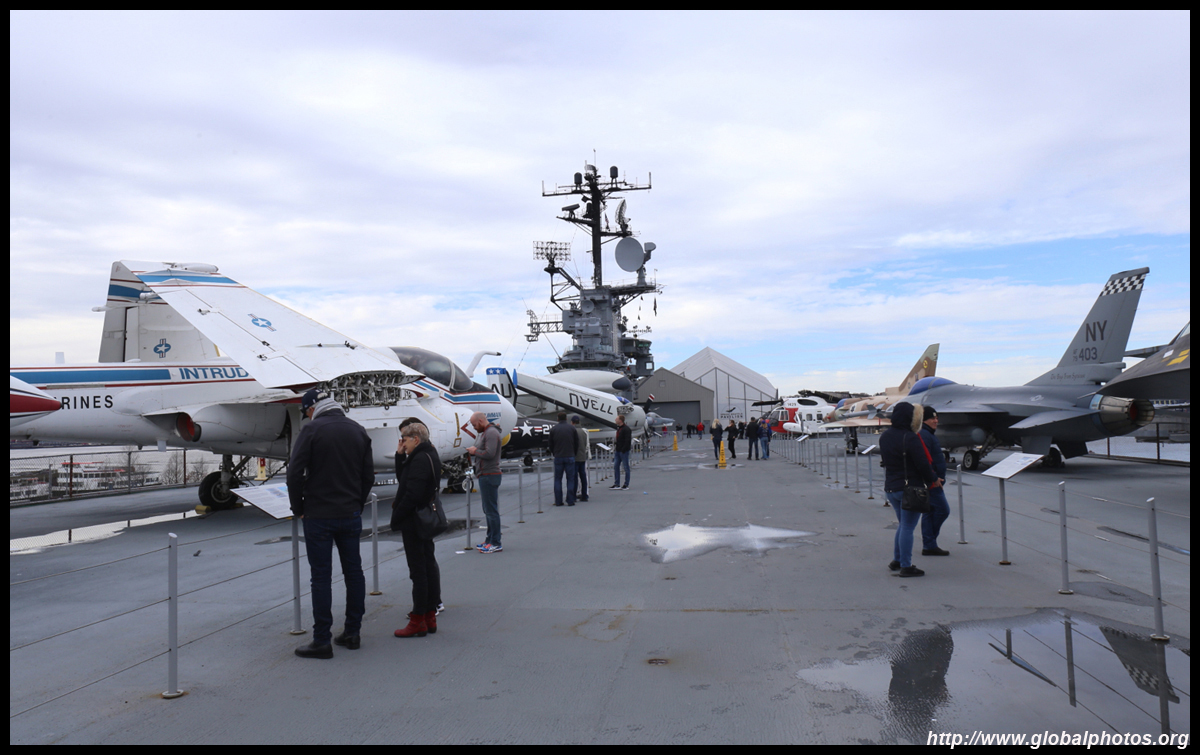
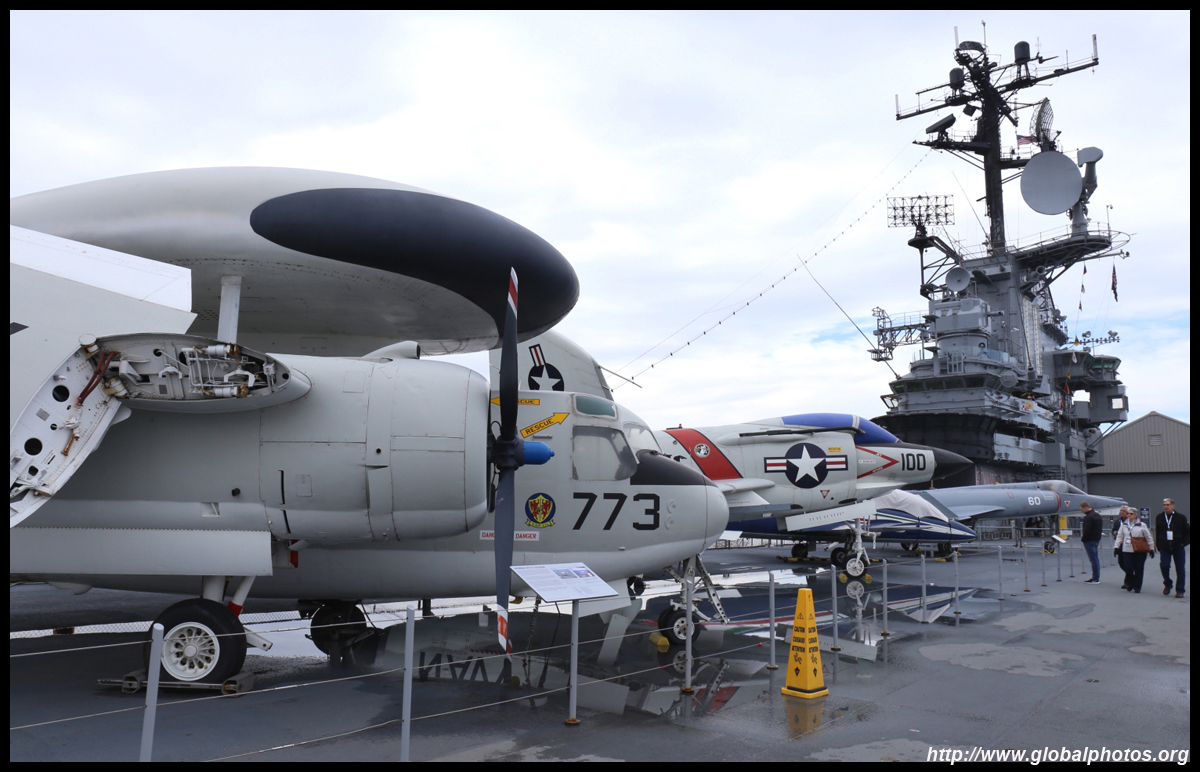
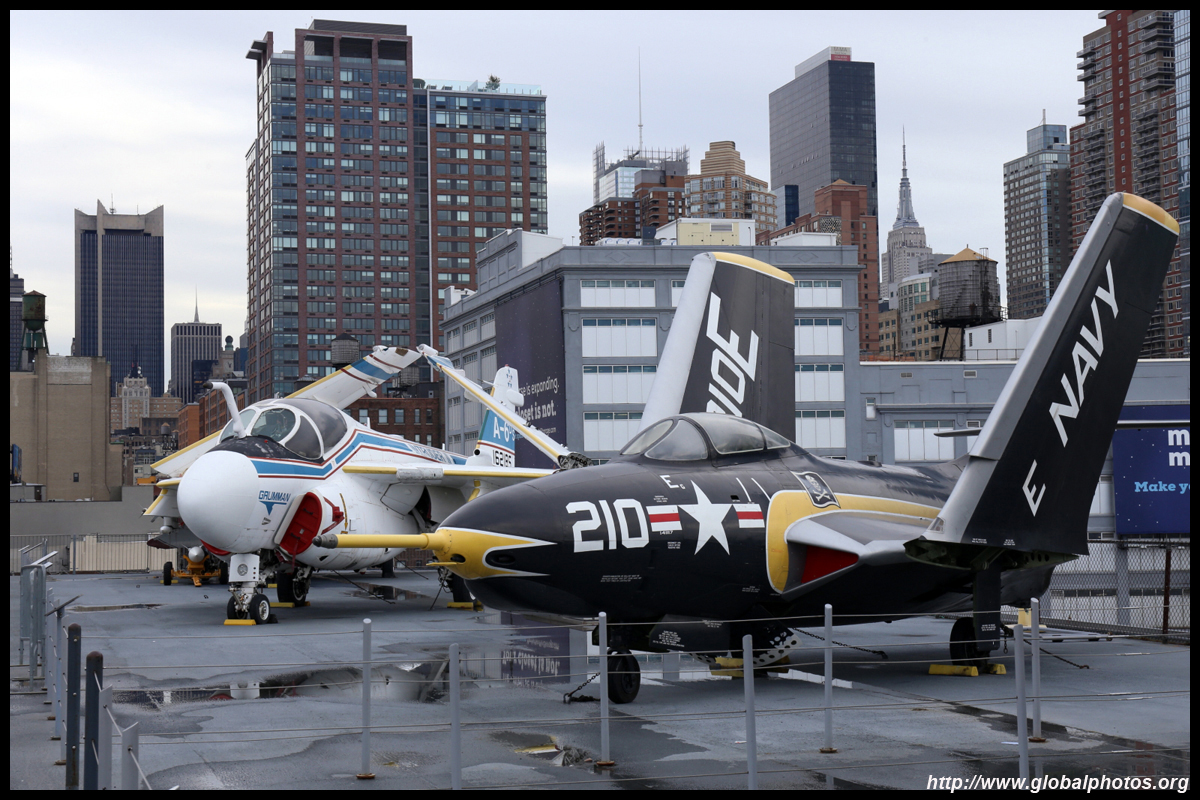
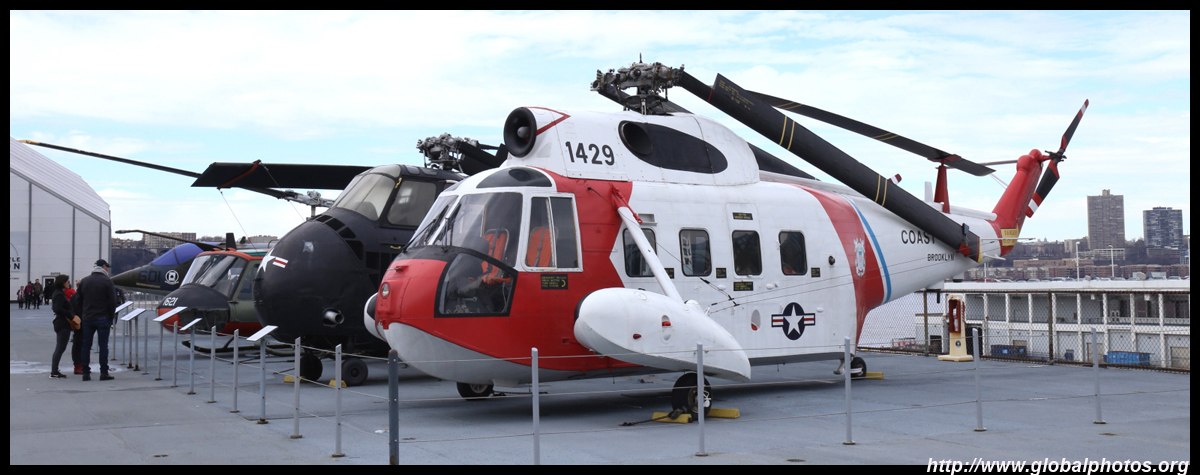
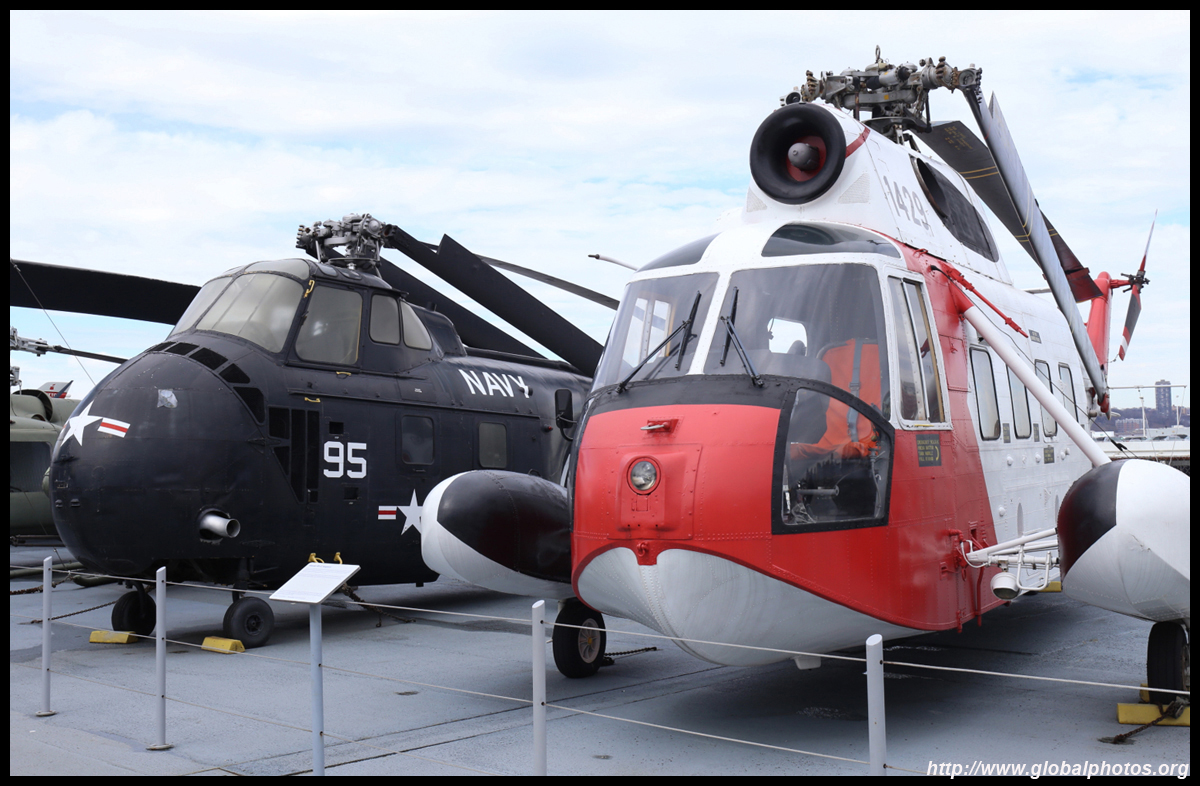
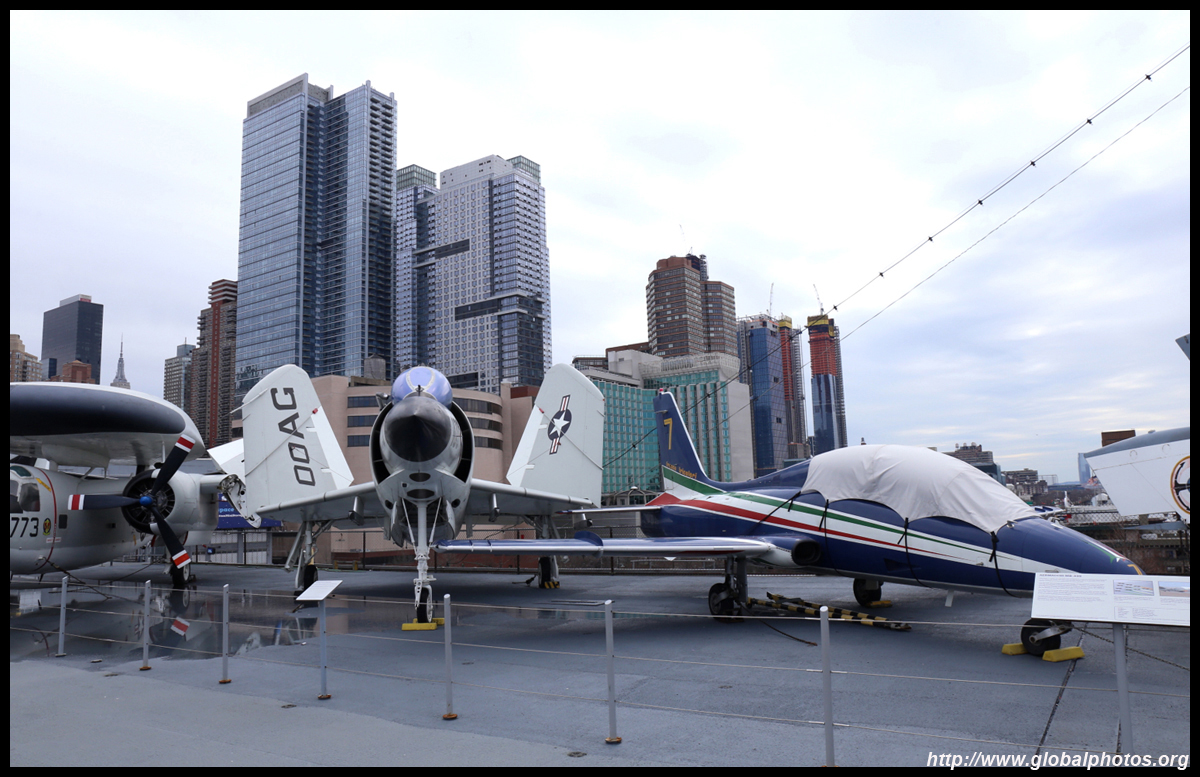
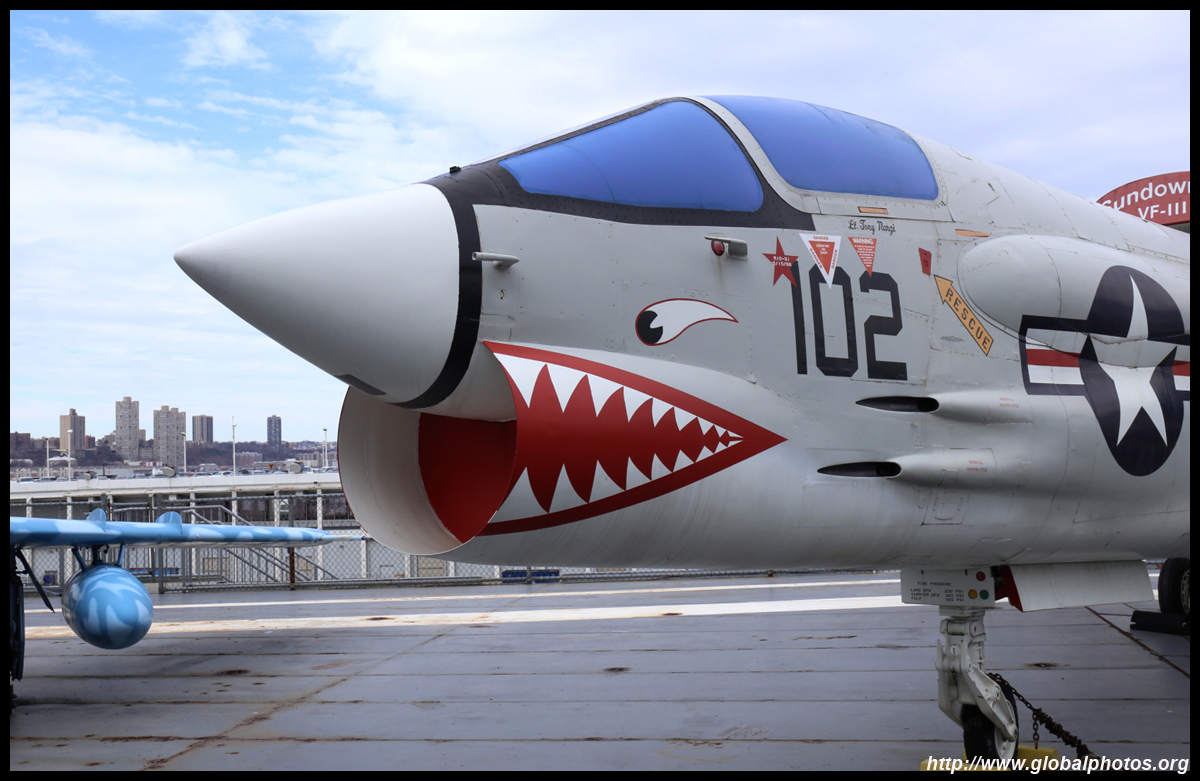
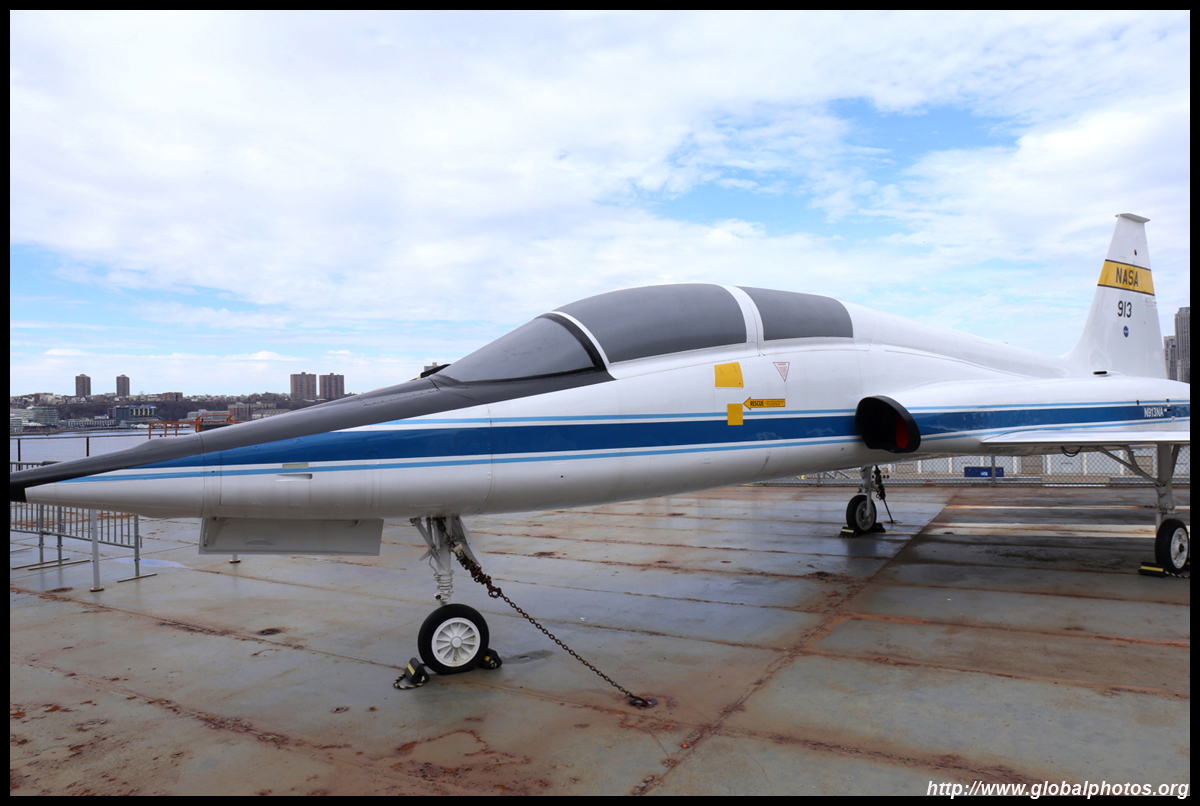
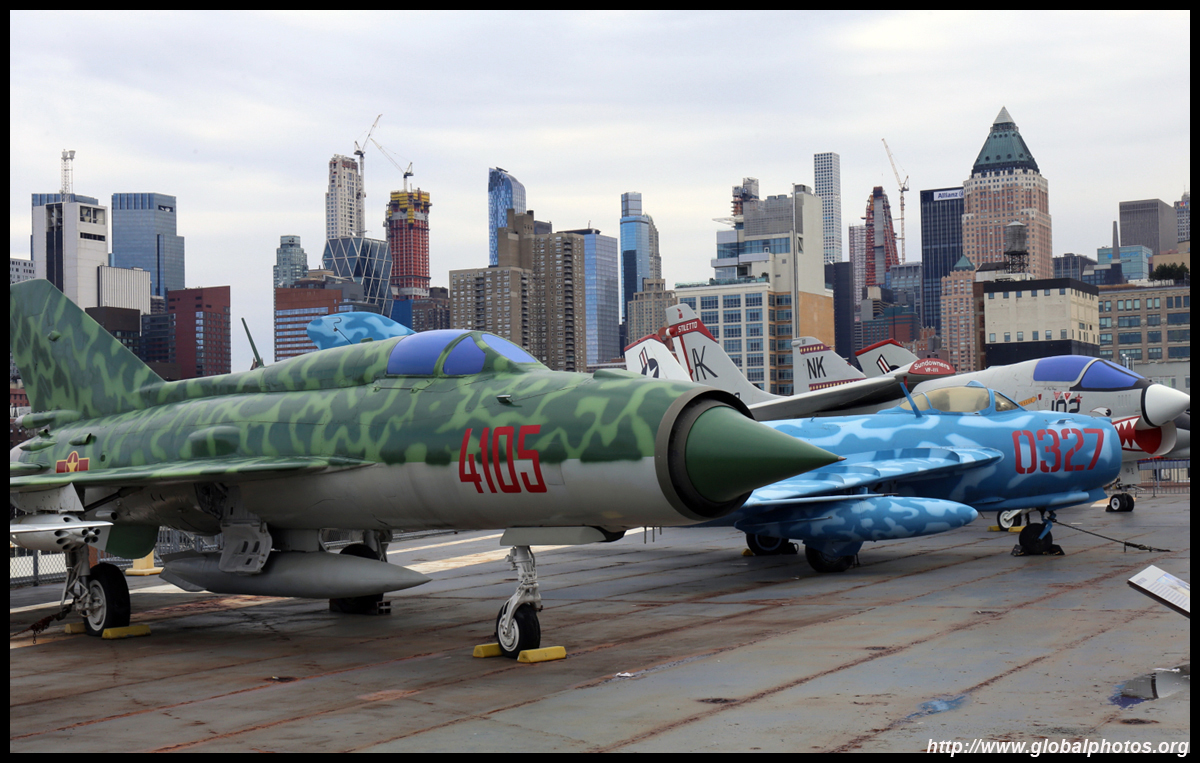
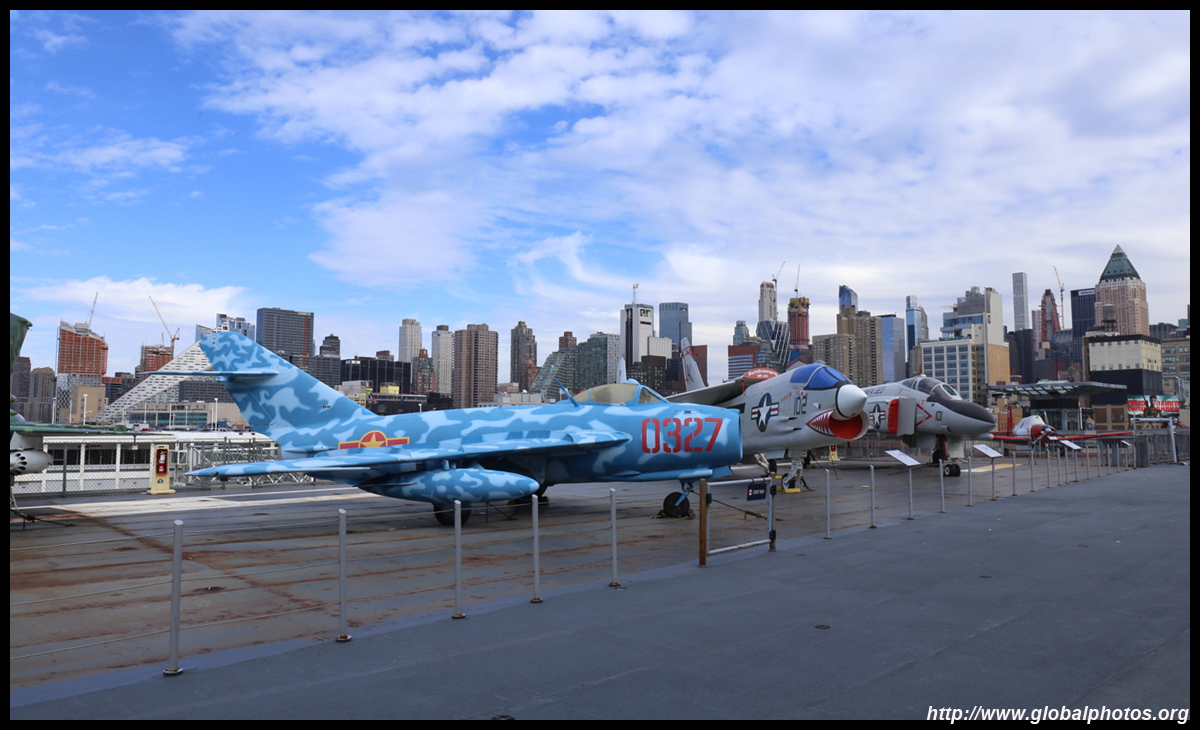
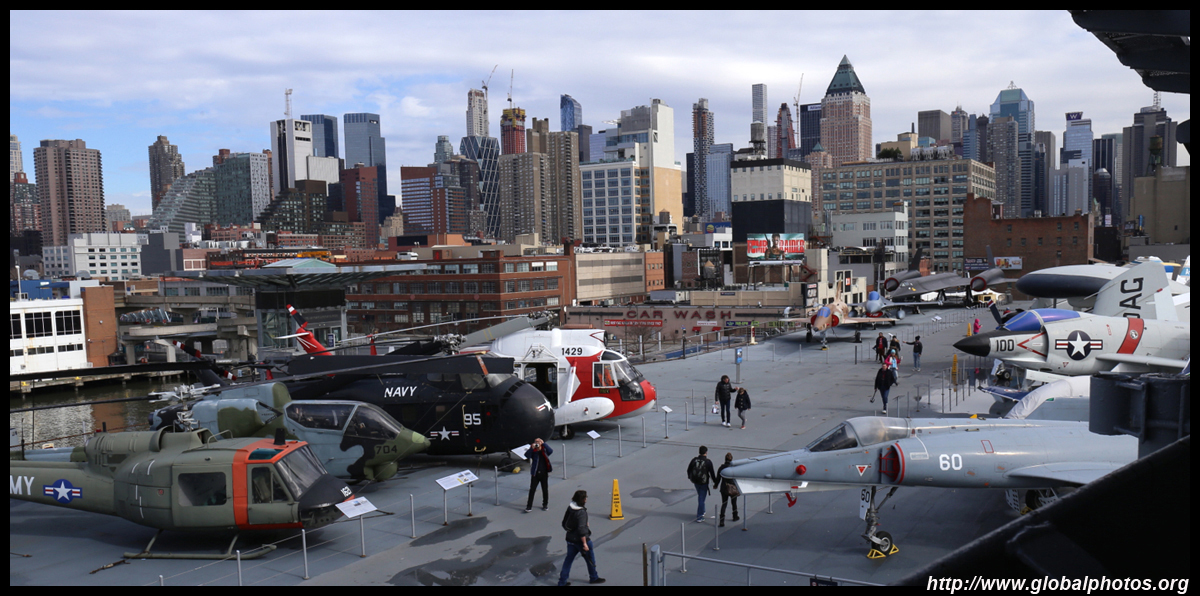
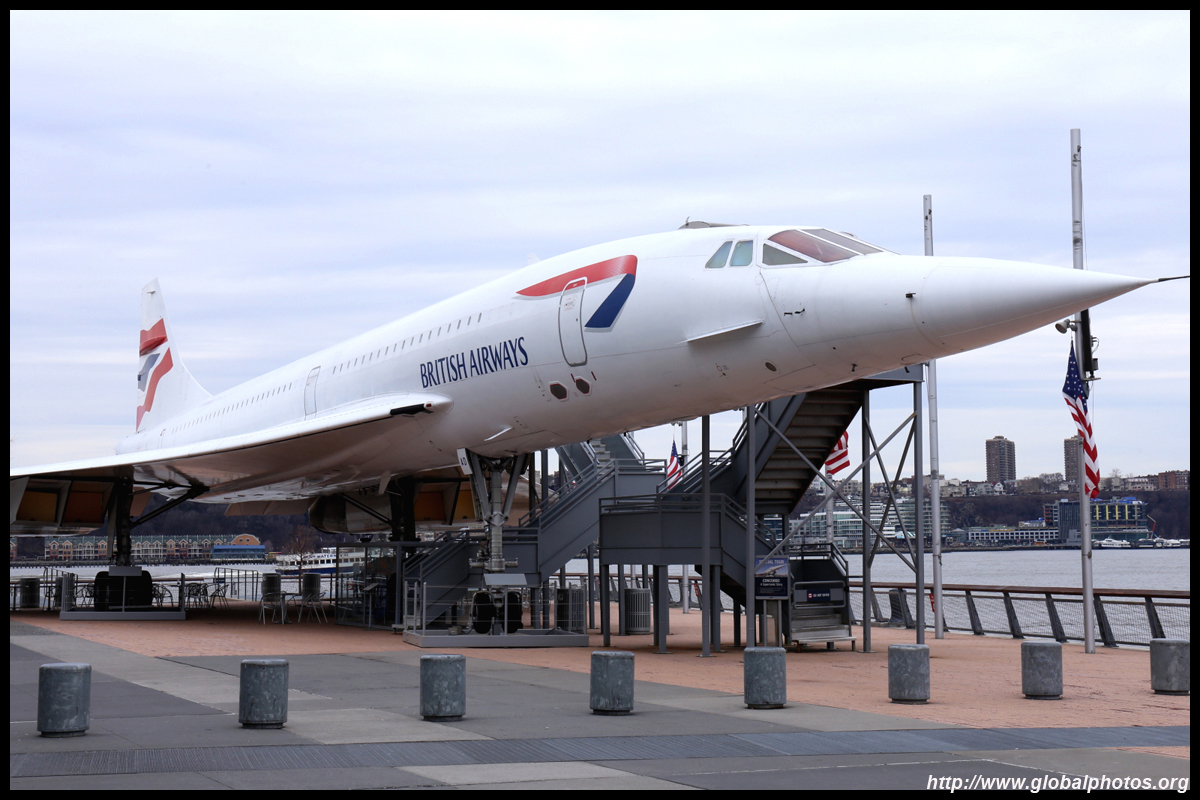
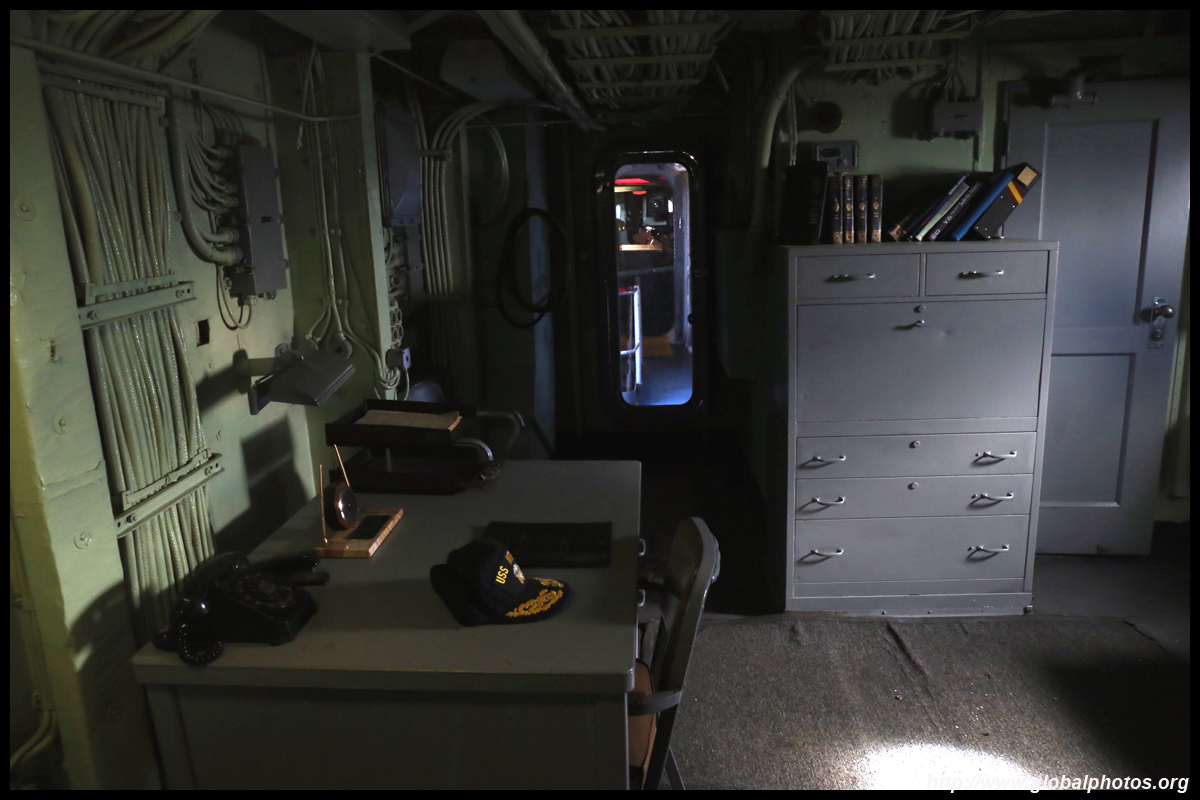
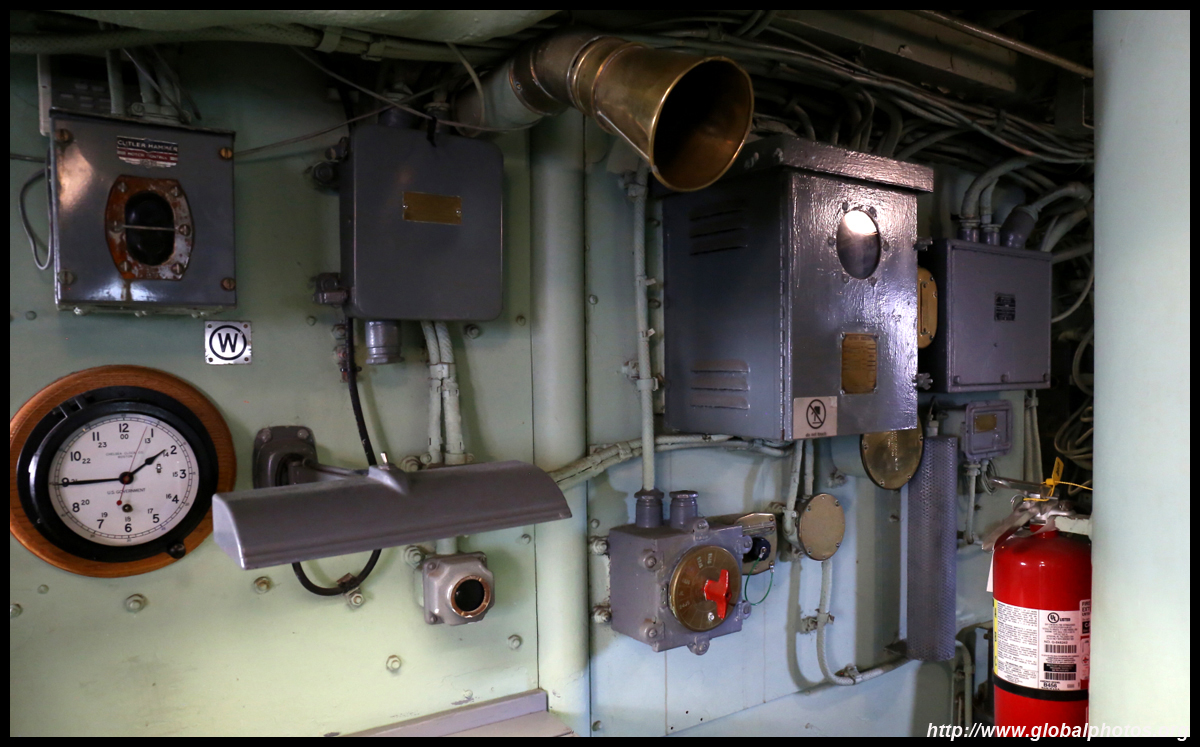
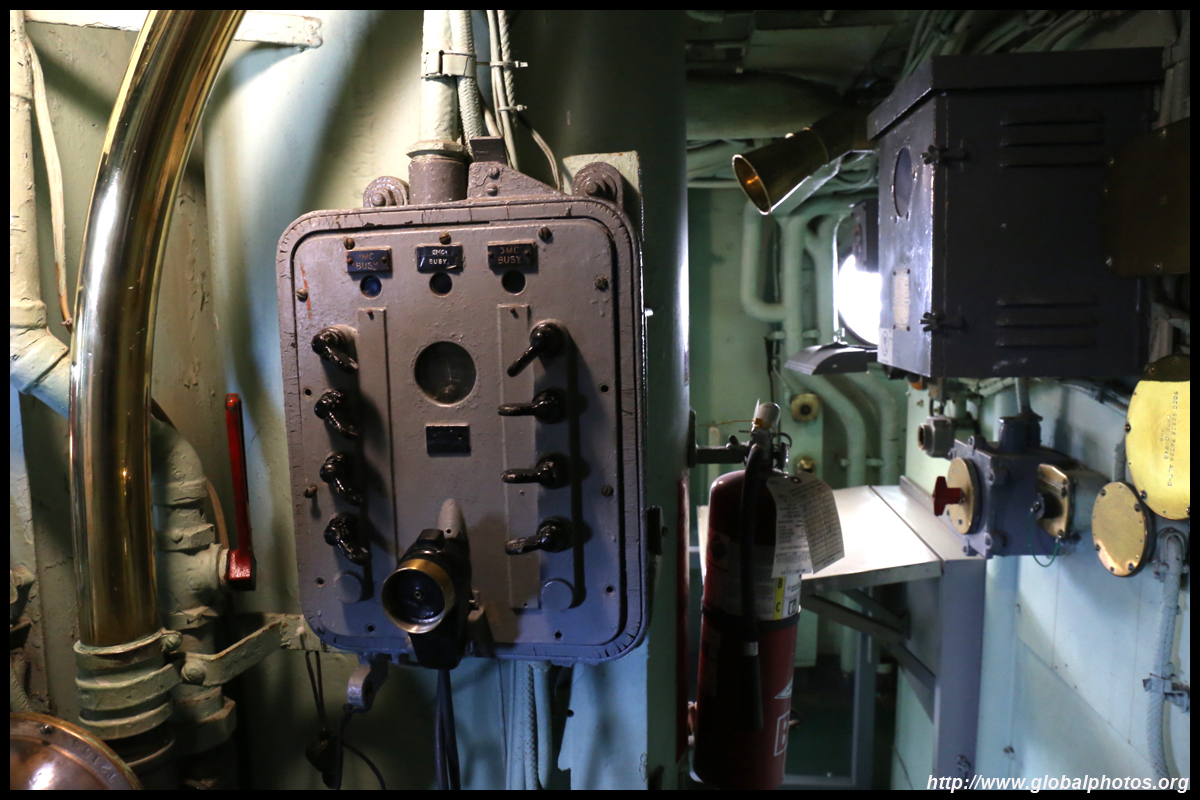
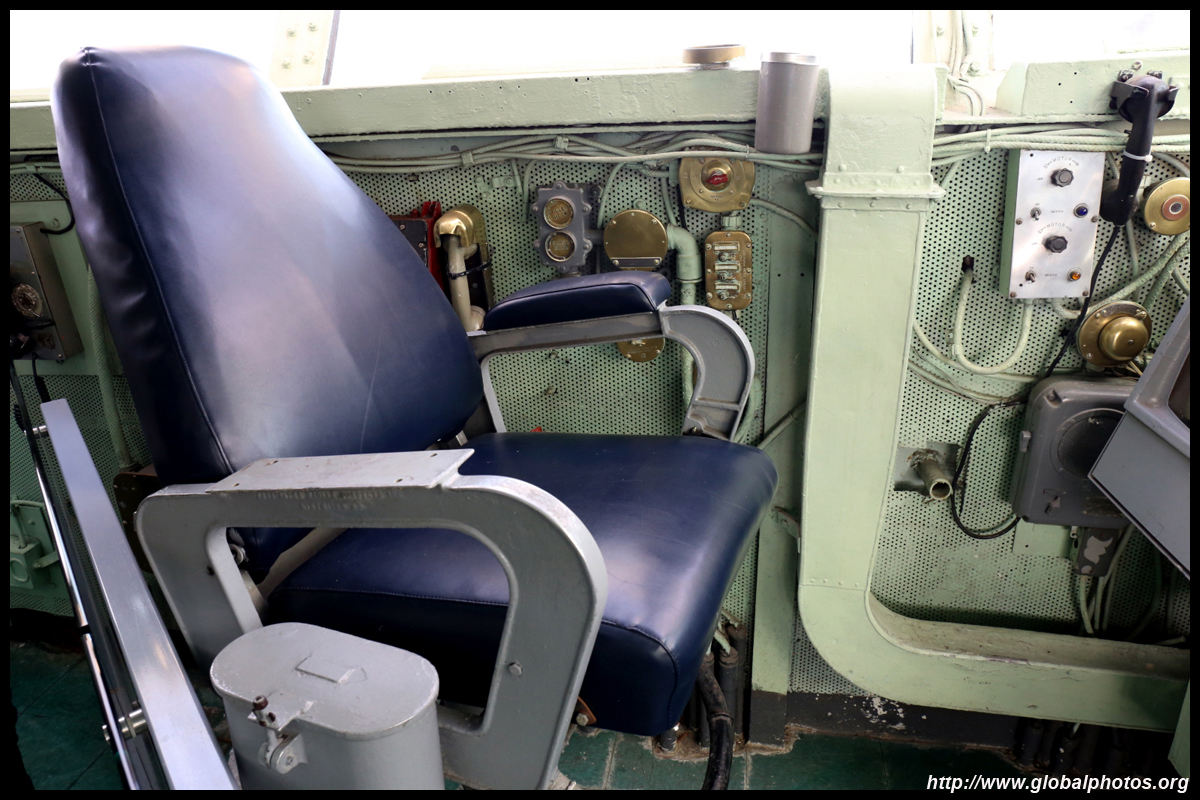
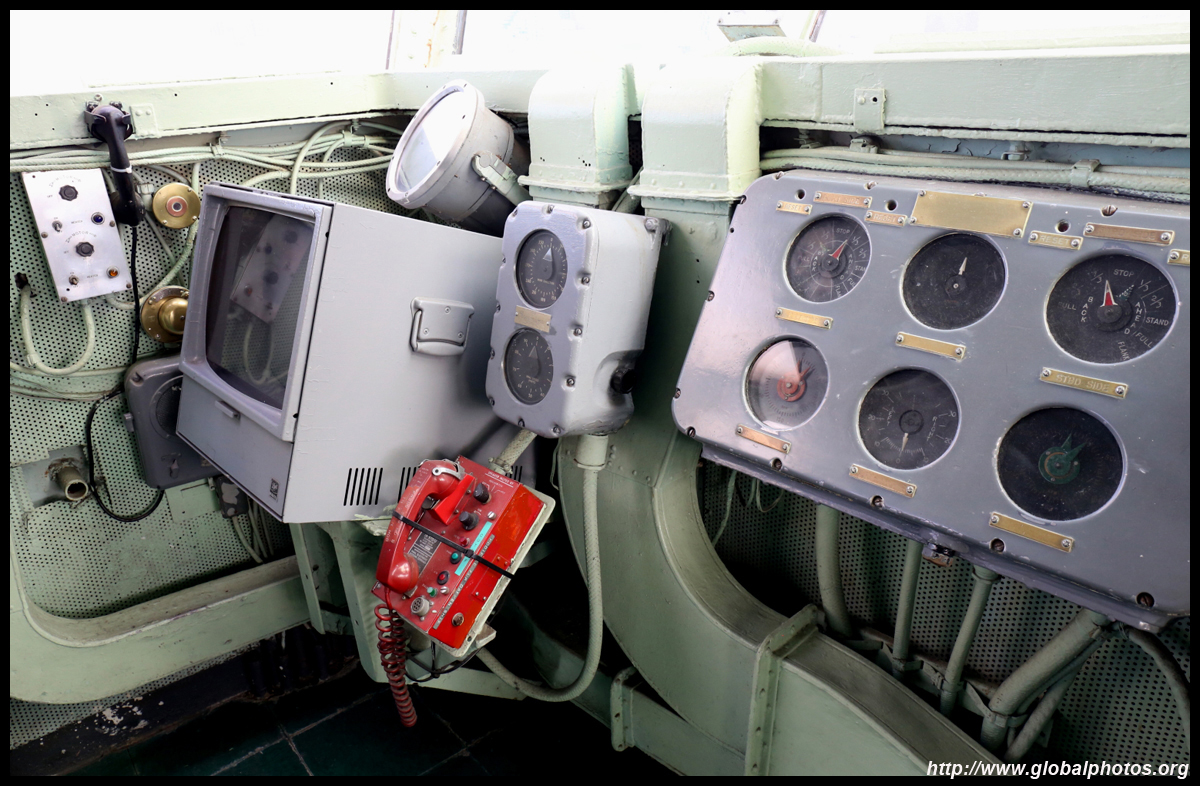
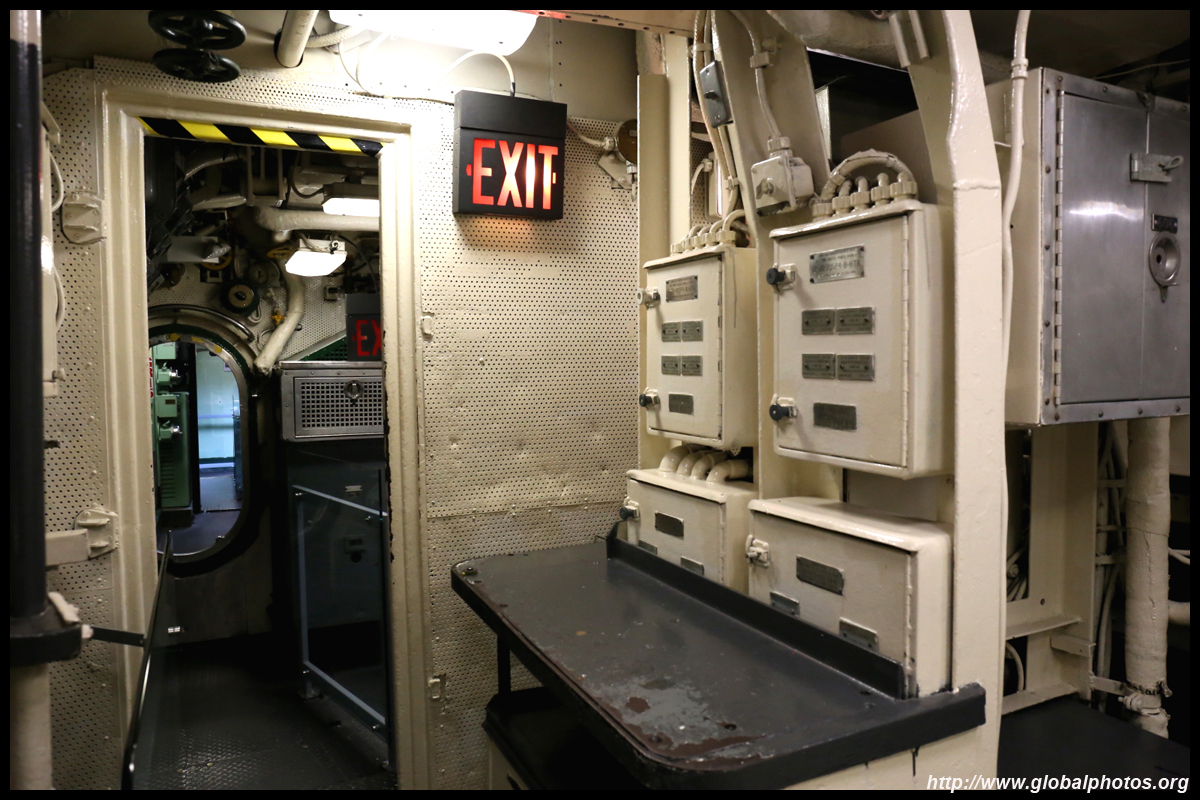
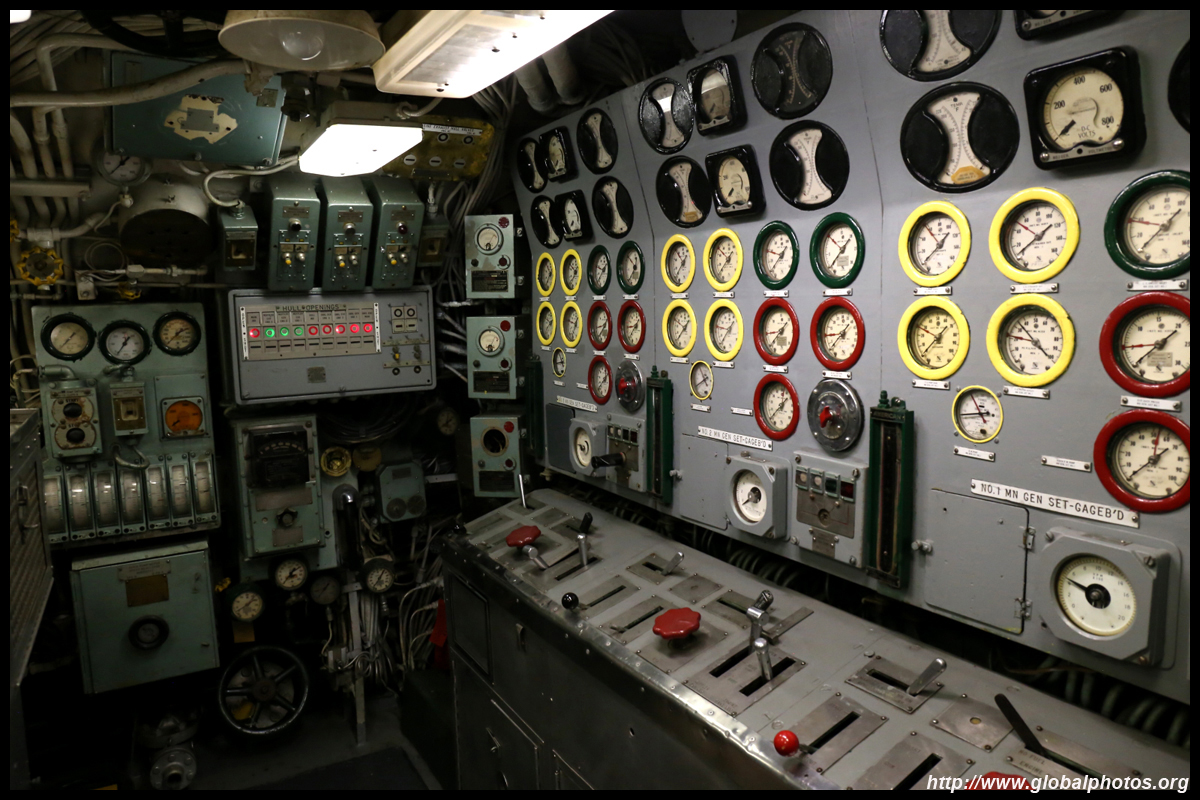
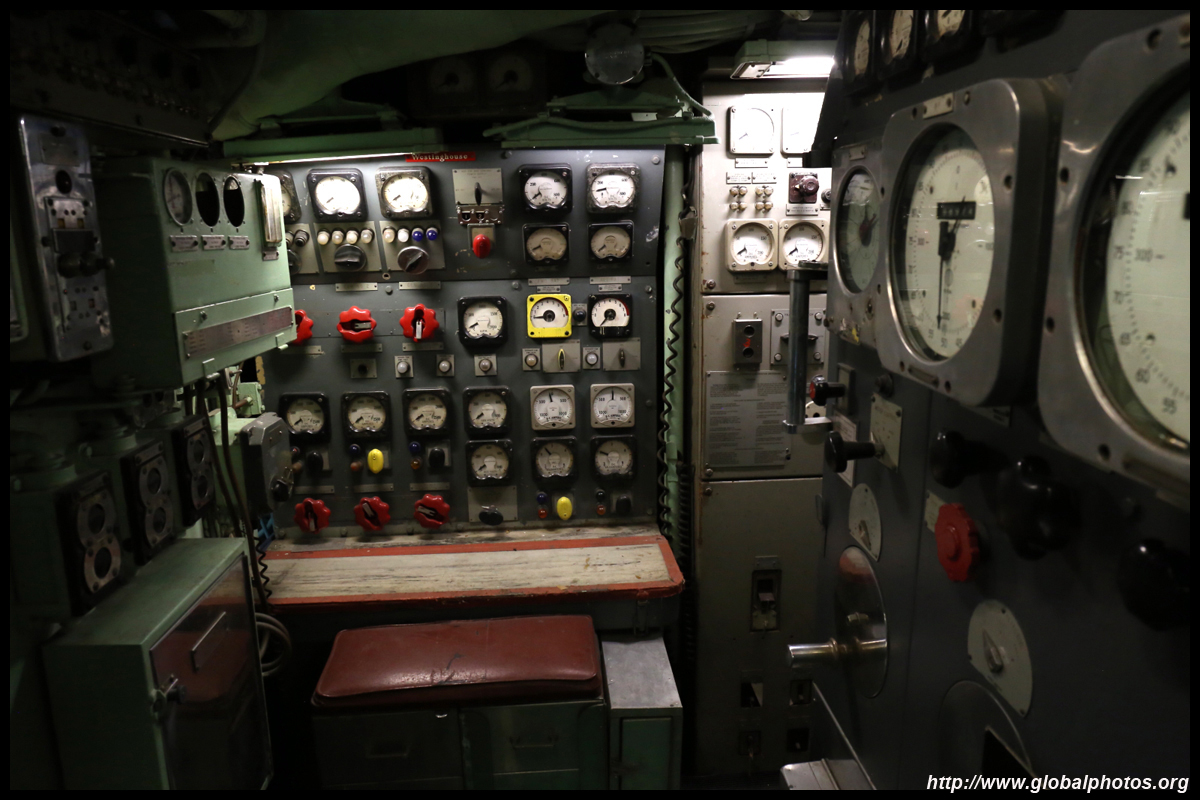
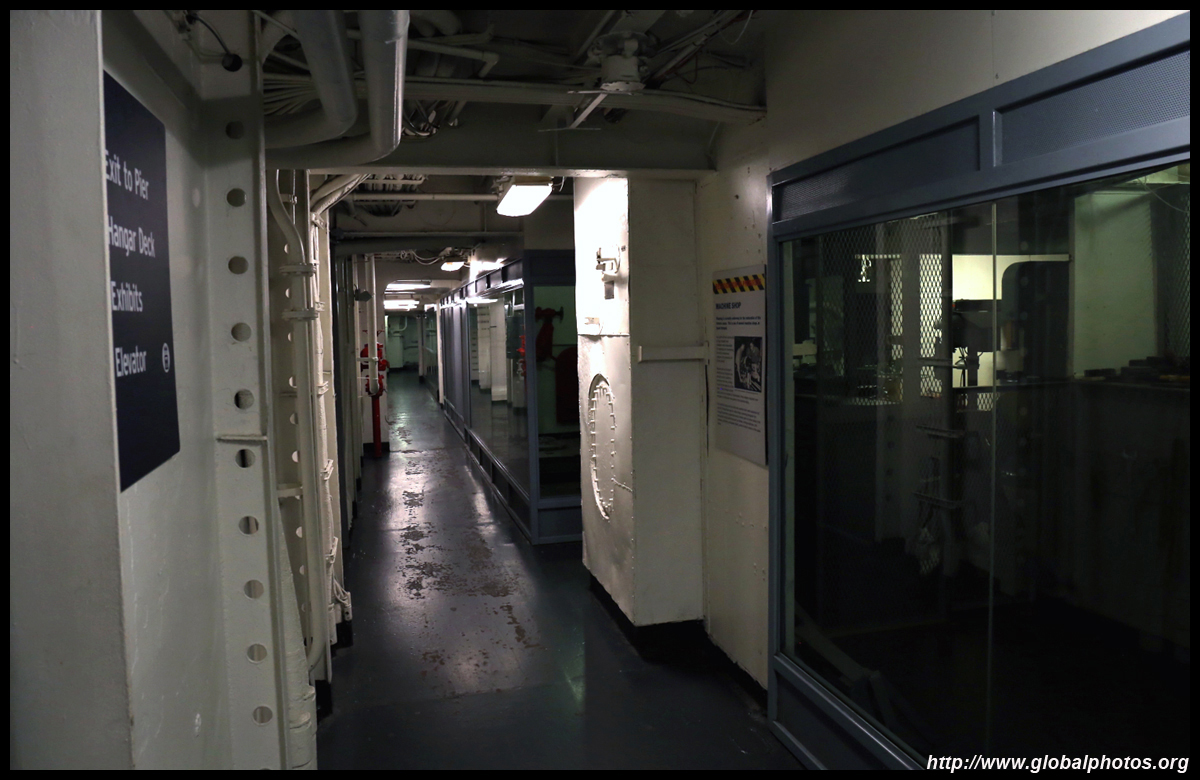
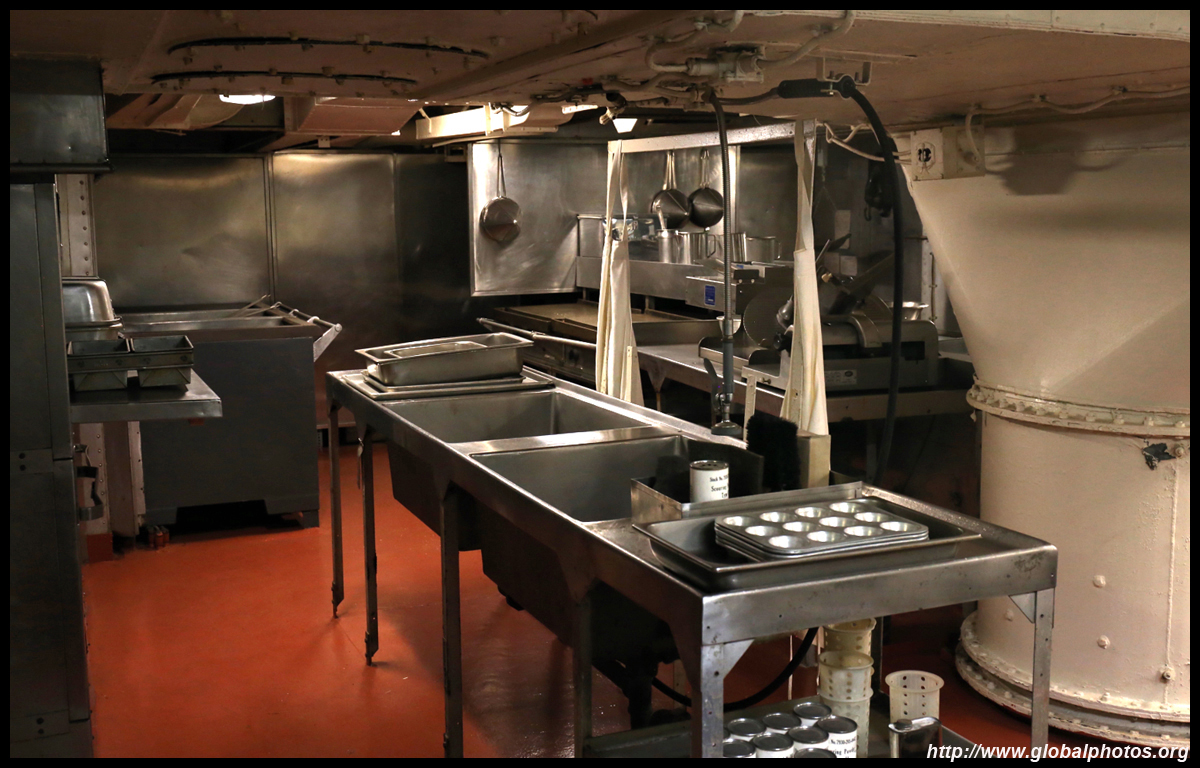
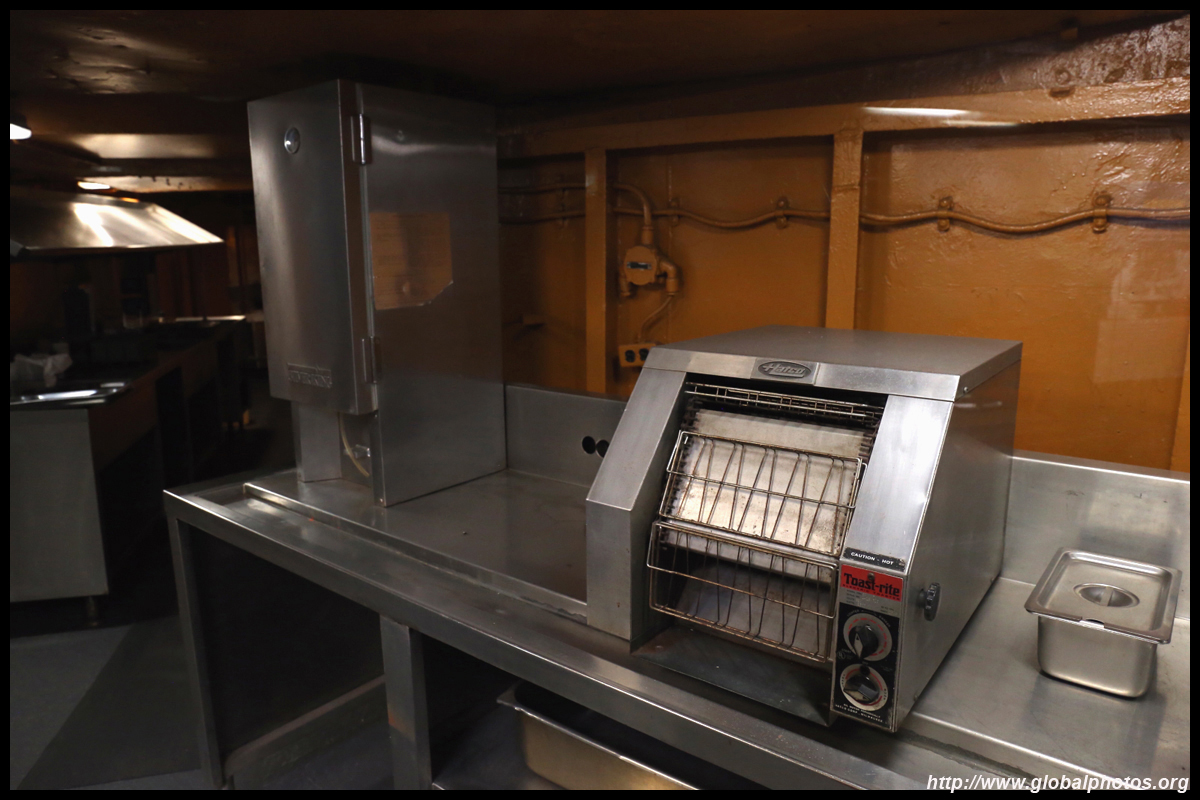
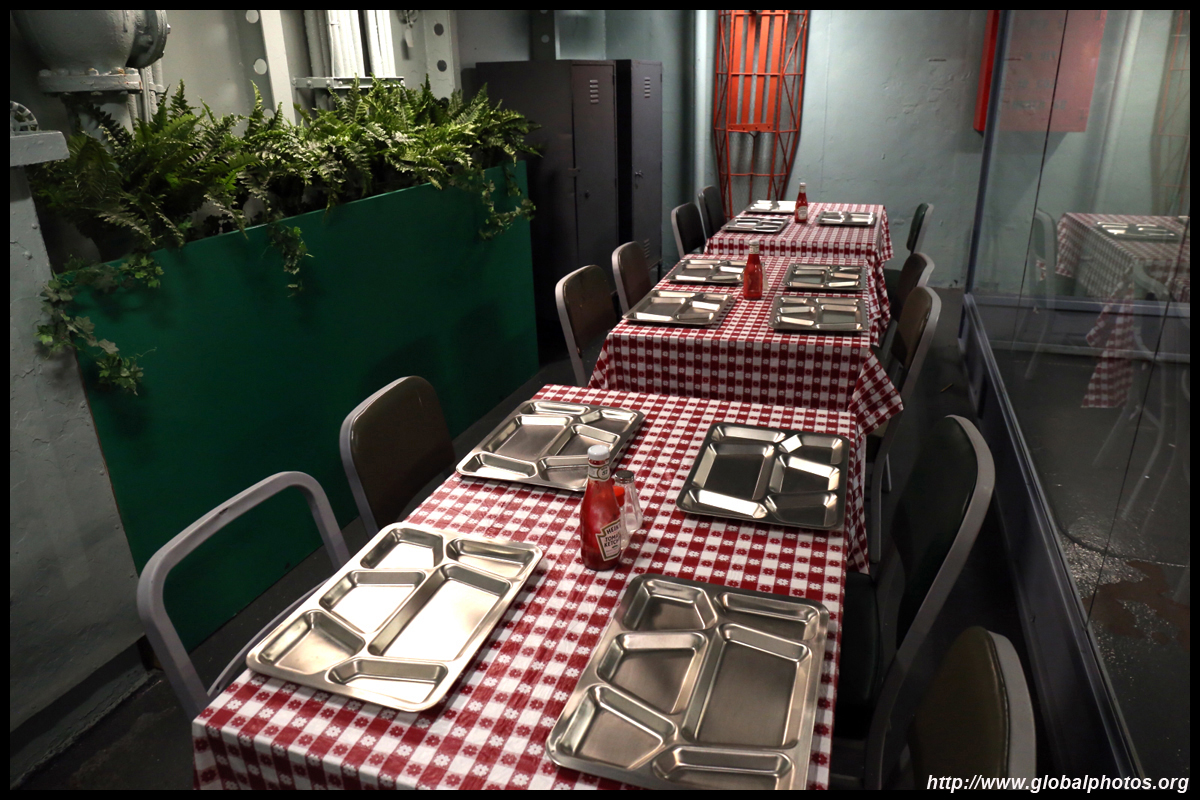
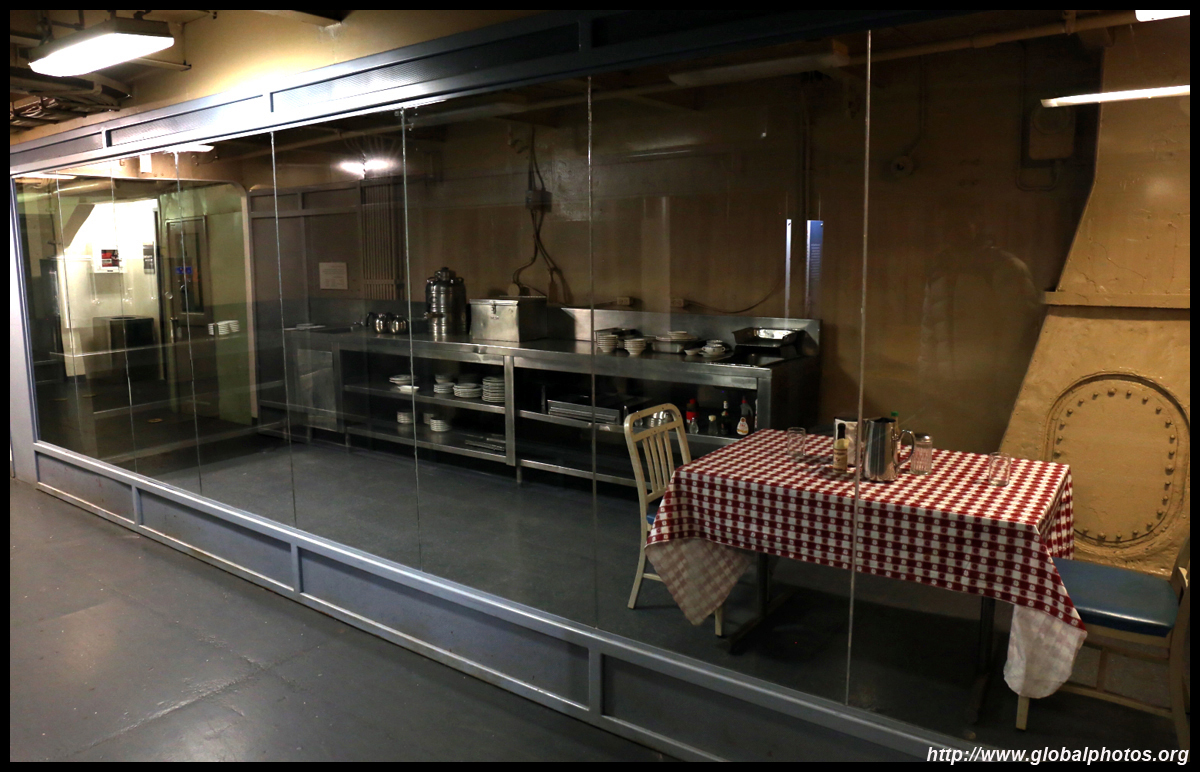
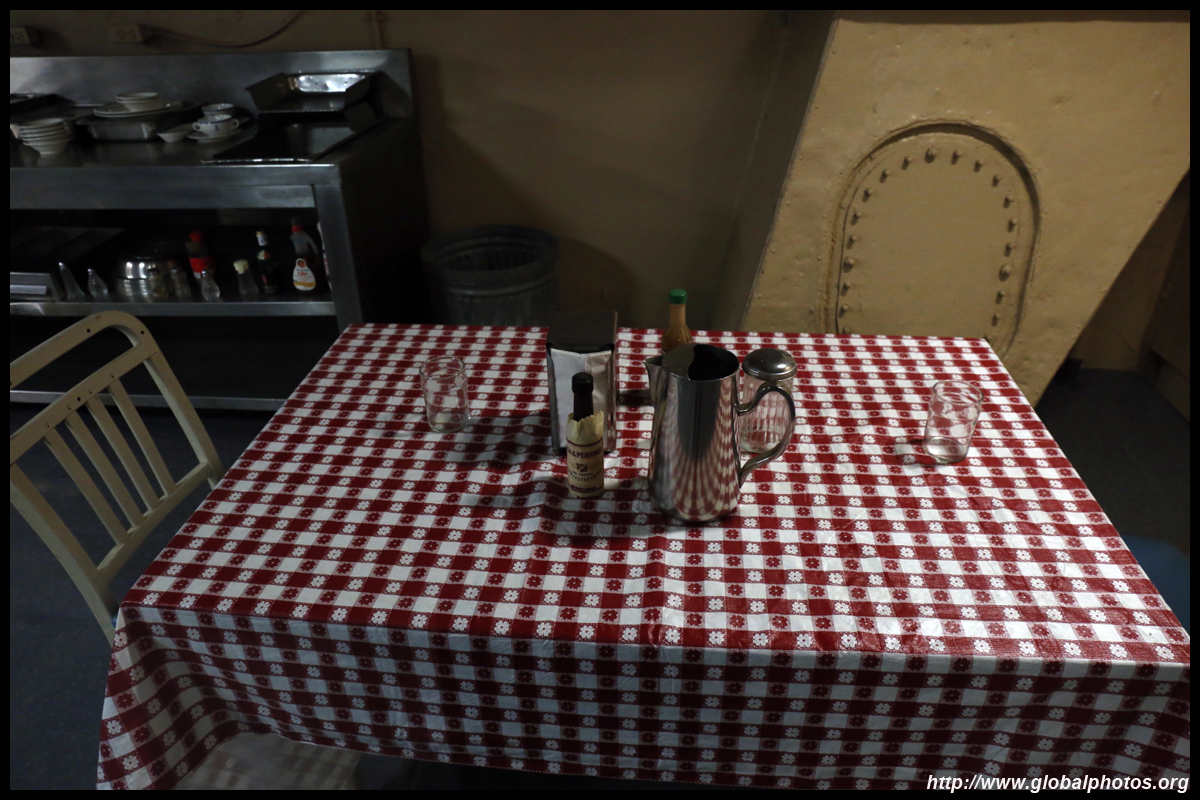
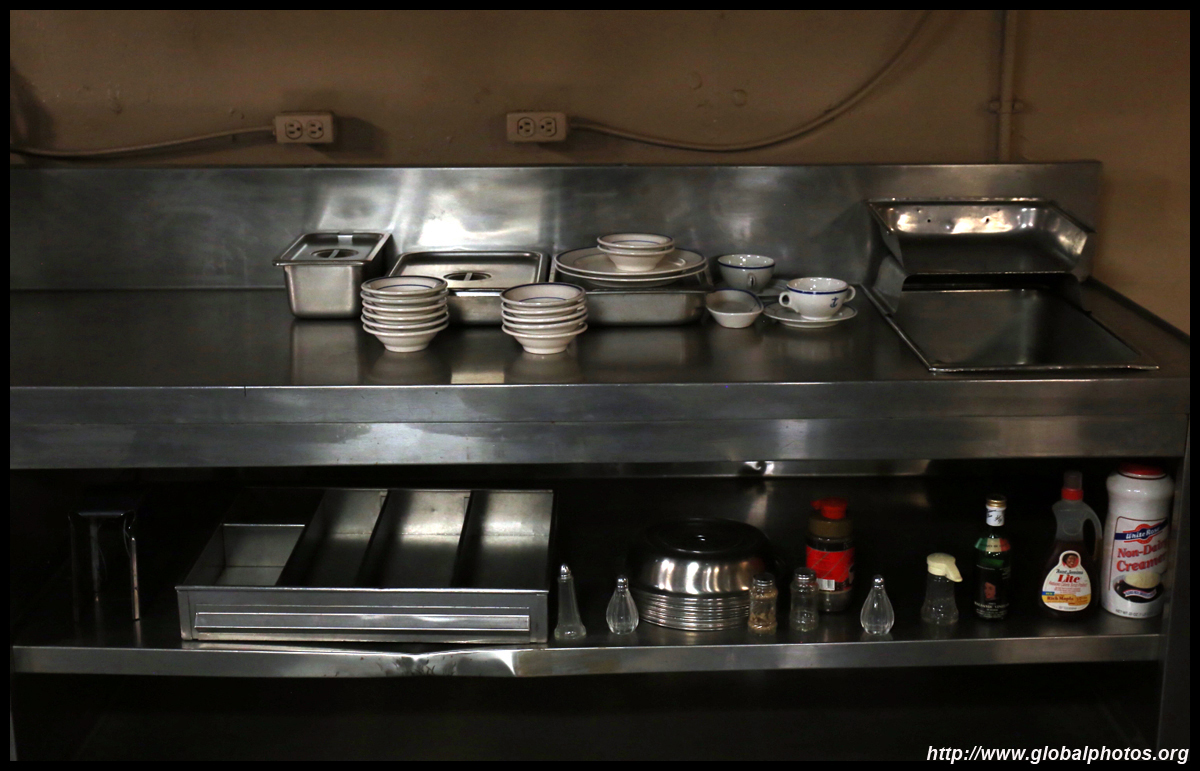
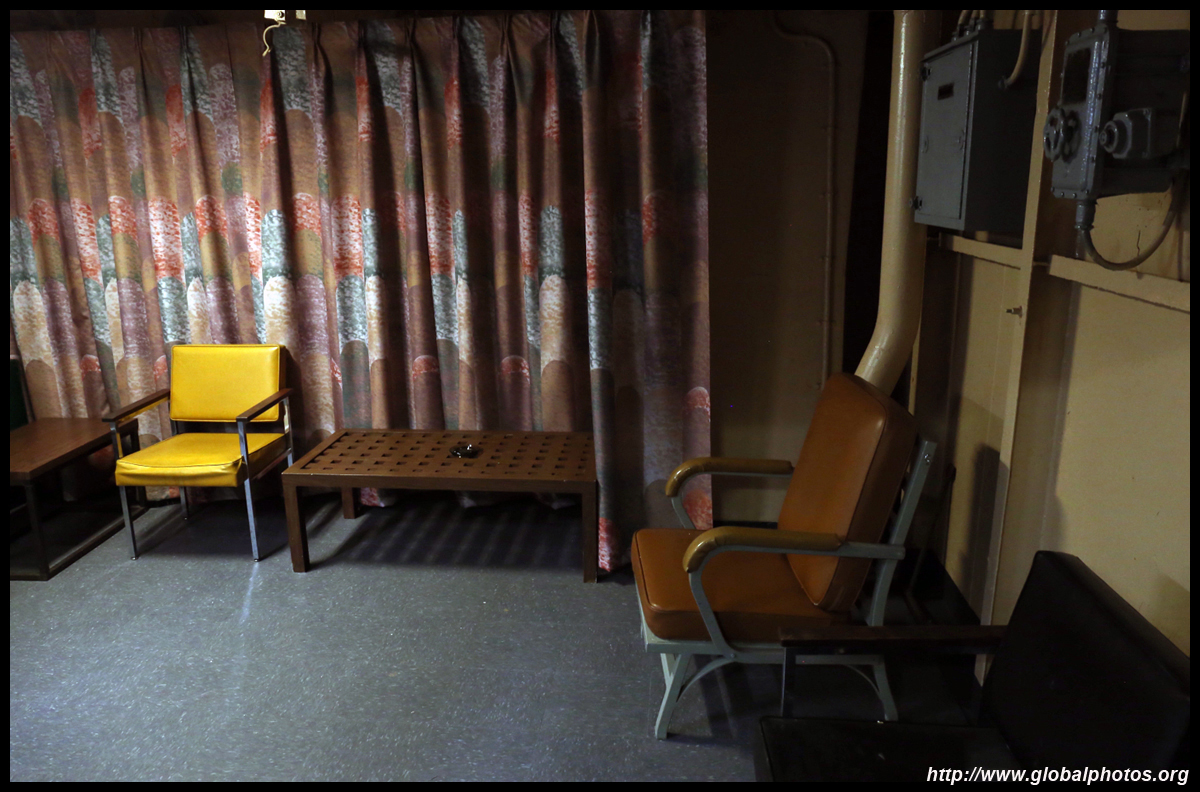
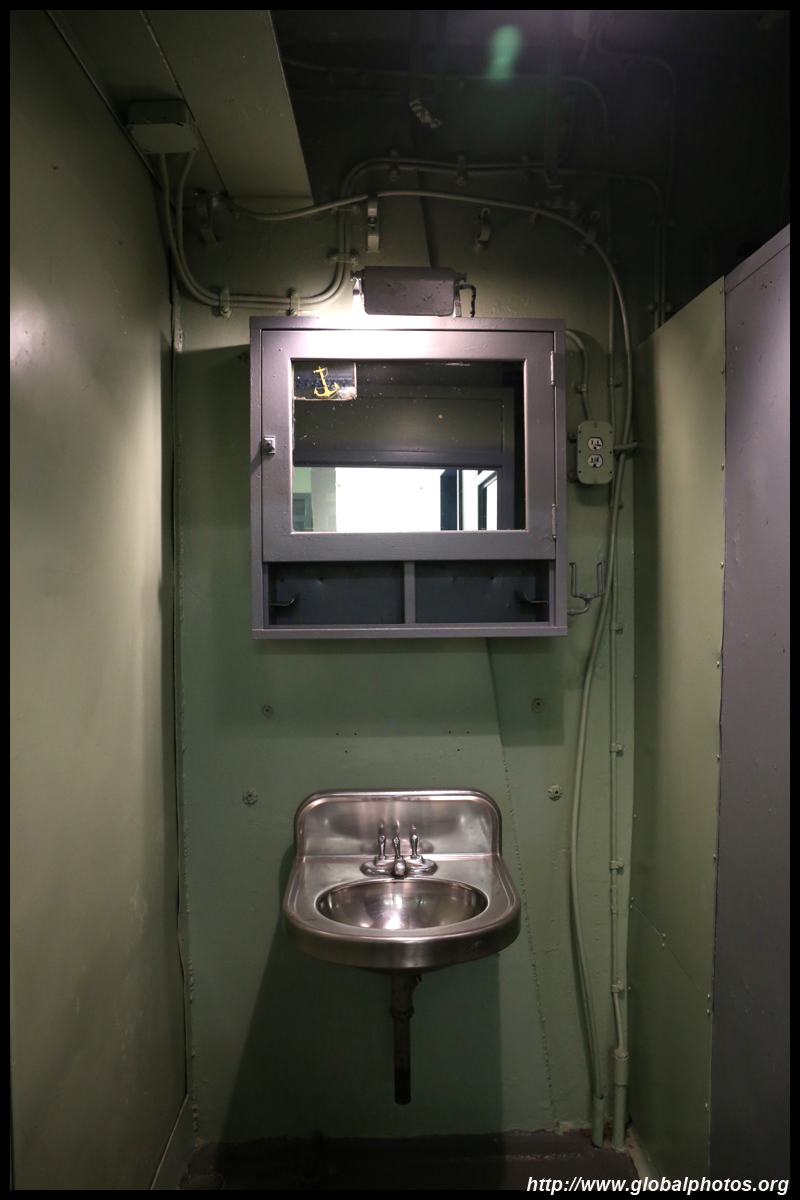
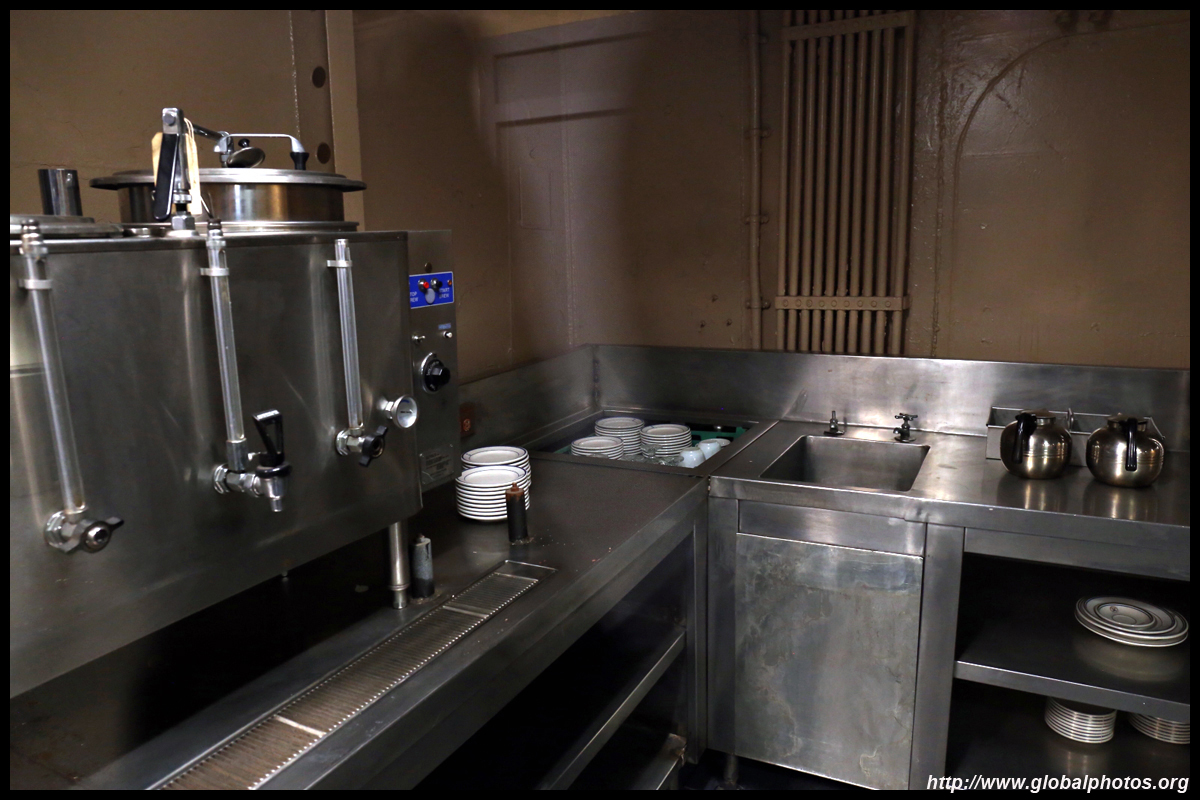
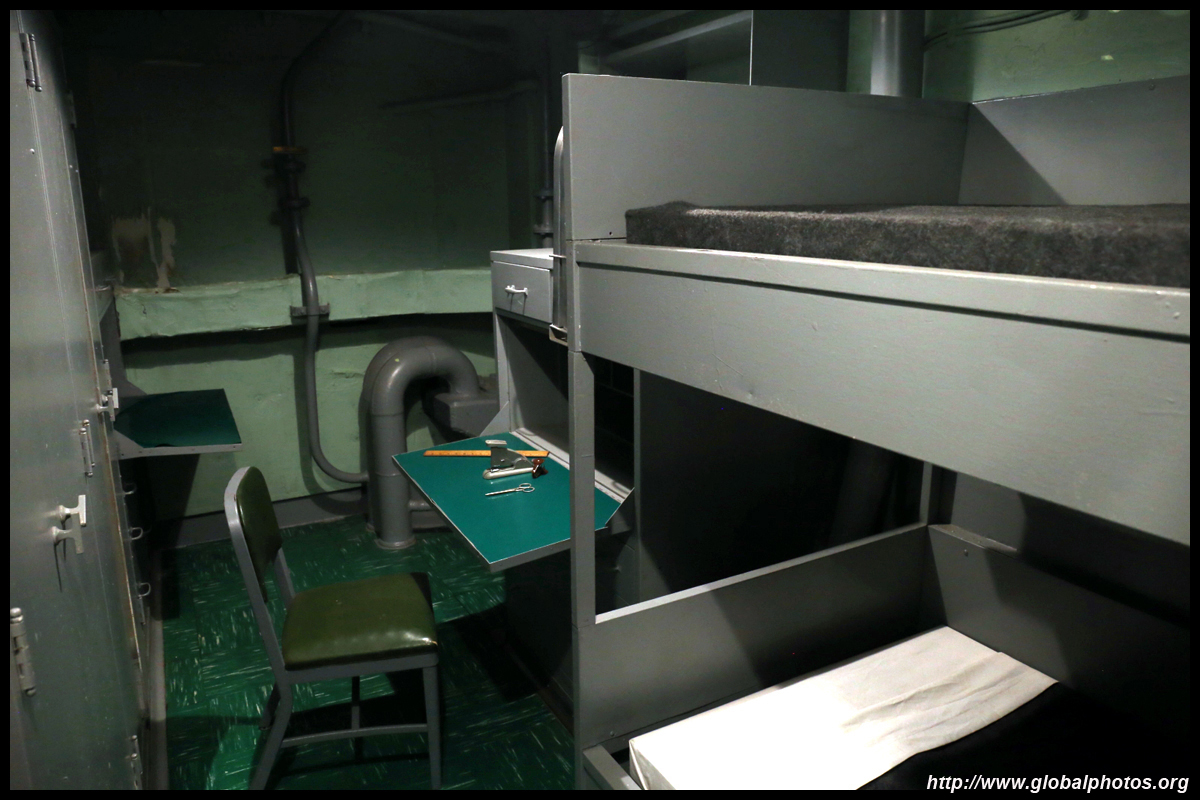
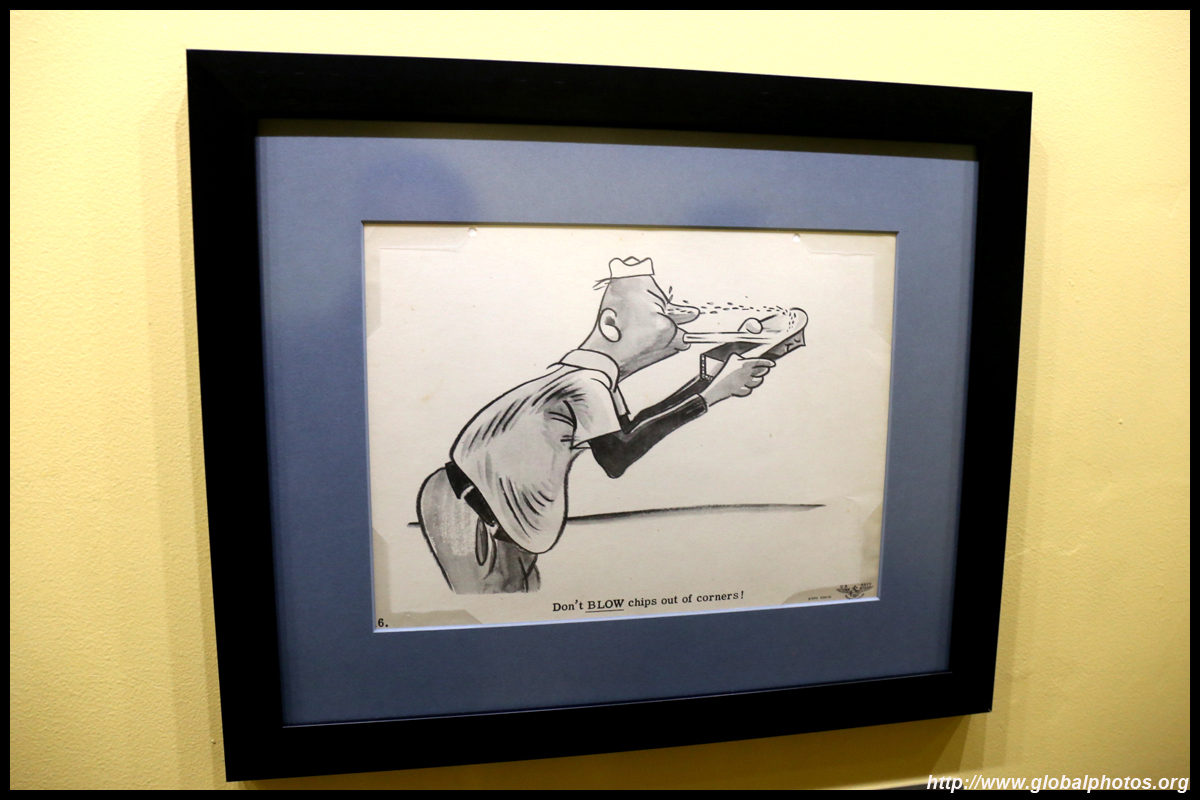
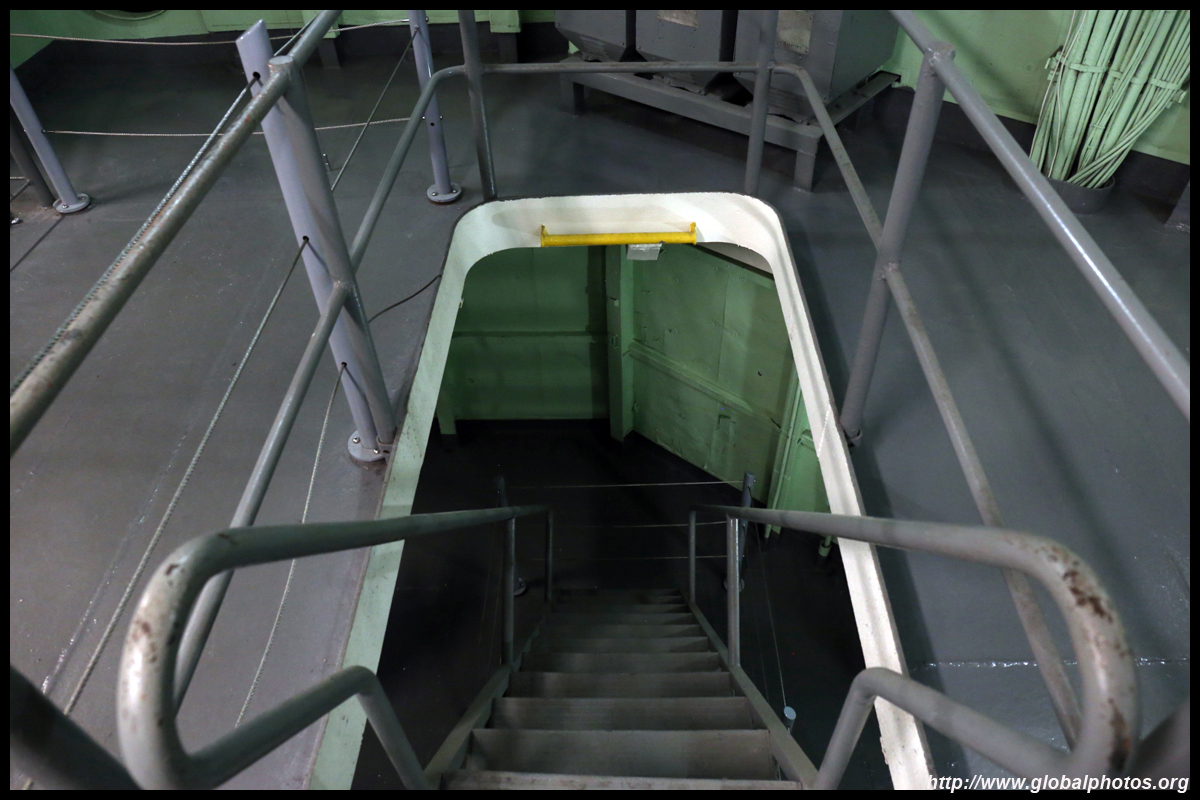
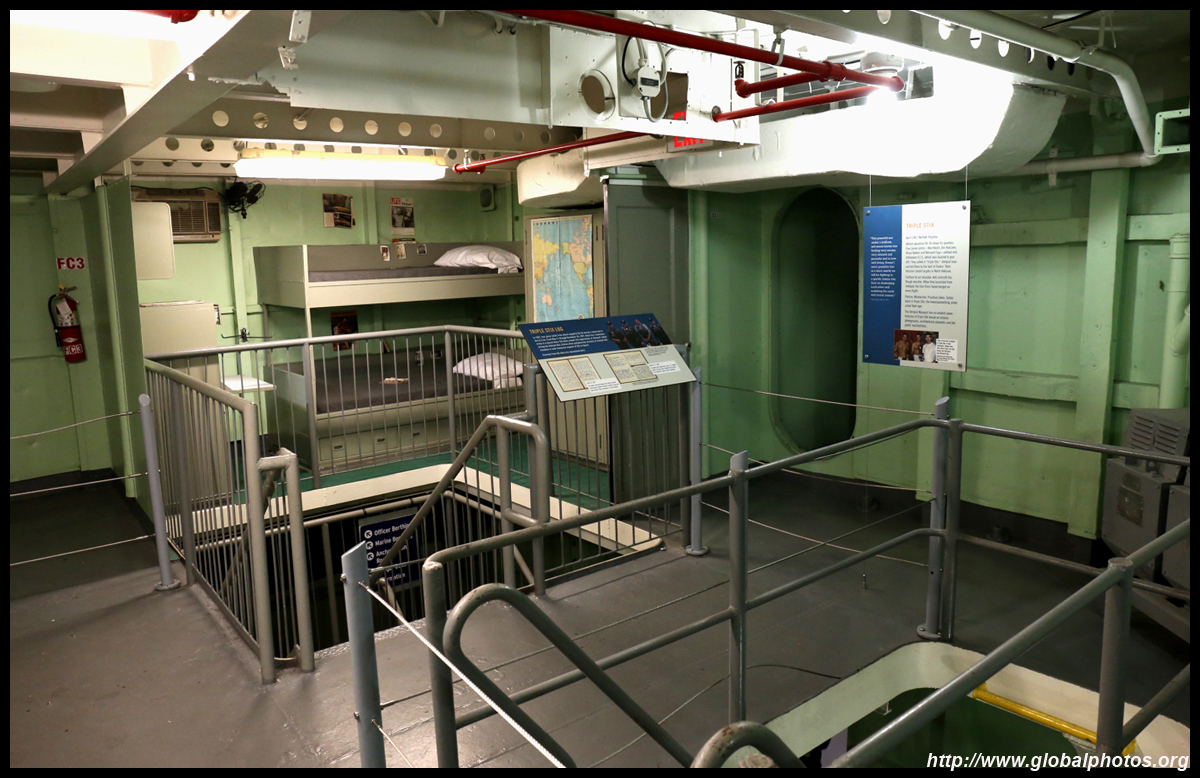
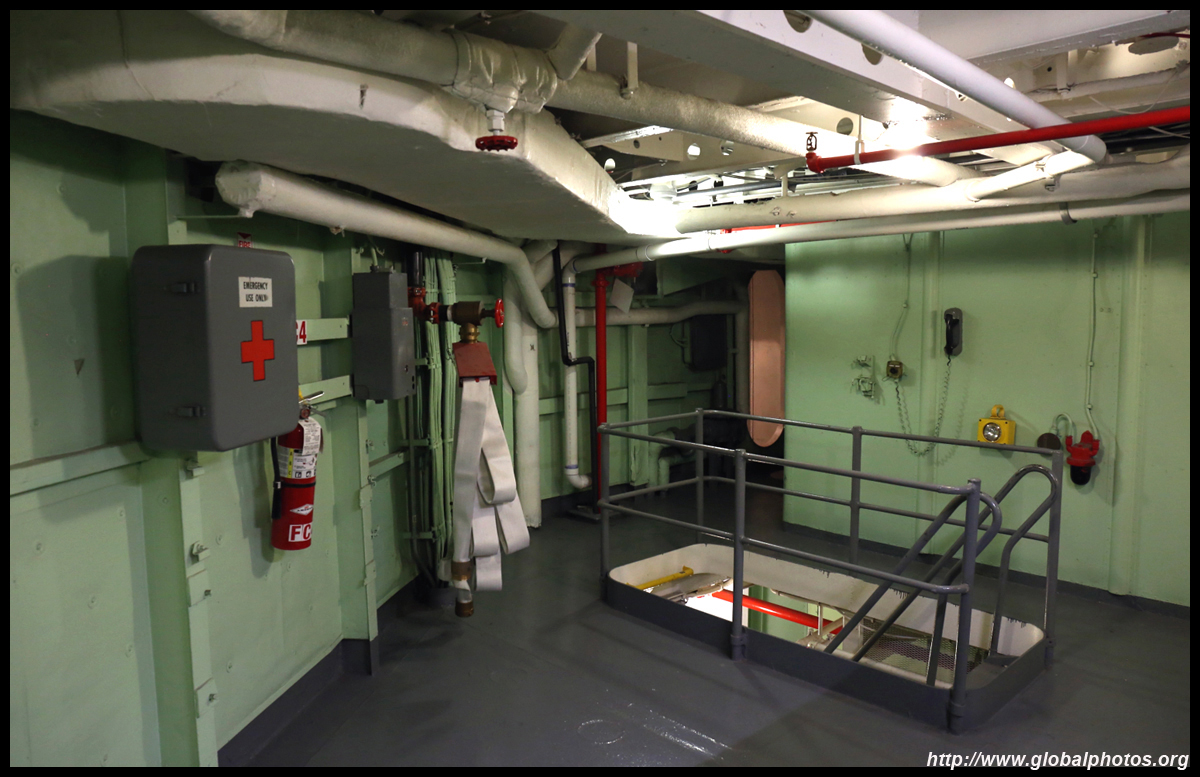
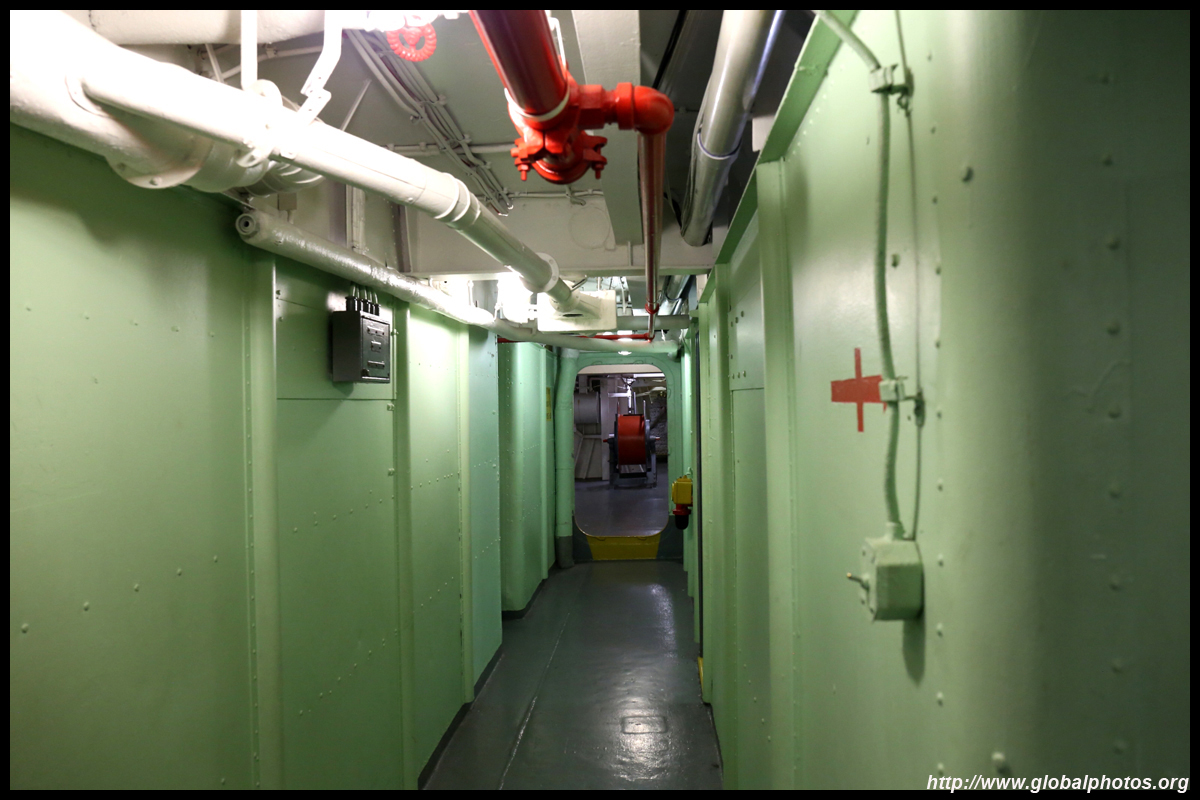
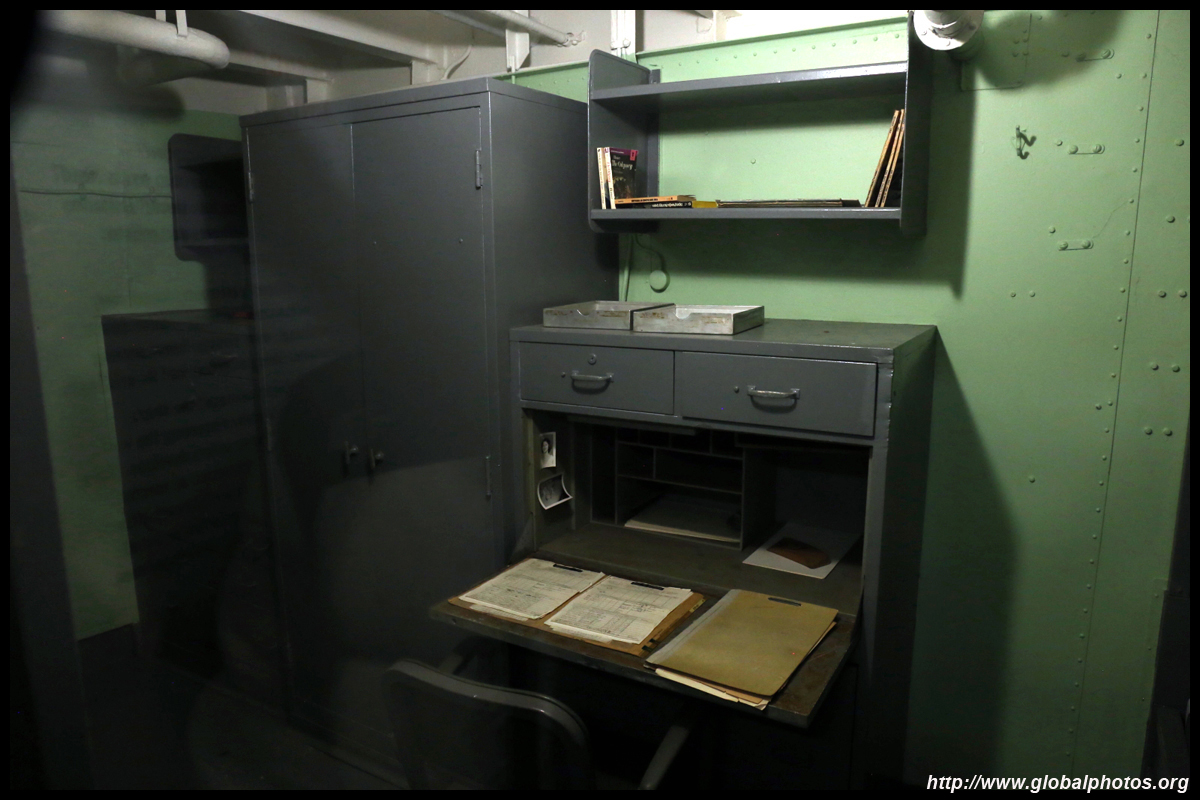
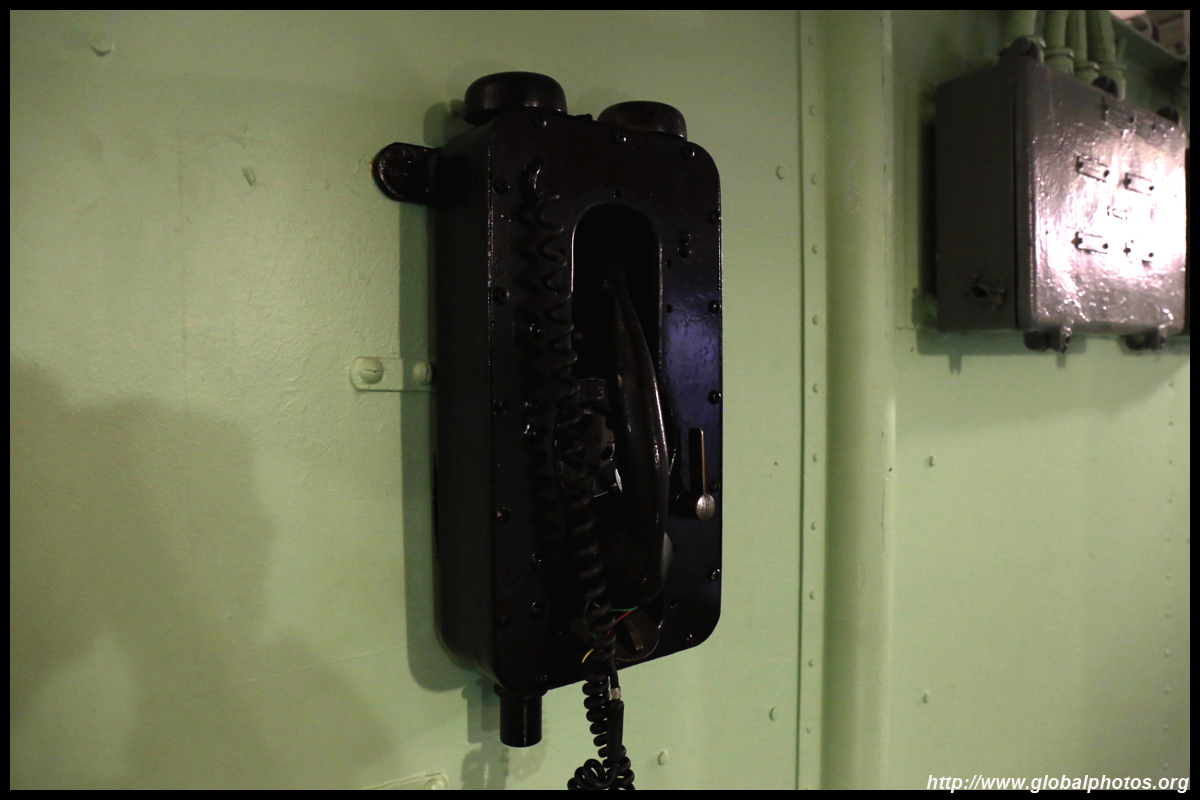
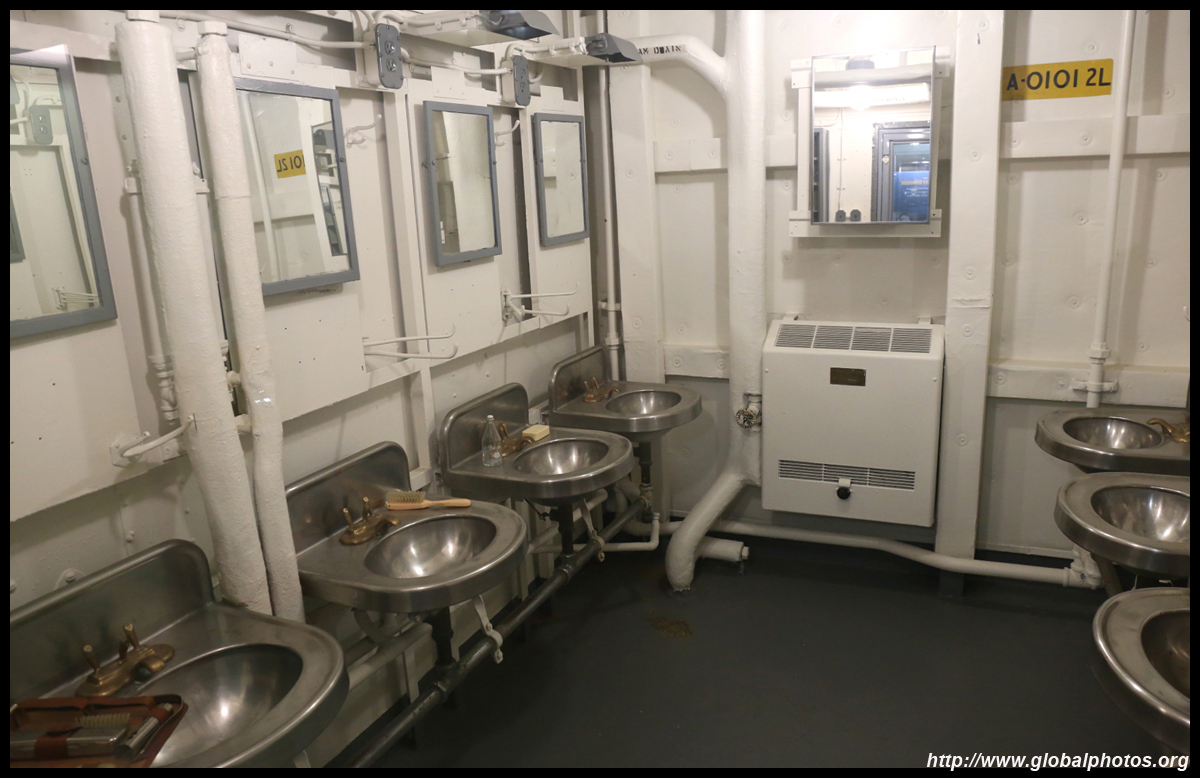
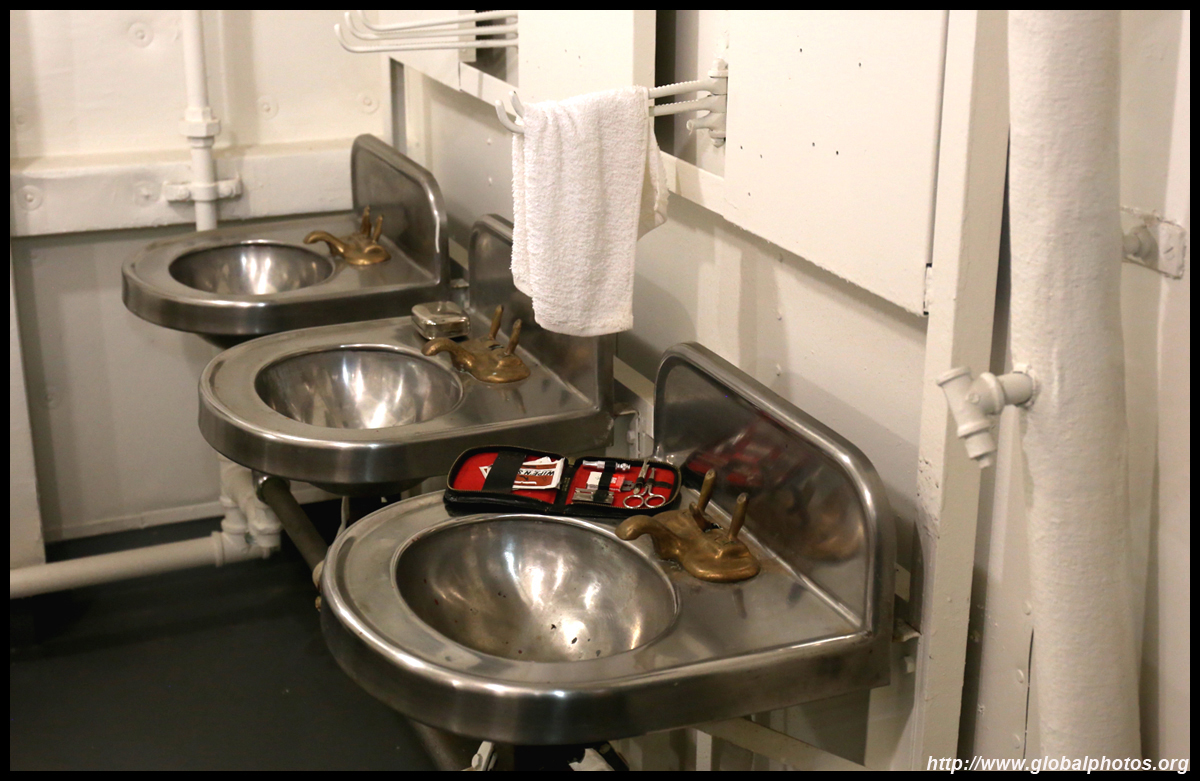
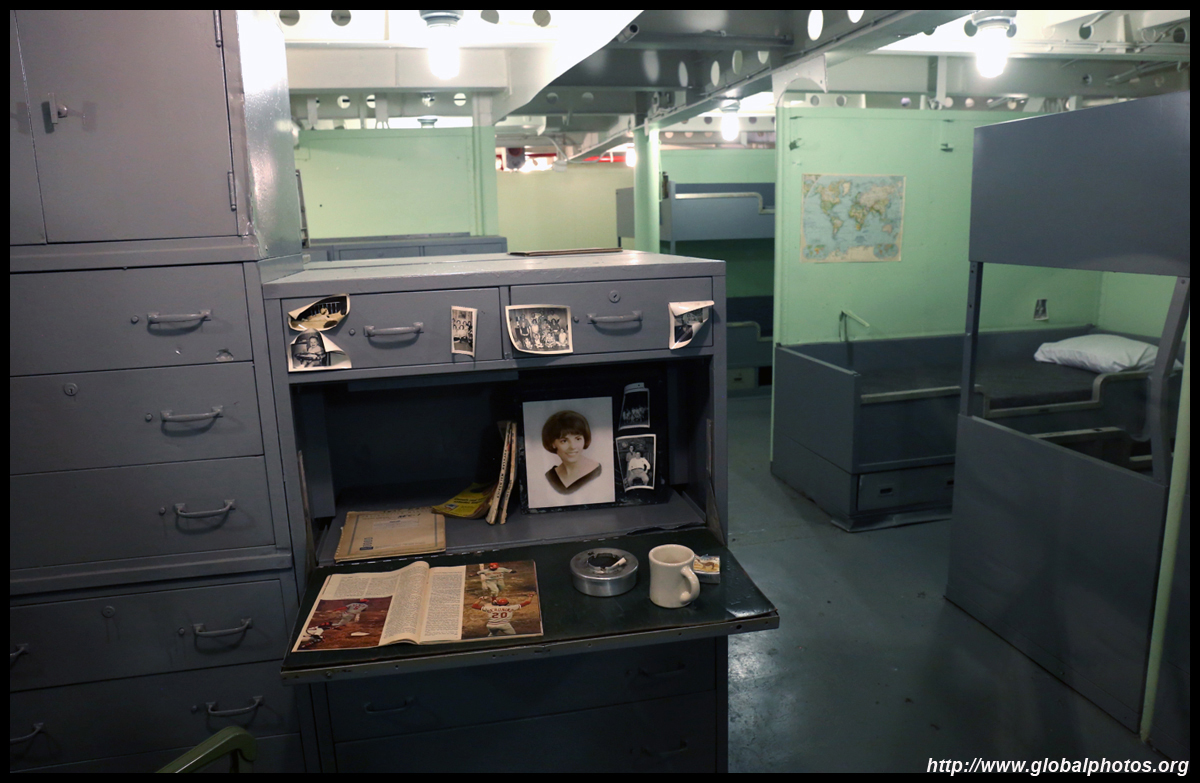
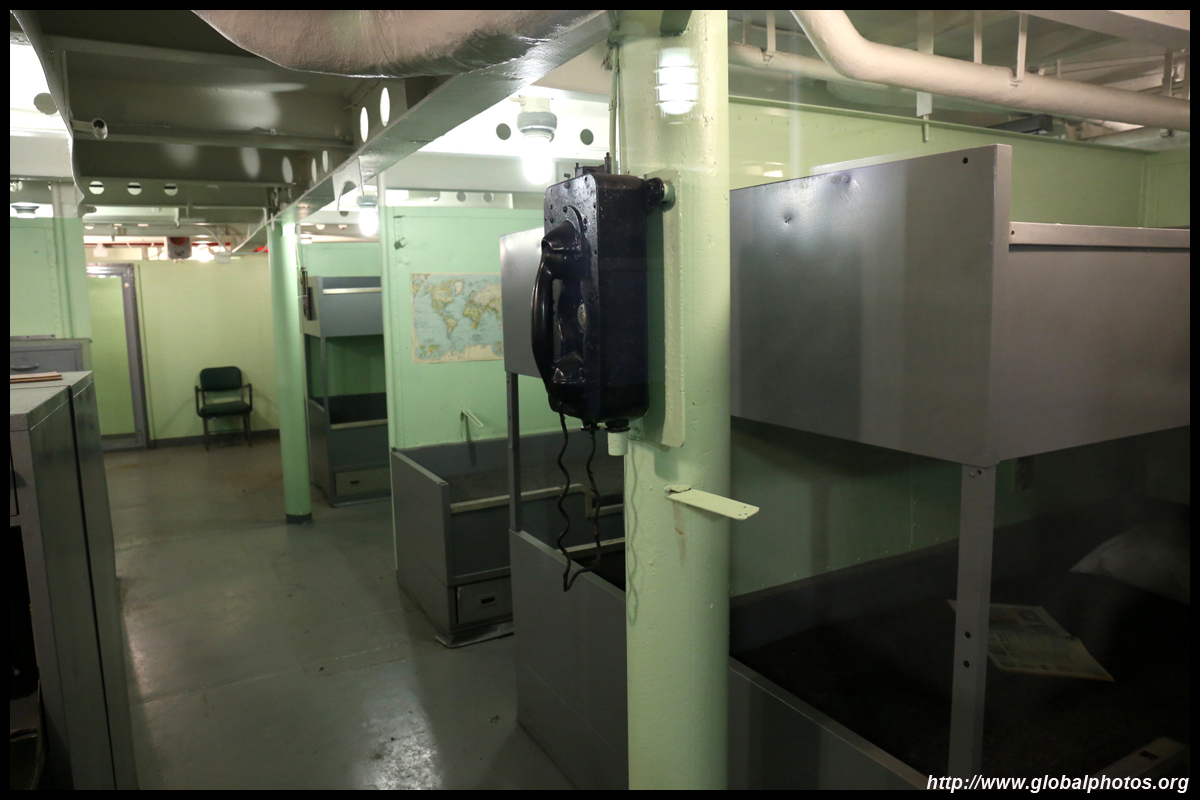
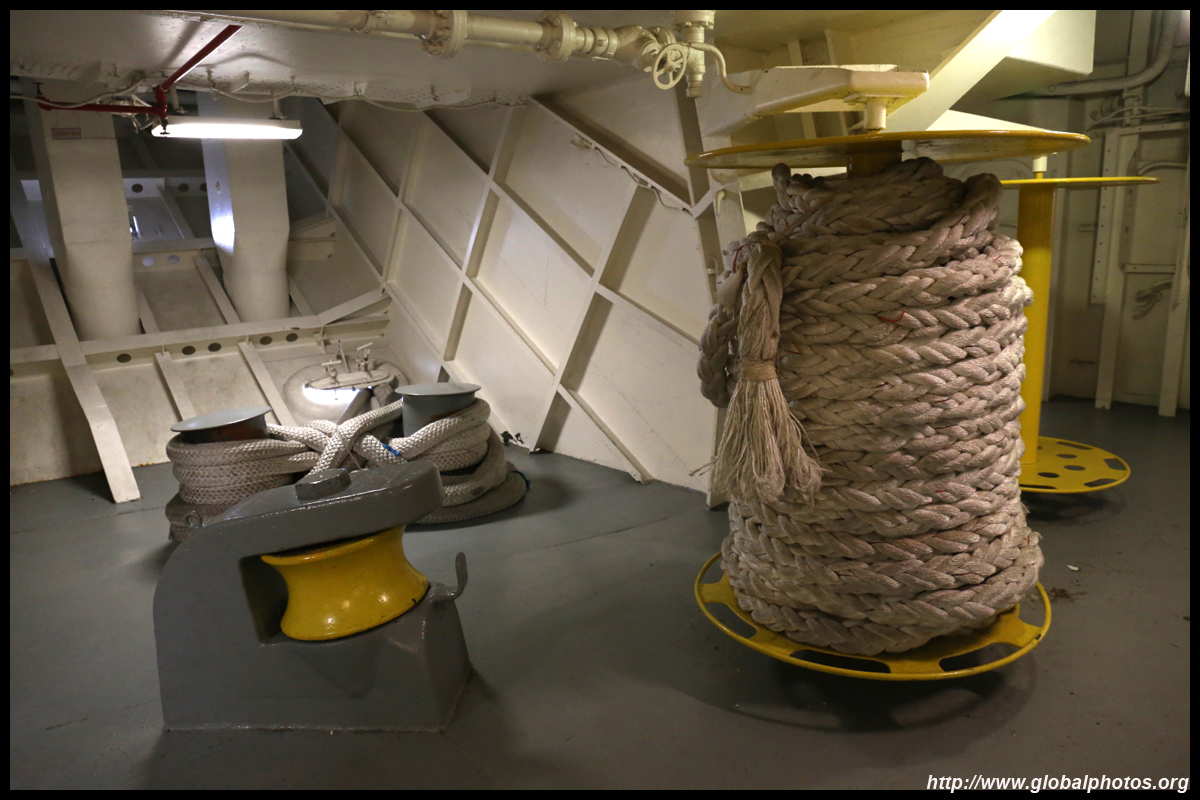
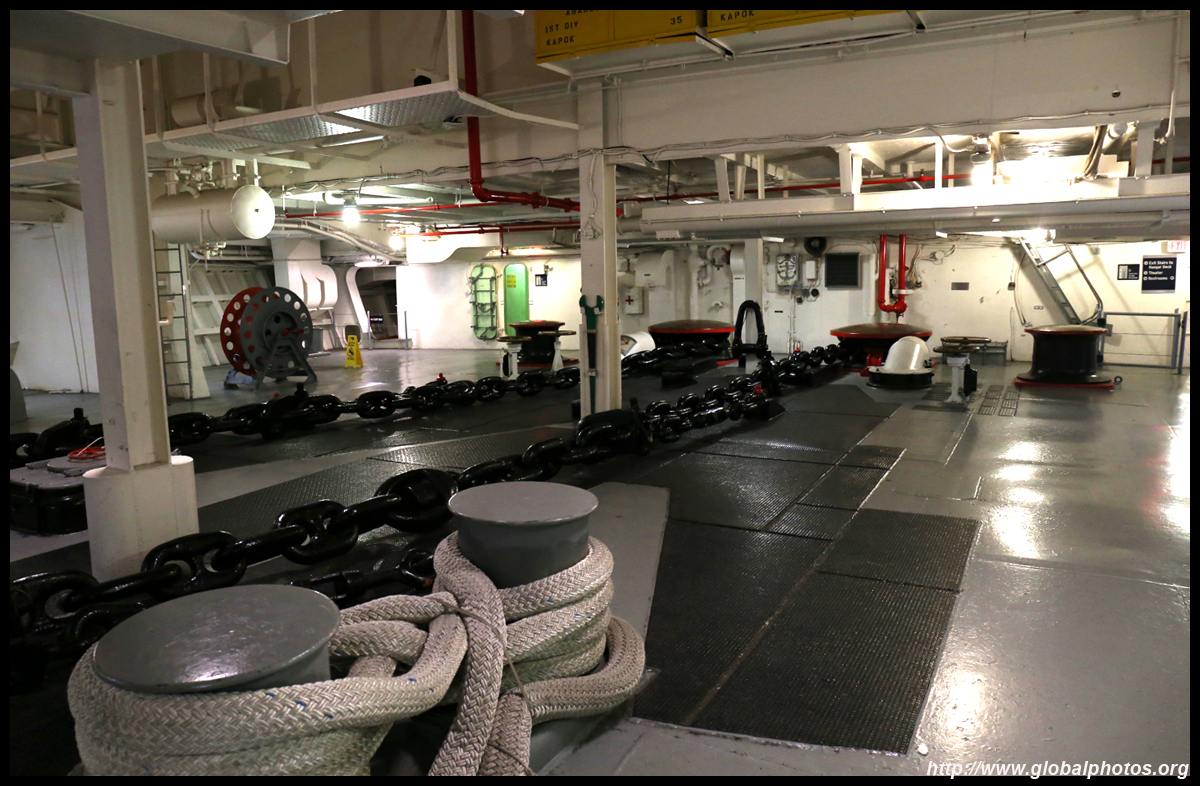
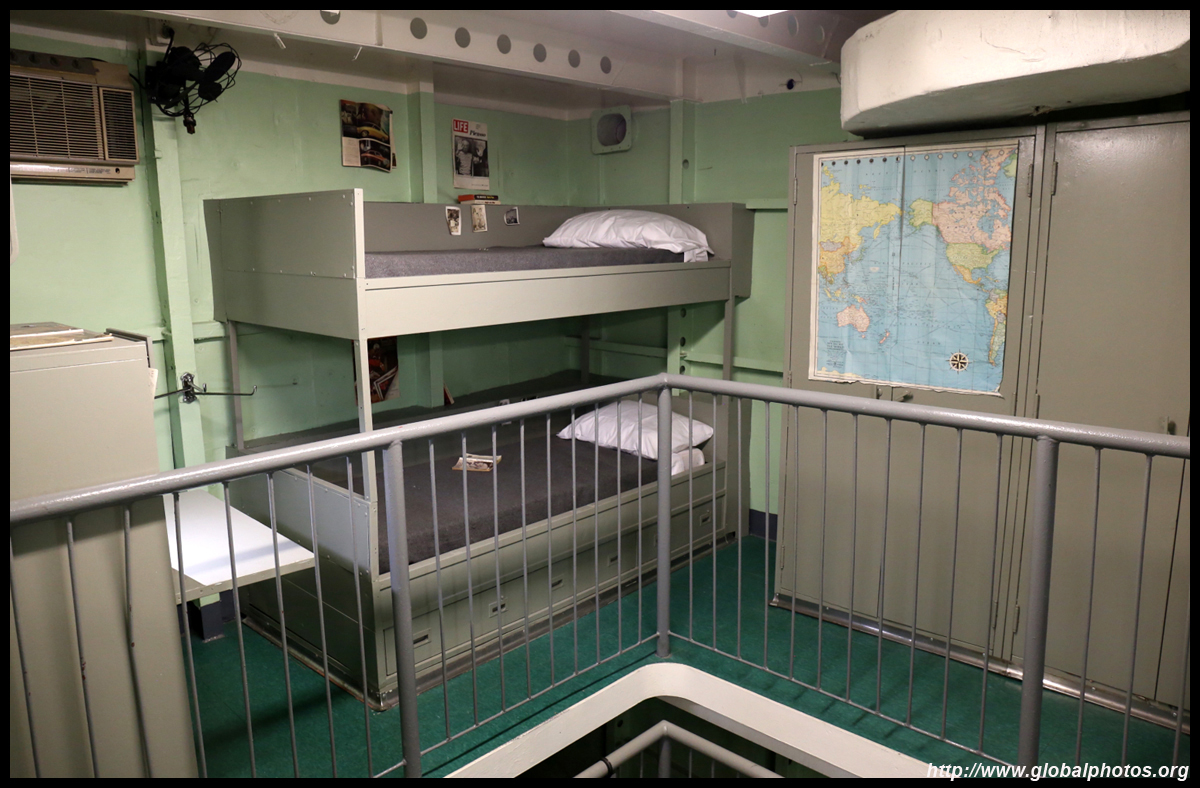
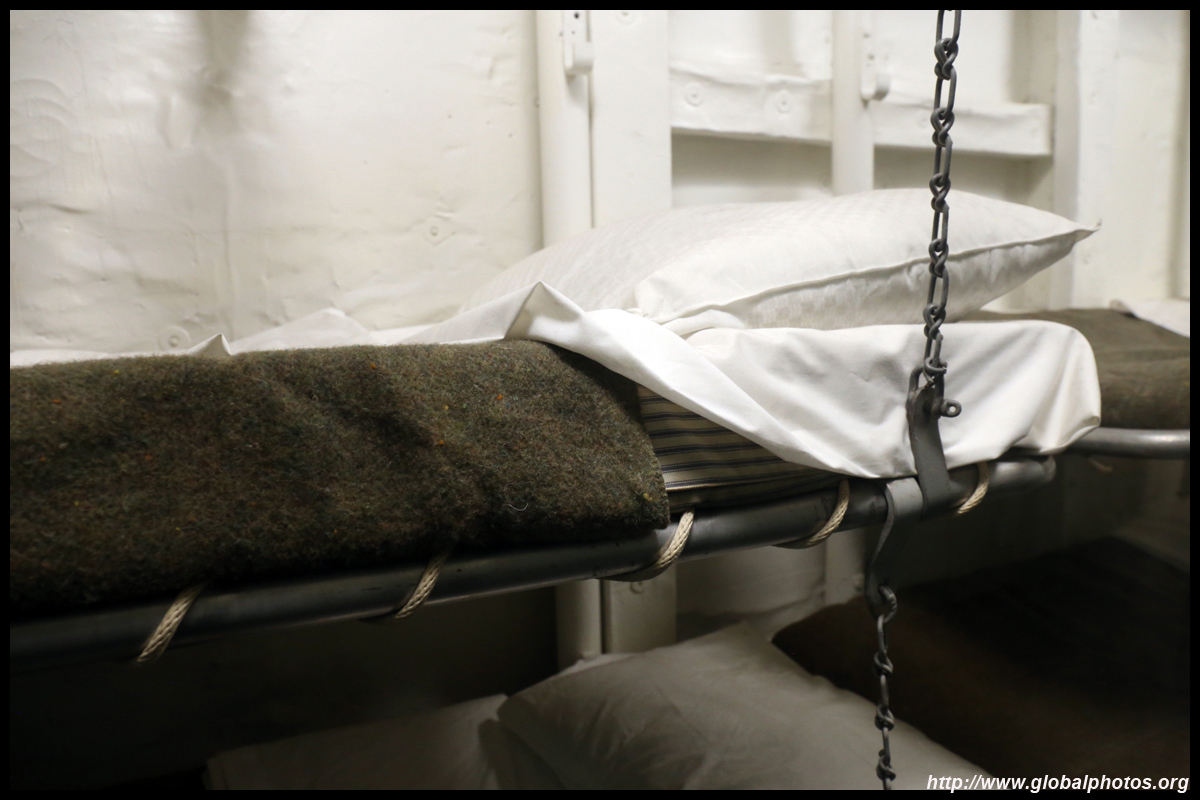
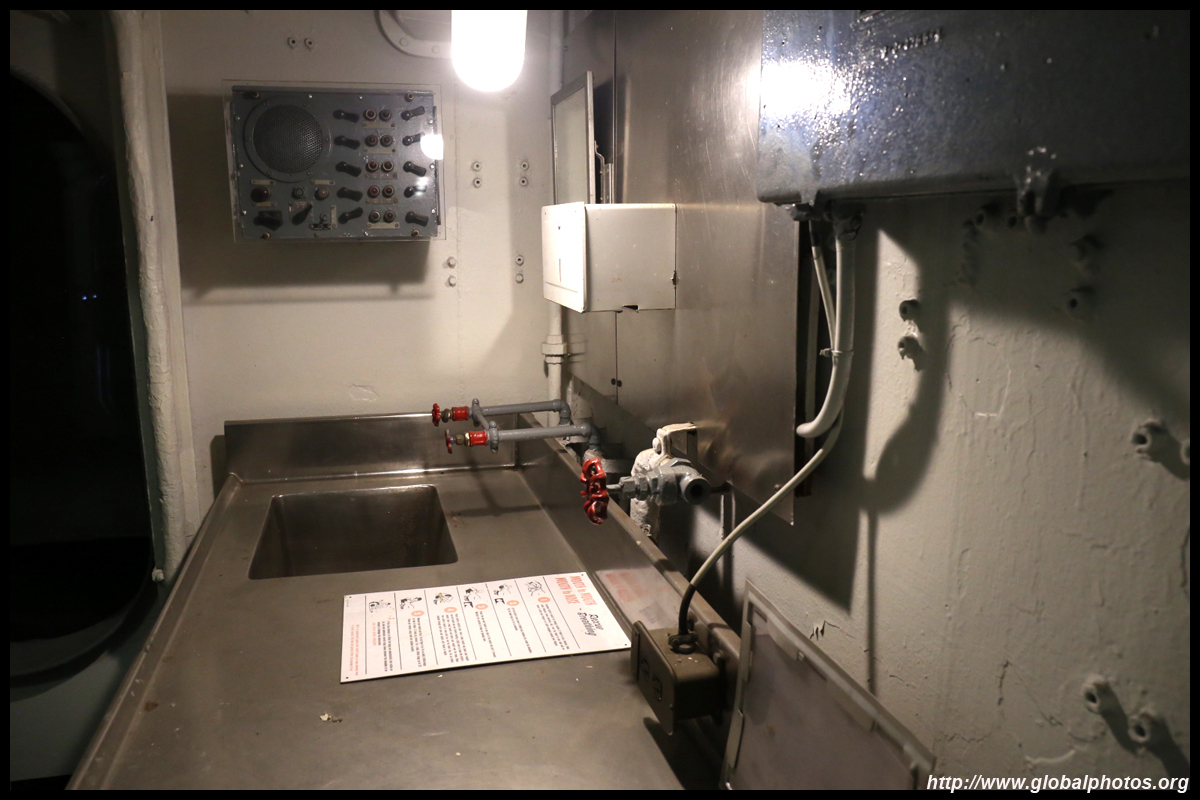
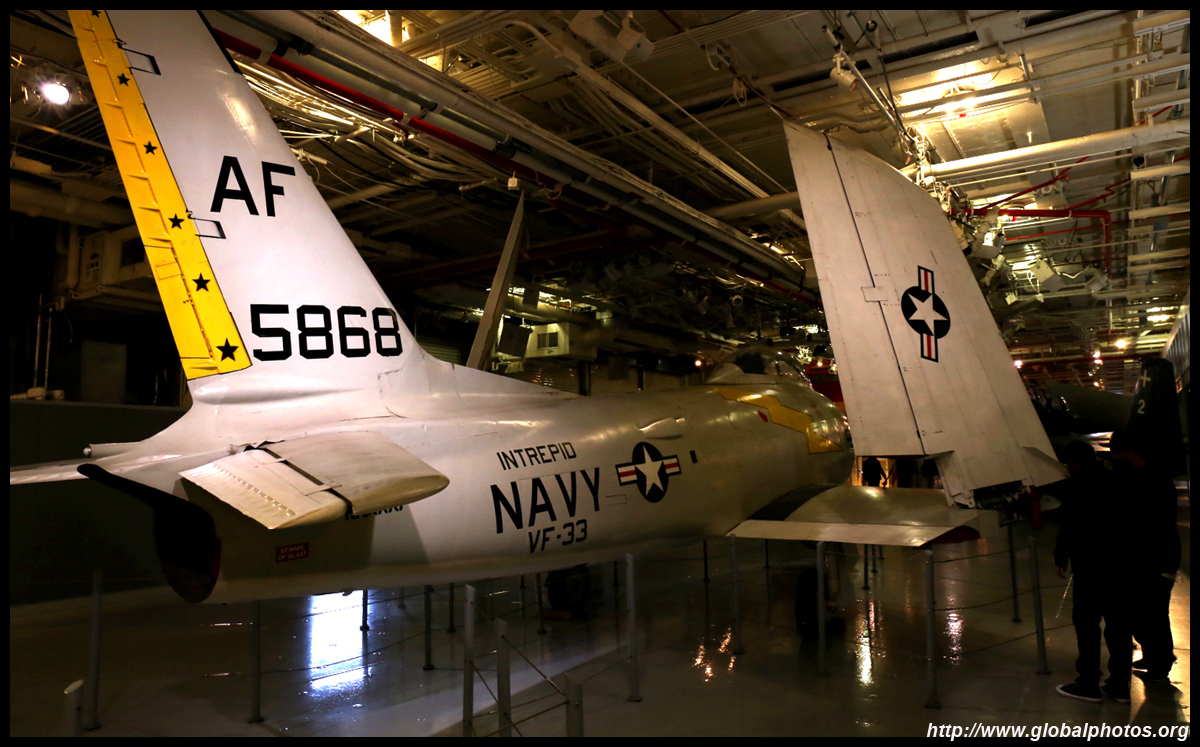
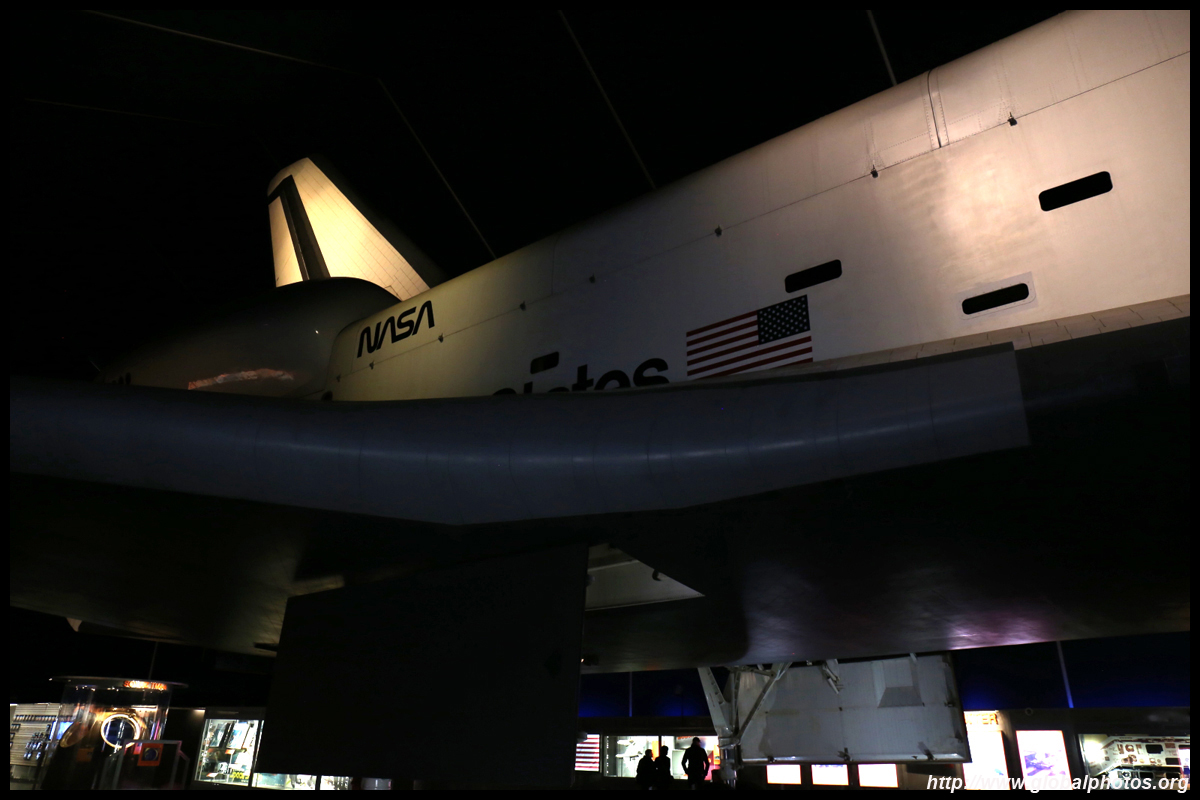
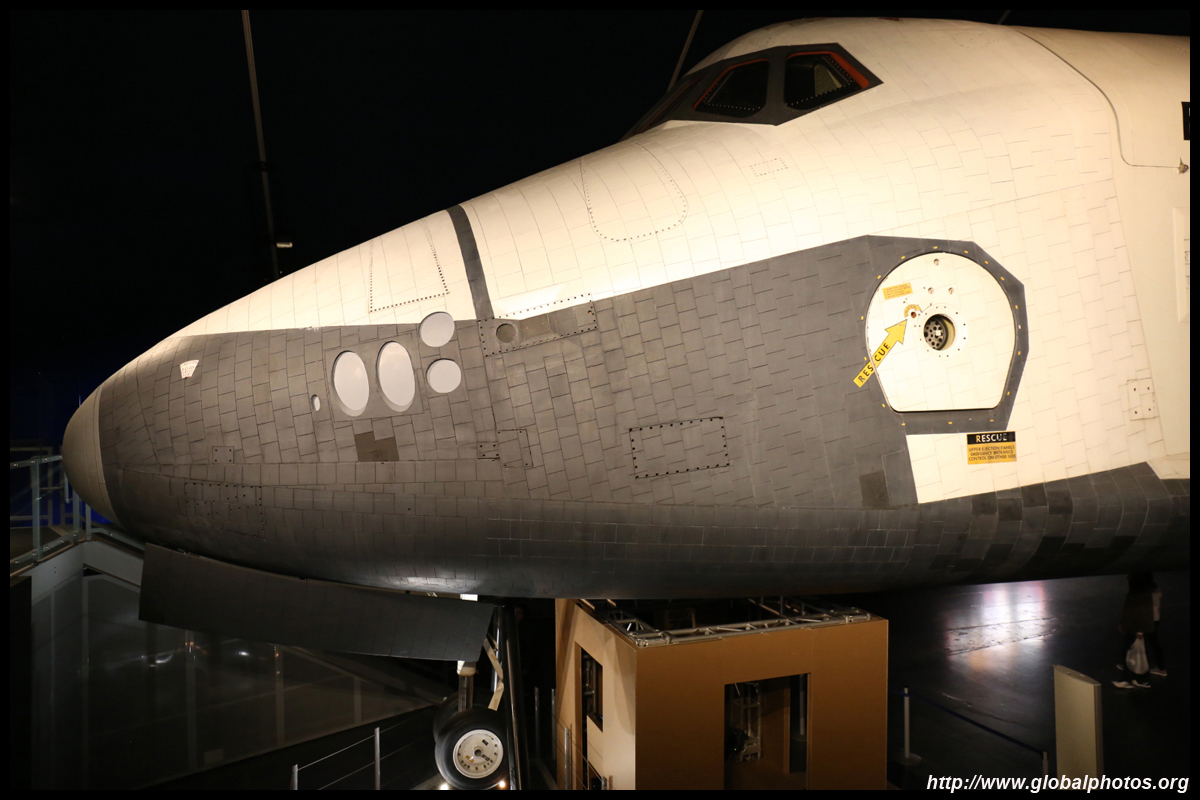
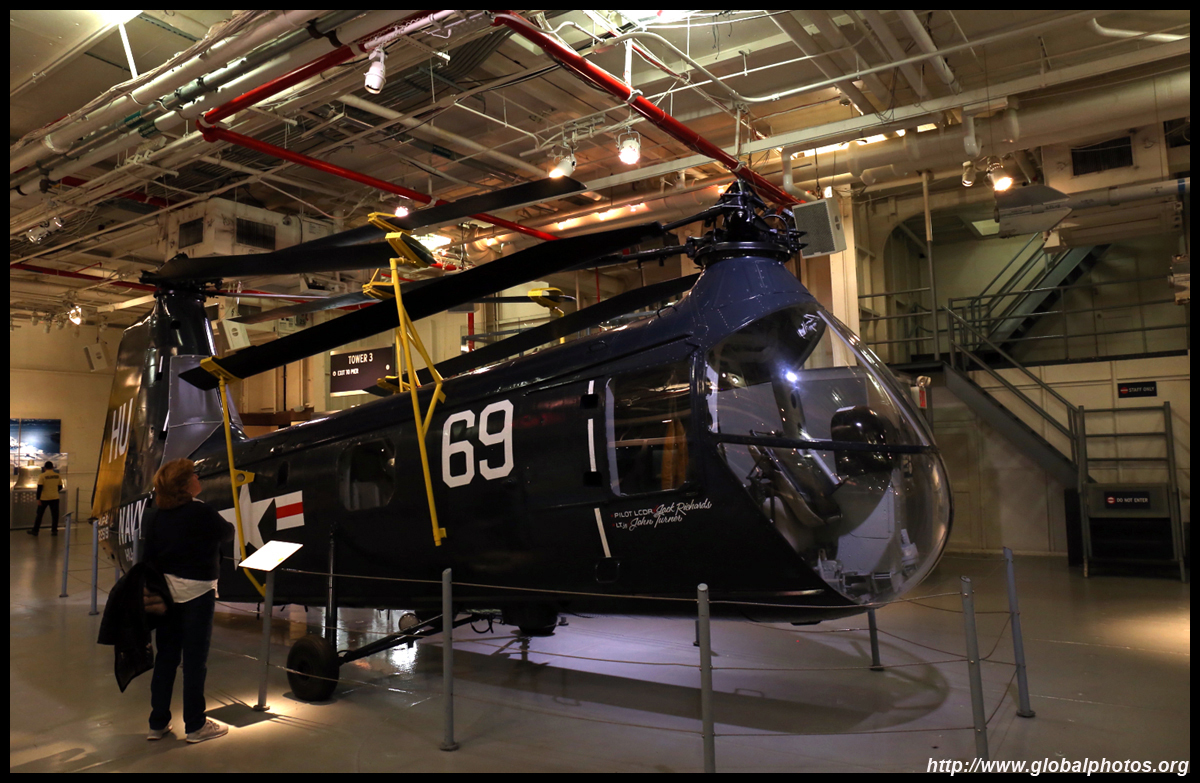
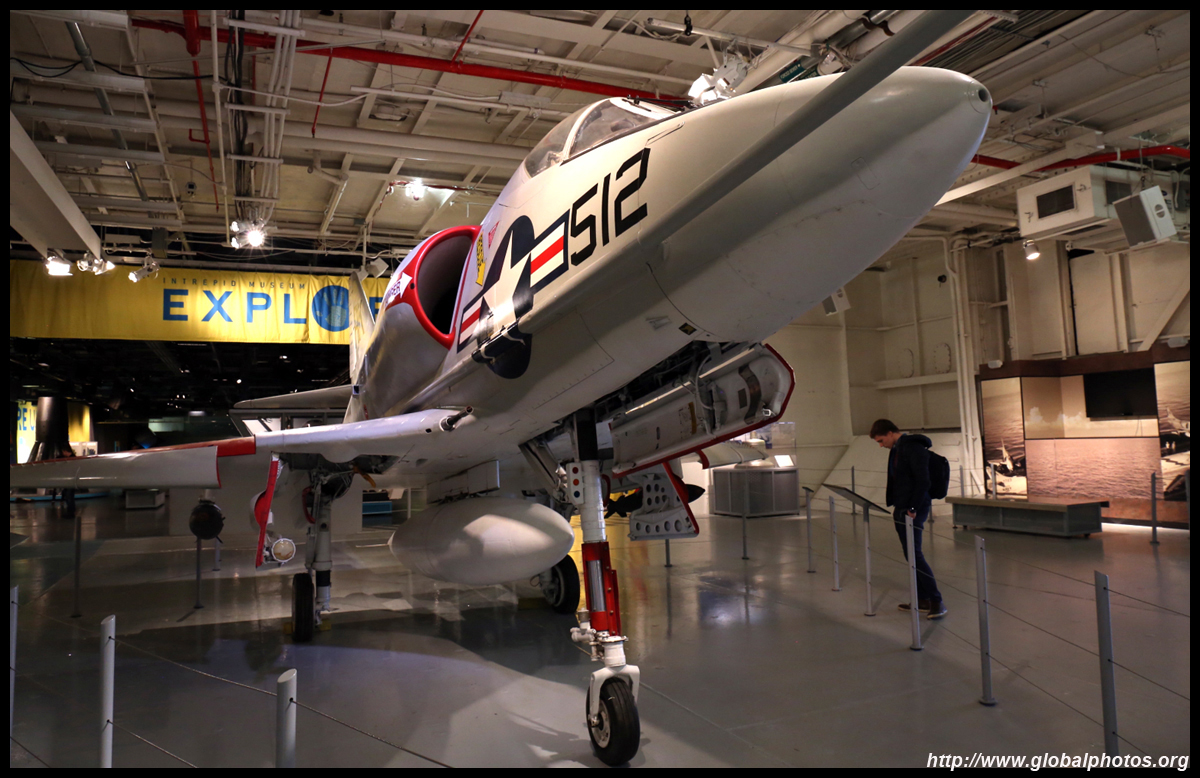
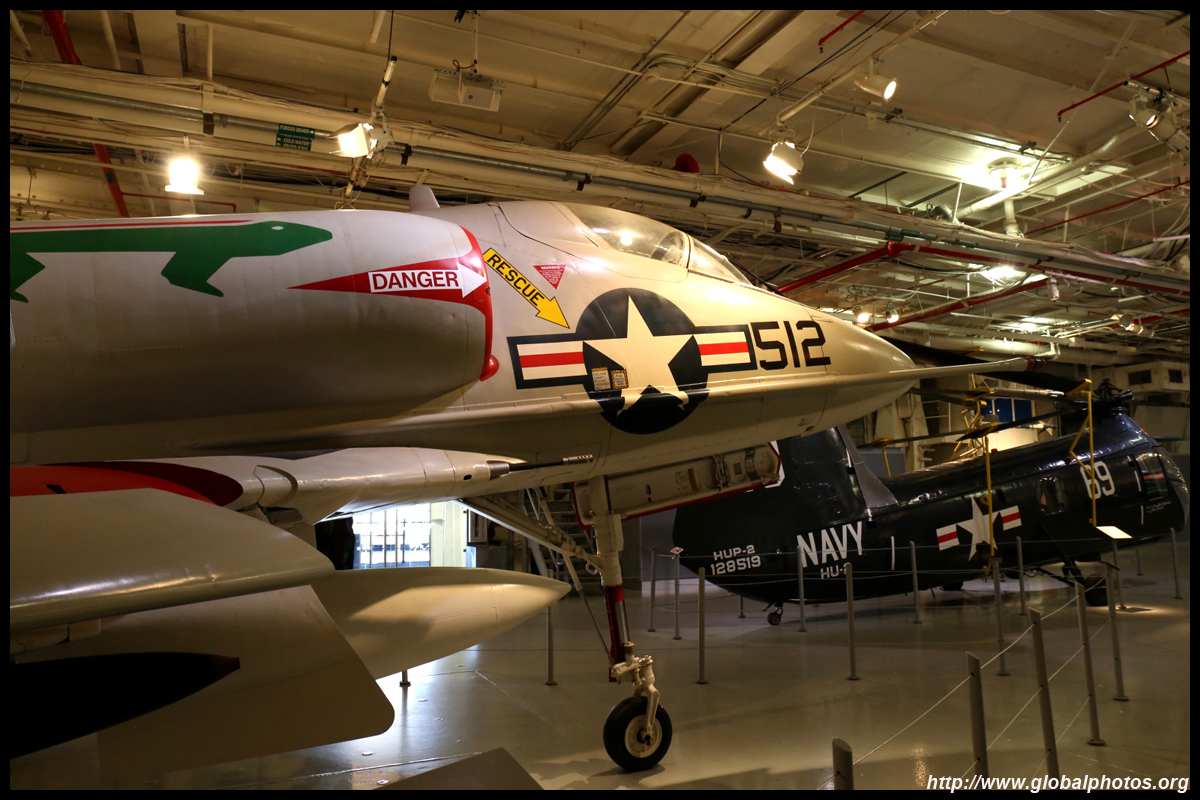
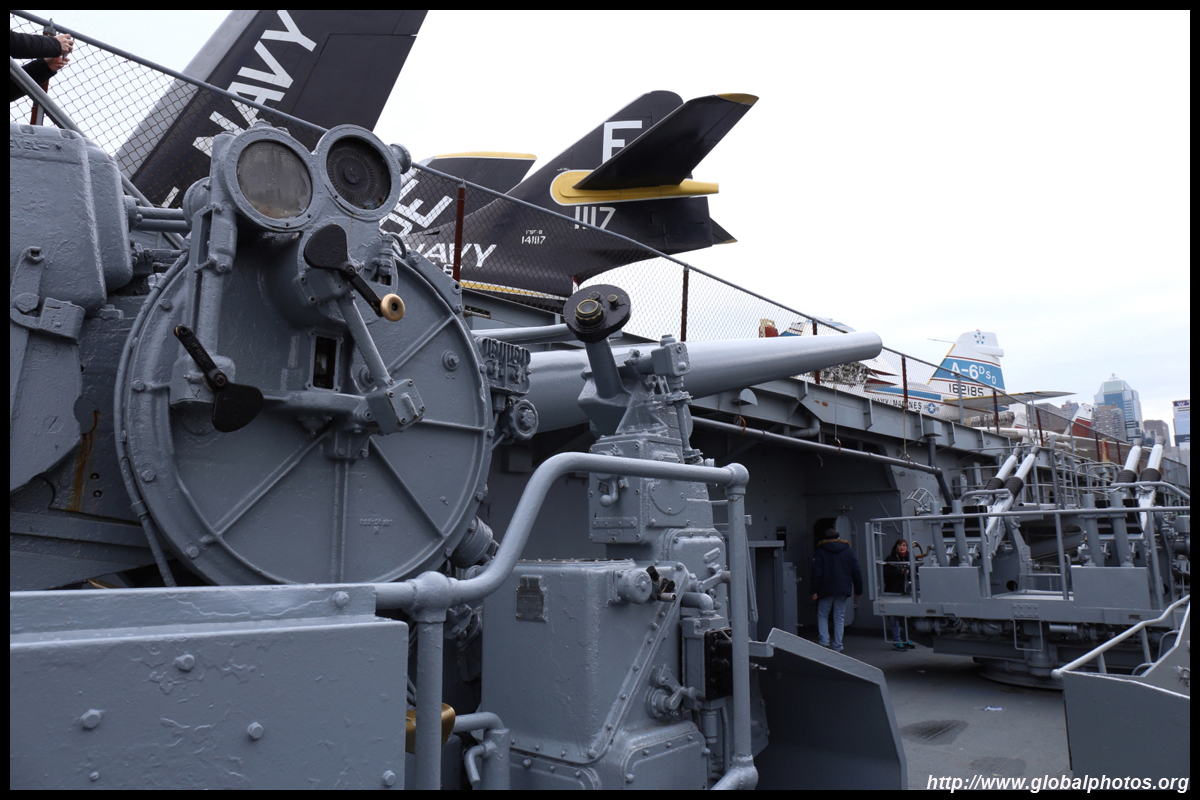
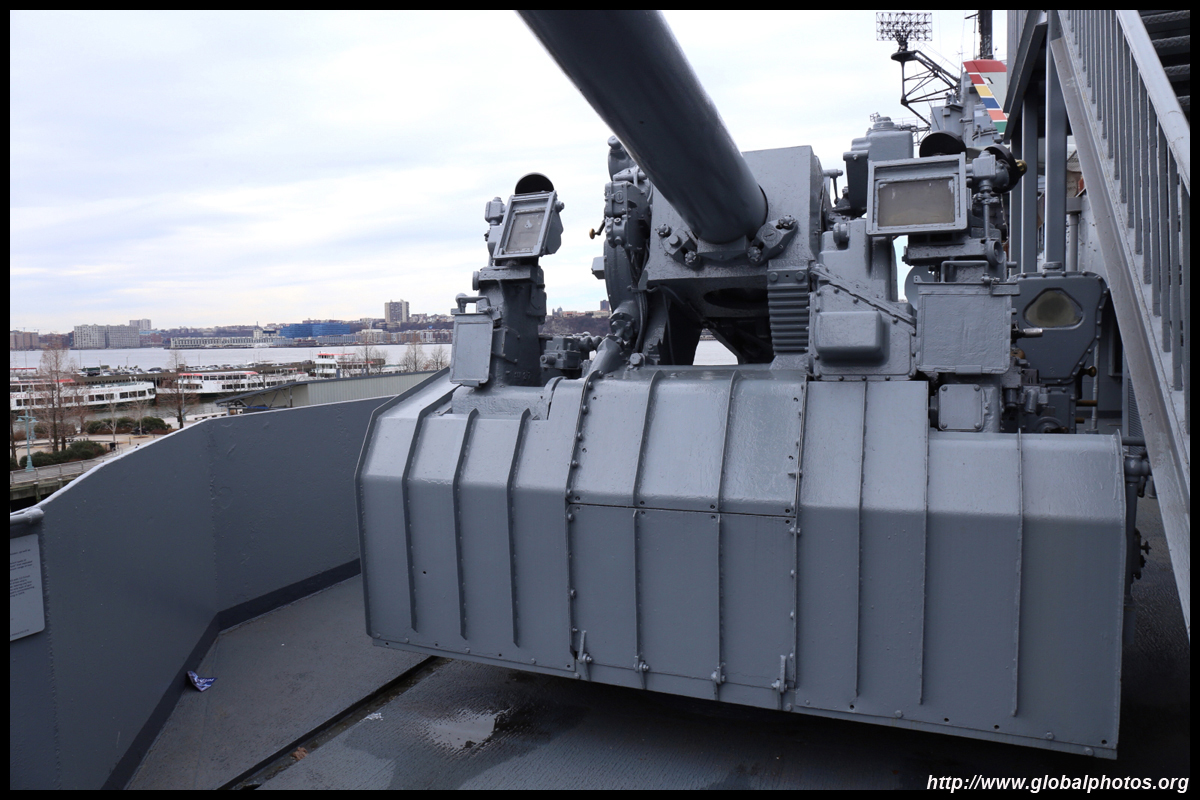
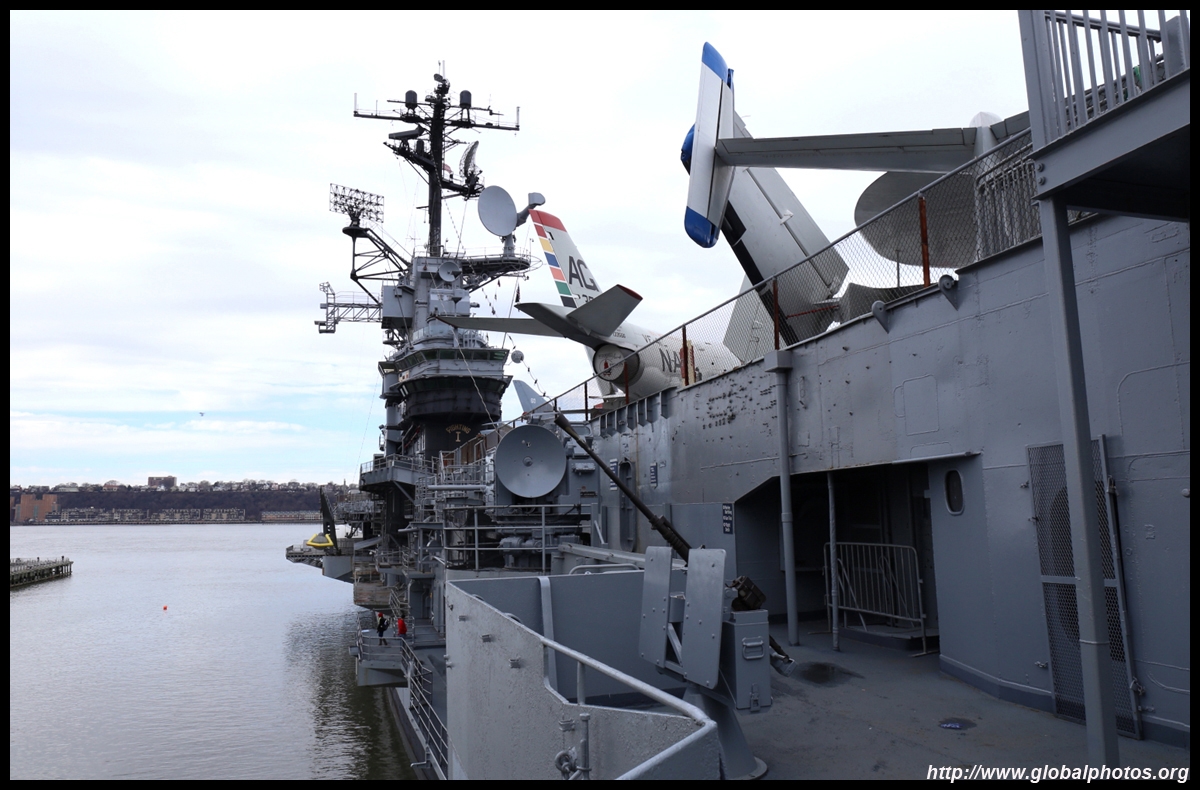
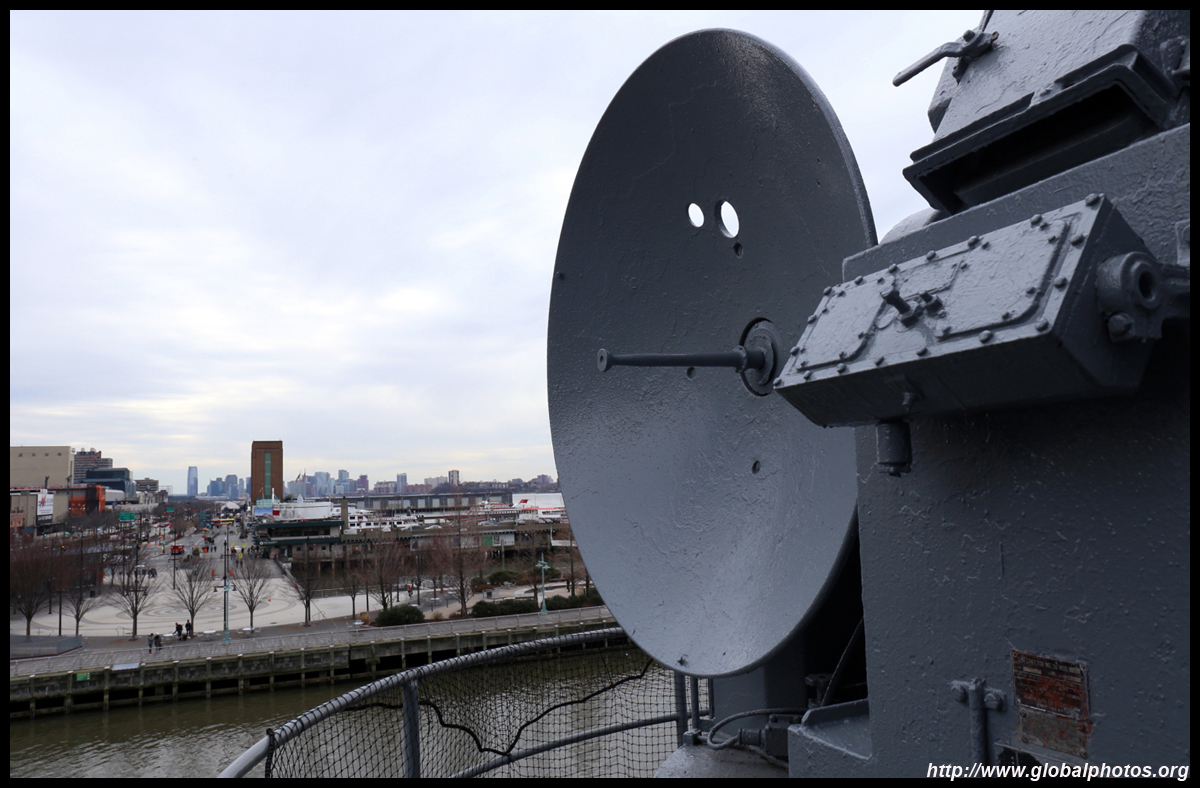
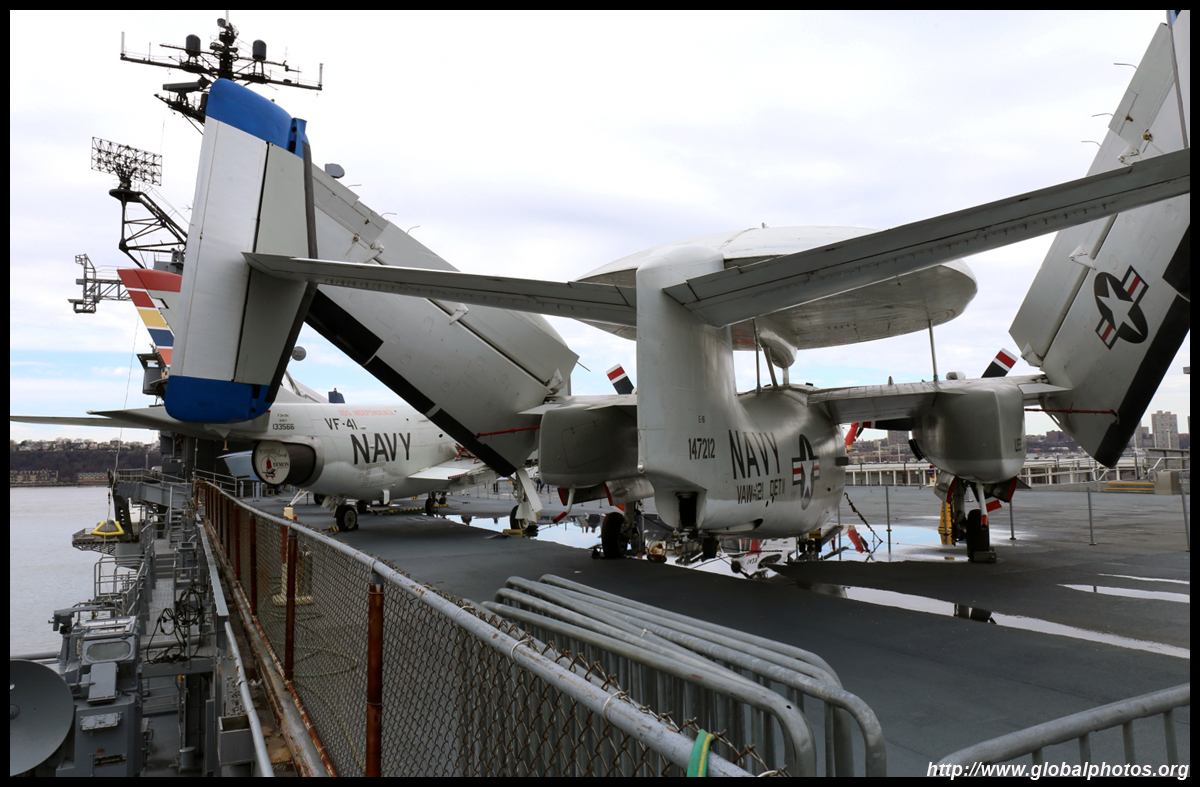
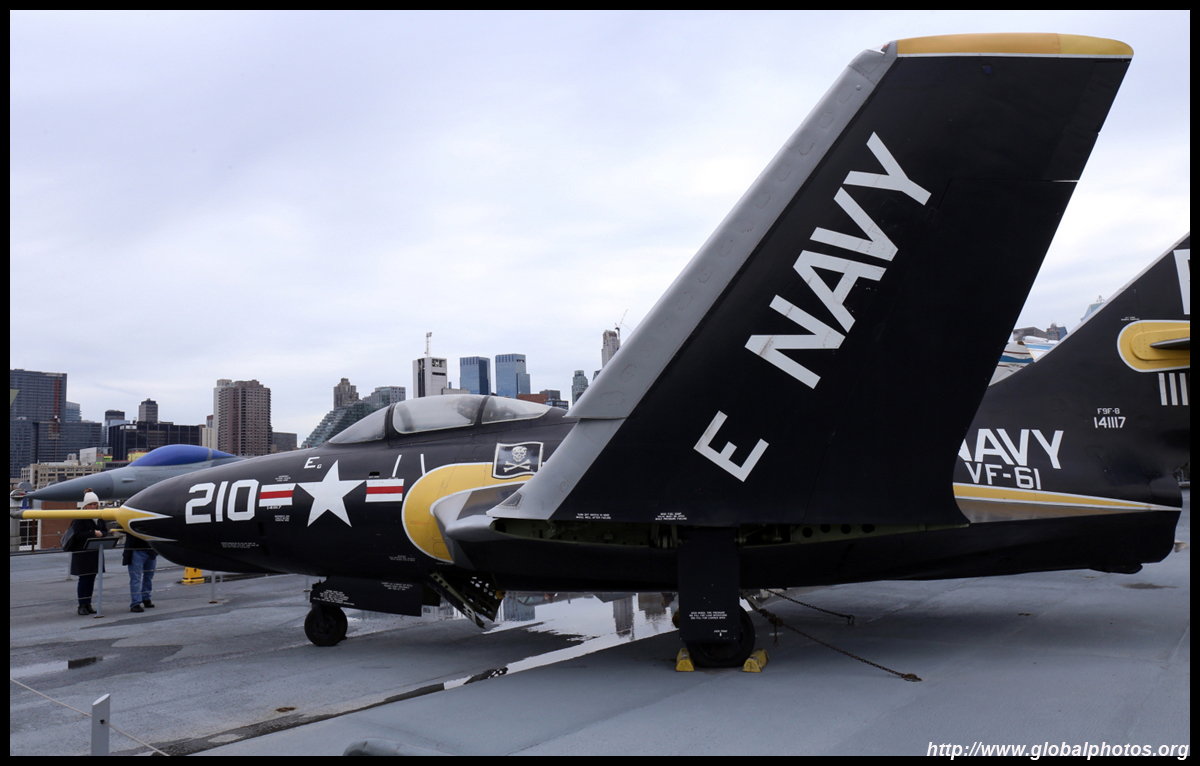
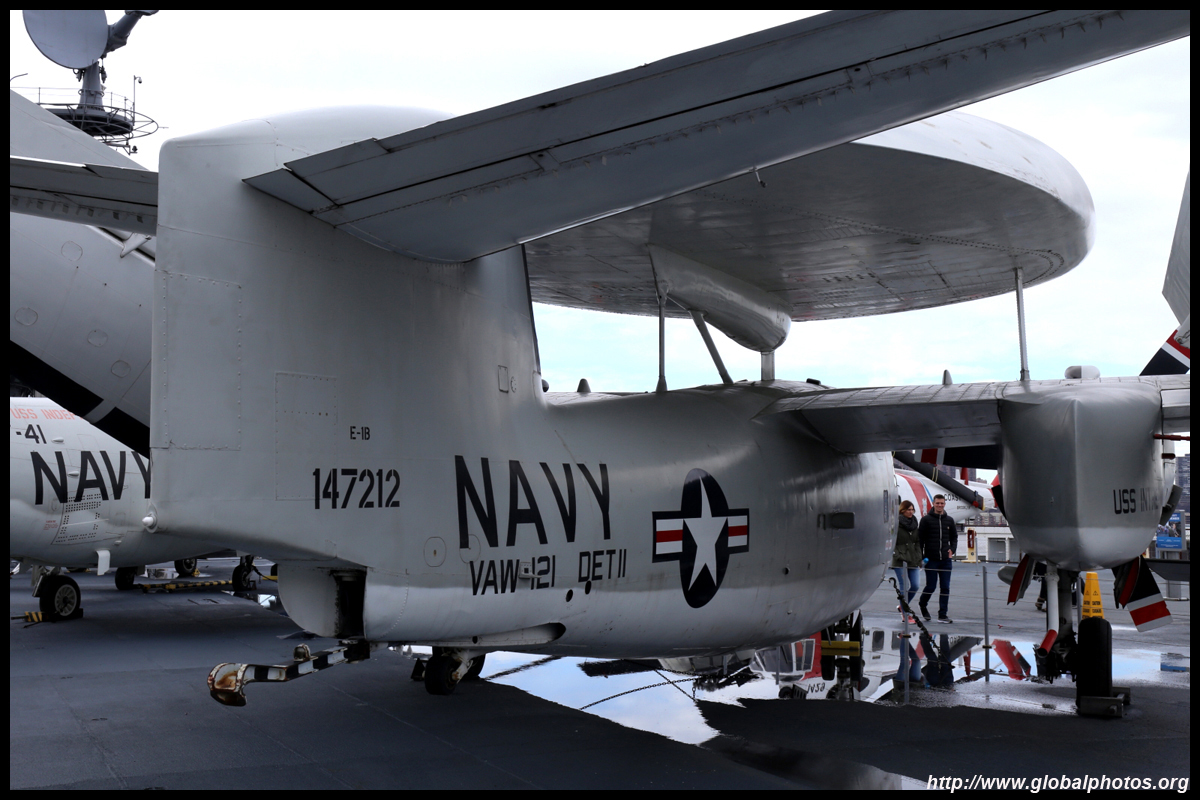
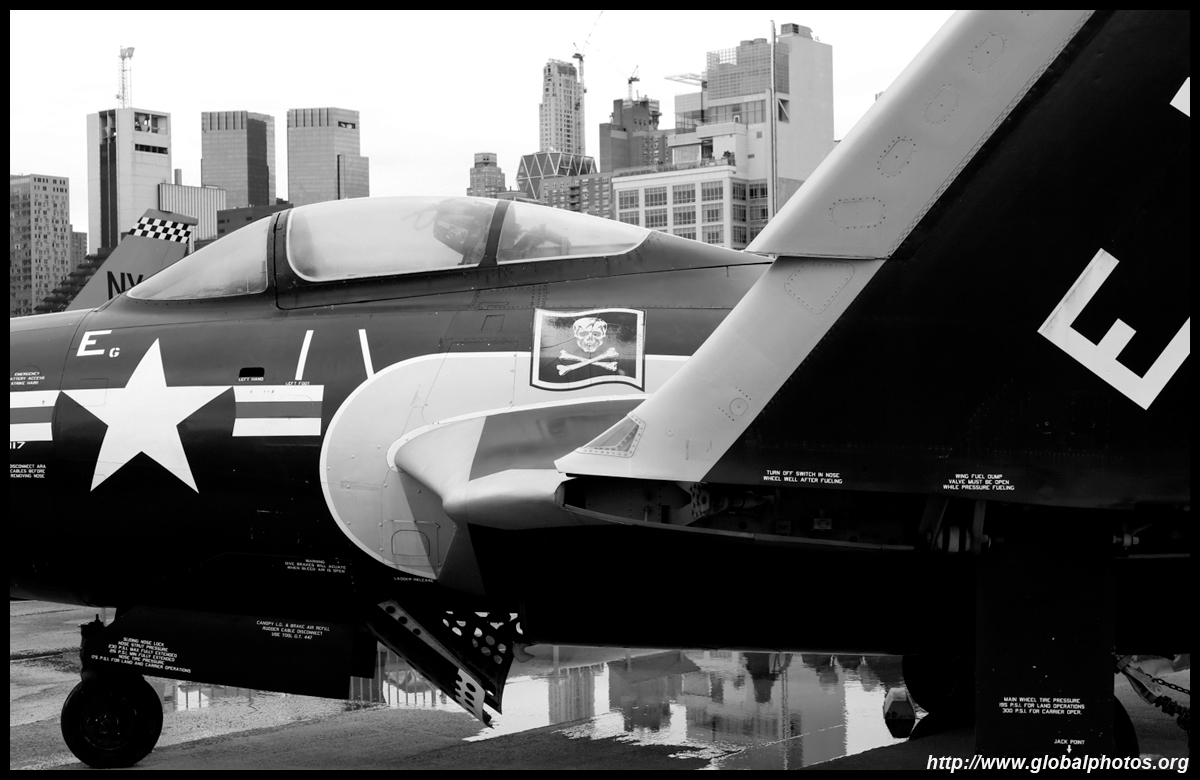
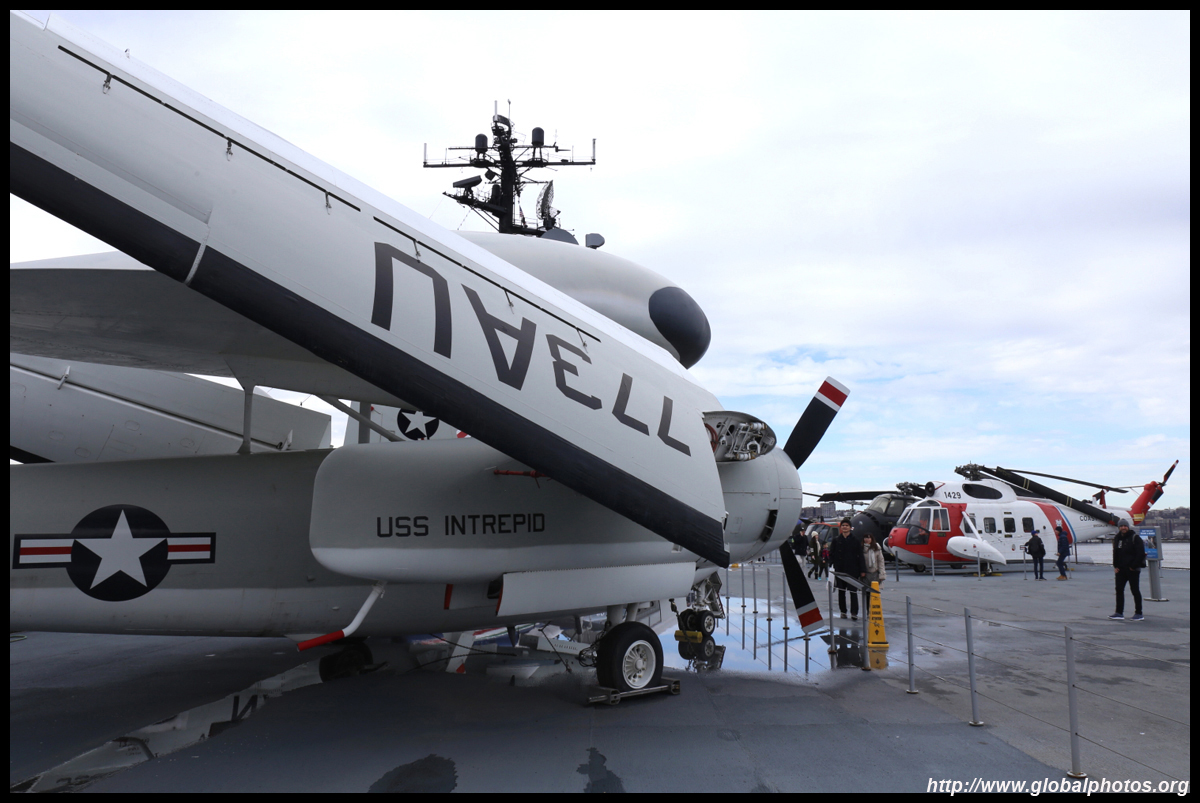
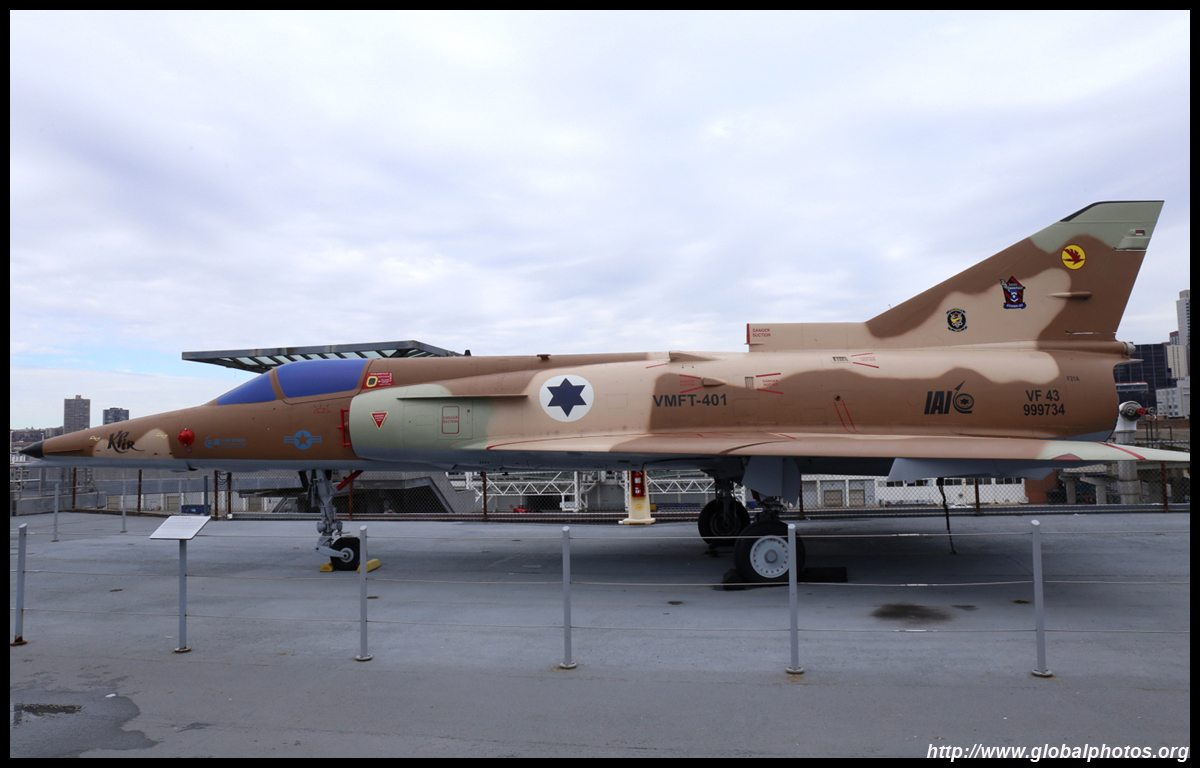
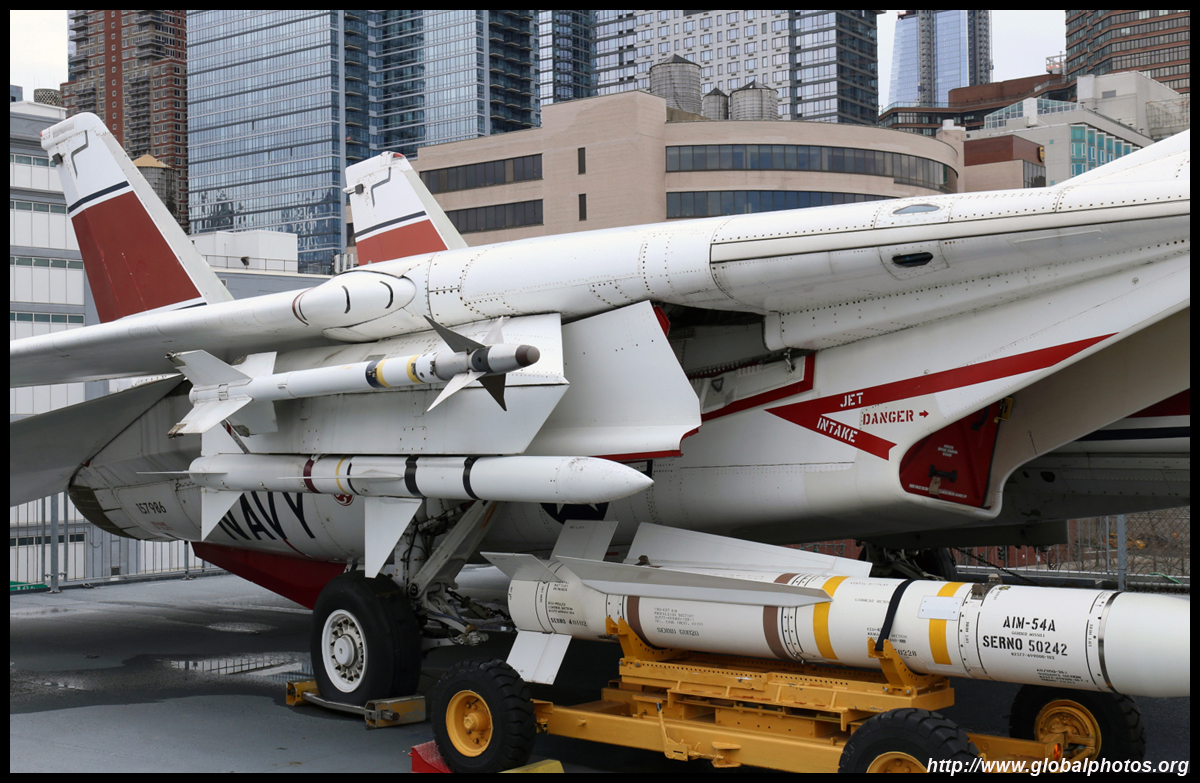
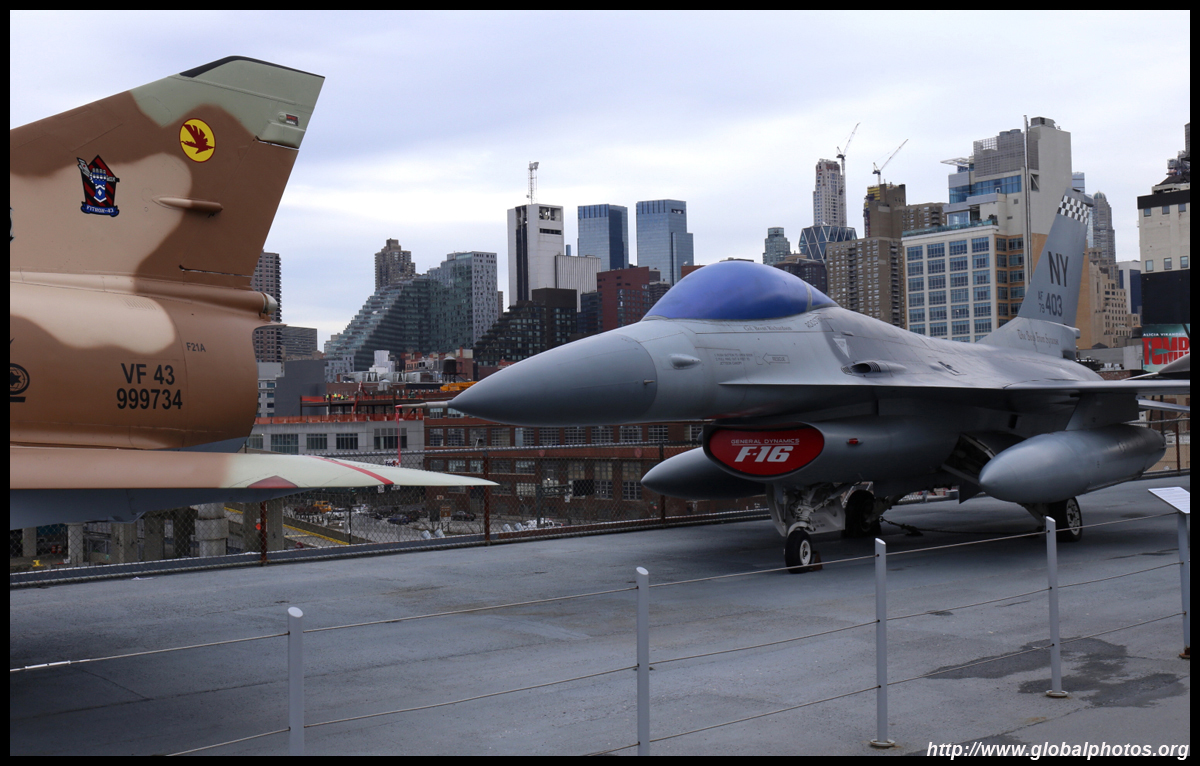
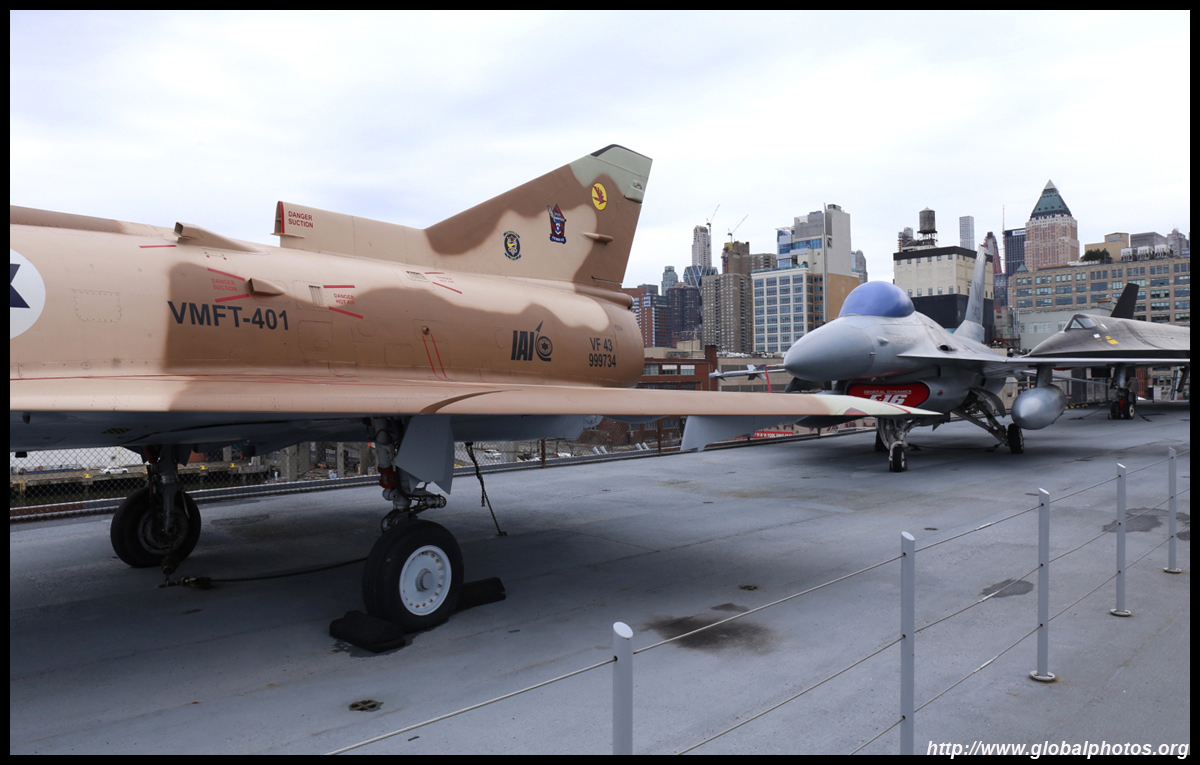
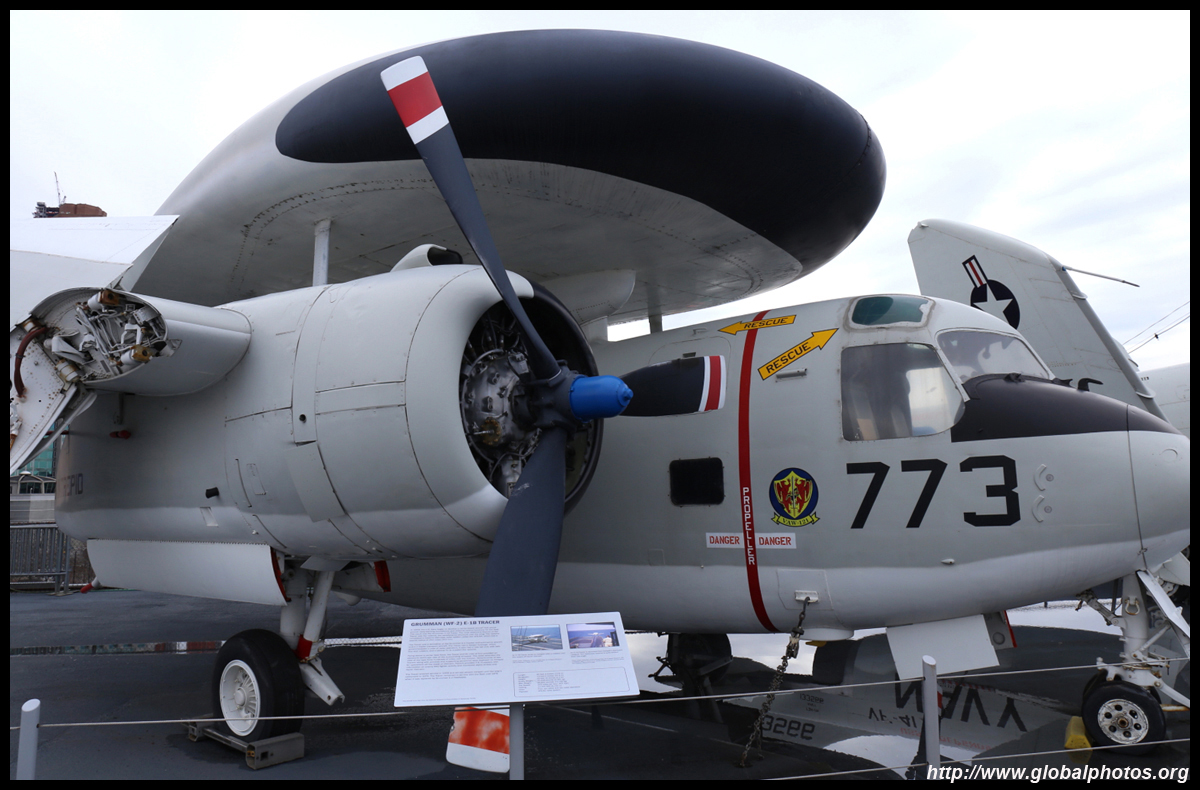
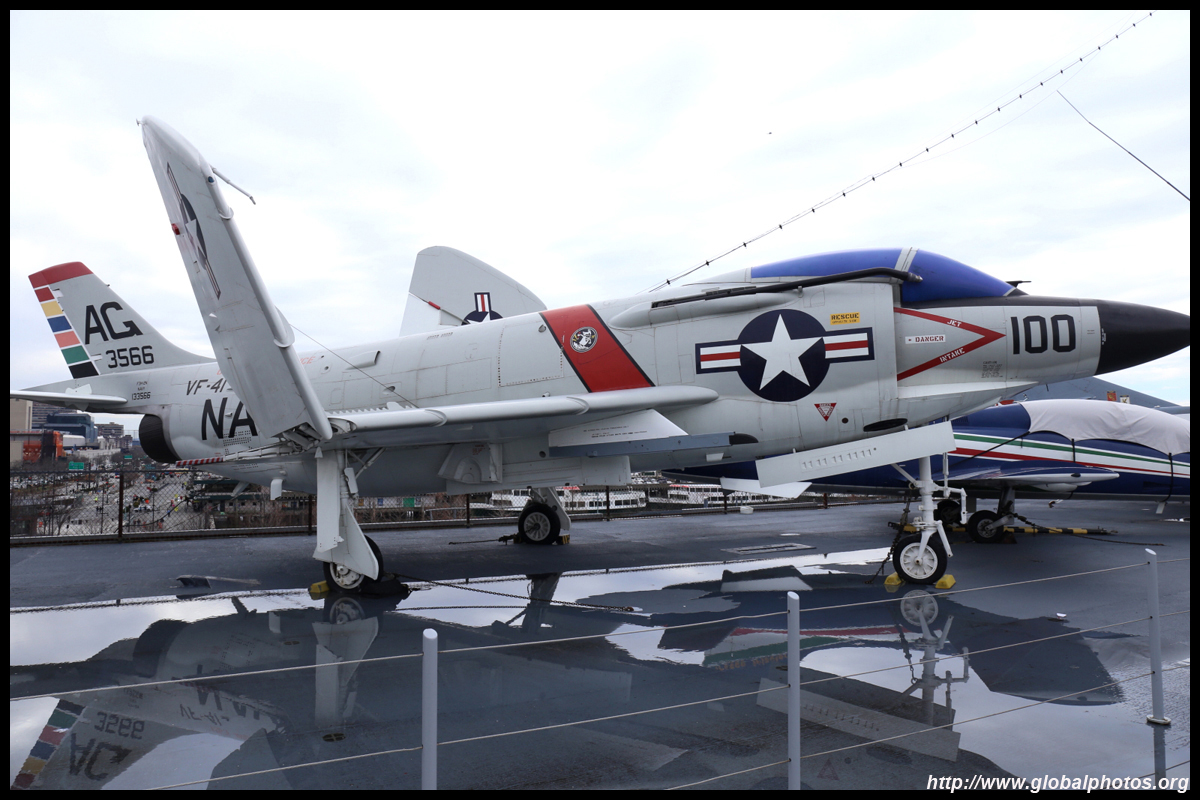
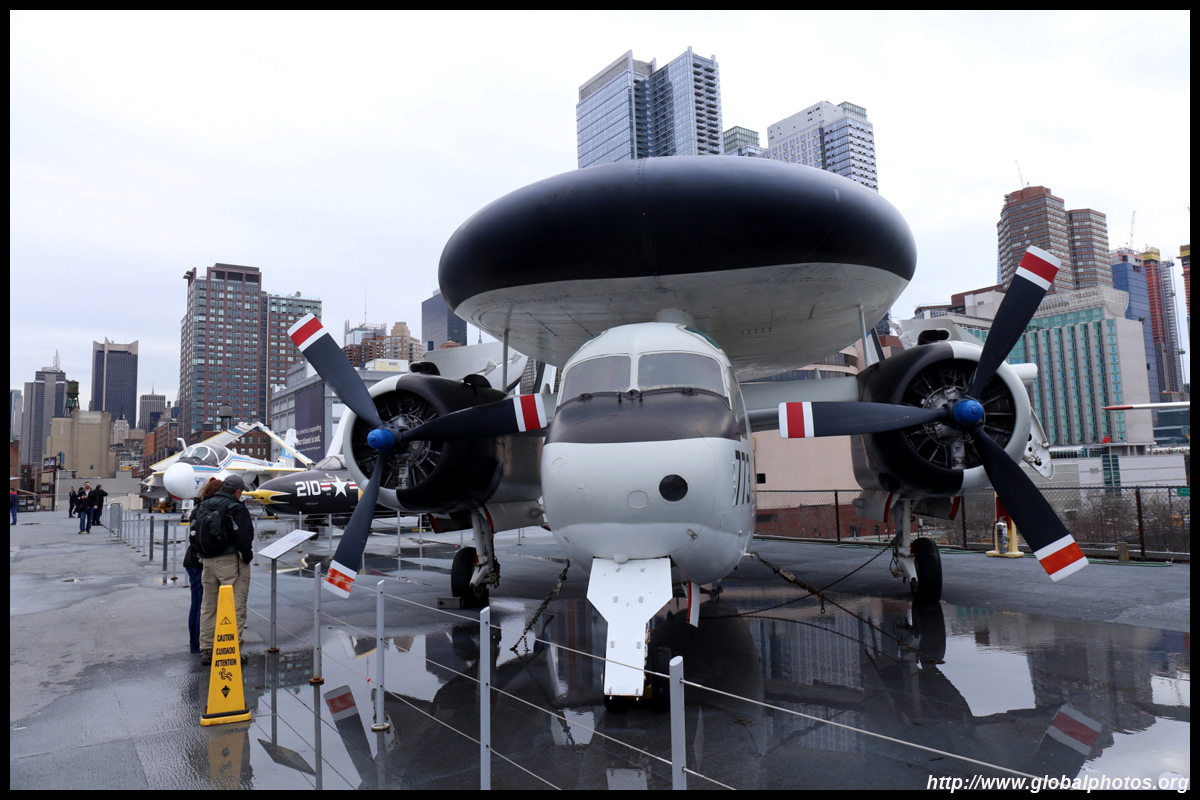
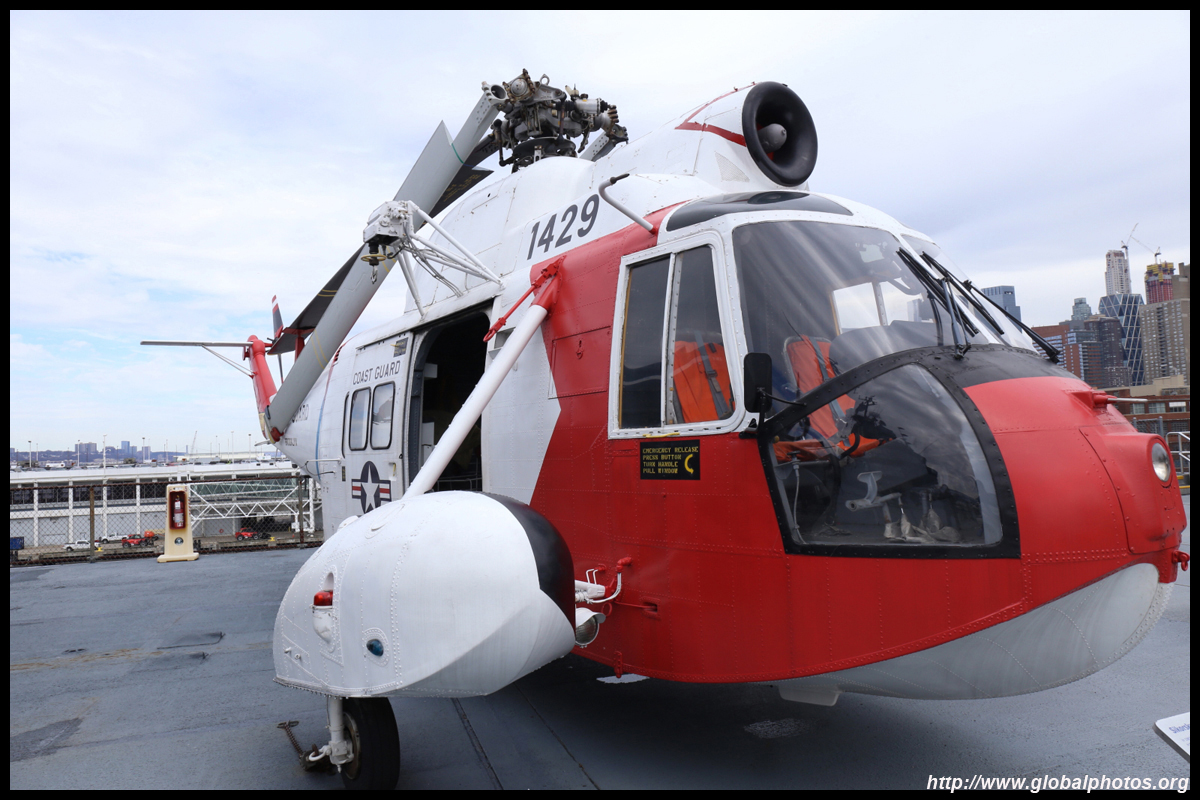
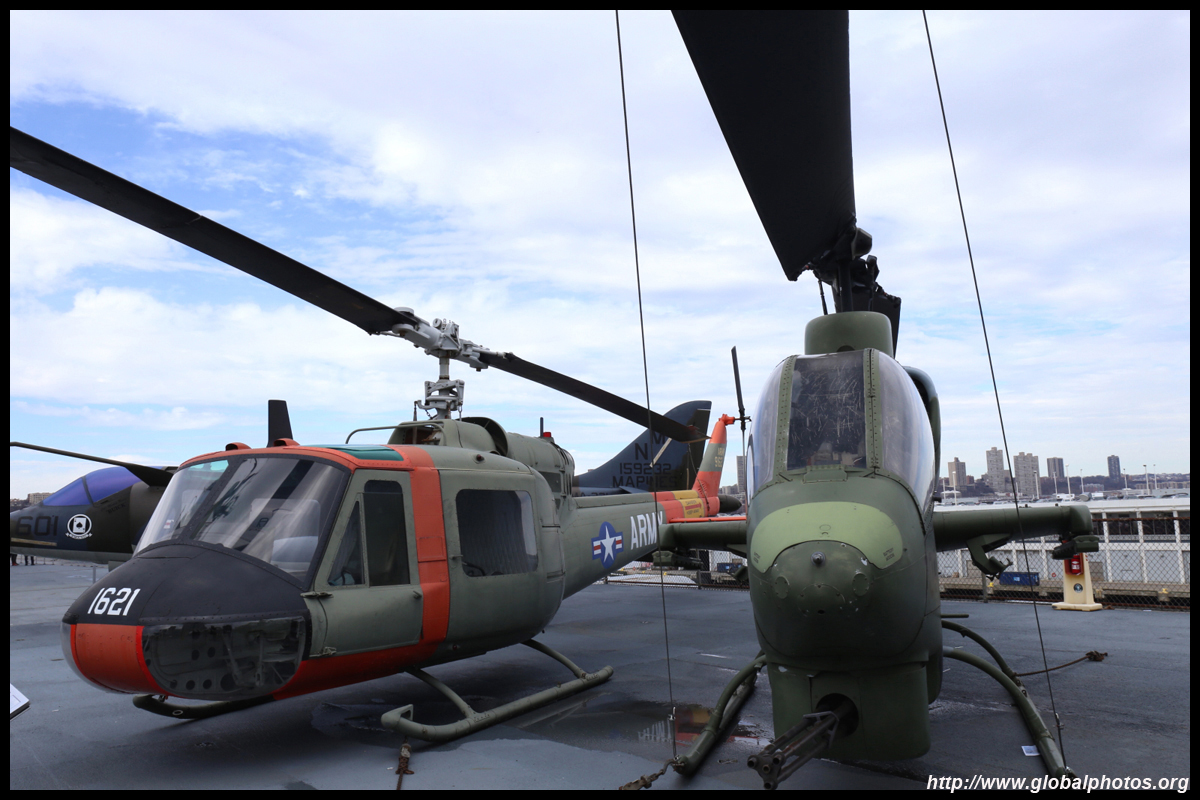
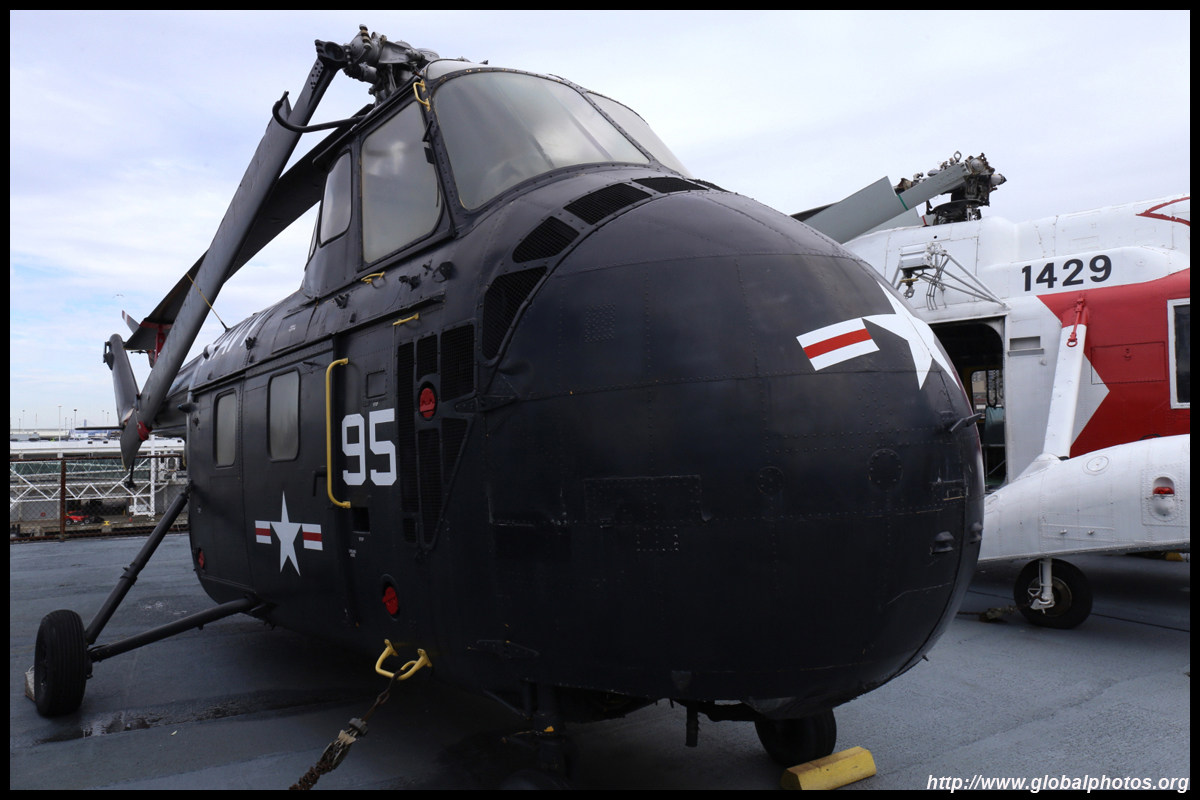
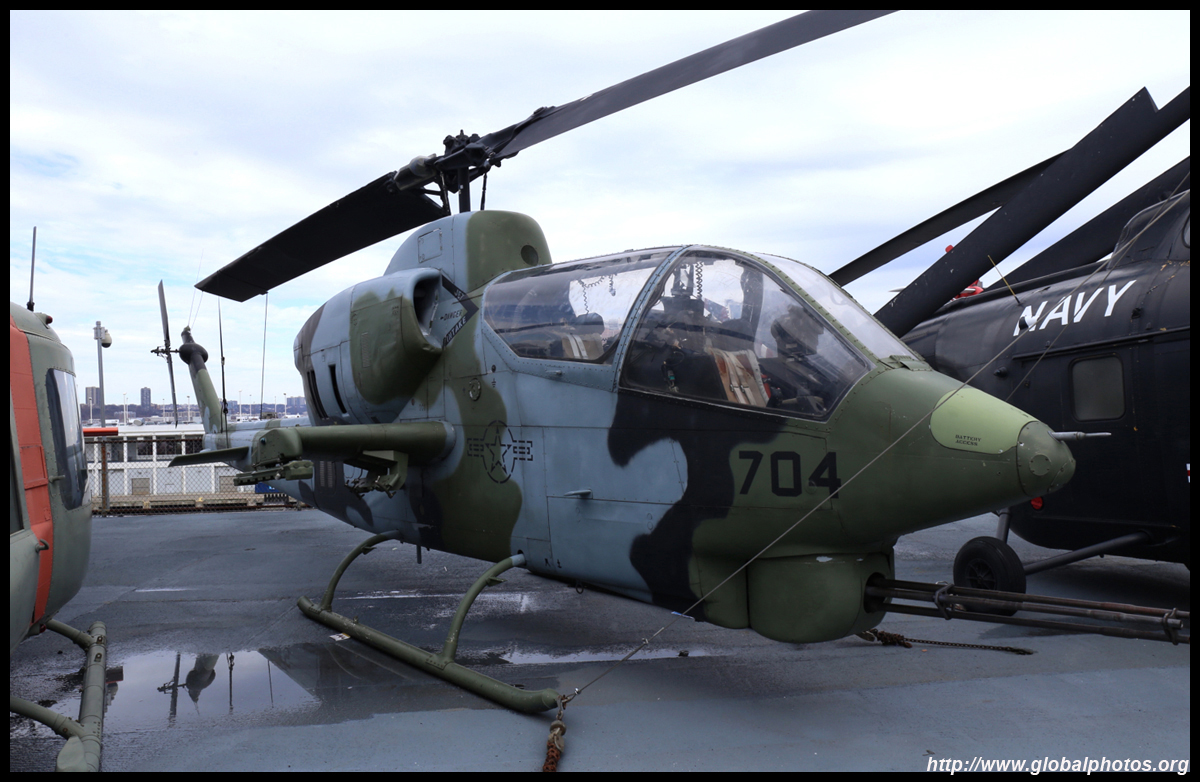
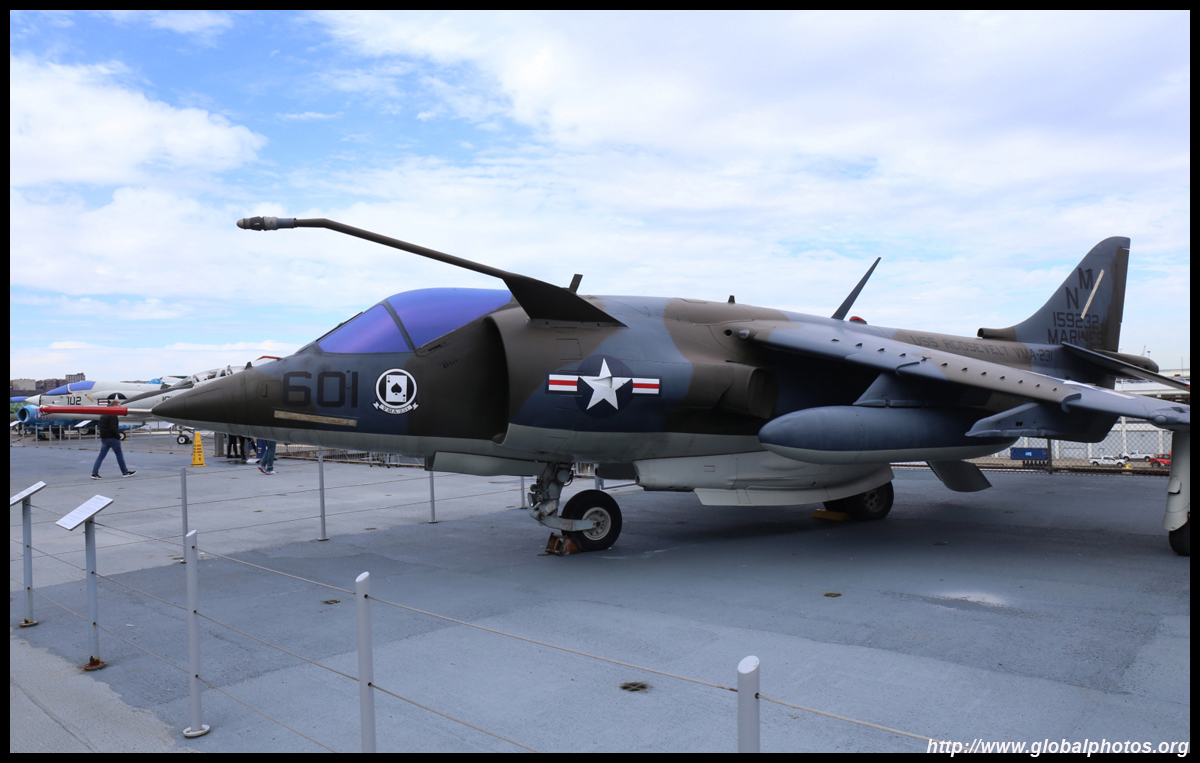
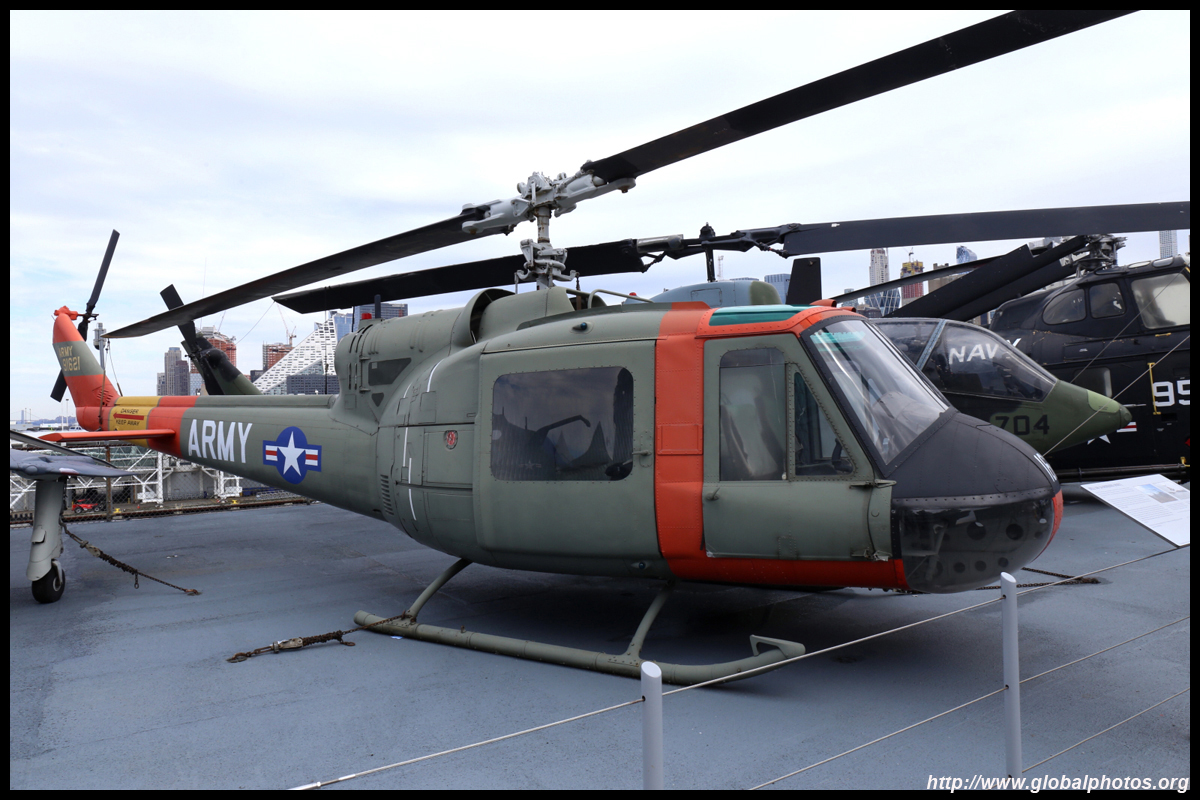
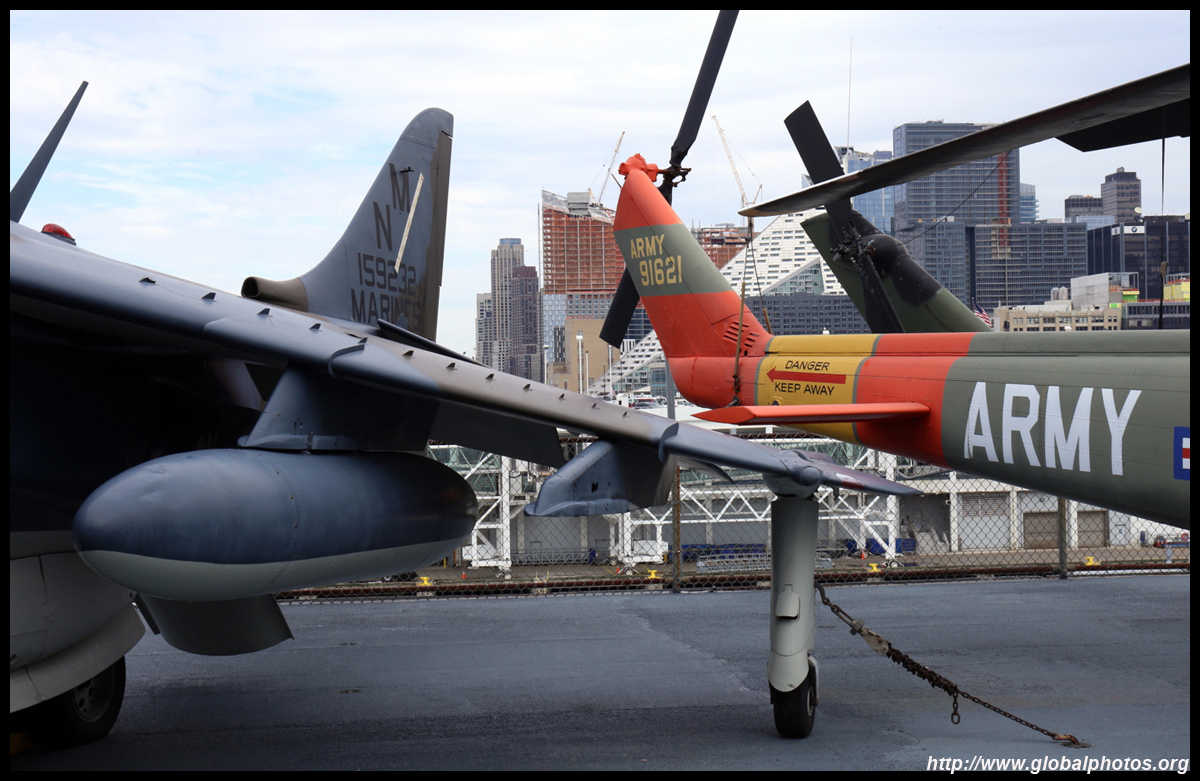
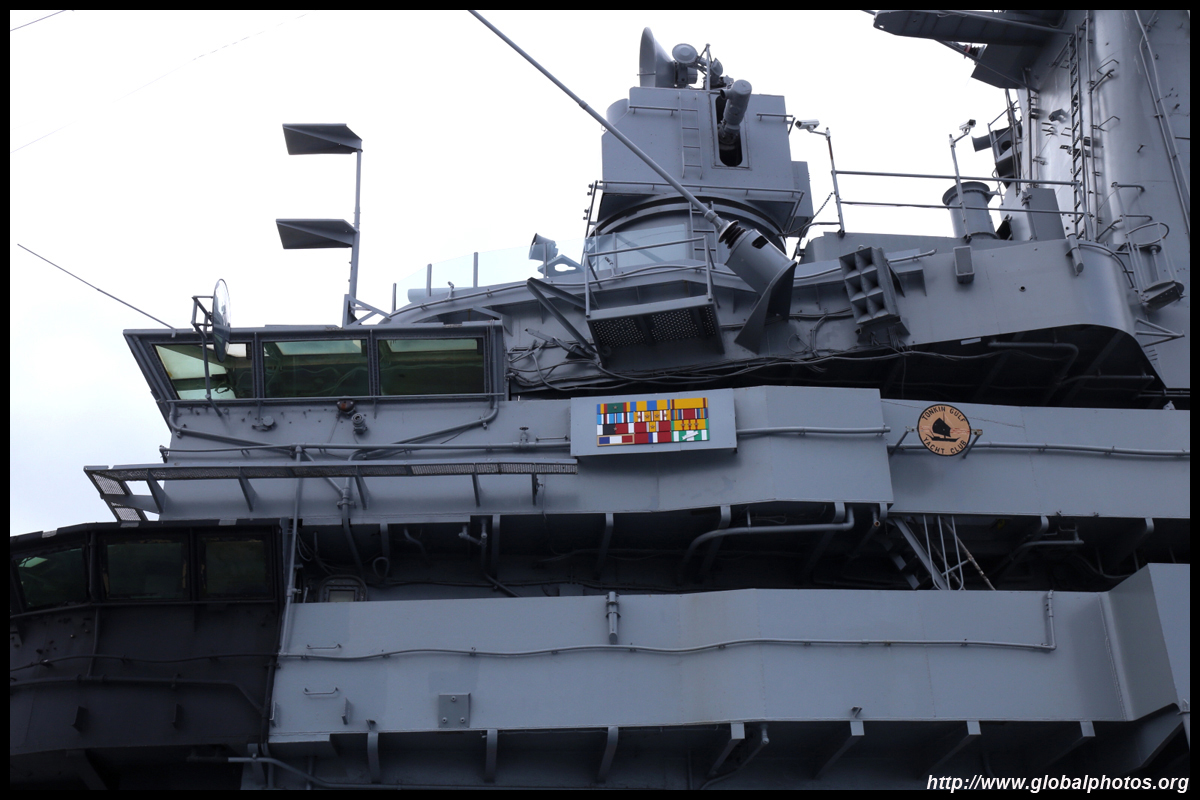
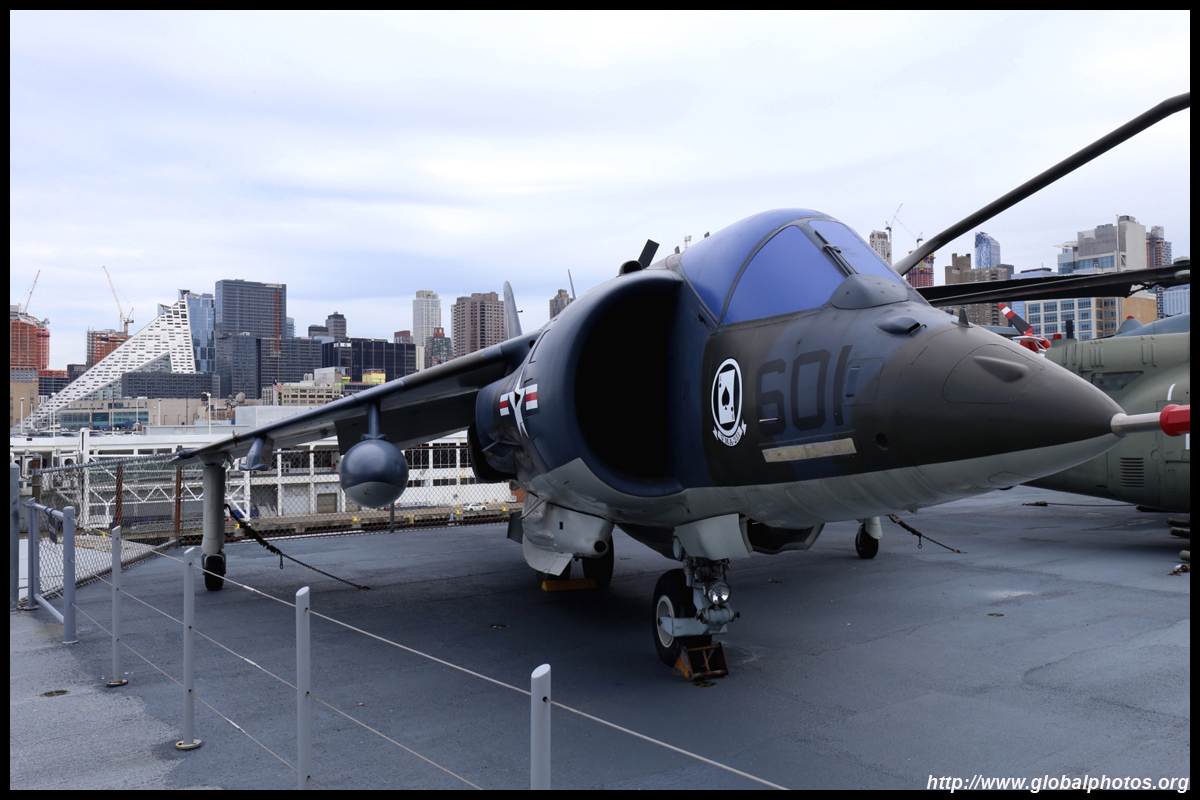
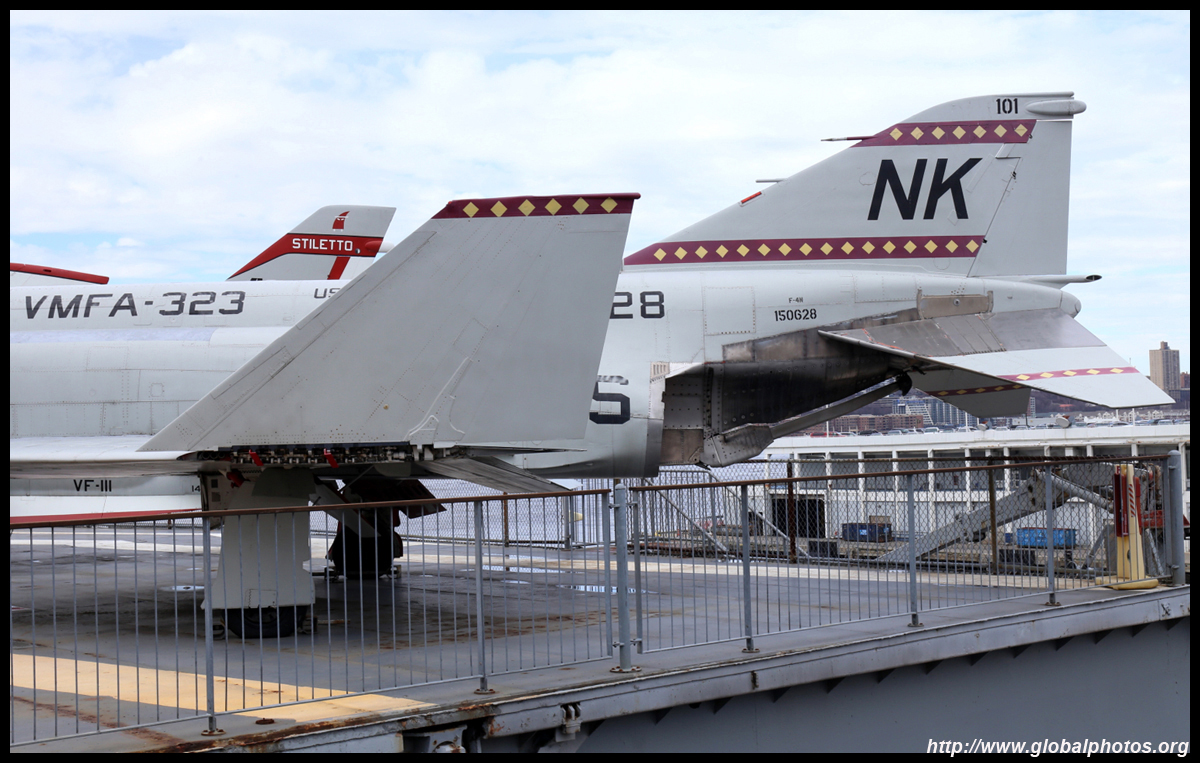
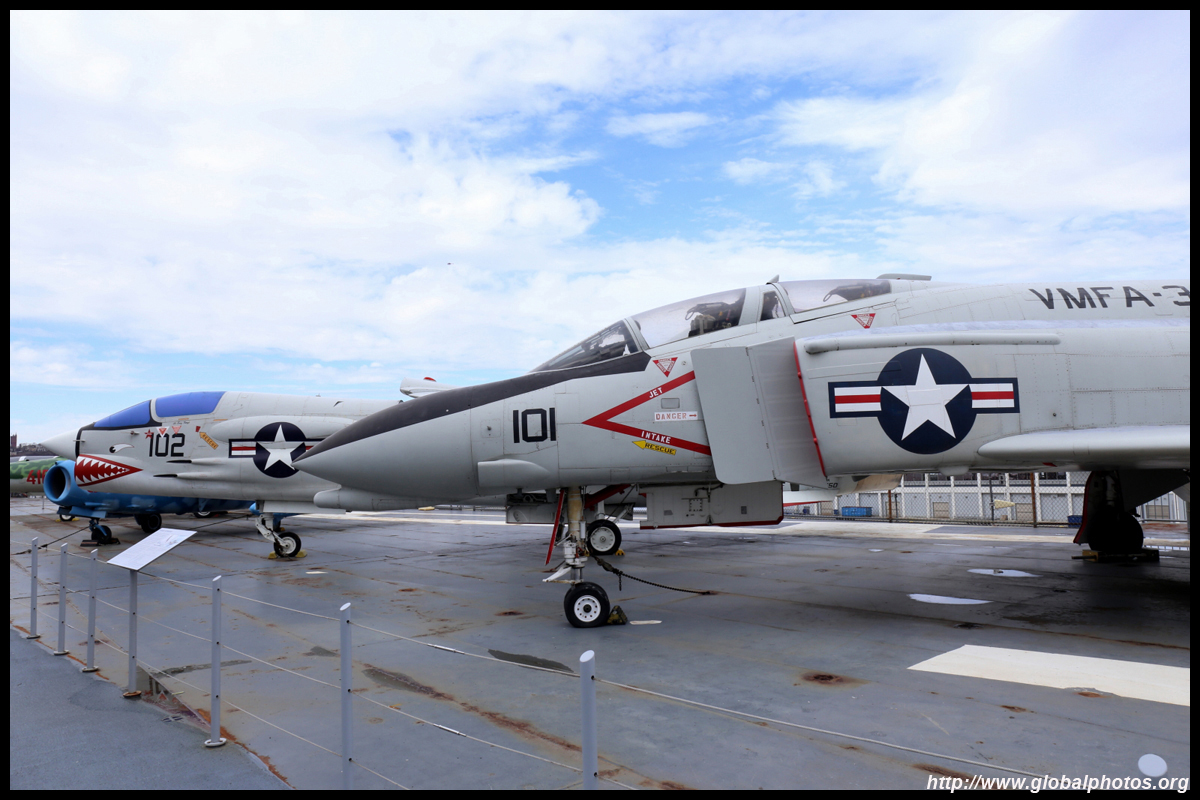
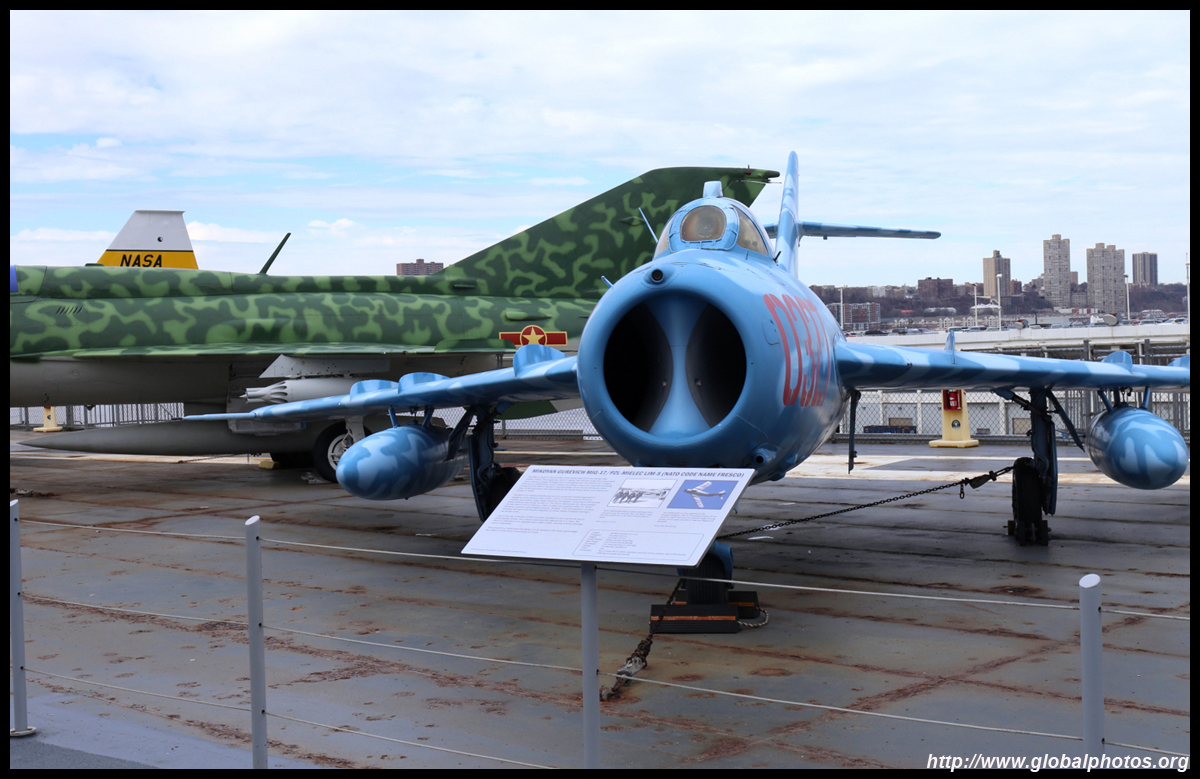
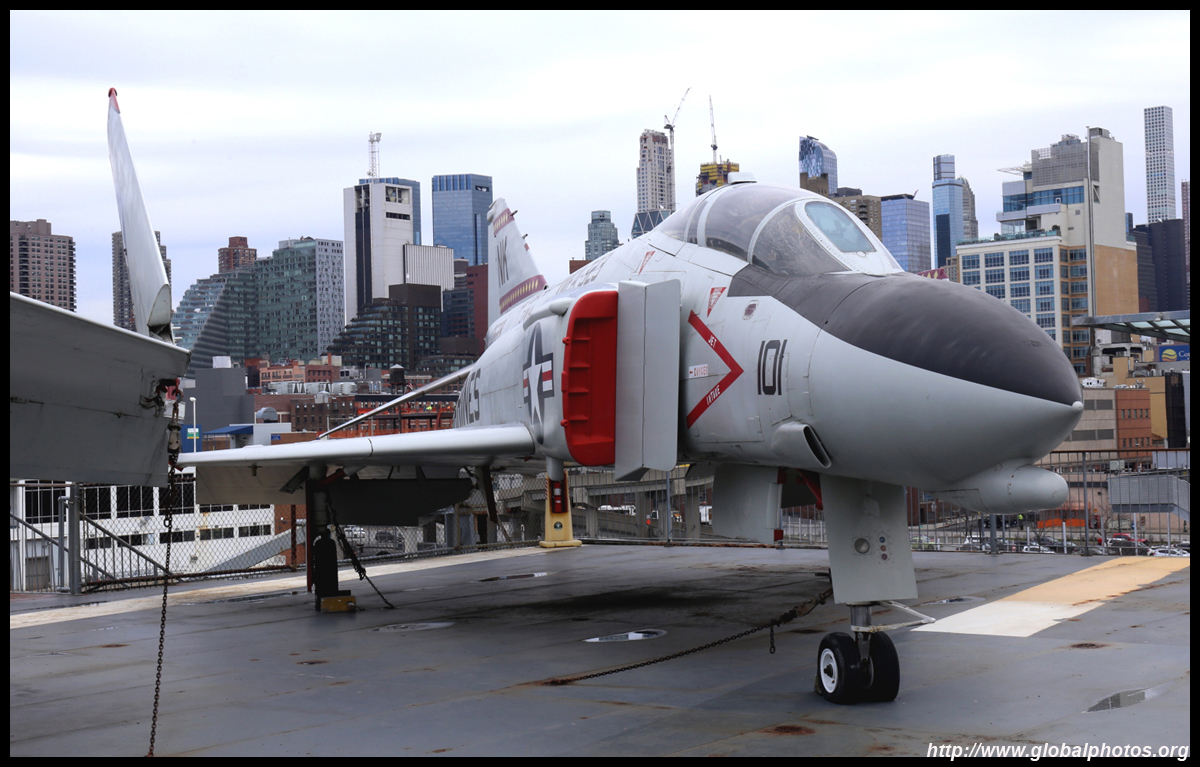
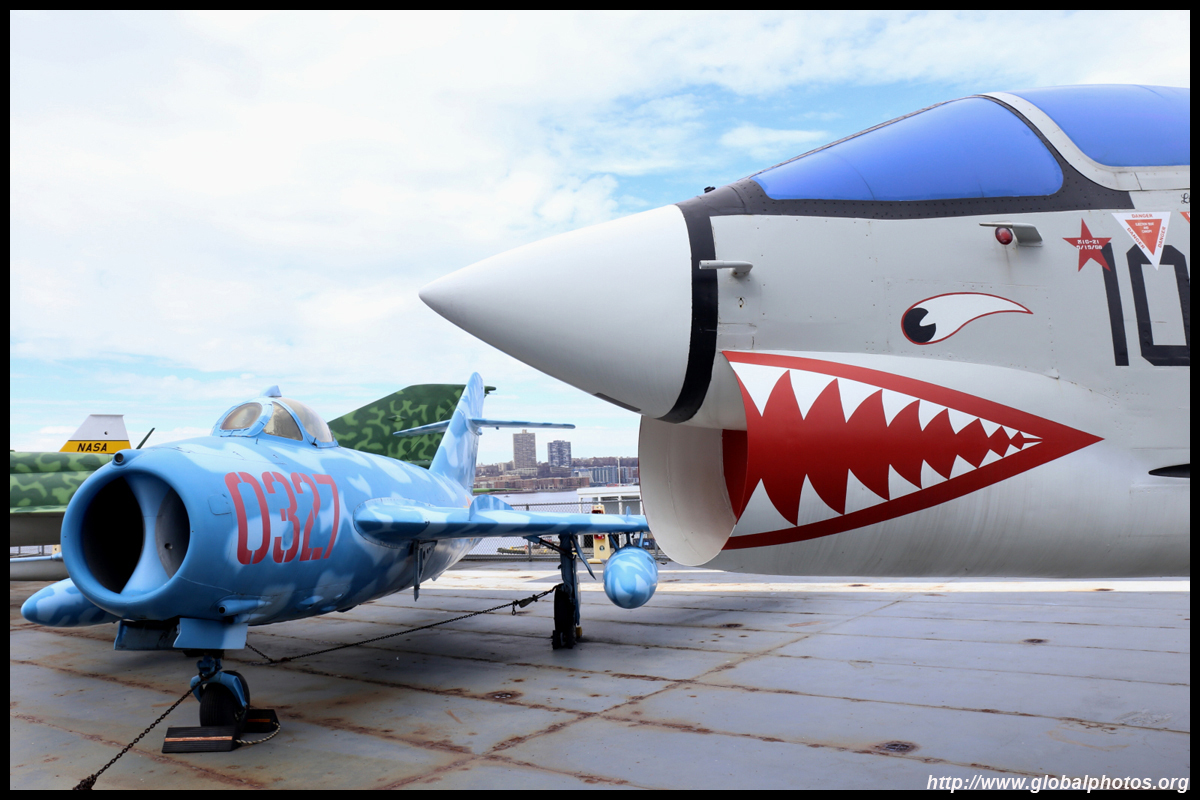
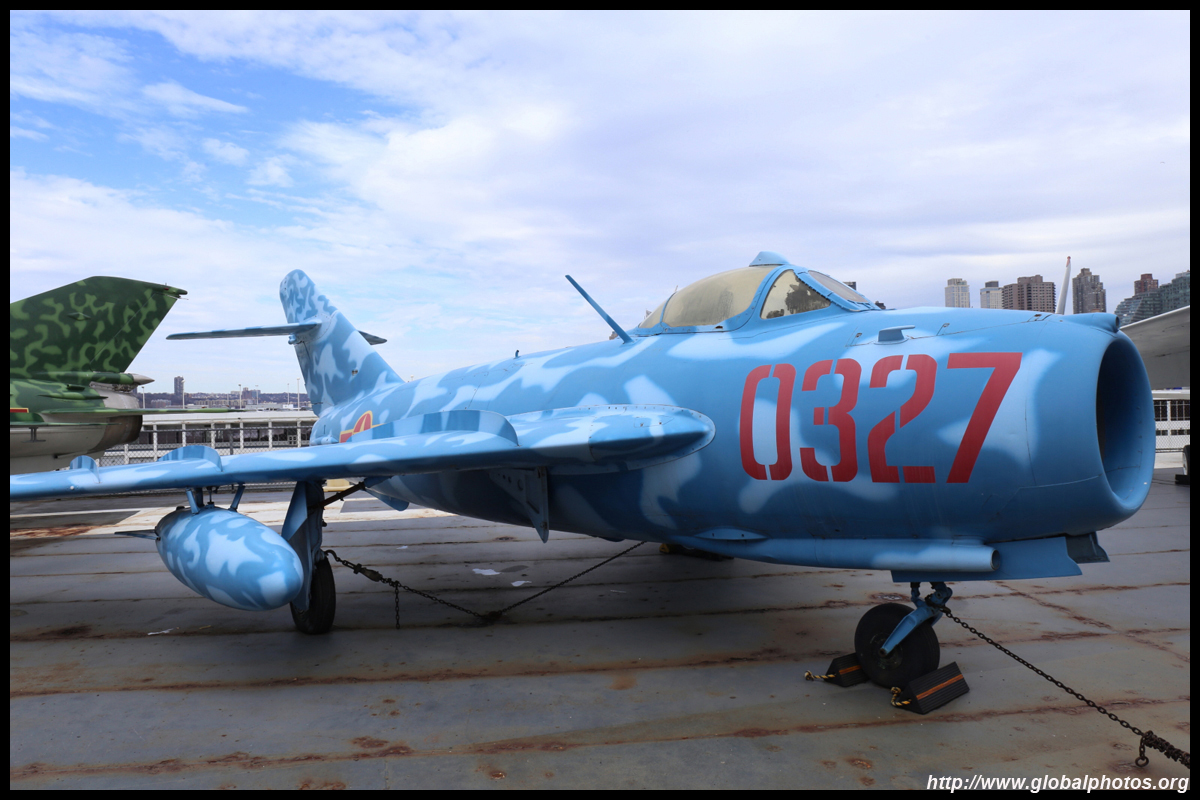
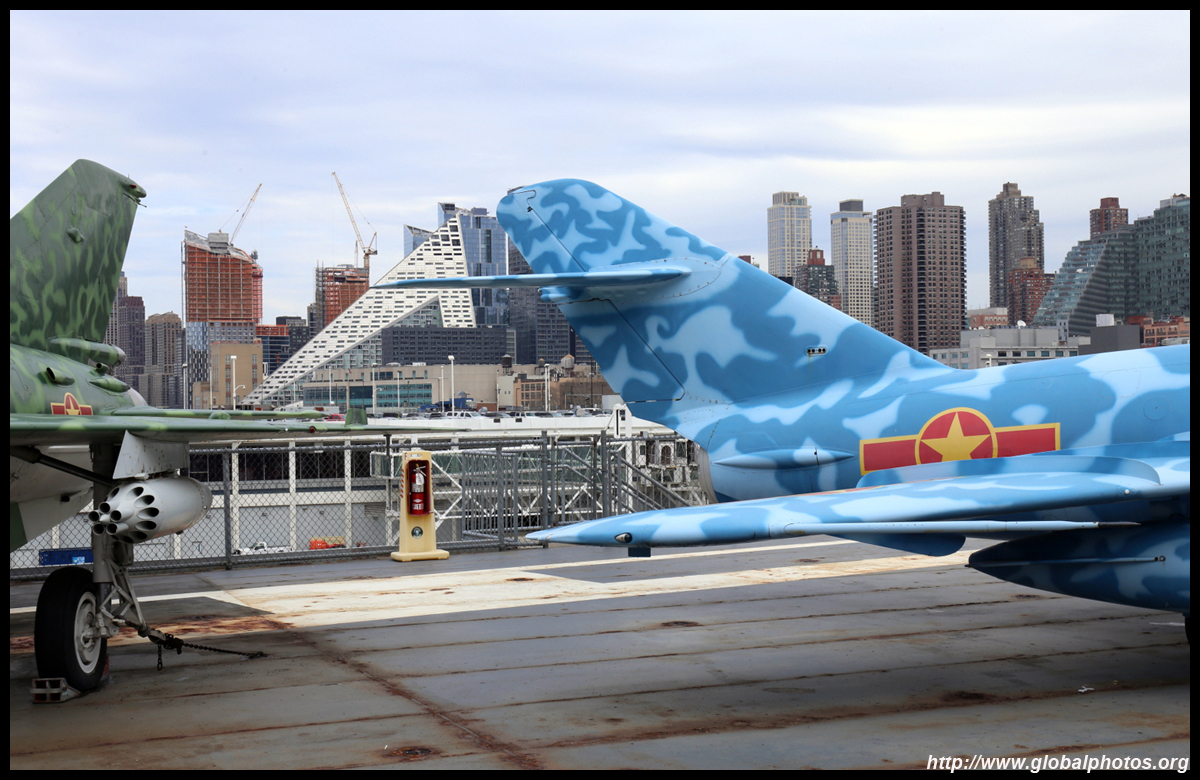
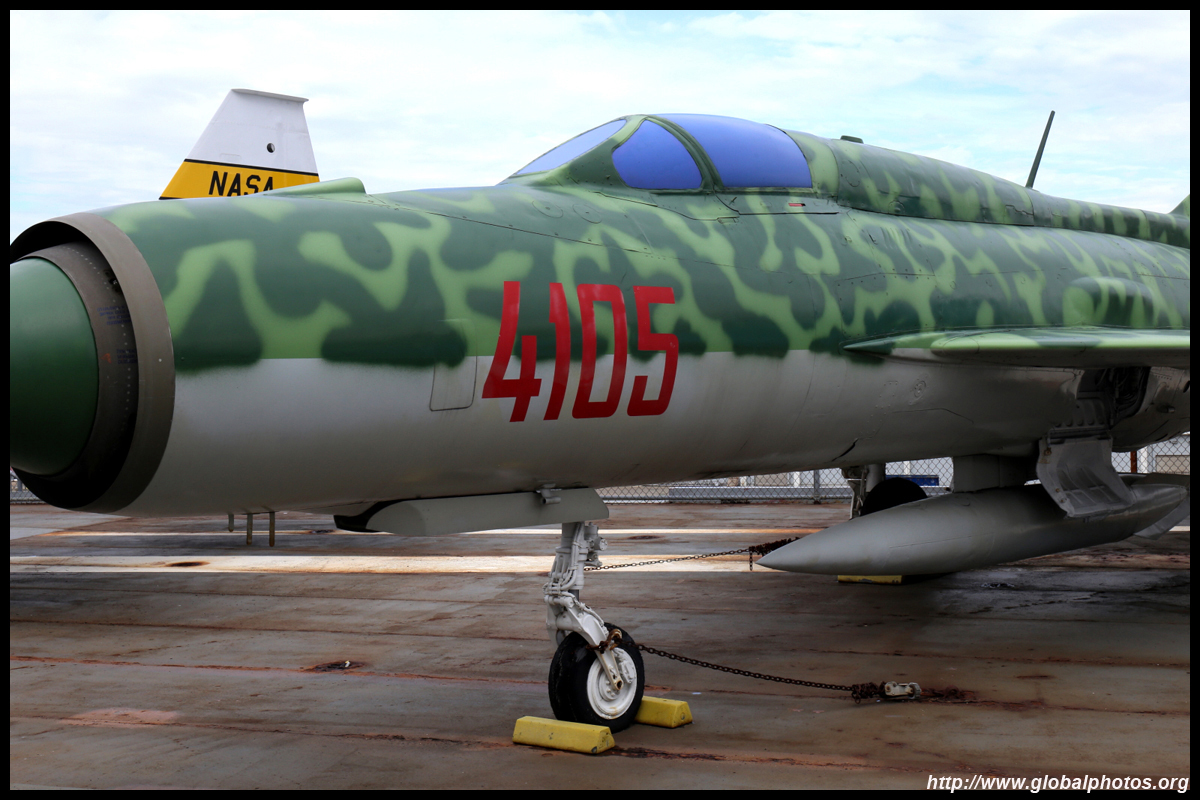
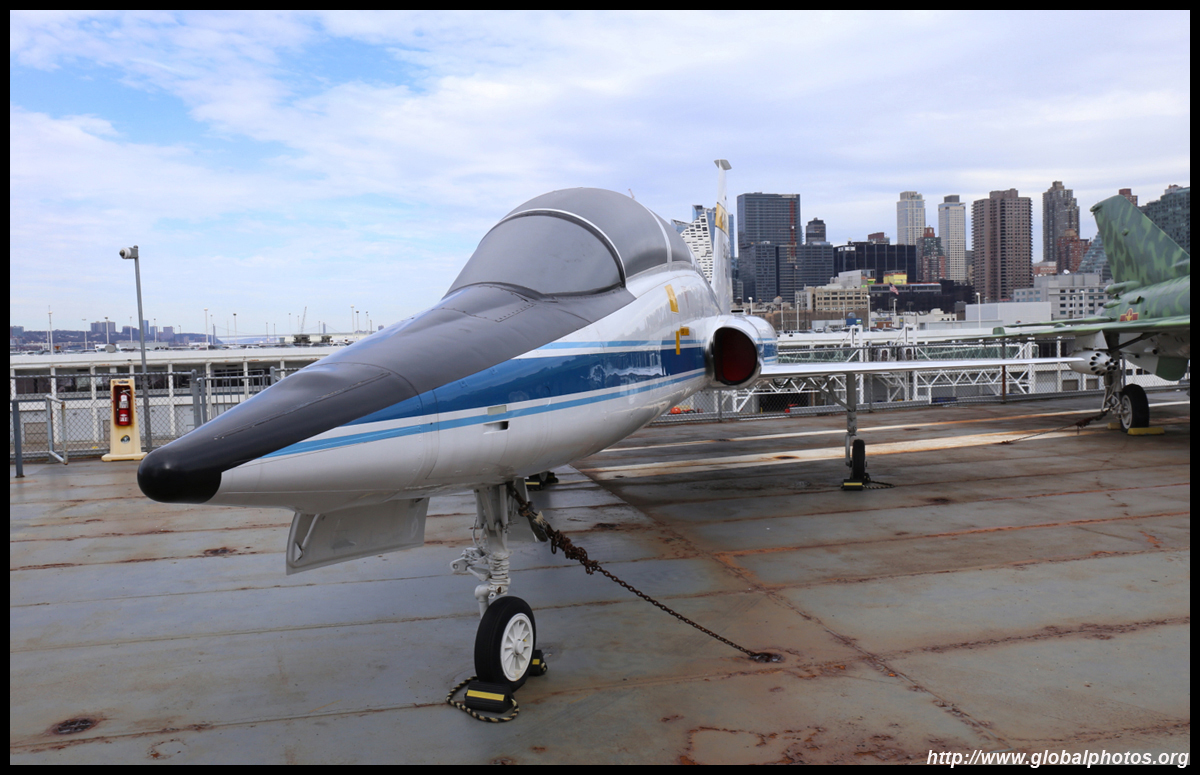
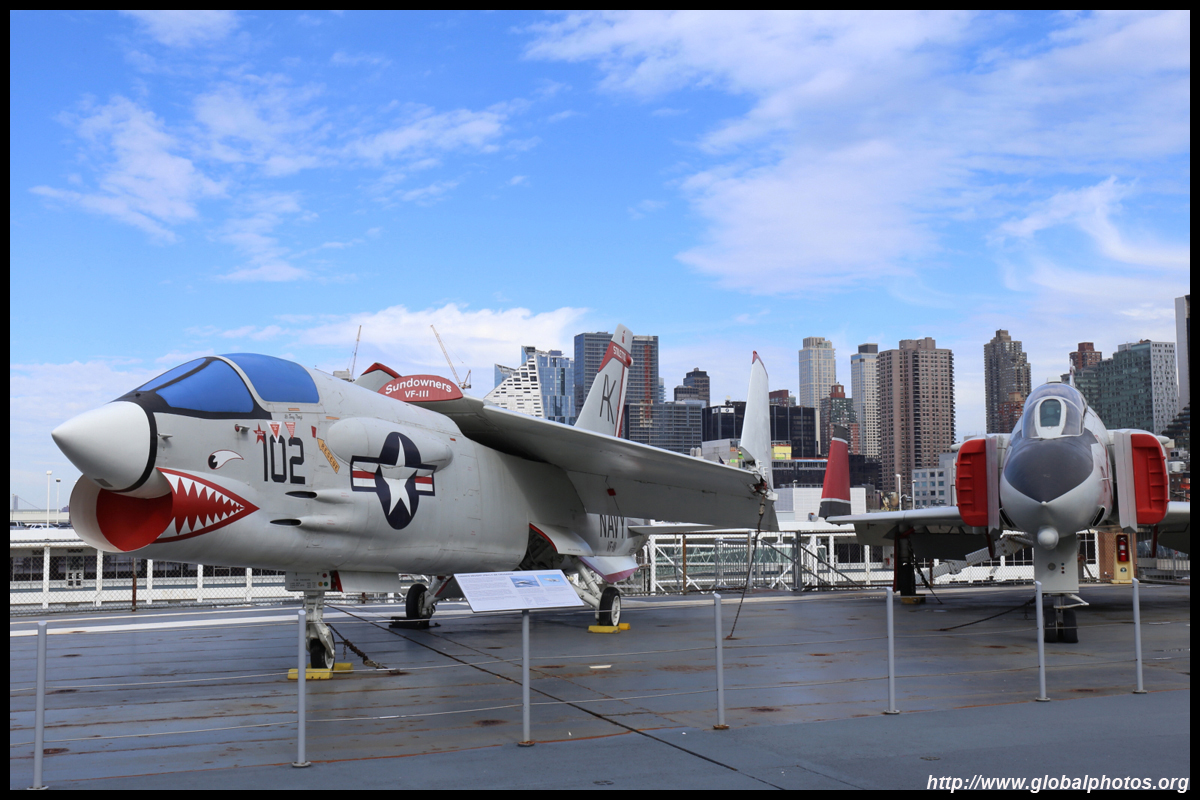
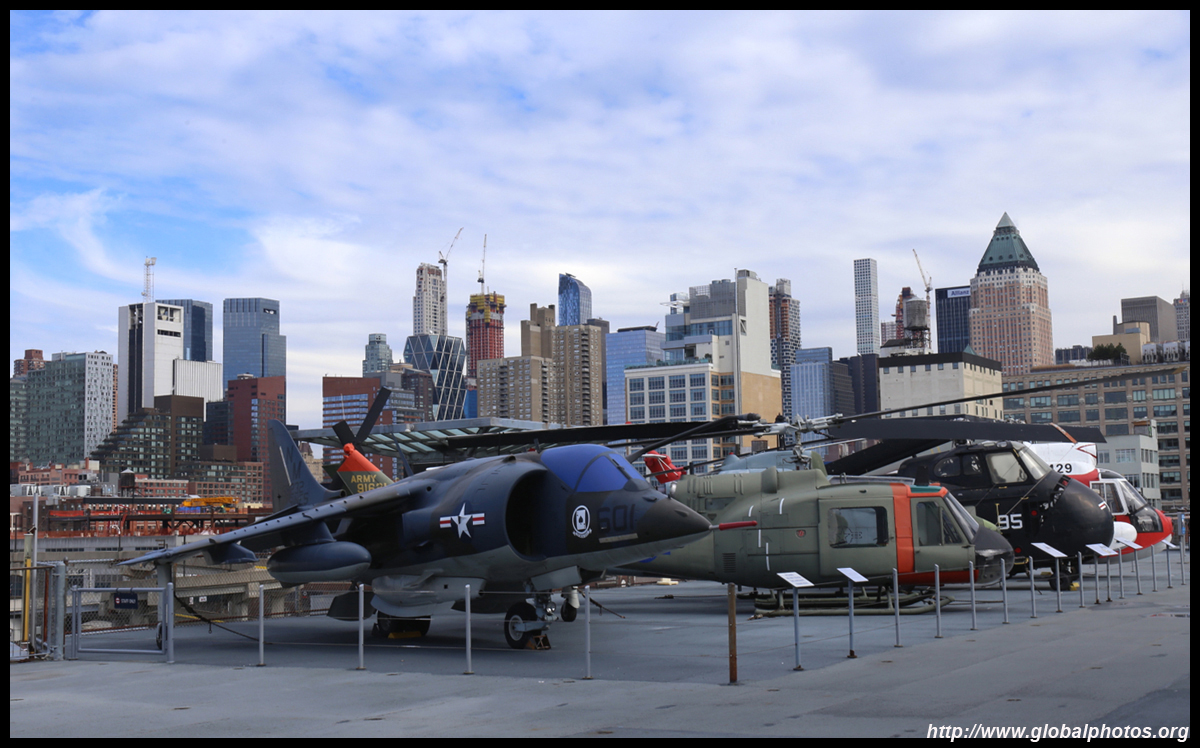
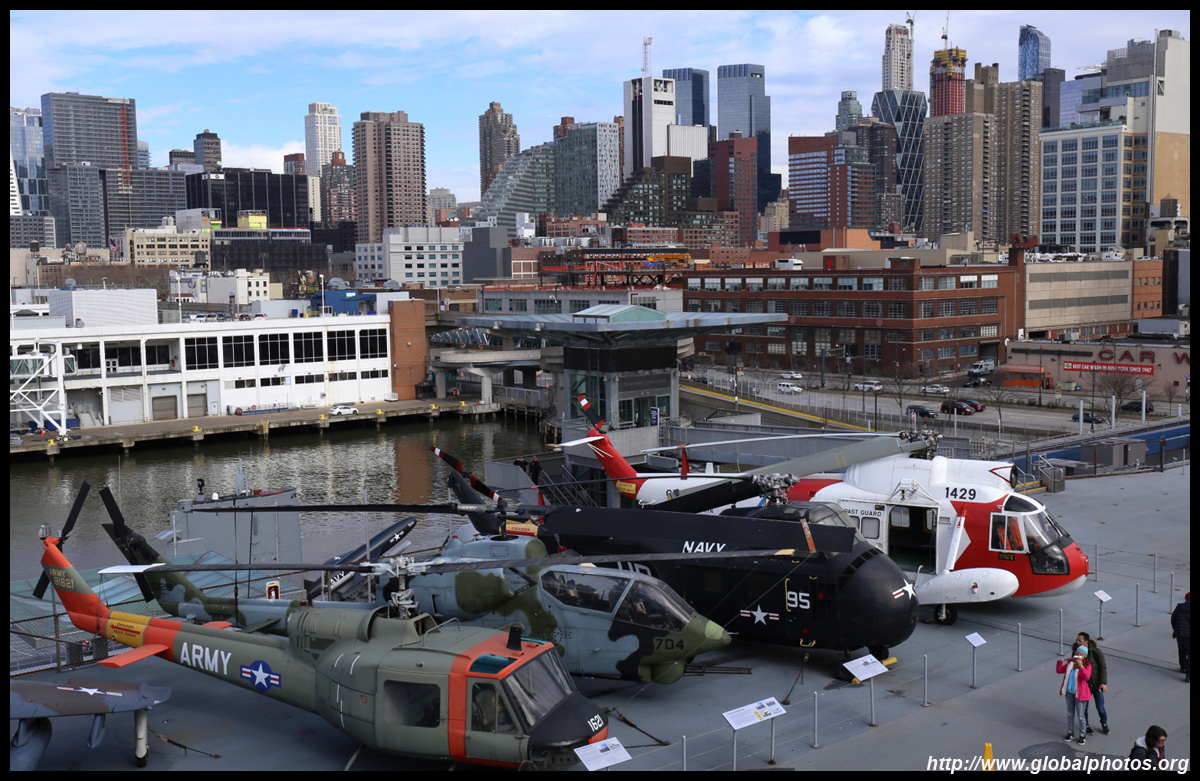
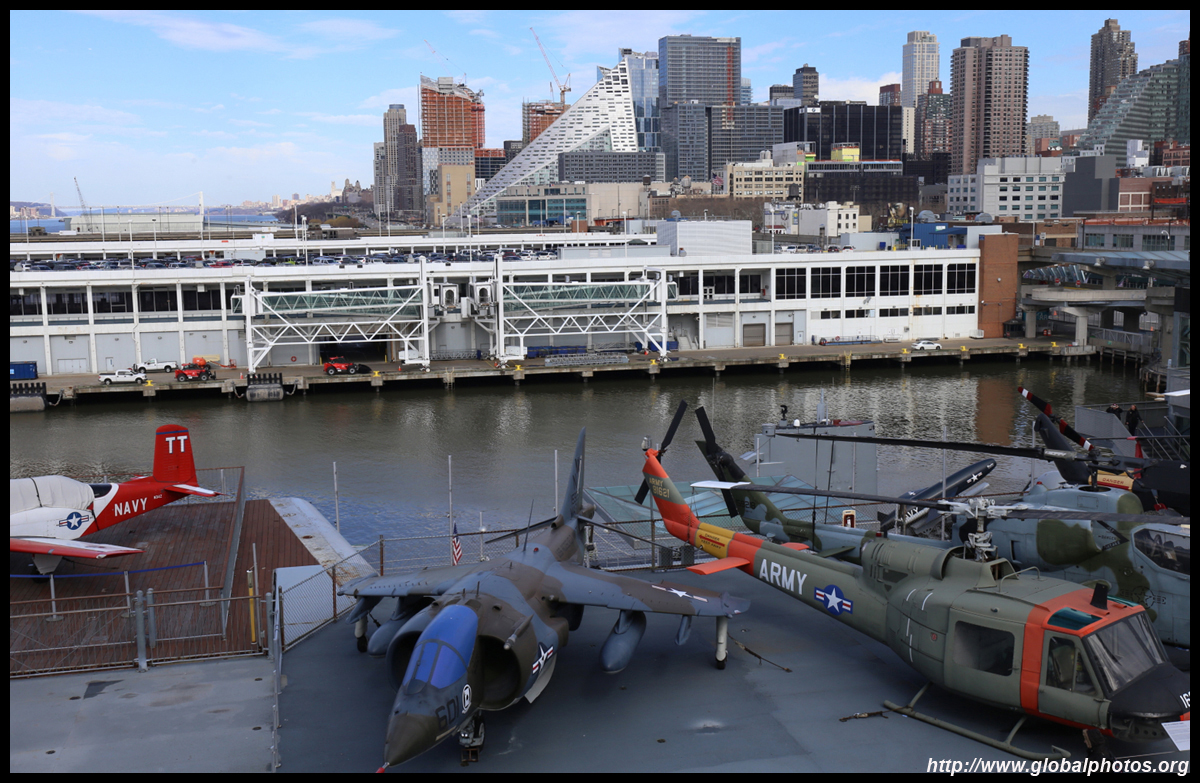
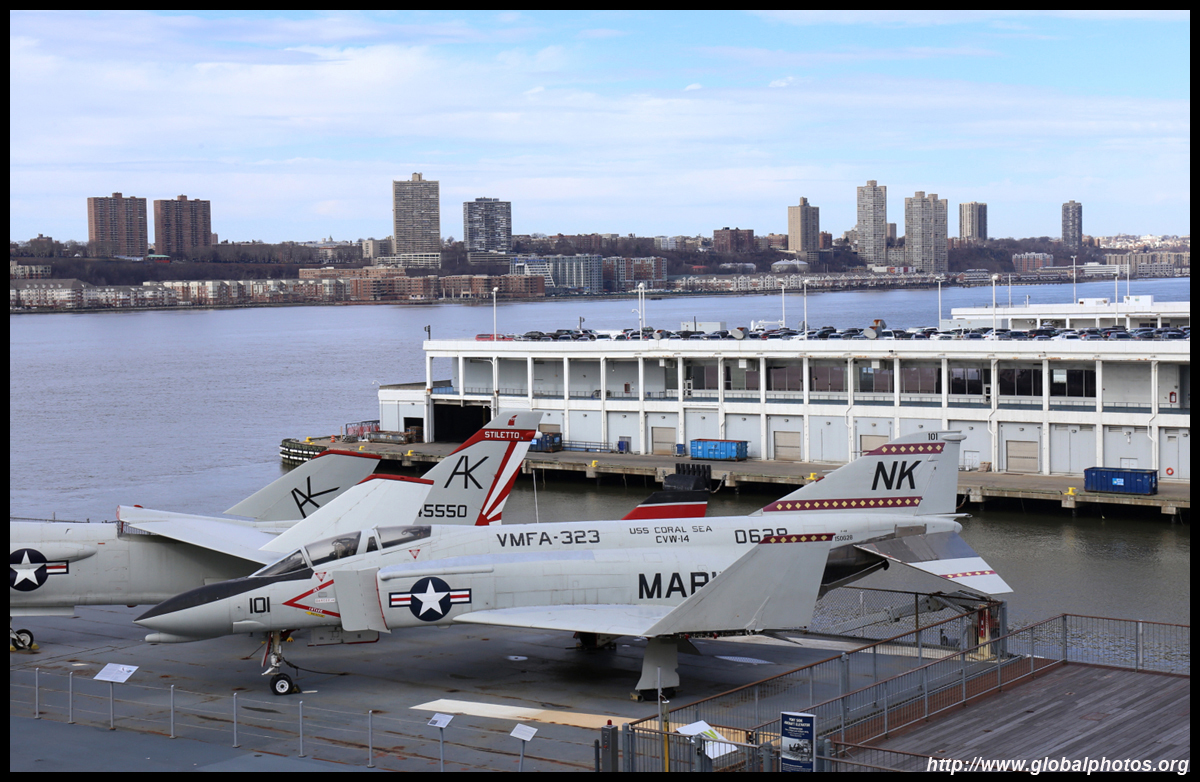
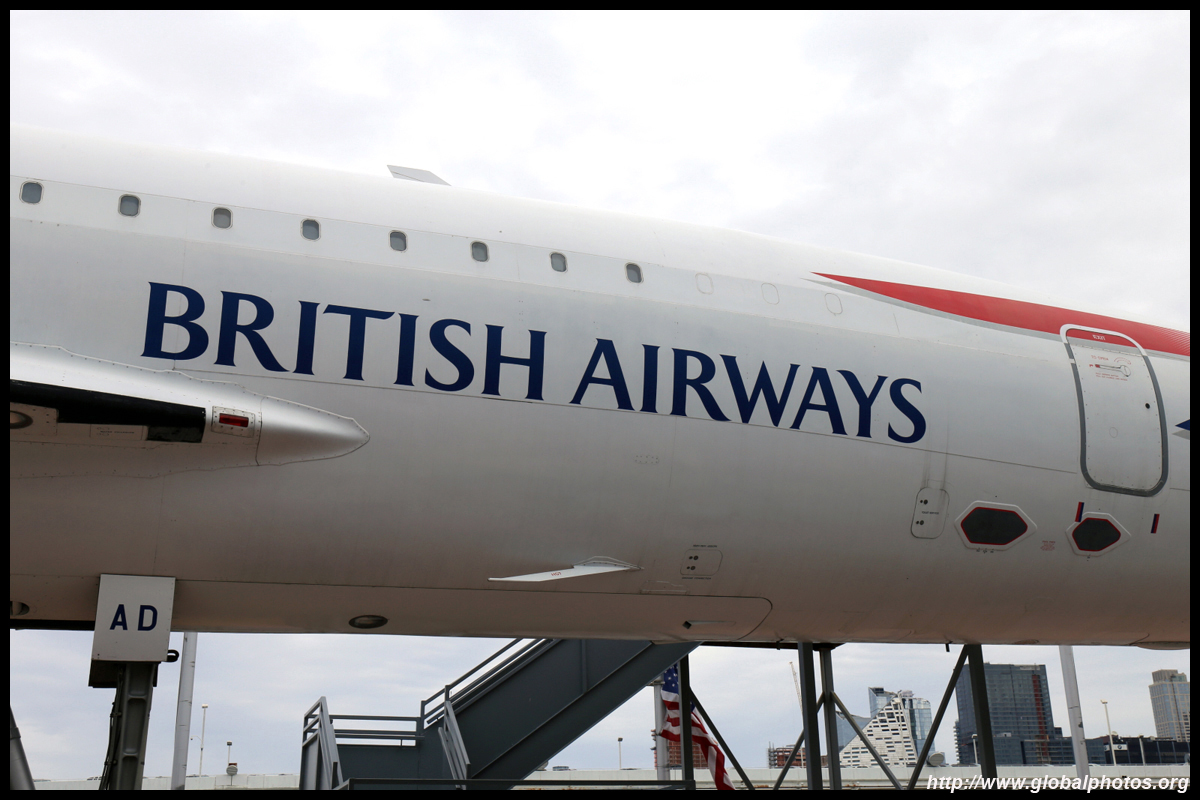
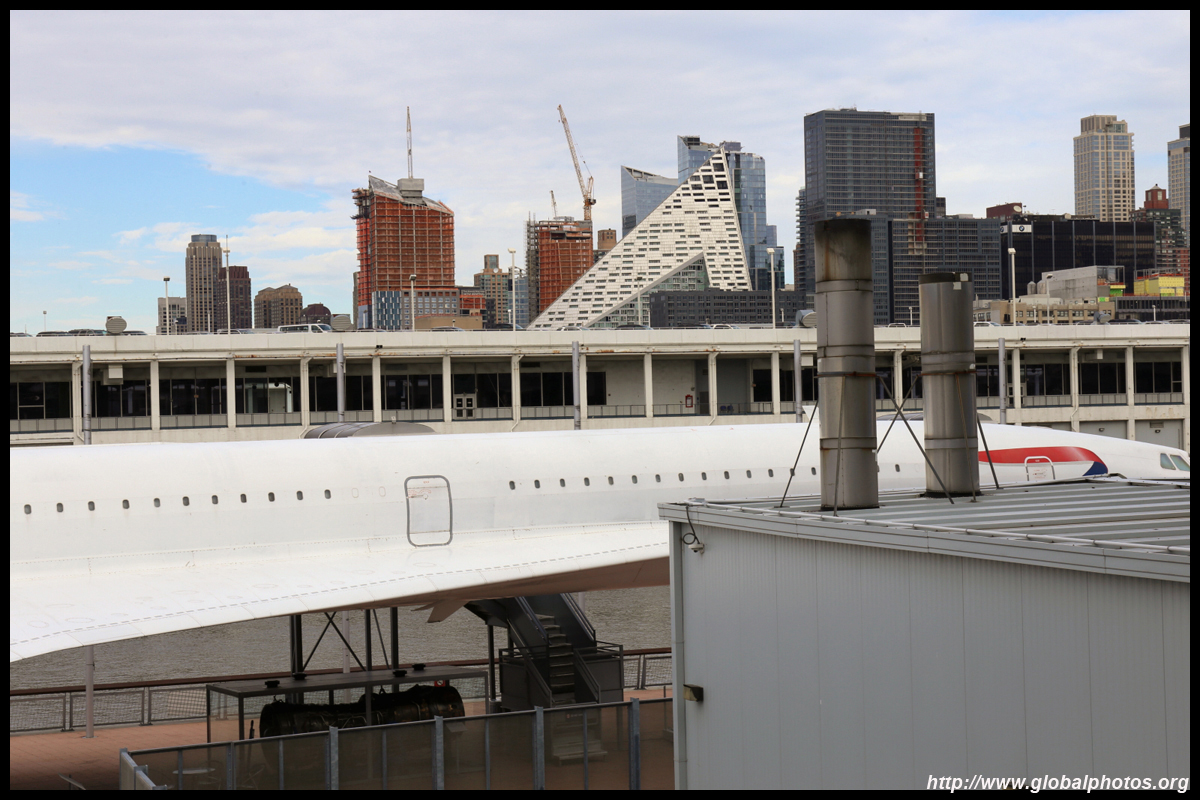
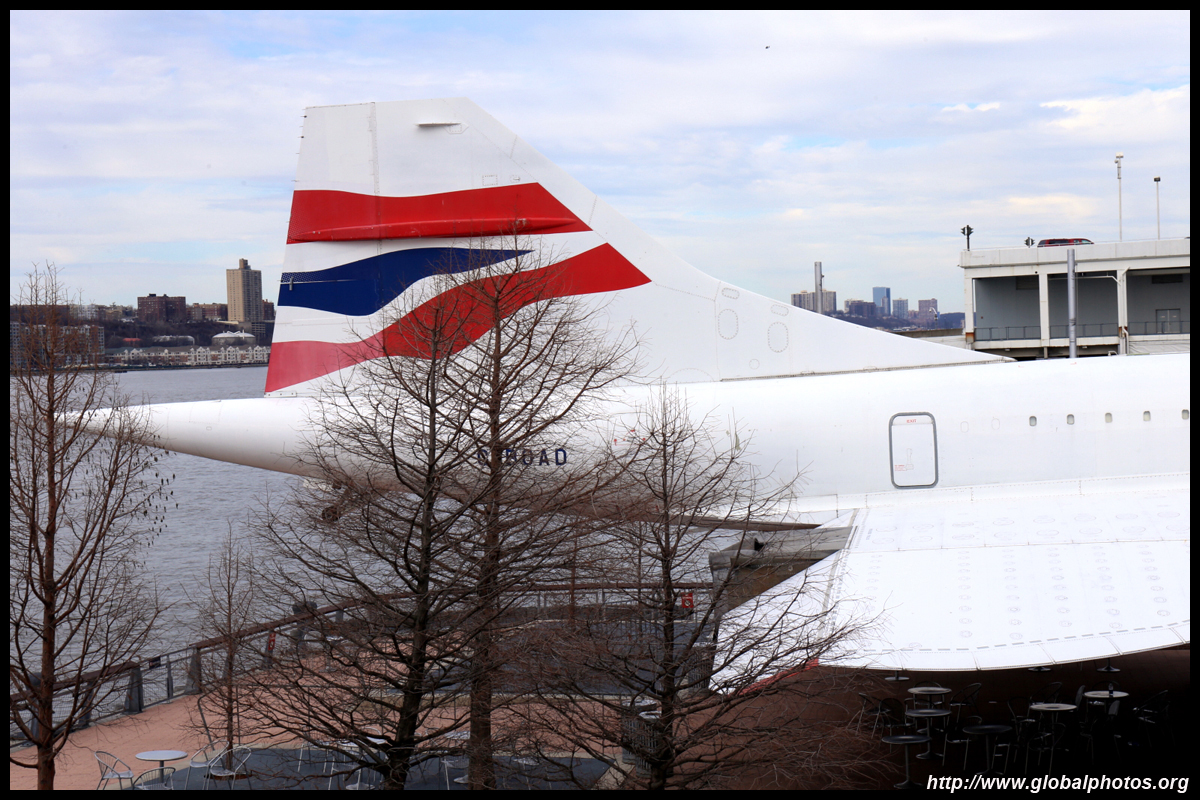
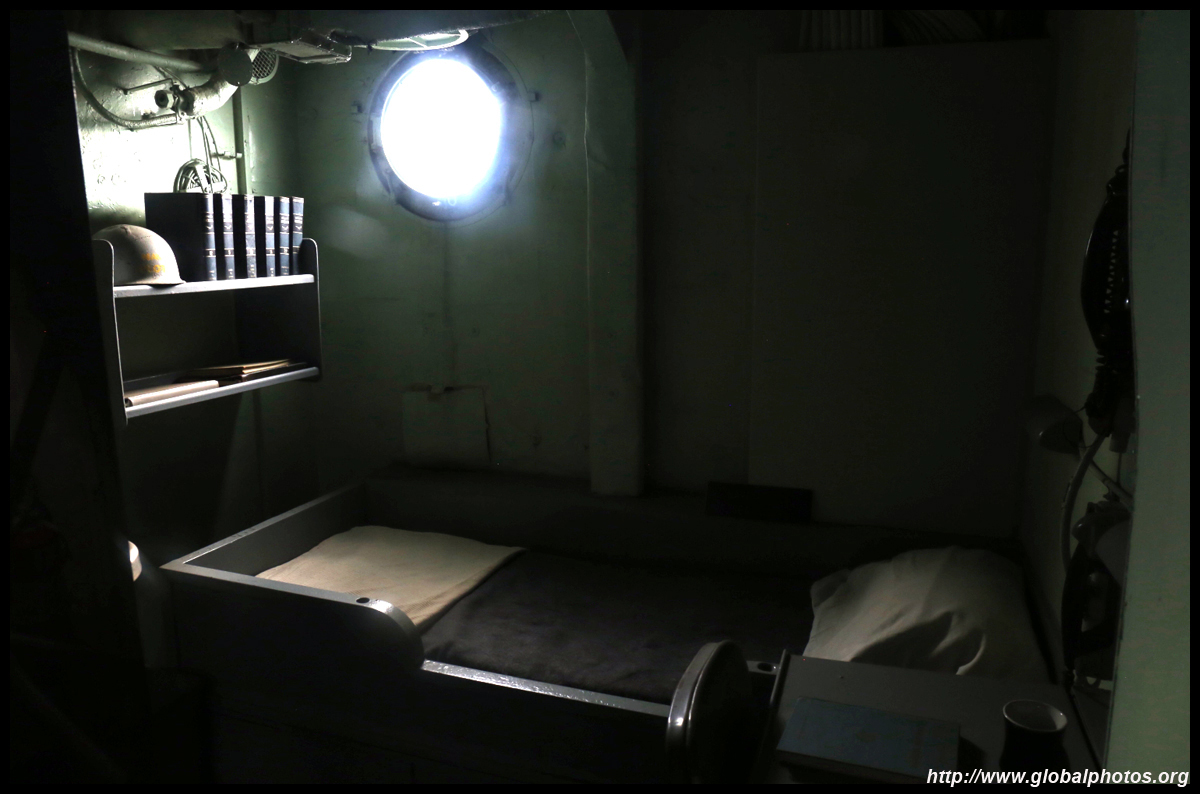
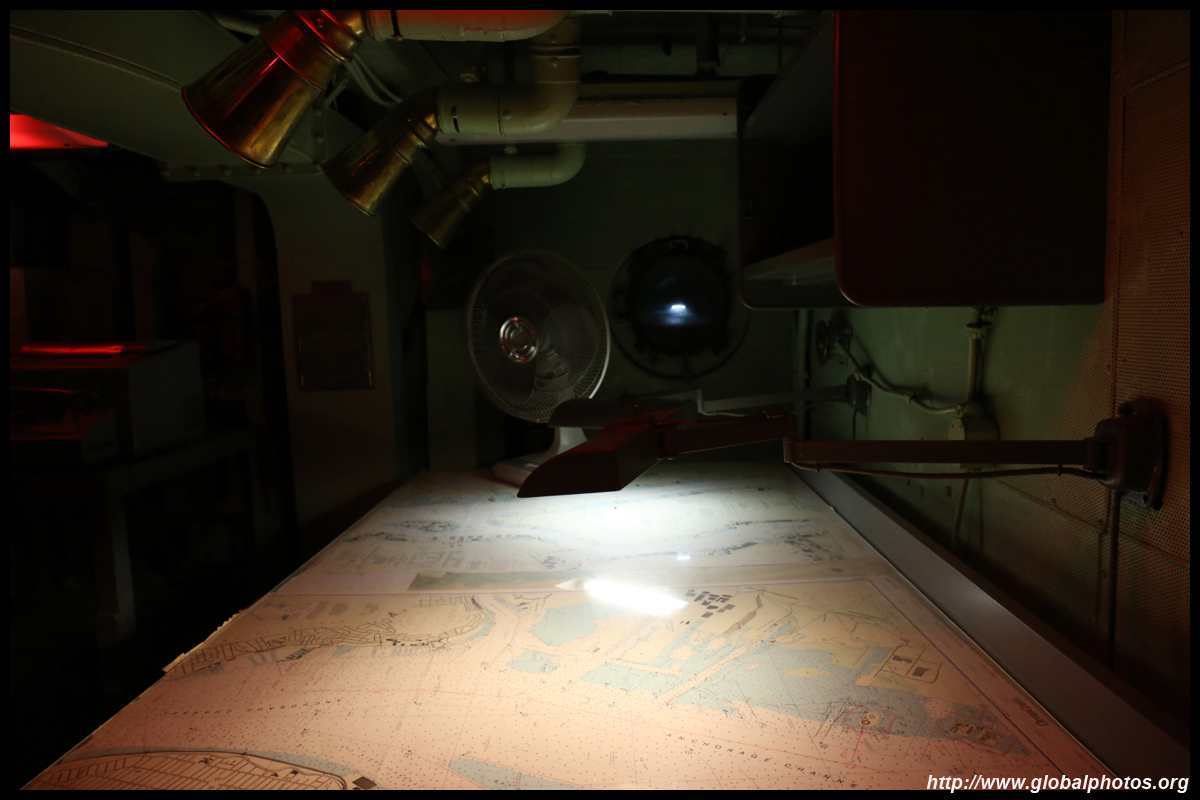
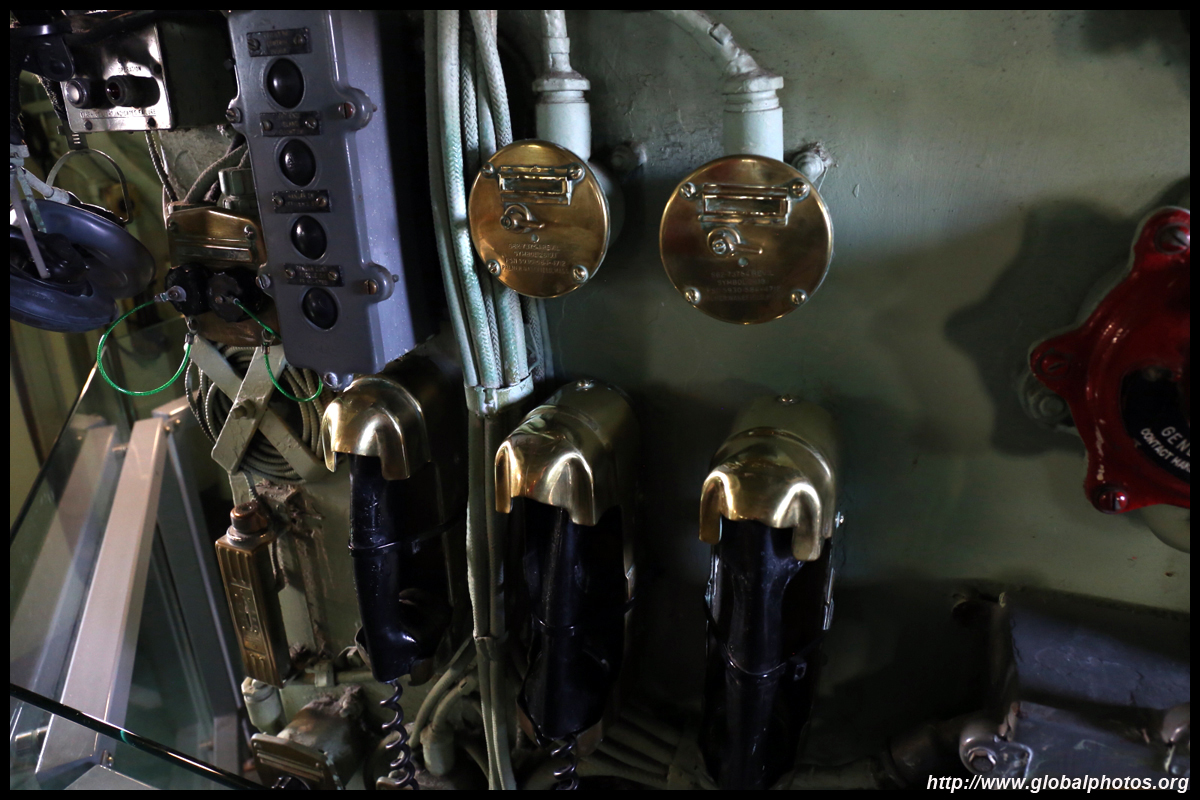
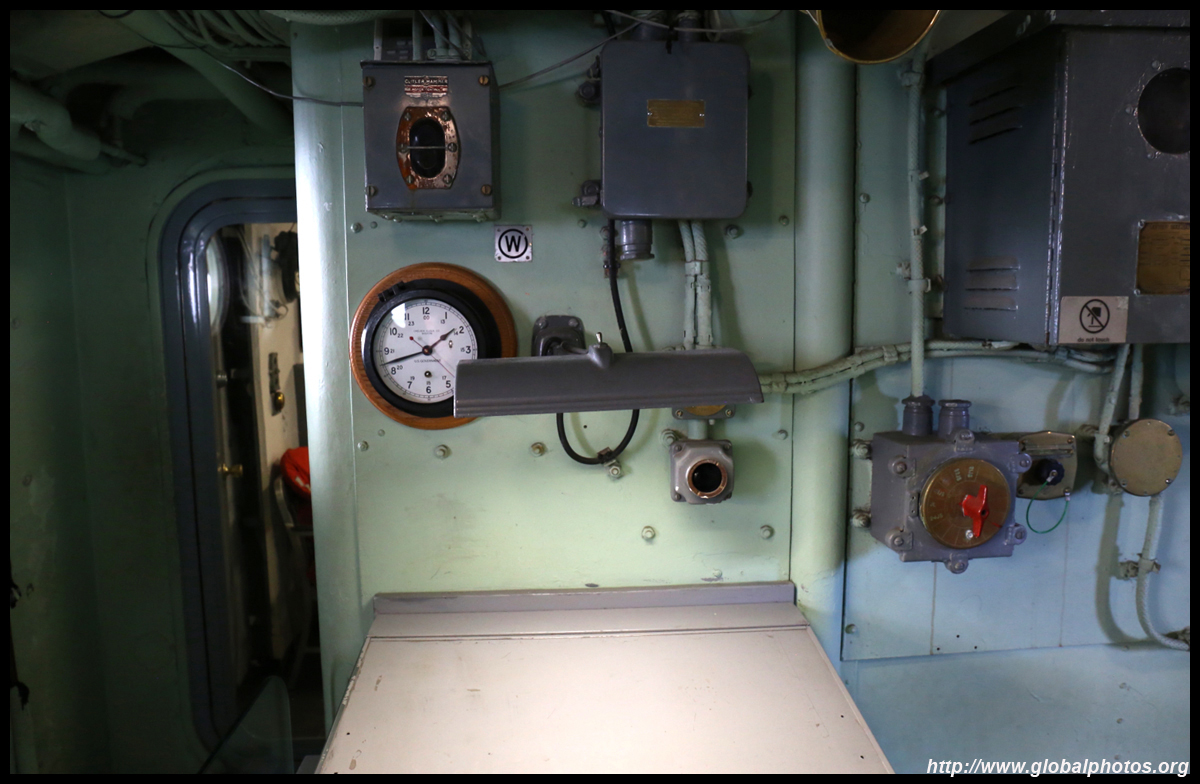
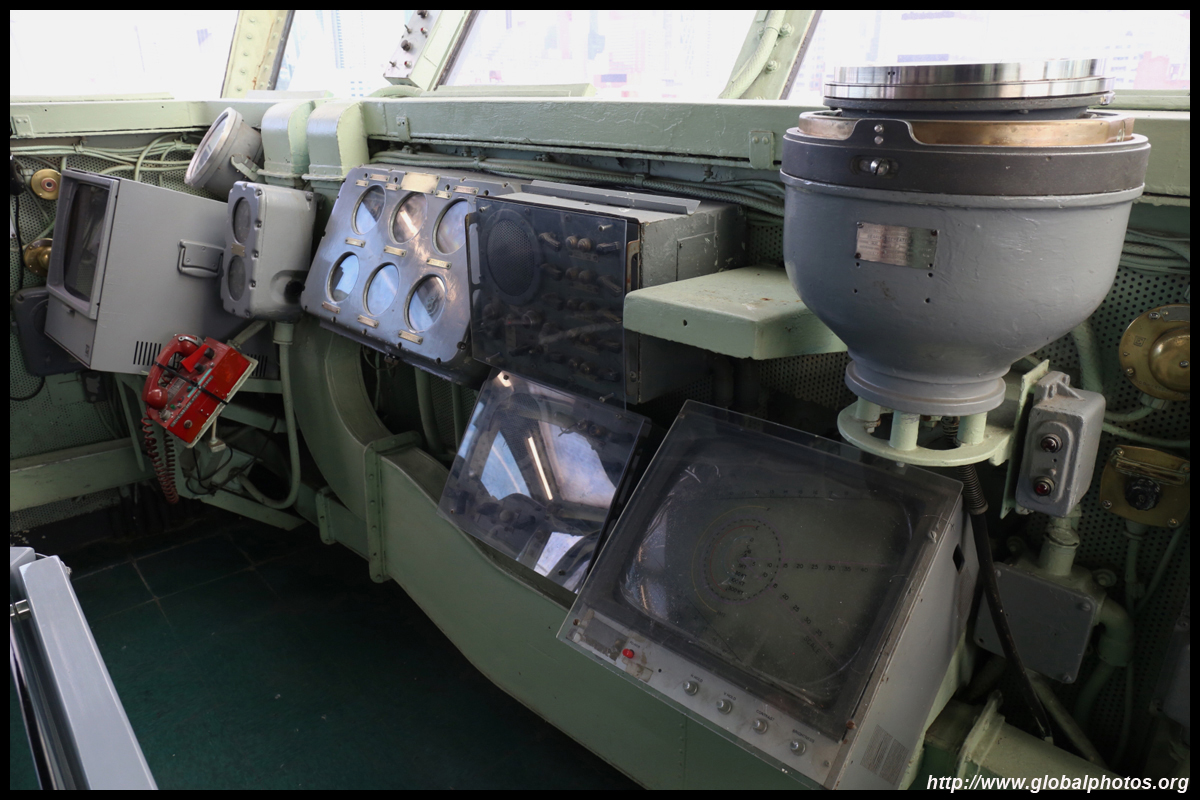
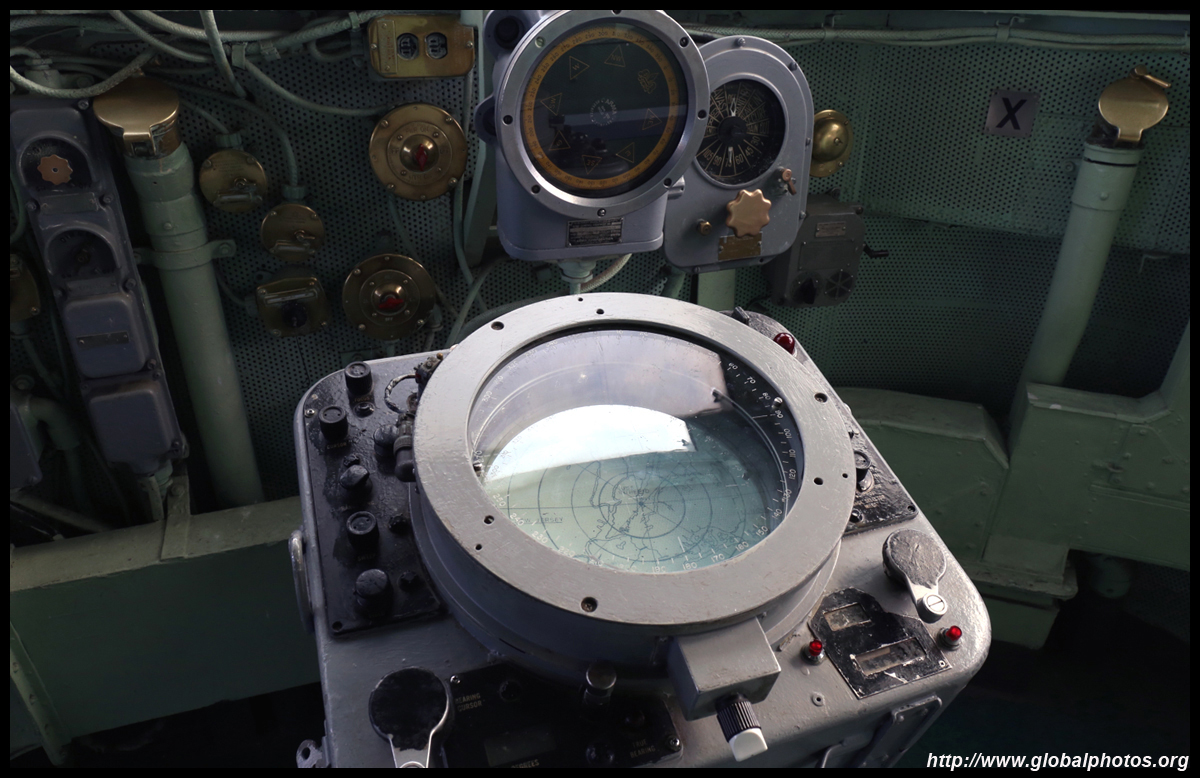
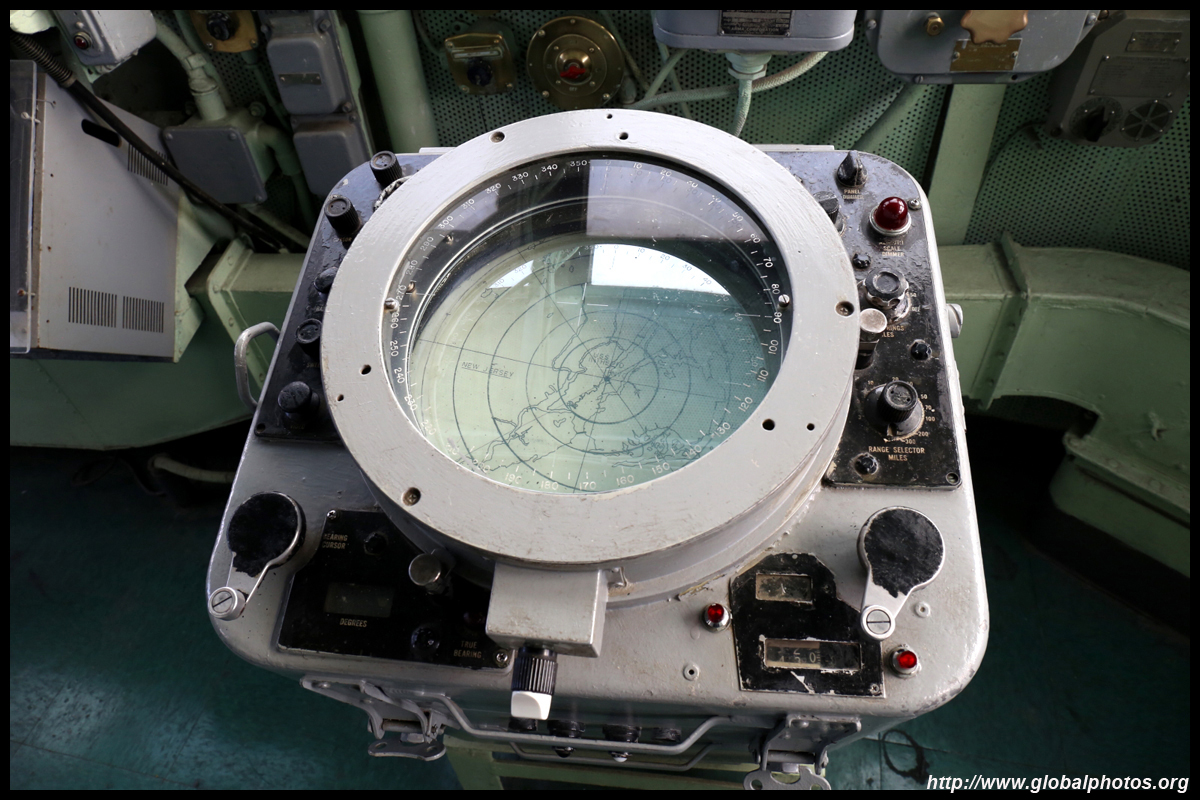
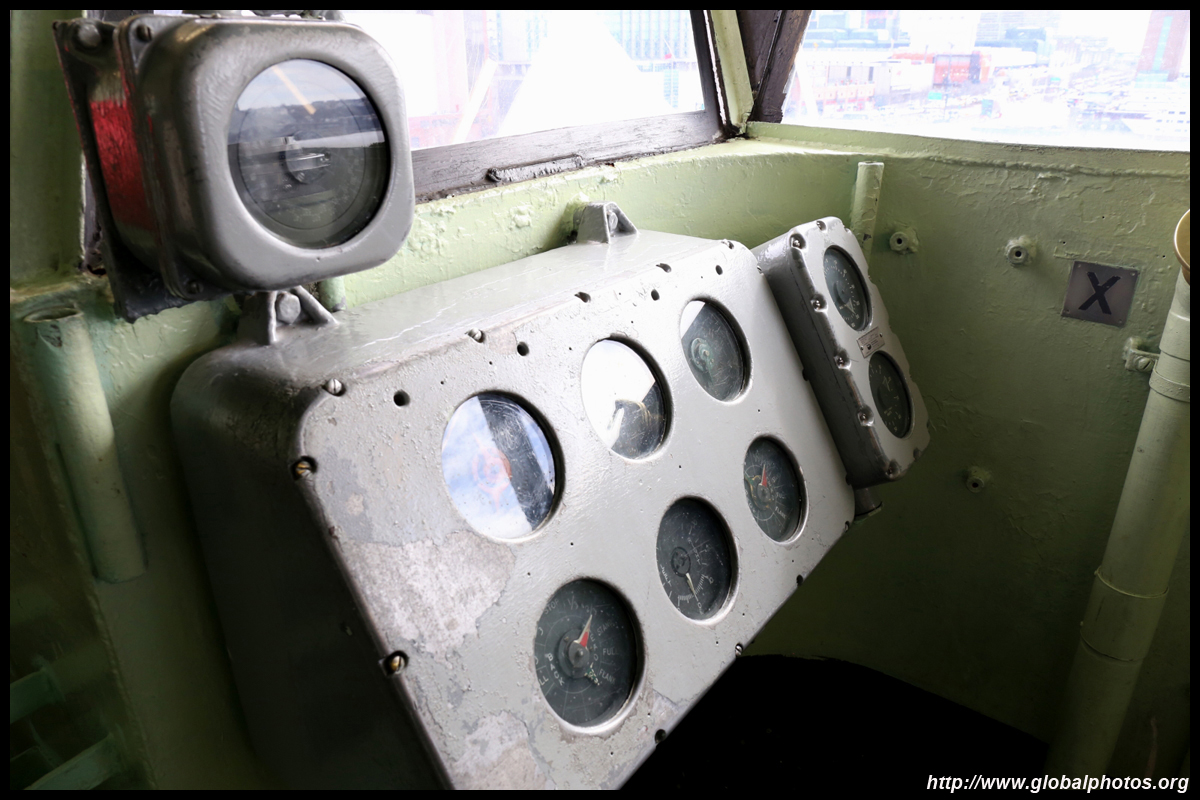
The USS Intrepid had a colourful history, serving in Vietnam as well as picking up capsules from various space missions. It has been turned into a museum, offering a glimpse of naval life with plenty of rooms open to the public. Be sure to see the space shuttle Enterprise, built in 1976. On the deck are a large selection of aircraft, with my favourite being the retired British Airways Concorde.
|
|||
 |
 |
 |
 |
 |
 |
 |
 |
 |
 |
 |
 |
|
|||
 |
 |
 |
 |
 |
 |
 |
 |
 |
 |
 |
 |
 |
 |
 |
 |
|
|||
 |
 |
 |
 |
 |
 |
 |
 |
 |
 |
 |
 |
 |
 |
||
|
|||
 |
 |
 |
 |
 |
 |
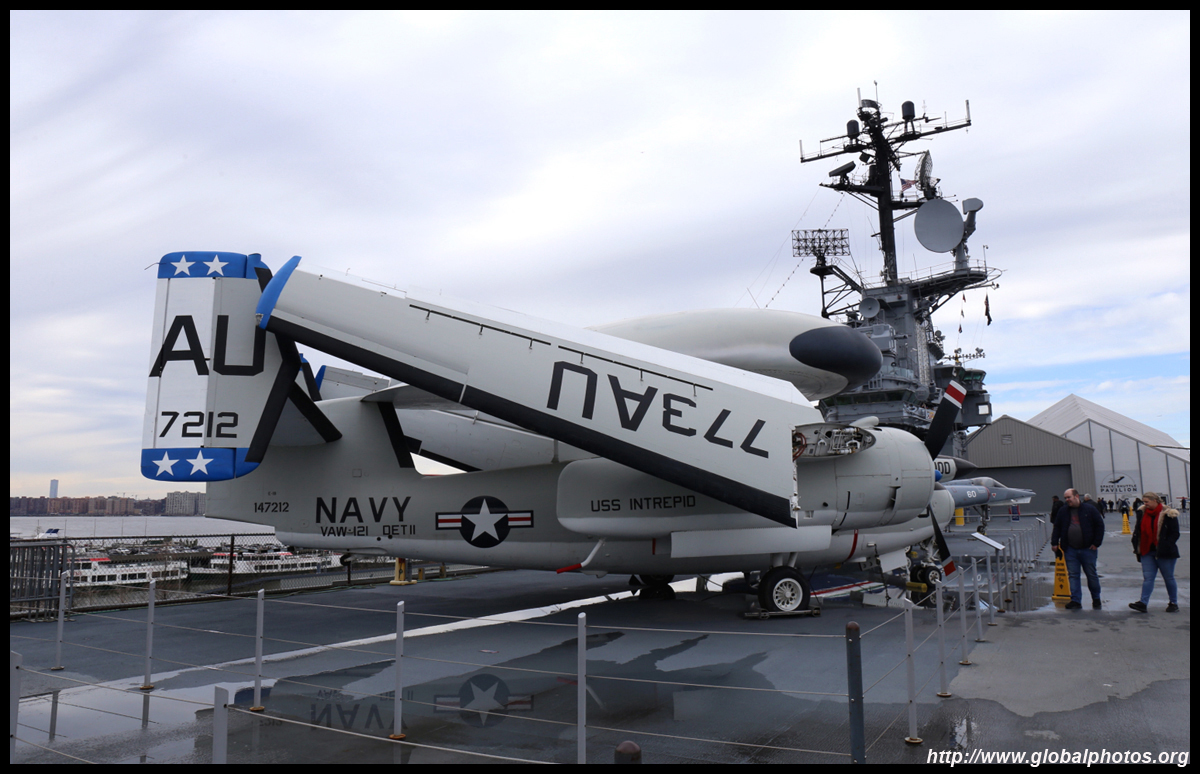 |
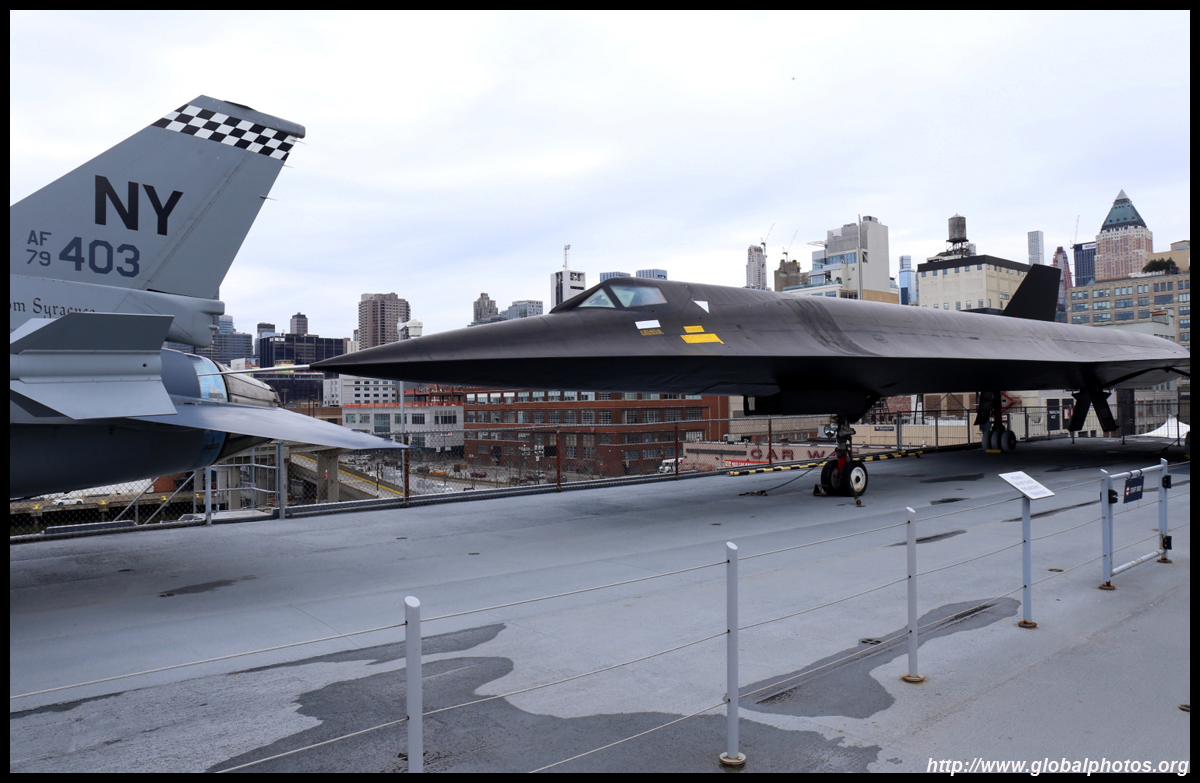 |
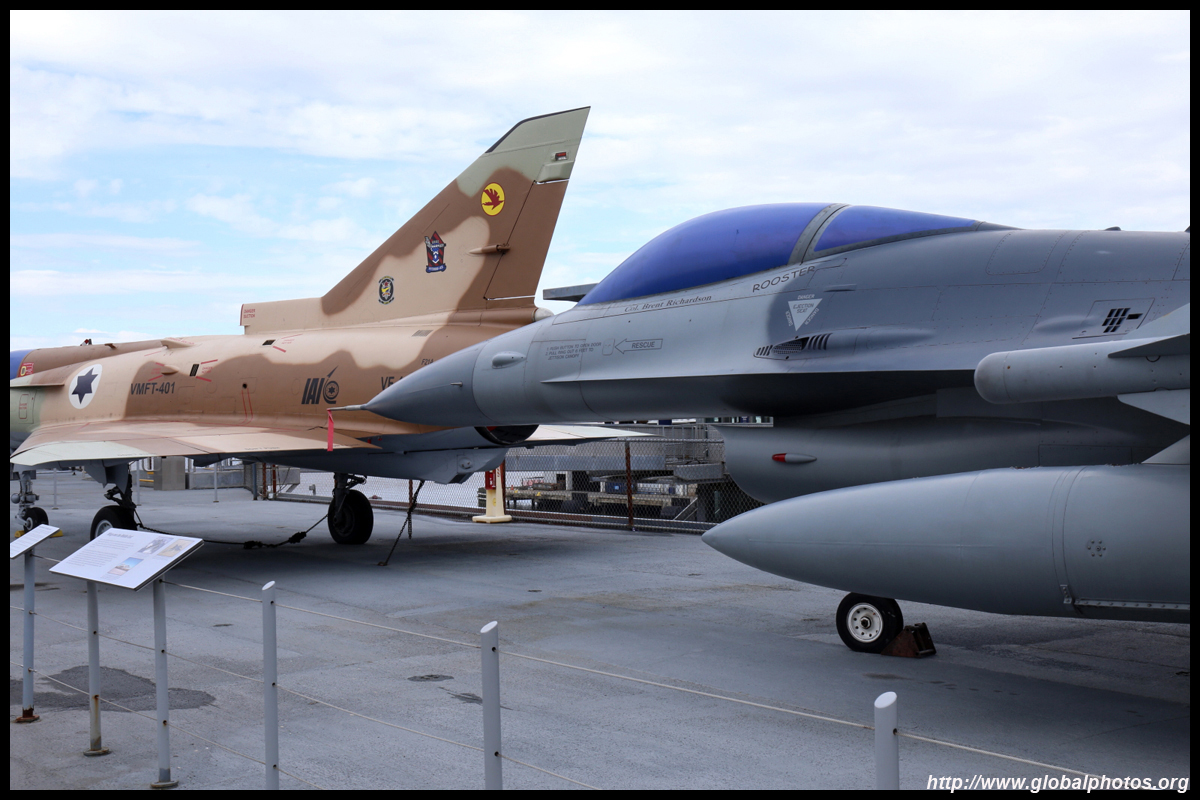 |
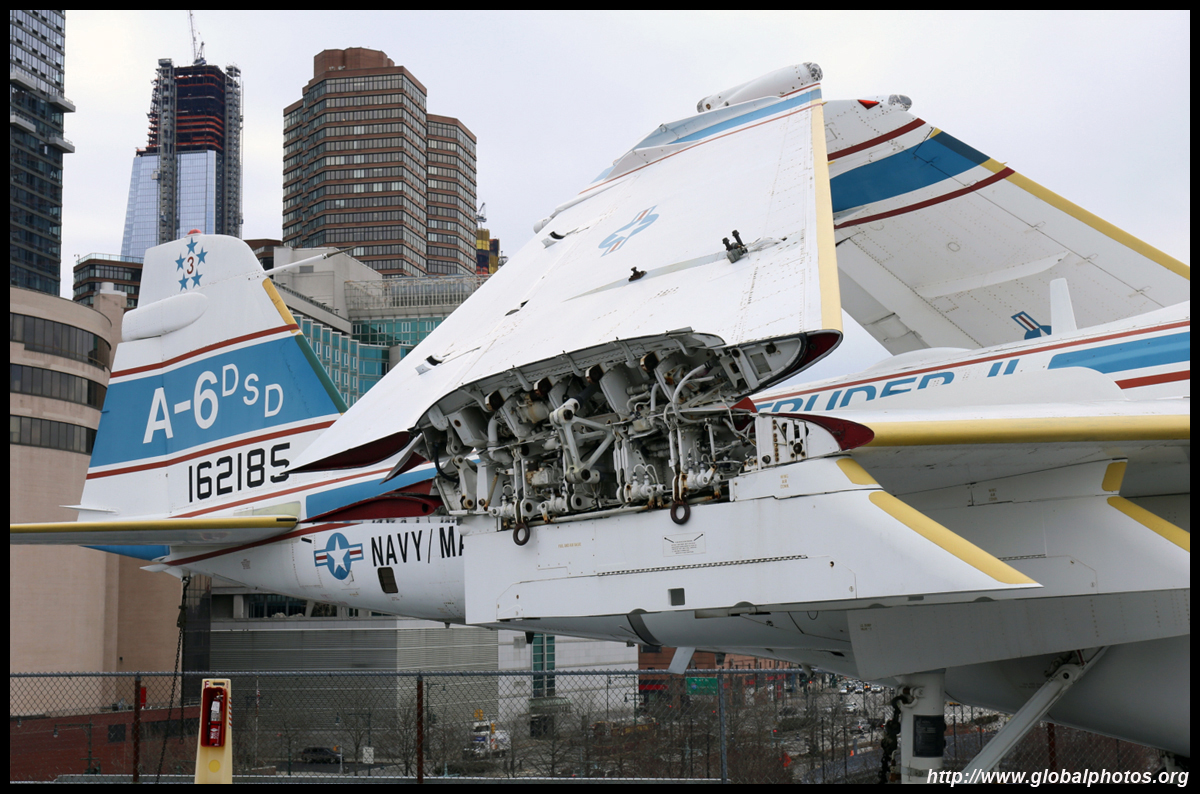 |
 |
 |
 |
 |
 |
 |
|
|||
 |
 |
 |
 |
 |
 |
 |
 |
 |
 |
 |
 |
 |
 |
 |
 |
This aircraft was previously registered as G-BOAD, which first flew in August 1976 and entered service for British Airways in December. Its fastest flight across the Atlantic was only 2 hours and 52 minutes in 1996, and the aircraft was finally retired in 2003 after 23,397 flight hours and 8406 landings.
|
|||
 |
 |
 |
 |
 |
 |
 |
 |
 |
 |
 |
 |
 |
 |
 |
 |
|
|||
 |
 |
 |
 |
 |
 |
 |
 |
 |
 |
 |
 |
 |
 |
 |
 |
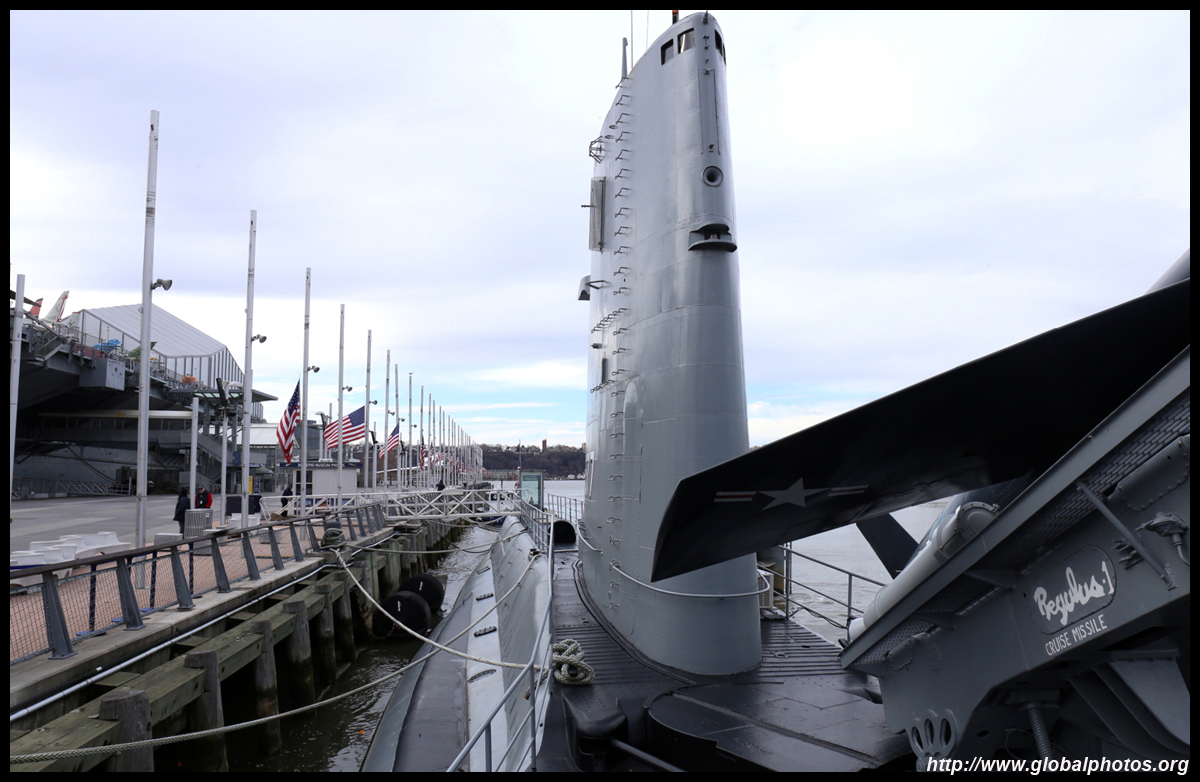
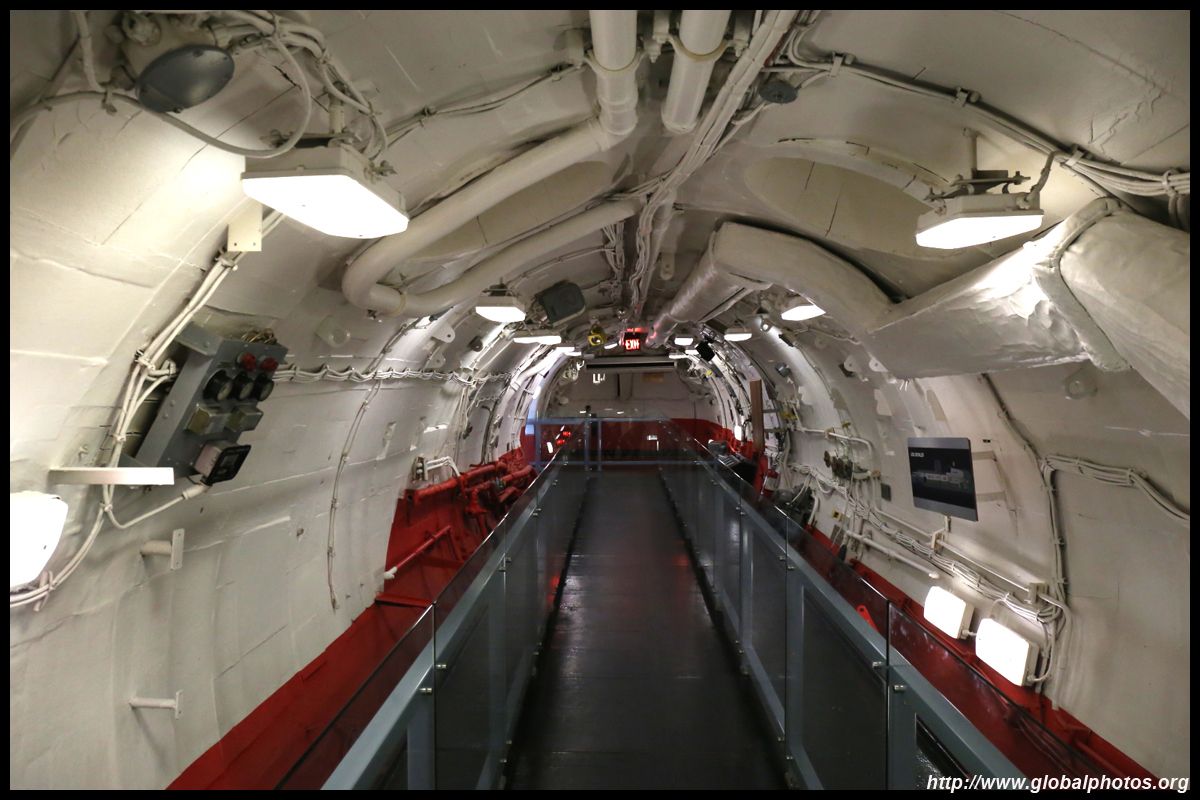
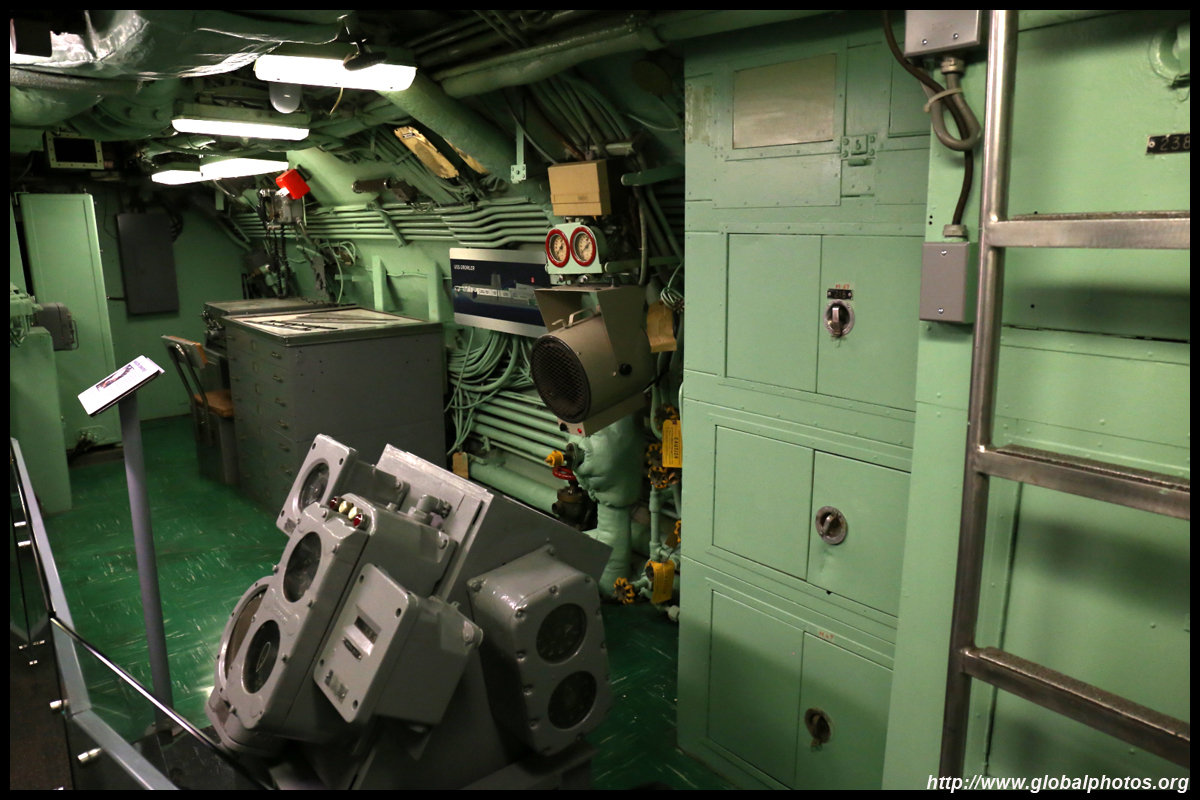
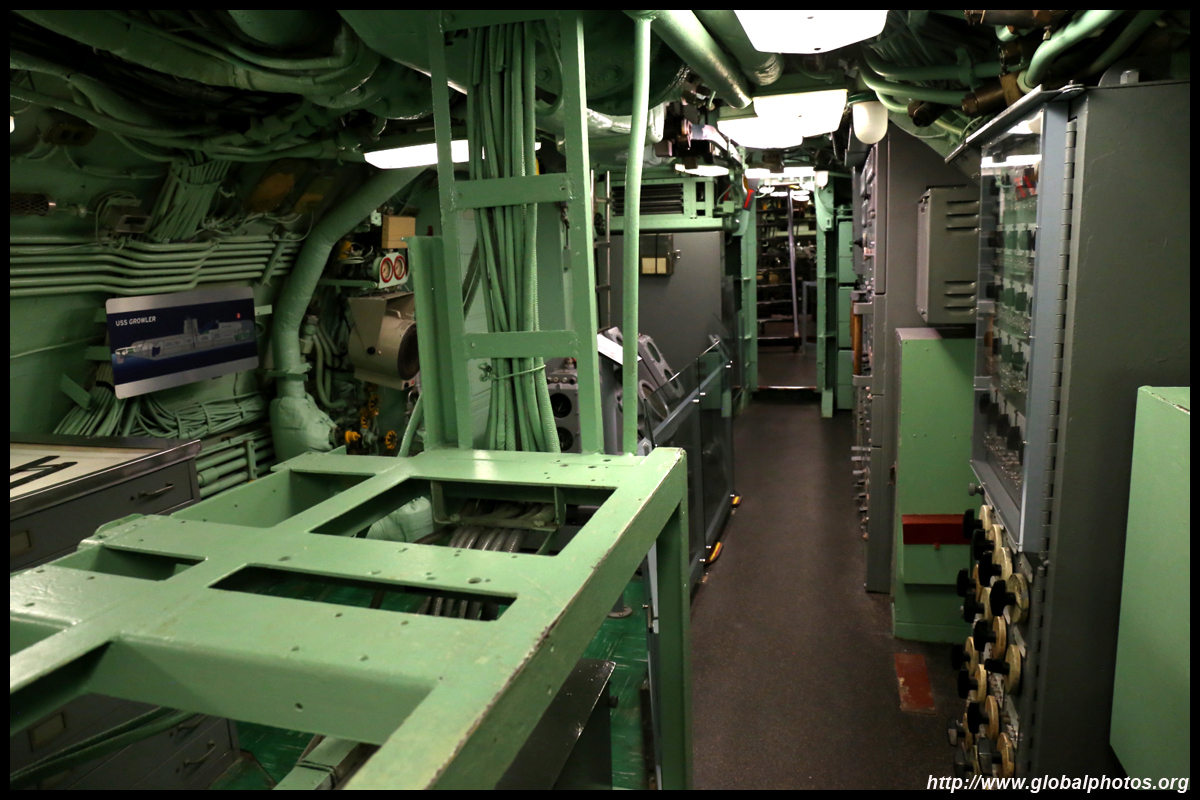
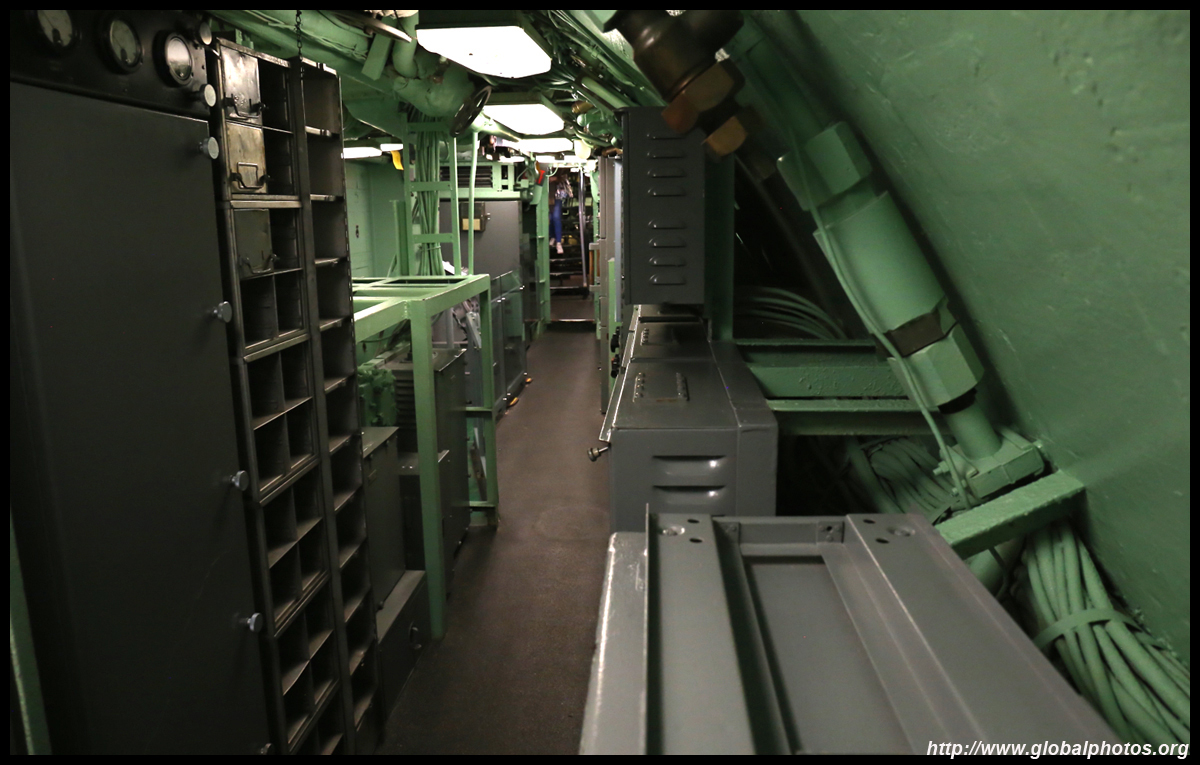
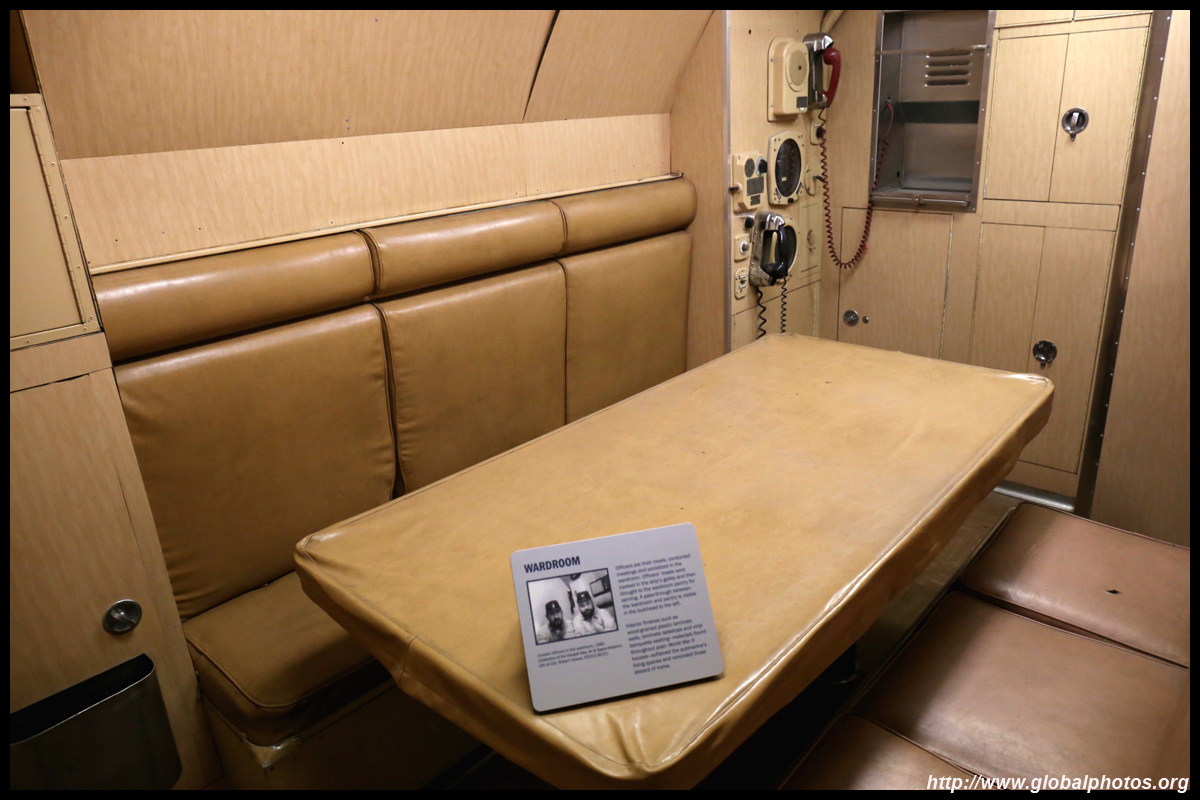
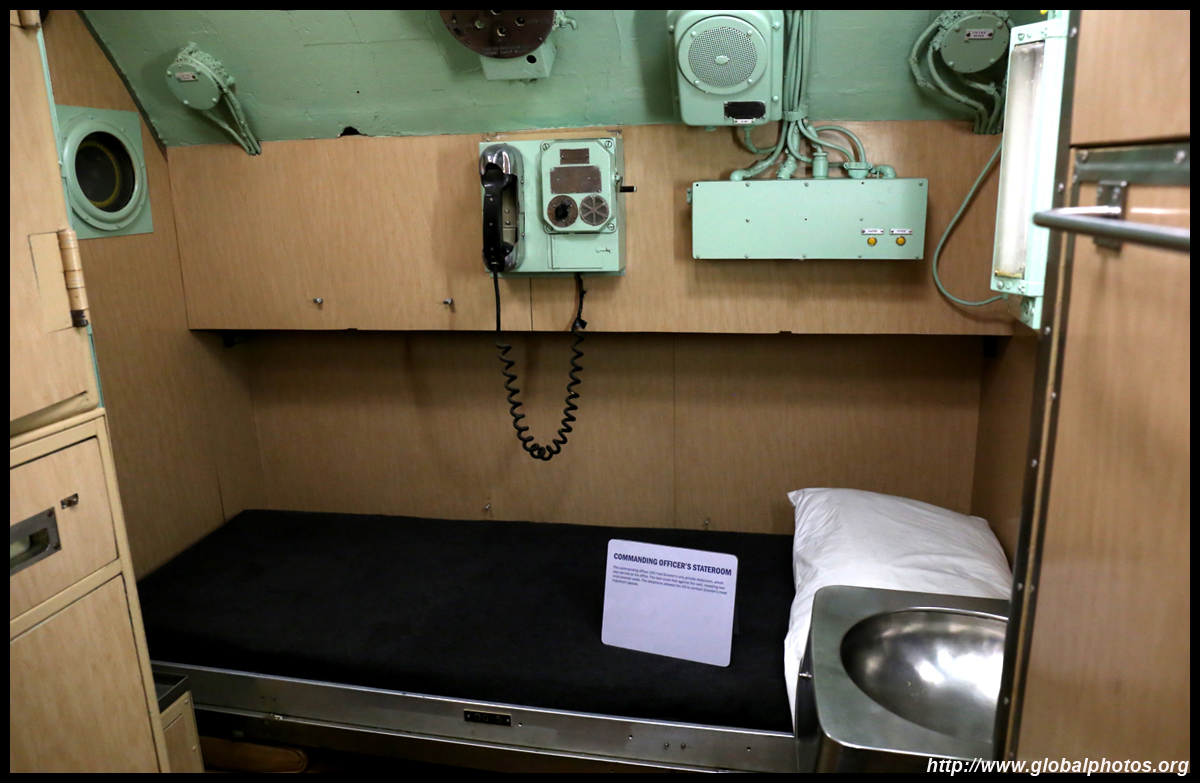
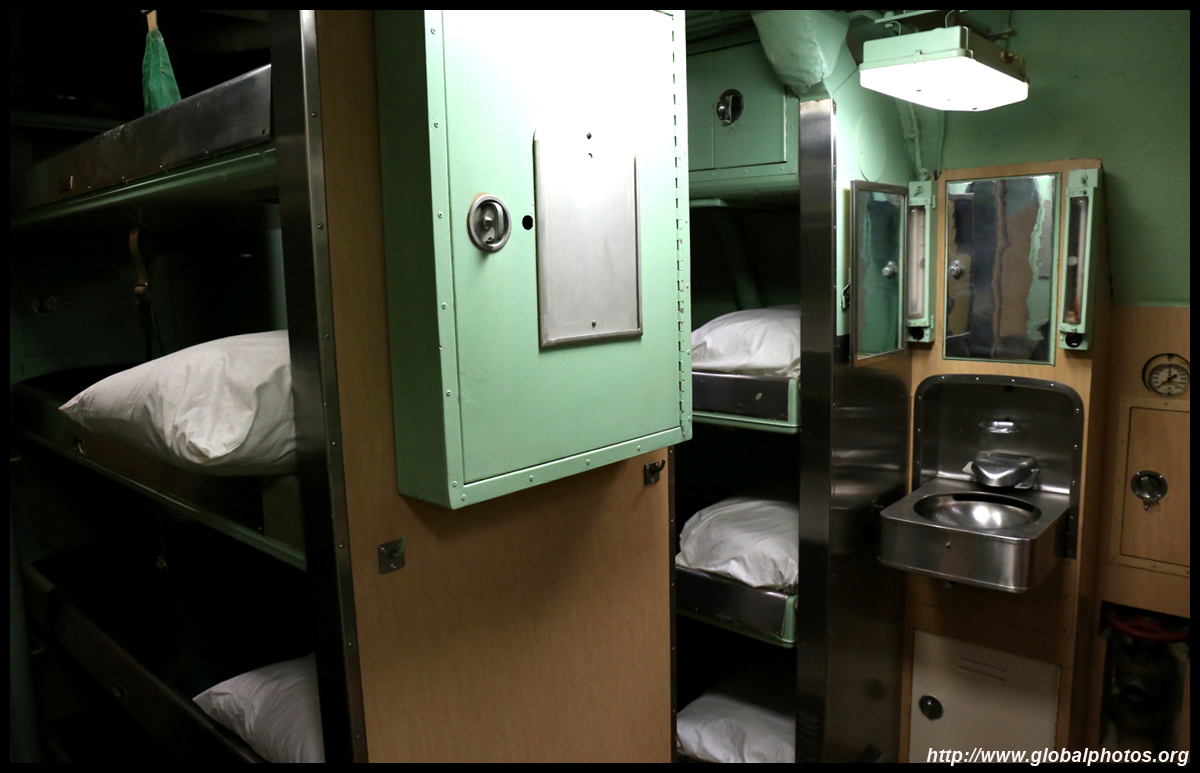
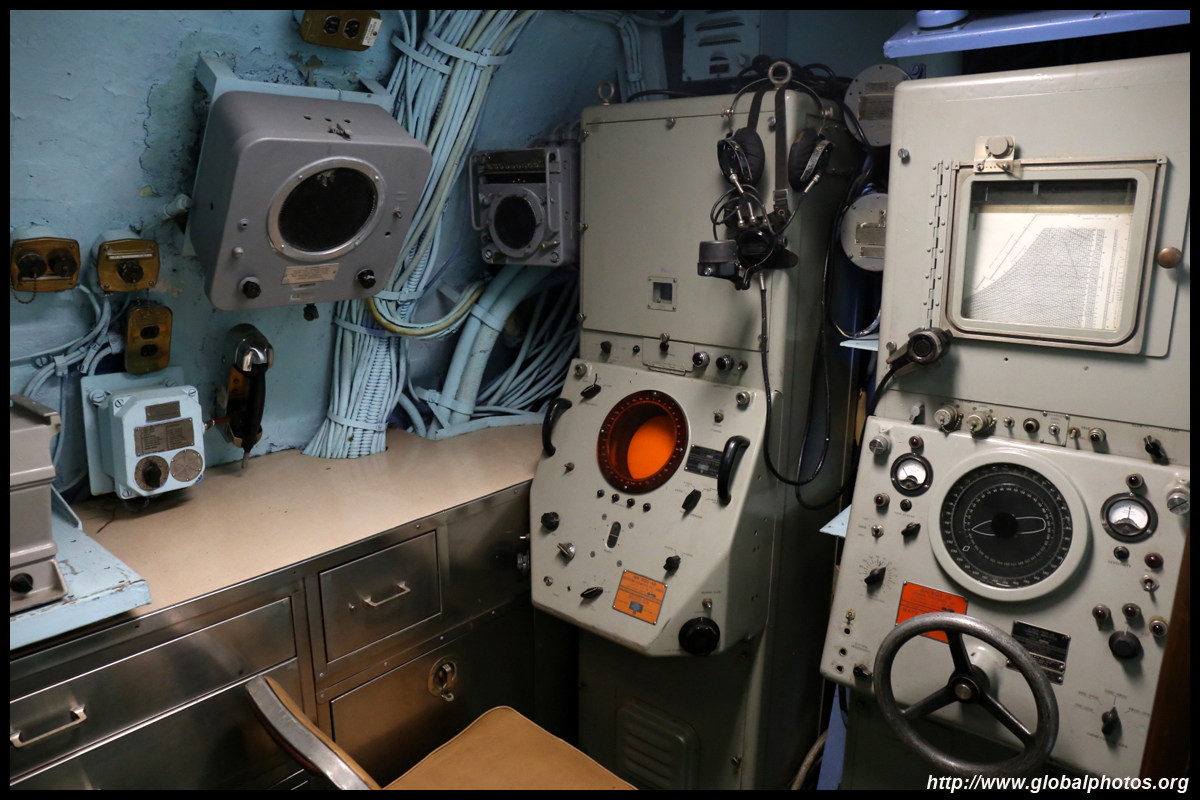
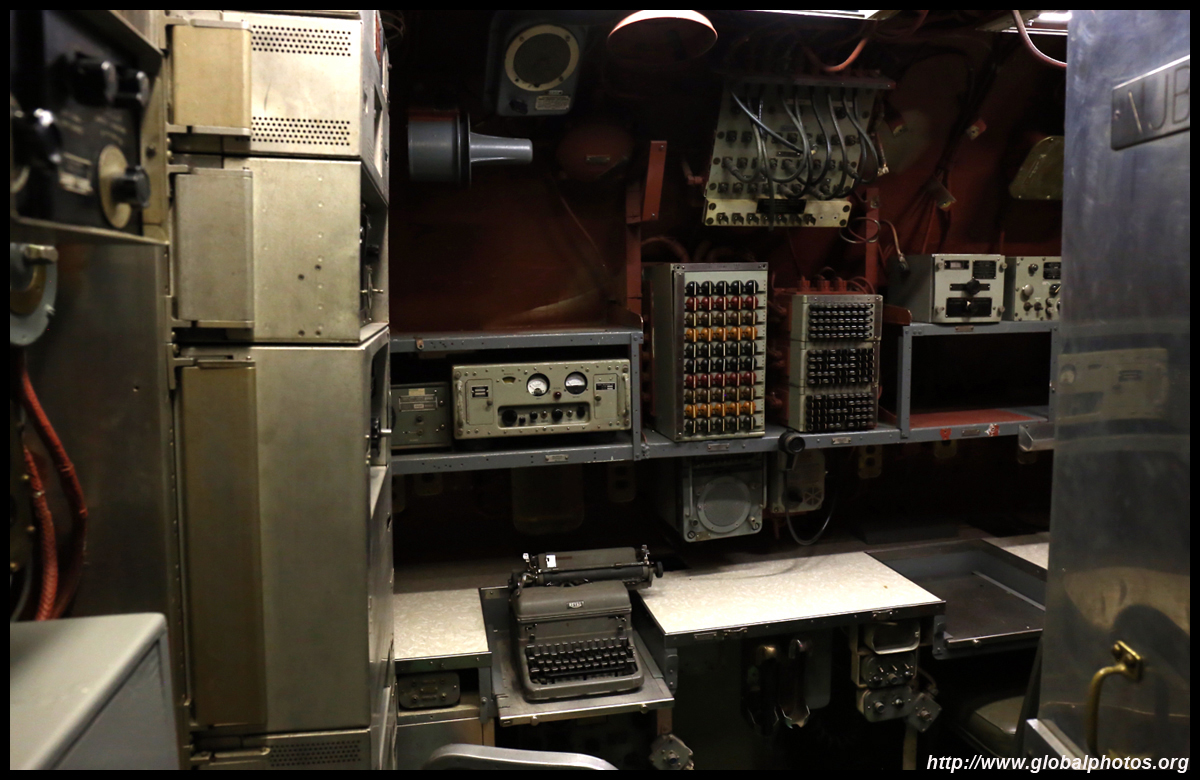
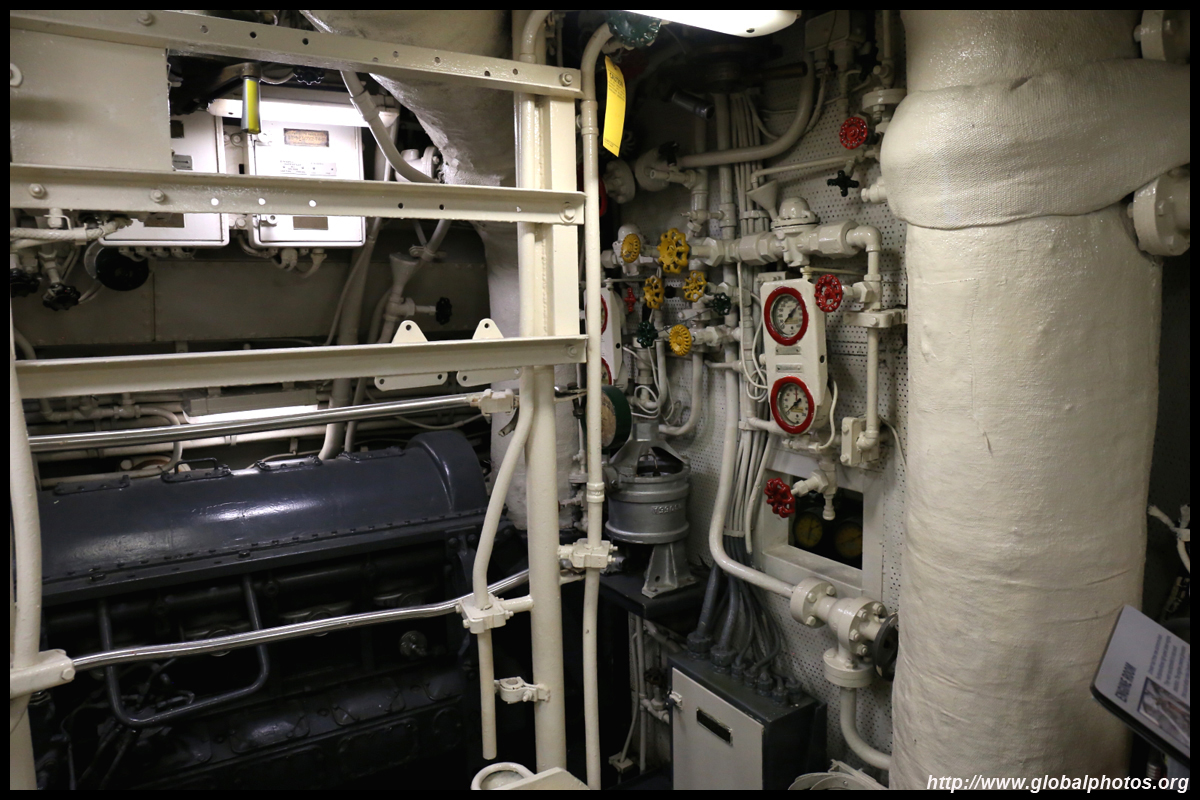
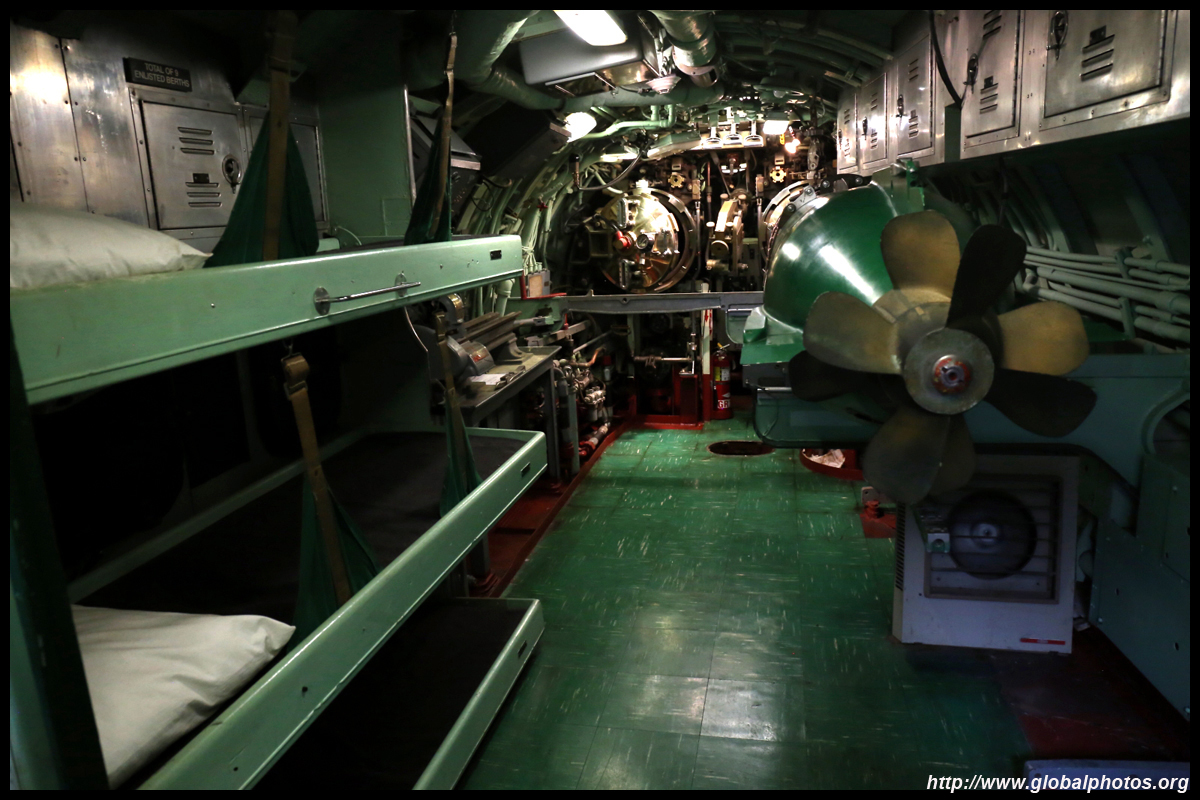
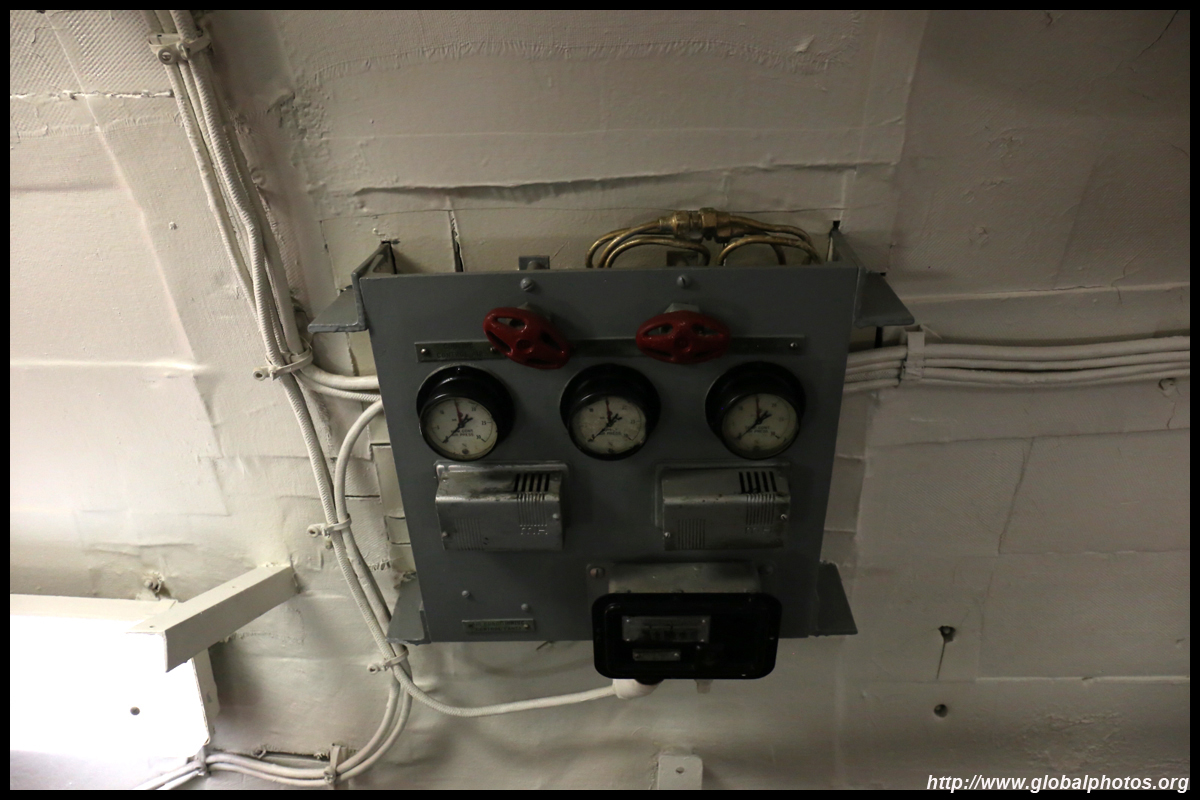
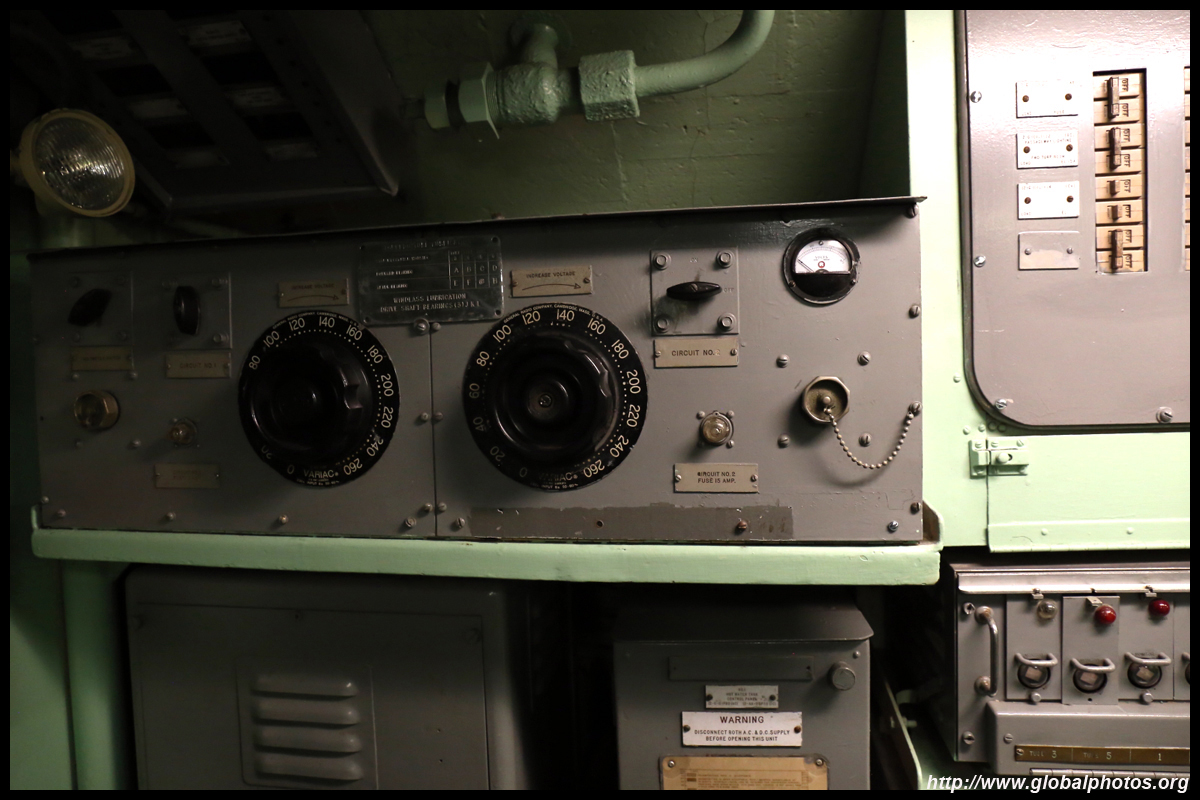
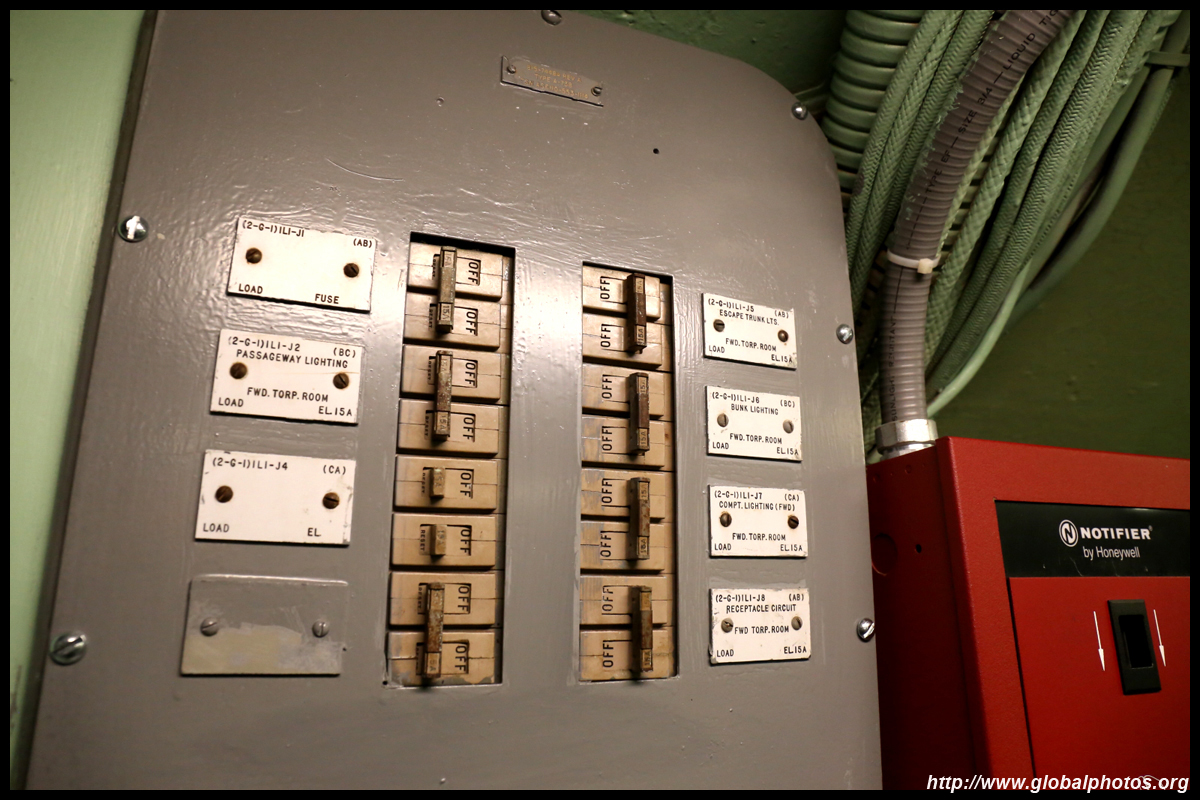
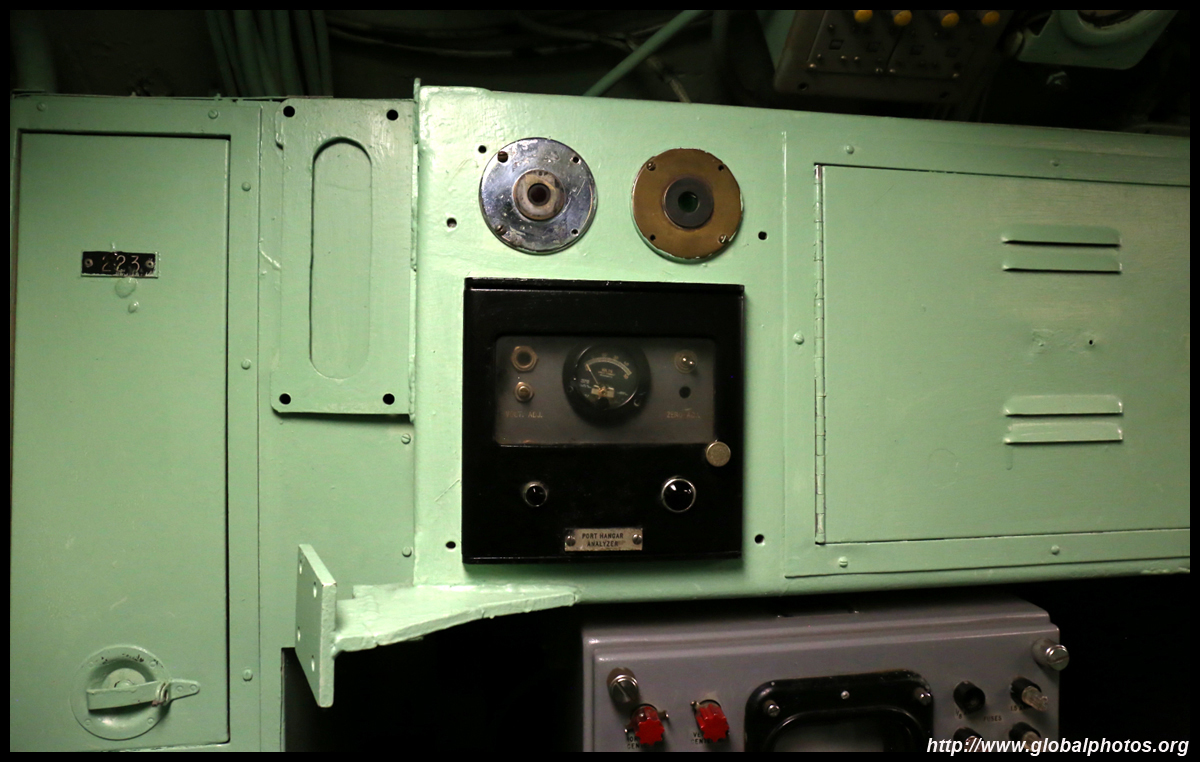
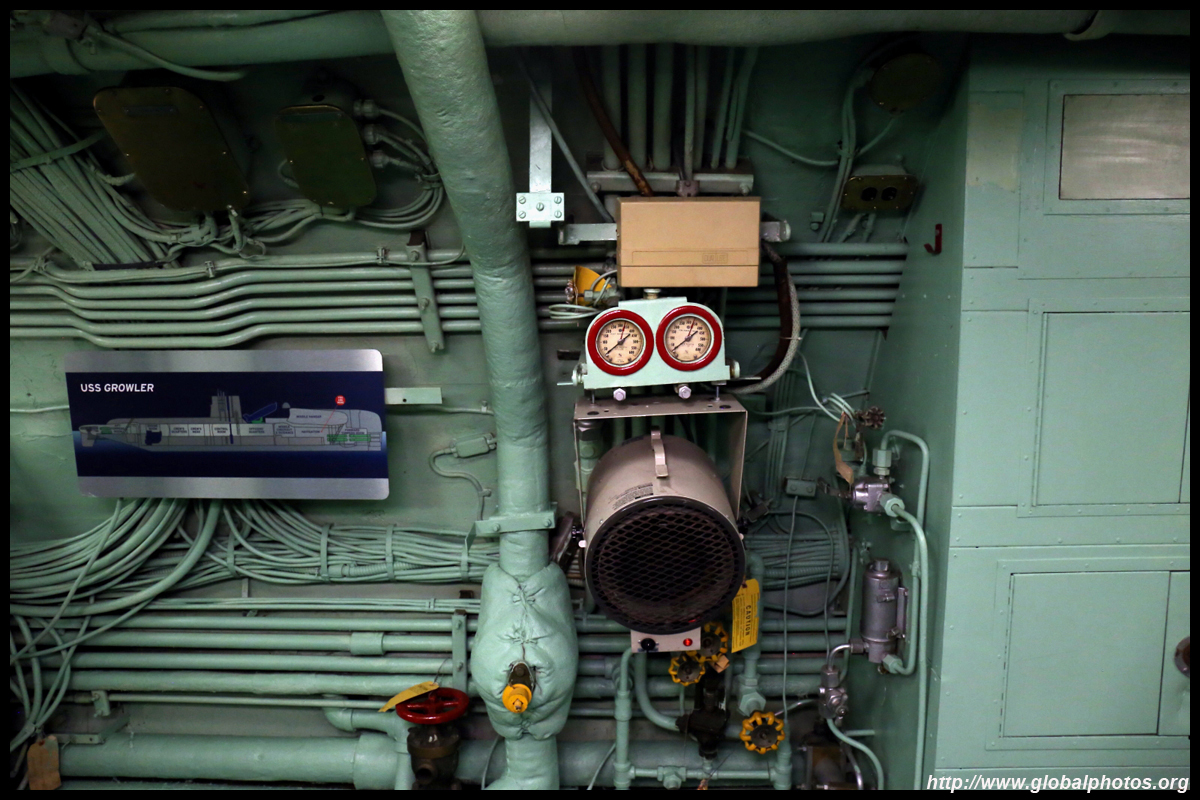
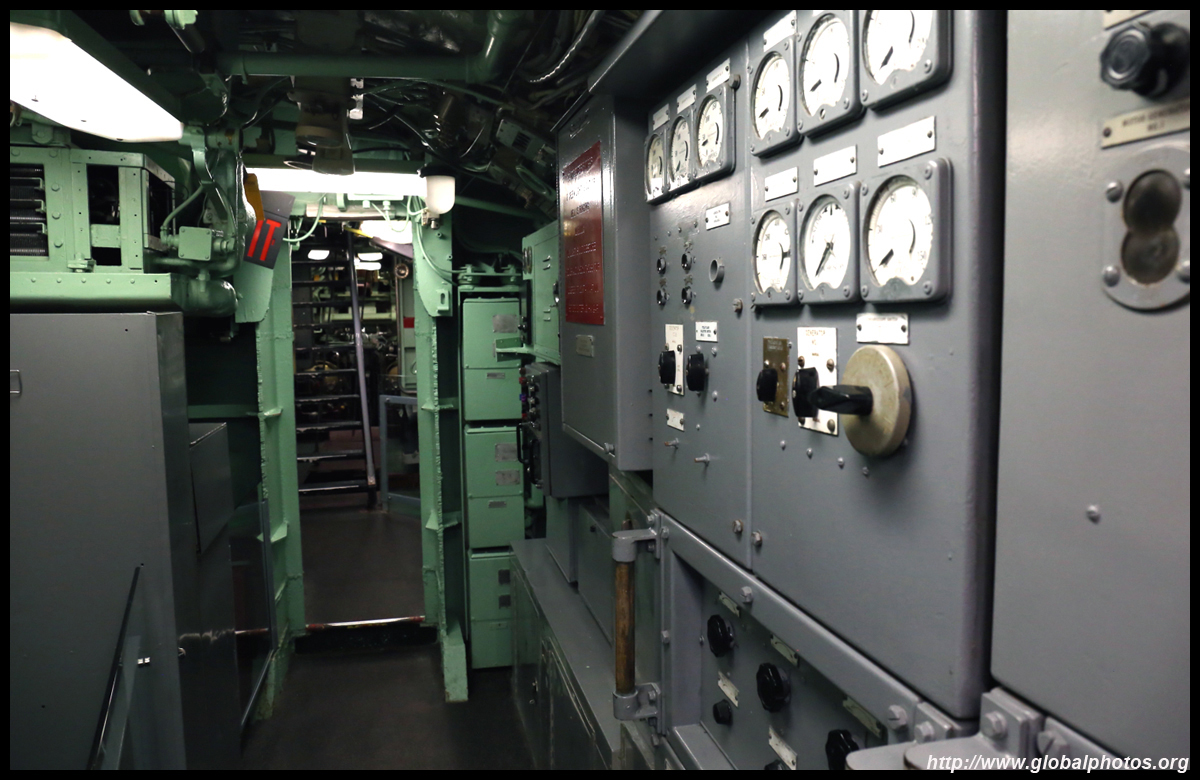
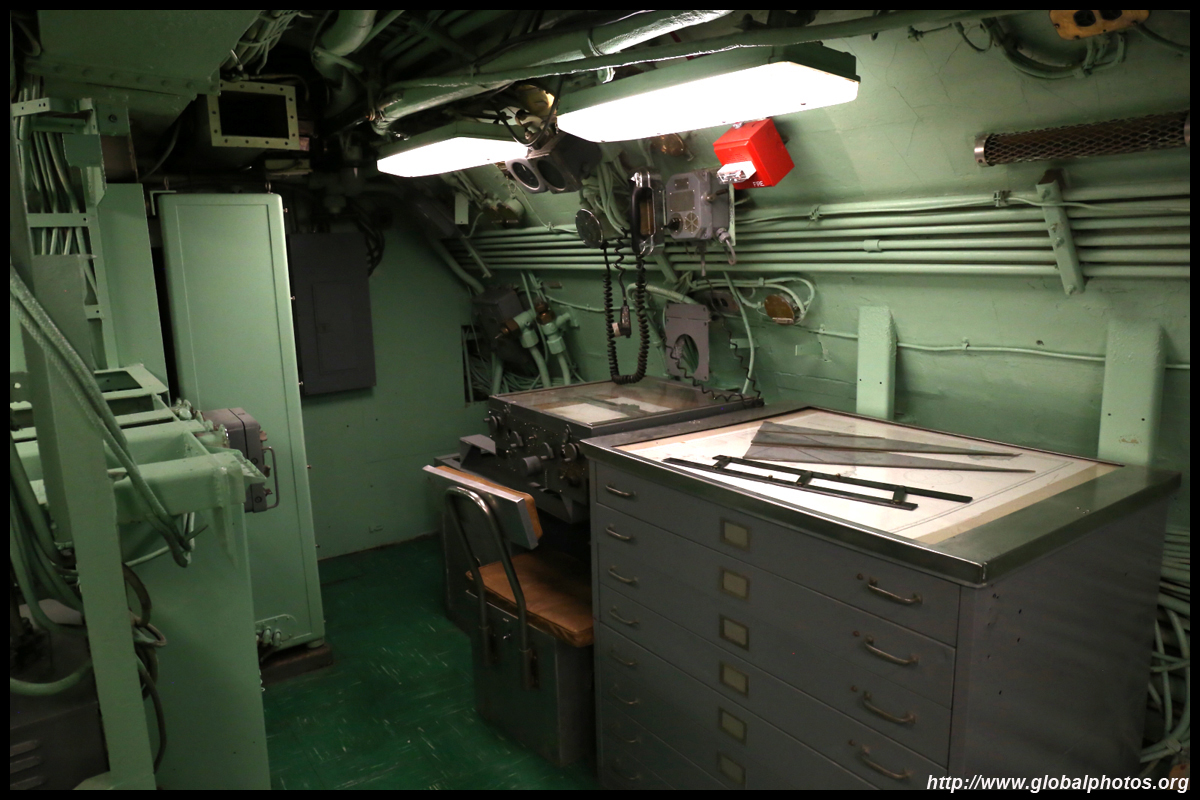
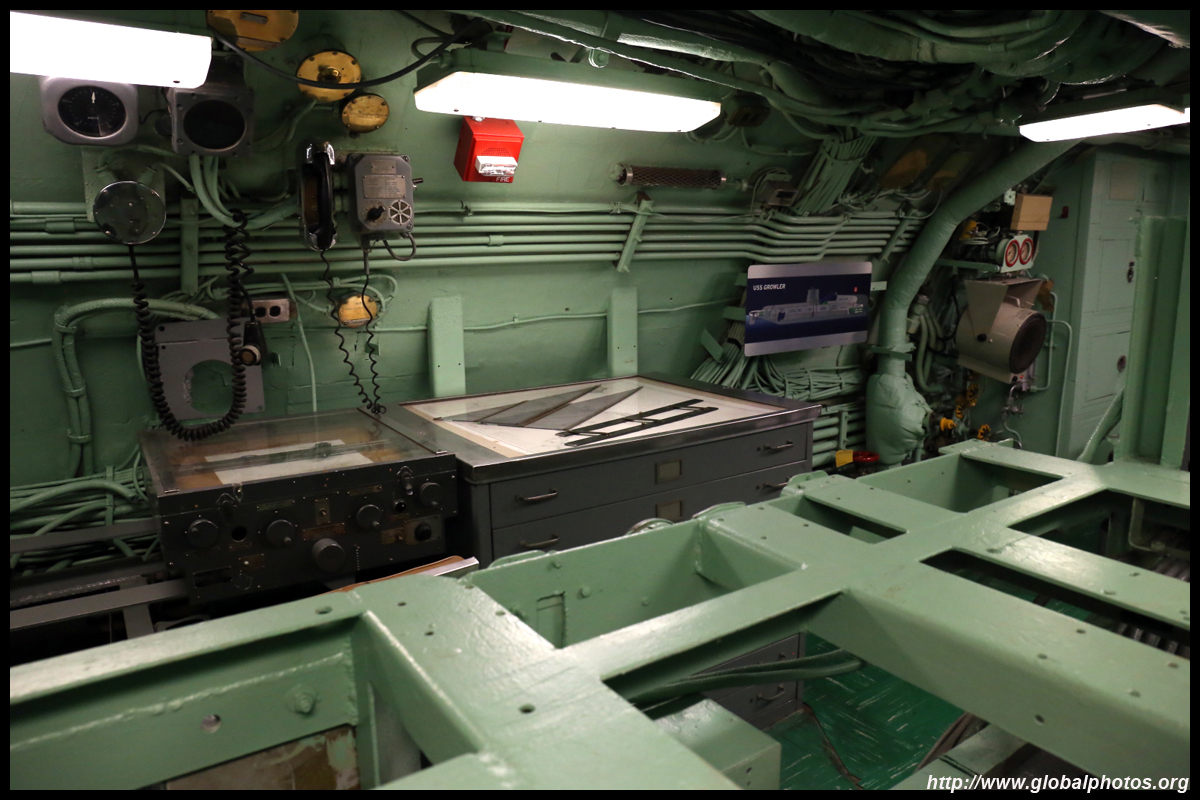
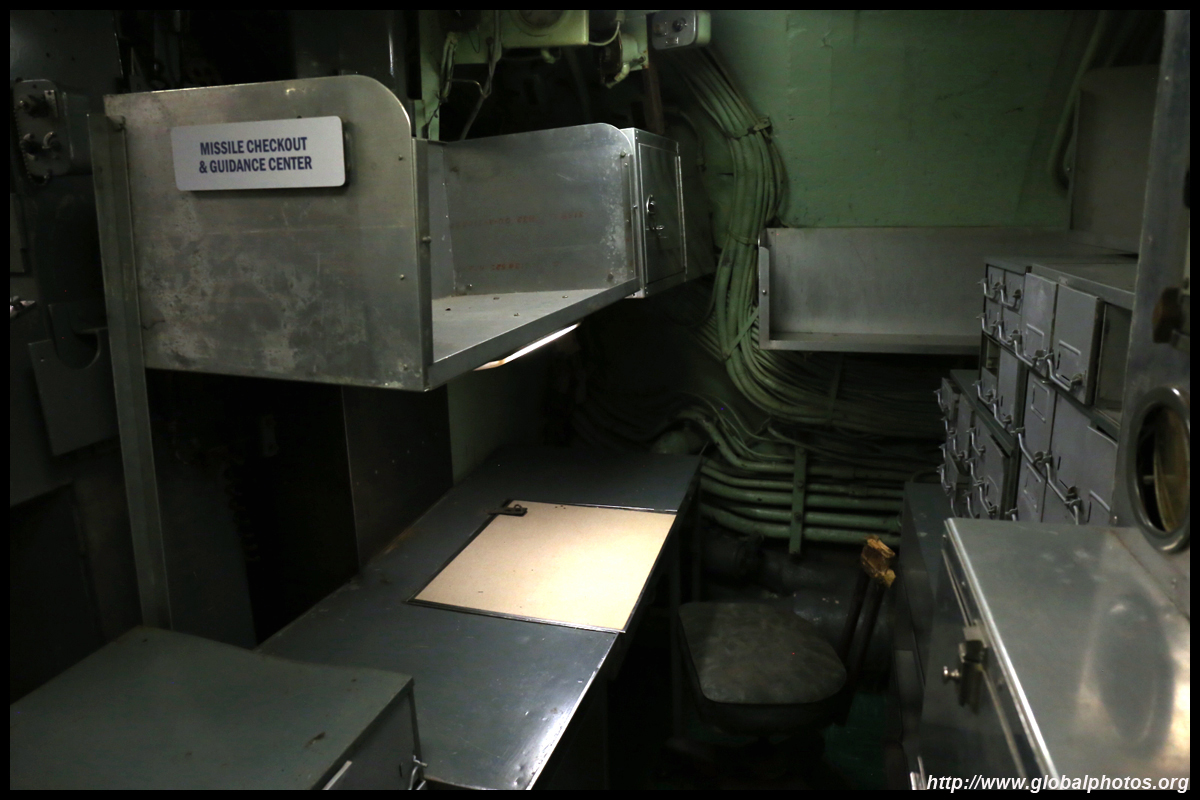
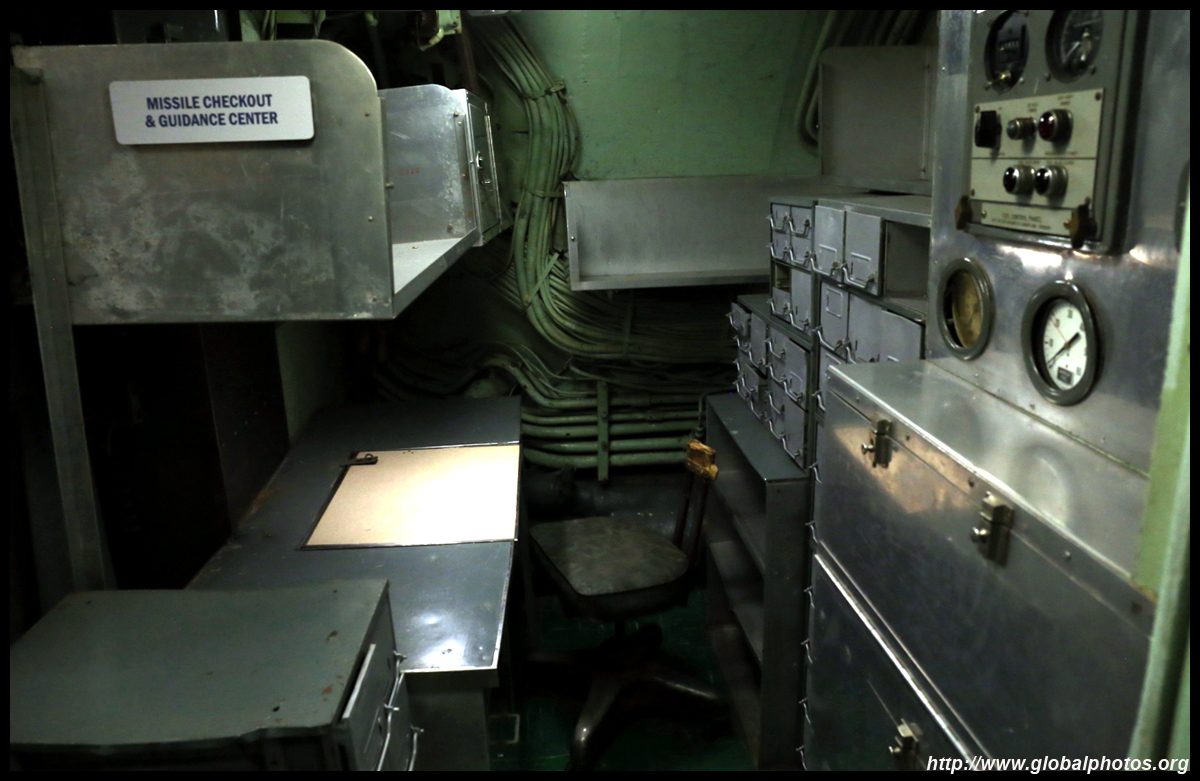
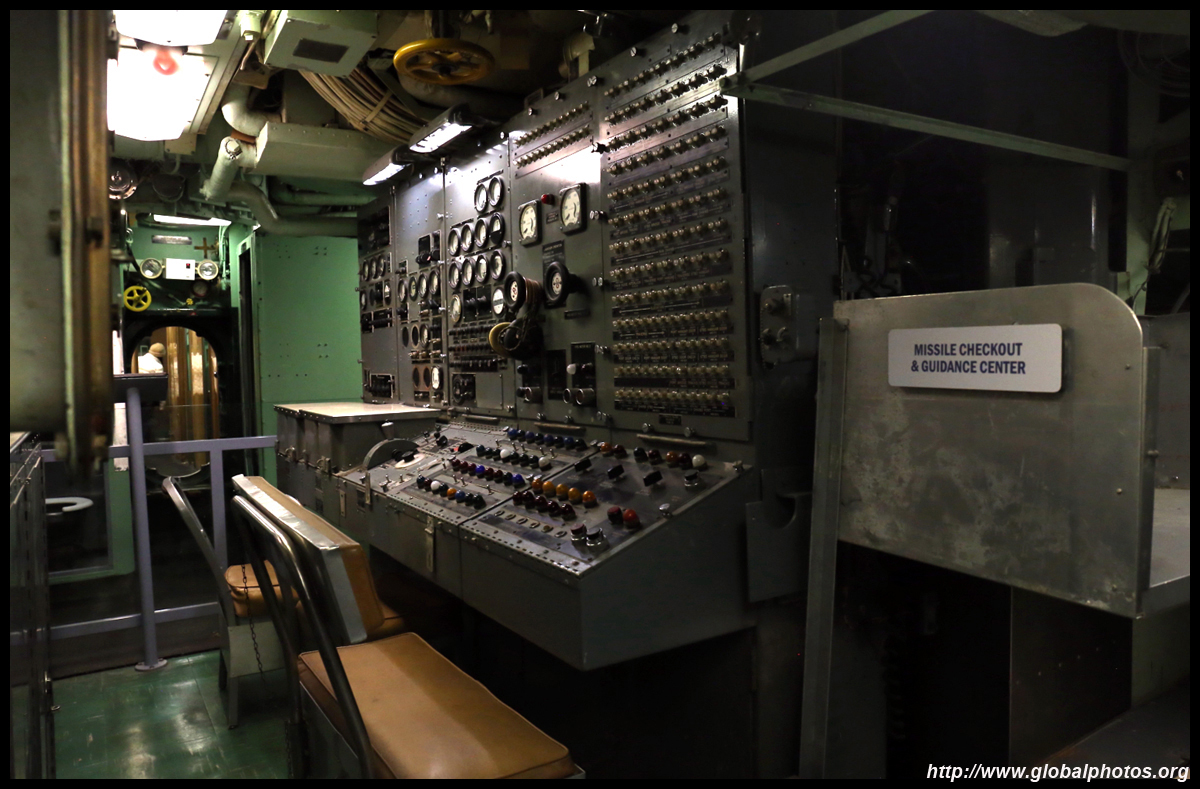
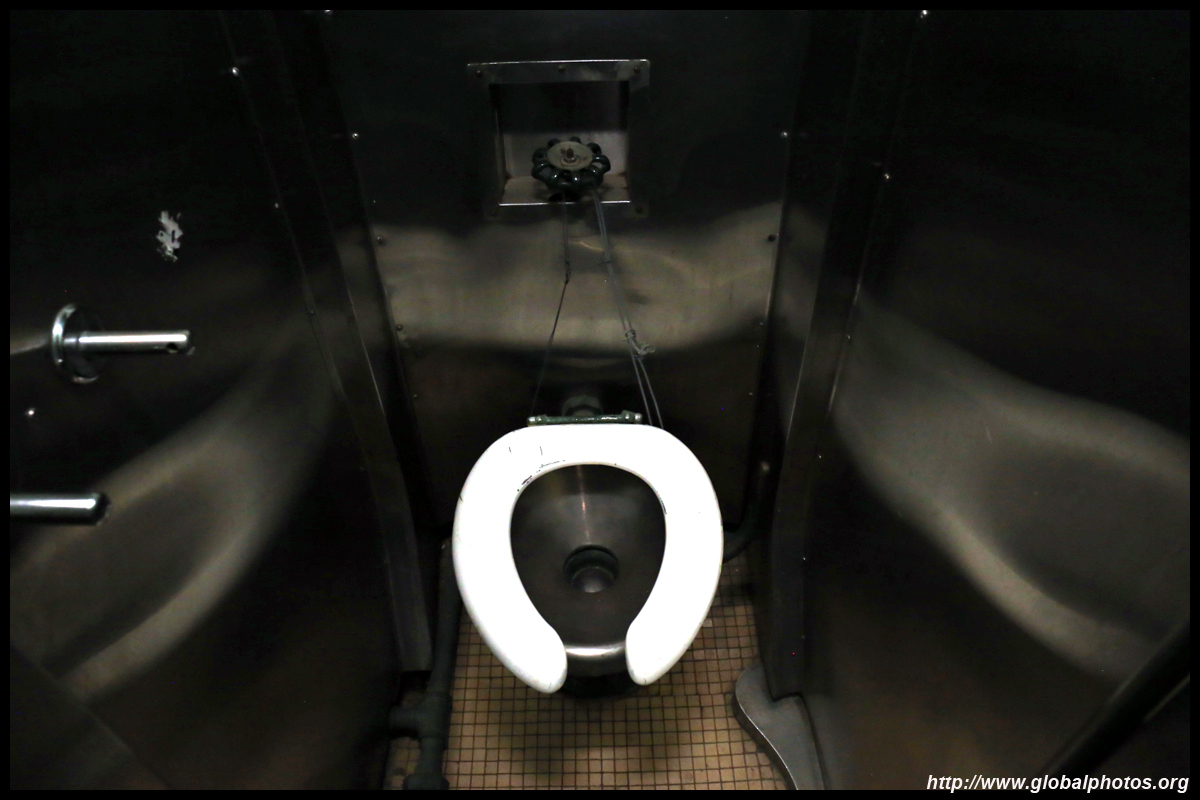
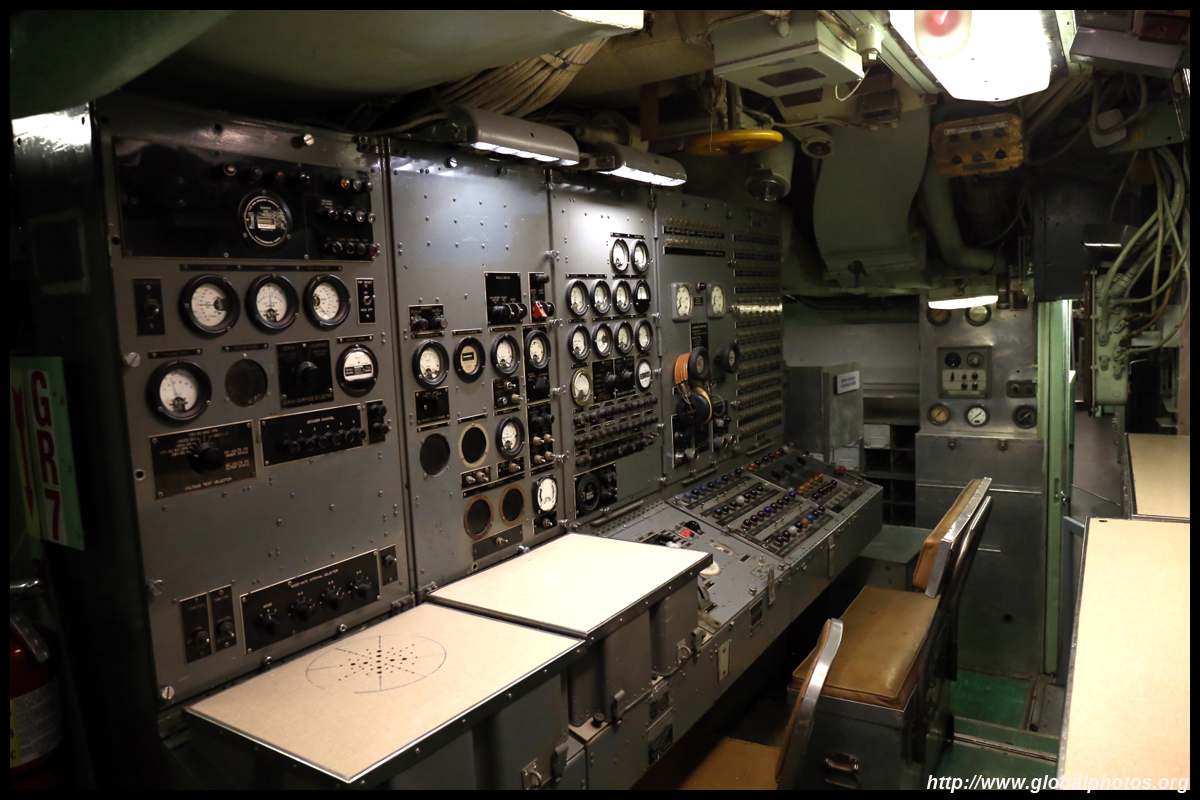
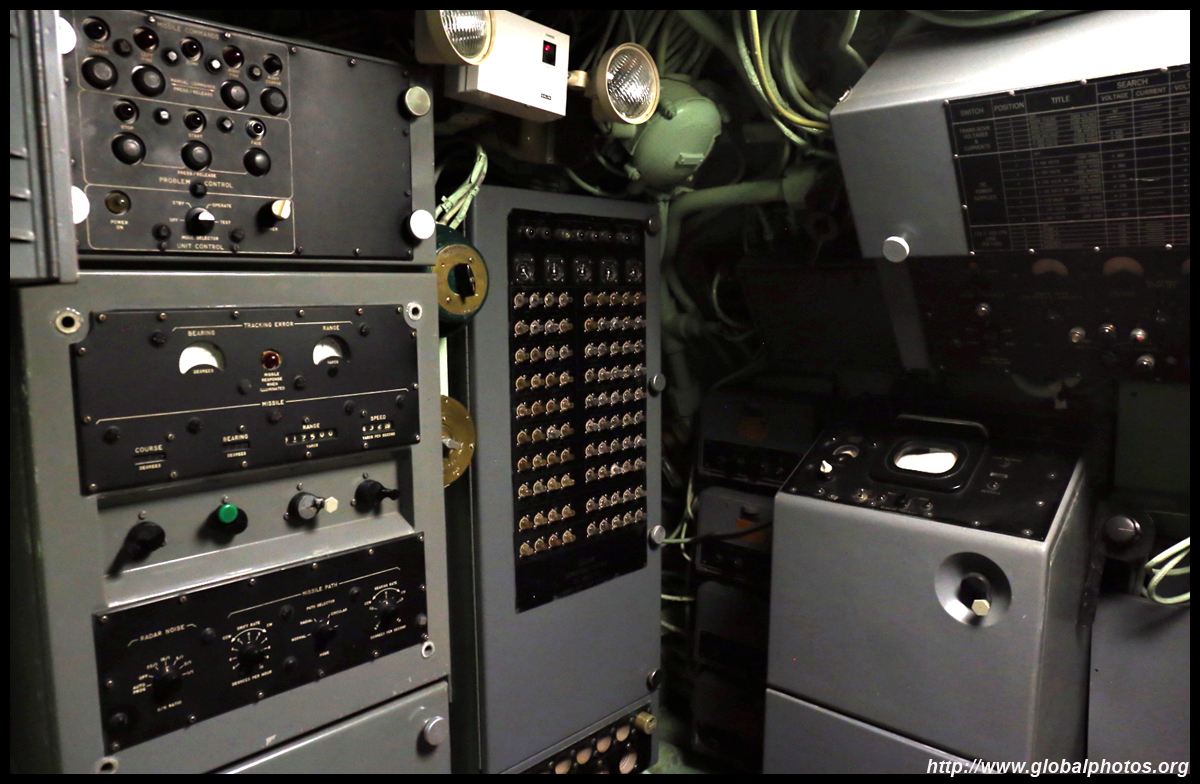
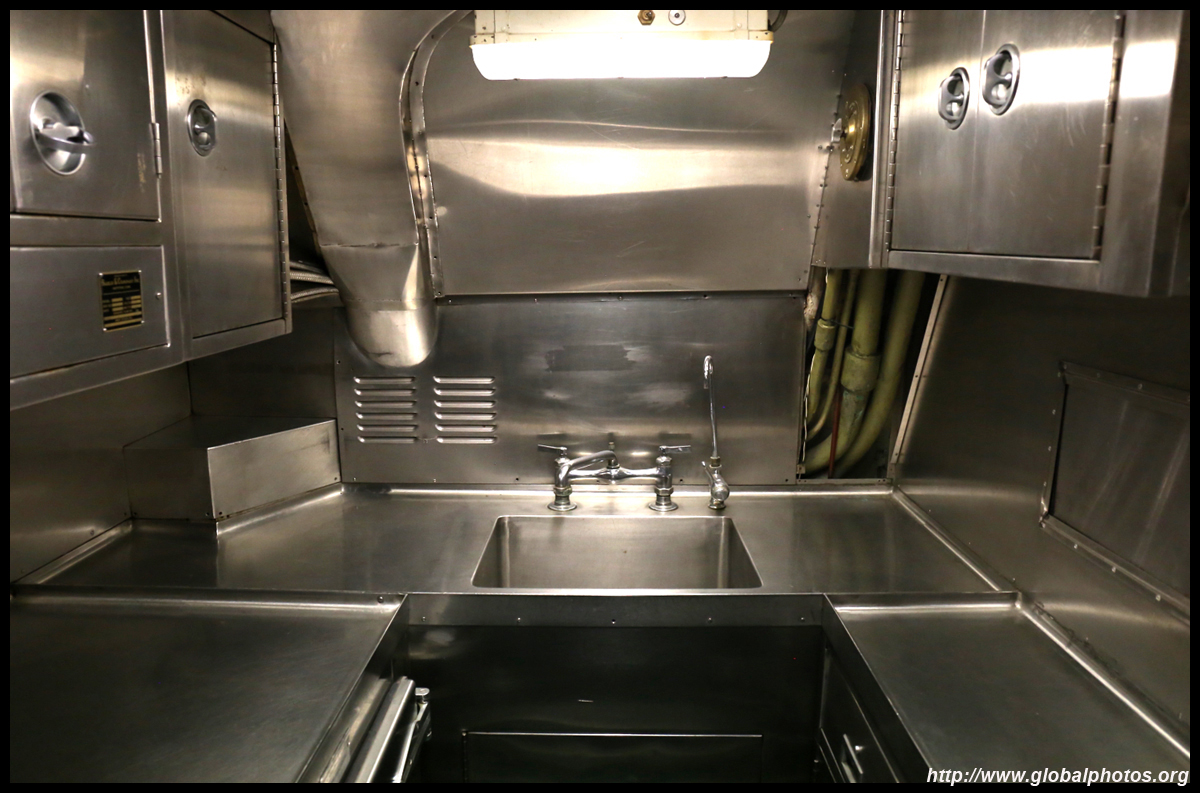
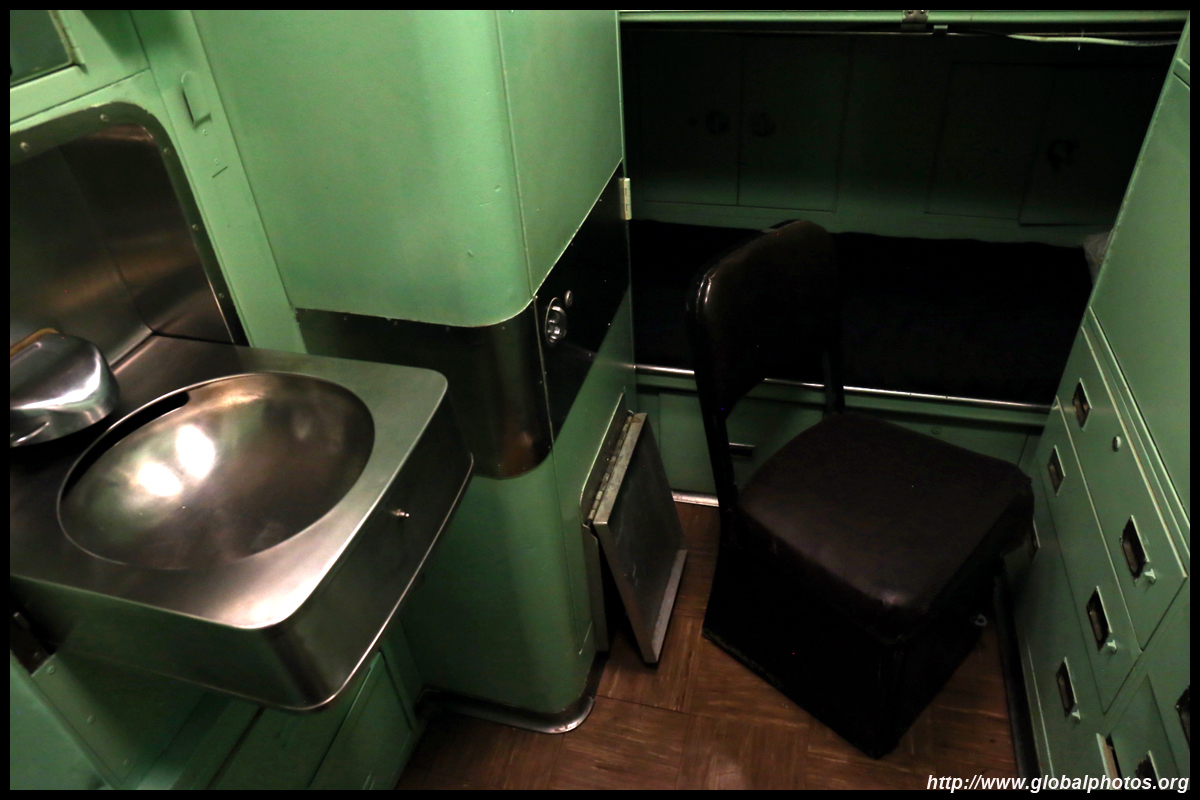
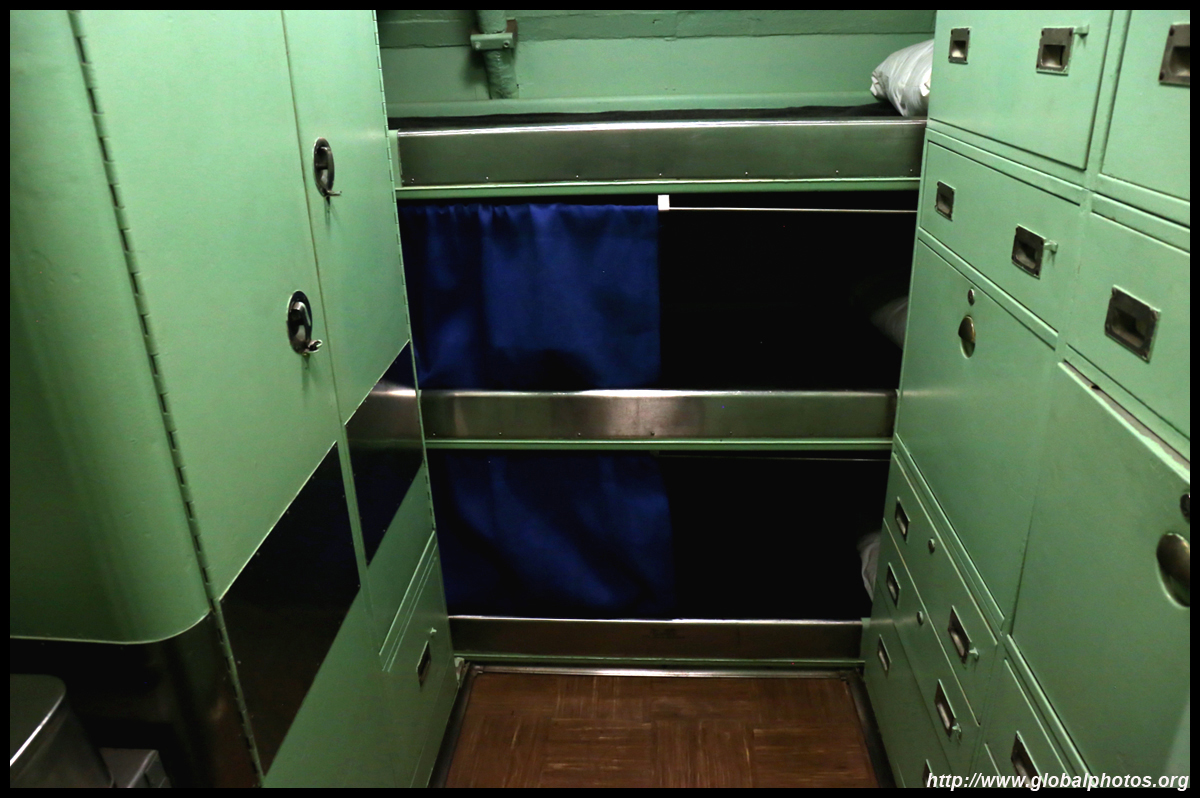
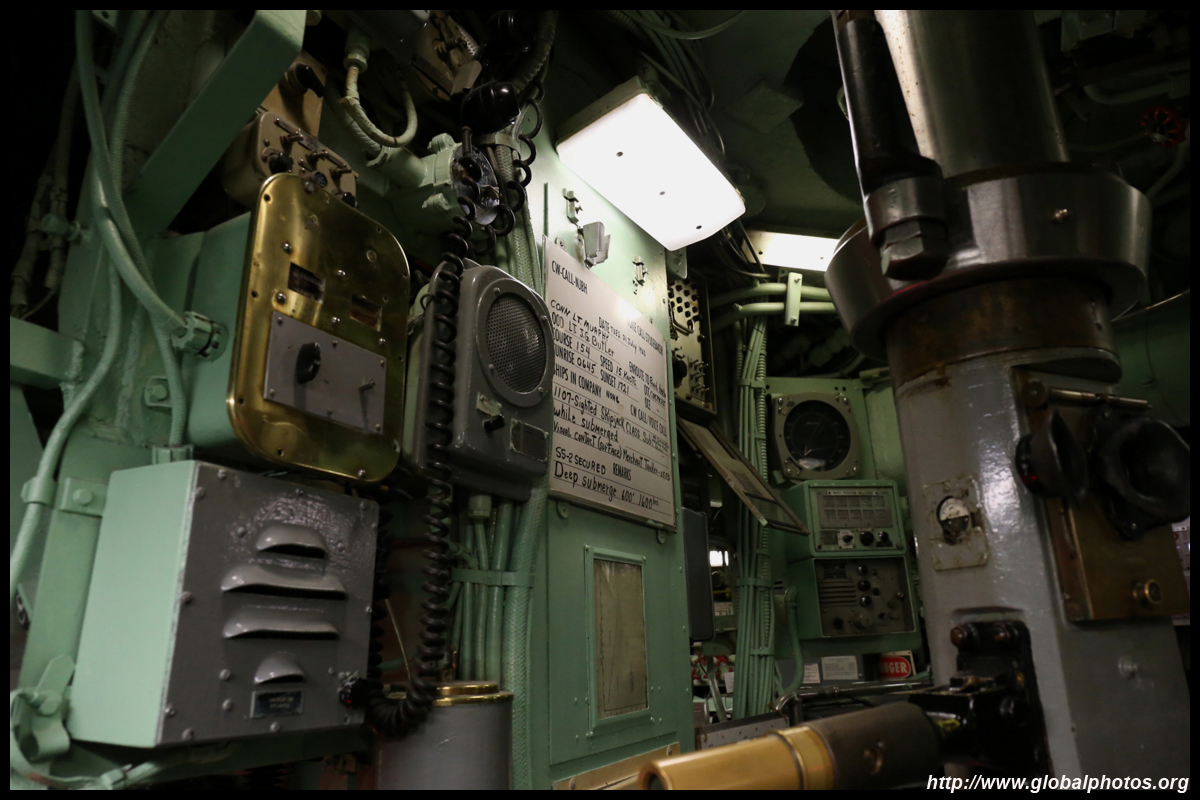
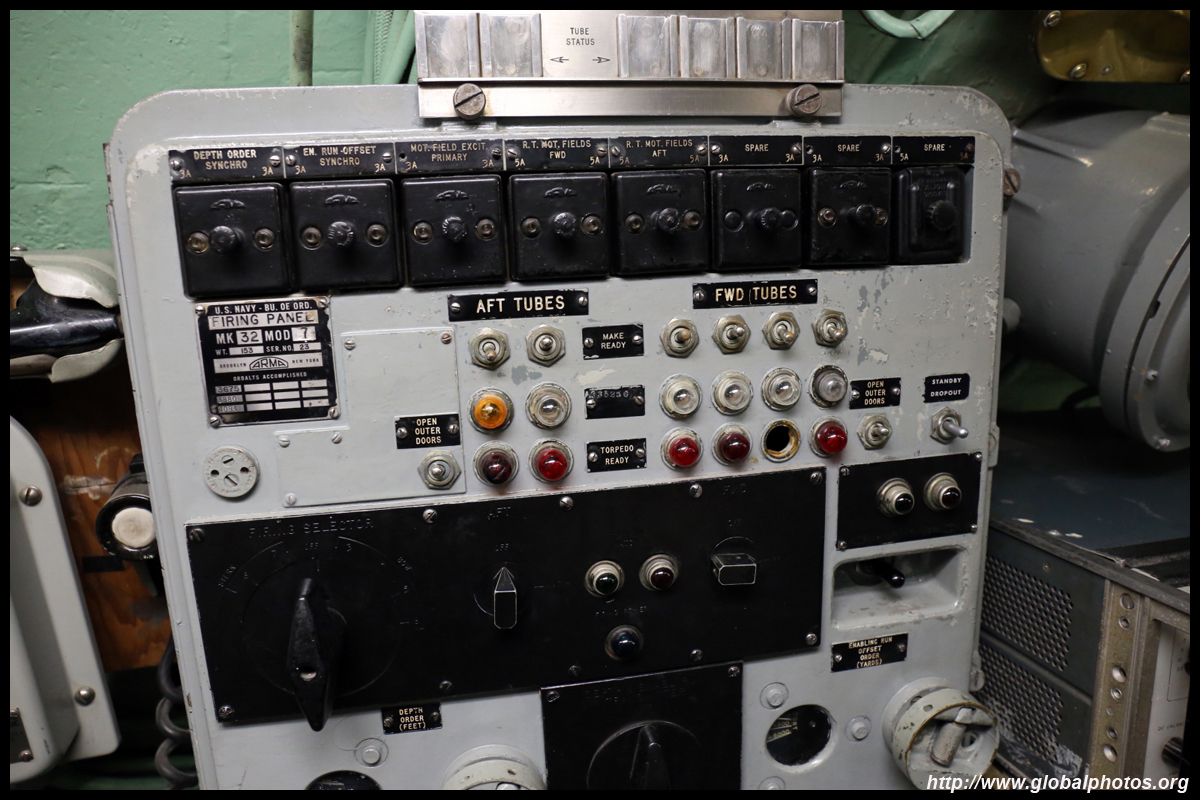
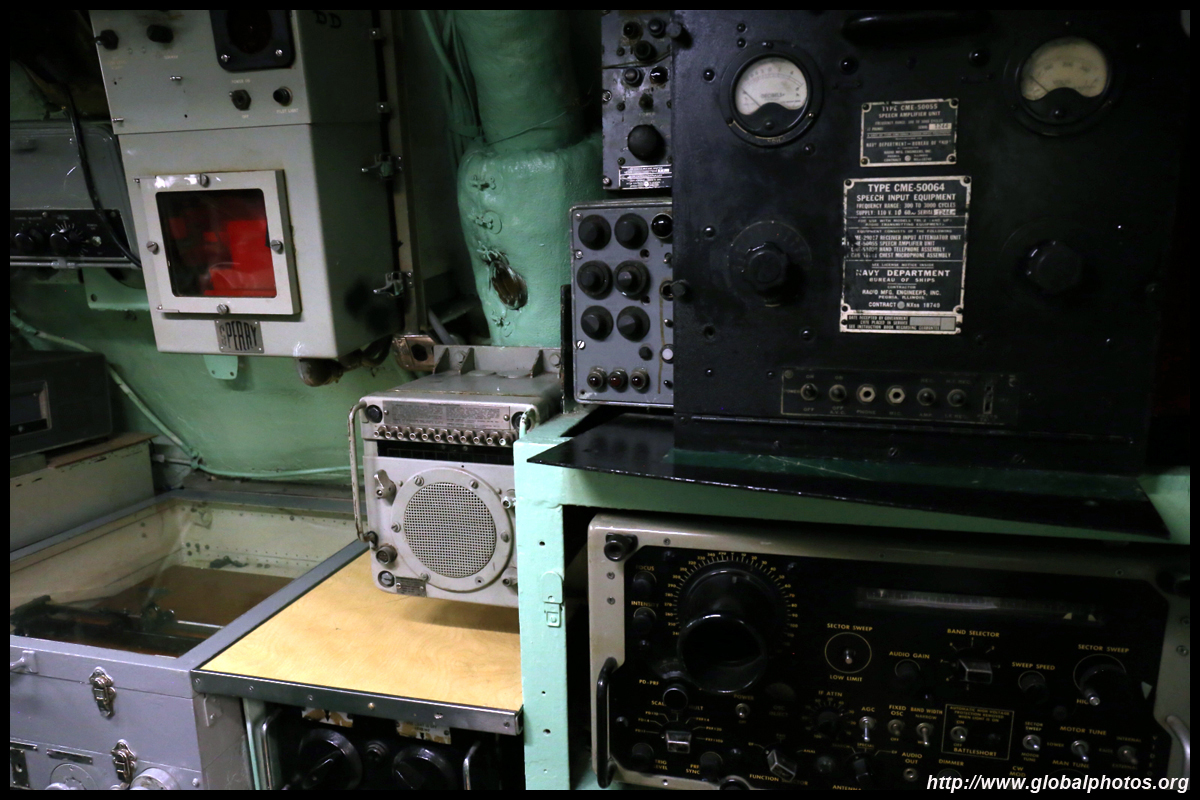
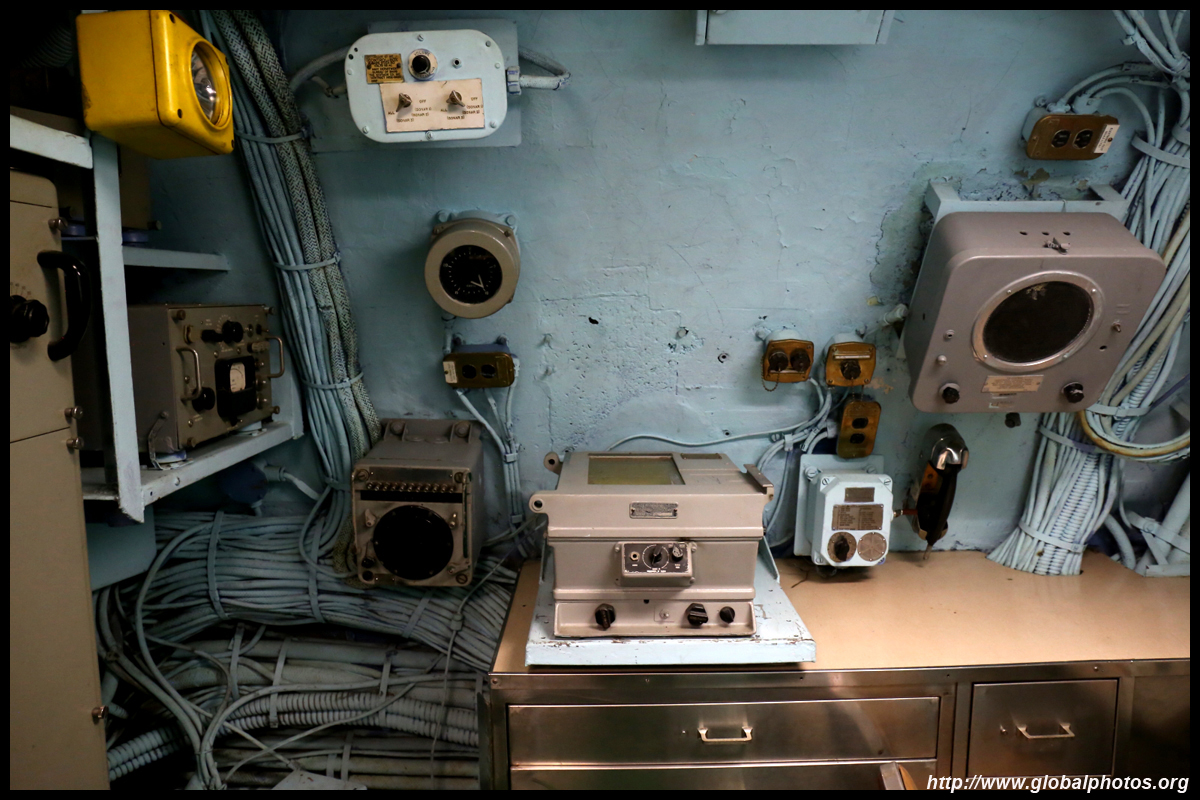
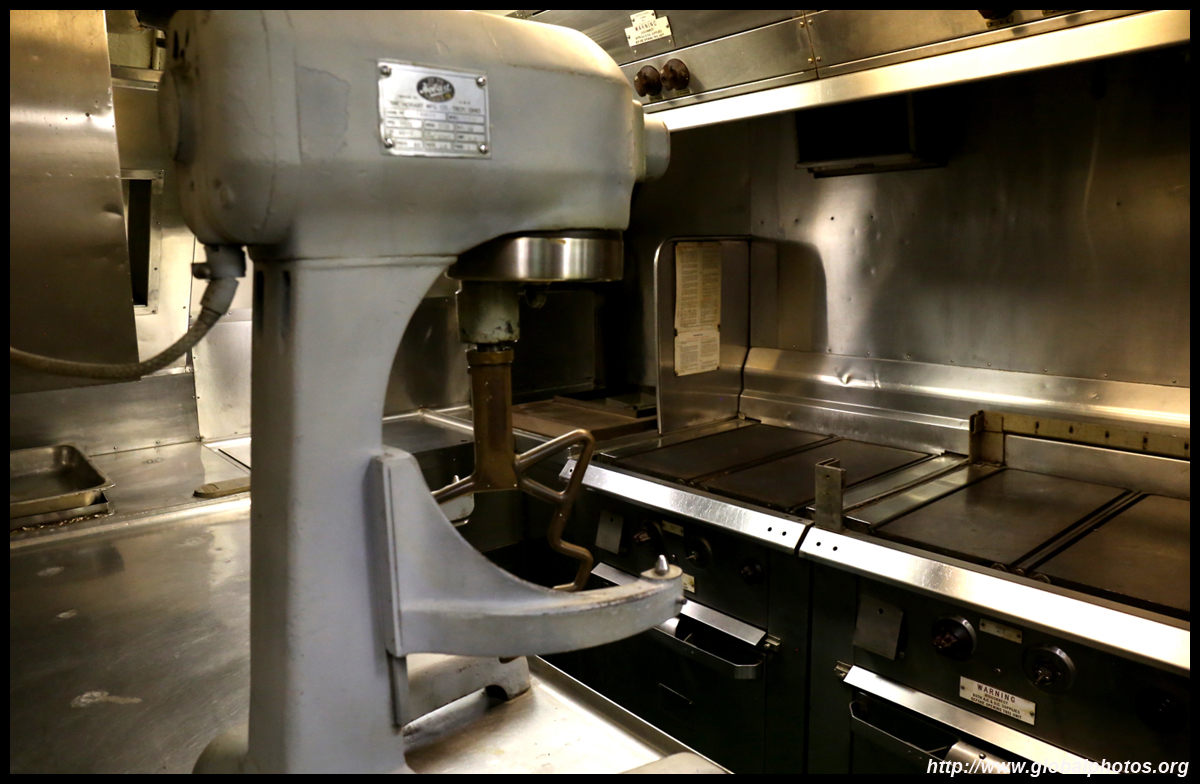
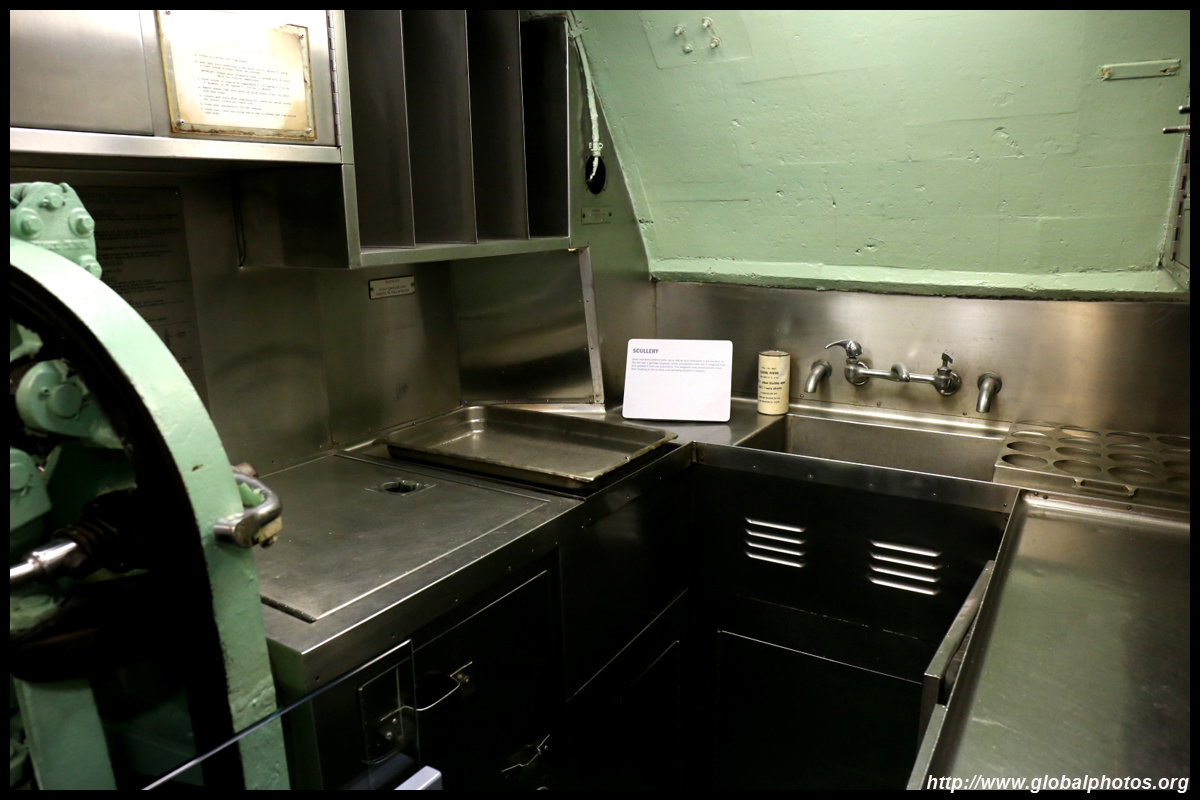
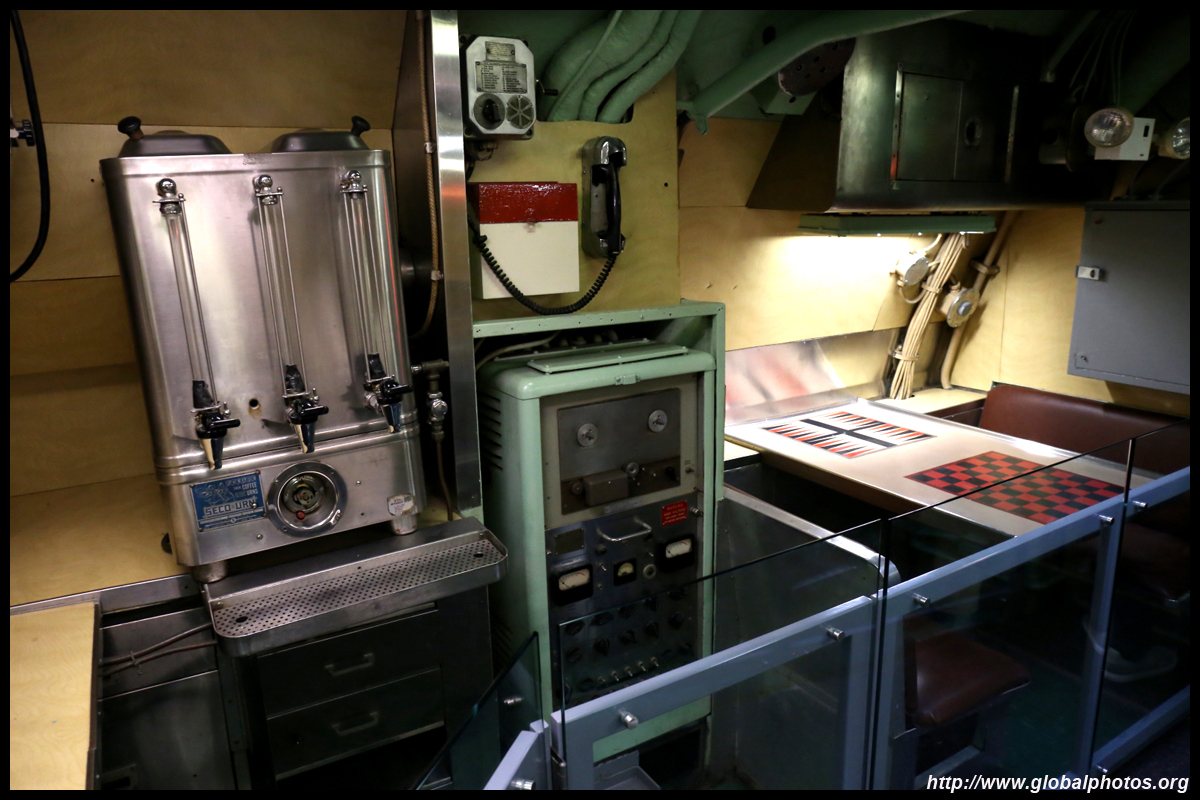
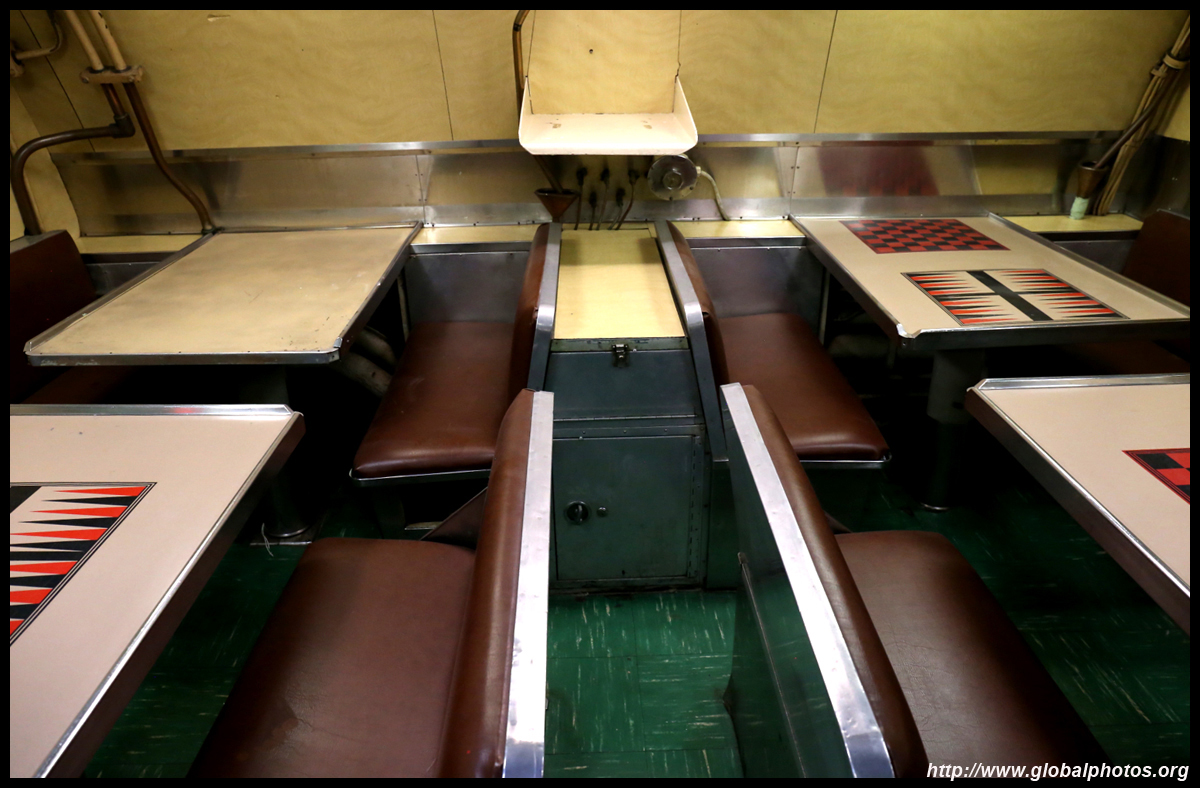
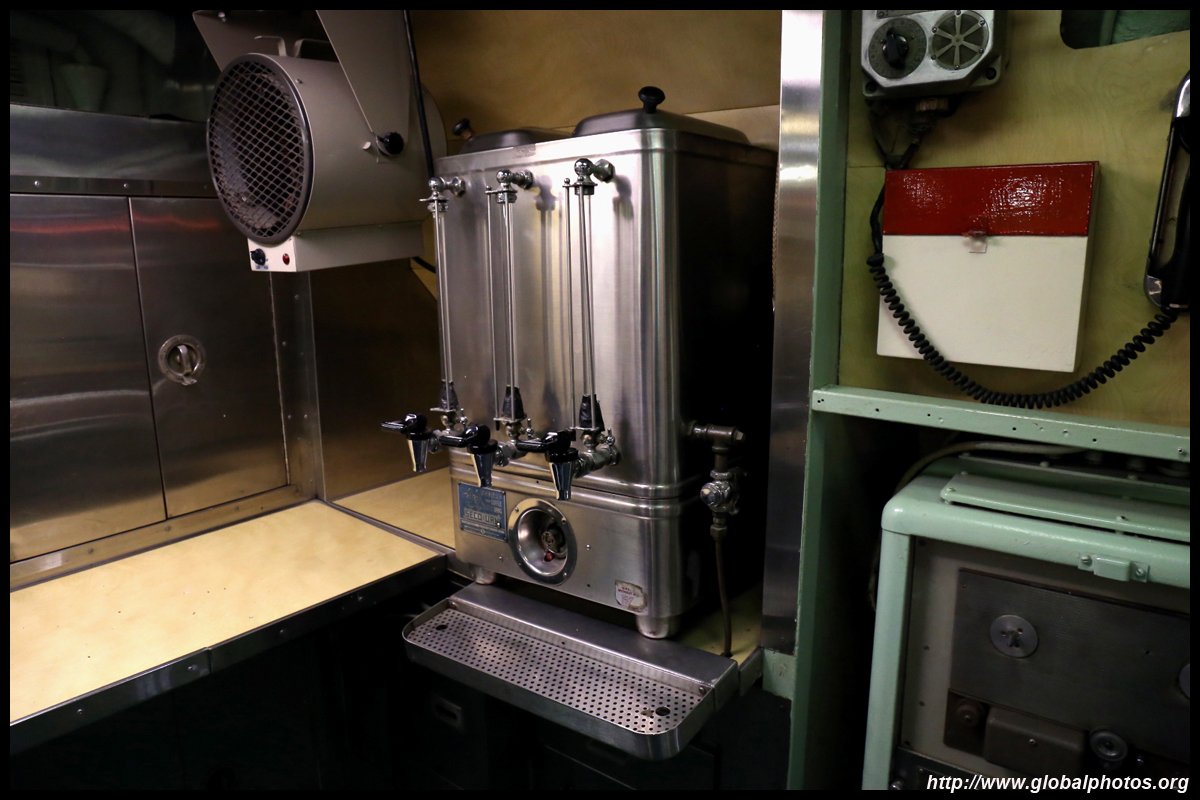
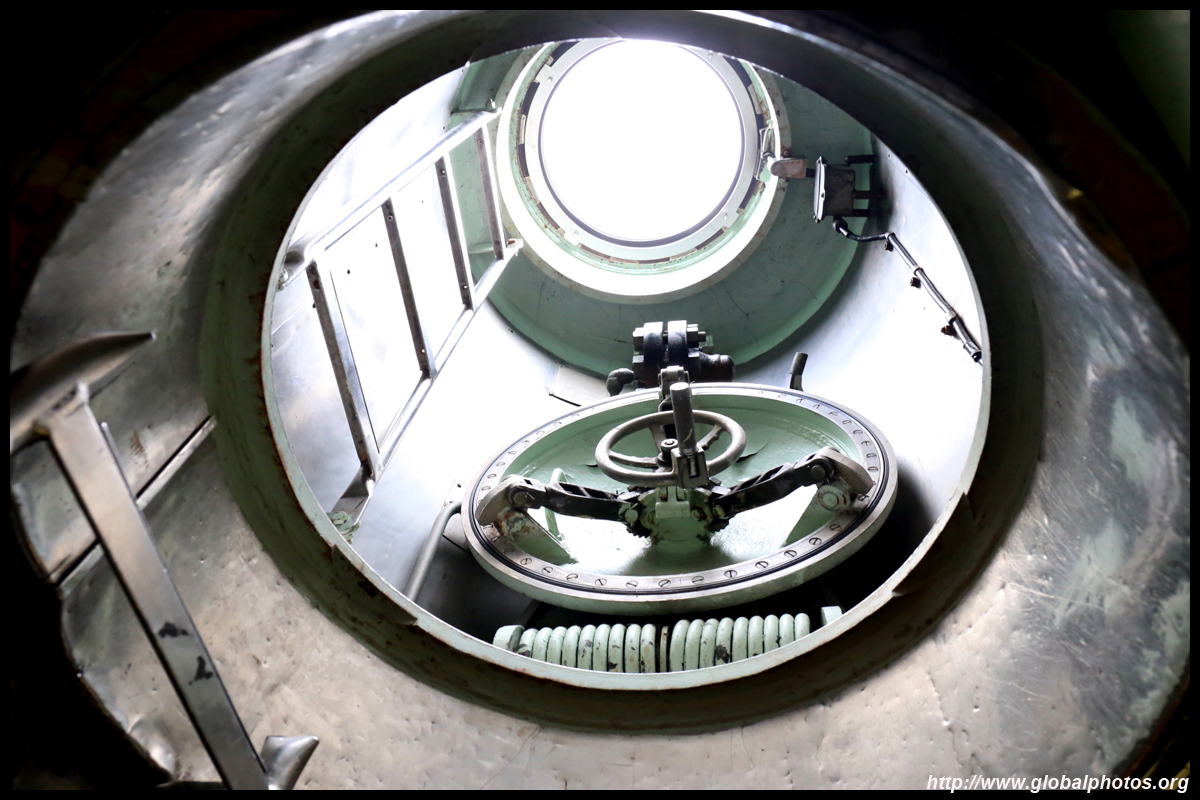
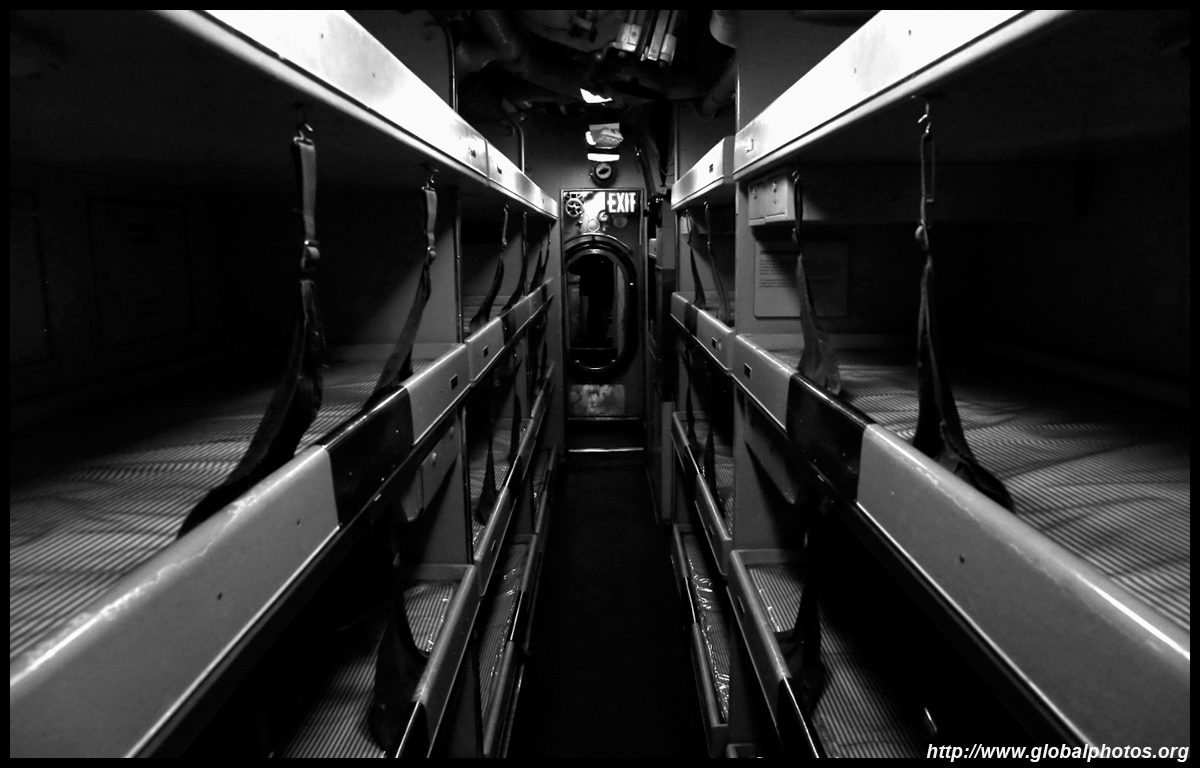
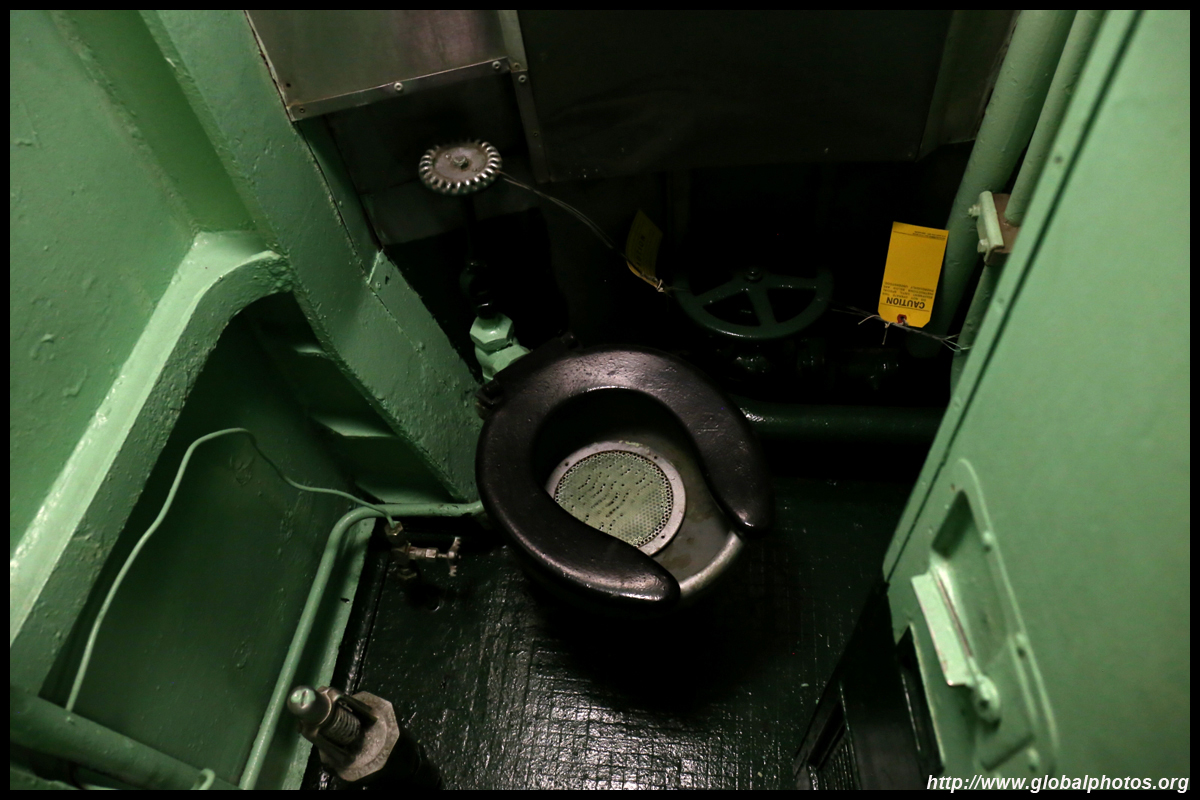
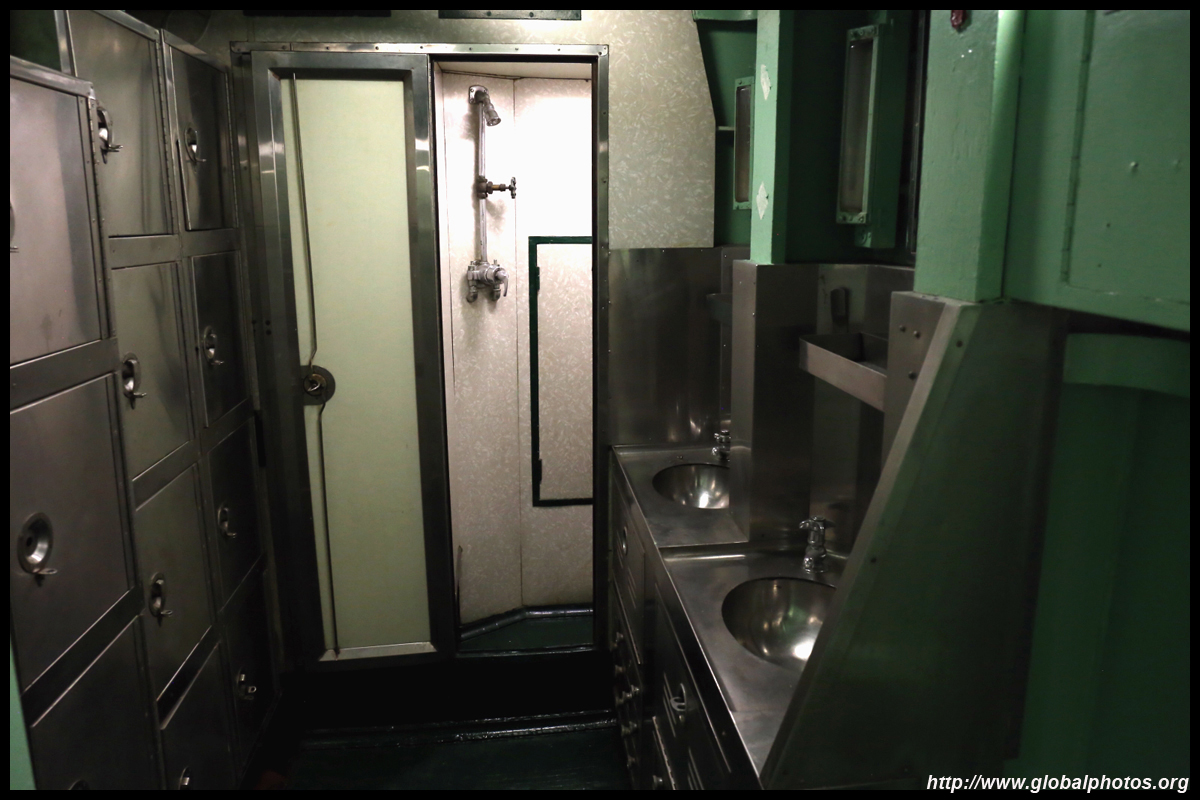
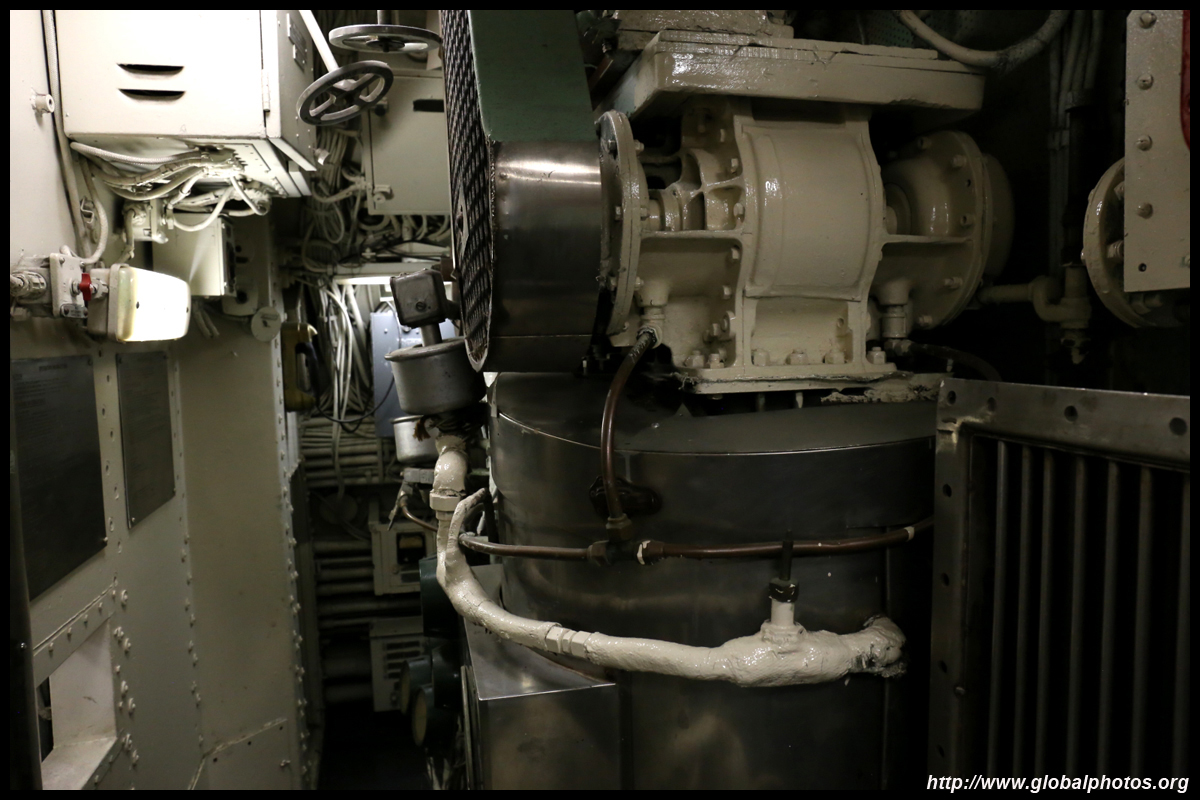
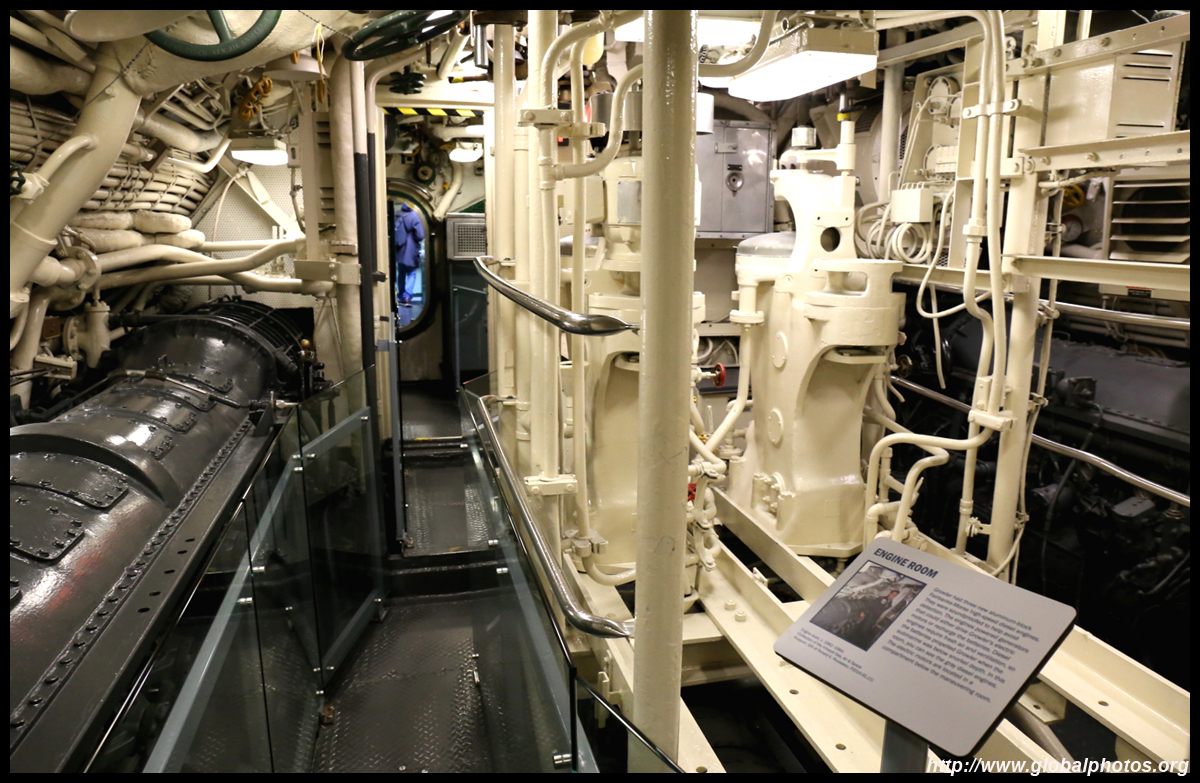
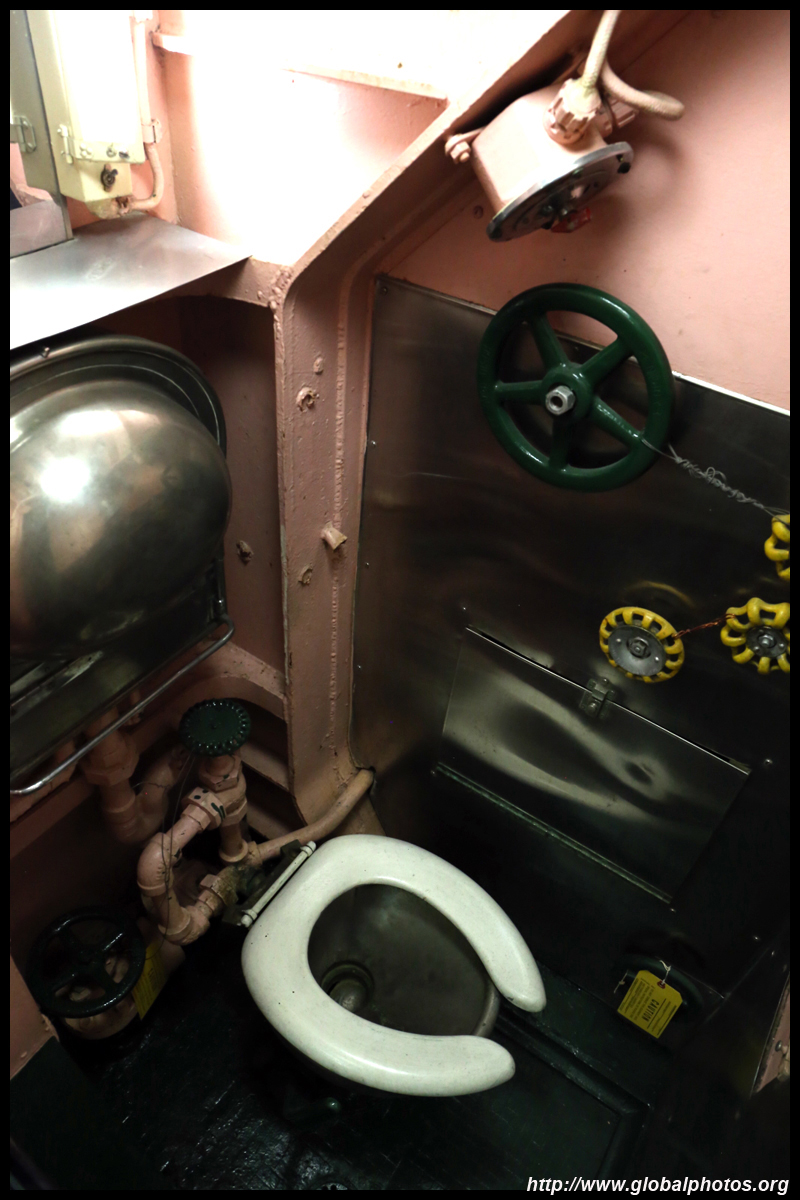
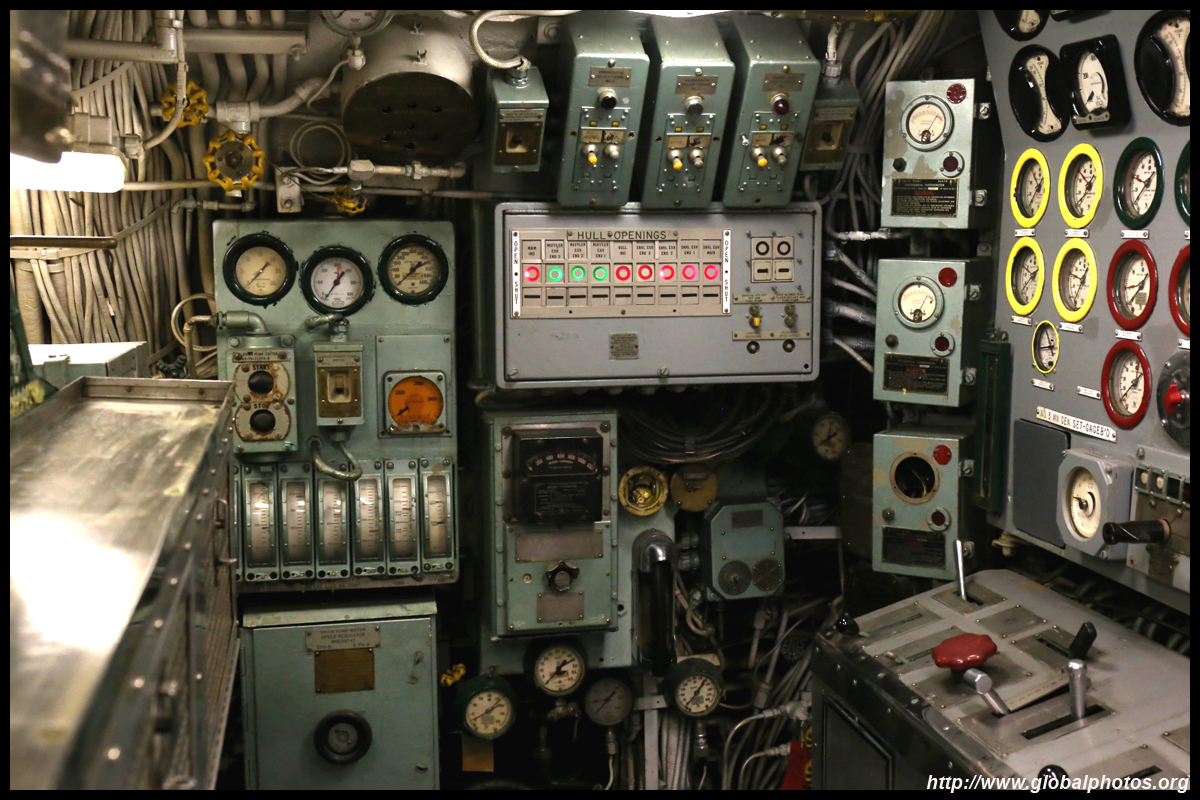
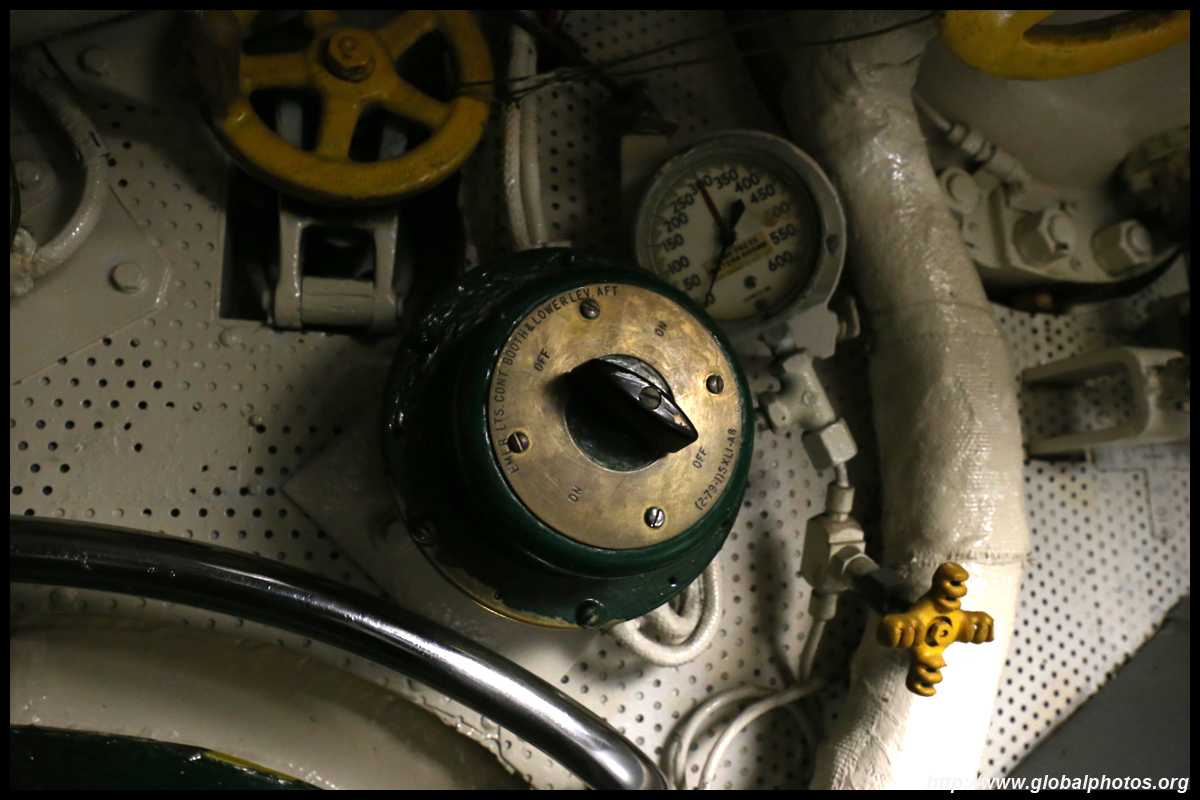
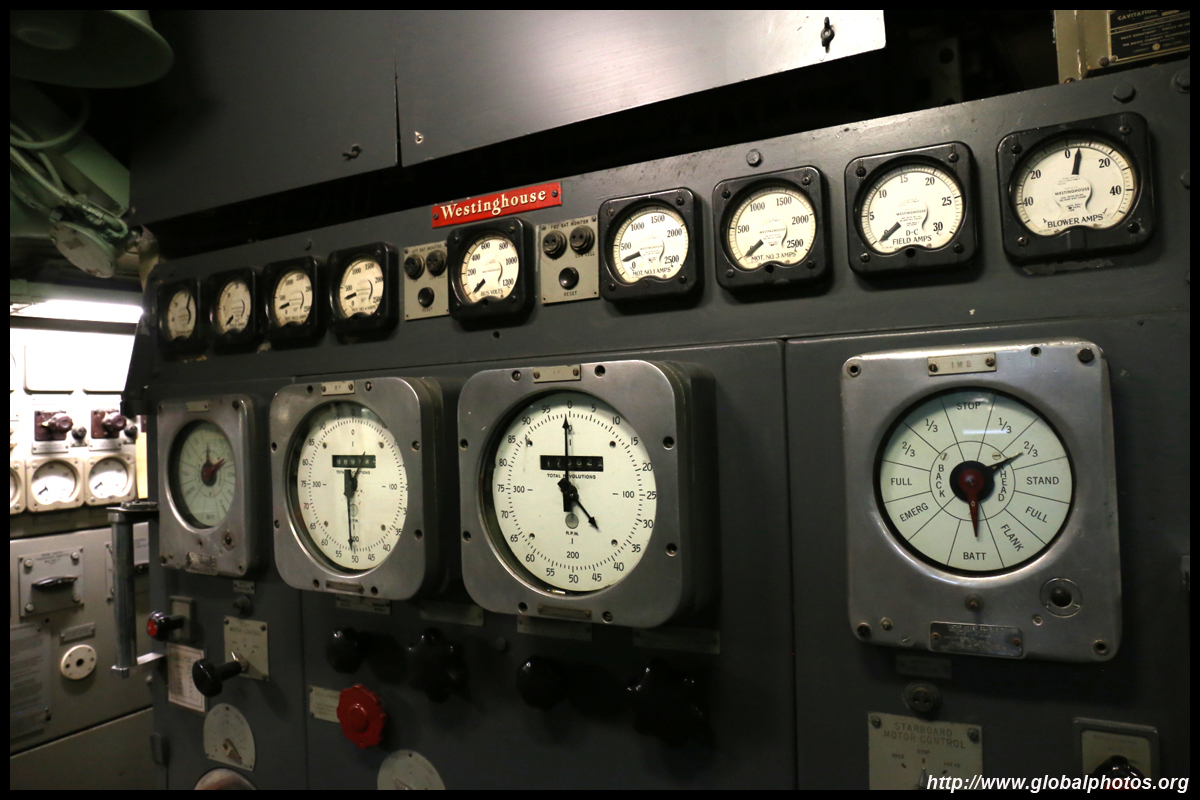
Be sure to visit USS Growler, the world's oldest nuclear missile submarine. It went on secret missions along the Soviet Union's coast from 1958-64.
|
|||
 |
 |
 |
 |
 |
 |
 |
 |
 |
 |
 |
 |
 |
 |
 |
 |
|
|||
 |
 |
 |
 |
 |
 |
 |
 |
 |
 |
 |
 |
 |
 |
 |
 |
 |
 |
 |
 |
|
|||