Antwerp Photo Gallery - Historic Centre
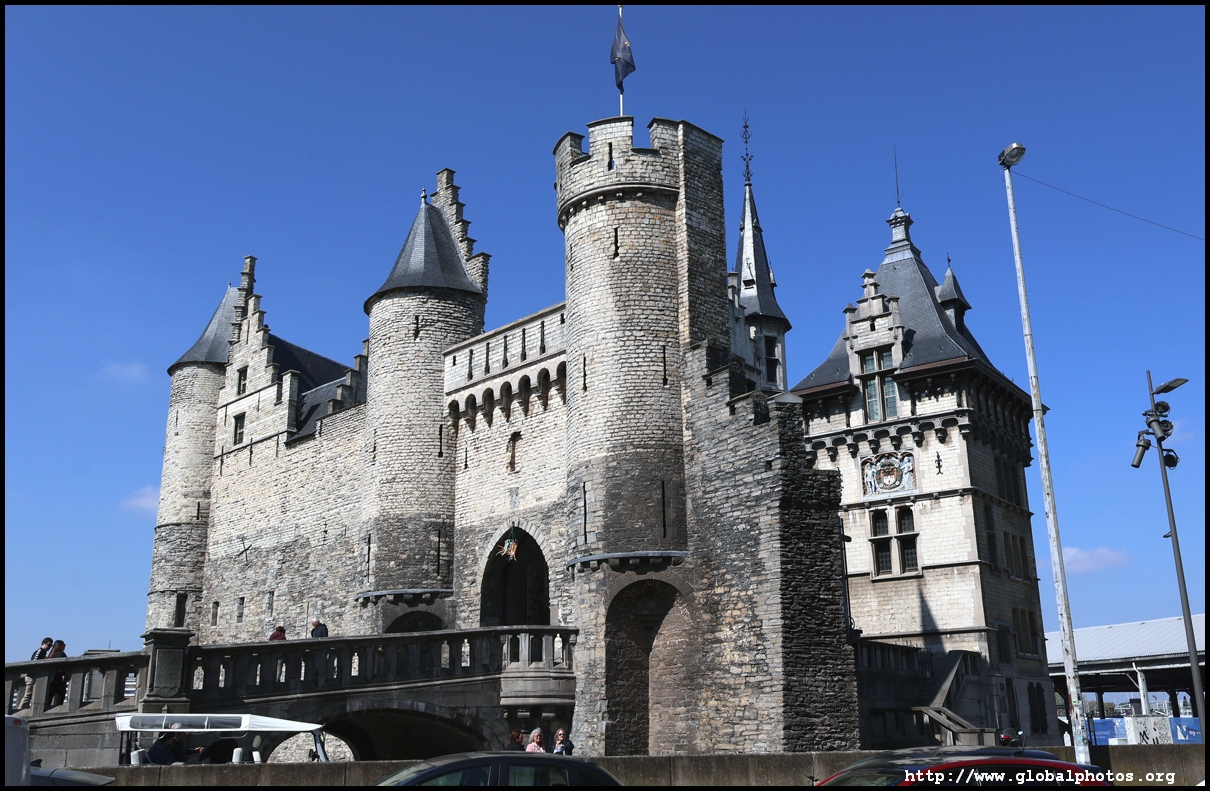
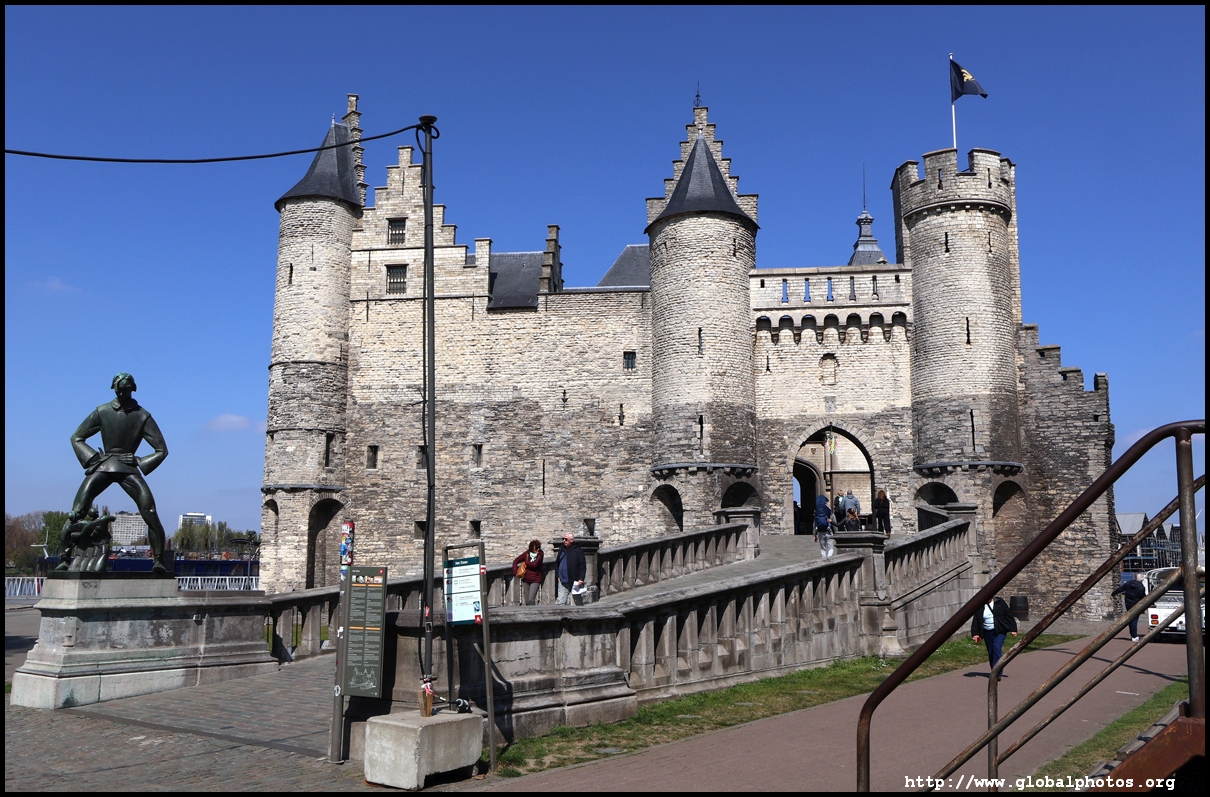
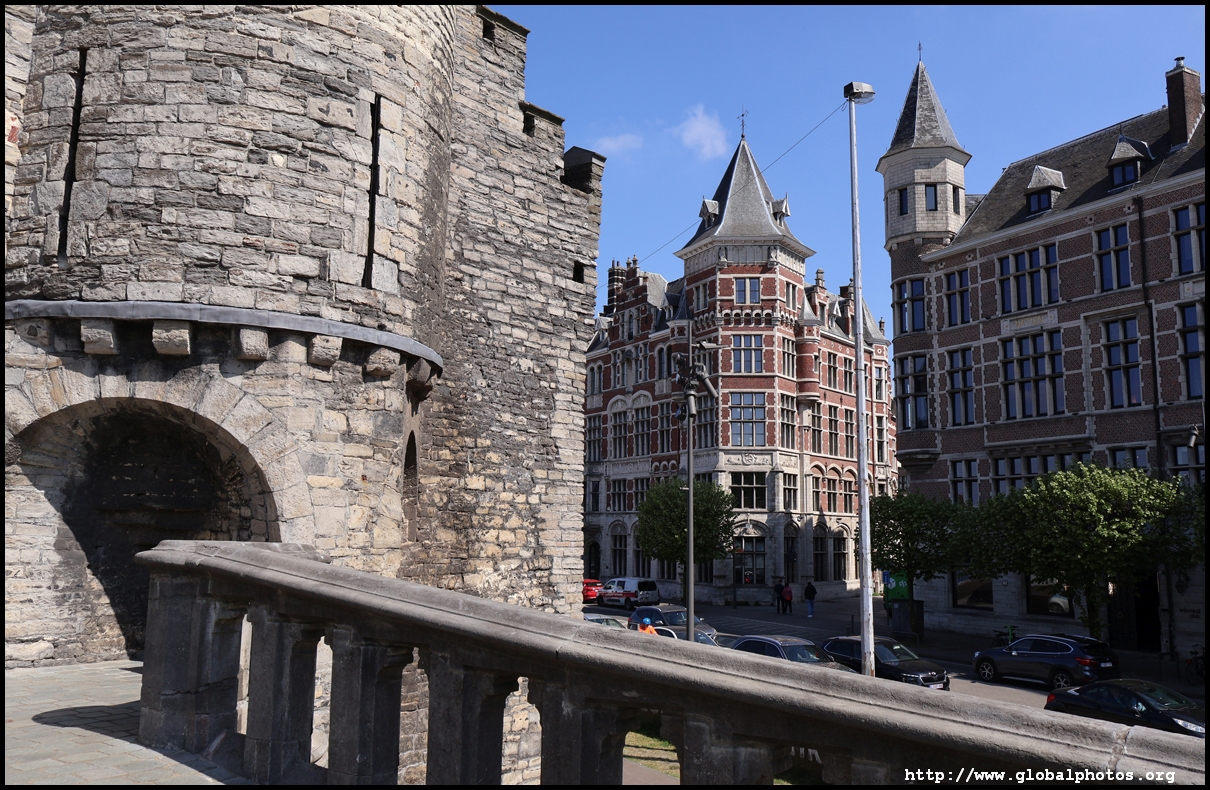
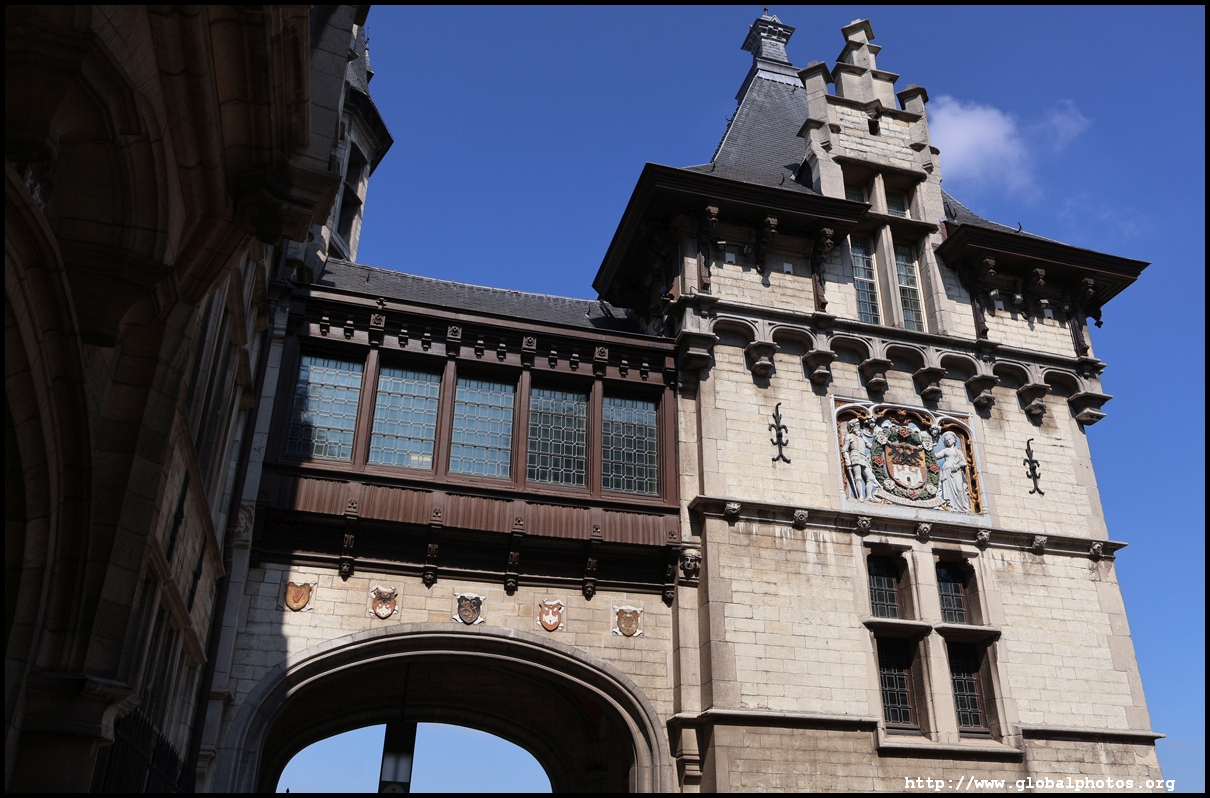
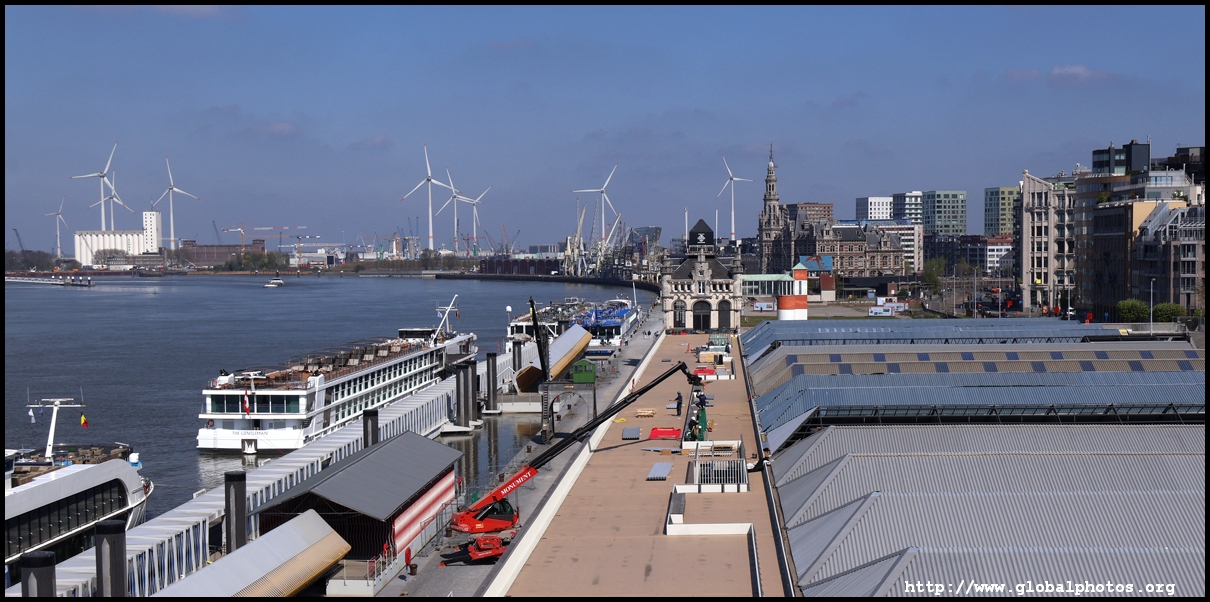
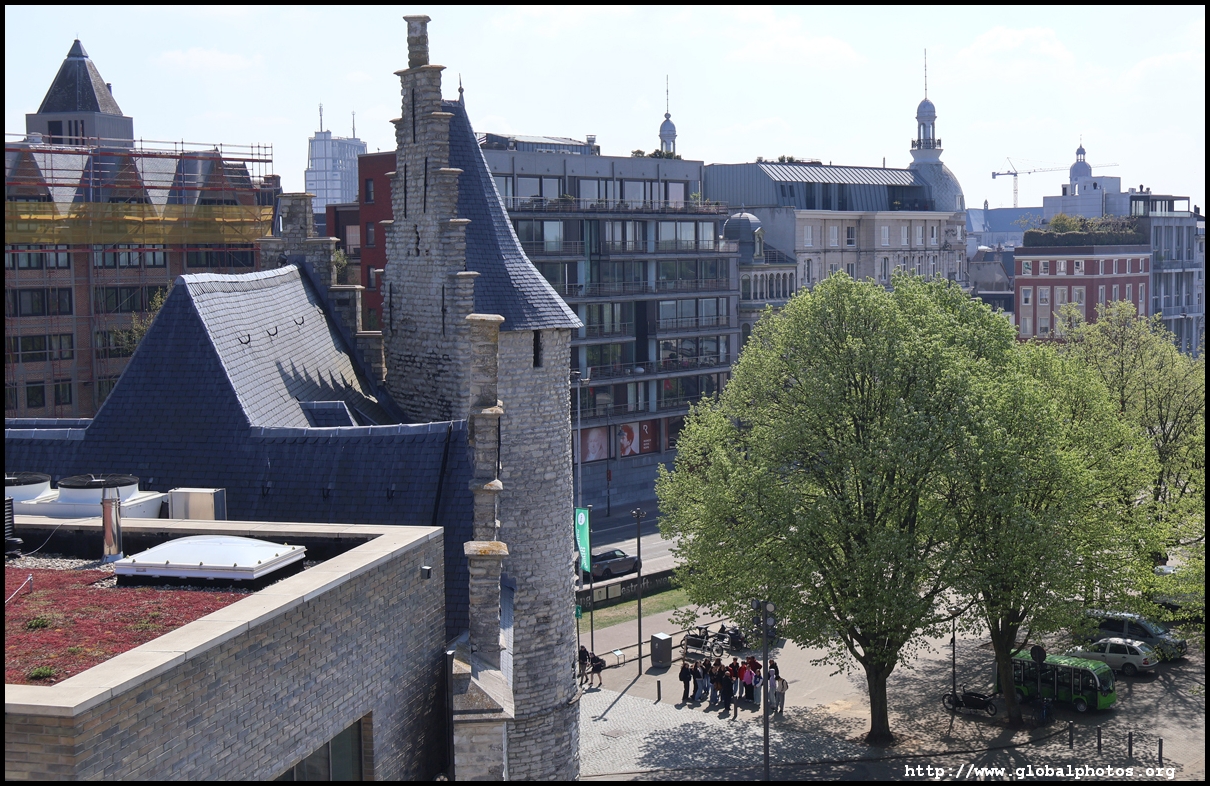
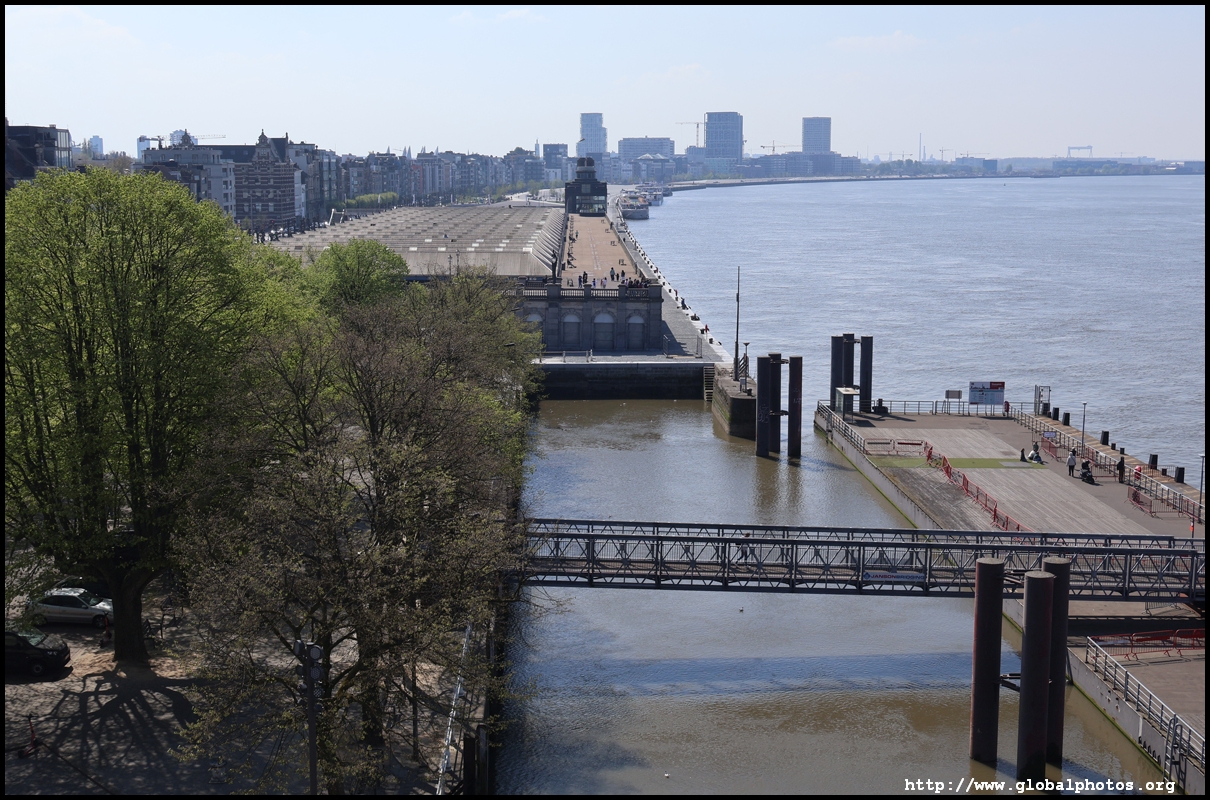
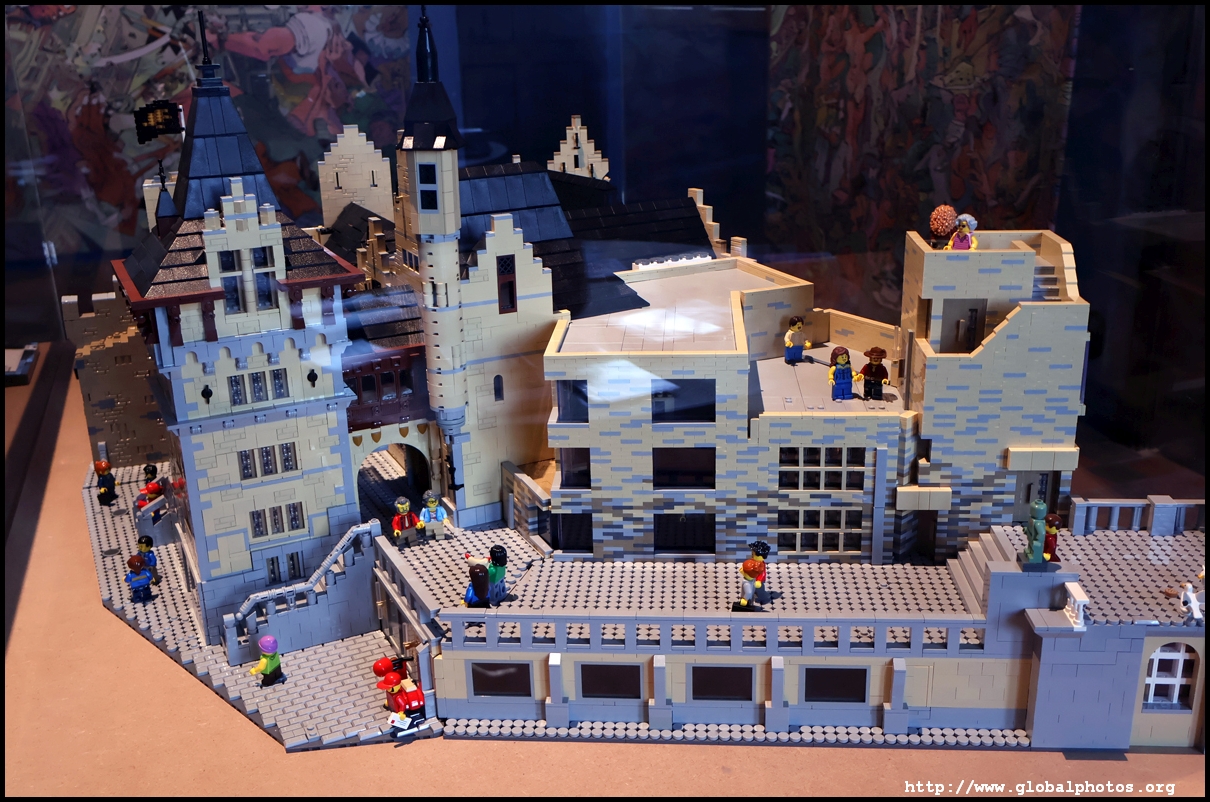
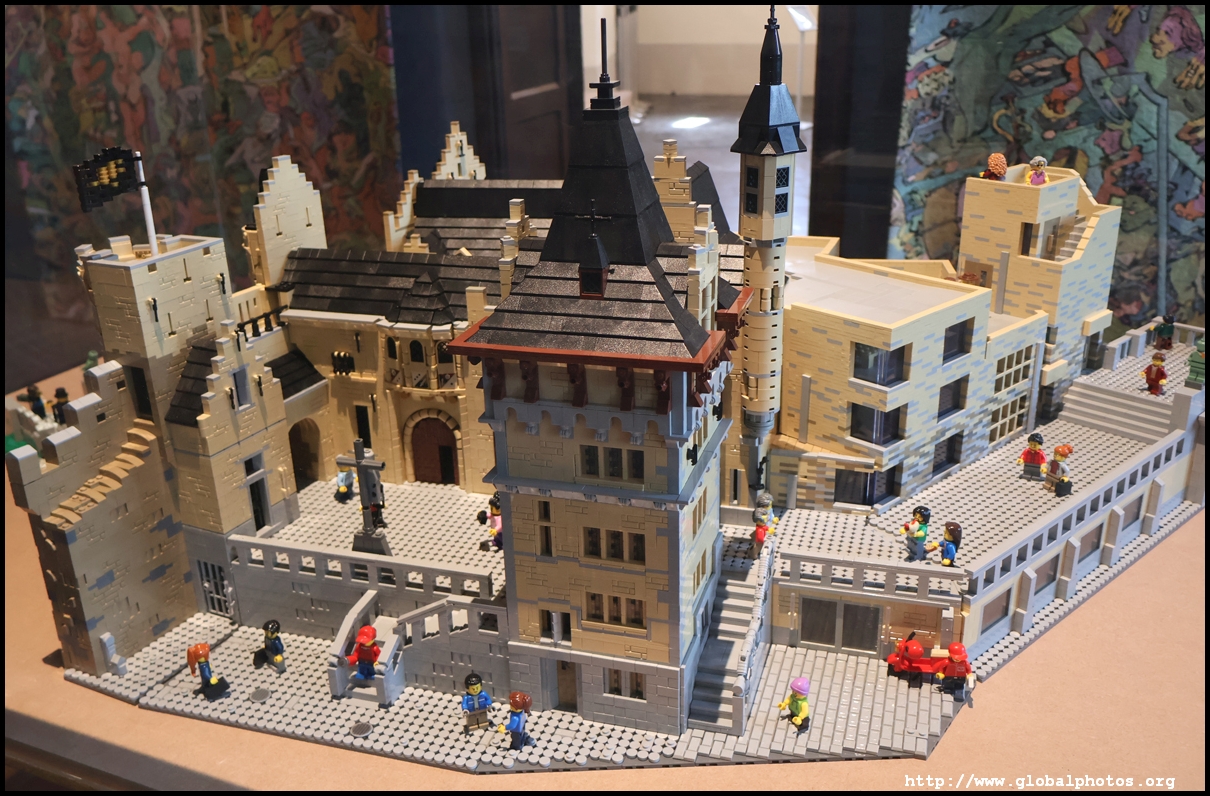
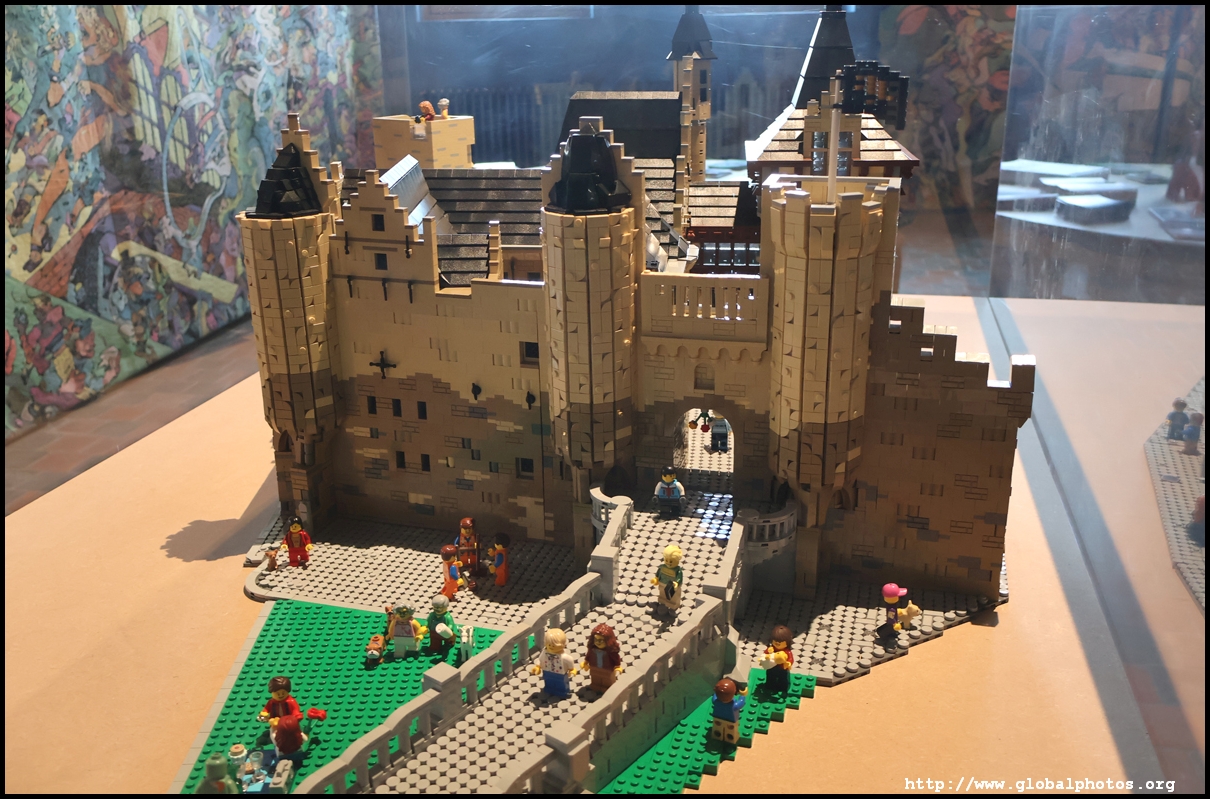
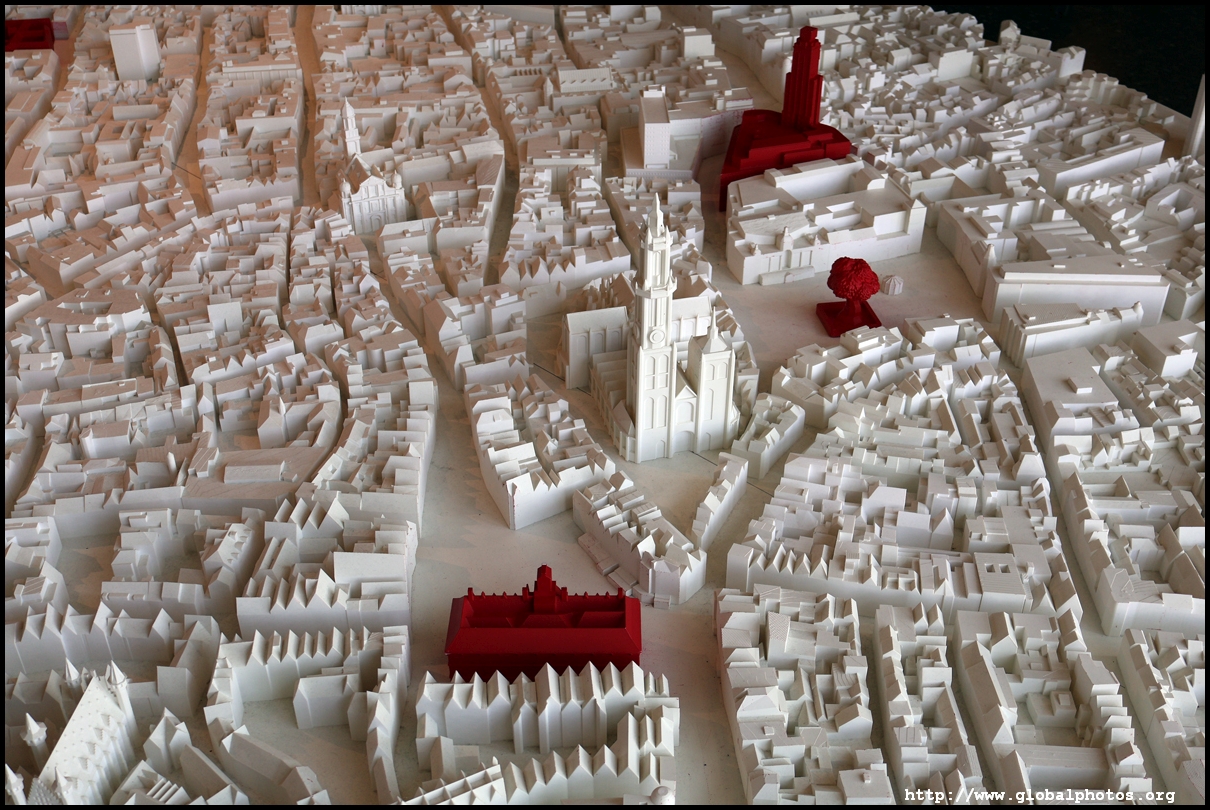
Historians believe Antwerp's golden age was reached in the 15th century, surpassing Bruges as the major trading centre. It benefited from the colonial trade and attracted an international crowd. However, by the late 16th century, the Netherlands' revolt against the Spanish shut off the city's access to the sea, and money moved north. The French were able to win back this access in 1792, and the city's attraction as a seaport revived once again.Located along the waterfront, Het Steen was once part of the city's defenses and dates back to the 13th century. It is Antwerp's oldest building, and has been renovated into a visitor's centre with a panoramic viewing terrace.
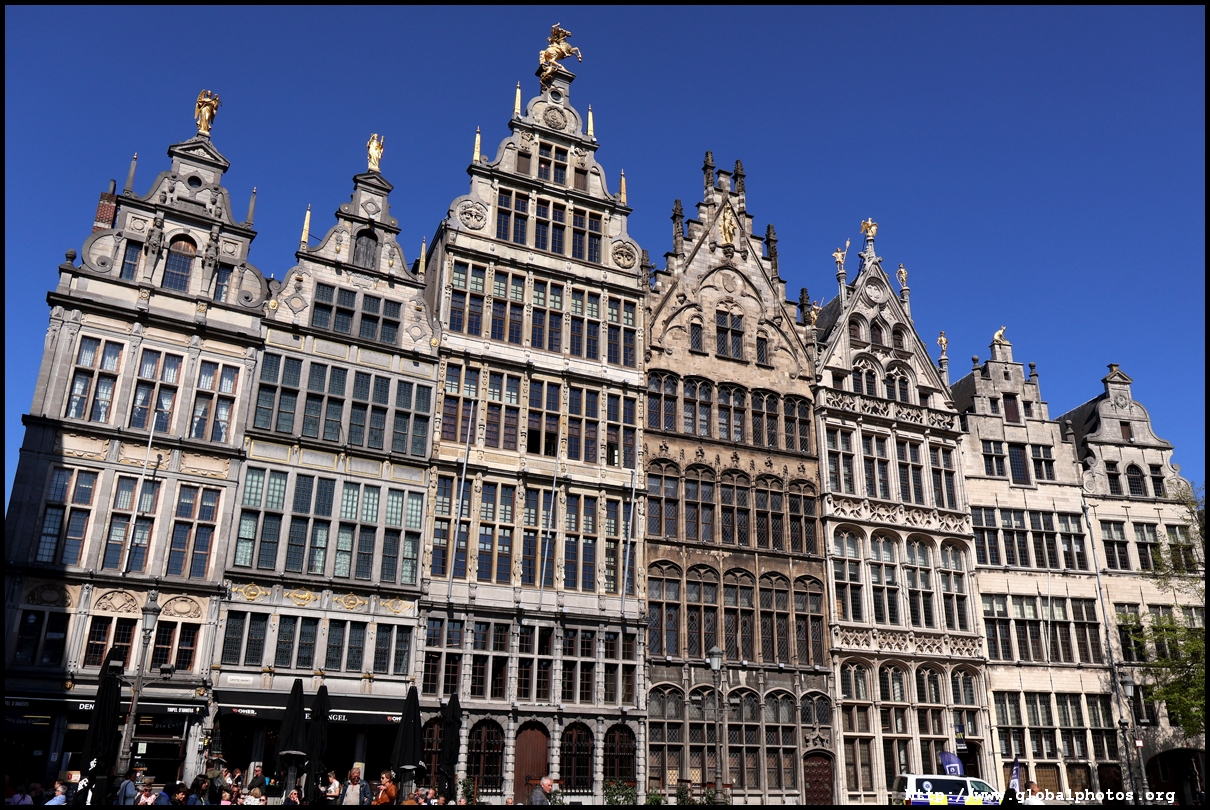
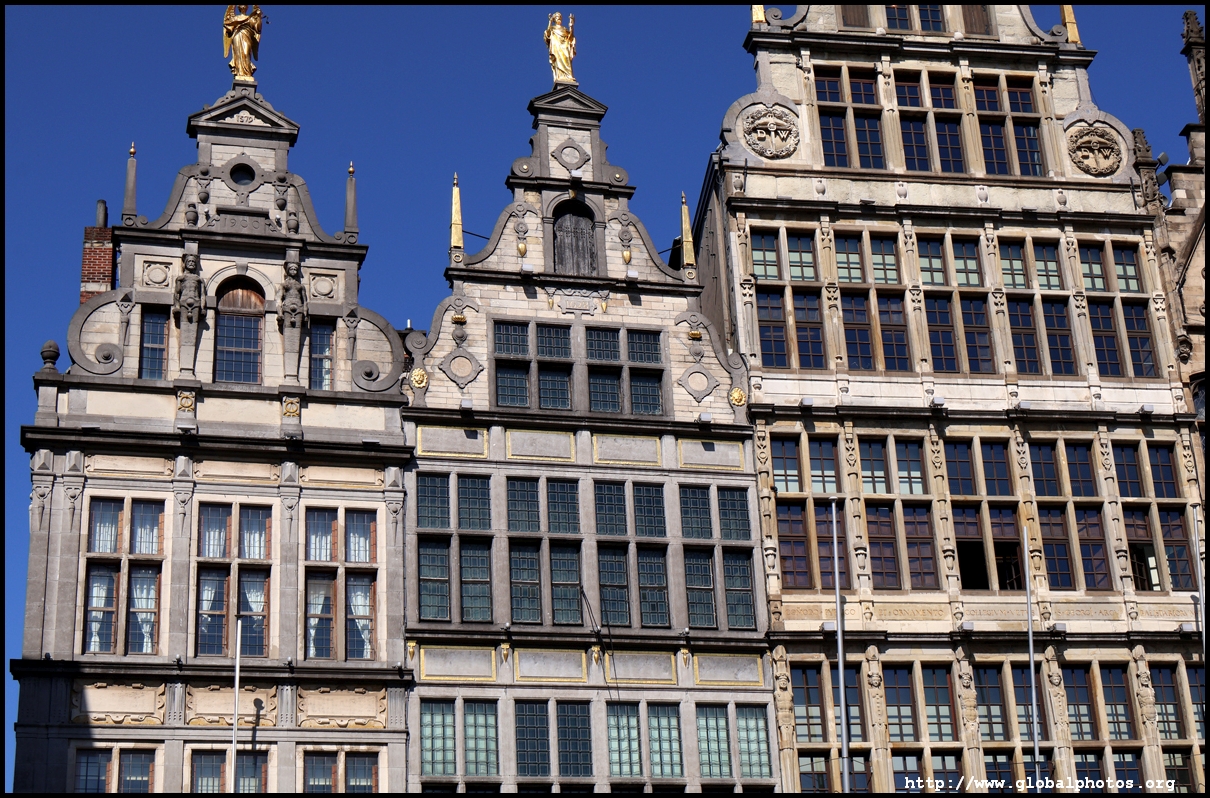
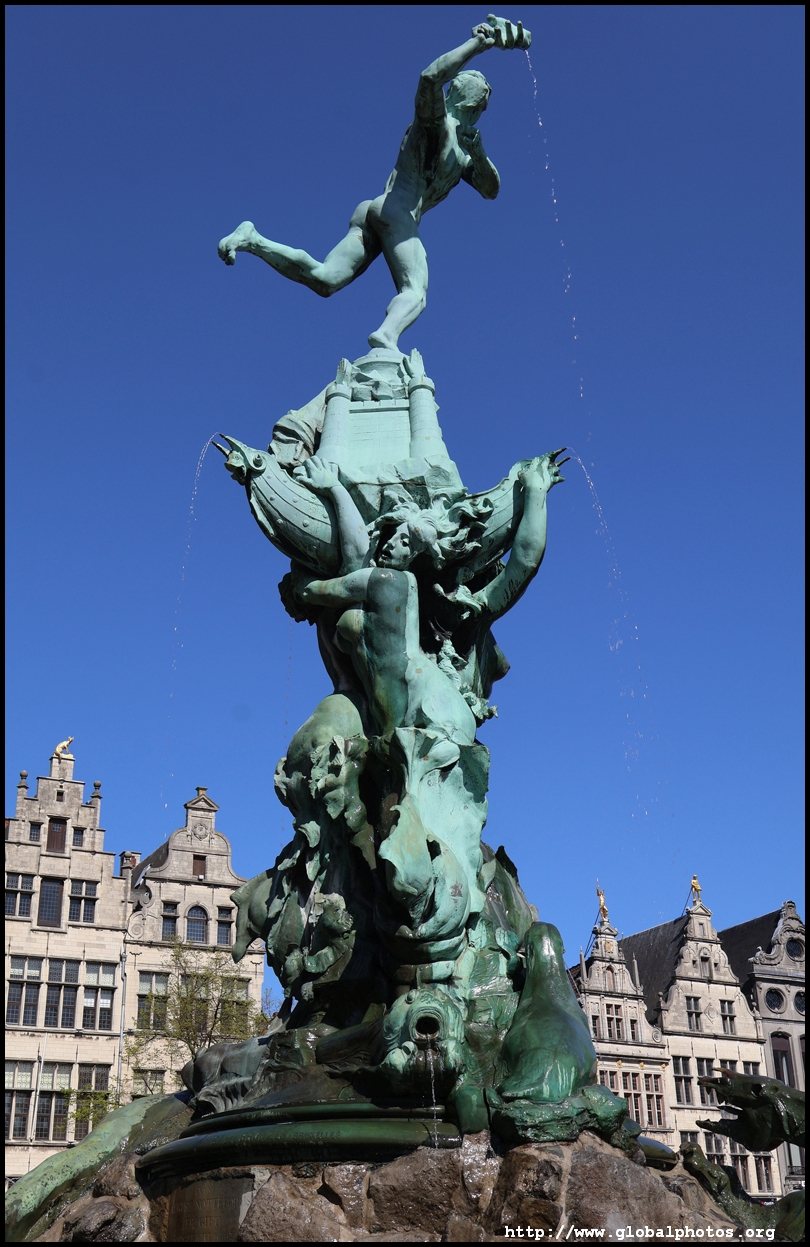
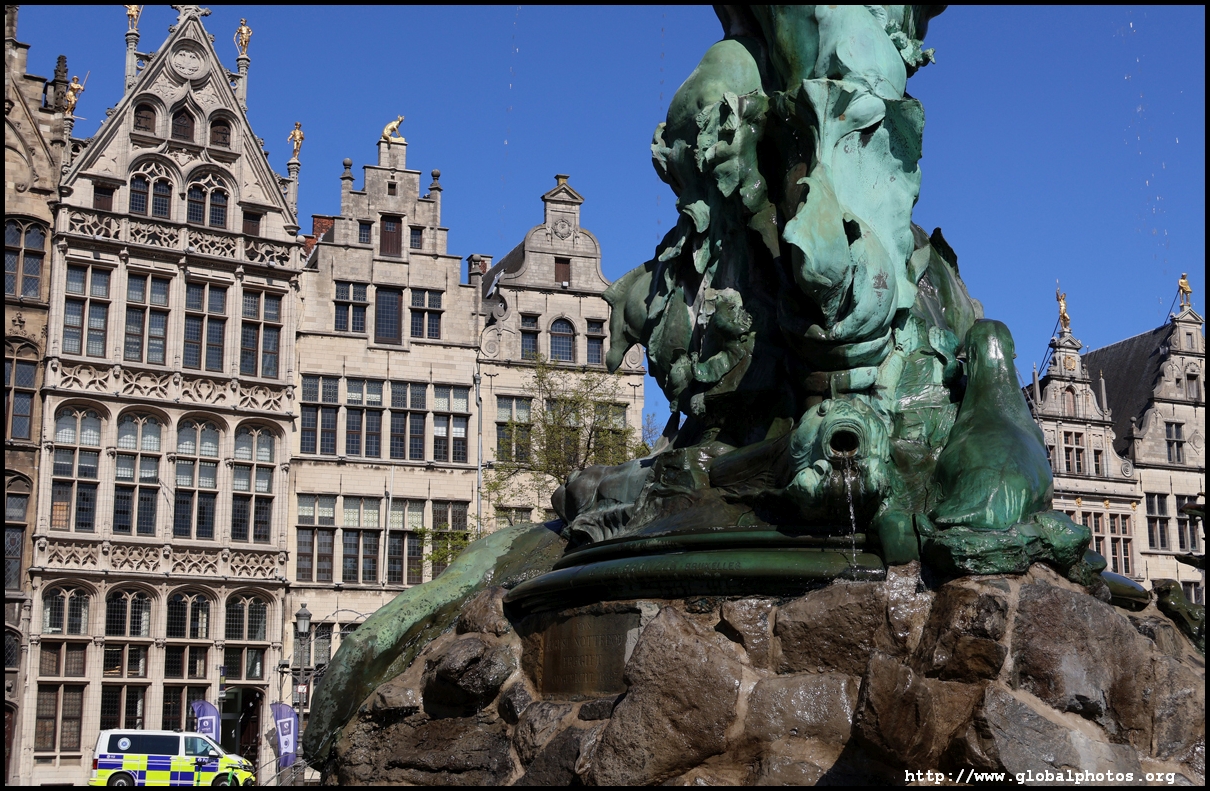
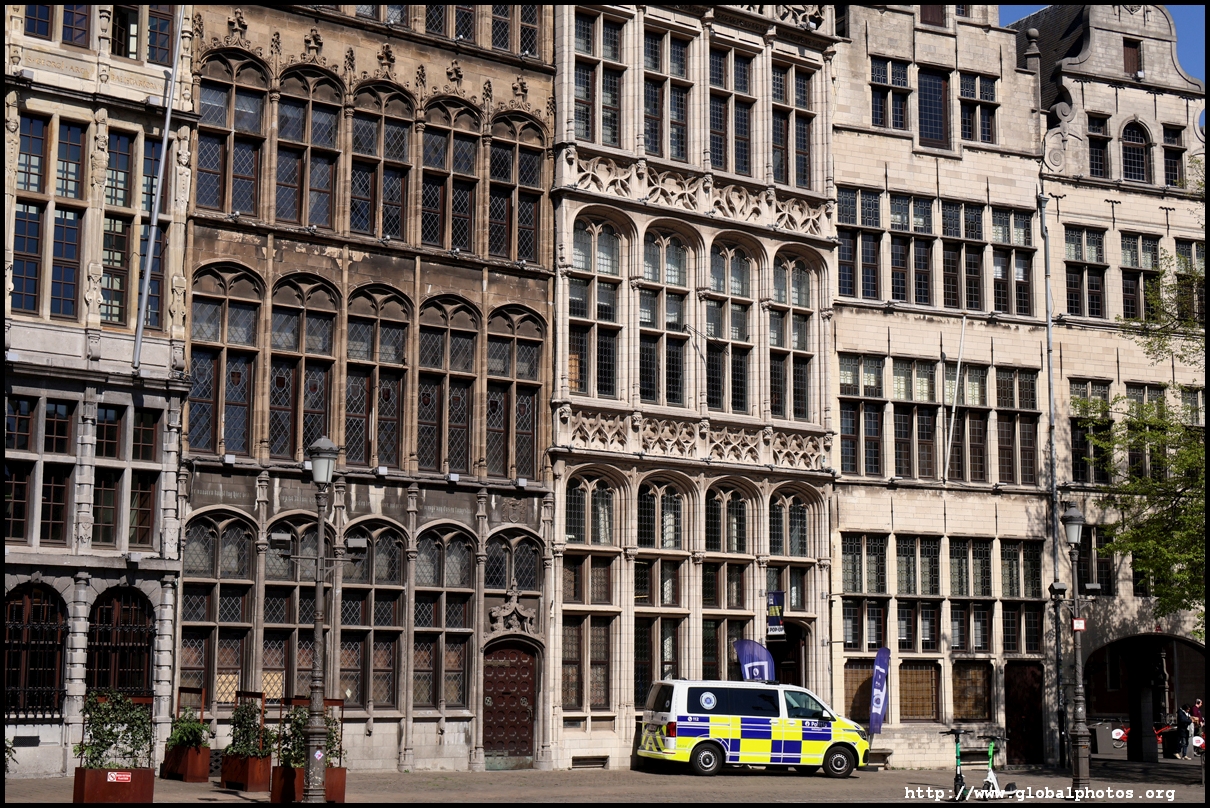
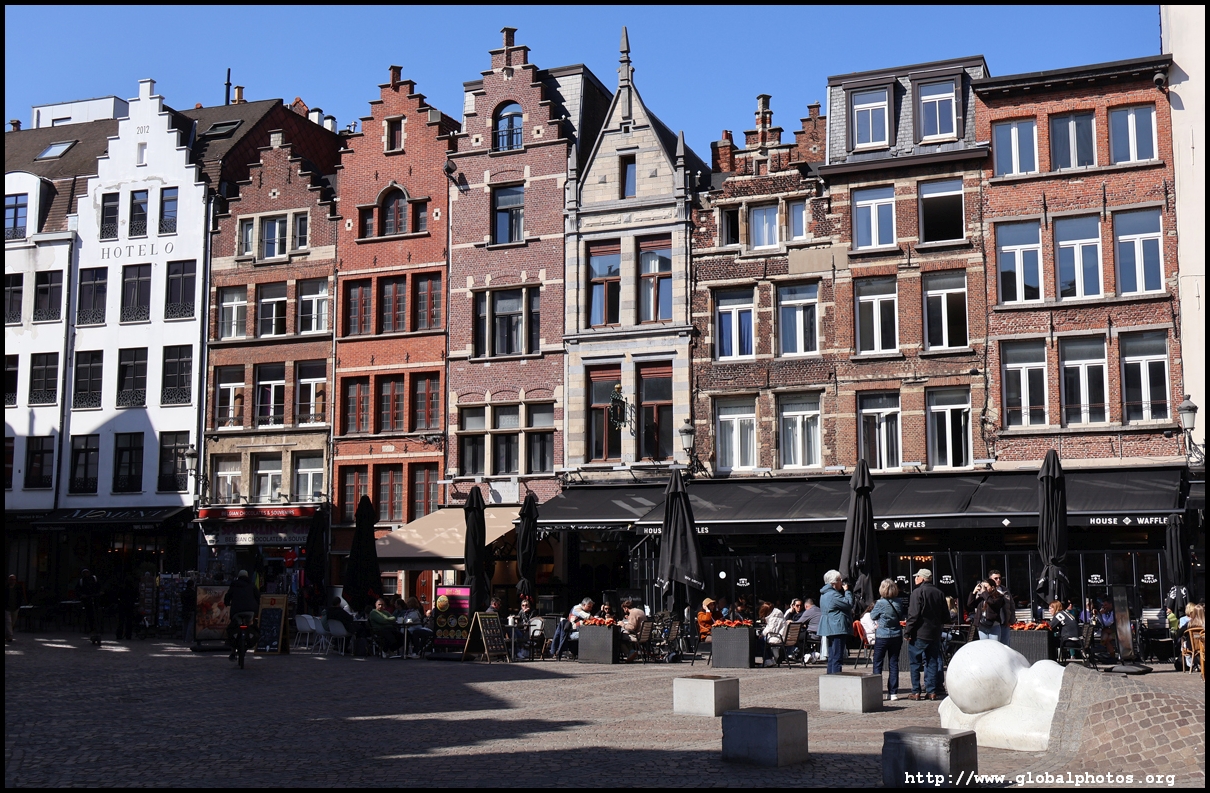
Grote Markt is a quieter but no less pretty version of Brussels' Grand Place. One side is home to a number of beautiful guildhouses with another occupied by the Stadhuis, which was completed in 1566. At the centre is the Brabo Fountain, whose design comes from the legend of the Roman soldier Brabo beating Antigonus, who collected tolls from passing ships, cutting off his hand and throwing it into the river.
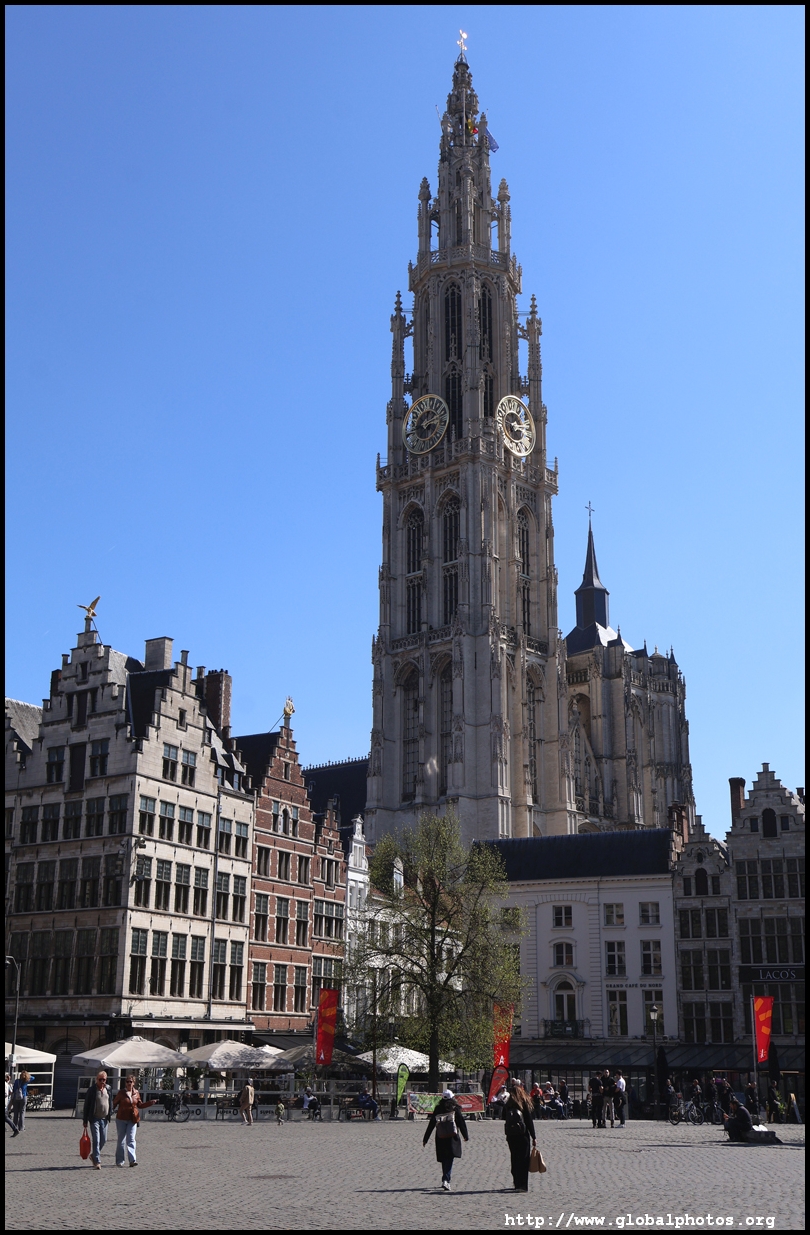
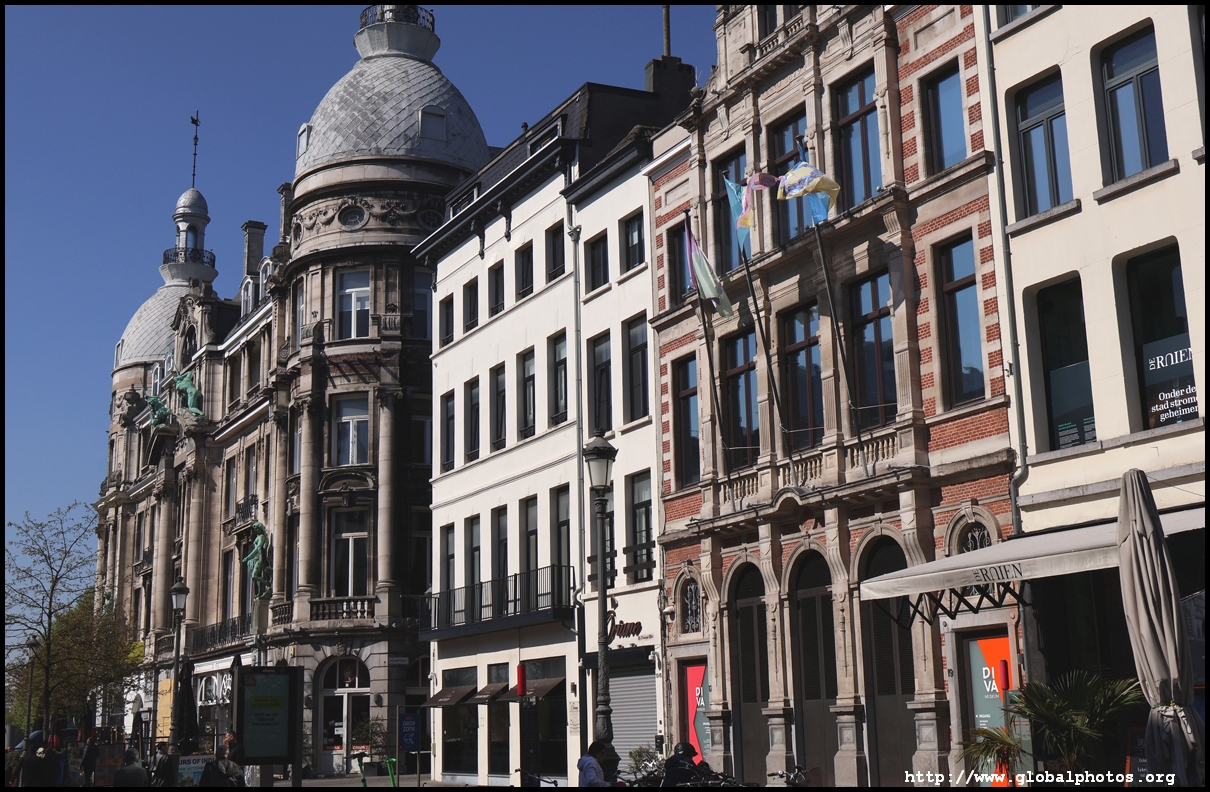
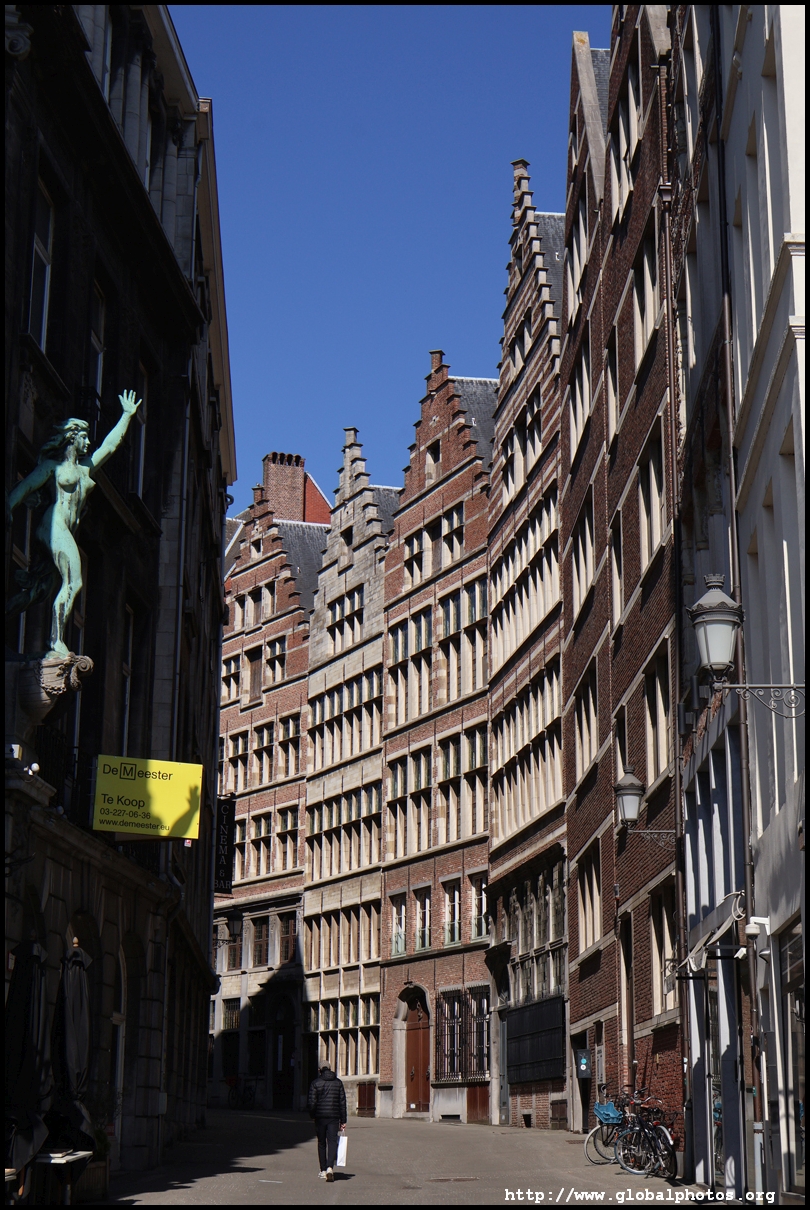
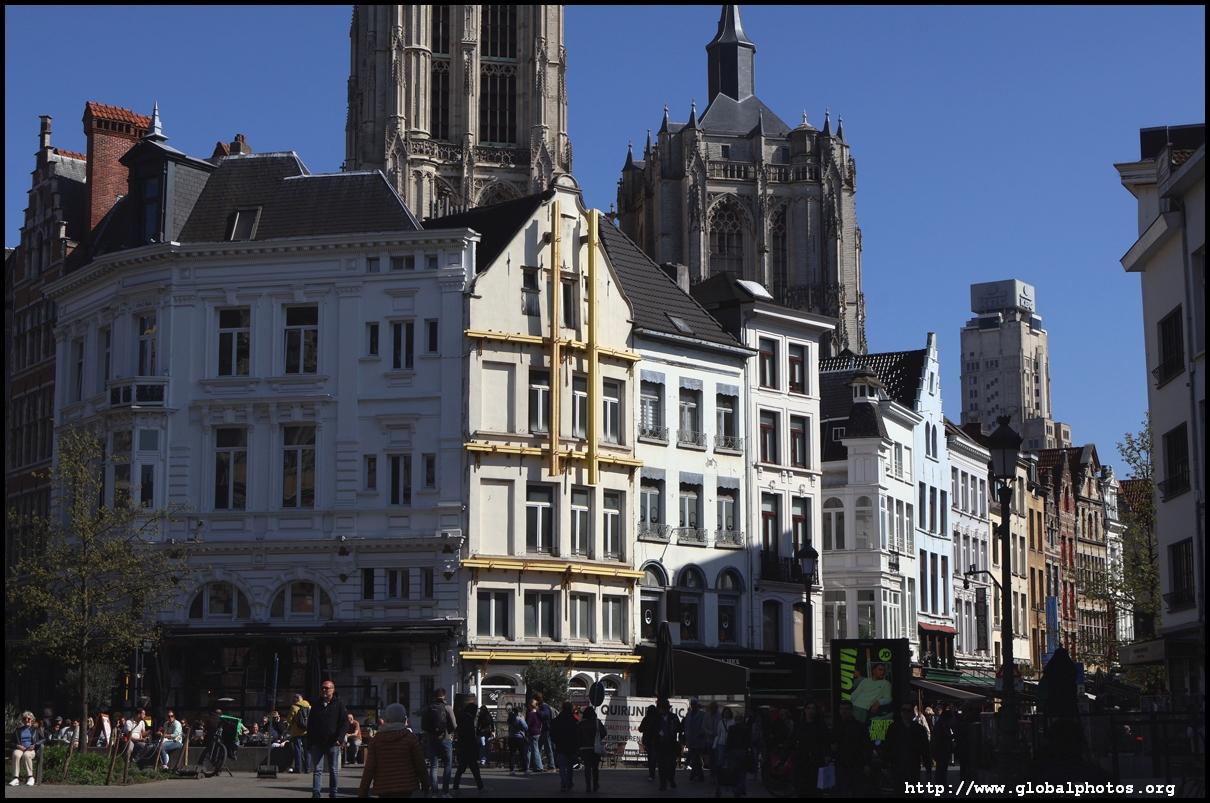
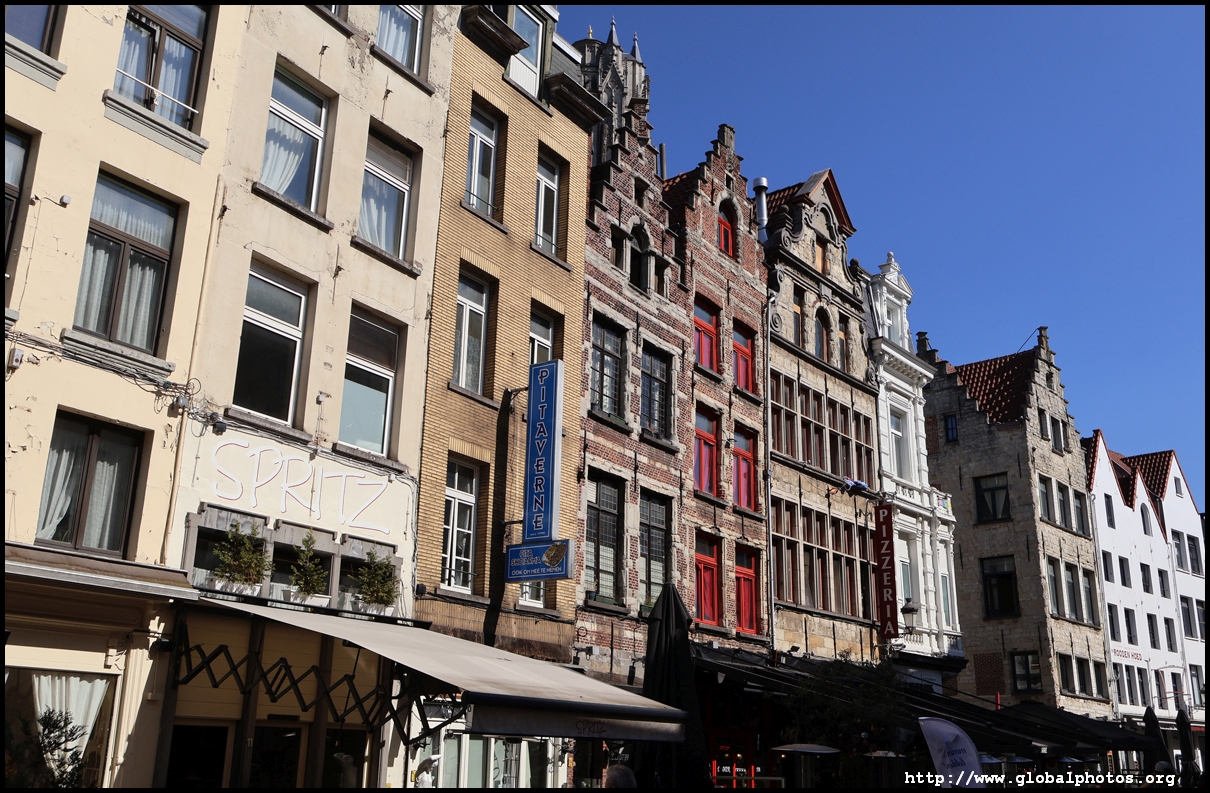
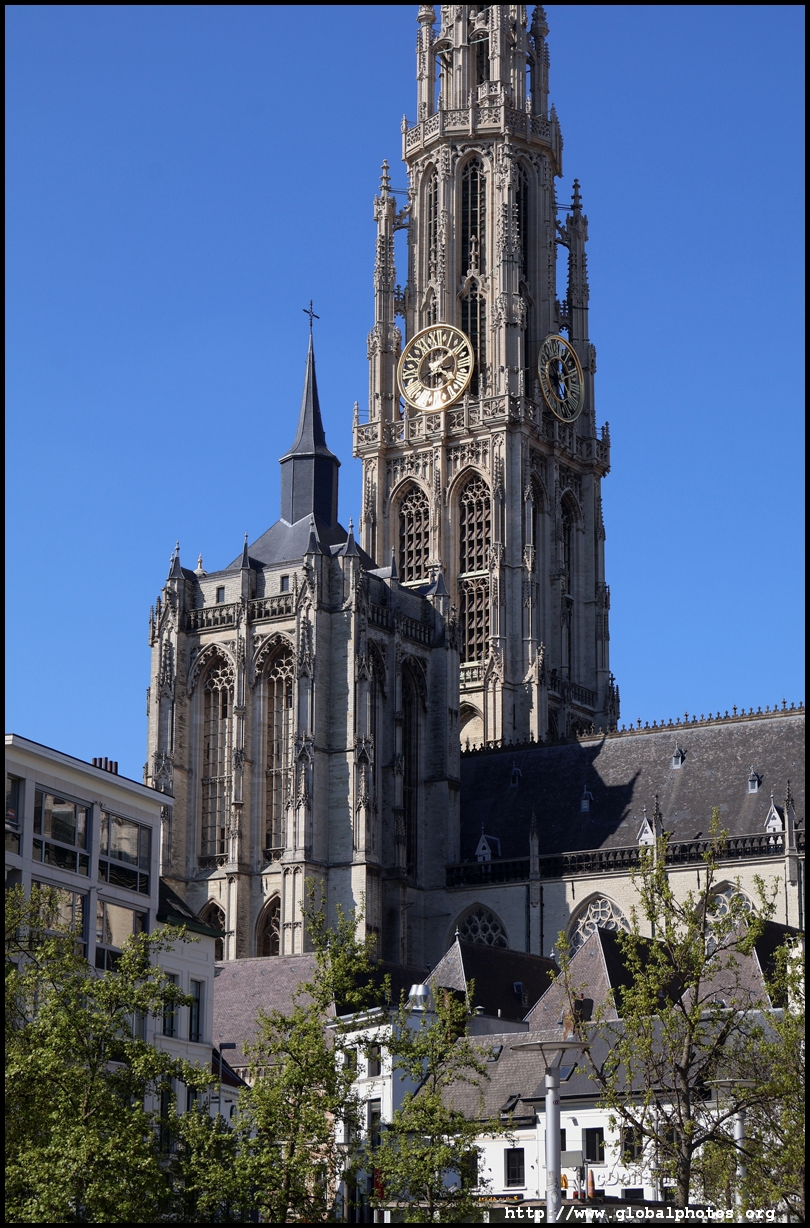
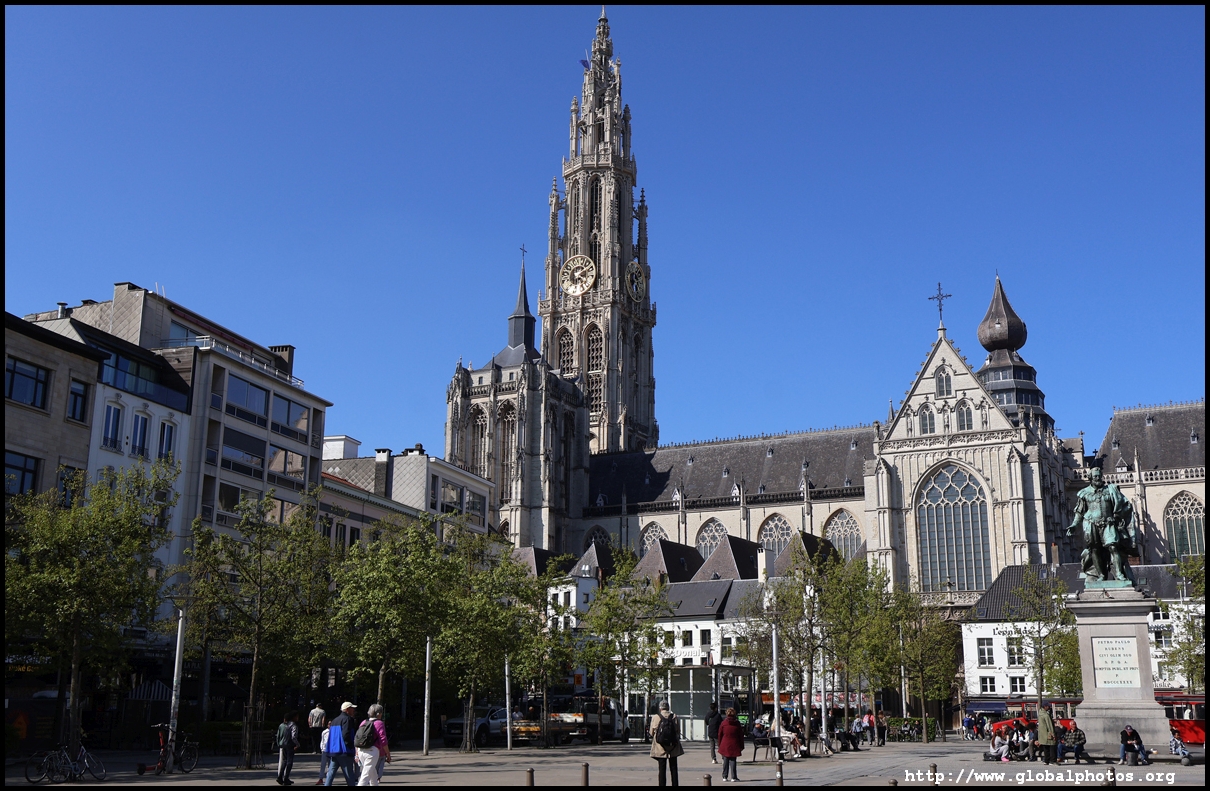
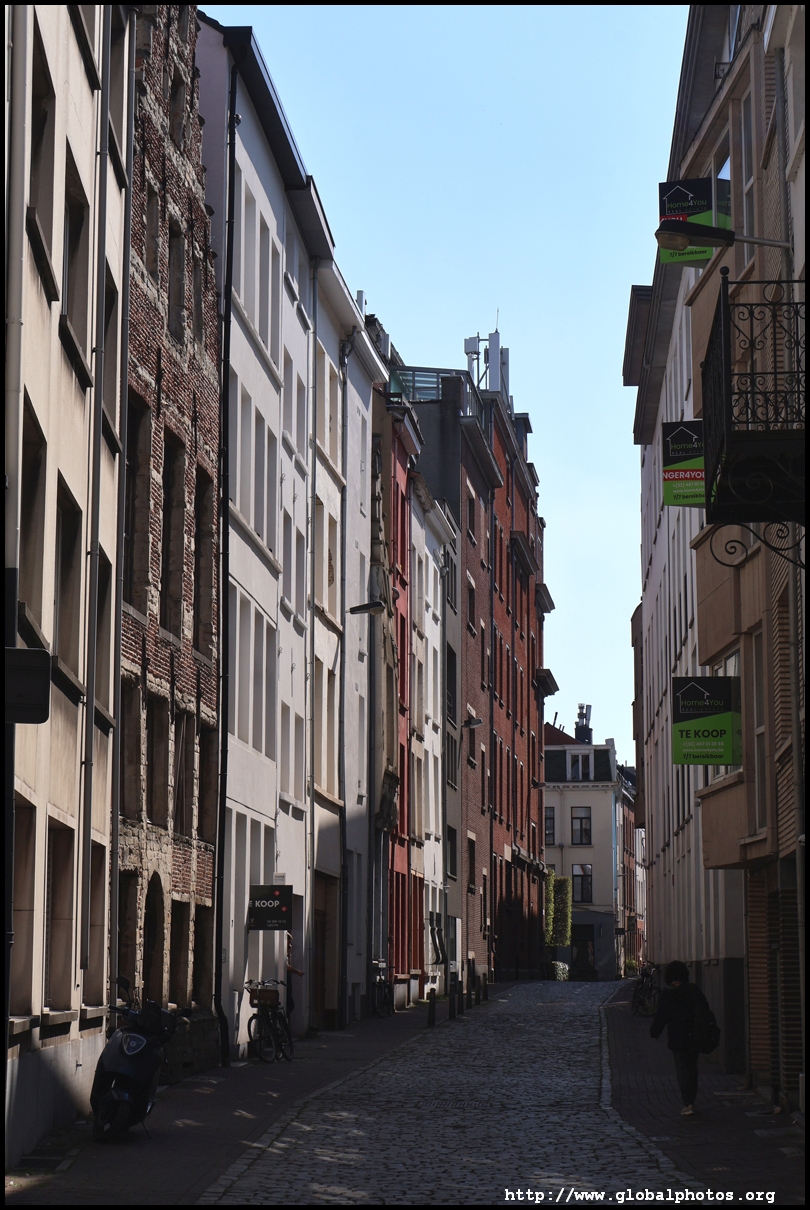
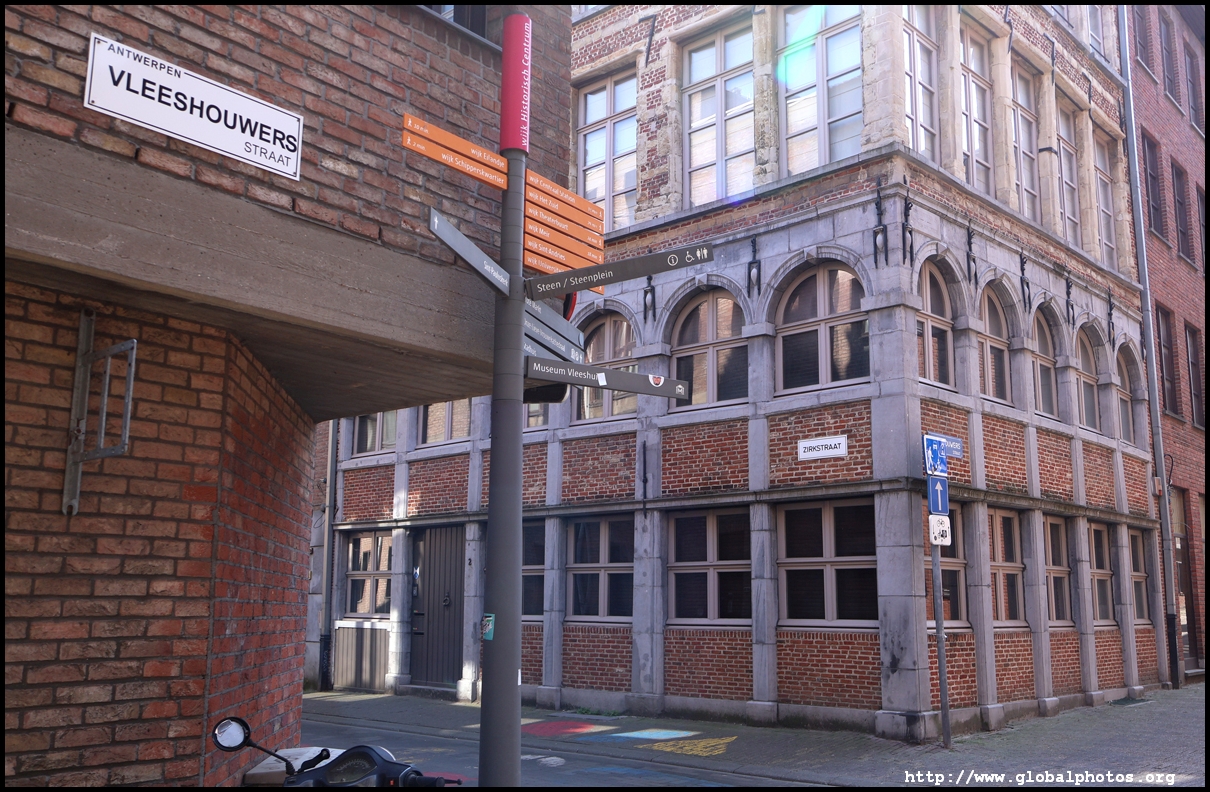
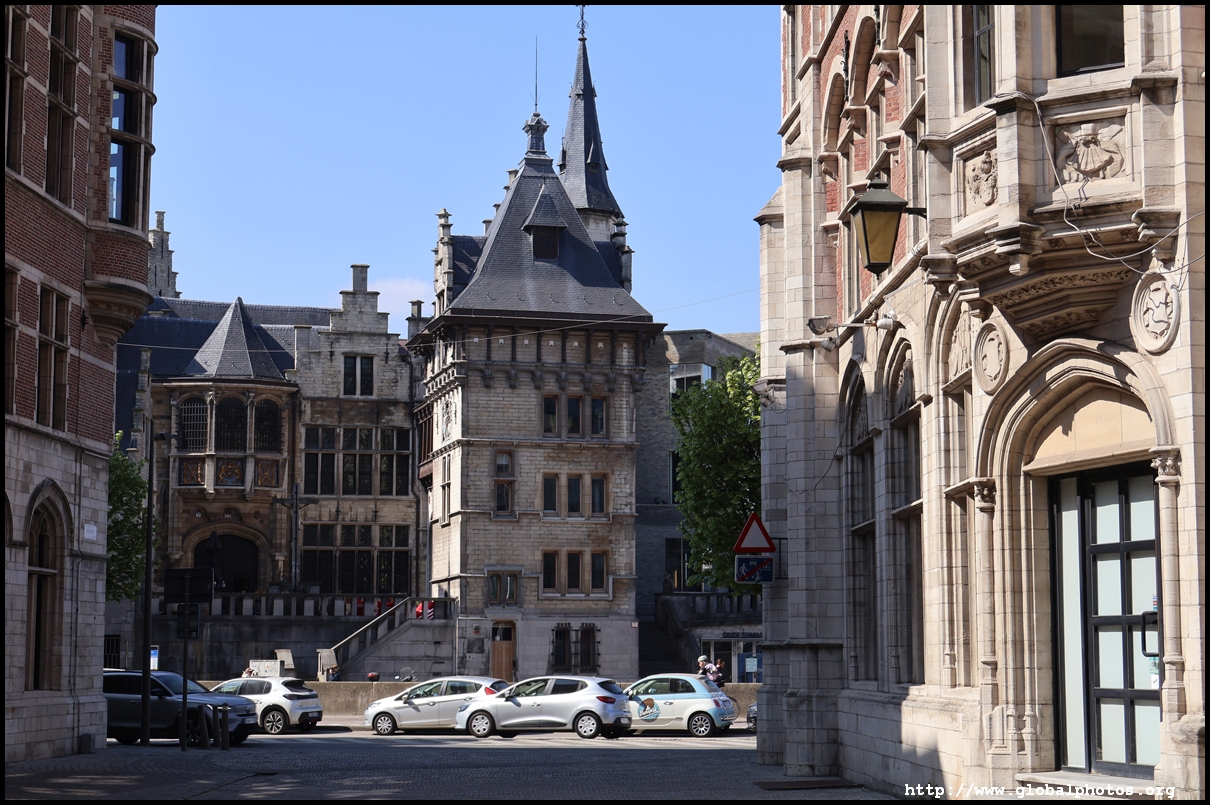
Neighbouring streets are very touristy as this is the epicentre of Antwerp's historic centre. The Cathedral of Our Lady is just a short walk away.
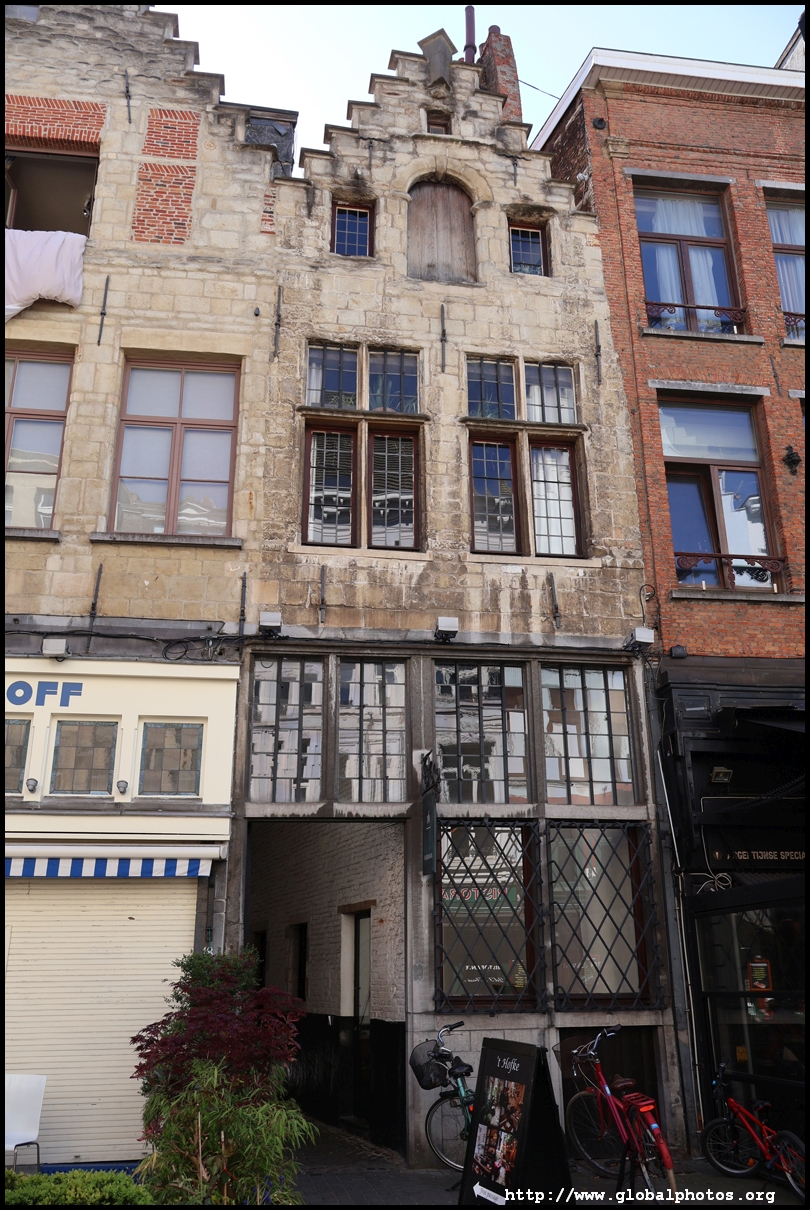
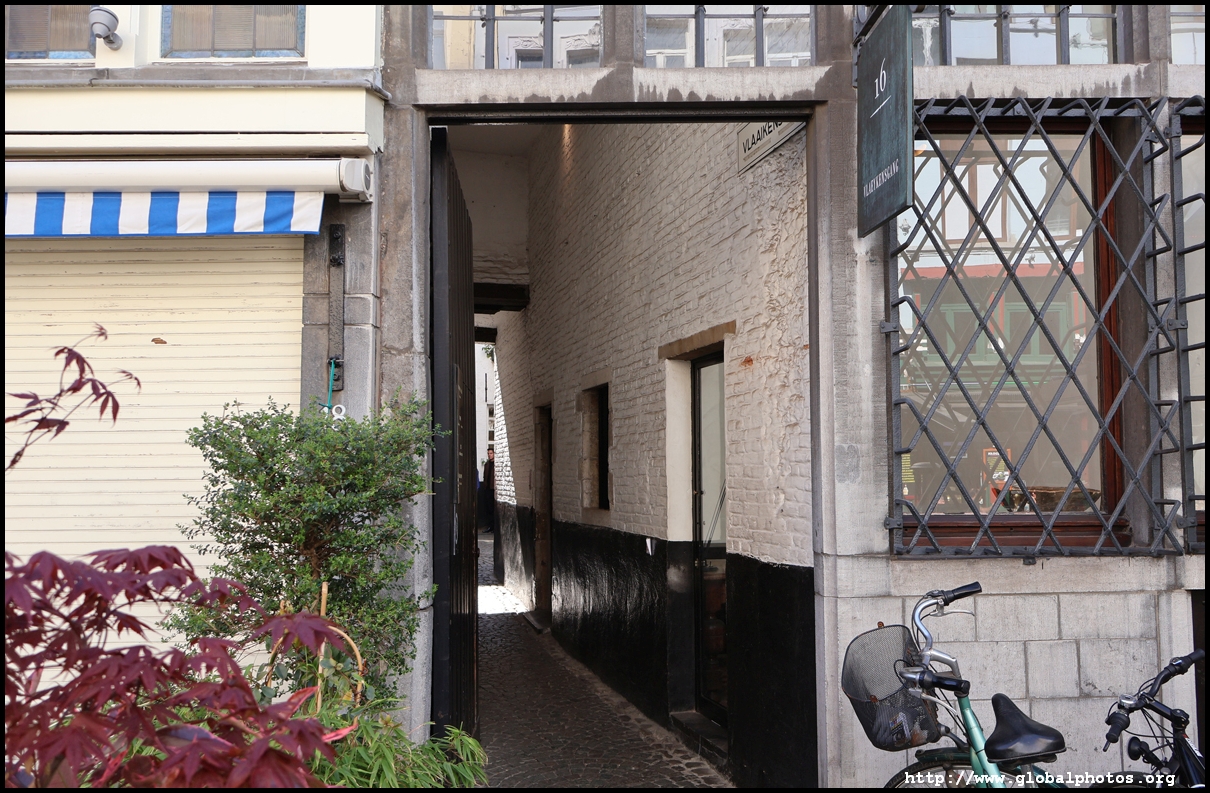
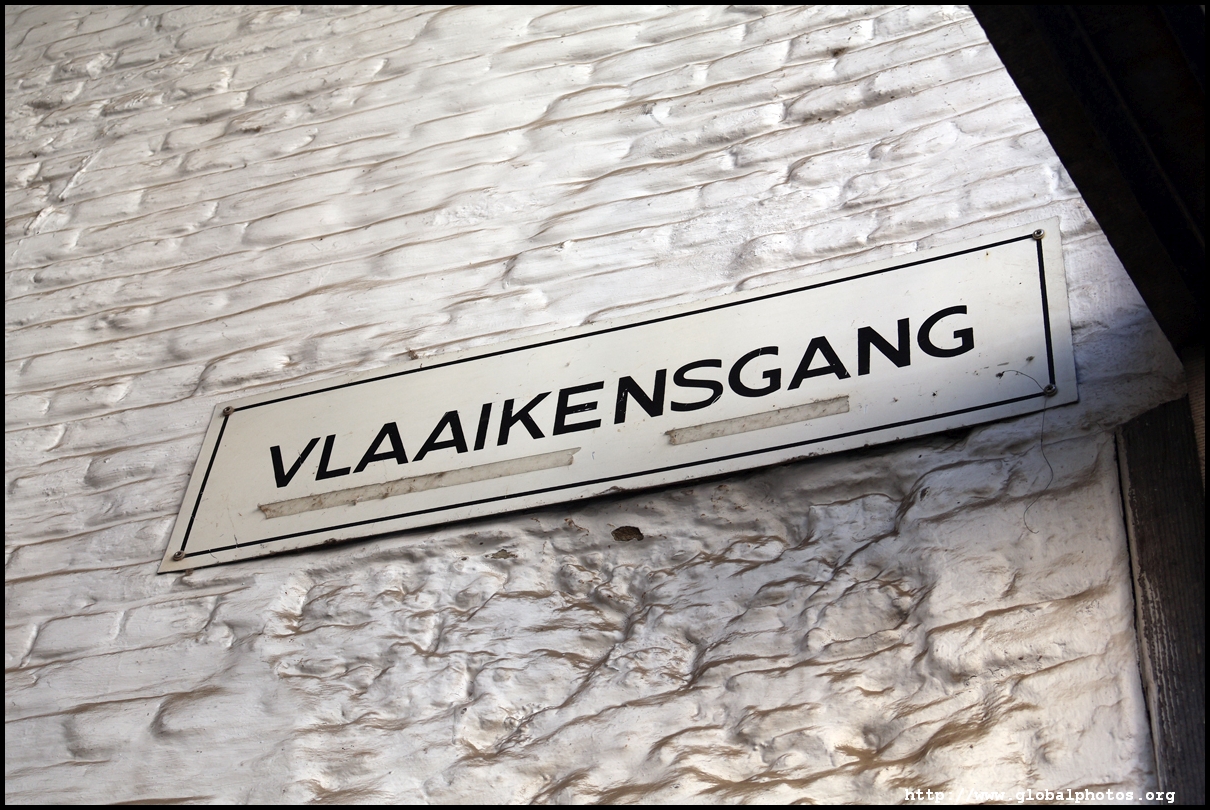
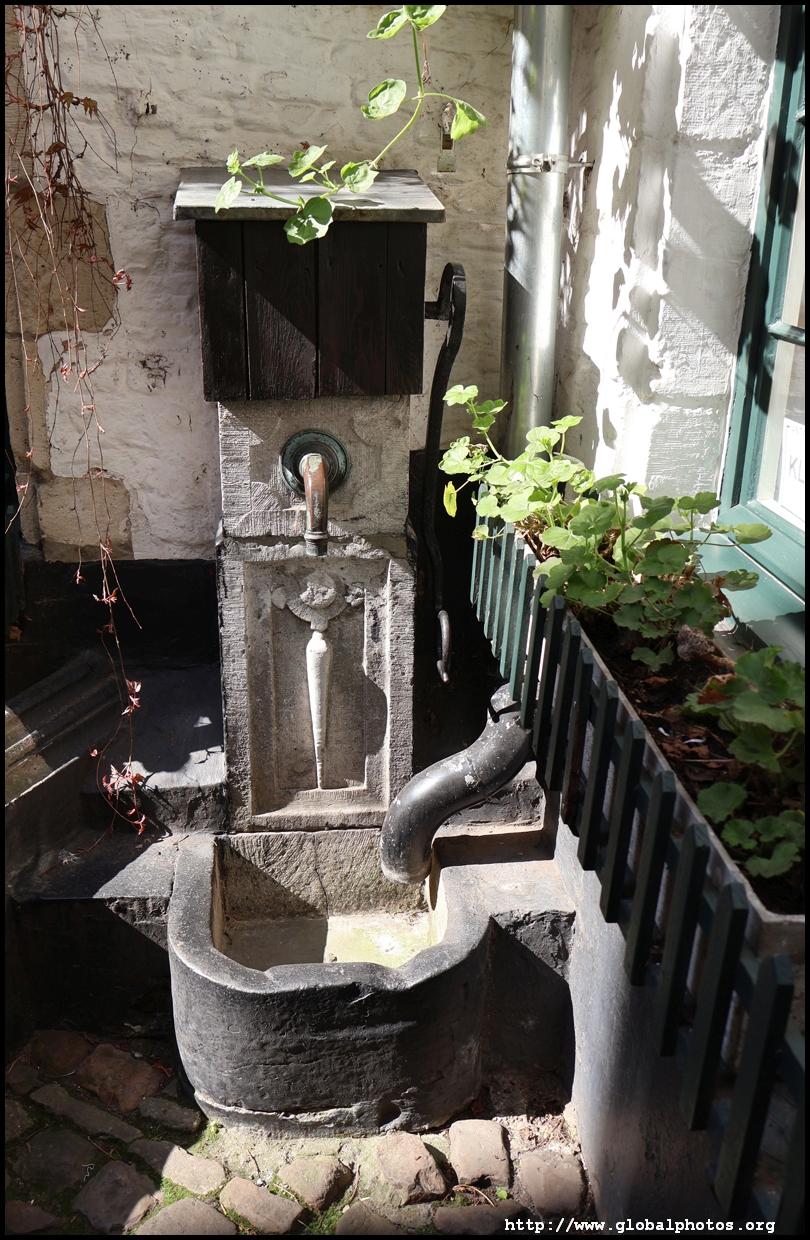
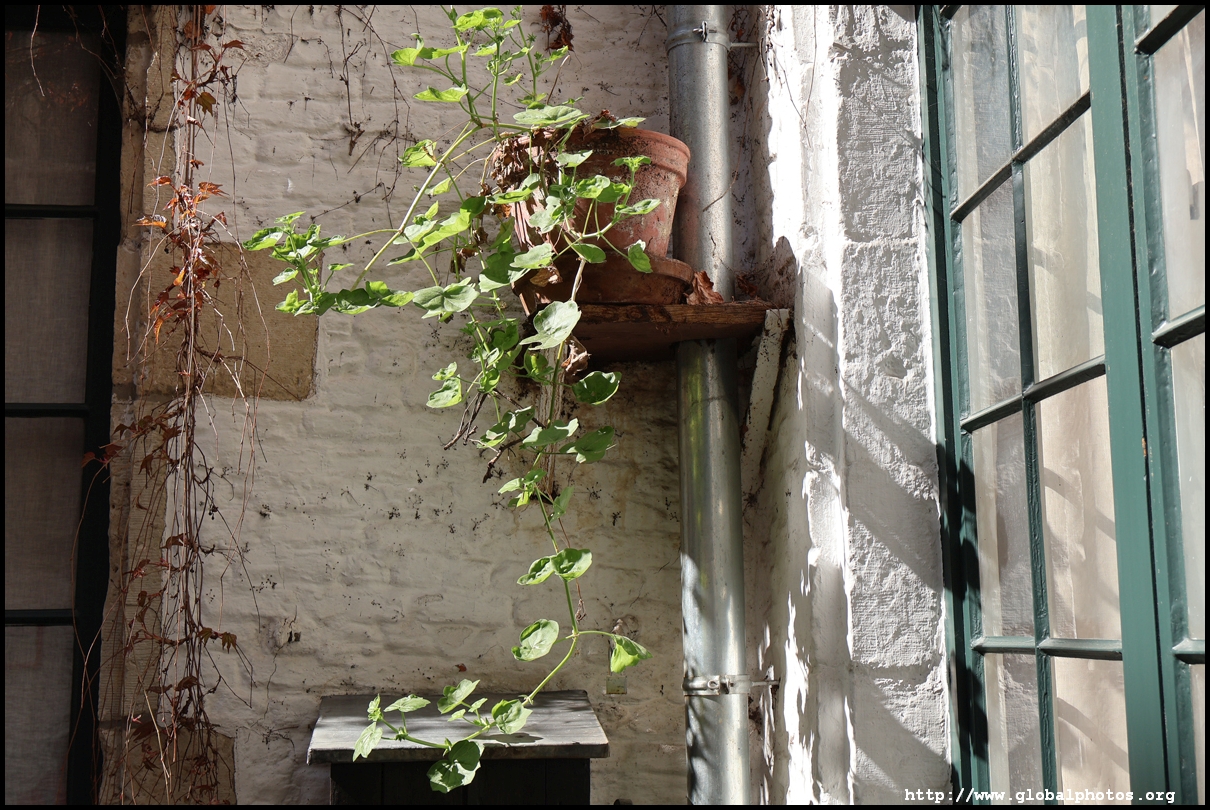
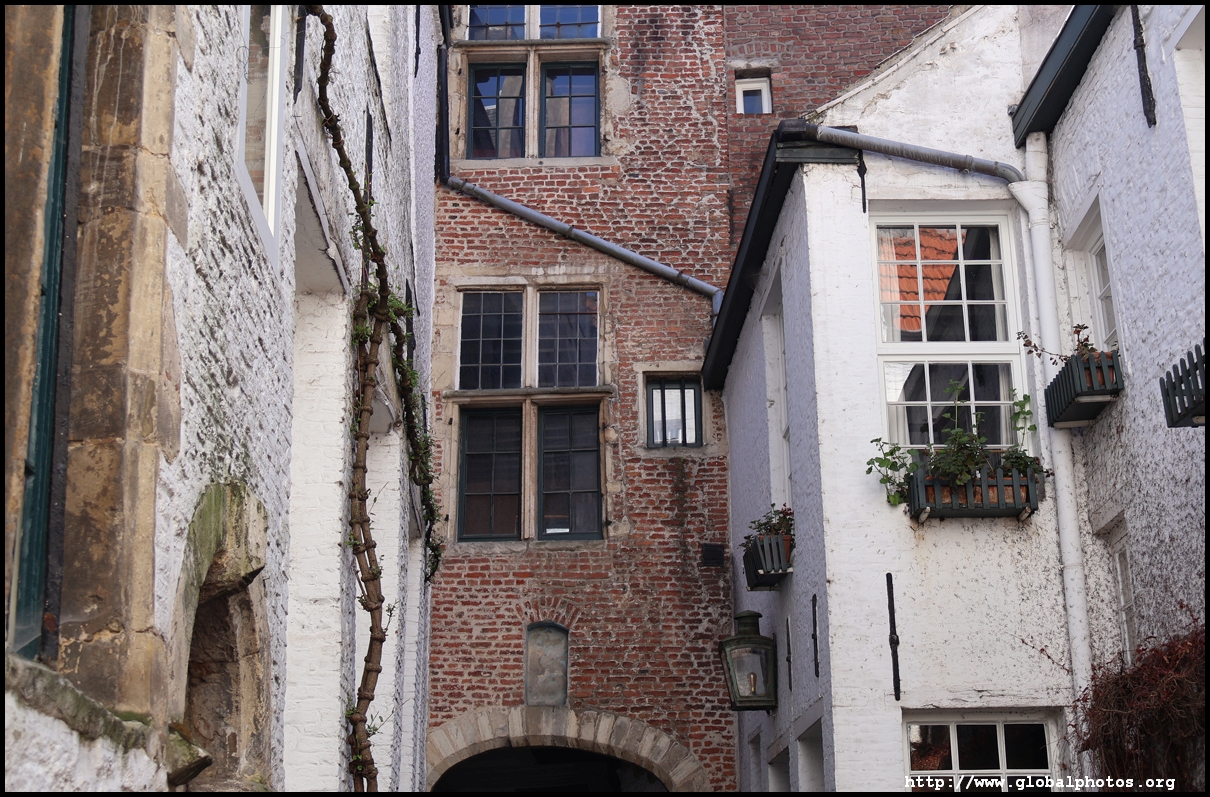
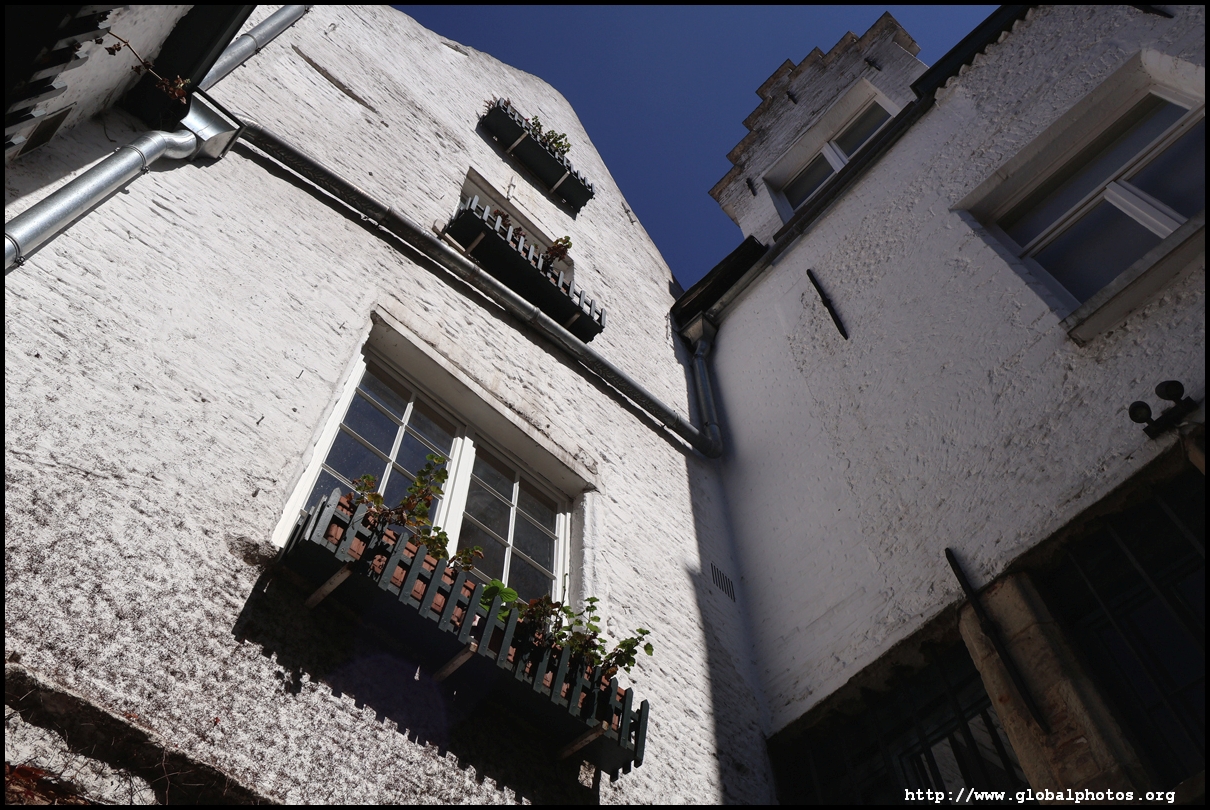
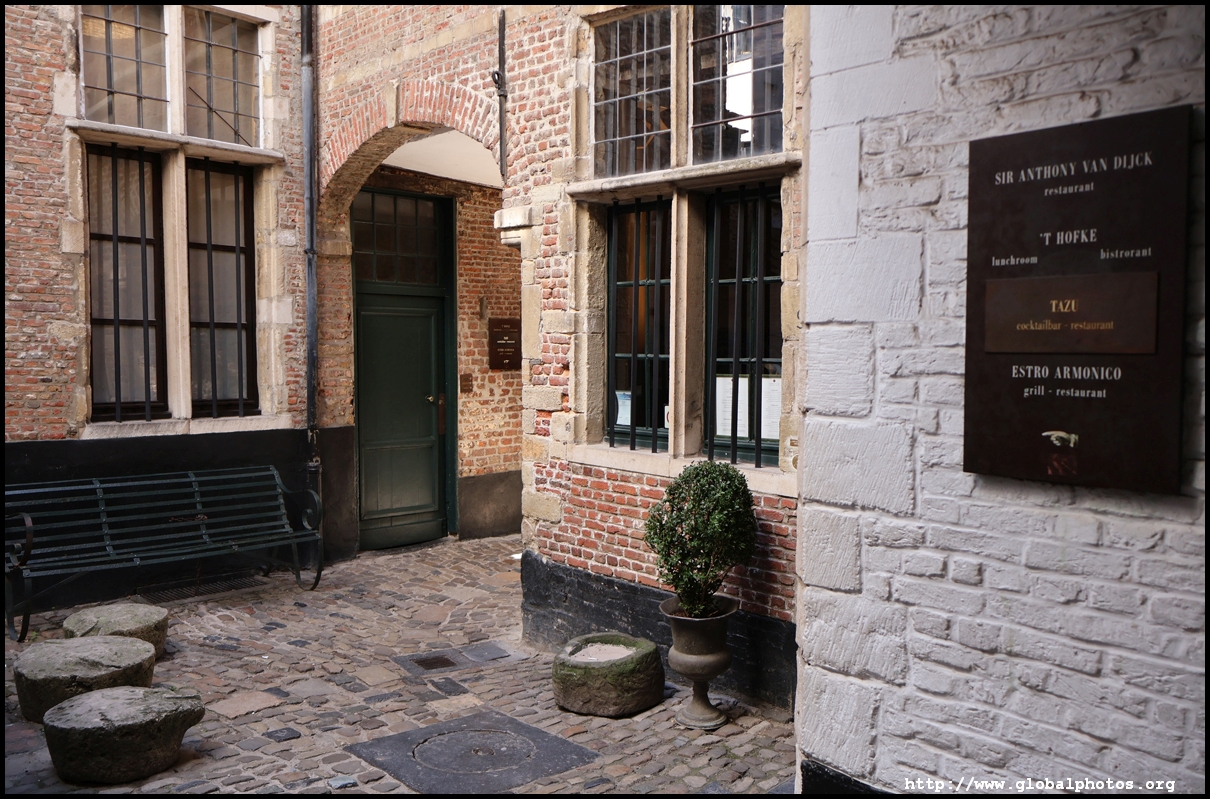
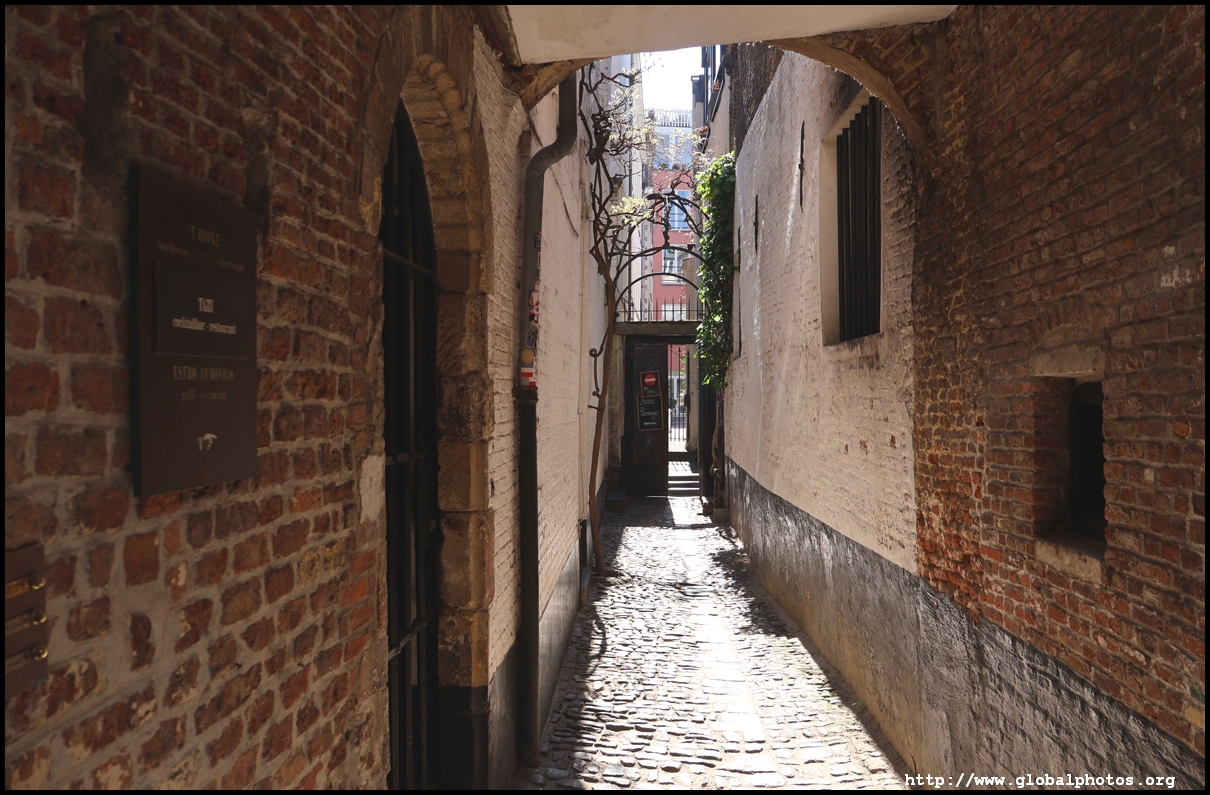
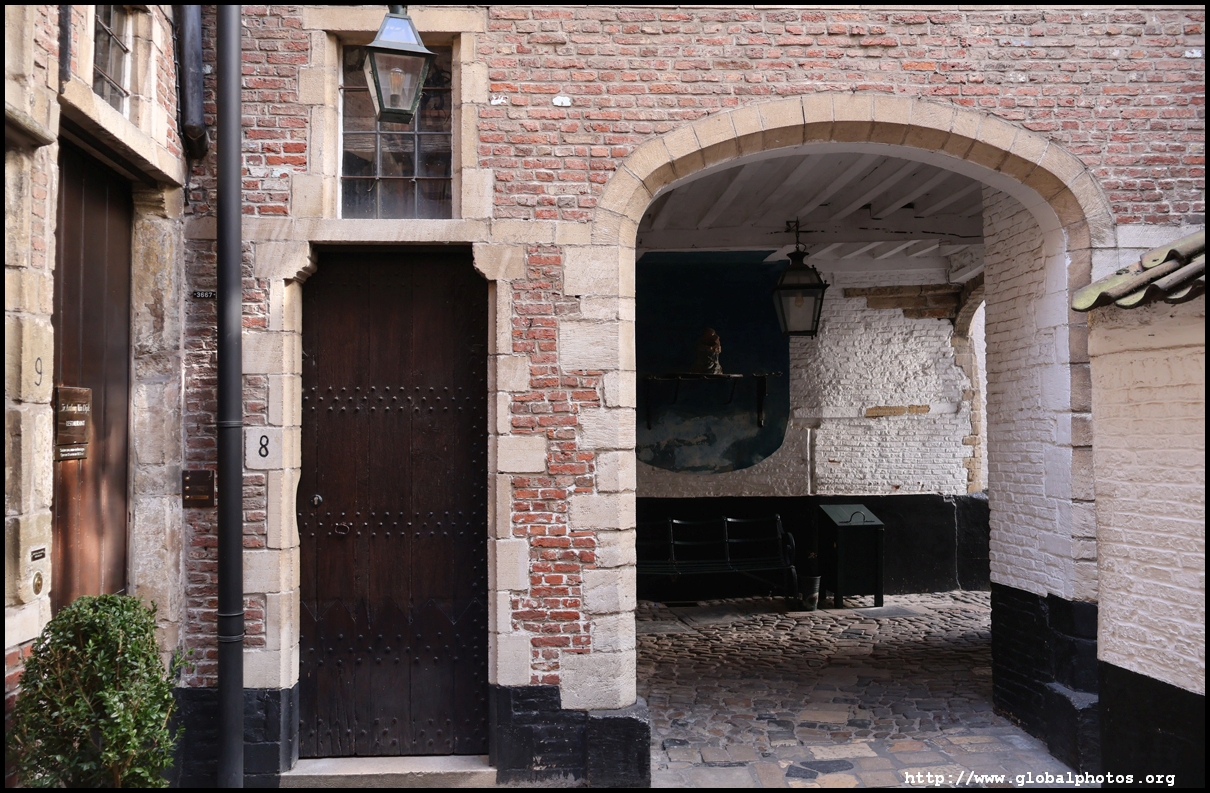
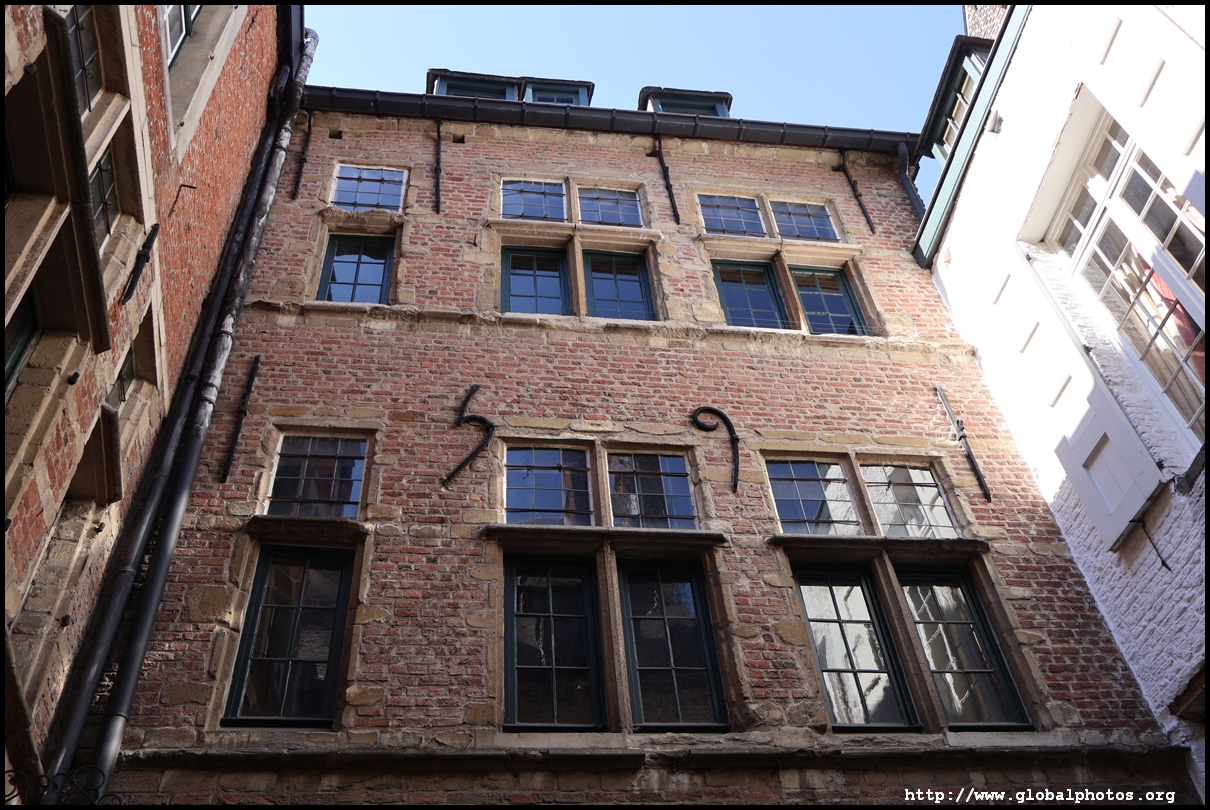
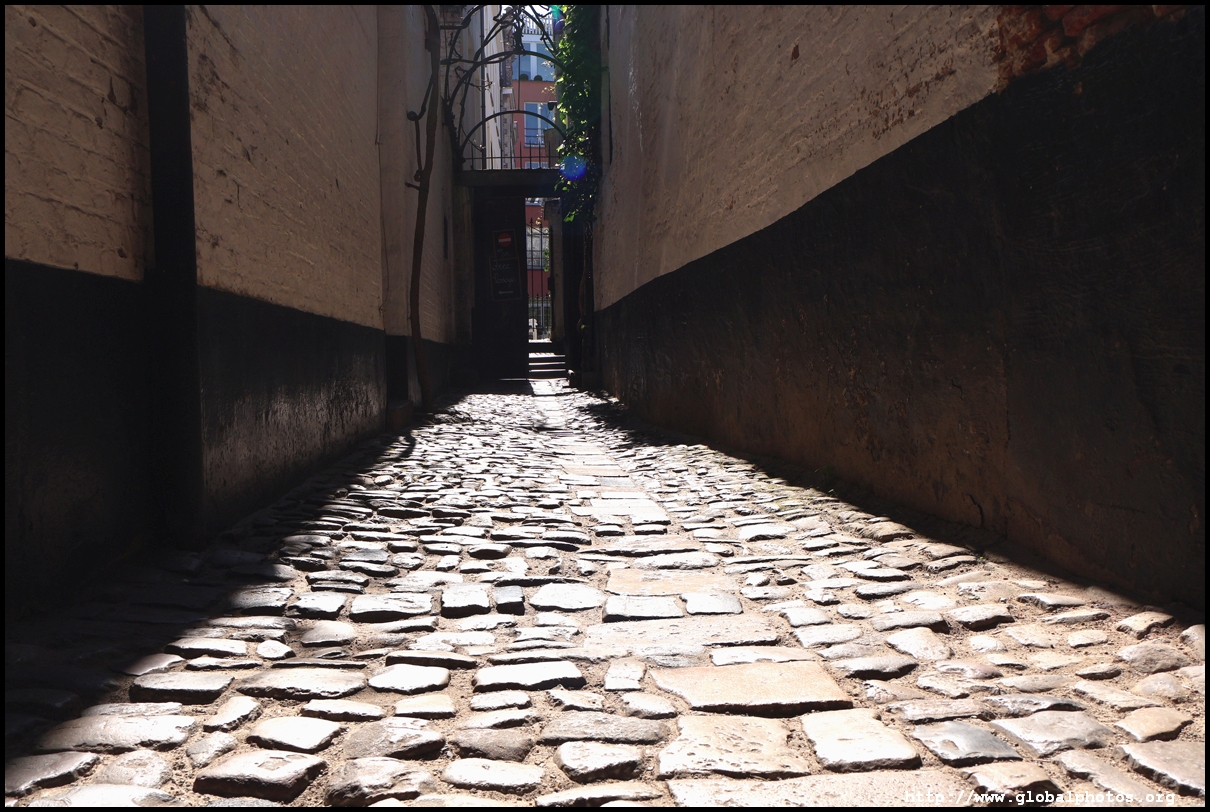
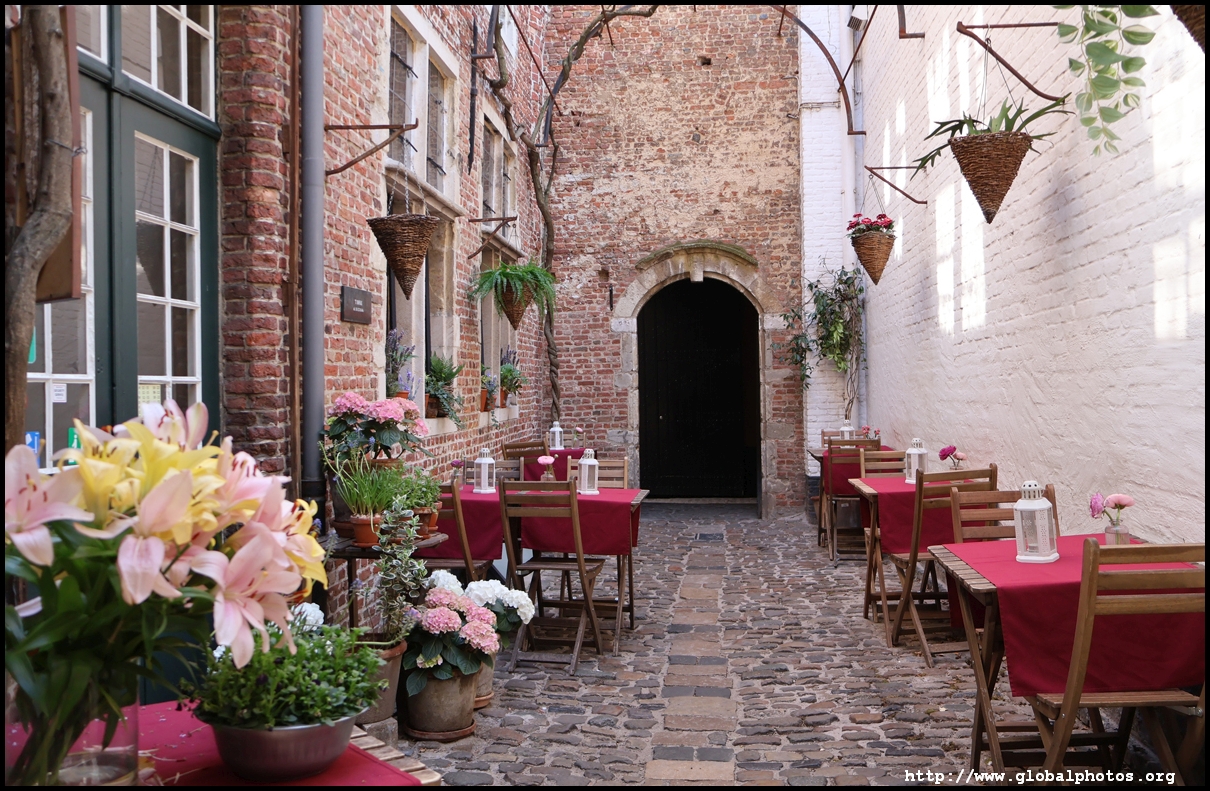
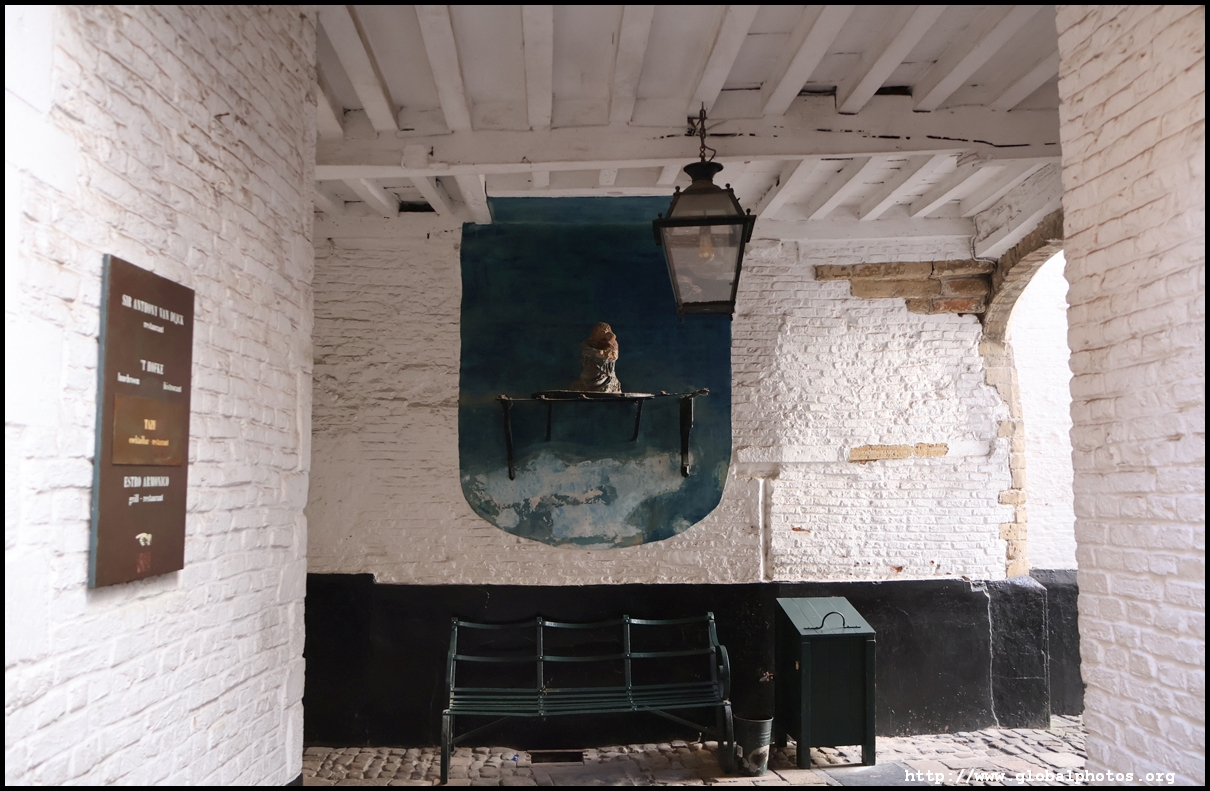
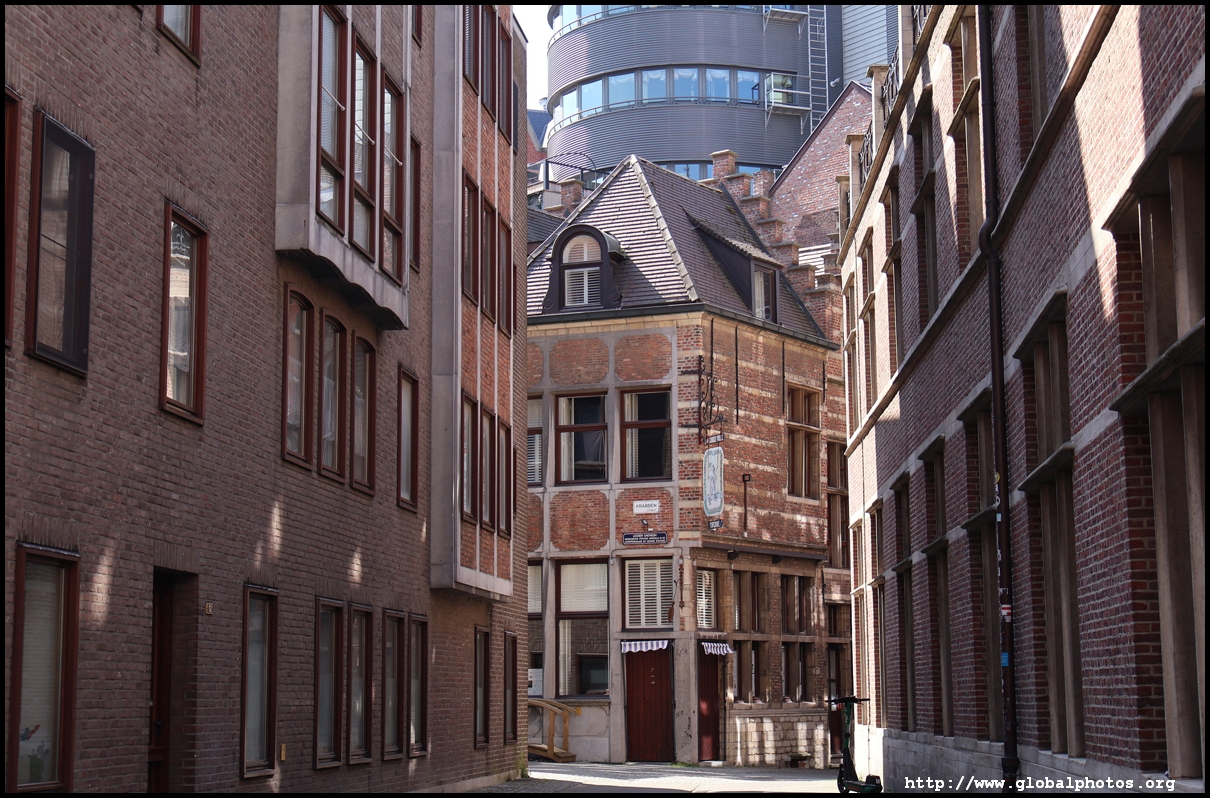
Vlaaikensgang is barely noticeable from the street but is a surviving part of the medieval lanes that lead away from the crowds.
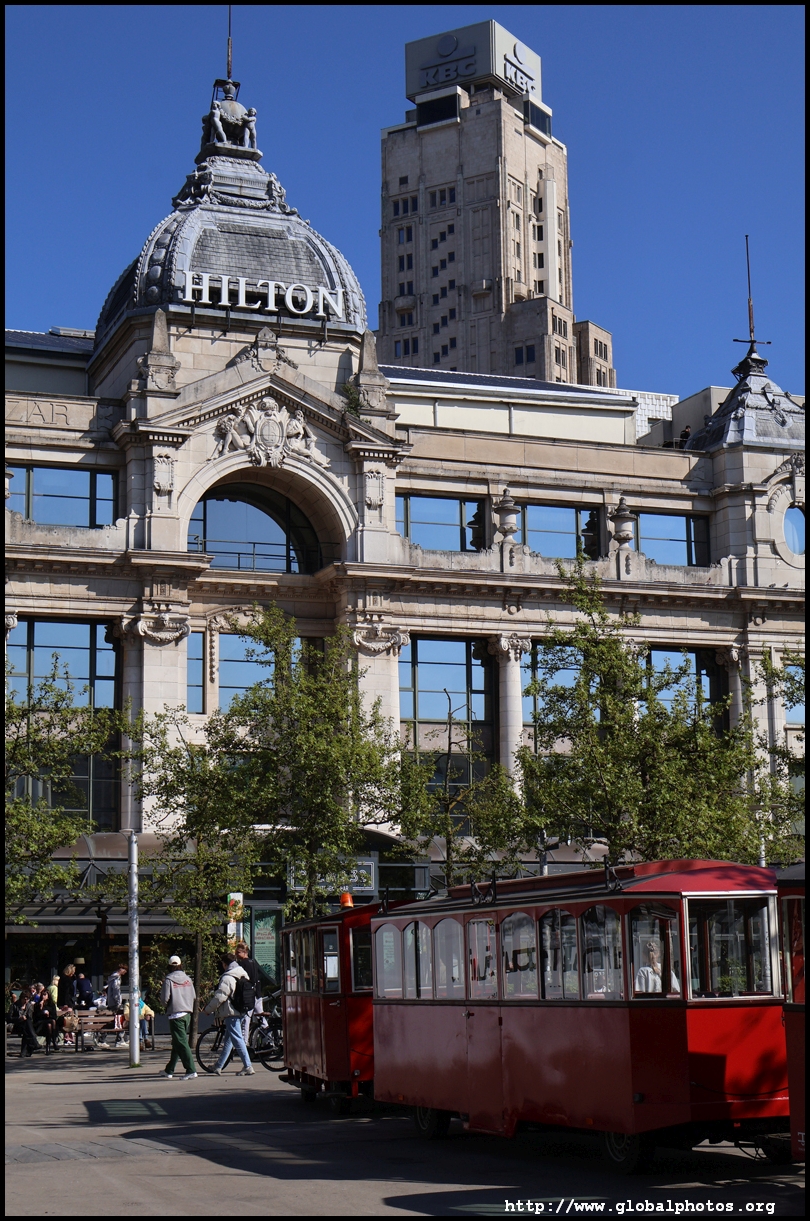
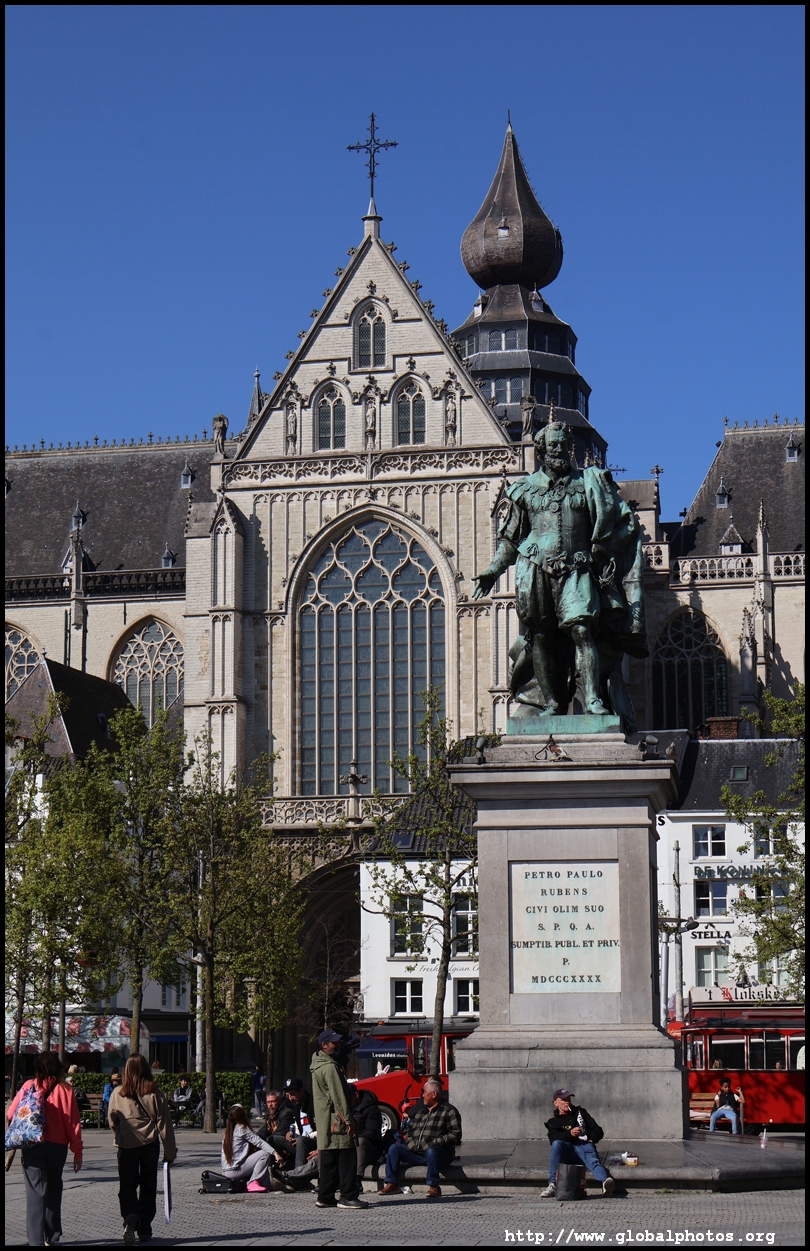
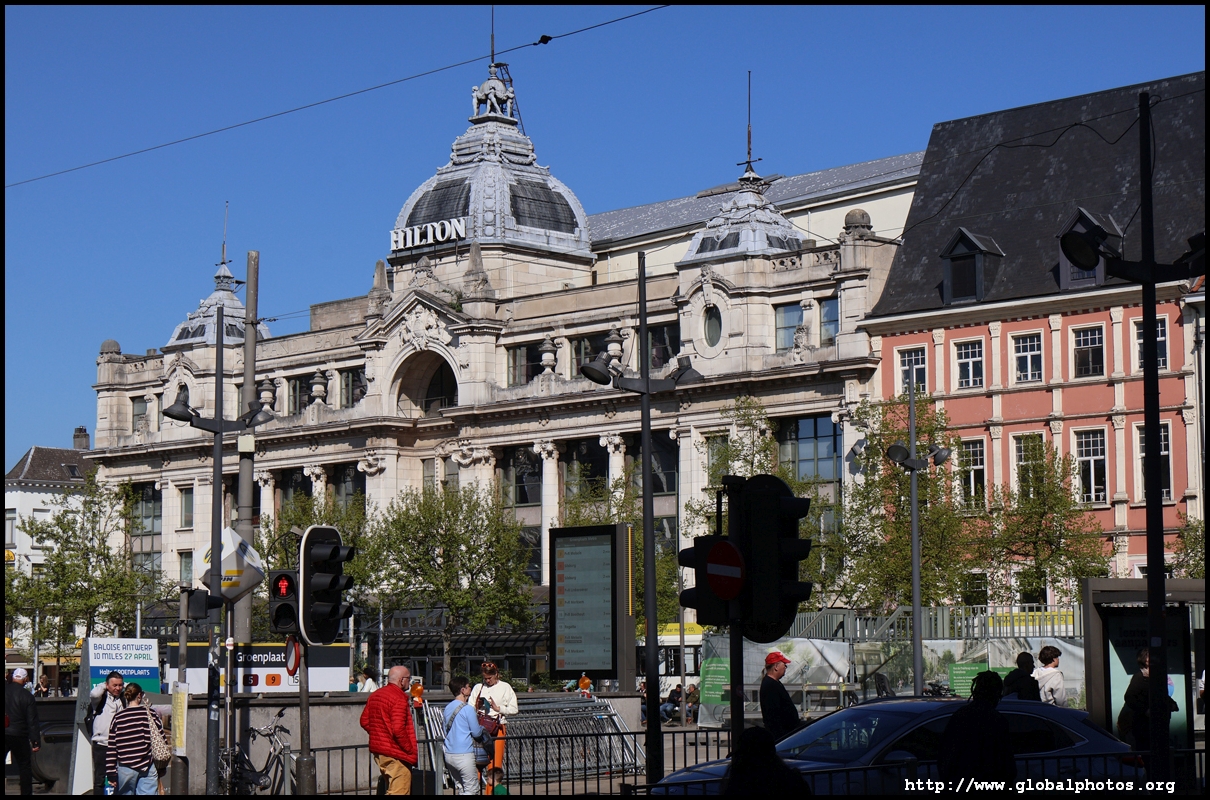
To the south of the cathedral is Groenplaats, a public space with a parking lot underneath that replaced a graveyard.
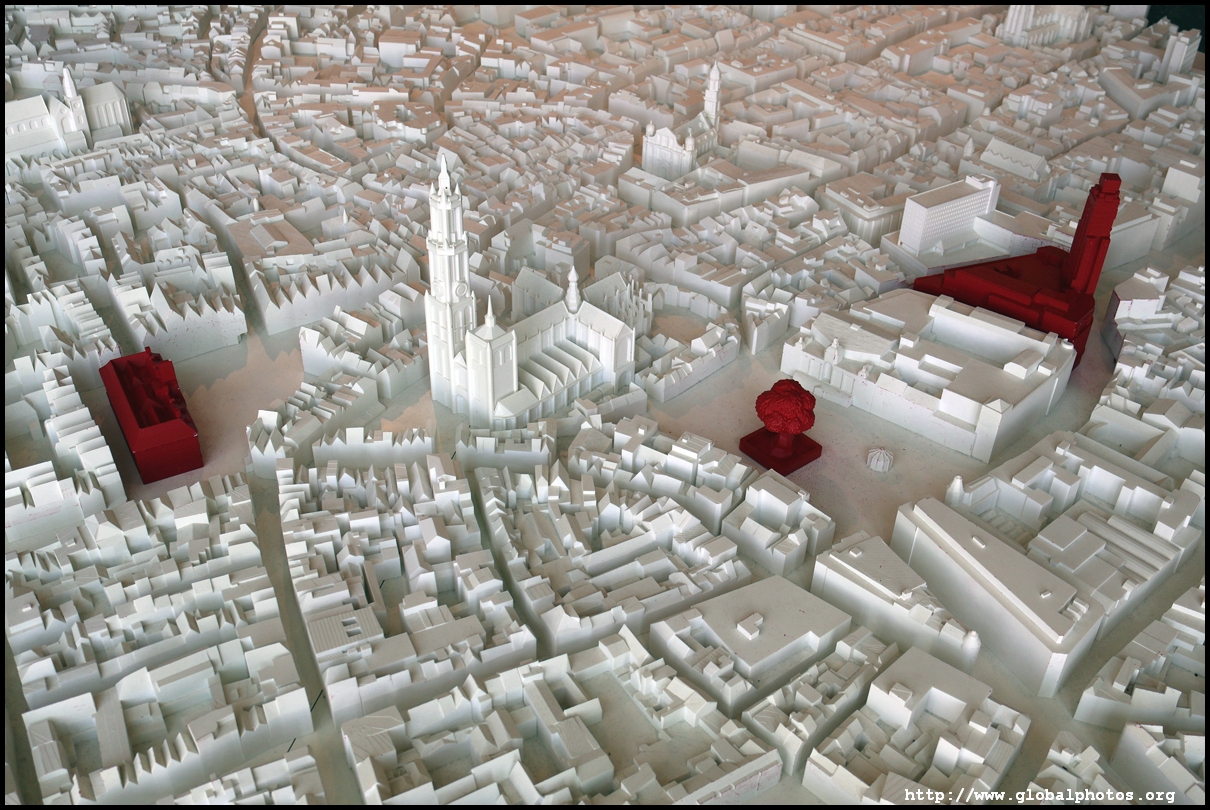
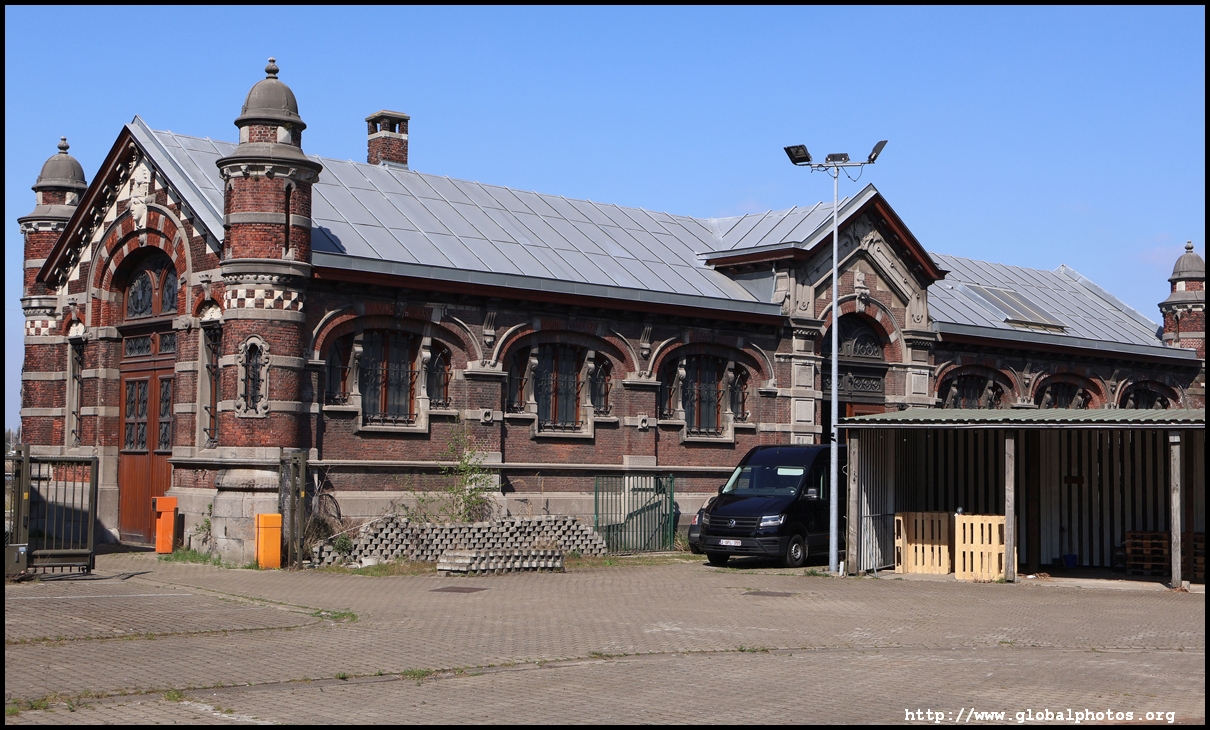
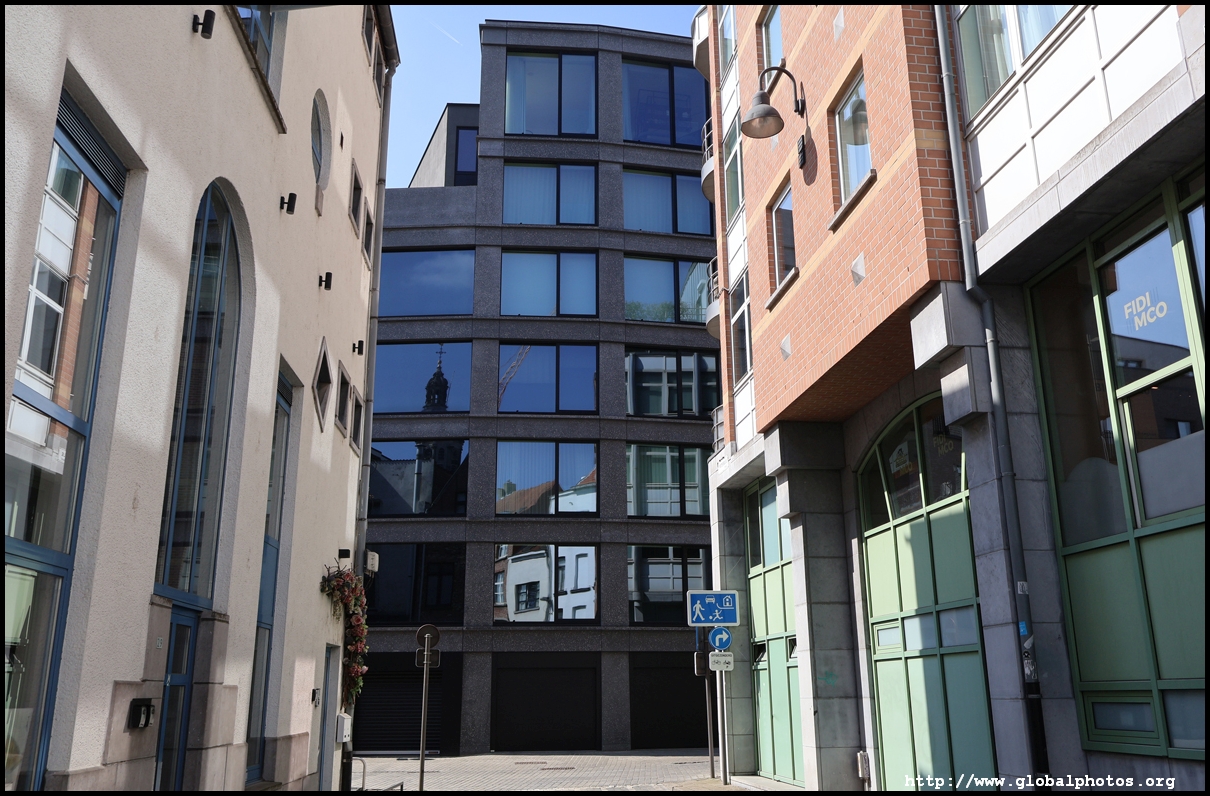
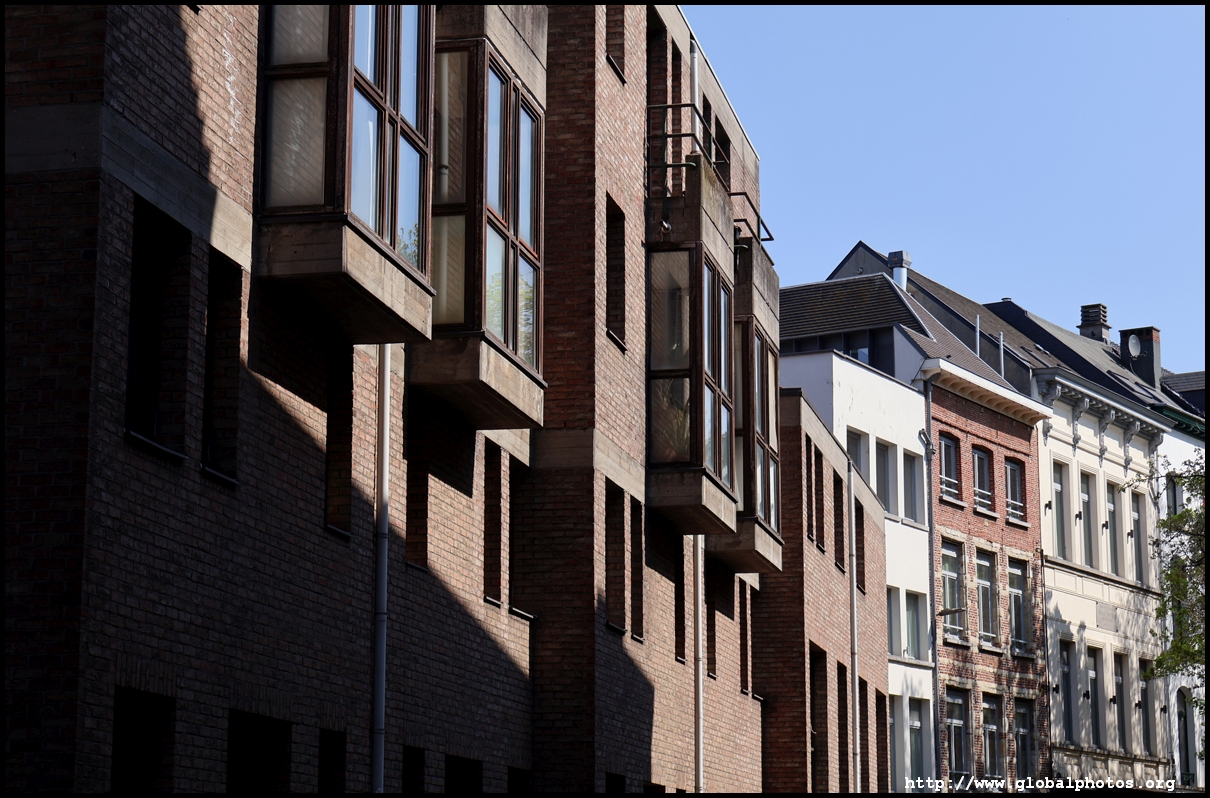
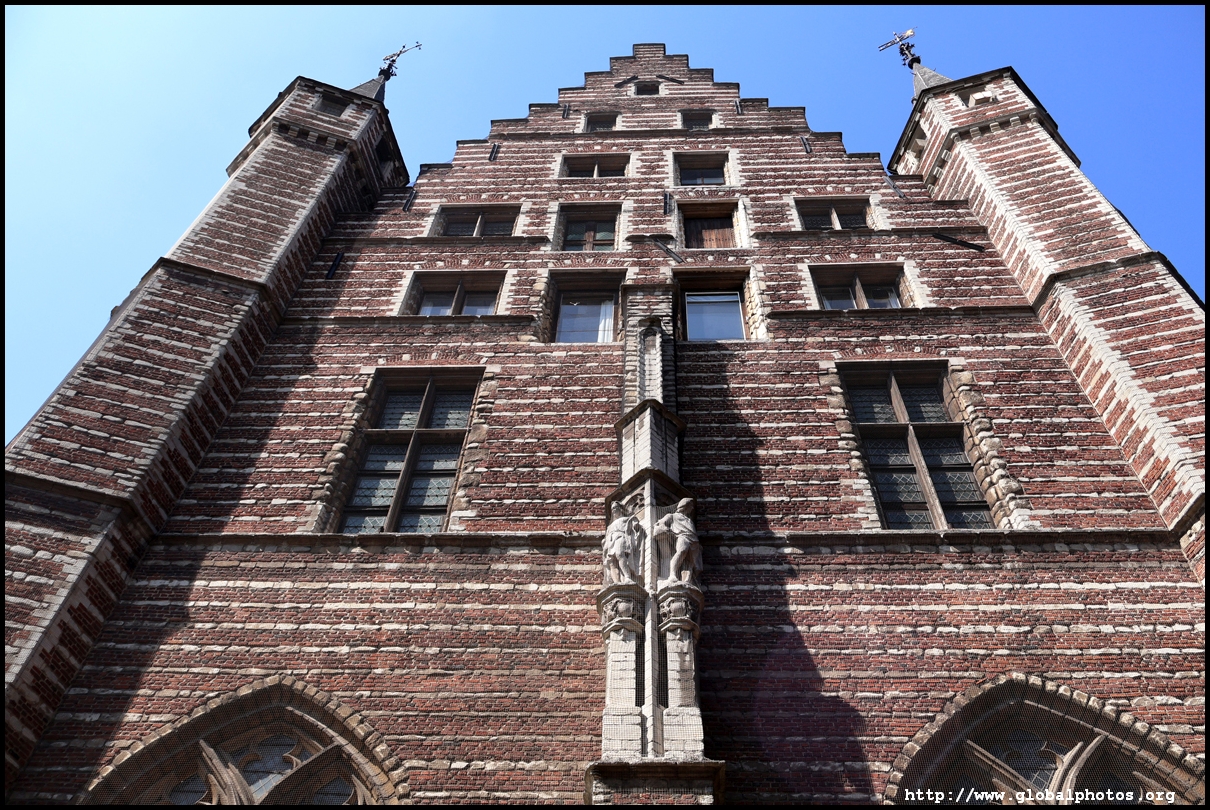
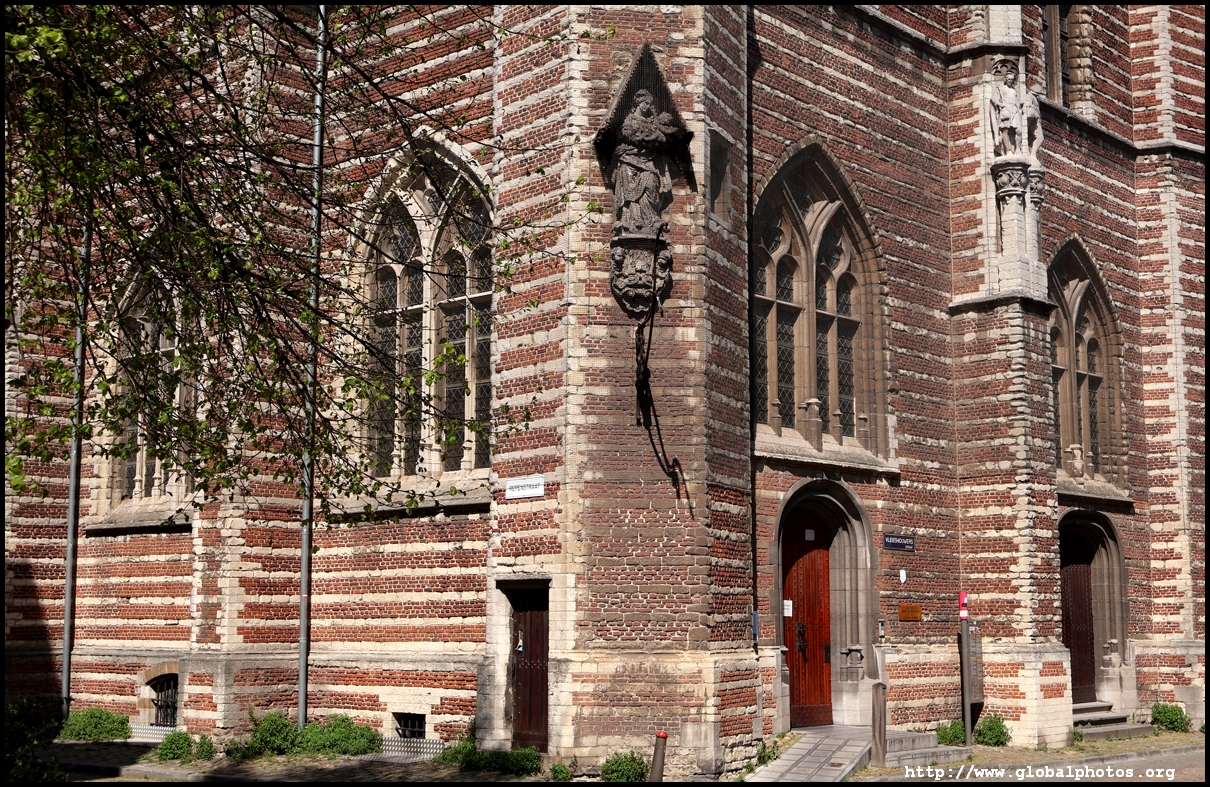
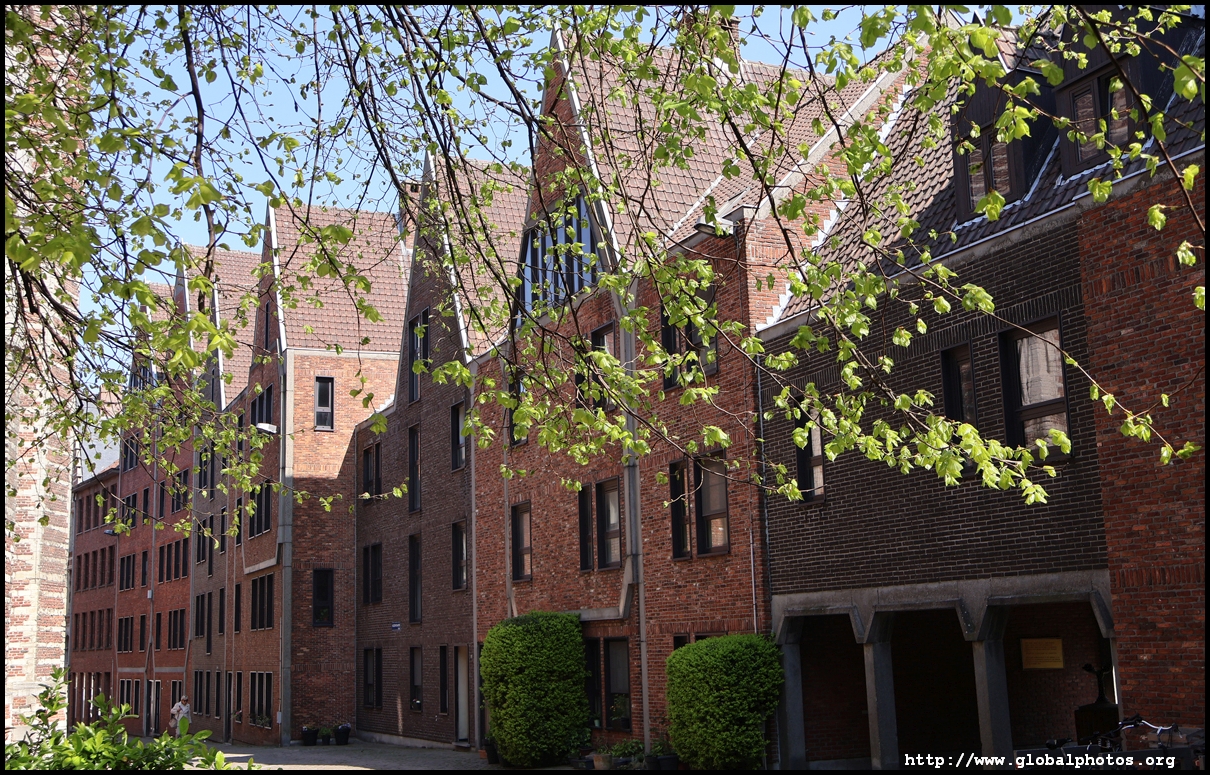
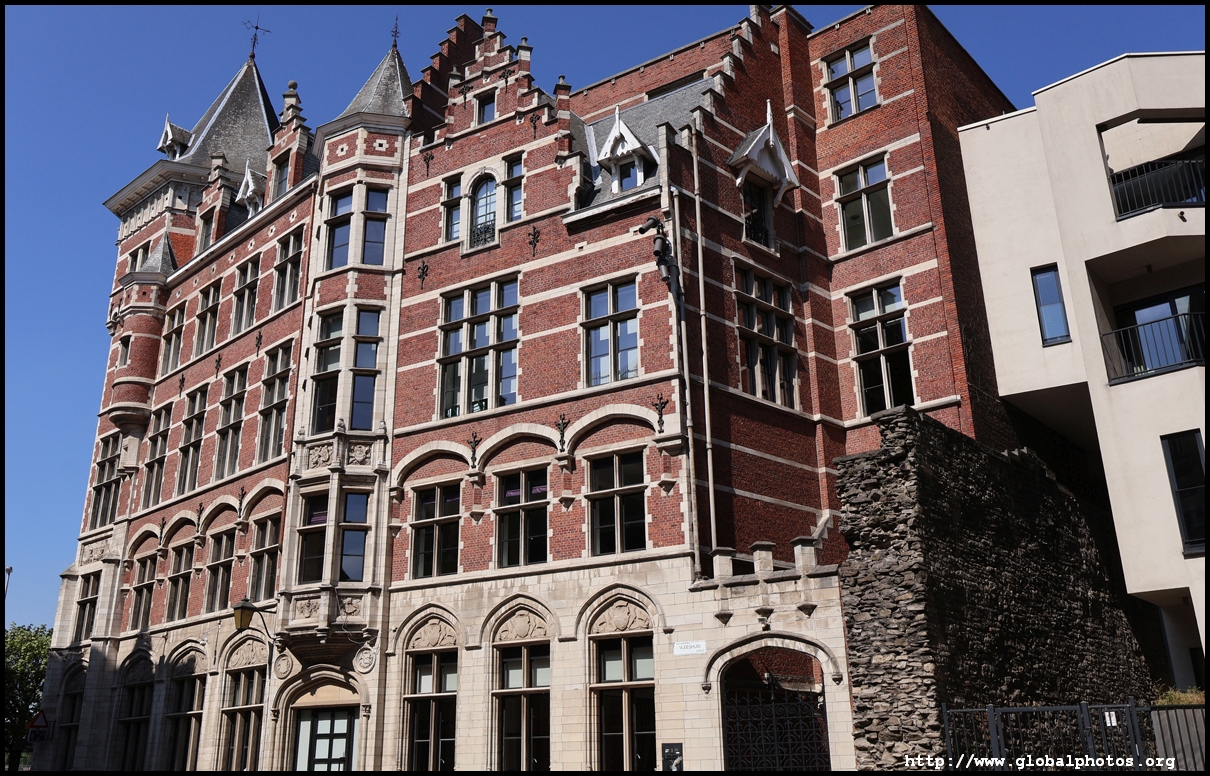
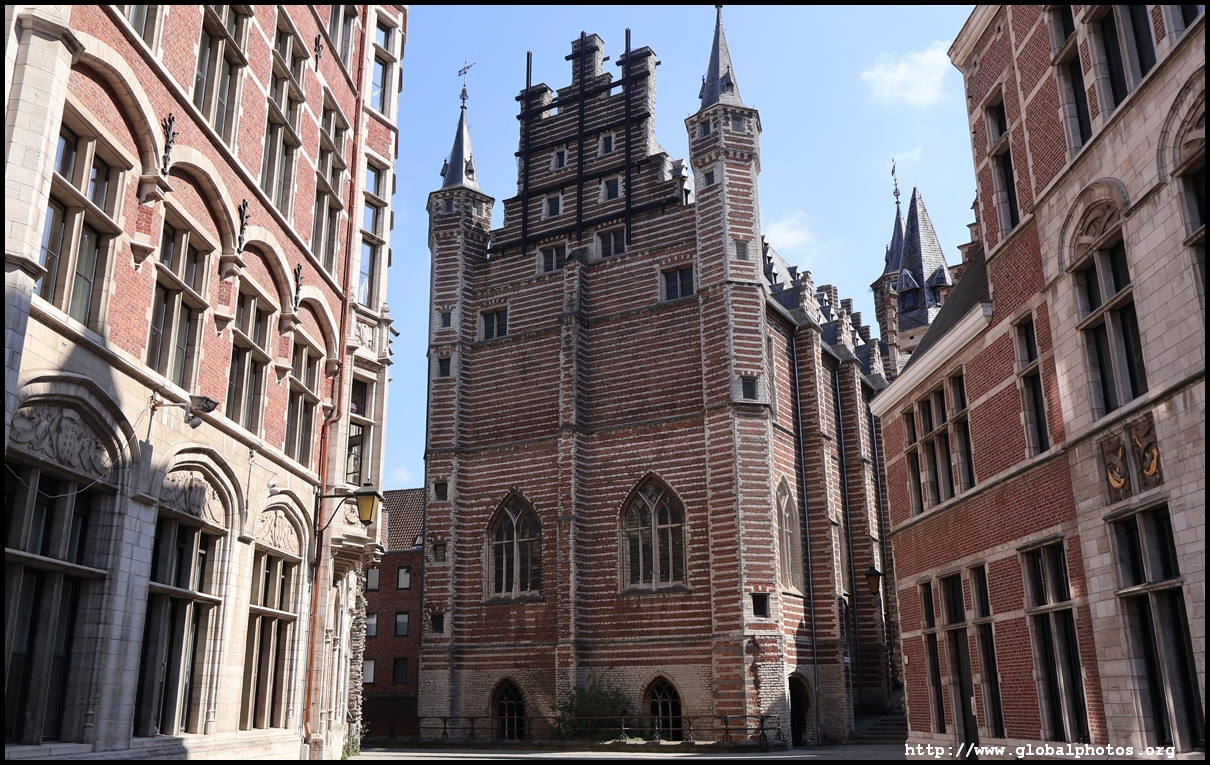
The side streets to the north of the cathedral also have picturesque places and are worth some exploration. However, not all of it is historic though. The area around the Veemarkt was badly damaged during the war, and has been rebuilt into a more modern residential area but looking historic.
|
To re-use these photos, please notify me by email : asiaglobe@yahoo.com.hk.