Antwerp Photo Gallery - Red Star Line Museum
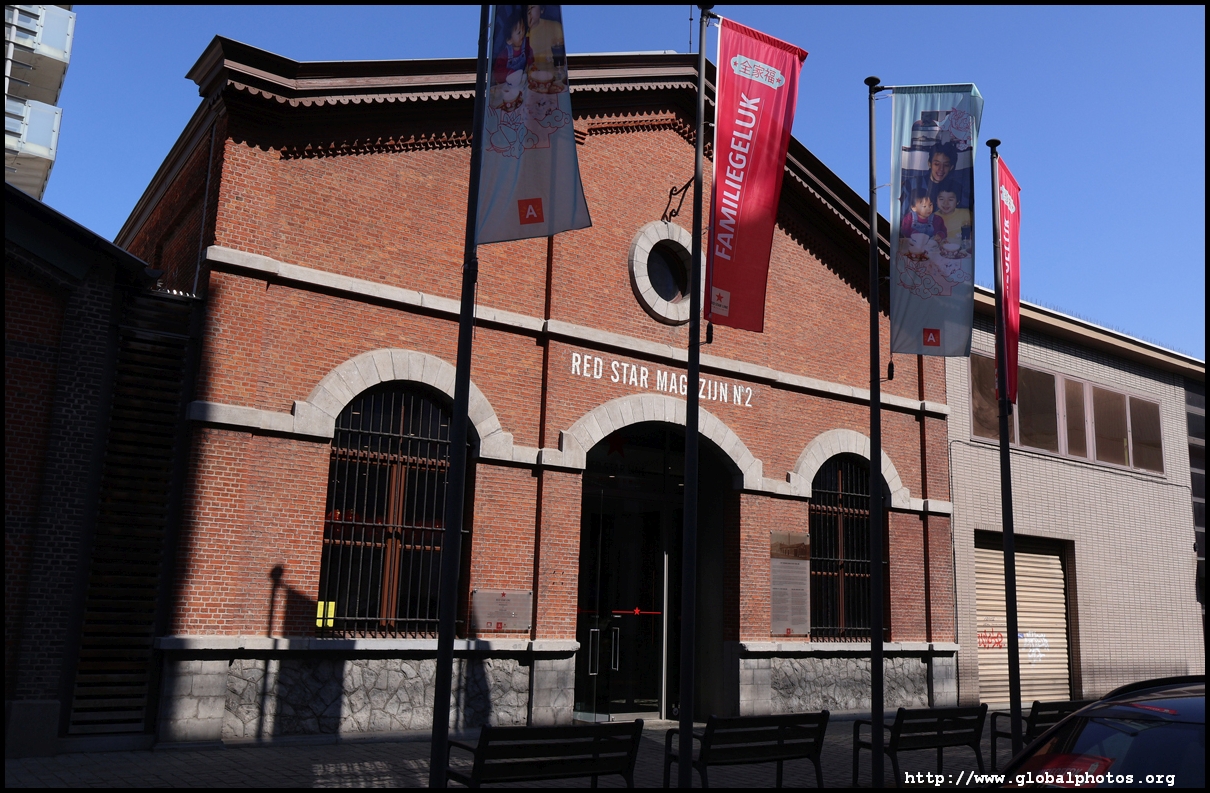
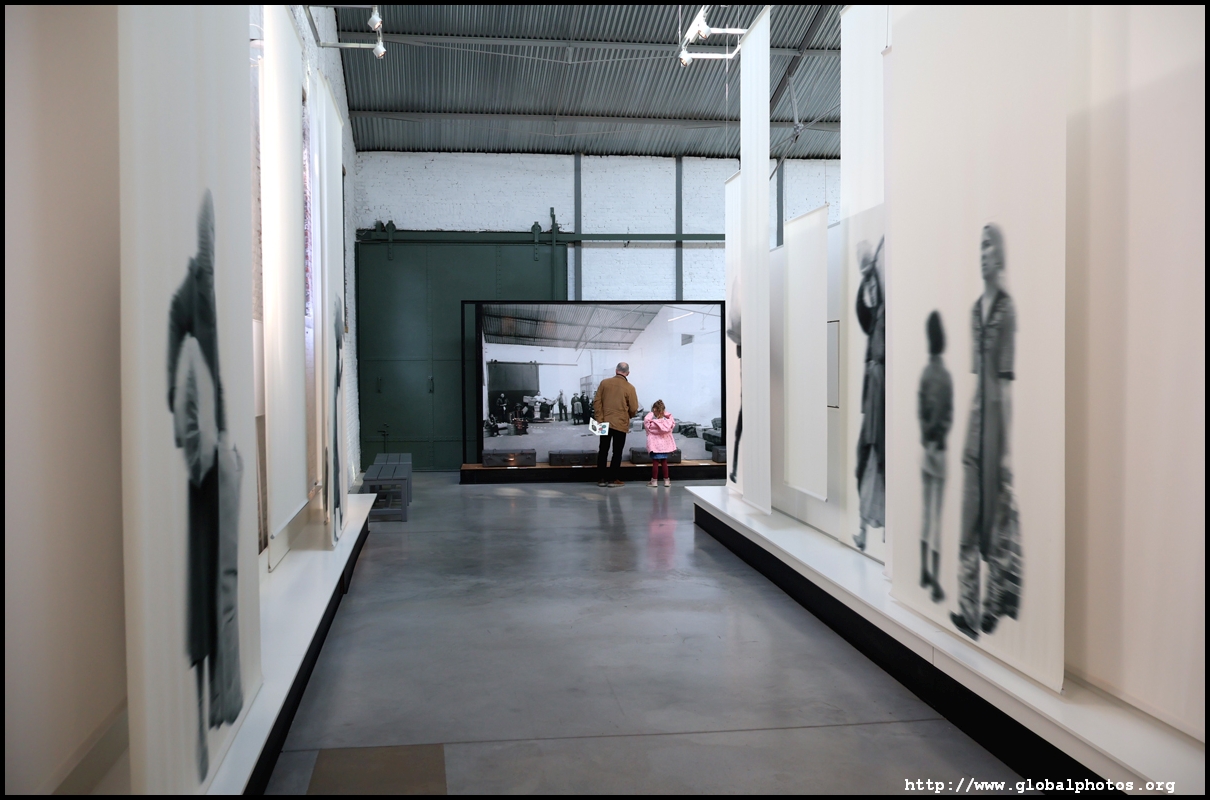
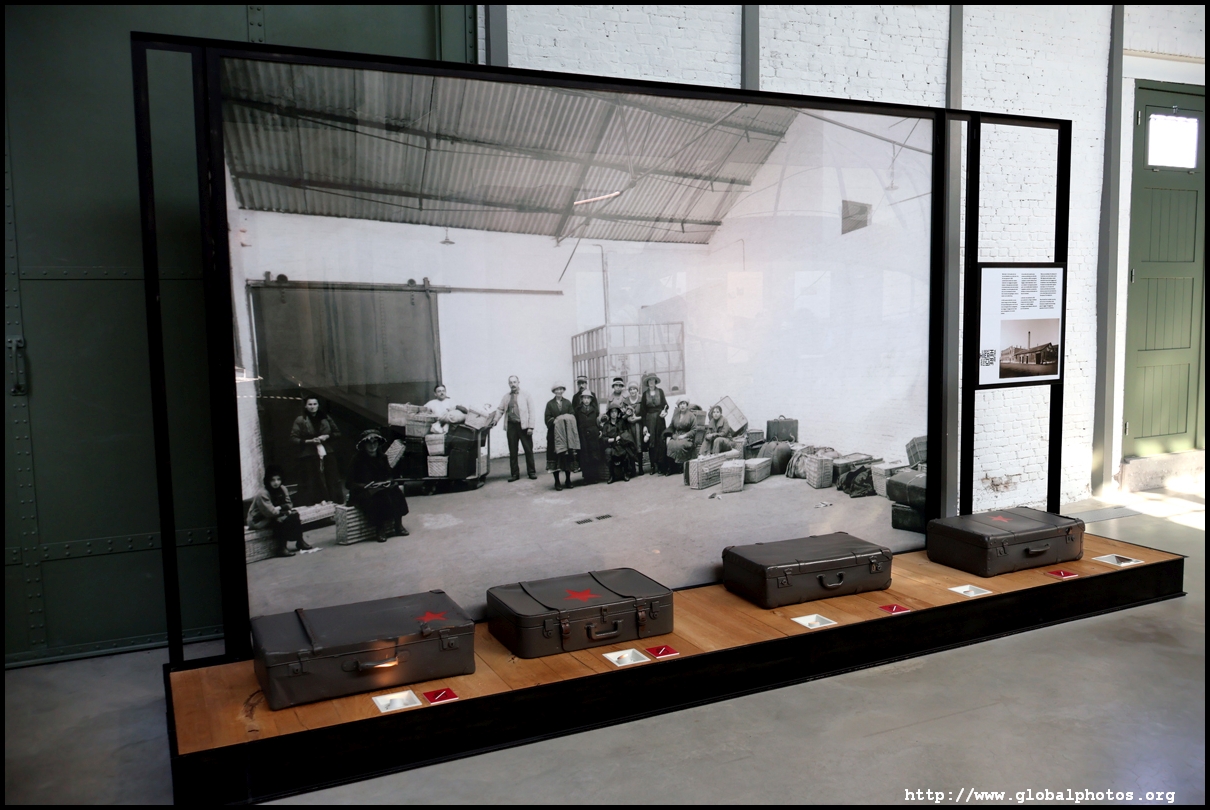
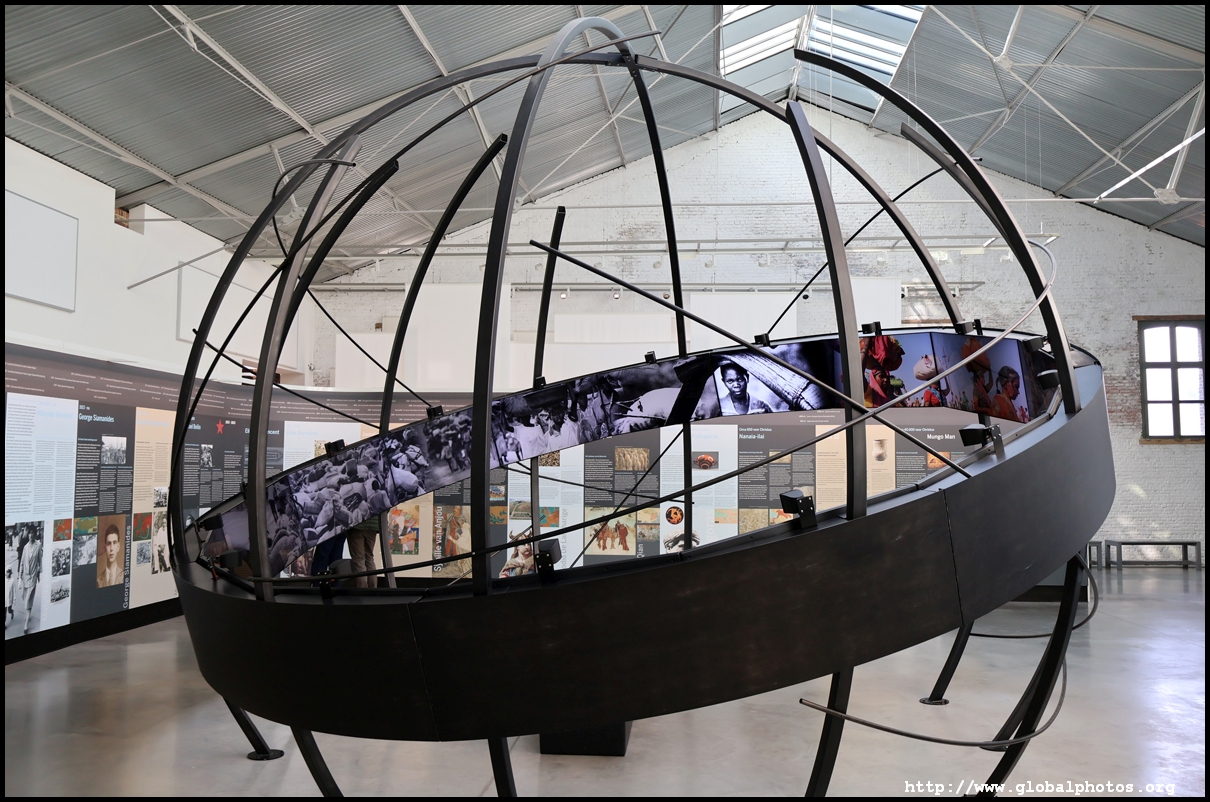
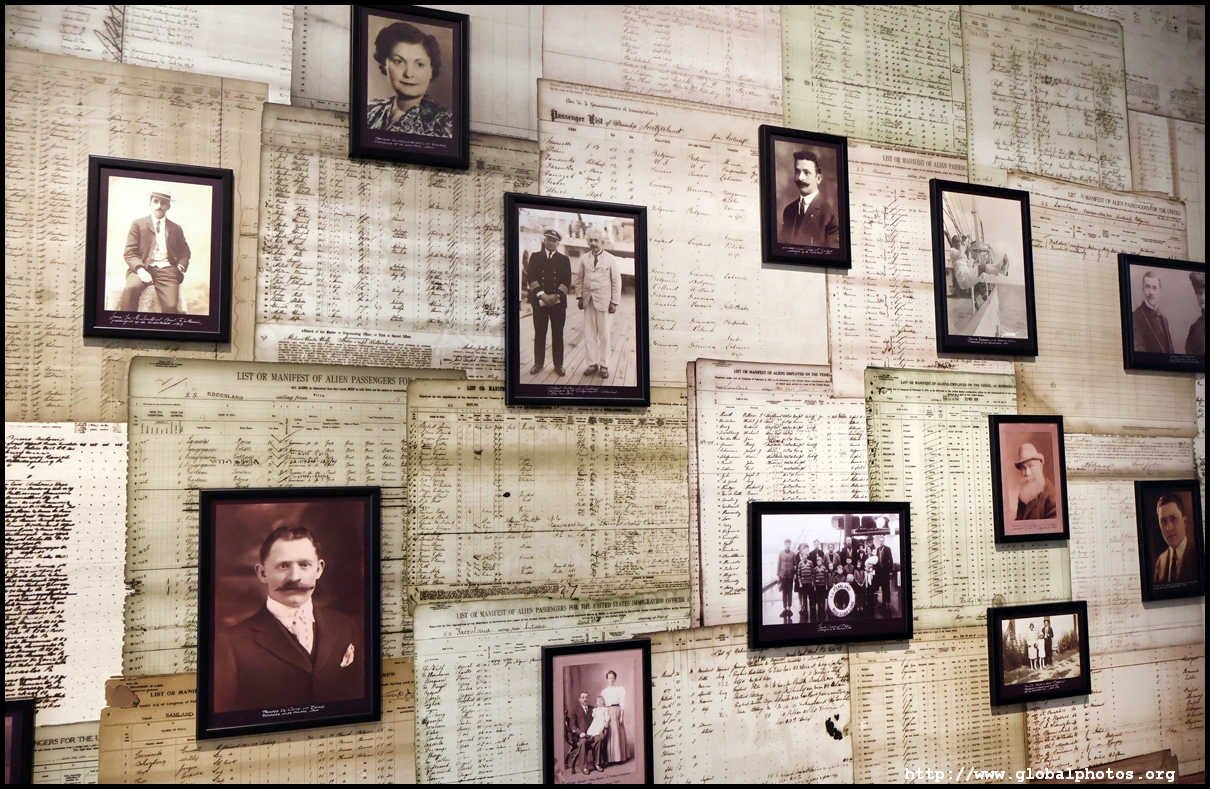
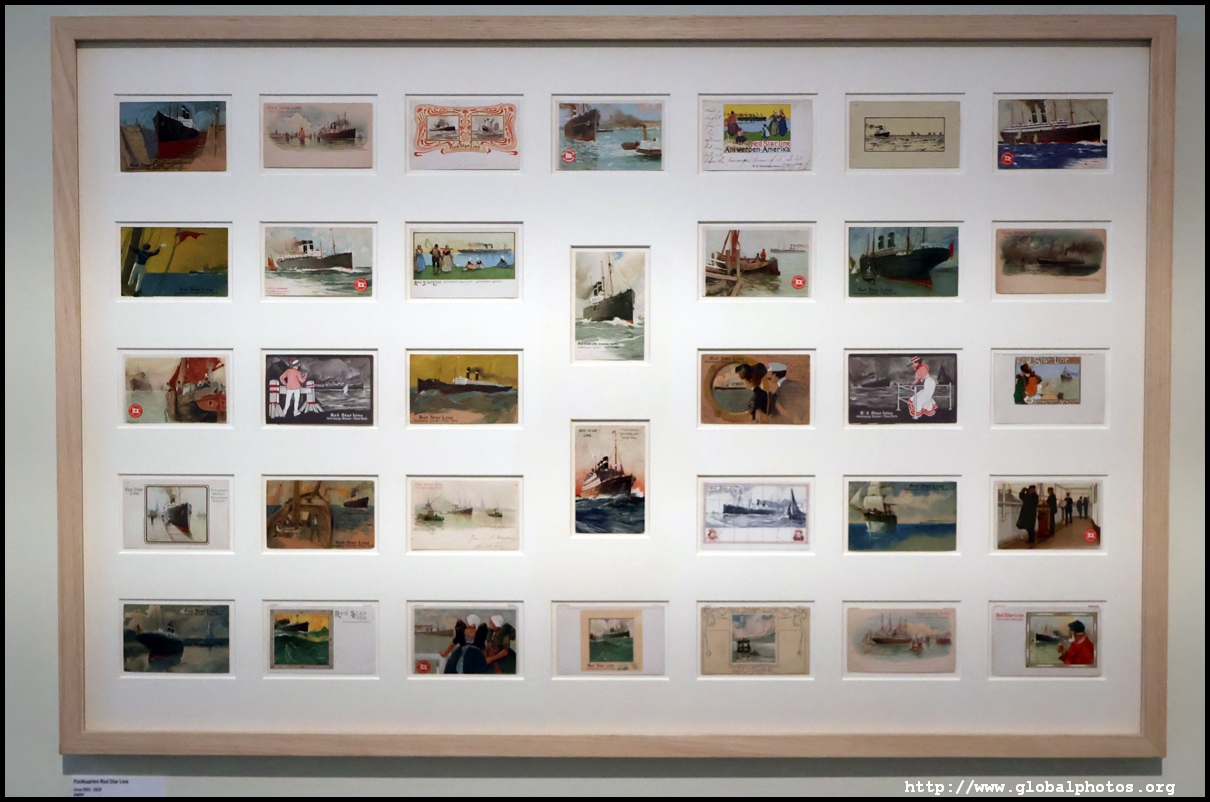
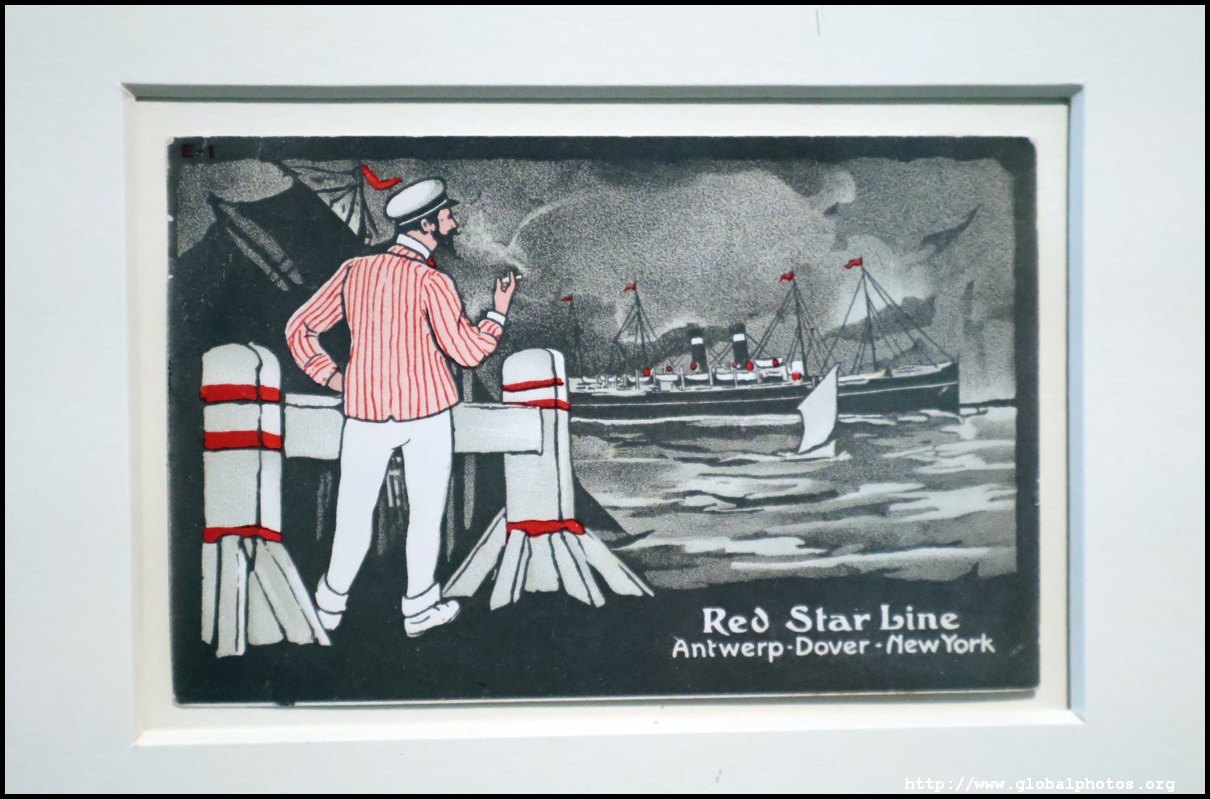
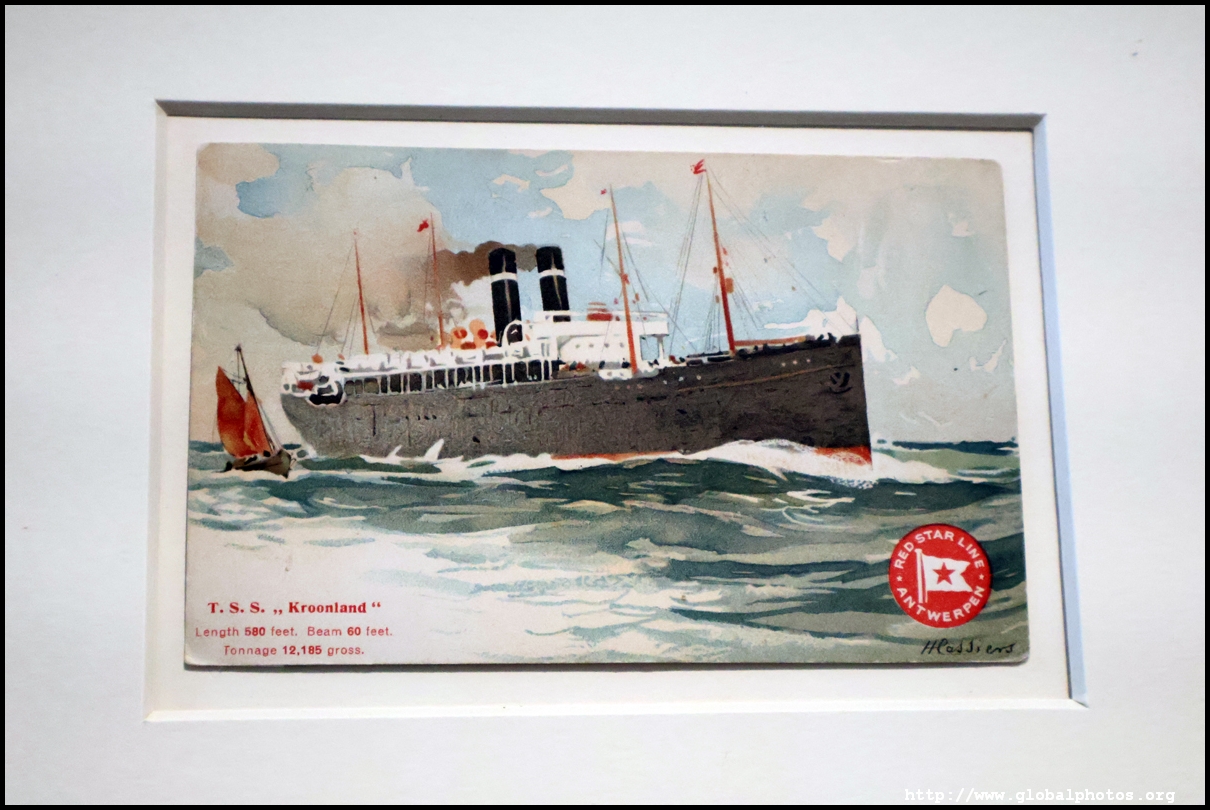
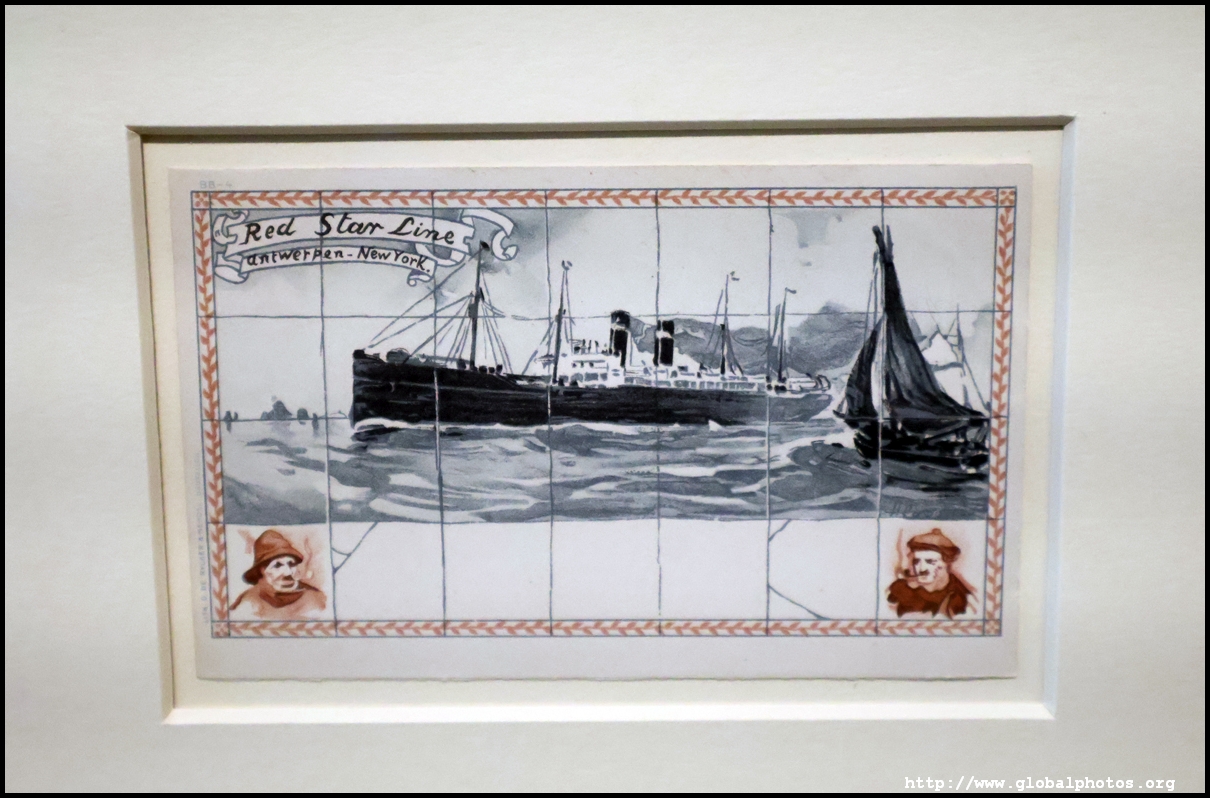
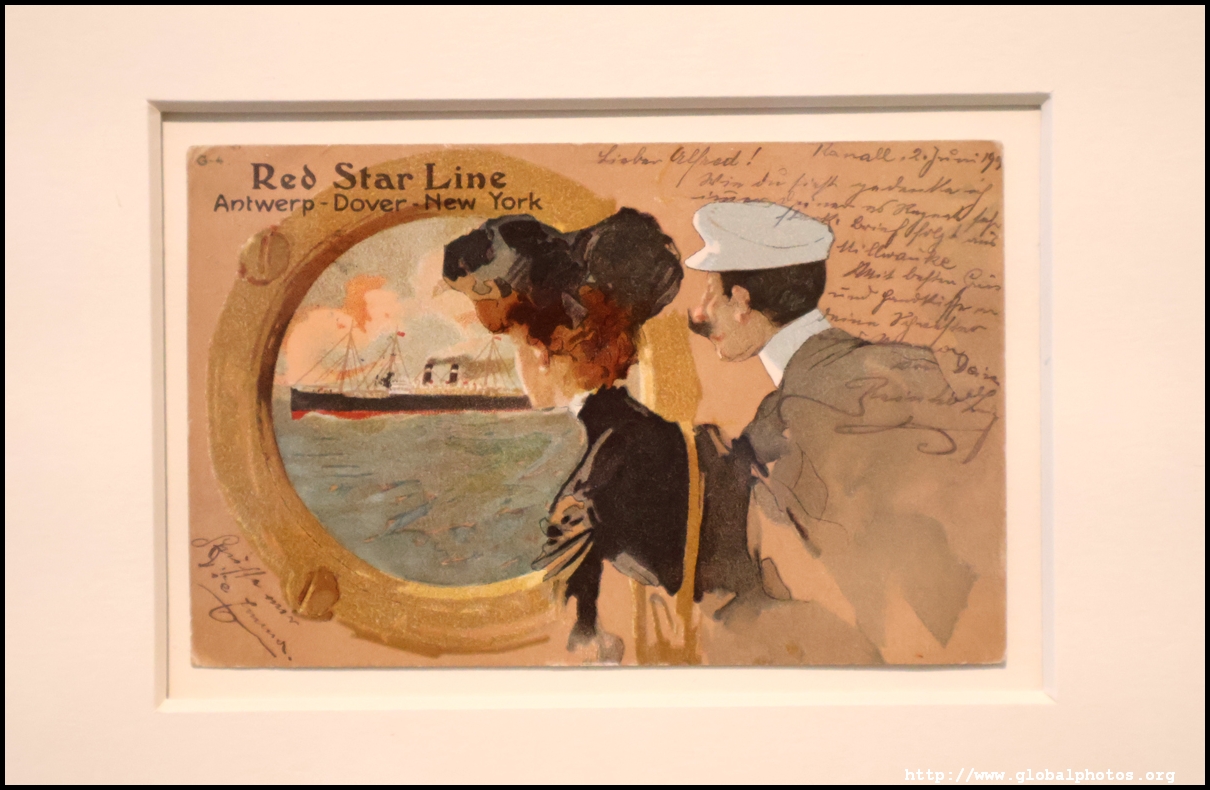
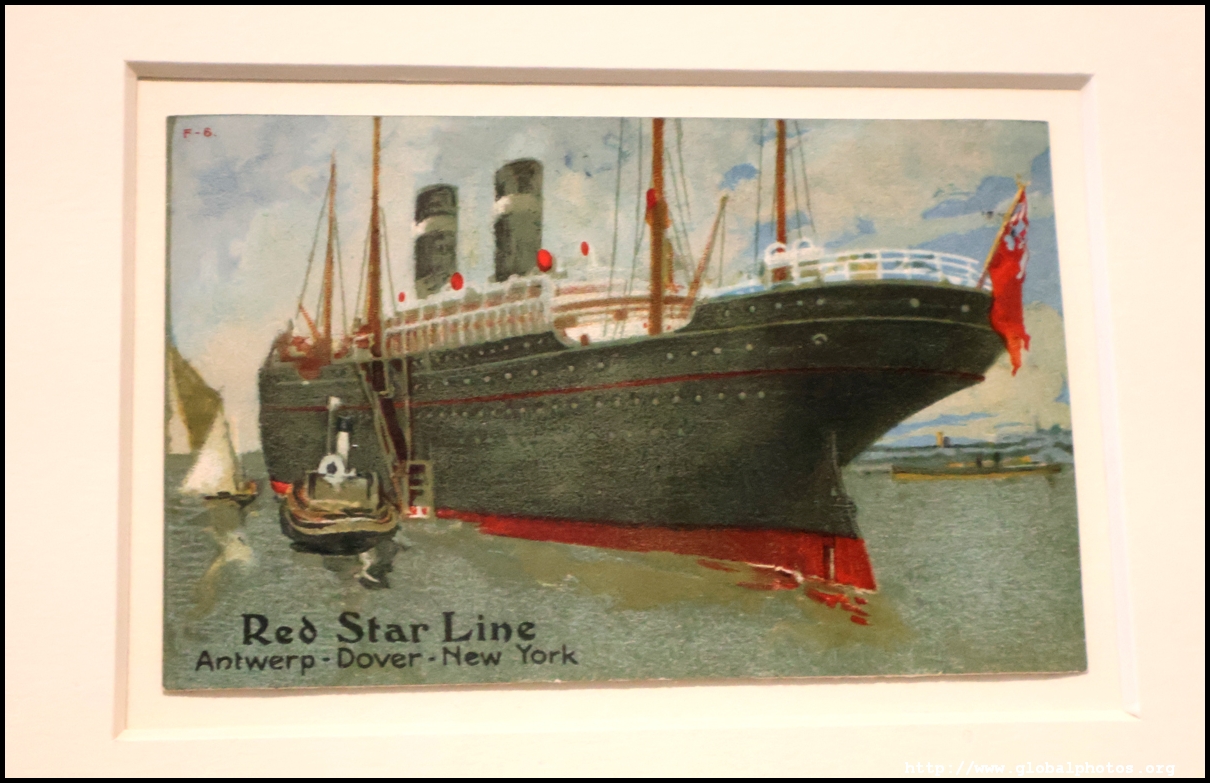
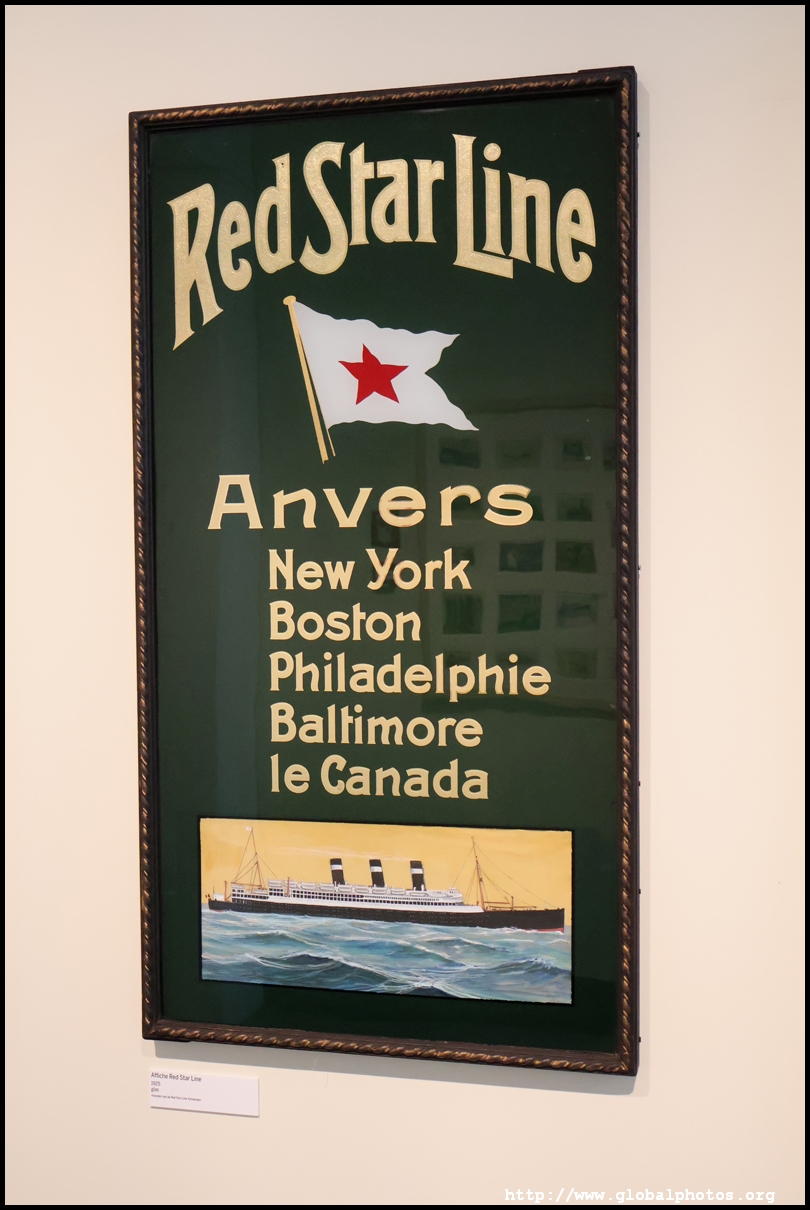
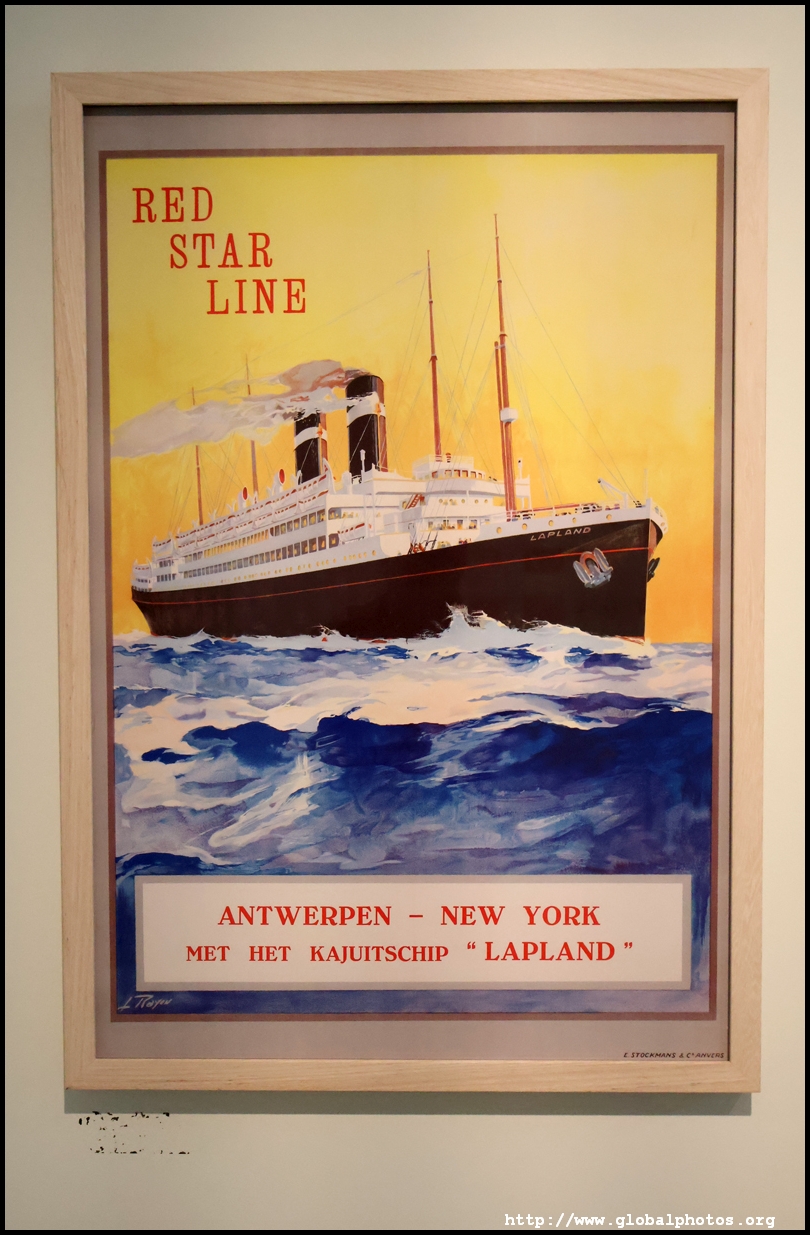
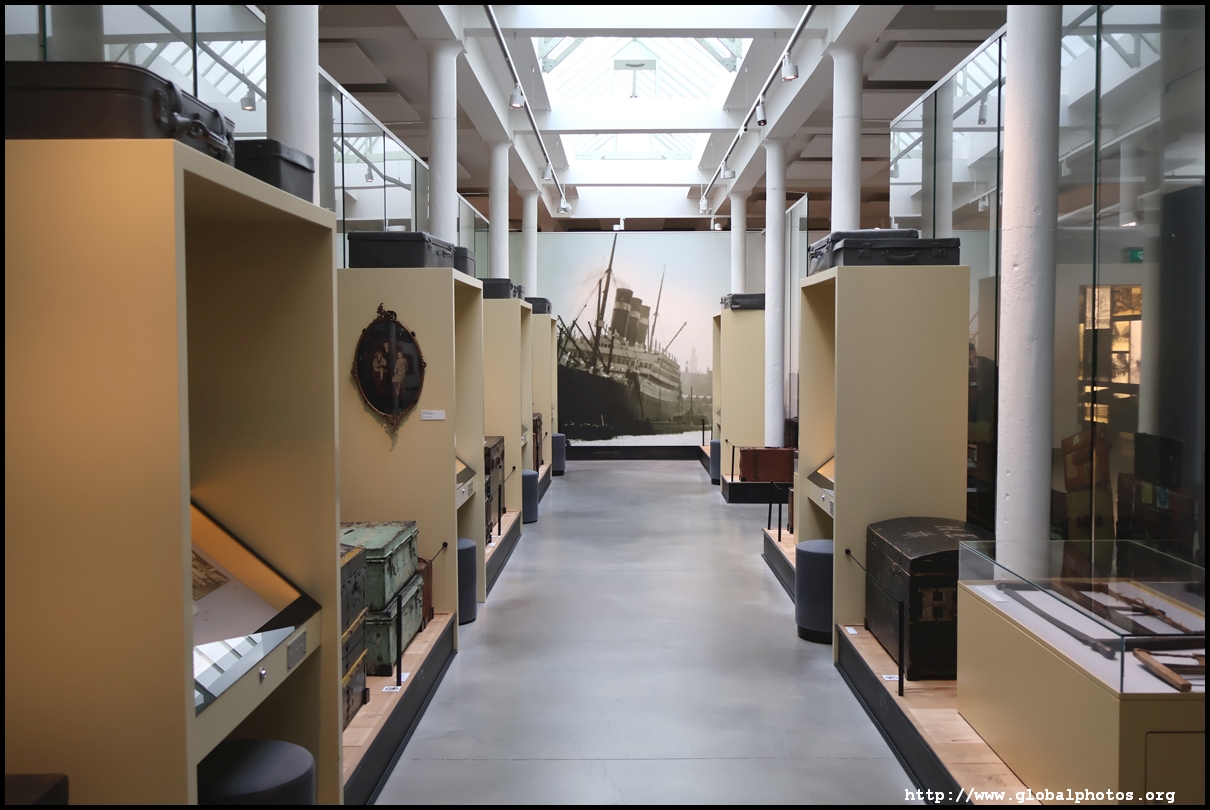
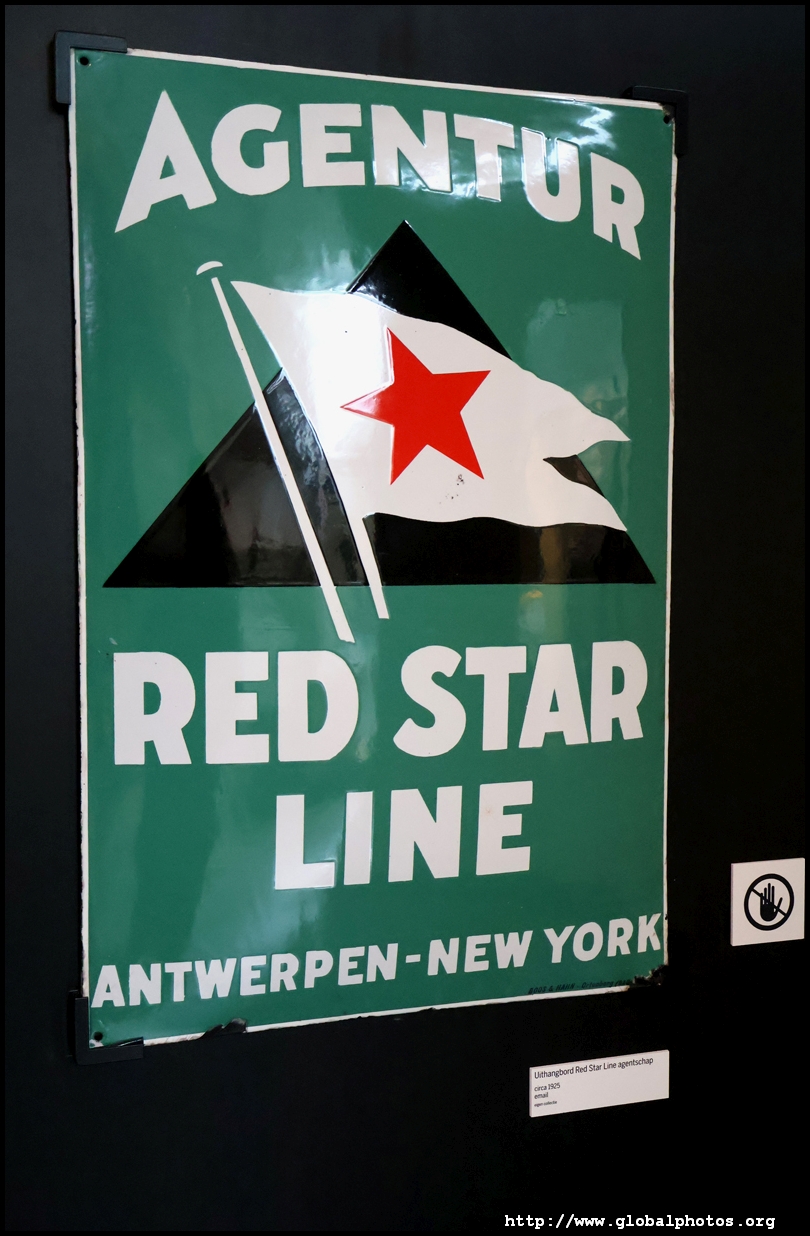
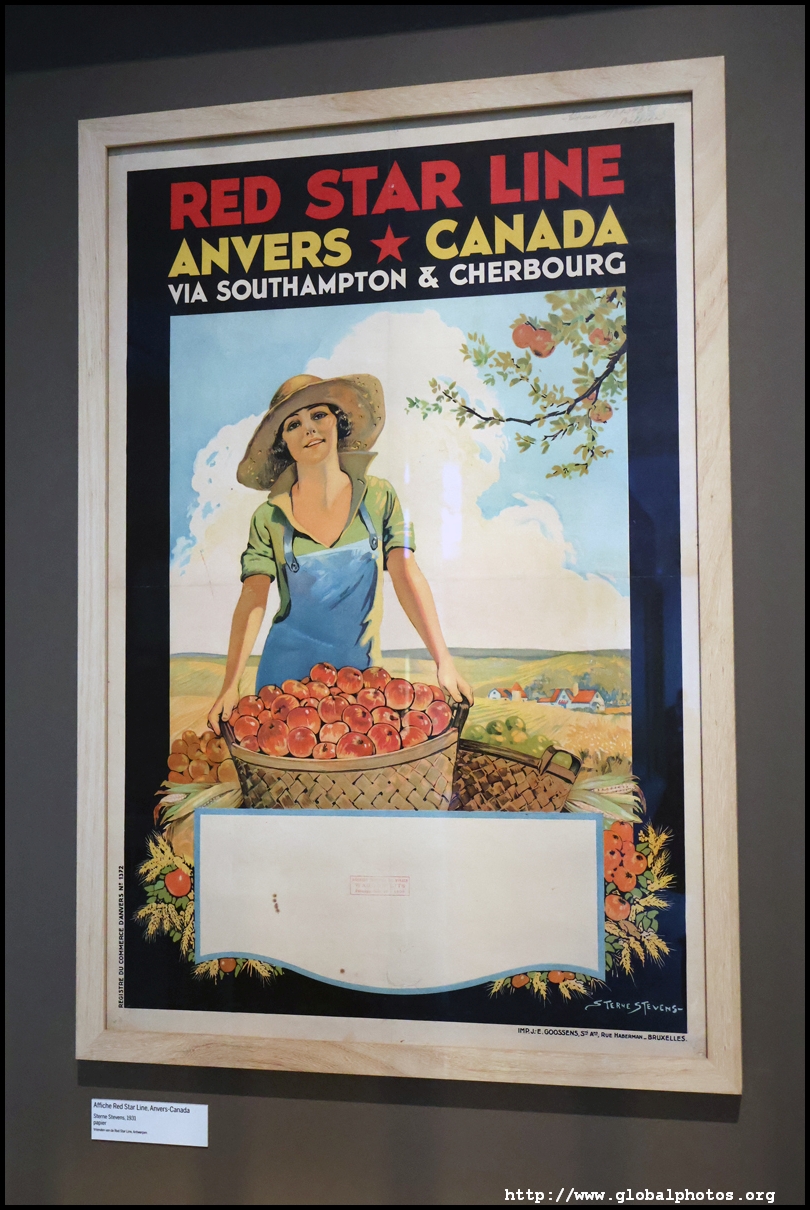
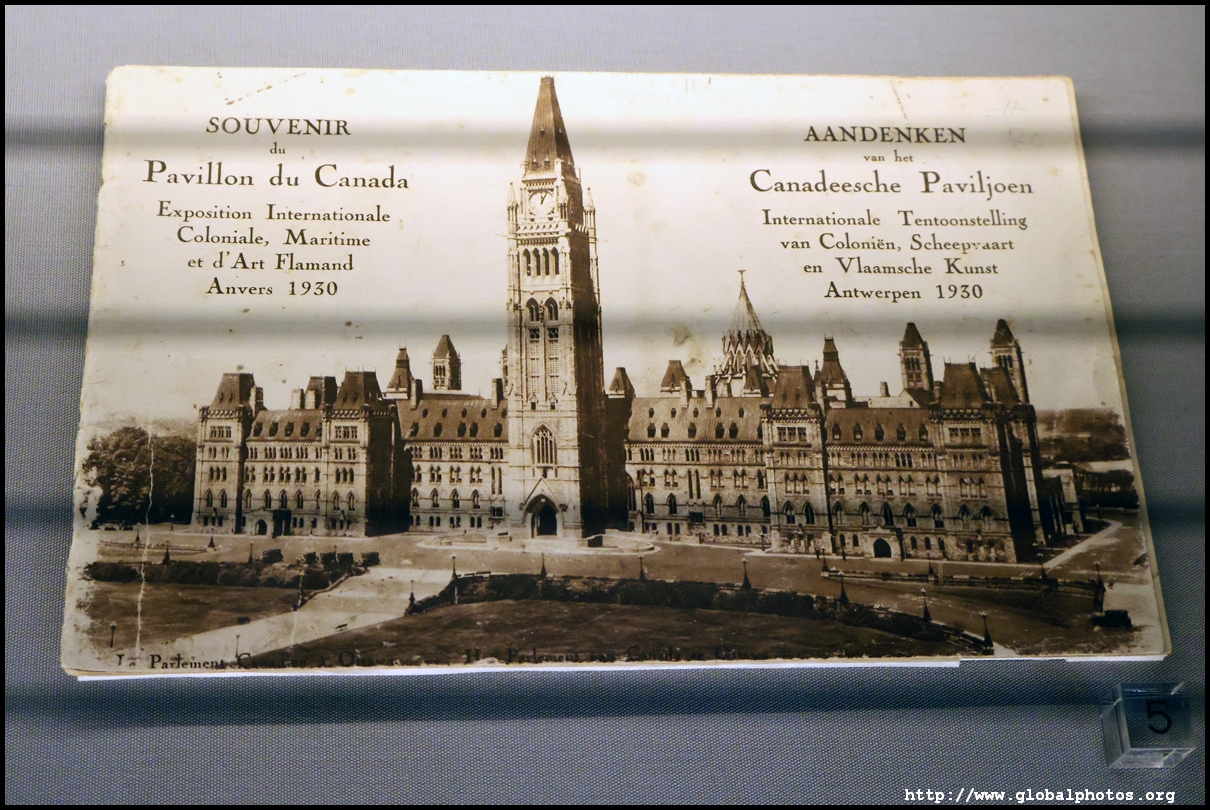
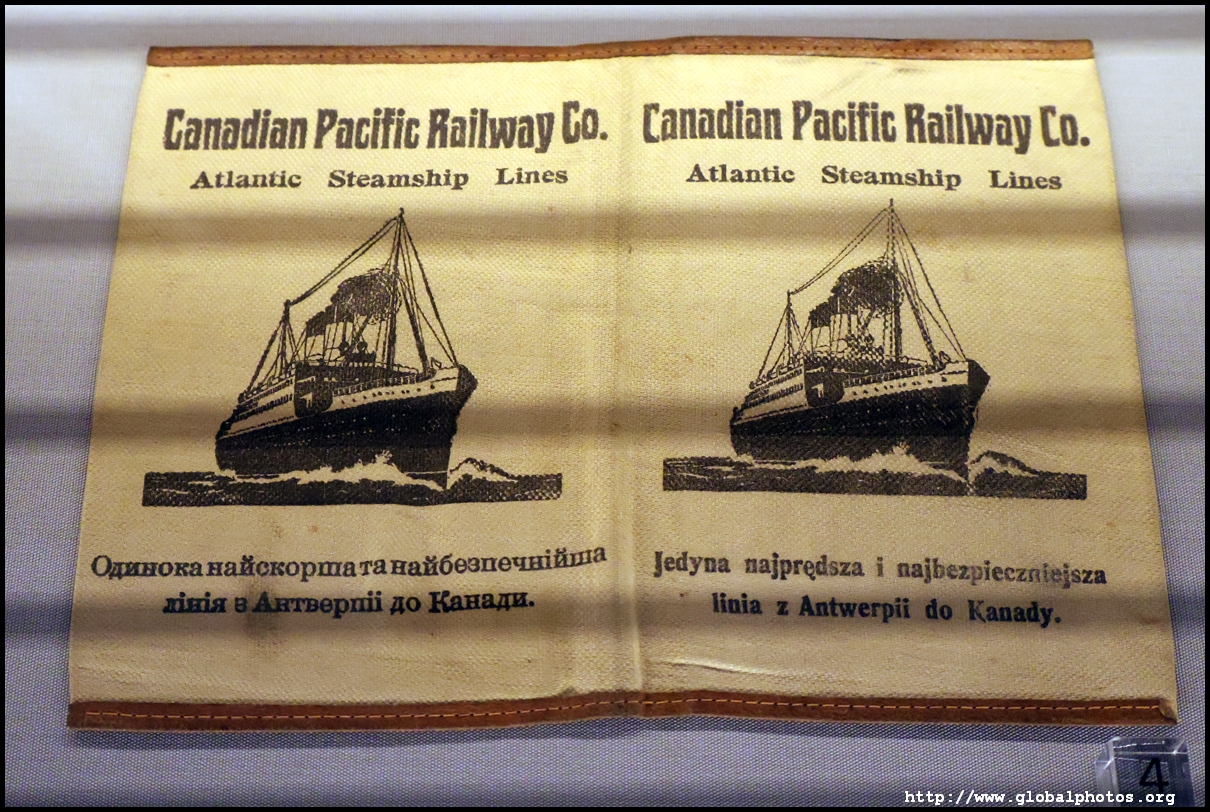
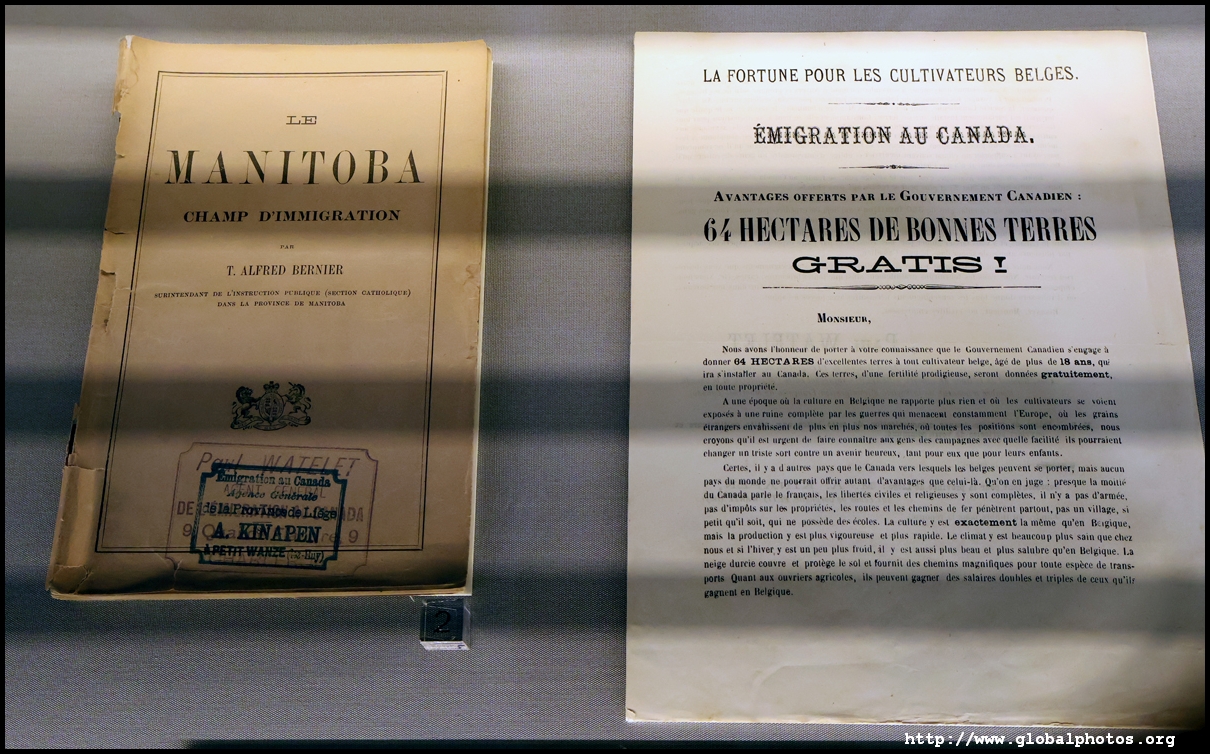
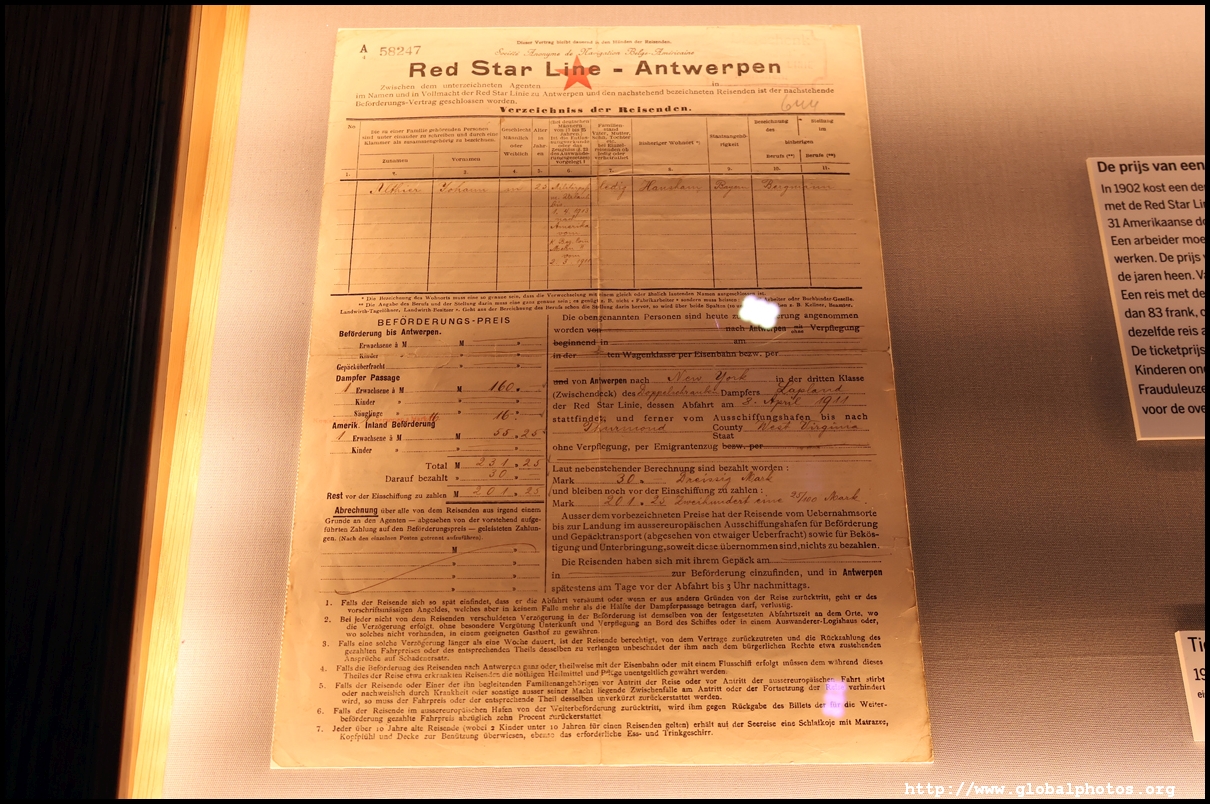
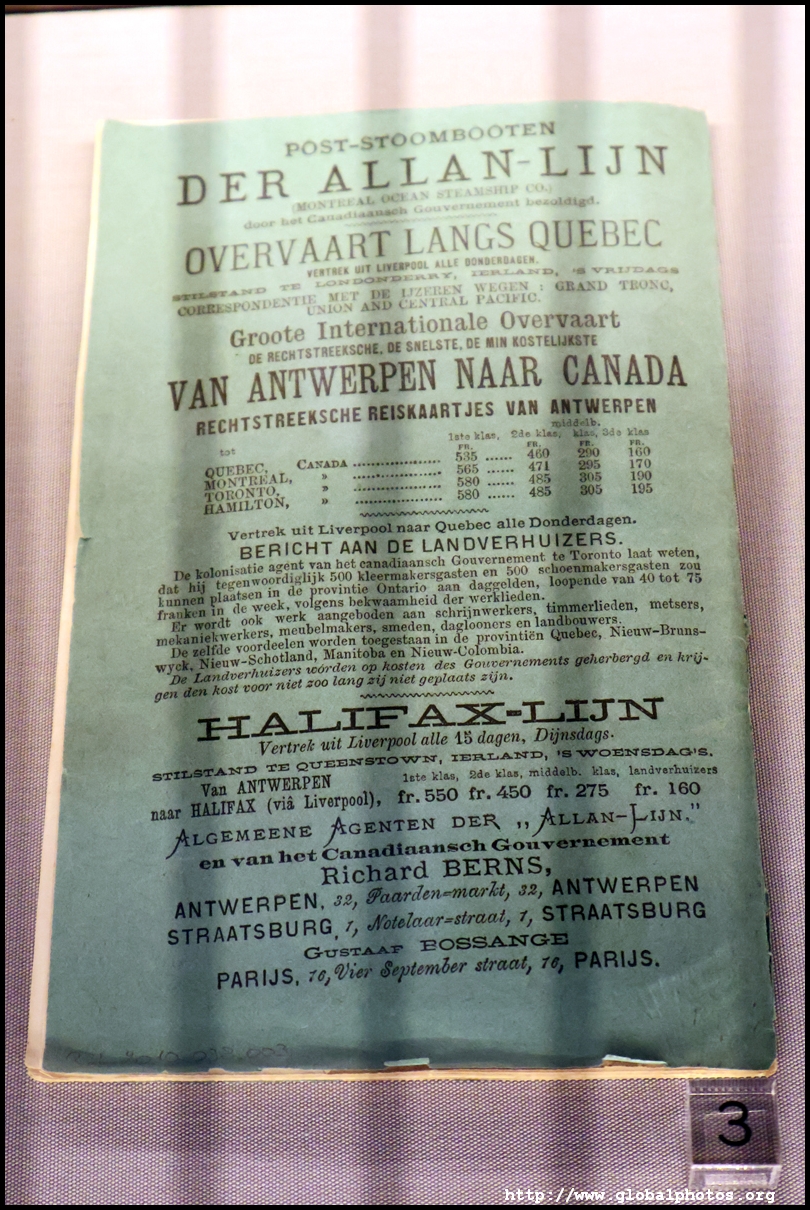
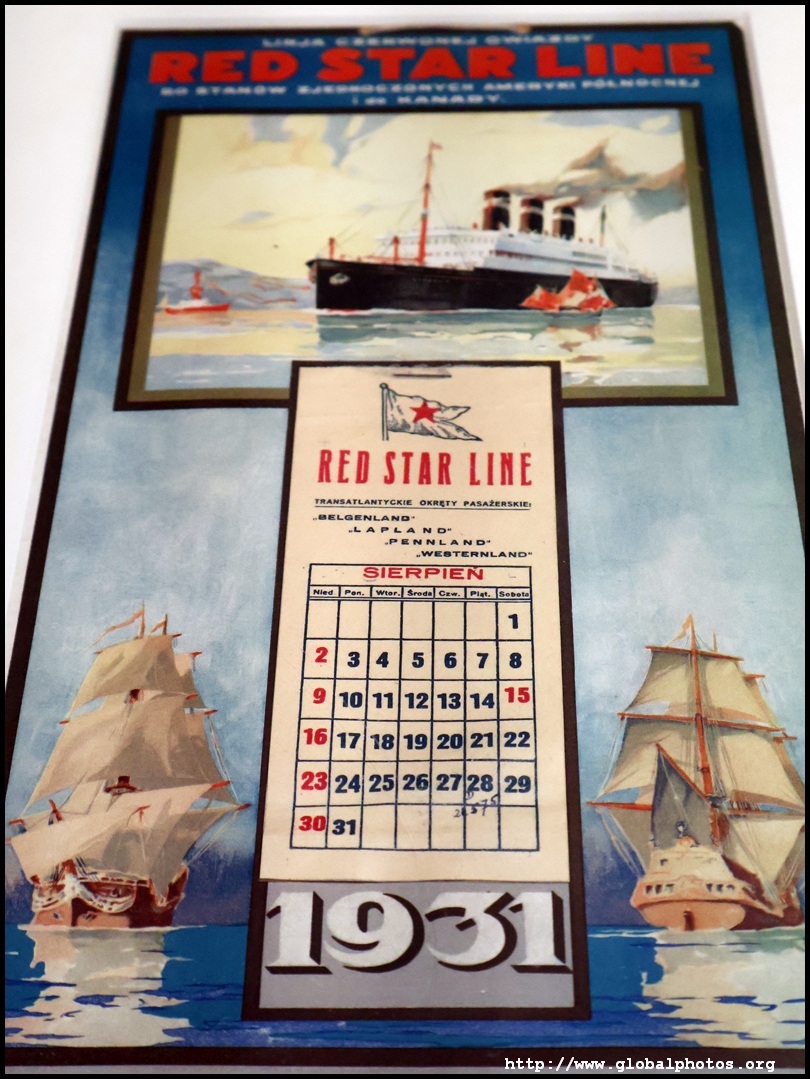
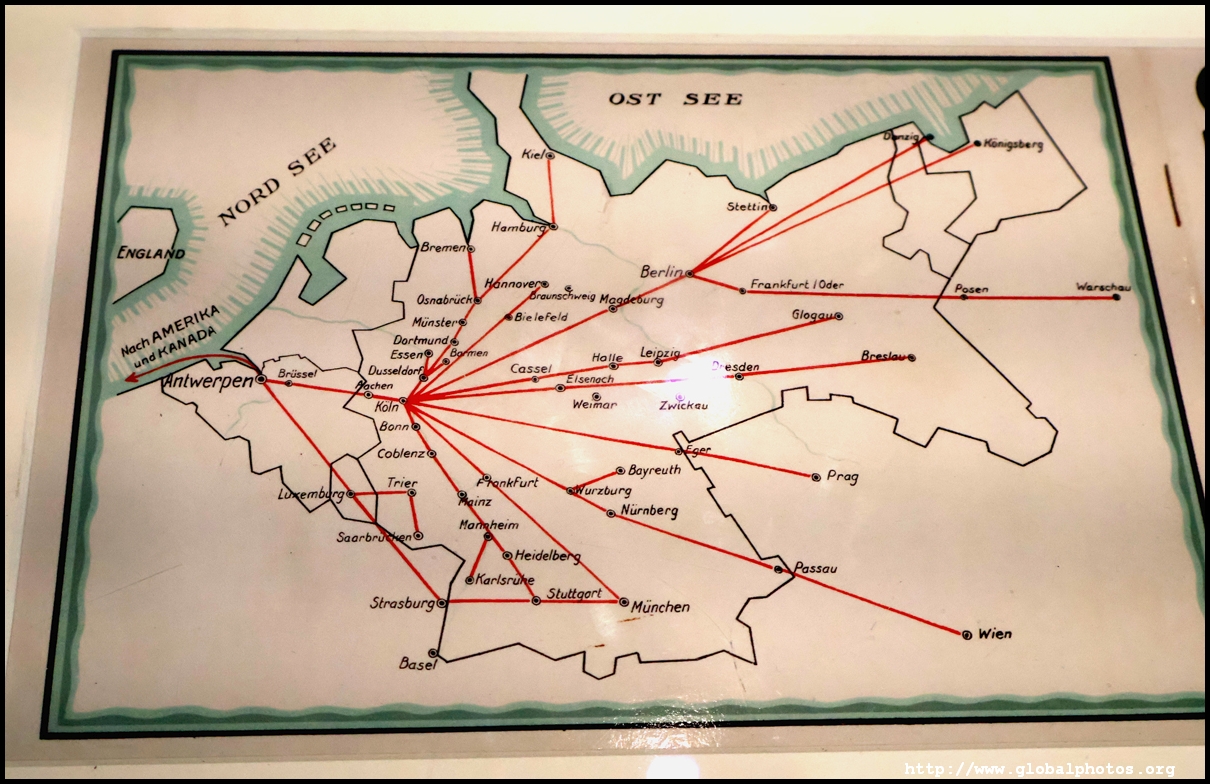
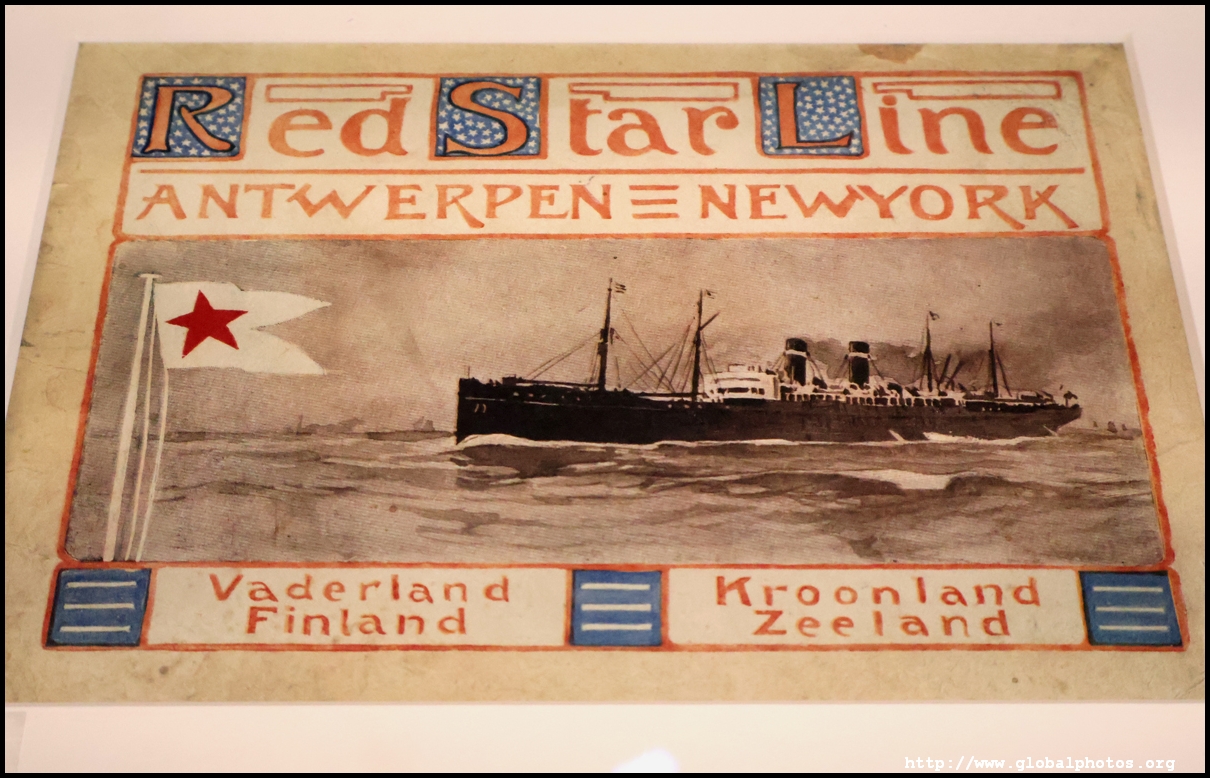
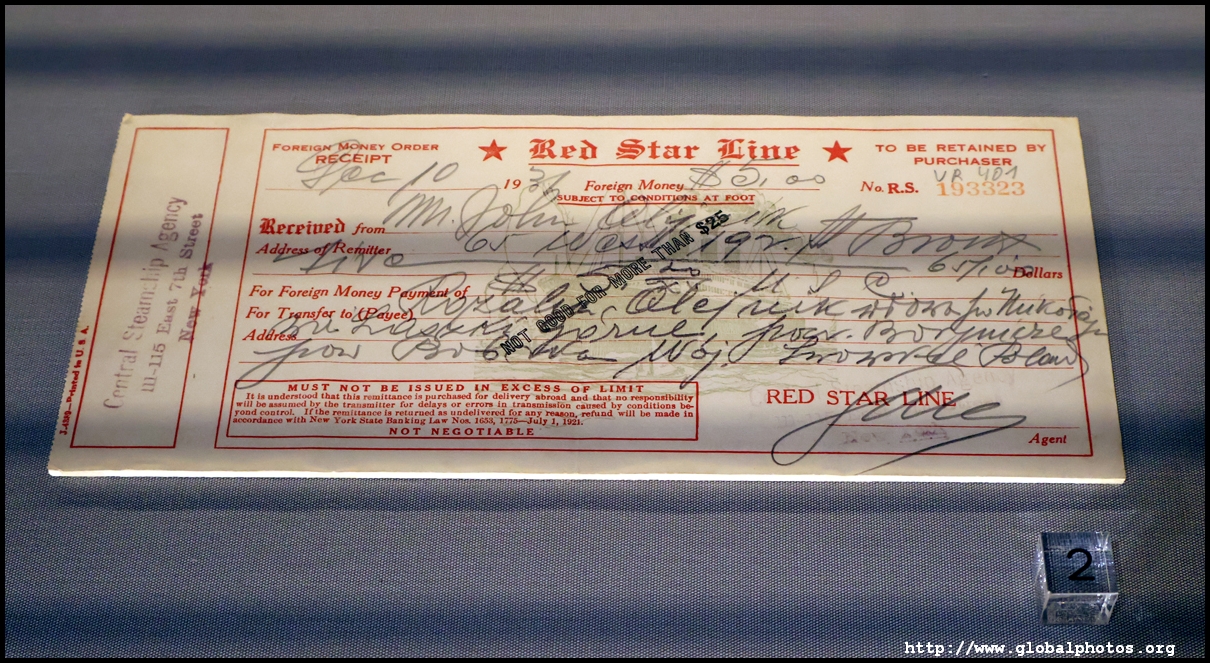
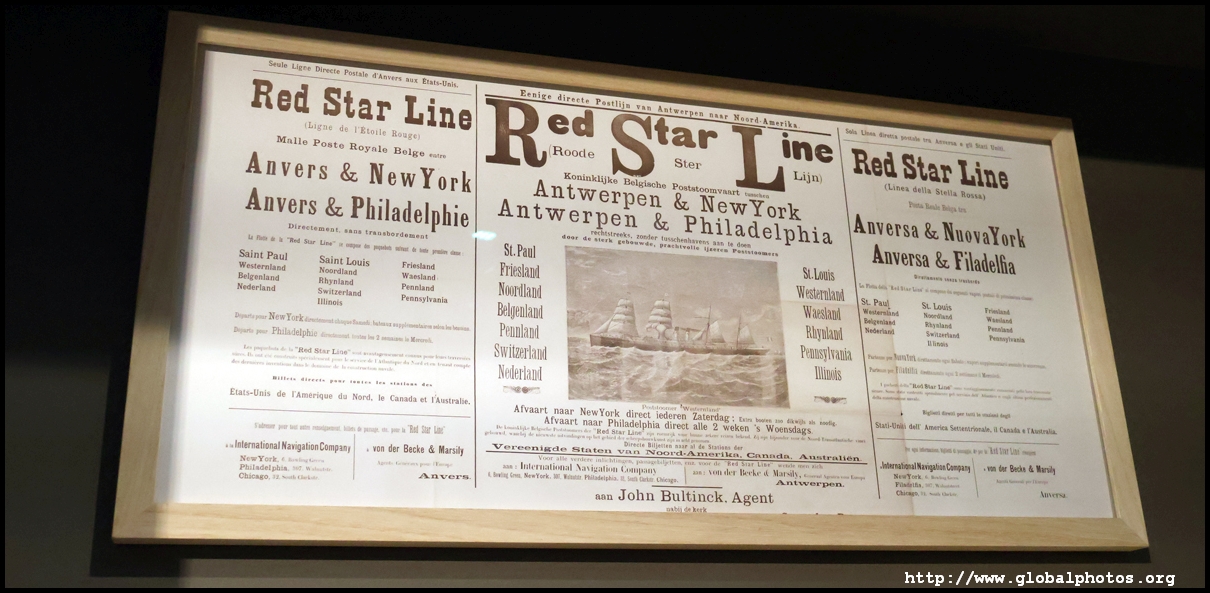
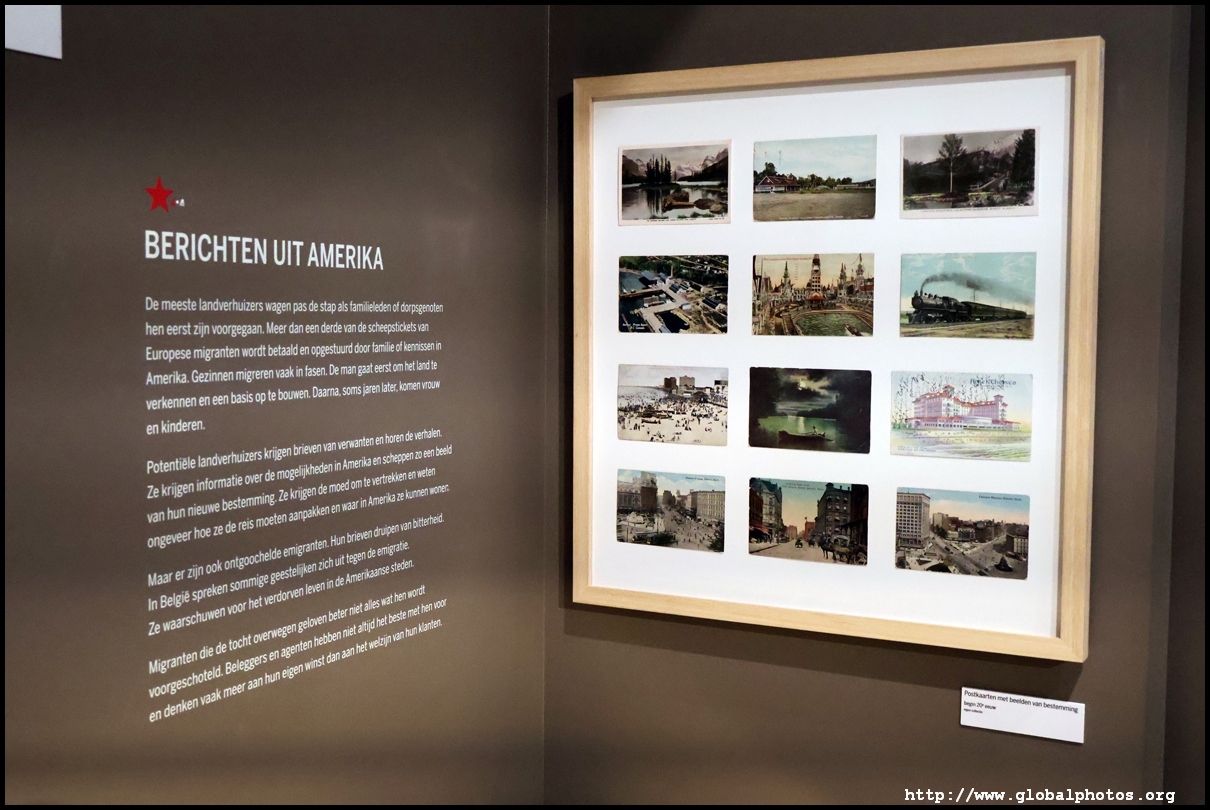
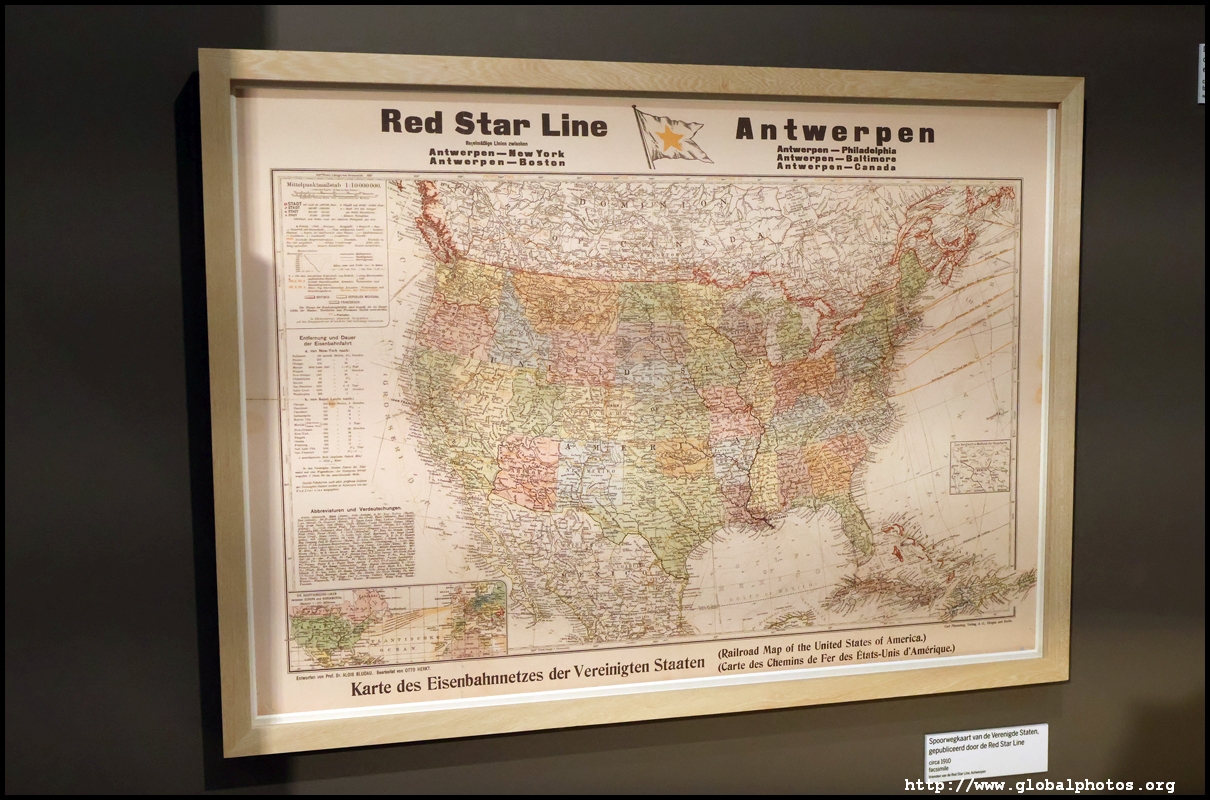
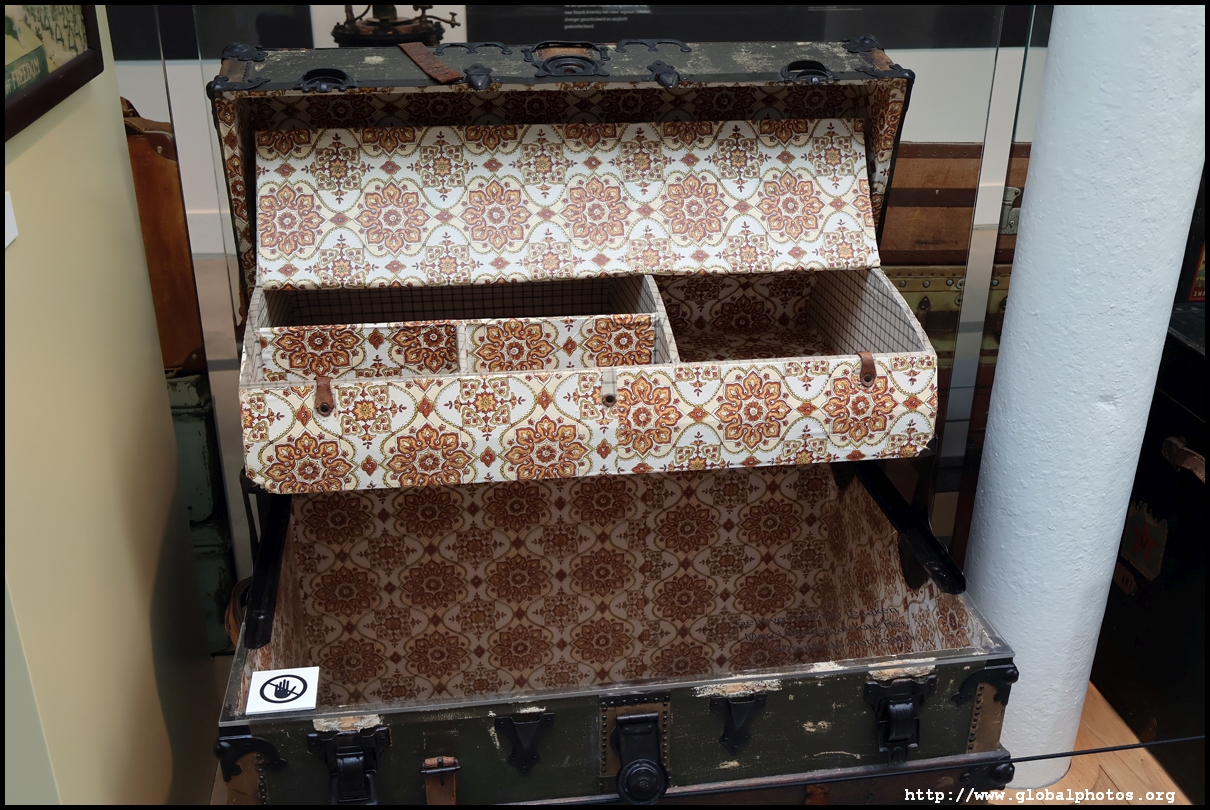
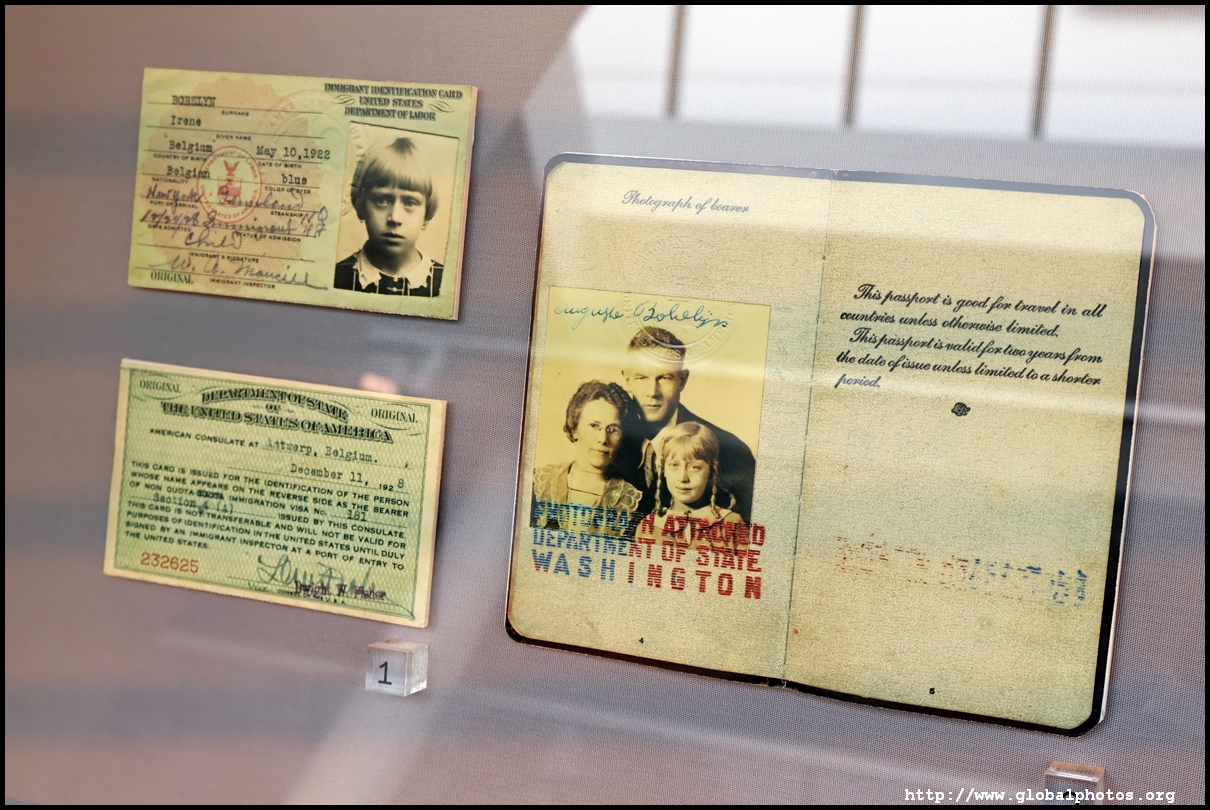
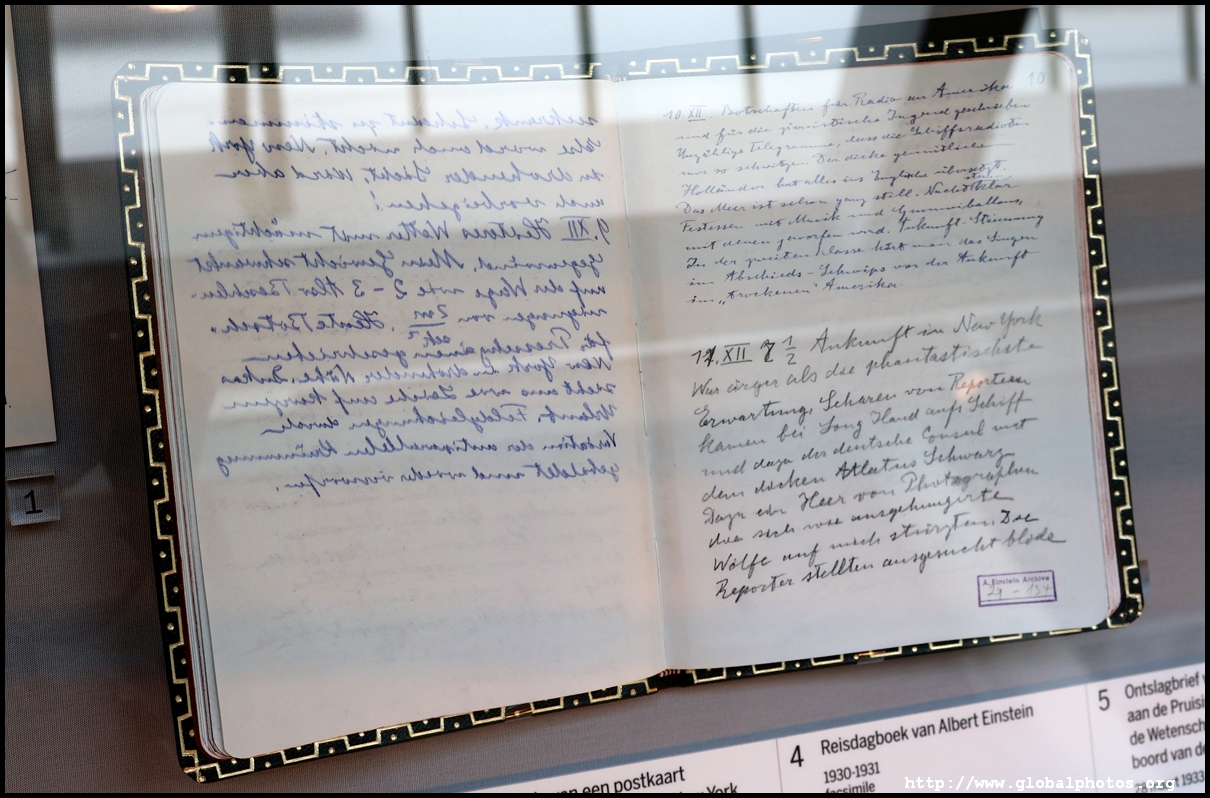
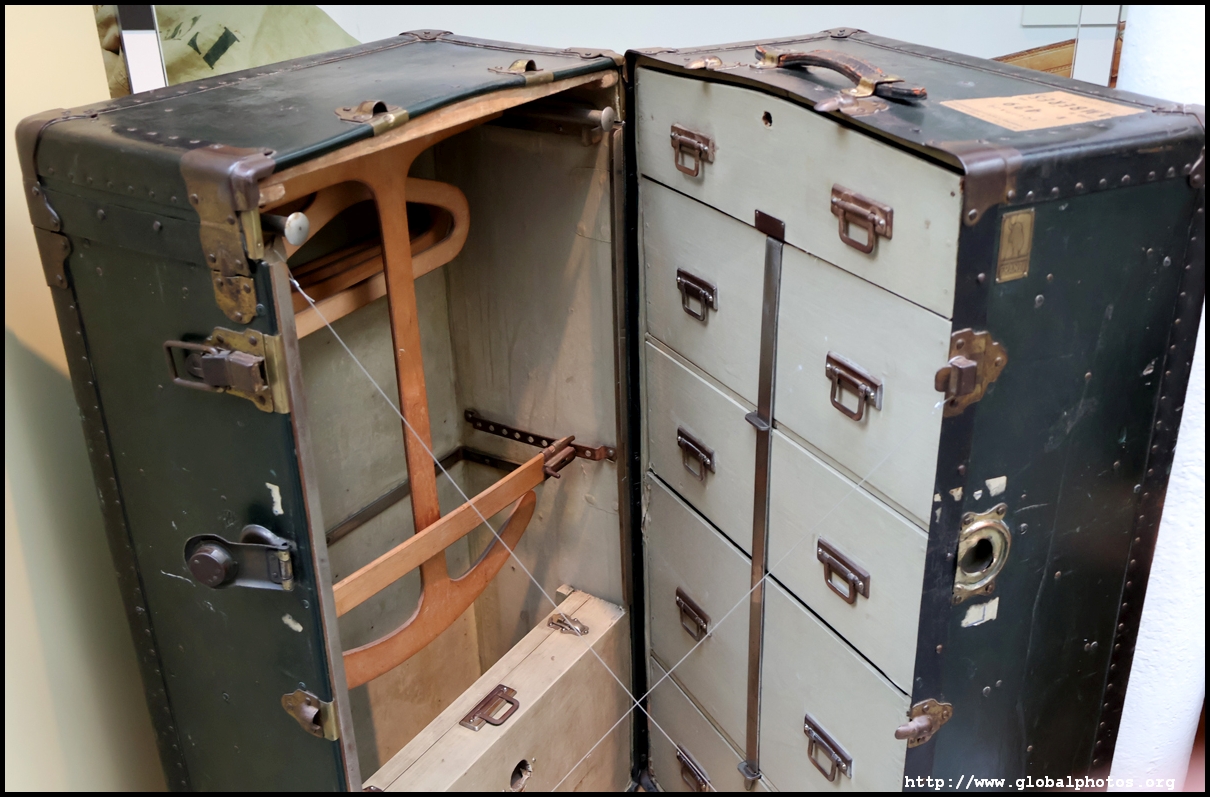
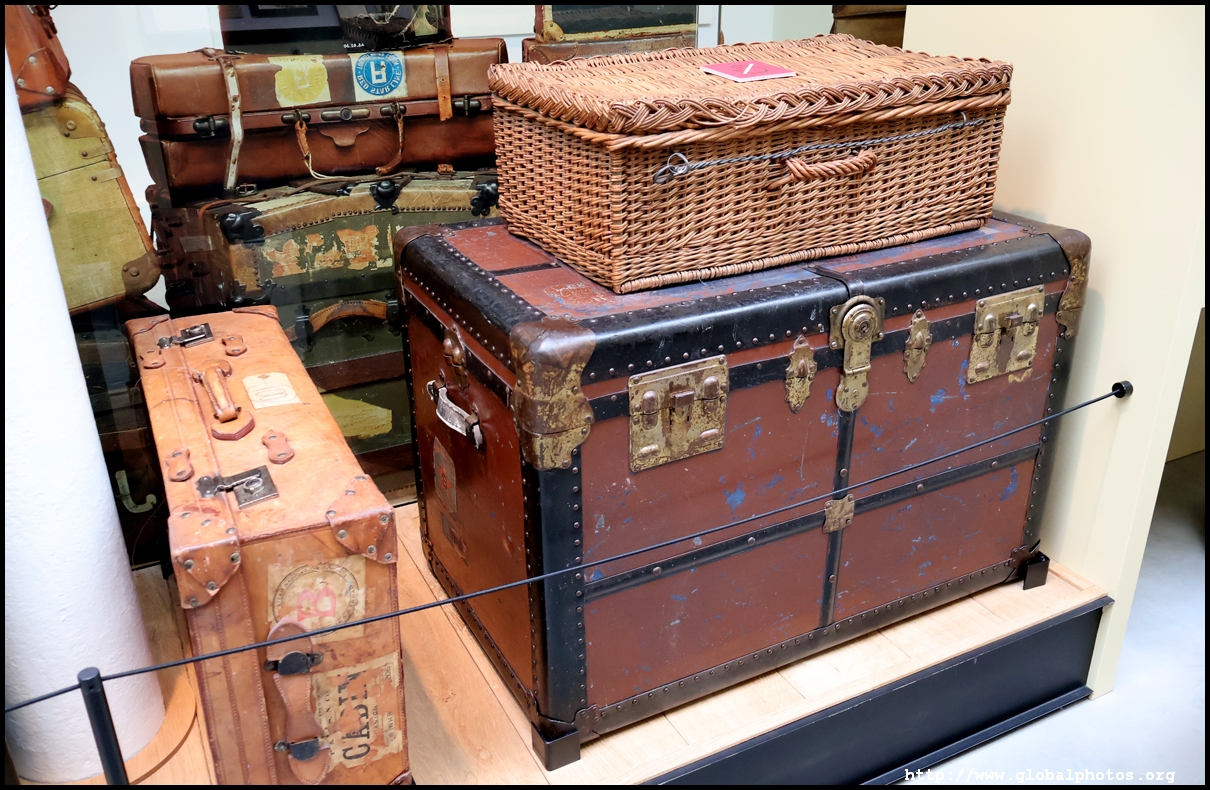
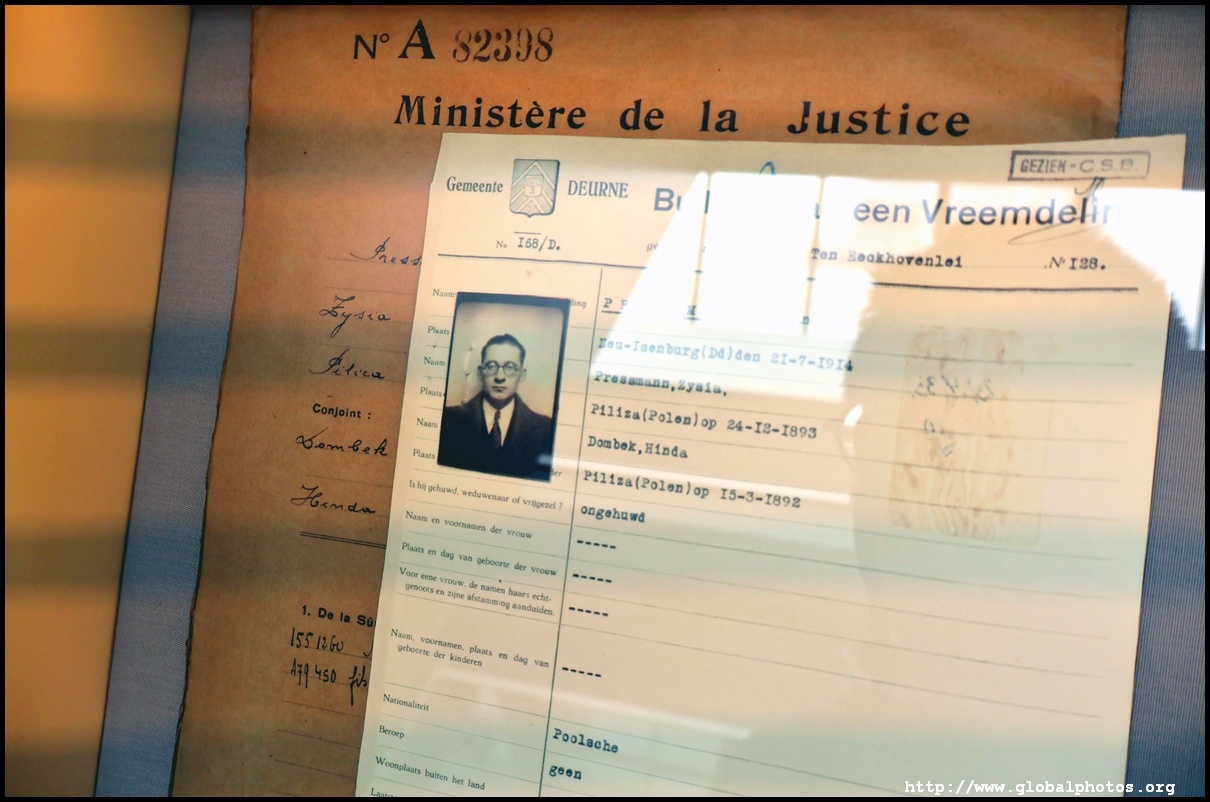
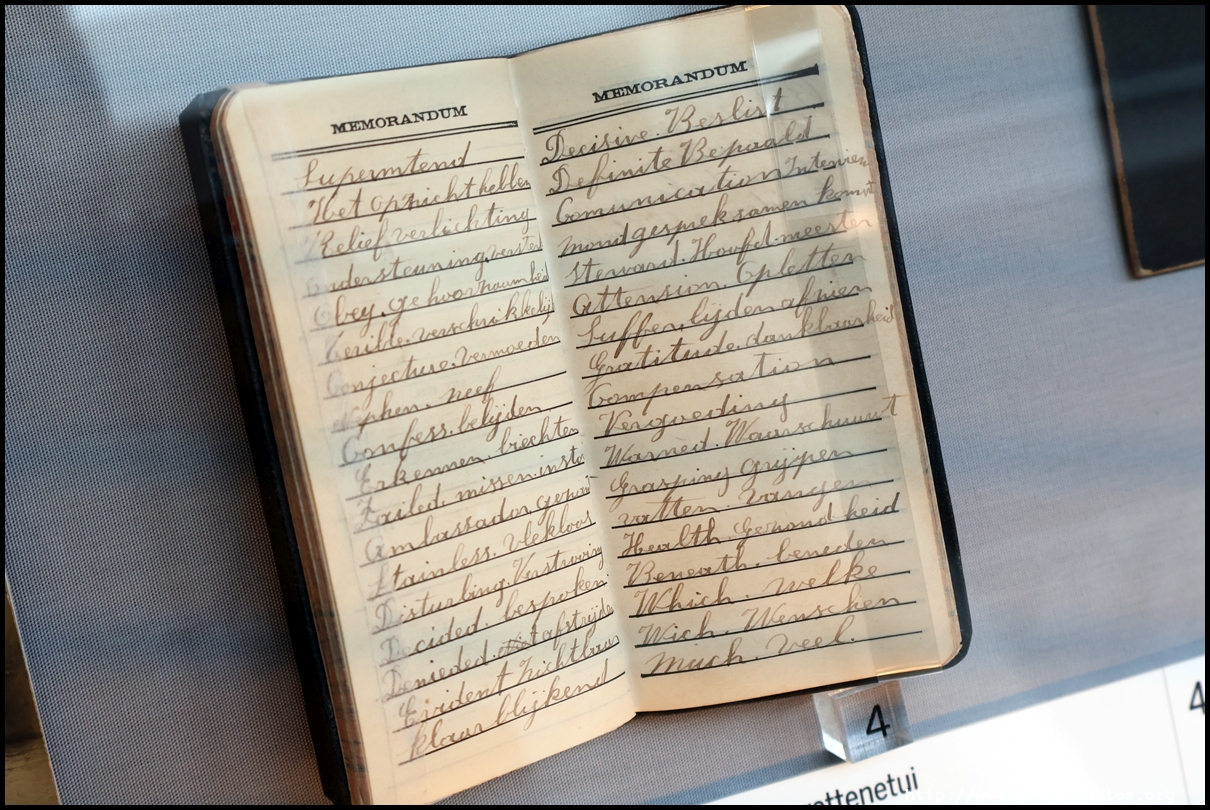
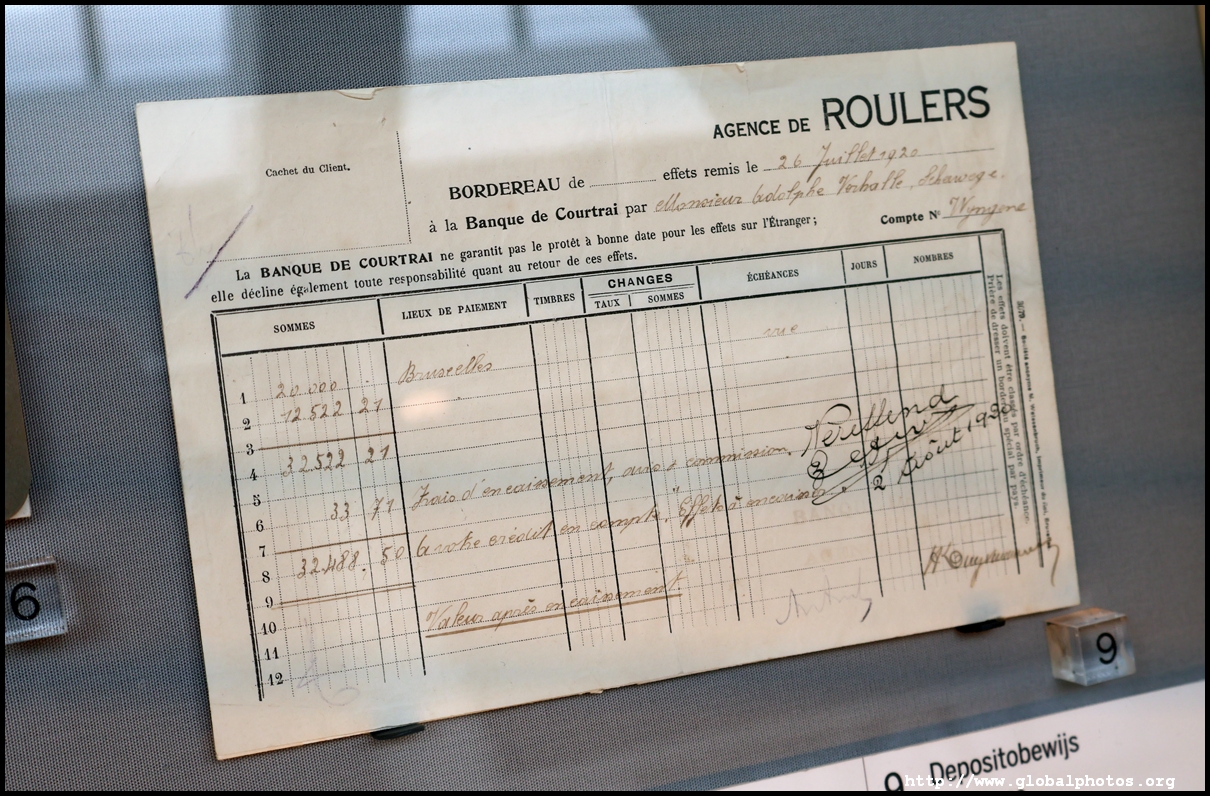
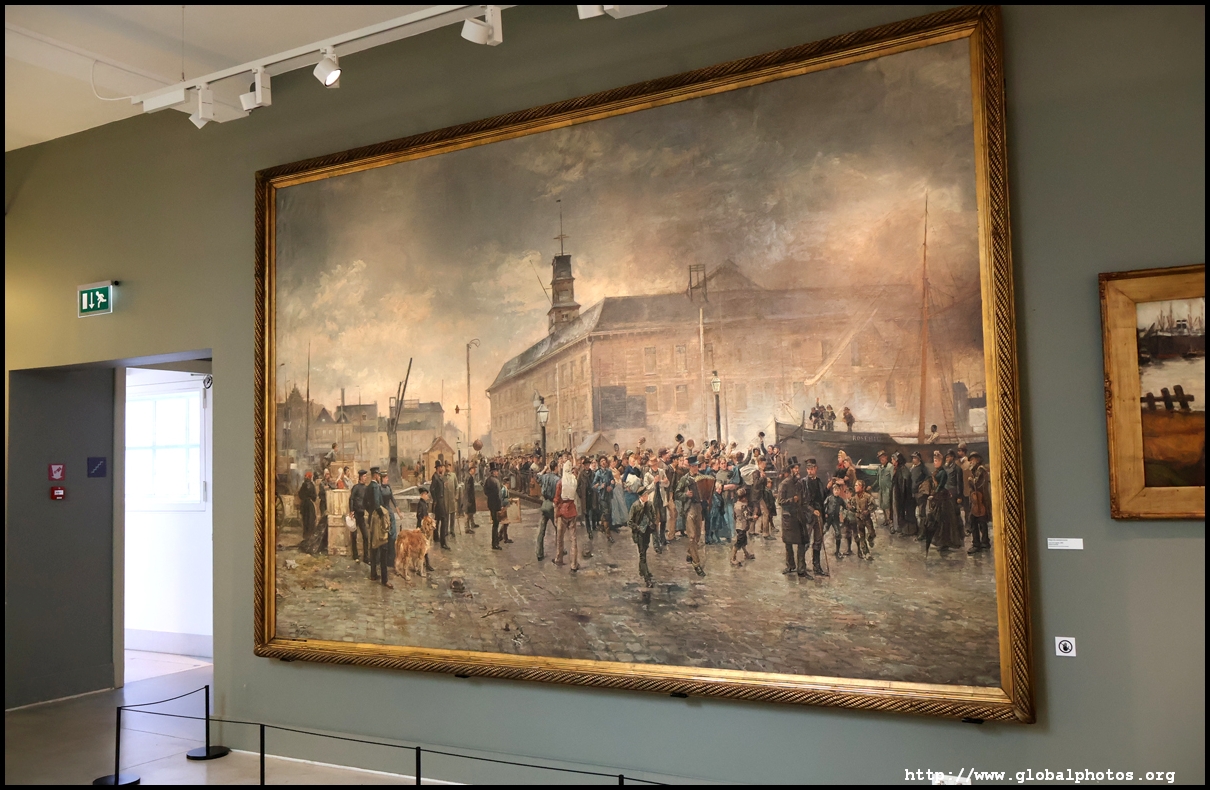
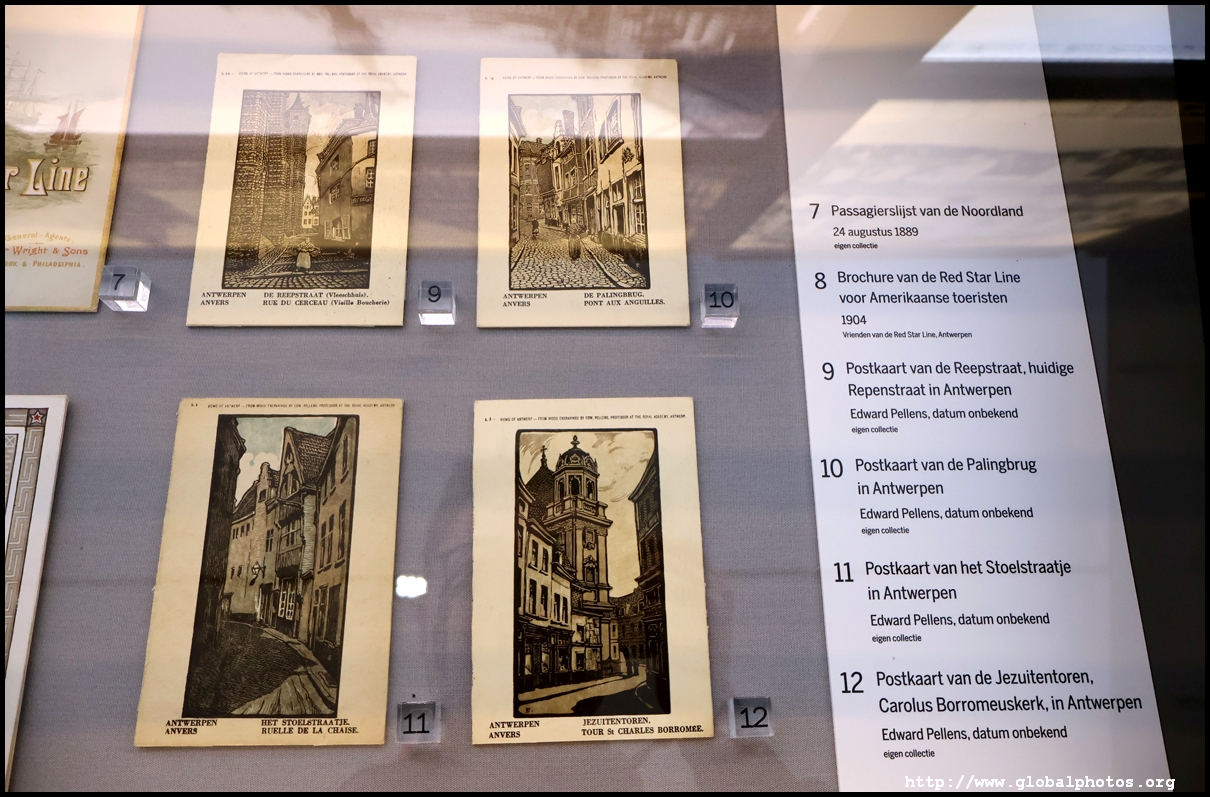
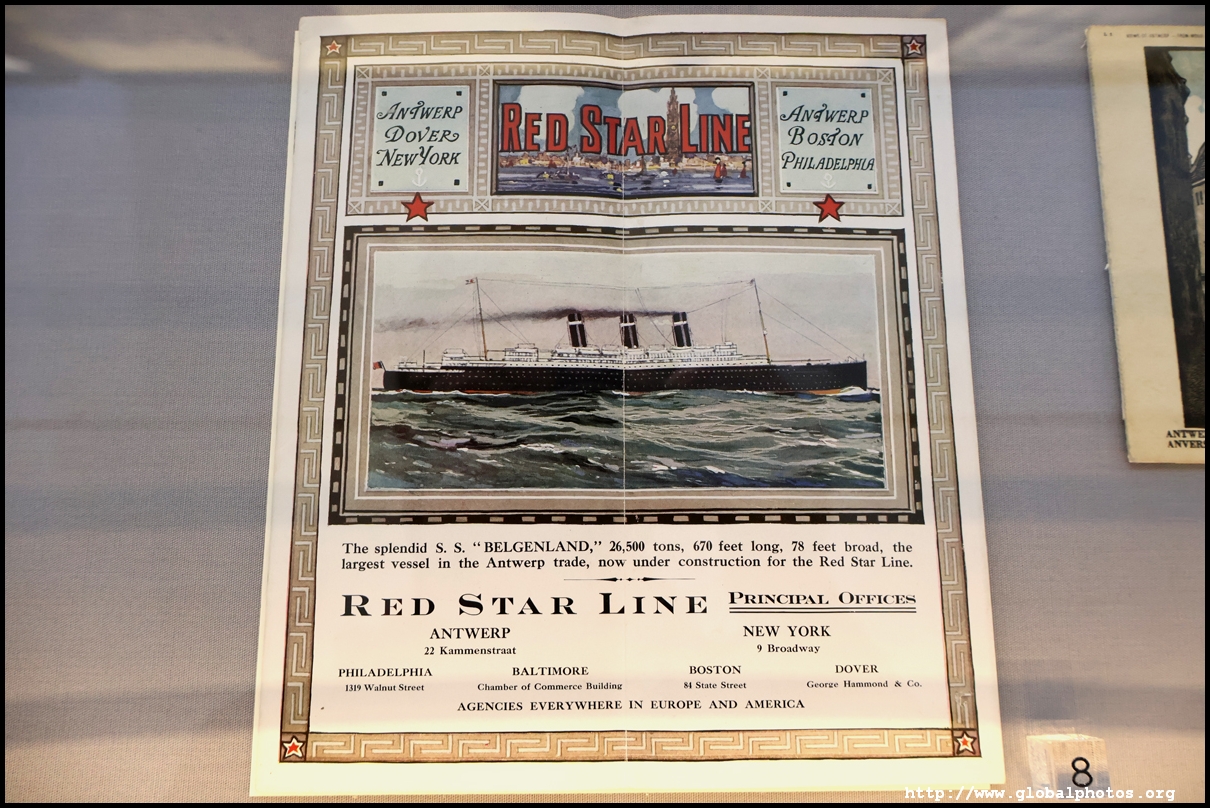
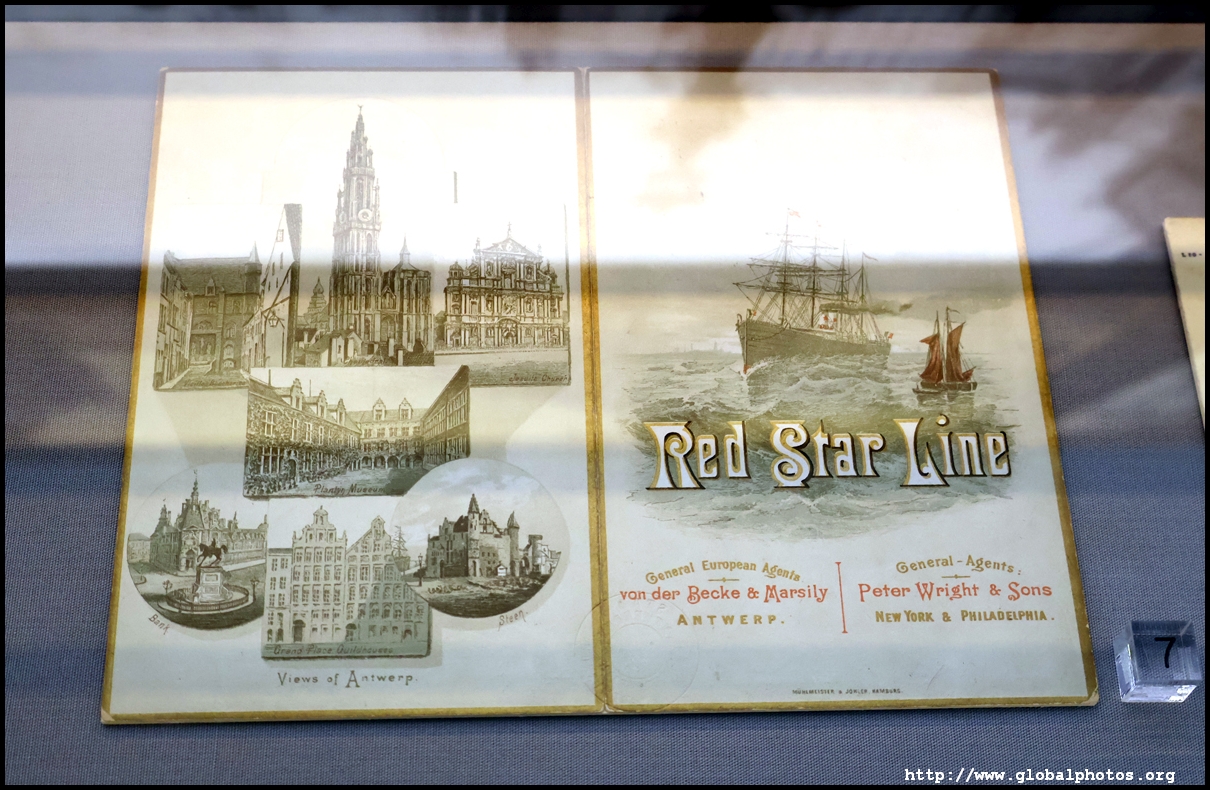
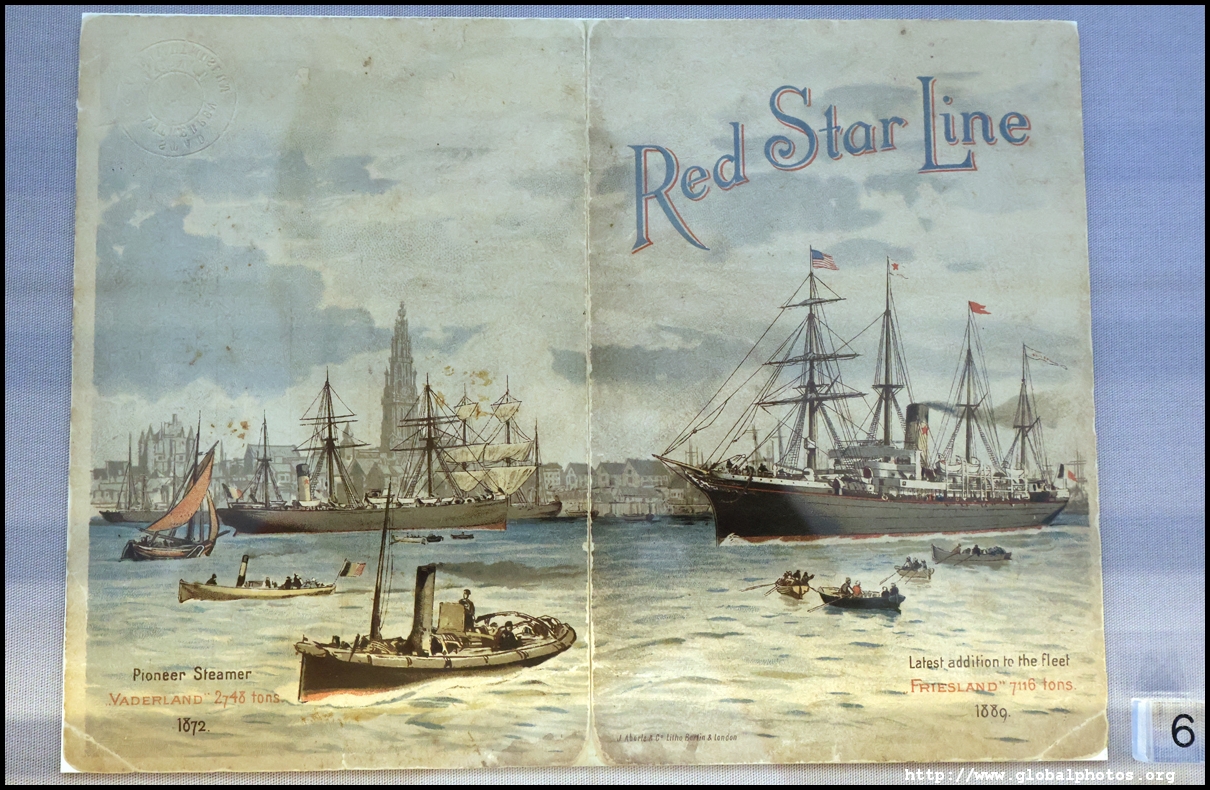
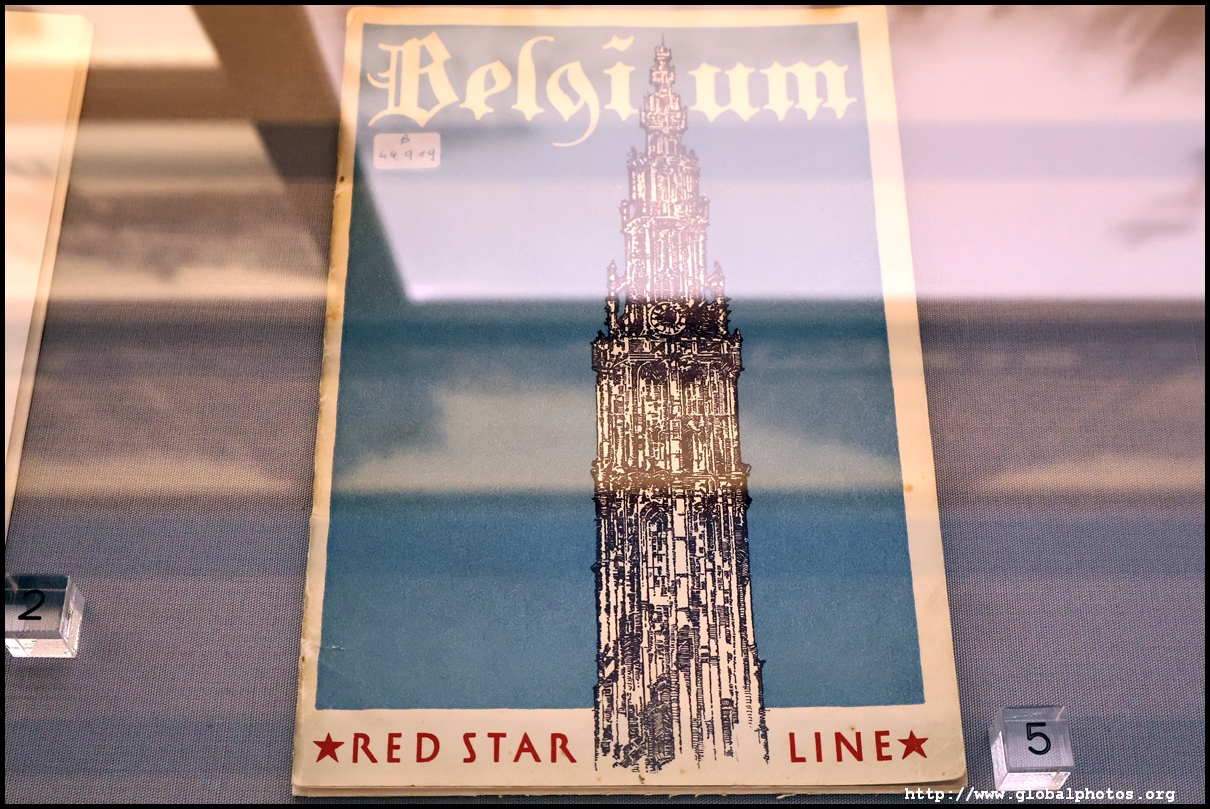
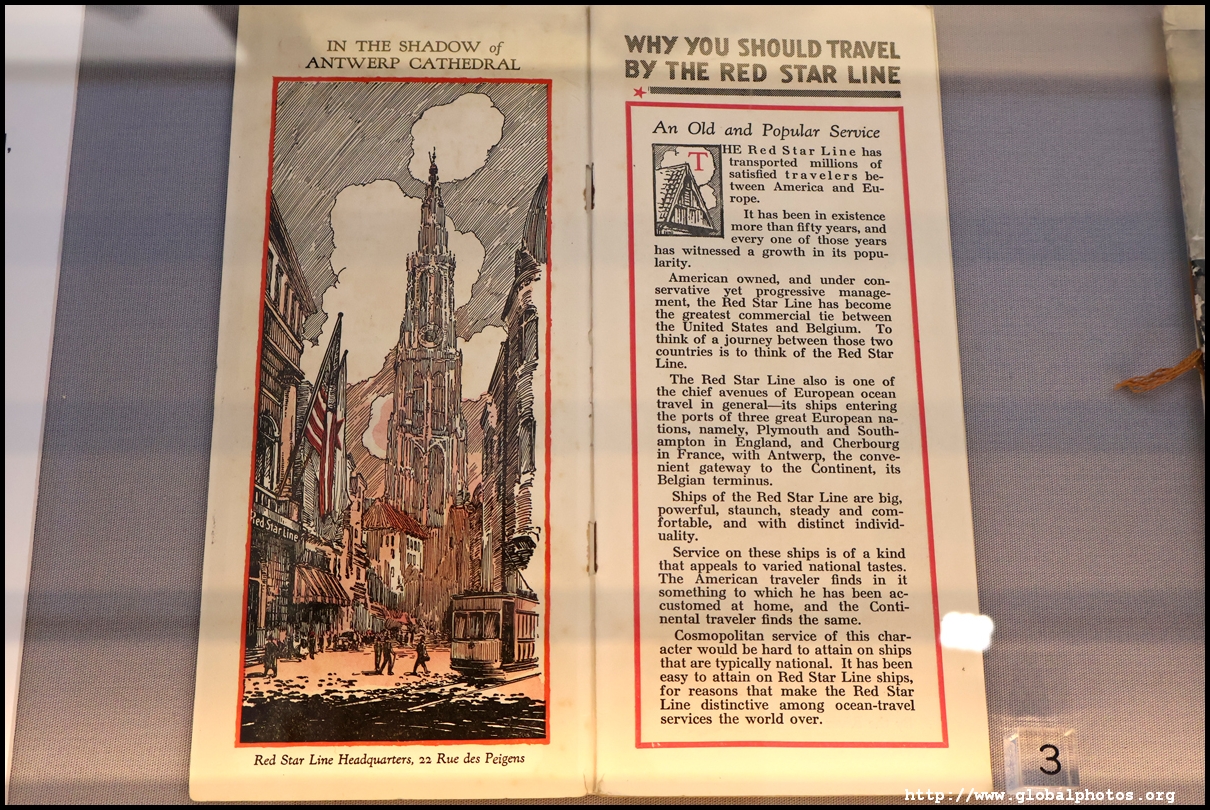
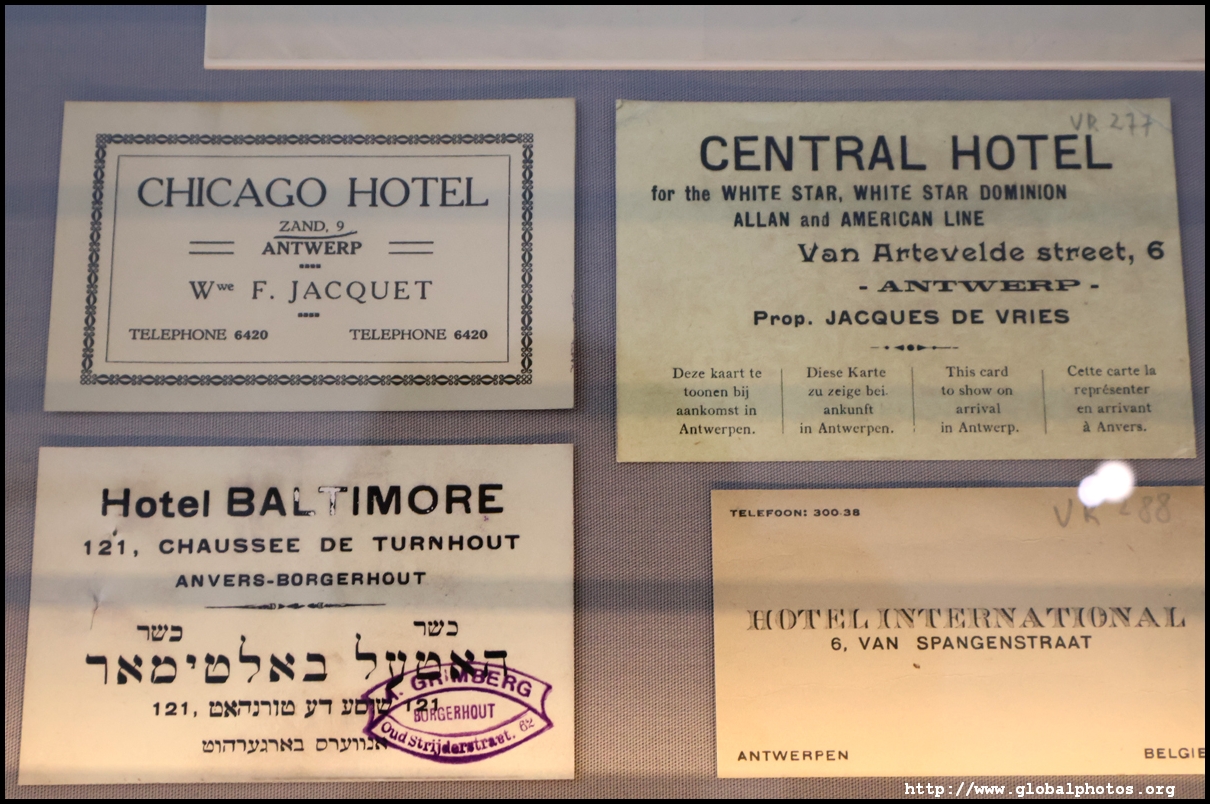
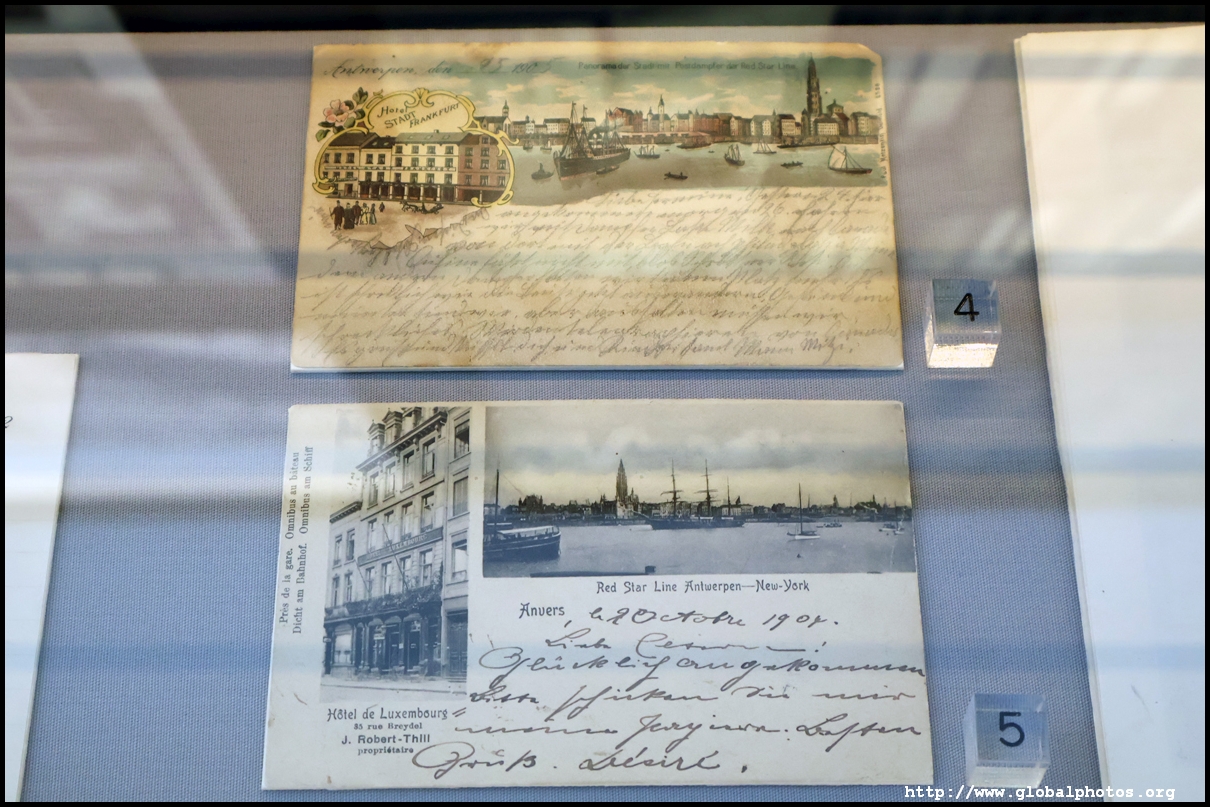
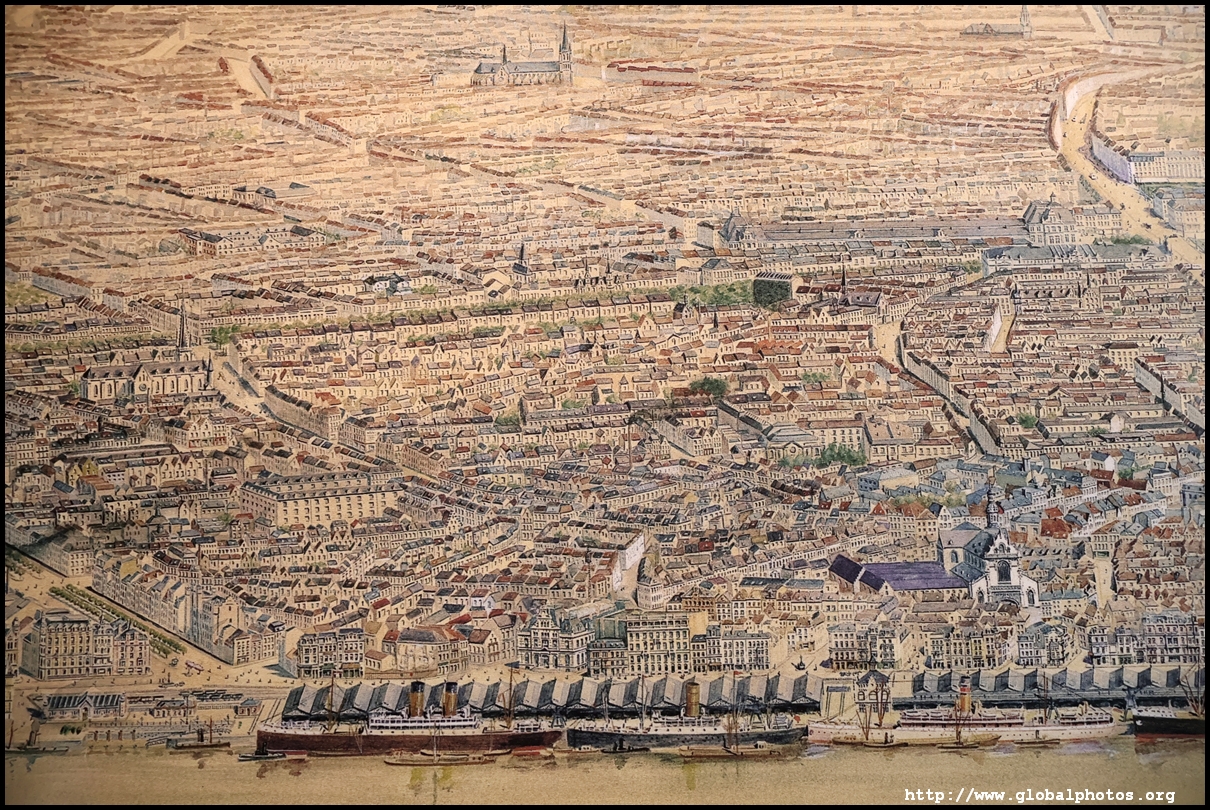
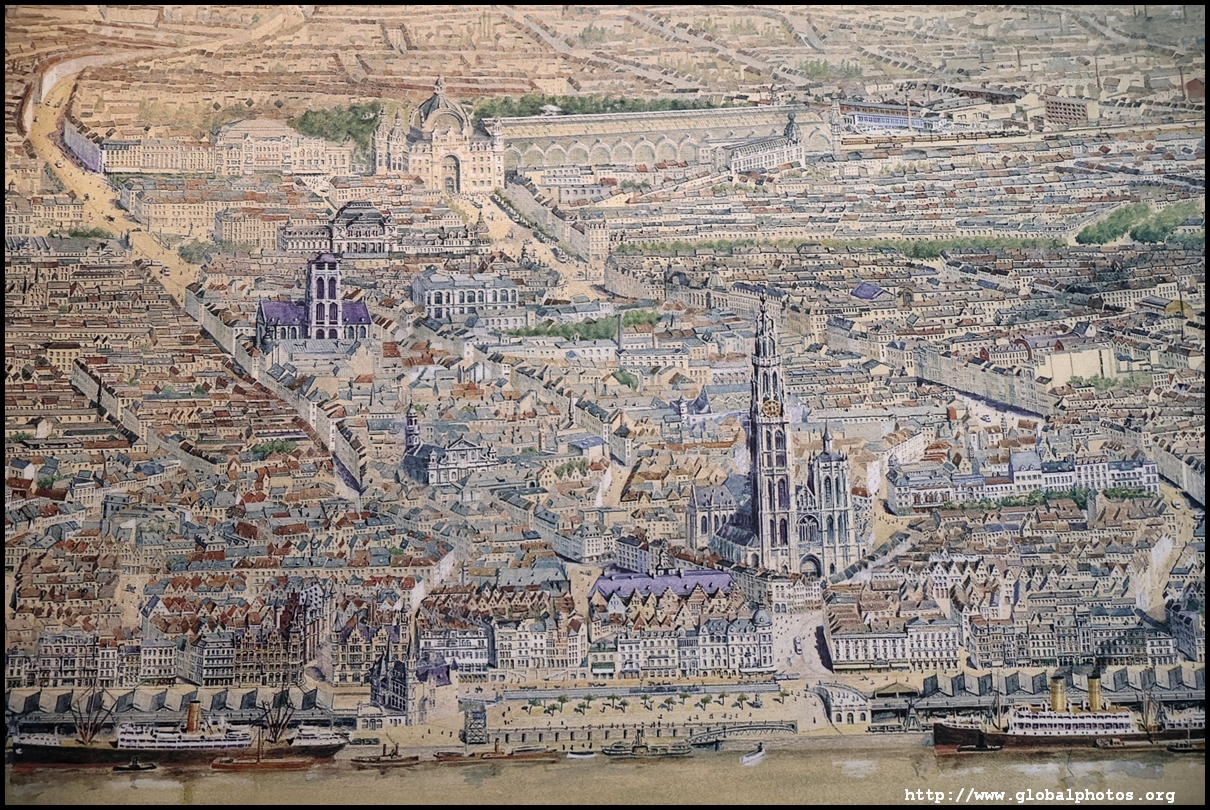
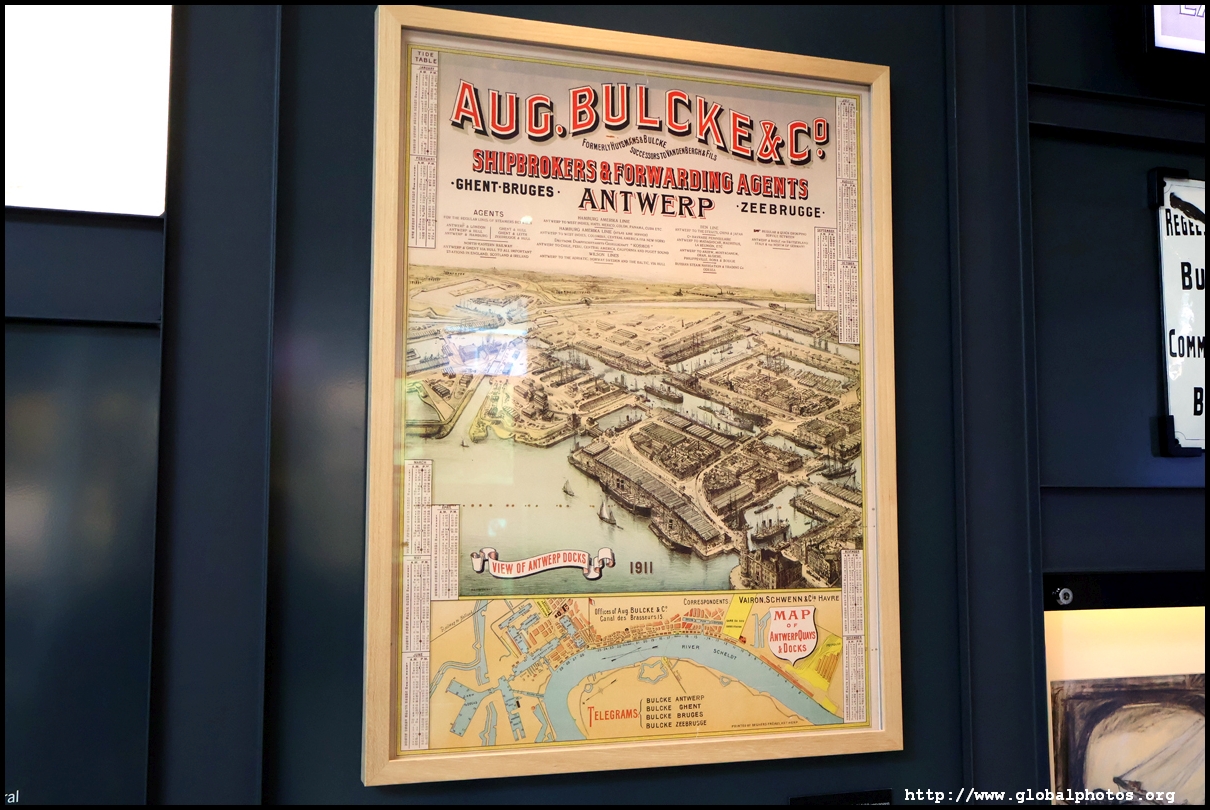
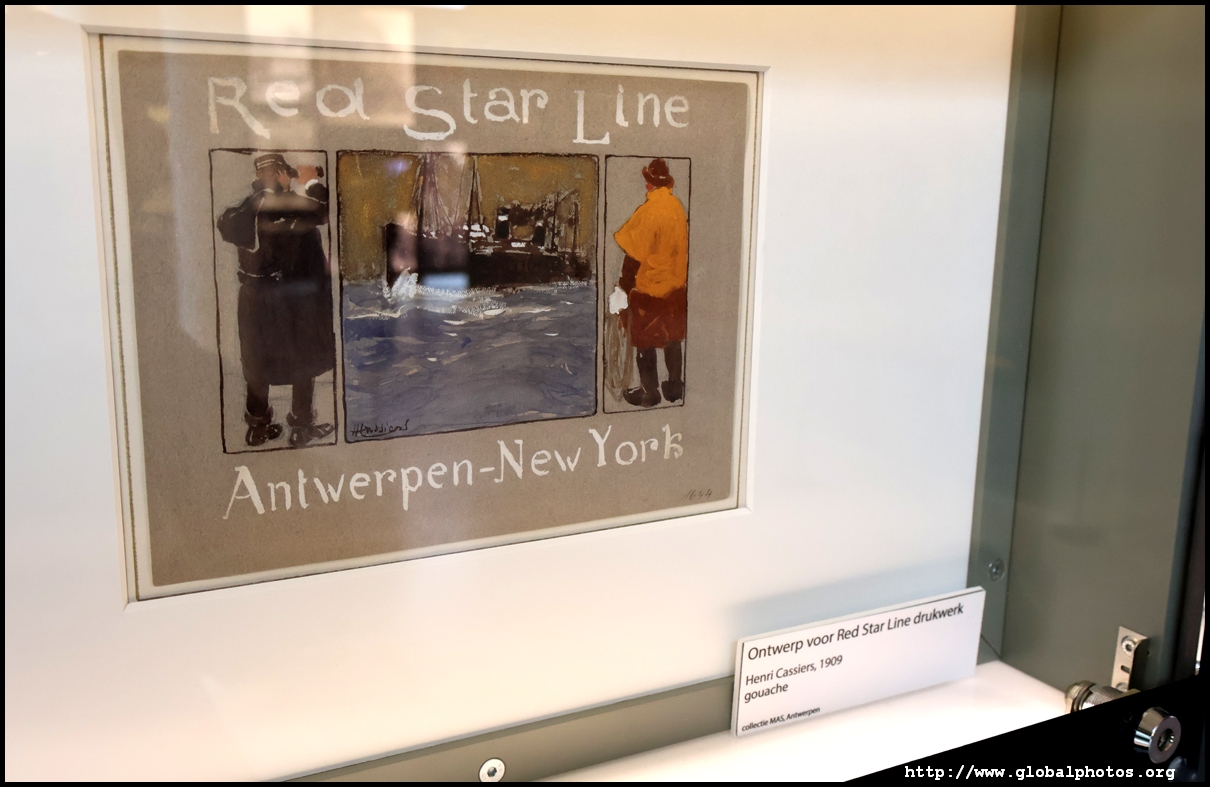
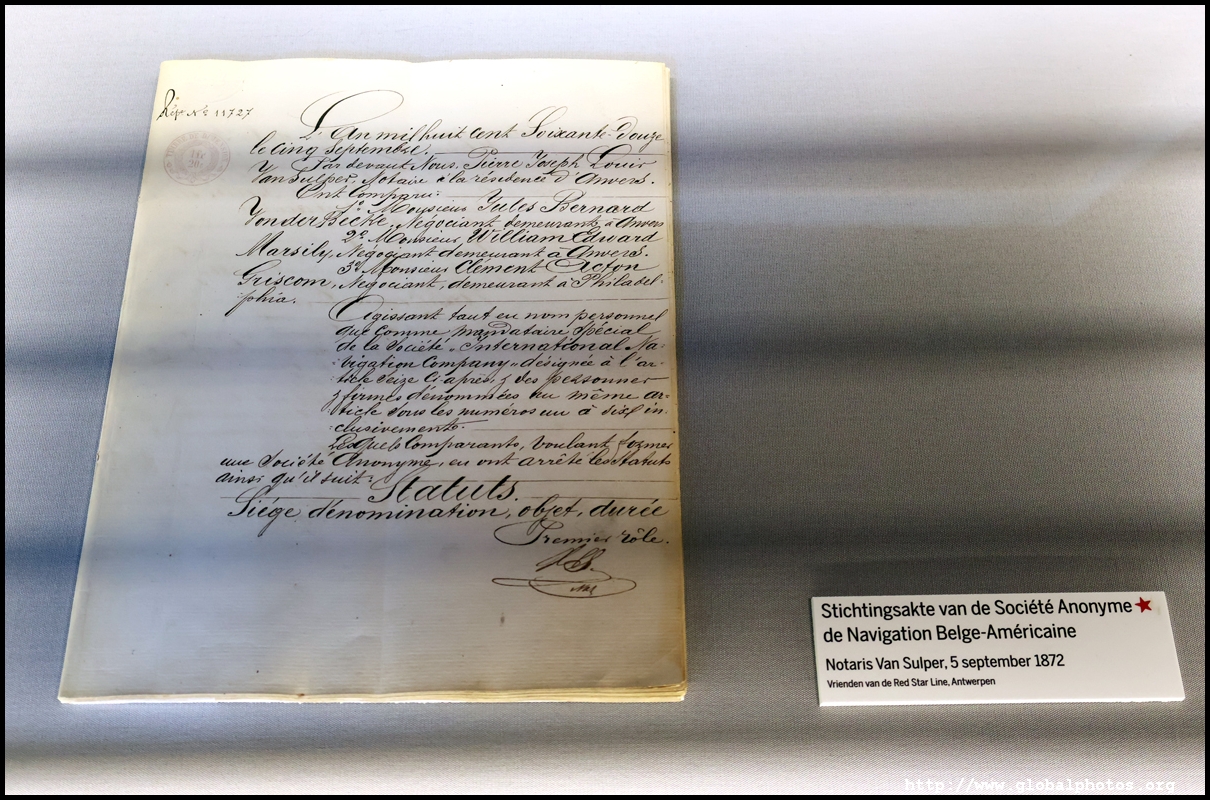
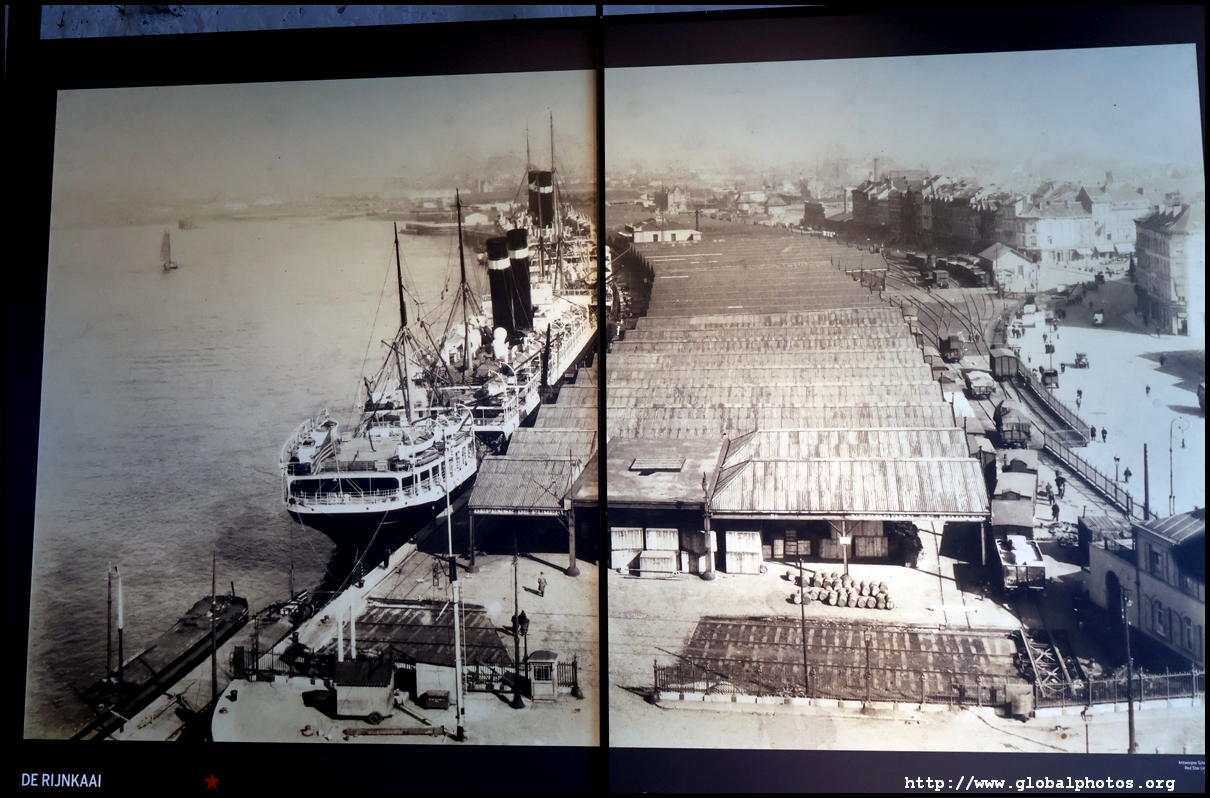
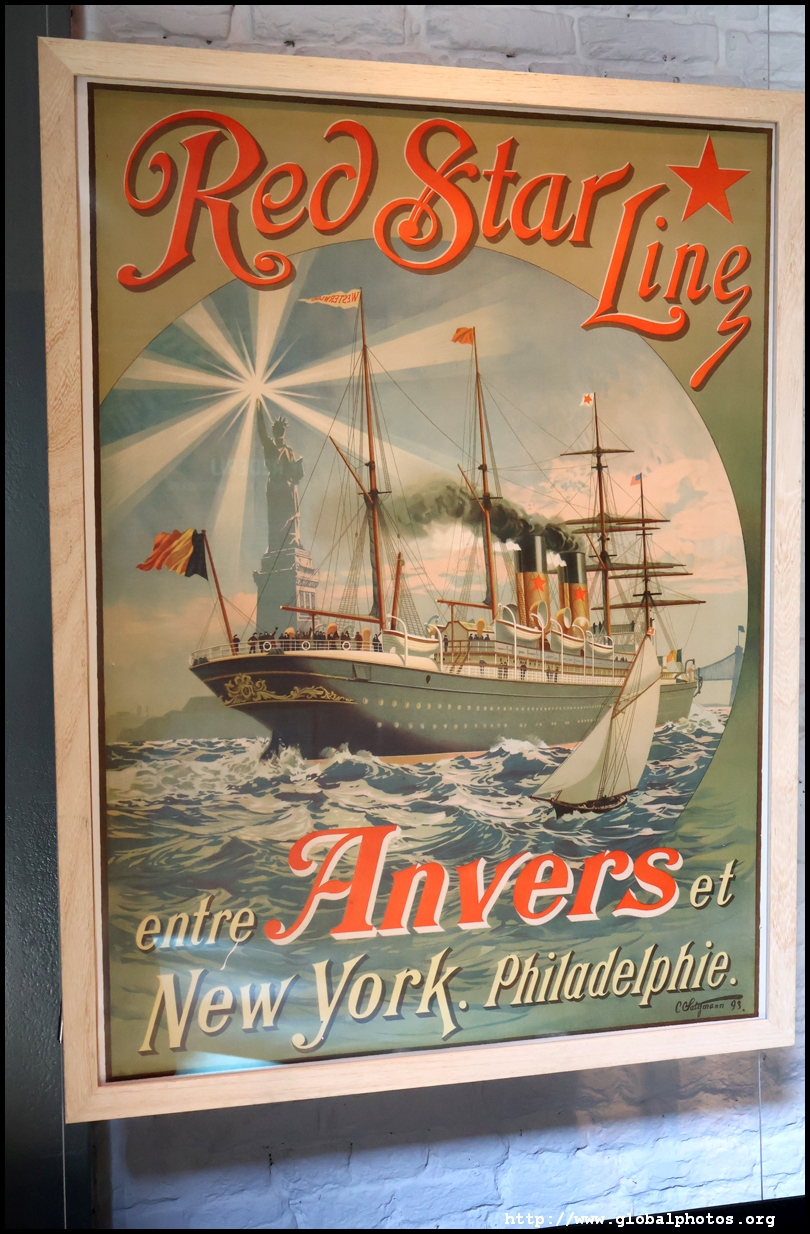
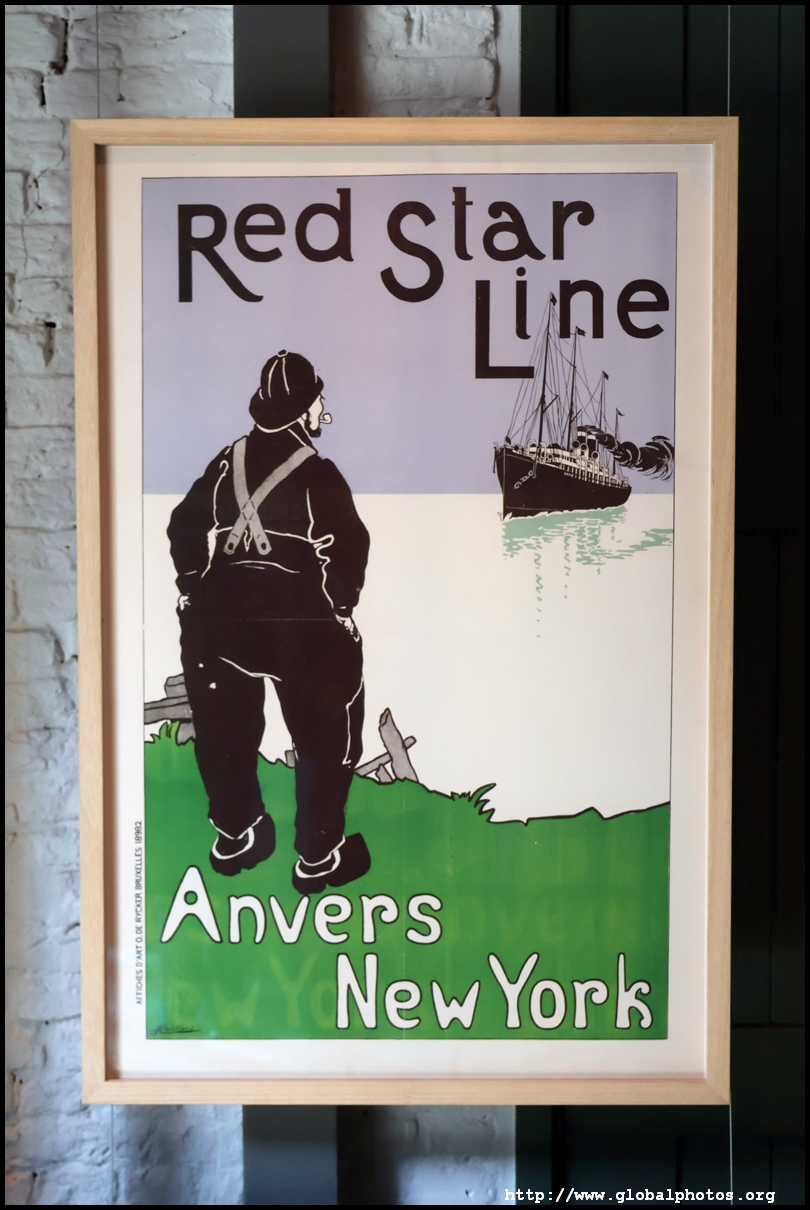
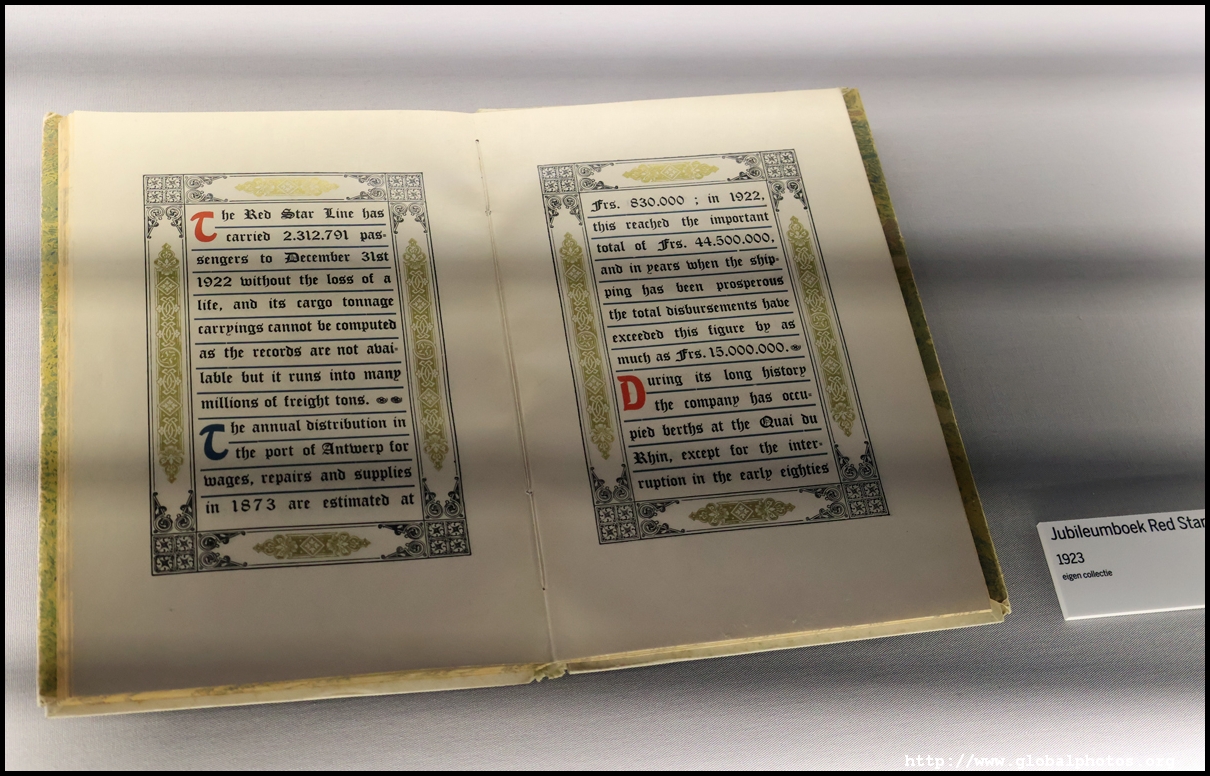
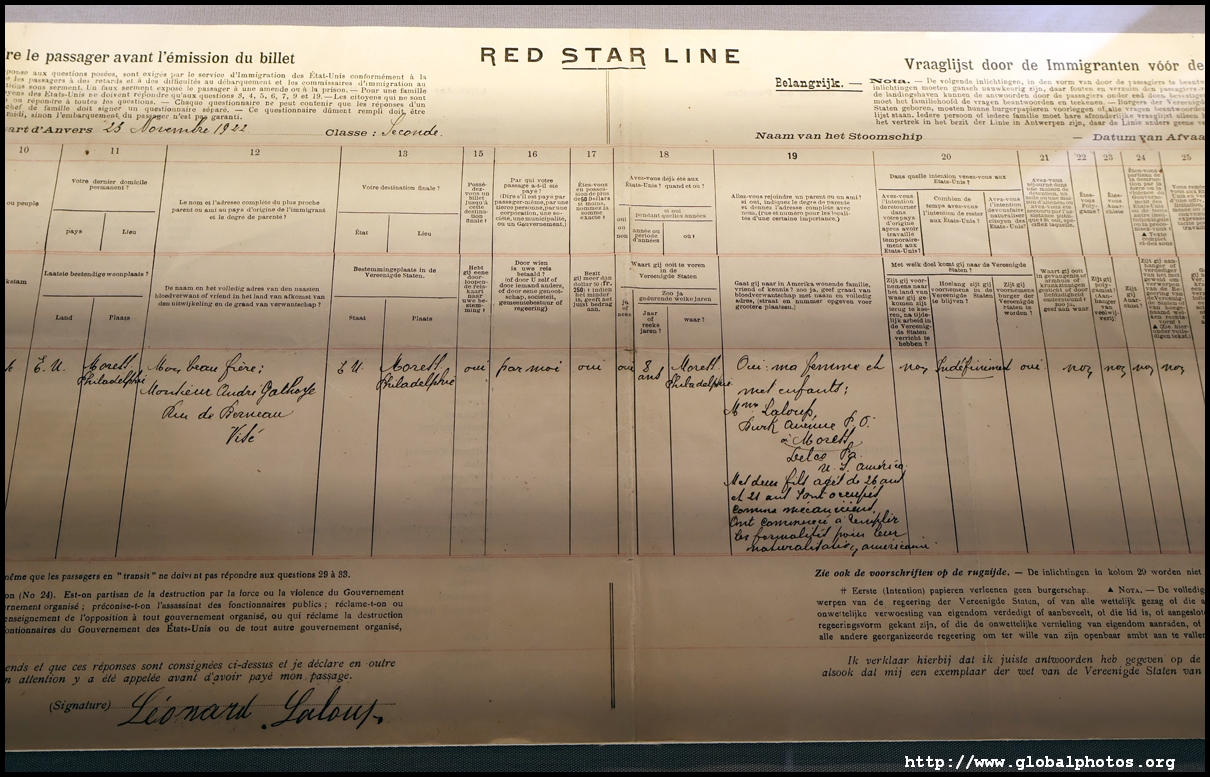
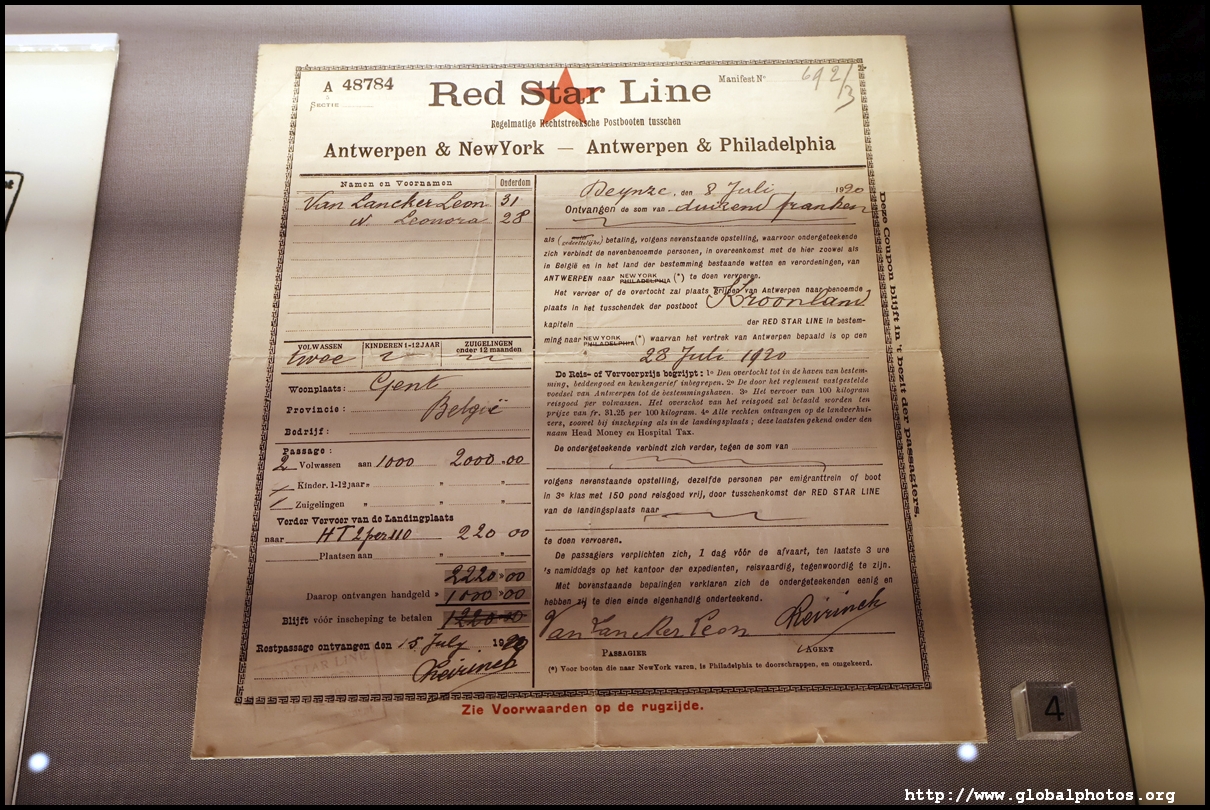
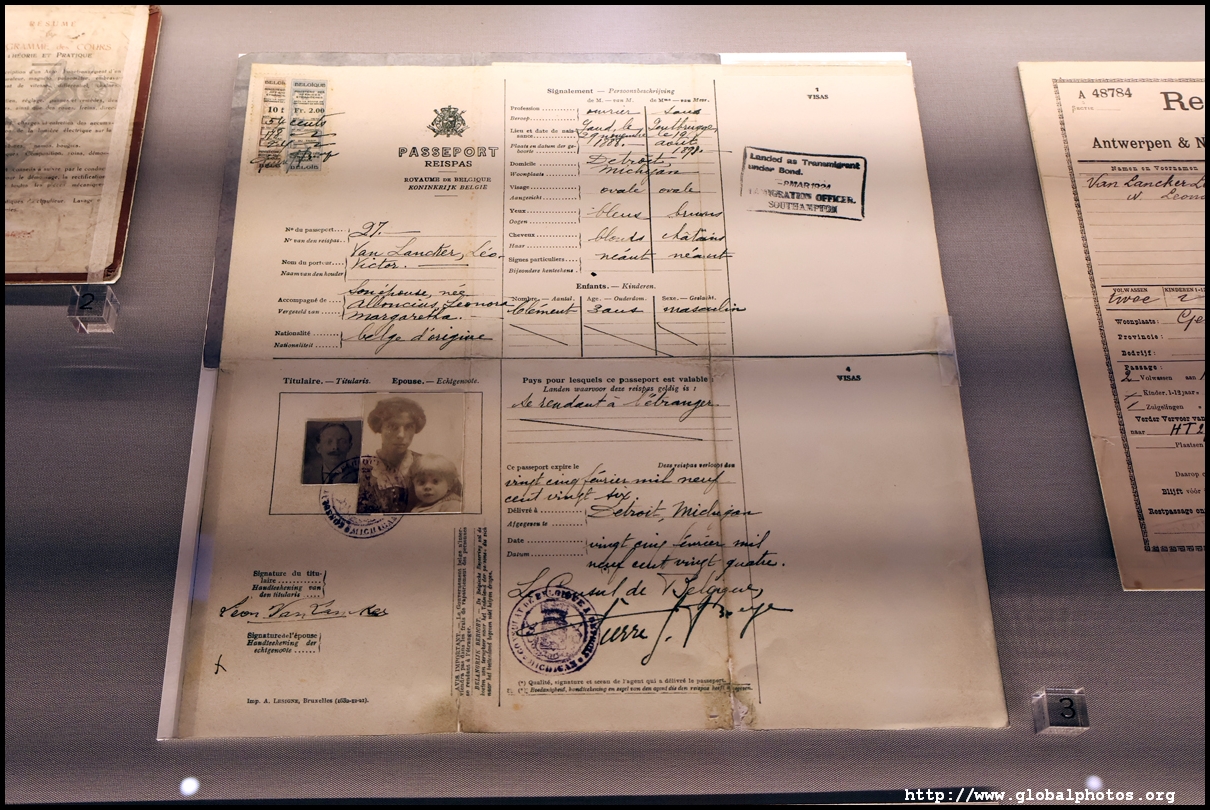
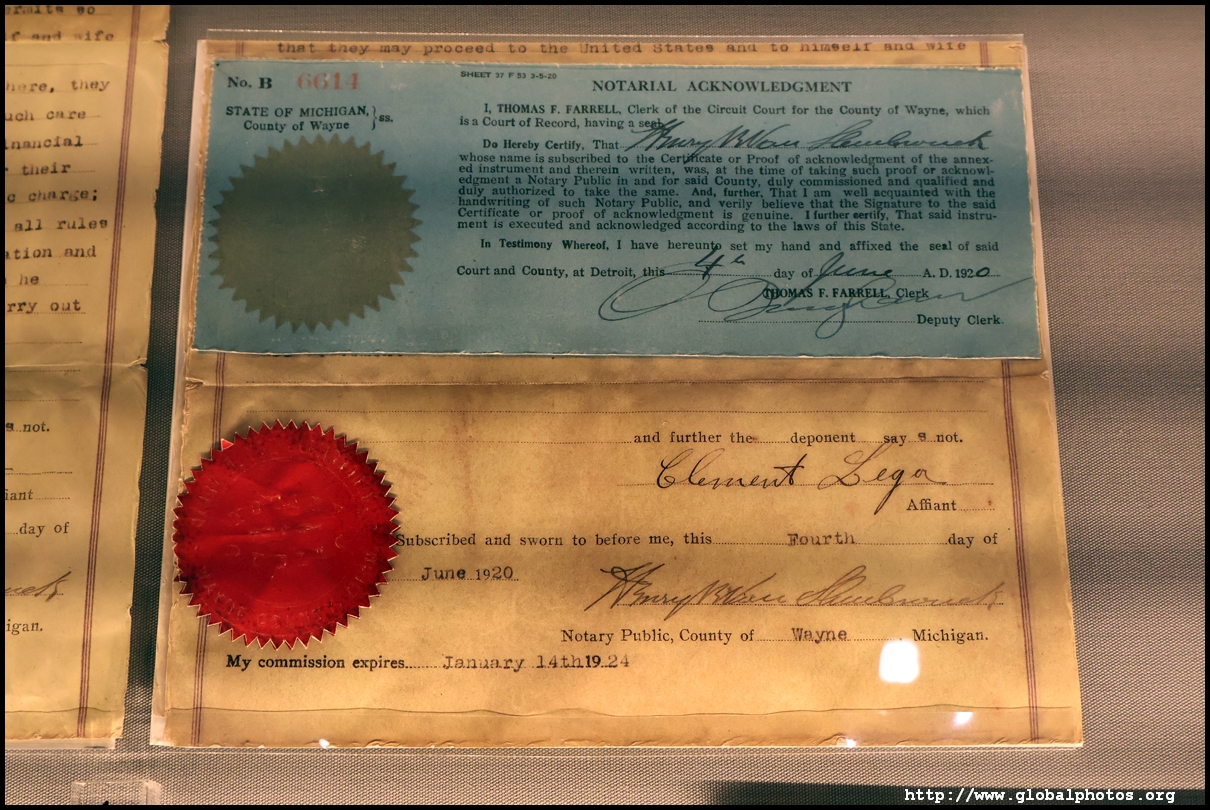
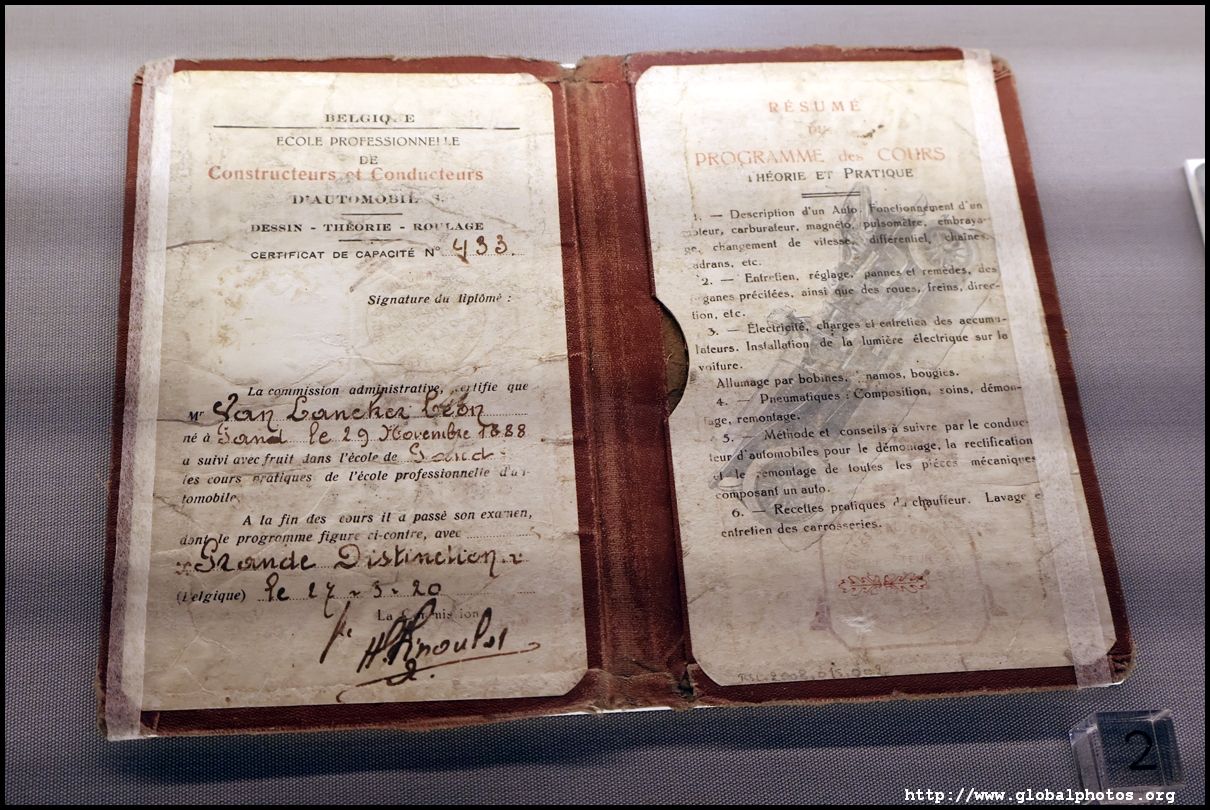
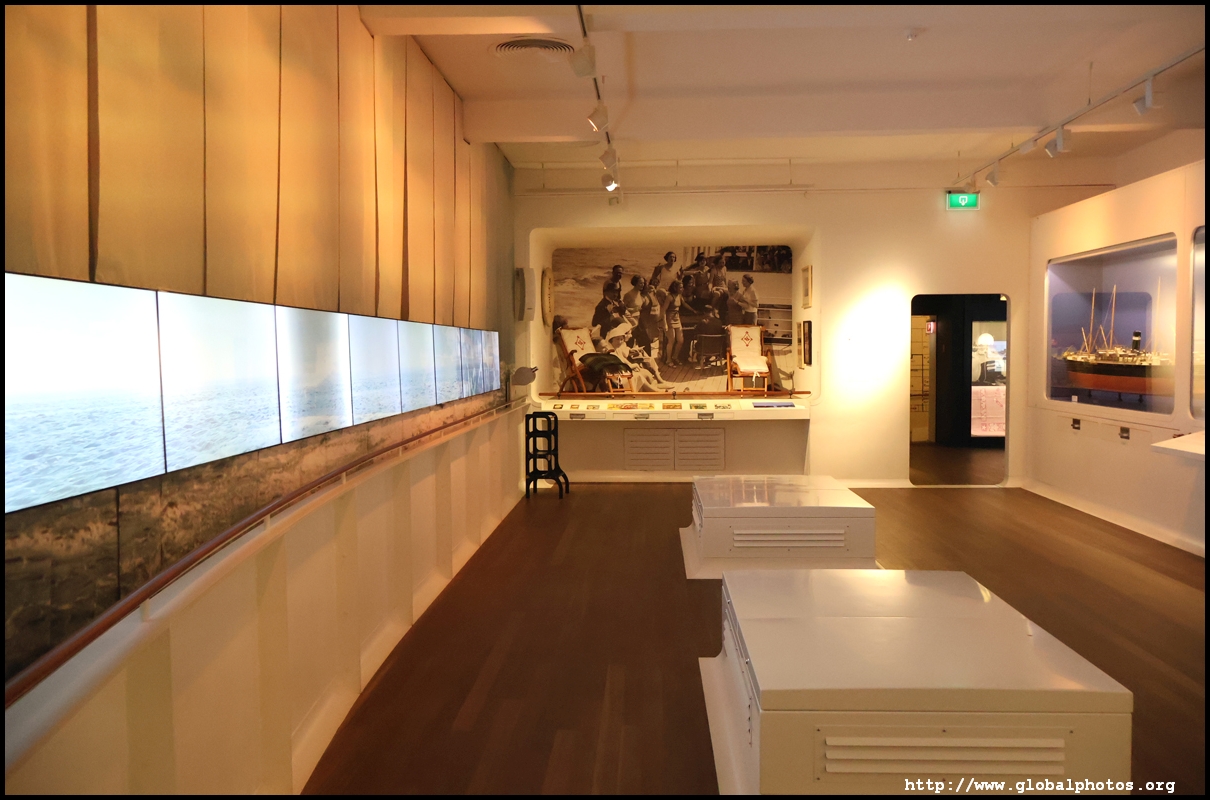
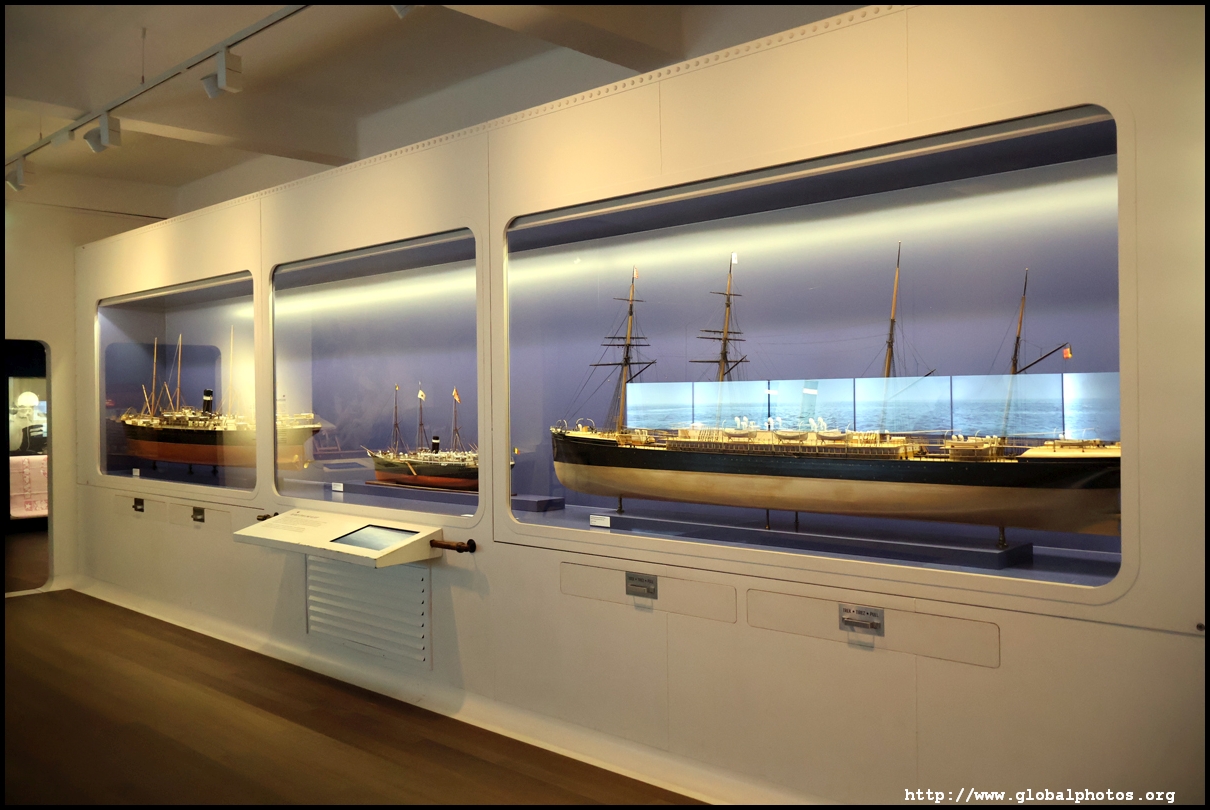
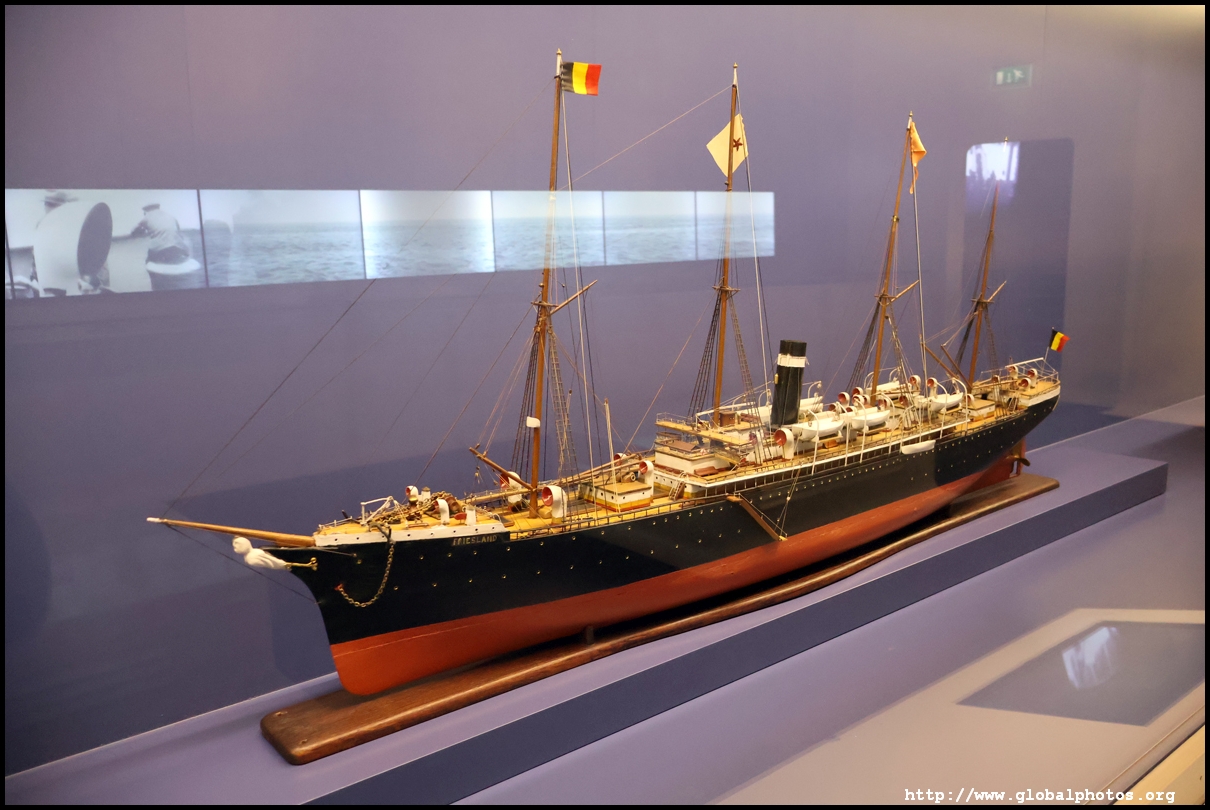
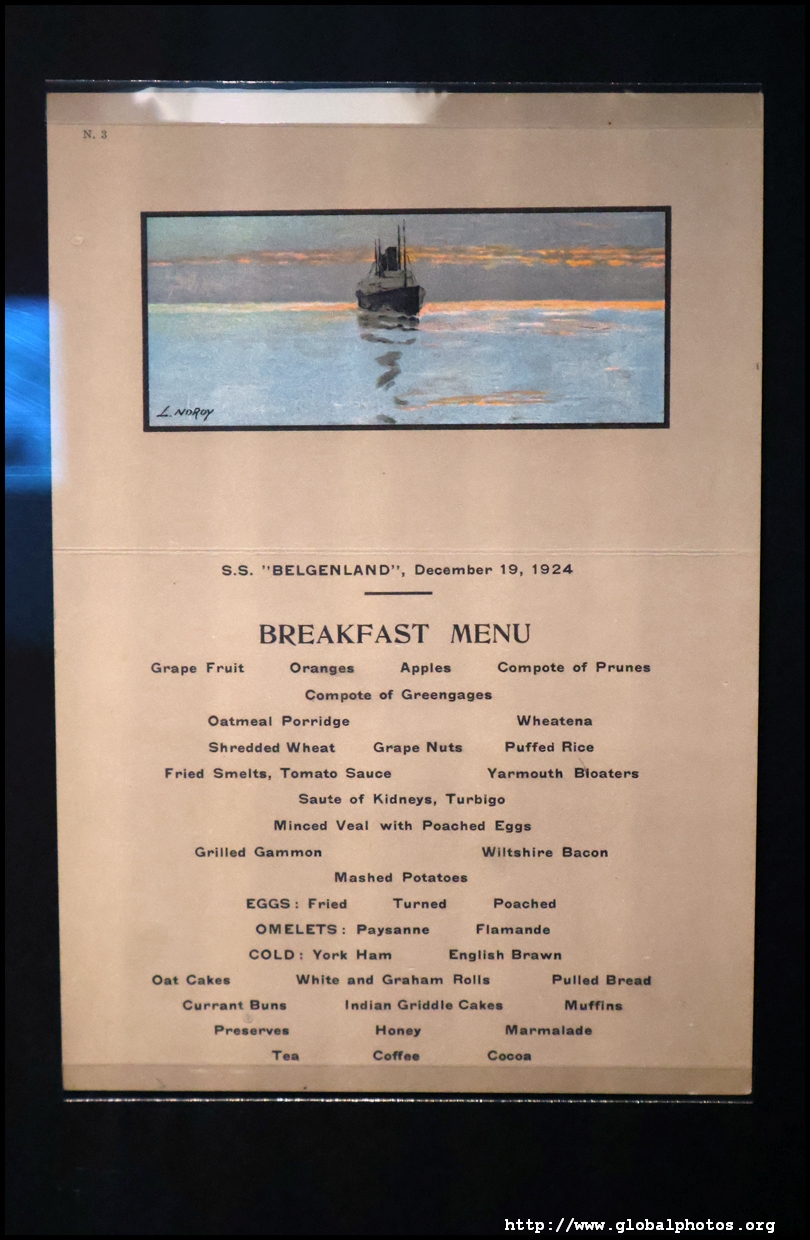
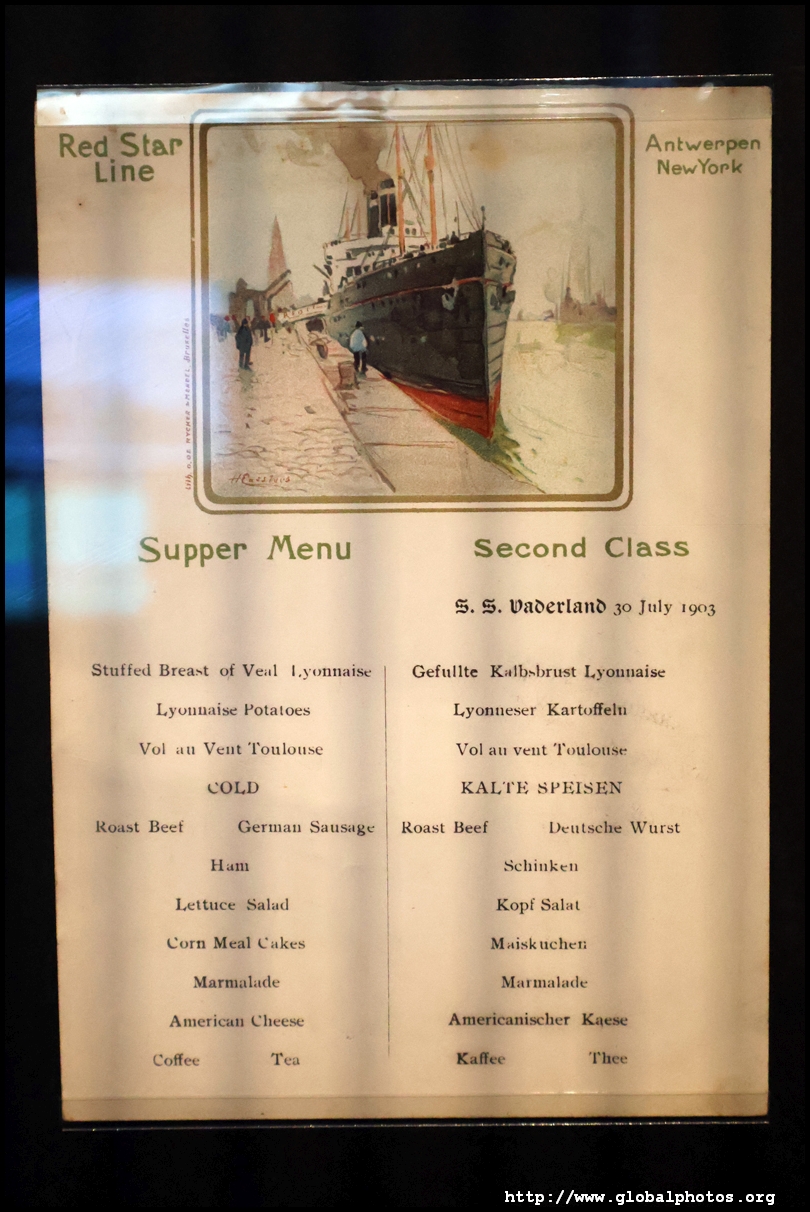
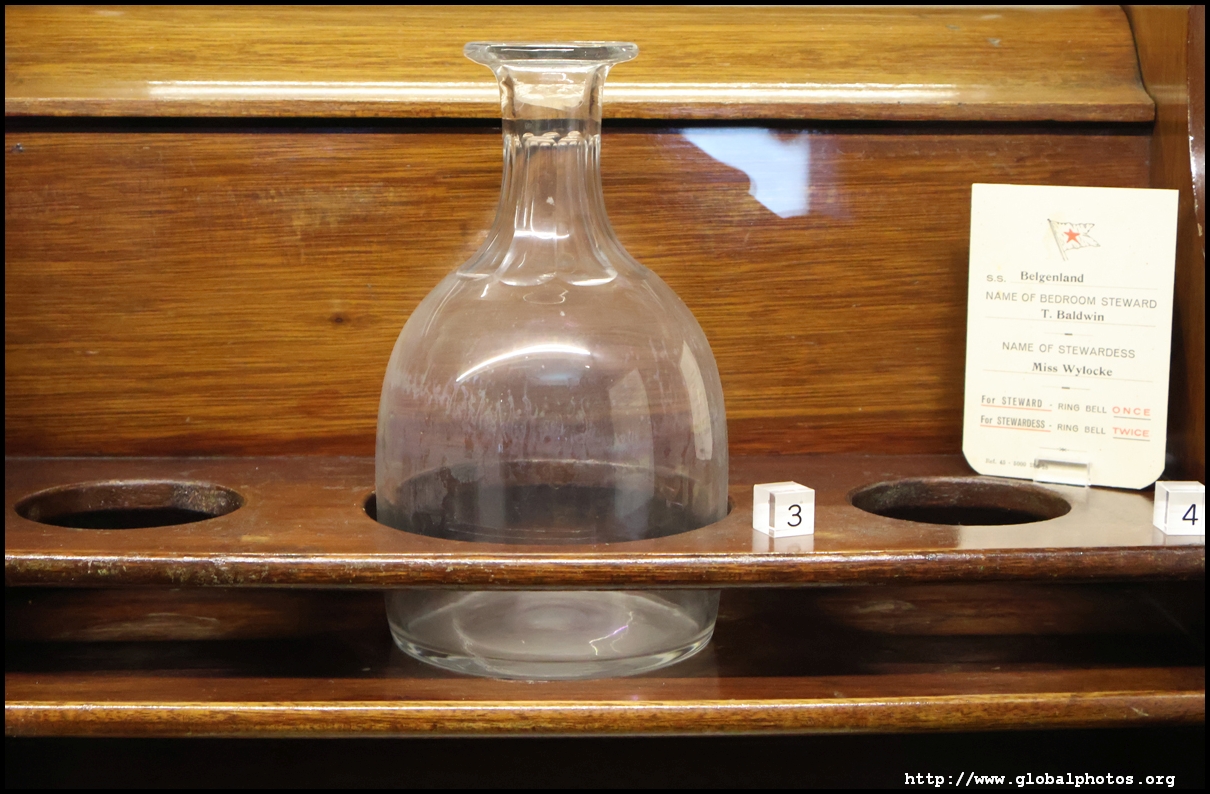
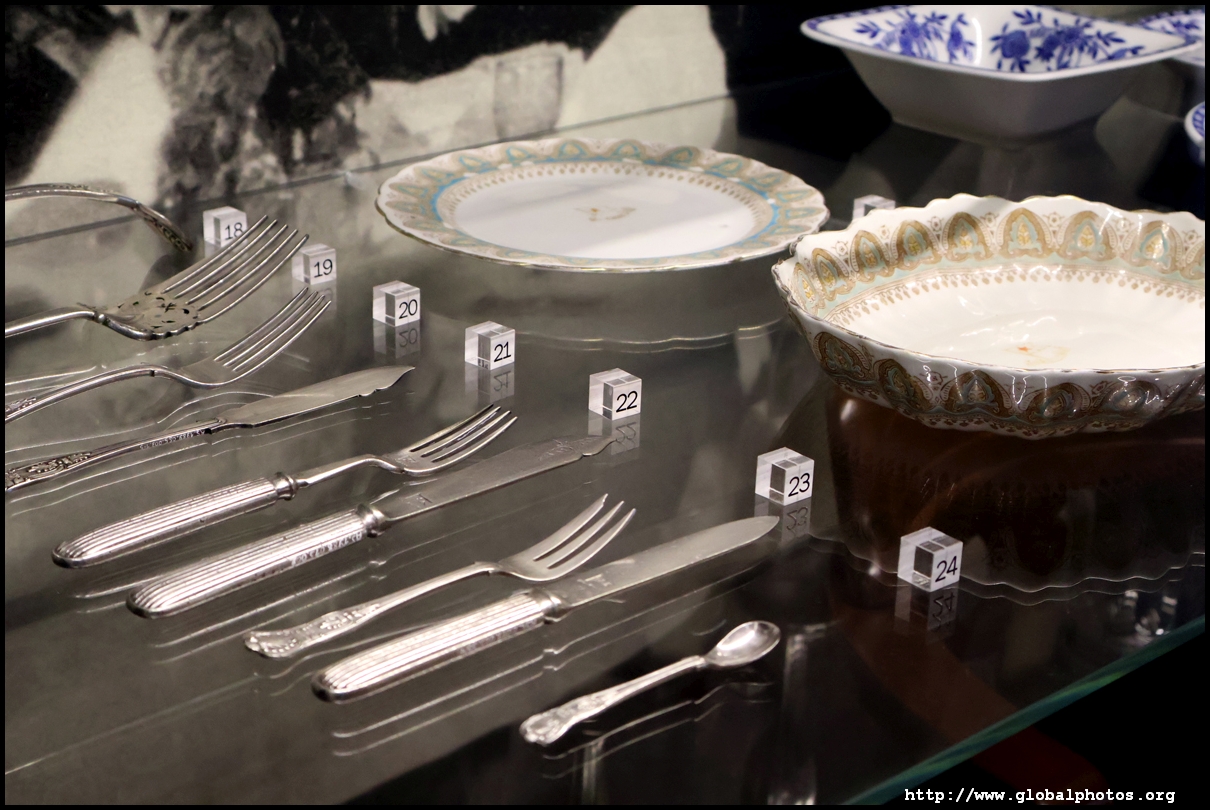
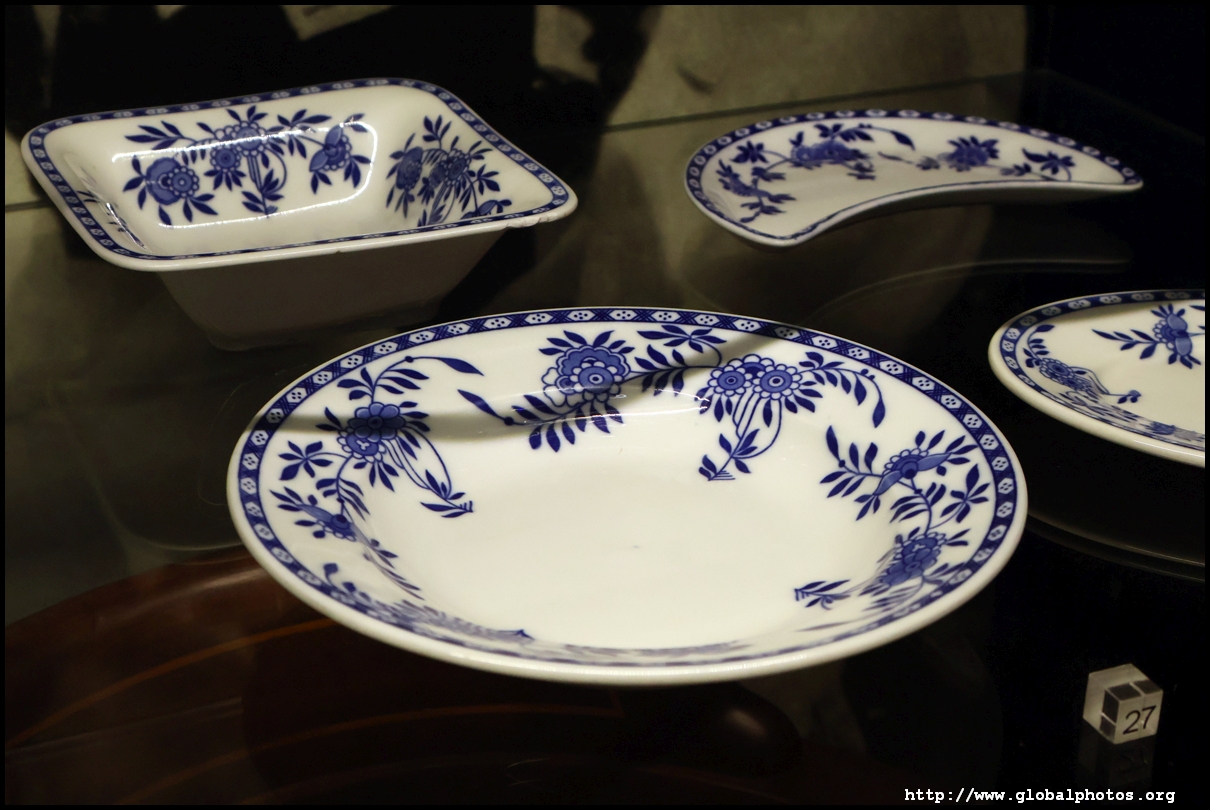
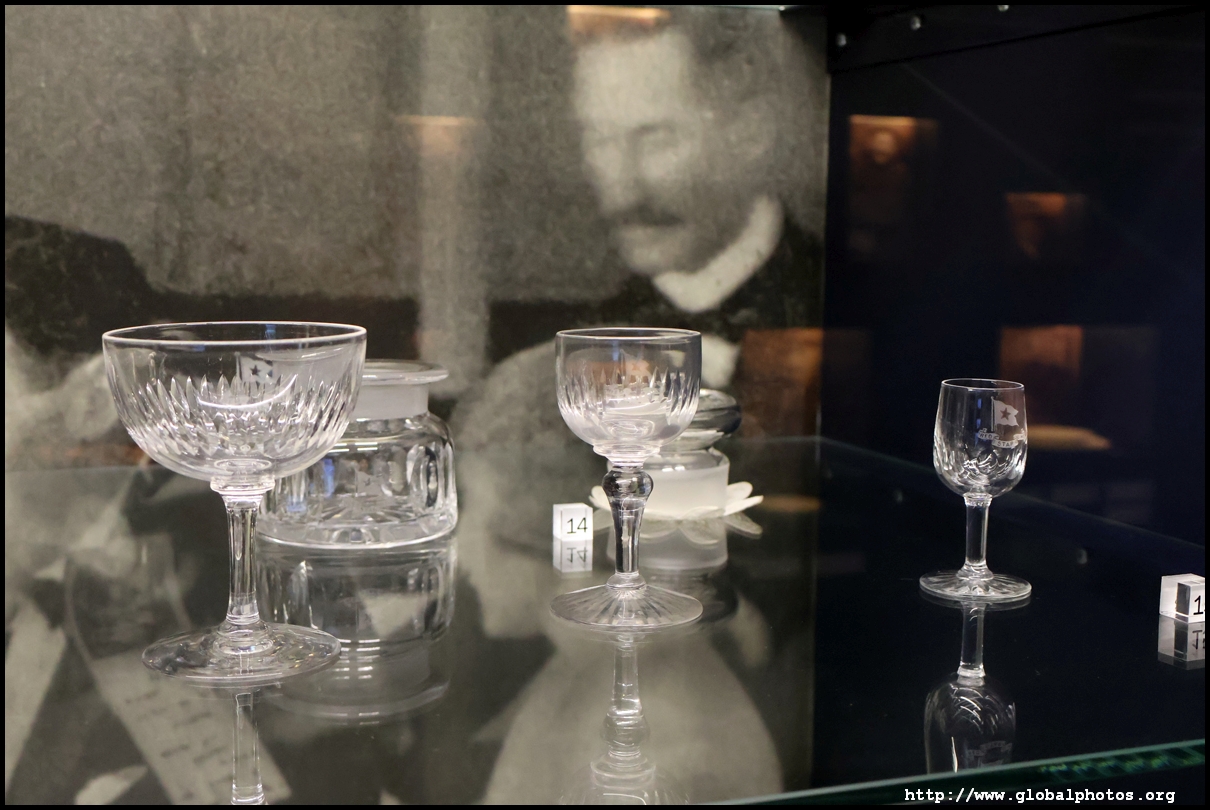
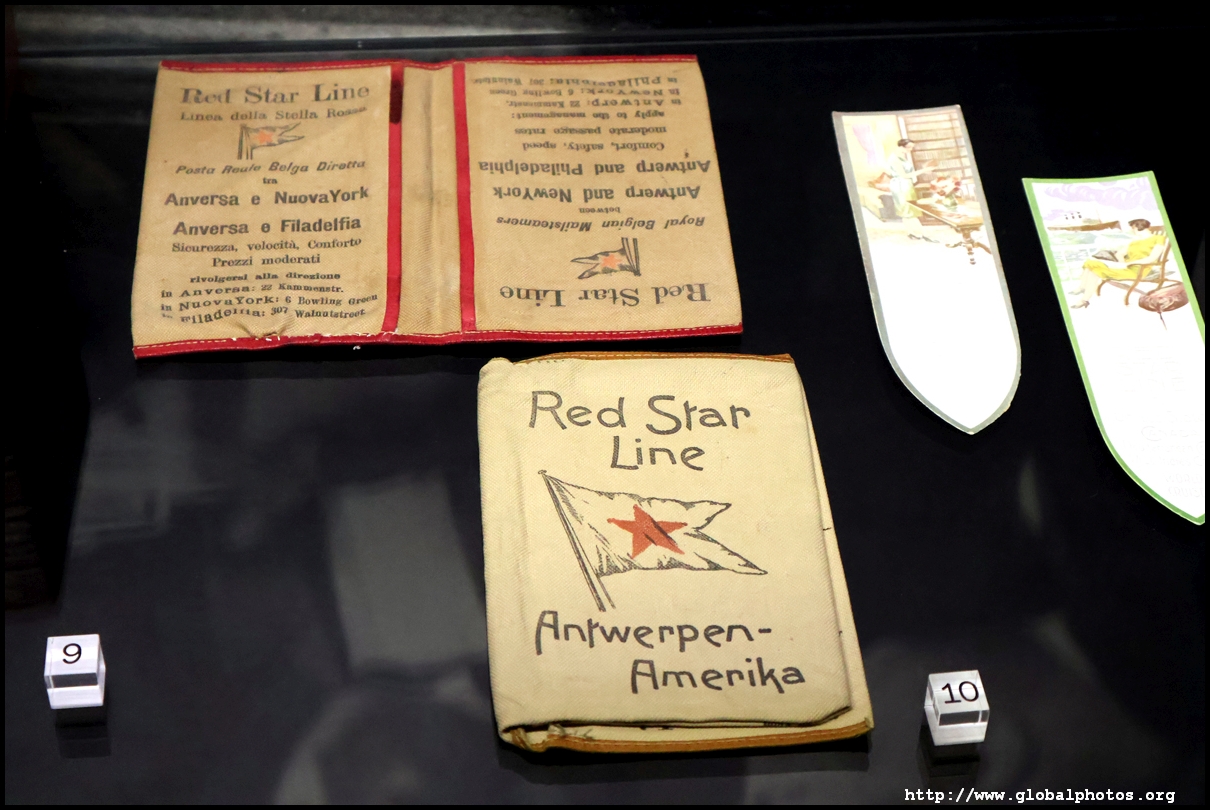
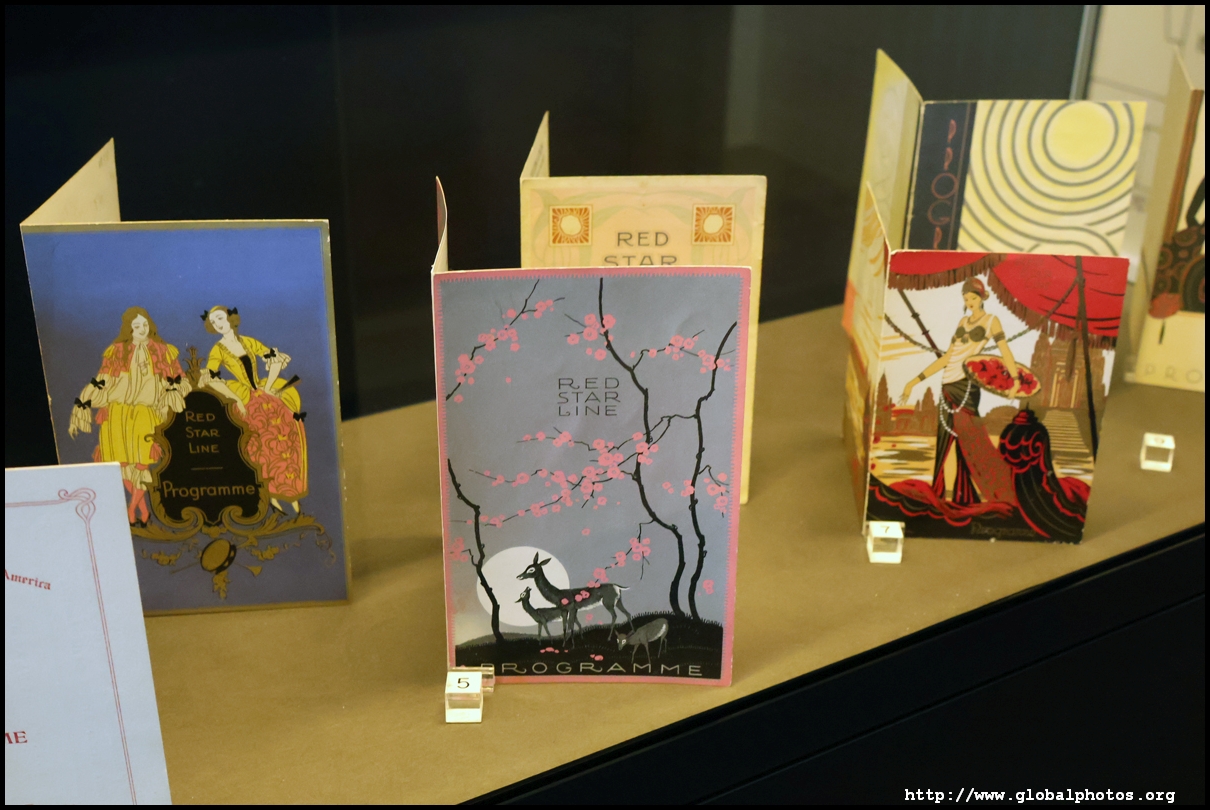
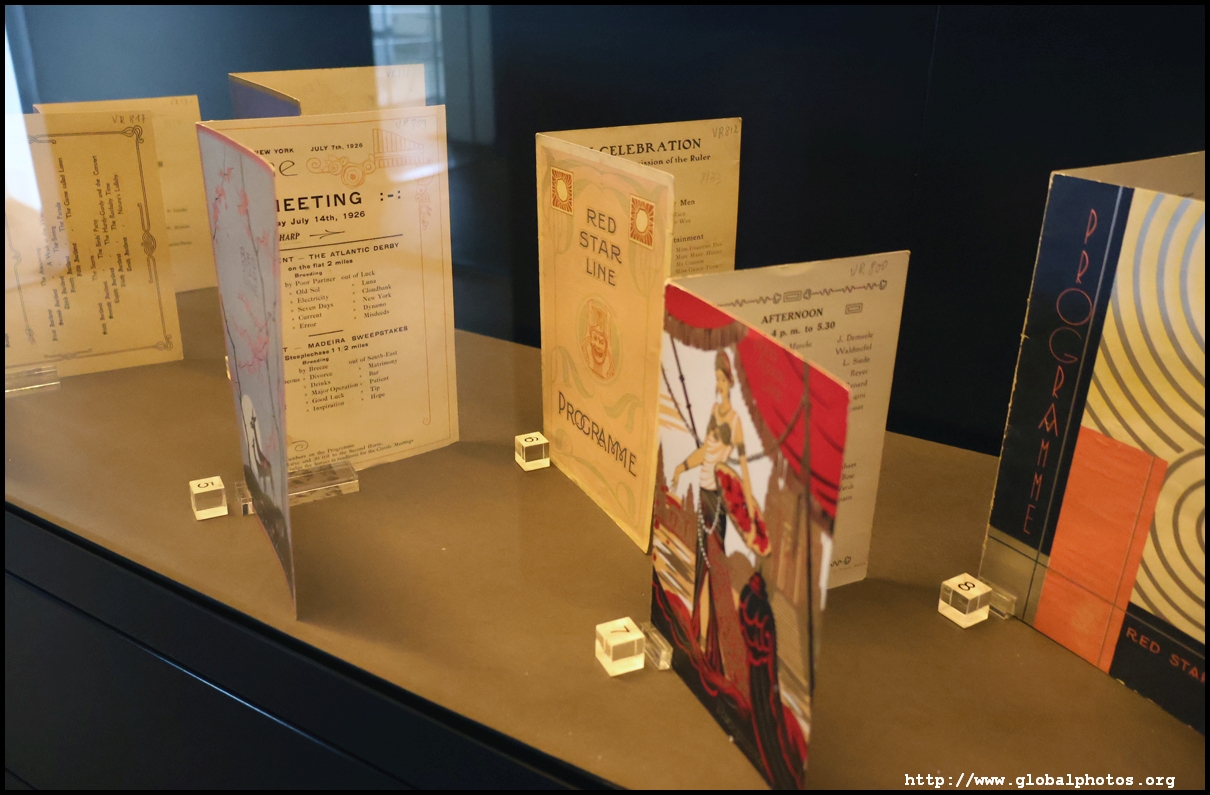
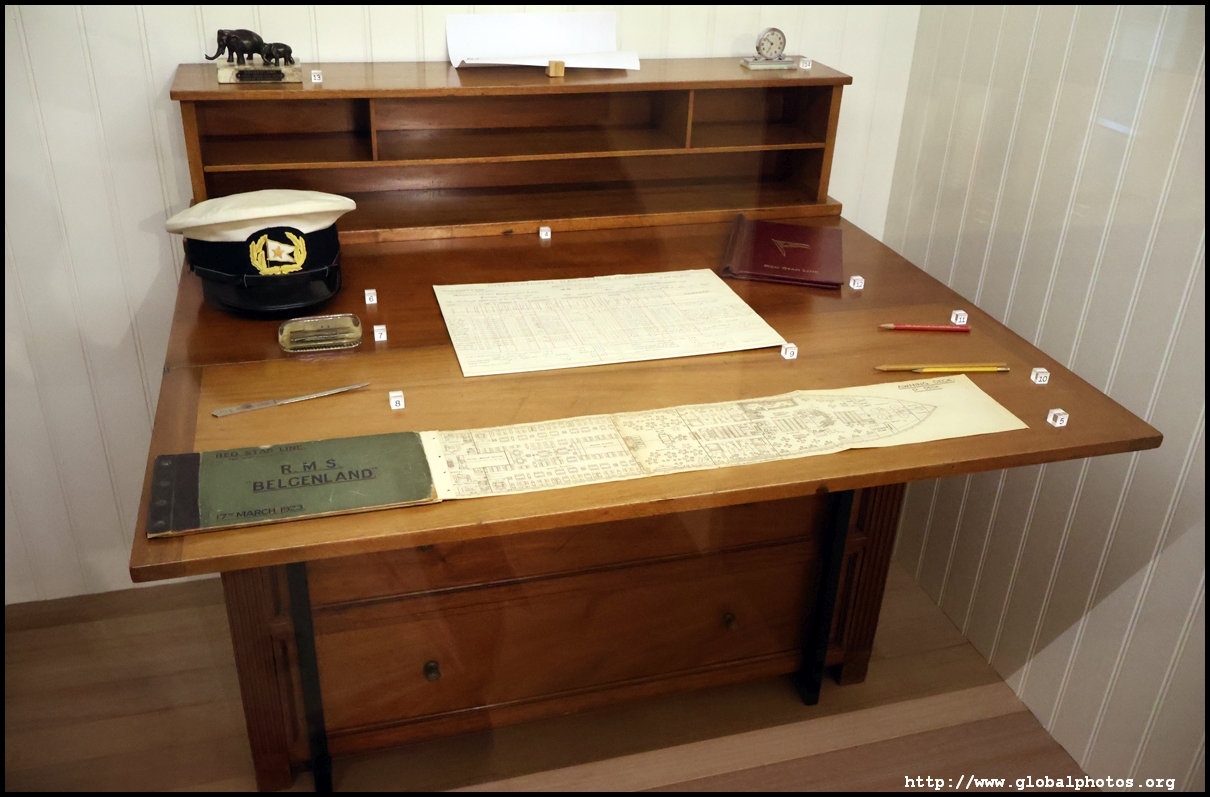
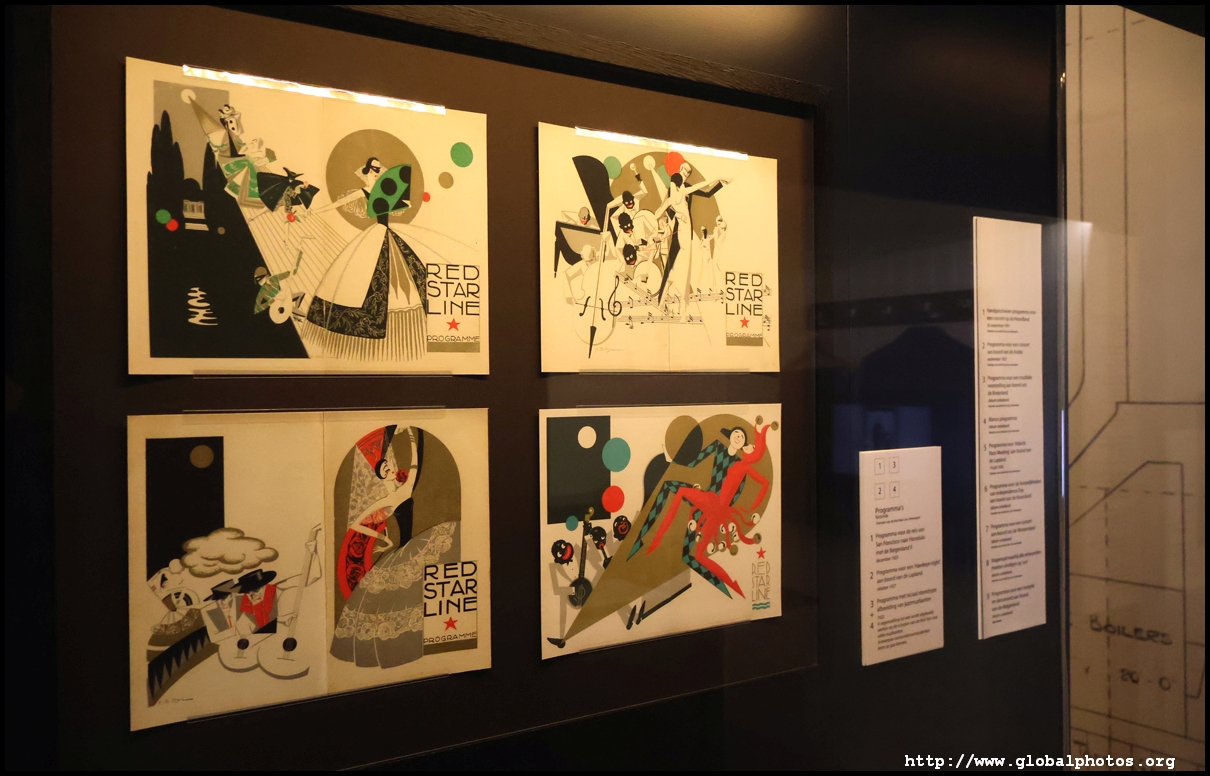
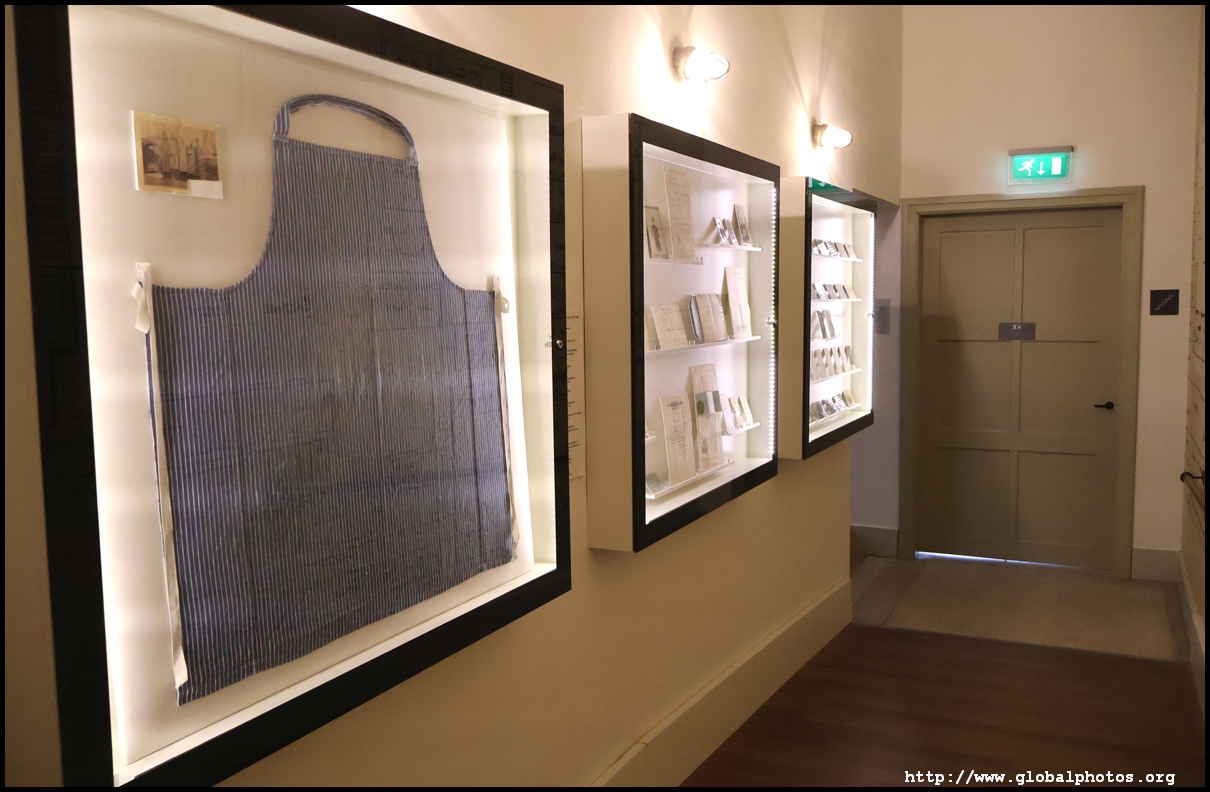
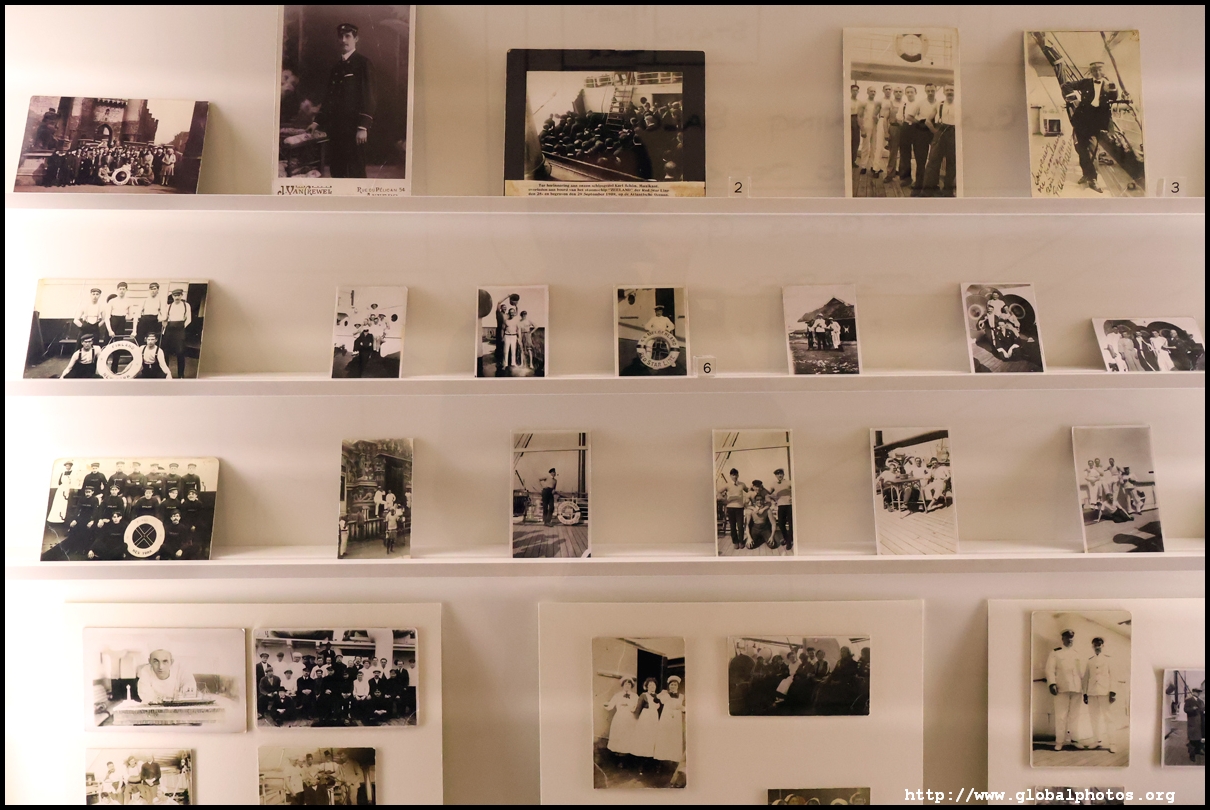
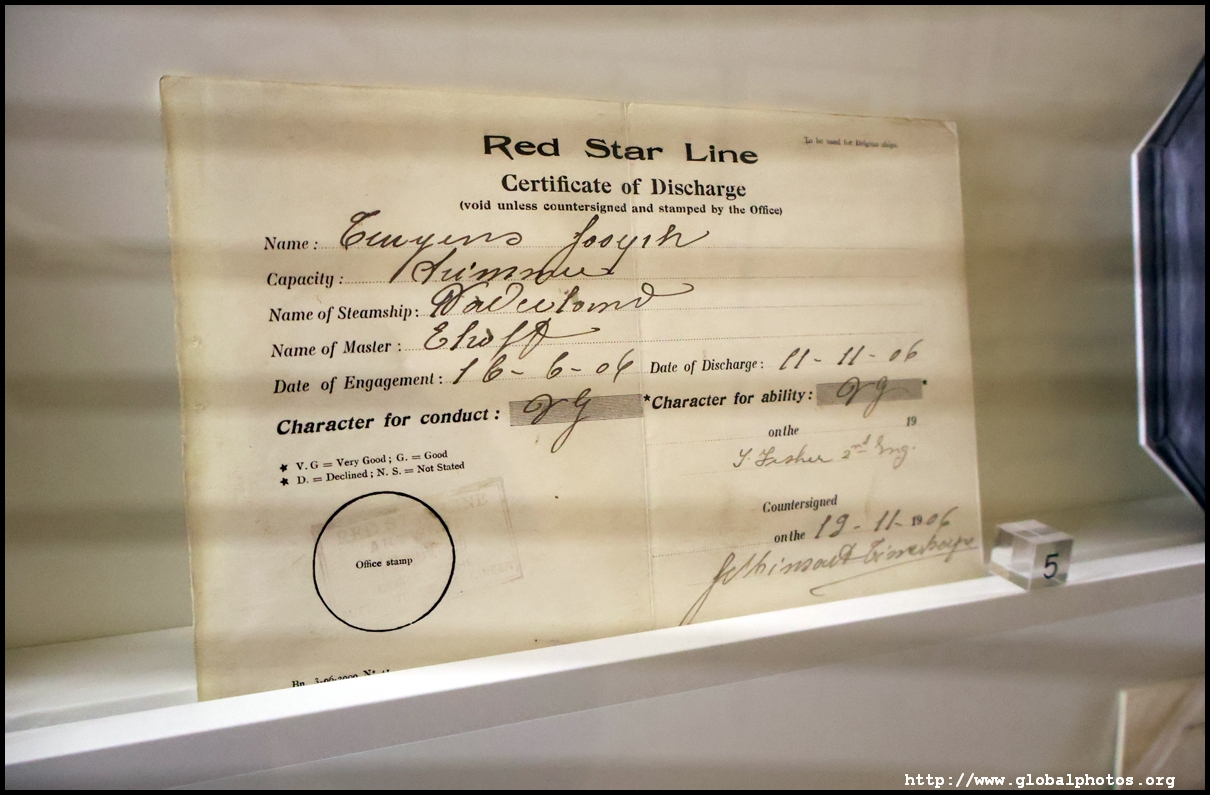
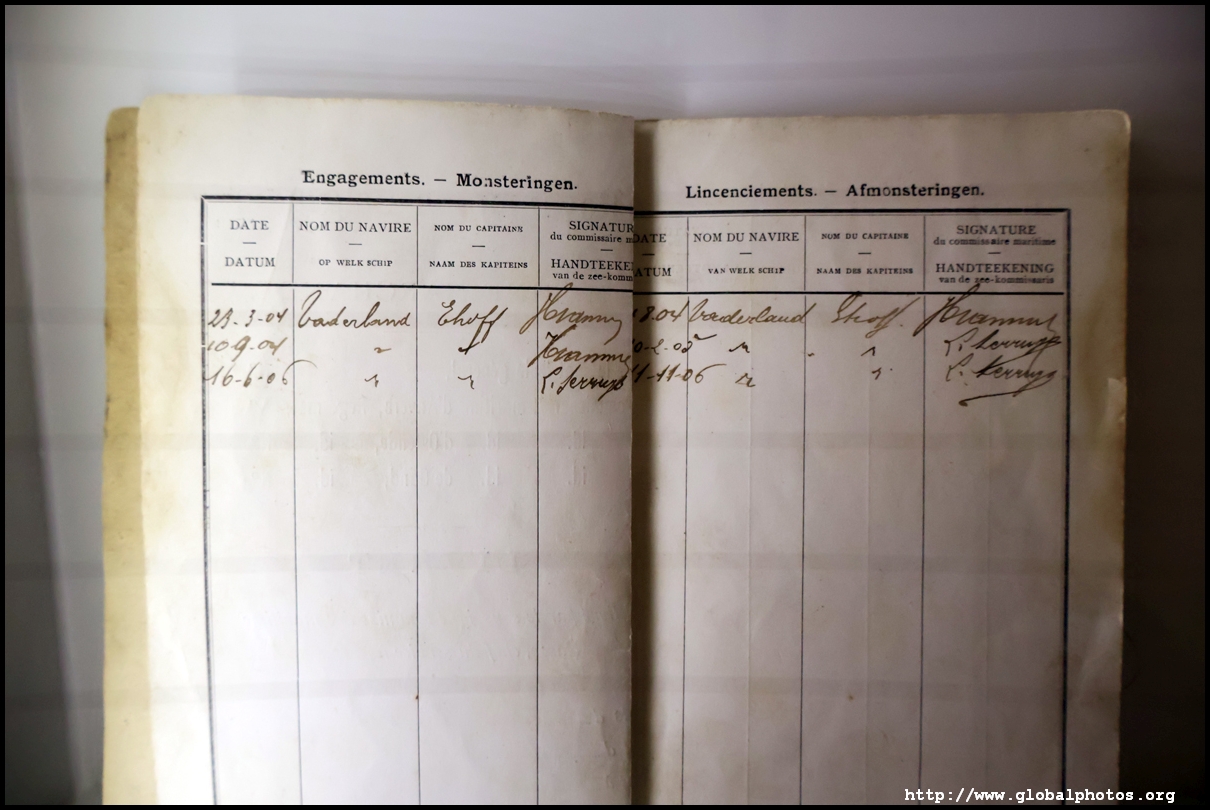
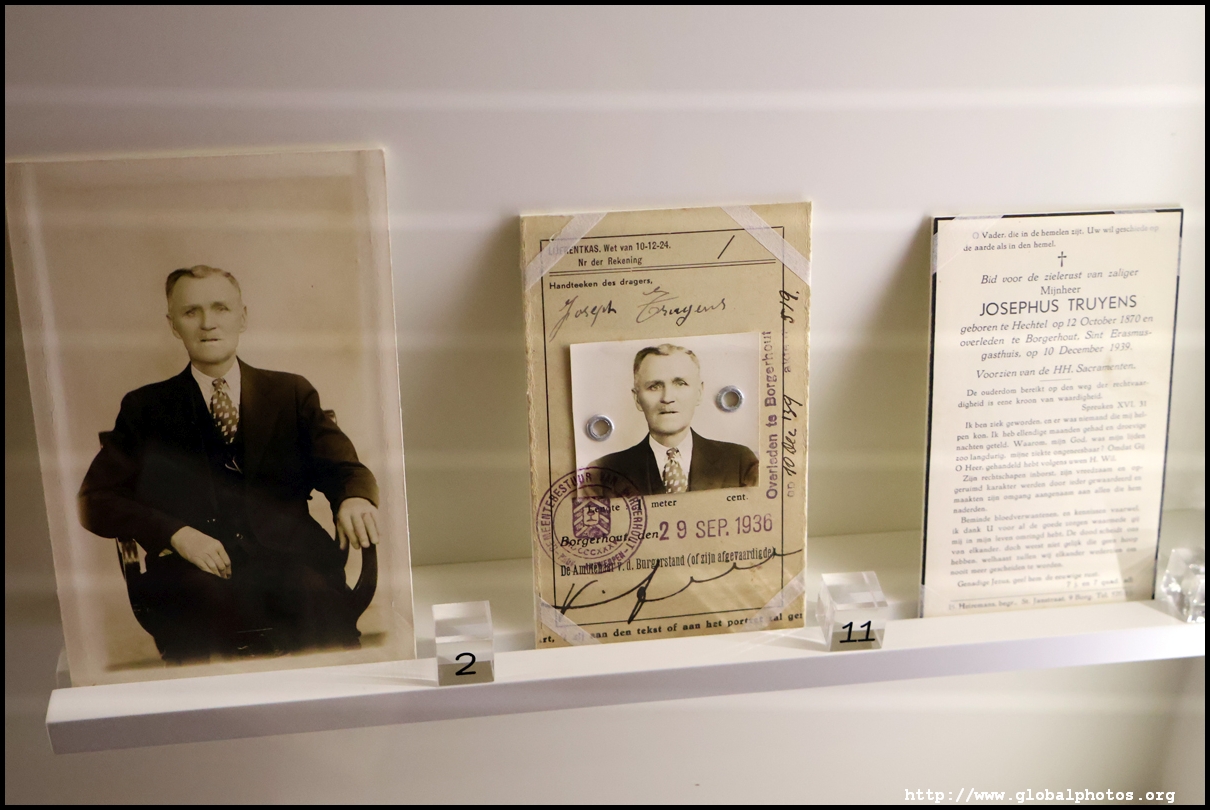
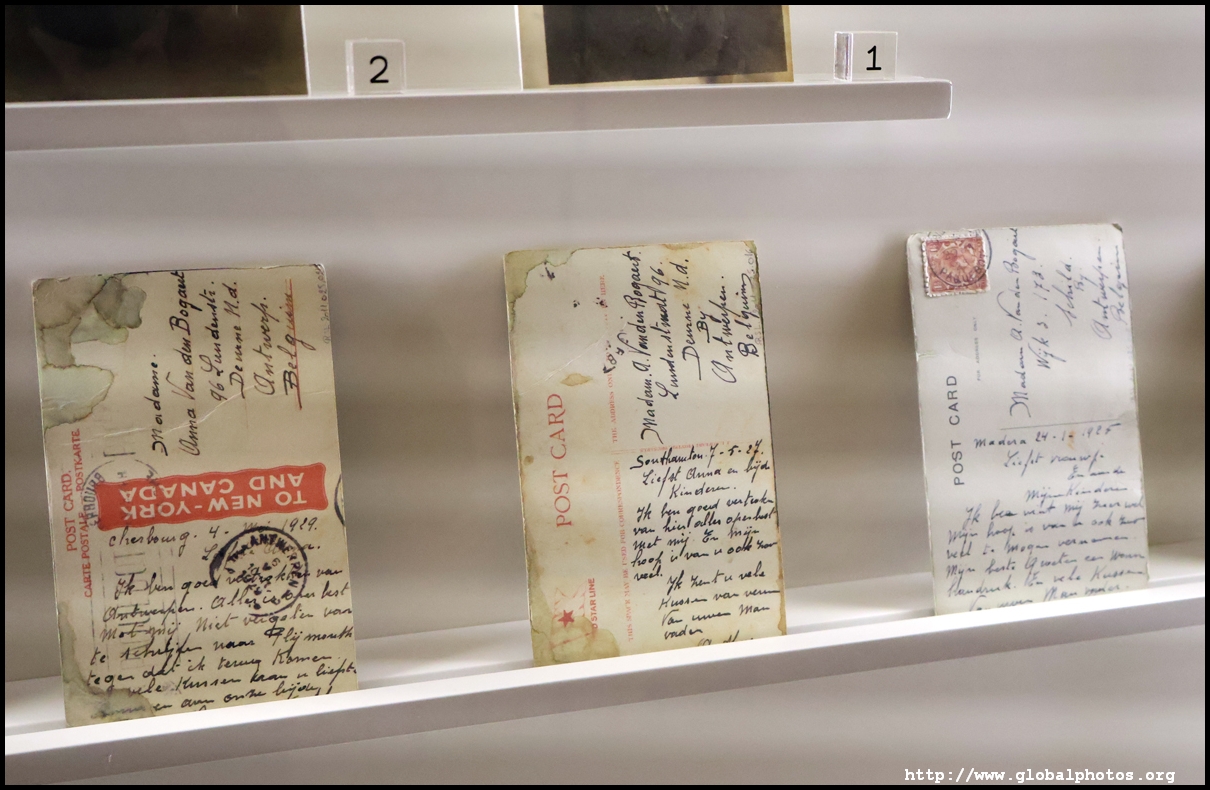
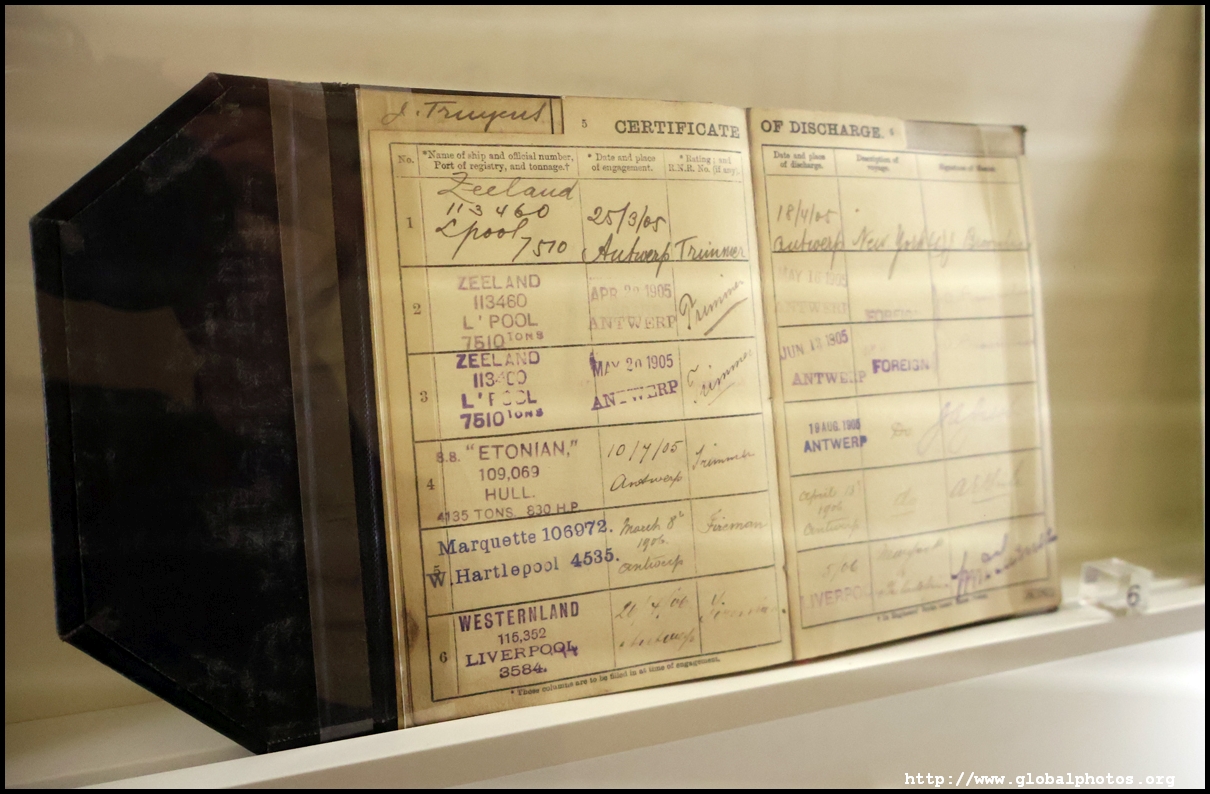
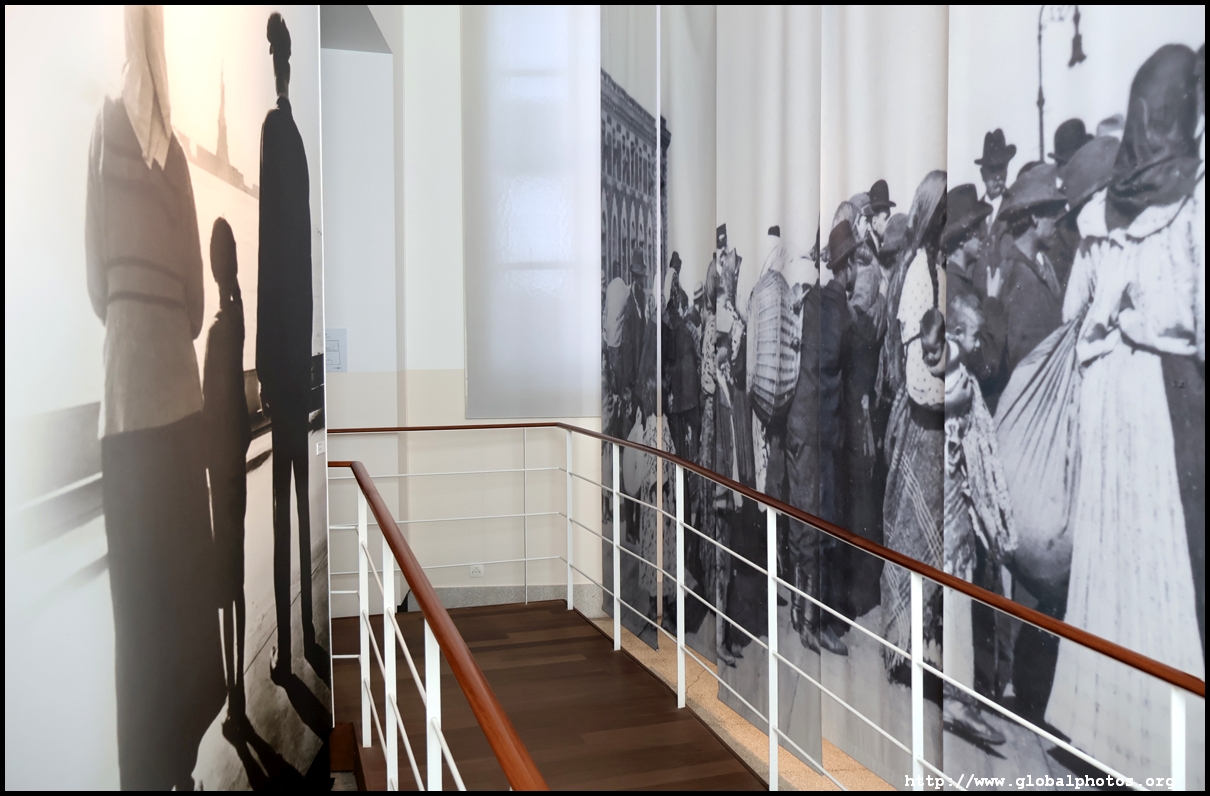
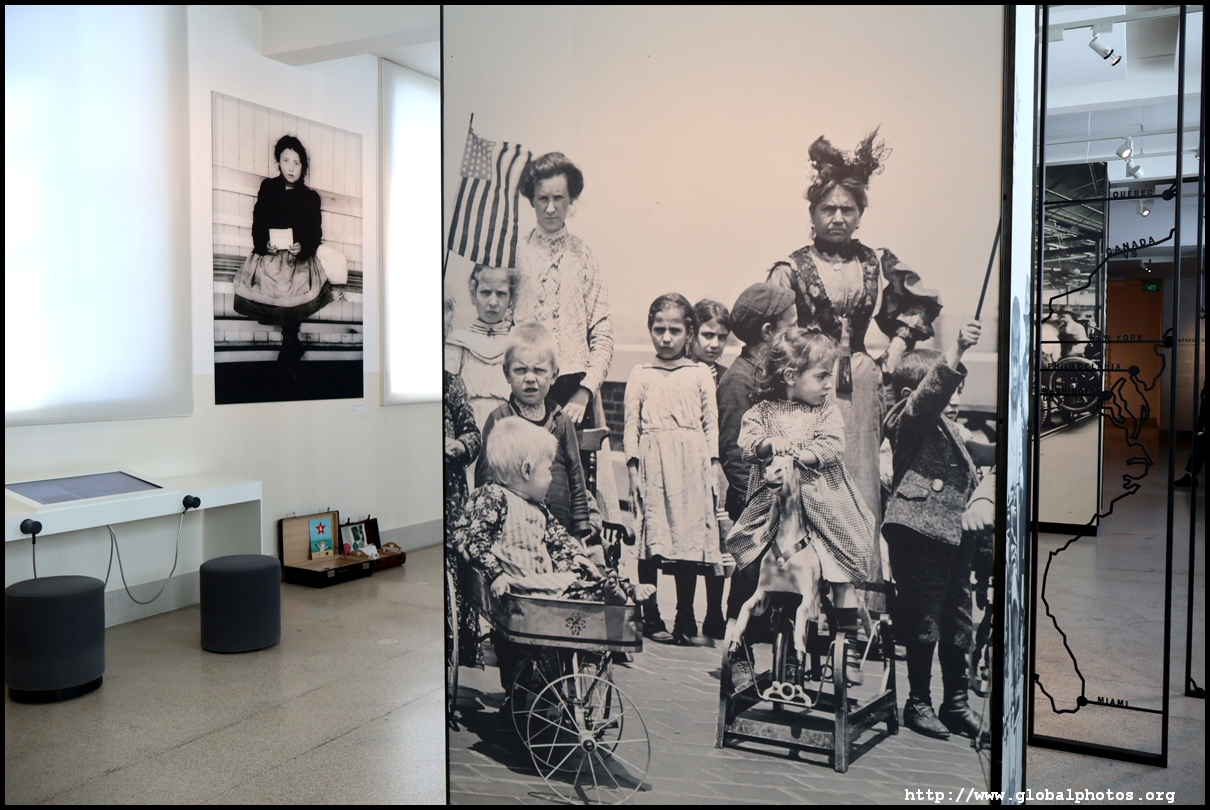
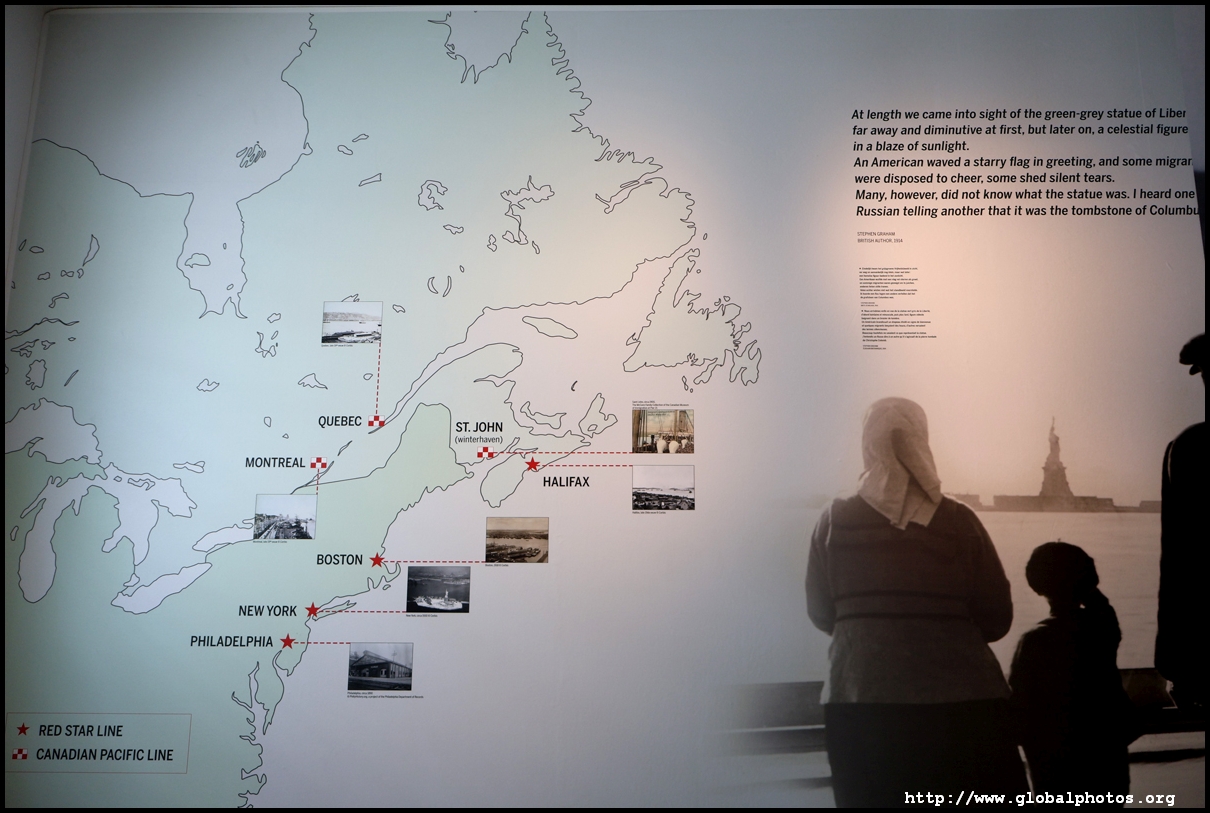
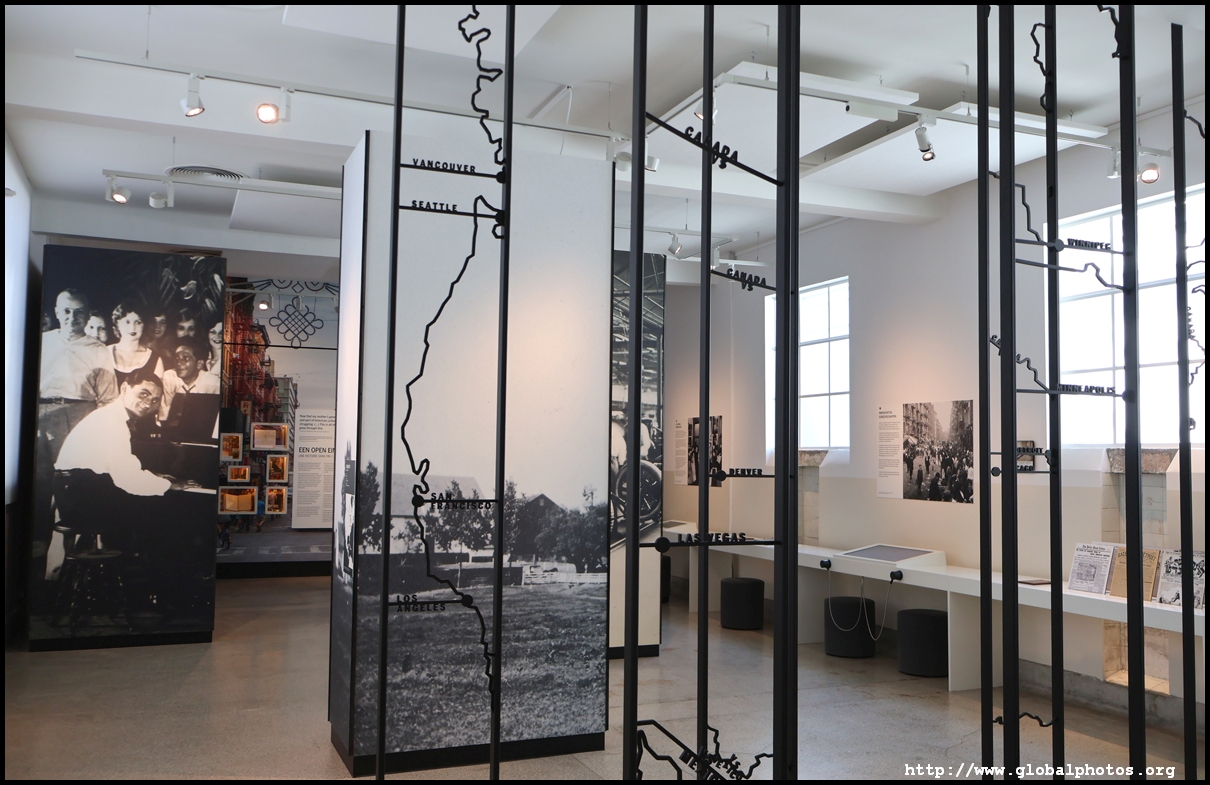
Sitting on Red Star Line's historic premises, a museum now showcases the company's history and how it transported 2 million Europeans longing for a better life in the Americas.The company was founded in 1872 with a business model of transporting cargo from the US to Europe and passengers on the return voyage. It was backed by the Pennsylvania Railroad Company, who saw the shipping industry as an extension of their railway network. The Red Star Line operated out of Antwerp's harbour area Eilandje with its ships moored along the Scheldt. The main wave of immigration took place from the 1870s up to the Great Depression, with each departing ship able to accomodate as many as 2500 passengers. Most of these people were not Belgian; Europeans from all over came to Antwerp for a trip across the Atlantic. Between 1815 and 1940, about 60 million people left Europe in search for a better life. Those who came through Antwerp were mainly destined for the US and originally lived in Germany and Eastern Europe and arrived by train. The Red Star Line operated to New York and Philadelphia. At the time, the US and Canada were booming, adding promise to a new life abroad.
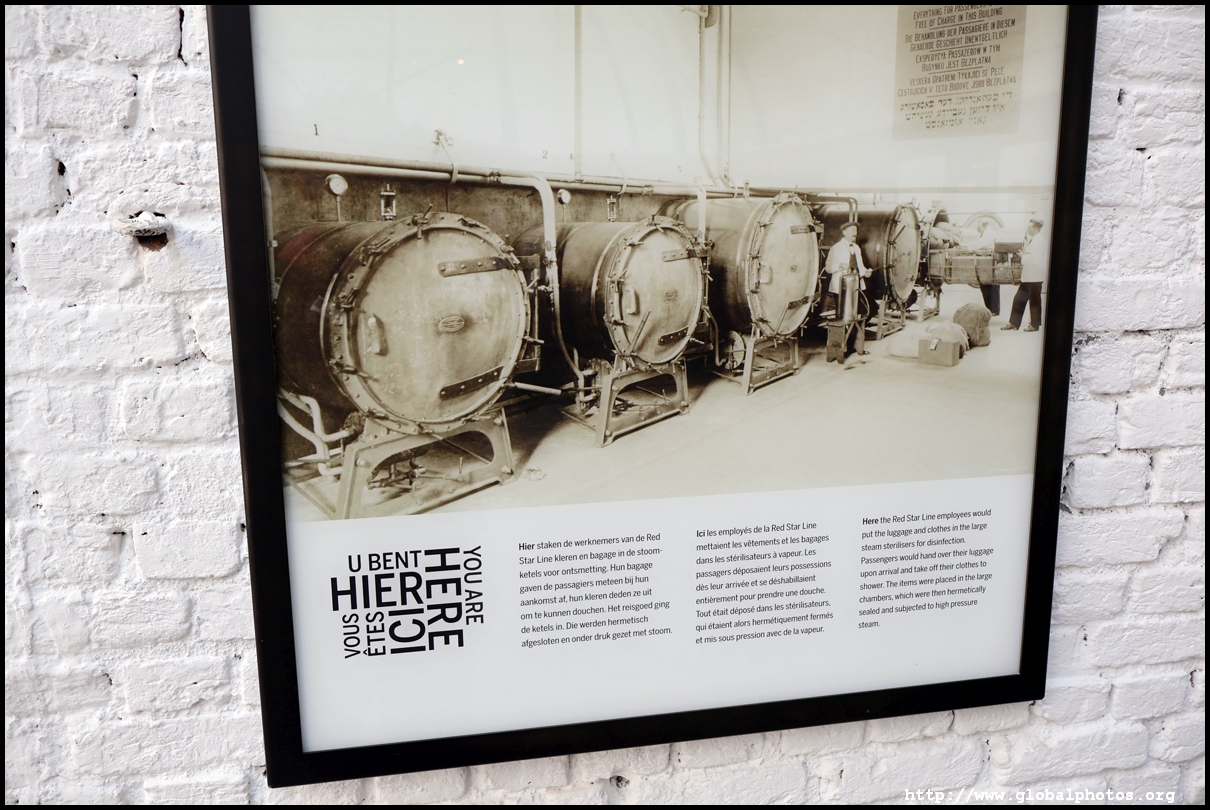
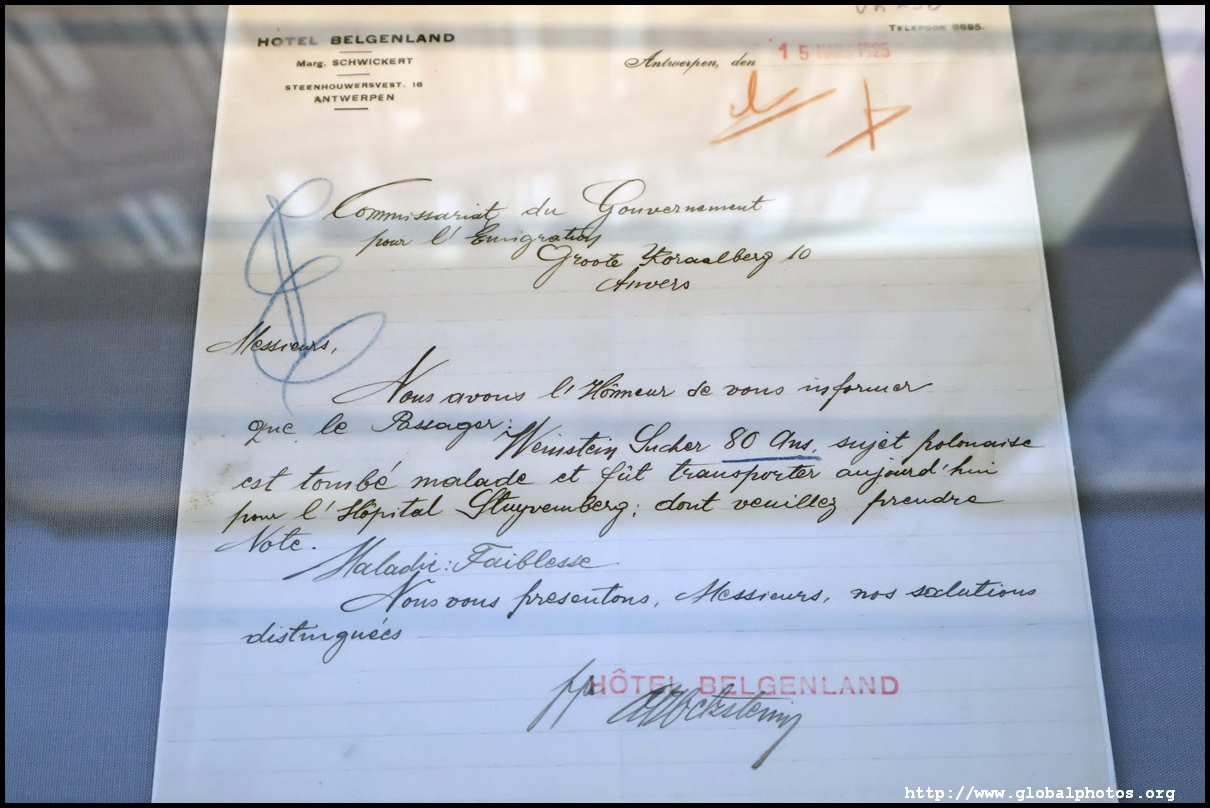
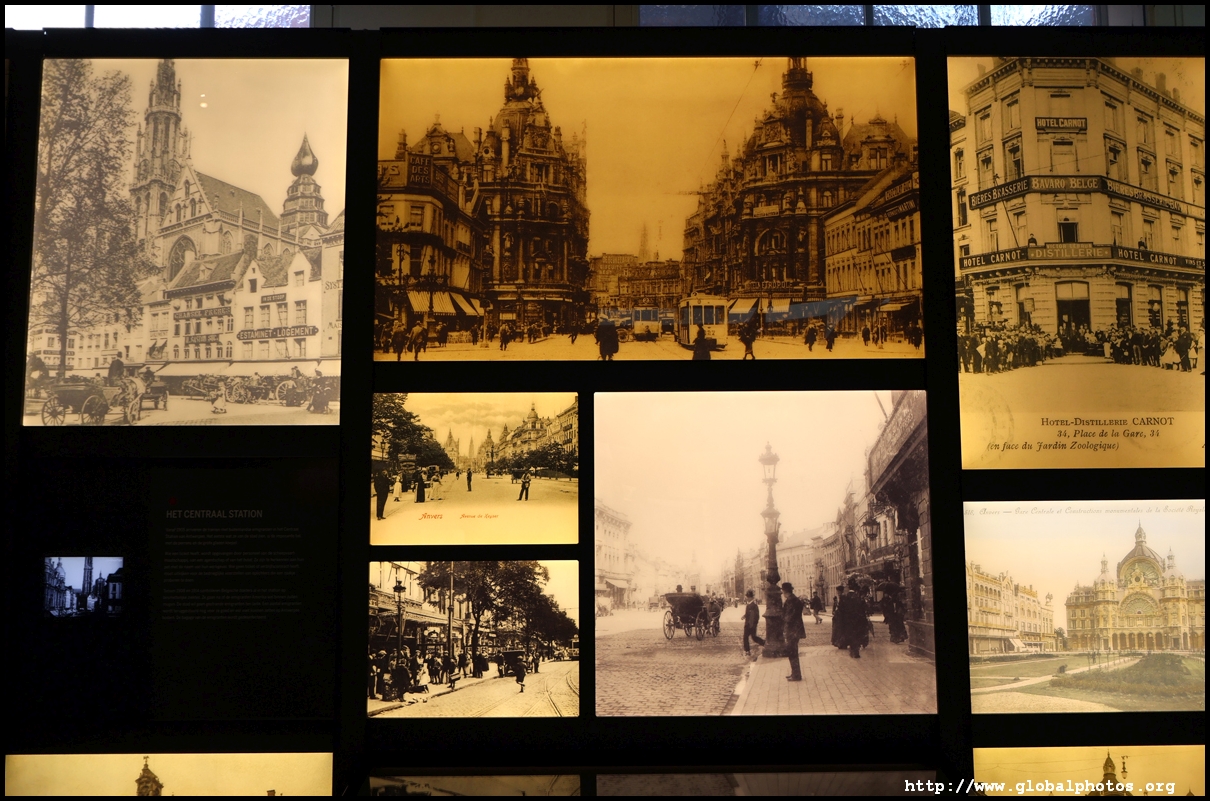
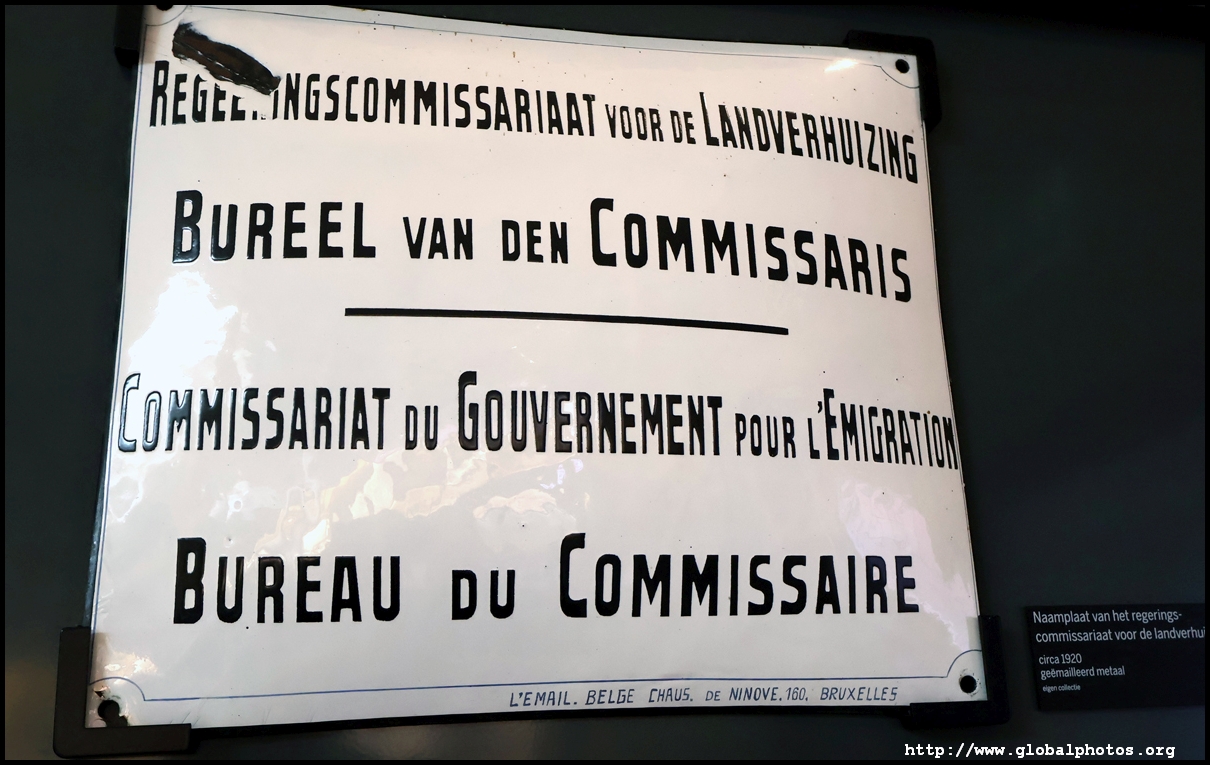
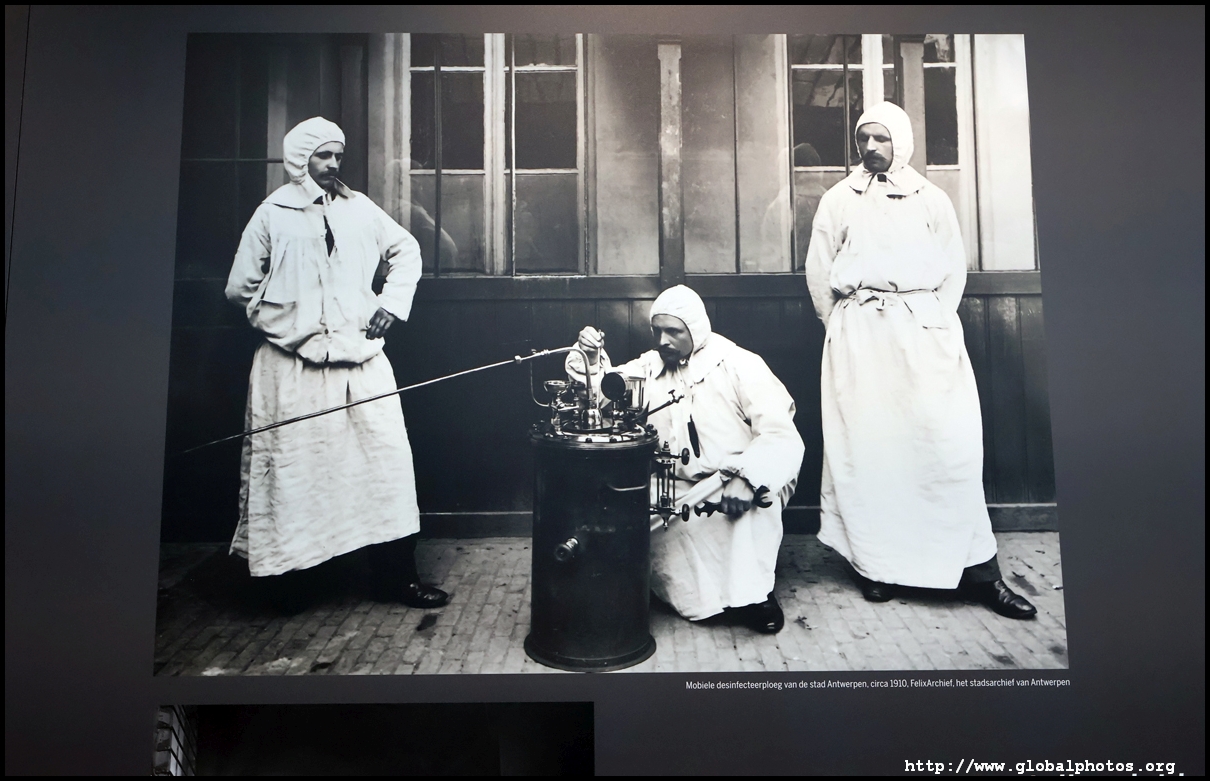
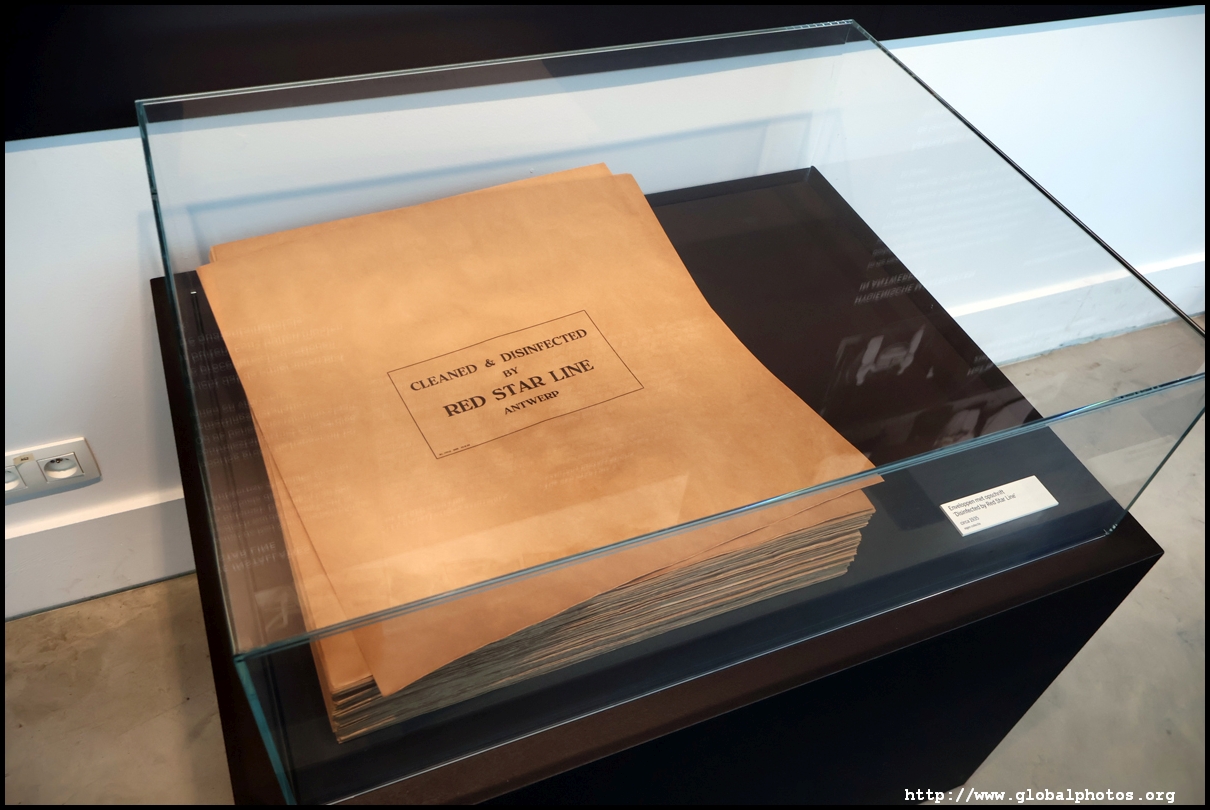
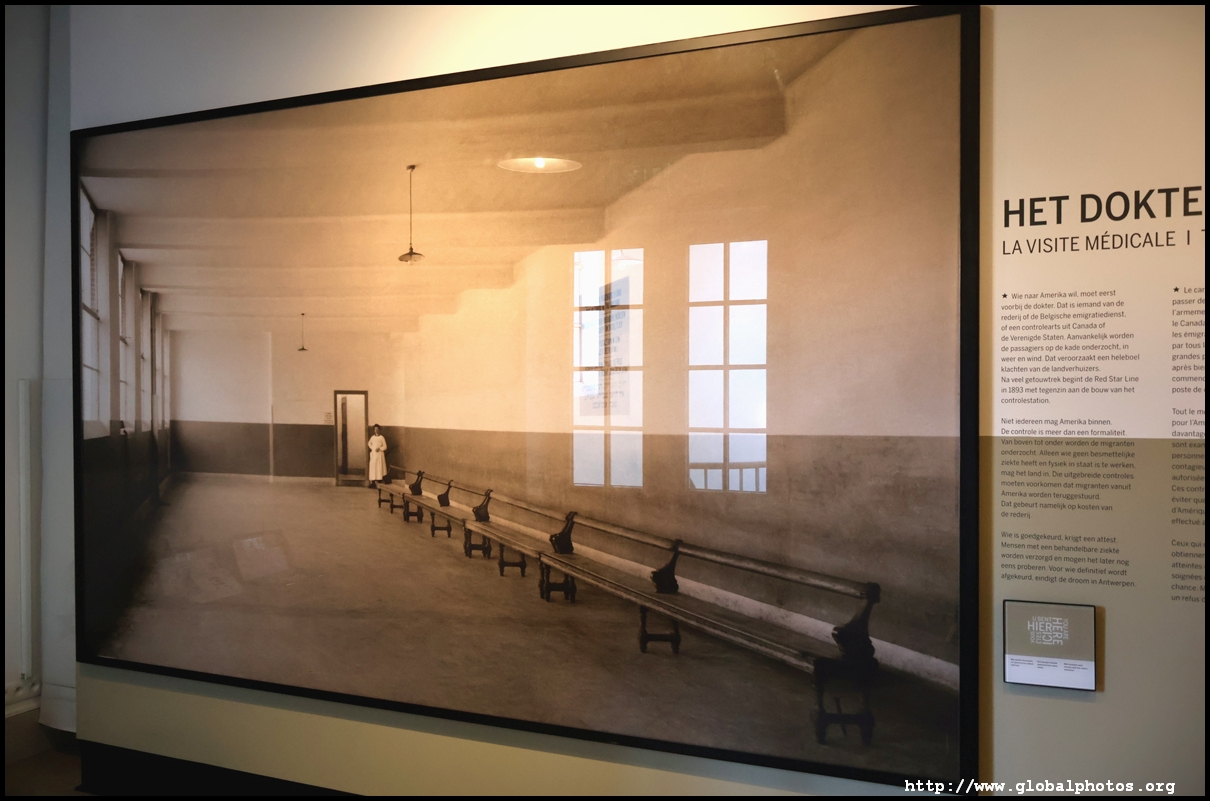
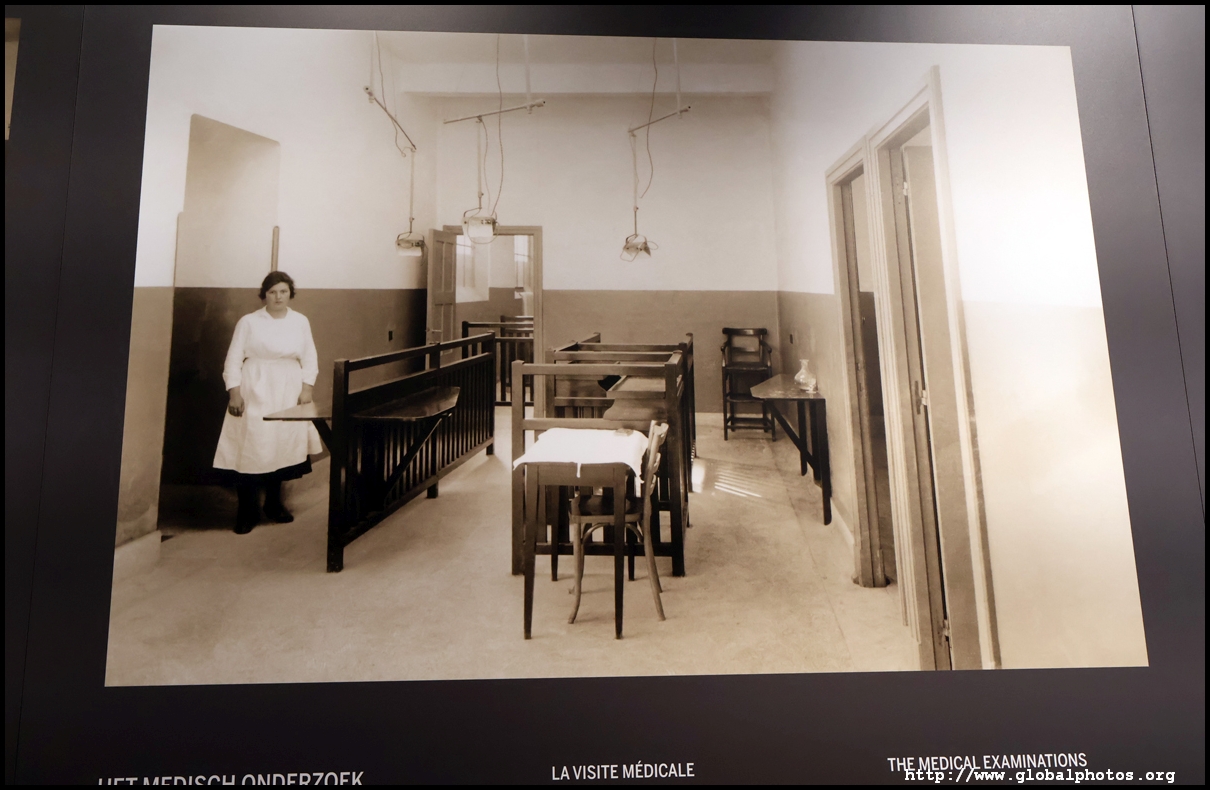
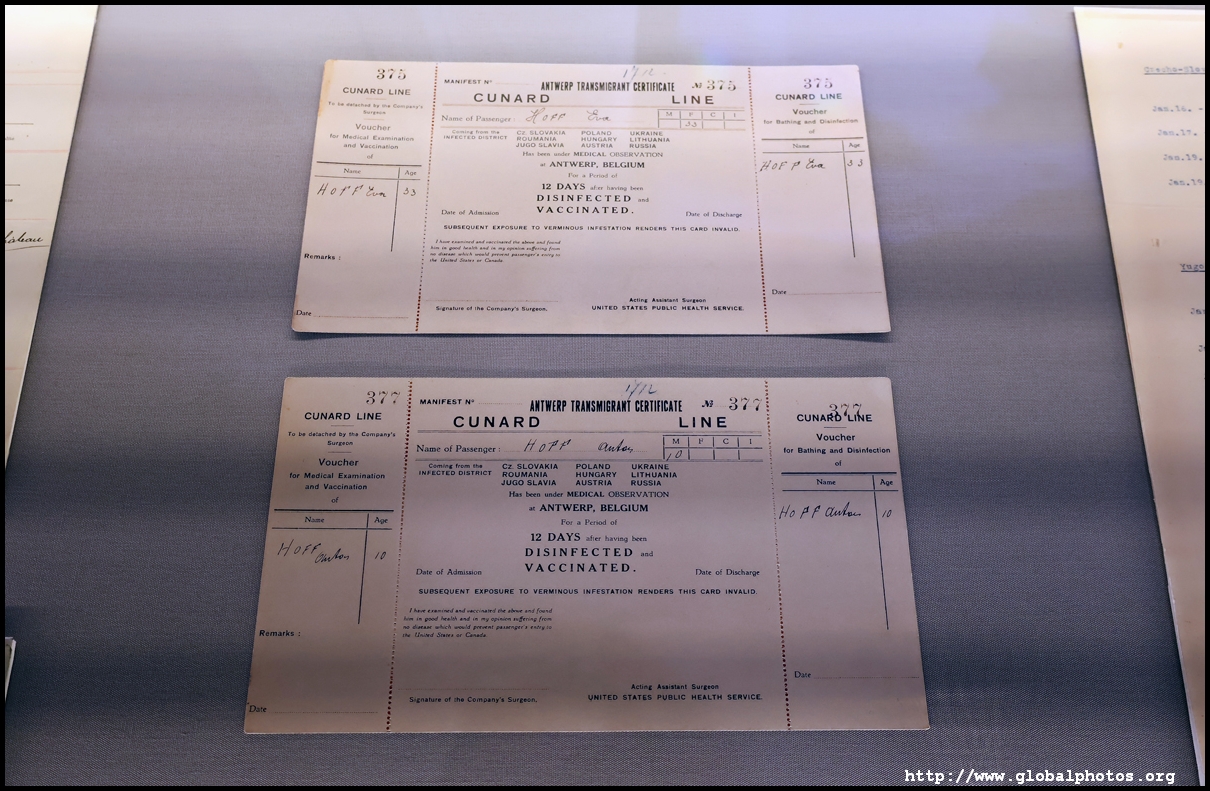
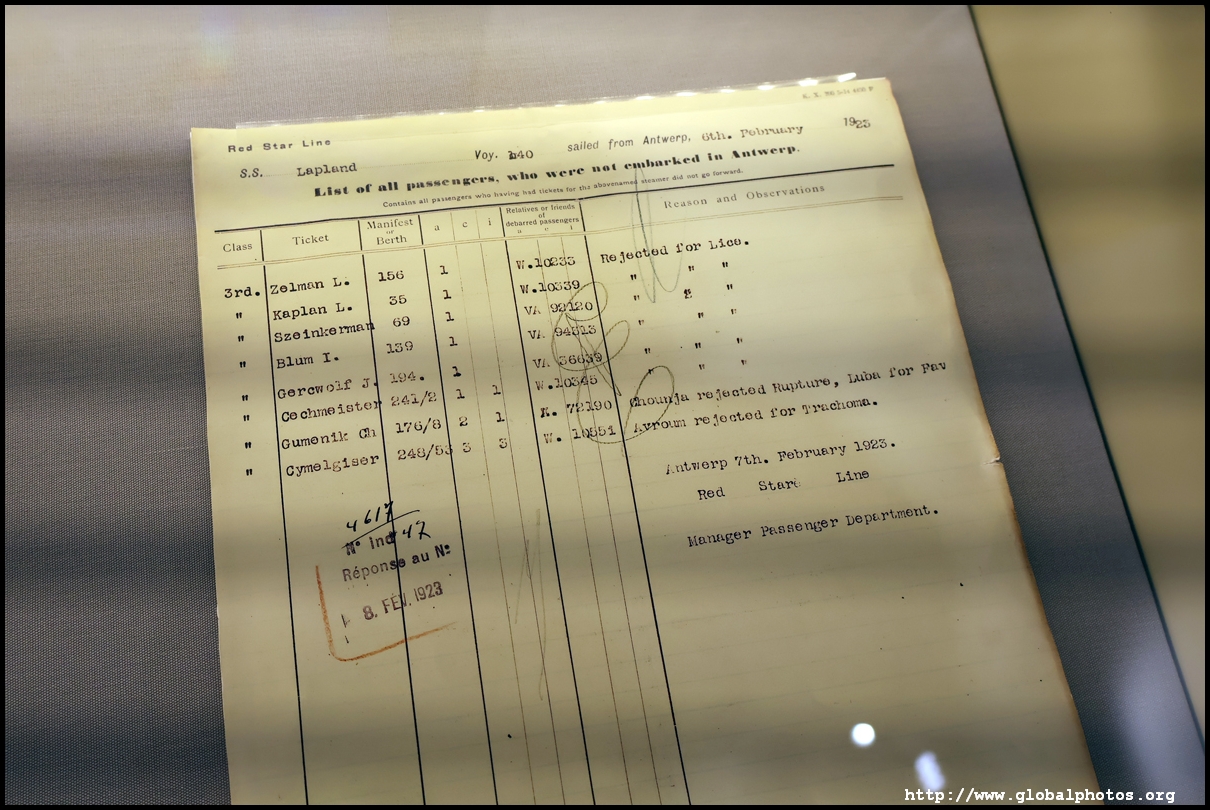
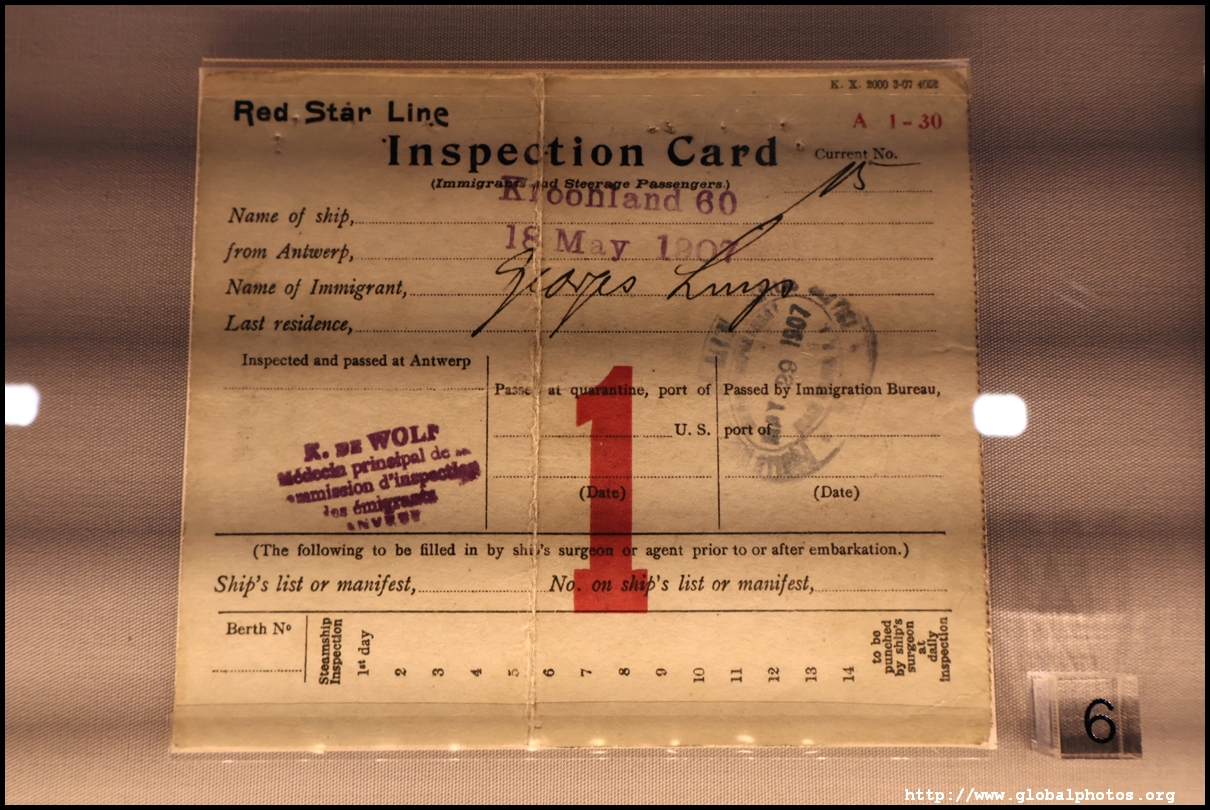
During the 19th century, Antwerp's residents lived in cramp and dirty conditions as the city expanded and cholera outbreaks took place. They took aim at the migrants fearing they bring disease. Upon their arrival at Central Station and until departing on the ship, they were examined for contagious diseases repeatedly. By the early 1920s, passengers bound for the ships were checked in Red Star Line's buildings. They were seen by 3 doctors - from the US or Canadian government, the shipping line, and from the Belgian Emigration Service. Passengers were checked for parasites, veneral diseases, and physical well-being.
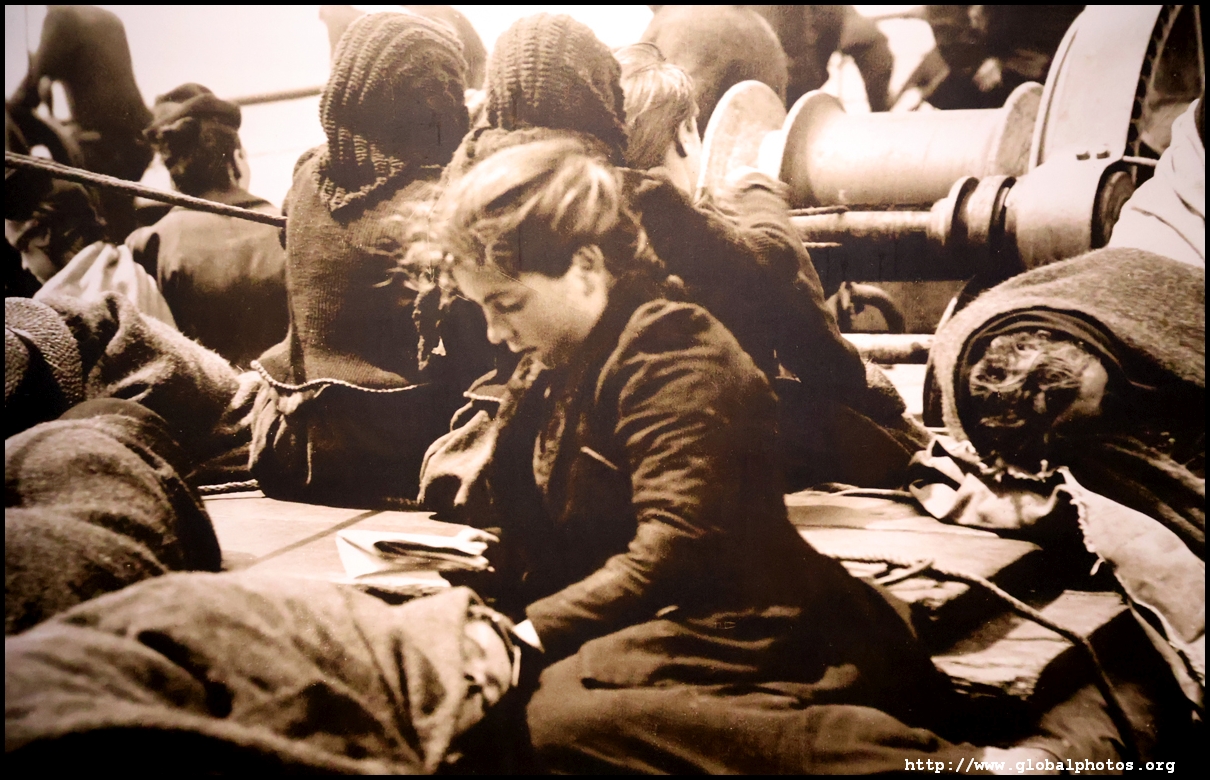
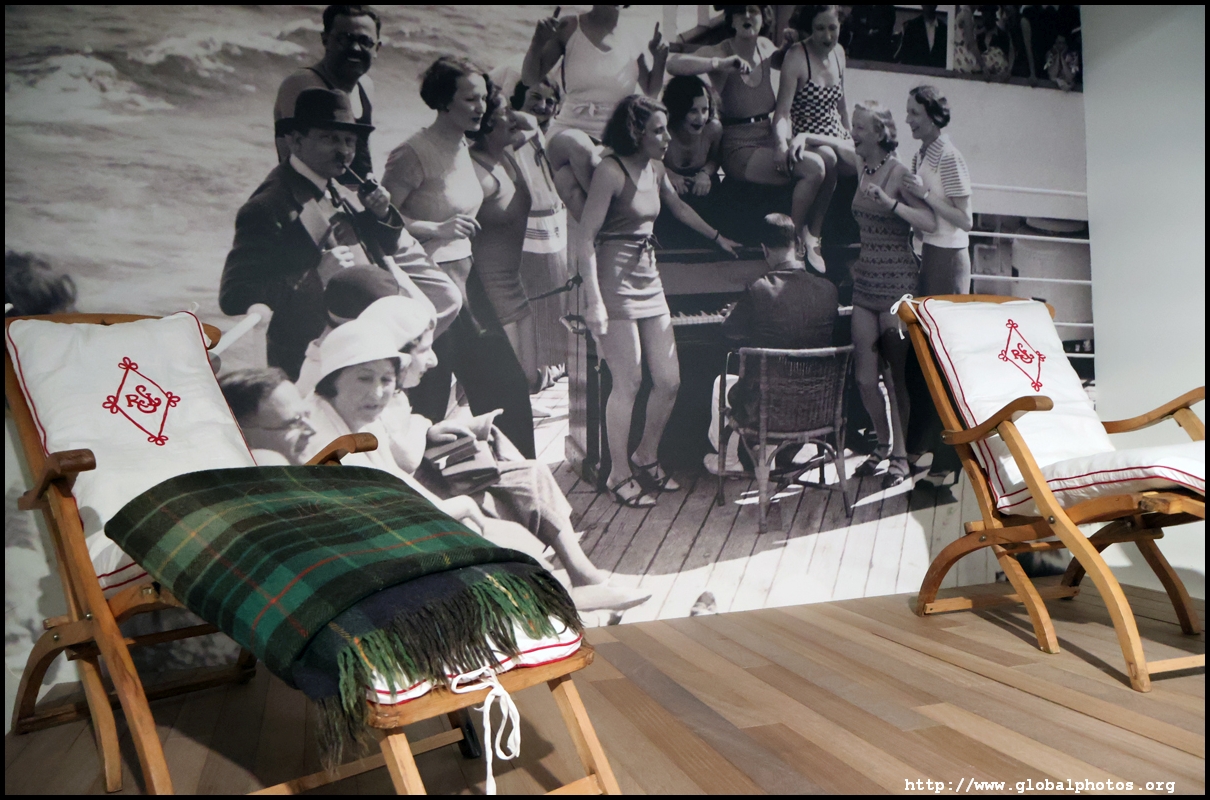
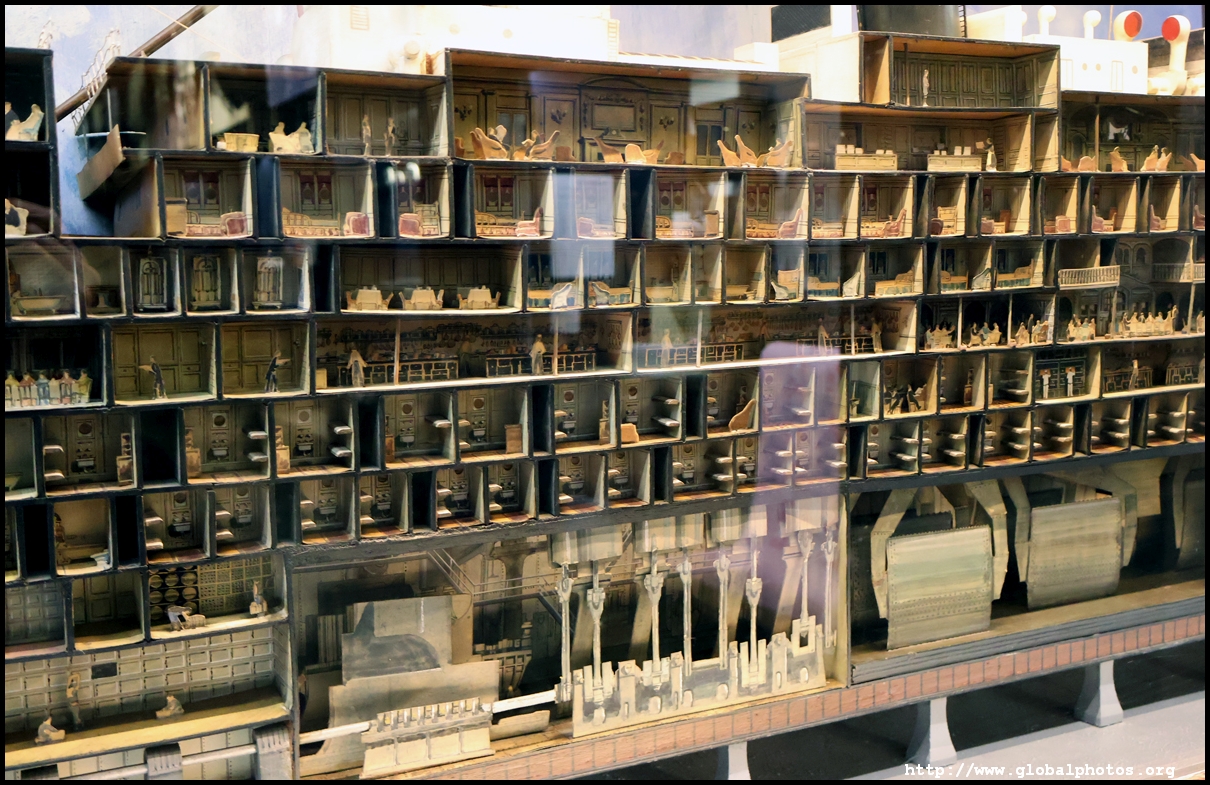
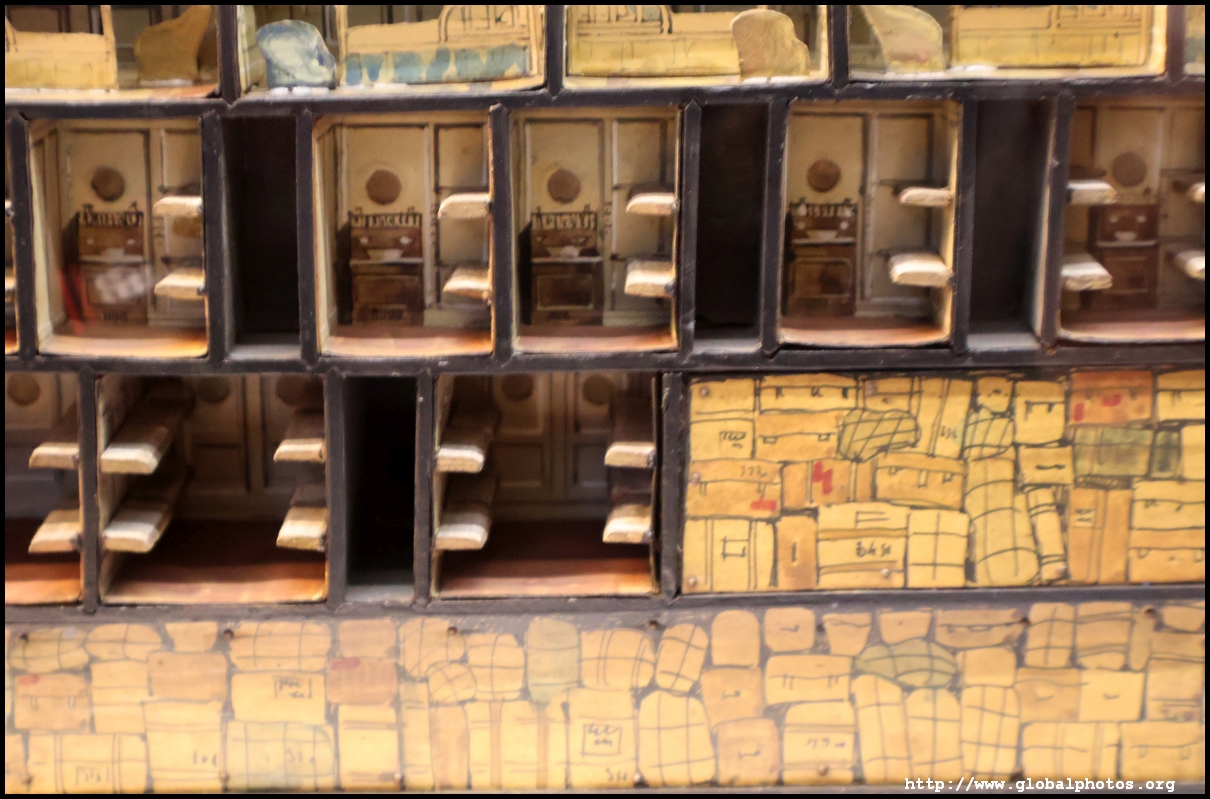
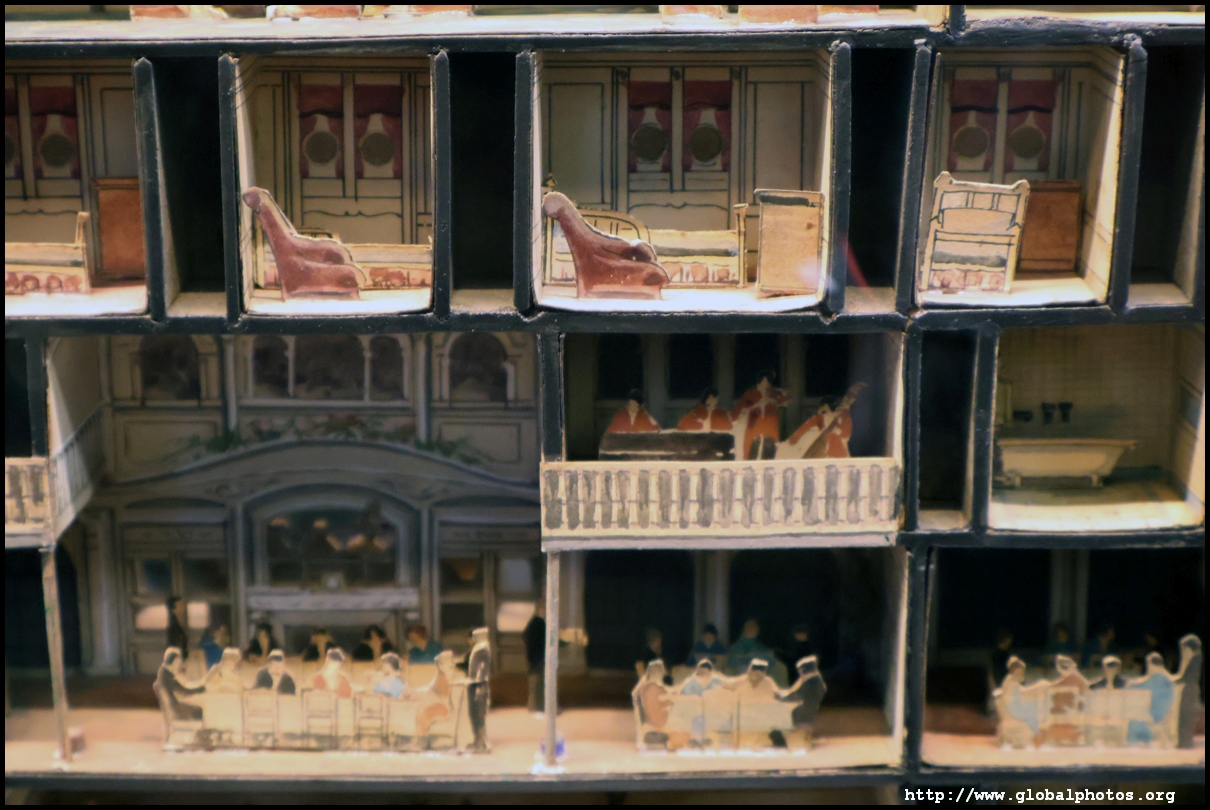
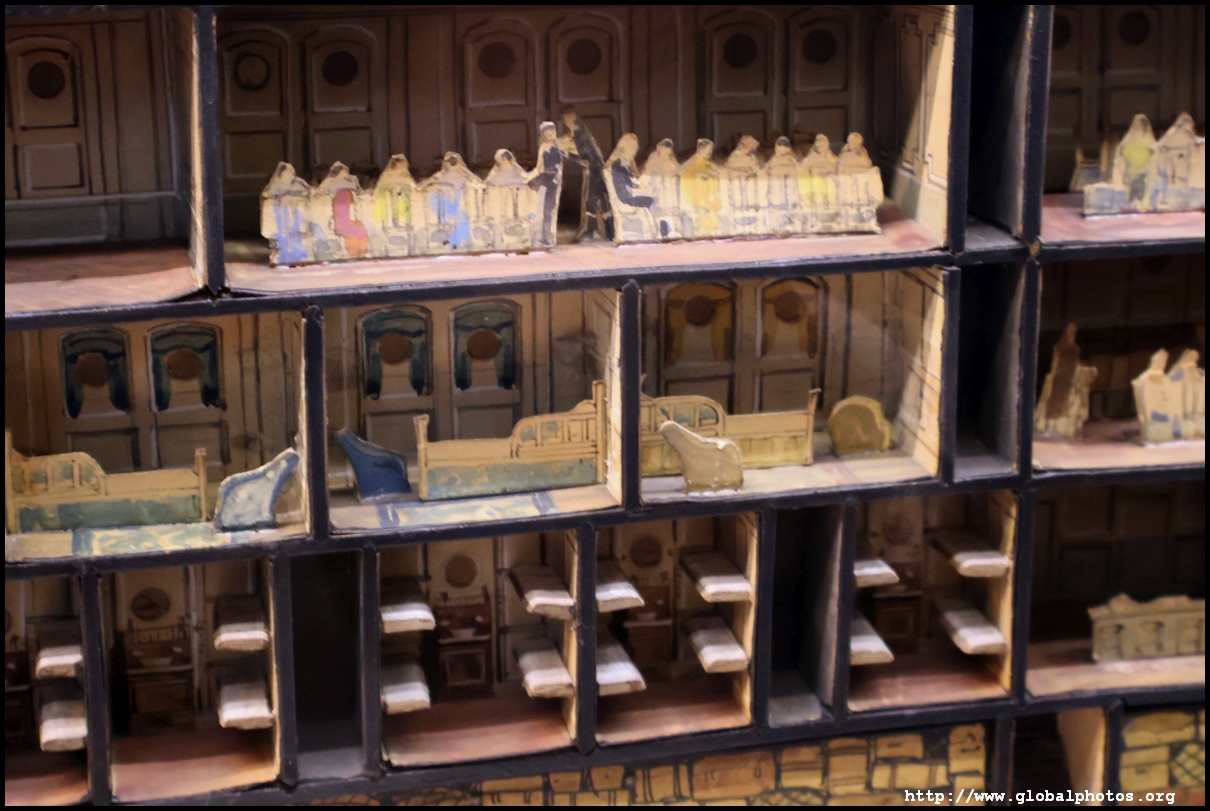
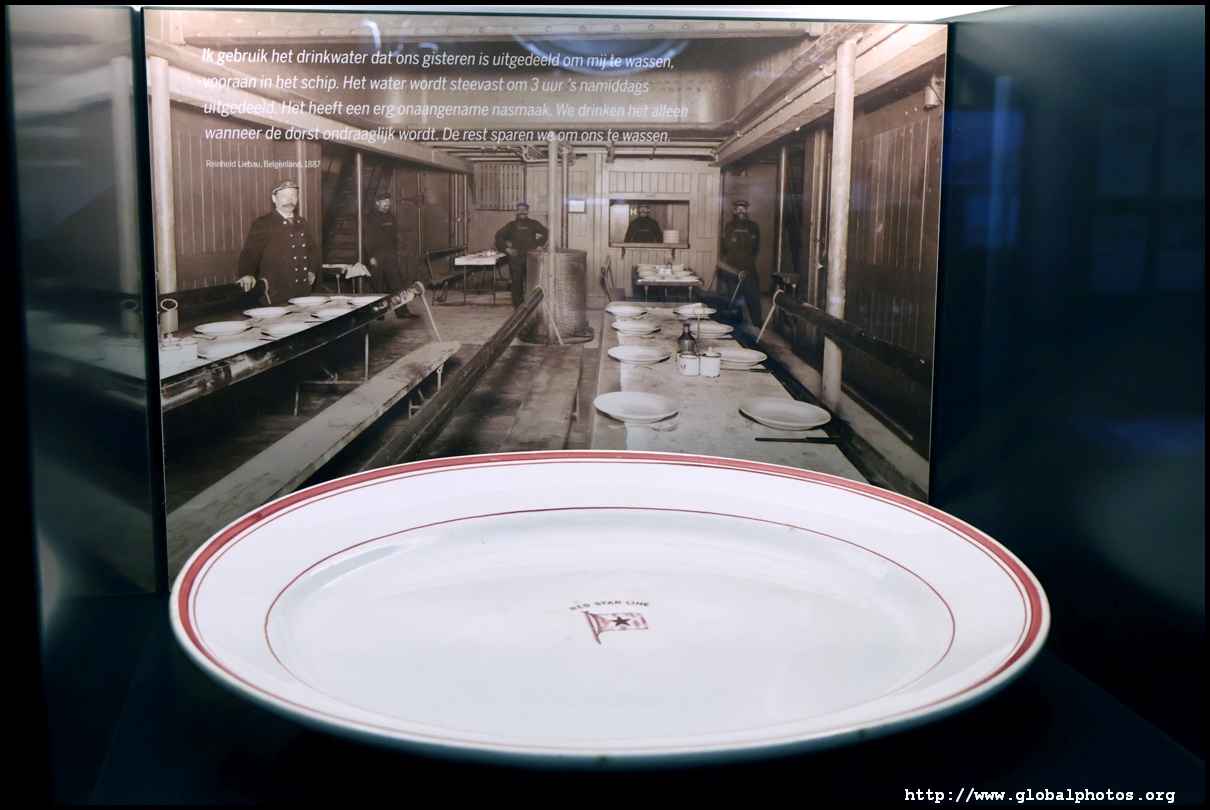
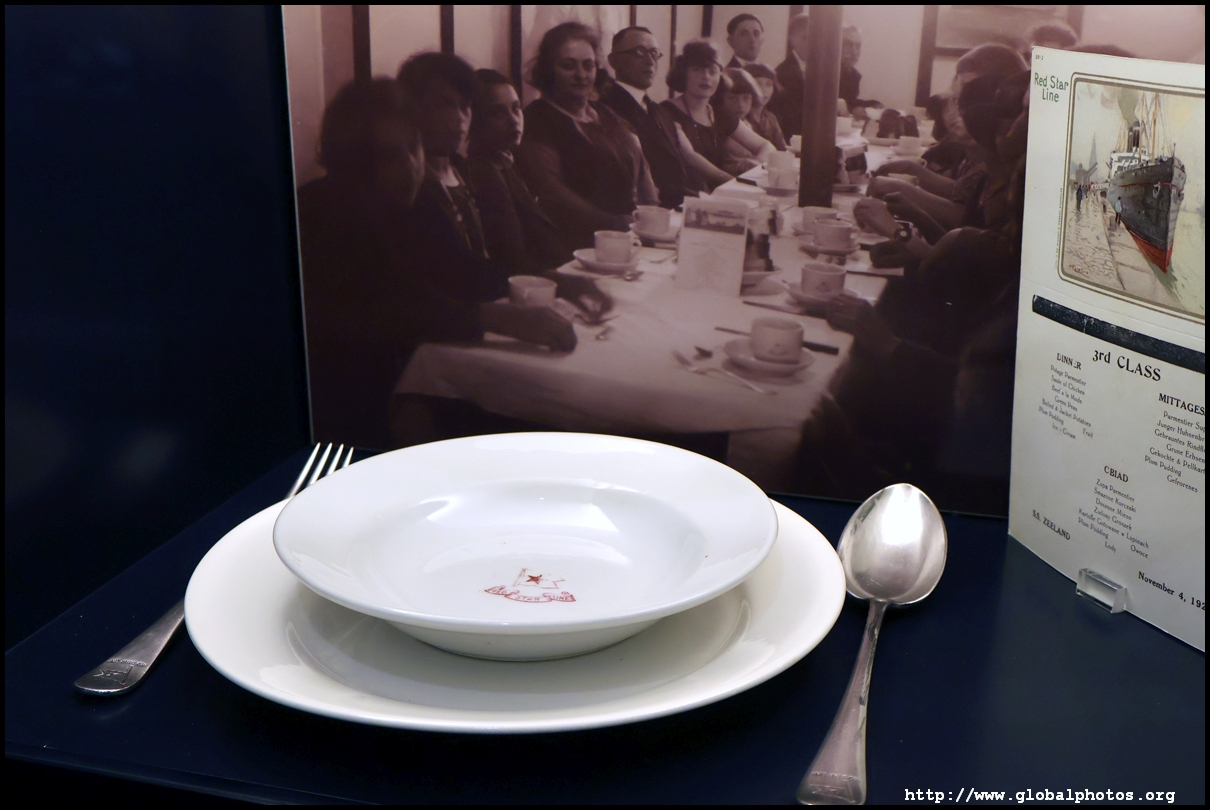
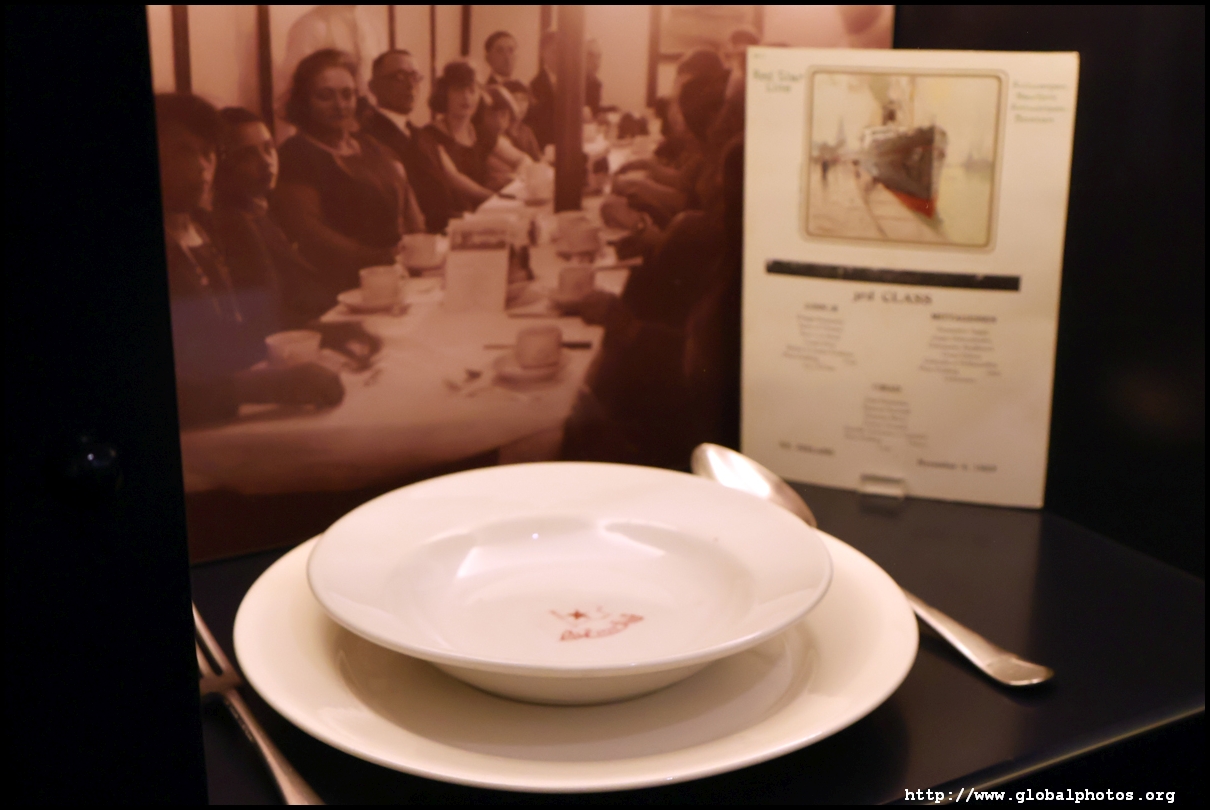
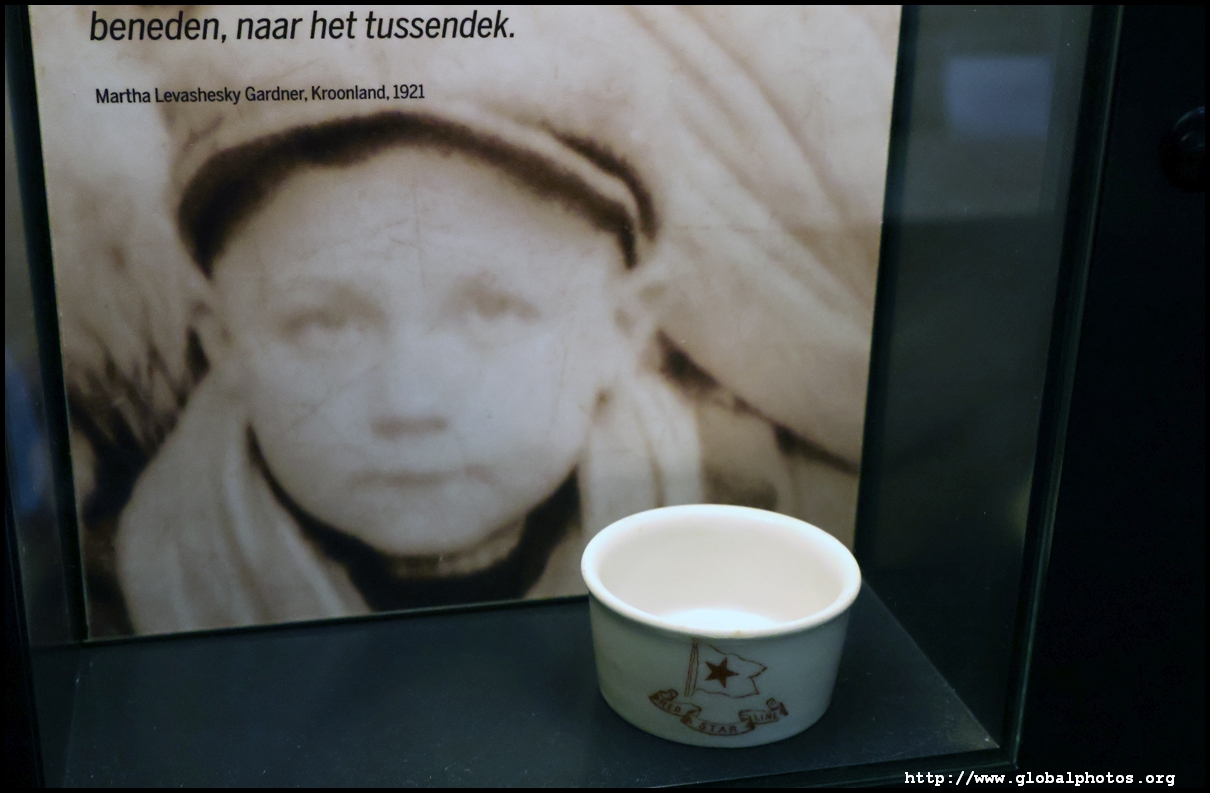
For the poorer passengers, the journey in steerage was not very pleasant with packed conditions. However, these ships were able to make the journey across the Atlantic to New York in just 10 days.
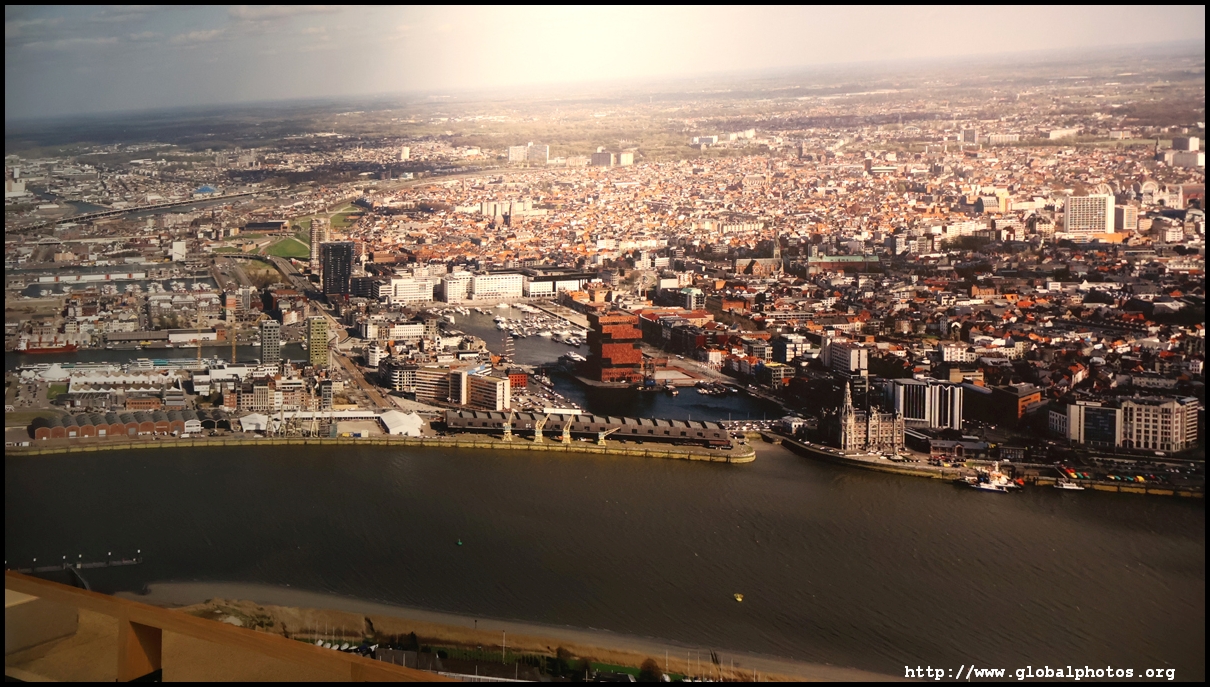
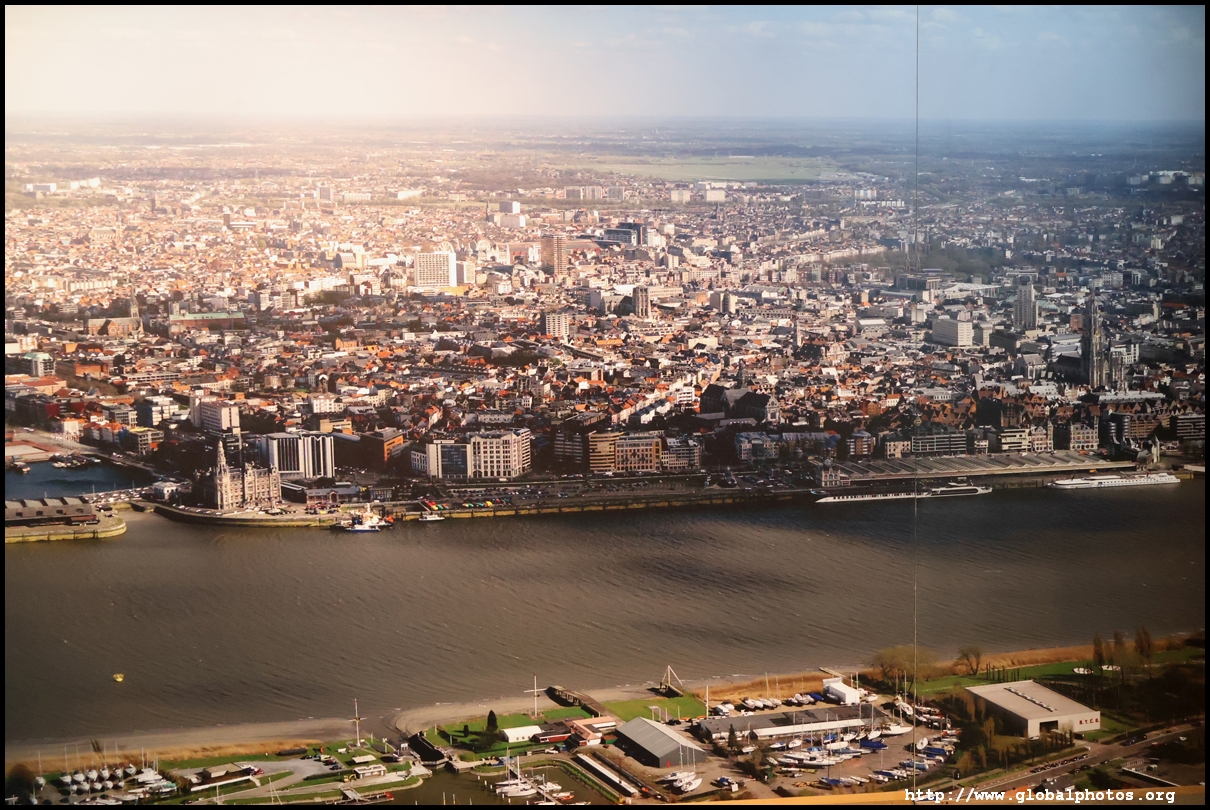
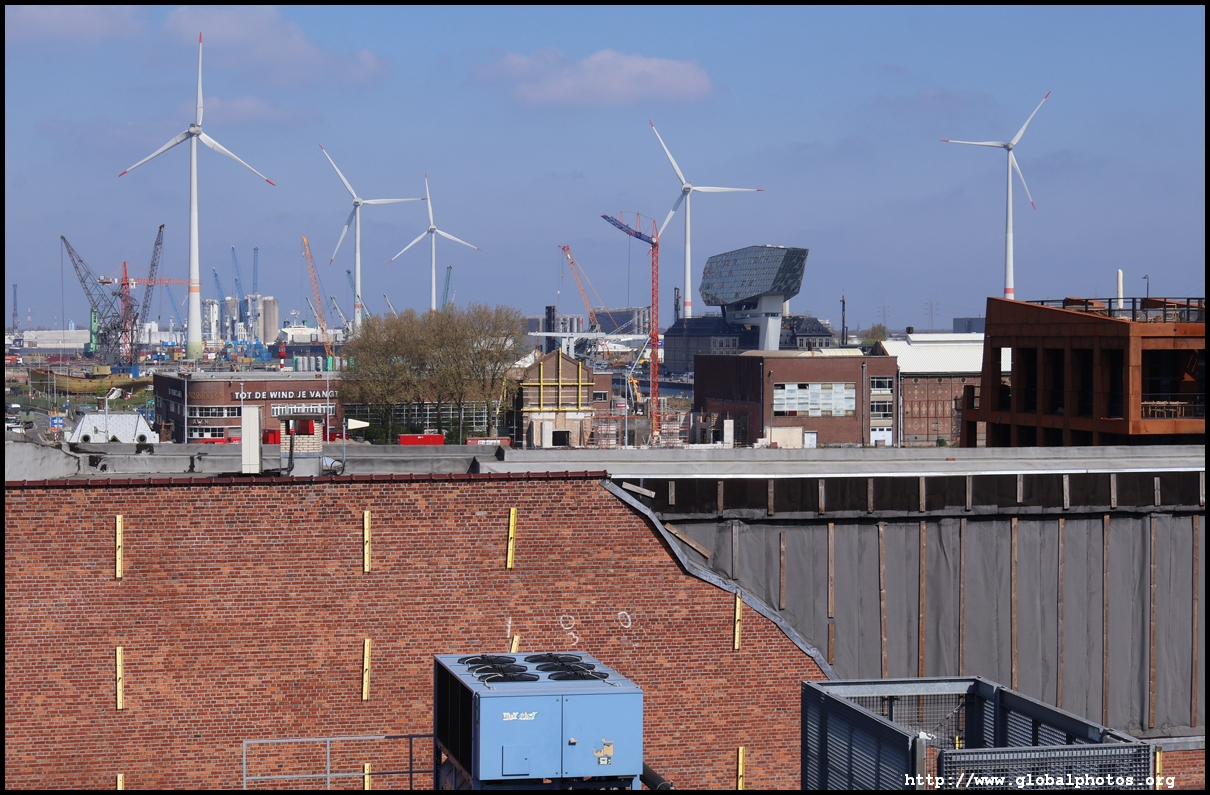
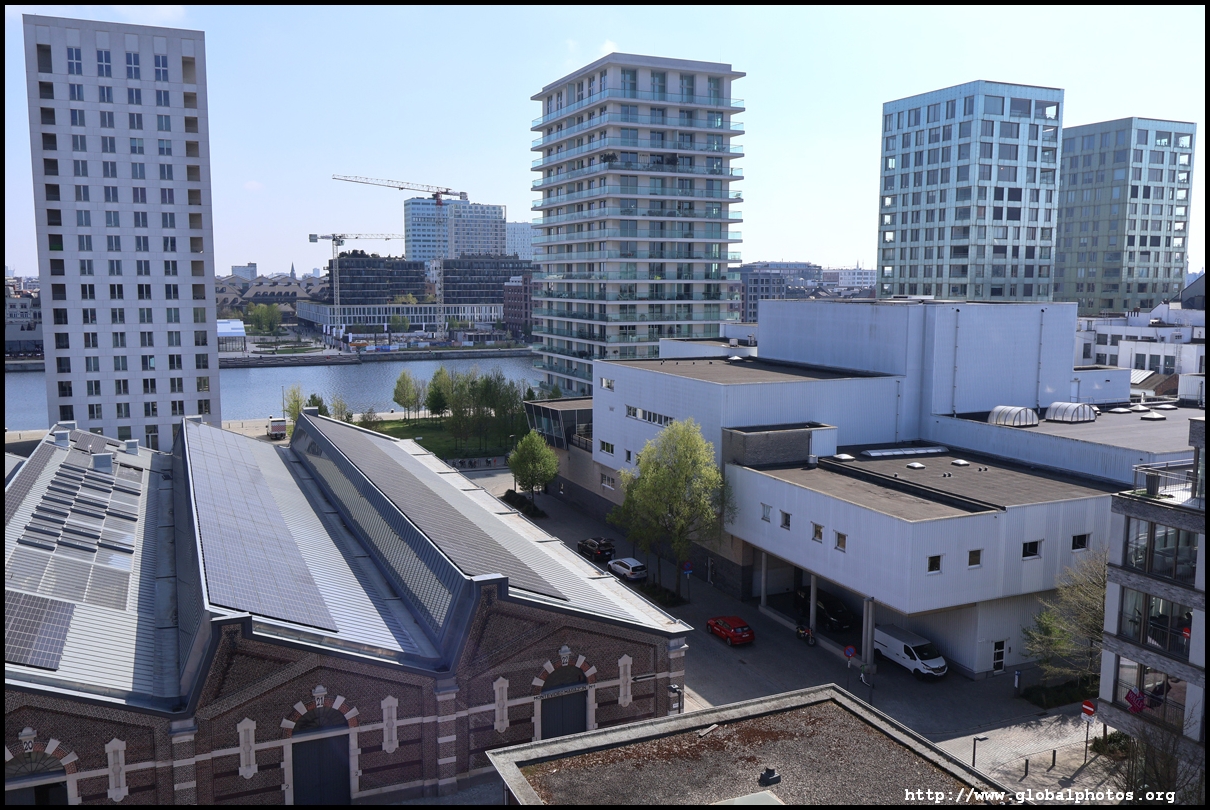
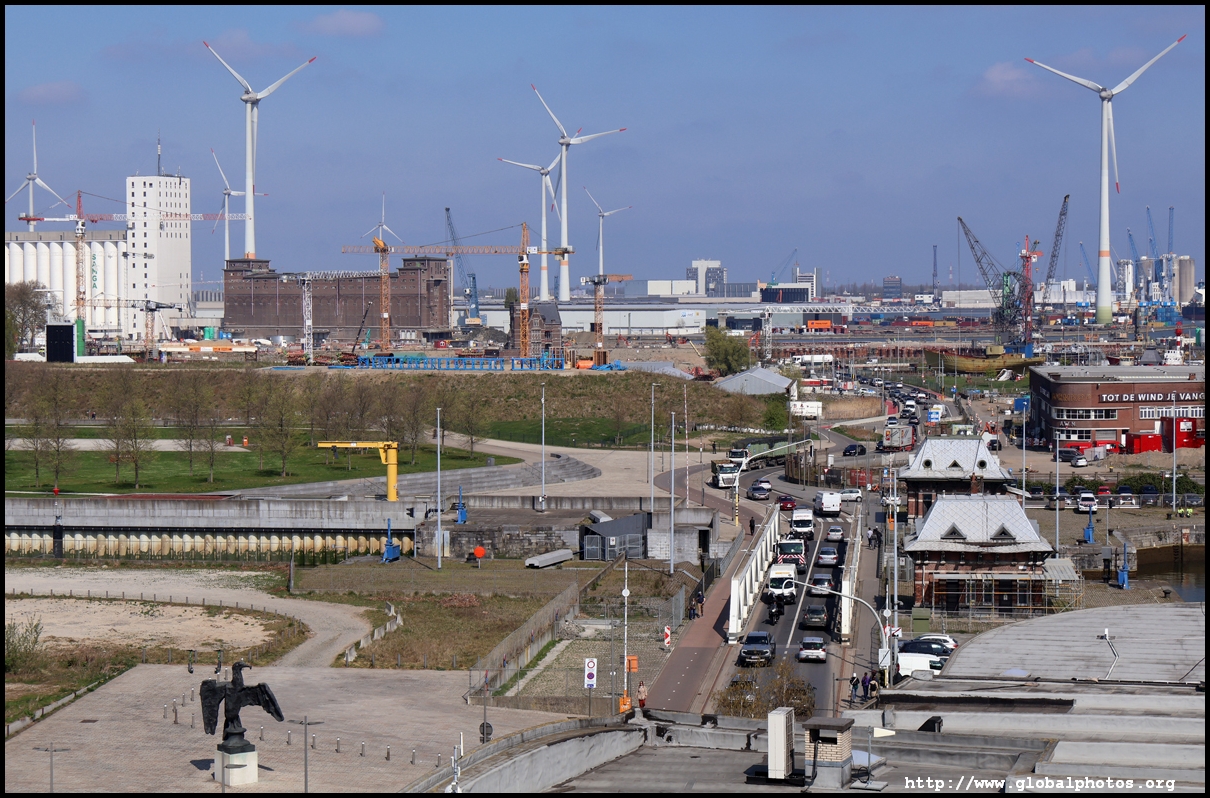
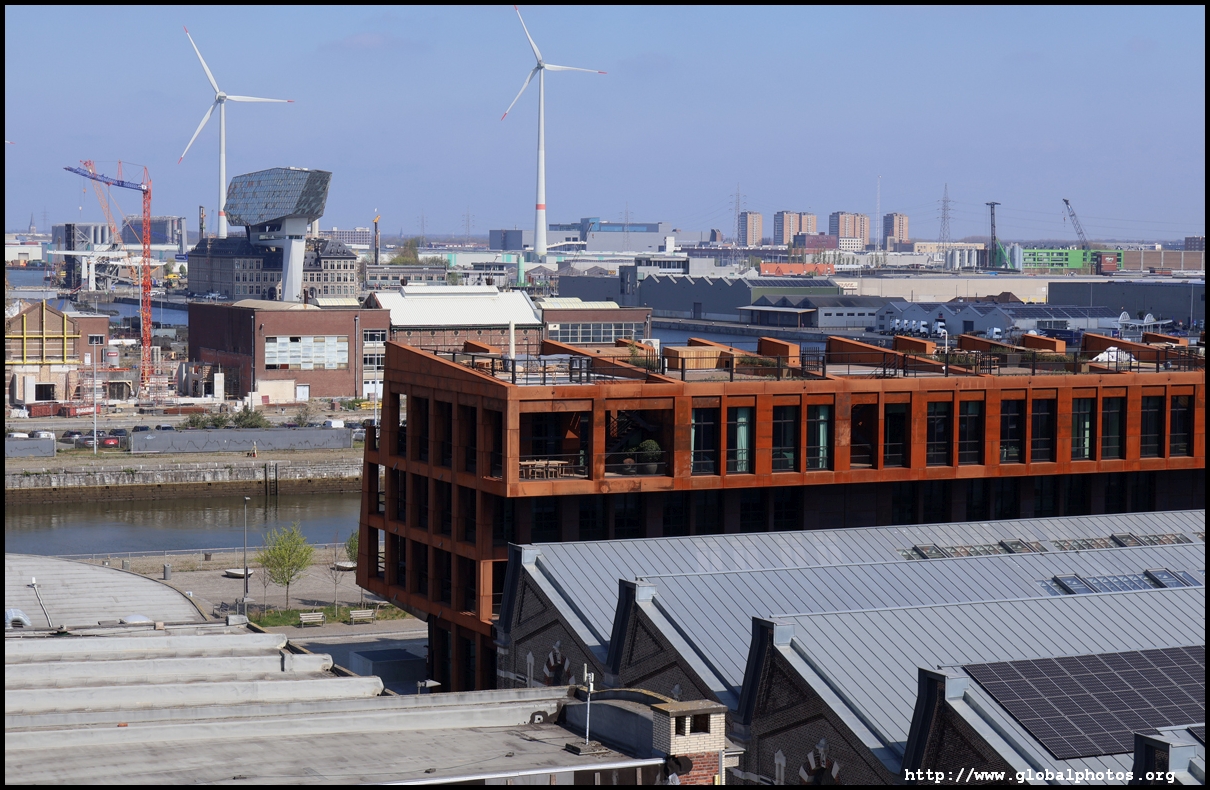
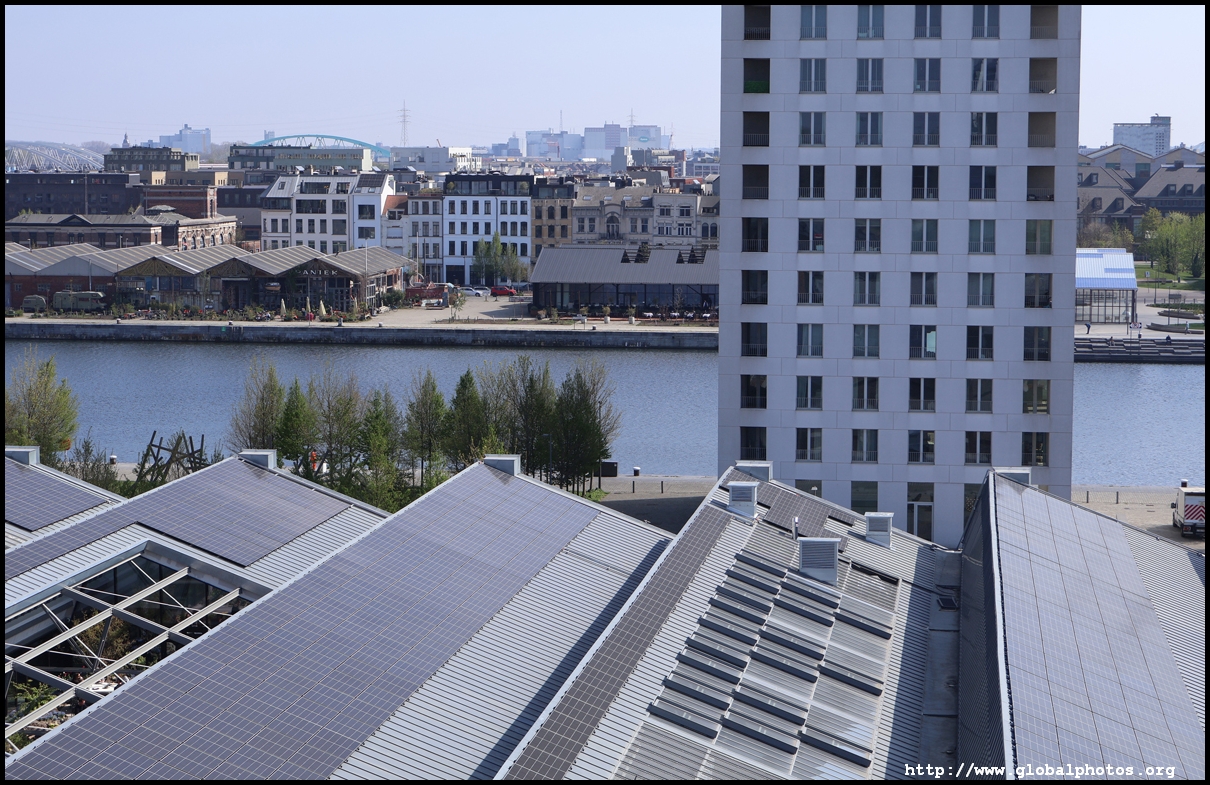
Here are some aerial views of the museum's surrounding riverfront today.
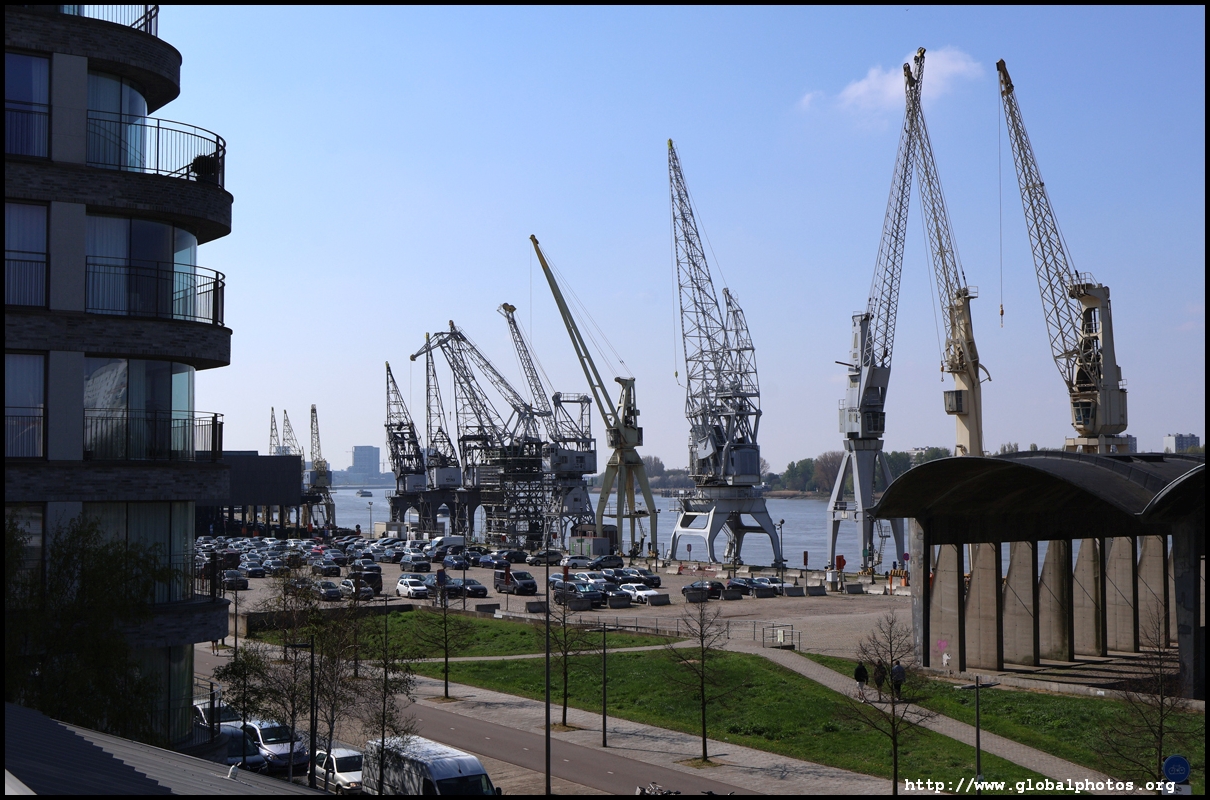
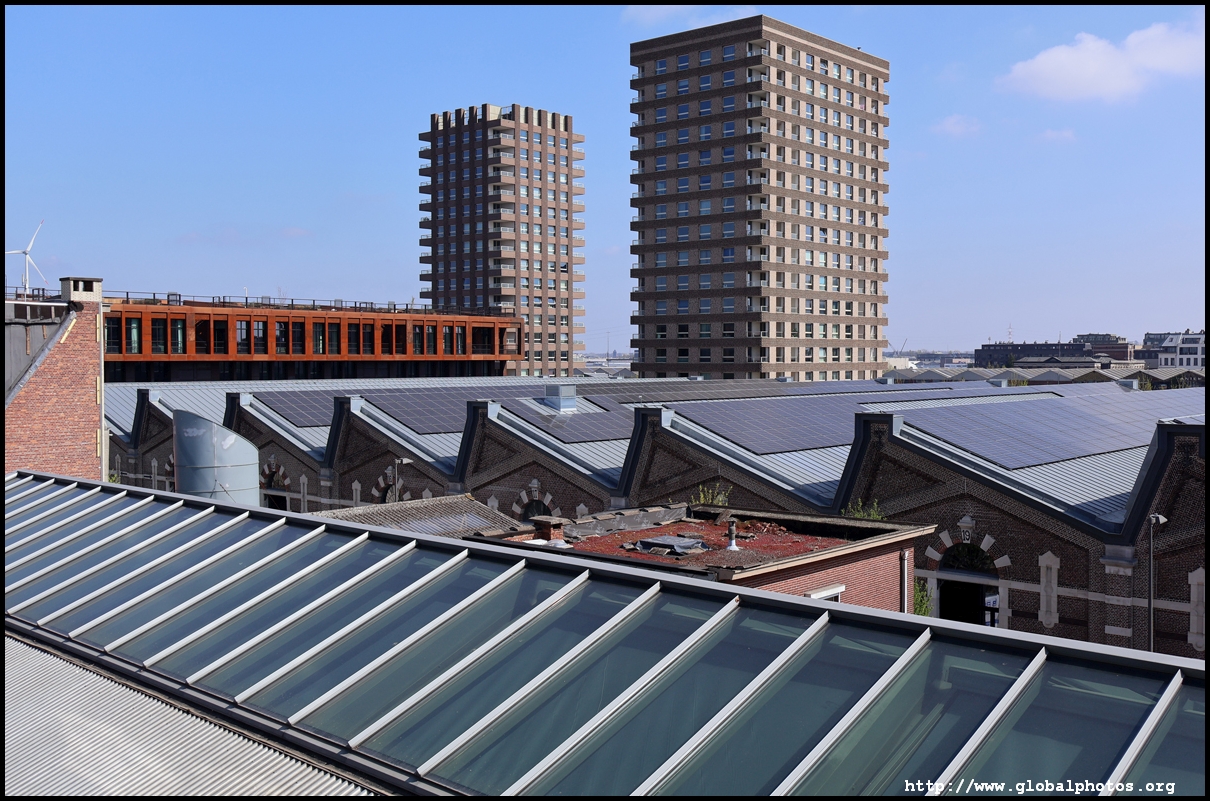
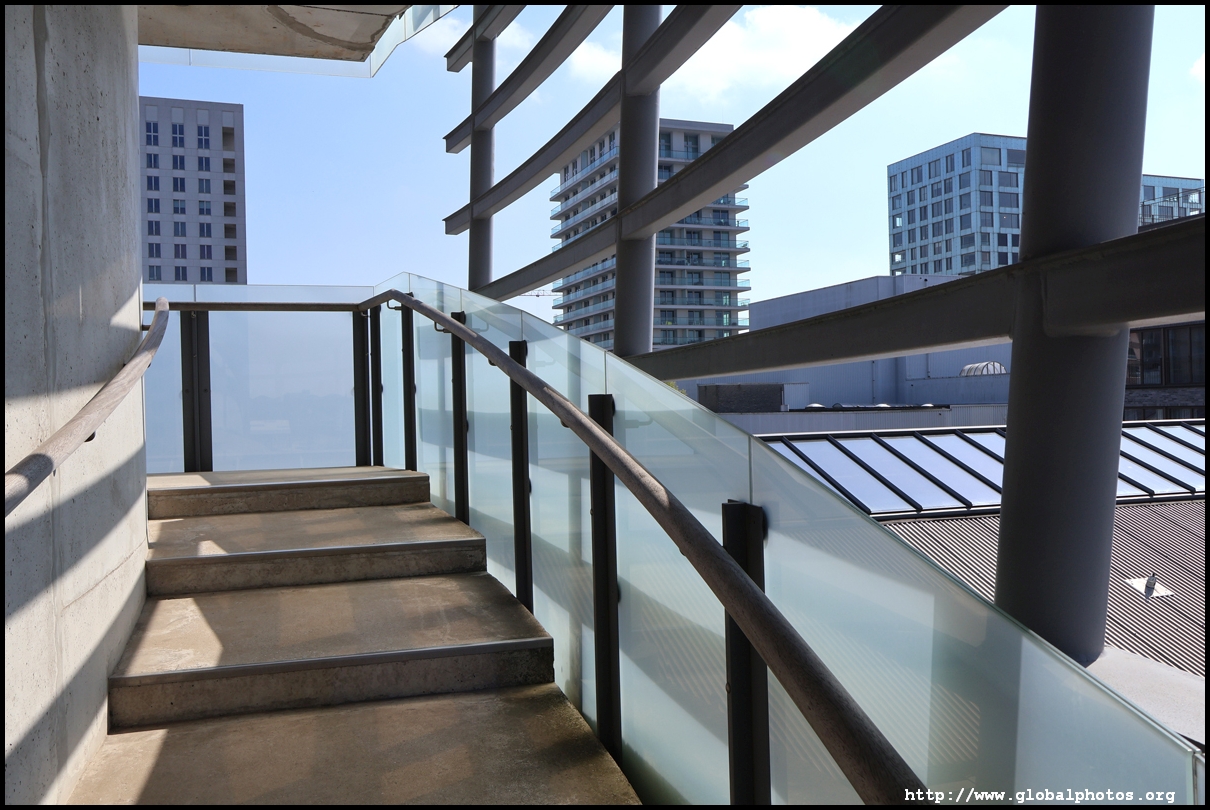
Heading upstairs, there is an outdoor section where you can climb to a vantage point and observe the riverfront and imagine how, a hundred years ago, these migrants would venture to Antwerp, go through numerous hurdles and checks, and board a giant ship bound for a new life.
|
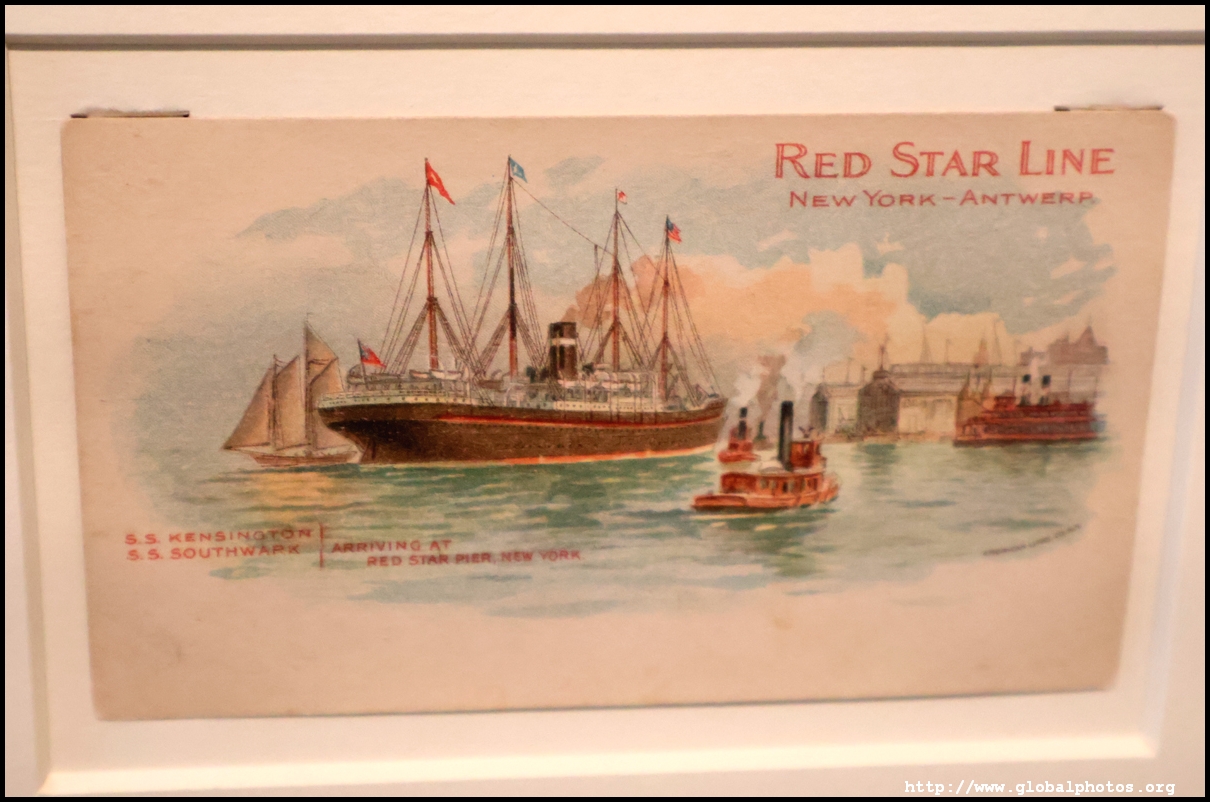
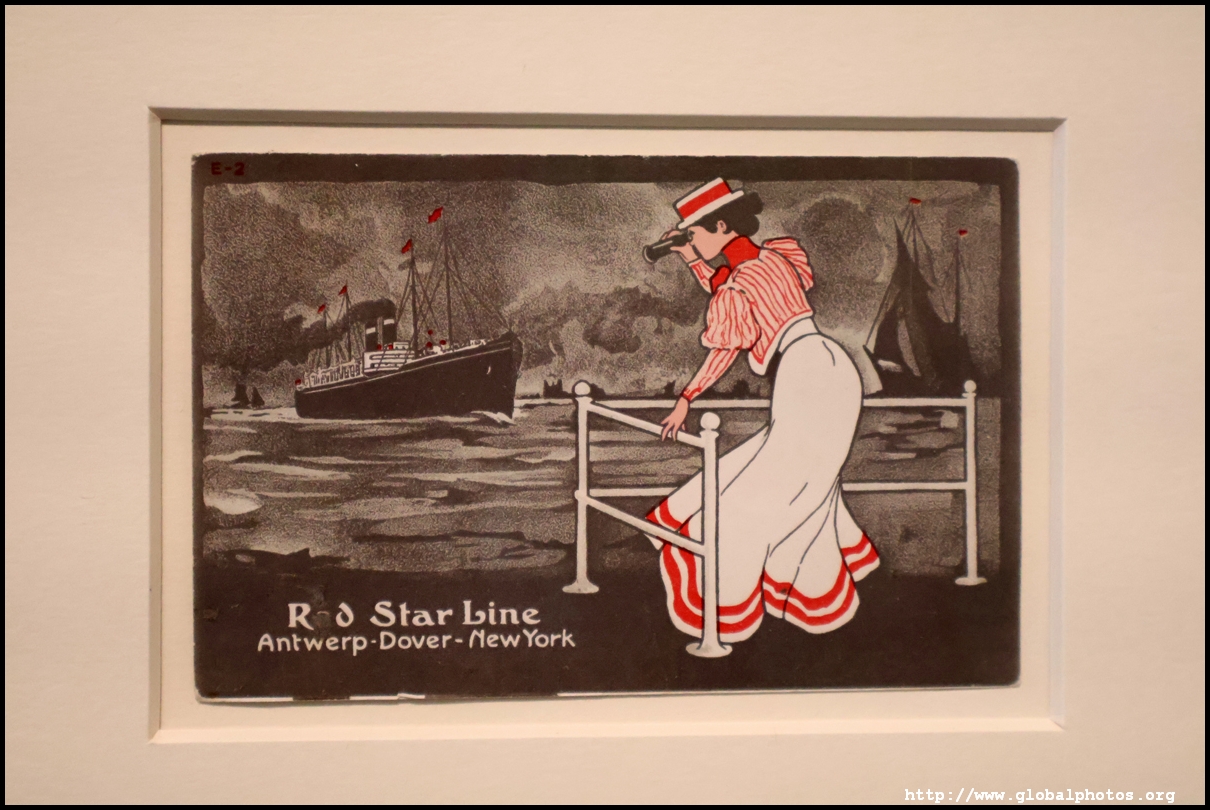
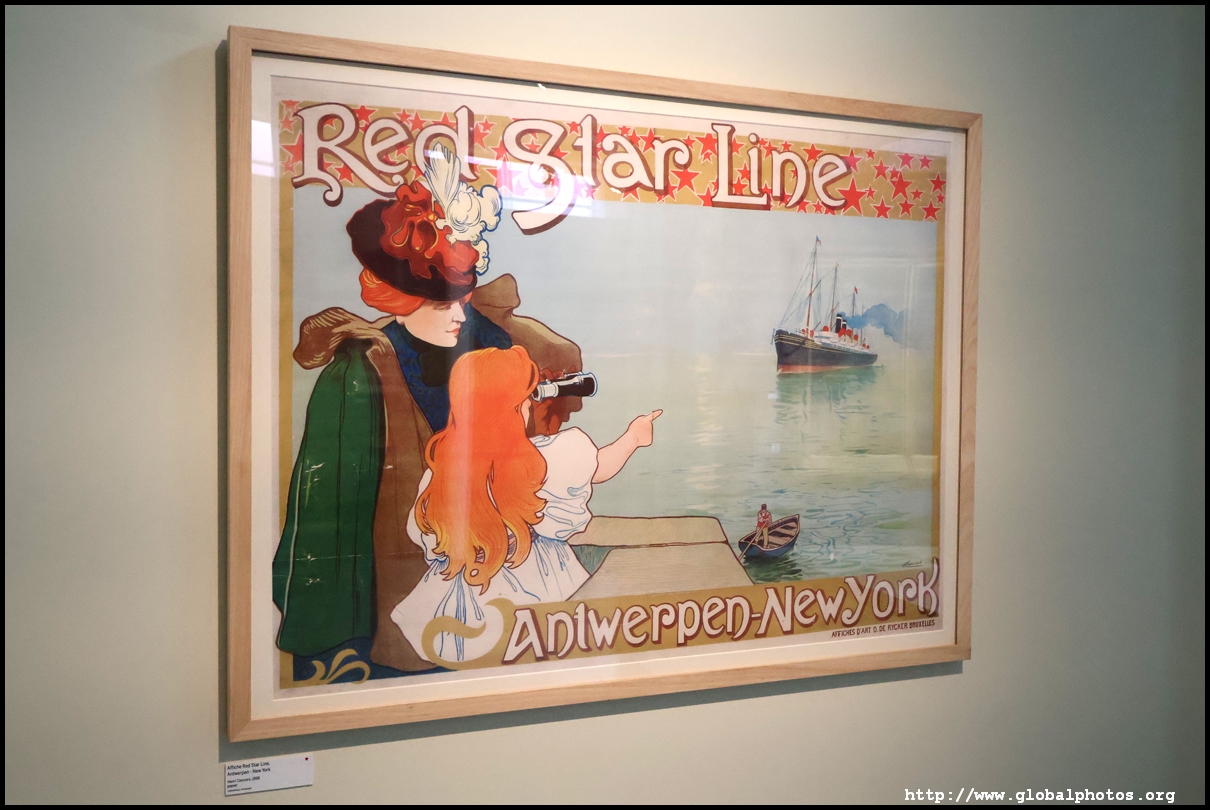
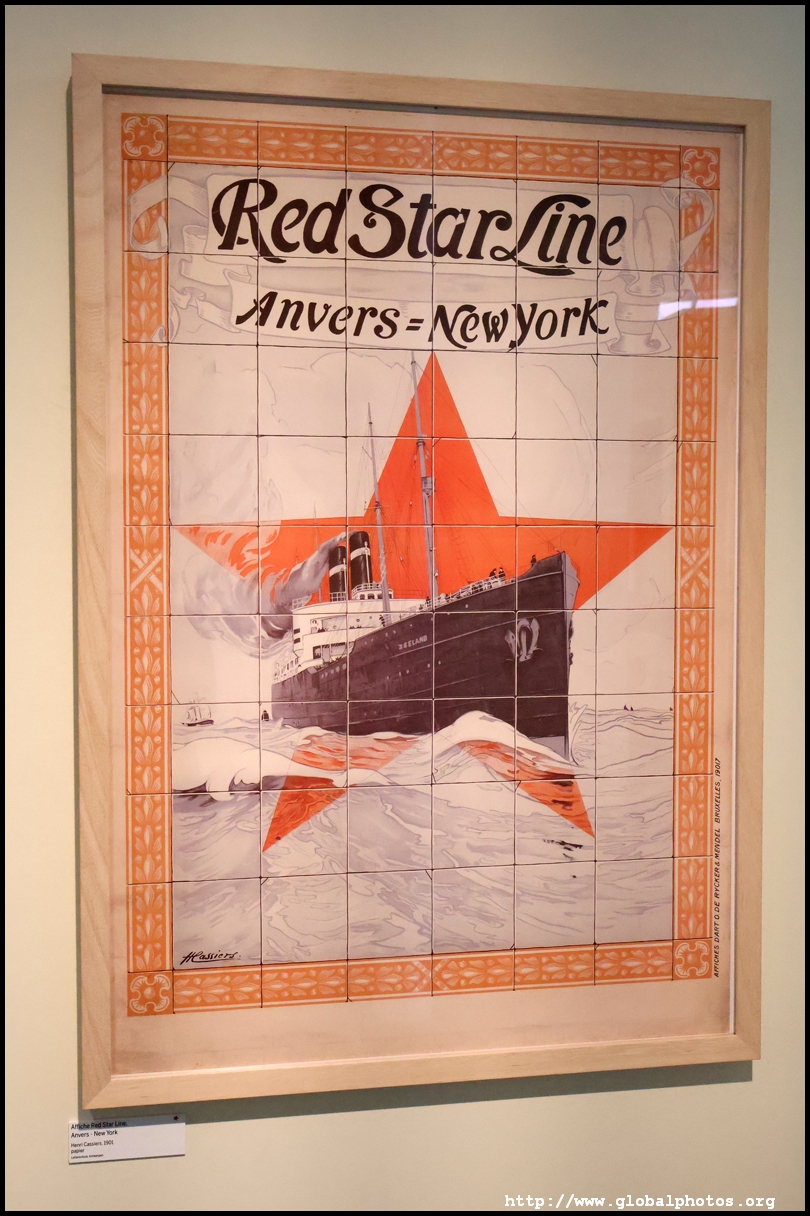
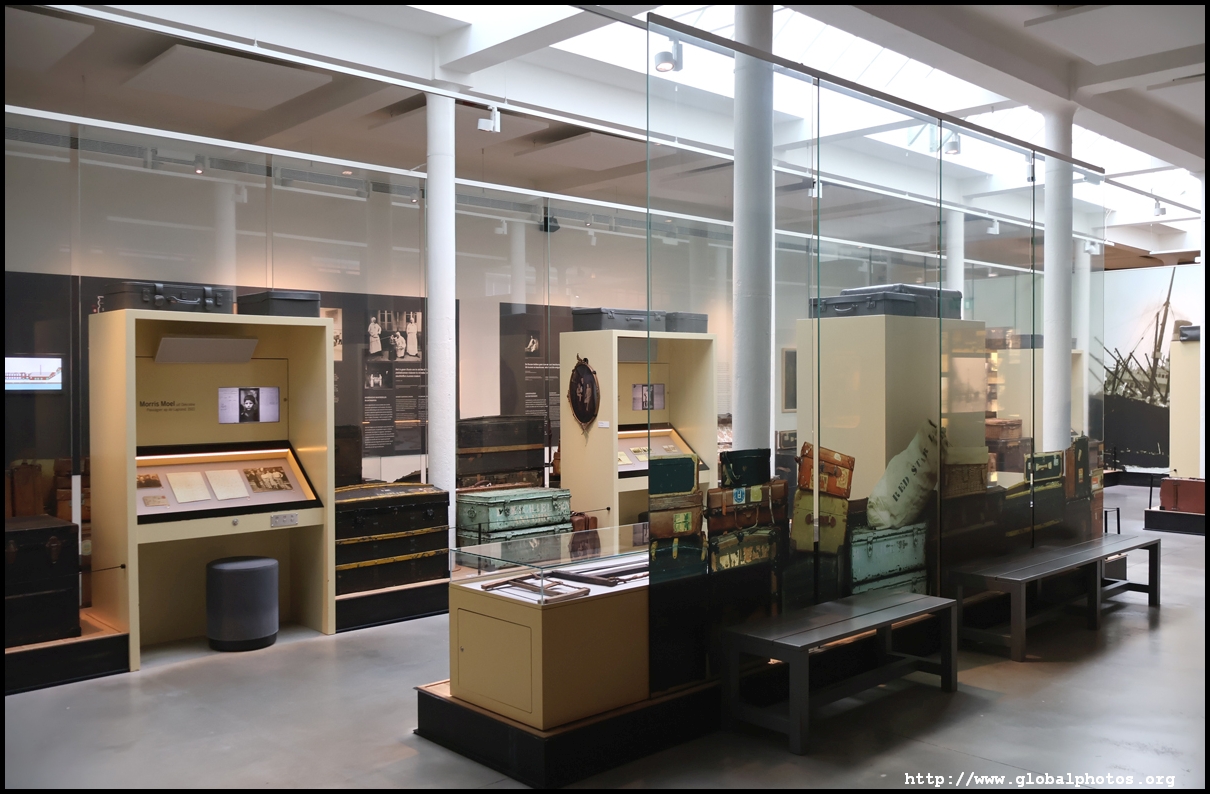
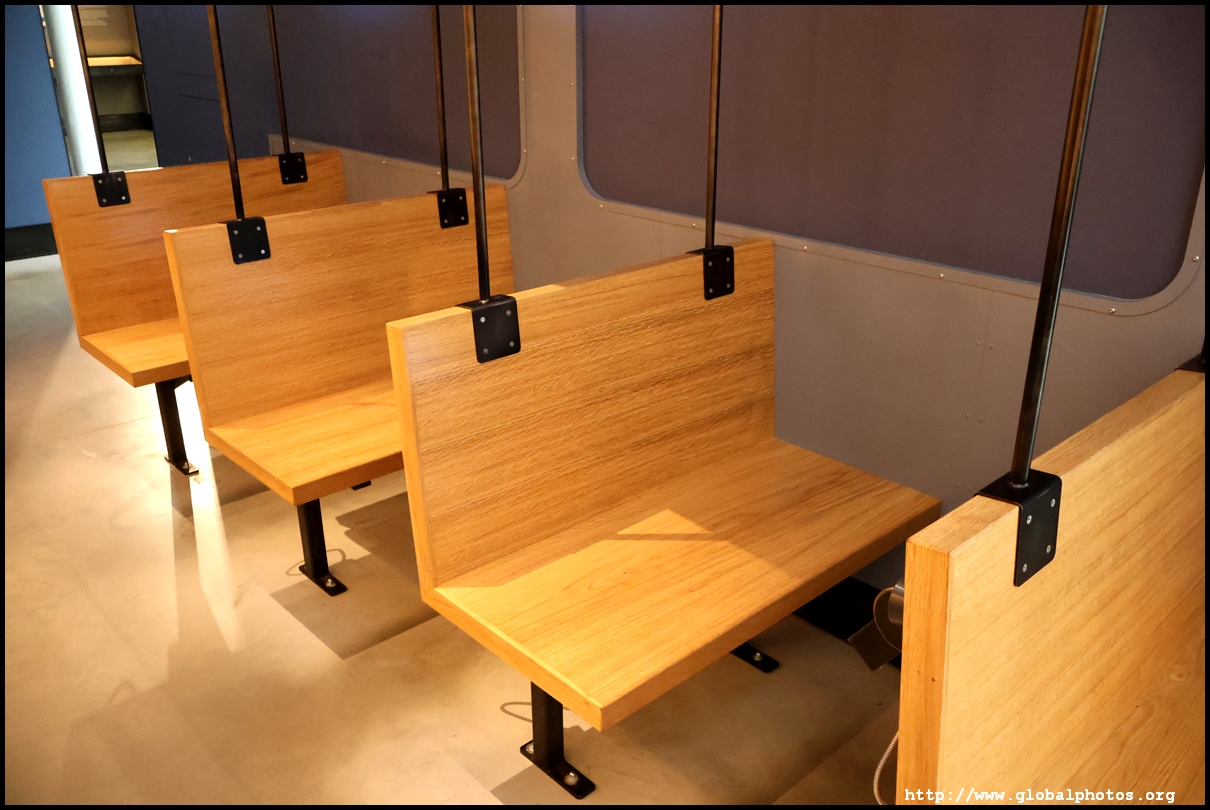
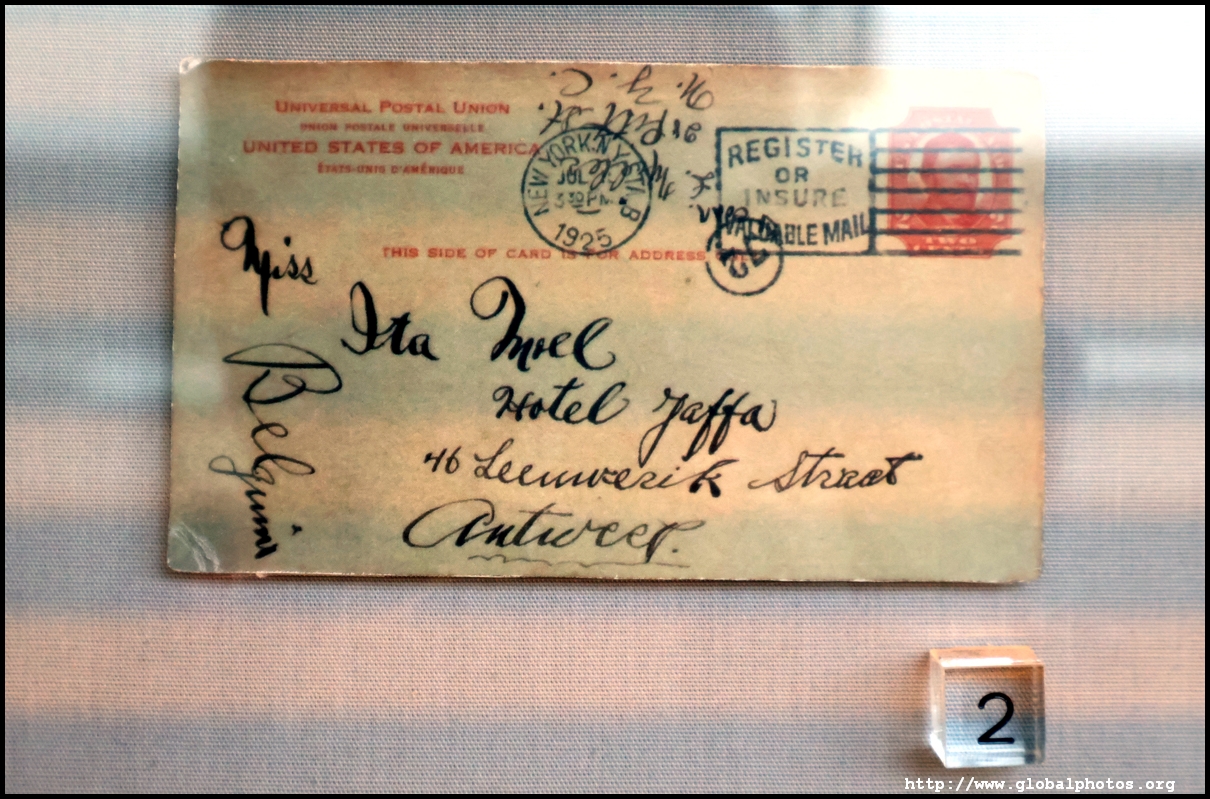
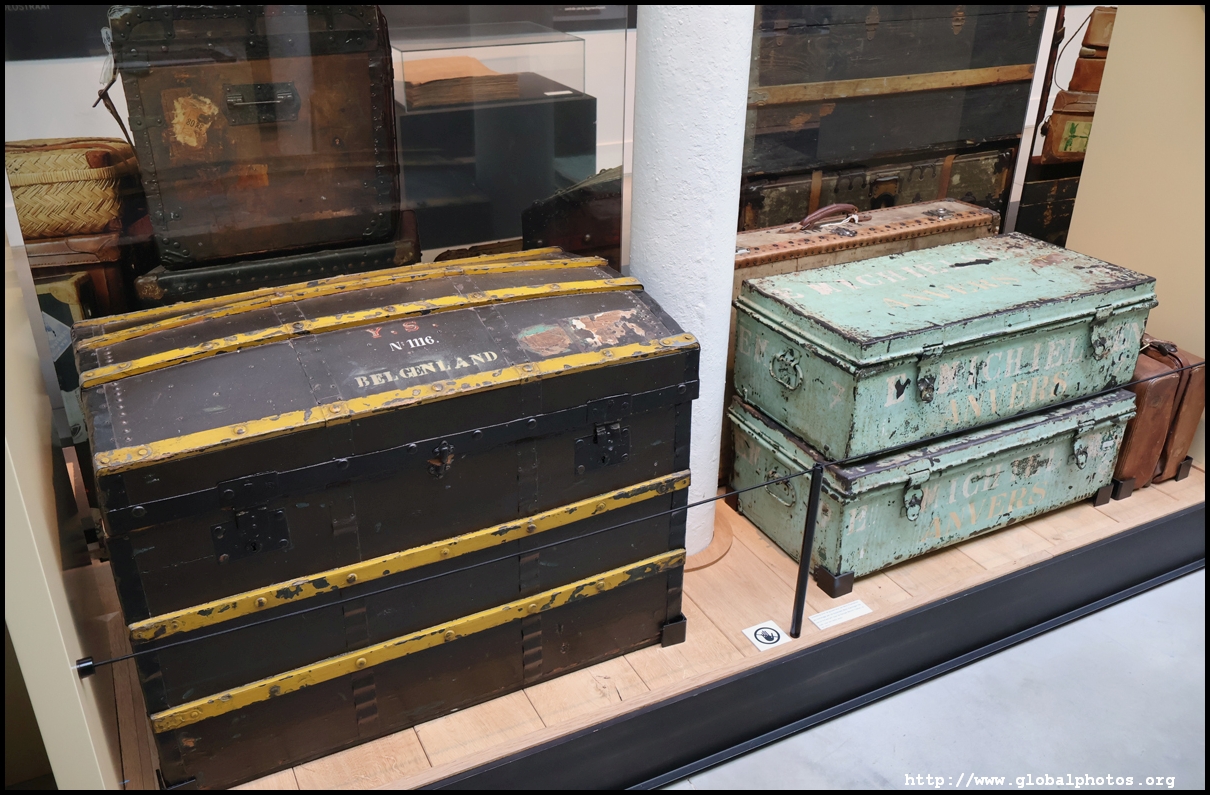
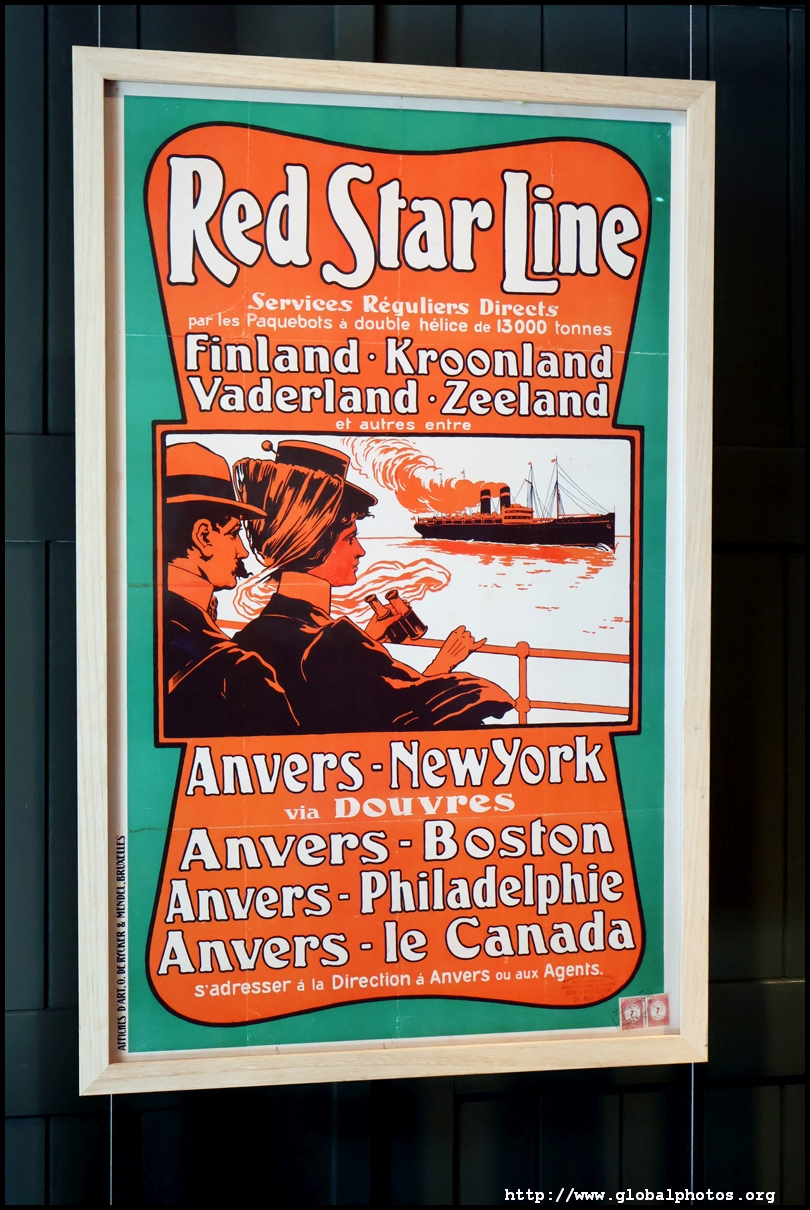
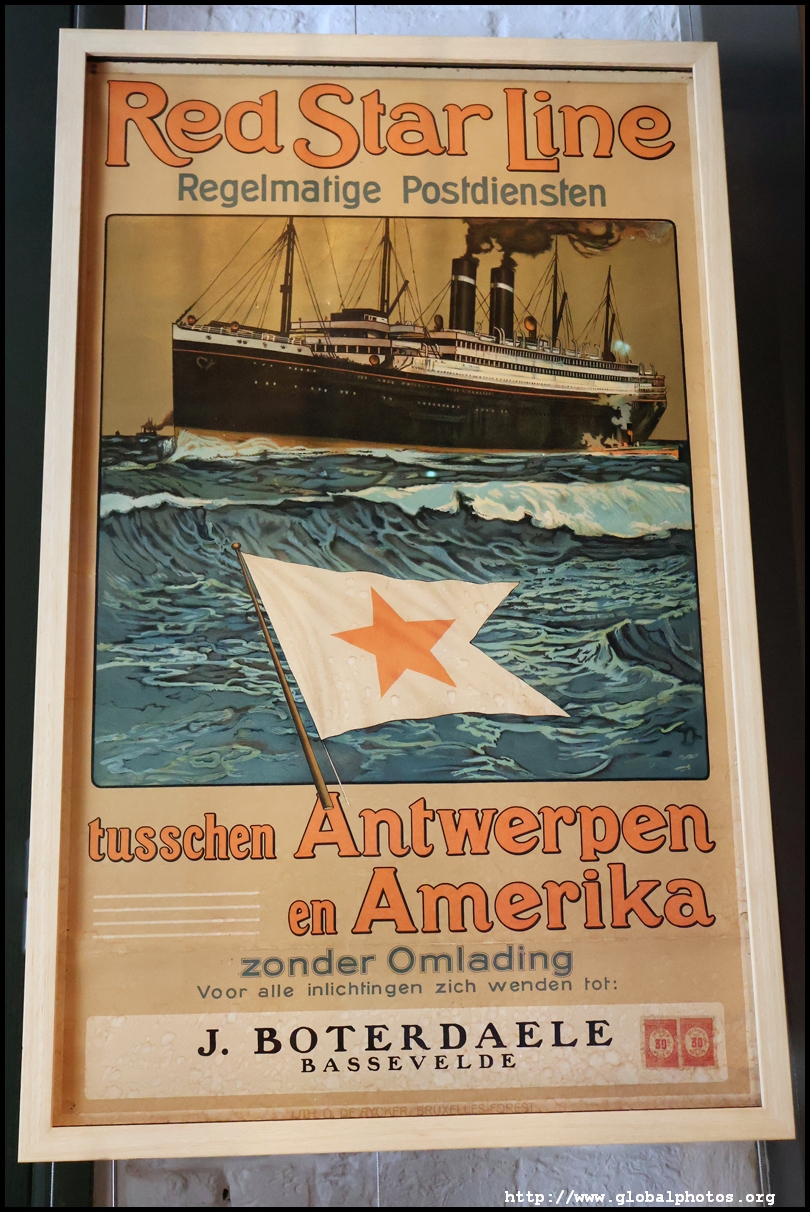
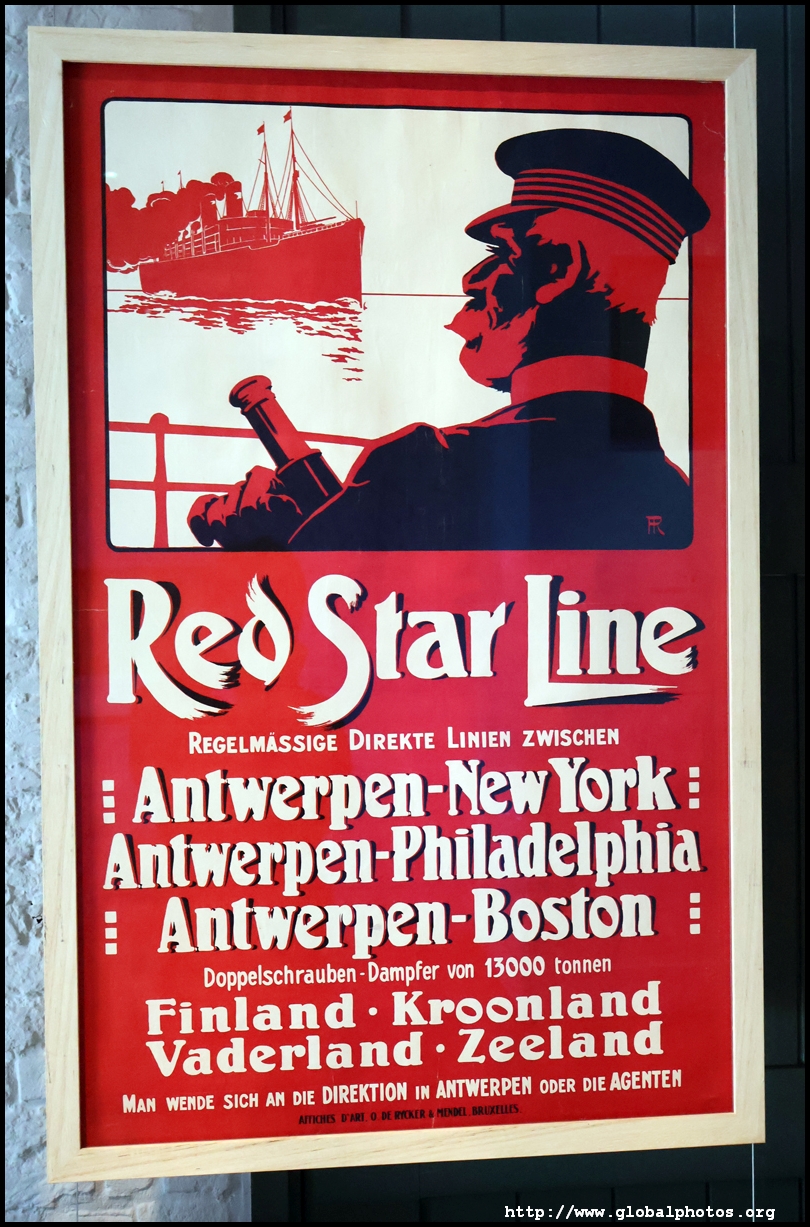
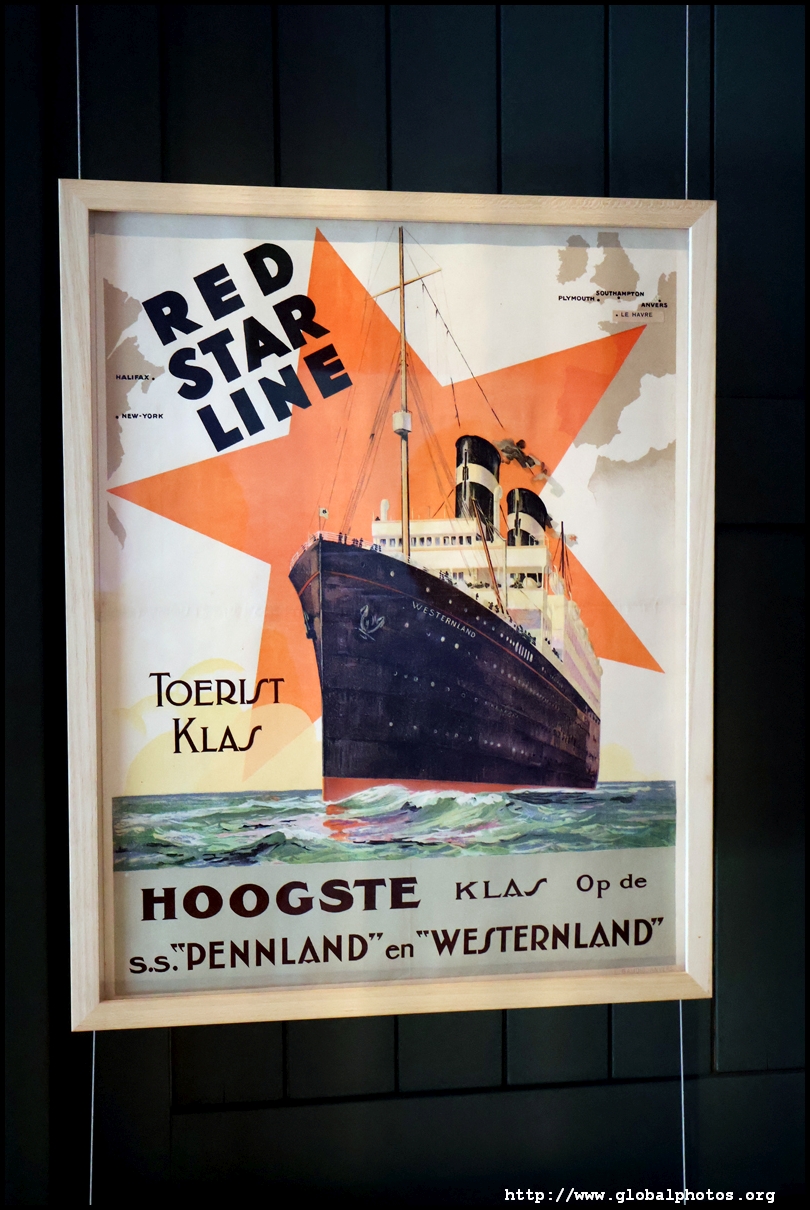
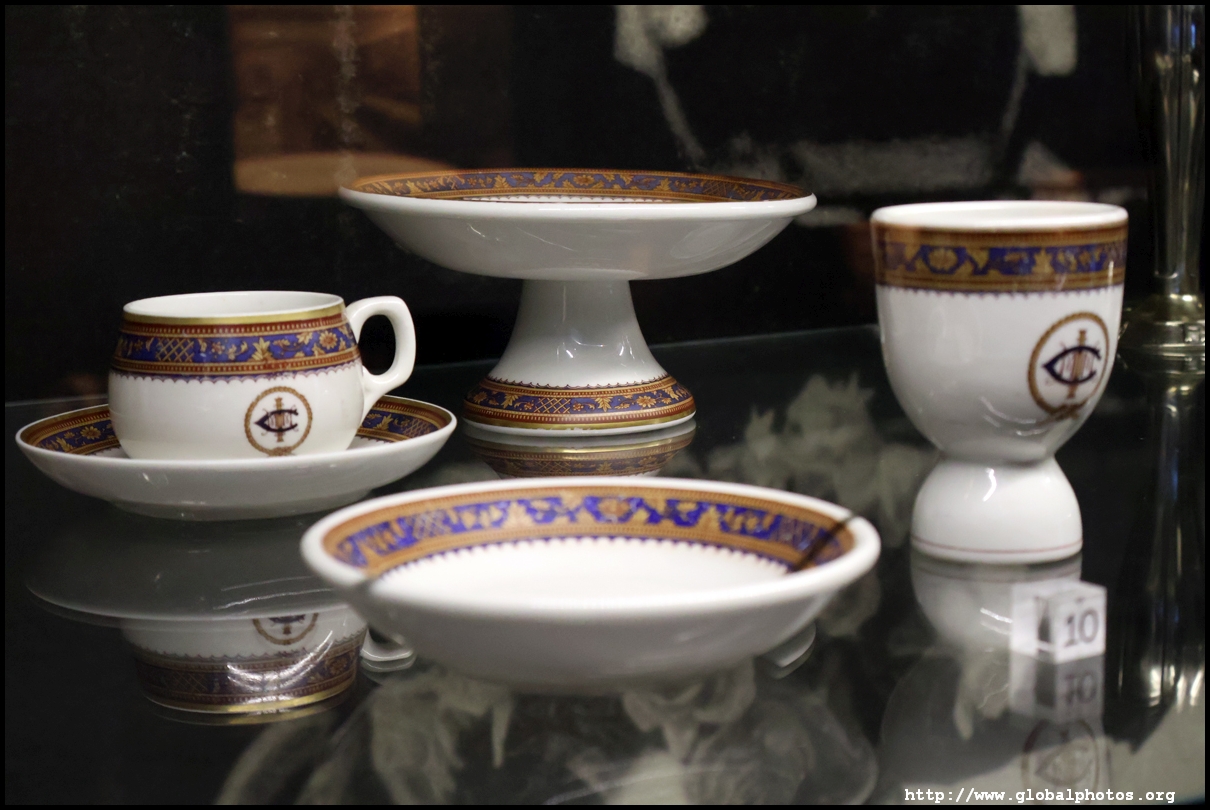
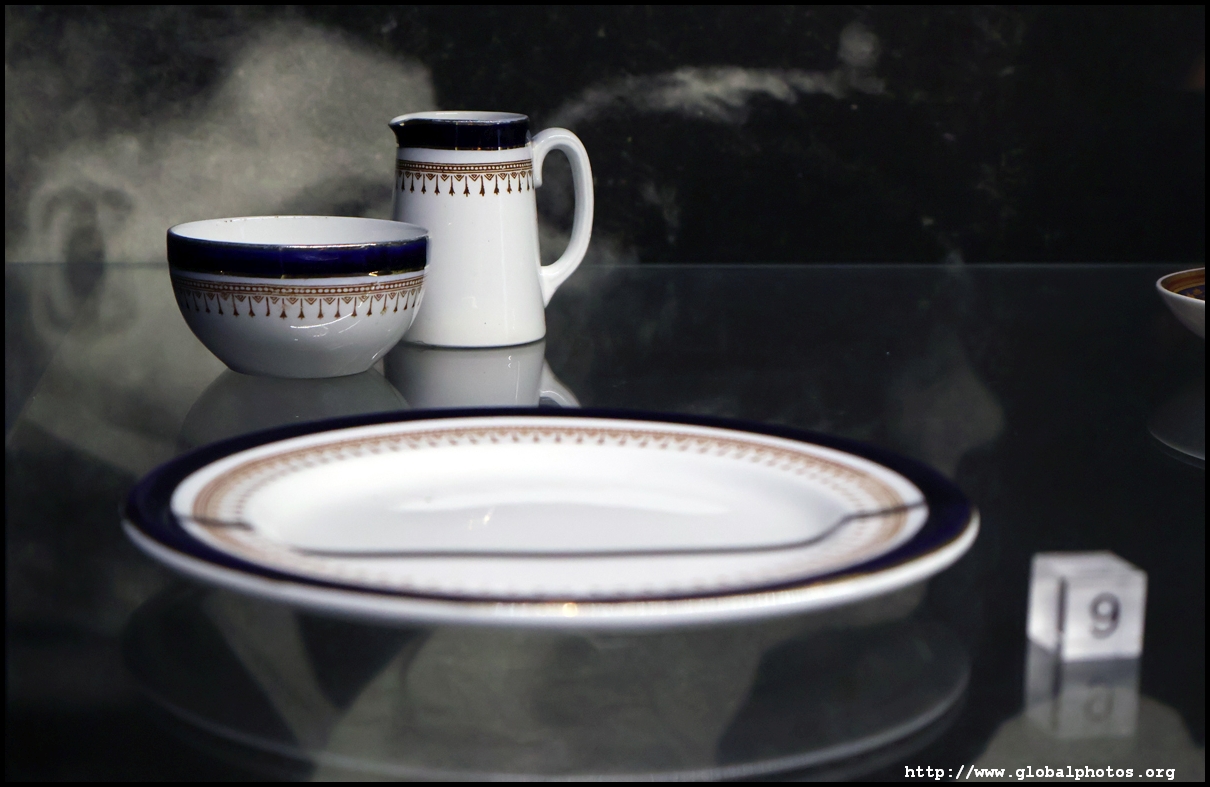
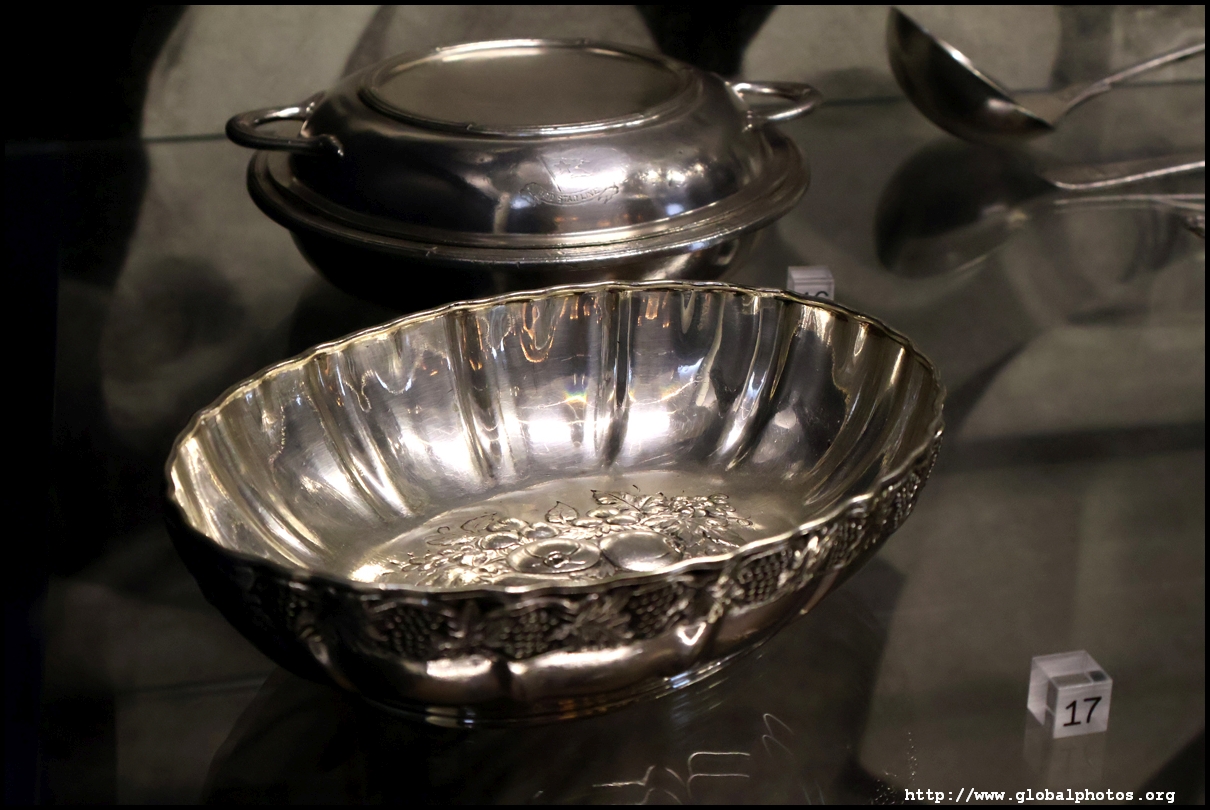
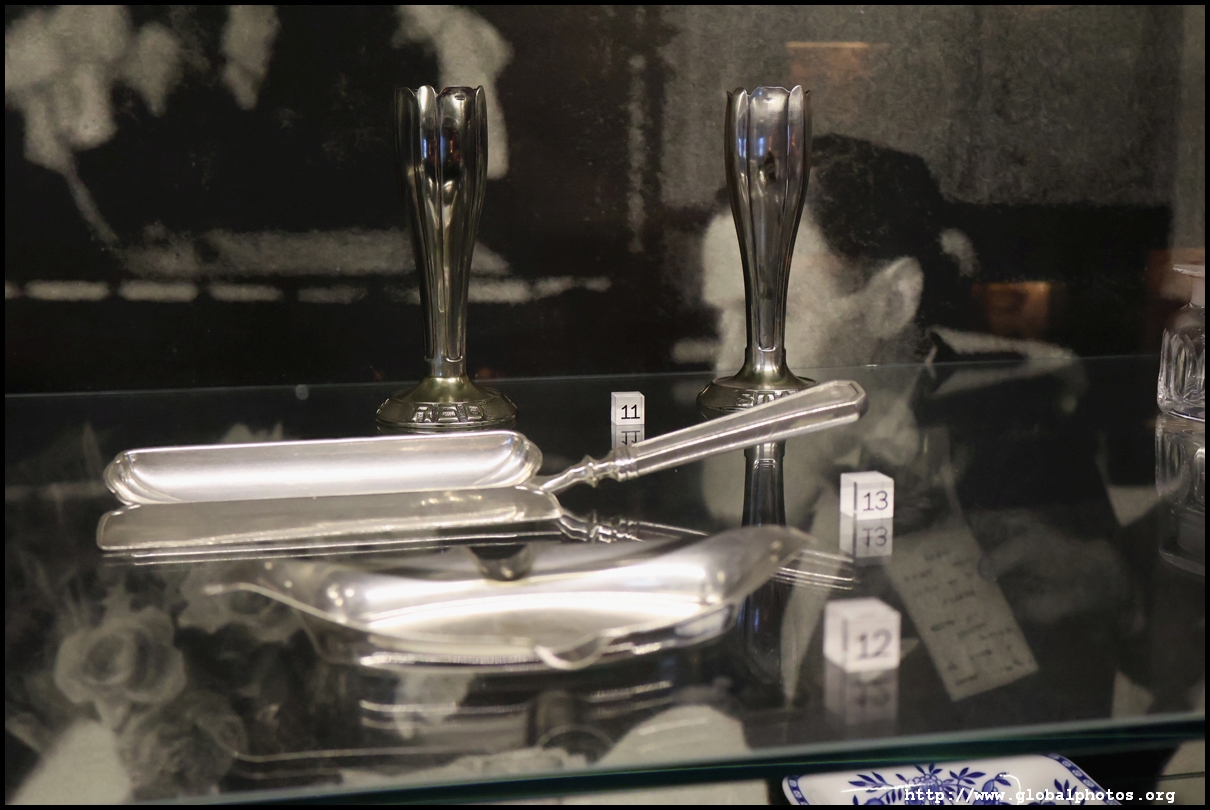
To re-use these photos, please notify me by email : asiaglobe@yahoo.com.hk.