|
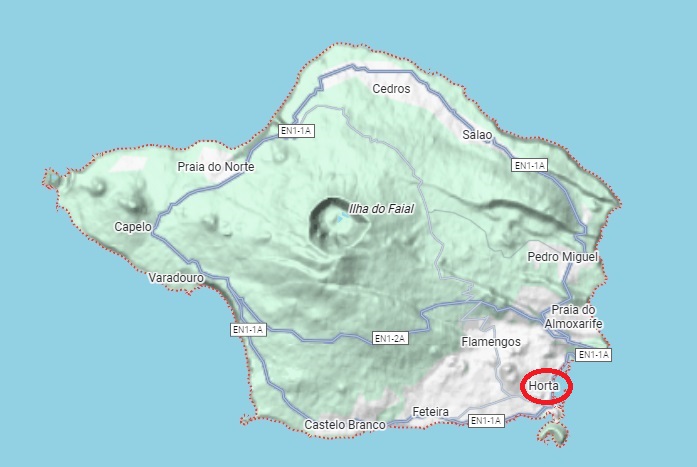
Azores Photo Gallery - Faial |
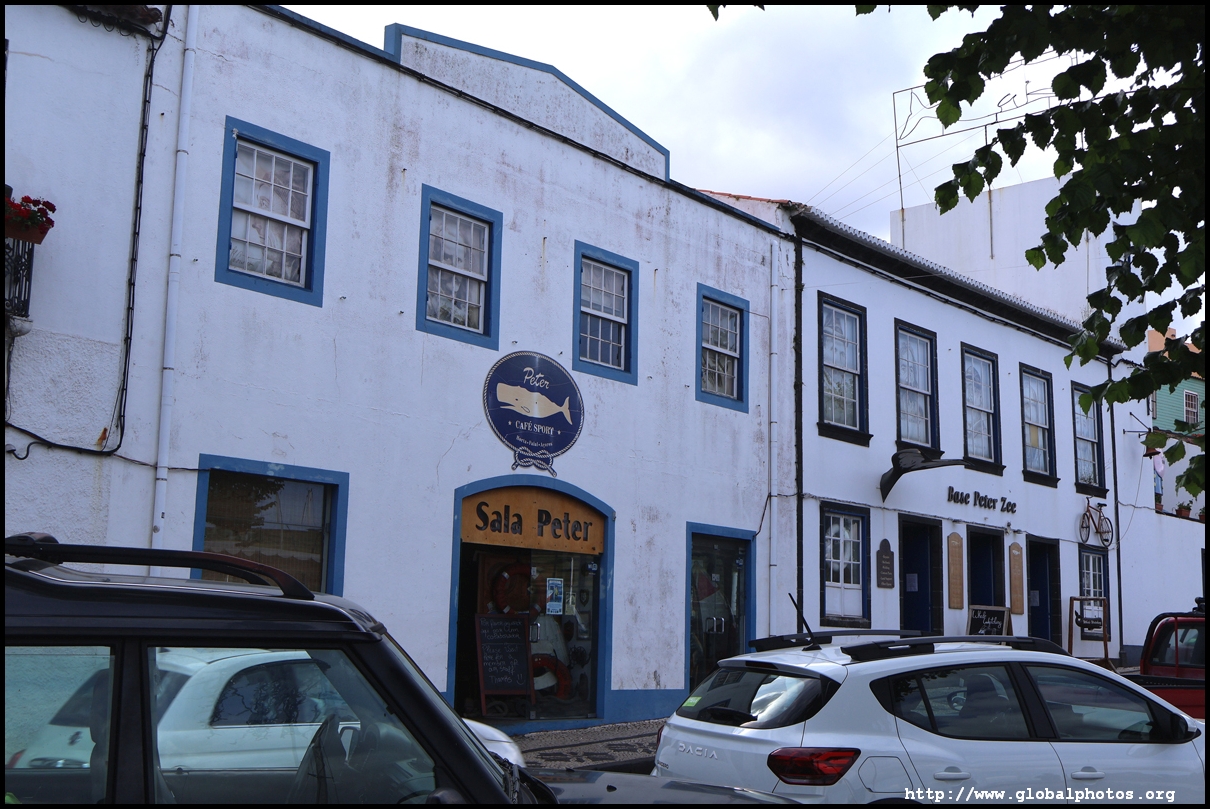
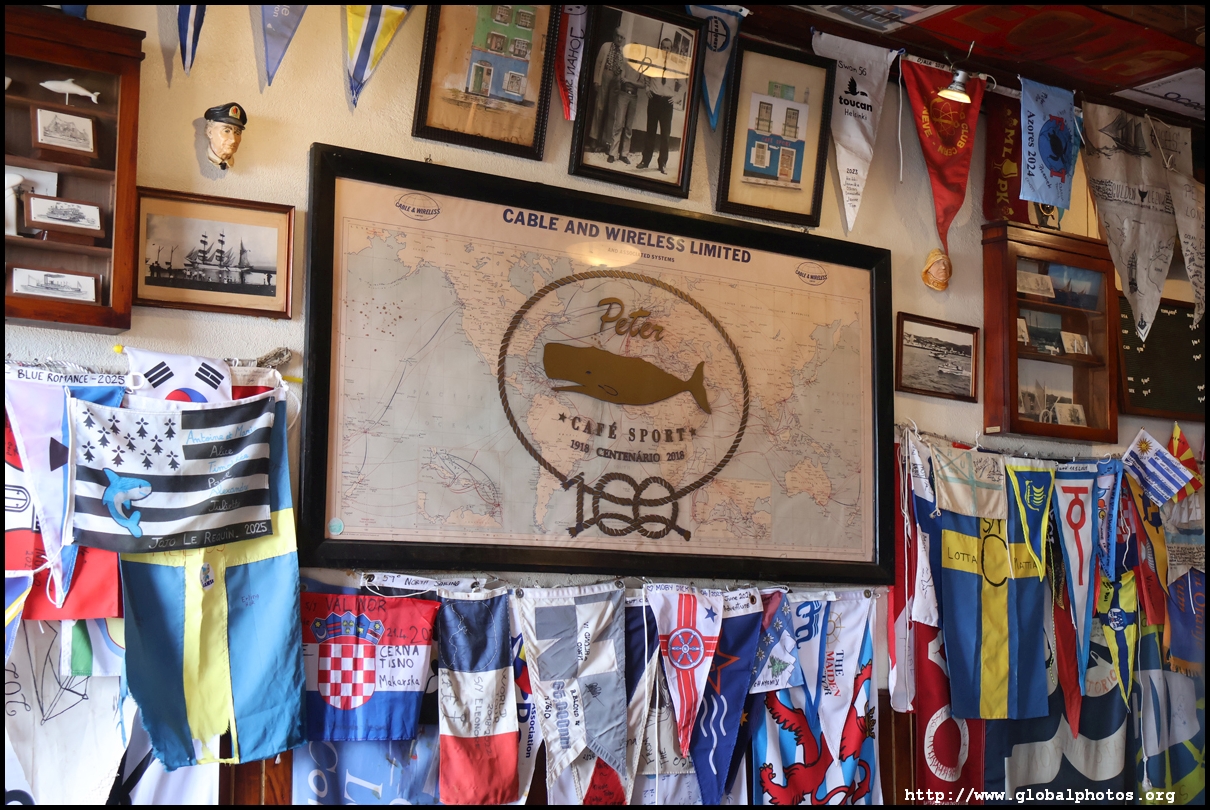
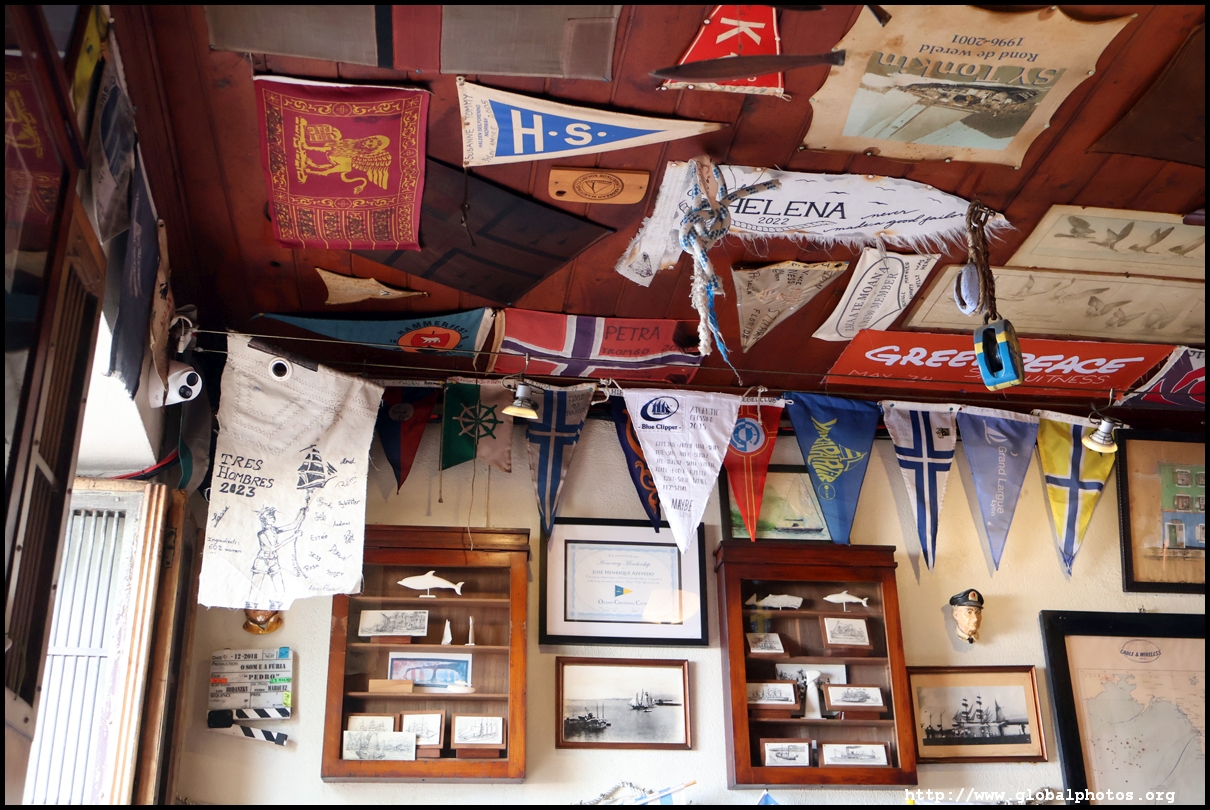
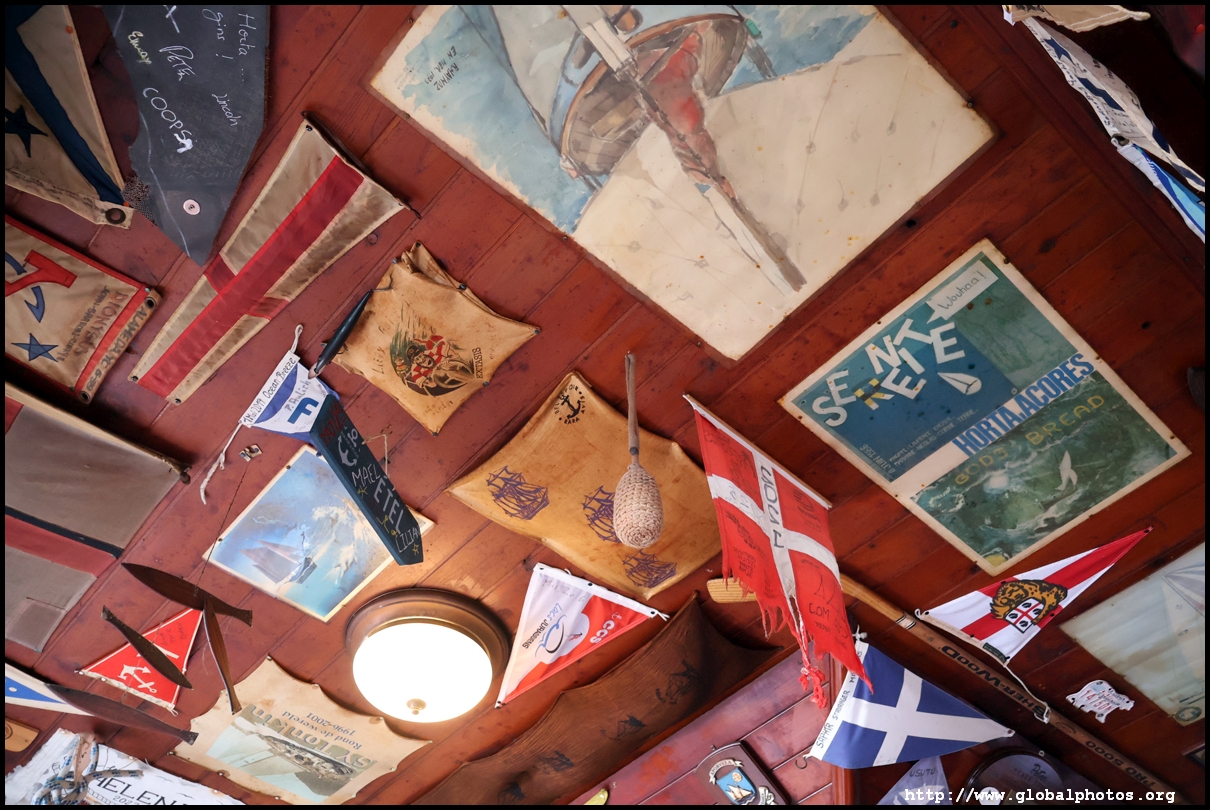
Peter Cafe Sport is an institution along the waterfront. Named after founder Henrique Azevedo's passion for sports in 1918, it became famous for its gin and tonic. Horta was frequented by ships during World War II, and this continued after when recreational sailors seeking adventure arrived.
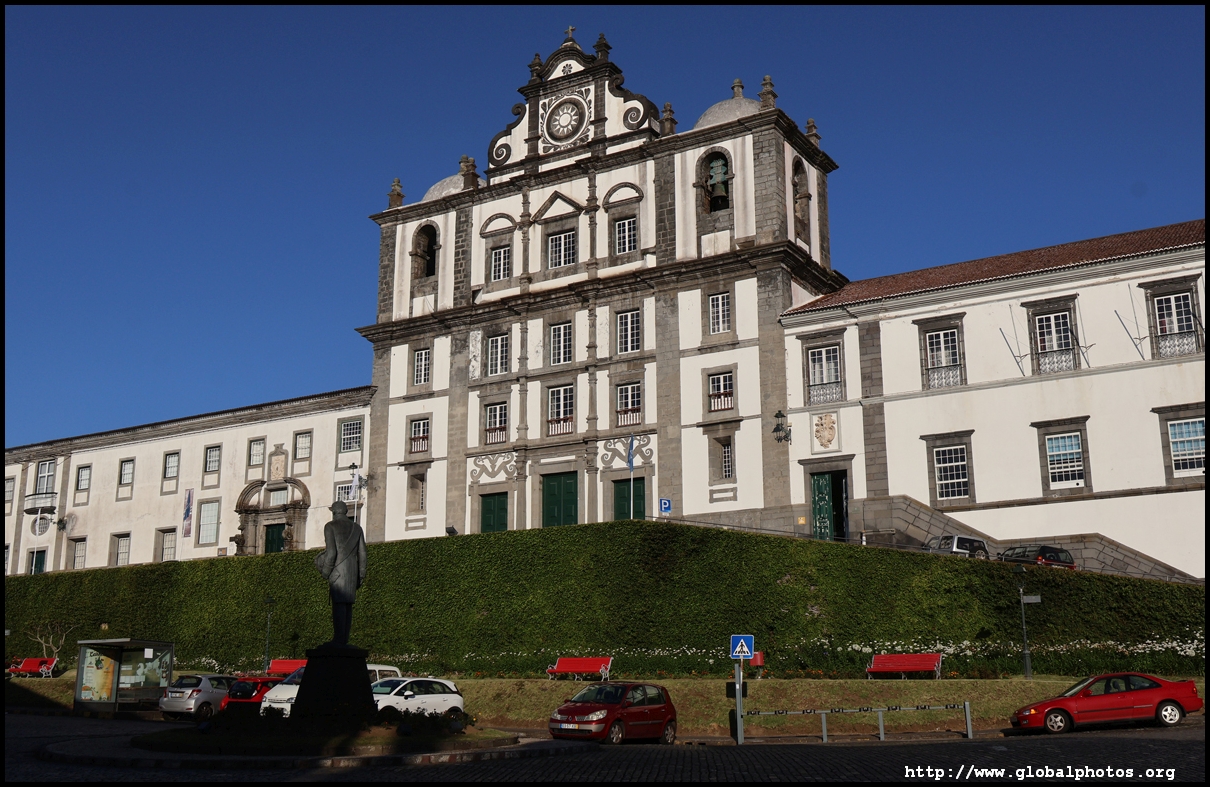
Santissimo Salvador Church was built in the 17th century and became Horta's main church in 1825.
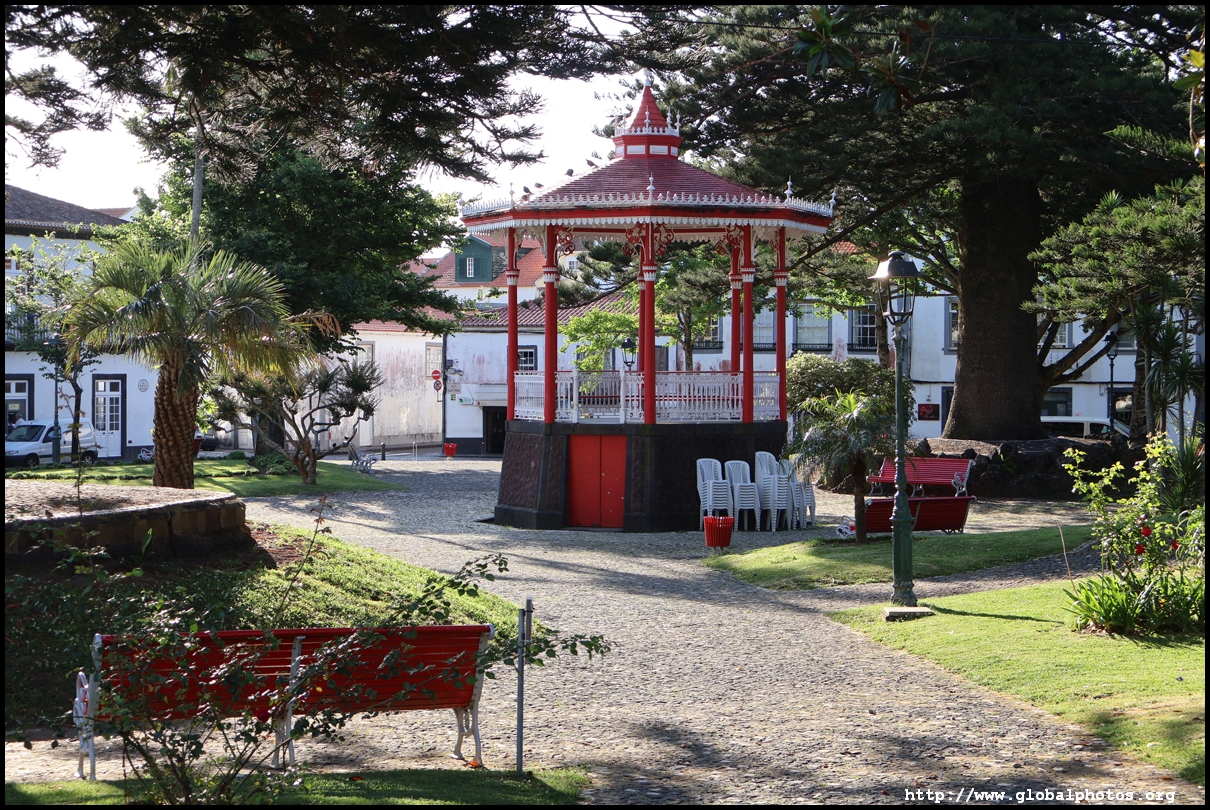
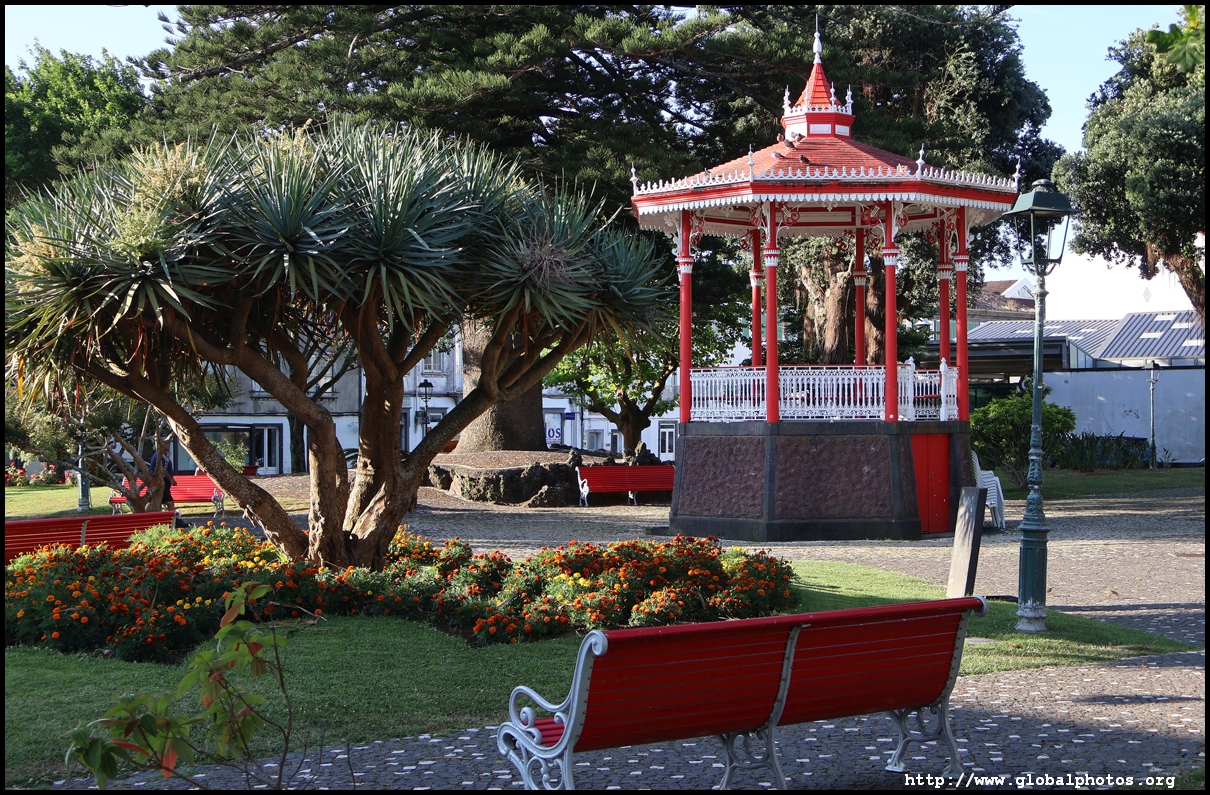
Jardim da Praca da Republica sits on a former convent and named after the Portuguese republic's establishment in 1910. What we see today is a re-design from the 1930s with a red and white bandstand, small lake, and rocks.
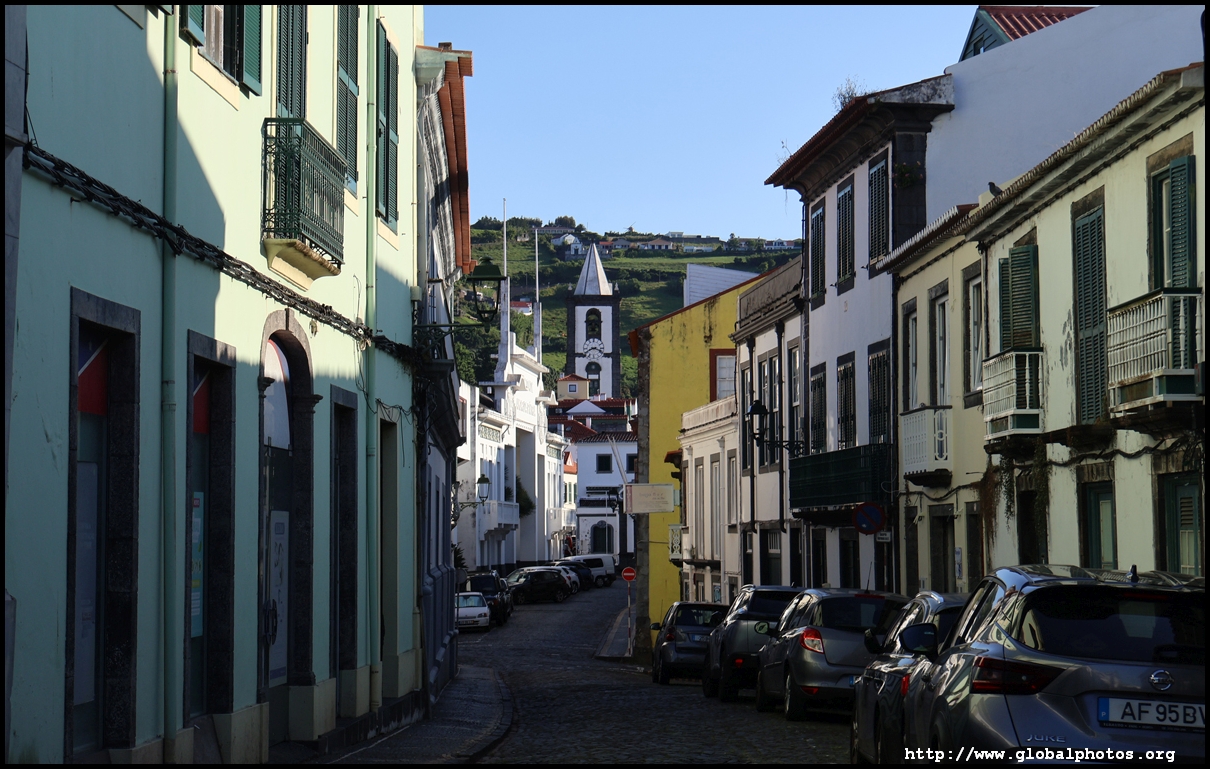
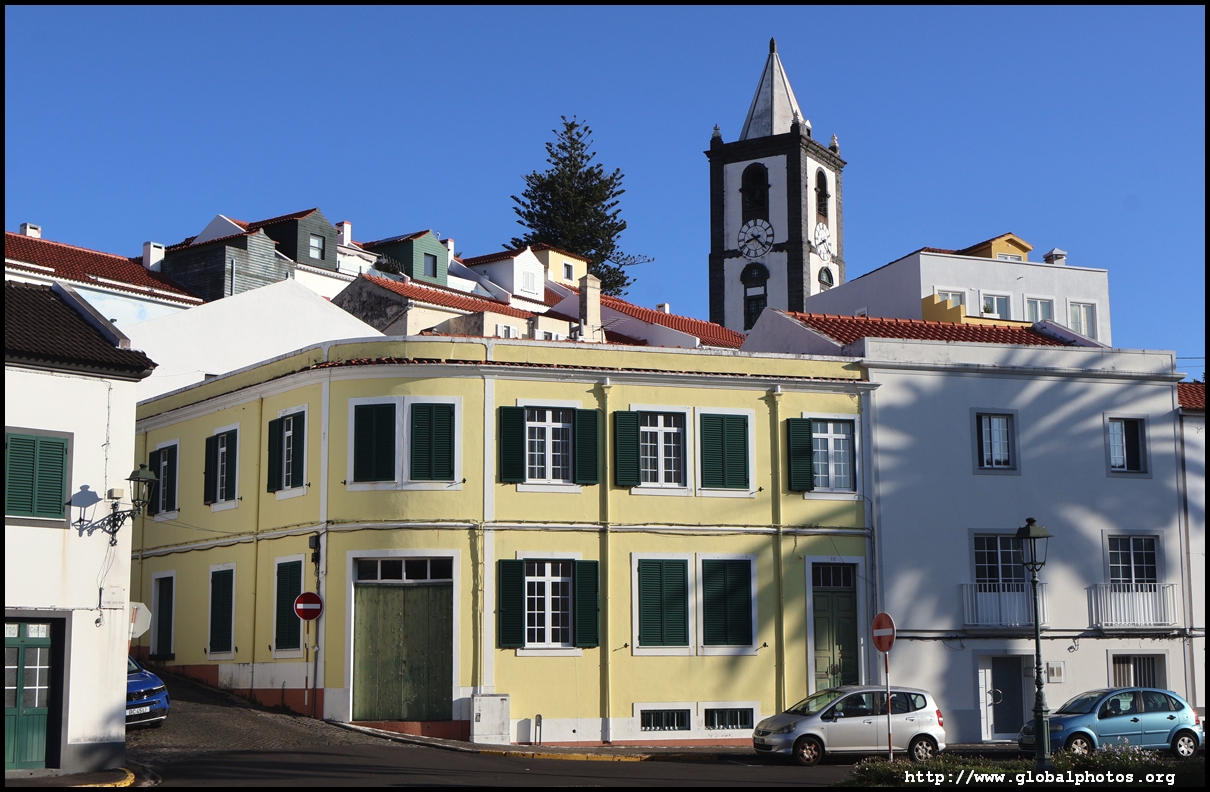
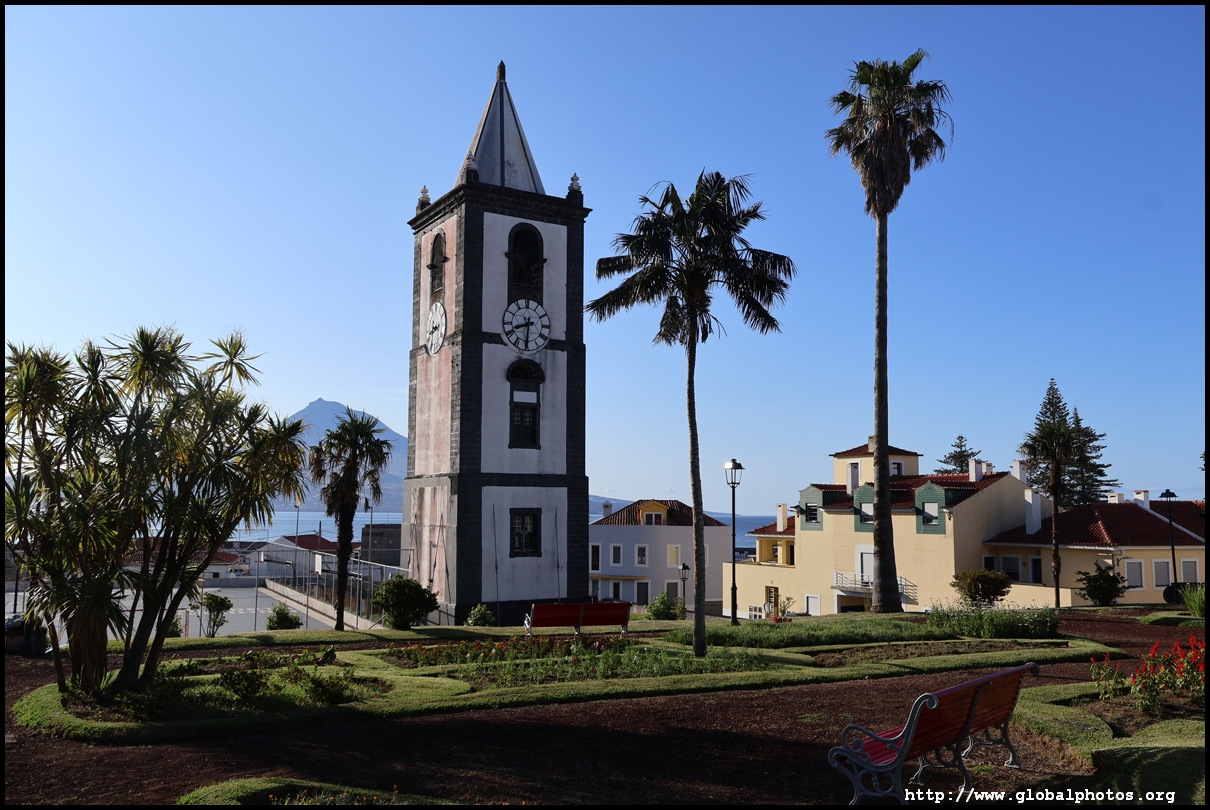
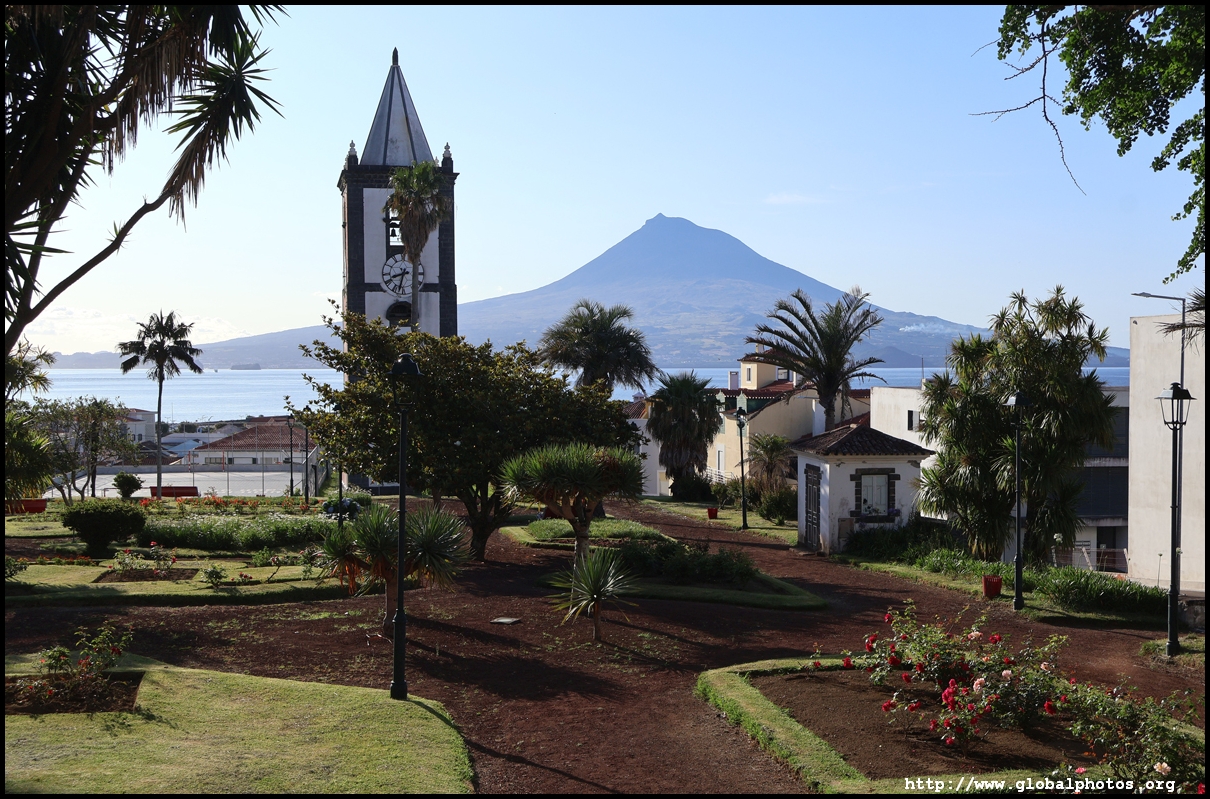
Heading uphill, I soon reached the Clock Tower, which was built in the early 16th century as part of the city's main church. It remained after the church was demolished in 1825.
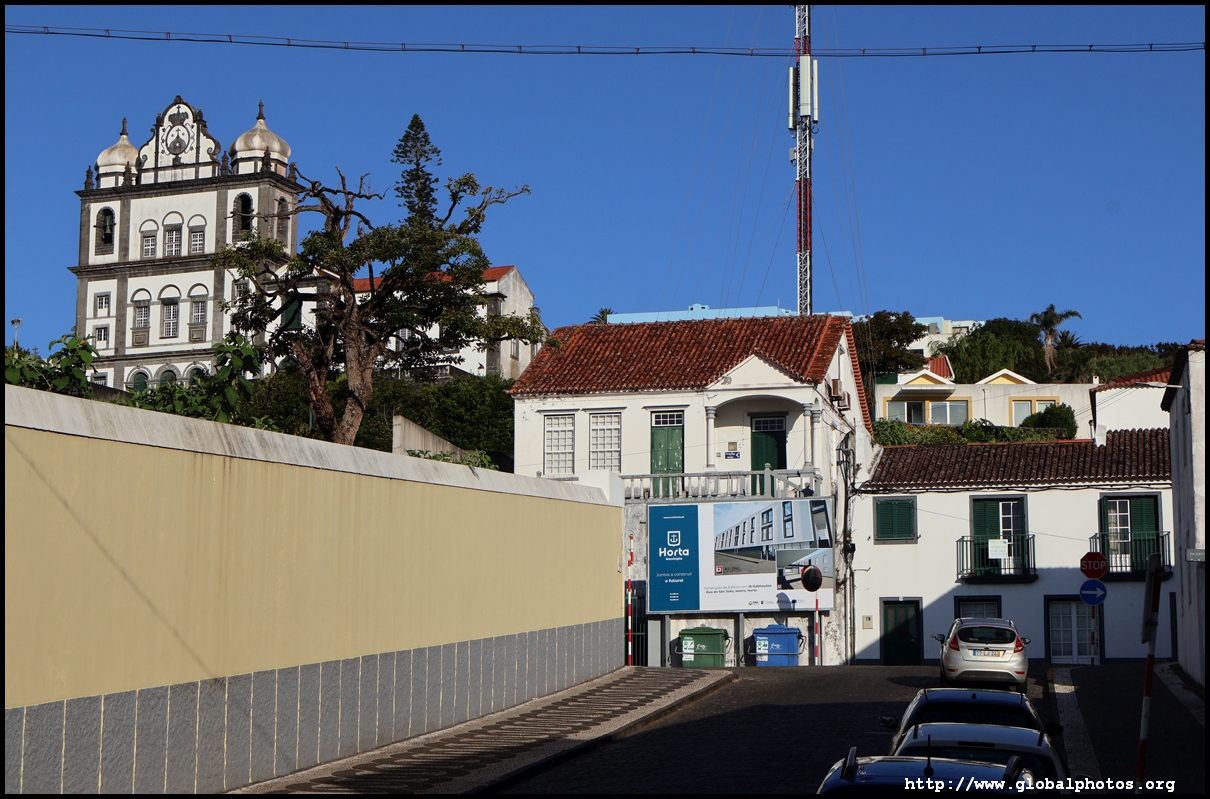
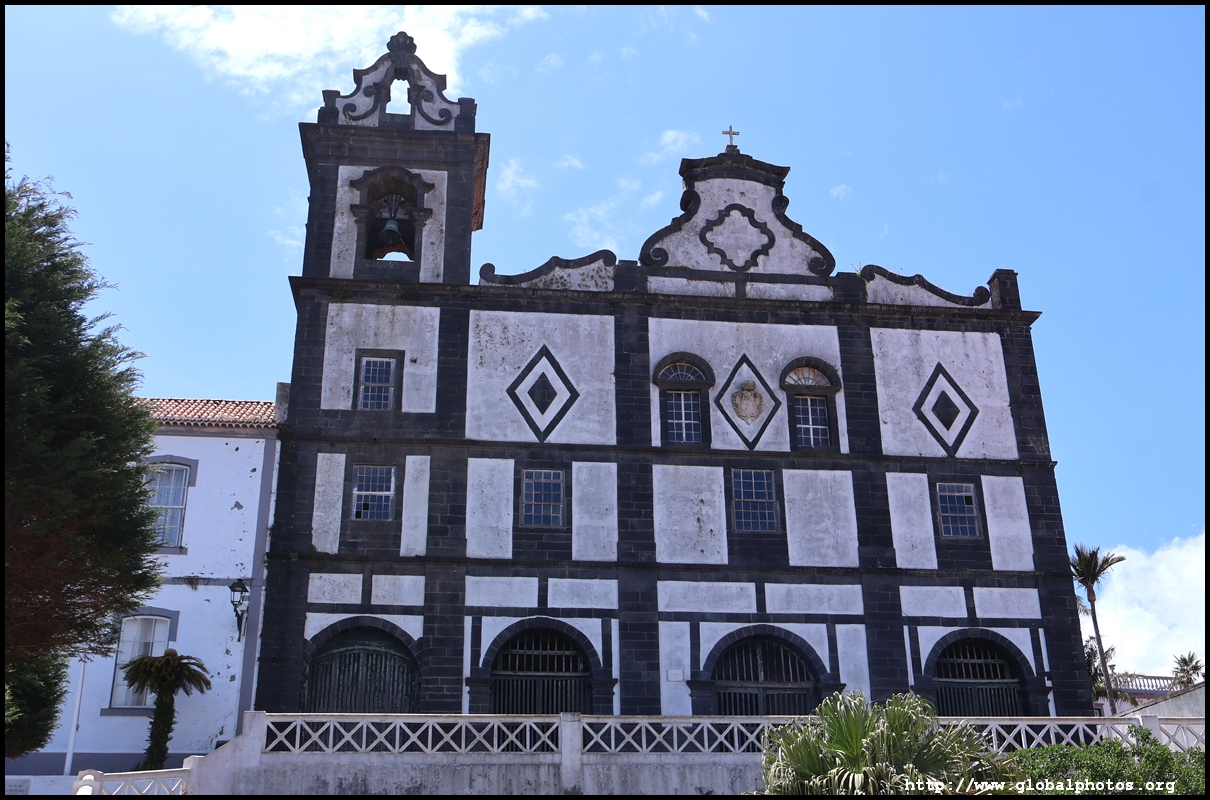
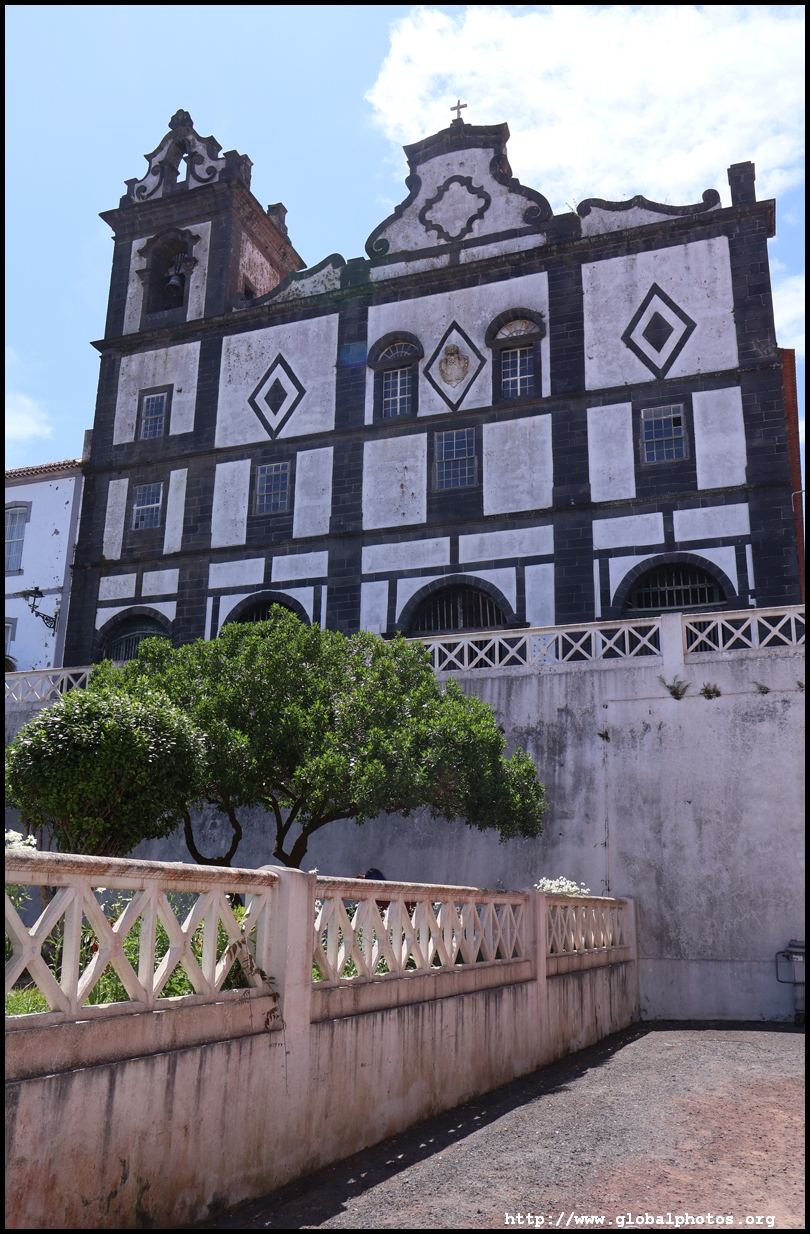
The Igreja e Convento do Carmo was home to the Carmelite friars who stopped here en route to and from Brazil. The main church building was built in the mid-18th century and the Baroque facade was completed in 1797.
The Igreja de Sao Francisco was moved to this location inland from the waterfront in the late 17th century.
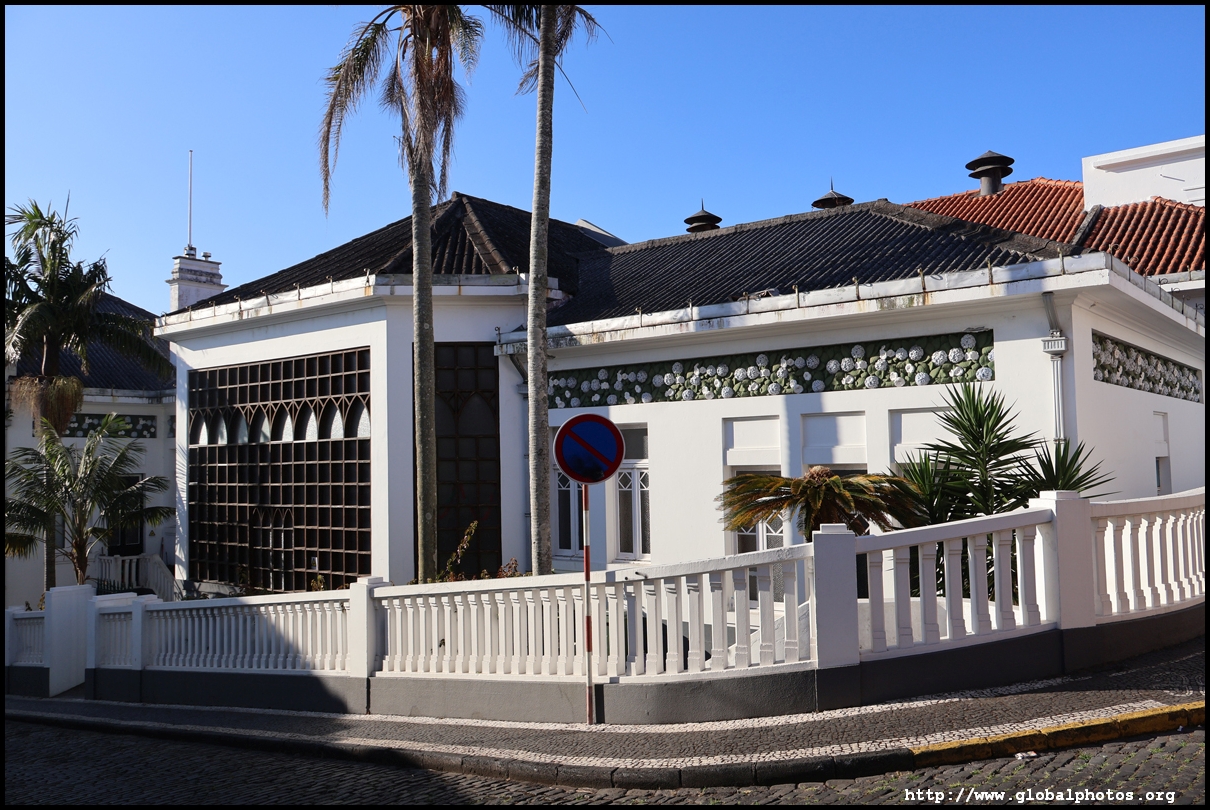
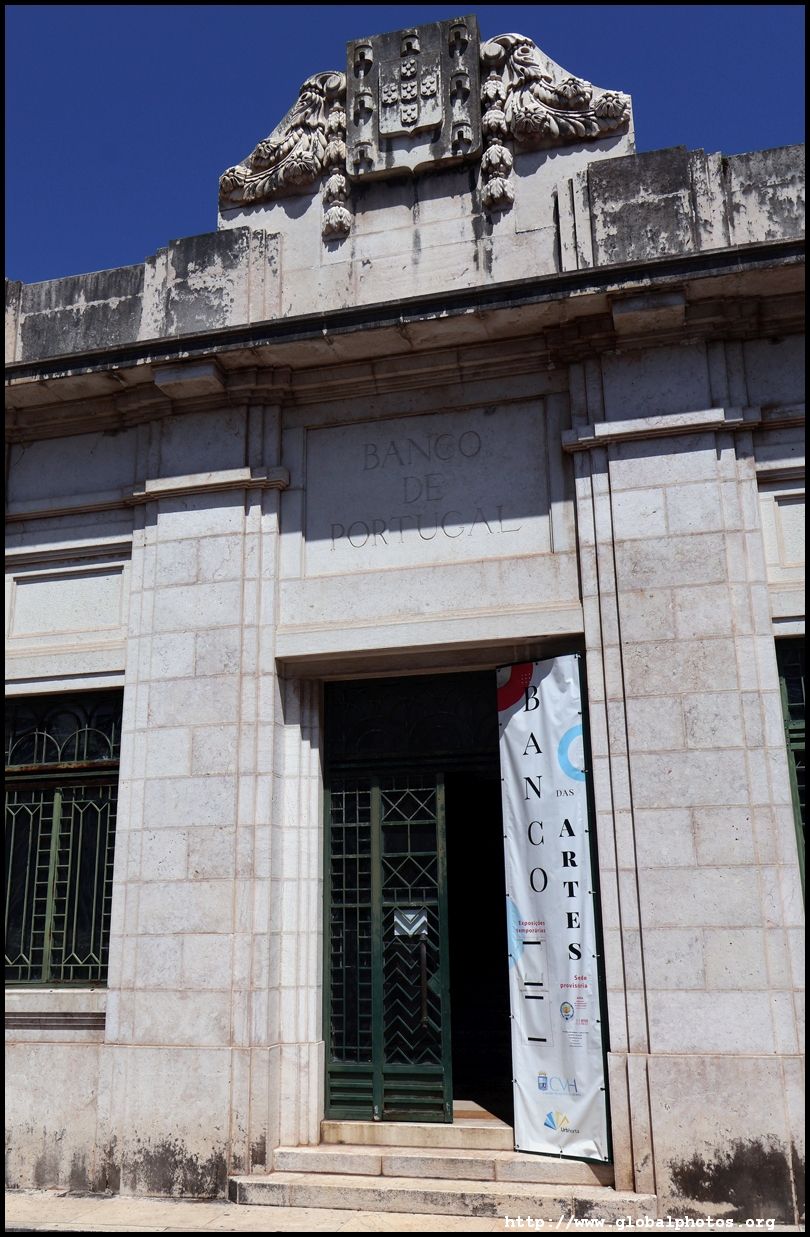
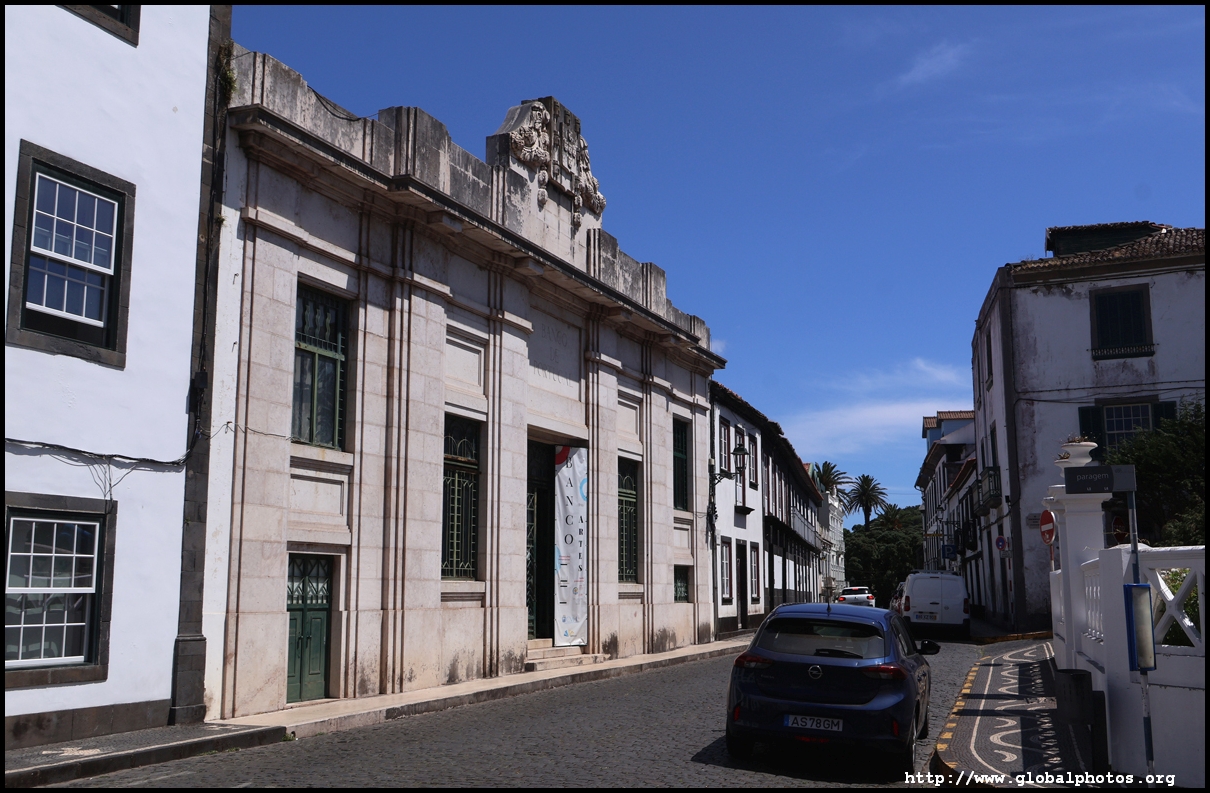
The Banco de Artistas was originally the Portuguese central bank's office. The Art Deco building was designed by Adaes Bermudes and opened in 1935.
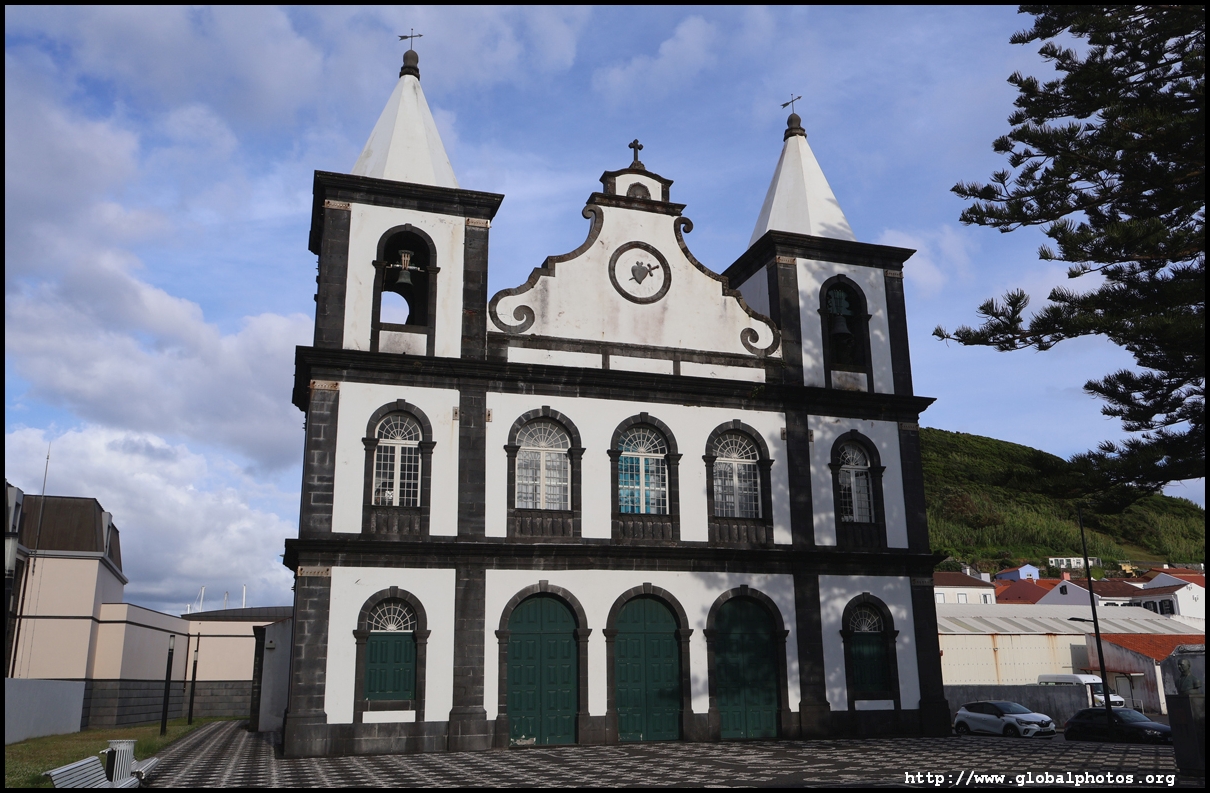
The Igreja das Angustias is built on the ruins of the Santa Cruz chapel that dates from the 15th century, and another reconstruction in the early 19th century to the building we see today.
|
|

To re-use these photos or notify of errors, please email me. Thank you.
Azores Photo Gallery Main Page