Bilbao Photo Gallery - Guggenheim

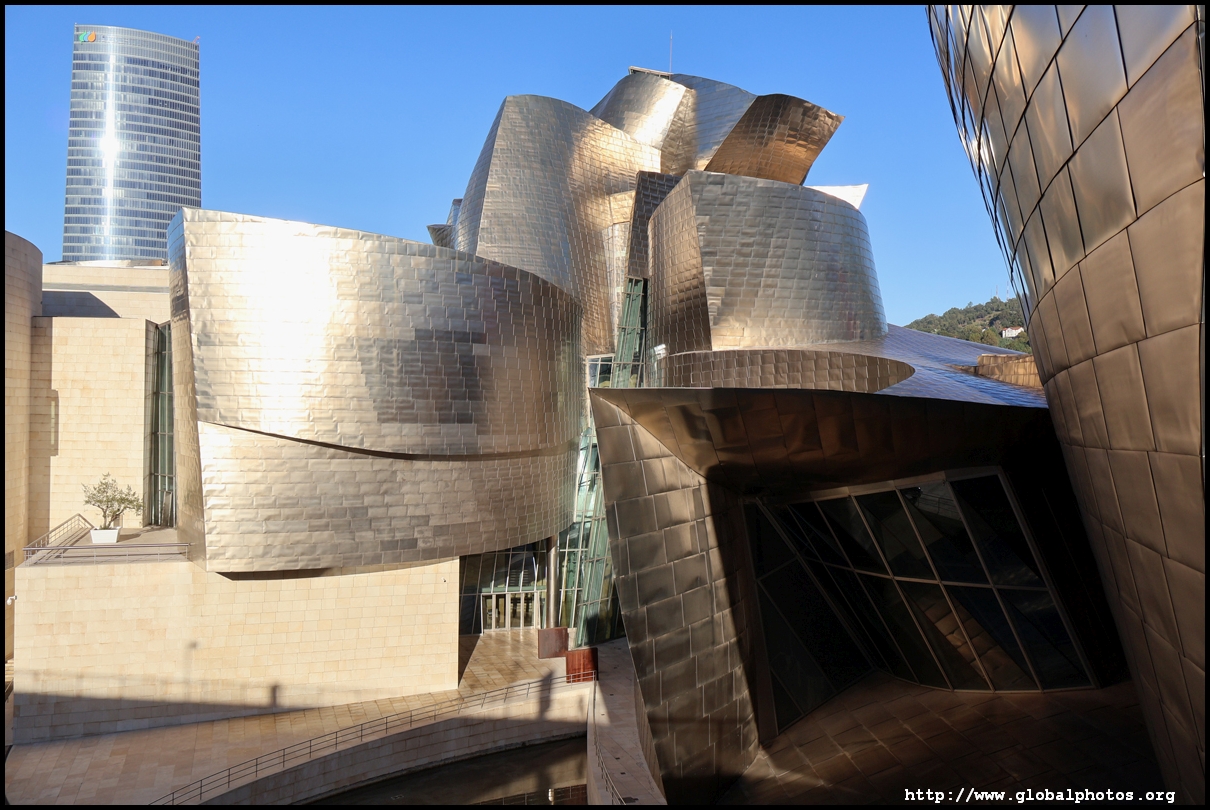
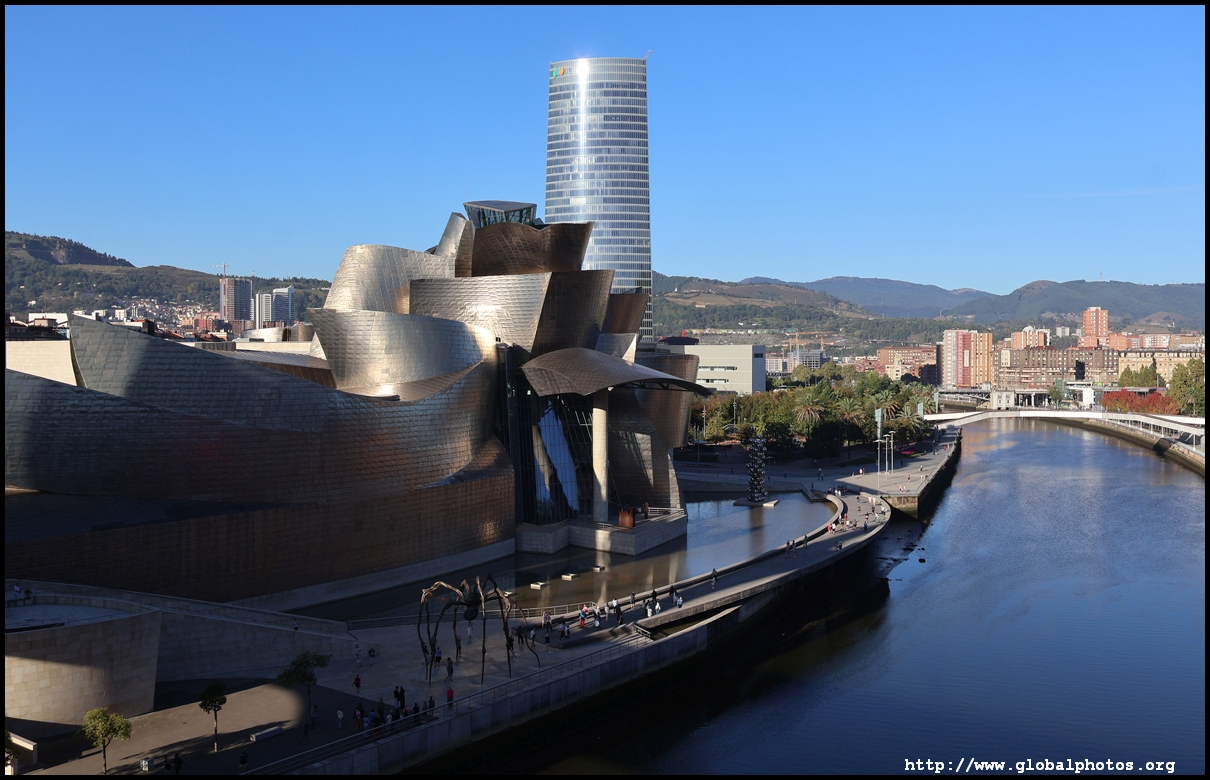
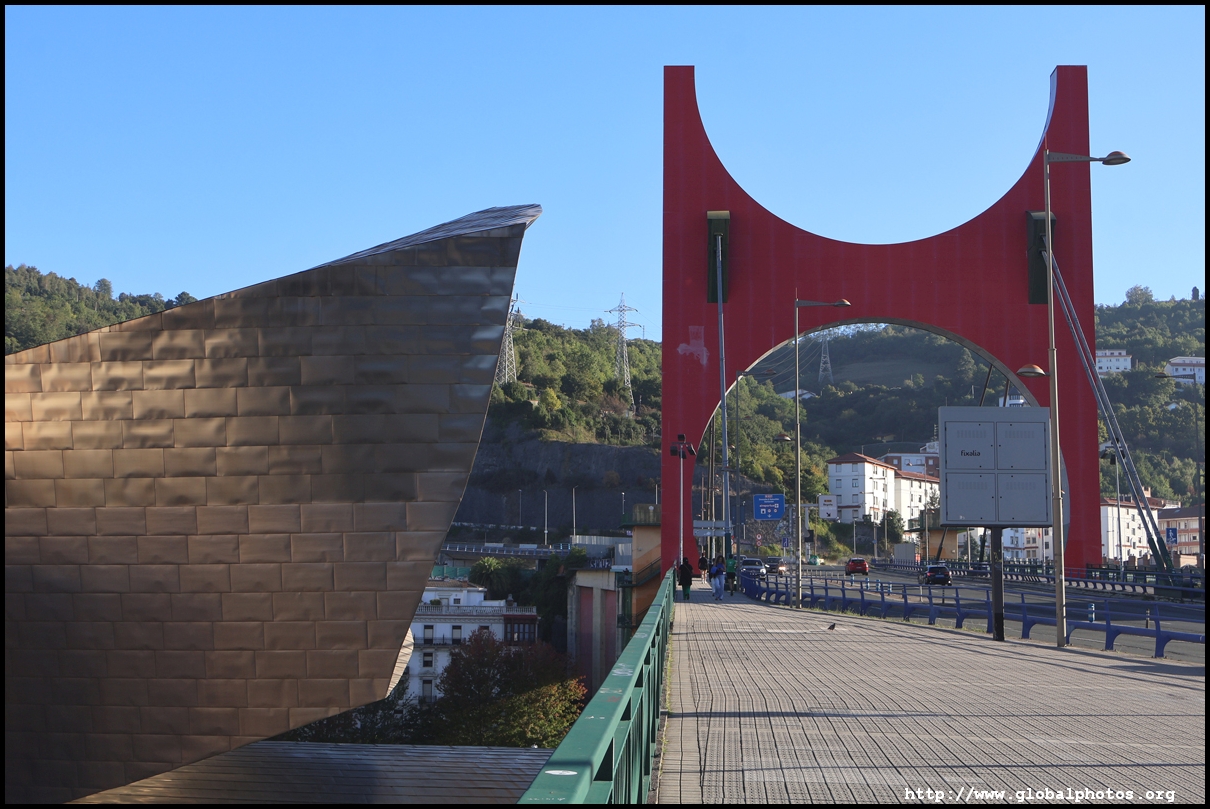
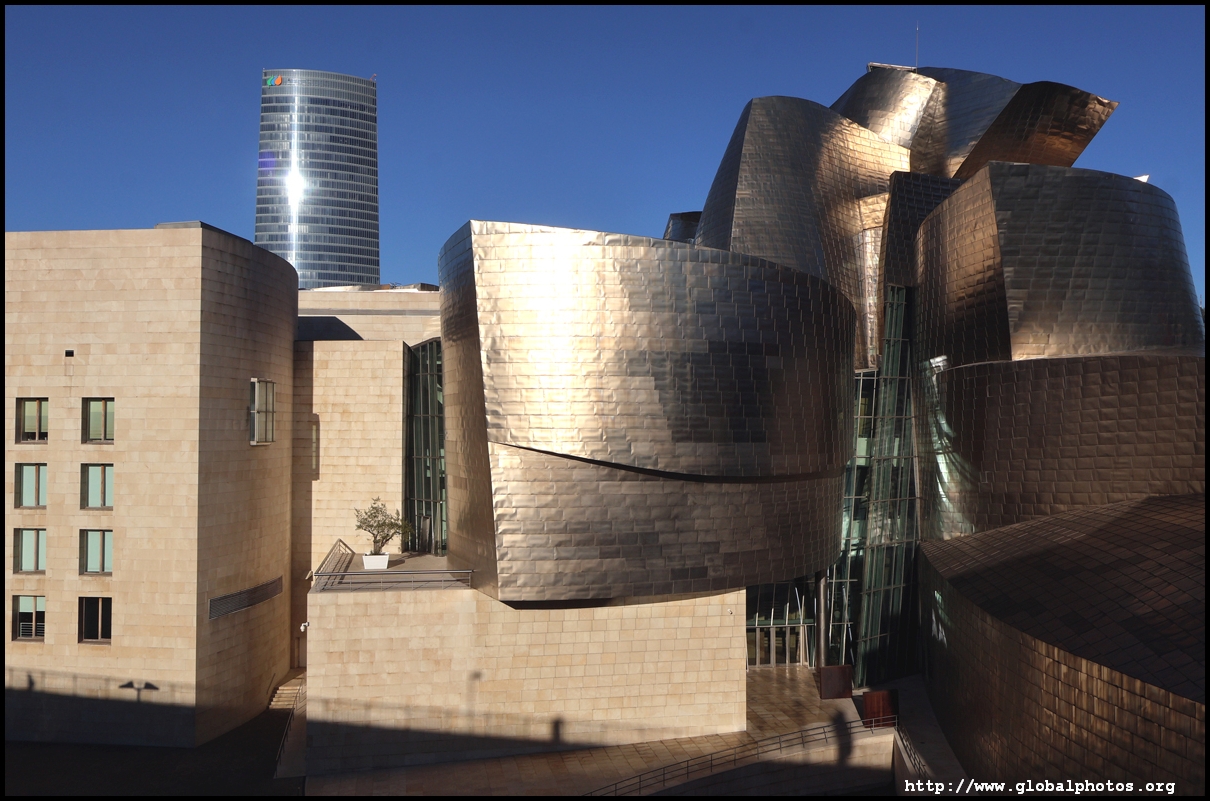
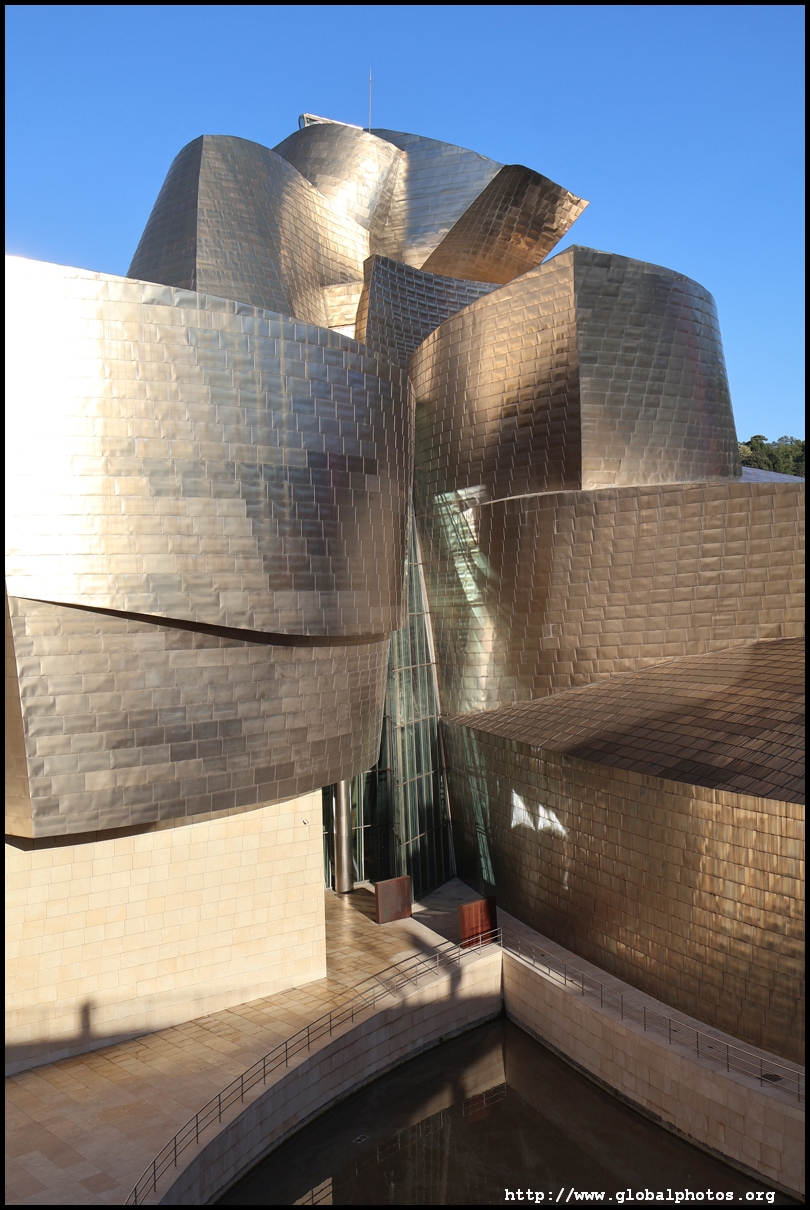
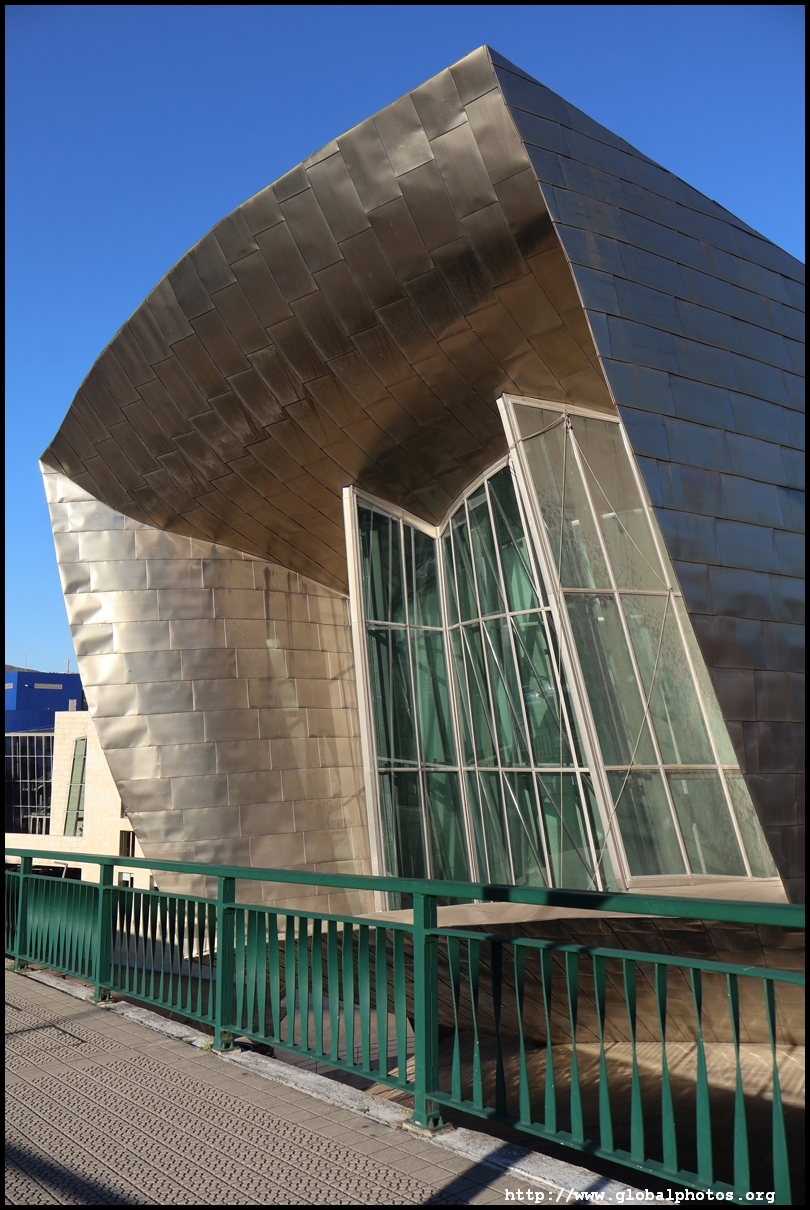
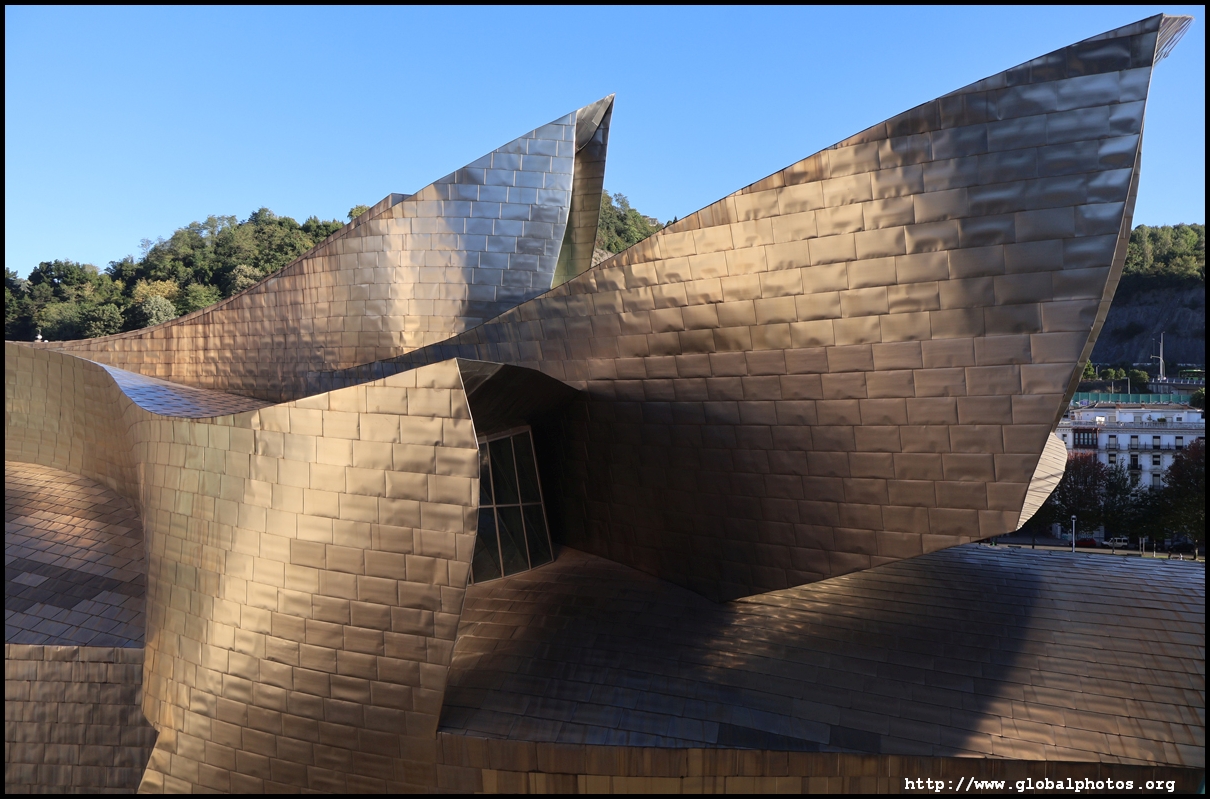
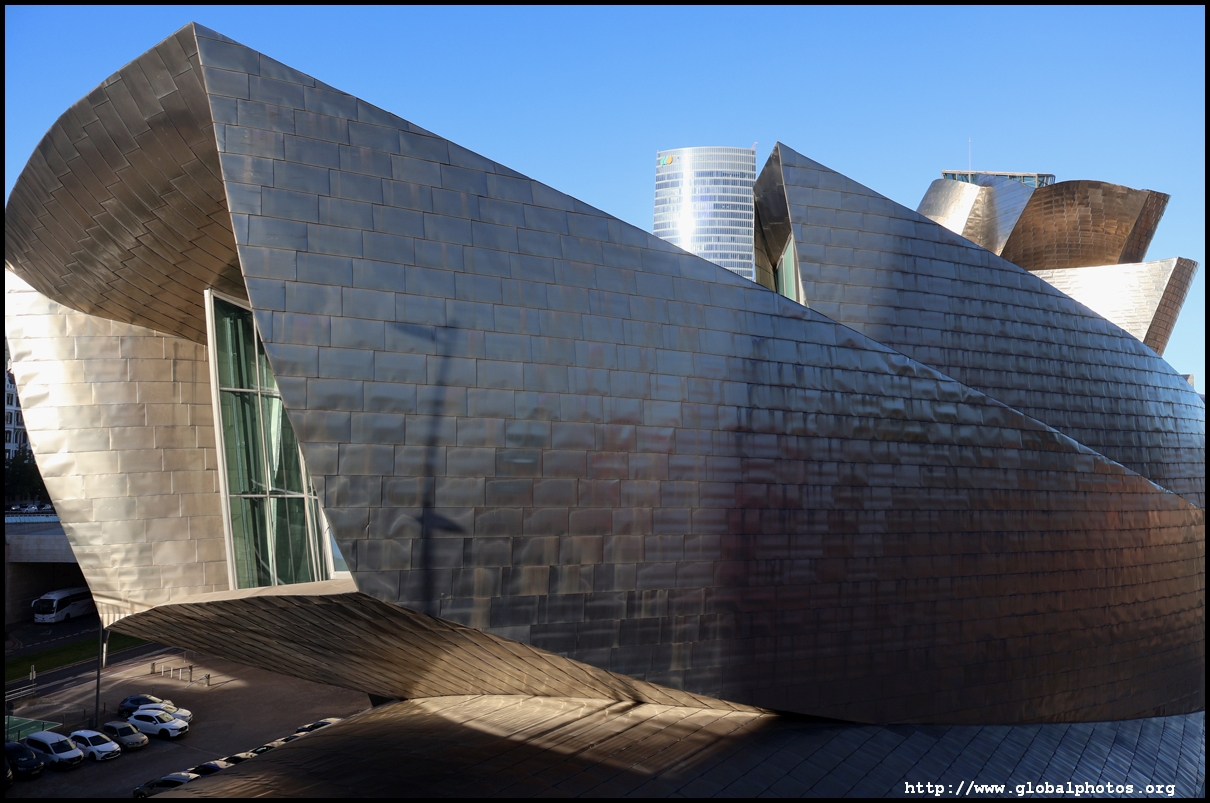
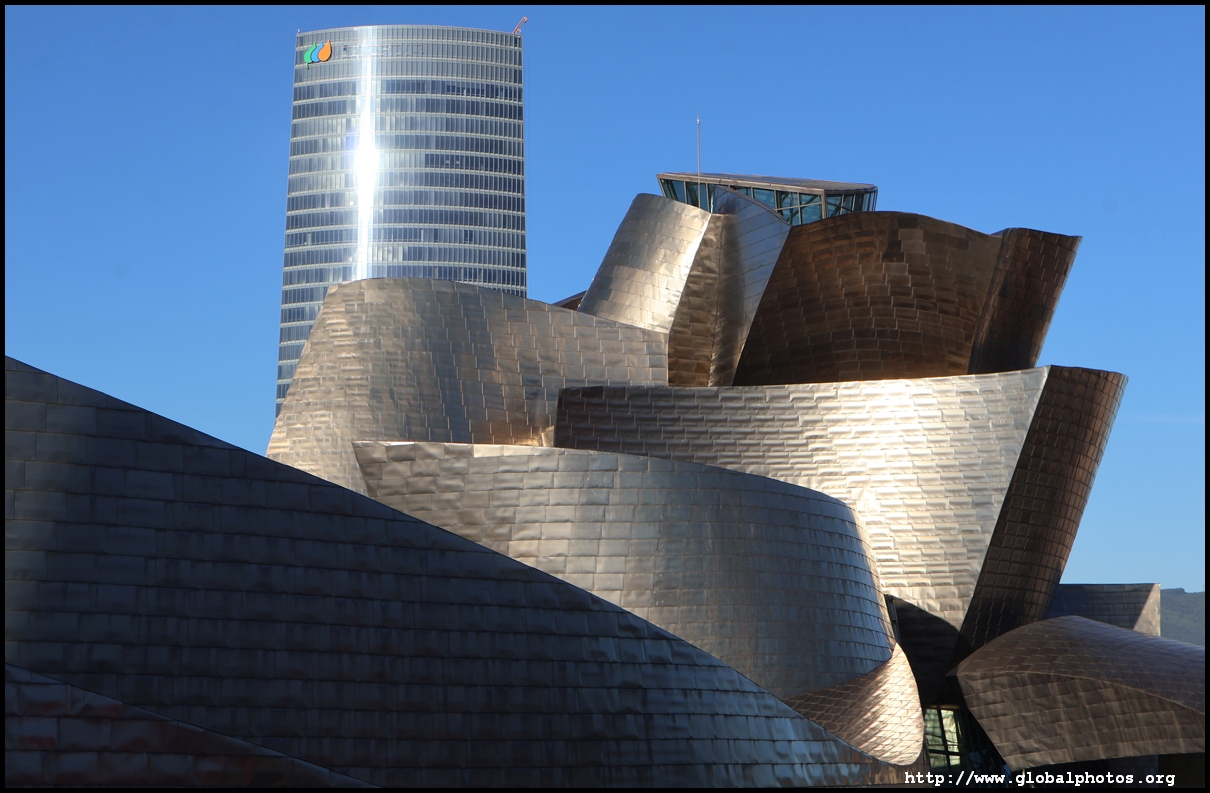
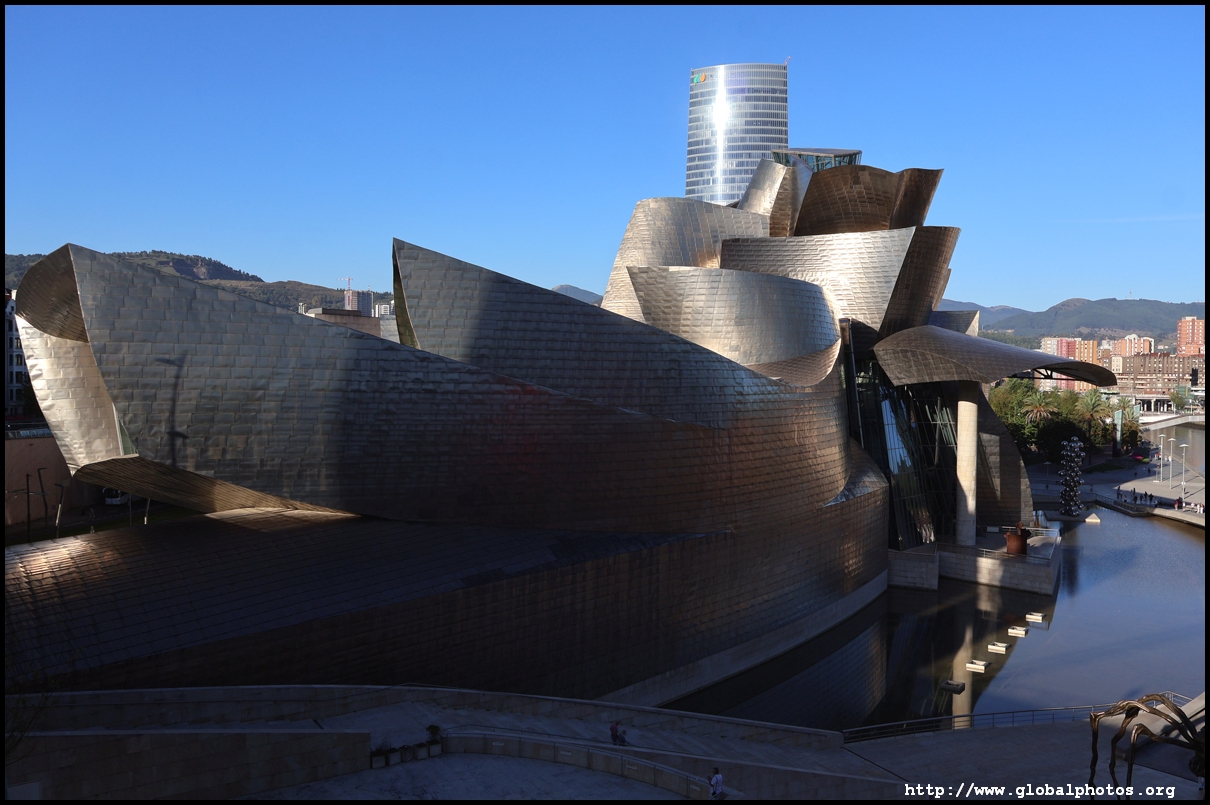
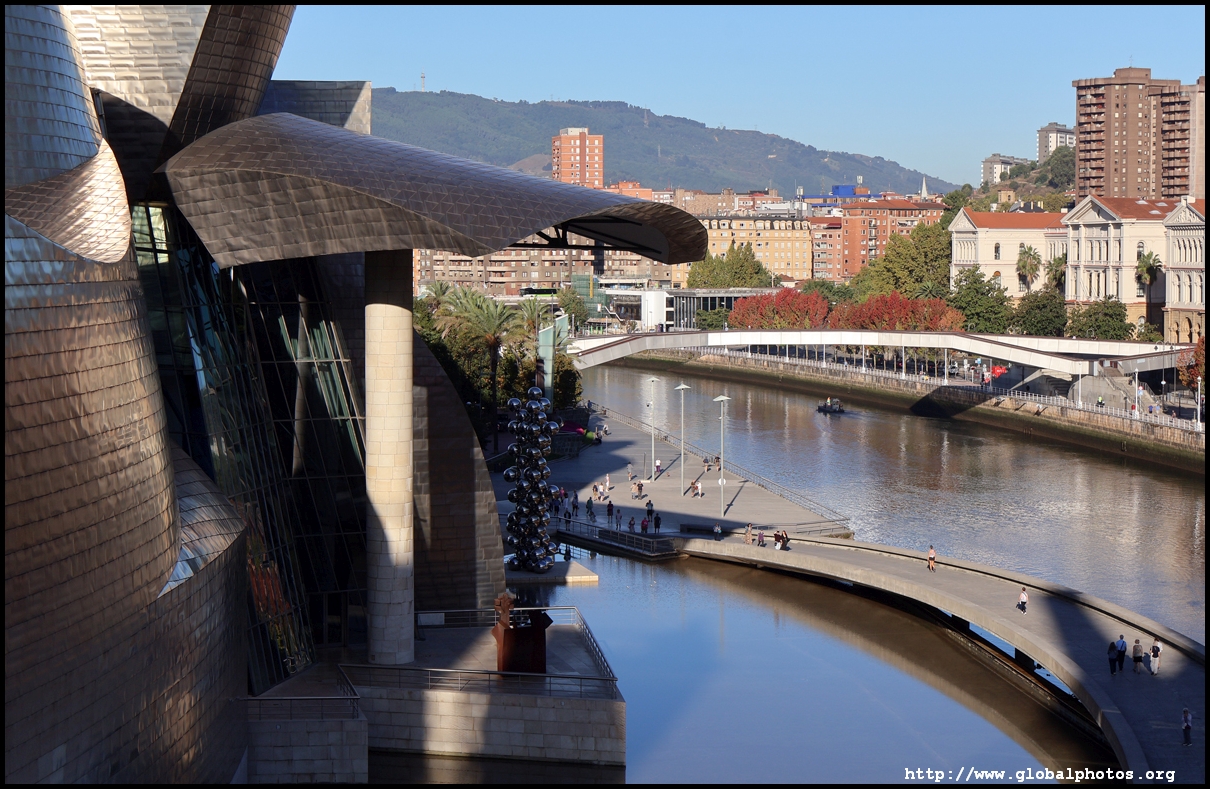
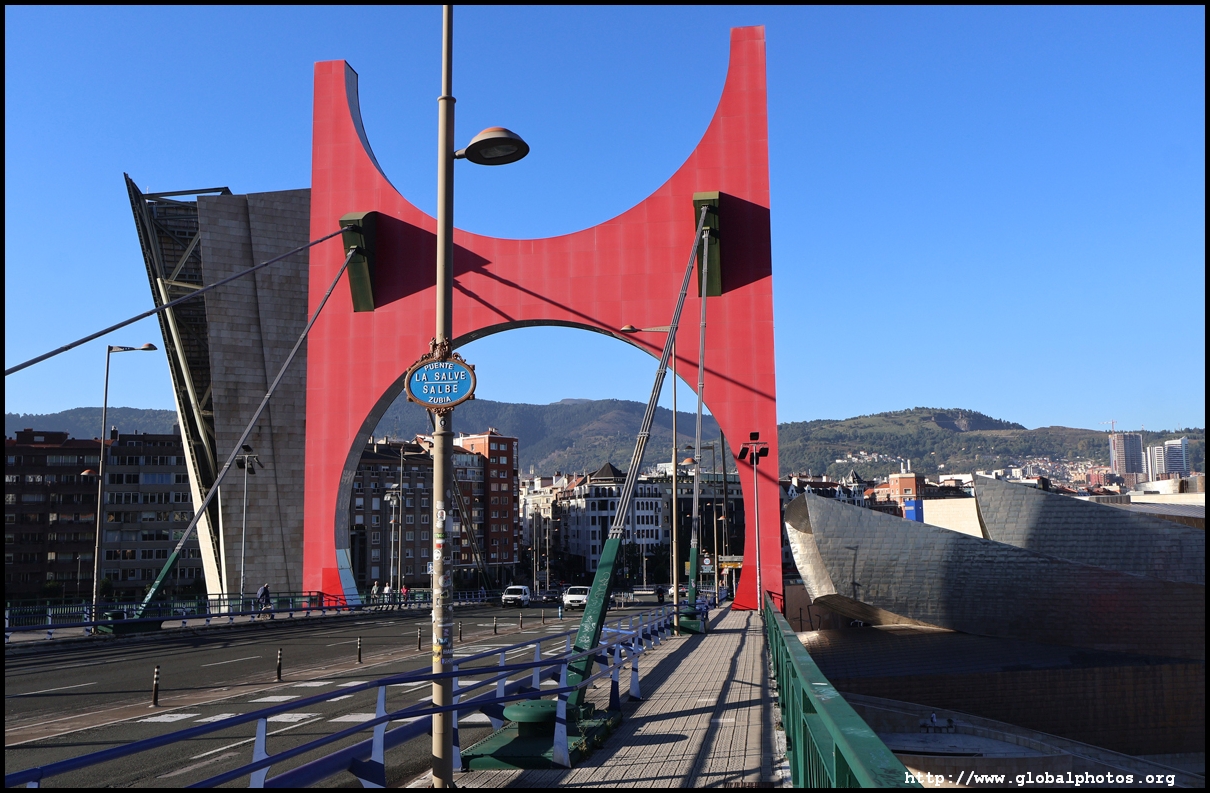
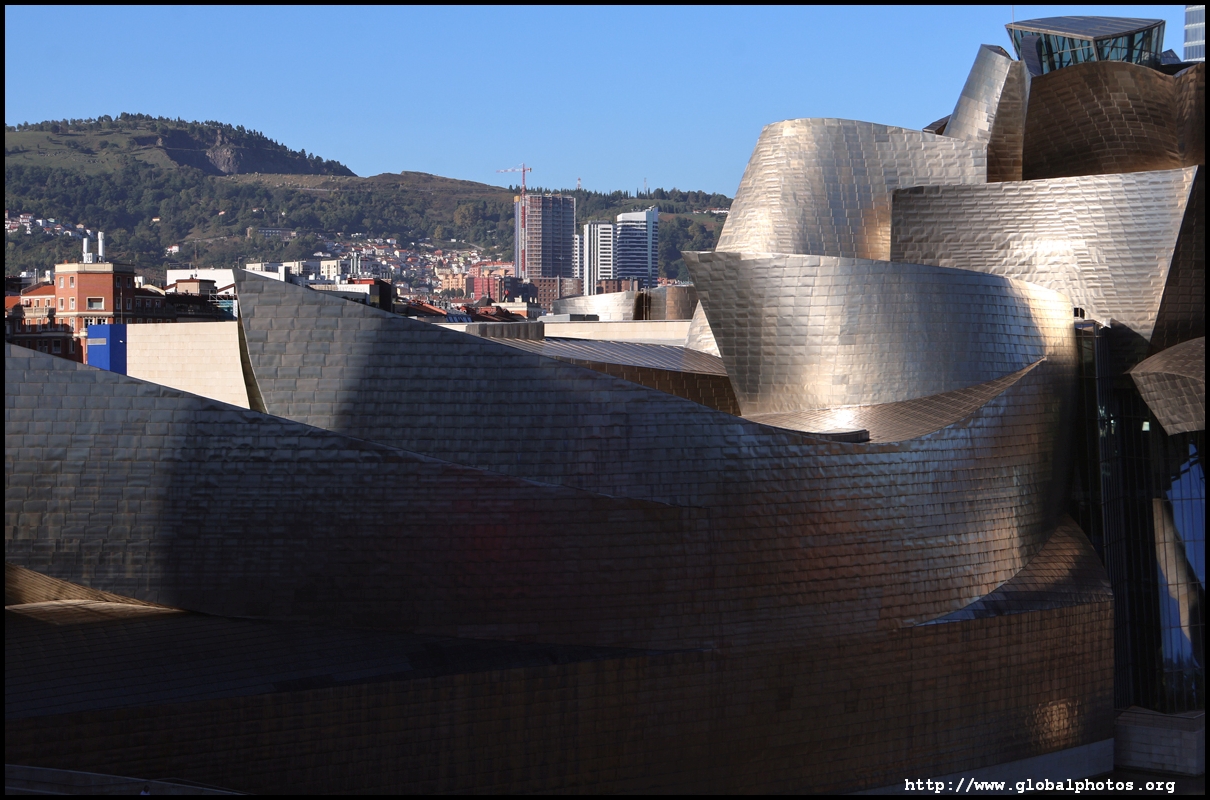
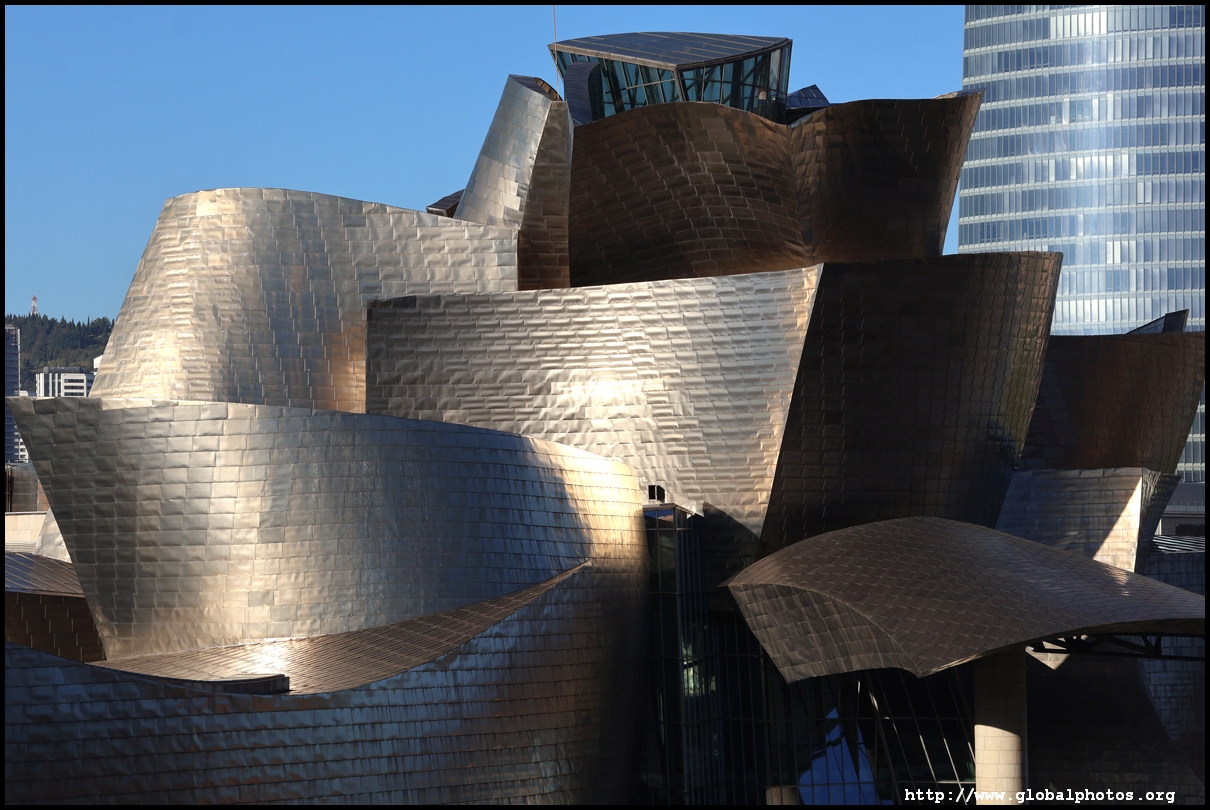
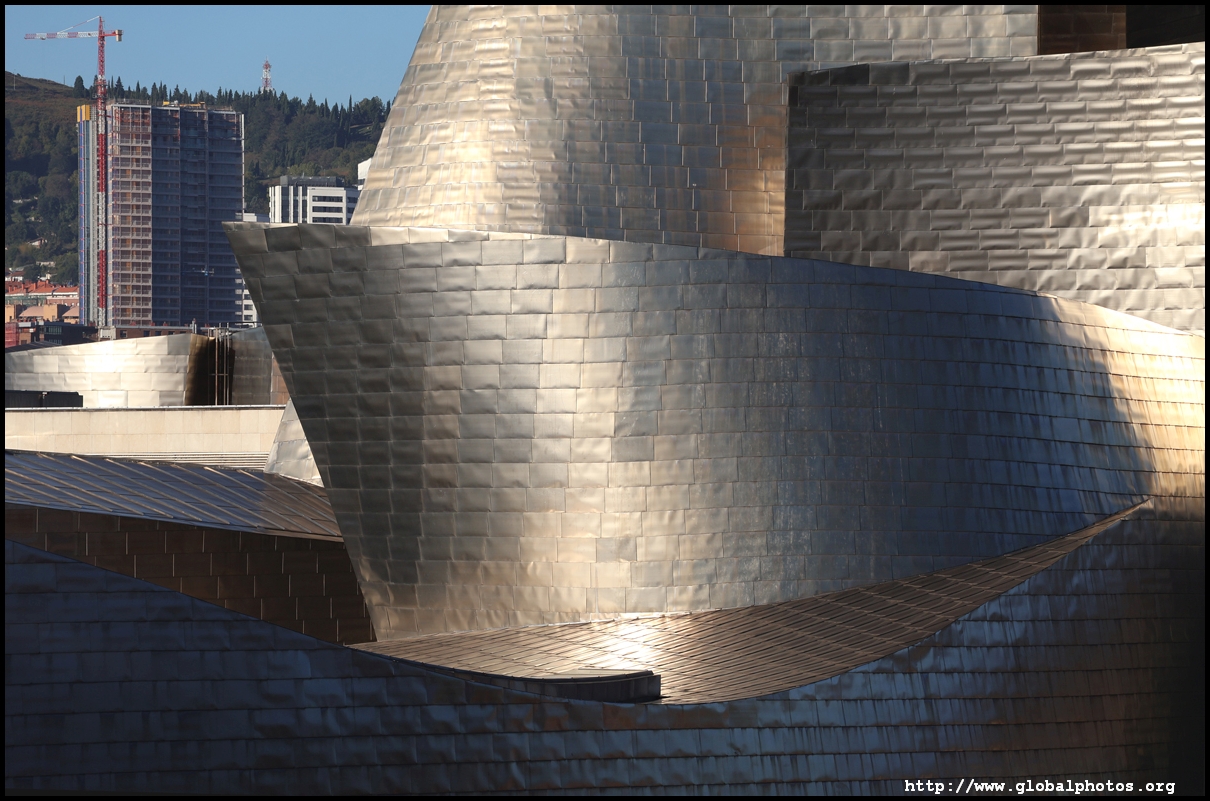
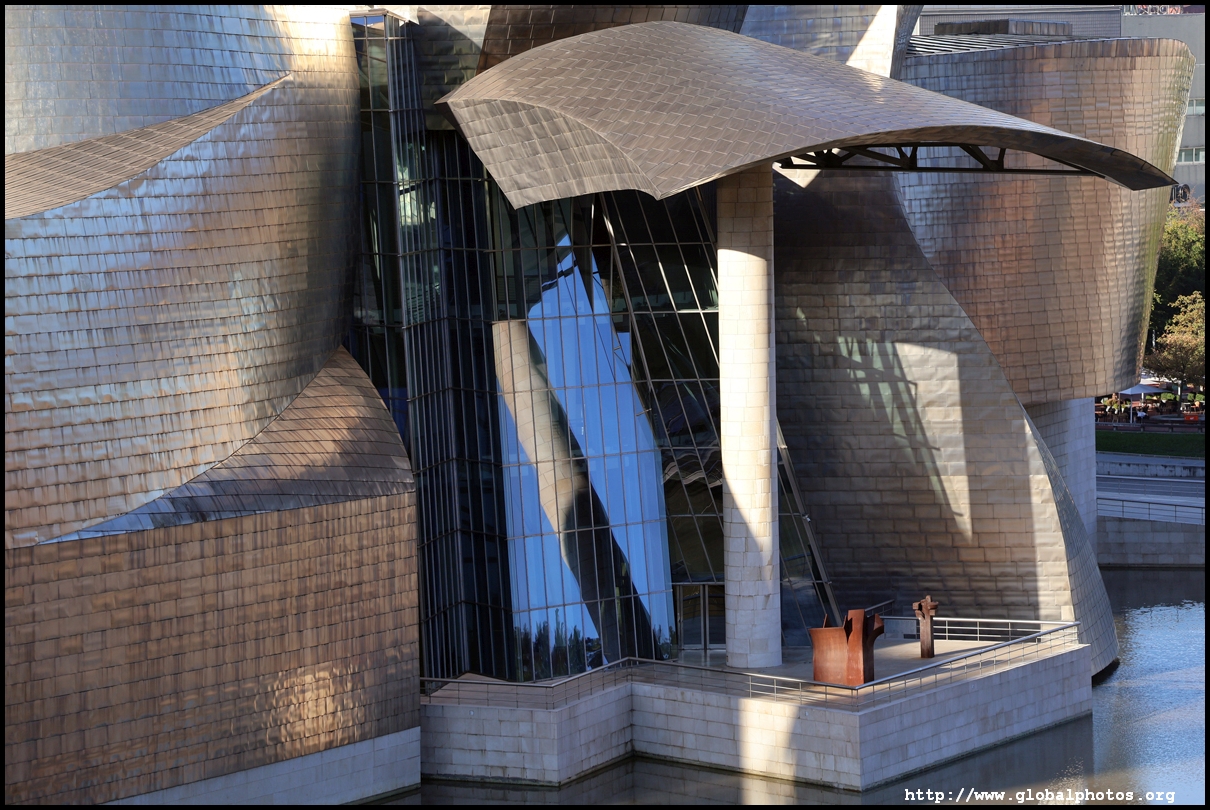
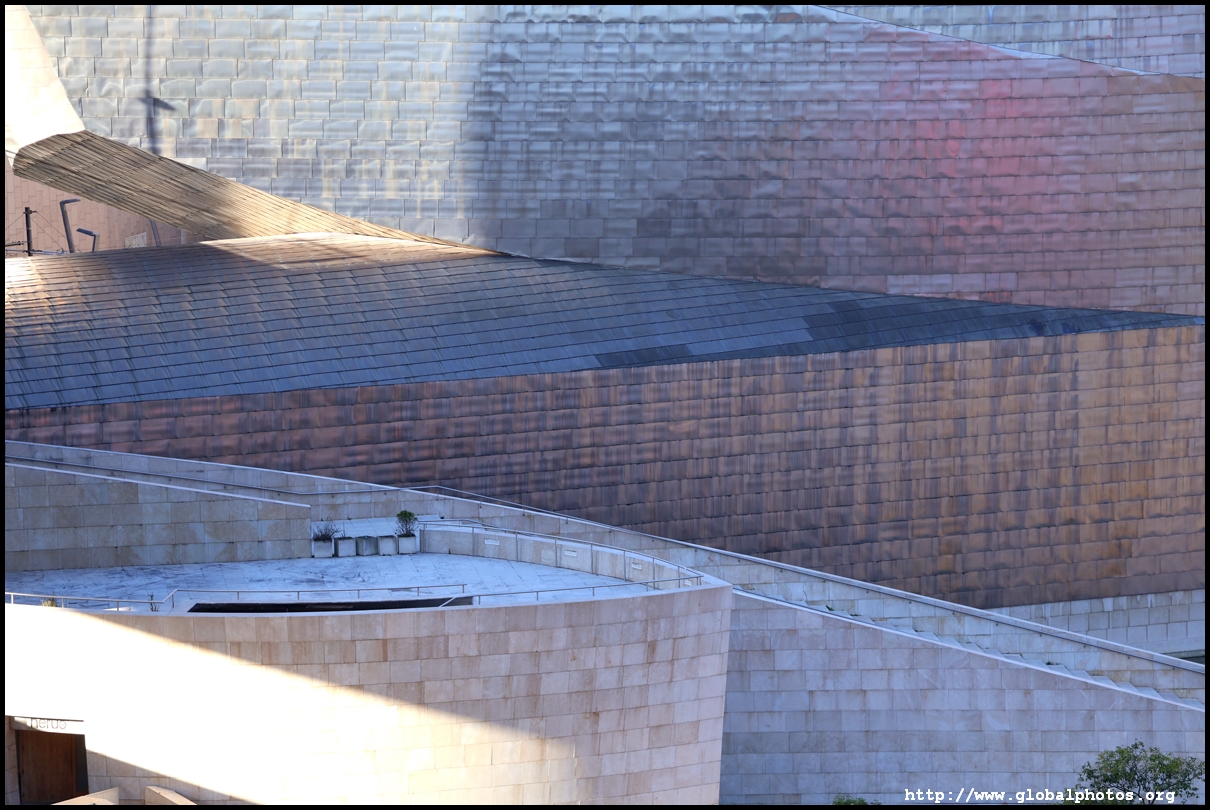
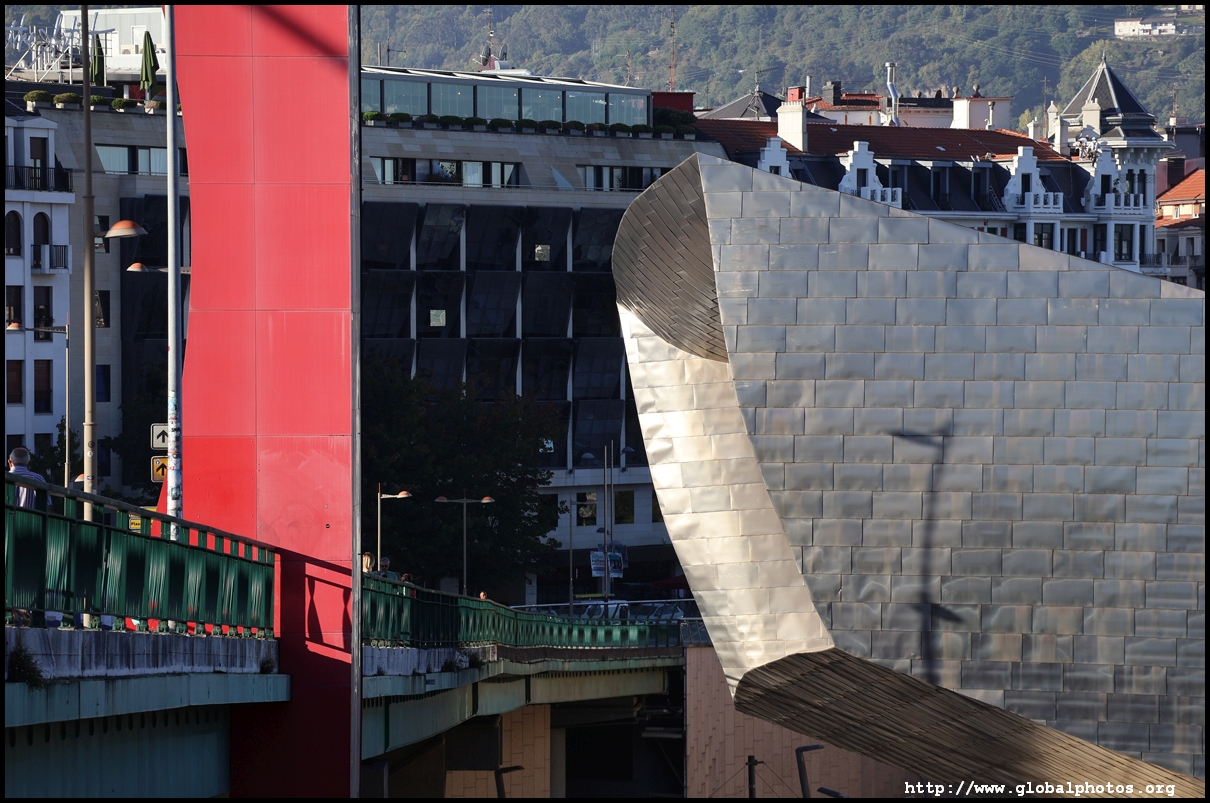
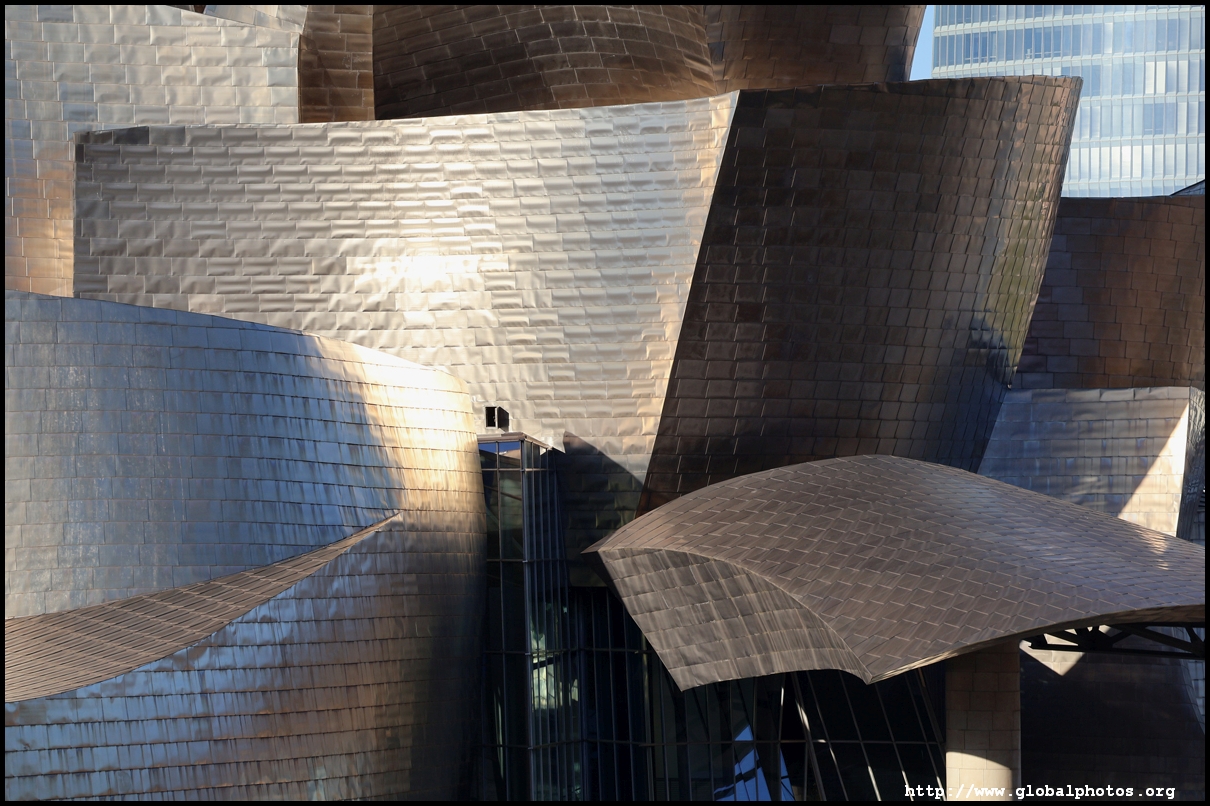
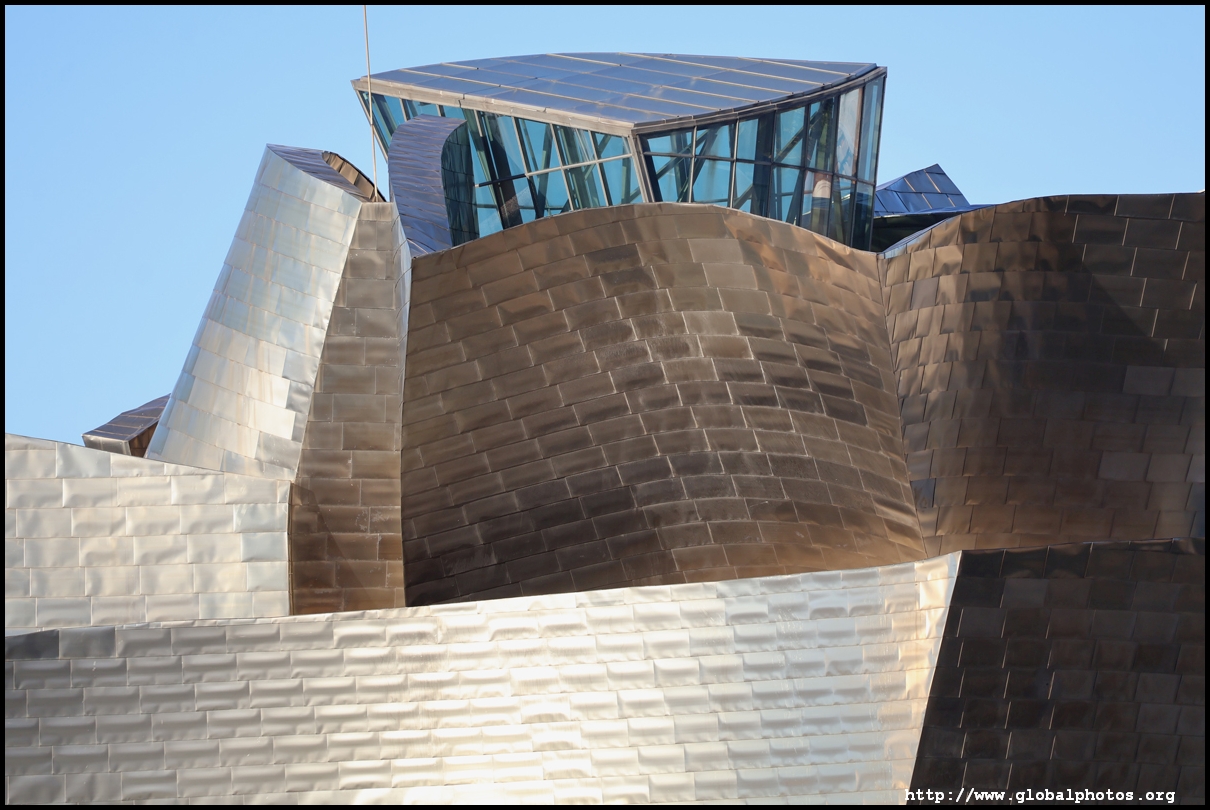
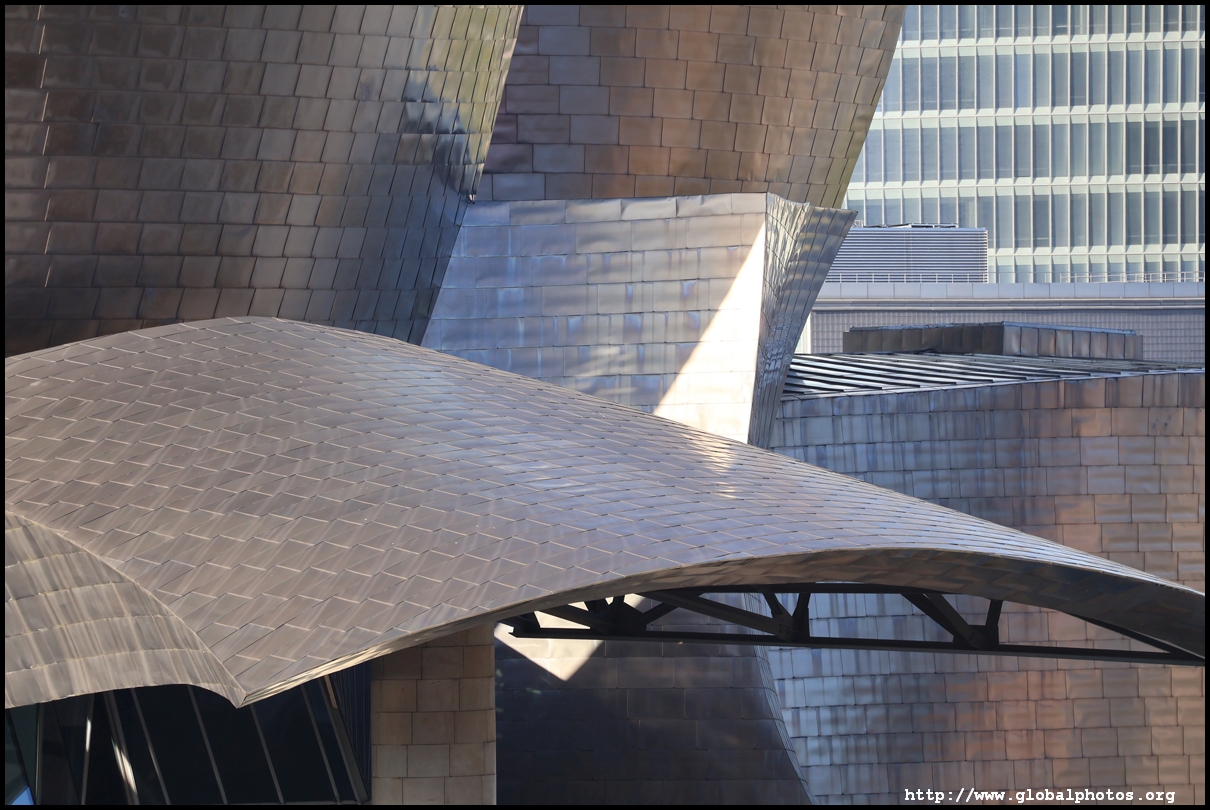
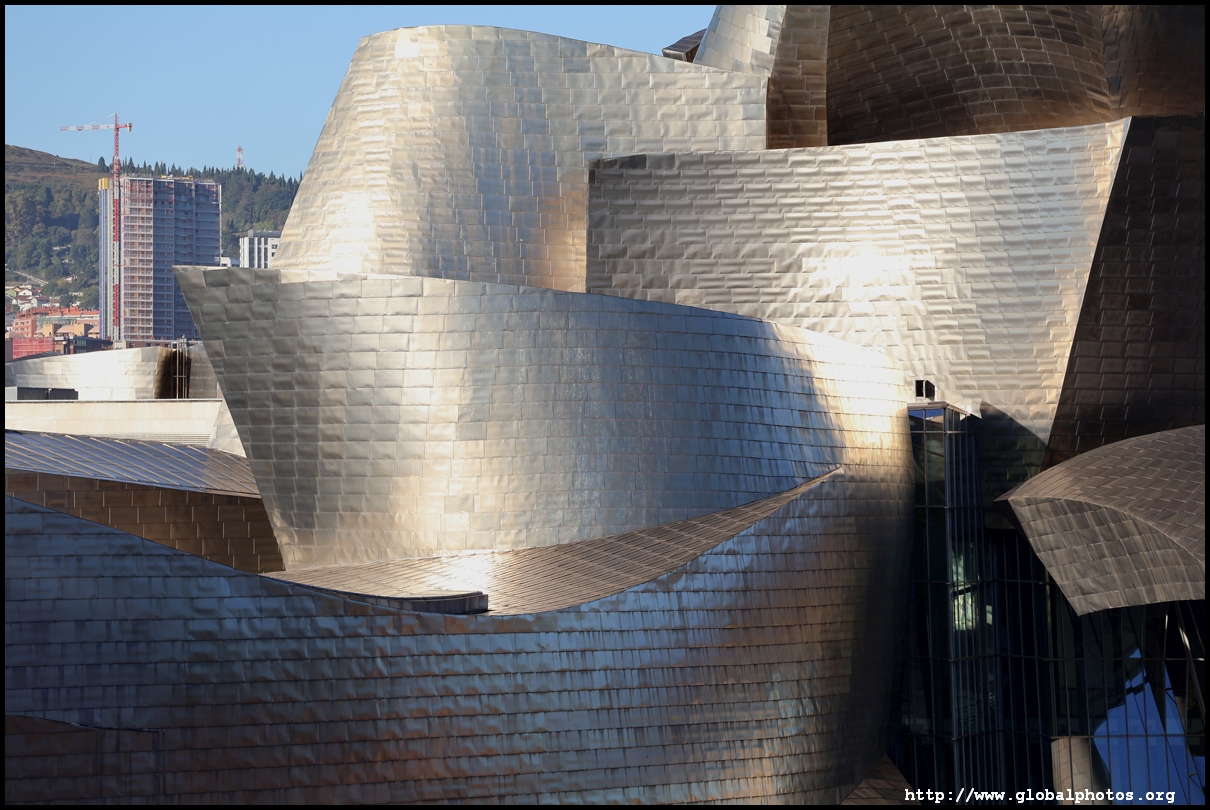
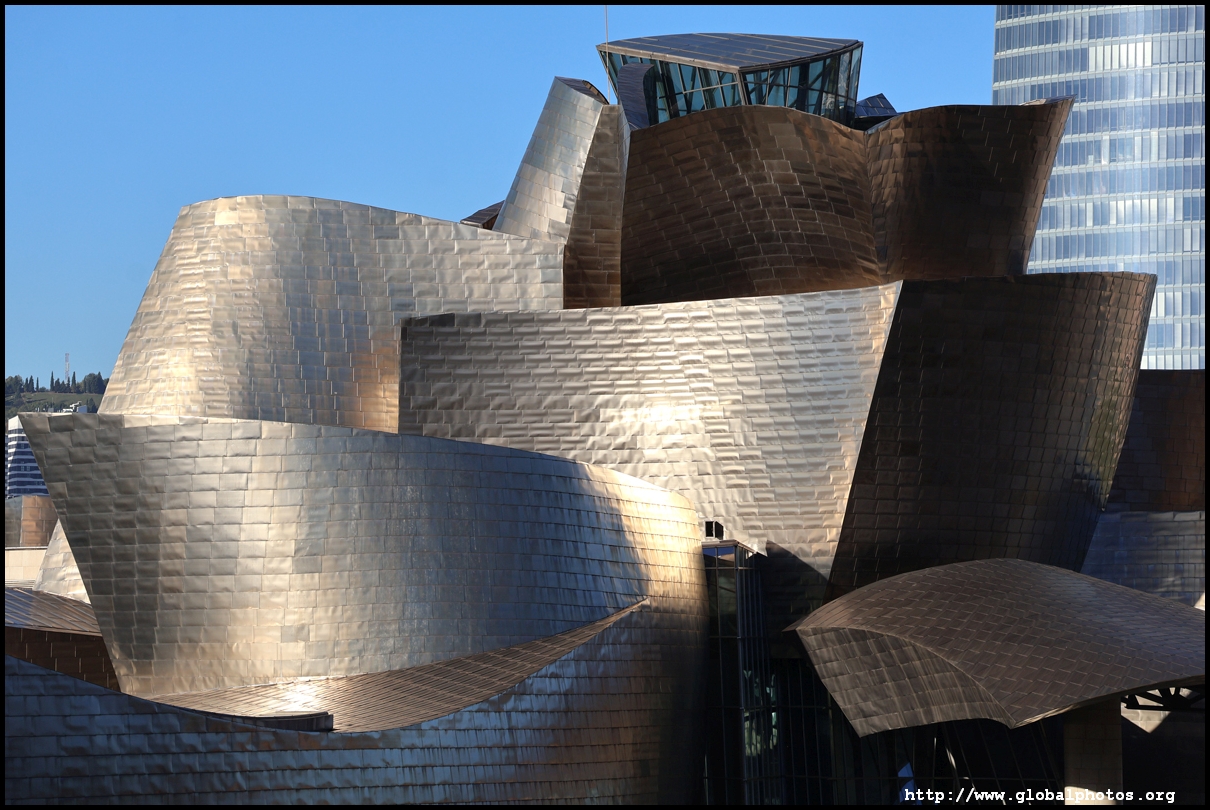
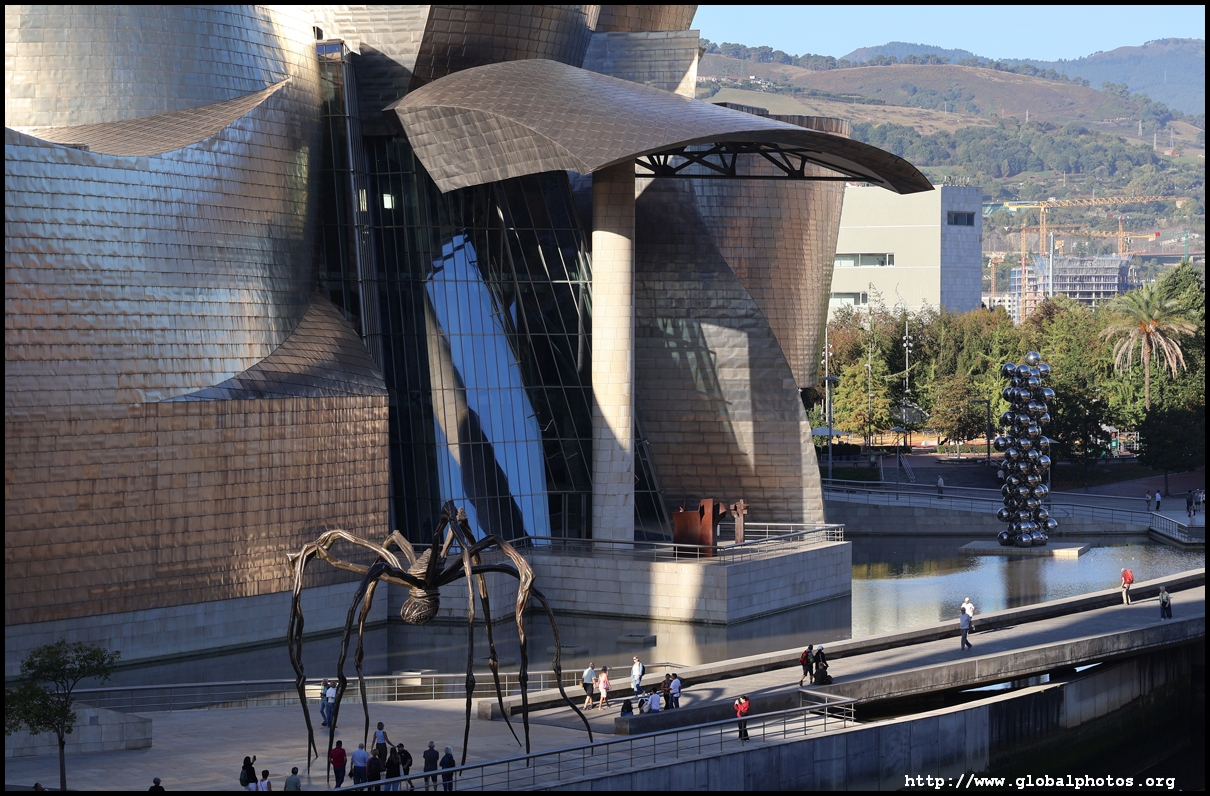
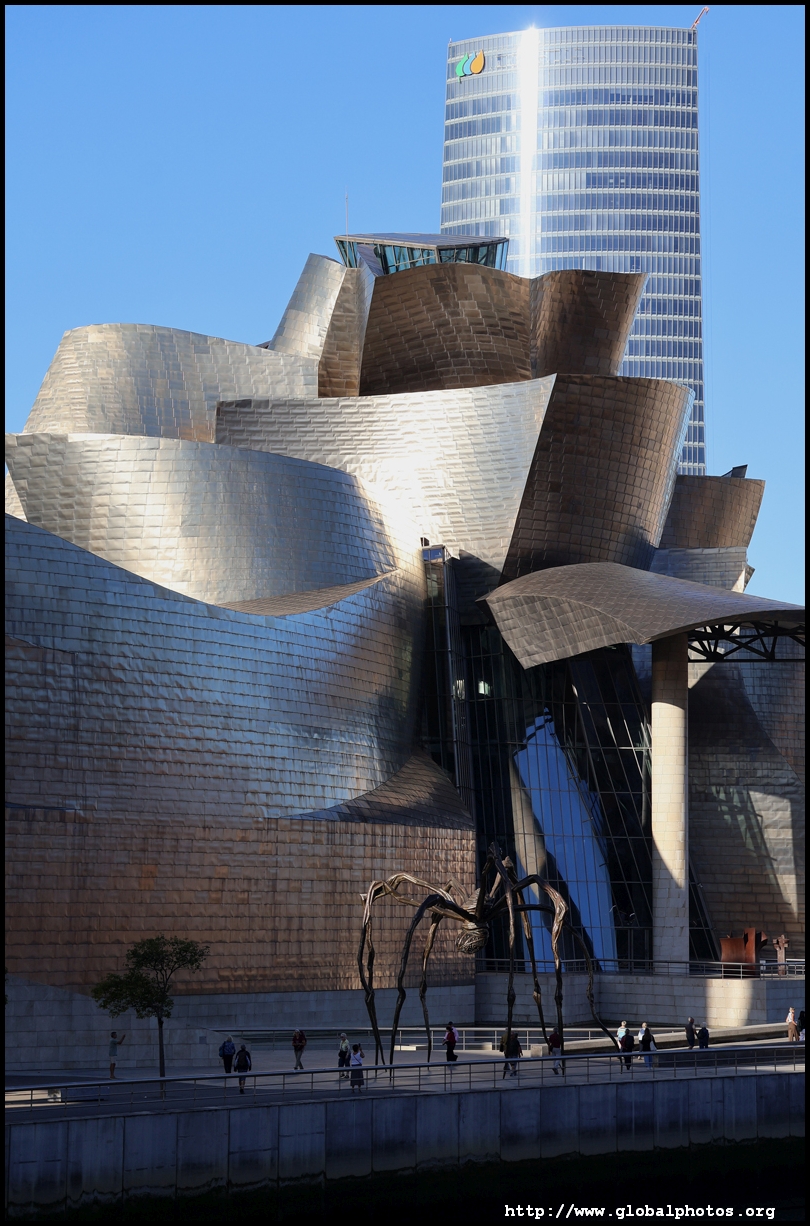
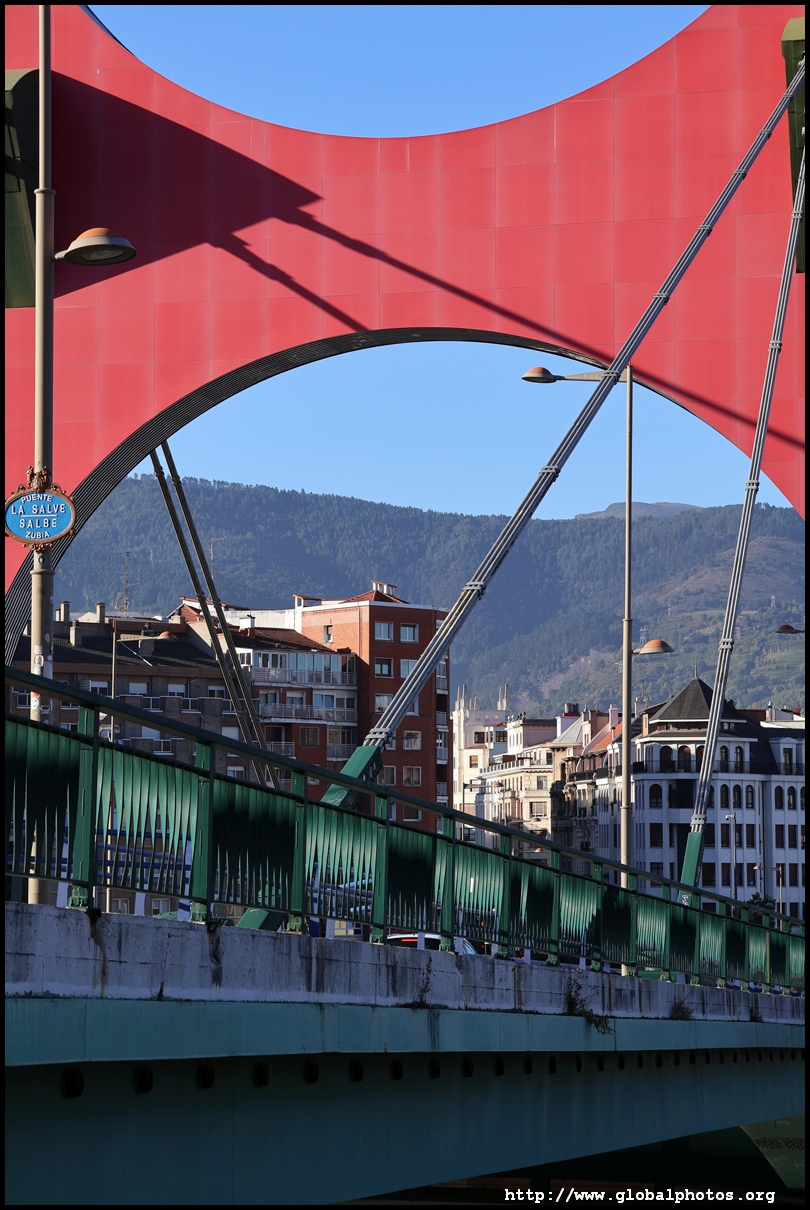
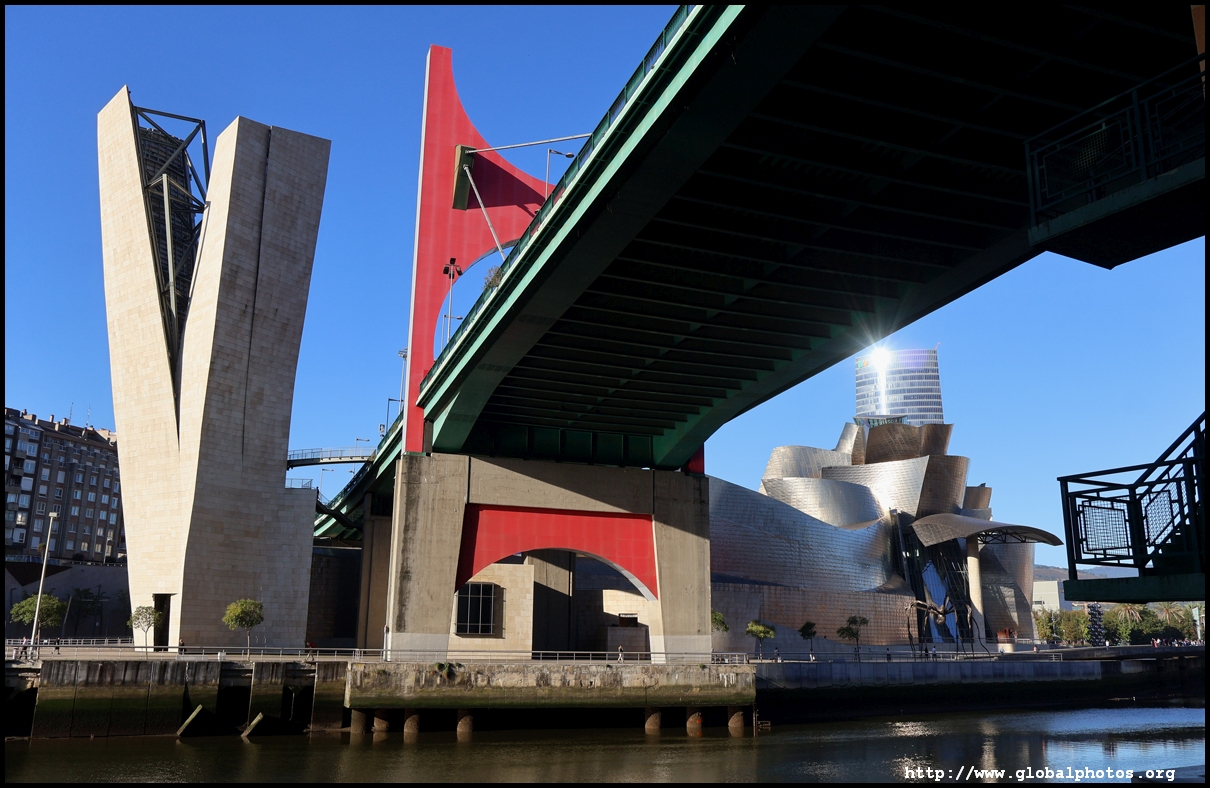
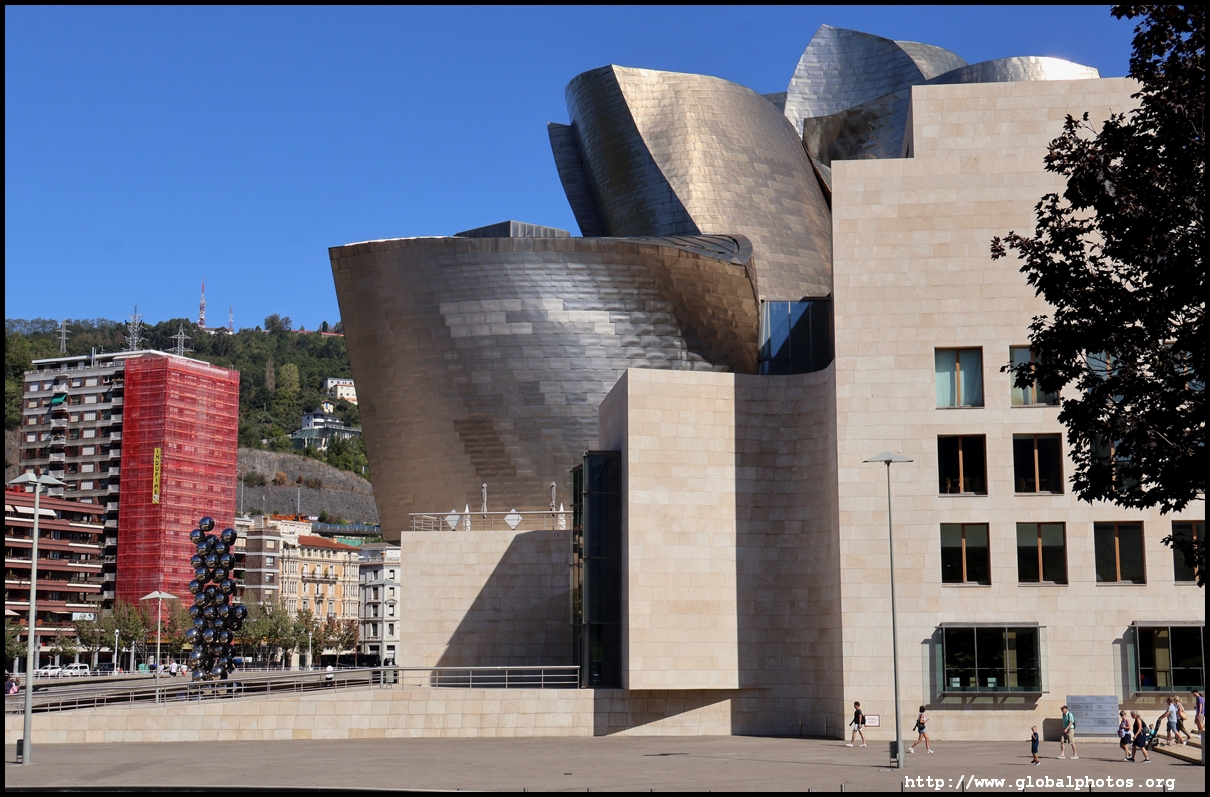
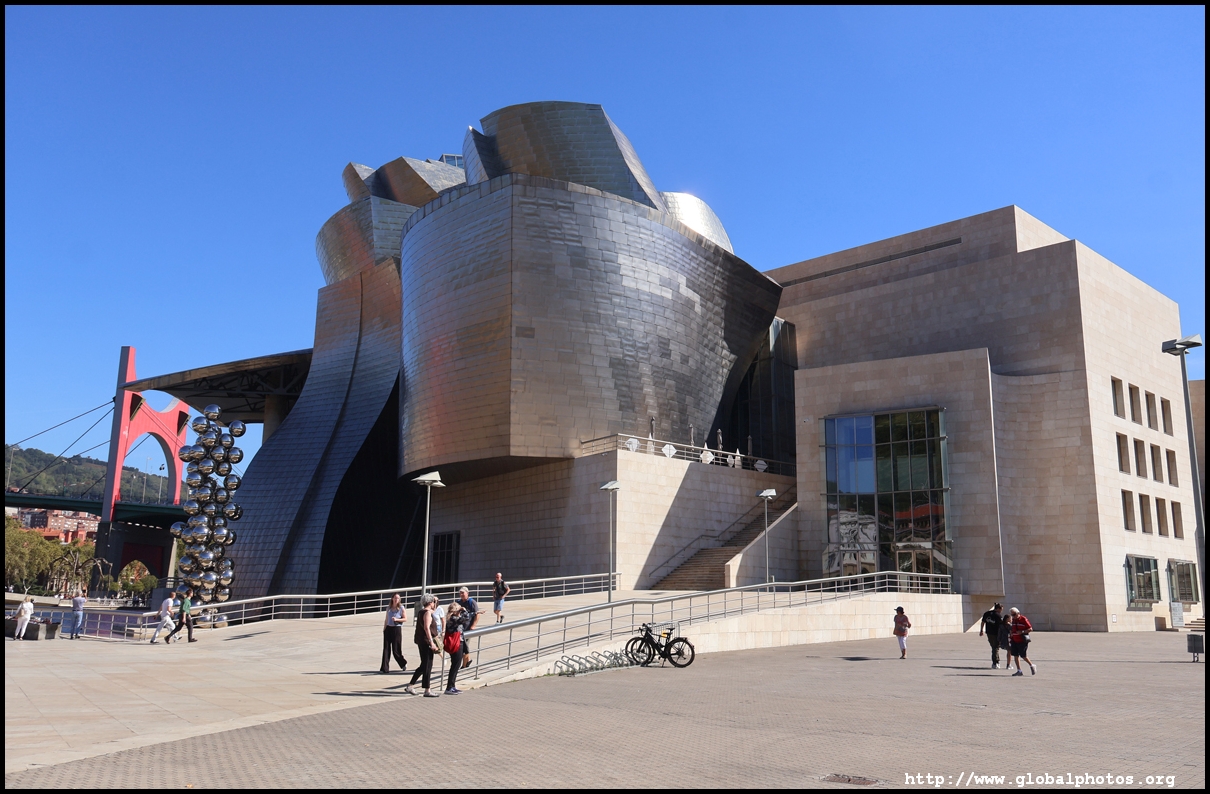
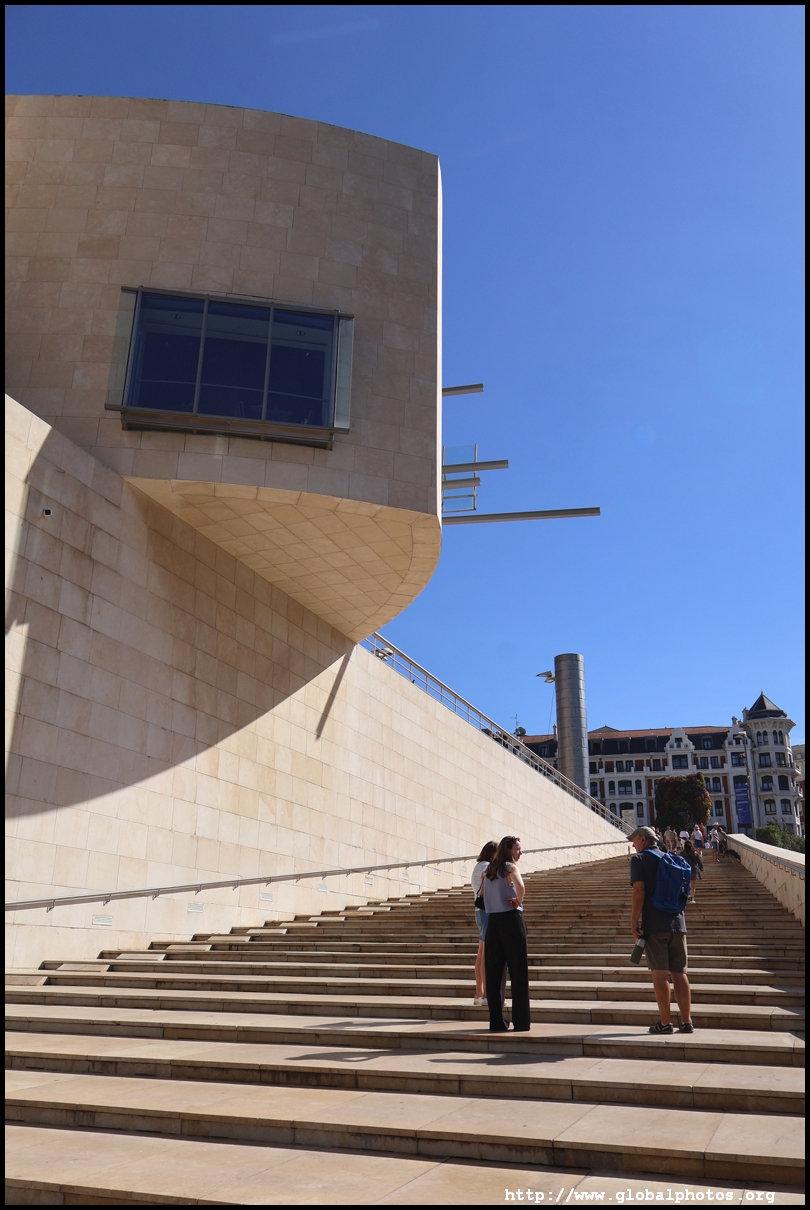
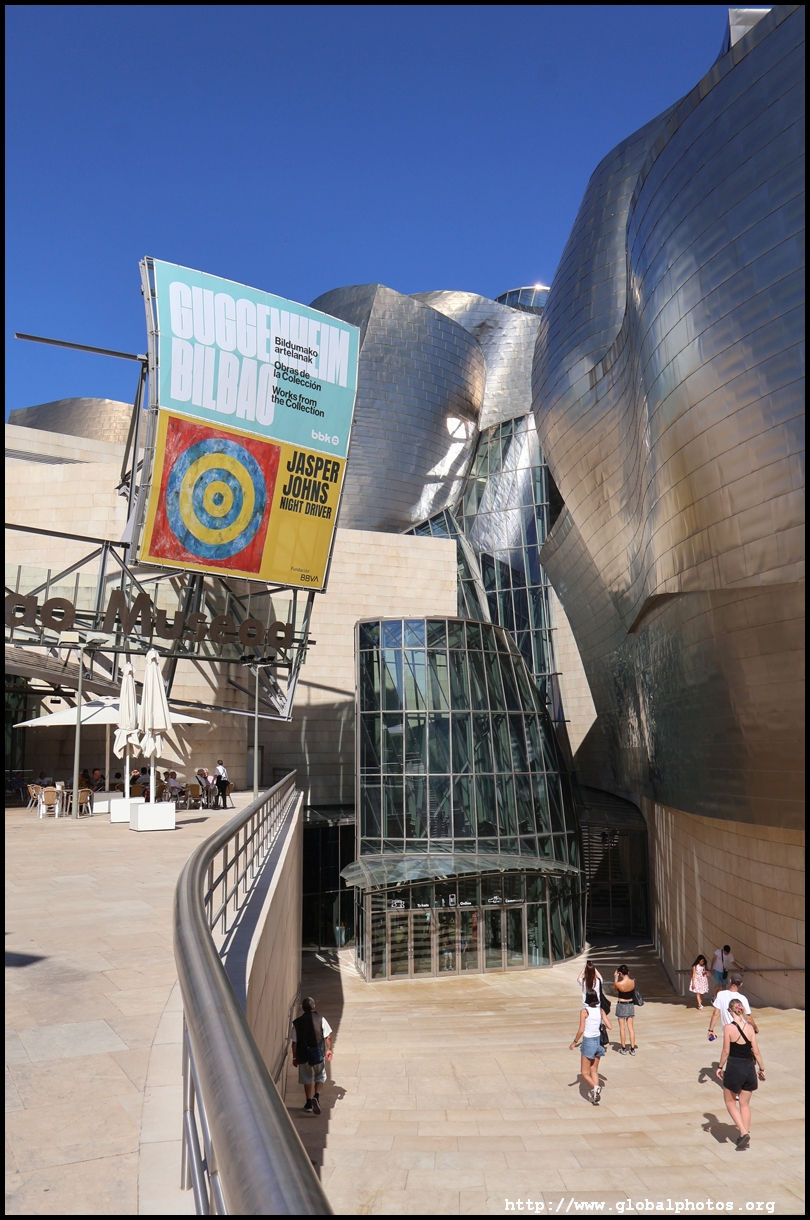
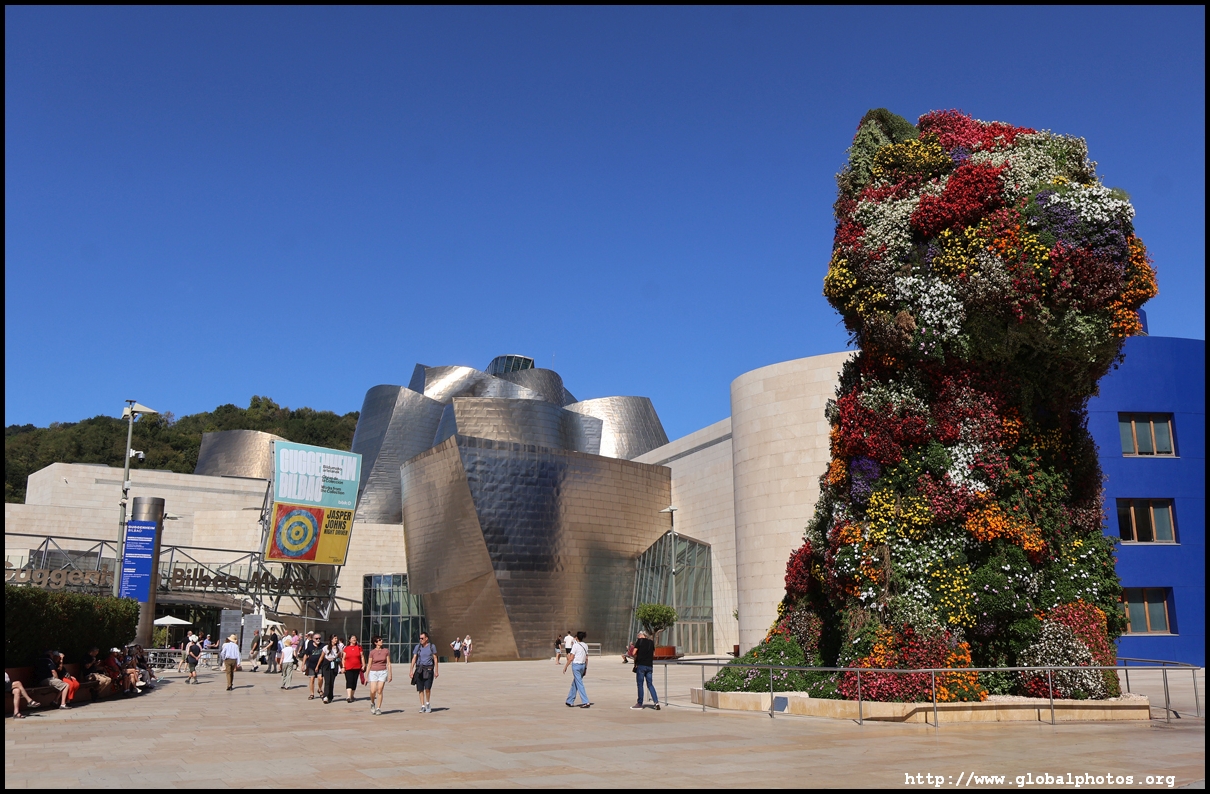
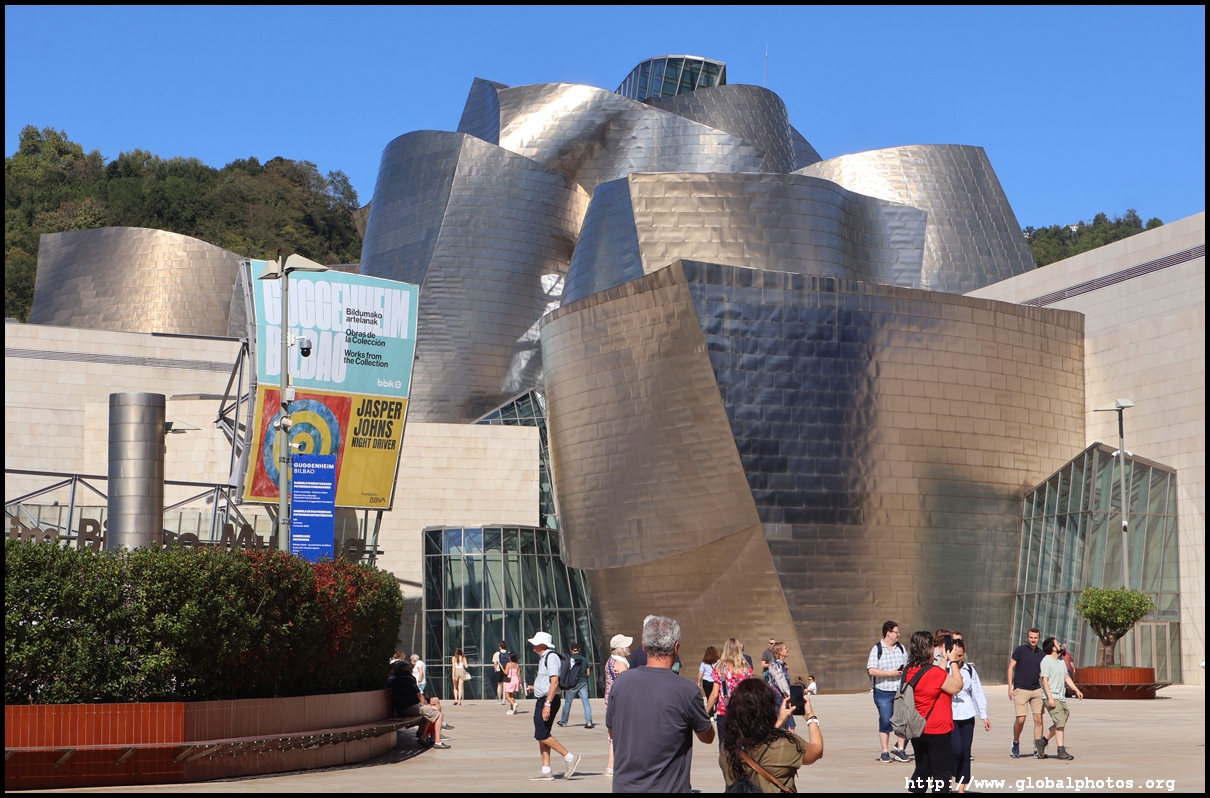
While I'm not a big fan of contemporary art, the Guggenheim's bold architecture has put Bilbao on the international scene, and a lasting symbol of its transformation from an industrial wasteland. It turned out to be a worthwhile gamble for the city, which hoped the museum will trigger change.By the 1980s, steel and shipbuilding in the city were on the decline. Violence from the Basque separatist group ETA had also formed a cloud over the region. Bilbao was in a recession, and a big project costing 84 million euros to build this stunning Frank Gehry structure was a gamble at the time. Despite the criticism and doubts, the museum opened in 1997 and was a great success. Foreign visitors came and stayed overnight, and the eventual ceasefire with ETA in 2006 further boosted the city's rebirth. Not only is there a stunning piece of architecture in the heart of the city, the wider regeneration program included cleaning up the river, a new Calatrava-designed footbridge, and a Norman Foster-designed metro system. And of course, this building was how I learned about this city, and a big reason why Bilbao got on my radar. To admire the architecture, there is a huge public space and beautiful riverfront walk around the museum that stretches all the way to the old town. I also recommend walking along the adjacent Puente de la Salve, which rises into the hills and offers a good elevated position to photograph the building. The museum's exterior comprises of 60 tonnes of titanium, a material typically used to build airplanes.
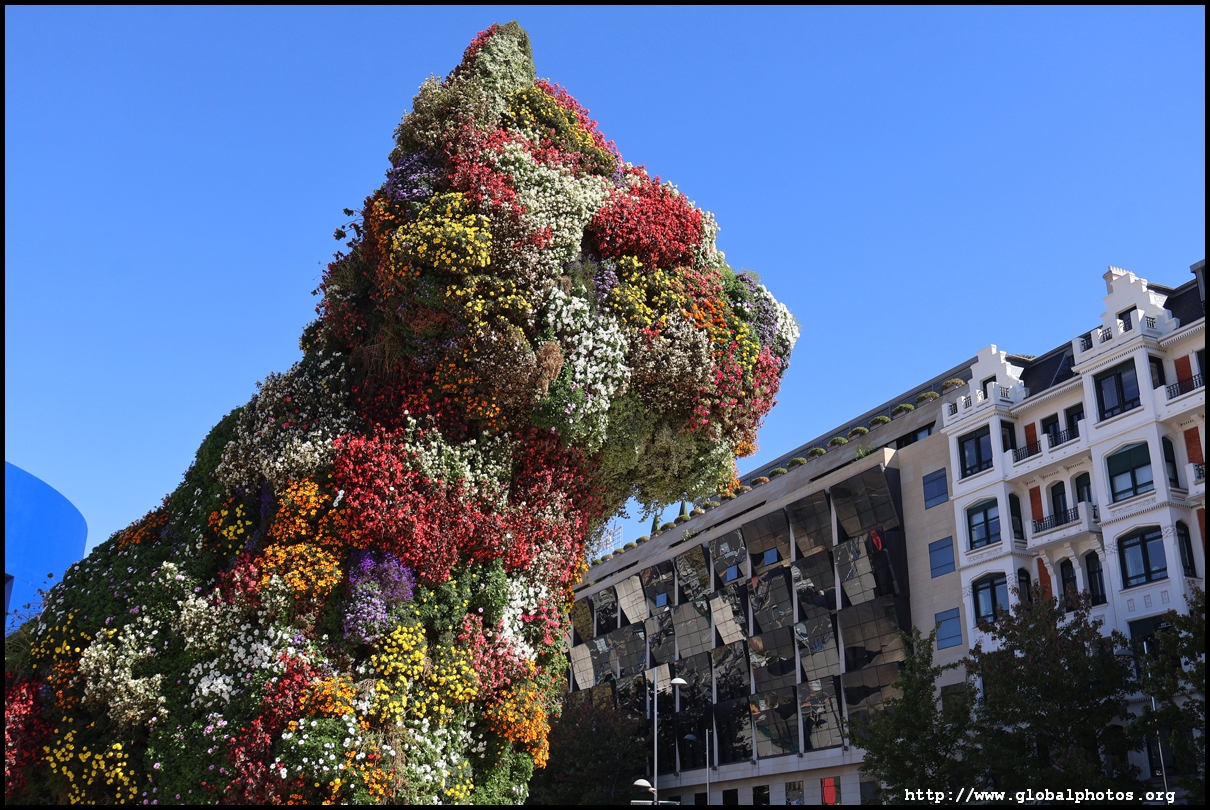
The Puppy is a flower sculpture by American artist Jeff Koons purchased as part of the museum's opening in 1997. There is an internal watering system to keep it healthy.
|
|

To re-use these photos, please notify me by email : asiaglobe@yahoo.com.hk.