Lushun Photo Gallery

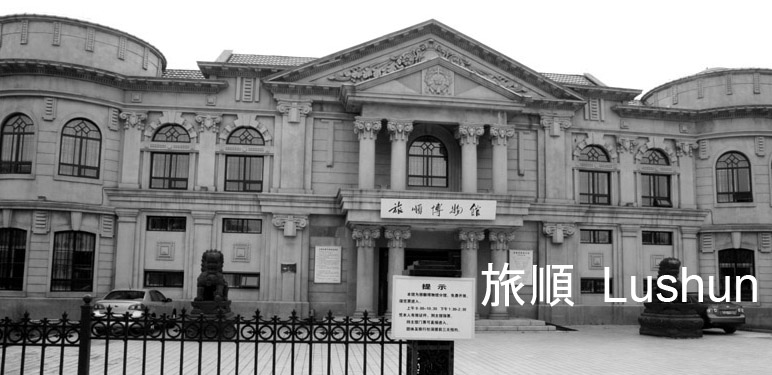
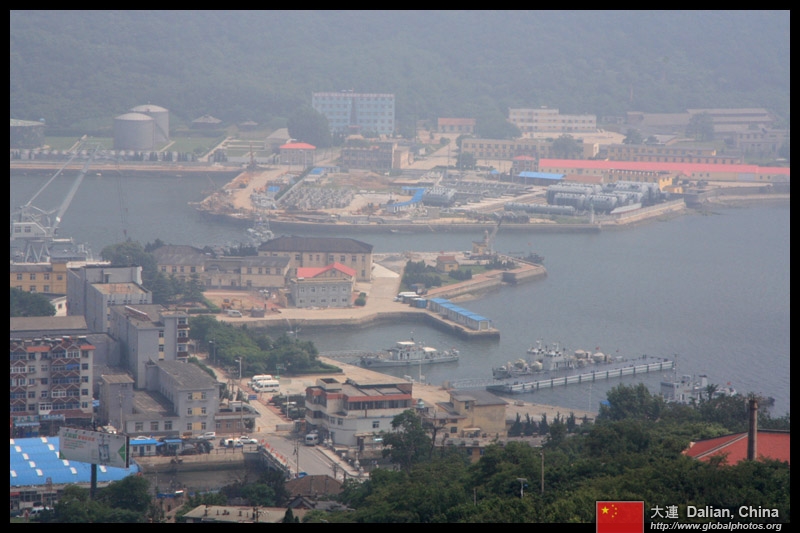
Previously known as Port Arthur, Lushun was a major military base for the Russians, and further expanded by the Japanese following the Russo-Japanese War in the early 20th century. Unlike what many guidebooks mentioned, I did not encounter any restrictions whatsoever to enter and roam around the city. While there still are military installations, including a naval base, they are clustered around the coast with clear markings. The general rule of thumb is to stay north of the railway tracks and don't venture past the waterfront road.
|
||
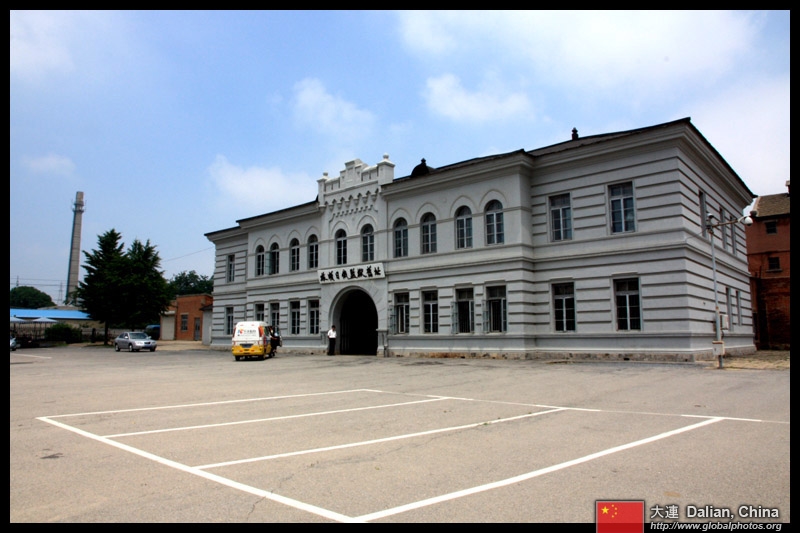
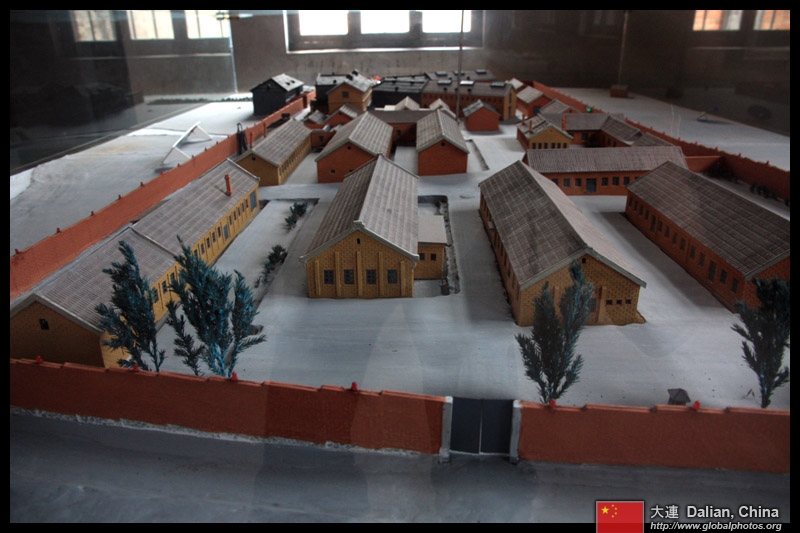
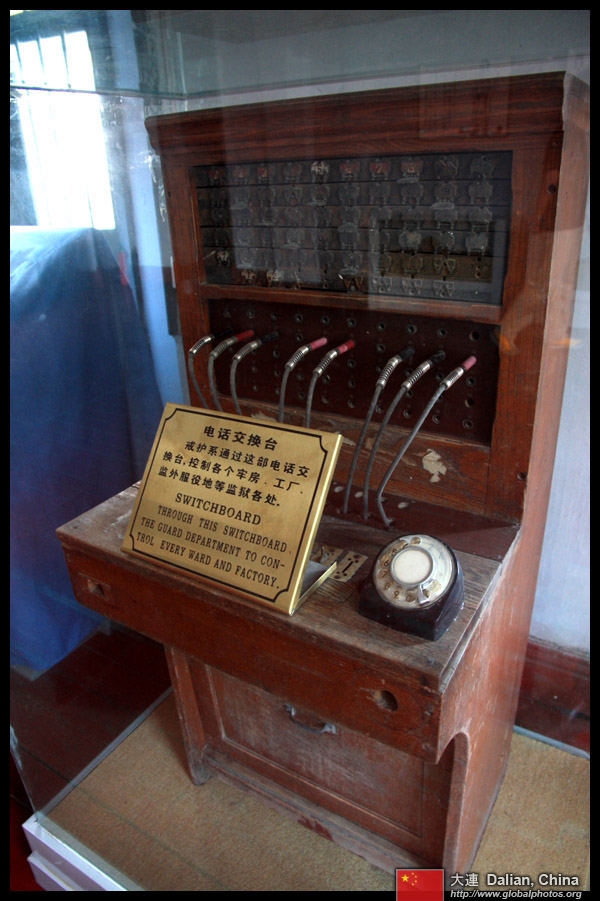
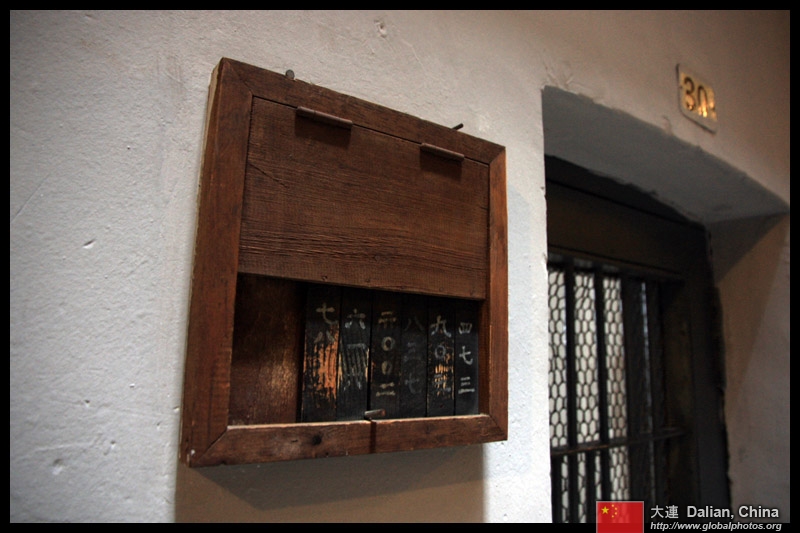
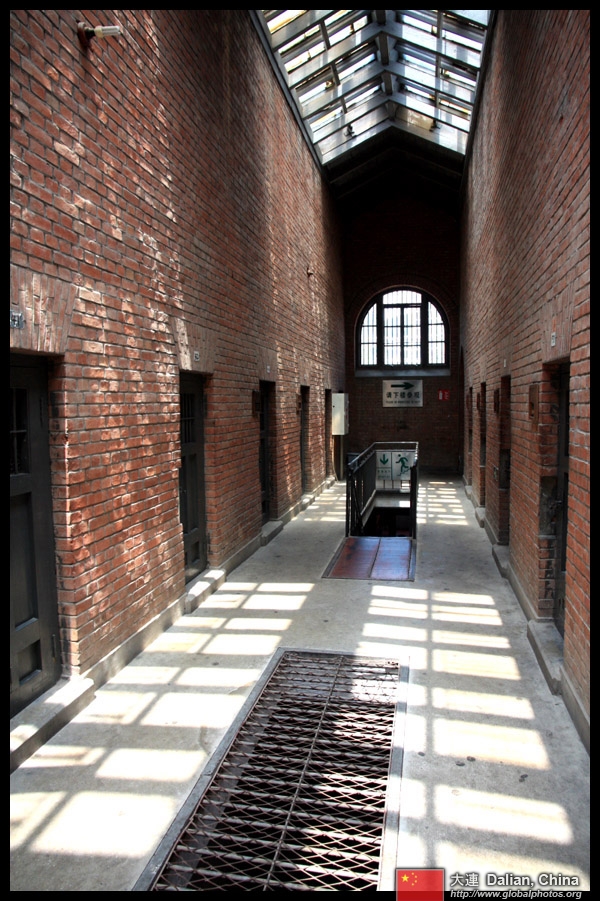
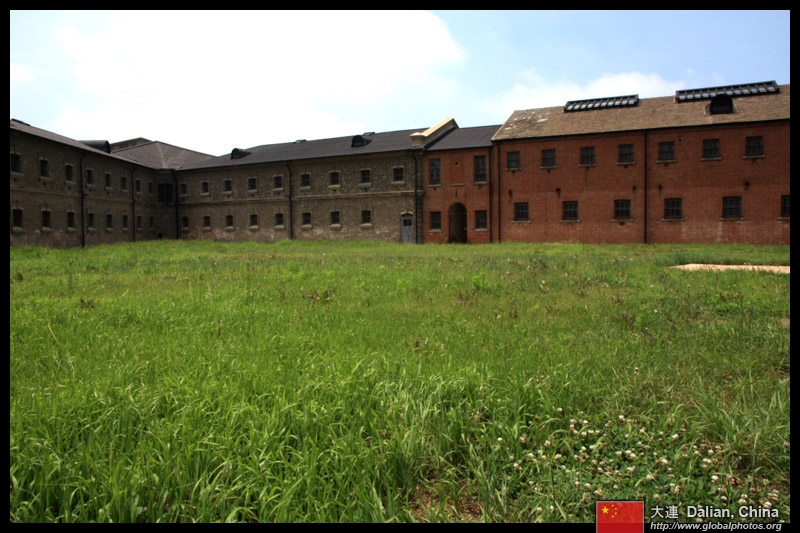
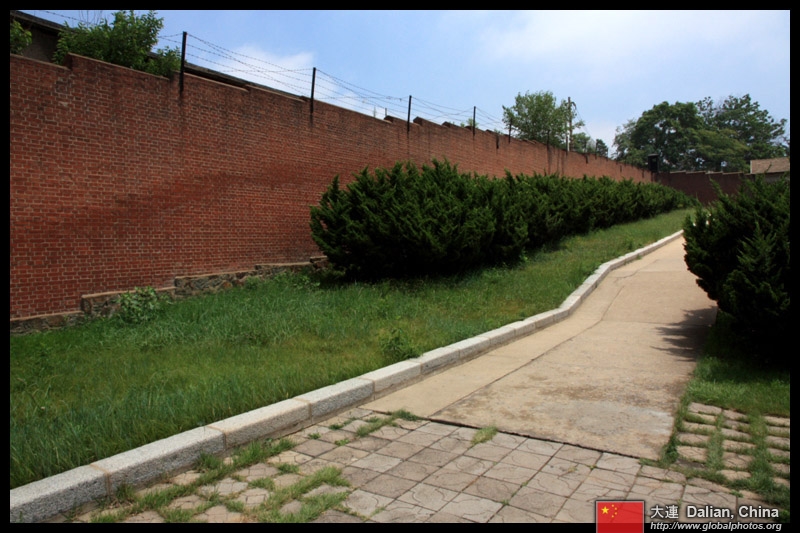
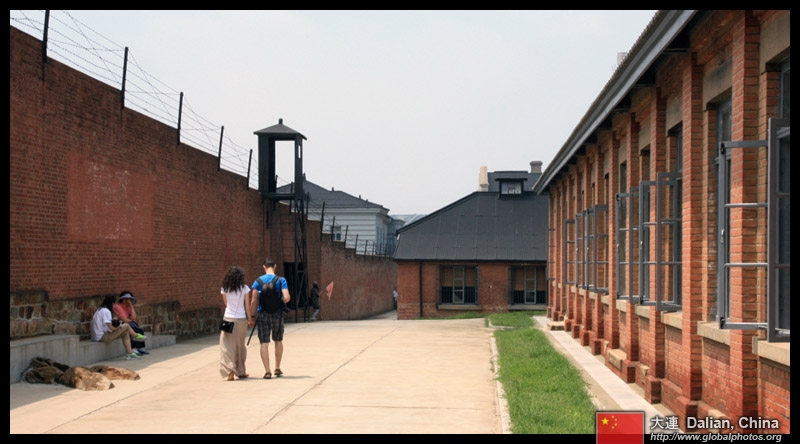
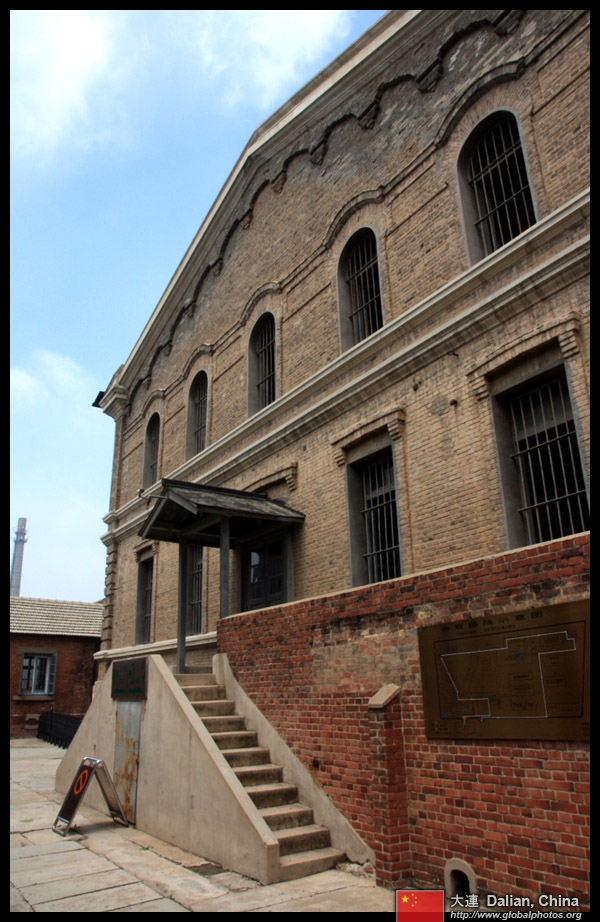
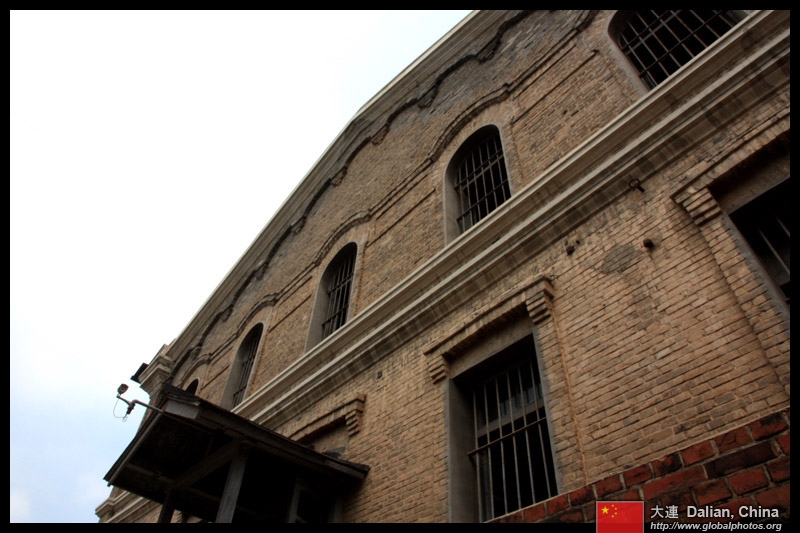
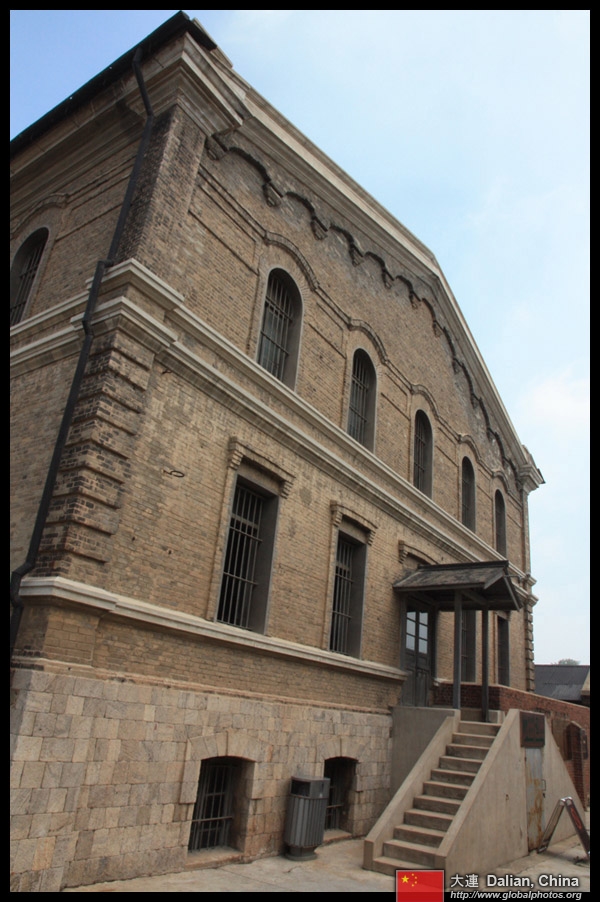
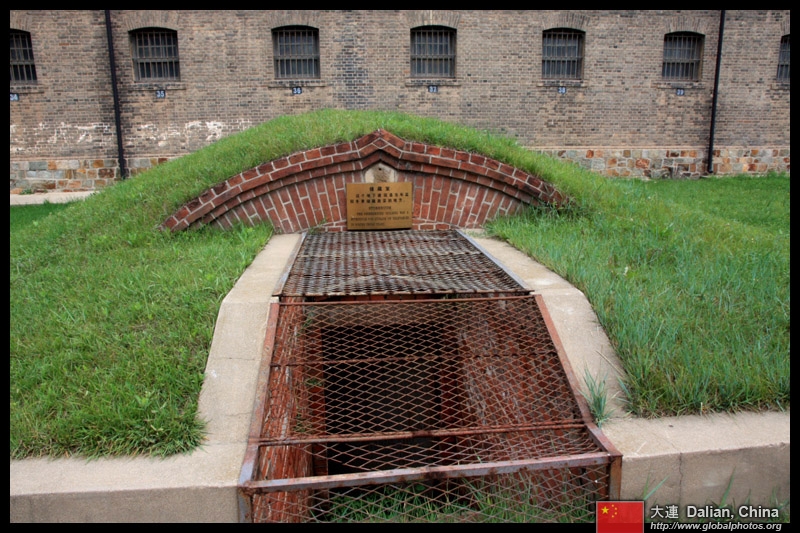
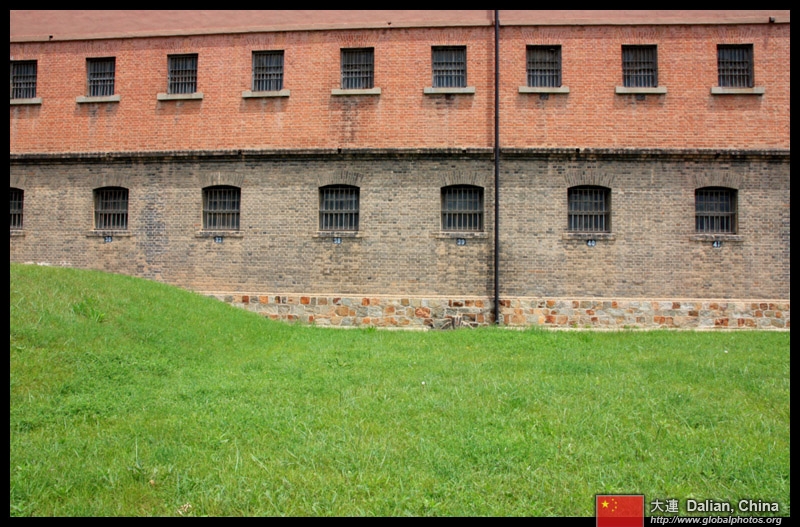
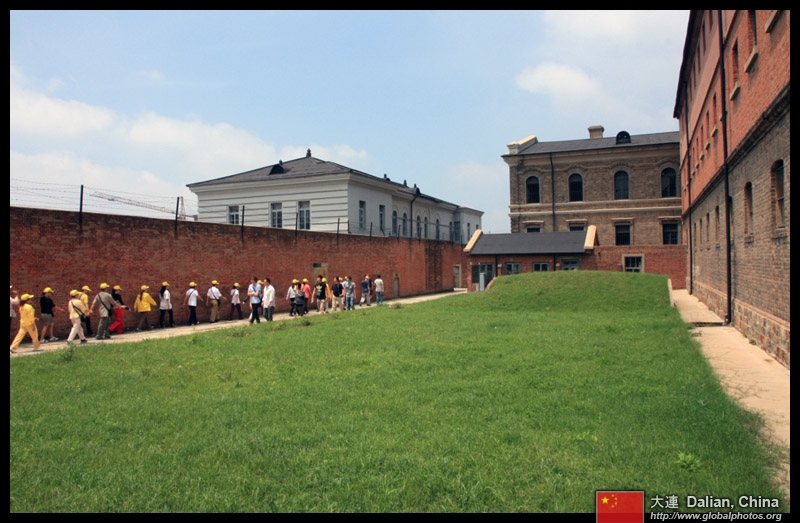
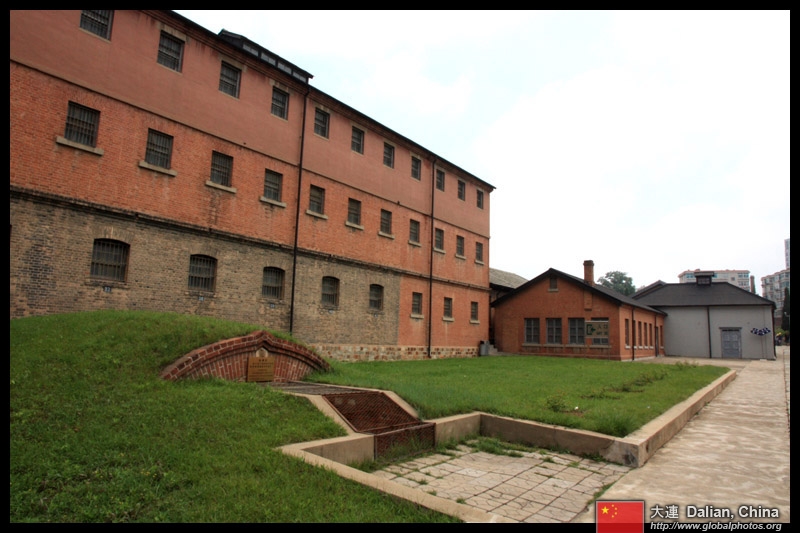
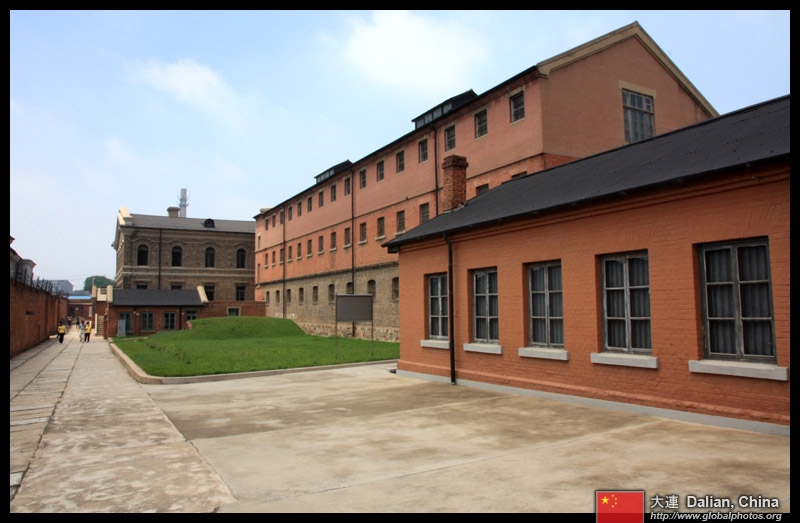
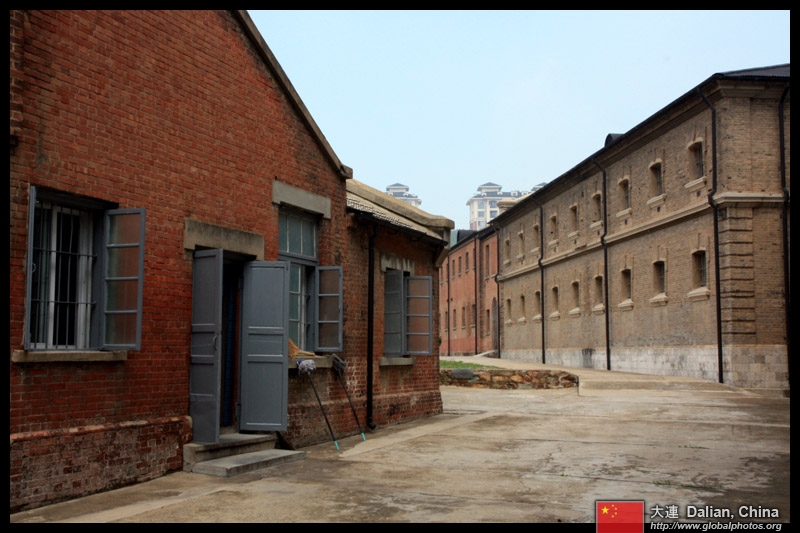
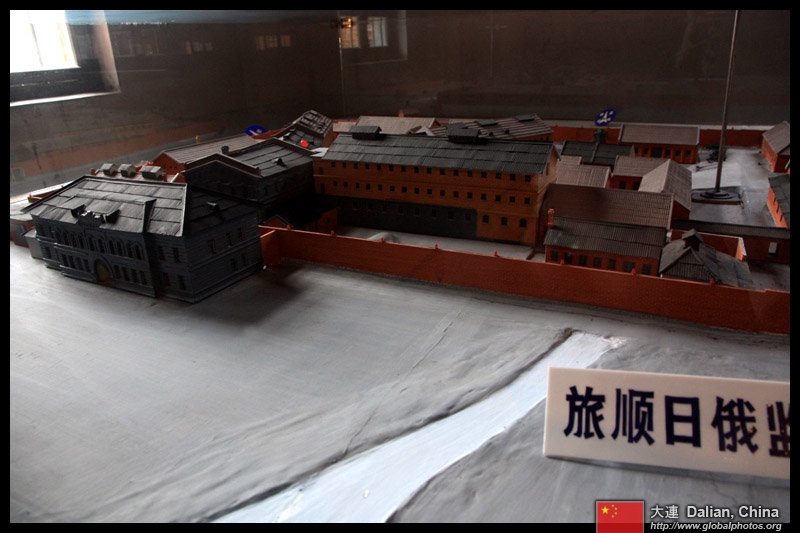
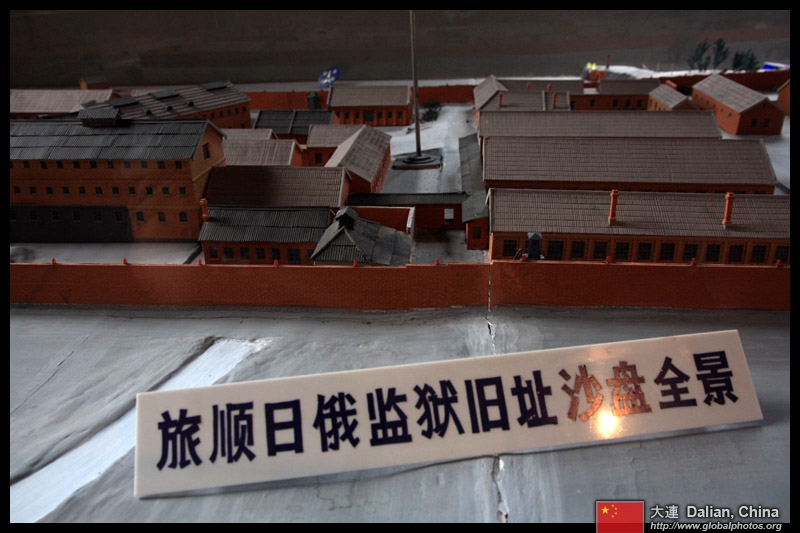
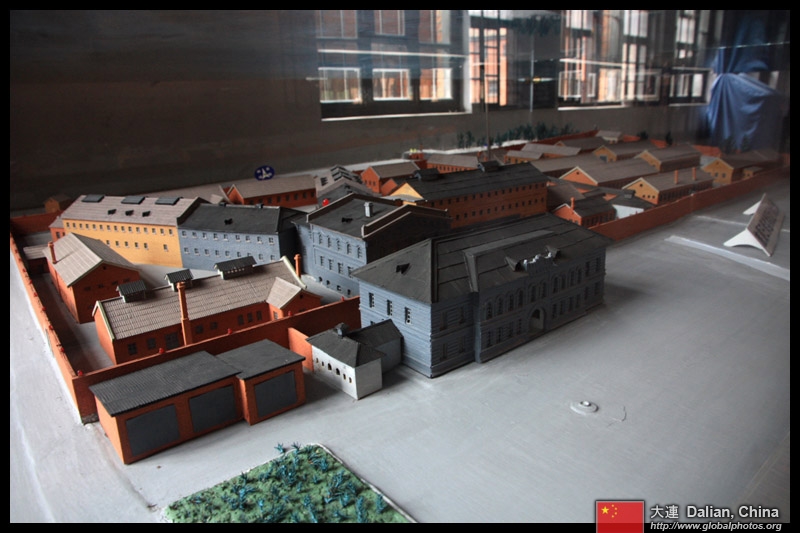
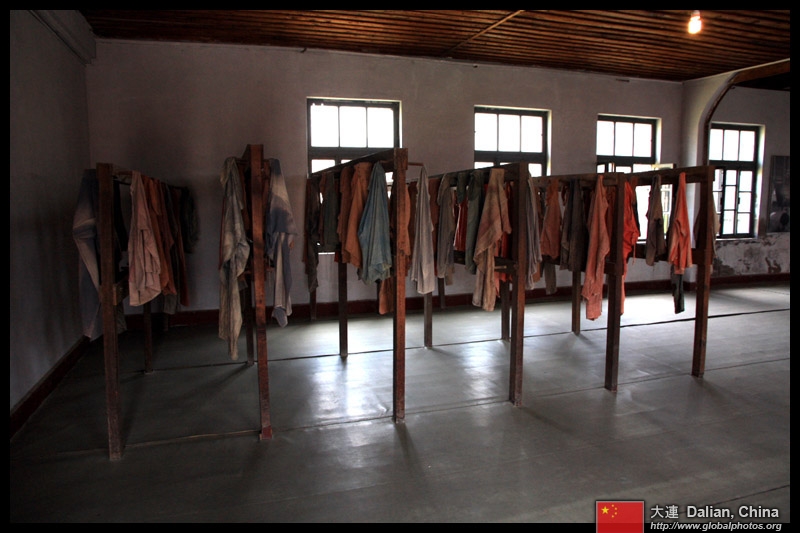
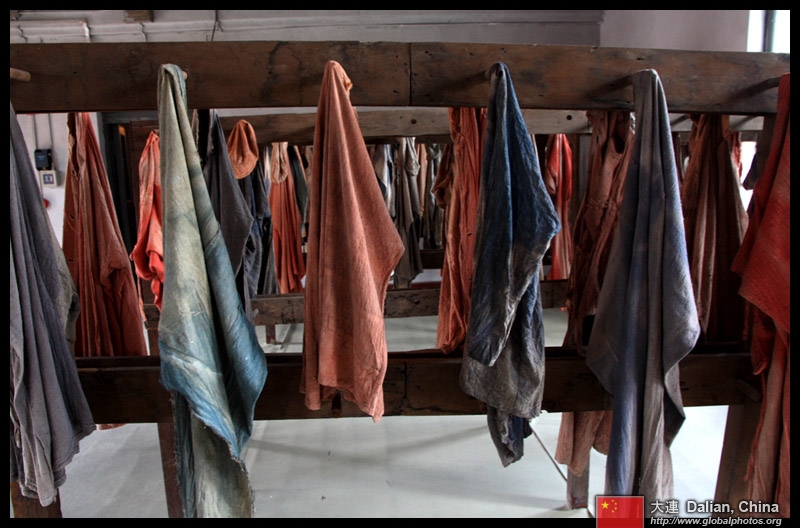
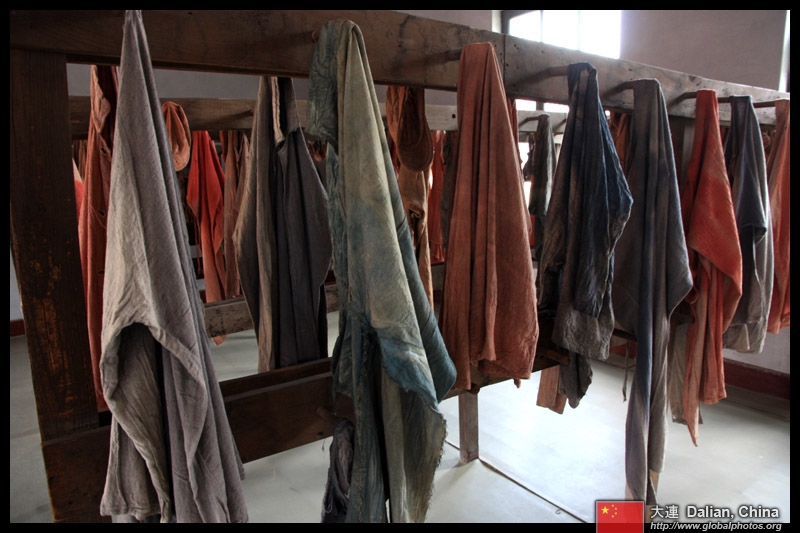
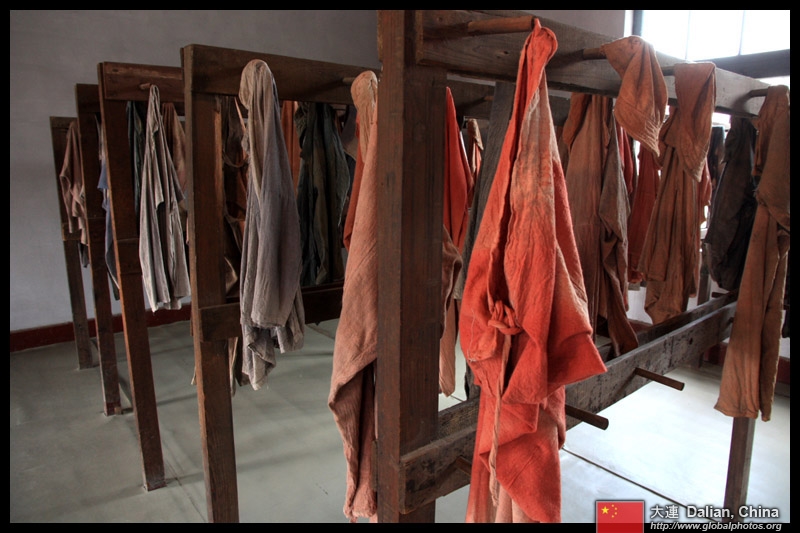
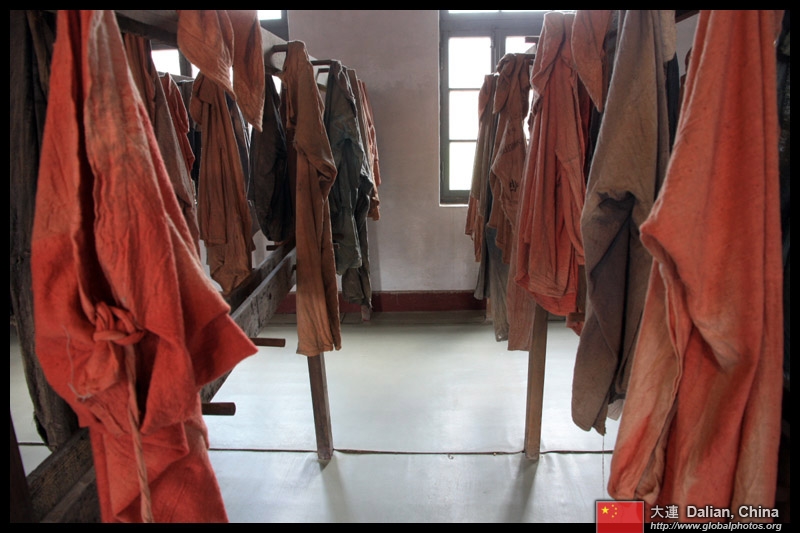
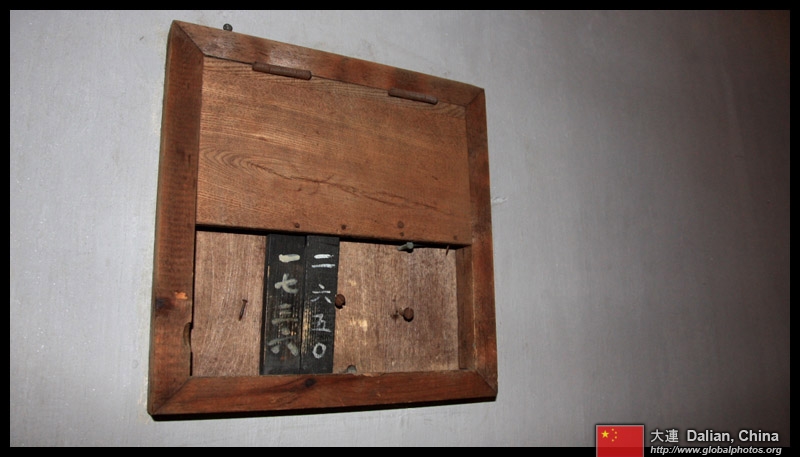
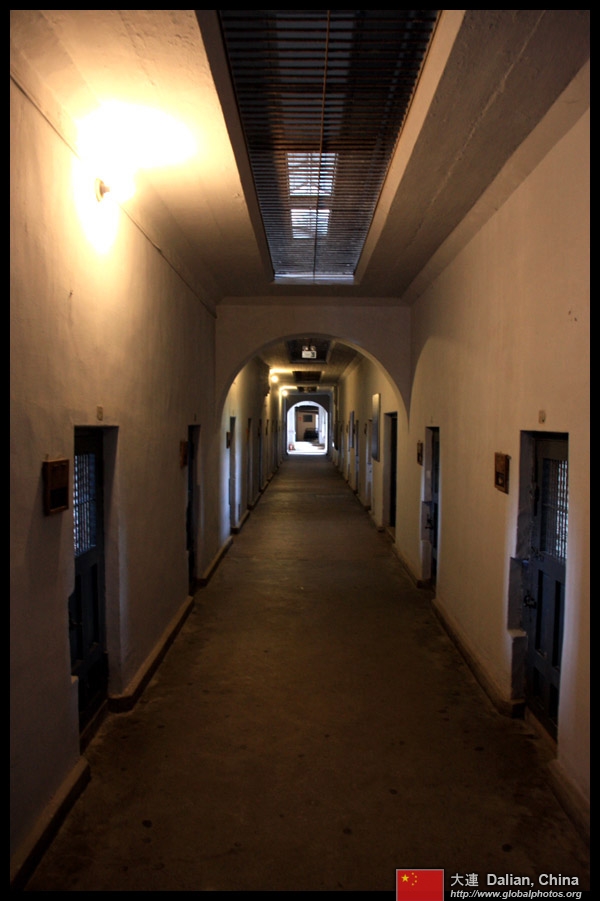
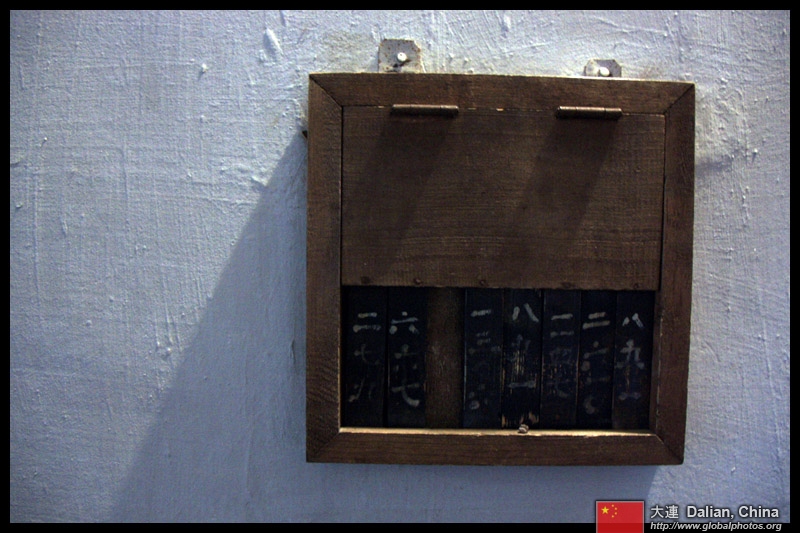
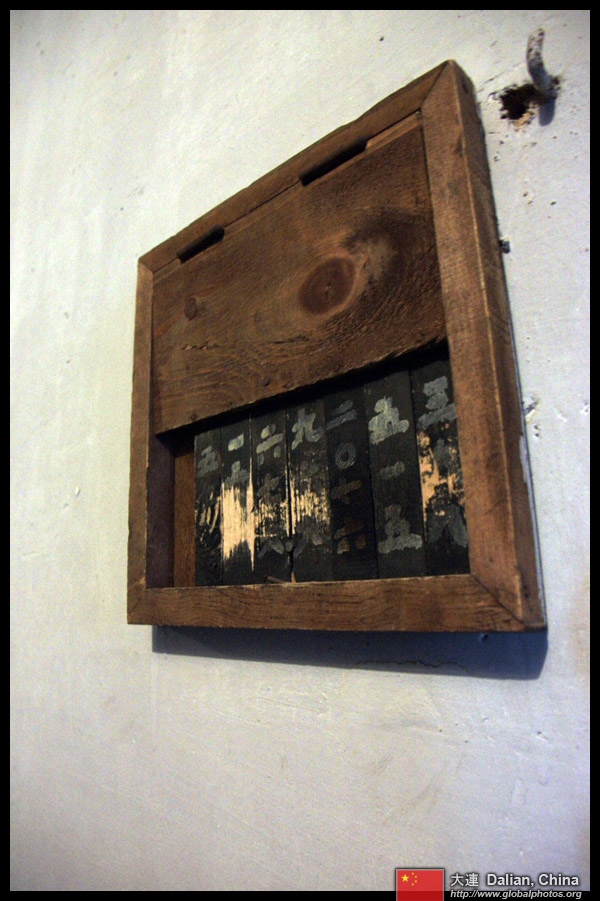
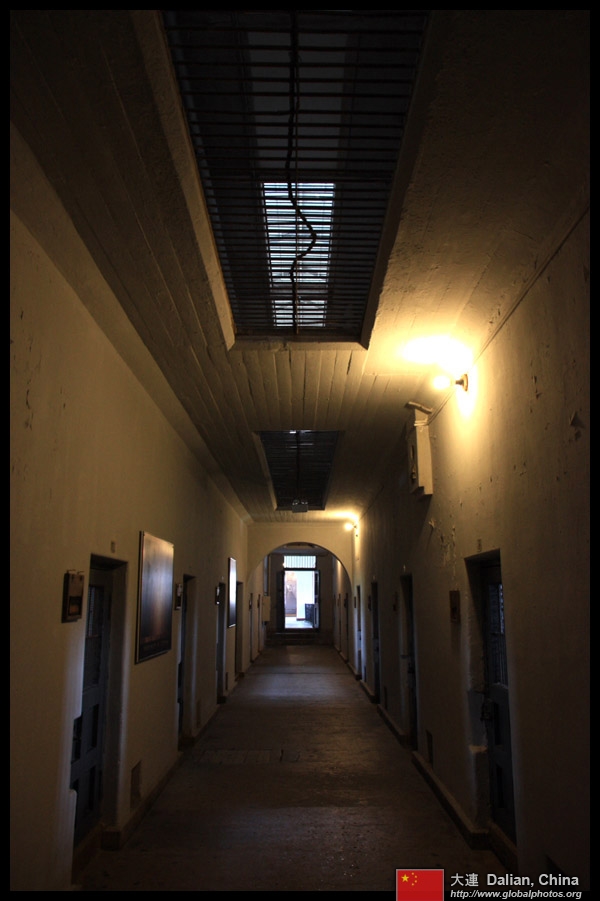
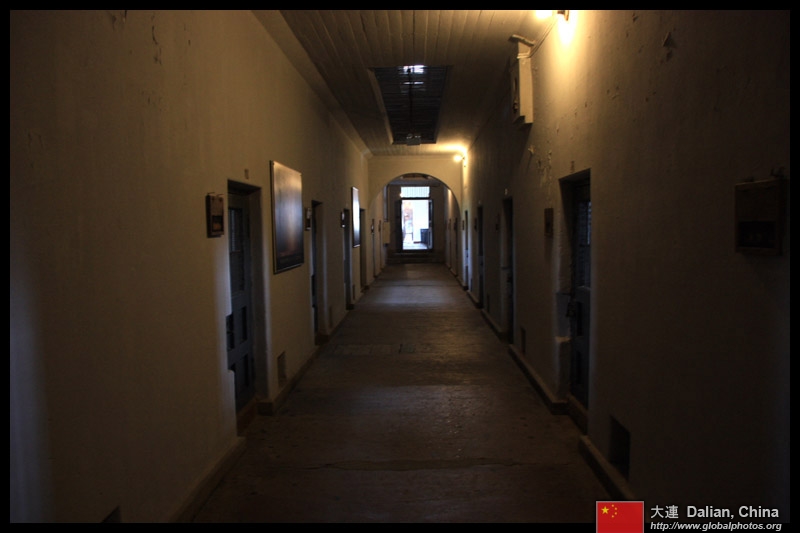
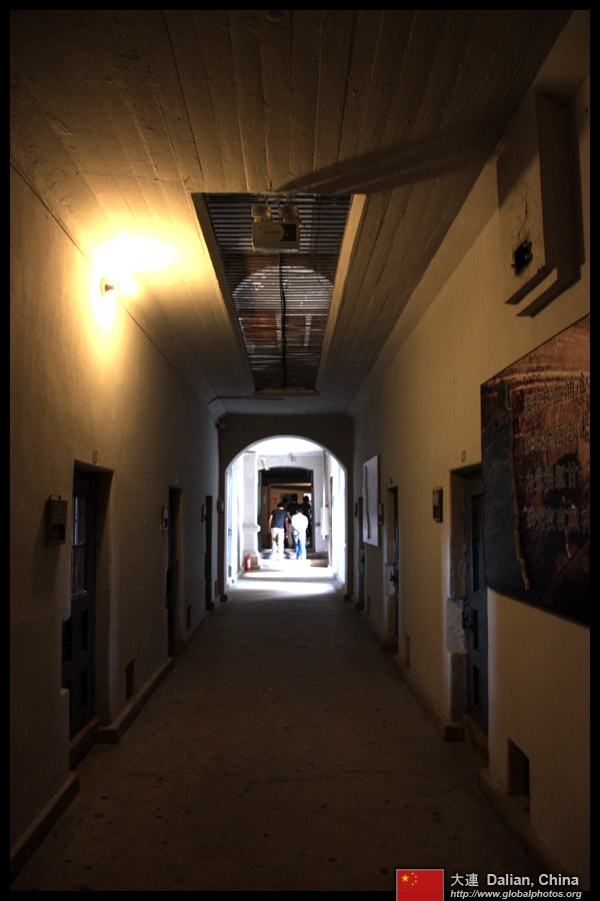
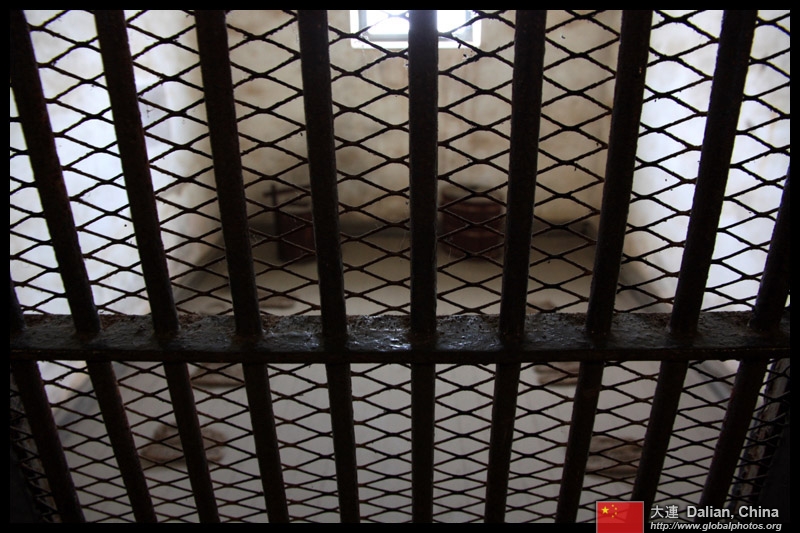
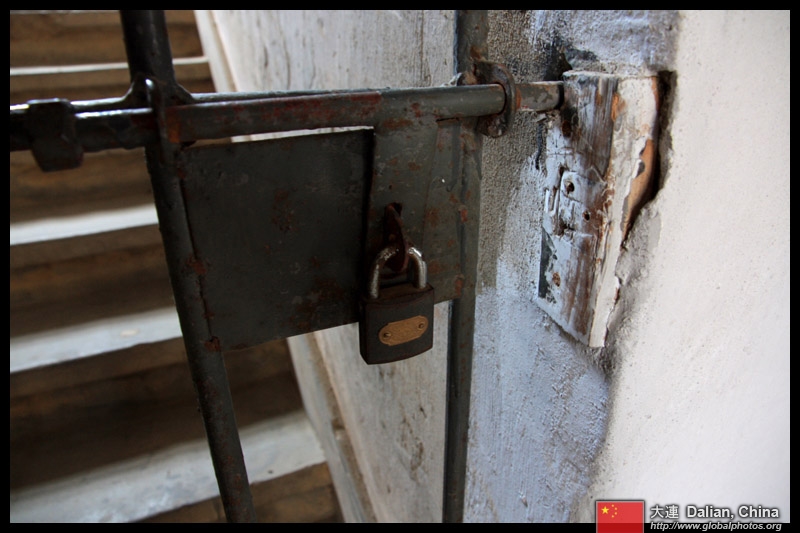
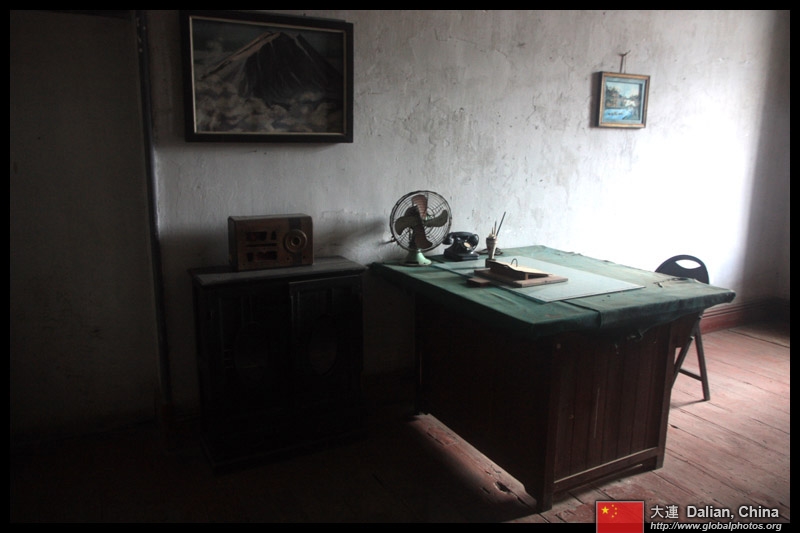
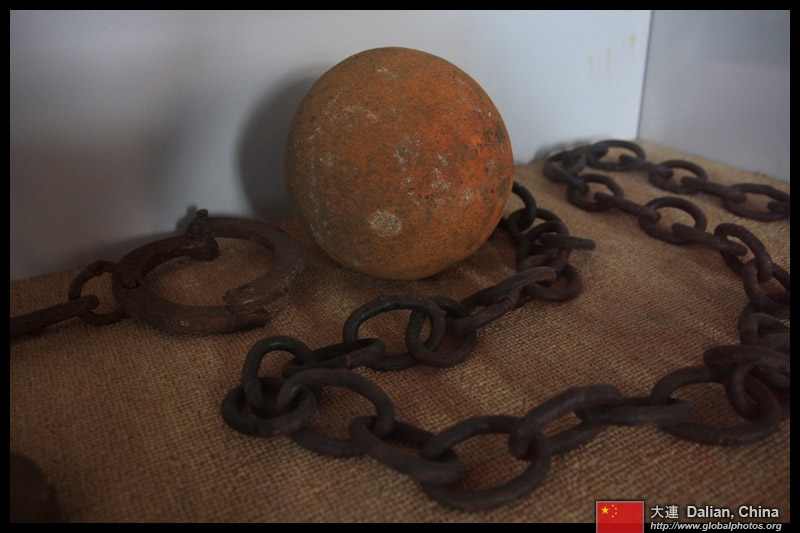
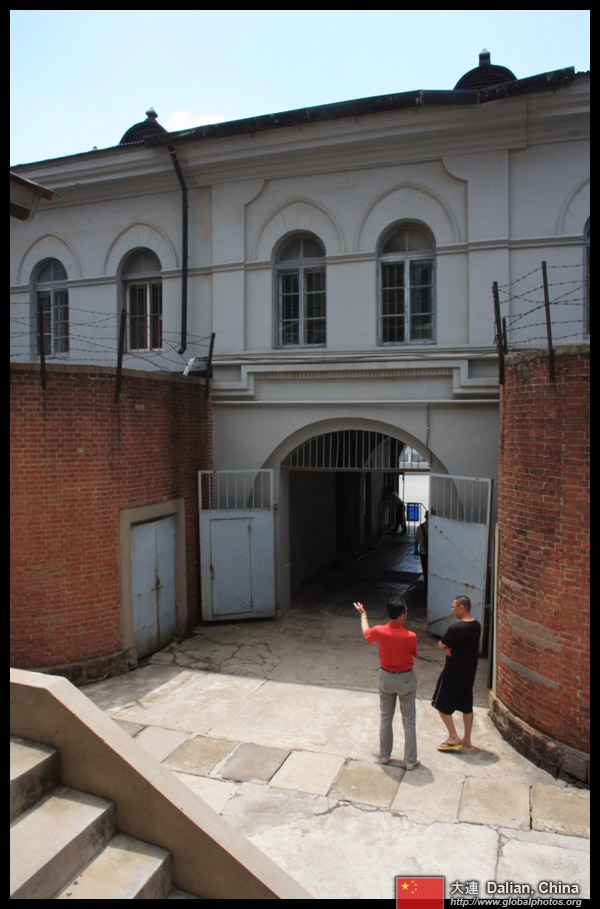
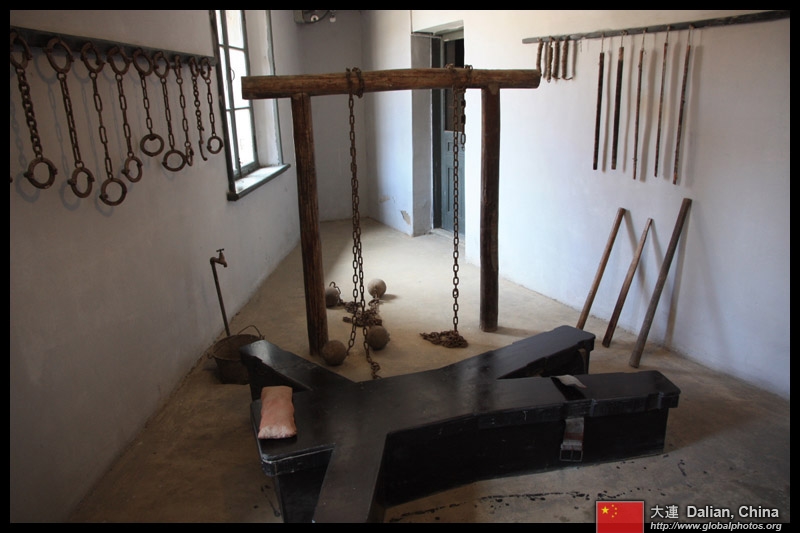
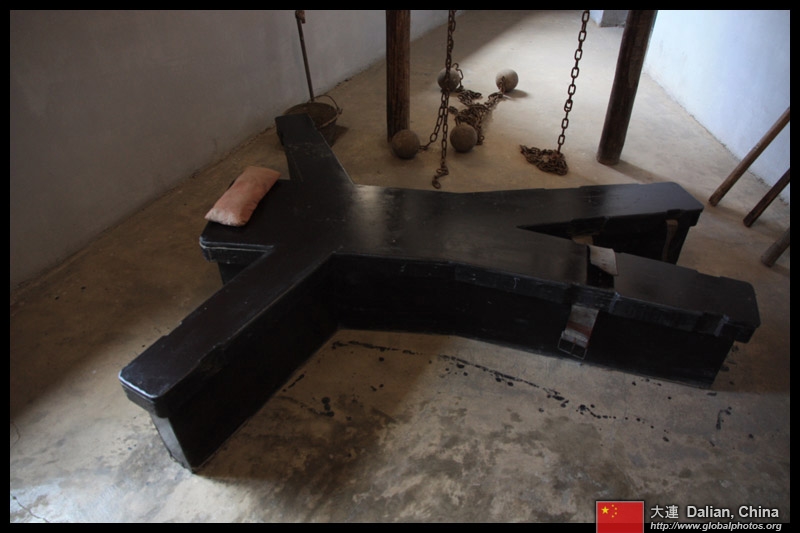
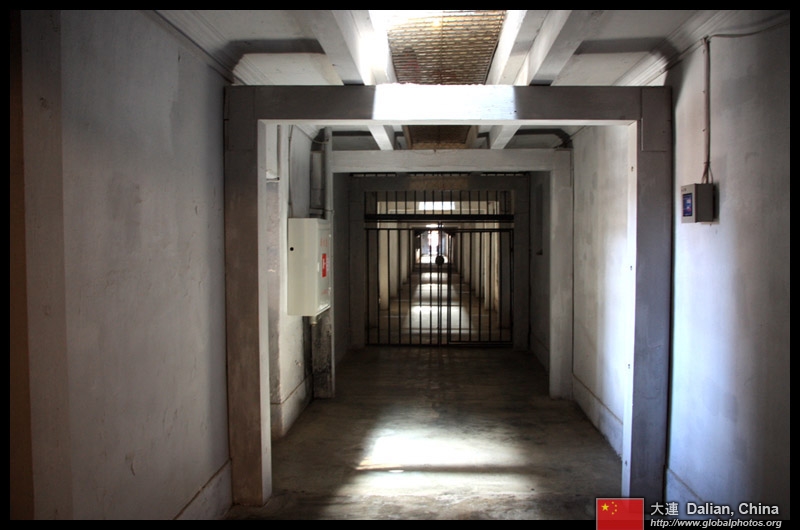
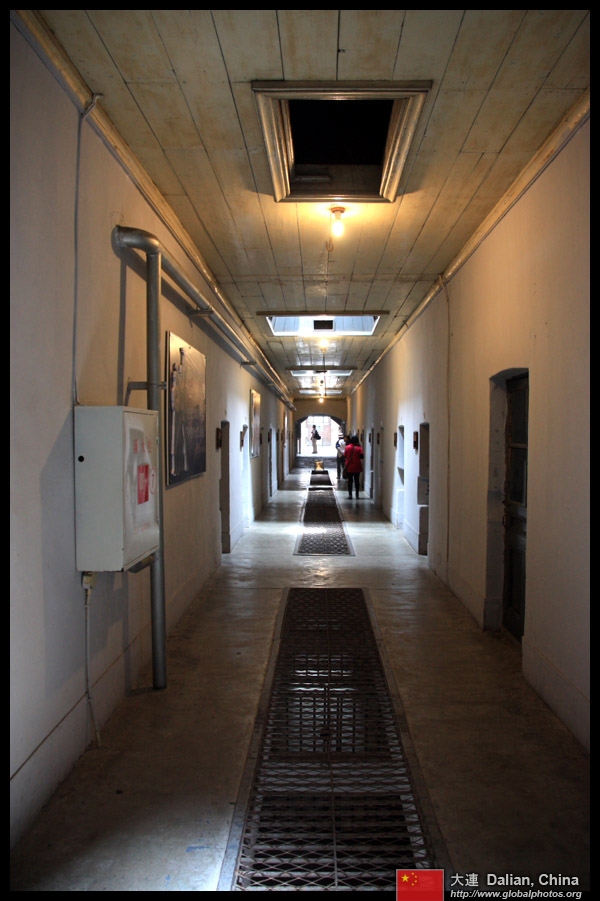
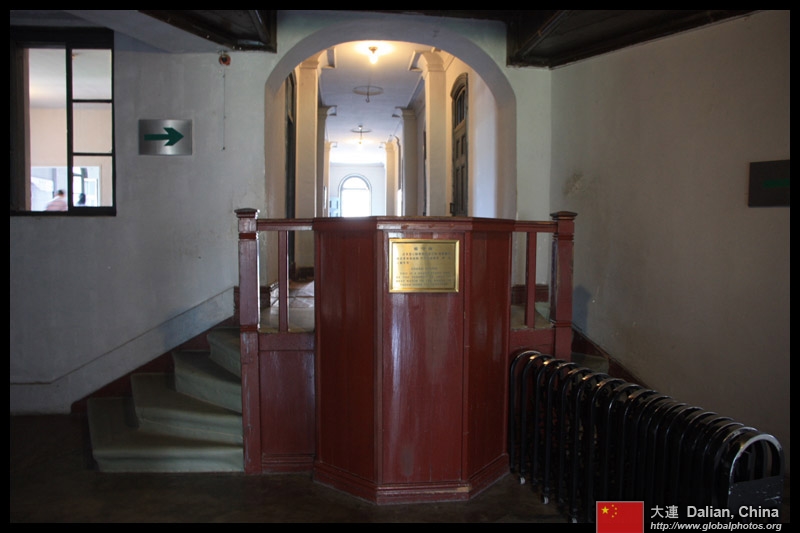
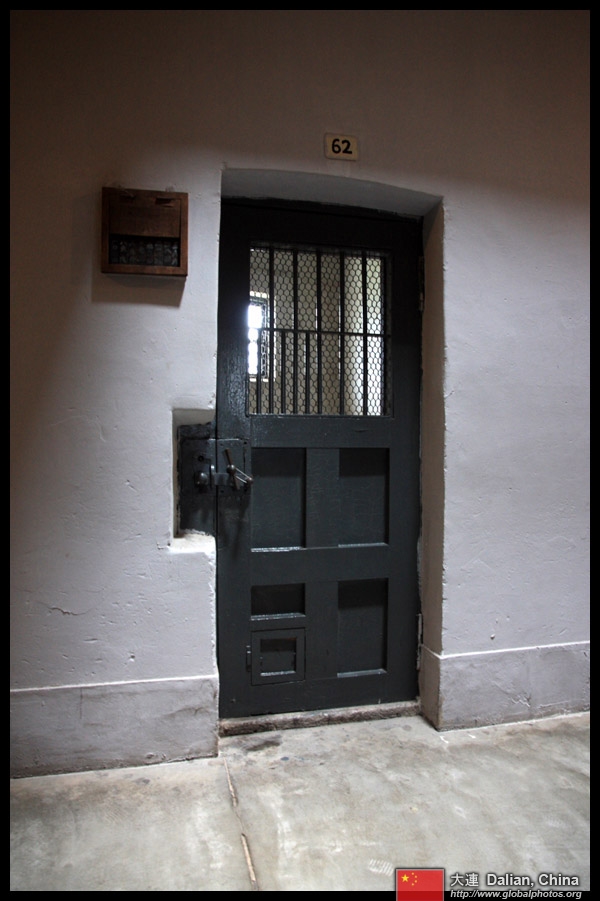
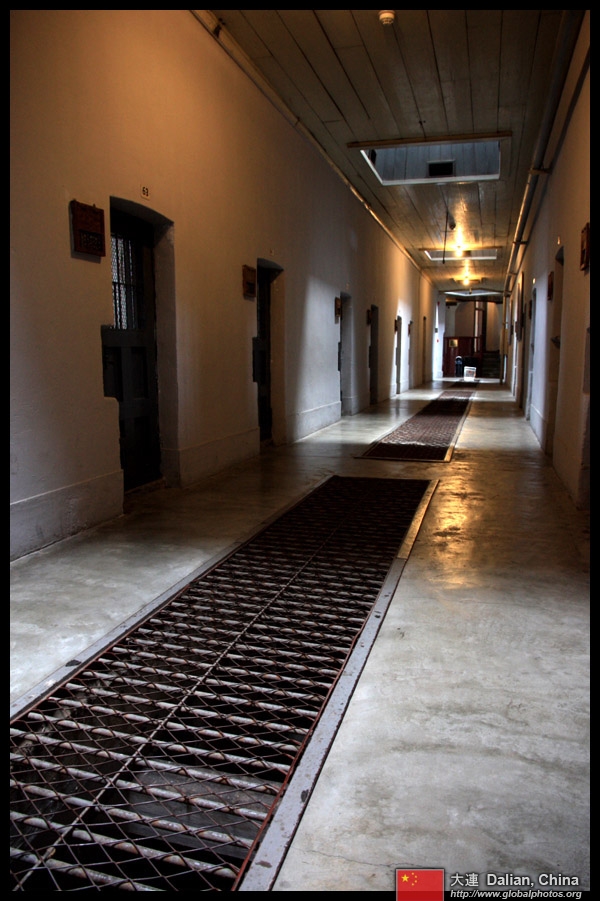
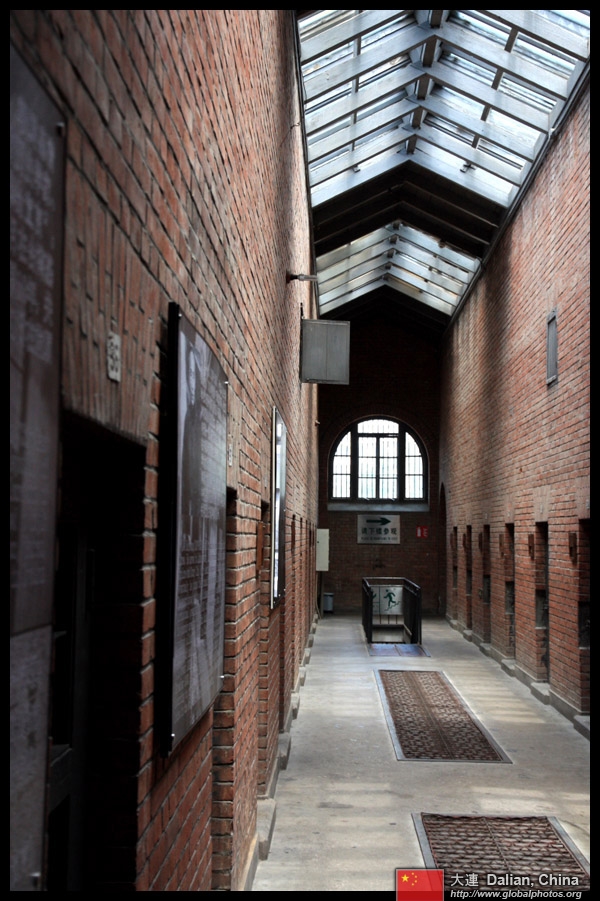
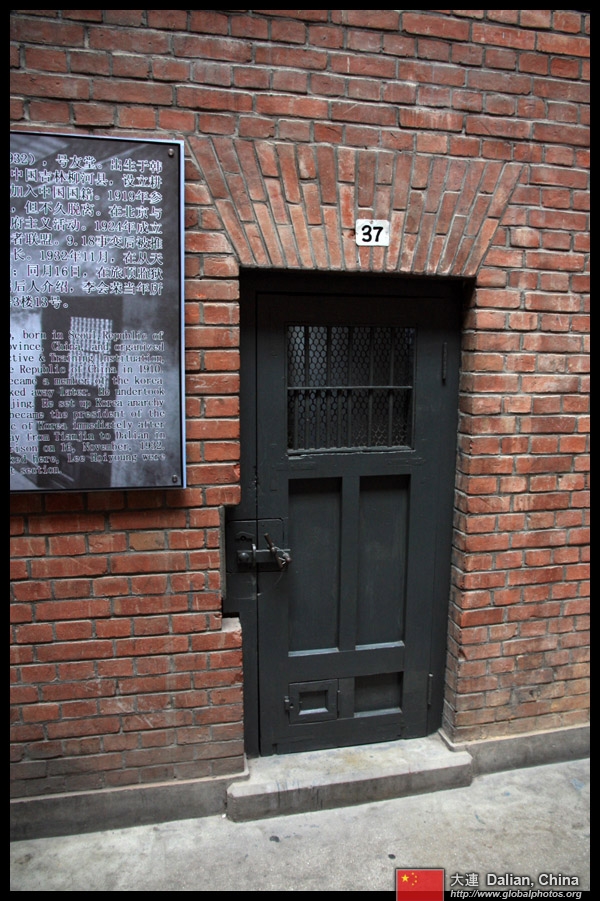
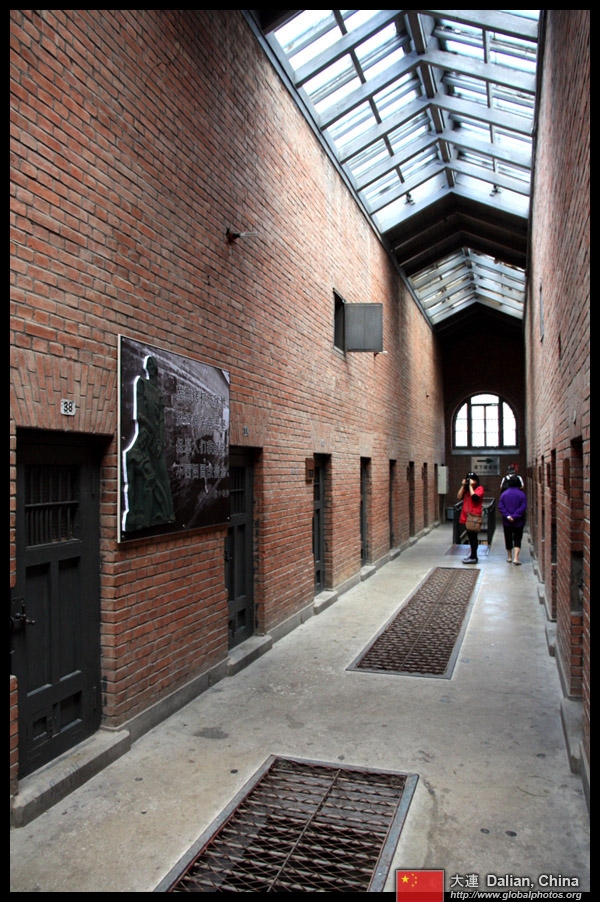
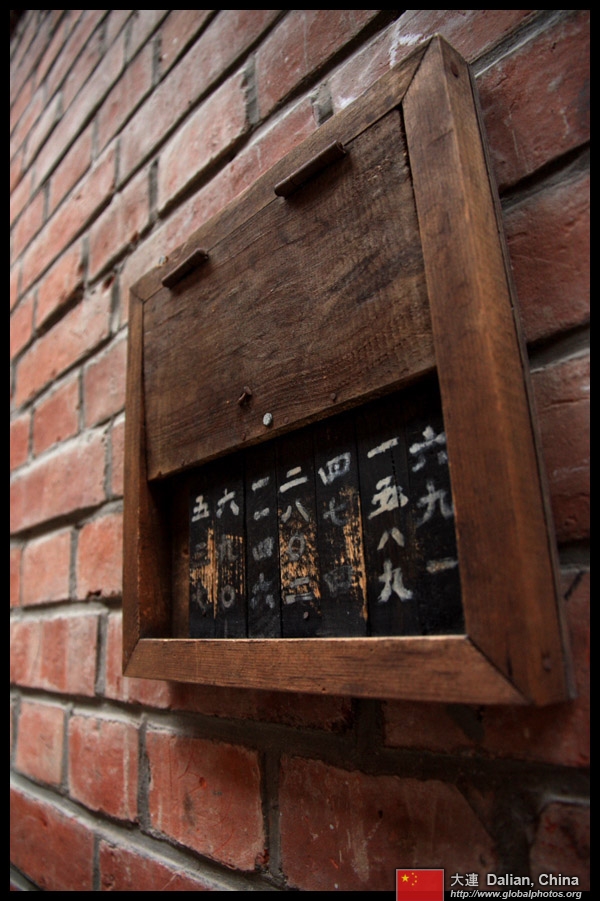
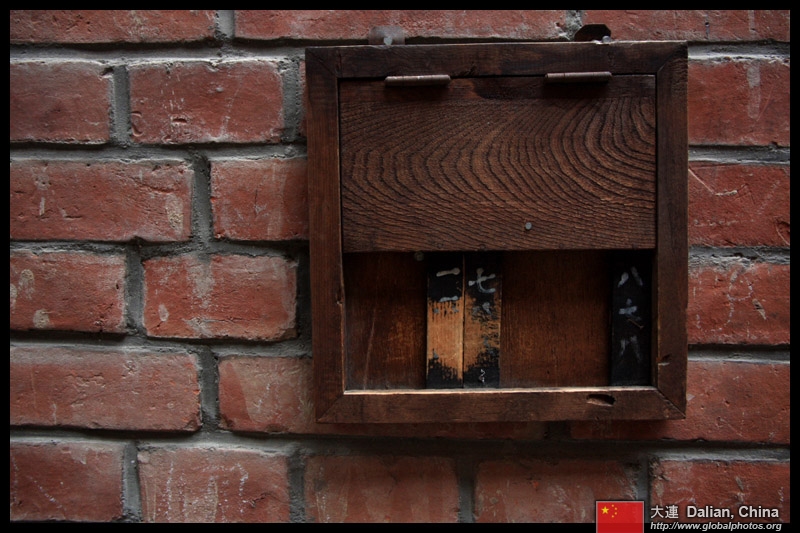
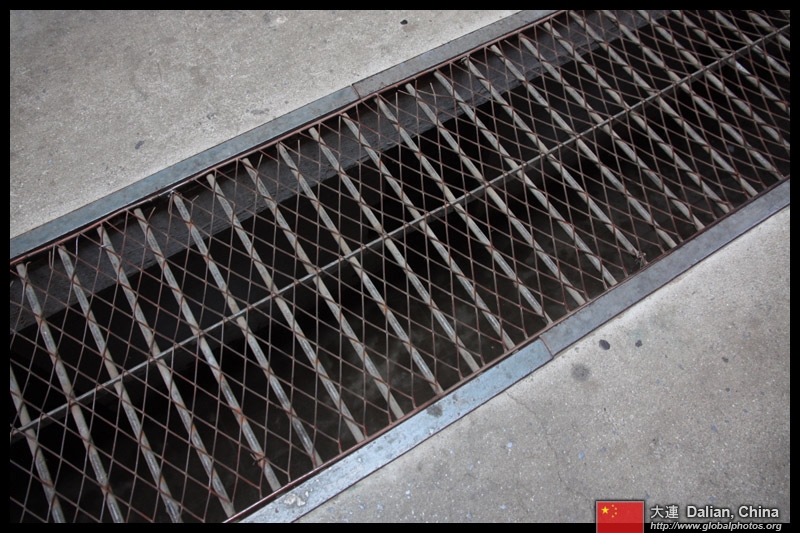
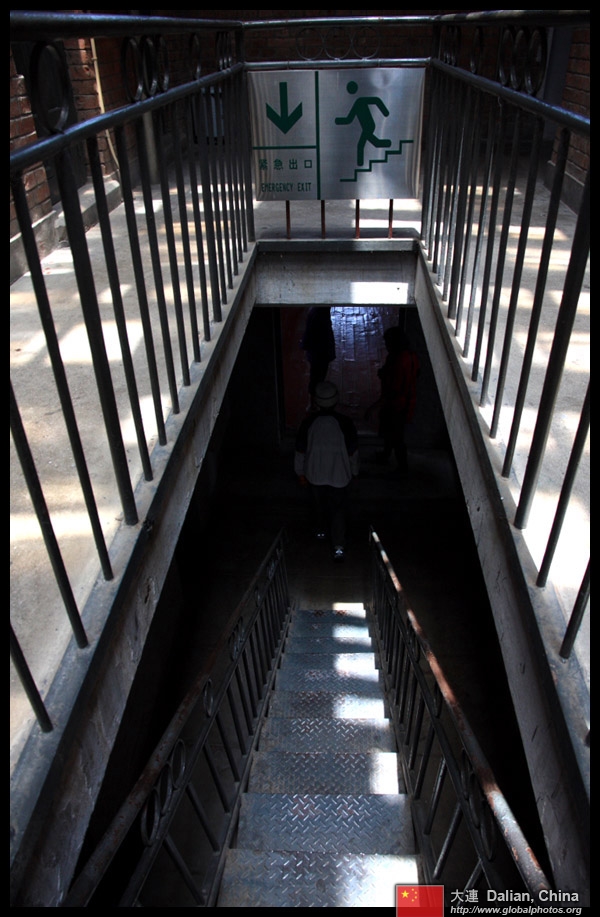
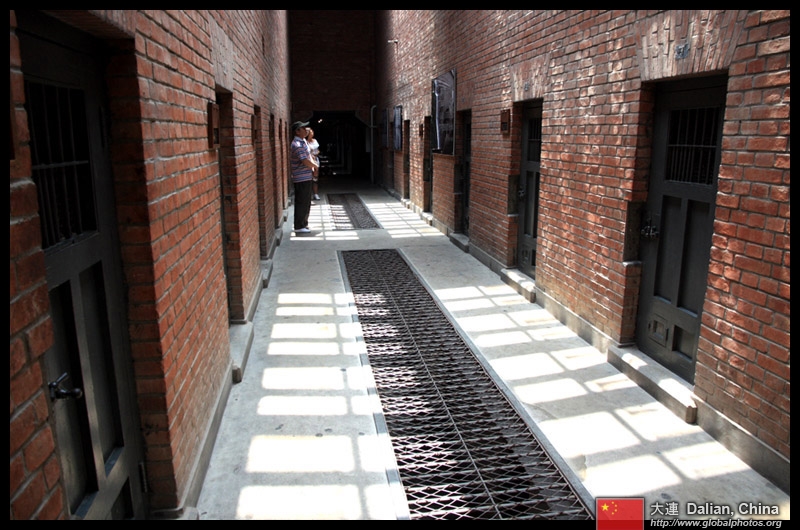
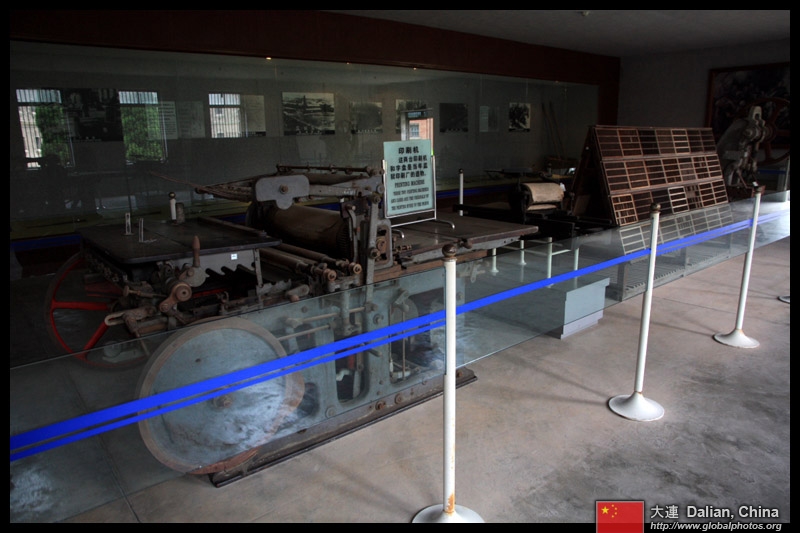
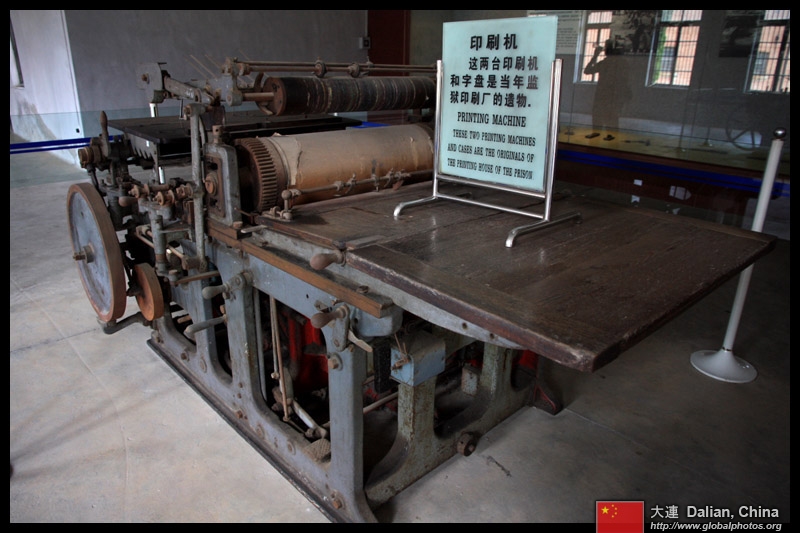
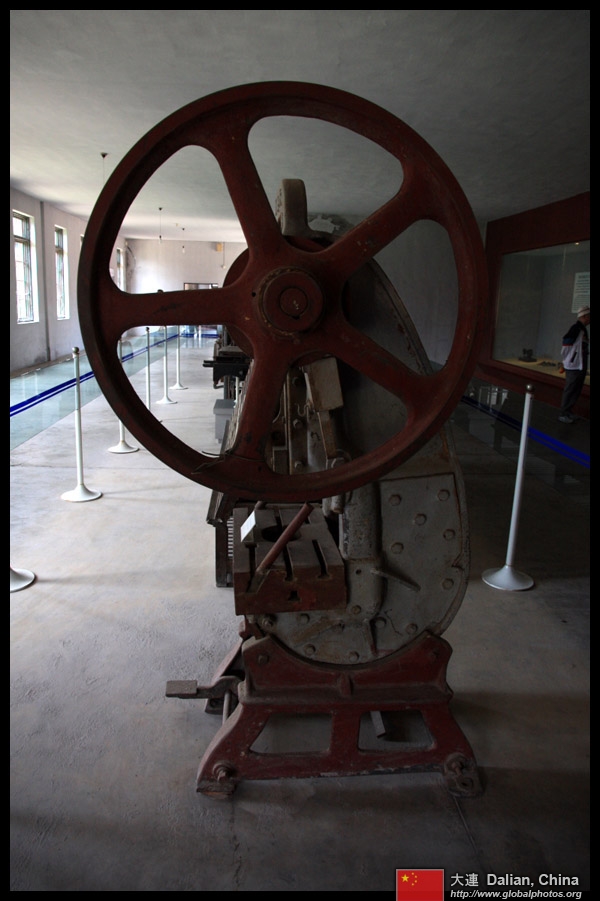
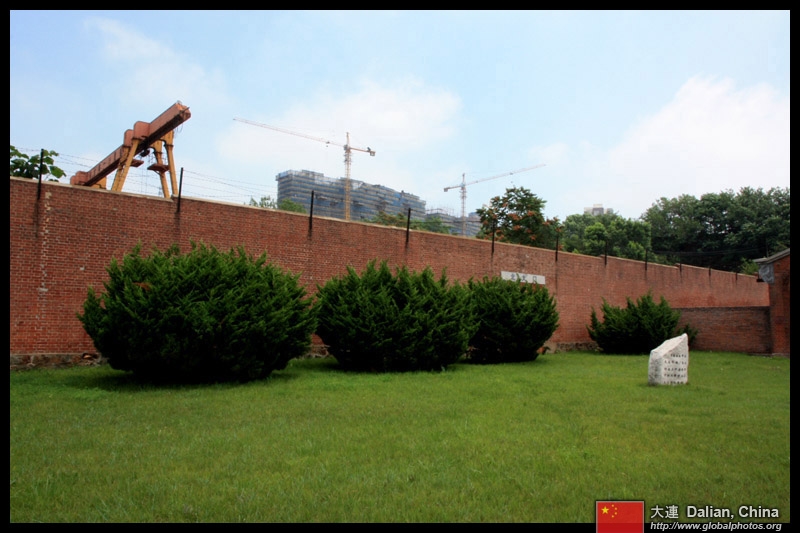
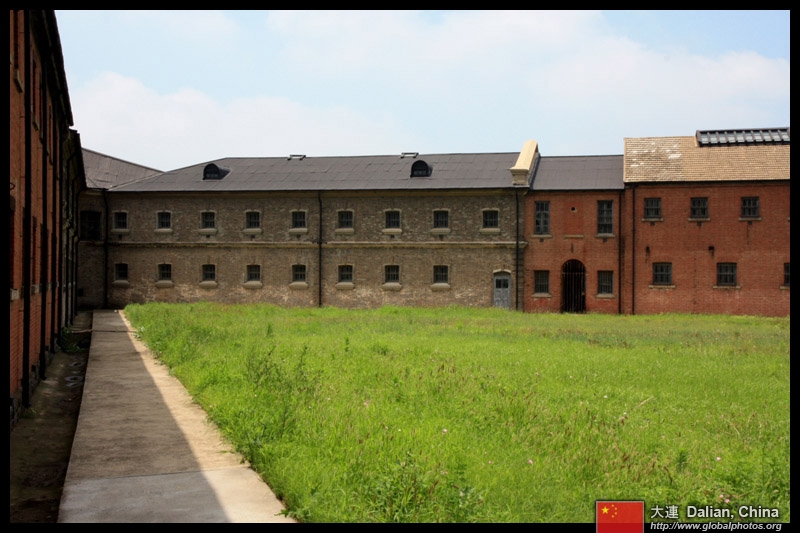
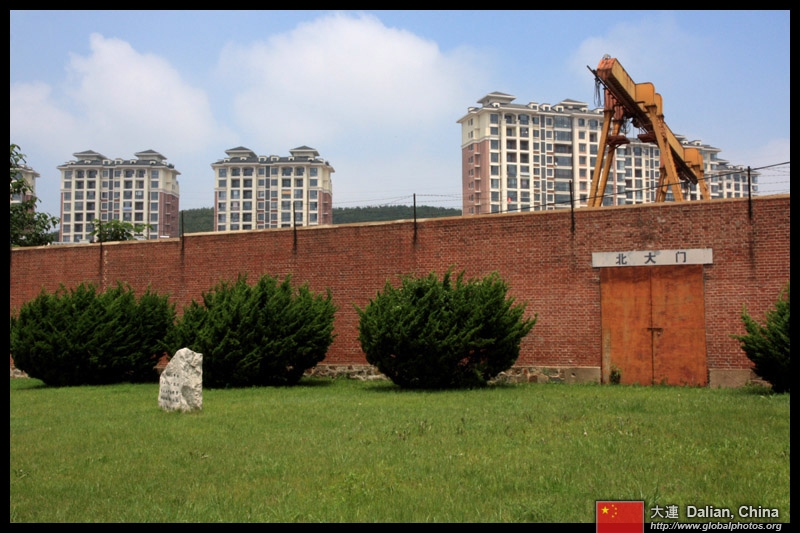
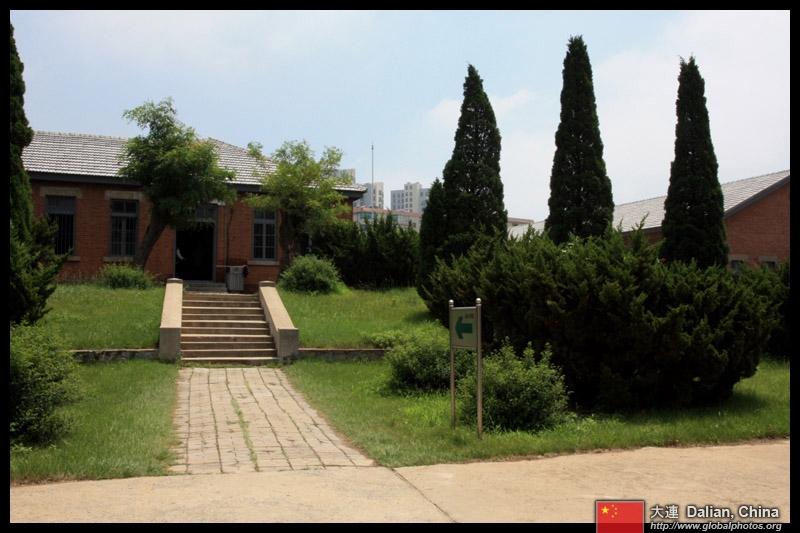
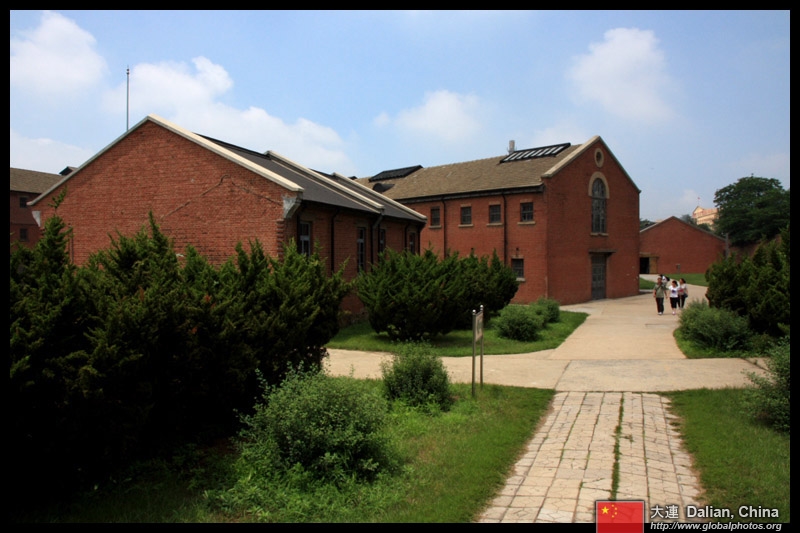
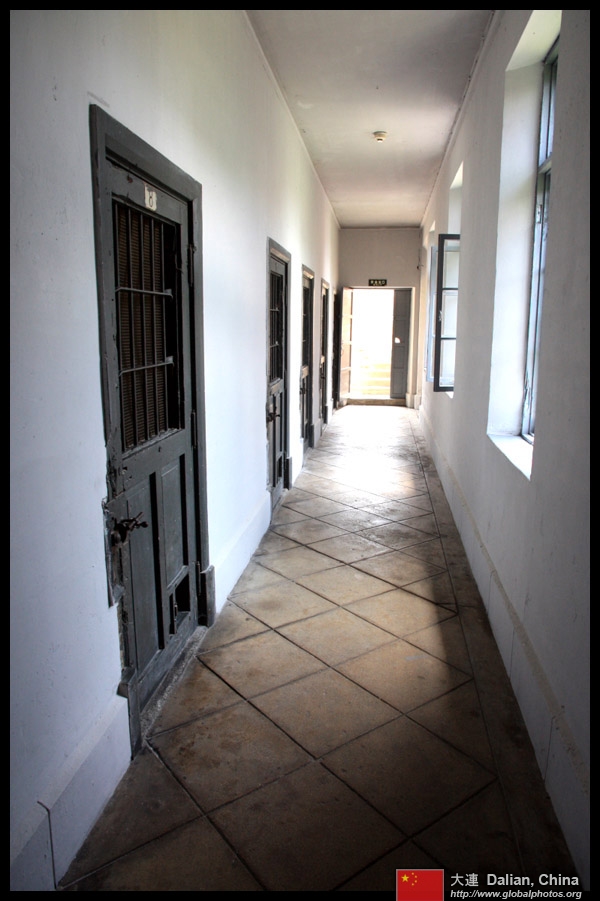
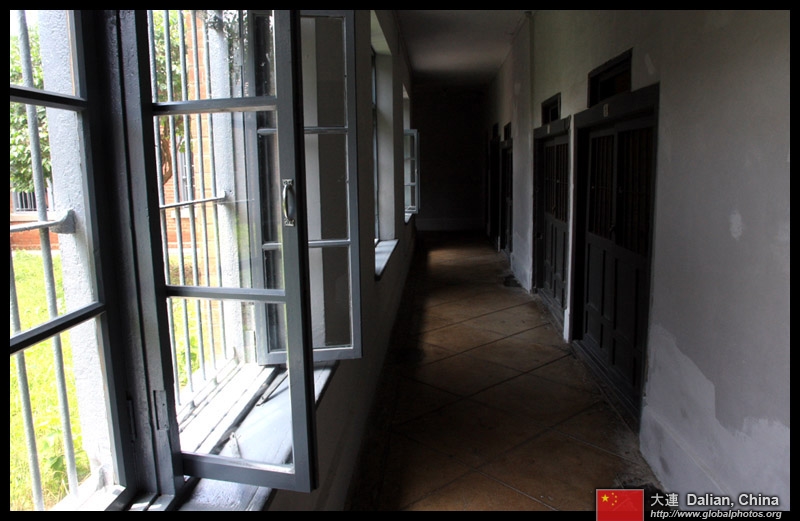
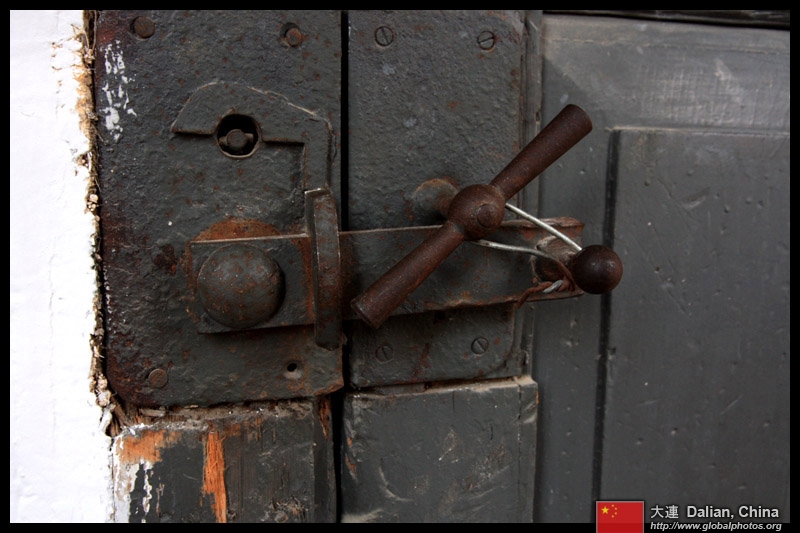
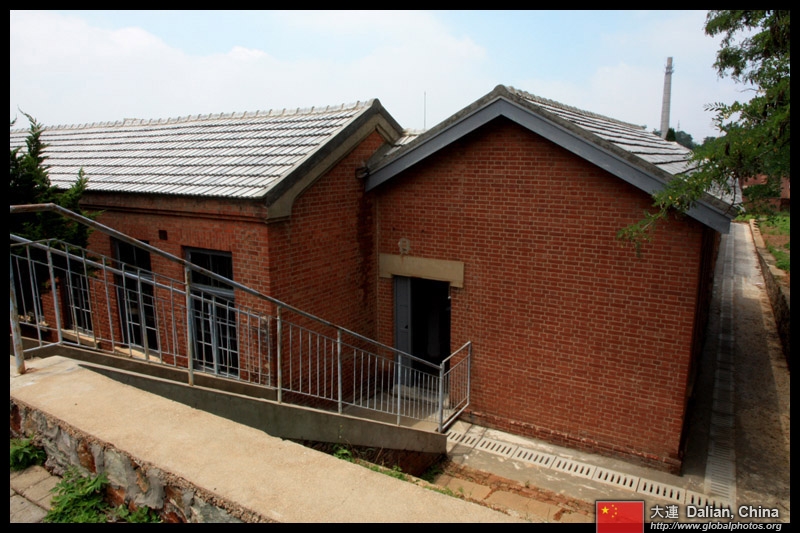
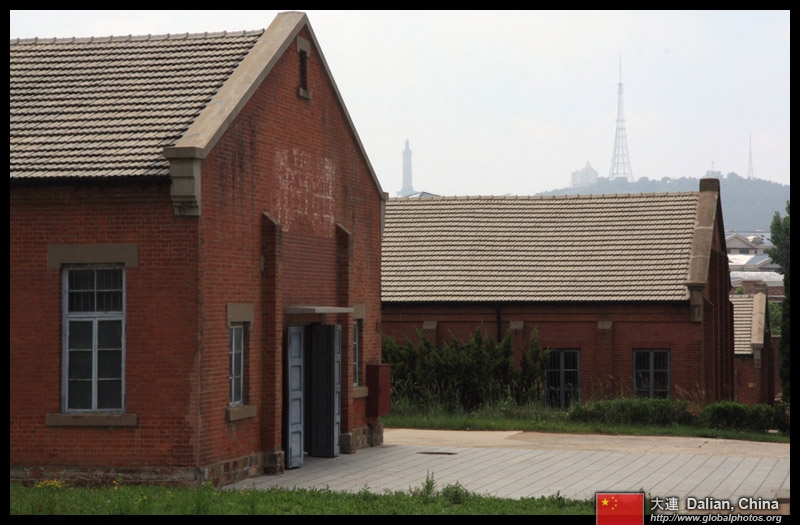
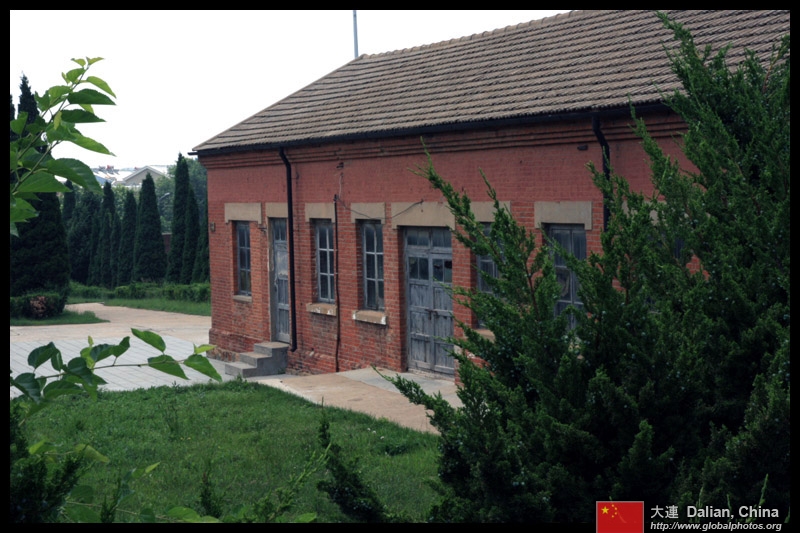
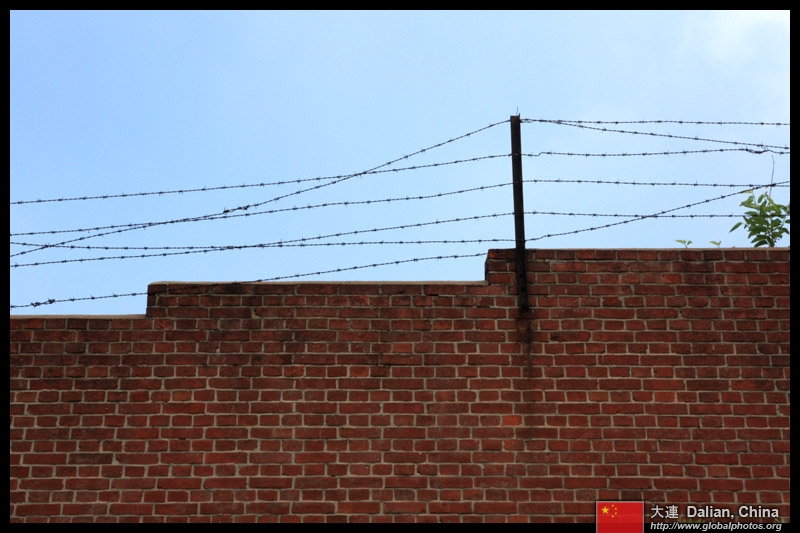
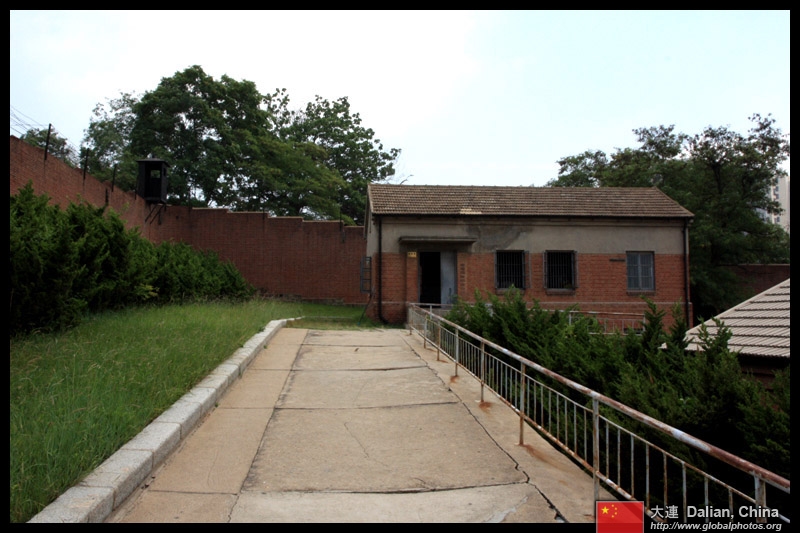
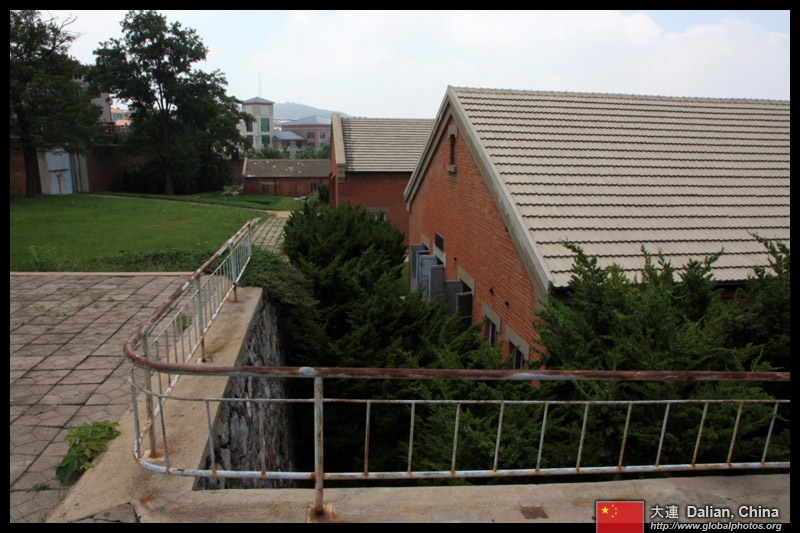
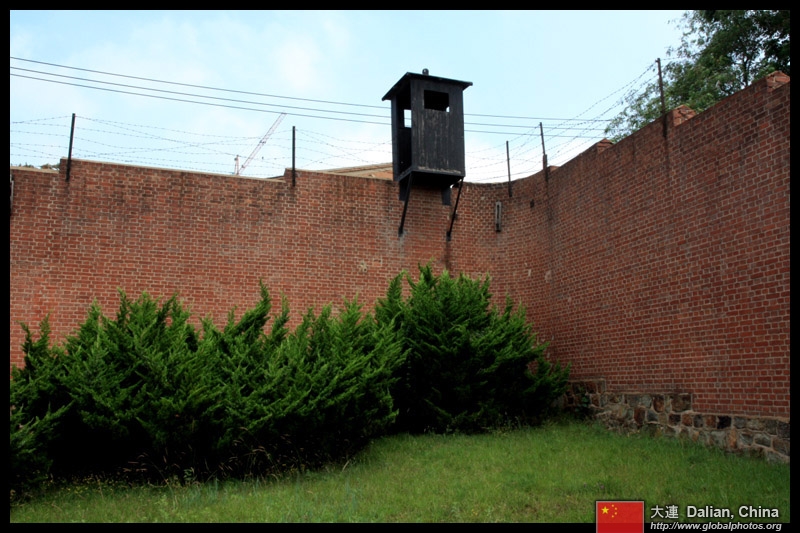
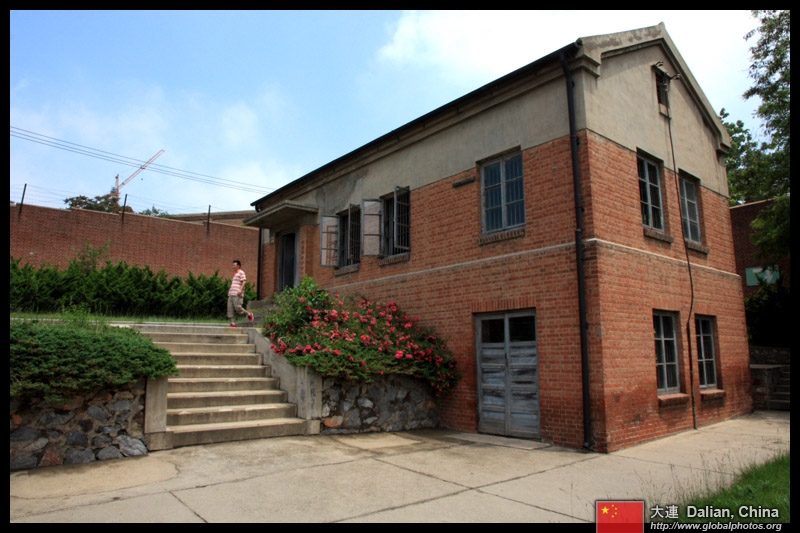
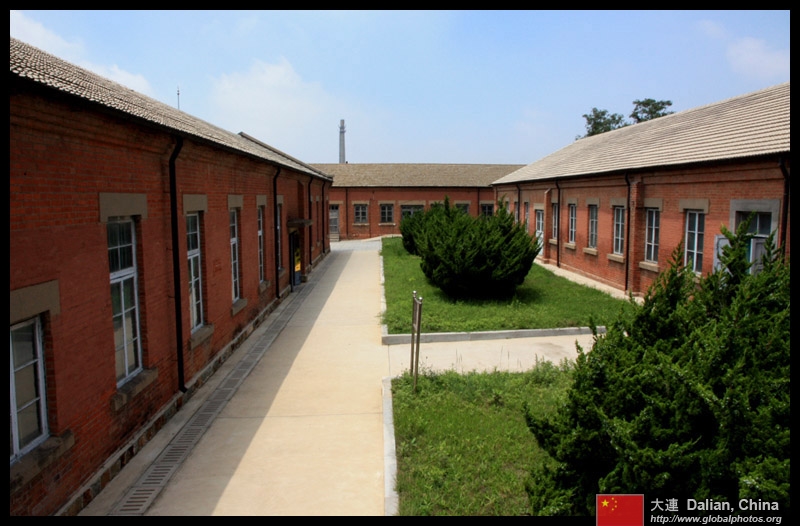
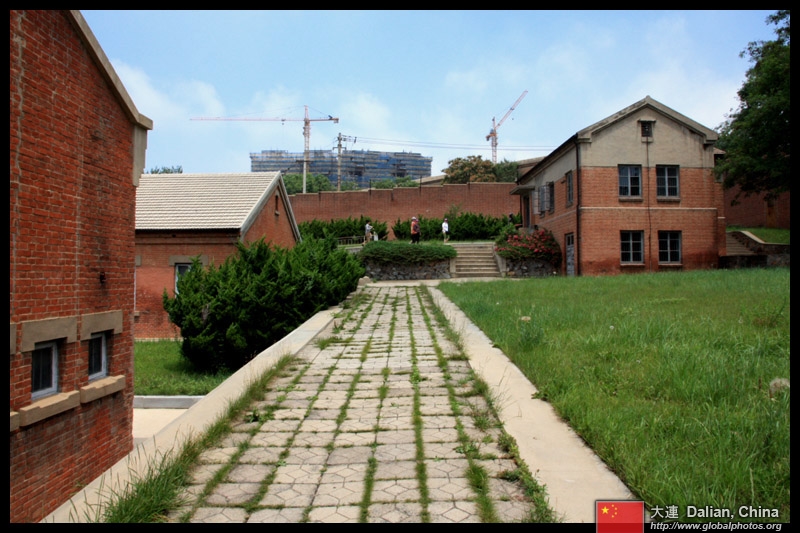
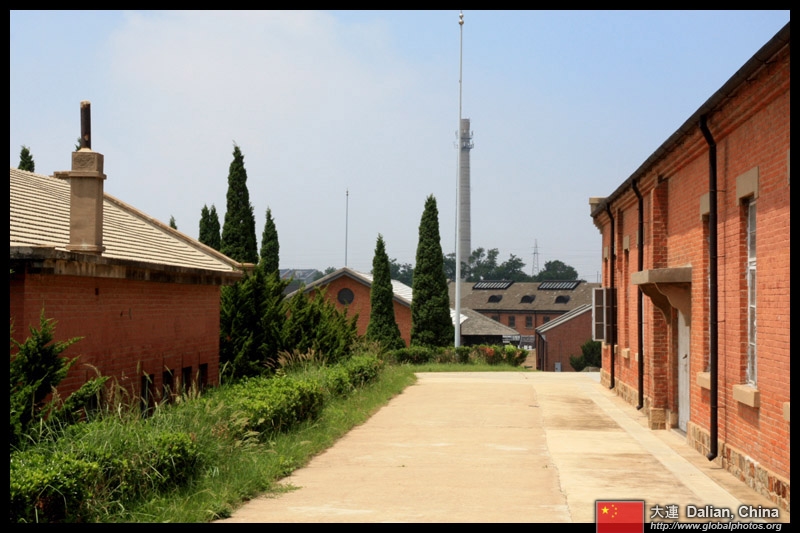
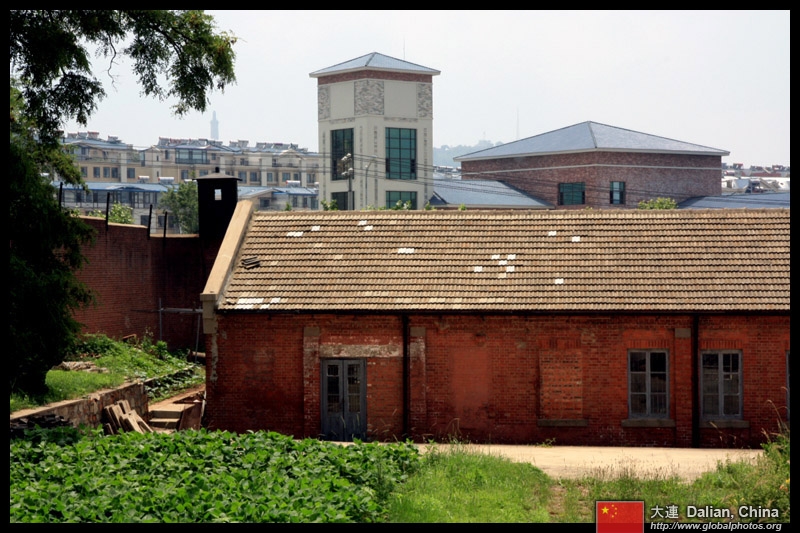
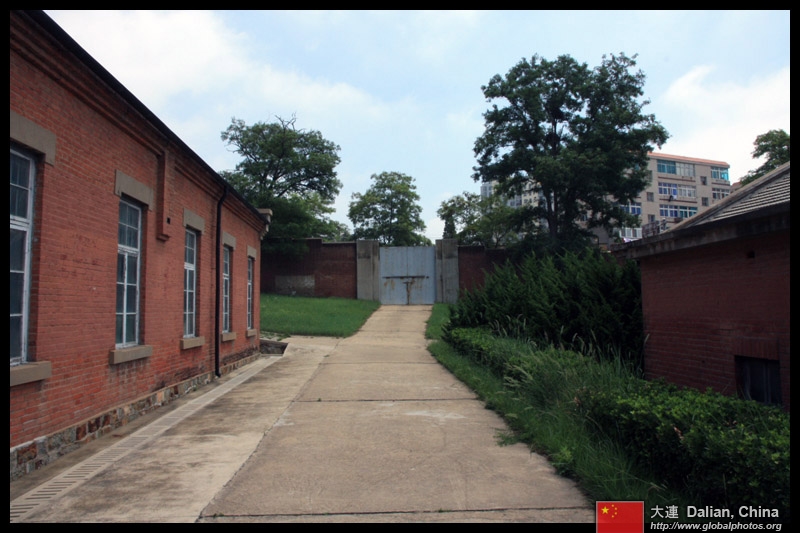
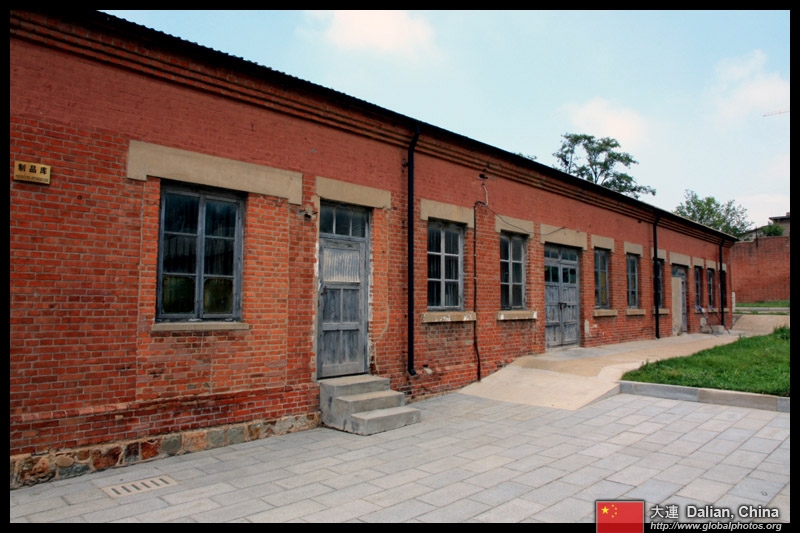
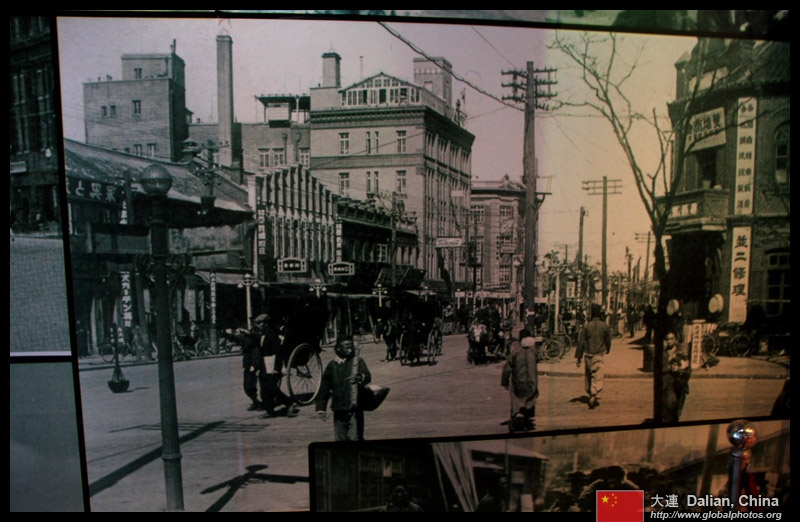
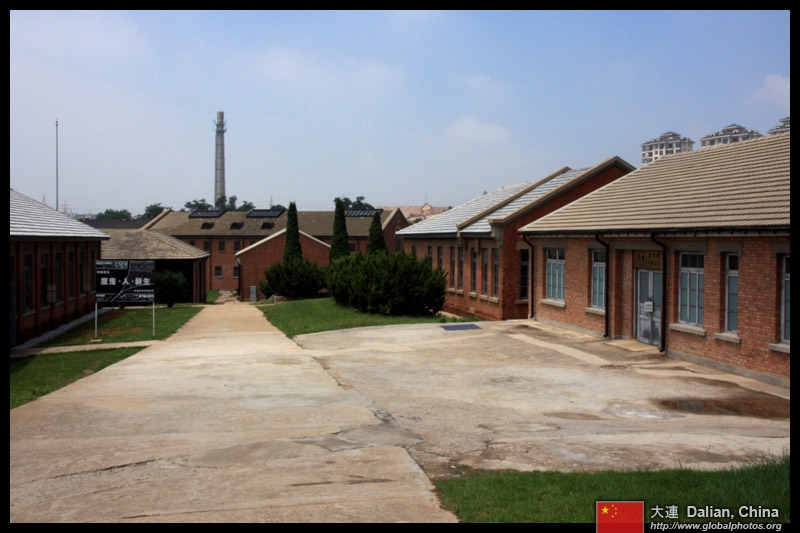
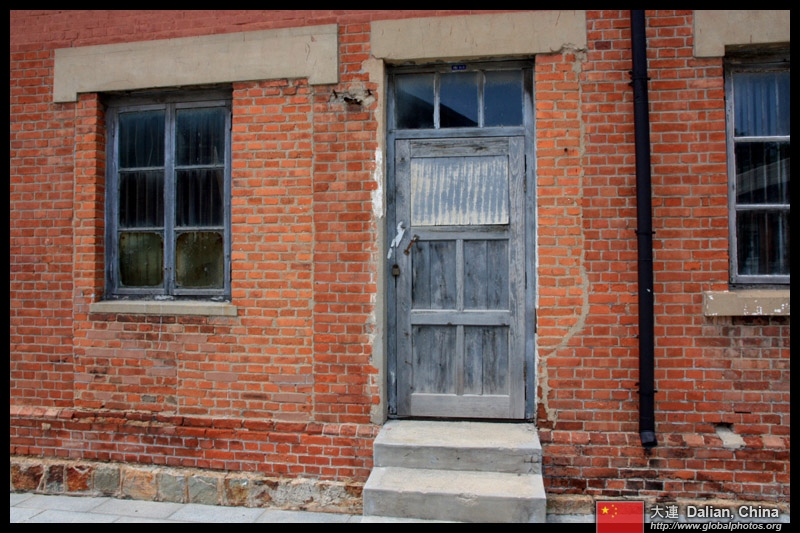
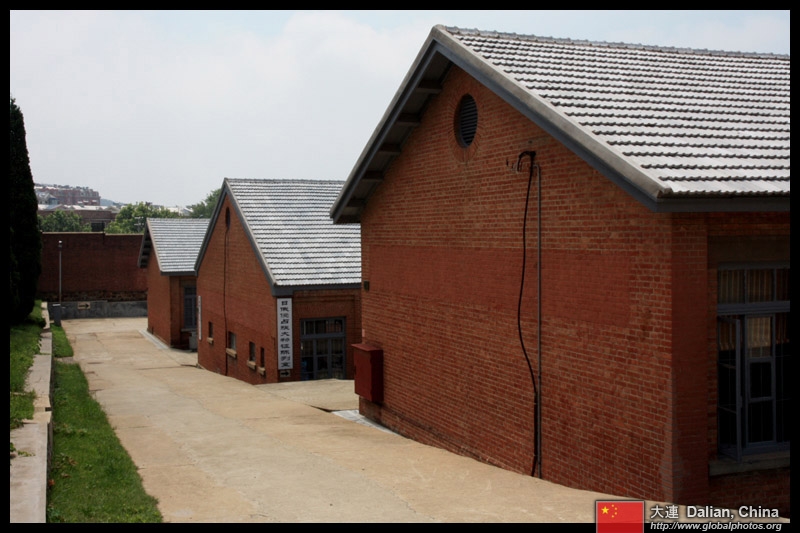
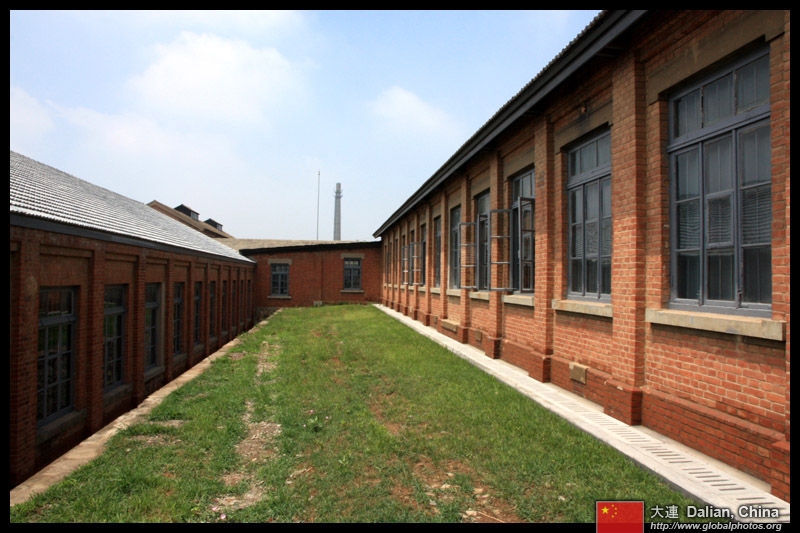
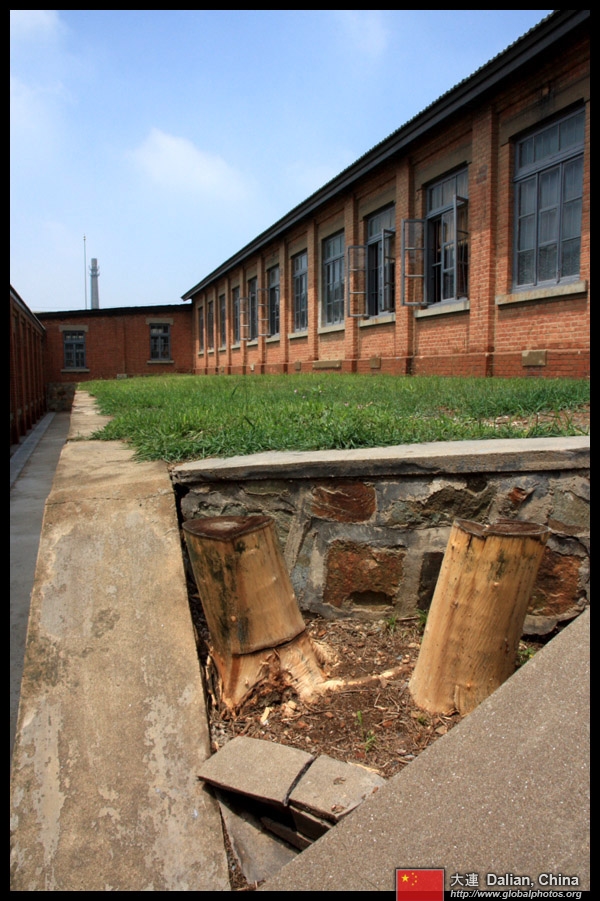
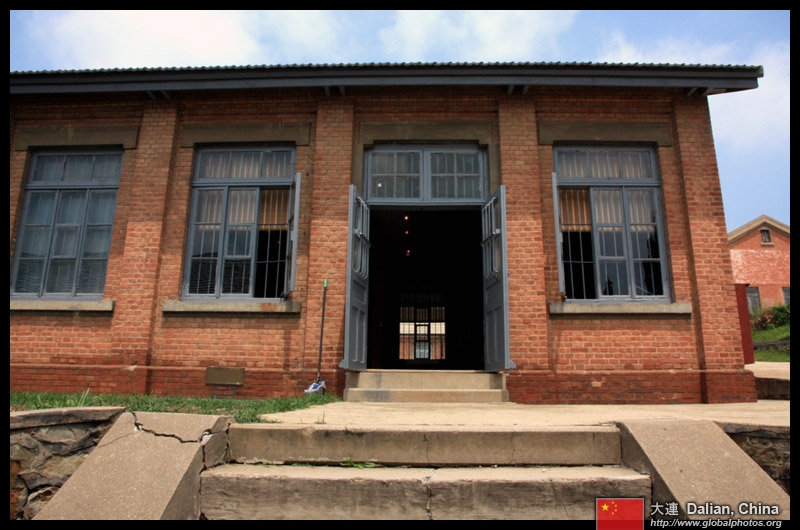
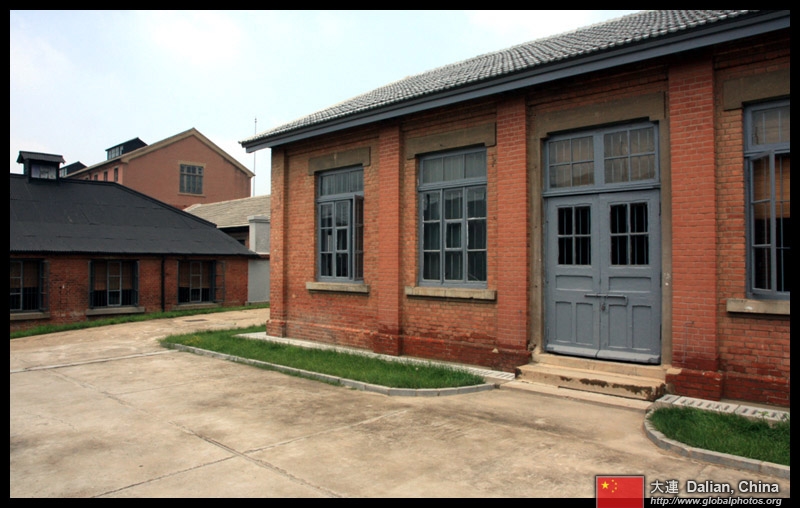
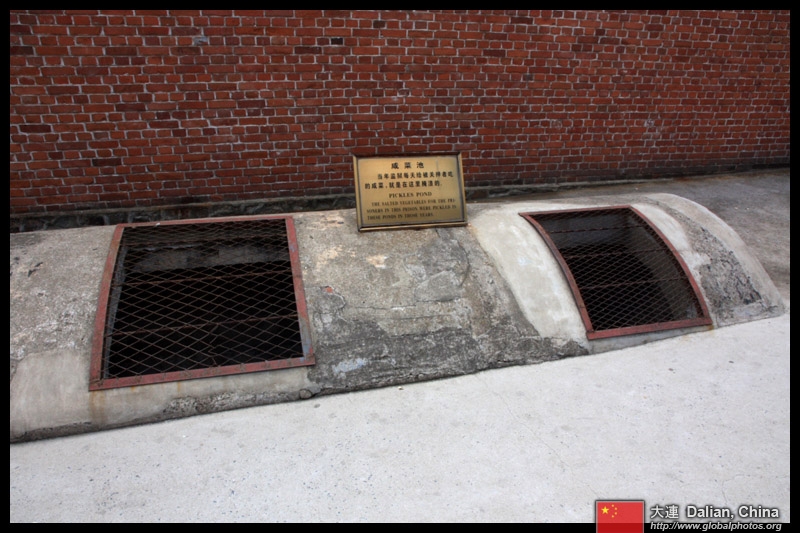
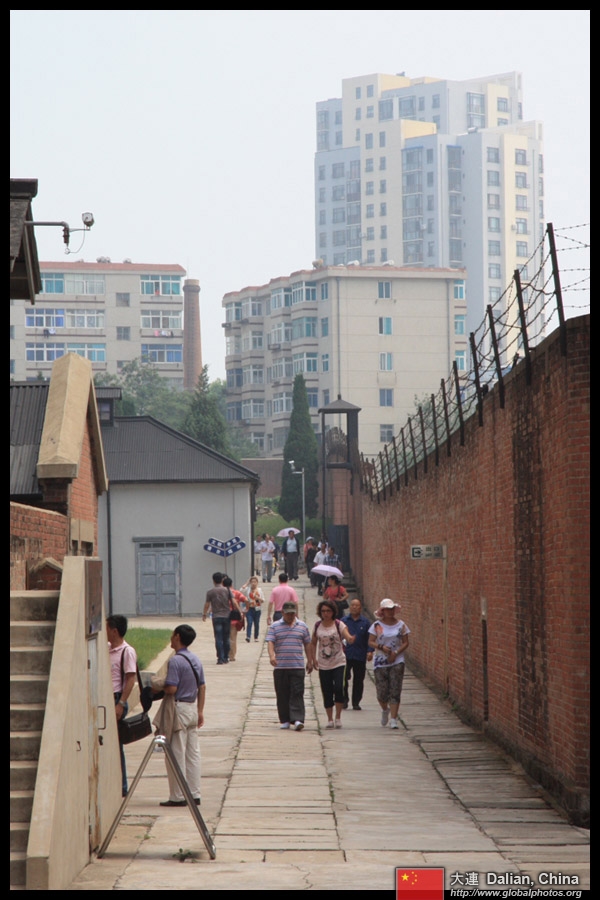
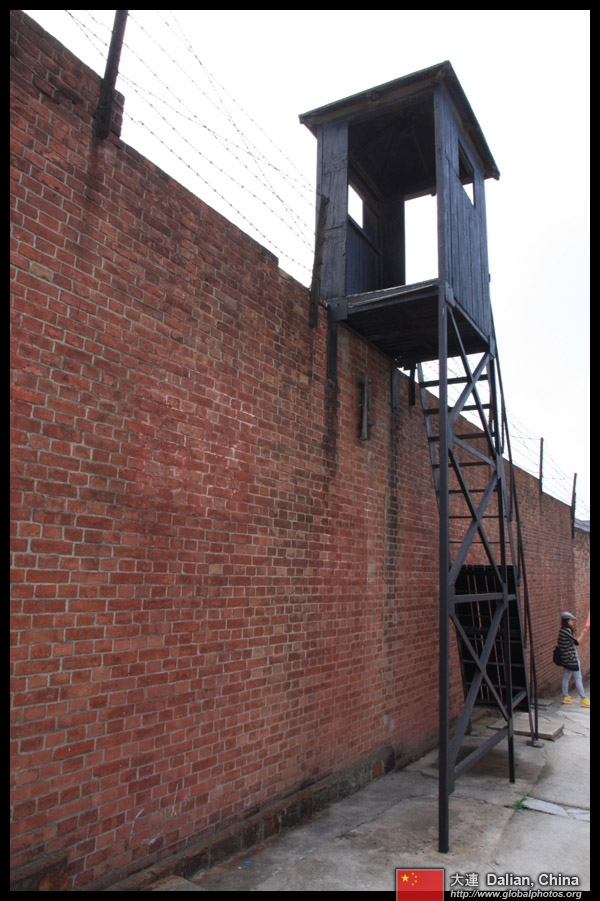
The Japan-Russia Prison was built by the Russians in 1902 and expanded by the Japanese in 1907. With a capacity of some 2000 prisoners, the site was transformed into a museum in 1971.
|
||
|
|
|
|
|
|
|
|
|
|
|
||
|
|
|
|
|
|
|
|
|
|
|
||
|
|
|
|
|
|
|
|
|
|
|
||
|
|
|
|
|
|
|
|
|
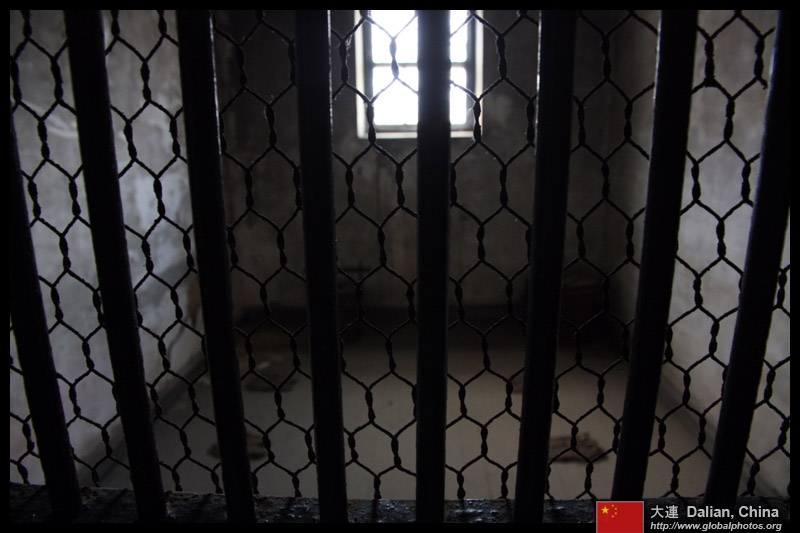
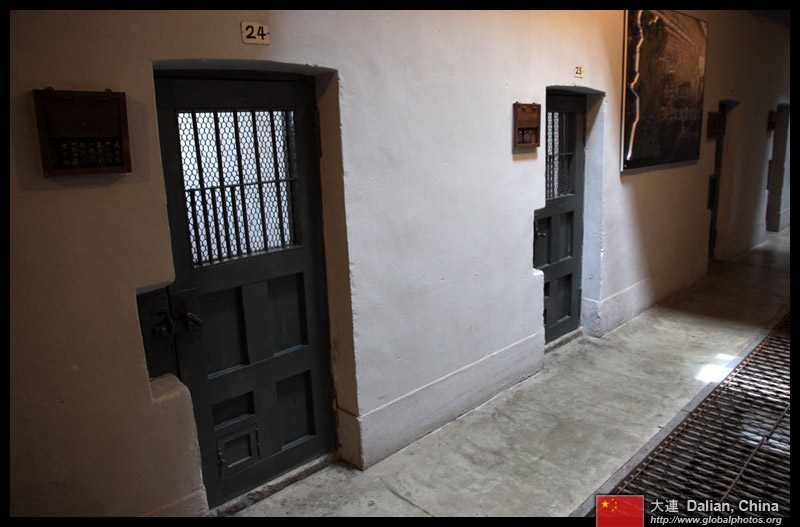
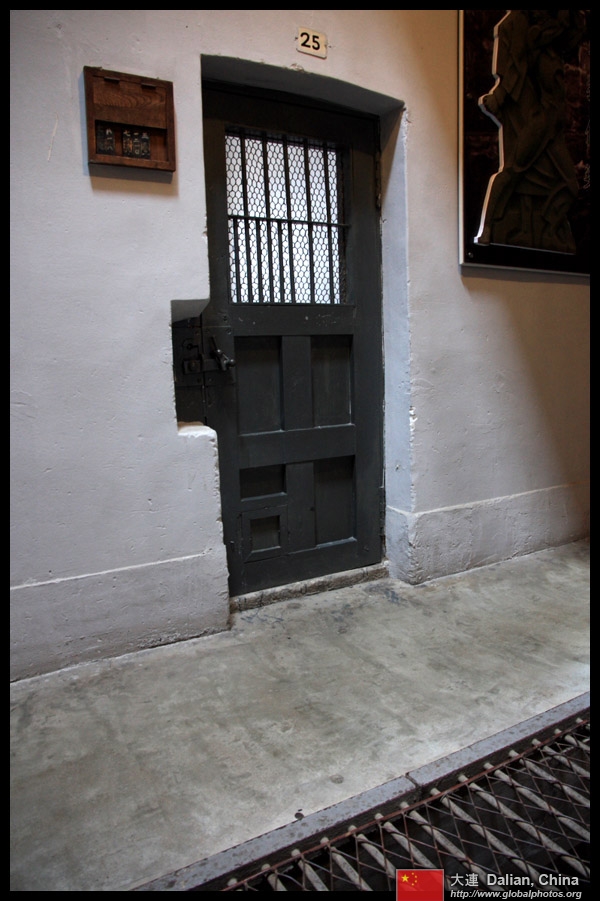
How many can they fit into one cell?
|
||
|
|
|
|
|
|
|
|
|
|
|
||
|
|
|
|
|
|
|
|
|
|
|
||
|
|
|
|
|
|
|
|
|
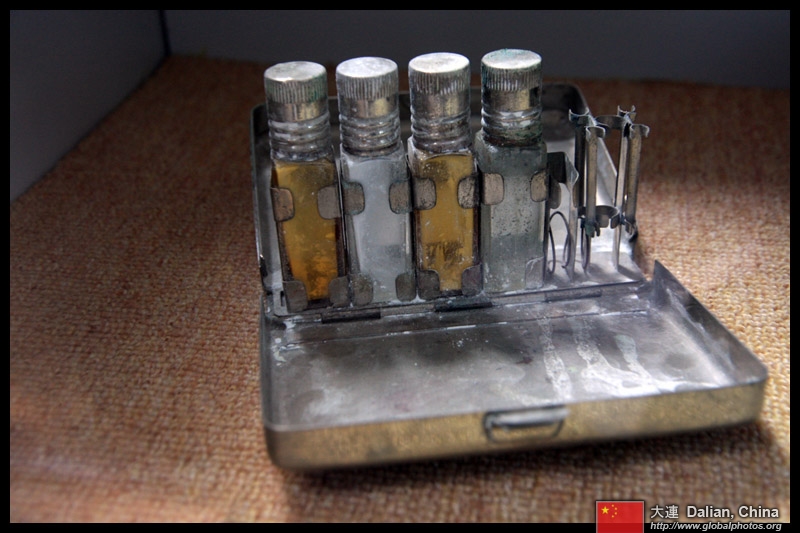
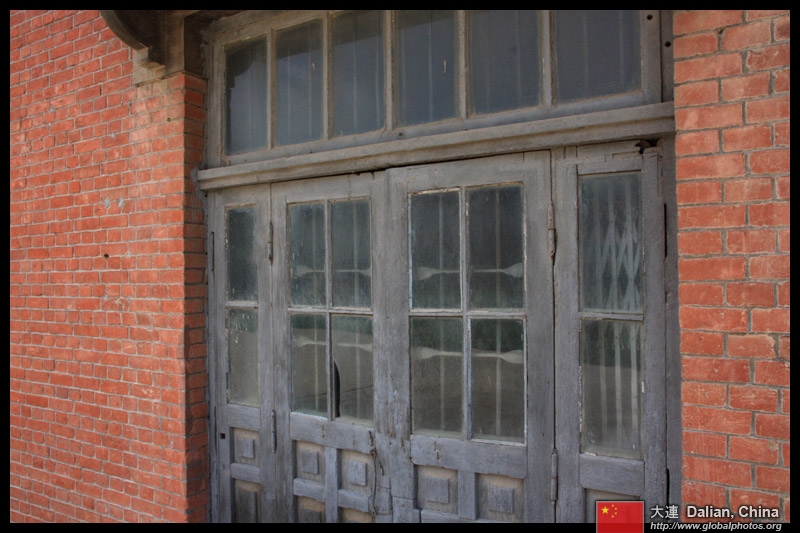
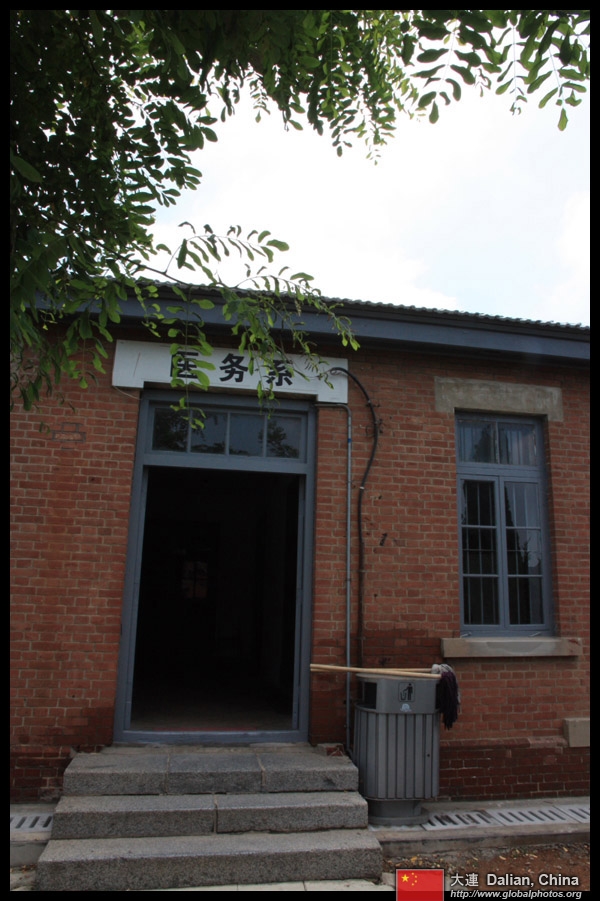
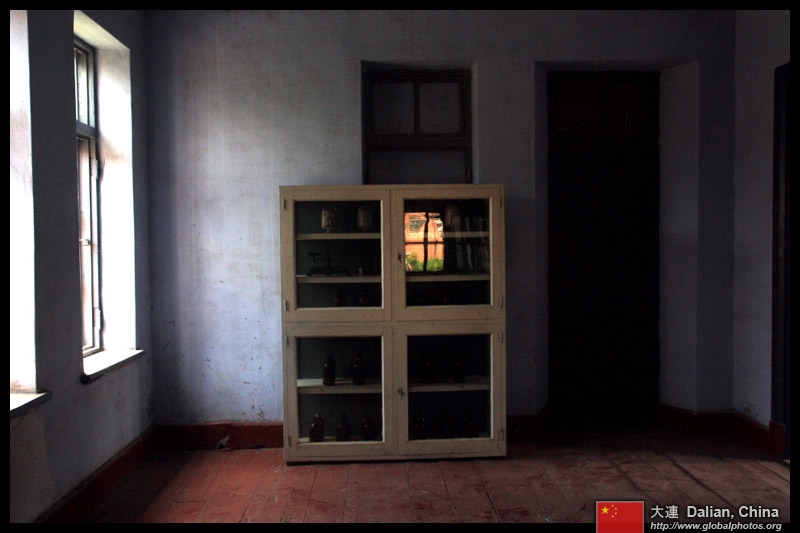
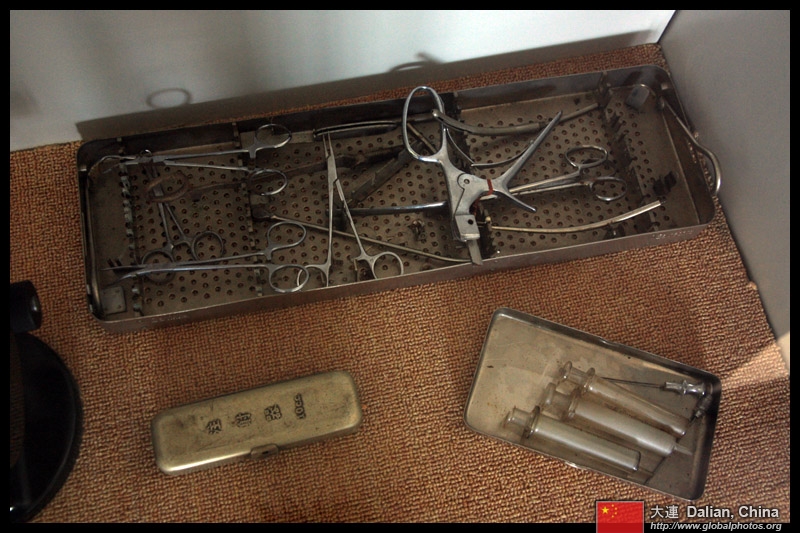
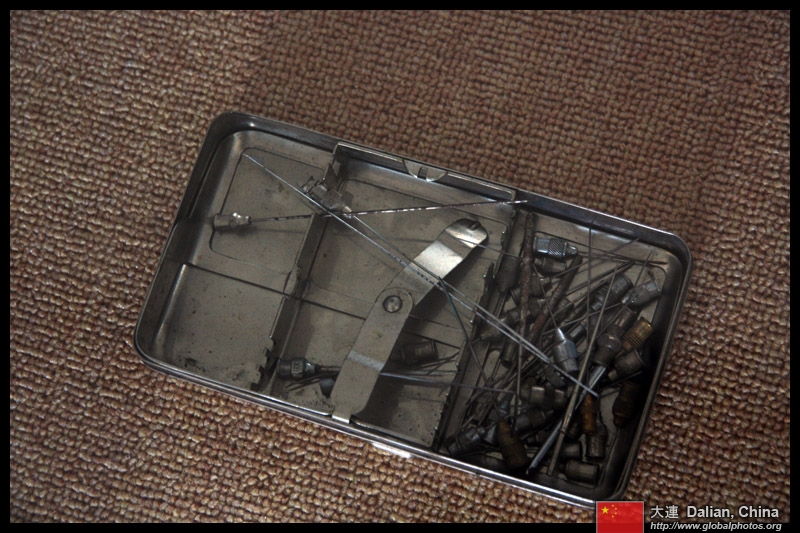
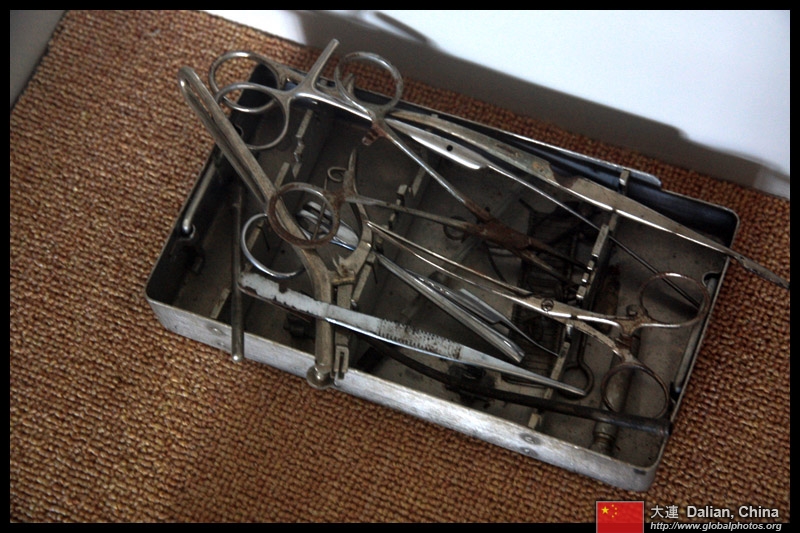
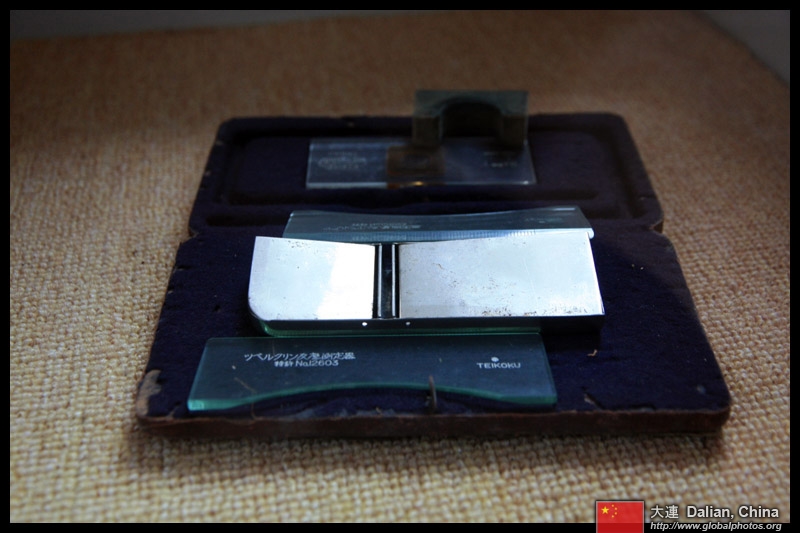
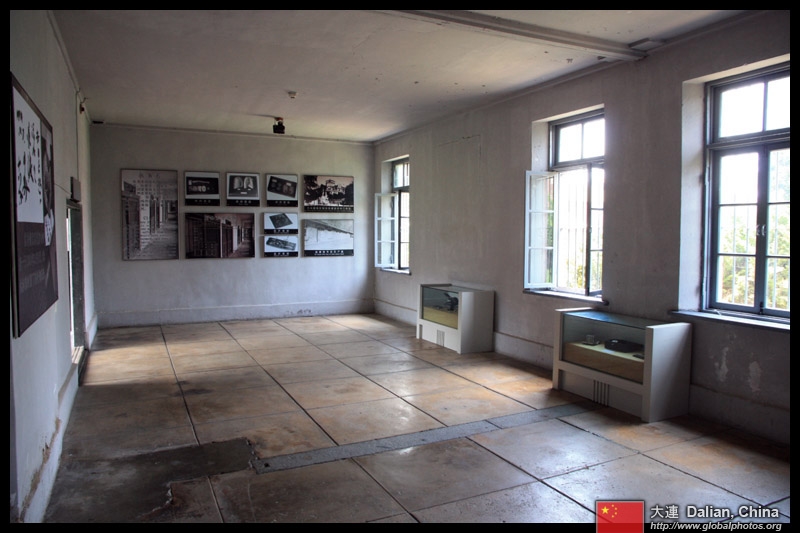
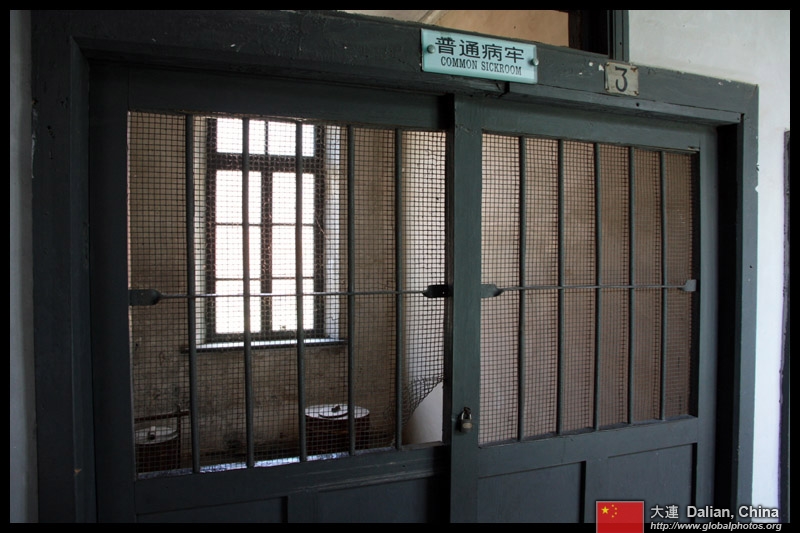
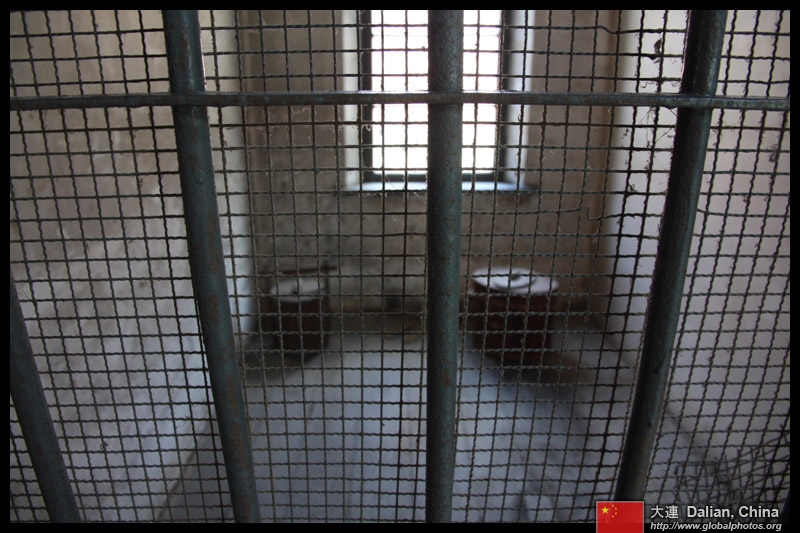
Medical facilities within the prison were lacking at best. Prisoners were expected to fend for themselves.
|
||
|
|
|
|
|
|
|
|
|
|
|
||
|
|
|
|
|
|
|
|
|
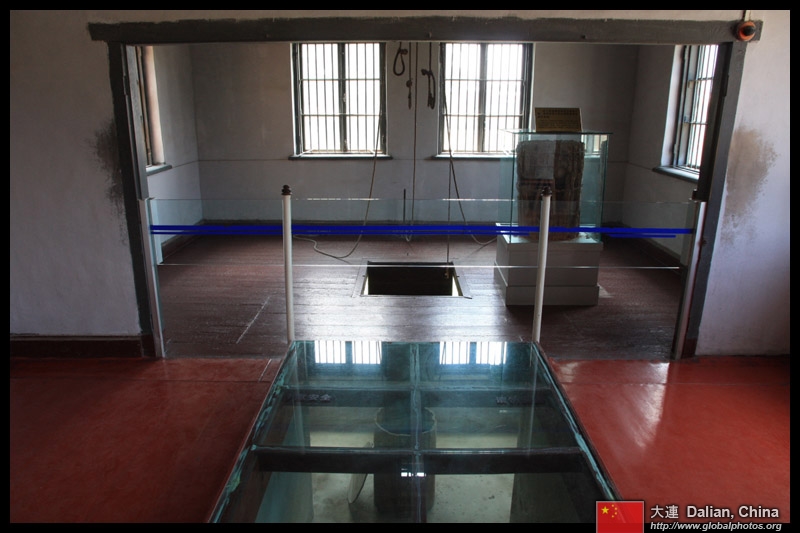
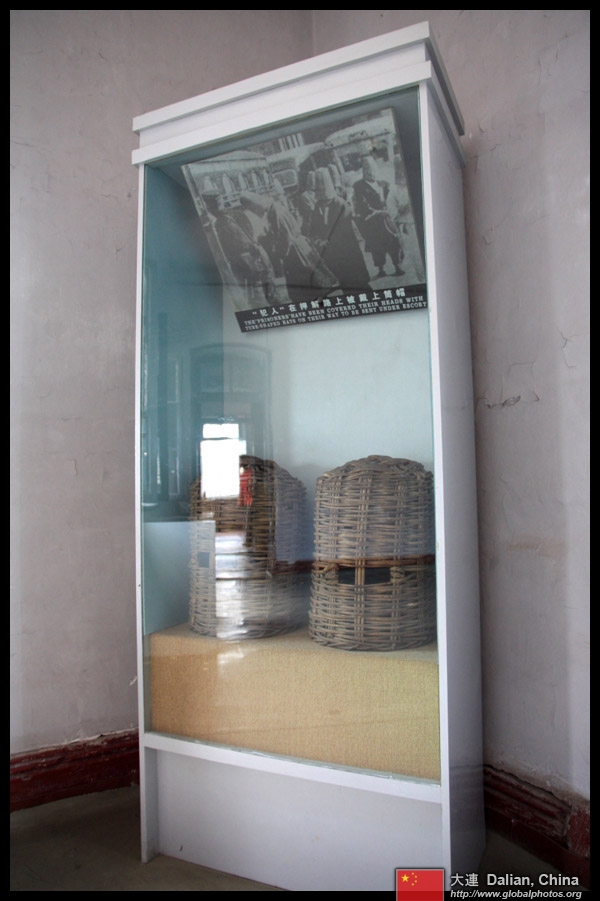
The execution room where prisoners would be hung, then buried in a small basket as the example in the display case.
|
||
|
|
|
|
|
|
|
|
|
|
|
||
|
|
|
|
|
|
|
|
|
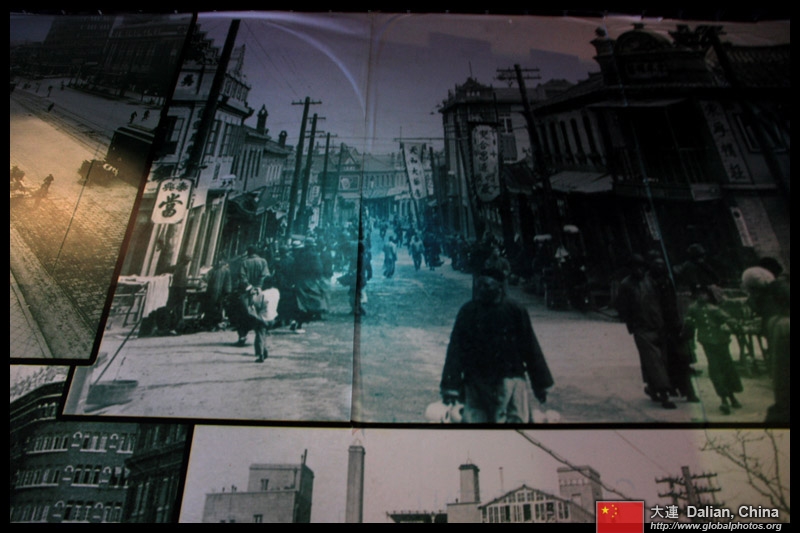
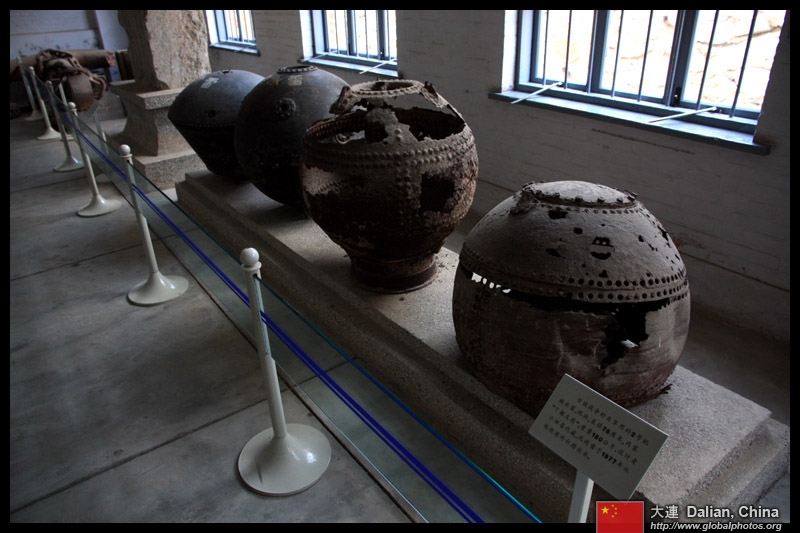
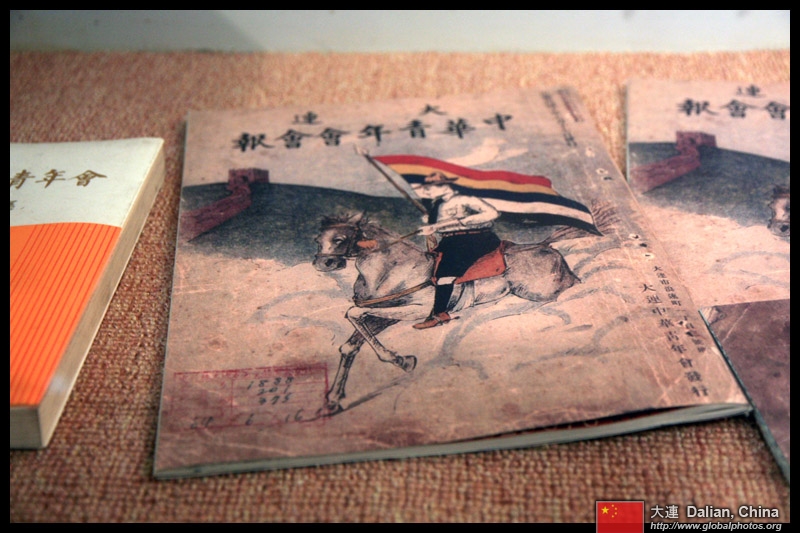
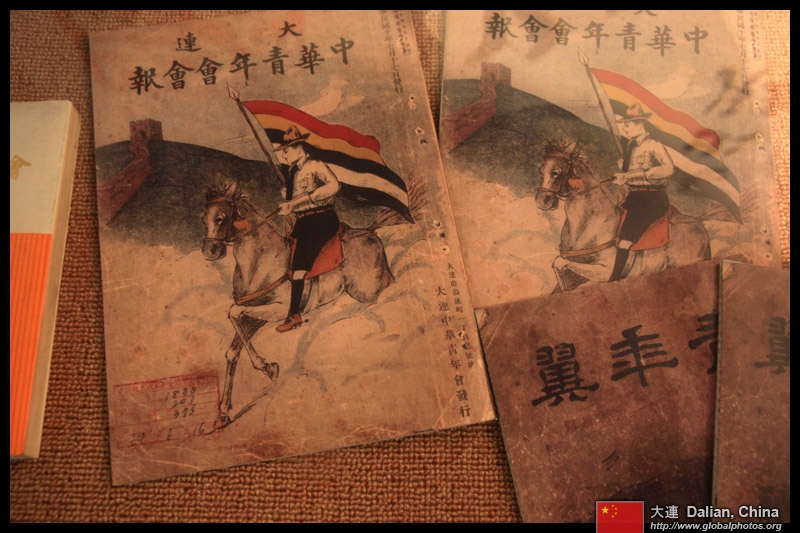
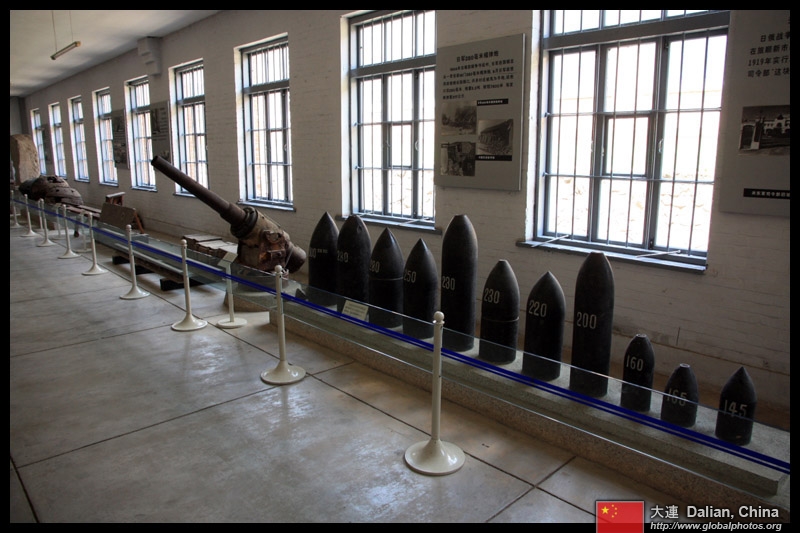
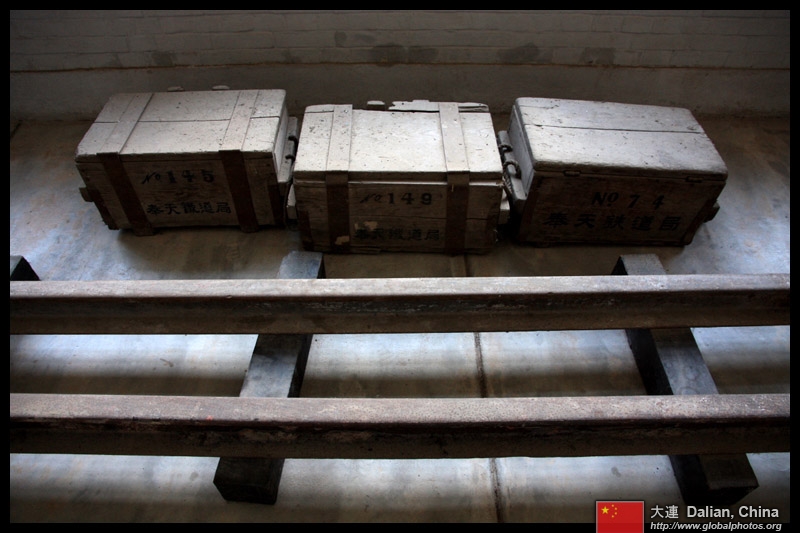
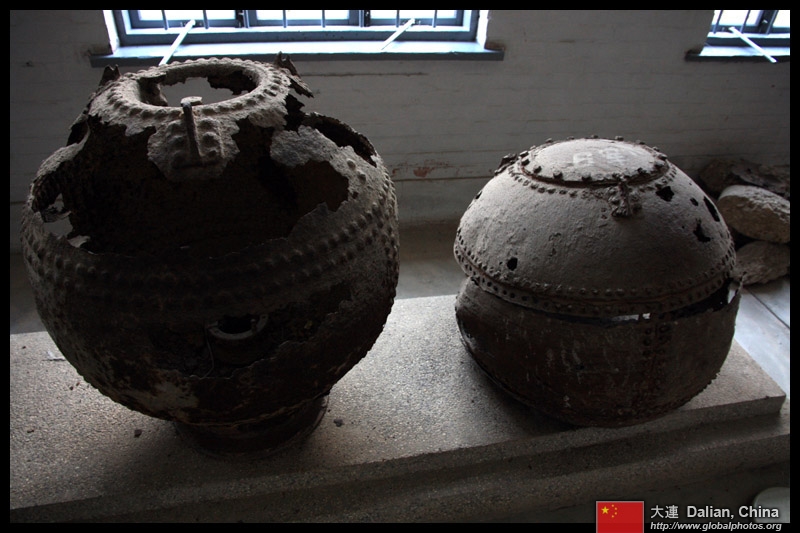
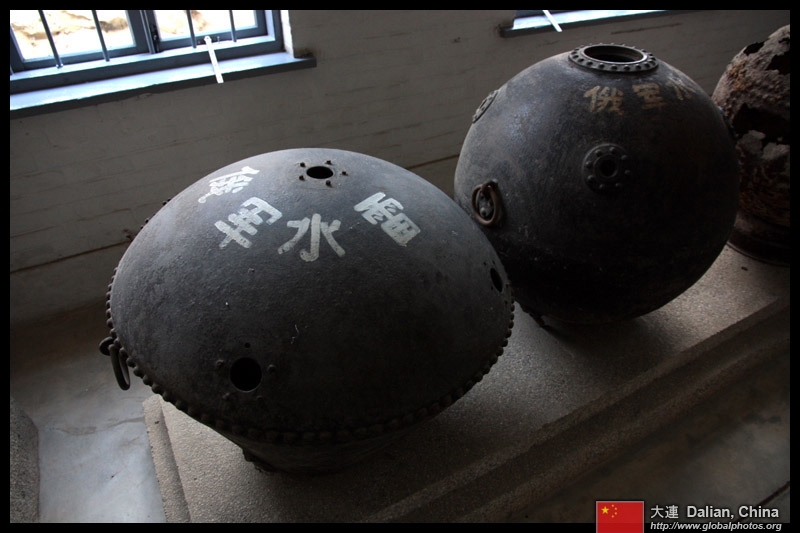
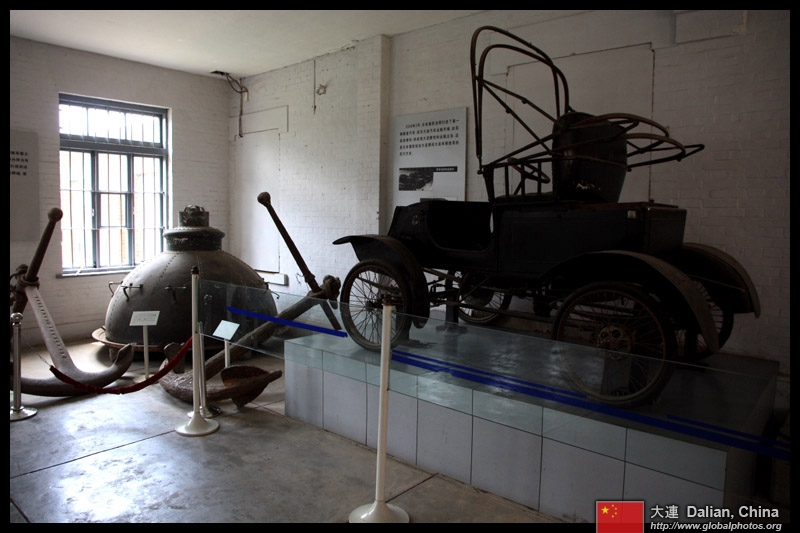
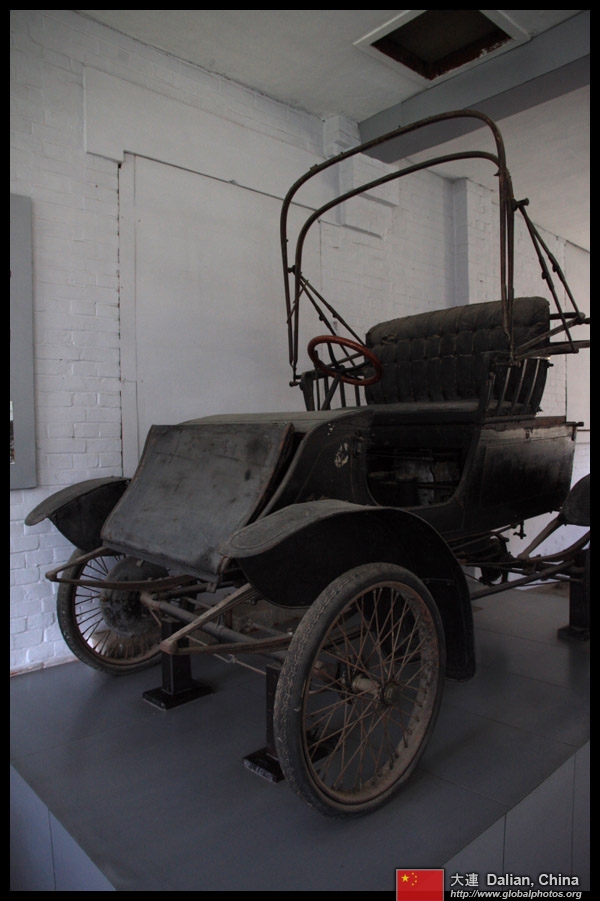
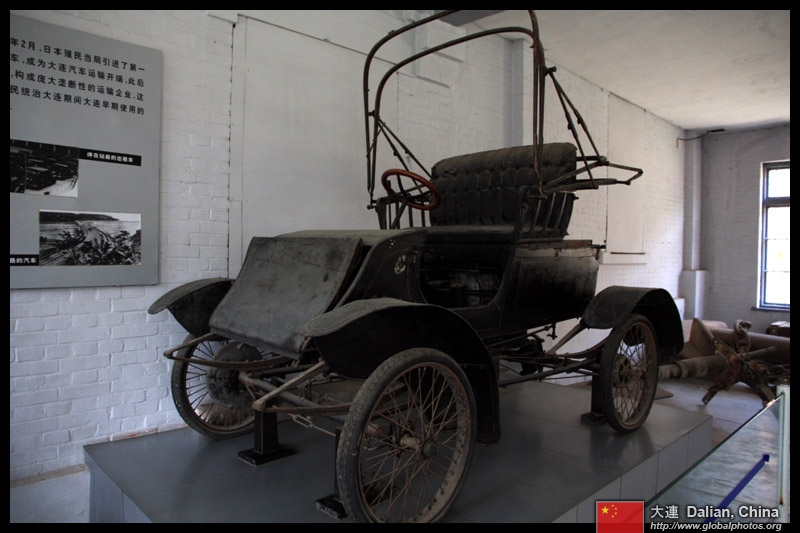
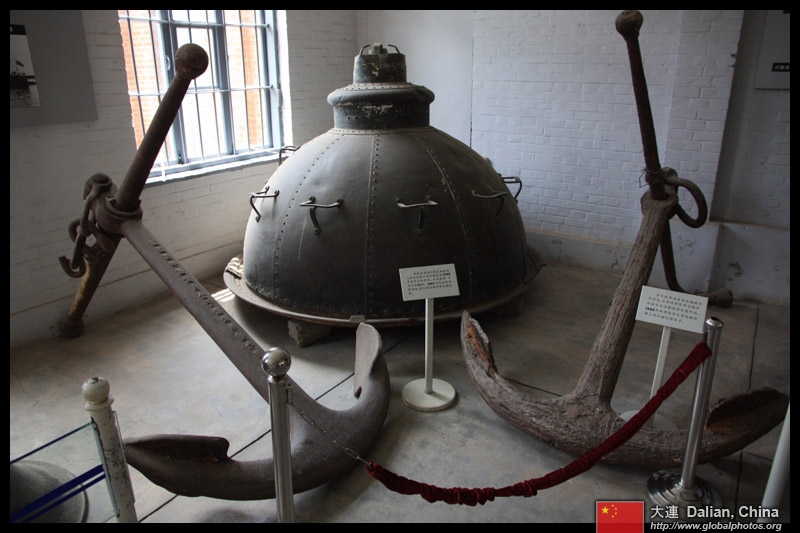
Remnants of various weapons from past wars are on display. There was also a souvenir counter that sold historic photo postcards.
|
||
|
|
|
|
|
|
|
|
|
|
|
||
|
|
|
|
|
|
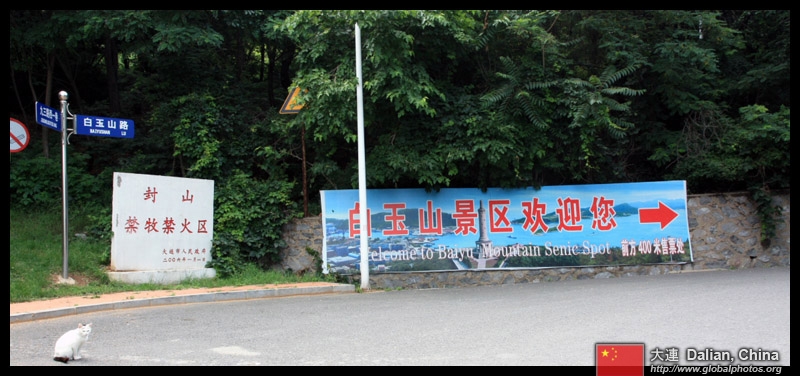
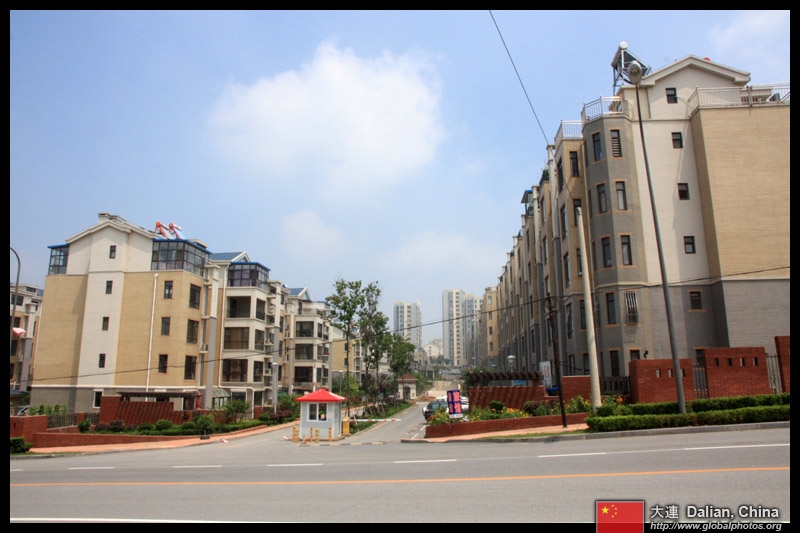
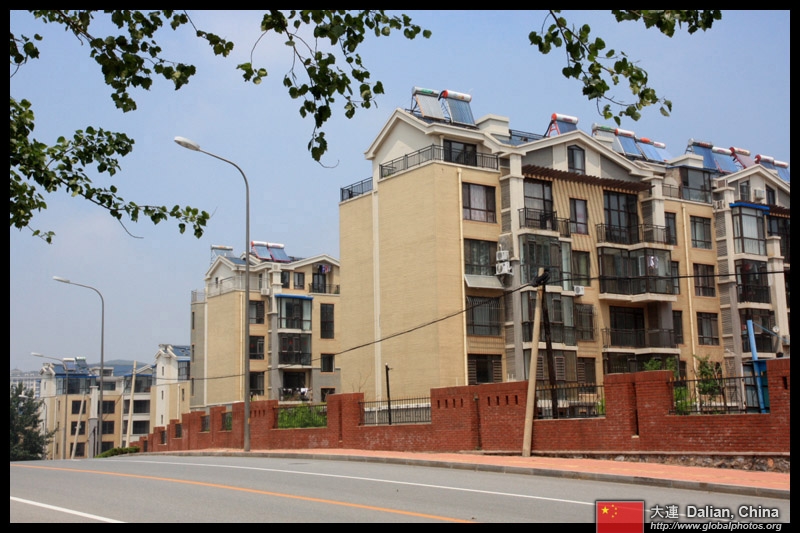
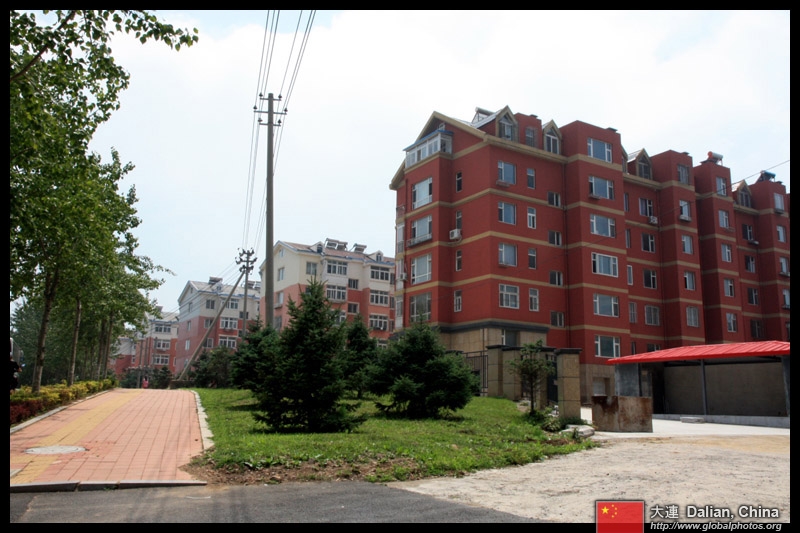
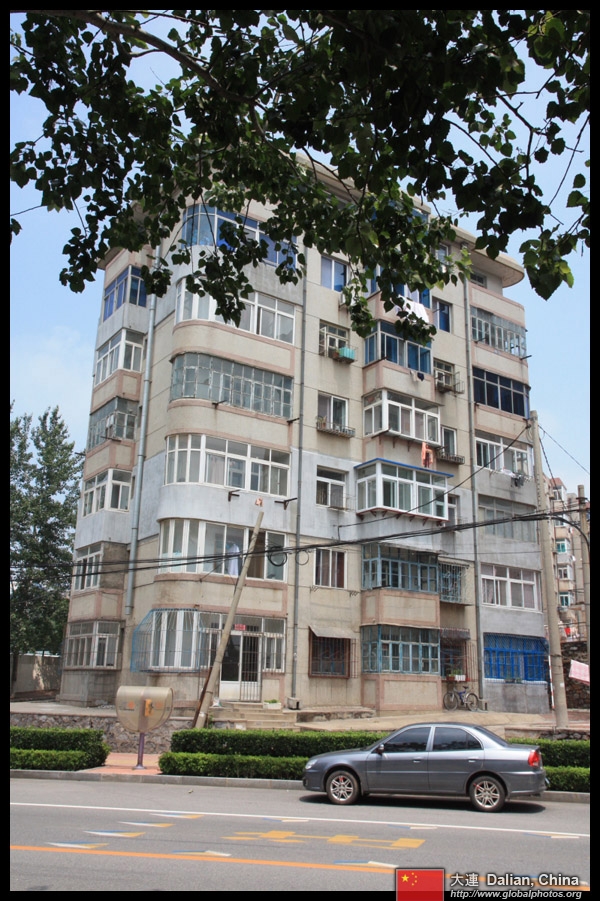
Taxis didn't seem willing to take me to the next stop - Baiyu Mountain. So I walked instead.
|
||
|
|
|
|
|
|
|
|
|
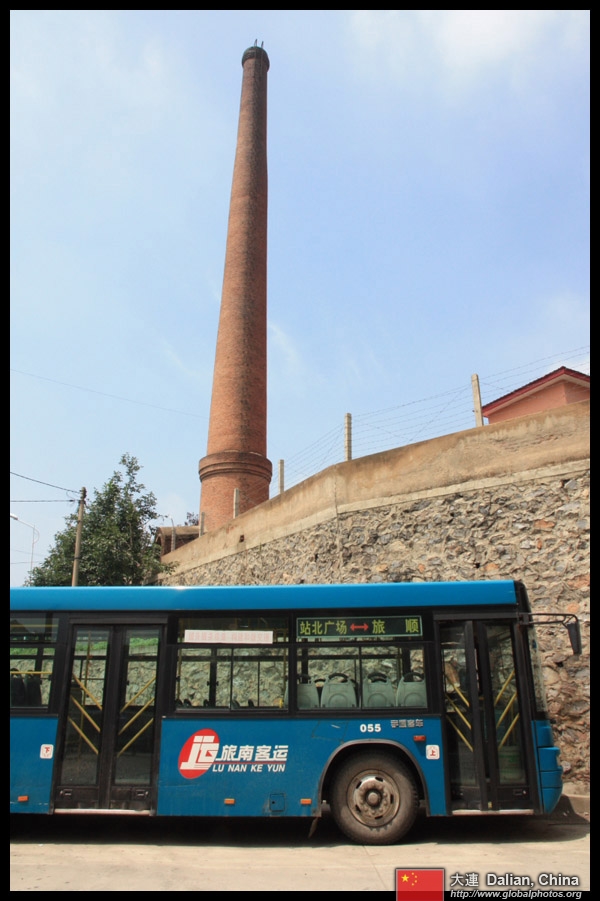
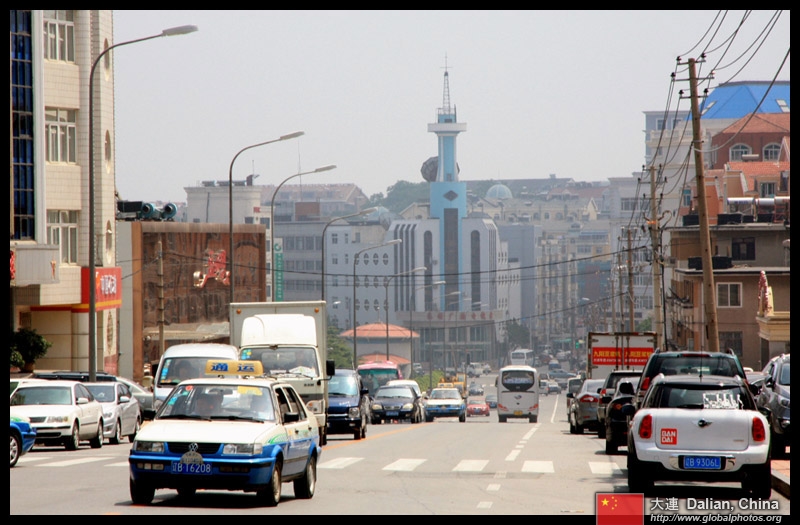
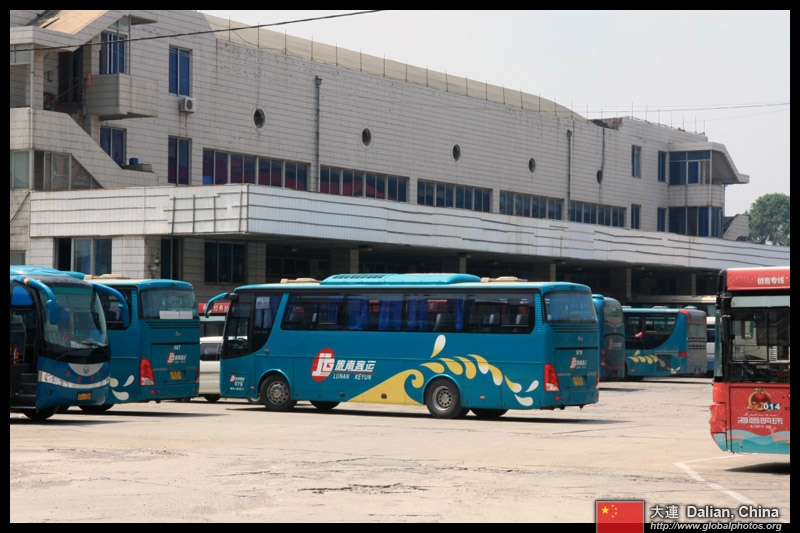
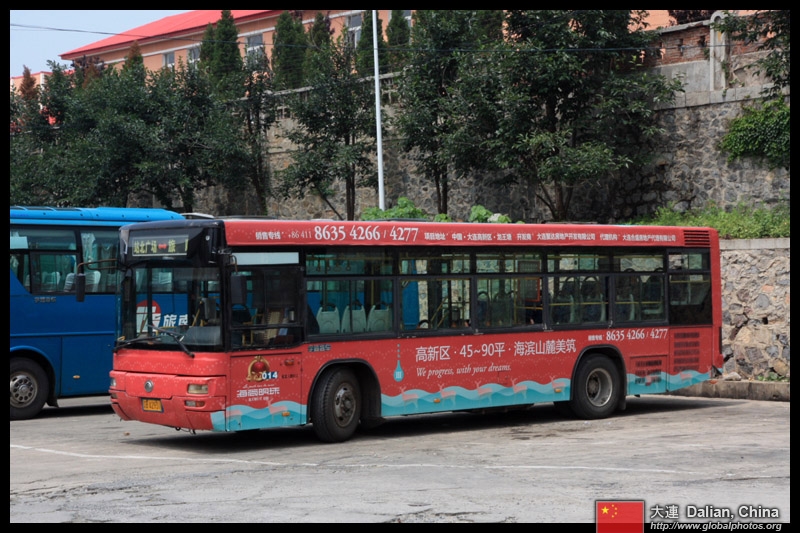
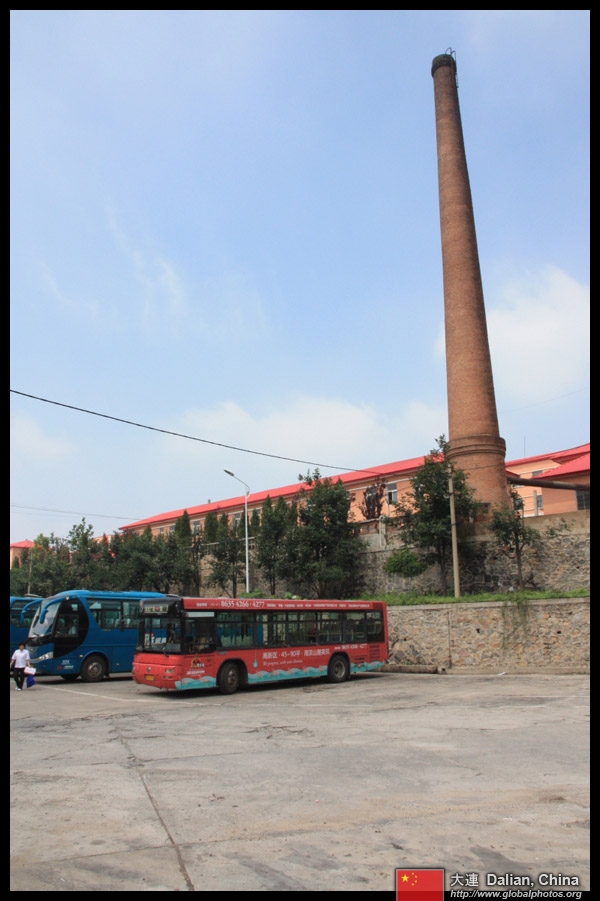
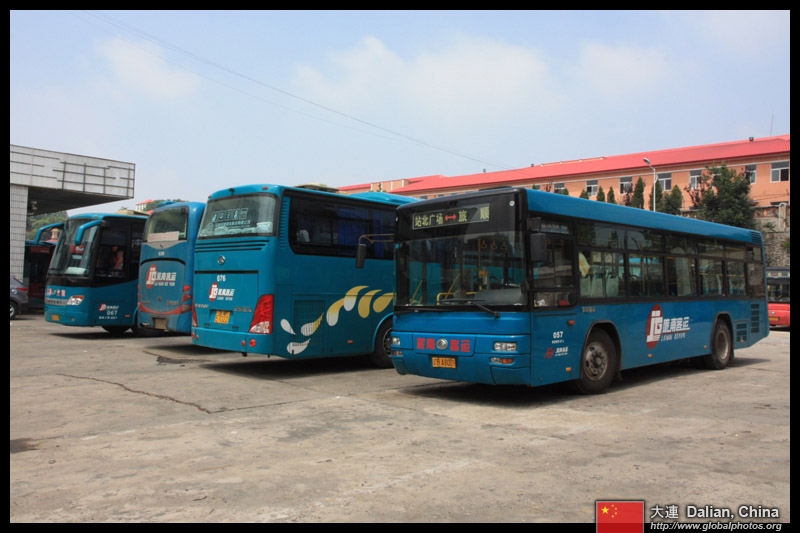
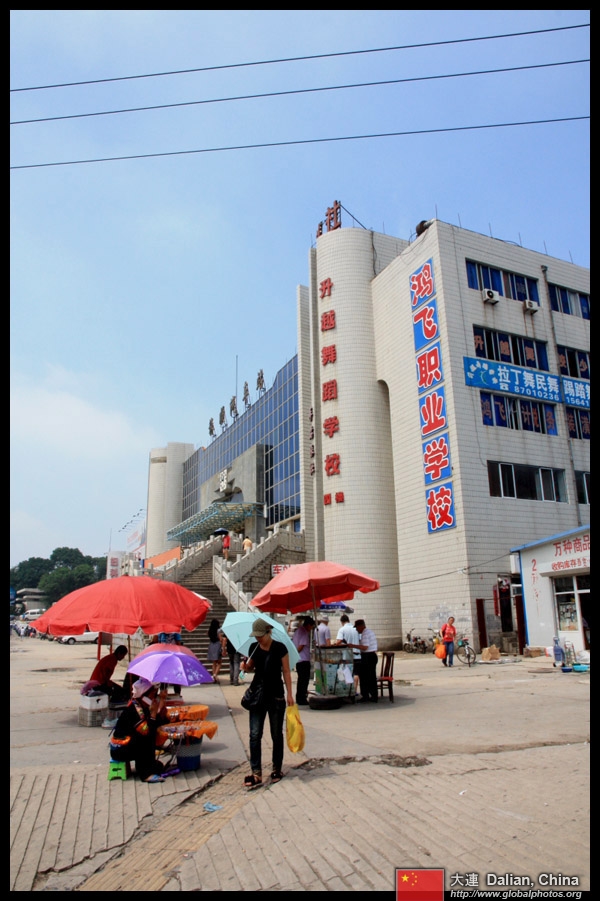
Lushun can be accessed by regular city bus from Dalian's railway station. Be sure to get a seat as it is a long 1-hour ride.
|
||
|
|
|
|
|
|
|
|
||
|
|
|
|
|
|
|
|
|
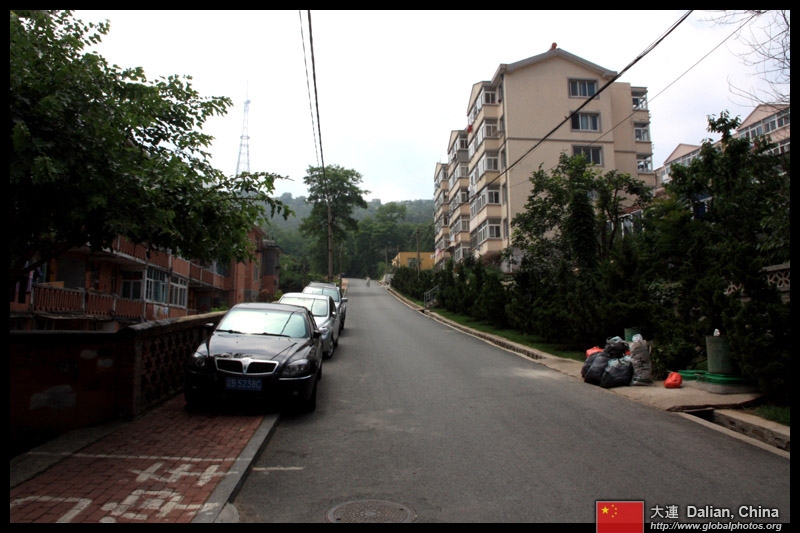
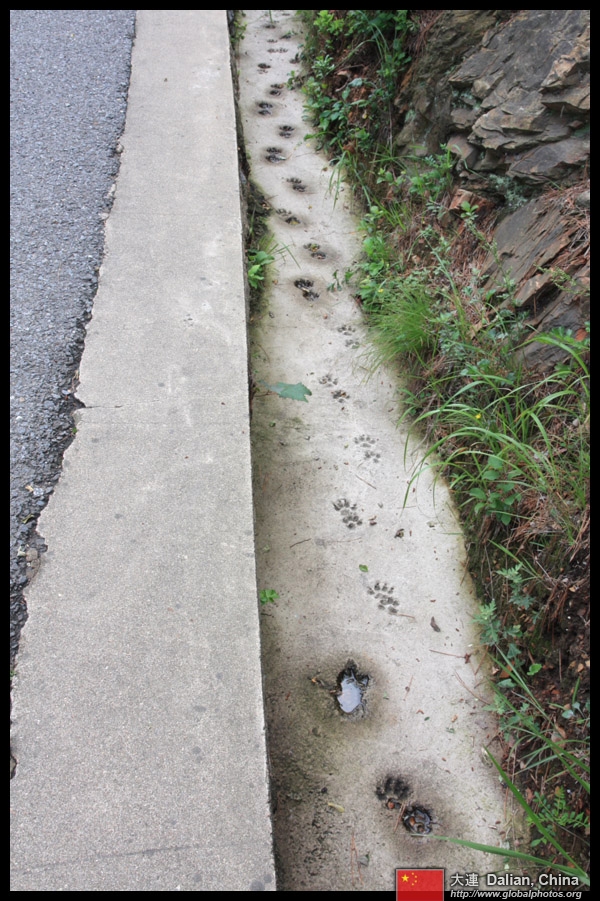
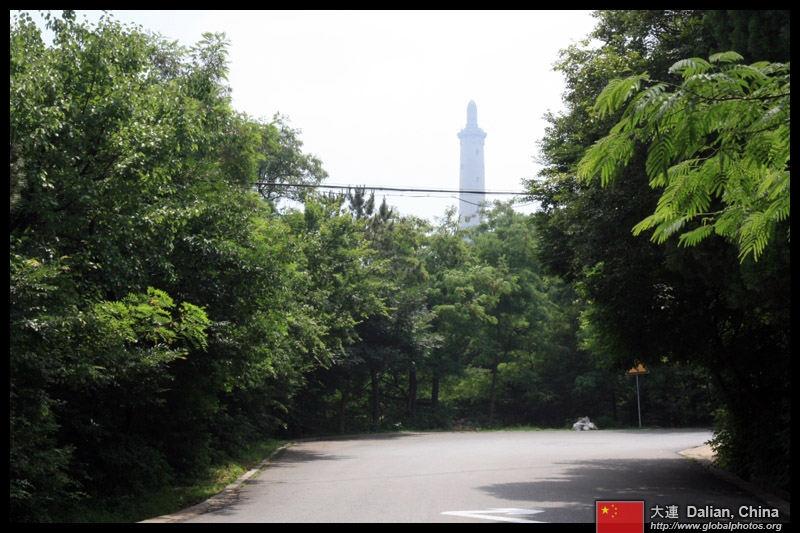
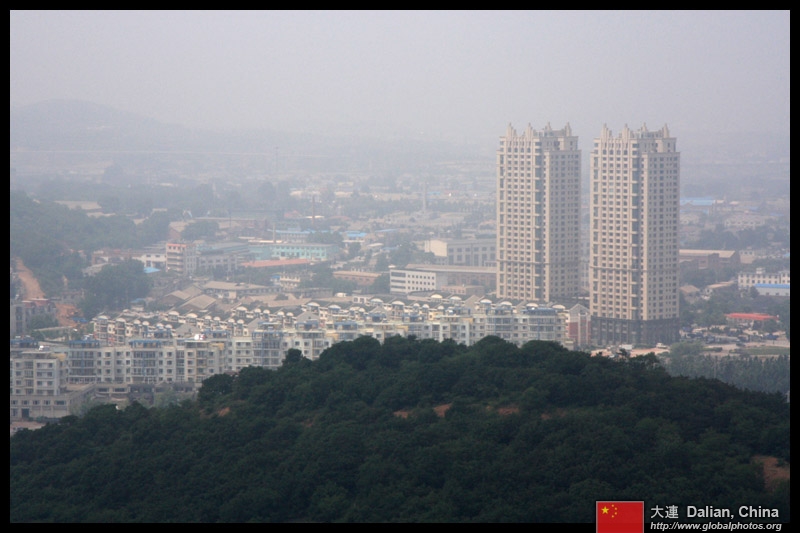
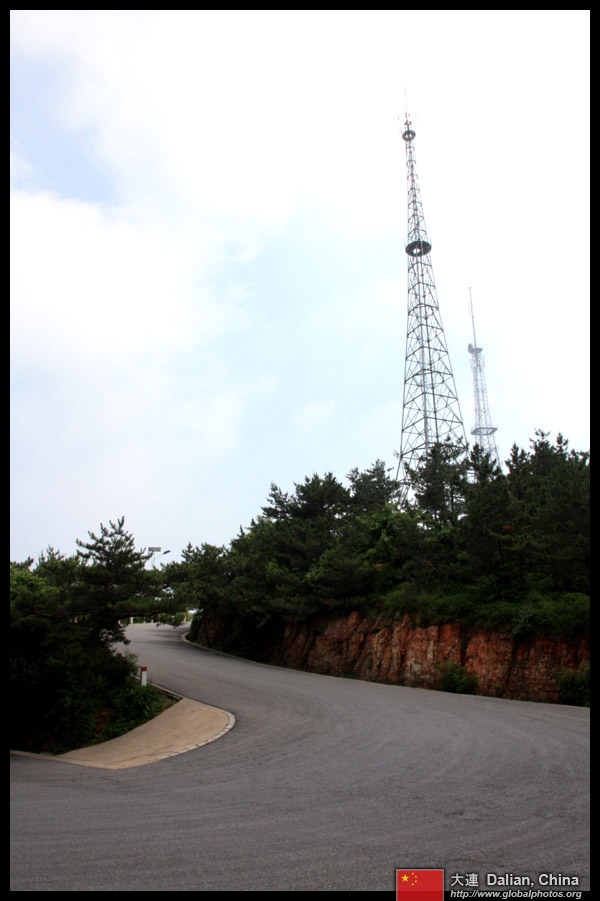
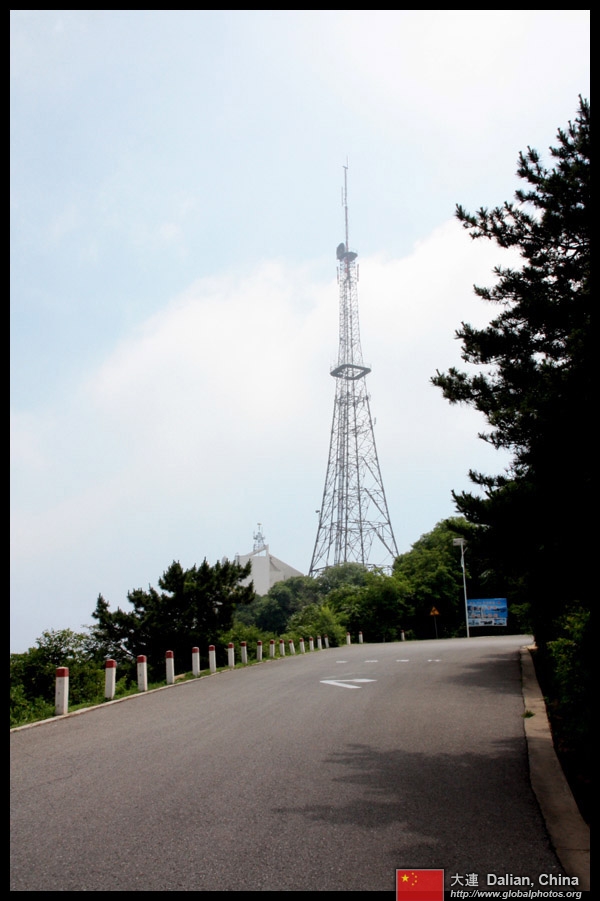
It was an arduous climb uphill to the park. I should have responded to the taxi driver, who was trying to fill up his vehicle for the ride up.
|
||
|
|
|
|
|
|
|
|
|
|
|
||
|
|
|
|
|
|
|
|
|
|
|
||
|
|
|
|
|
|
|
|
|
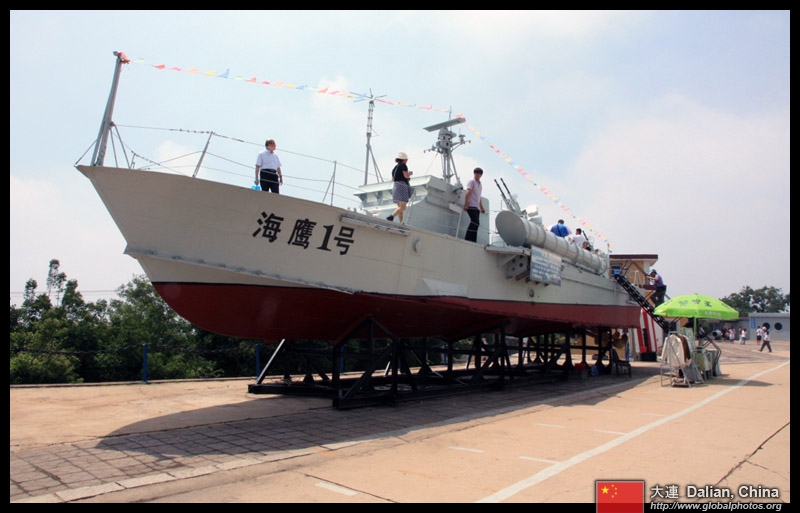
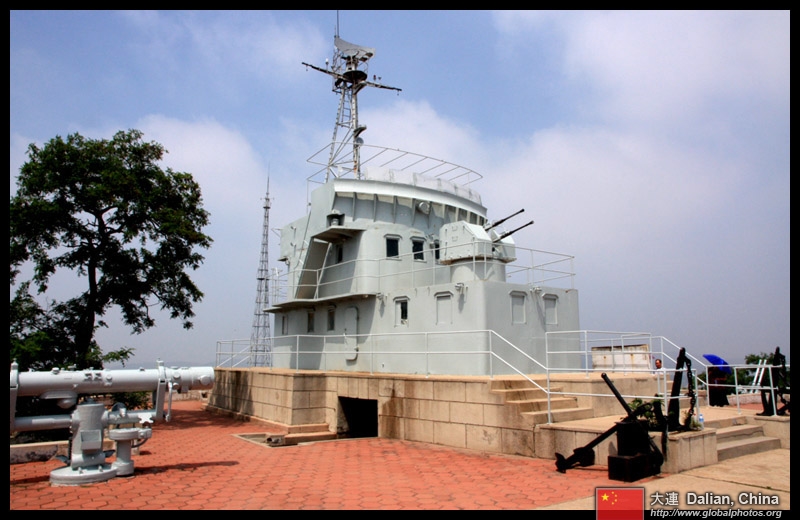
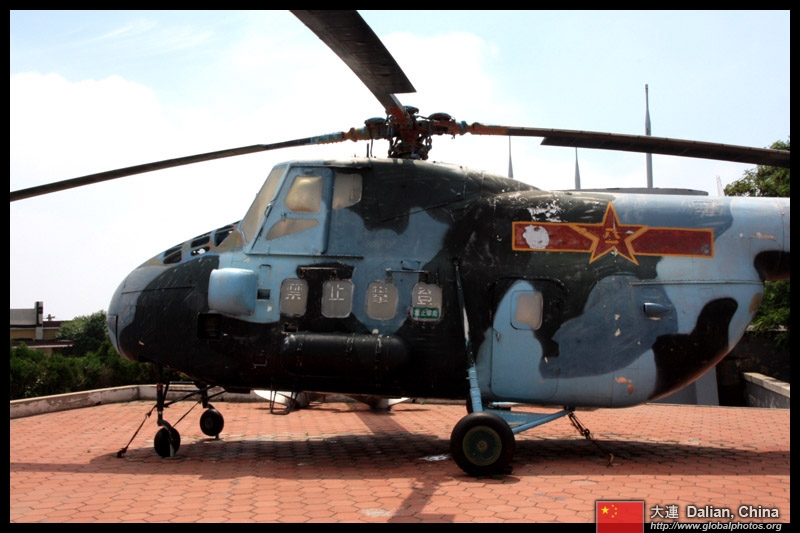
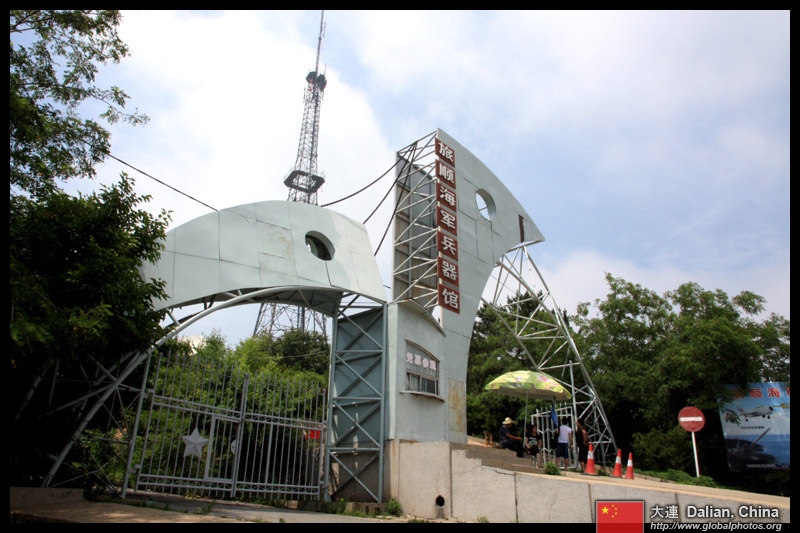
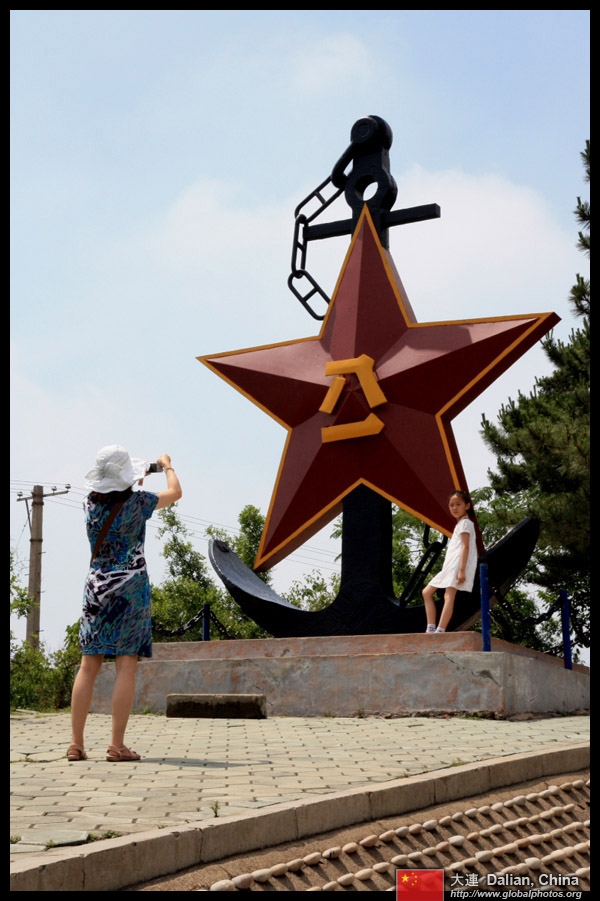
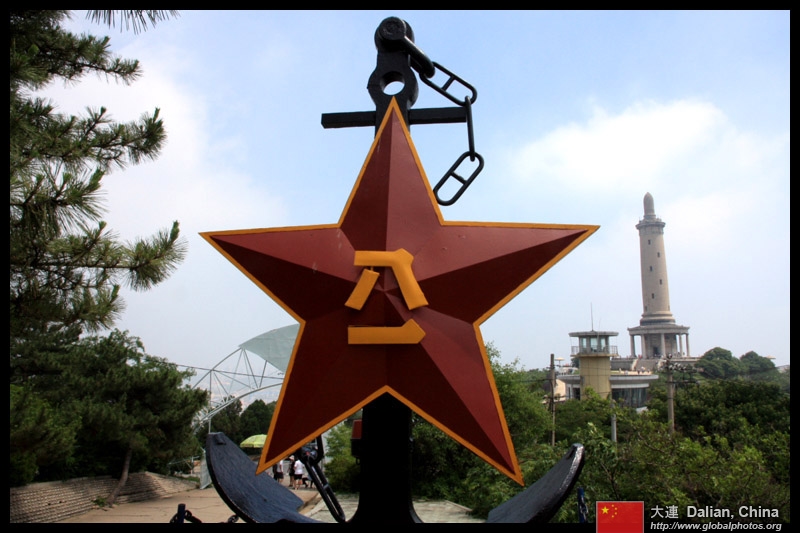
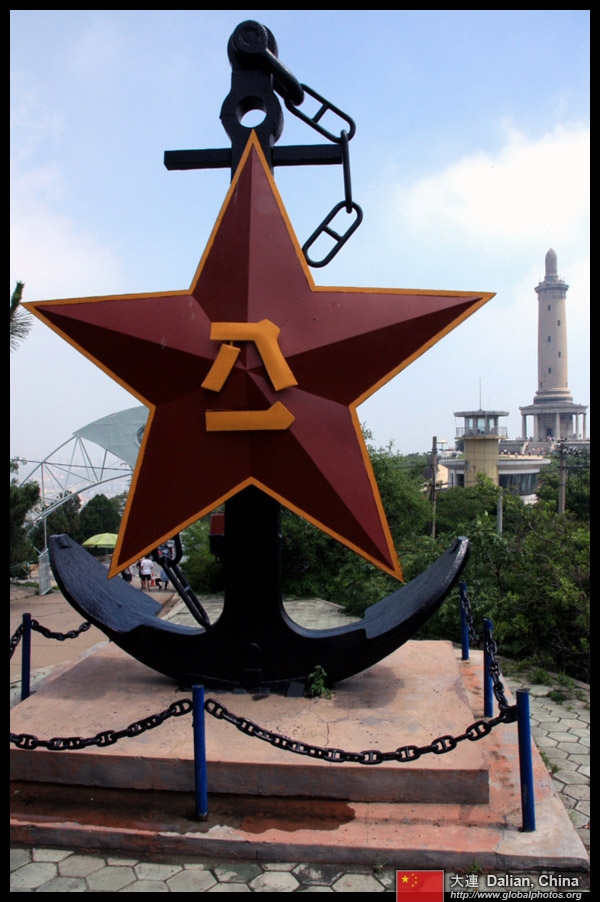
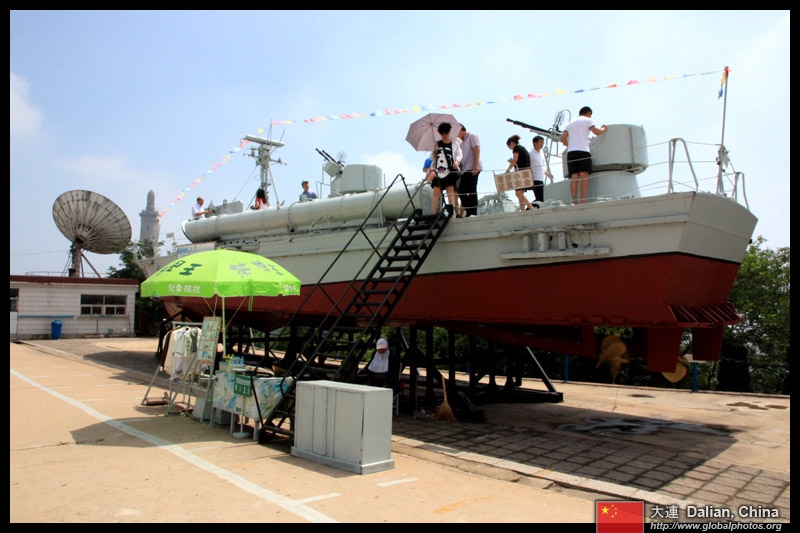
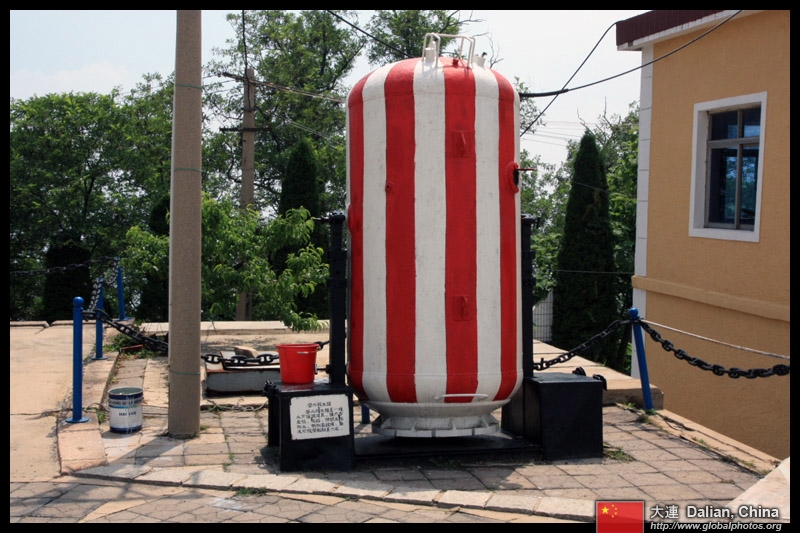
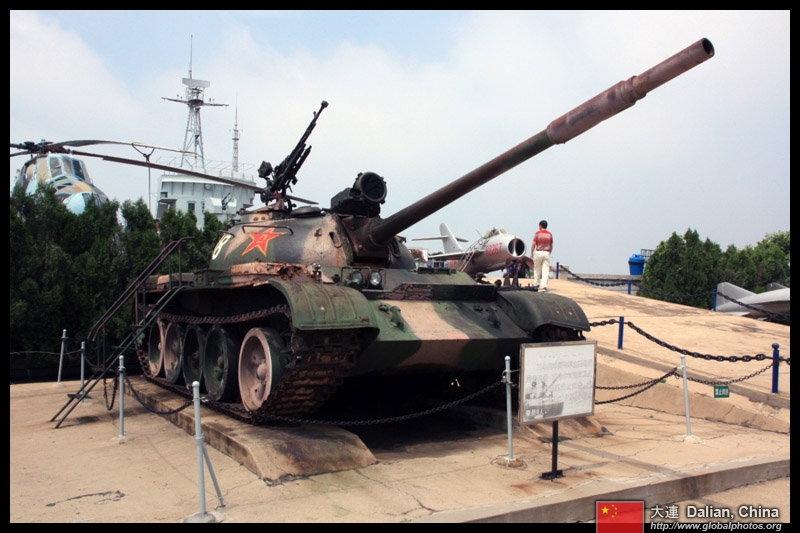
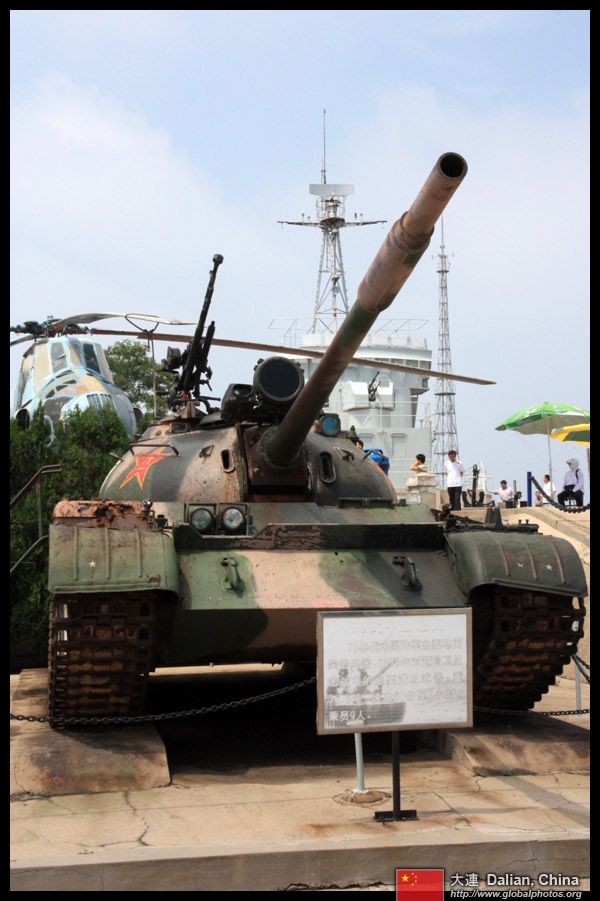
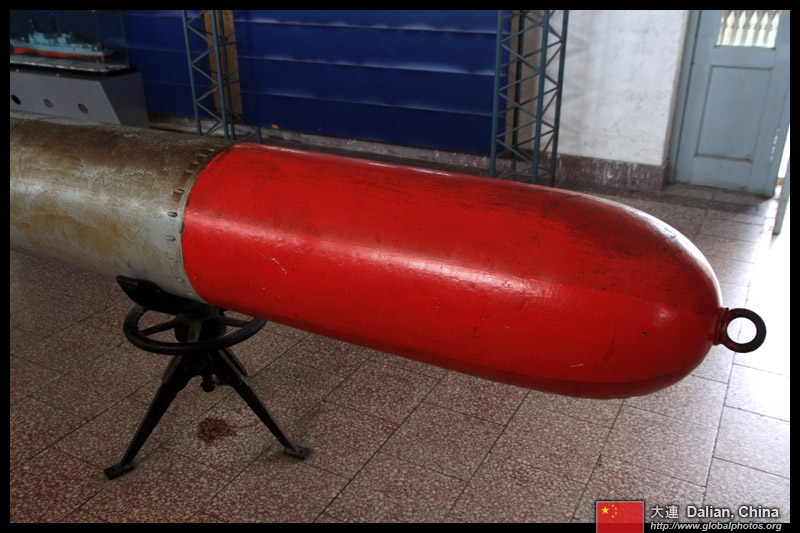
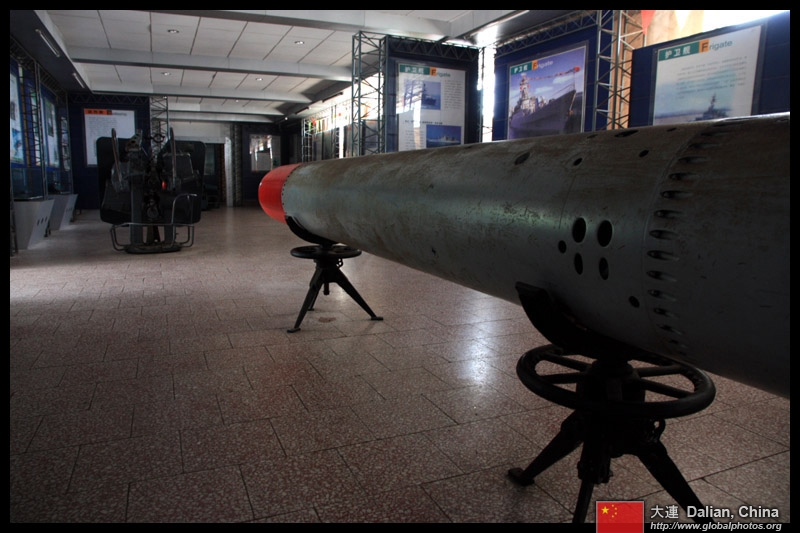
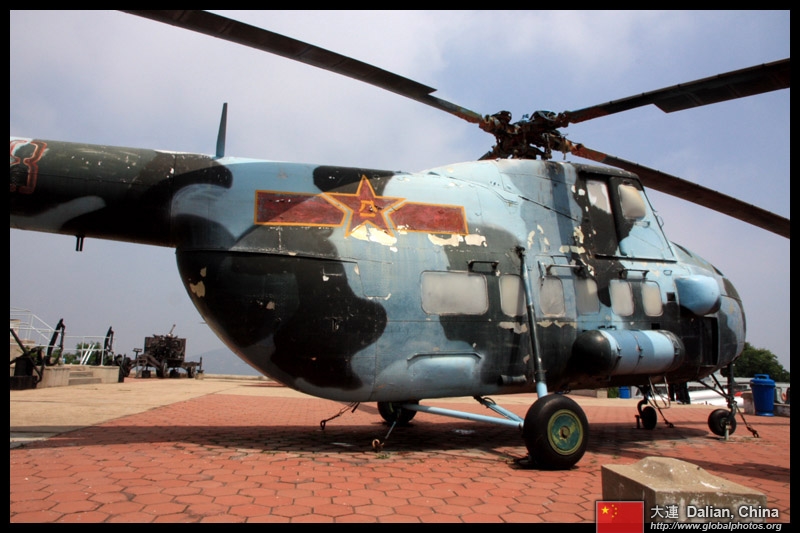
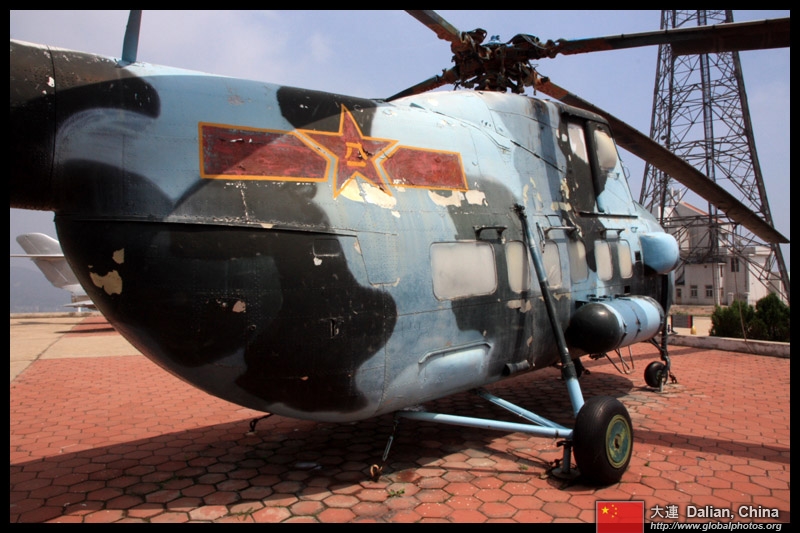
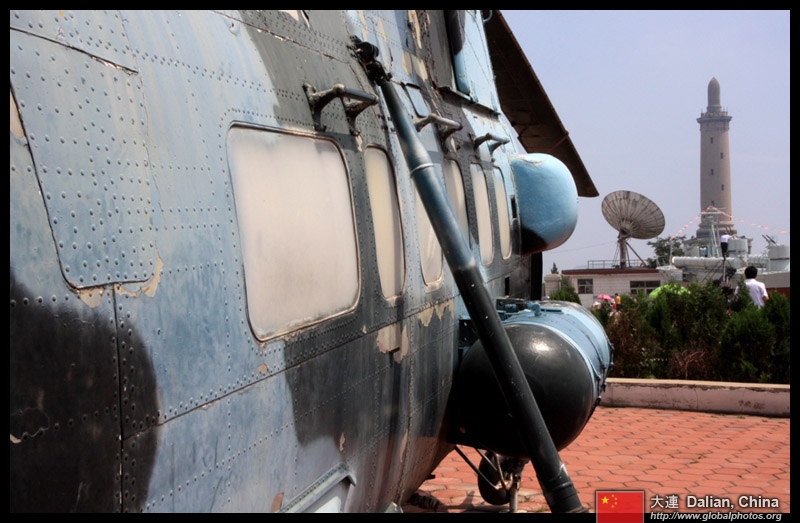
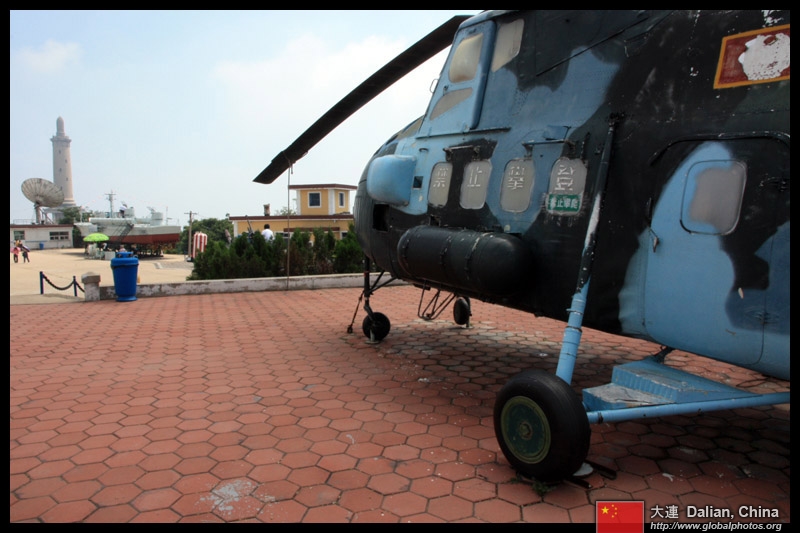
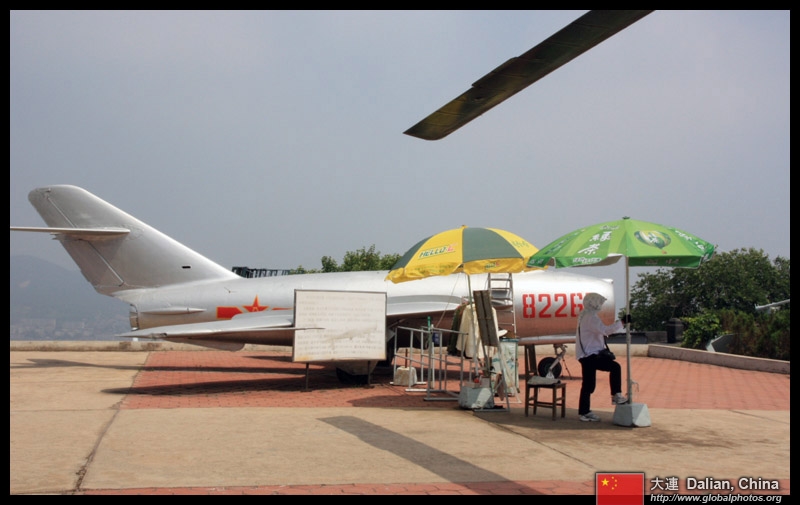
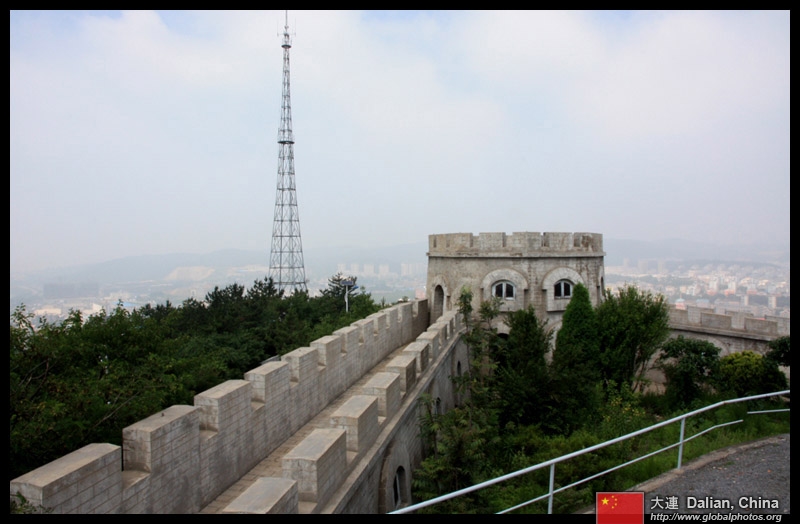
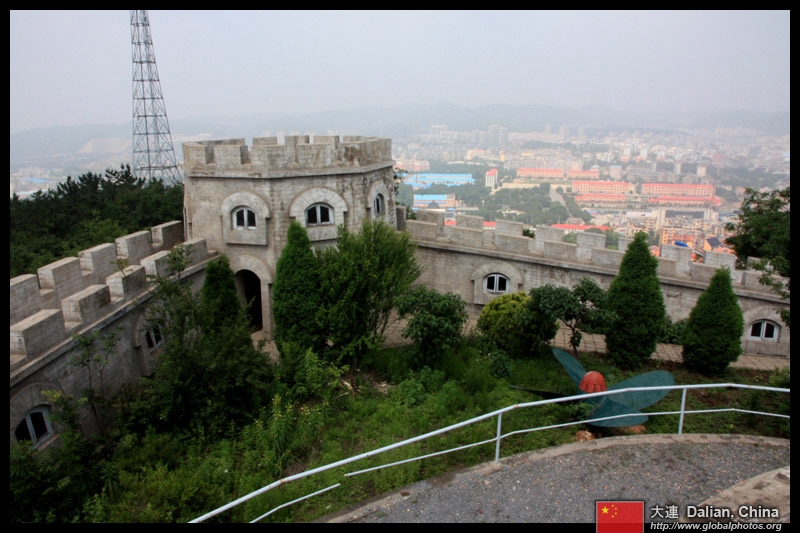
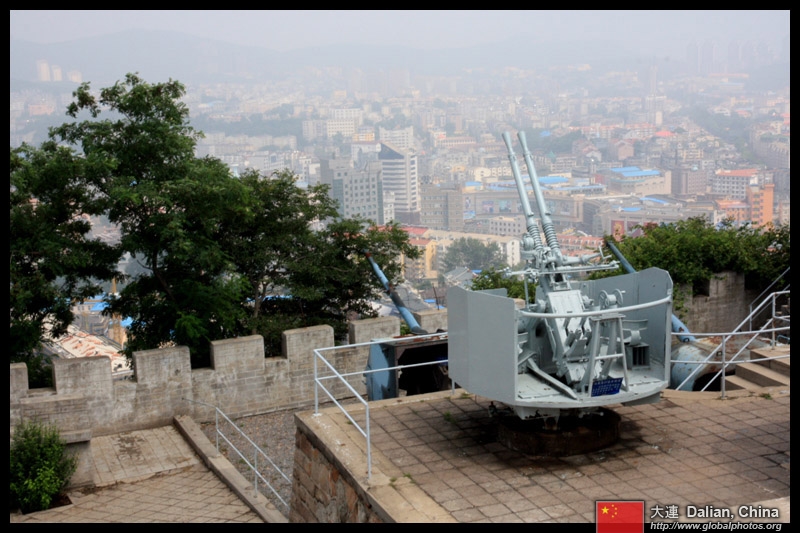
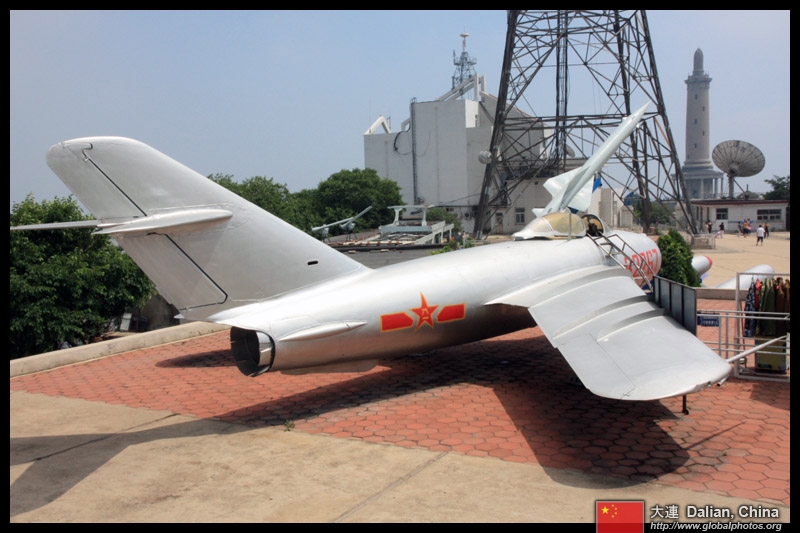
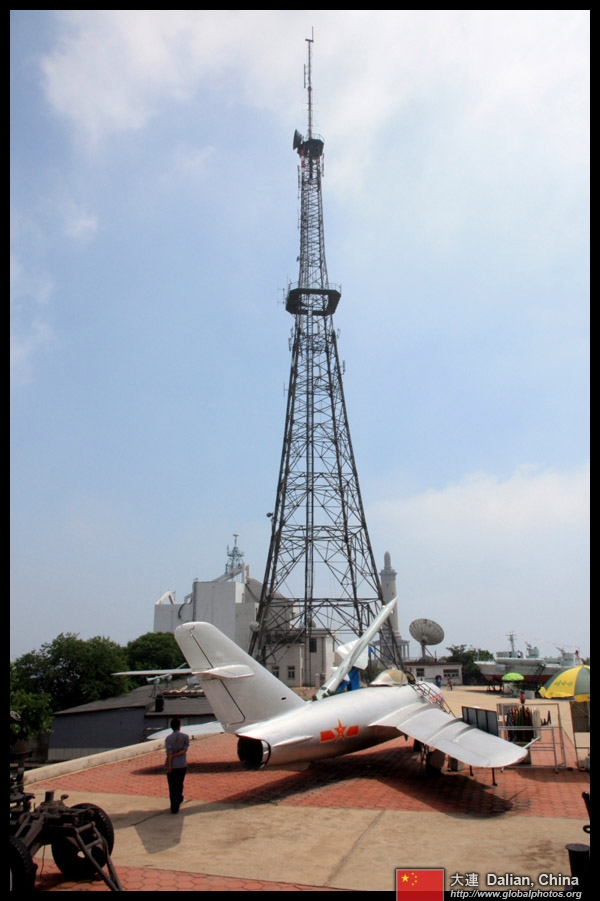
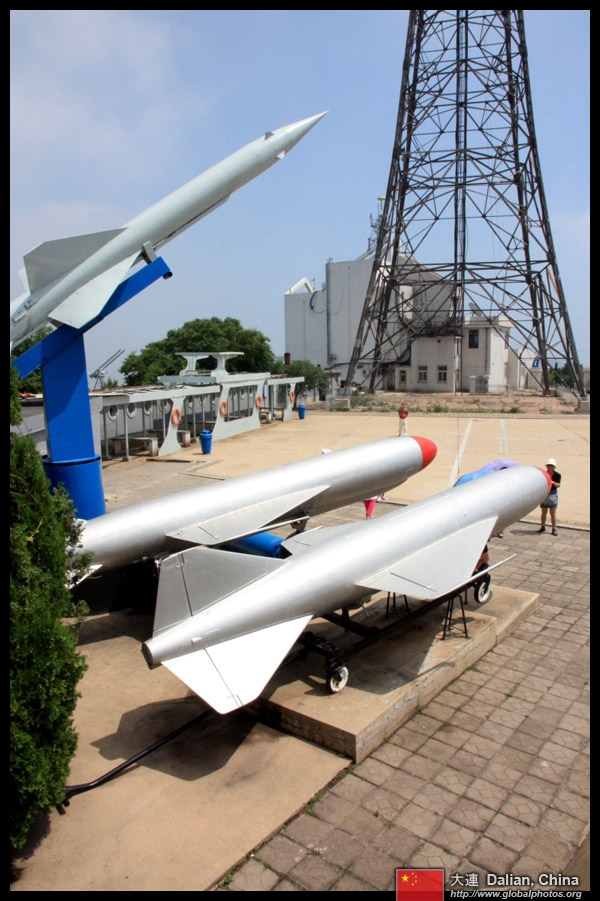
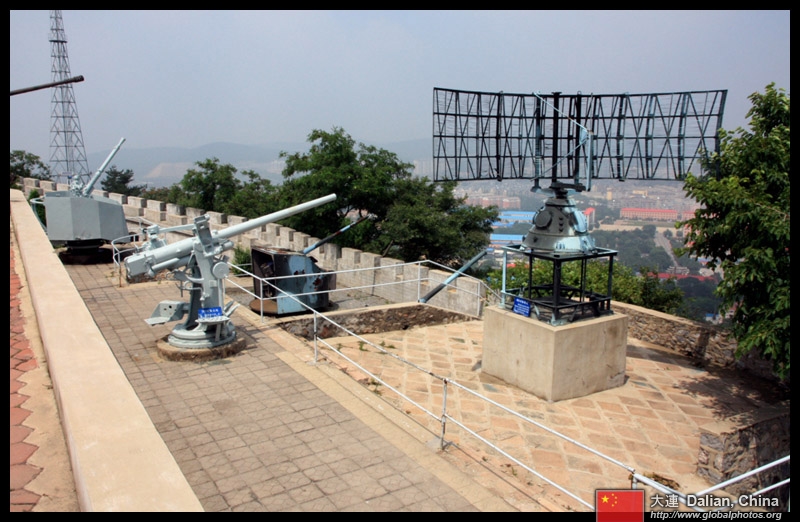
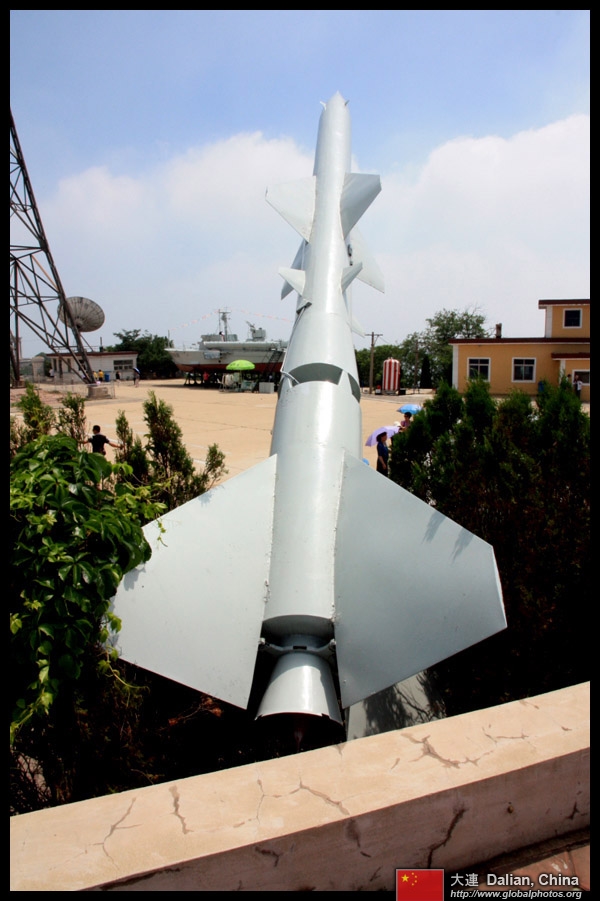
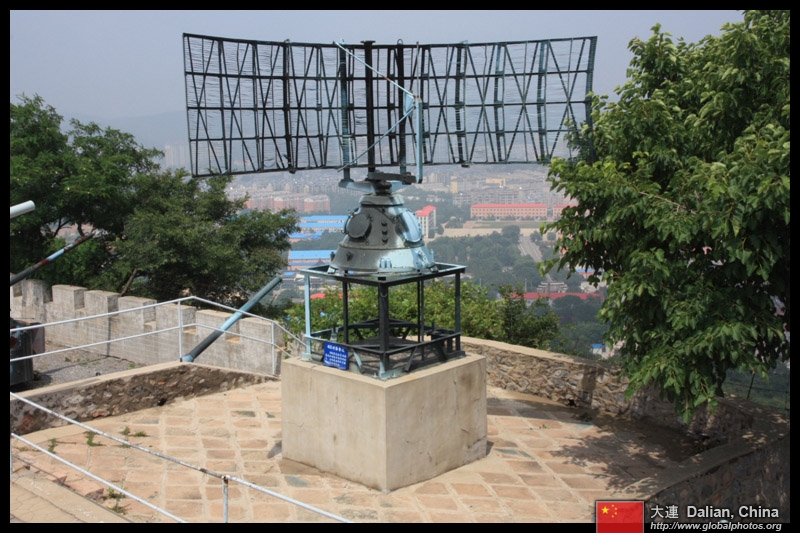
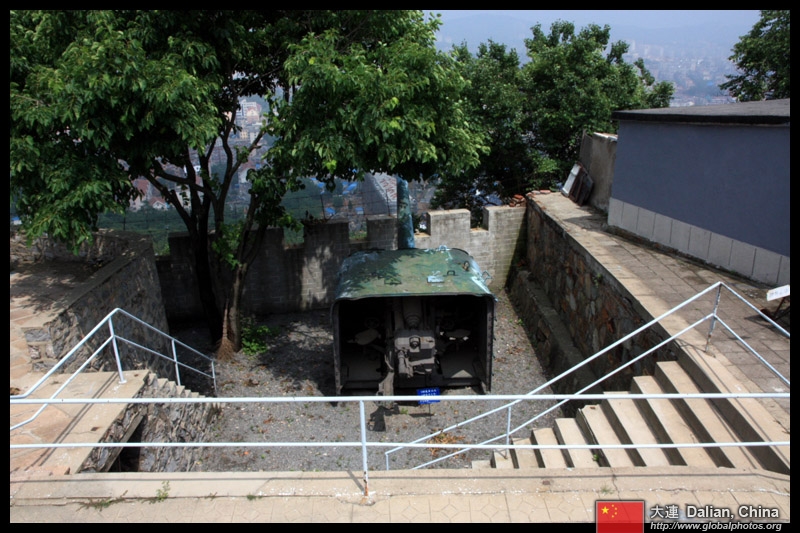
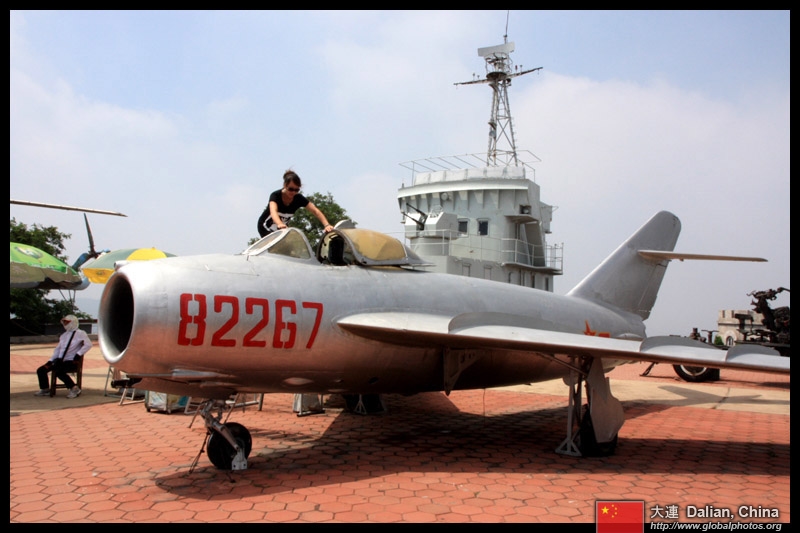
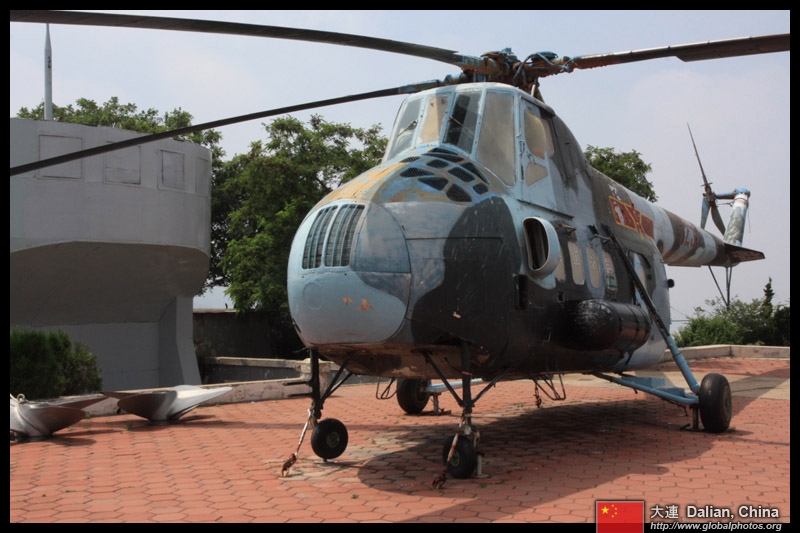
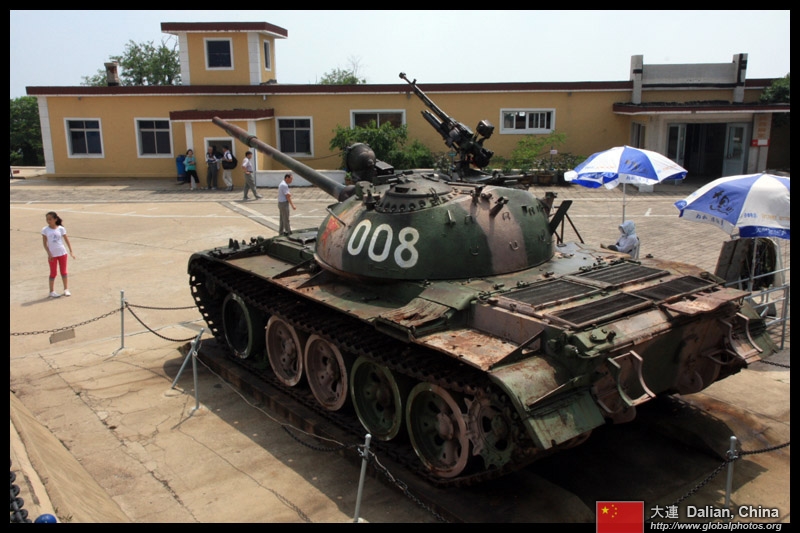
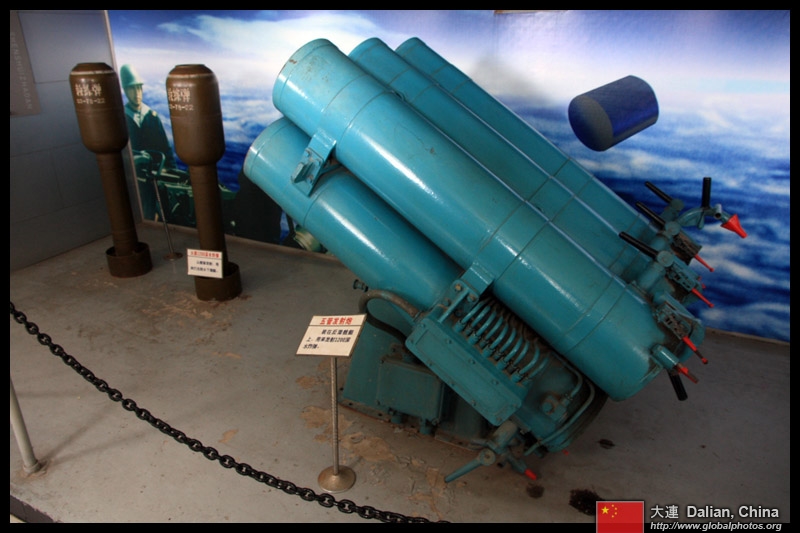
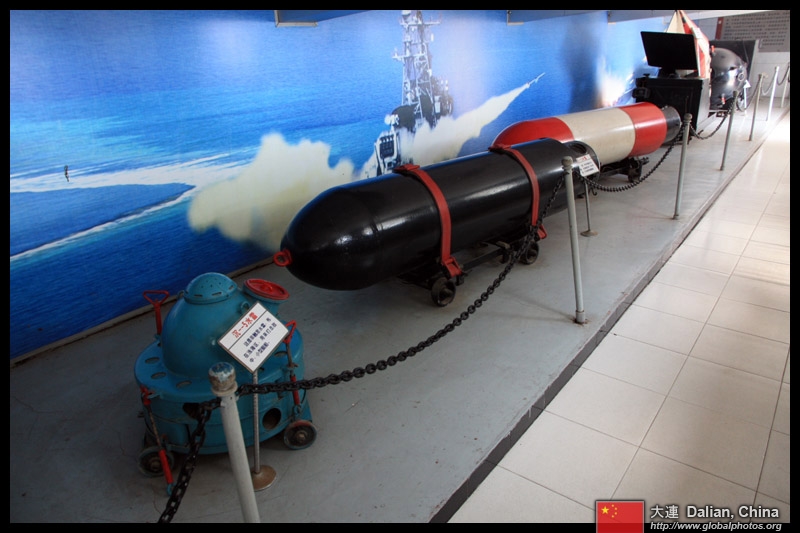
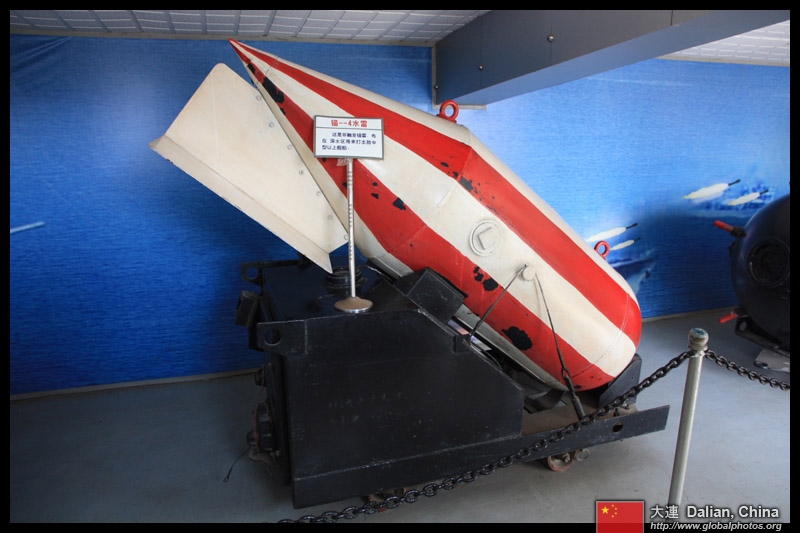
After paying a steep admission to enter the park, my first stop was a tacky military museum showcasing some aged equipment.
|
||
|
|
|
|
|
|
|
|
|
|
|
||
|
|
|
|
|
|
|
|
|
|
|
||
|
|
|
|
|
|
|
|
|
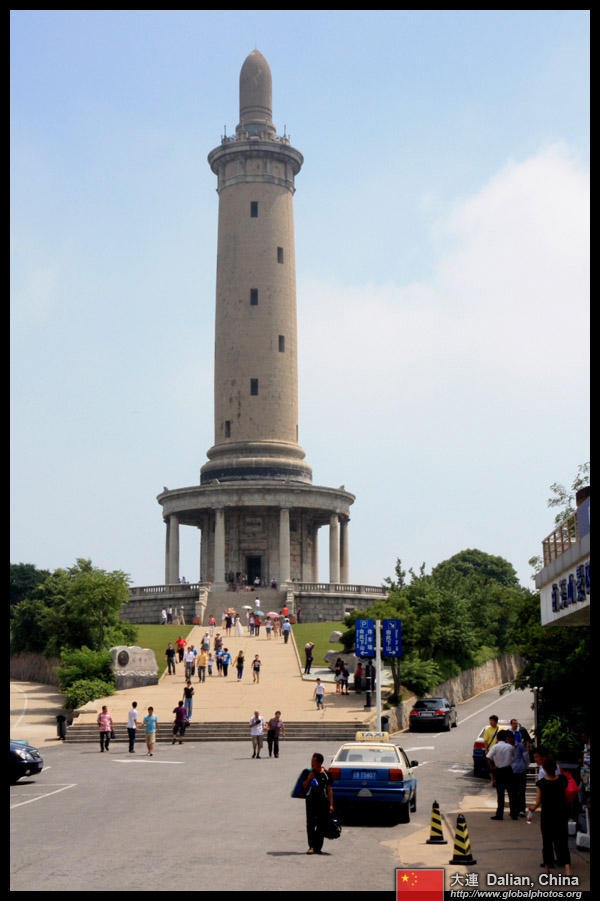
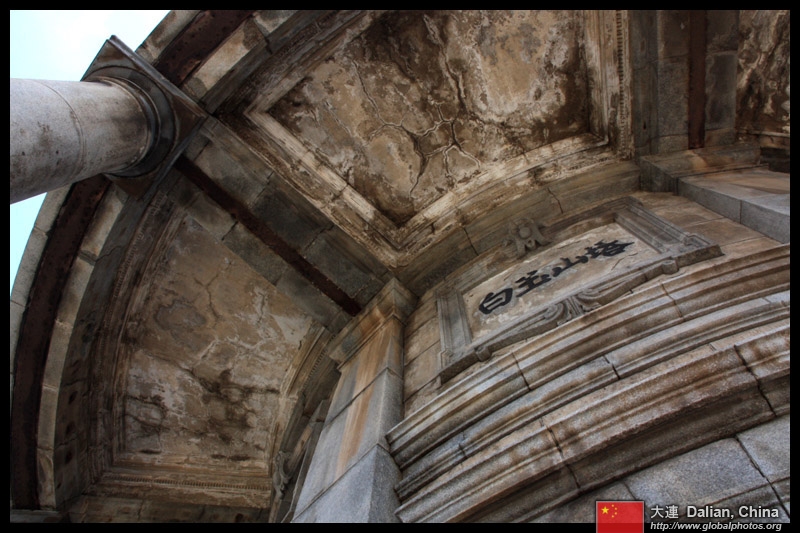
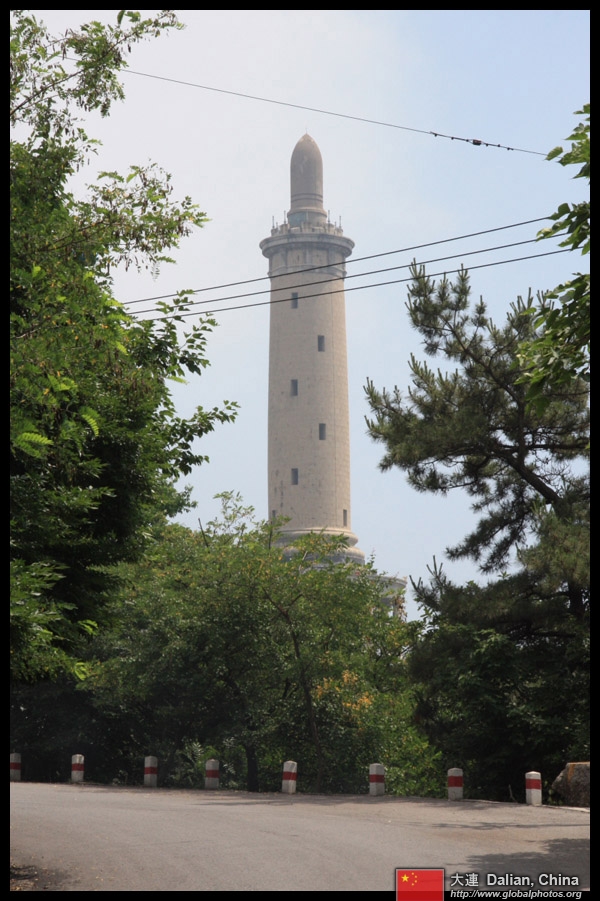
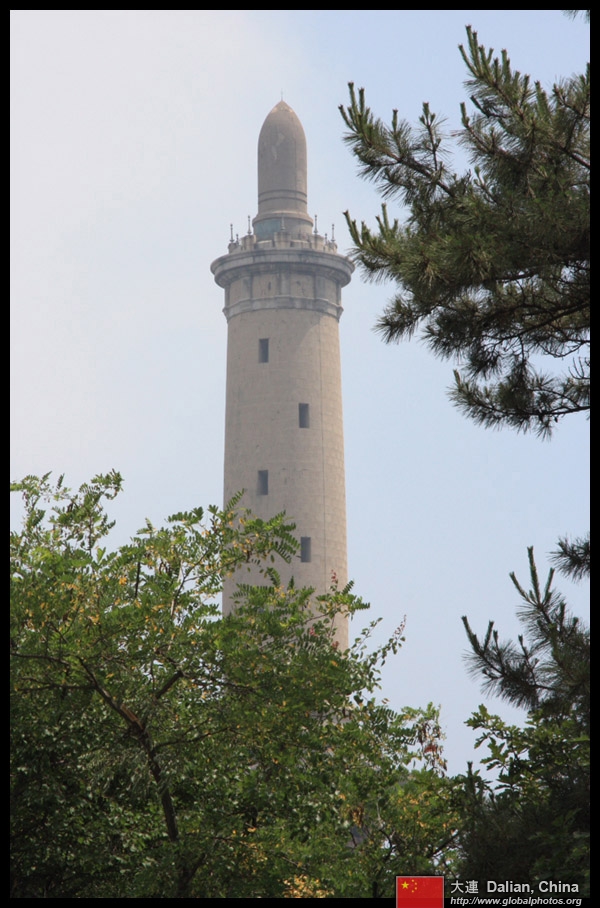
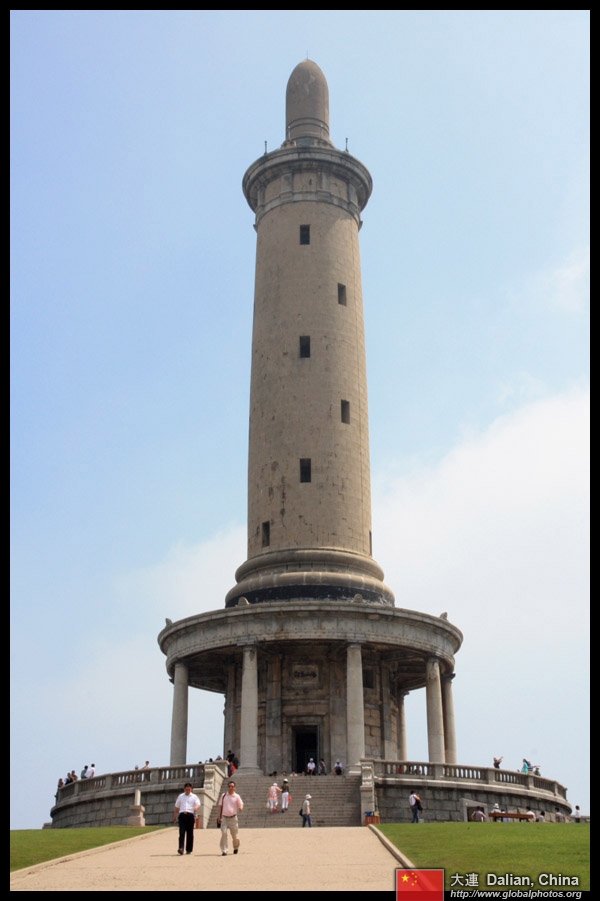
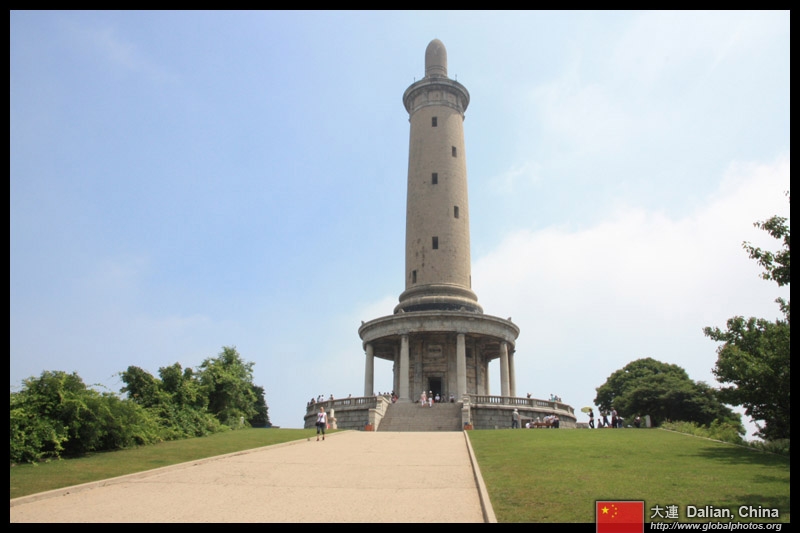
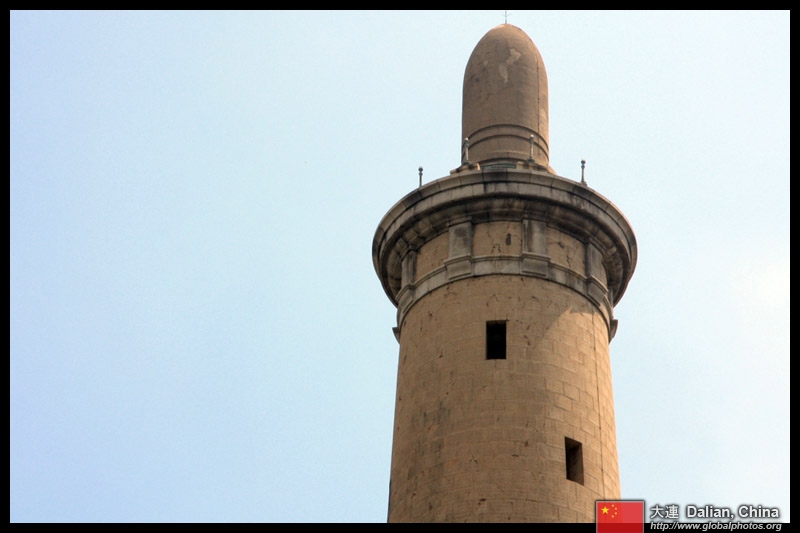
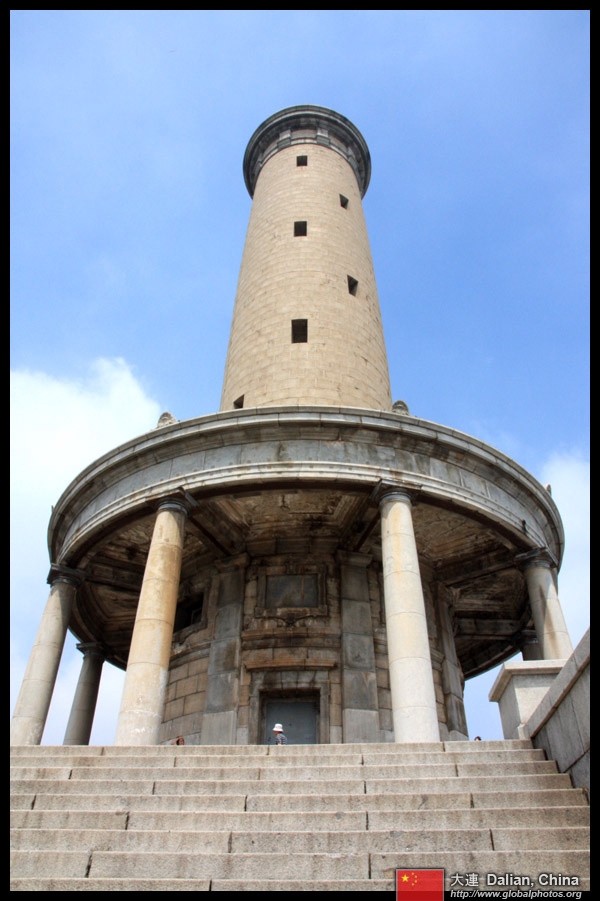
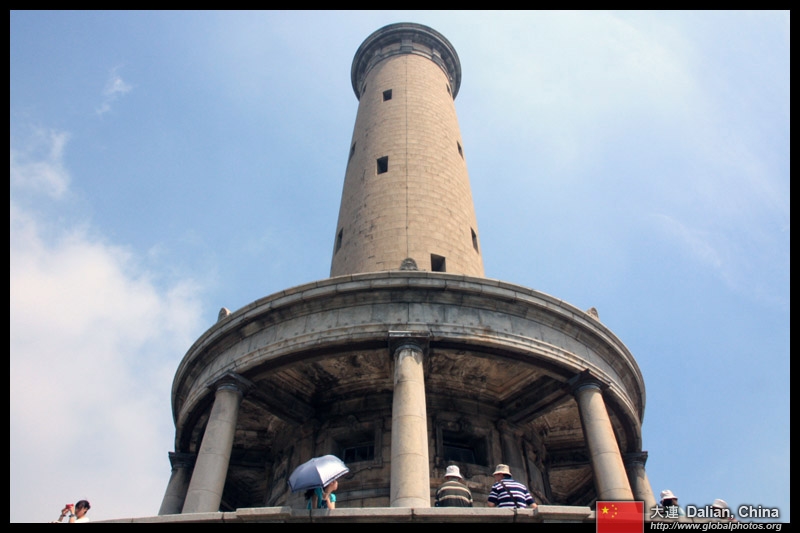
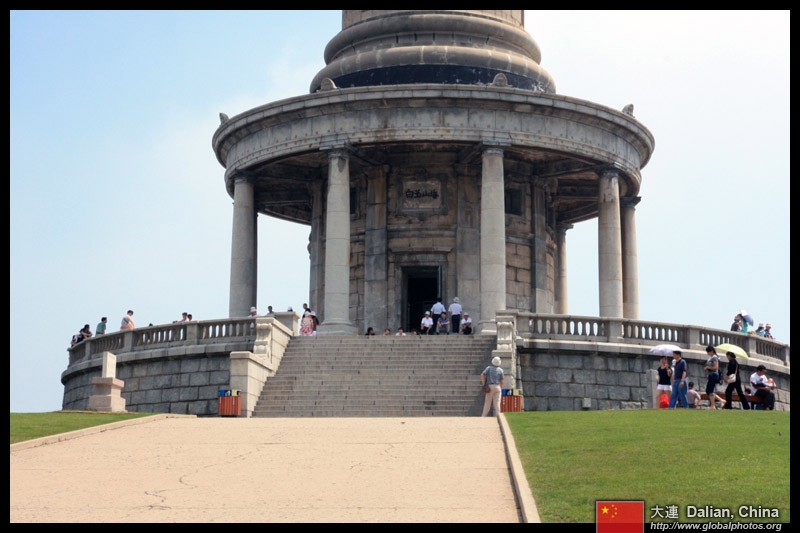
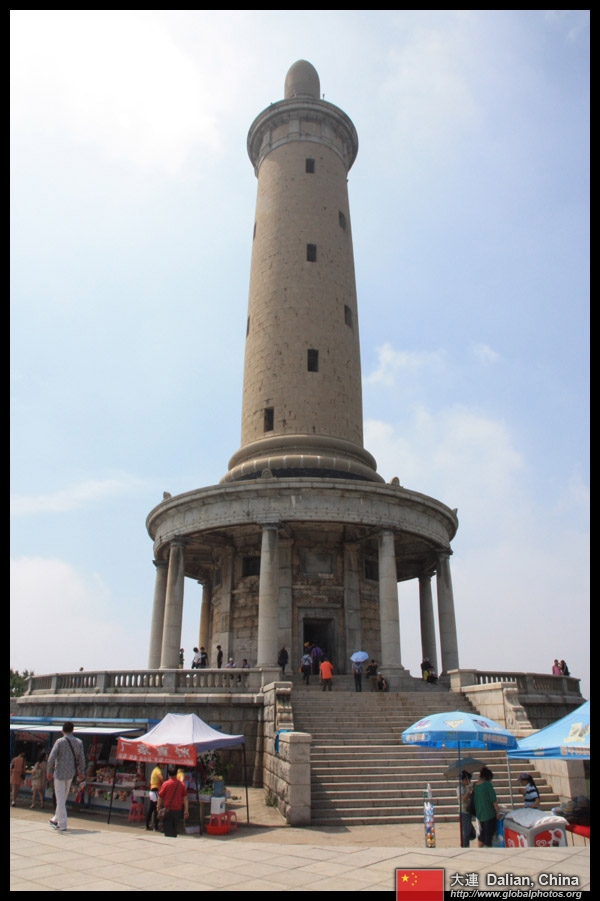
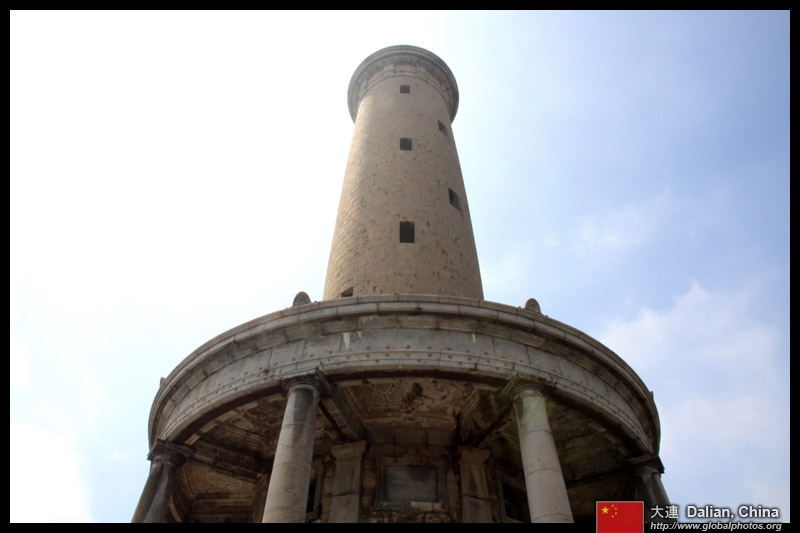
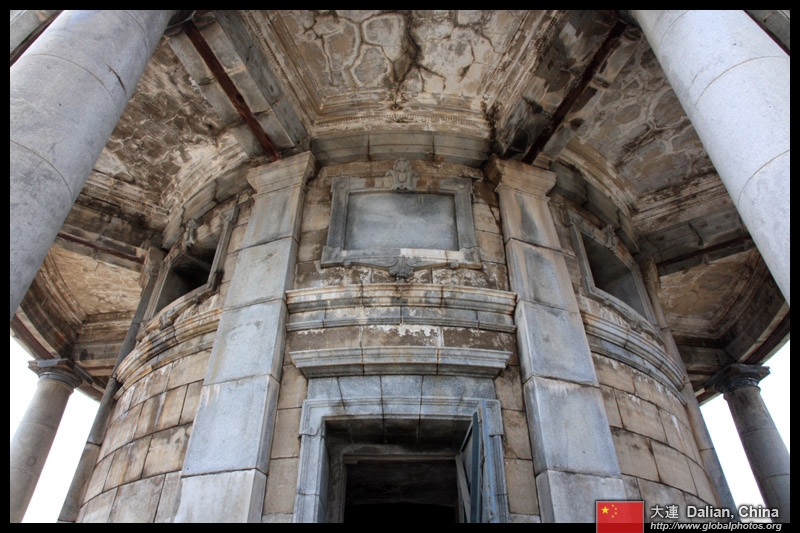
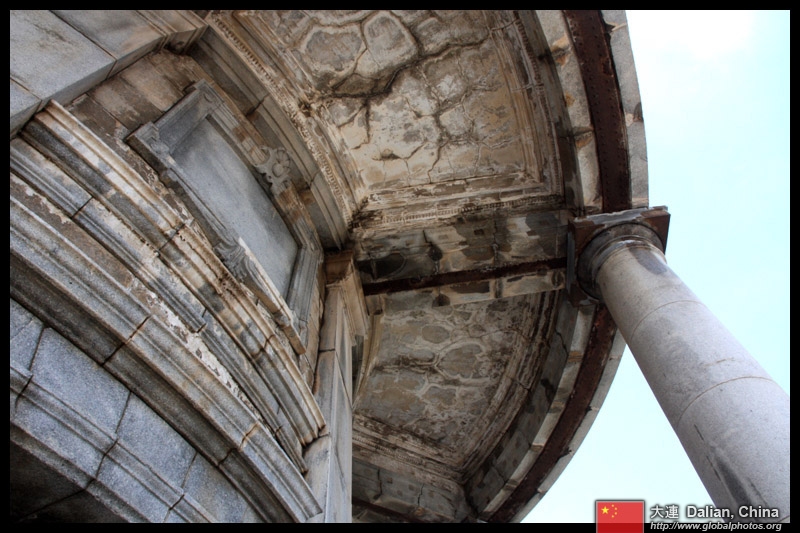
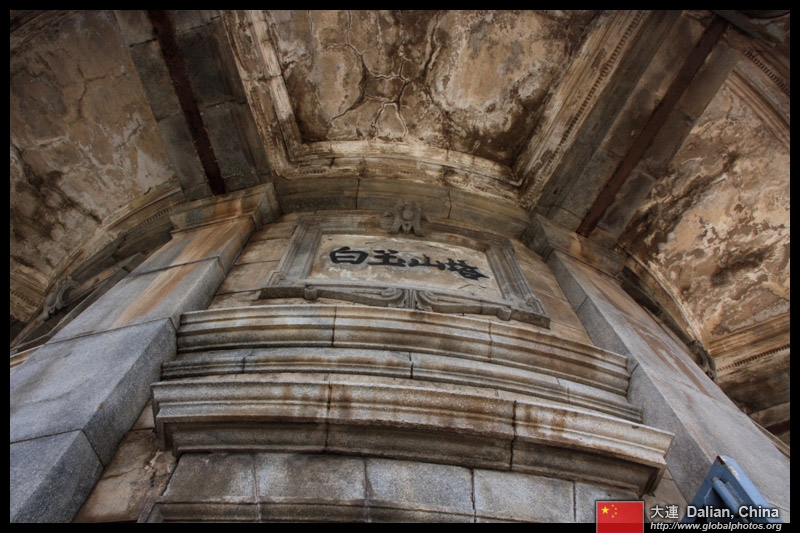
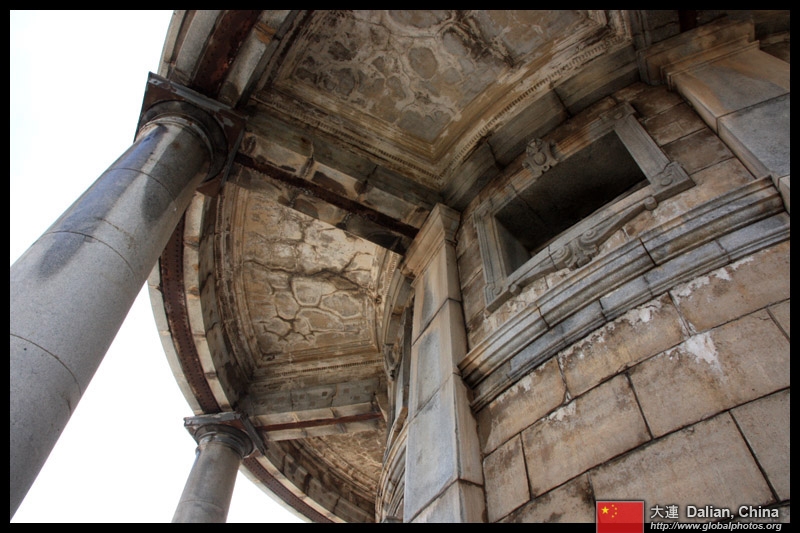
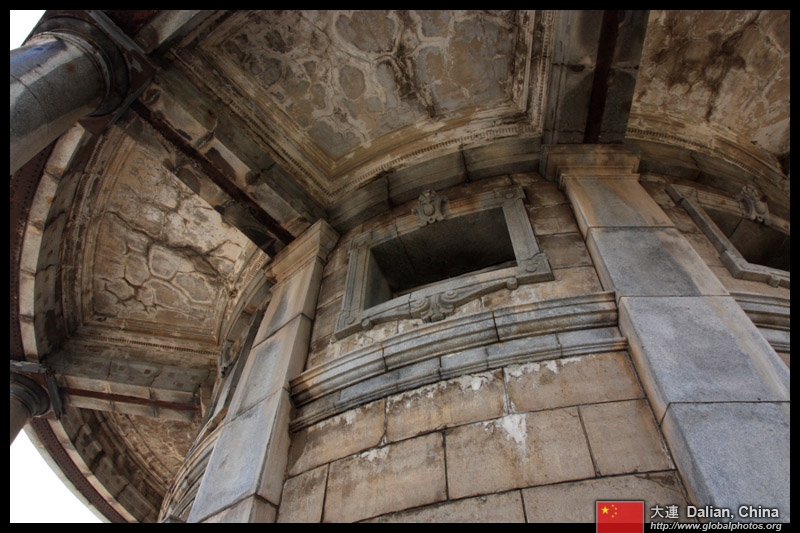
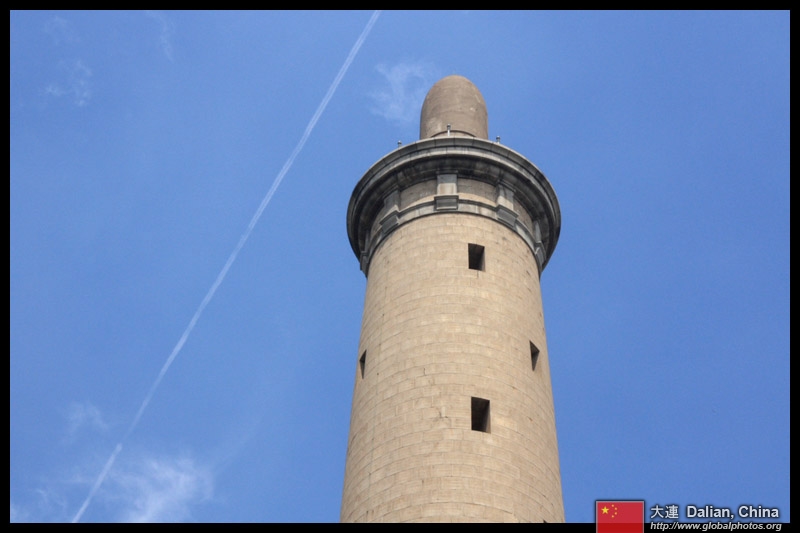
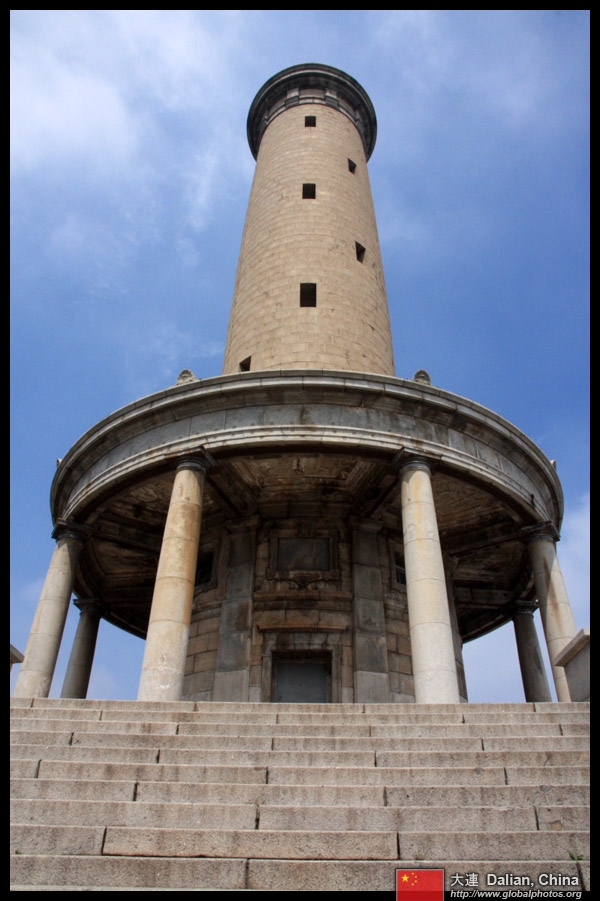
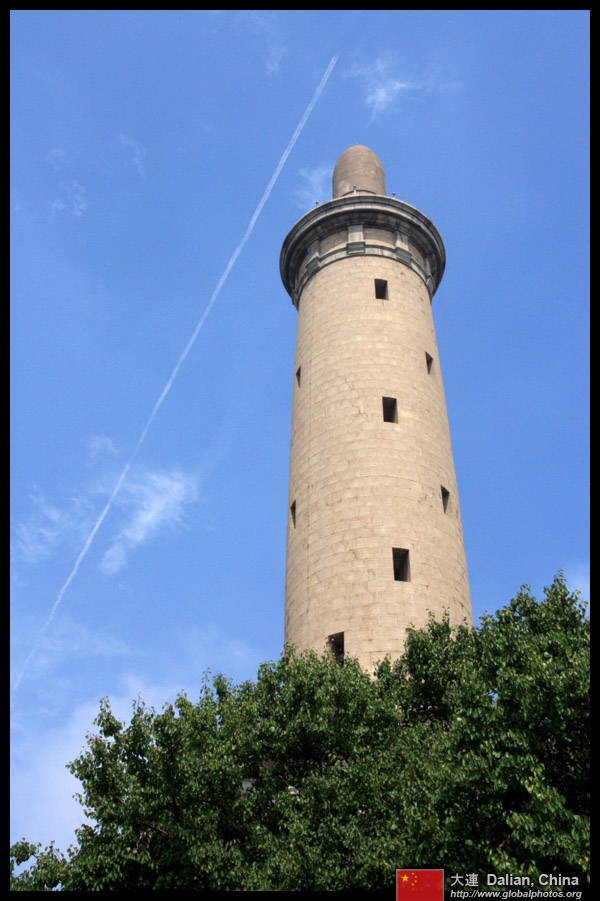
Baiyu Mountain Tower was built by the Japanese as a memorial for their war-dead. Standing at 67m, construction began in 1907 and the tower was completed in 1909.
|
||
|
|
|
|
|
|
|
|
|
|
|
||
|
|
|
|
|
|
|
||
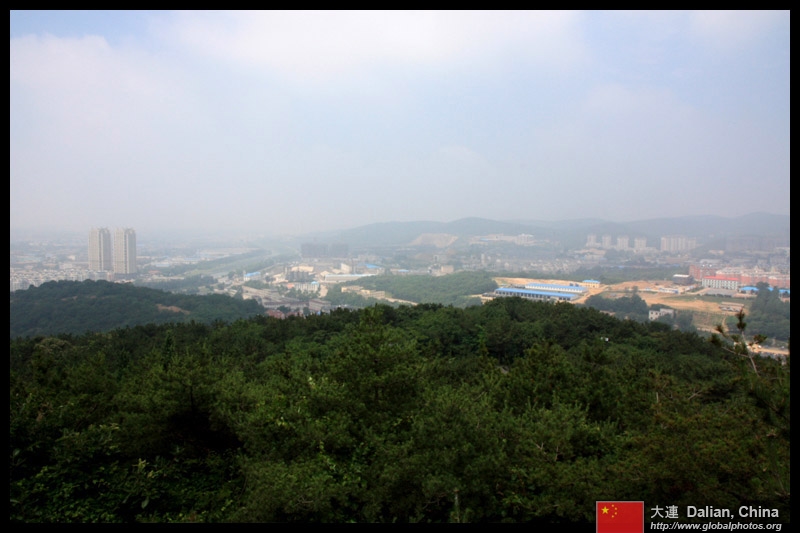
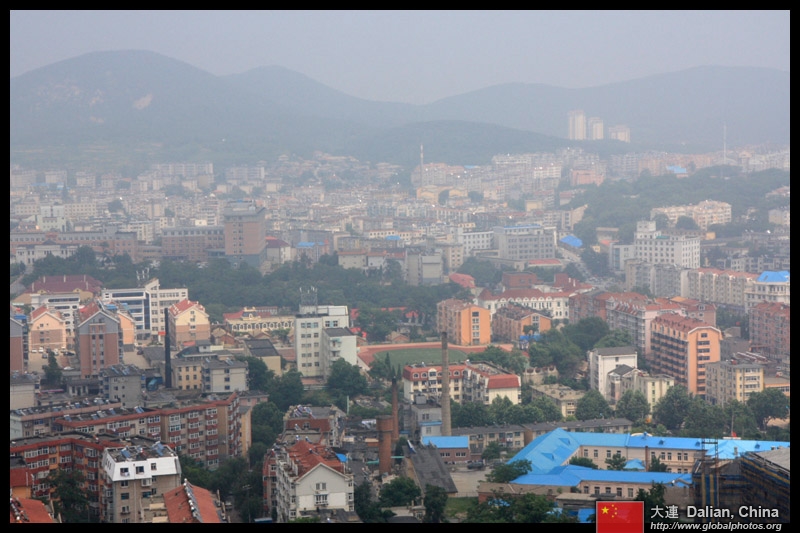
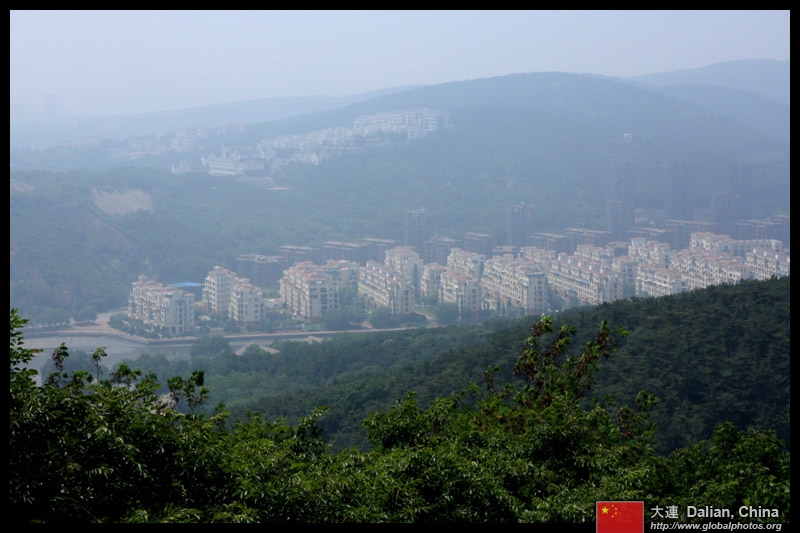
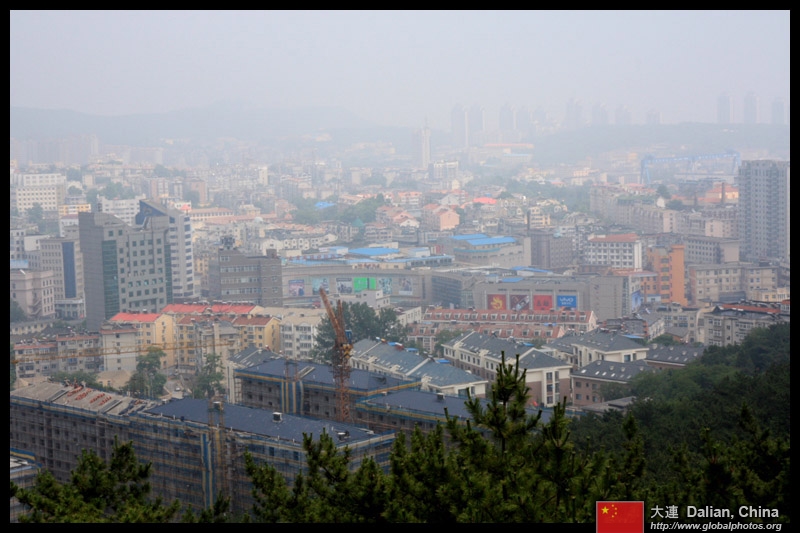
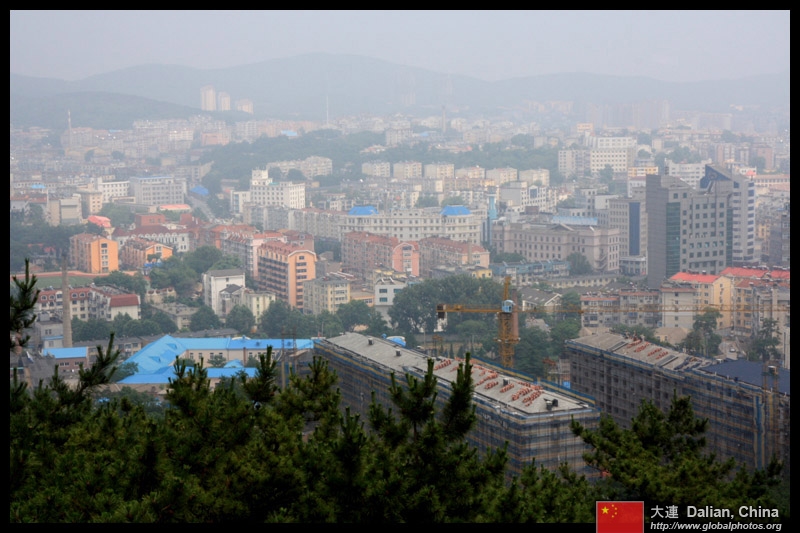
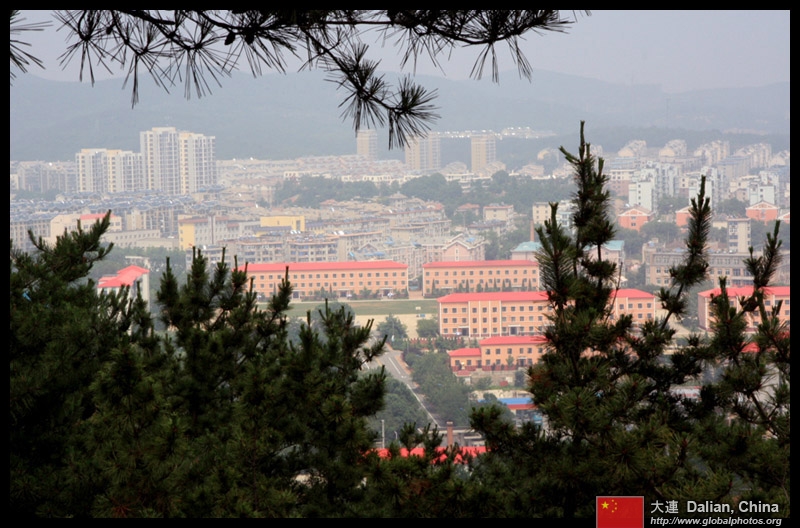
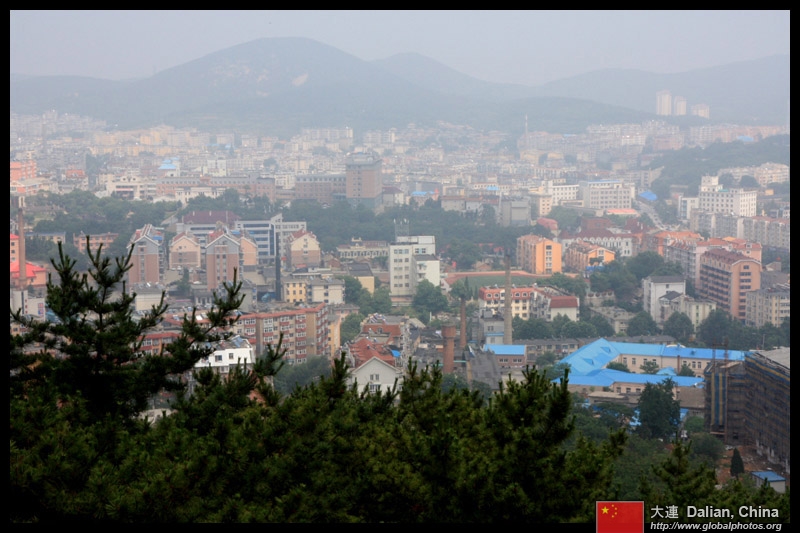
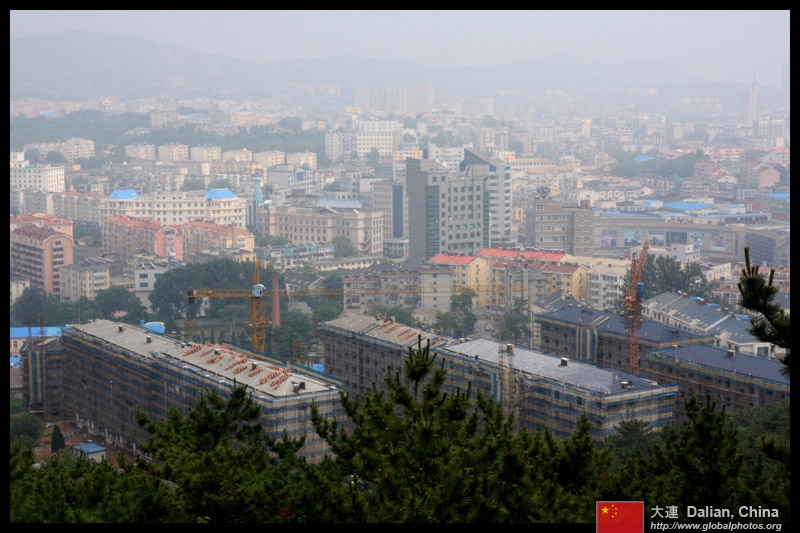
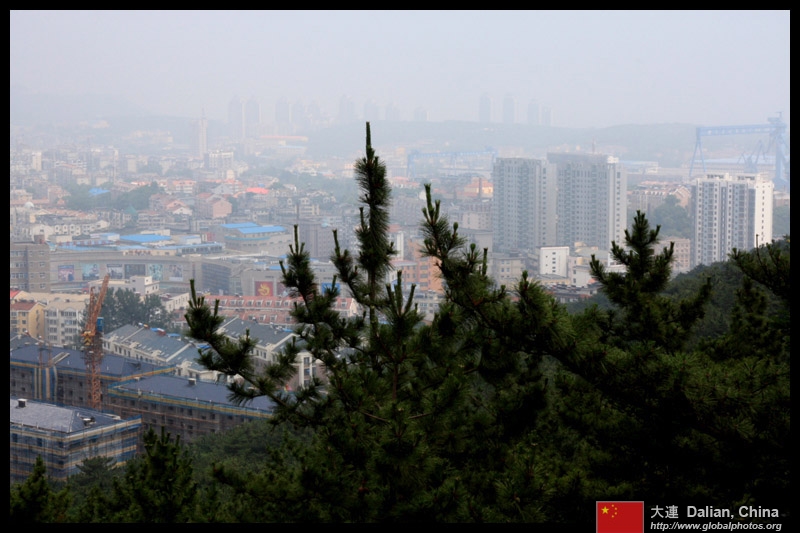
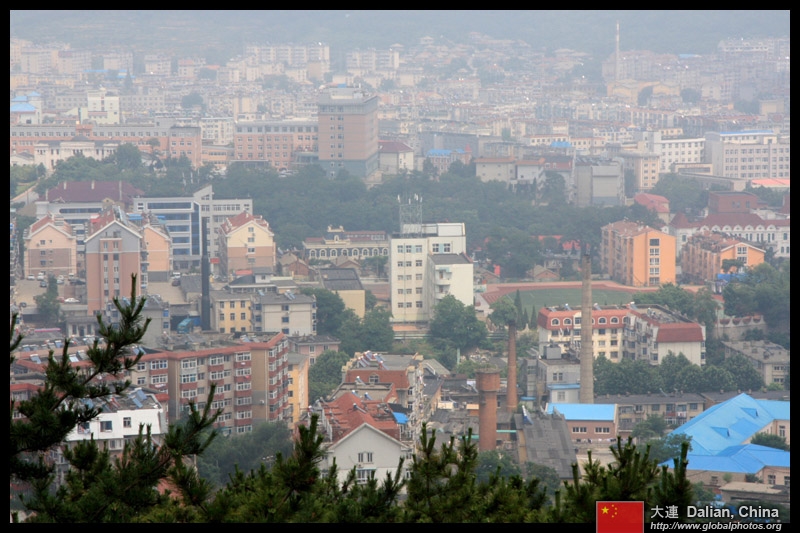
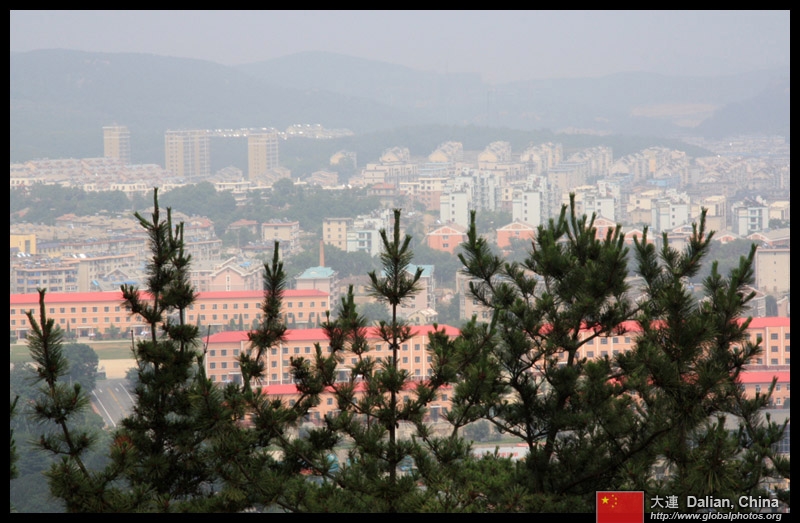
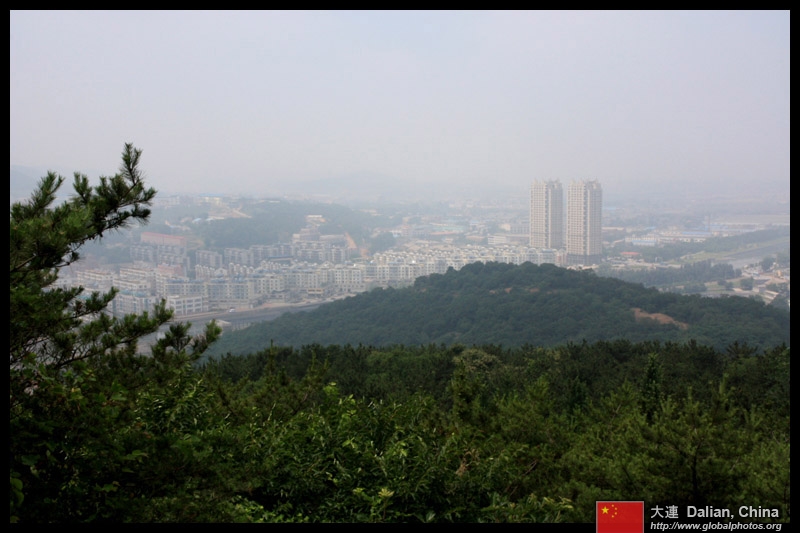
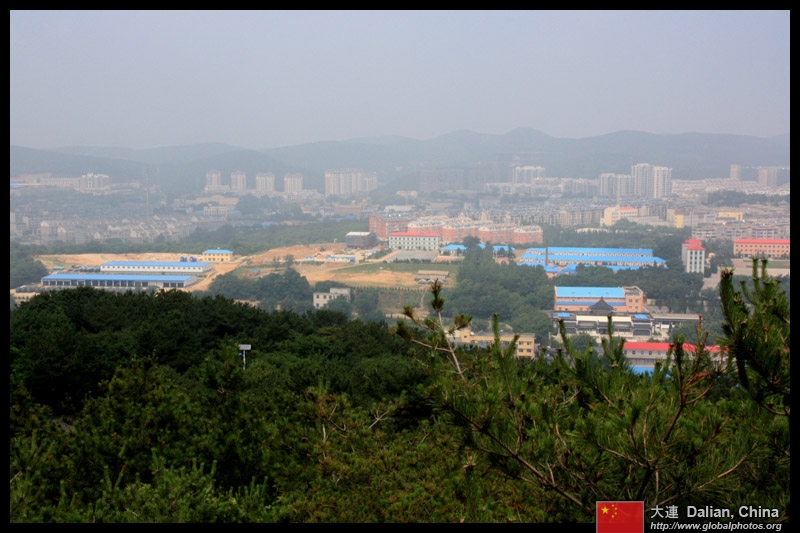
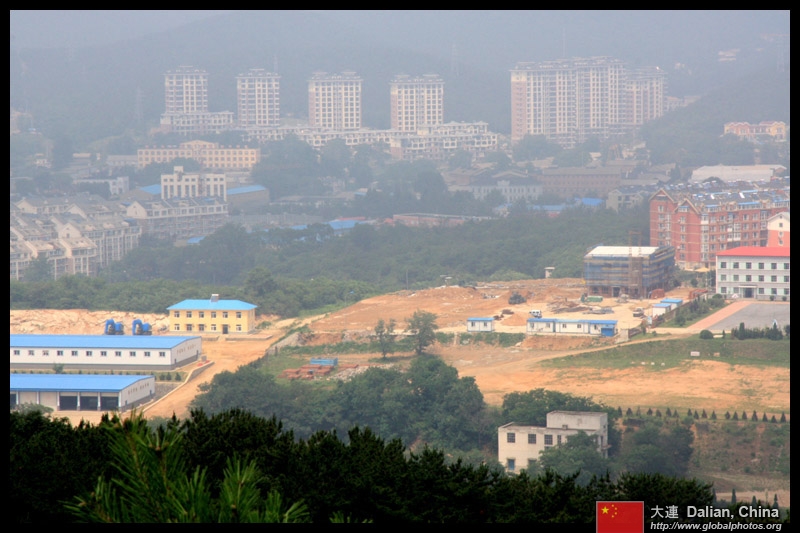
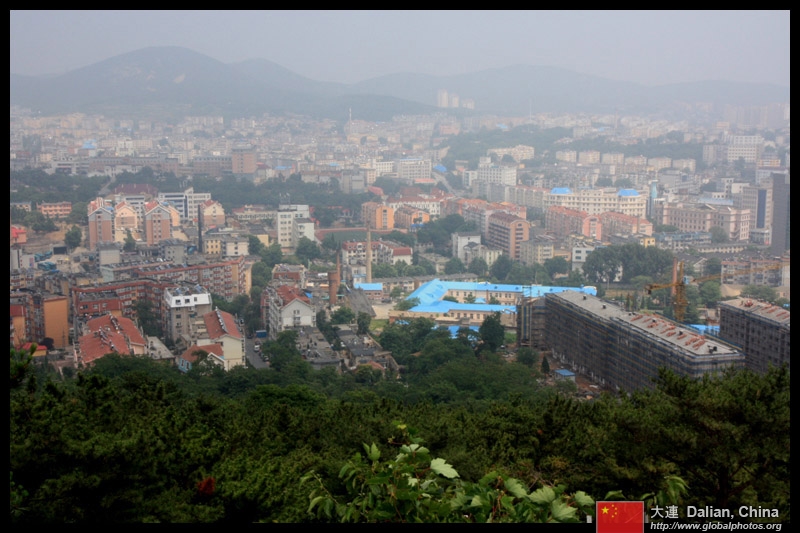
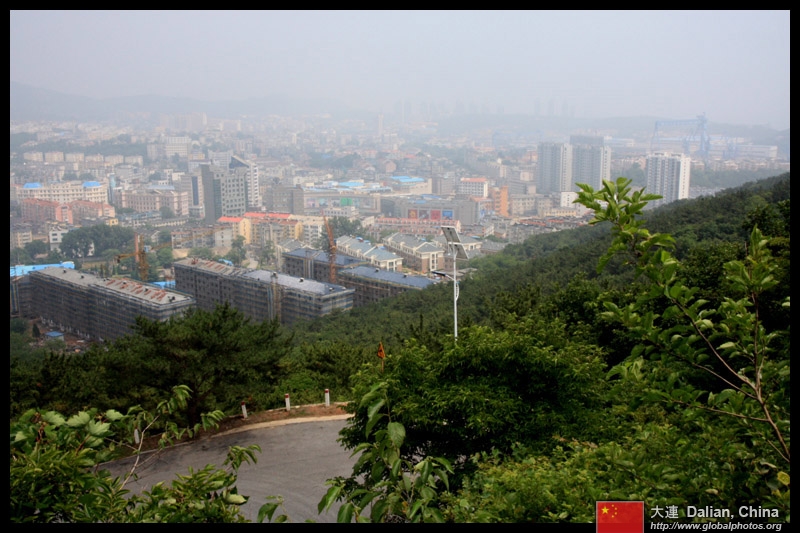
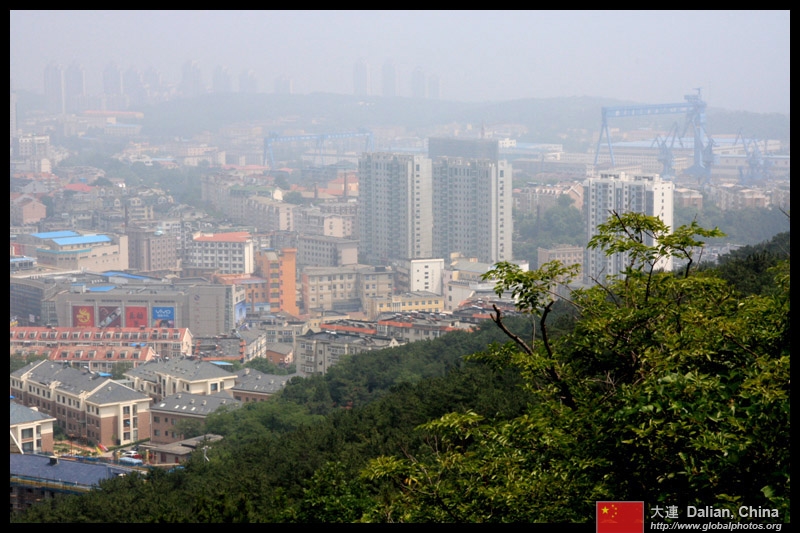
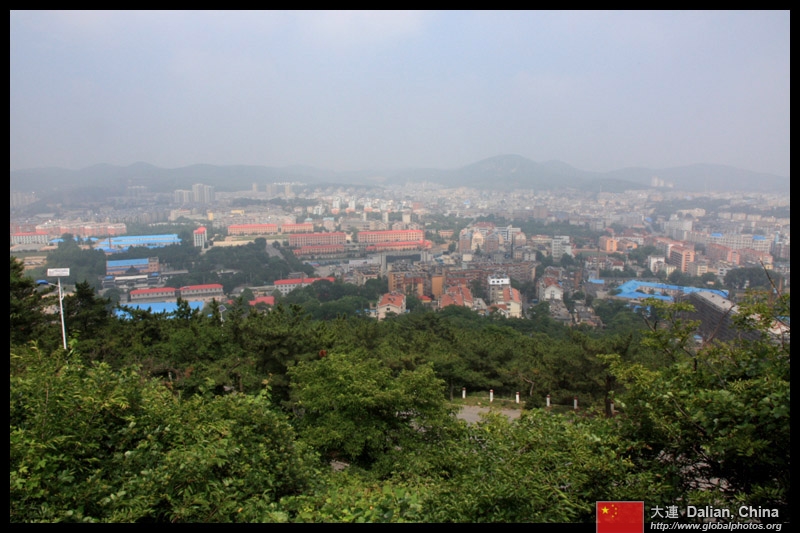
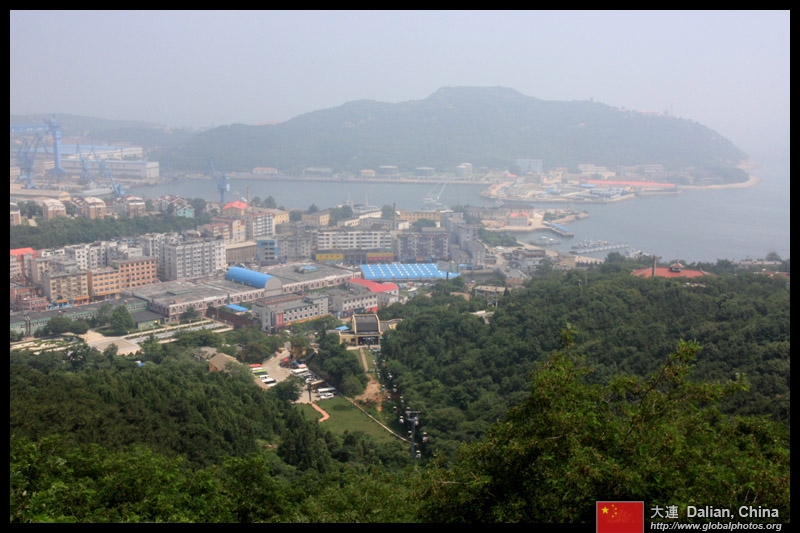
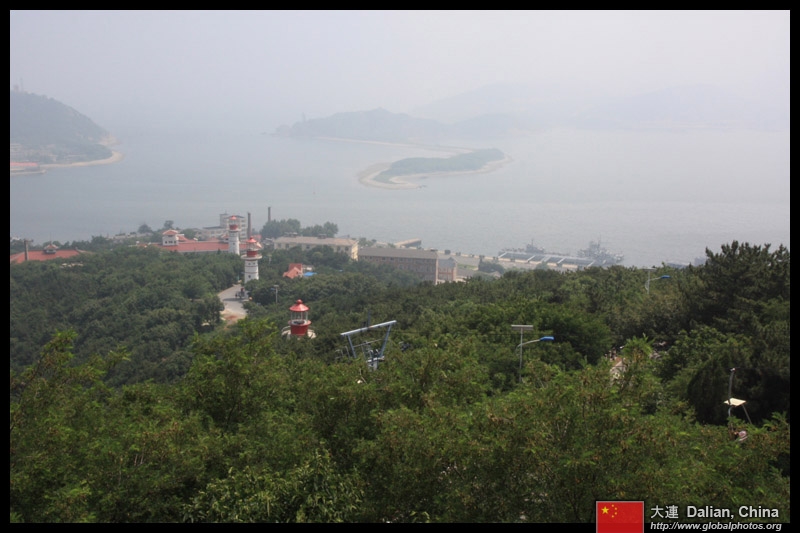
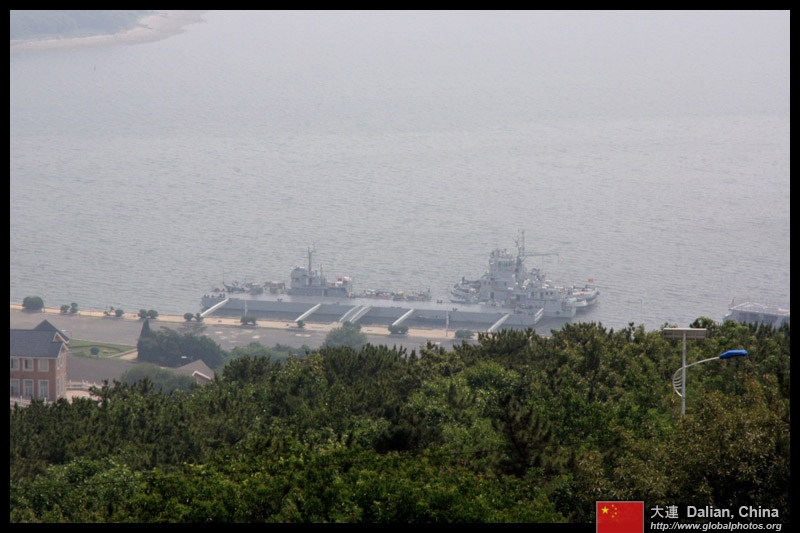
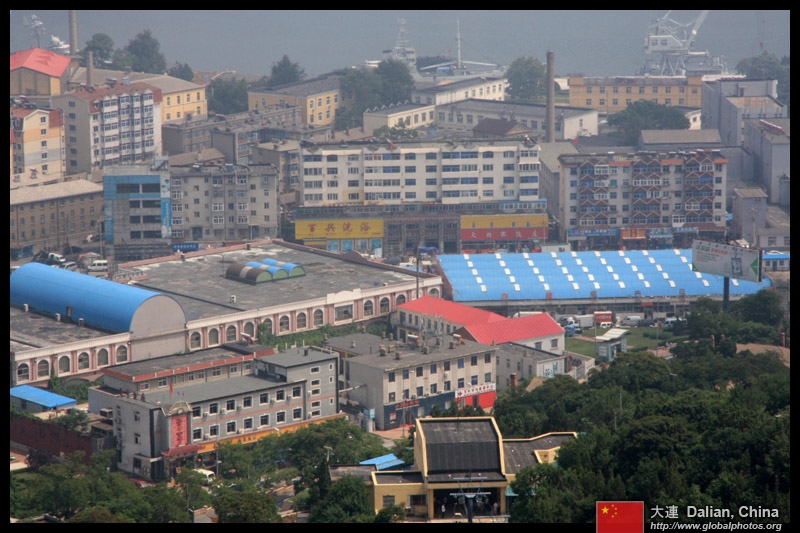
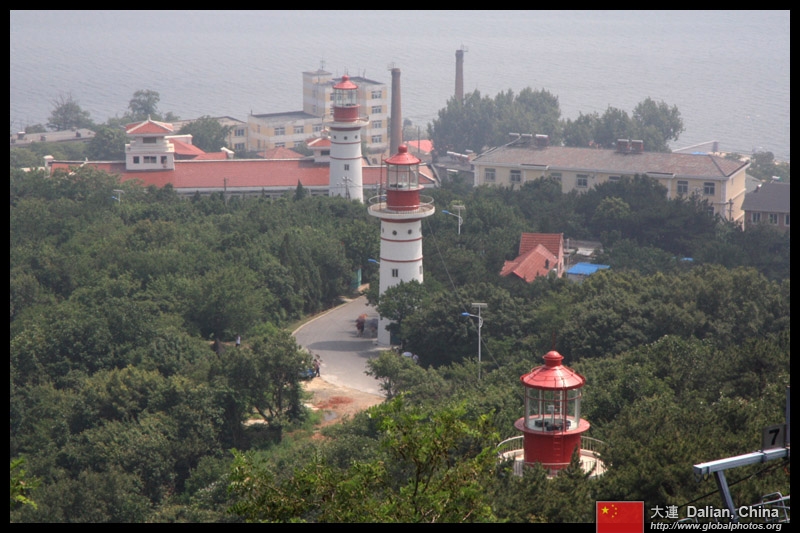
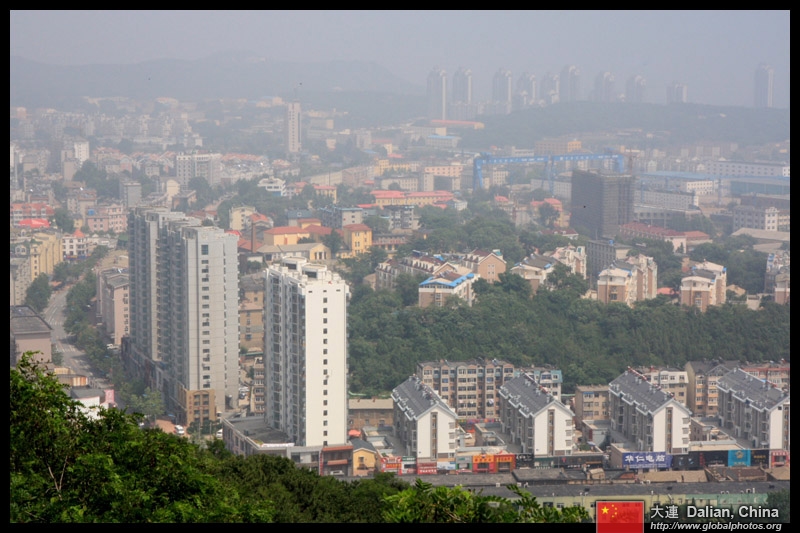
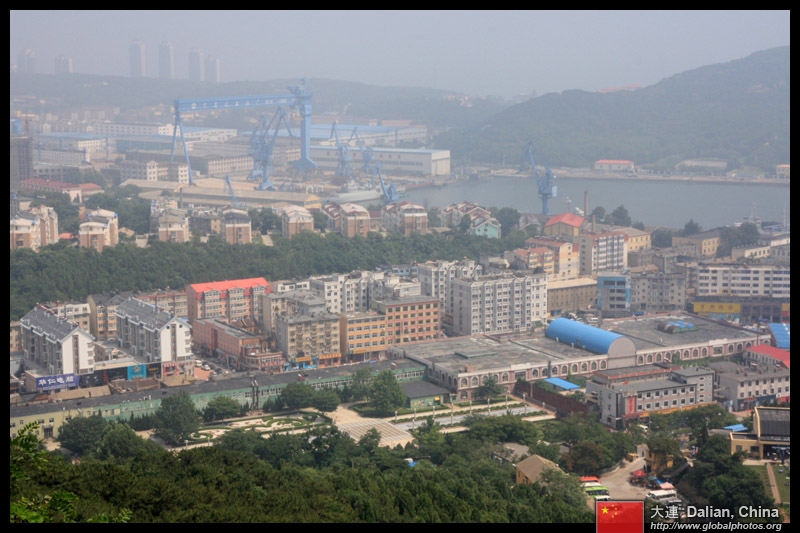
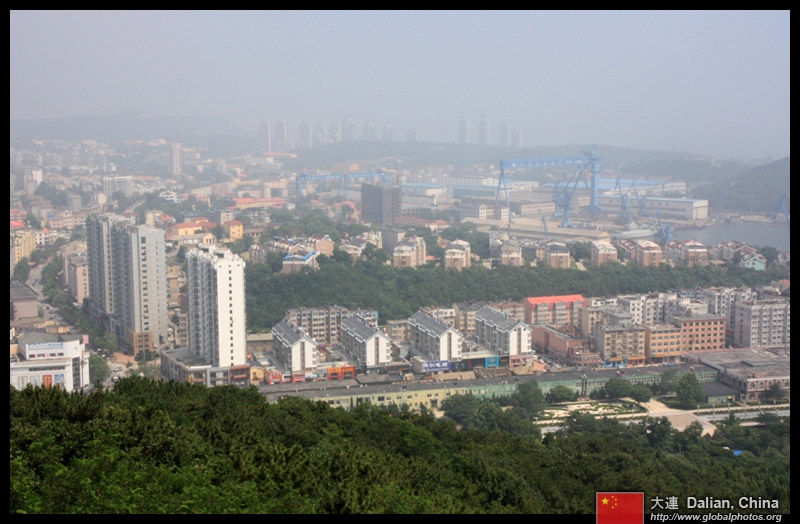
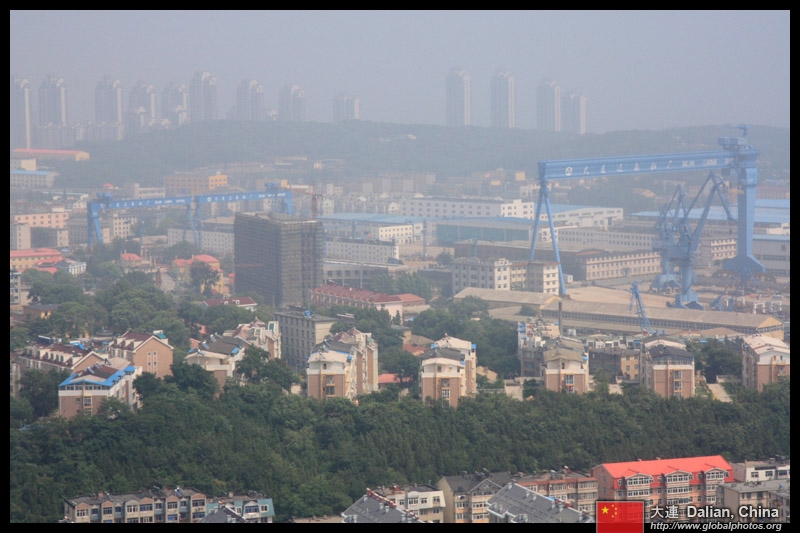
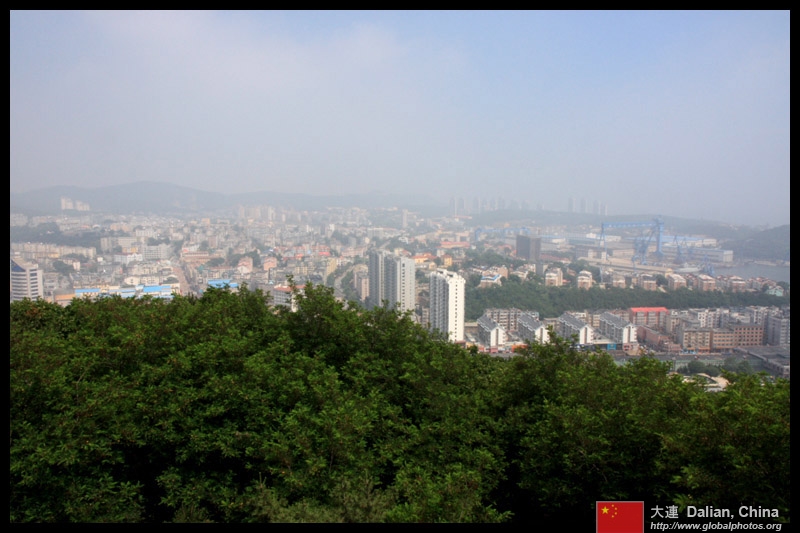
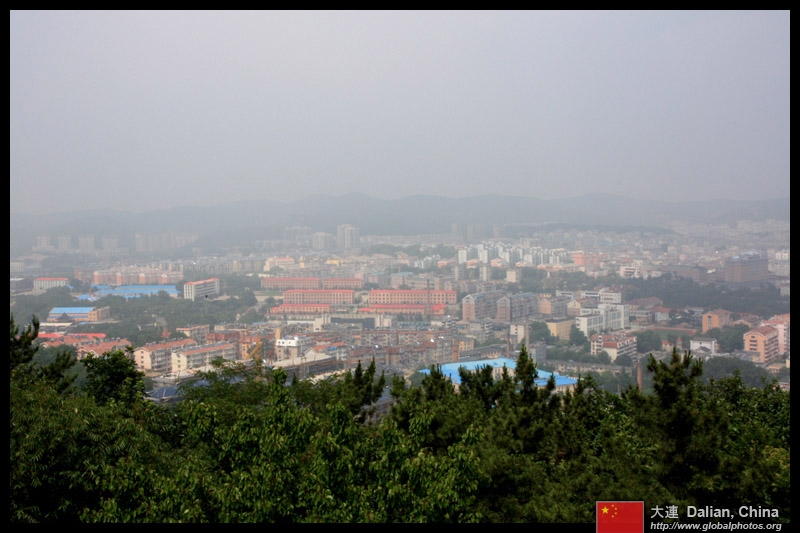
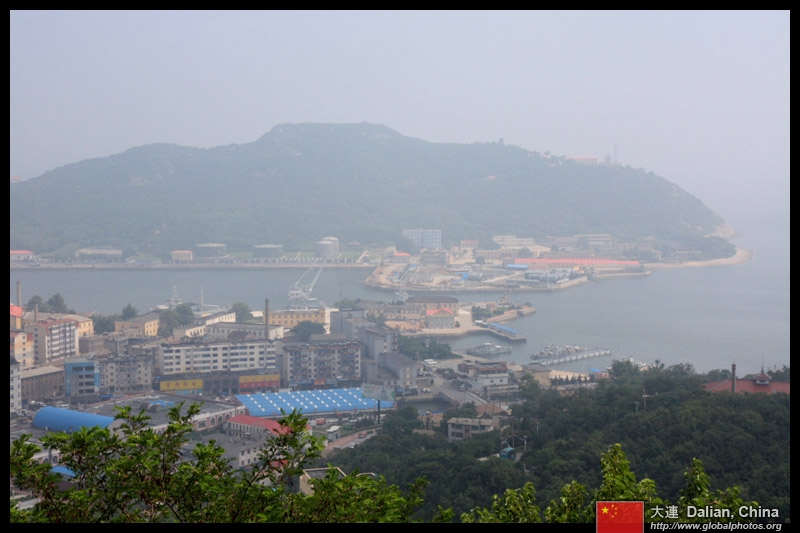
It costed extra to ascend to the top of the tower, but I was quite satisfied with the view at ground level already. Besides, it was quite smoggy so visibility would not improve with a little extra altitude anyway.
|
||
|
|
|
|
|
|
|
|
||
|
|
|
|
|
|