Doha Photo Gallery - National Museum of Qatar Part 1
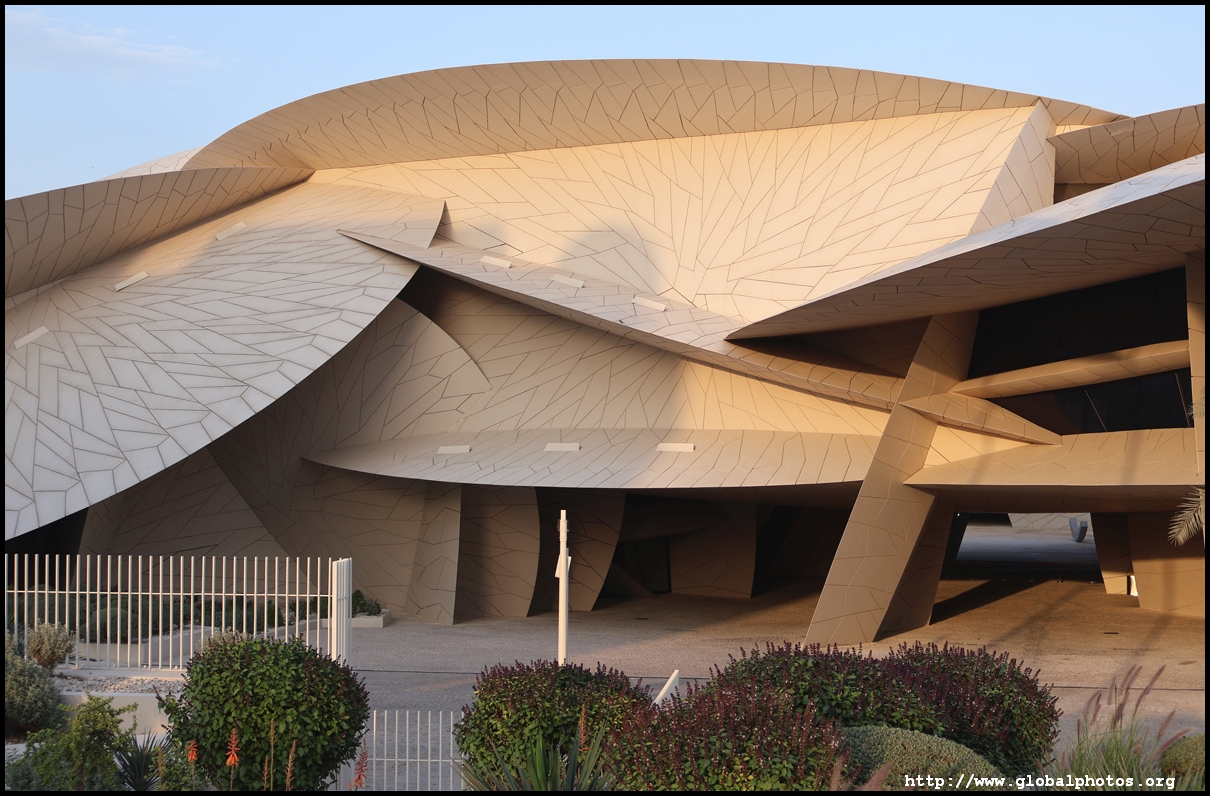
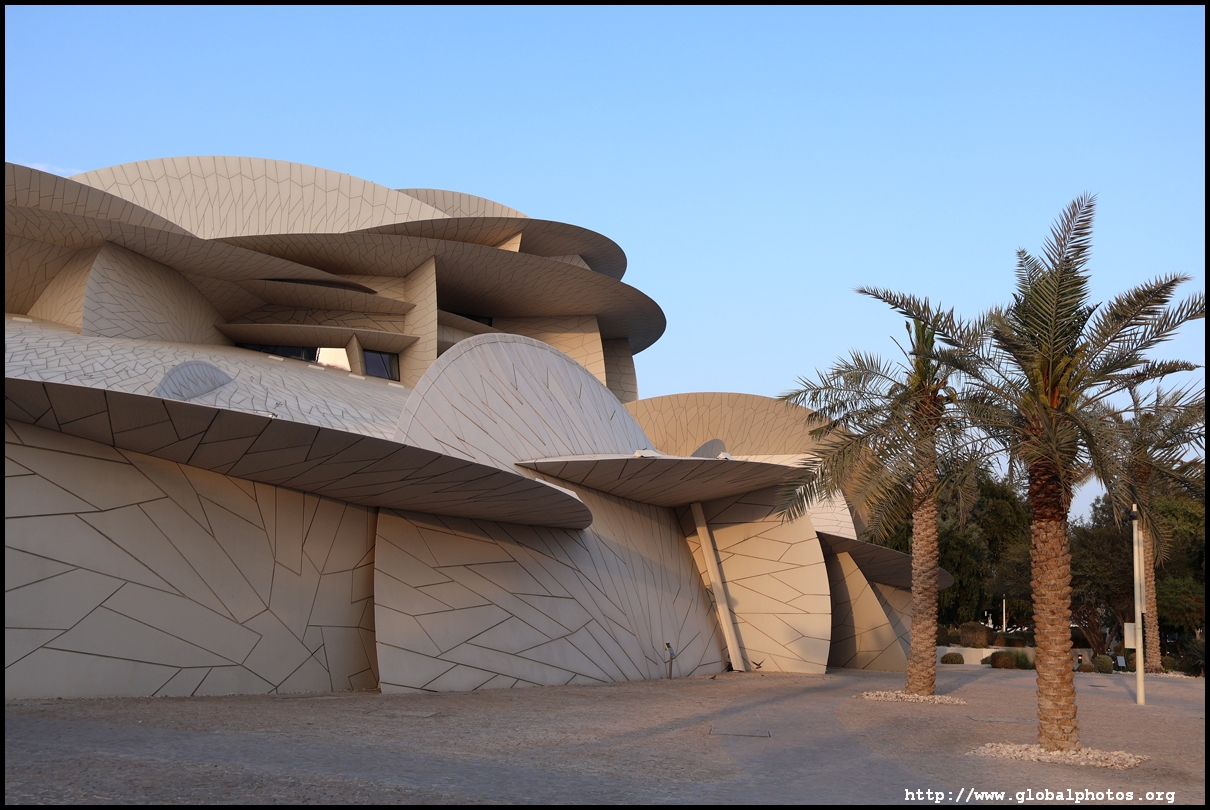
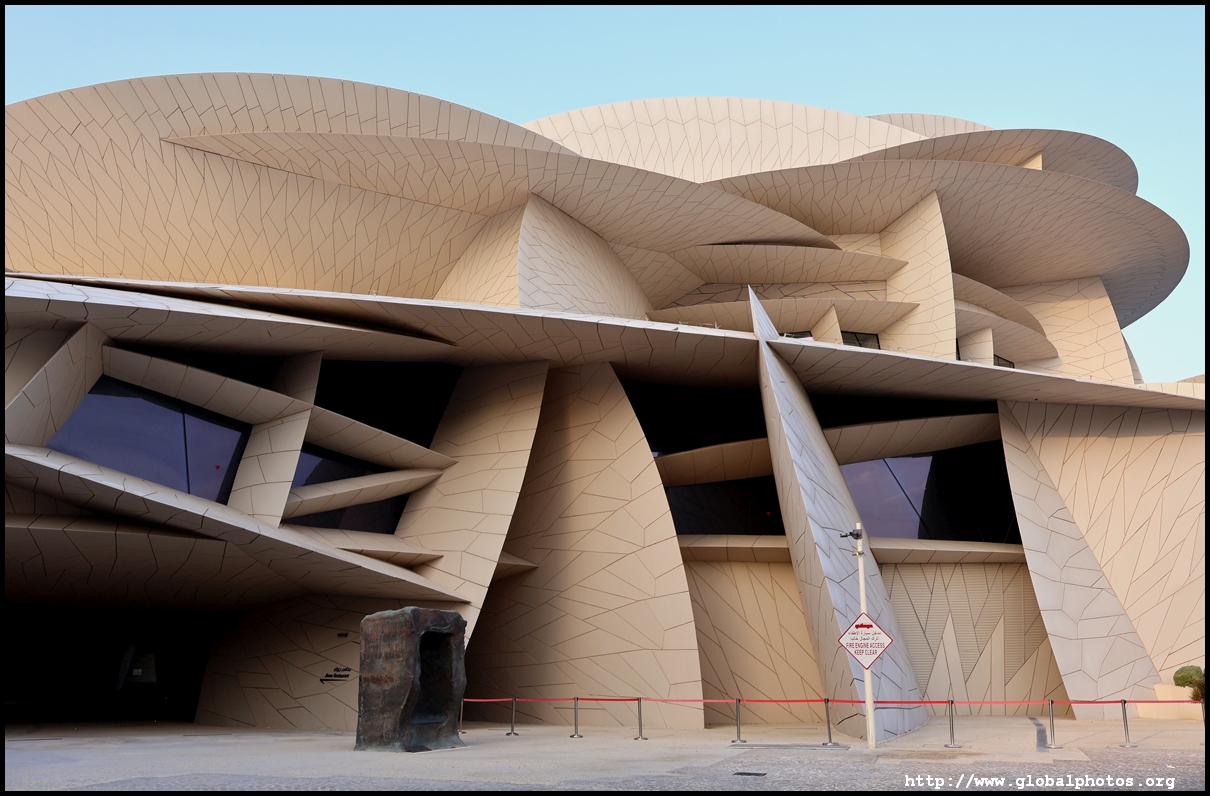
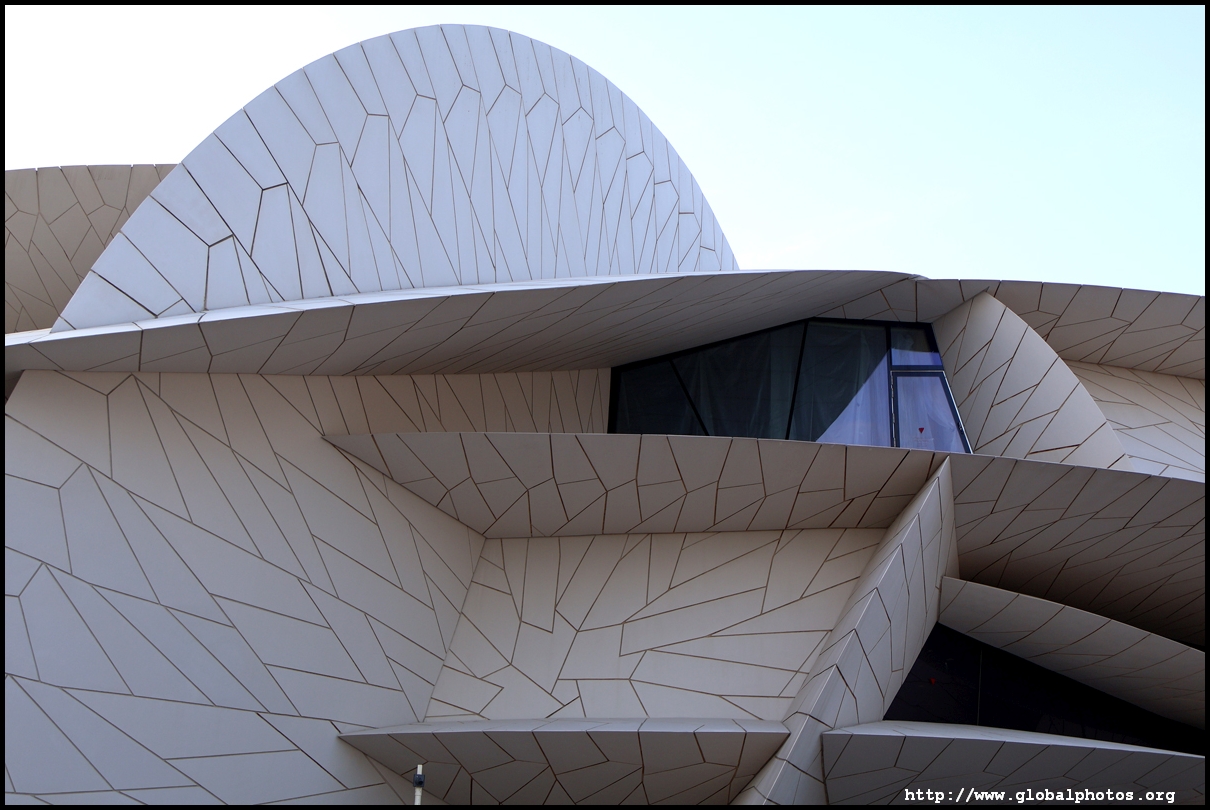
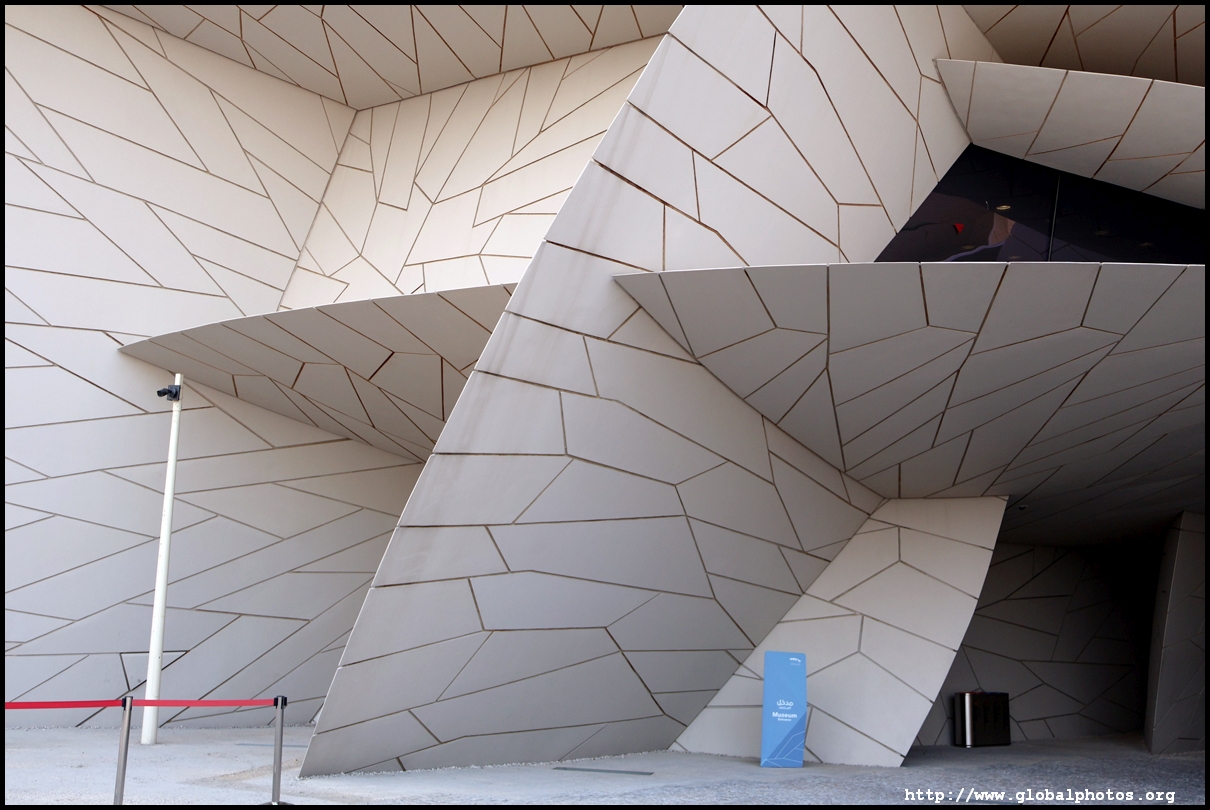
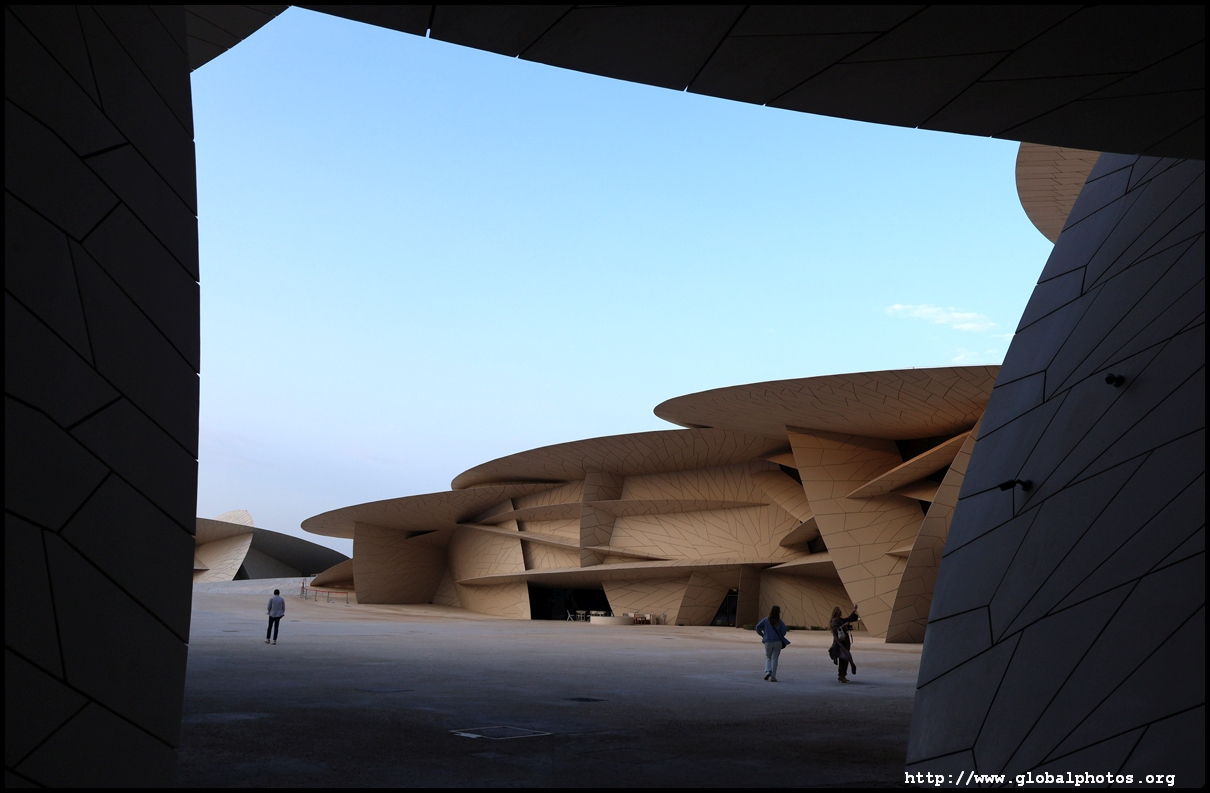
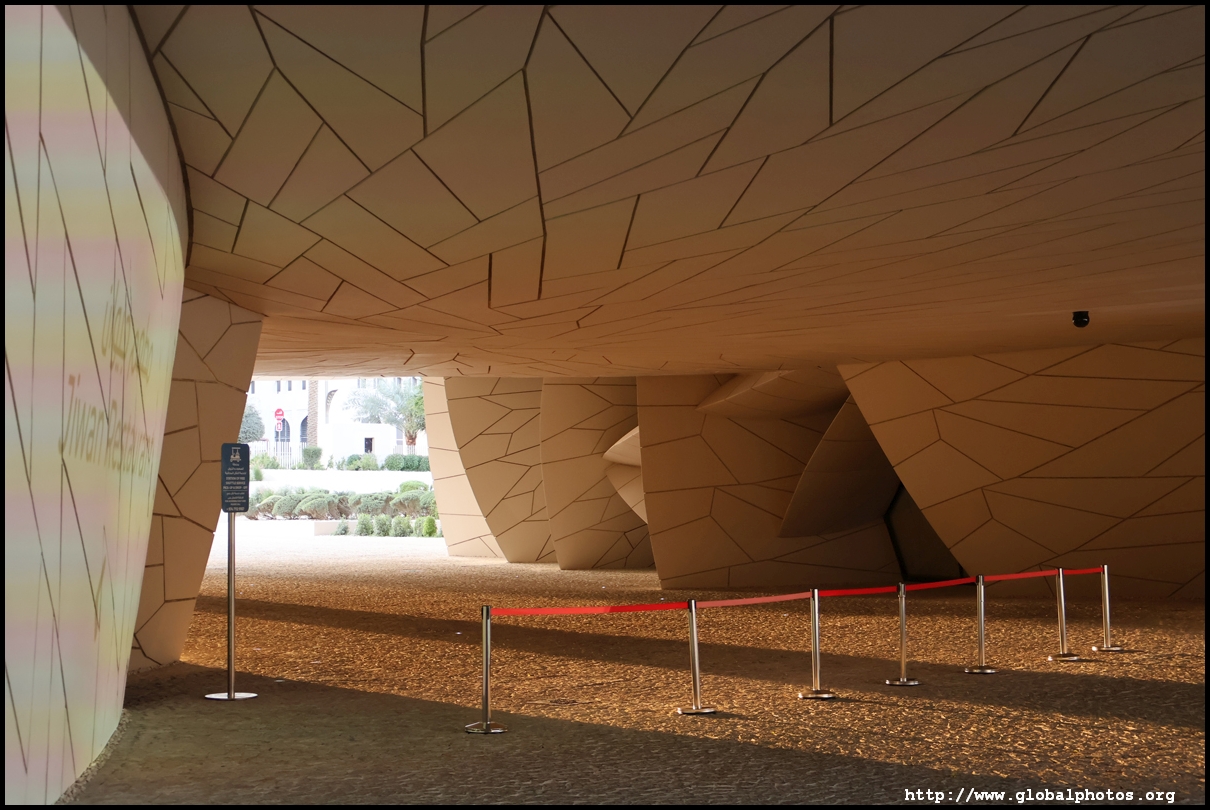
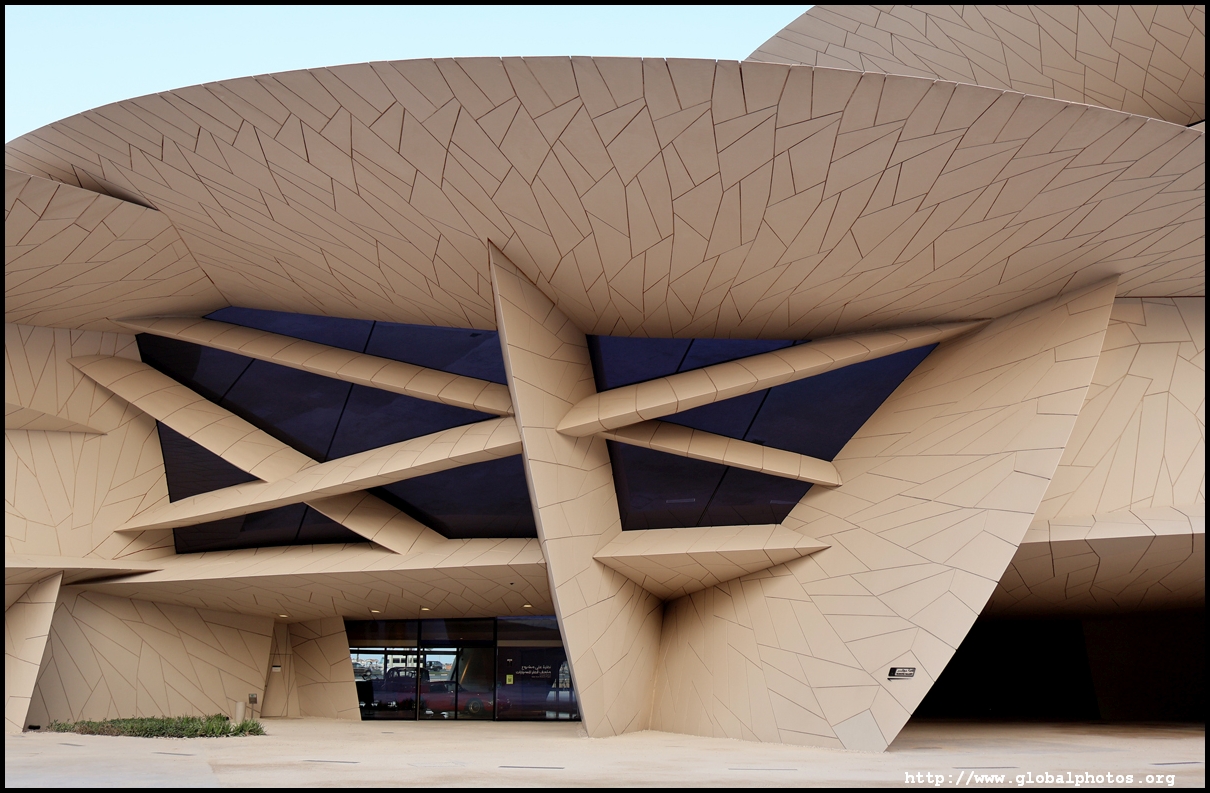
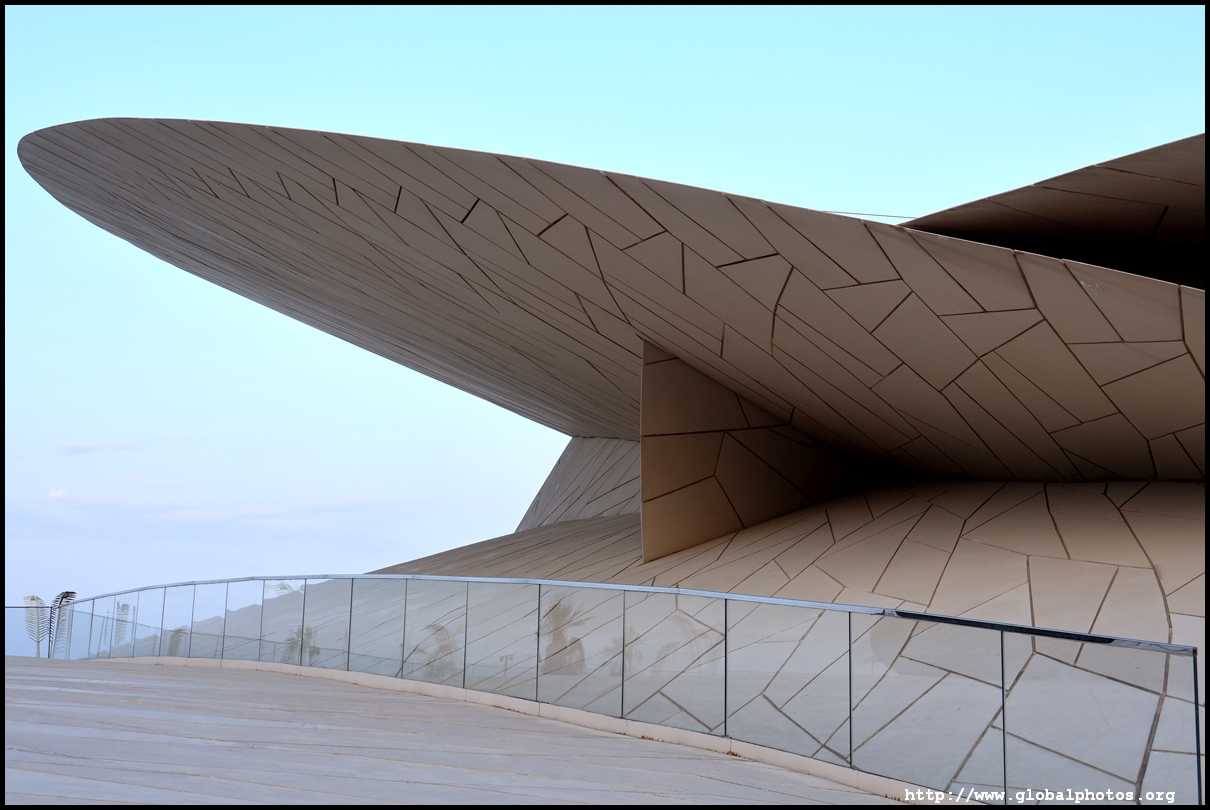
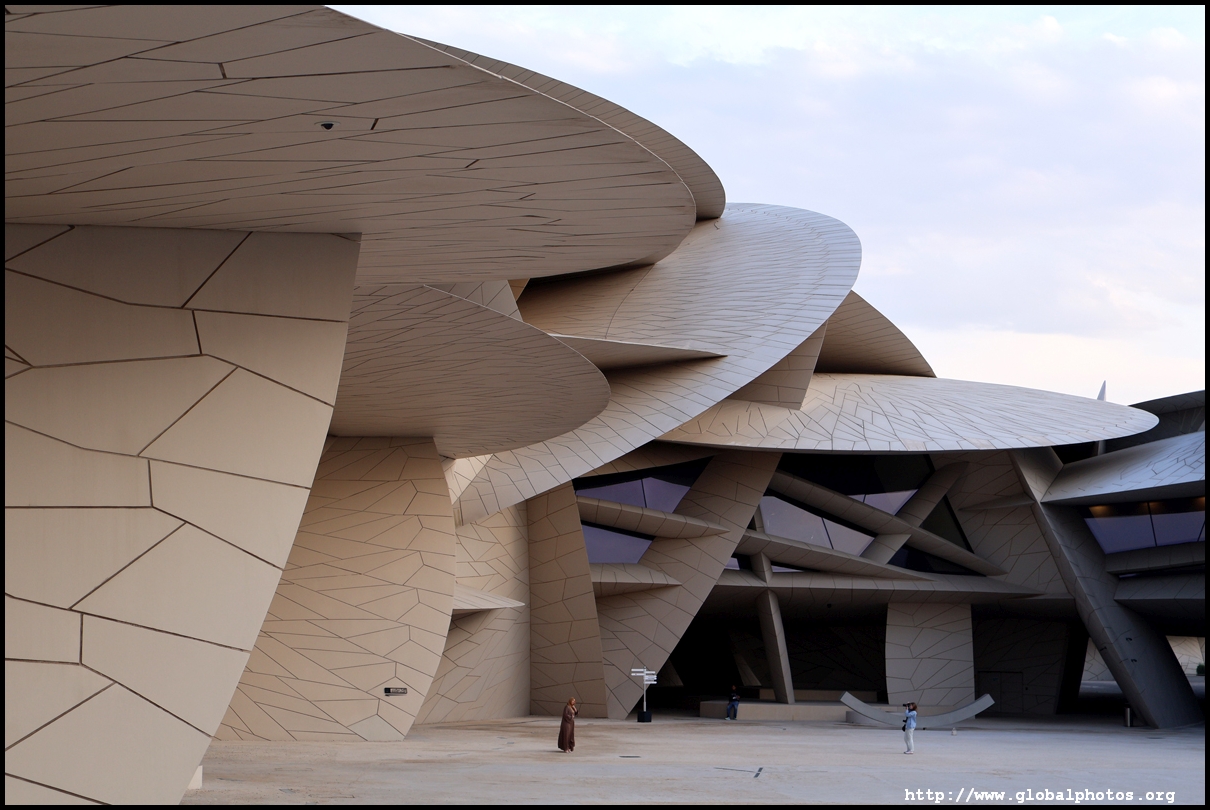
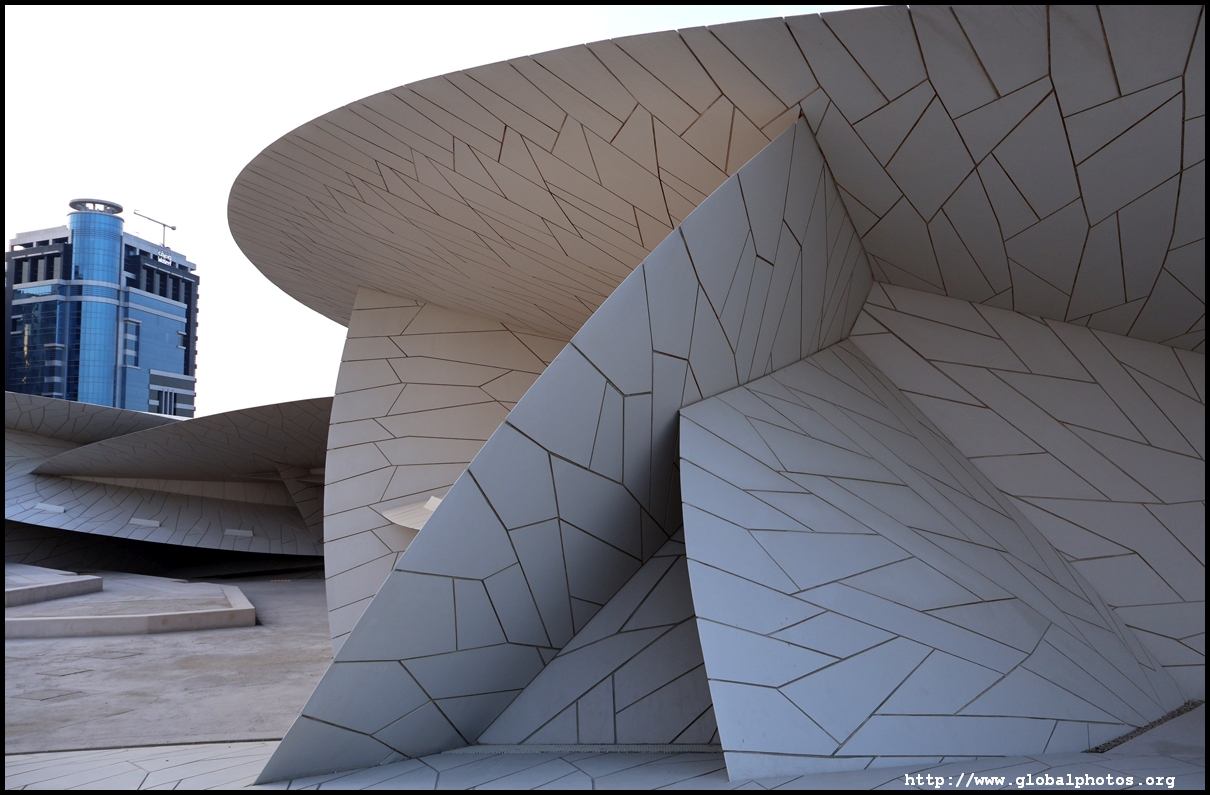
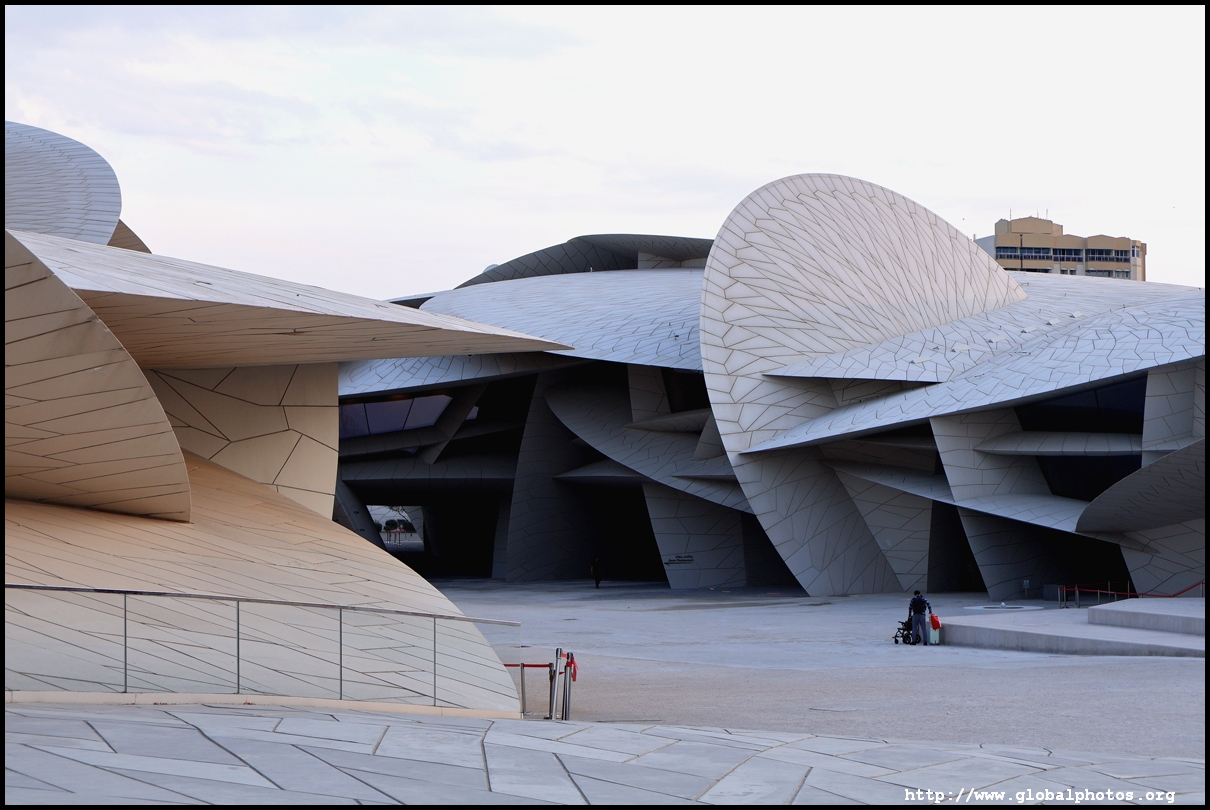
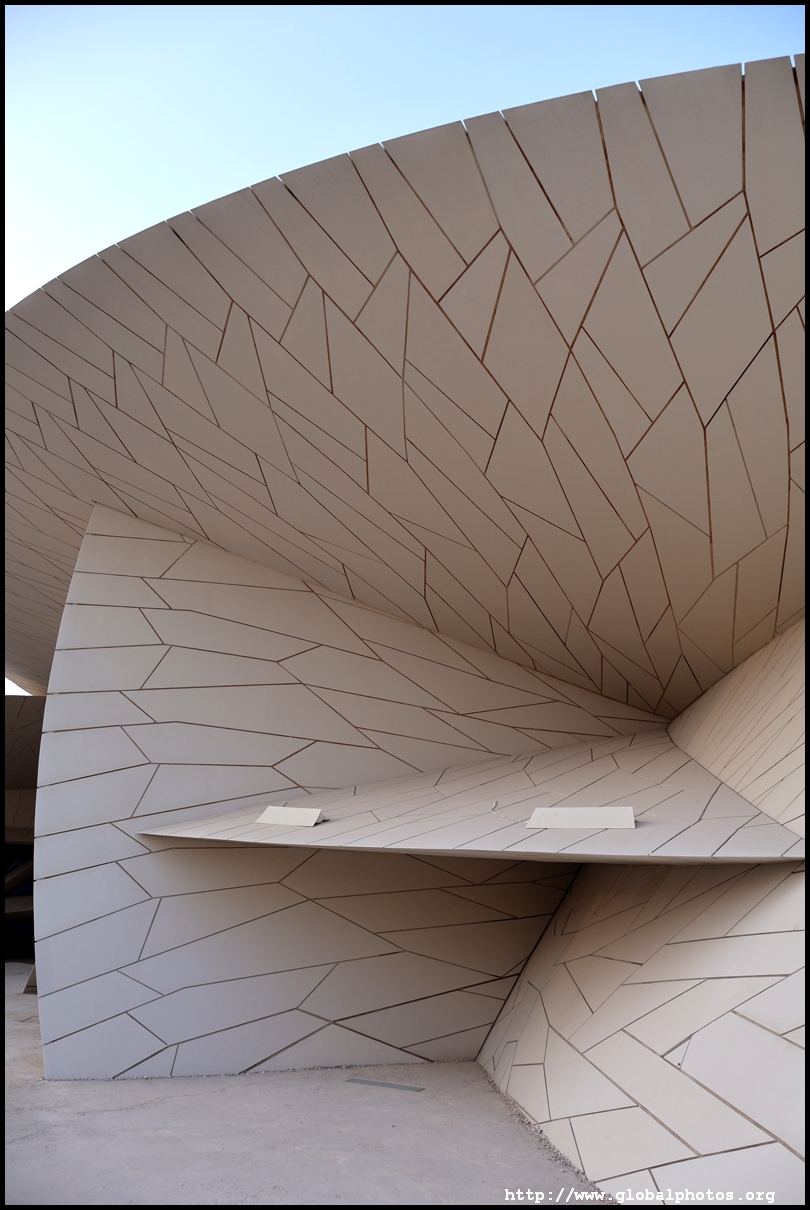
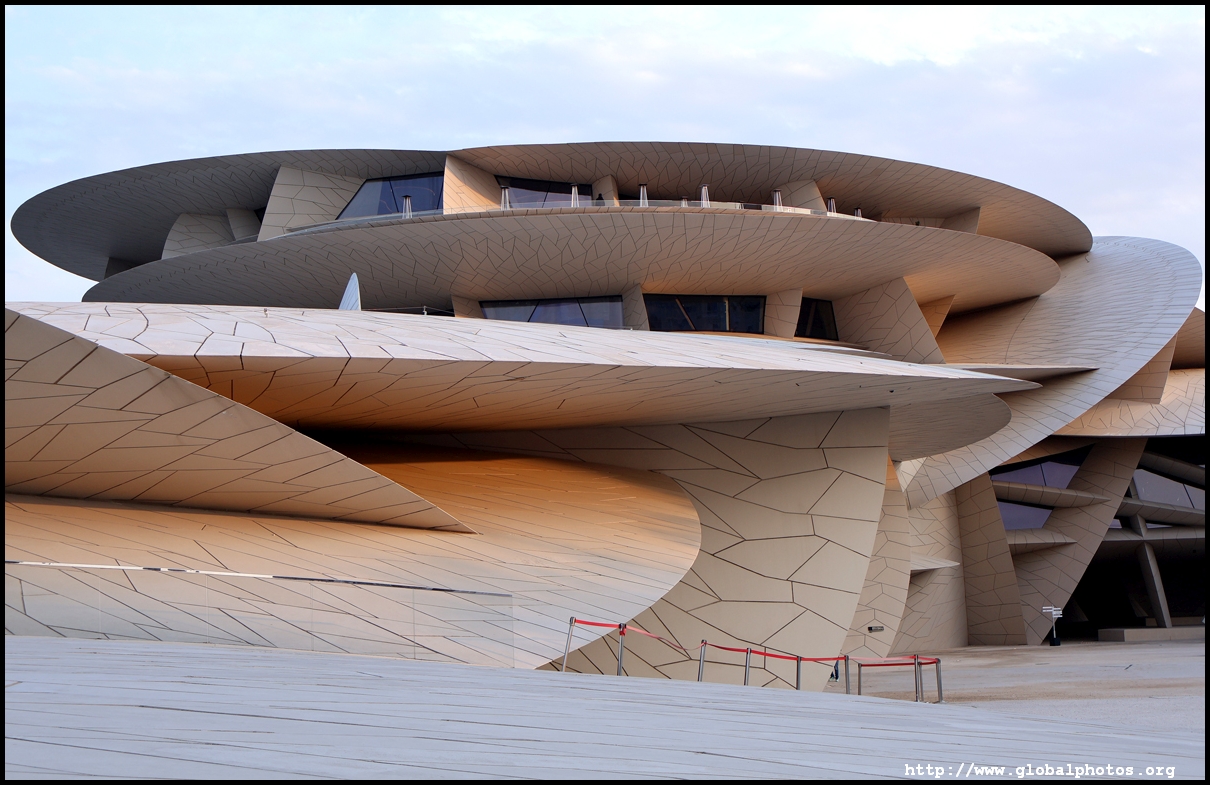
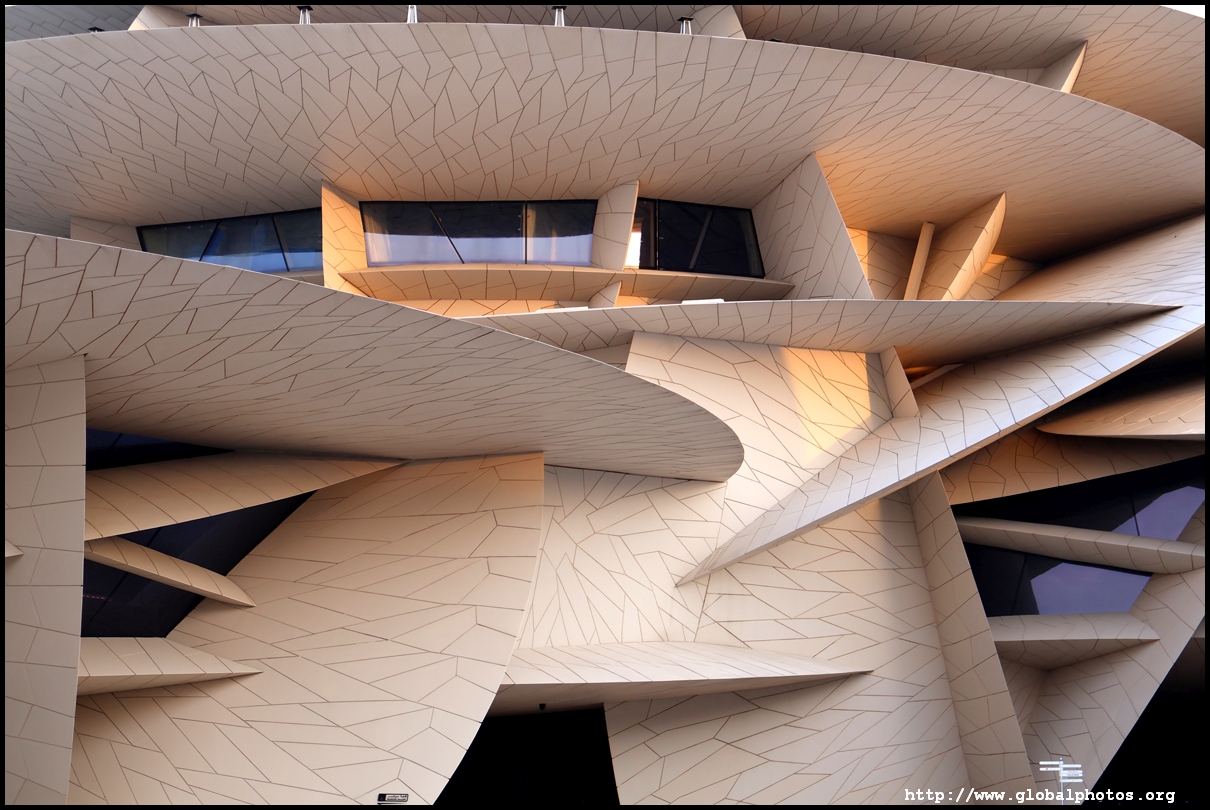
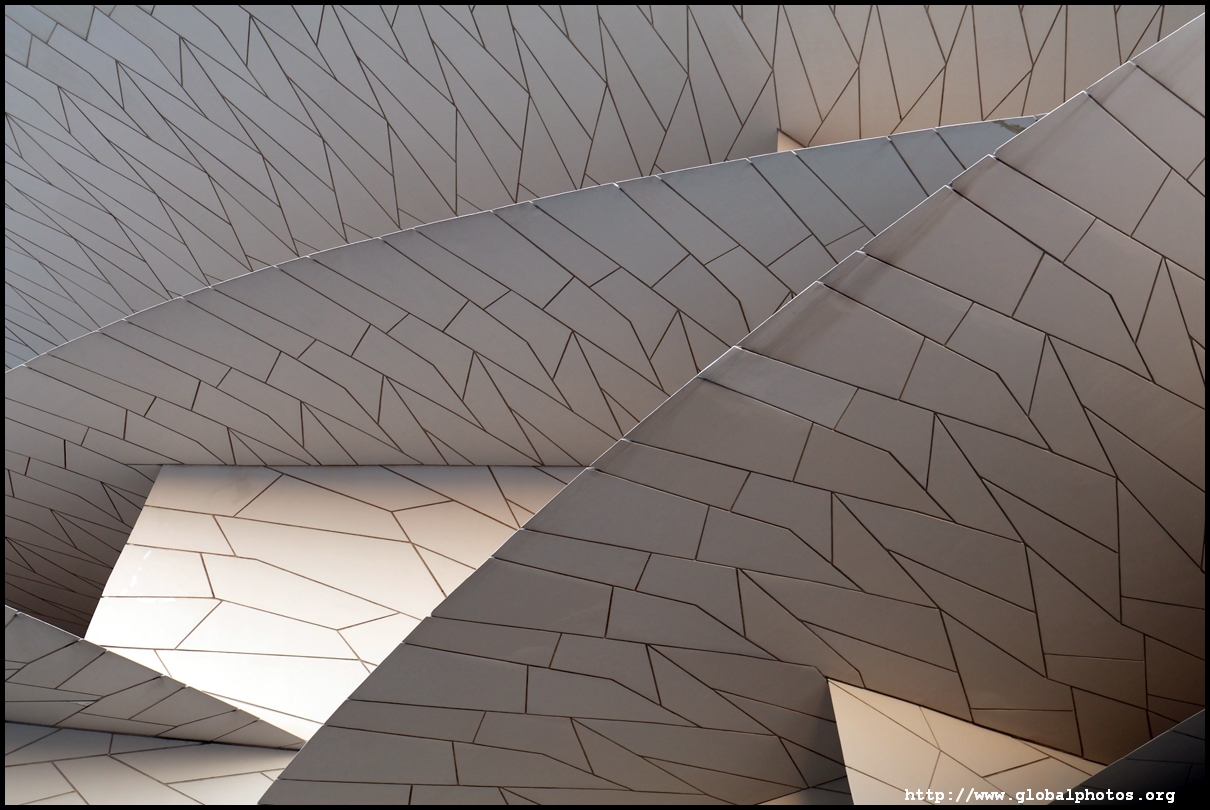
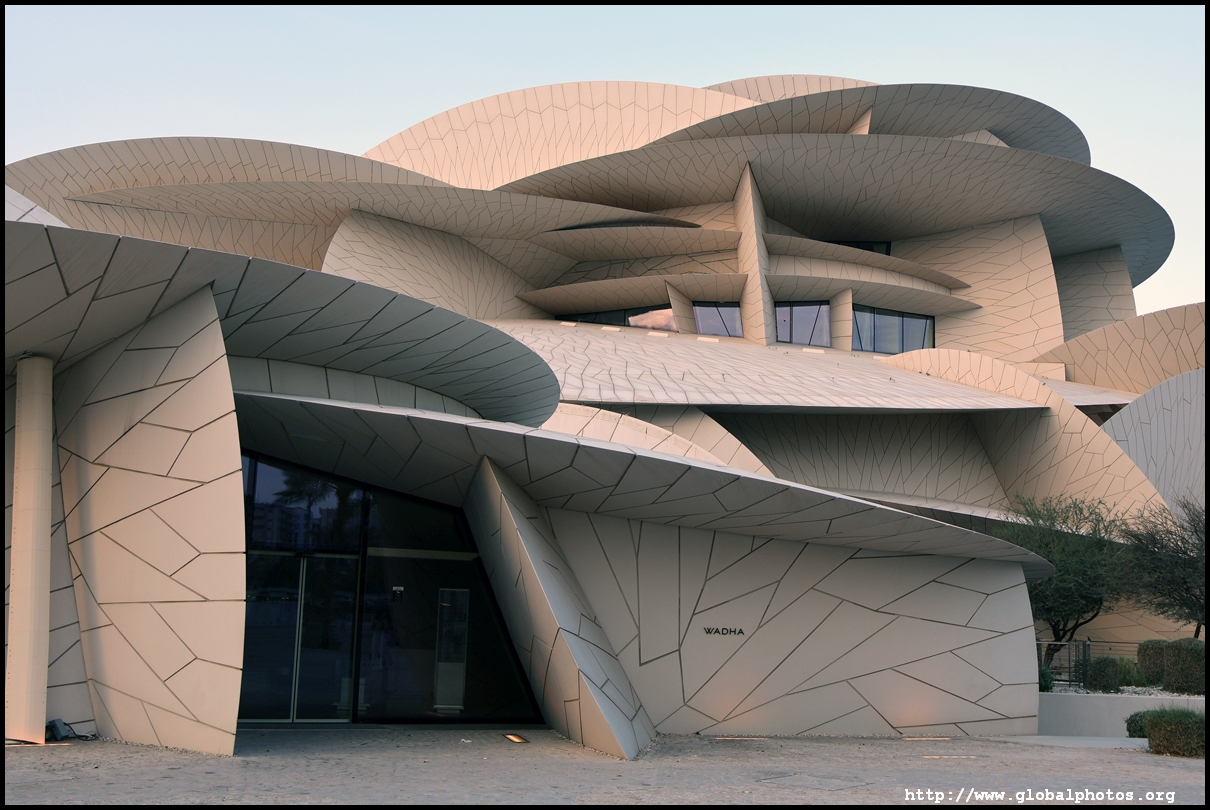
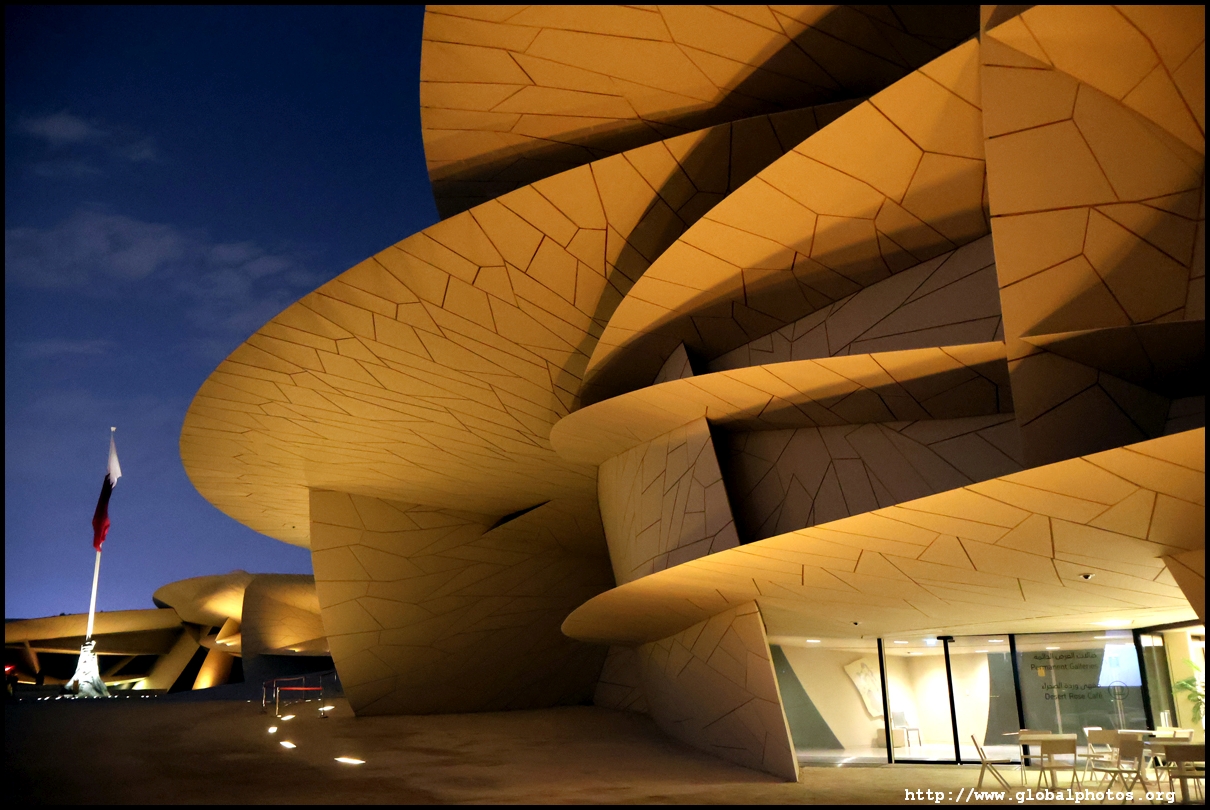
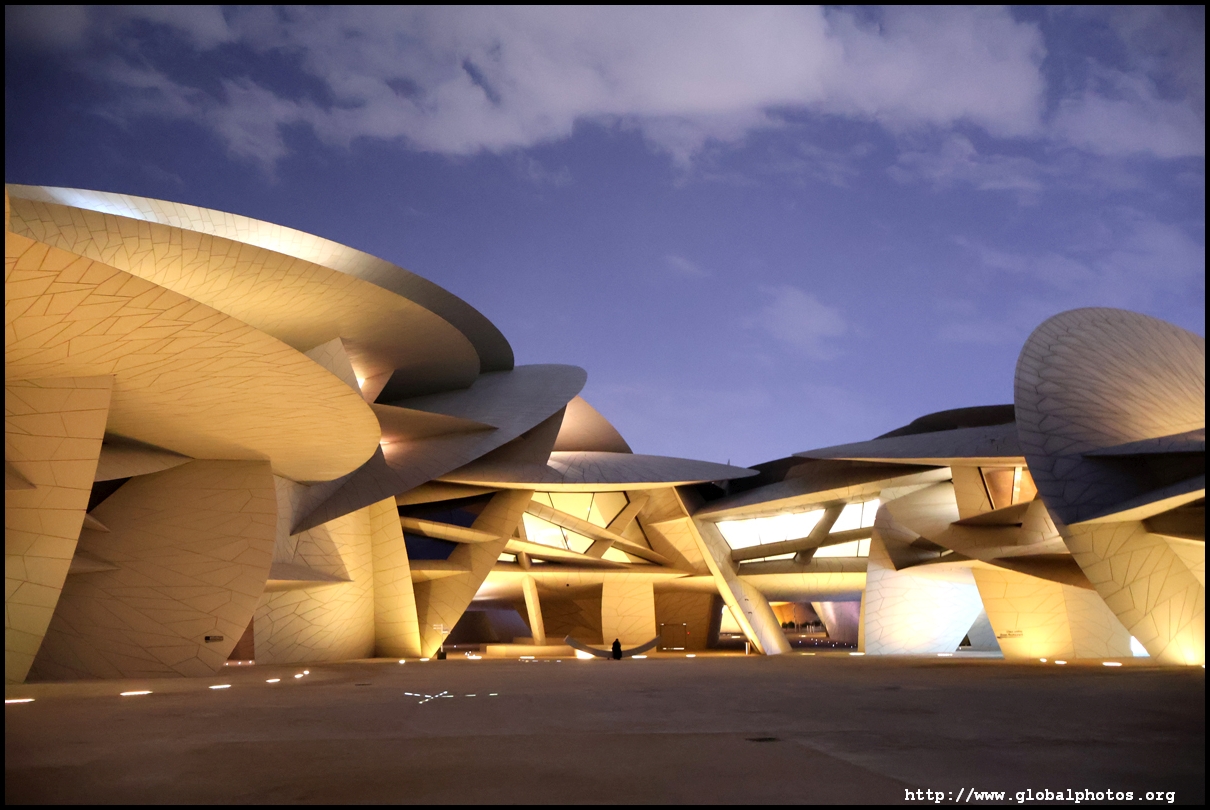
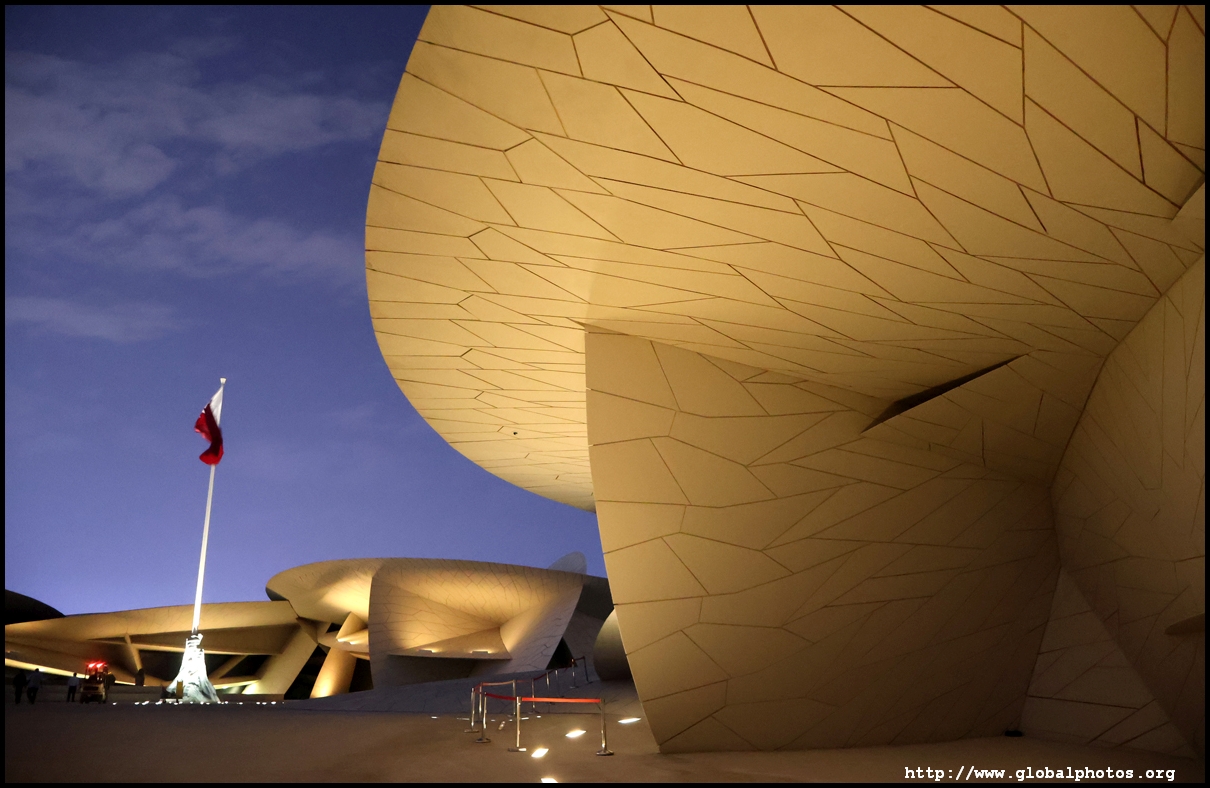
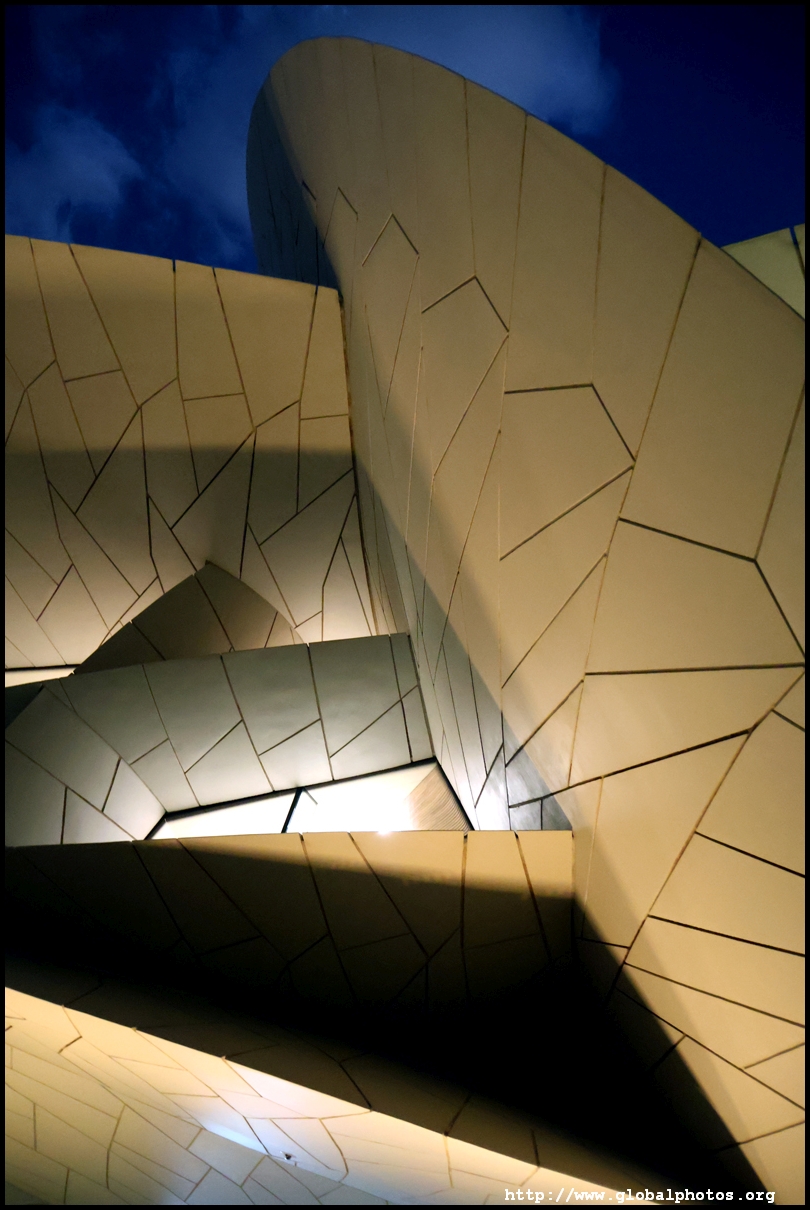
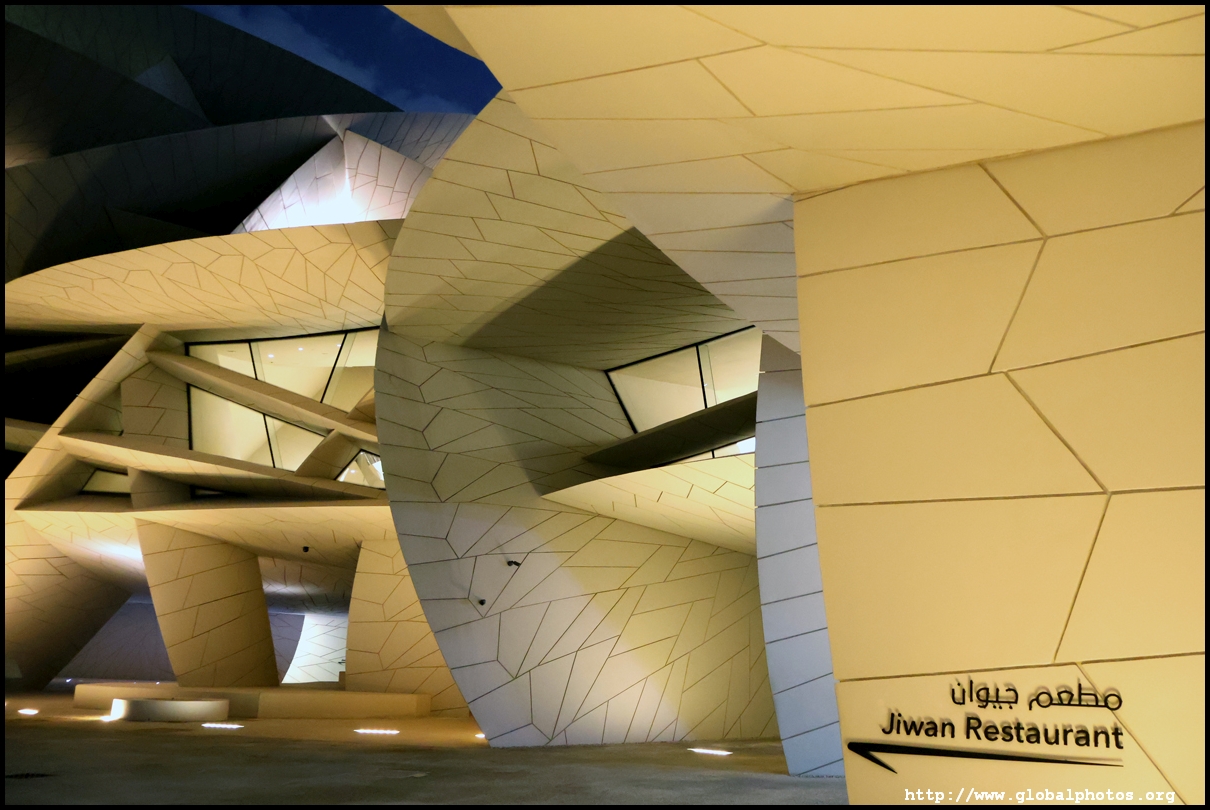
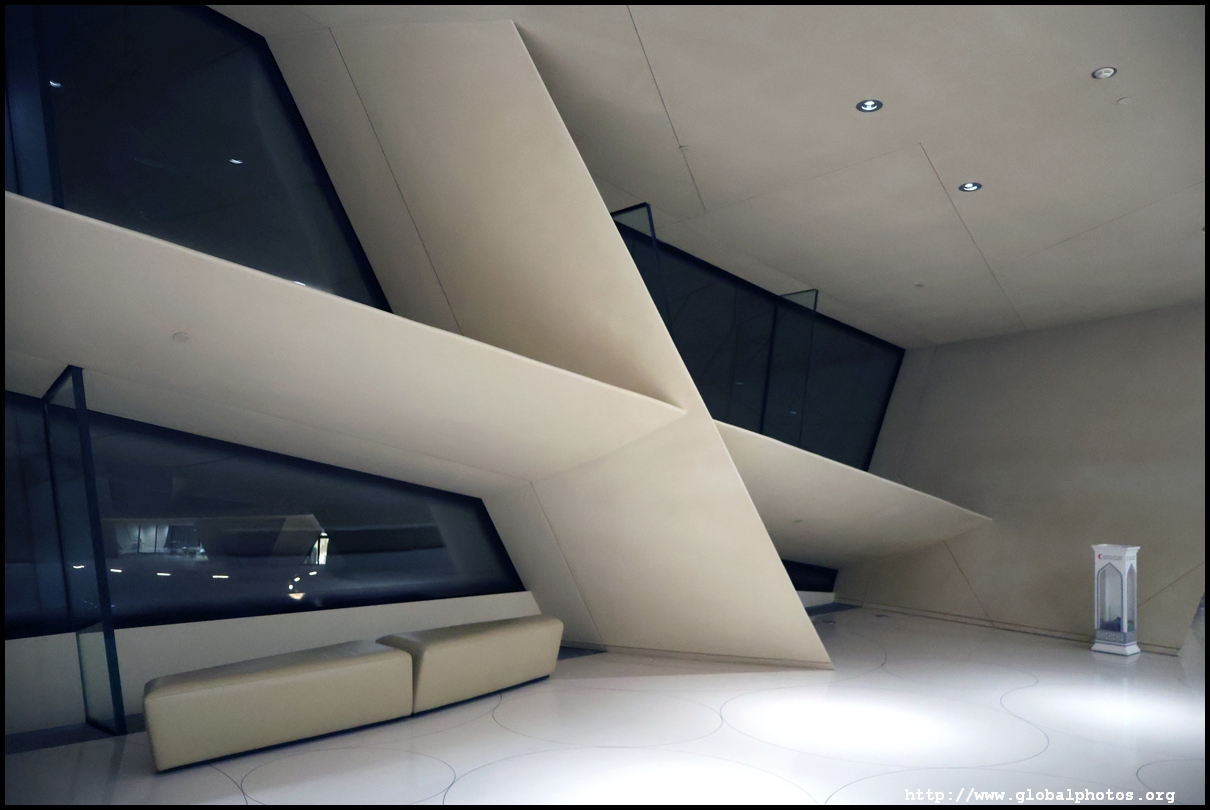
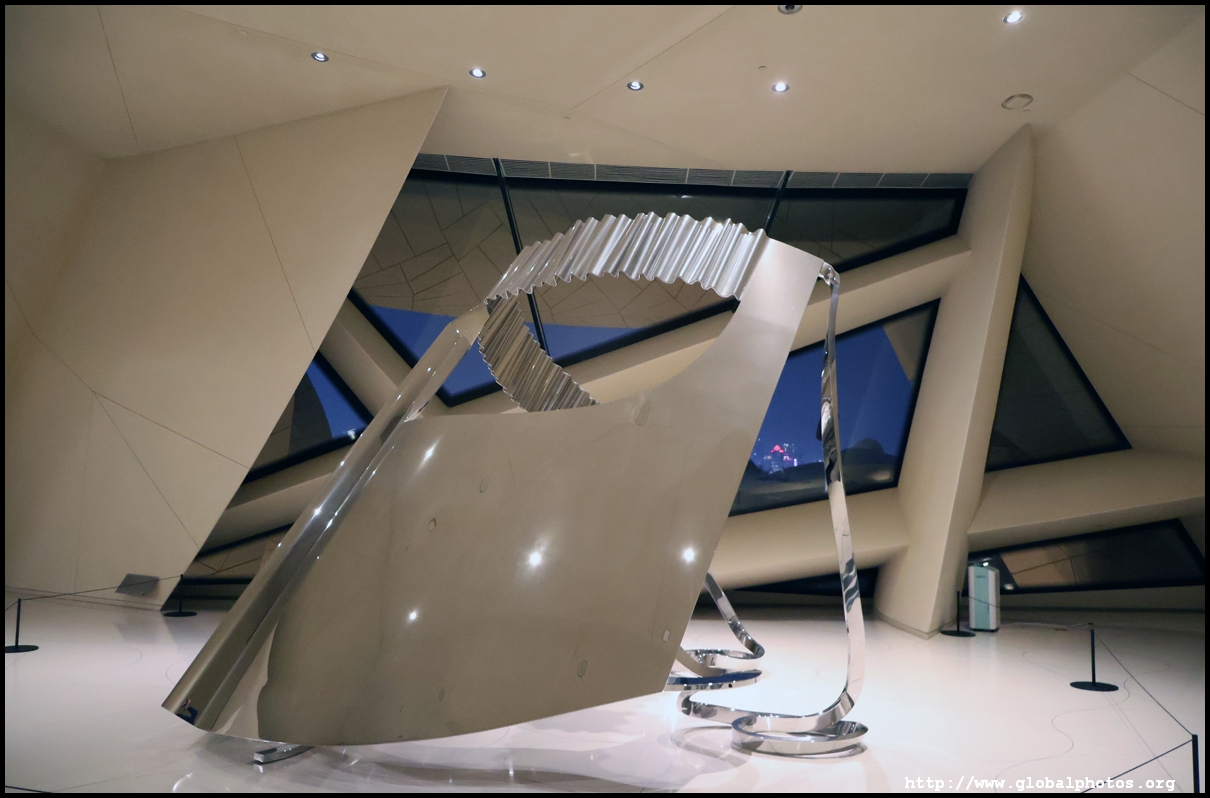
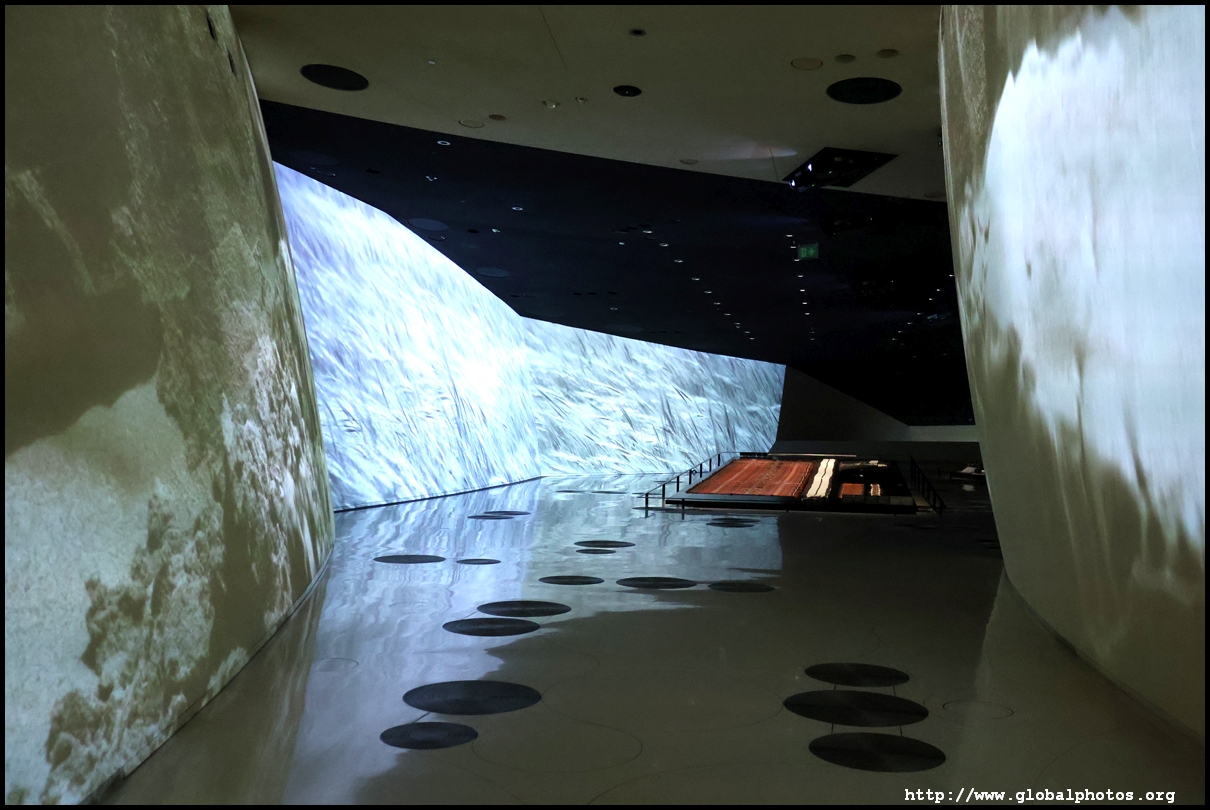
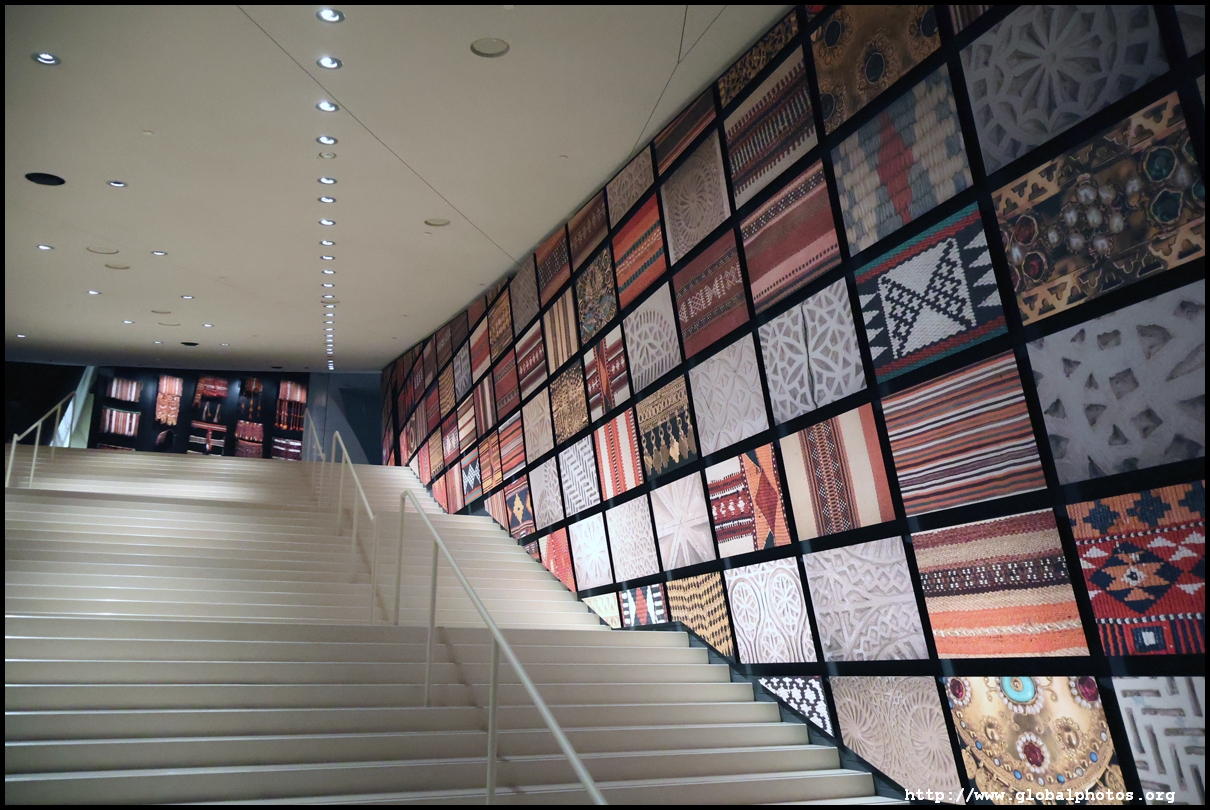
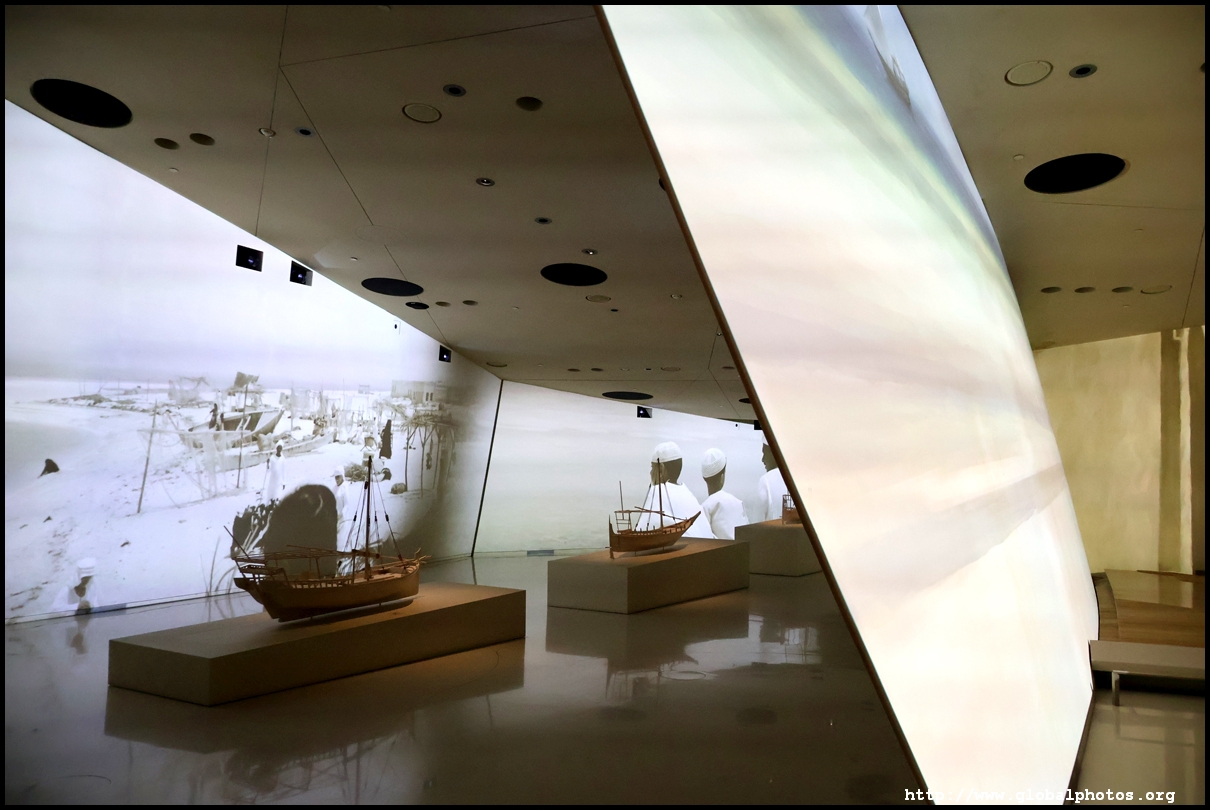
Doha has come a long way in recent years and there are now quite a good number of attractions to make this city a worthwhile destination in its own right.The National Museum of Qatar has a visually-stimulating design that reflects the desert rose, a rock formation created by crystallizing minerals in the soil. It is even blended into the desert with the sand-coloured cladding. Completed in 2019, it has a huge exhibition space showcasing the country and its history with vast halls and great use of technological effects to enhance the items on physical display. It should definitely be a part of your itinerary. The idea of creating a national museum dates back to 1972, and the first iteration opened in 1975 in a palace, which has been retained and is now part of the much bigger new museum by Jean Nouvel. The exterior courtyard is quite a sight and free to enter. It is a great place to take photos and I saw a lot of people creating content for their social media here.
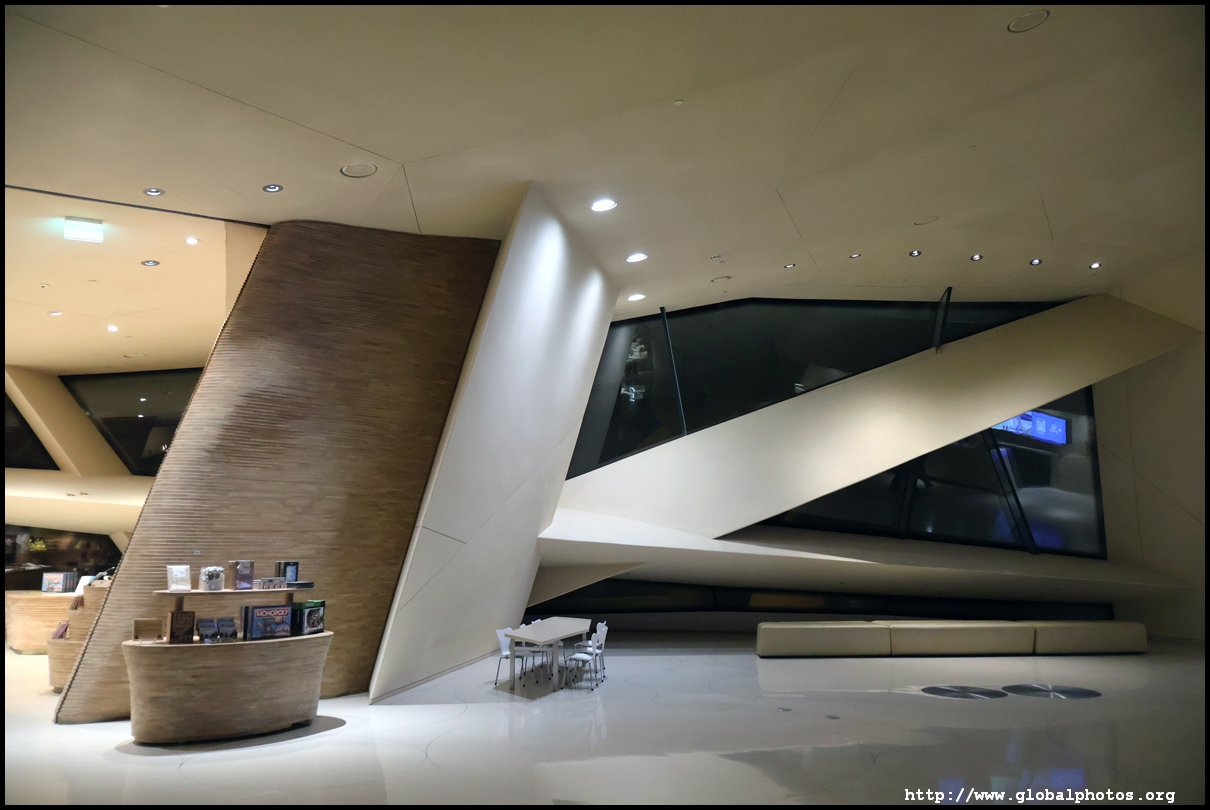
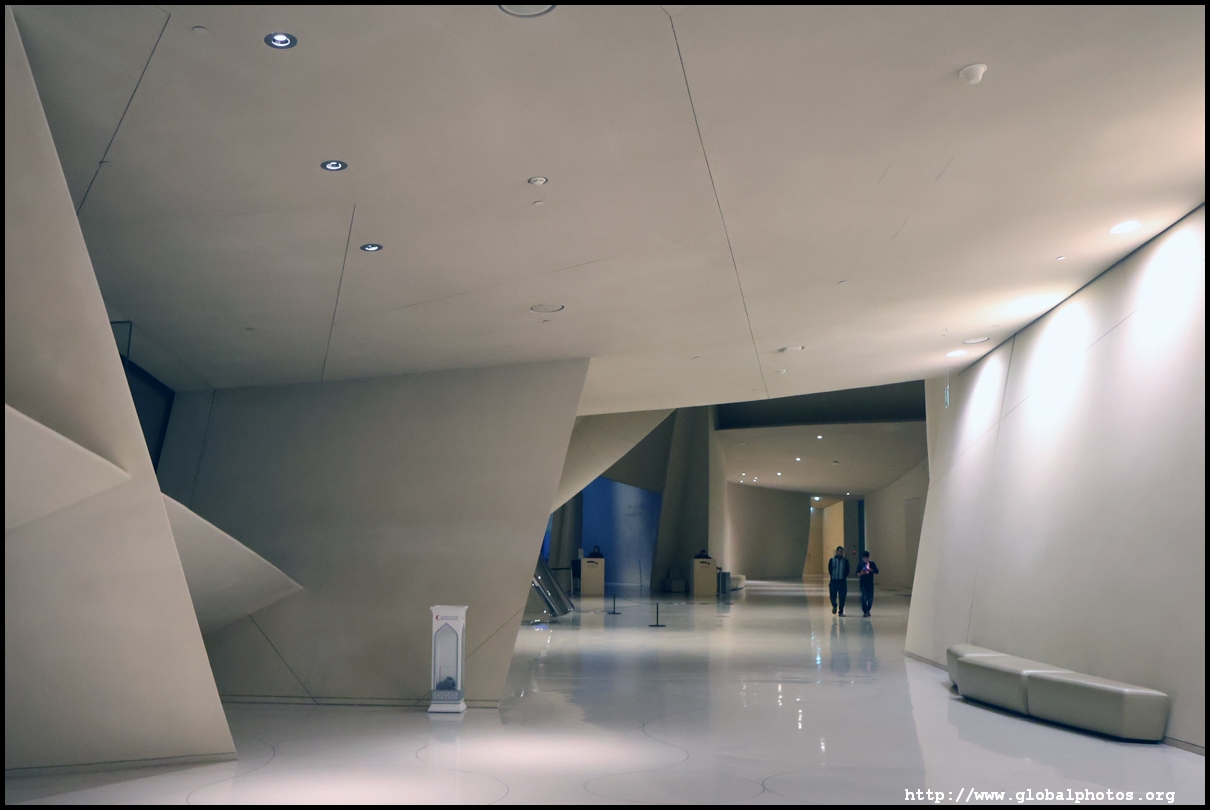
After paying a modest admission charge of 50 riyals (2025 price), I entered the vast space to begin my evening tour. During Ramadan, museums open after sun-down and close very late.
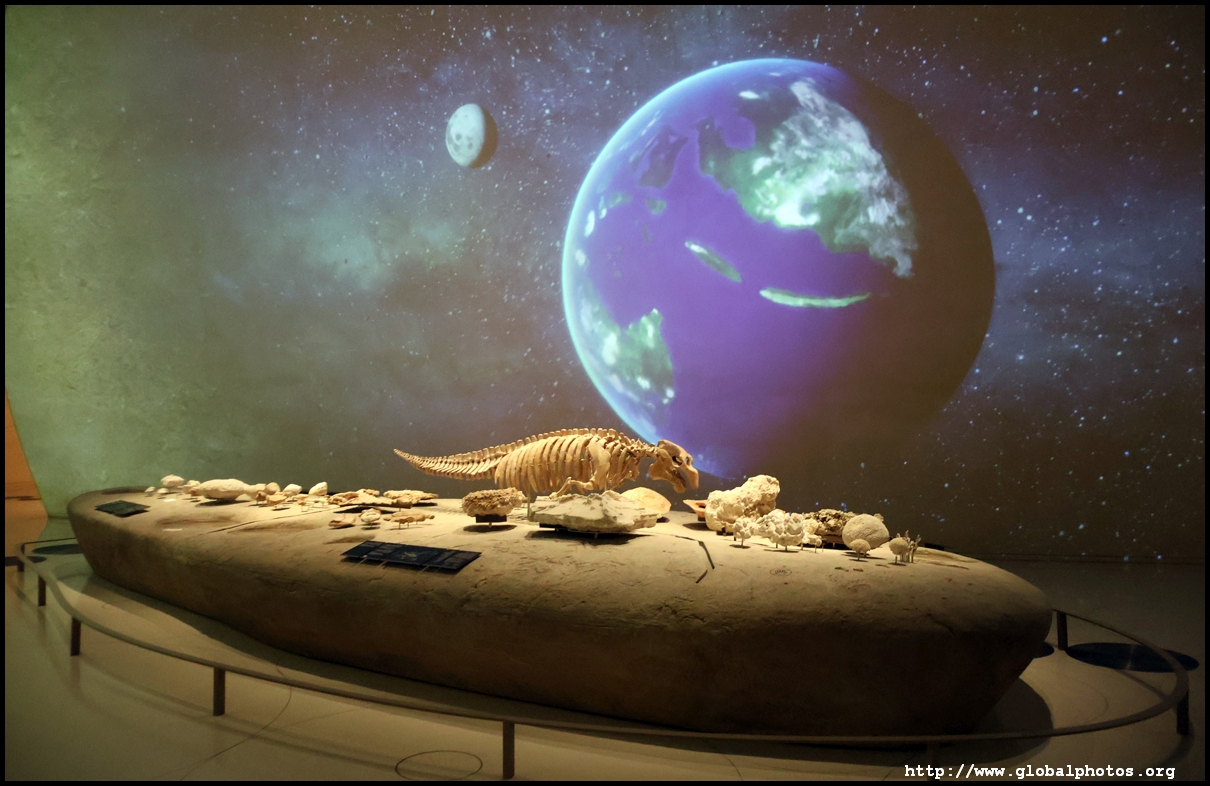
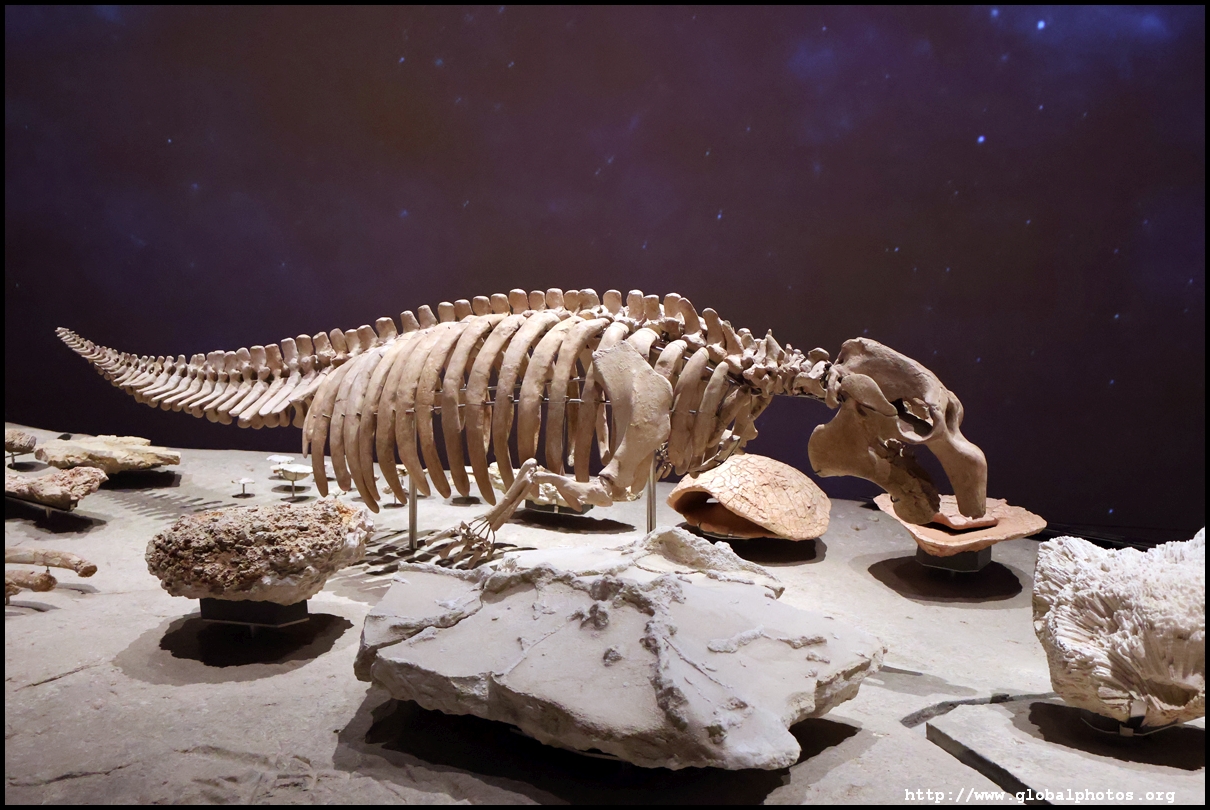
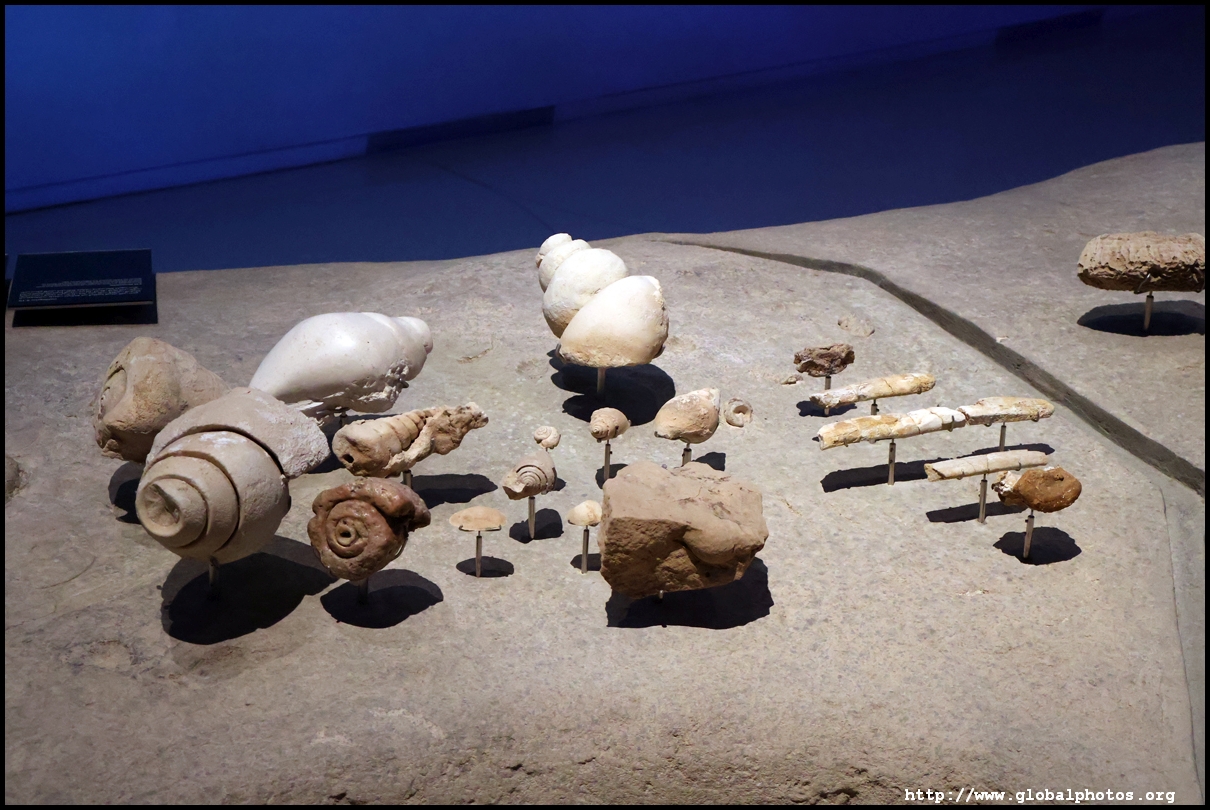
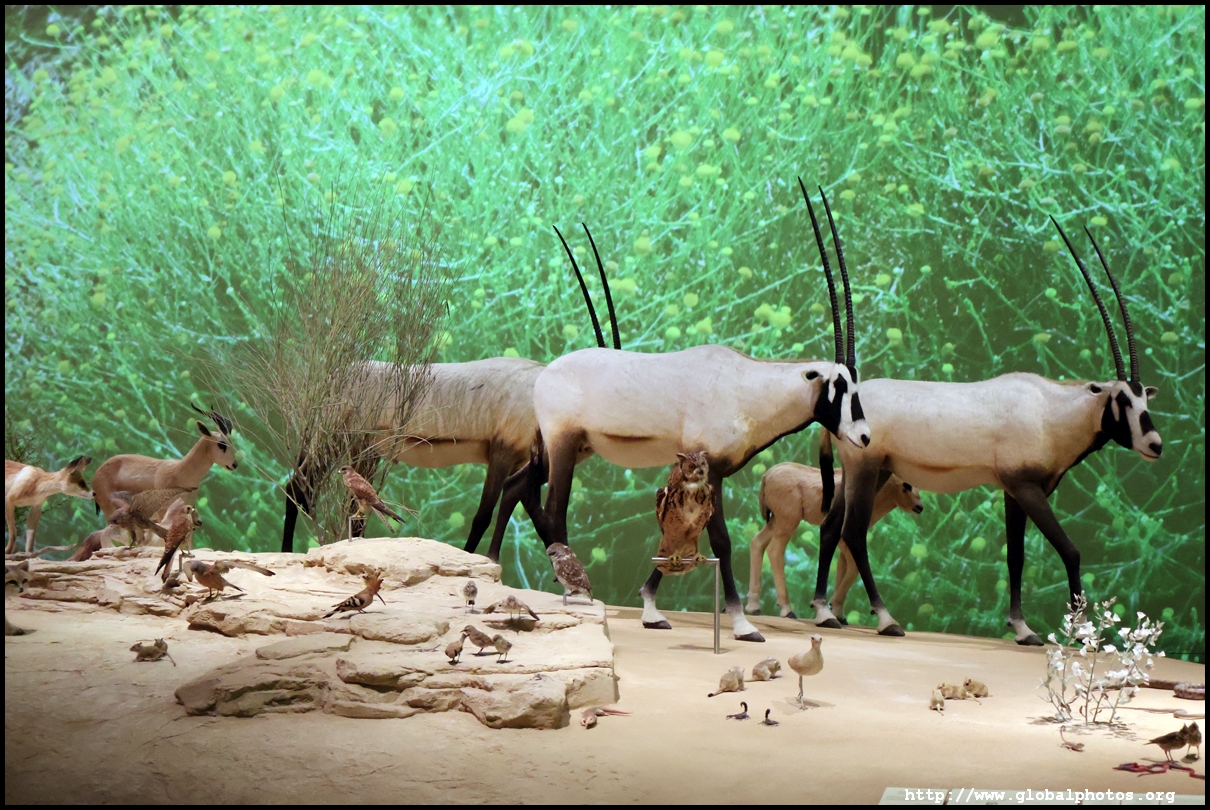
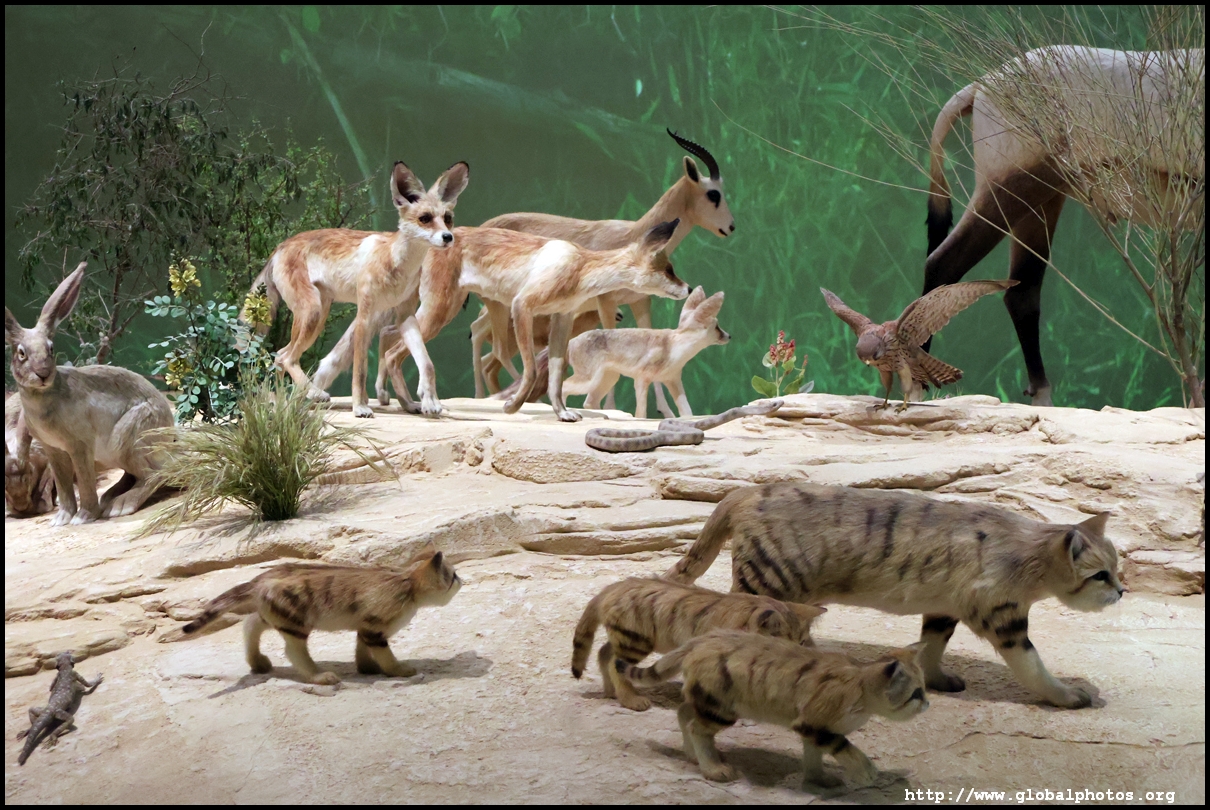
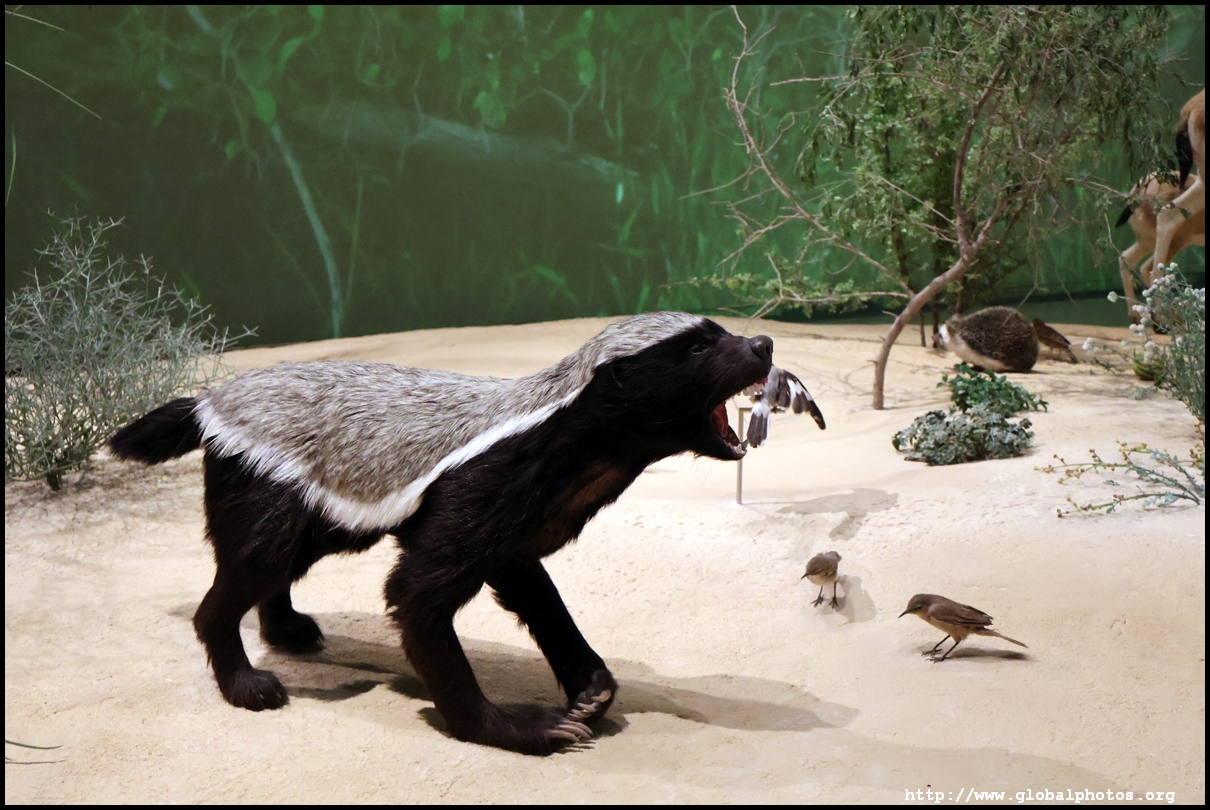
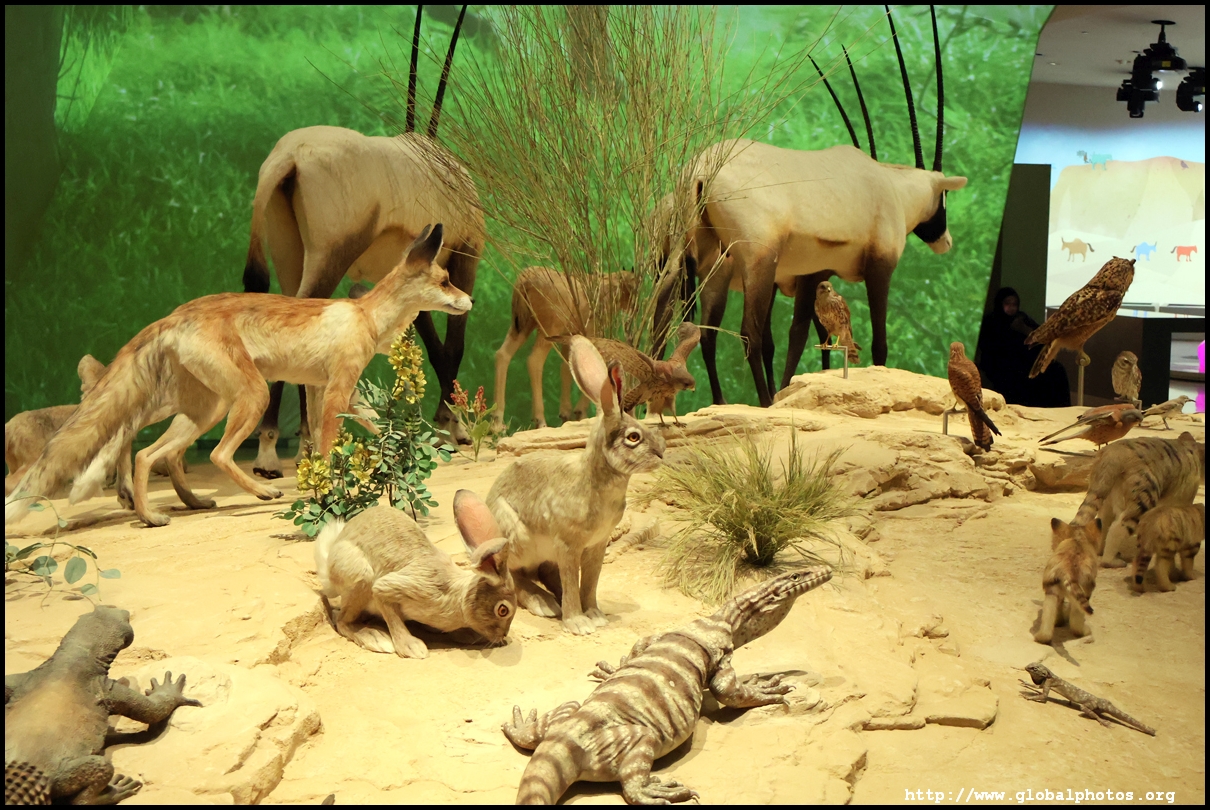
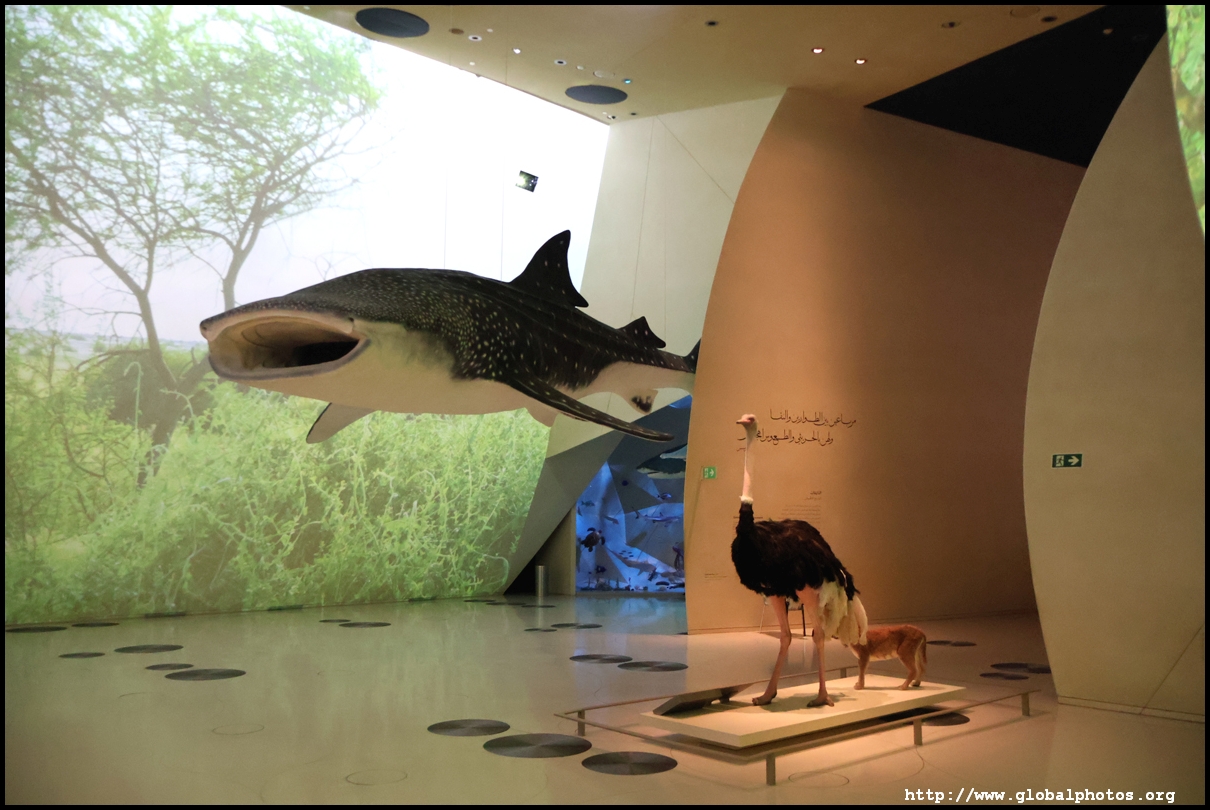
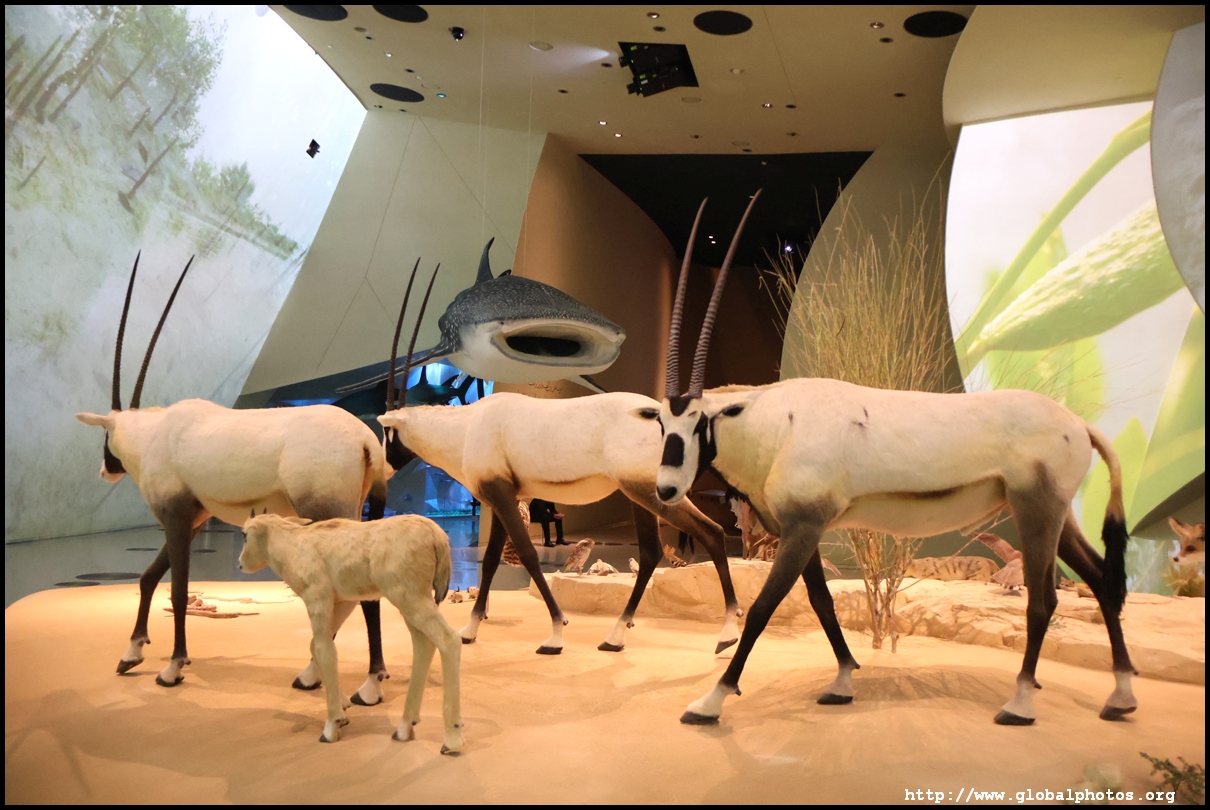
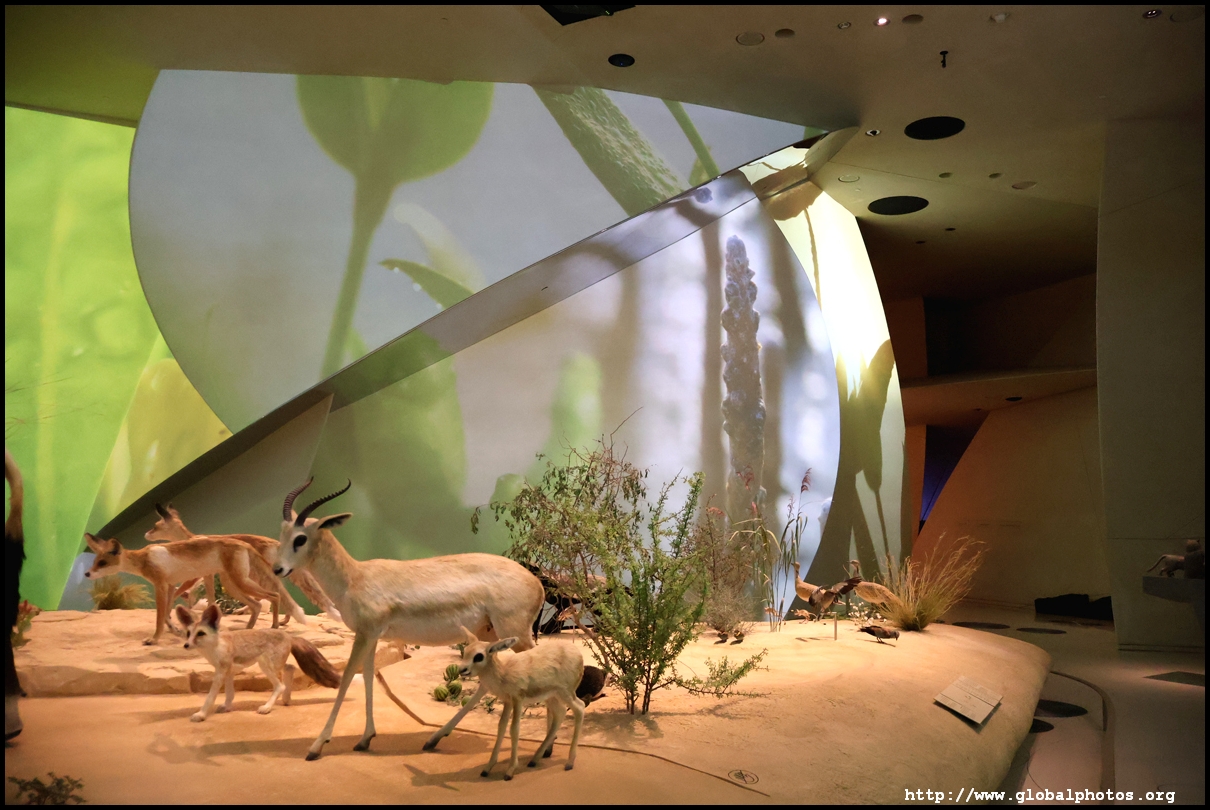
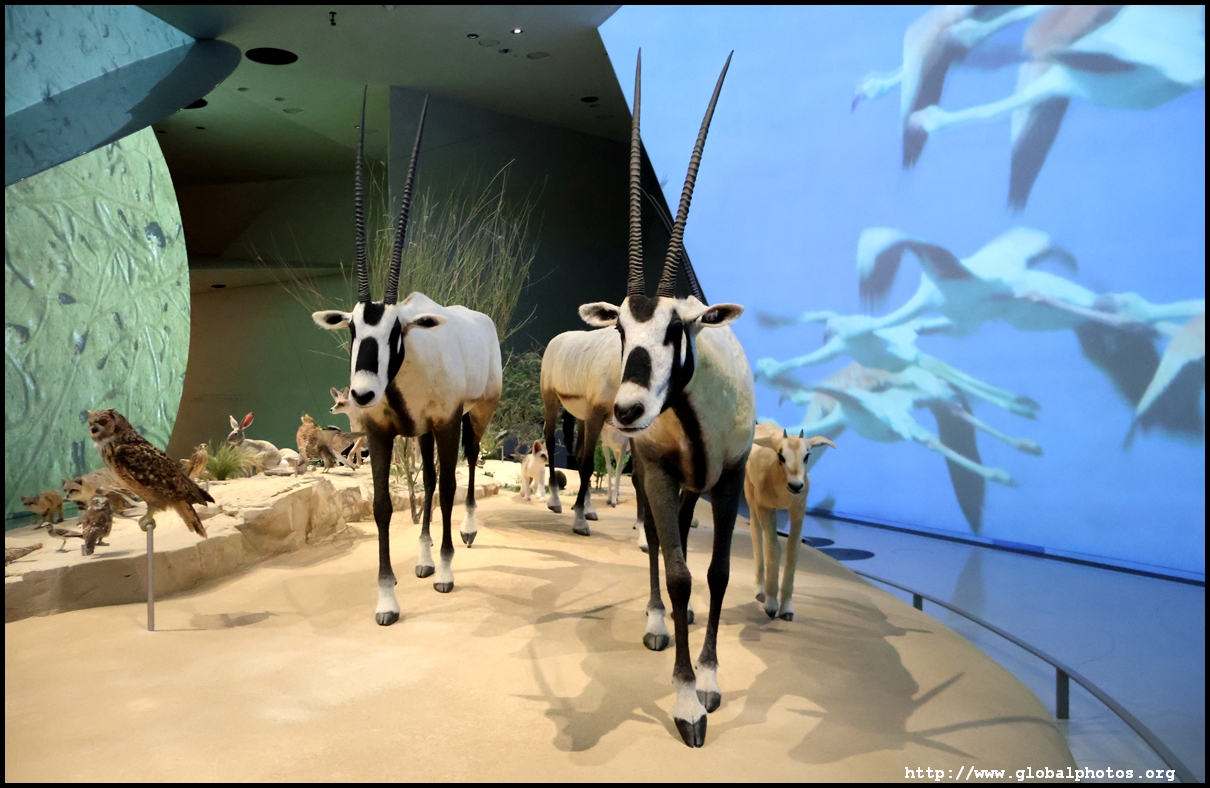
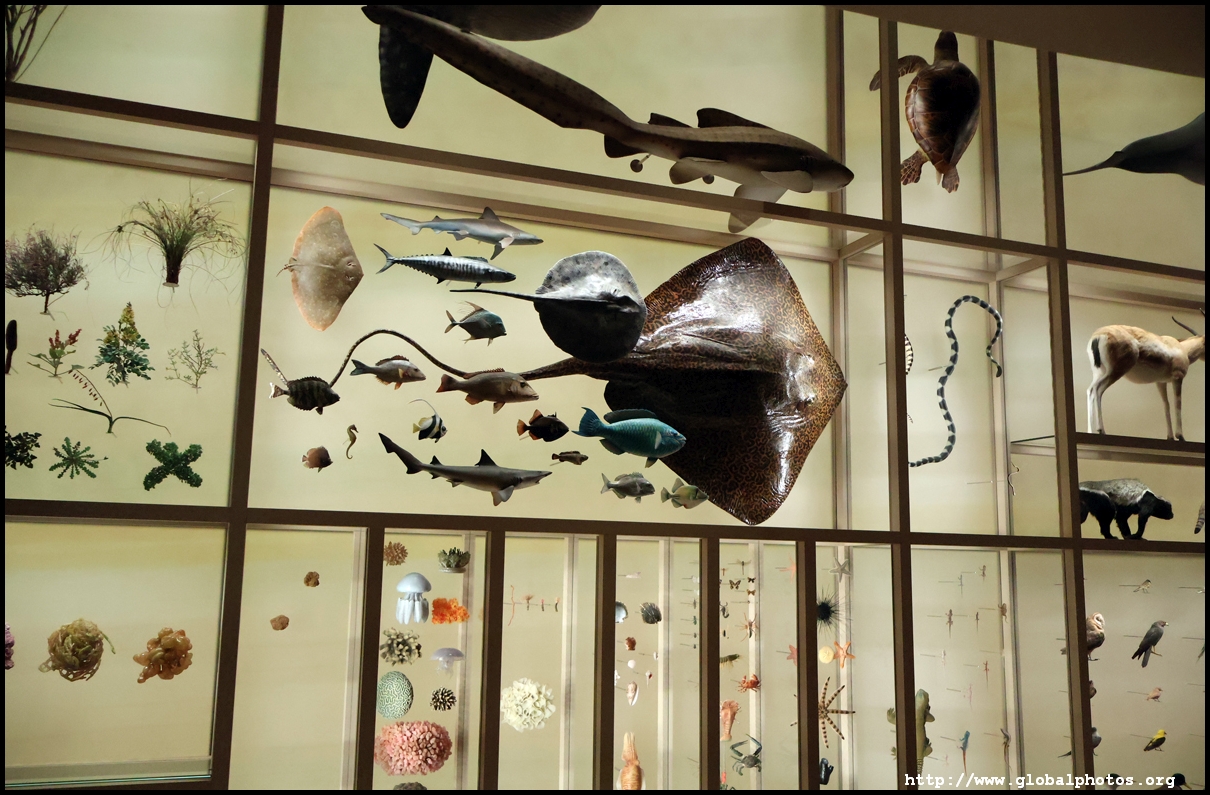
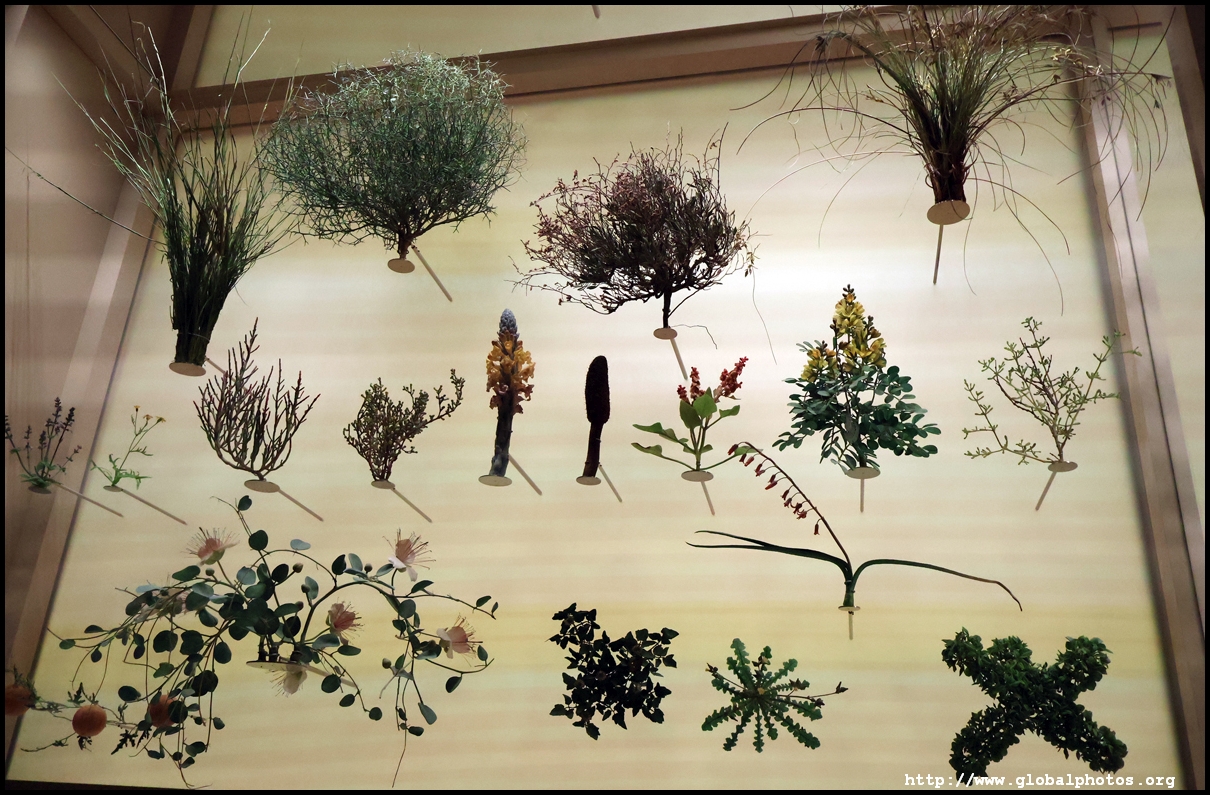
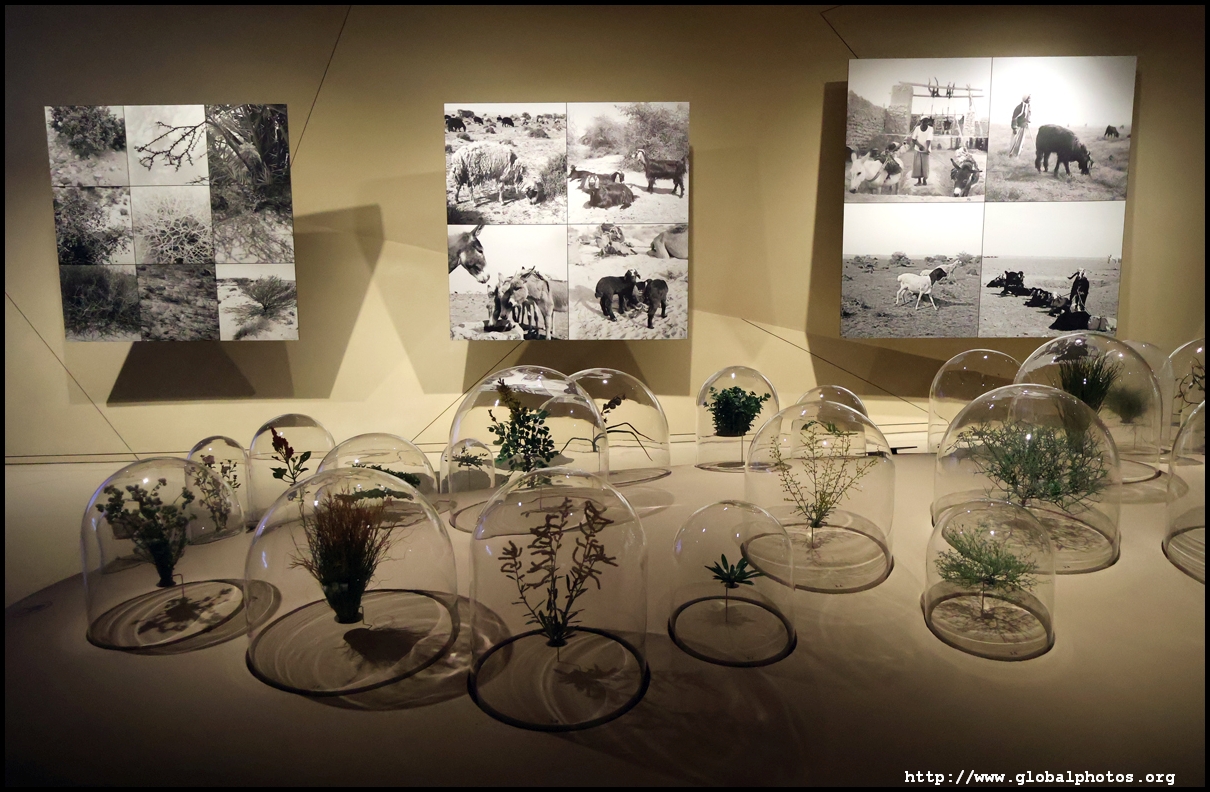
The first gallery begins with the geological formation of Qatar and the creatures that call this place home. The peninsula emerged about 4000 years ago. There are models of the various land and sea creatures in a re-created ecosystem down to the smallest details. Of particular interest is the oryx, which lives in the desert plains and low sand dunes, being able to endure up to 6 months without drinking water.
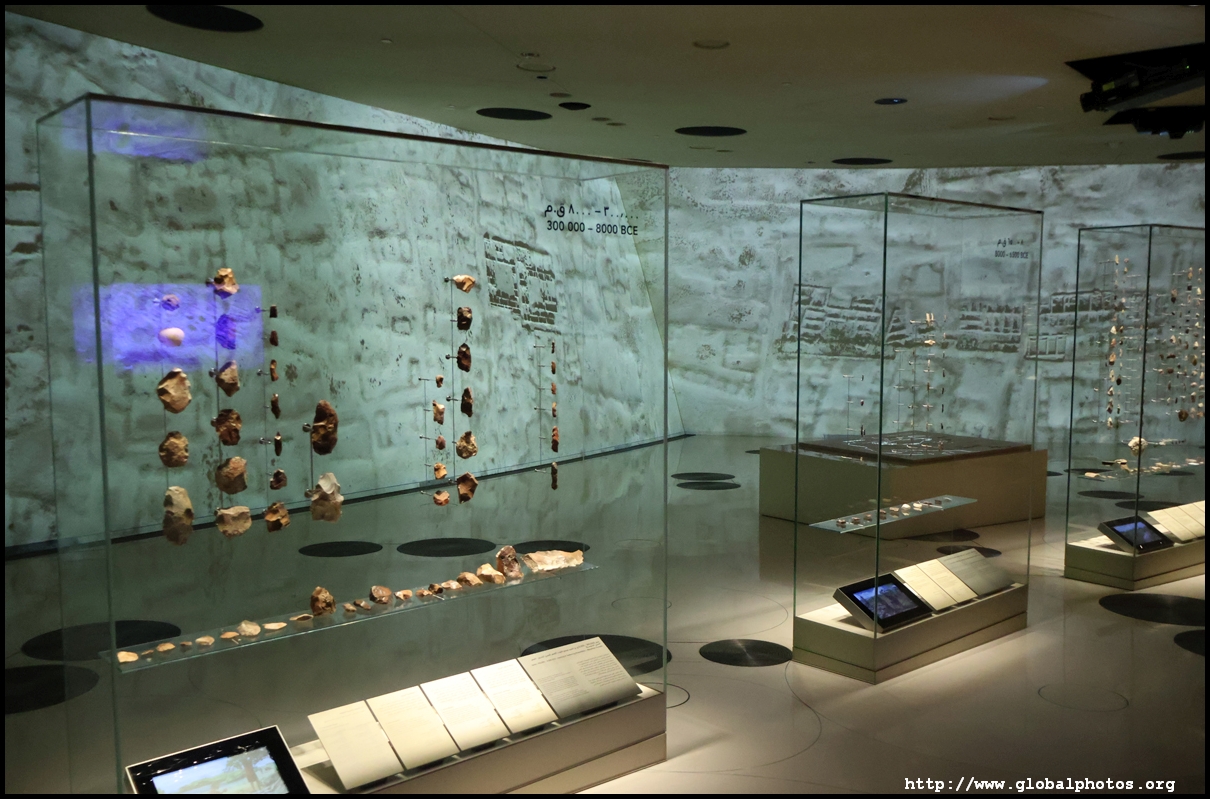
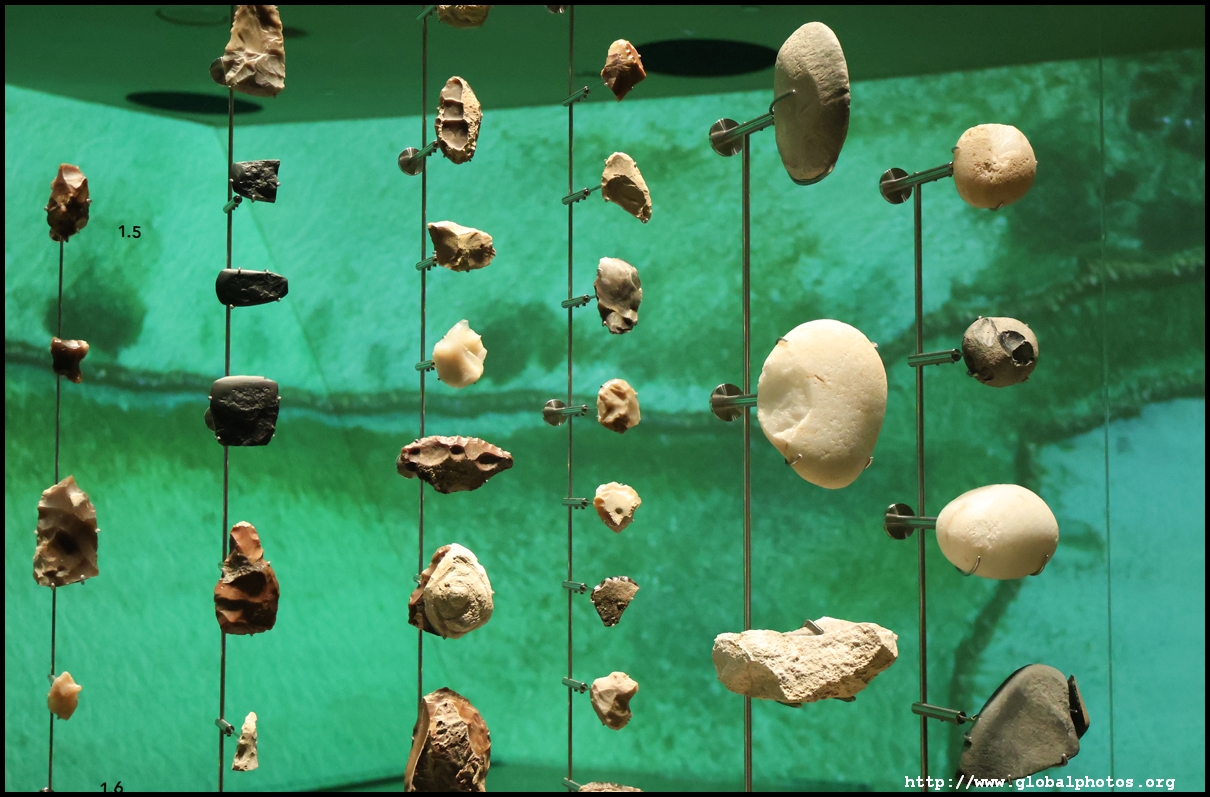
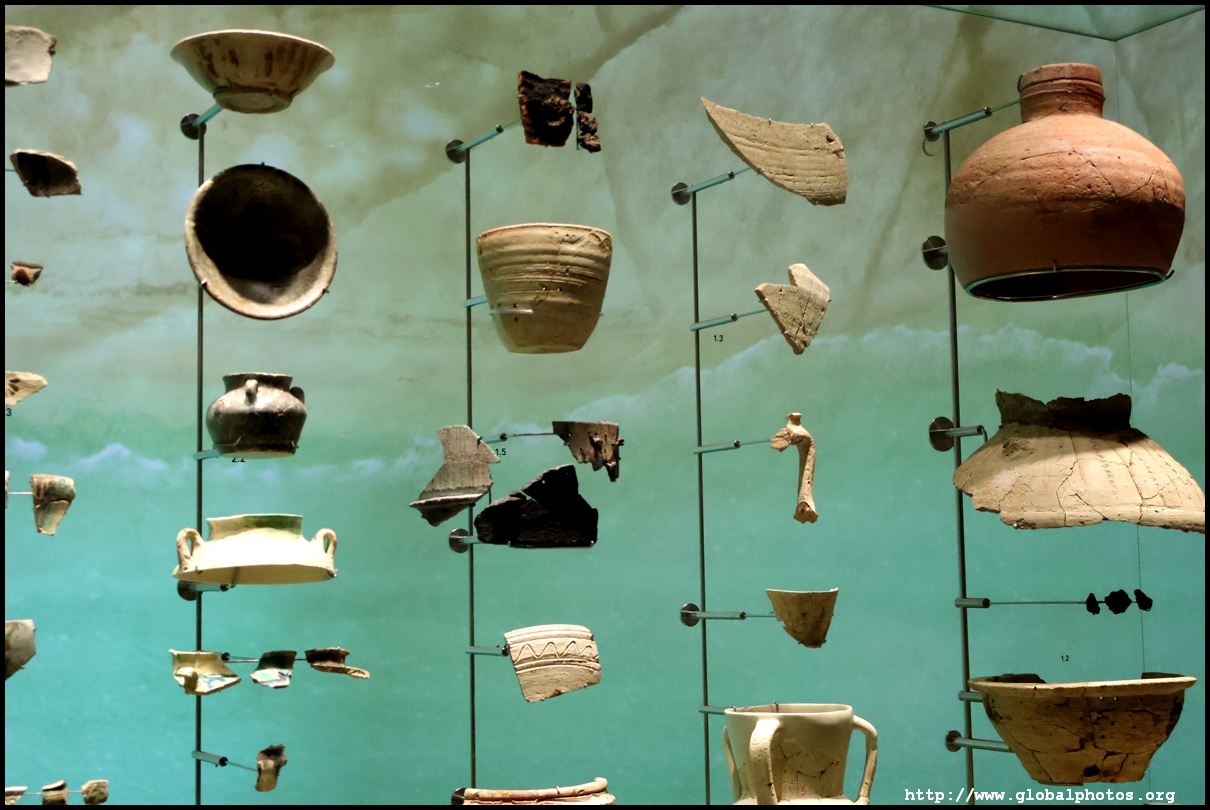
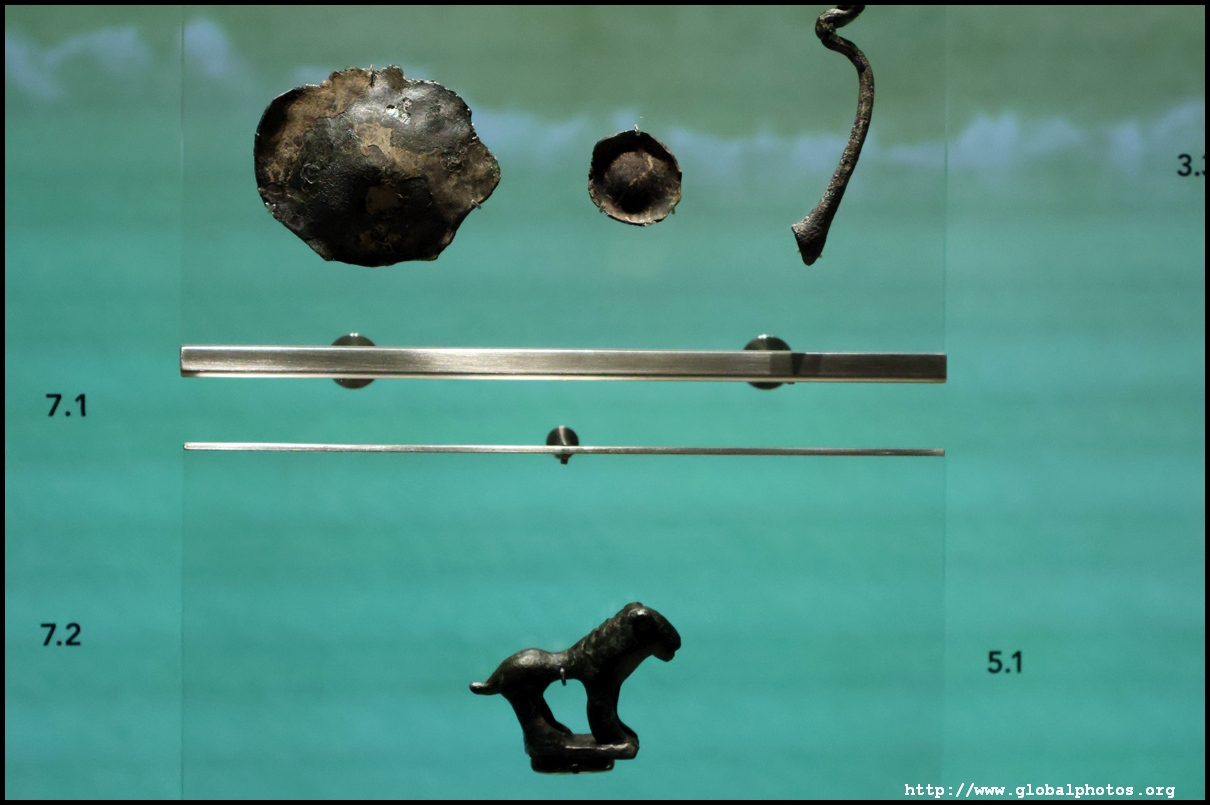
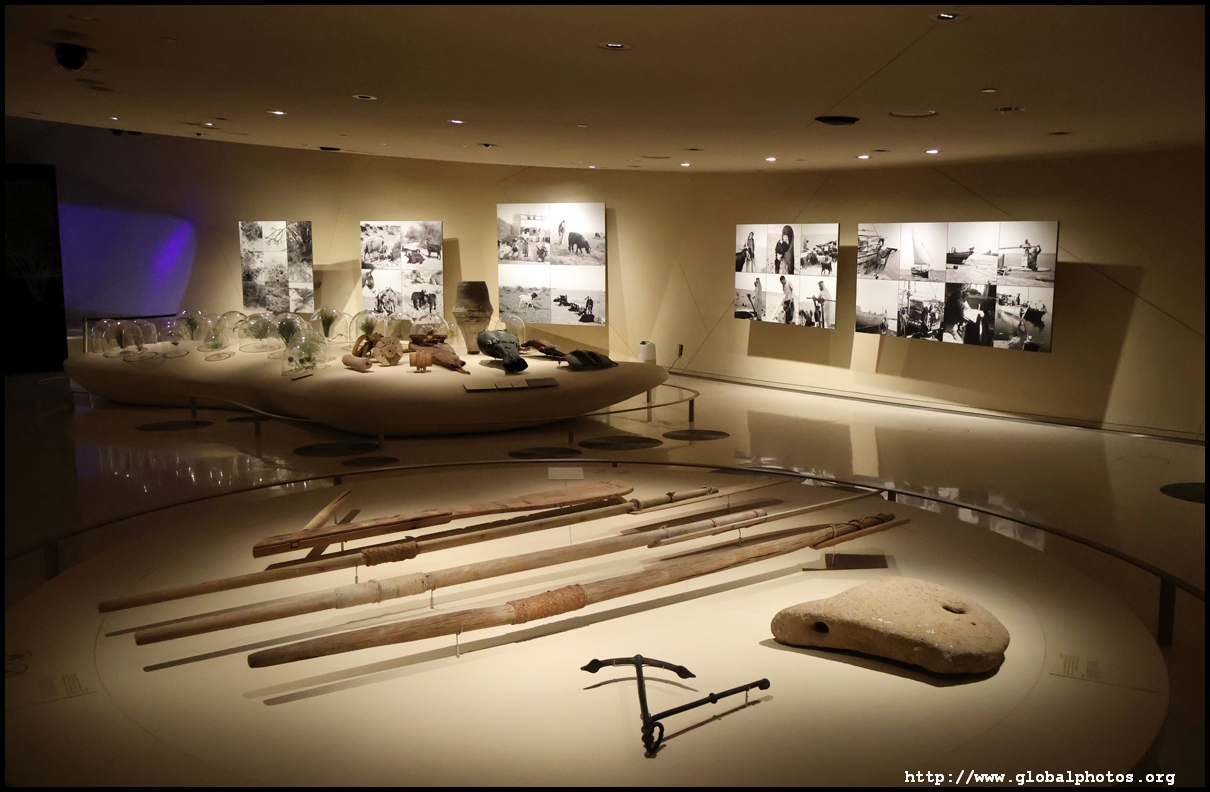
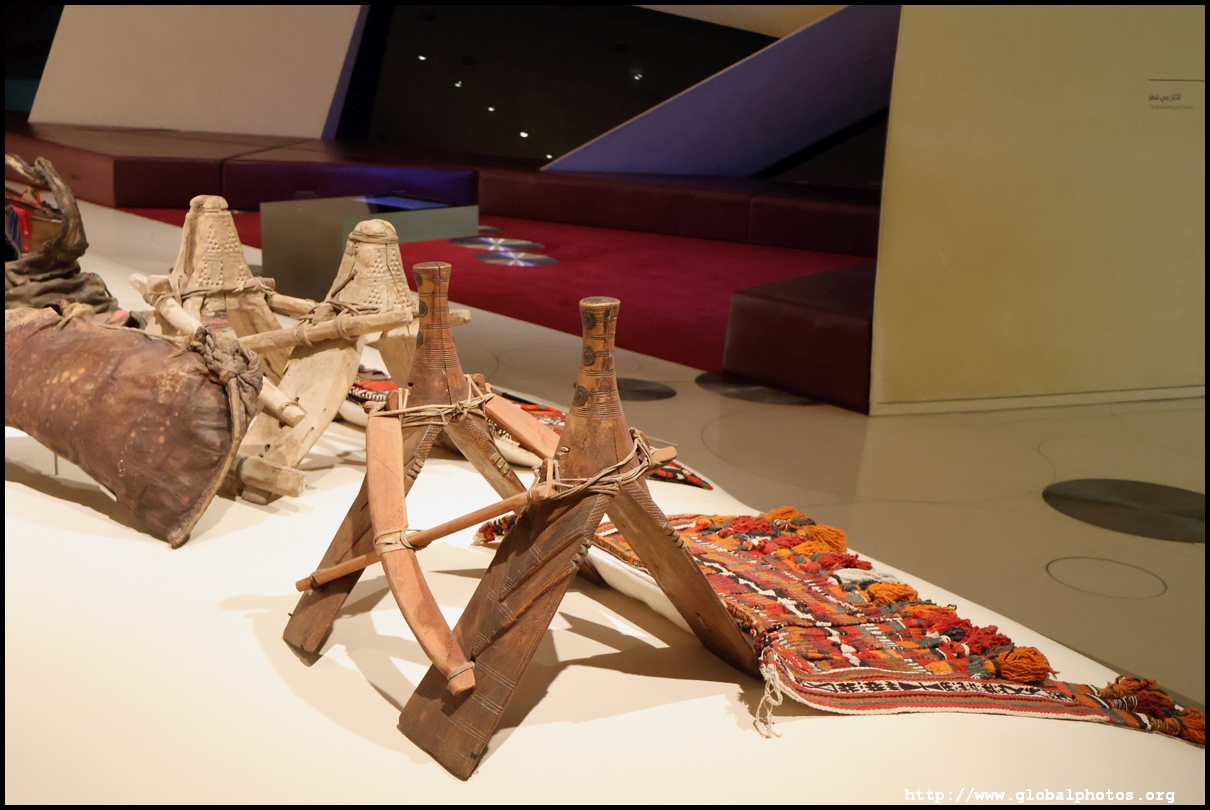
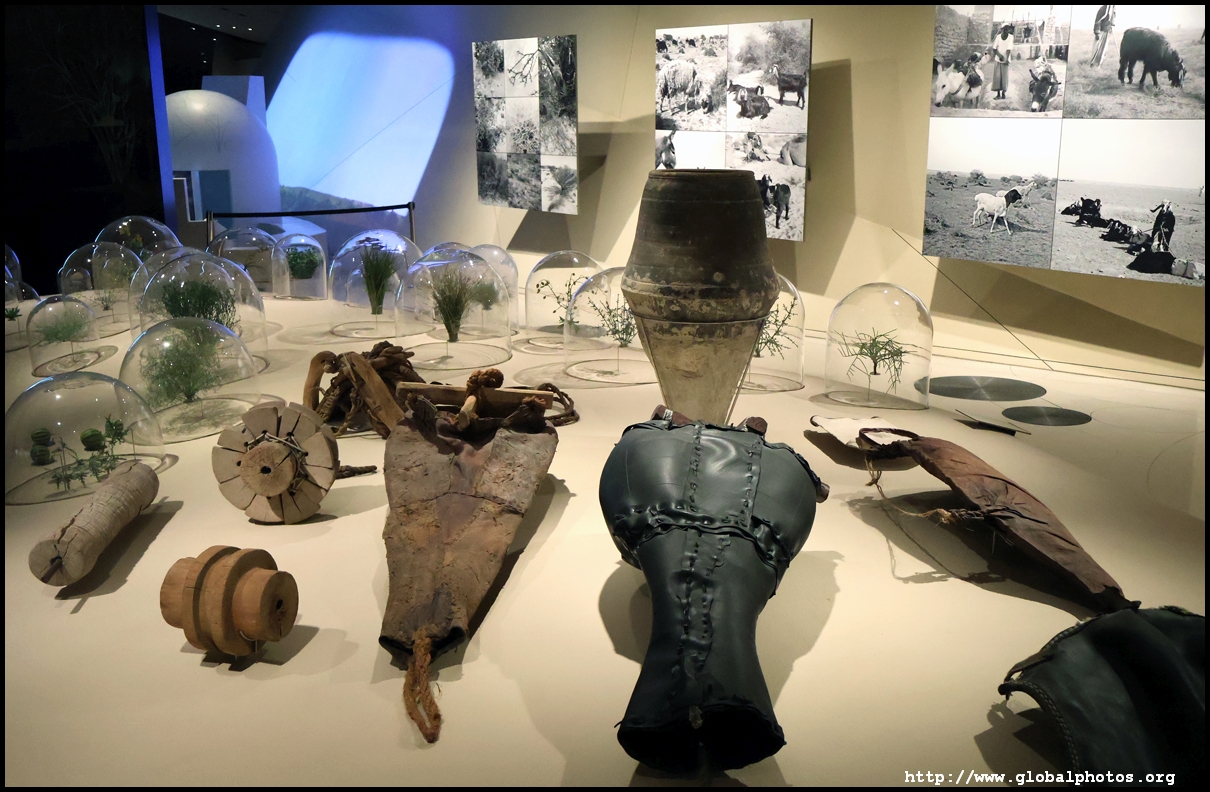
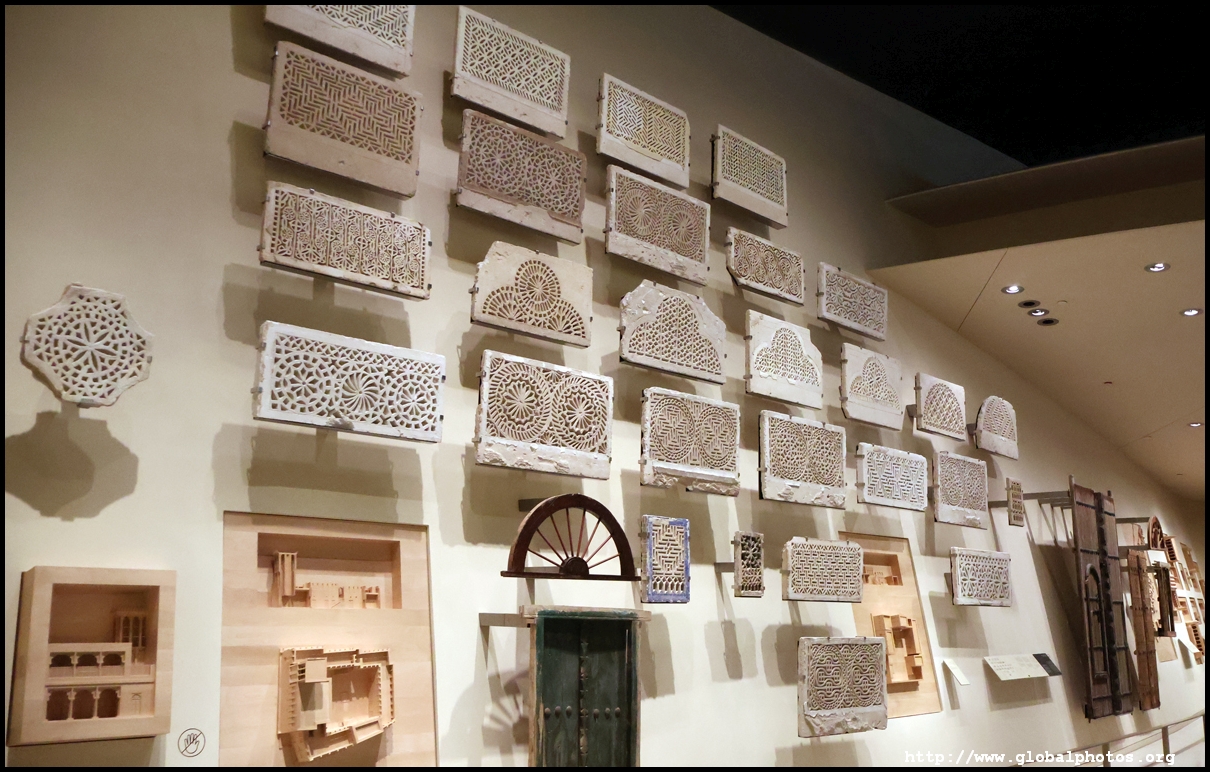
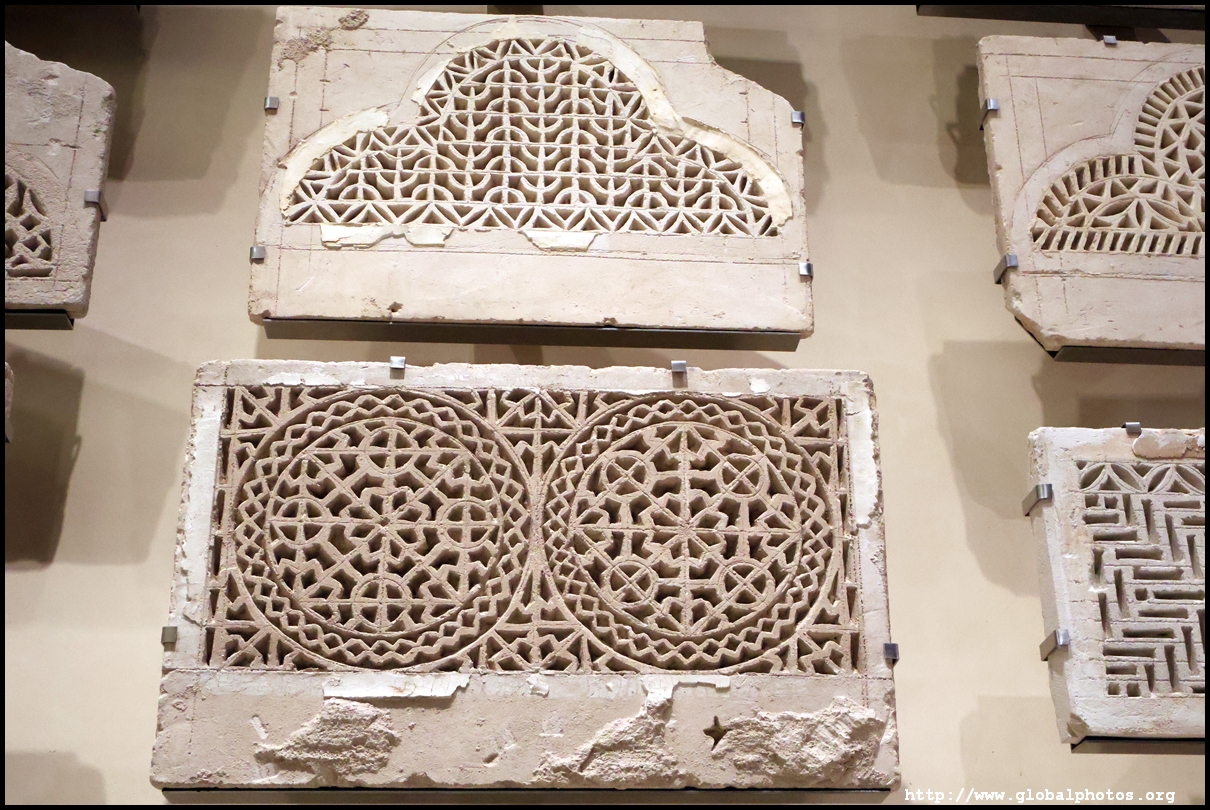
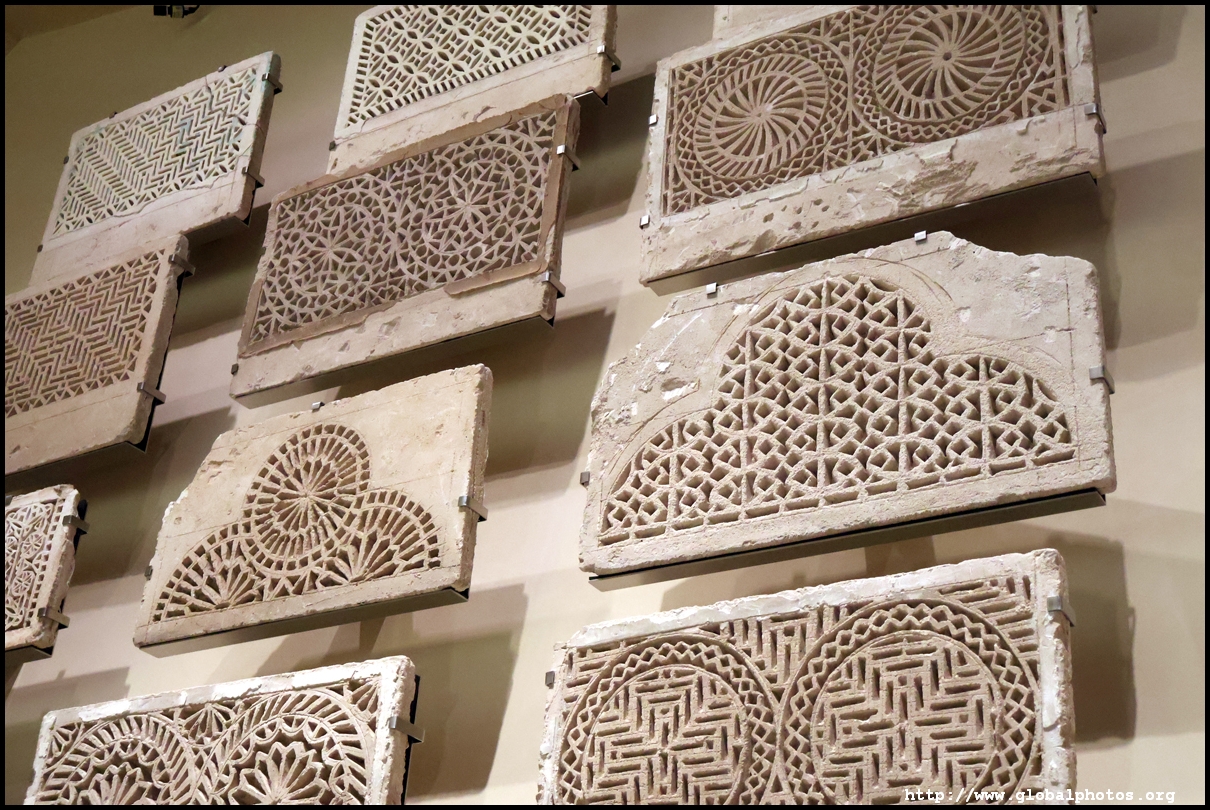
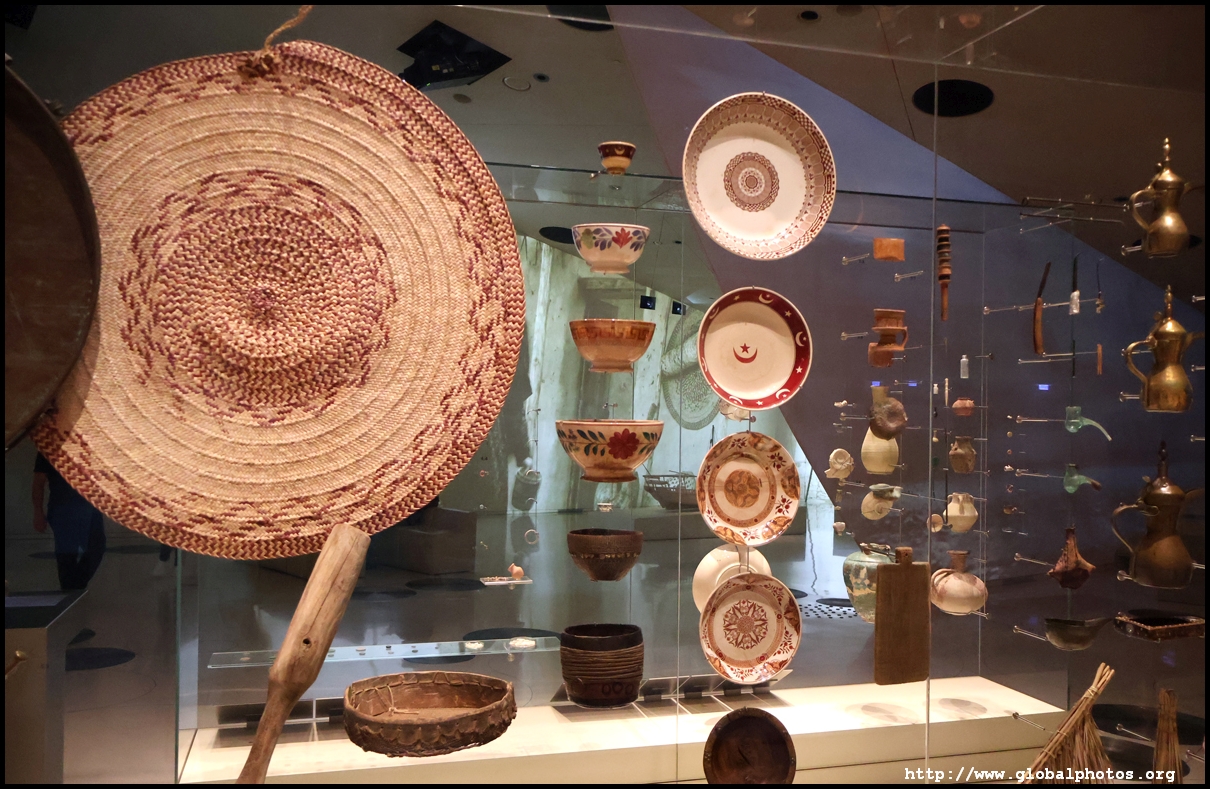
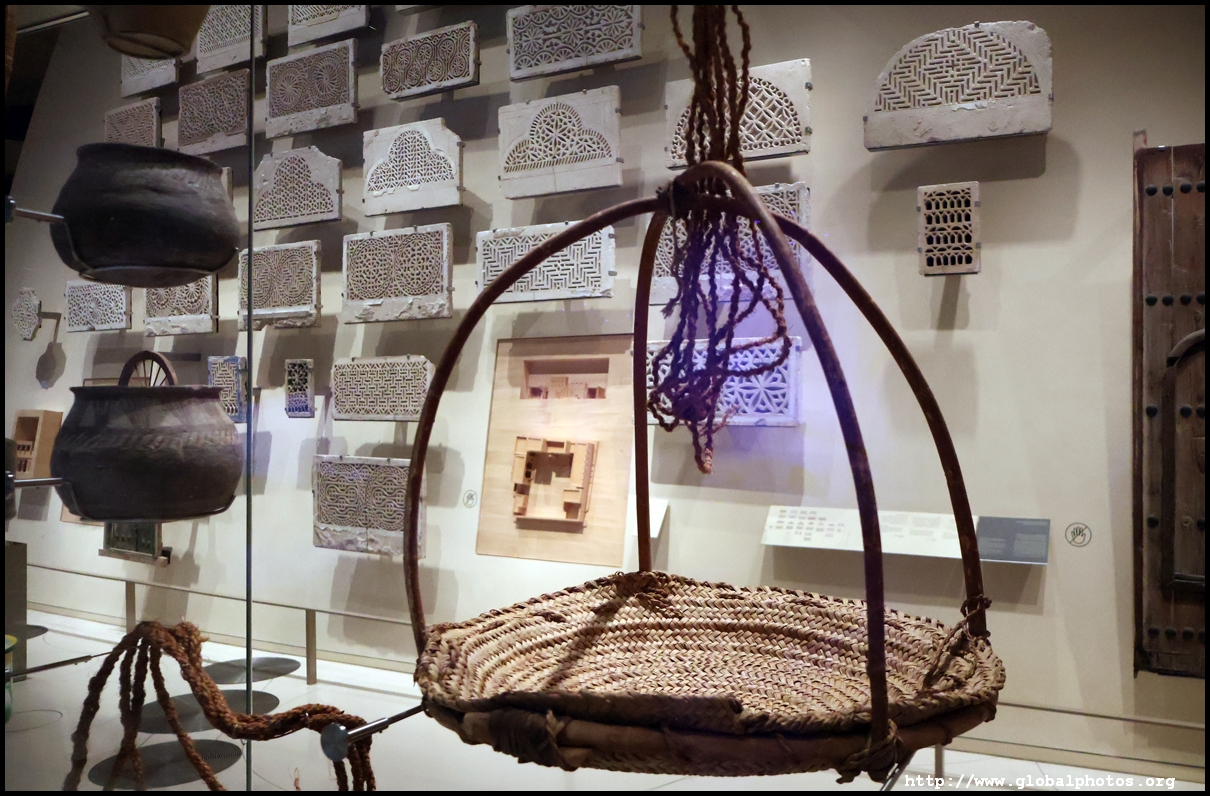
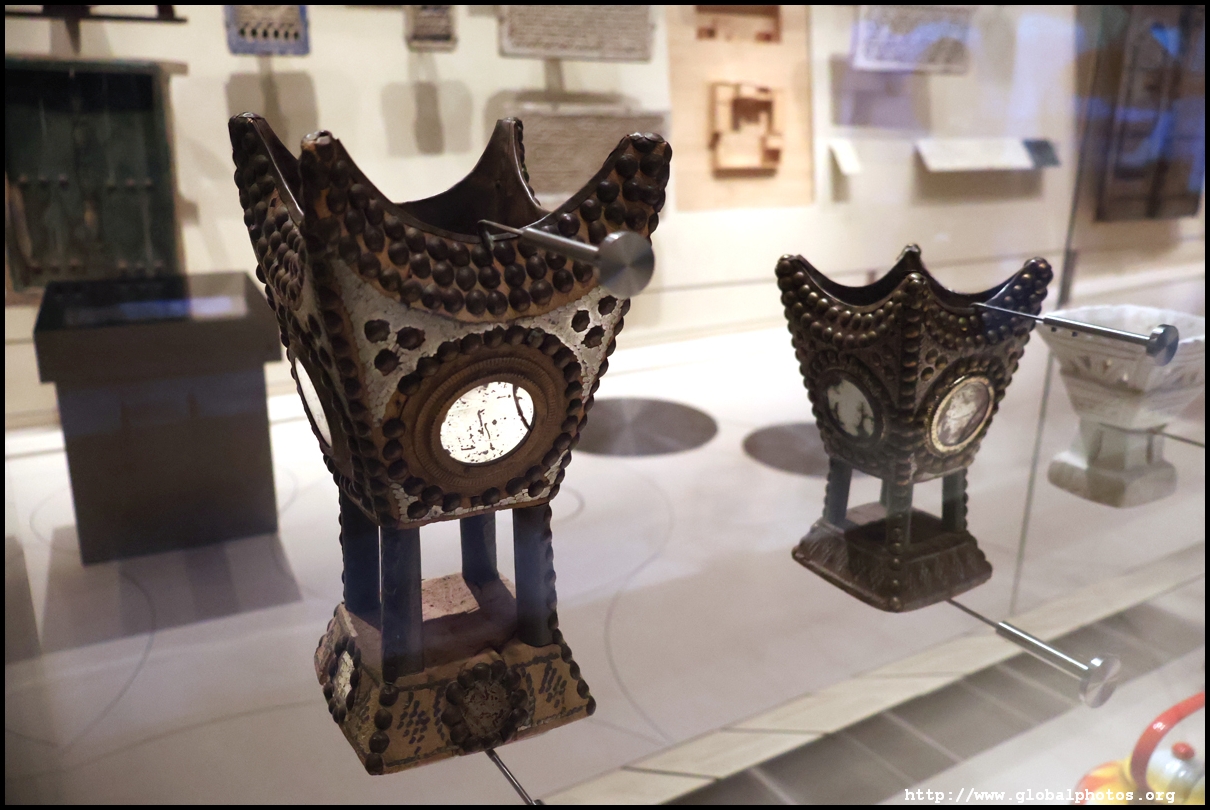
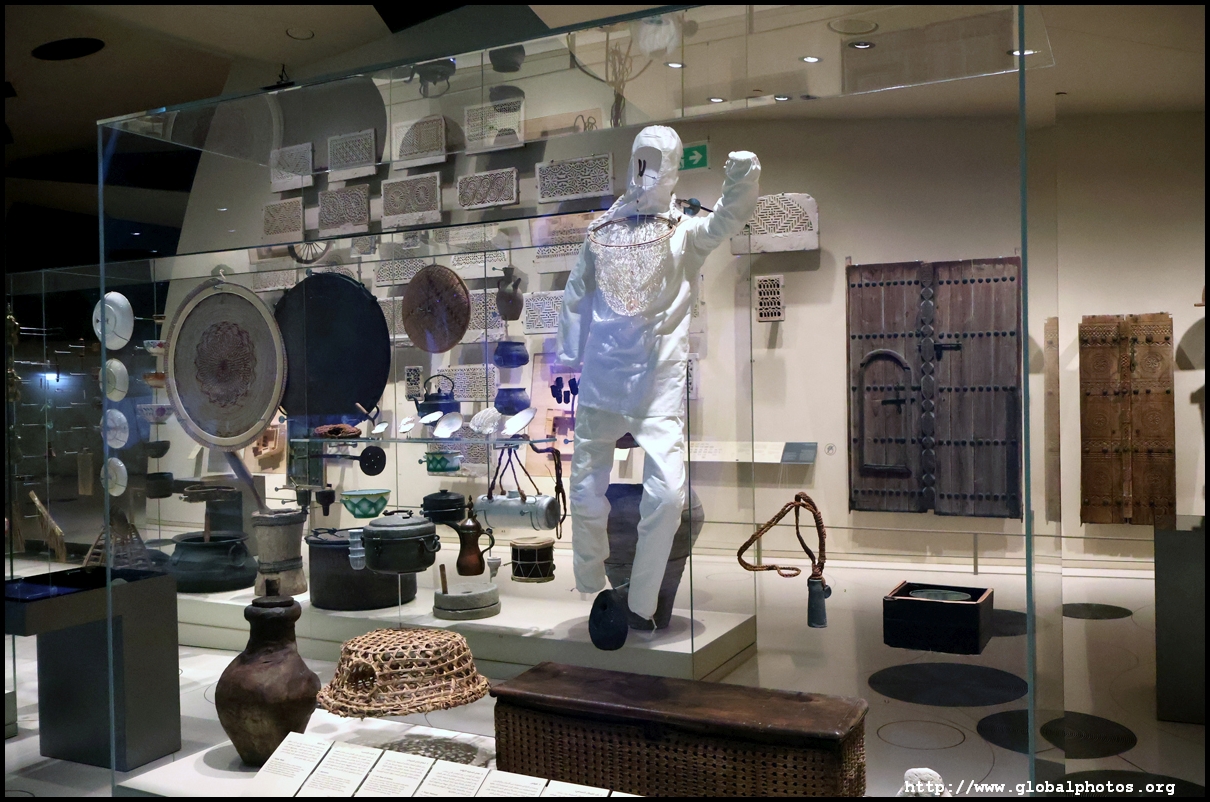
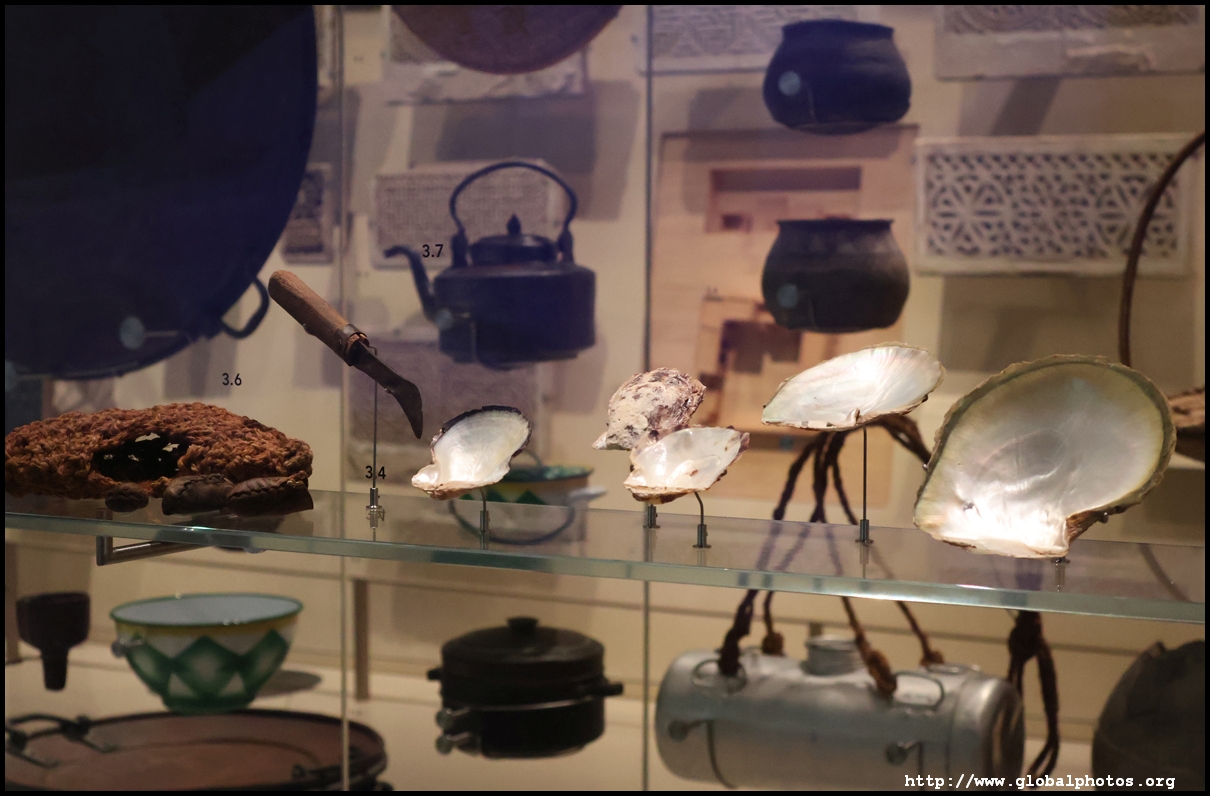
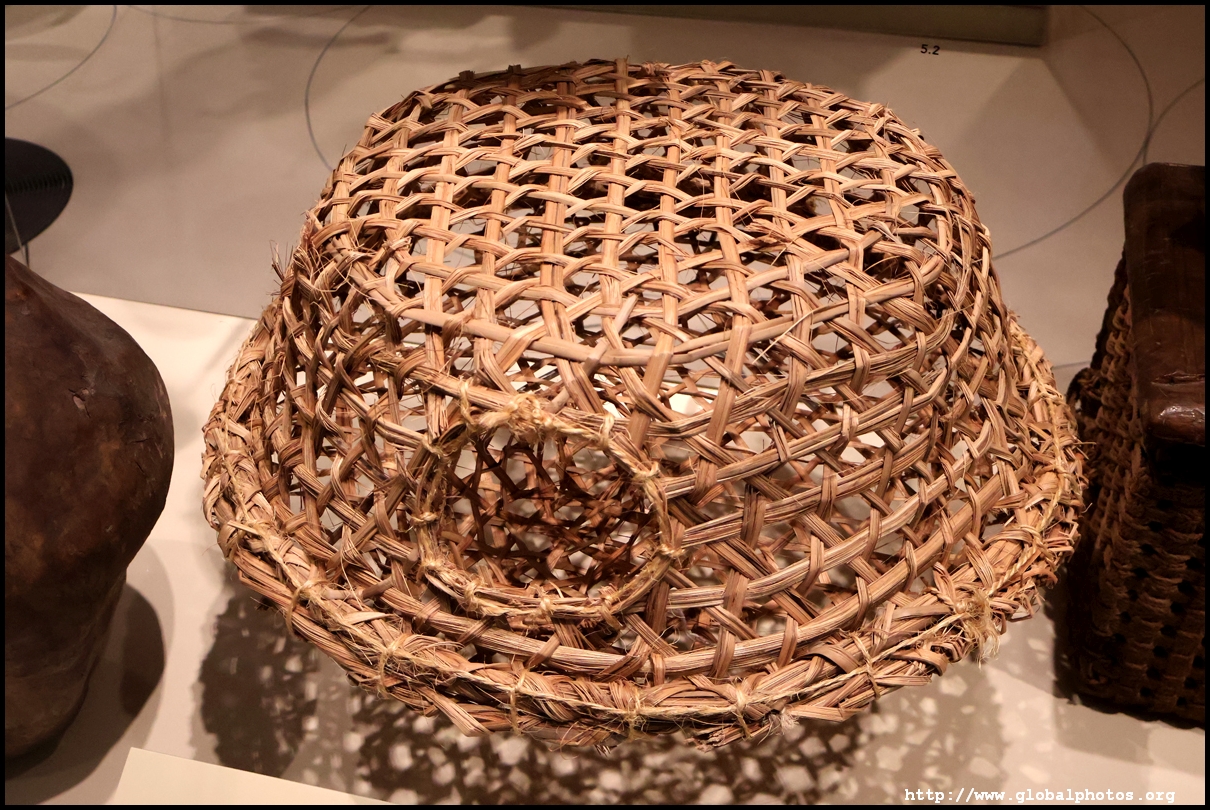
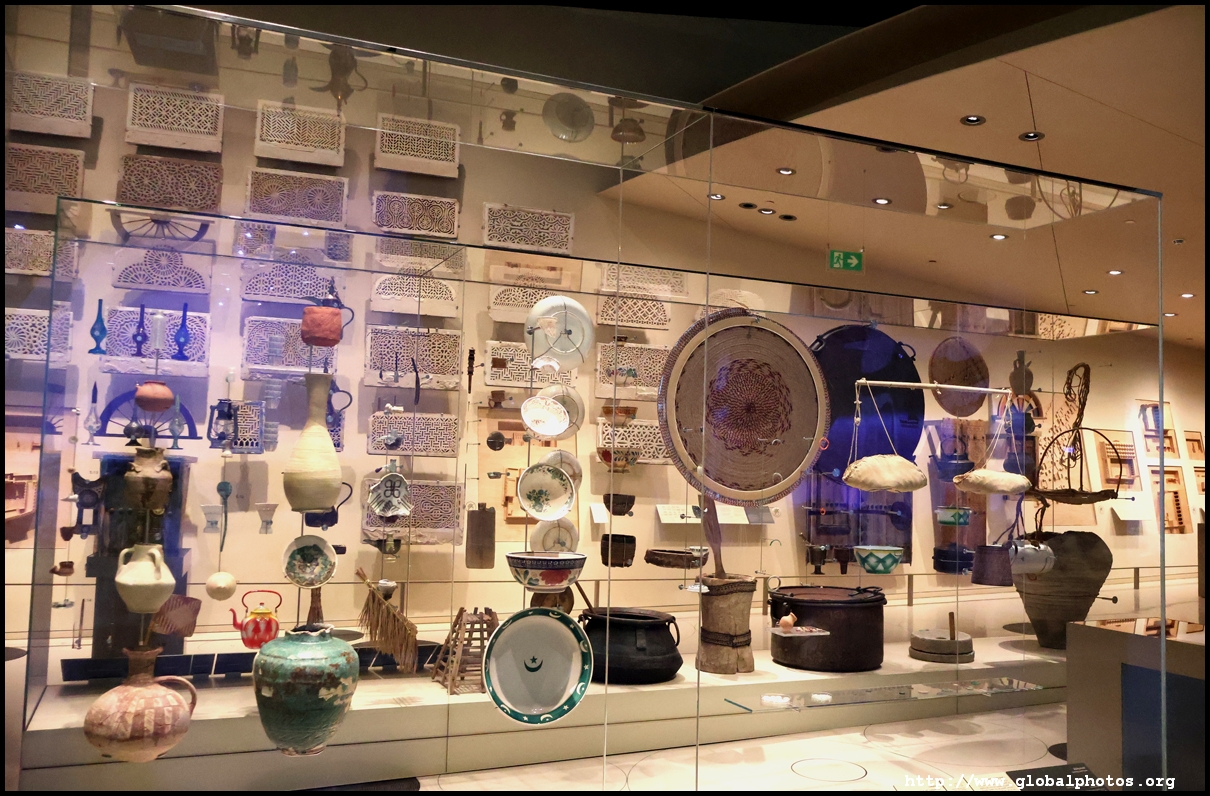
Continuing on, there is a huge glass case of archaeological finds, followed by objects from the traditional lifestyle.
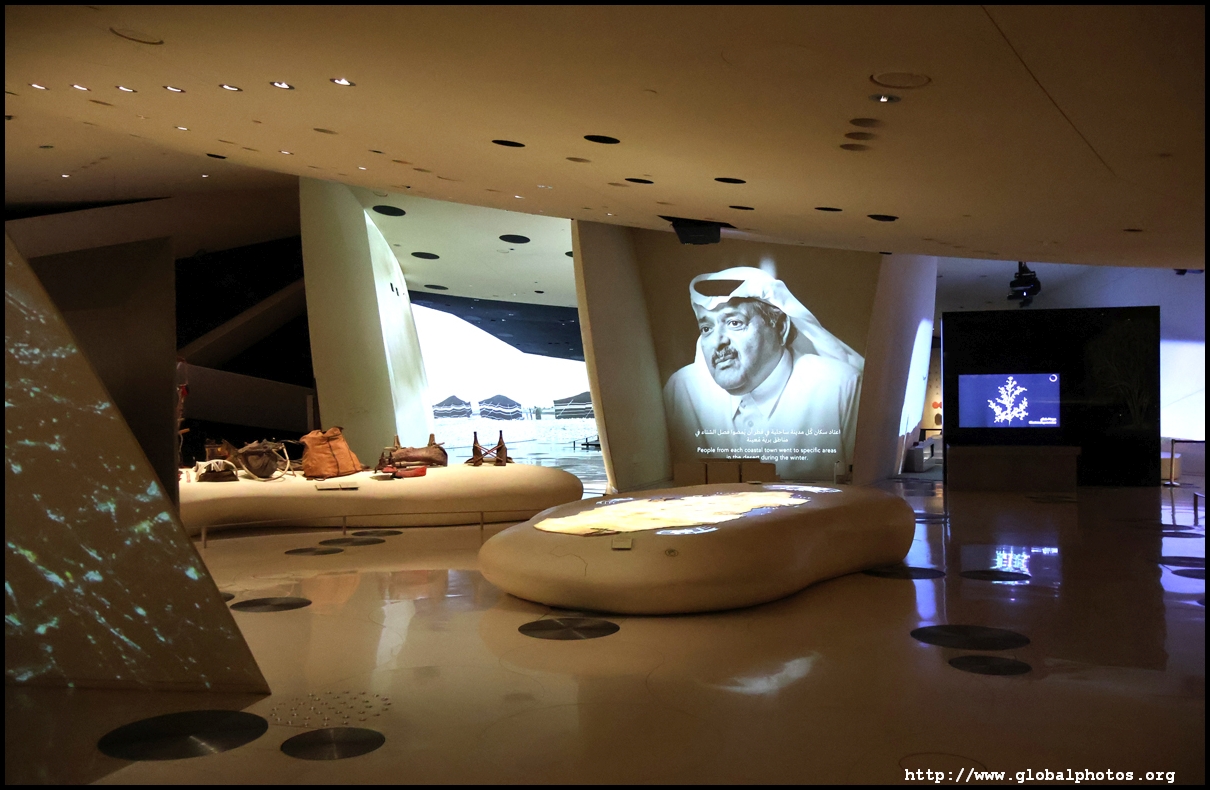
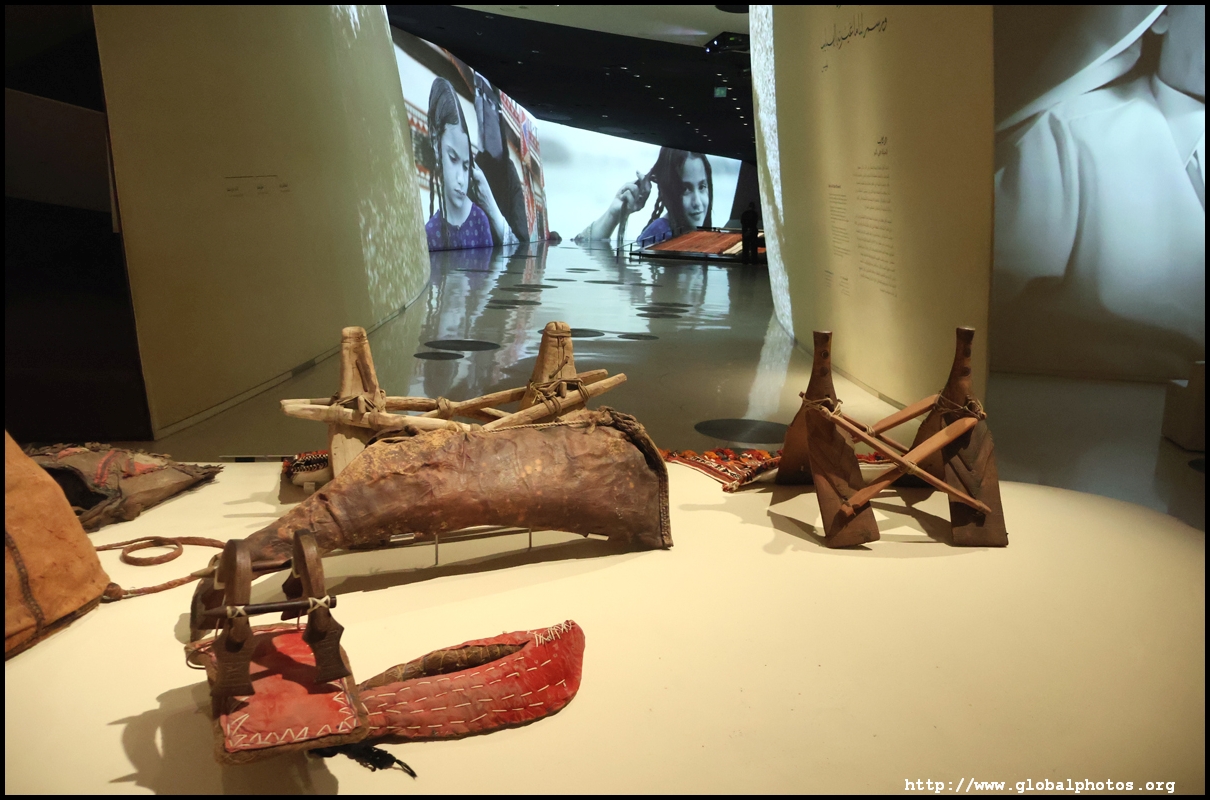
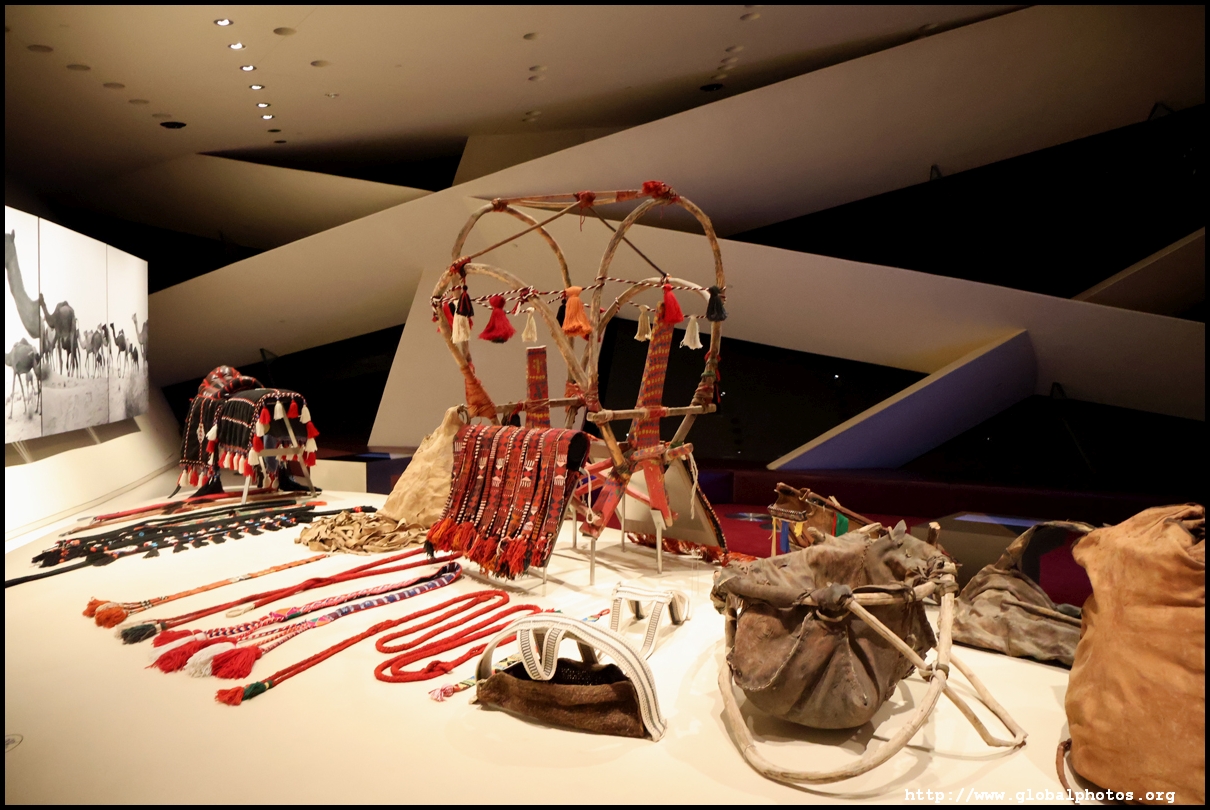
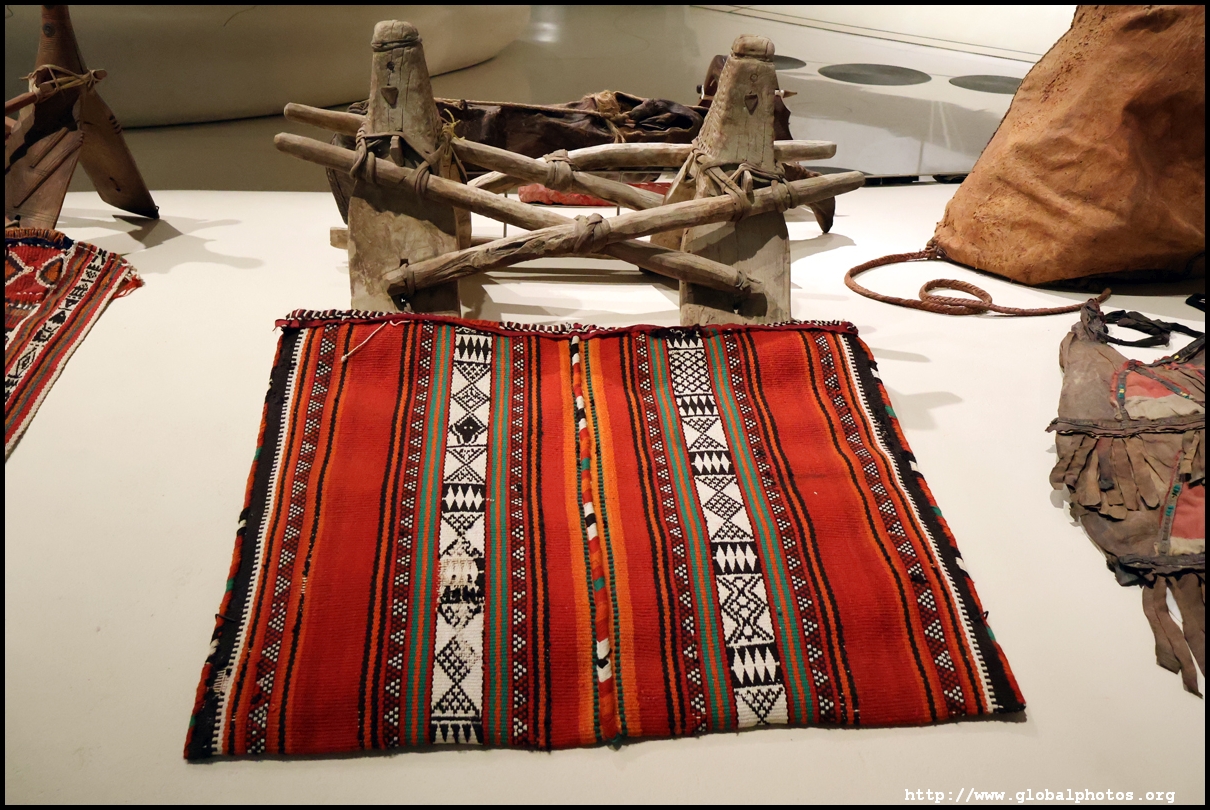
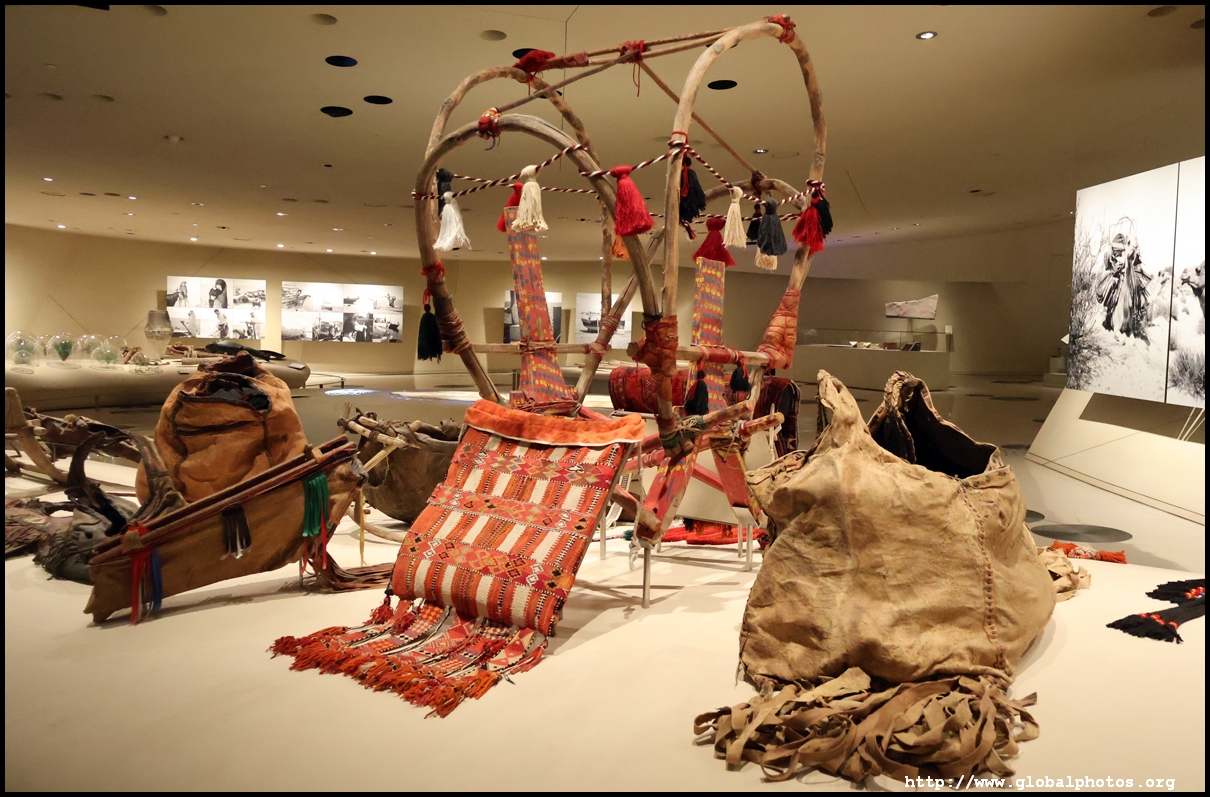
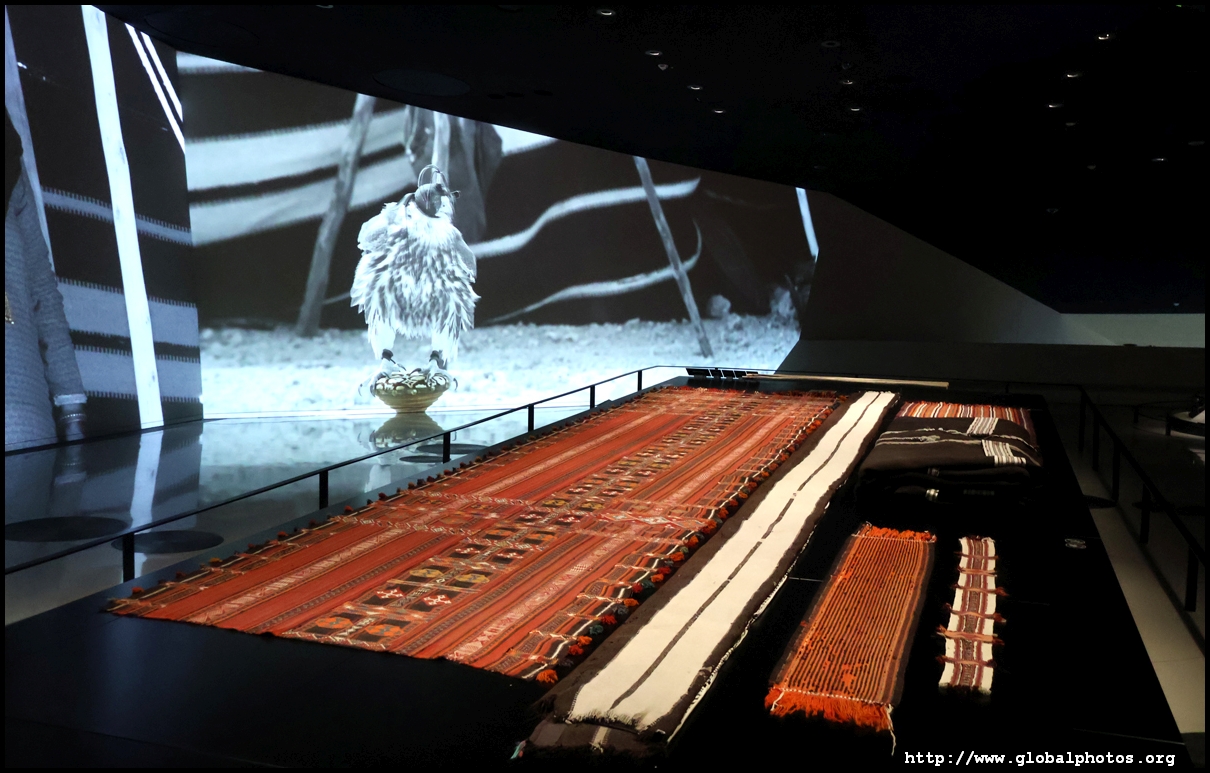
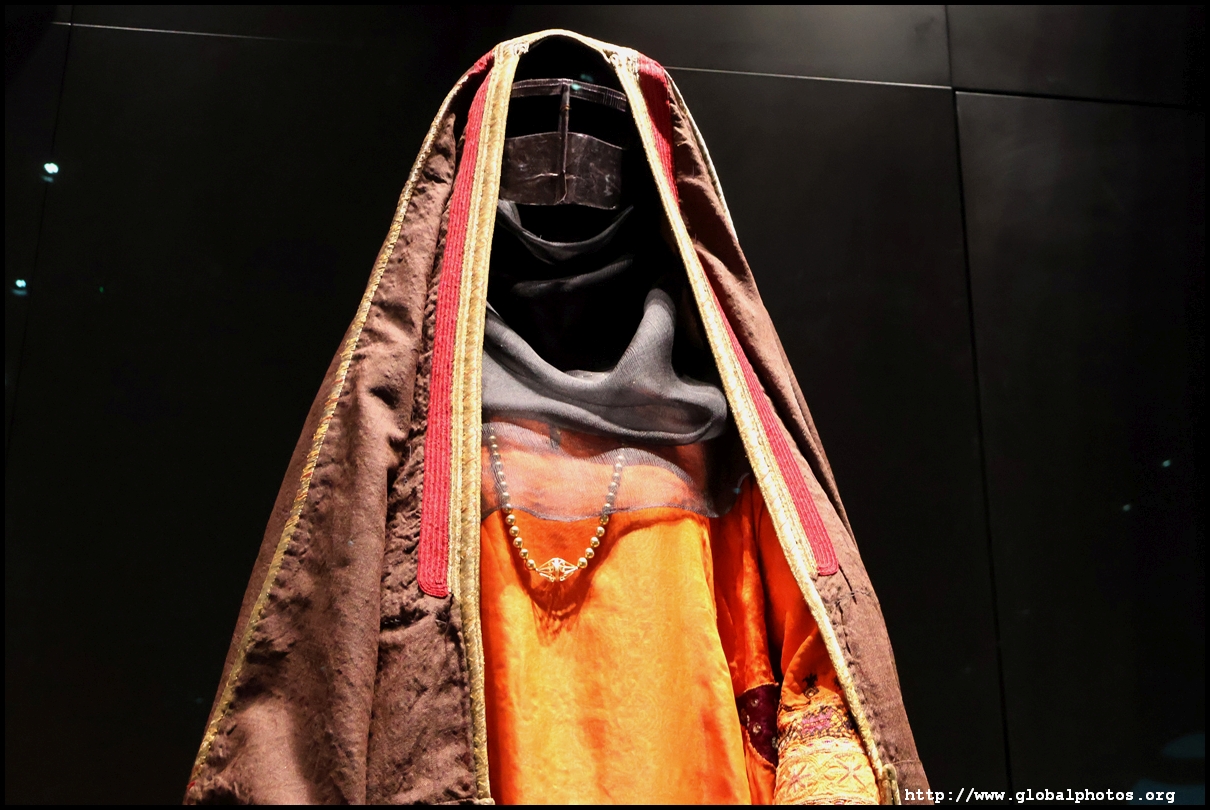
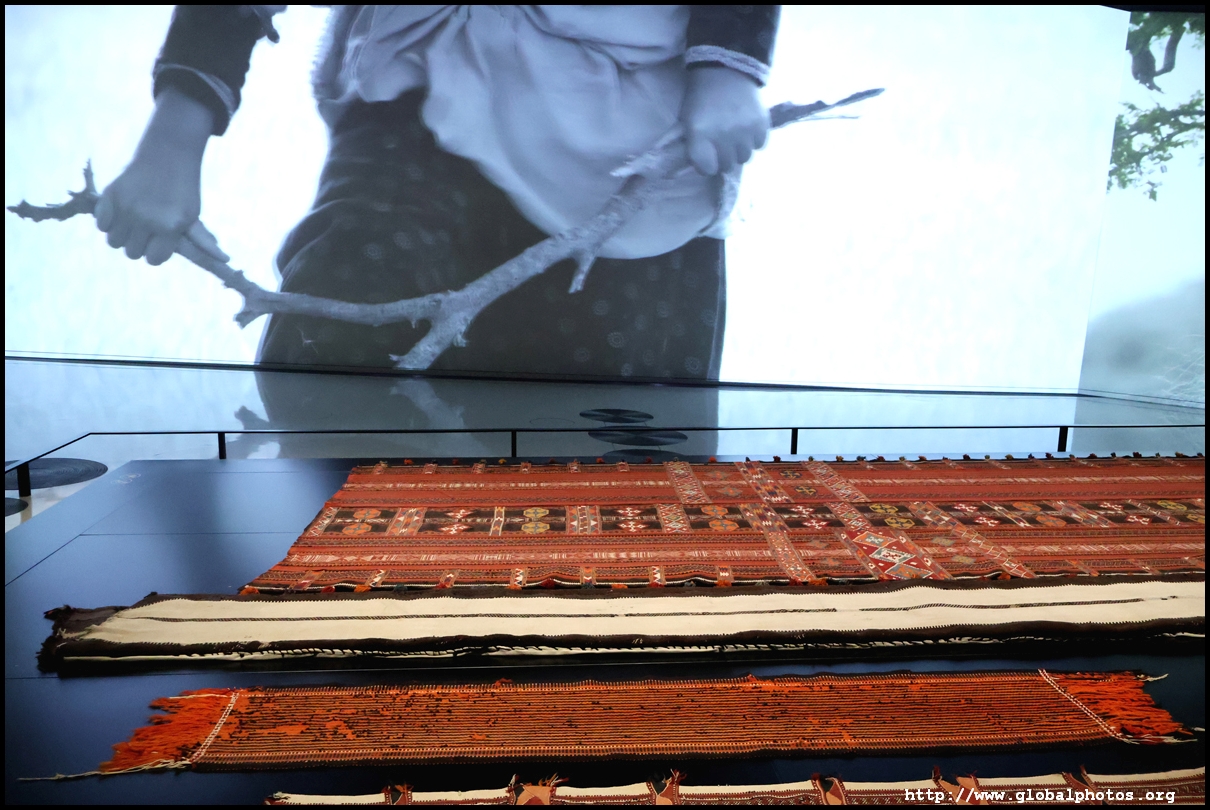
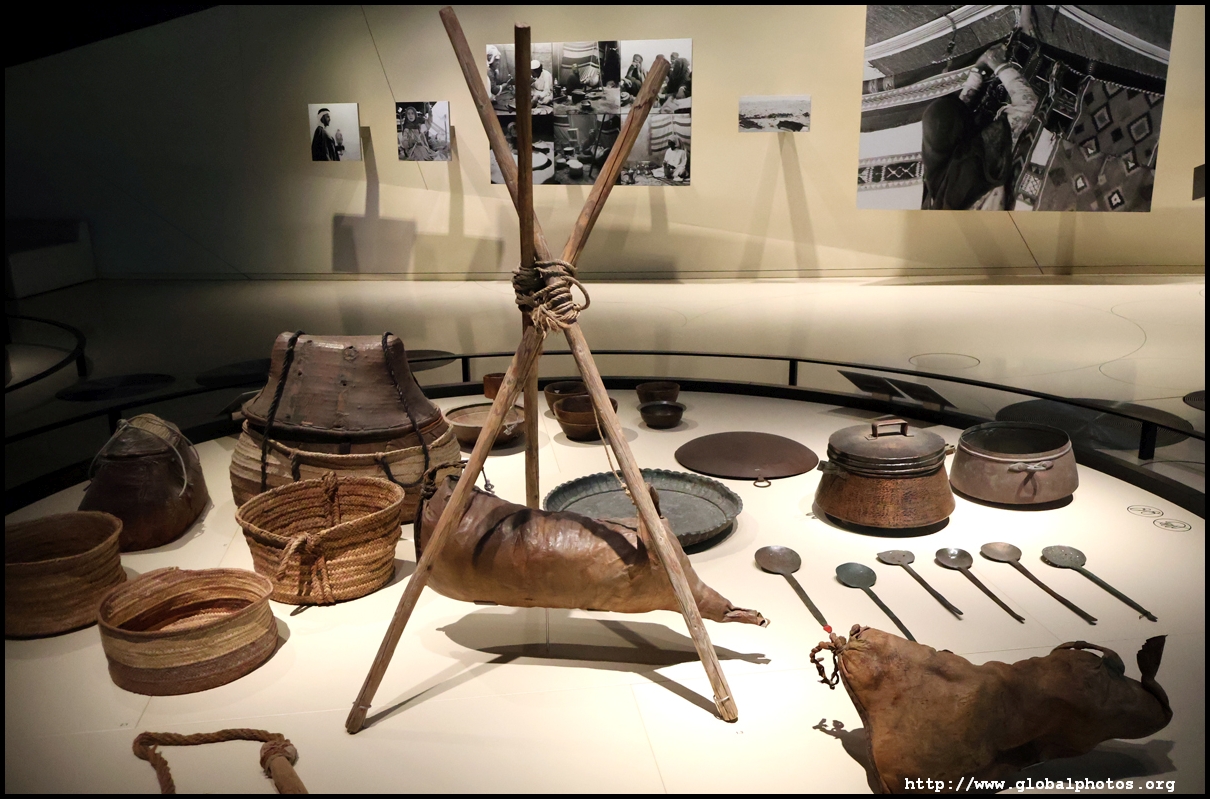
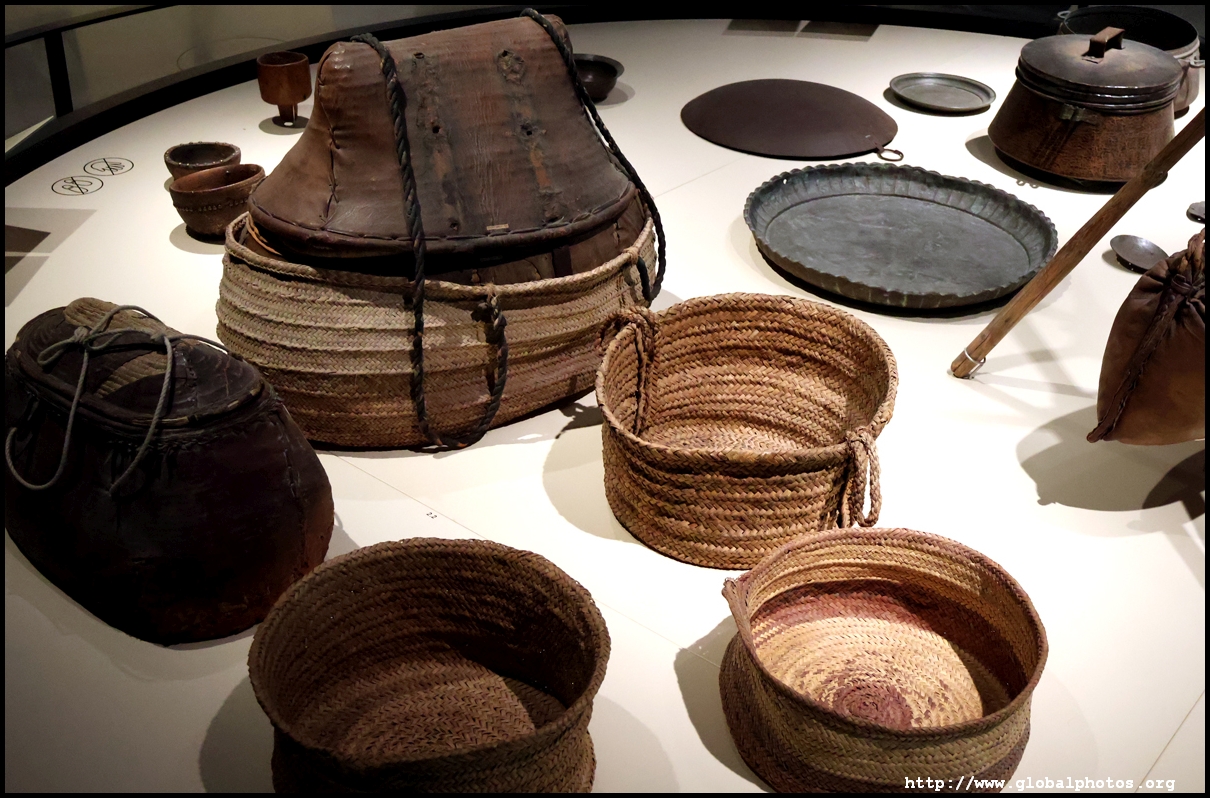
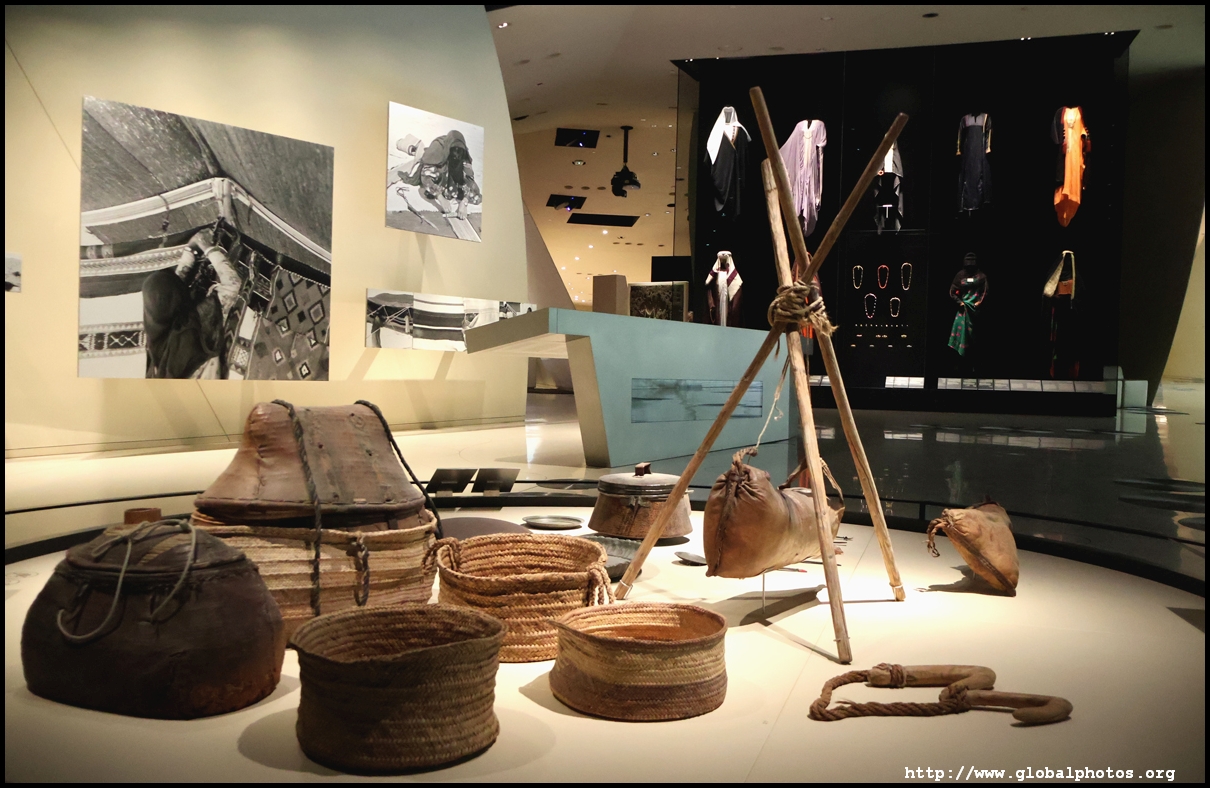
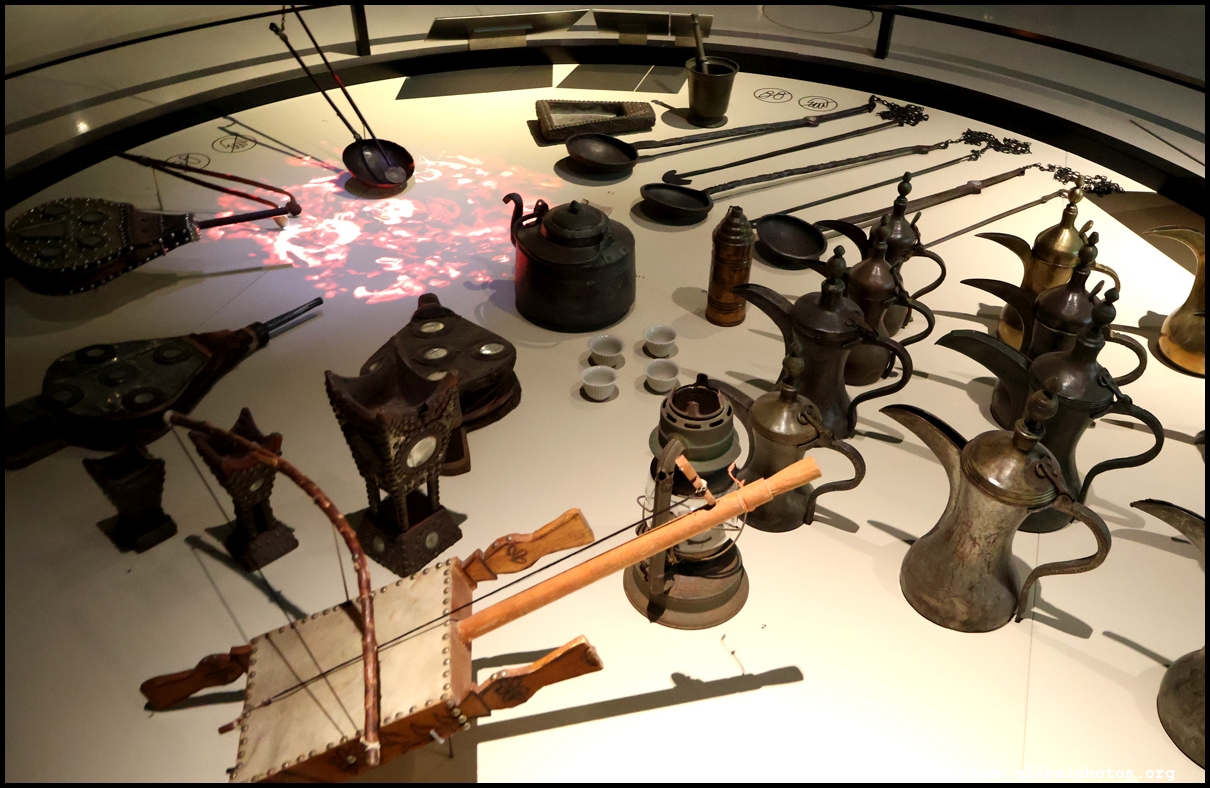
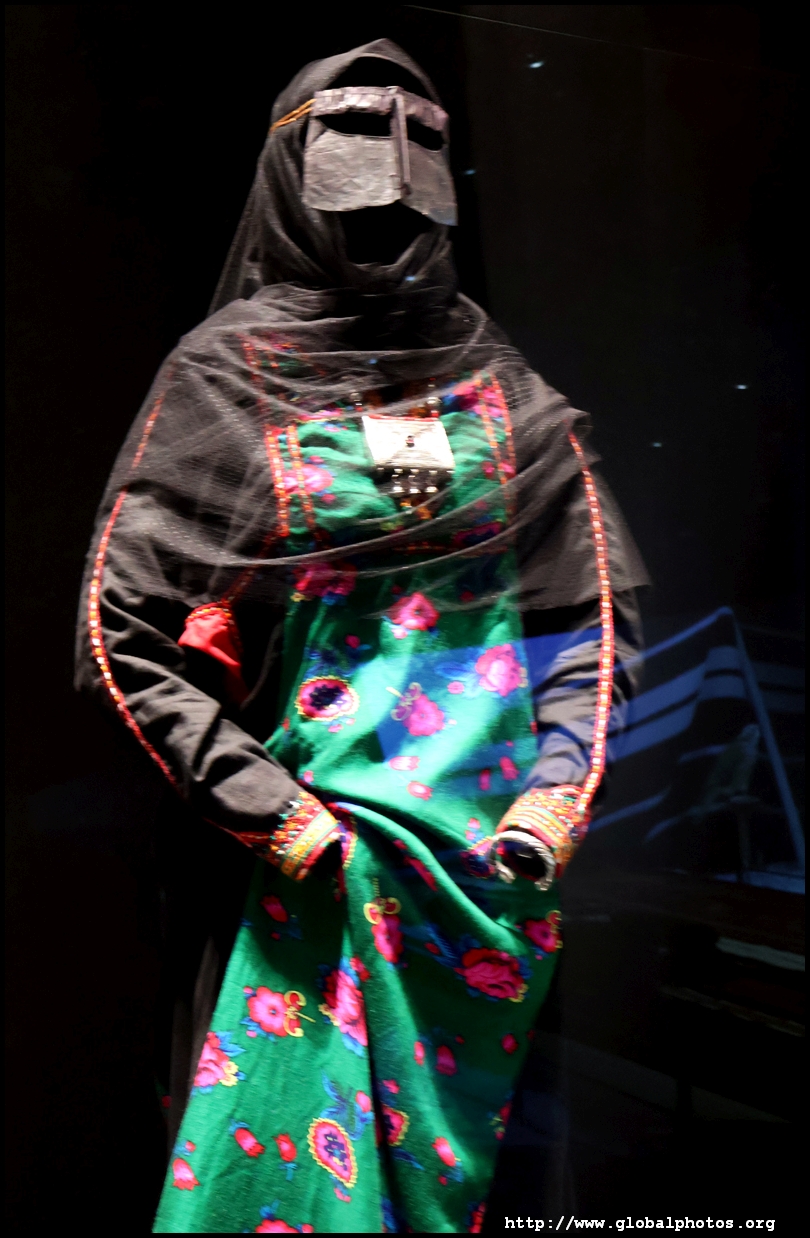
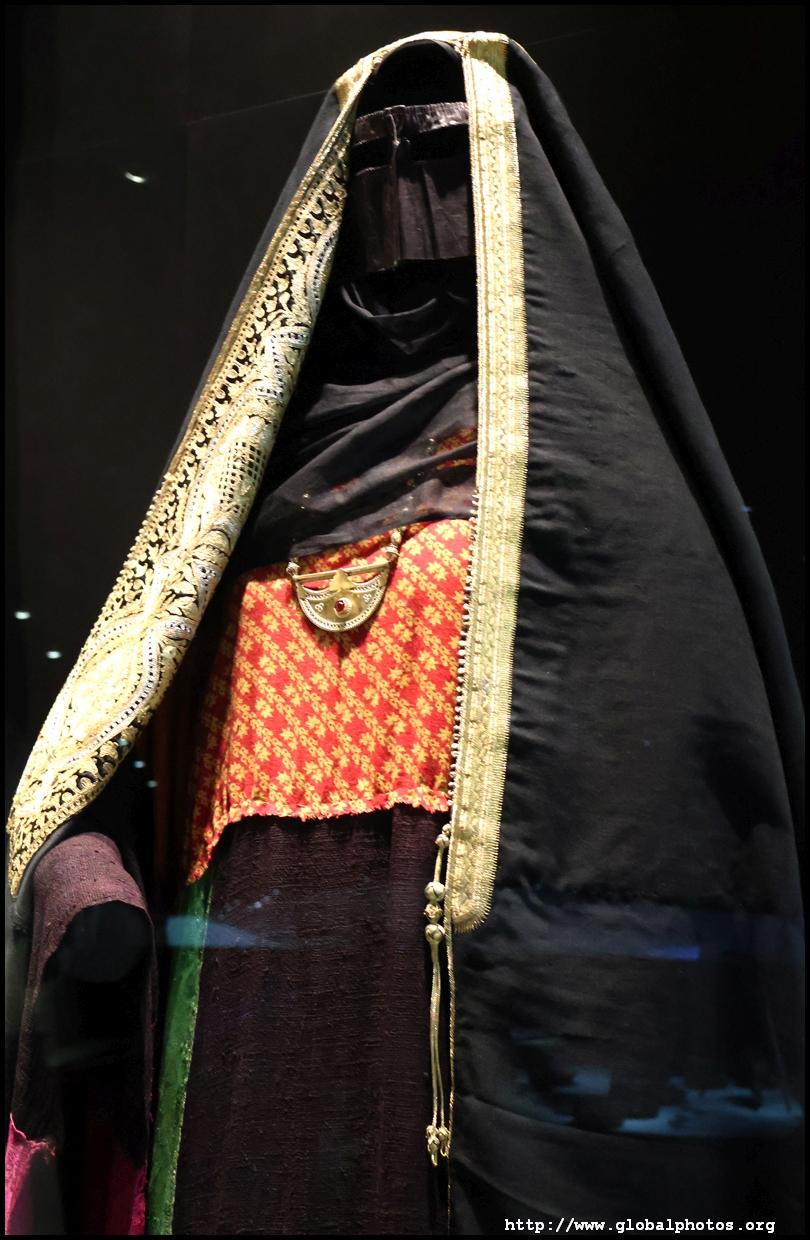
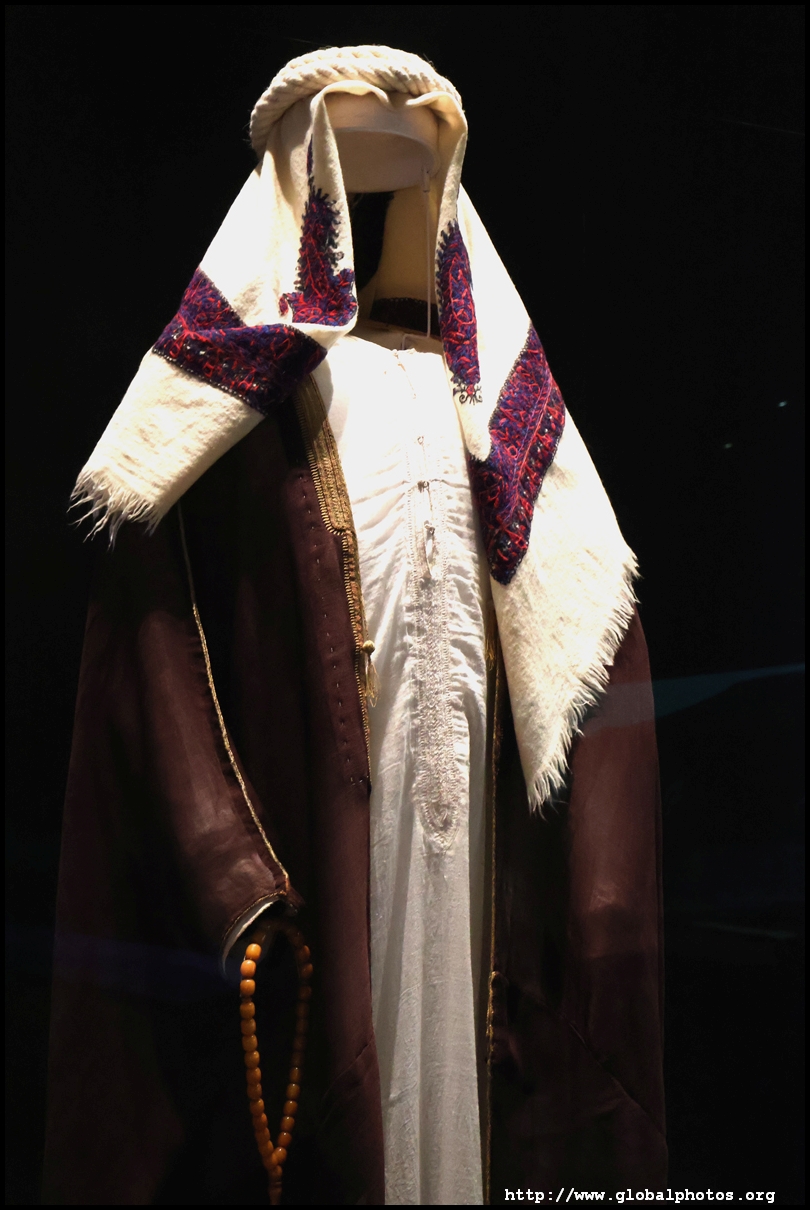
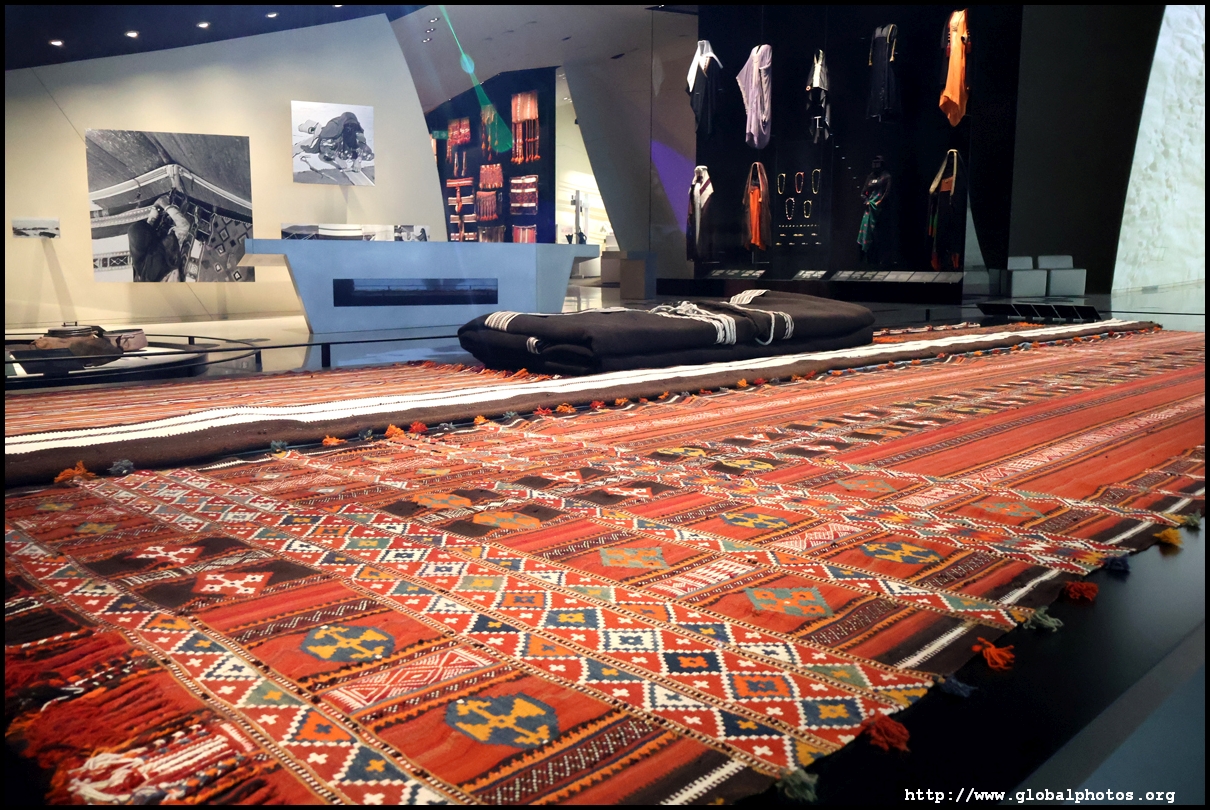
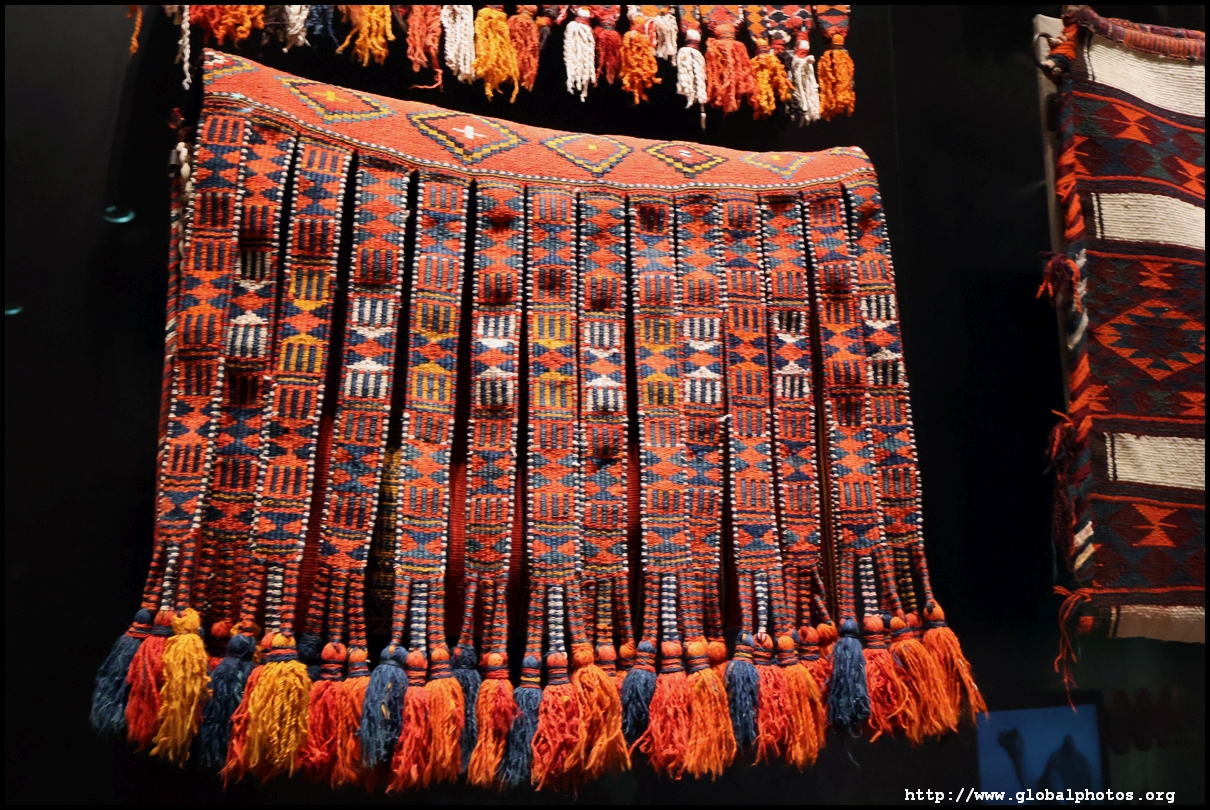
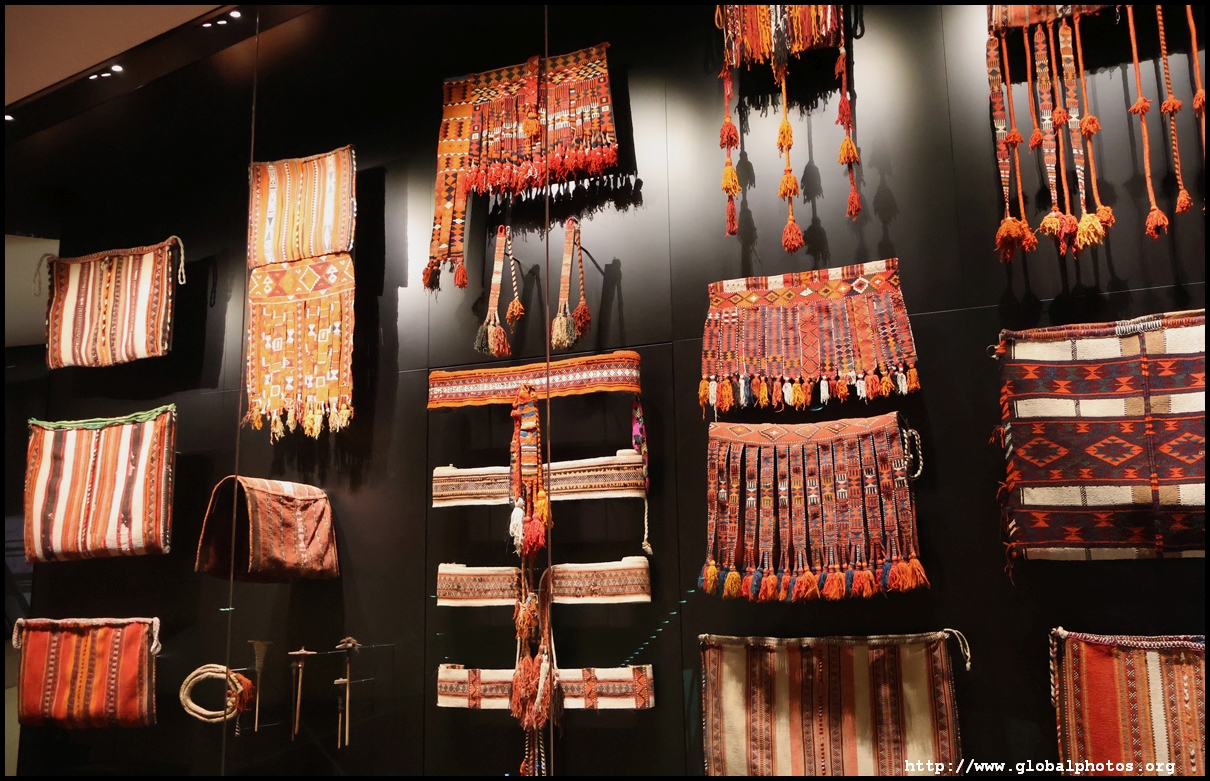
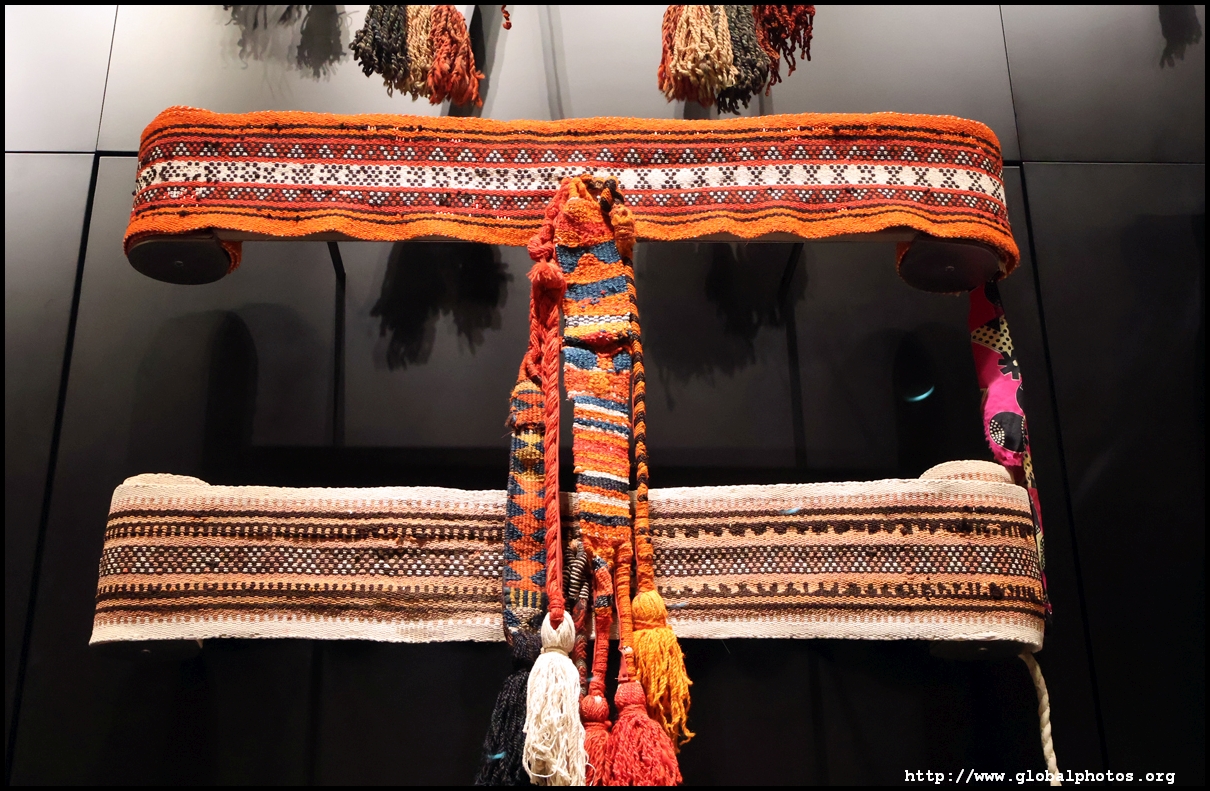
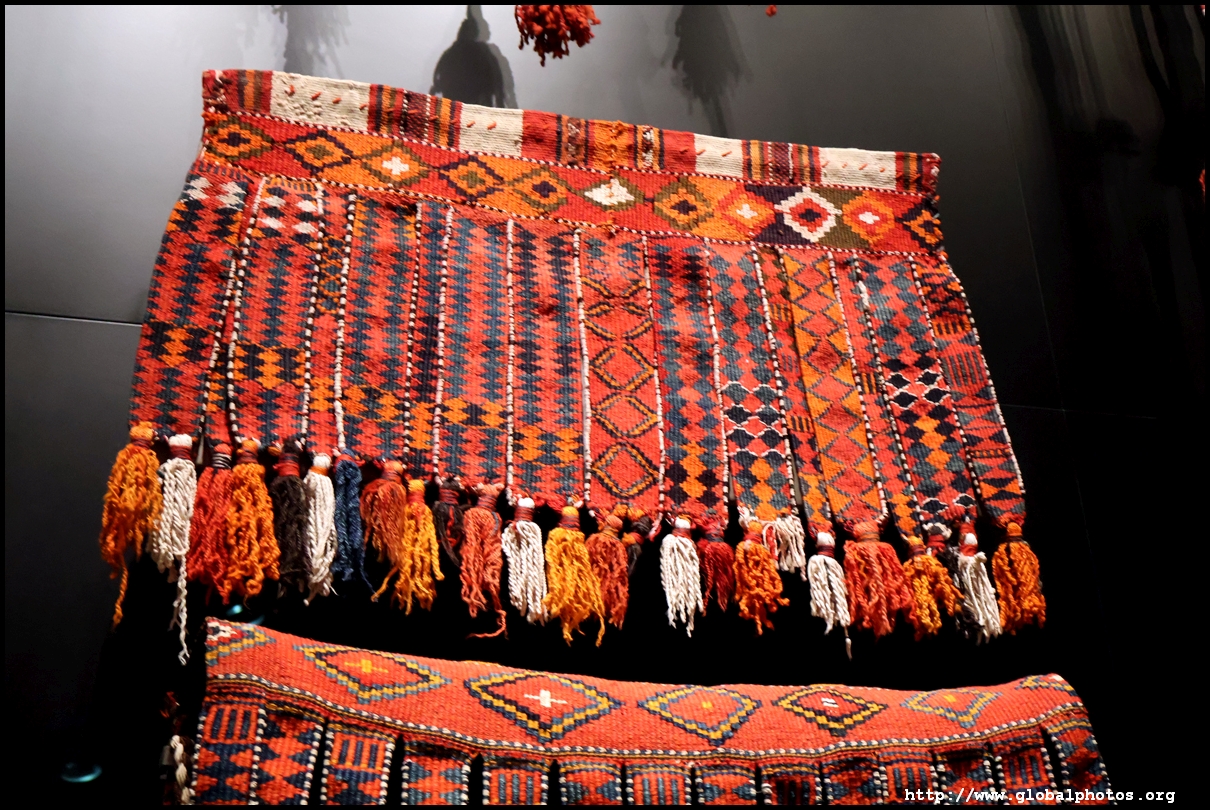
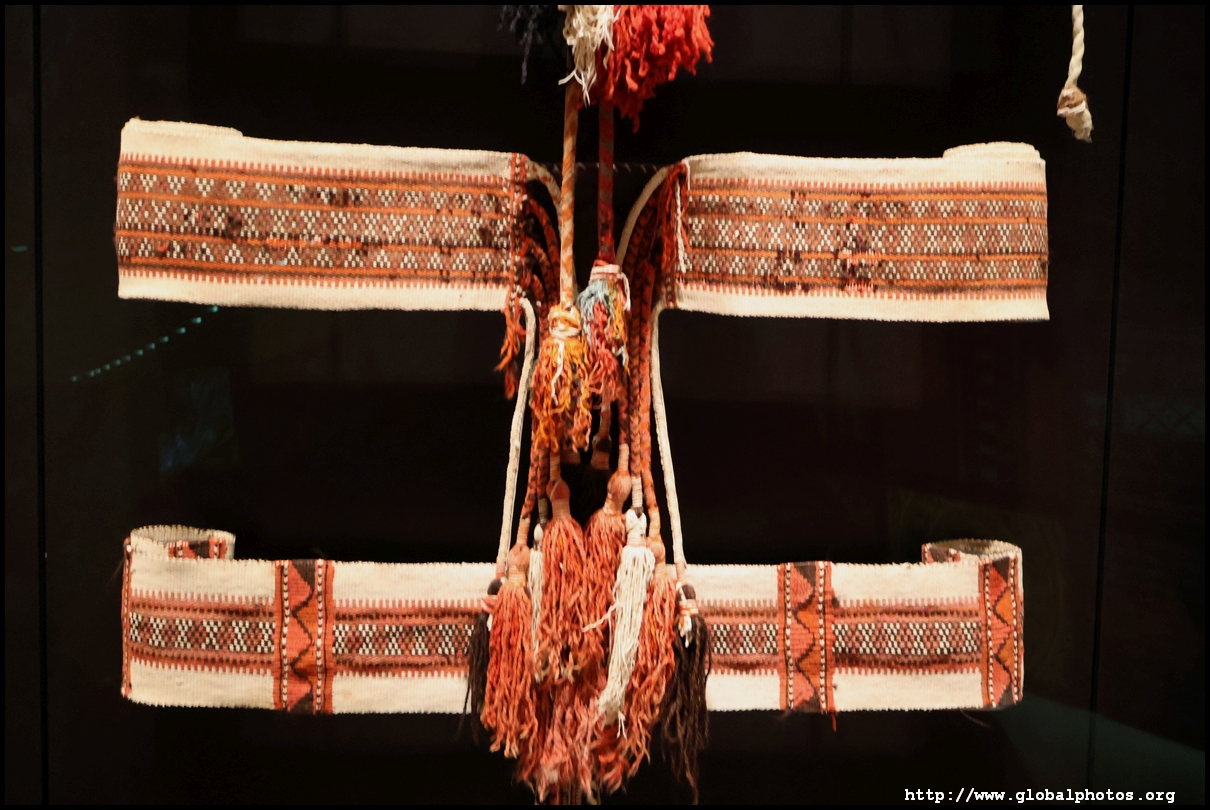
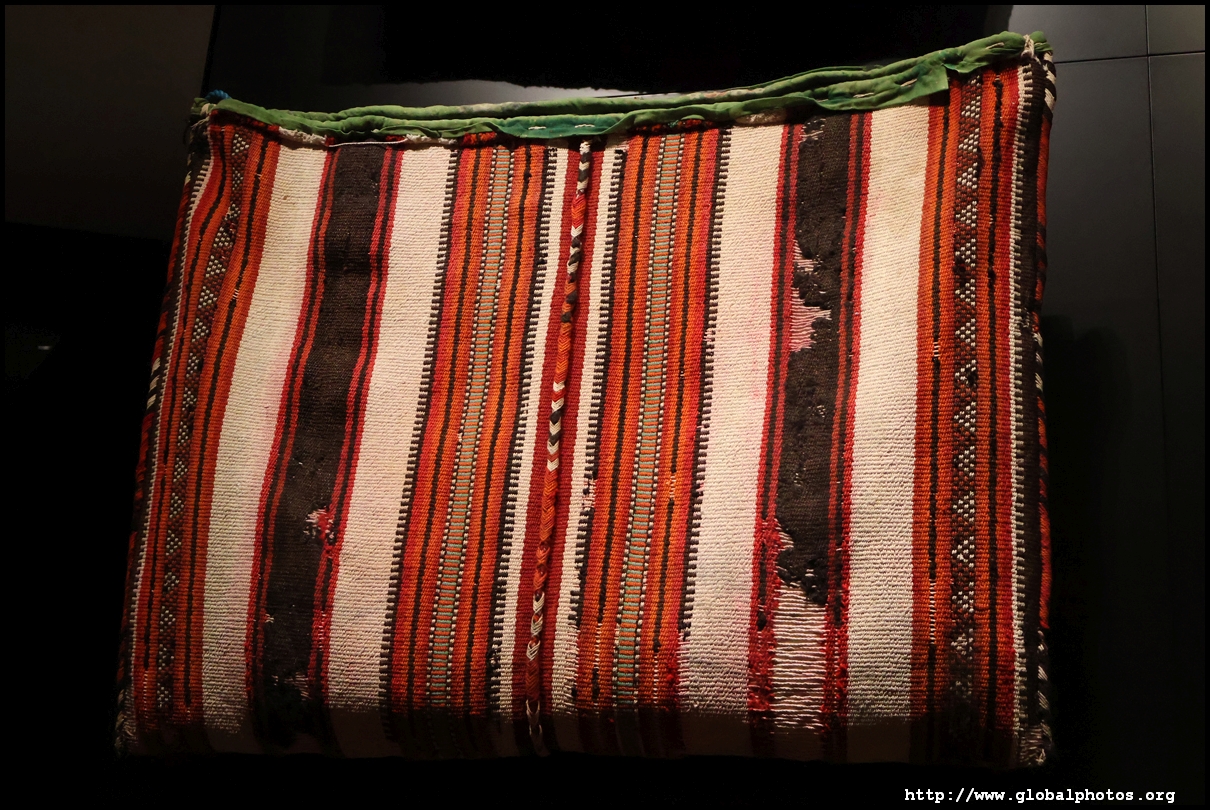
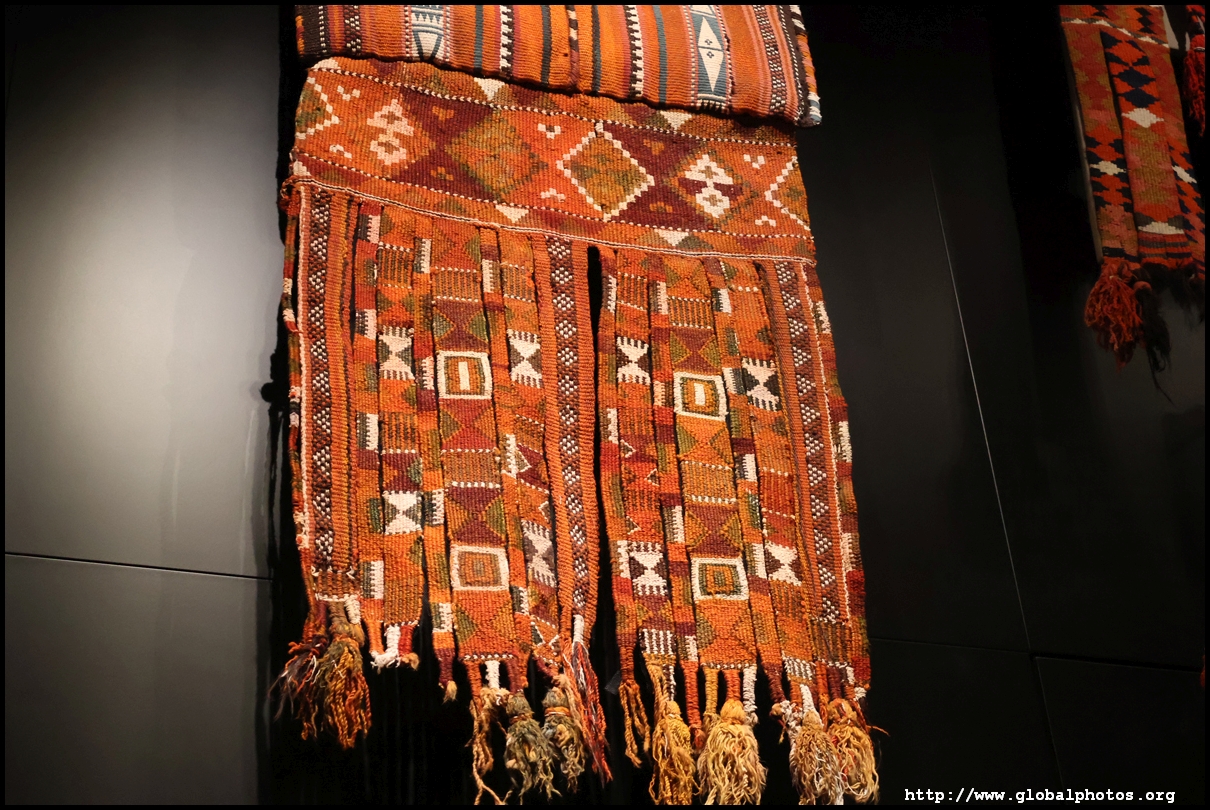
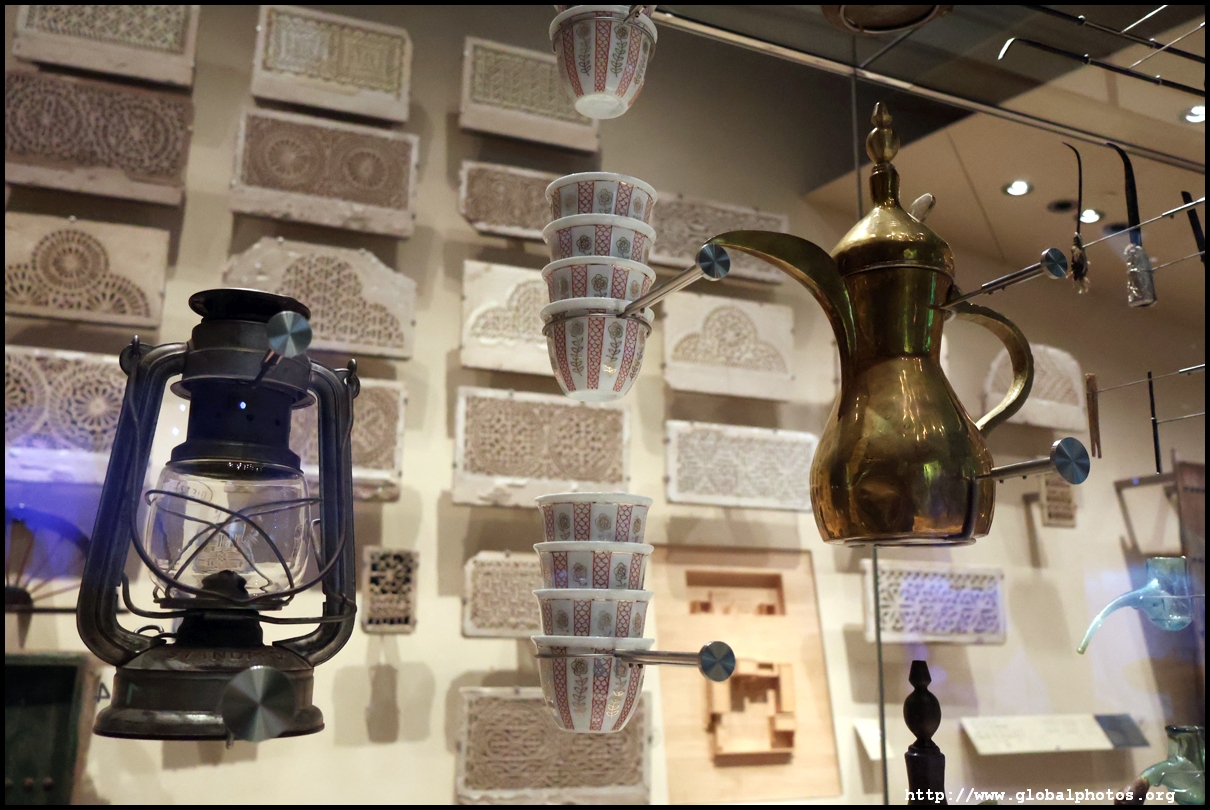
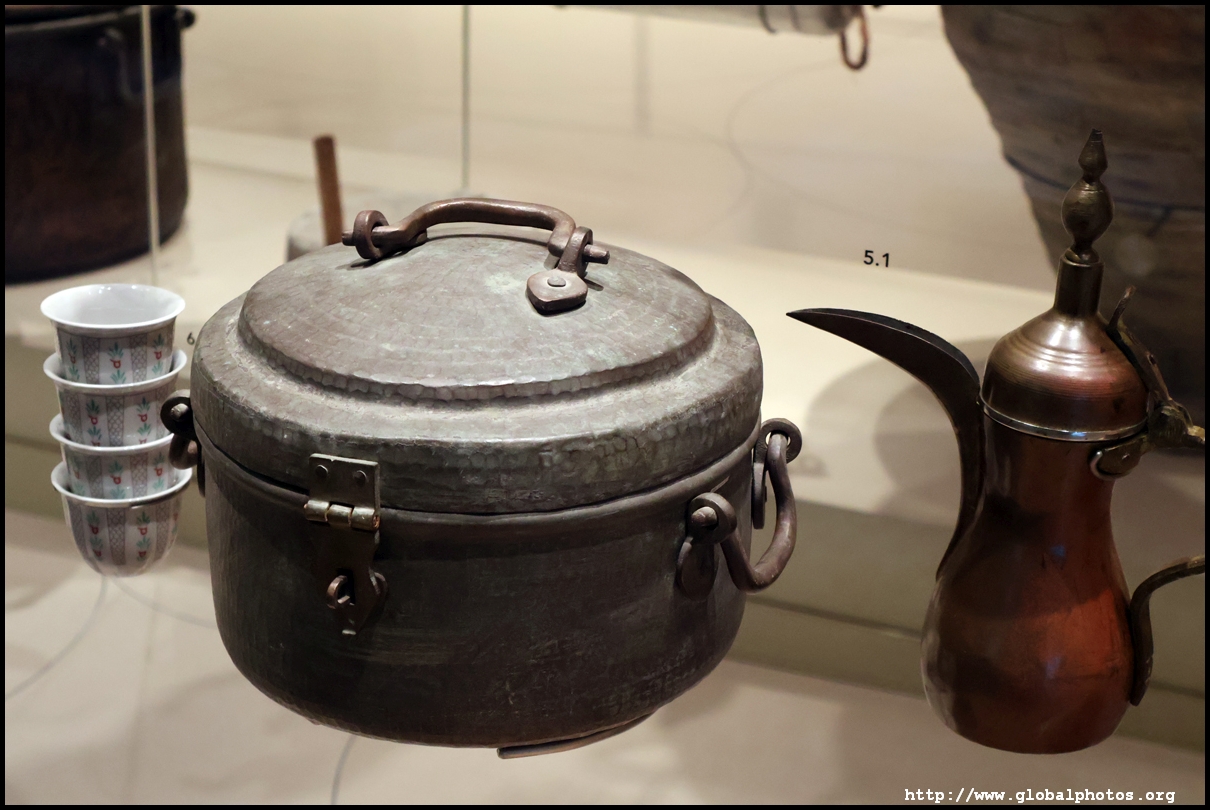
The next gallery showcases life in the desert with objects such as a tent, falconry equipment, coffee-making tools, and traditional clothes.
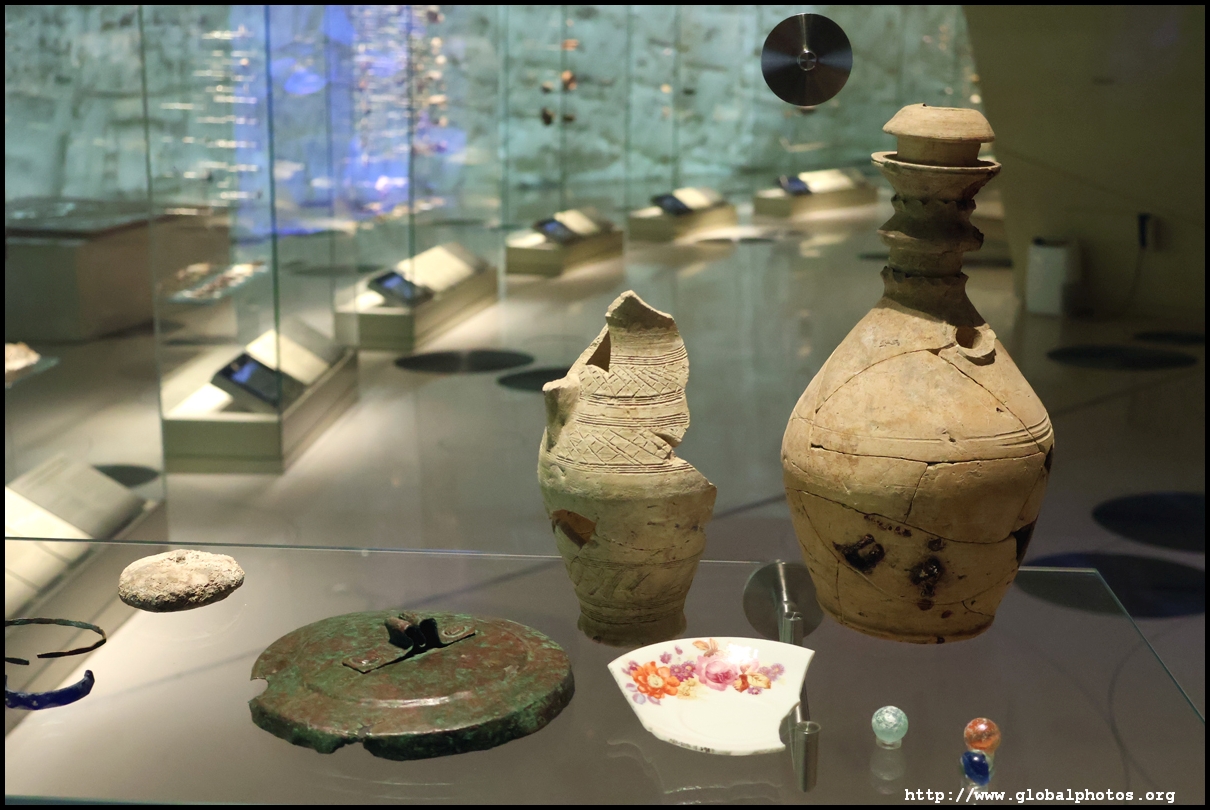
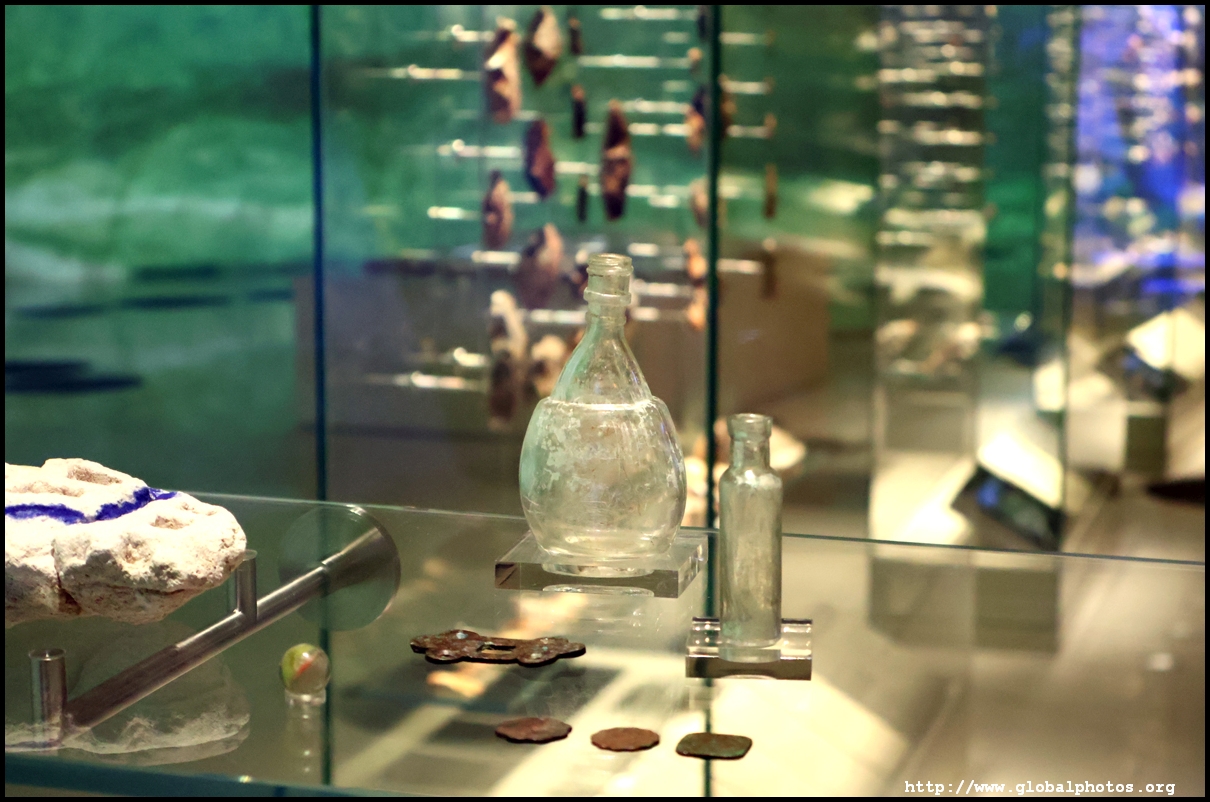
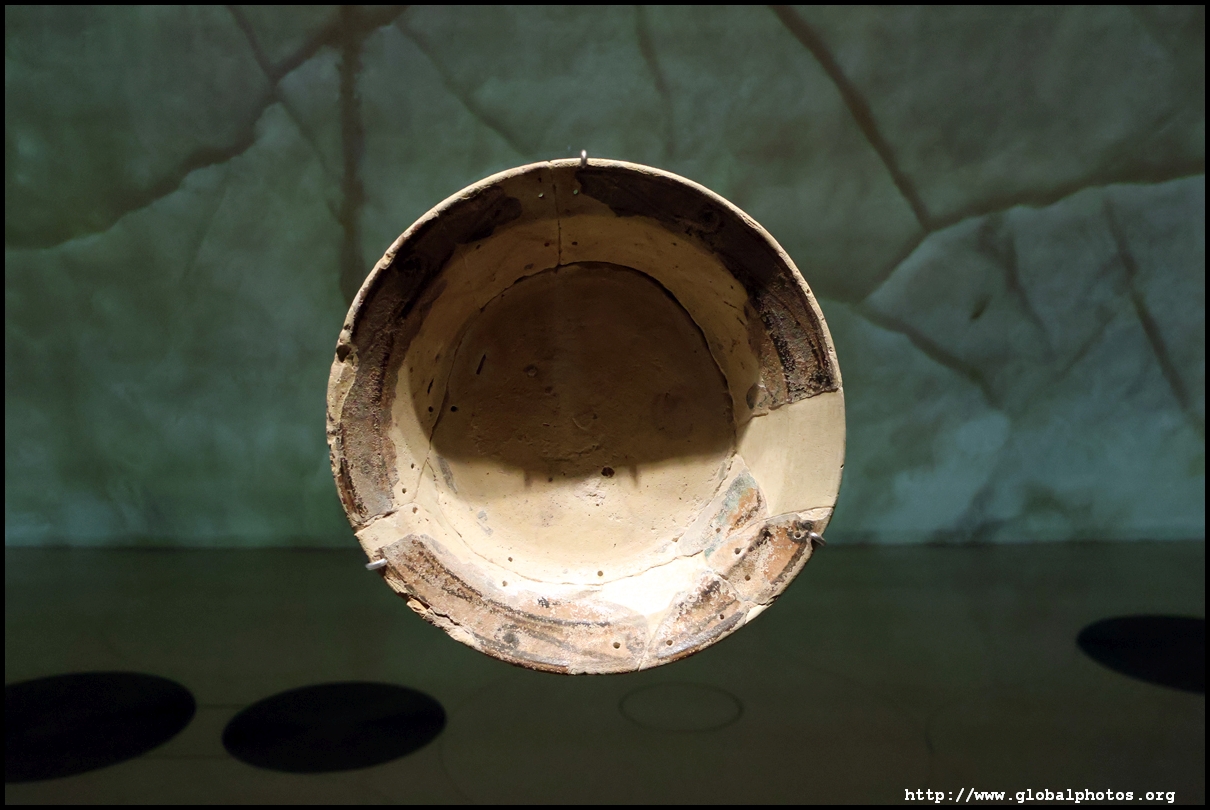
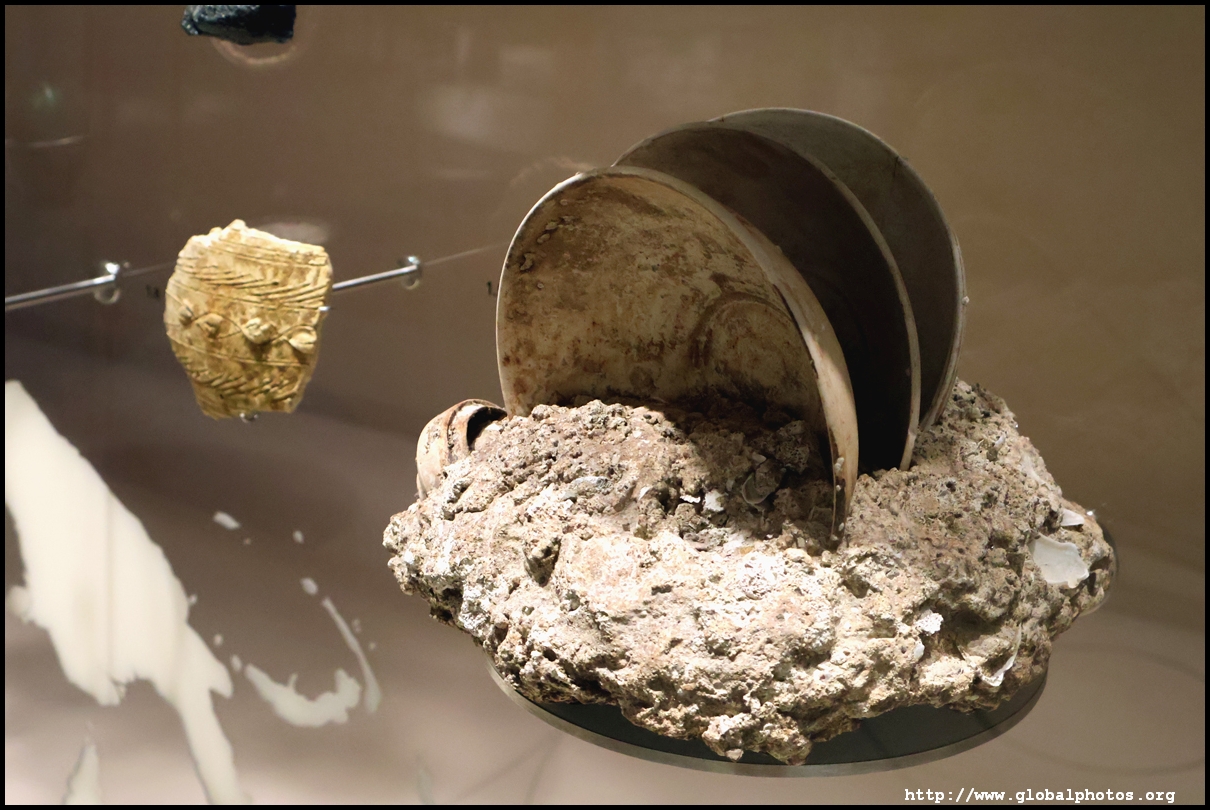
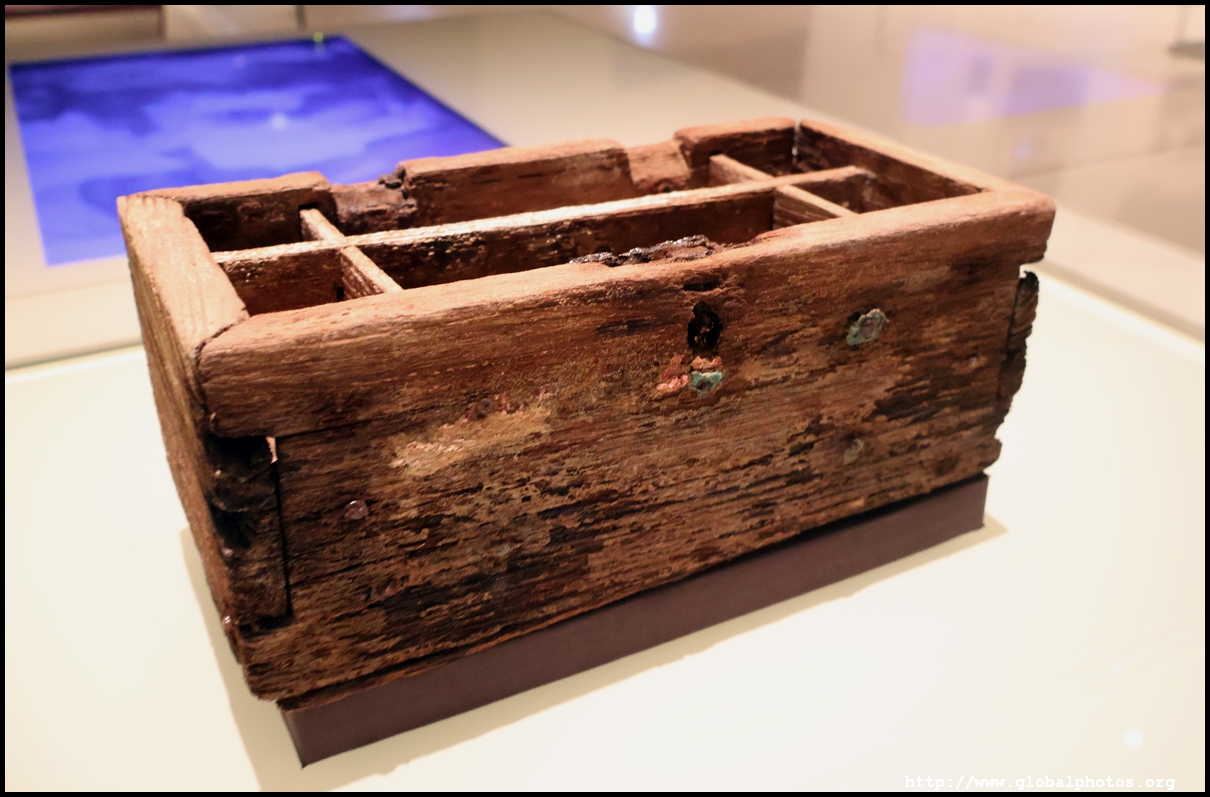
It's time to head downstairs to see finds from Al Zubarah, Qatar's first UNESCO World Heritage site. Founded in the mid-18th century, this was once a pearling and trading town until it was attacked and burned down in 1811. Abandoned afterwards, it has become the country's largest archaeological site.
We're past the half way mark. To continue the visit, click on the next page.
| |||