Leeds Photo Gallery - Historic Architecture

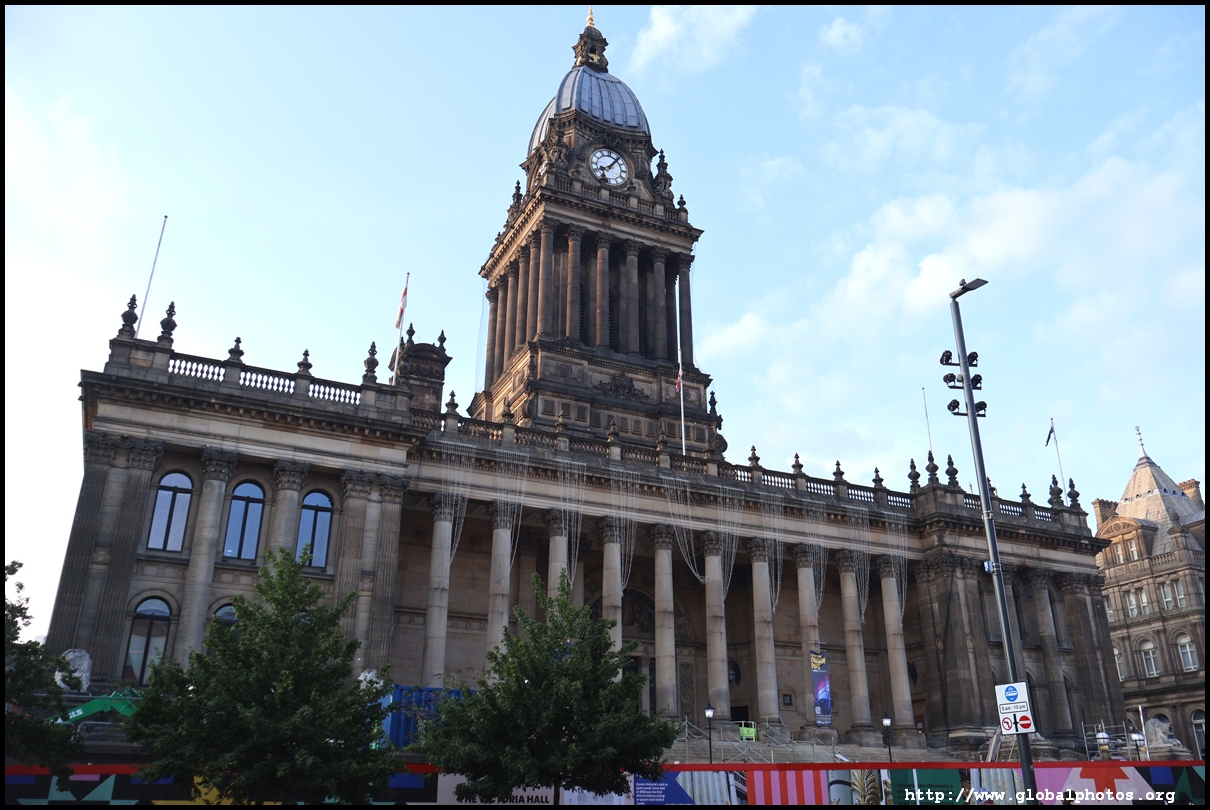
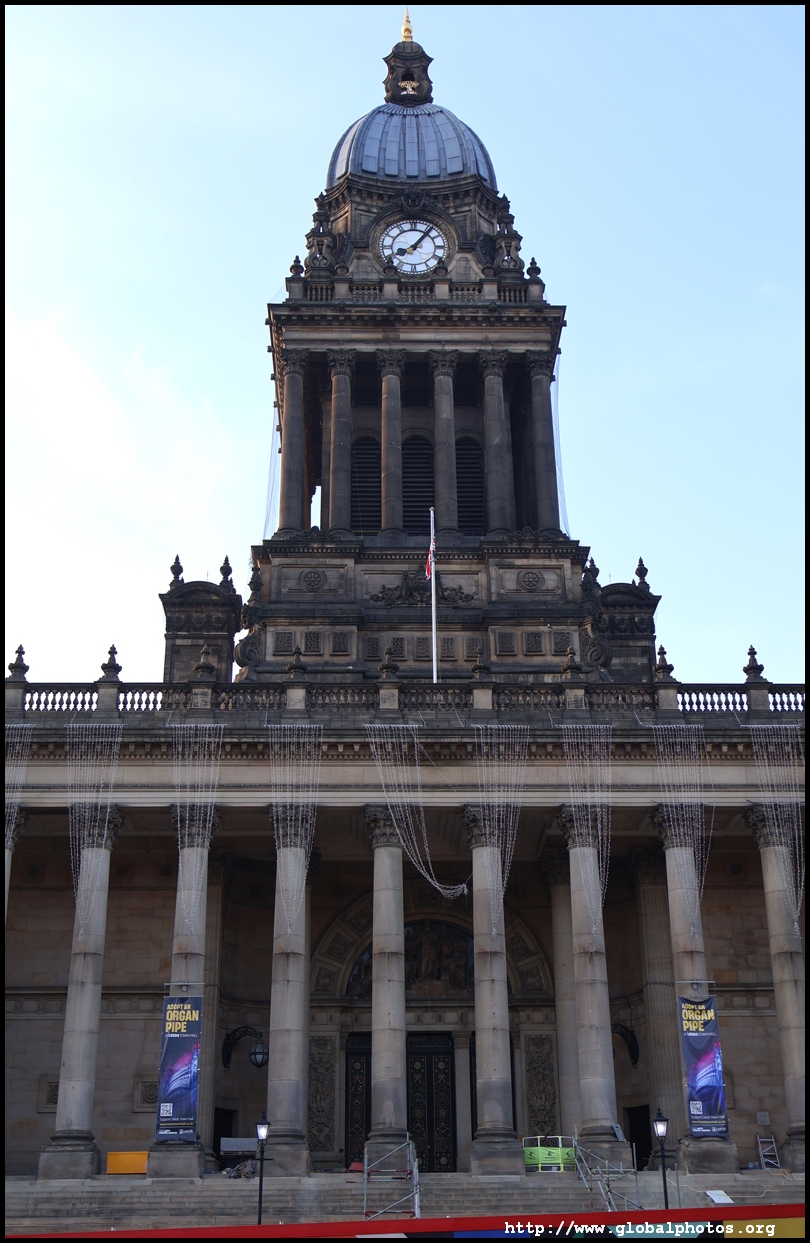
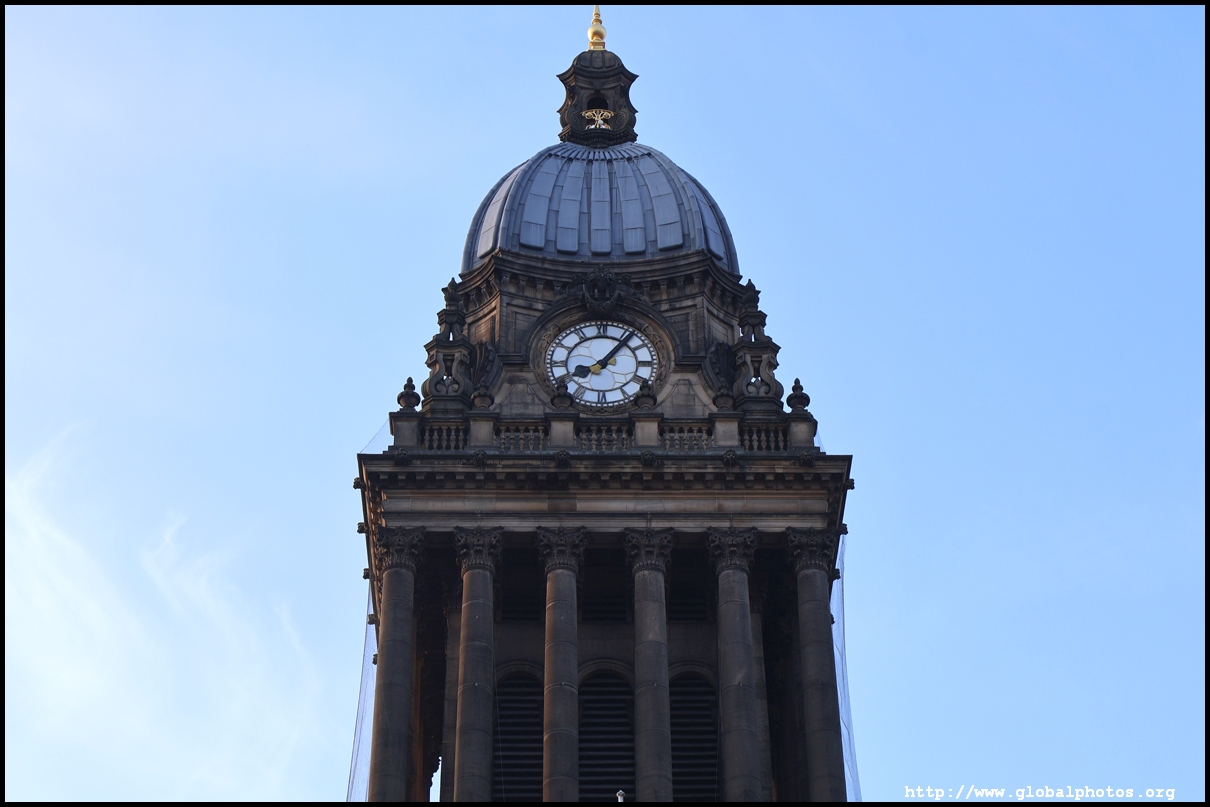
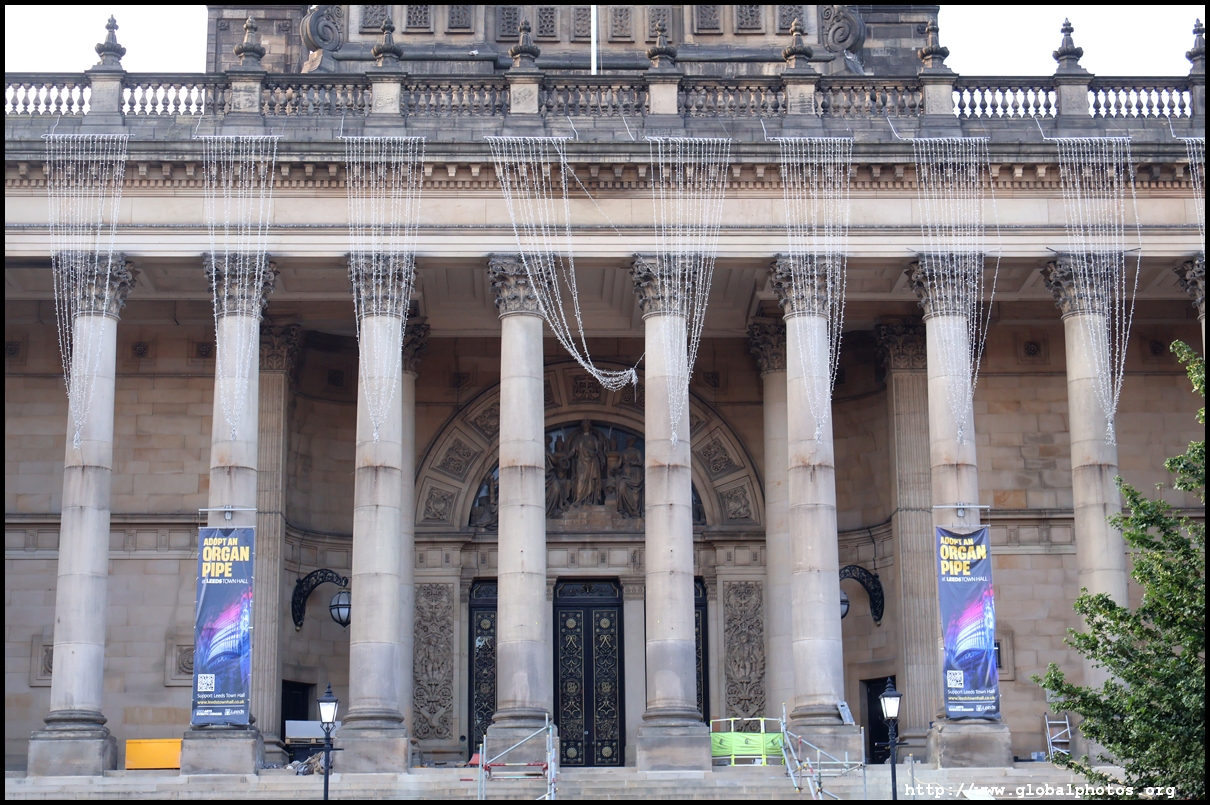
Wool had put Leeds on the map in the 17th century. By the 1850s, Leeds was home to 100,000 people and growing quickly as trade flourished. The canal connected with Liverpool and the railways cemented the town's importance. Grand civic buildings opened.Designed by Cuthbert Brodrick, Town Hall was opened by Queen Victoria in 1858 as the tallest building in the city. It had various uses over the years from Council offices, court rooms, to prison. Currently closed to visitors amidst a renovation, I hope to return to check out its 5700 pipe organ when the dust settles.
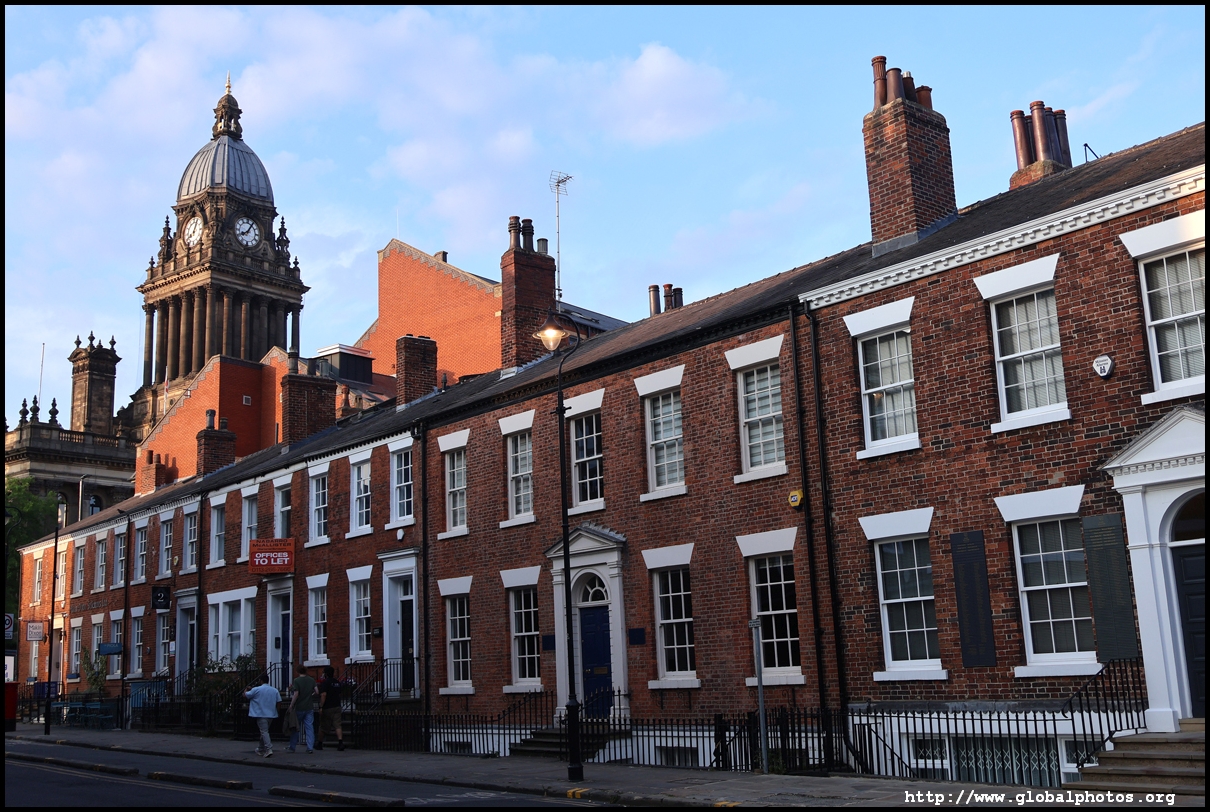
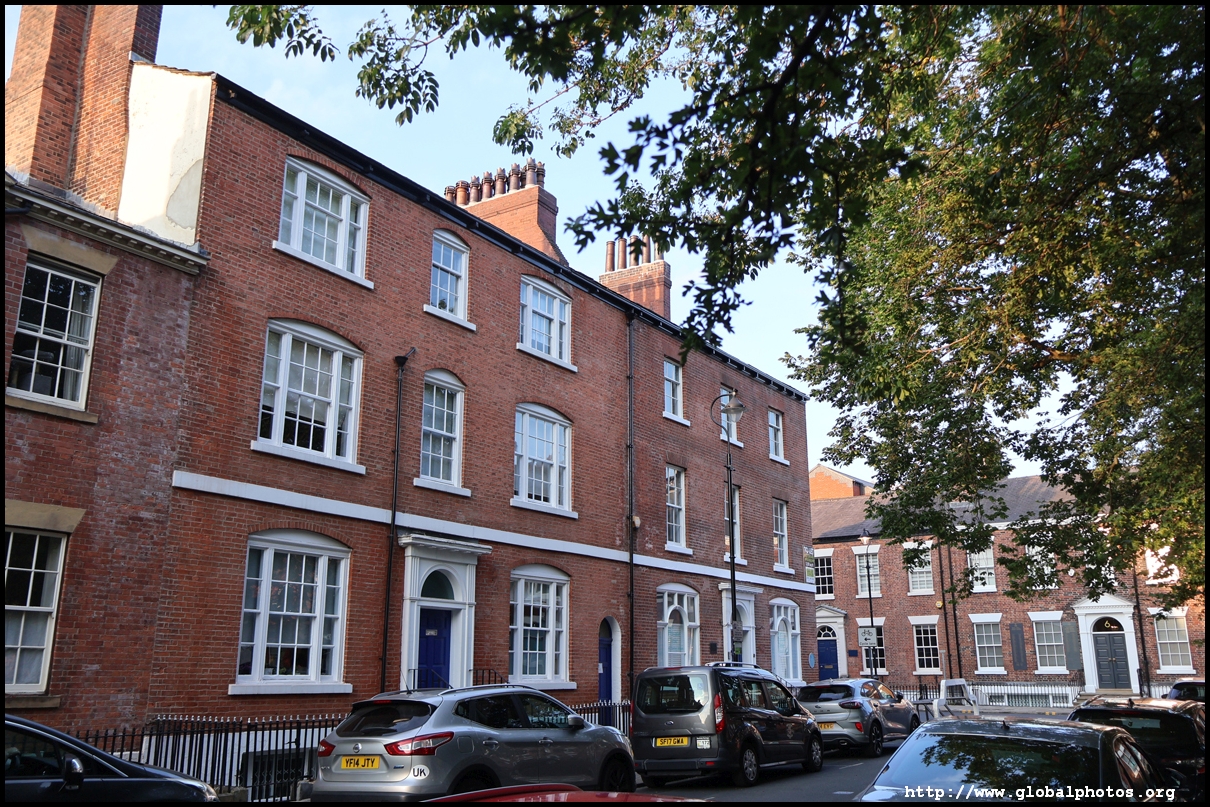
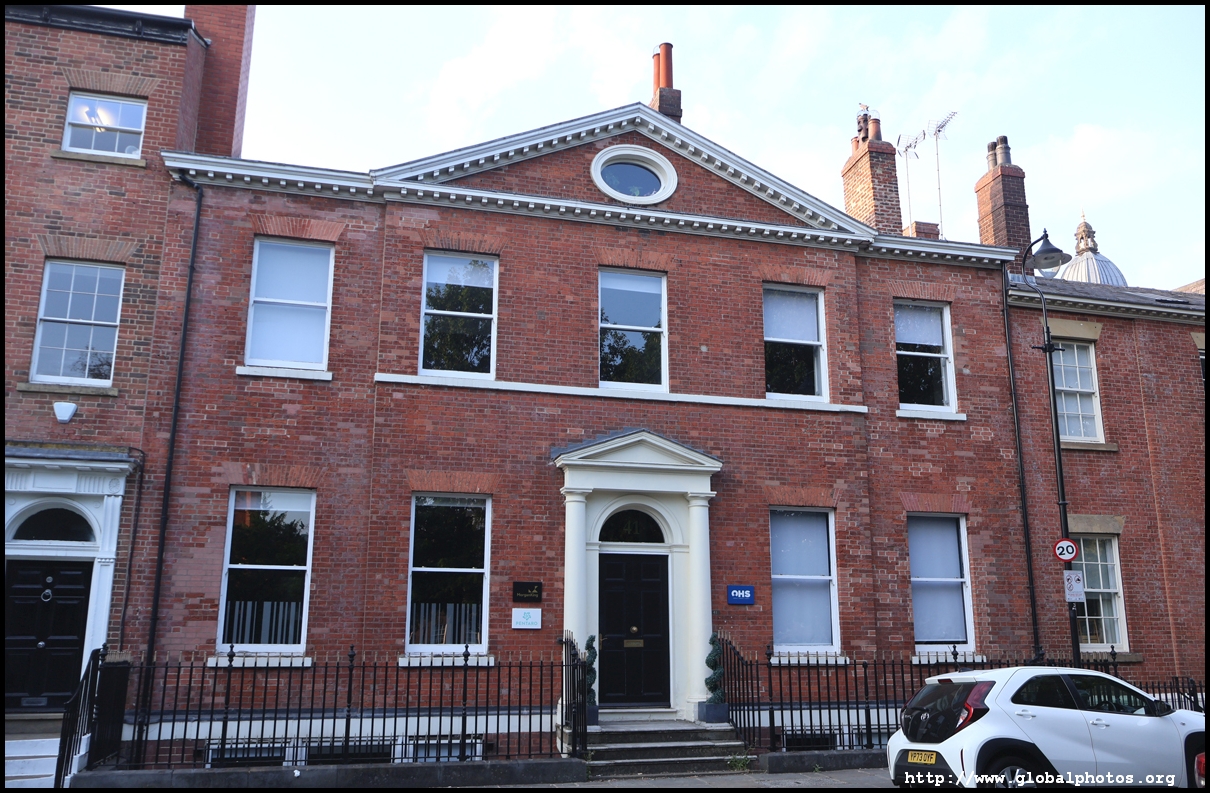
Surrounding streets also have a few beautiful buildings to match.
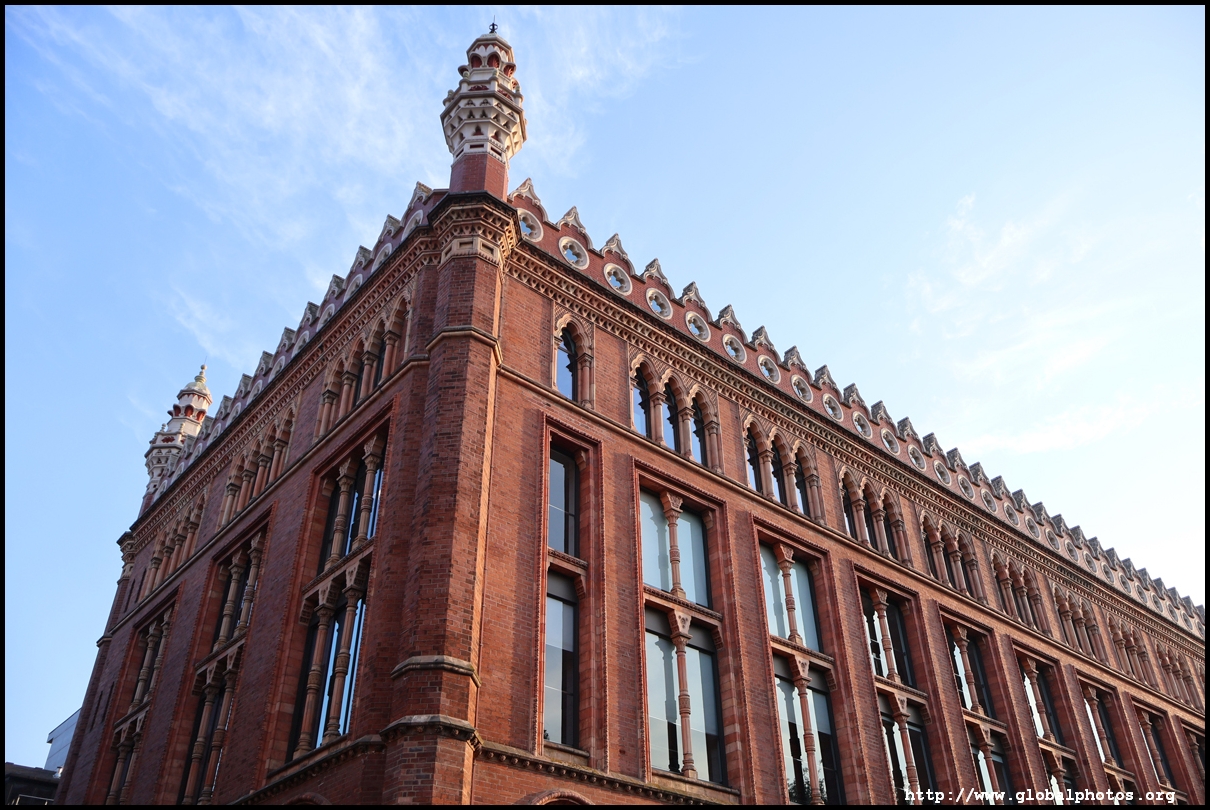
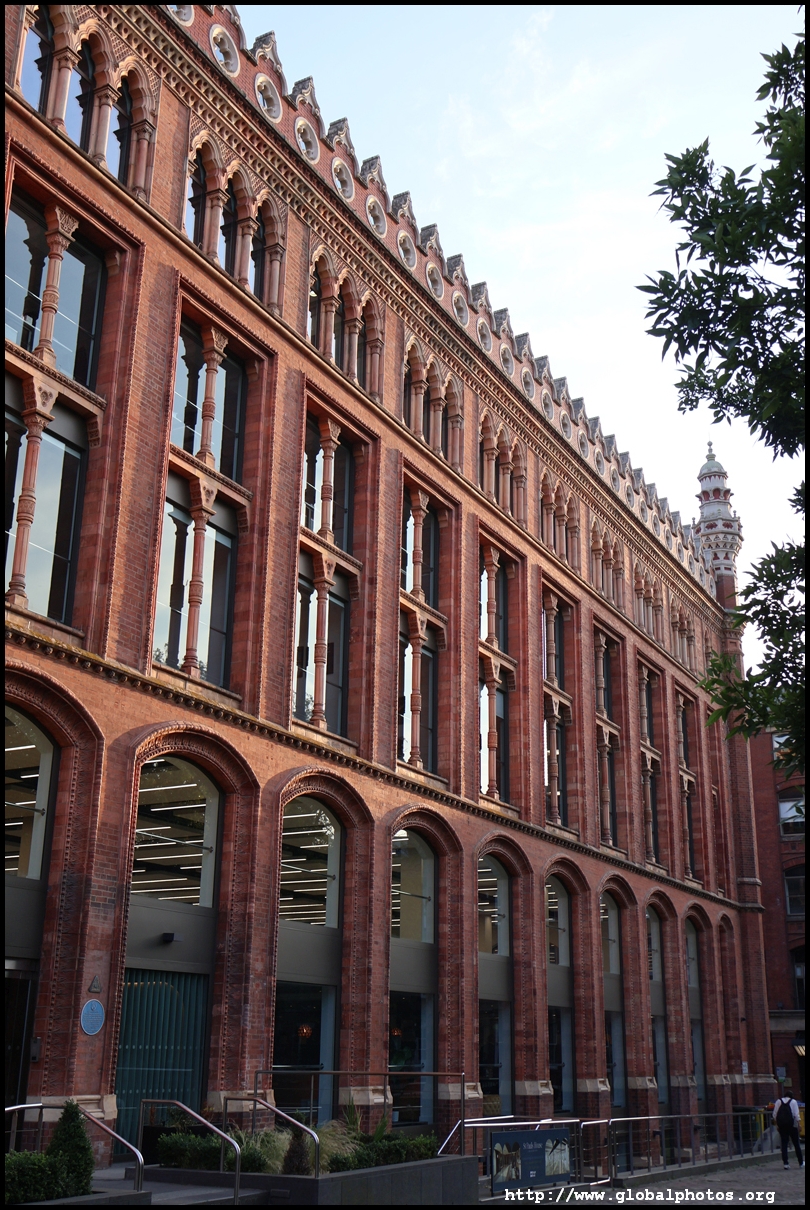
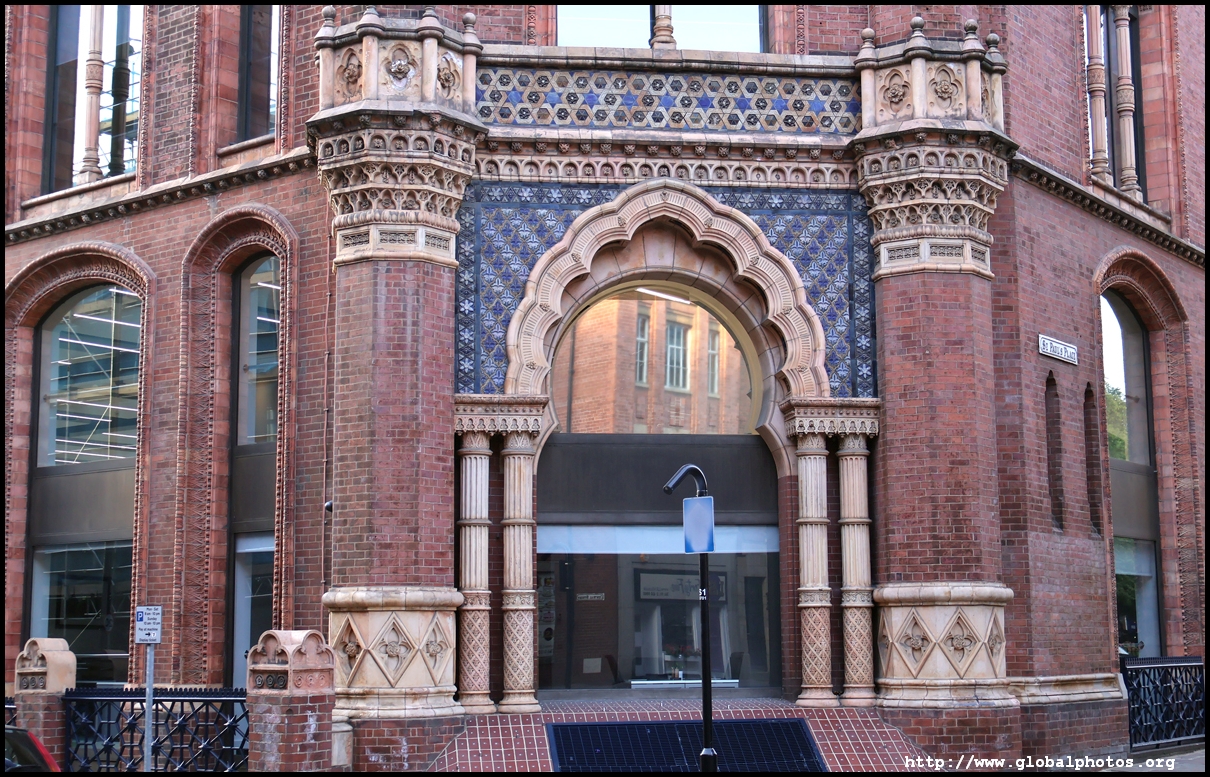
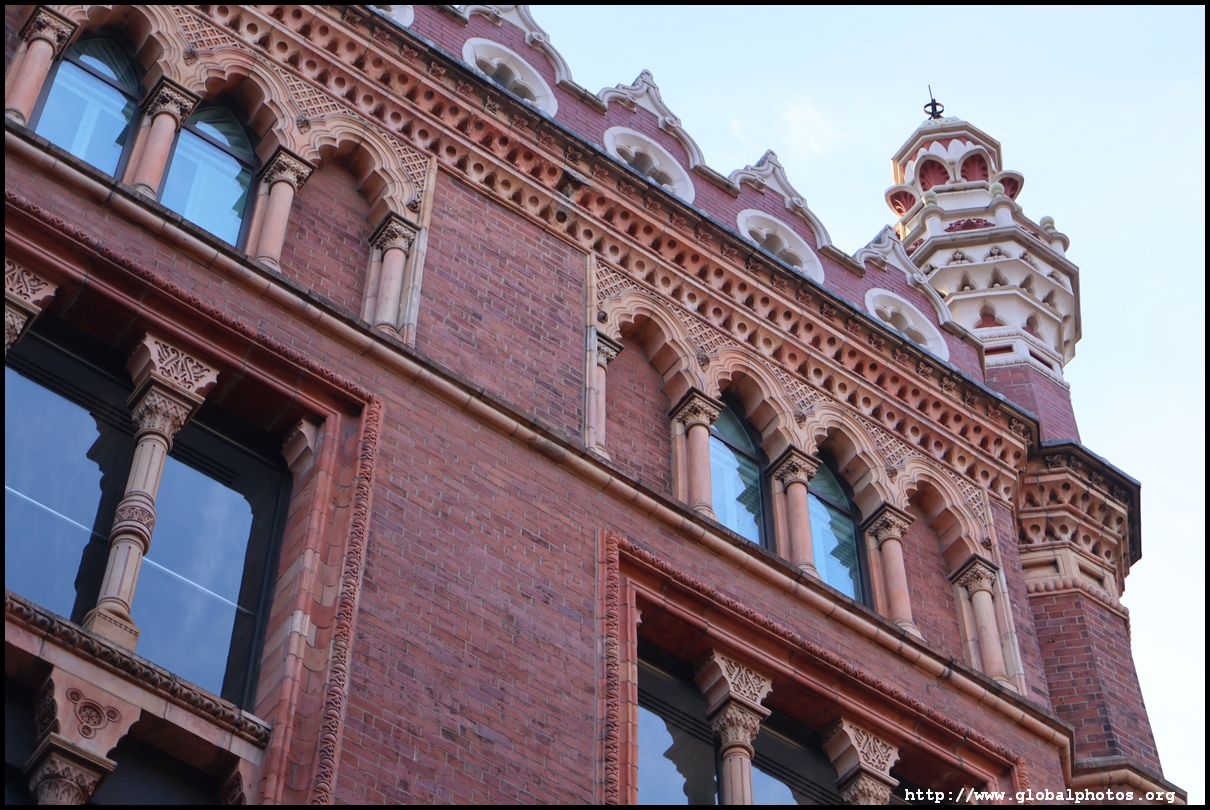
A short walk away at Park Square, where many were enjoying the evening breeze and well-manicured gardens, St Paul's House stands out with Moorish architectural elements. Built in 1878 as a cloth-cutting warehouse, this area was the city's professional hub, with the interiors redeveloped in 1976.
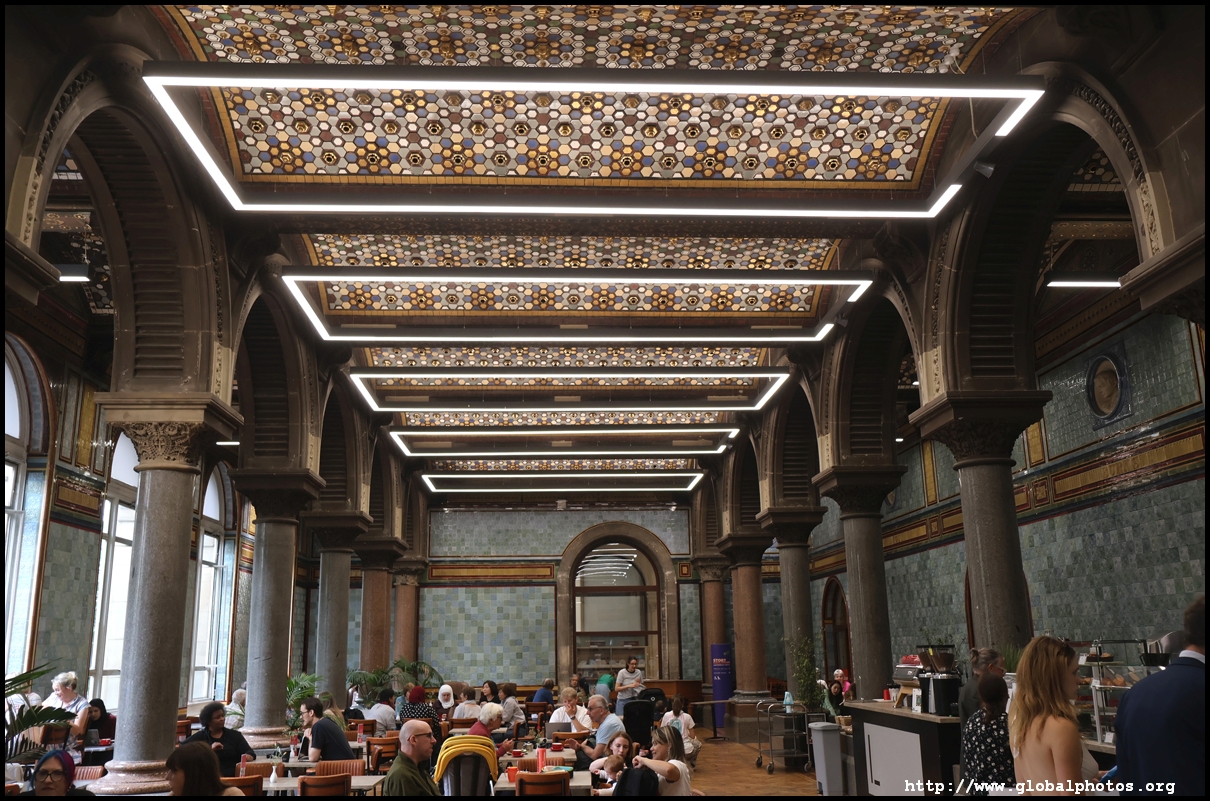
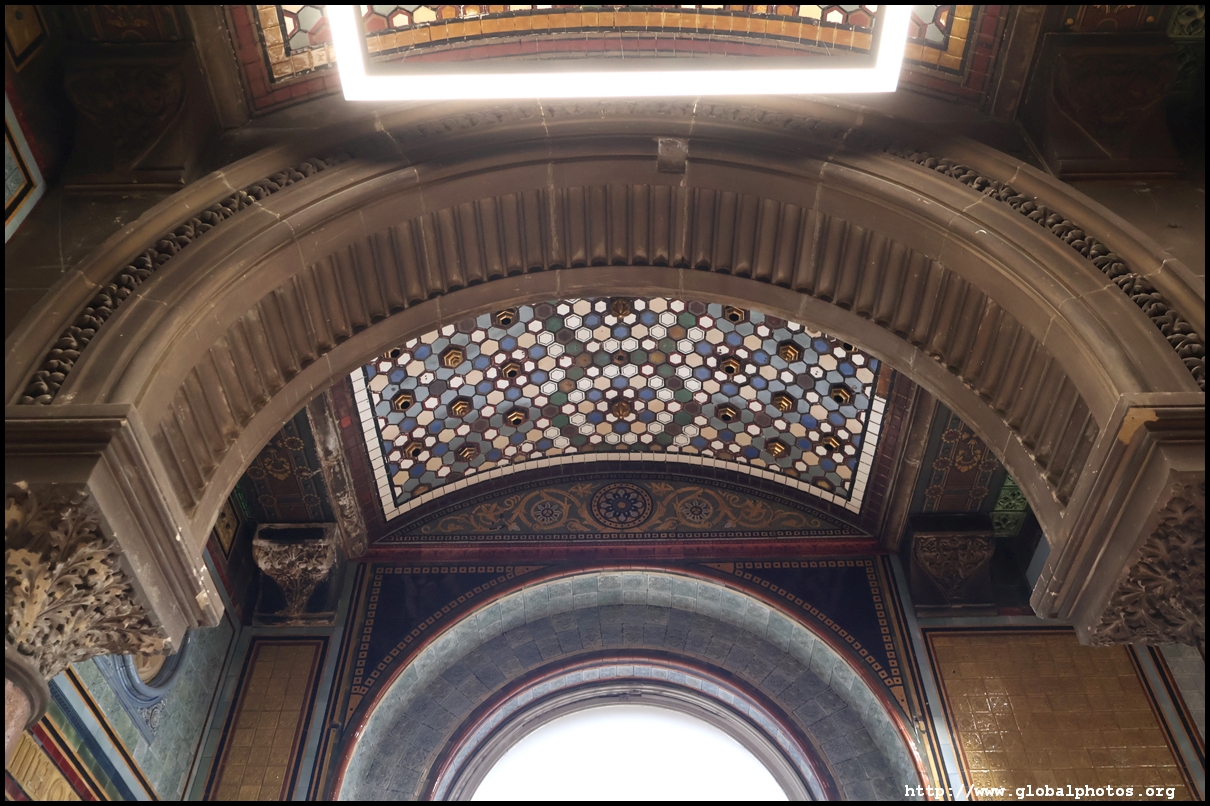
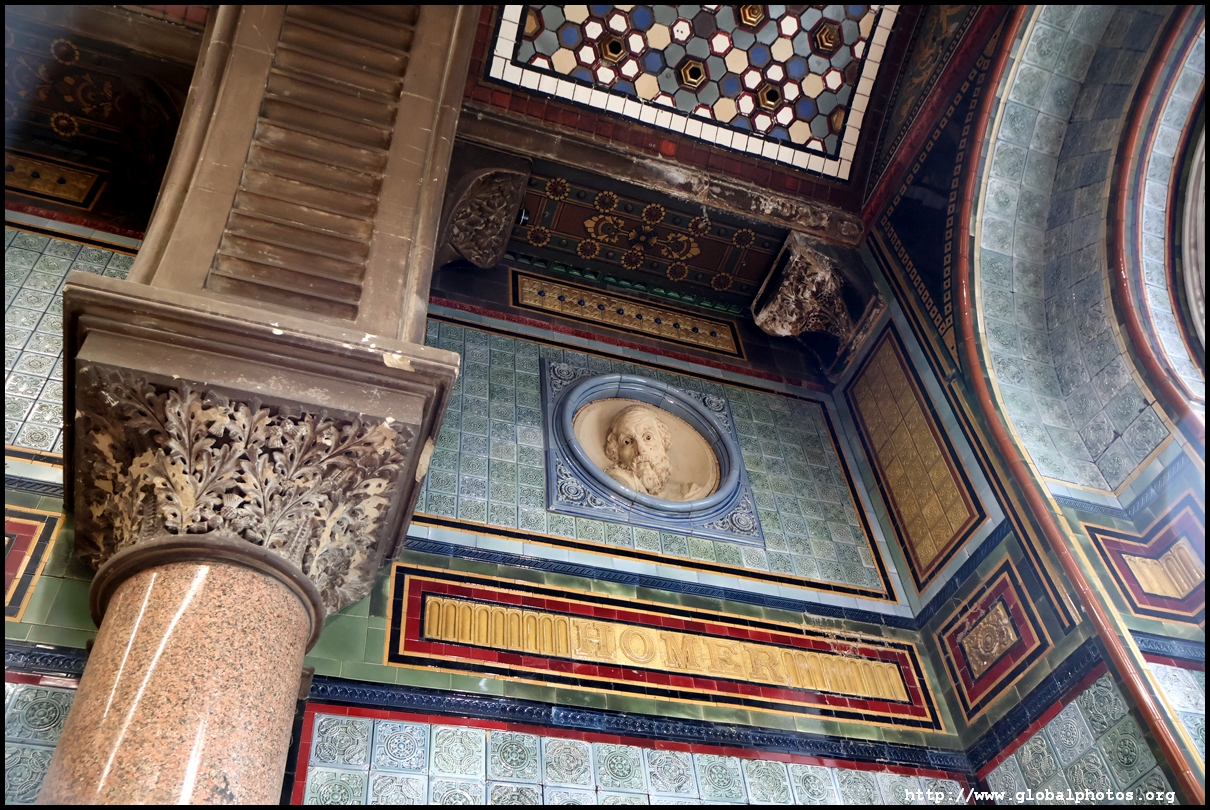
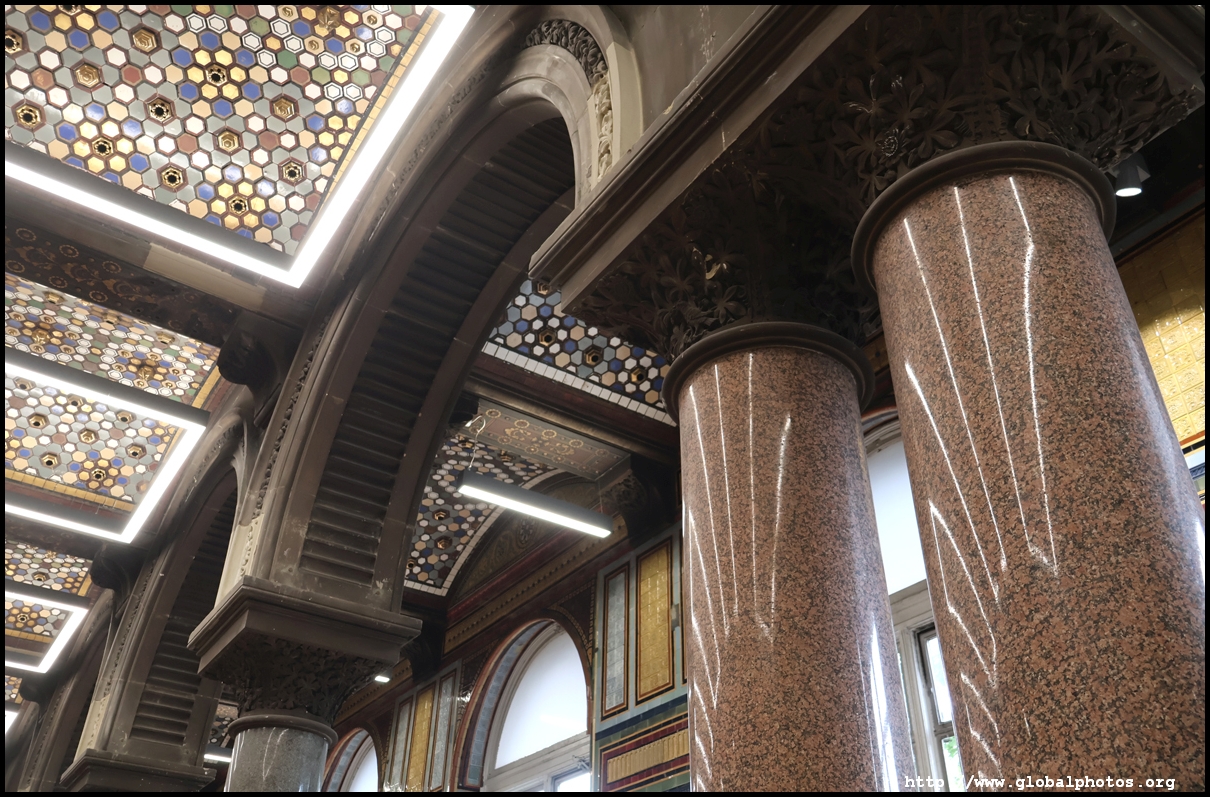
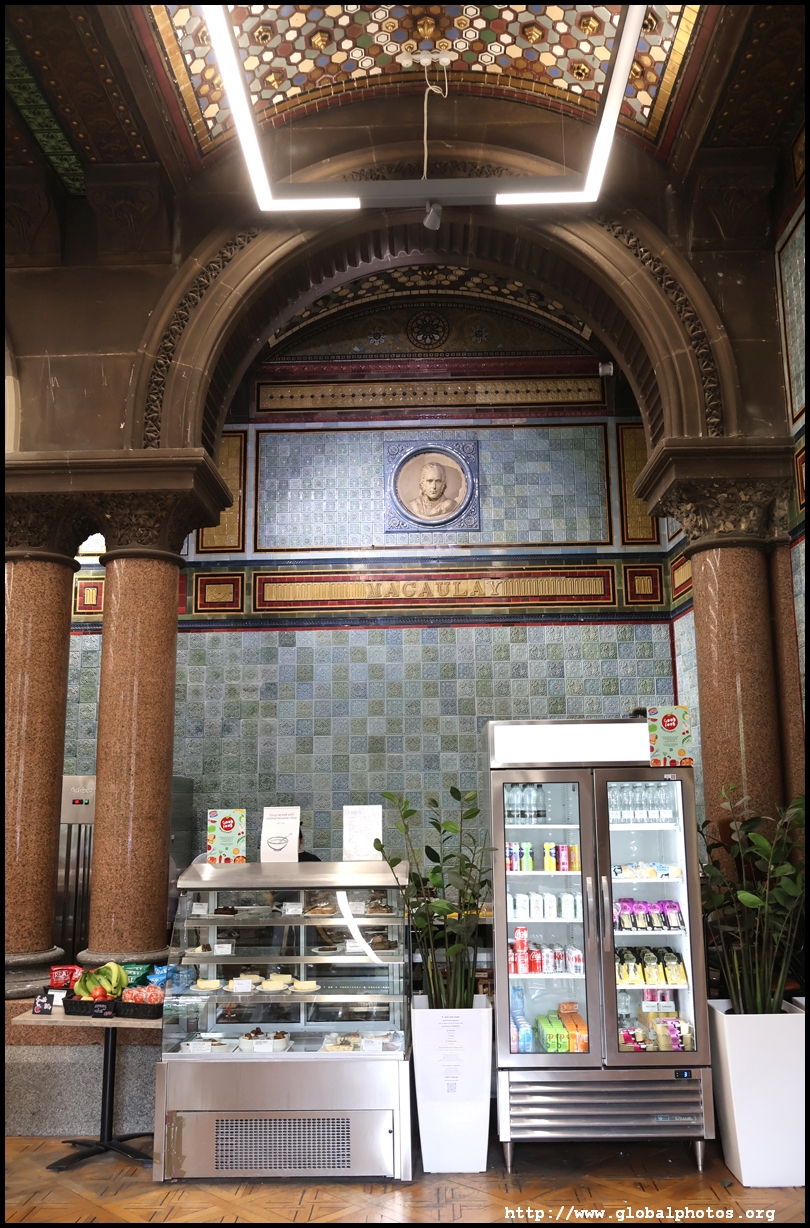
Located at the Central Library and Art Gallery, the Tiled Hall Cafe was previously the main reading room and sculpture court. It was renovated in 2007 to its original splendour.
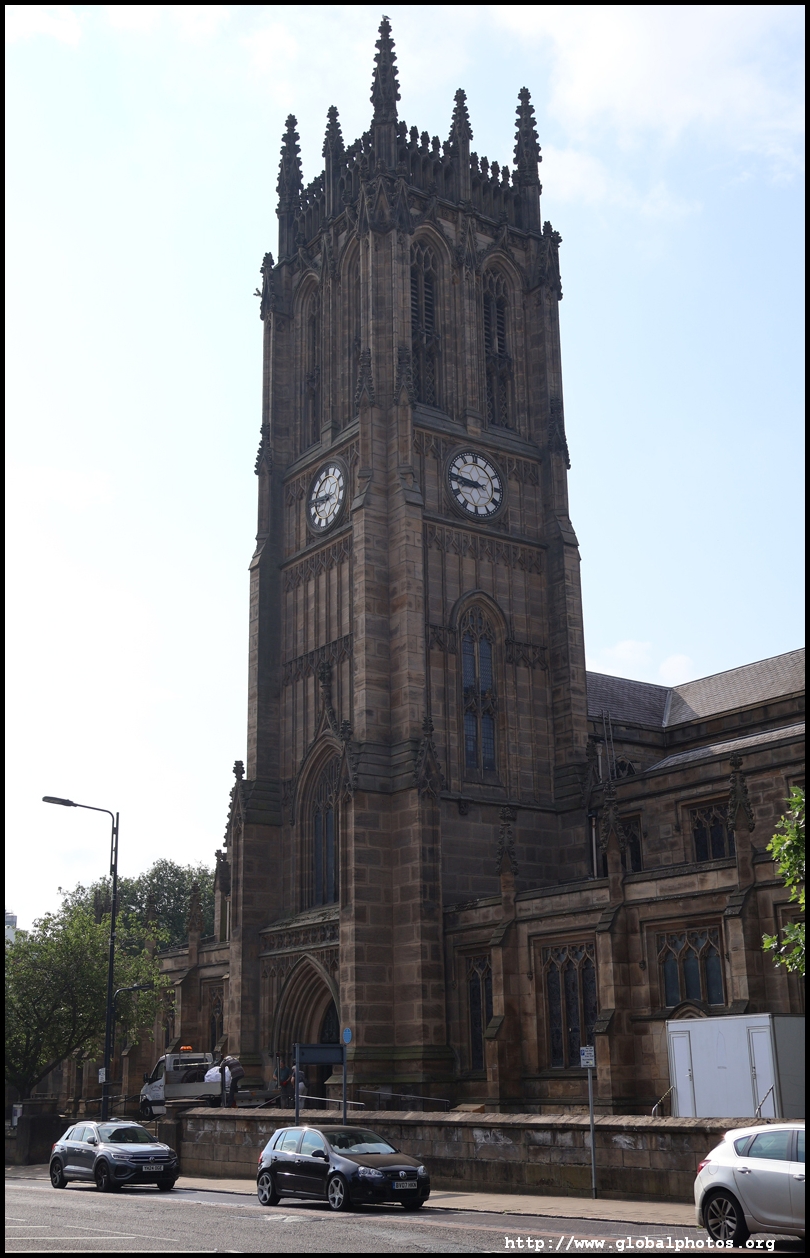
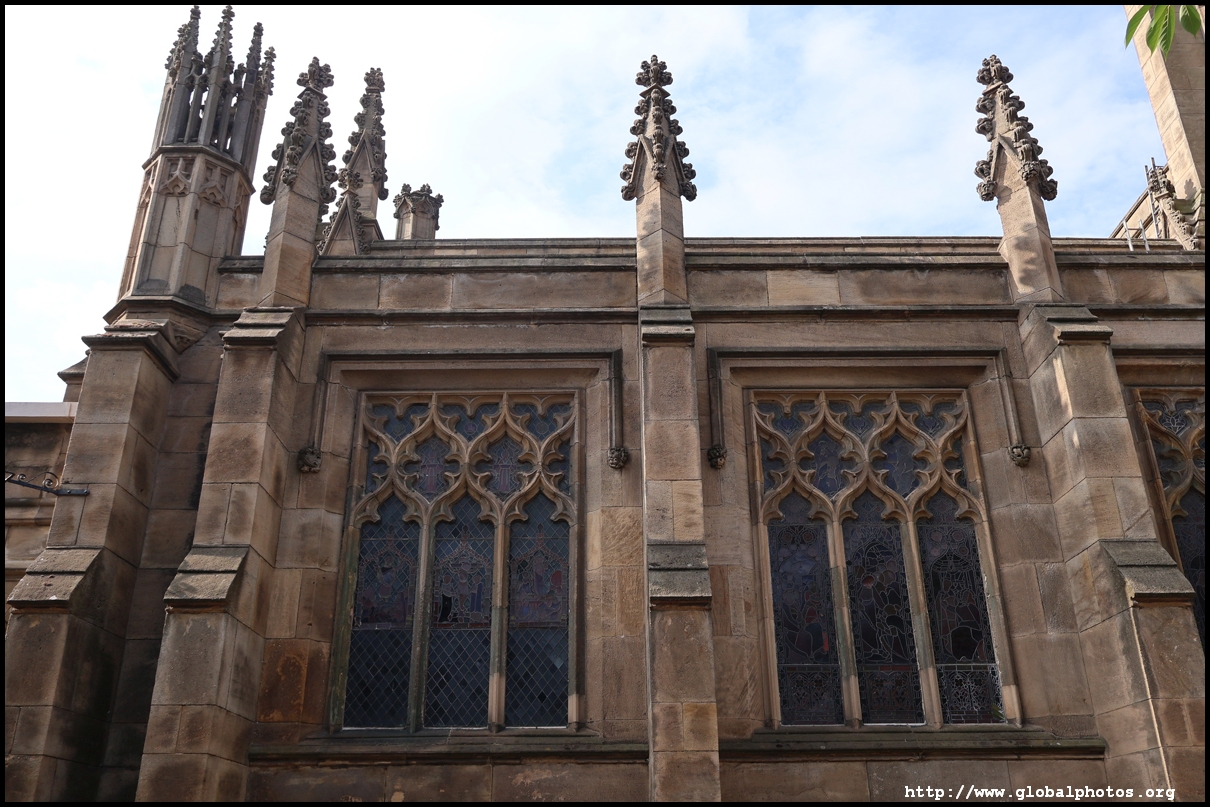
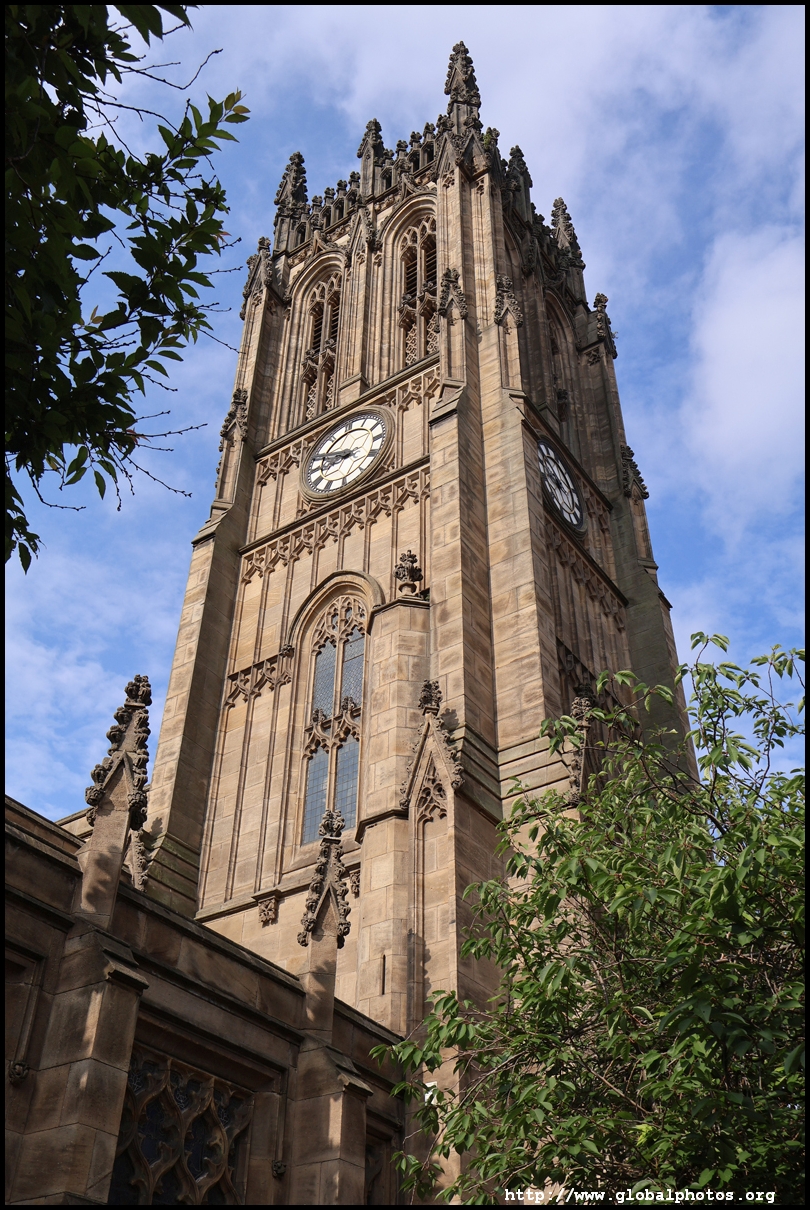
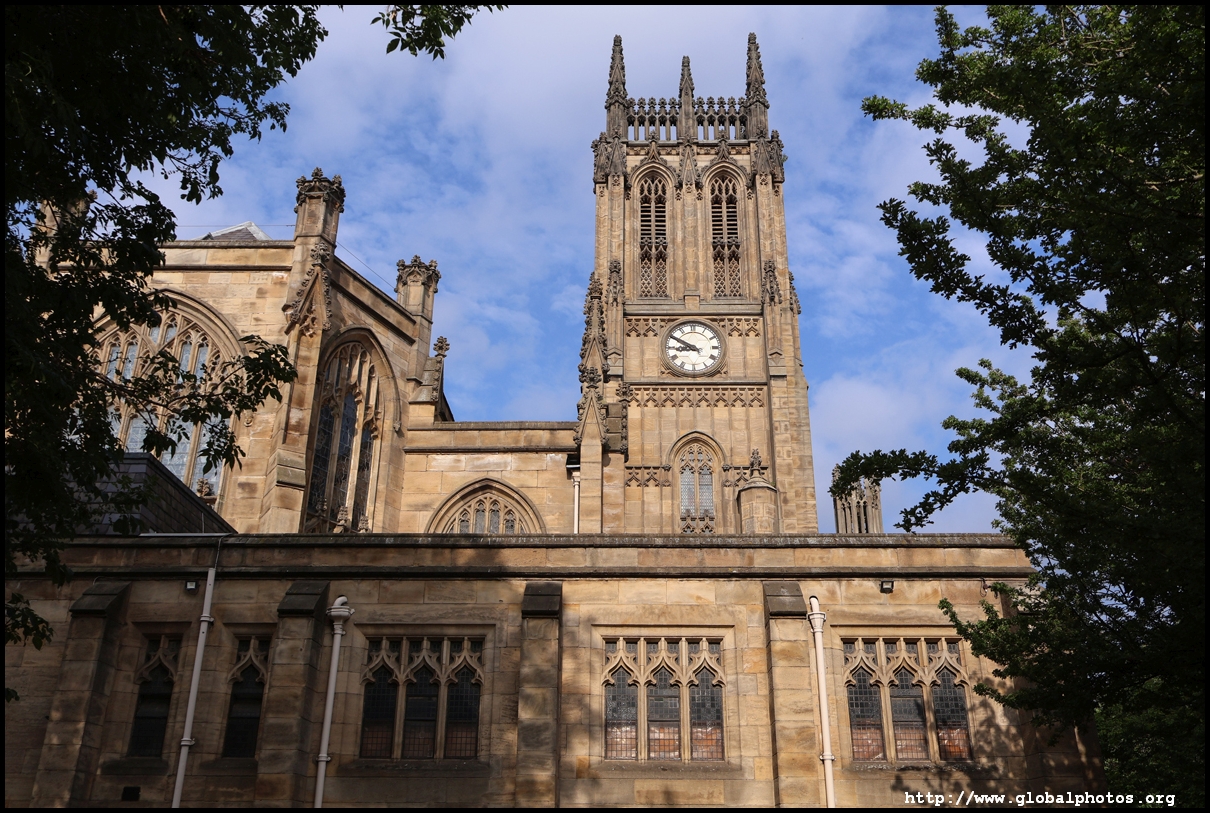
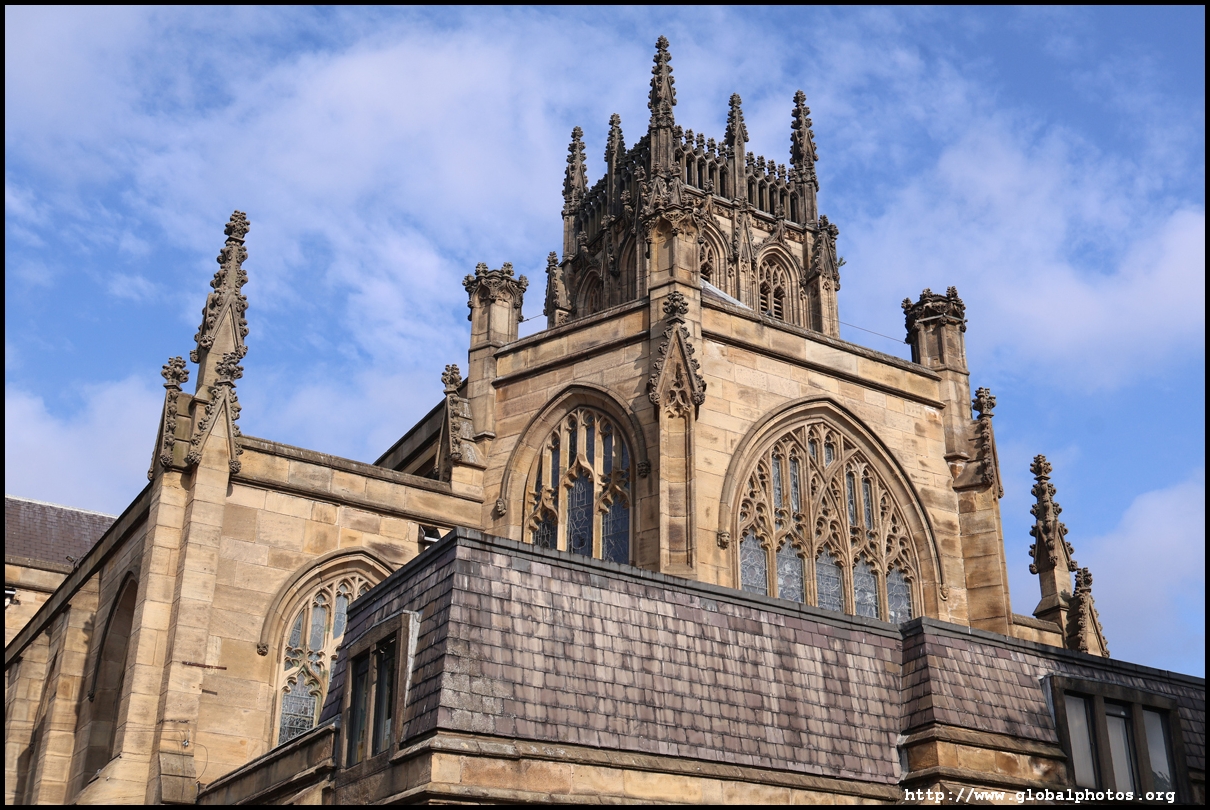
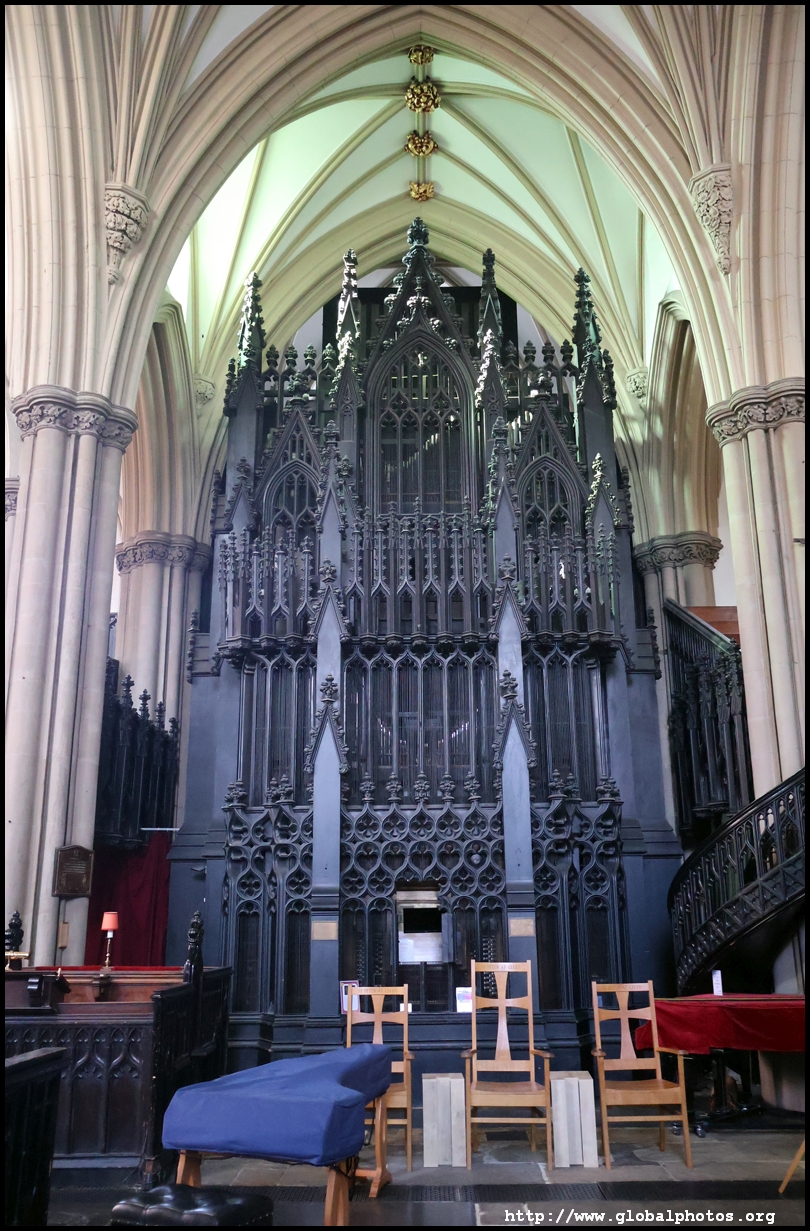
Leeds Minster was consecrated in 1841 as the largest new church in England after St. Paul's Cathedral. Inside, the altar was raised on steps so was visible to the congregation. While designed for 1600 people, services swelled to much higher numbers.
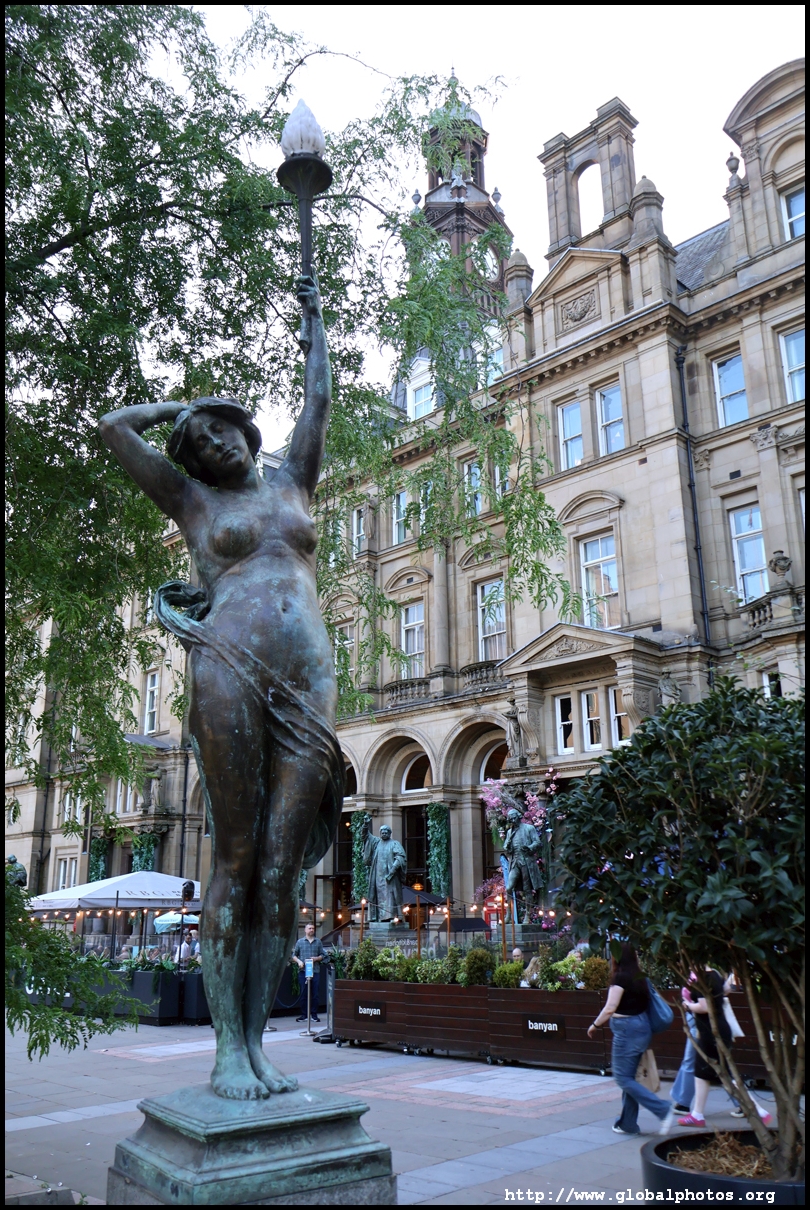
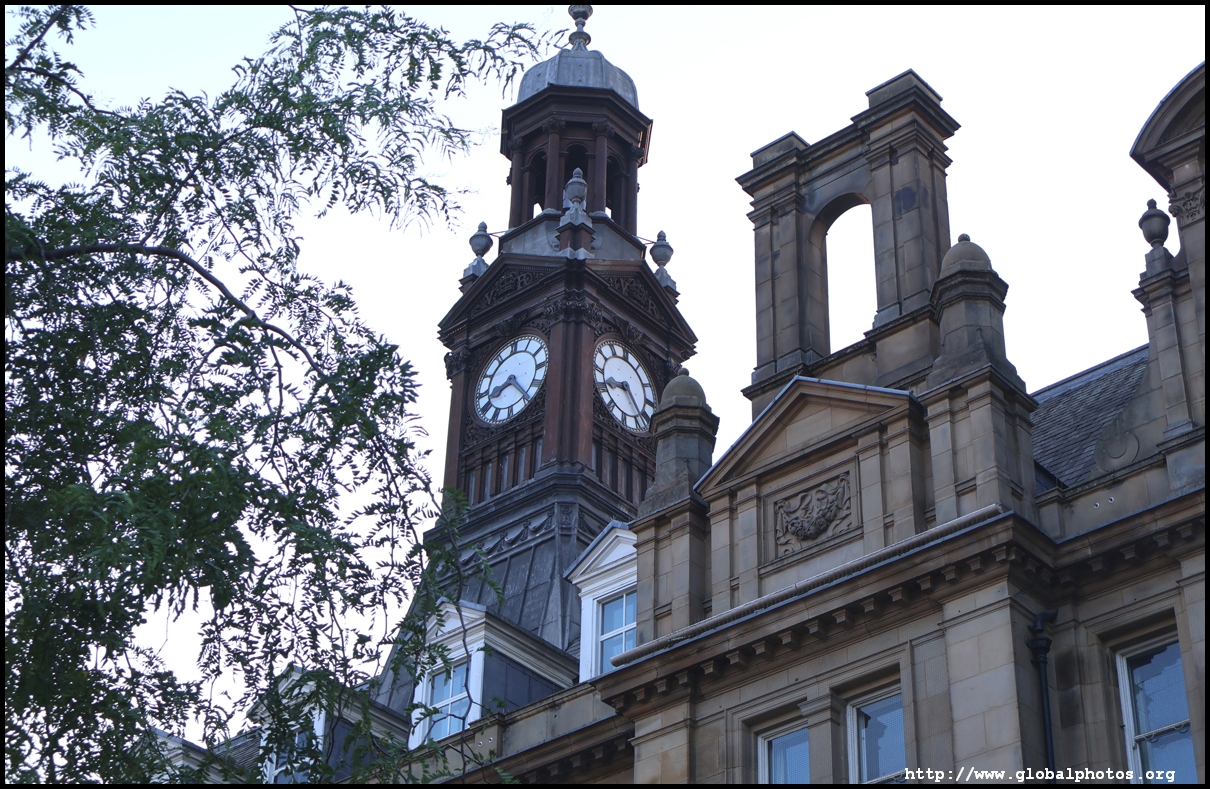
The Old Post Office is just across from the main railway station.
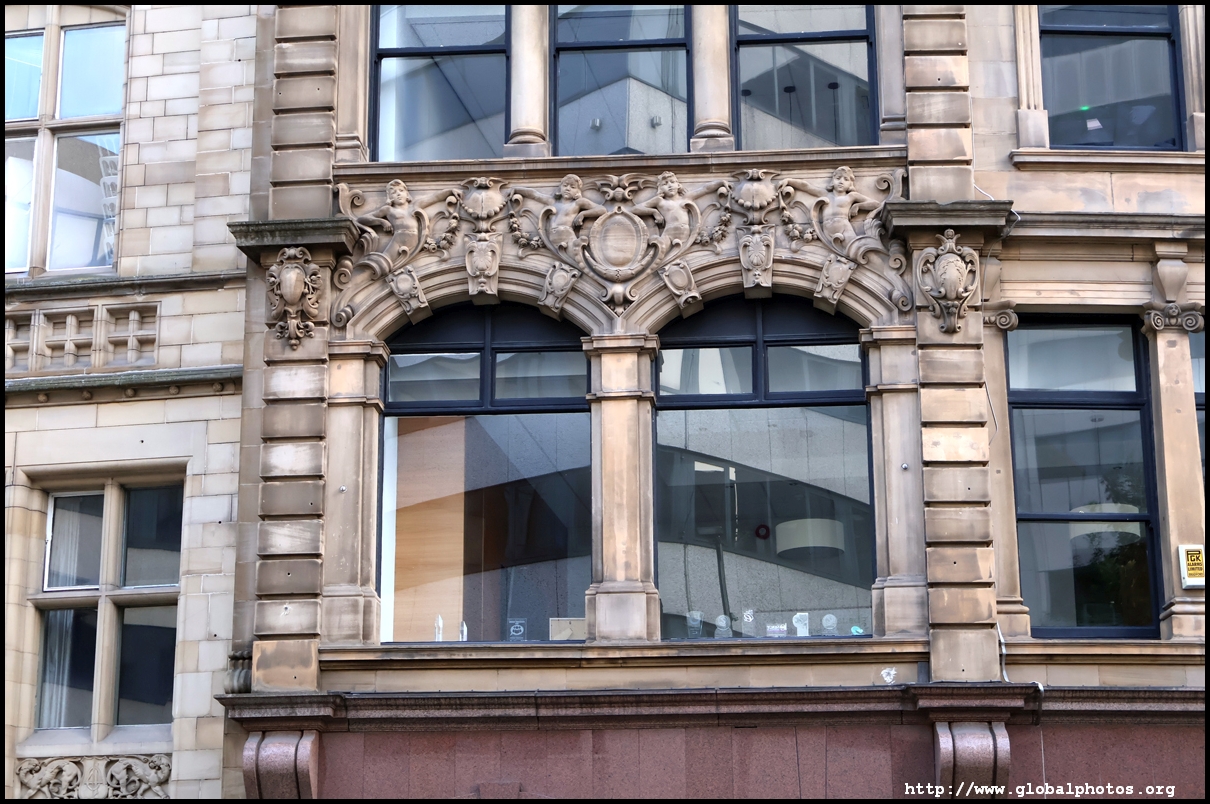
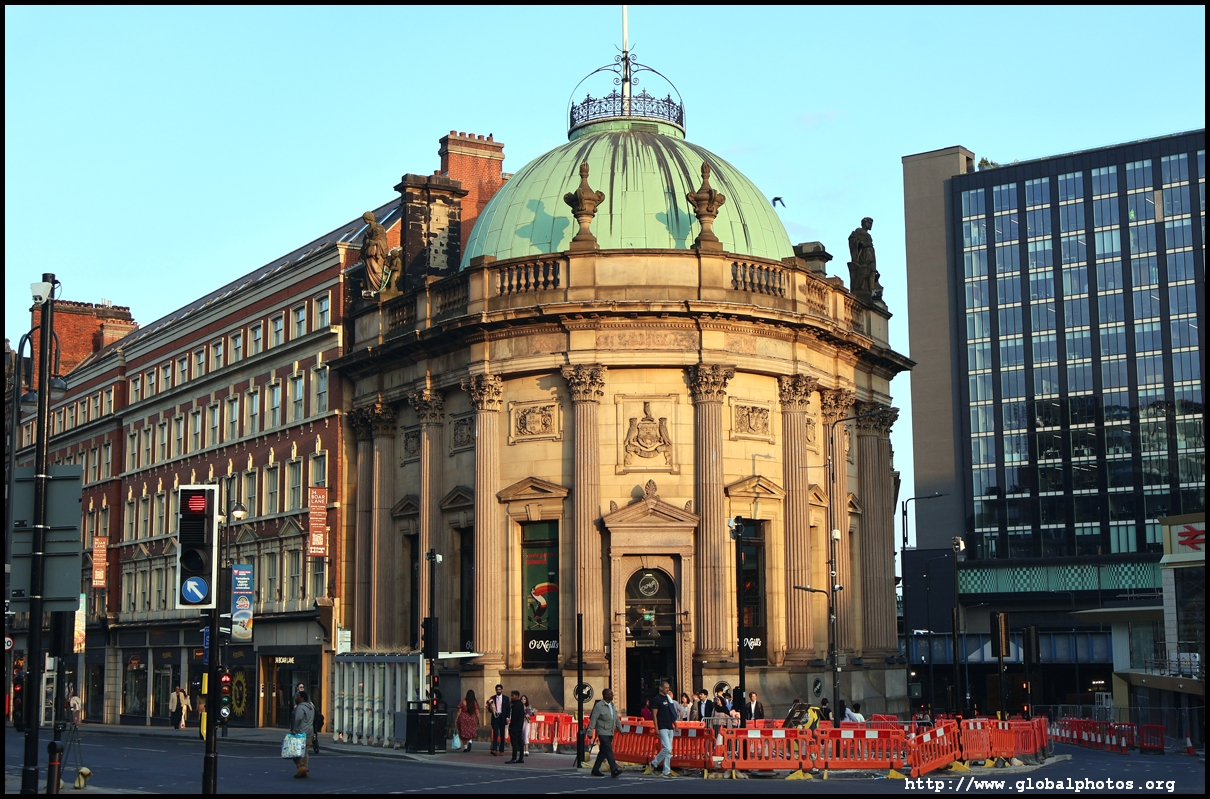
40 Boar Lane was built in 1899 and is now a cafe and bar. Previously occupied by the Yorkshire District Banking Company, the panels above the doors and windows feature carved coats of arms of various Yorkshire cities.
|
|
To re-use these photos, please notify me by email : asiaglobe@yahoo.com.hk.