Liverpool Photo Gallery - Exploring the Streets & Architecture

Besides the Three Graces and waterfront buildings, there is beautiful architecture scattered around the rest of the city centre.A short walk from the Three Graces, the India Buildings were built in the late 1920s and early 1930s in a style that was similar to large commercial buildings in New York during that time. Originally for the Alfred Holt shipping line, it became an office for the HMRC in recent years.
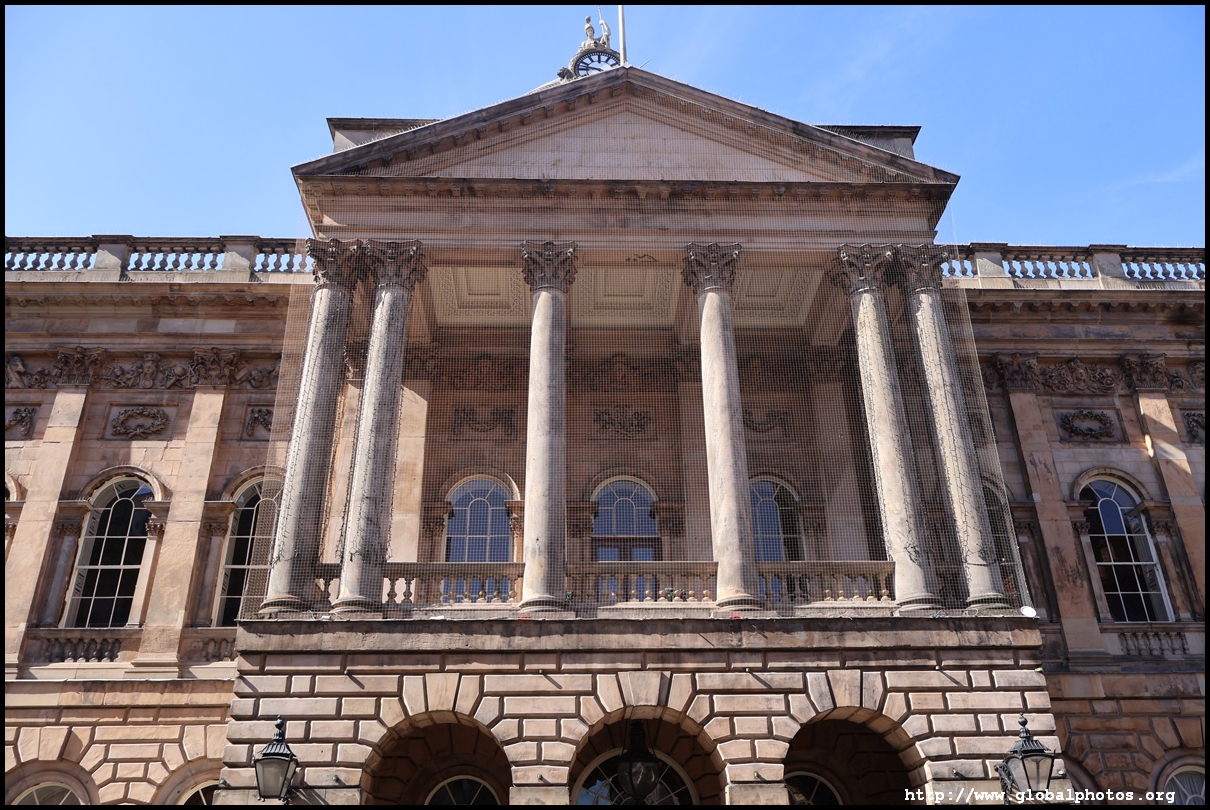
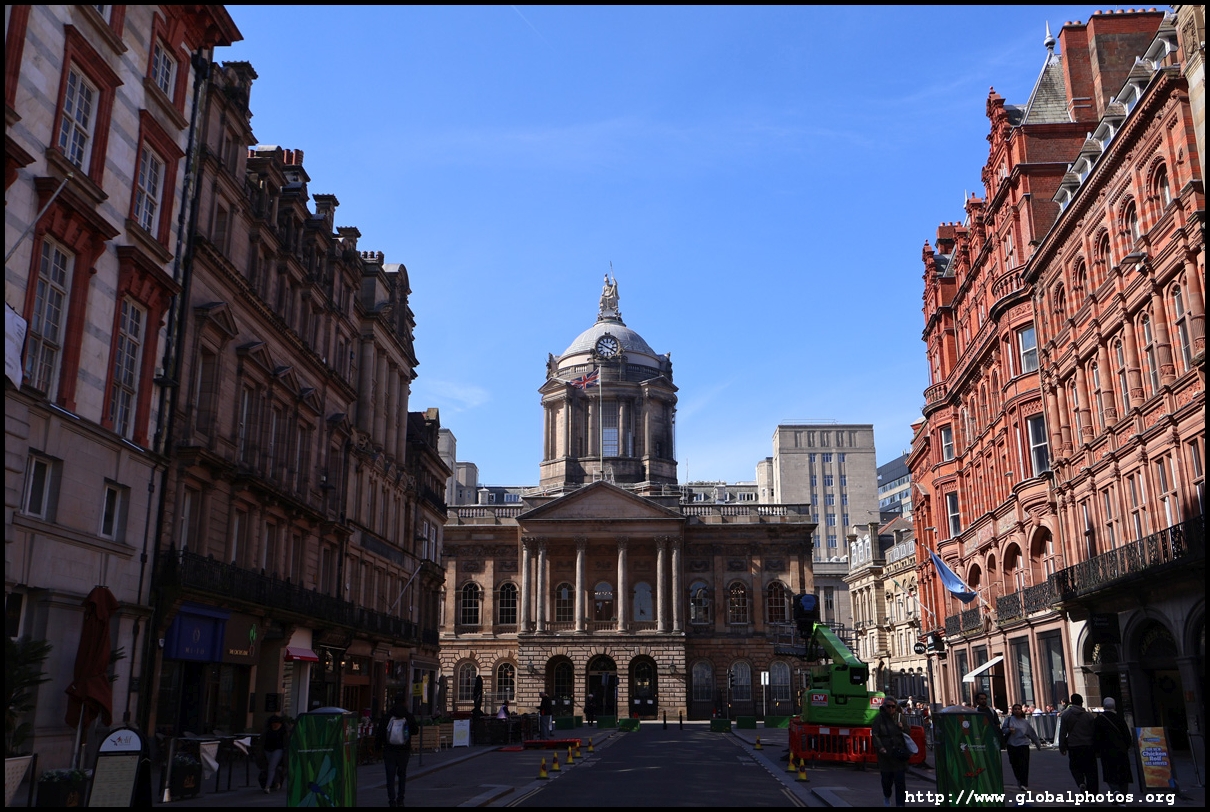
The Town Hall was built in the mid-1700s with a dome added at the turn of the 19th century. It is grand, a reflection of the boom years when Liverpool was a major trading port, and the building needed to reflect its status and wealth. To better appreciate the architecture and to frame it against neighbouring buildings, head down Castle Street for the perfect shot.
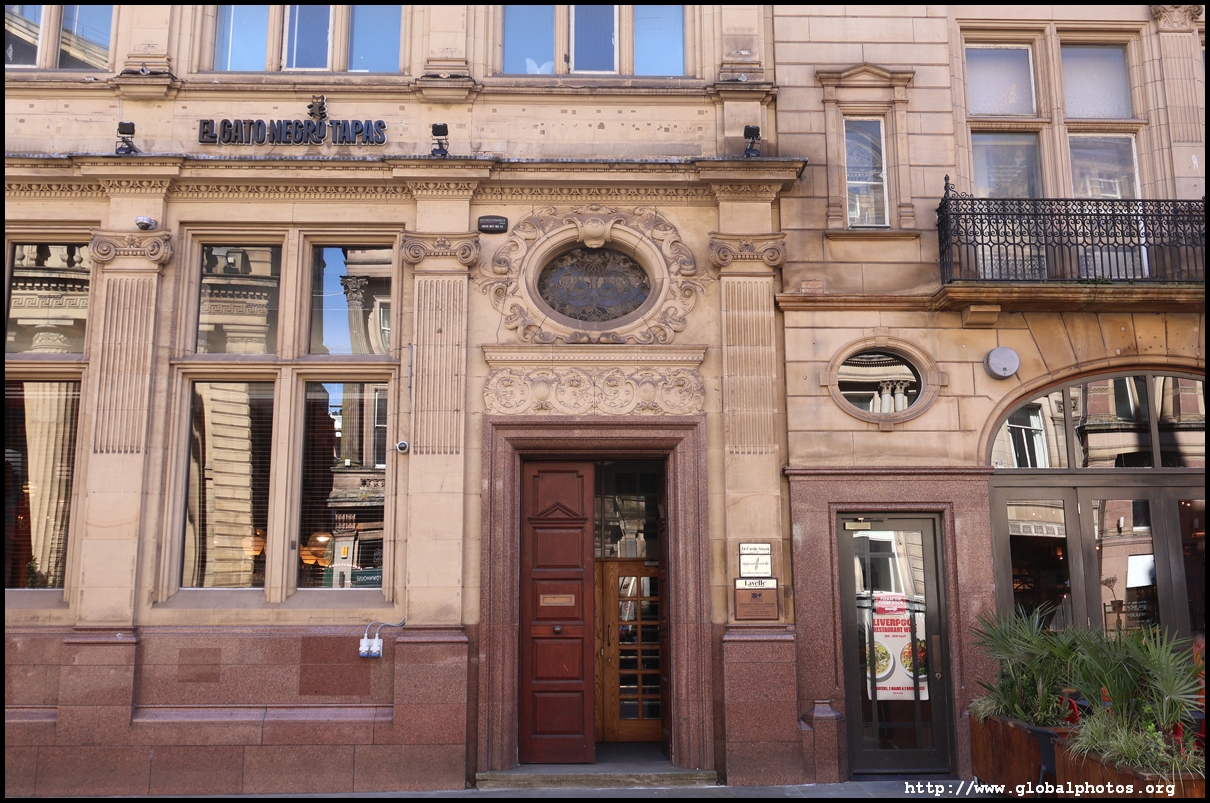
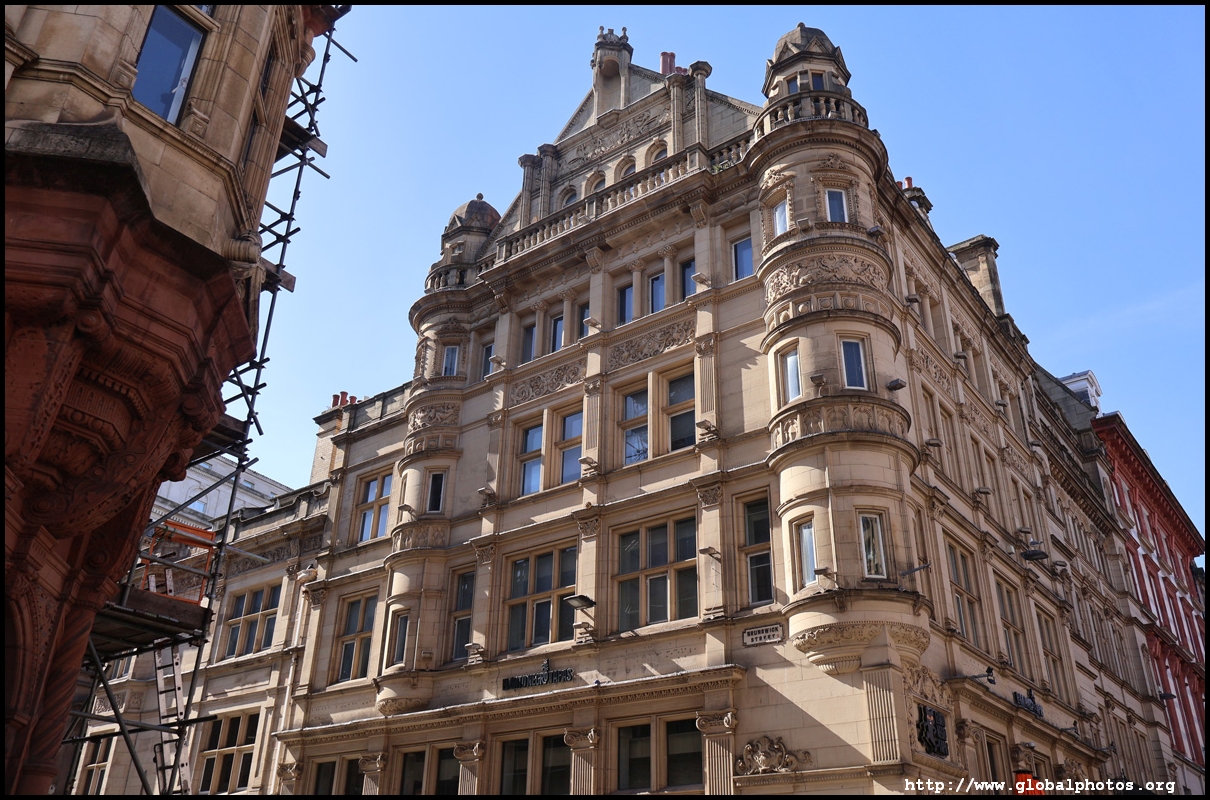
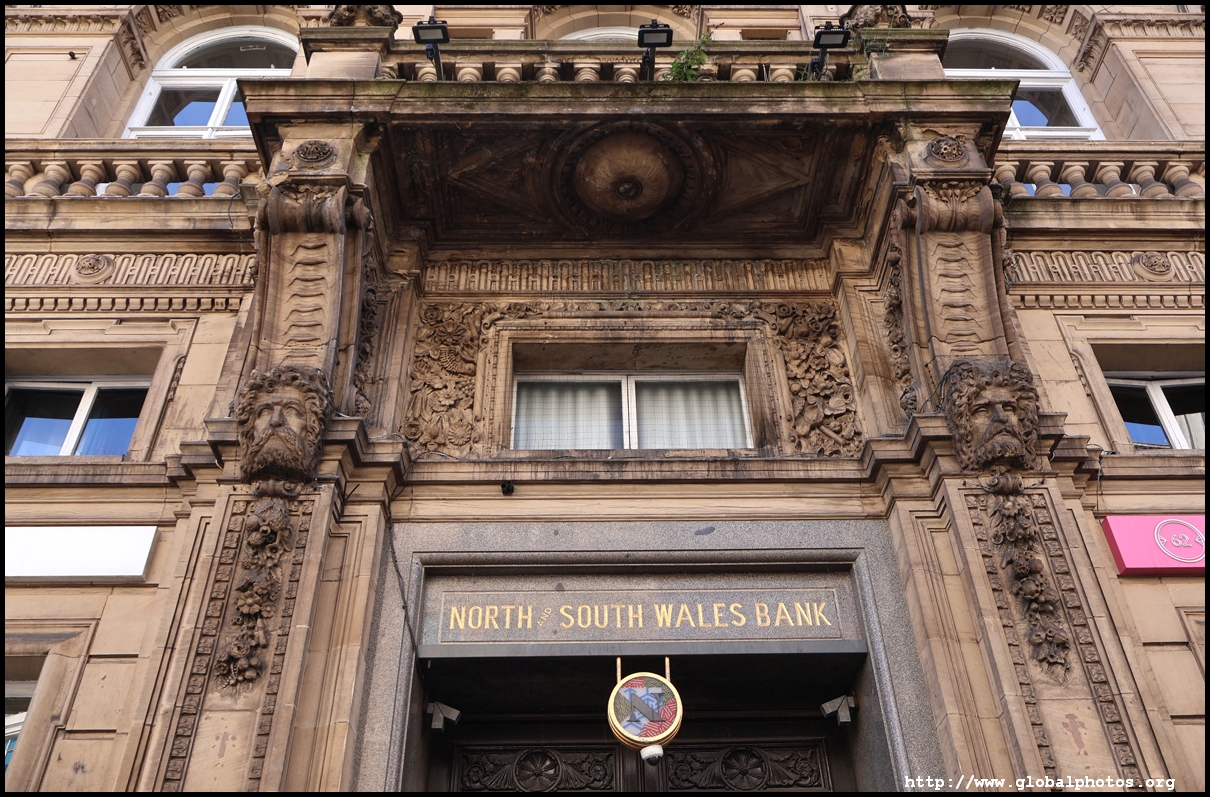
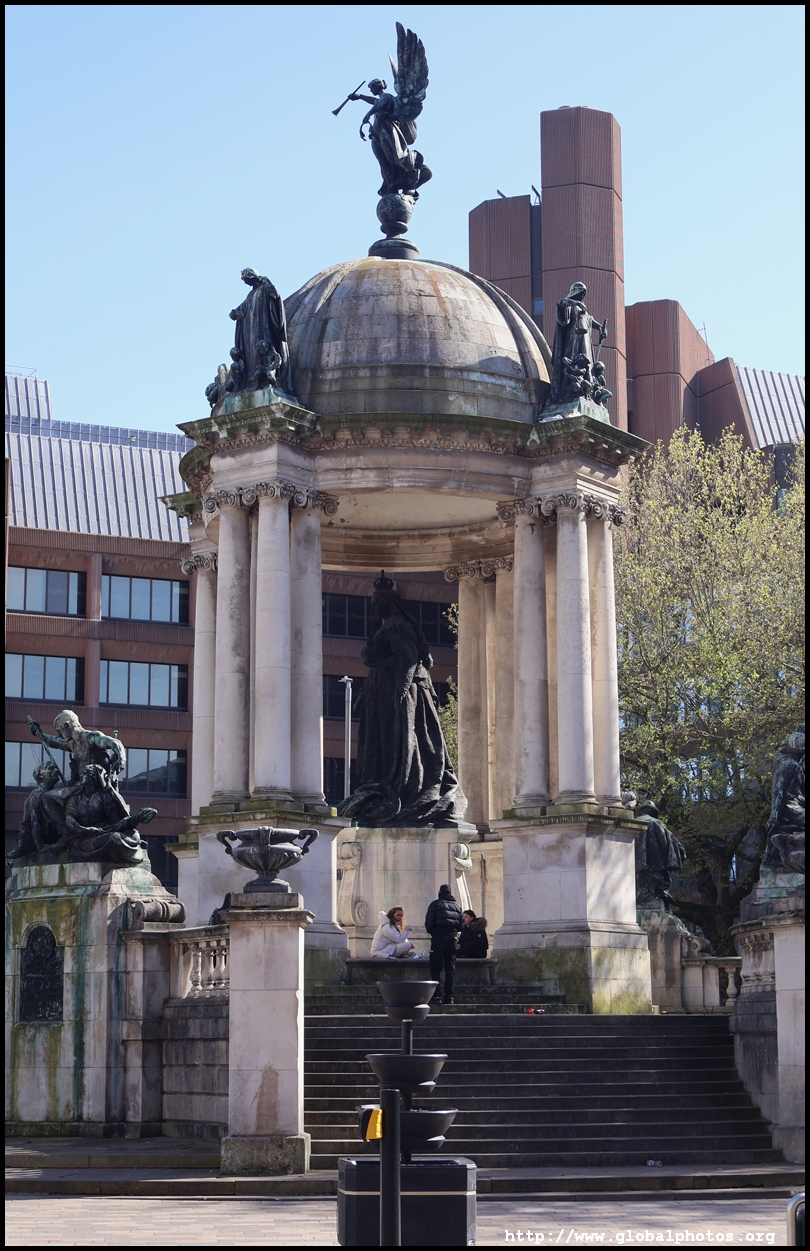
There is no shortage of grand buildings along Castle Street and its surroundings leading up to the Queen Victoria Monument.
Right next to Lime Street train station, North Western Hall was originally a railway hotel that opened in 1871. Designed by local architect Alfred Waterhouse, the hotel closed in the 1930s and the building sat empty for several decades, but has now been turned into a Radisson hotel.
The Bluecoat is the oldest surviving building in the city centre. Completed in 1717 as a school, it is now an art gallery tucked behind many shopping malls.
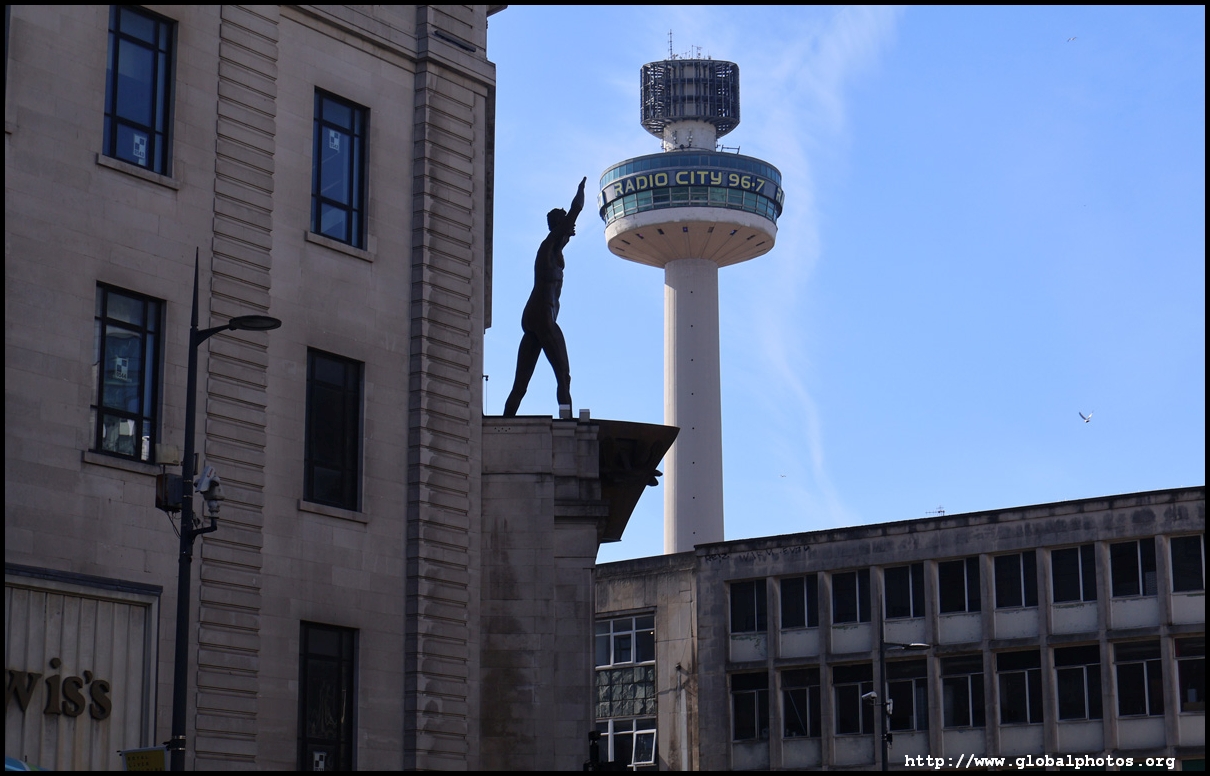
The Lewis's Department Store was built after World War II to replace an earlier store that was destroyed during the Blitz. However, large sections of the building have sat empty following the store's closure in 2007.
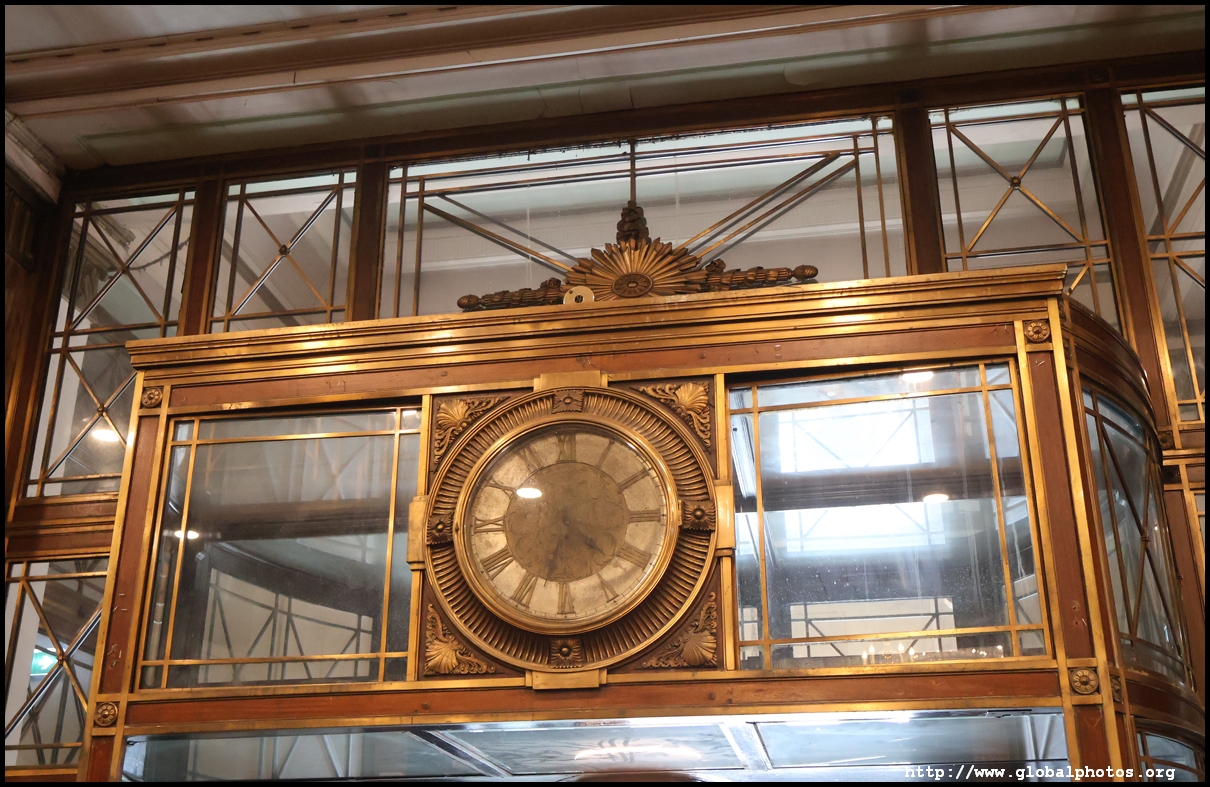
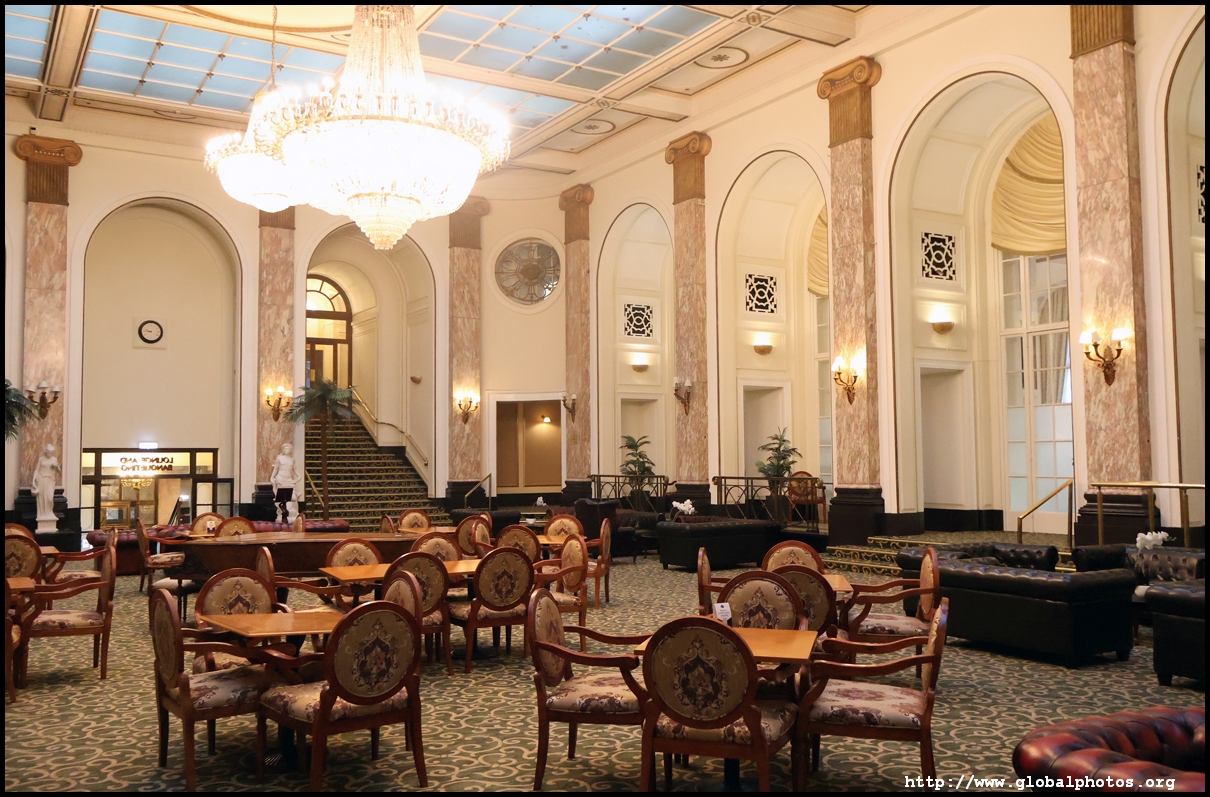
The Adelphi Hotel's history dates back to 1914 with a heated indoor swimming pool, Turkish baths, and tennis courts. Each room had a telephone, a unique technology at the time. The hotel served ocean liner passengers and was popular with the wealthy classes. Today, it's no longer associated with luxury and opulence with bargain basement rates and not-so-flattering reviews. Nevertheless, if feels like you've stepped back in time.
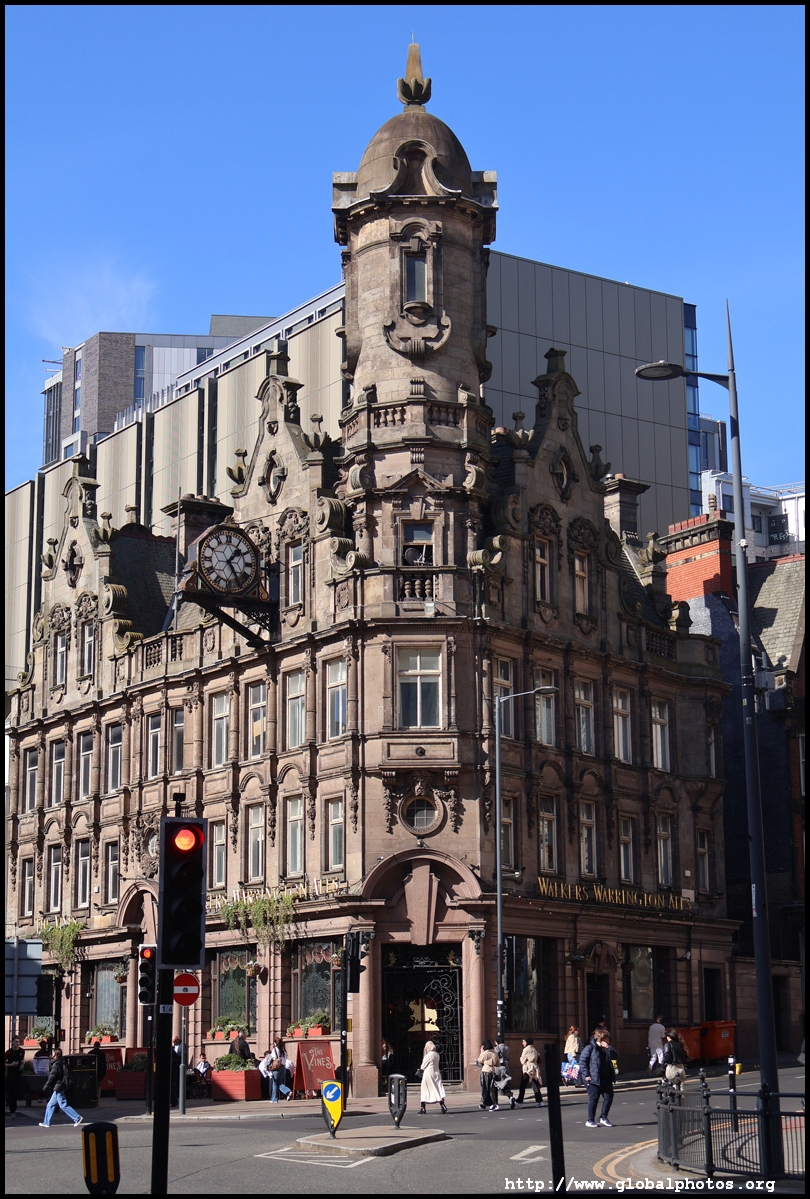
Exiting the hotel, you will see The Big House across the street. A pub has stood at this corner since 1867, with the current building dating from 1907. This is a fine surviving example of an Edwardian pub.
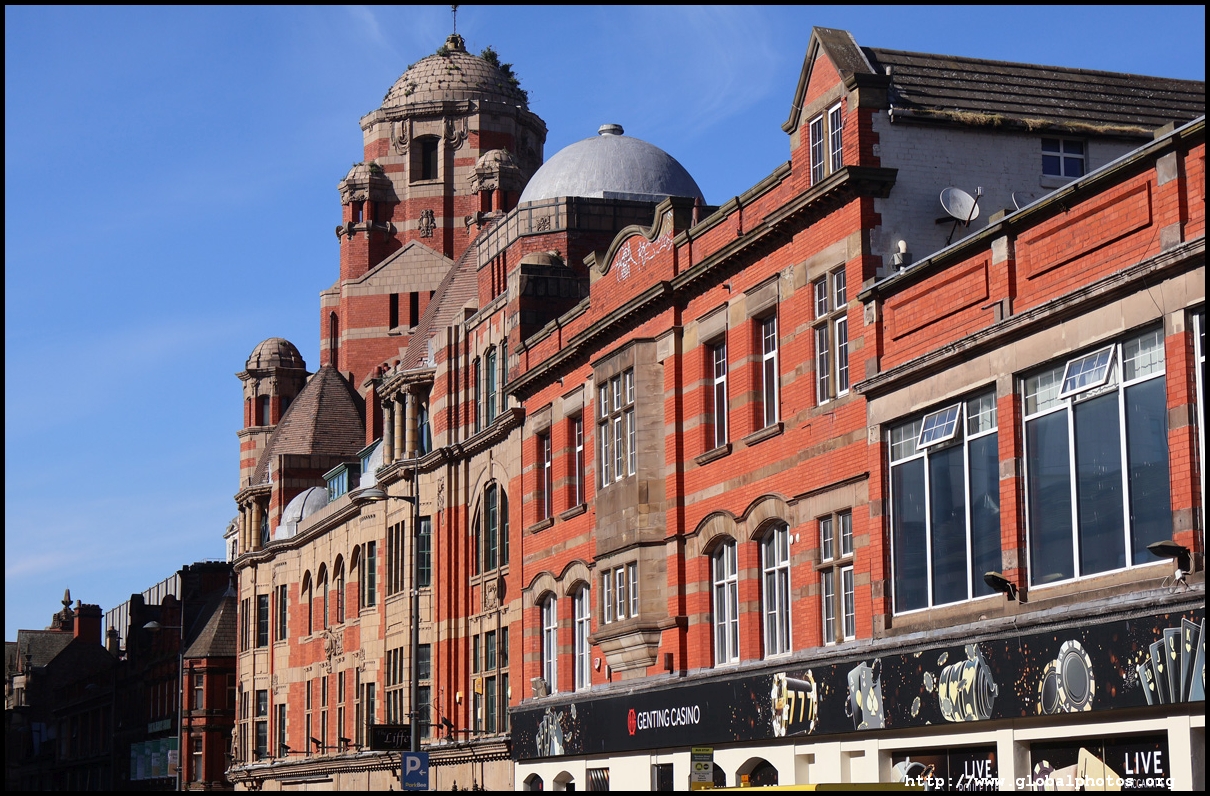
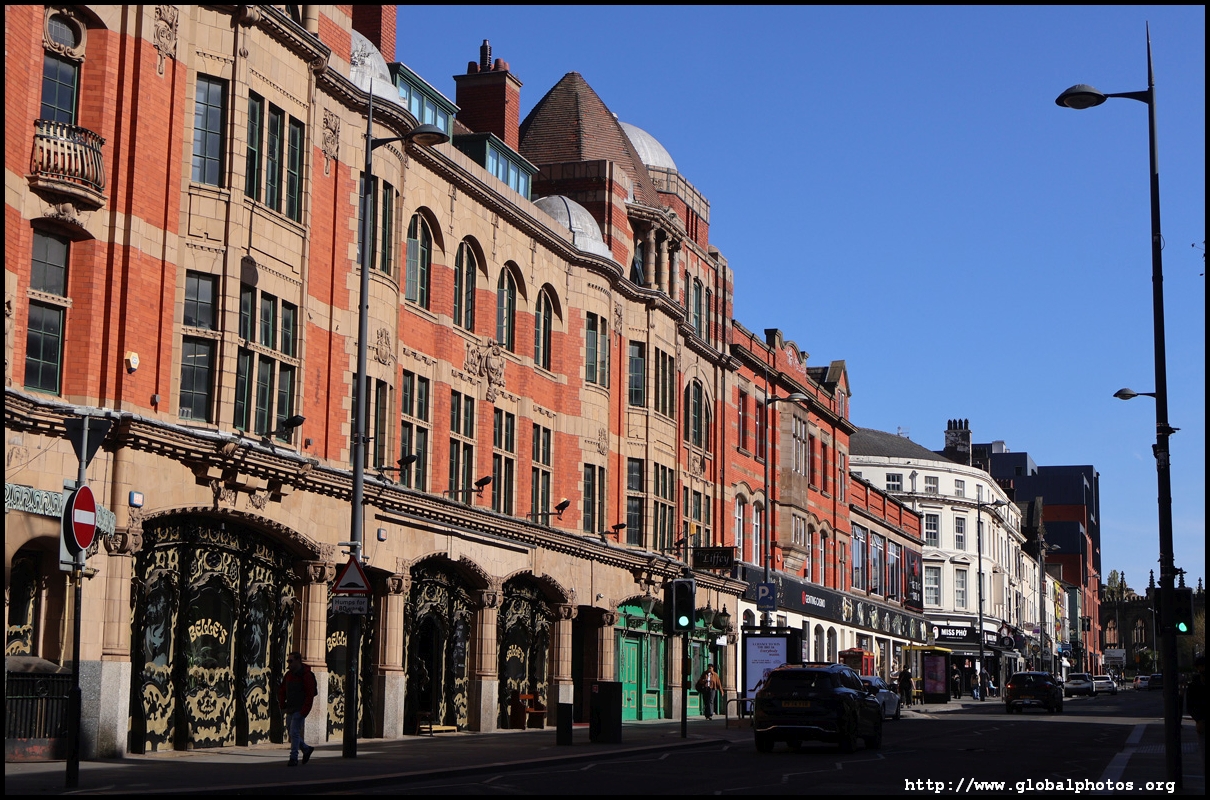
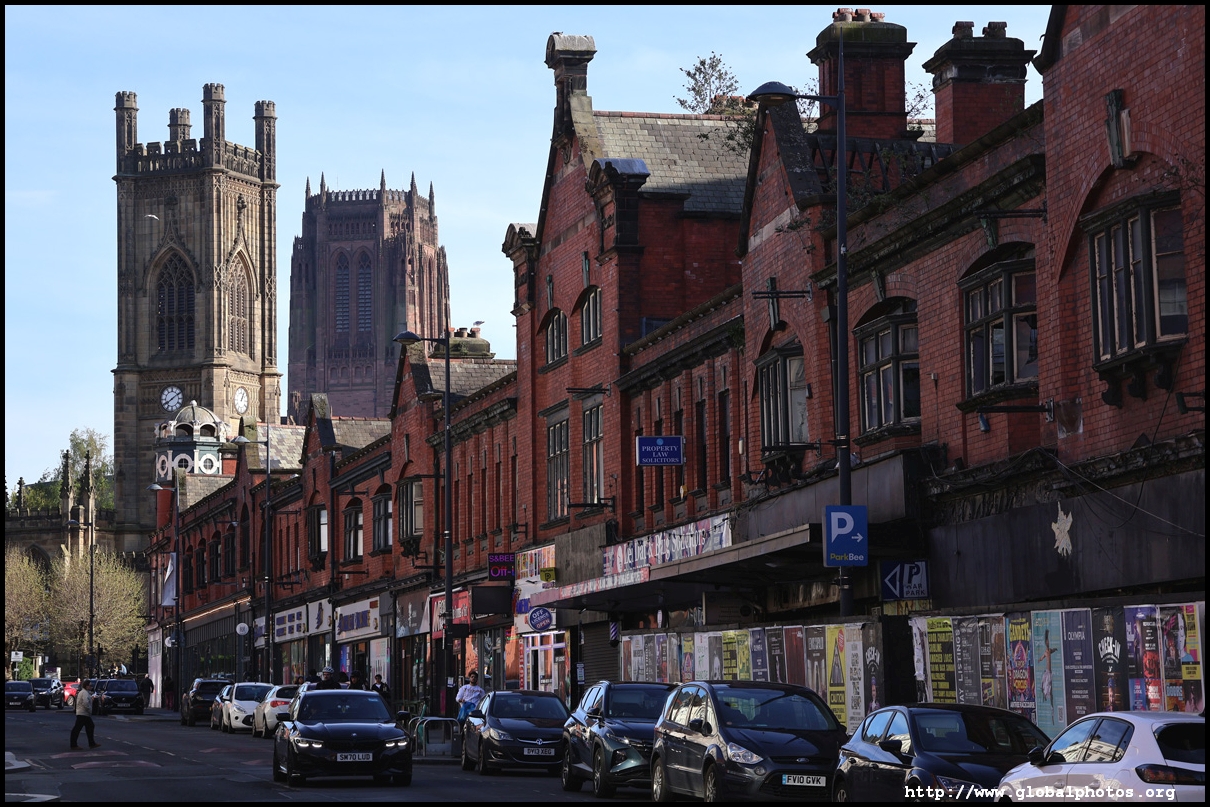
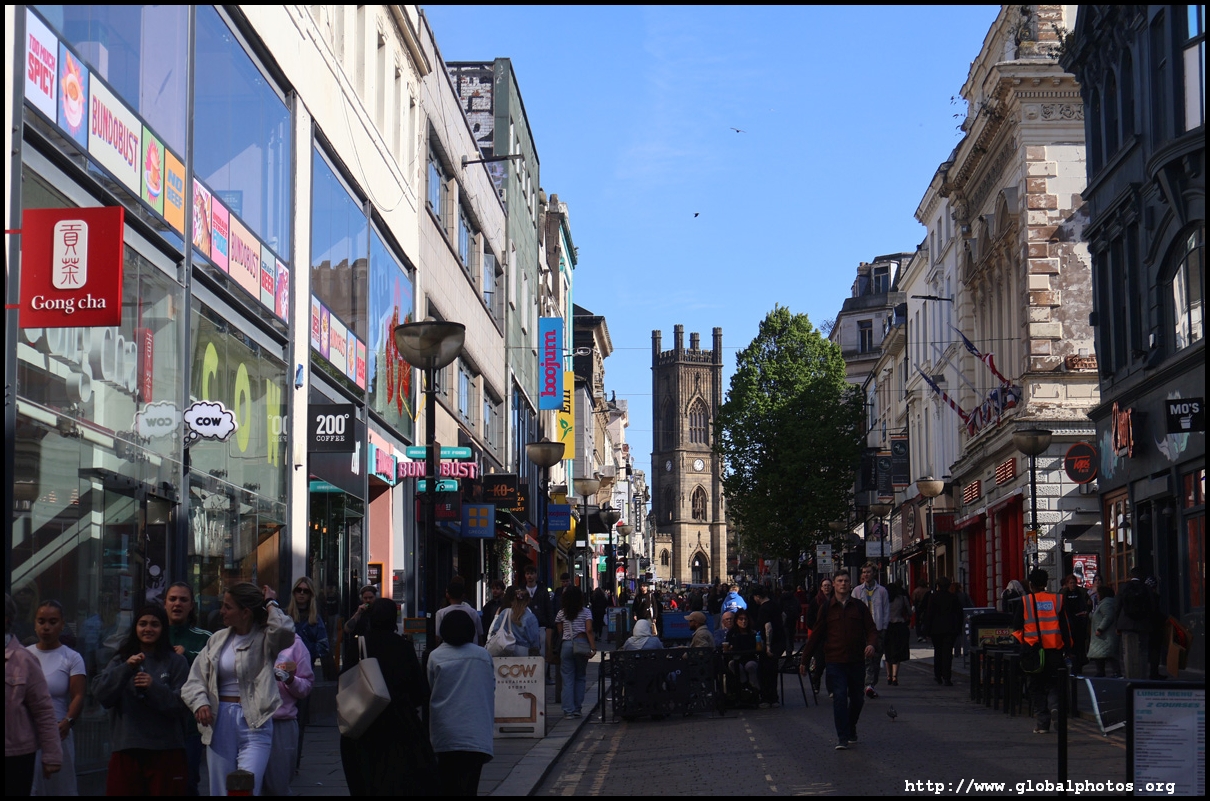
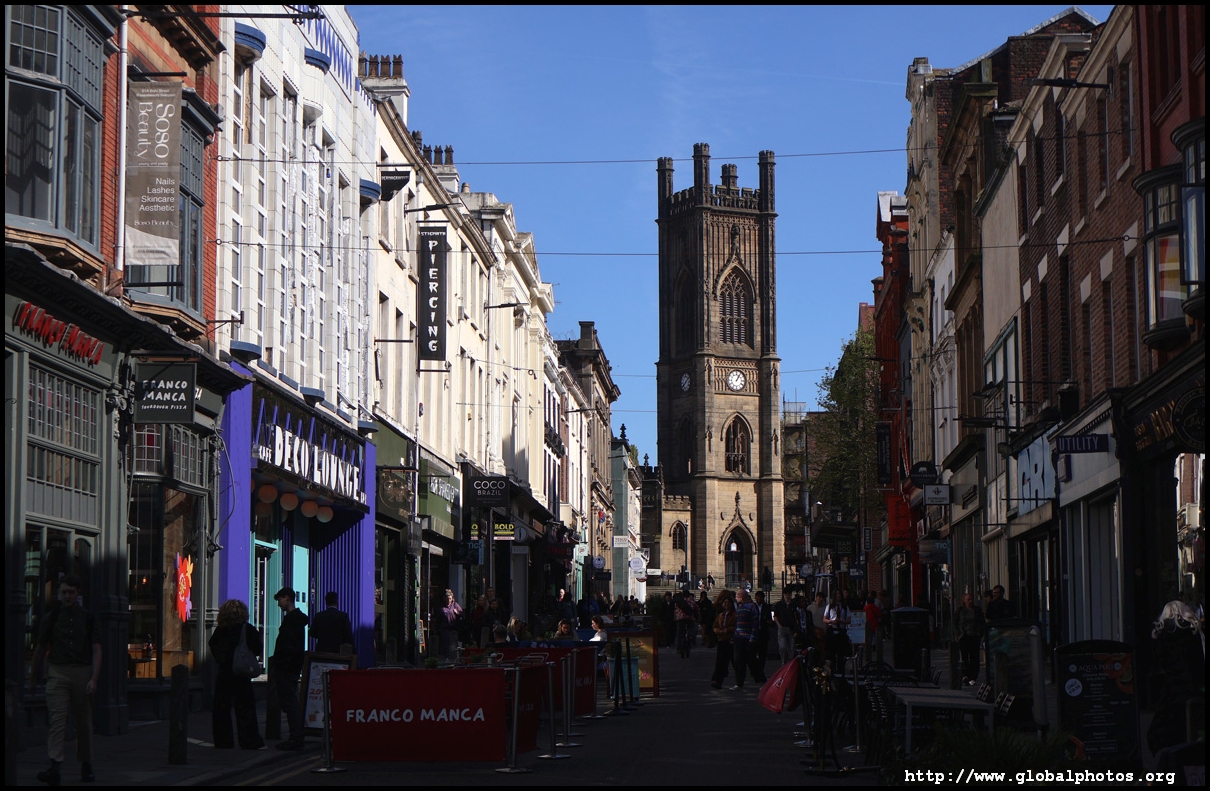
Turn around and walk down Renshaw Street towards the "bombed-out church" for some incredible streetscapes, such as the Grand Central Hall, which opened in 1905 initially for religious worship and also cultural activities.
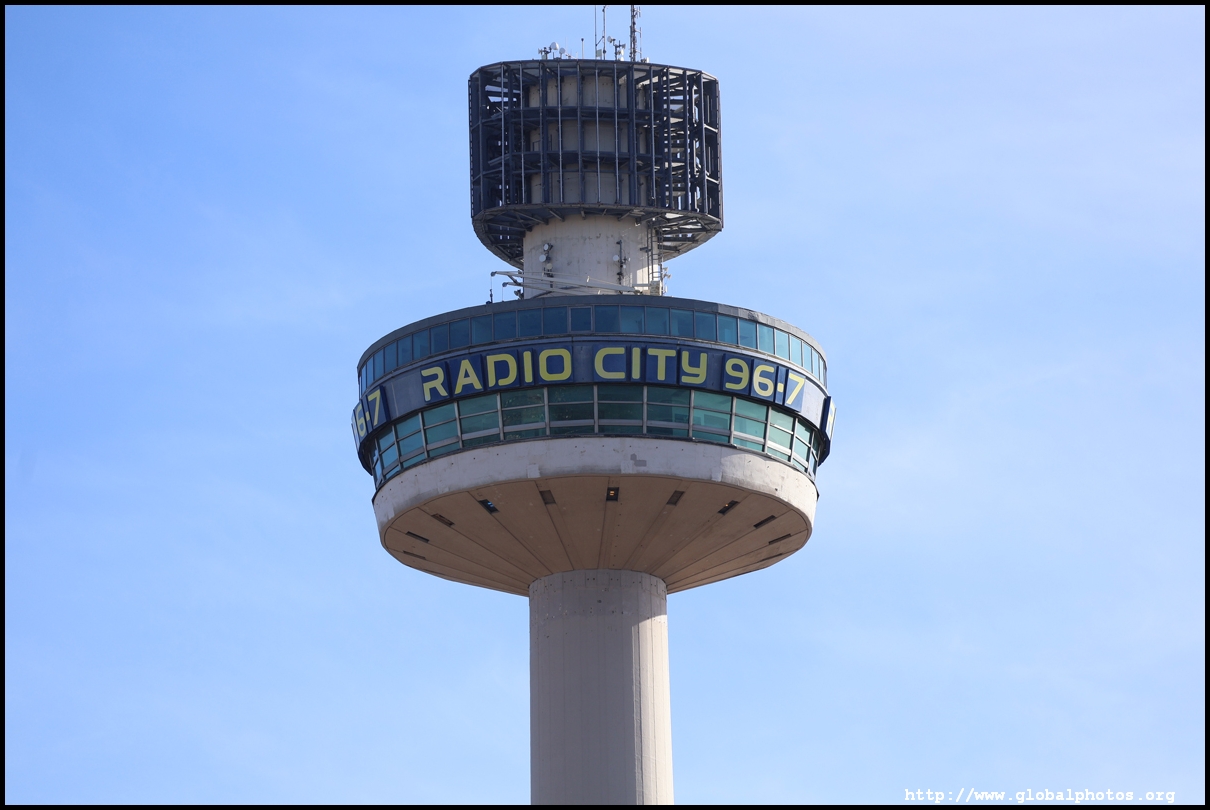
Also known as the St. John's Beacon, the 138m-tall Radio City Tower opened in 1969 as the city's tallest building. It had a revolving restaurant at the time but was turned into radio studios in 1999.
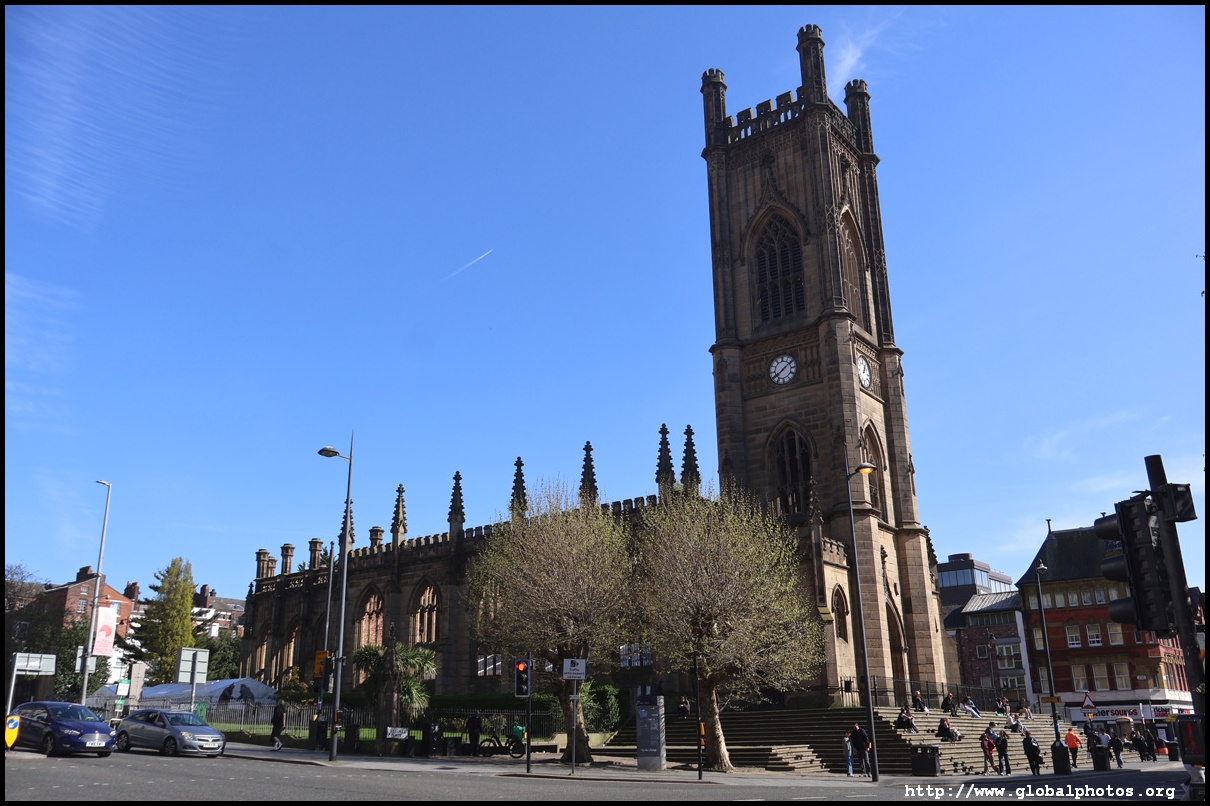
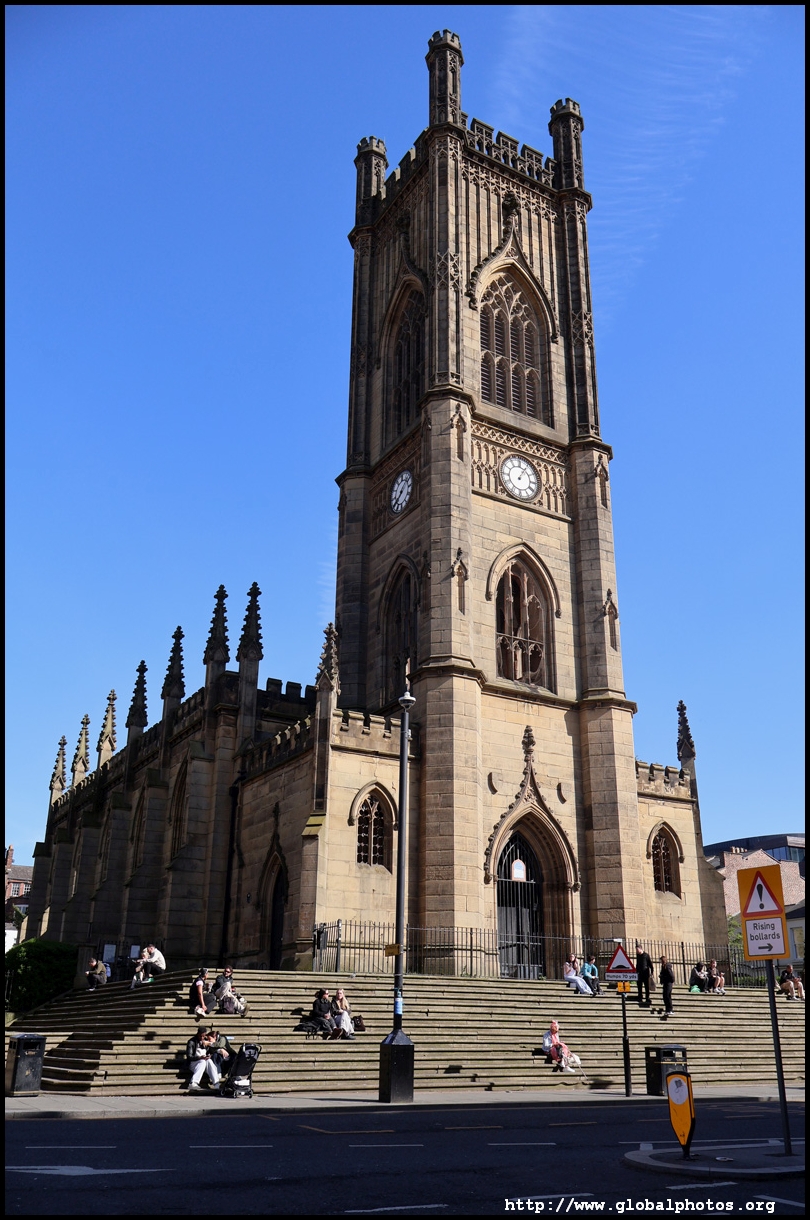
St. Luke's Bombed Out Church got its name after being badly damaged by the Blitz in 1941. The original building was consecrated in 1831 and was known as the doctors' church with many top doctors practising nearby. Liverpool was a major port during World War II and hence became a military target. An incendiary bomb struck the church, destroying he interior and roof but the external structure survived. The bishop proposed preserving the ruins as a memorial to the war's victims, and now the site hosts community events.
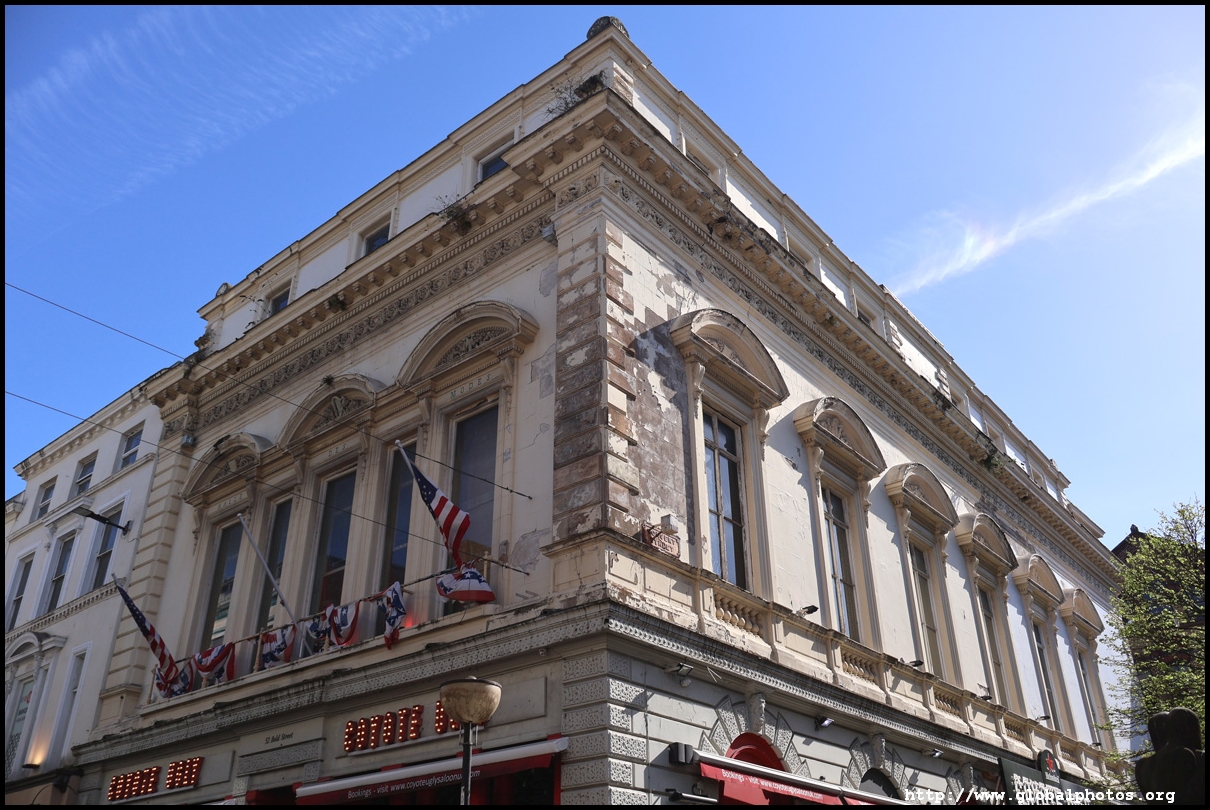
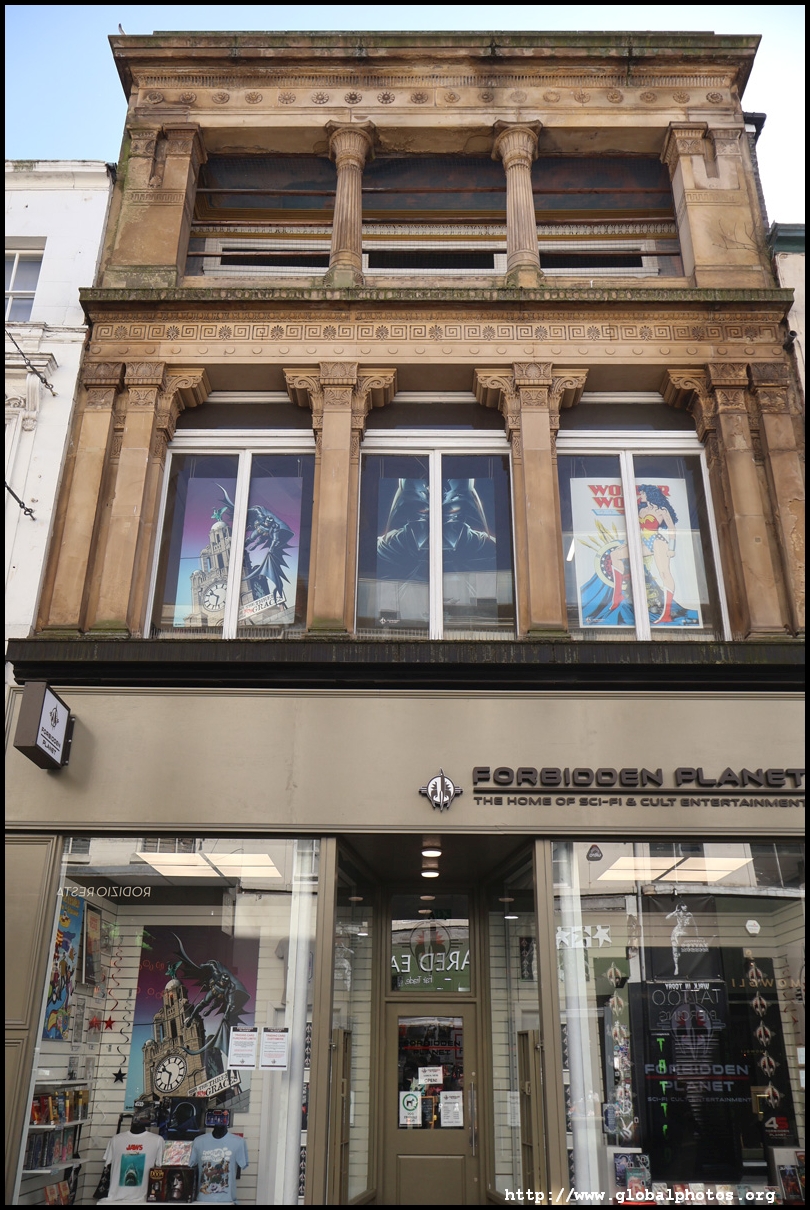
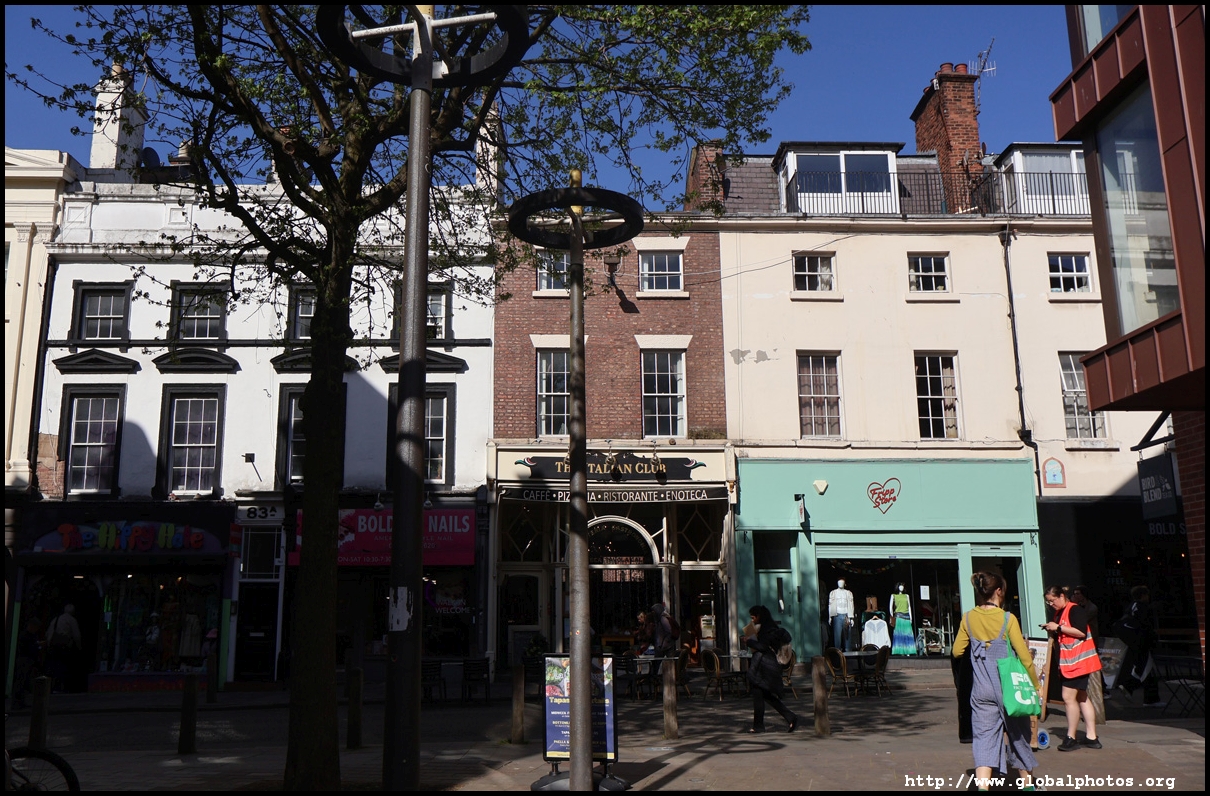
Chances are you will see a huge crowd on the street across from the church. Bold Street in the Ropewalks district has many independent shops but it was originally a residential quarter during Georgian times, serving the rich who made it big from the port trade.
Lots of bars and clubs line neighbouring streets as well as sprinkles of street art.
|
||



















To re-use these photos, please notify me by email : asiaglobe@yahoo.com.hk.