Liverpool Photo Gallery - William Brown Street

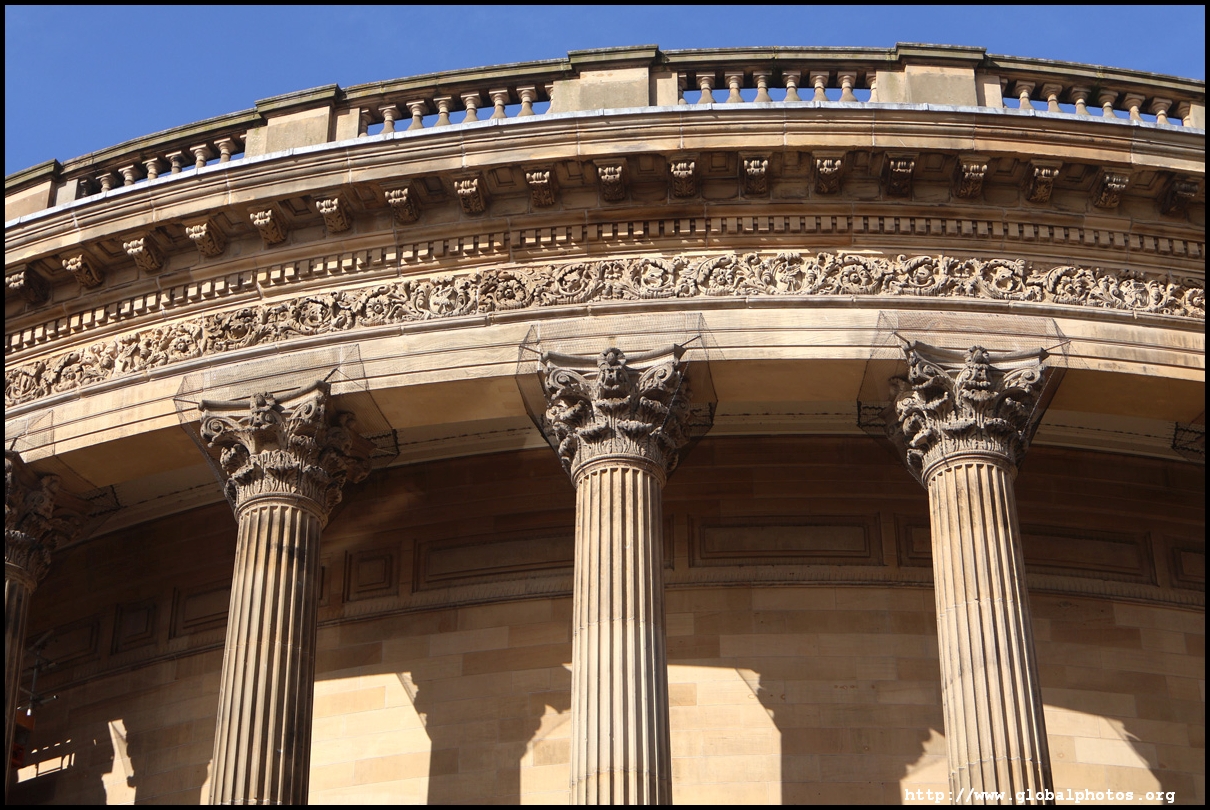
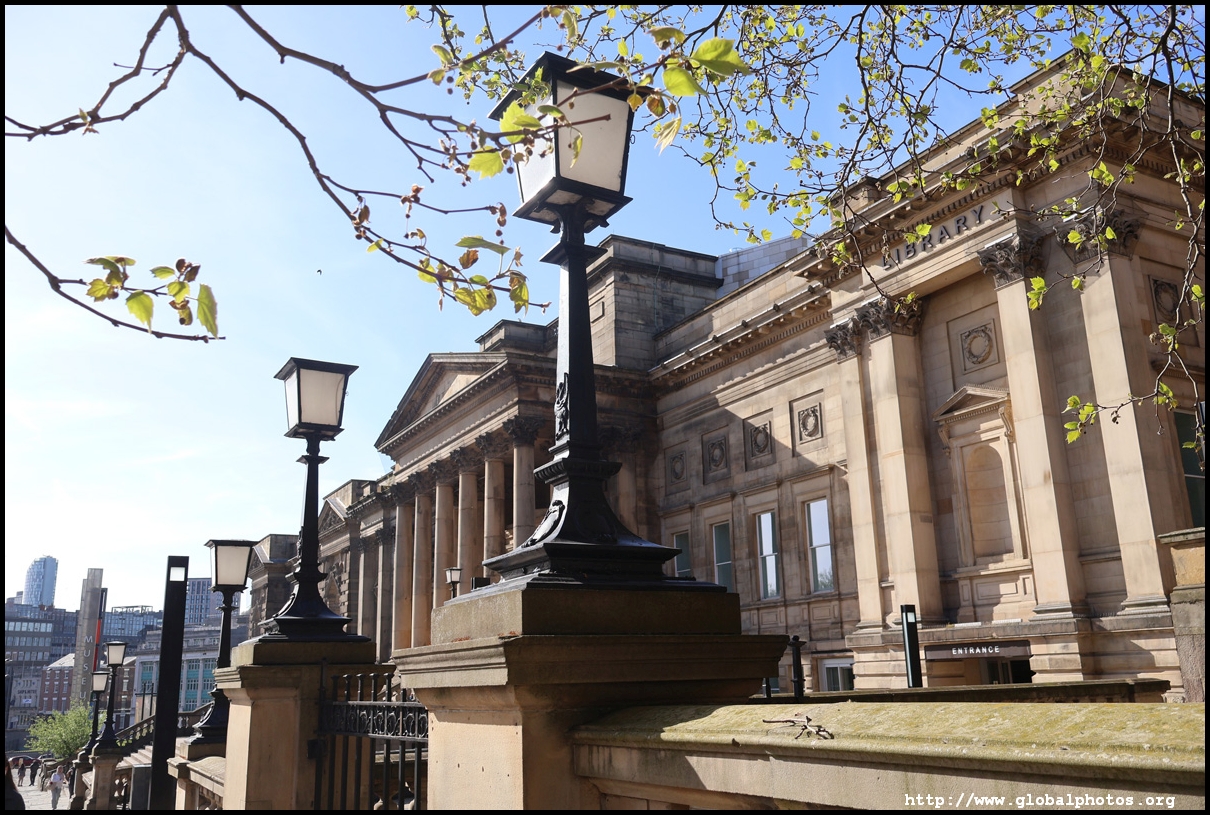
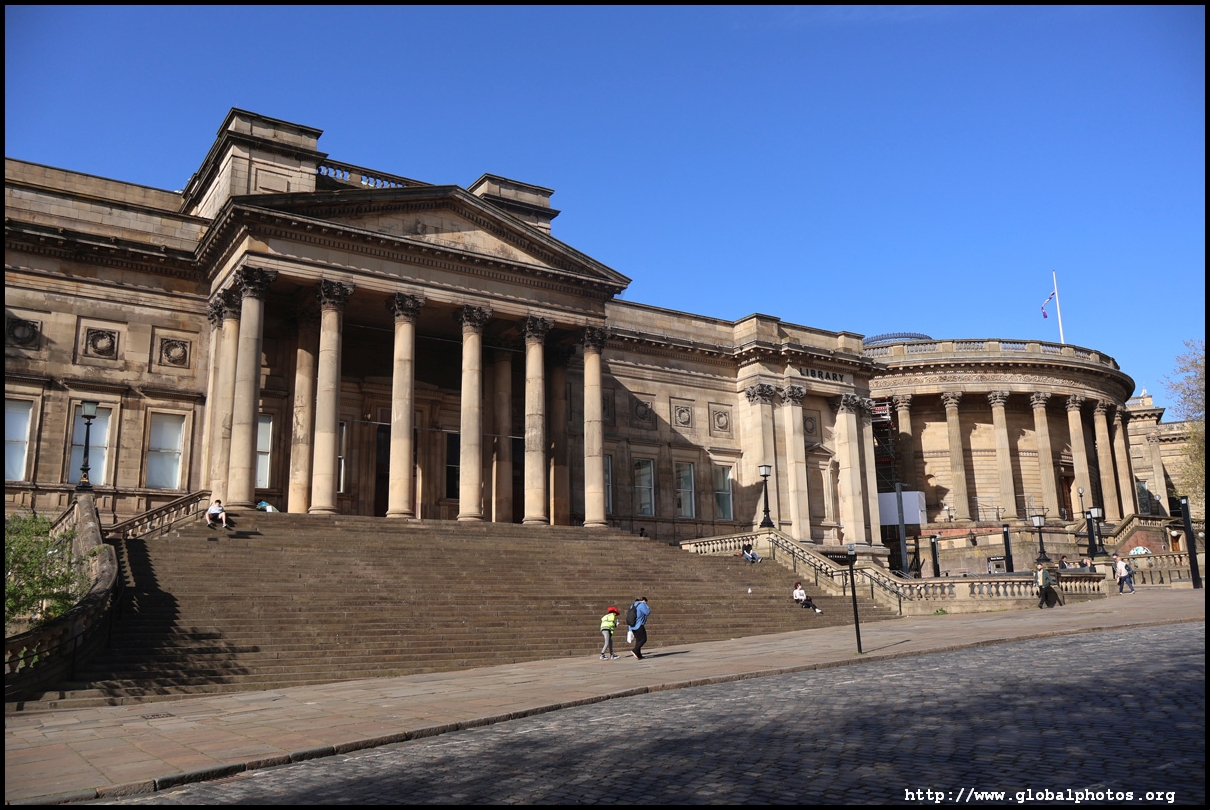
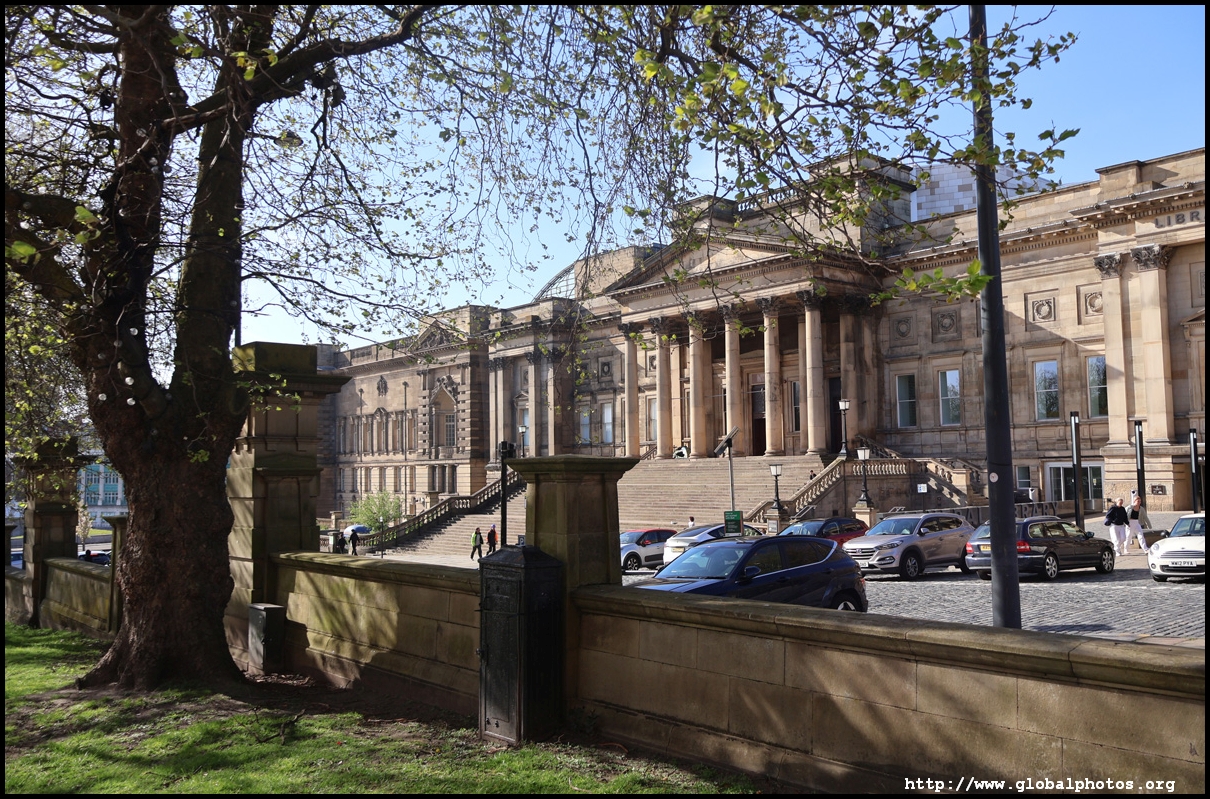
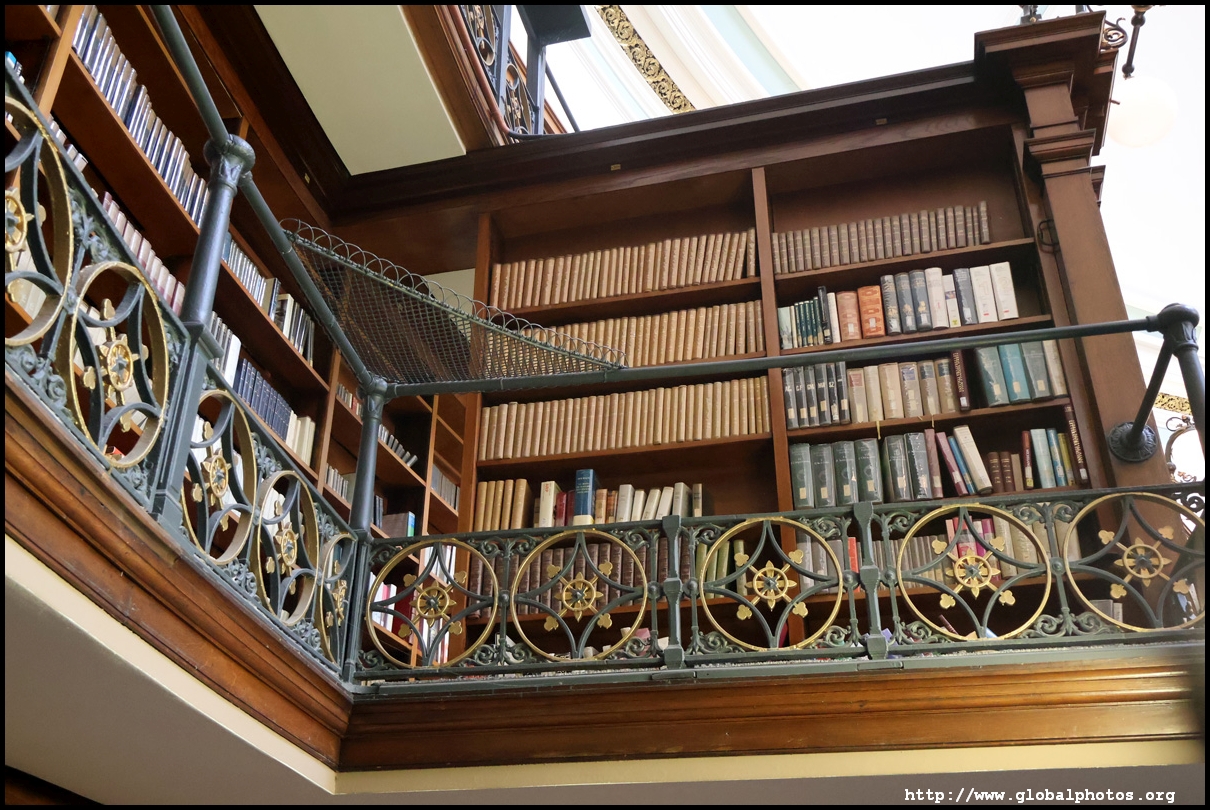
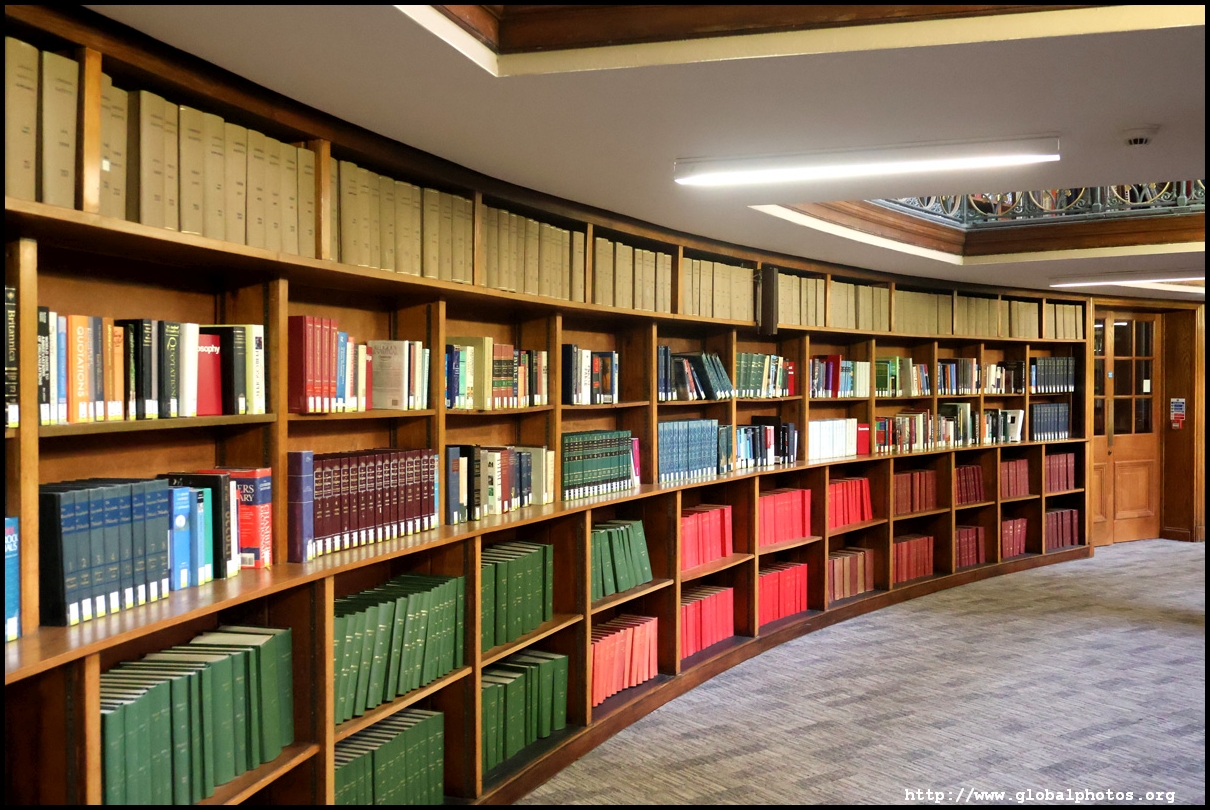
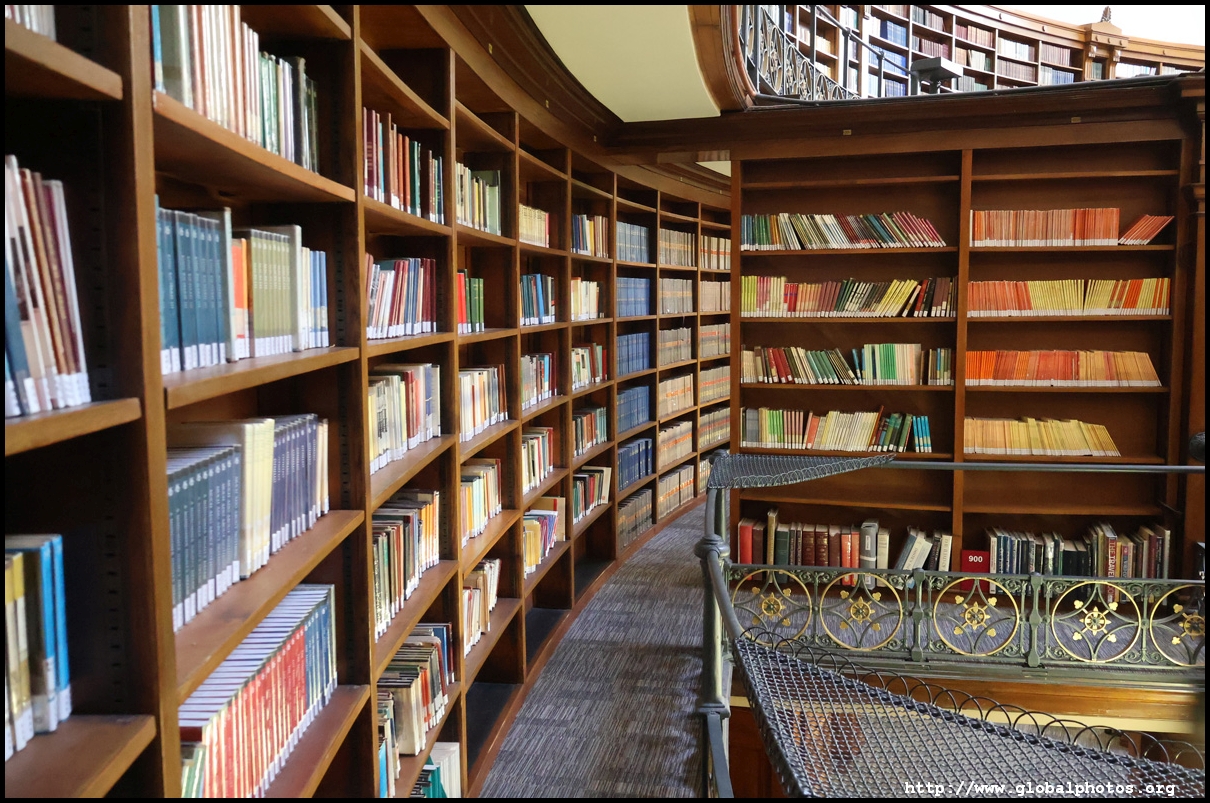
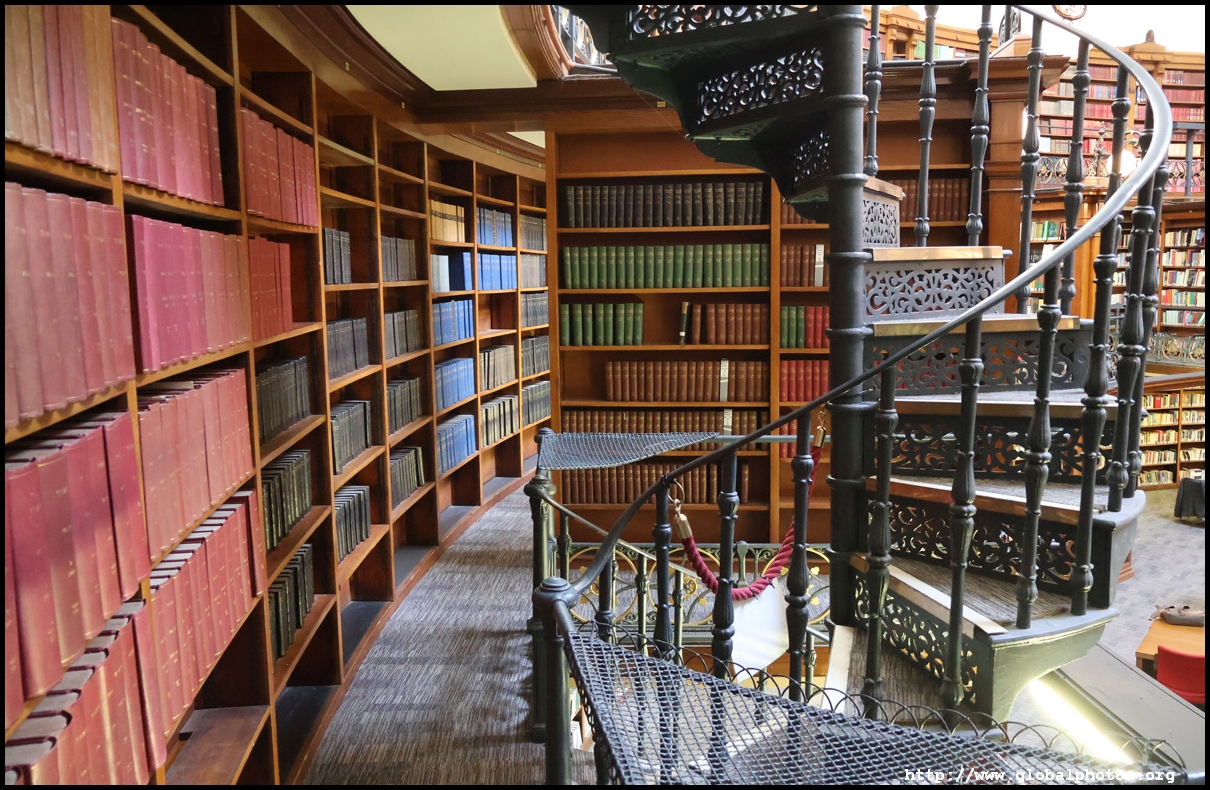
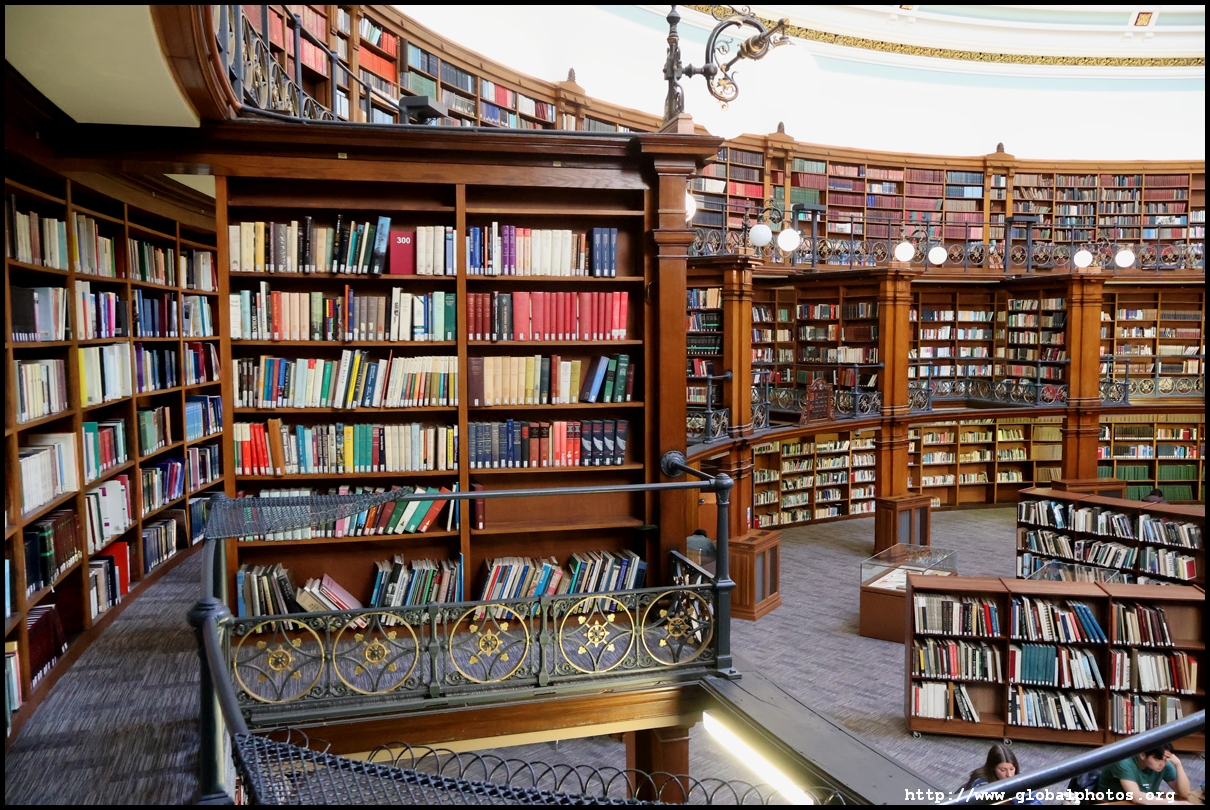
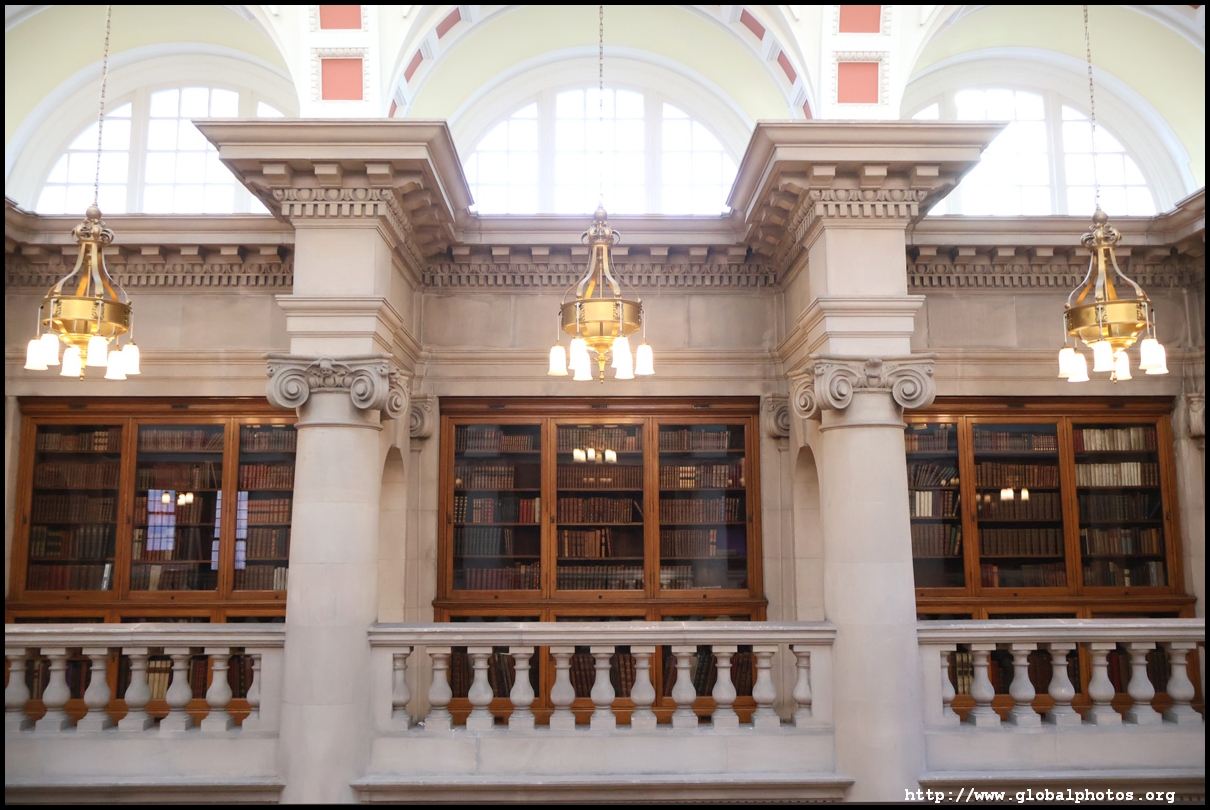
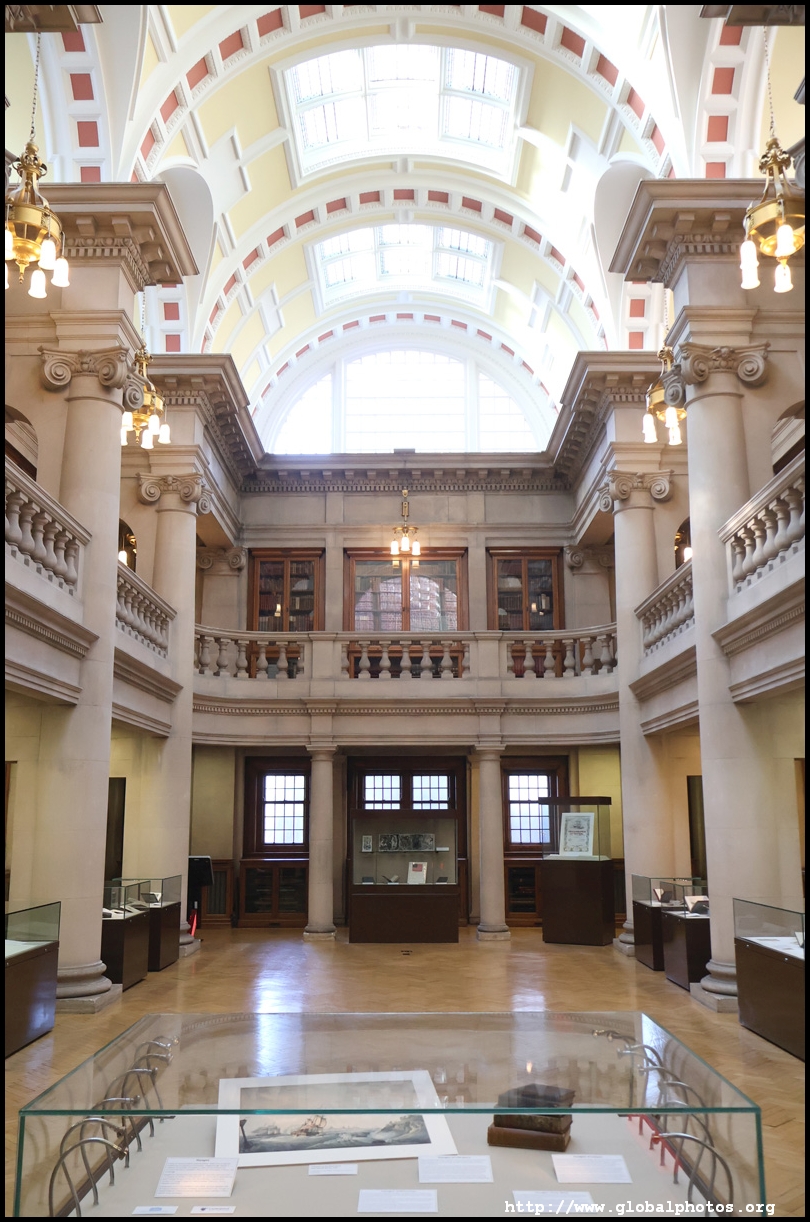
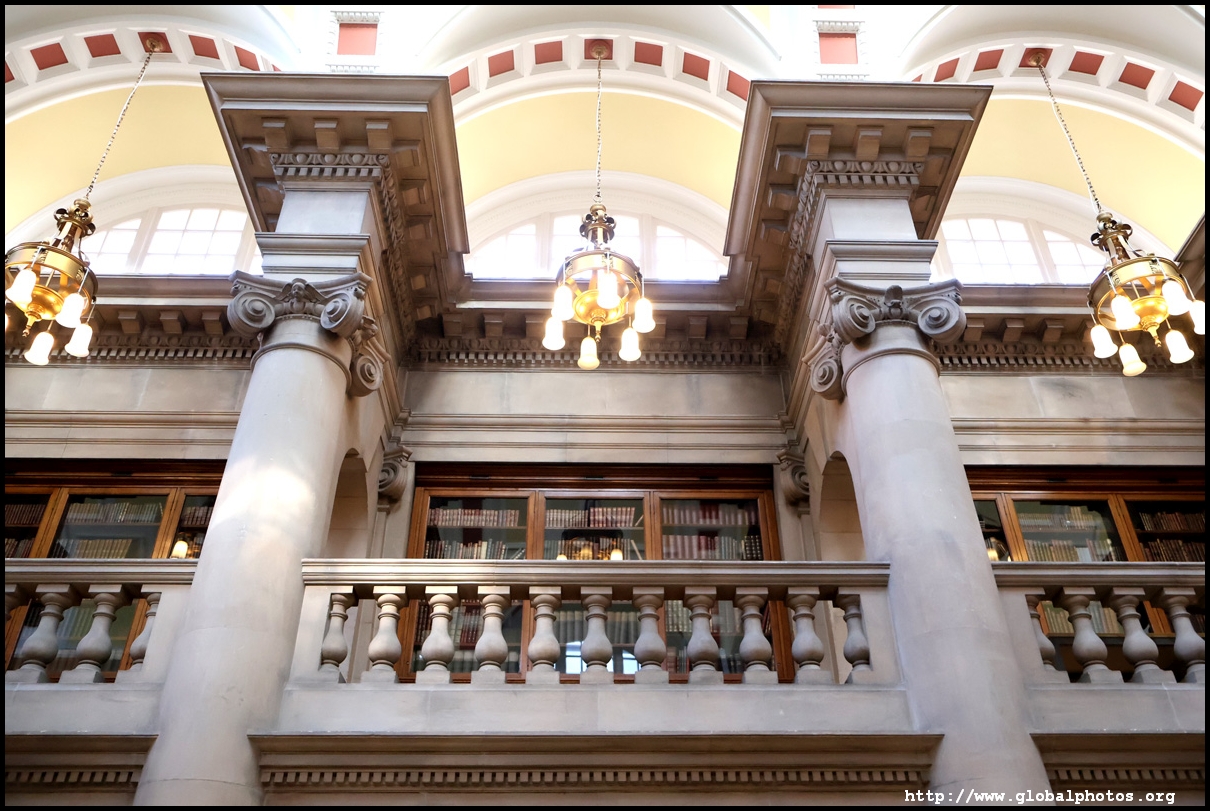
William Brown Street is named after the donor who agreed to pay for building the free public library and museum in 1856. He was an importer of cotton produced by slaves in the New World during the first half of the 19th century.Let's start with the Central Library, which opened in 1860. At the time, it often opened until late to deter people from going to the pub. I went to check out the eye-catching Picton Reading Room, named after the first chairman of the Liverpool Libraries Committee. Unfortunately, the original building was destroyed during World War II and was rebuilt. It underwent another reconstruction that finished in 2013.
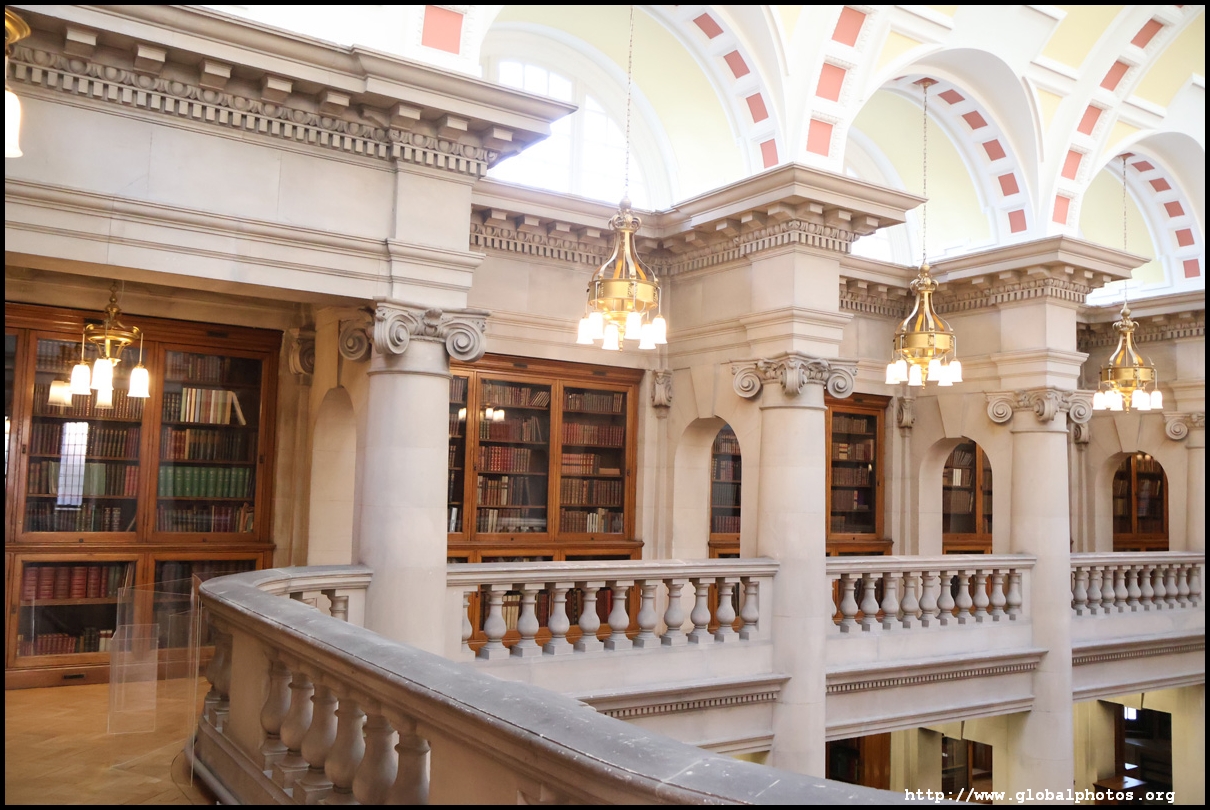
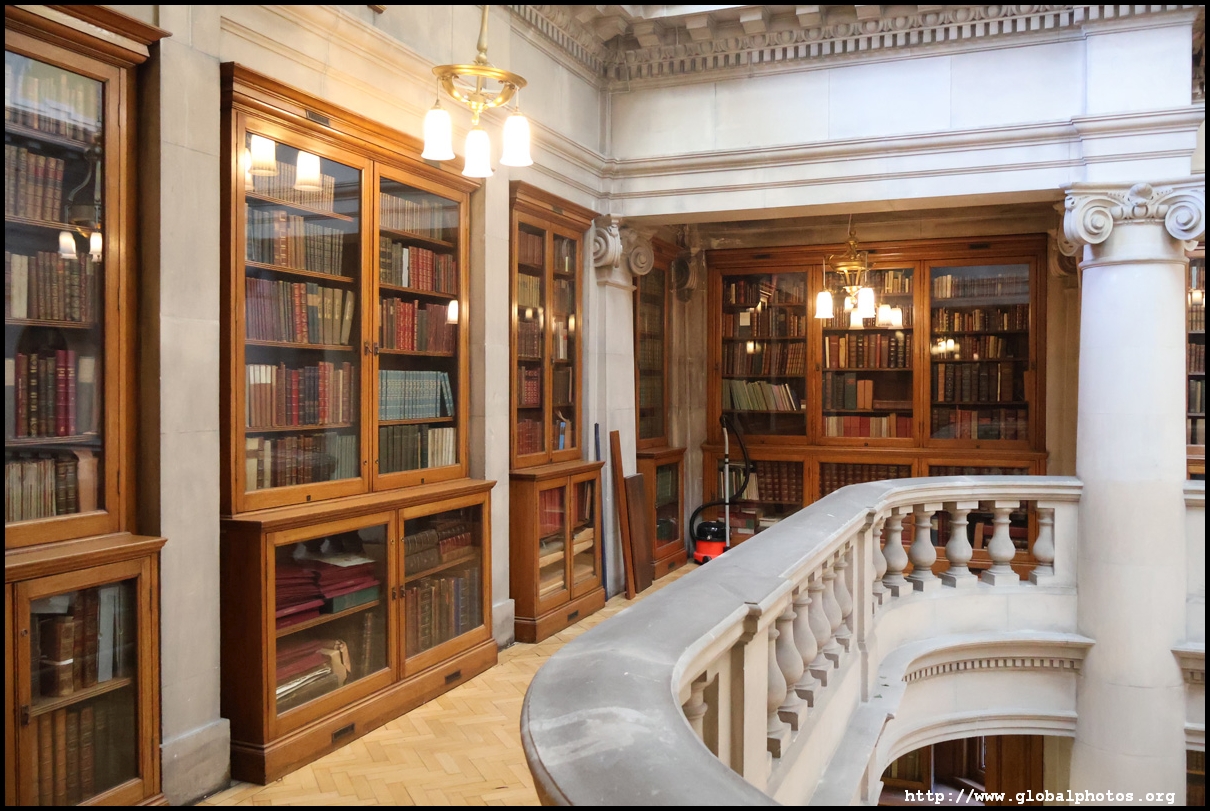
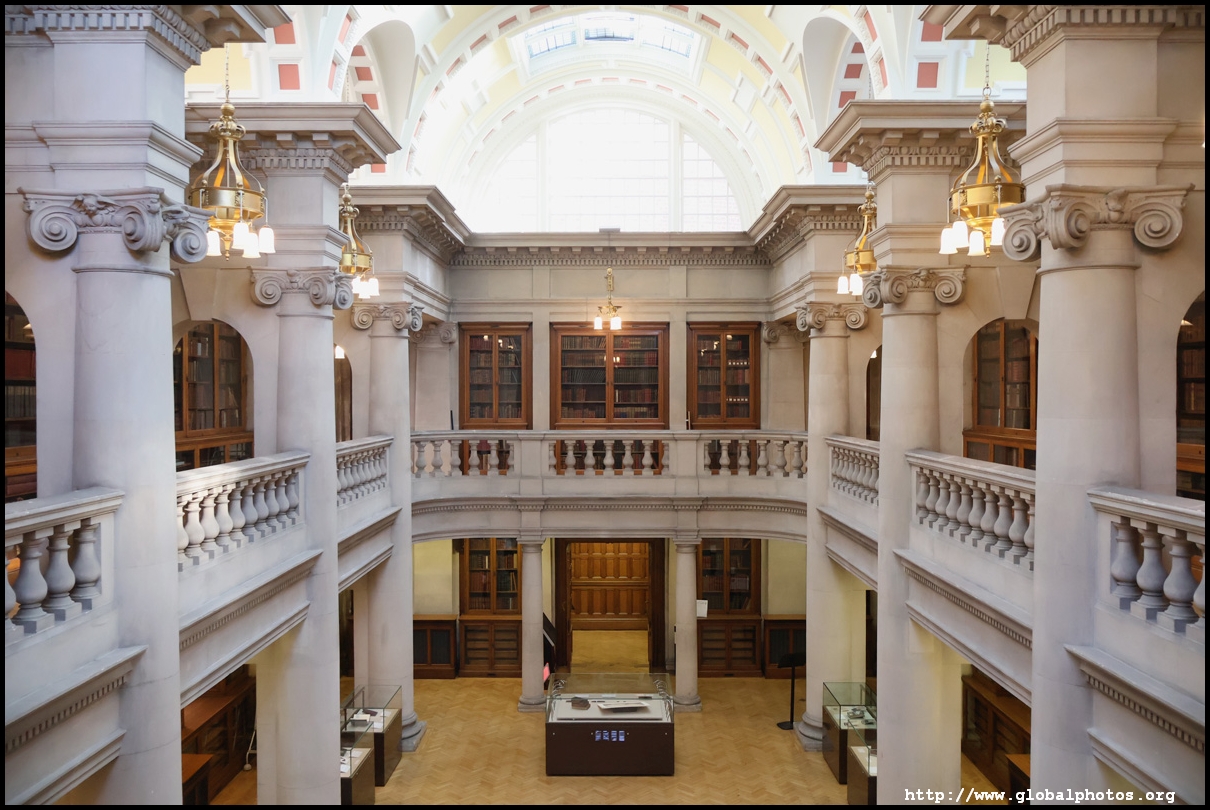
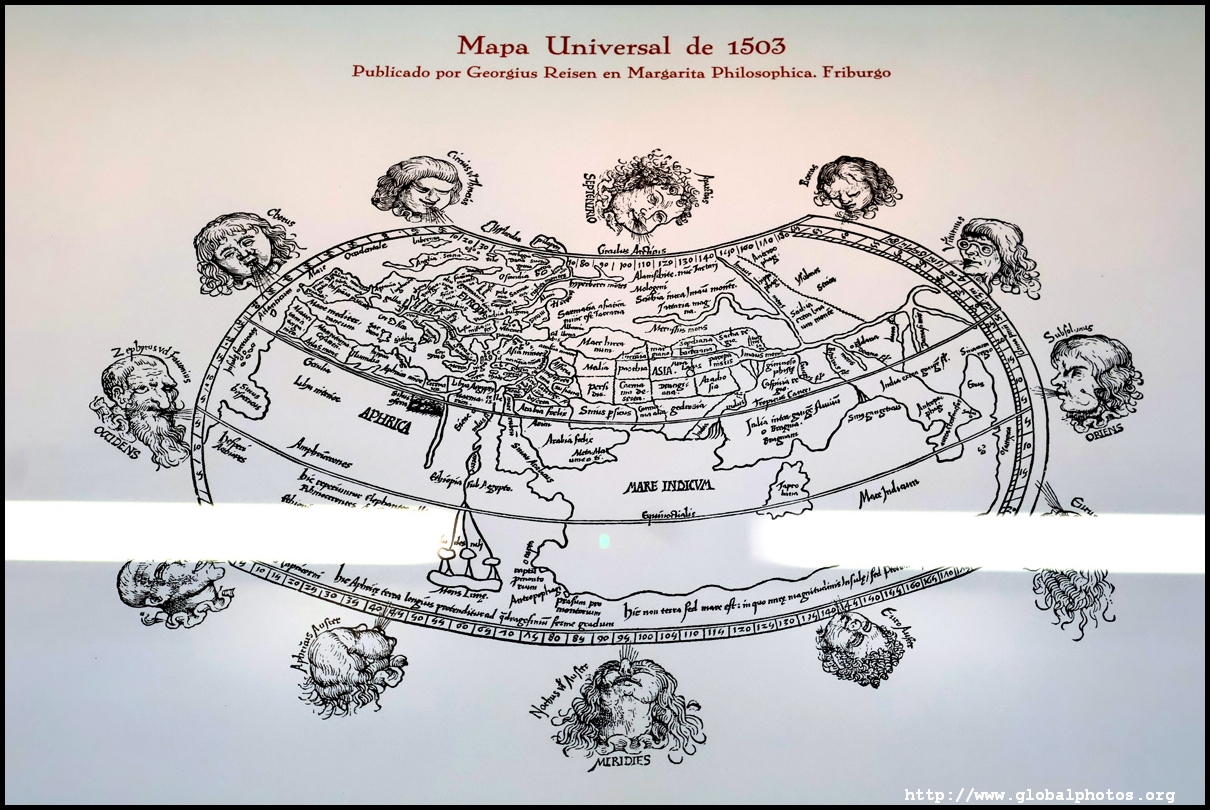
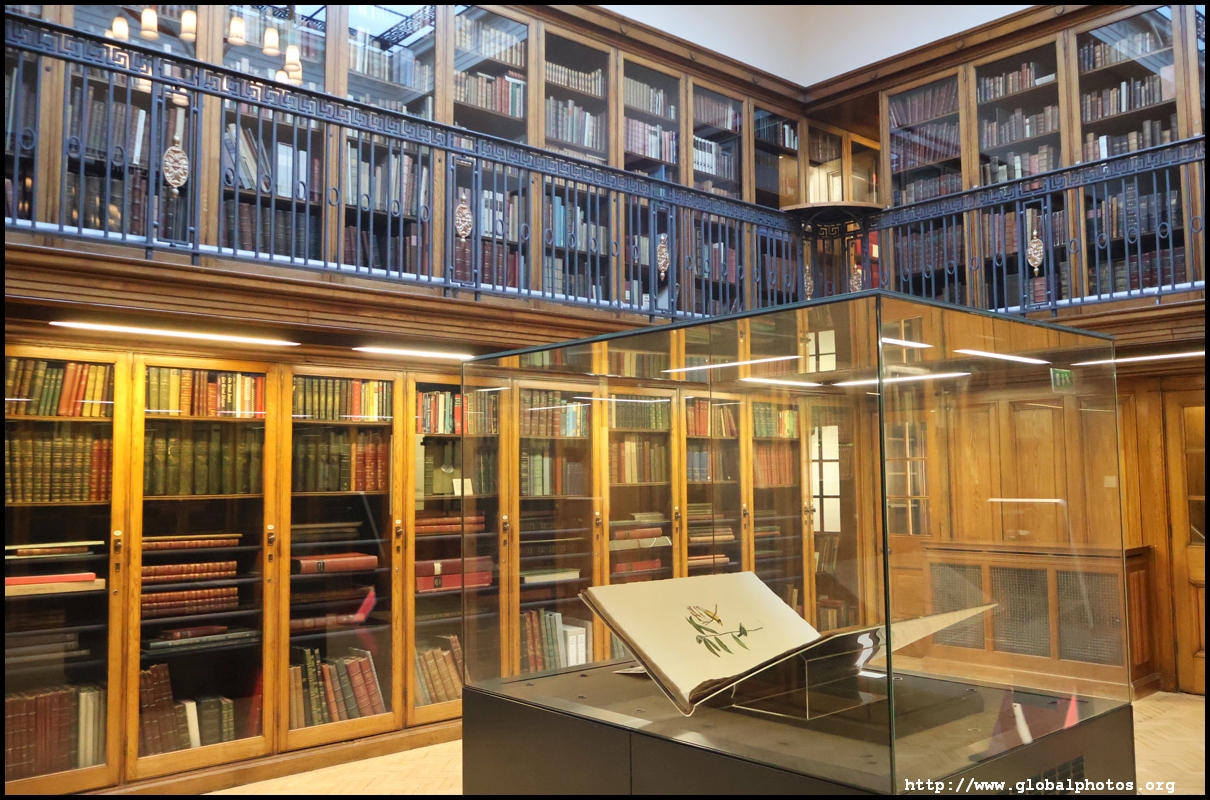
The Hornby Library features the private collection of Hugh Frederick Hornby, while the Oak Room houses some 4000 rare items, including a copy of "Birds of America", whose page on display is turned every Wednesday.
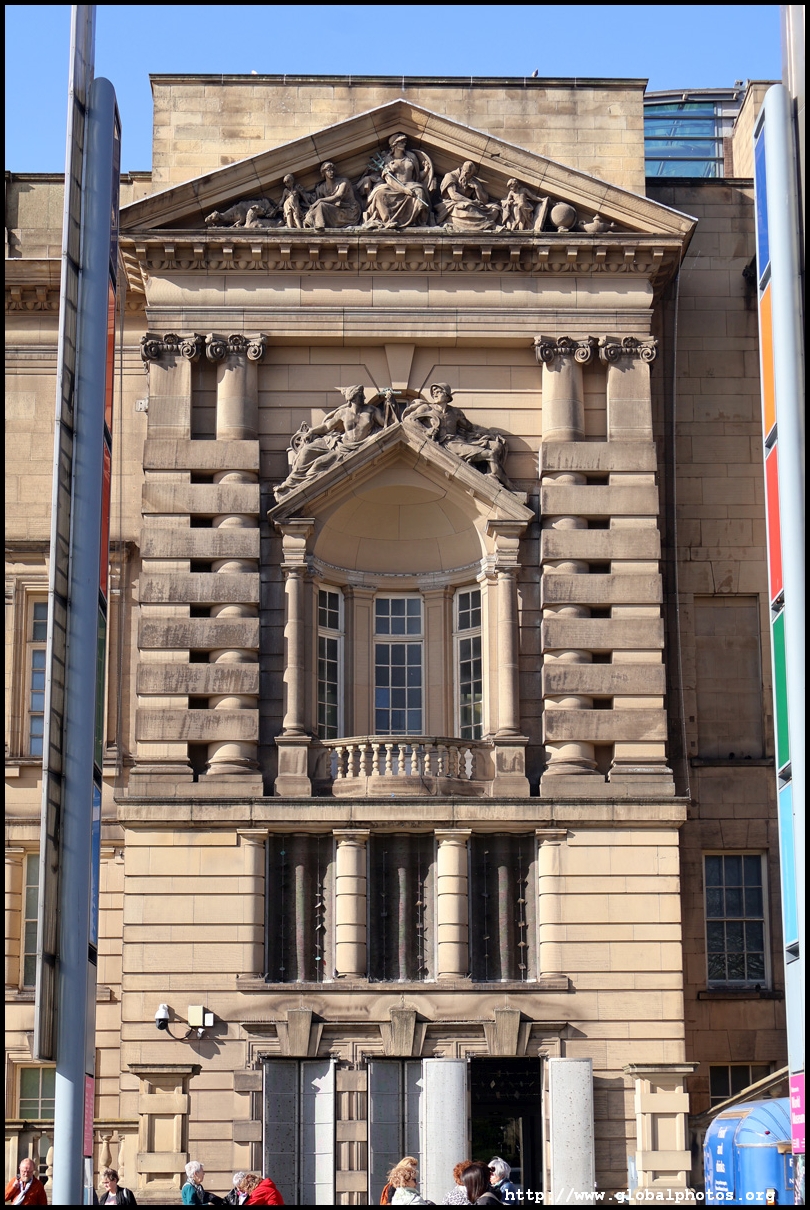
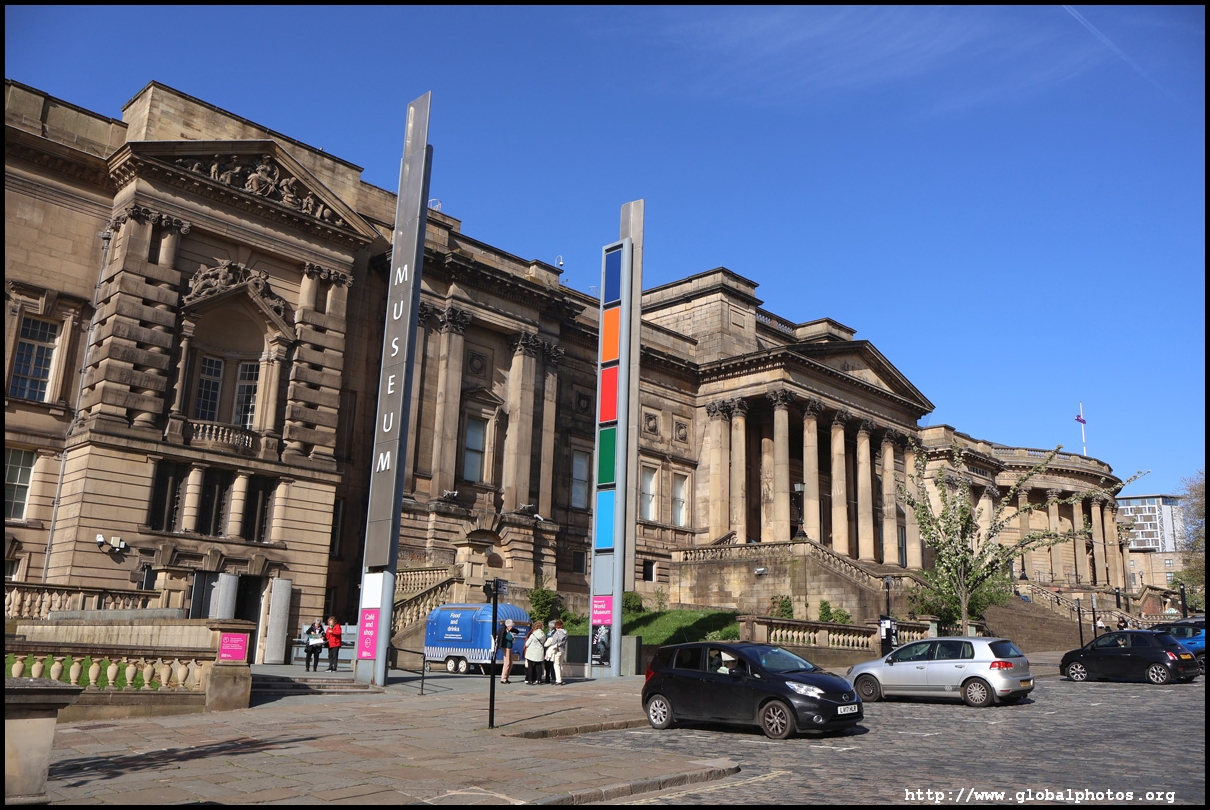
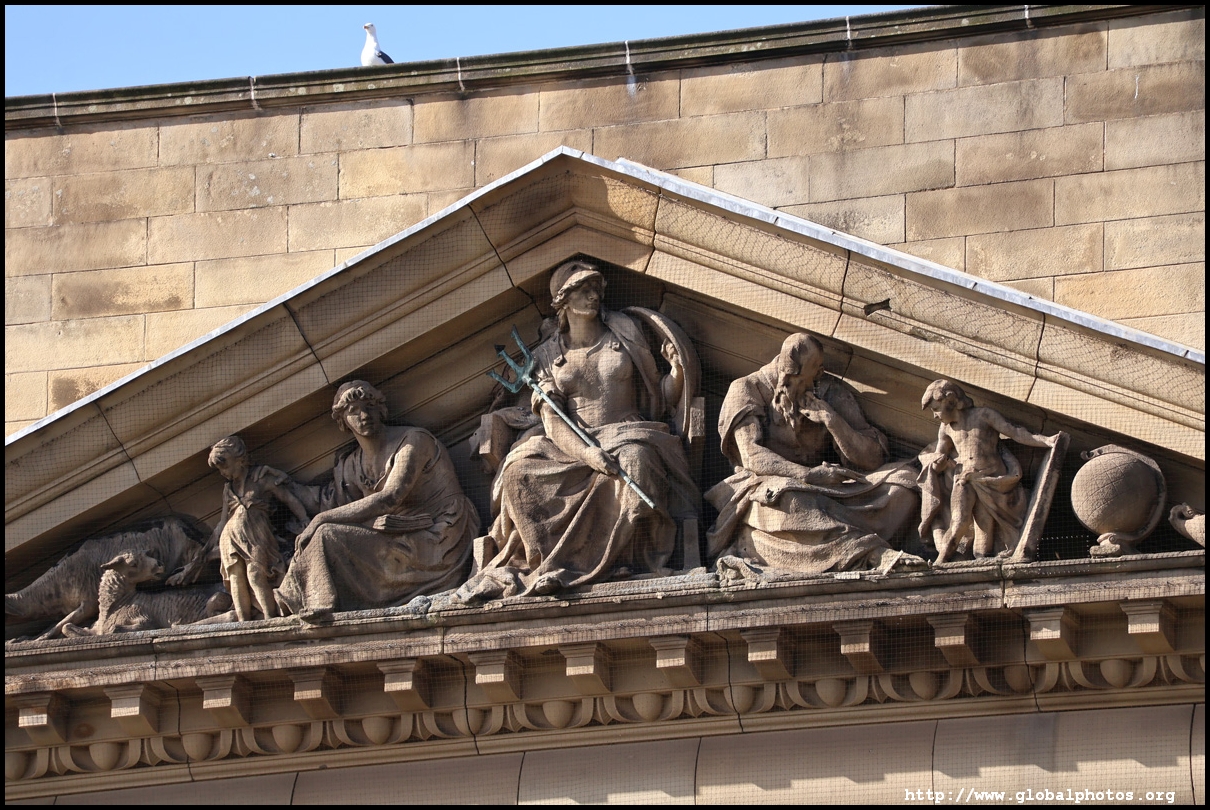
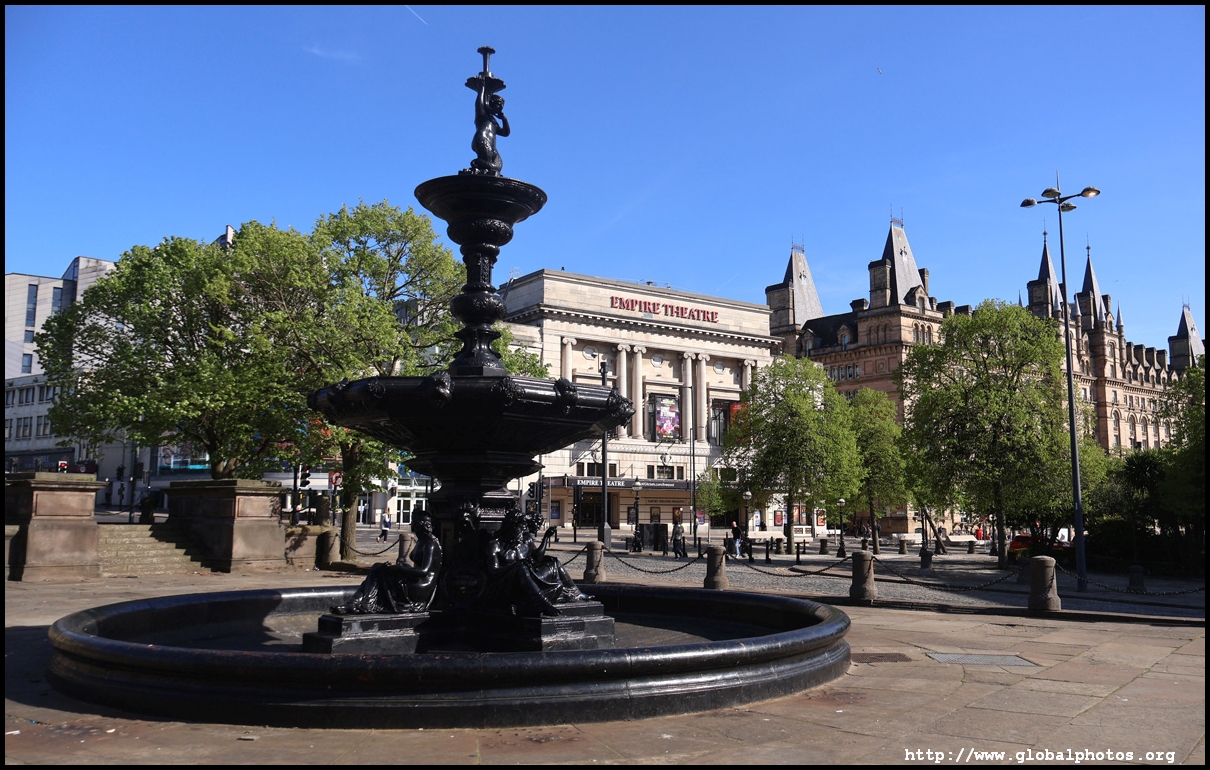
The street slopes along a mild hill and offers grand views with plenty of beautiful buildings. Next door, the World Museum is like a miniature British Museum.
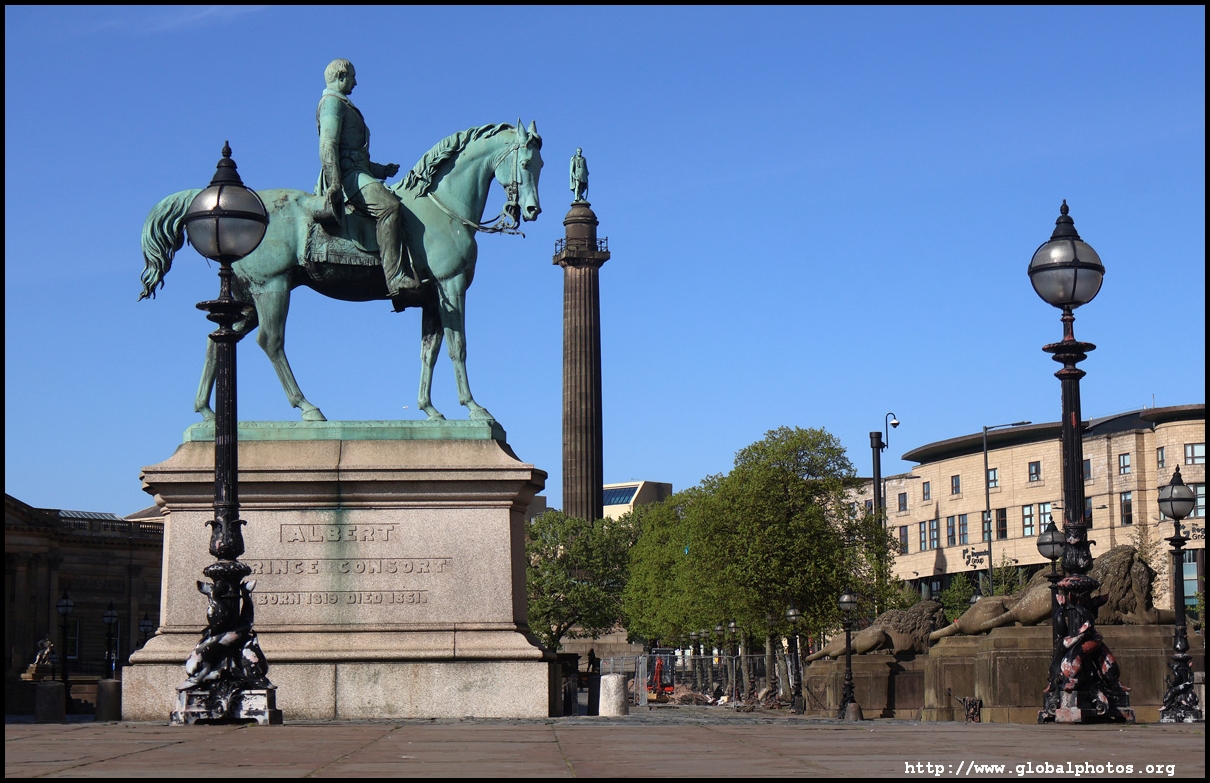
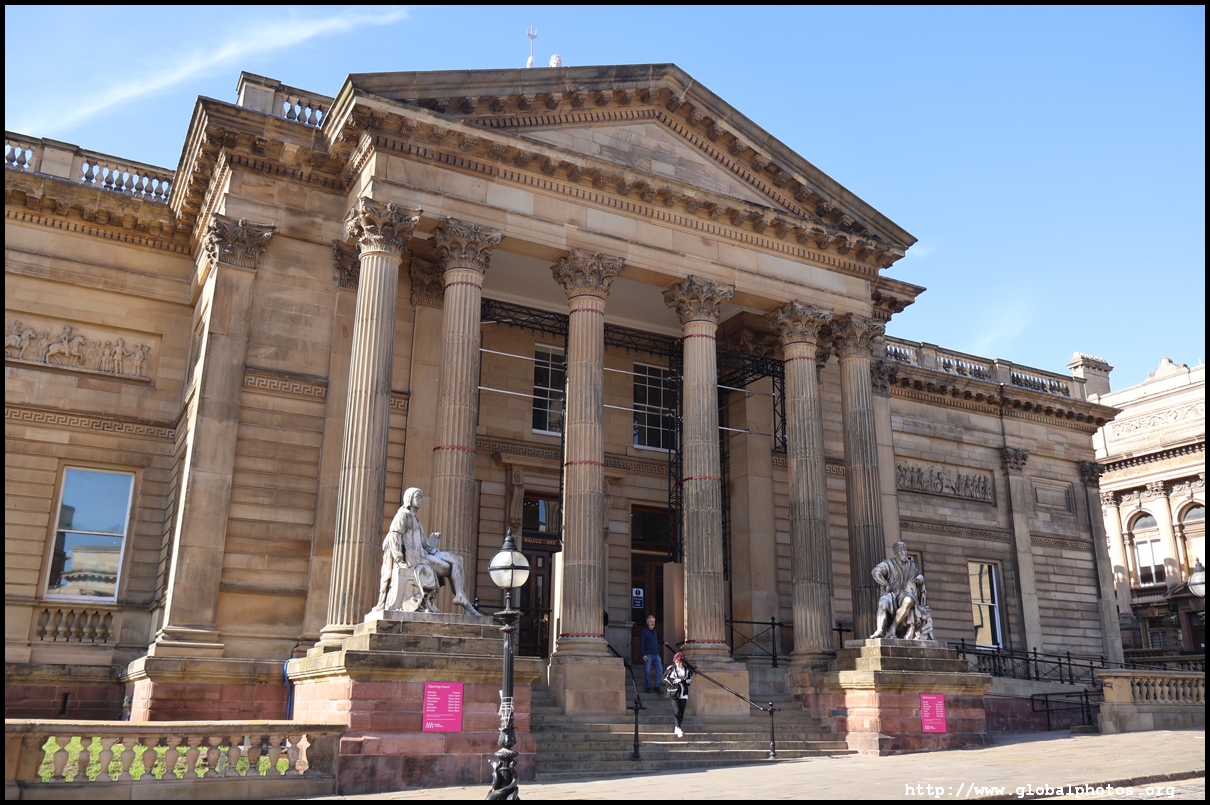
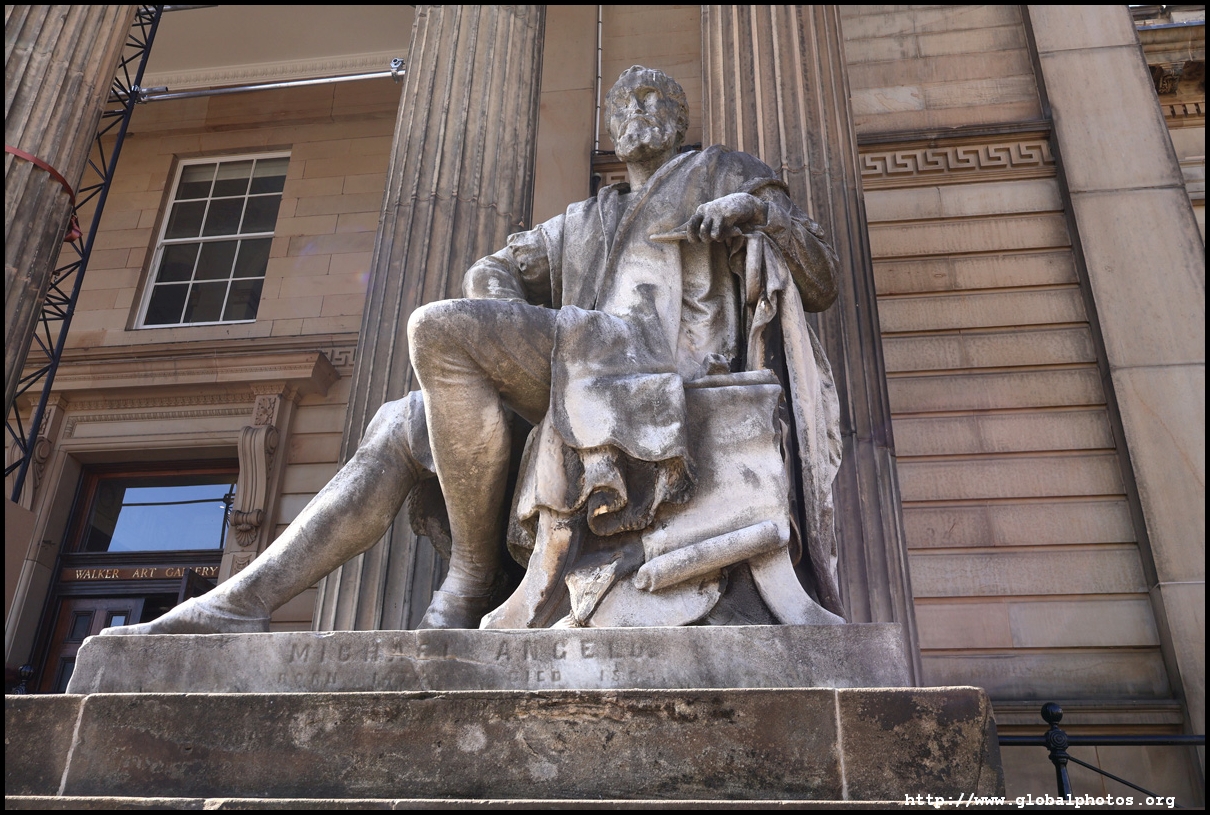
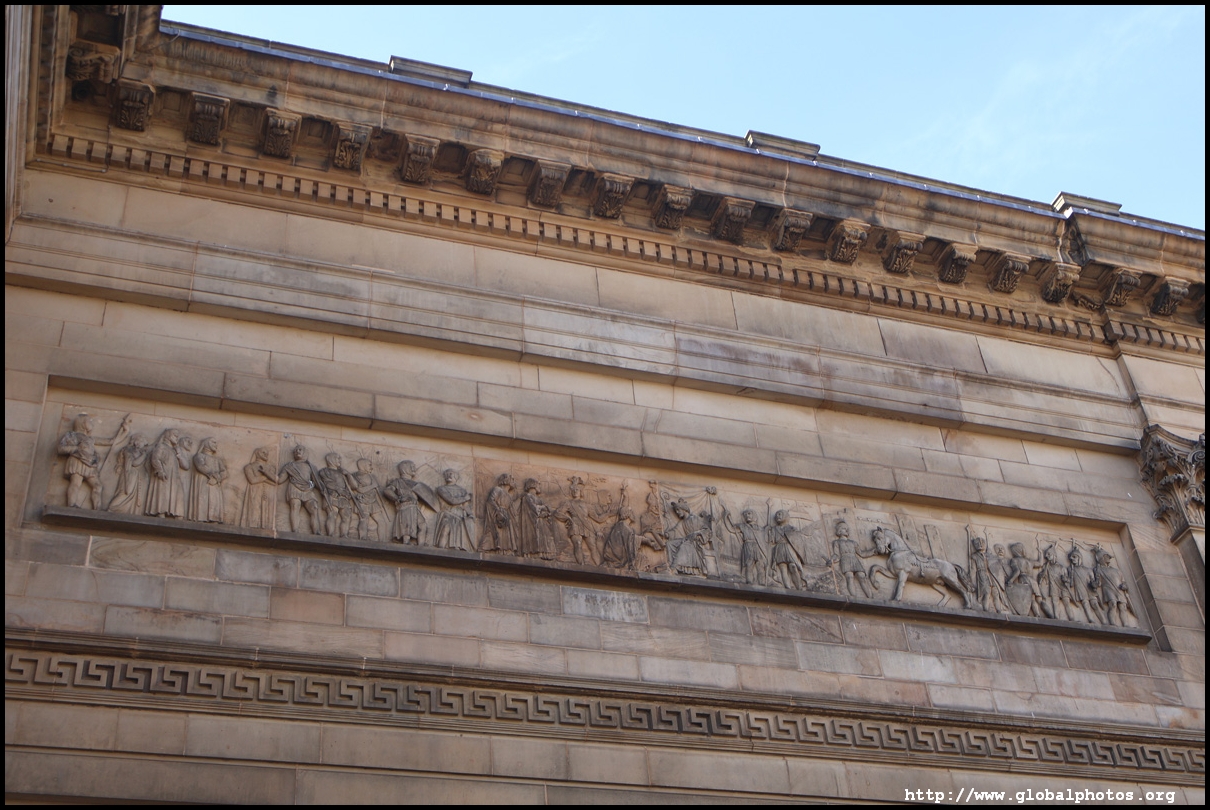
Continuing uphill, I passed by the Wellington Column and the Walker Art Gallery. The monument to the Duke of Wellington was built in the 1860s and stands 40m tall.
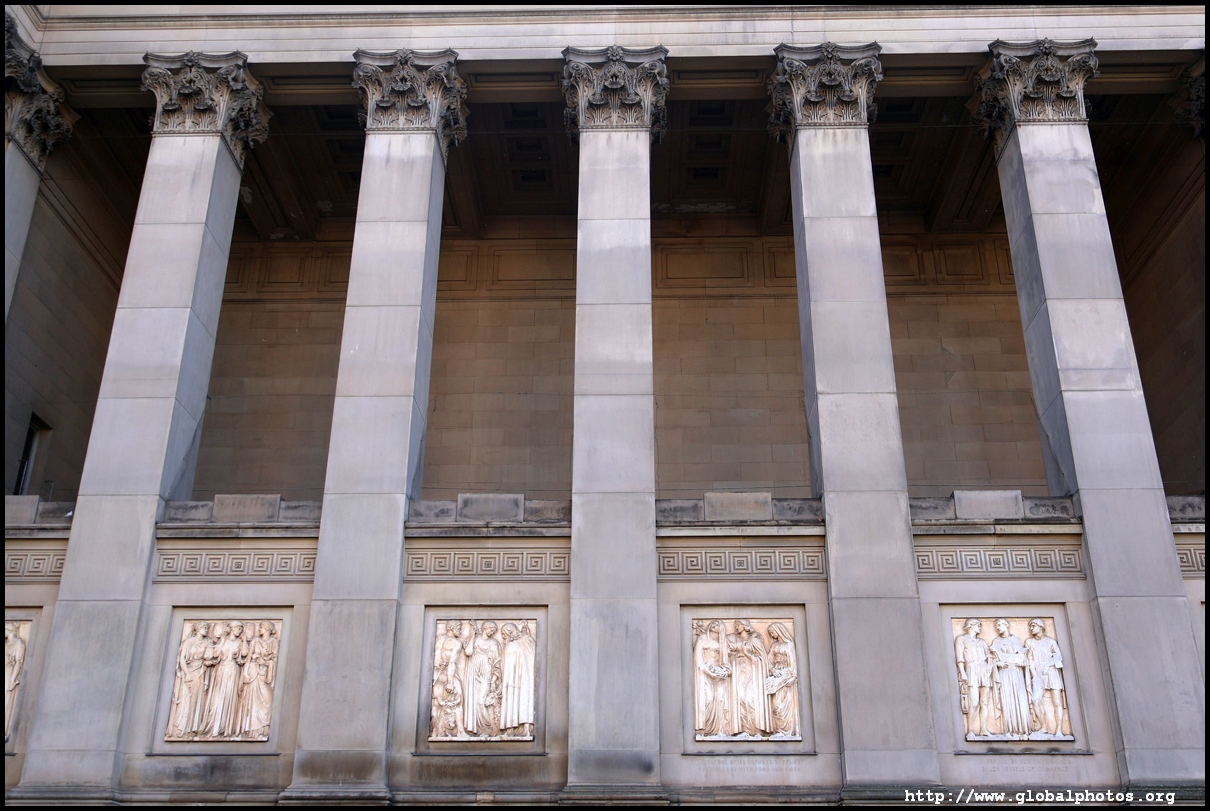
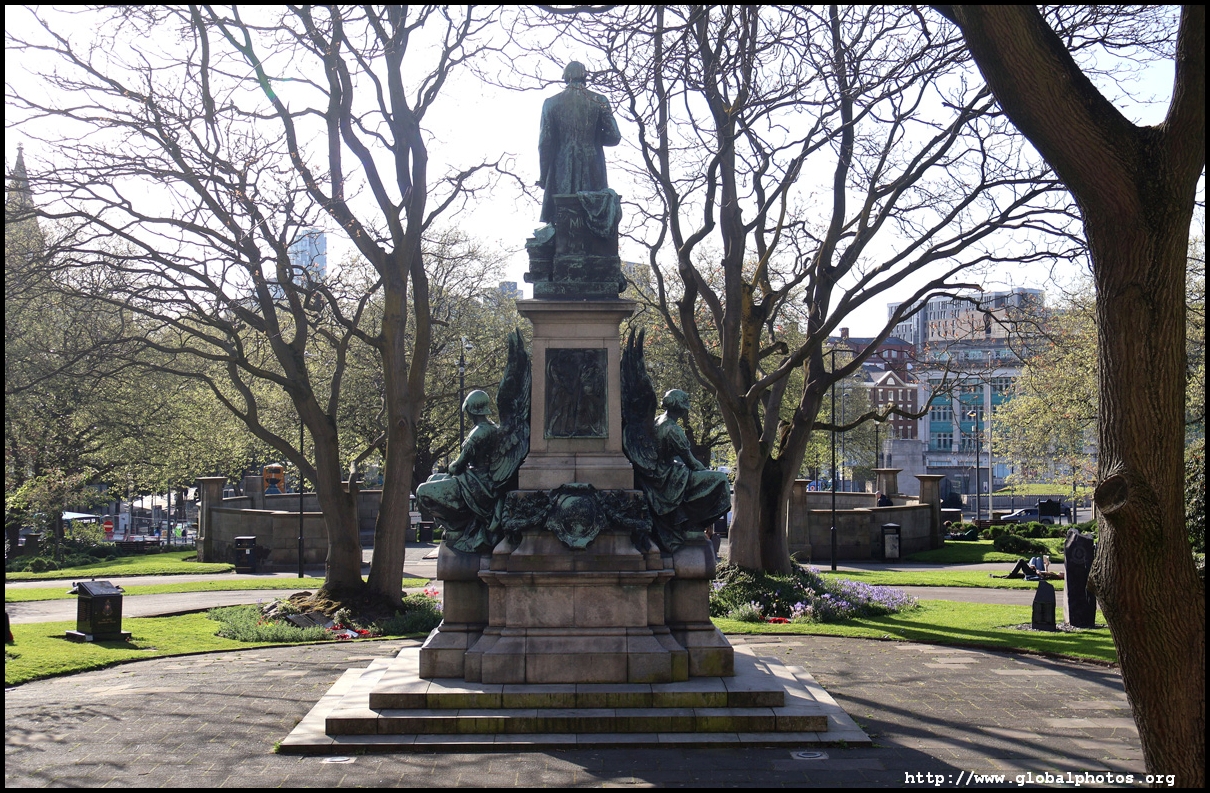
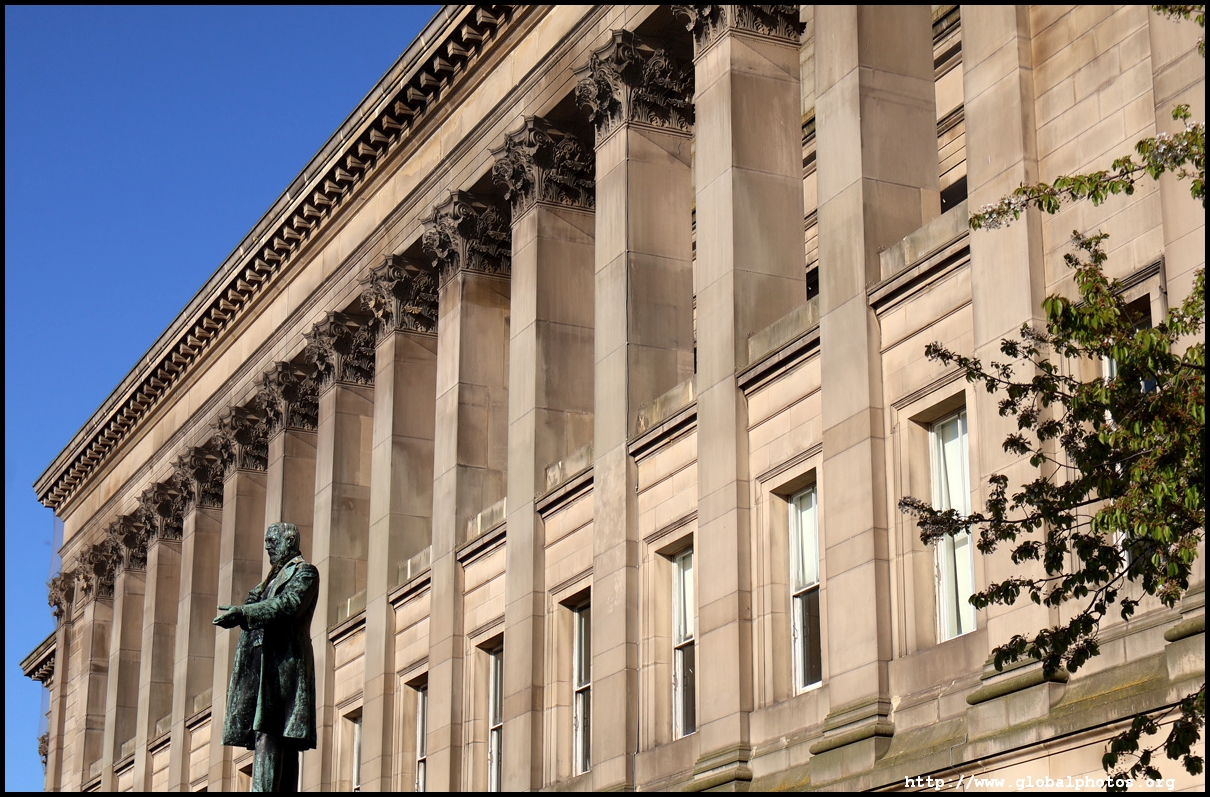
The nicely-manicured St. John's Gardens is a good open space to relax right in front of the grand St. George's Hall, which deserves a page of its own.
|
||










To re-use these photos, please notify me by email : asiaglobe@yahoo.com.hk.