London Photo Gallery - Art Exhibitions & Special Events
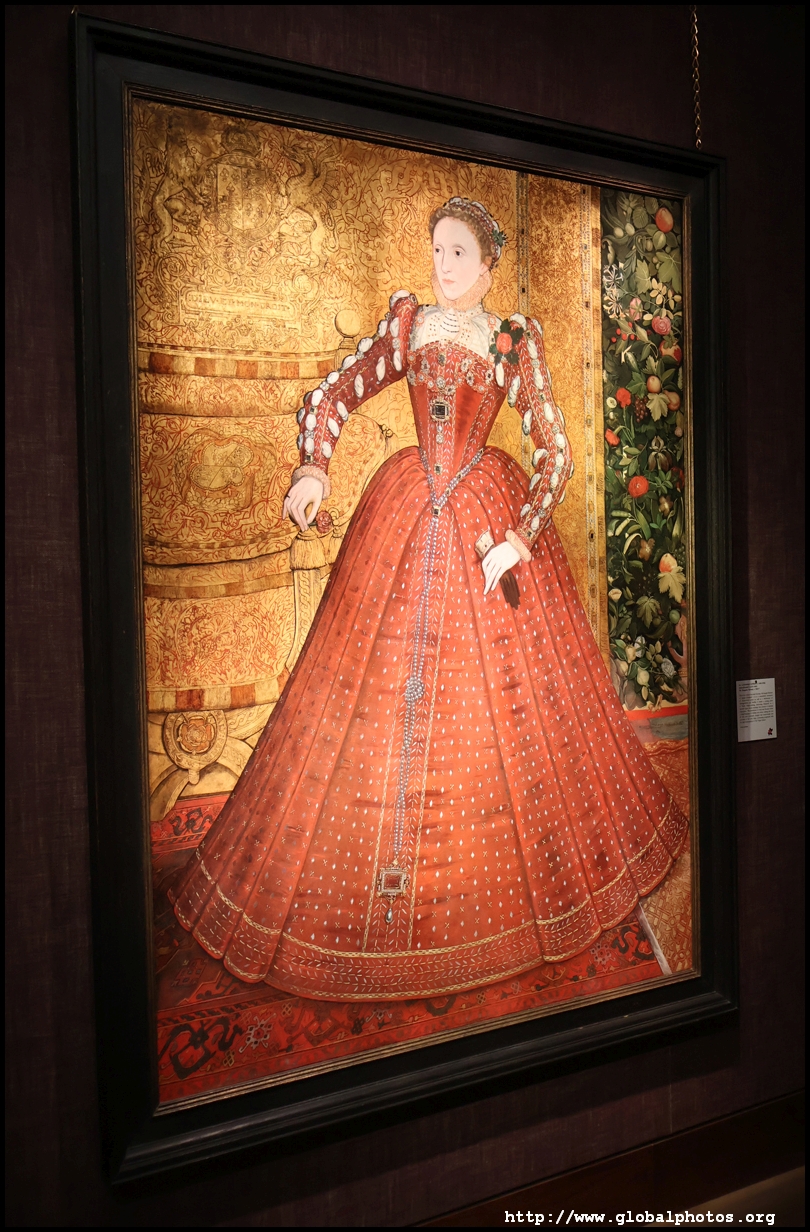
Elizabeth I Queen & CourtThis exhibition at the Philip Mould Gallery displays Tudor paintings of Queen Elizabeth I and key figures from her era. Sourced from private collections, these works reflect how art is used as a tool of power to show authority, secure loyalty, and more. Getting them together for public viewing is also a rare feat. There are 4 portraits of Elizabeth on display. Back in the 15th century, portraits were usually made for marriage negotiations when people couldn't meet in person. Painting for a wider audience was not common. This is the earliest record life-size likeness of Elizabeth I showing how marketable she is for marriage. There are a lot of fruits and flowers to portray fertility and union.
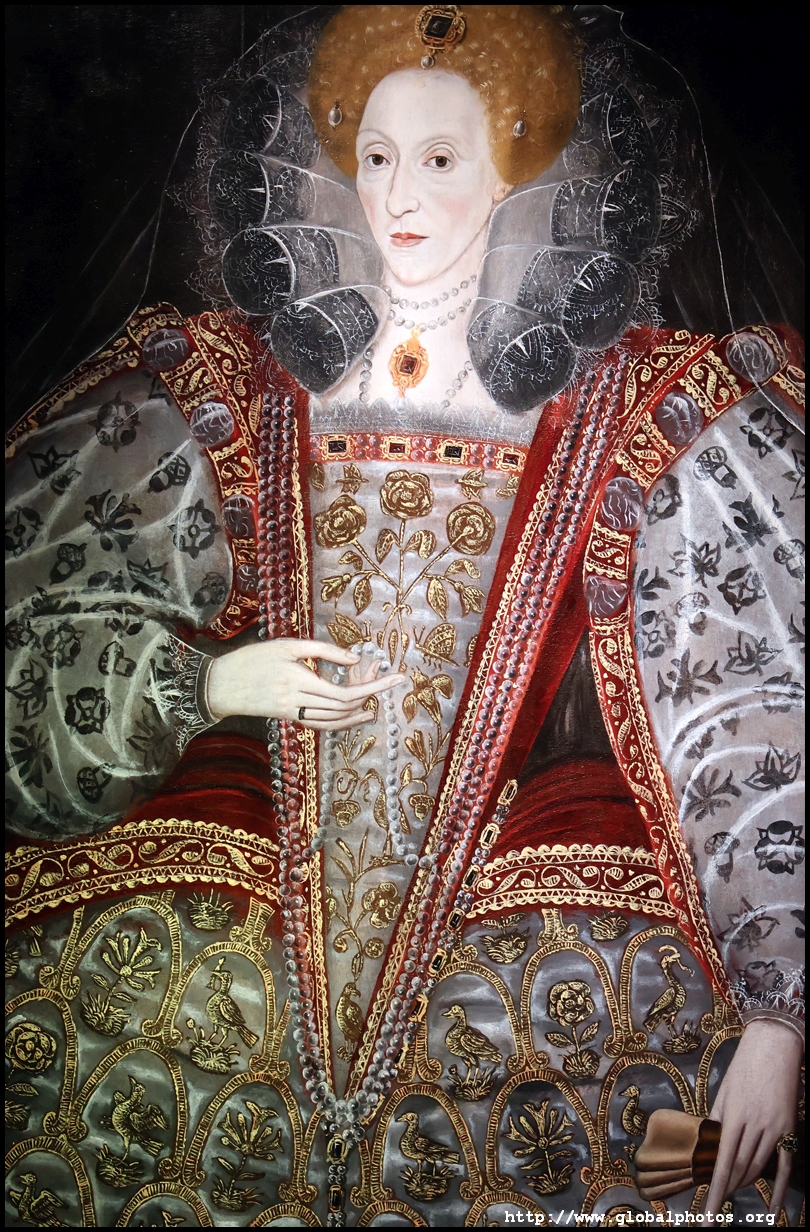
By the 1590s, Elizabeth was a goddess, with this portrait showing her mystical power. Her white silk attire has roses, acorns, and honeysuckle while her skirt has plenty of birds.
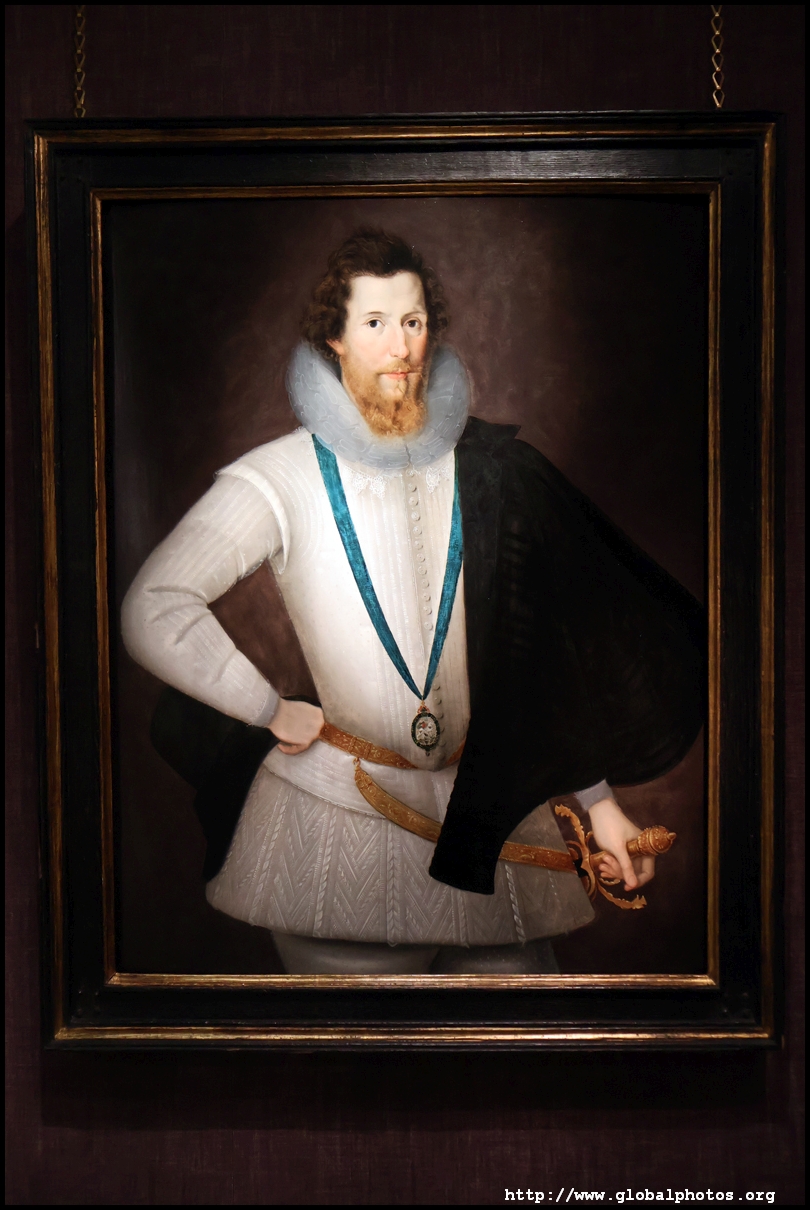
Robert Devereux moved between Elizabeth's favour to the complete opposite. In this portrait, he is dressed in her colours of black and white, demonstrating he is loyal, fashionable, and a leader.
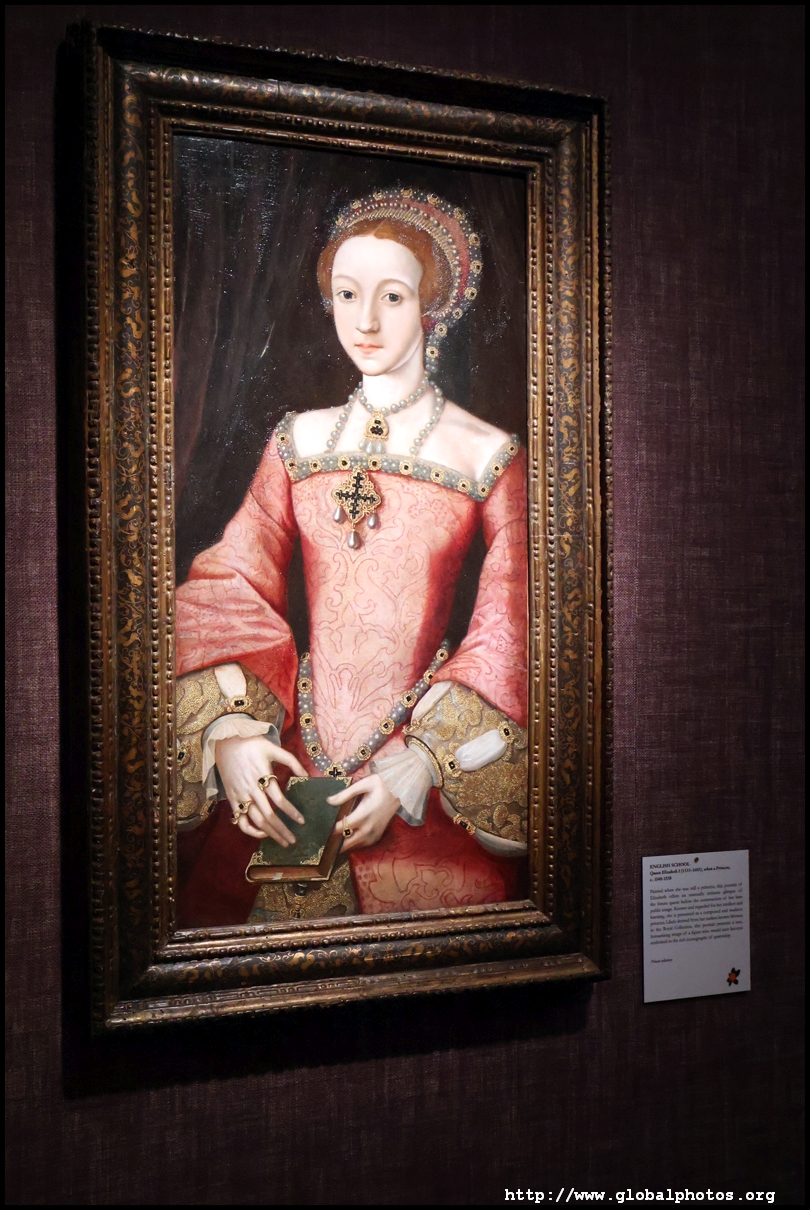
Here is Elizabeth when she was a princess, probably painted at the end of Henry VIII's reign for his own collection.
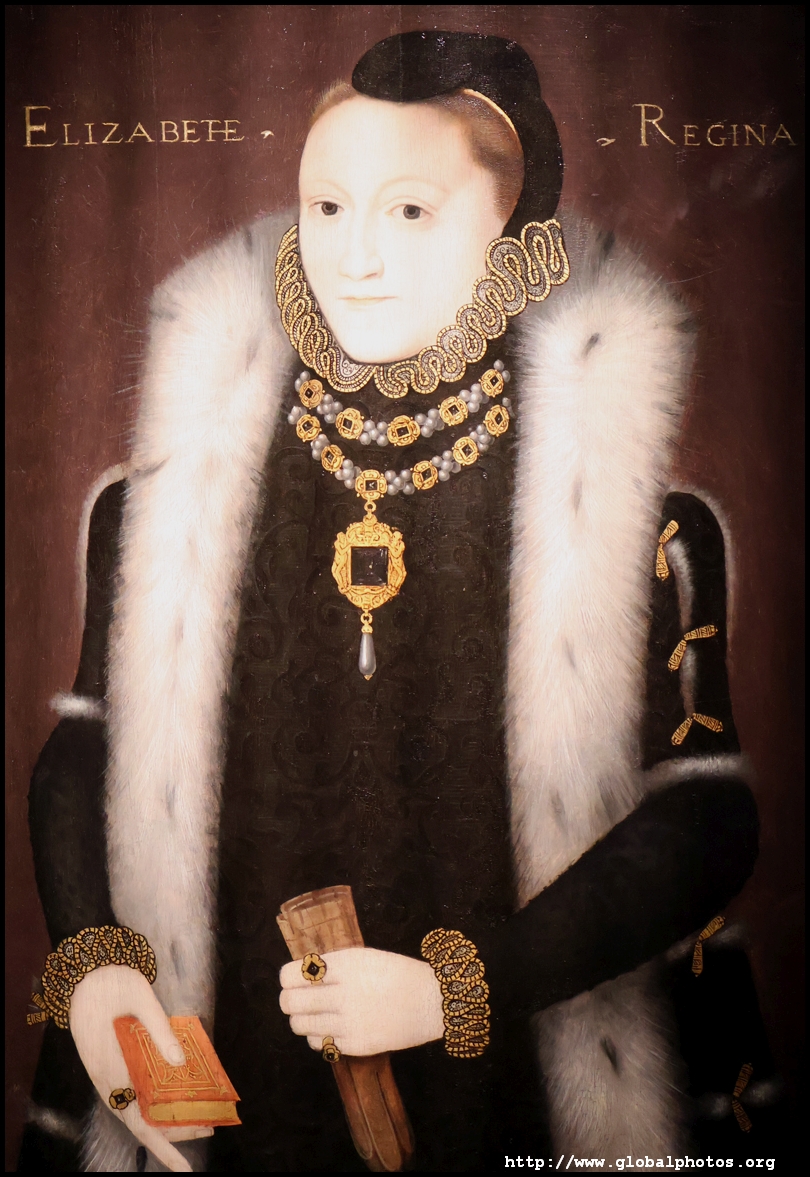
The Clopton portrait is the first official painting of Elizabeth following her accession in 1558. The young queen holds a prayer book looking restraint and pious.
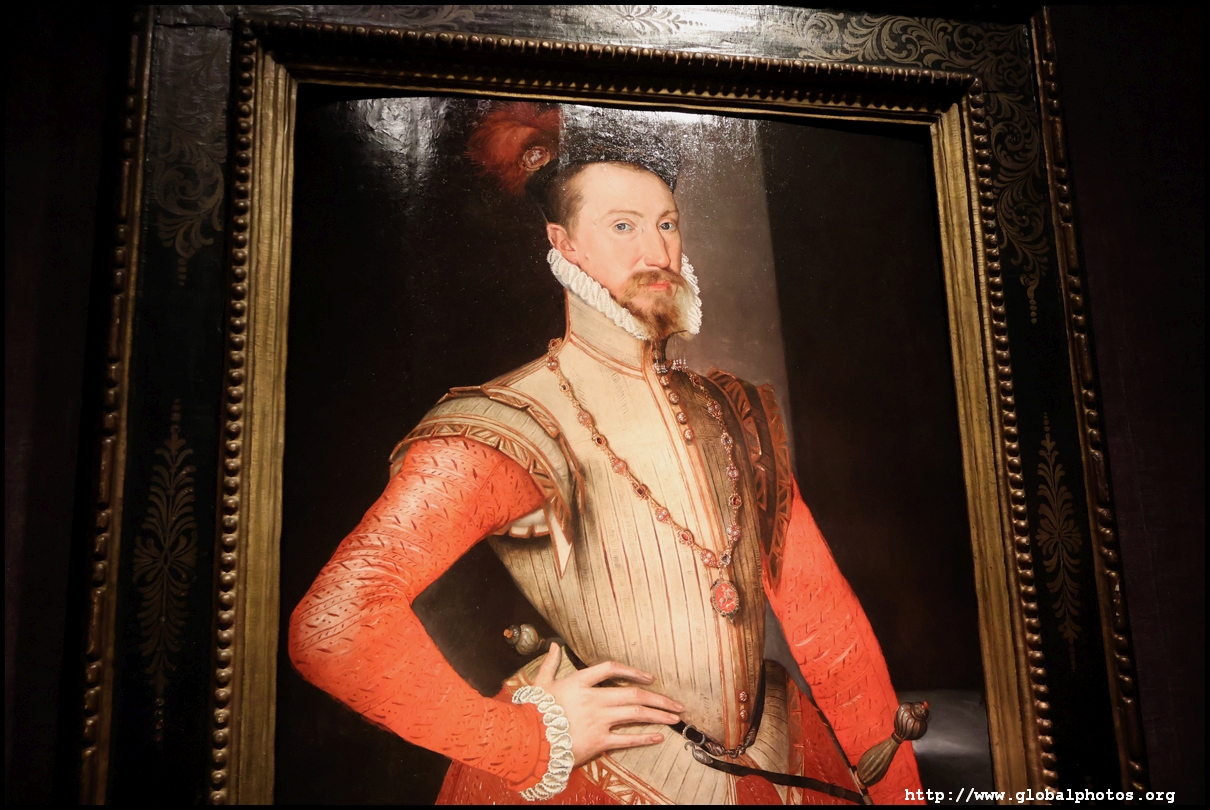
Robert Dudley was the Earl of Leicester and Elizabeth's only man she seriously considered marrying. His lavish dress shows his confidence as the favourite, holding a trusted position in the court.
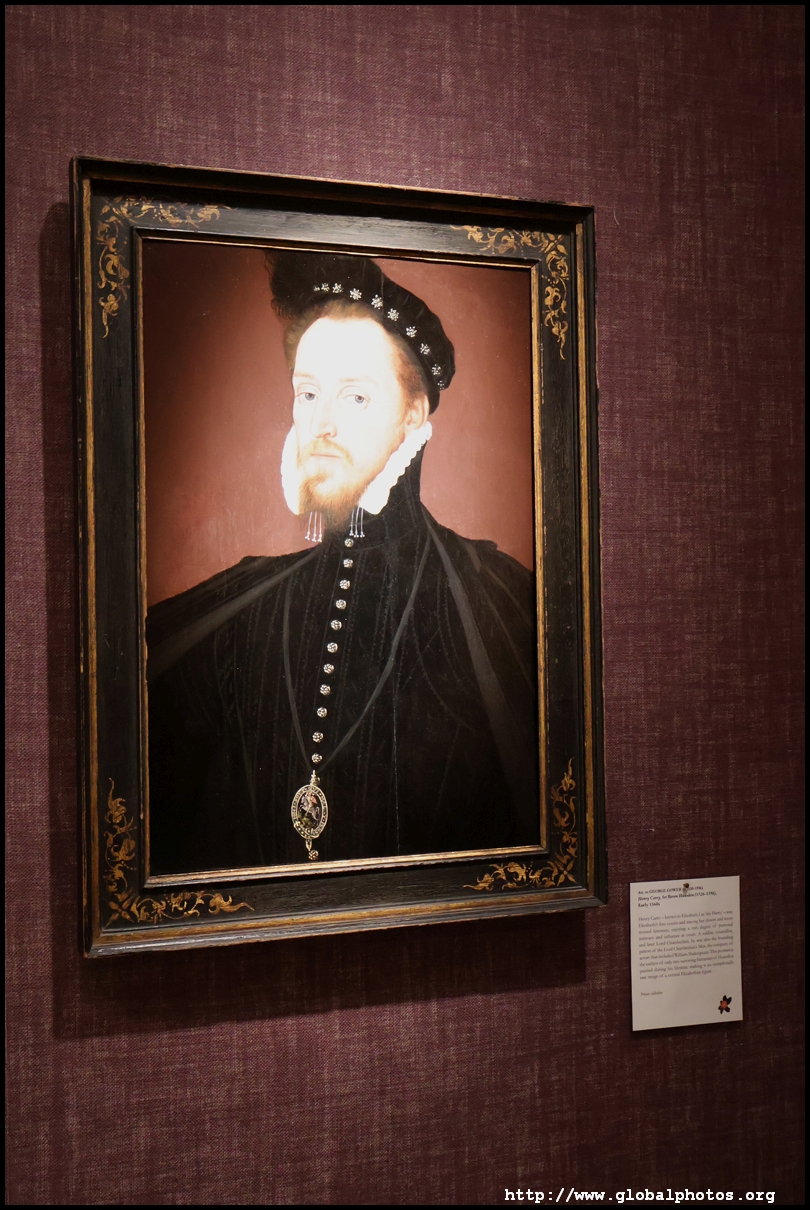
Henry Carey was one of the Elizabethan era's key statesmen. Elizabeth knighted him and elevated him to Baron Hunsdon in 1559. He went on to defeat insurgents along the Scottish frontier.
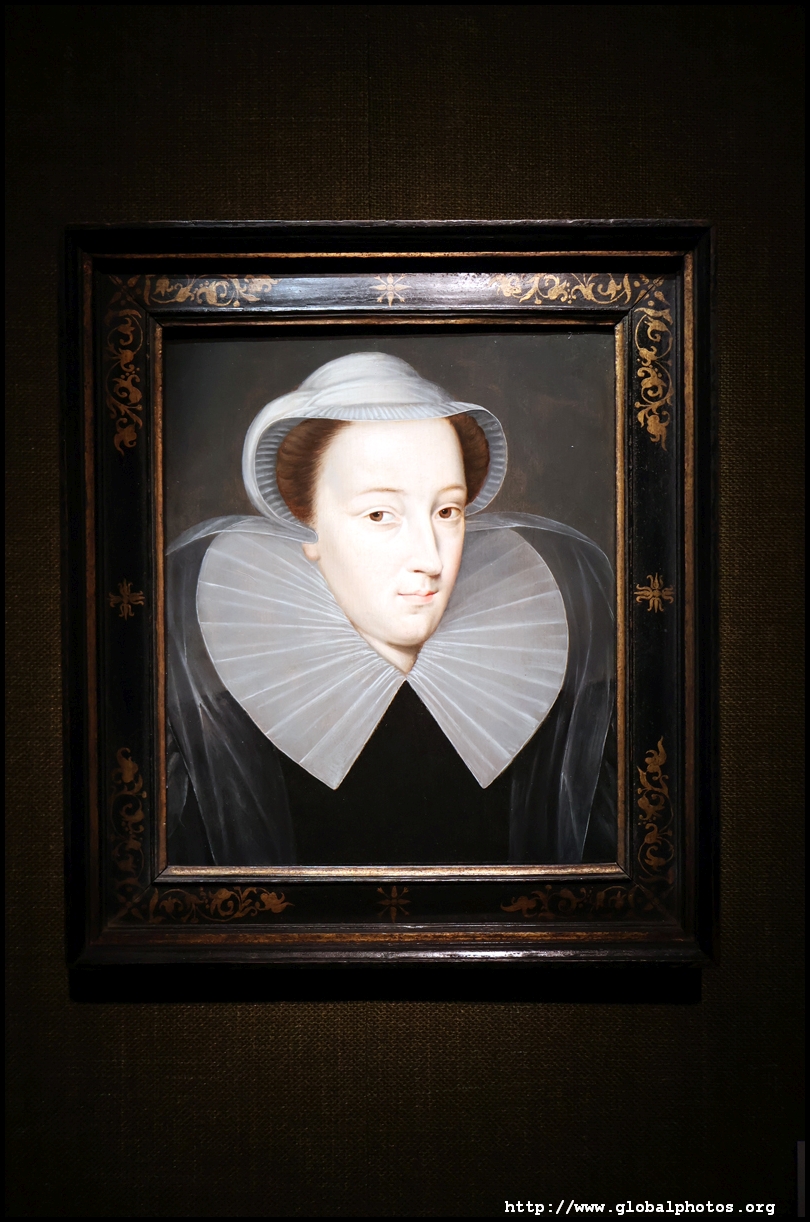
This portrait of Mary, Queen of Scots, was likely painted in France after she was executed. She was a political threat to Elizabeth so it was rare that there is a portrait of her from that time. Elizabeth had her executed in 1587.
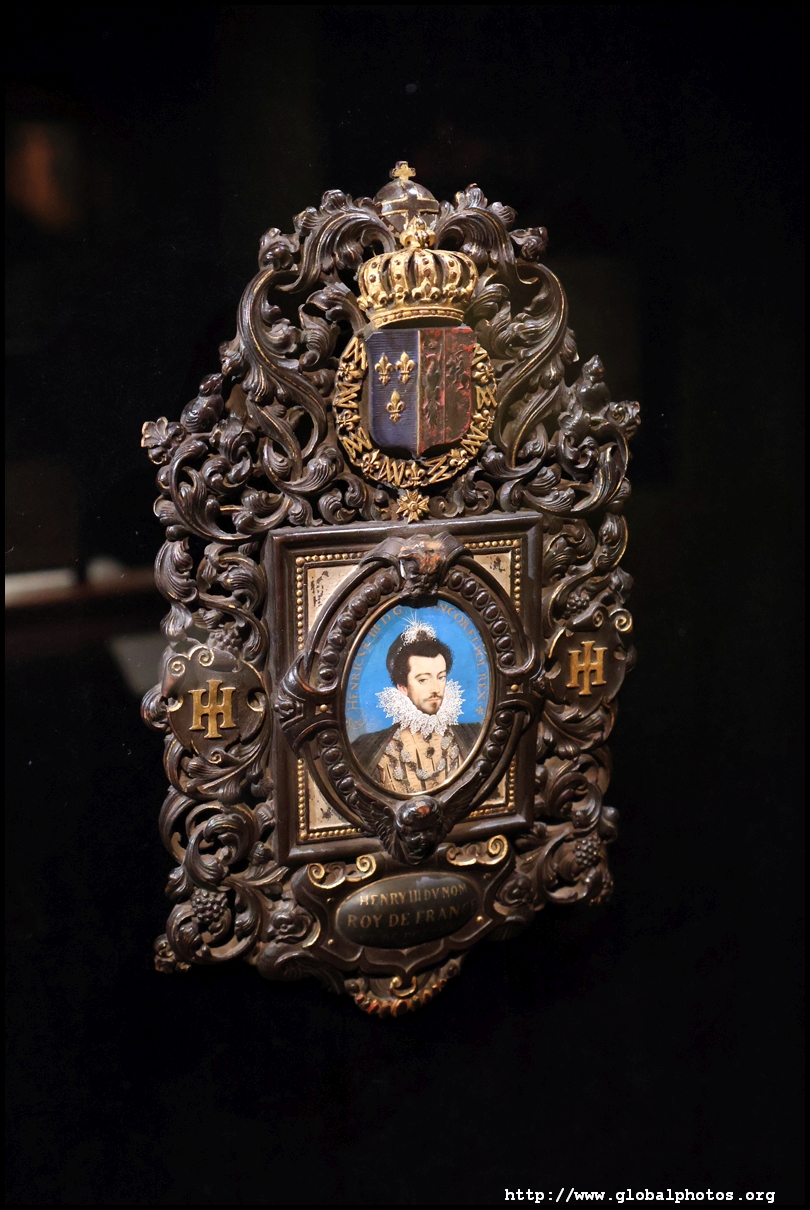
King Henri III of France was considered a suitor for Elizabeth. He became king at age 33 in 1574. This miniature adapts English technique to French tastes, asserting his authority.
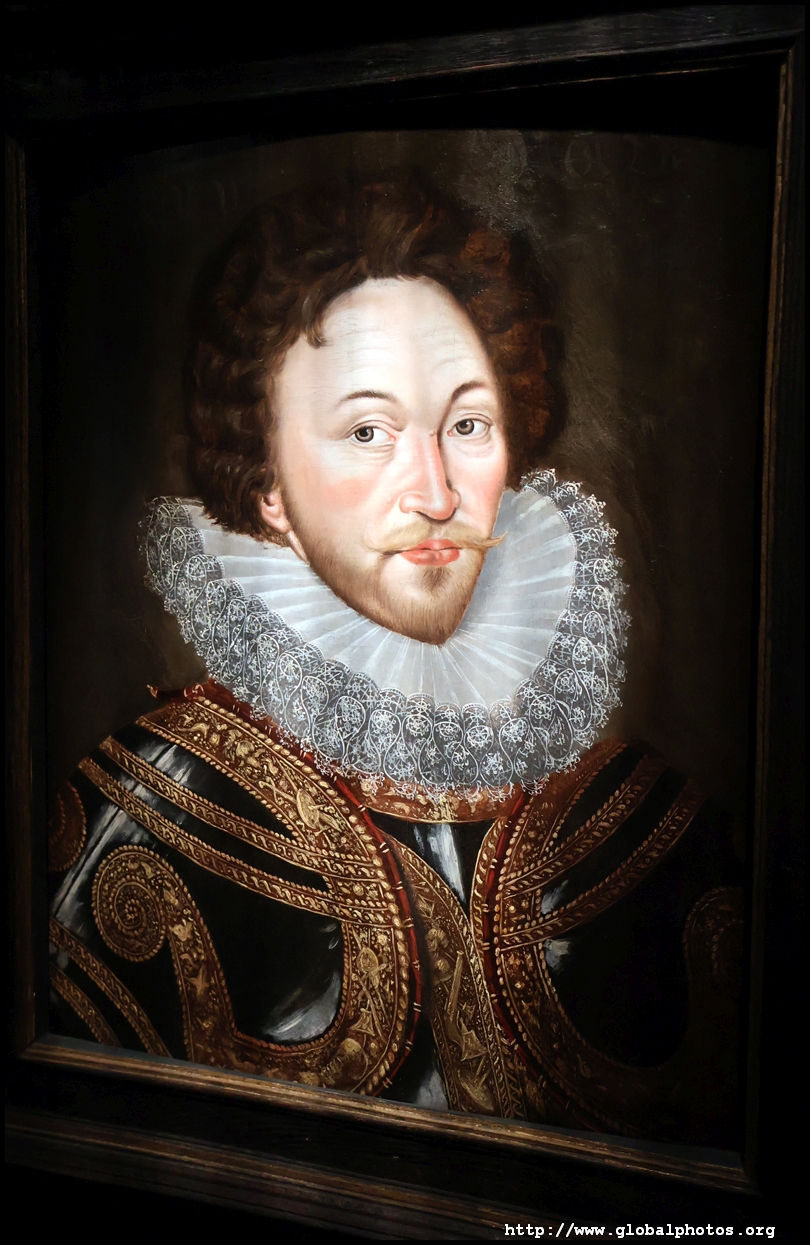
Sir John Norris was a great military commander who played a major role in the fight against the Spanish Armada. Here, he is shown in richly-decorated armour that reflects his status.
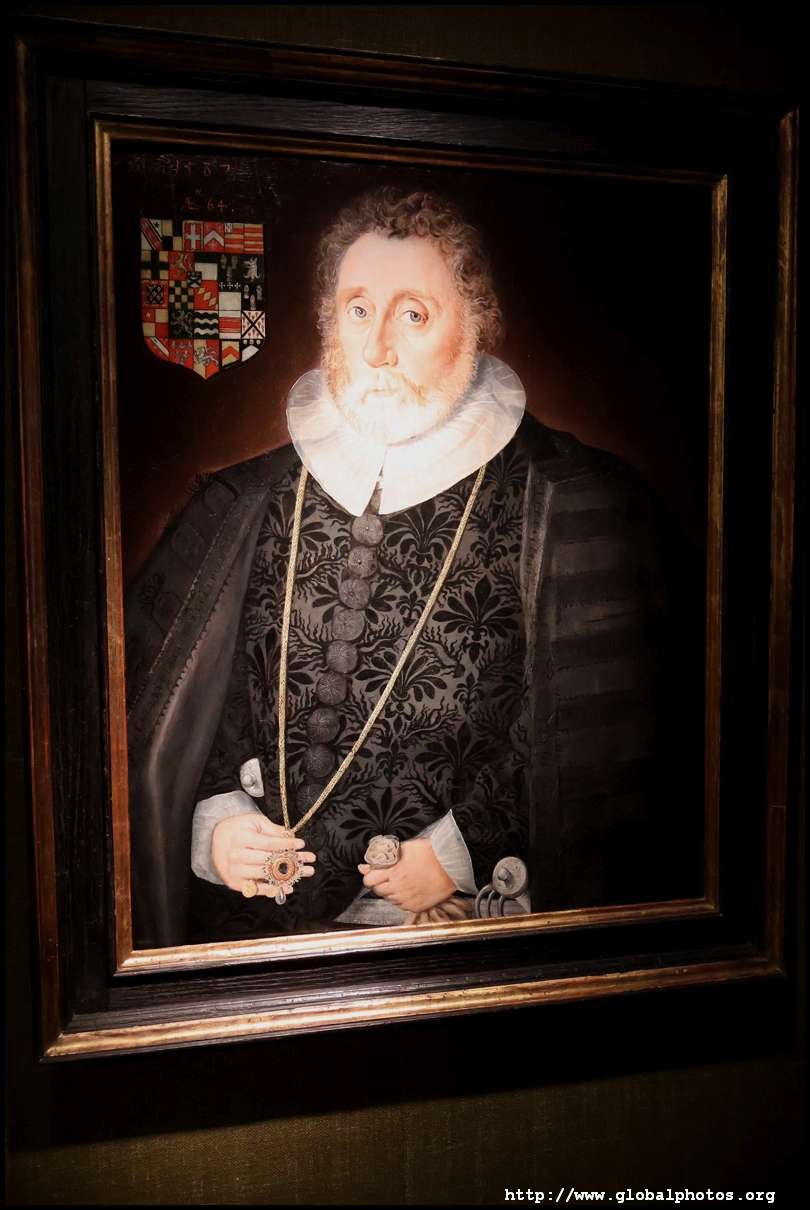
This portrait by Robert Peake the Elder of Richard Wingfield was painted in 1587. He was part of the governing elite and is shown with jewellery that show status and lineage.
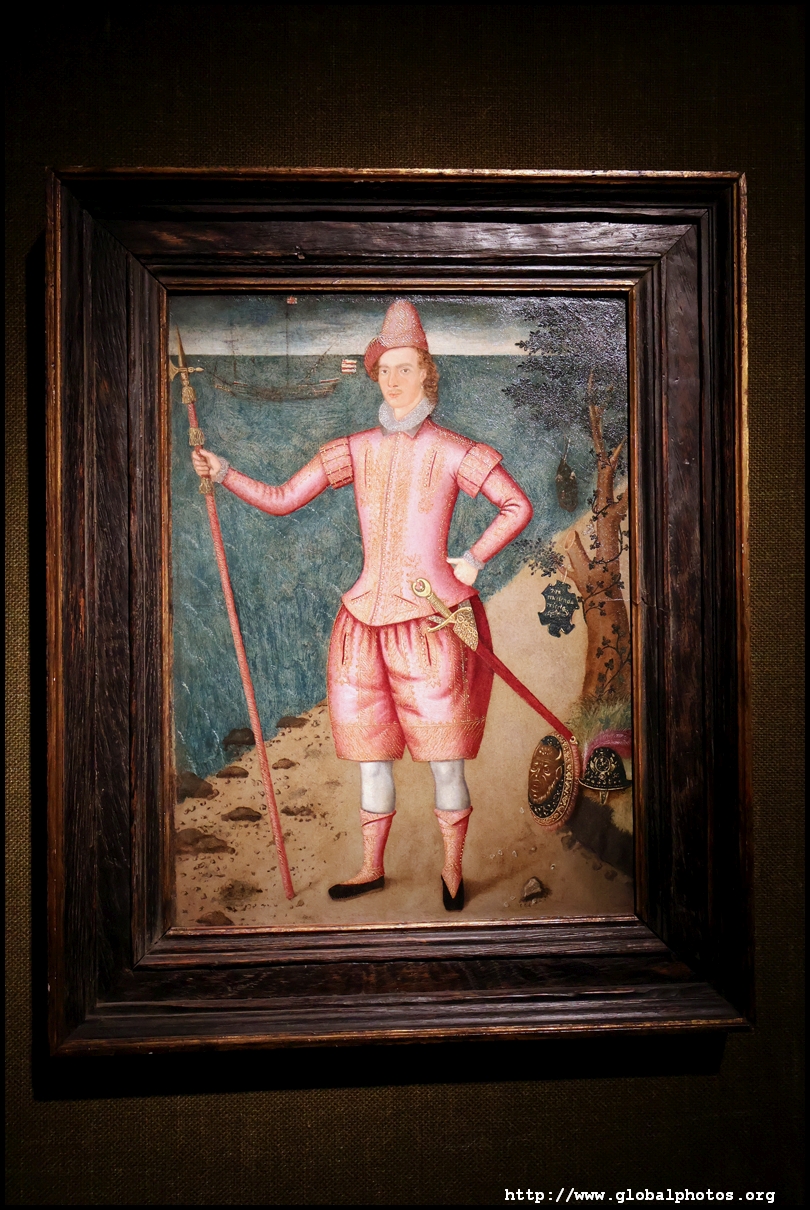
This is a portrait of Sir Robert Dudley, the Earl of Leicester's illegitimate son. Given this label, his prospects in the court were limited and he couldn't inherit his father's titles. He led an expedition to the West Indies in 1594, a time when exploration can enhance his status and score riches. His task was to capture Spanish vessels, which he succeeded.
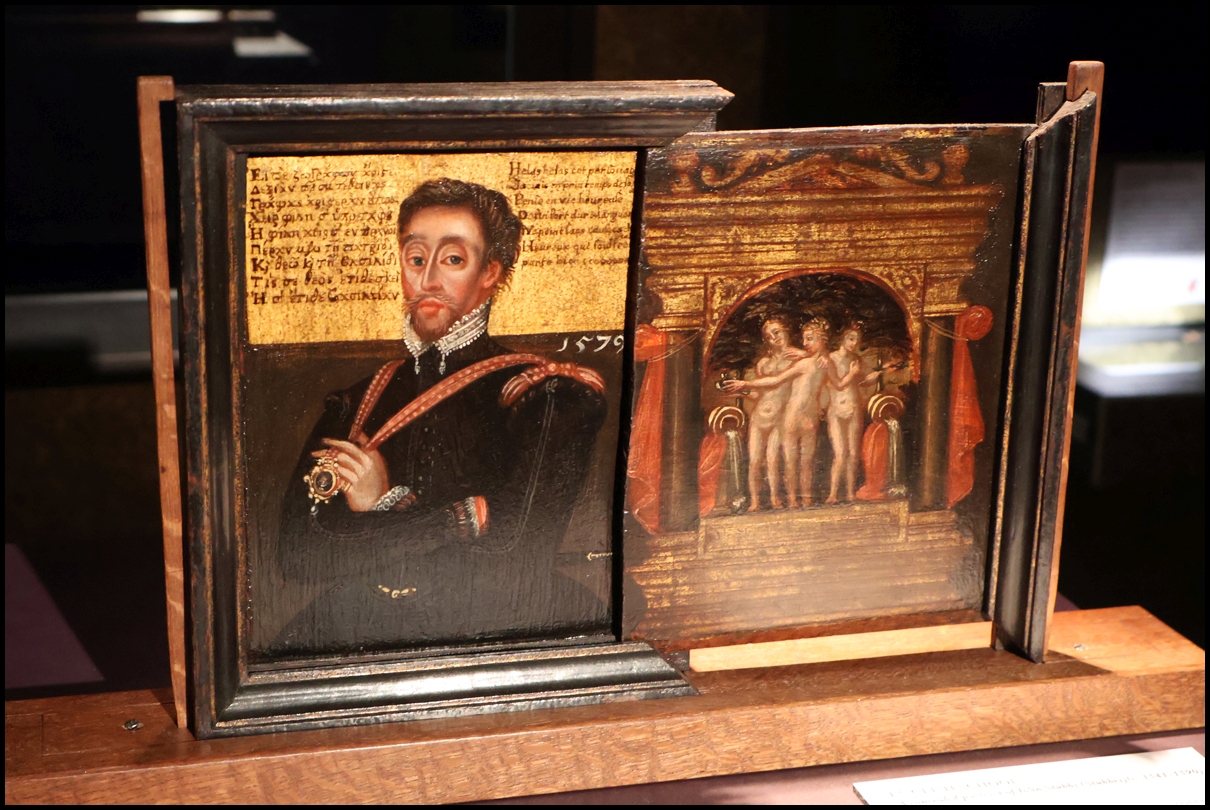
This concealed portrait of John Stubbs sits beneath an image of the "three Graces". John was punished for opposing Elizabeth's marriage to the Catholic Duke of Anjou and his right hand was amputated.
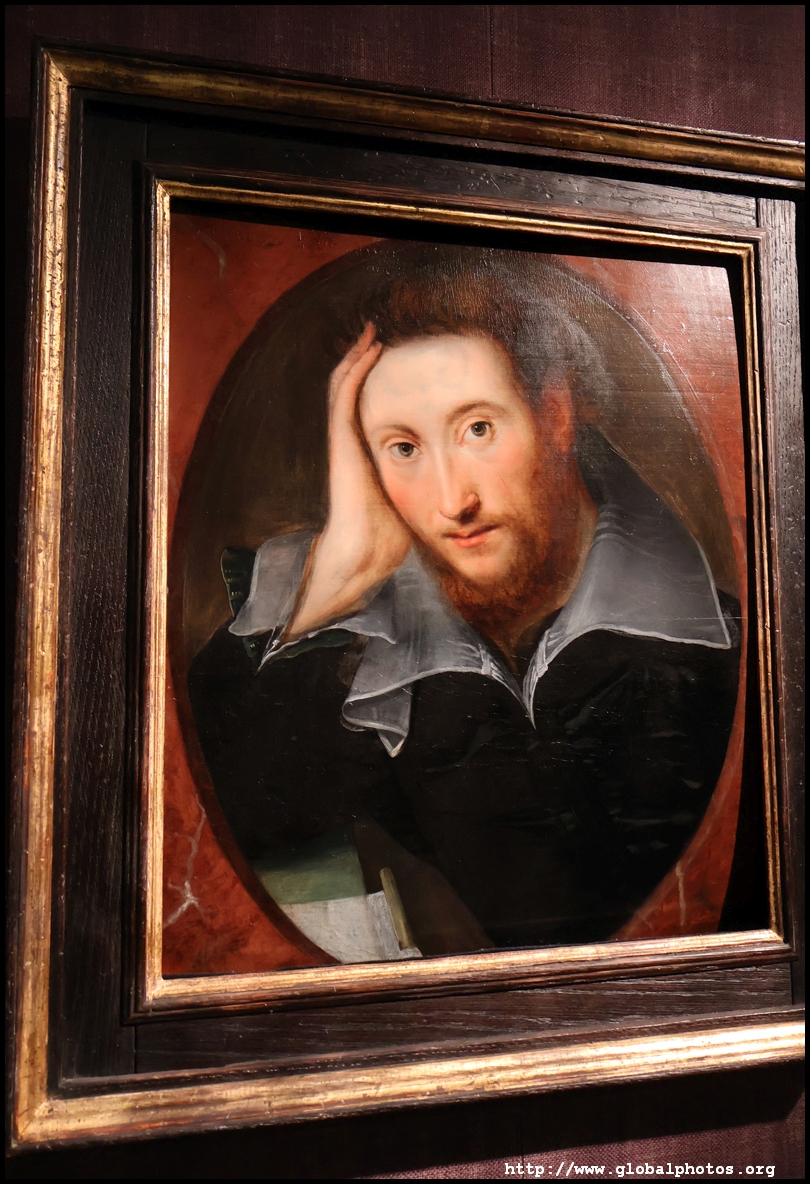
During the 18th and 19th centuries, people thought the man in the portrait was William Shakespeare. His casual pose and informal dress are unusual and has since become a subgenre but only a small number of these examples have survived.
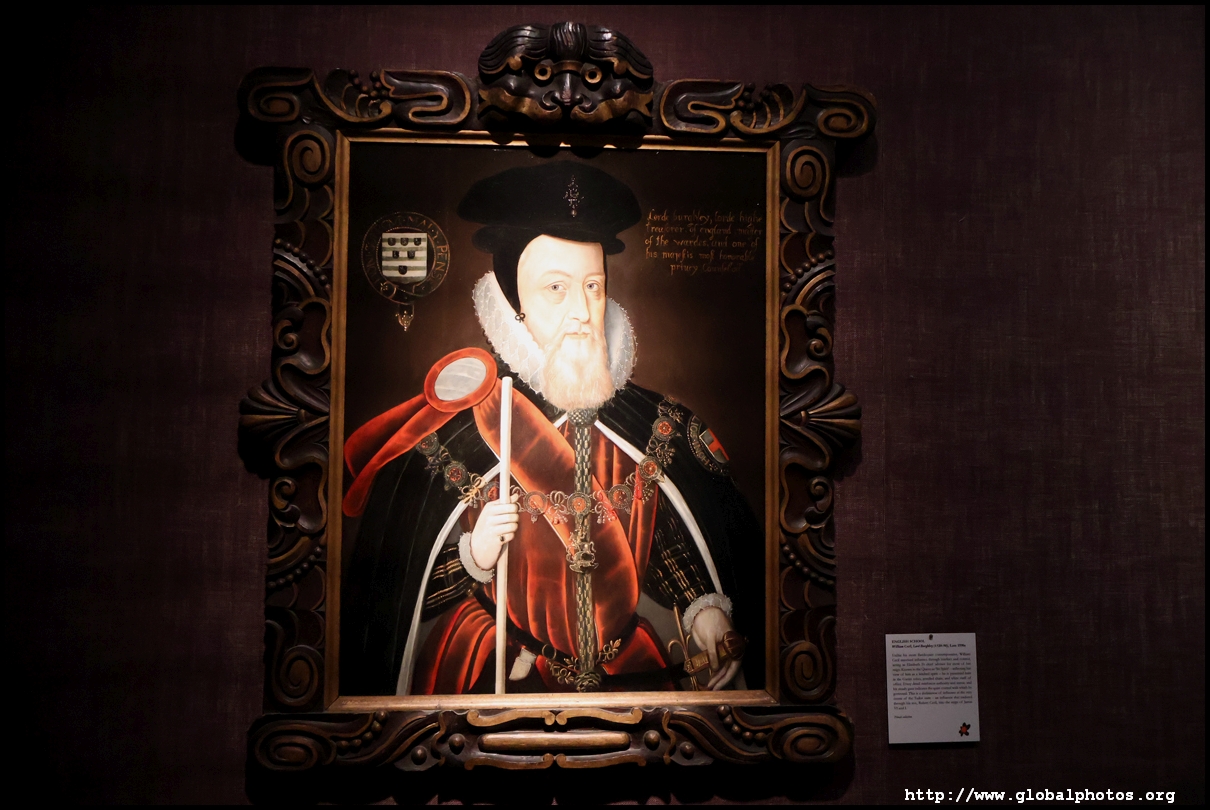
This is a portrait of William Cecil, Lord Burghley. He served as chief councillor for most of Elizabeth's reign, exercising significant influence on the country's affairs. He also developed foreign policy, which was divided along religious lines. With Catholic regimes in Spain and France being hostile, he allied with Protestants and Huguenots on the continent and in Scotland.
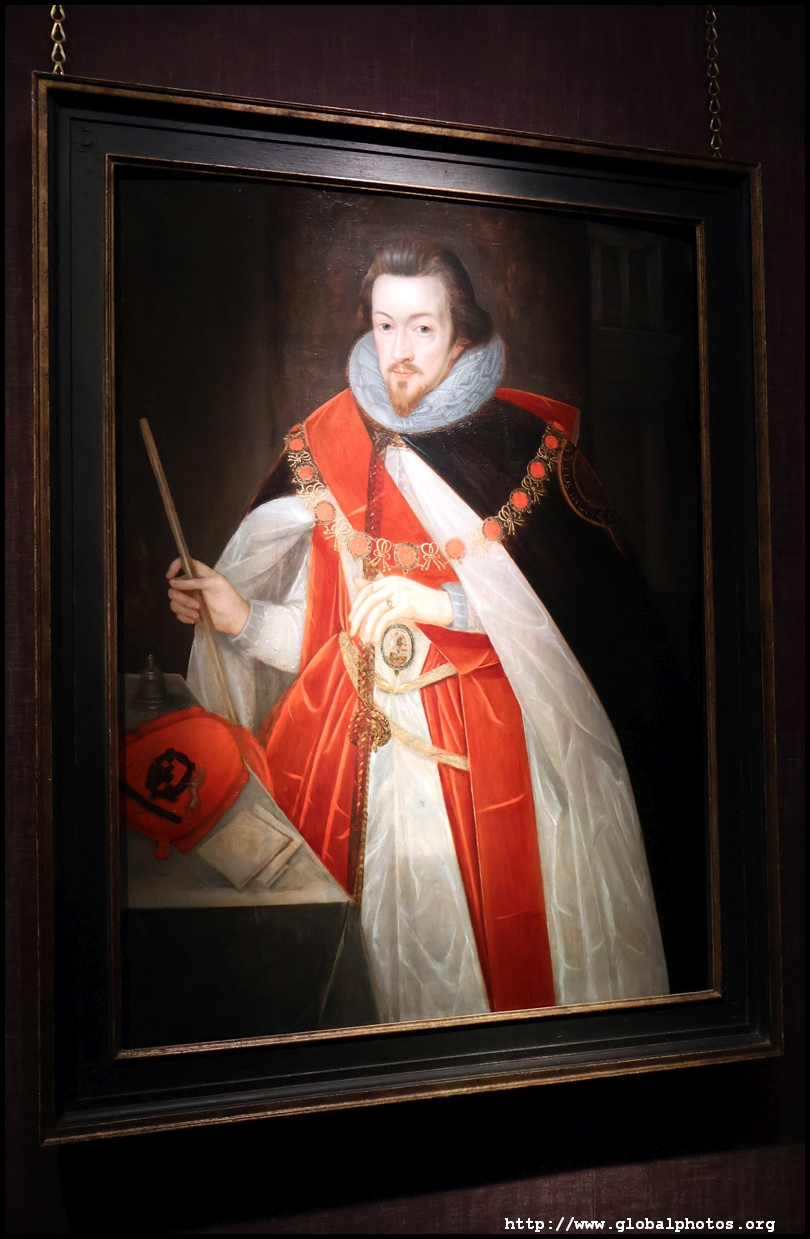
Son of William Cecil, Robert Cecil was a trusted advisor to the queen and operated behind the scenes. He handled correspondence with foreign missions, and this portrait shows him at his height after Elizabeth's death in 1604.
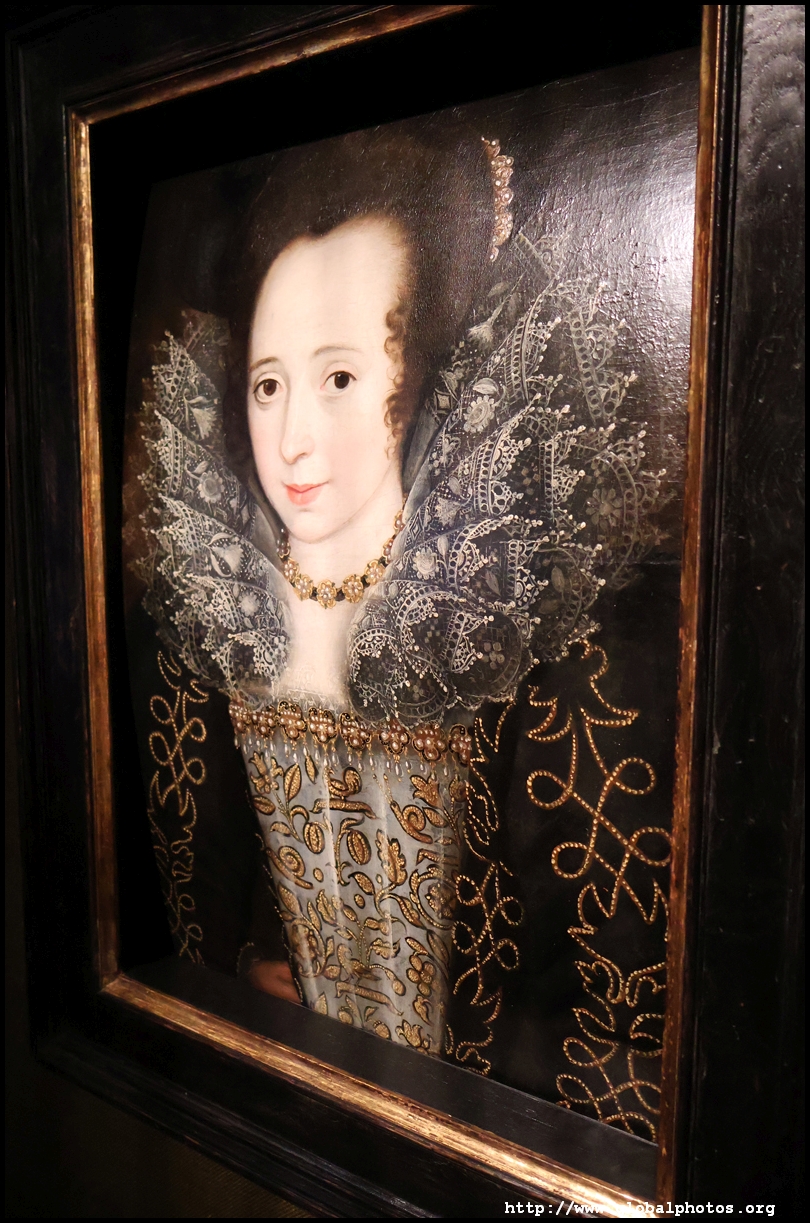
During the Tudor era, portraits symbolized wealth and refinement. These works often depicted key moments in life, and it is believed this one was for marriage. Her dress shows rich details with an elaborate lace ruff. Such works were probably imported, signalling access to international trade and a lot of wealth.
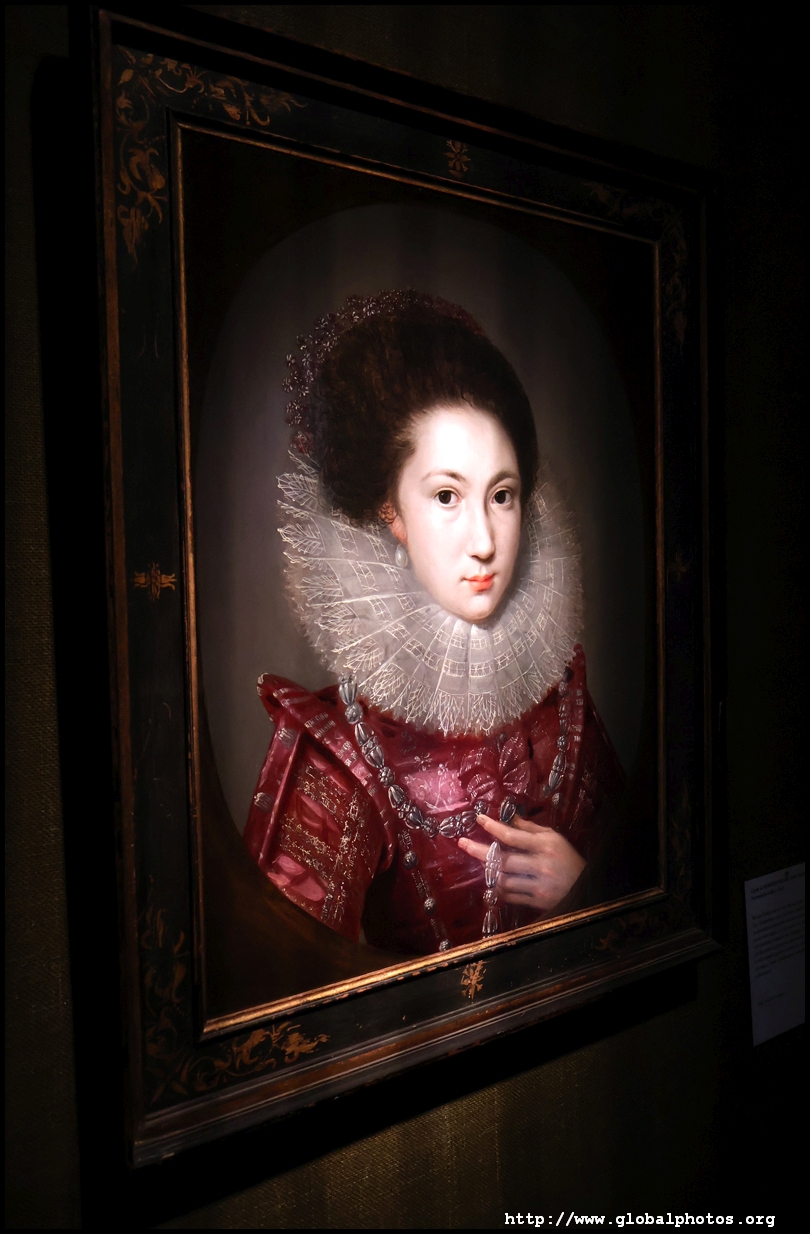
This style of painting remained in fashion across Elizabethan and Jacobean times until the 1620s. This portrait of a young woman was painted in the mid-1610s. She had a trendy hairstyle, large pearl on her ear, and floral motifs on her dress with silver thread.
| |

To re-use these photos, please notify me by email : asiaglobe@yahoo.com.hk.