London Photo Gallery - Art Exhibitions & Special Events
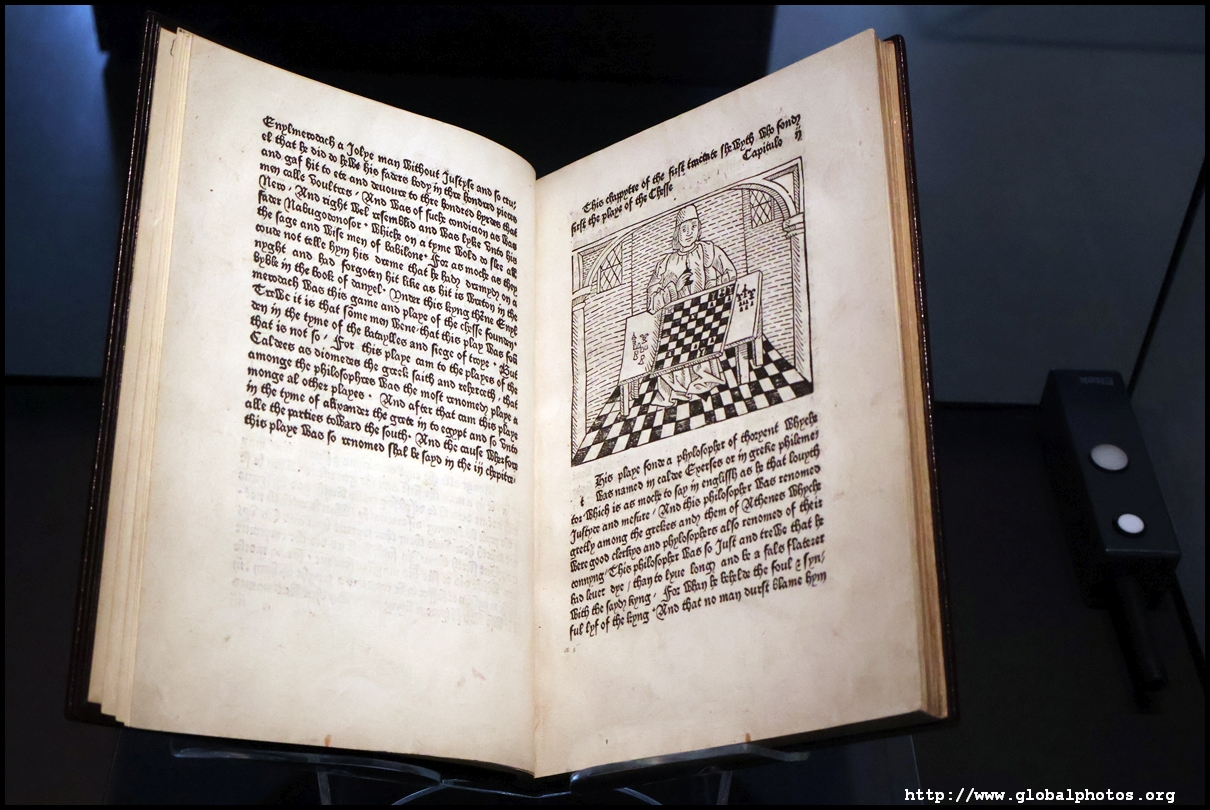
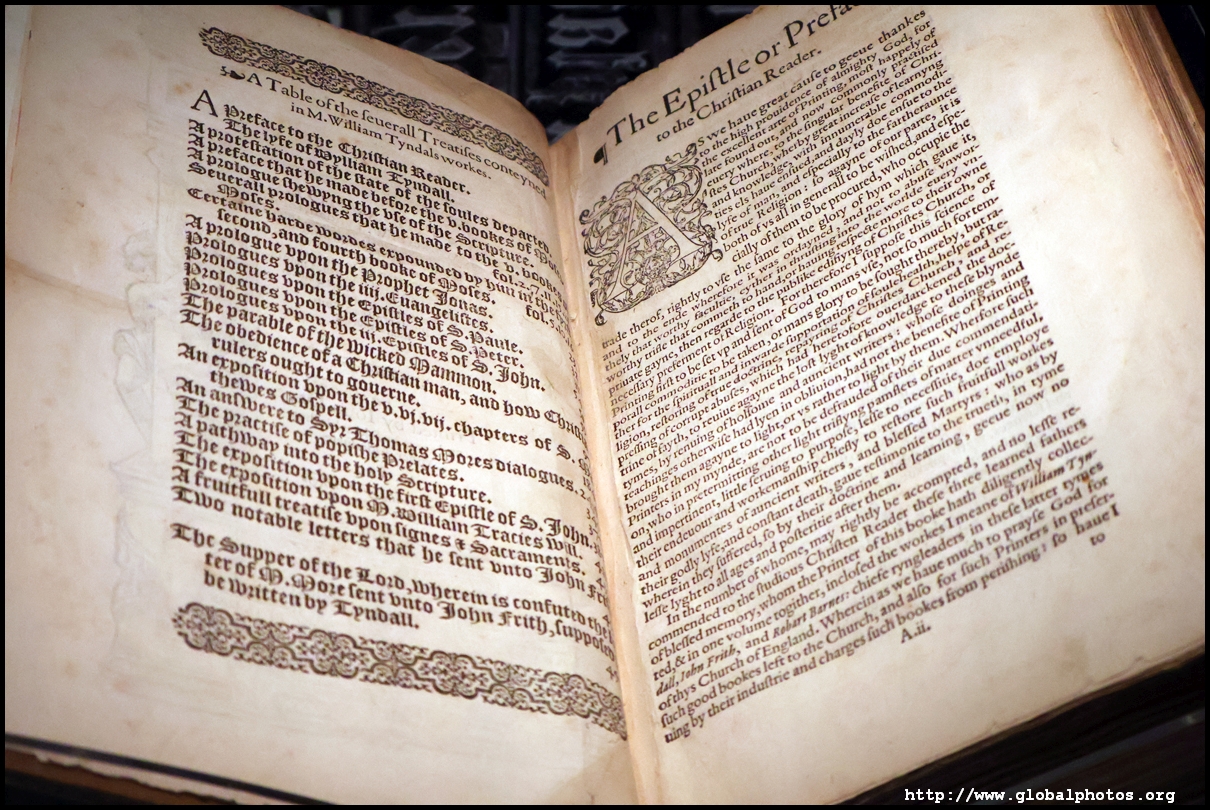
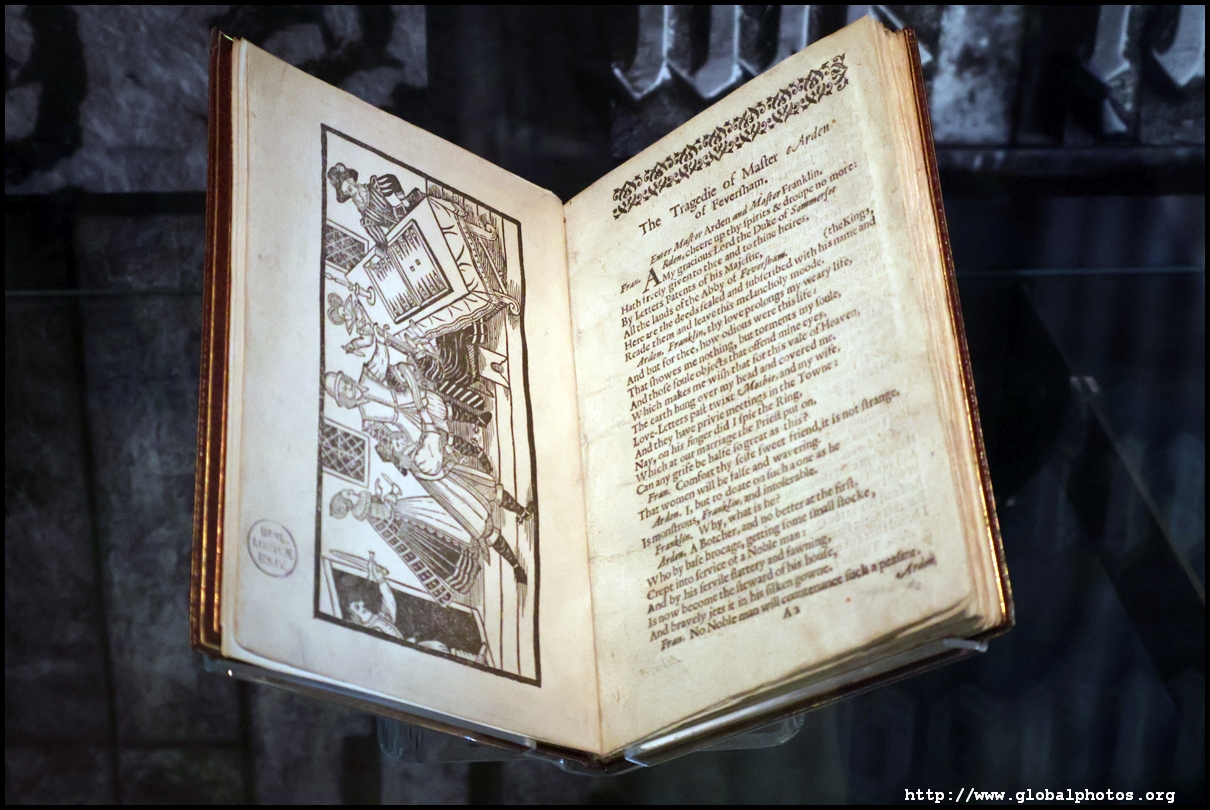
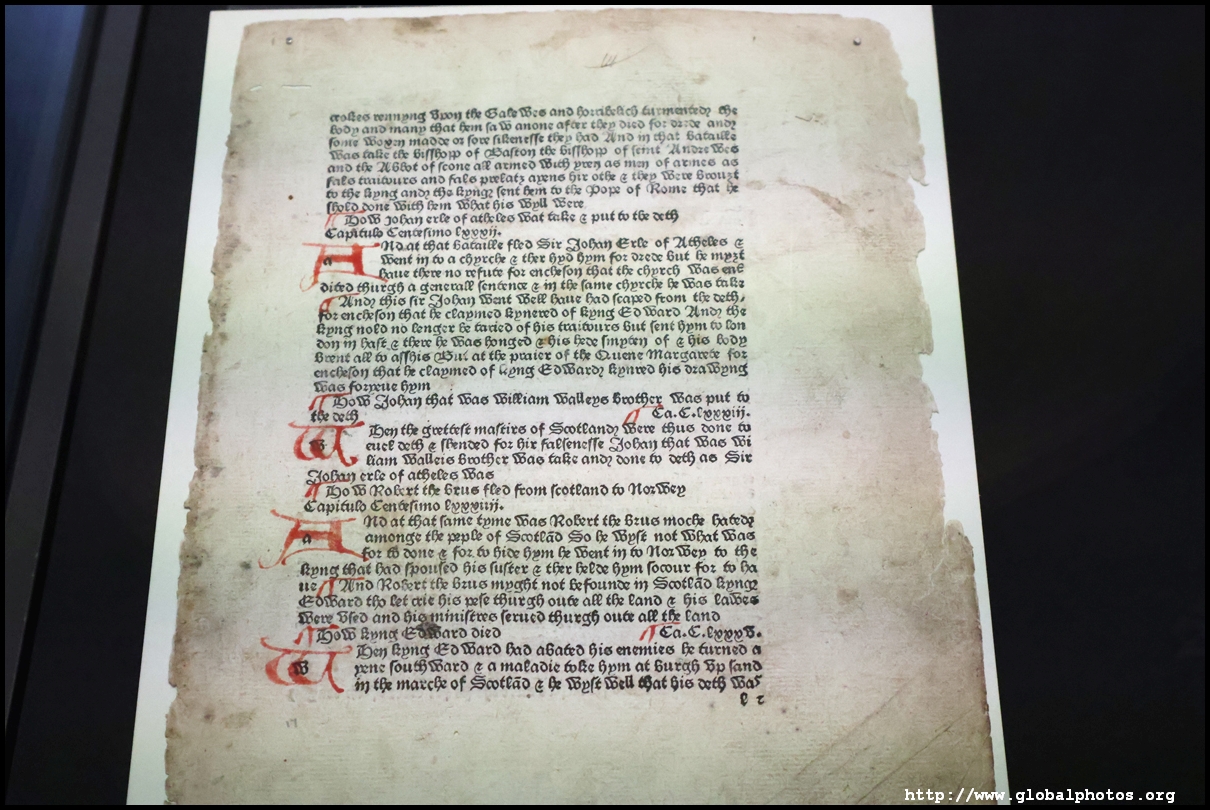
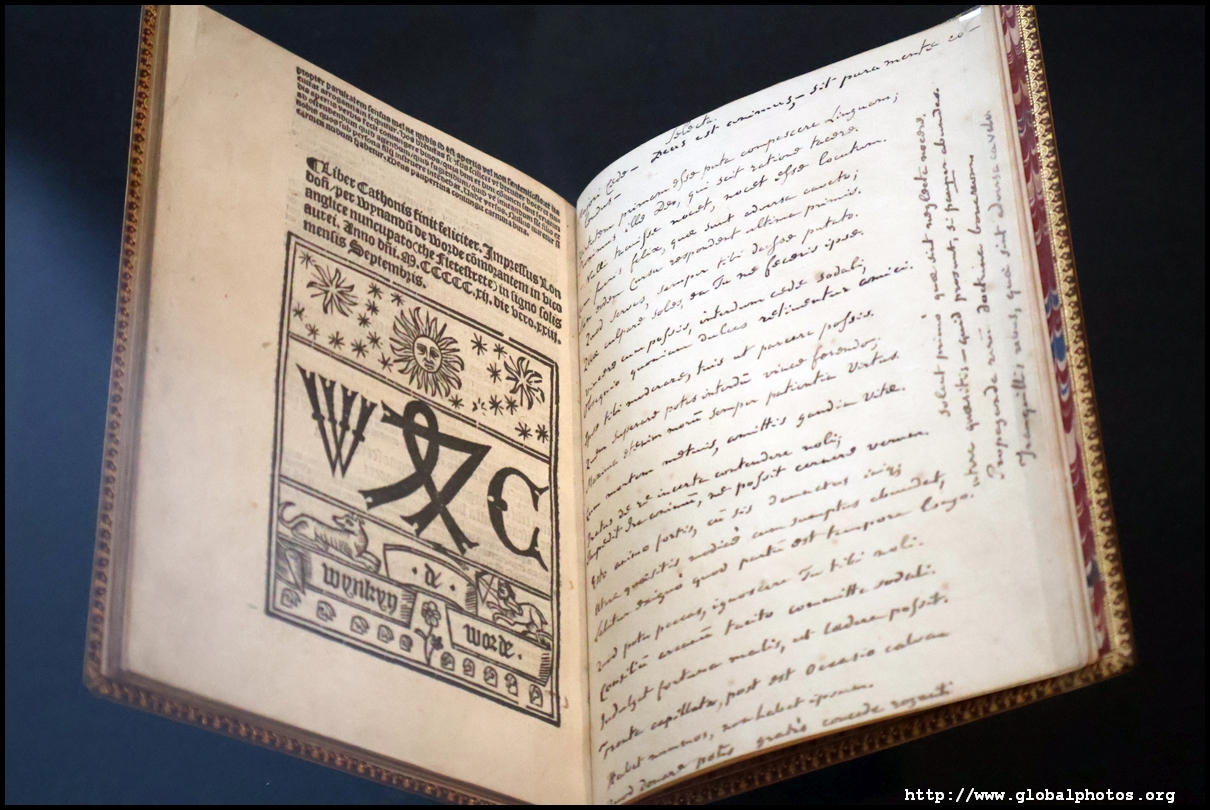
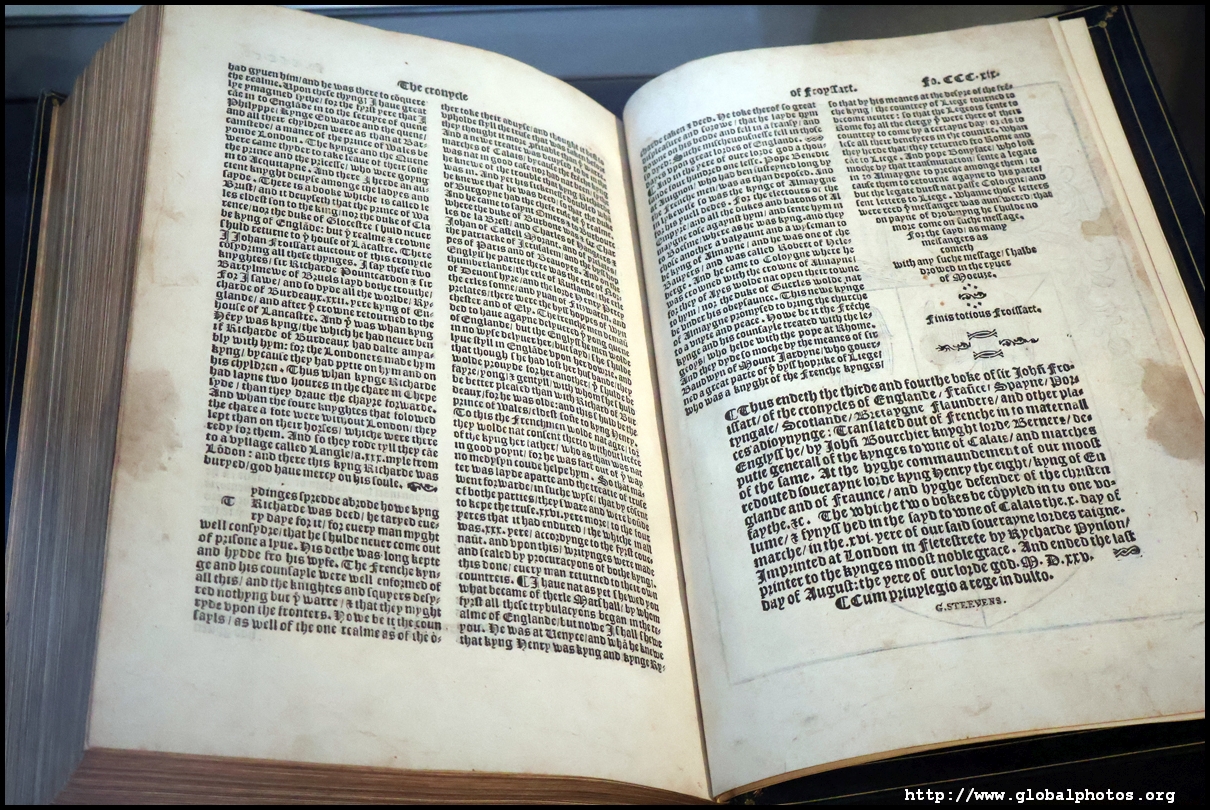
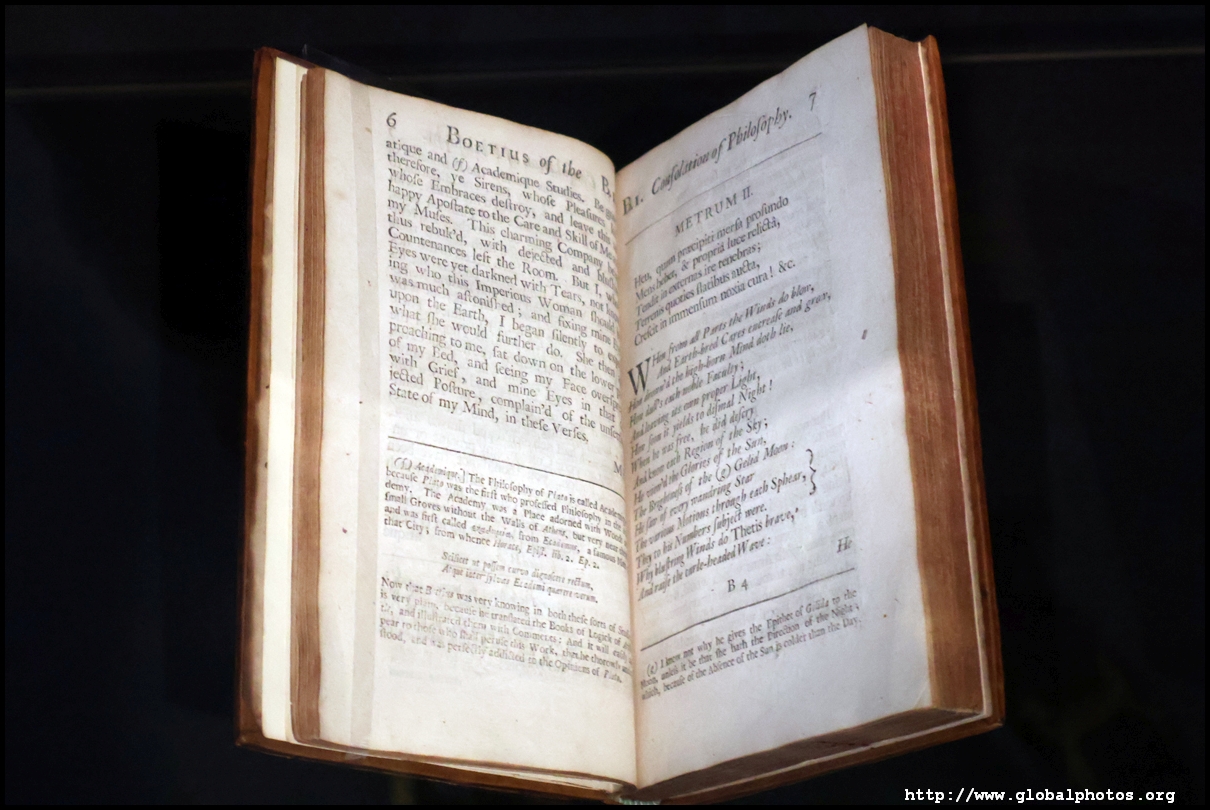
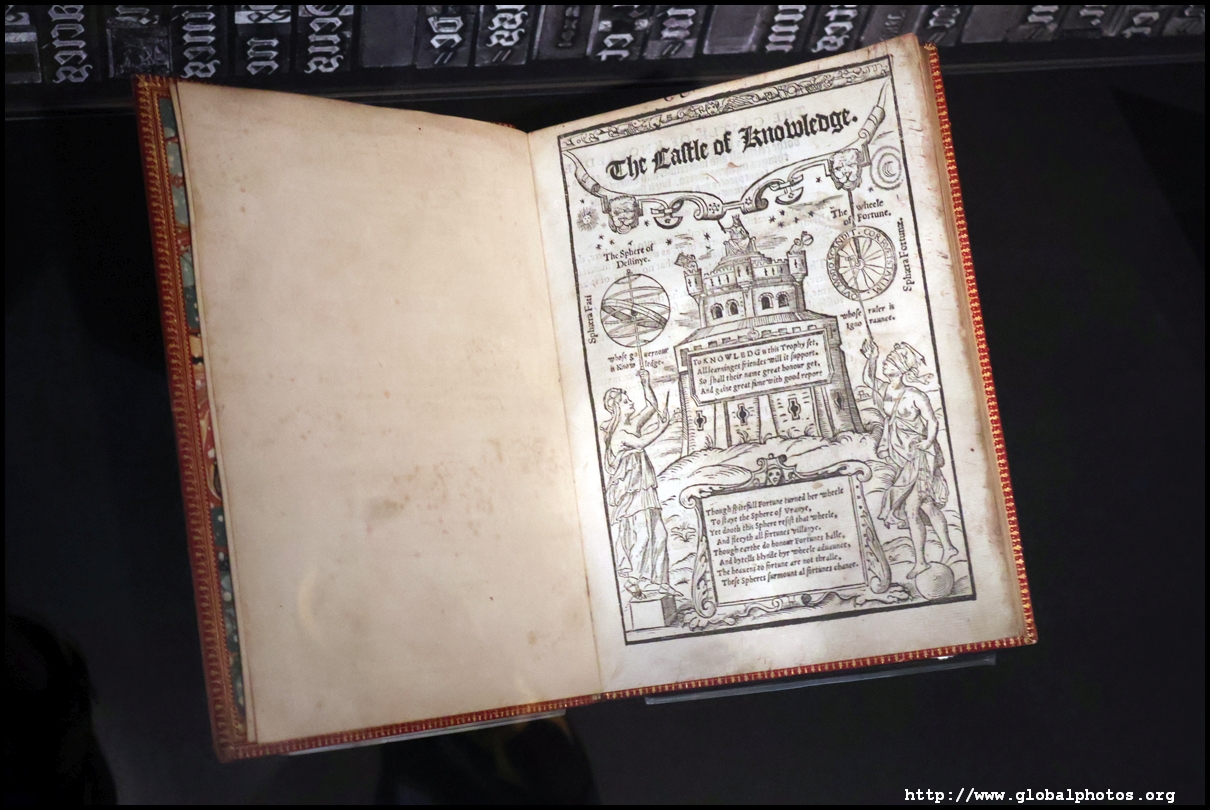
The English Print Revolution: Caxton and BeyondThis exhibition at the Senate House Library showcases printed books in the English language. William Caxton, a merchant and diplomat learned how to print with the newly invented movable type in Cologne and brought the know-how to England in 1476. Caxton then dedicated his life to writing and printing. His clients included kings, nobles, and merchants, with about 100 publications of various types during his lifetime. This exhibition showcases some of his 15th century publications. This allegory was one of some 20 books translated by Caxton, dating from 1483.
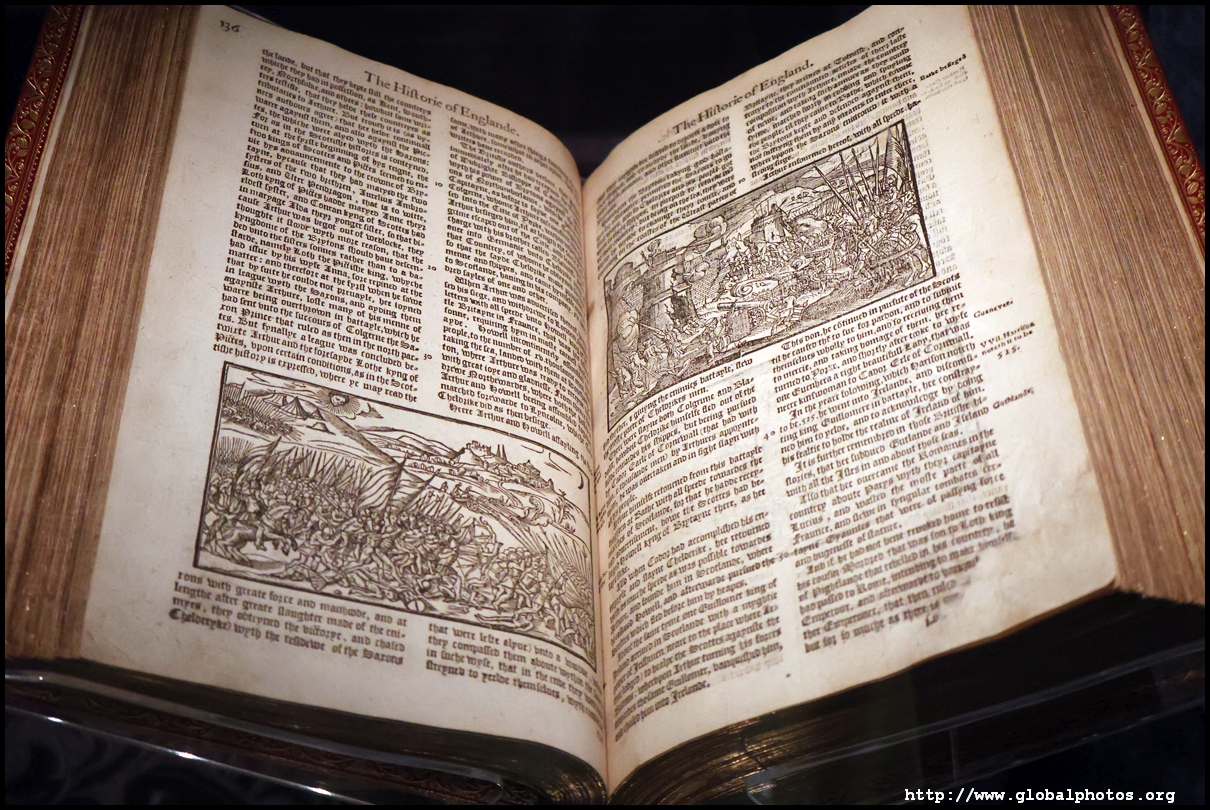
Raphael Holinshed's Chronicles from 1577 was a printed history of England, Scotland, and Ireland that promoted the Tudor regime, becoming a reference point for writers such as Shakespeare.
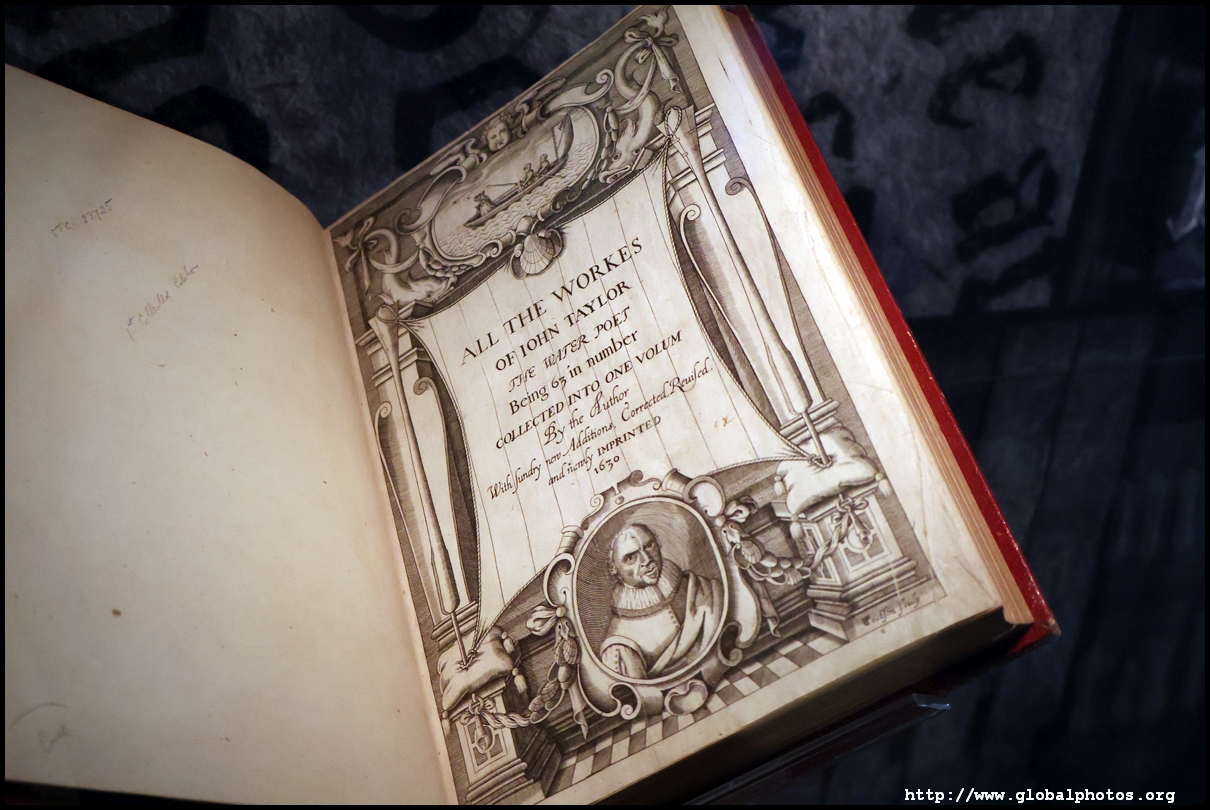
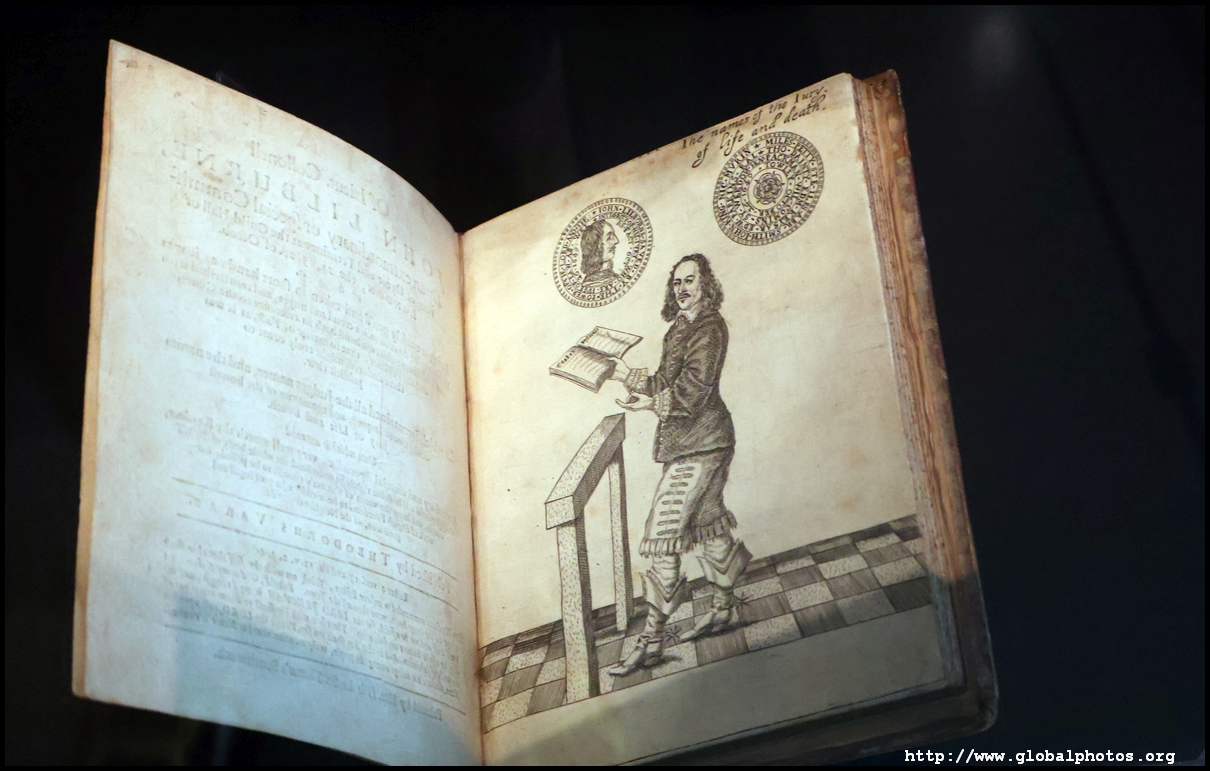
John Taylor published this folio of various works in 1630.
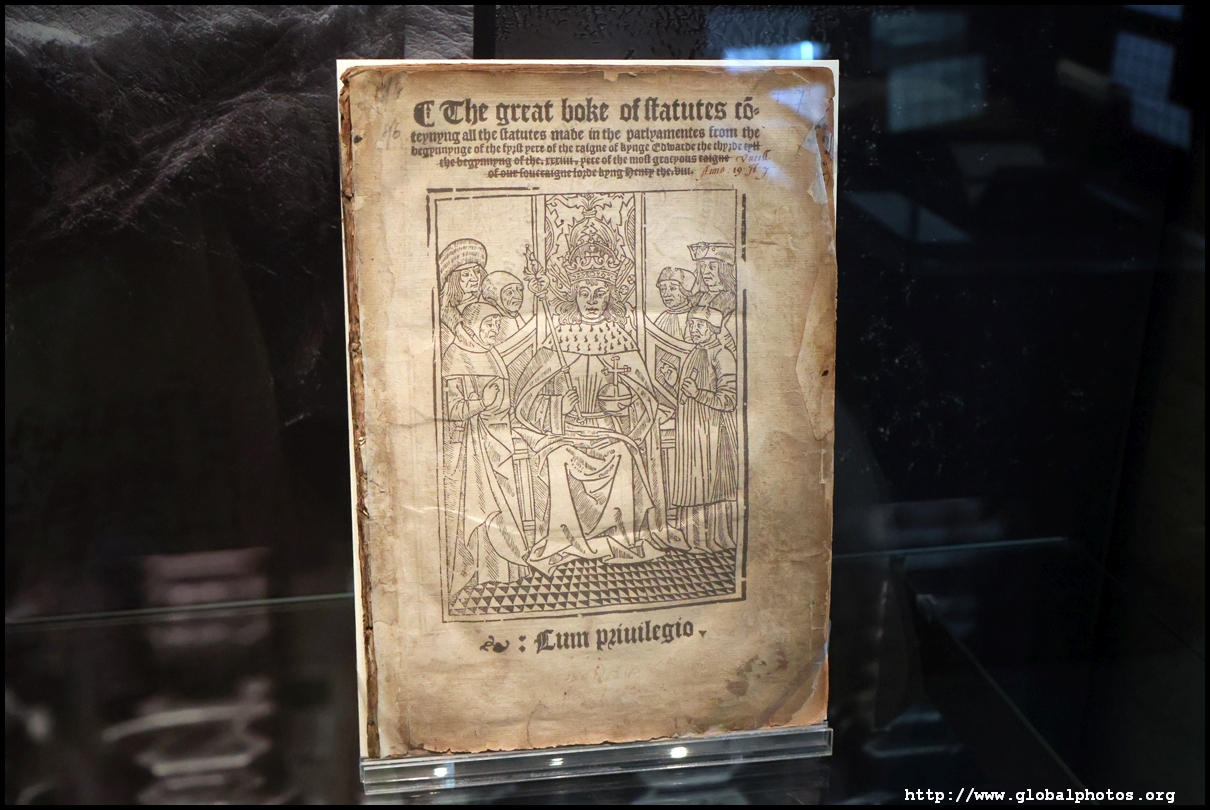
The Great Boke of Statutes comprises parliamentary acts from Edward III to Henry VIII, providing greater access to laws.
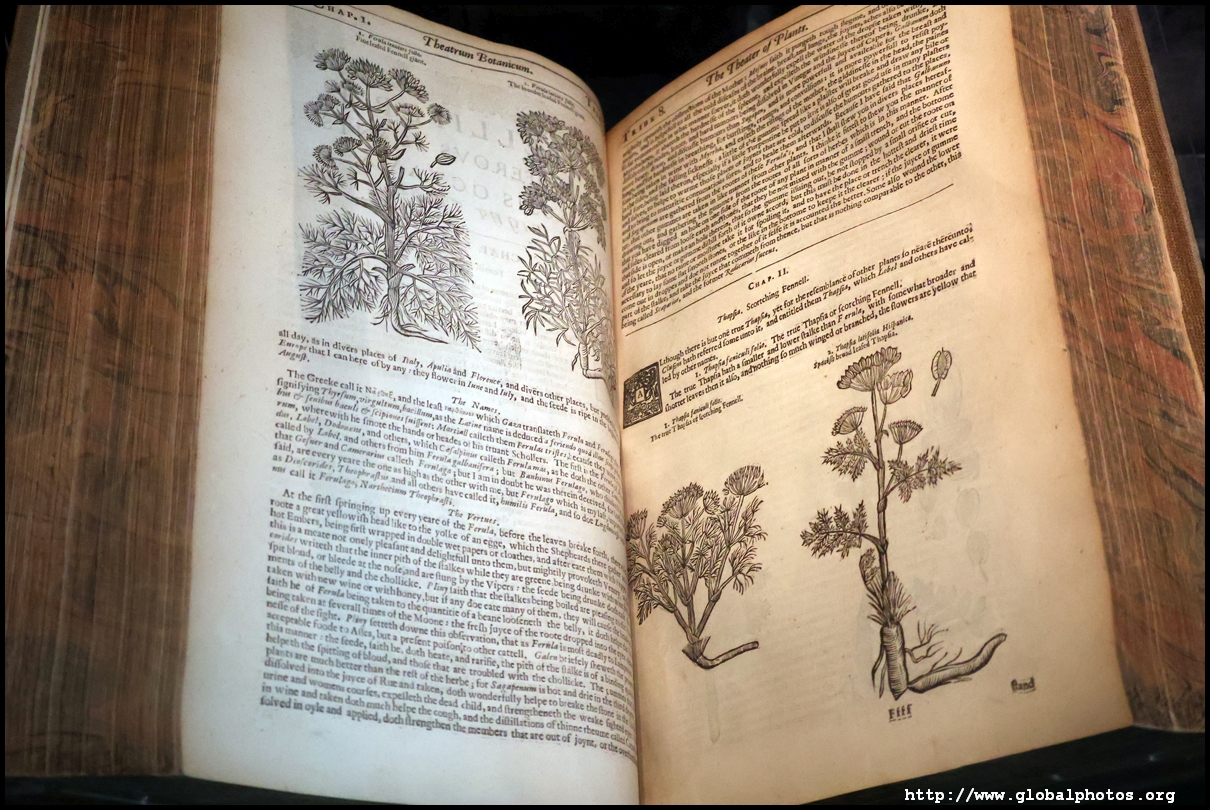
Charles I's apothecary and herbalist published this record of plant species in 1640 with over 1600 pages, which was used for medical, commercial, and colonial purposes.
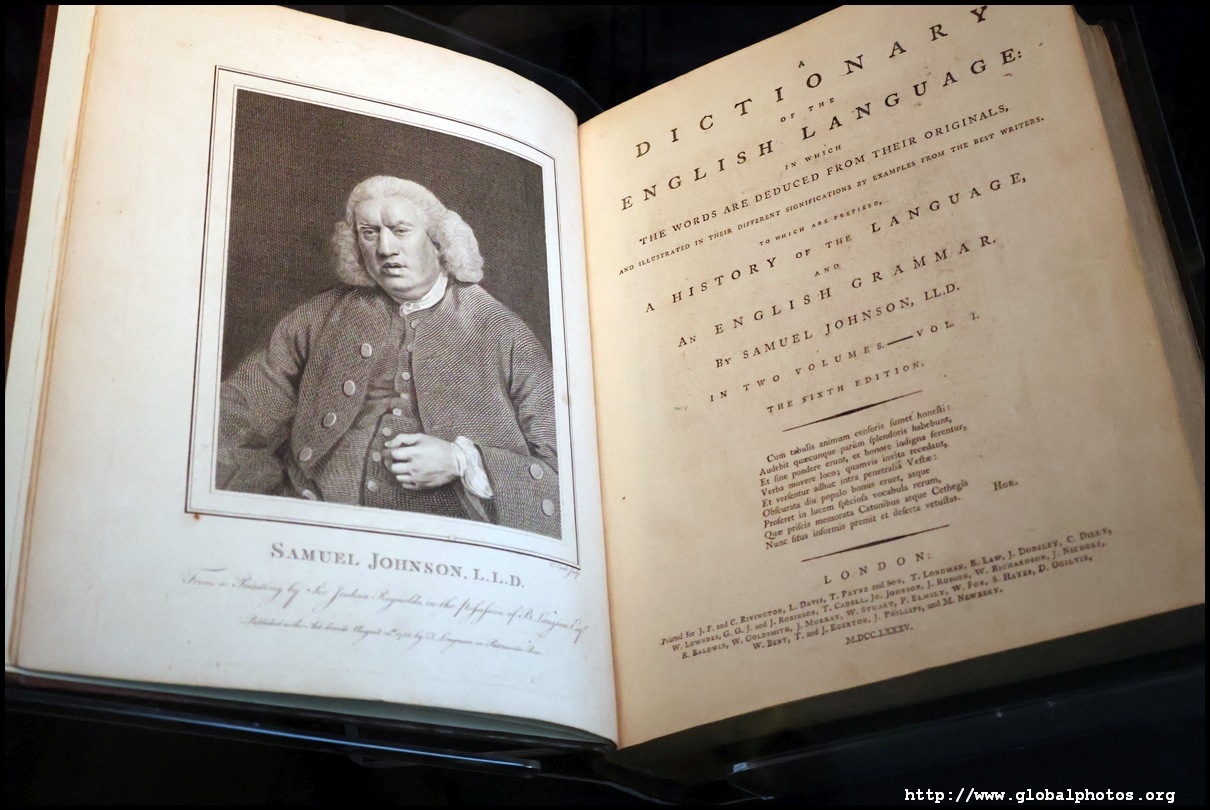
Samuel Johnson's Dictionary was publshed in 1785 with over 40,000 definitions and 114,000 quotations.
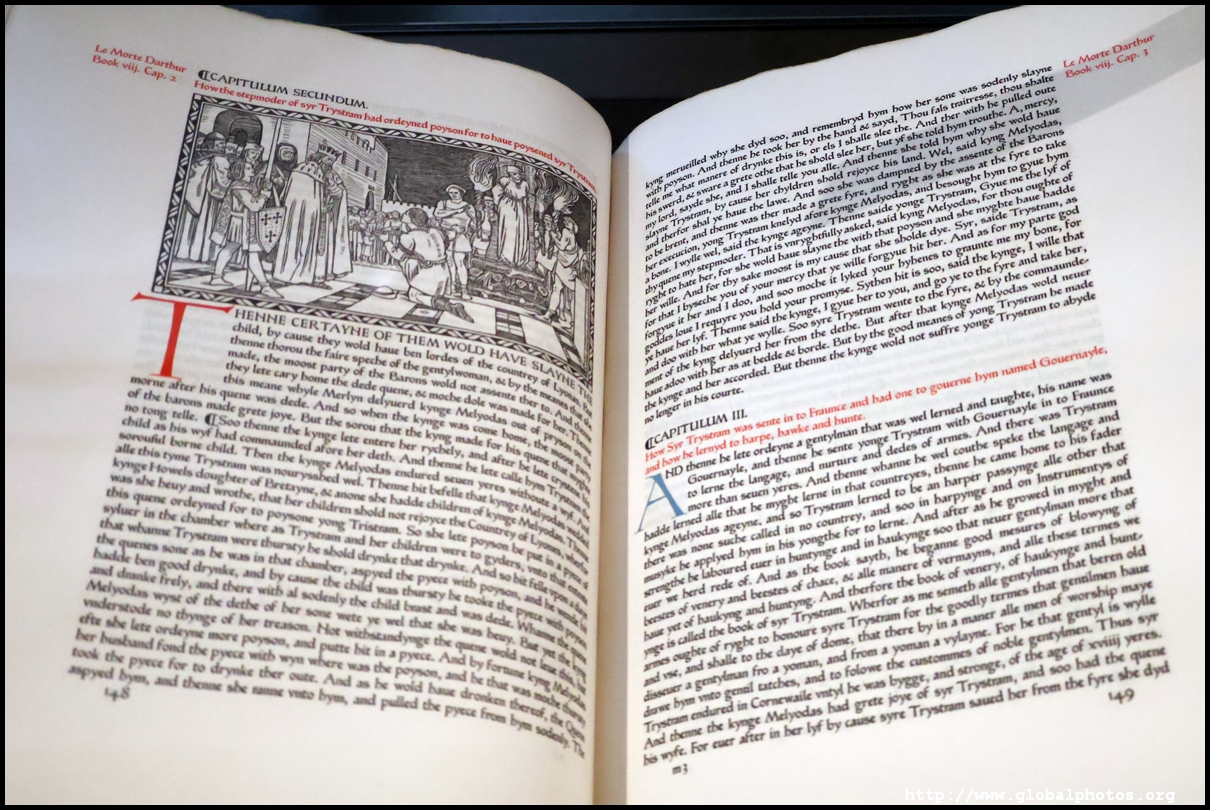
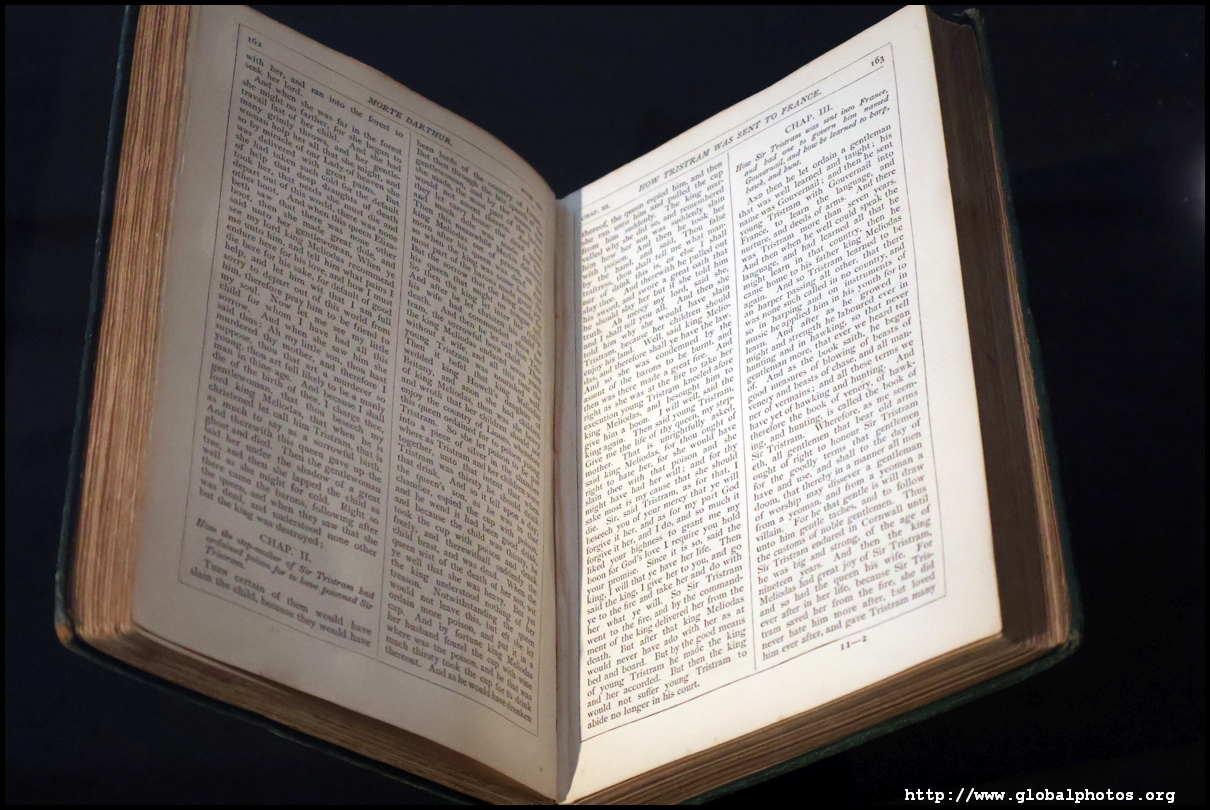
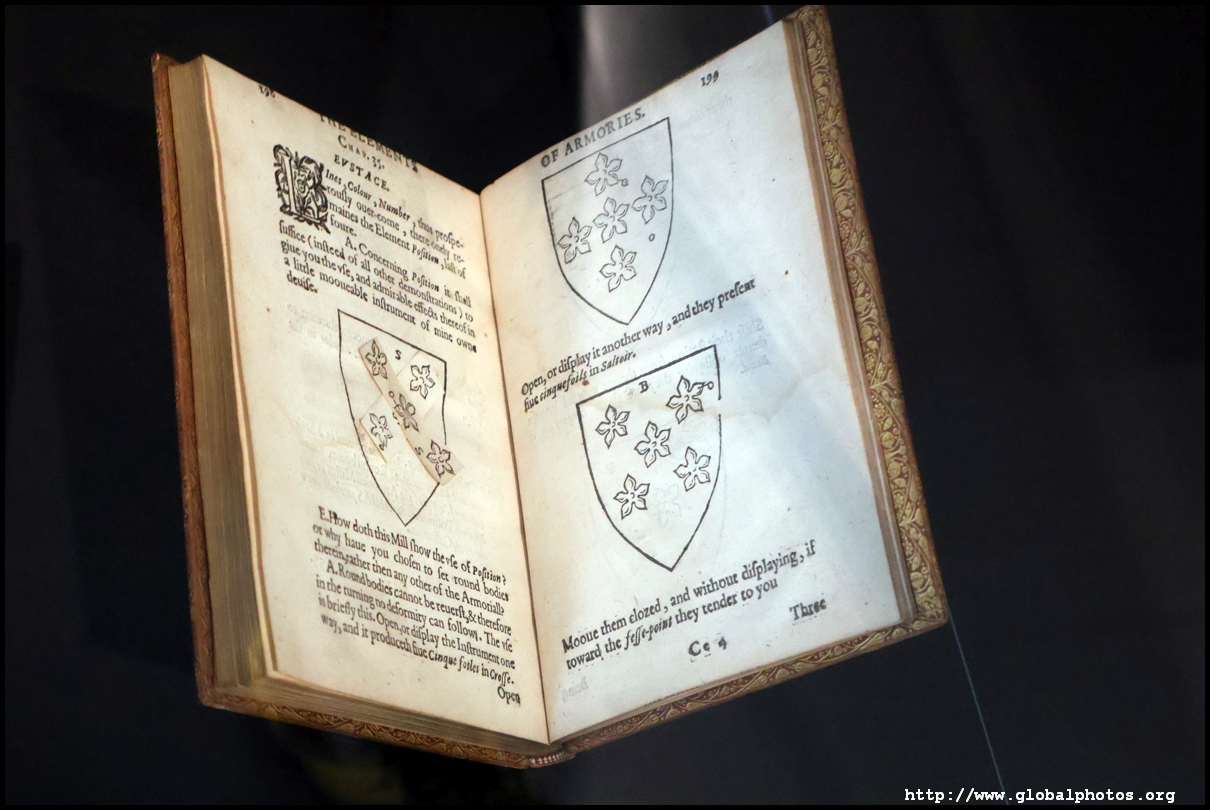
The earliest printed books were cheaper than manuscripts, while later editions had to balance between quality and price if it needed to be produced cheaply for the mass market.
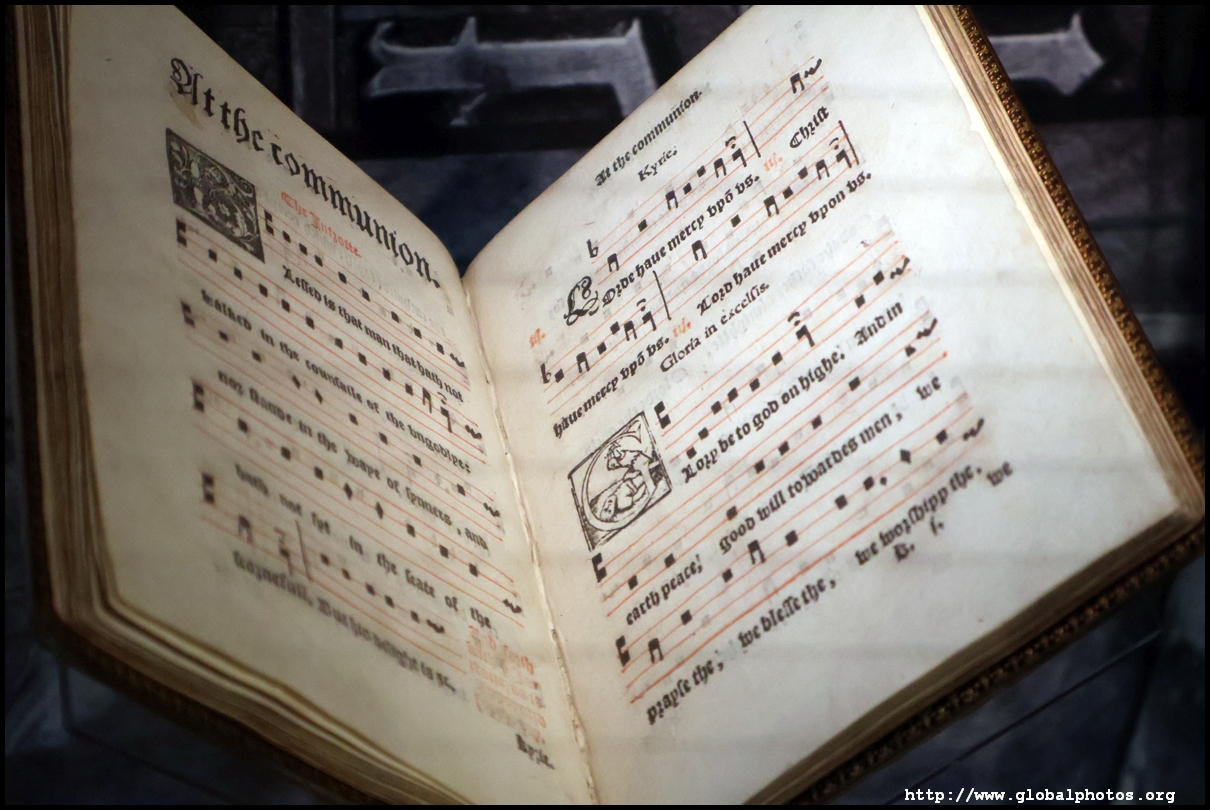
Printing also had its limitations. Music symbols were initially manually added after printing, and by the 1520s, each note could be a single type with a section of stave attached.
Caxton's publications didn't have the features we take for granted today, such as title pages and numbering.
| |
To re-use these photos, please notify me by email : asiaglobe@yahoo.com.hk.