London Photo Gallery - V&A East Museum (more)
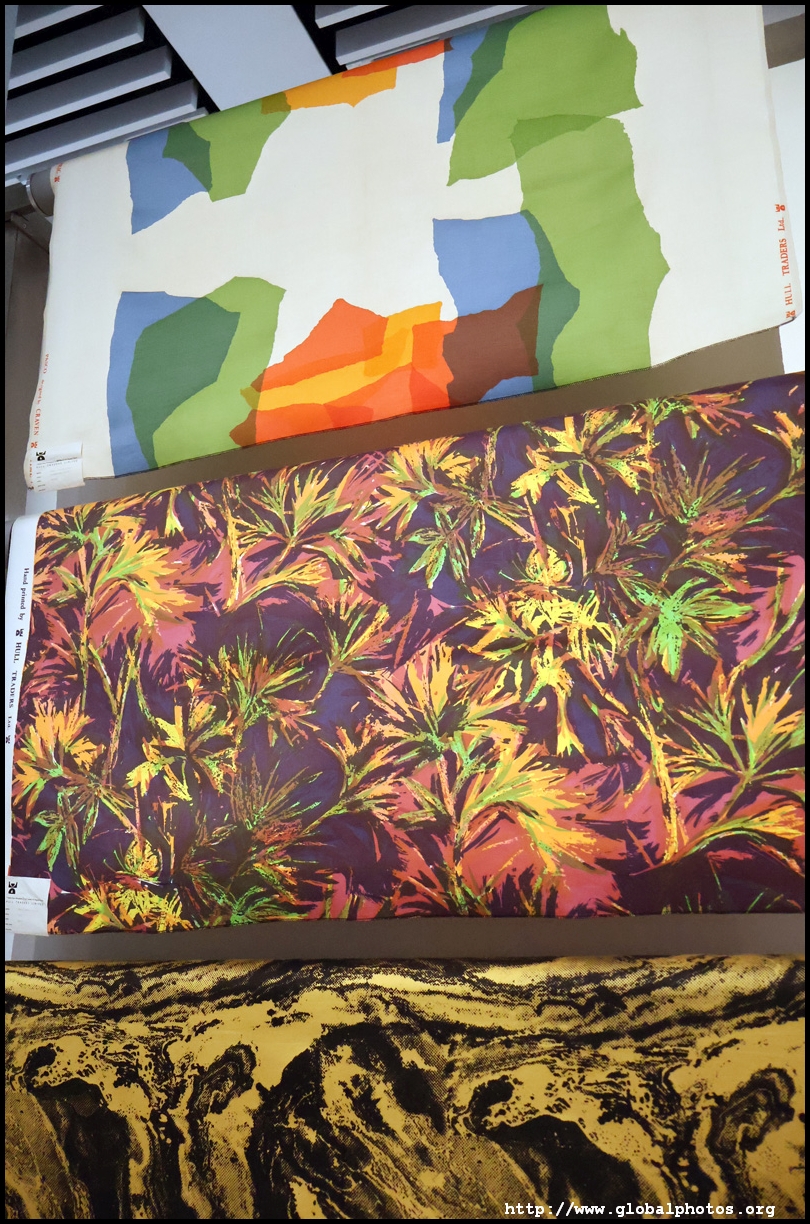
Complementing the Storehouse that opened the previous year, the V&A East in Queen Elizabeth Olympic Park opened in April 2026.The permanent gallery, "Why We Make", explores different forms of creativity across 2 floors. The items are arranged by theme, and not period, and cover more modern topics such as social justice and environmentalism. Continuing downstairs ... Hull Traders is a textile manufacturer that allowed young designers to experiment screen printing technologies. Here are some examples from the 1960s.
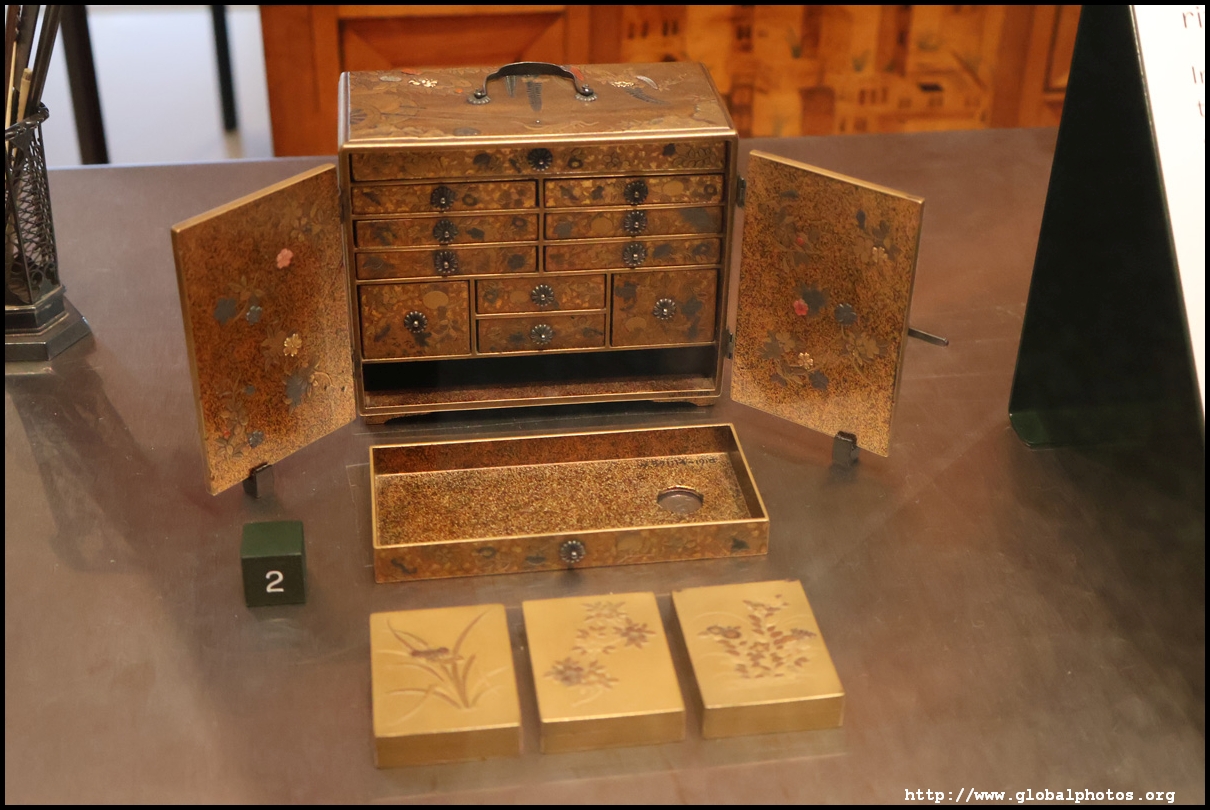
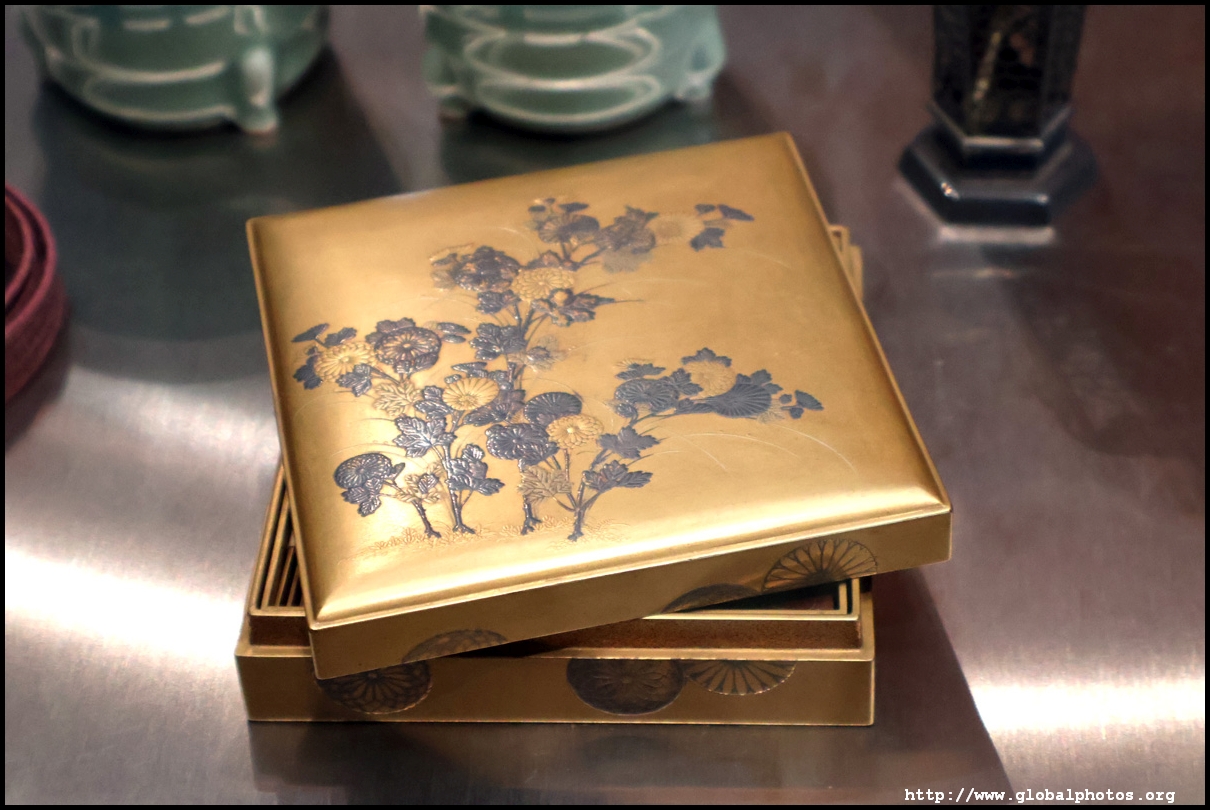
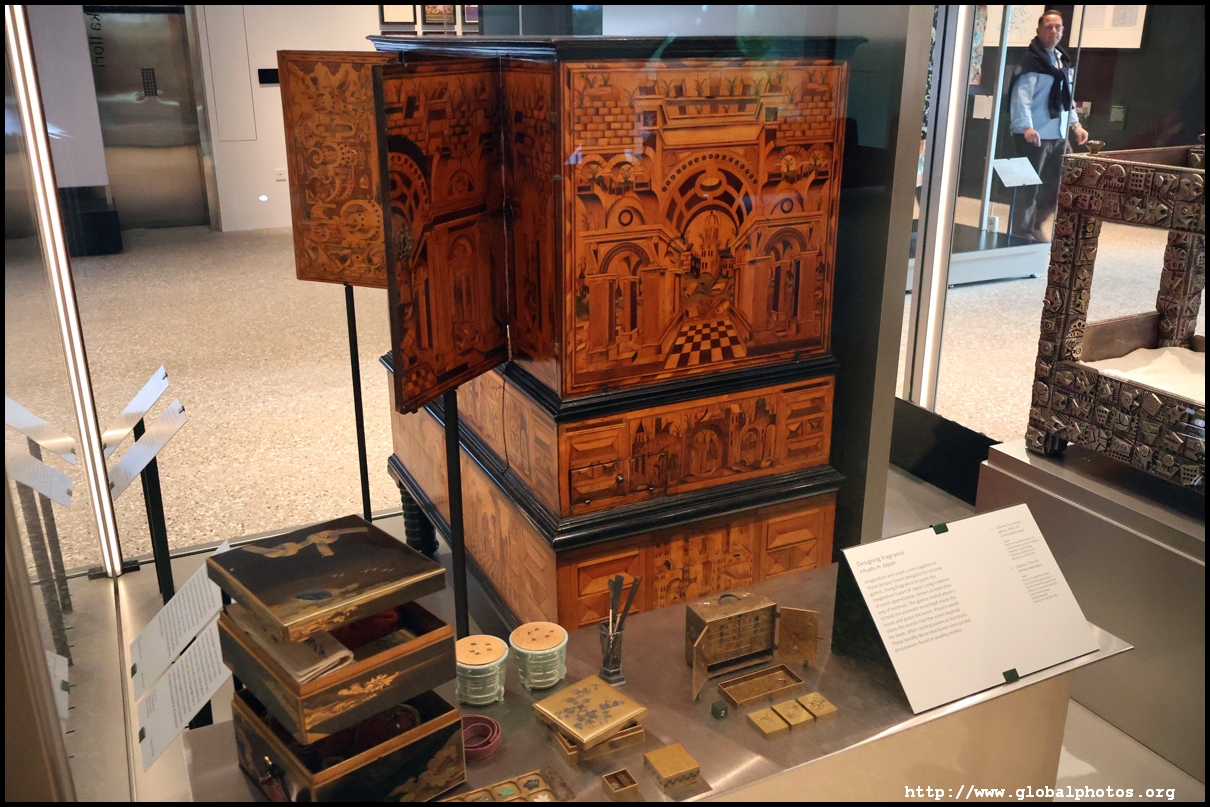
These lacquer boxes are used for incense games amongst the wealthy. Players heat the aromatic wood inside the boxes and guess the scent. During the process, they share stories of what the scent means to them, such as reciting poems or literature.
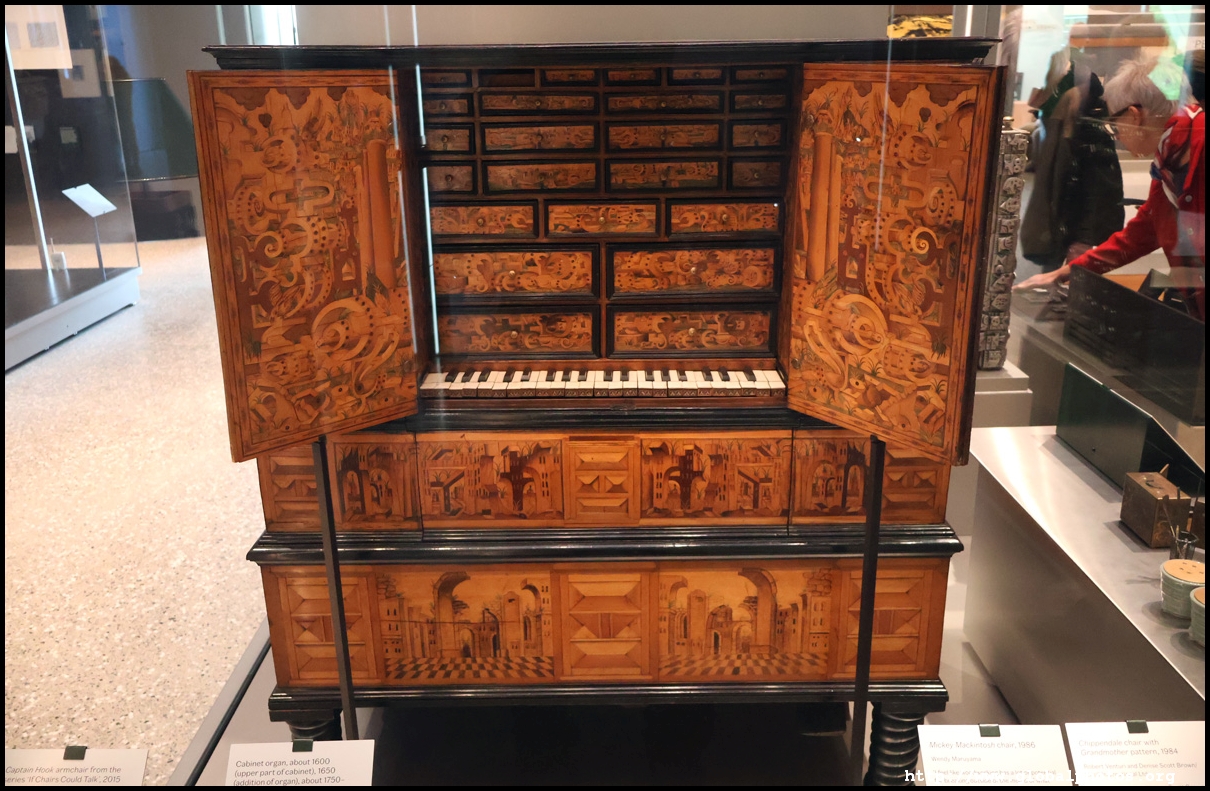
This decorative cabinet organ was popular in rich people's homes in the 17th and 18th century. It not only provided storage space, but also became a conversational showpiece at social gatherings.
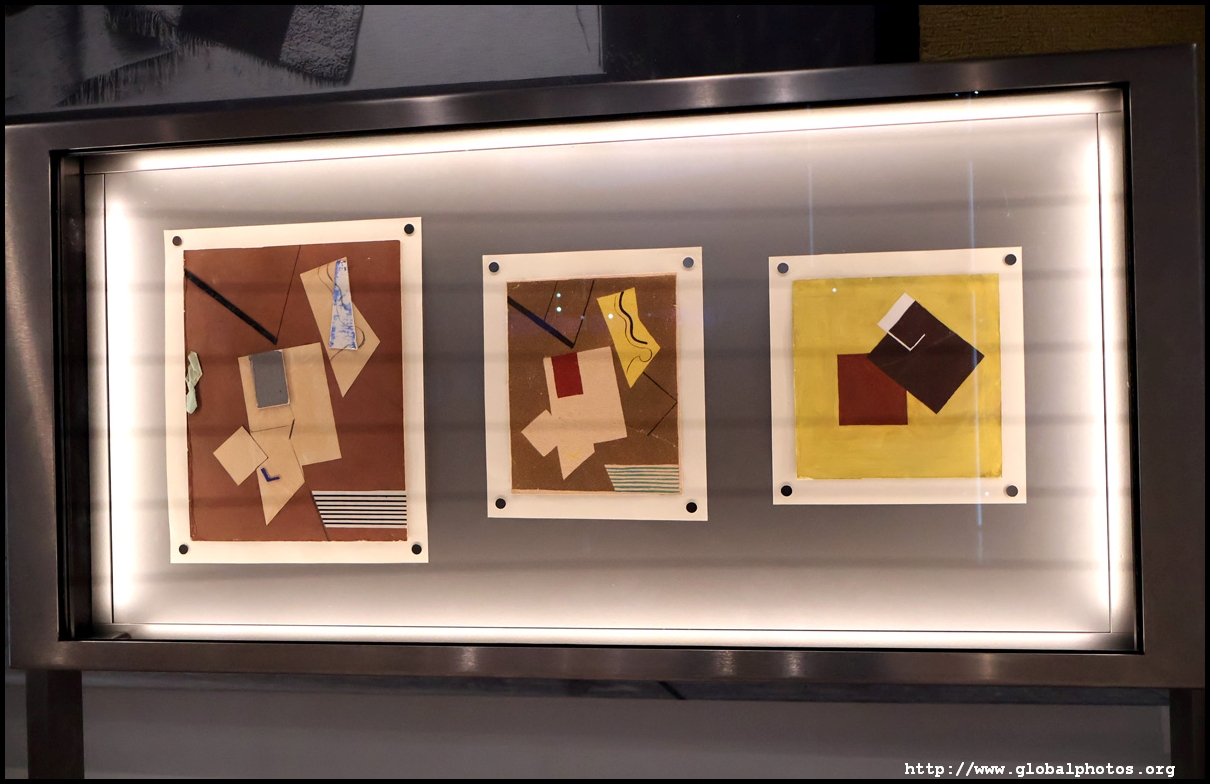
Eileen Gray had an unconventional approach to designing and producing rugs, which look like paintings. She collaborated with a textile designer to create these handwoven rugs in the 1920s.
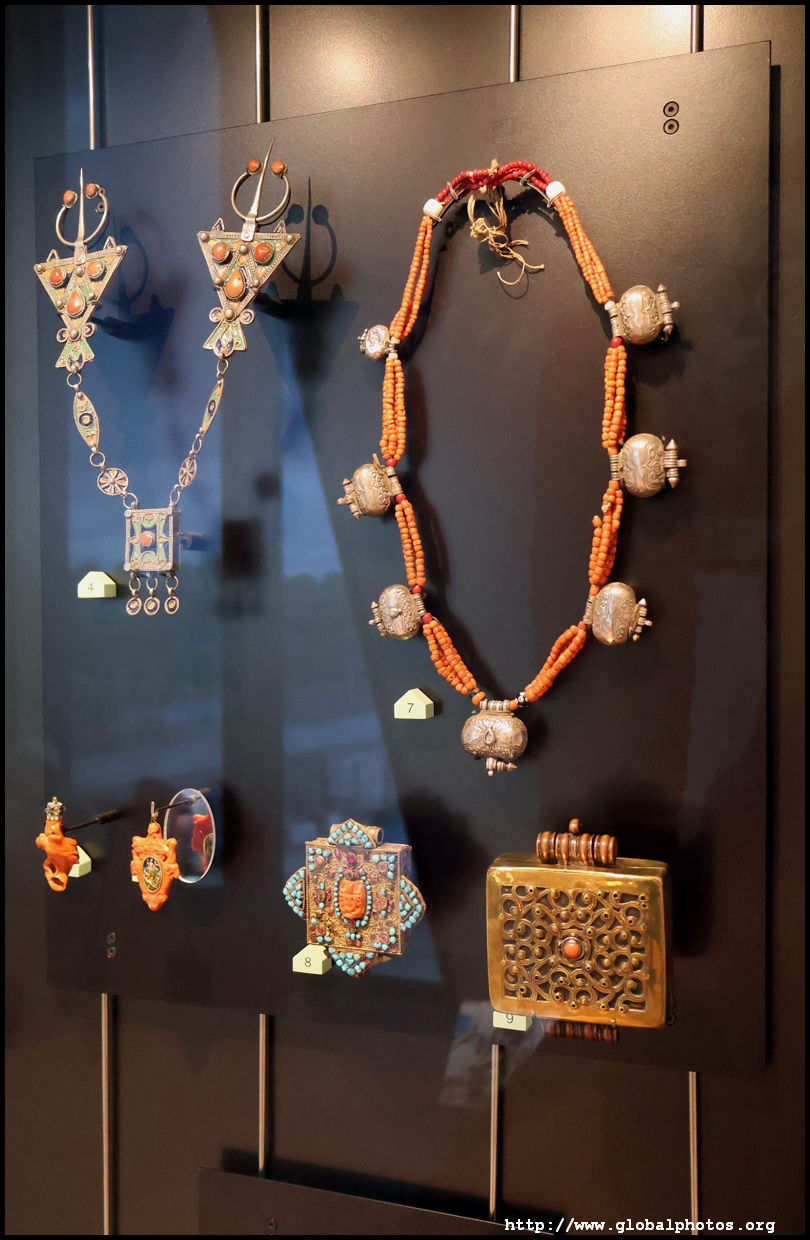
Before modern medicine, people believed foul air caused disease, so people kept scent cases with sweet-smelling items such as cloves, cinnamon, or frankincense to counter the bad smells and ward off disease.
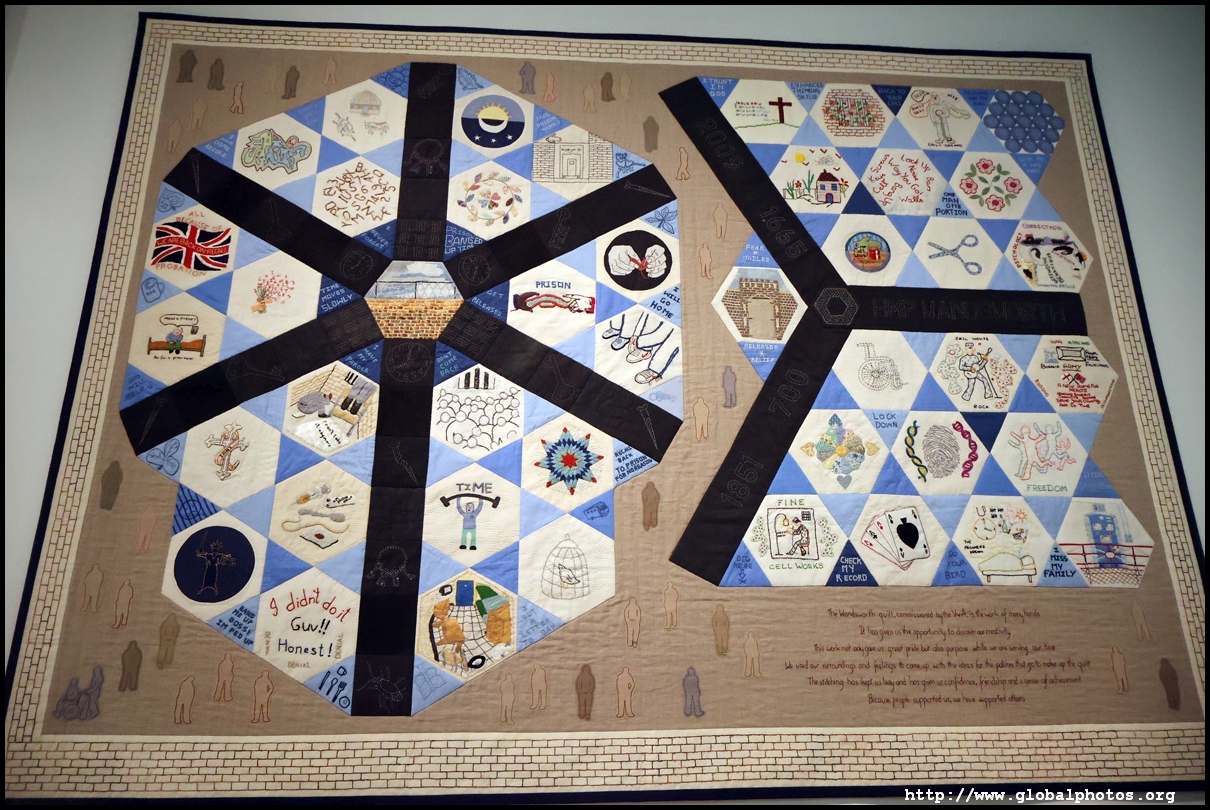
This quilt was produced by 52 men at Wandsworth Prison in 2010, with each covering a hexagon.
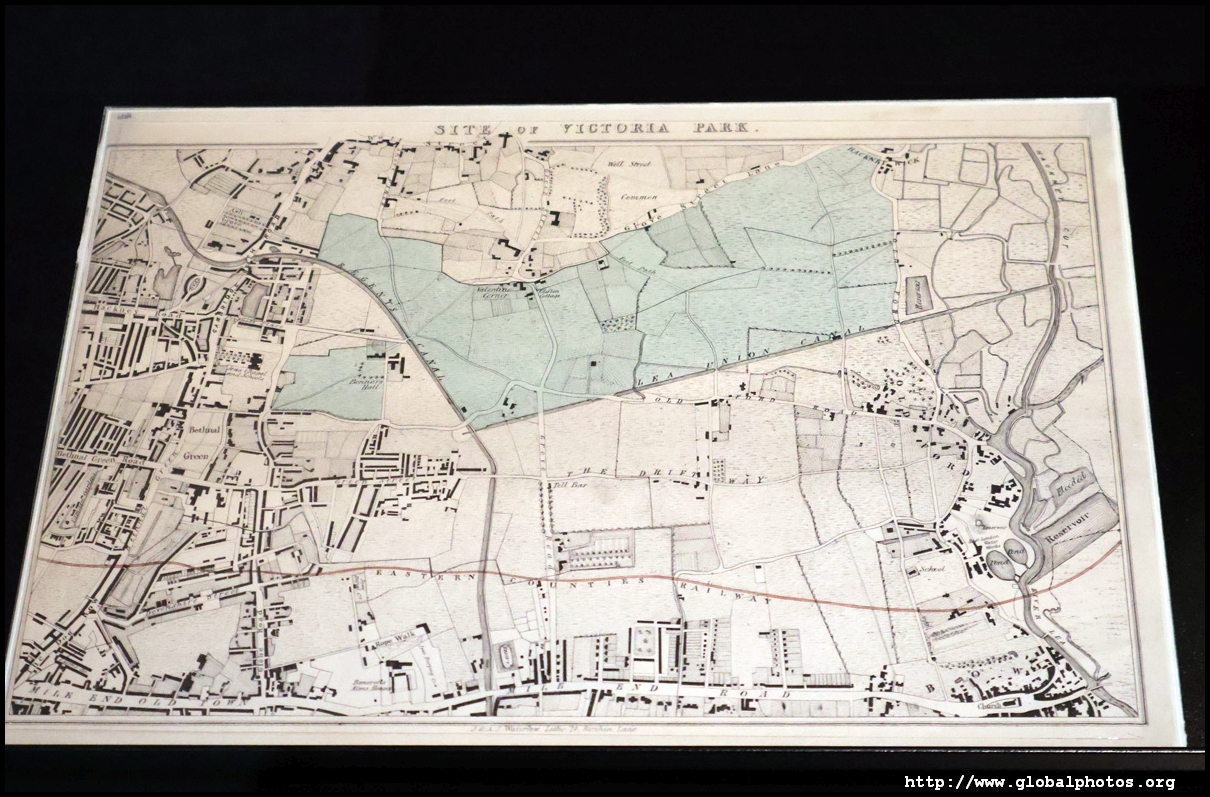
Victoria Park was the city's first purpose-built public park when it was created in 1845. The advocacy at the time was such green spaces offer fresh air in dense working class areas, and over 30,000 petitioned to create the "people's park".
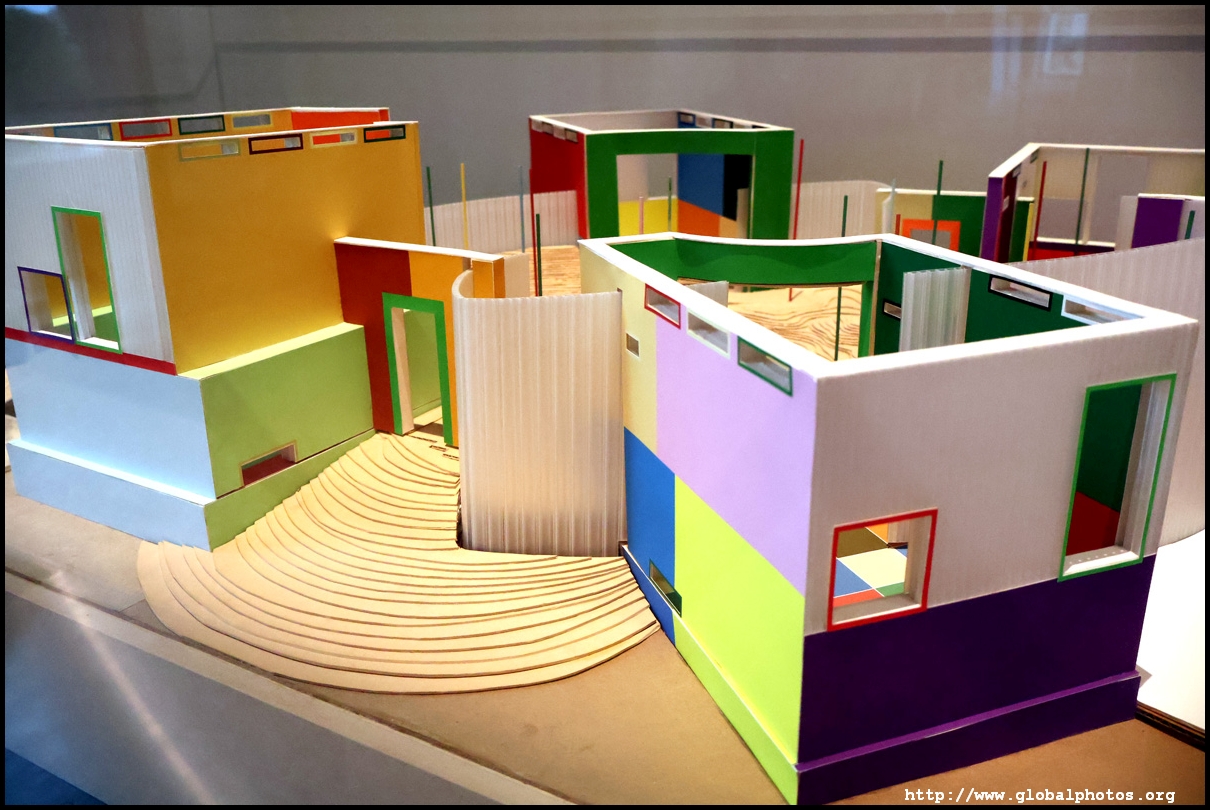
This is a model of Bioscleave House, which underscores the idea that changing the environment surrounding you will lead to changing yourself as well. It was designed with many physical obstacles to keep residents' senses on fire so to boost their immunity and life expectancy.
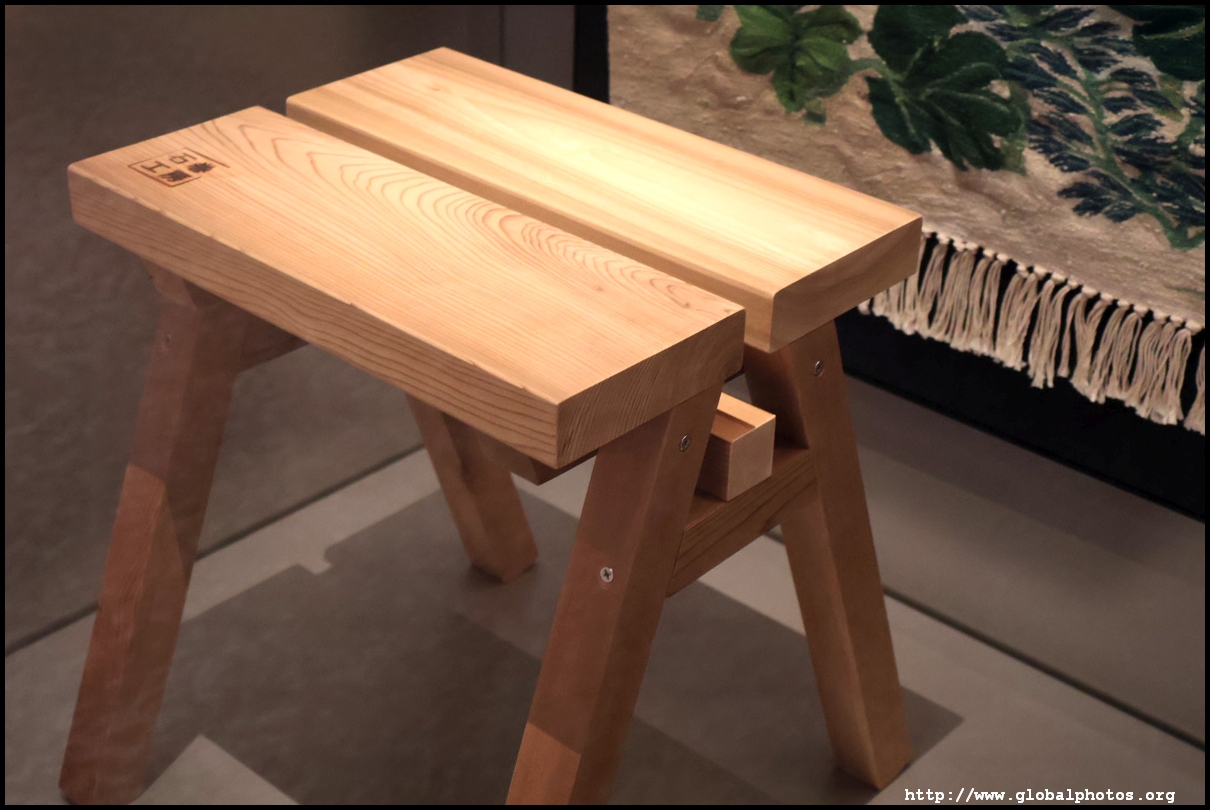
Following the 2011 Tohoku earthquake and tsunami, the Ishinomaki Laboratory was created as a workshop for affected local residents to build and repair furniture, such as this simple stool. You don't need to be an expert engineer to make this.
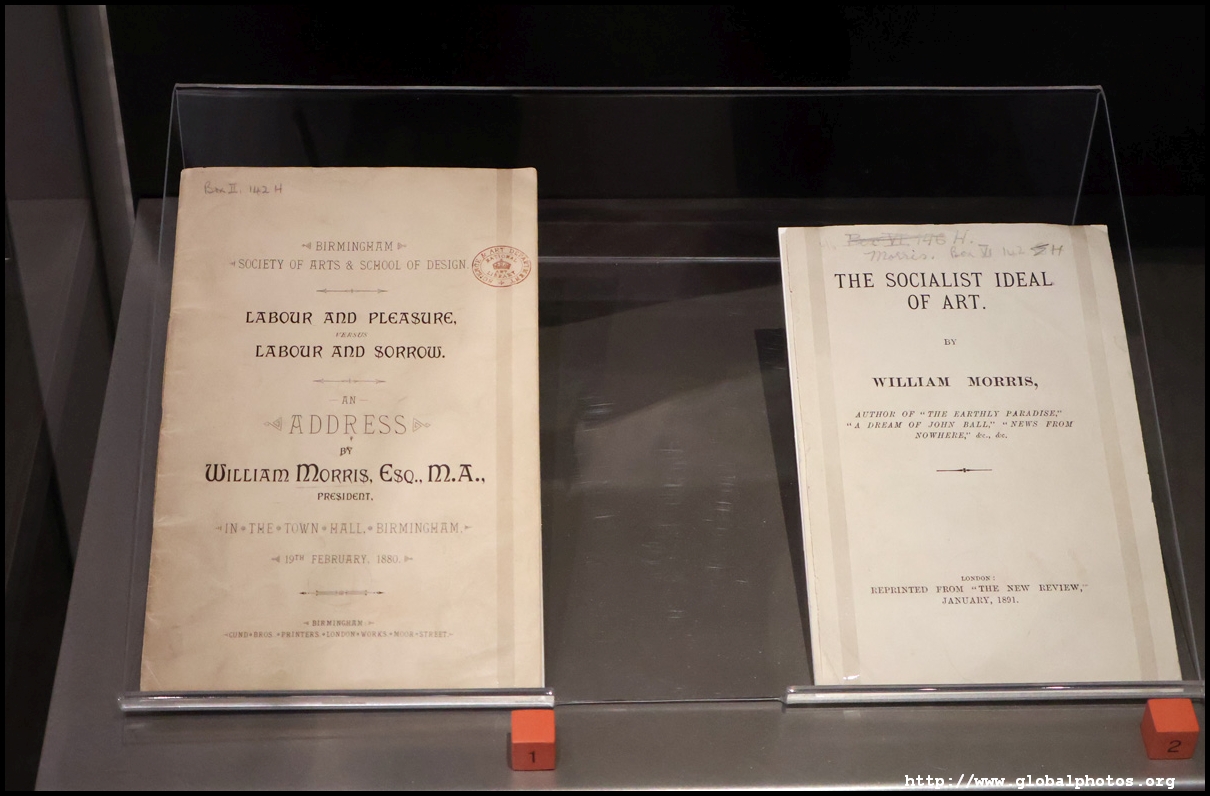
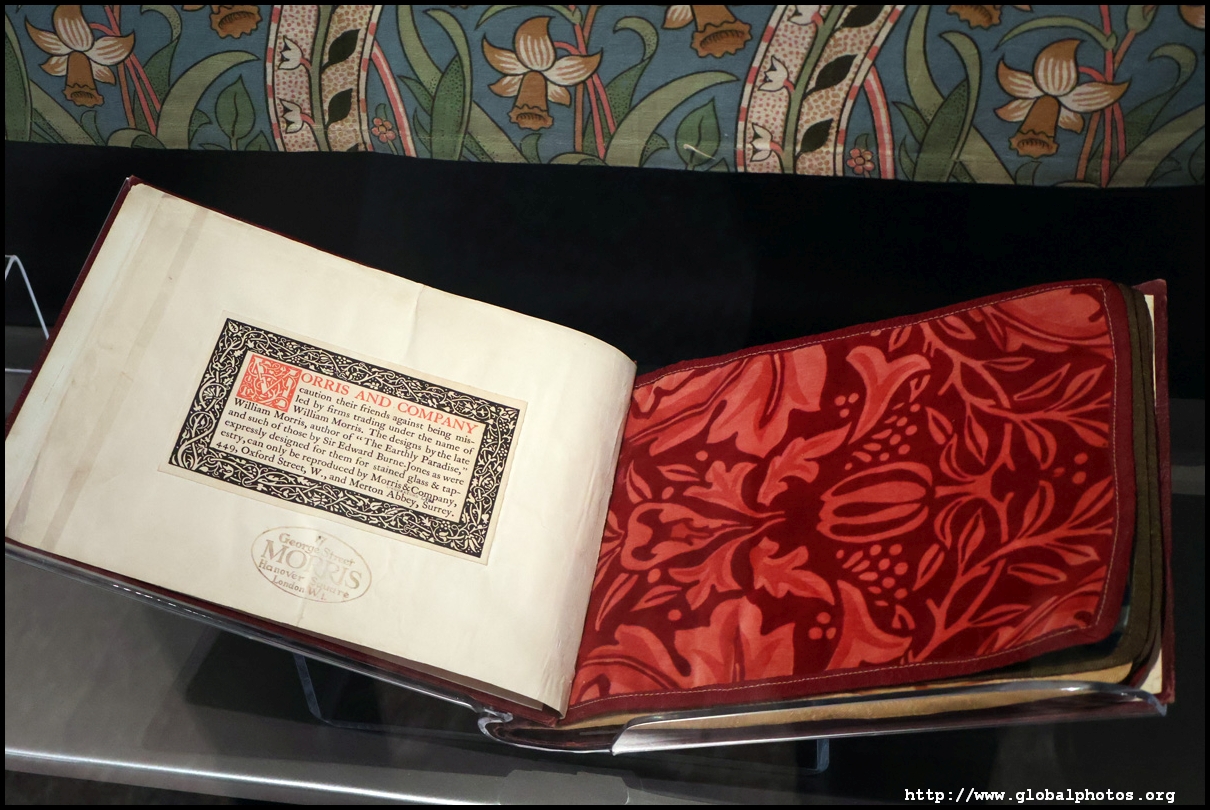
William Morris challenged industrial mass production and became a critic of poor working conditions, advocating hand-made goods and fair wages. His design firm moved from central London to Merton Abbey Mills in 1881, offering staff more spacious workshops and living conditions.
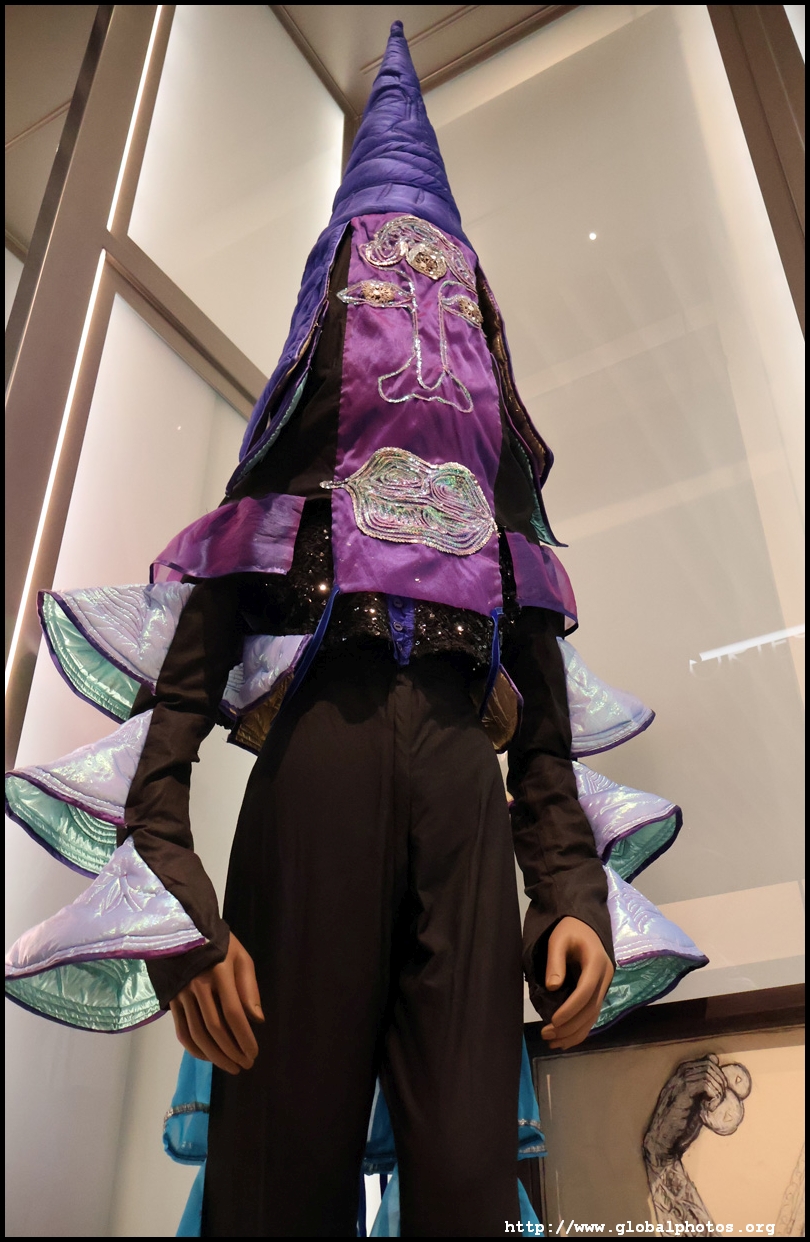
Keith Khan created this costume for himself at the Preston Carnival in 1988, inspired by his Trinidadian Indian roots.
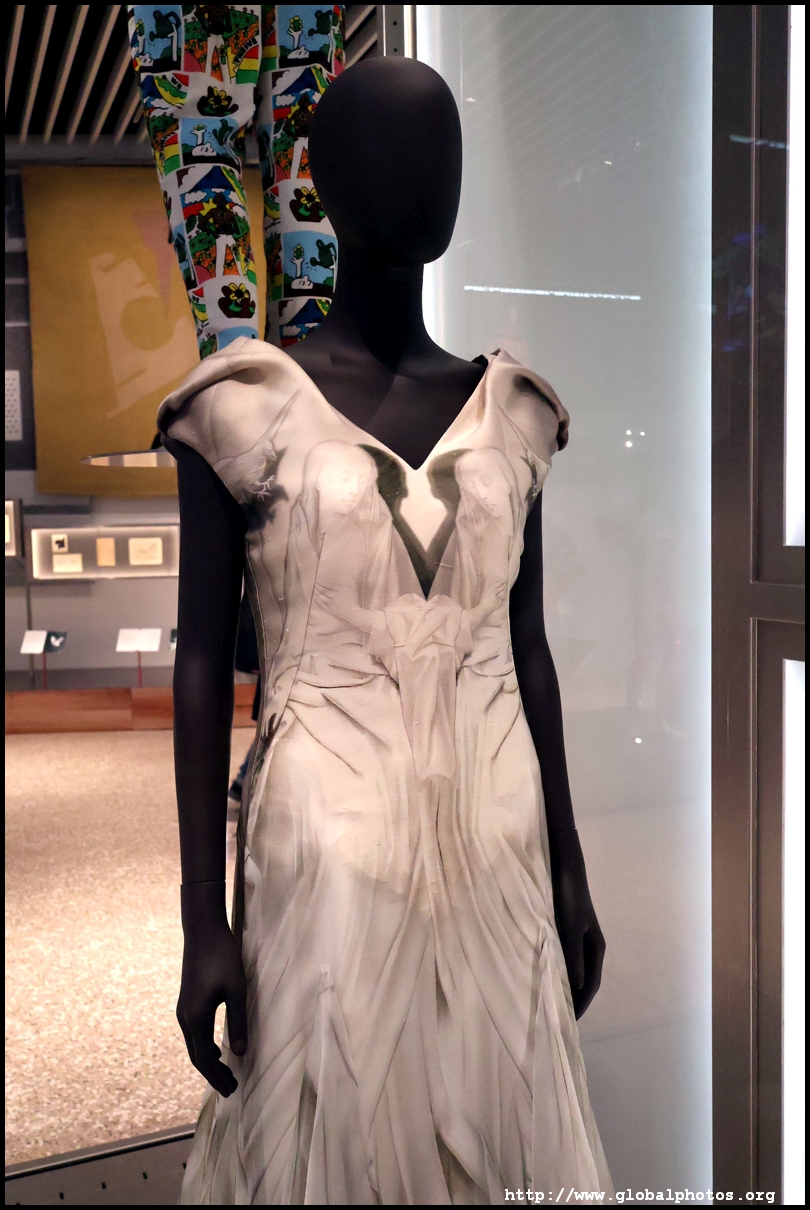
Alexander McQueen was famous for shocking and incredible clothes, with this piece from 2010 covered with Christian religious art.
Ron Hitchins lived at 43 Malvern Road for 65 years in the east end. He decorated his home into a living work of art.
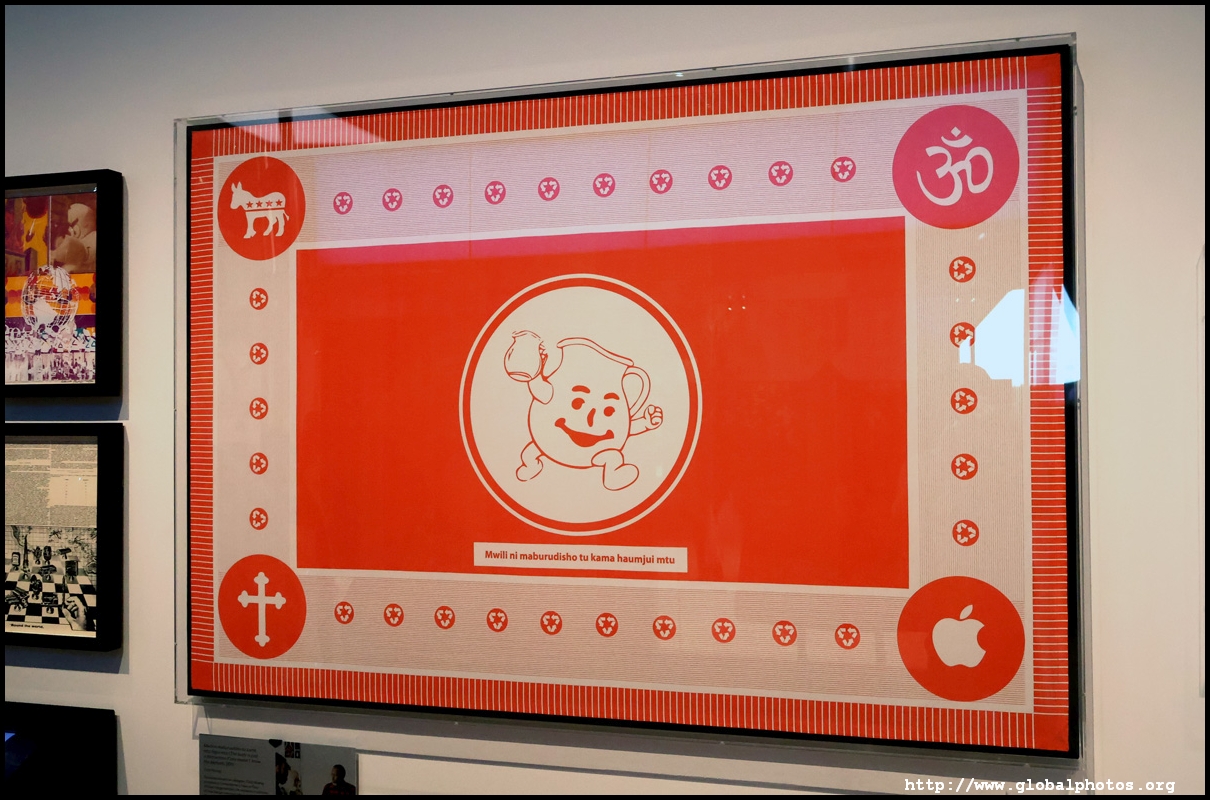
This 2011 work by Tanzanian-American designer Ziddi Msangi features ingredients in his ideological Kool-Aid.
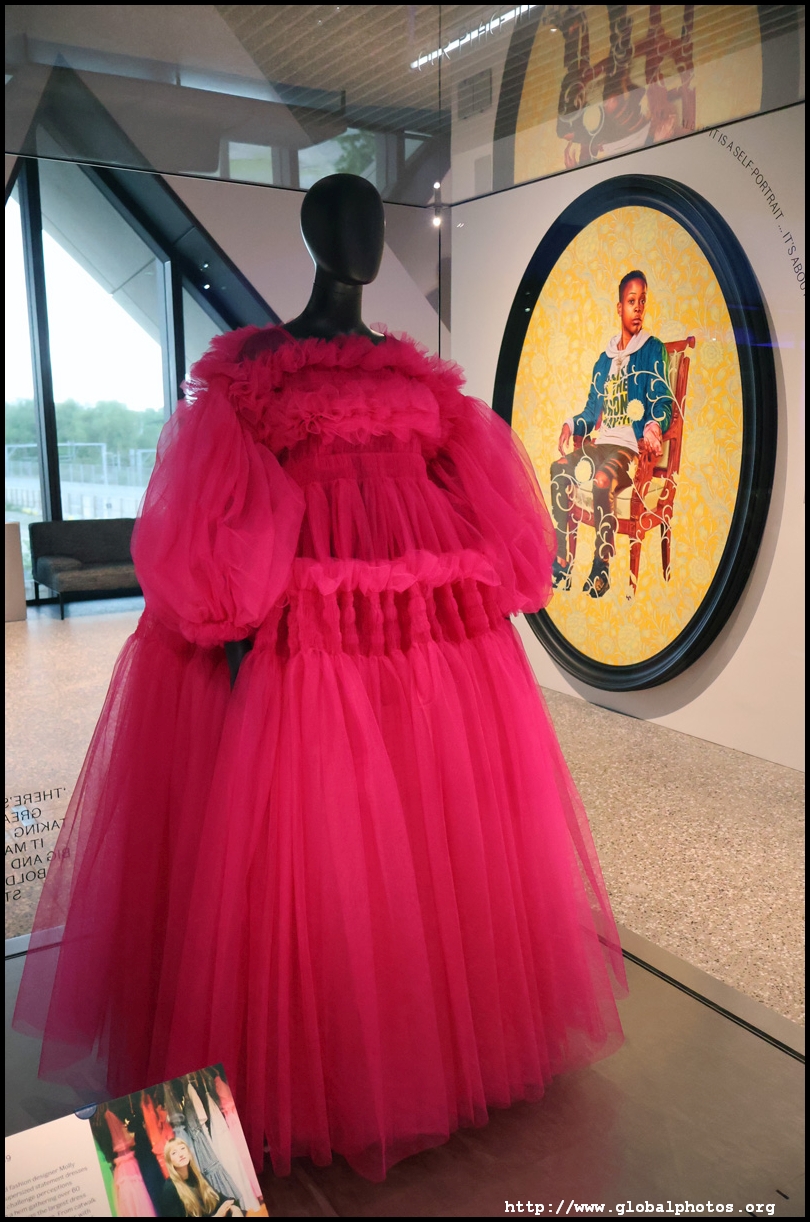
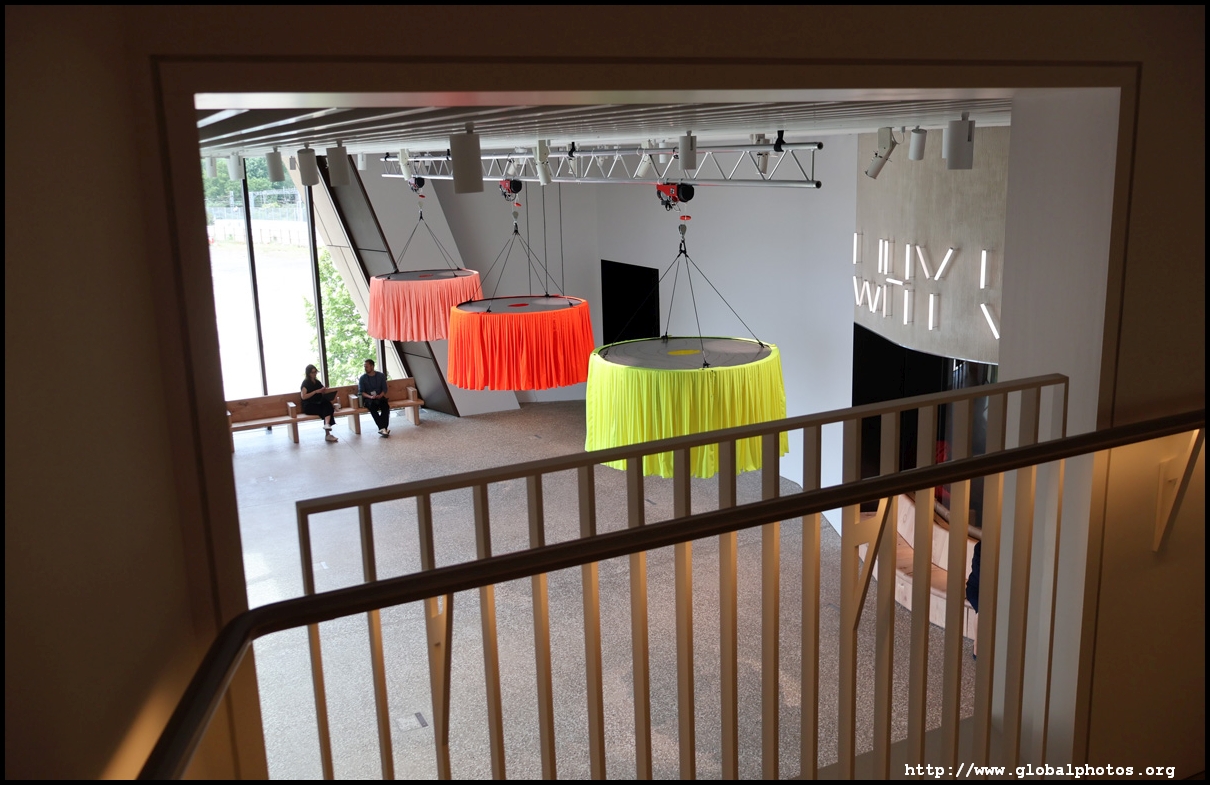
Molly Goddard designed super-sized dresses in bright colours to challenge perceptions of femininity, Even Beyonce wore one in the film Black is King.
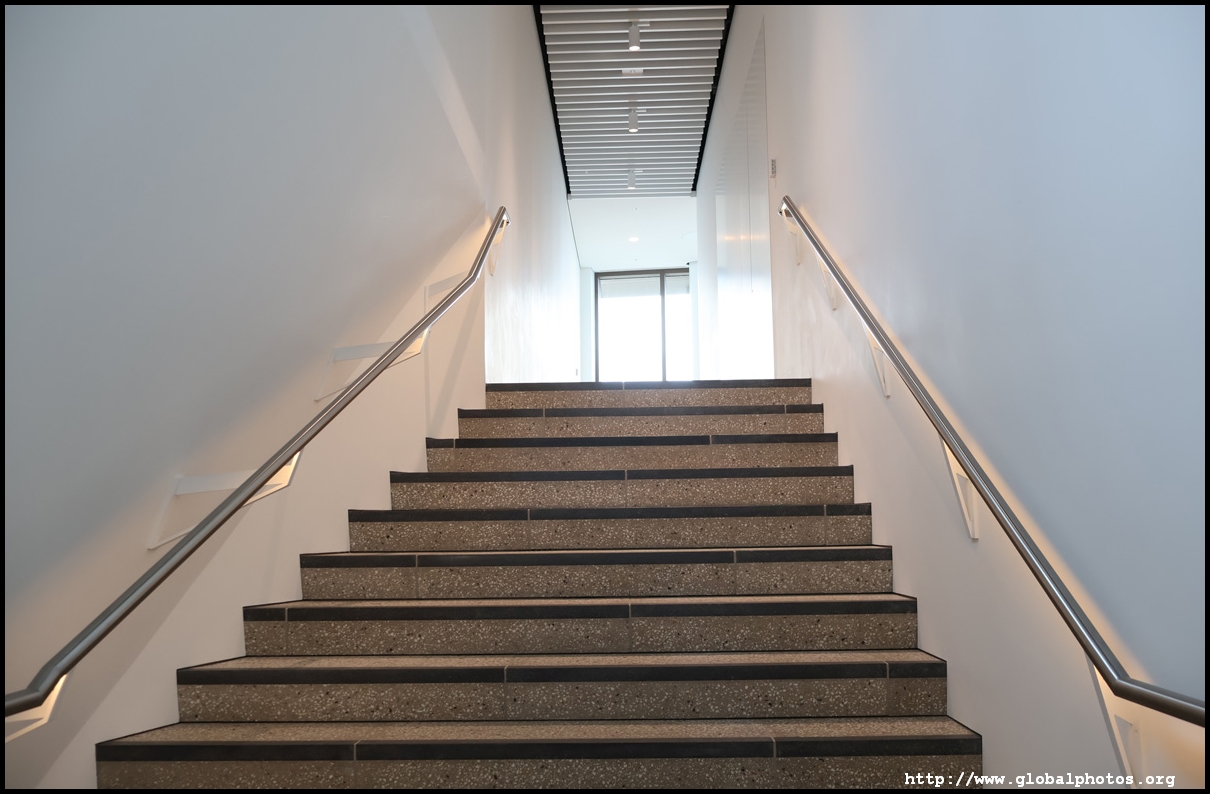
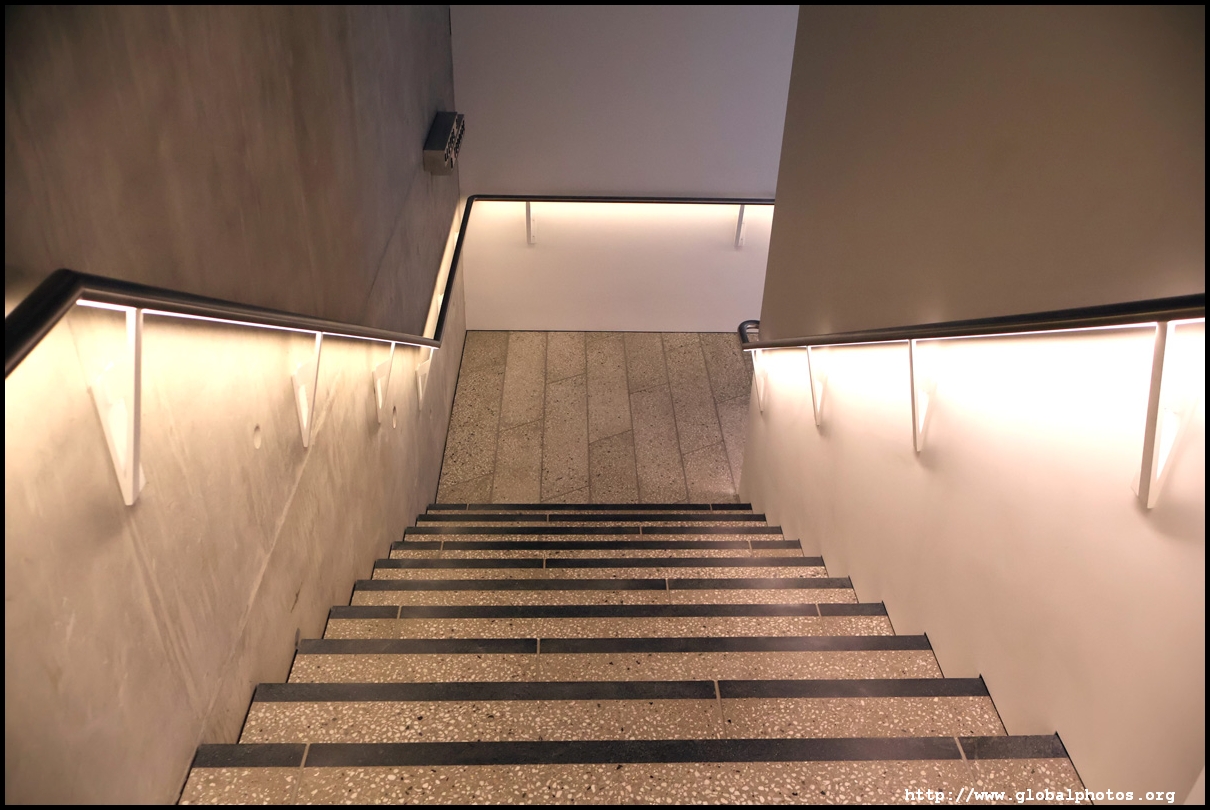
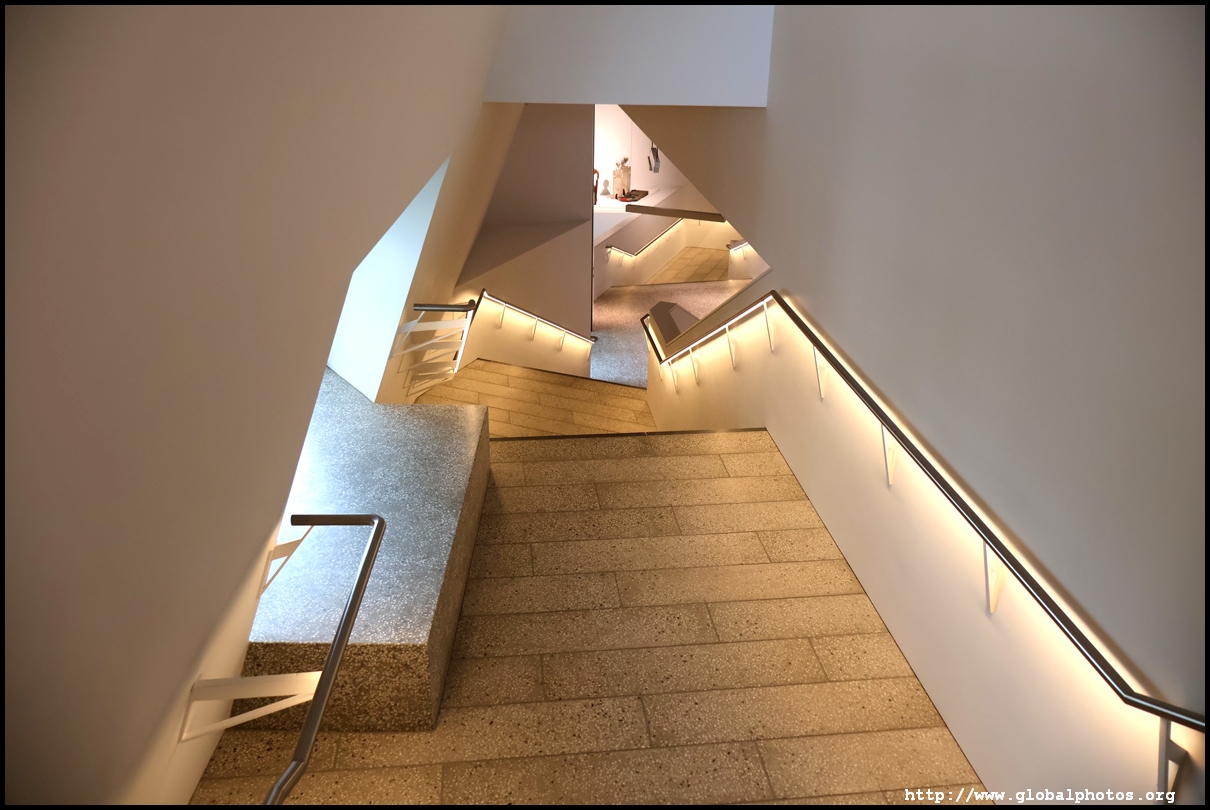
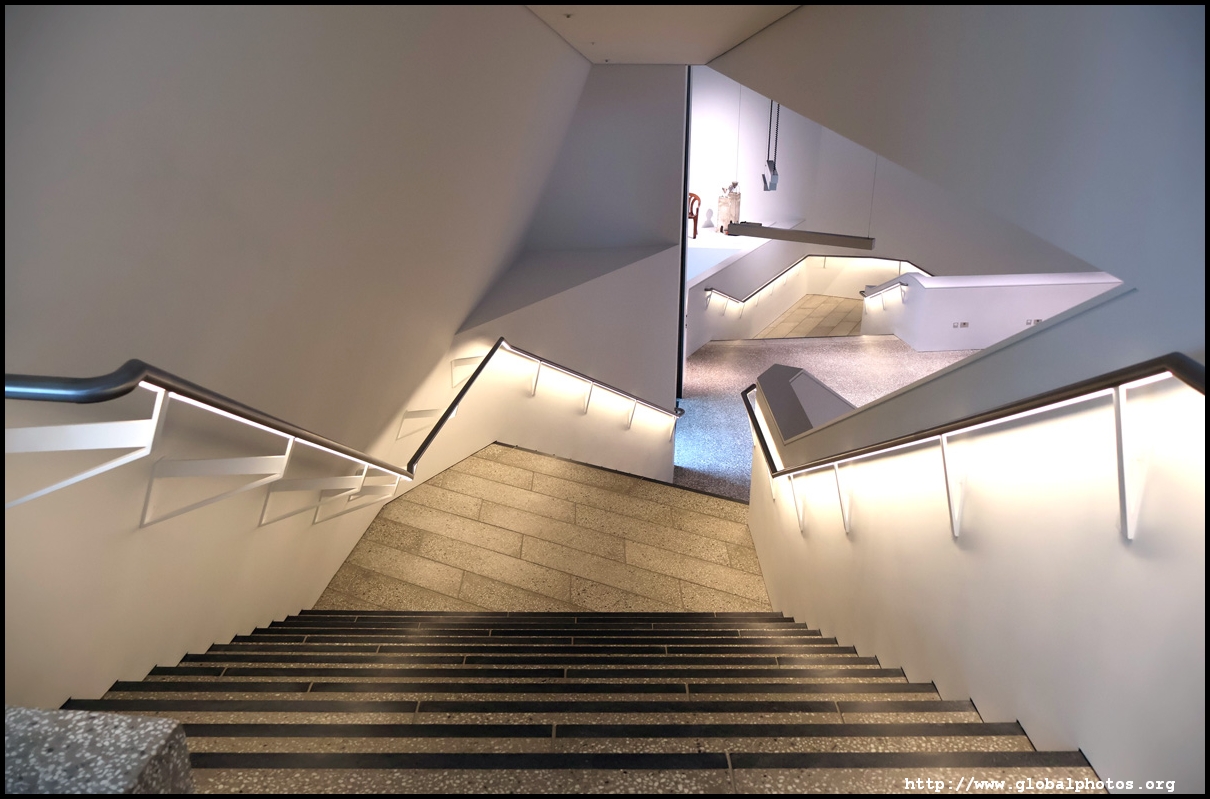
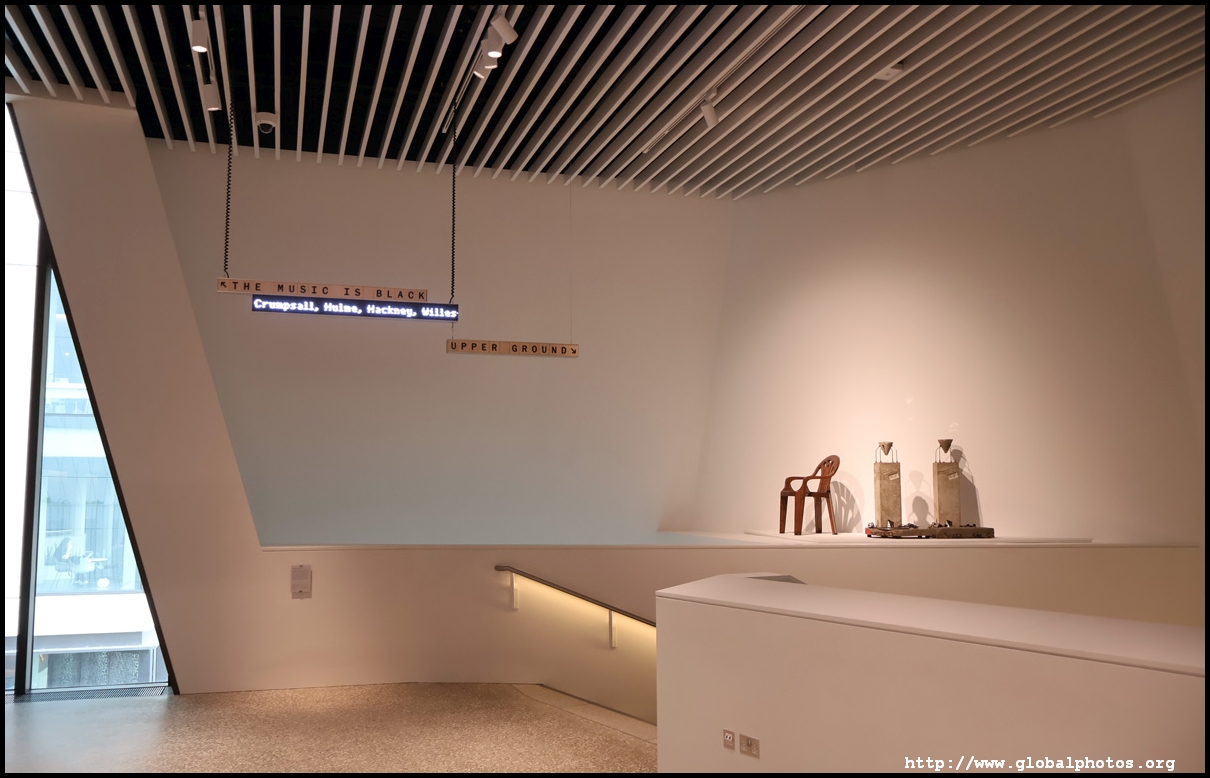
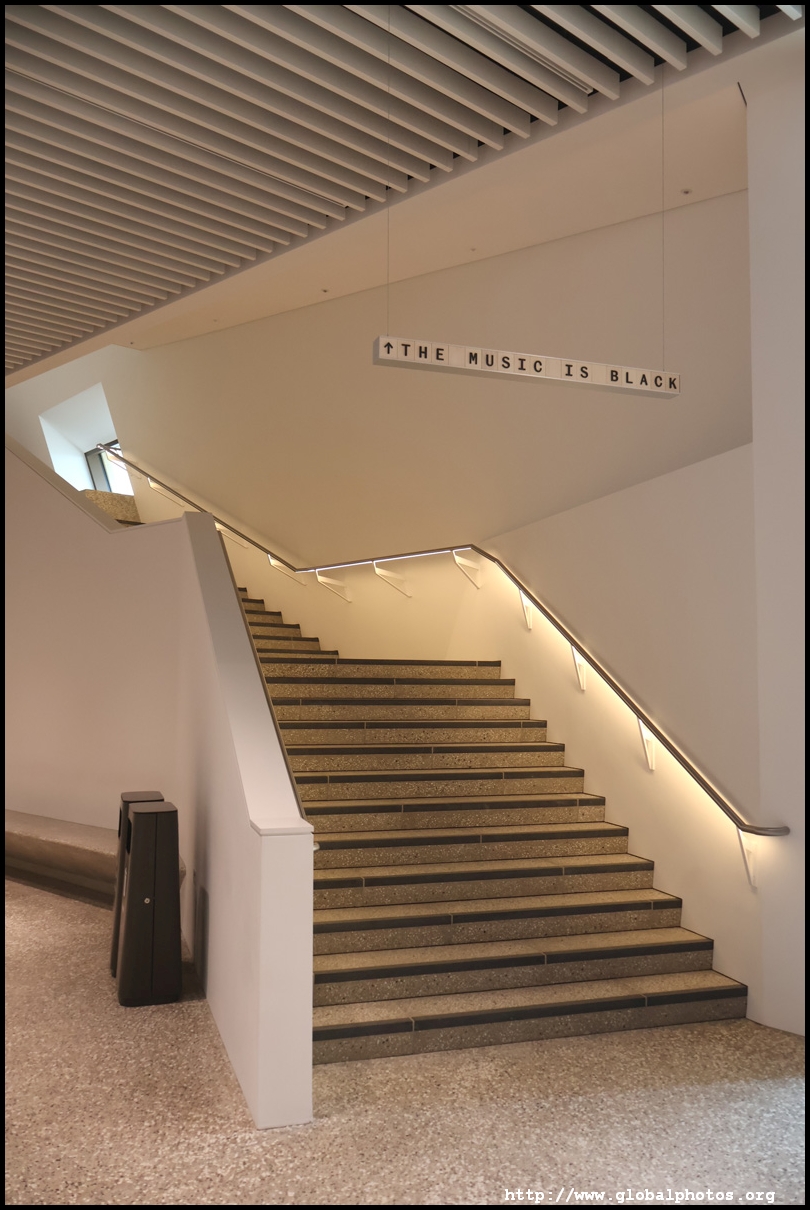
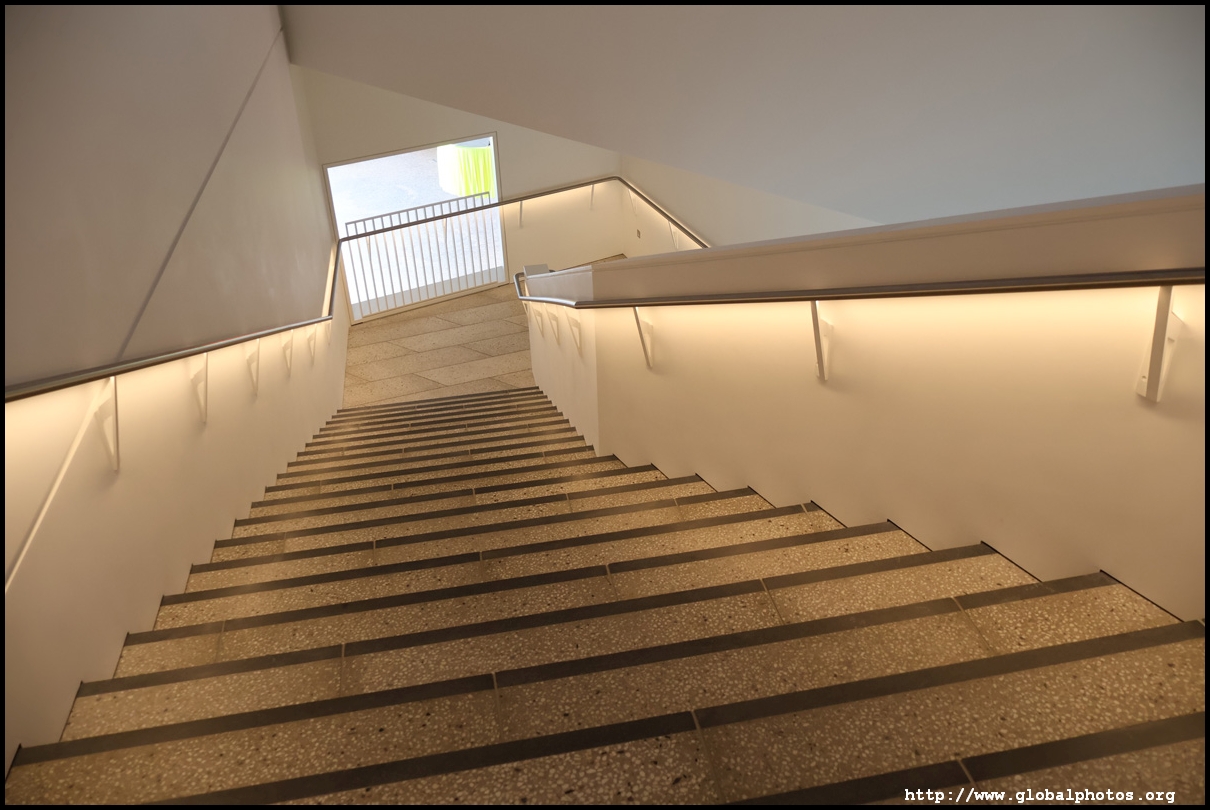
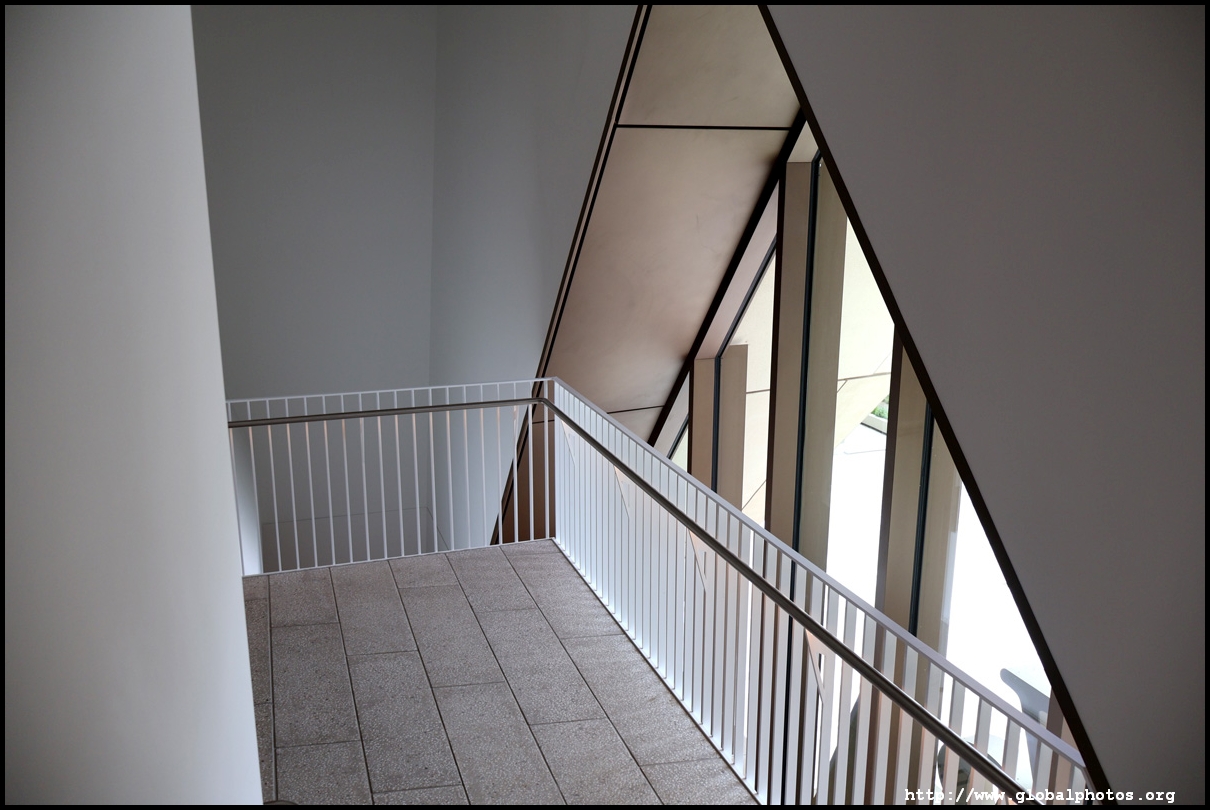
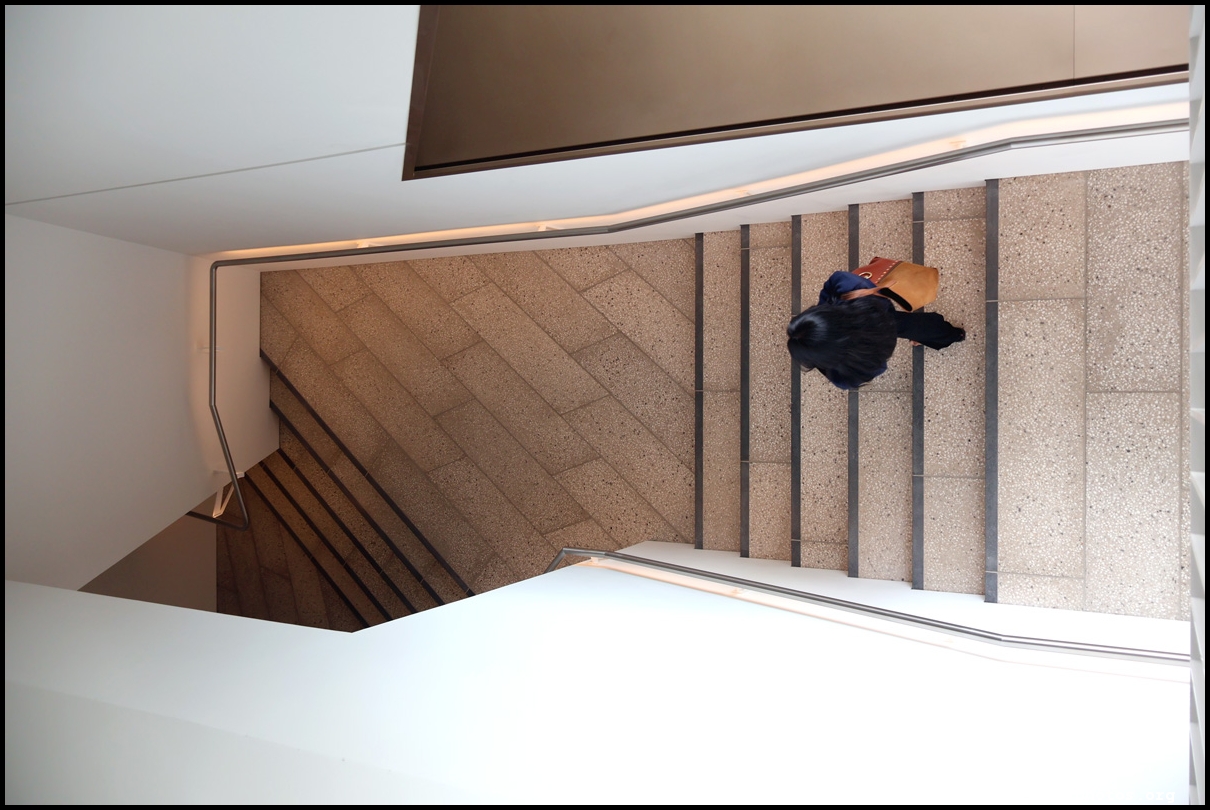
I also enjoyed walking the stairs and corridors to admire the architecture.
Previous part : click here | |||
To re-use these photos, please notify me by email : asiaglobe@yahoo.com.hk.