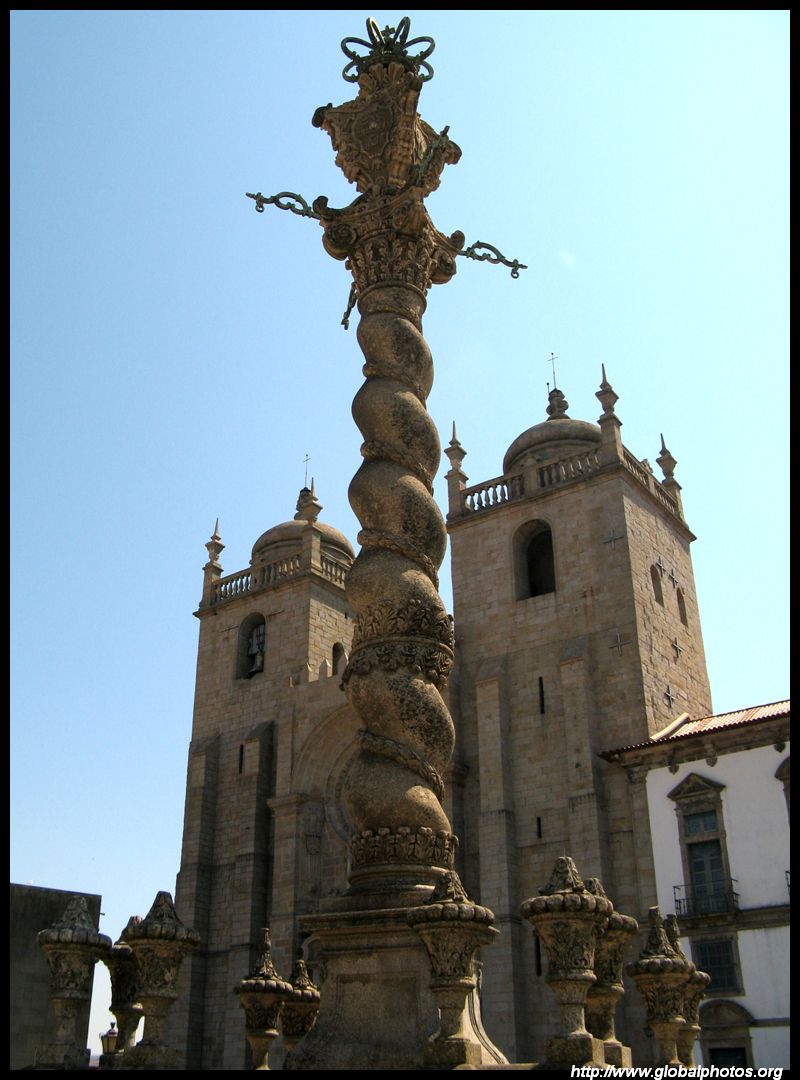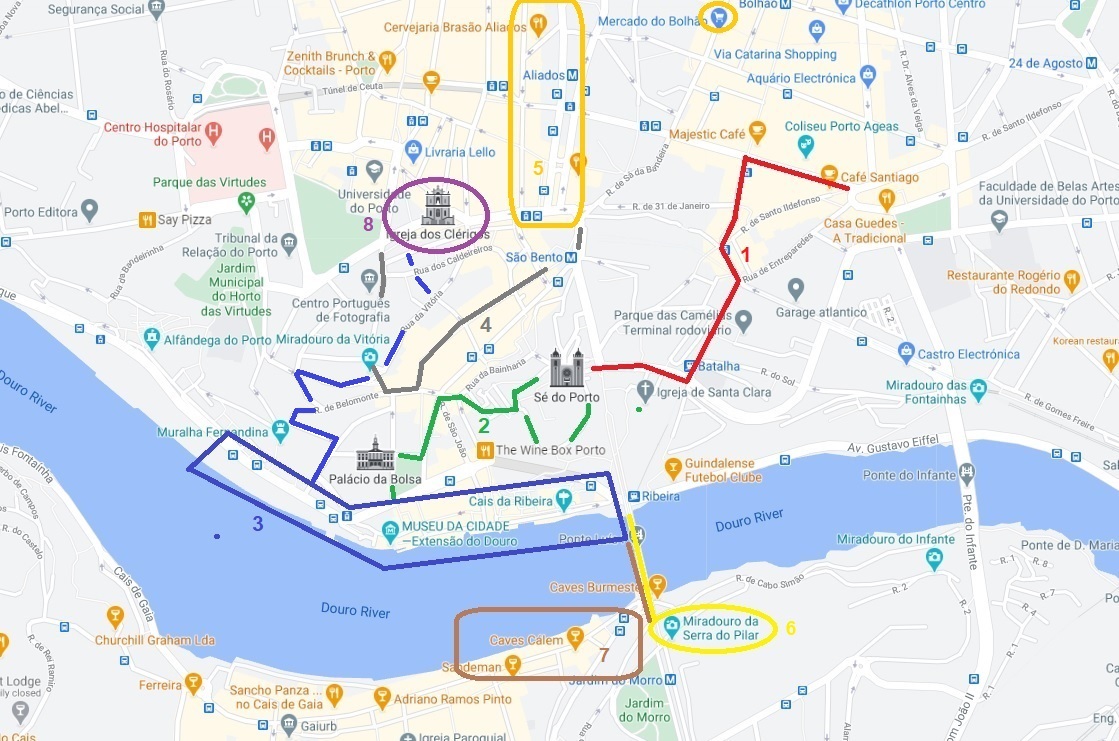
After dropping off my luggage at the hotel, I started my walking tour (#1) heading westwards to the Sé, or cathedral.
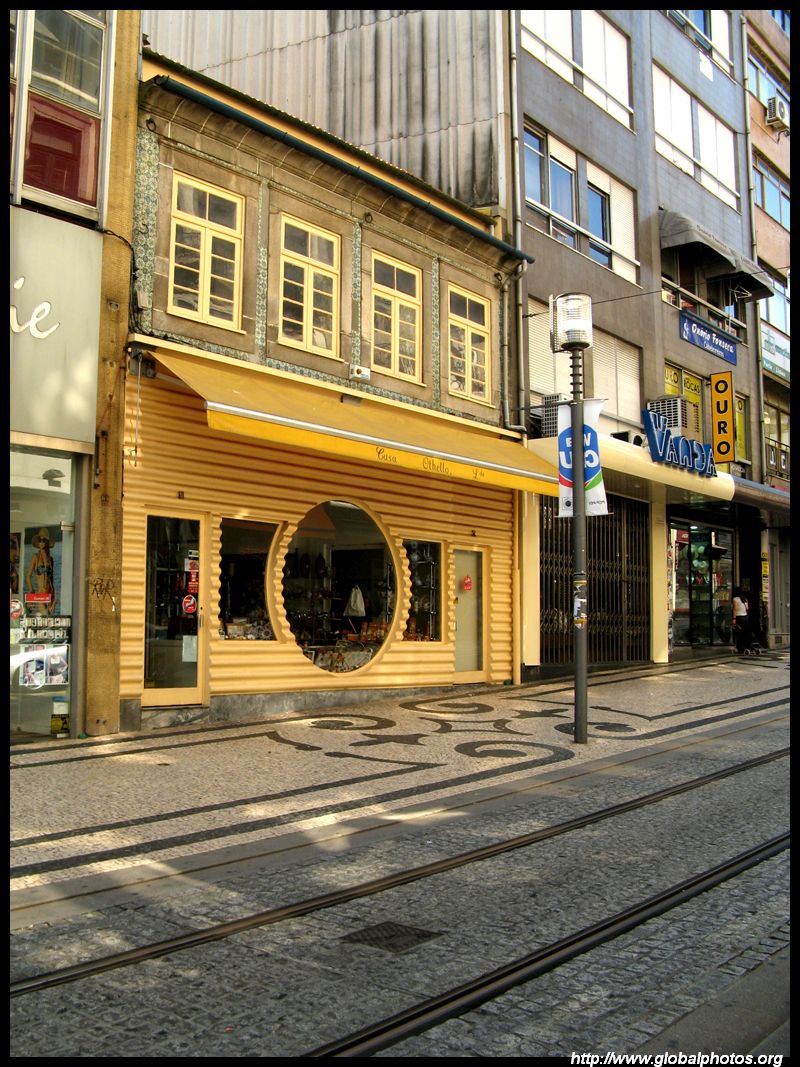
Portuguese cities like to lay mosaic-tiled sidewalks, and their light colours reflect the bright sunshine while illuminating the streetscapes with its interesting designs.
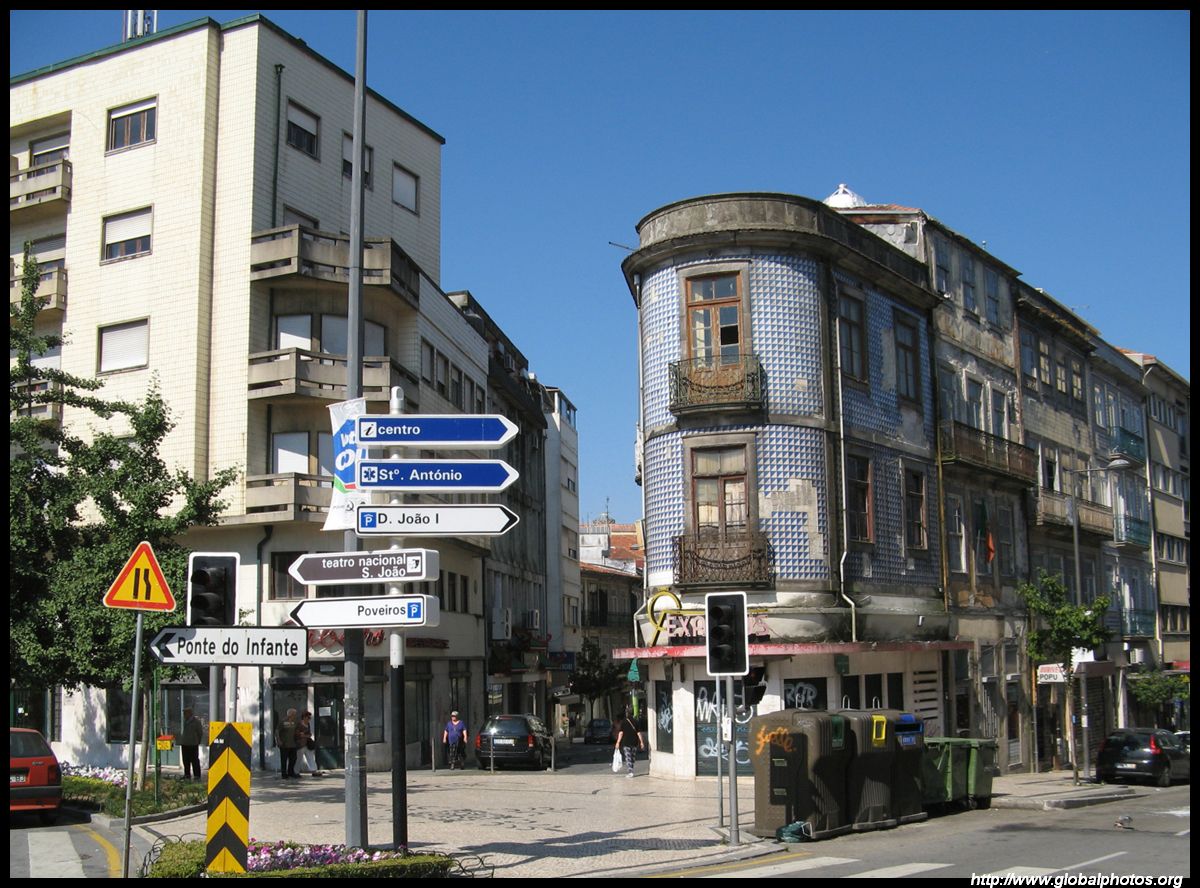
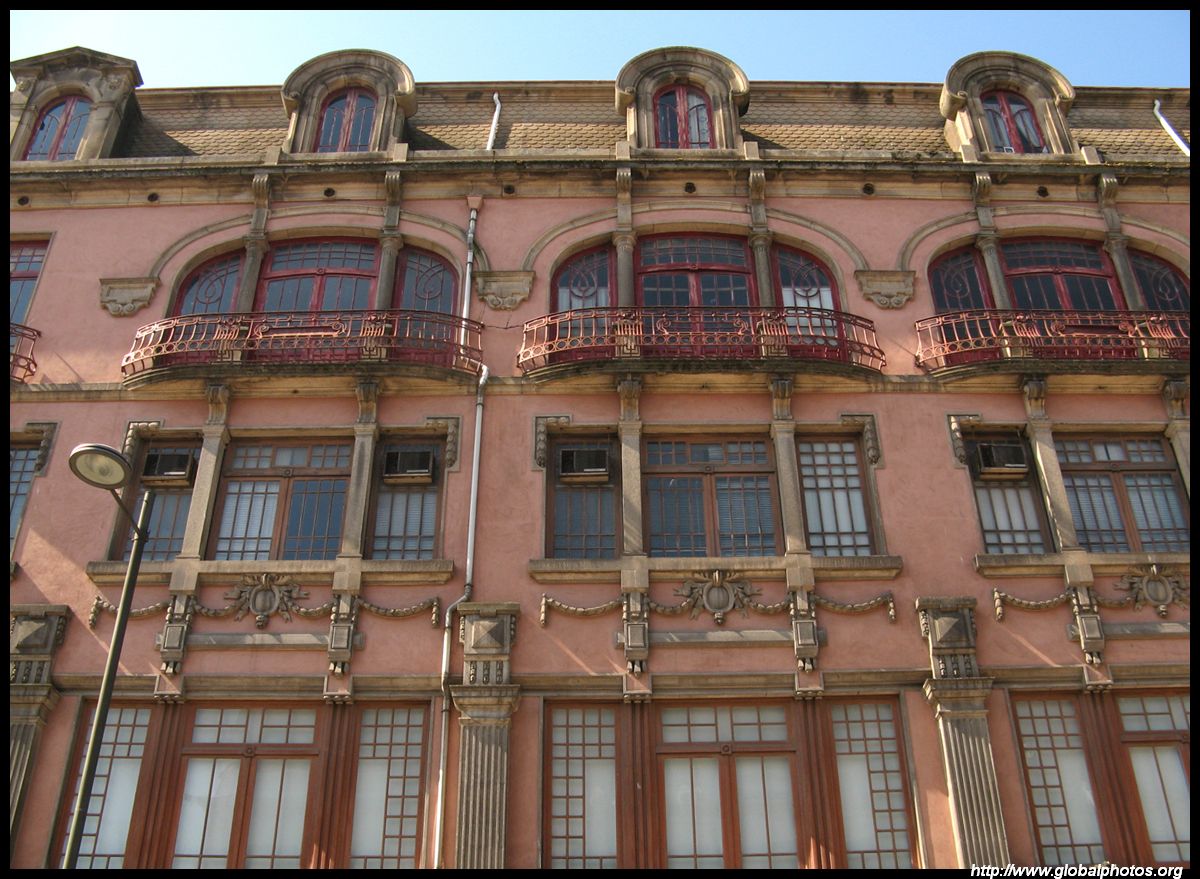
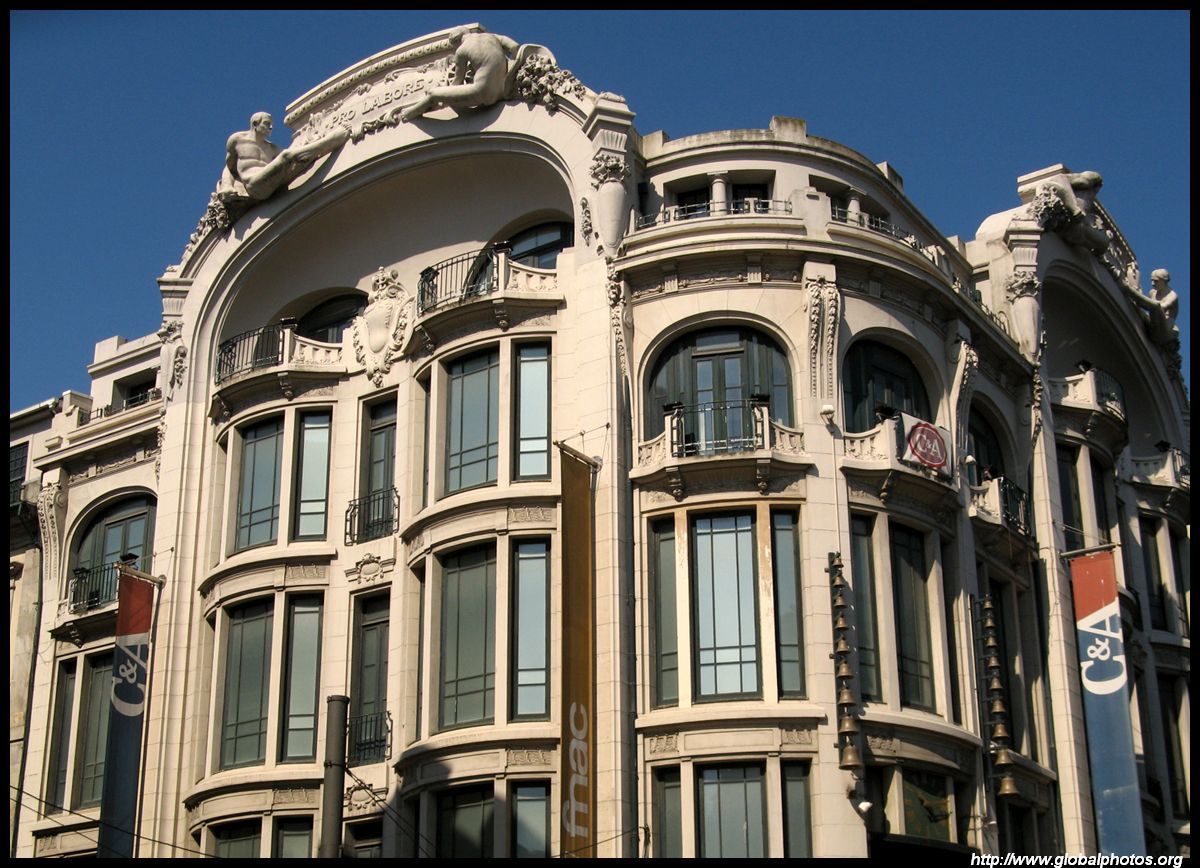
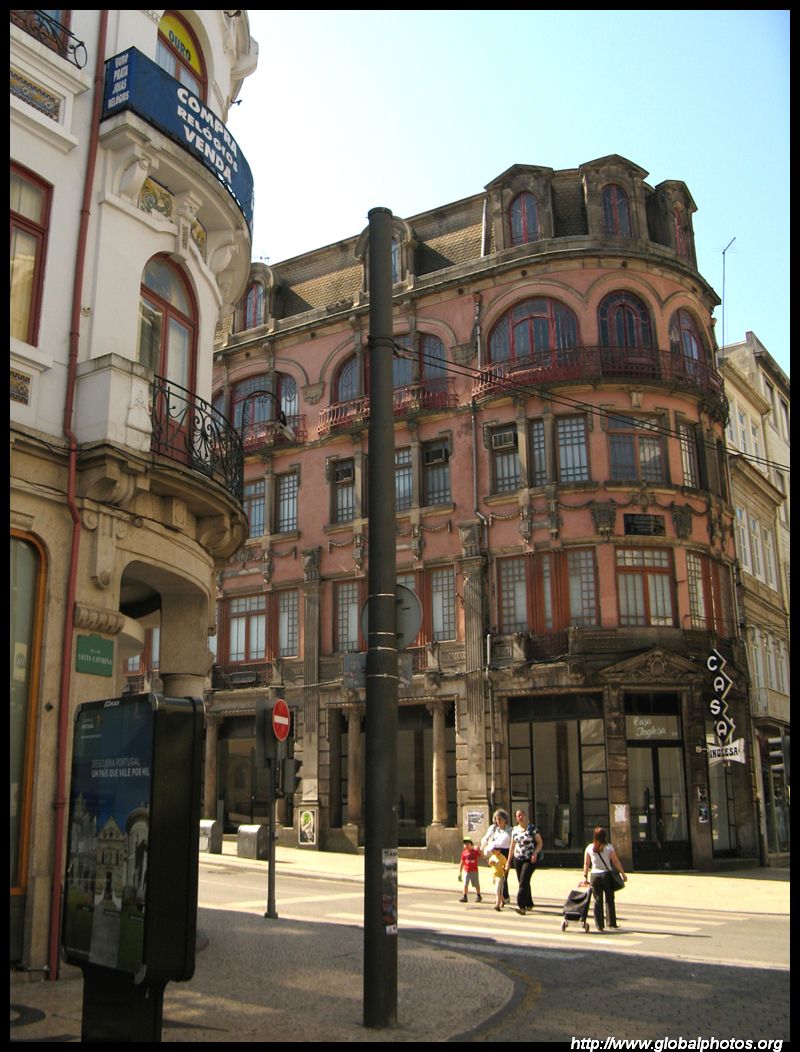
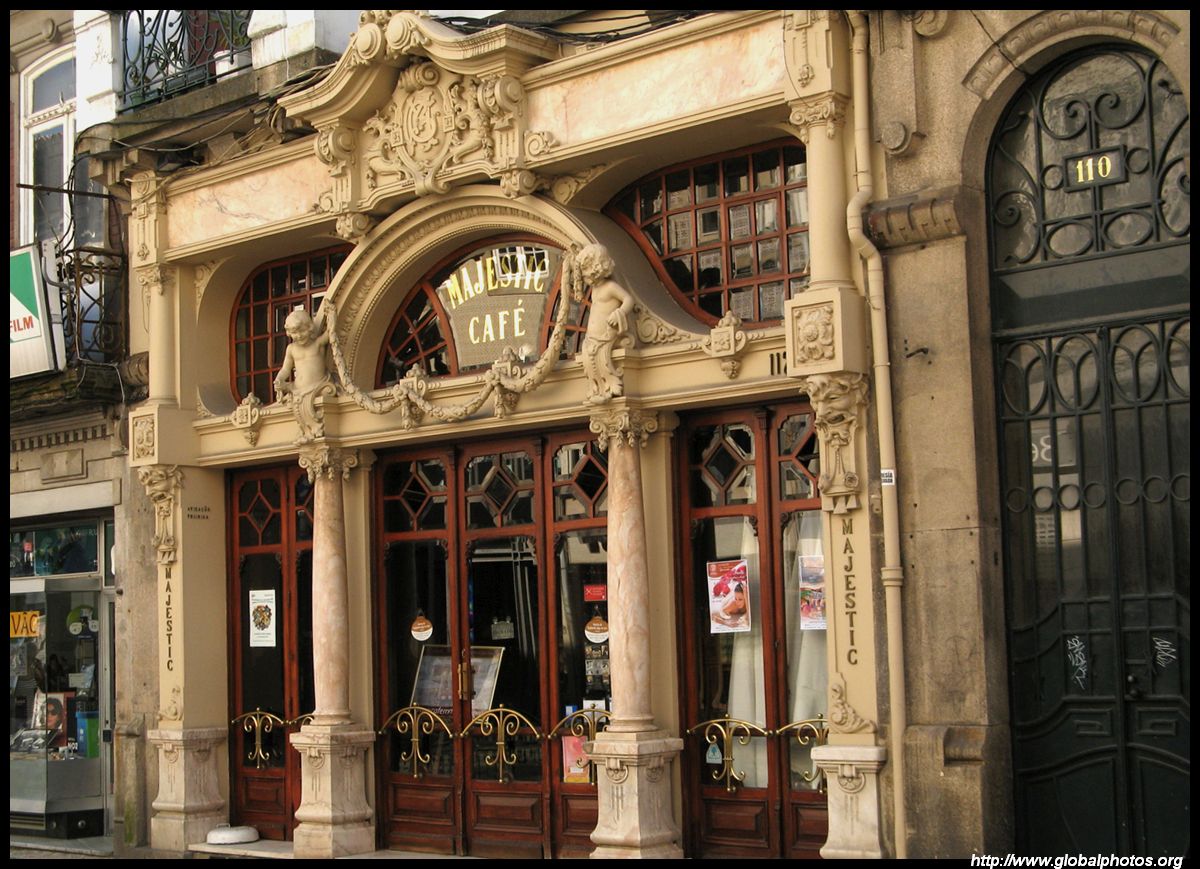
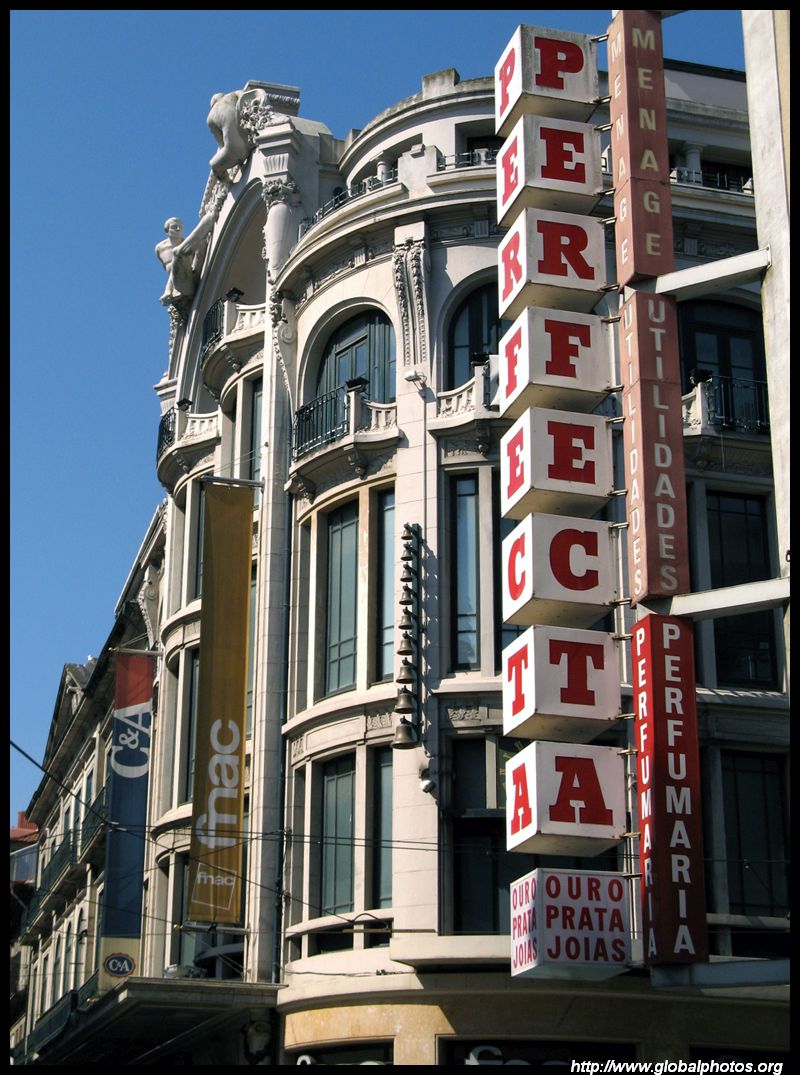
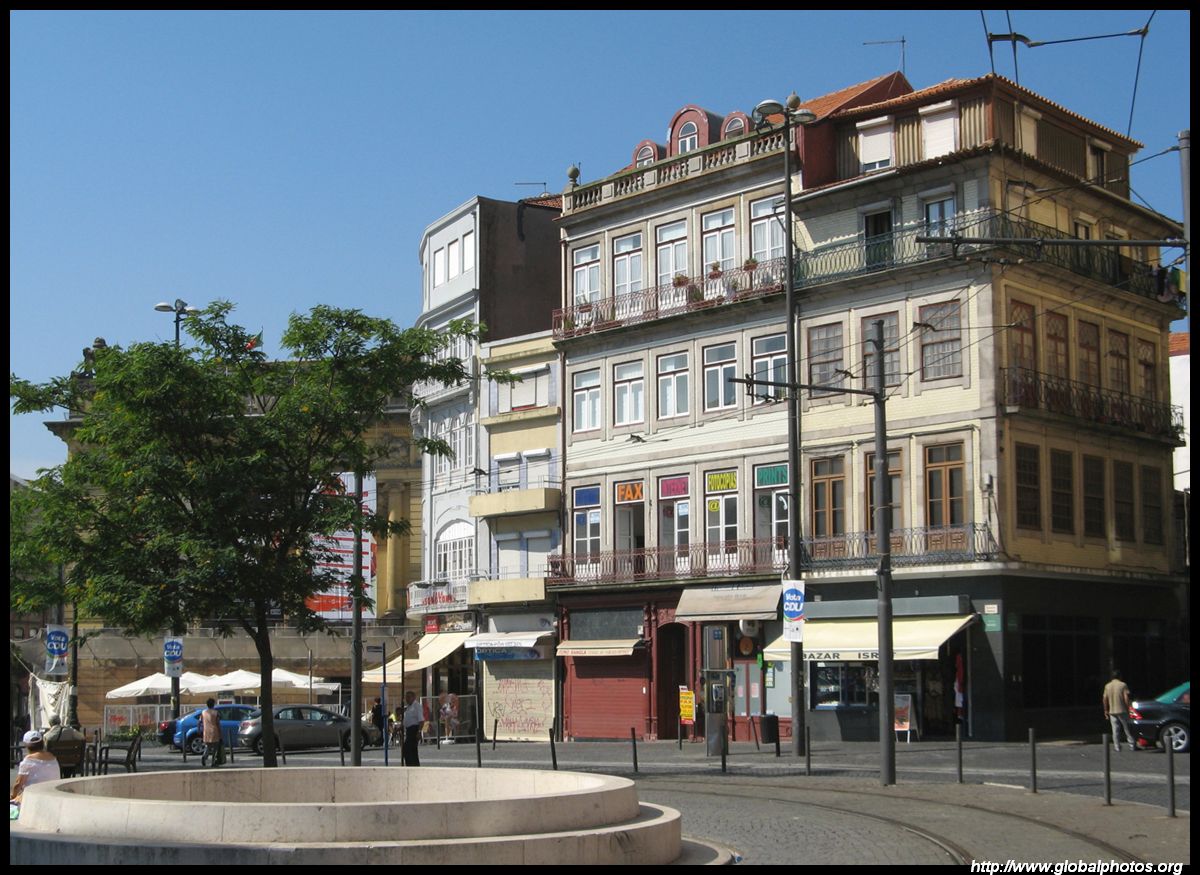
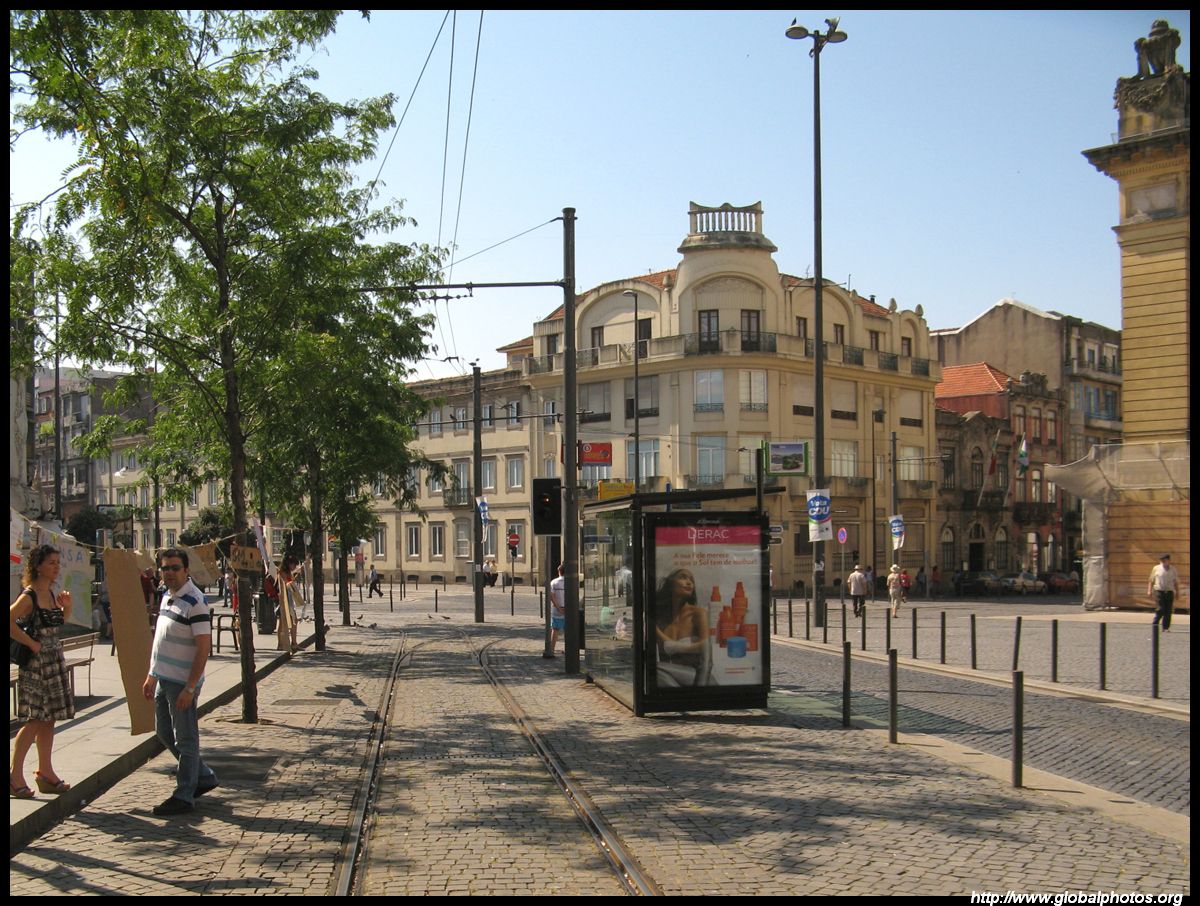
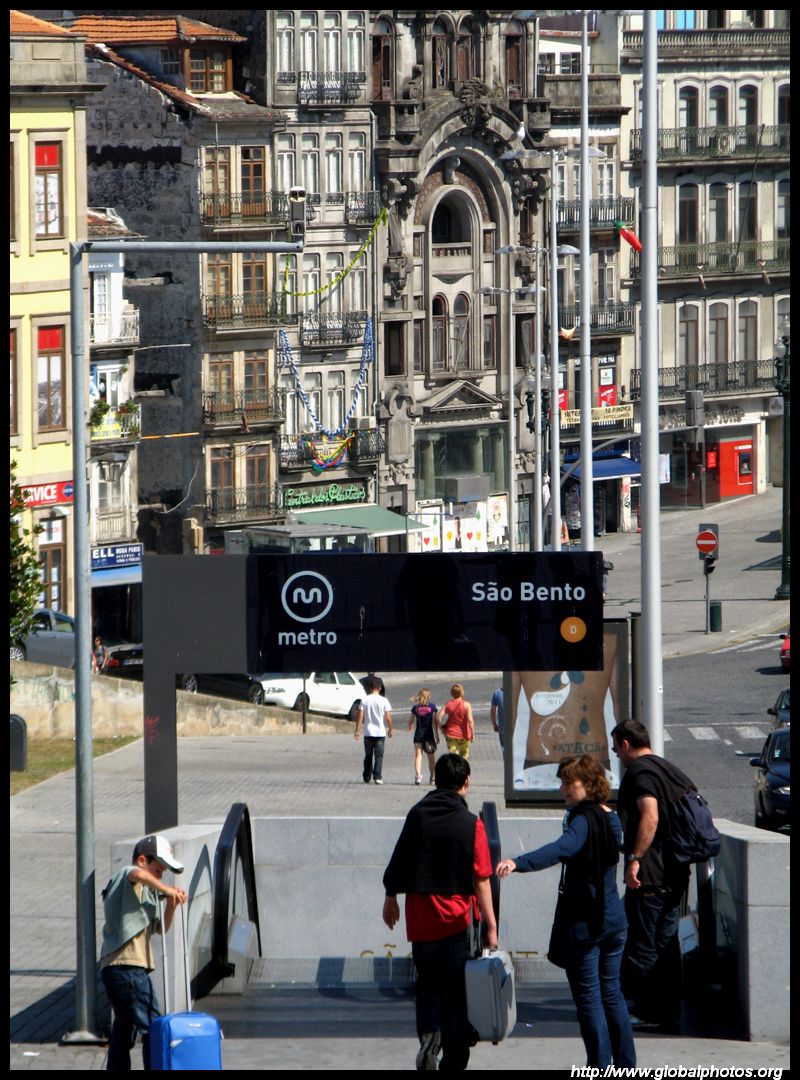
I landed on a Sunday, which meant stores were not open. That's why there wasn't much happening in this street scene.
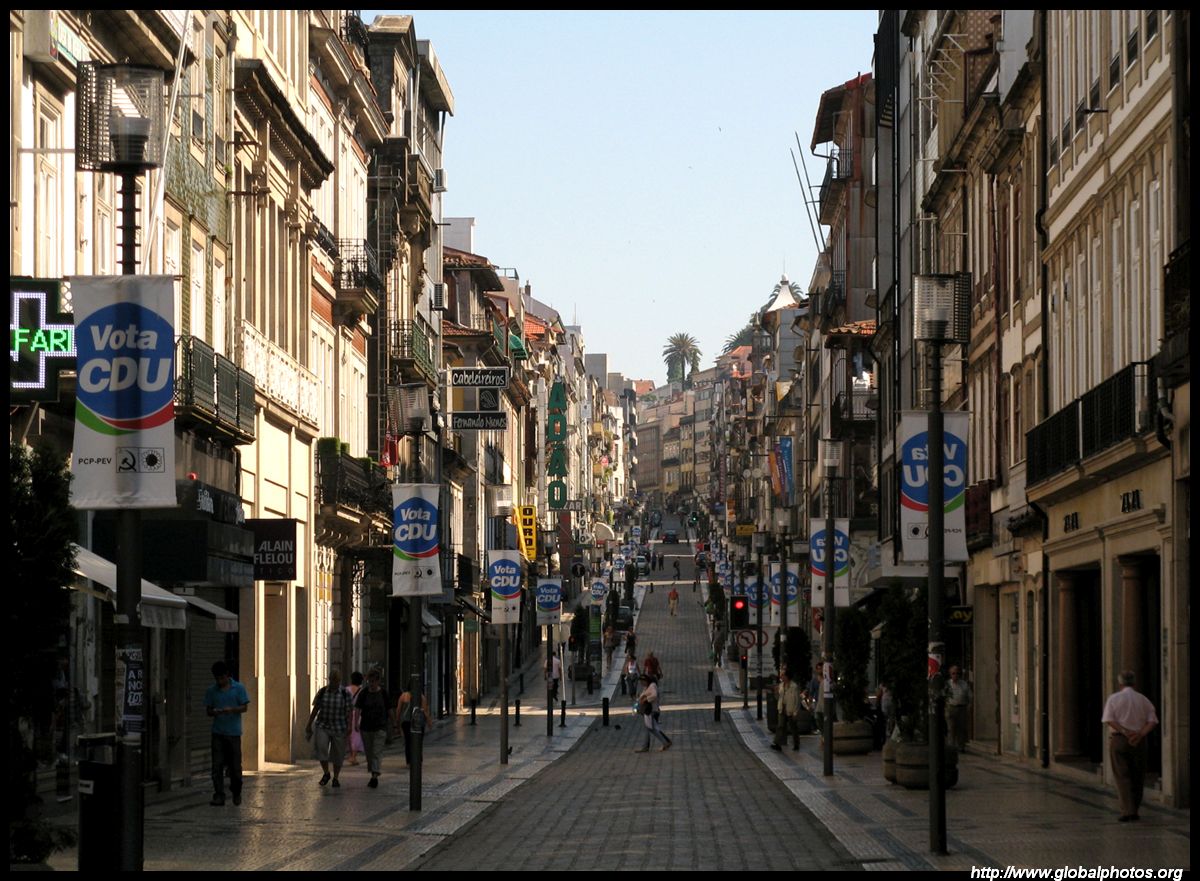
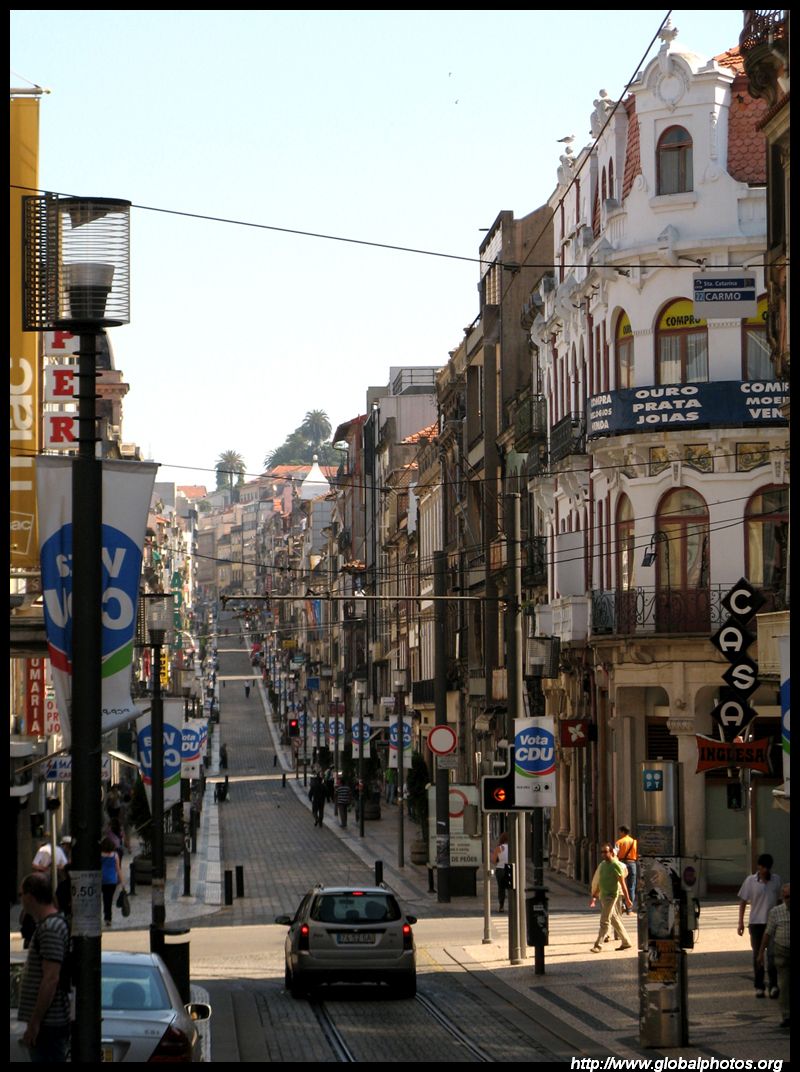
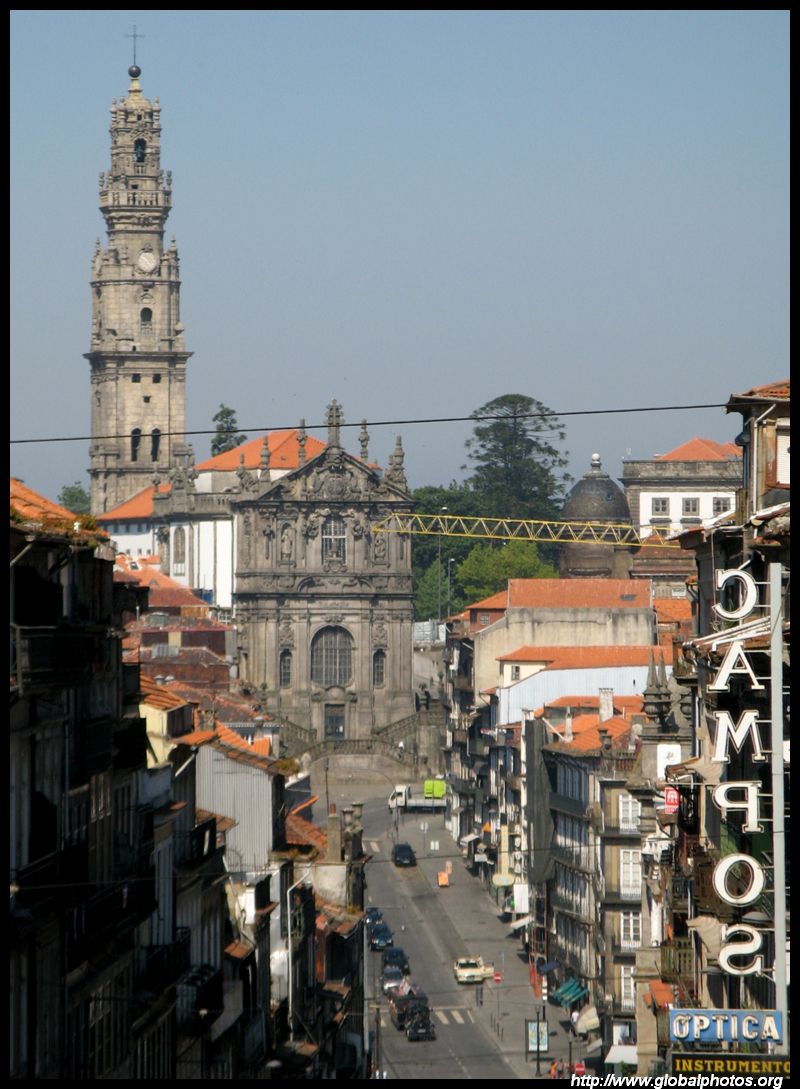
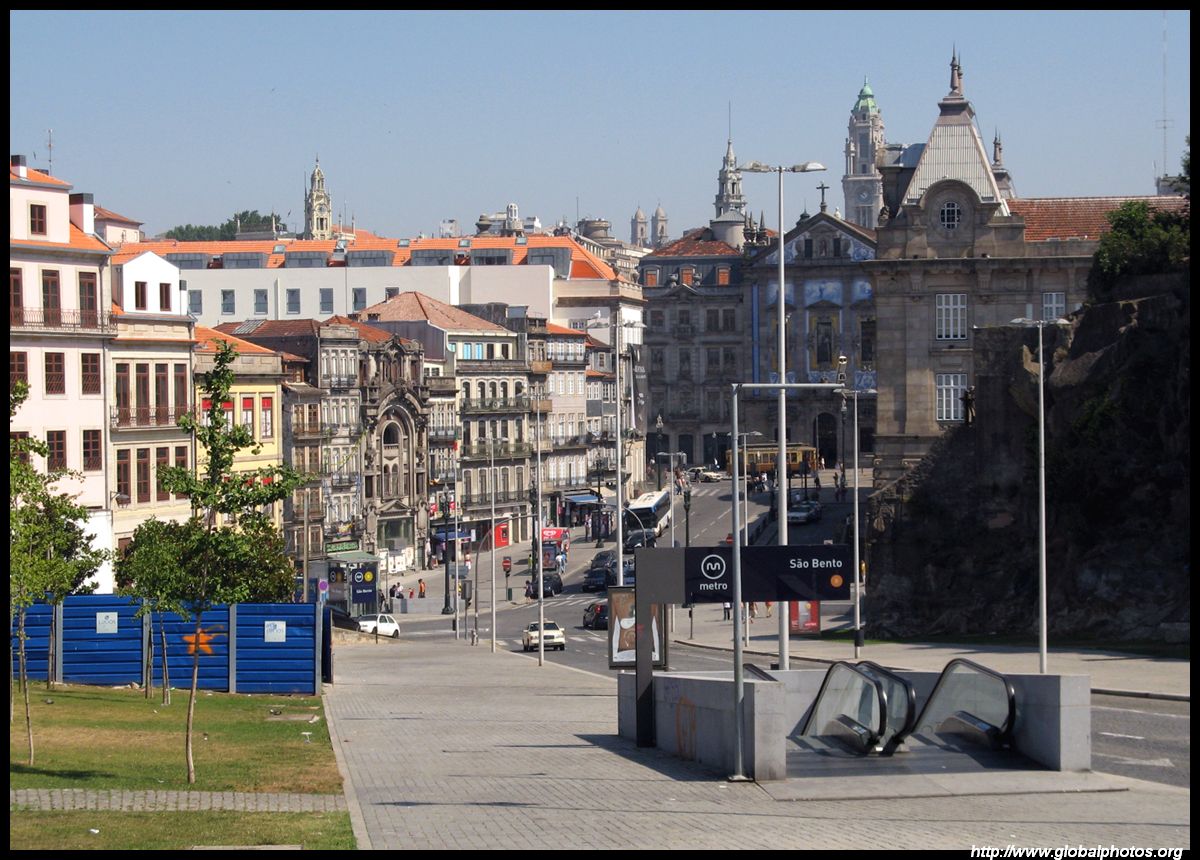
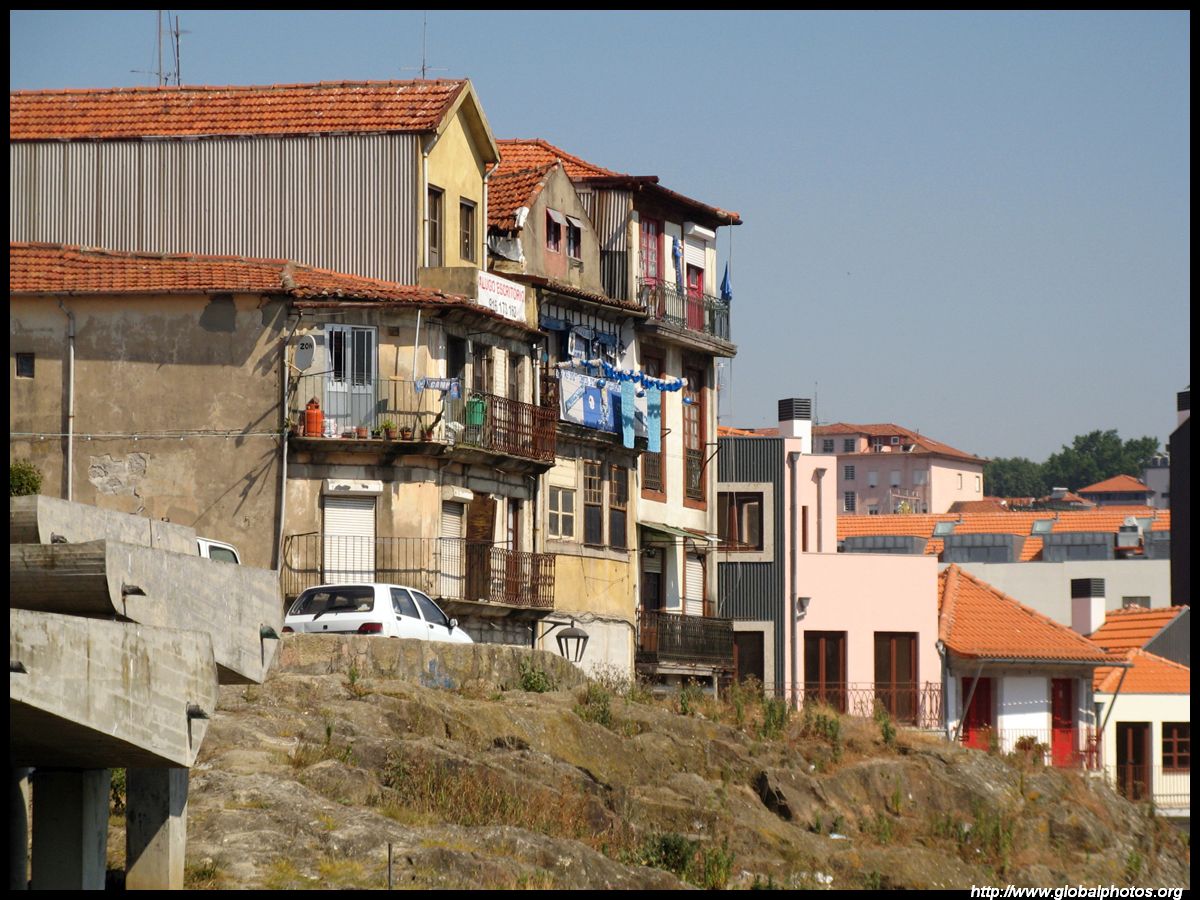
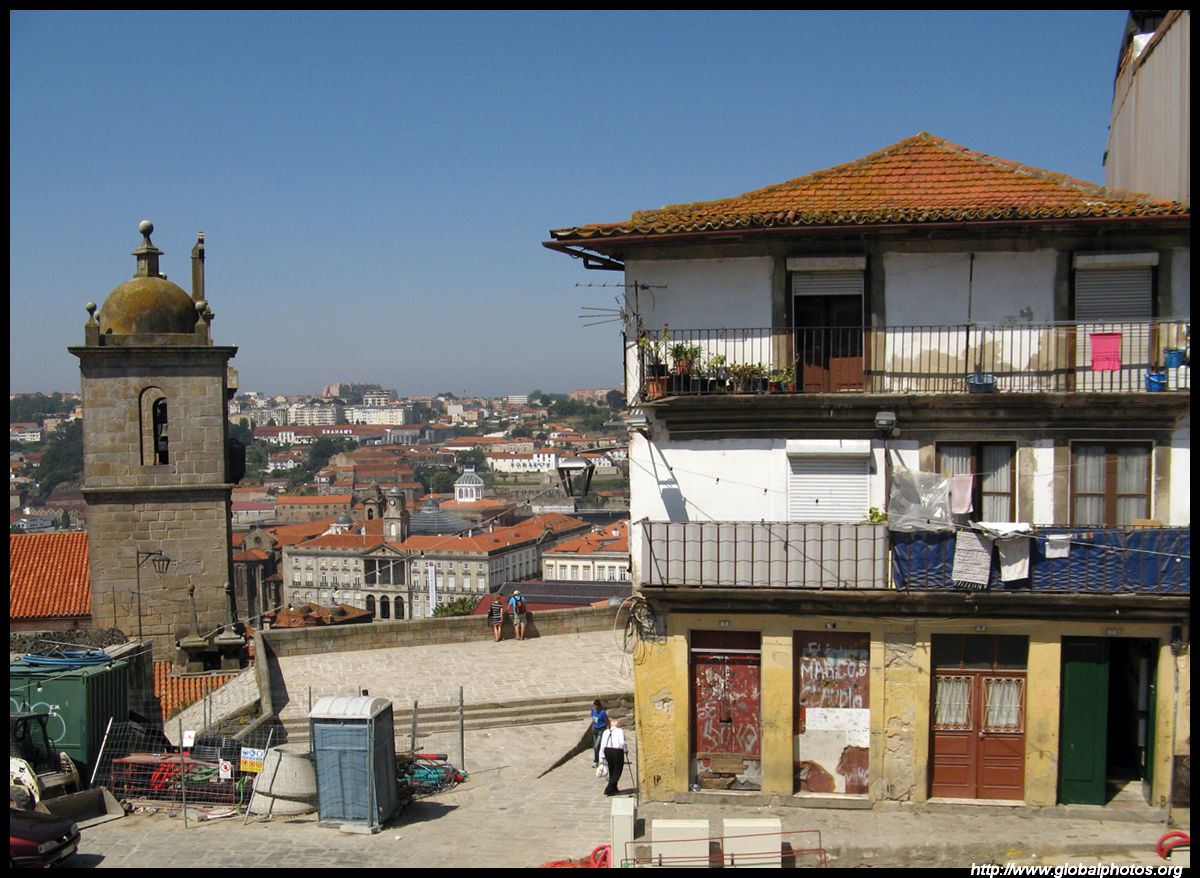
Porto is a hilly city. While the actual distances are not far on a map, going downhill then uphill to the church on the other side pictured here can be an intense work-out!
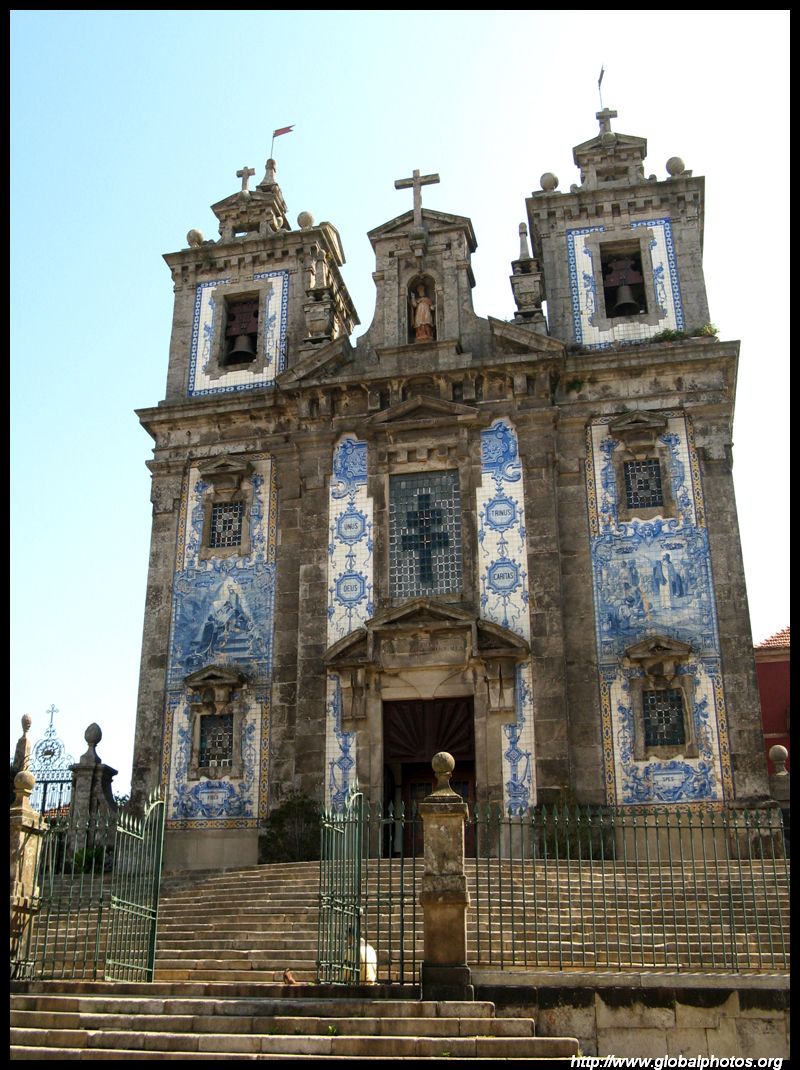
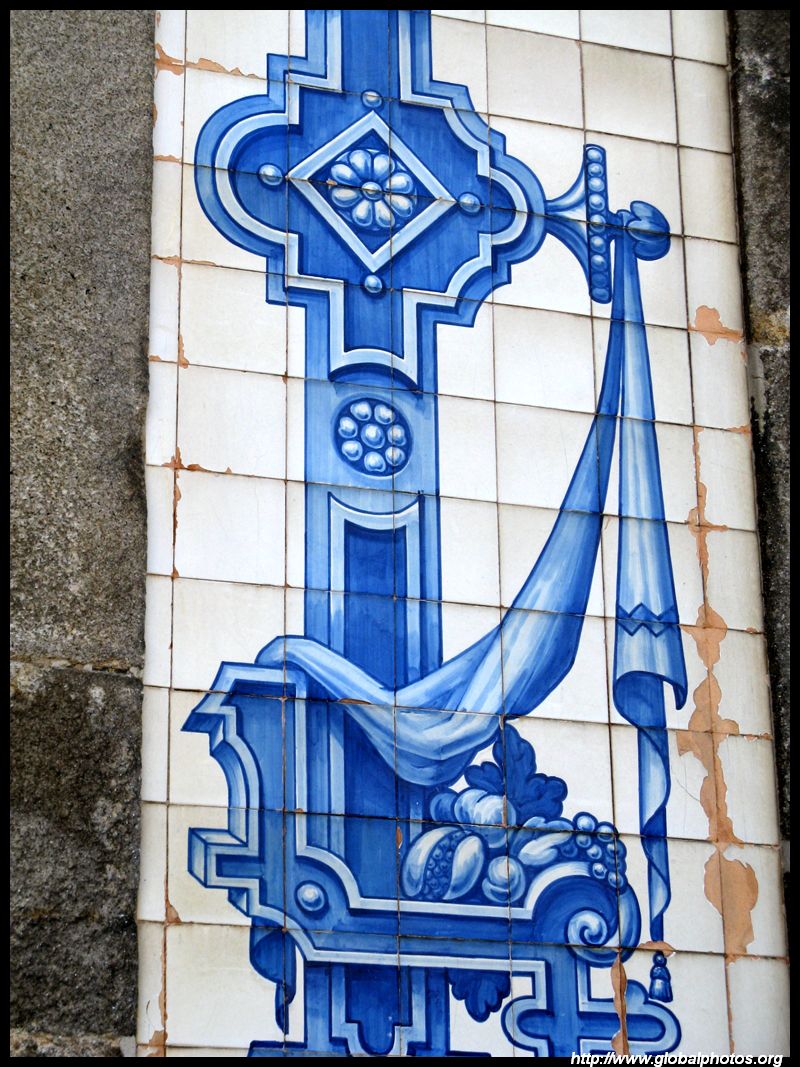
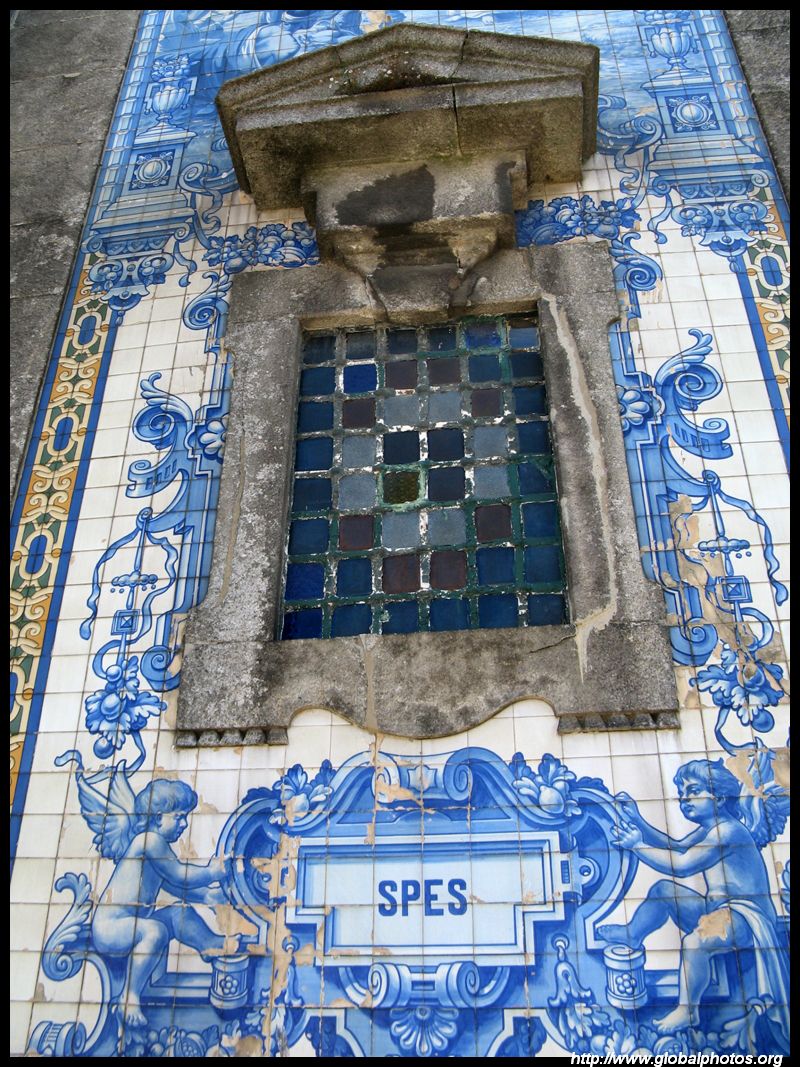
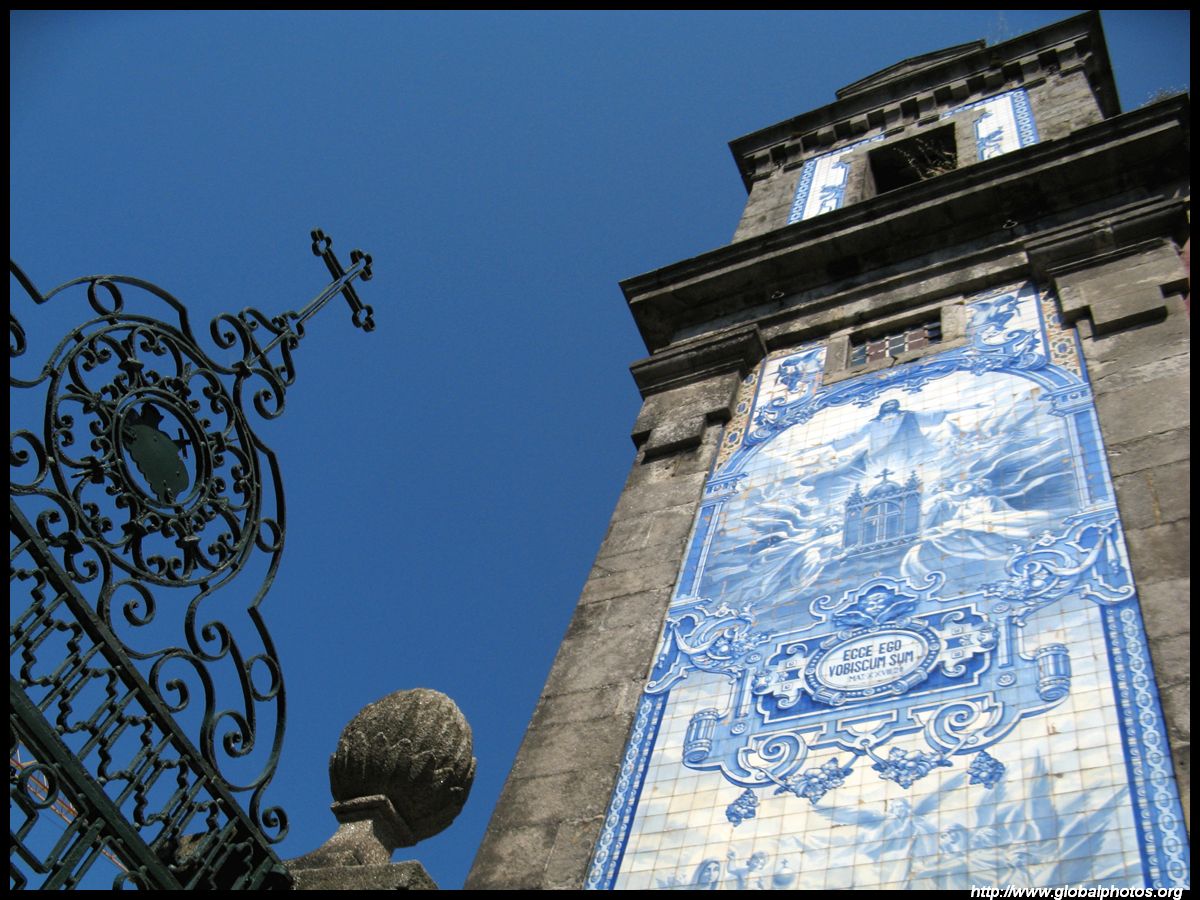
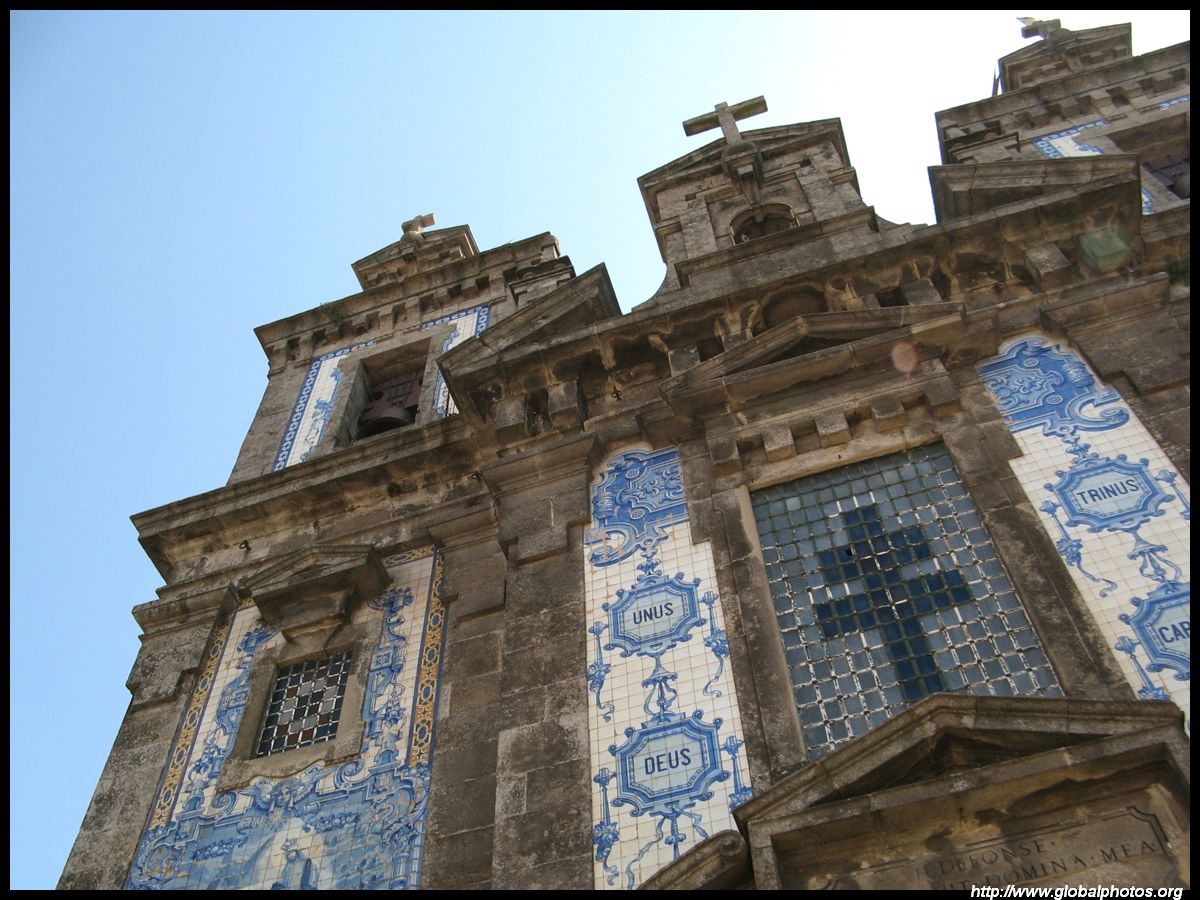
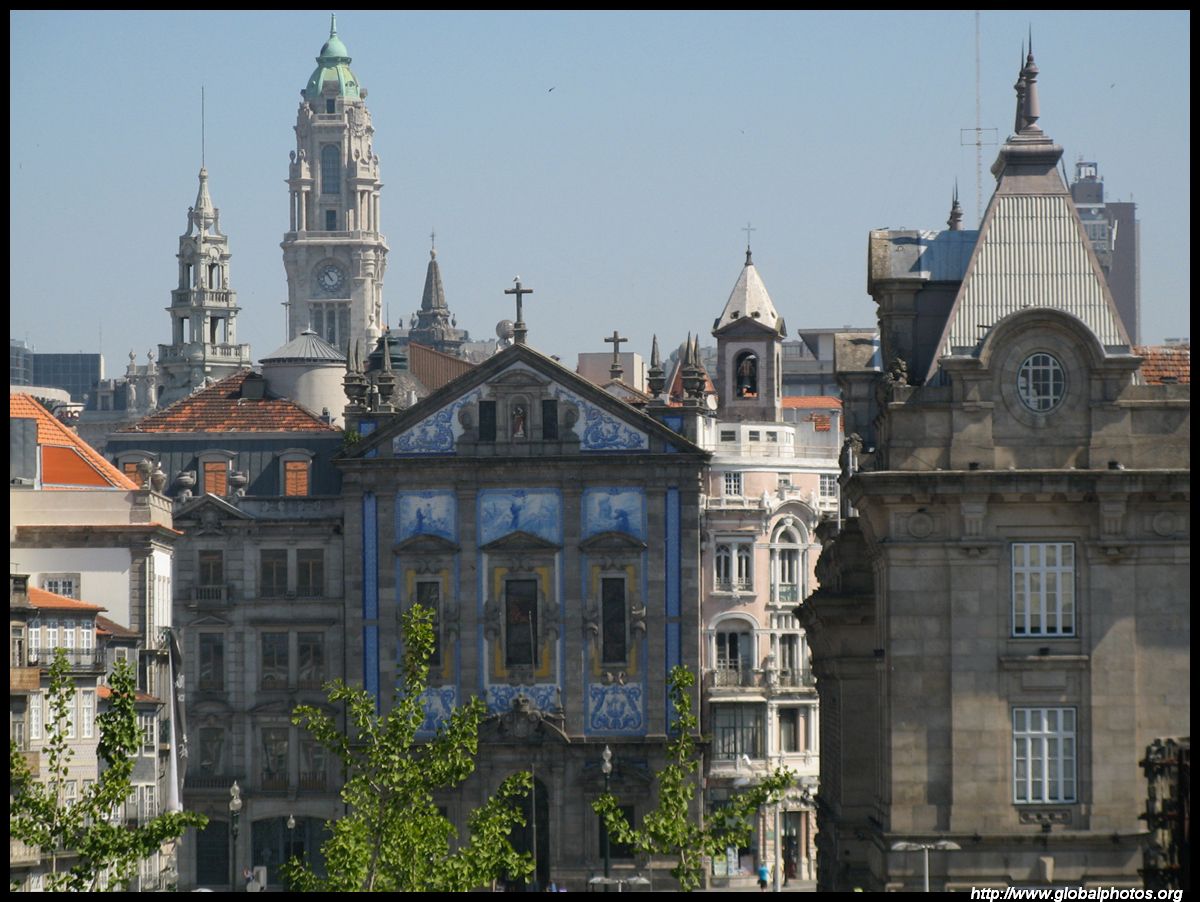
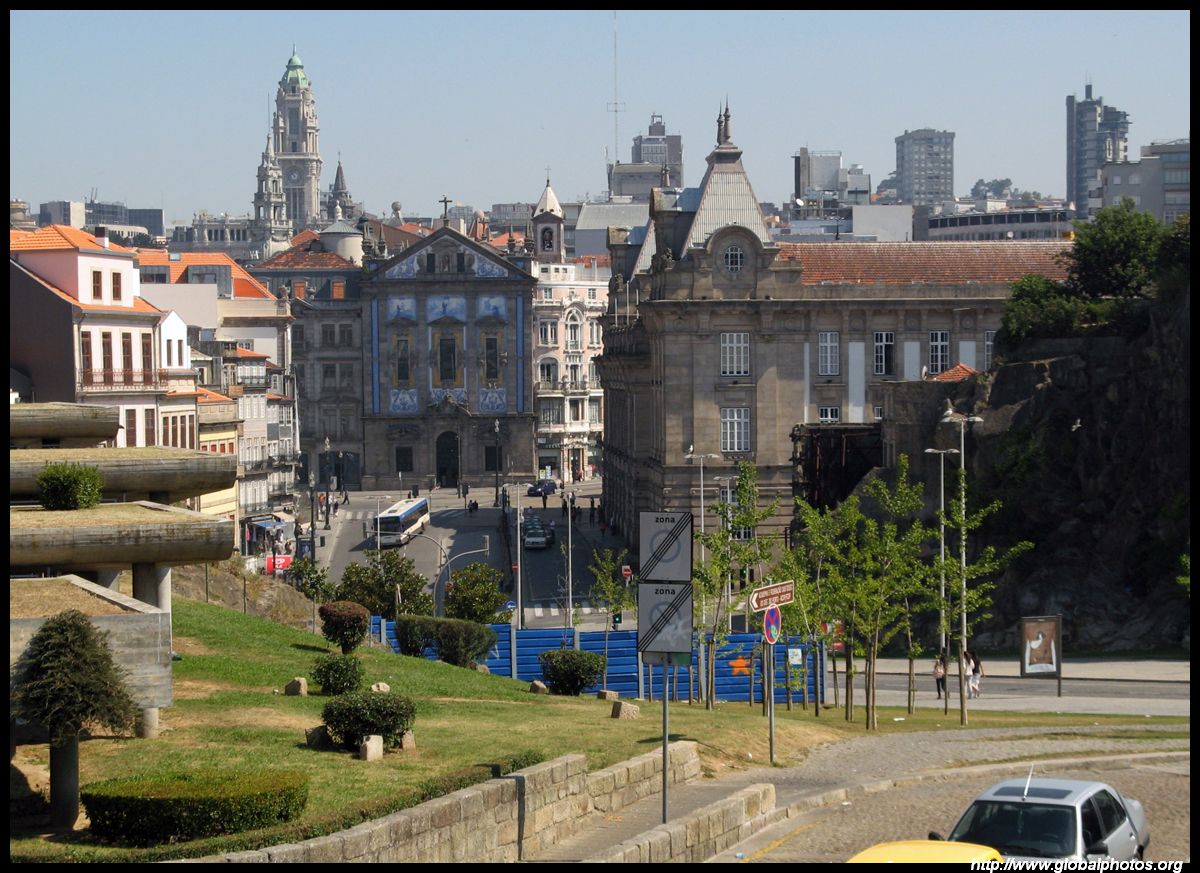
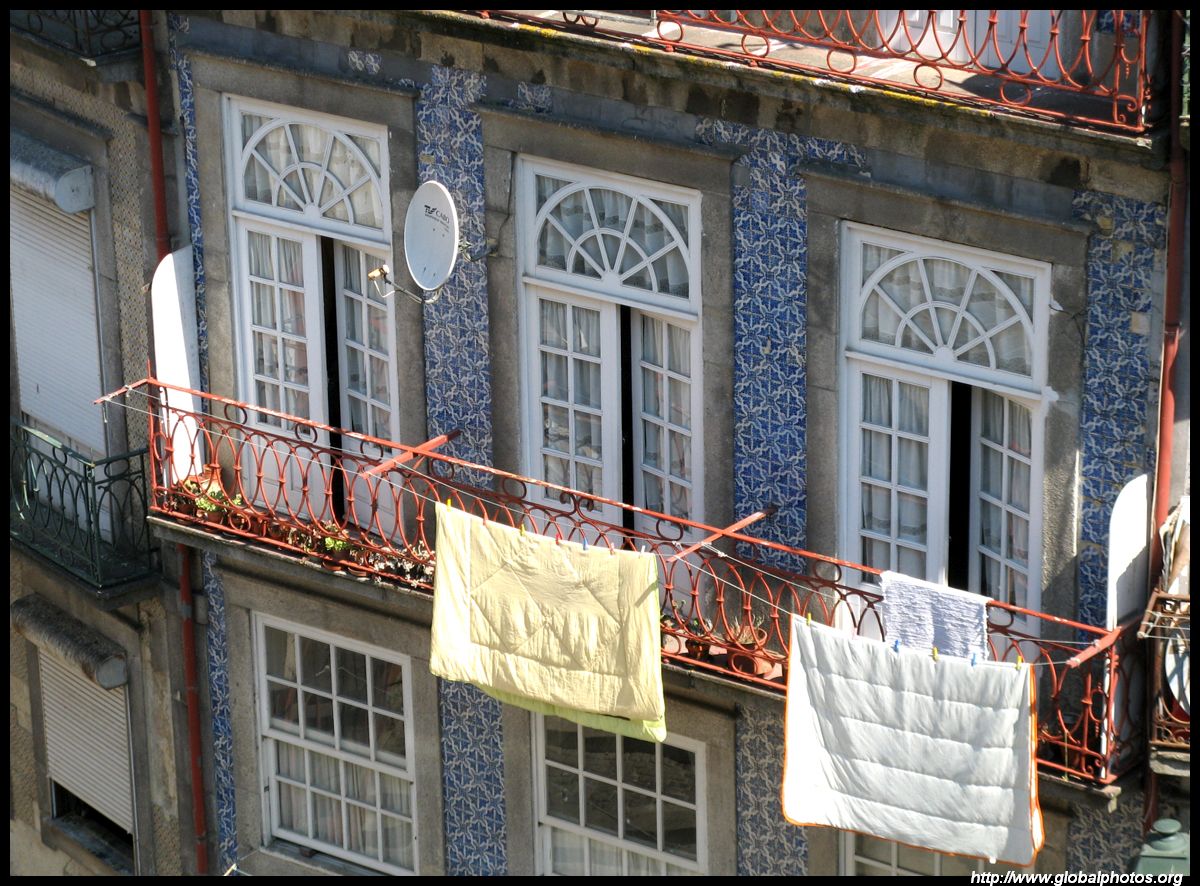
The Santos Ildefonso church was built in the early 1700s at the top of a hill, commanding a good view of the city and rugged topography. The exterior is decorated with 11,000 blue tiles.
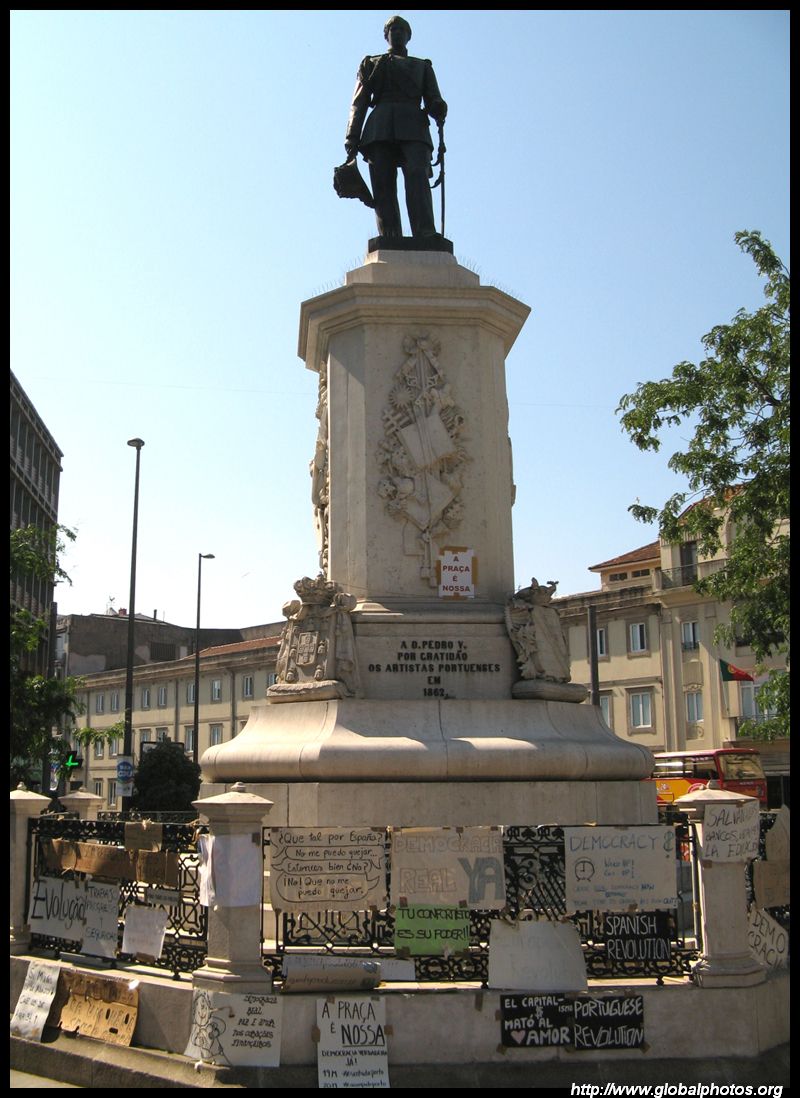
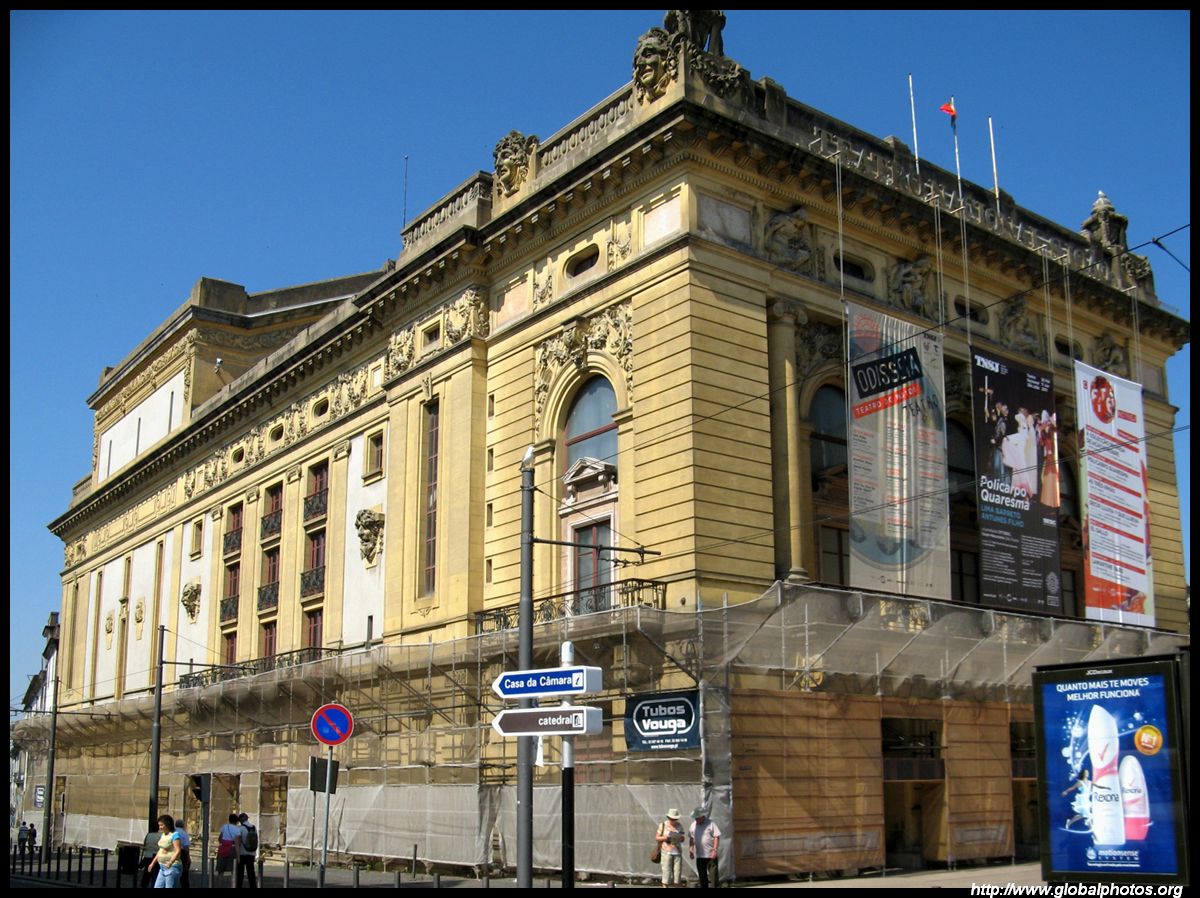
Officially opened in 1798 as the city's first dedicated venue for shows, the Teatro Nacional Sao Joao was popular with Italian opera until the end of the 19th century. Fire destroyed the building in 1908 but it was rebuilt and re-opened in 1920. The Portuguese government bought the theatre in 1992 and renovated it until 1995.
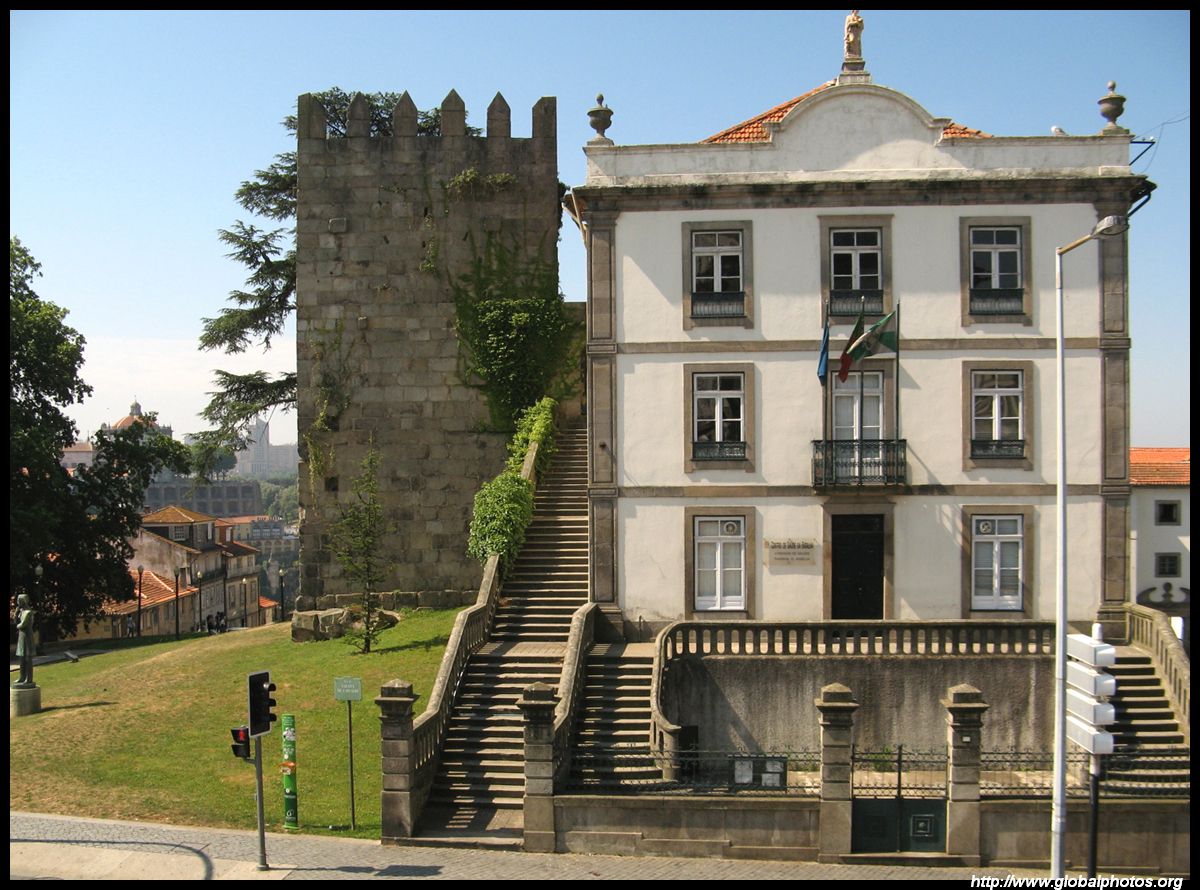
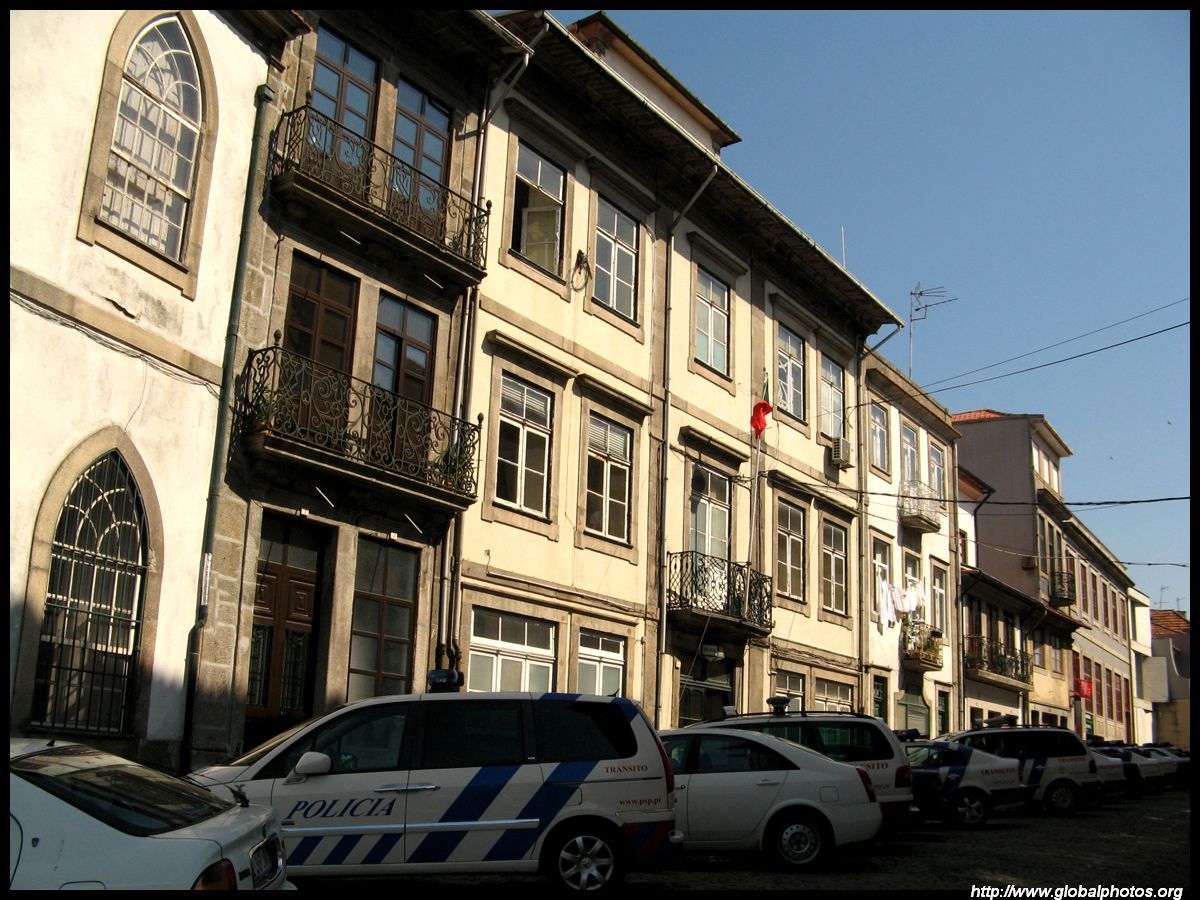
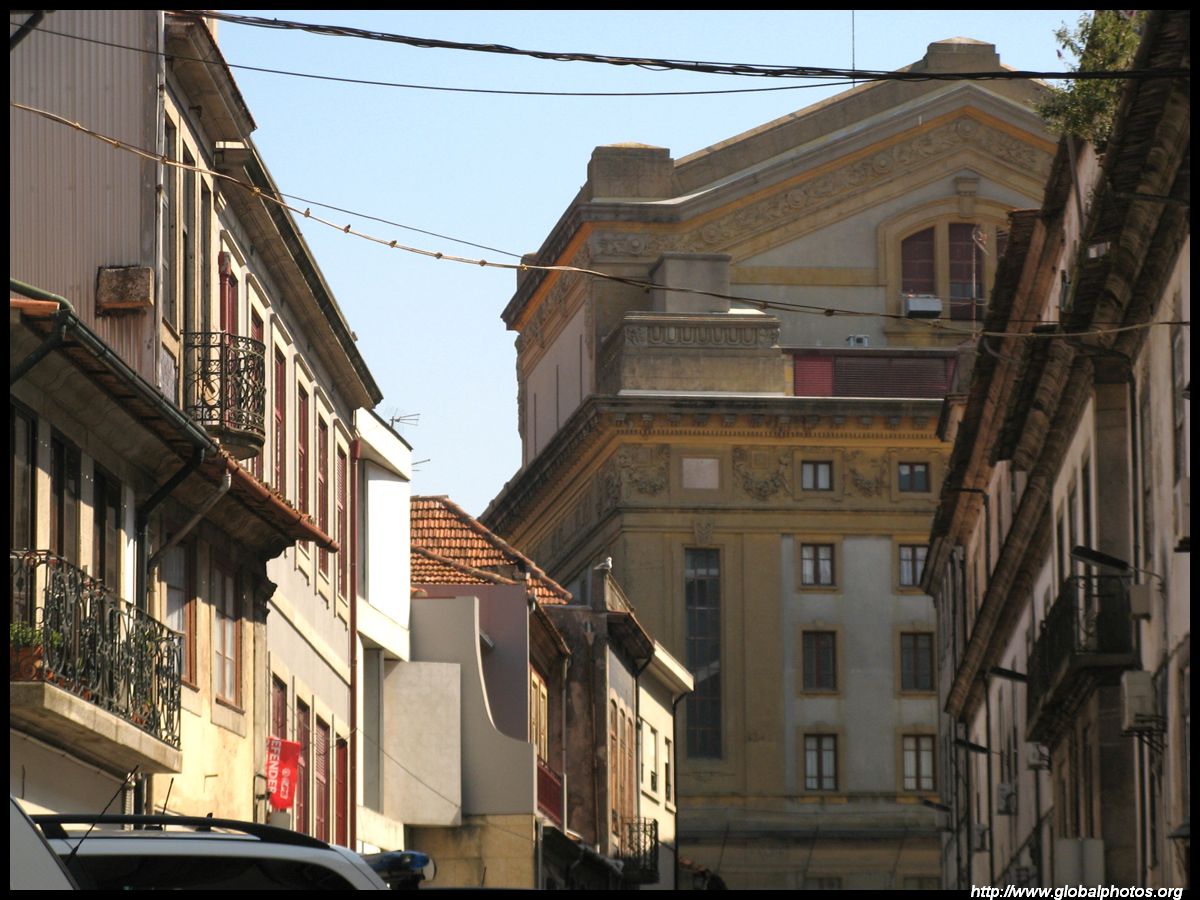
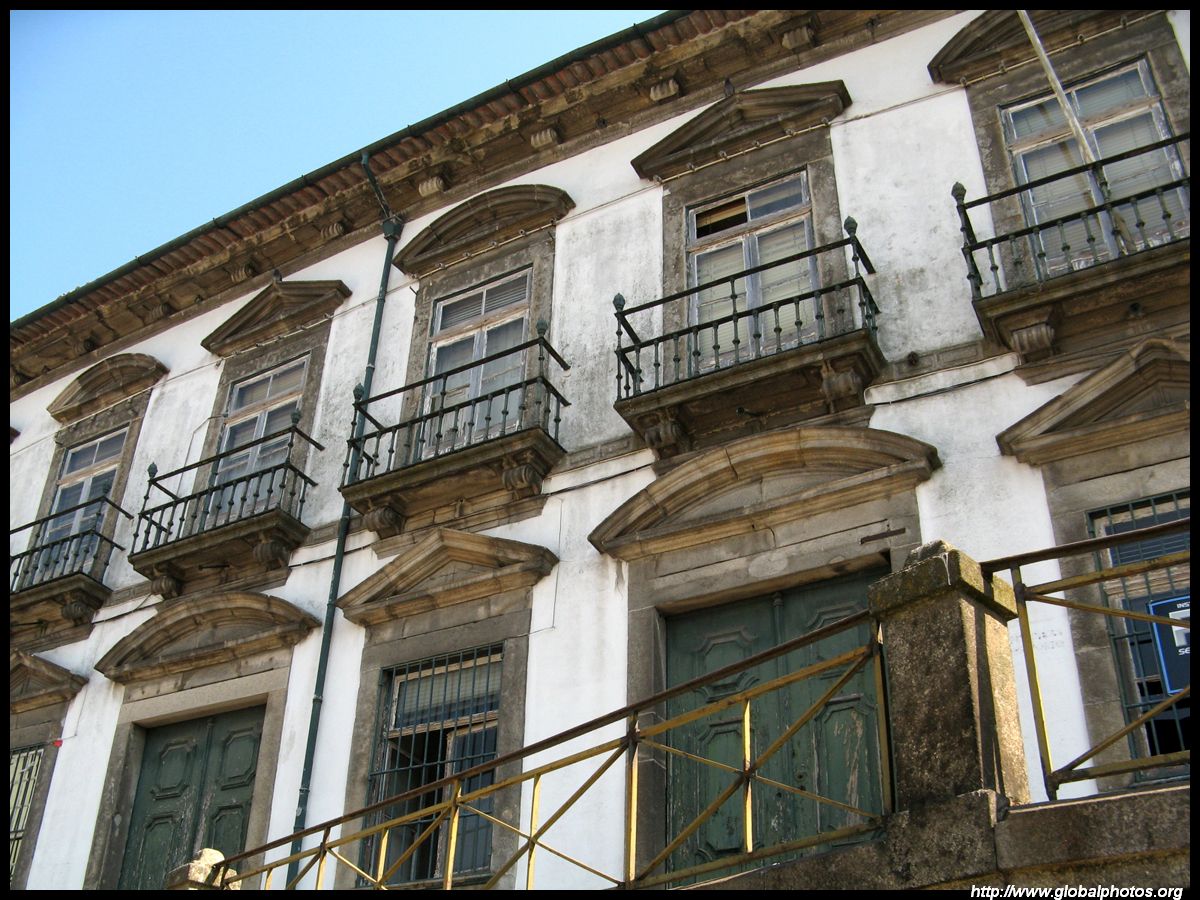
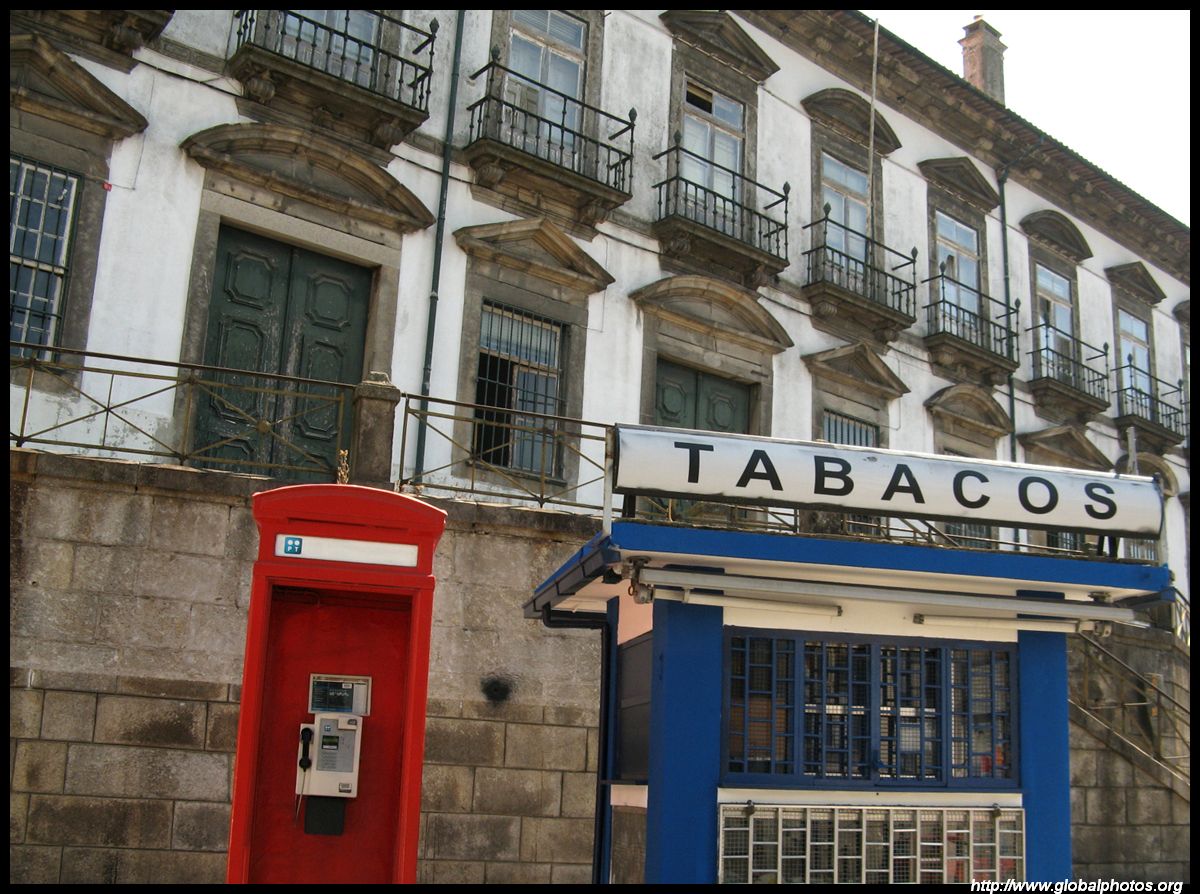
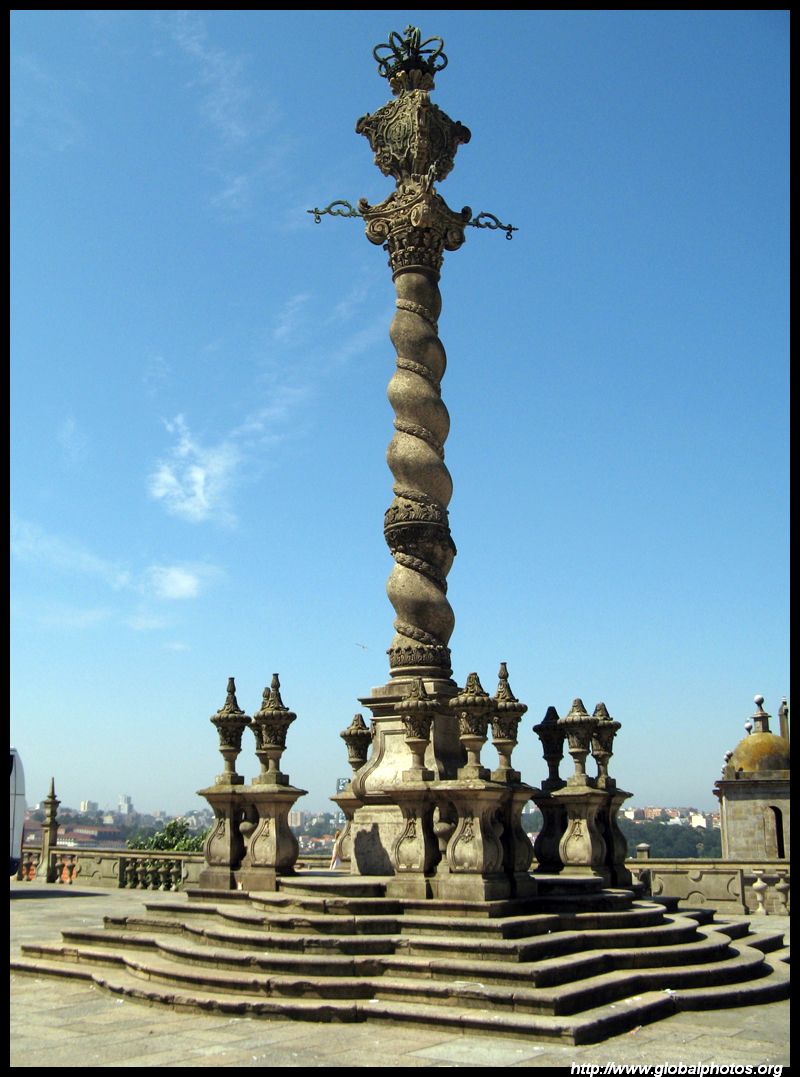
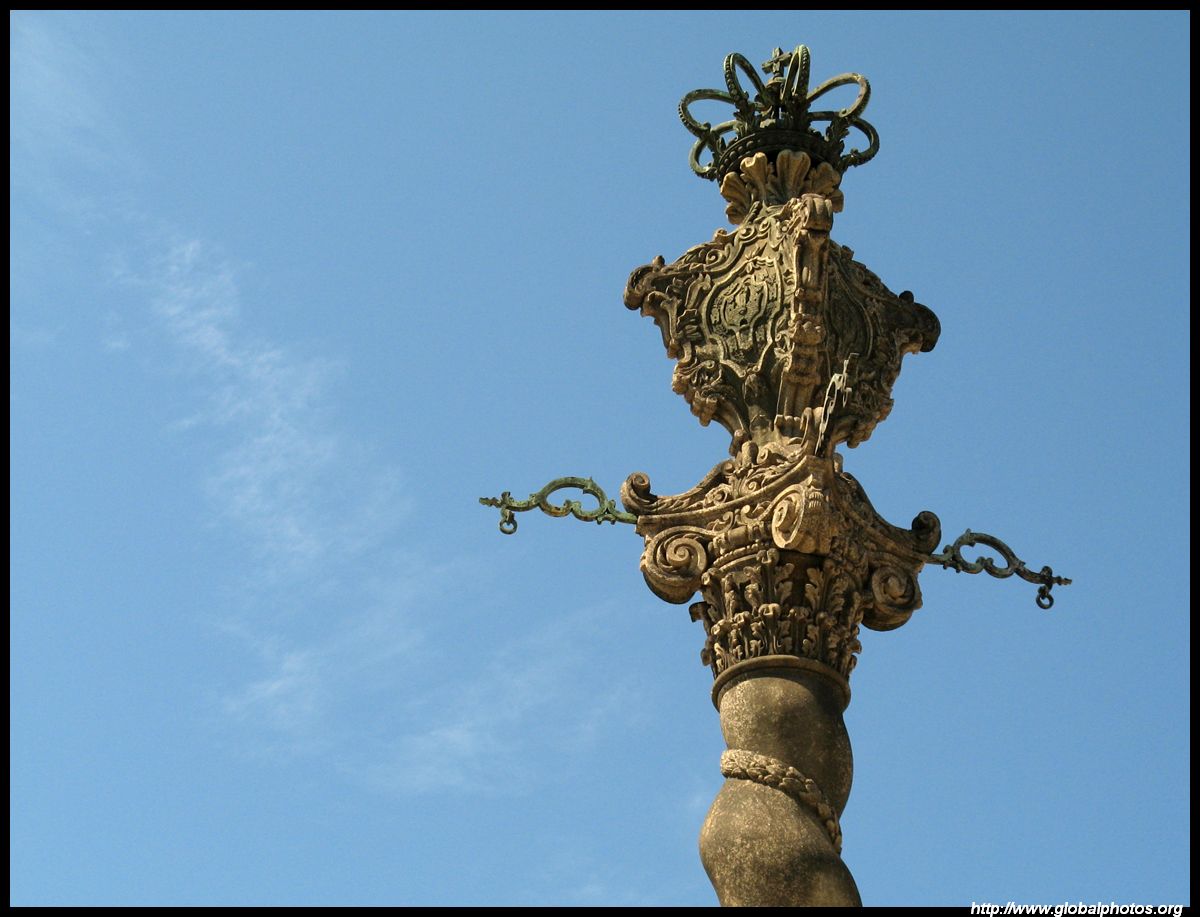
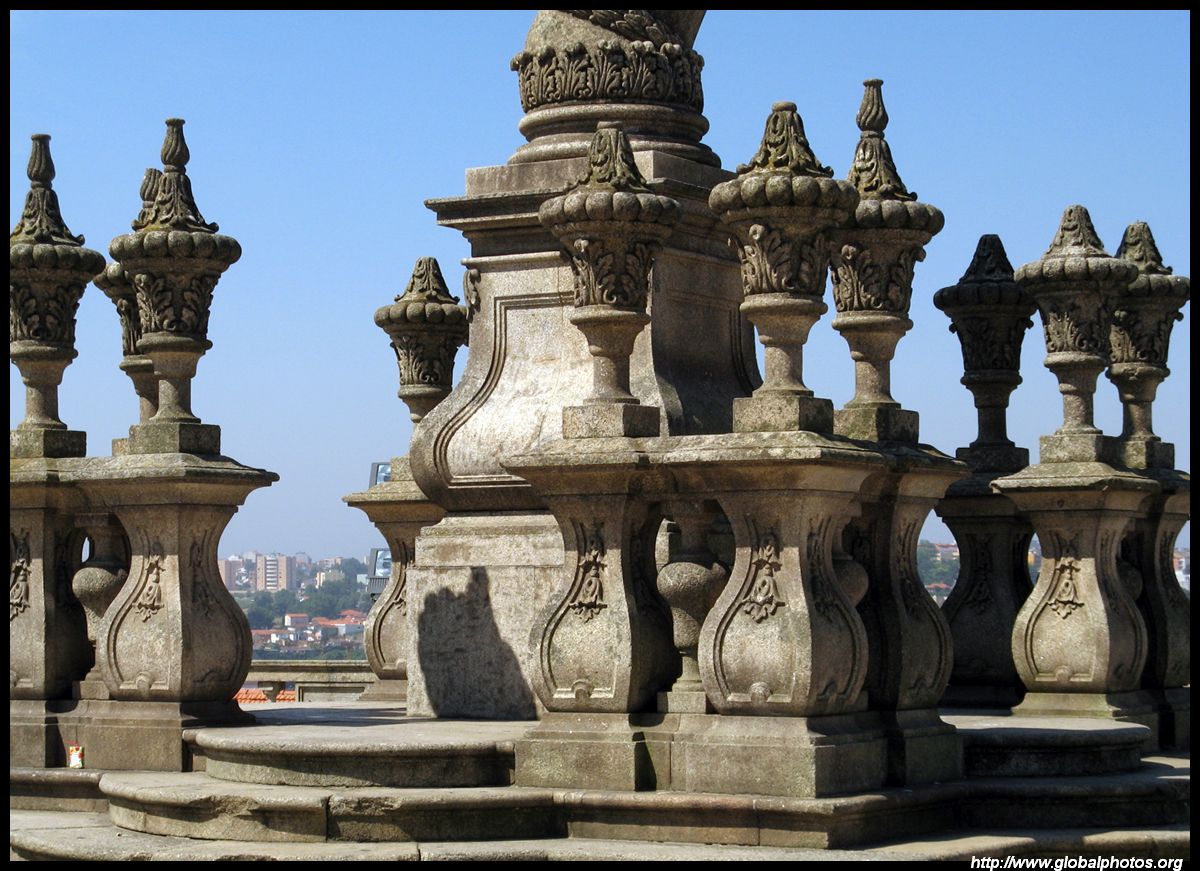
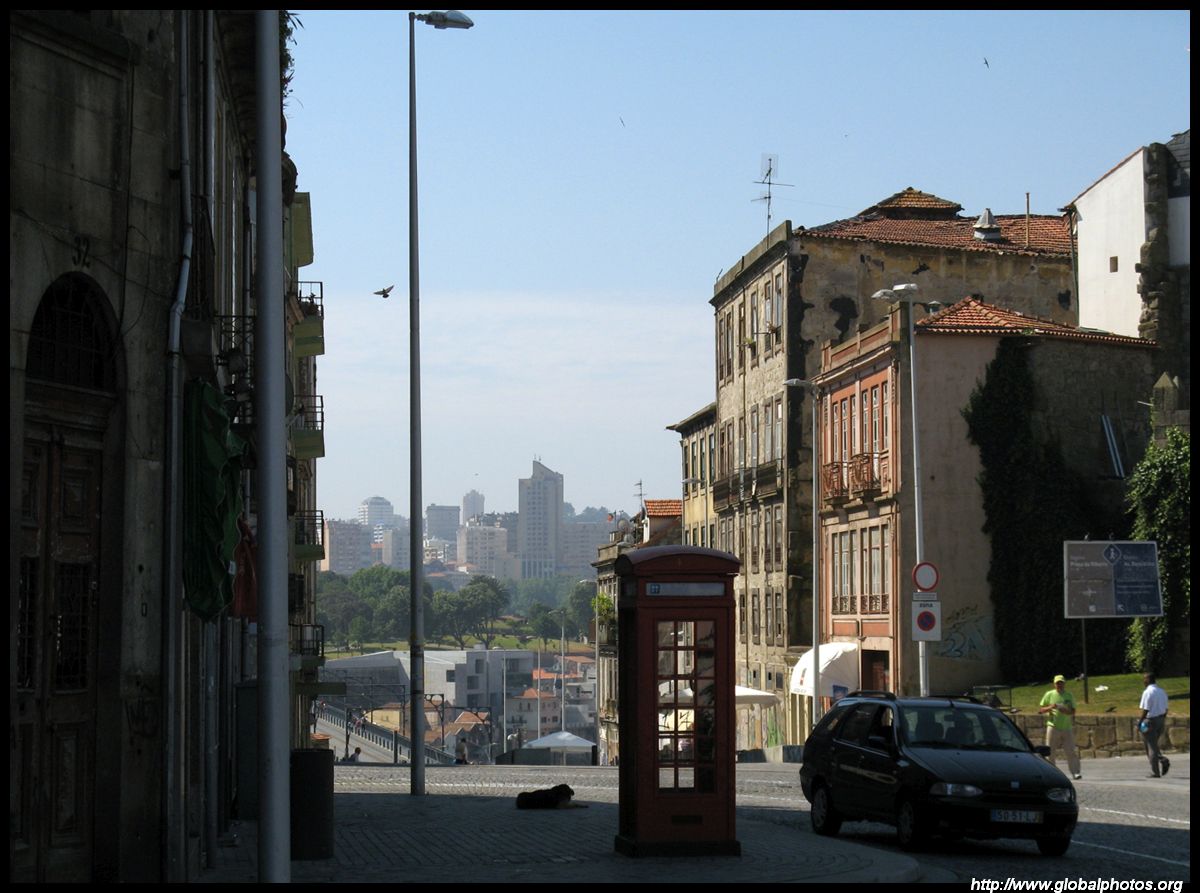
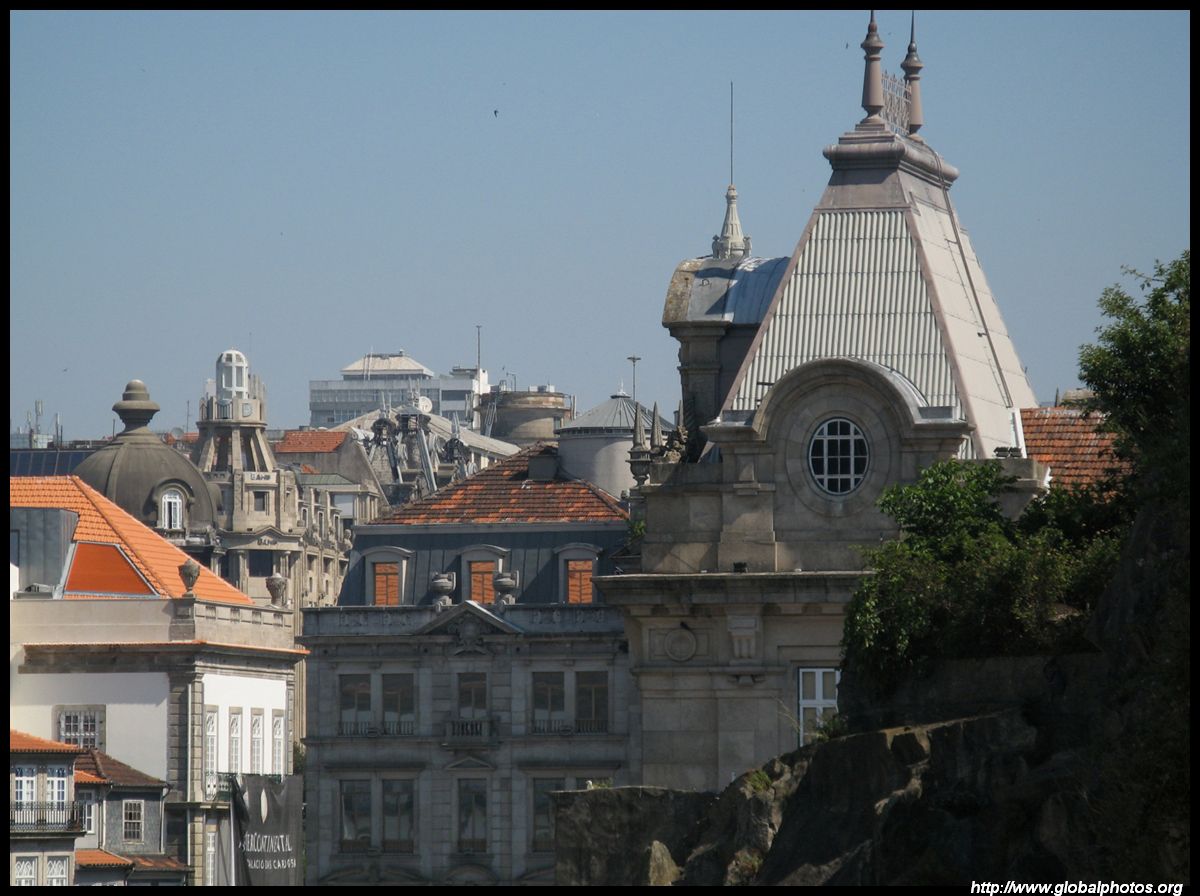
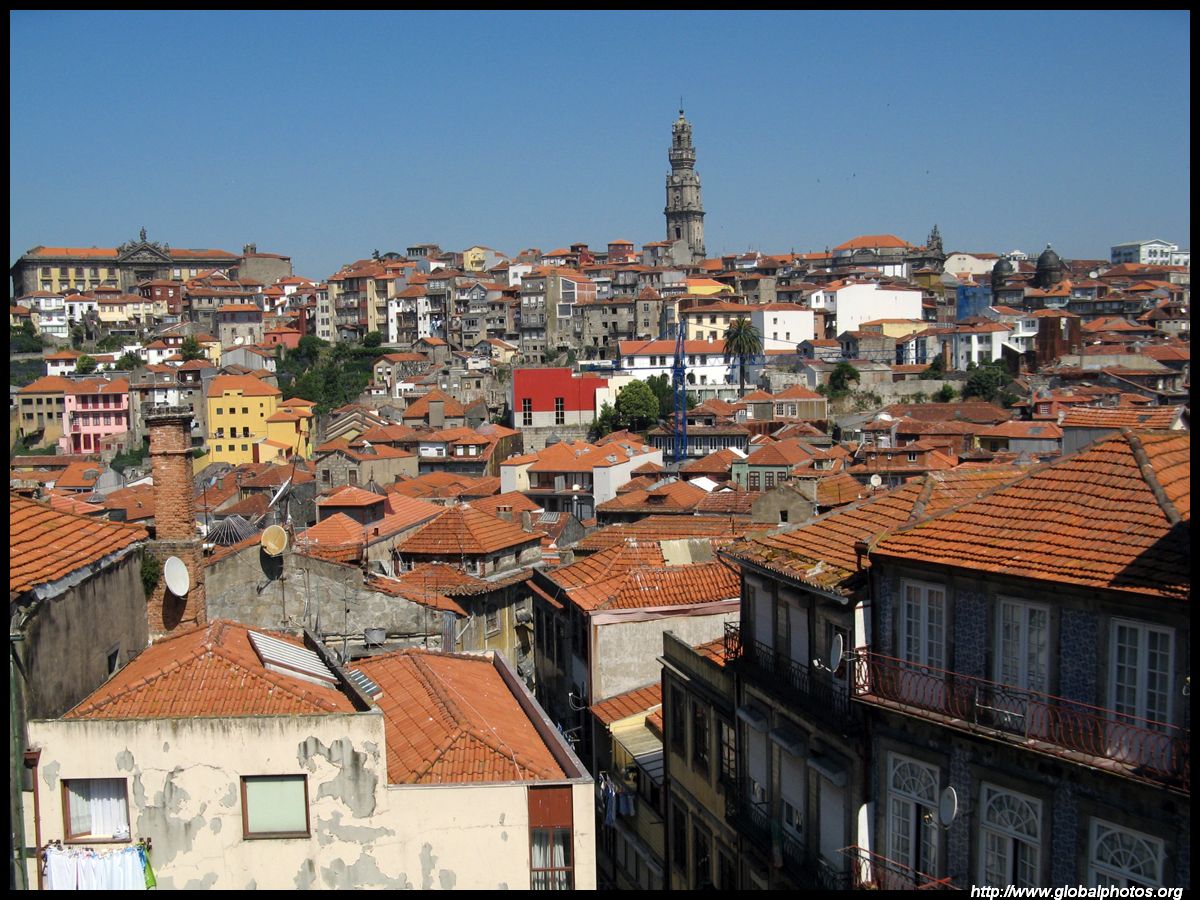
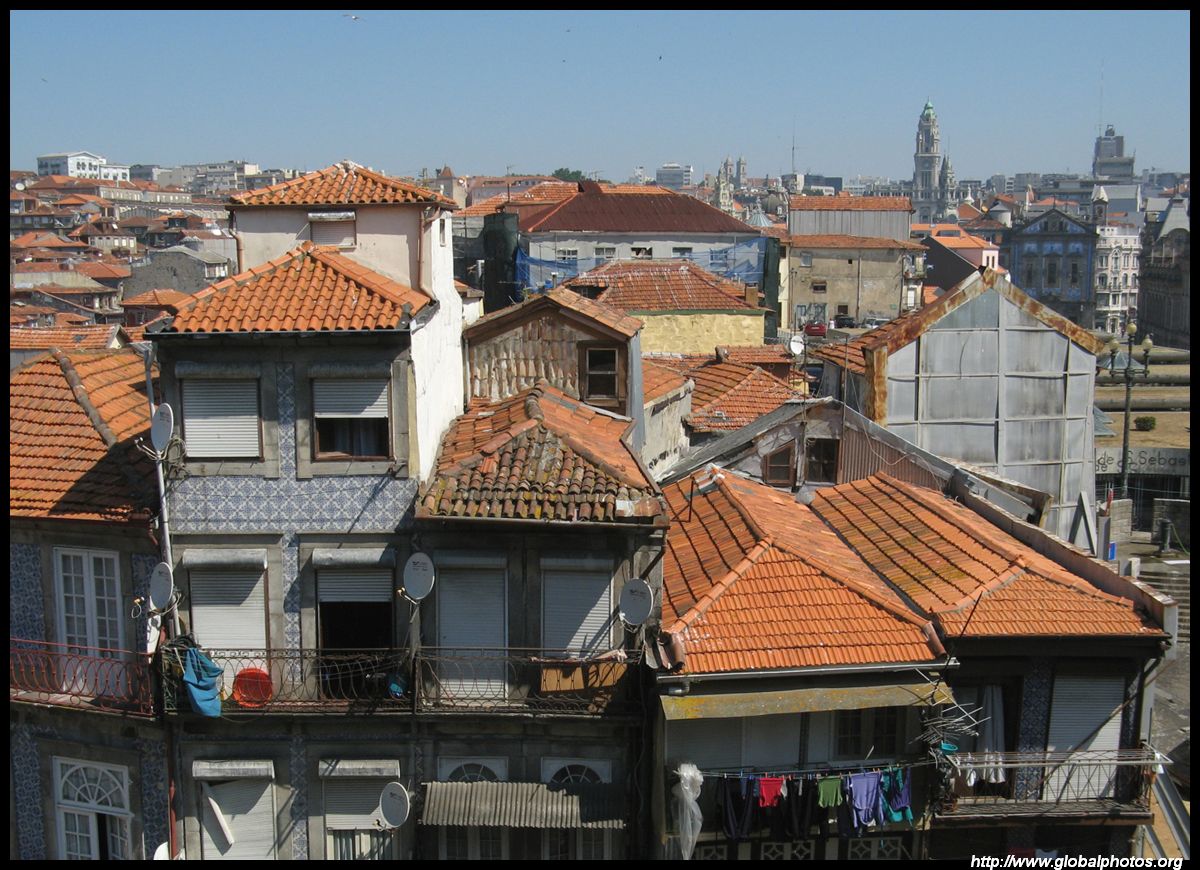
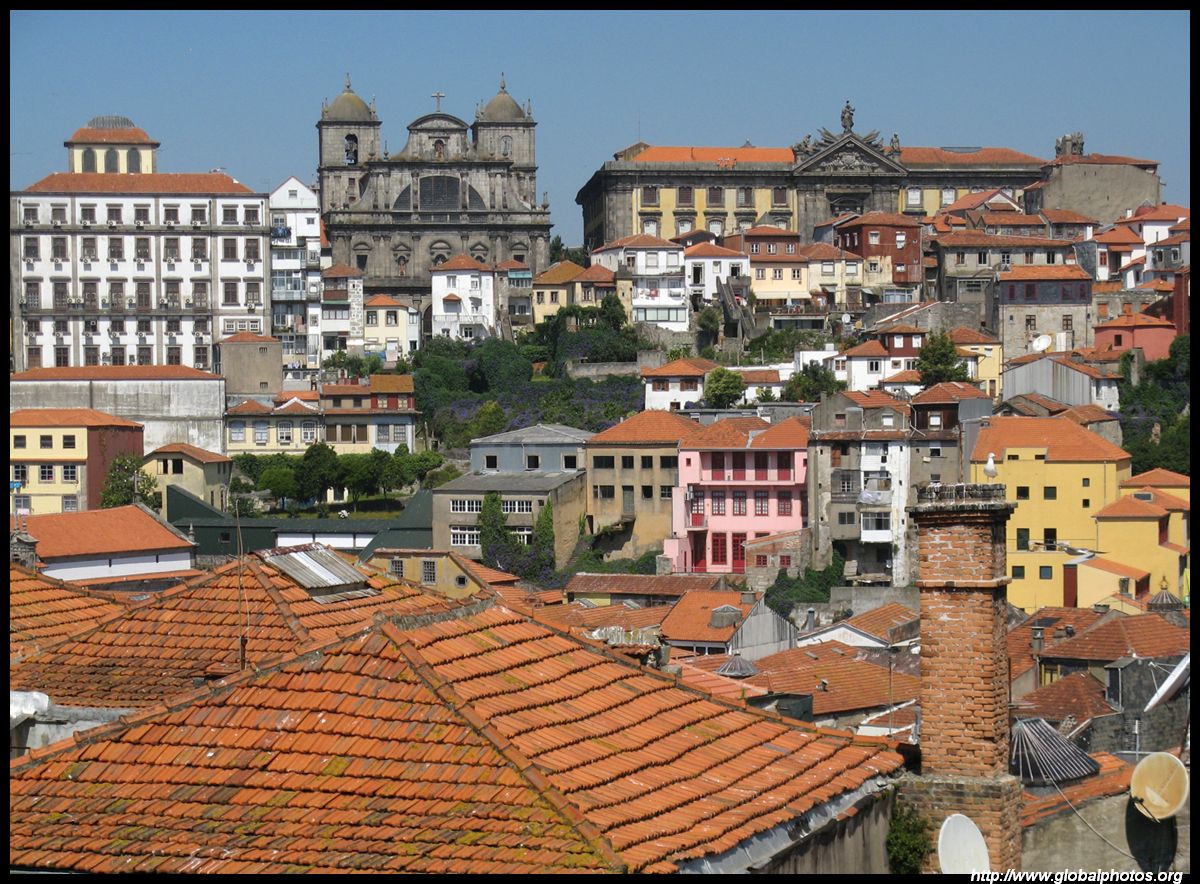
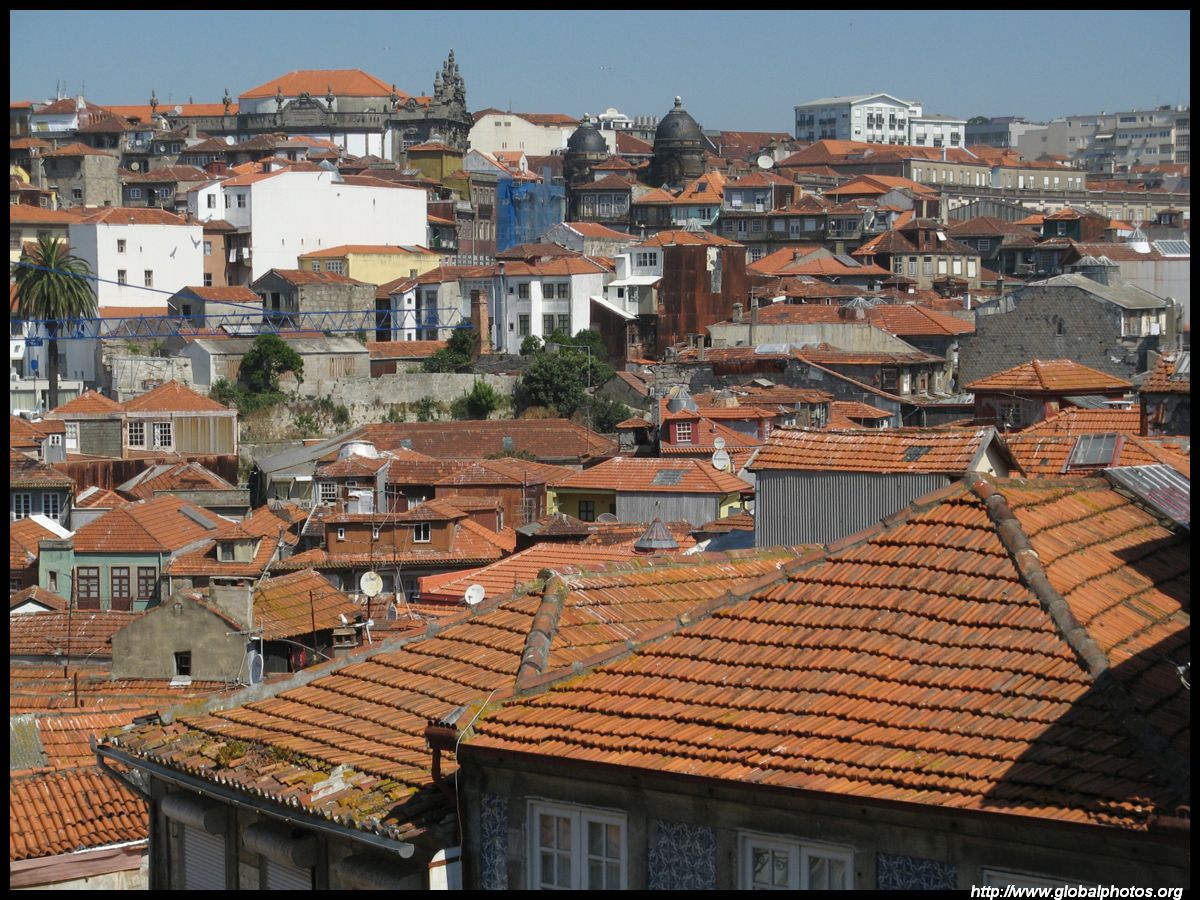
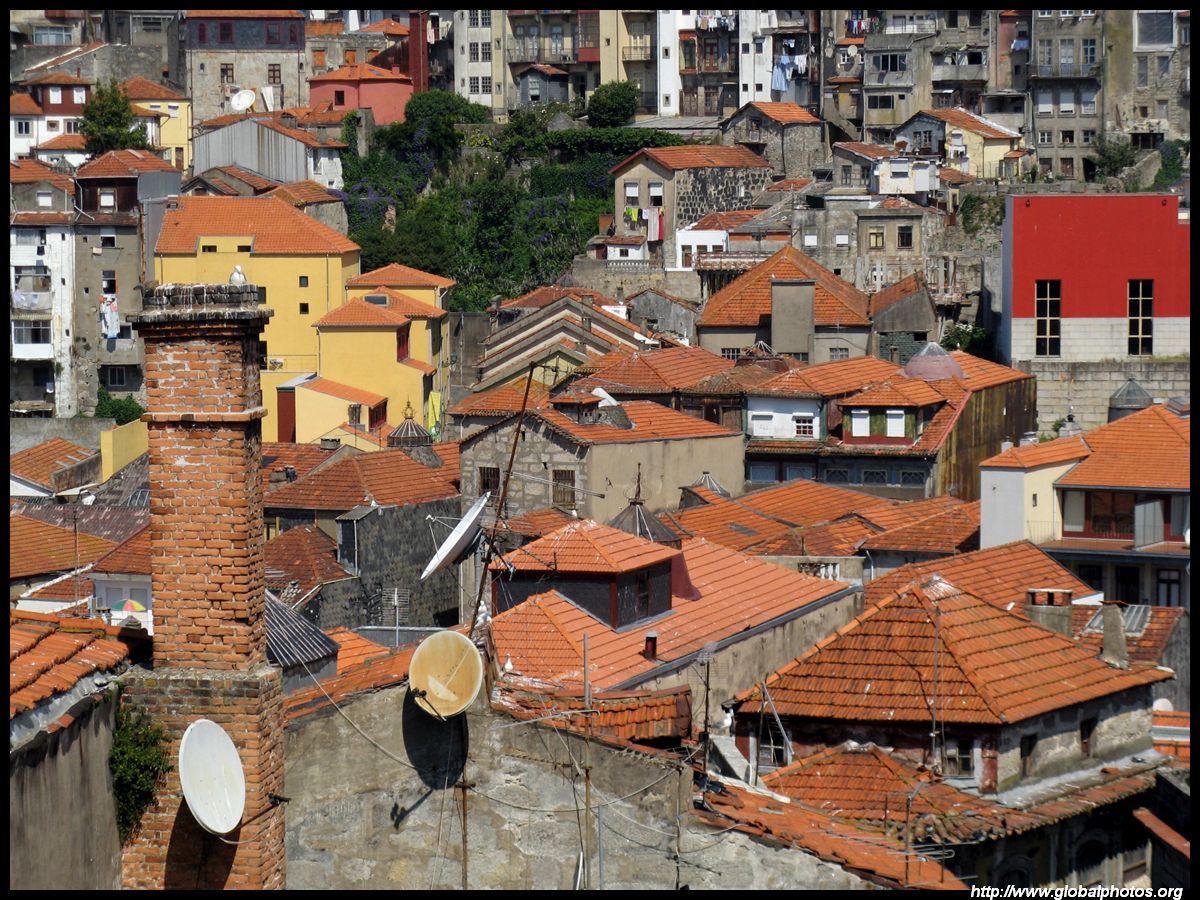
From the hill where the cathedral sits, you can spot the city's rugged topography once again.
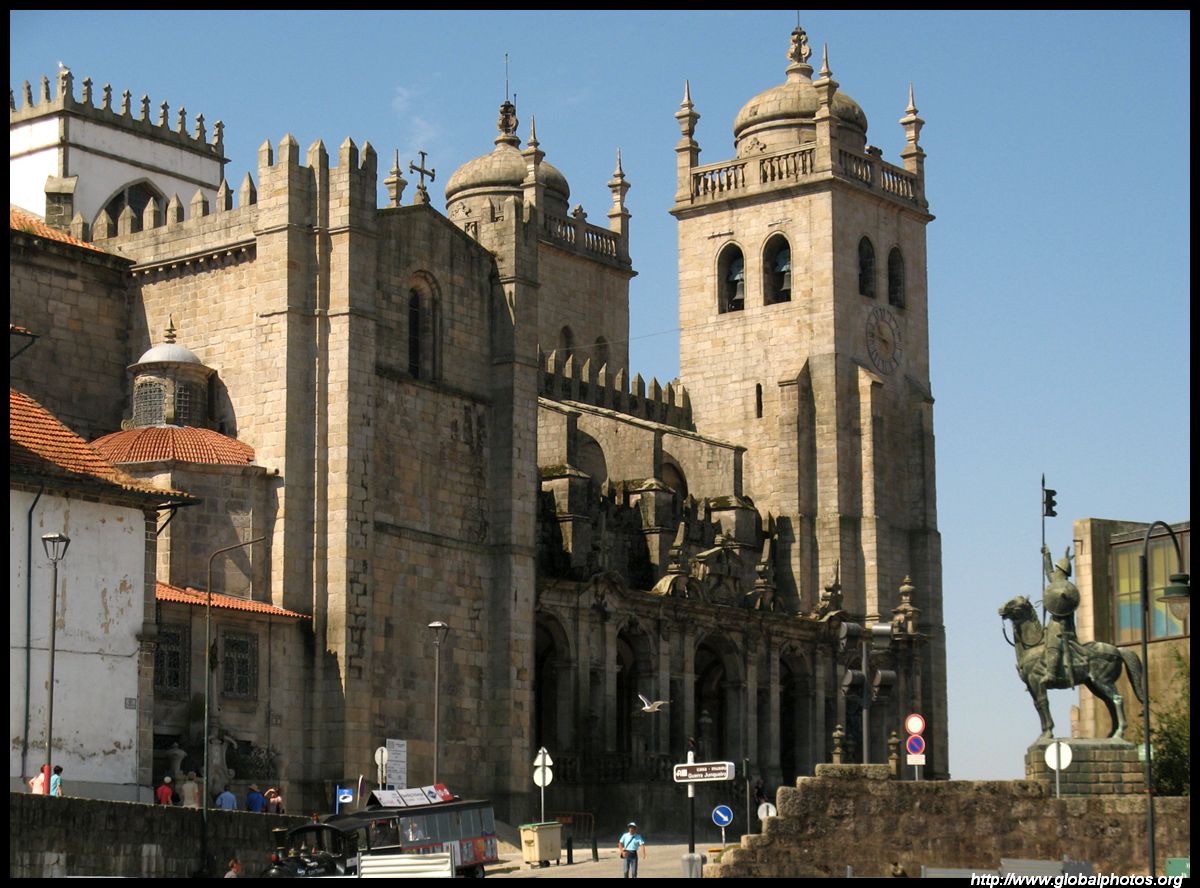
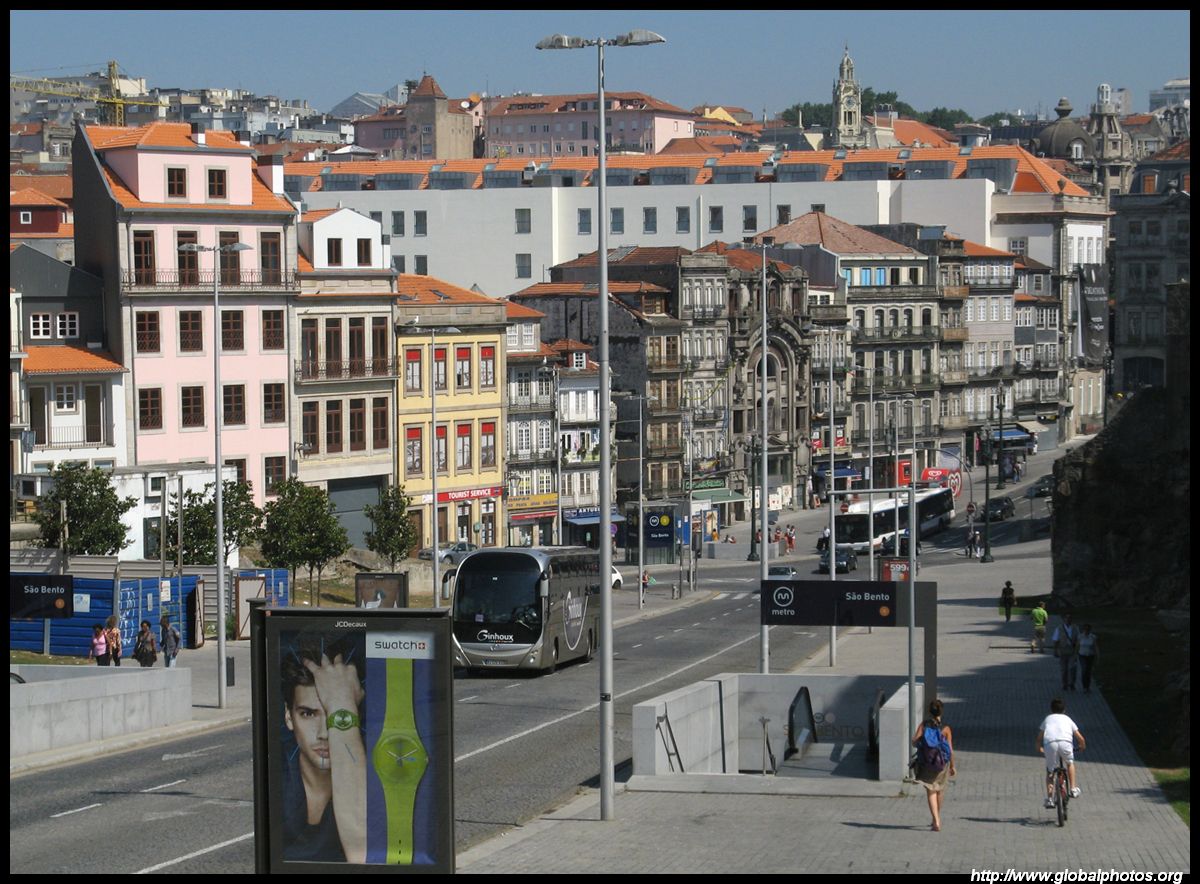
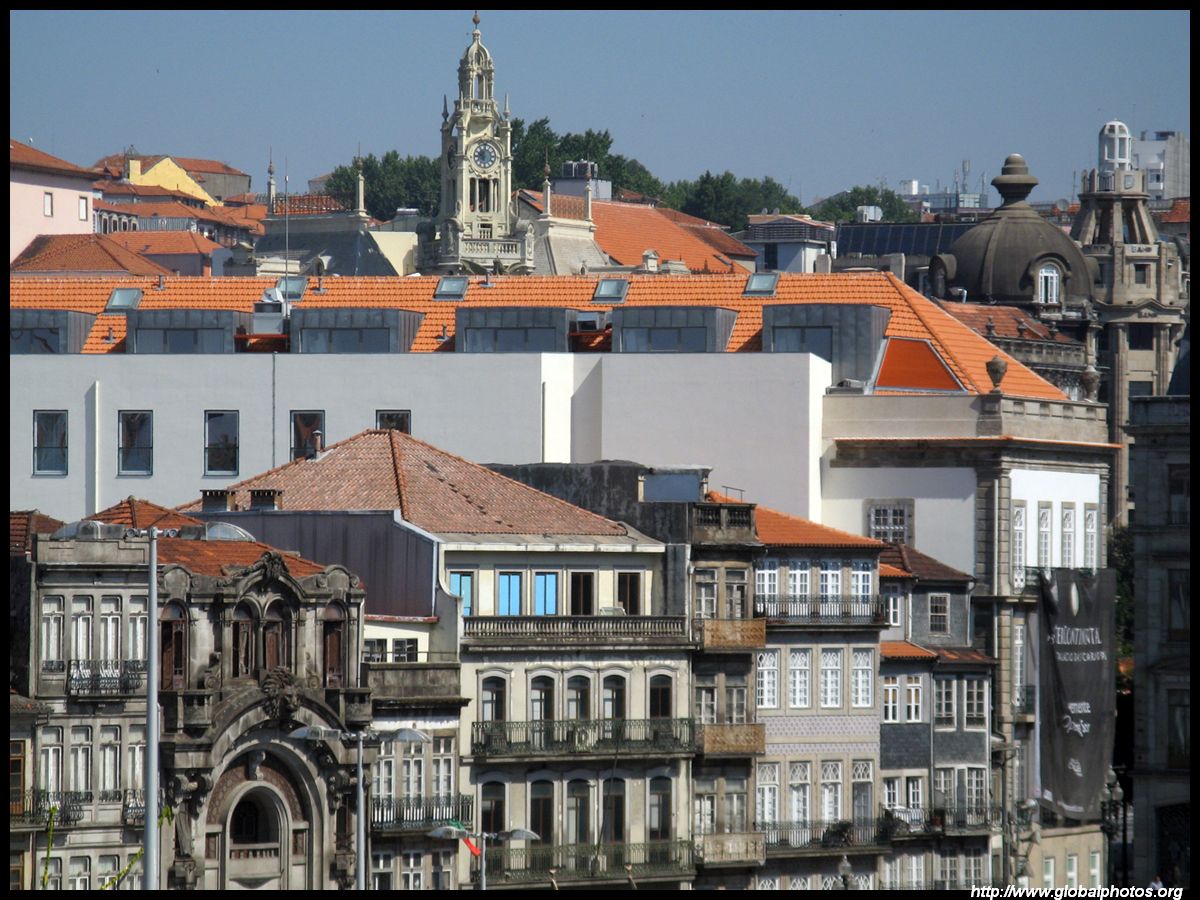
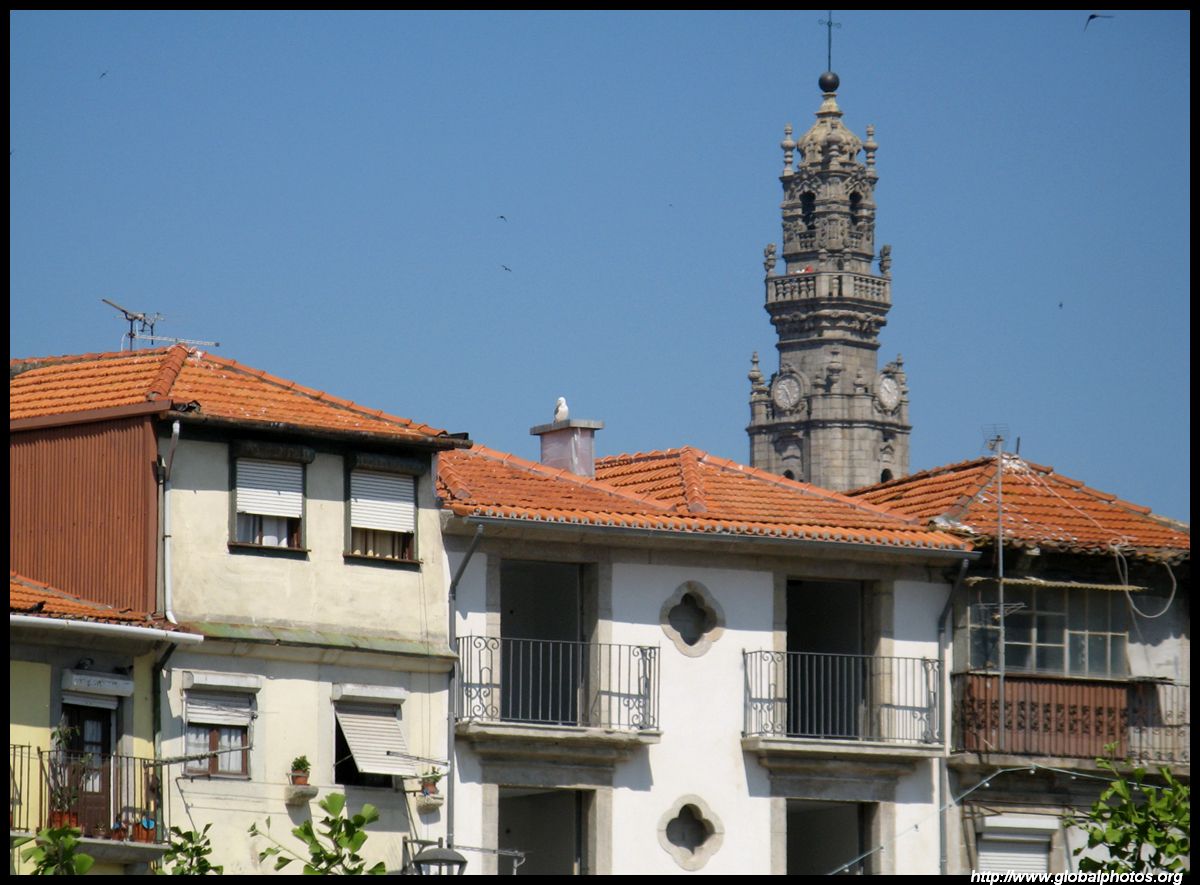
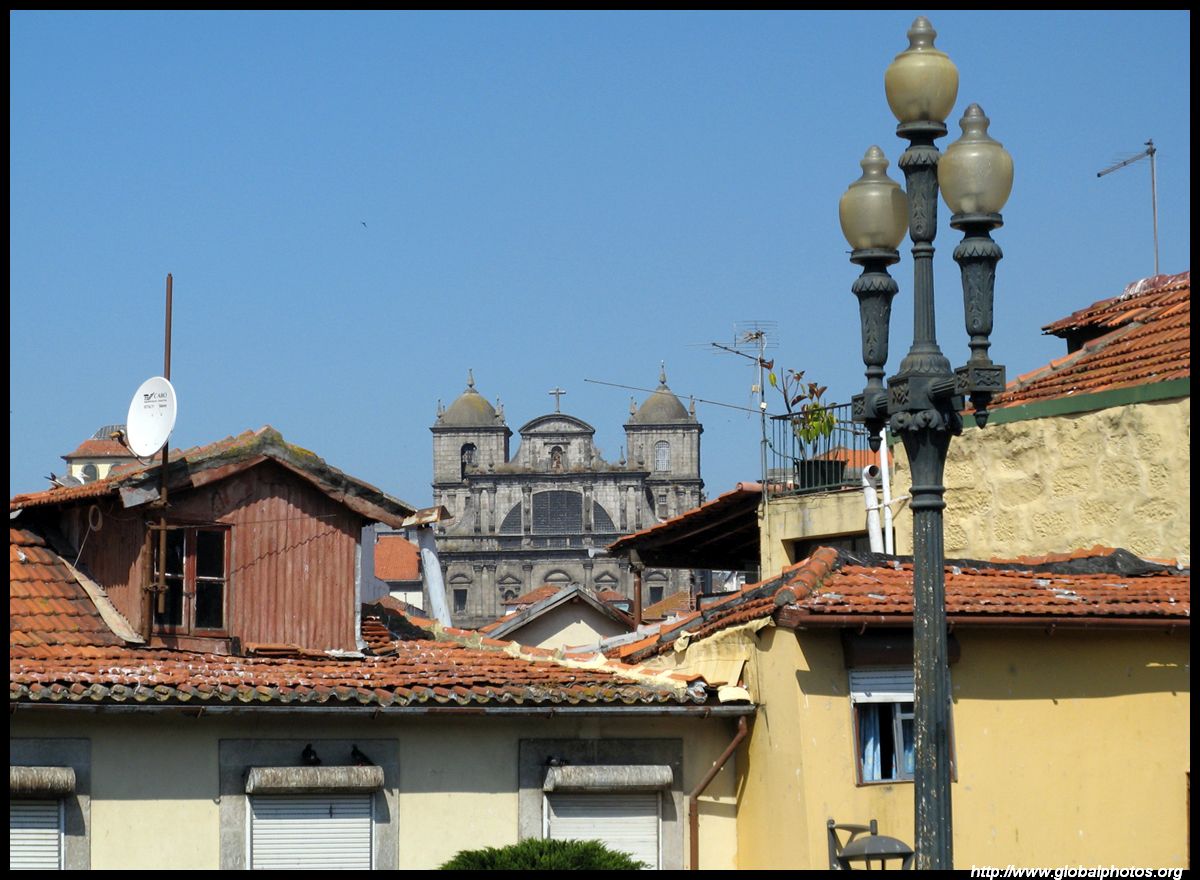
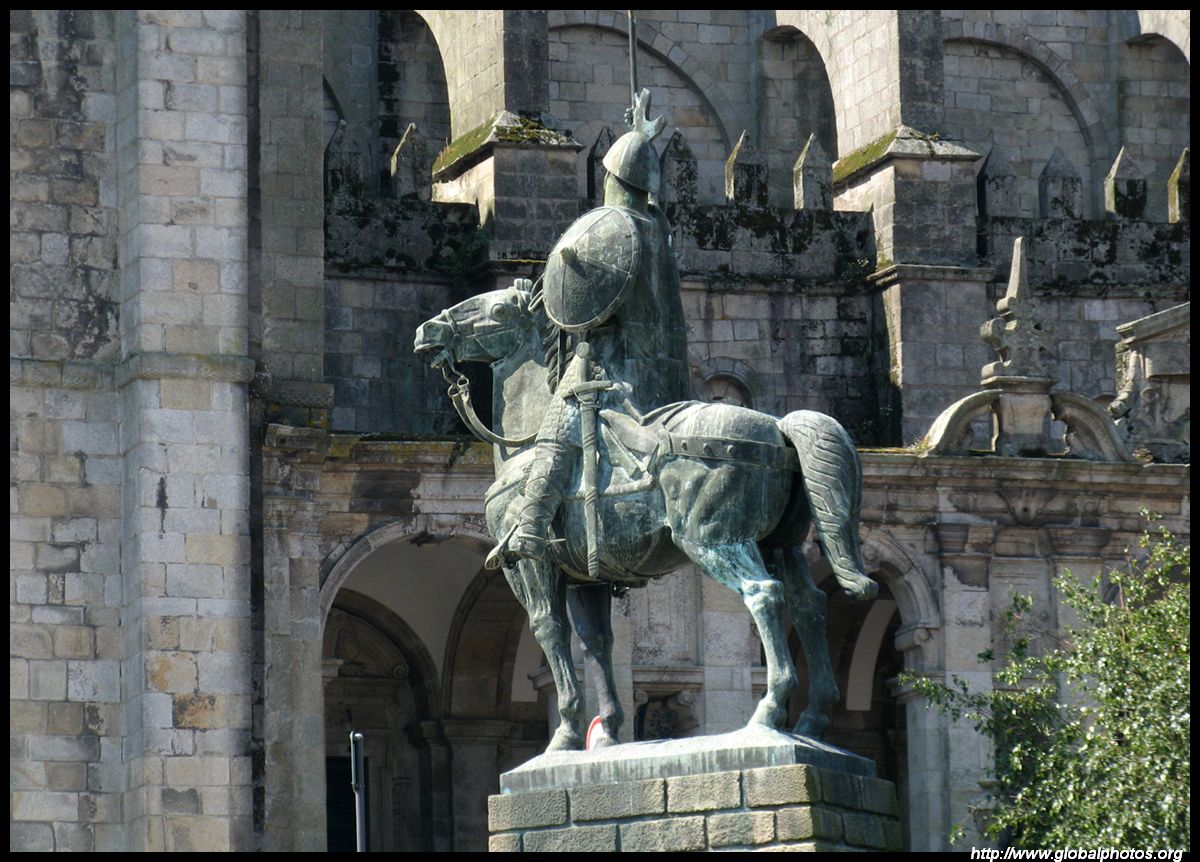
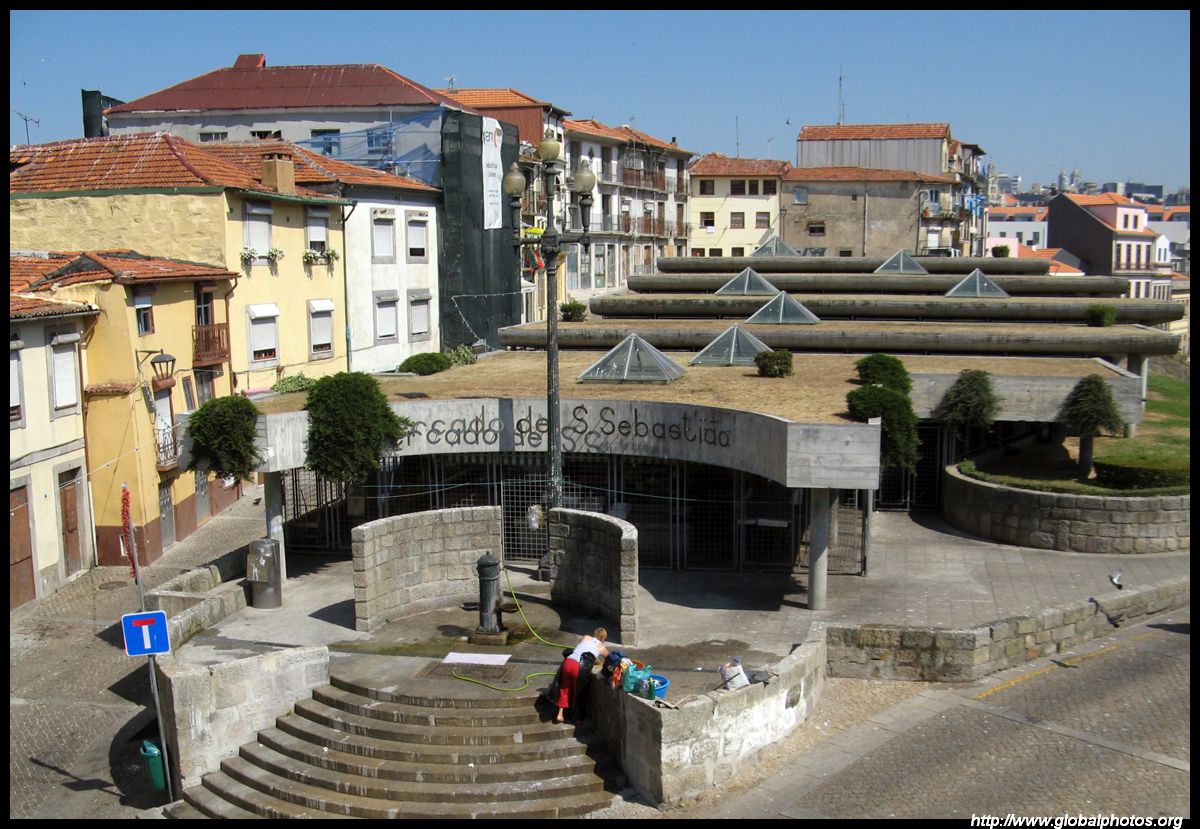
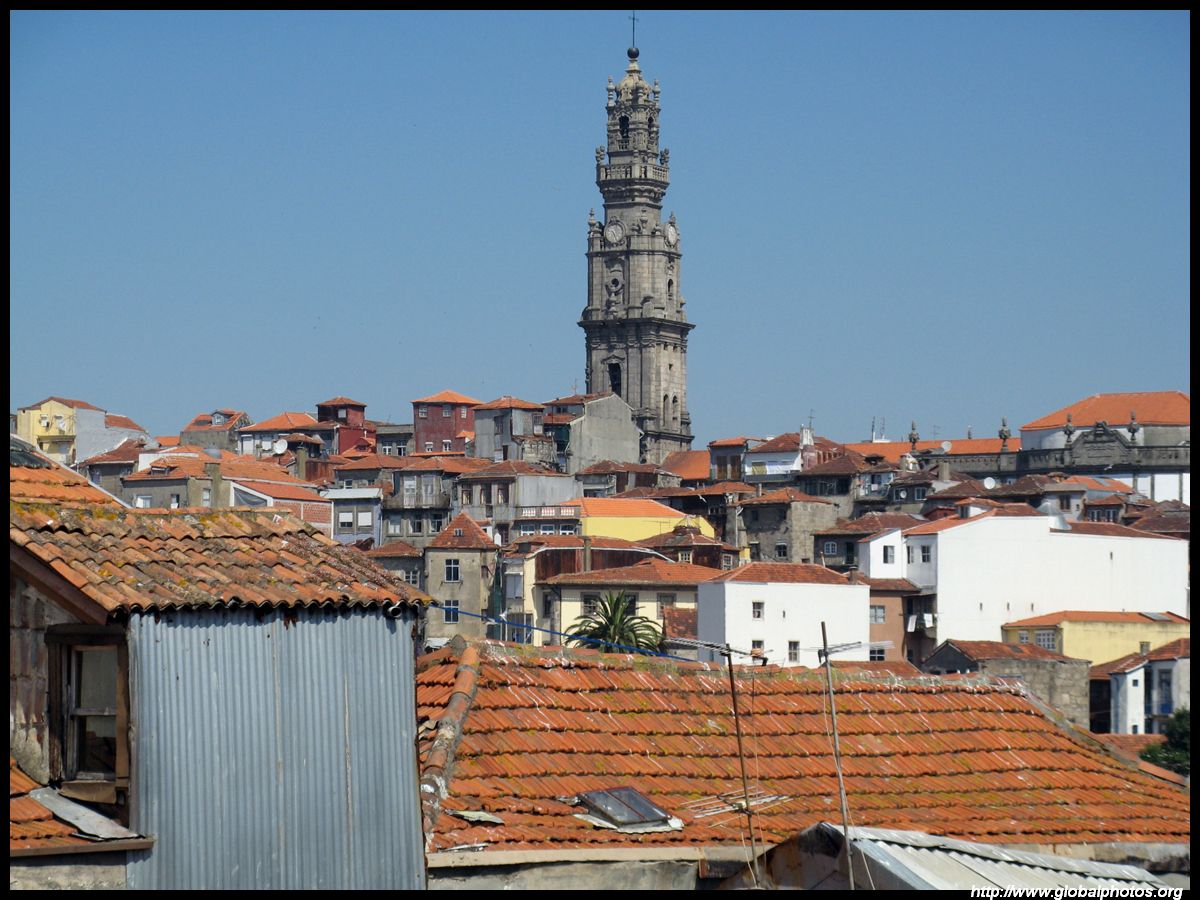
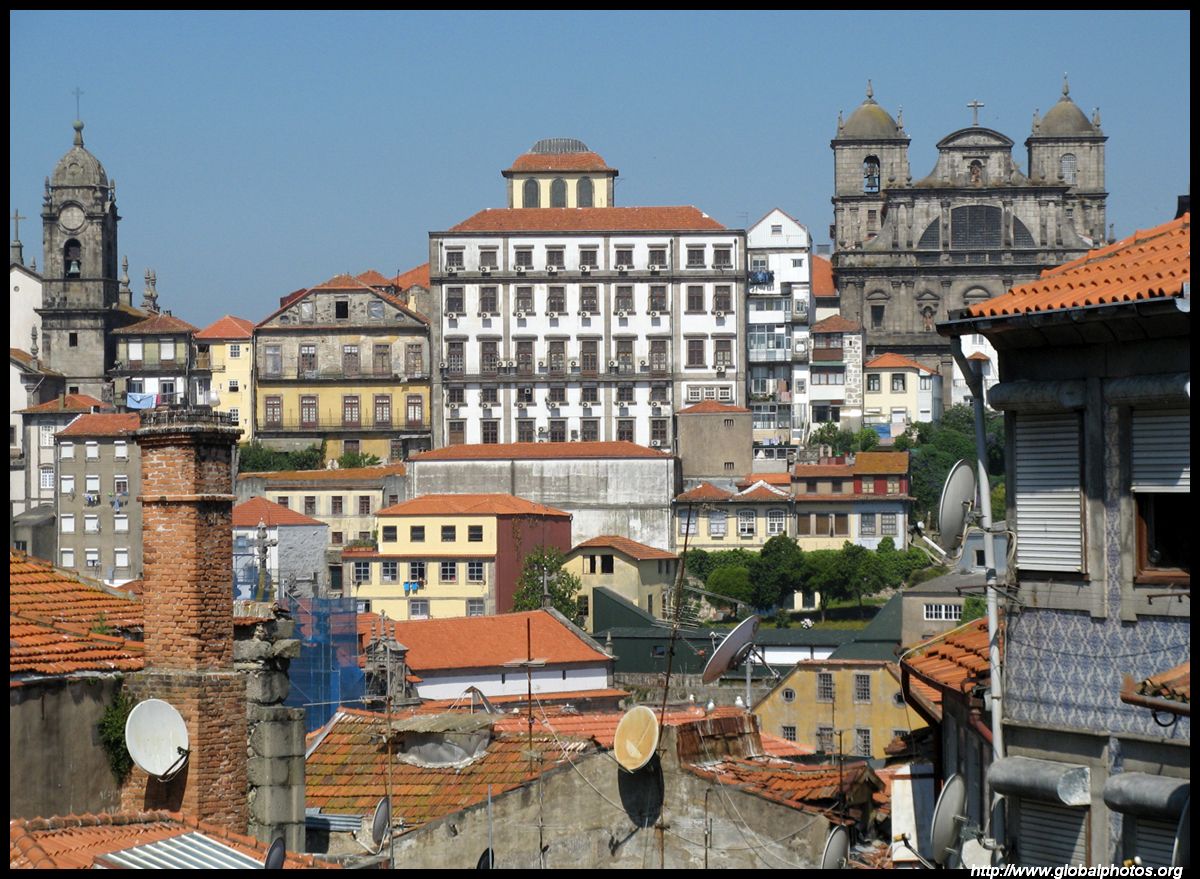
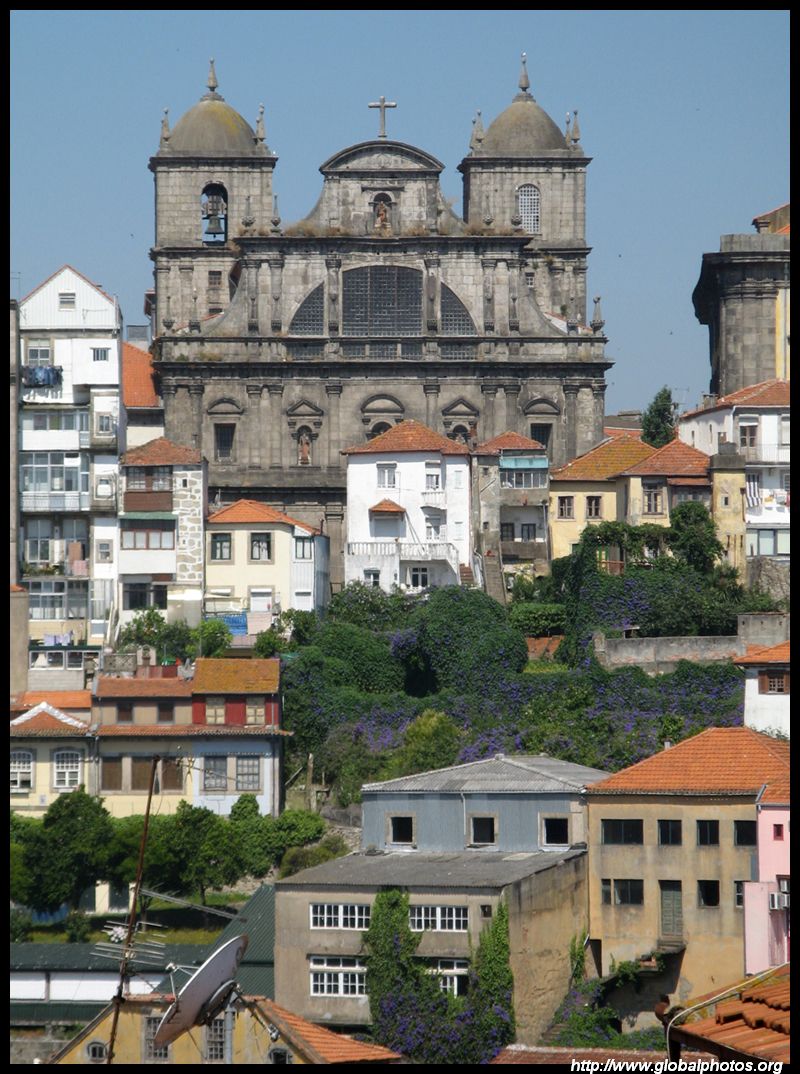
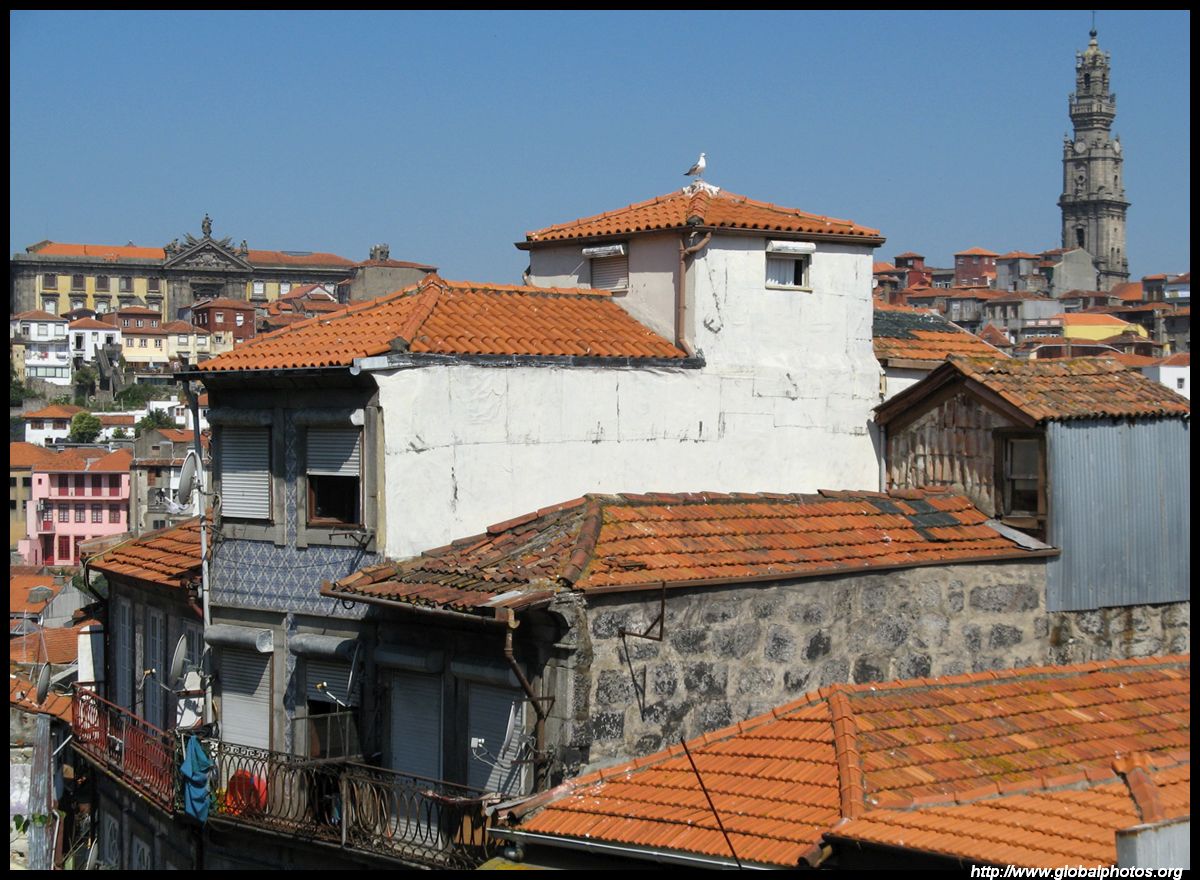
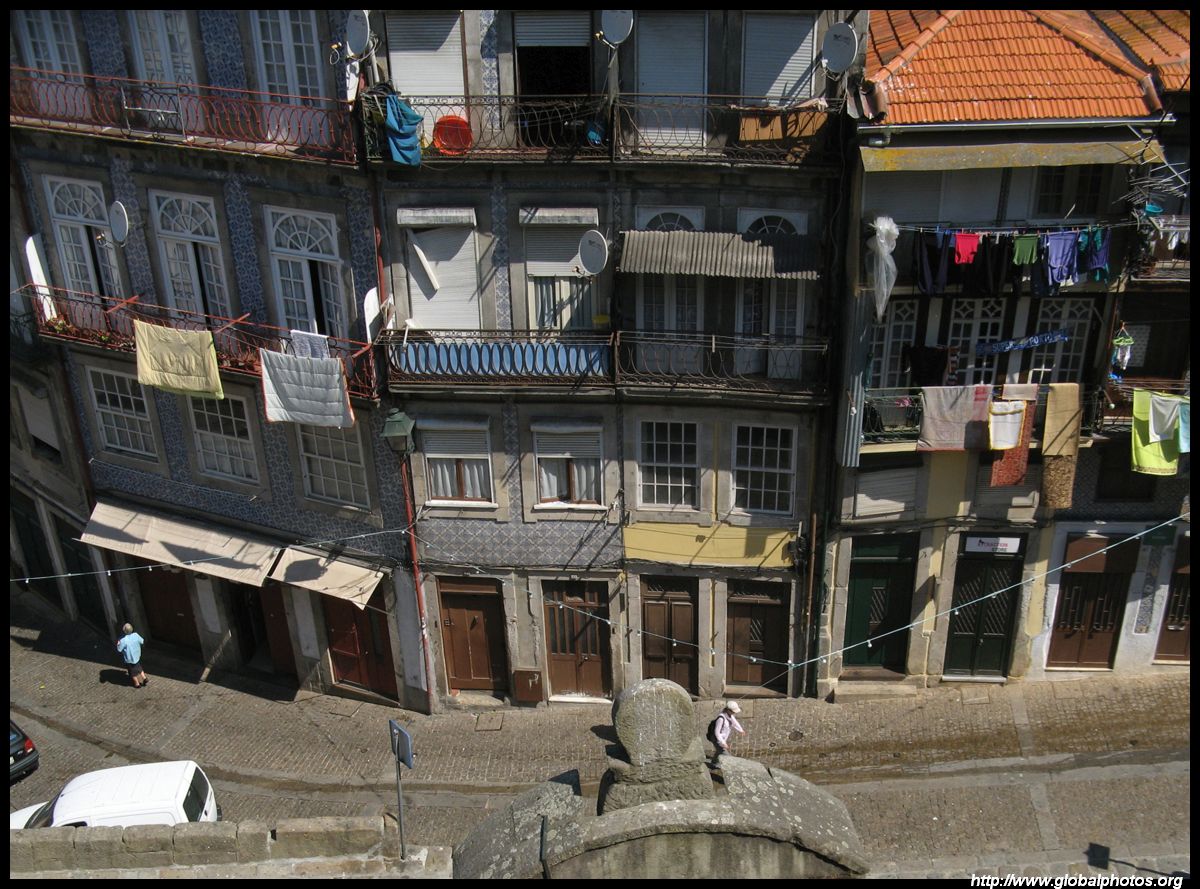
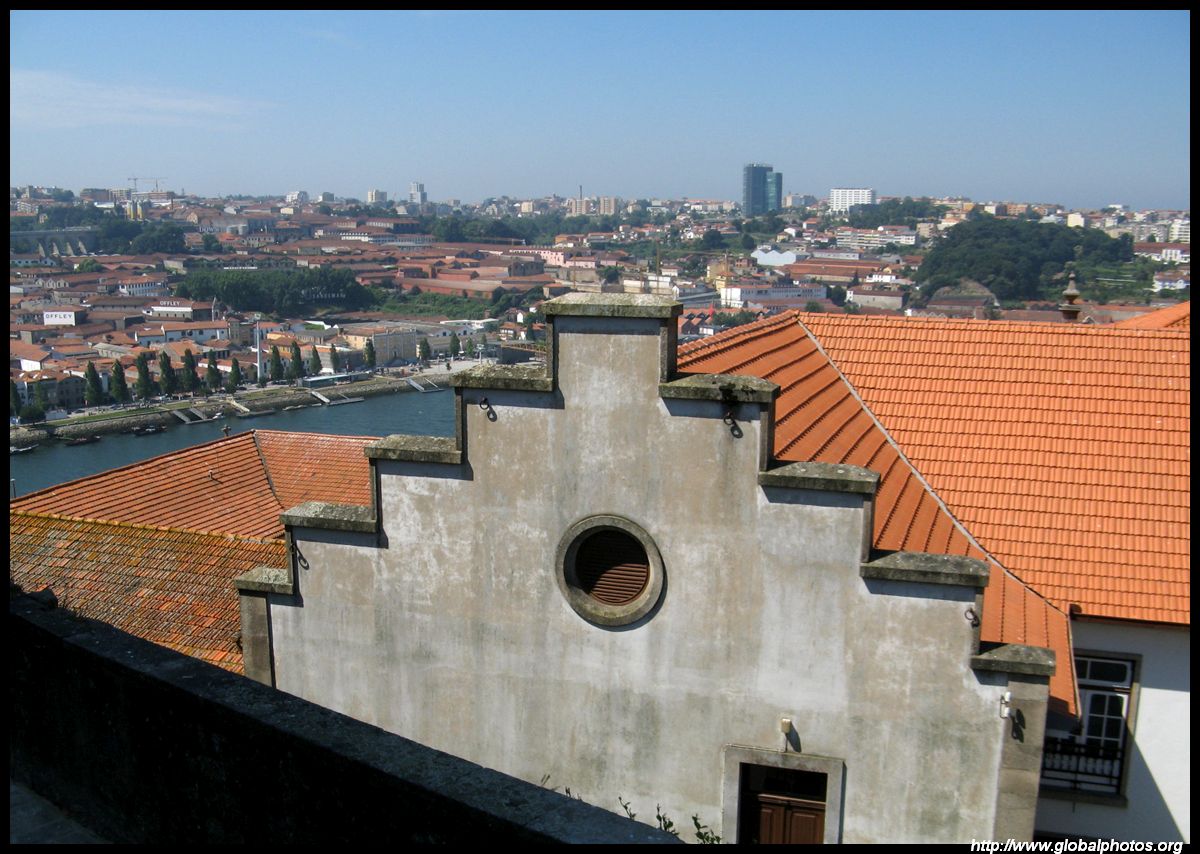
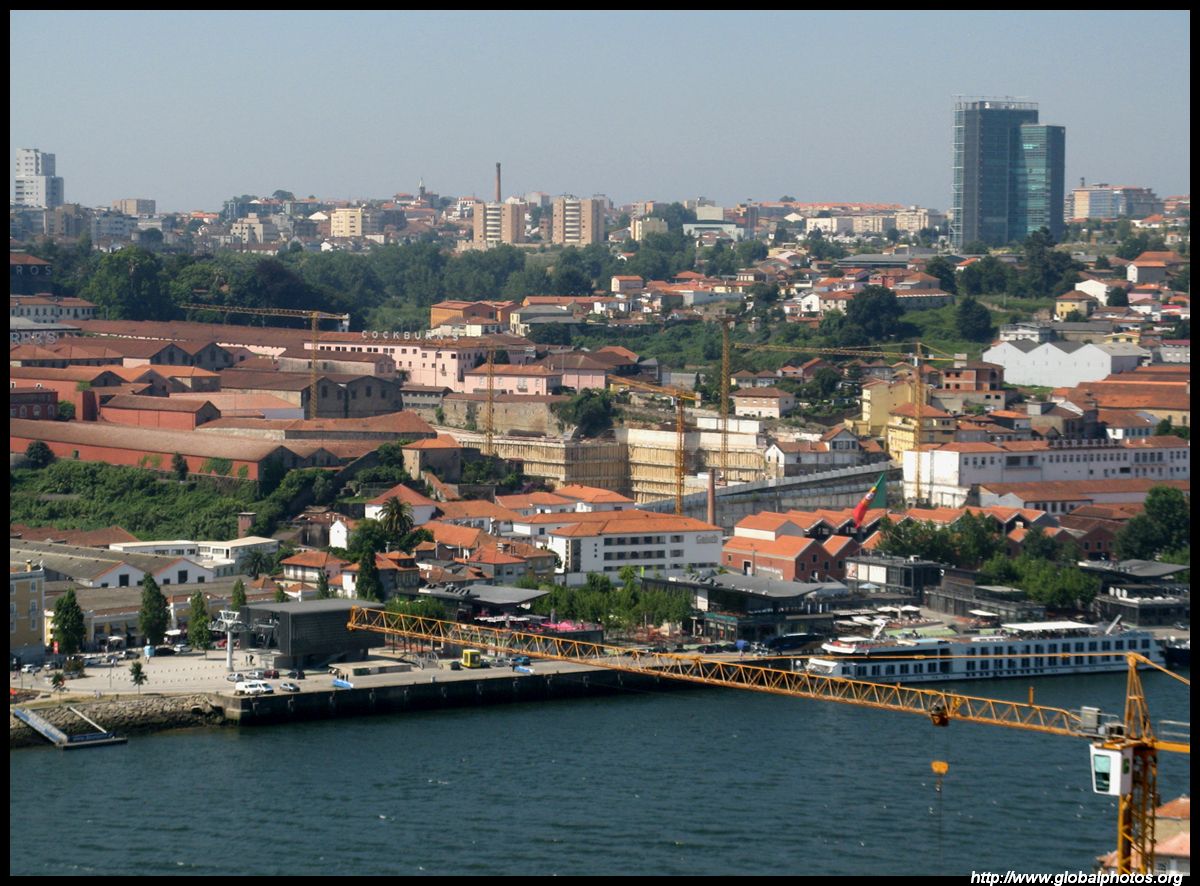
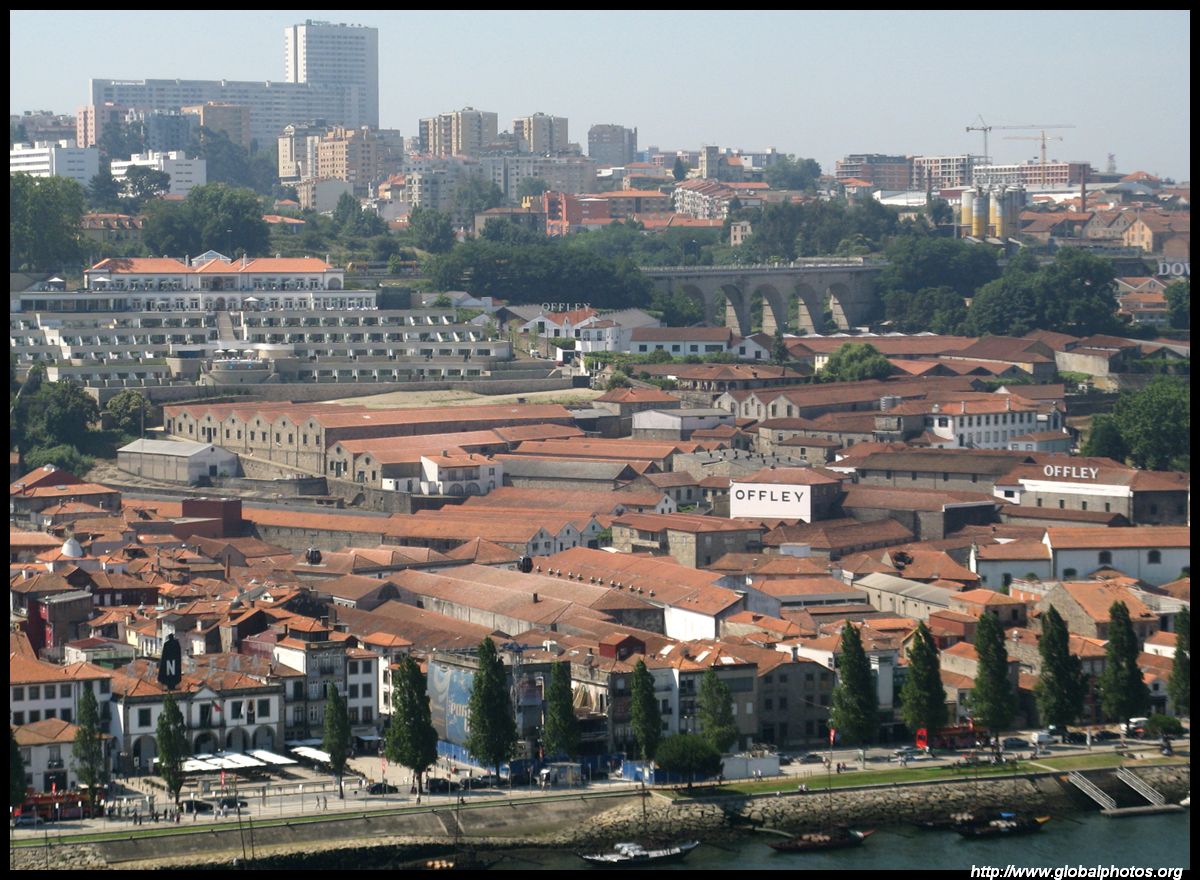
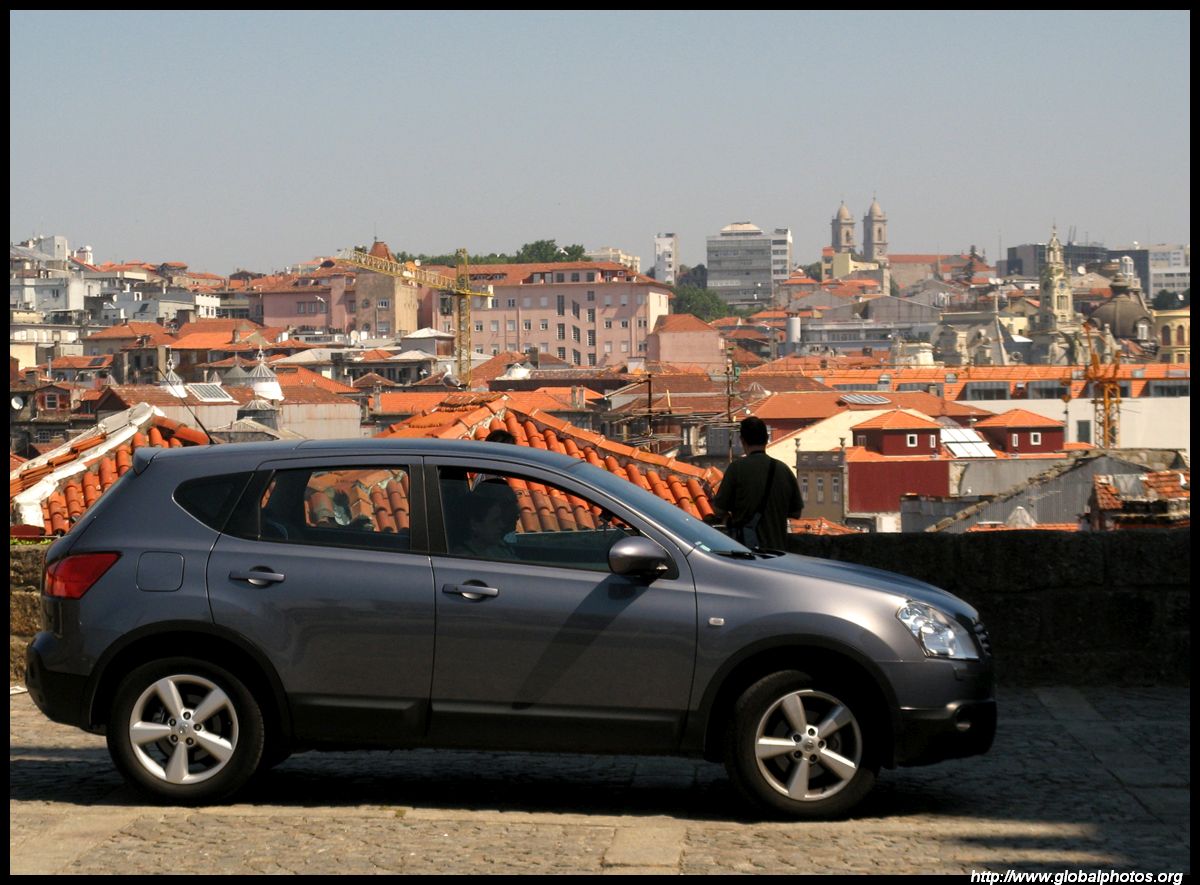
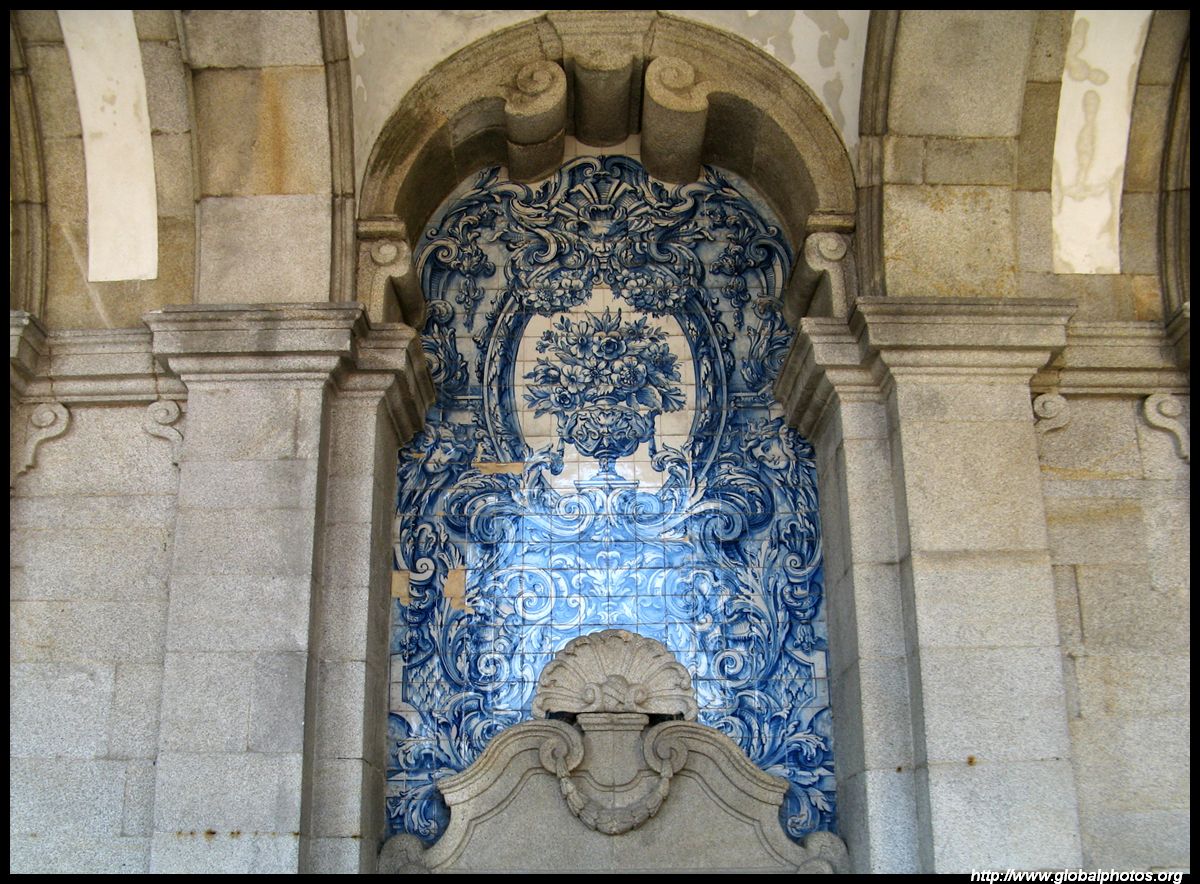
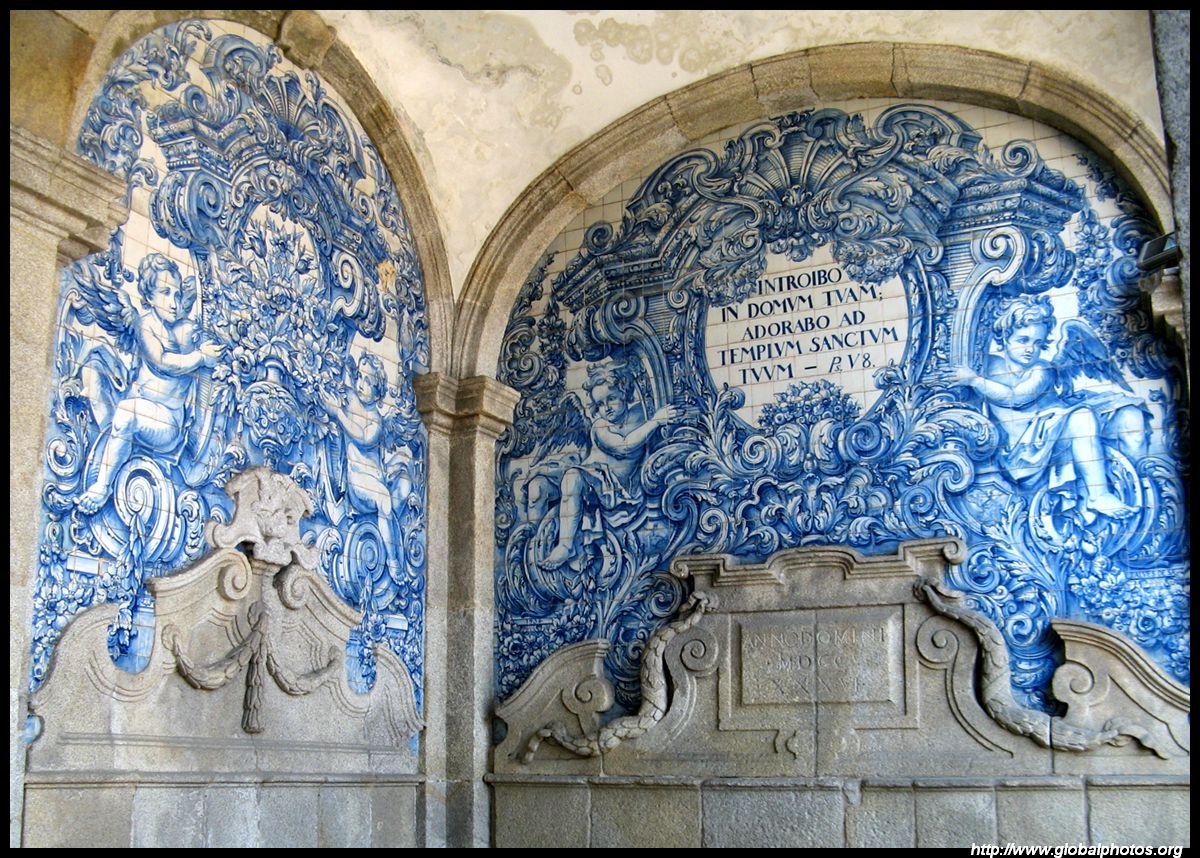
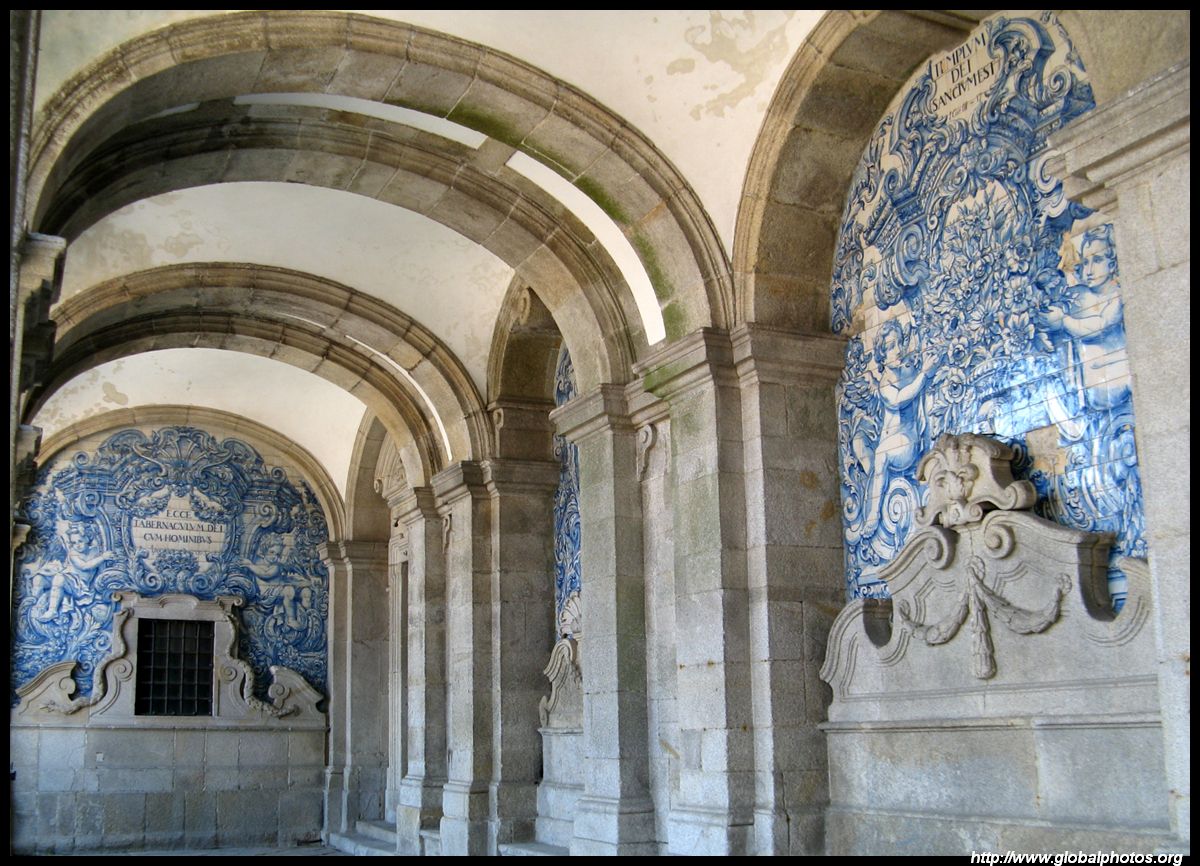
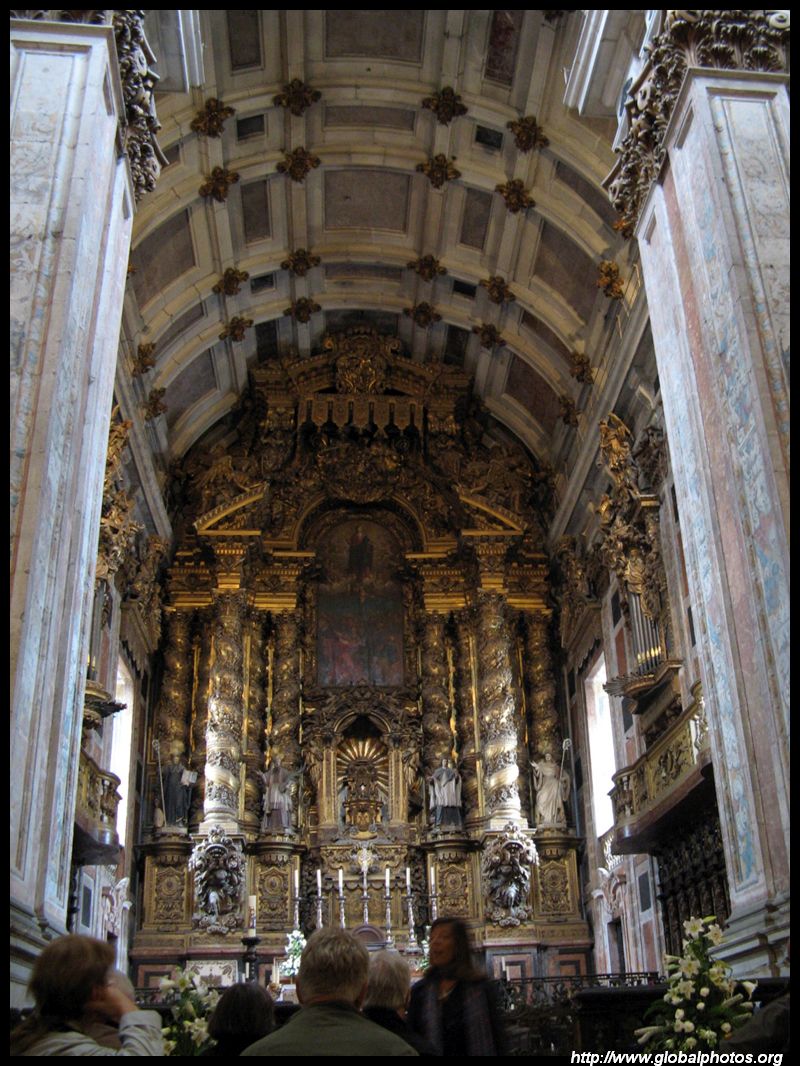
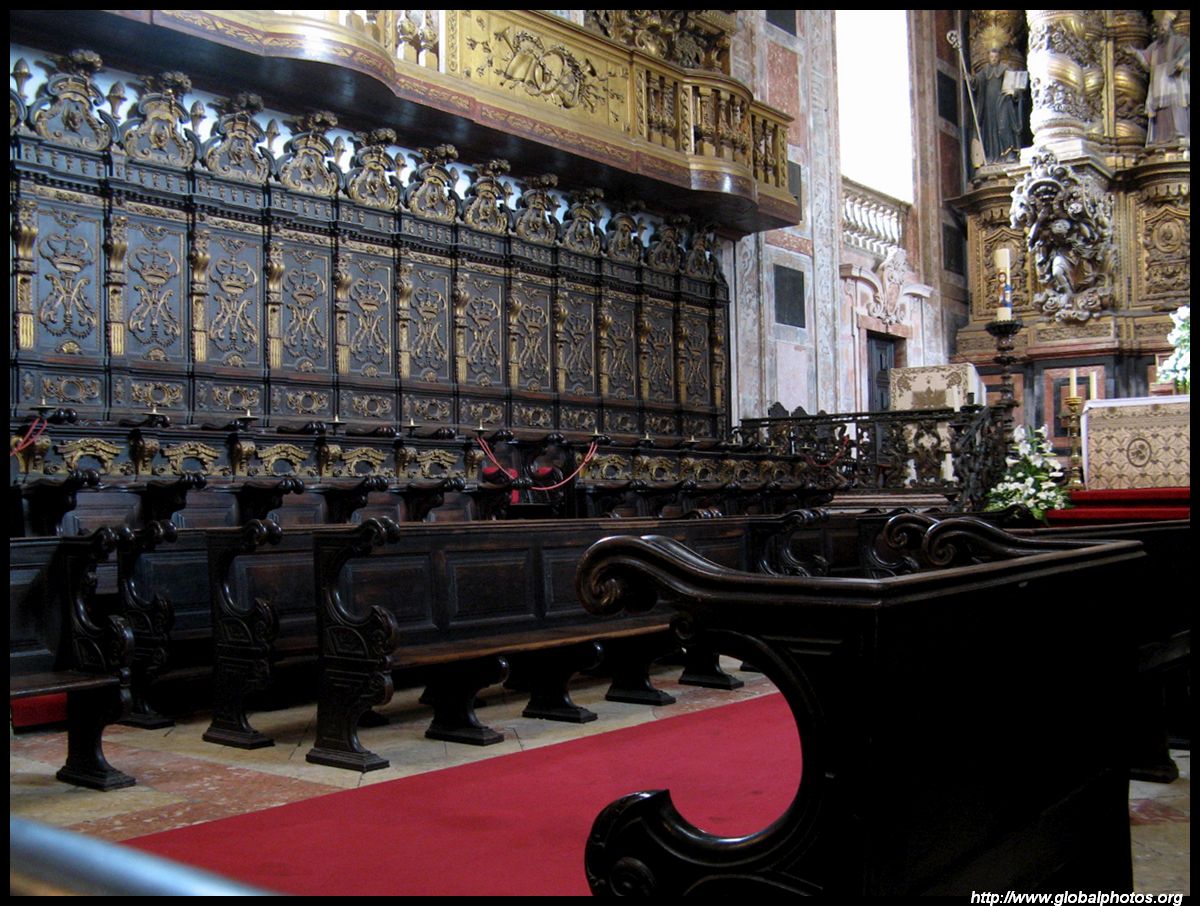
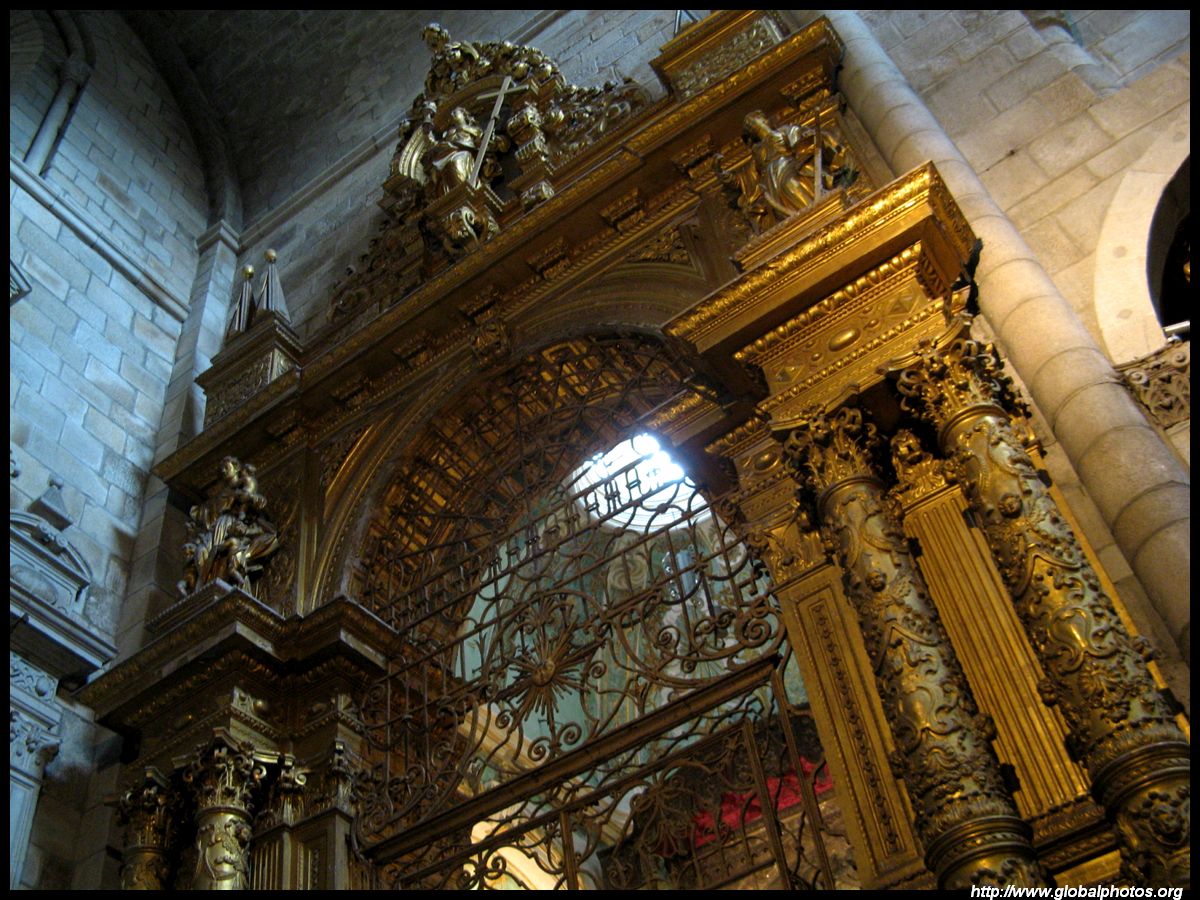
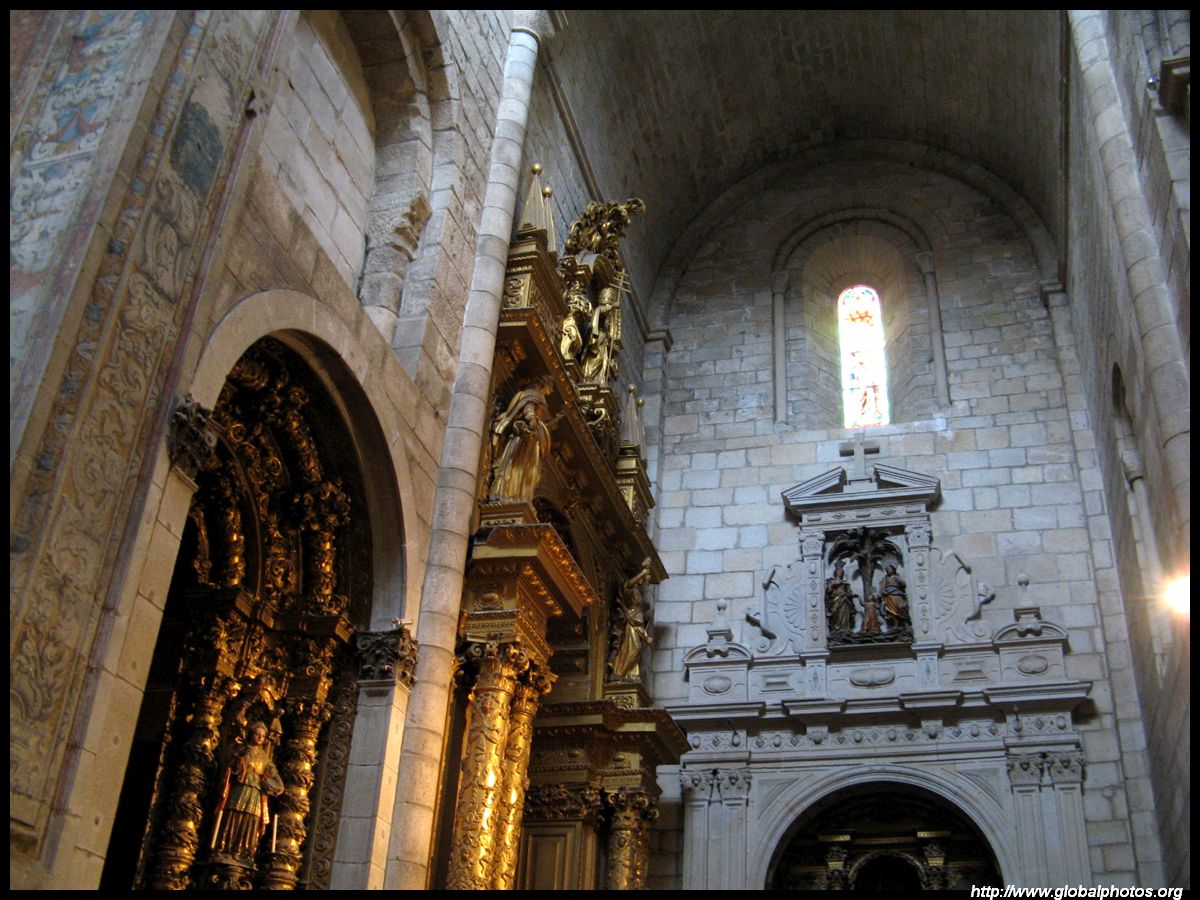
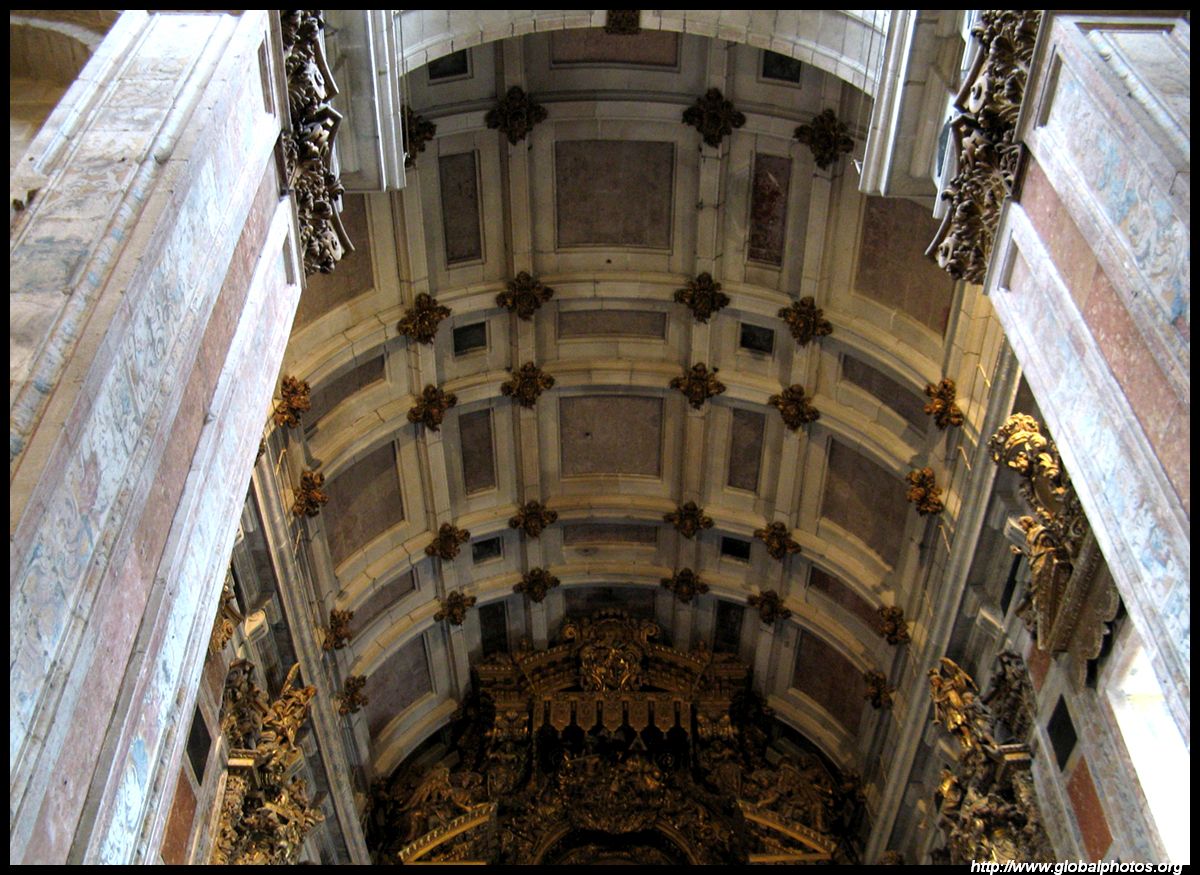
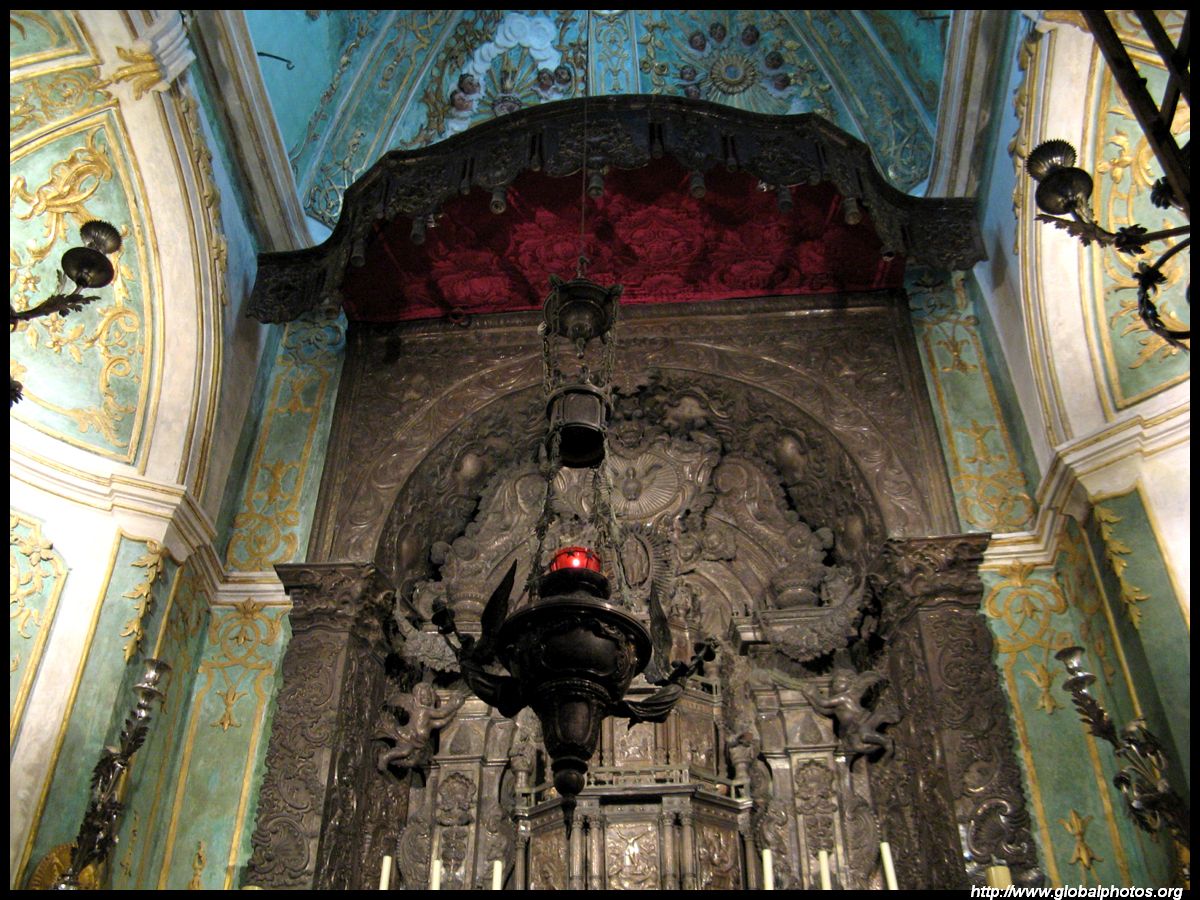
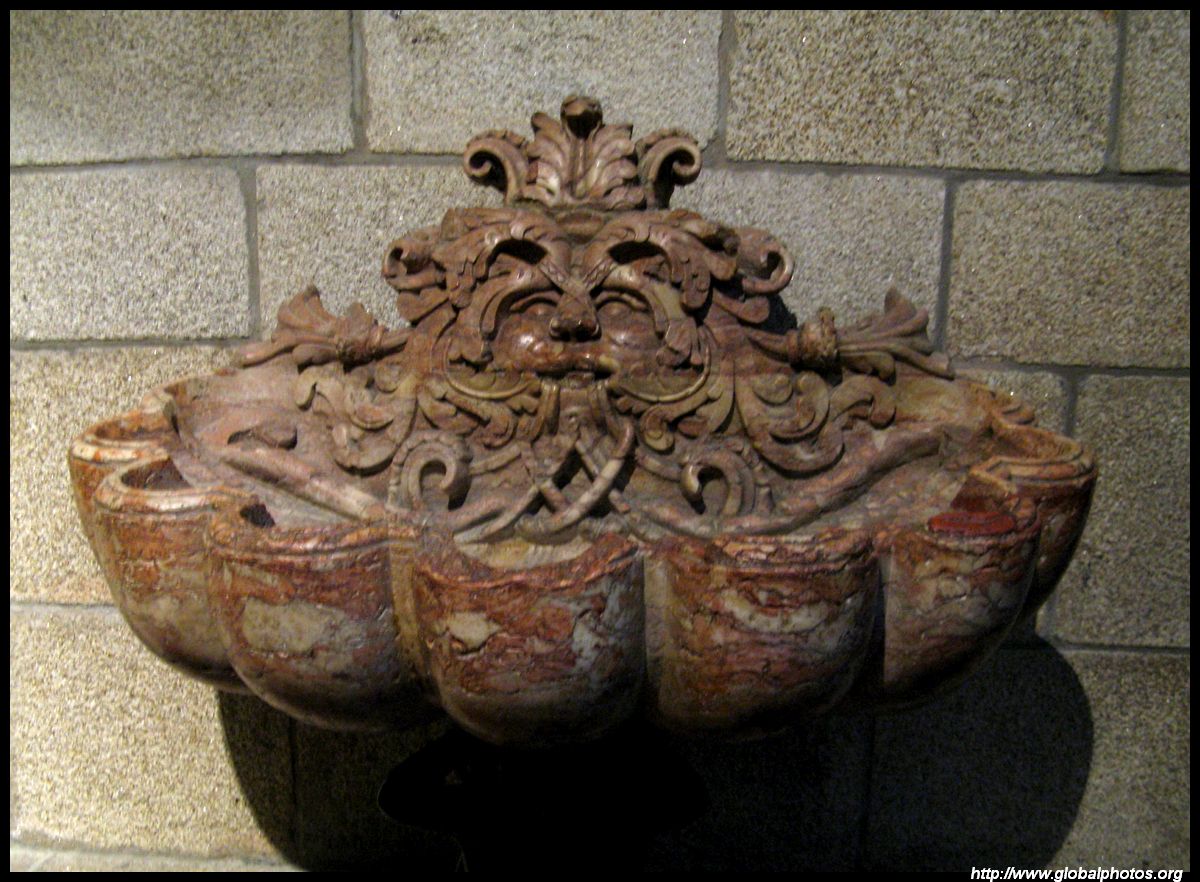
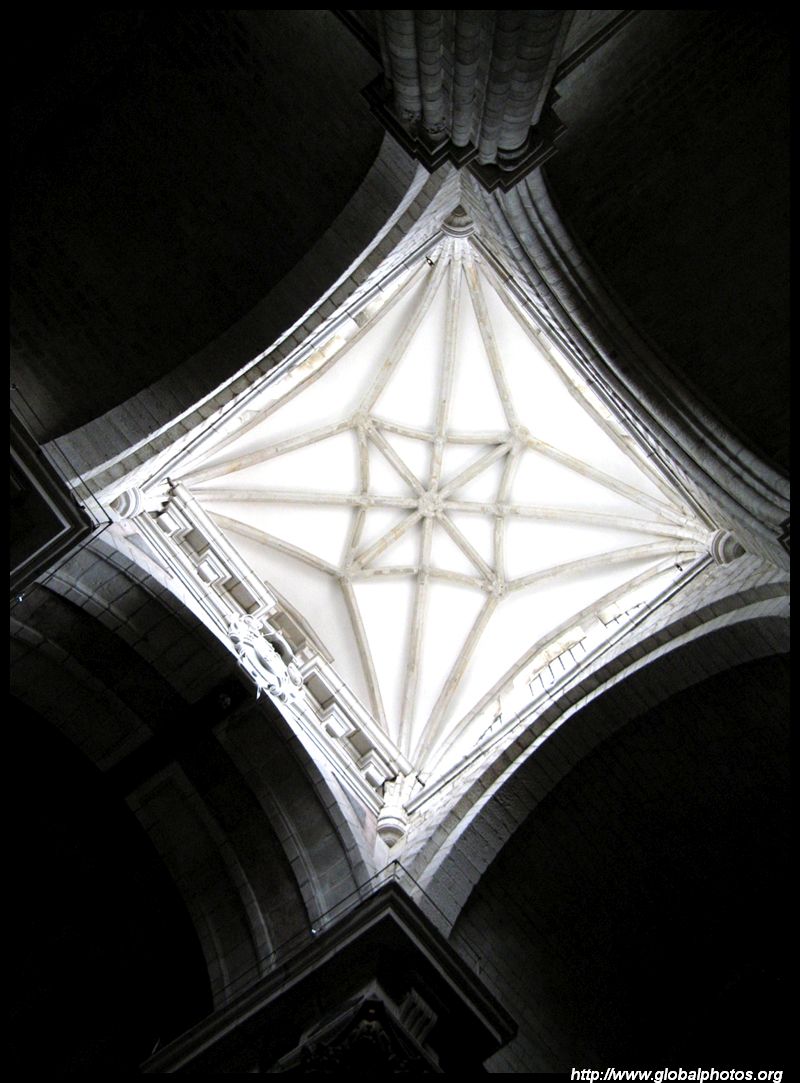
The cathedral's history dates back to the 12th century, and witnessed a few kings' marriages. Construction continued for over 6 centuries. Despite its seemingly boring exterior, do make it inside and amaze at the decor.