Toronto Photo Gallery - Gardiner Museum
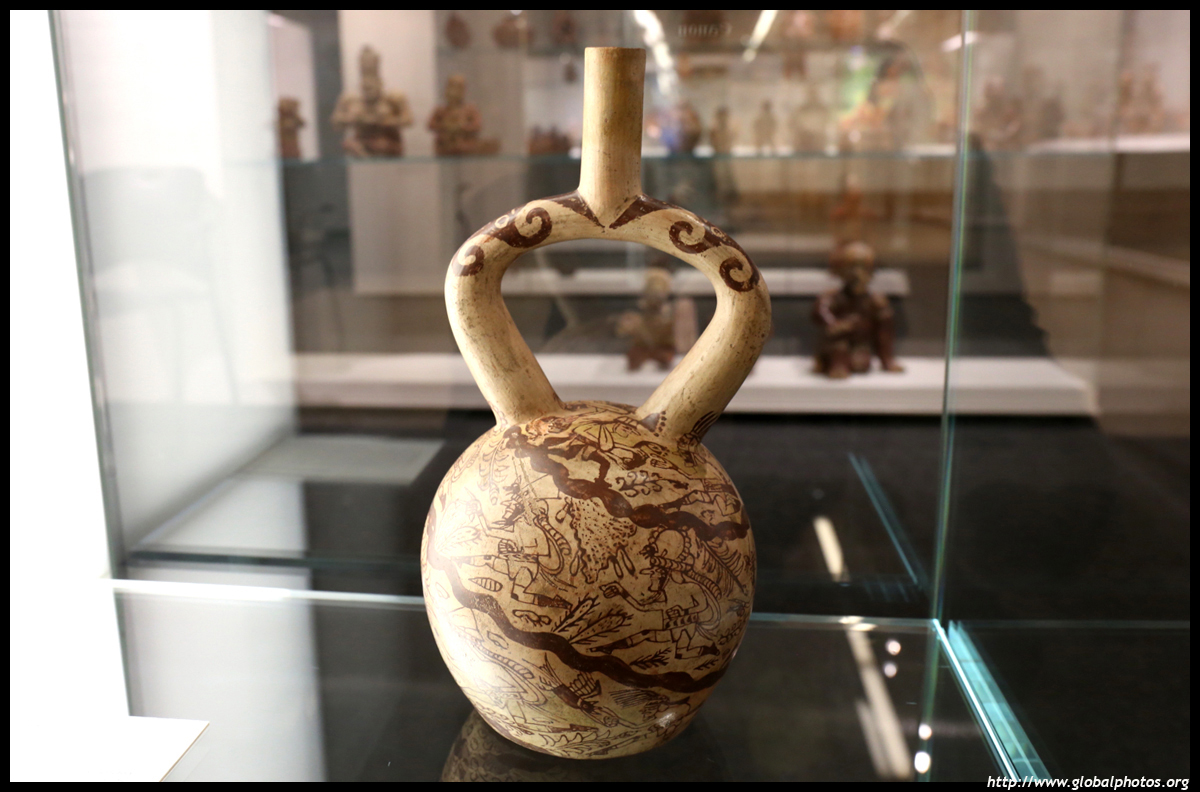
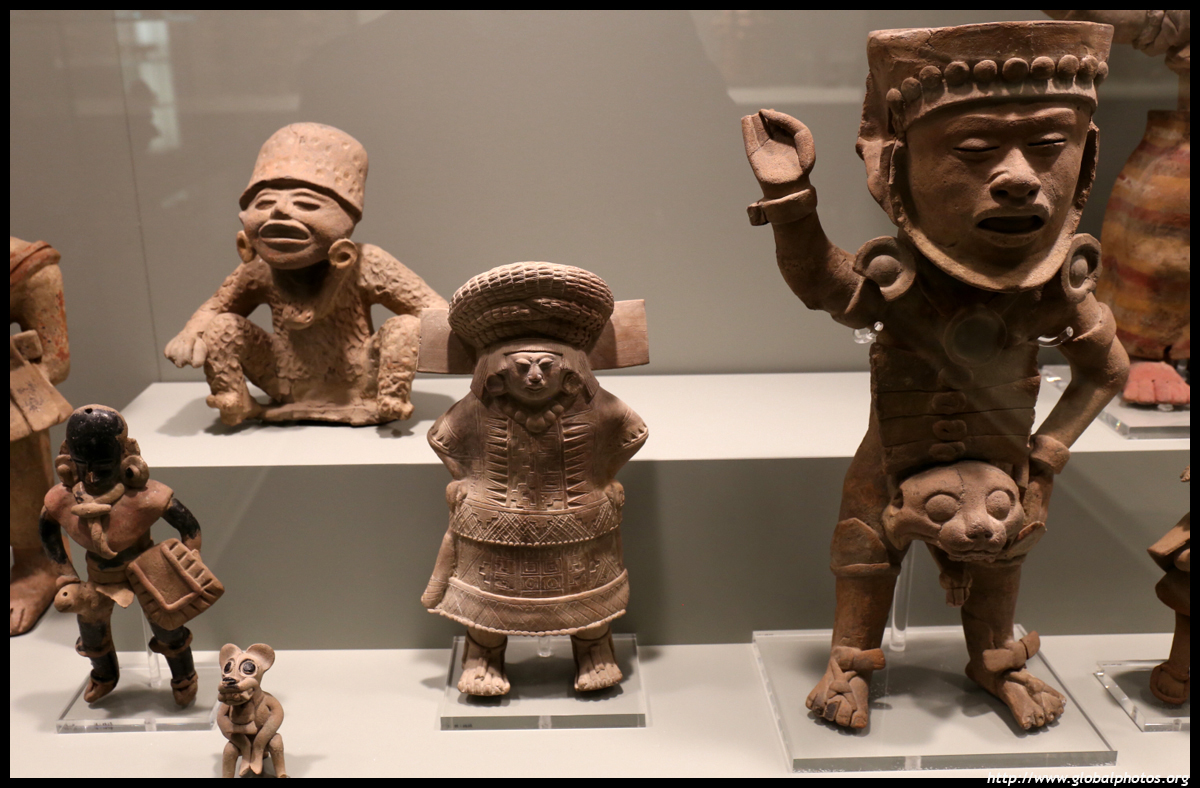
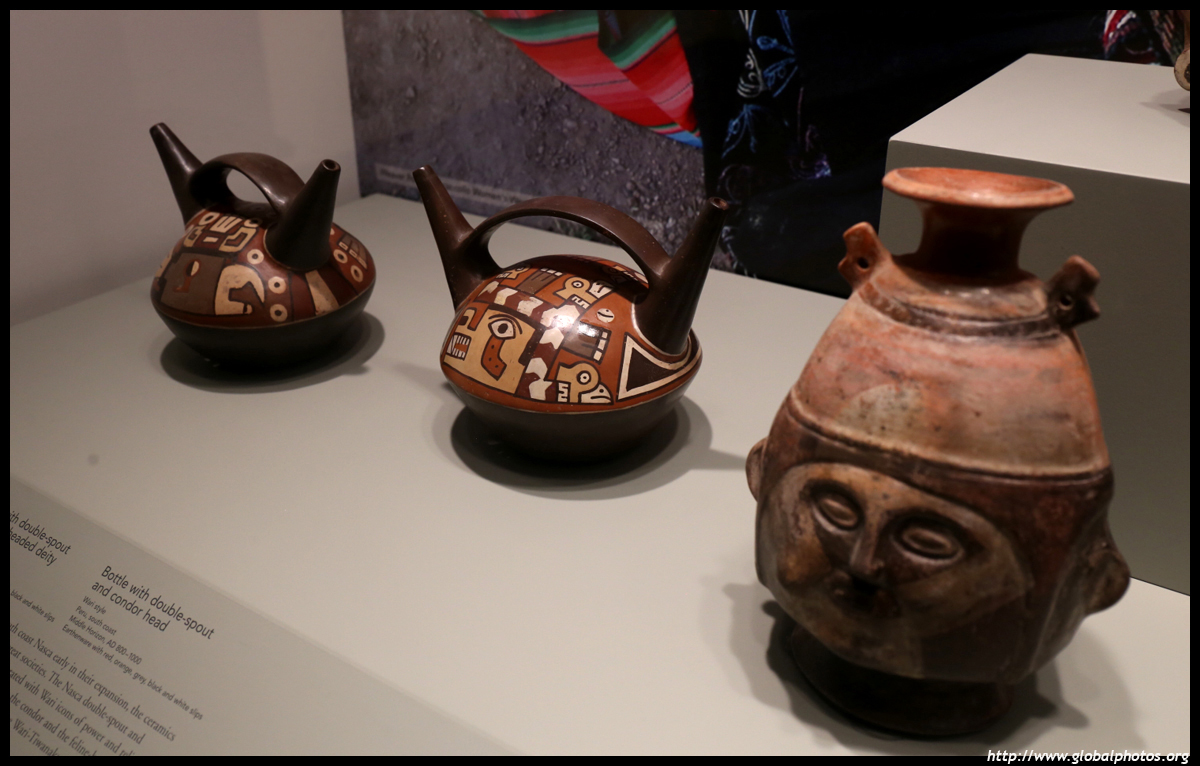
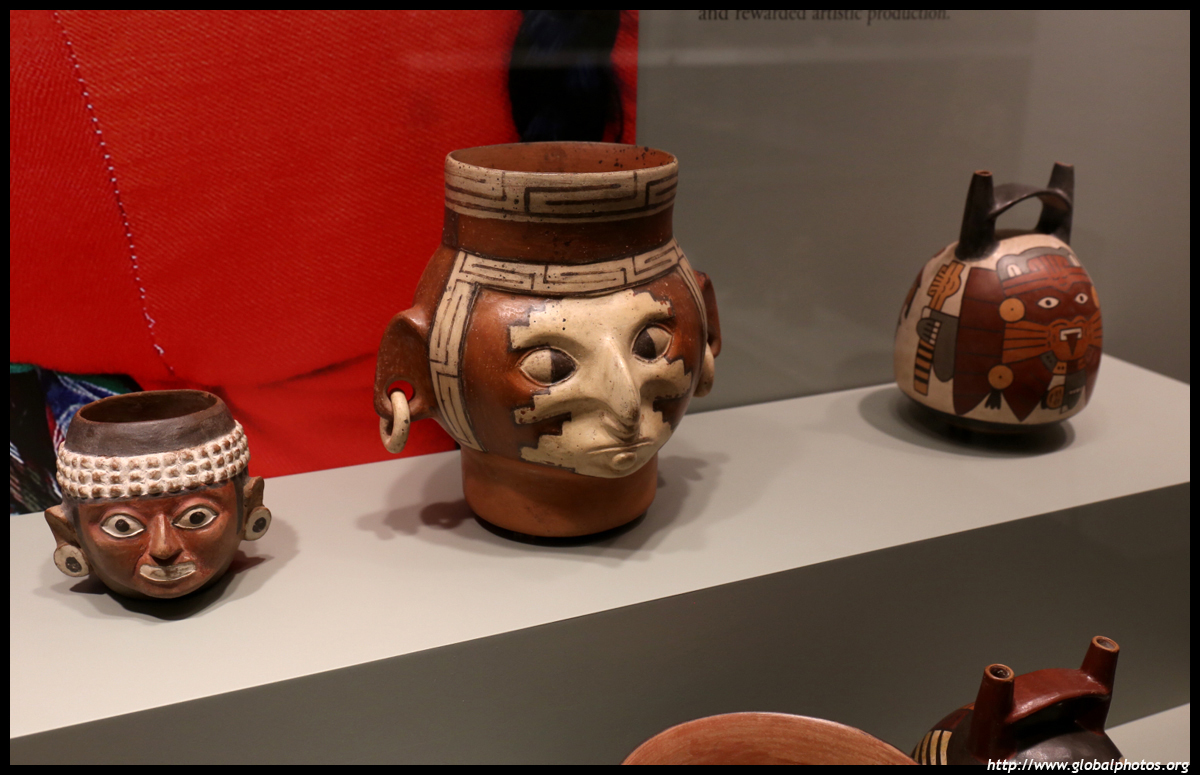
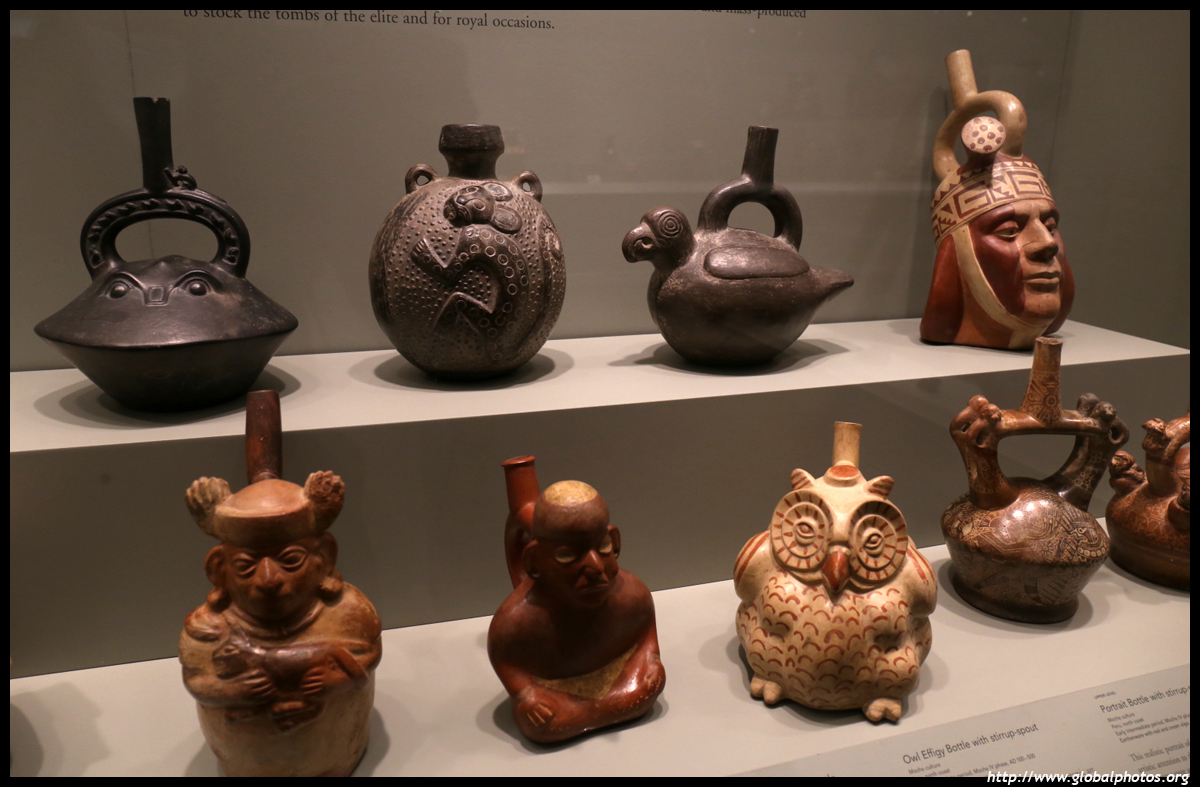
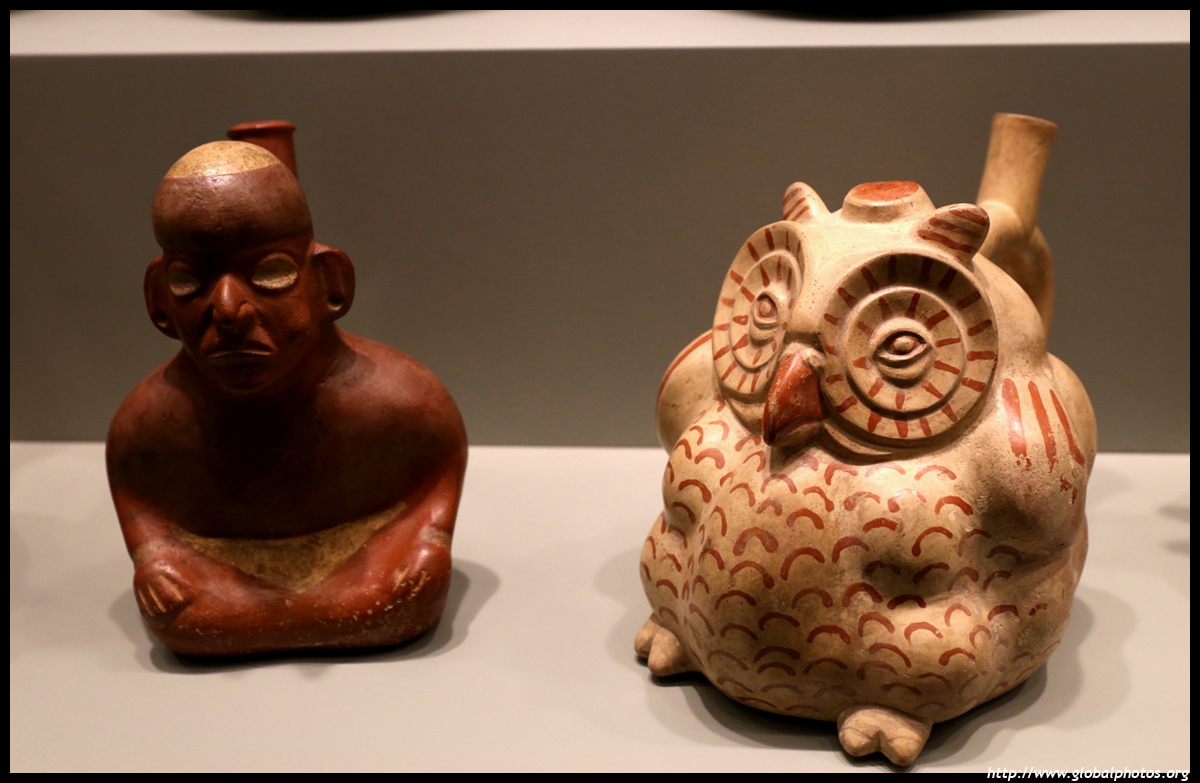
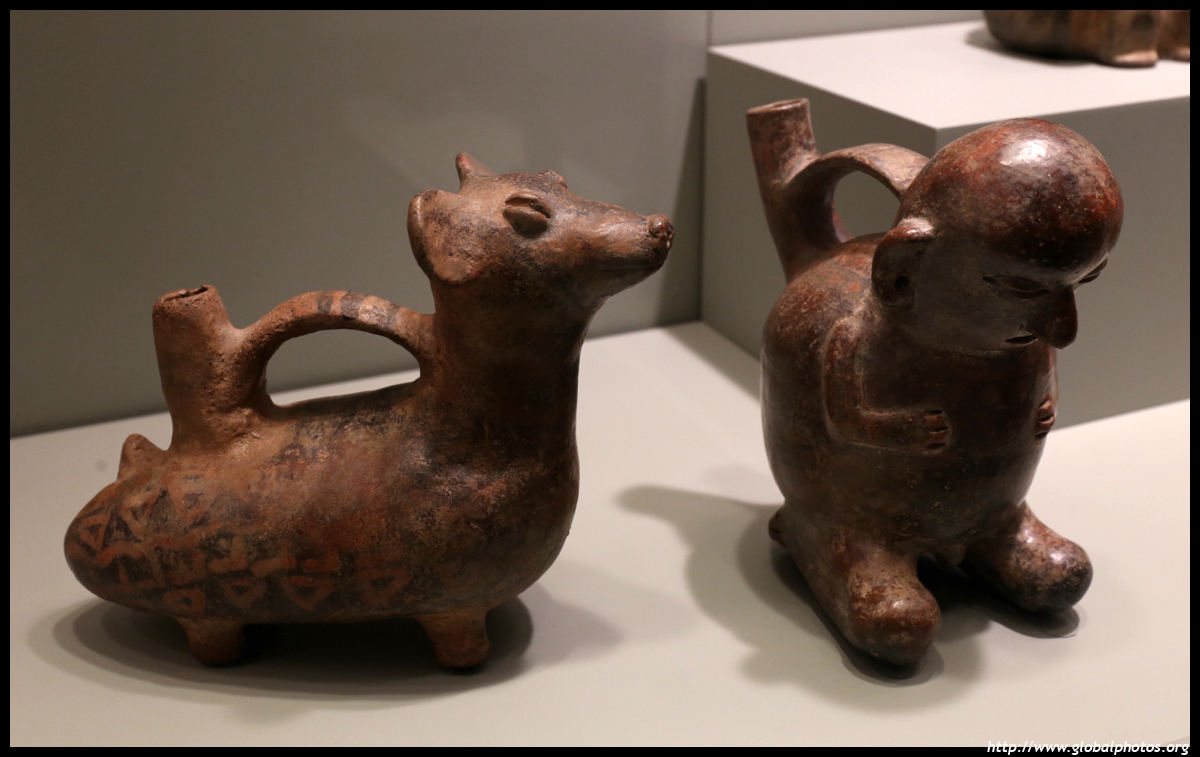
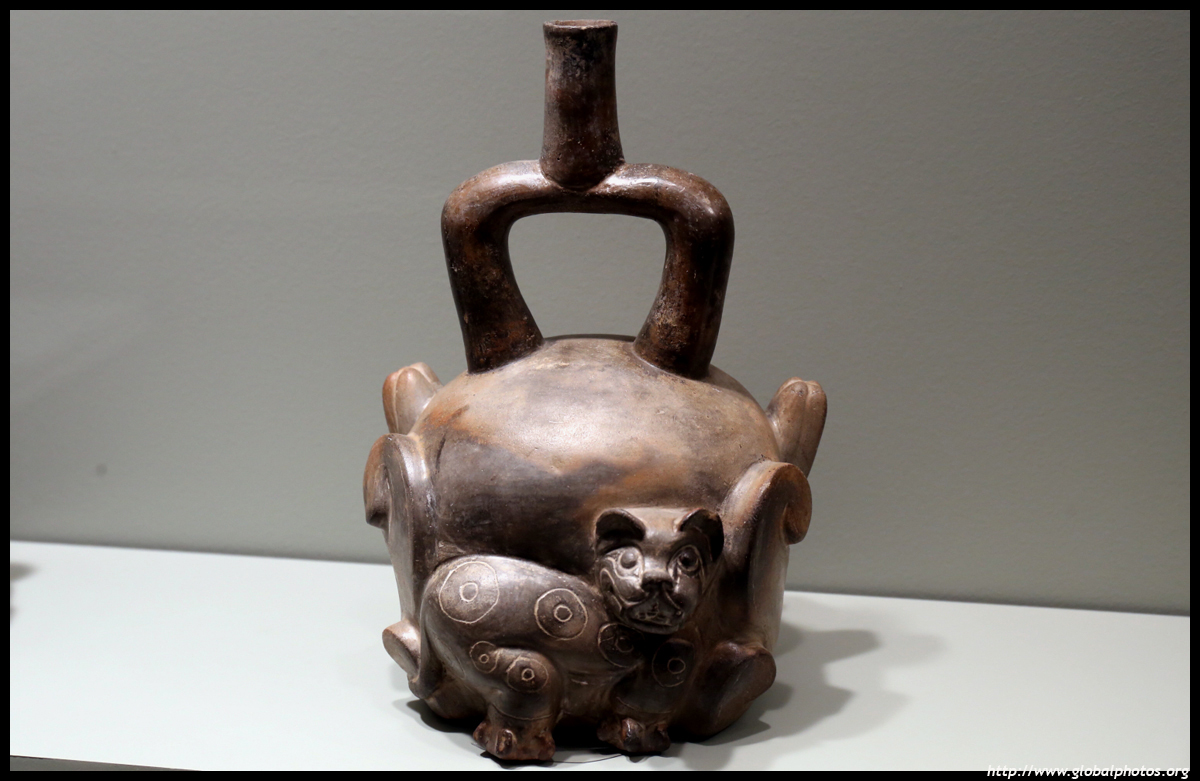
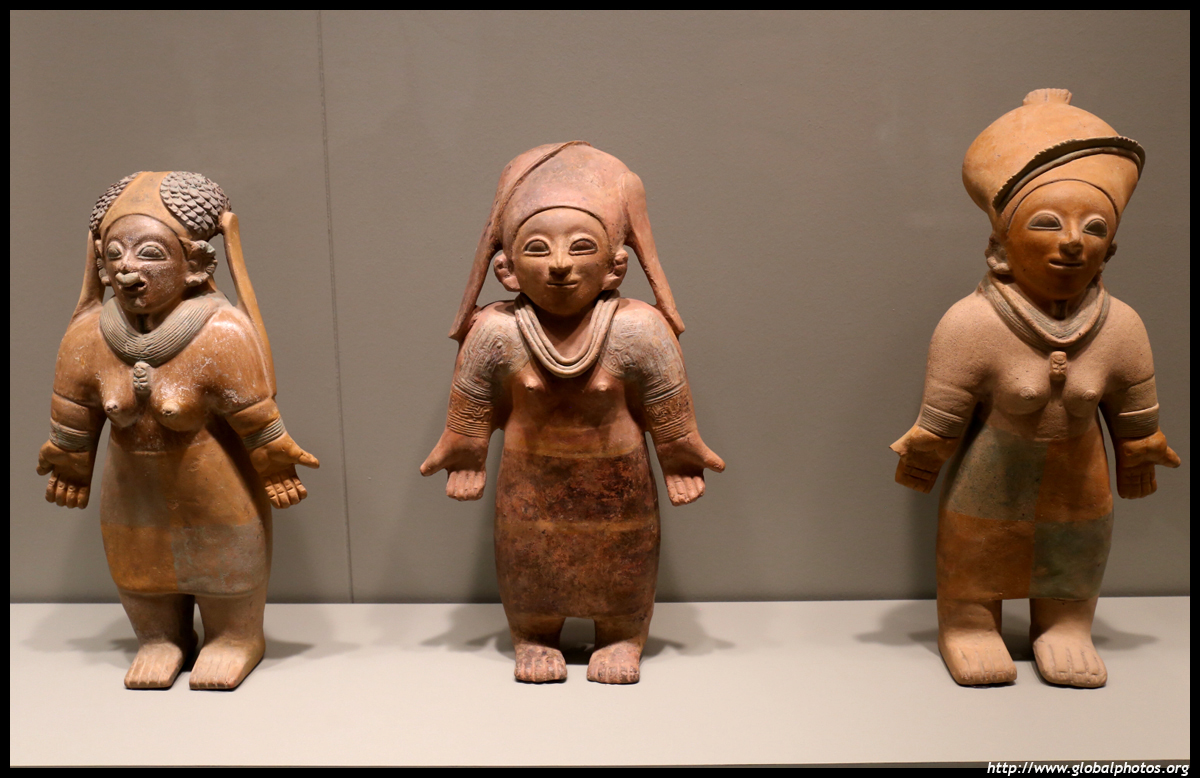
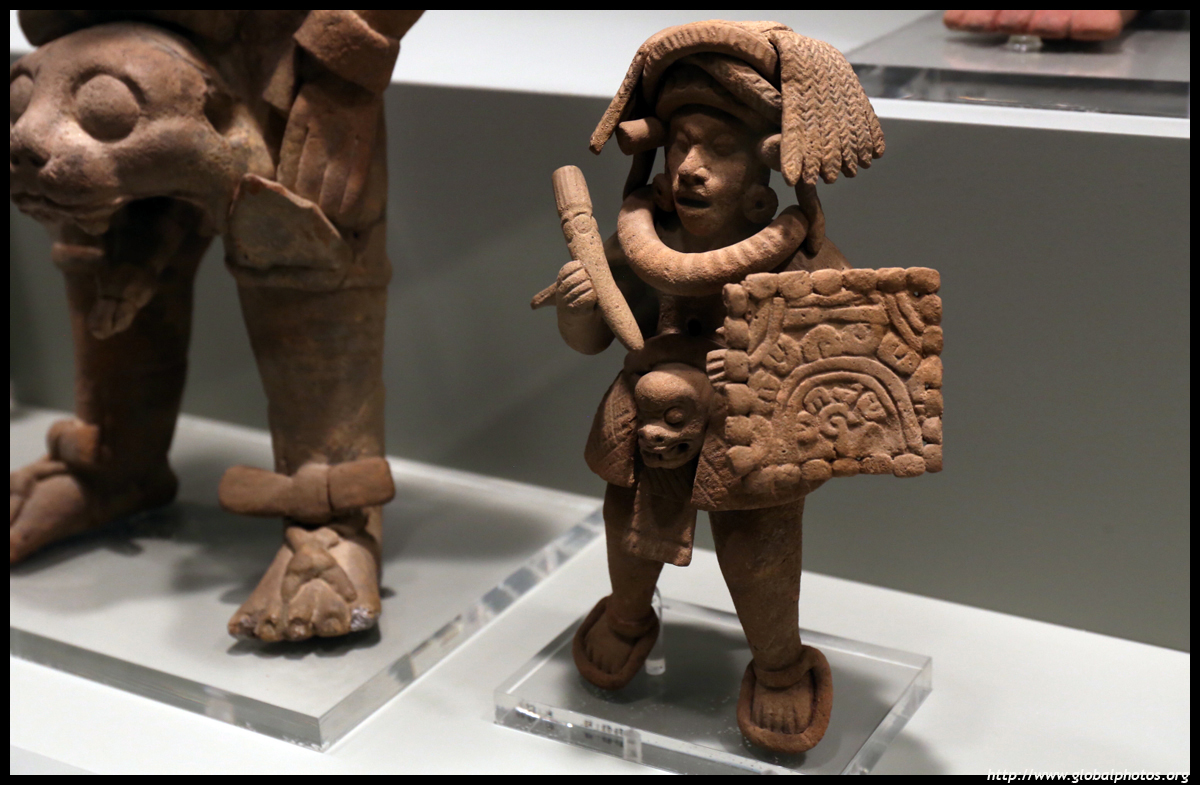
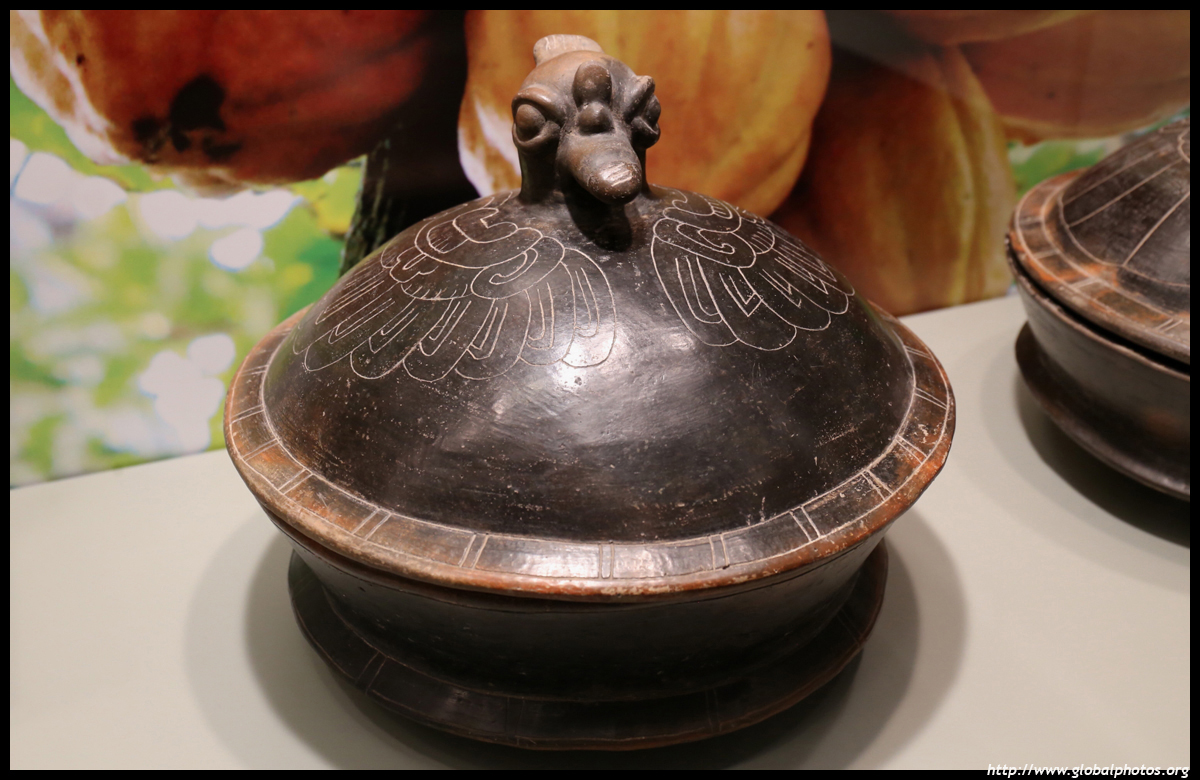
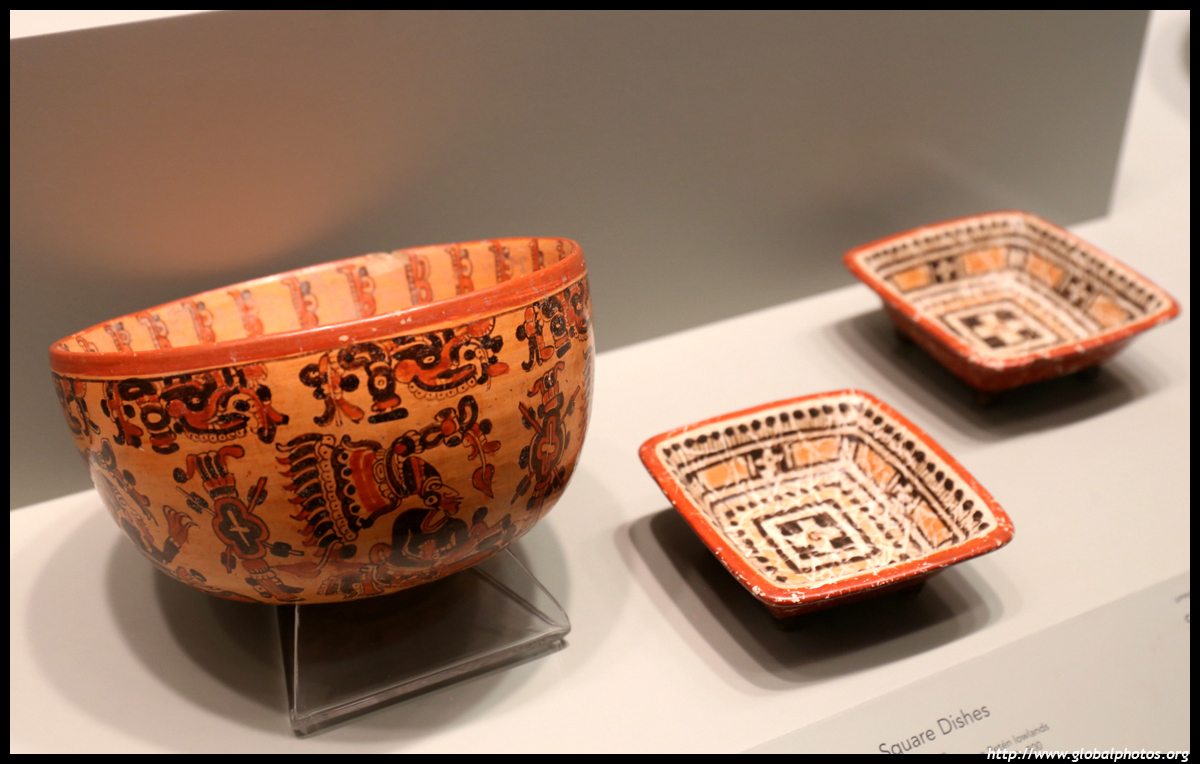
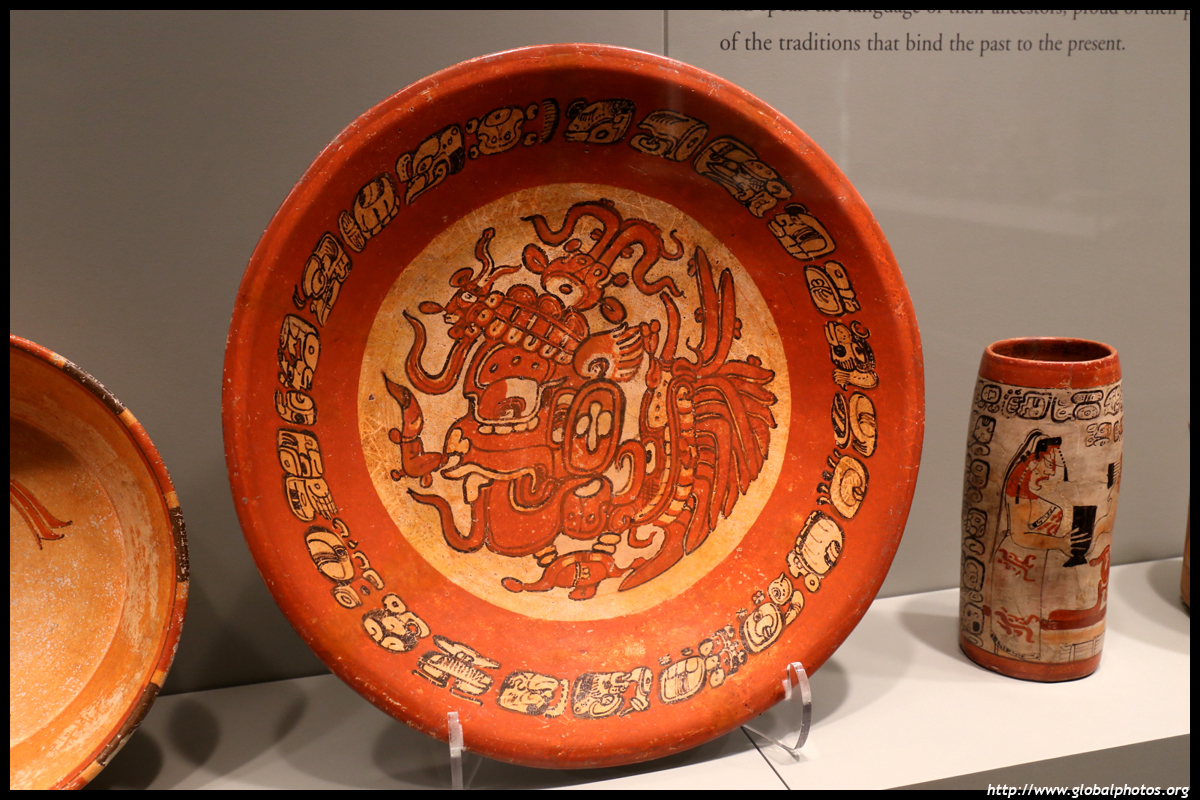
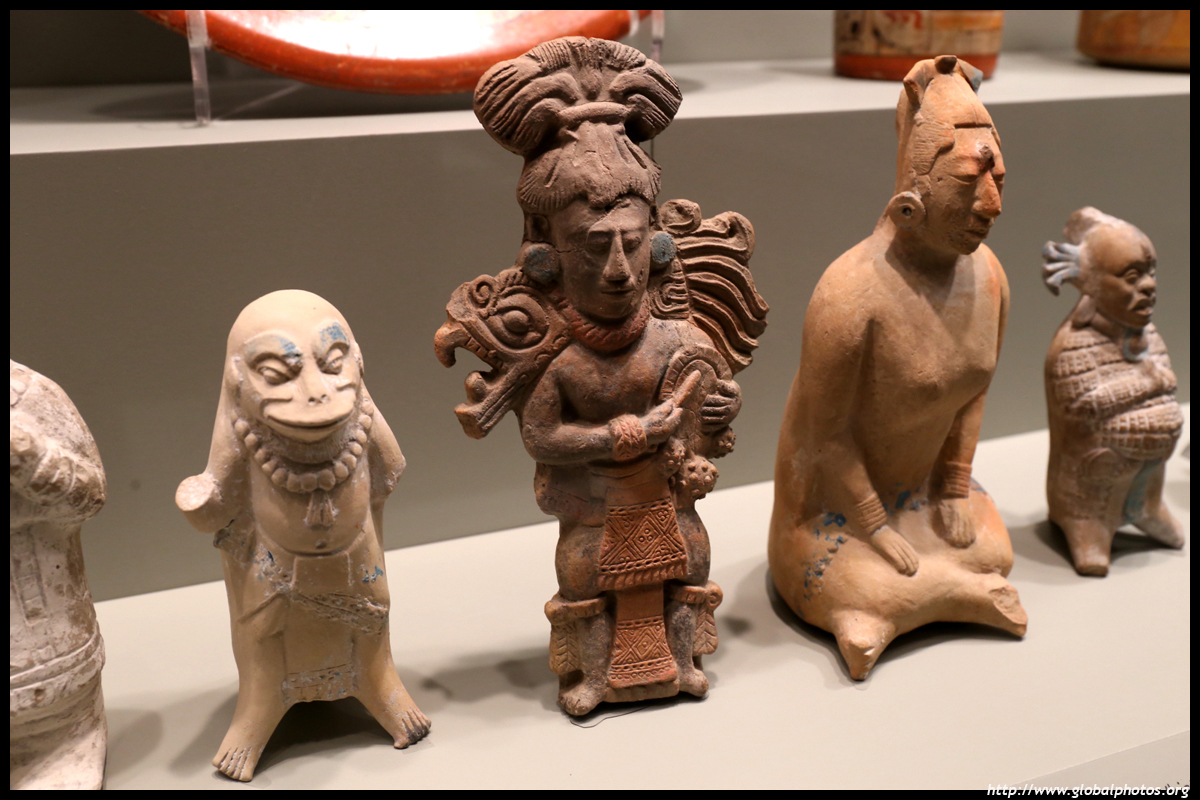
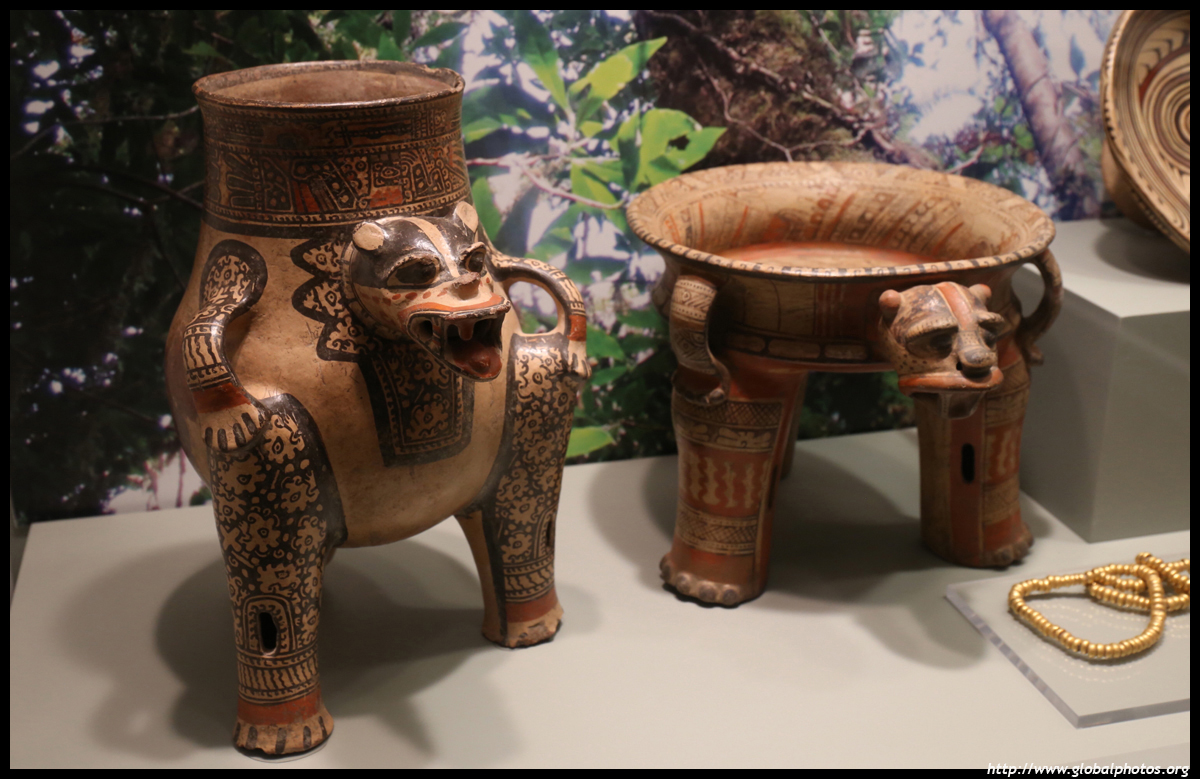
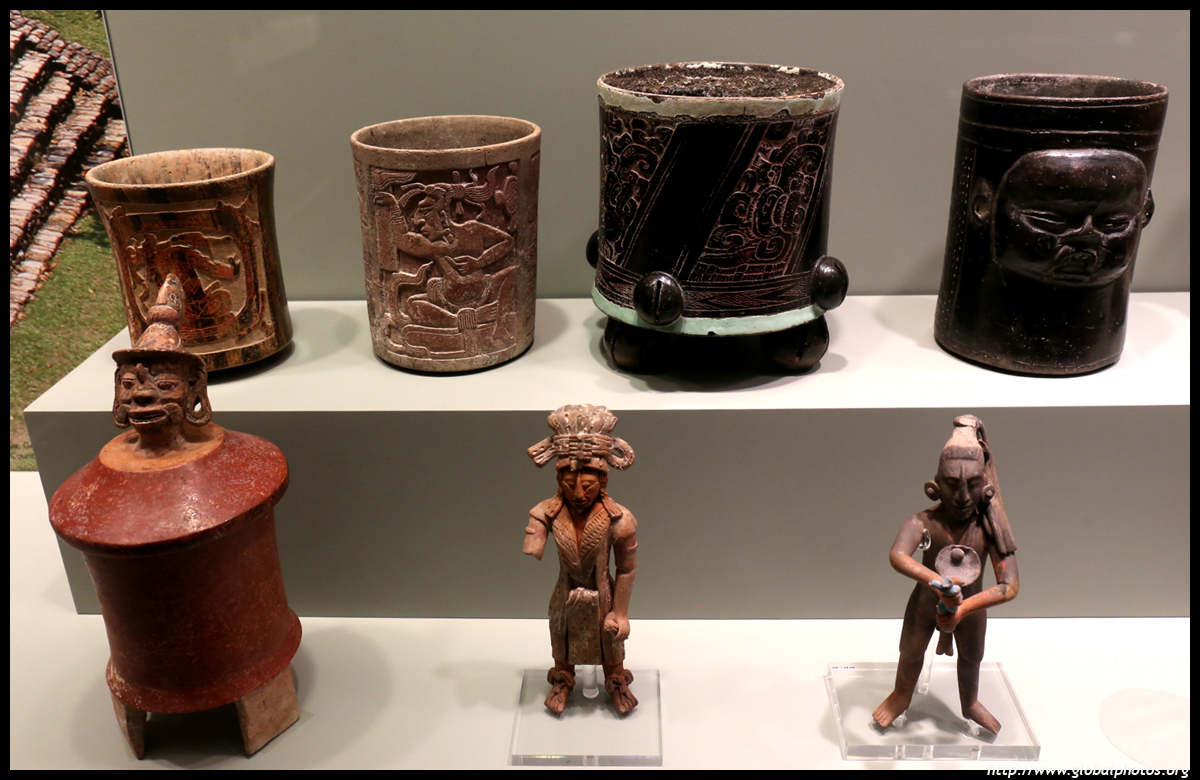
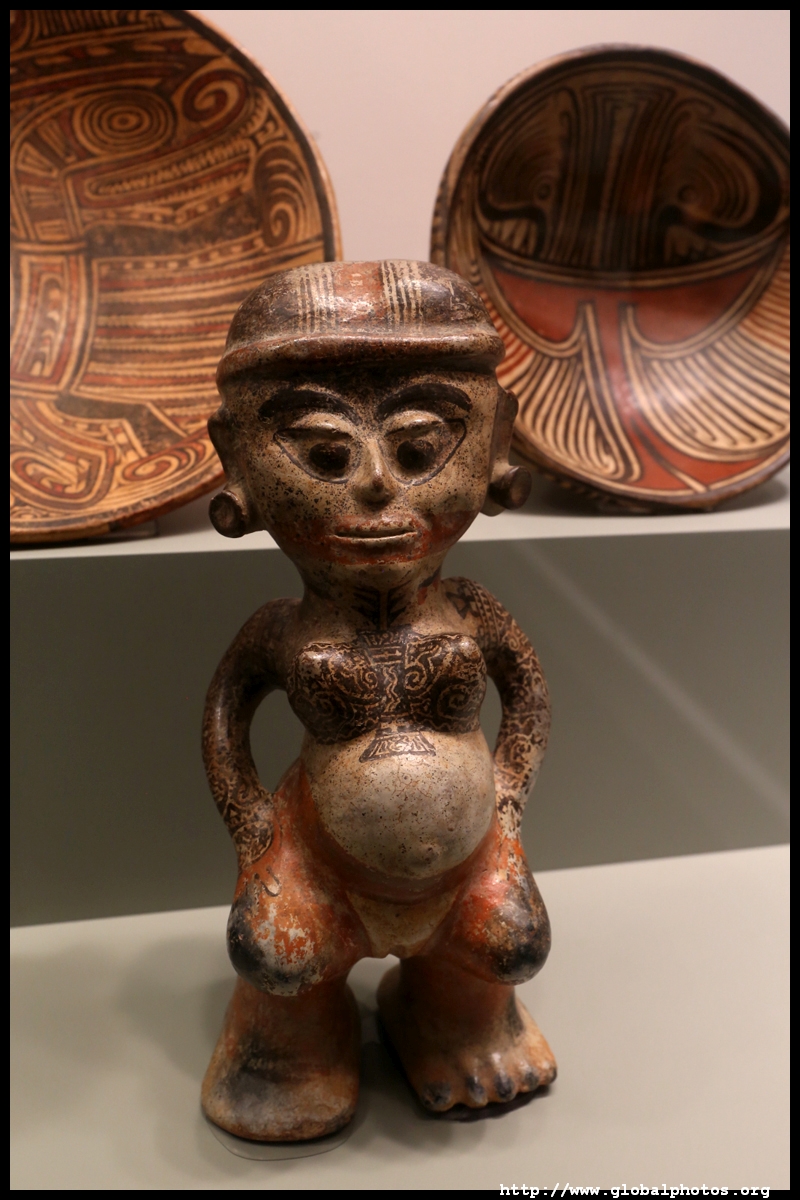
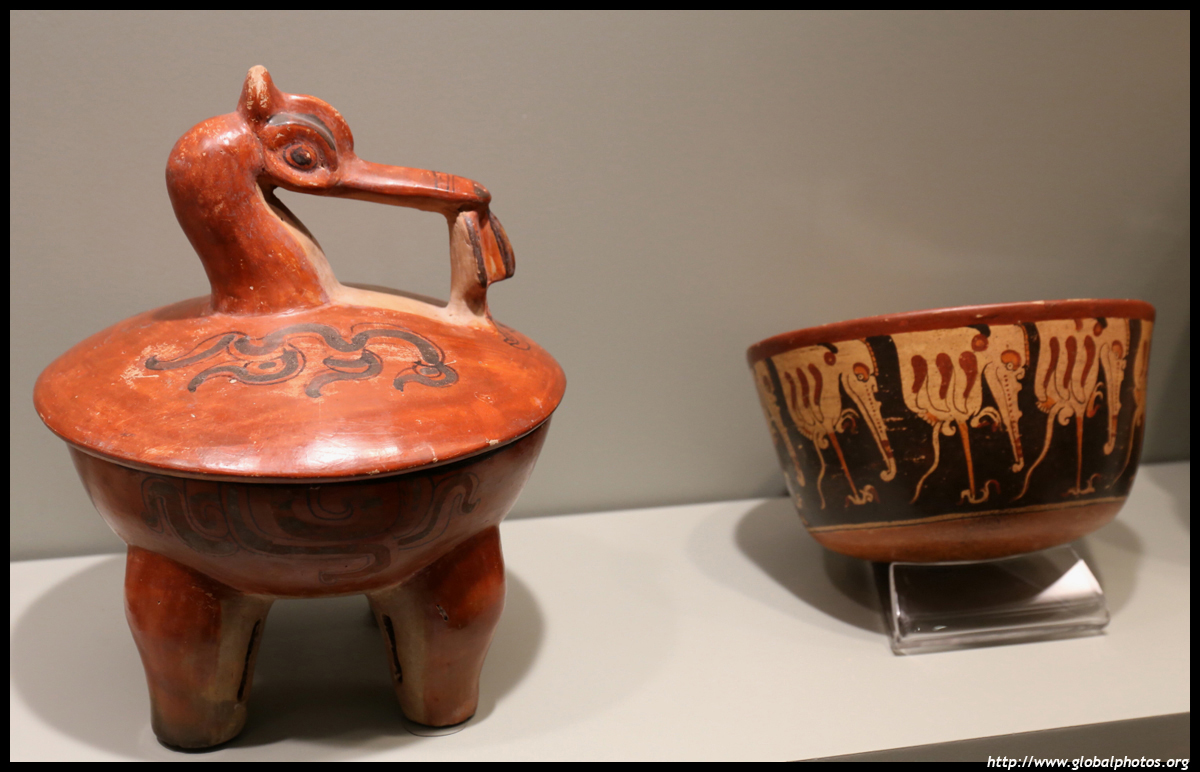
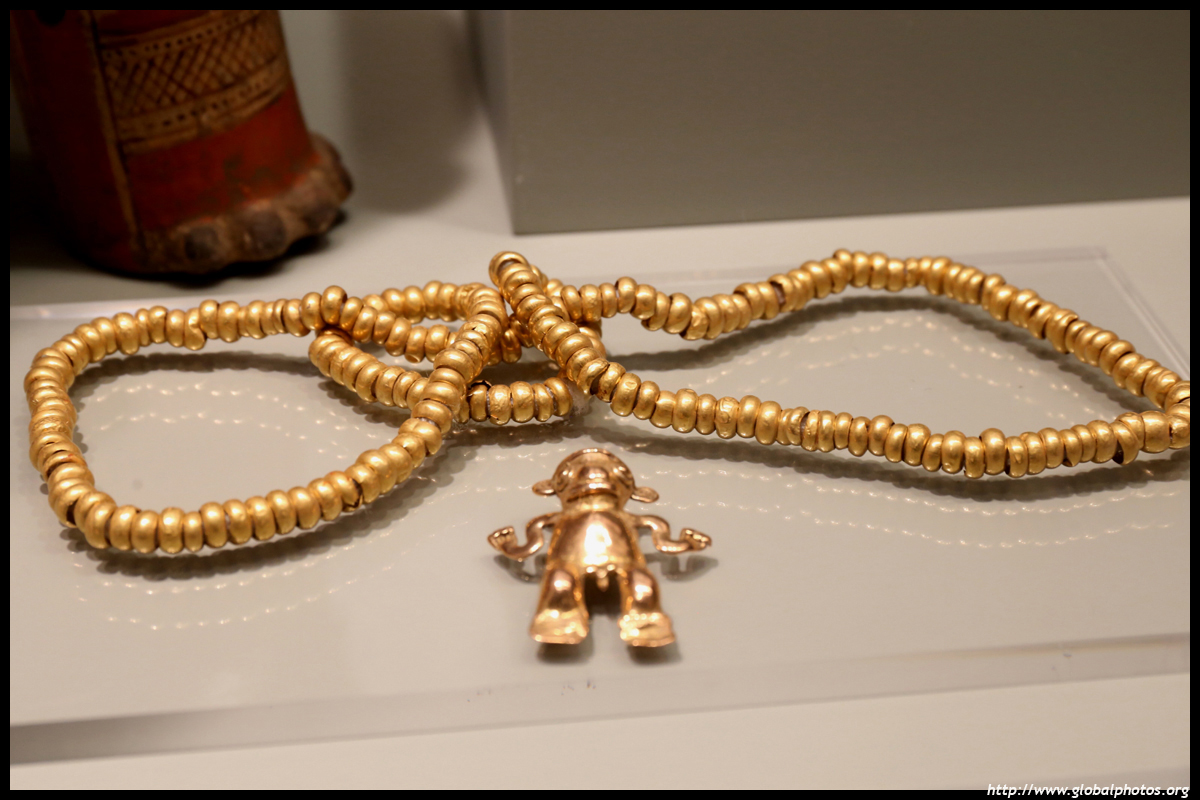
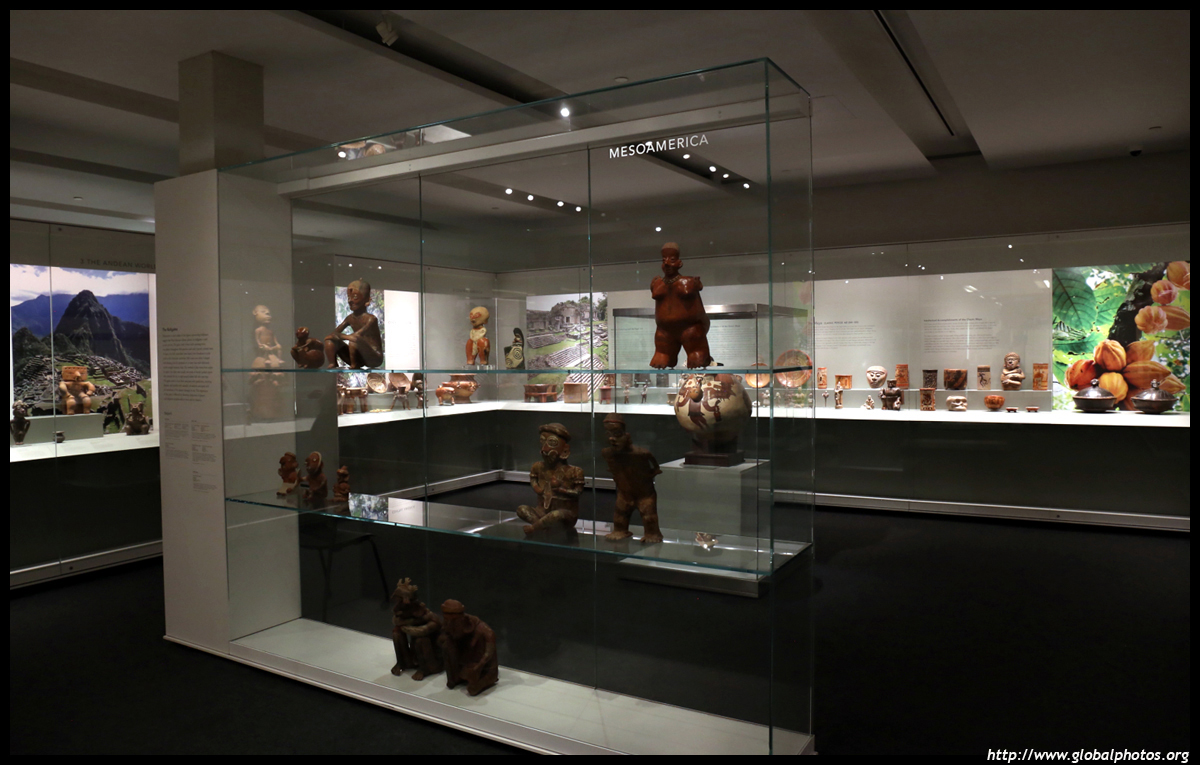
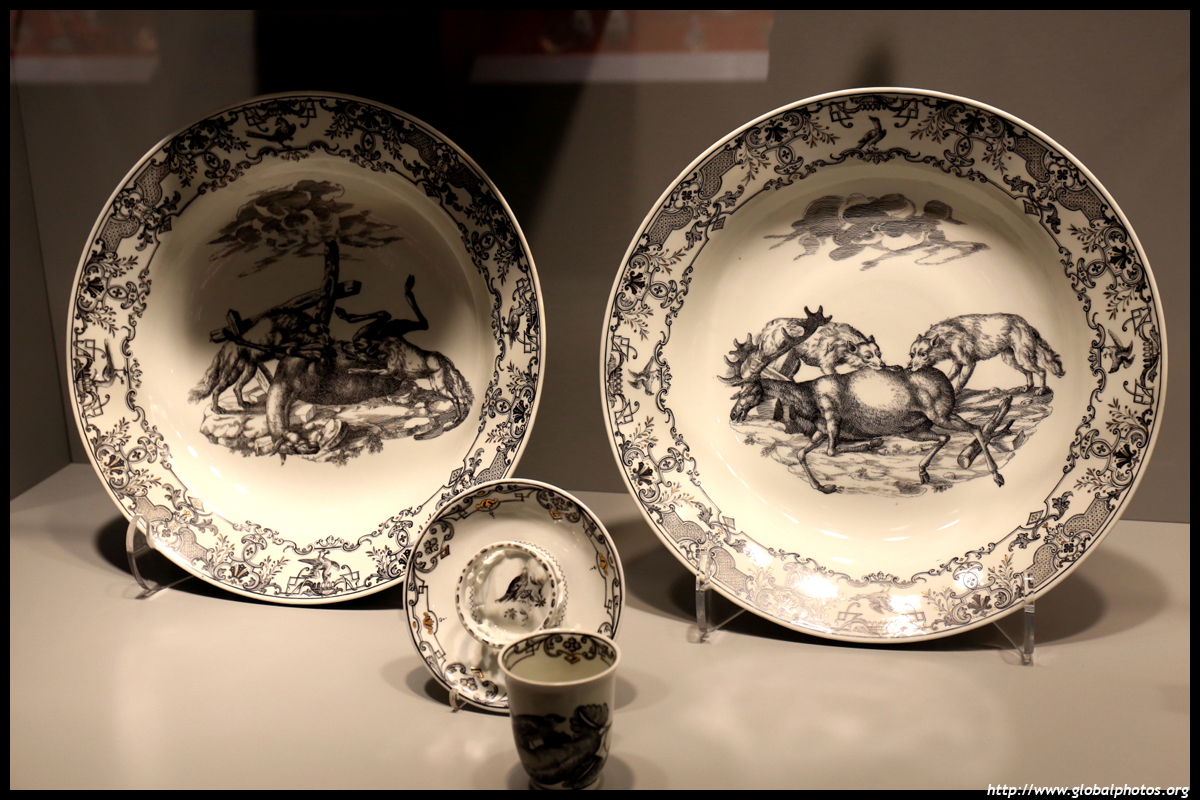
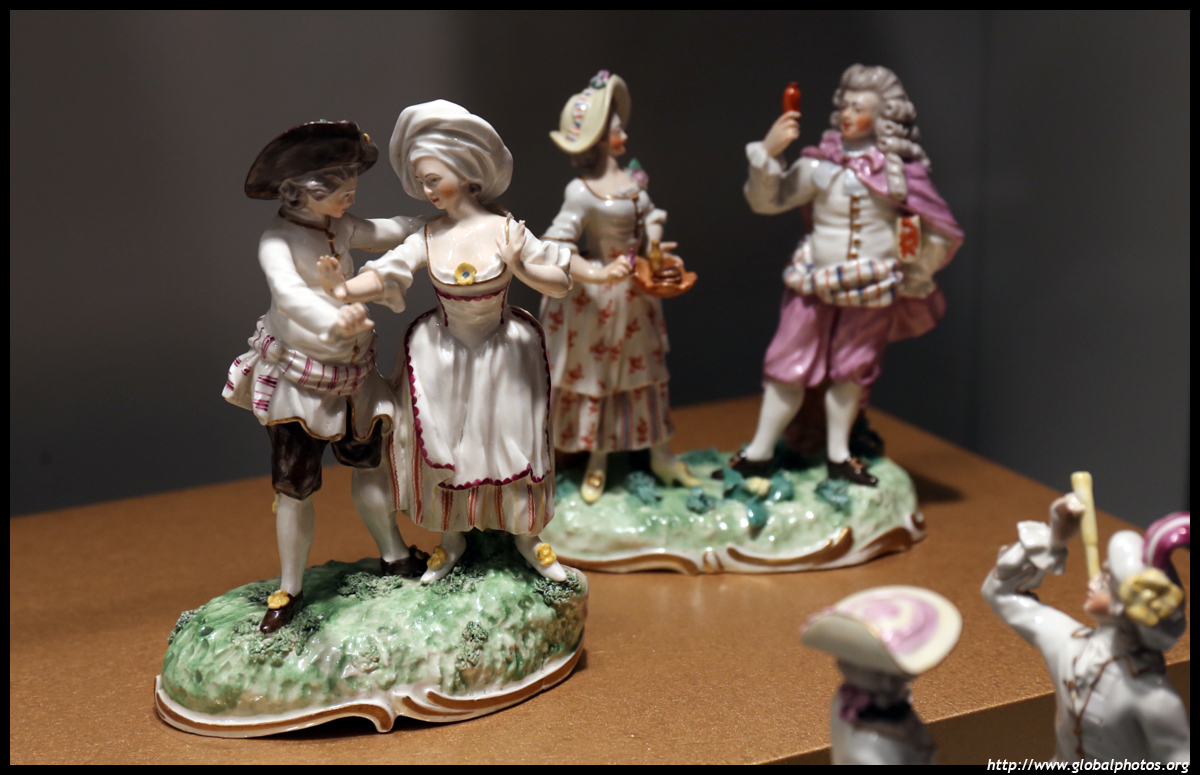
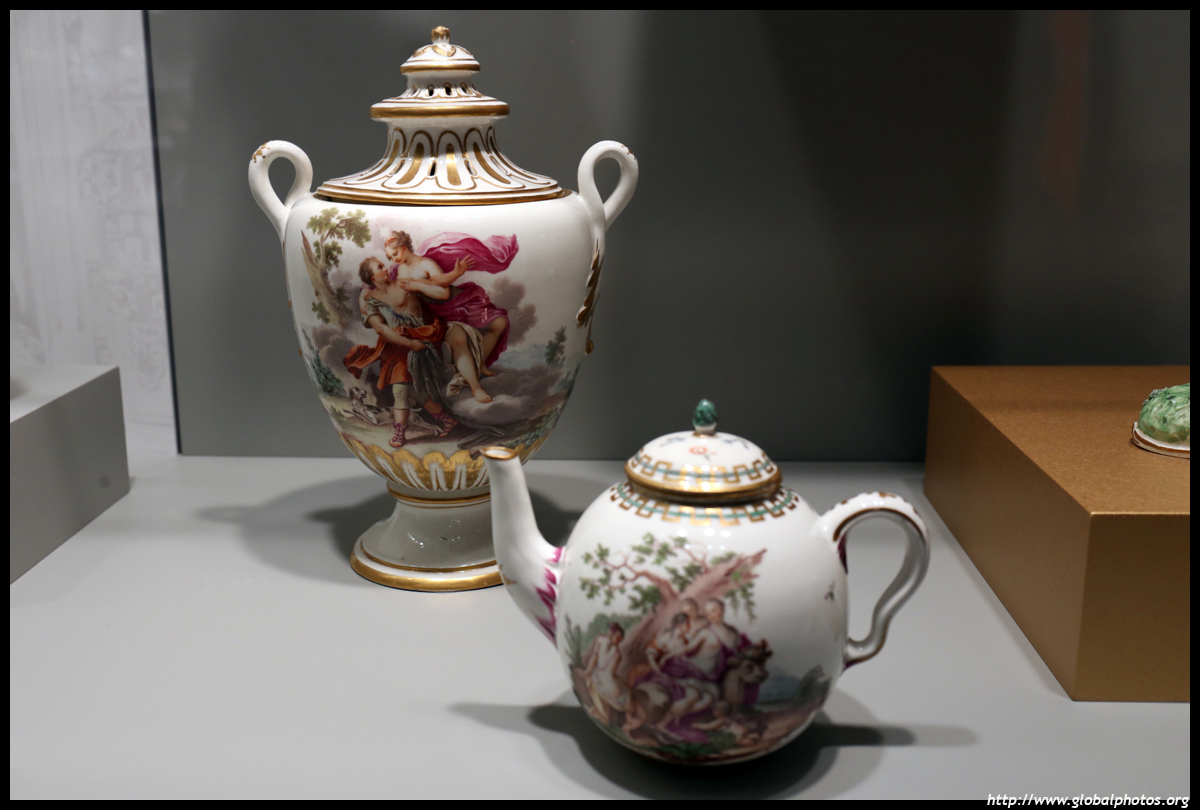
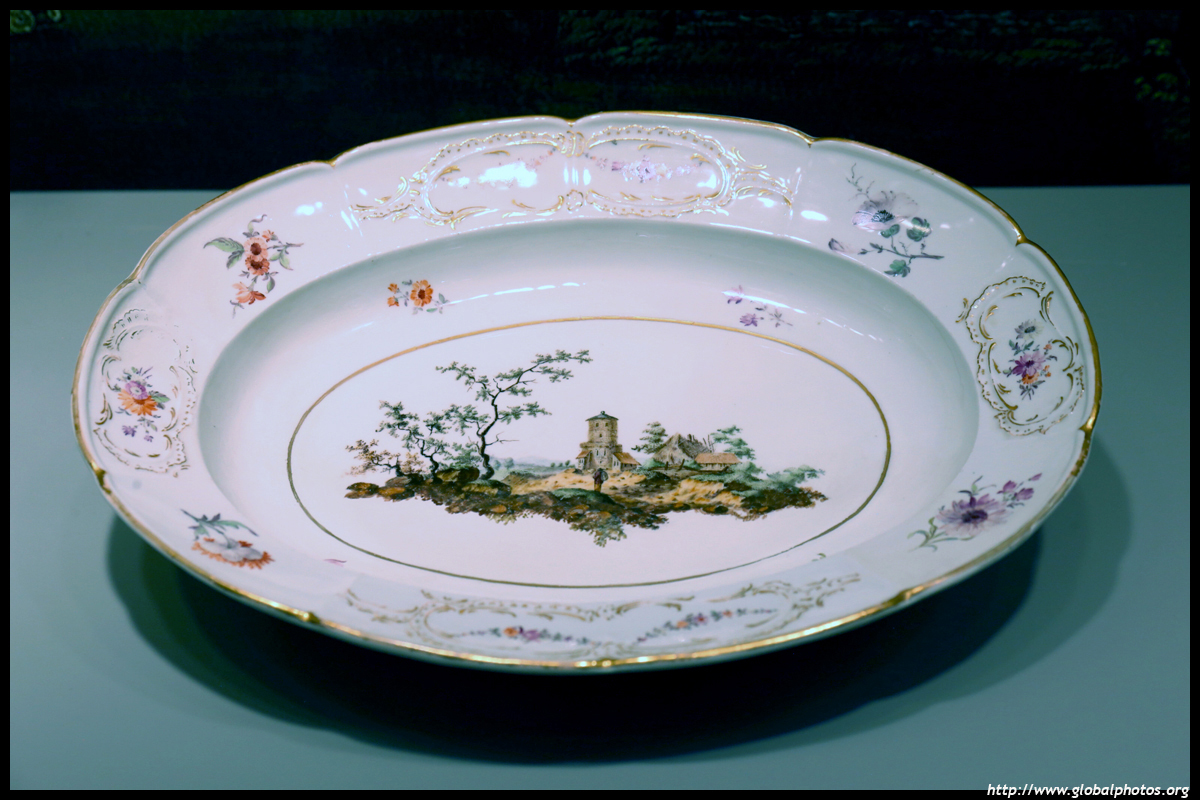
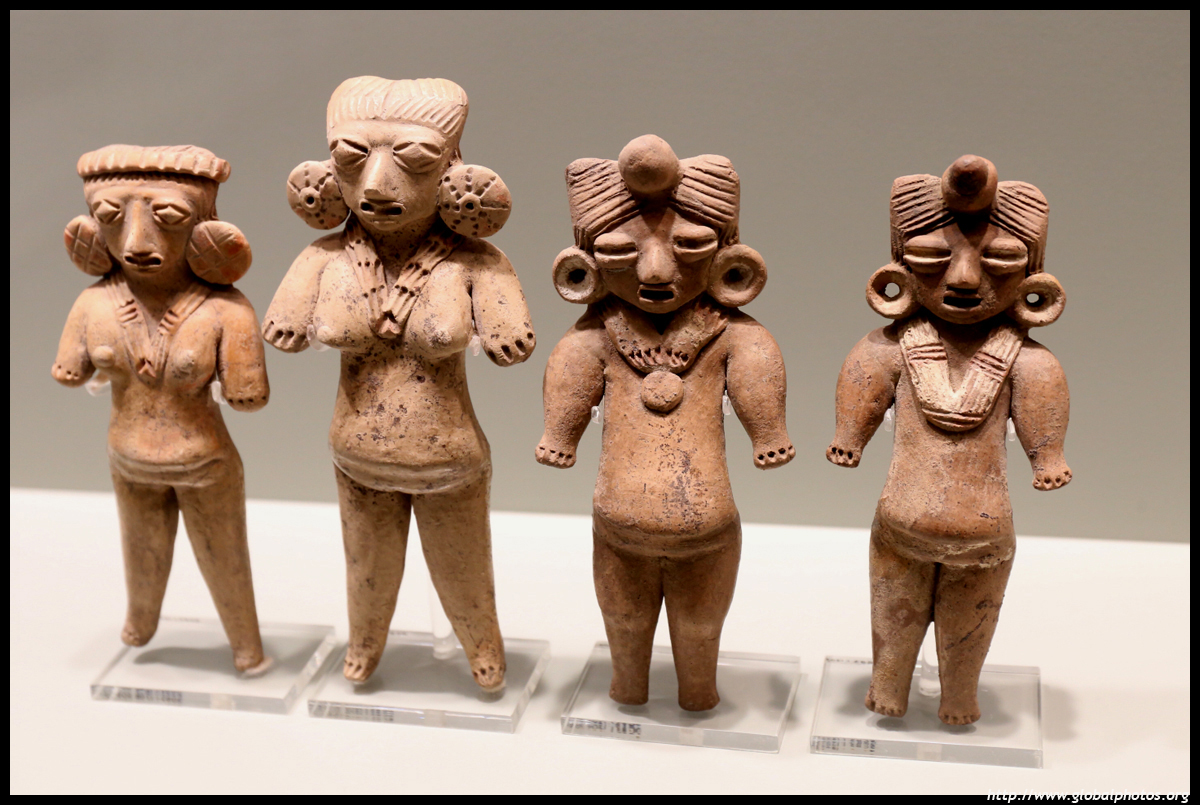
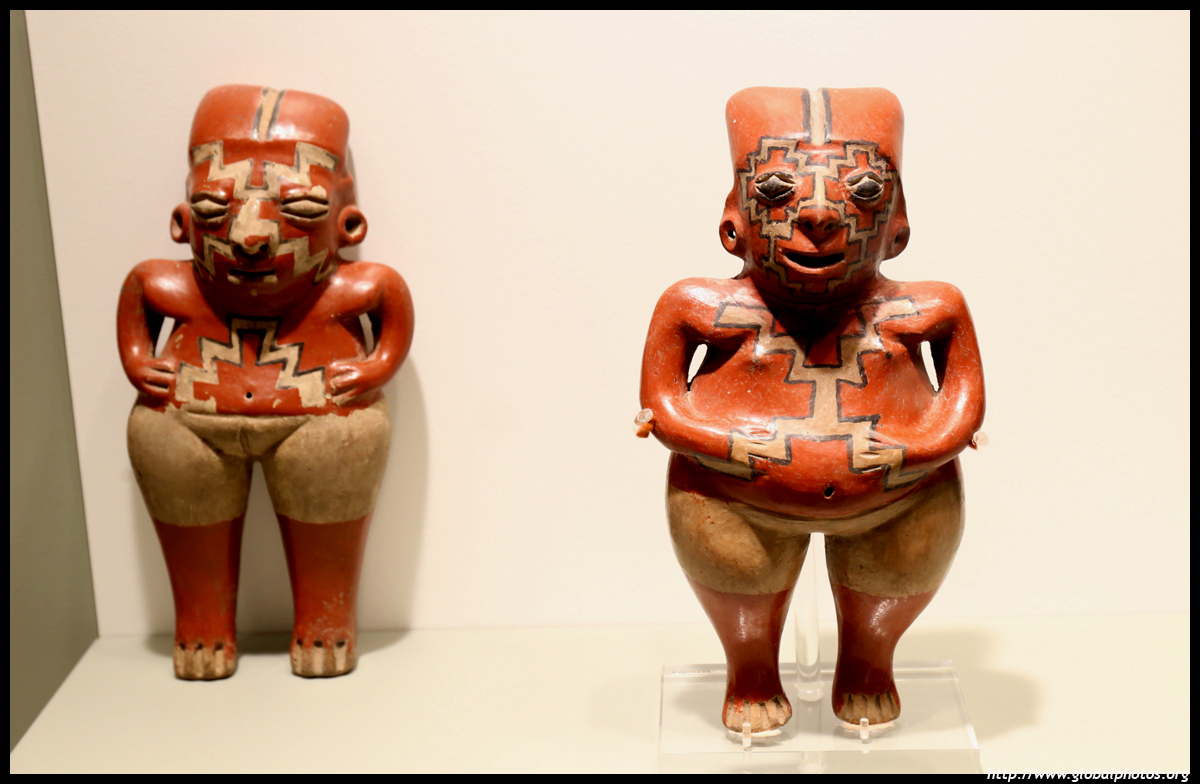
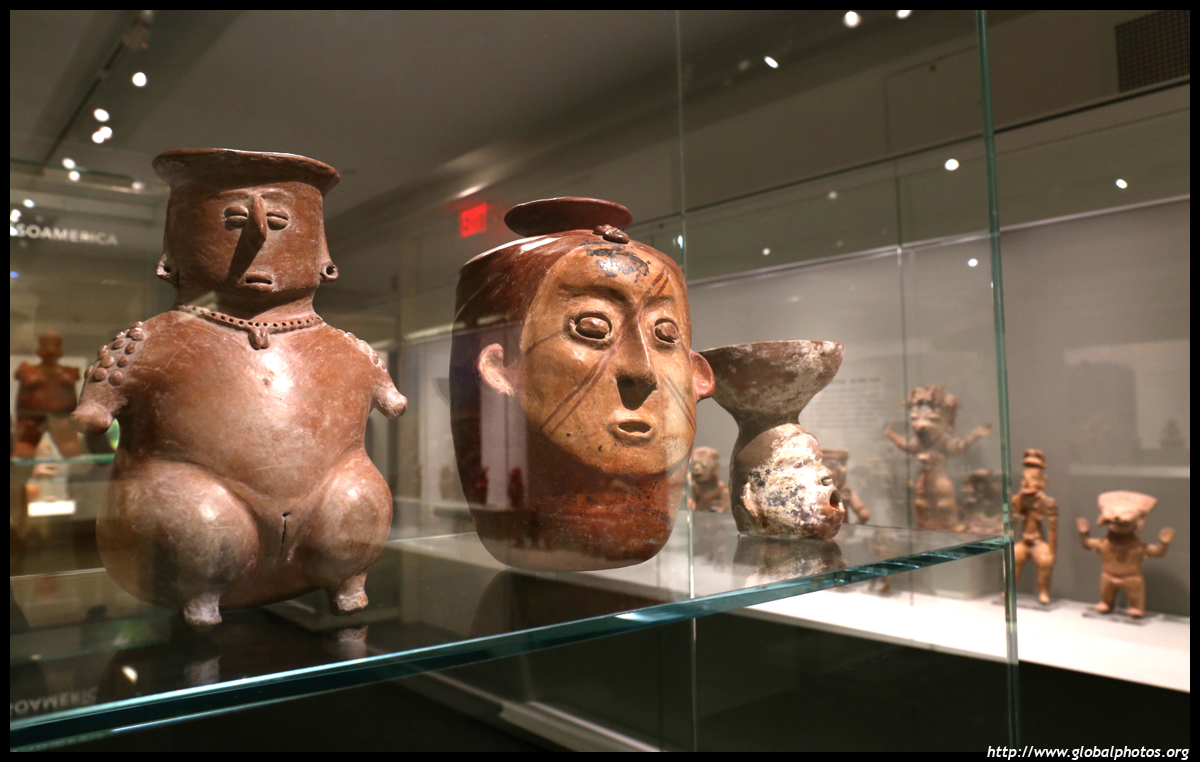
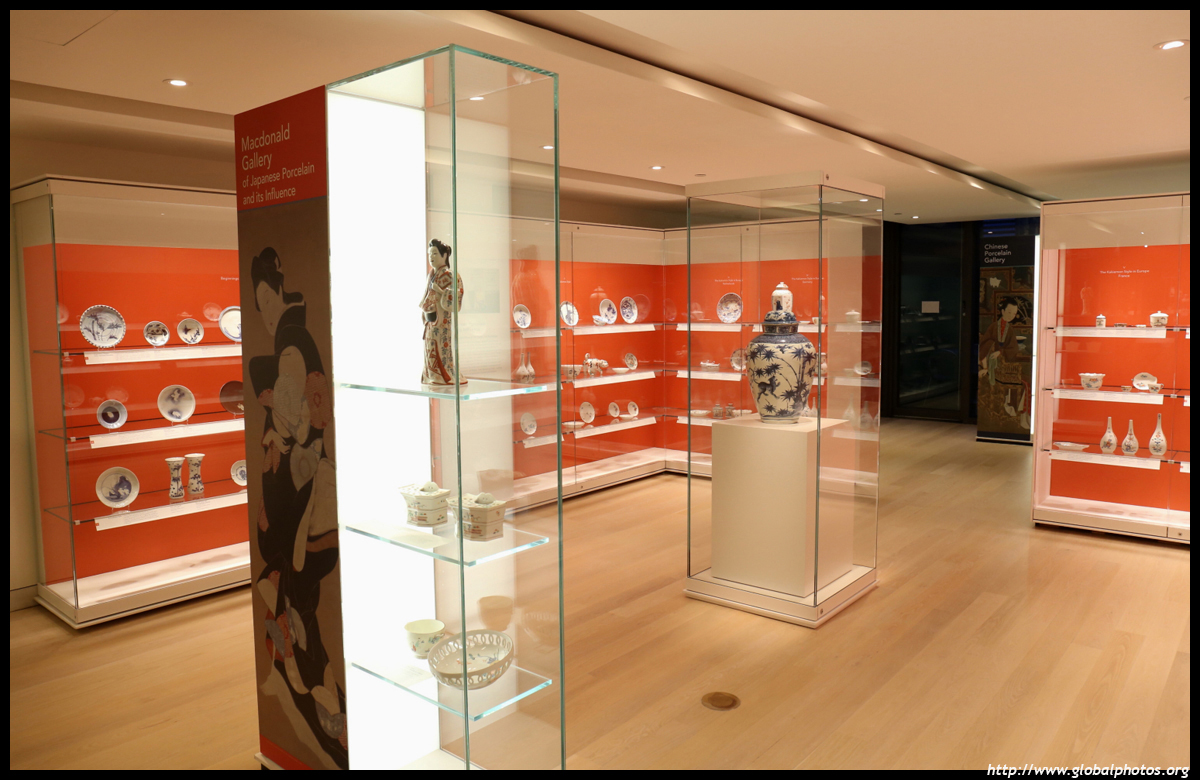
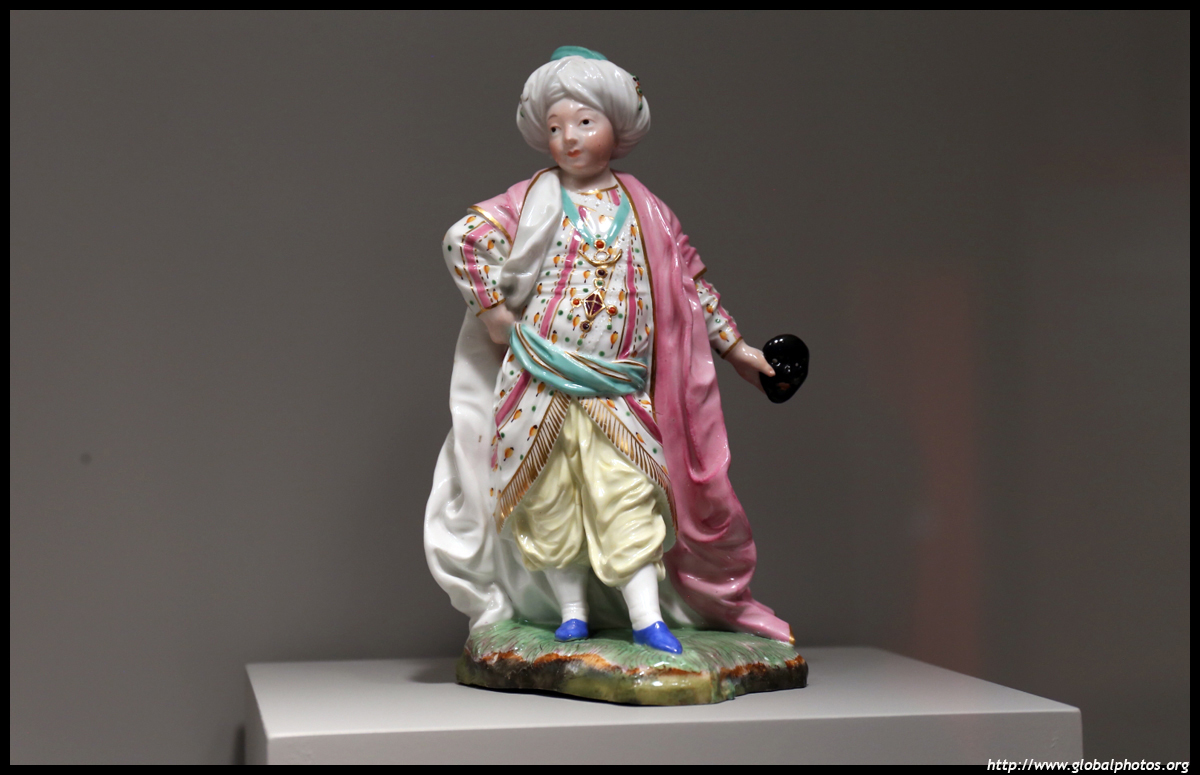
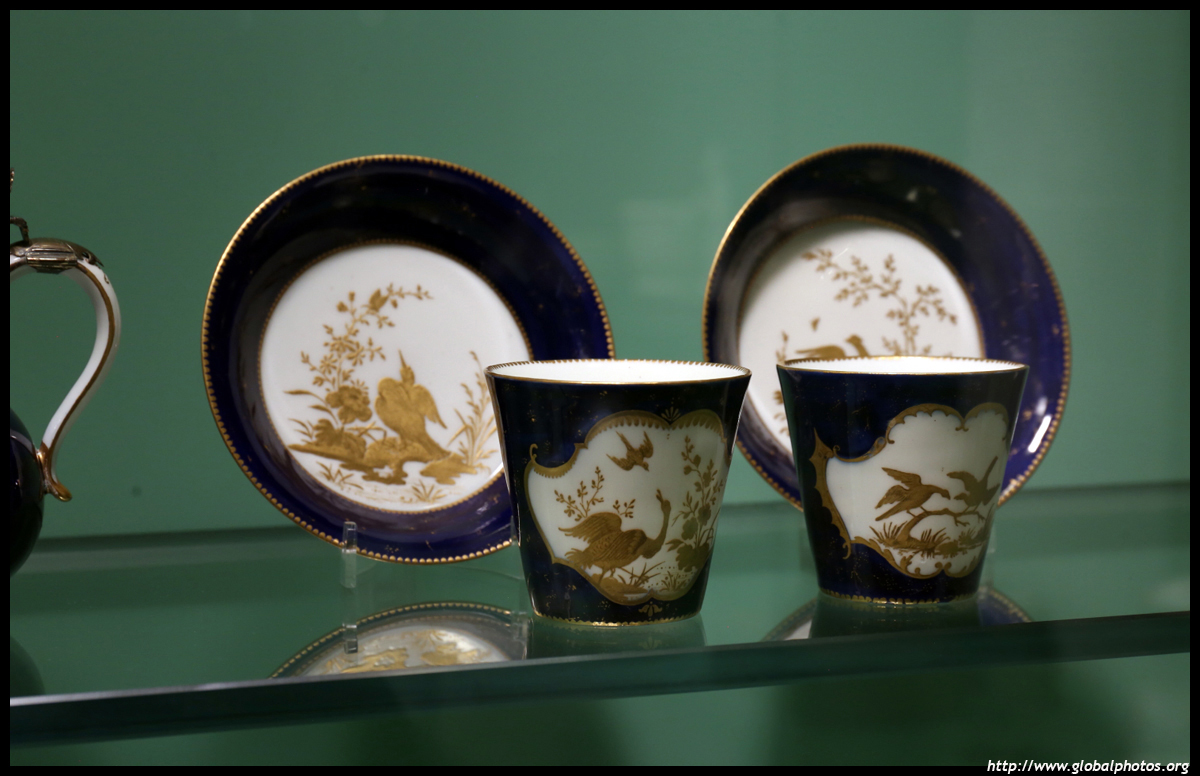
The Gardiner was split off from the Royal Ontario Museum and specialized in ceramics thanks to an endowment from George Gardiner, who once chaired the Toronto Stock Exchange.What is unique about this ceramic collection compared to the ones I've seen in Asia is the emphasis on Europe's ceramic production history in response to the popularity of Chinese imports. Various European countries had competed against each other, sometimes using less than legitimate methods, and the collection is classified by country so you can see how each evolved. Do note they offer free admission Wednesdays from 4pm onwards. The Ancient Americas collection is located on the ground floor just after reception. It covers 47 cultures ranging from the US Southwest and Mexico all the way to South America.
|
|||
|
|
|
|
|
|
|
|
|
|
|
|
|
|
|
|
|
|
|
|
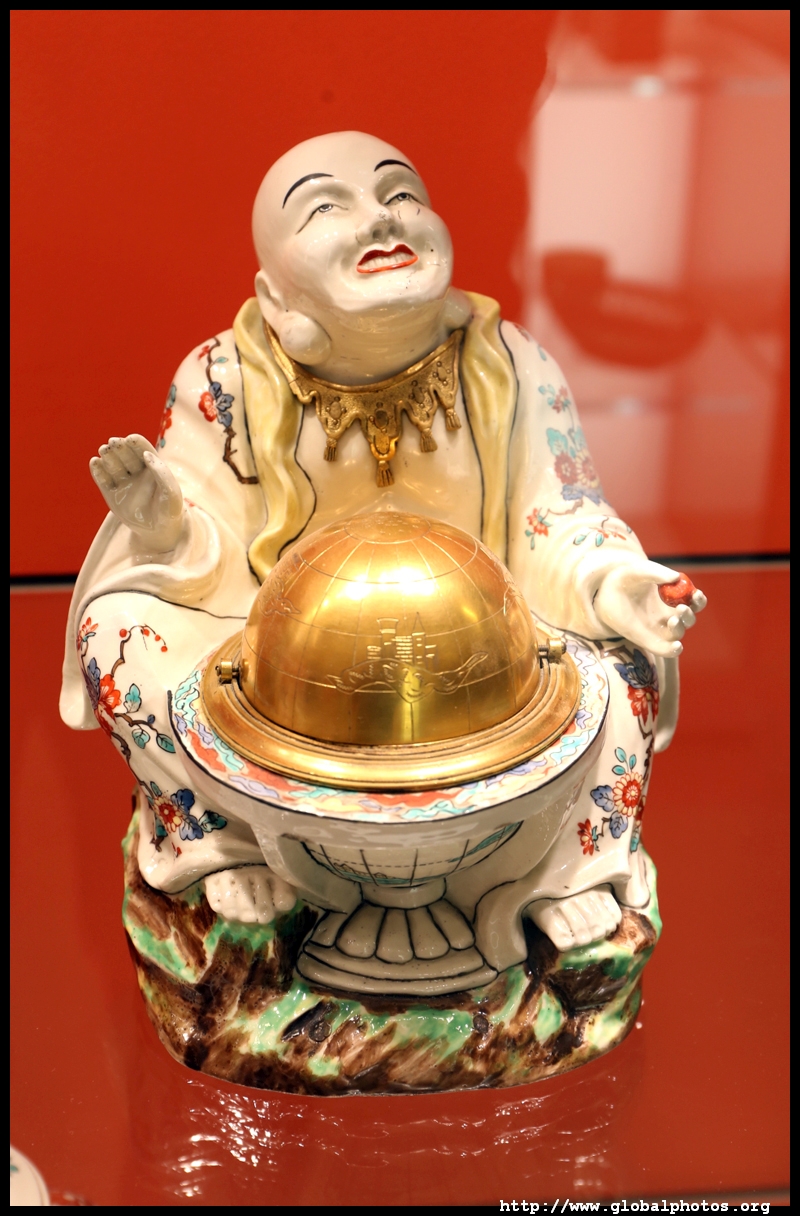
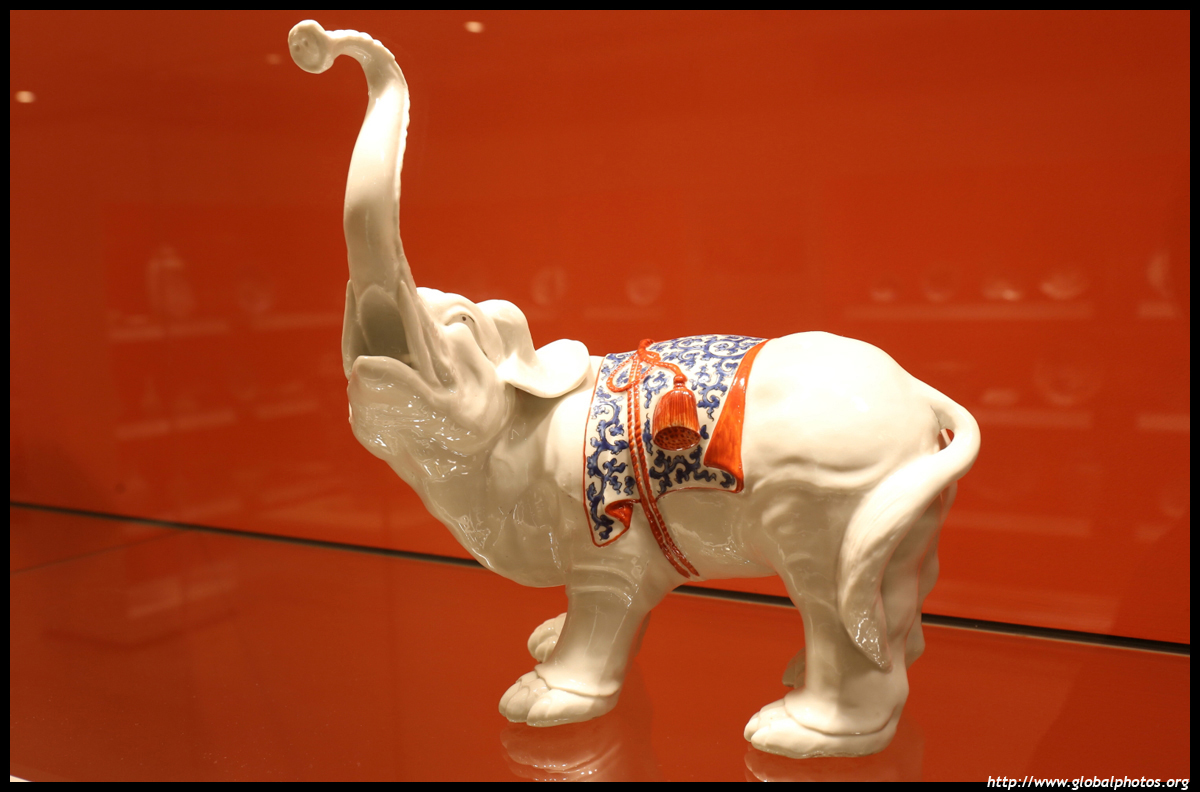
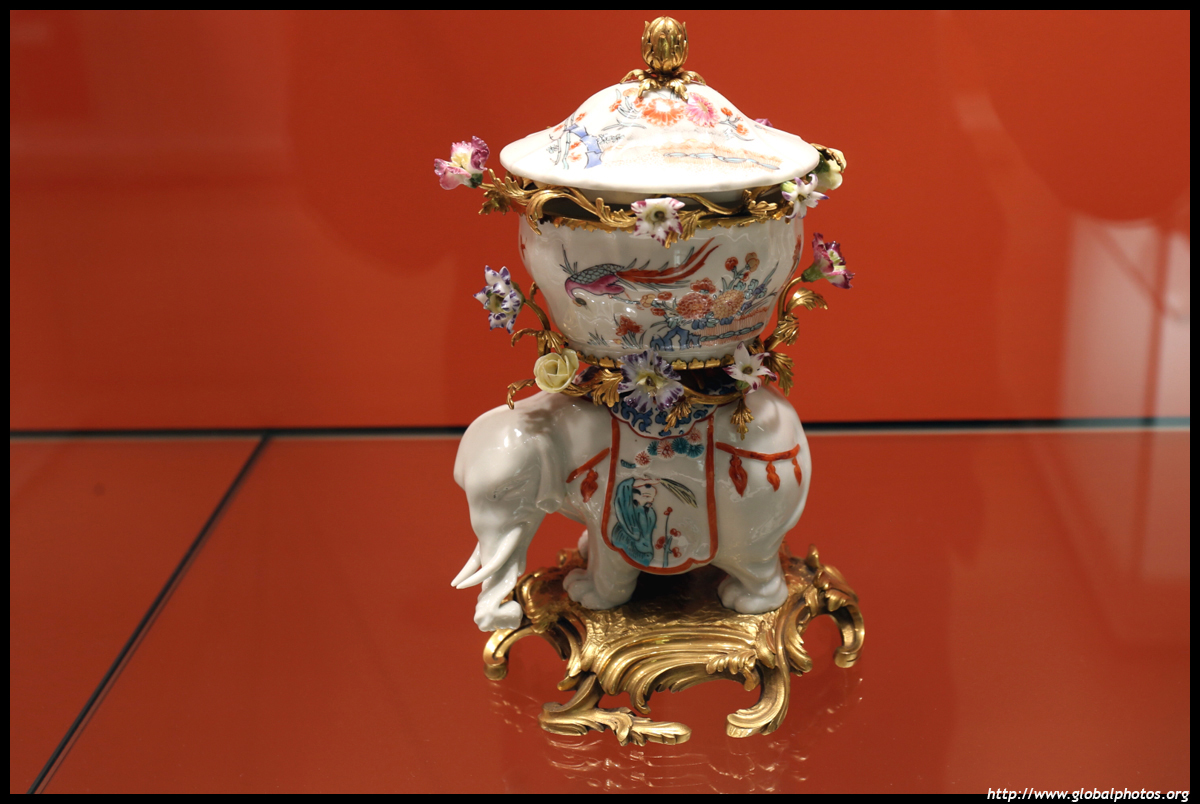
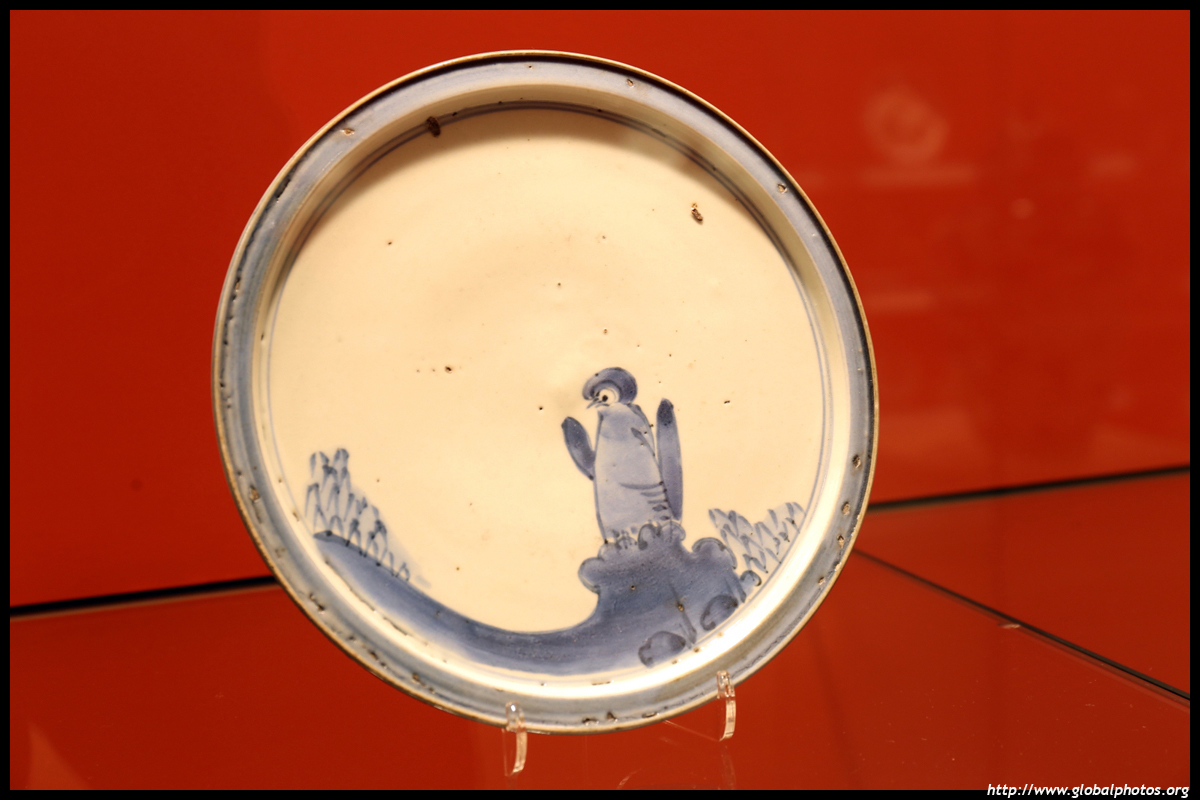
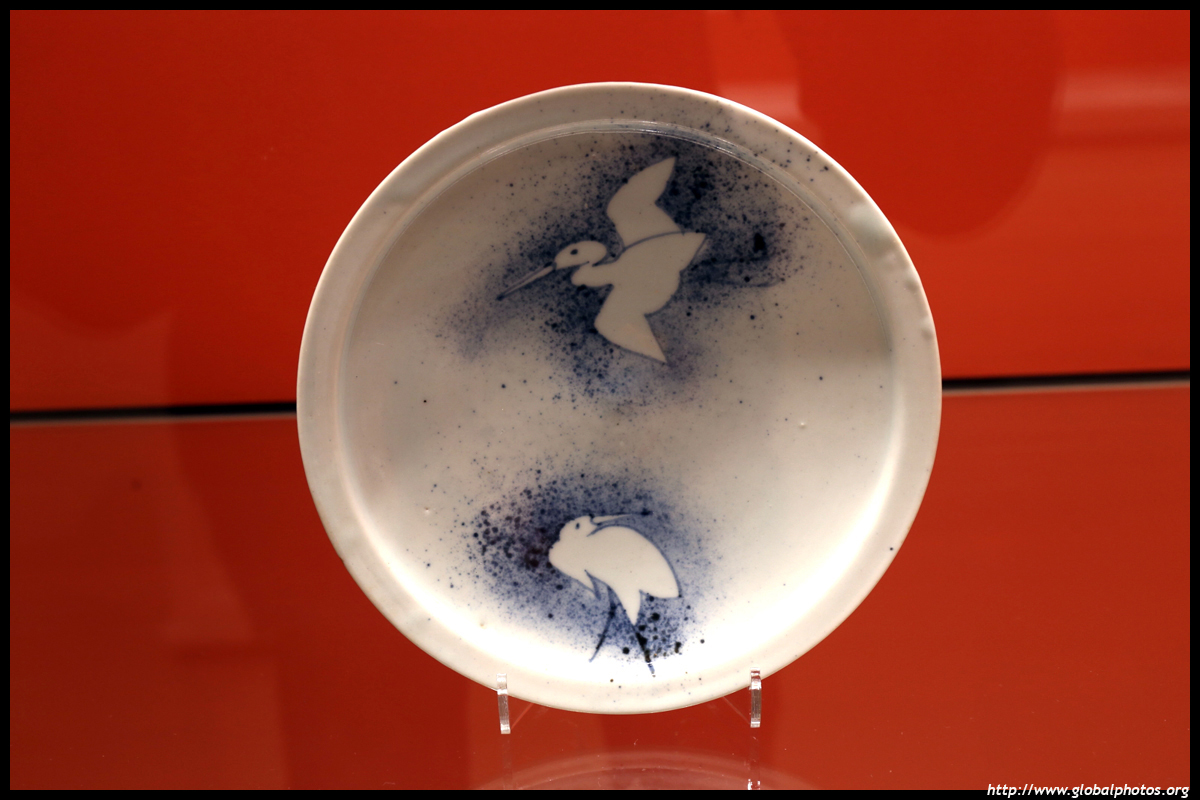
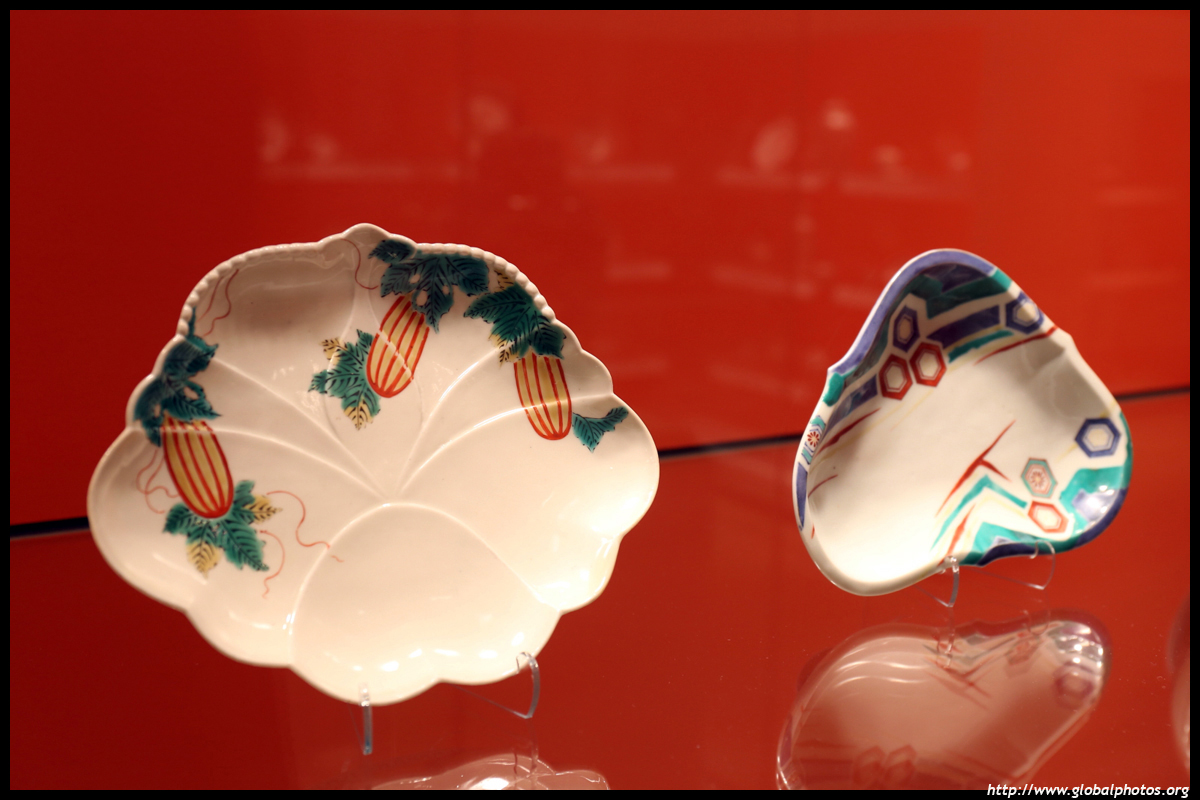
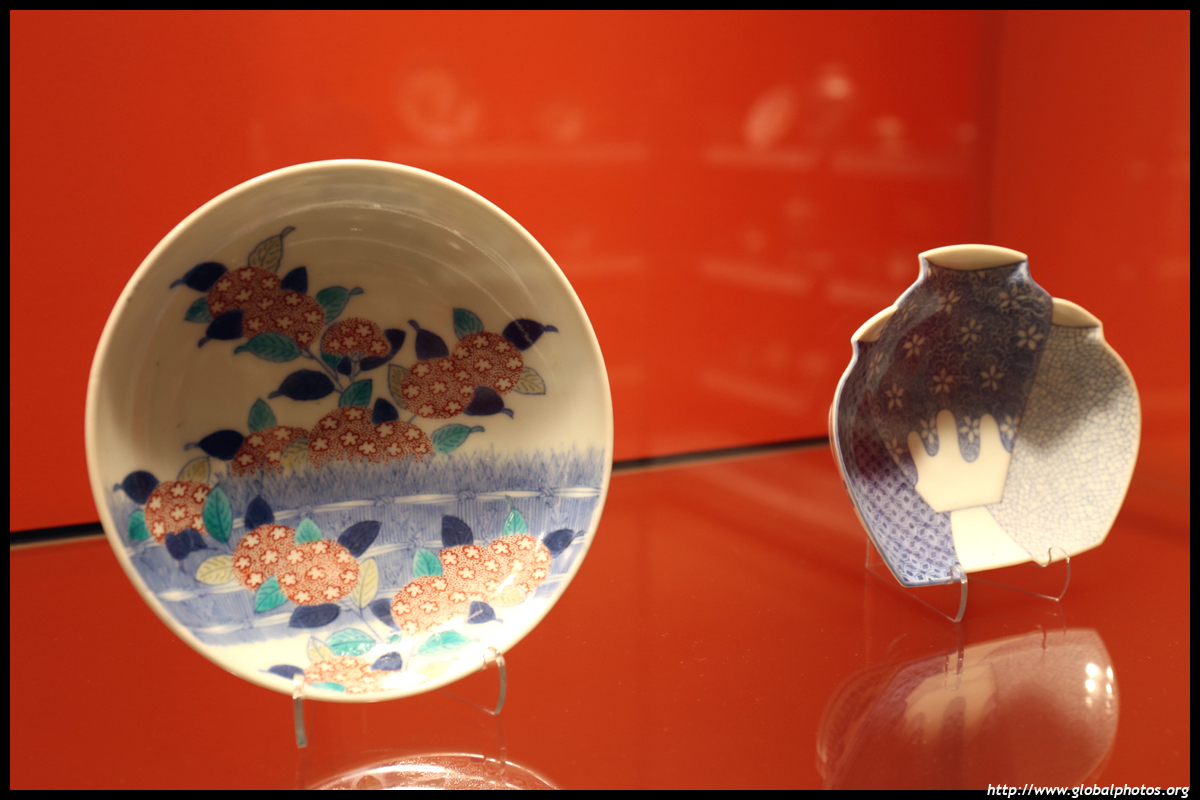
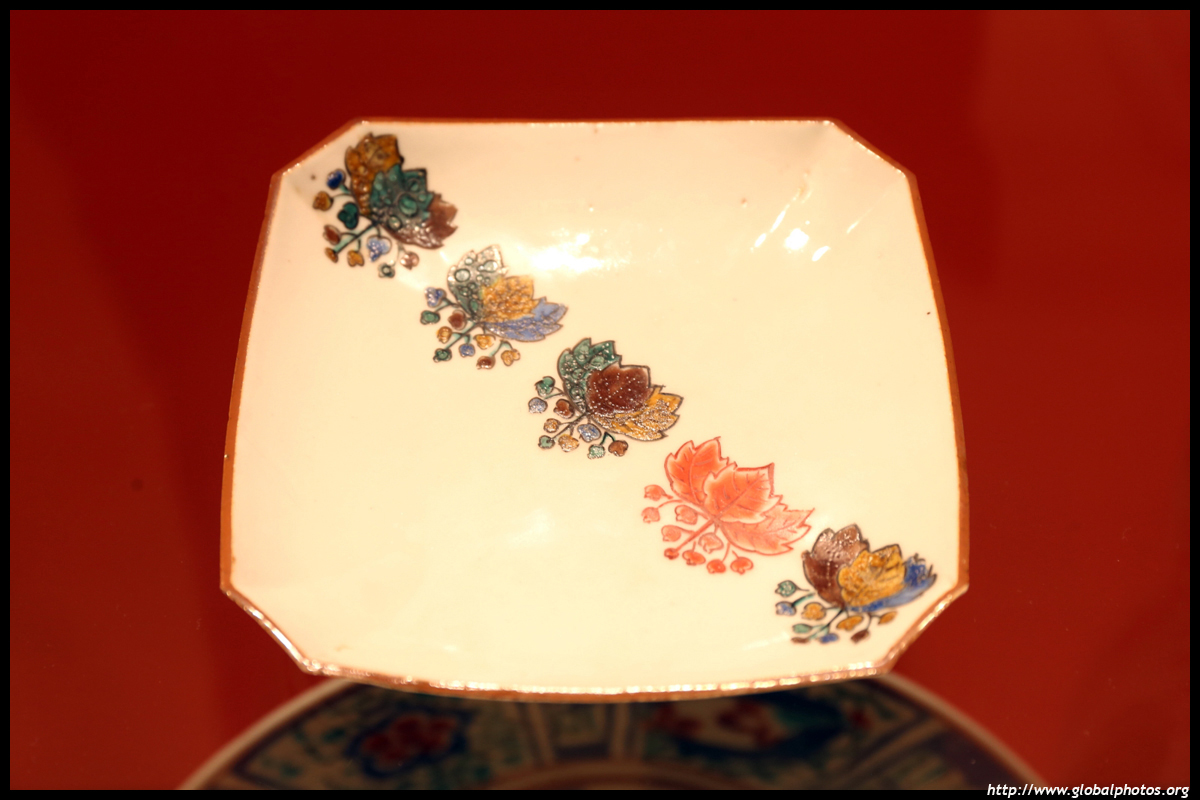
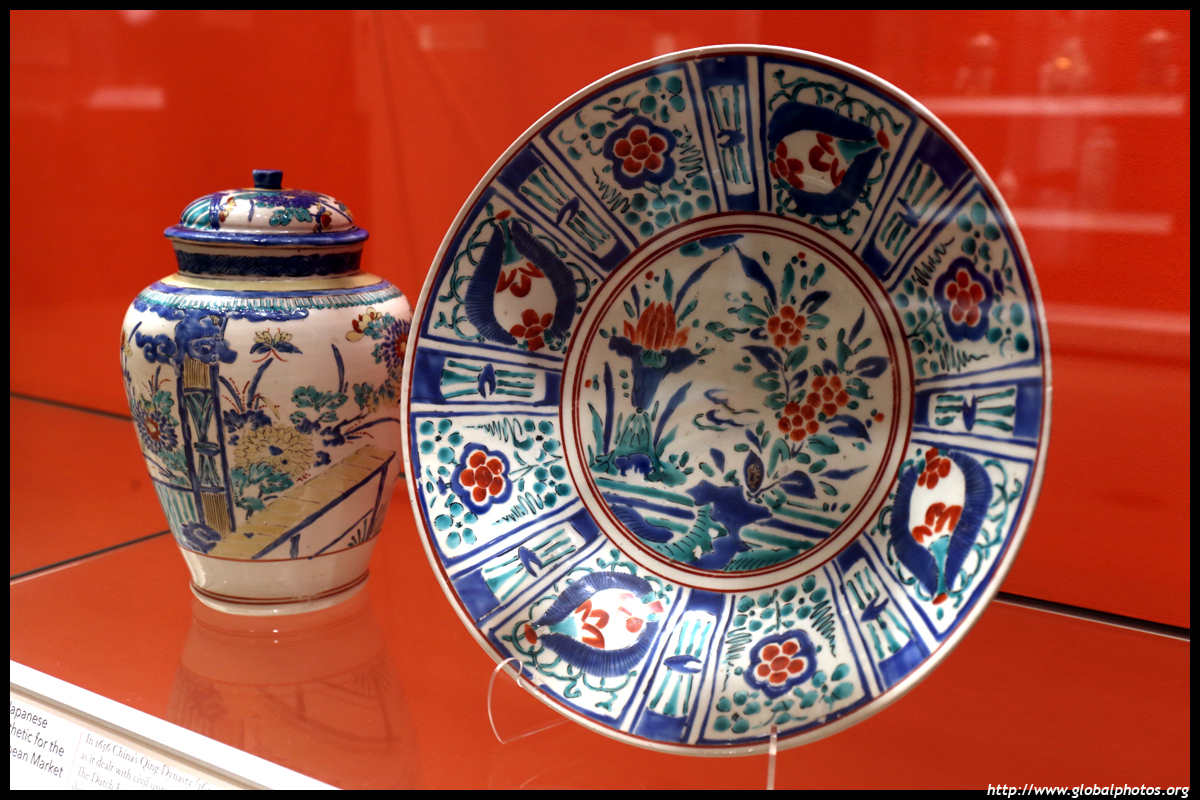
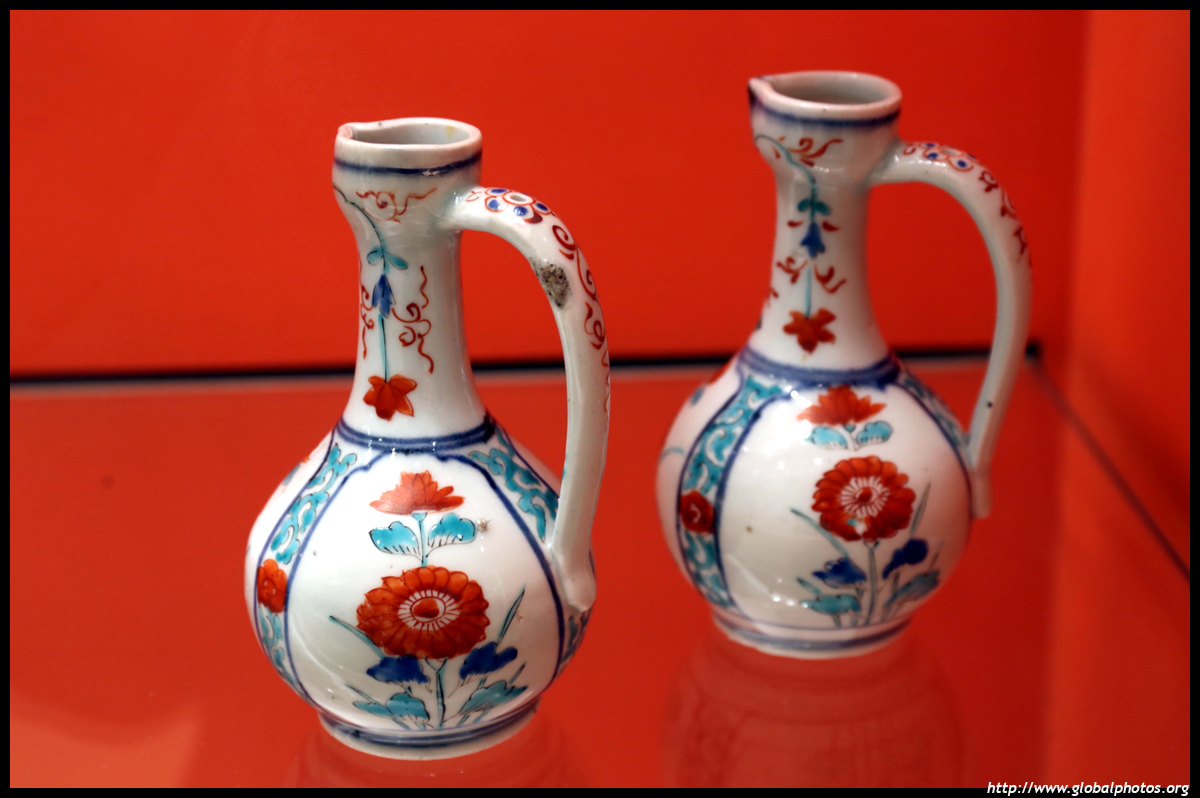
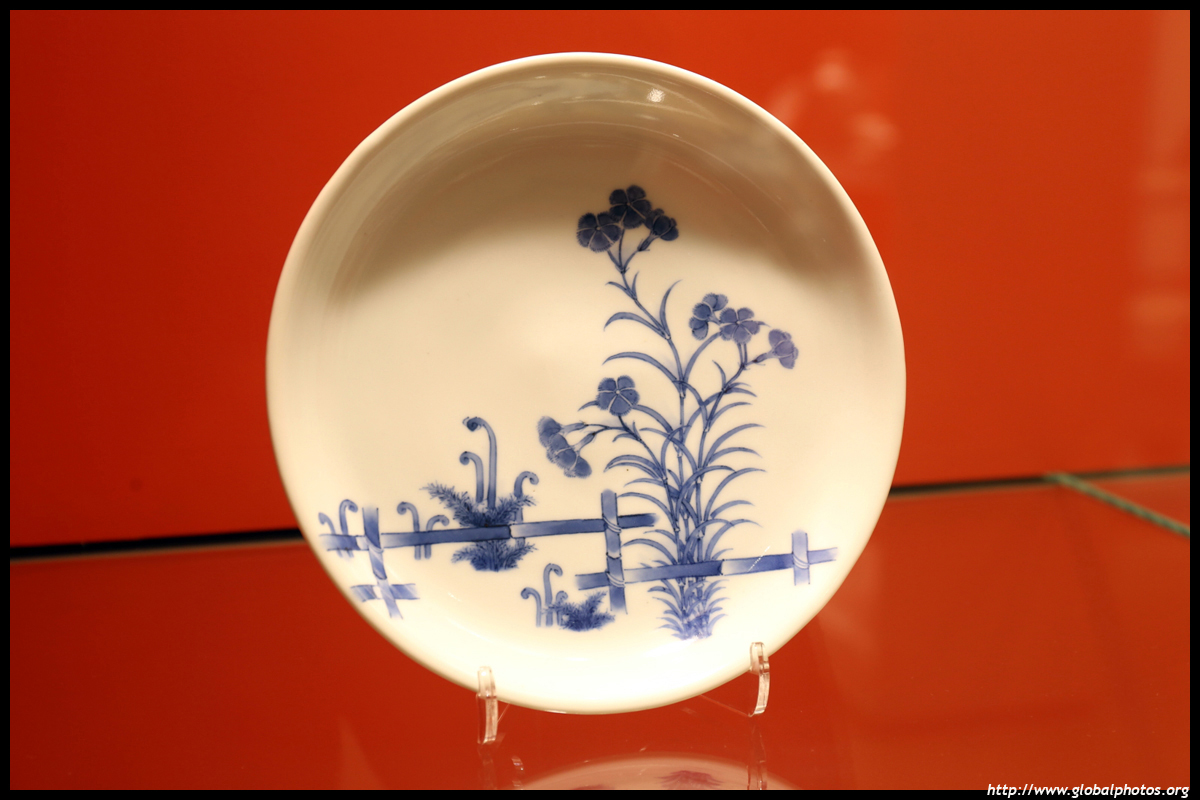
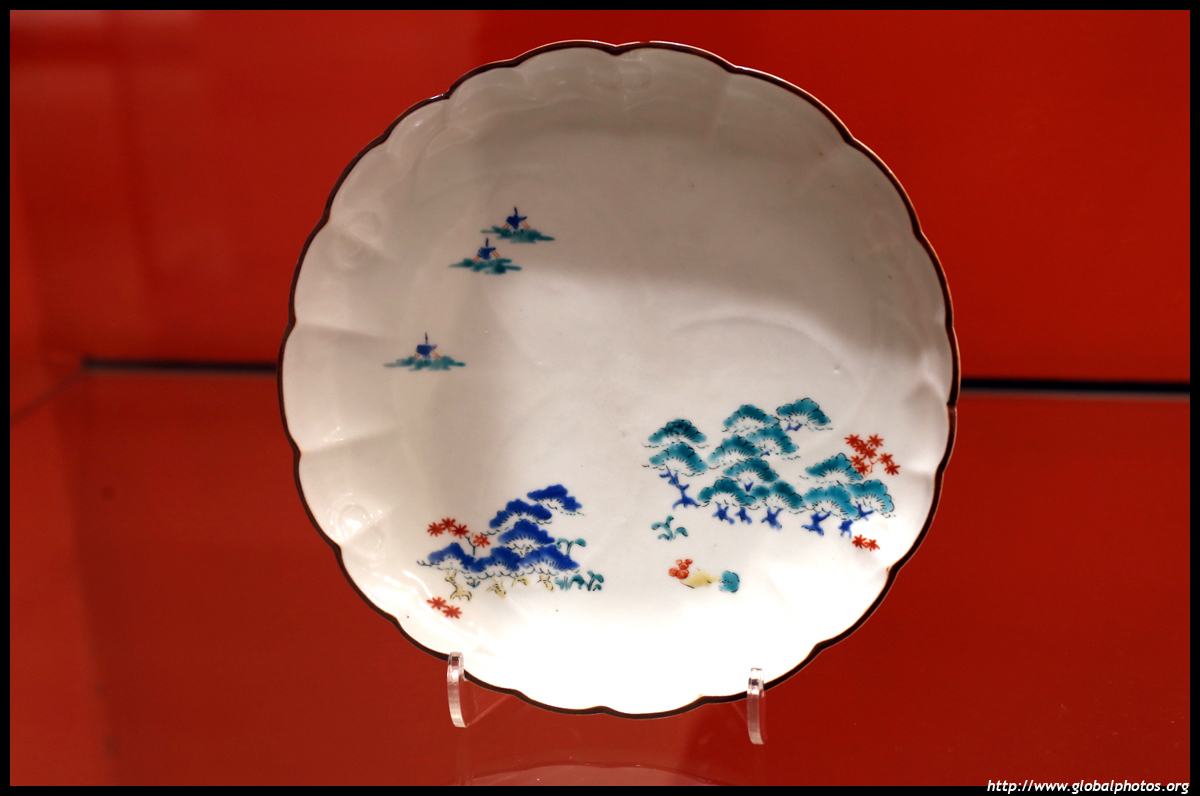
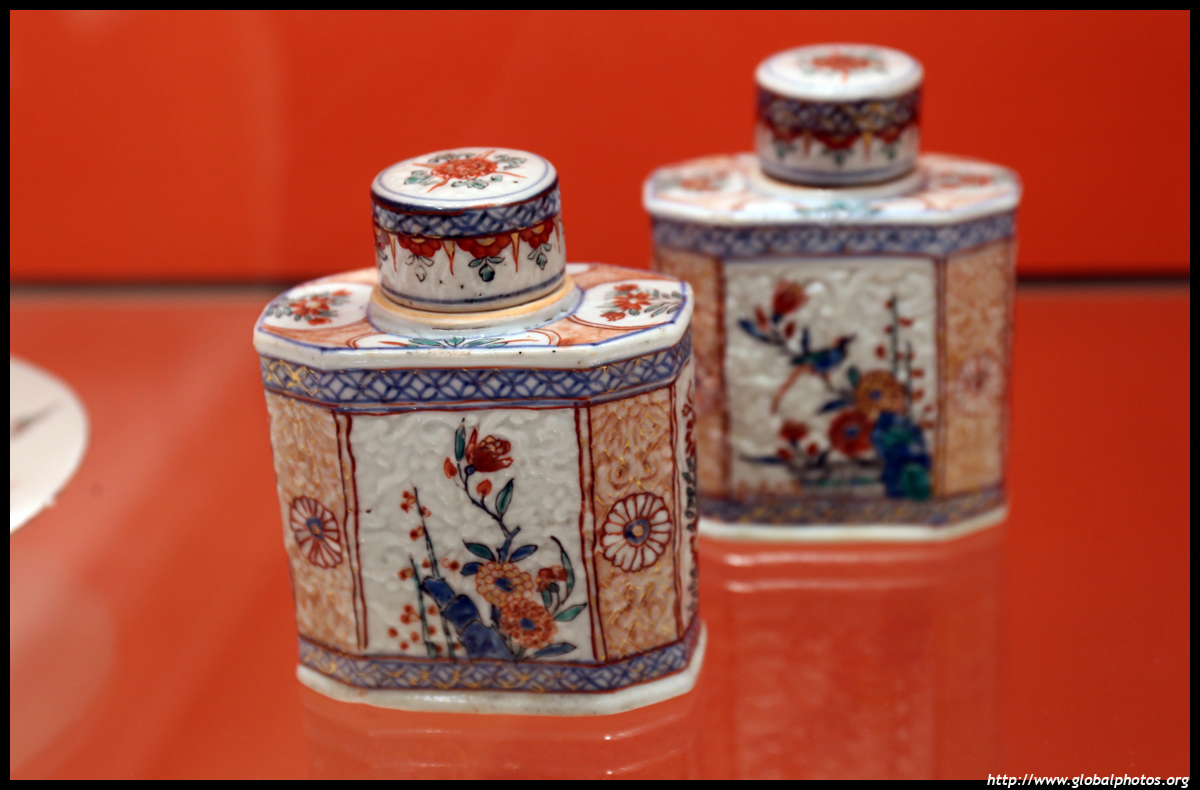
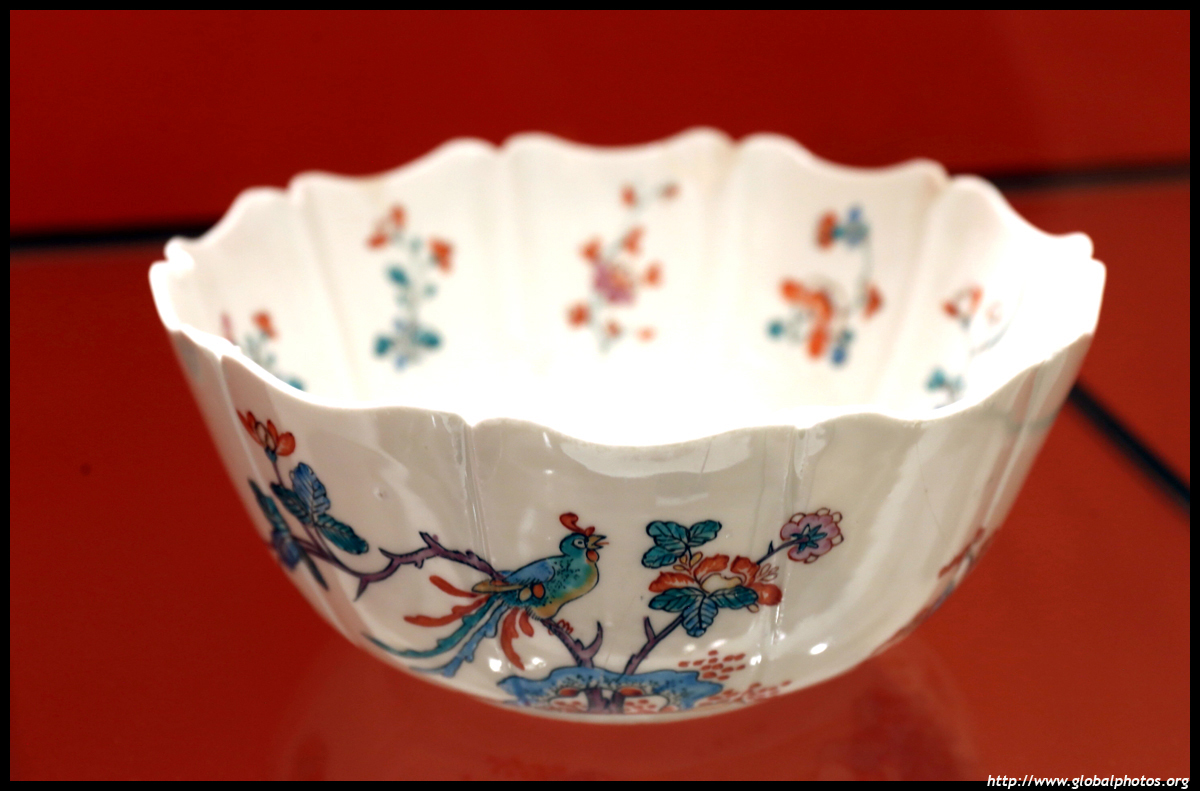
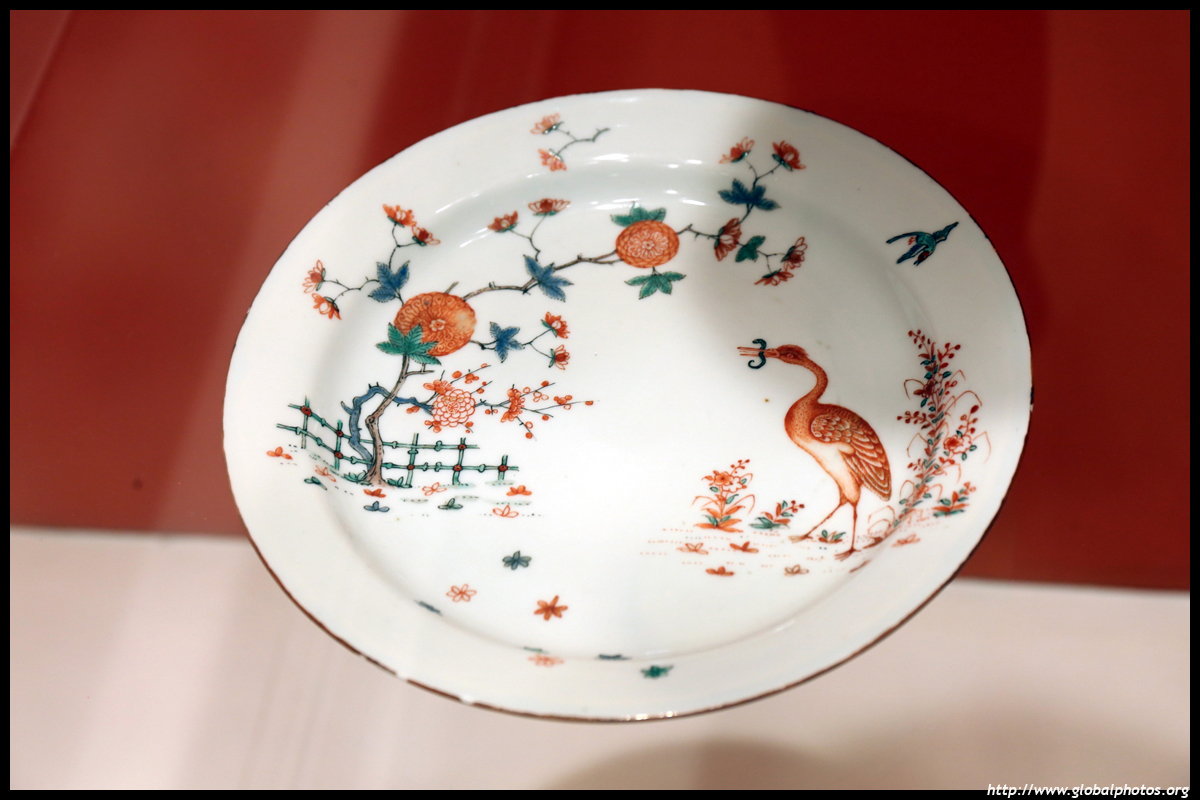
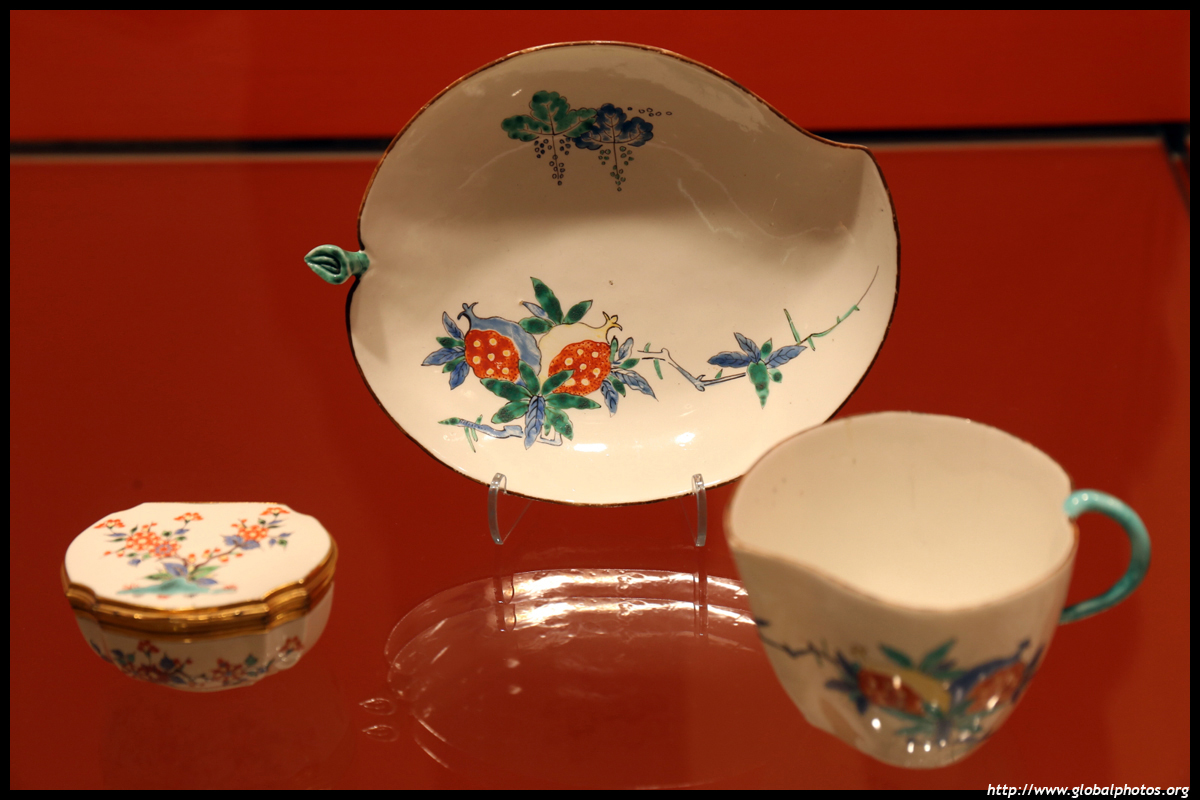
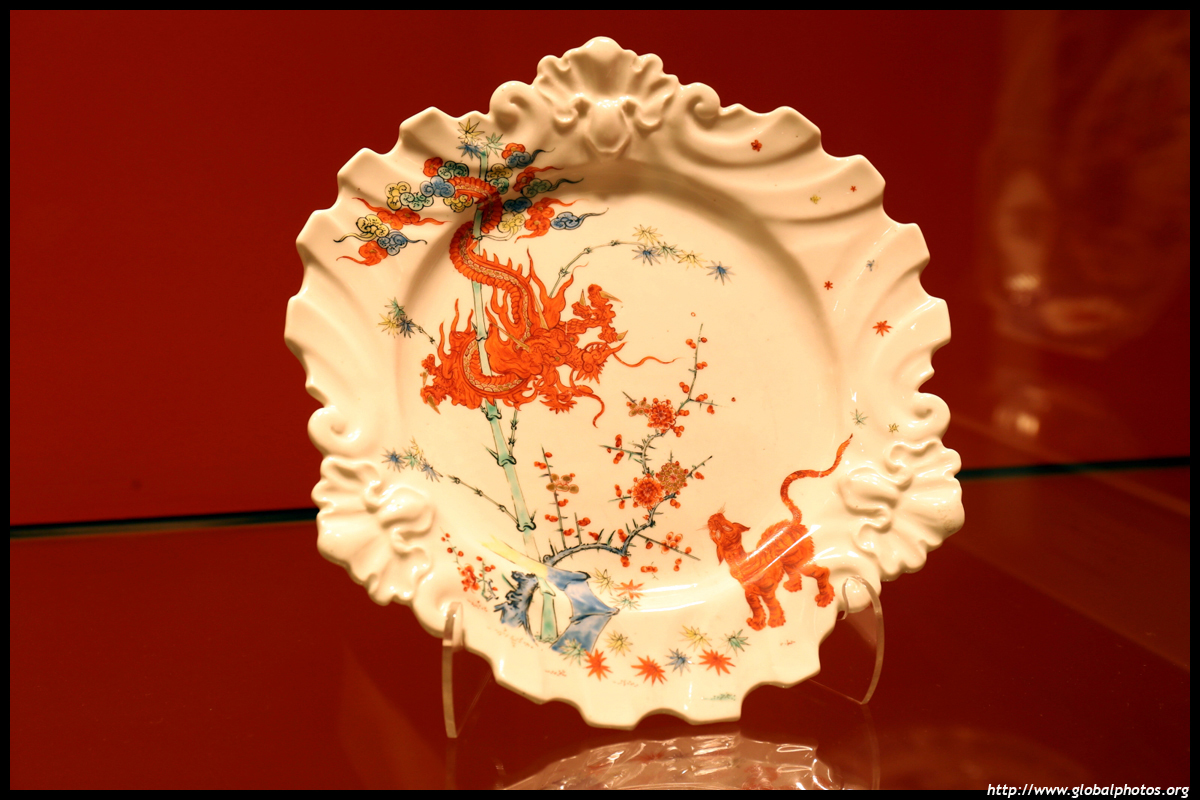
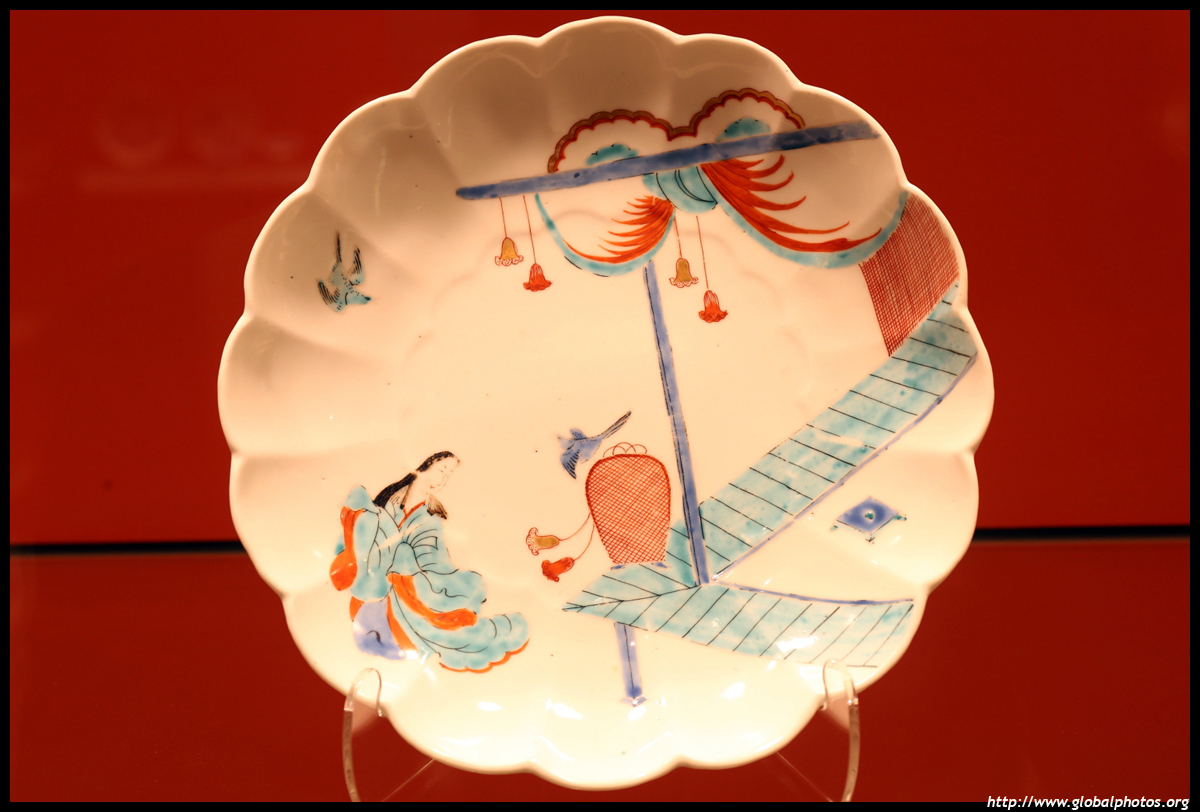
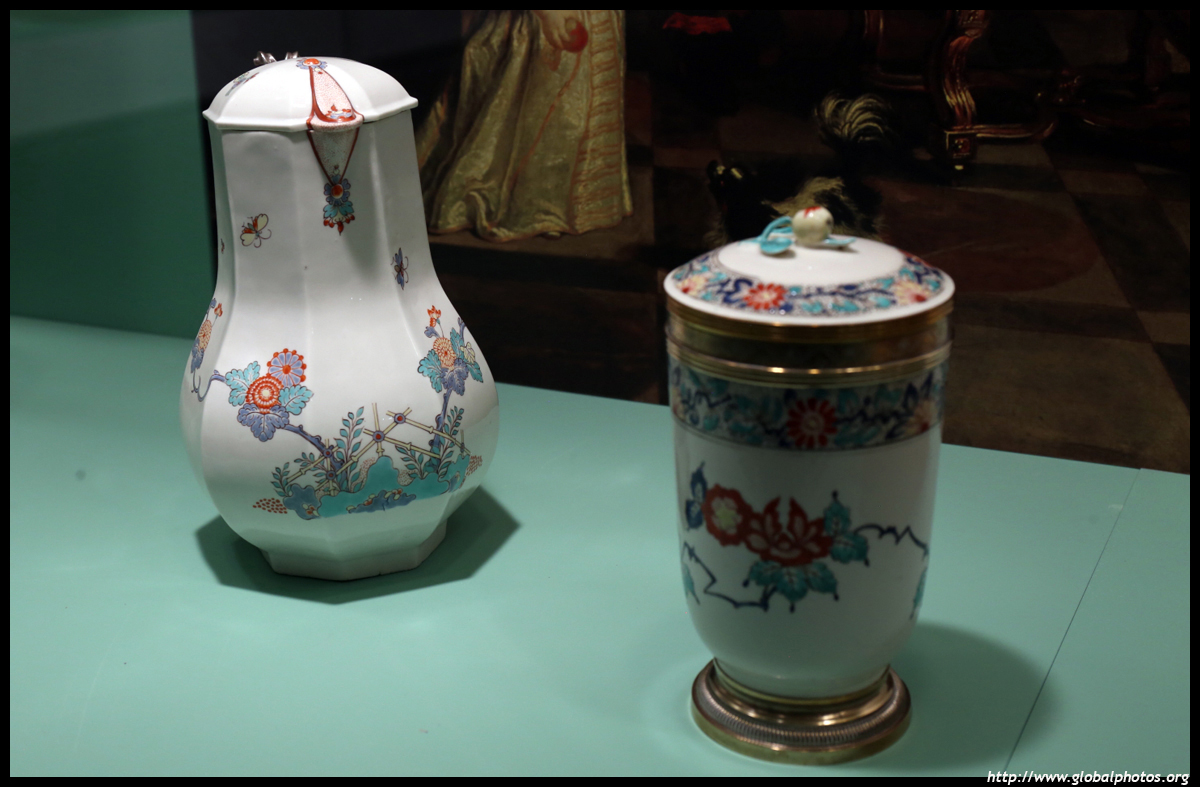
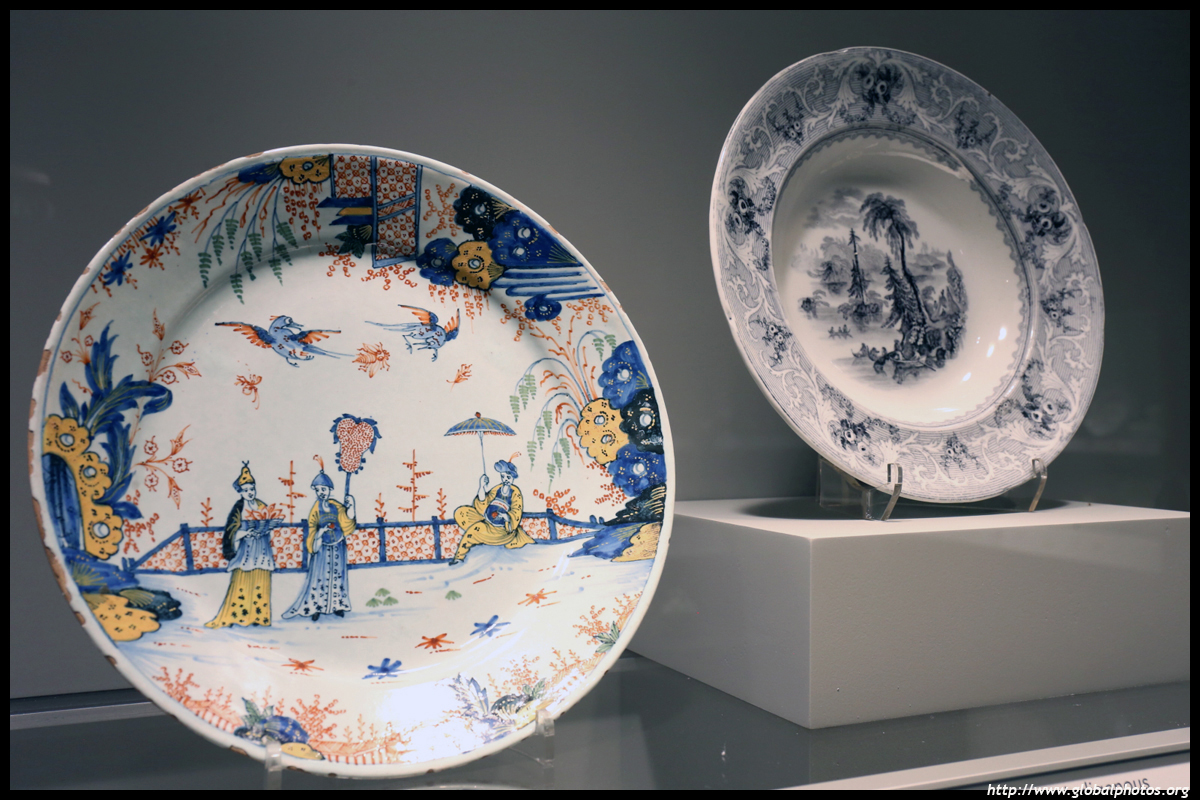
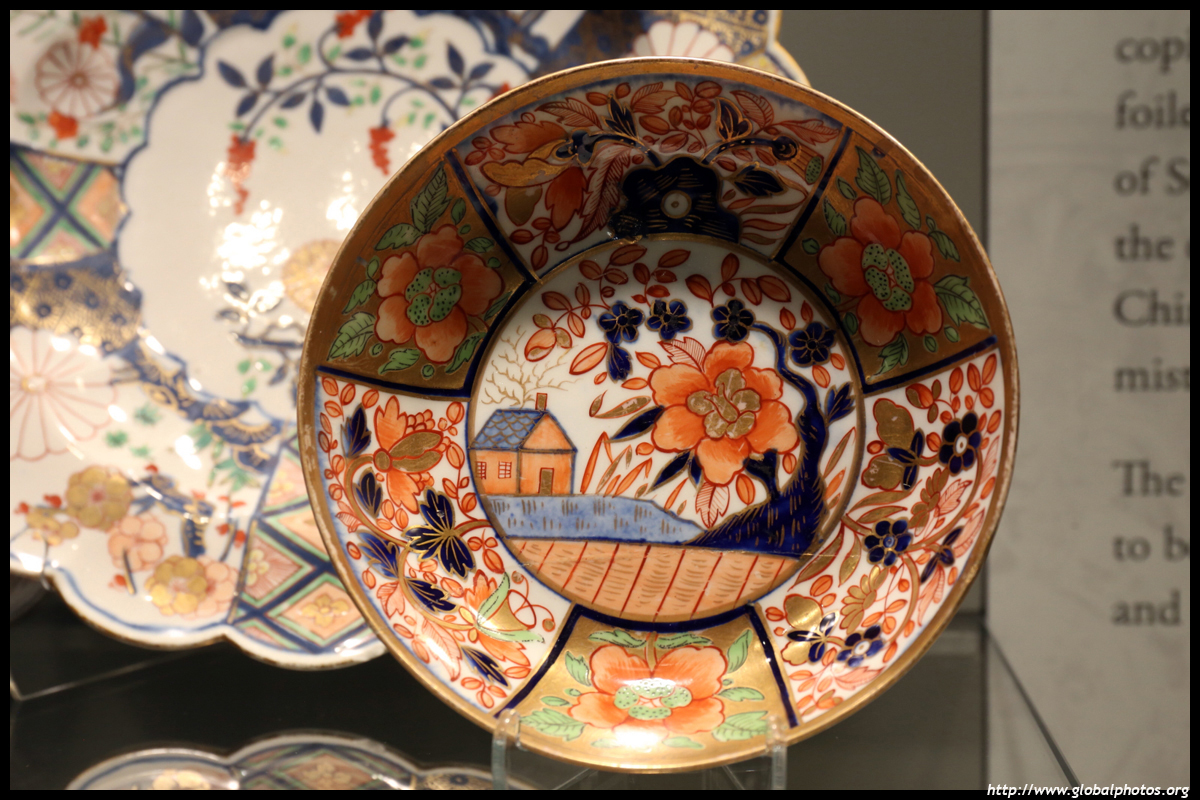
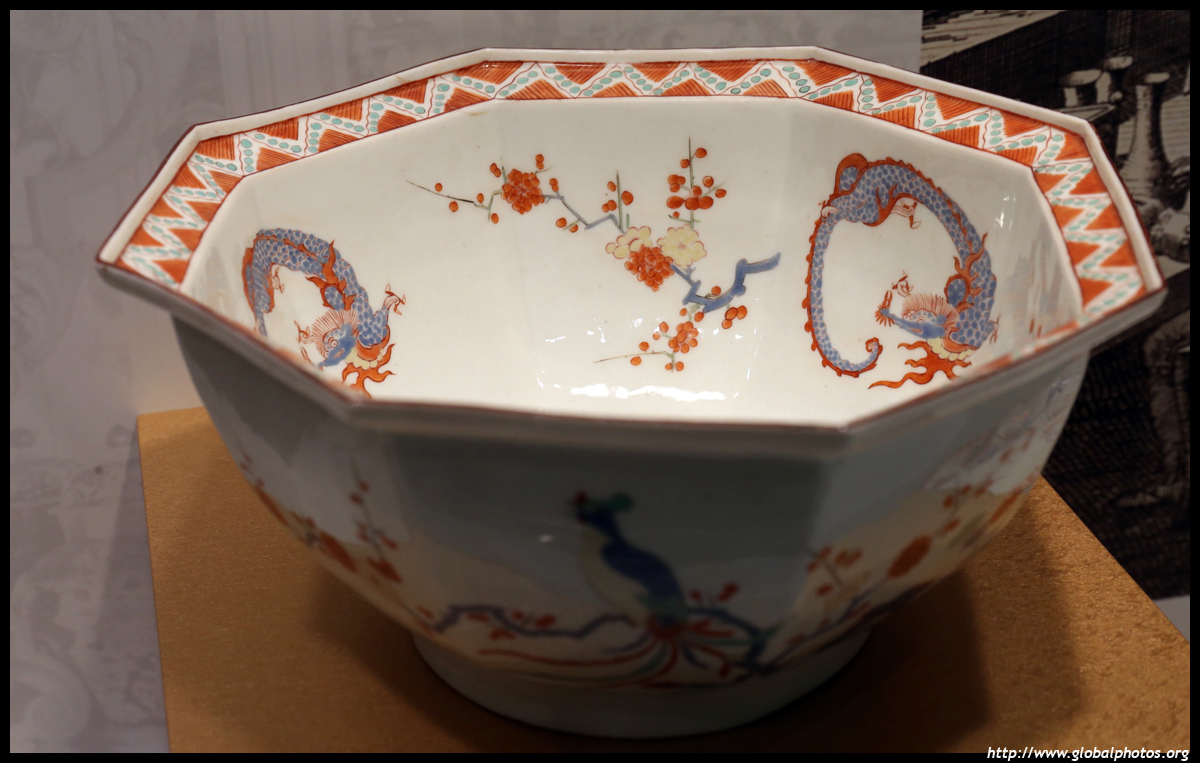
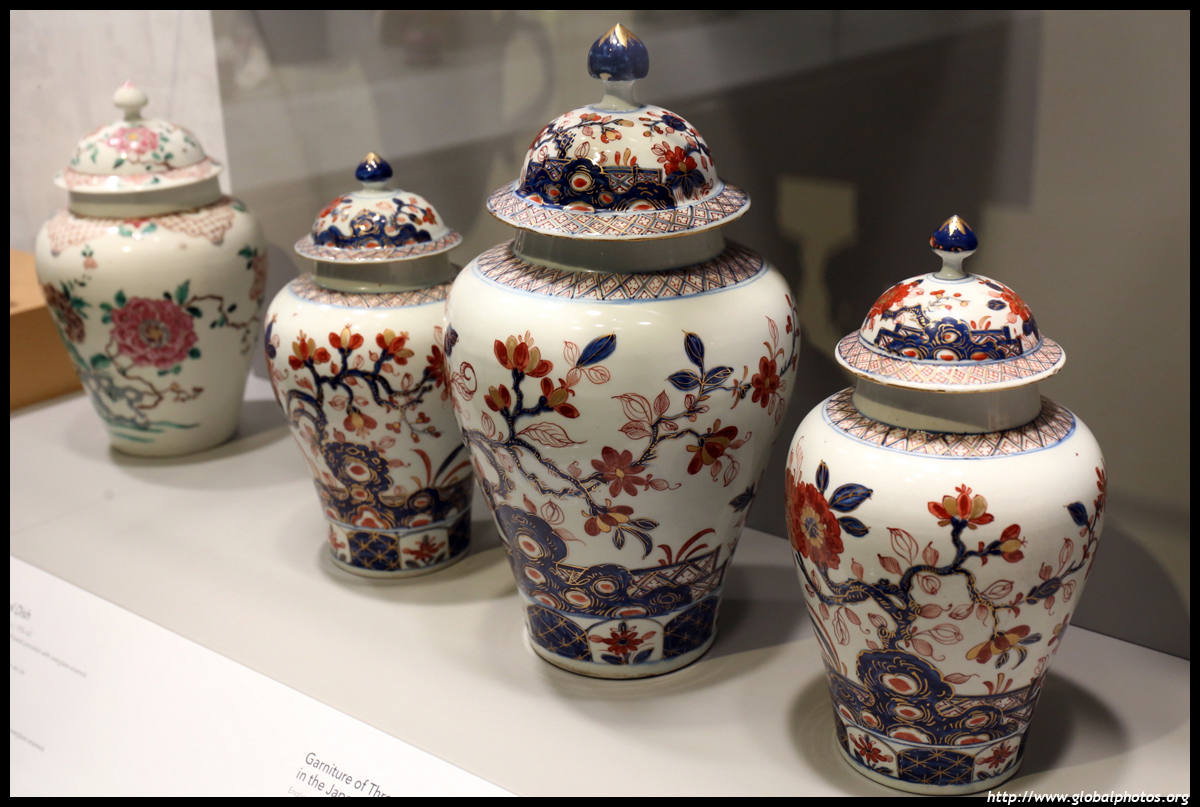
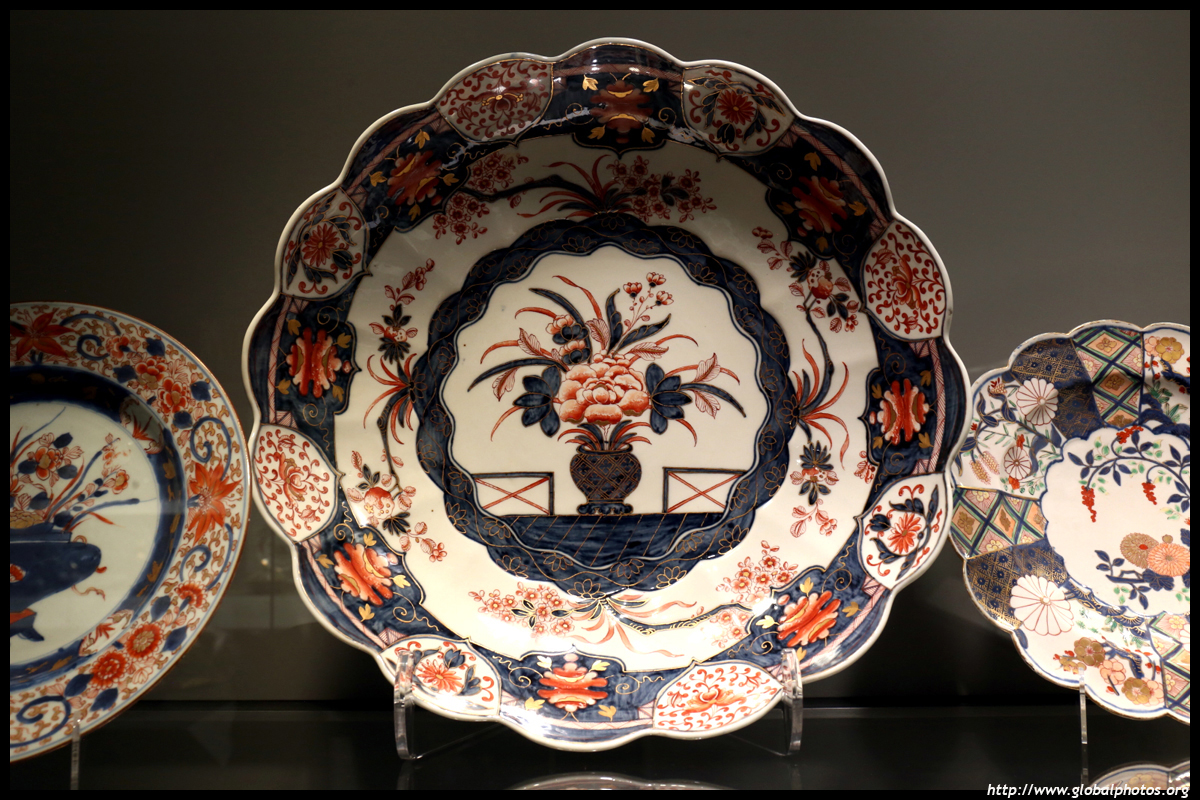
When China's Ming Dynasty fell in the 17th century, the Dutch East India Company looked to Japan for porcelain. The Kakiemon and Imrai styles became popular in Europe.
|
|||
|
|
|
|
|
|
|
|
|
|
|
|
|
|
|
|
|
|
|
|
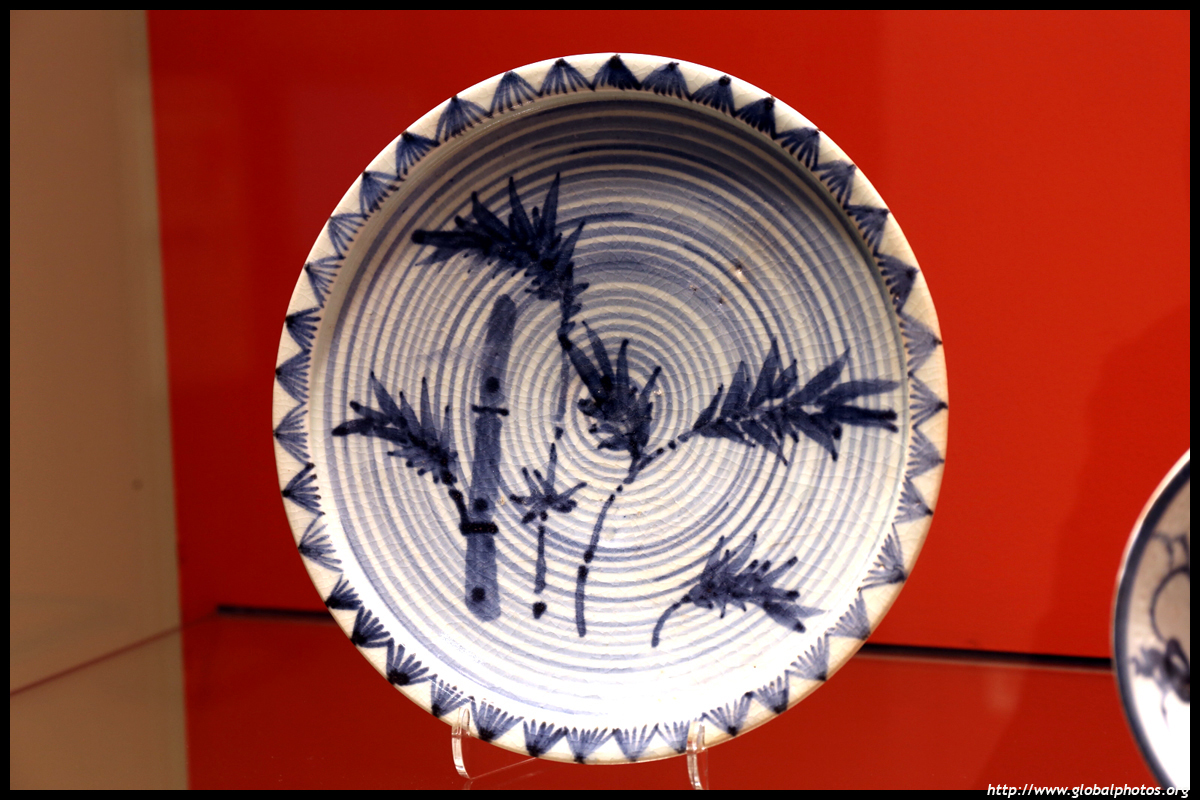
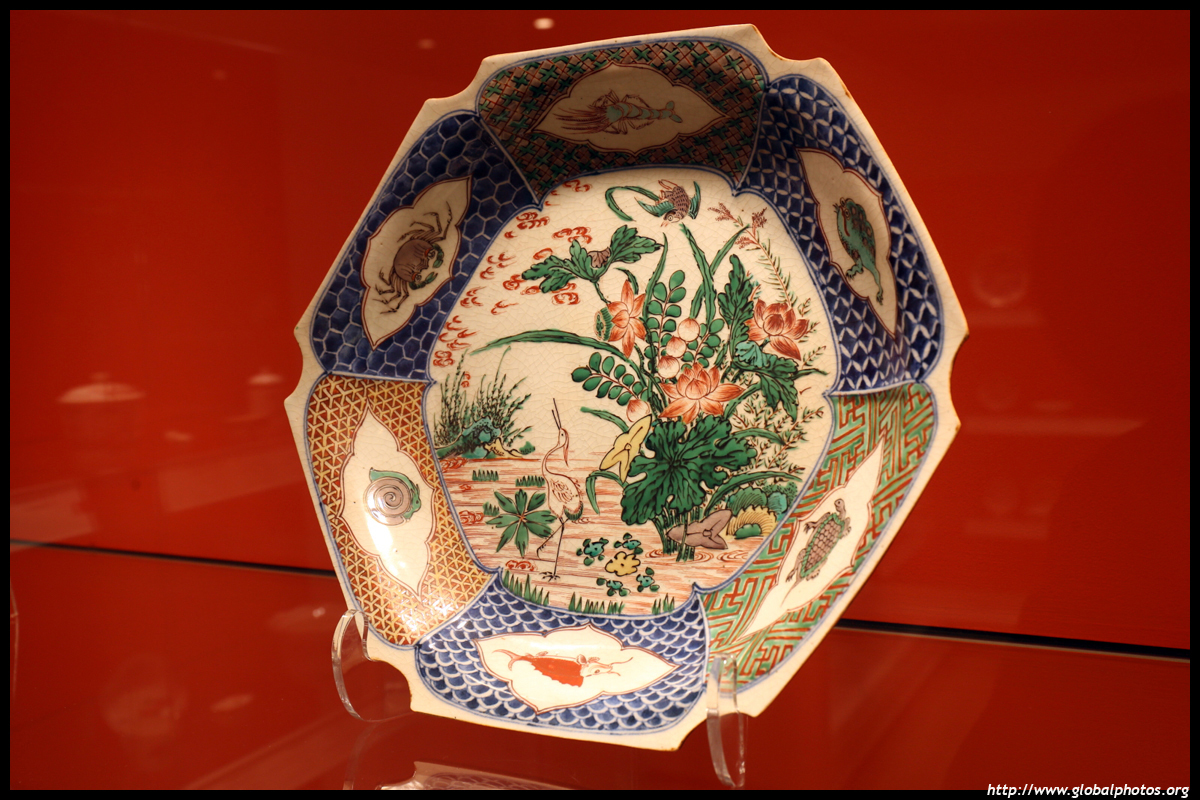
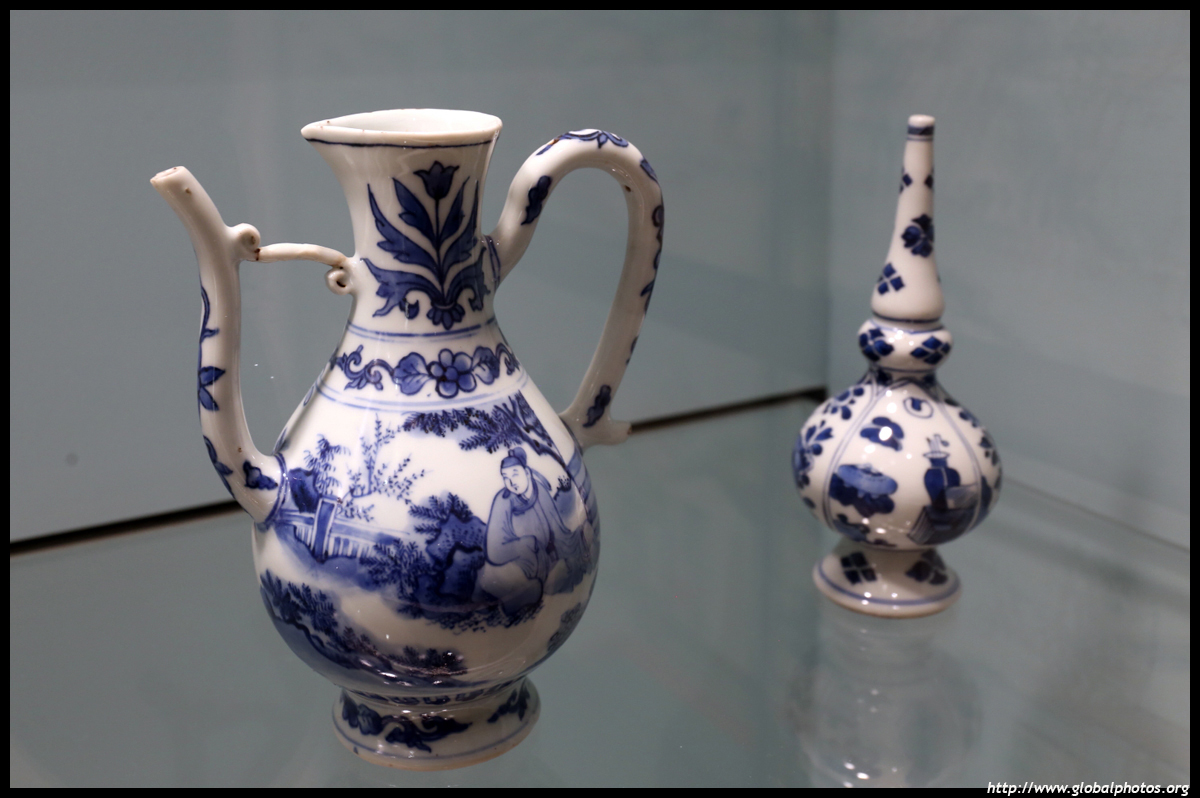
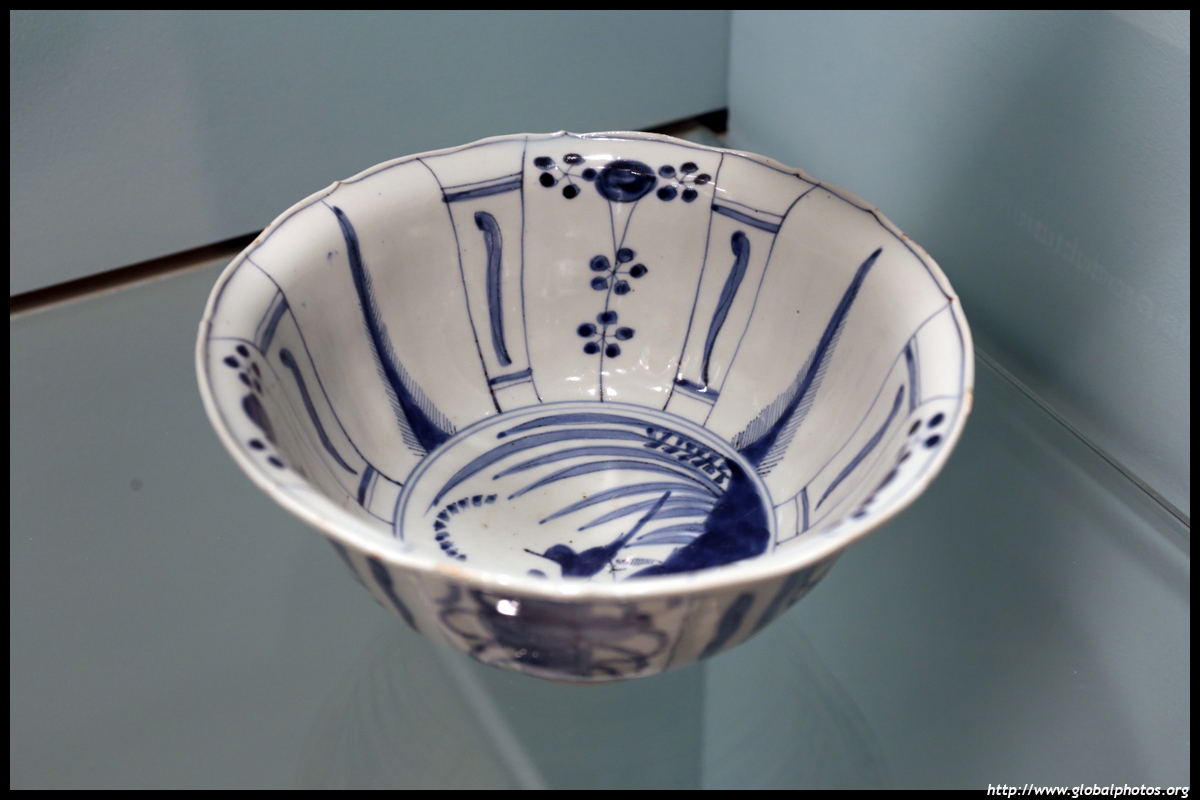
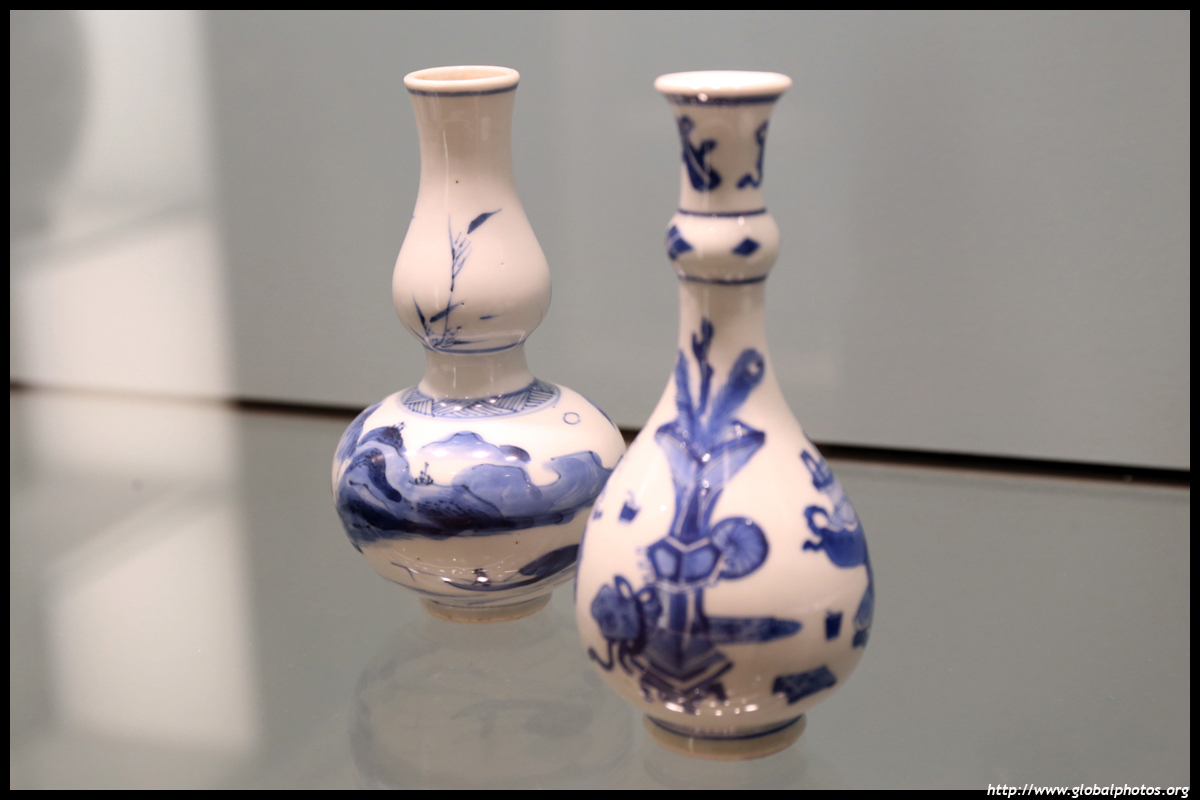
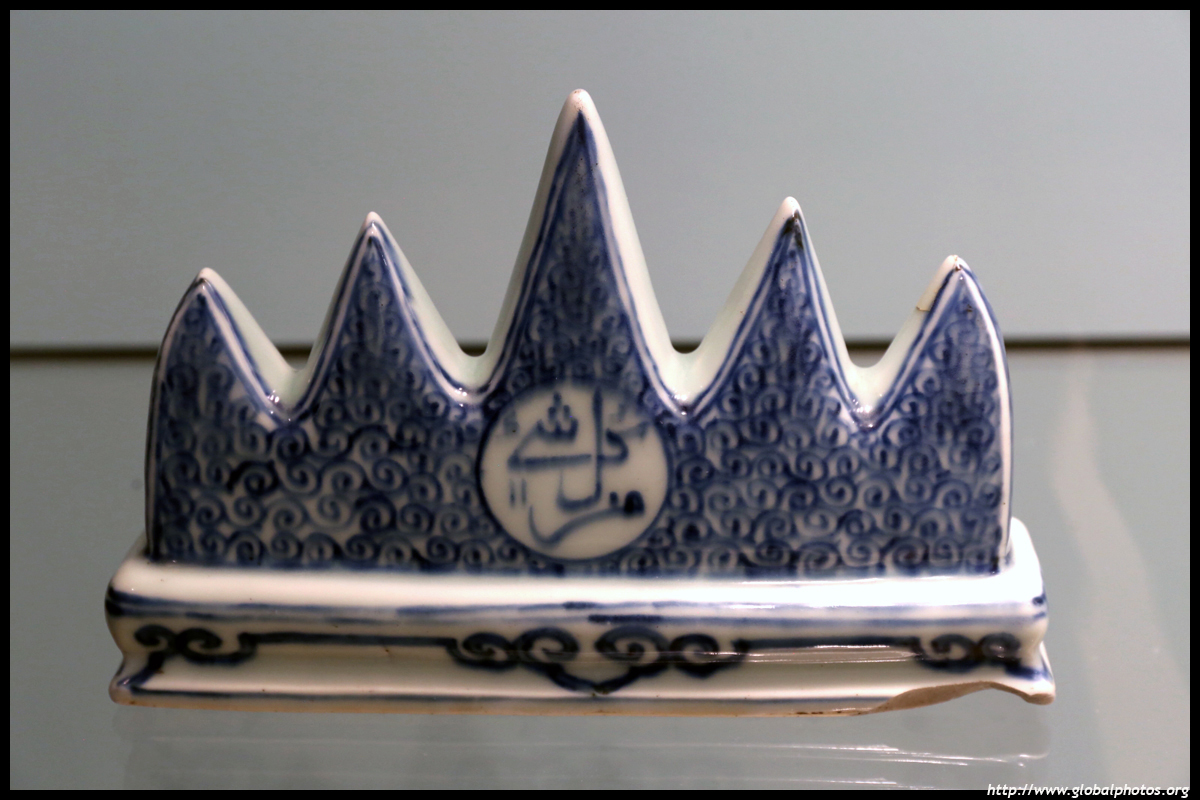
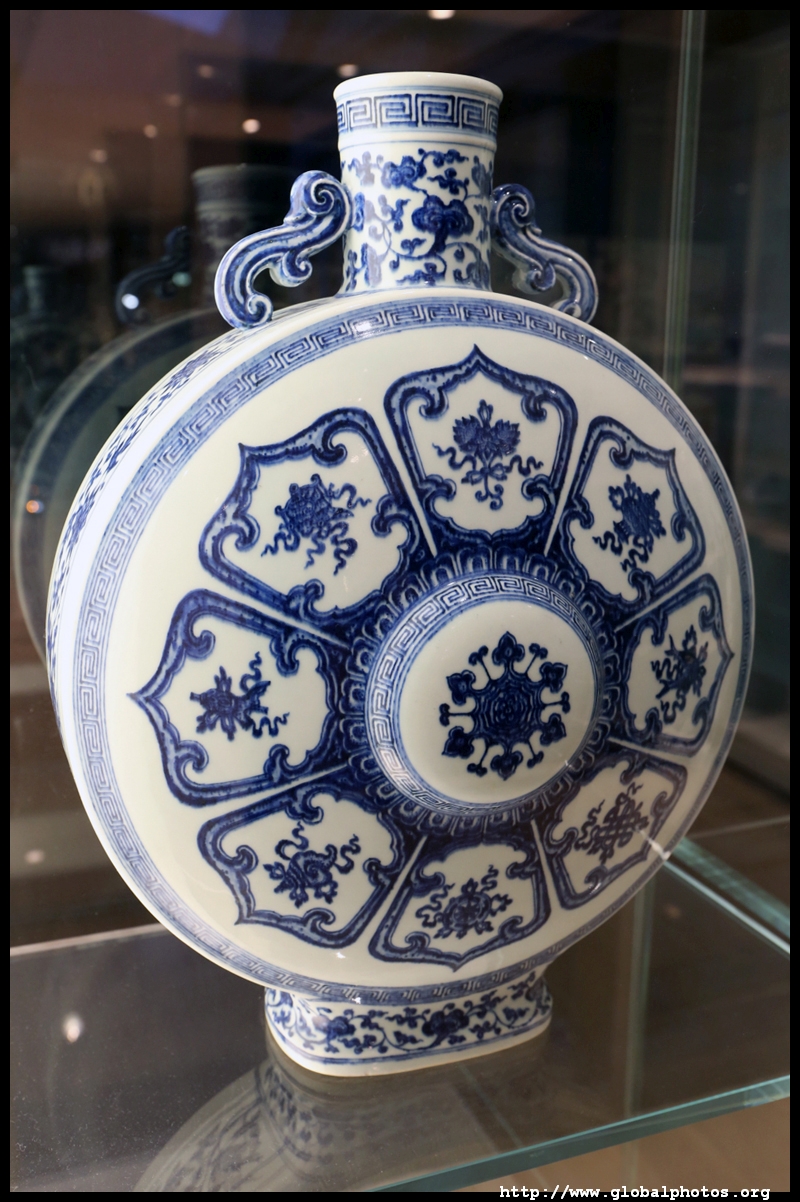
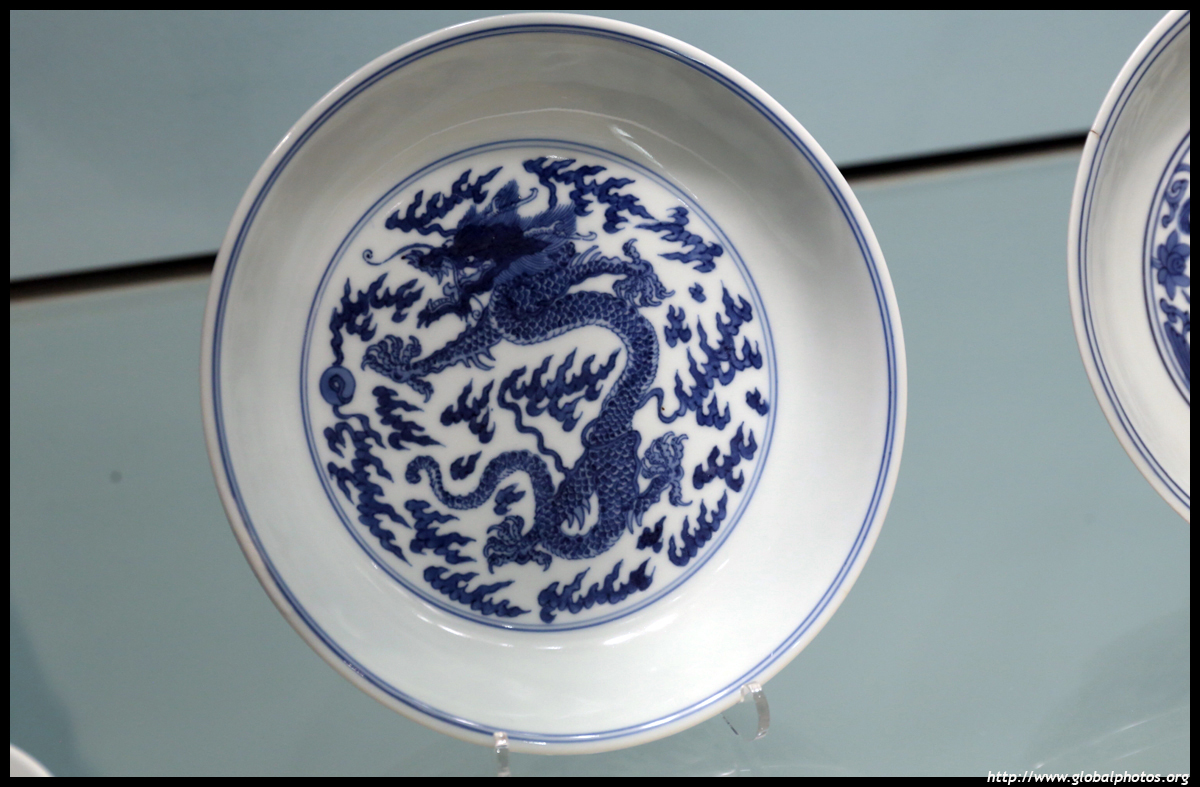
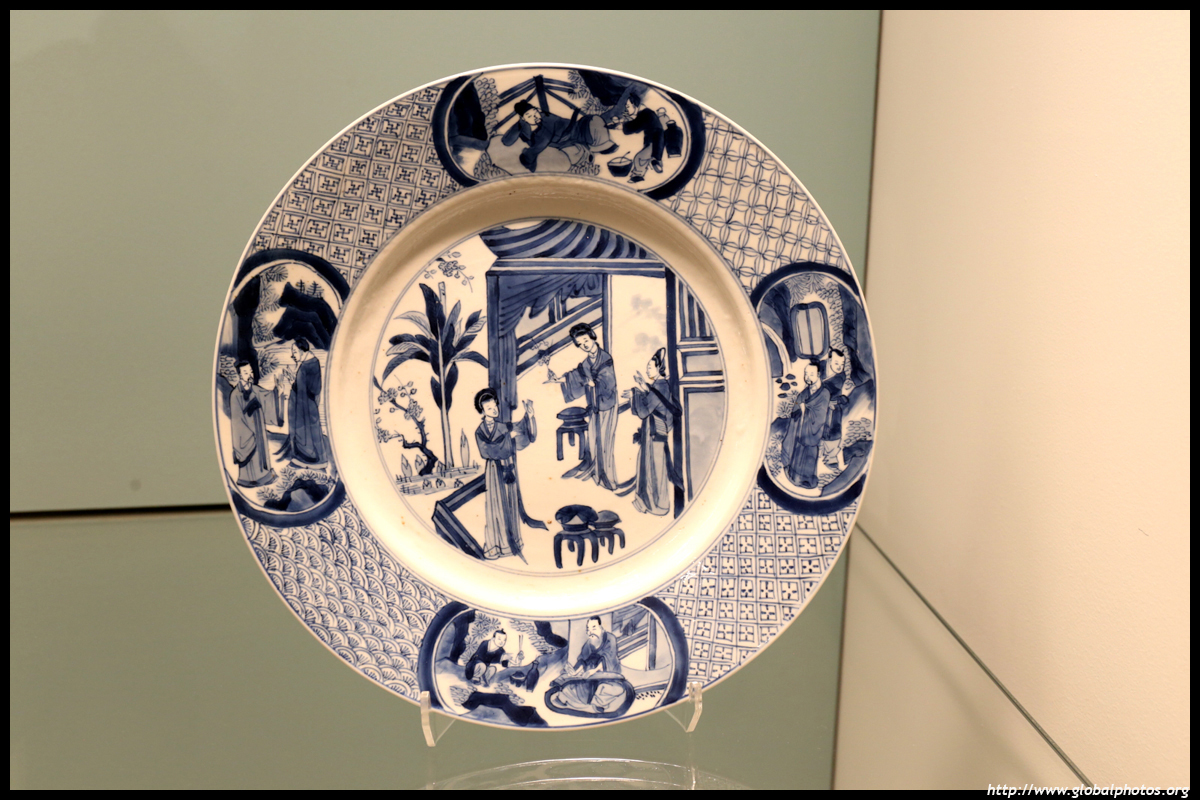
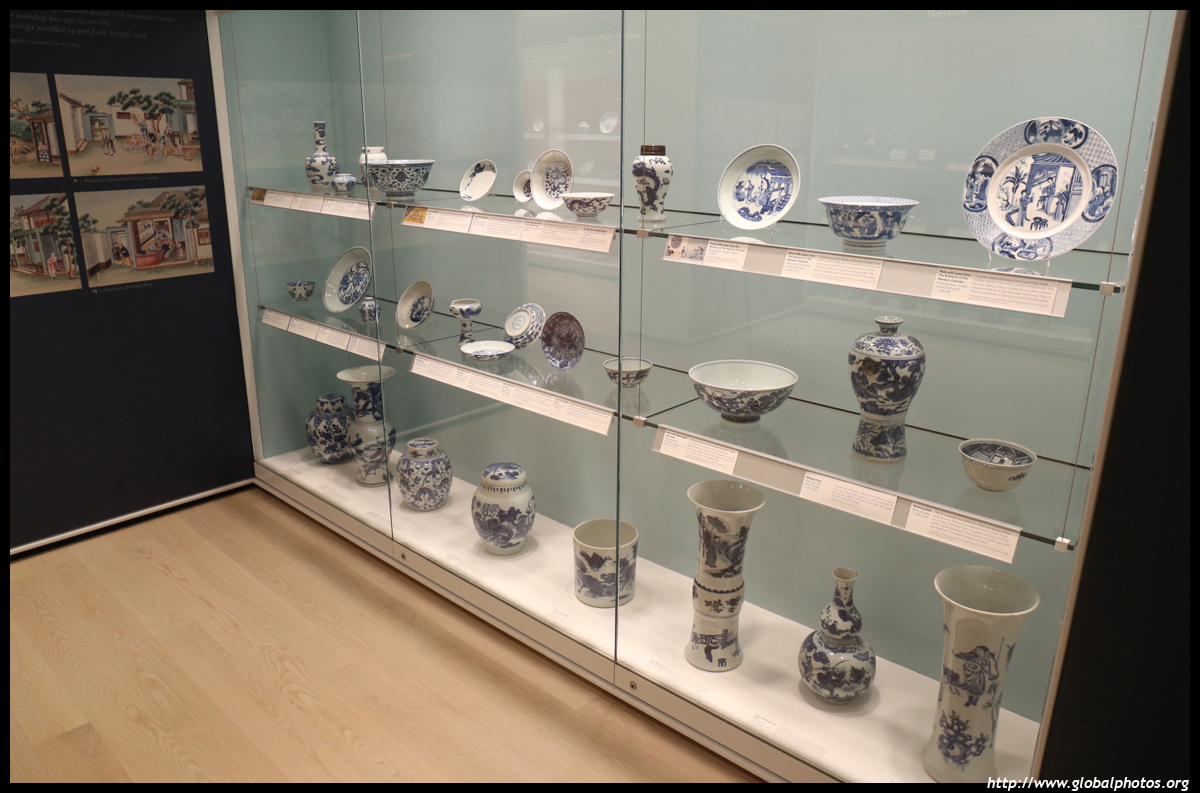
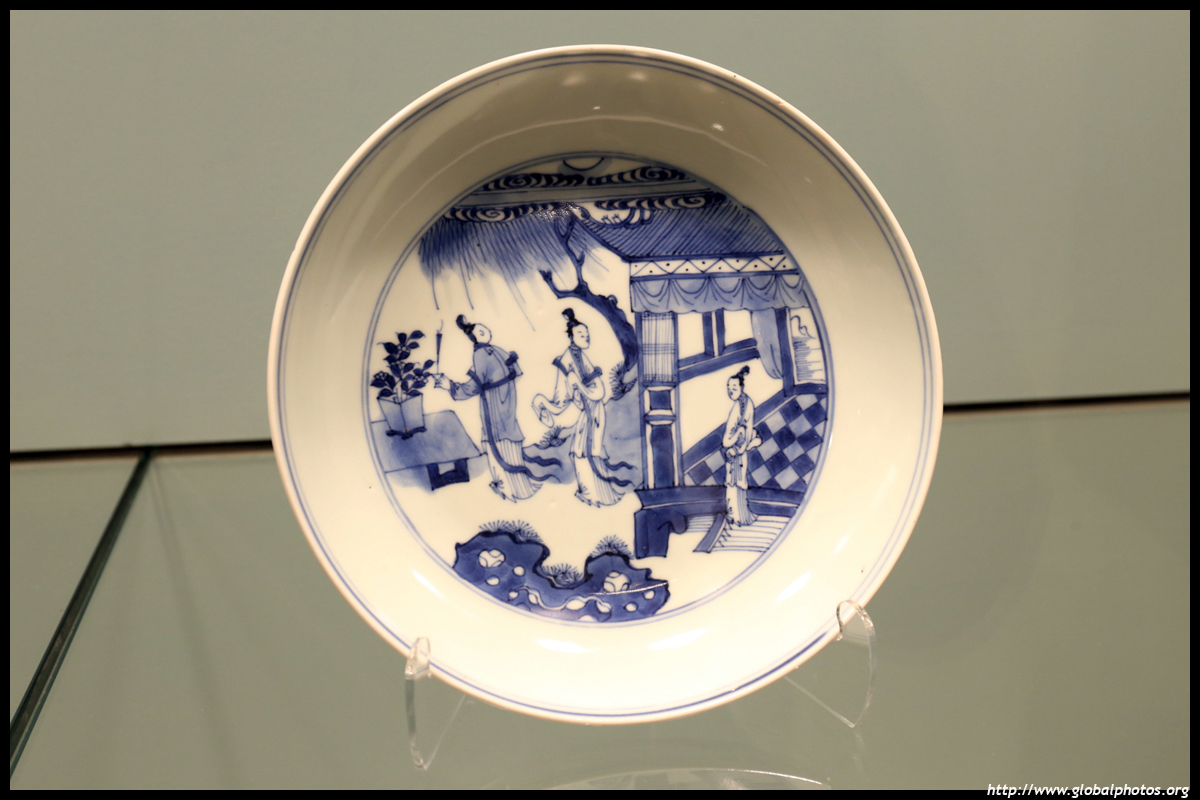
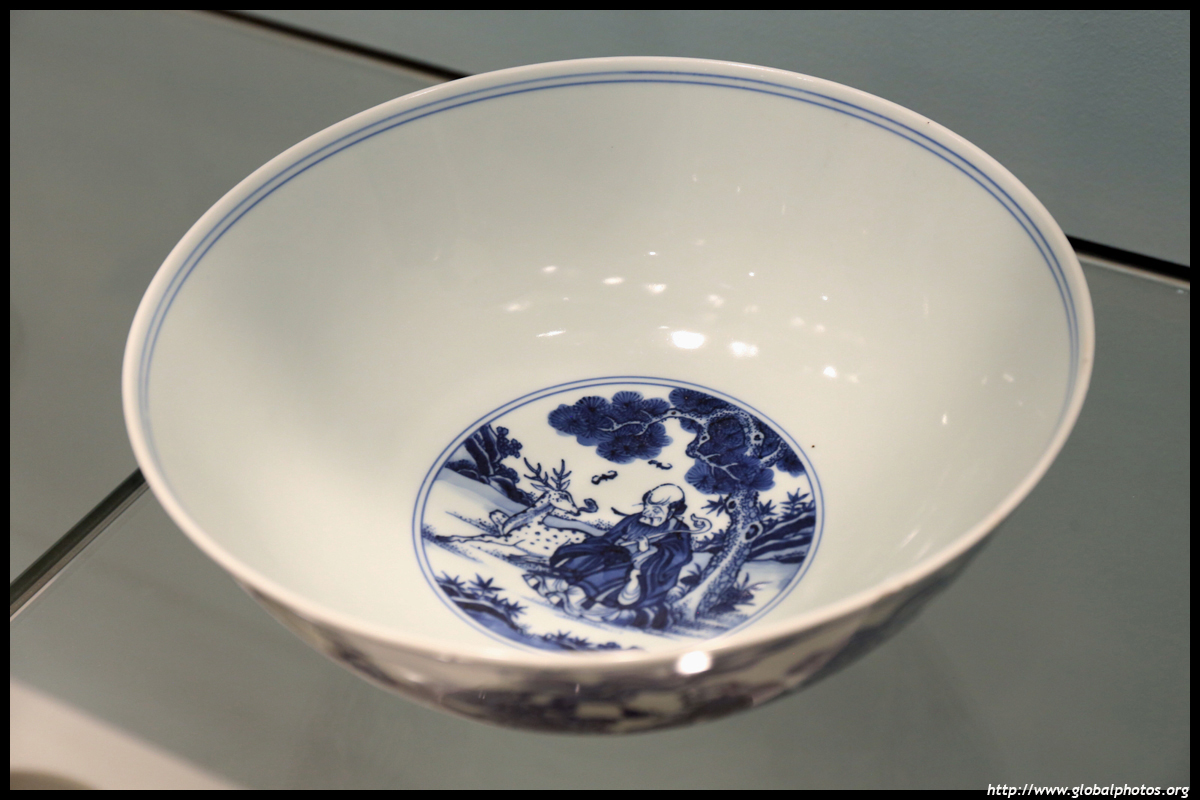
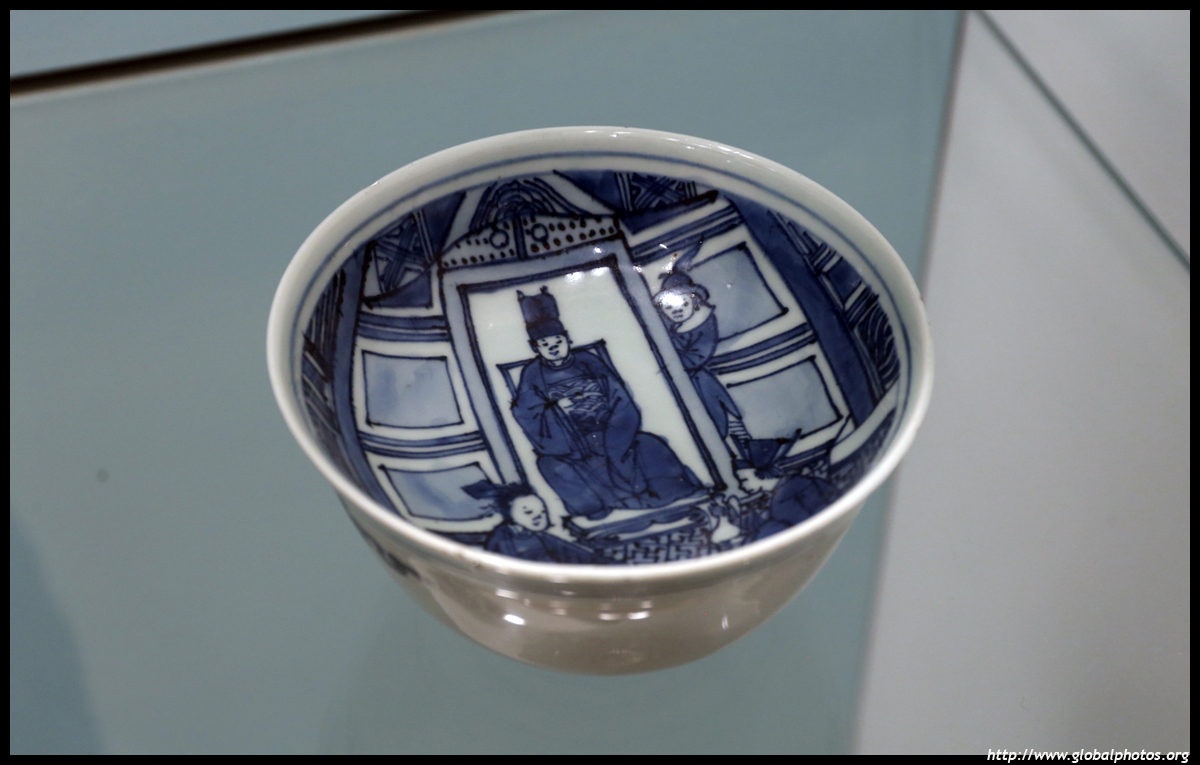
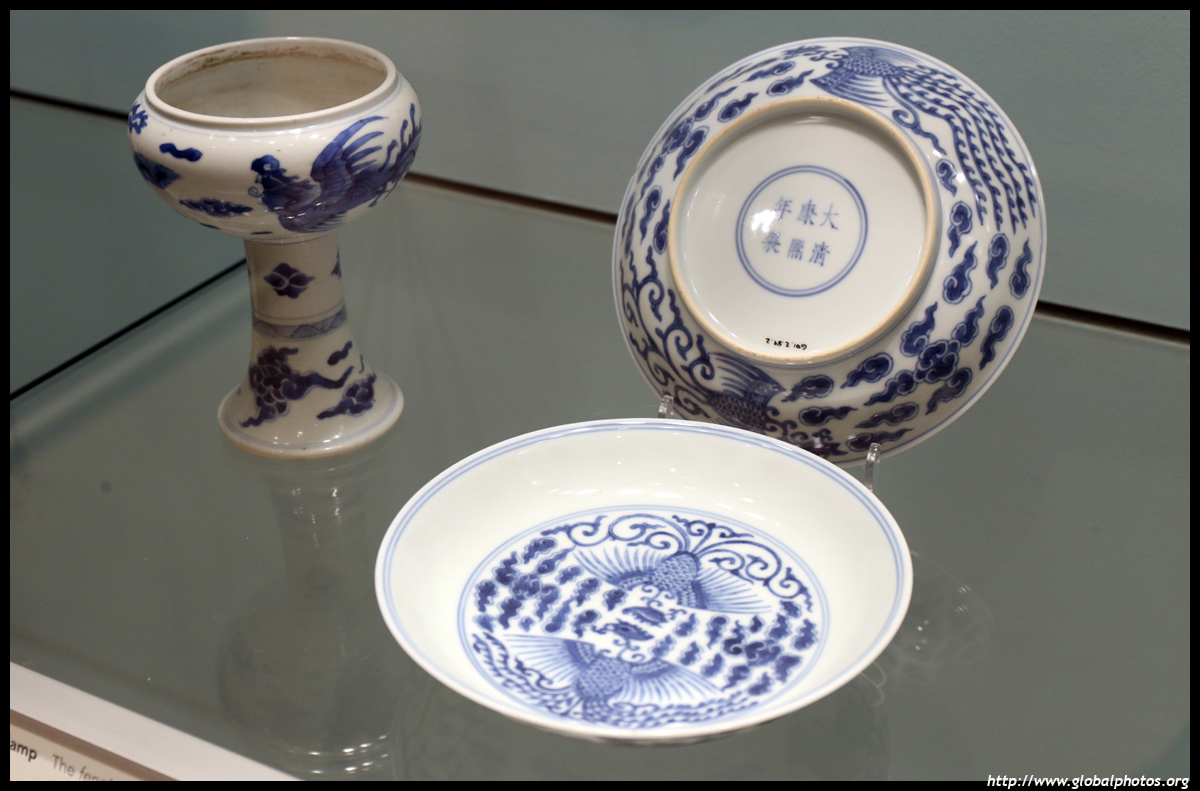
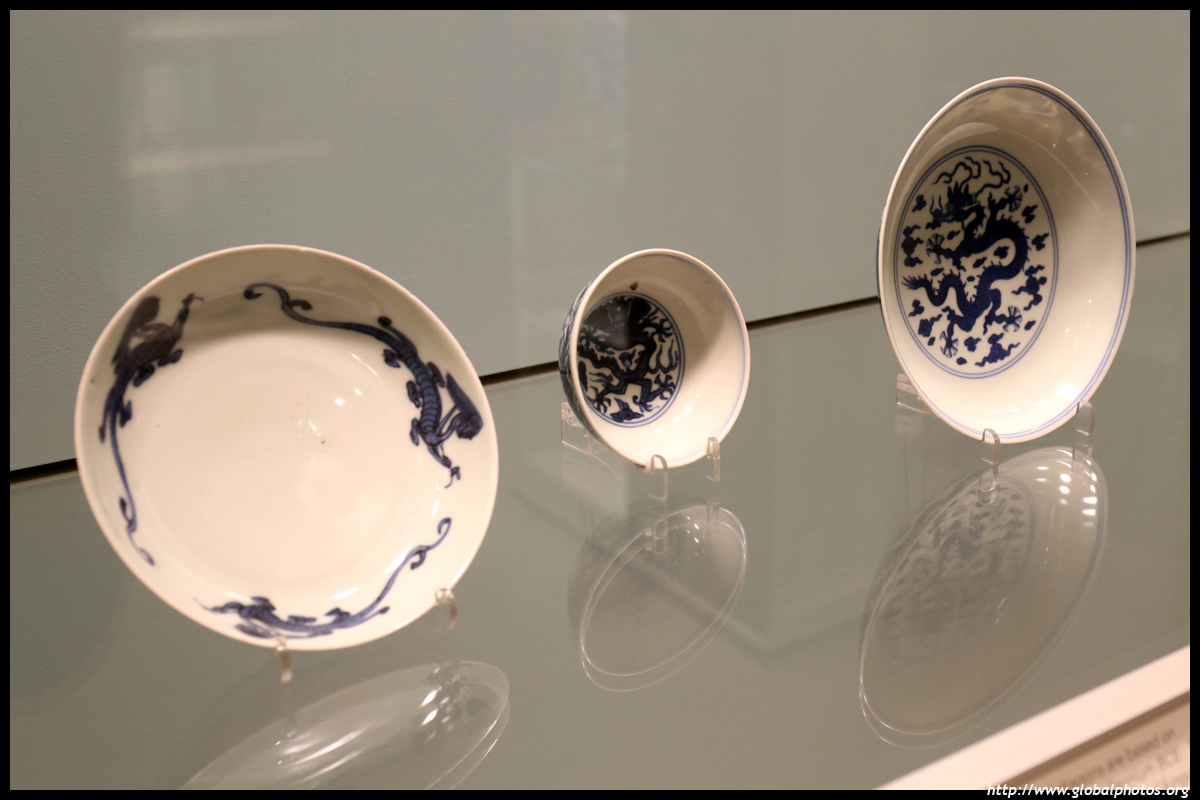
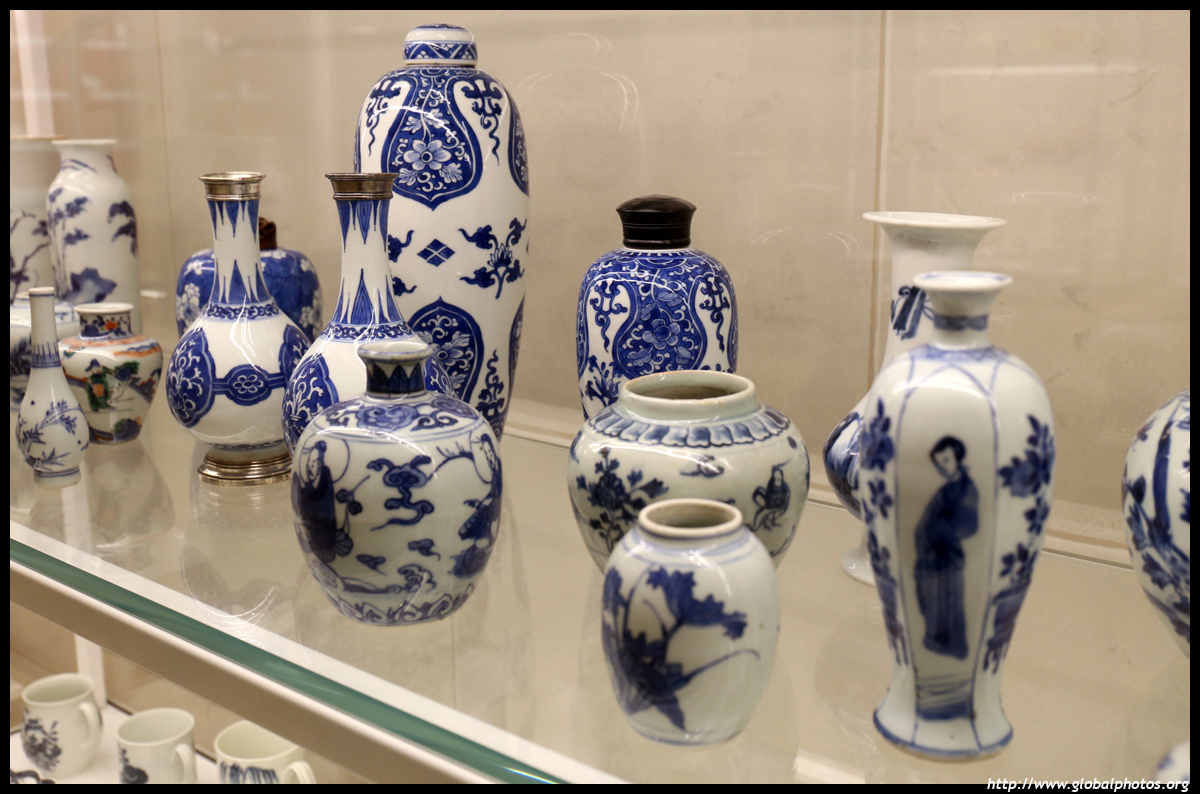
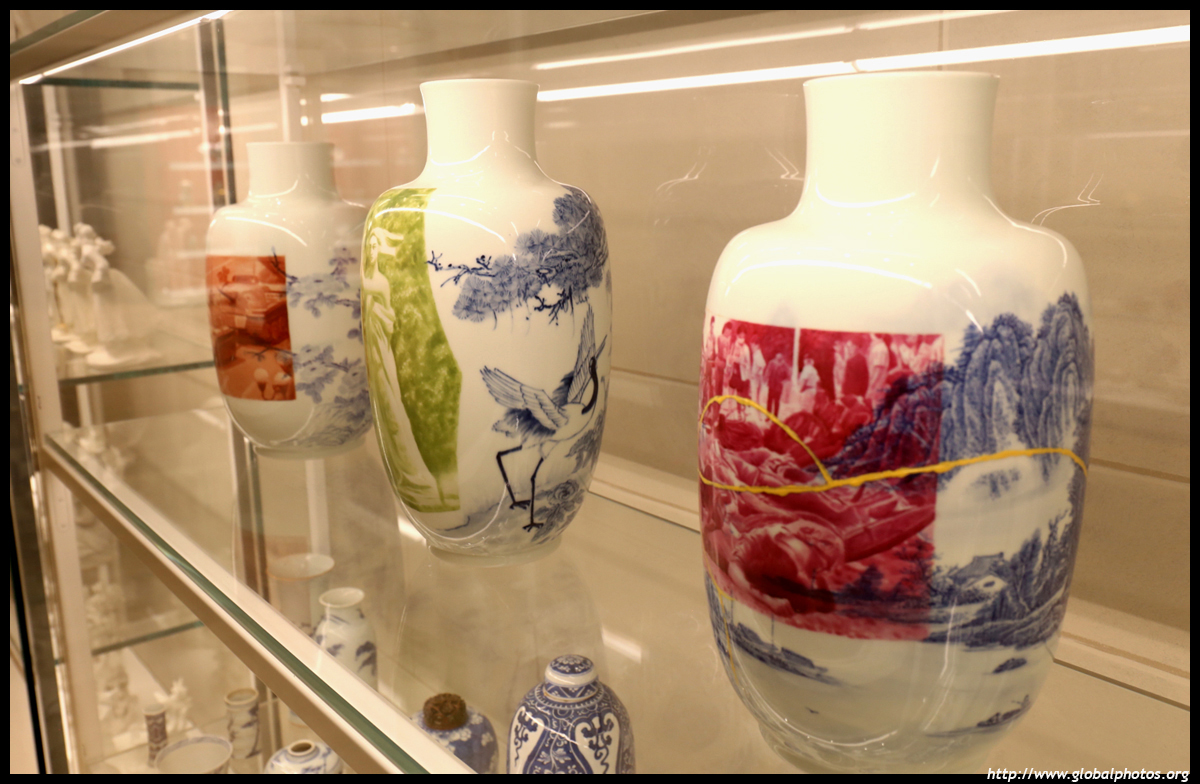
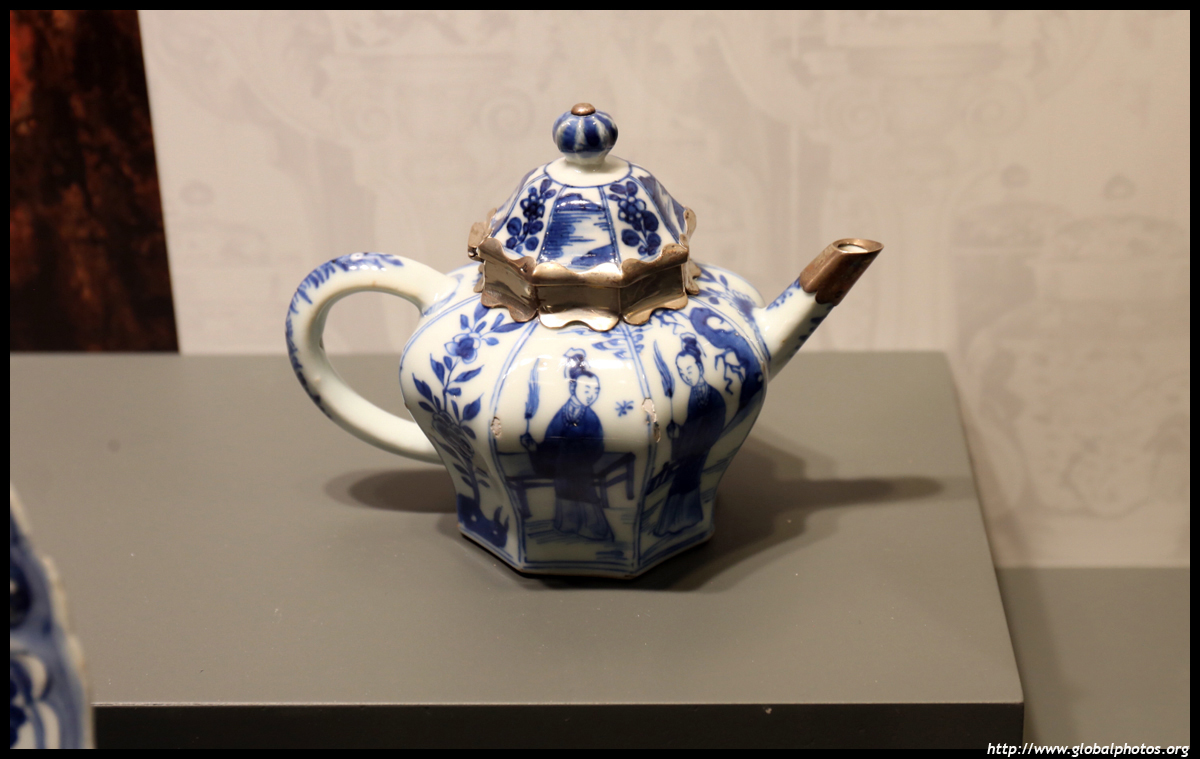
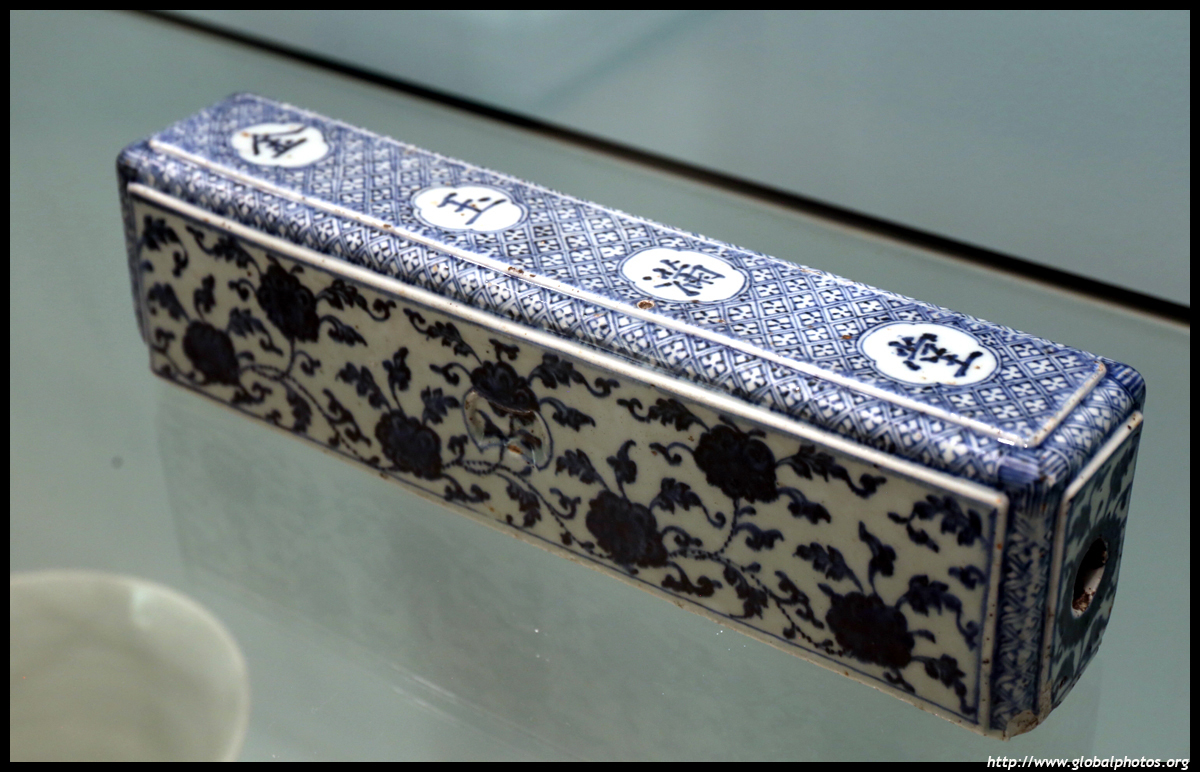
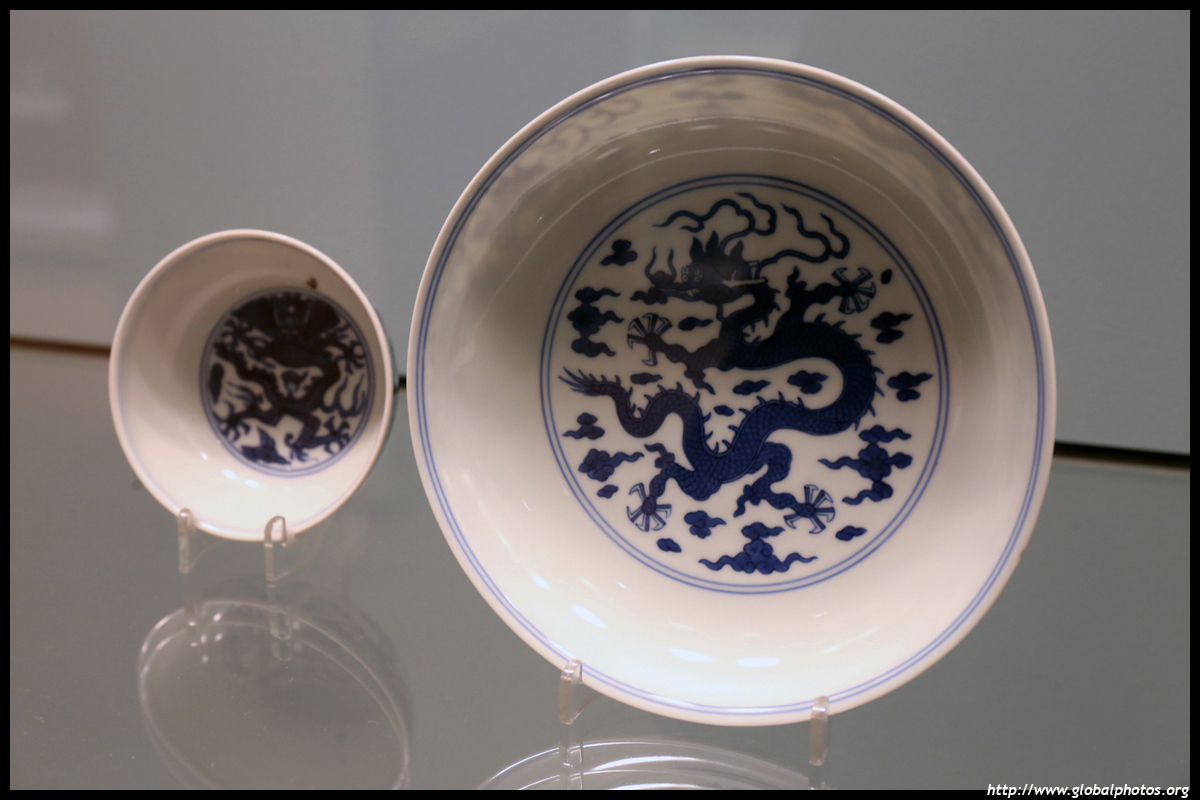
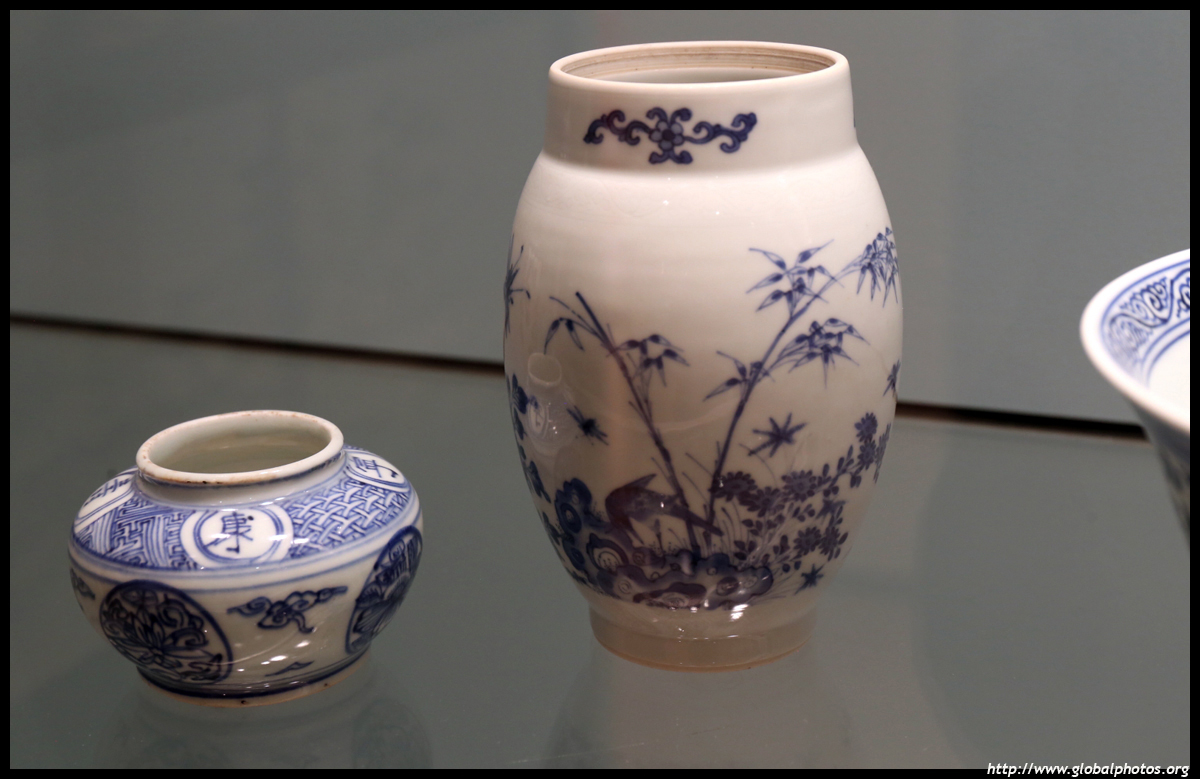
Jingdezhen has been associated with the famous cobalt blue porcelain that China has been famous for over the centuries, with the lucrative trade prompting the Europeans to try to produce their own.
|
|||
|
|
|
|
|
|
|
|
|
|
|
|
|
|
|
|
|
|
|
|
|
|
|
|
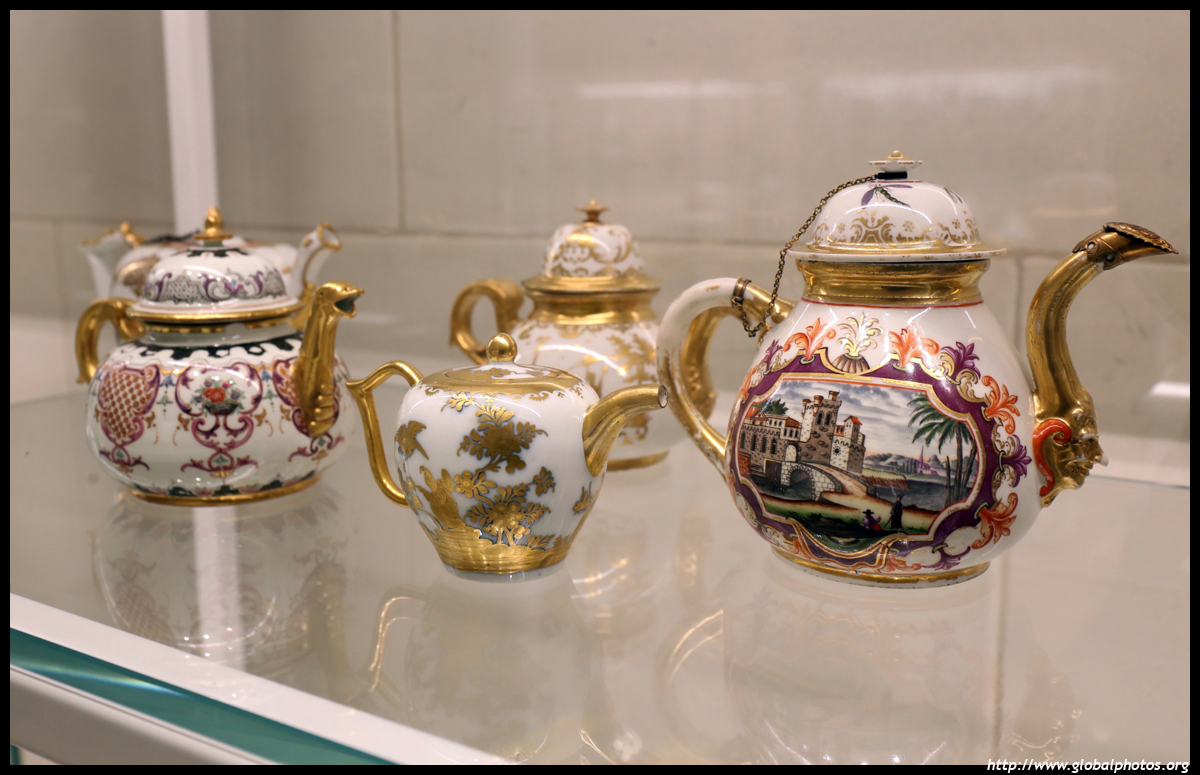
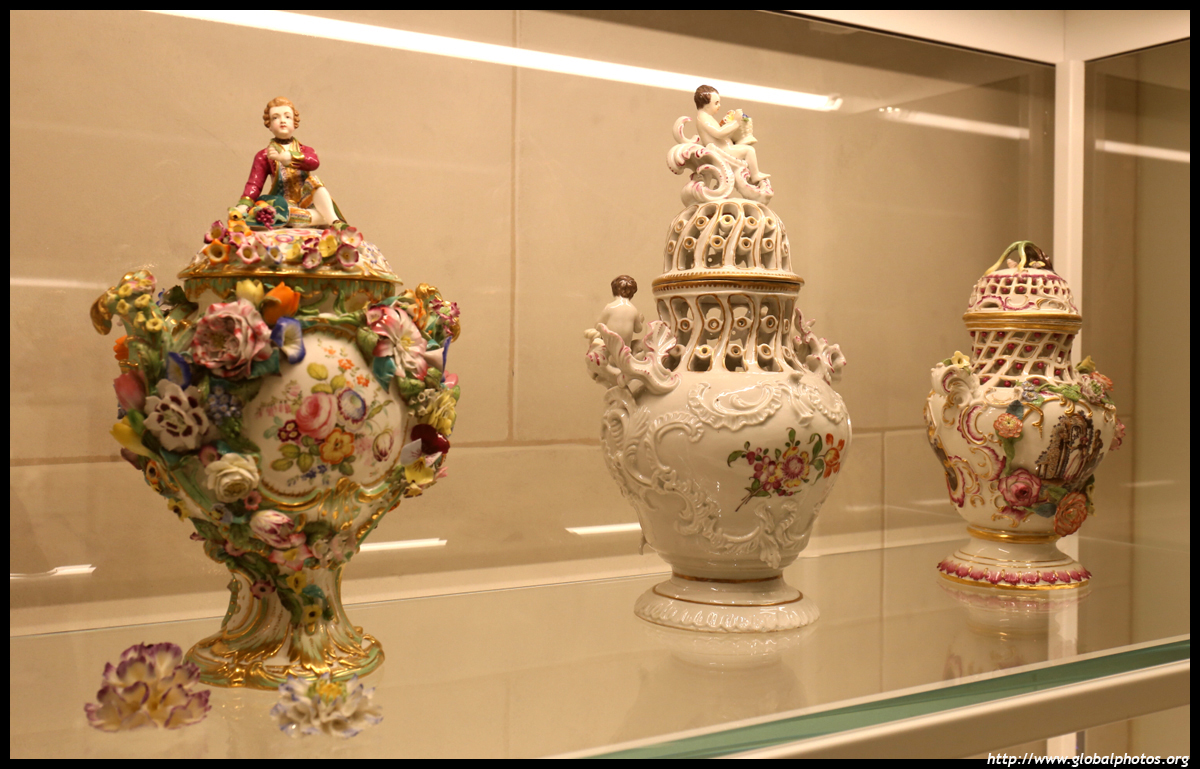
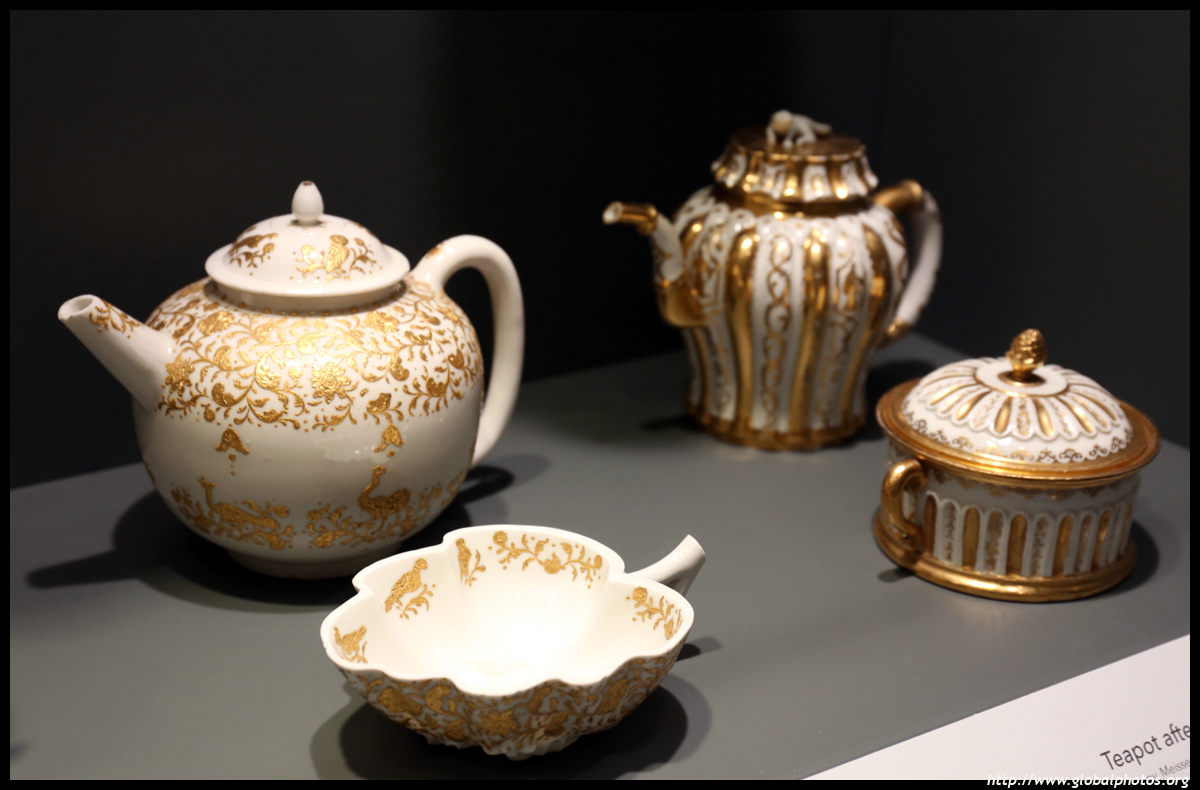
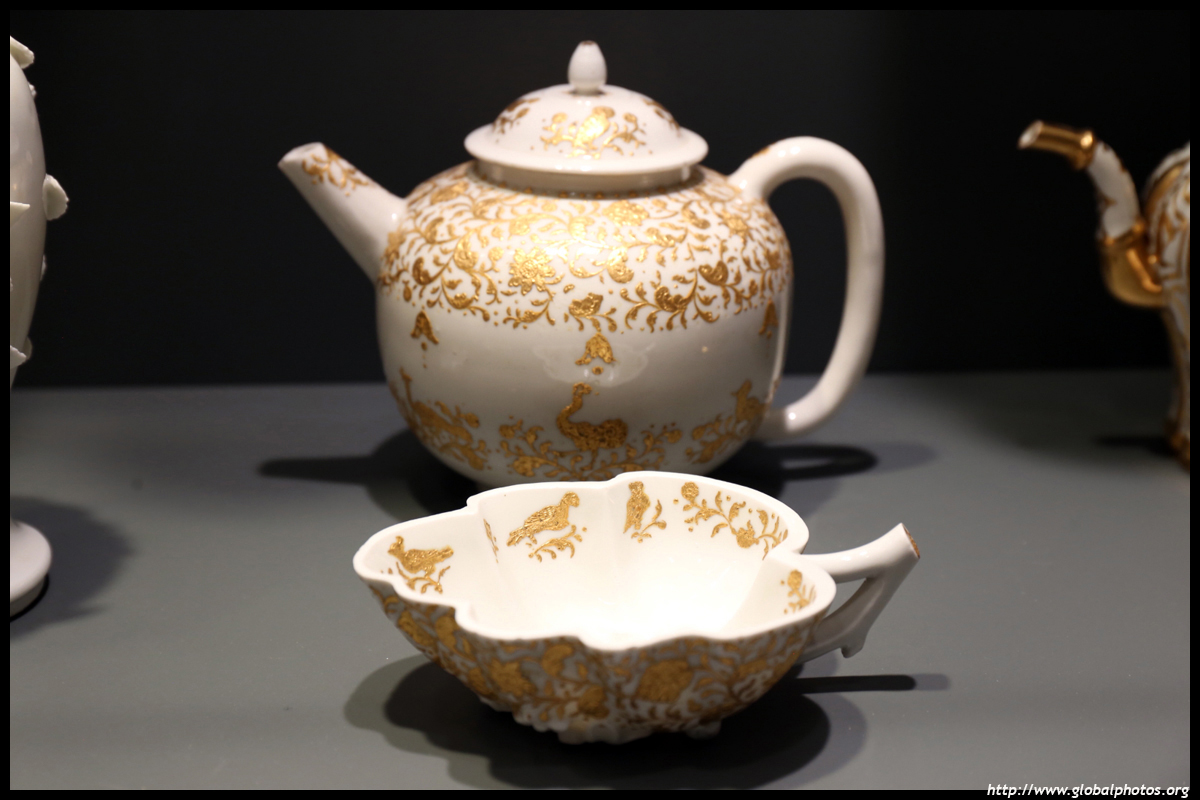
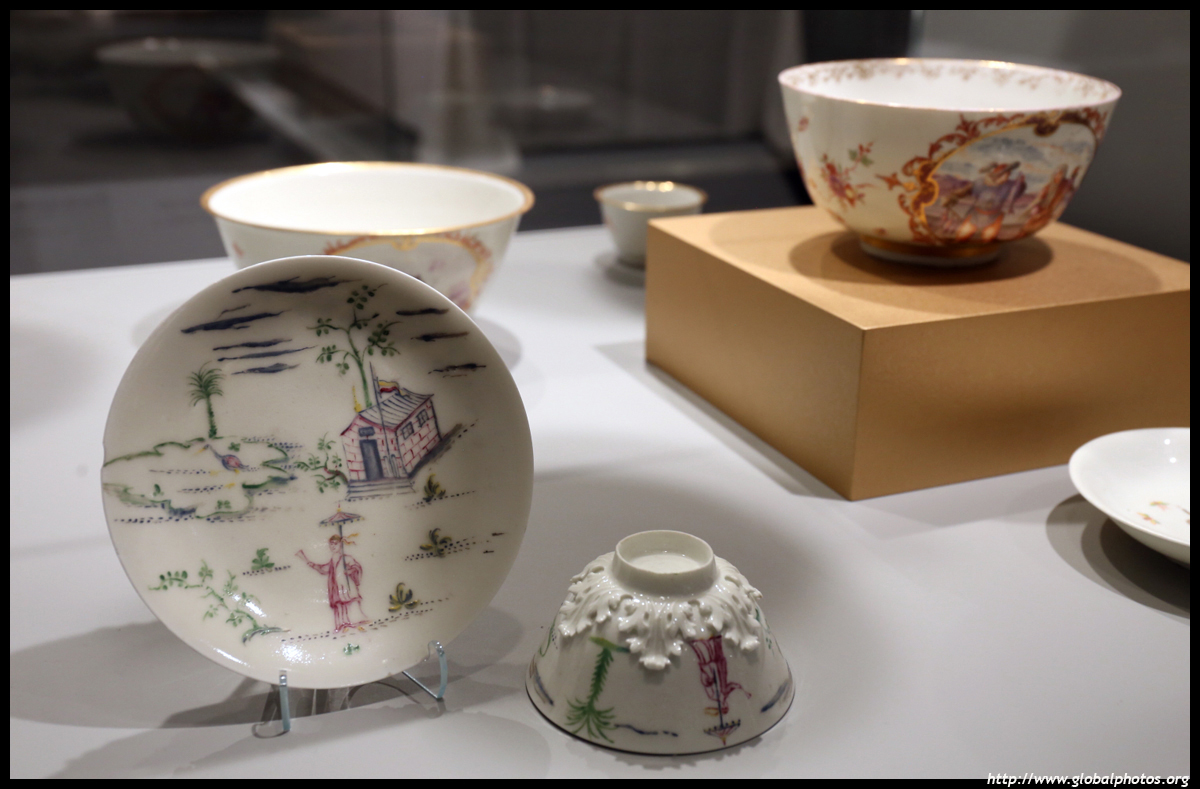
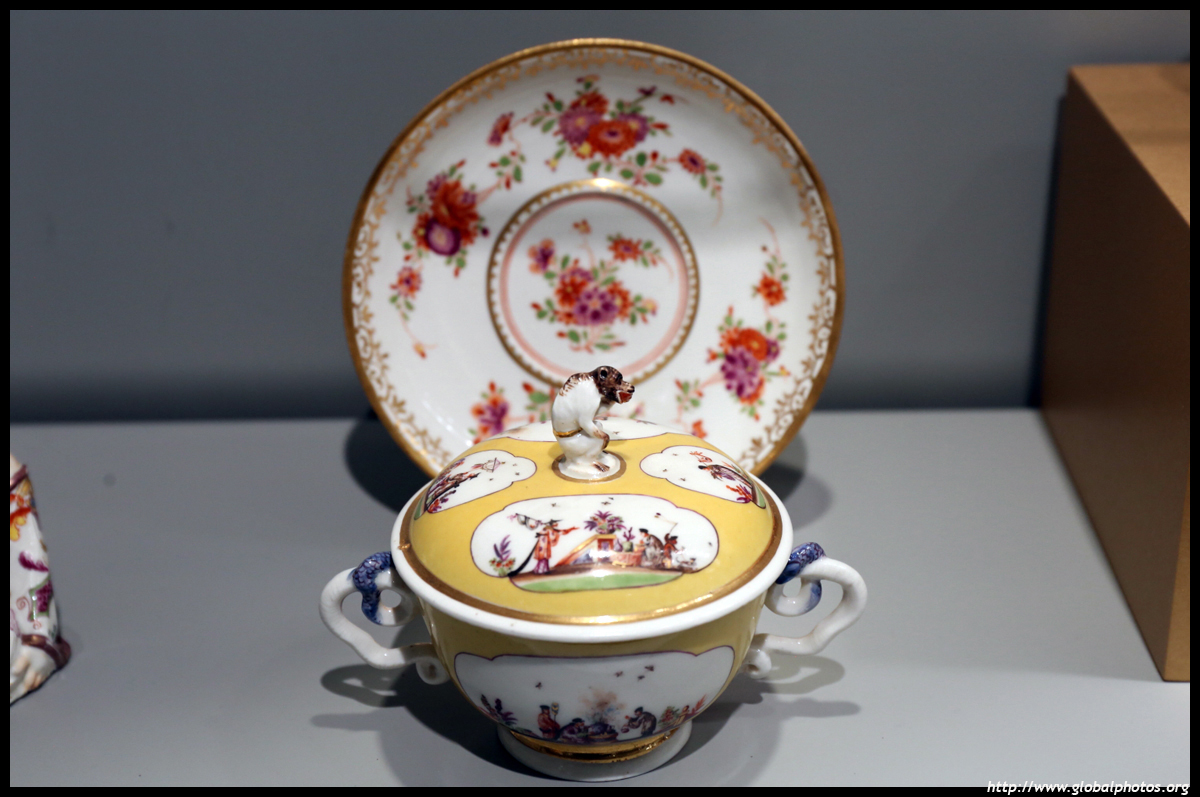
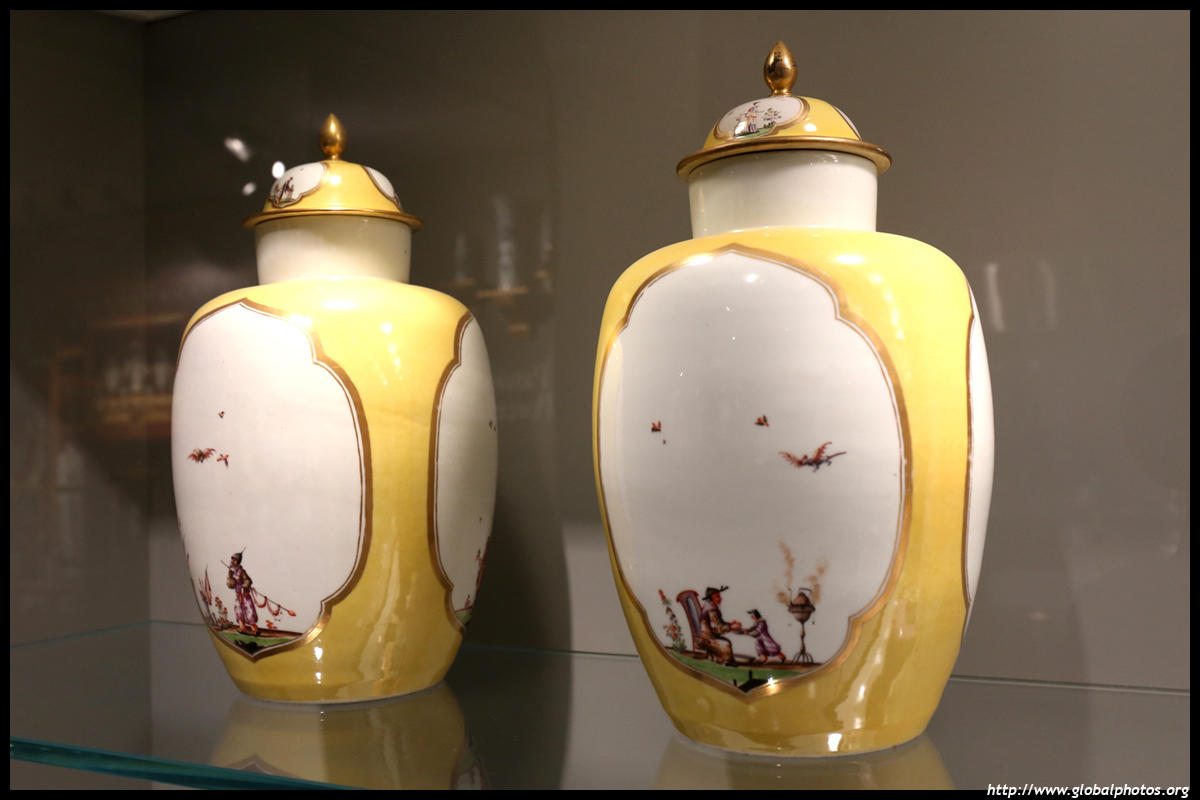
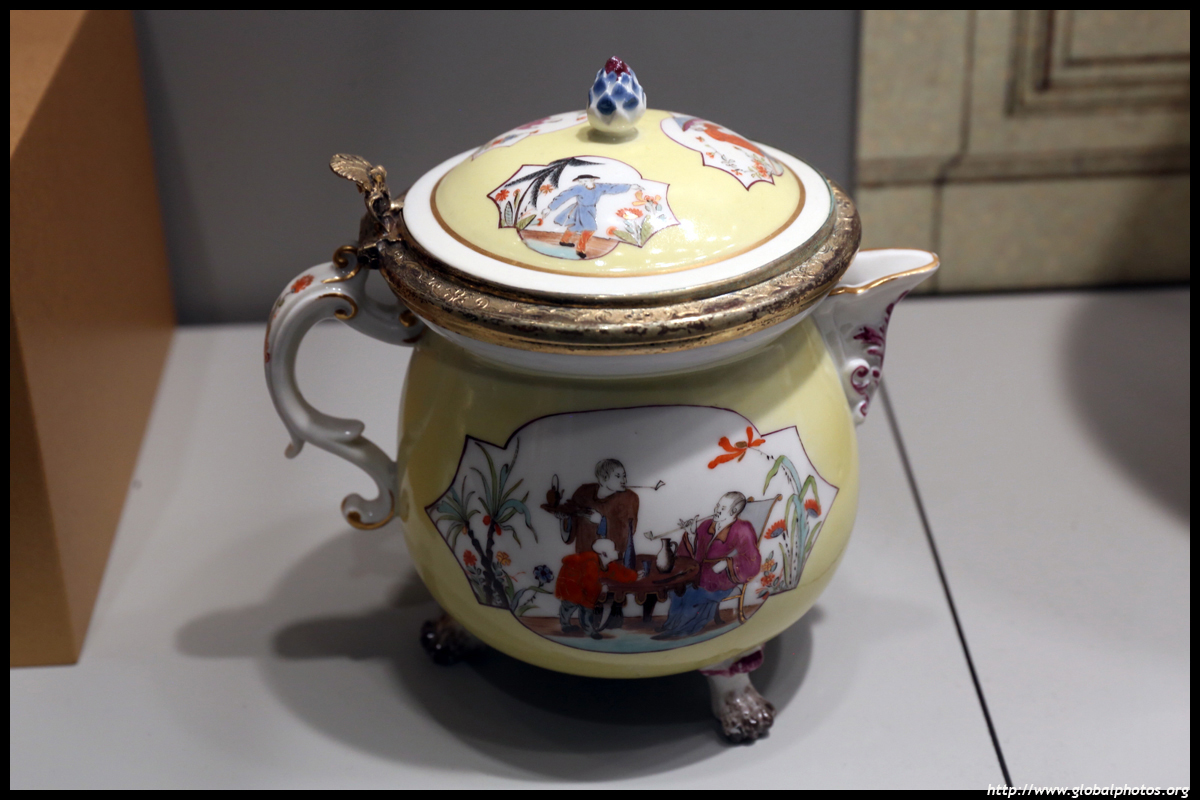
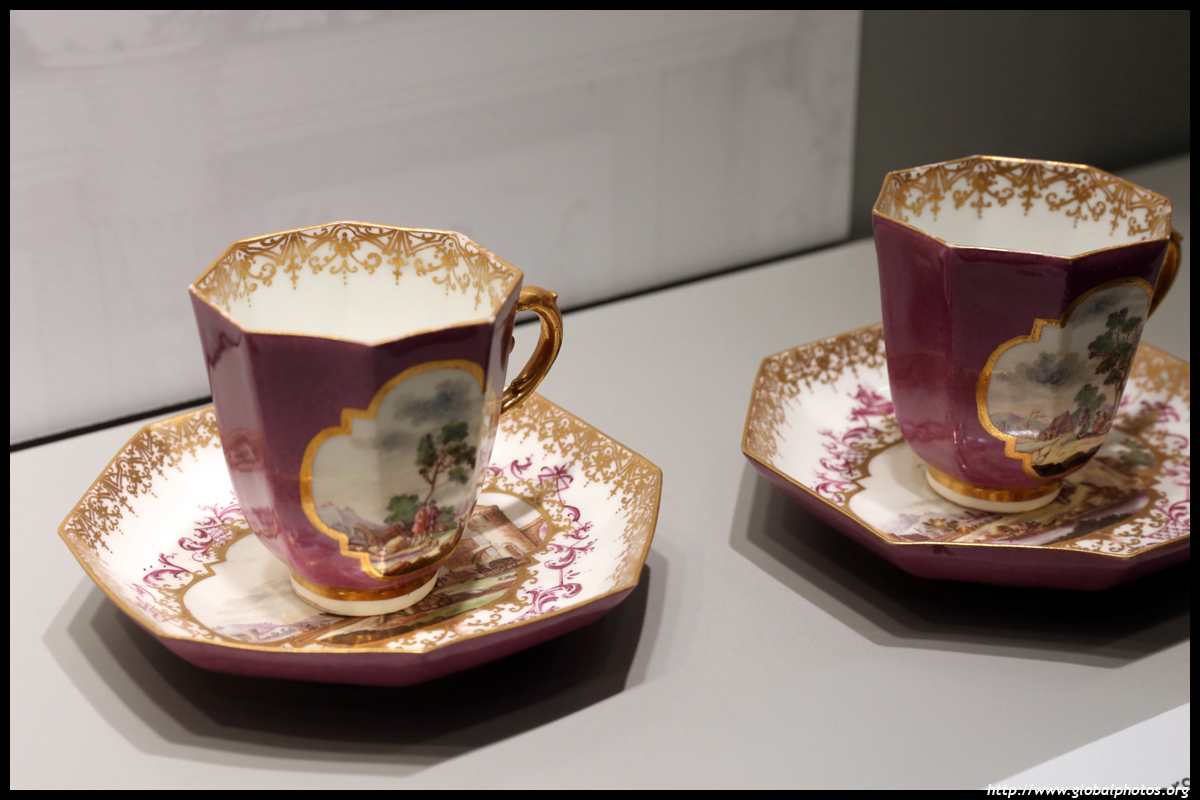
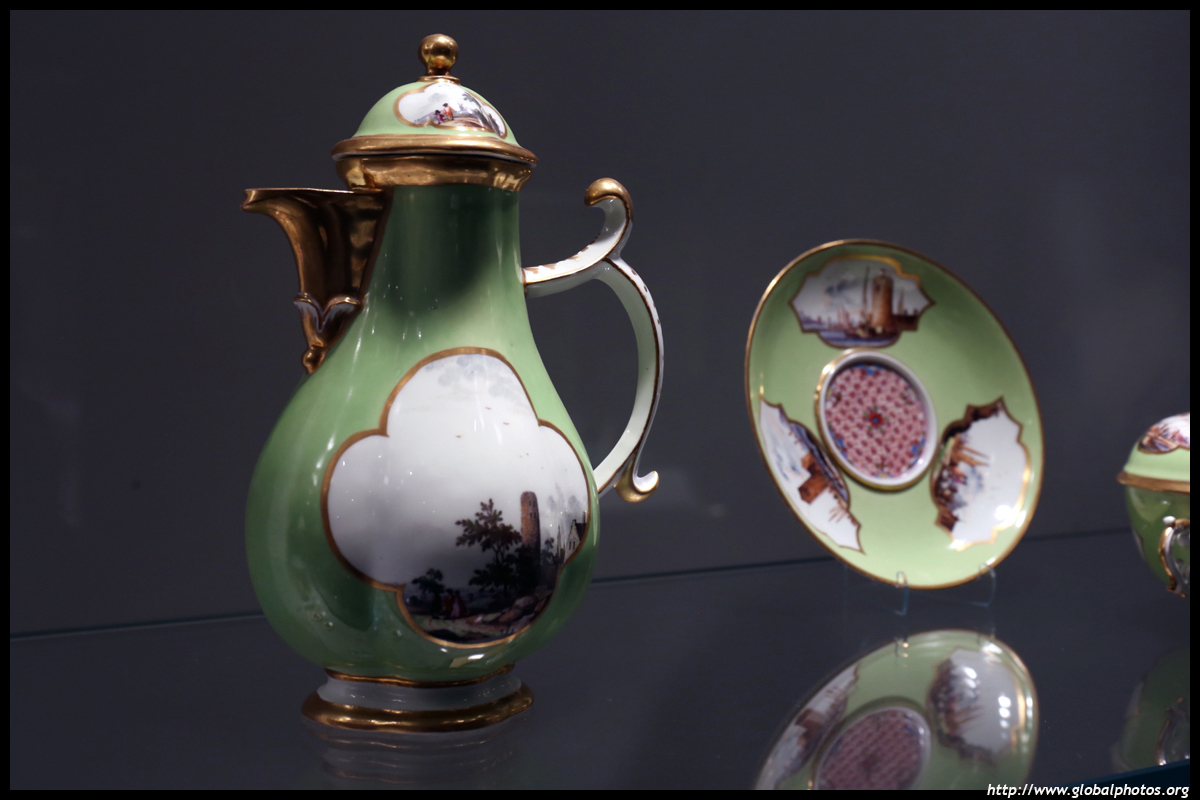
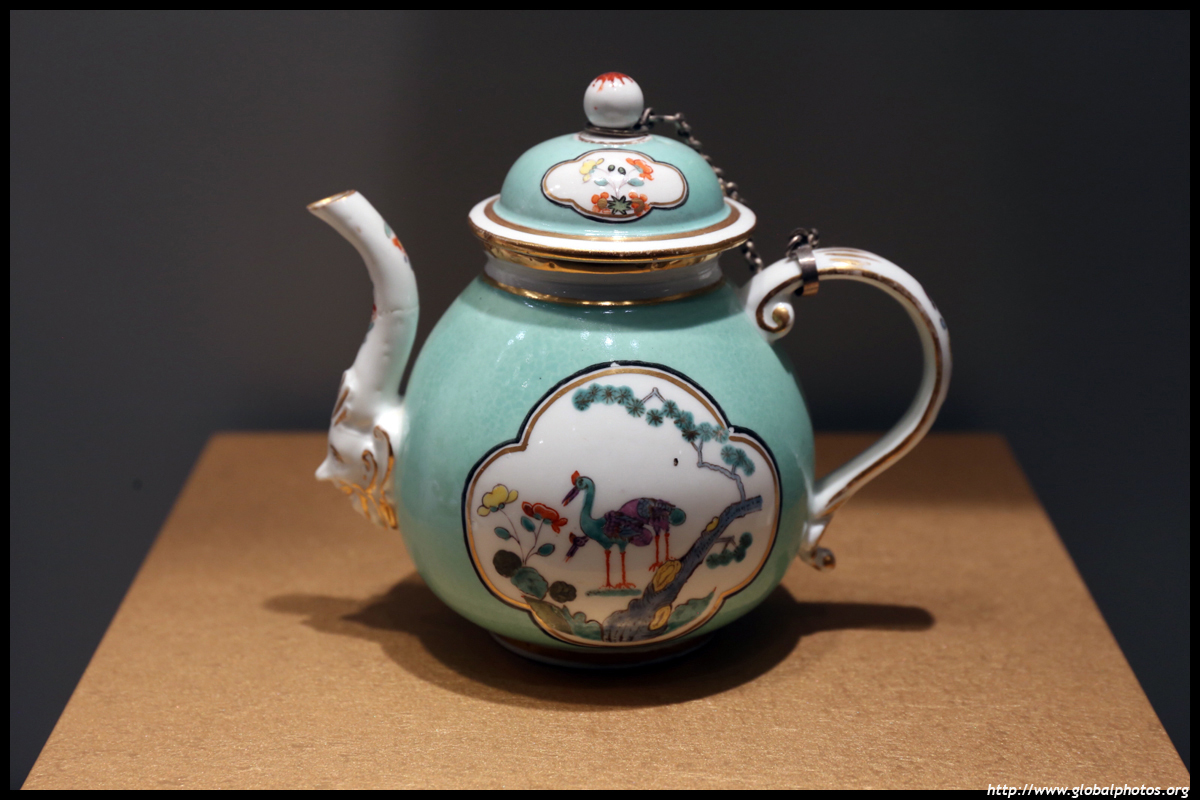
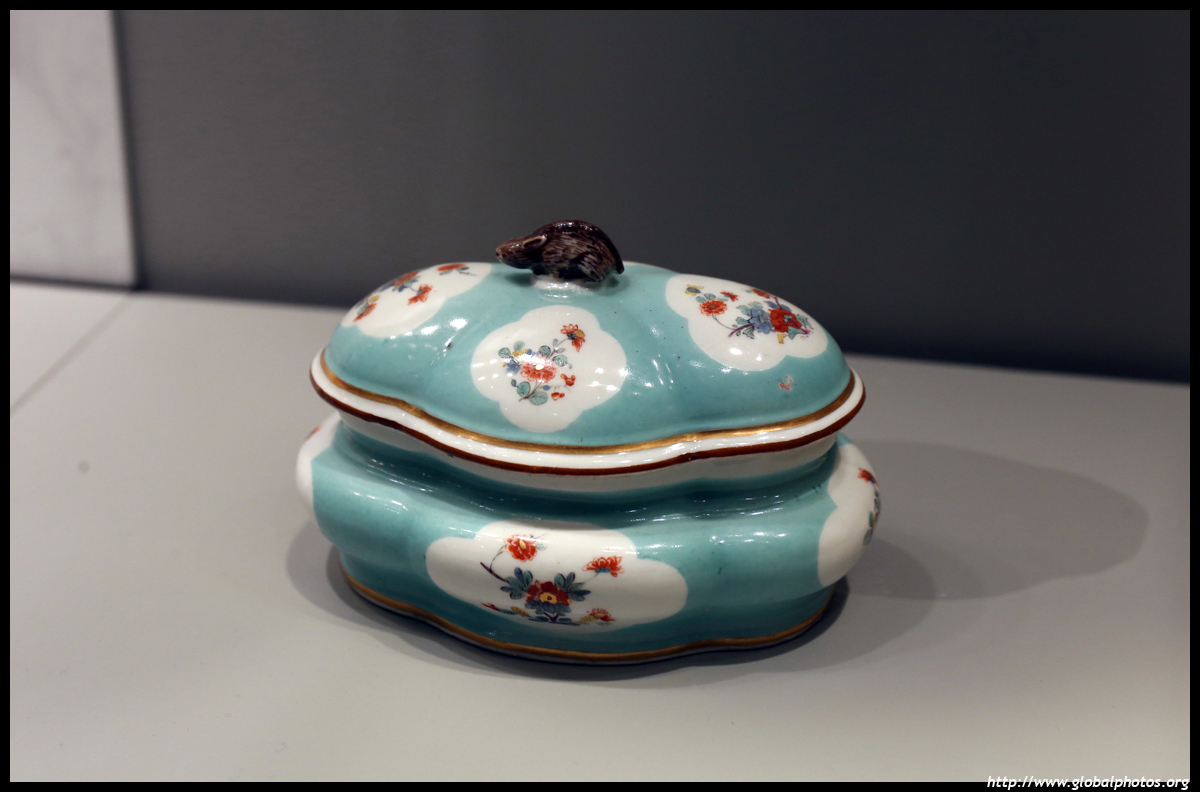
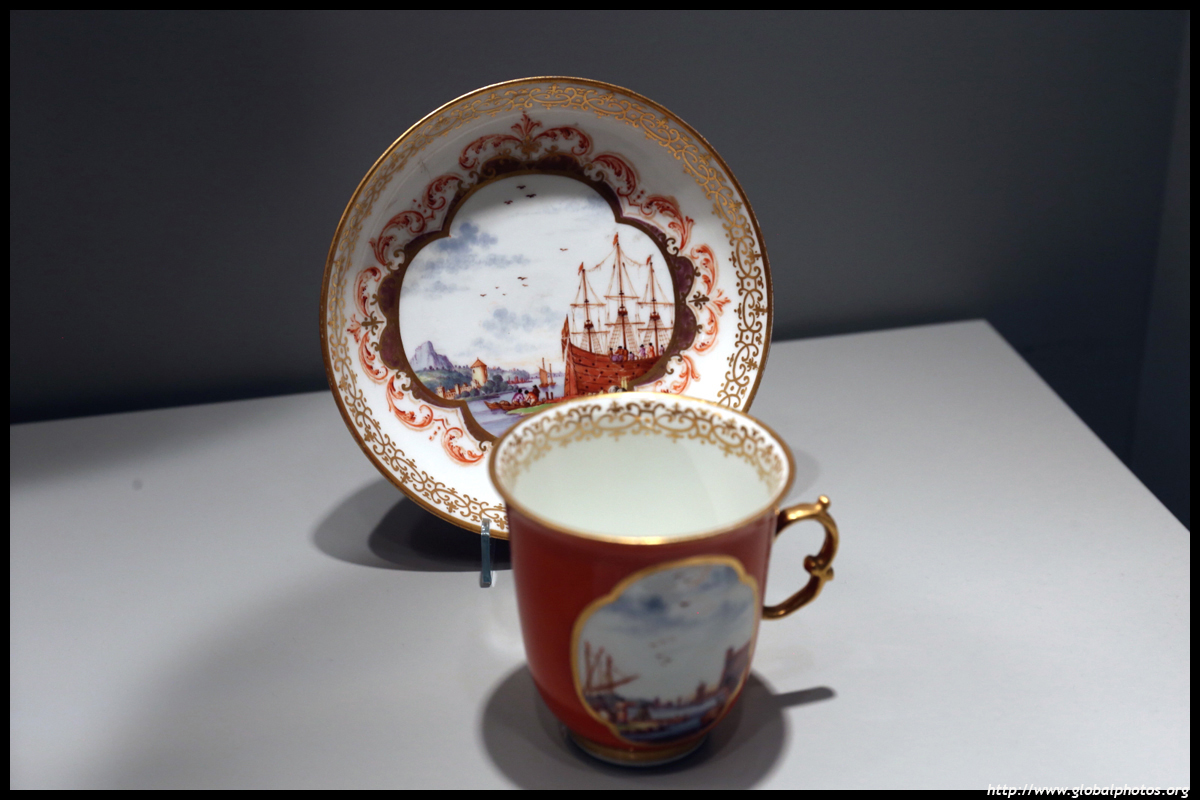
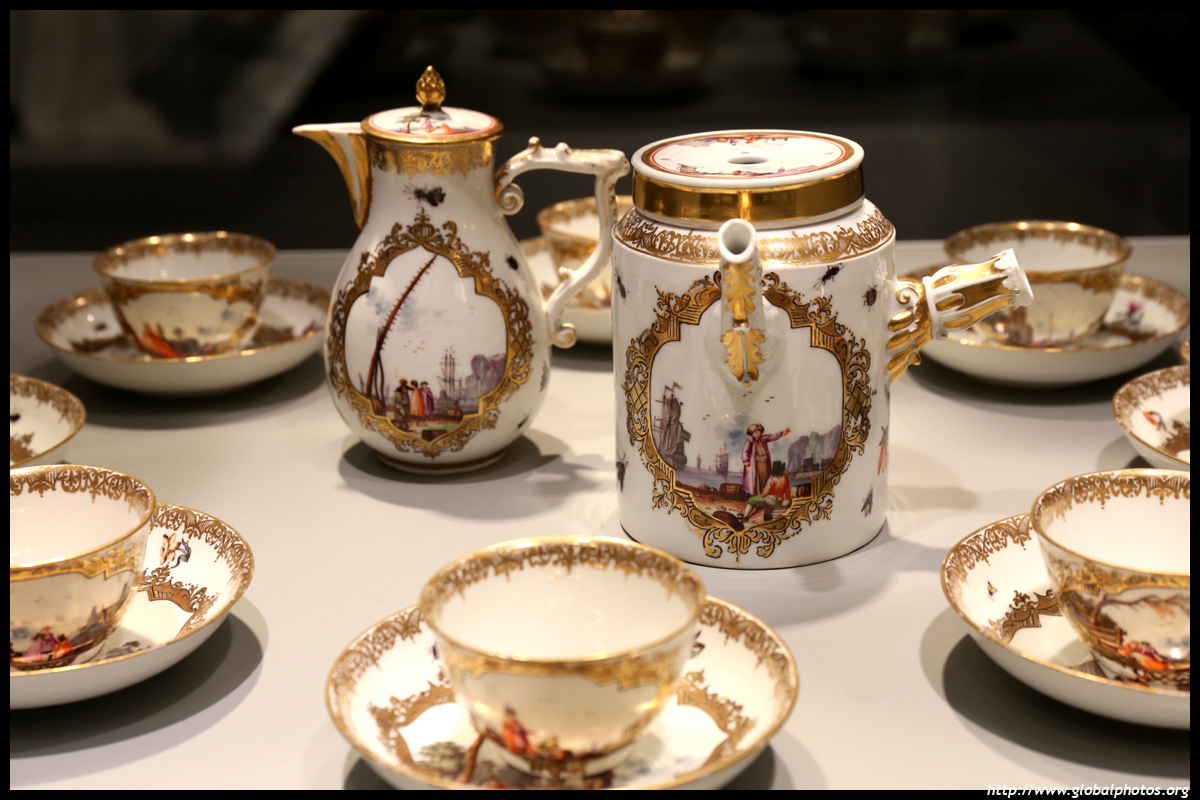
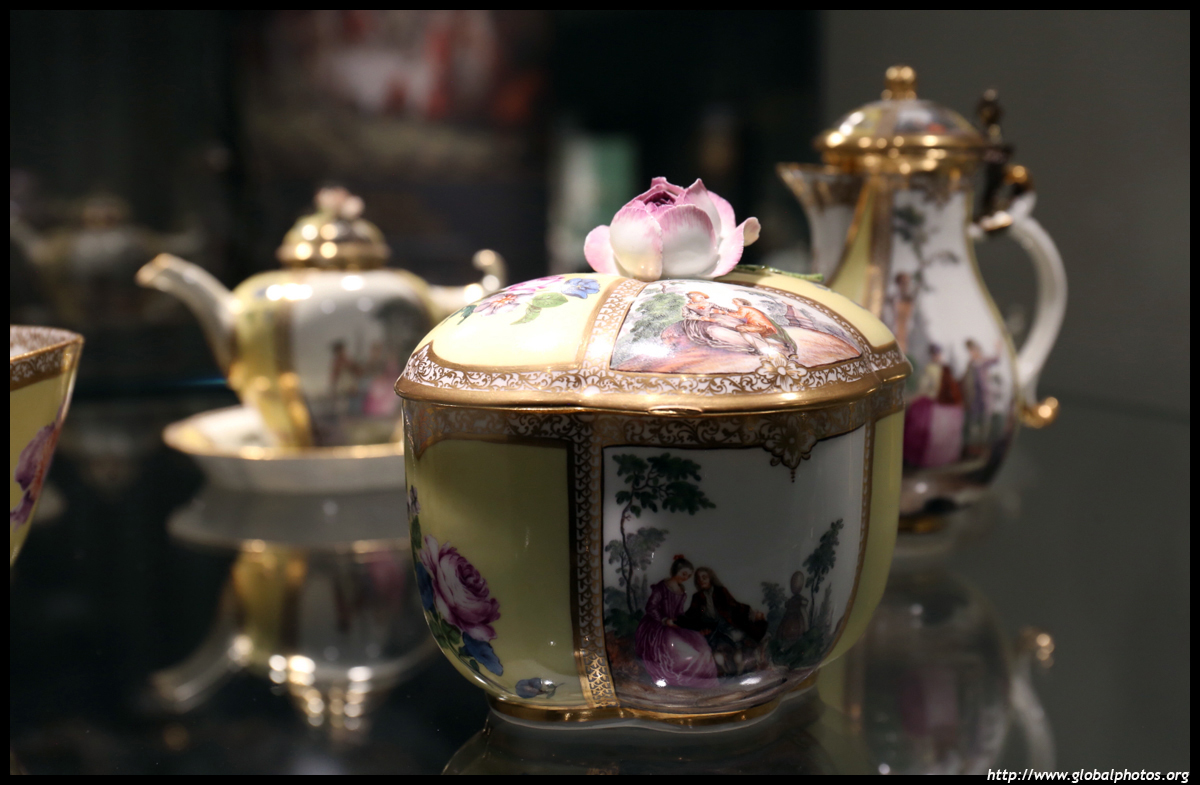
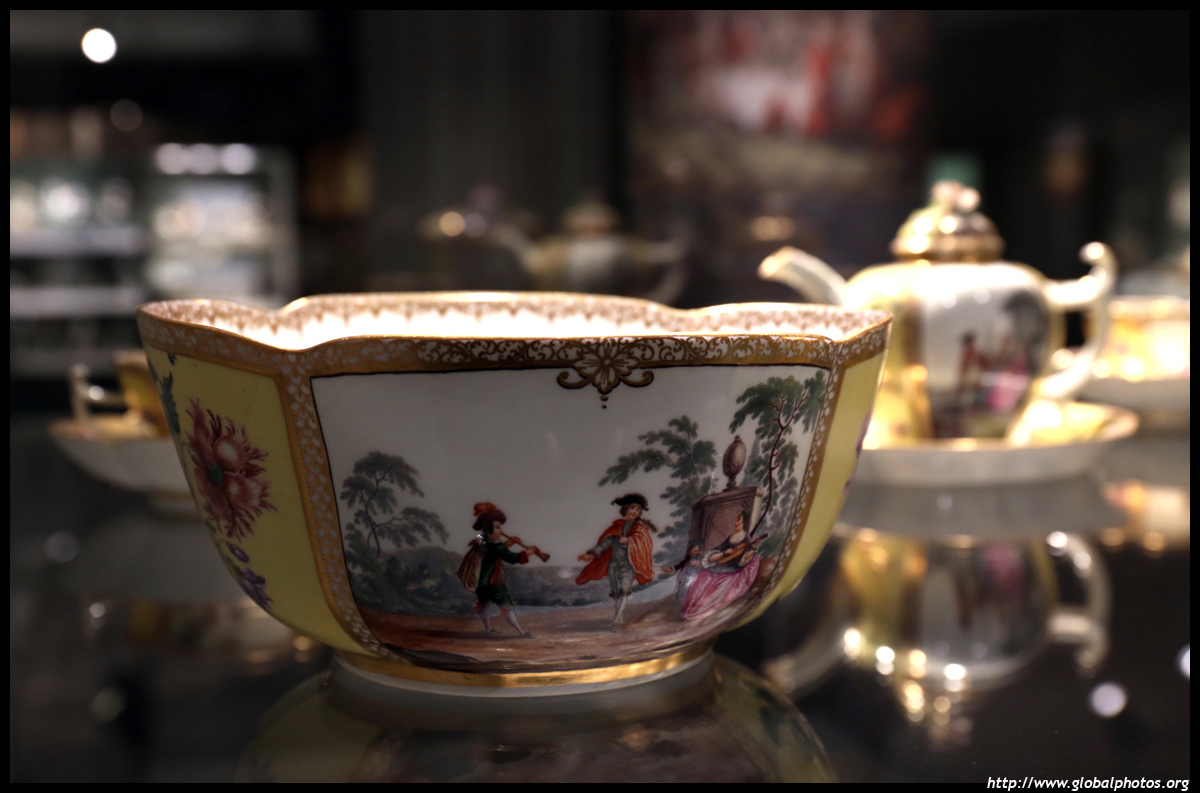
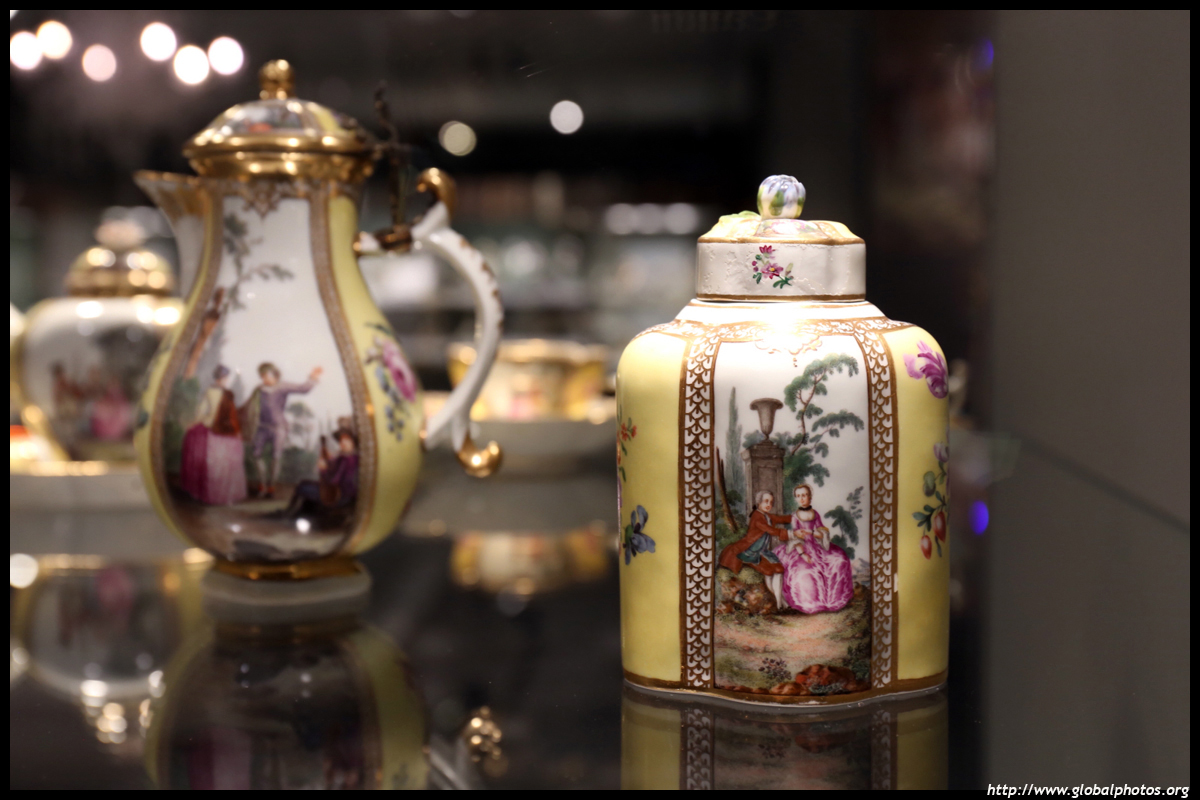
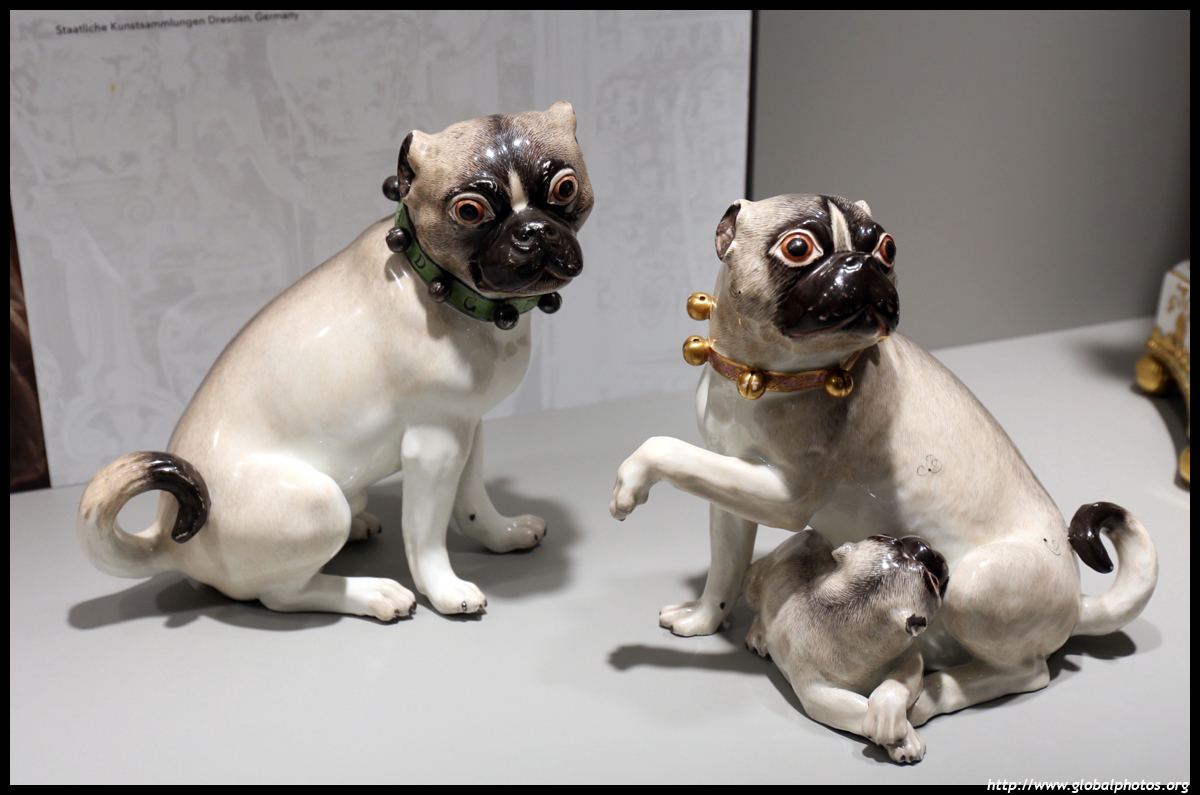
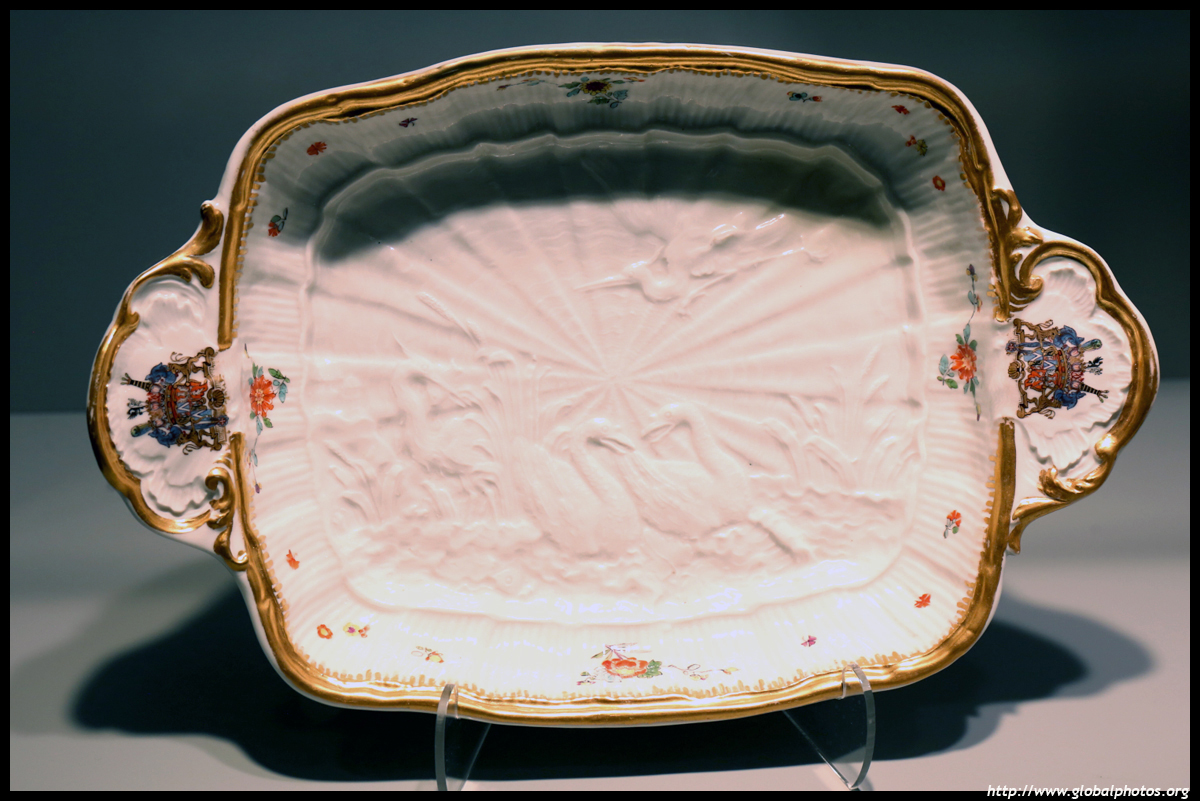
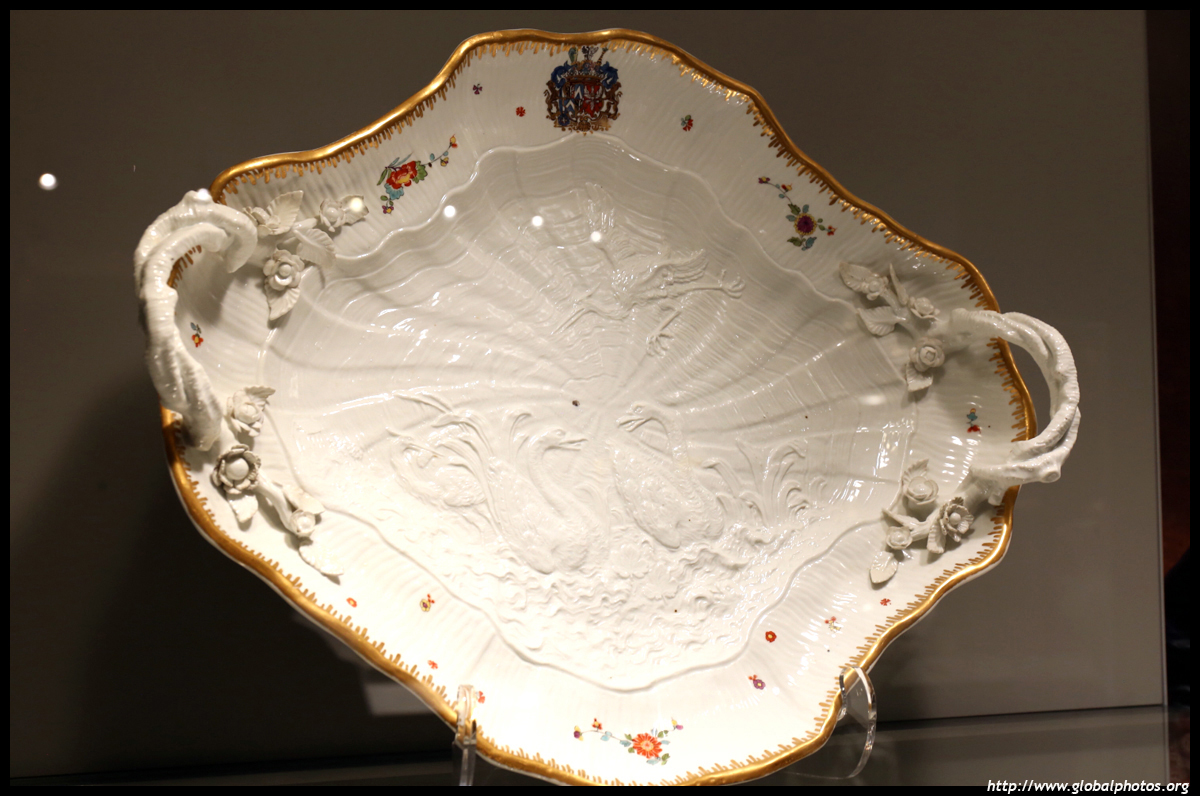
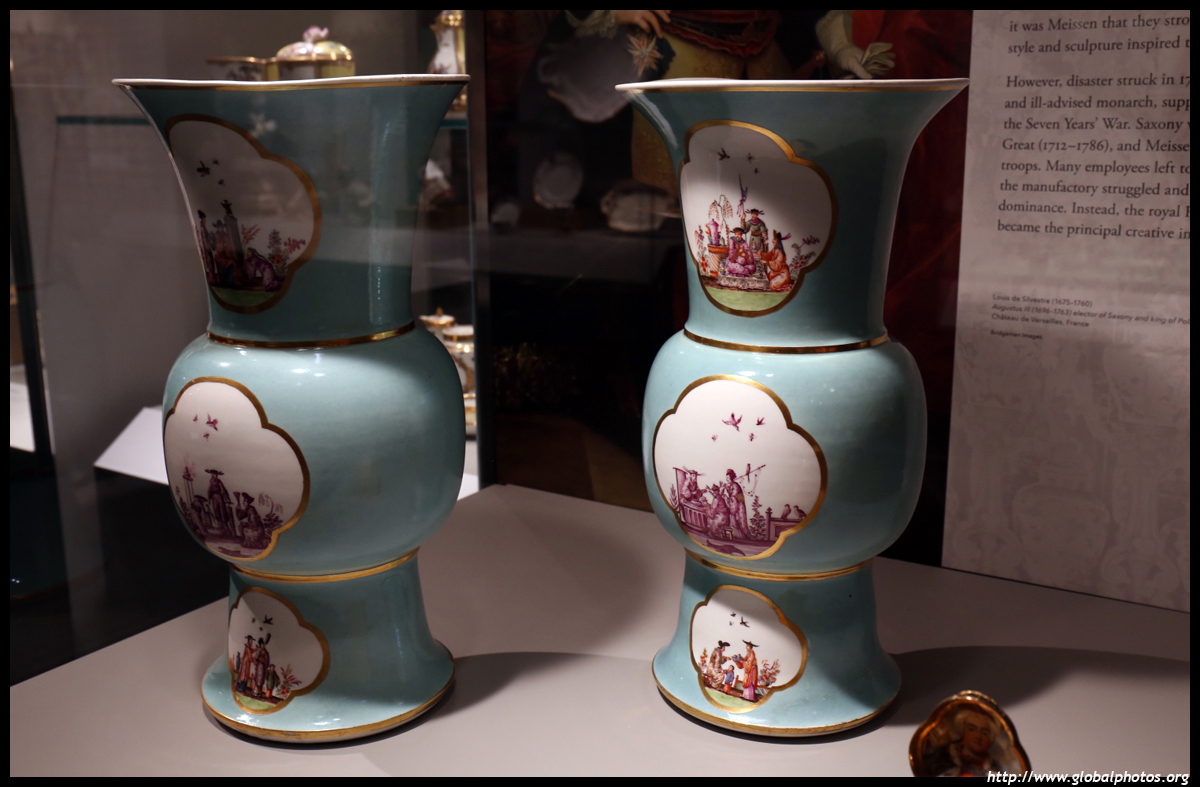
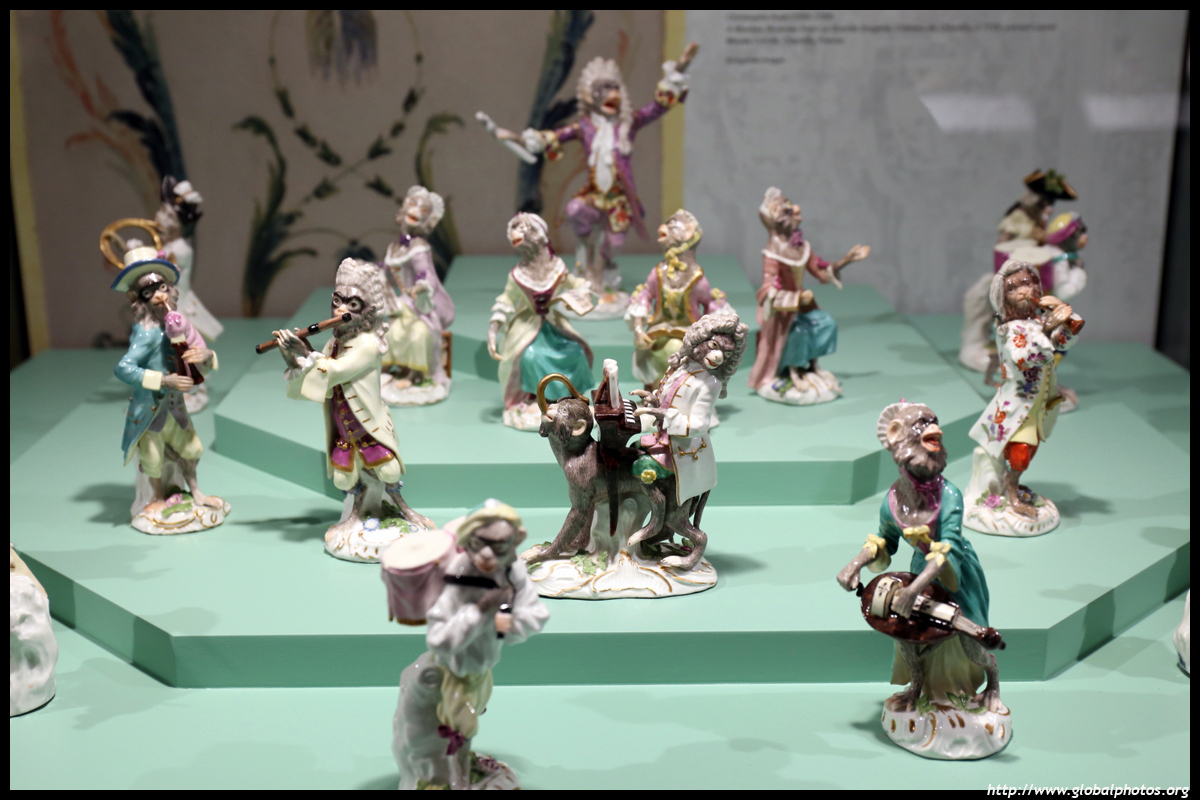
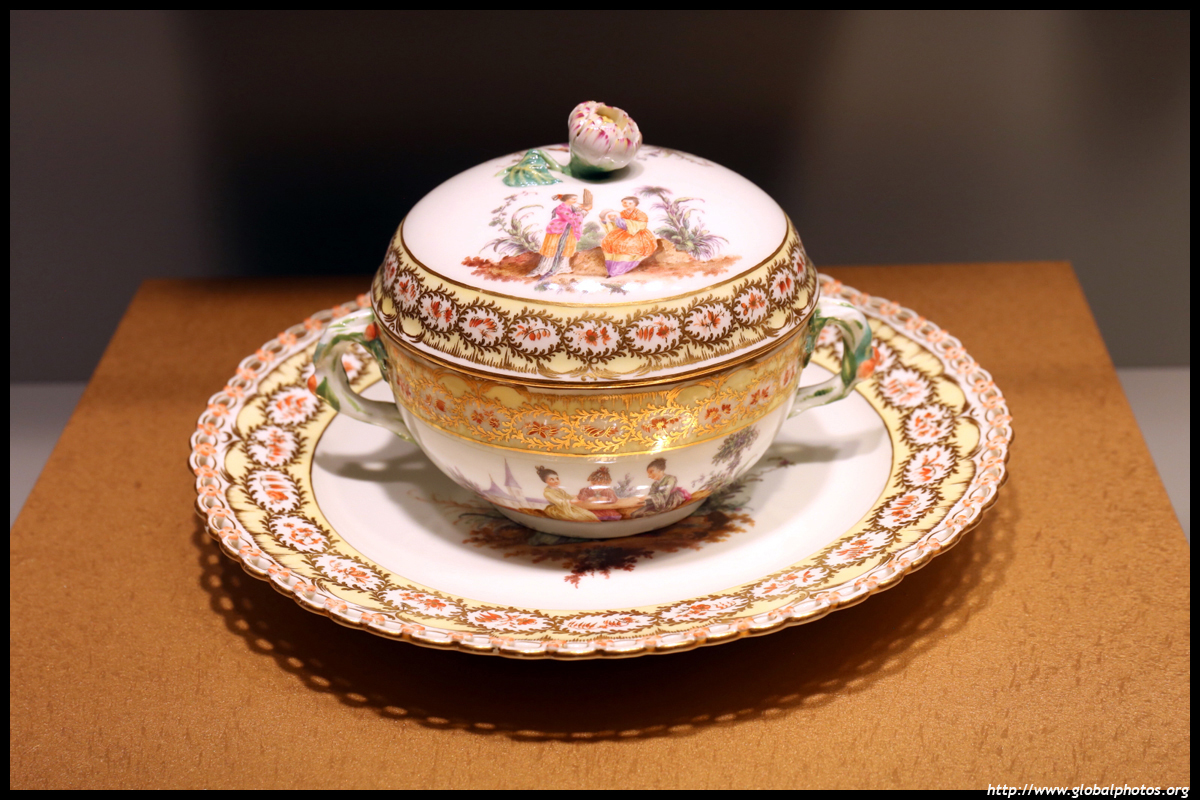
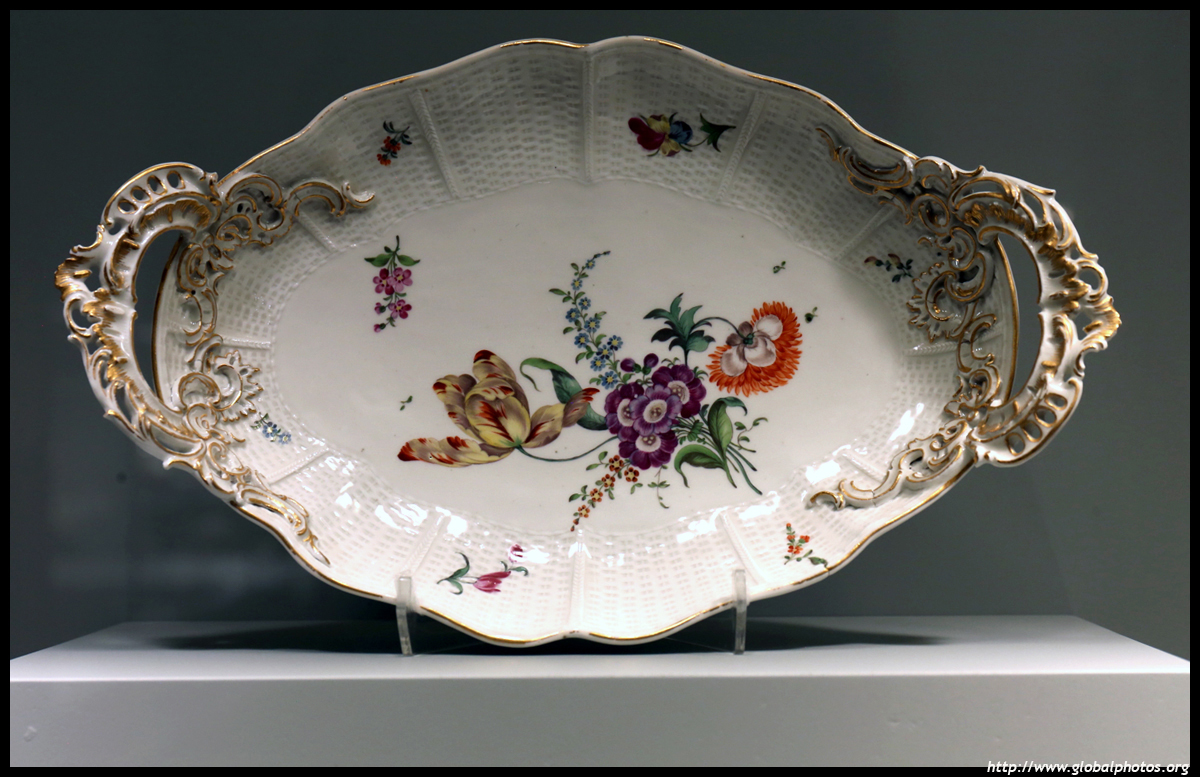
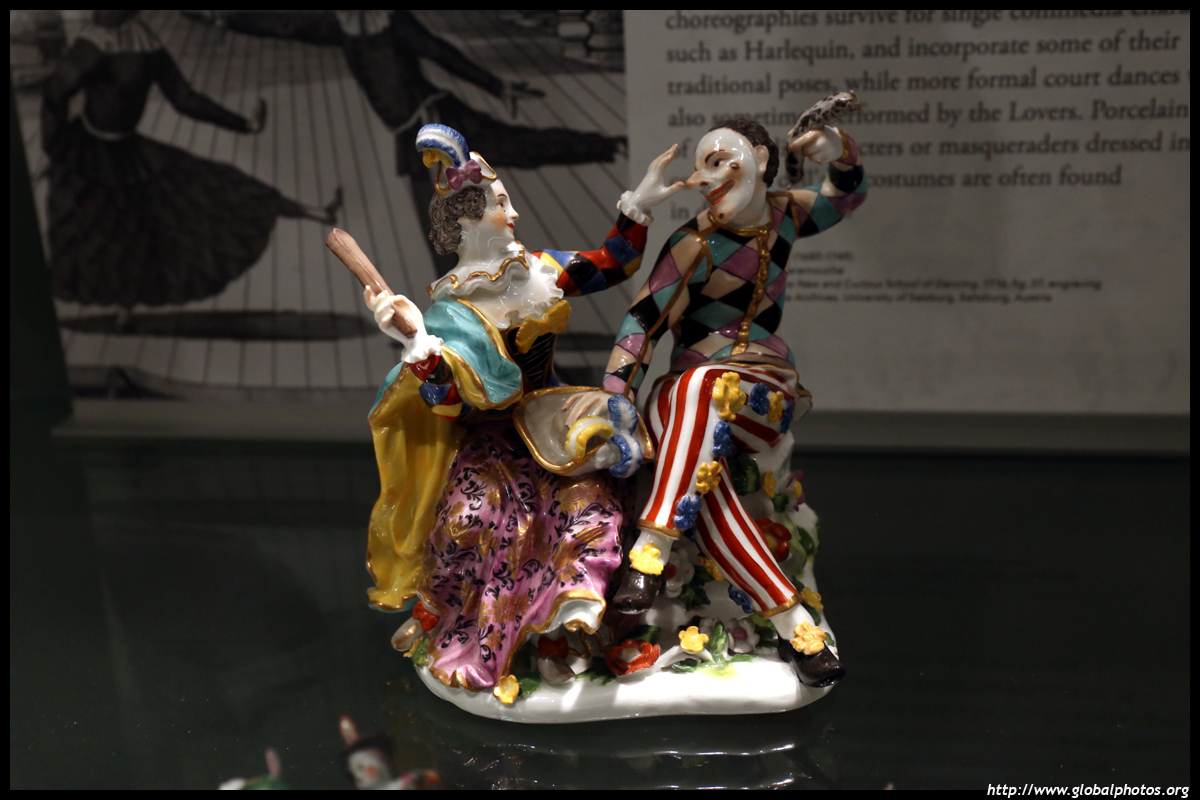
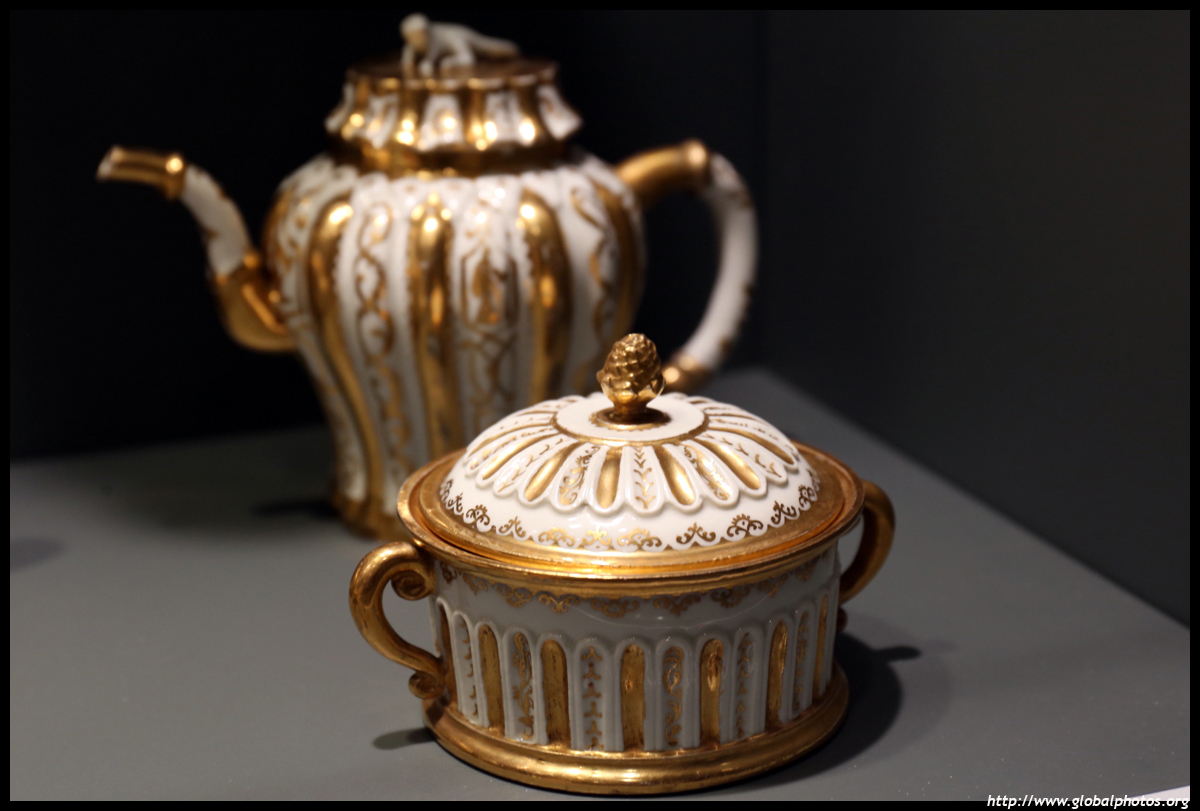
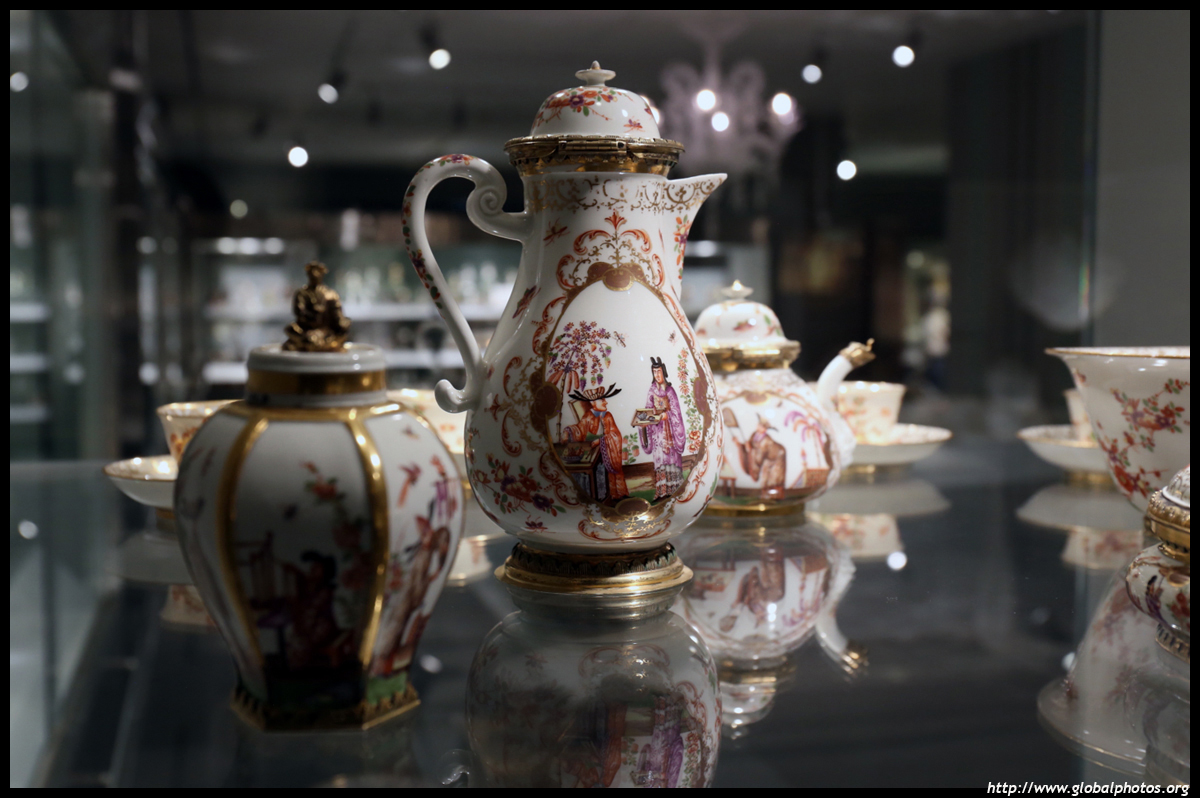
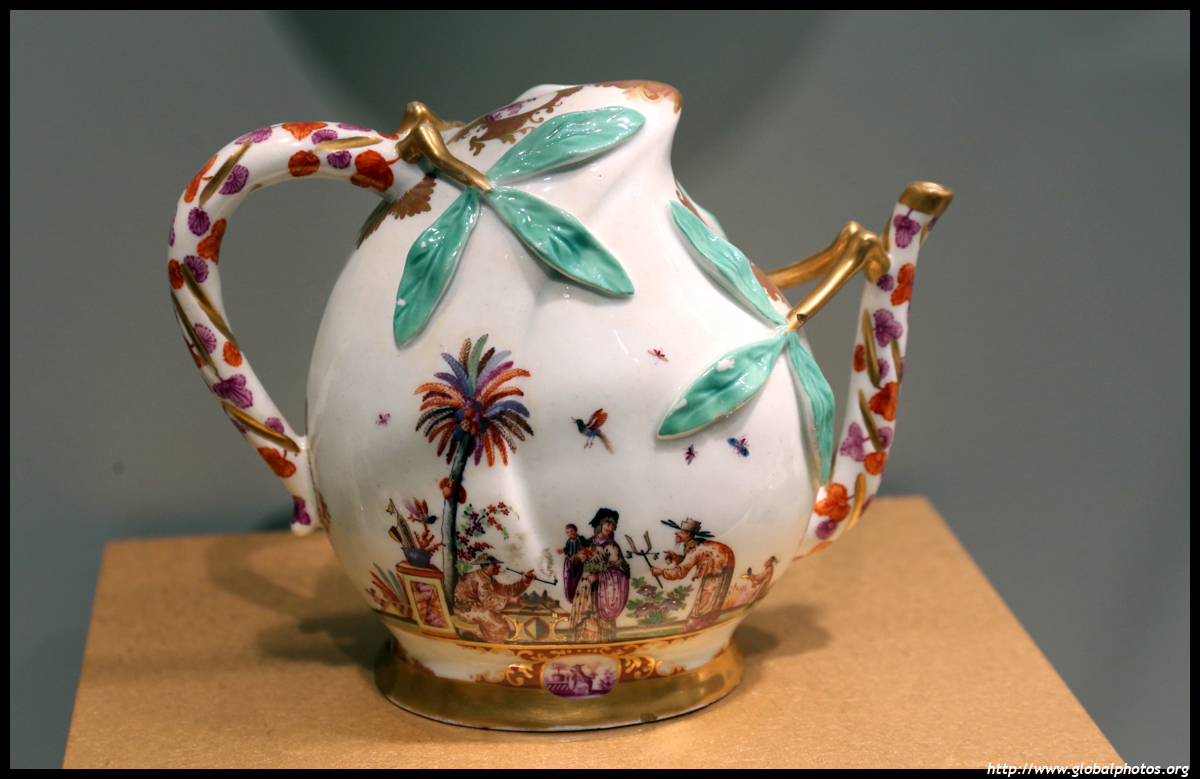
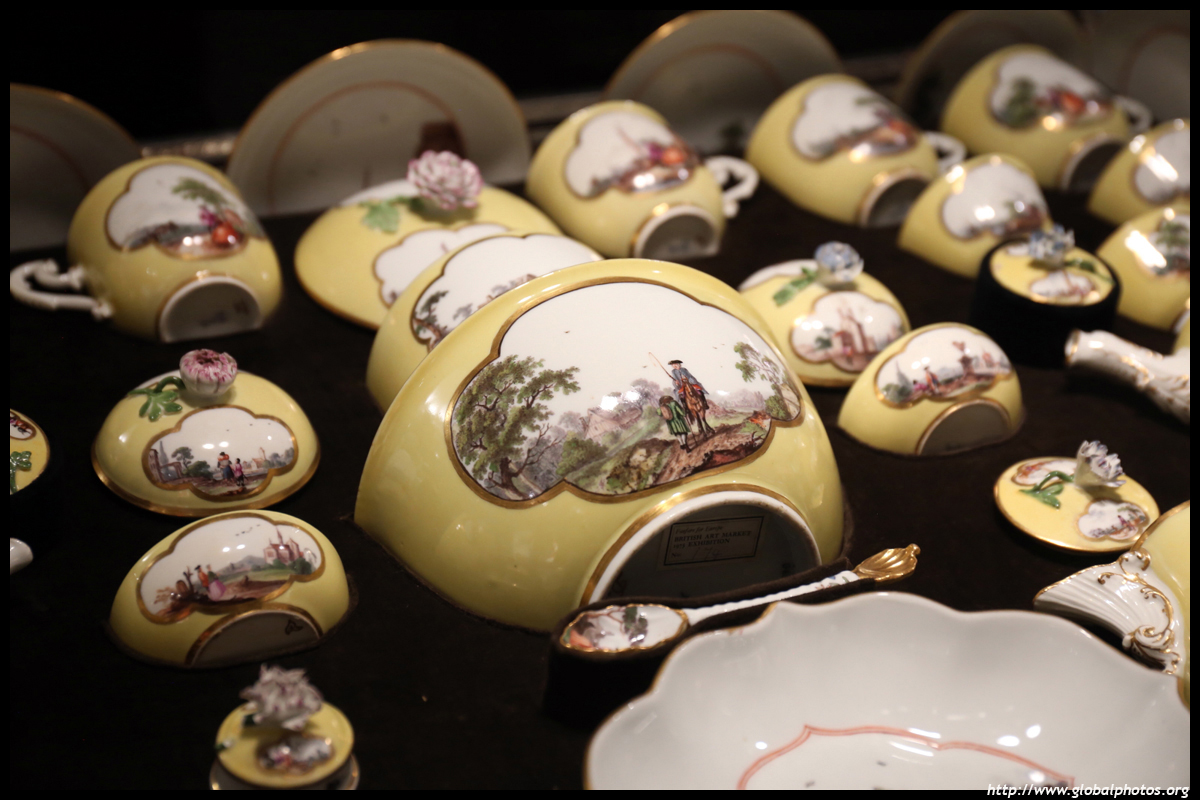
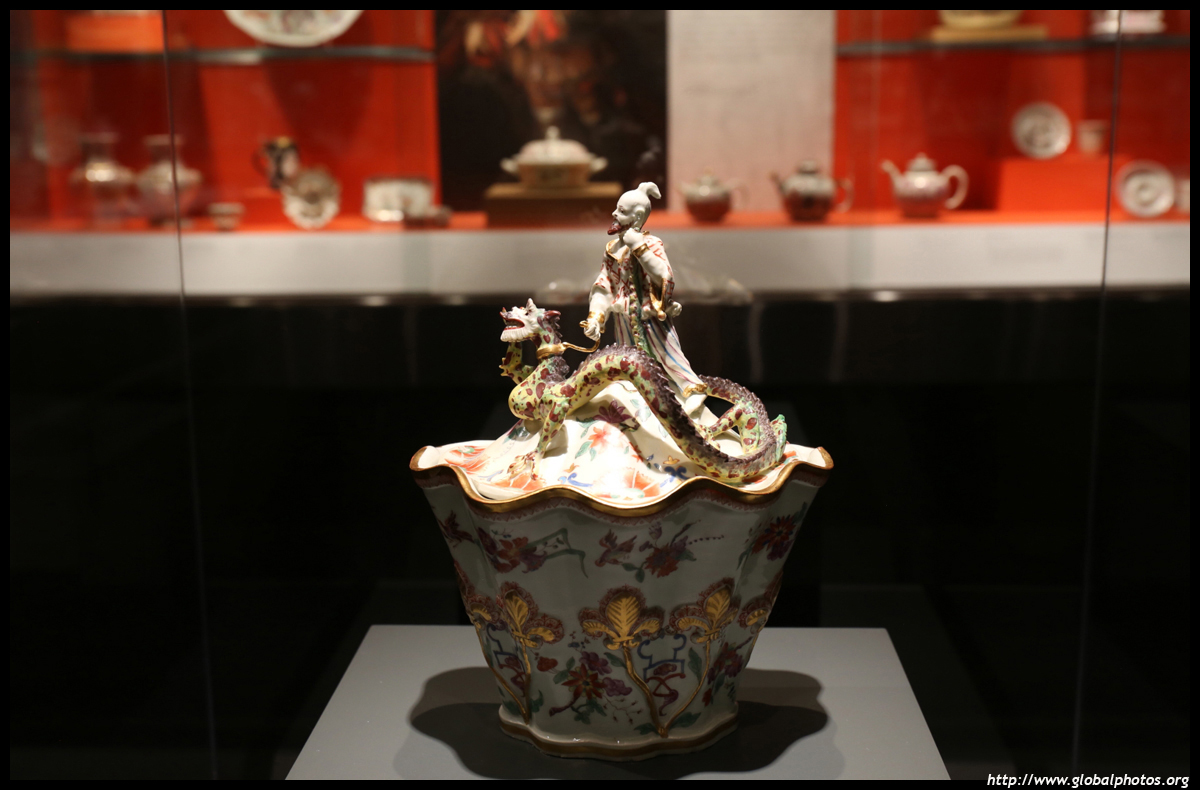
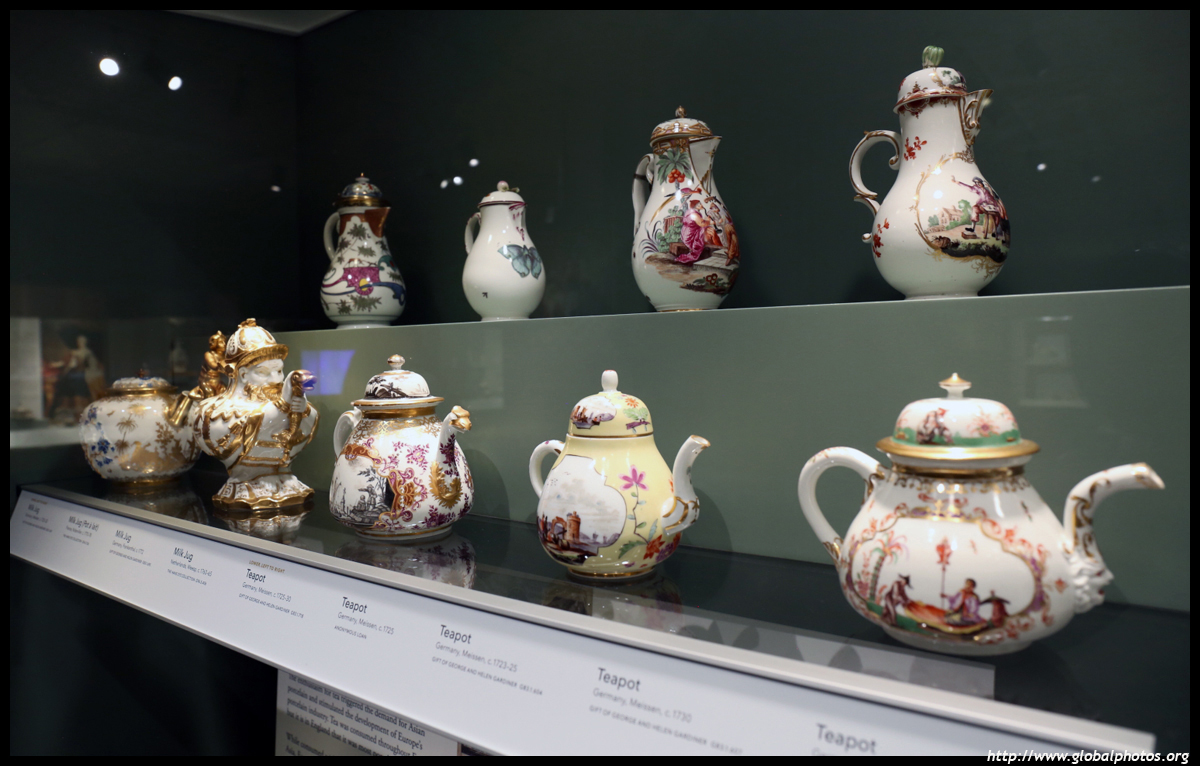
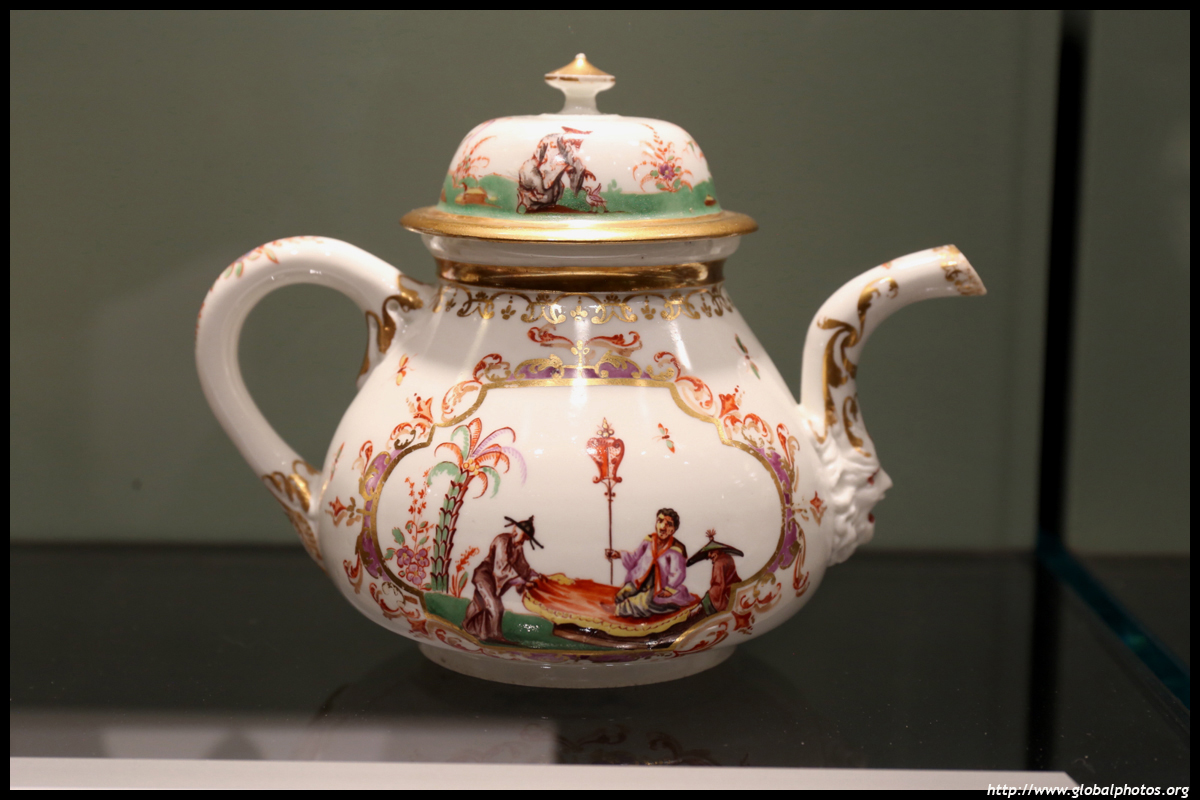
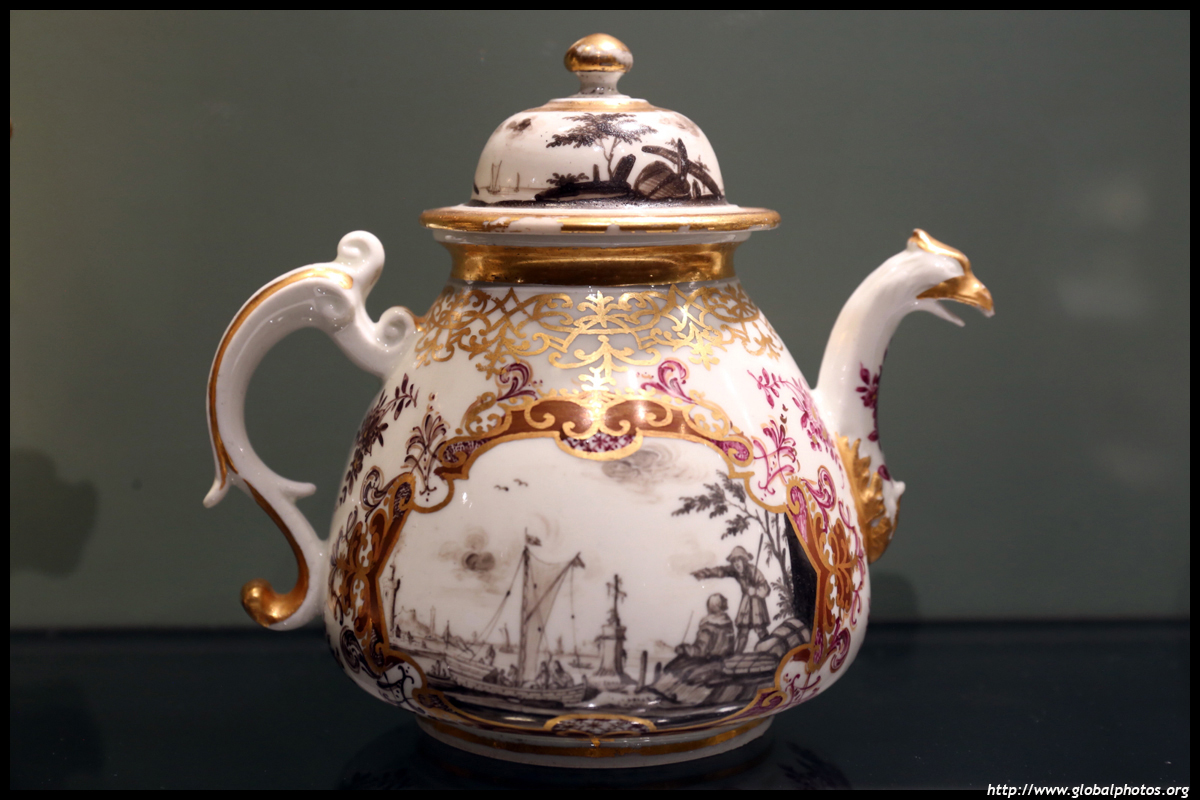
Europe's first commercial production of hard-paste porcelain began in Meissen. A factory was established in 1710 and they dominated the industry until the late 1750s.
|
|||
|
|
|
|
|
|
|
|
|
|
|
|
|
|
|
|
|
|
|
|
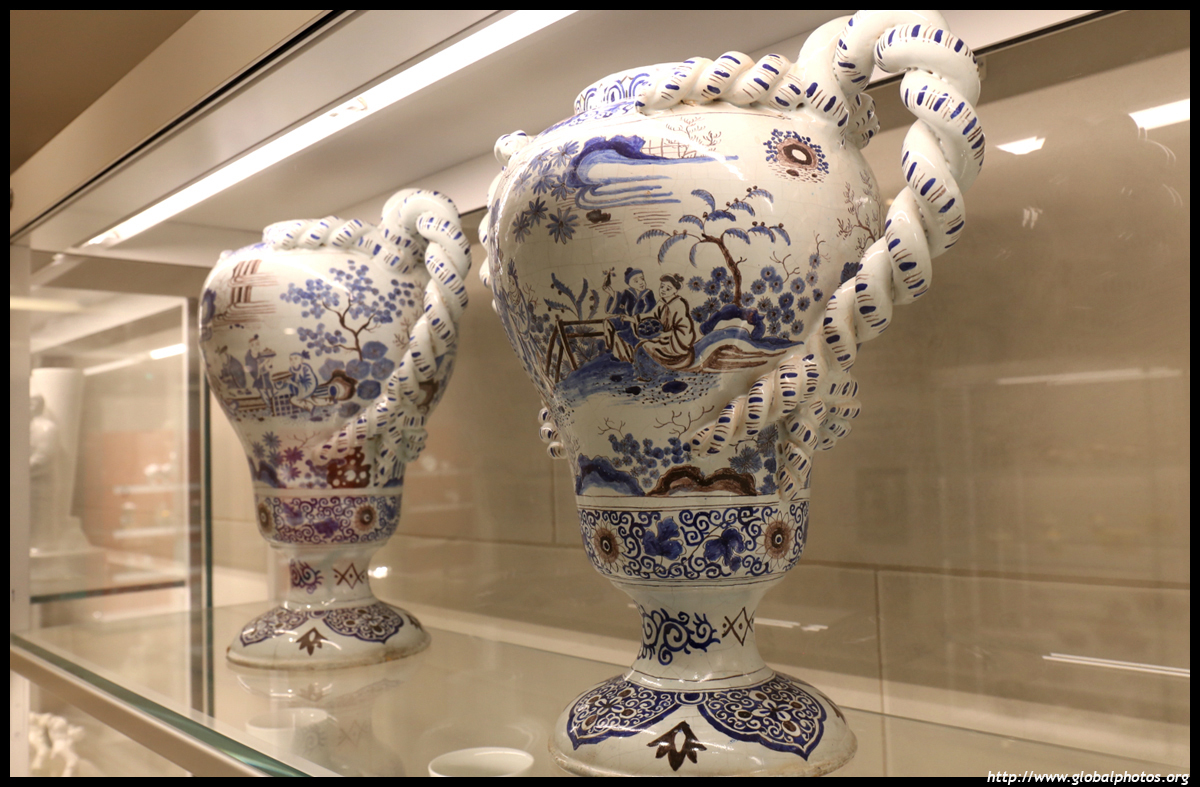
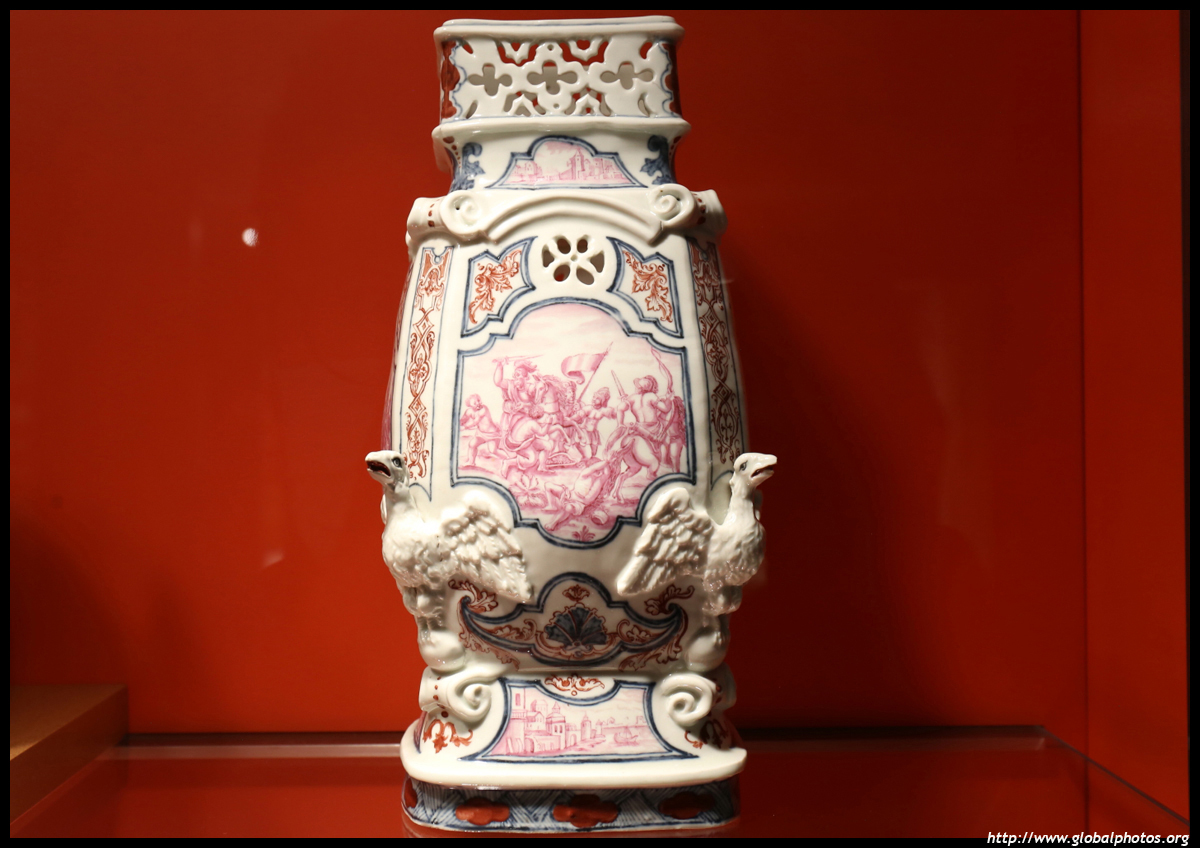
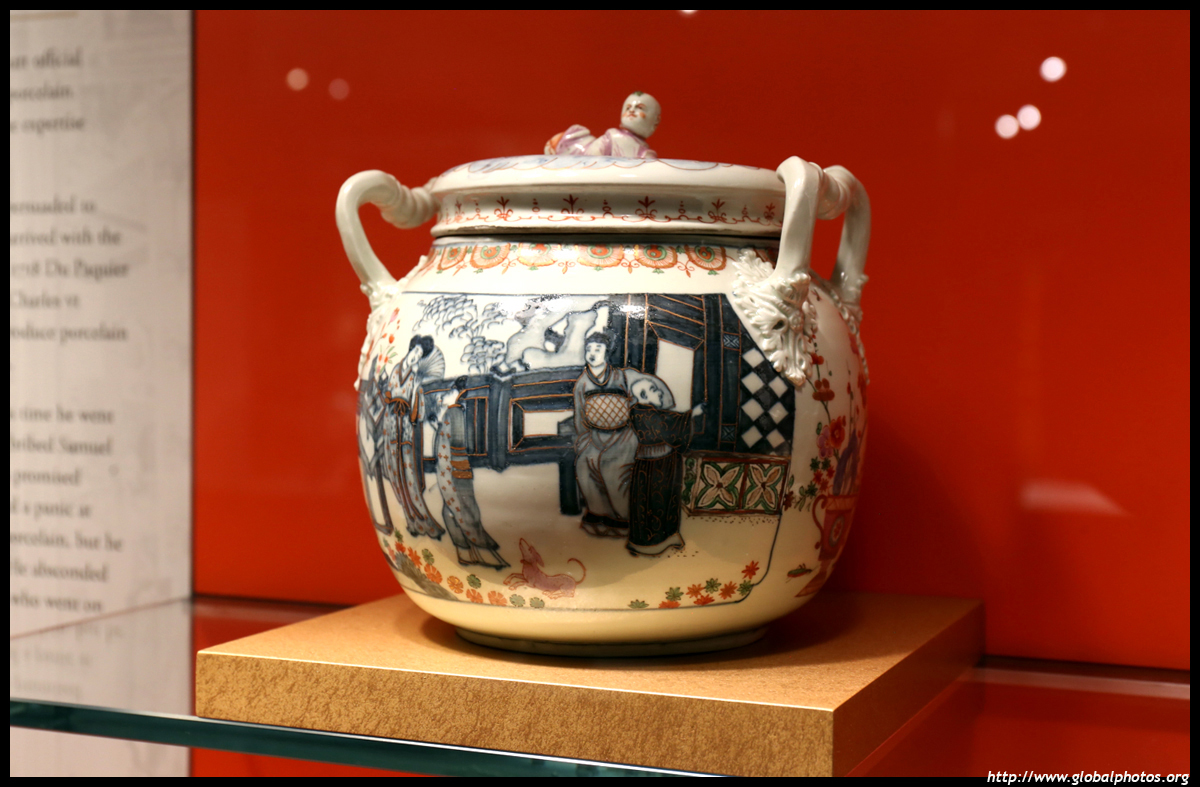
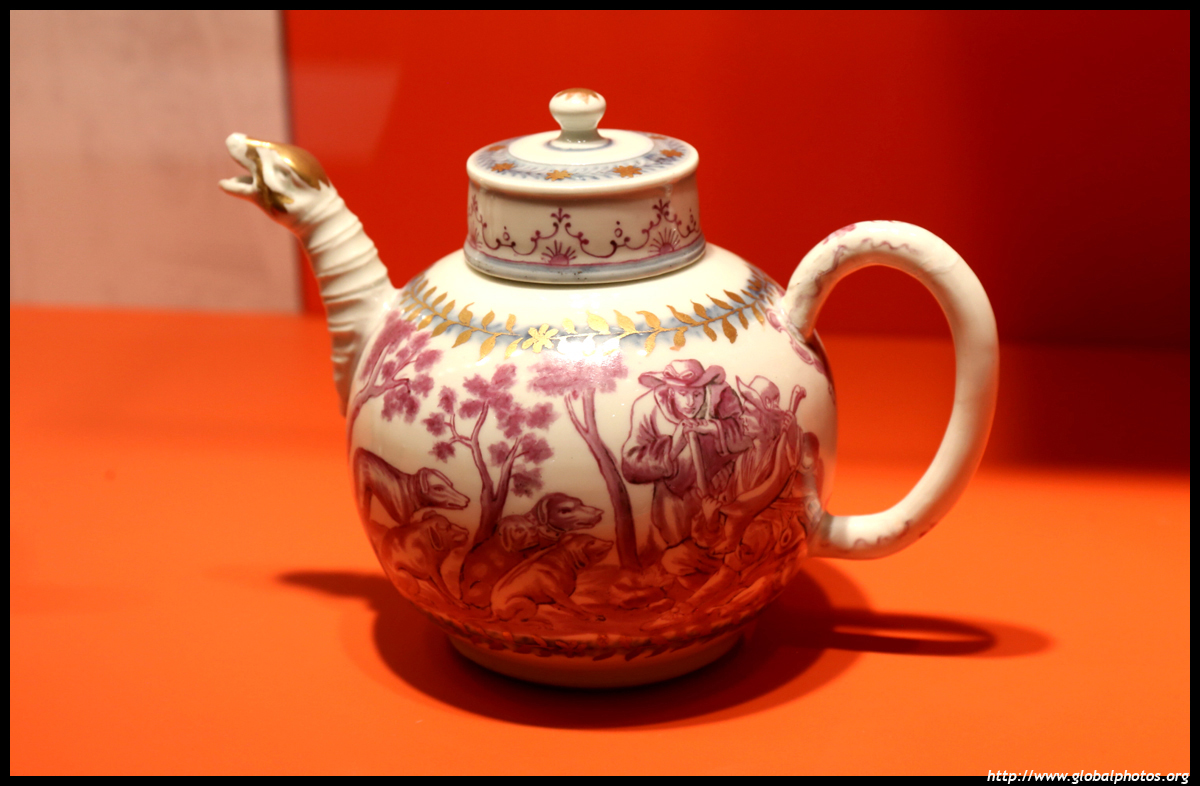
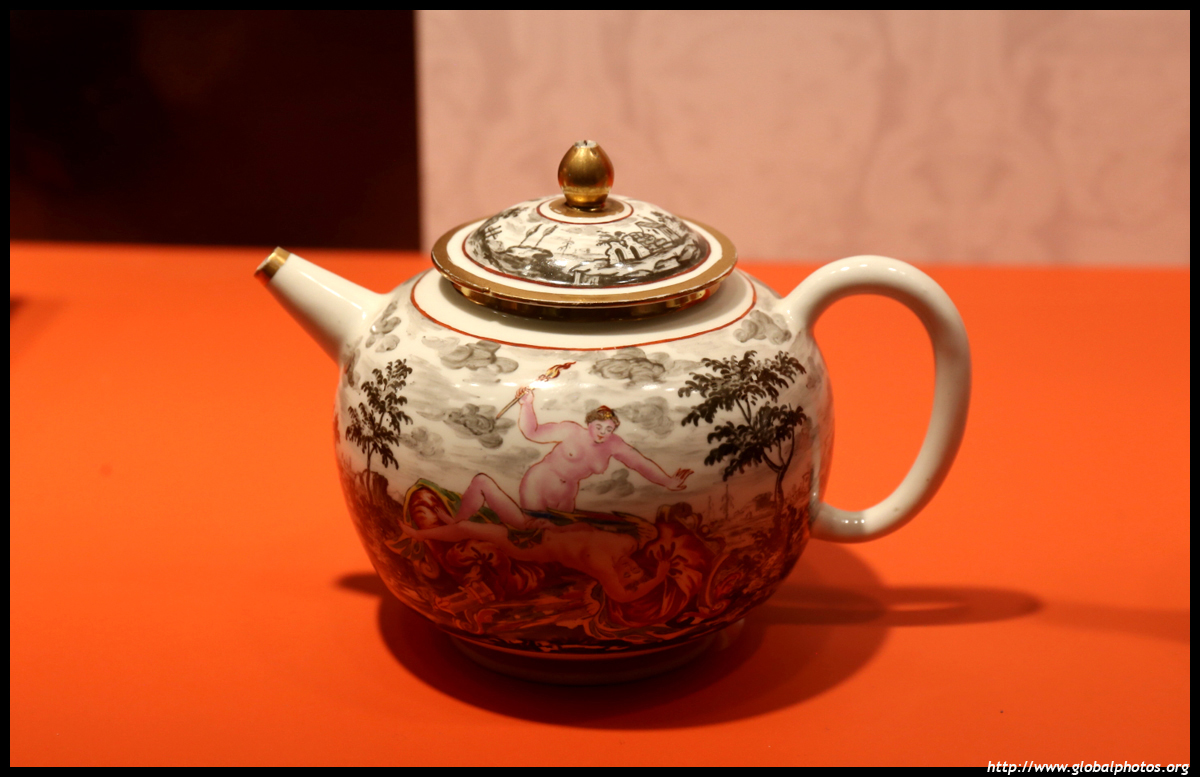
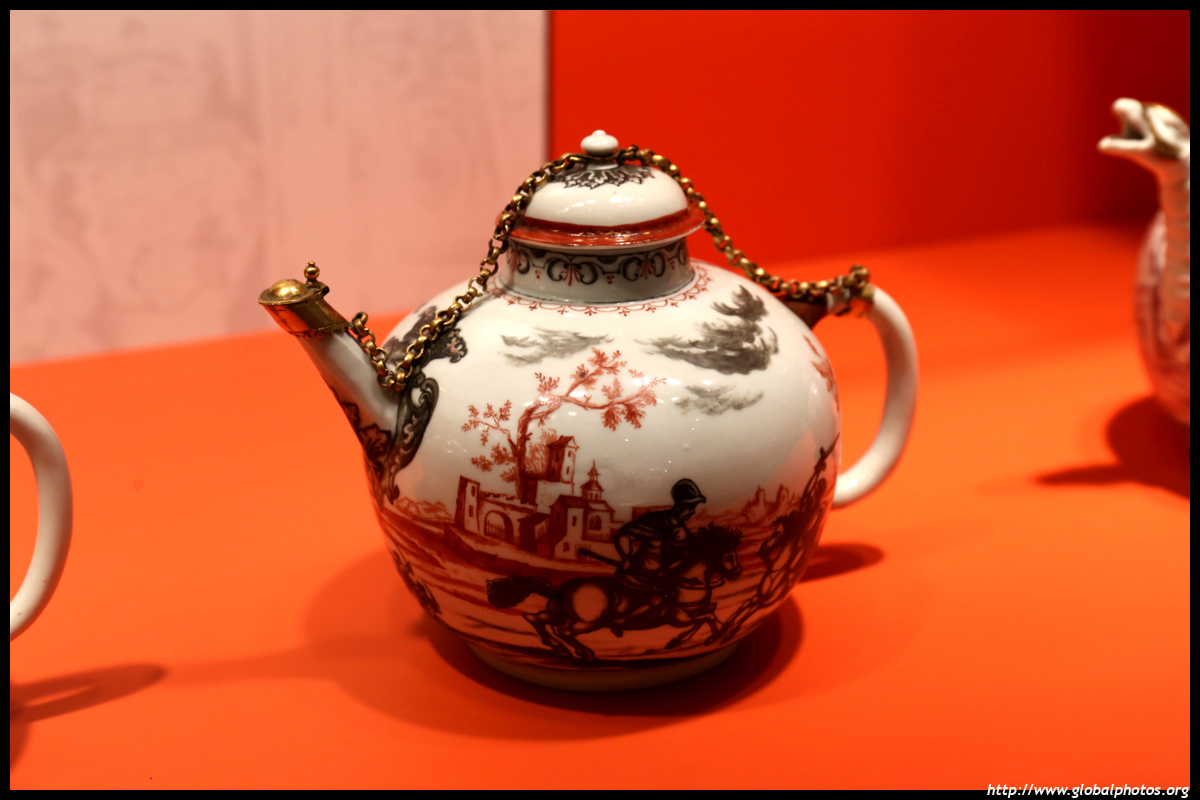
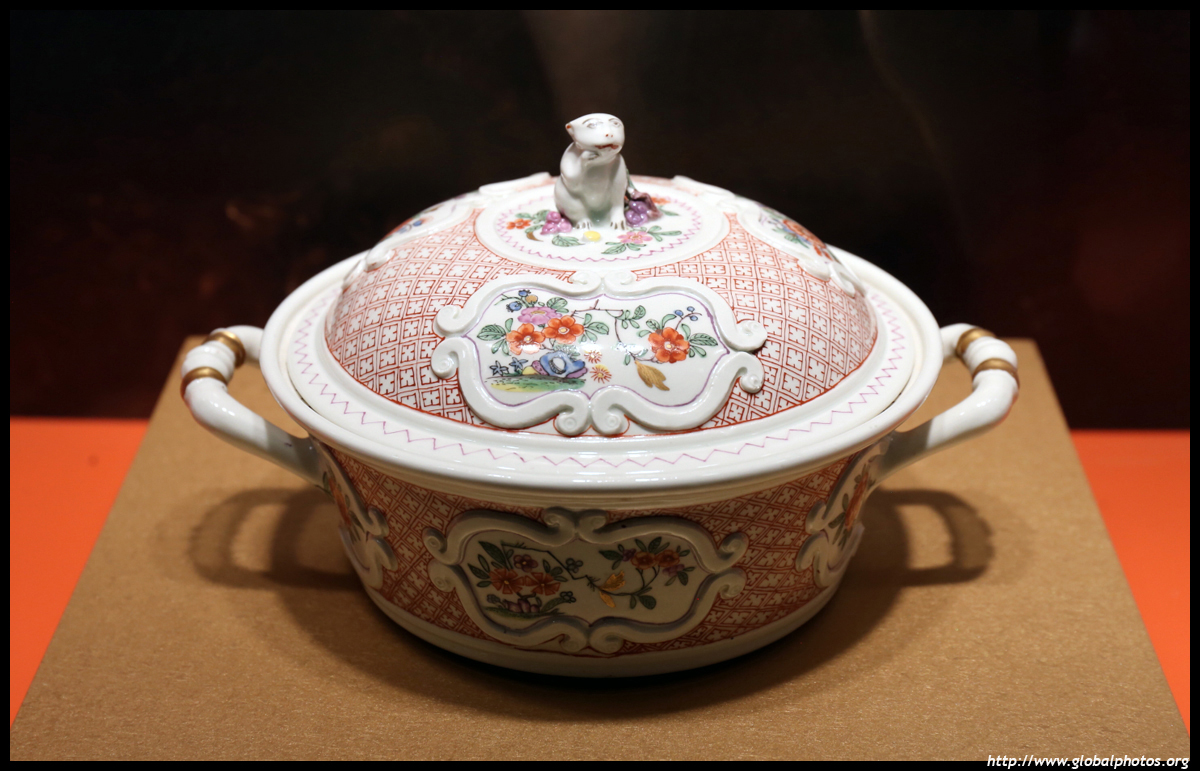
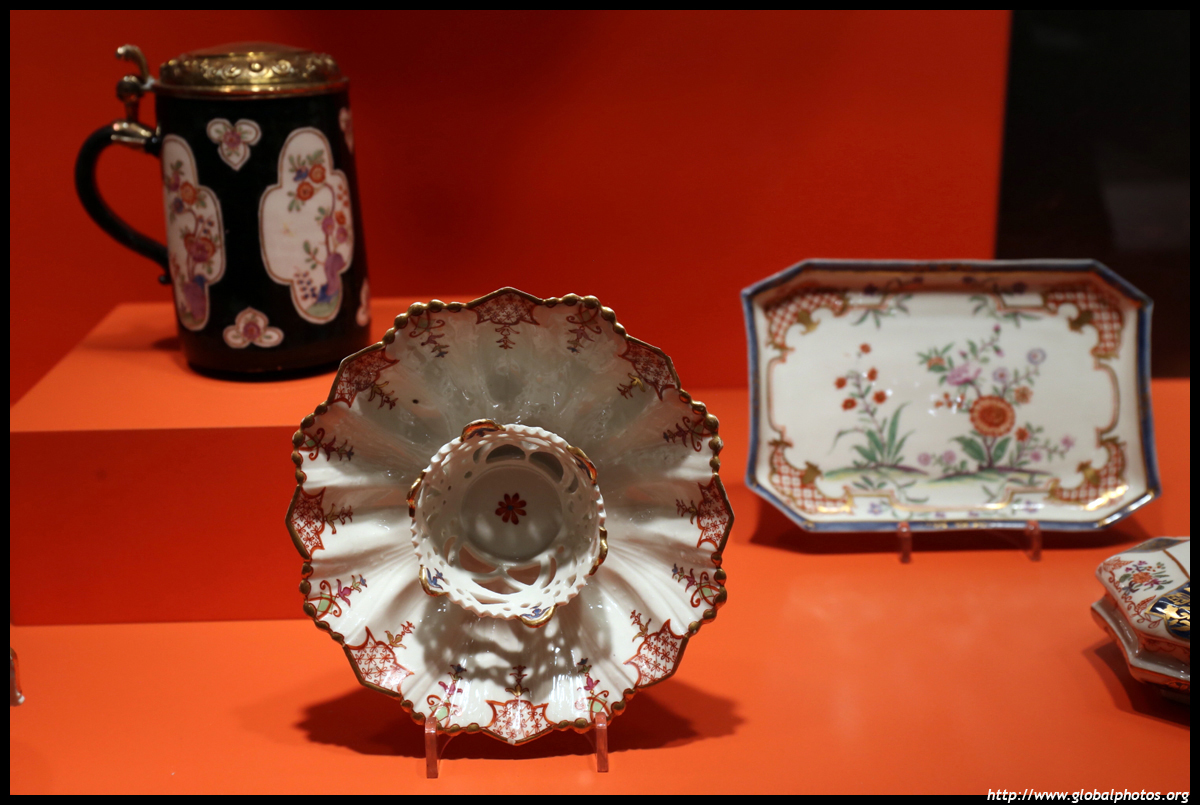
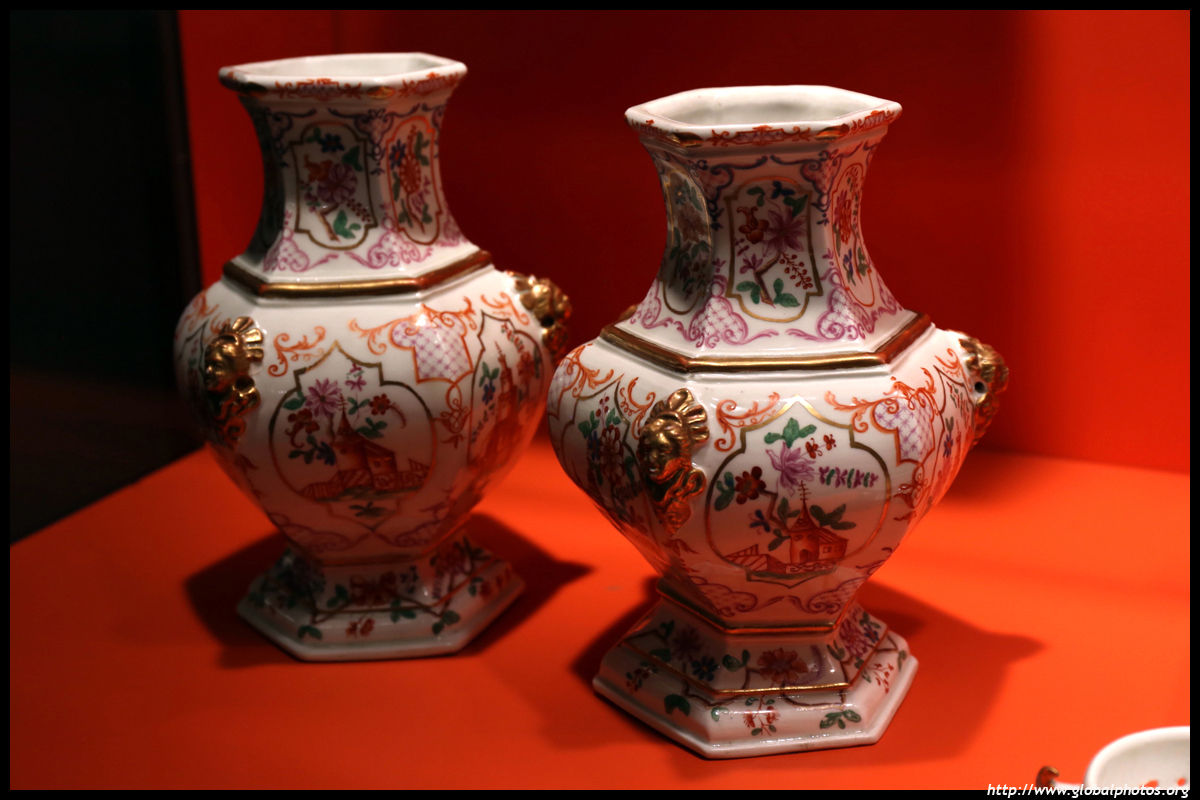
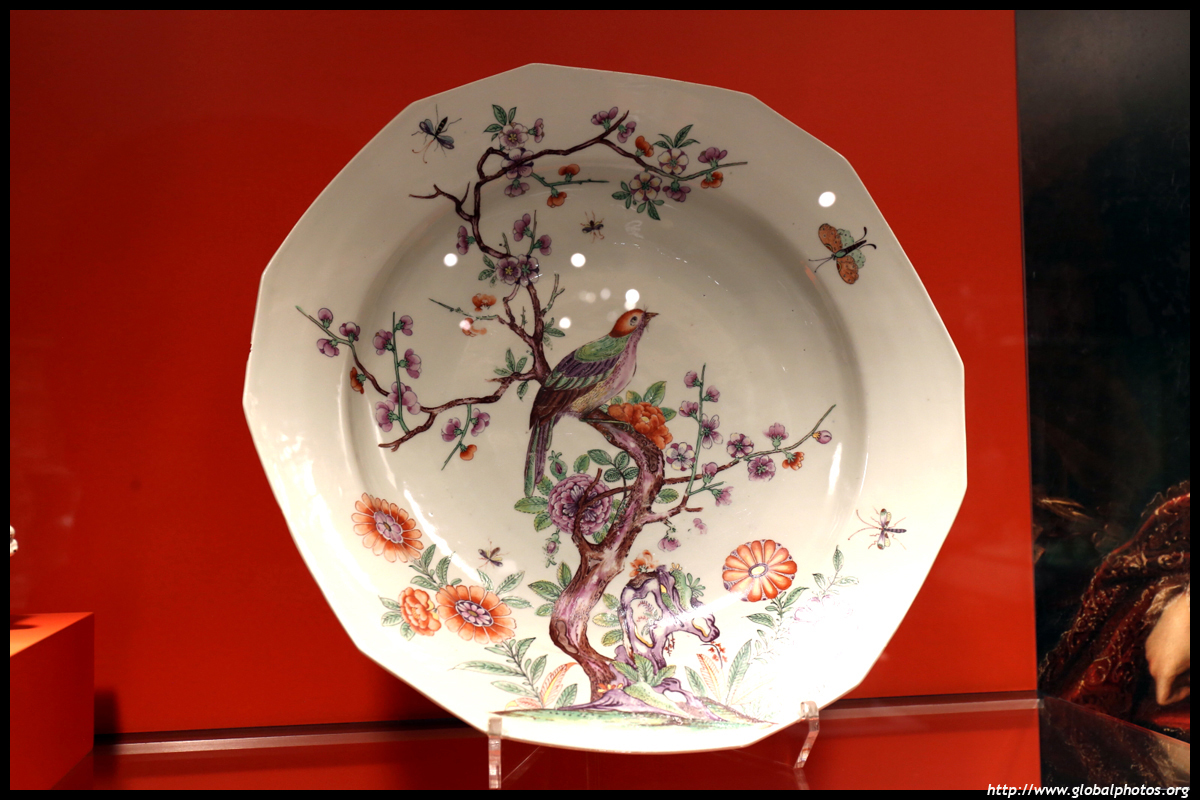
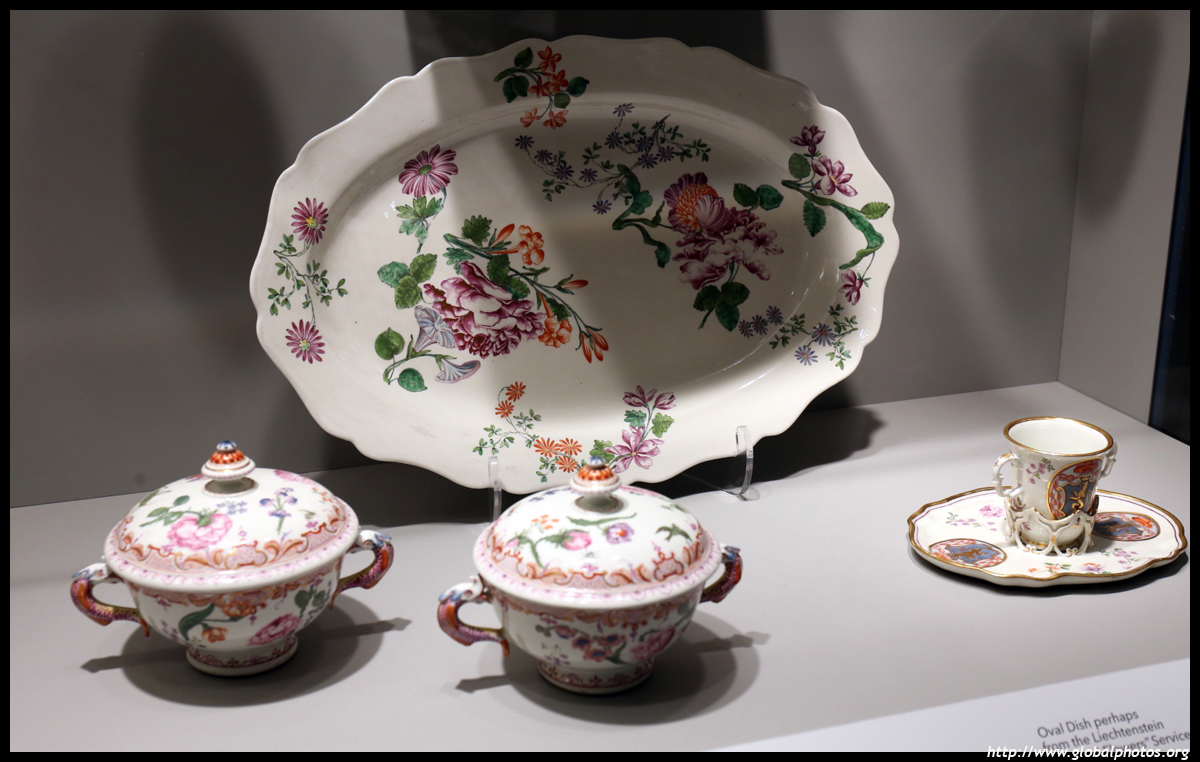
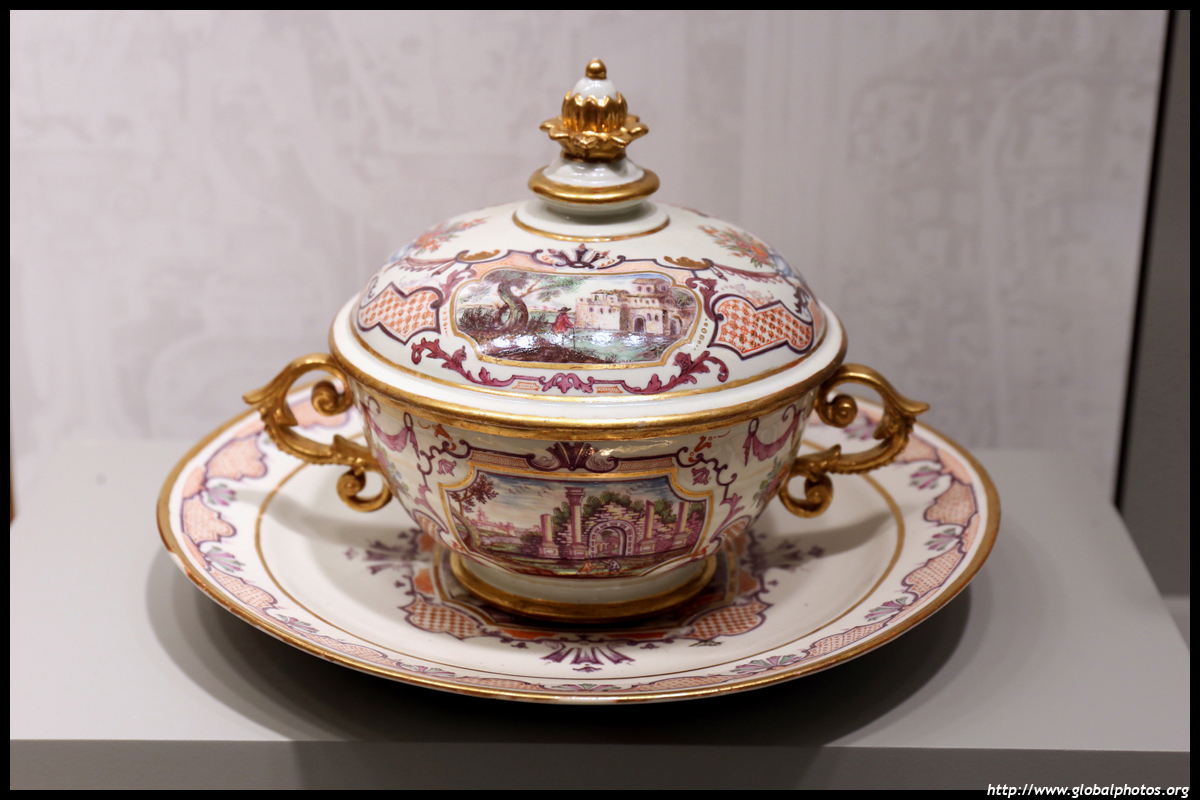
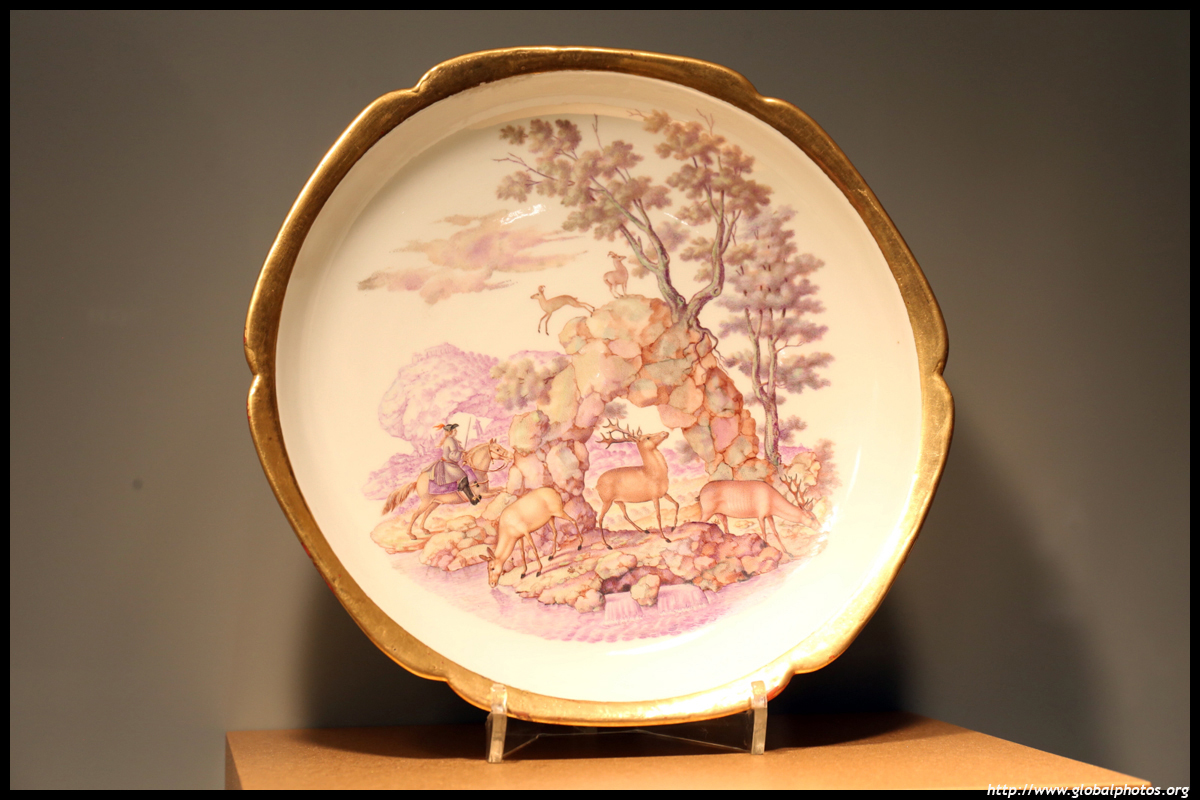
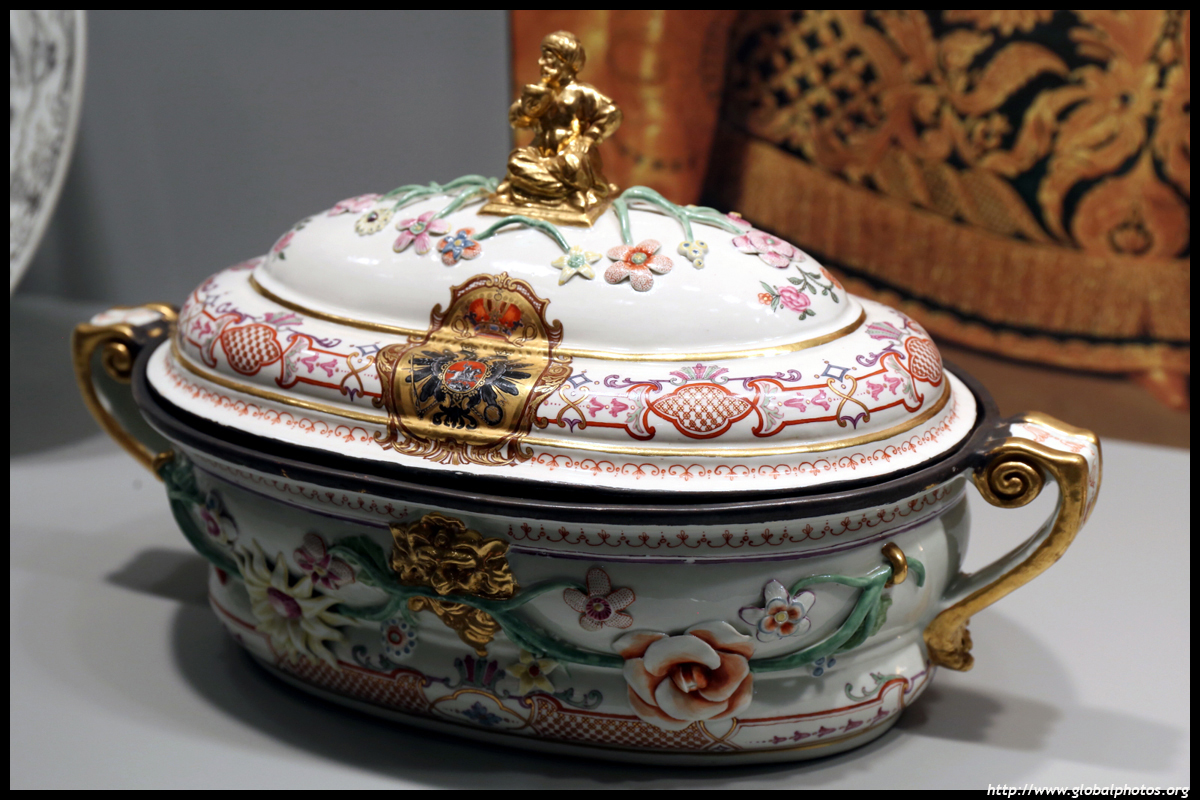
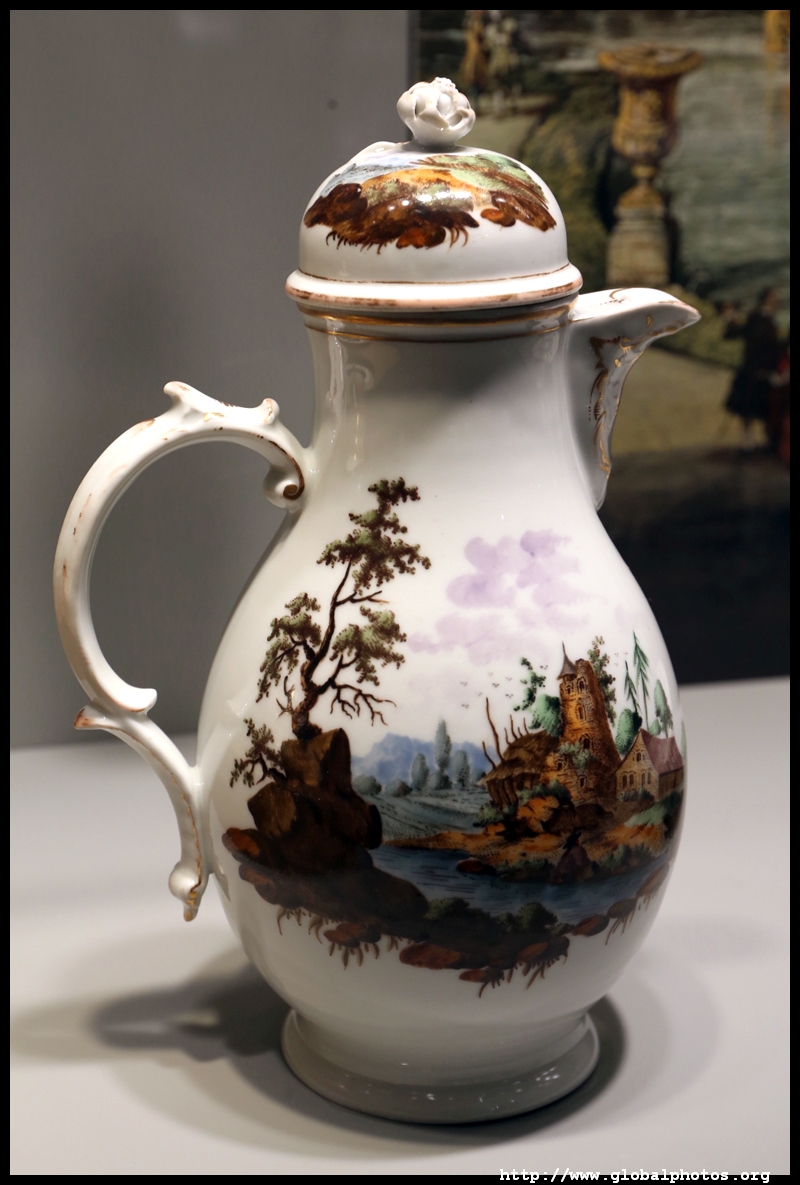
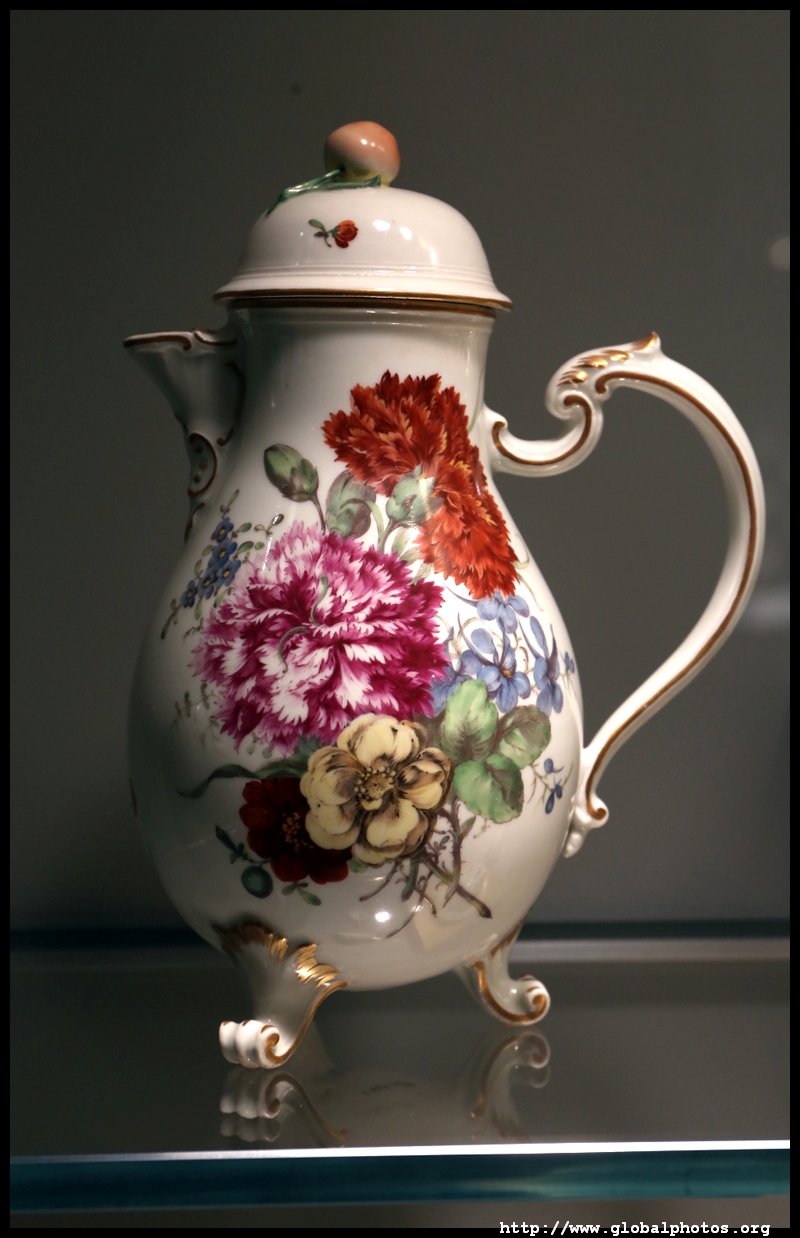
Du Paquier established a porcelain factory in Vienna in 1718, stealing production secrets from Meissen. It was known for creative works and the empress took it over in 1744 to become an imperial institution.
|
|||
|
|
|
|
|
|
|
|
|
|
|
|
|
|
|
|
|
|||
|
|
|
|
|
|
|
|
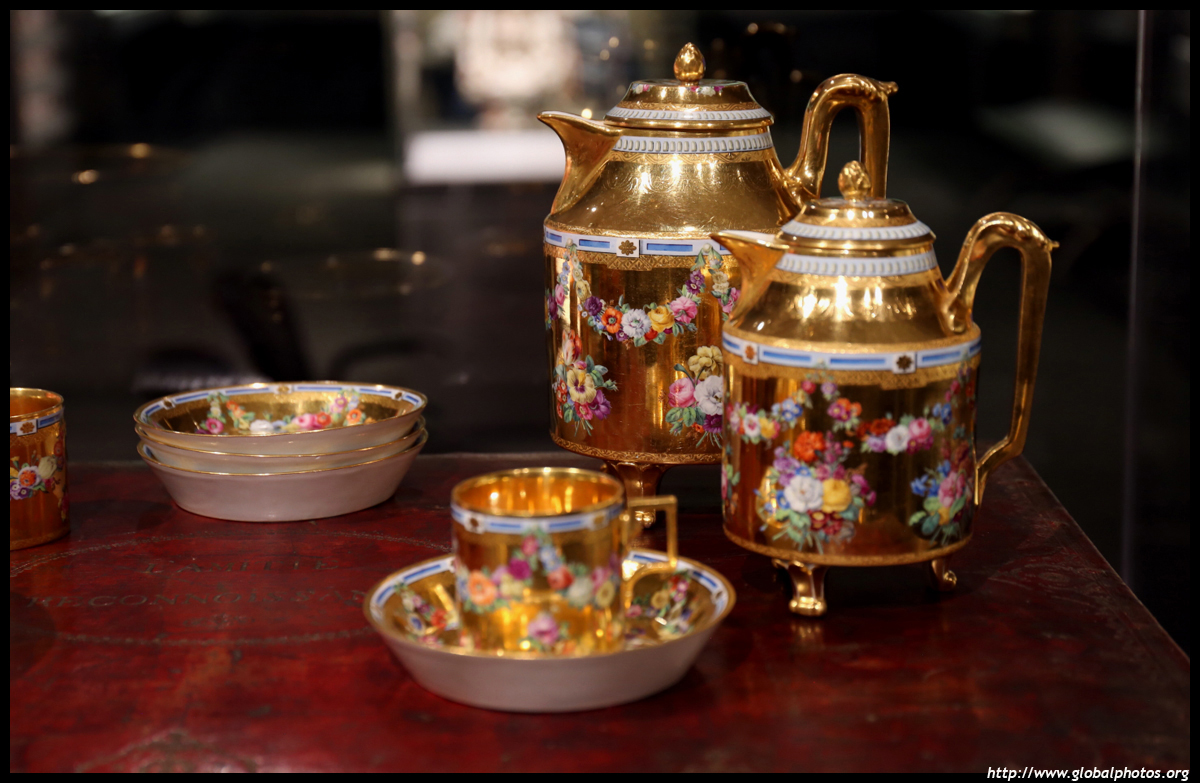
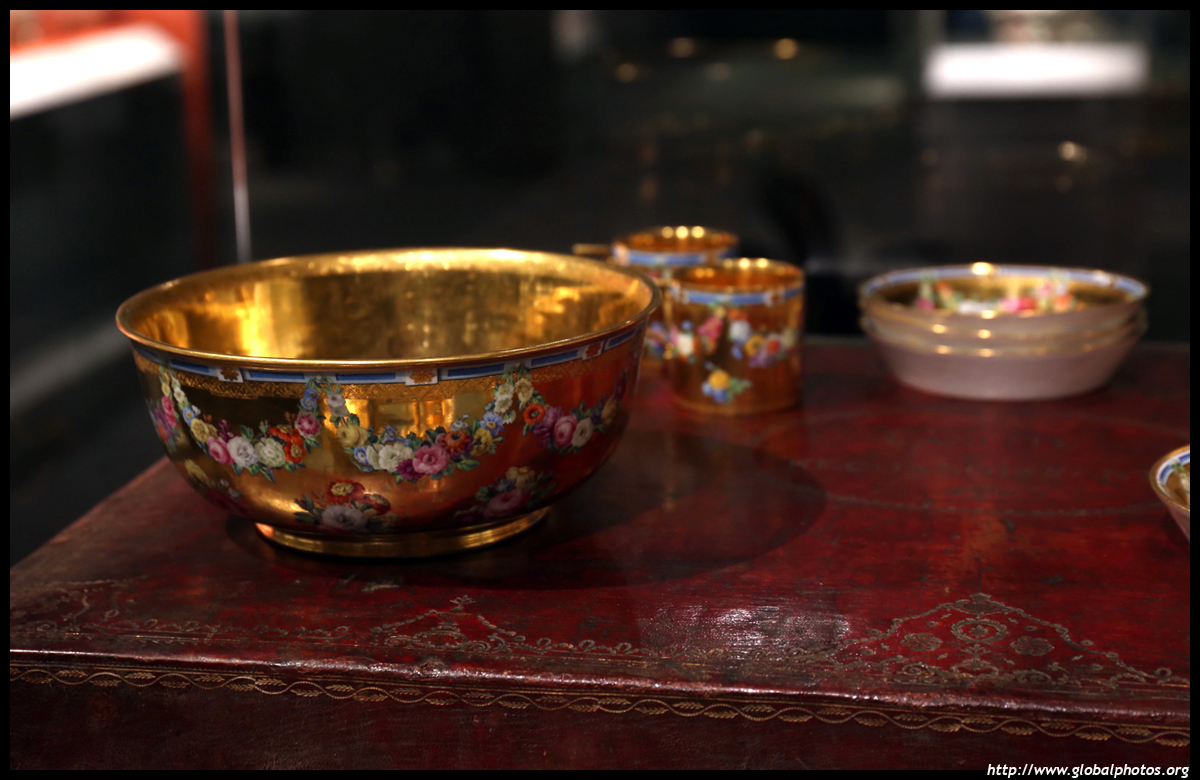
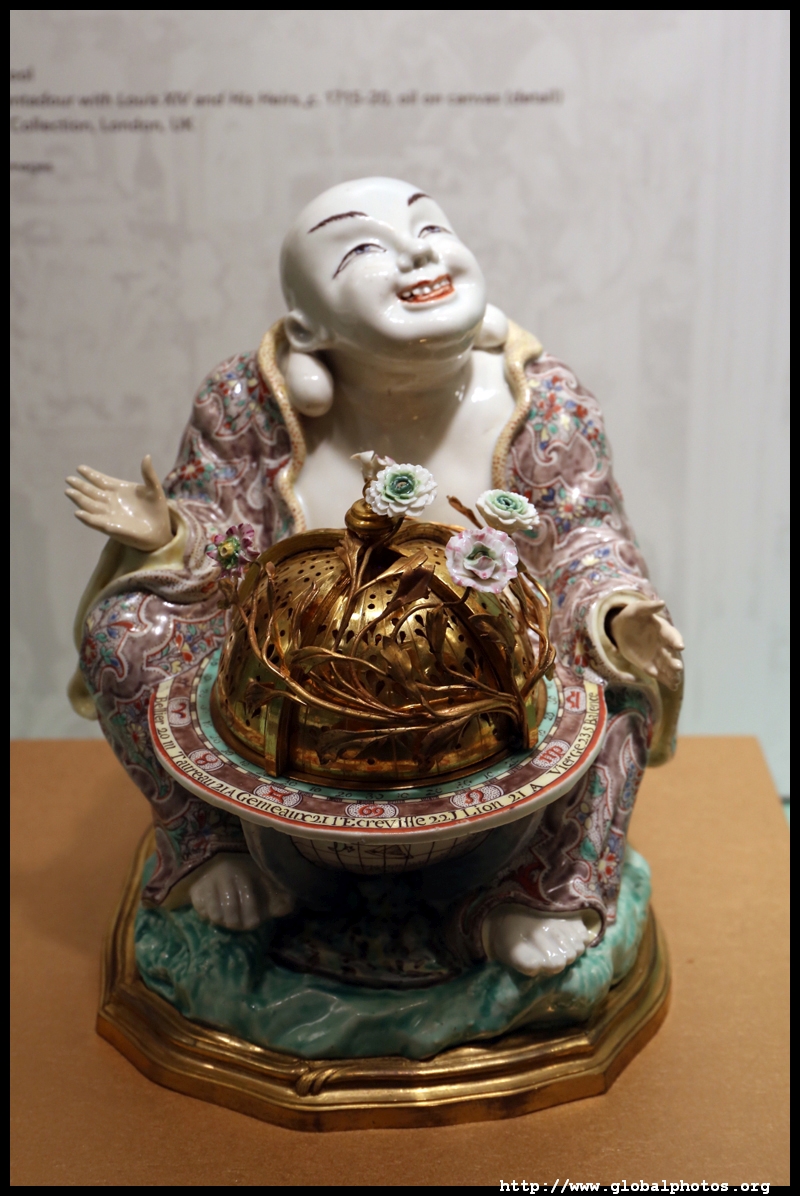
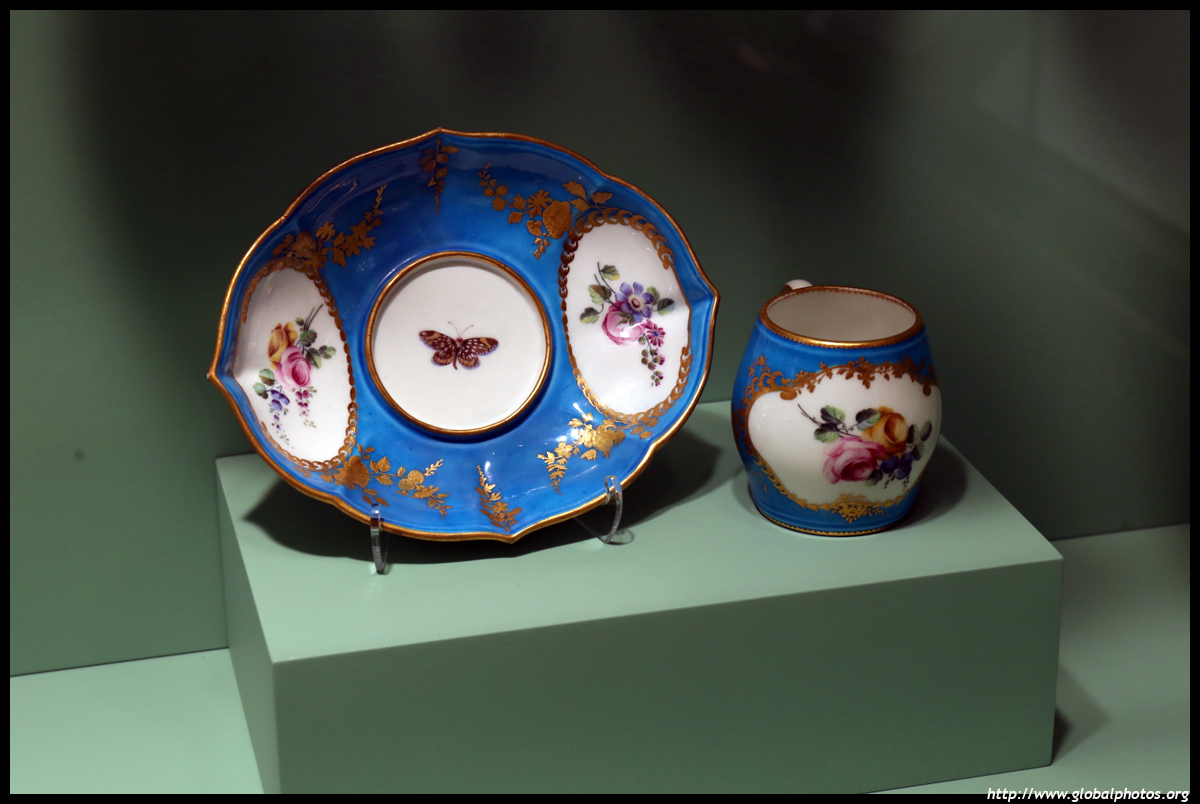
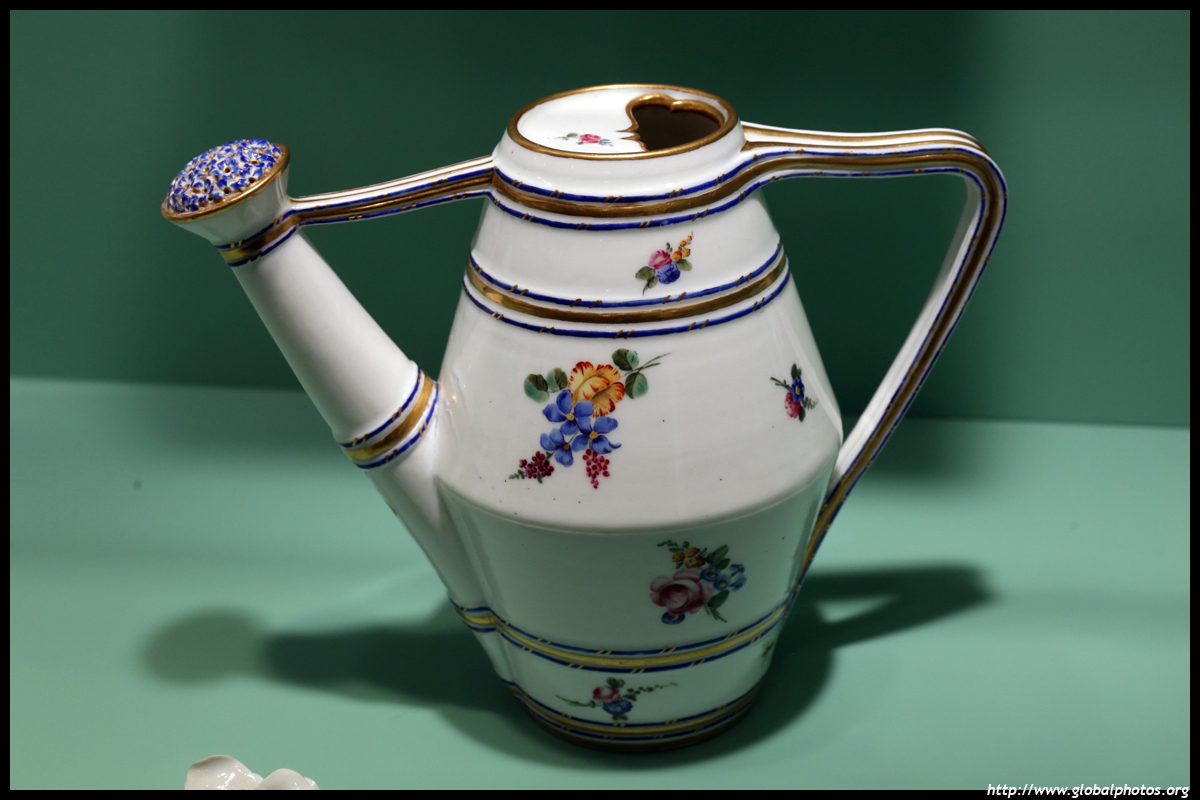
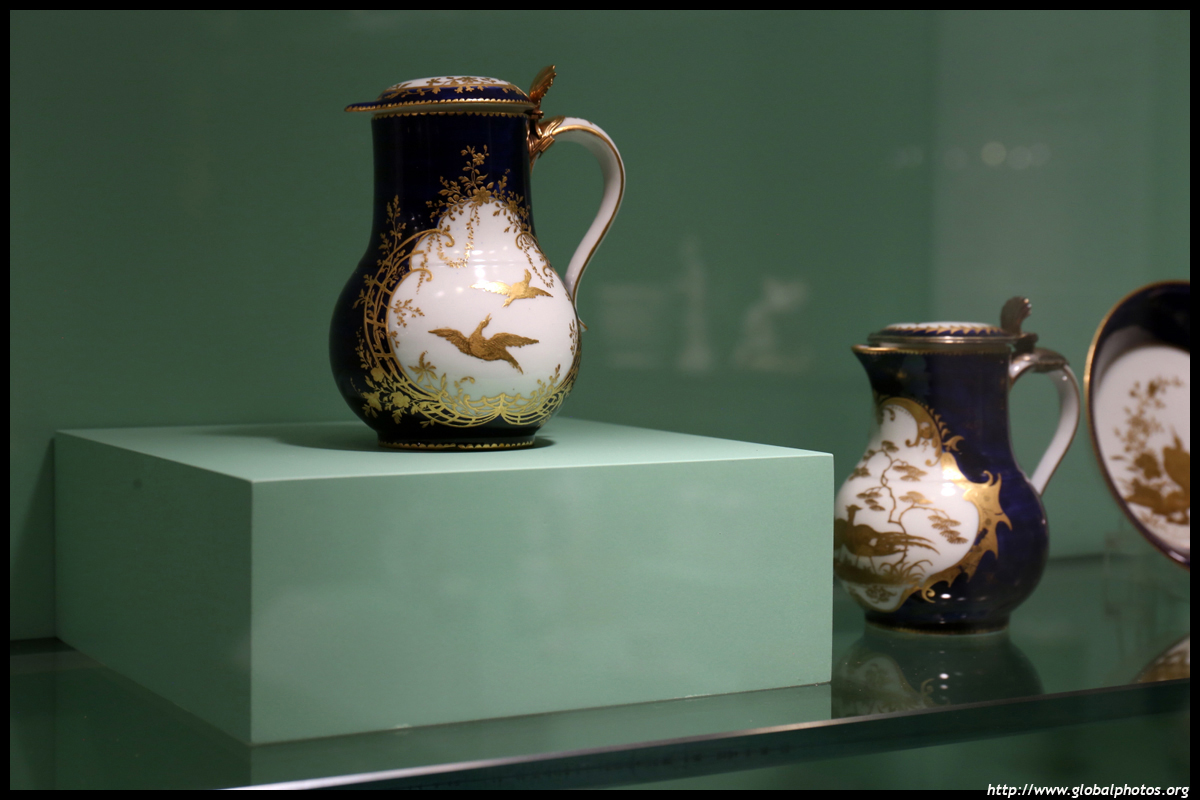
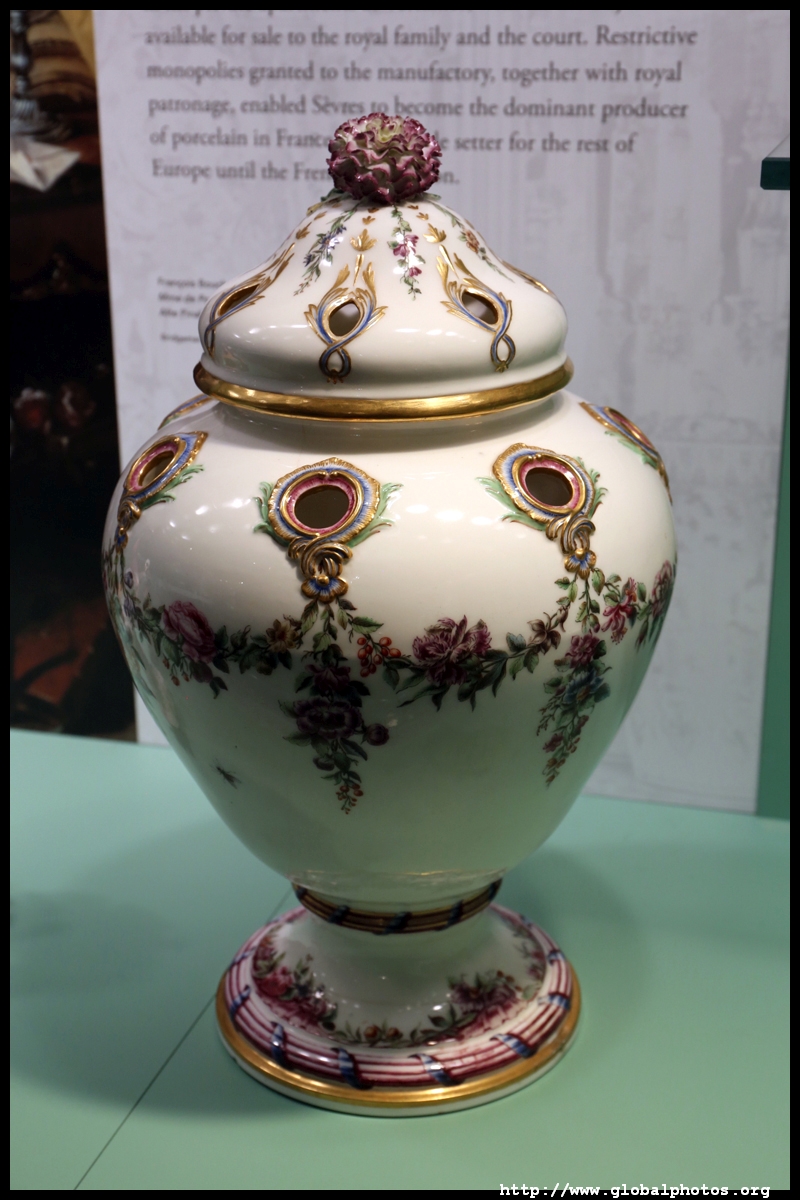
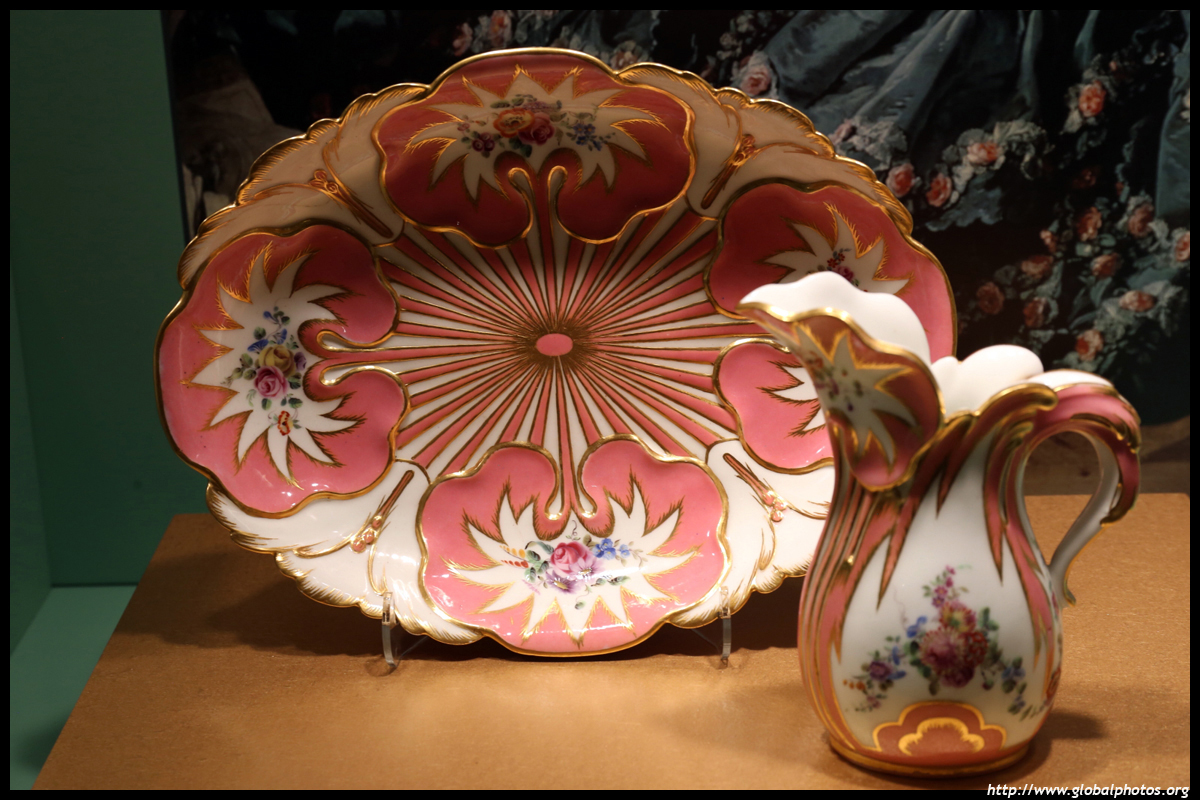
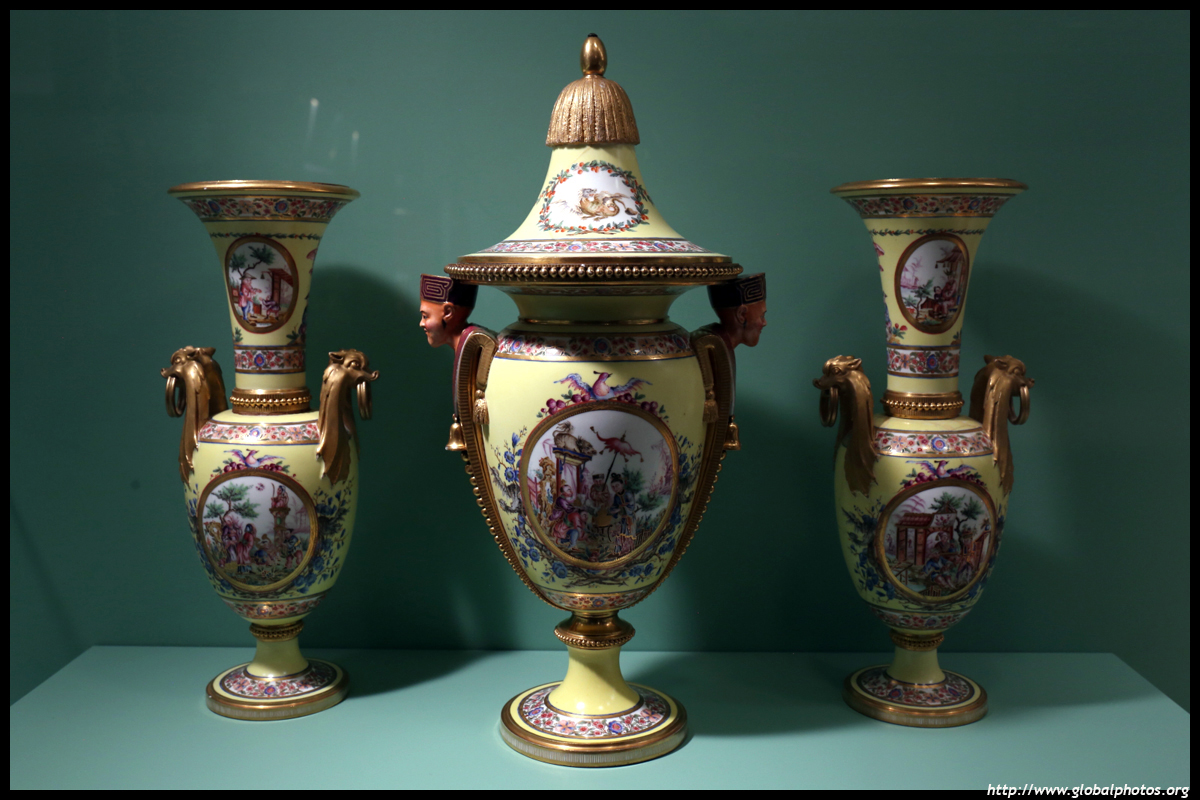
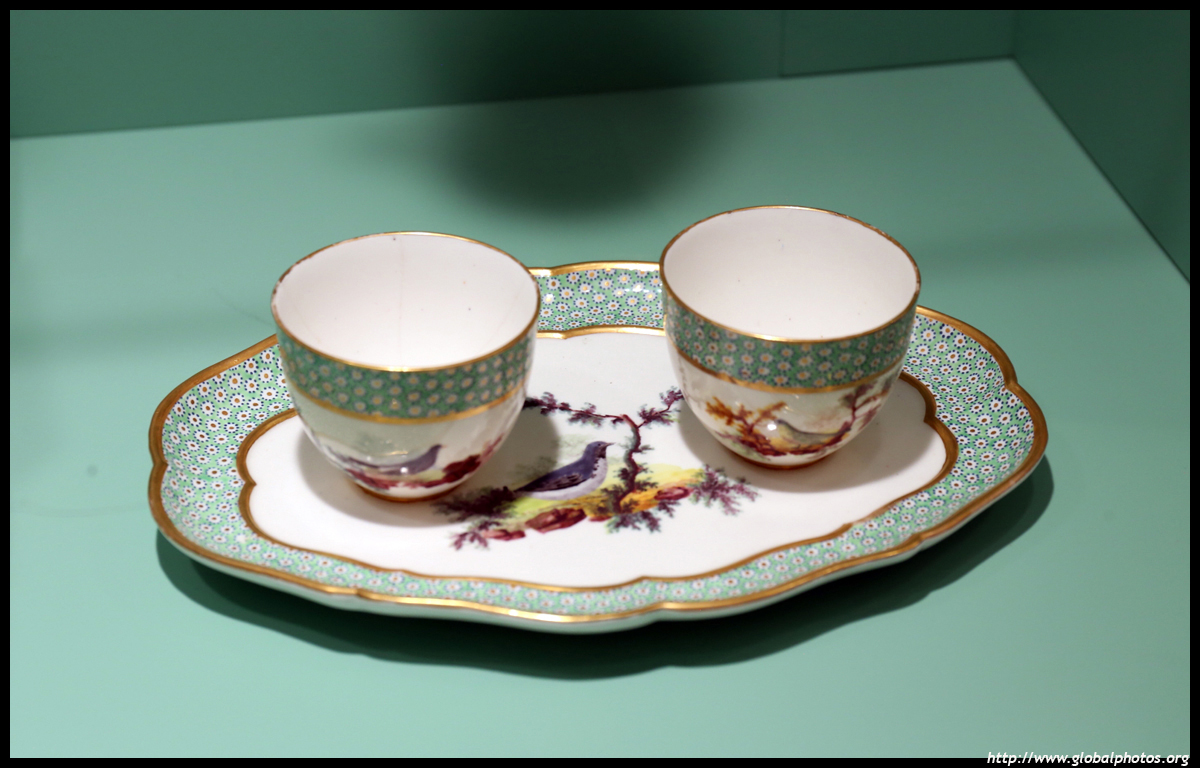
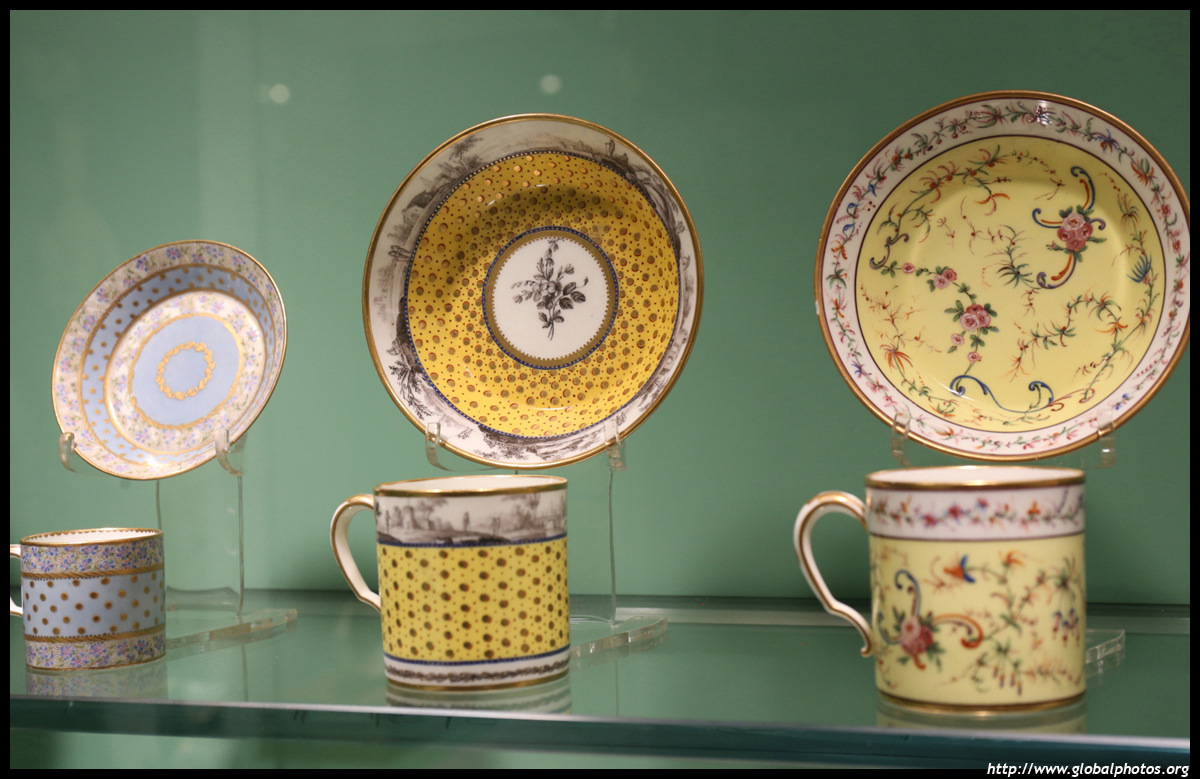
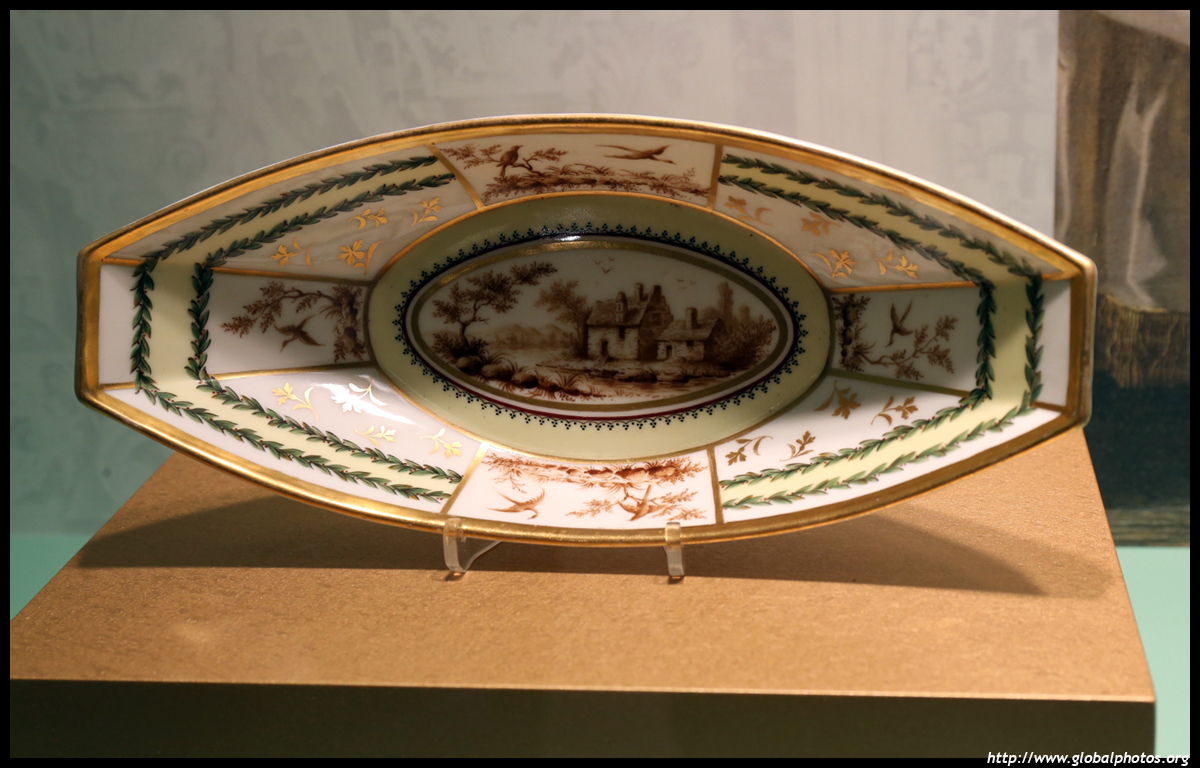
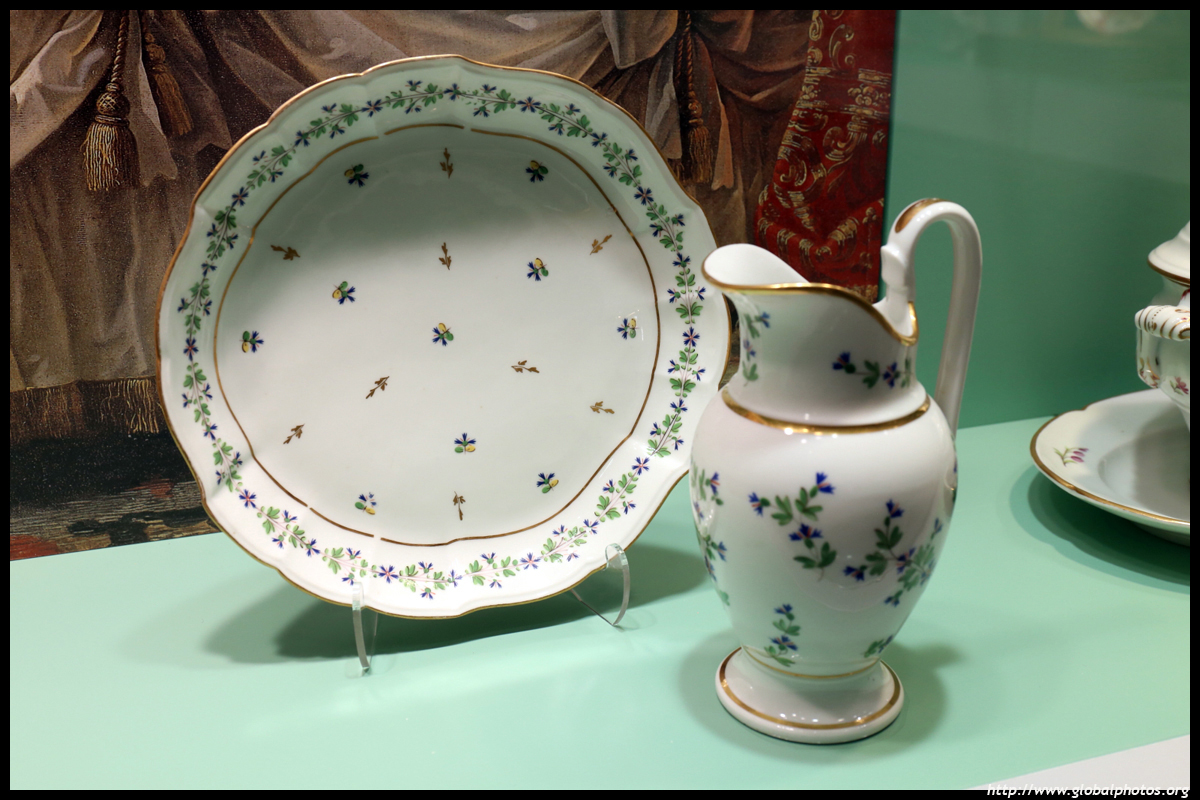
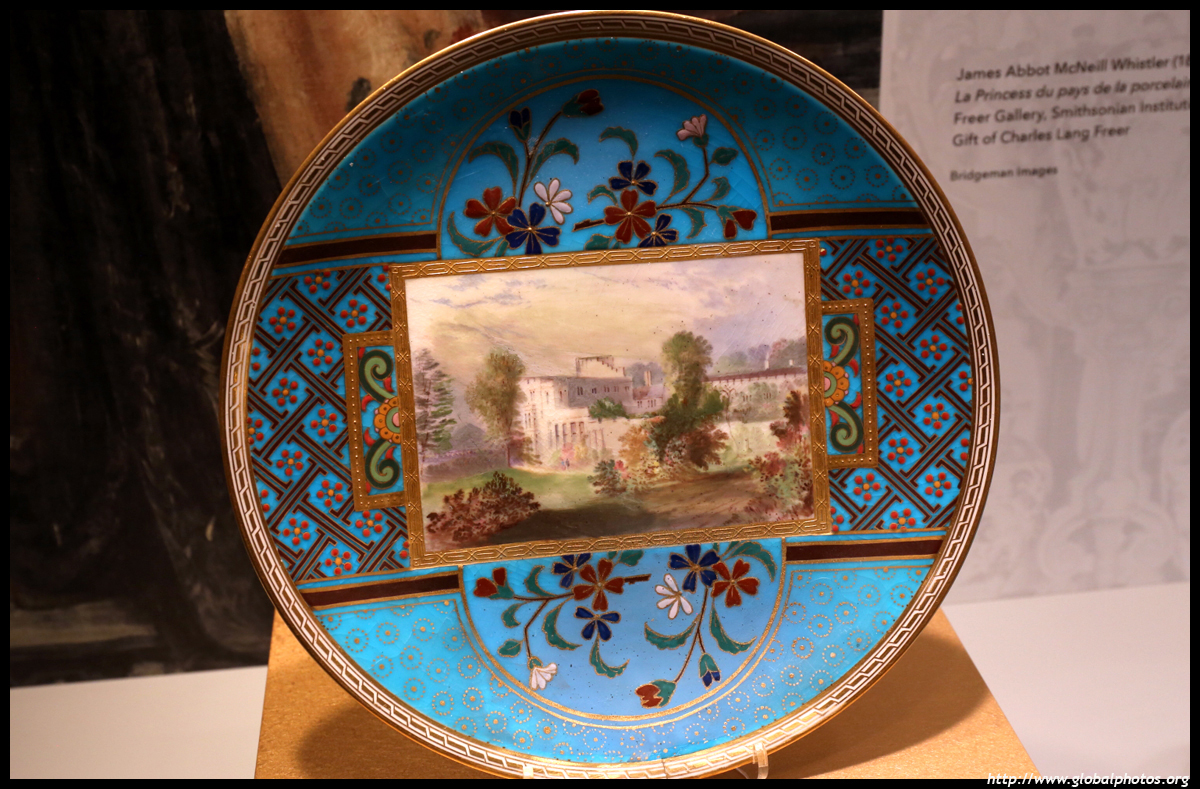
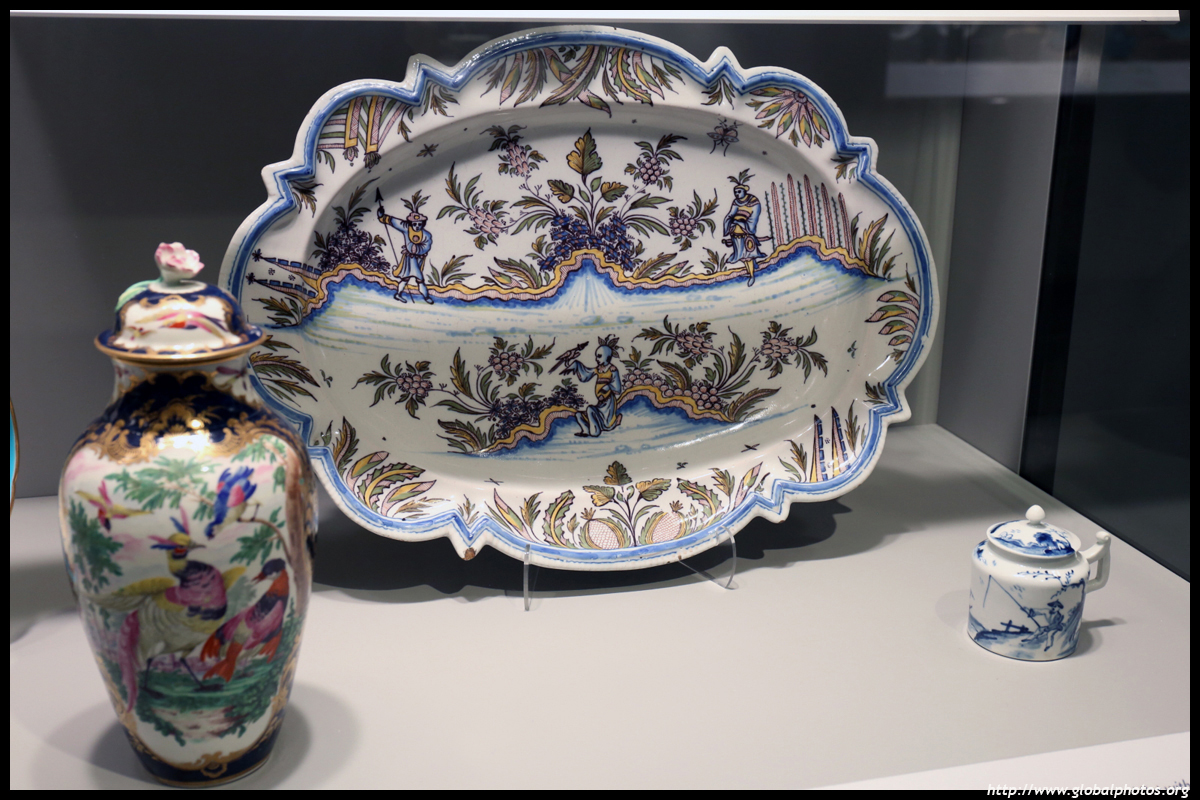
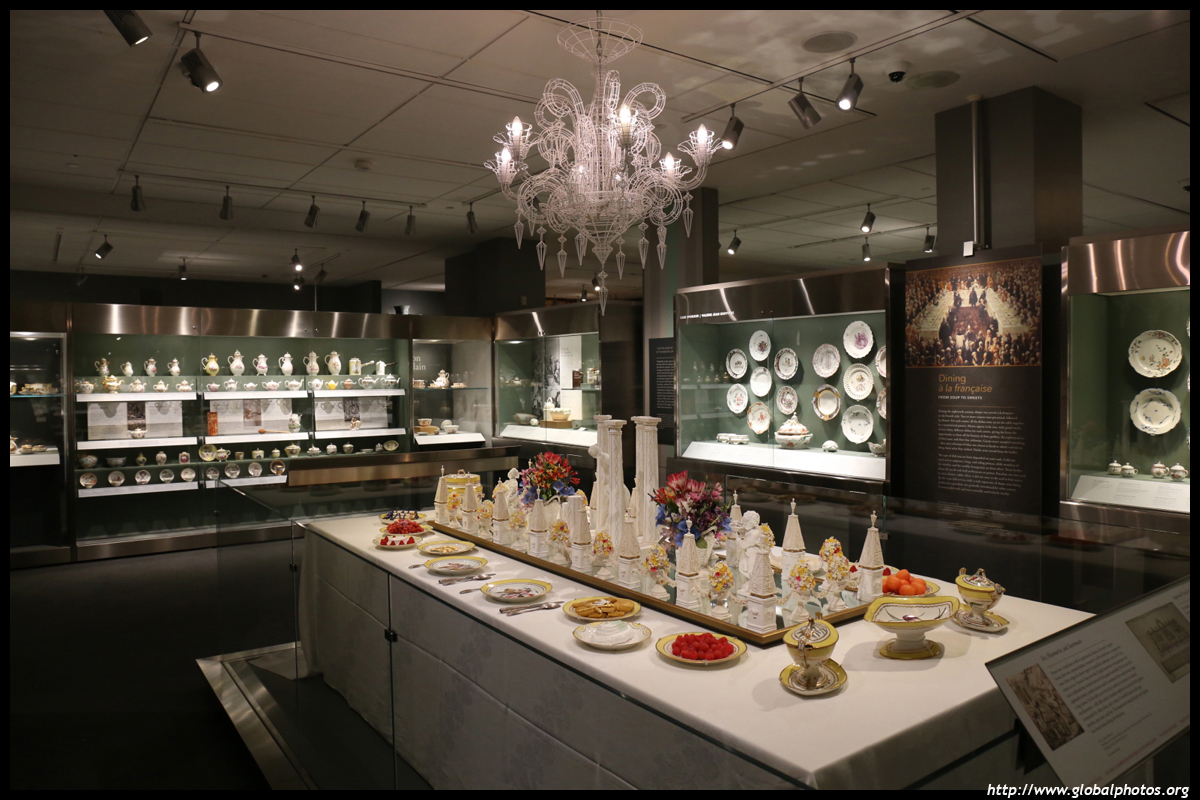
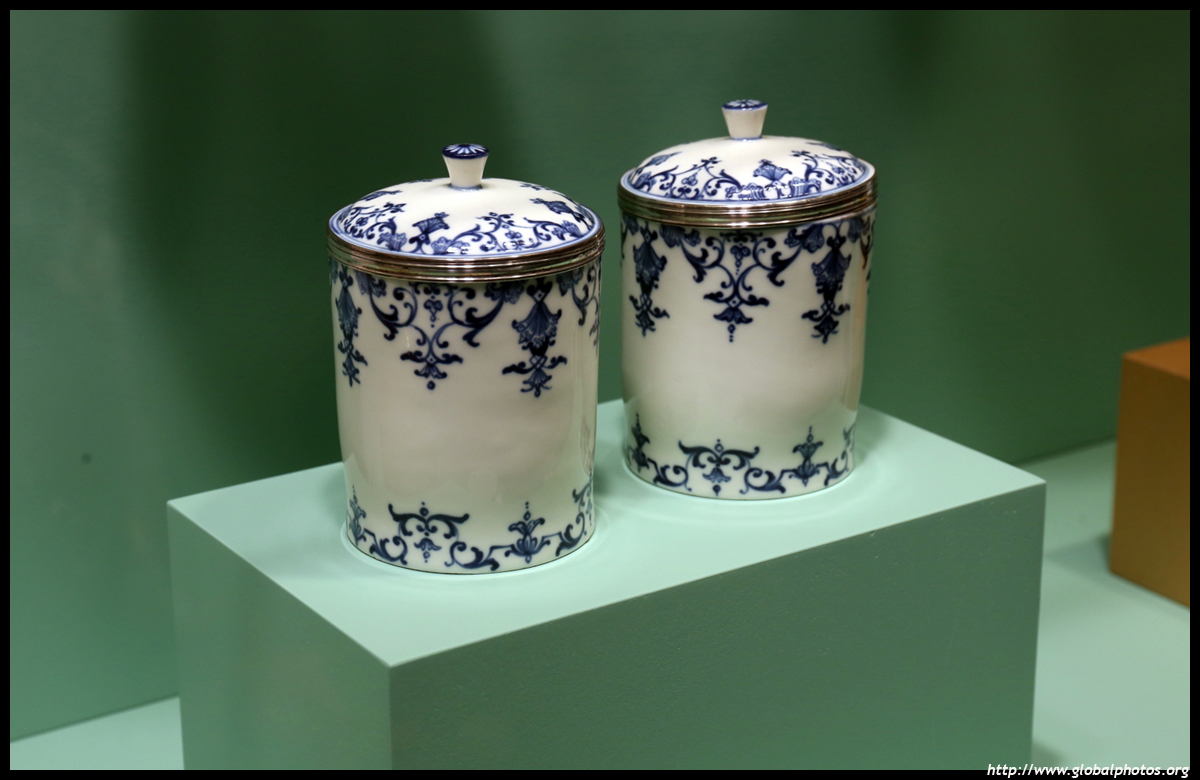
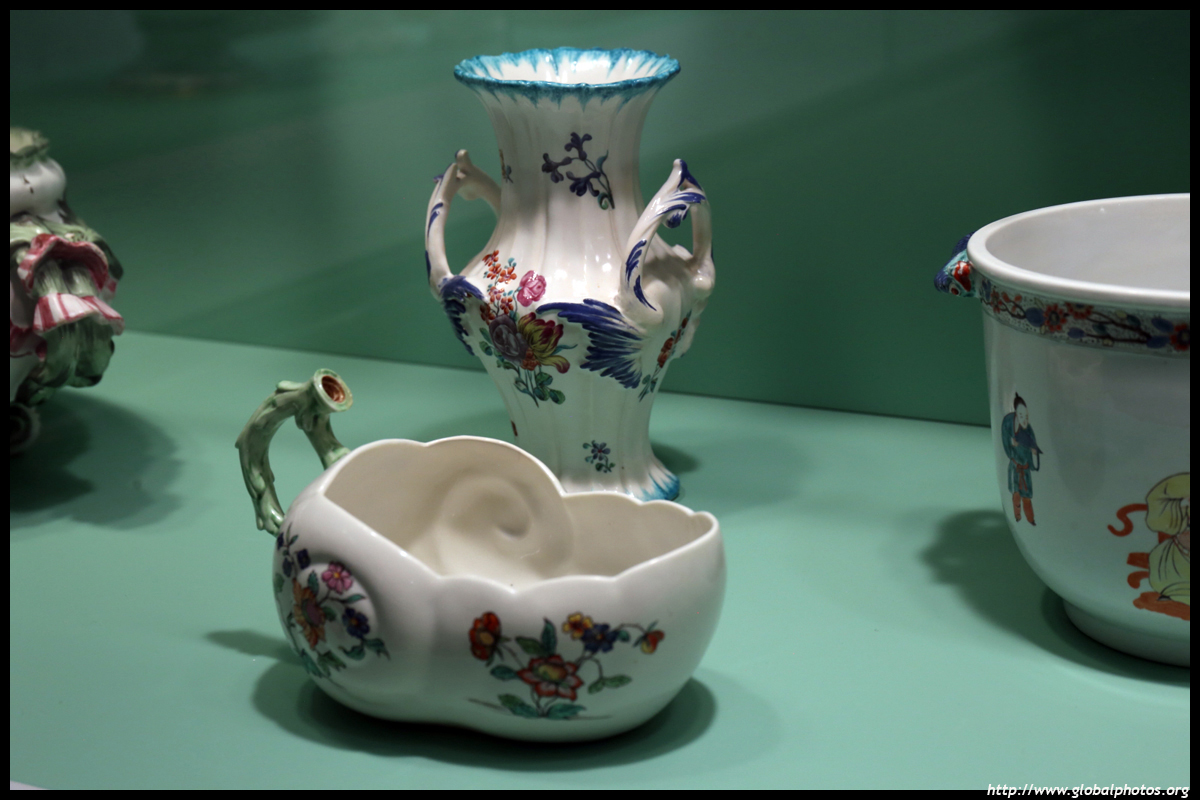
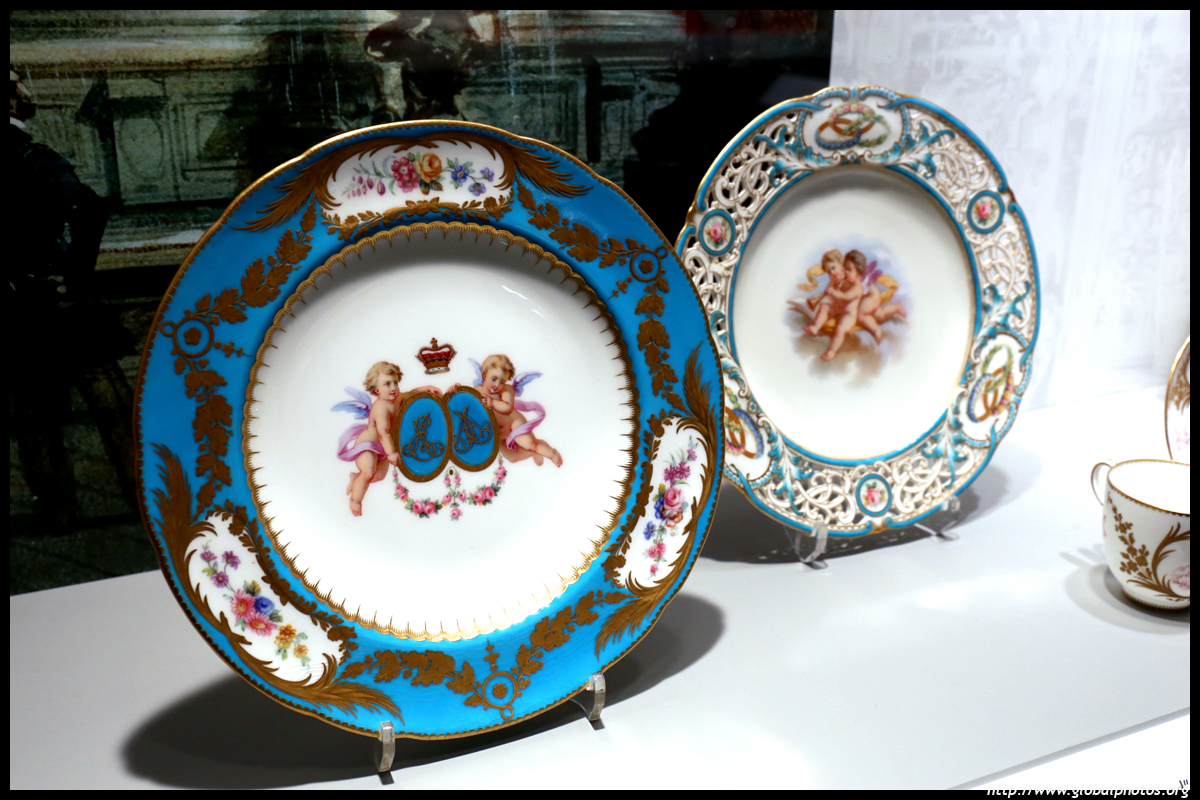
Asian porcelain was popular in France in the late 17th and early 18th centuries, with the noble and the rich using it for decoration and dining. Domestic production of soft-paste porcelain was first made in the late 17th century.
|
|||
|
|
|
|
|
|
|
|
|
|
|
|
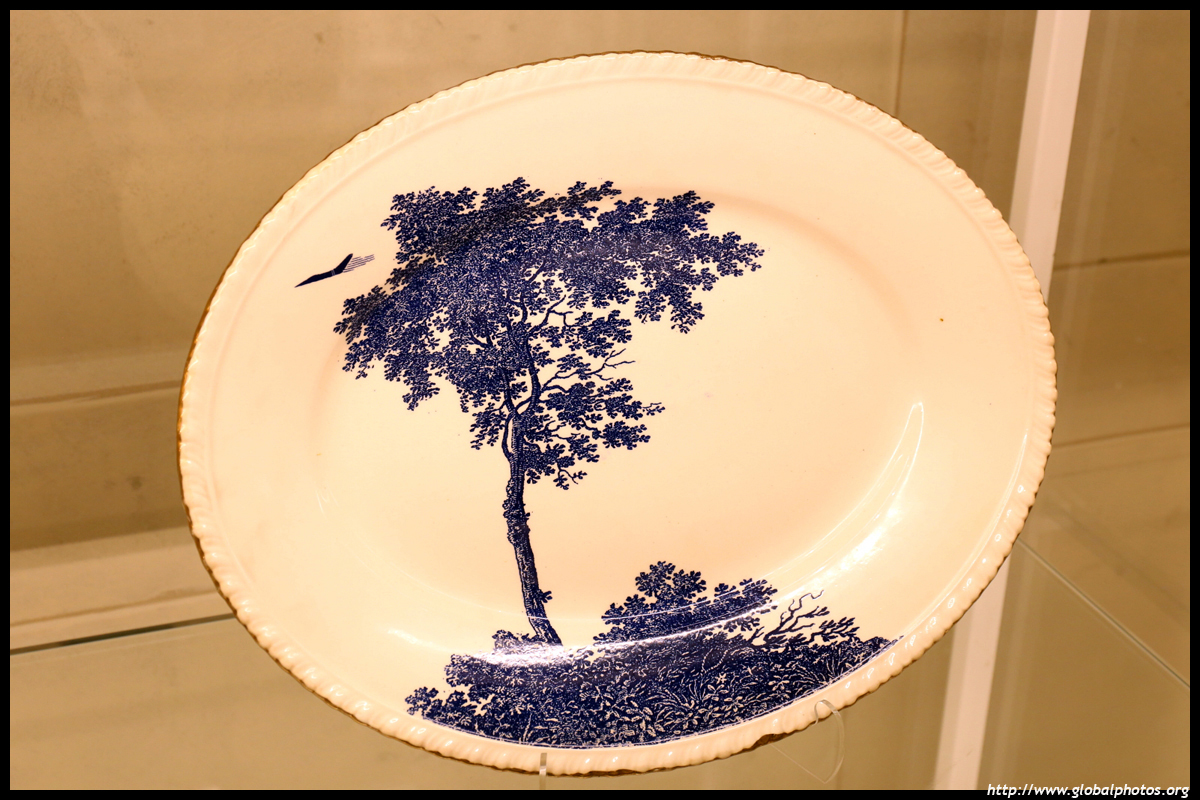
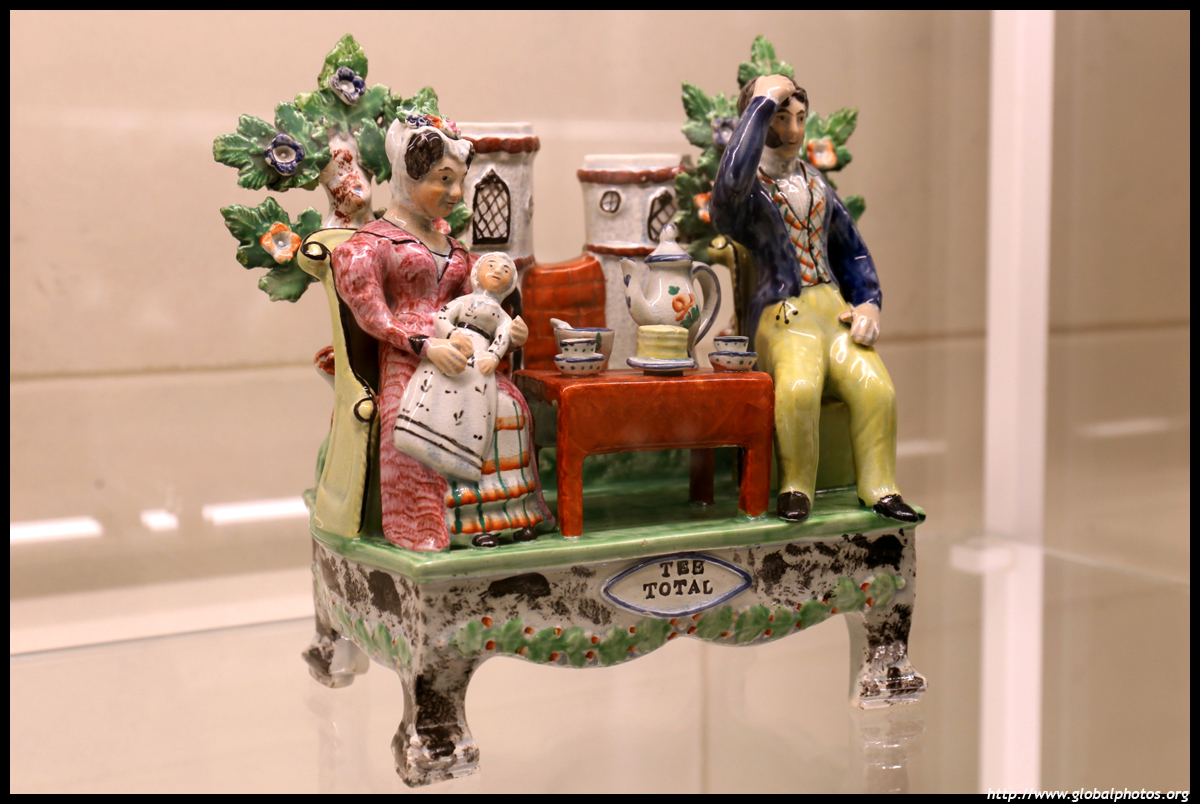
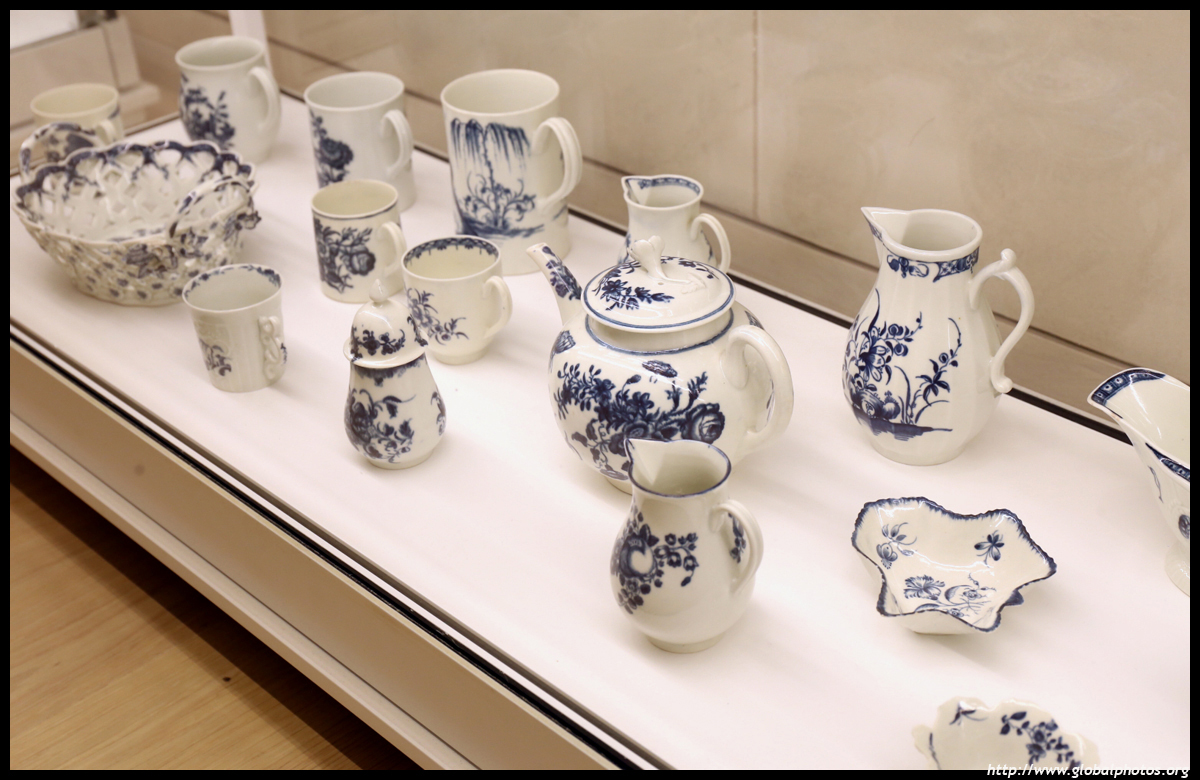
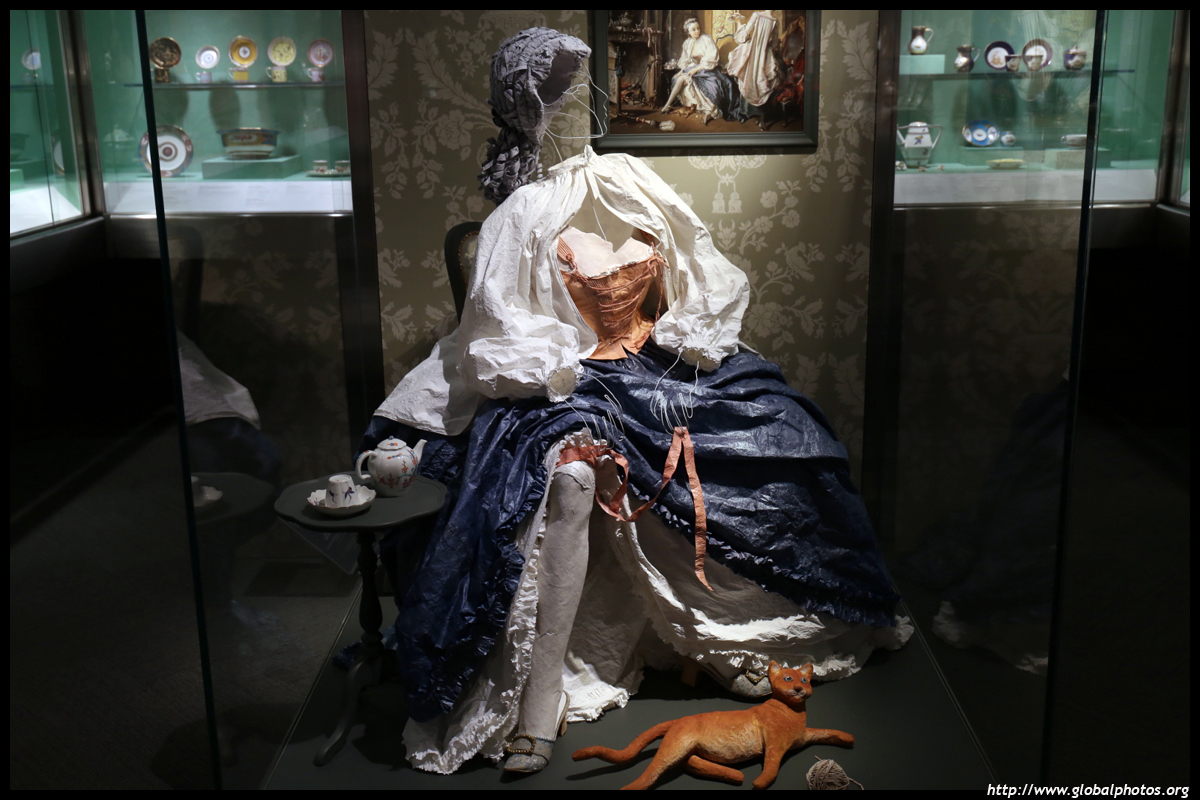
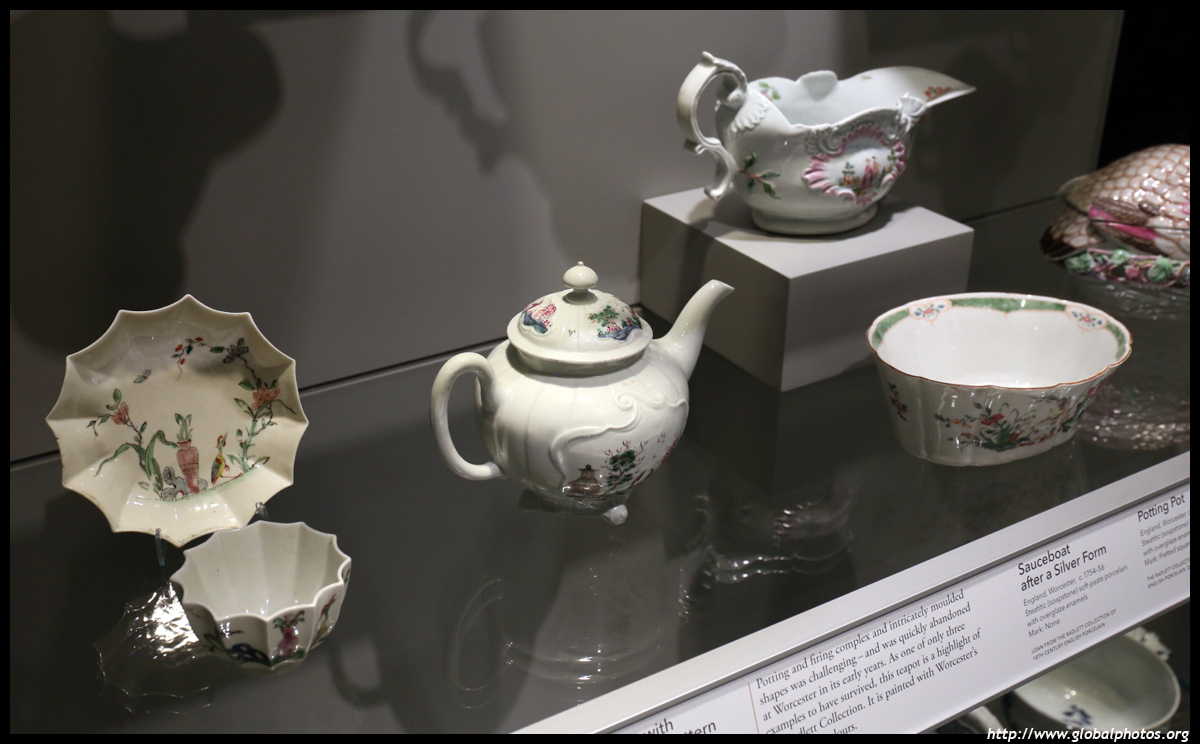
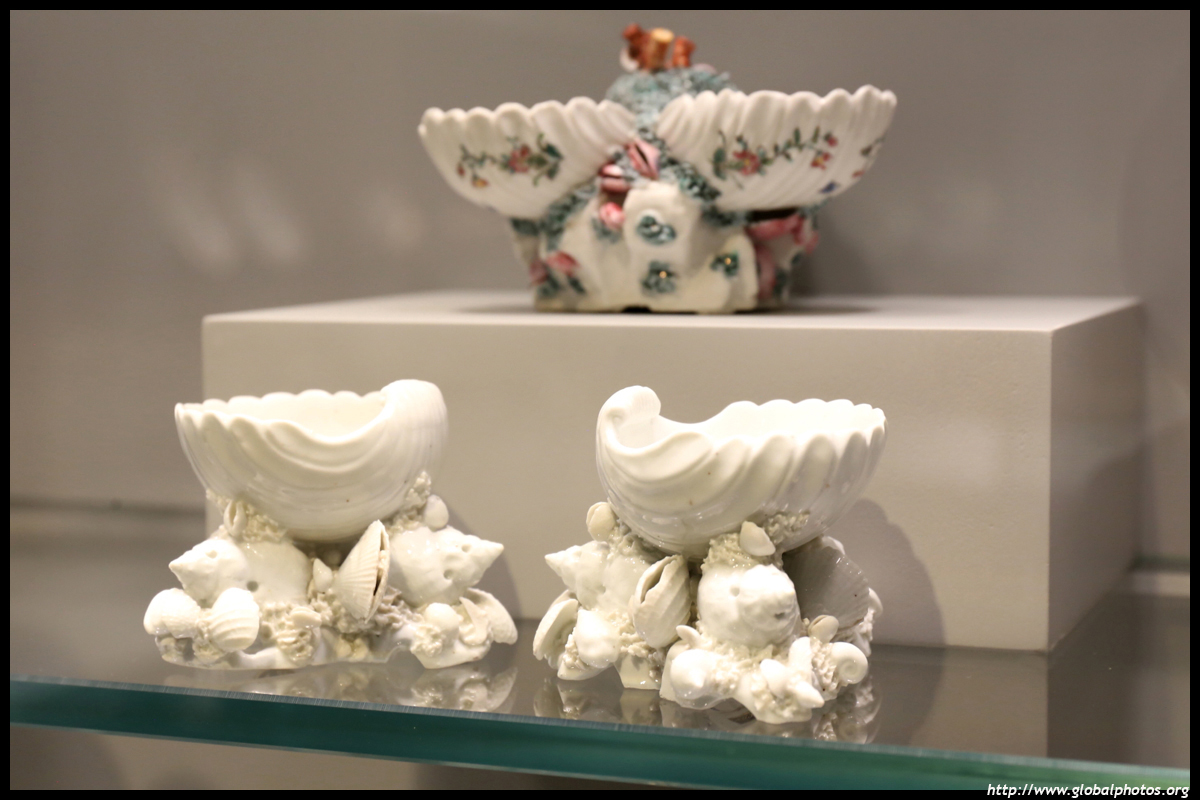
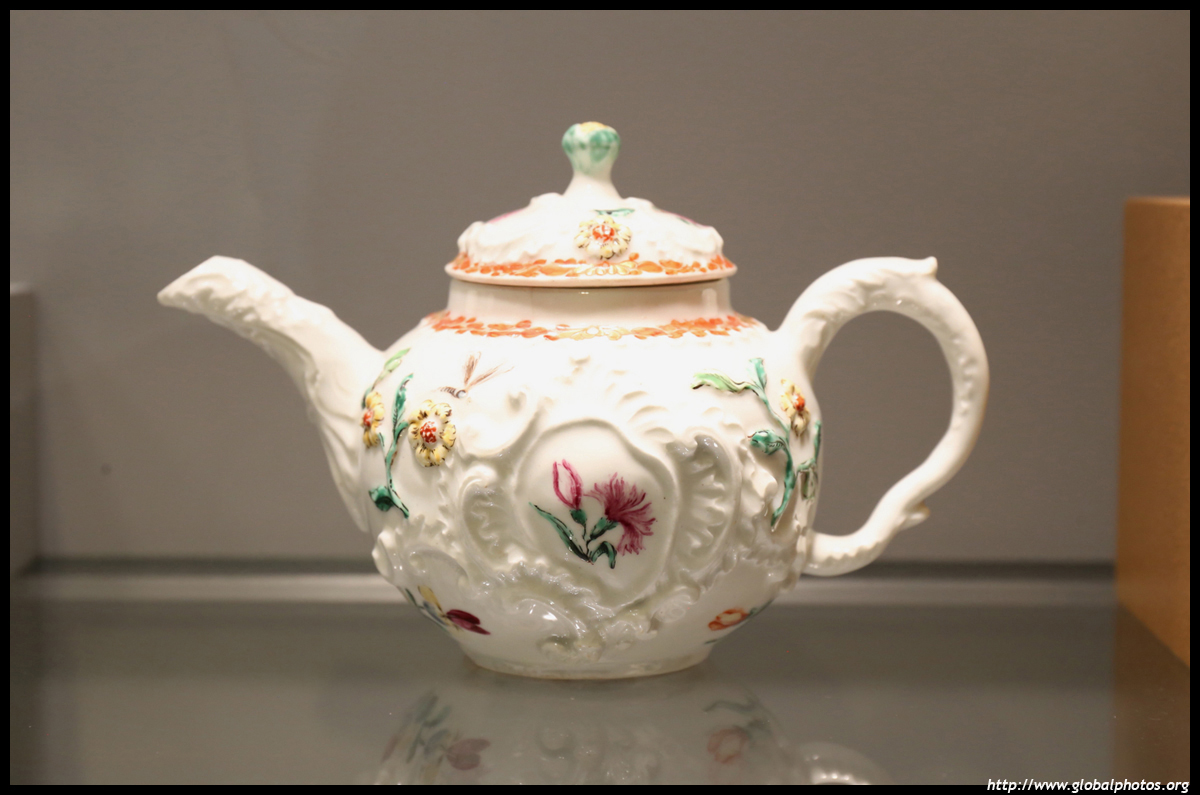
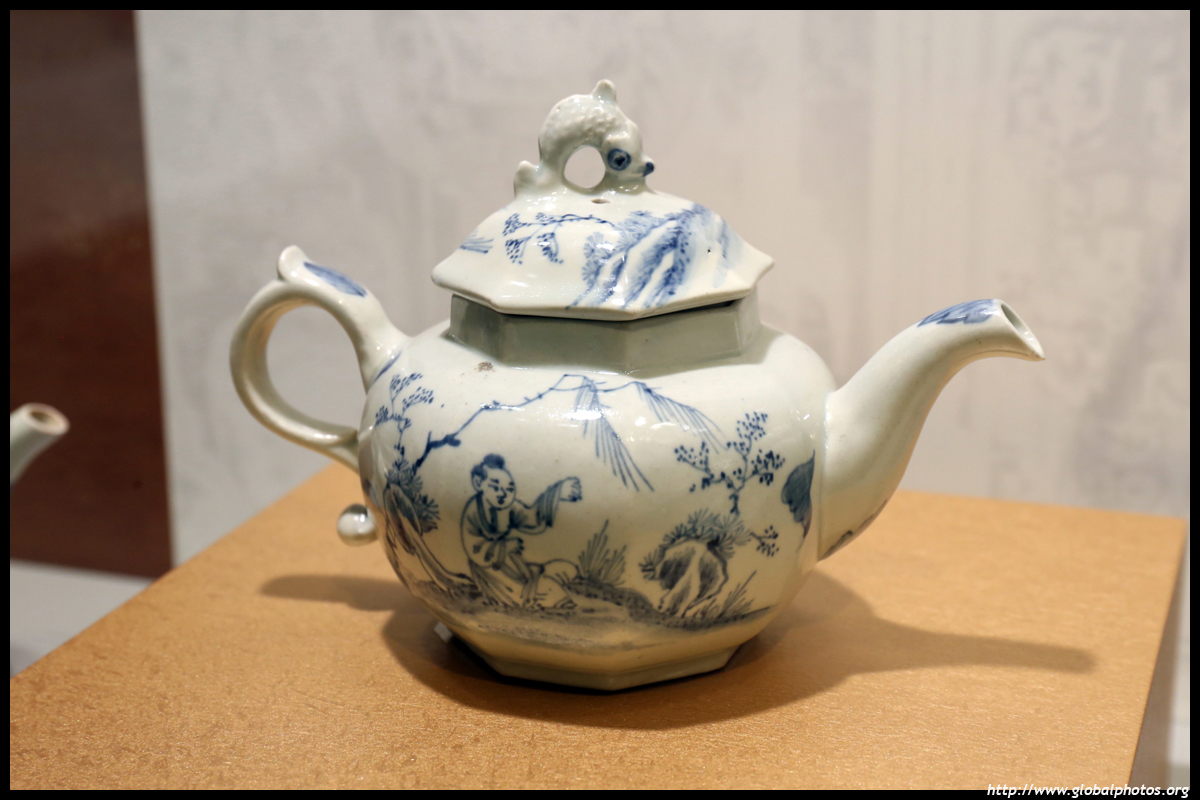
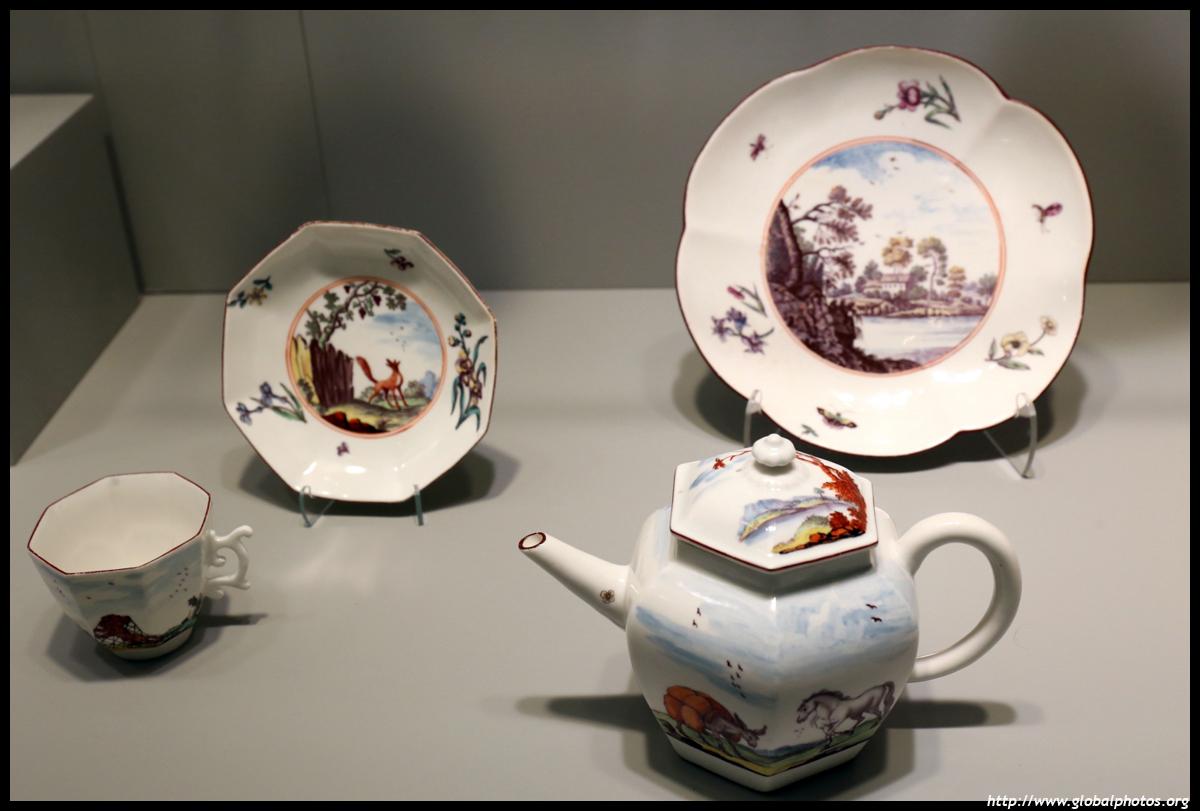
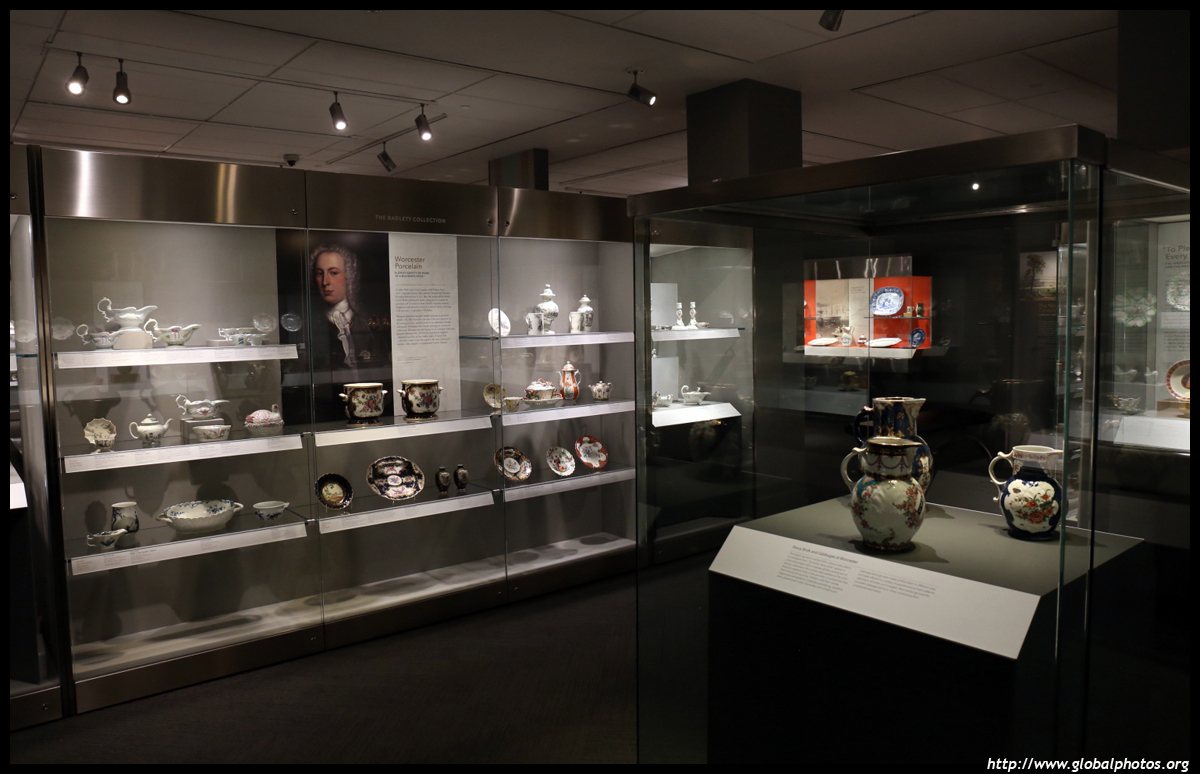
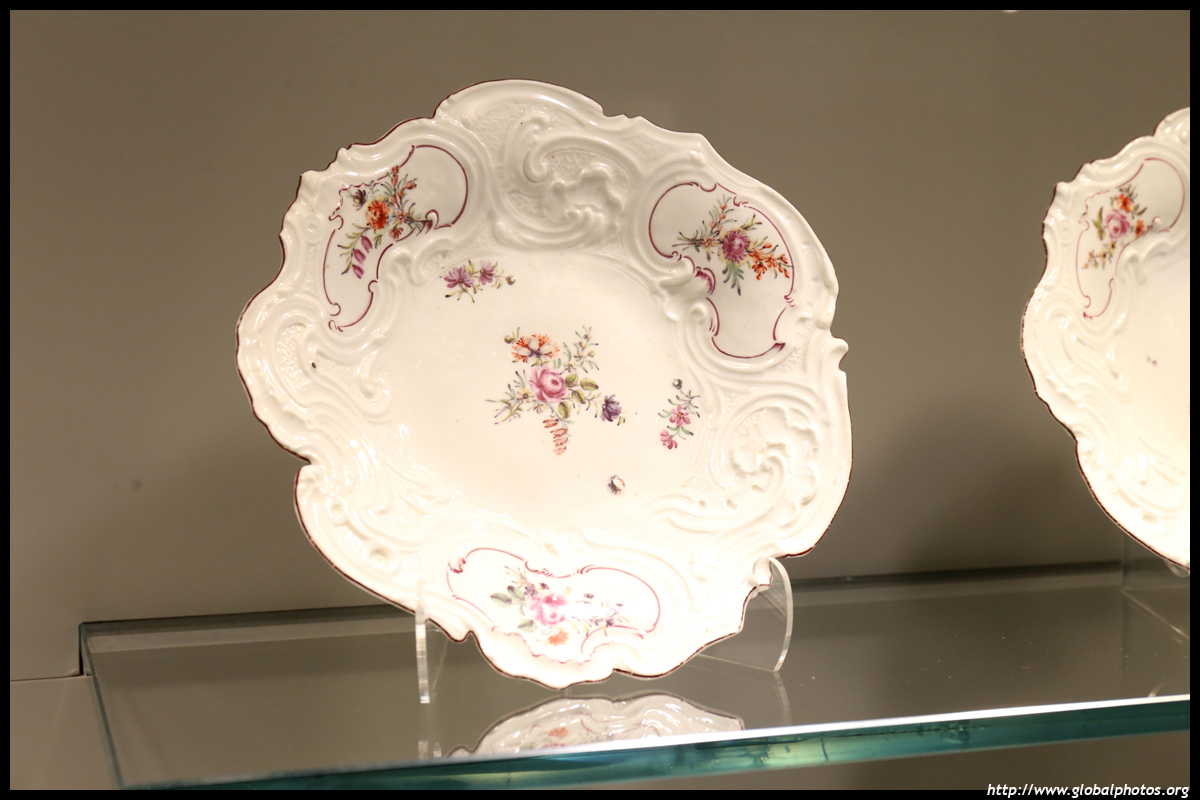
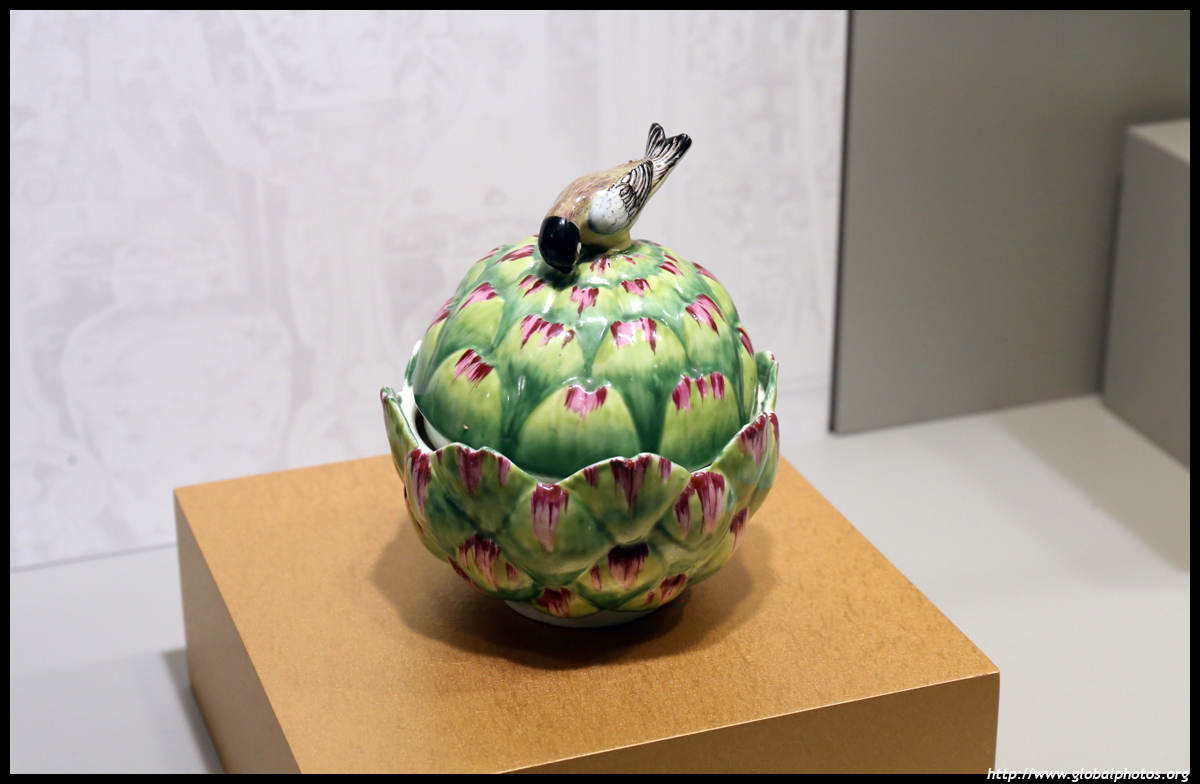
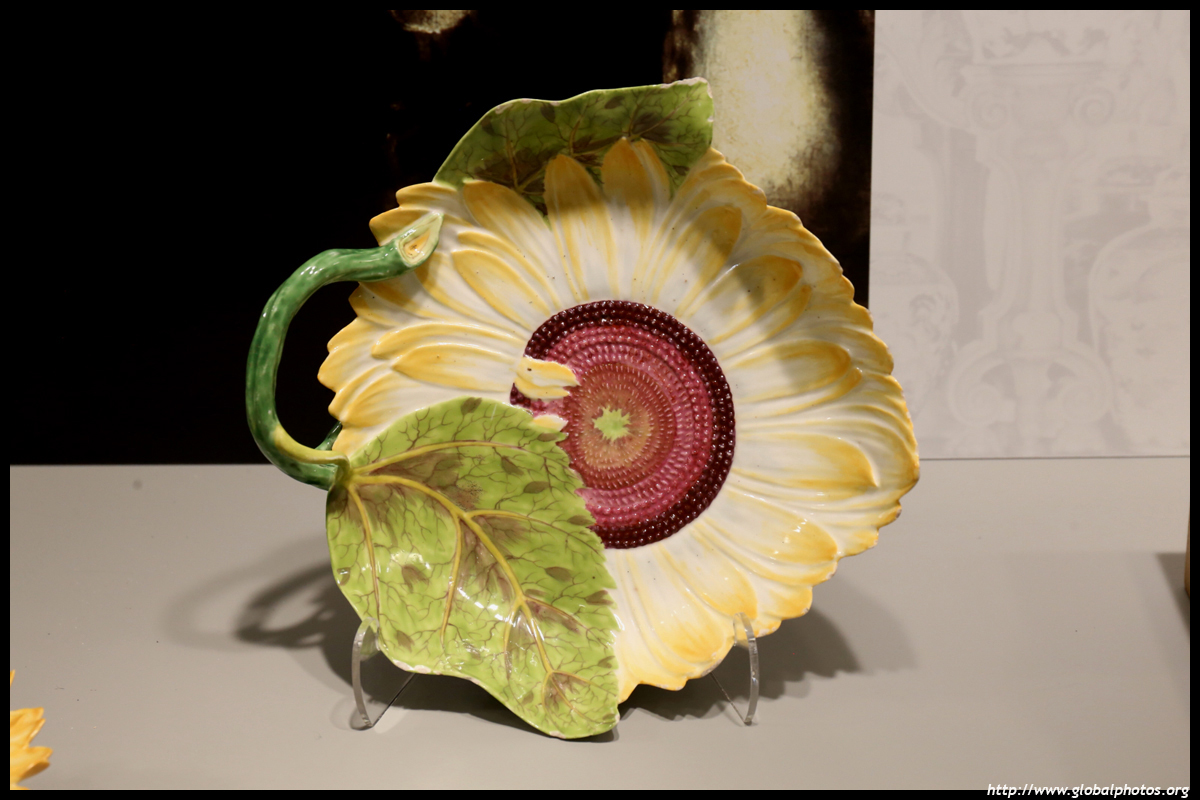
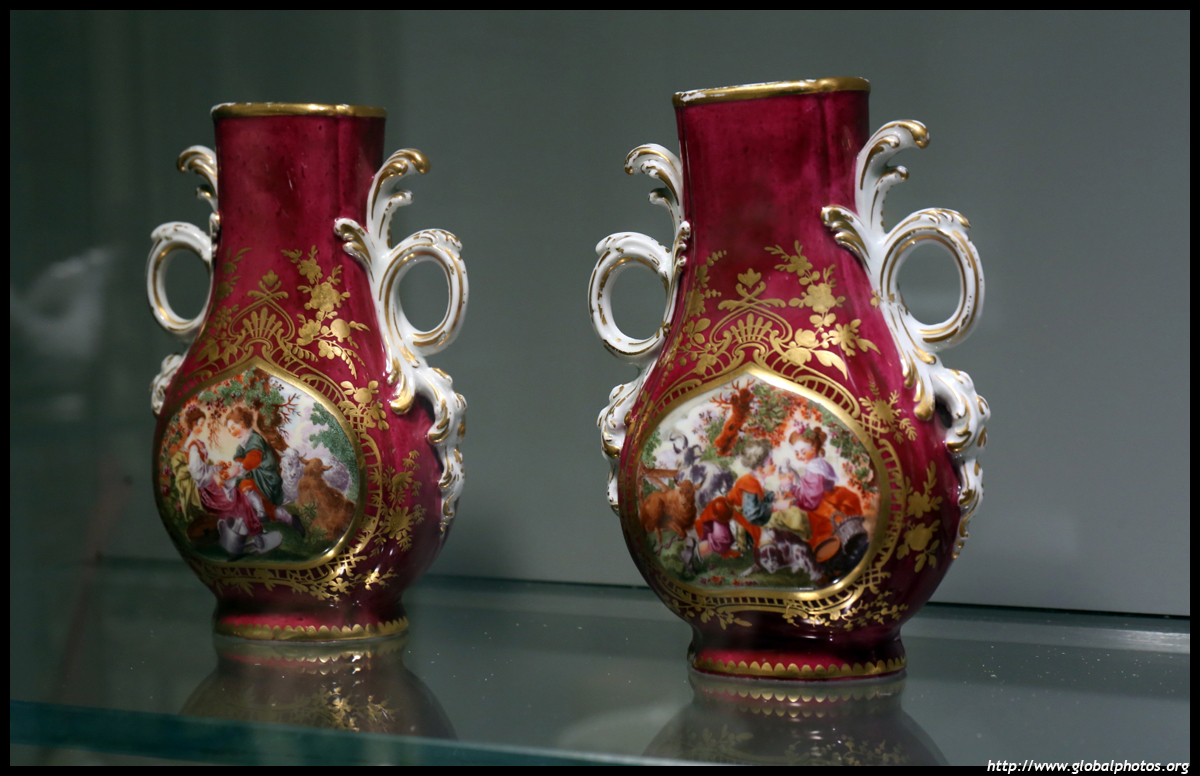
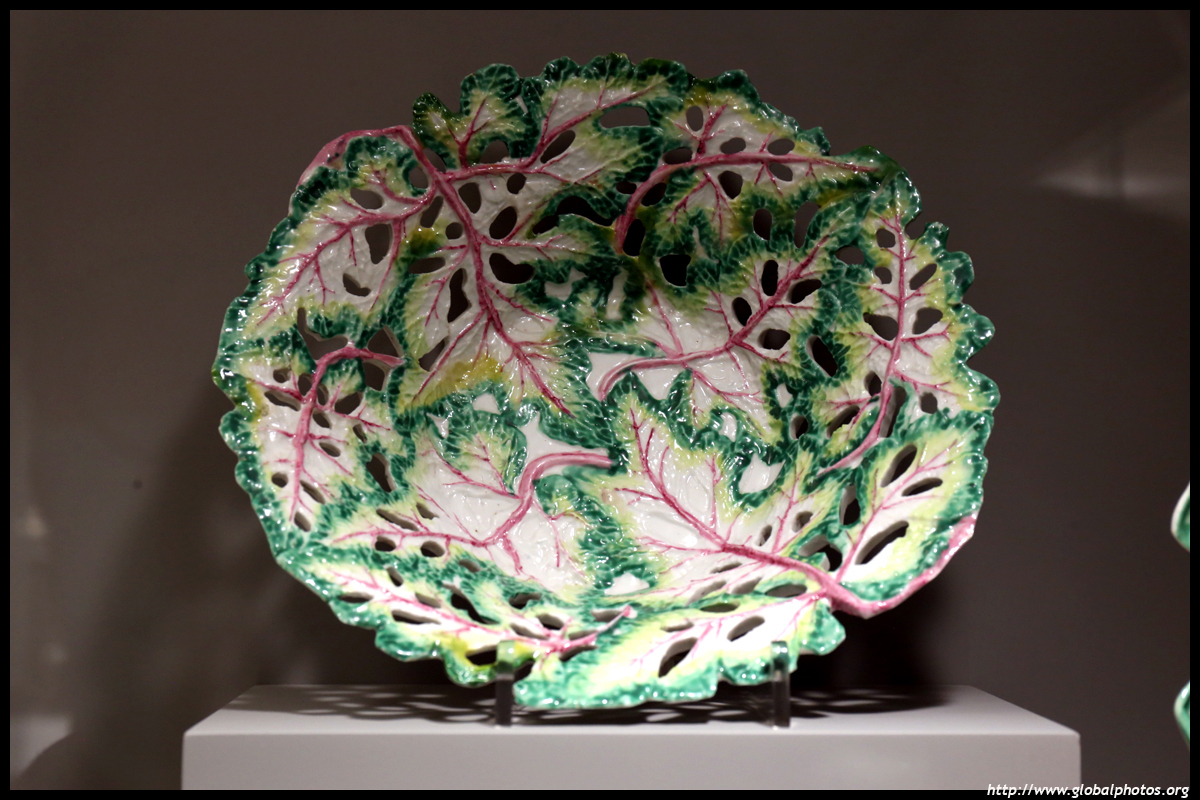
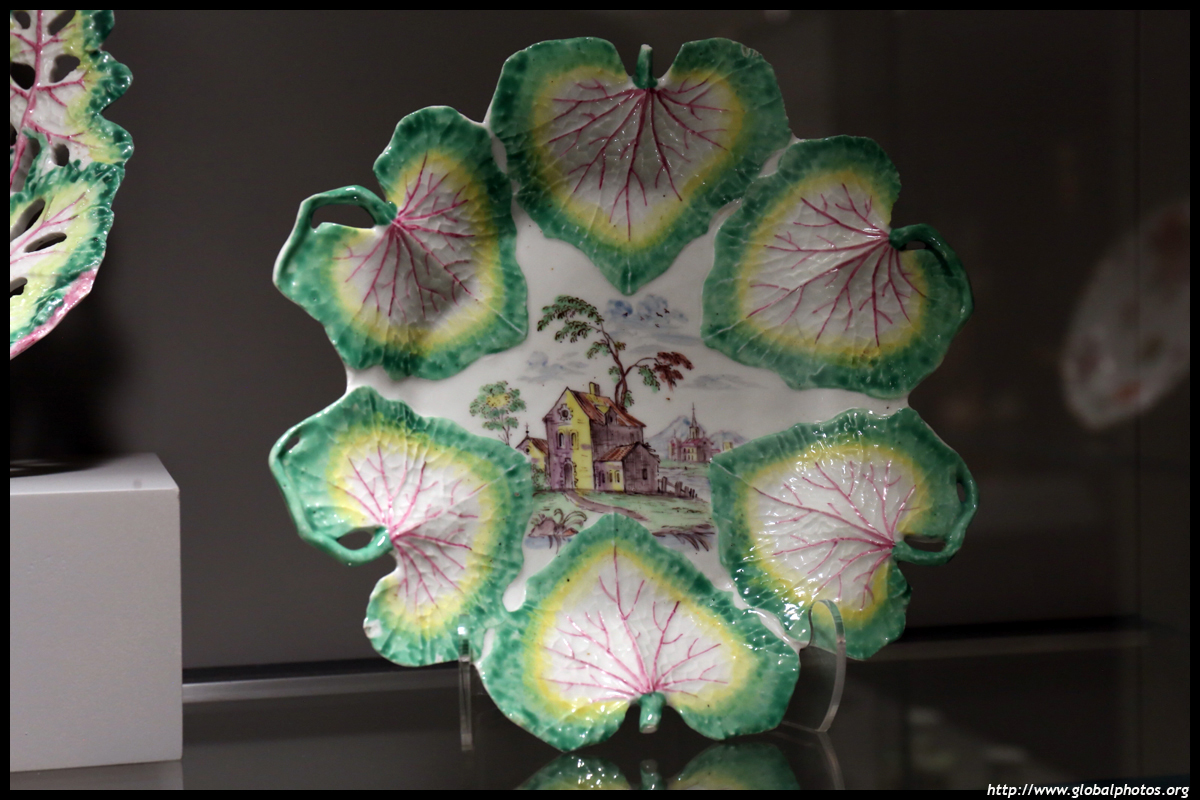
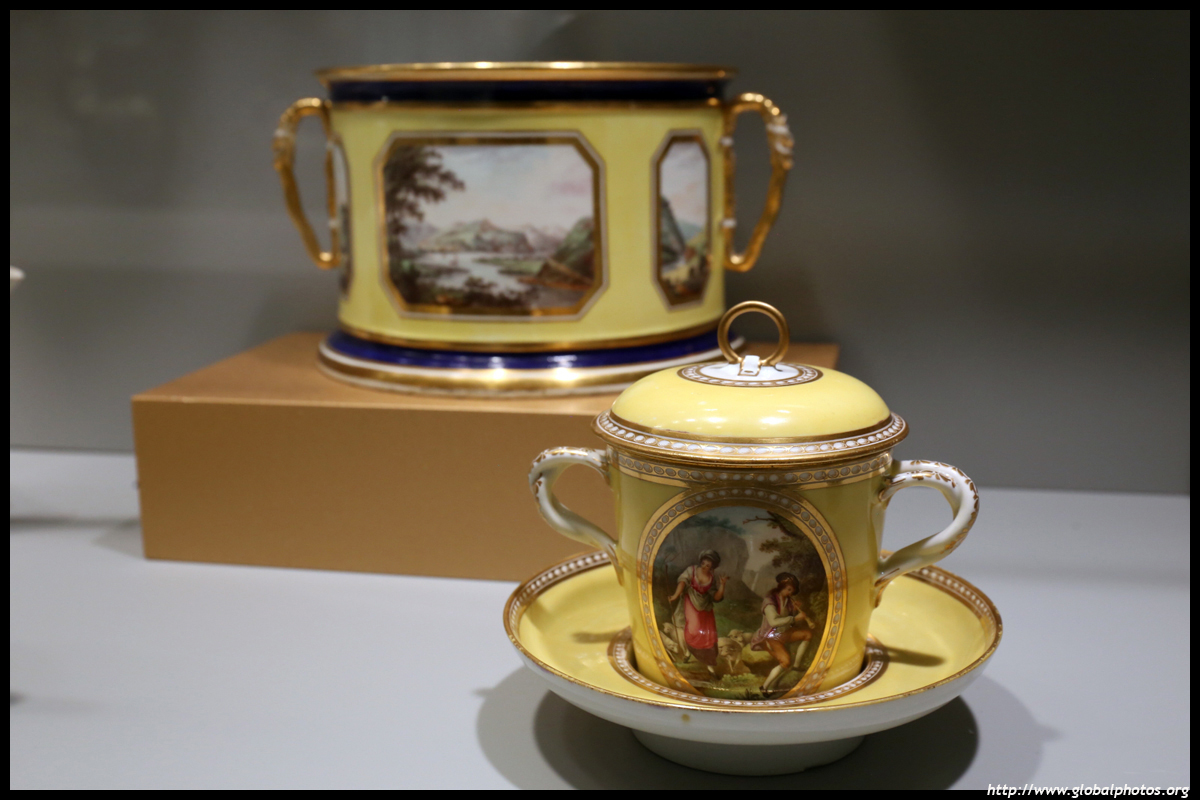
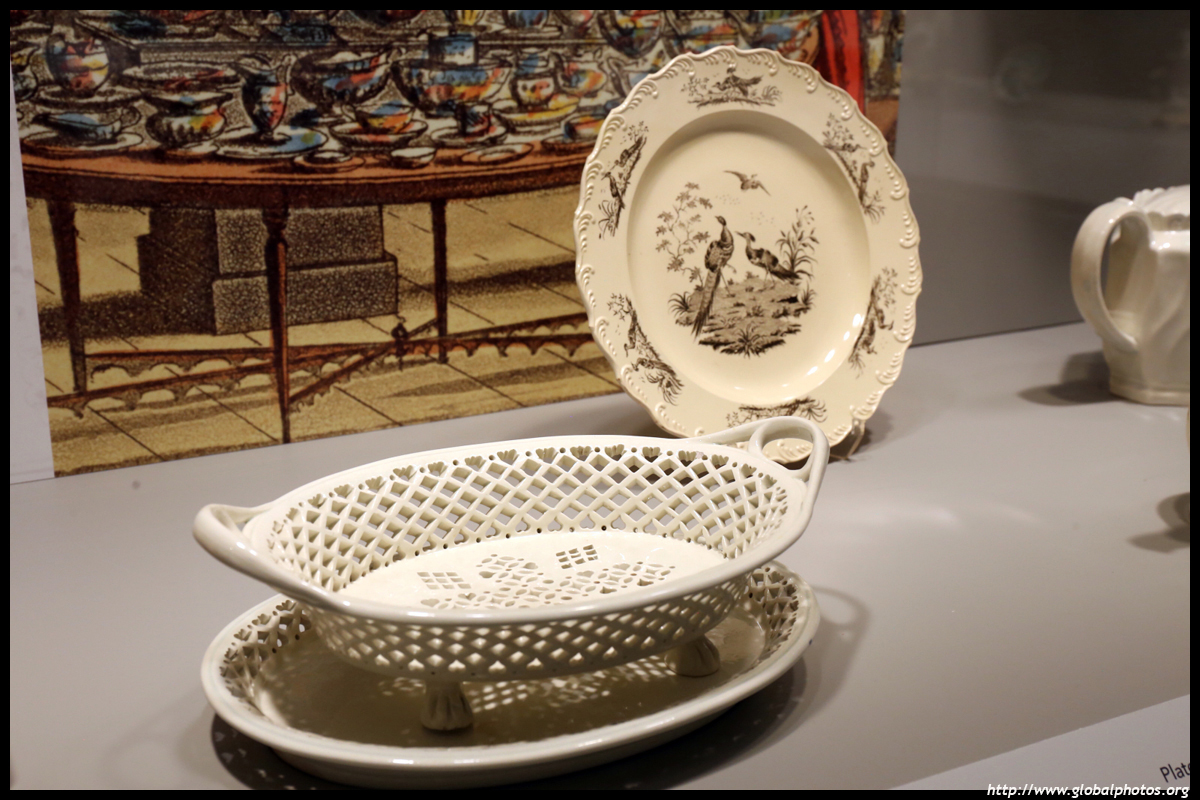
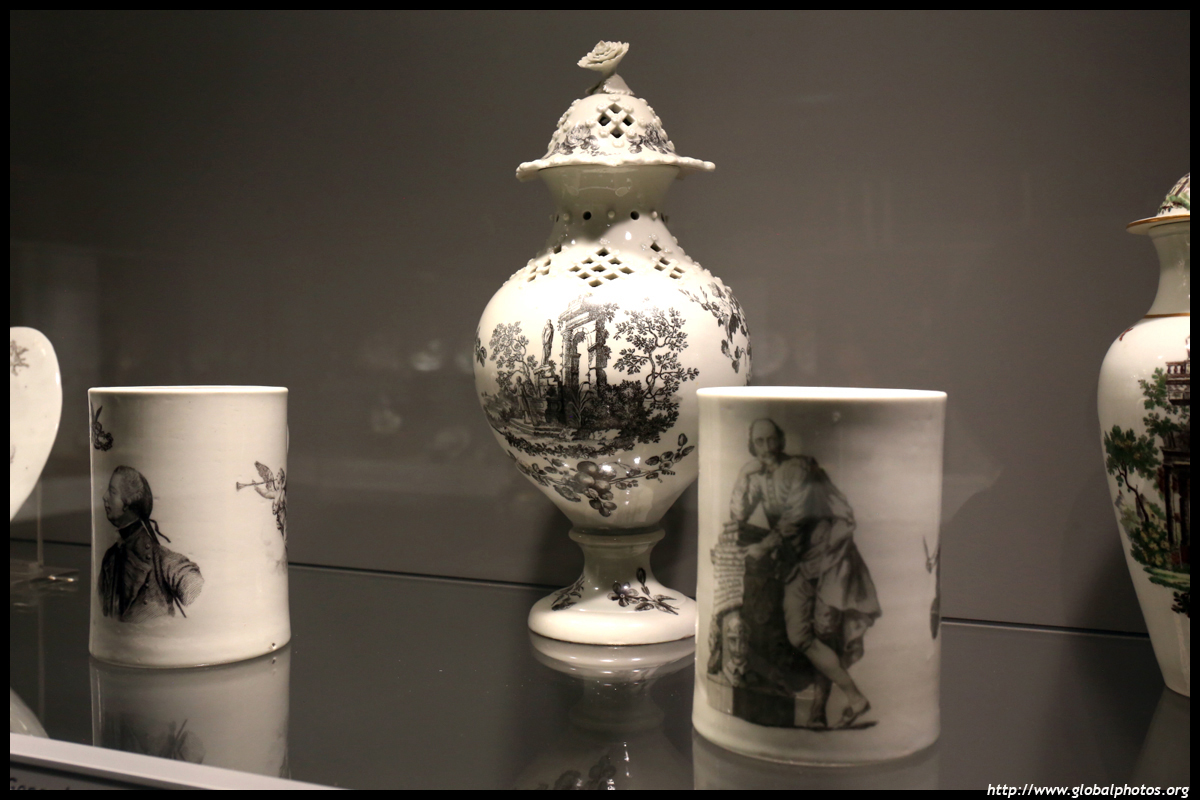
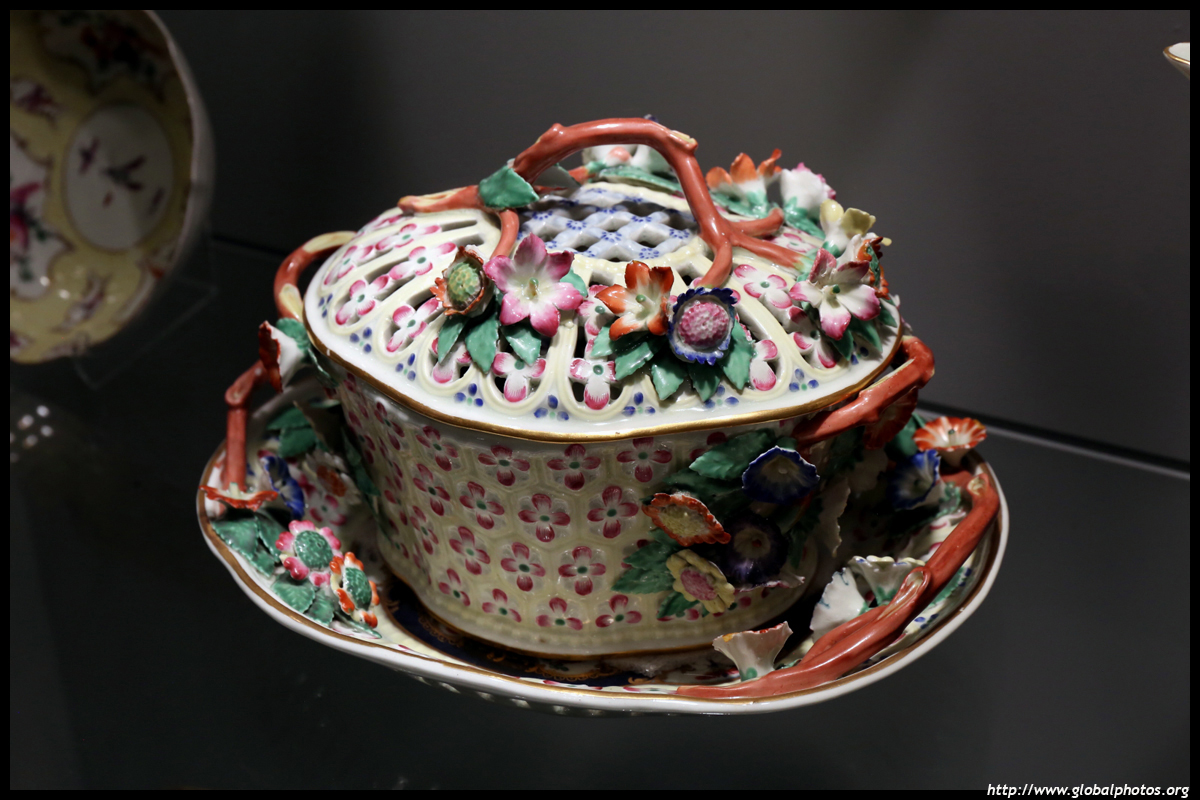
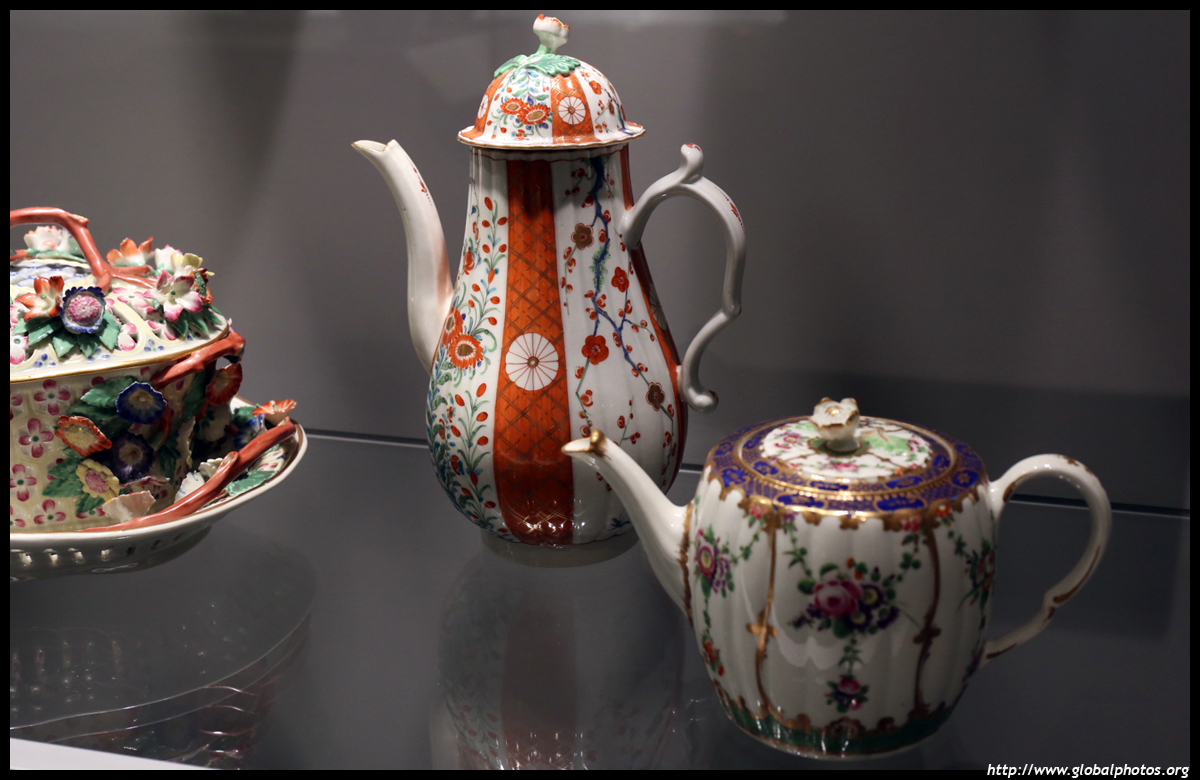
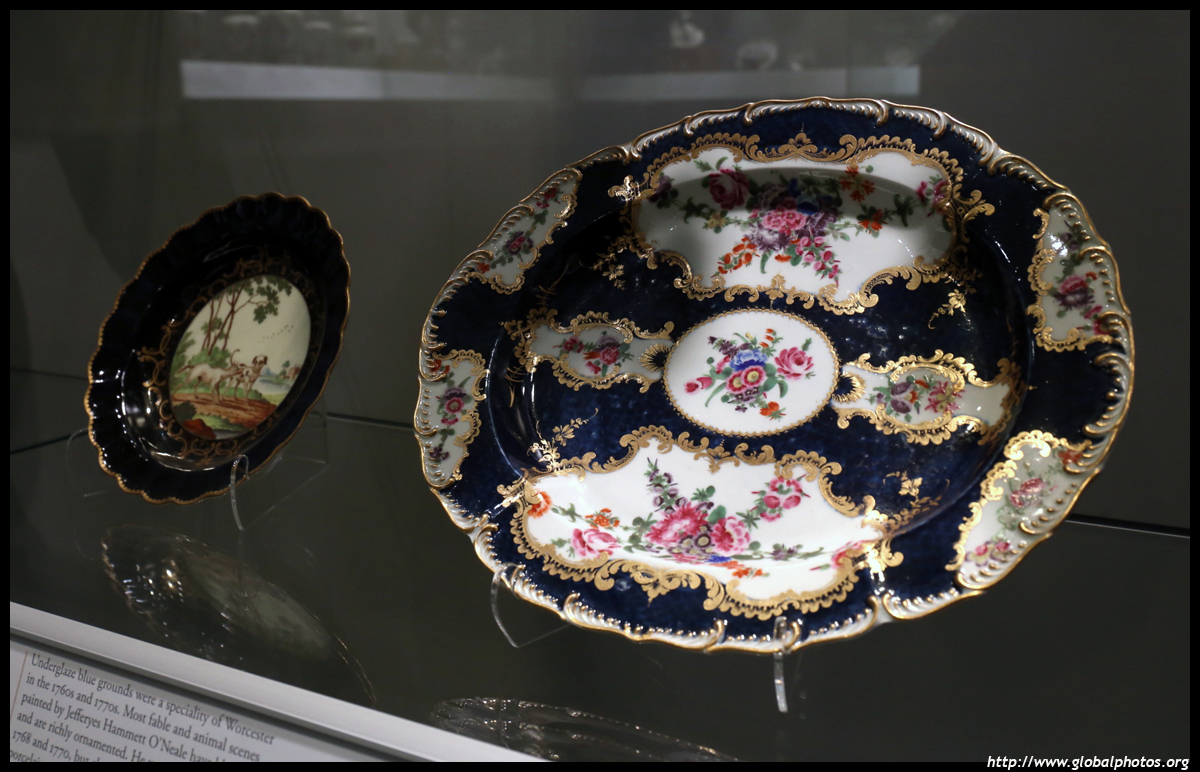
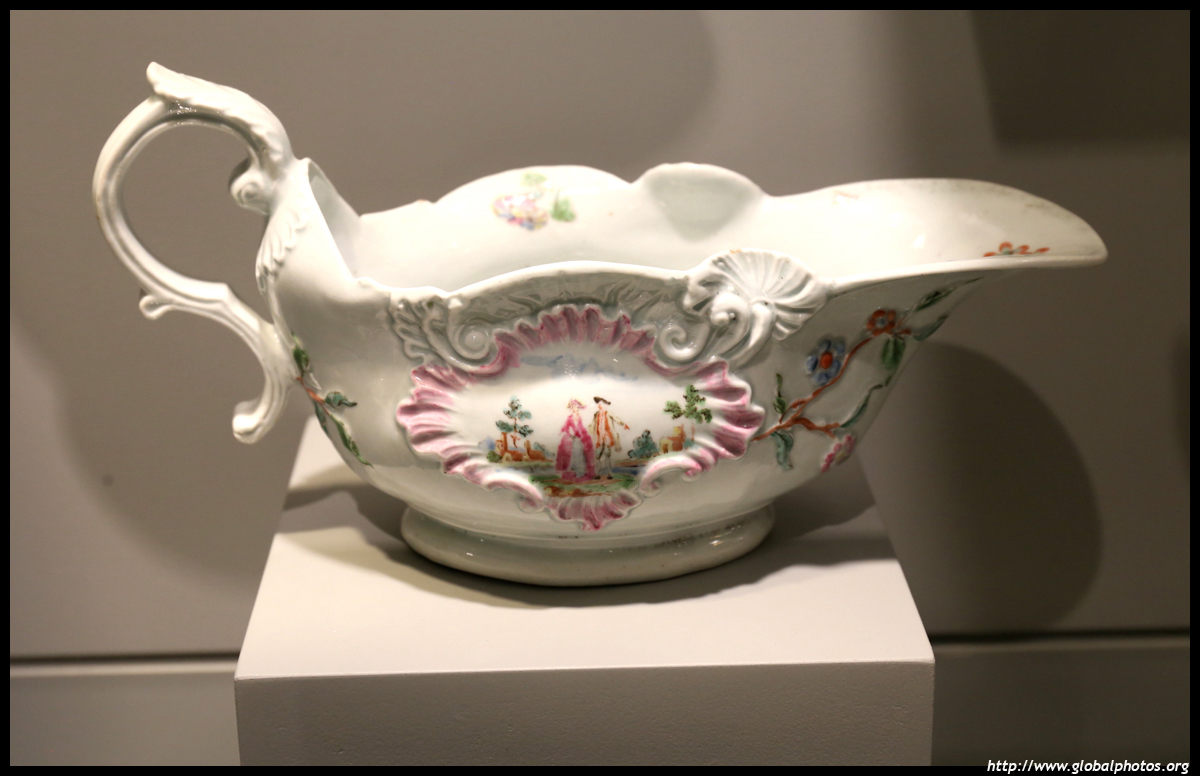
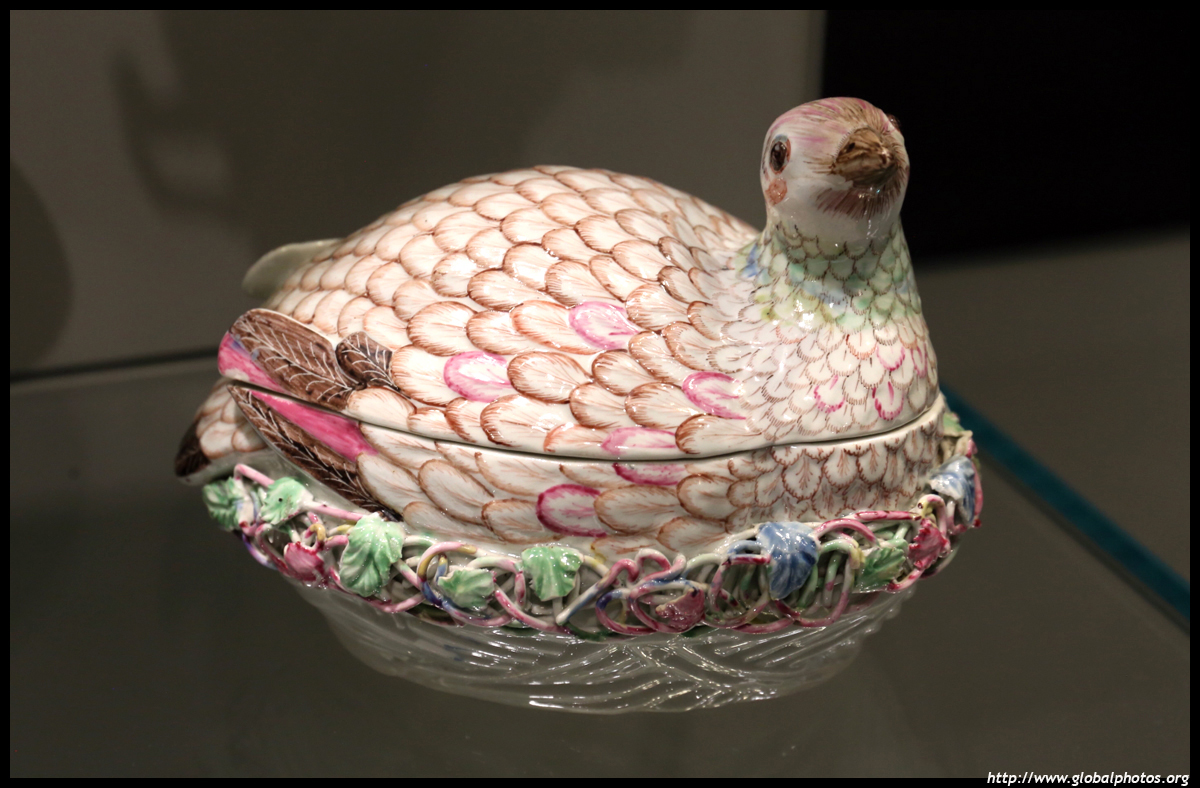
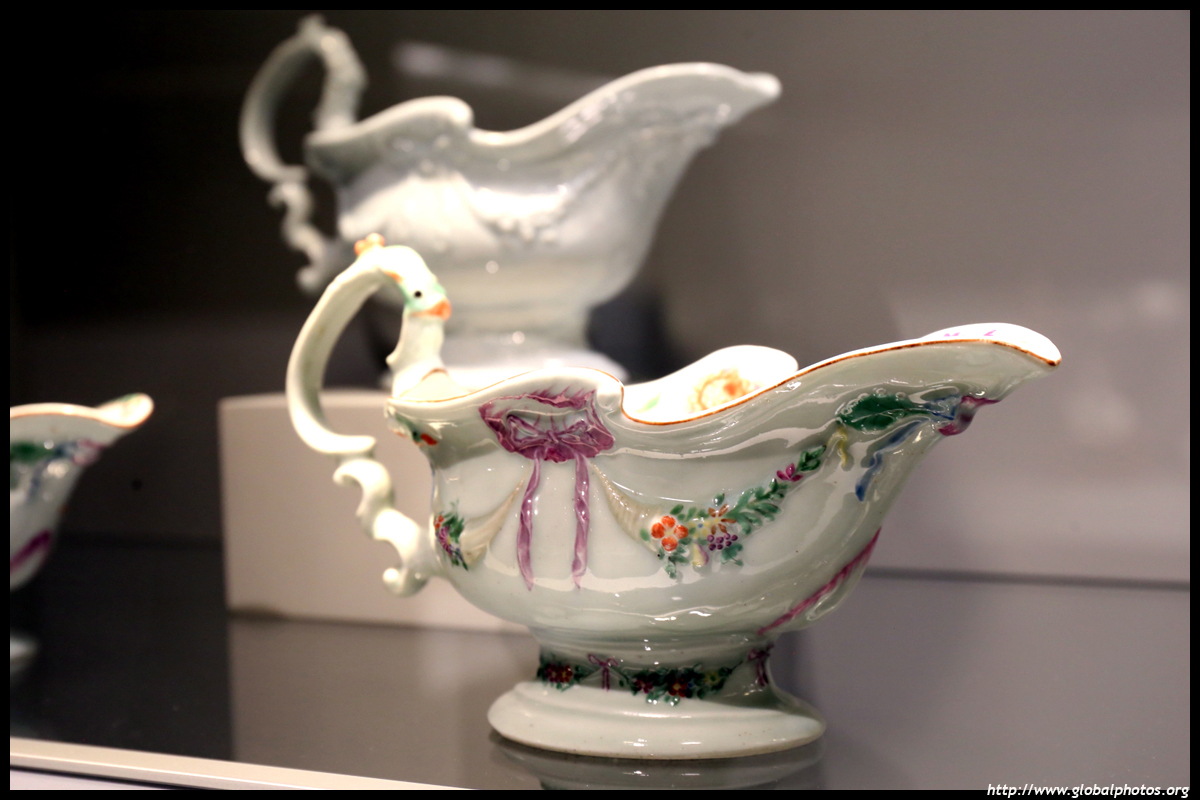
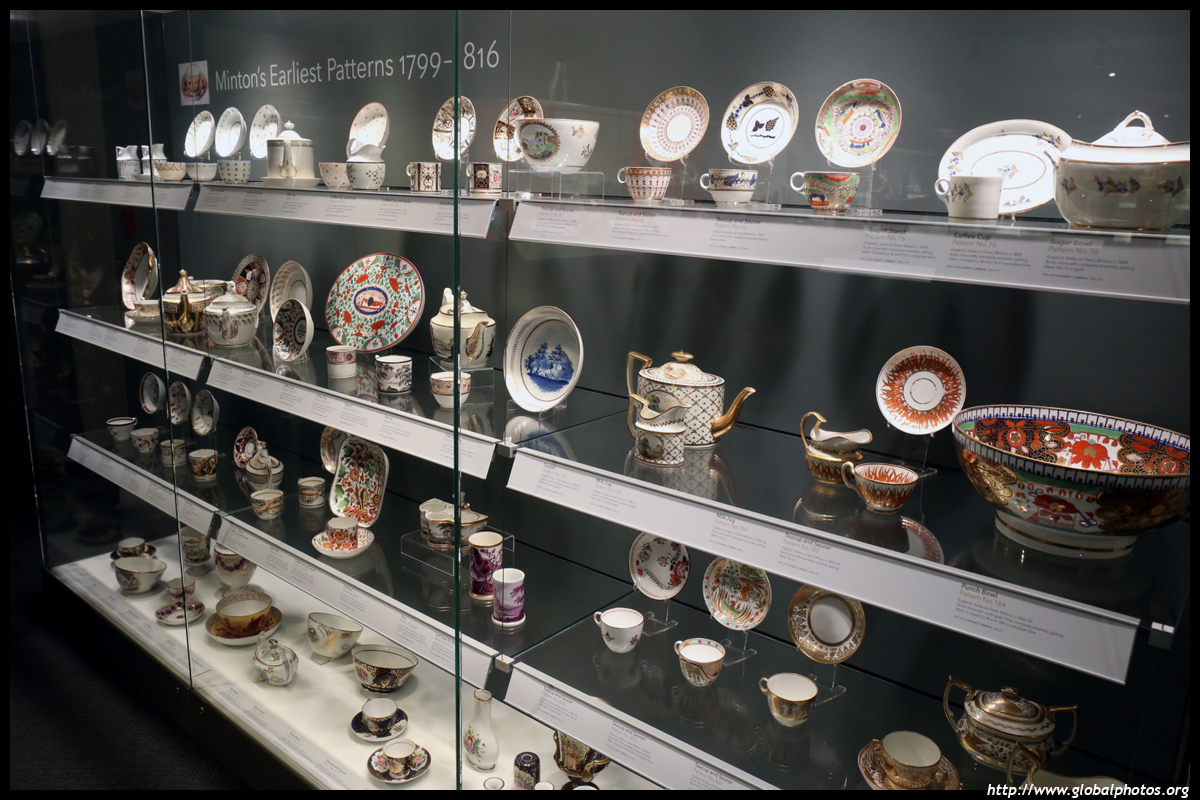
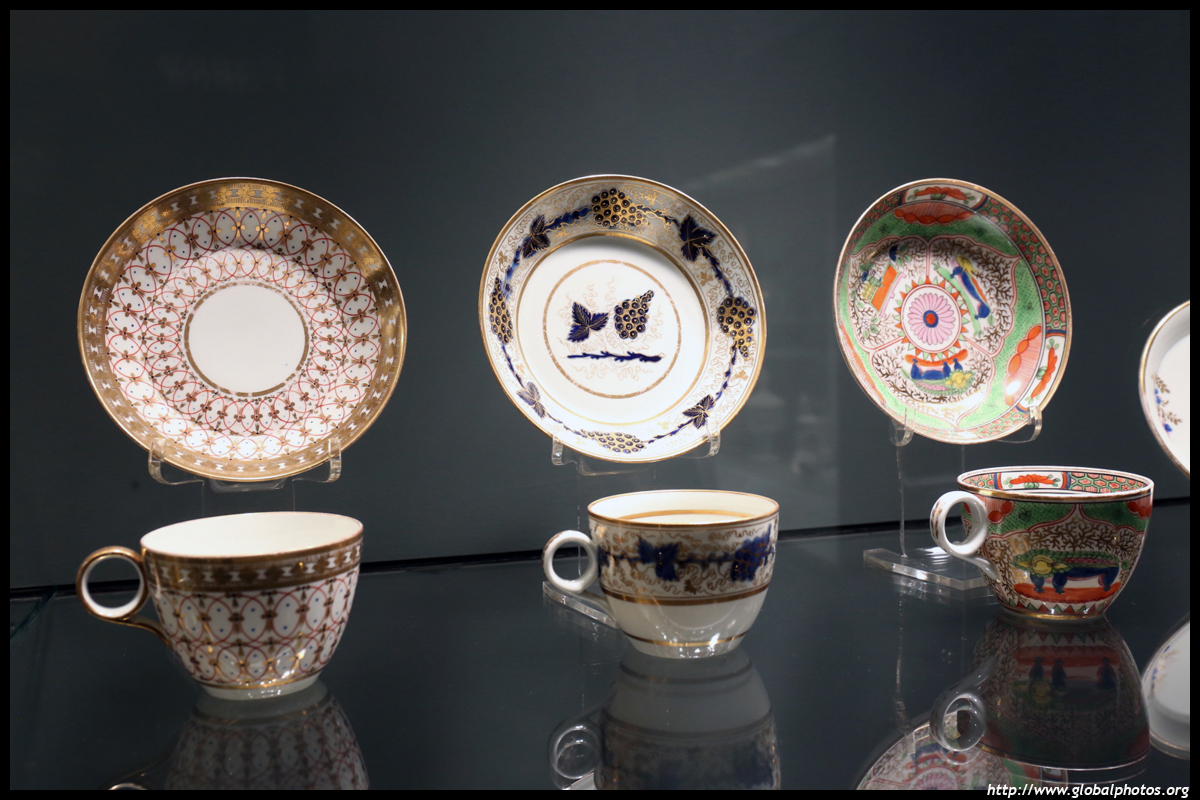
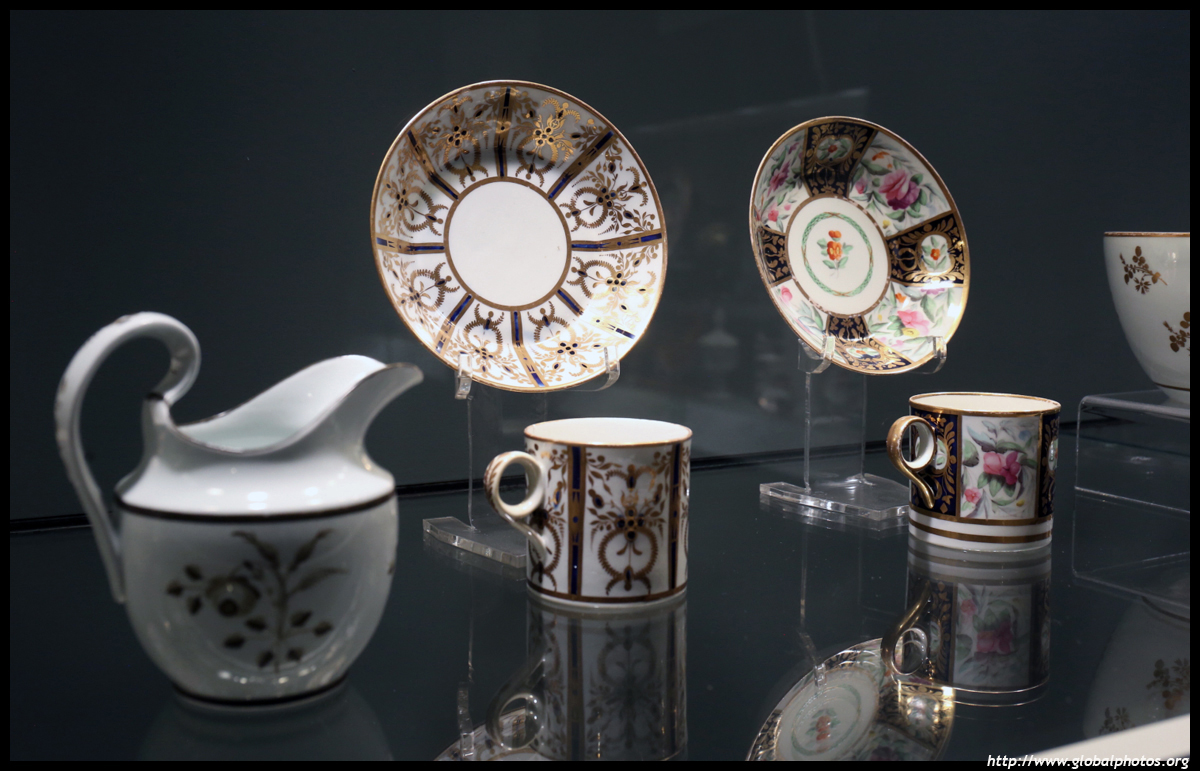
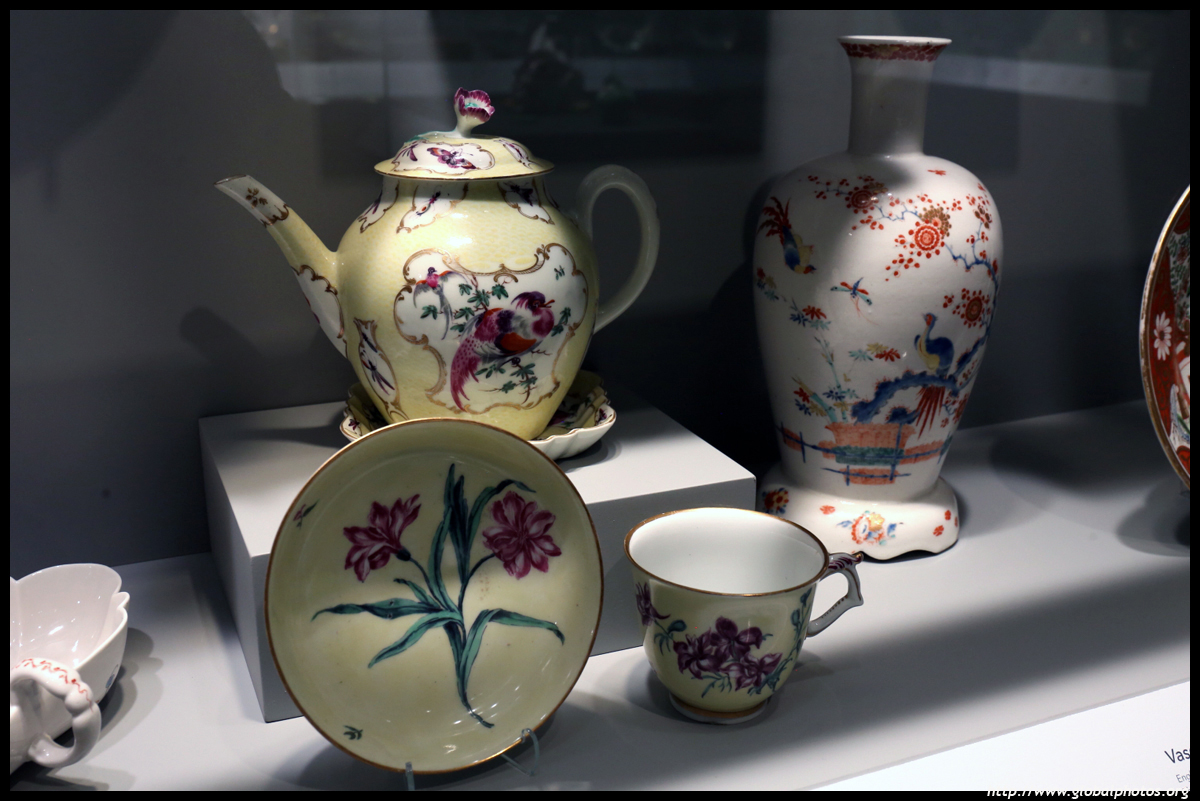
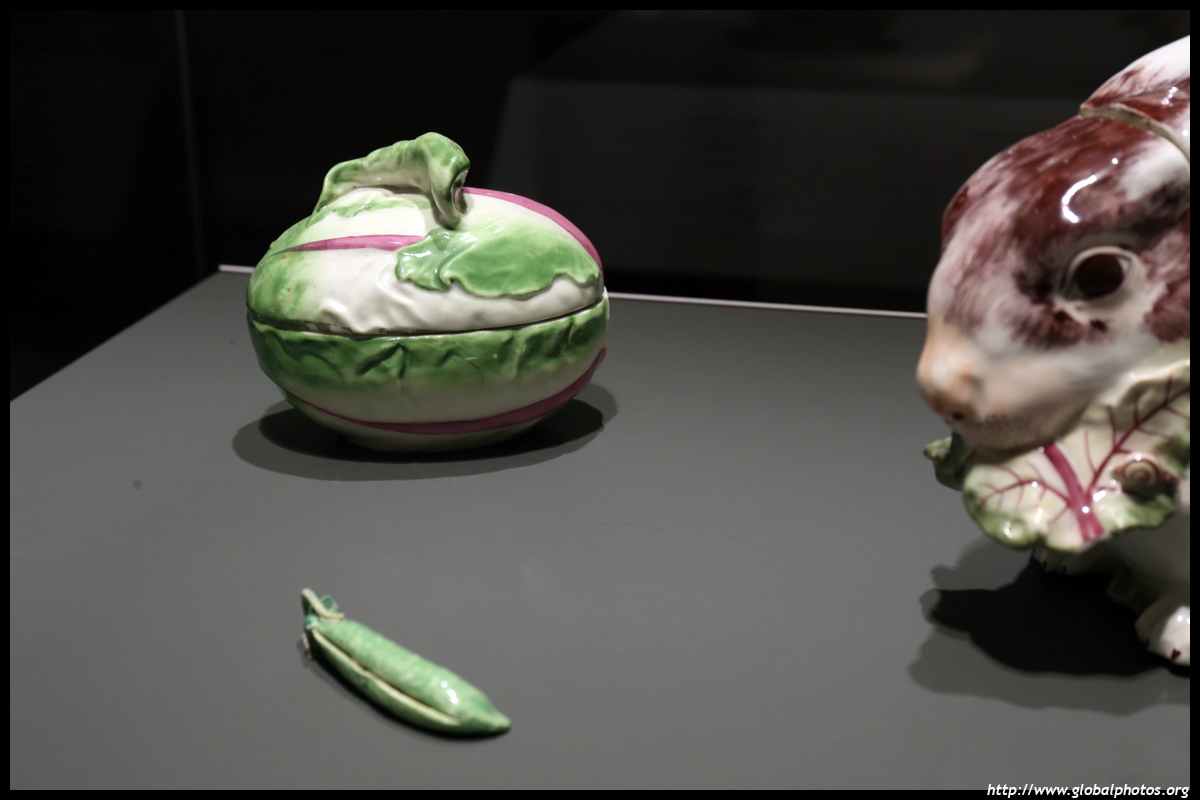
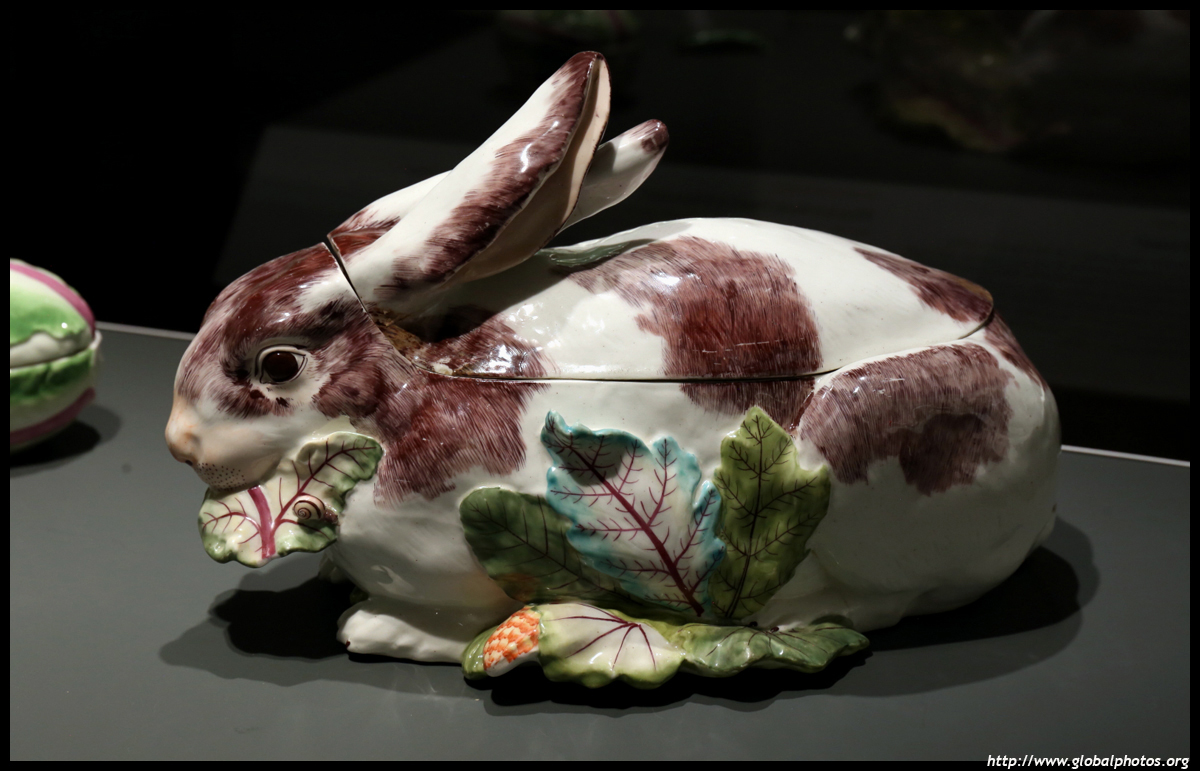
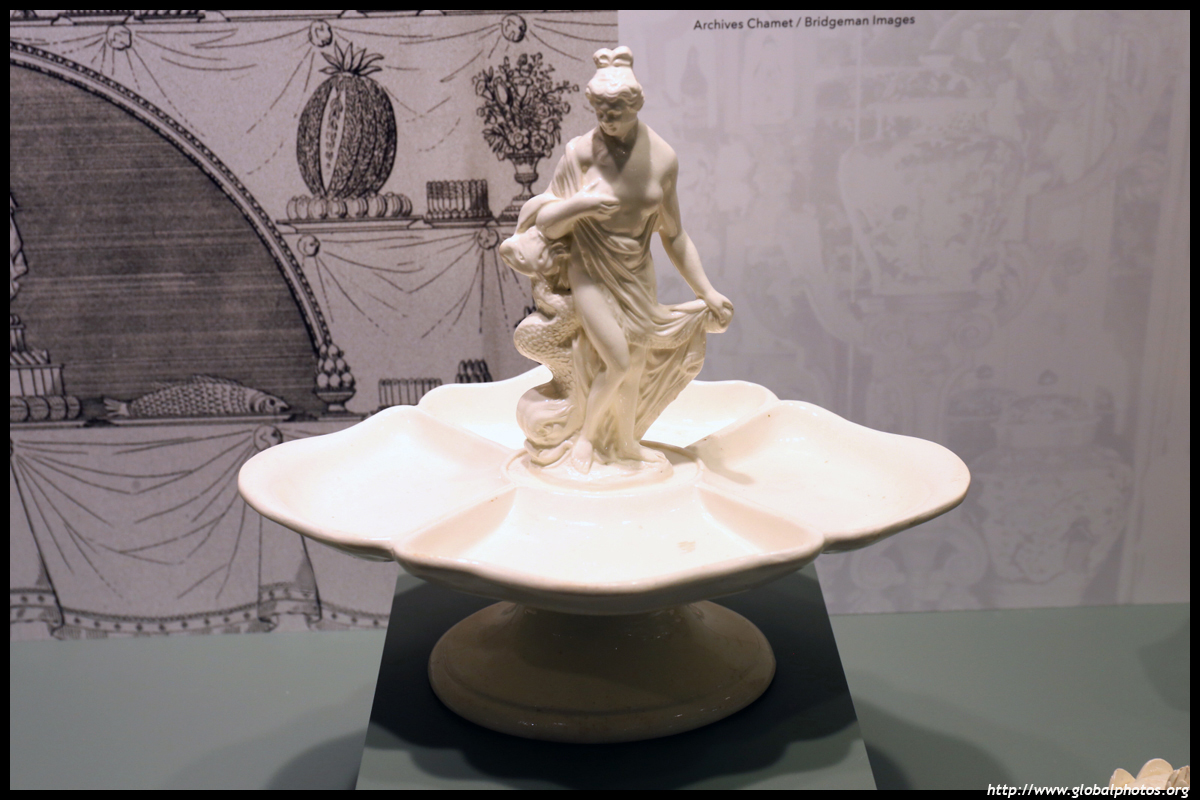
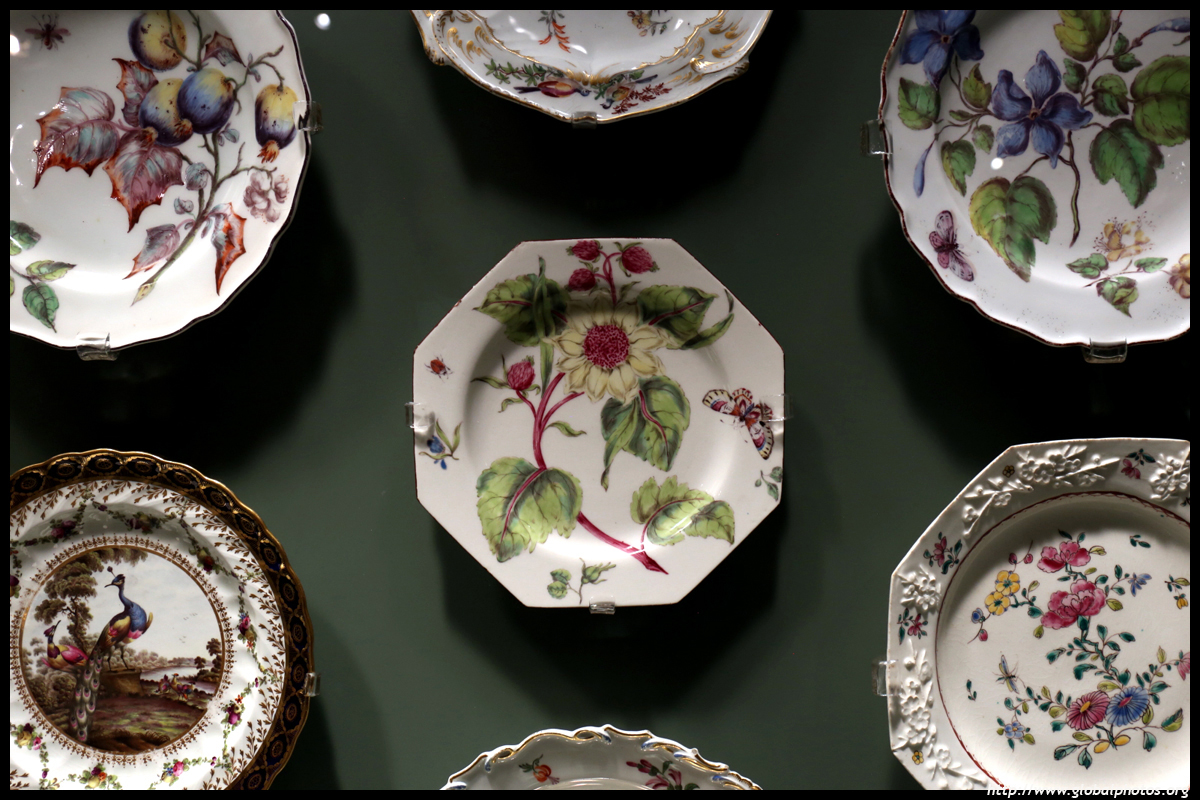
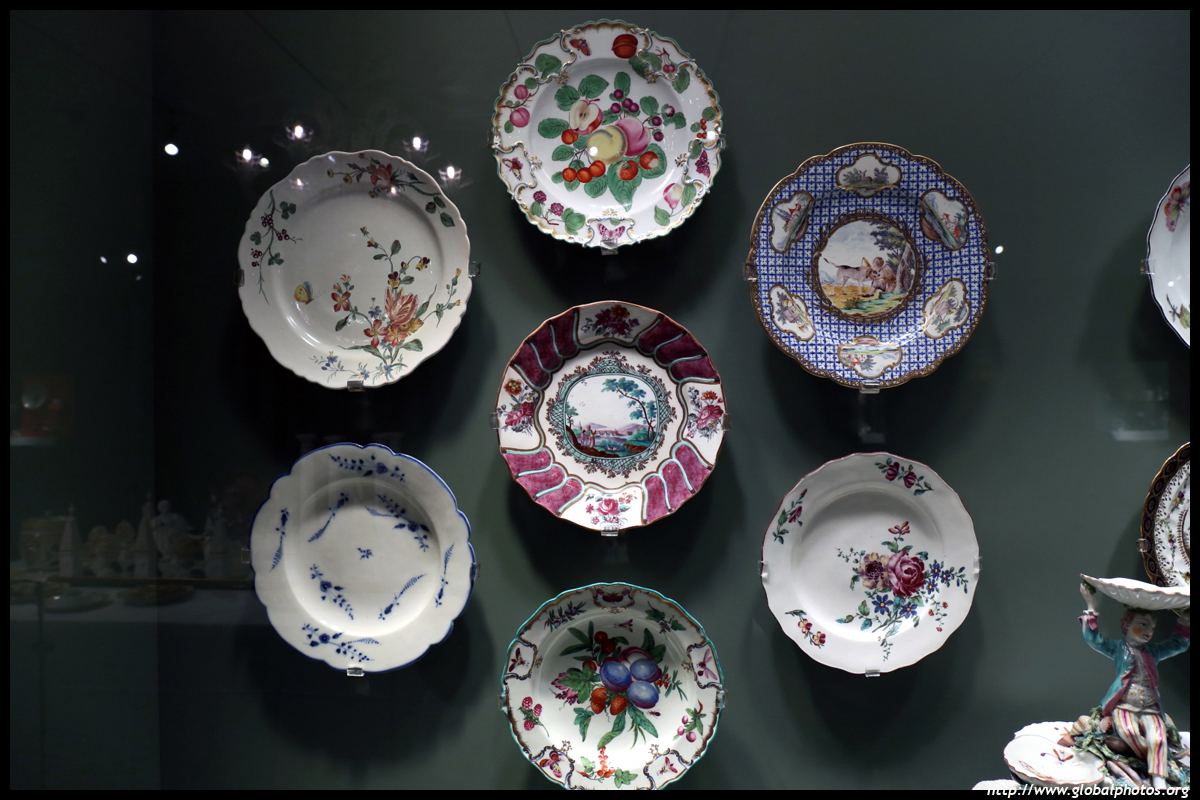
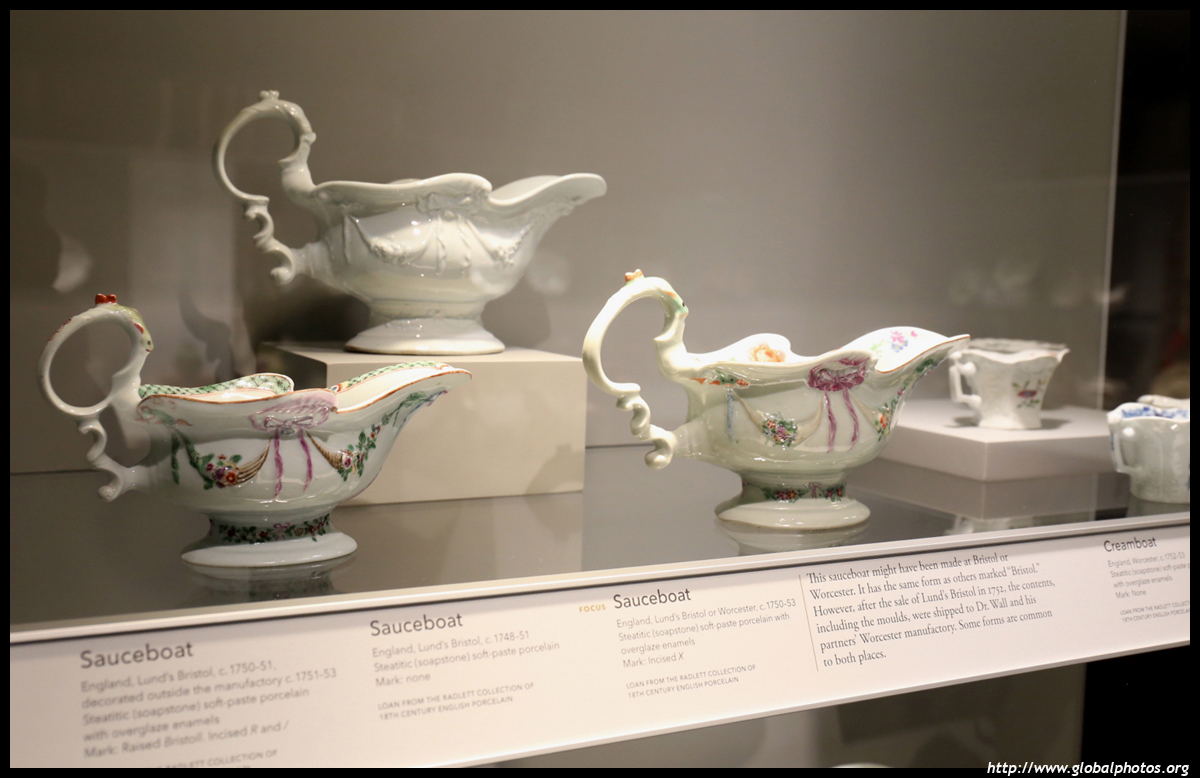
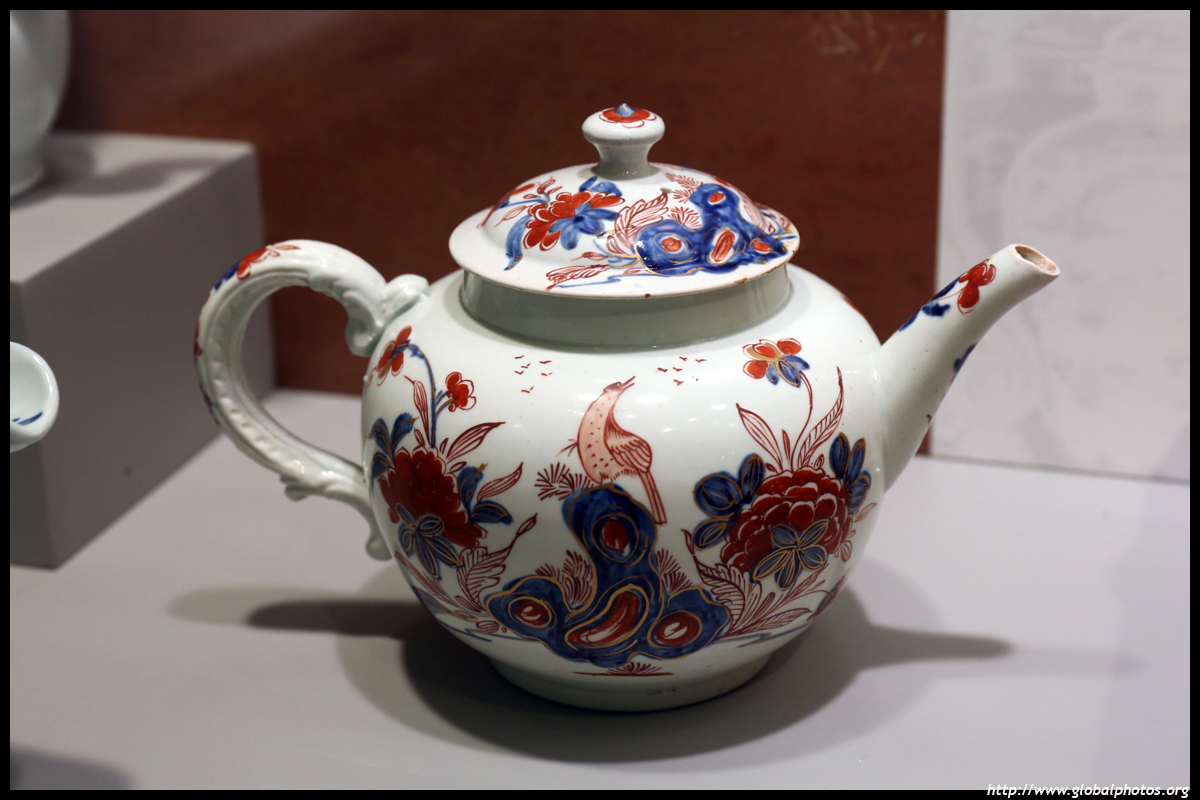
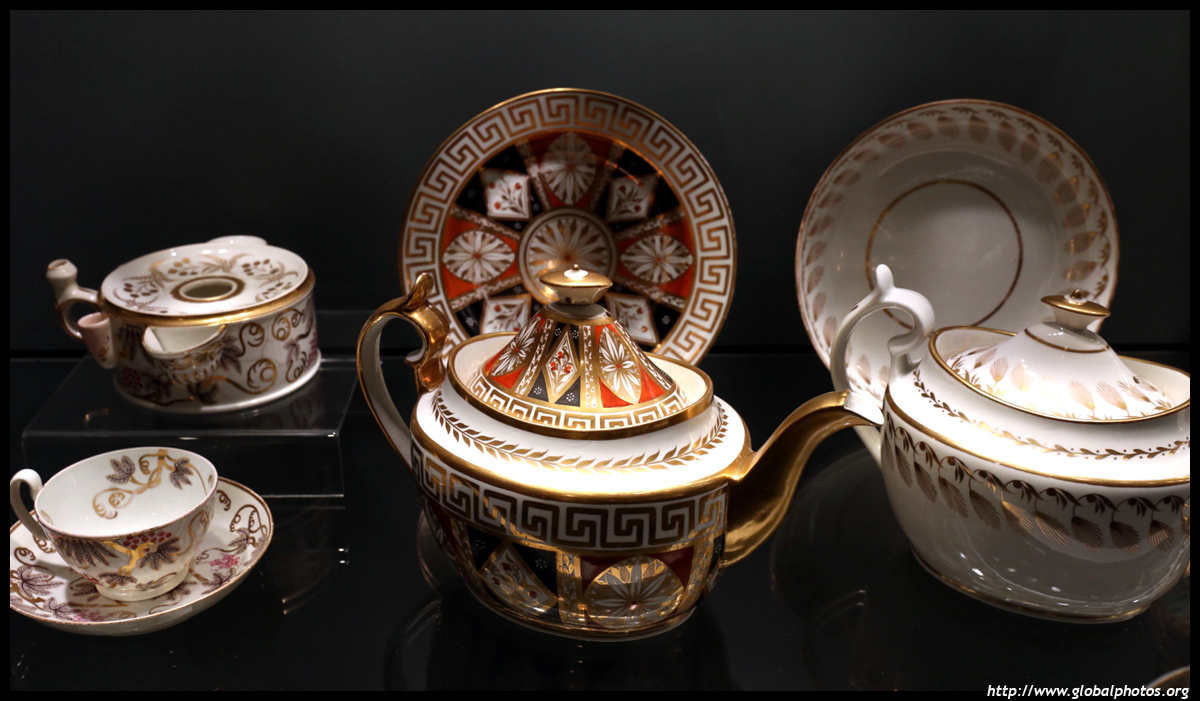
England was a bit late in commercial porcelain production, with the Chelsea manufactory established in 1745. None of these initial producers had royal patronage and they focused on making sure their wares would not crack when boiling water is poured into them for tea.
|
|||
|
|
|
|
|
|
|
|
|
|
|
|
|
|
|
|
|
|||
|
|
|
|
|
|
|
|
|
|
|
|
|
|
|
|
|
|
|
|
|
|
|
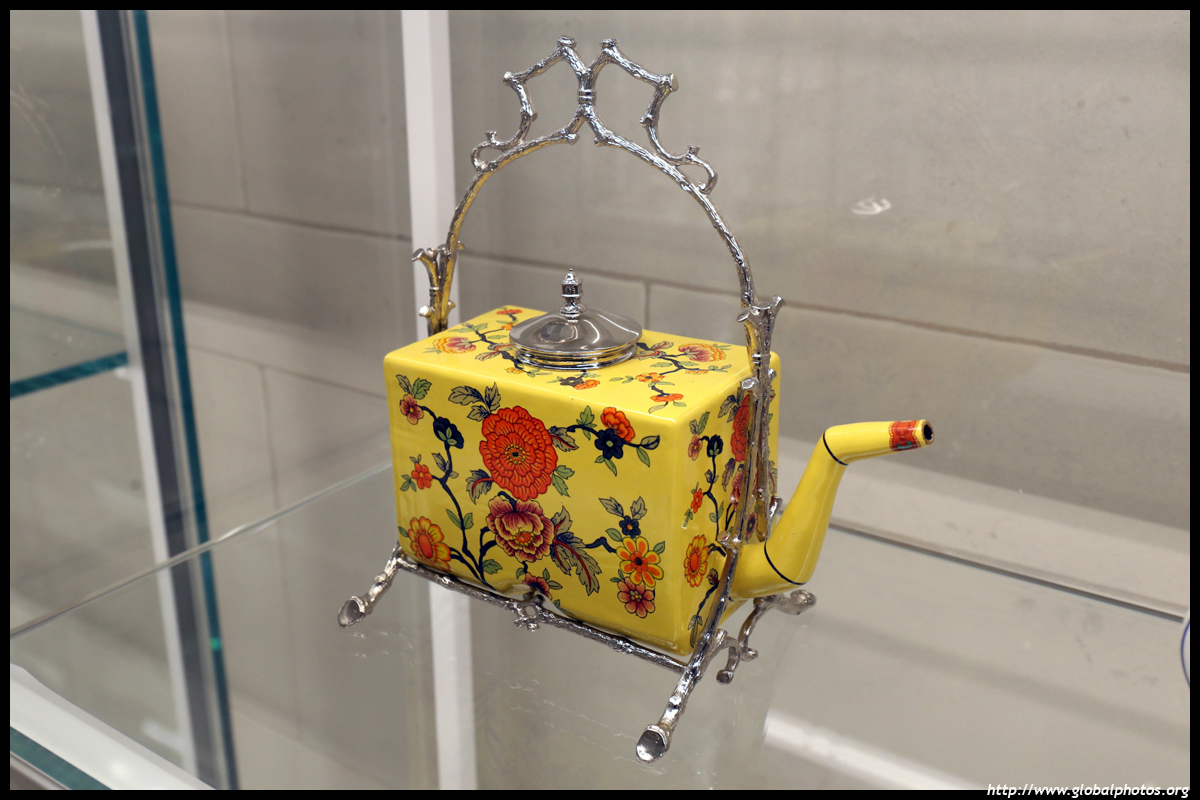
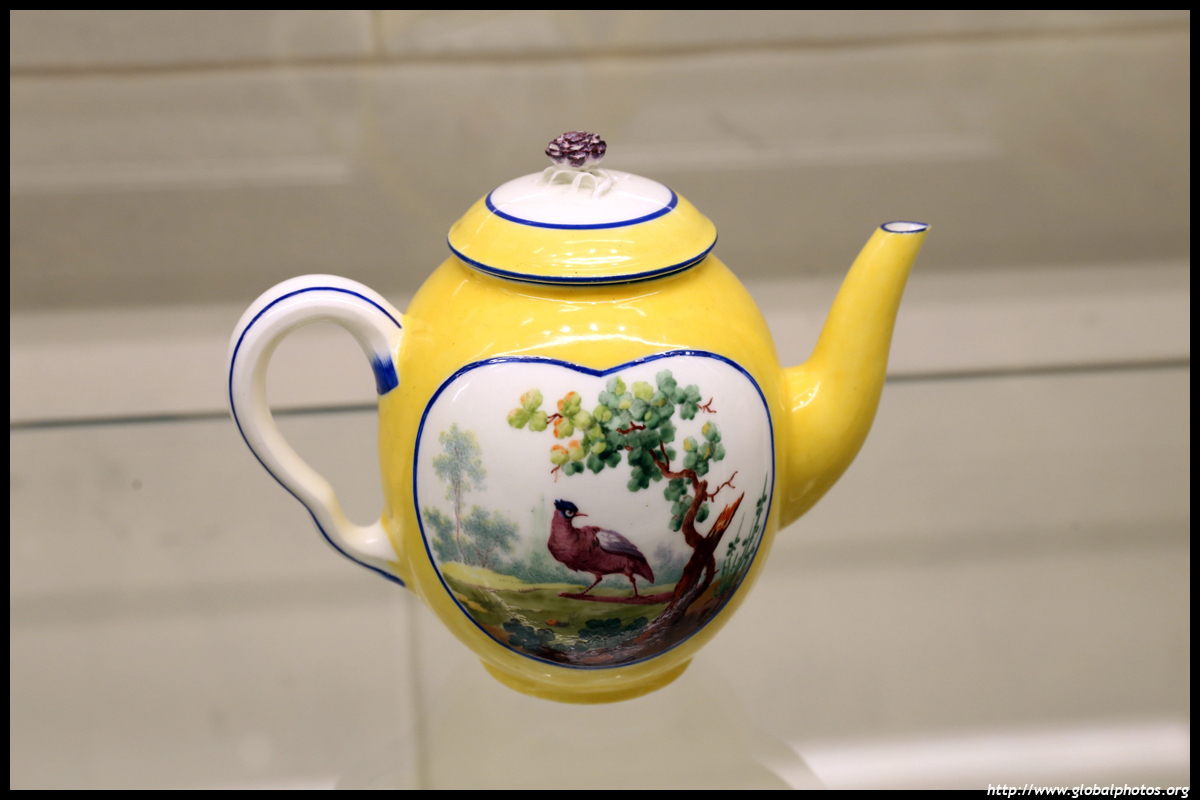
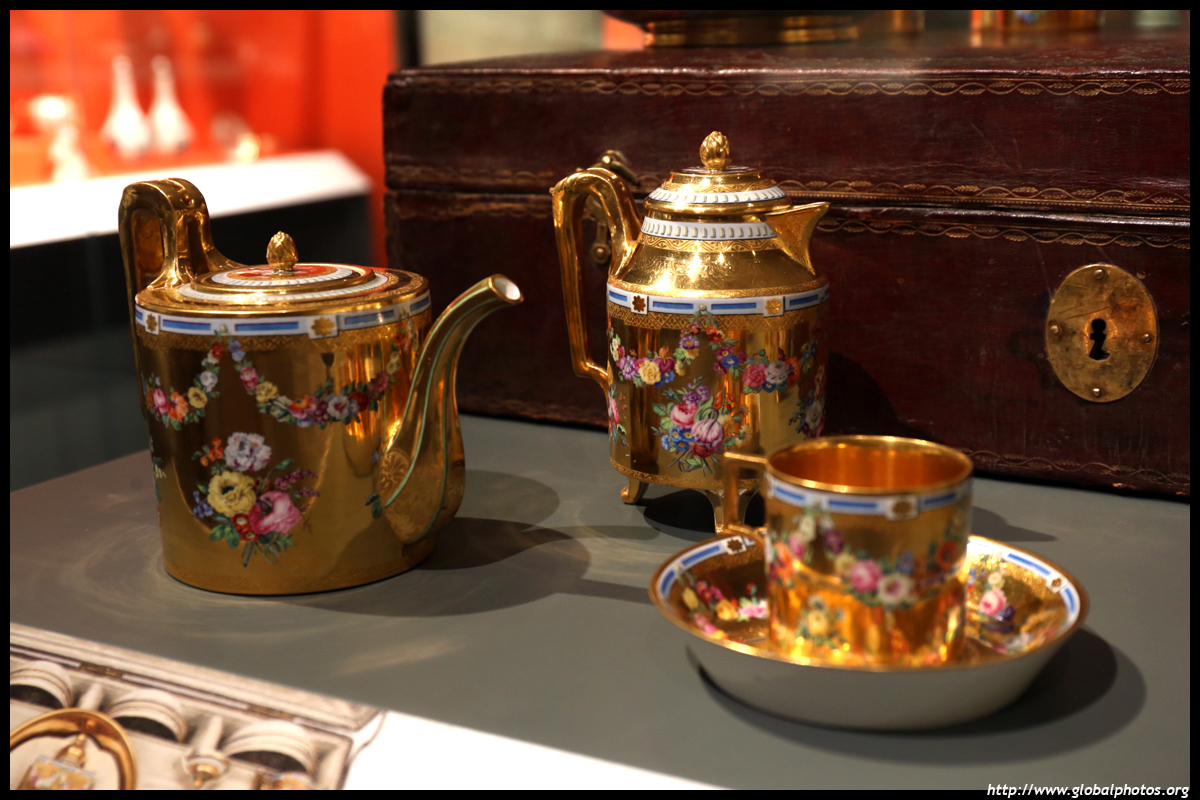
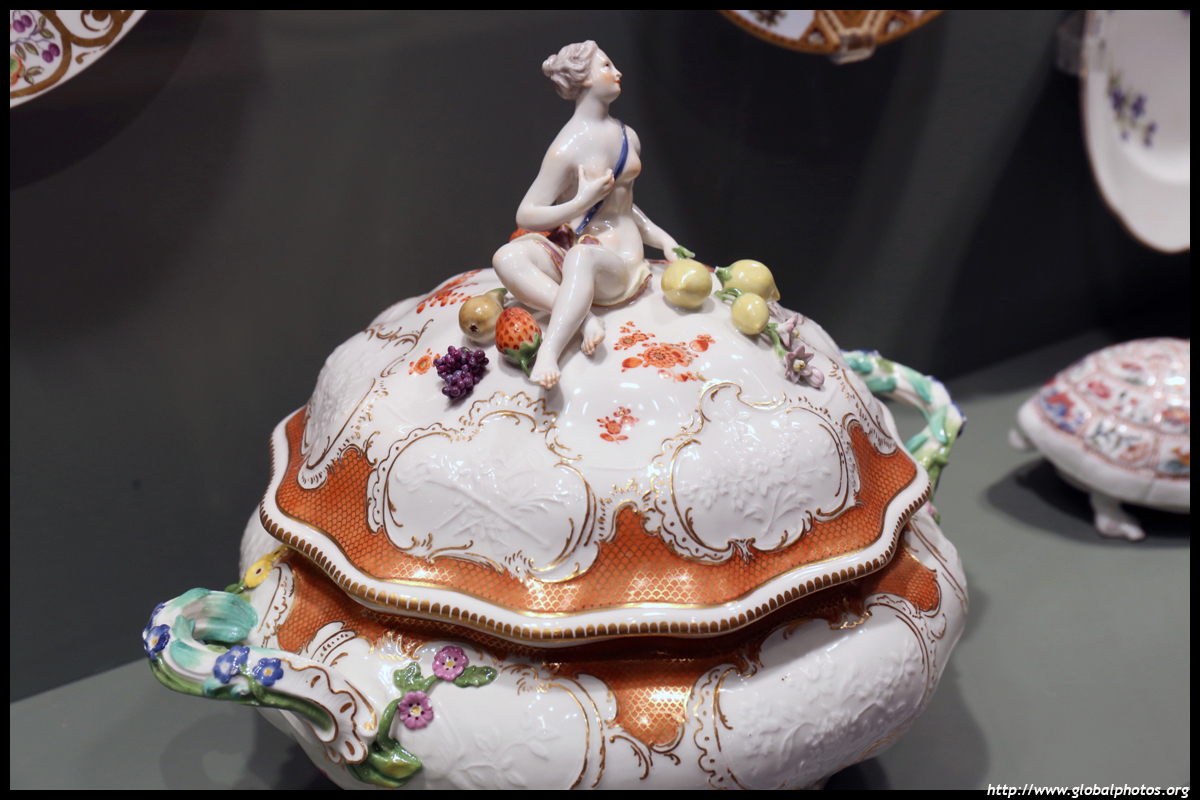
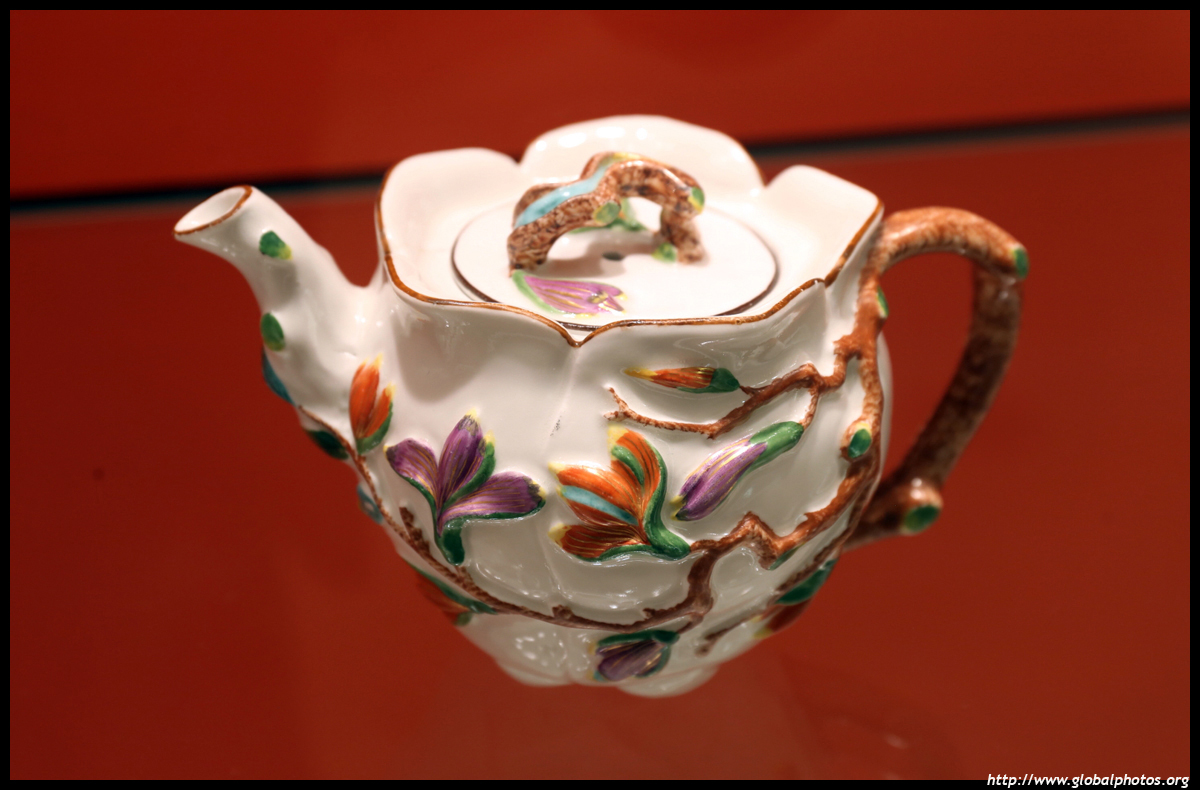
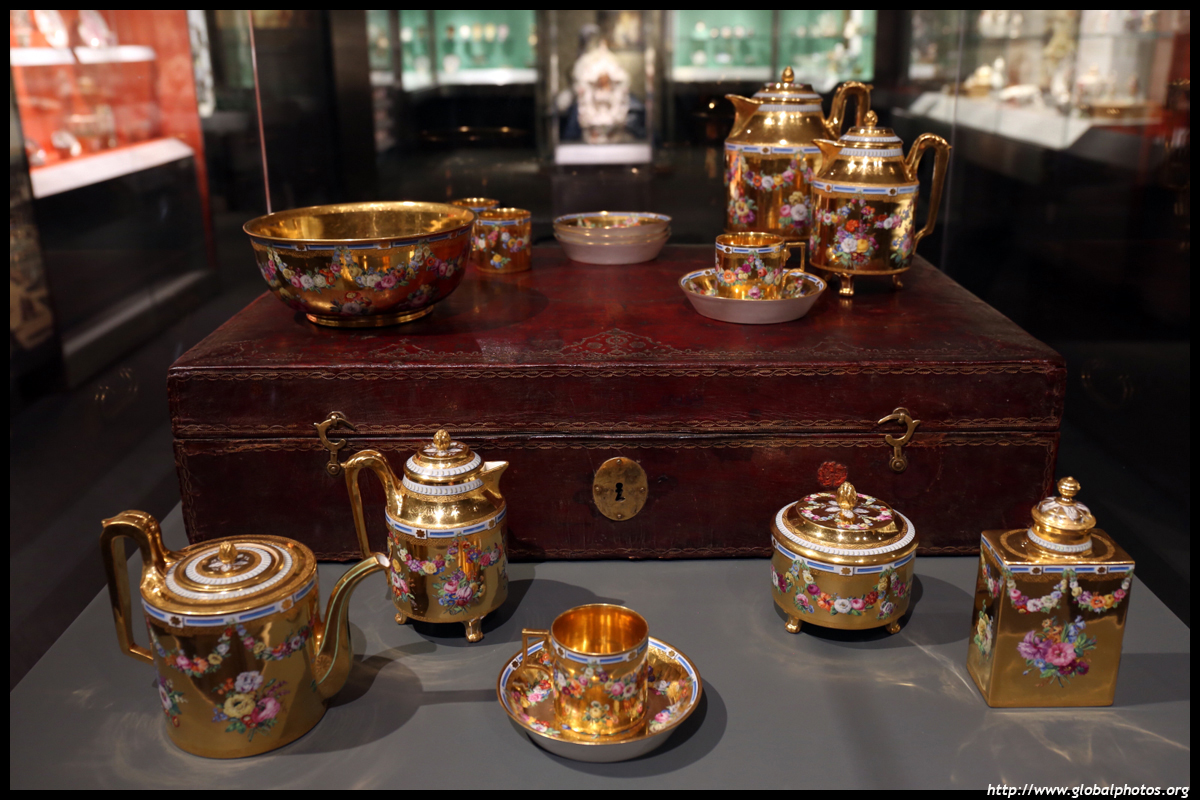
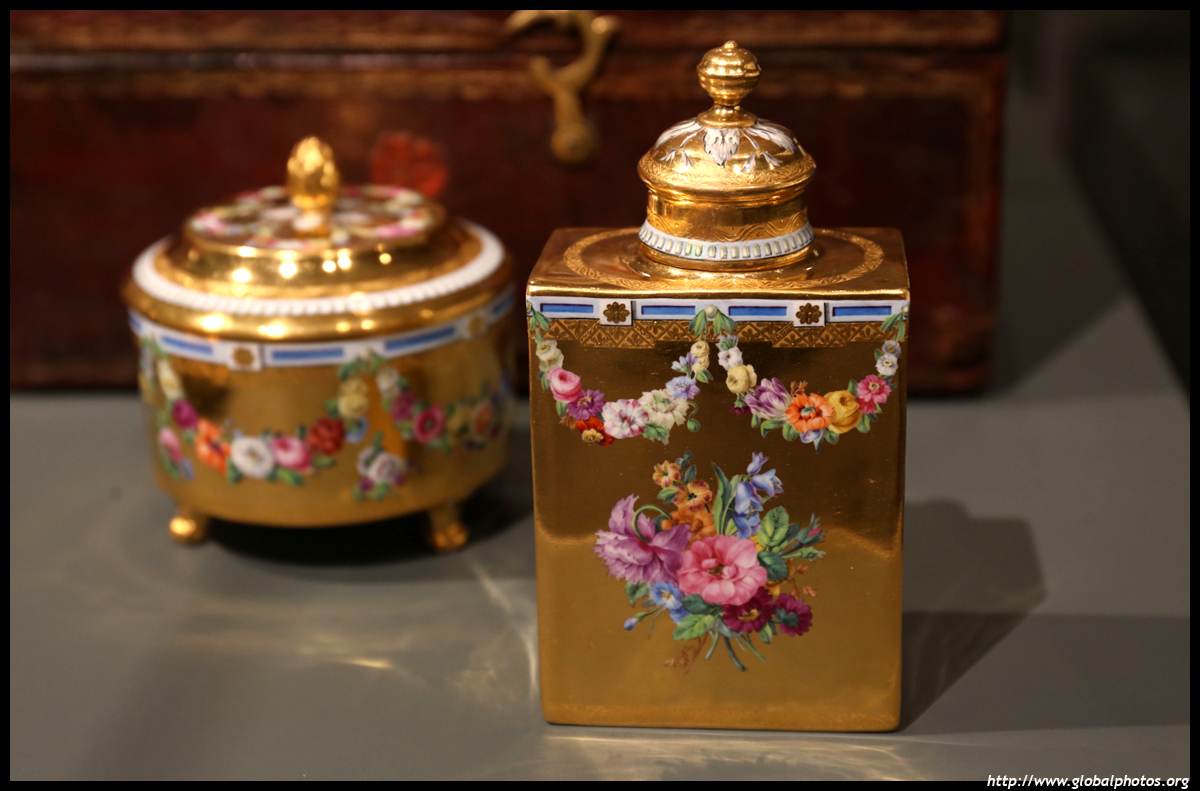
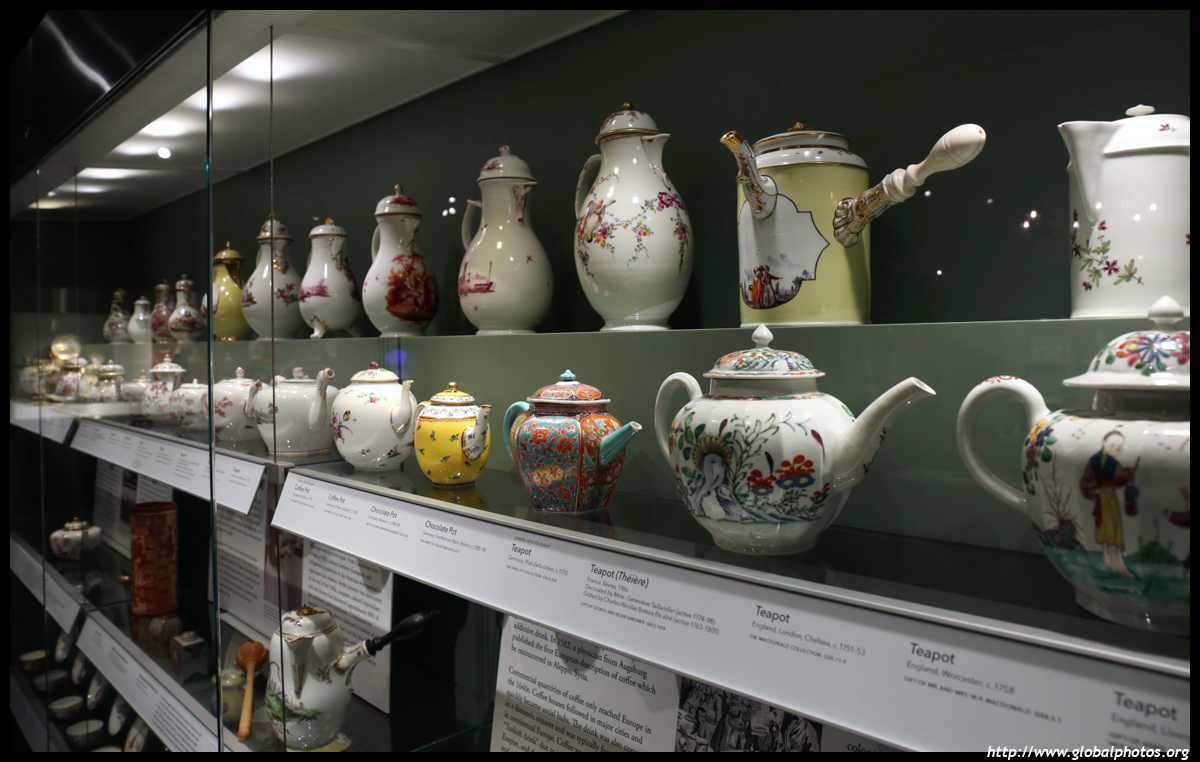
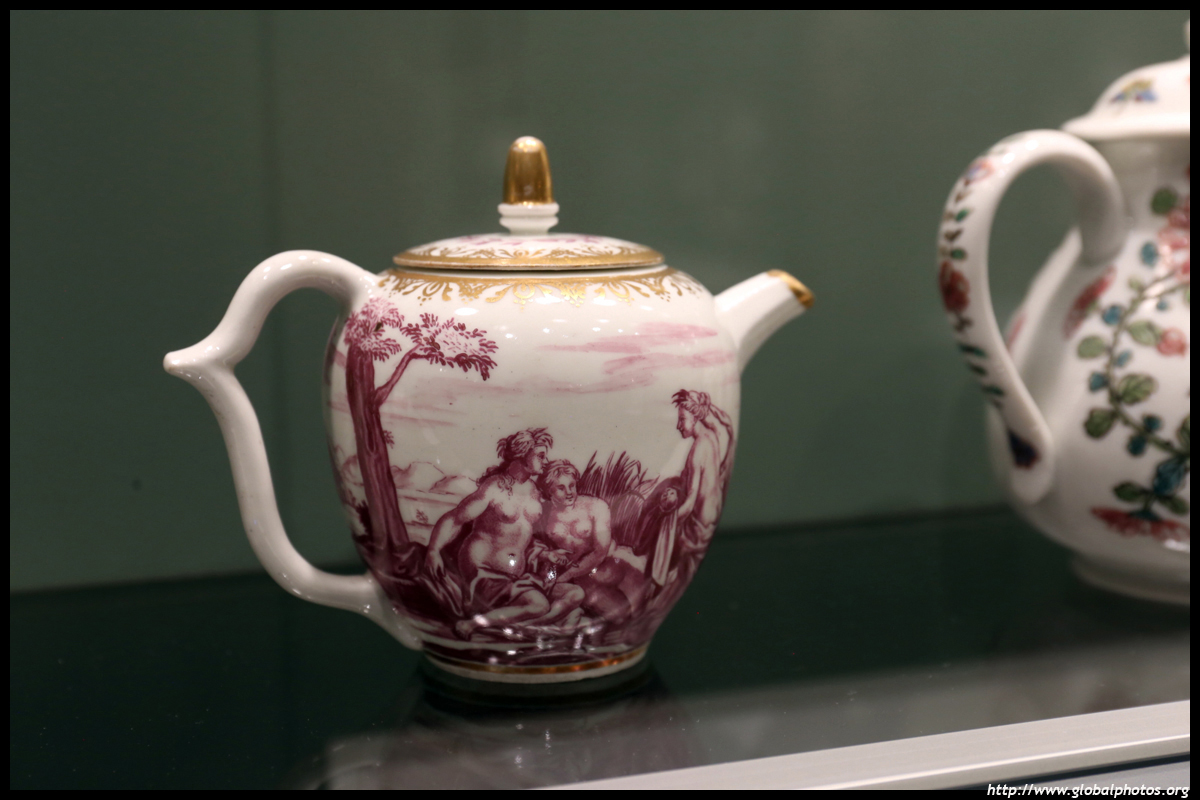
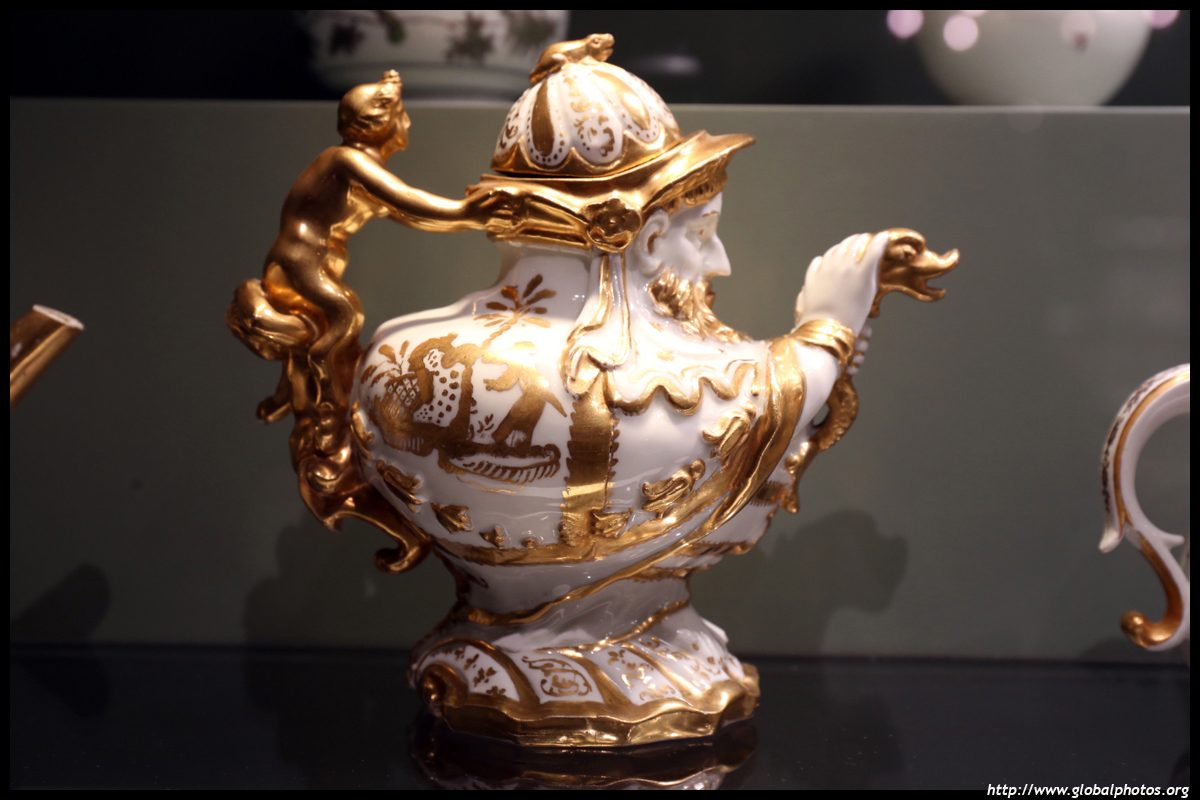
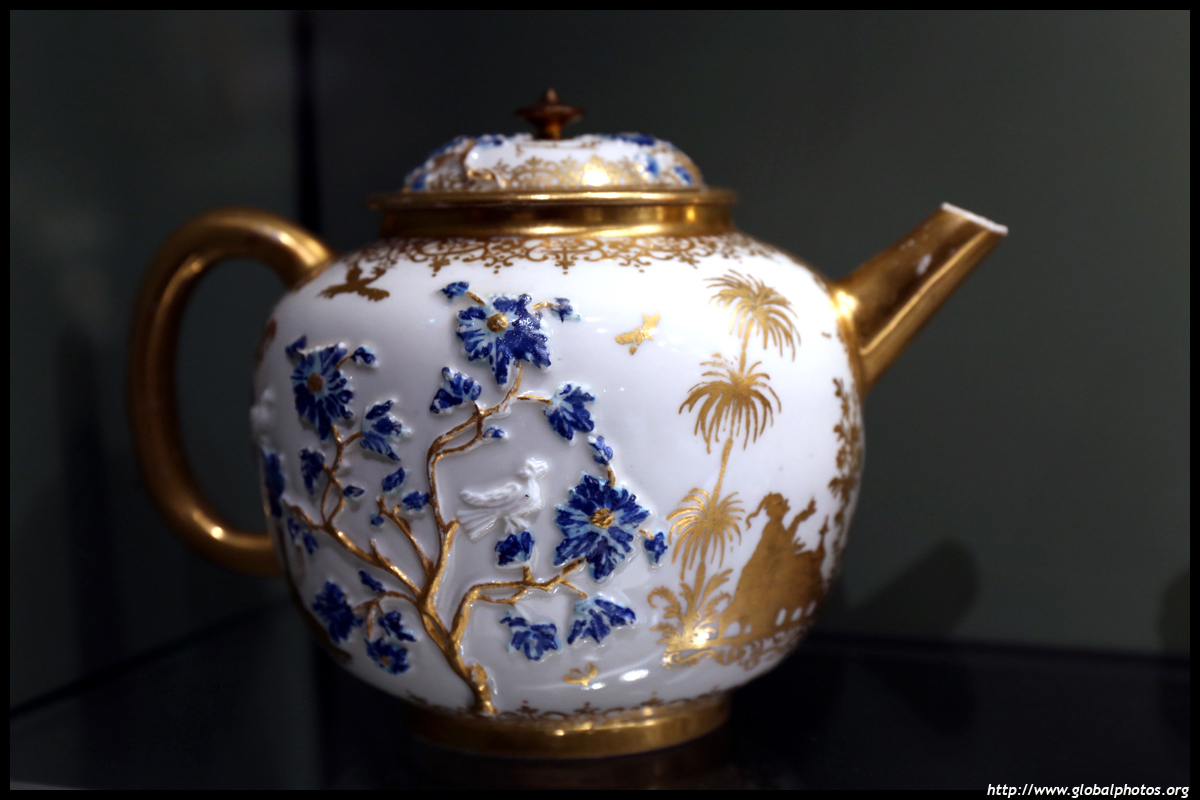
Fancy a nice pot for your afternoon tea party?
Expect to spend a couple of hours here admiring the many artifacts.
|
Toronto Gallery Main Page
To re-use these photos or notify of errors, please email me. Thank you.