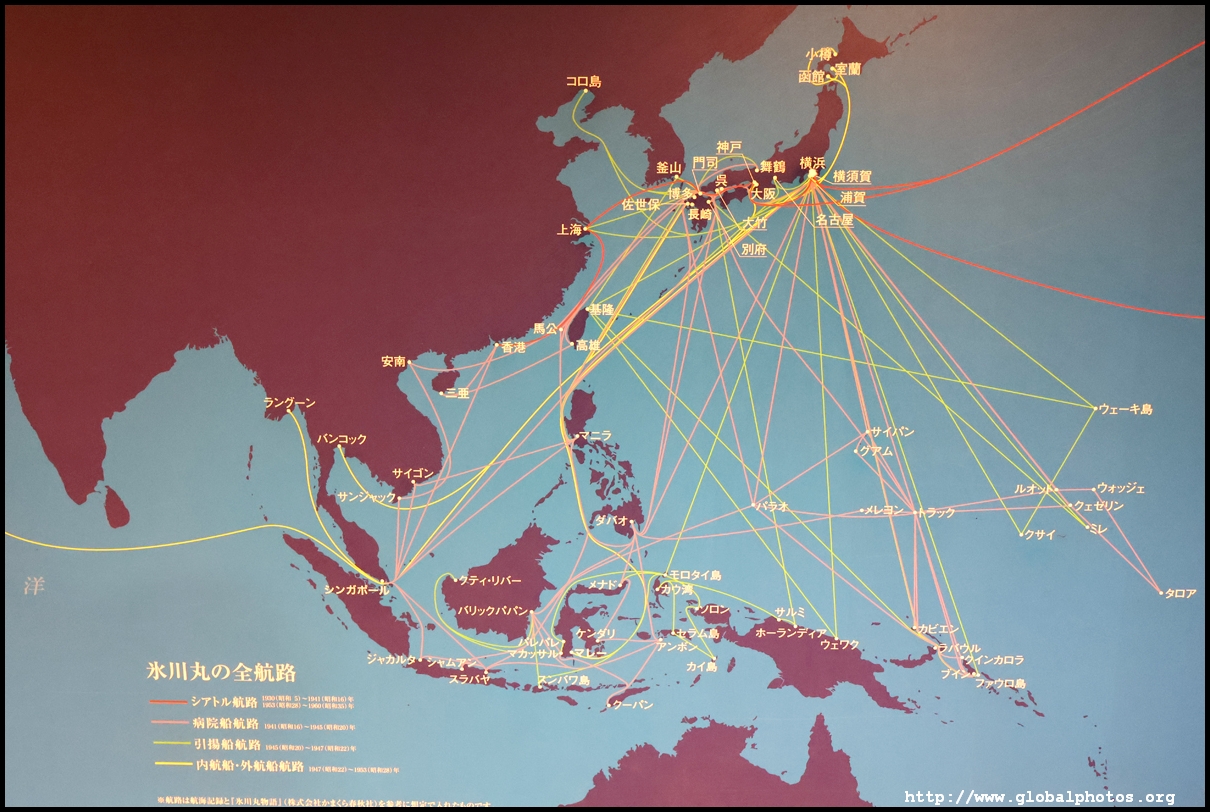
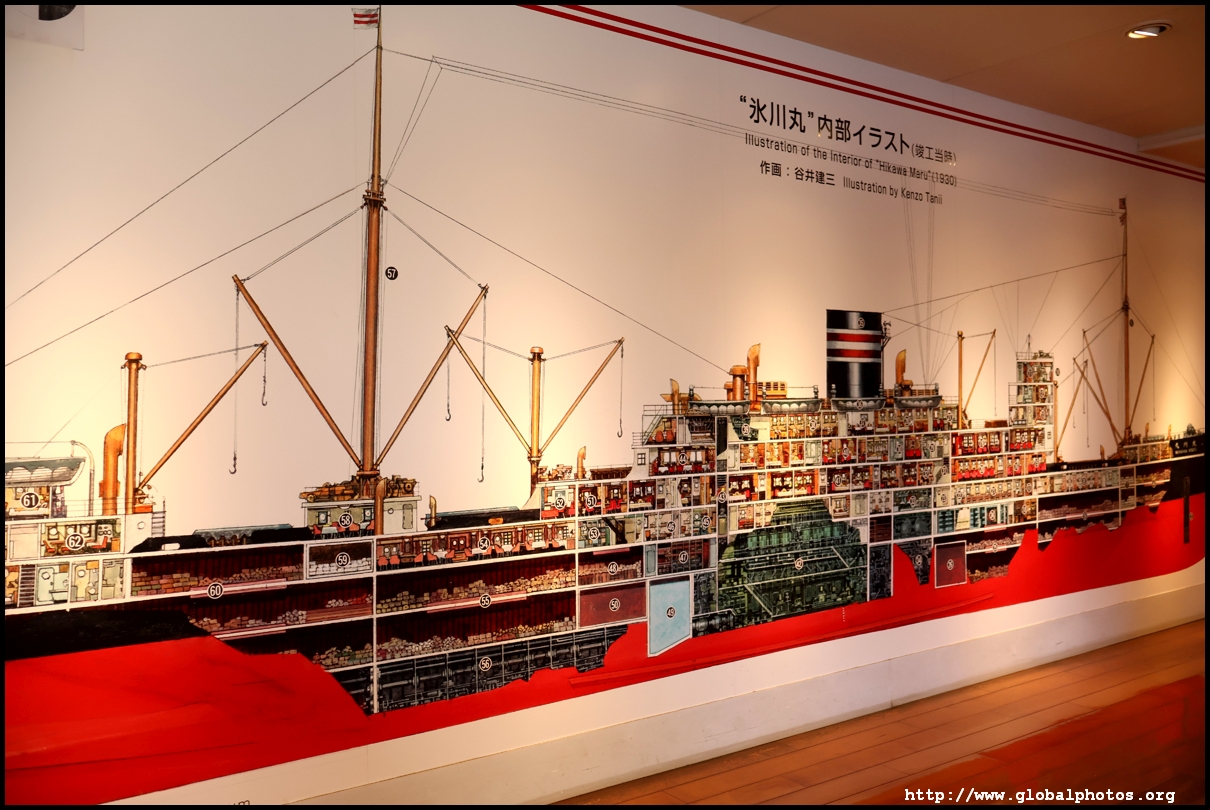
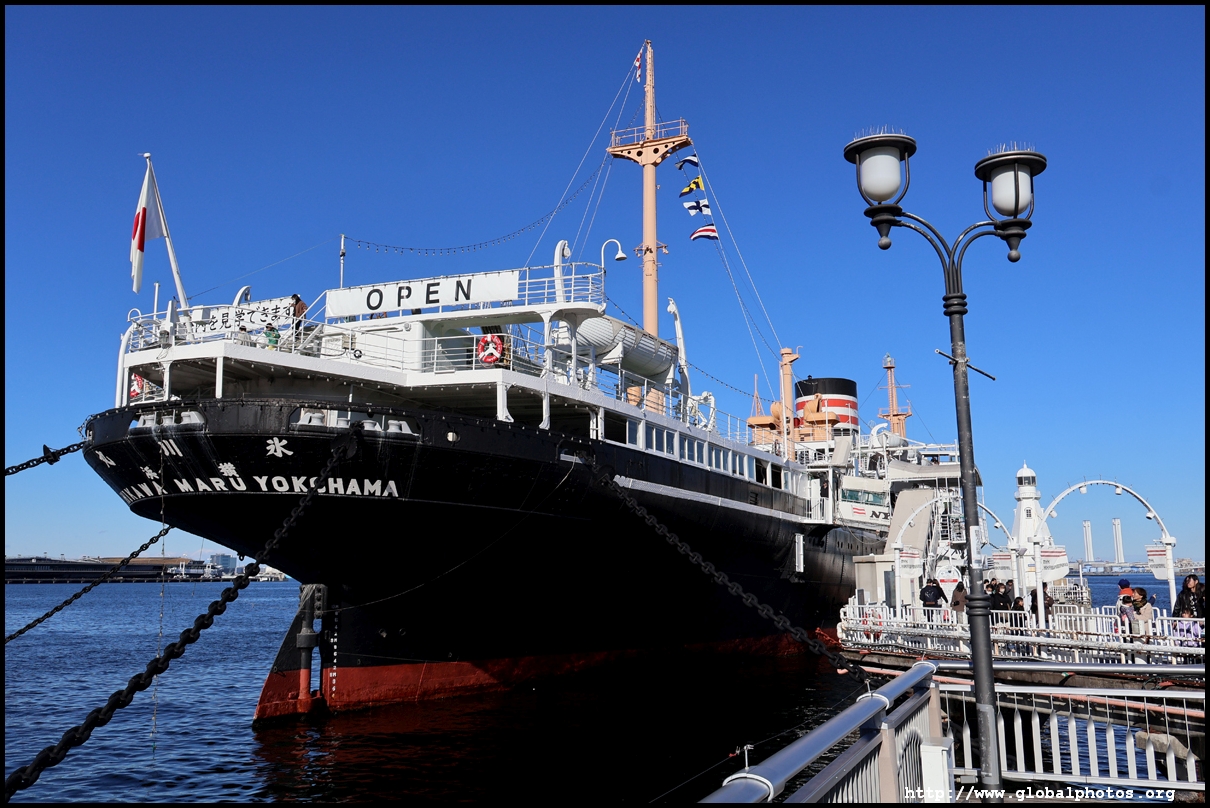
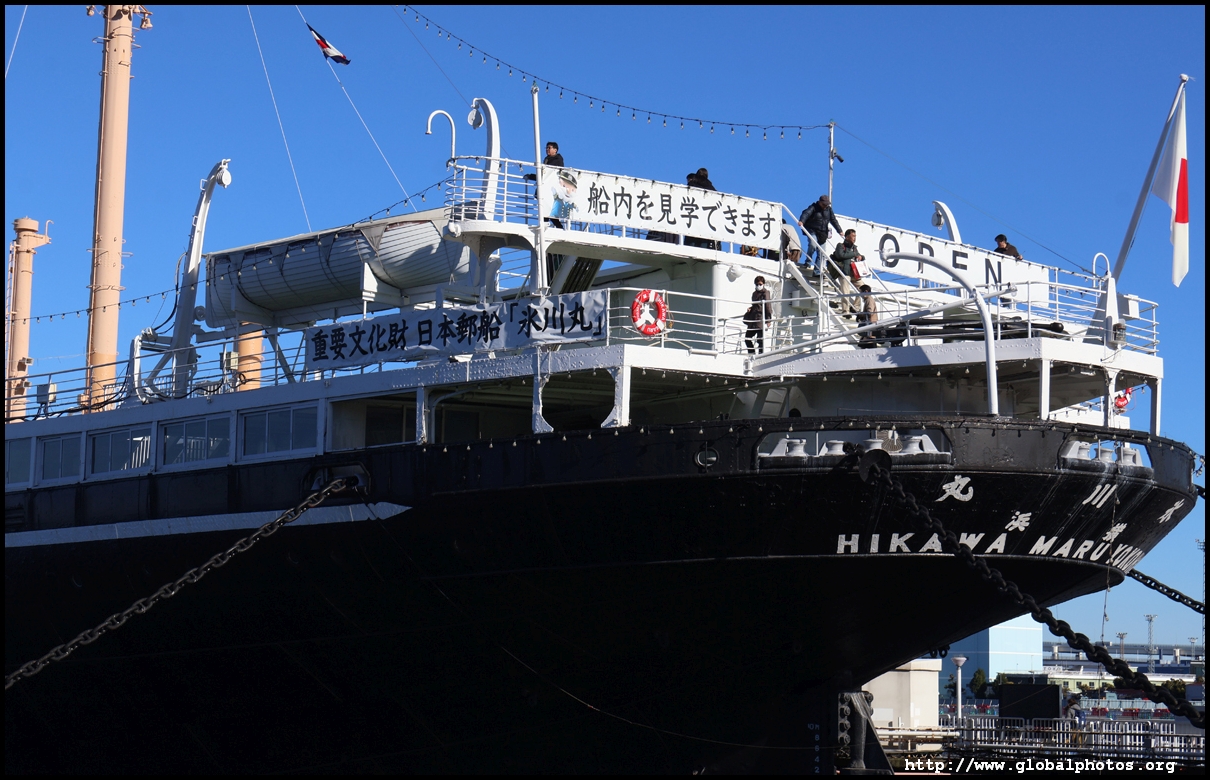
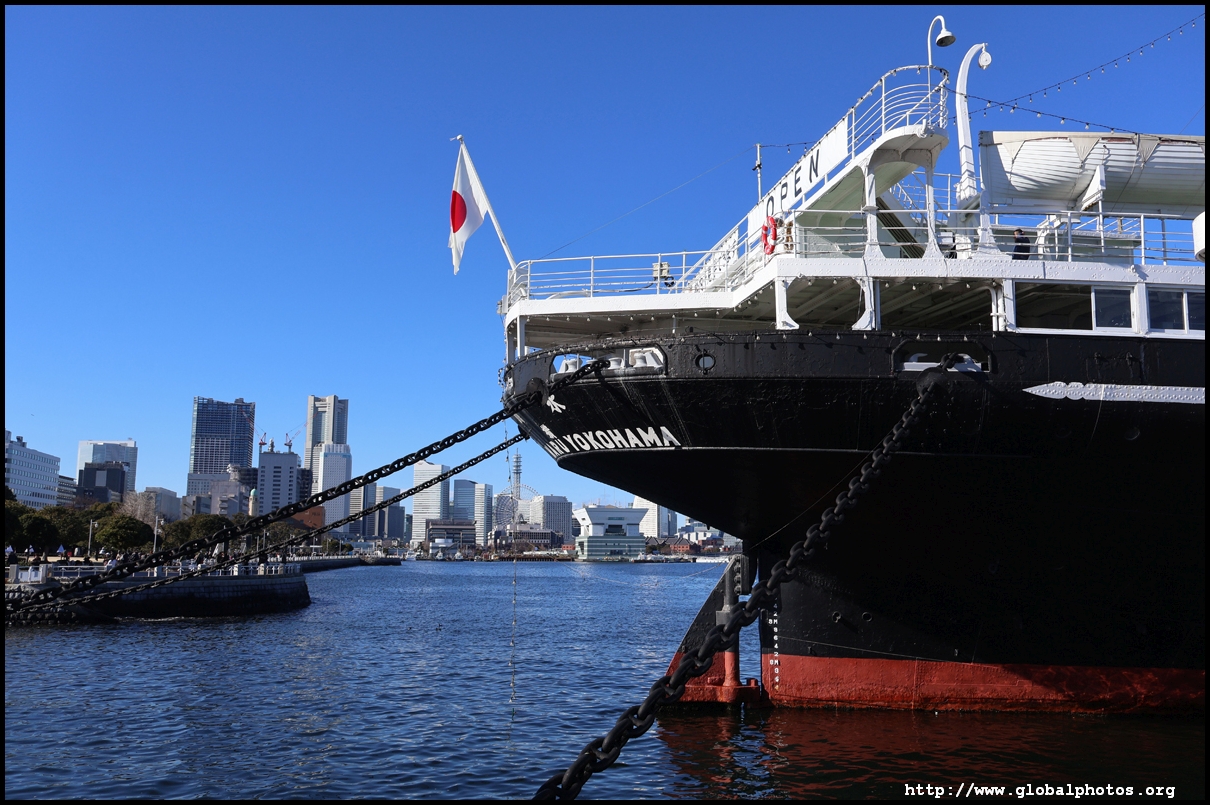
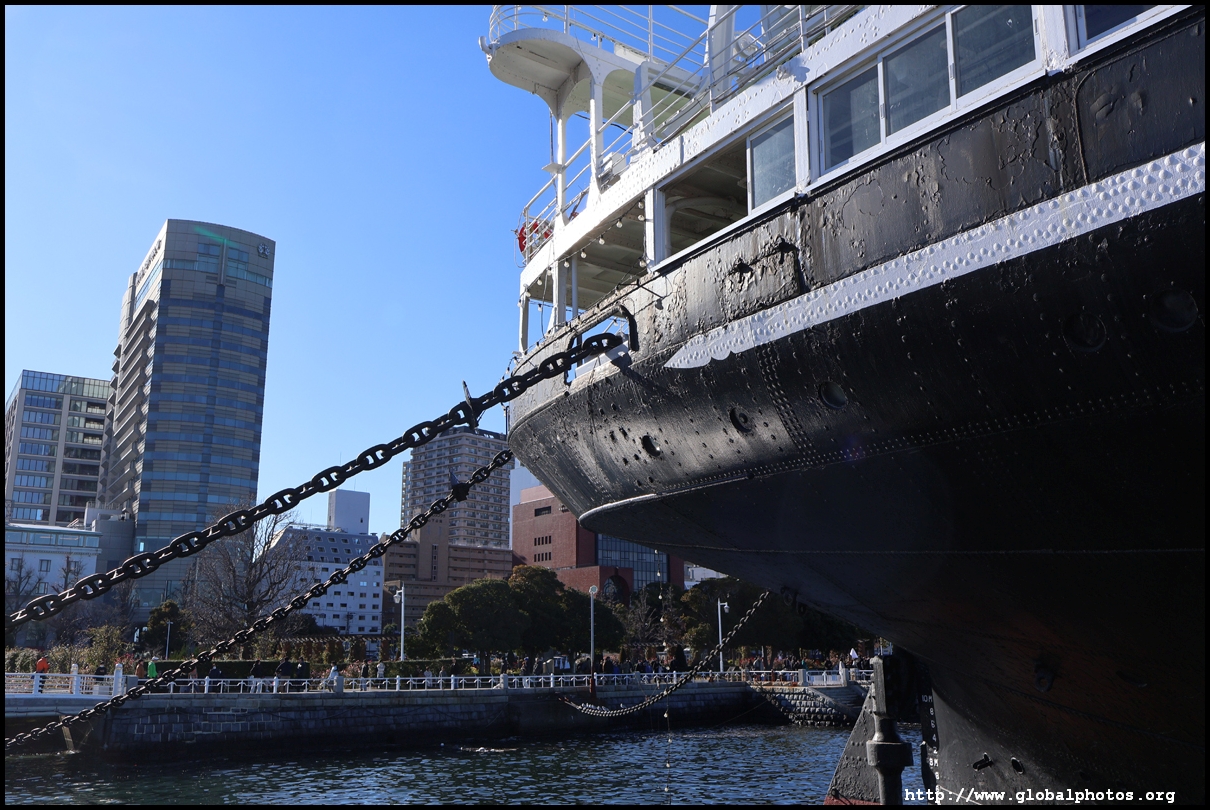
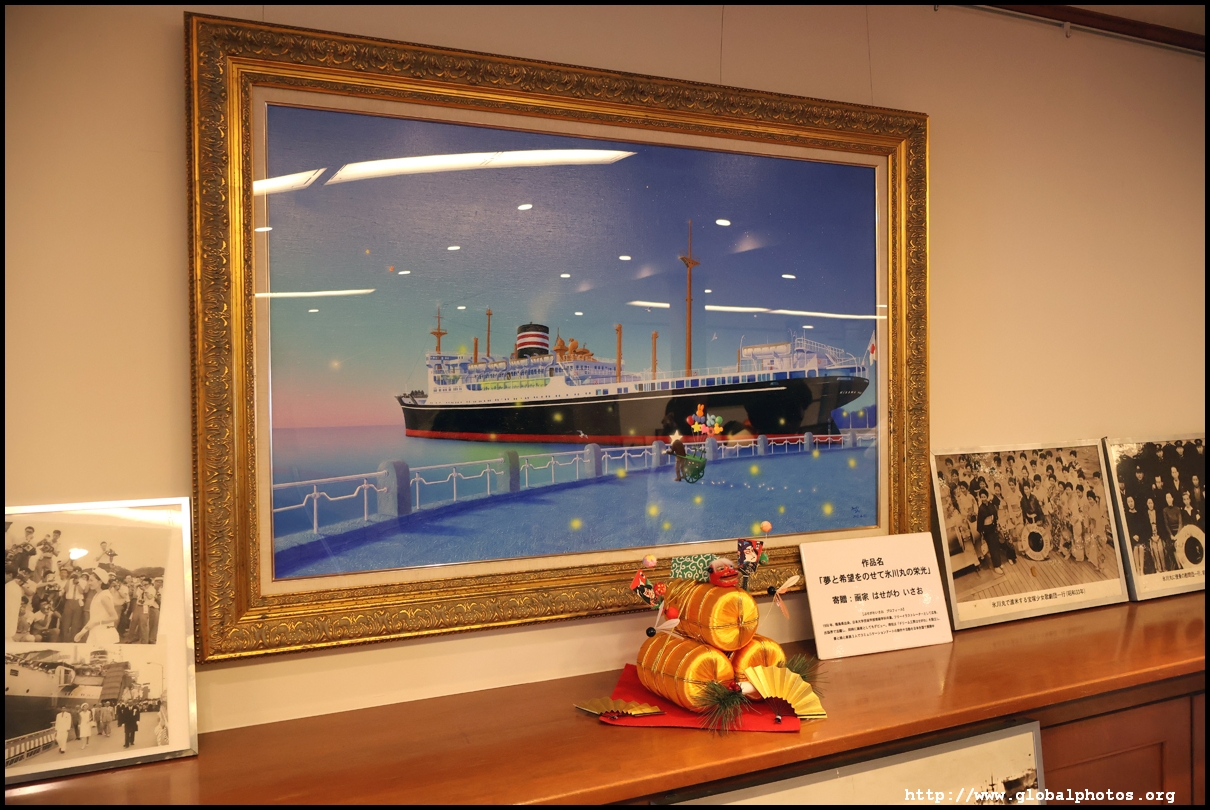
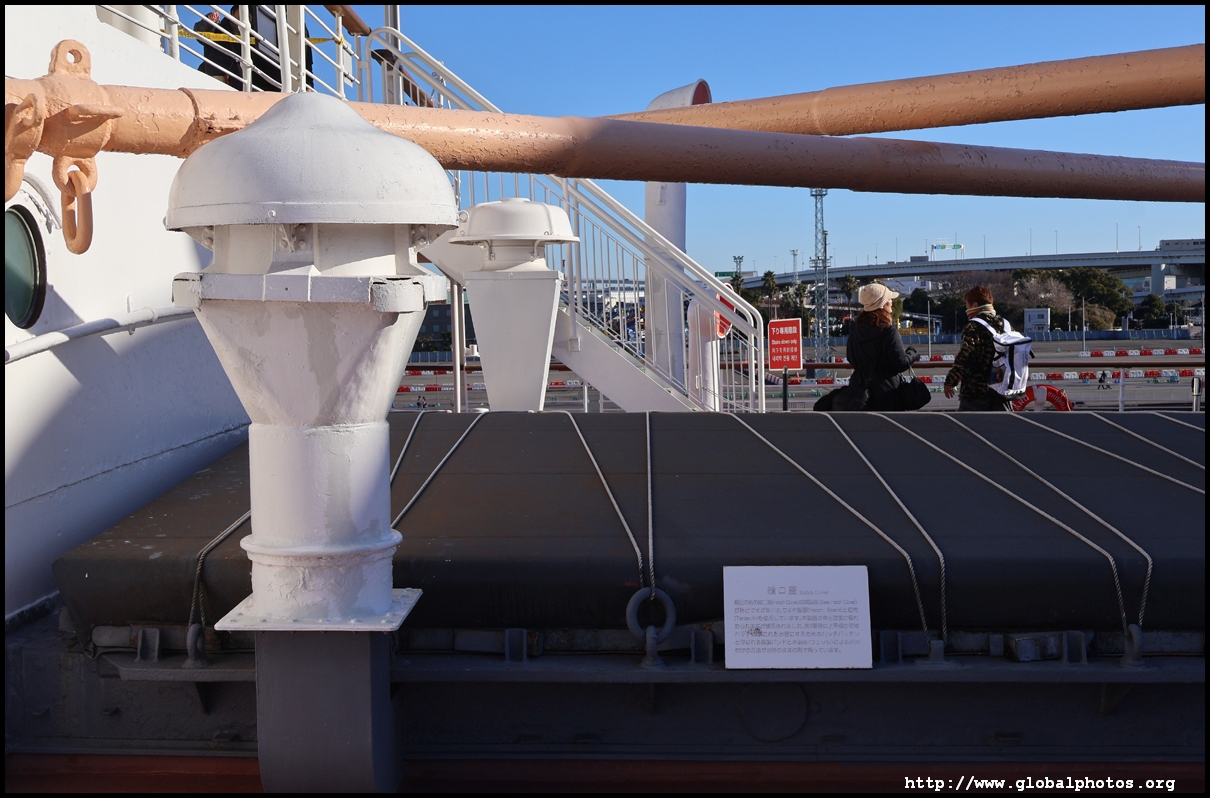
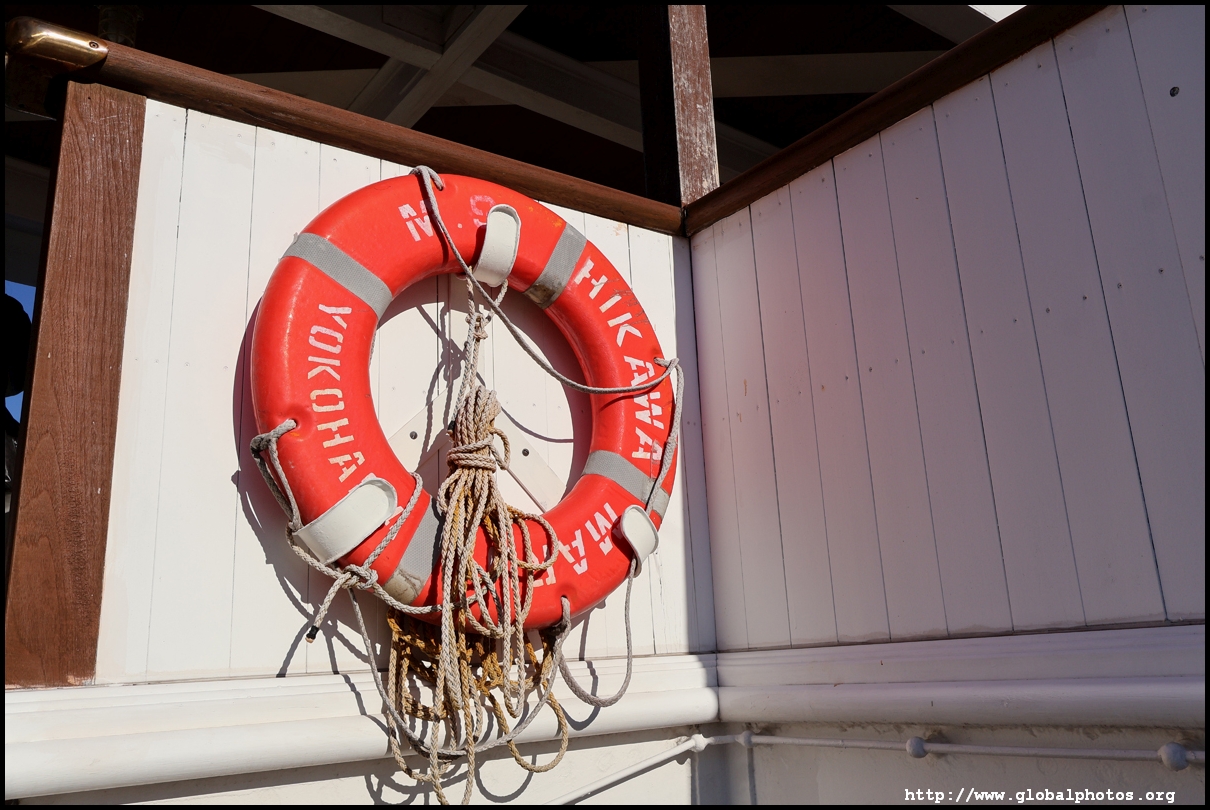
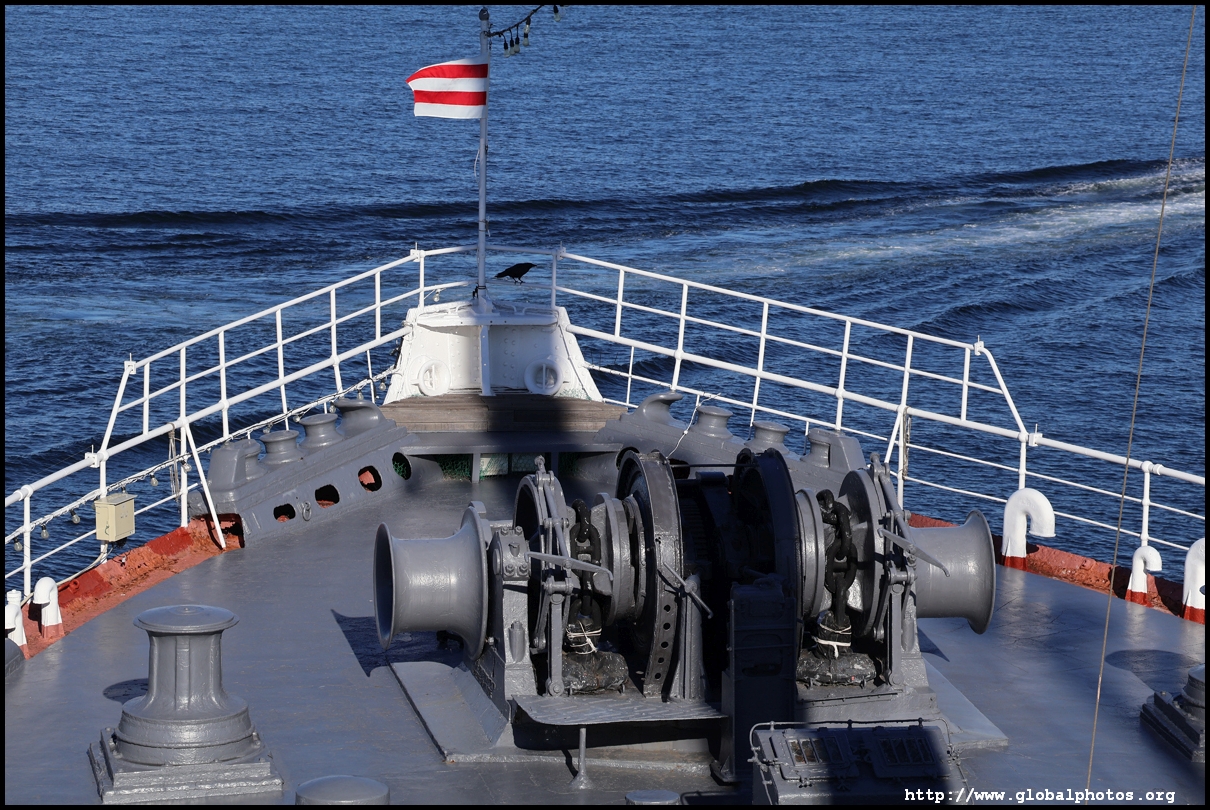
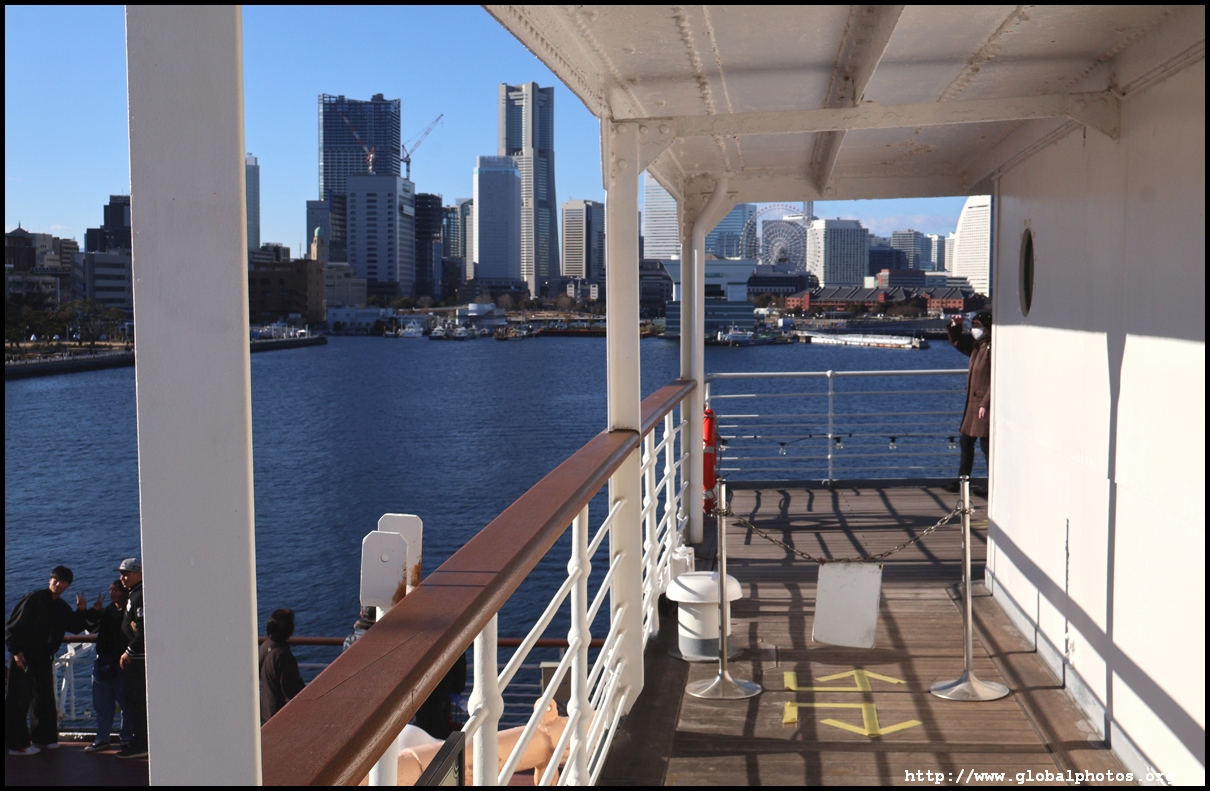
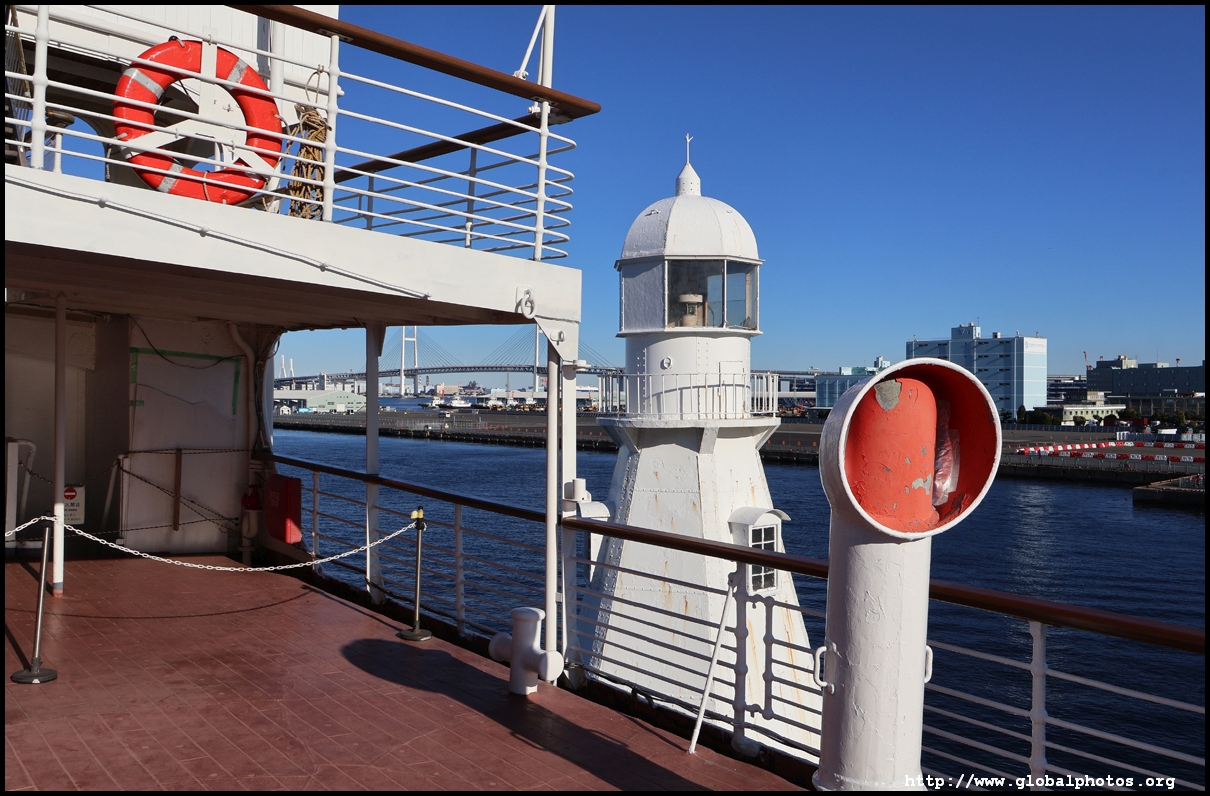
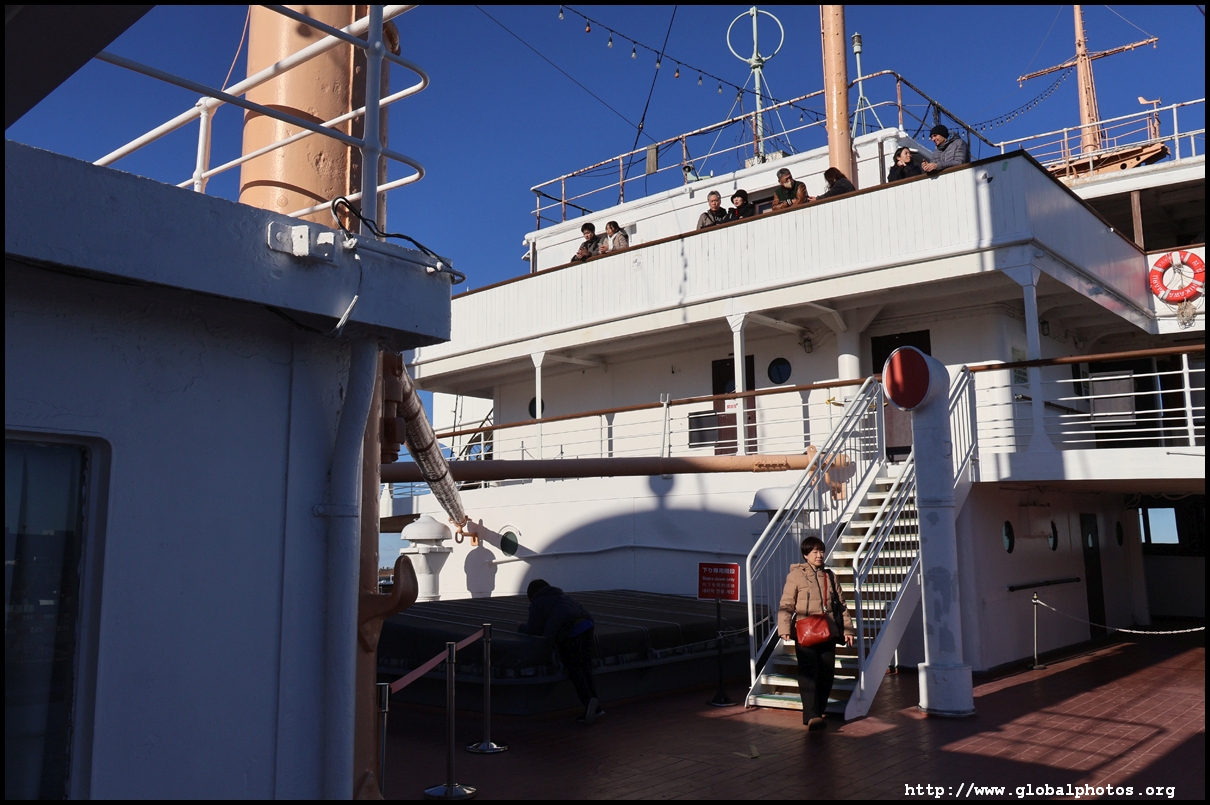
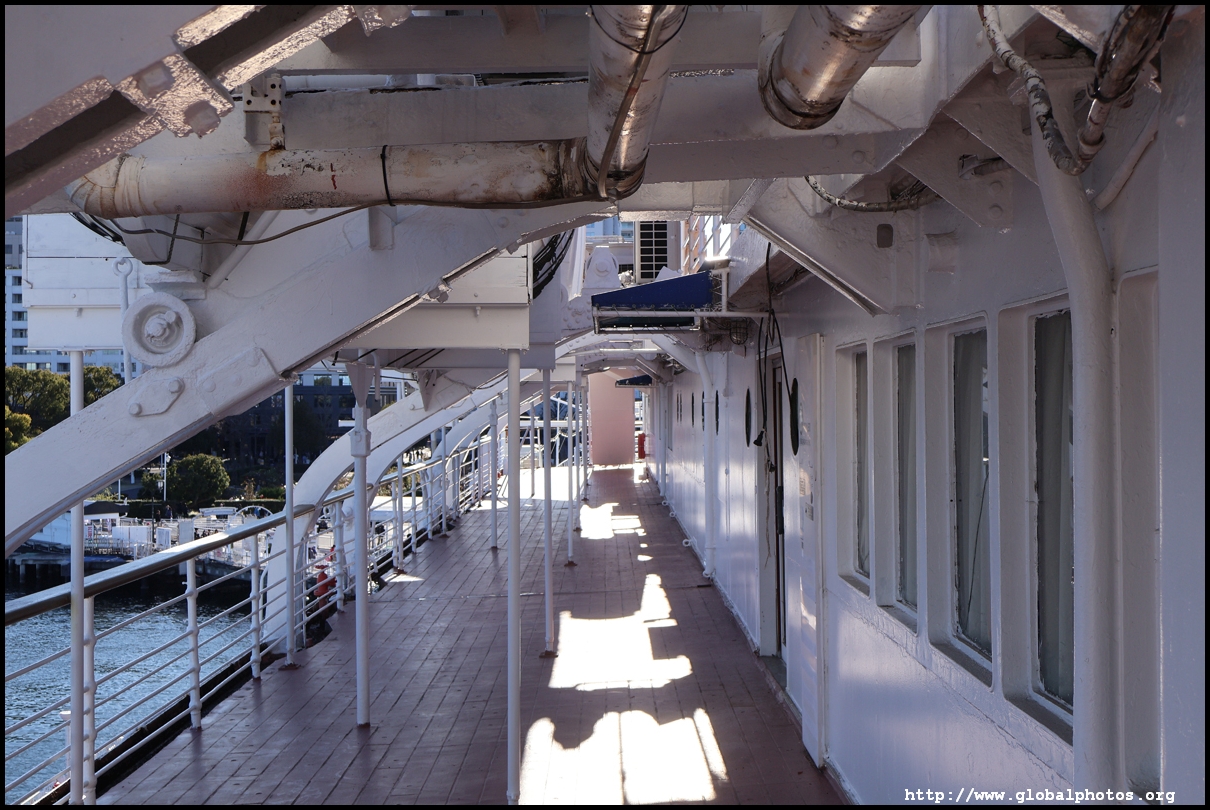
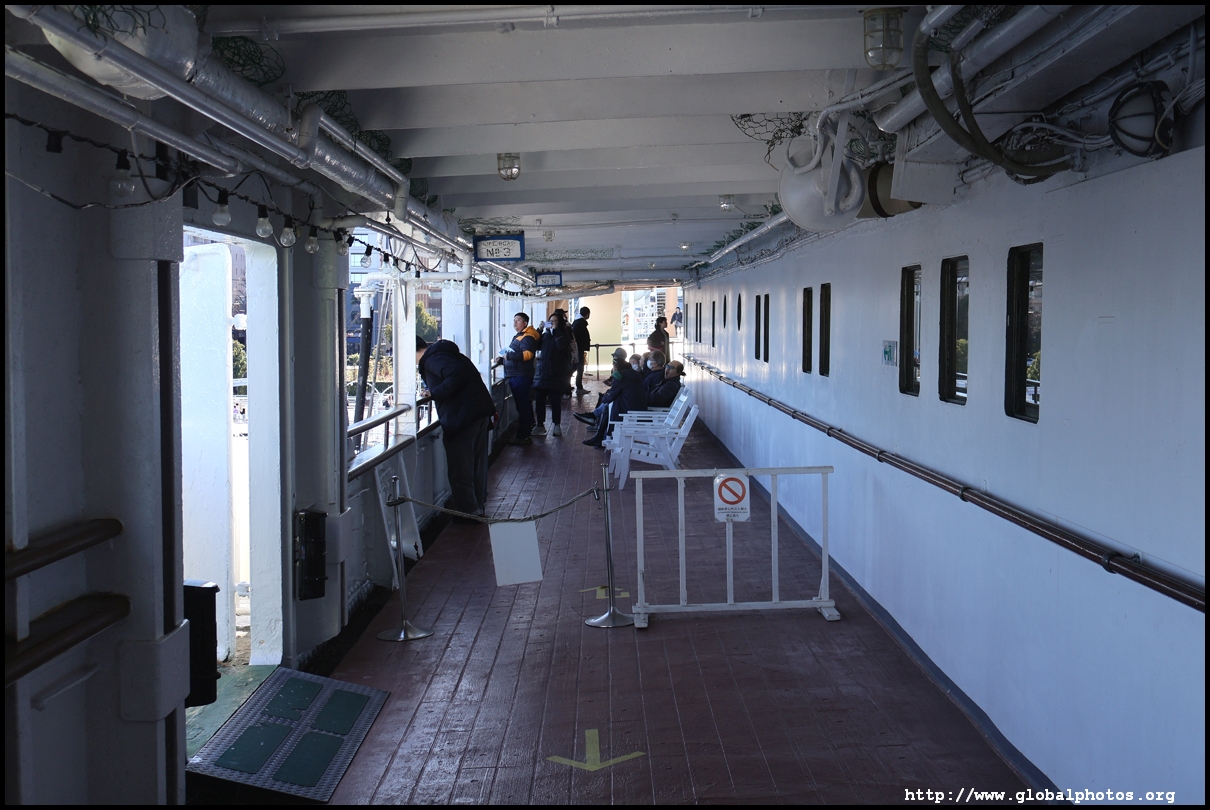
Following World War I, there was a race to build large passenger ships in Europe and the US. Japan wanted to follow and built the Hikawa Maru in 1930 for the Japan to Seattle route by NYK Line. After serving as a hospital ship during World War II, it resumed transpacific passenger service until the ship was decommissioned in 1960 as air travel took off and cargo moved in dedicated vessels. Over its service of 30 years, the ship made 254 transpacific journeys that carried over 25,000 passengers. It is the only surviving cargo-passenger liner built before World War II.
It was a very affordable 300 yen admission to visit this giant ship and roam around its many floors.
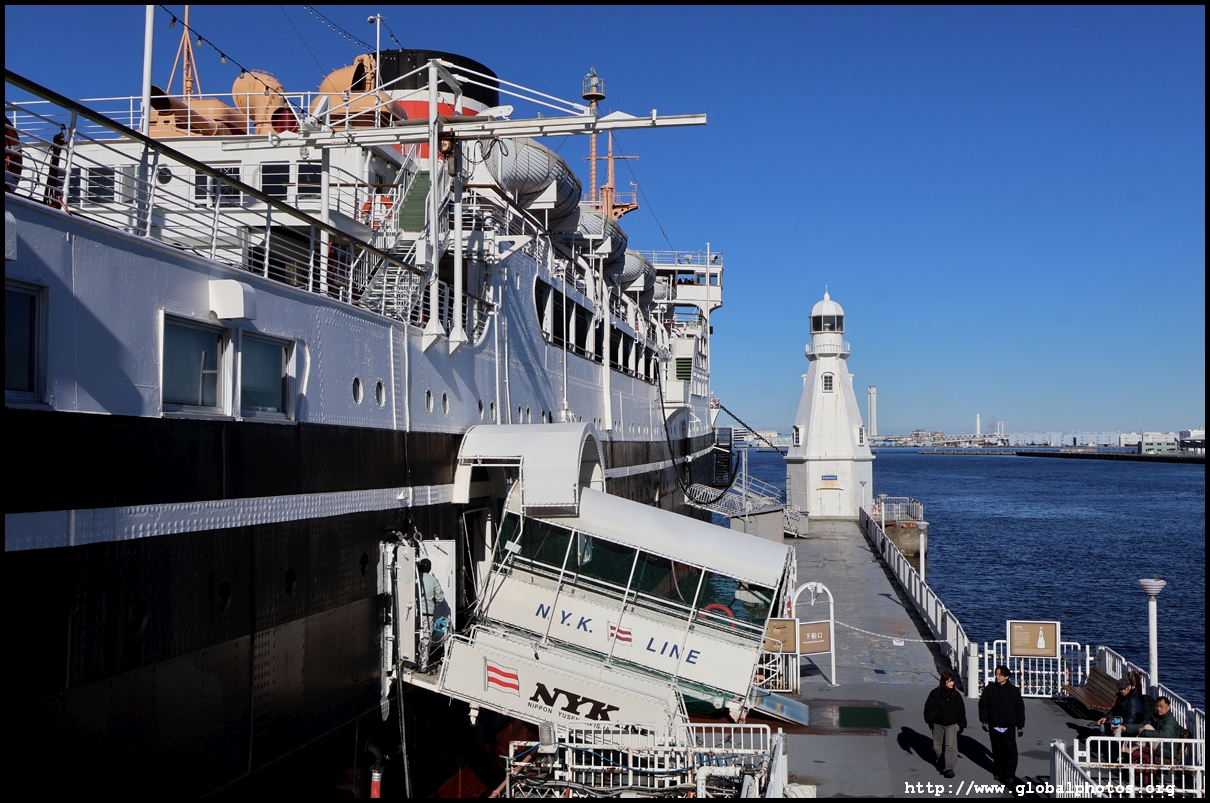
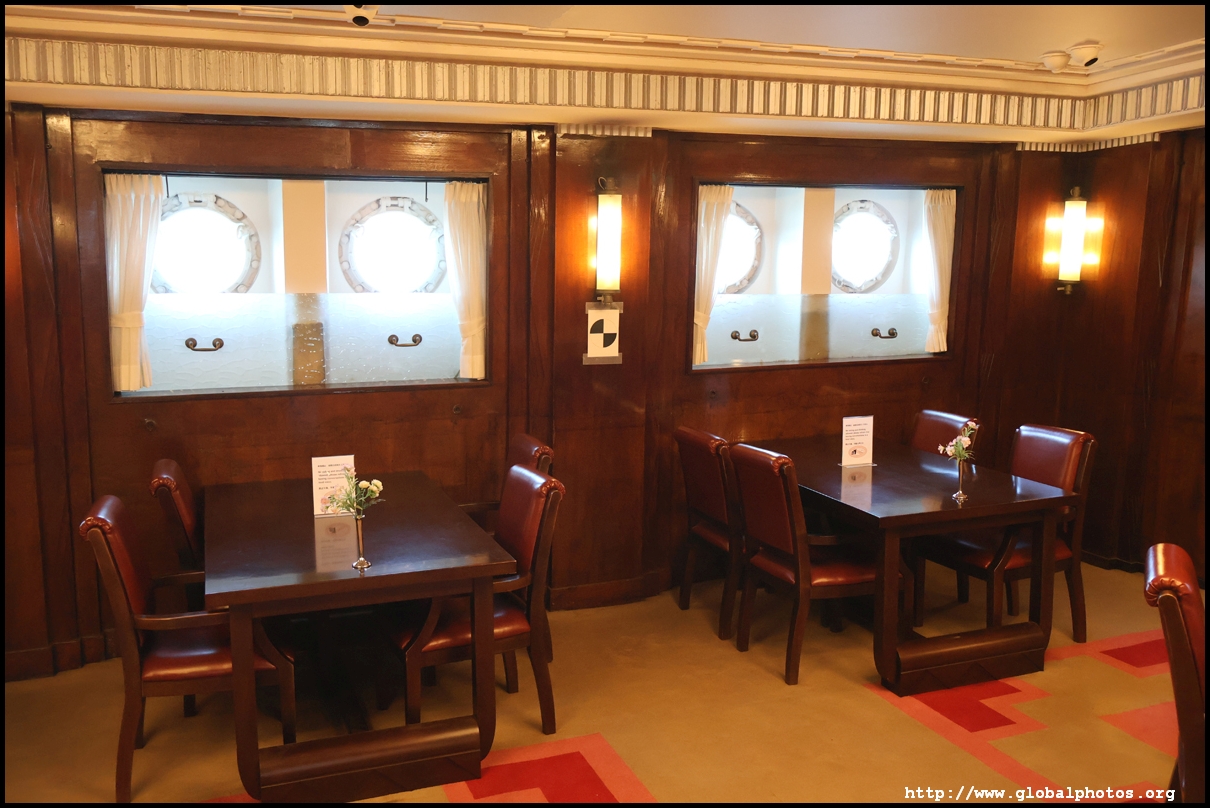
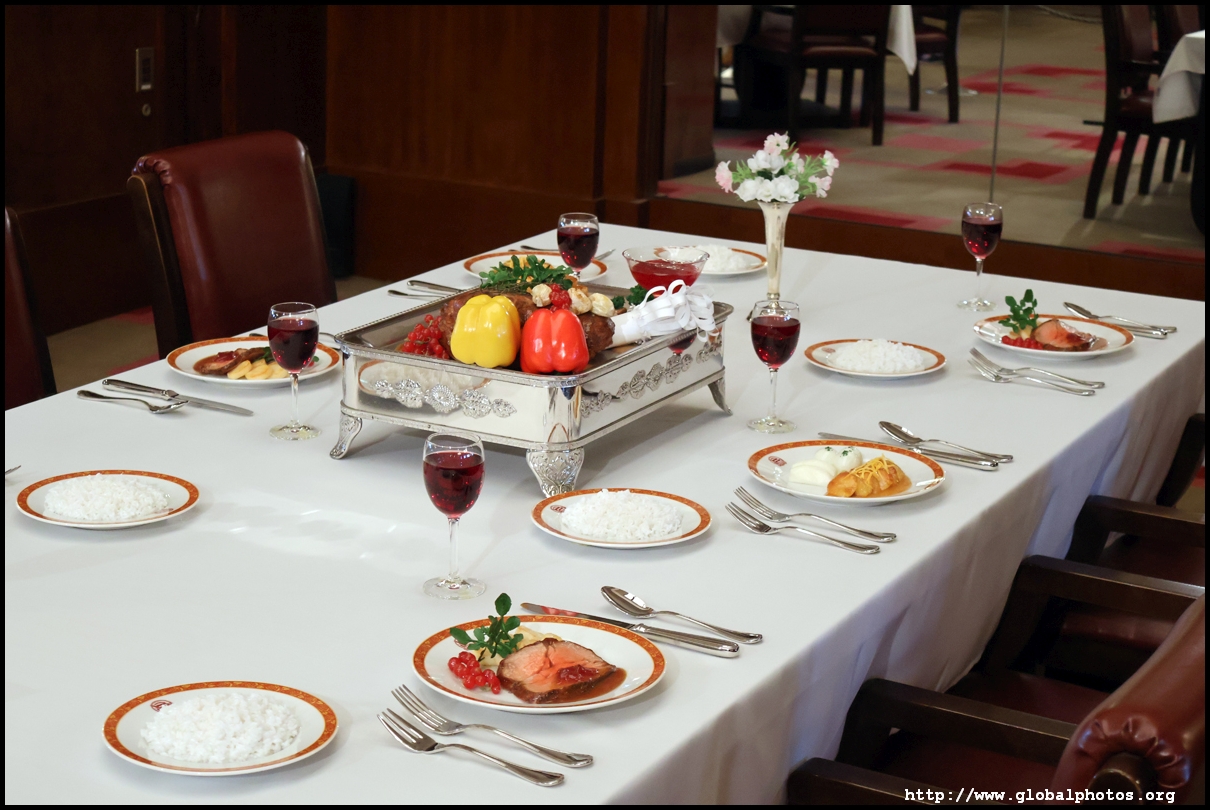
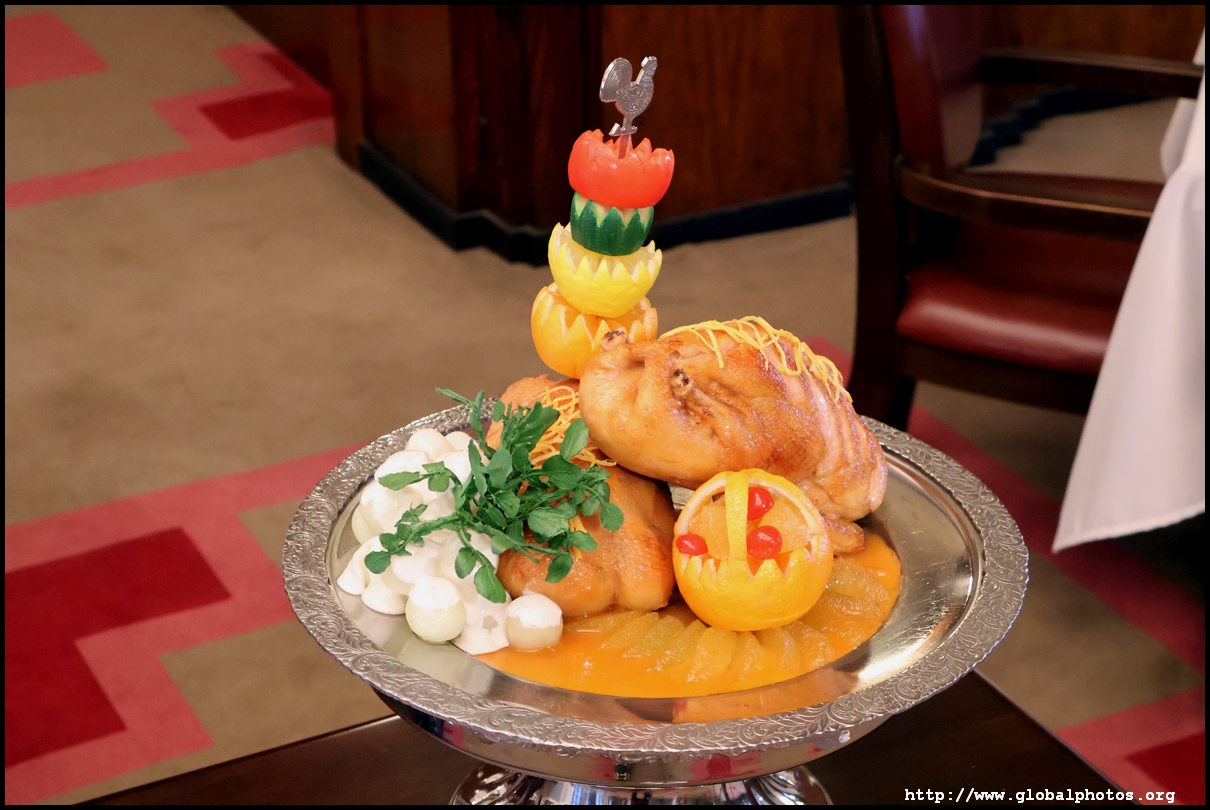
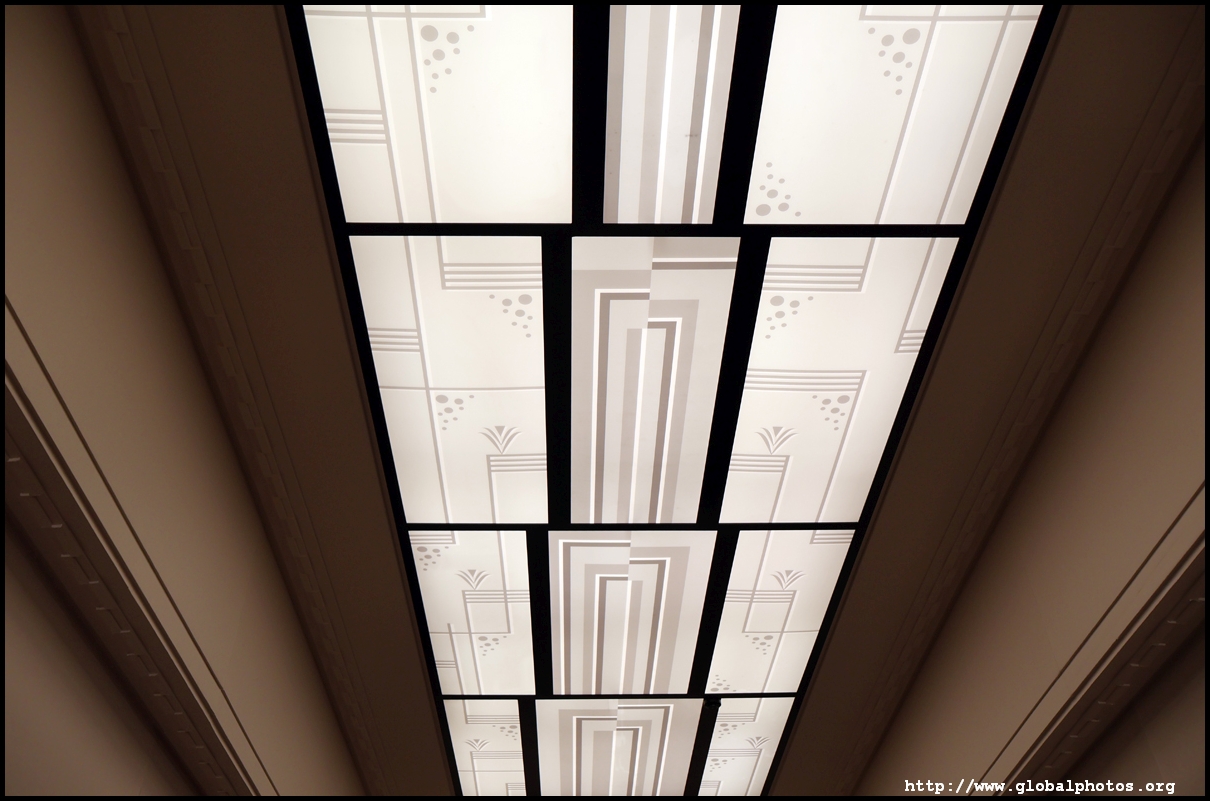
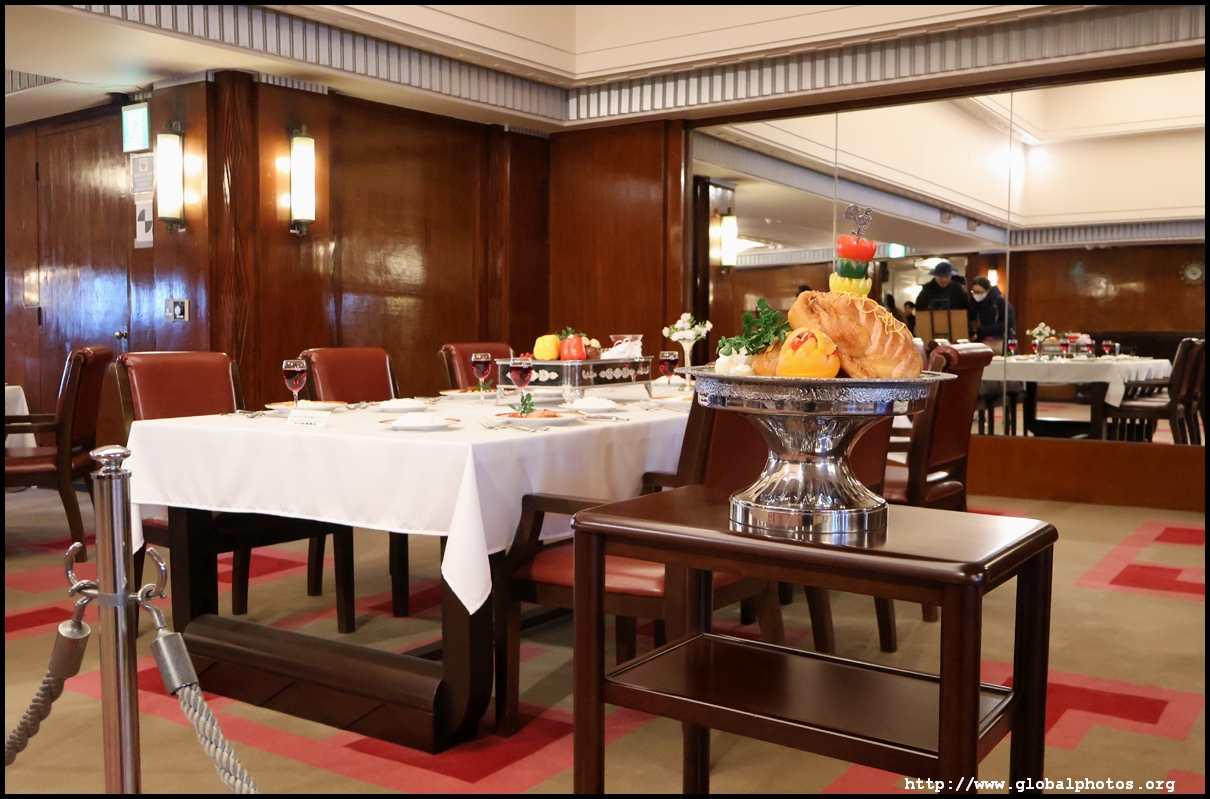
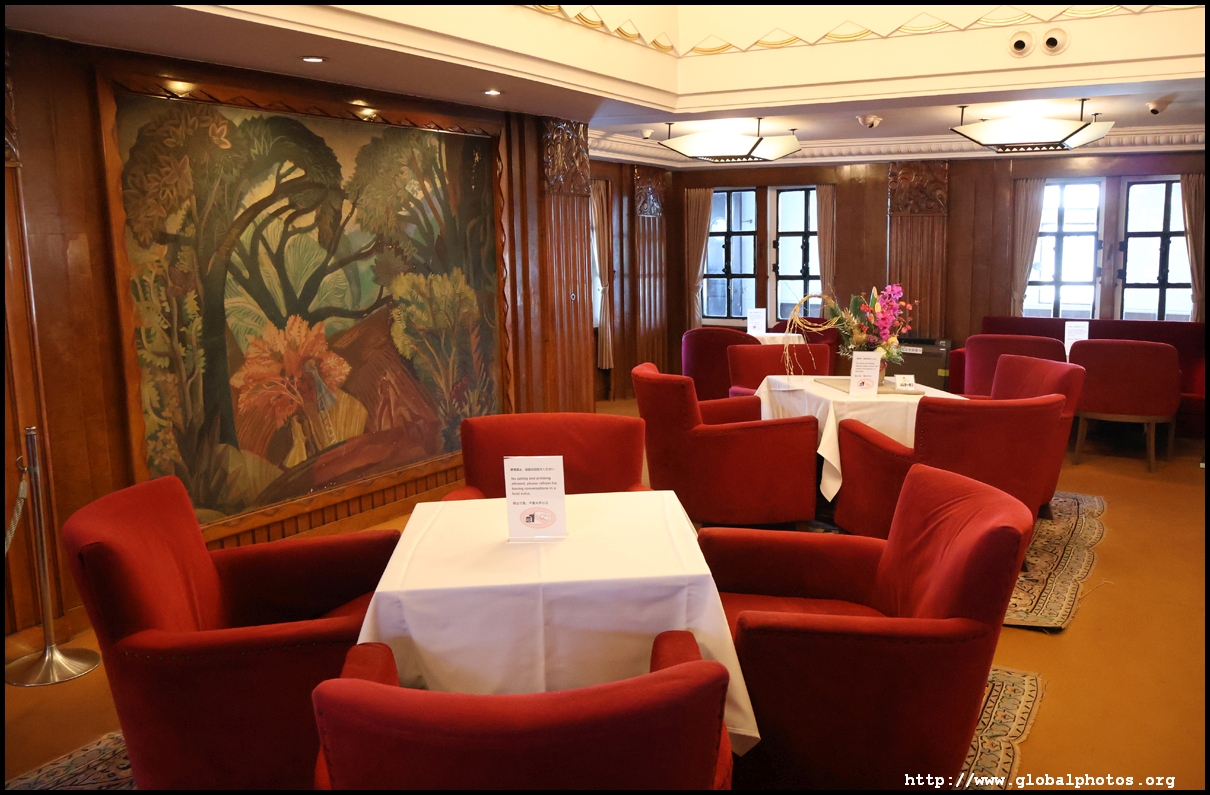
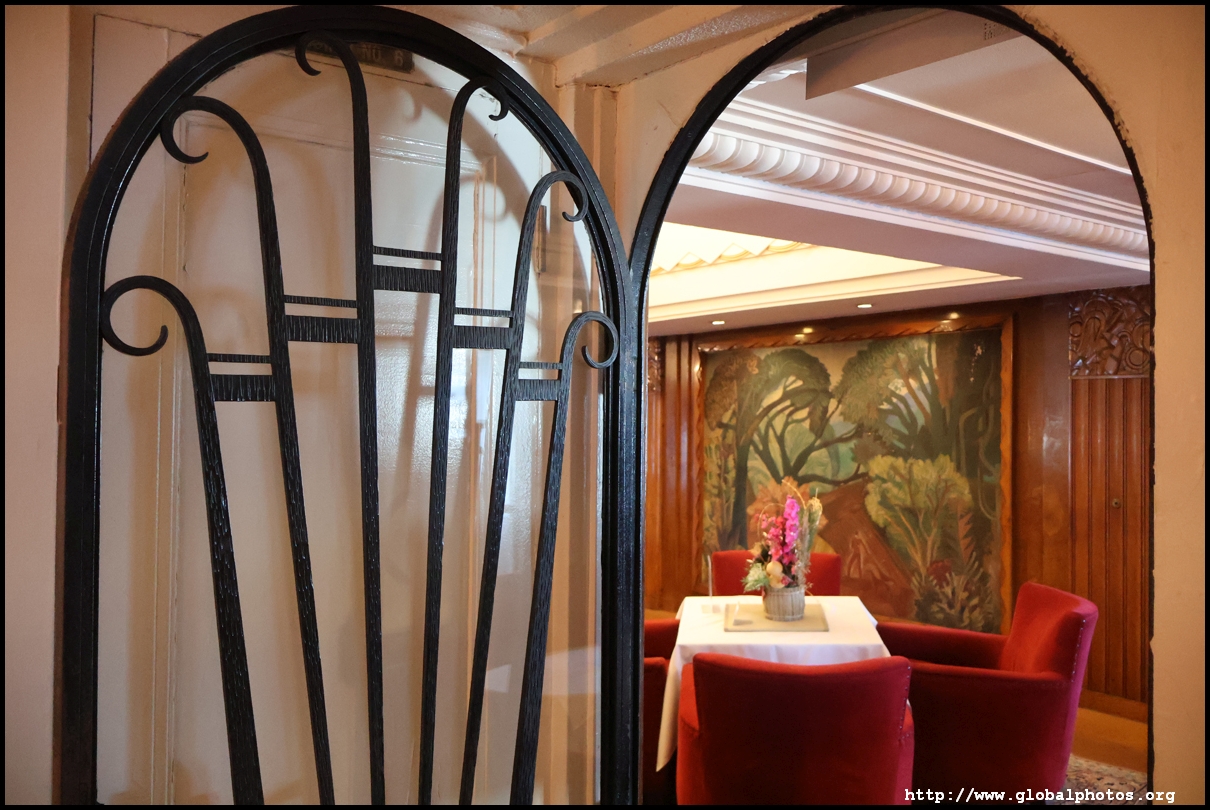
The first class dining saloon spans the full stretch of the hull in the art deco style.
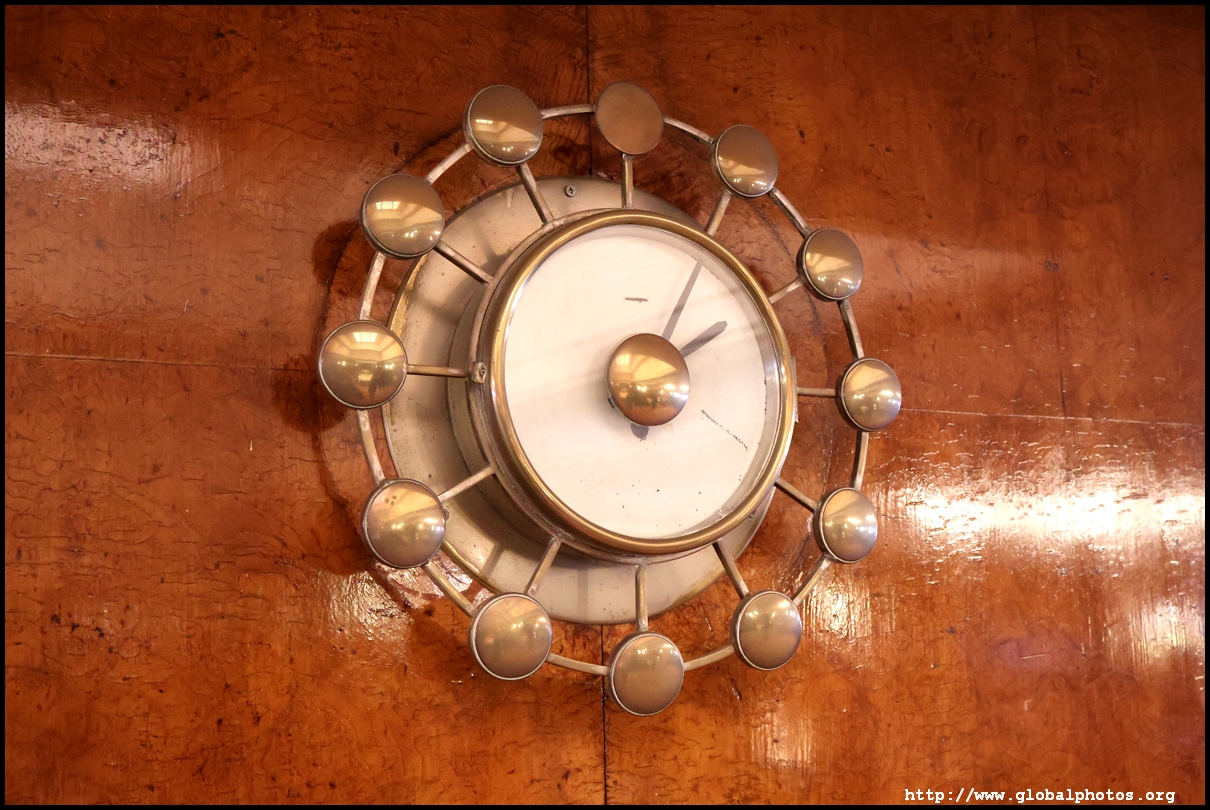
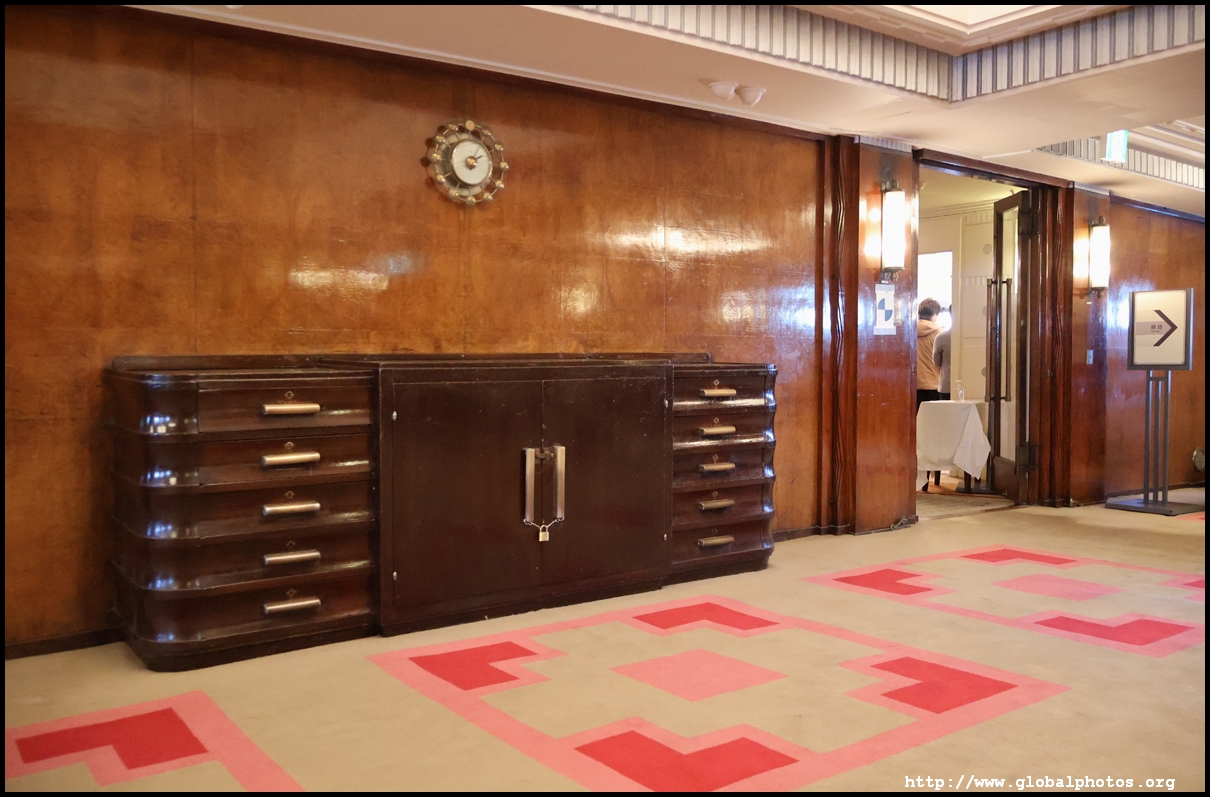
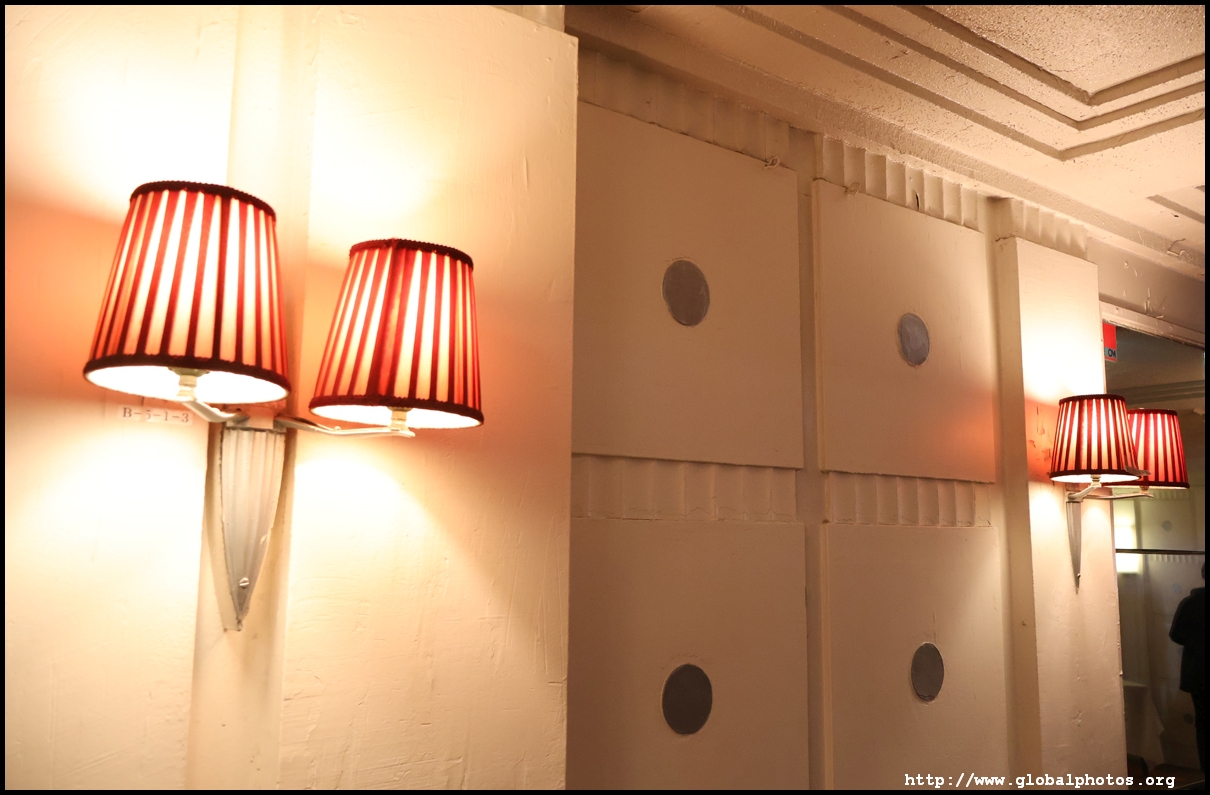
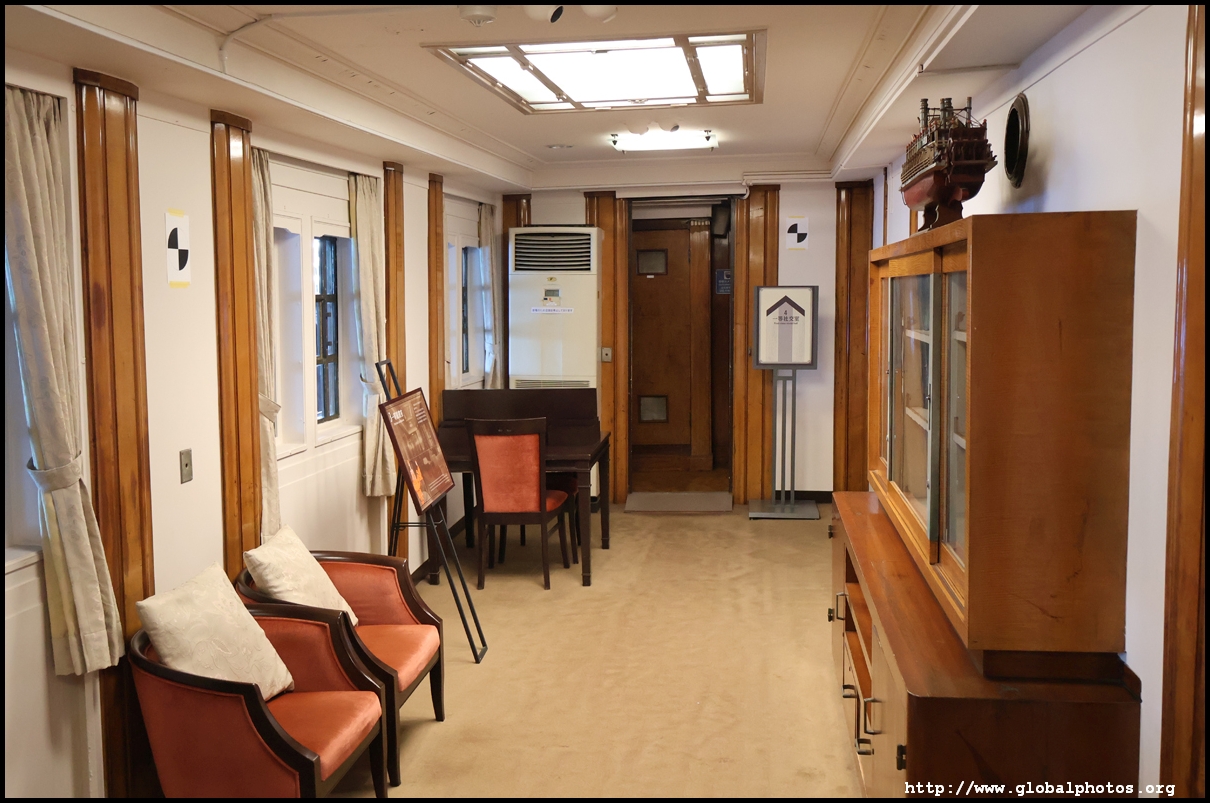
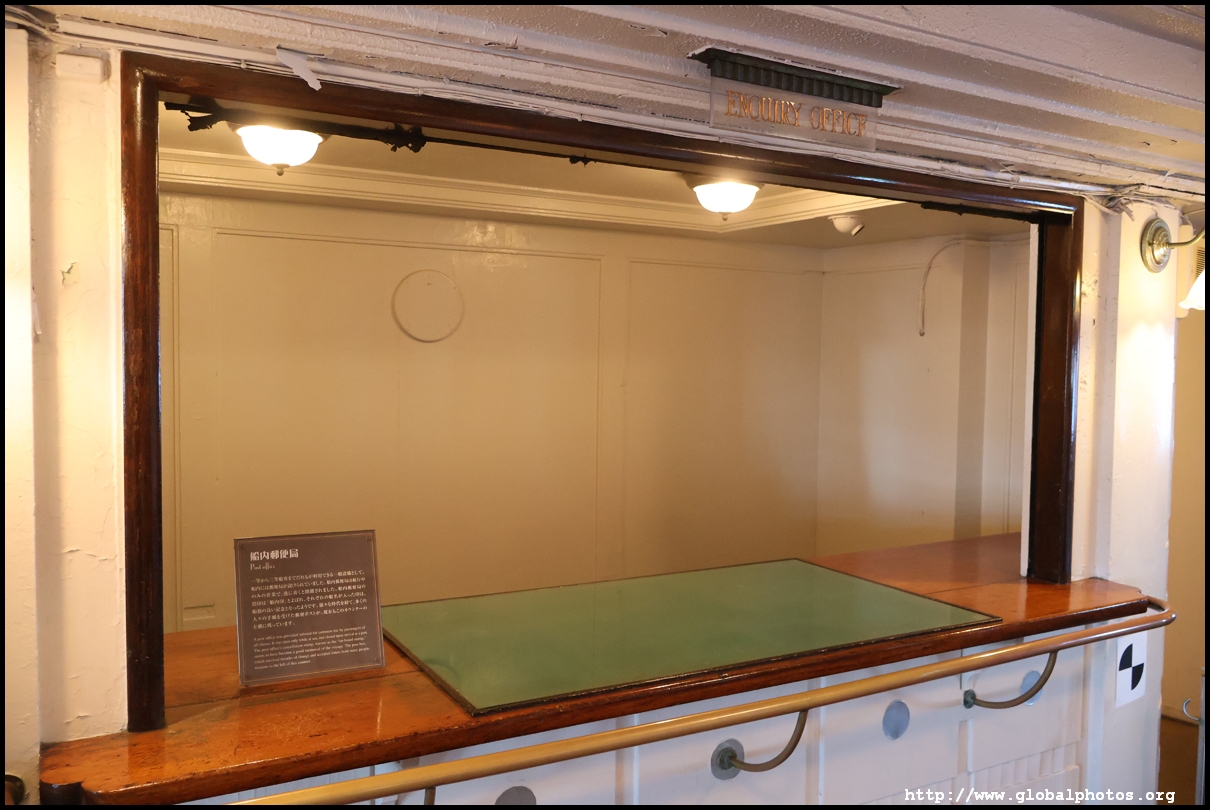
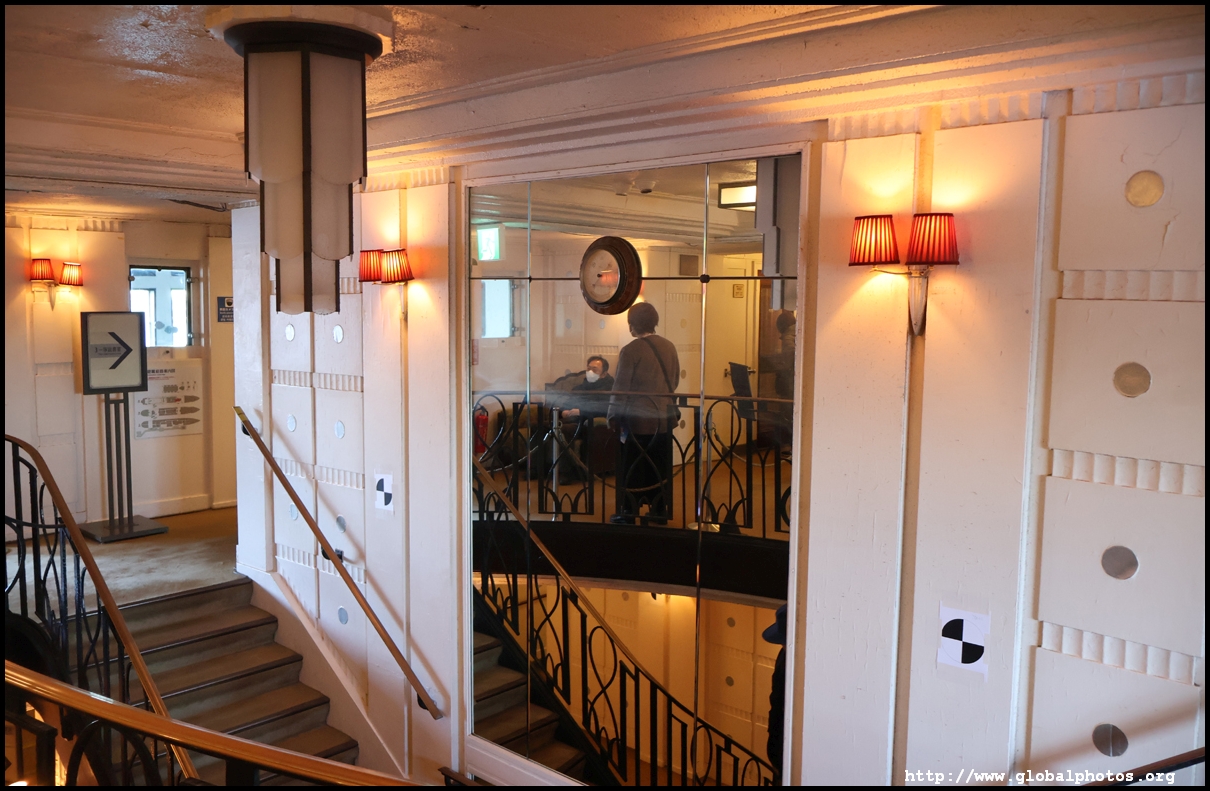
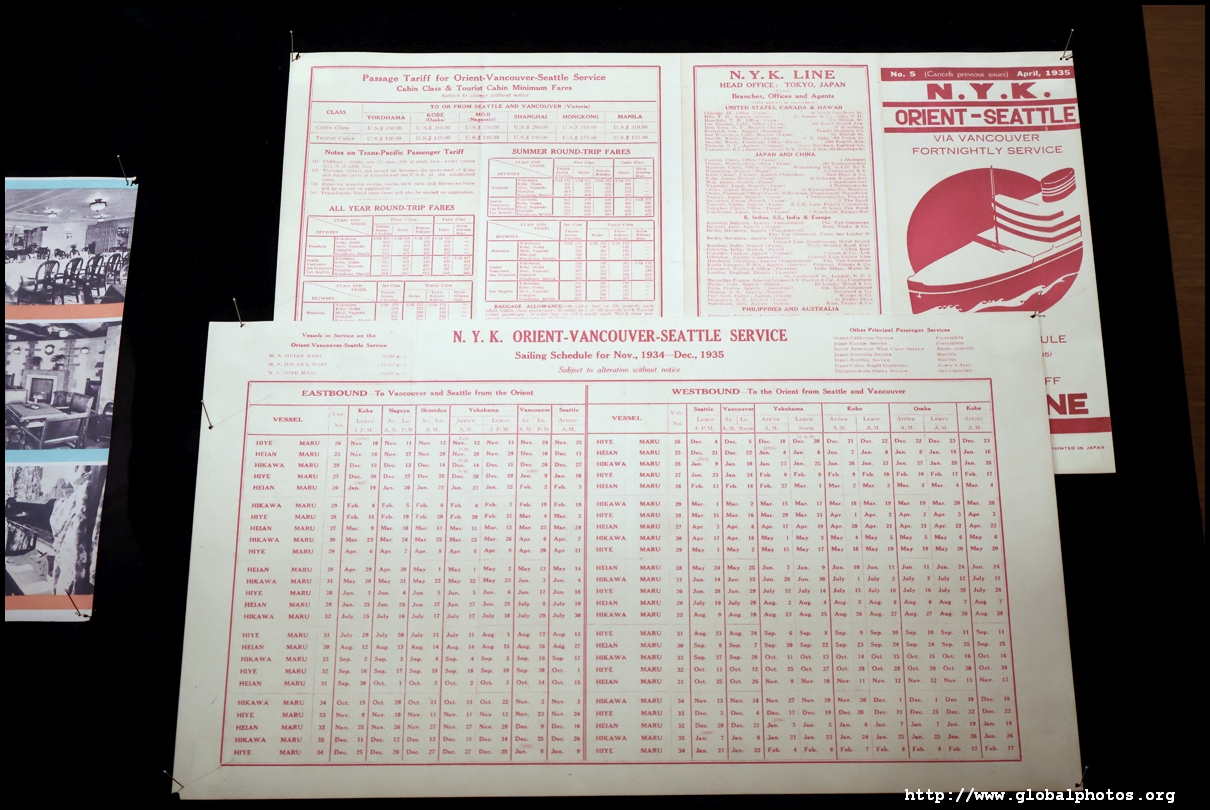
NYK Line launched the Seattle service in 1896 to primarily export raw silk to the US. After the cargo reached Seattle, it would be transported on its partner, the Great Northern Railway, to New York. Seattle was particularly chosen over San Francisco, which was the largest port on the West Coast at the time, because this route would save a day.
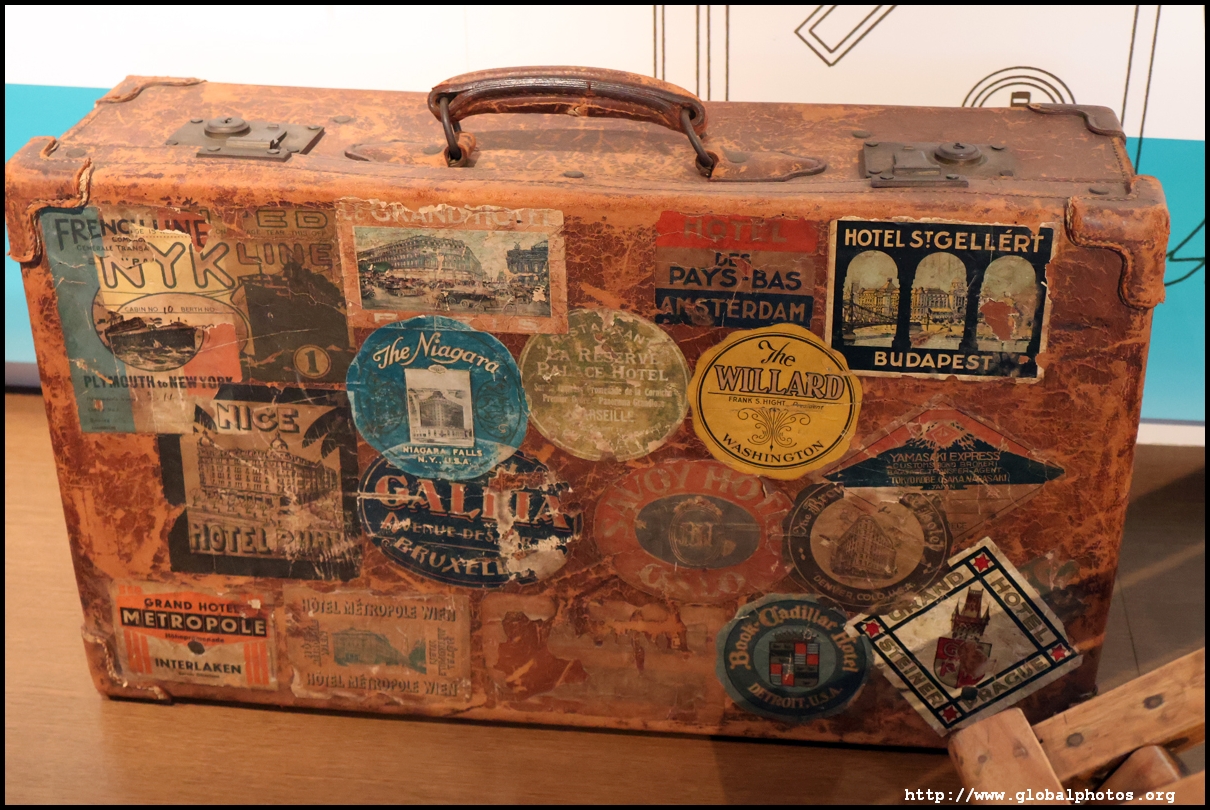
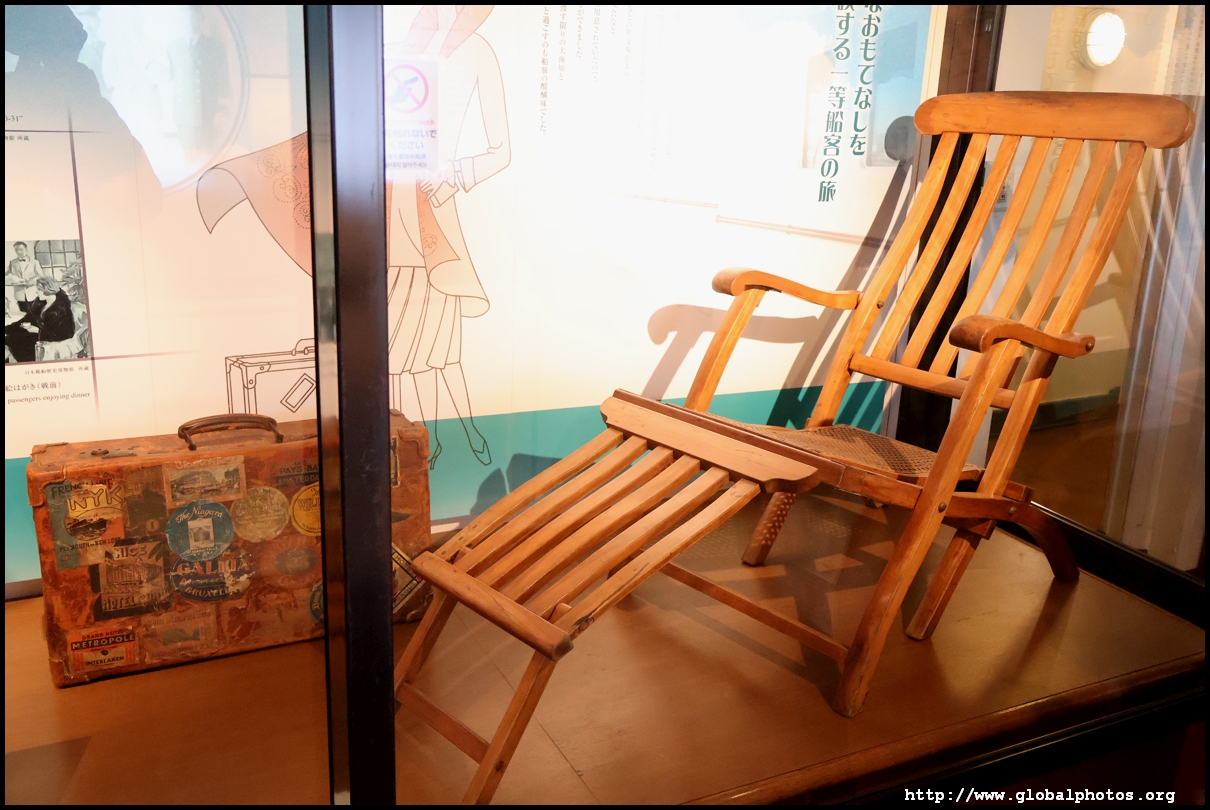
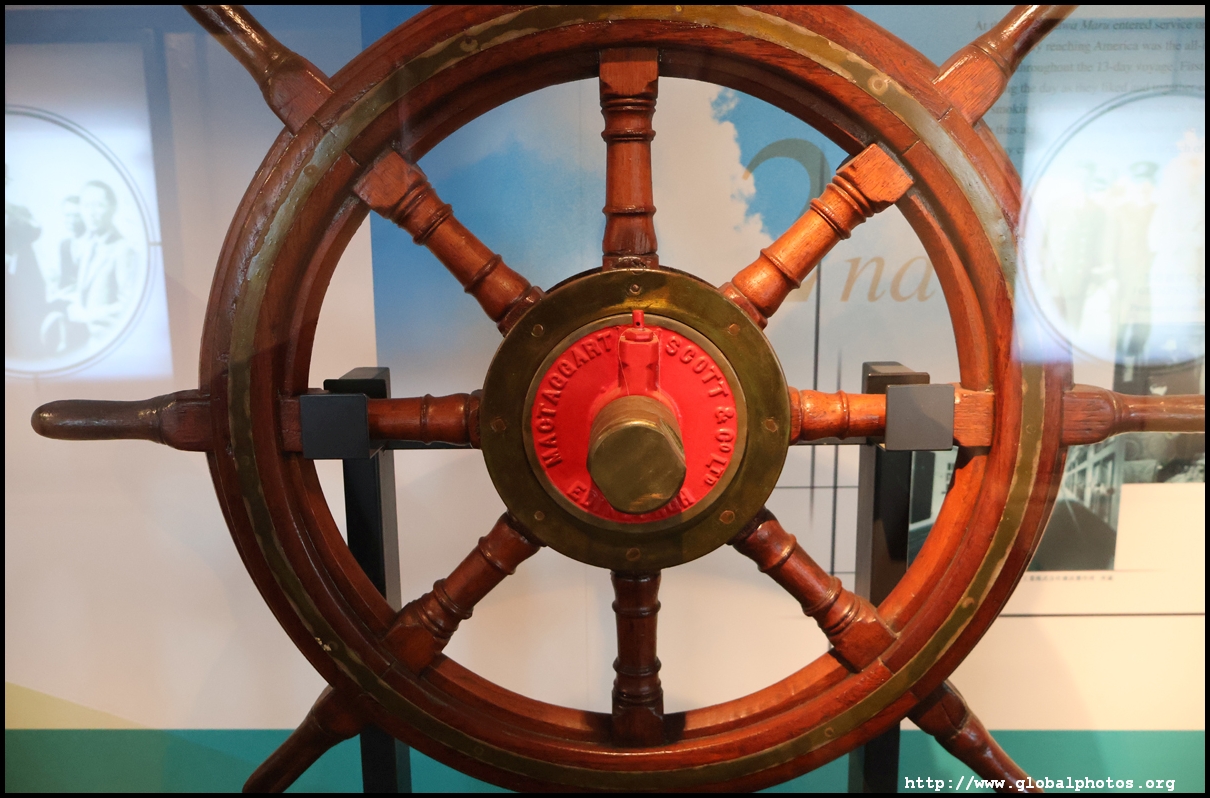
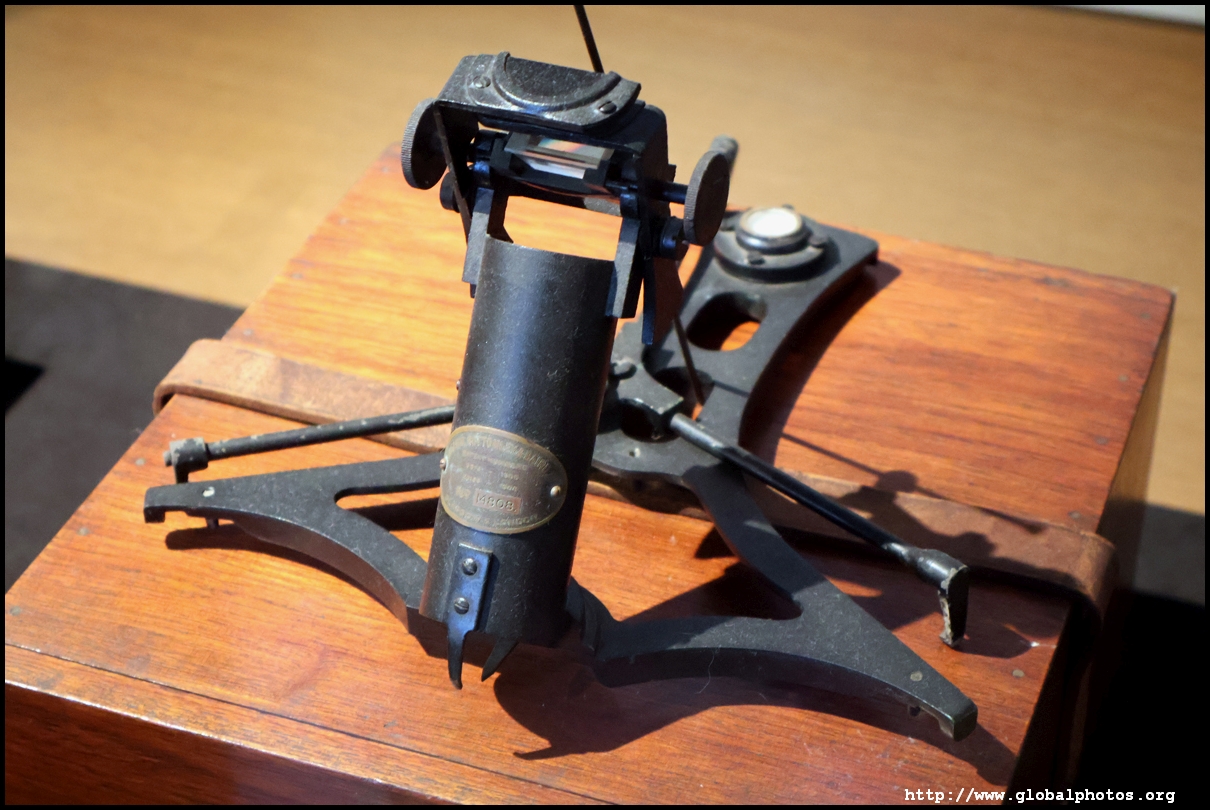
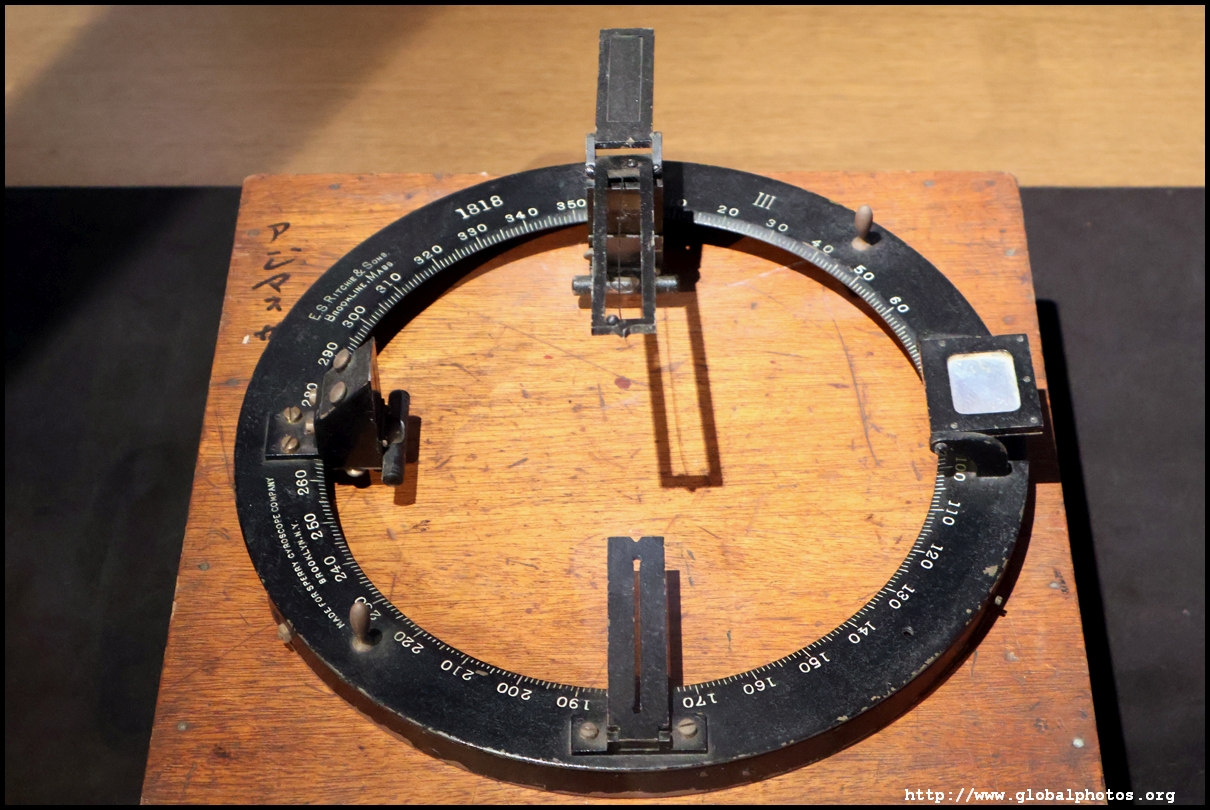
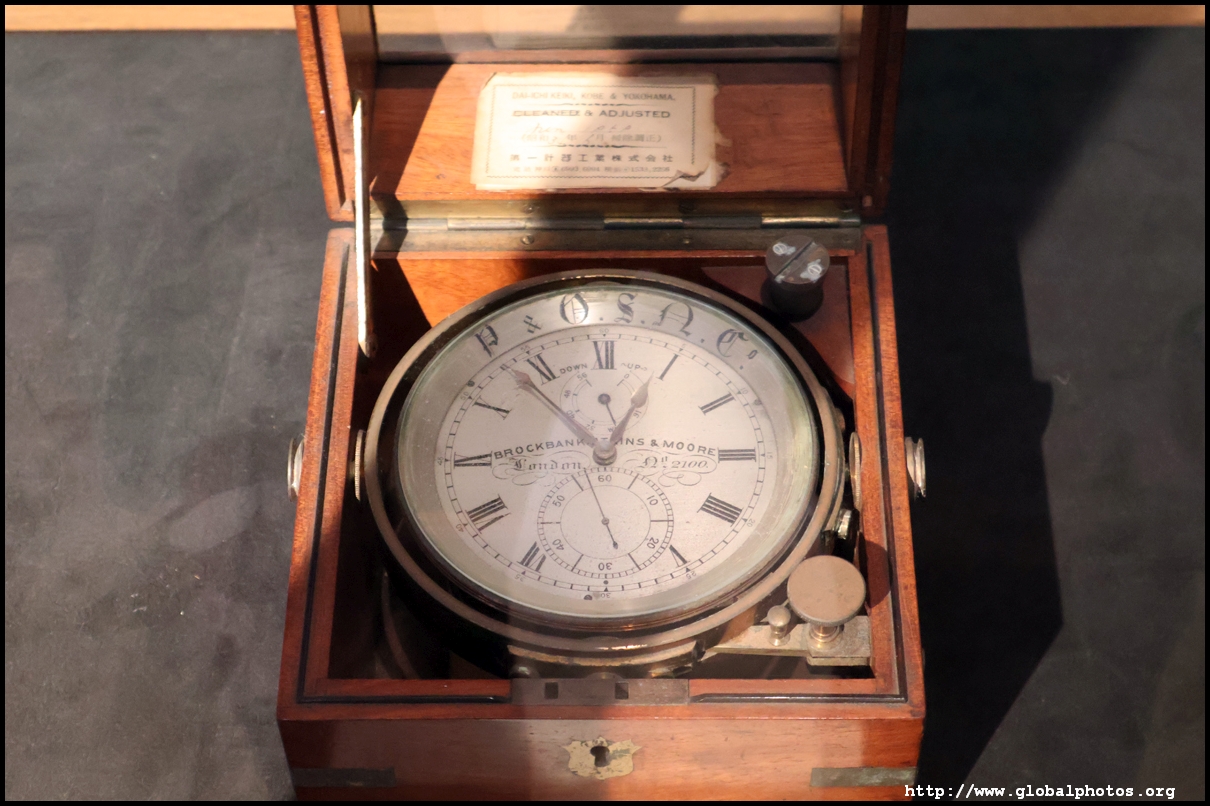
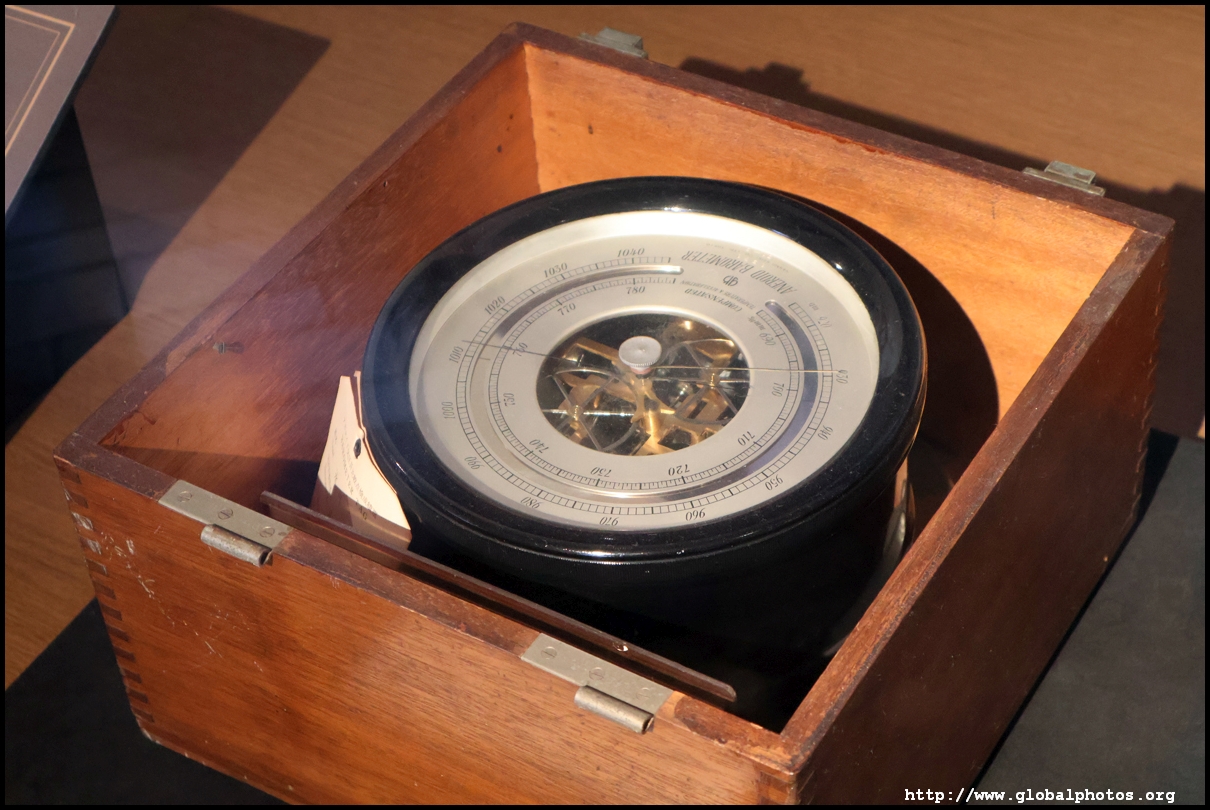
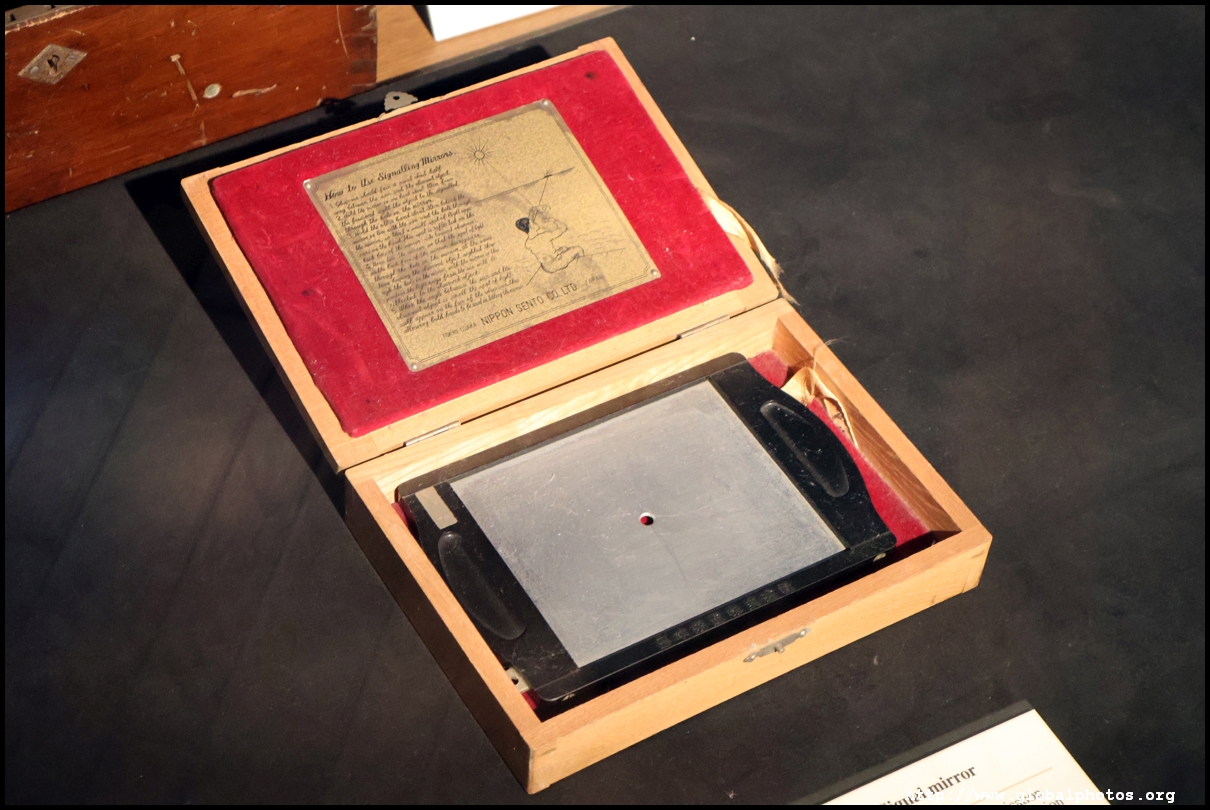
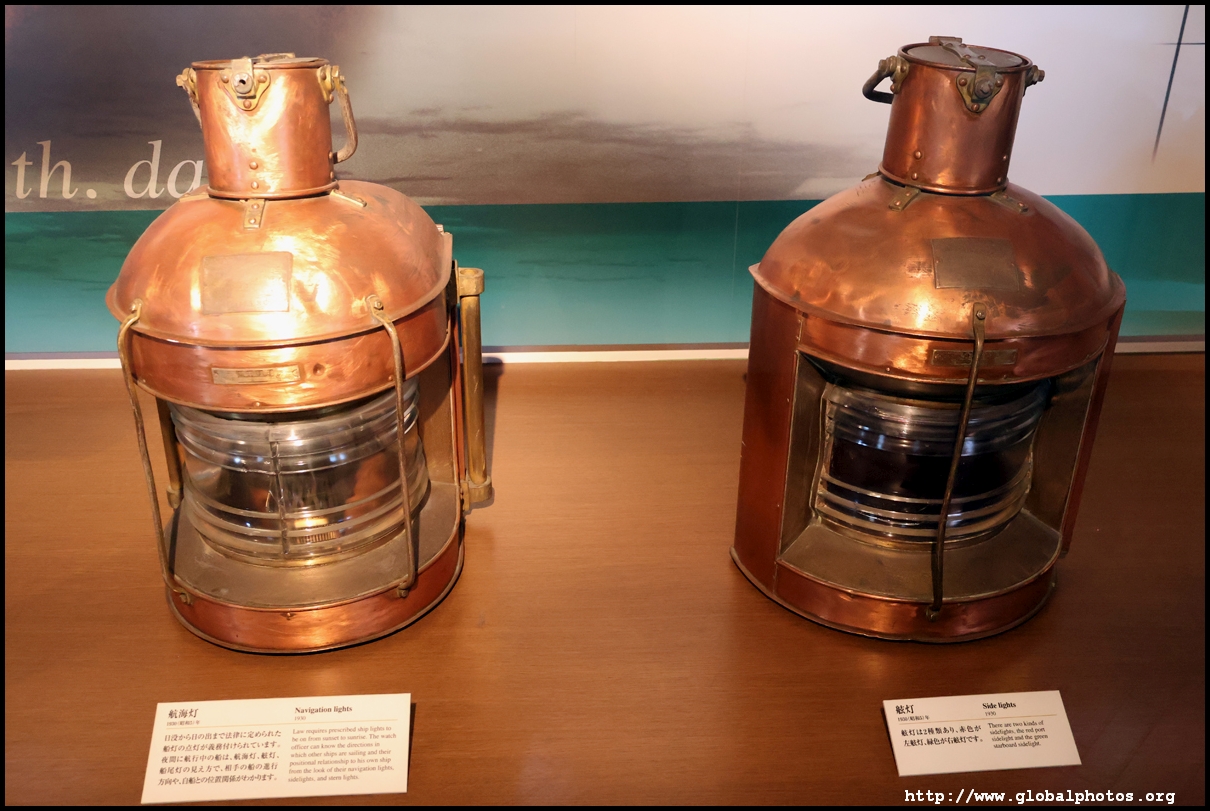
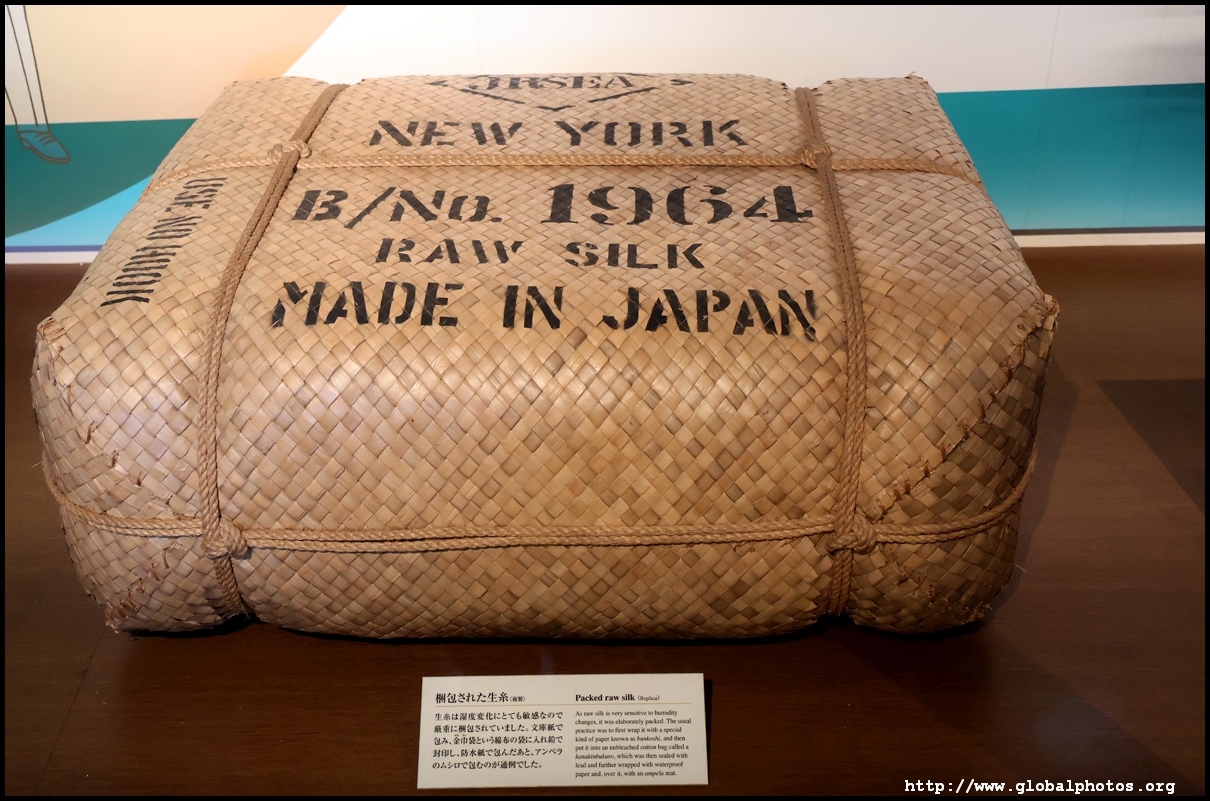
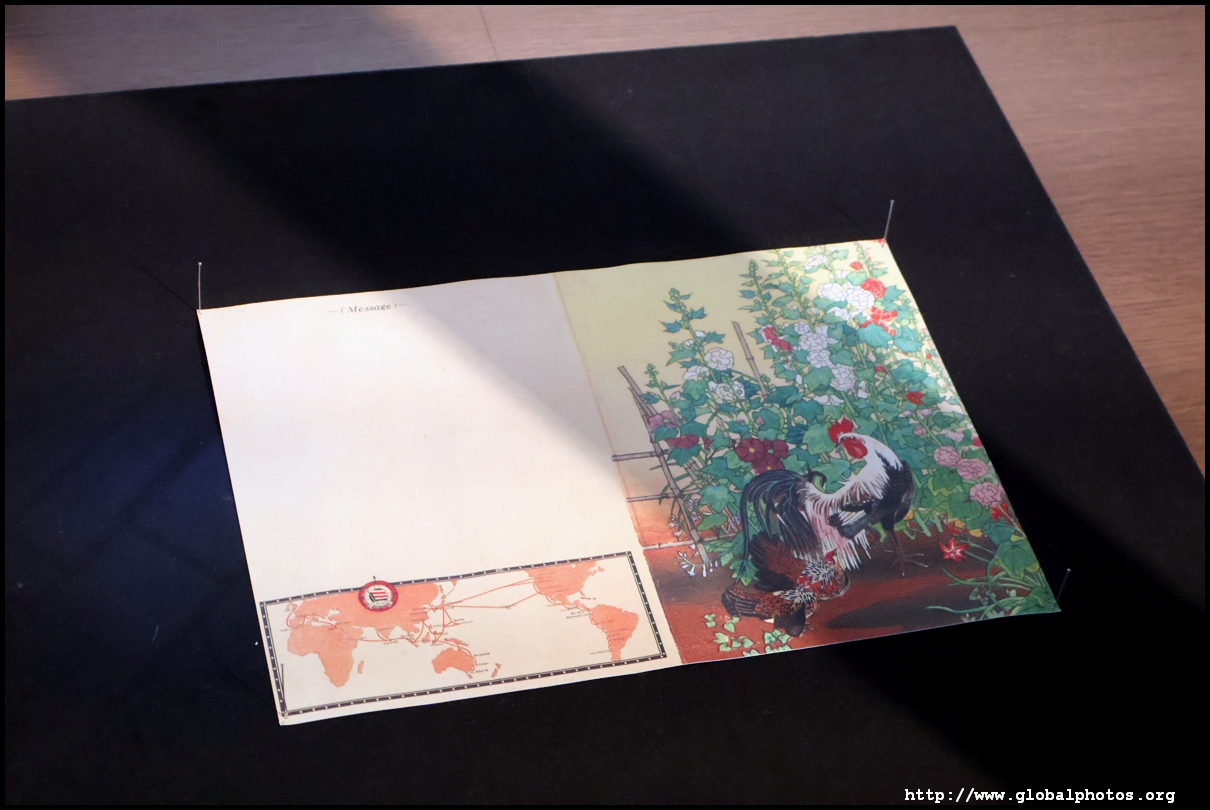
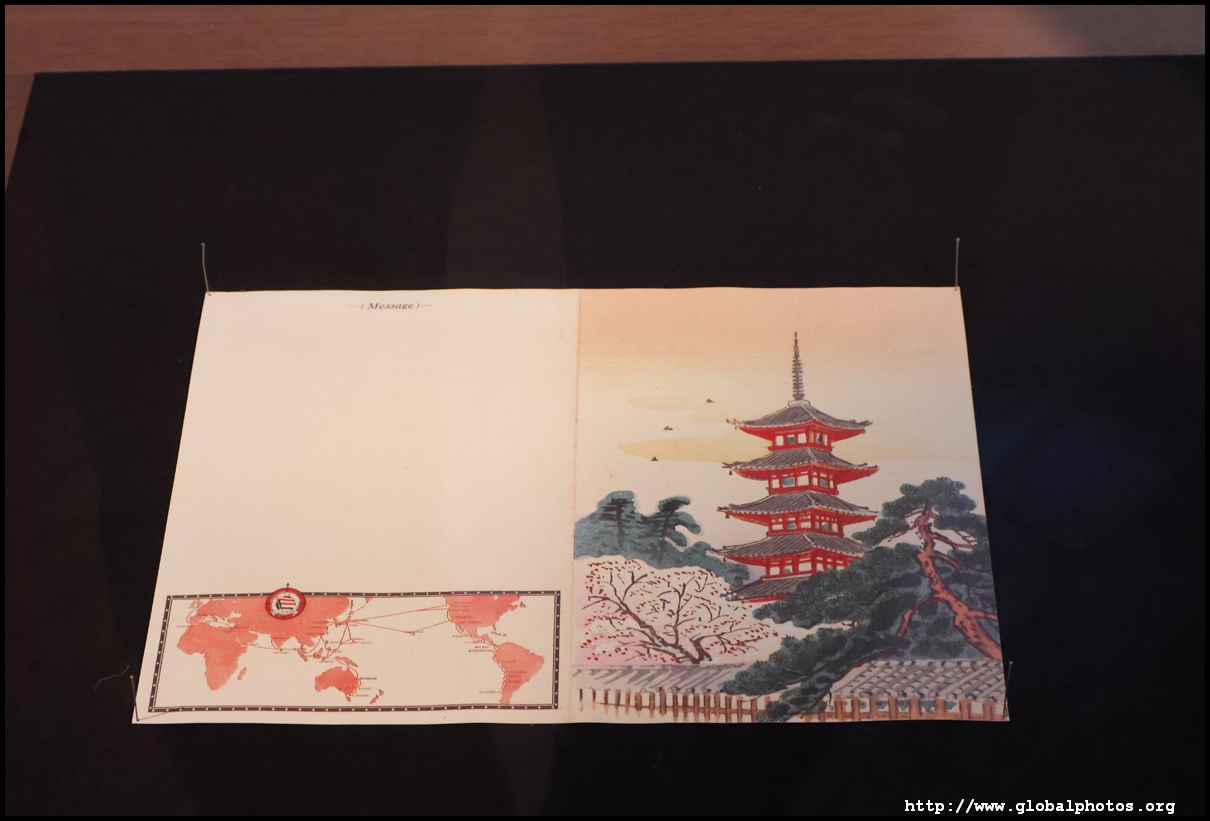
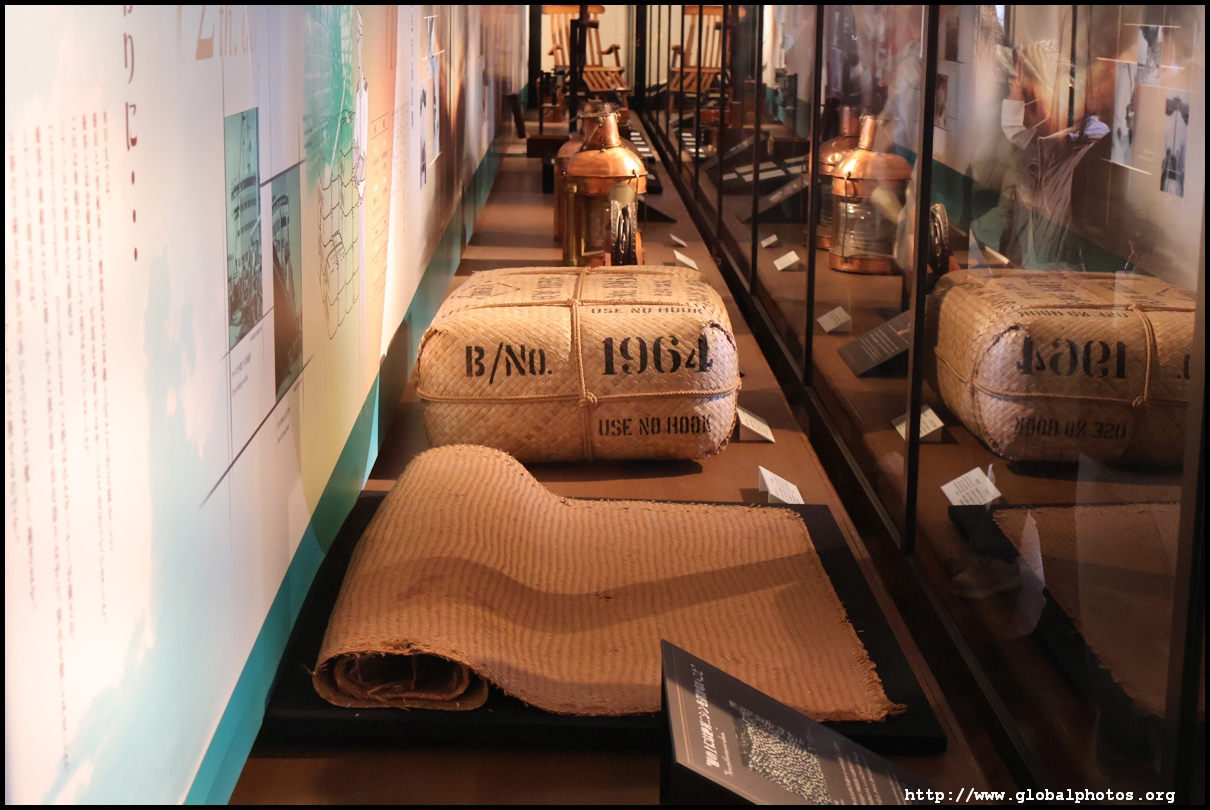
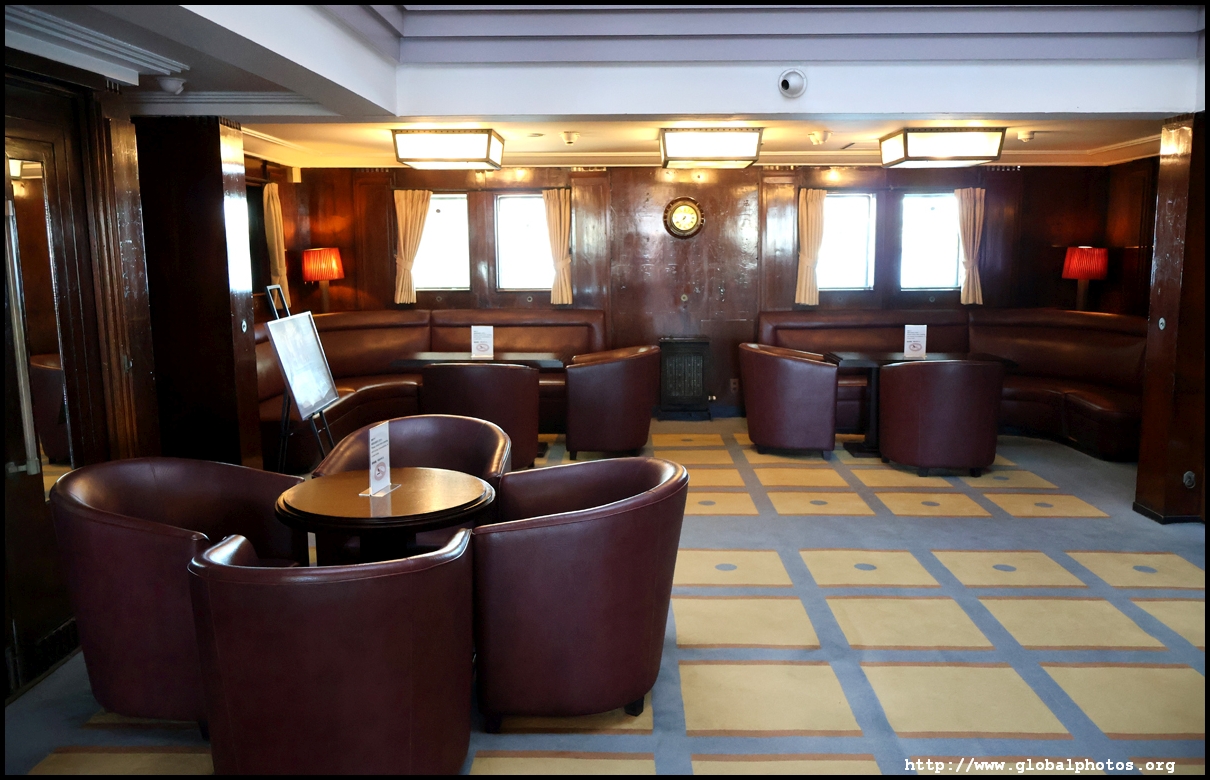
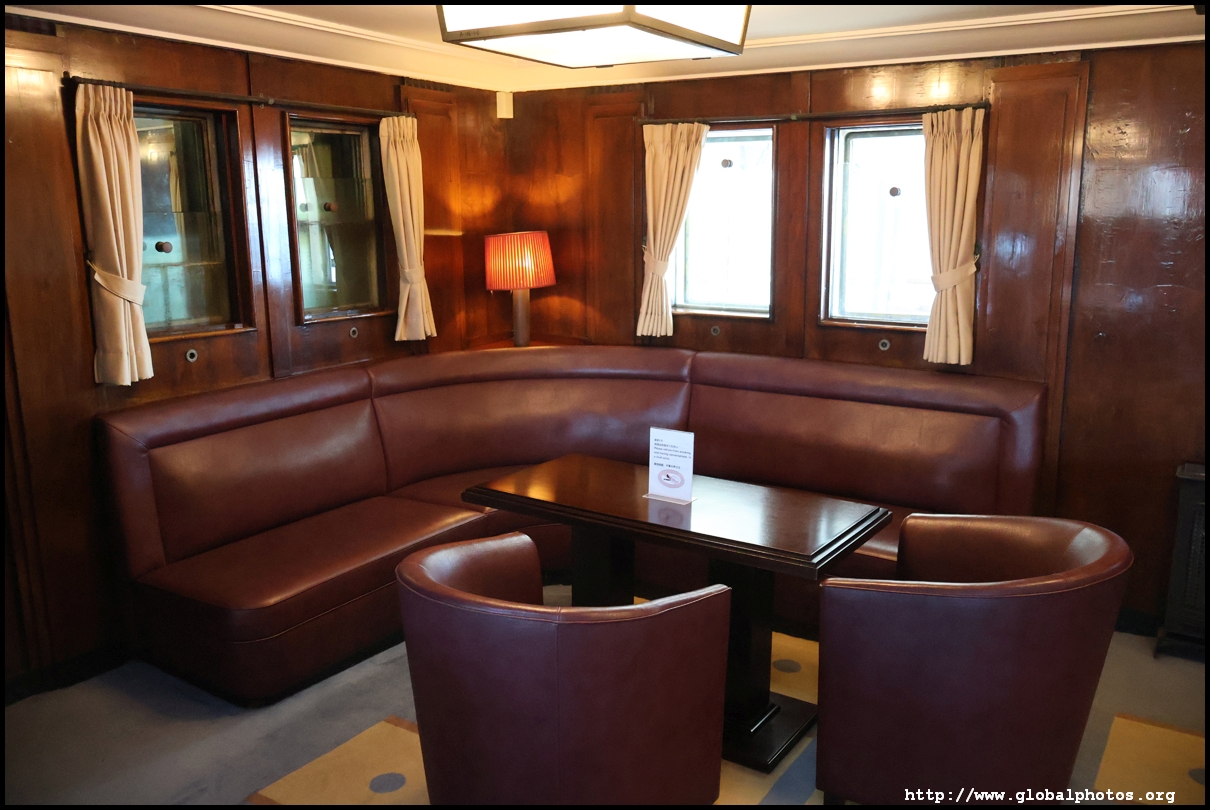
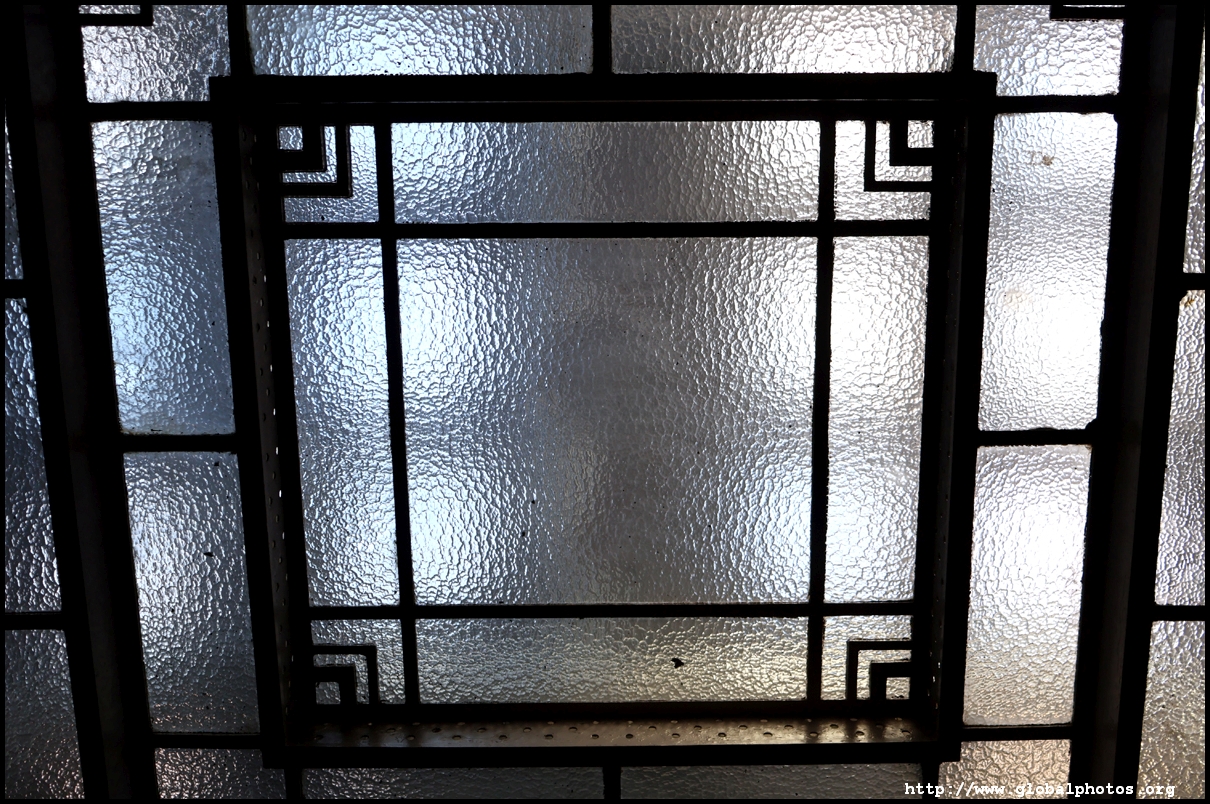
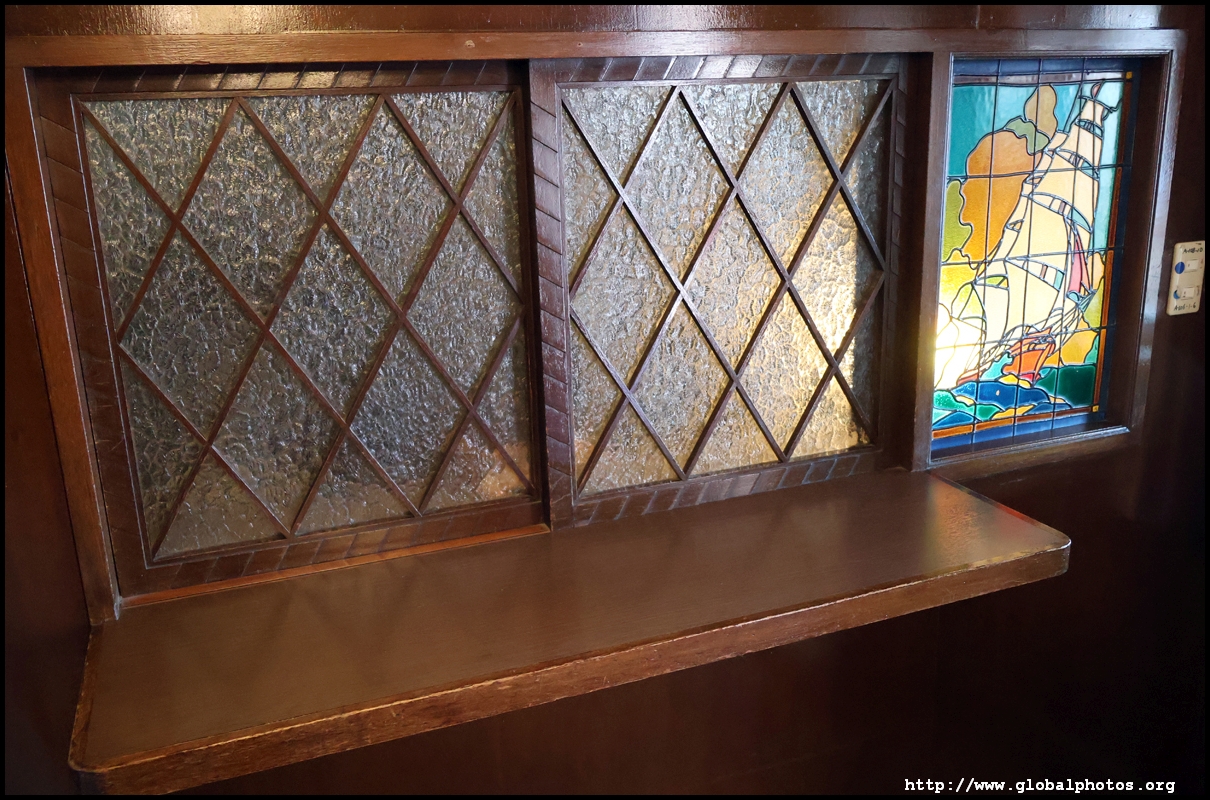
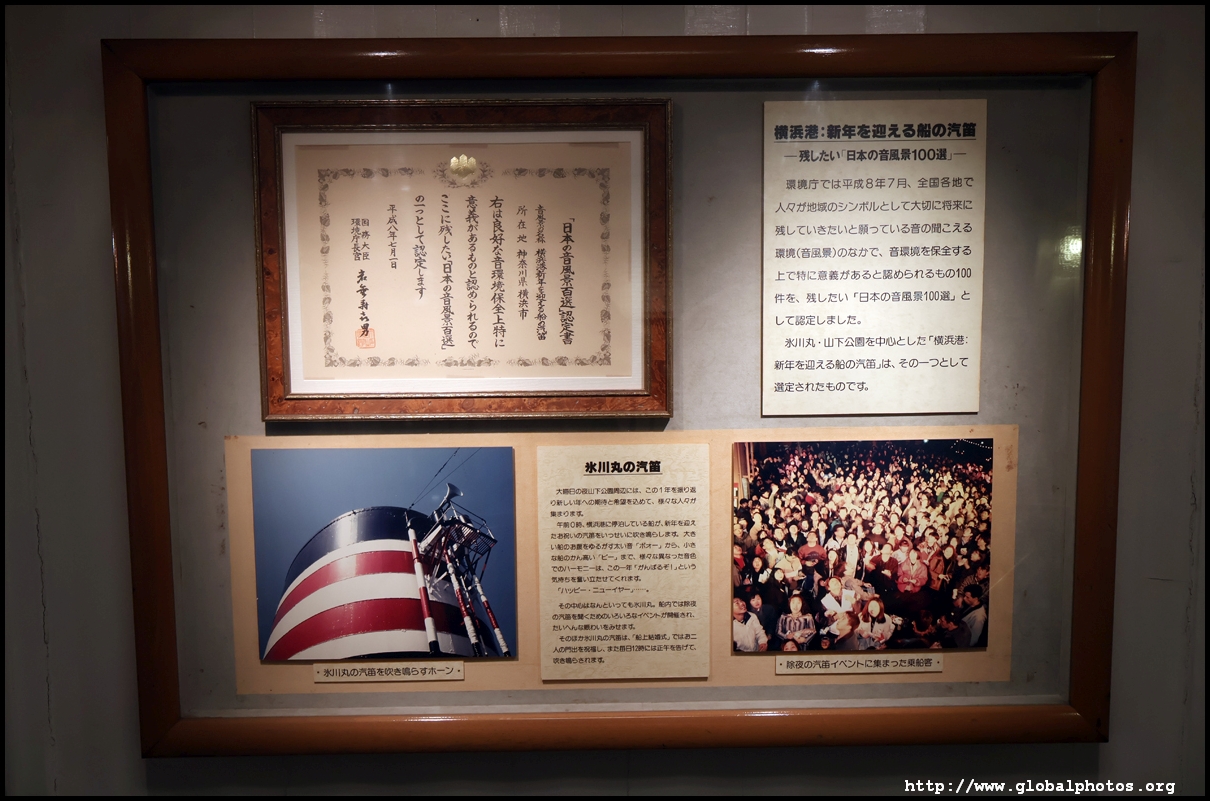
The Hikawa Maru made the transpacific trip from Yokohama in 13 days. A one-way first class fare to Seattle was initially about 500 yen, roughly 7 months' salary of a new fresh graduate recruit to the shipping line.
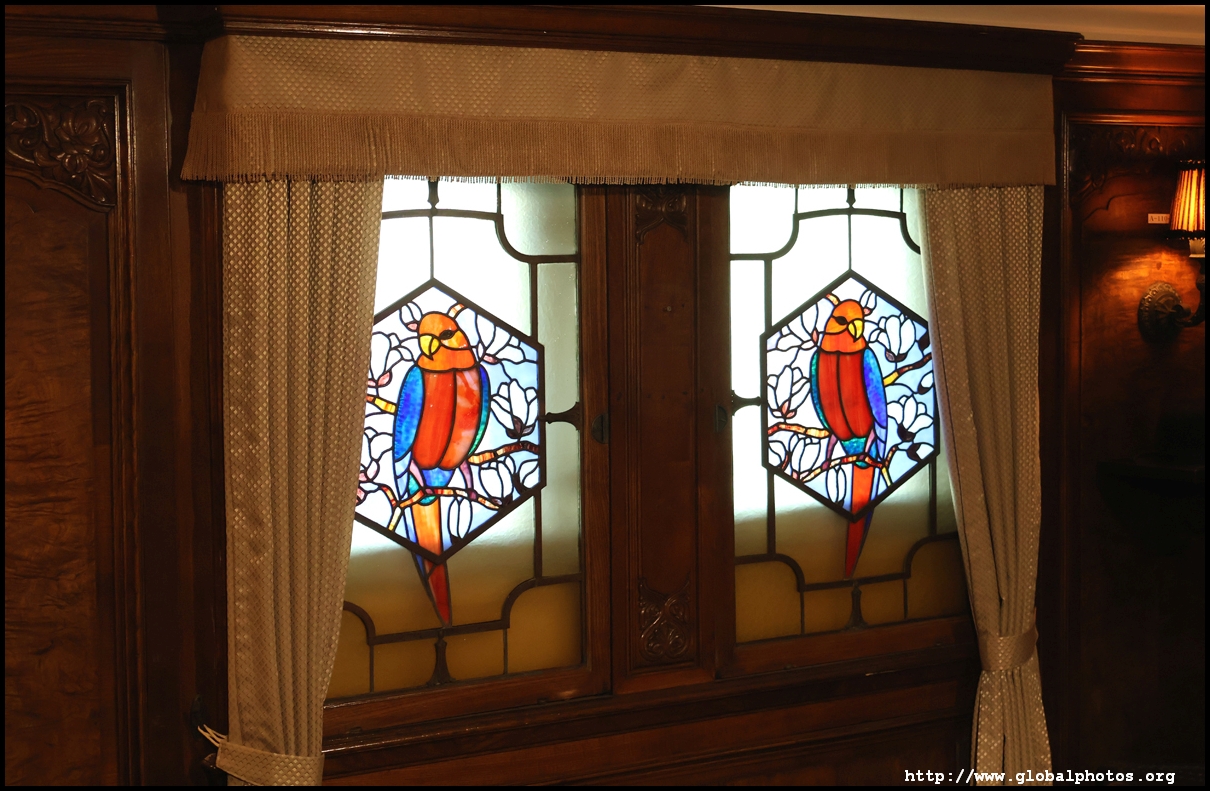
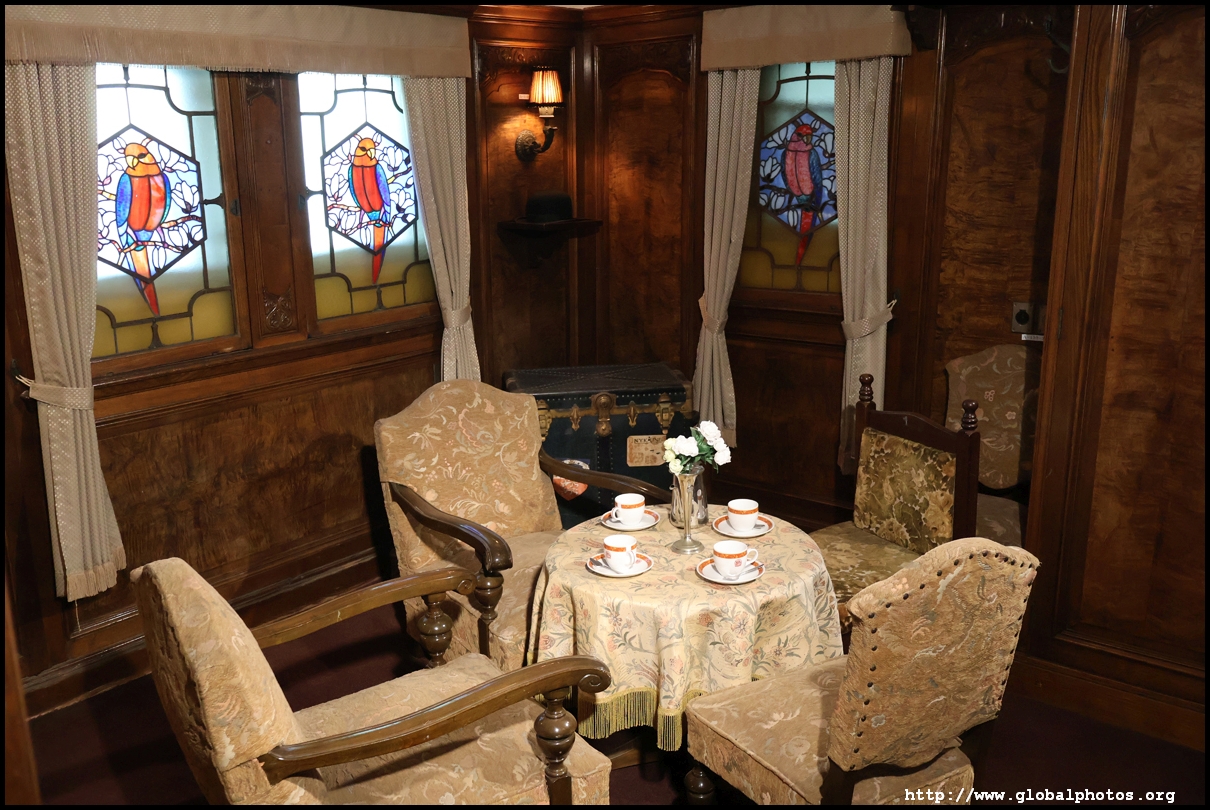
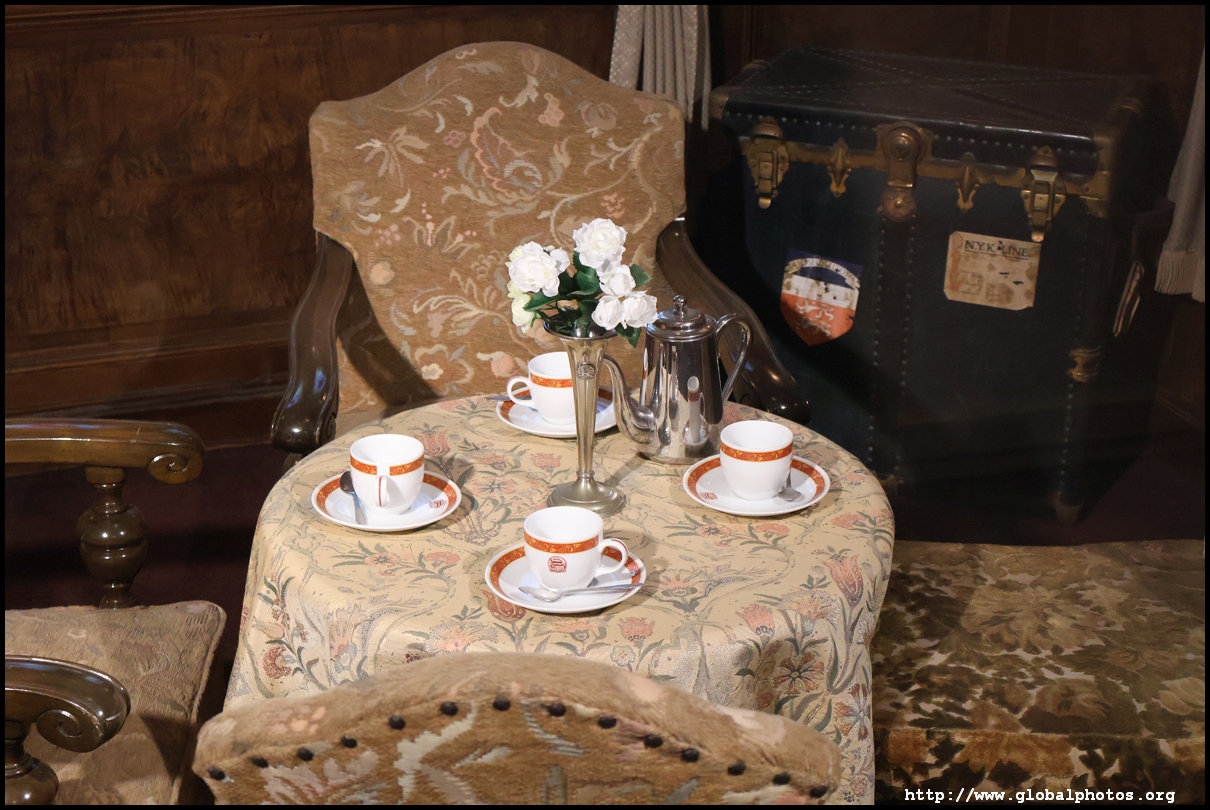
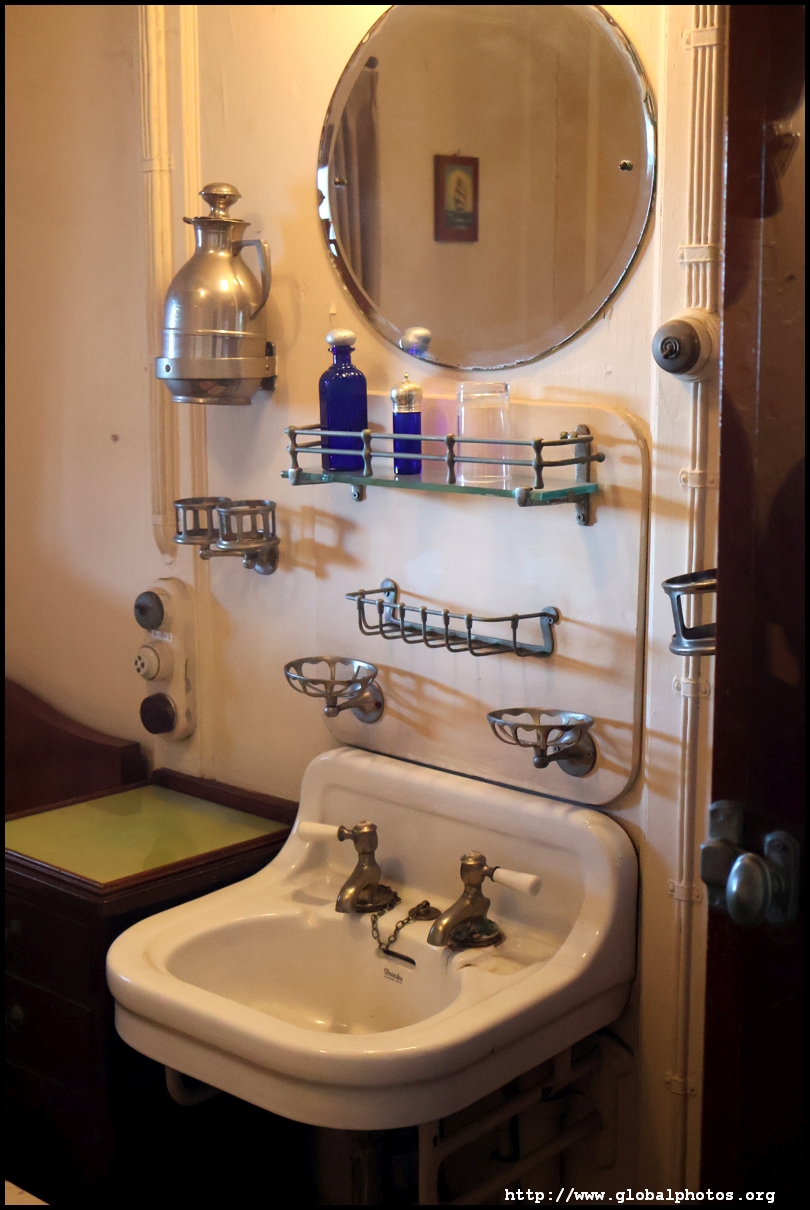
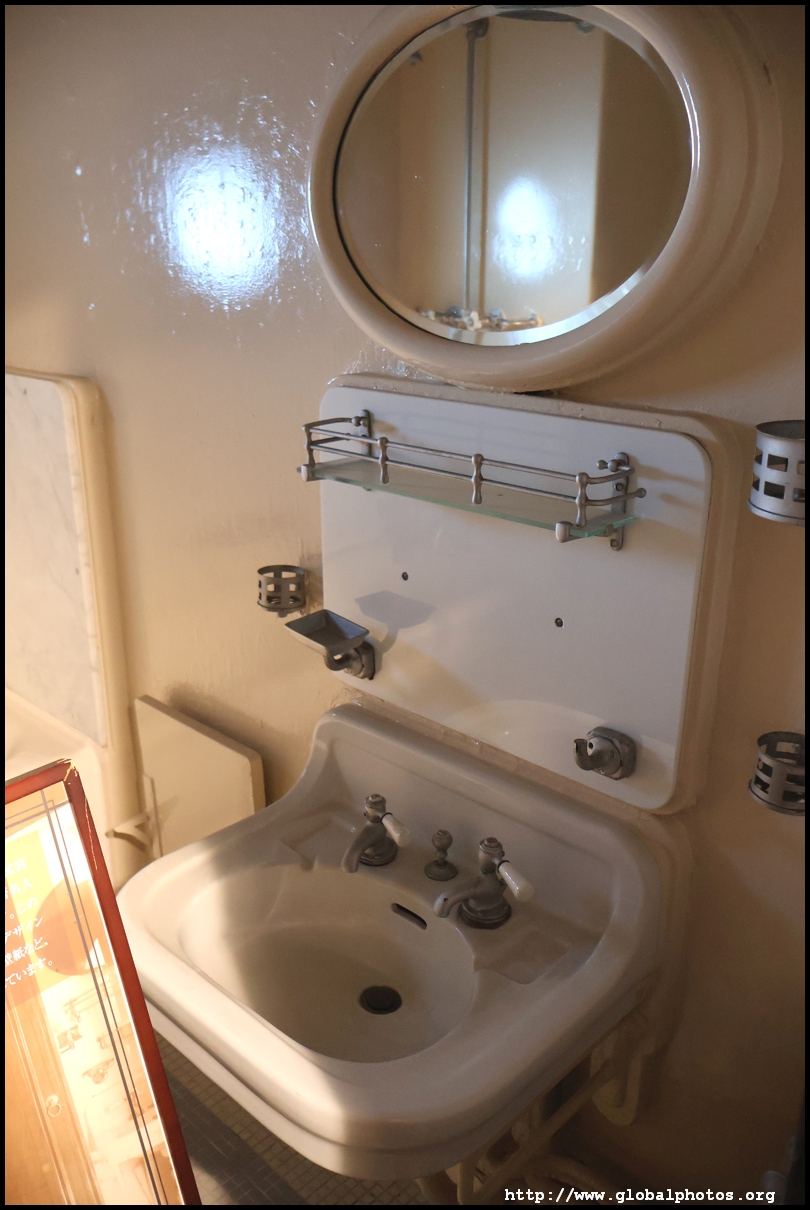
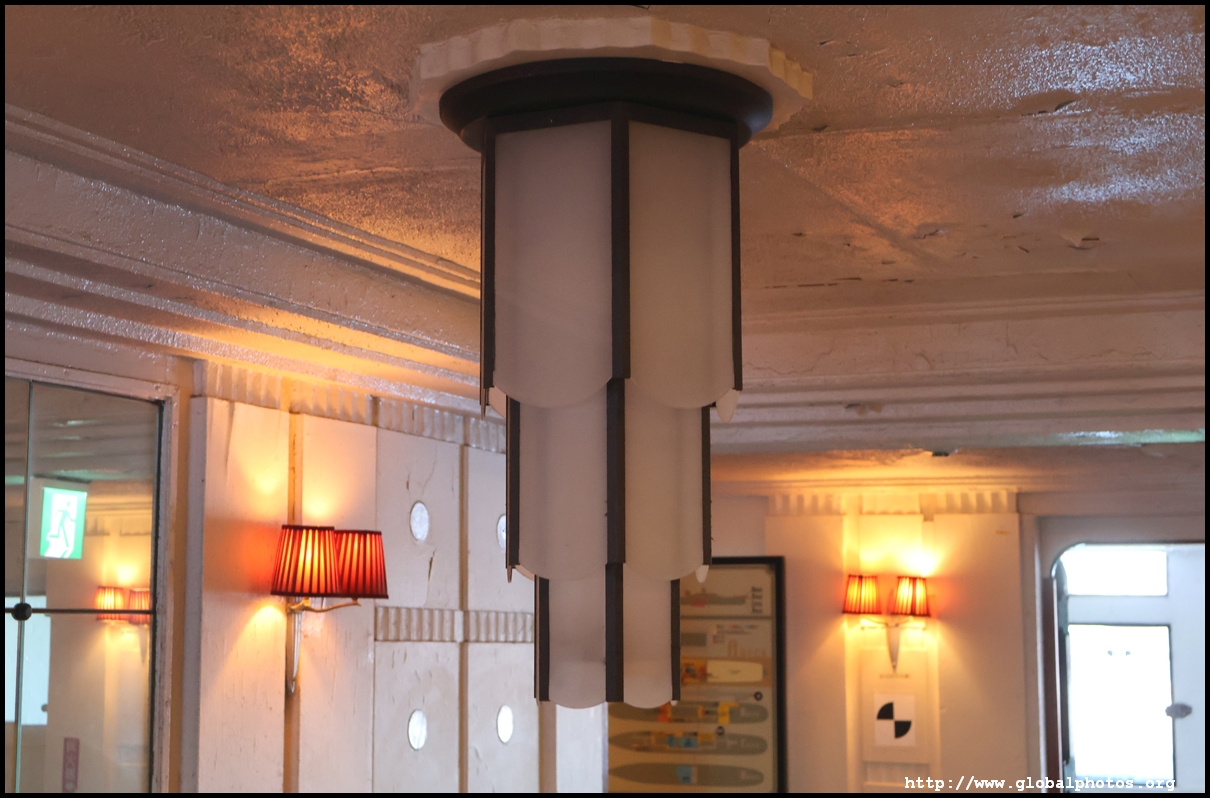
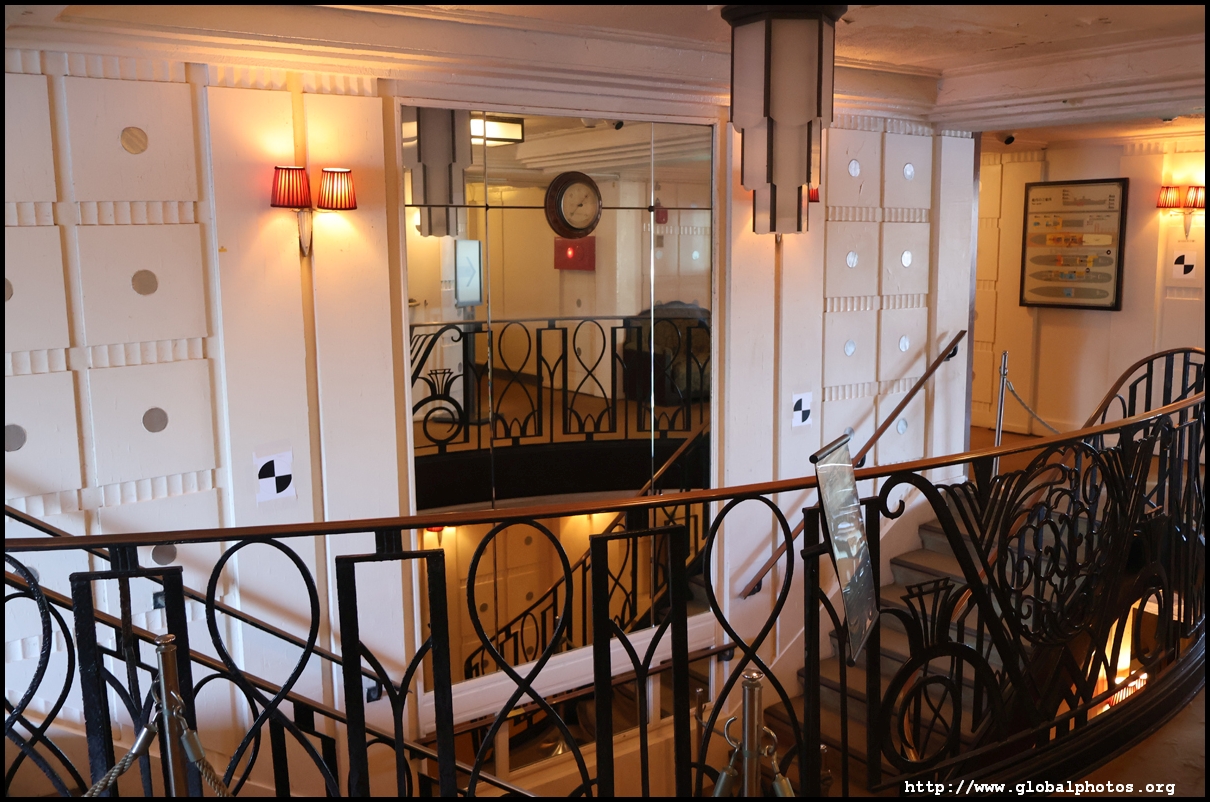
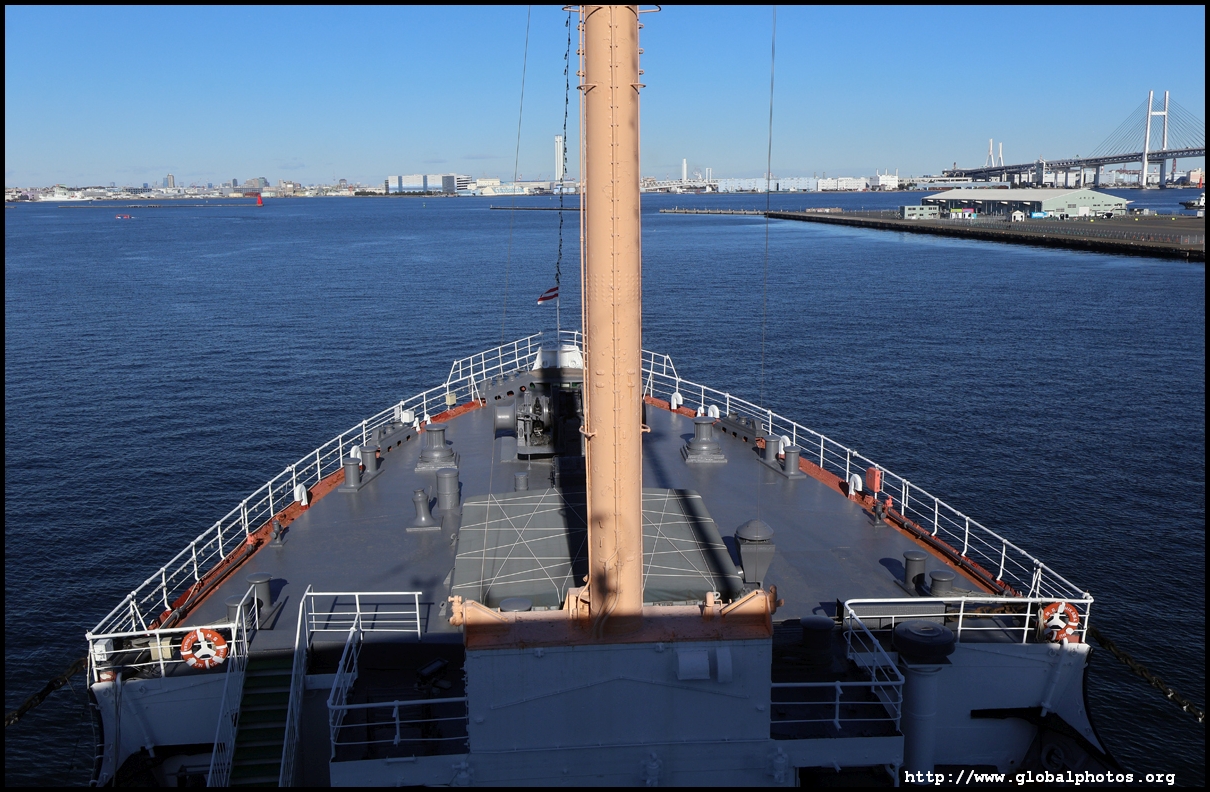
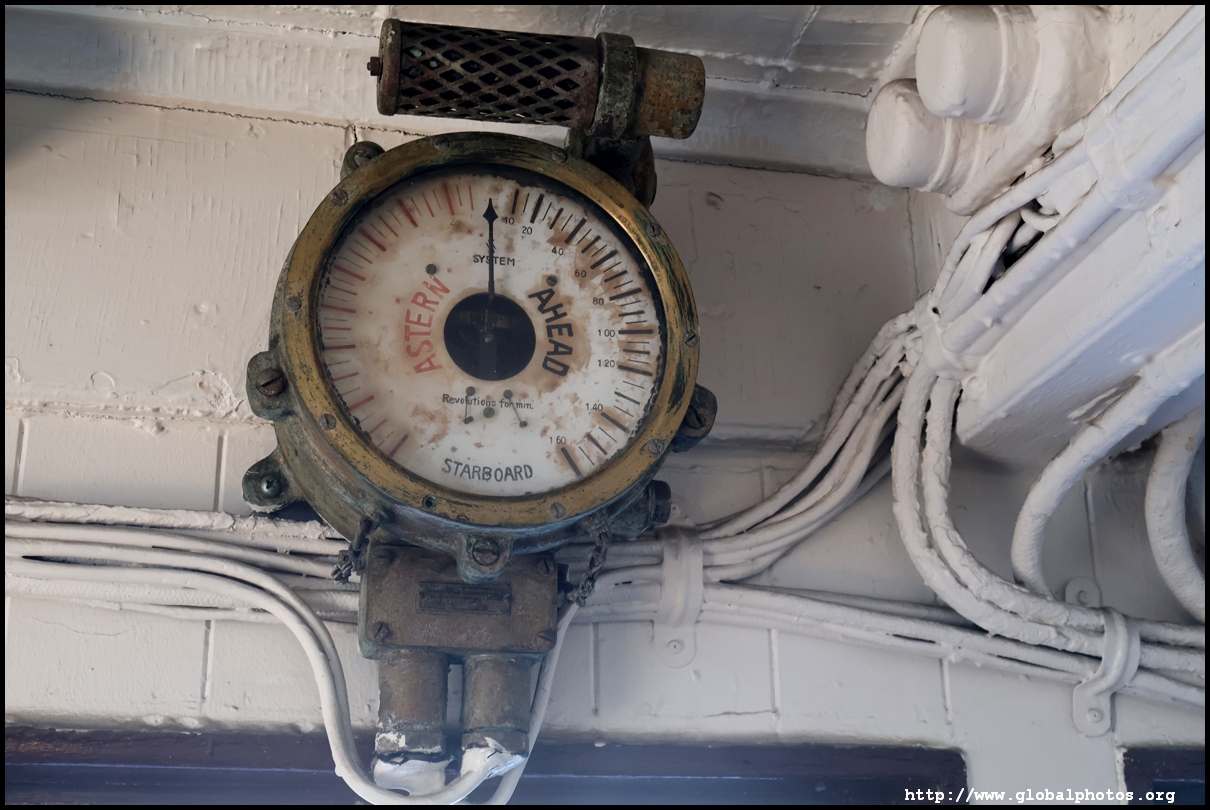
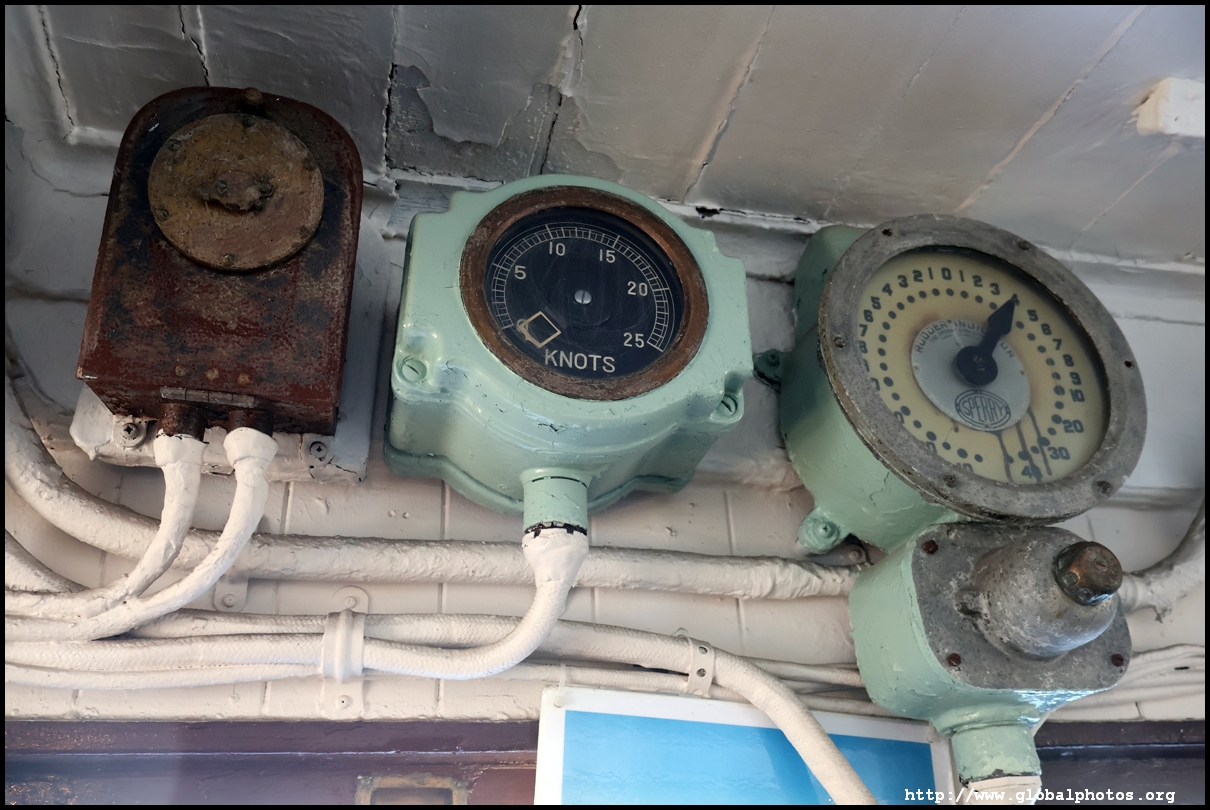
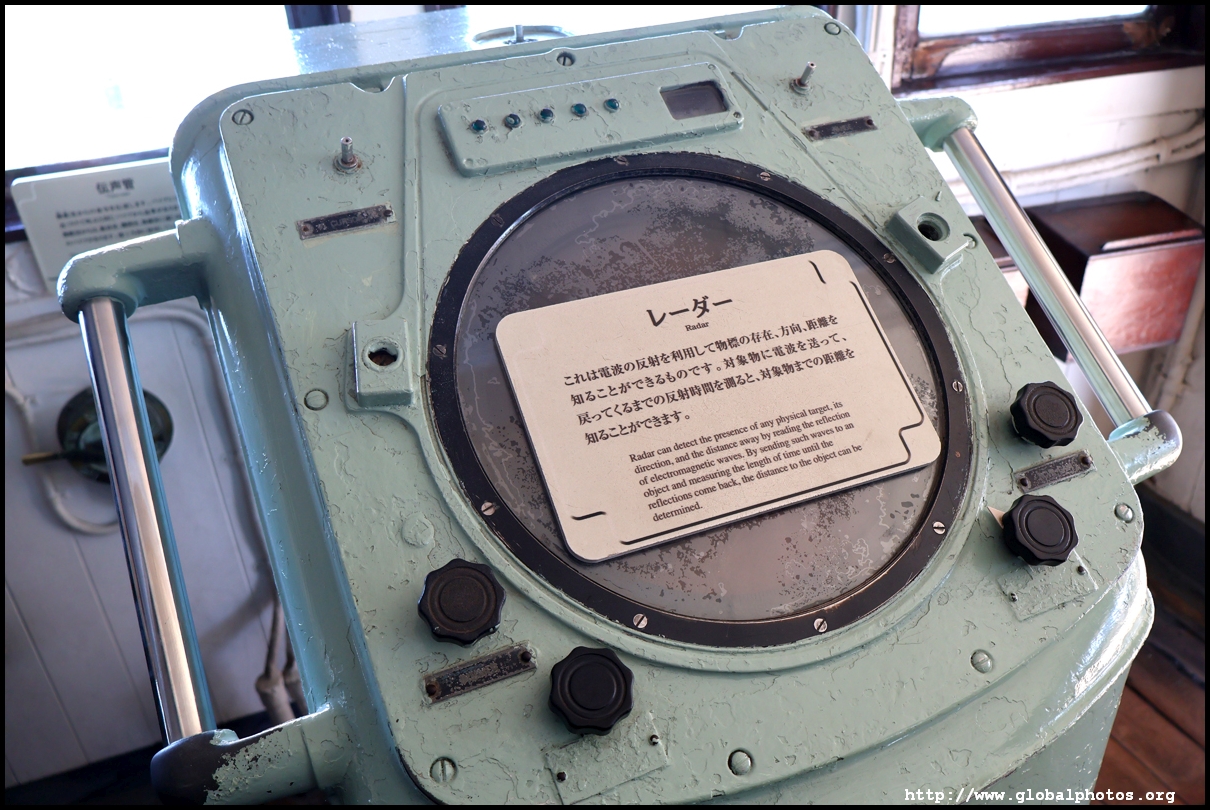
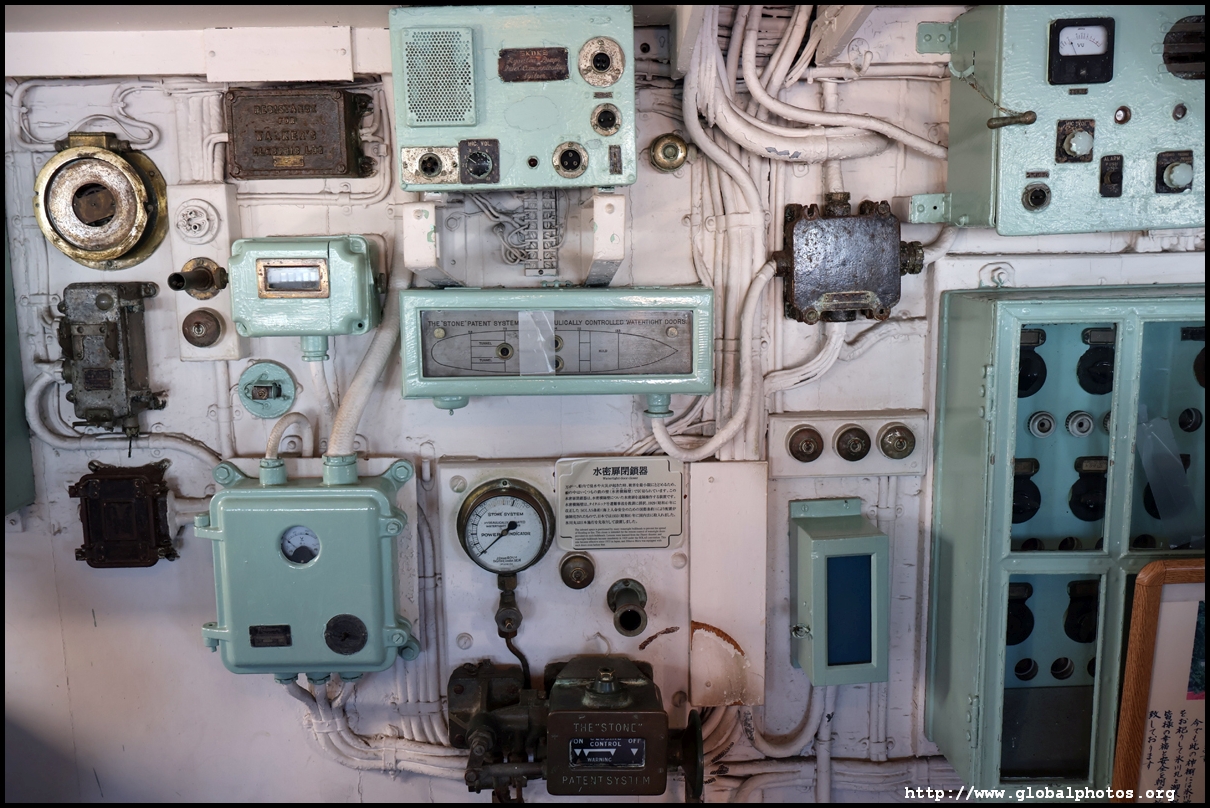
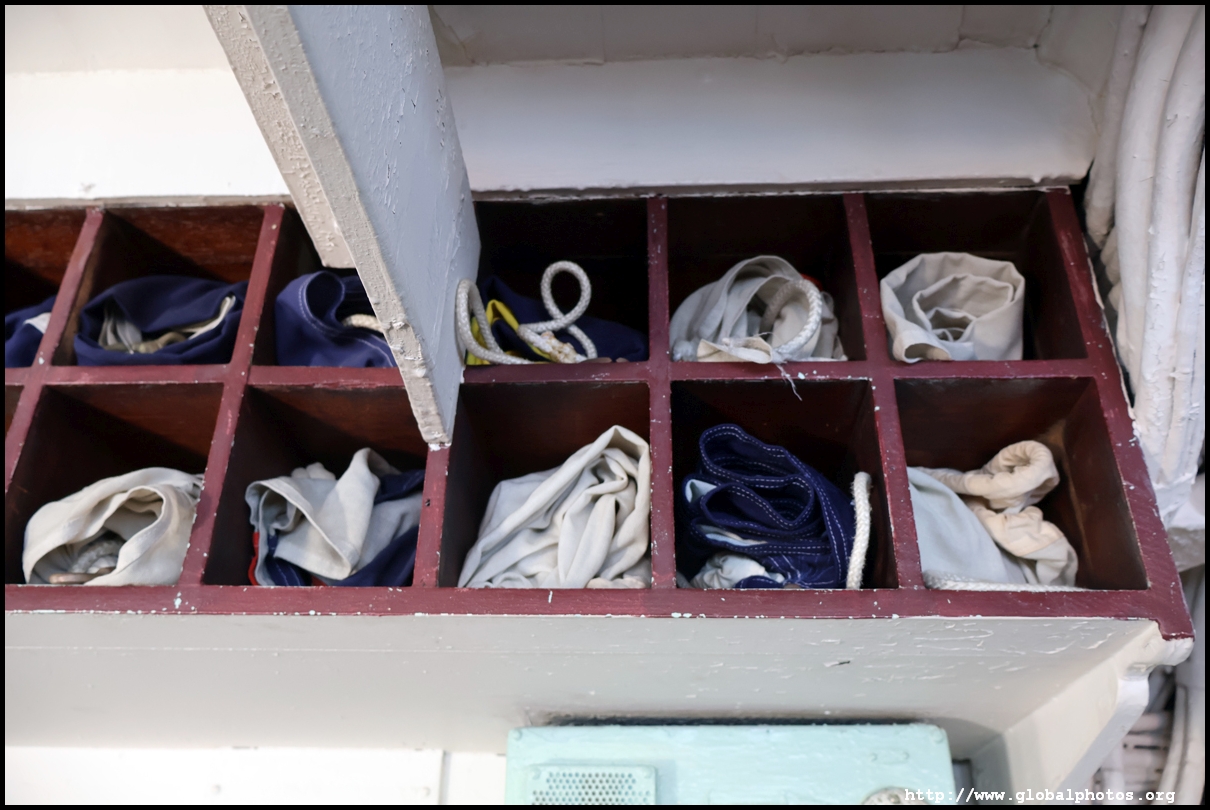
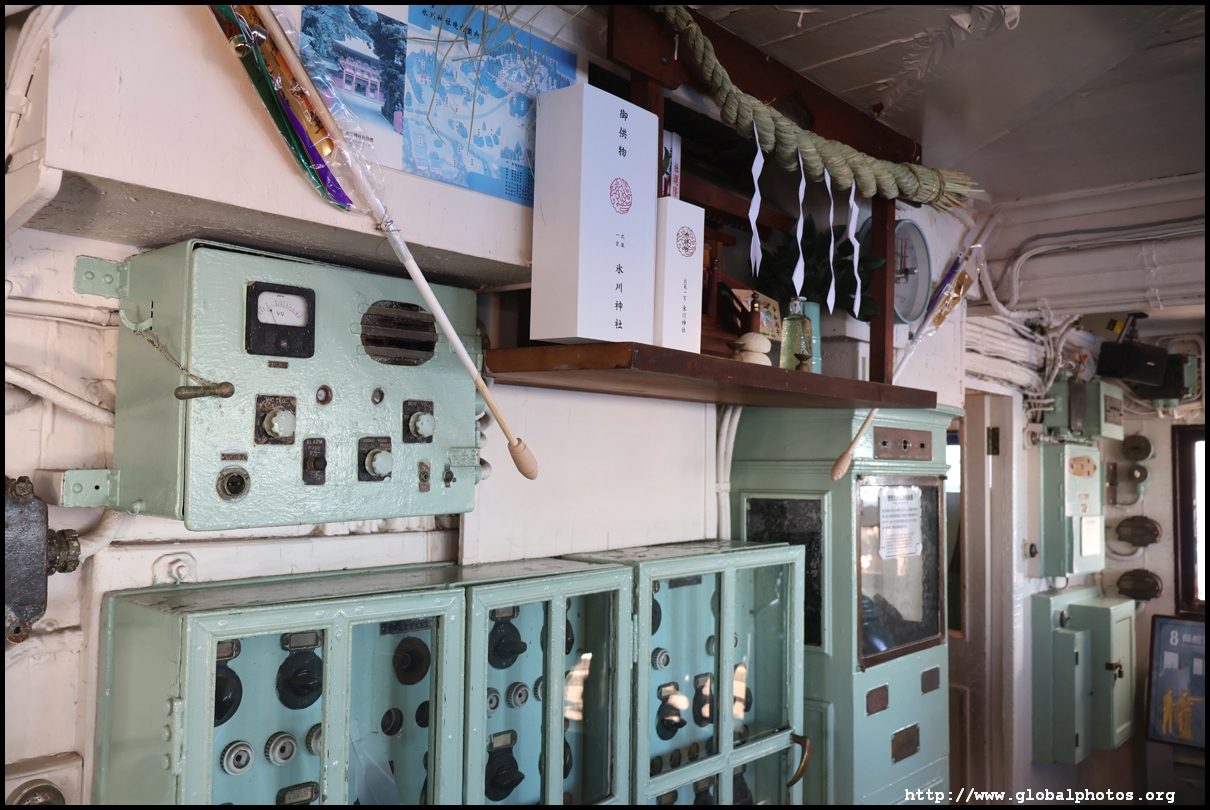
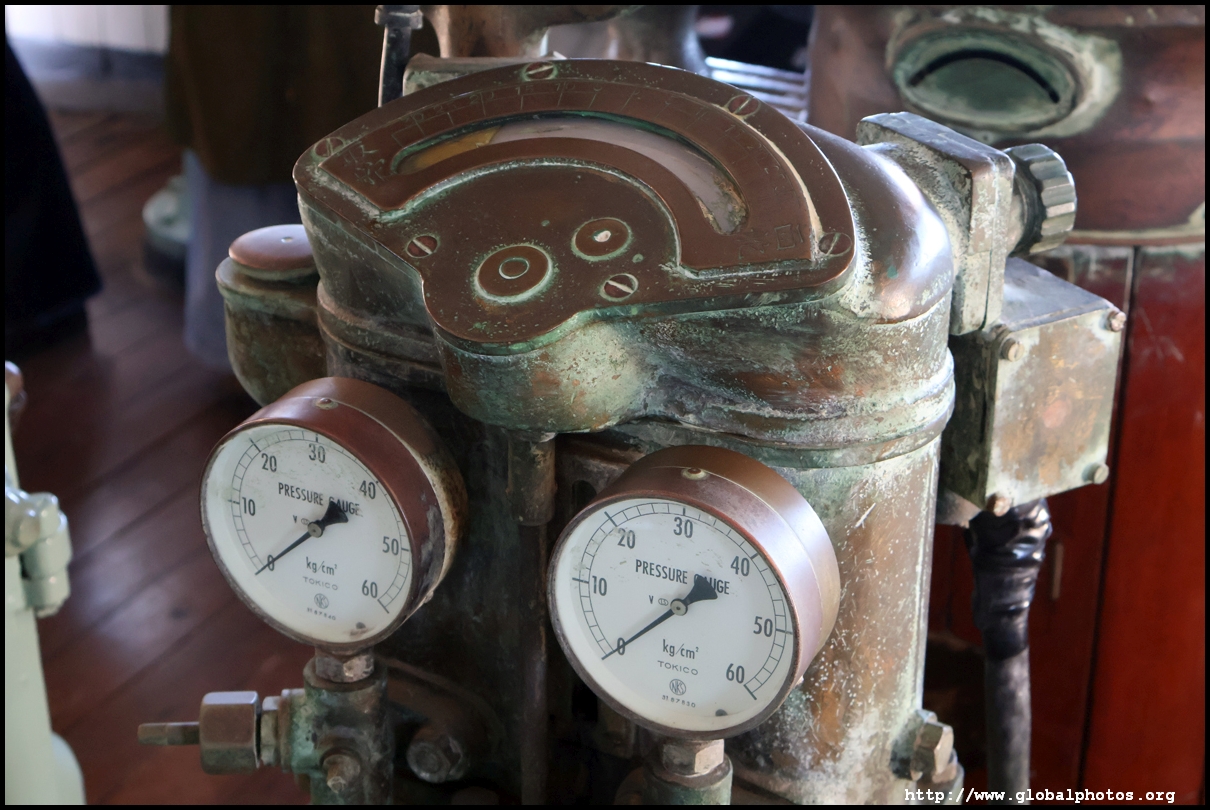
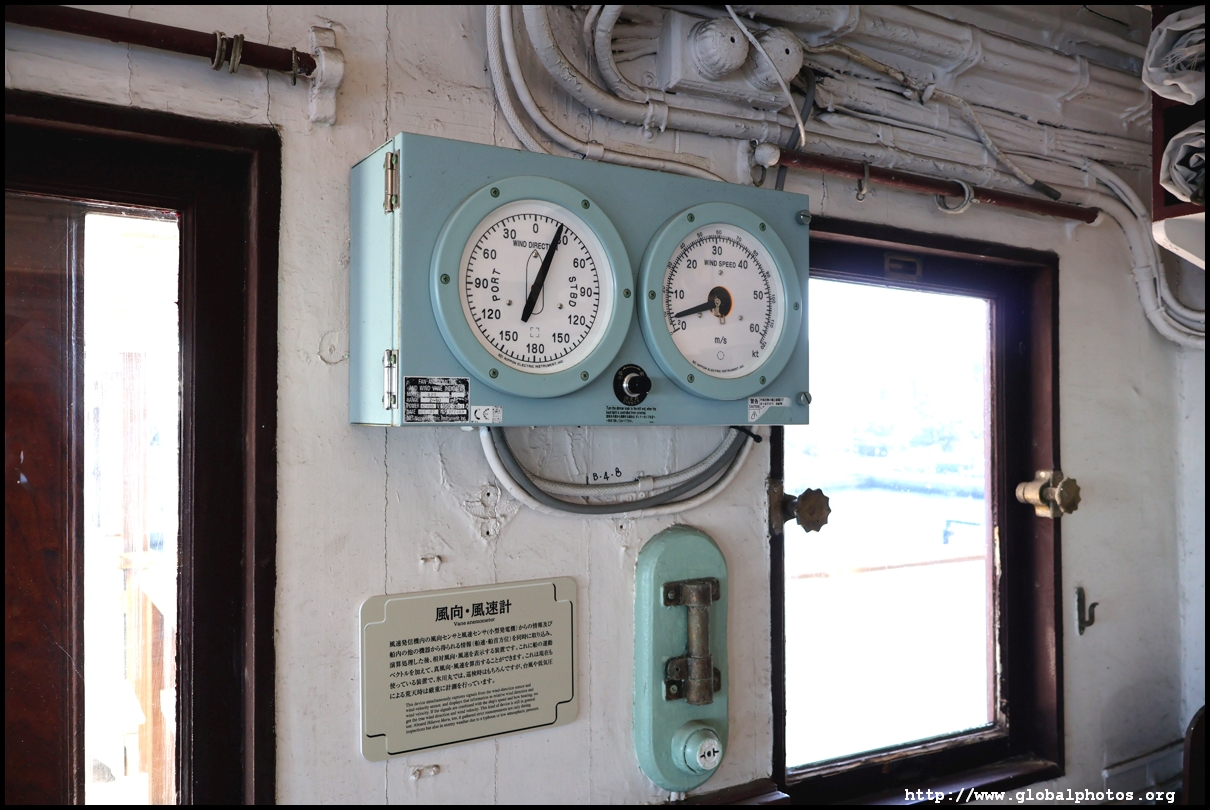
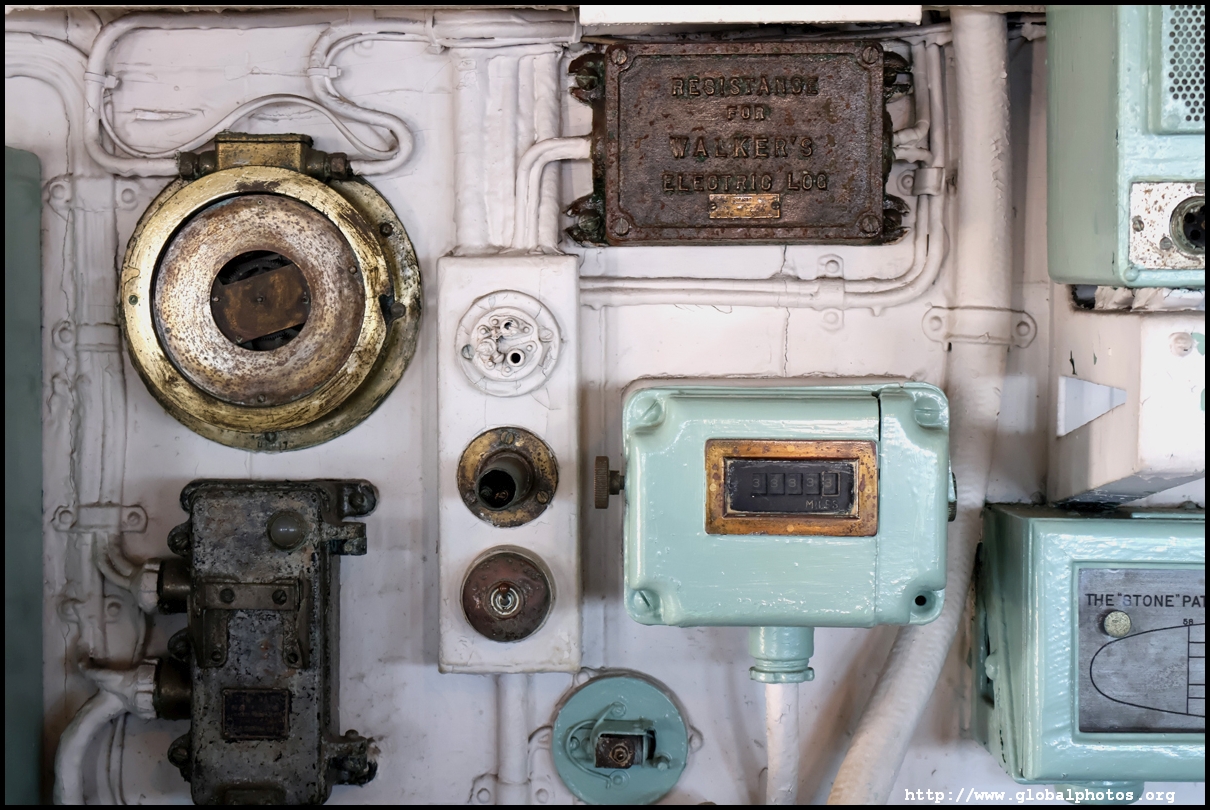
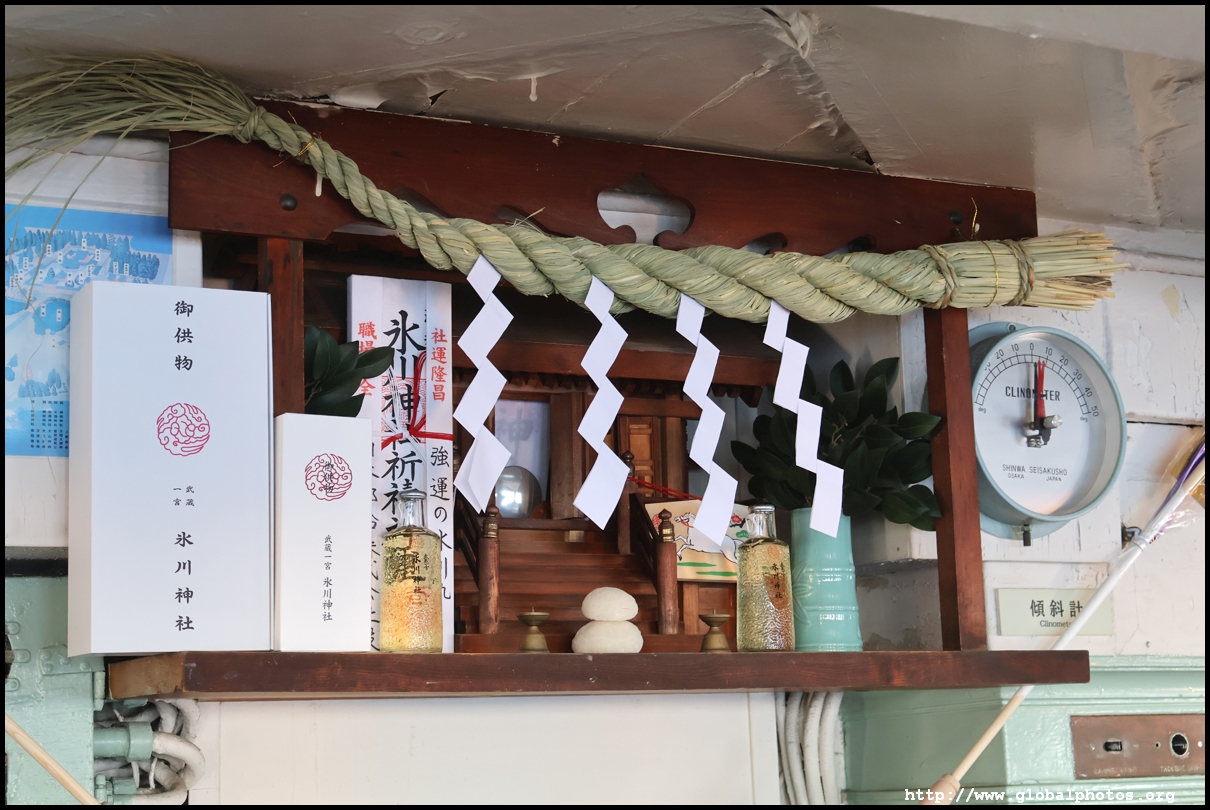
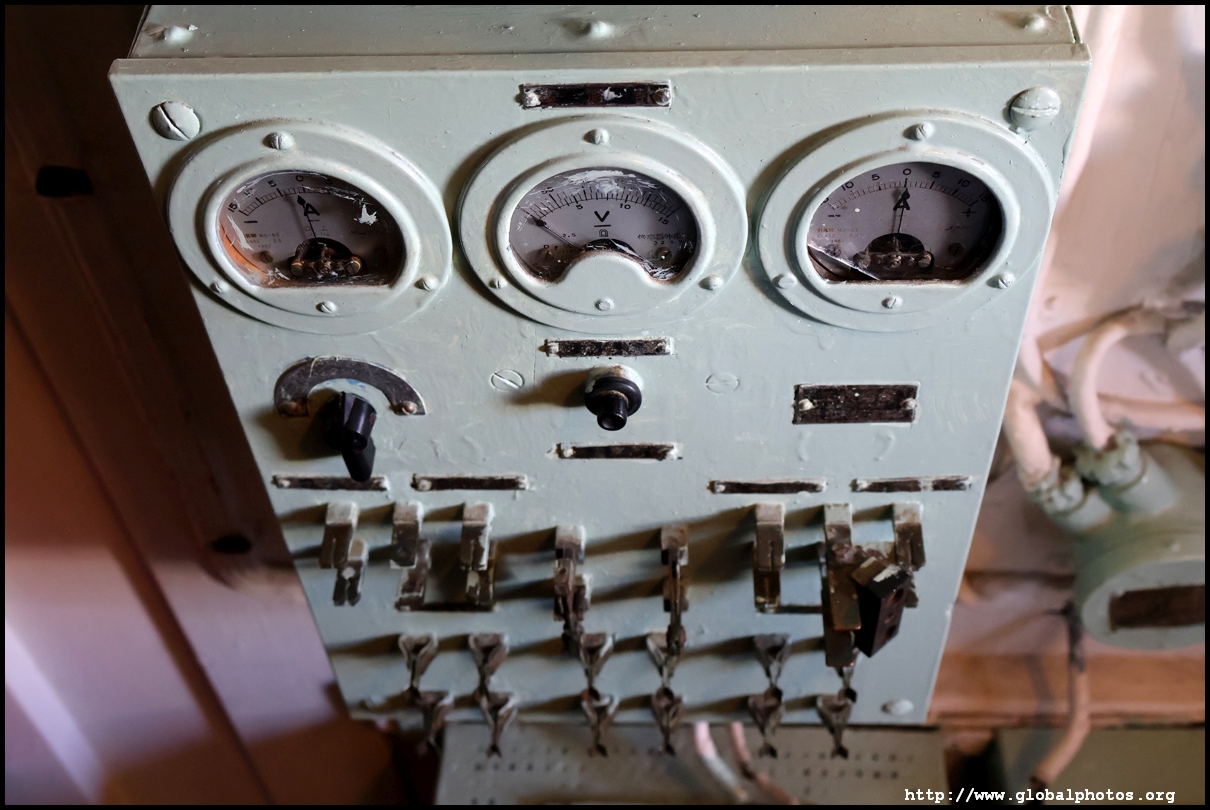
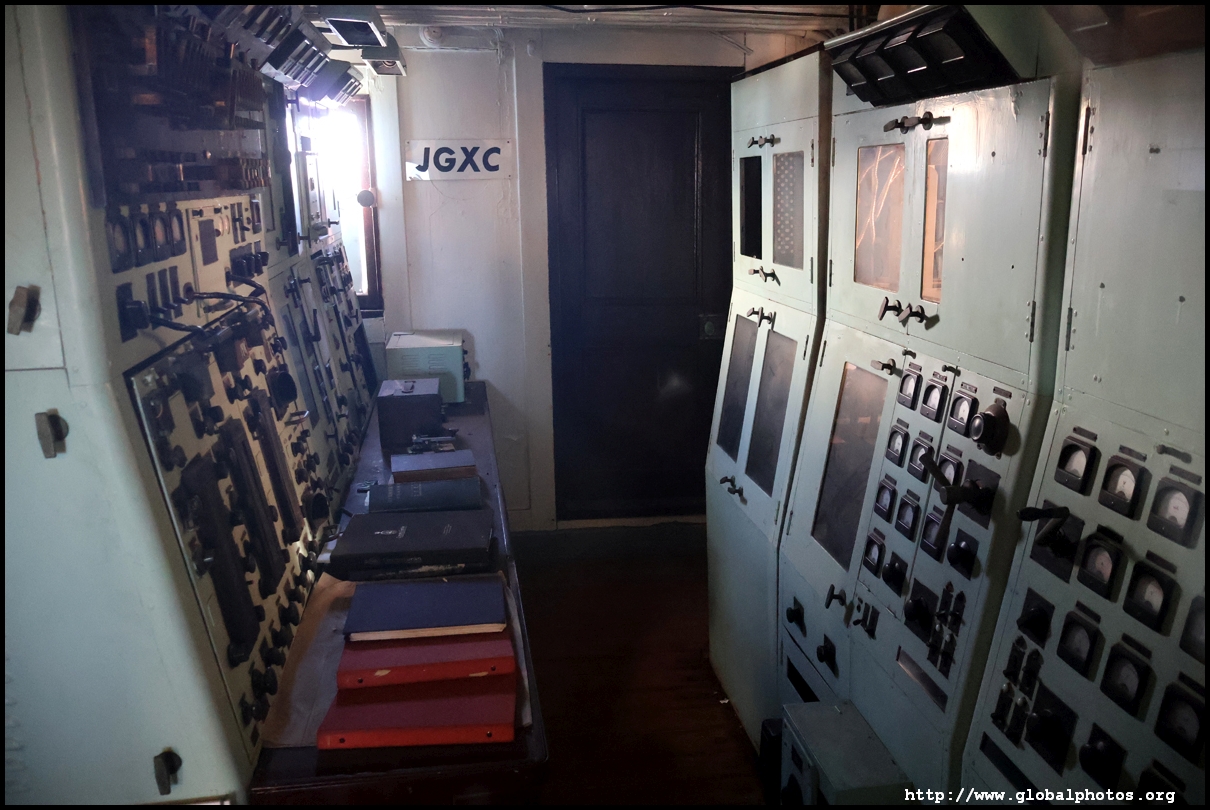
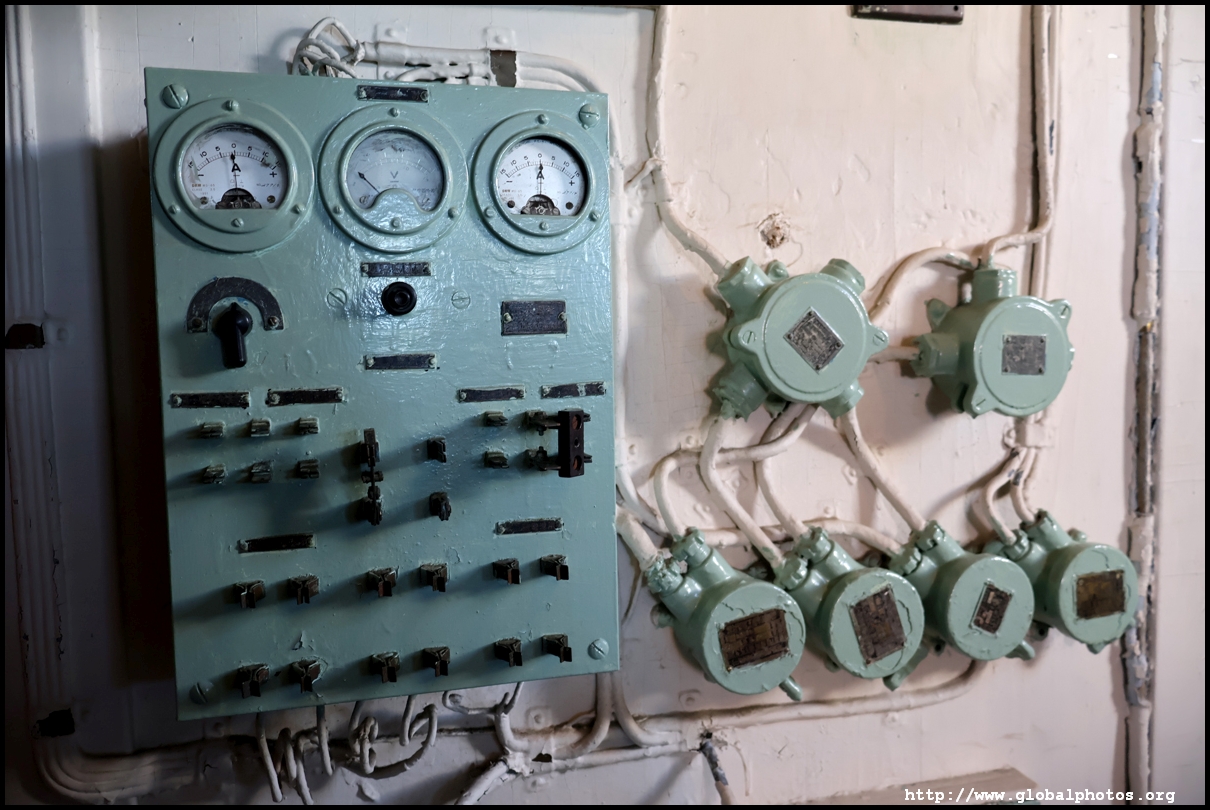
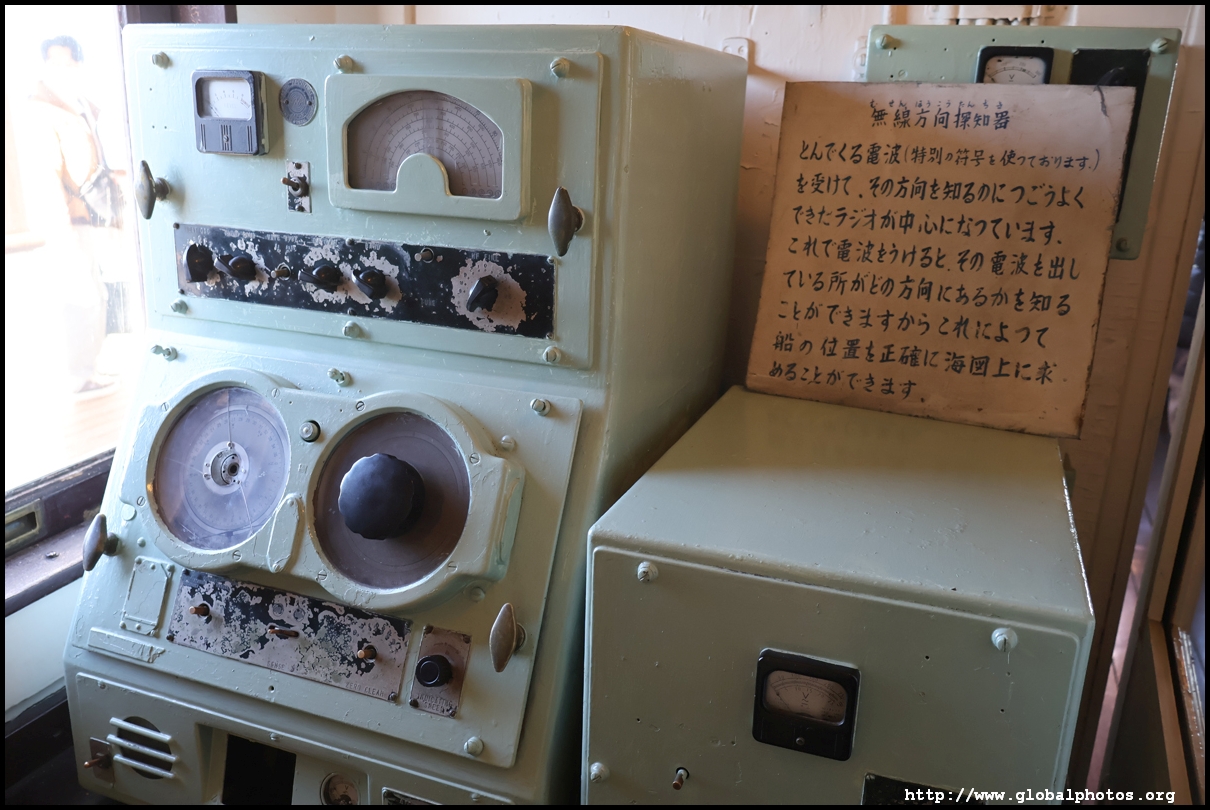
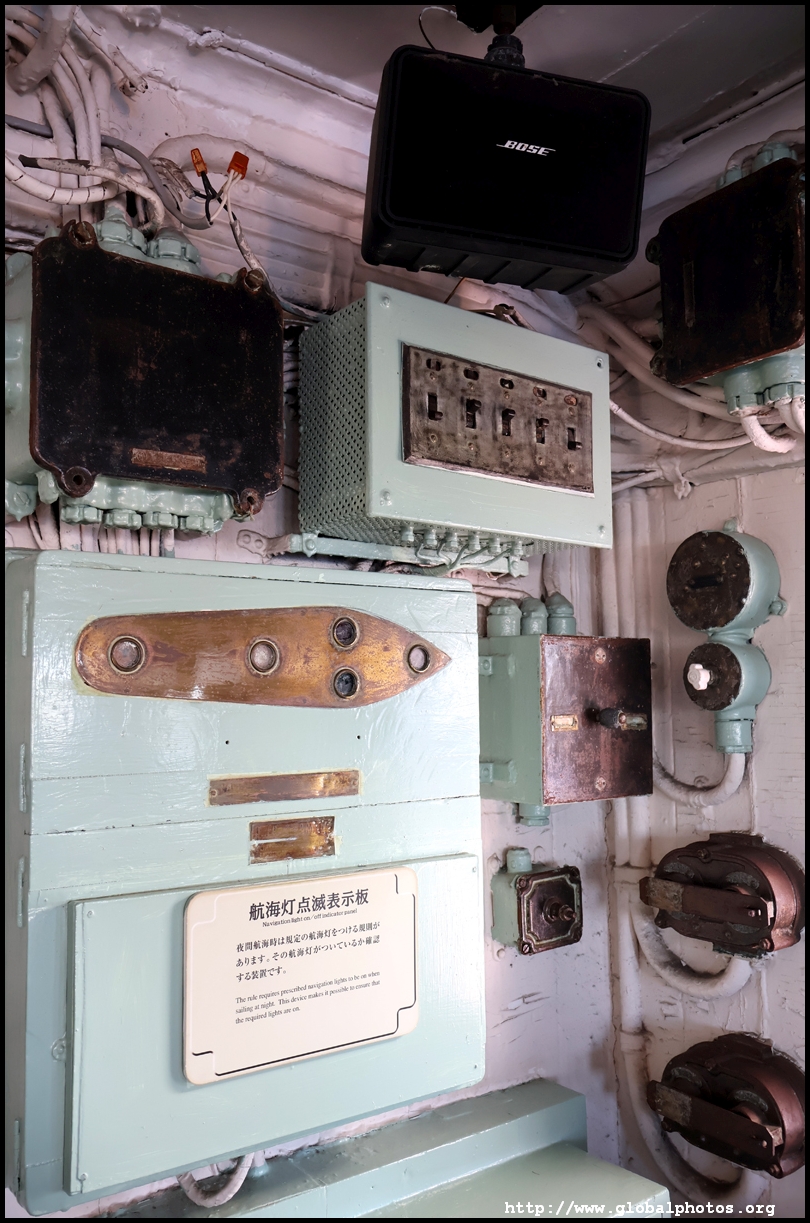
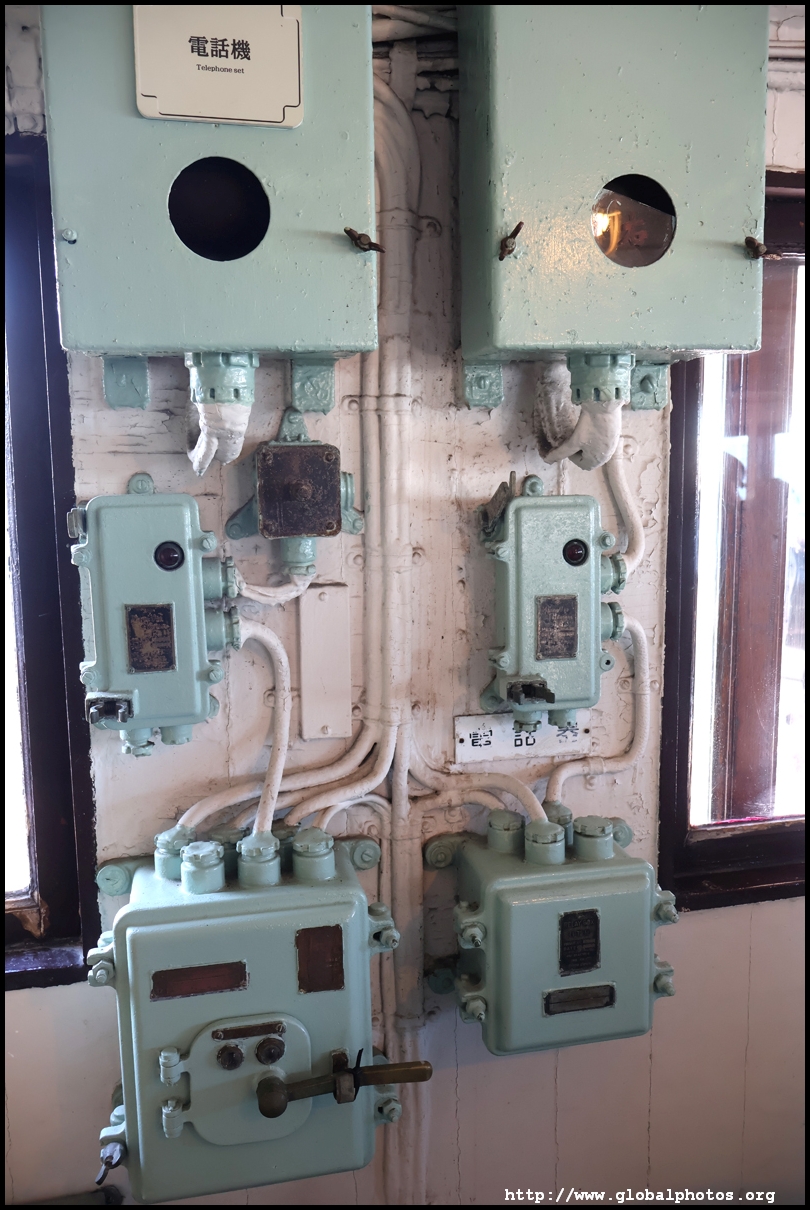
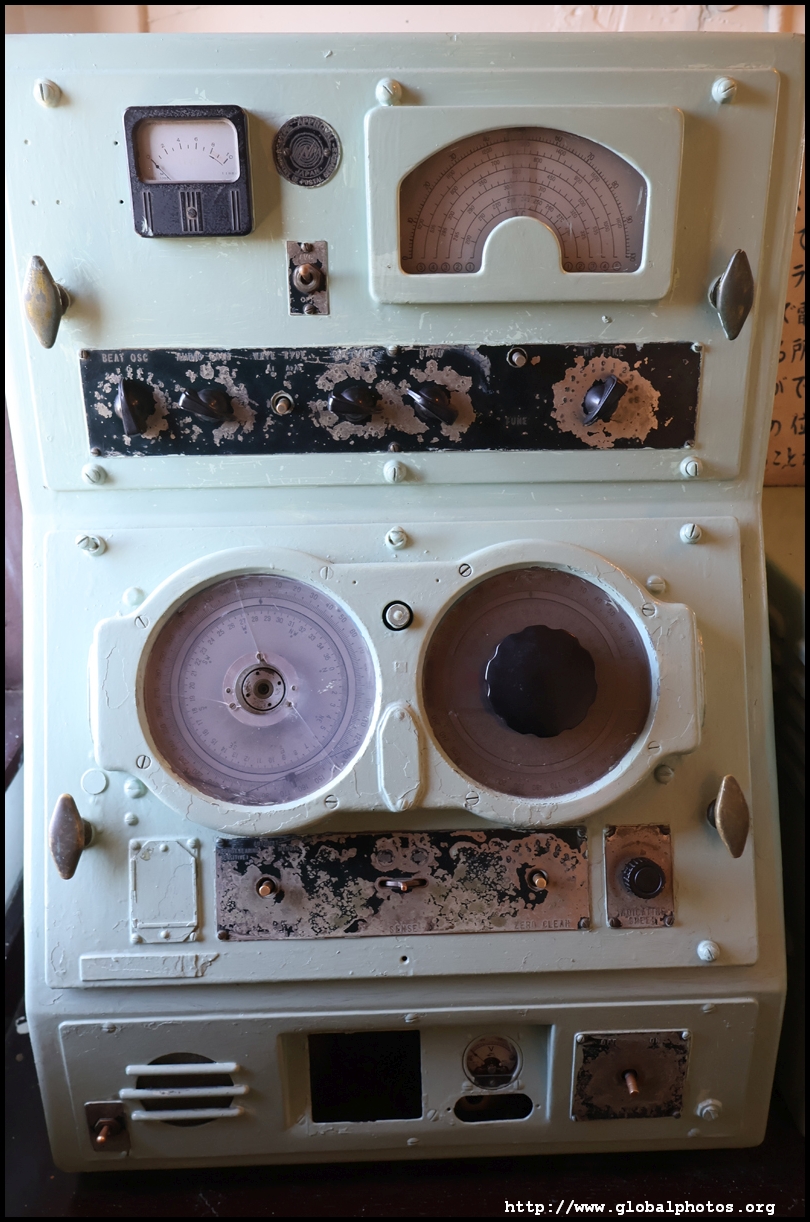
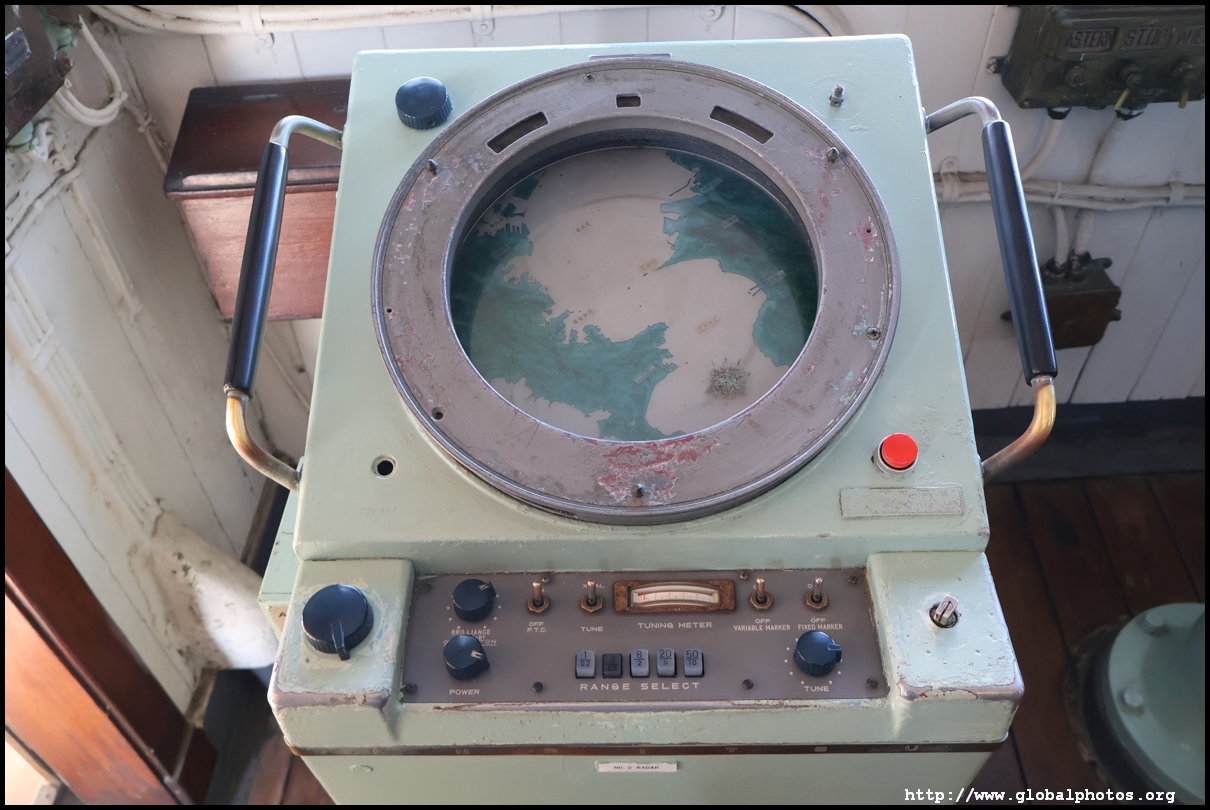
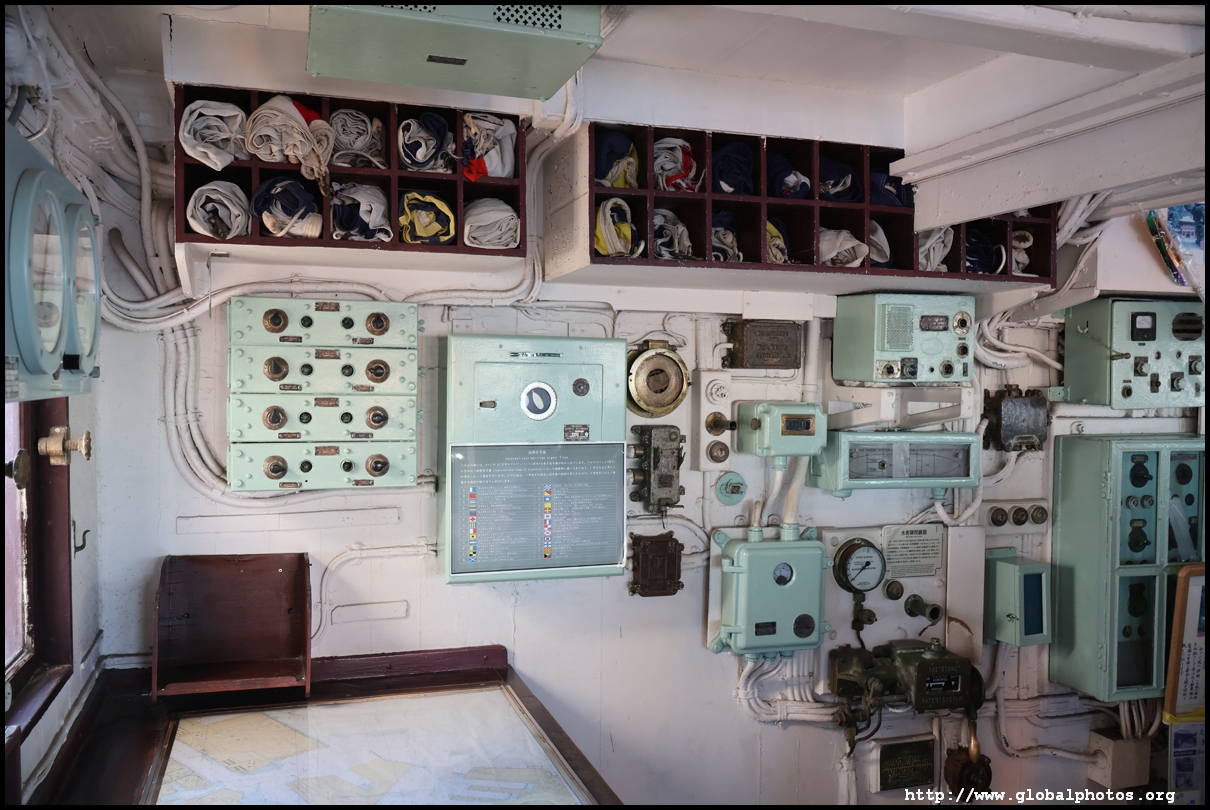
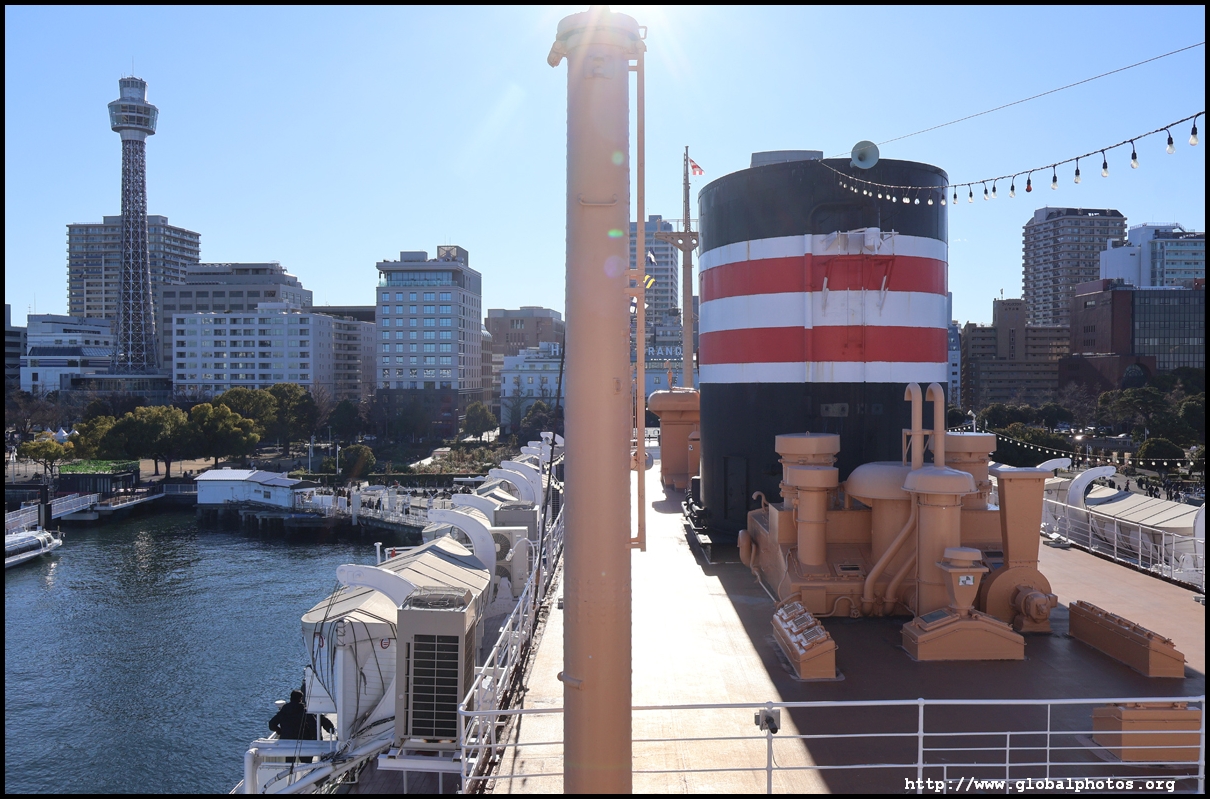
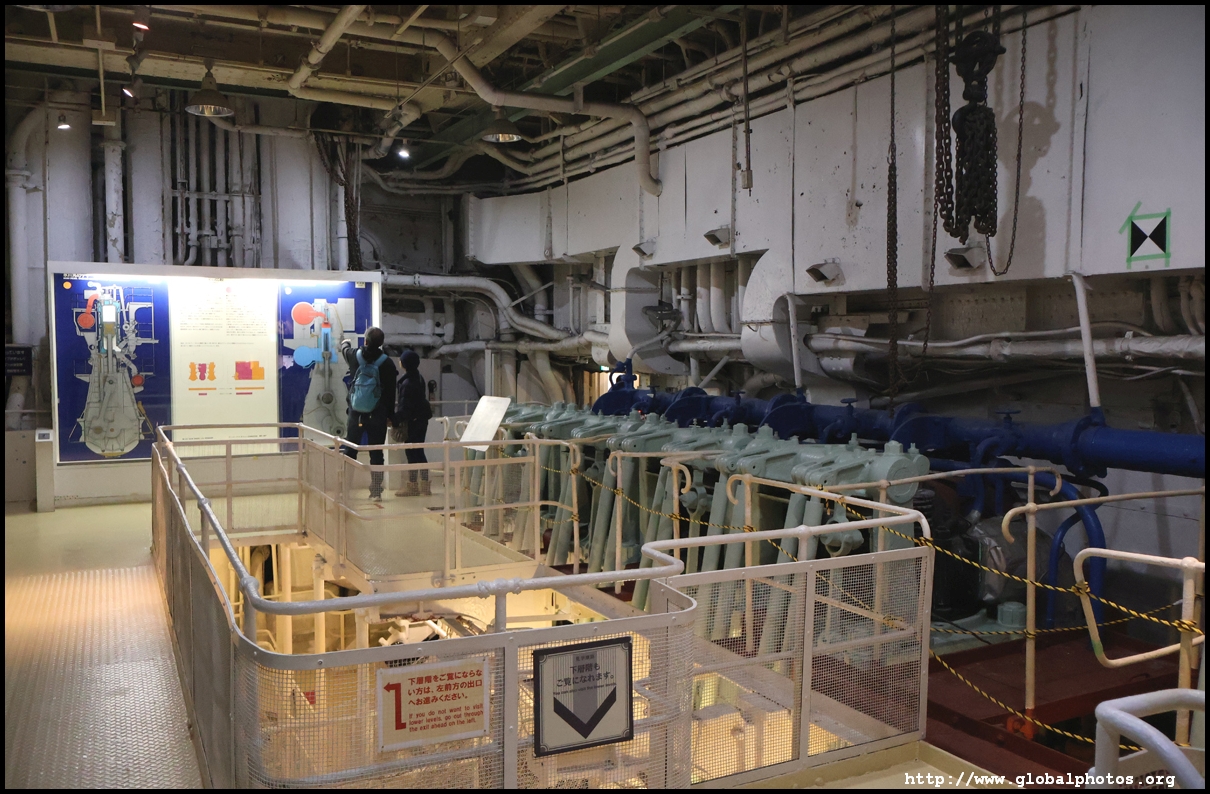
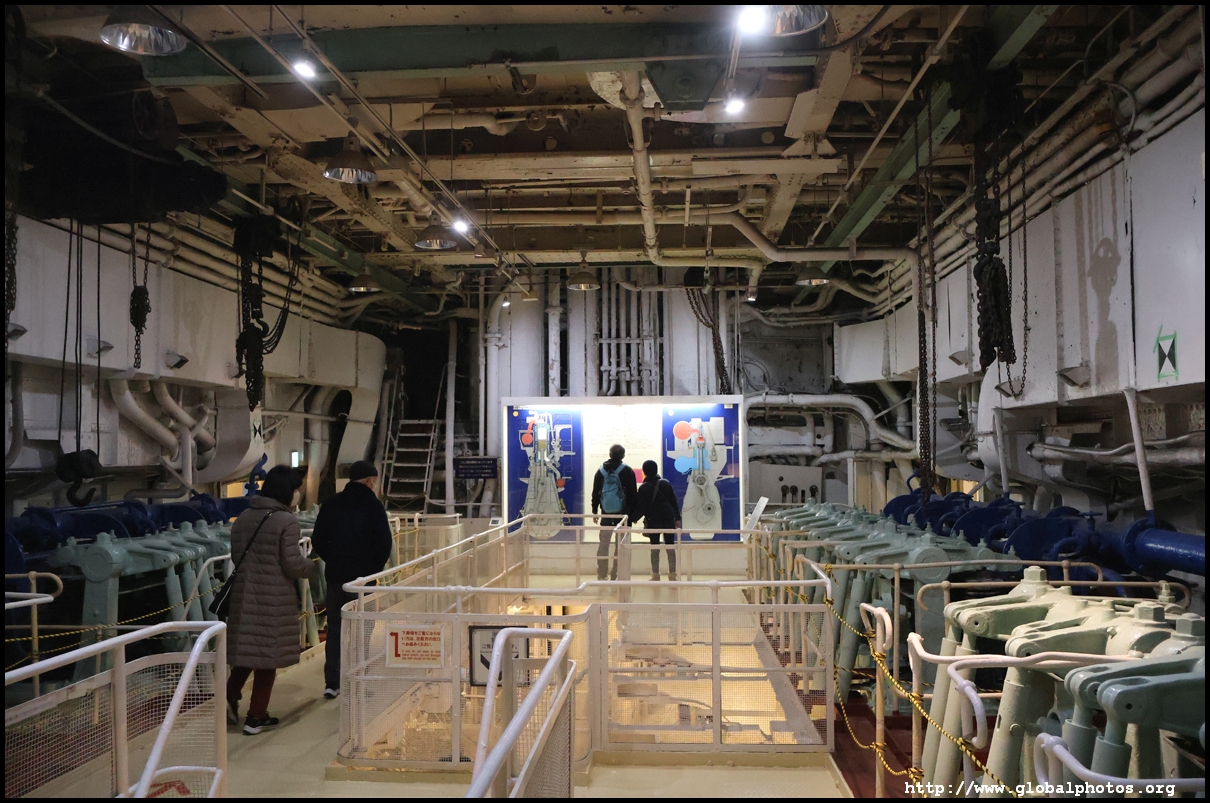
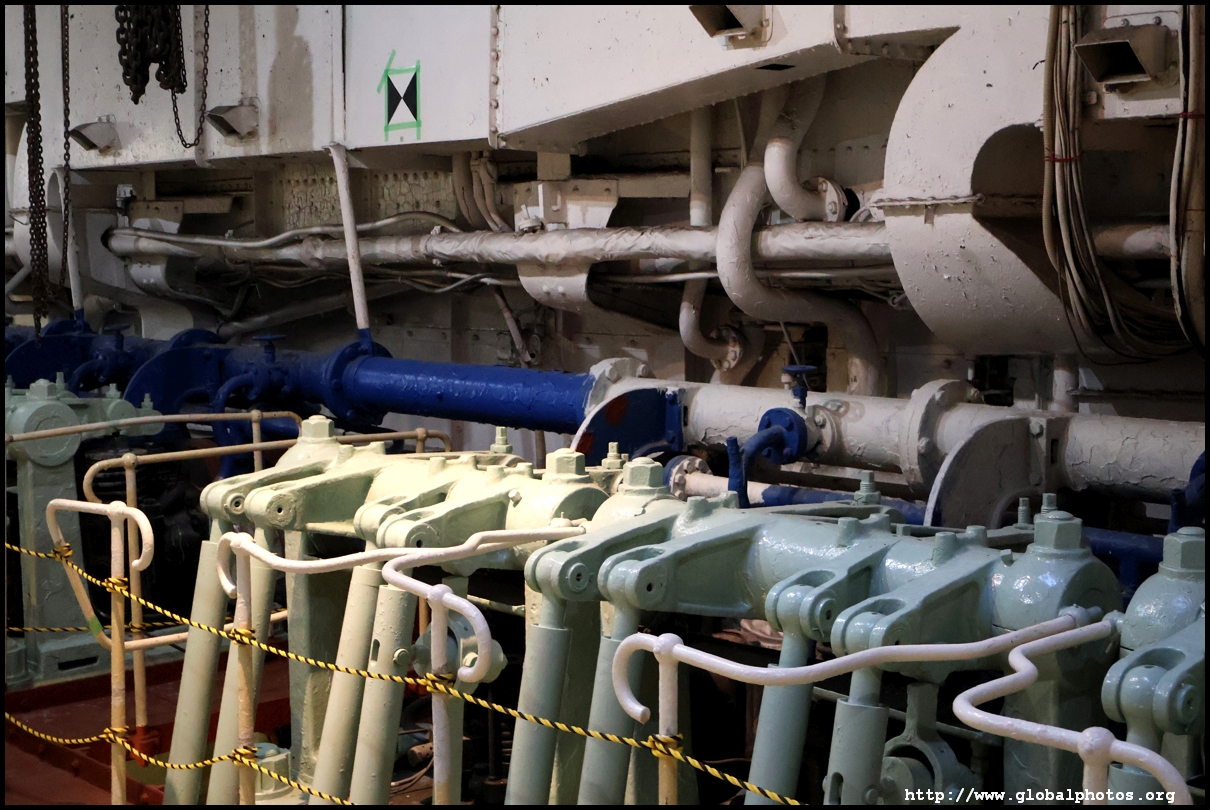
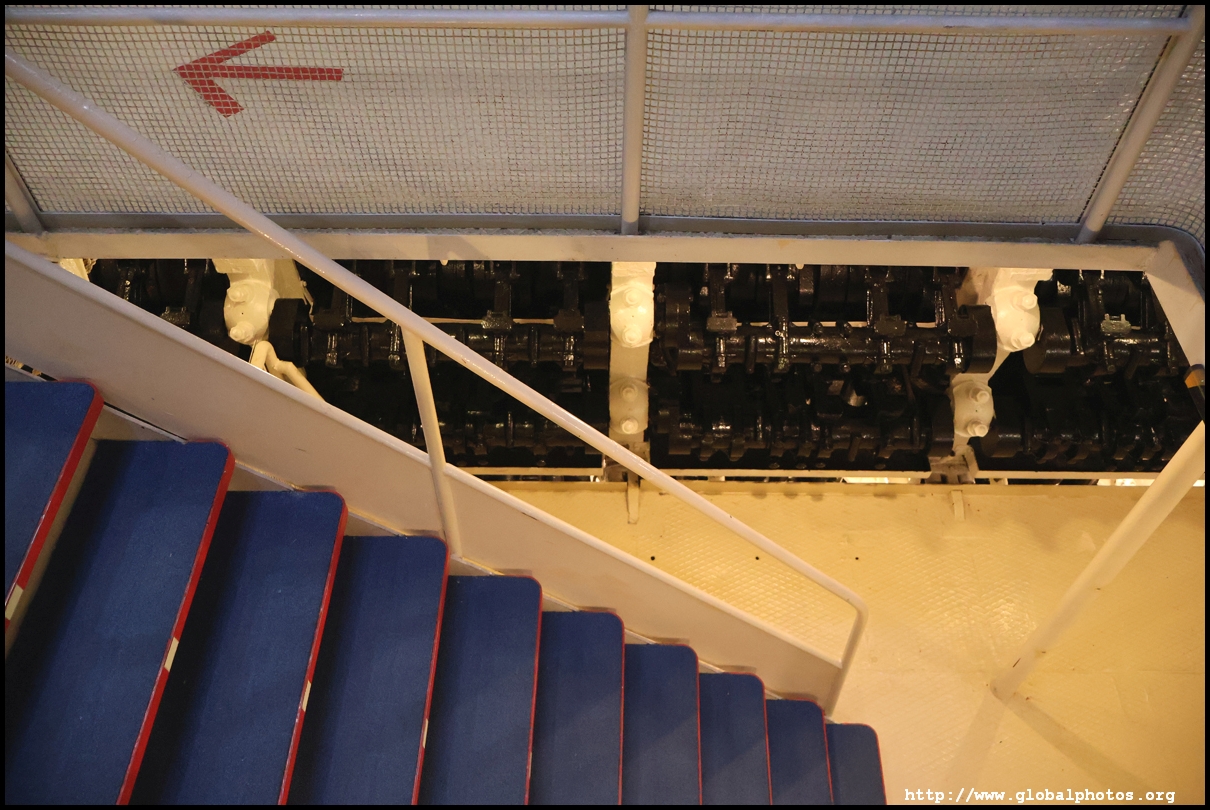
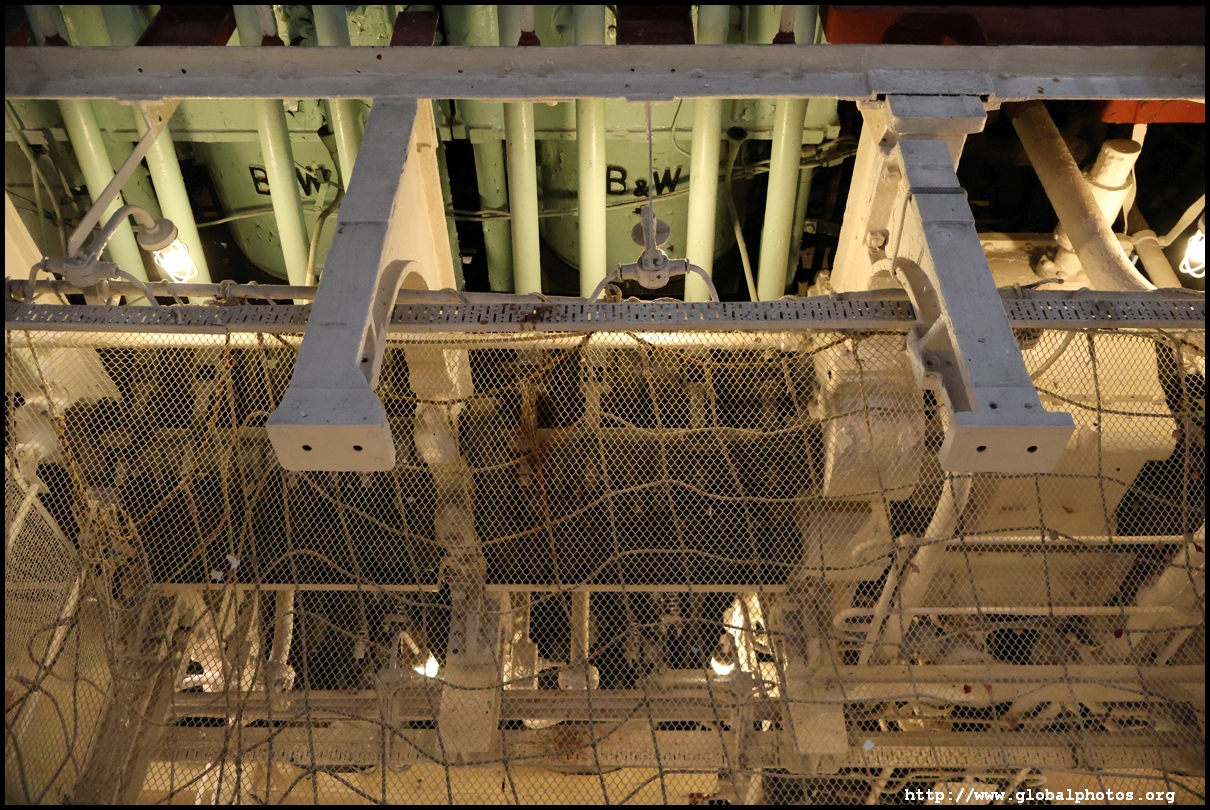
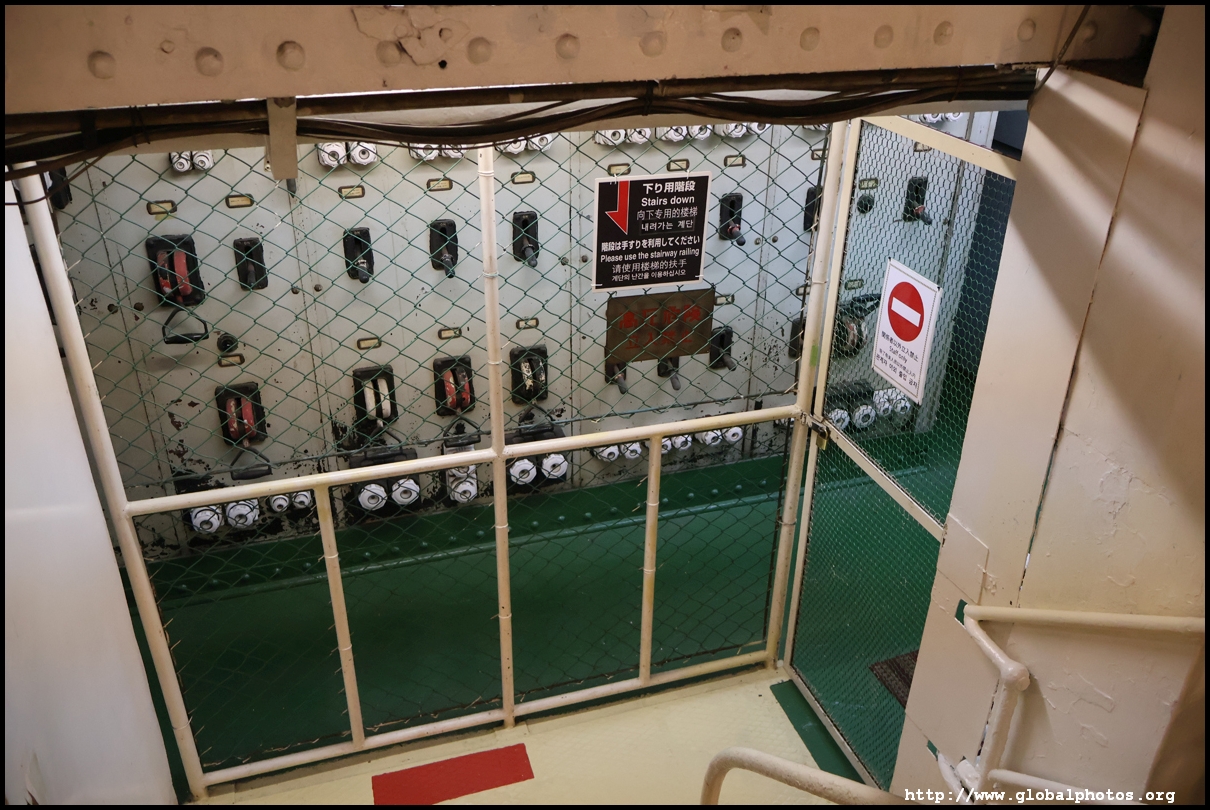
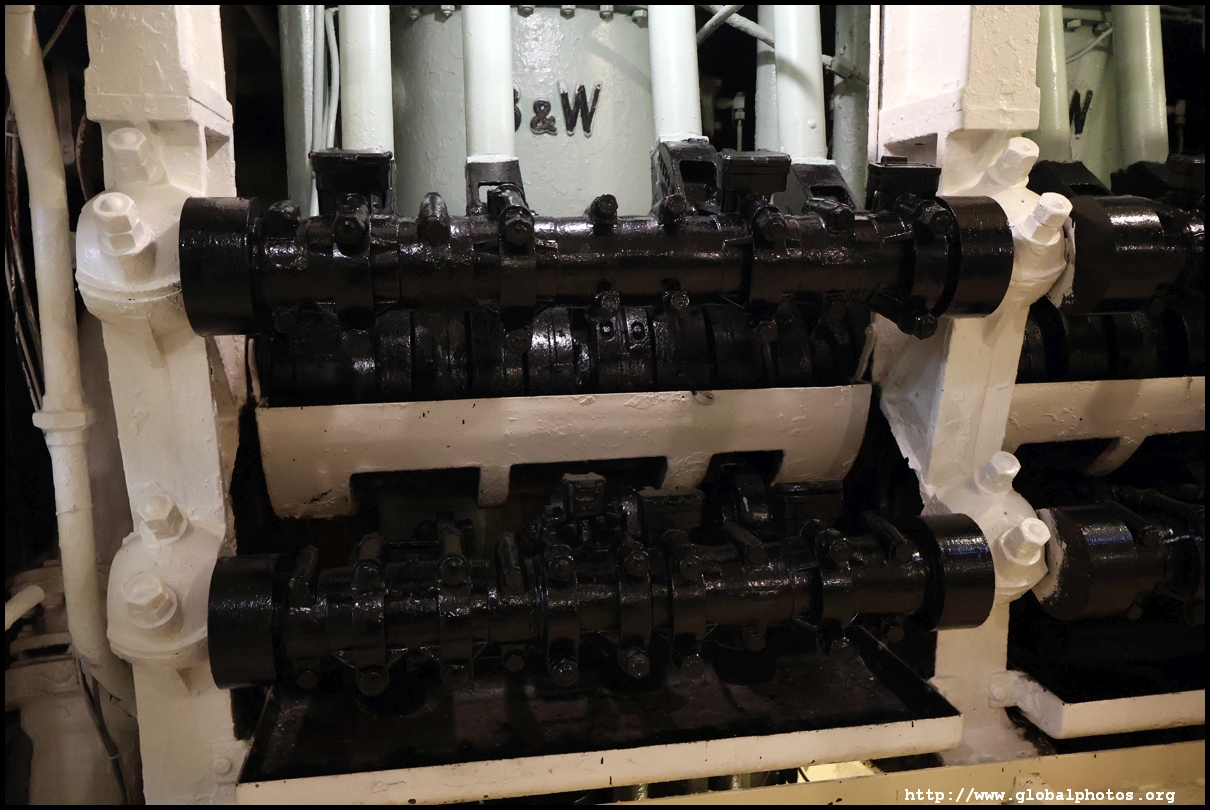
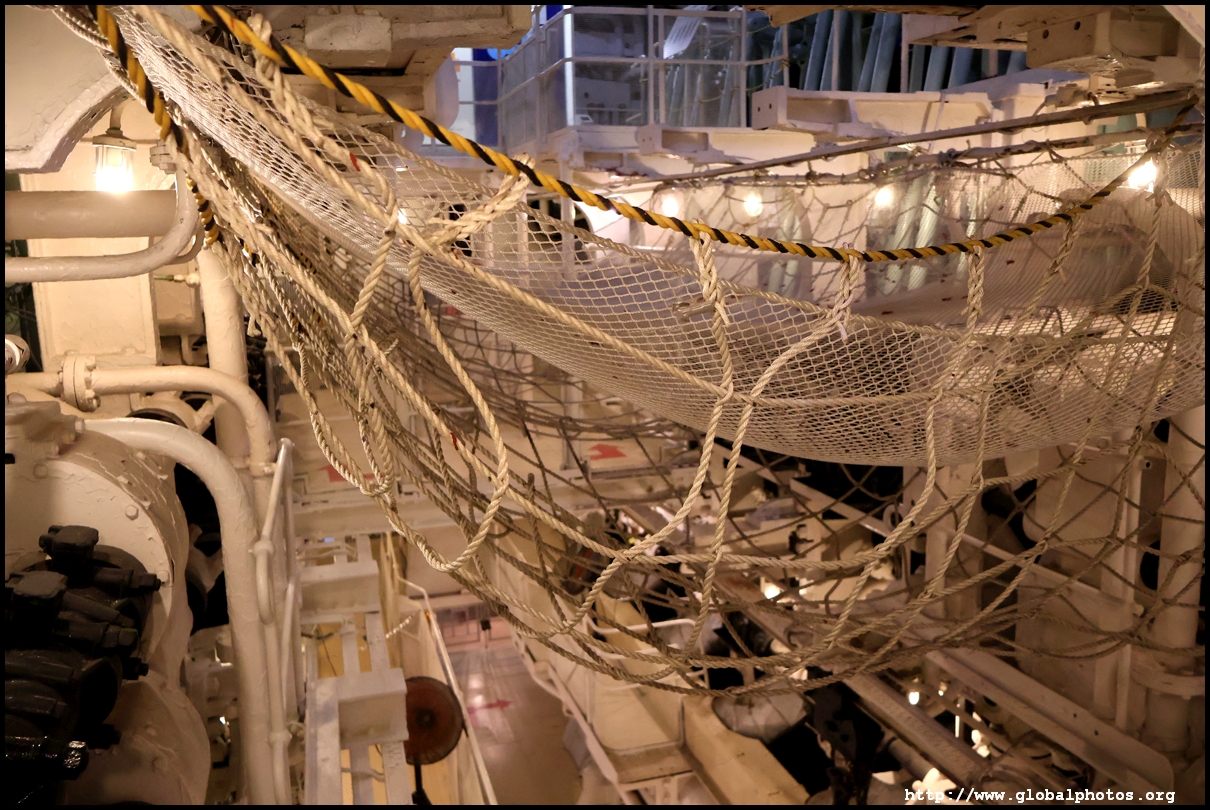
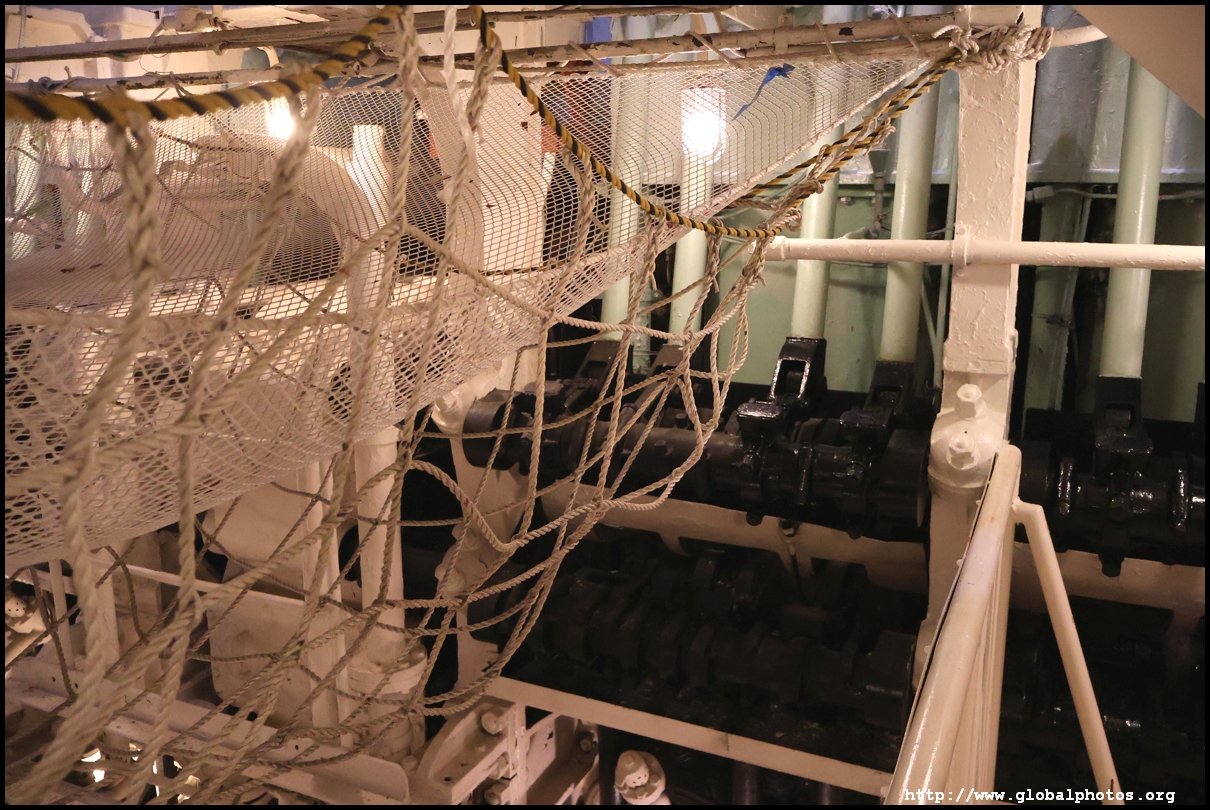
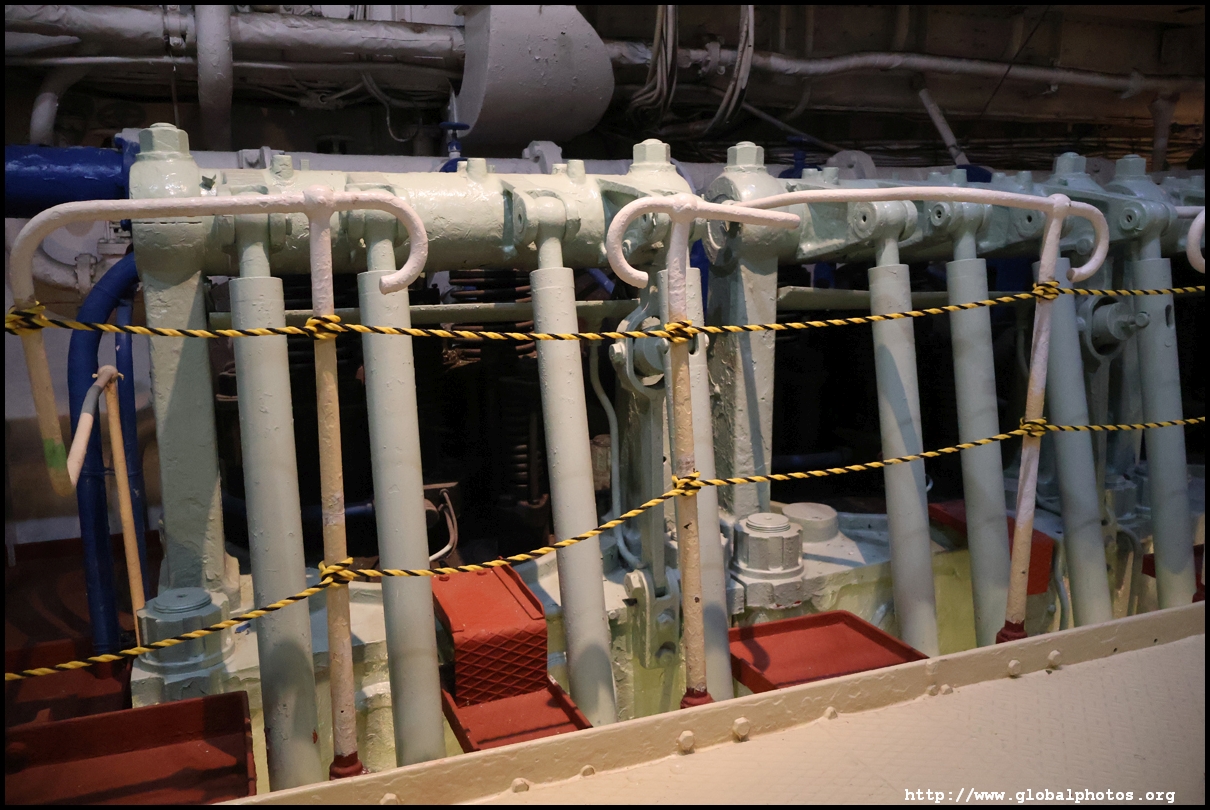
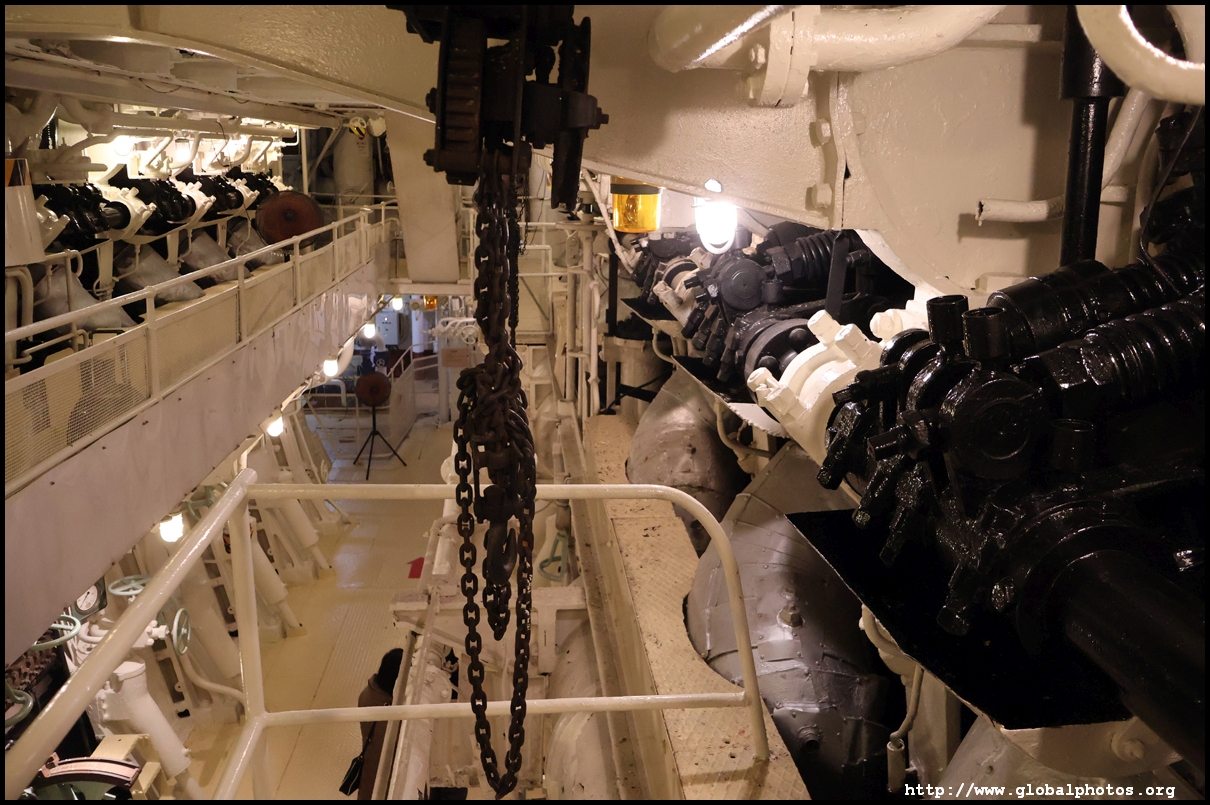
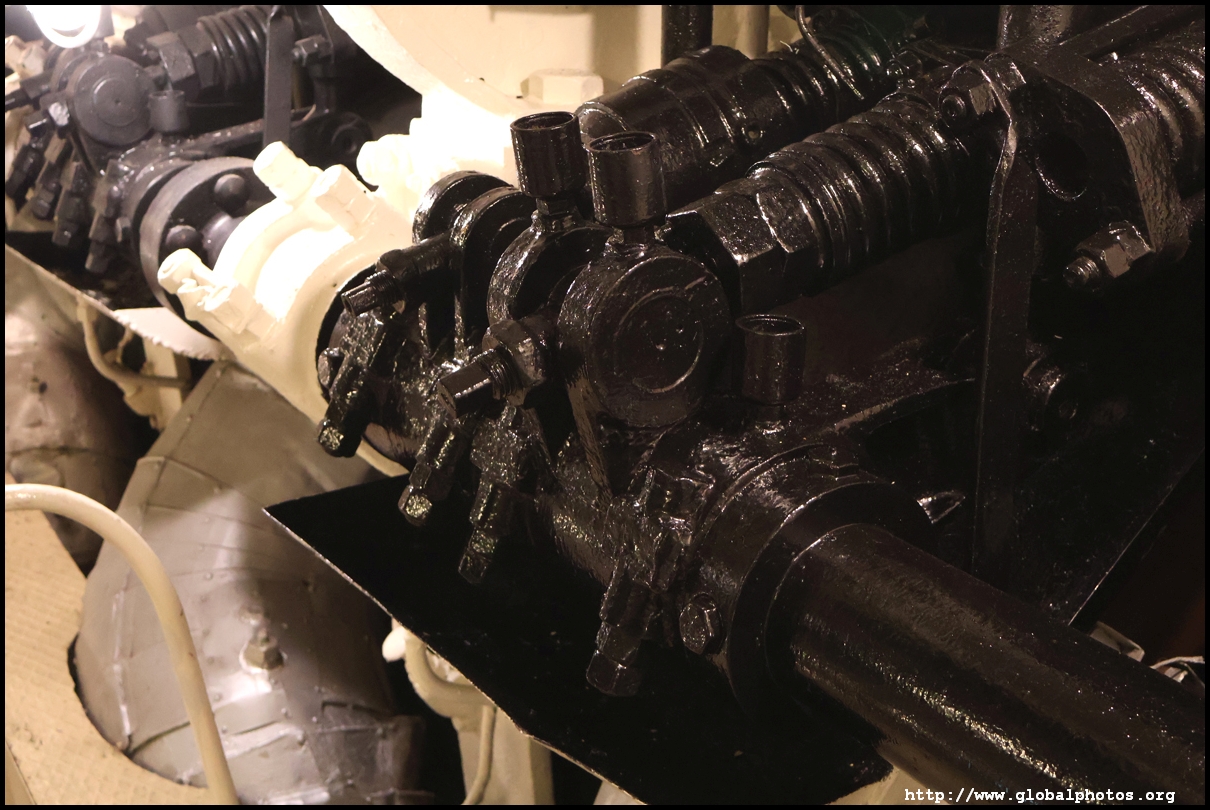
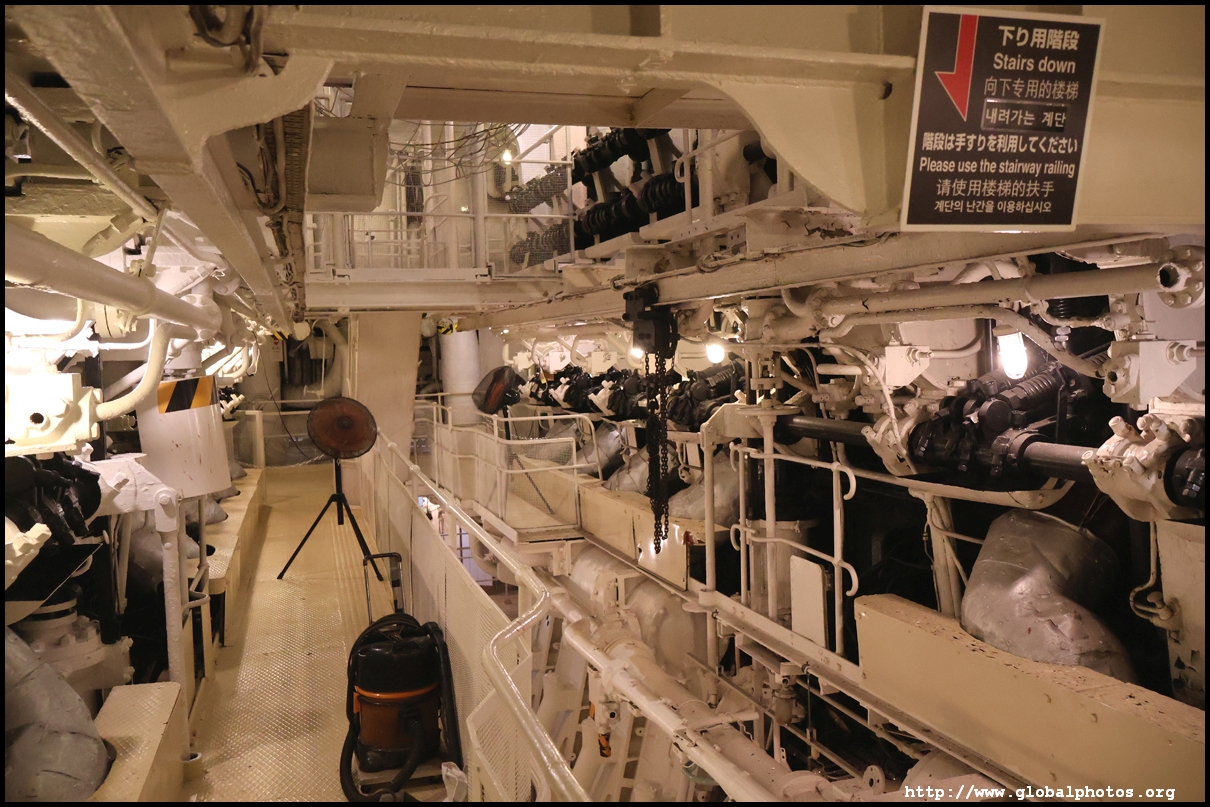
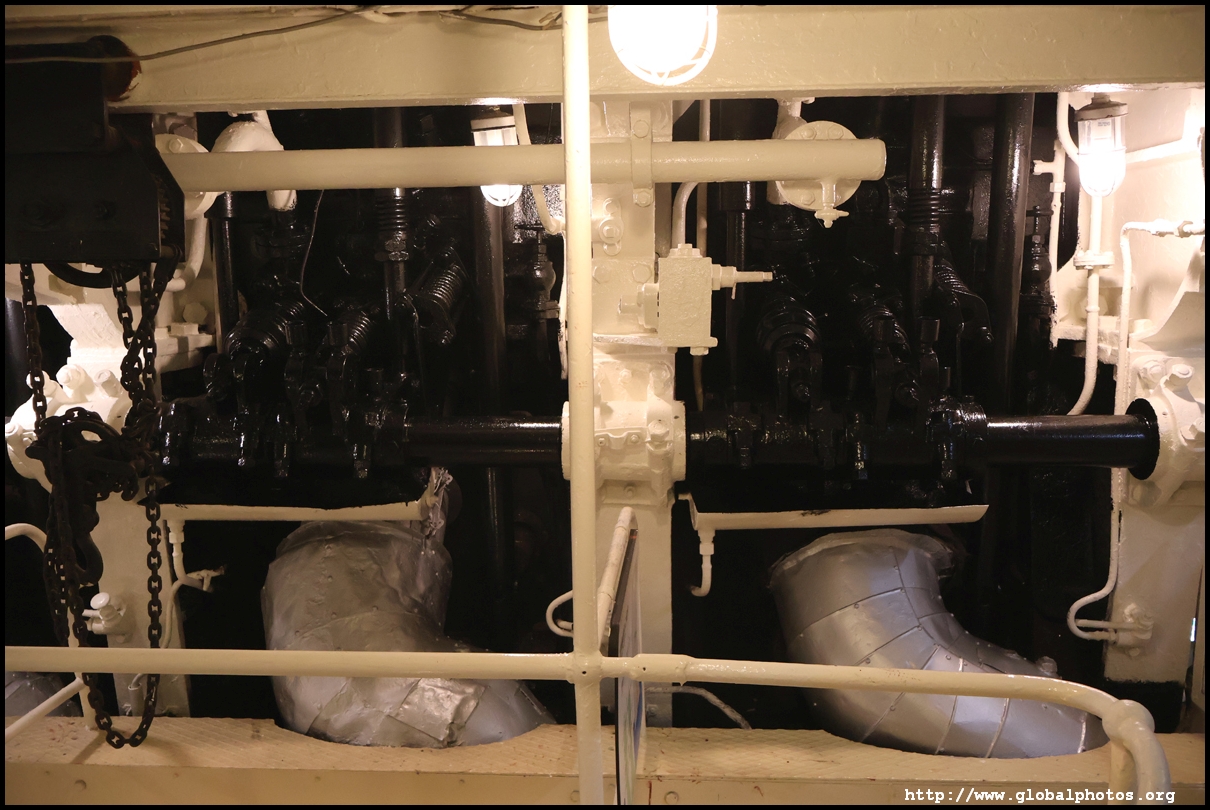
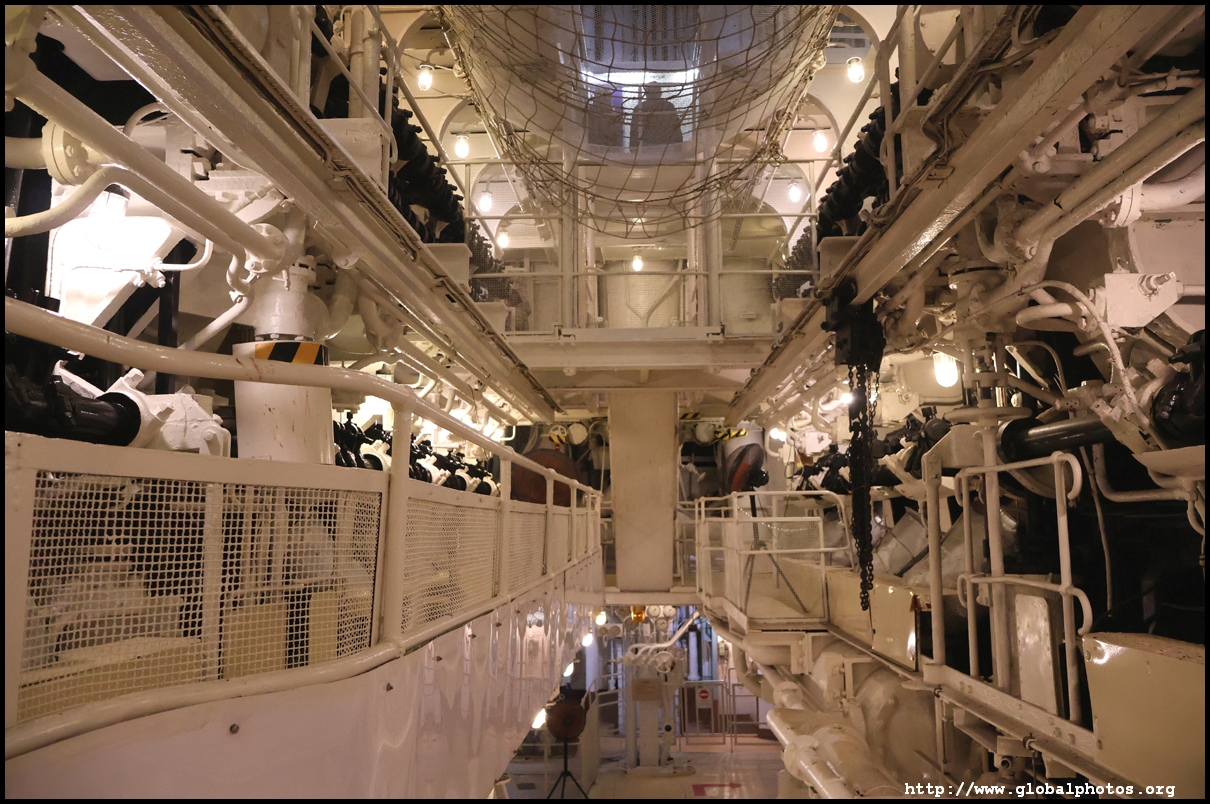
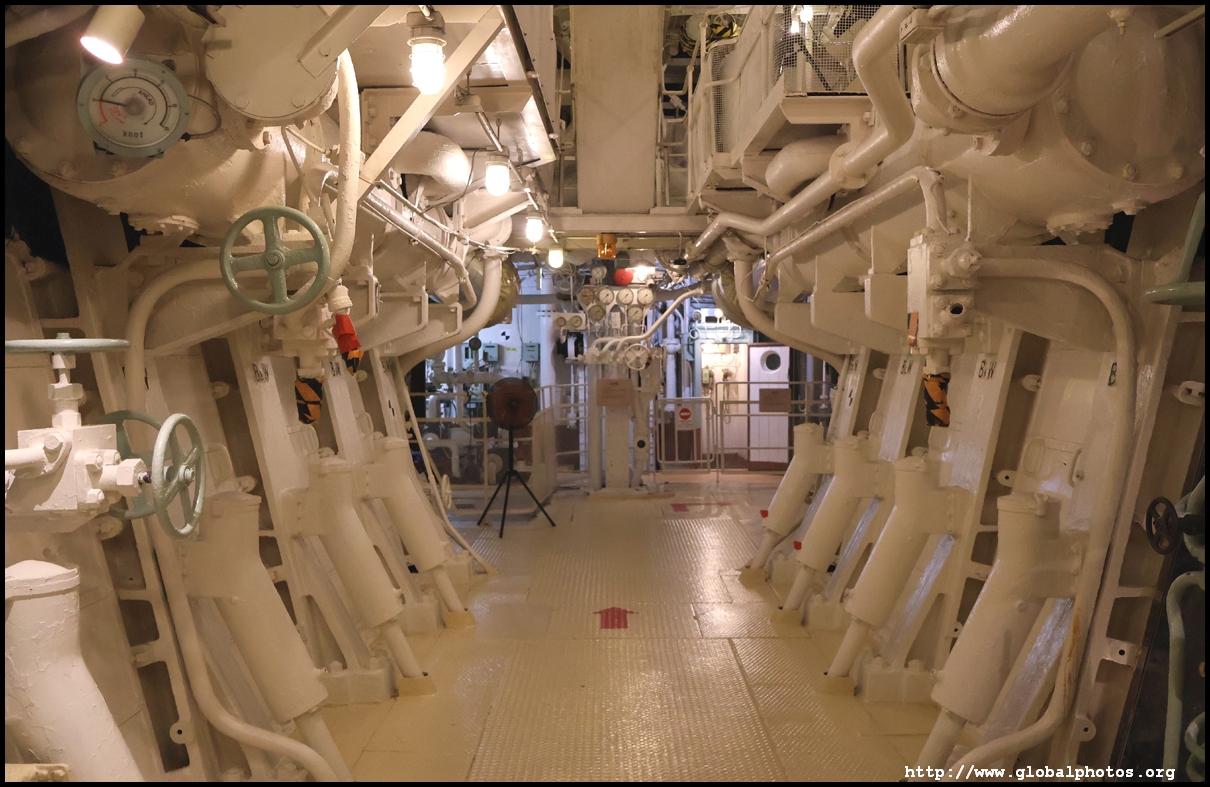
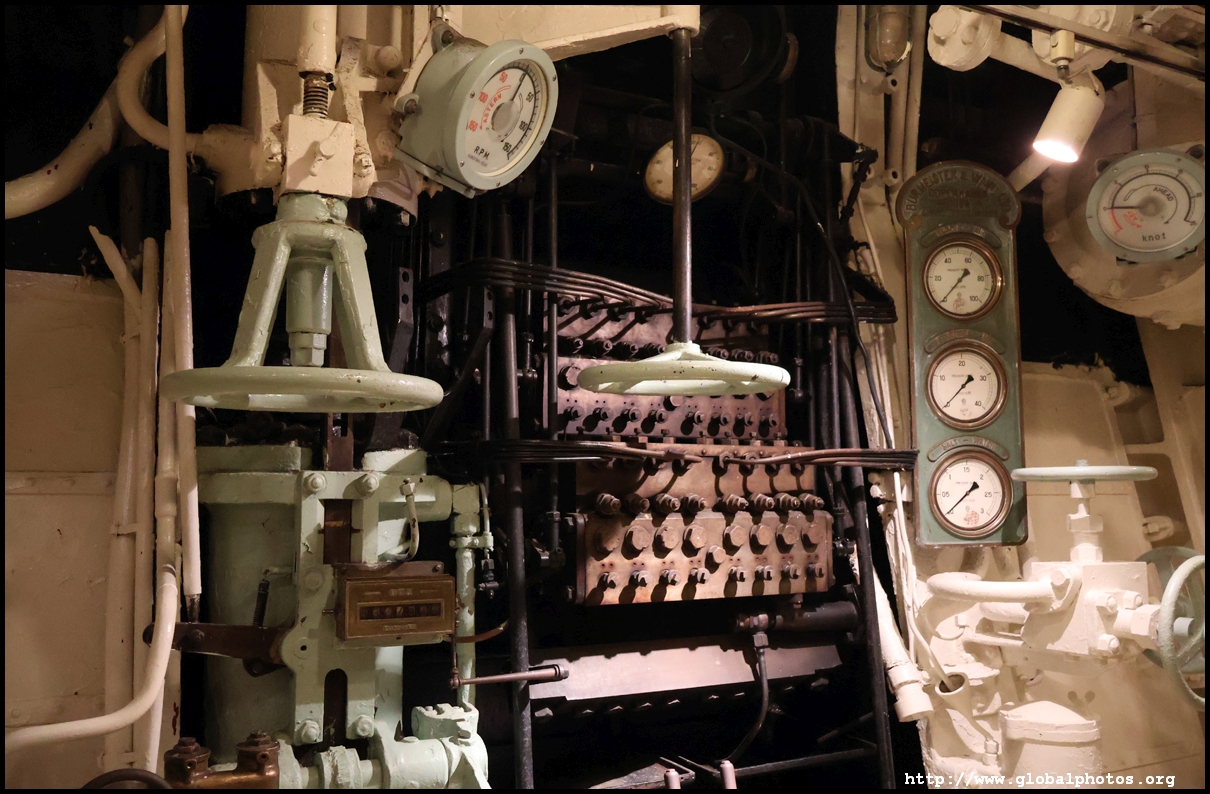
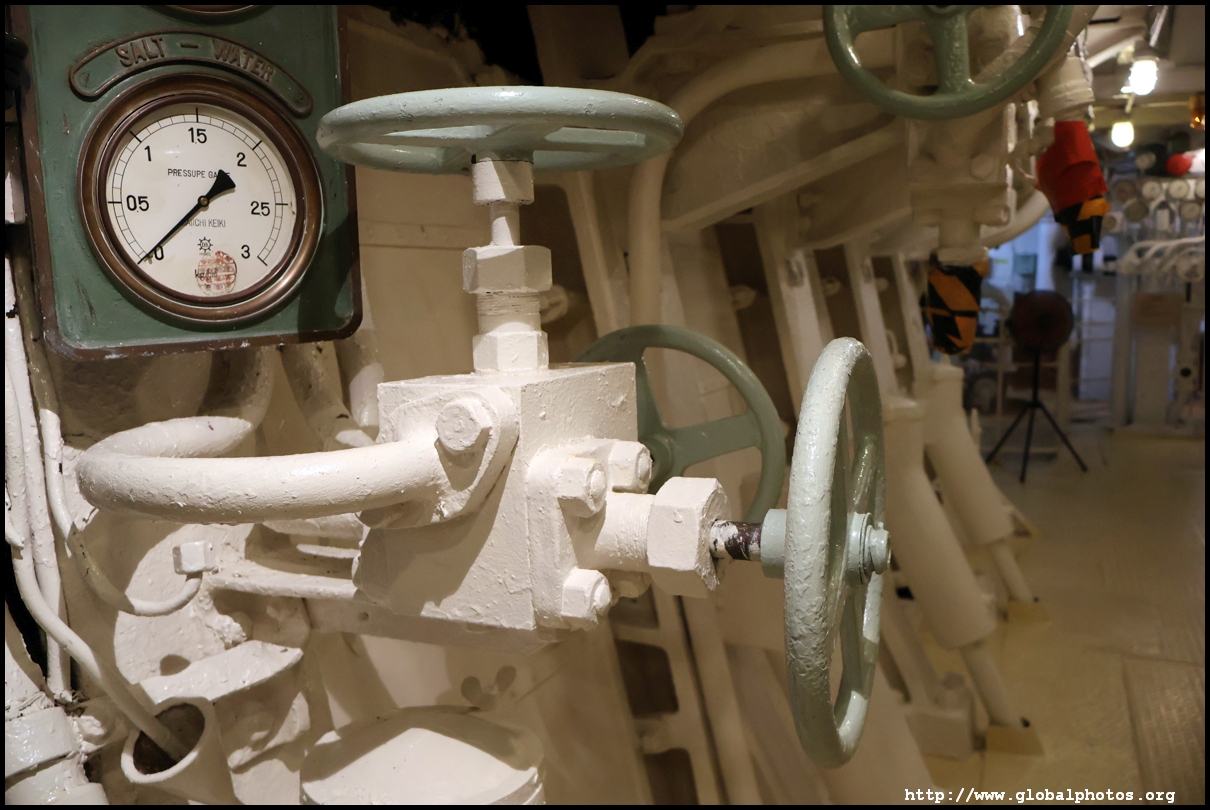
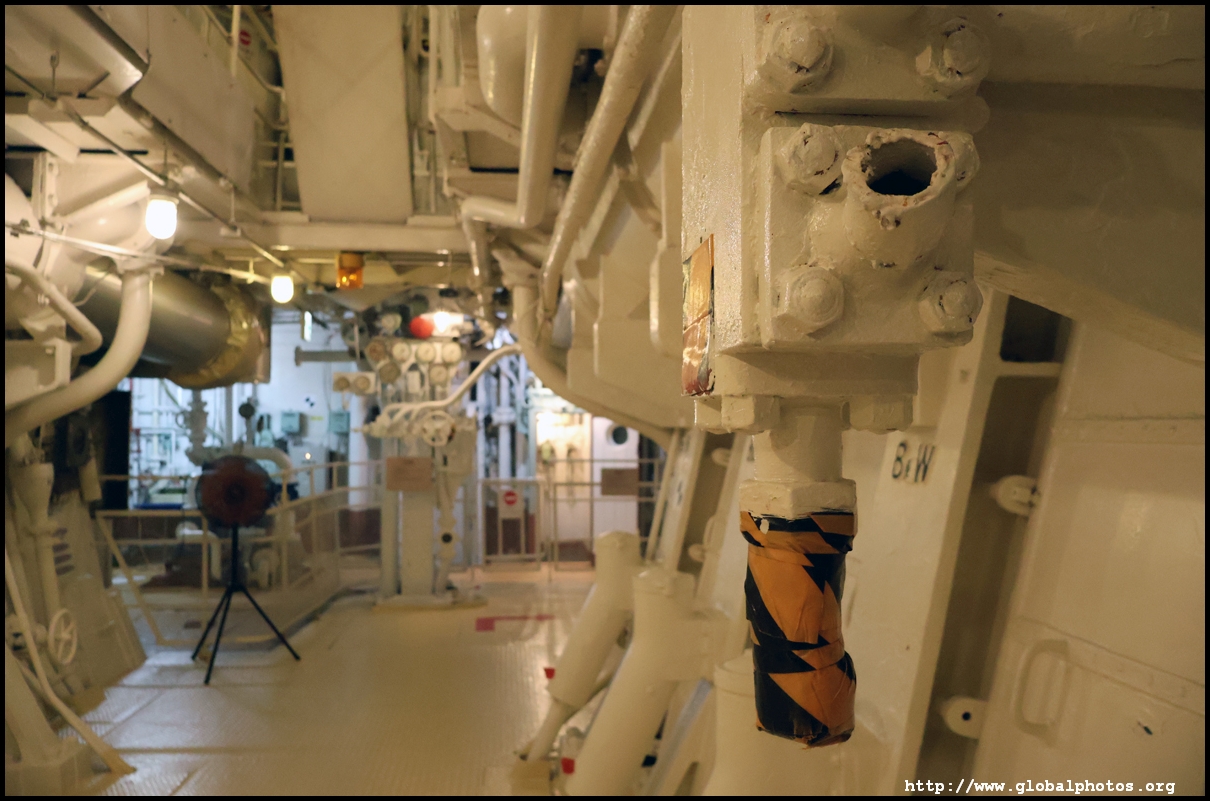
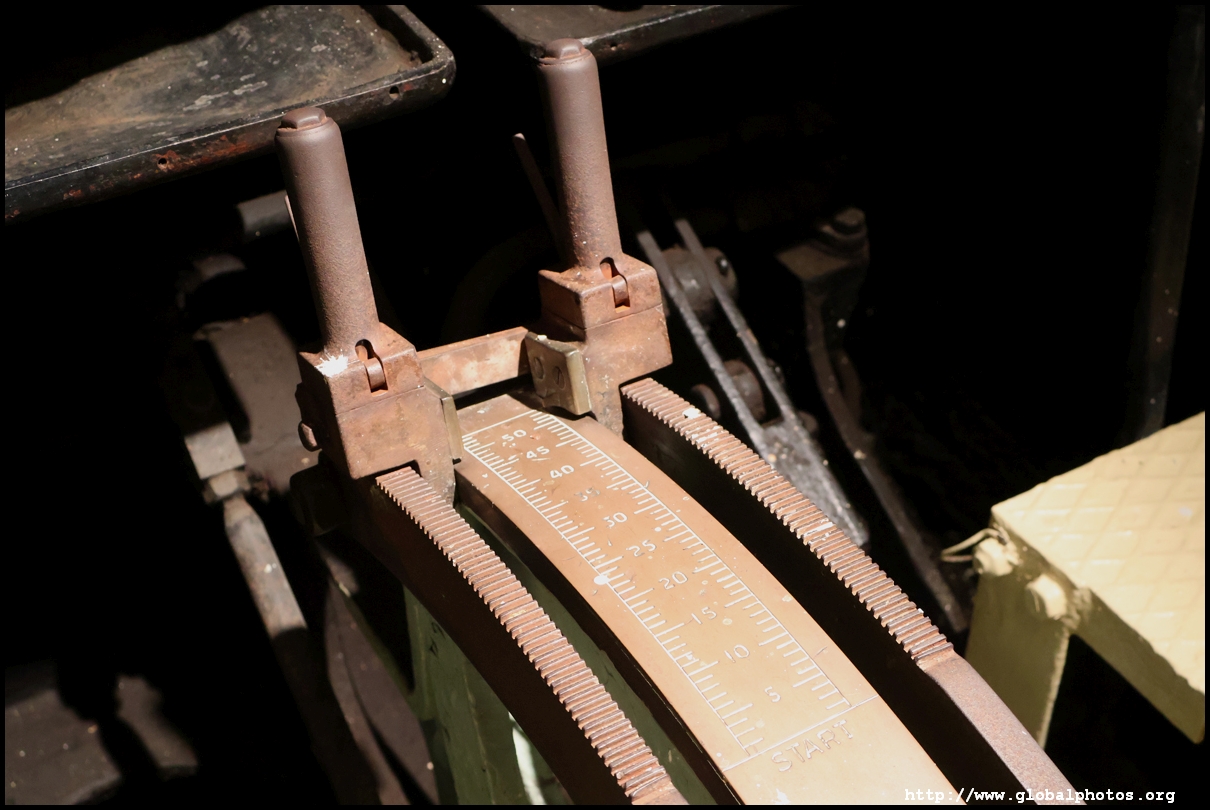
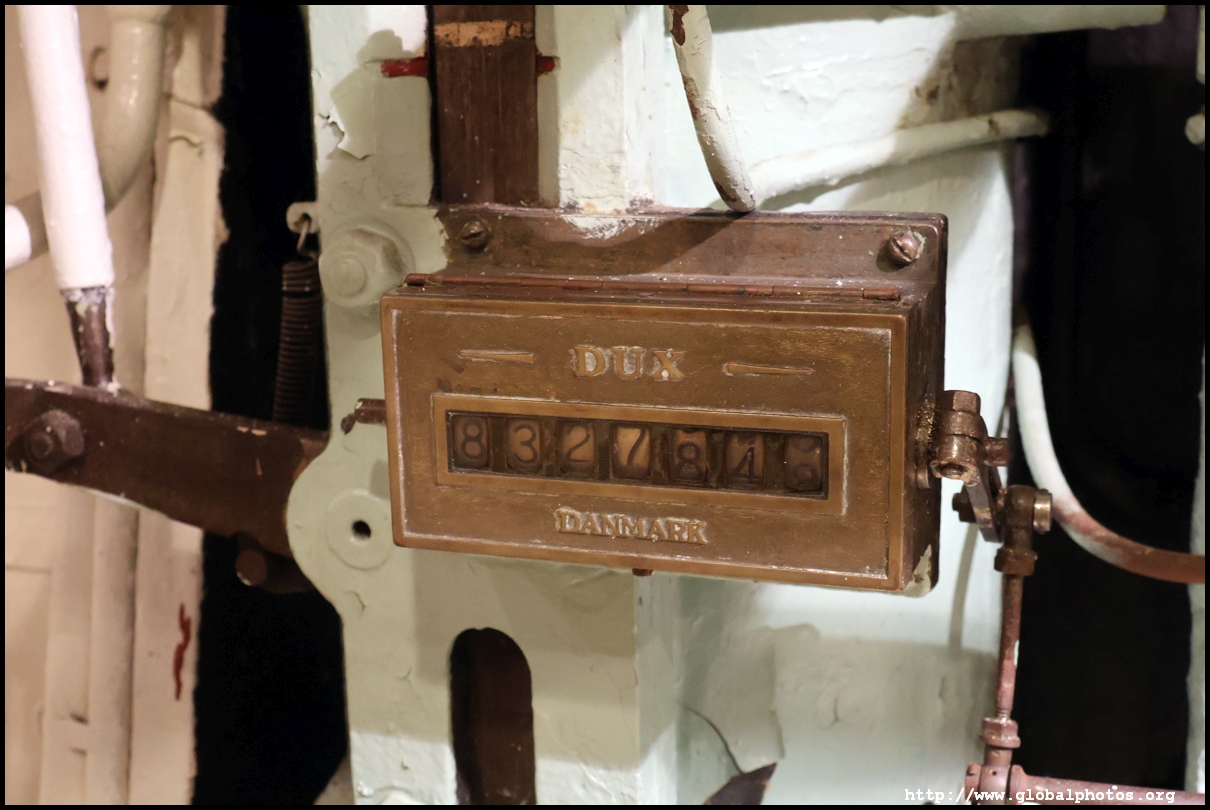
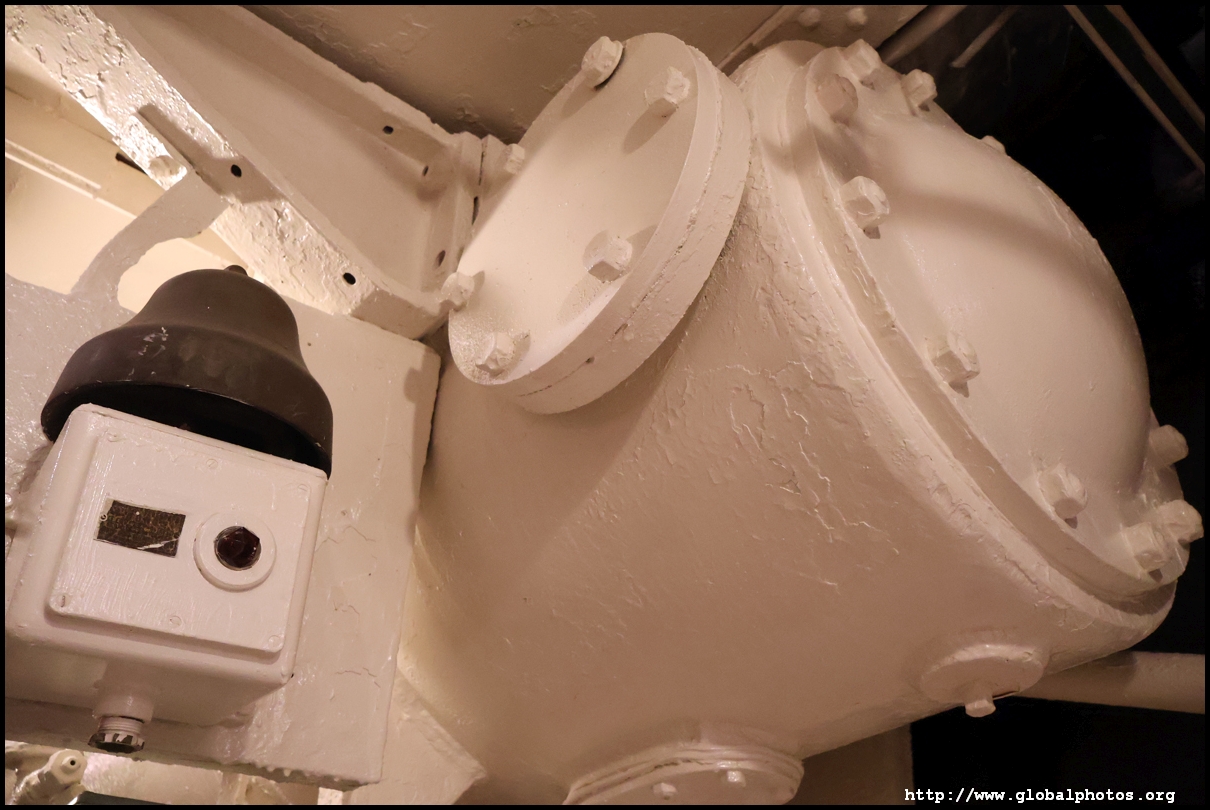
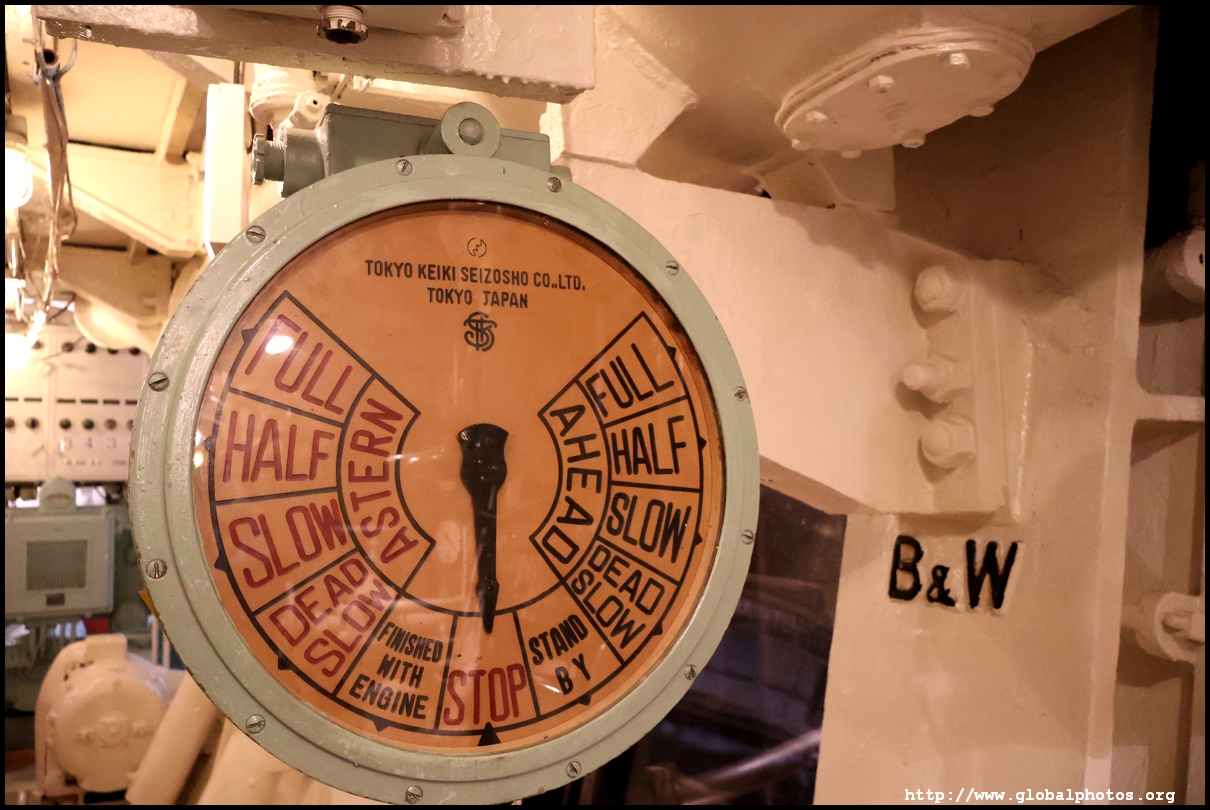
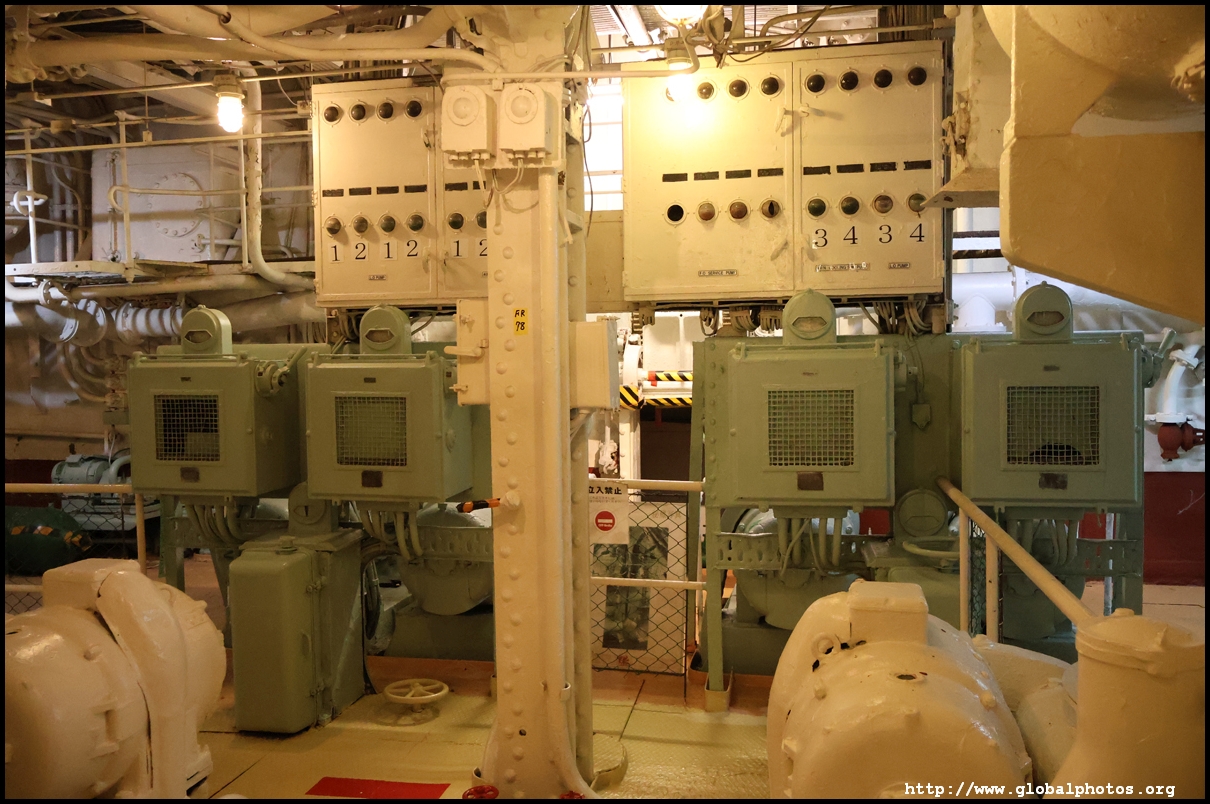
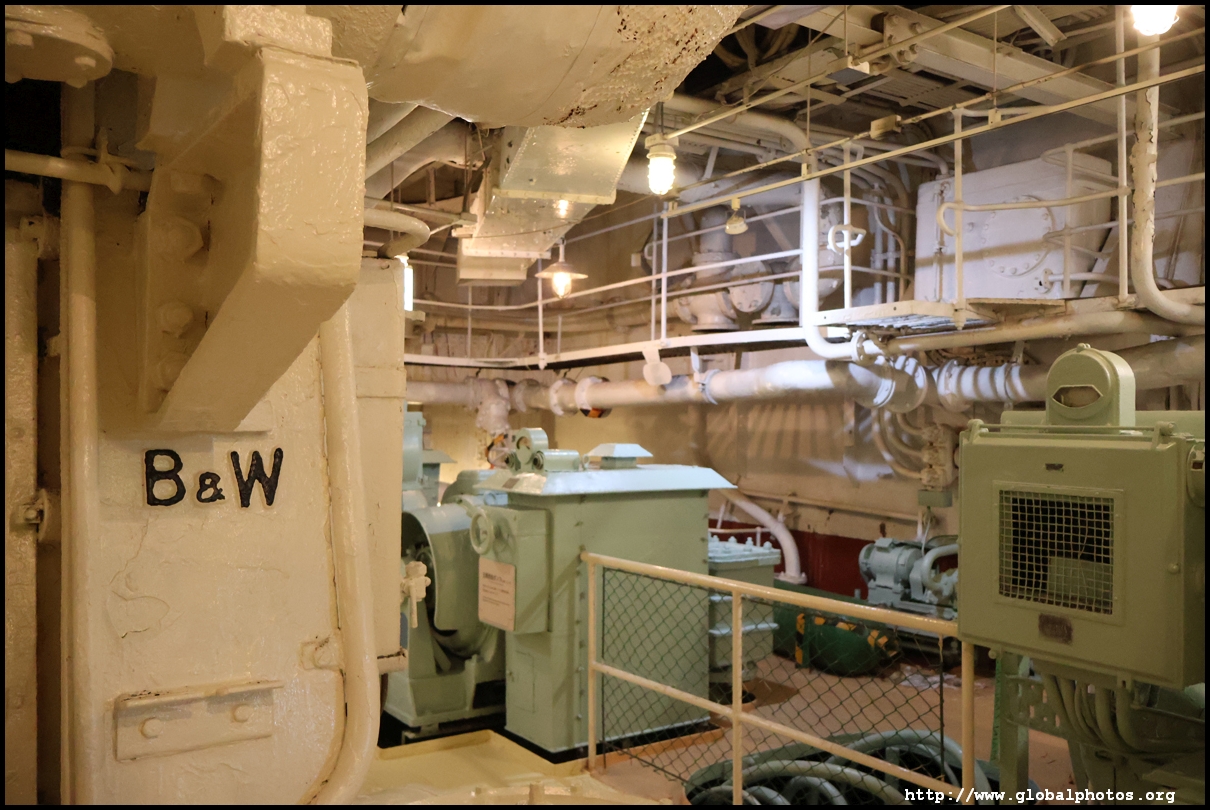
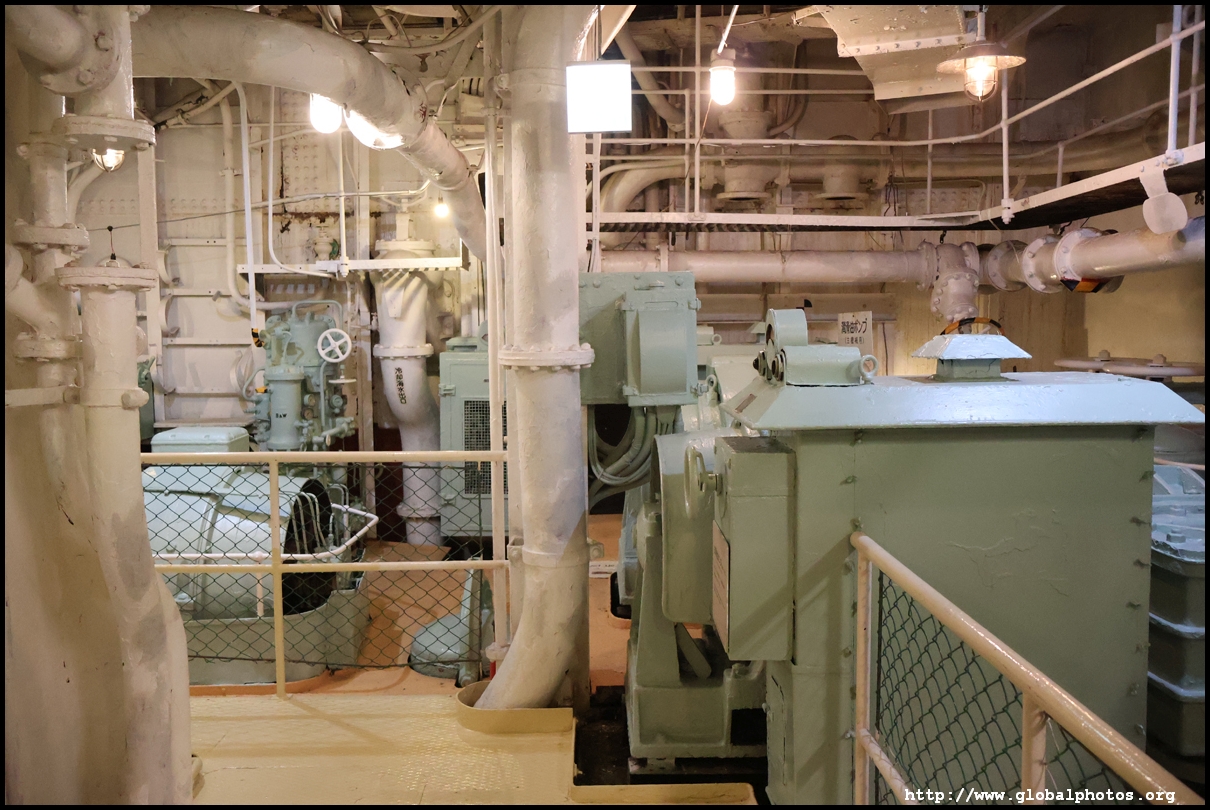
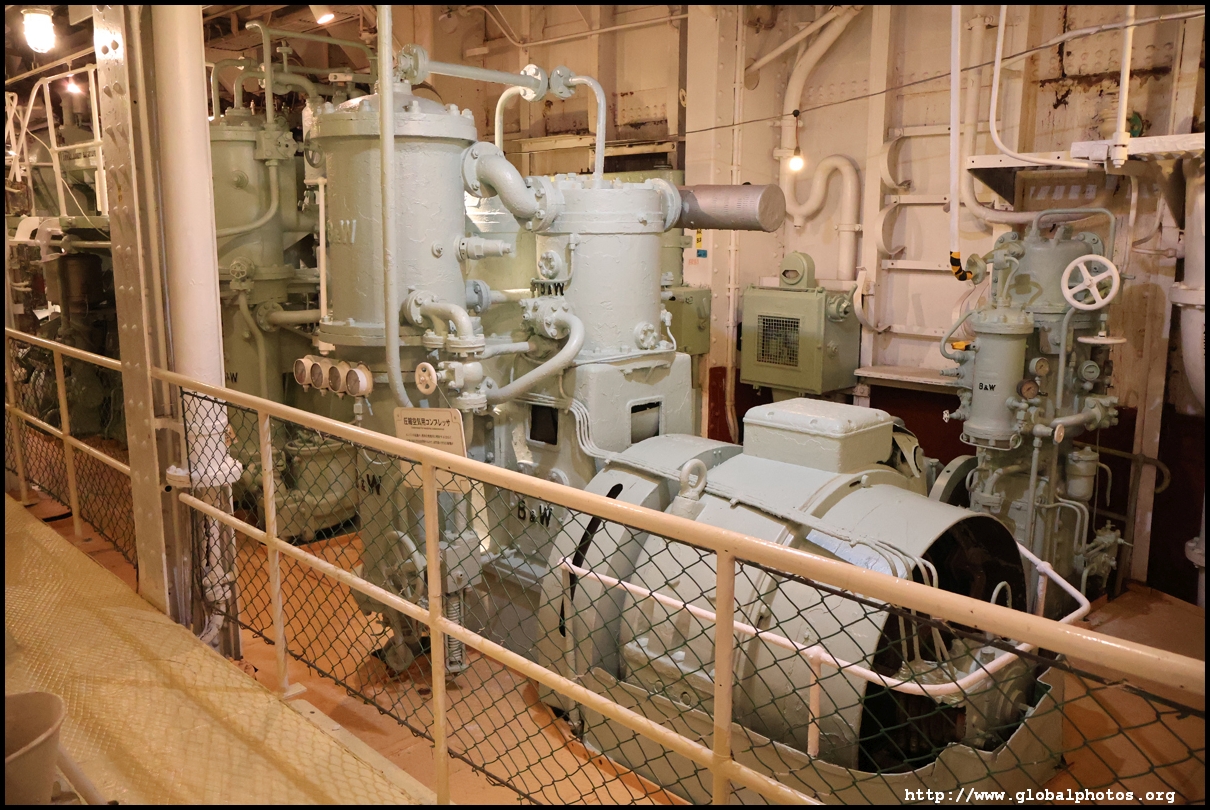
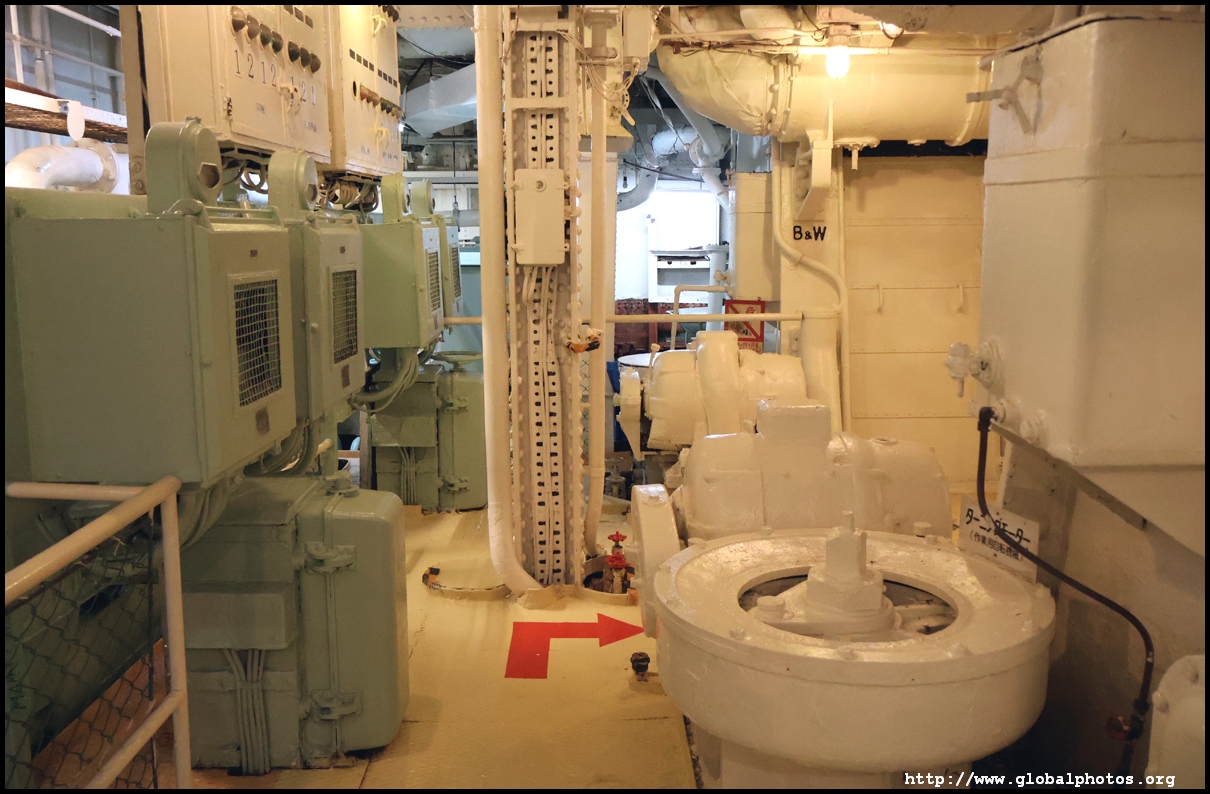
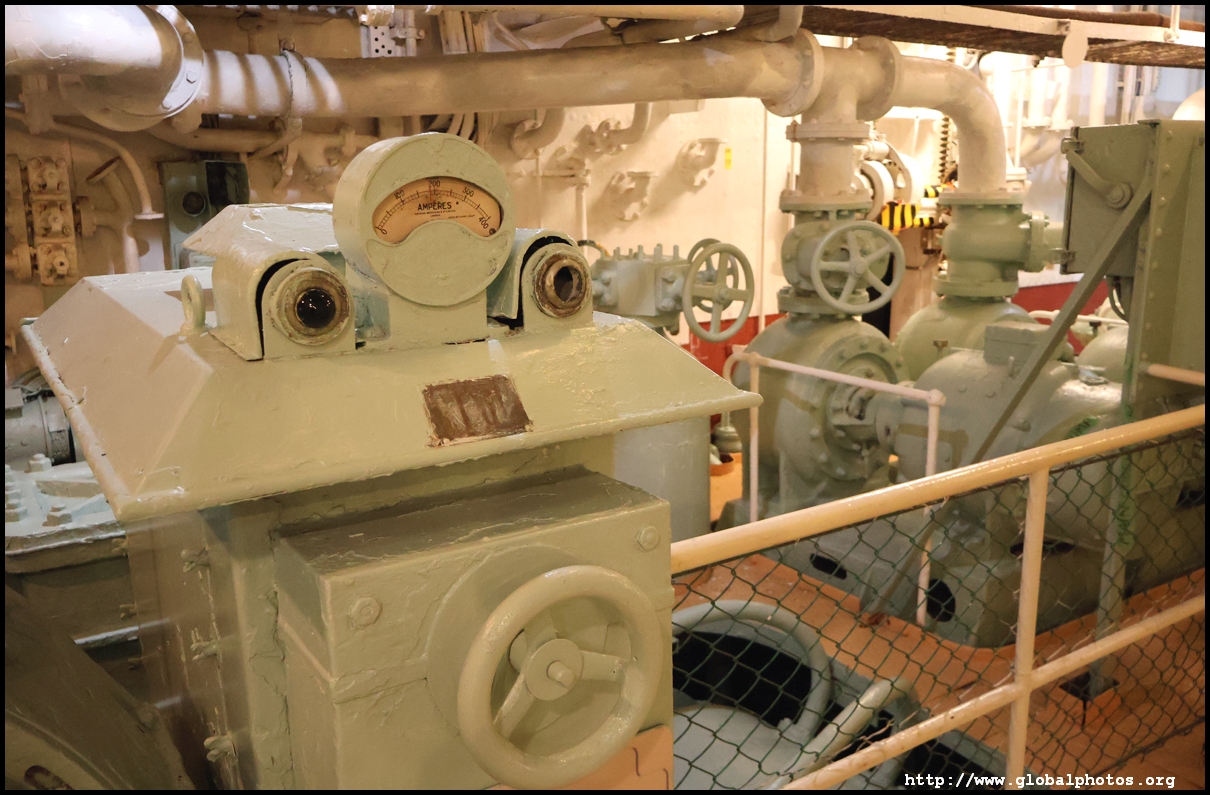
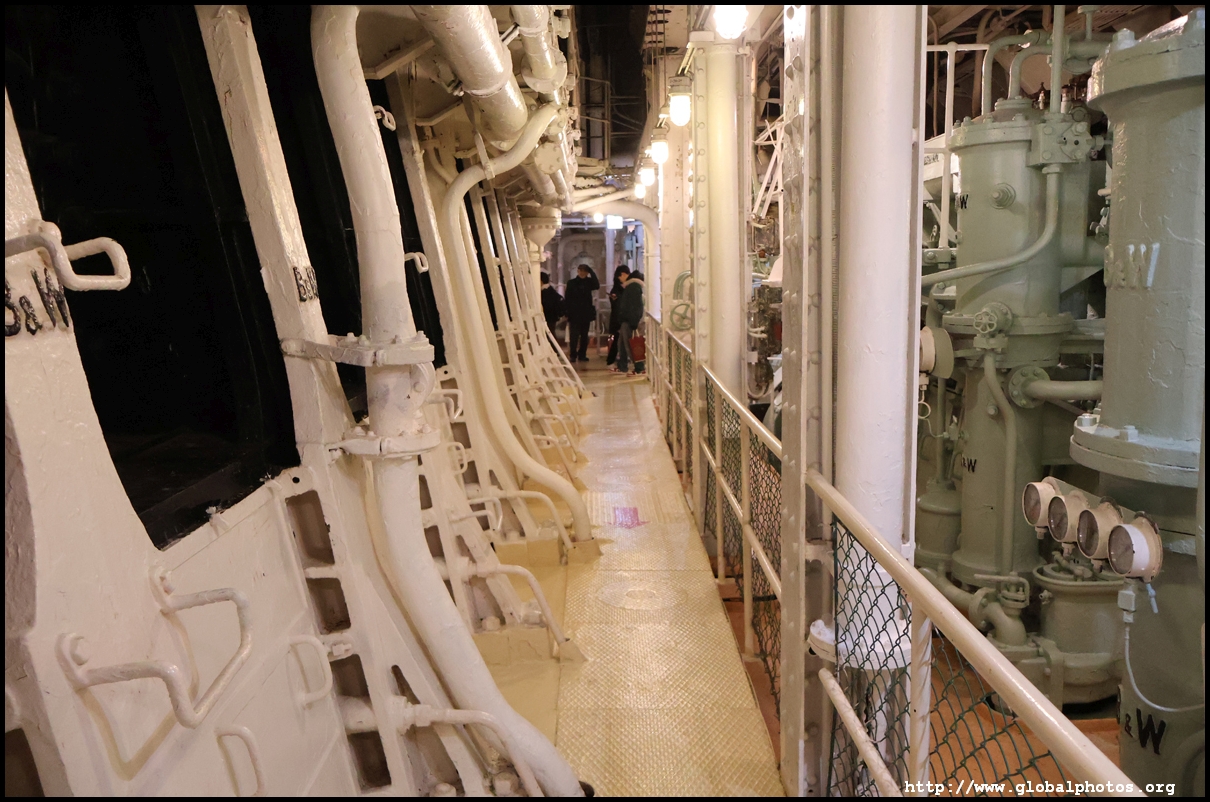
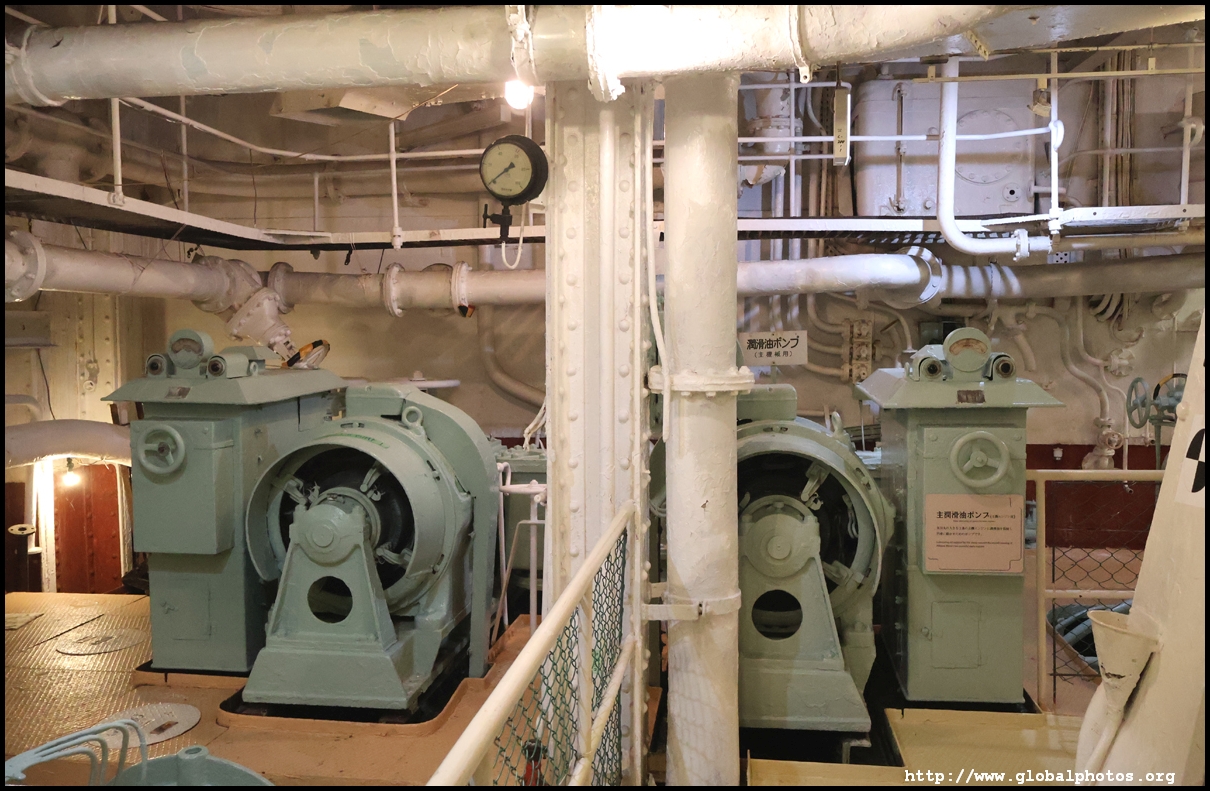
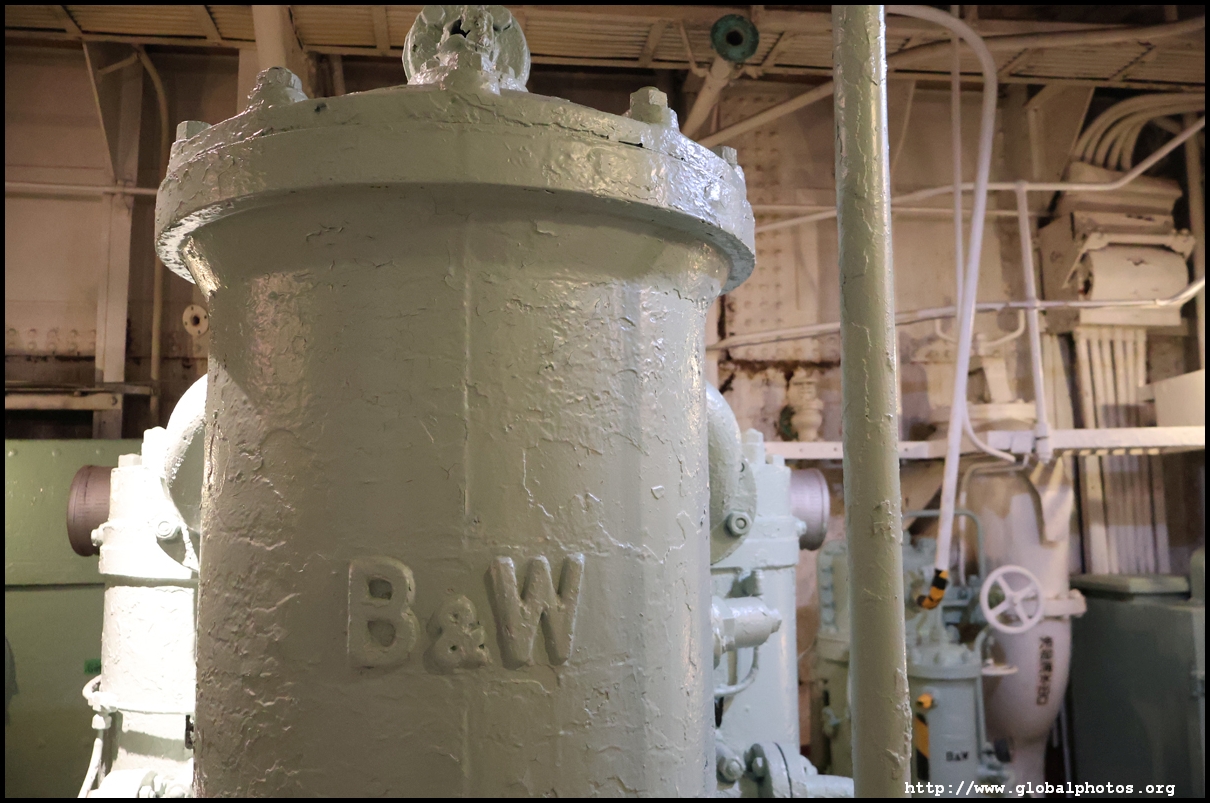
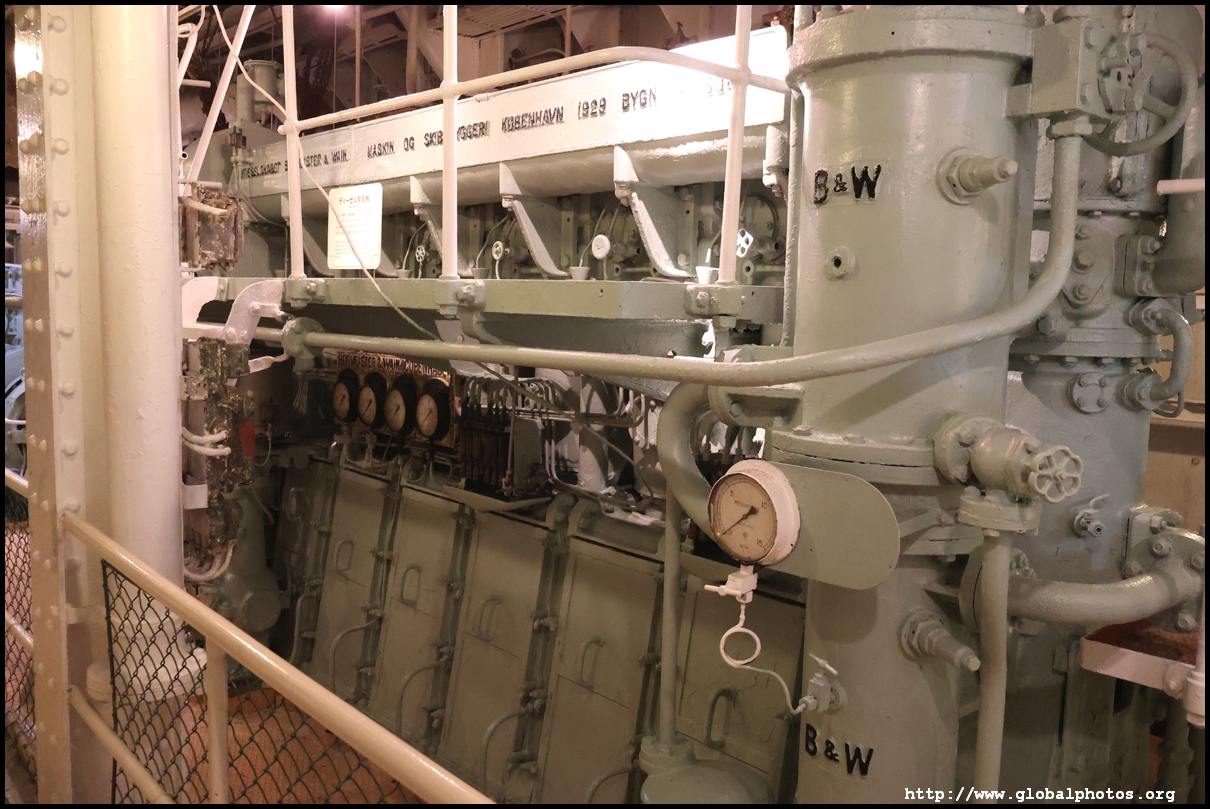
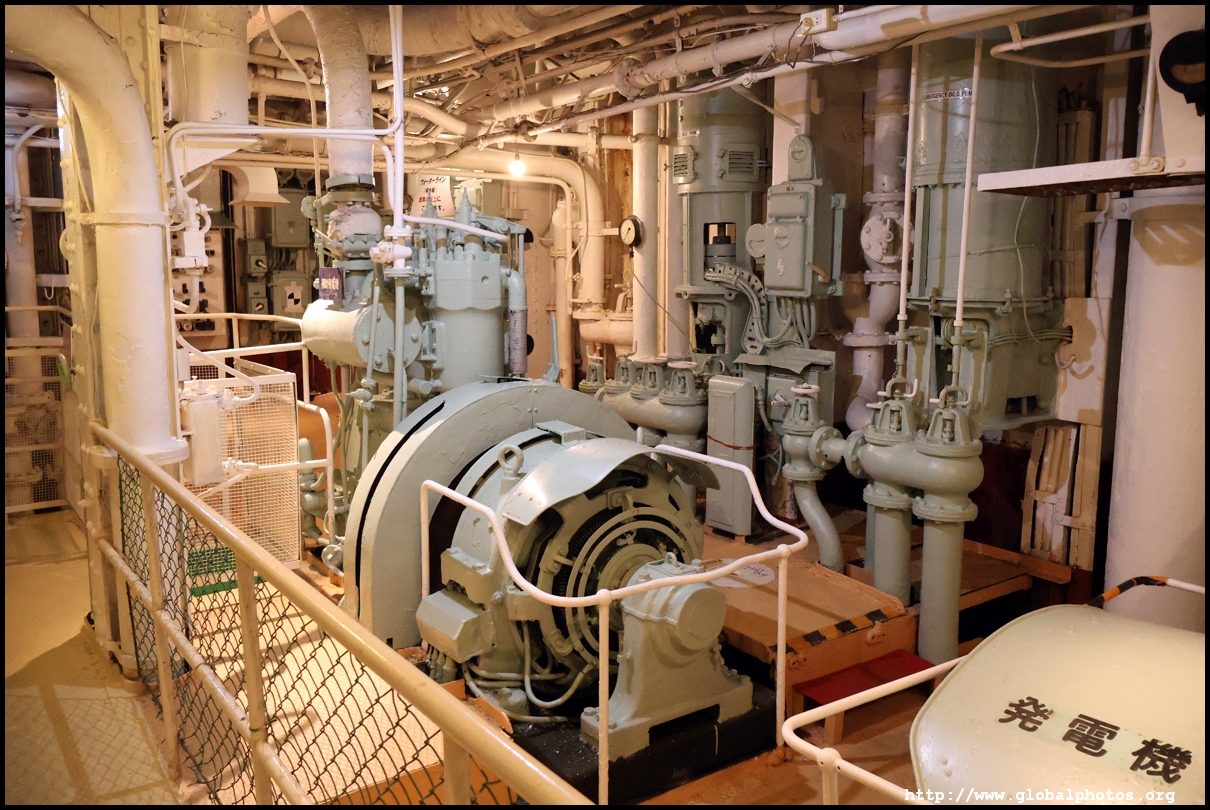
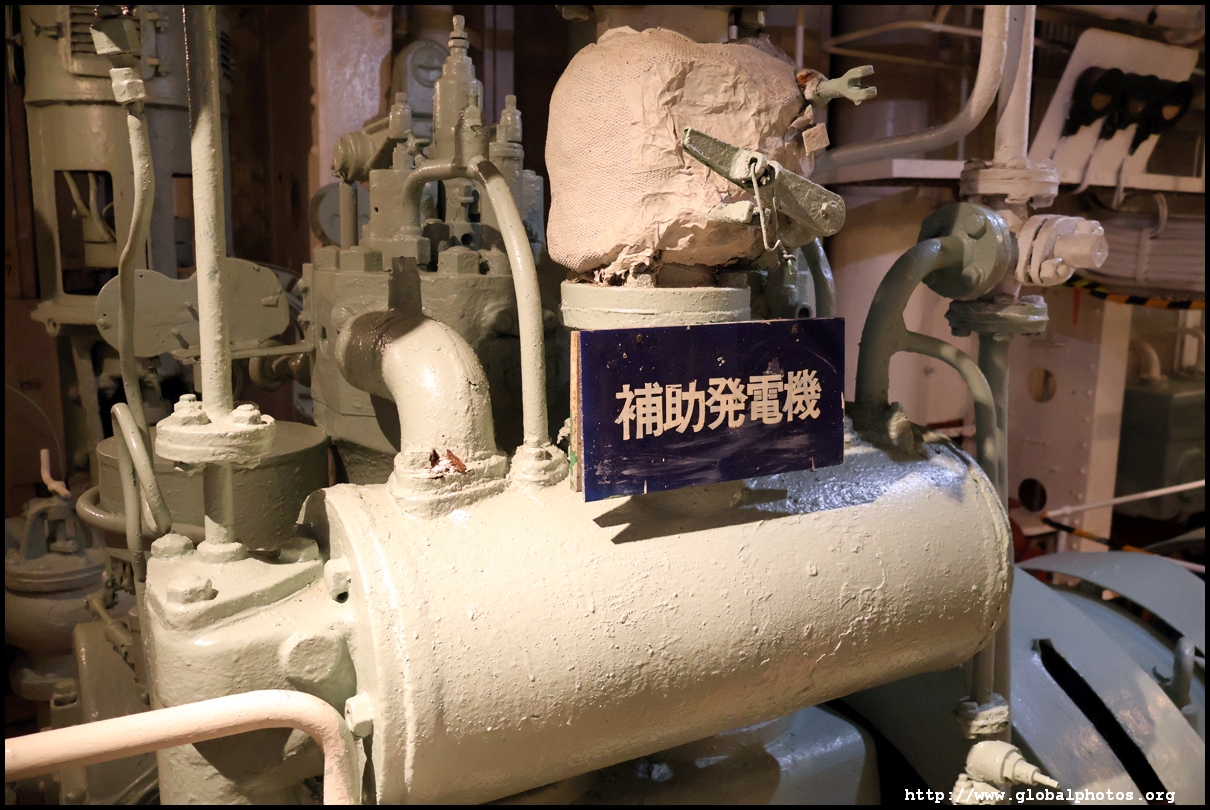
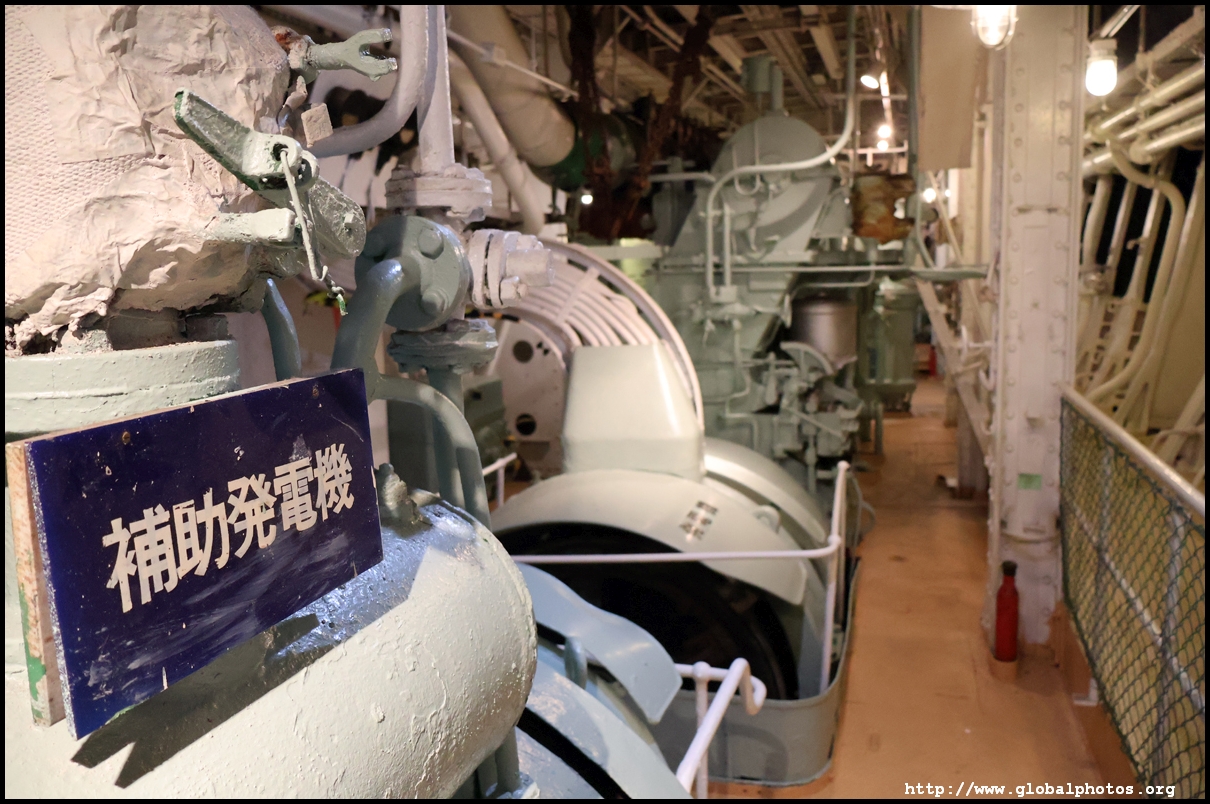
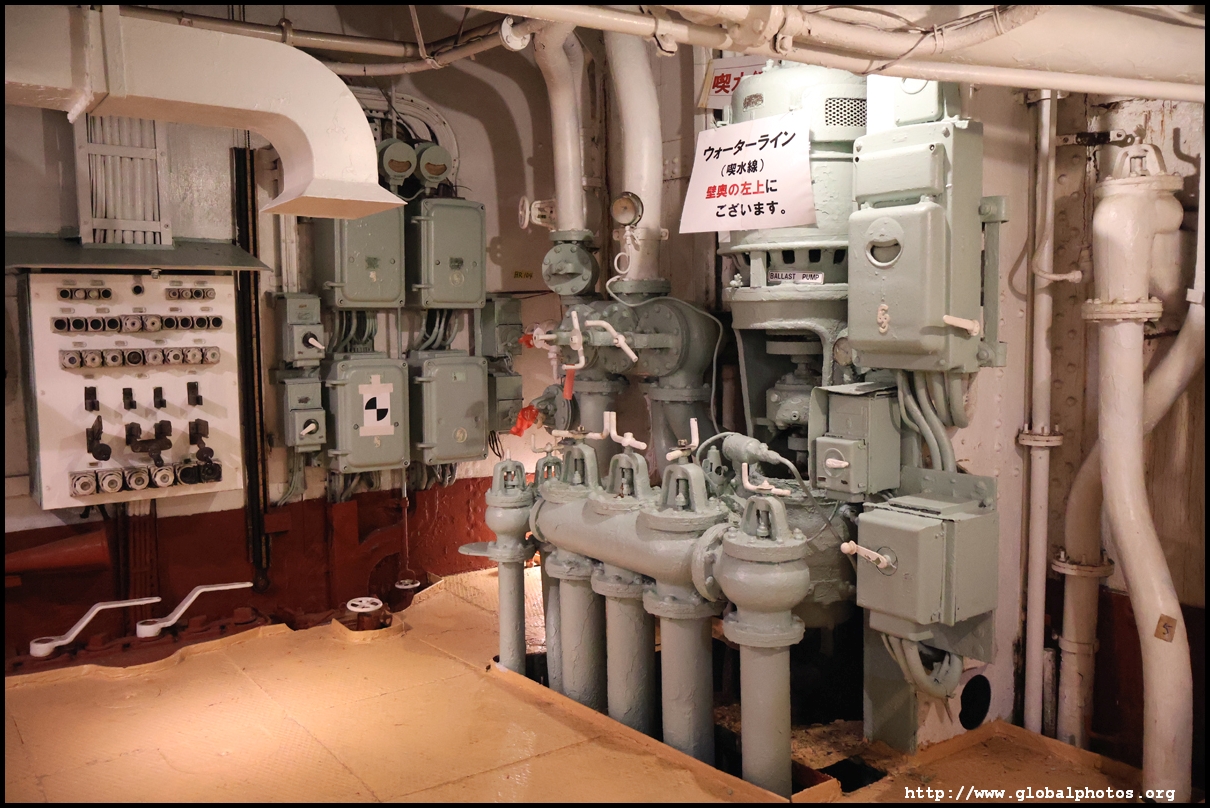
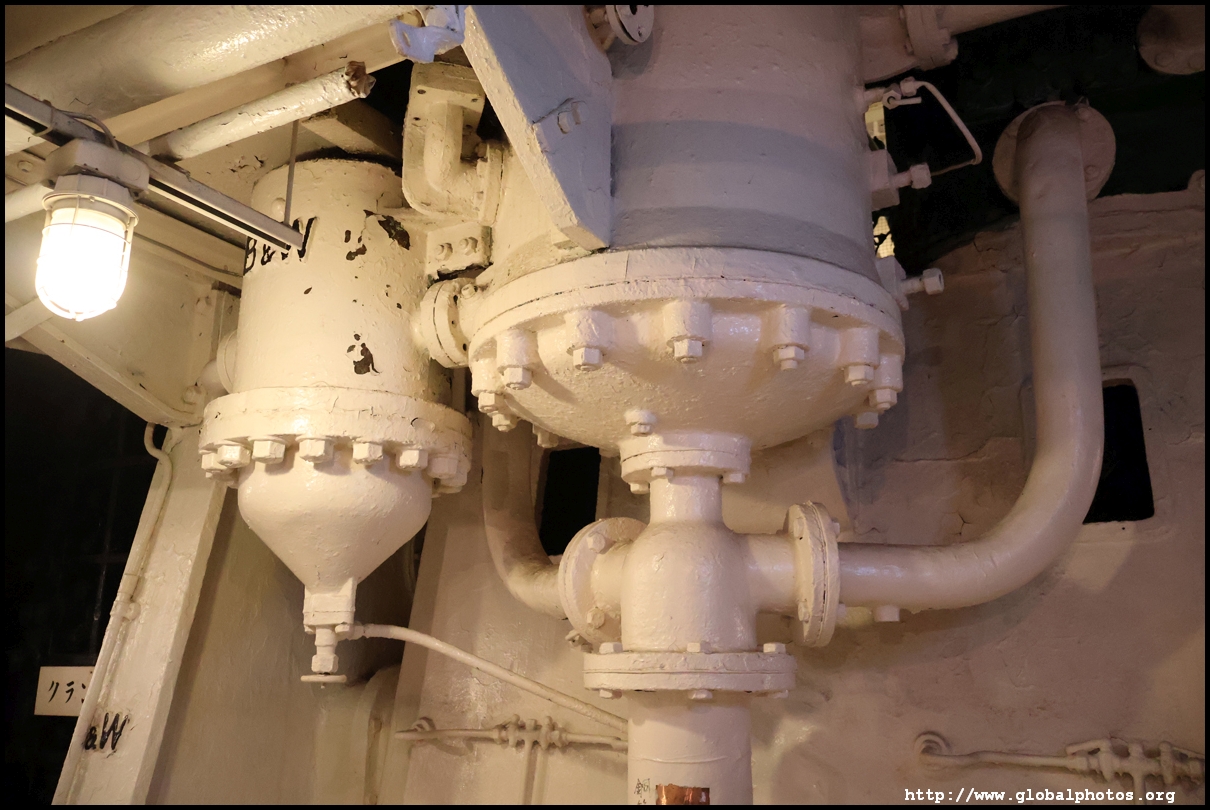
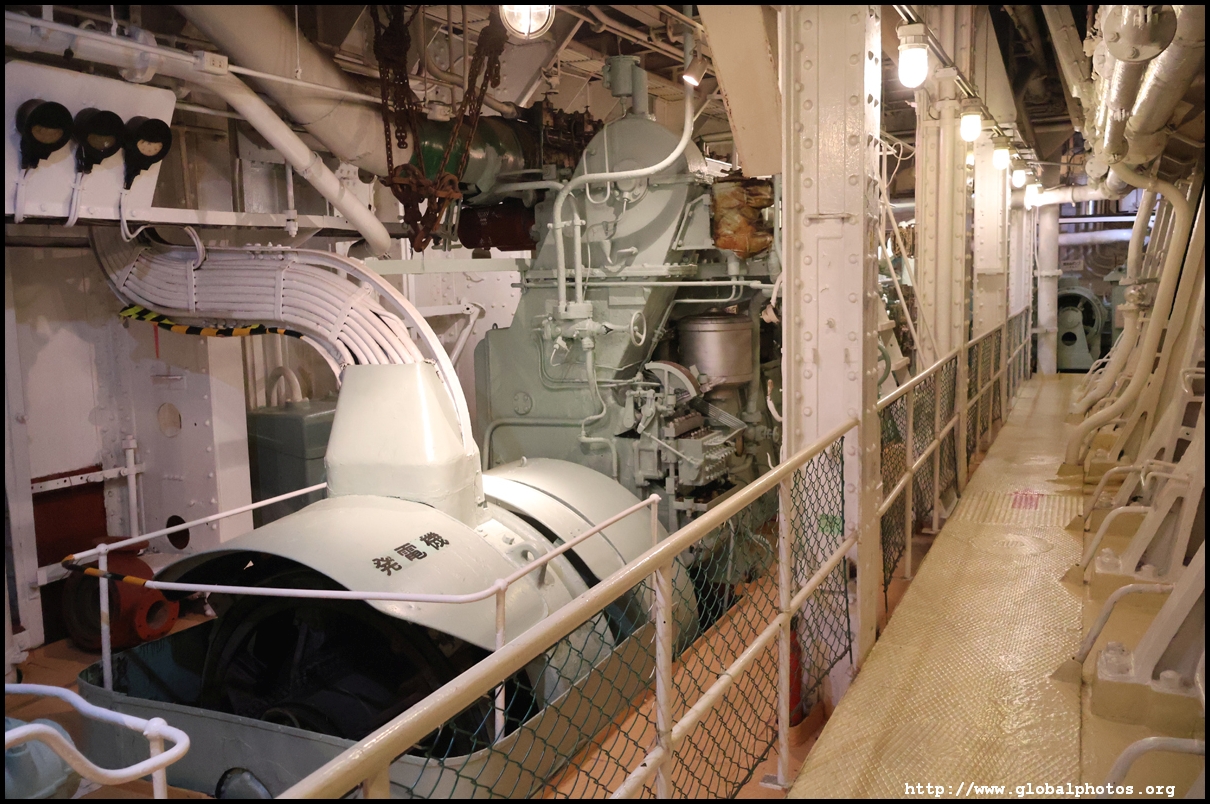
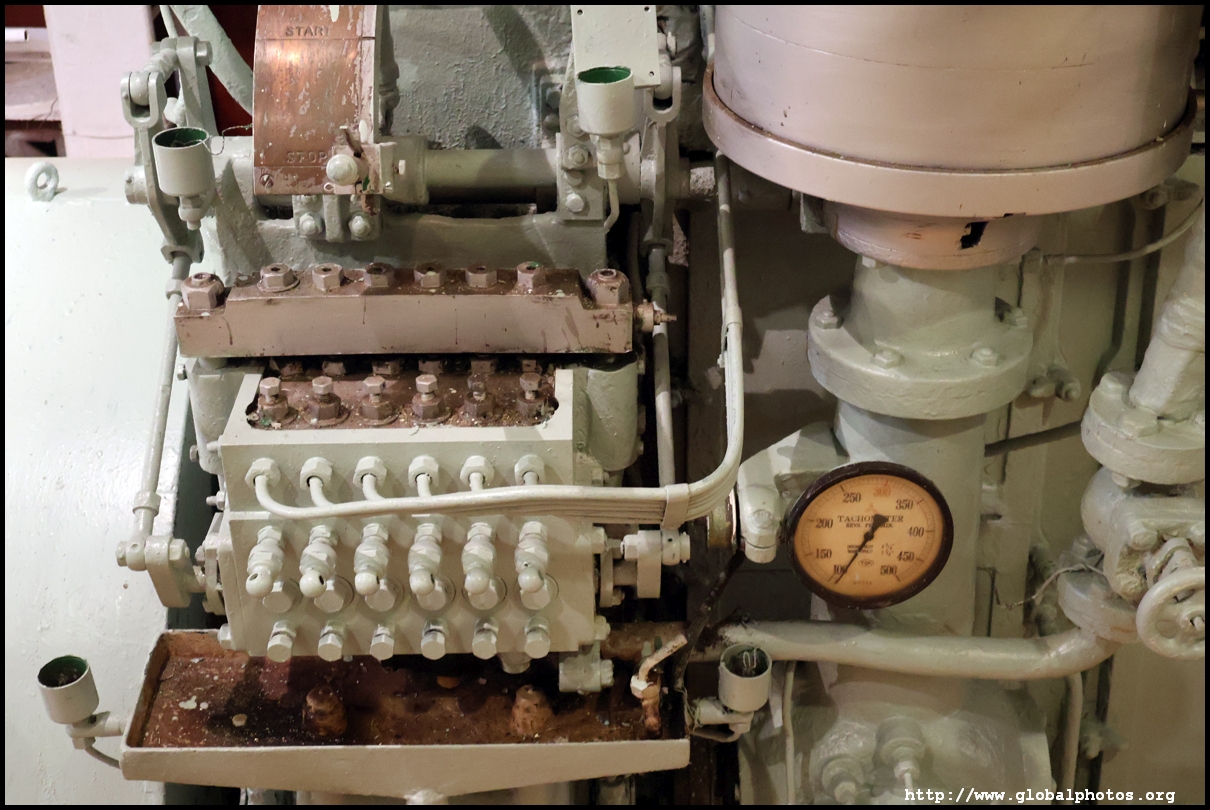
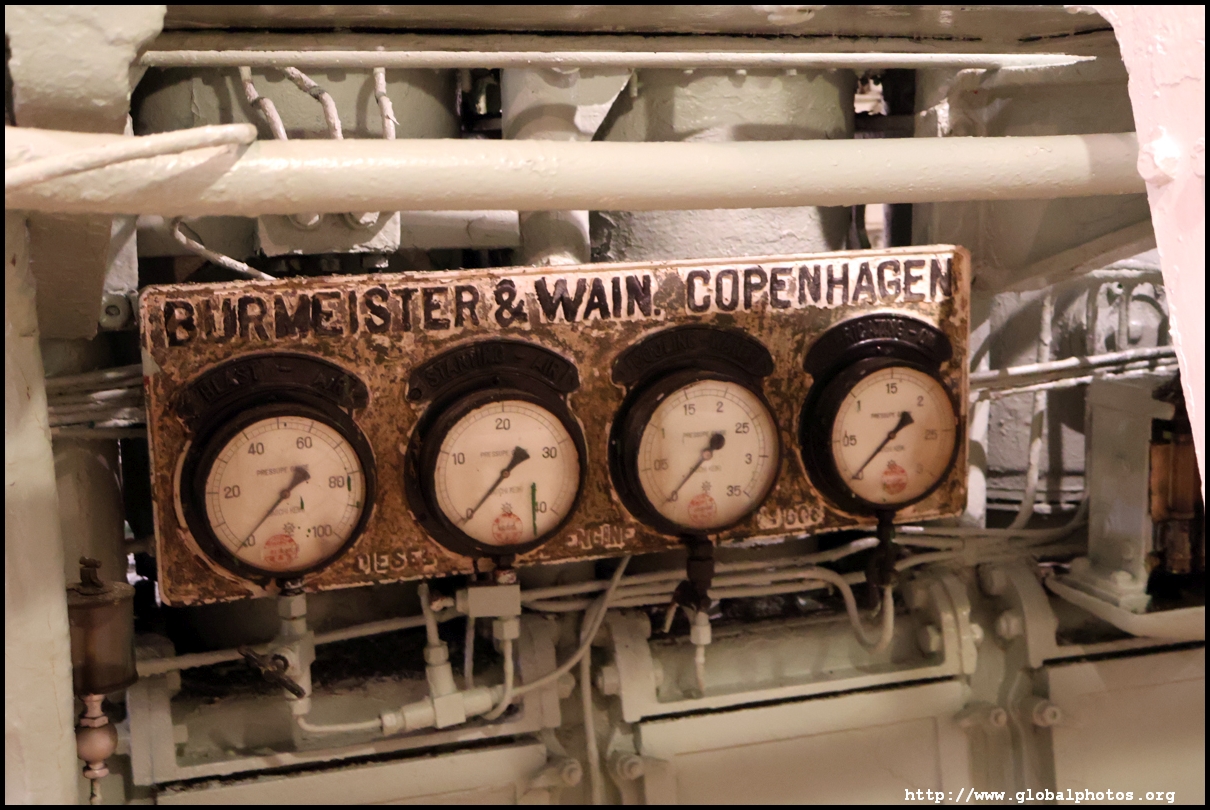
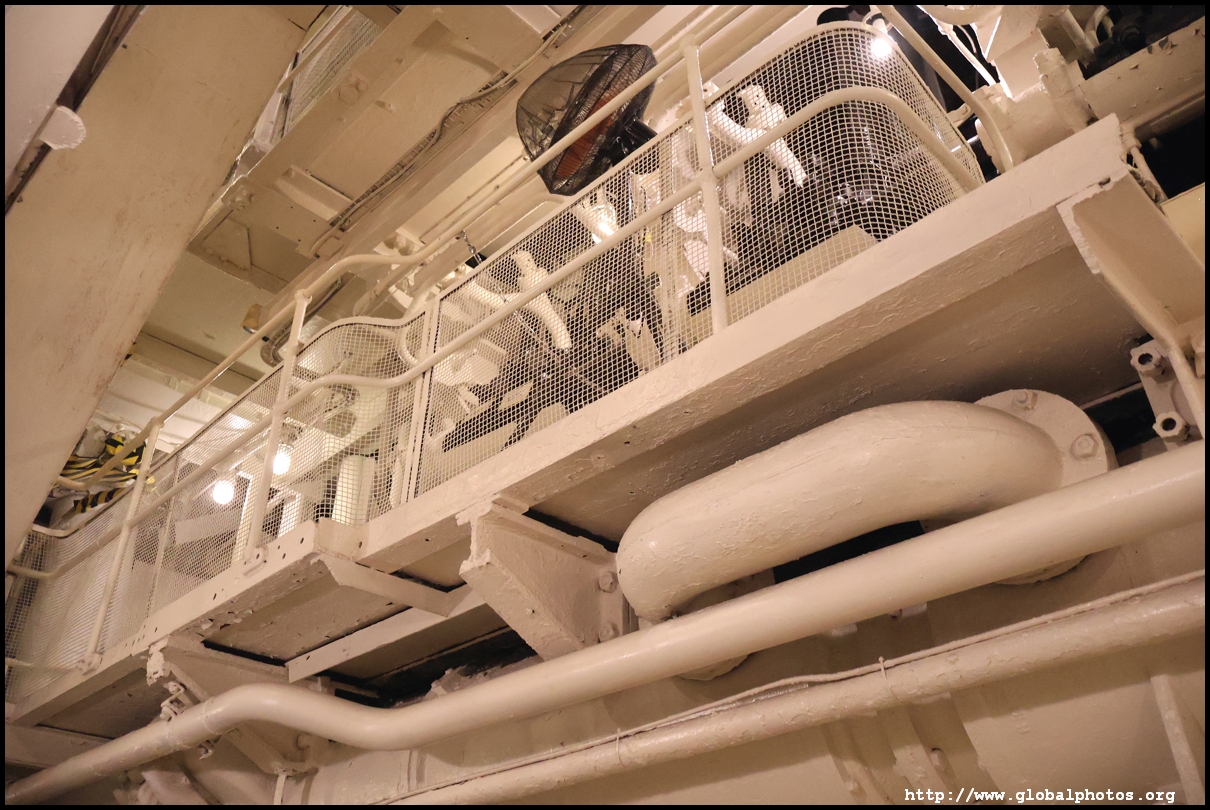
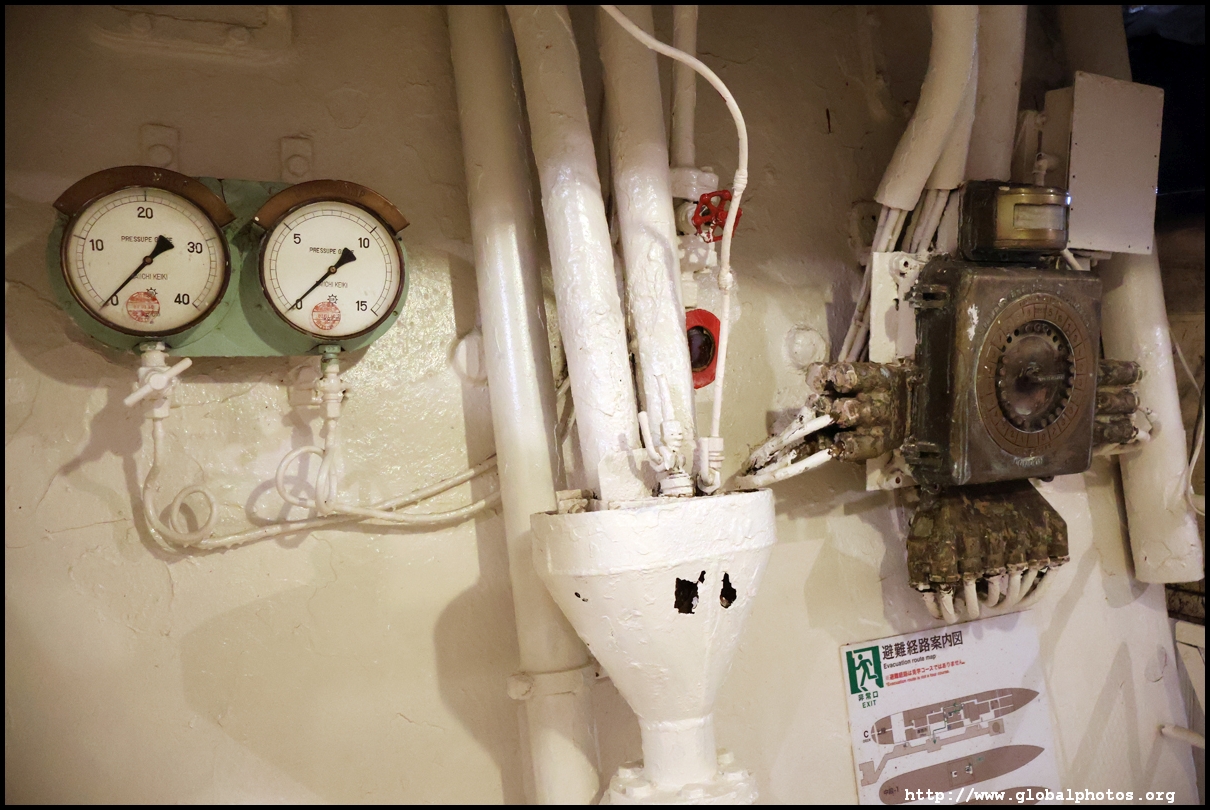
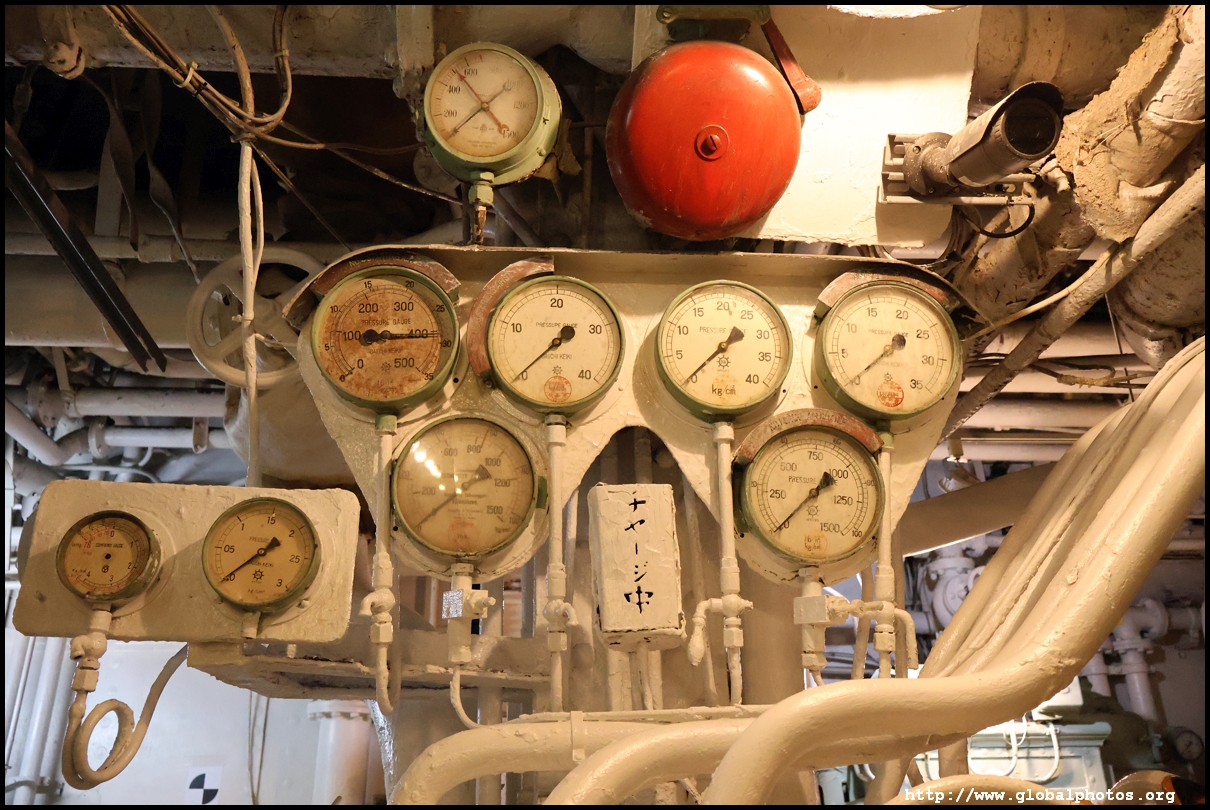
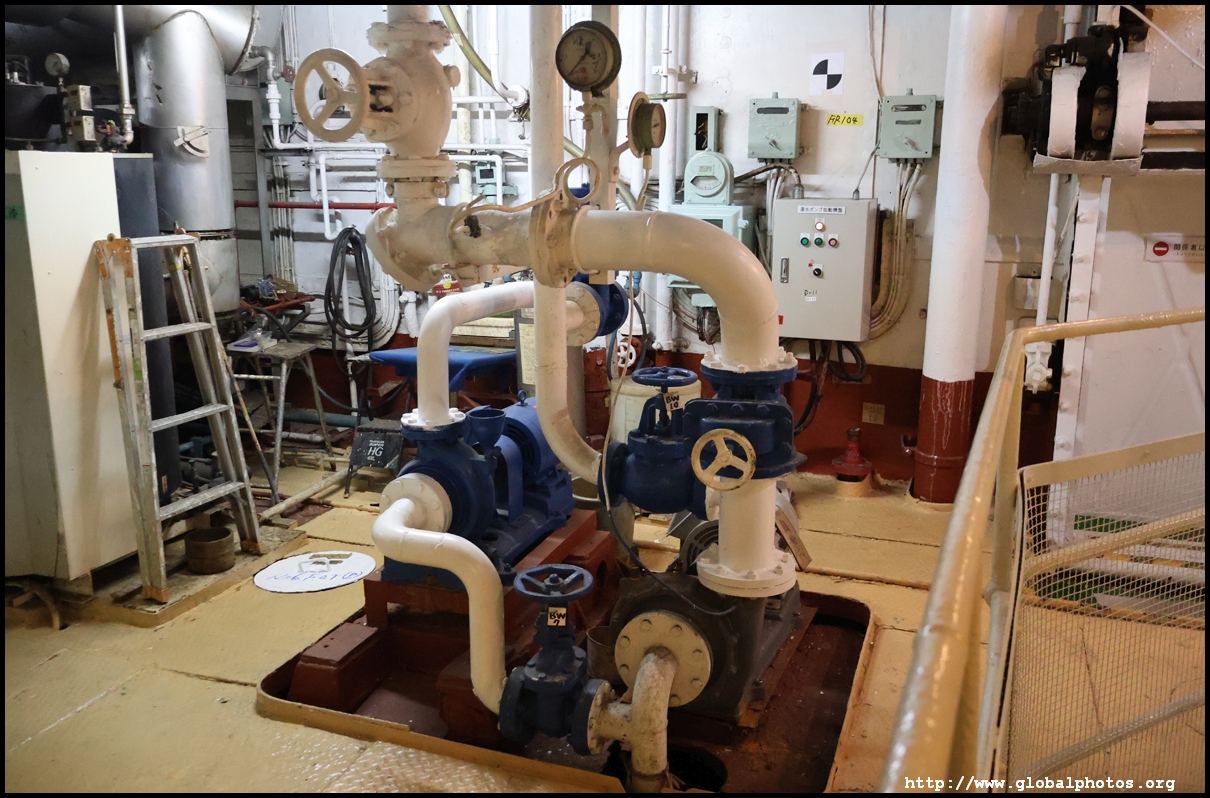
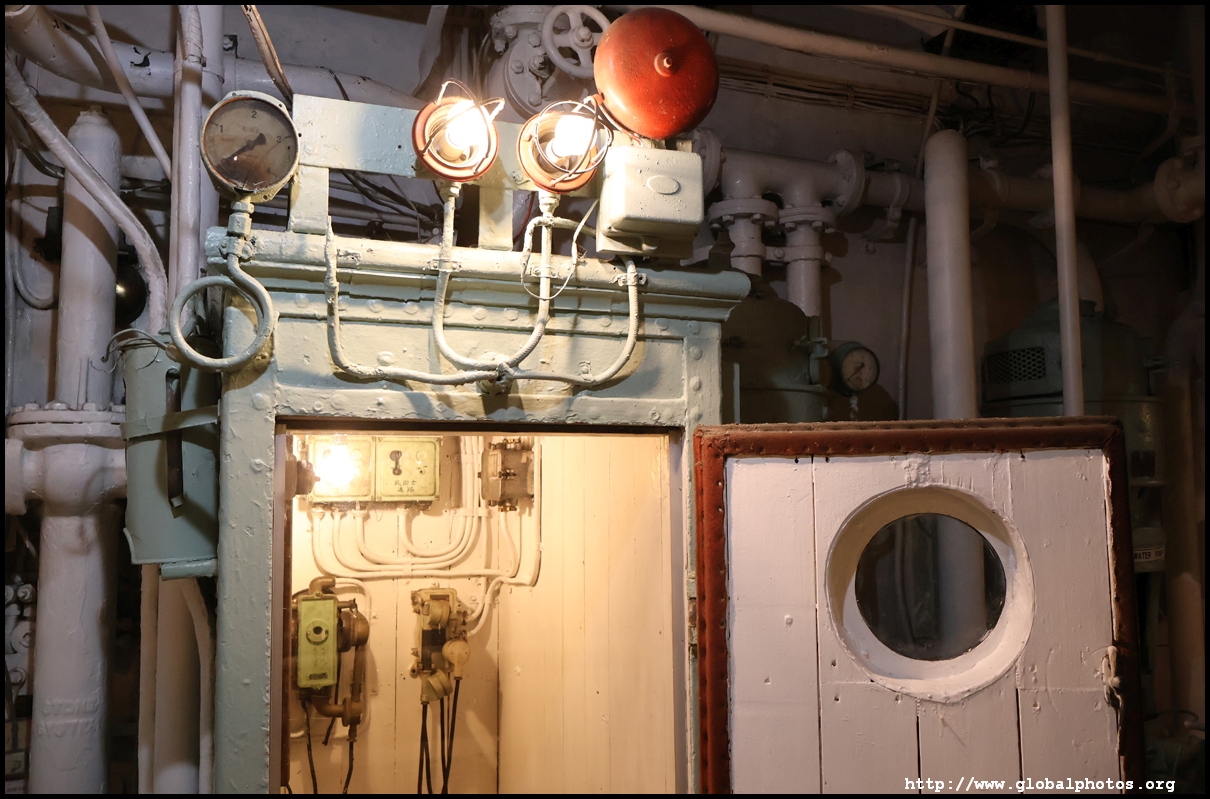
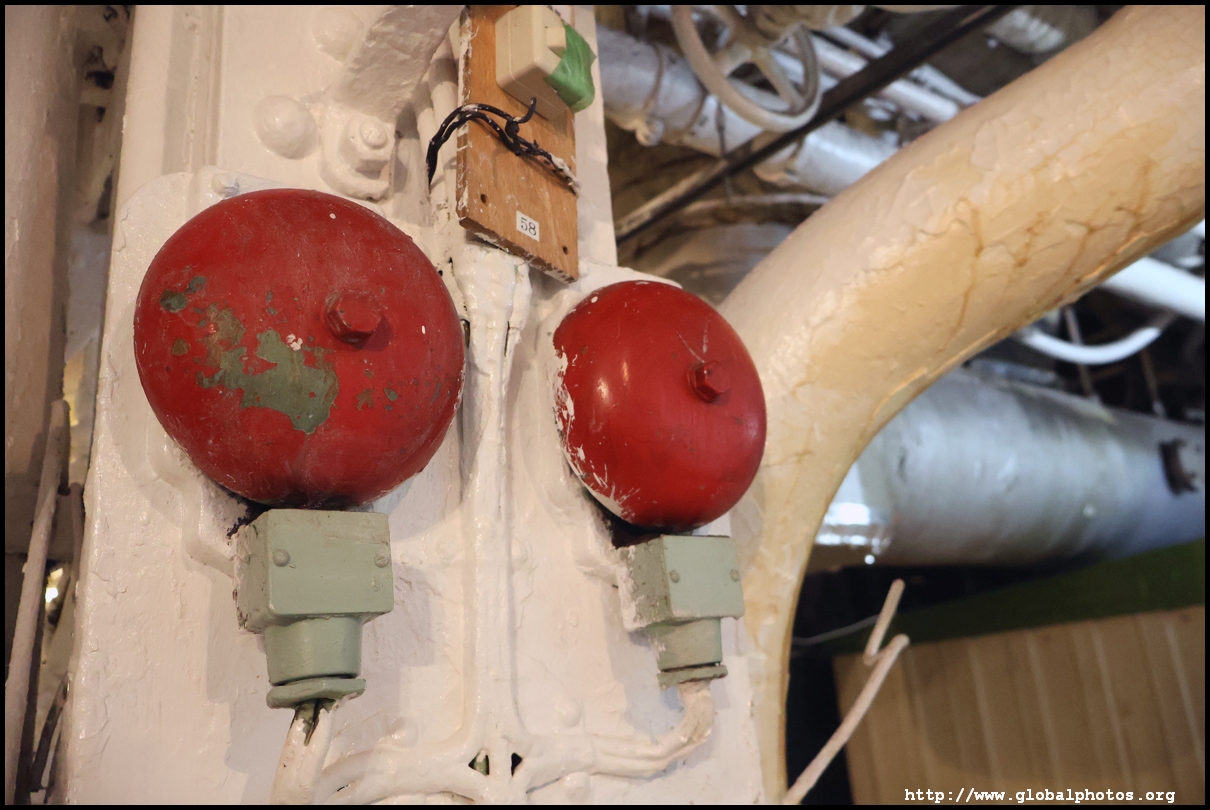
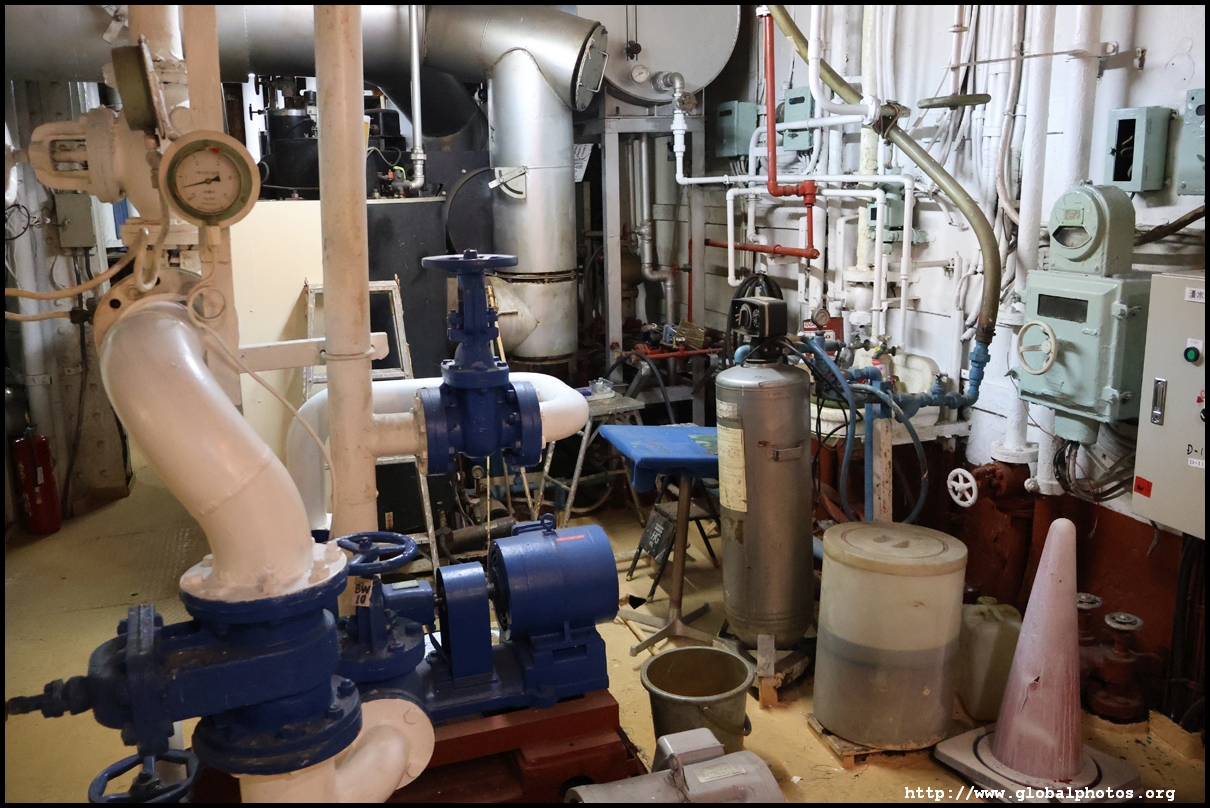
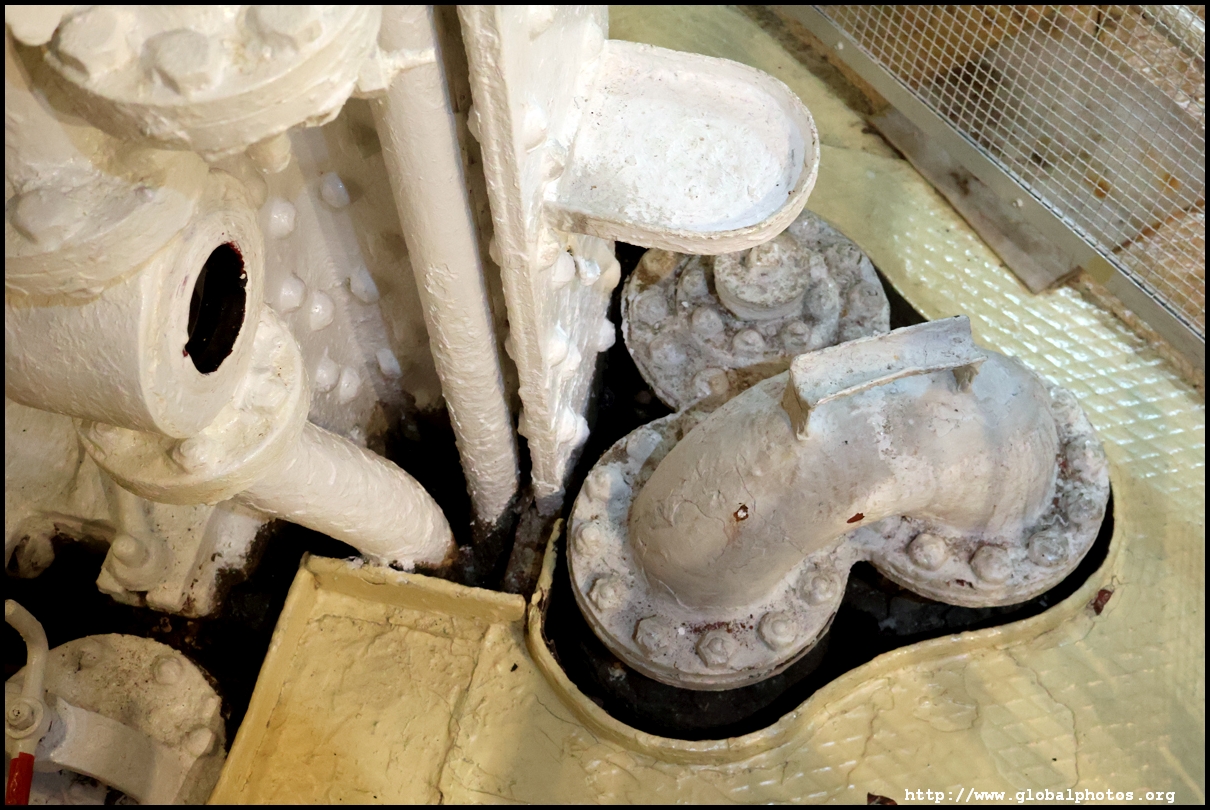
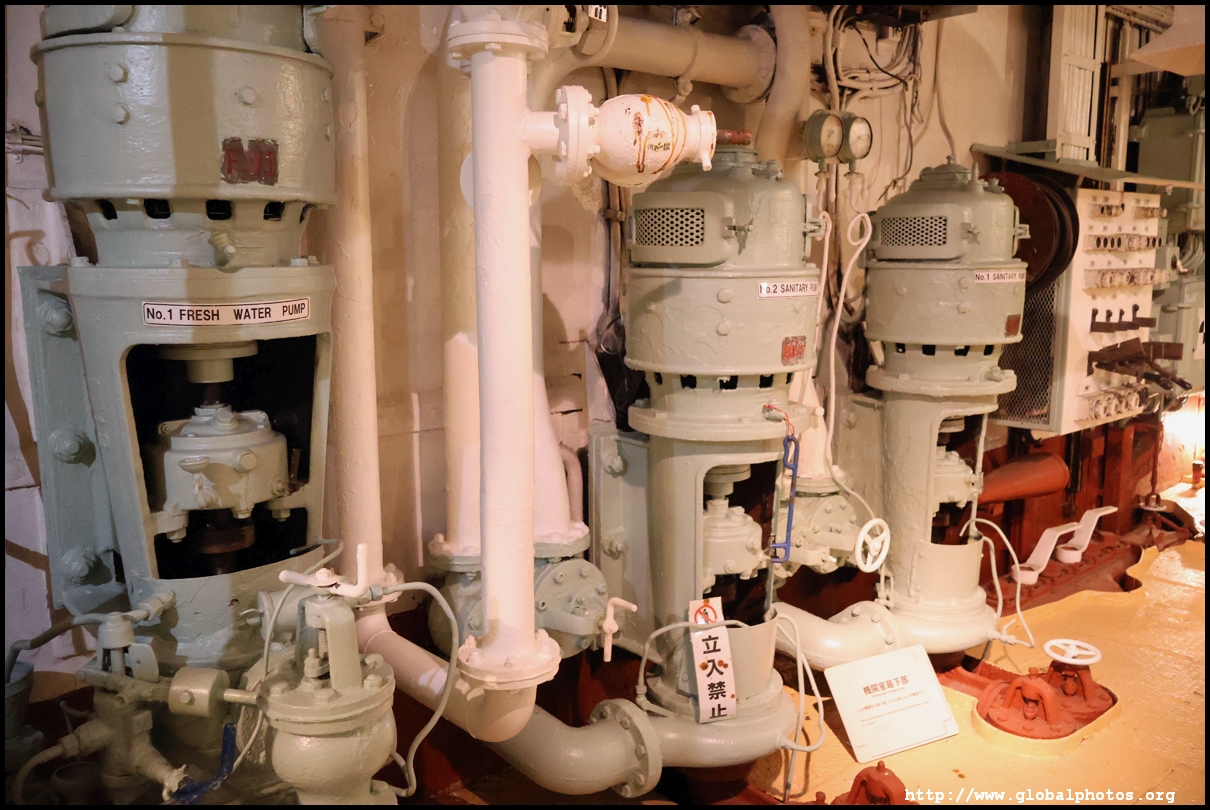
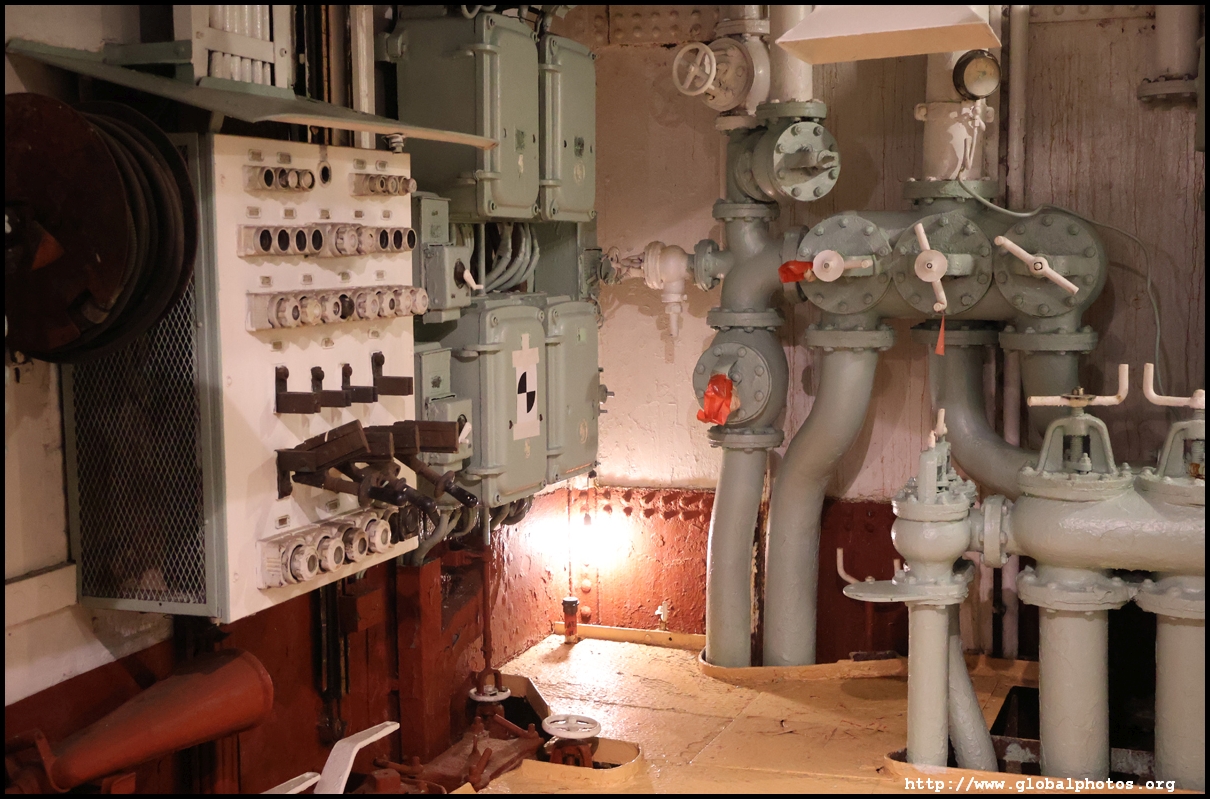
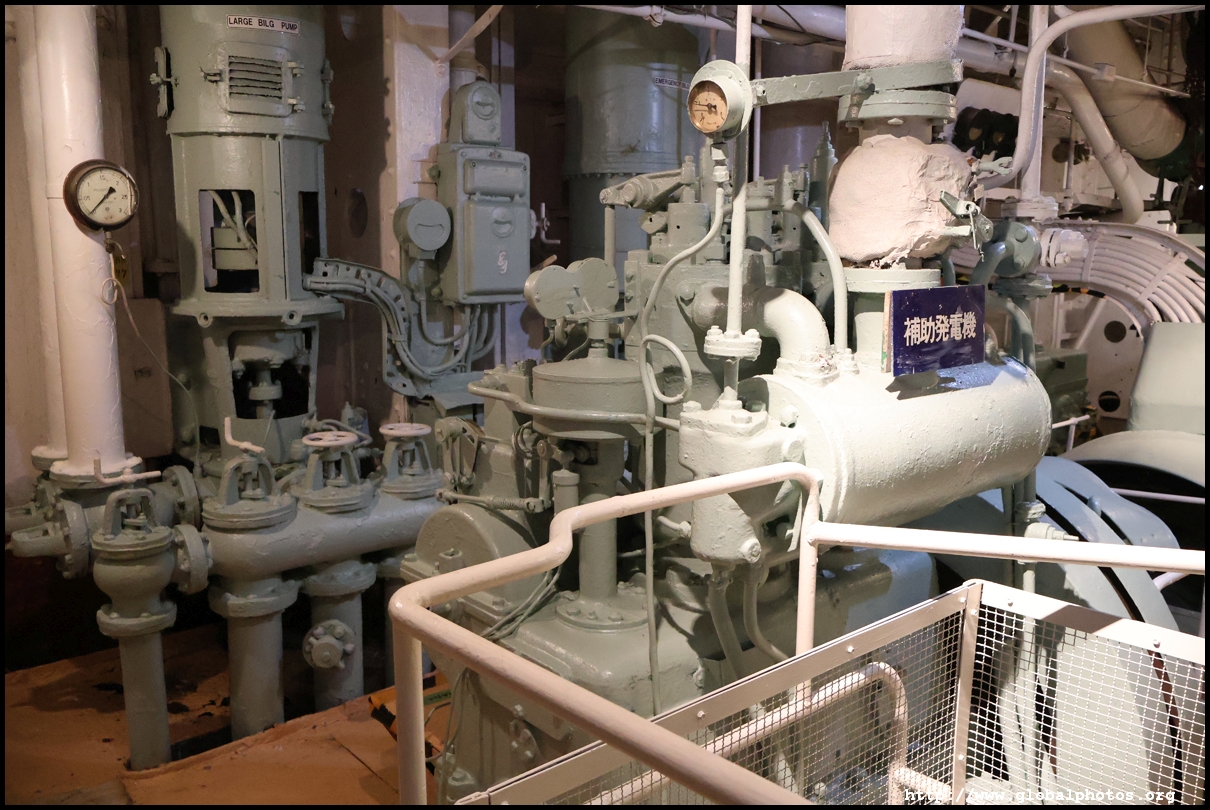
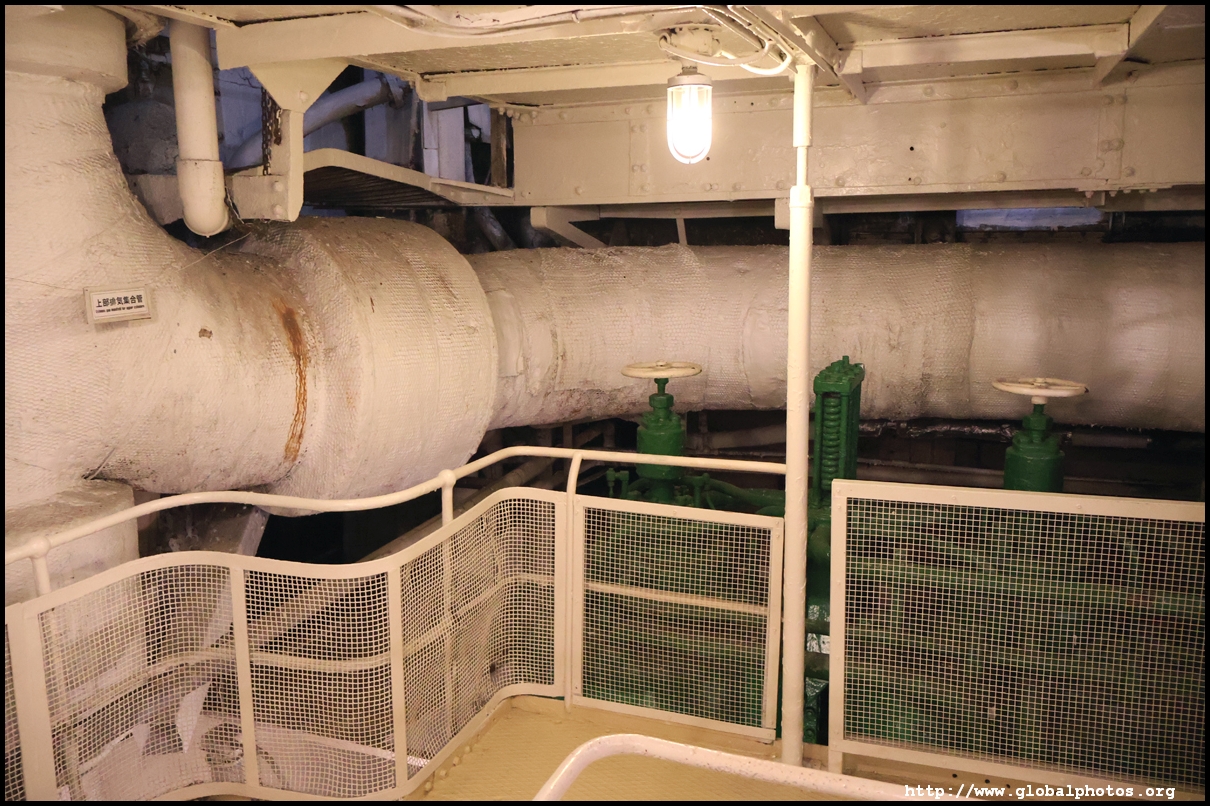
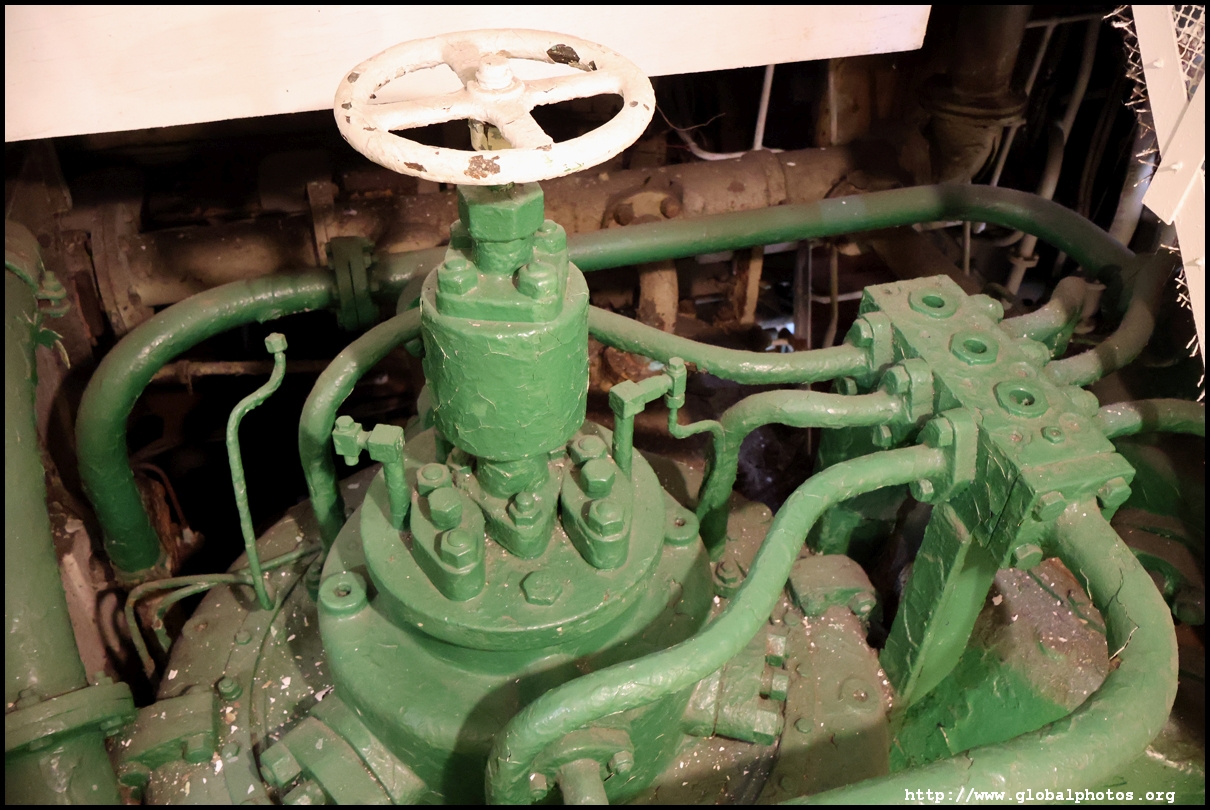
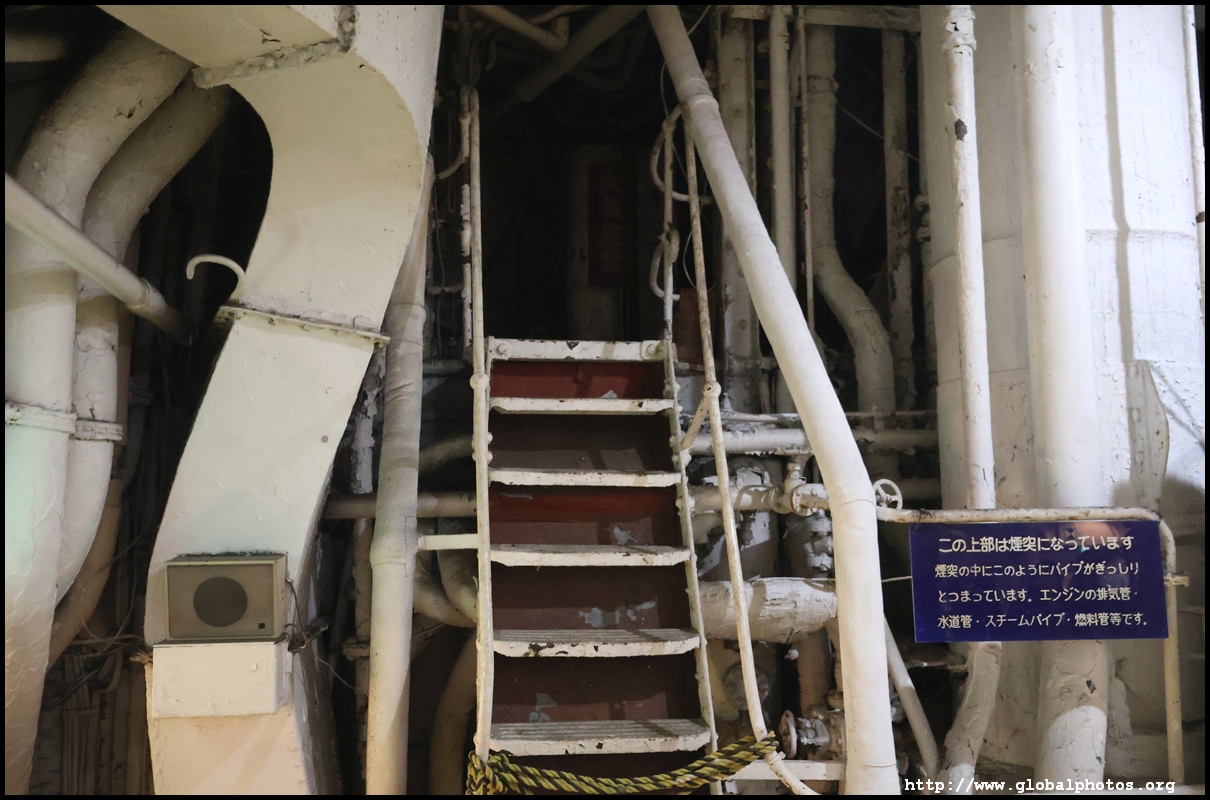
The diesel engines were manufactured by Danish firm B&W and the engine room spans 4 levels with plenty to explore.
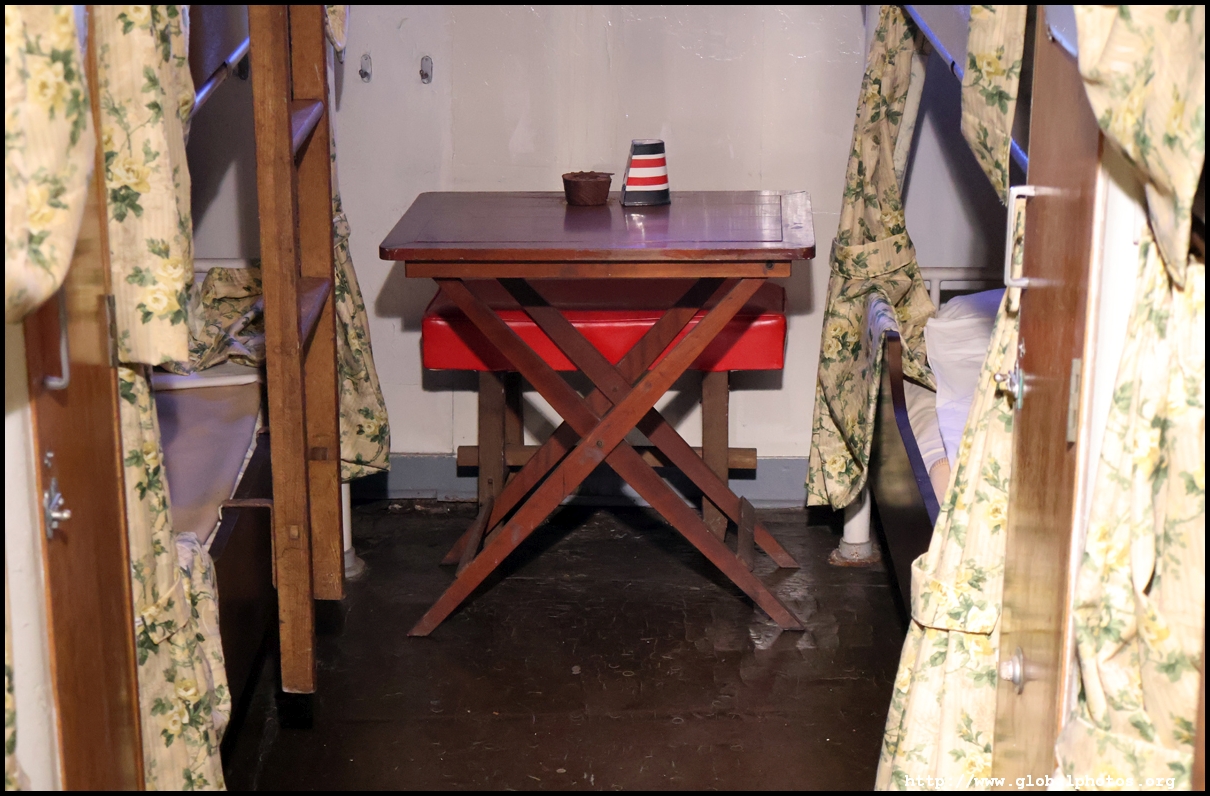
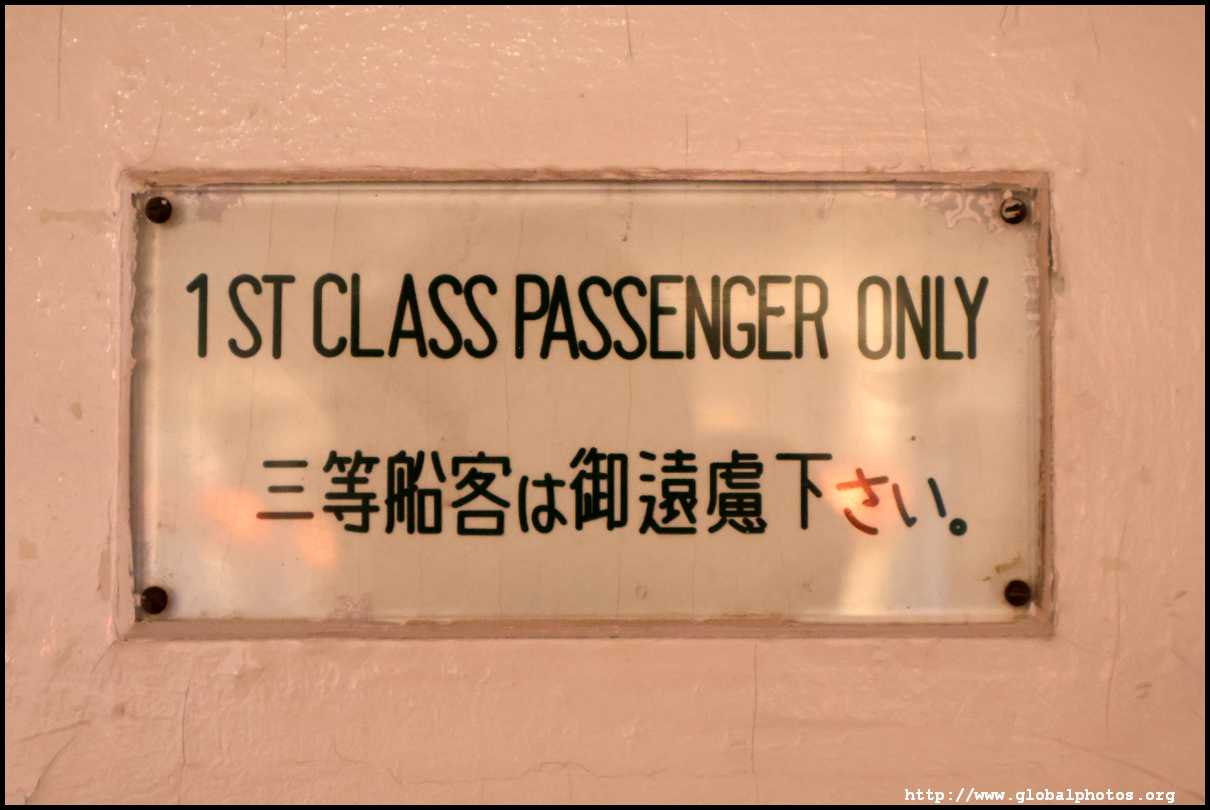
Third class passengers ate from a traditional Japanese family menu and lived in segregated areas.