Seoul Photo Gallery - Gyeongbokgung Part 2

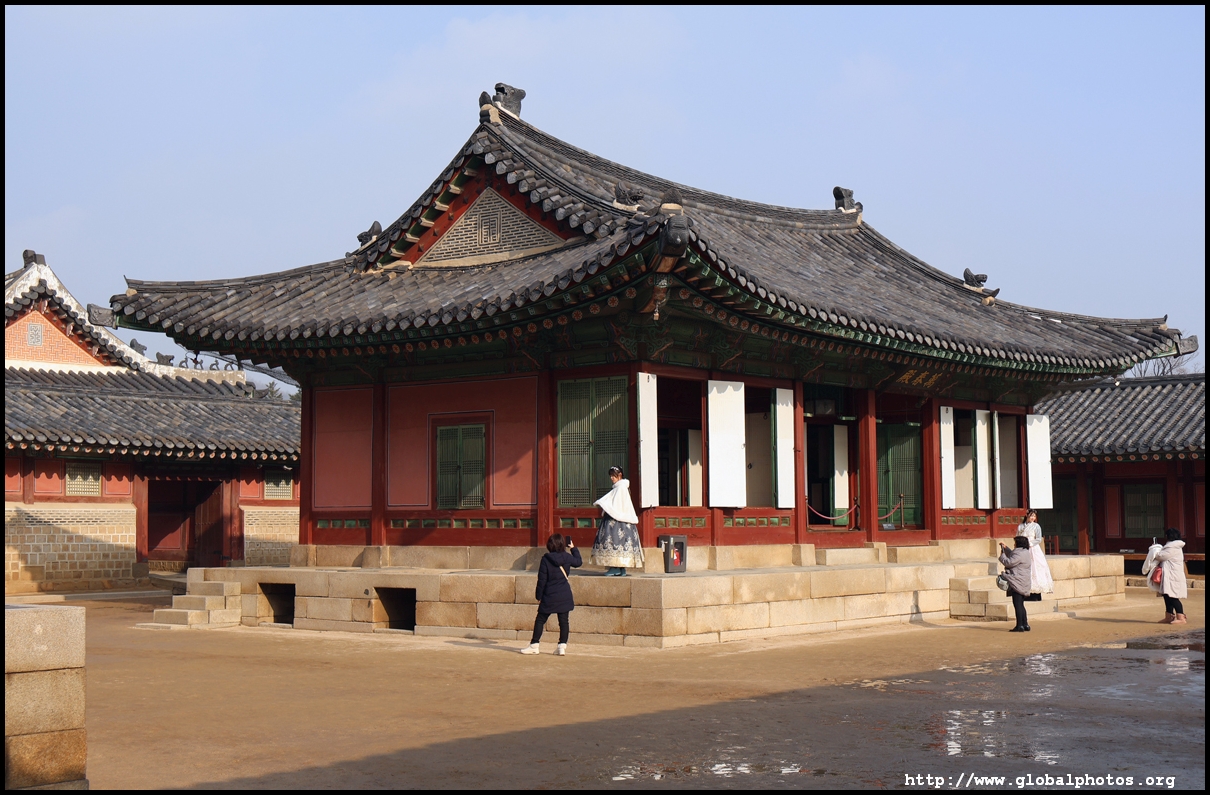
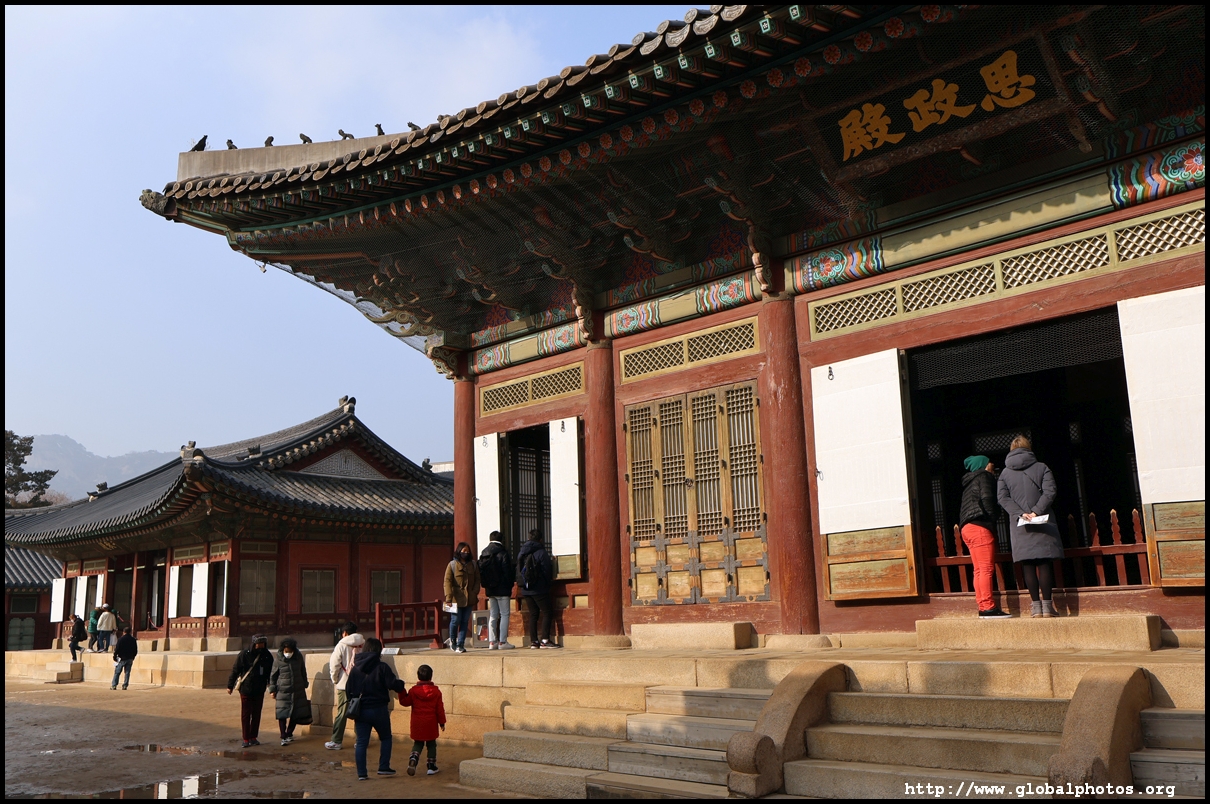
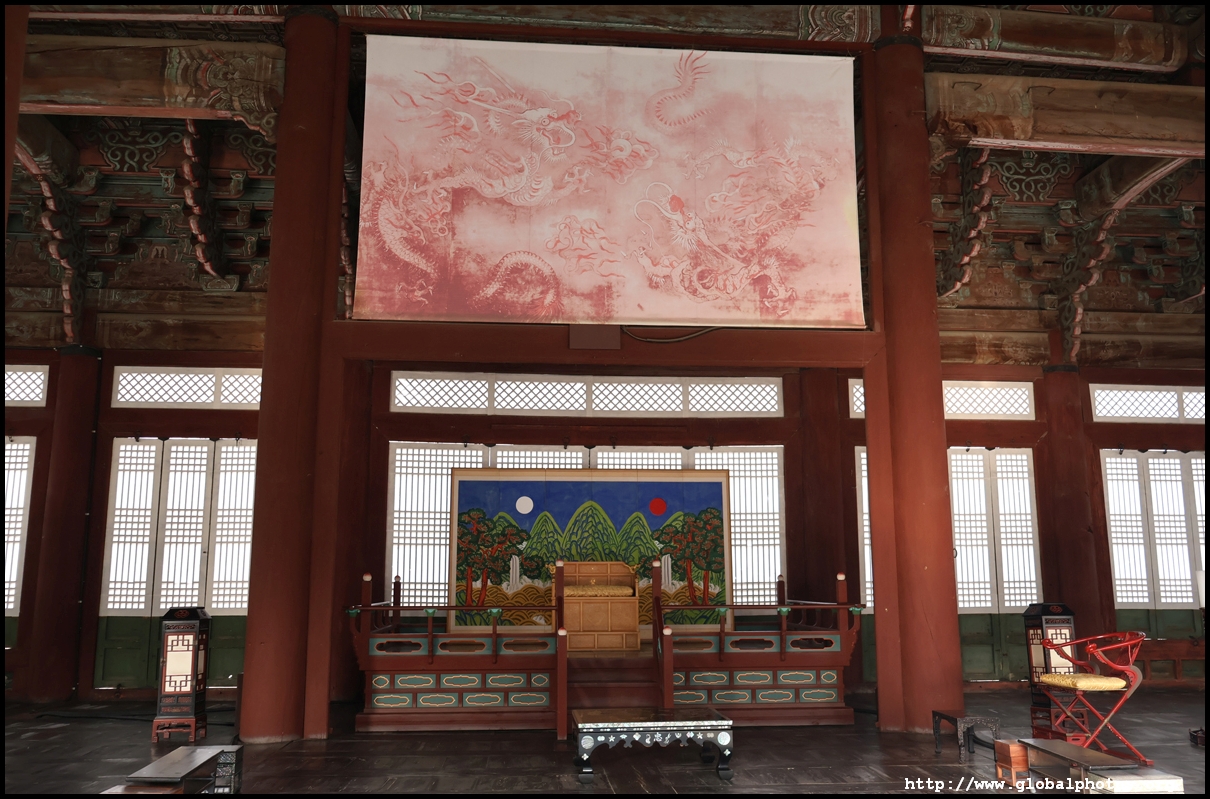
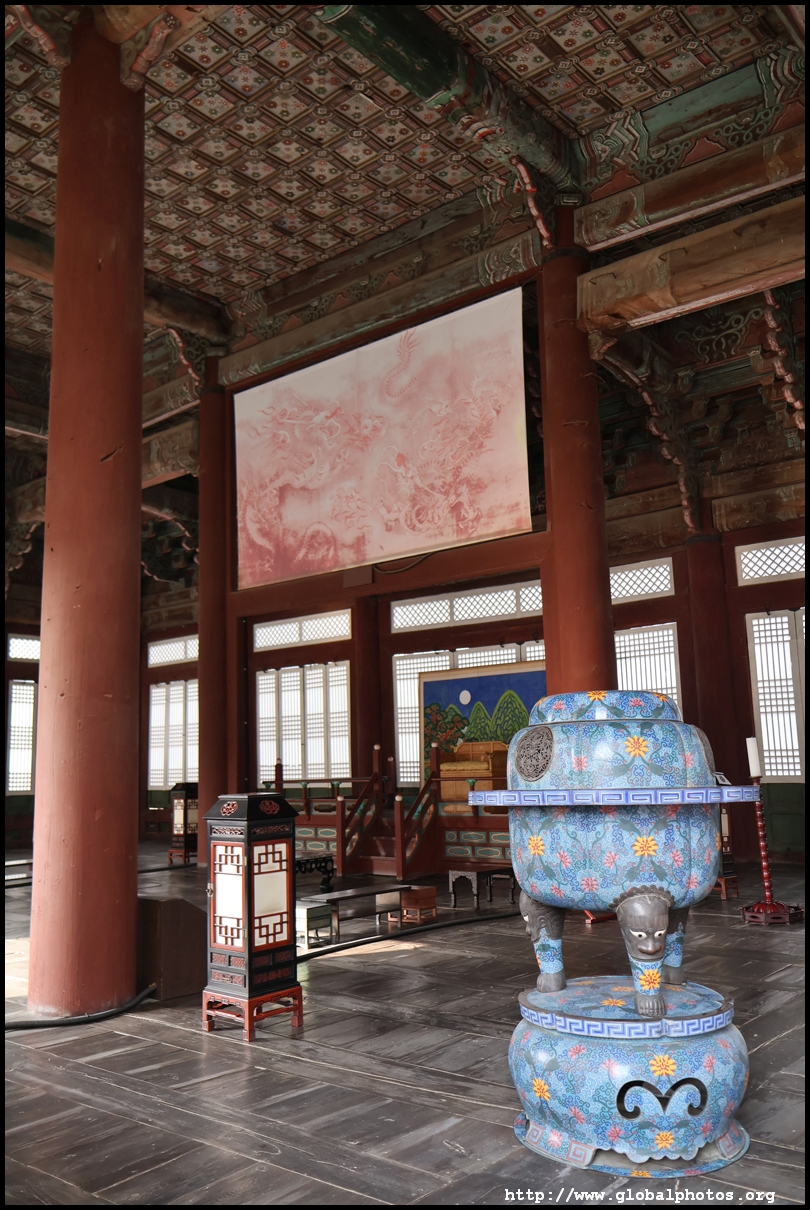
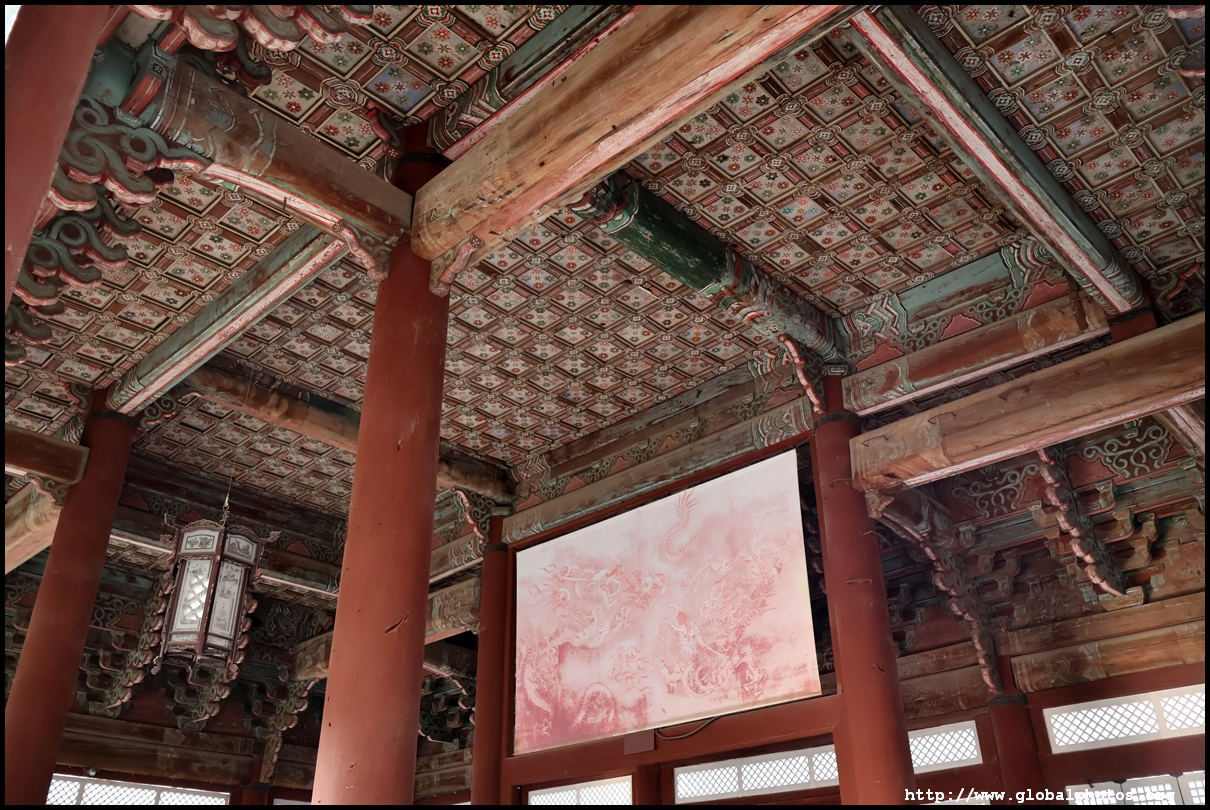
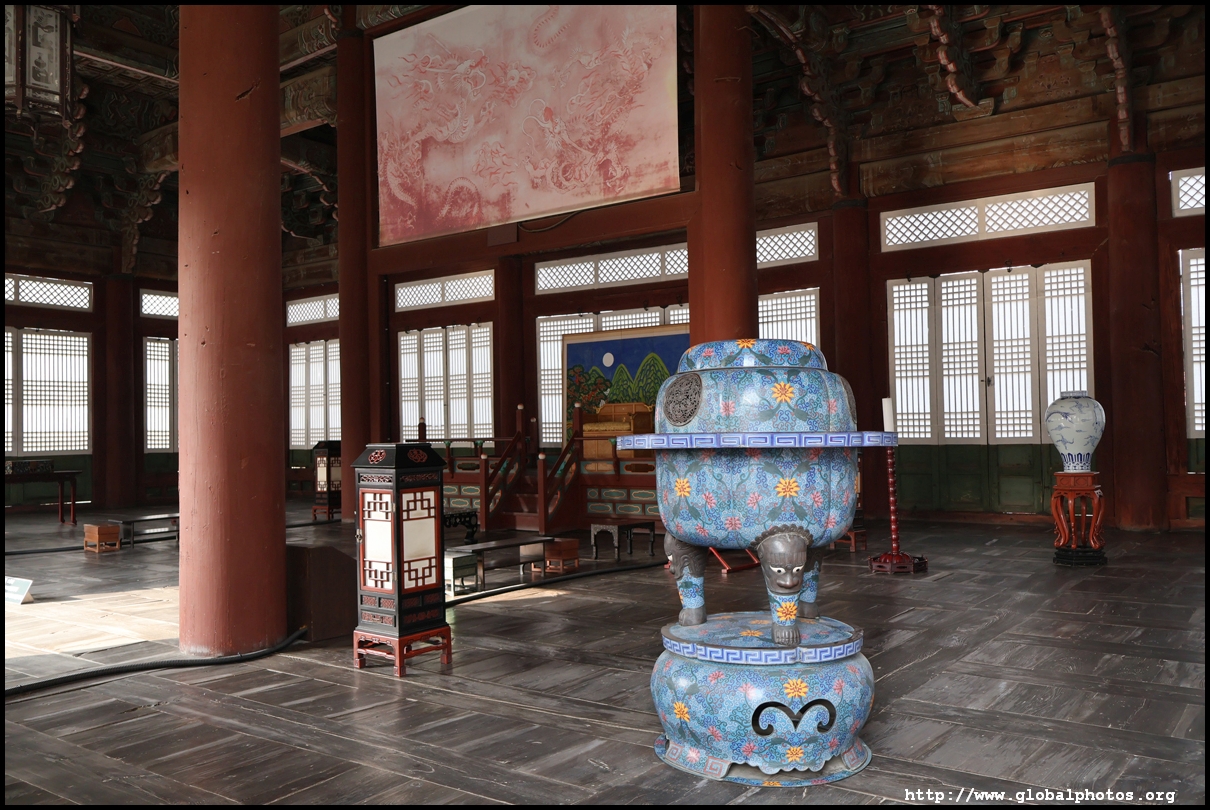
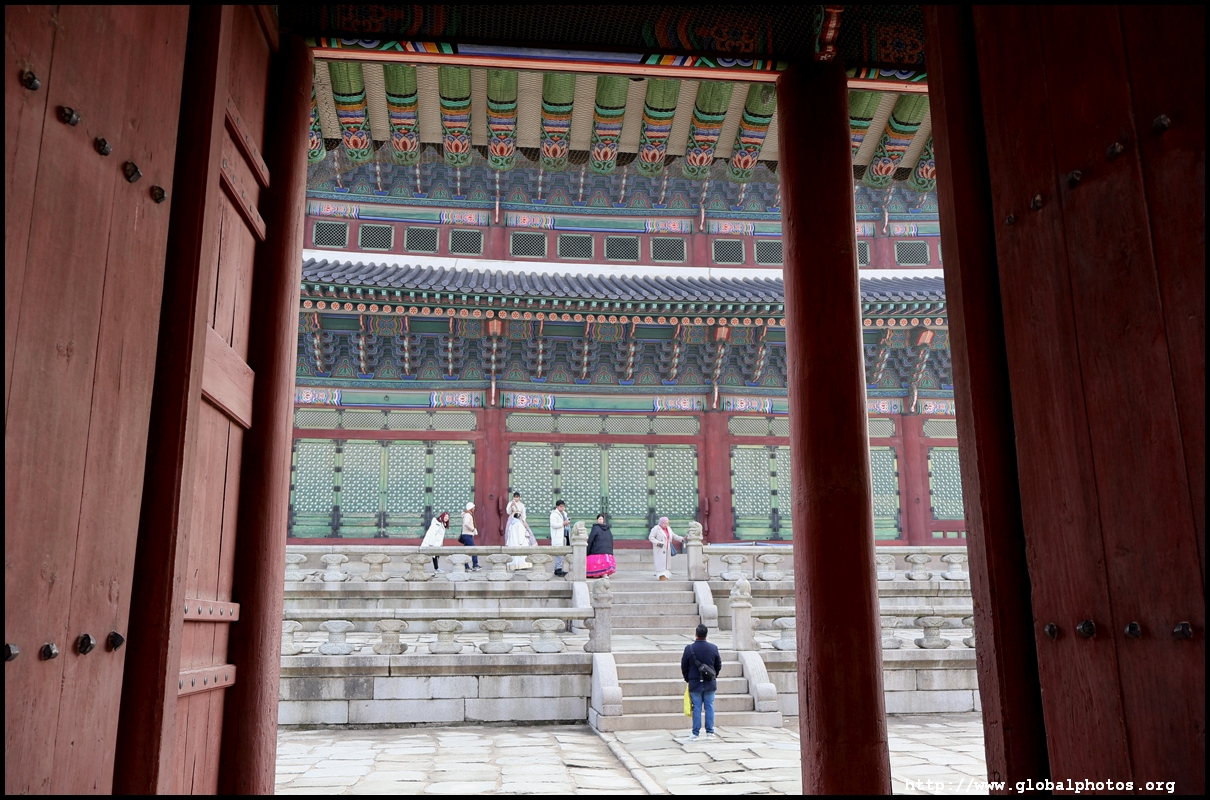
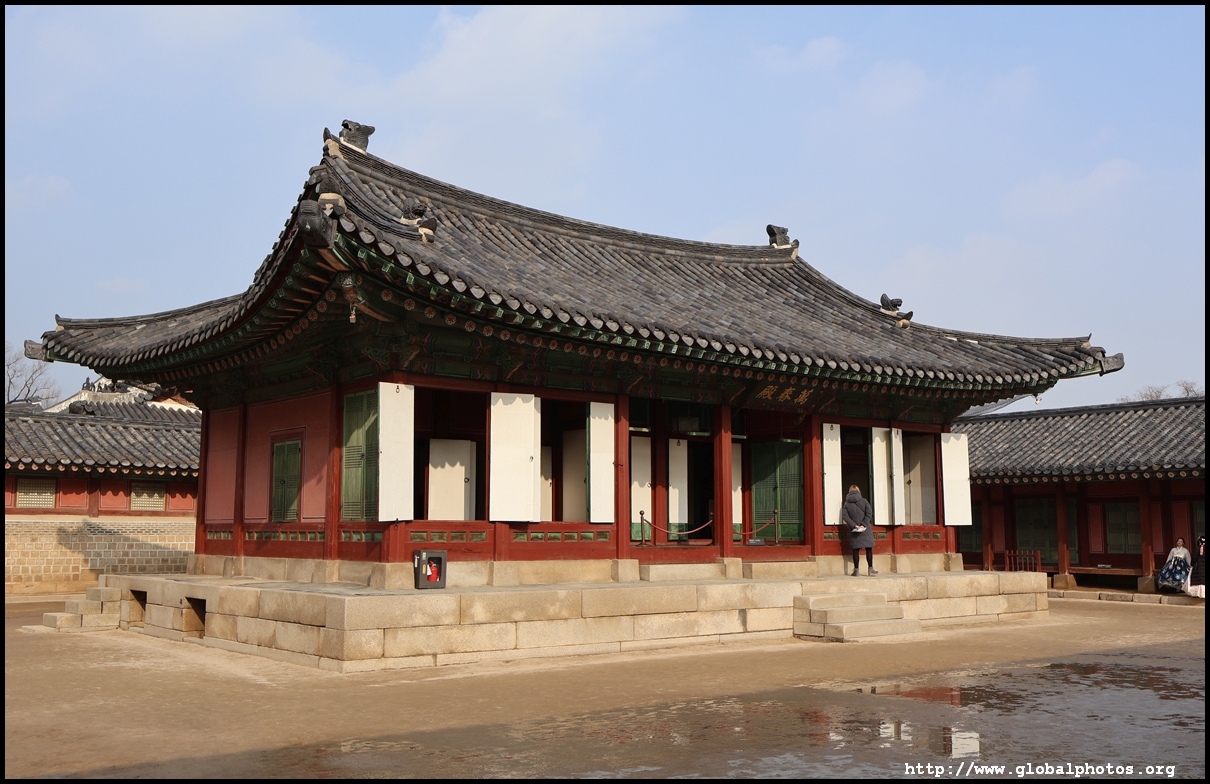
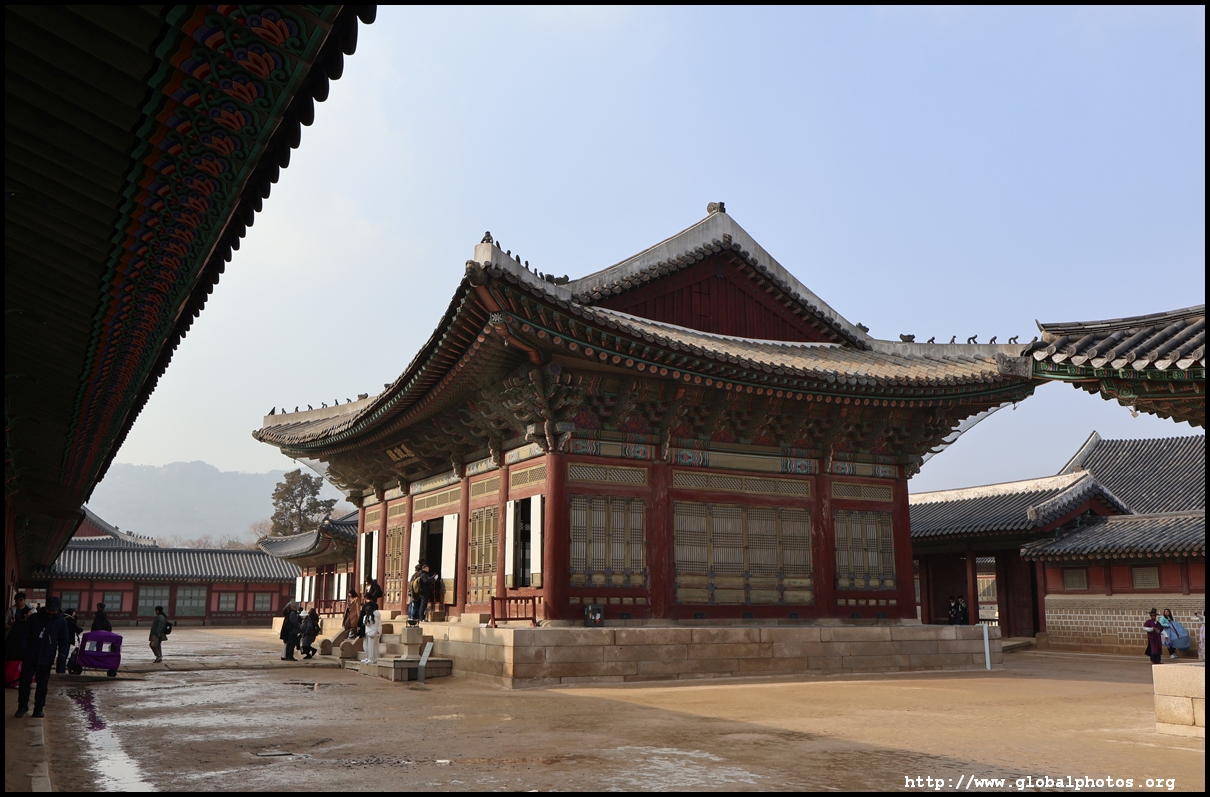
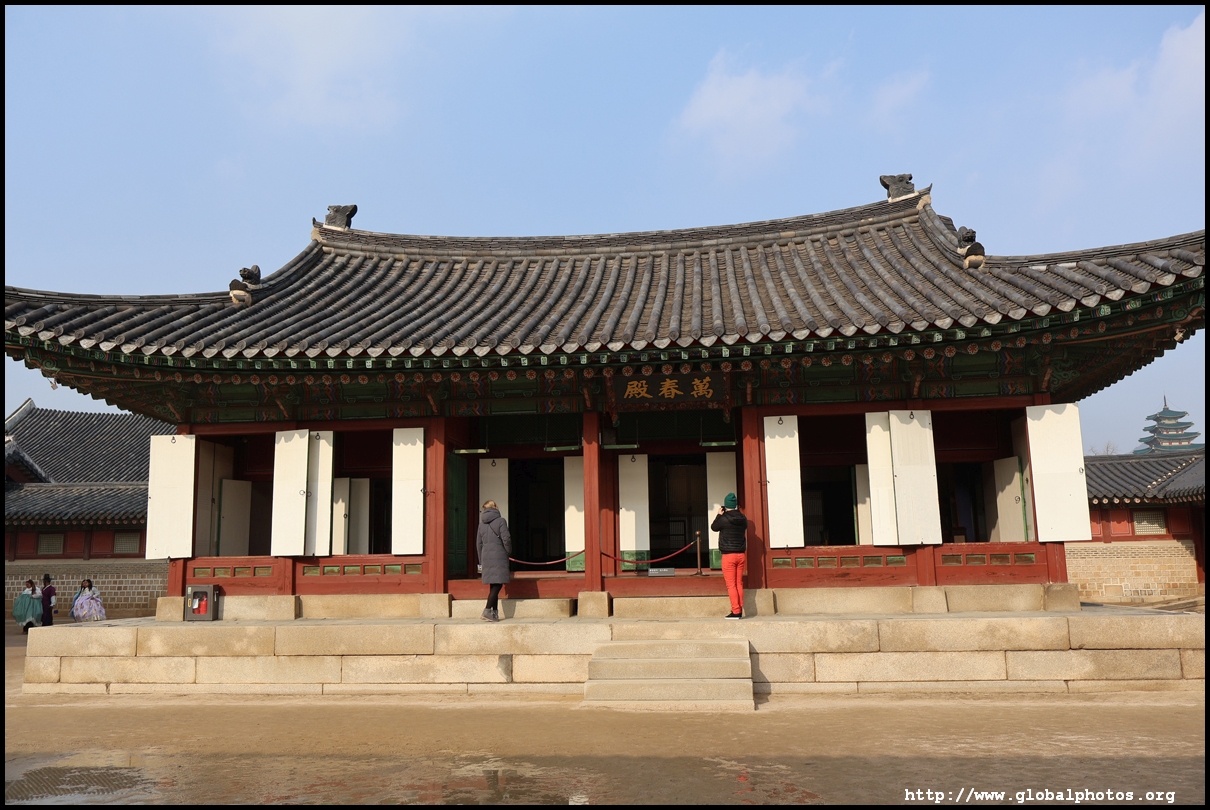
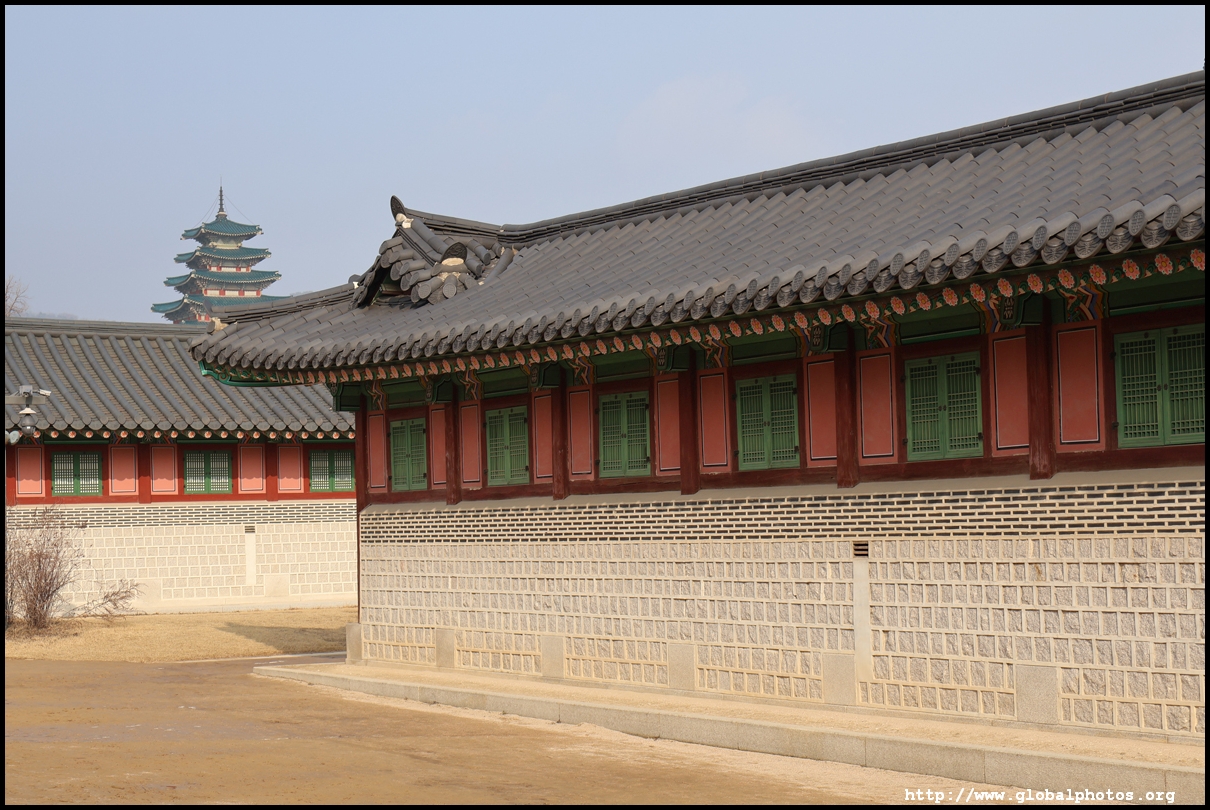
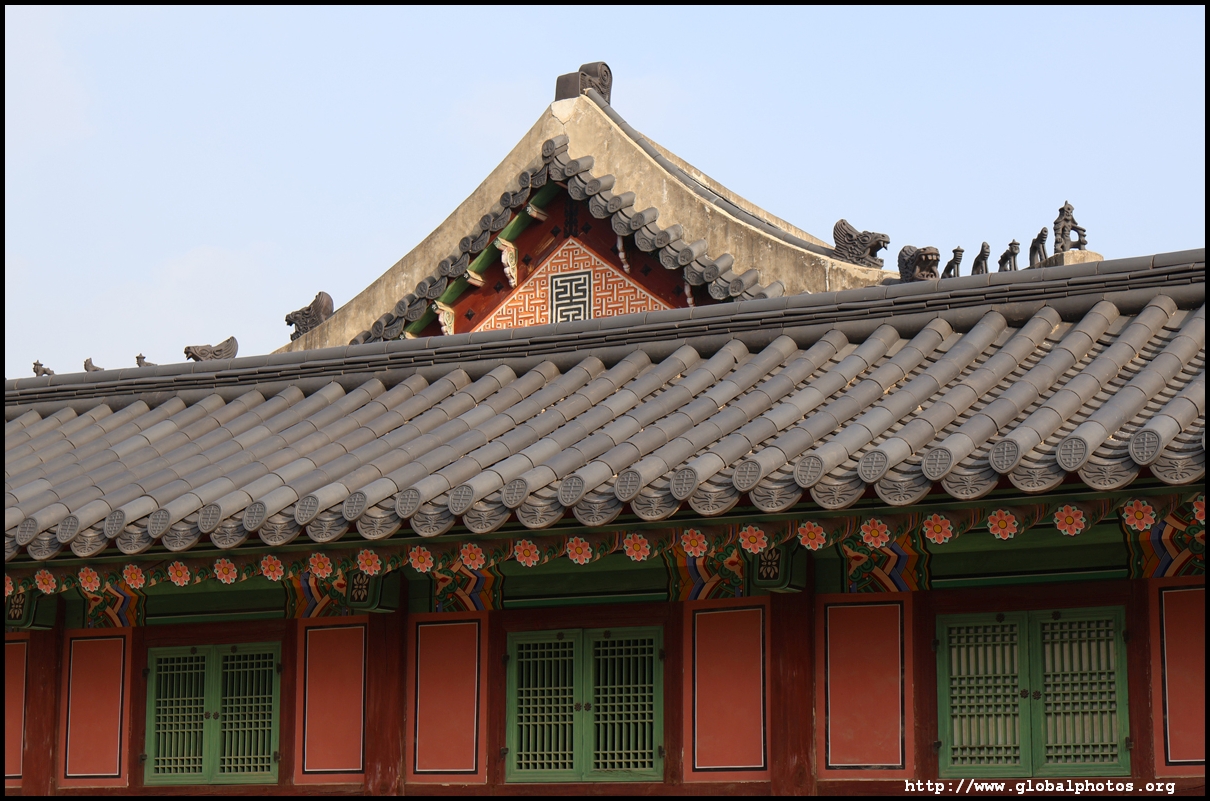
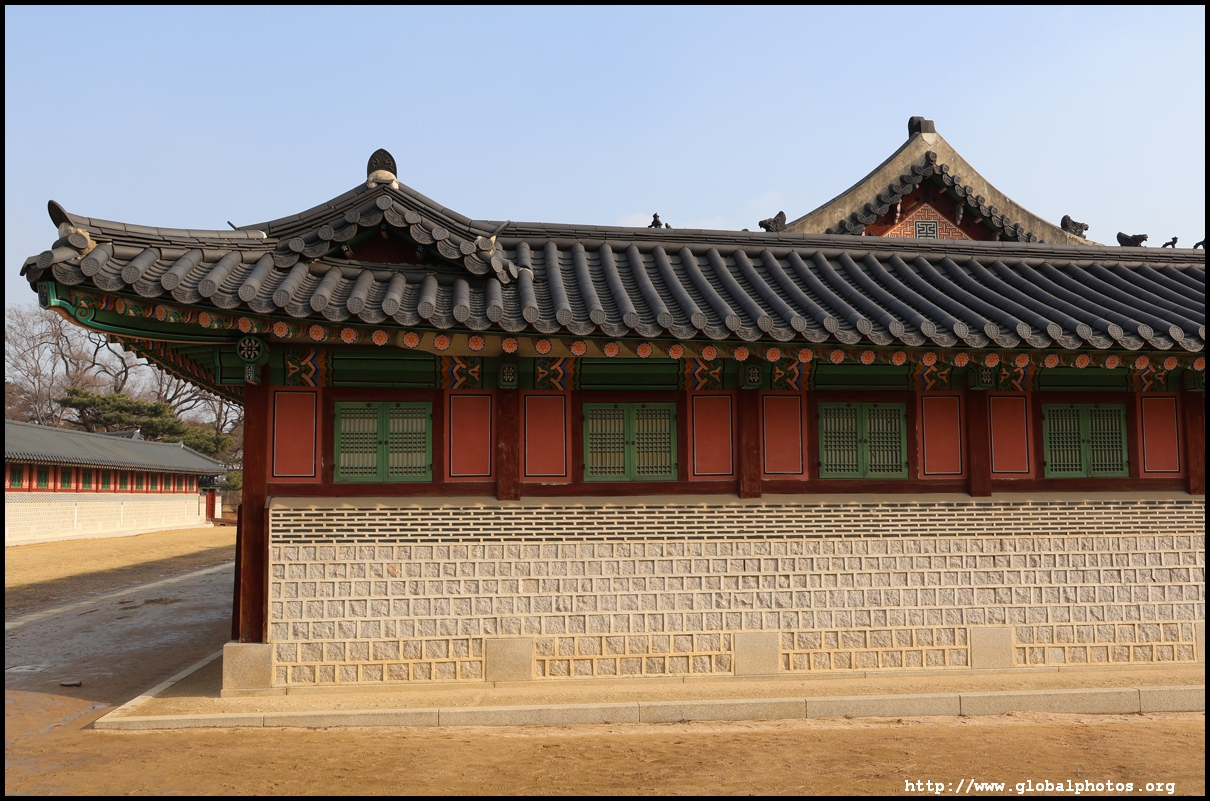
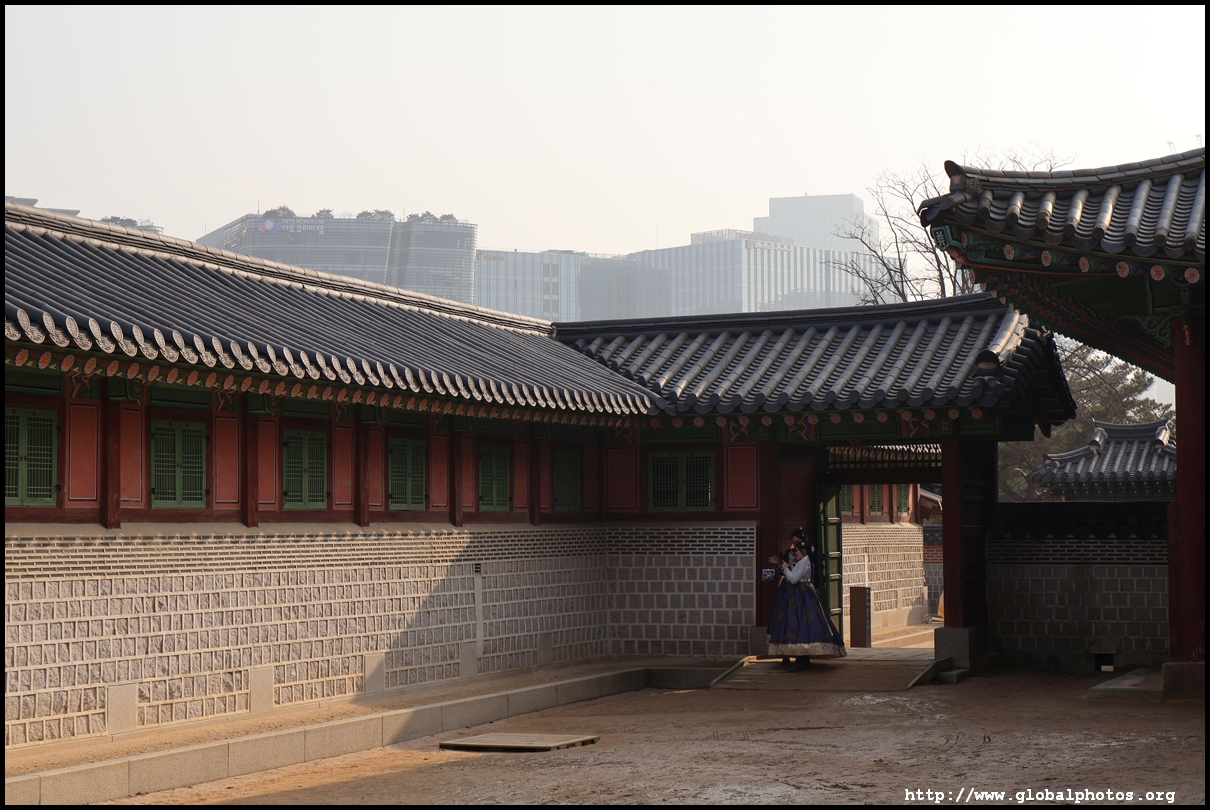
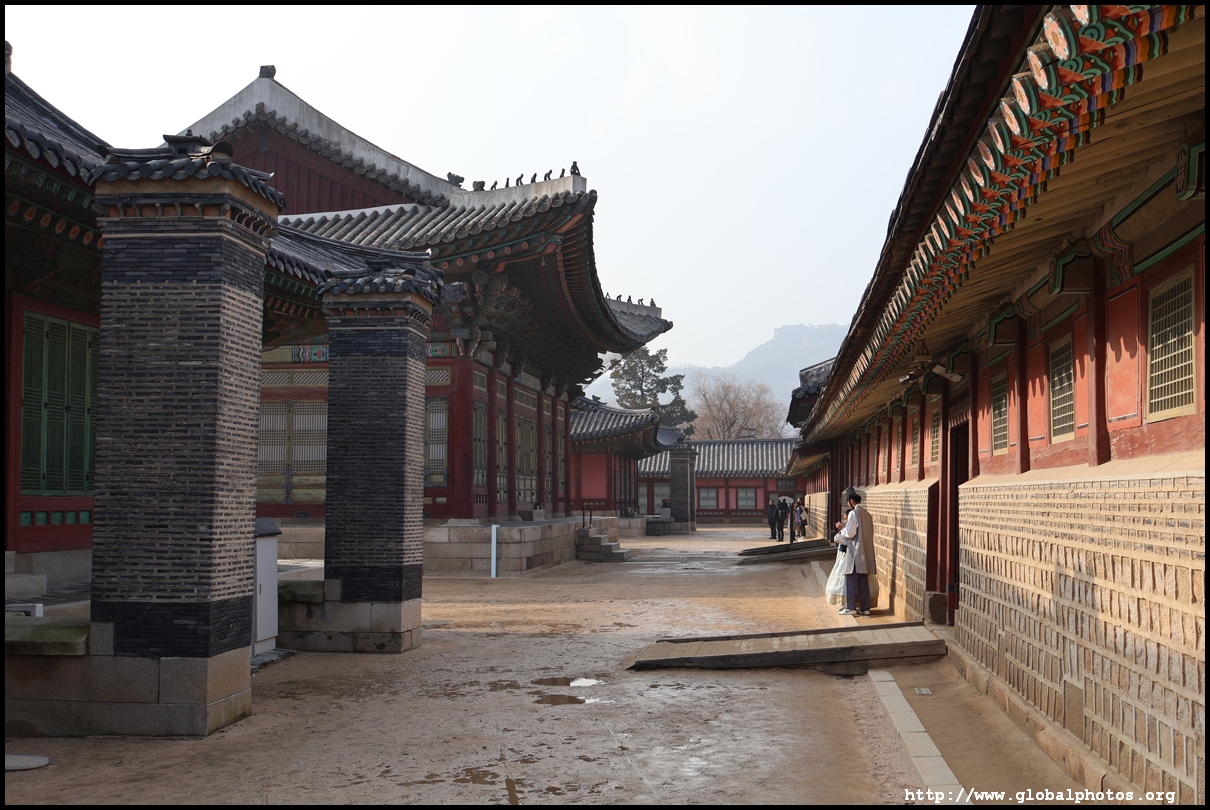
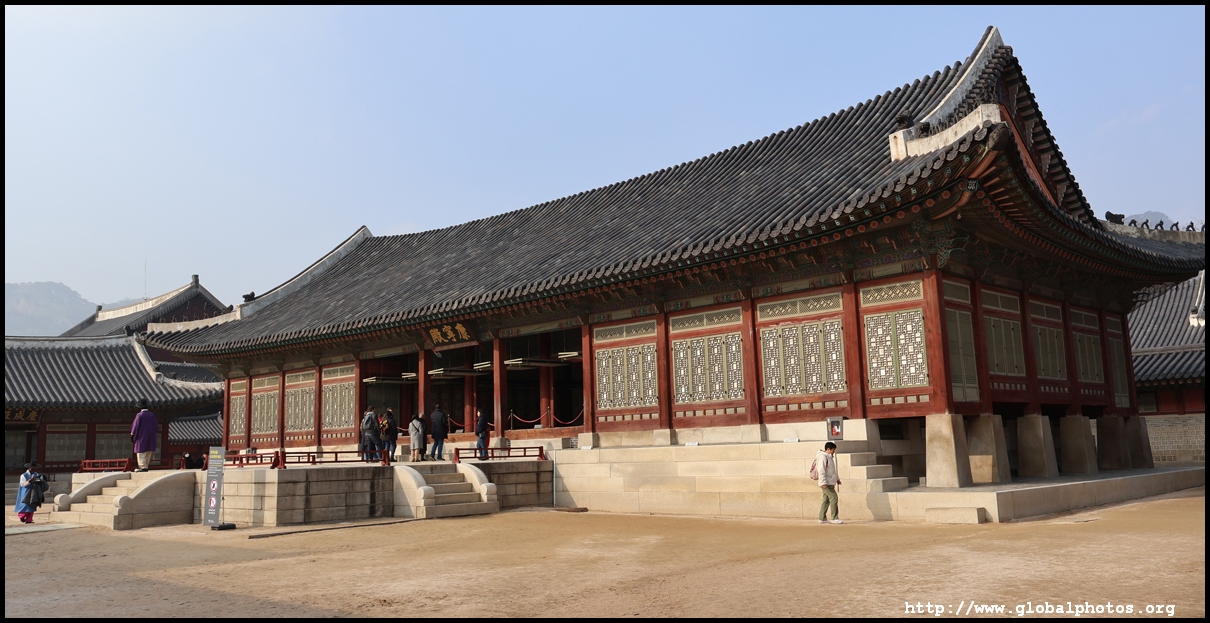
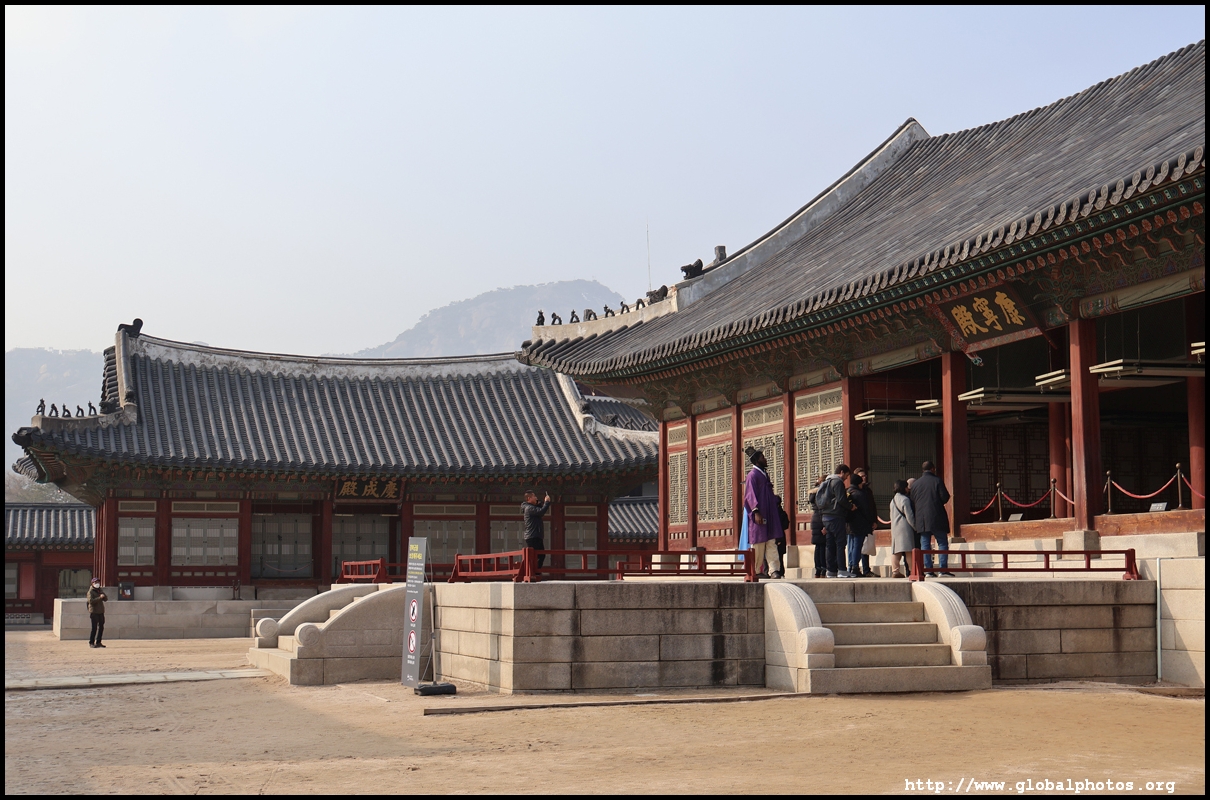
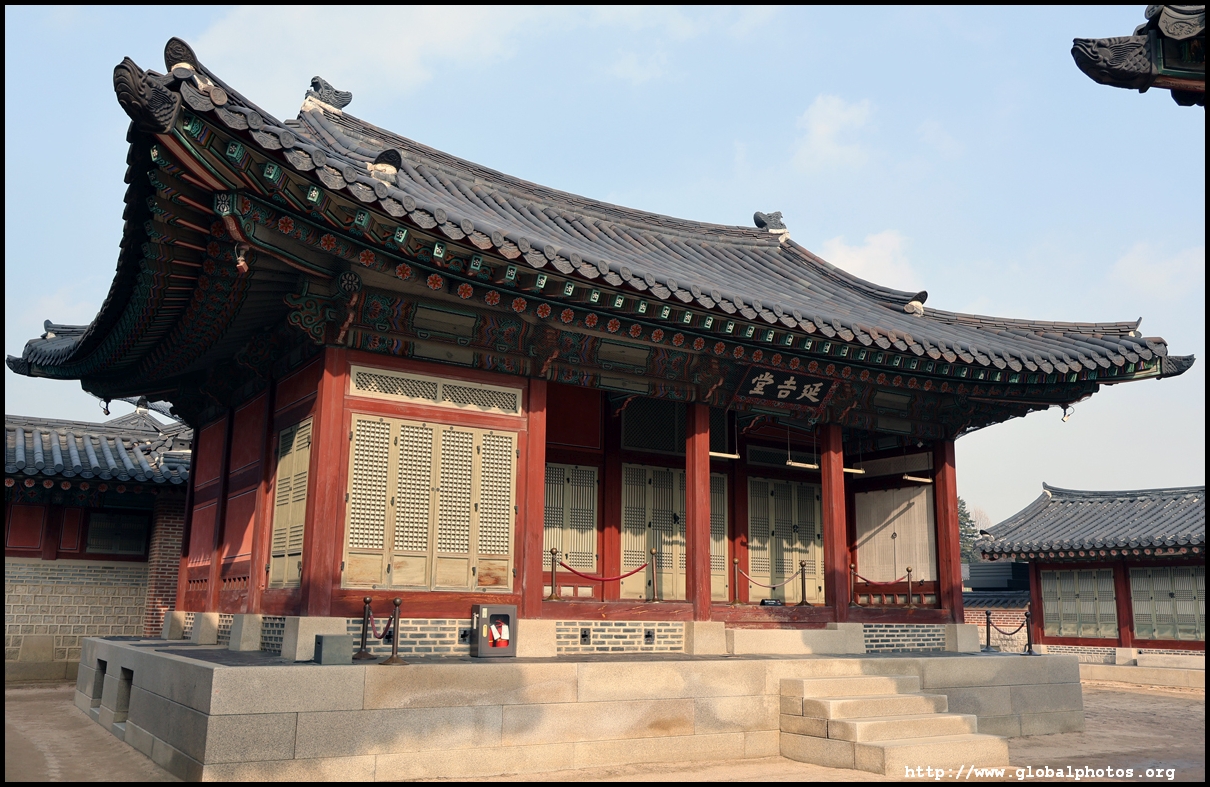
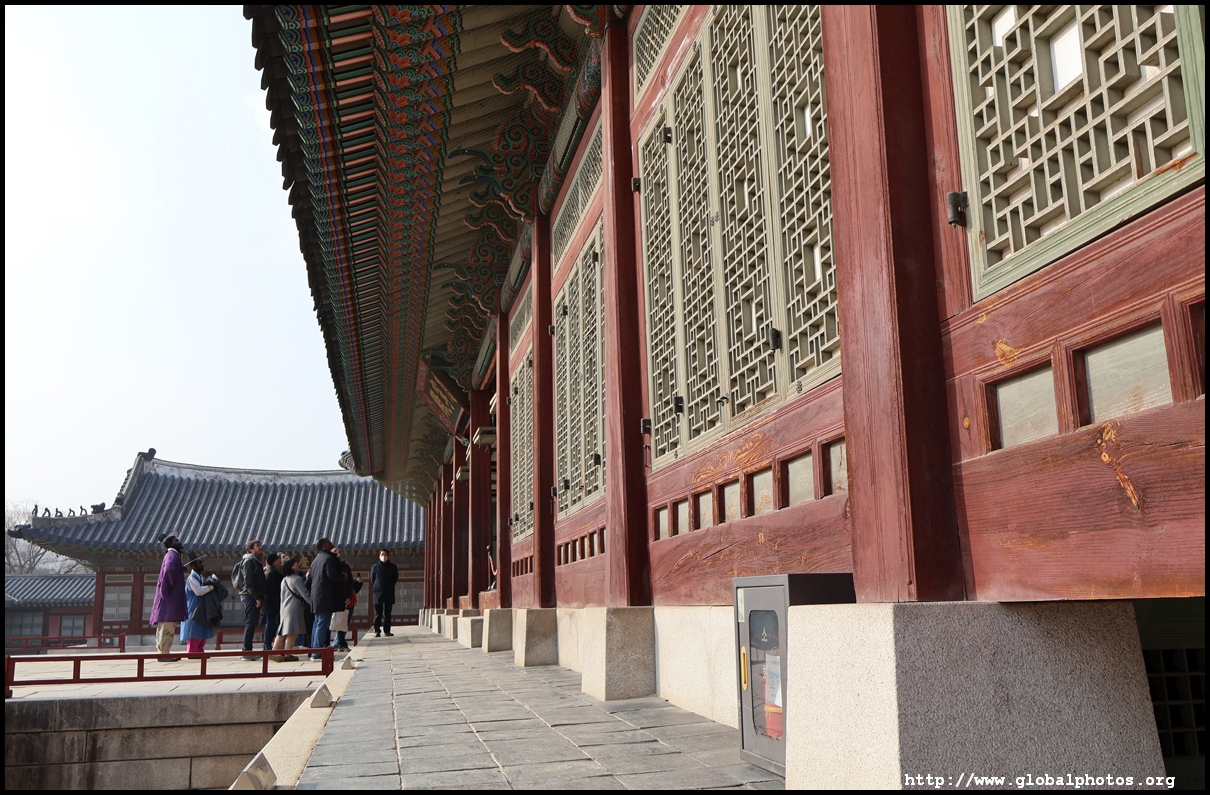
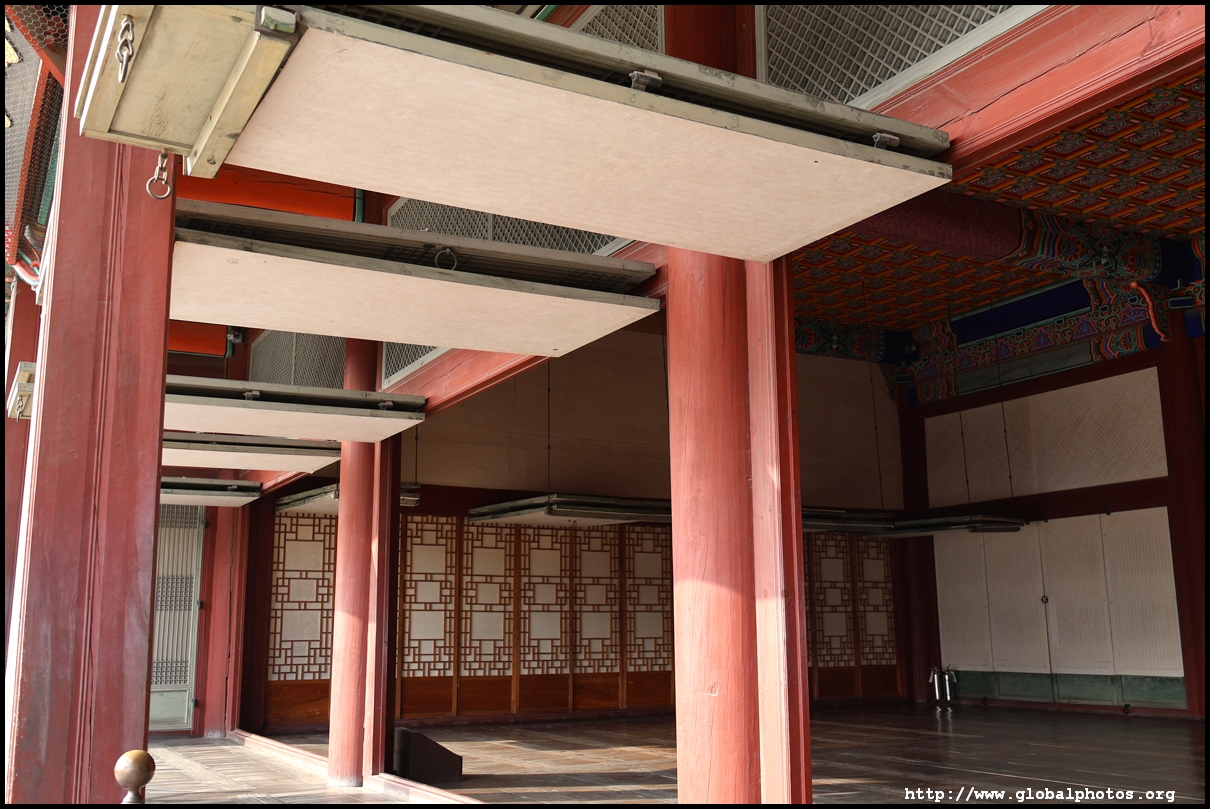
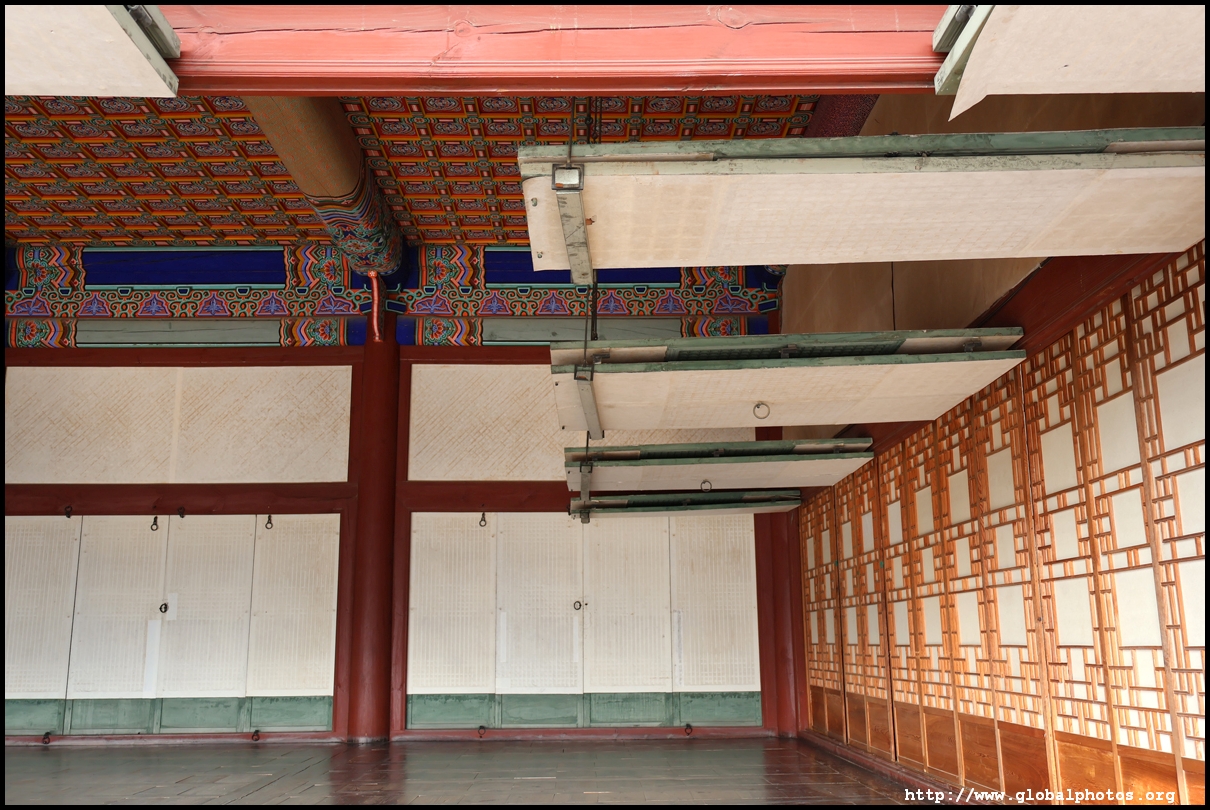
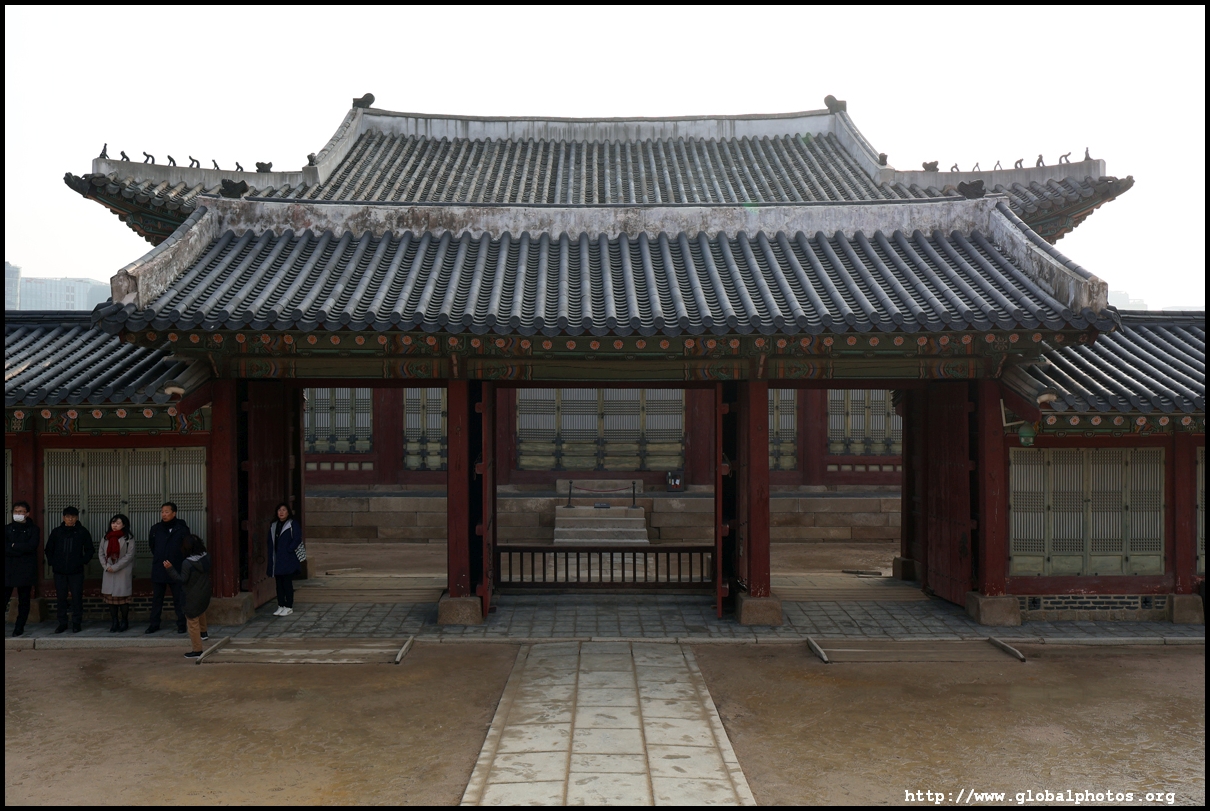
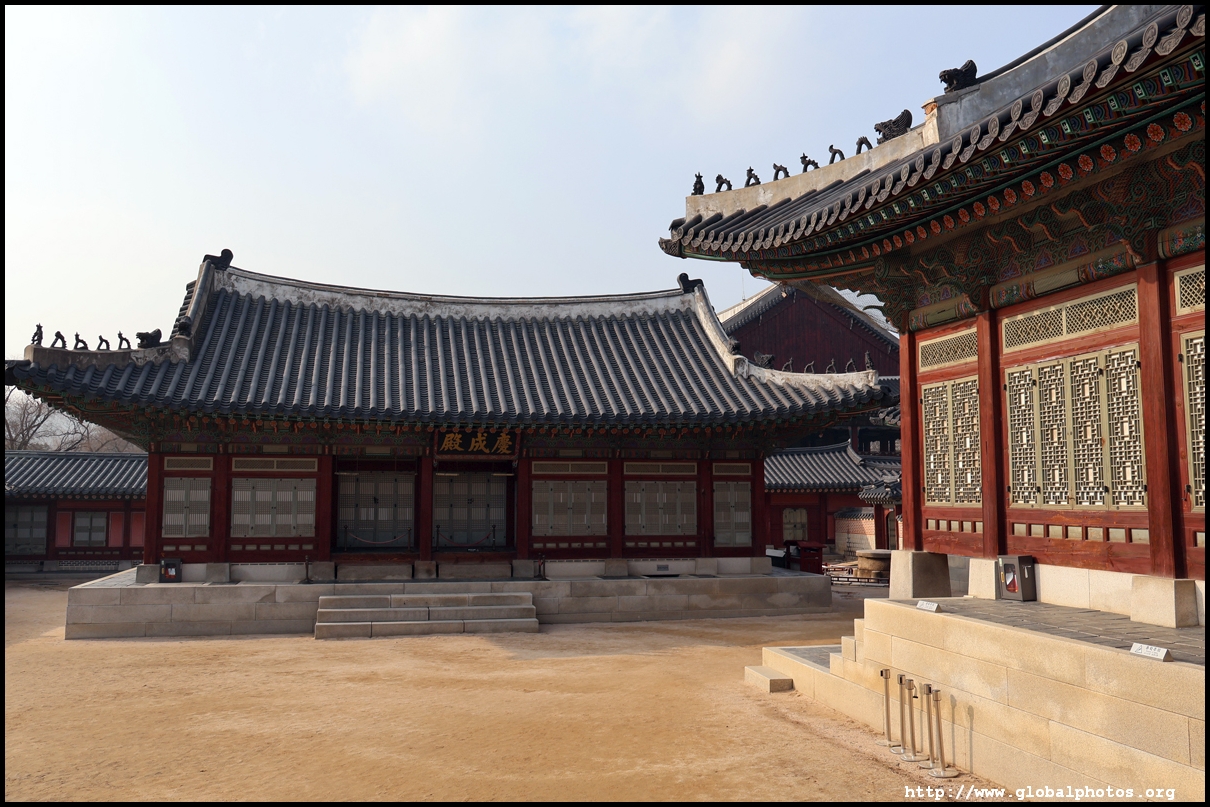
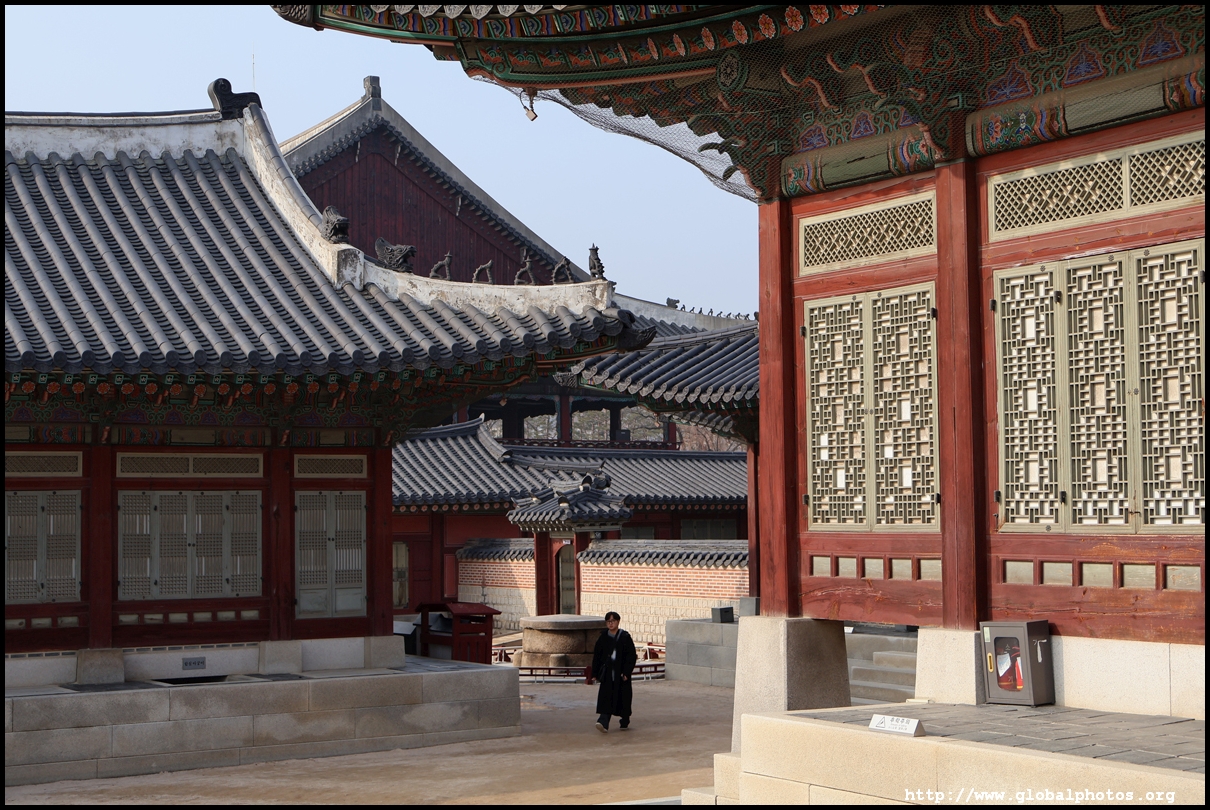
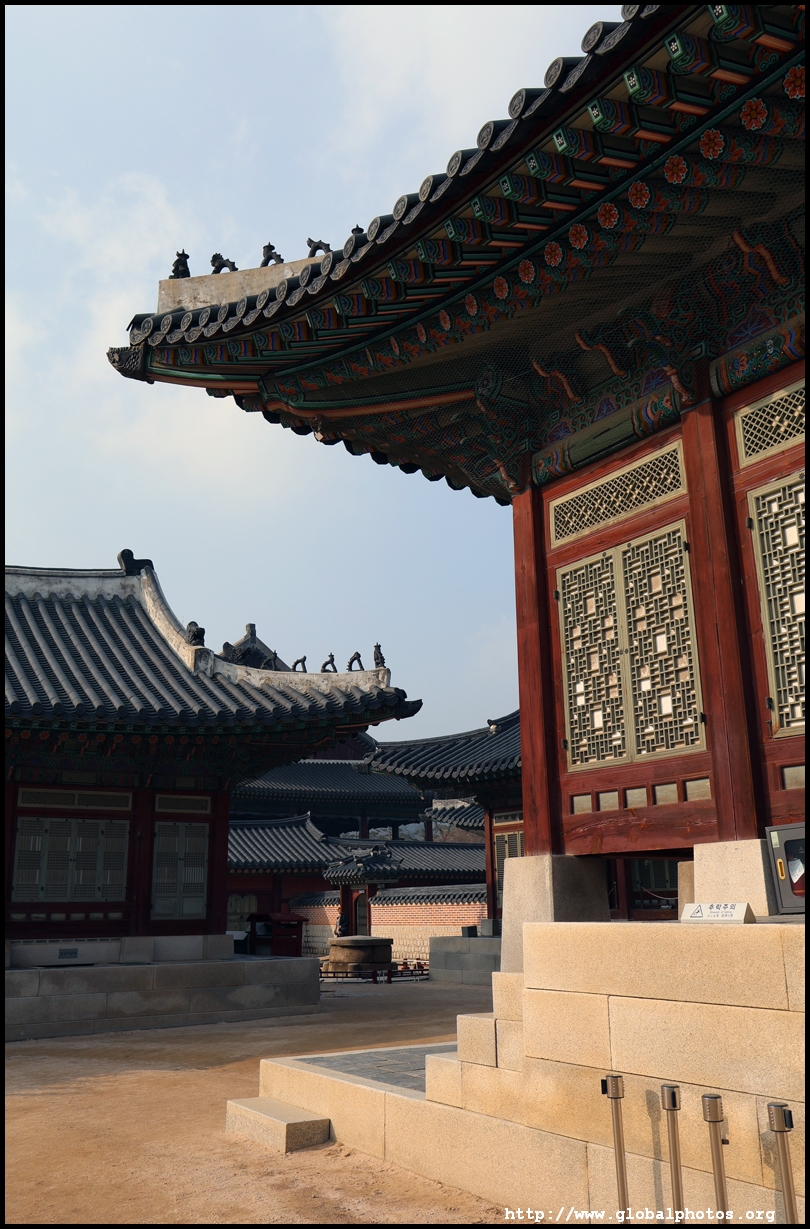
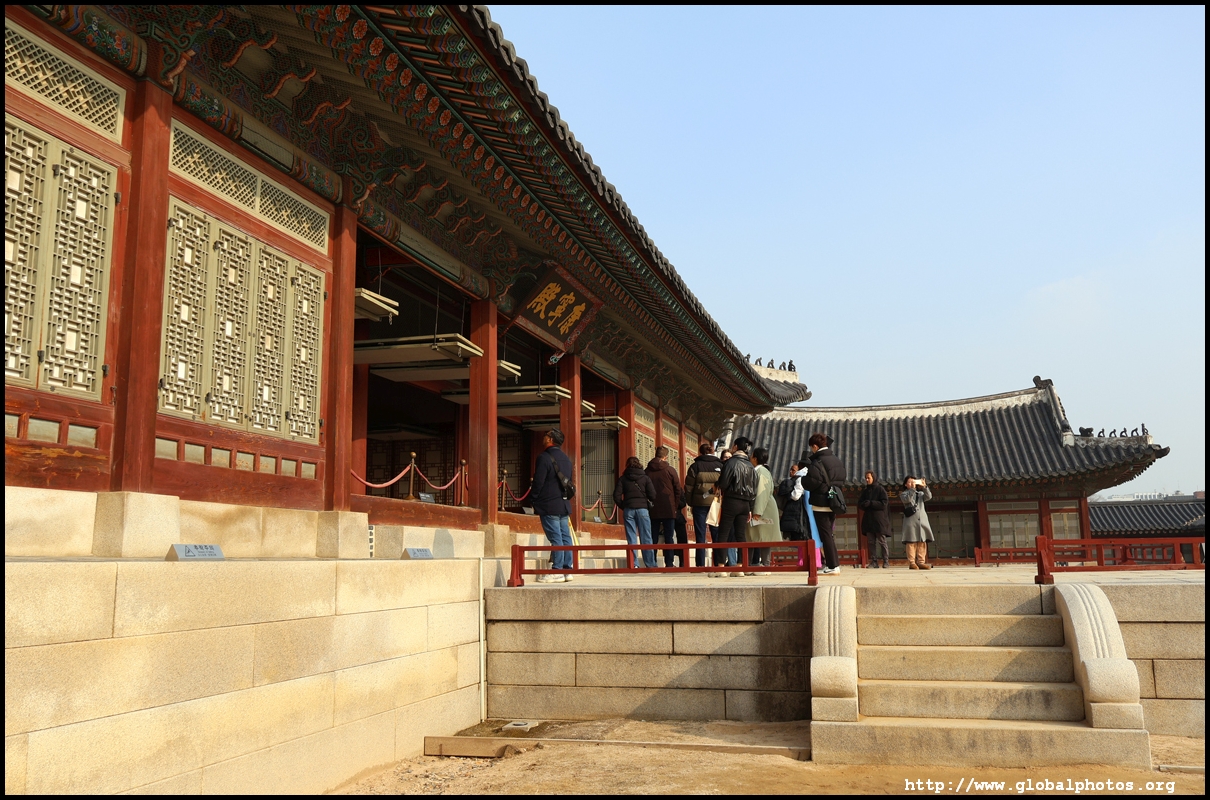
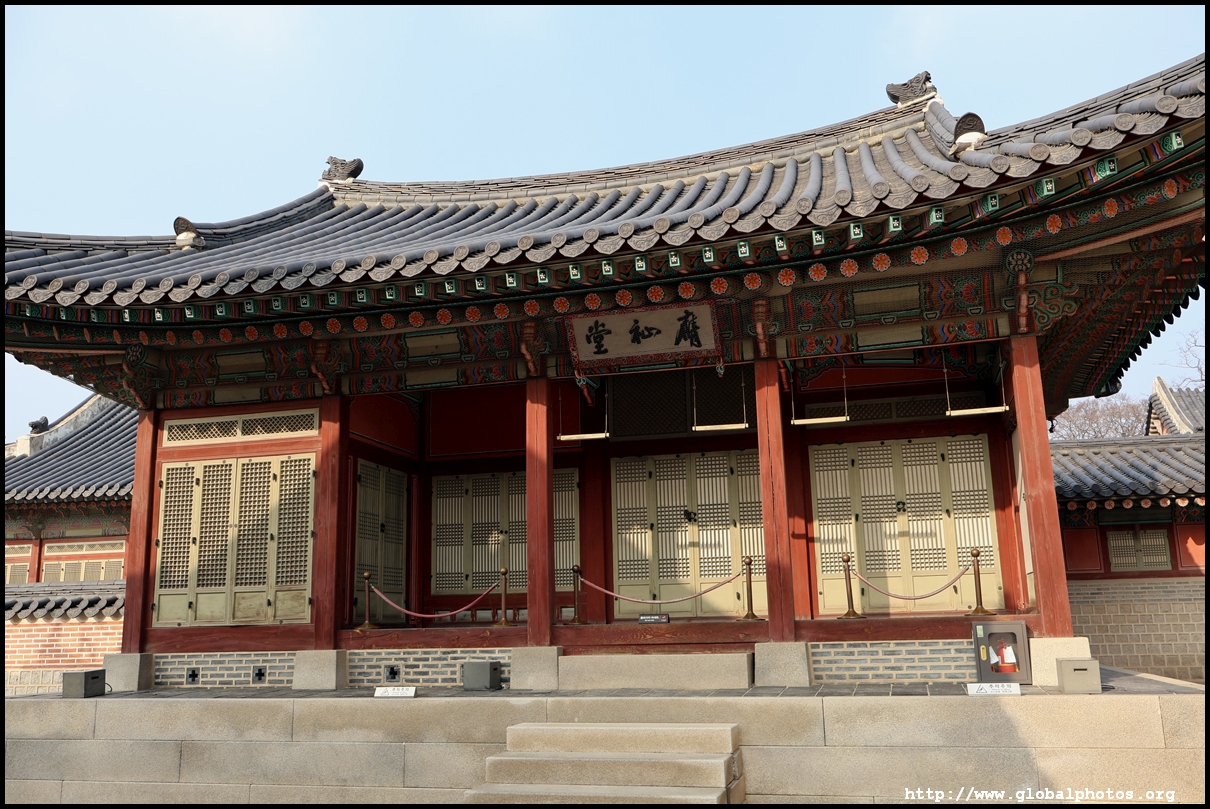
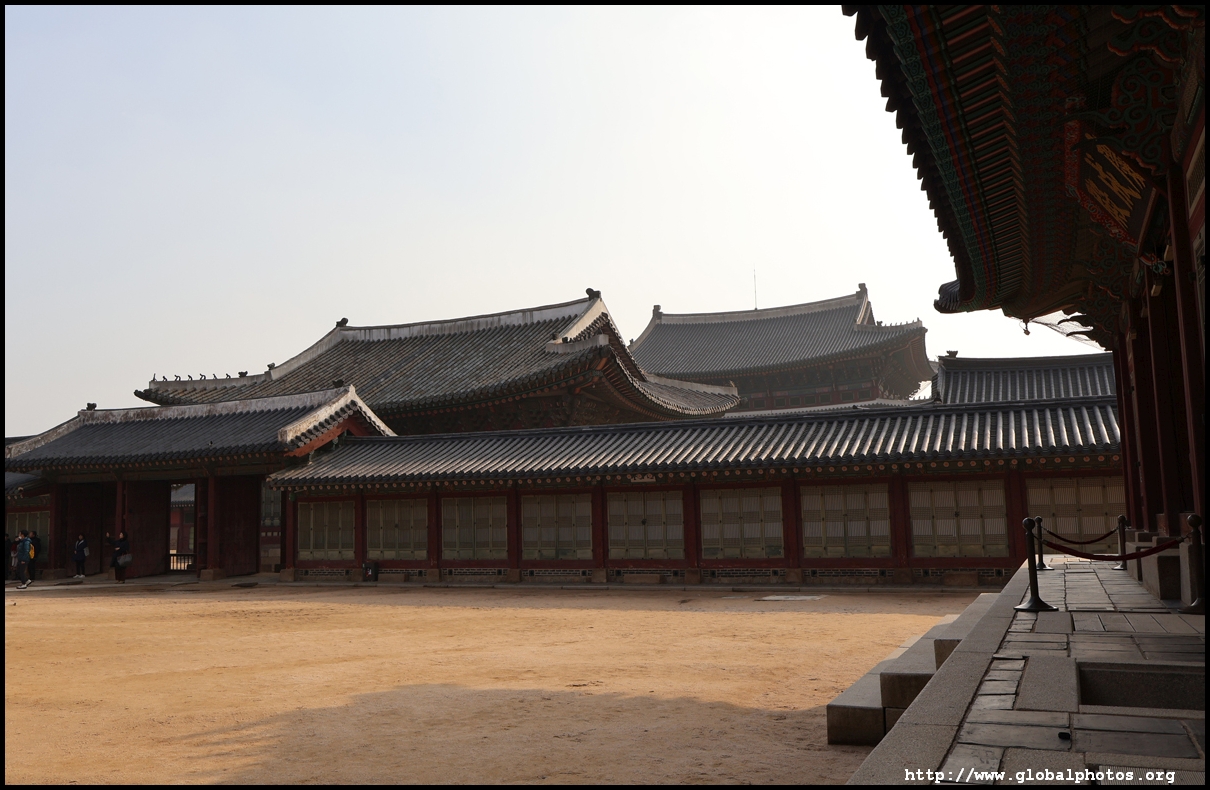
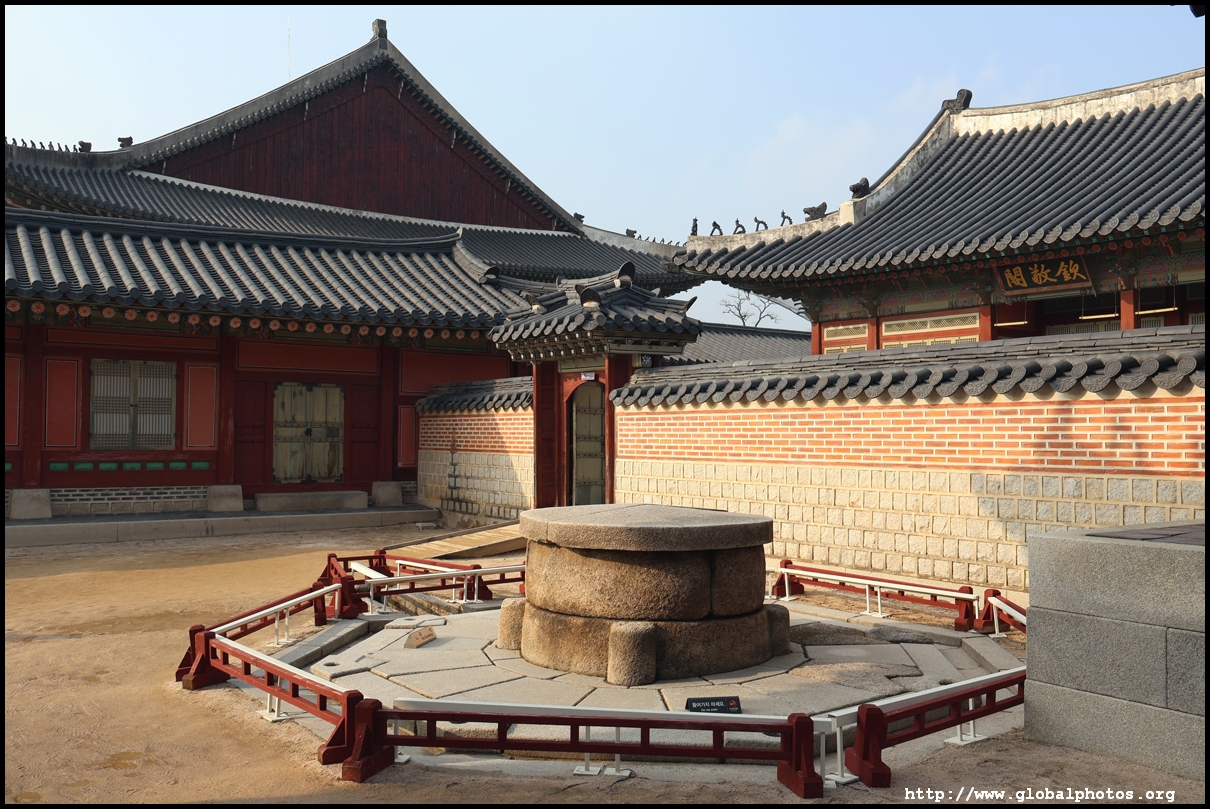
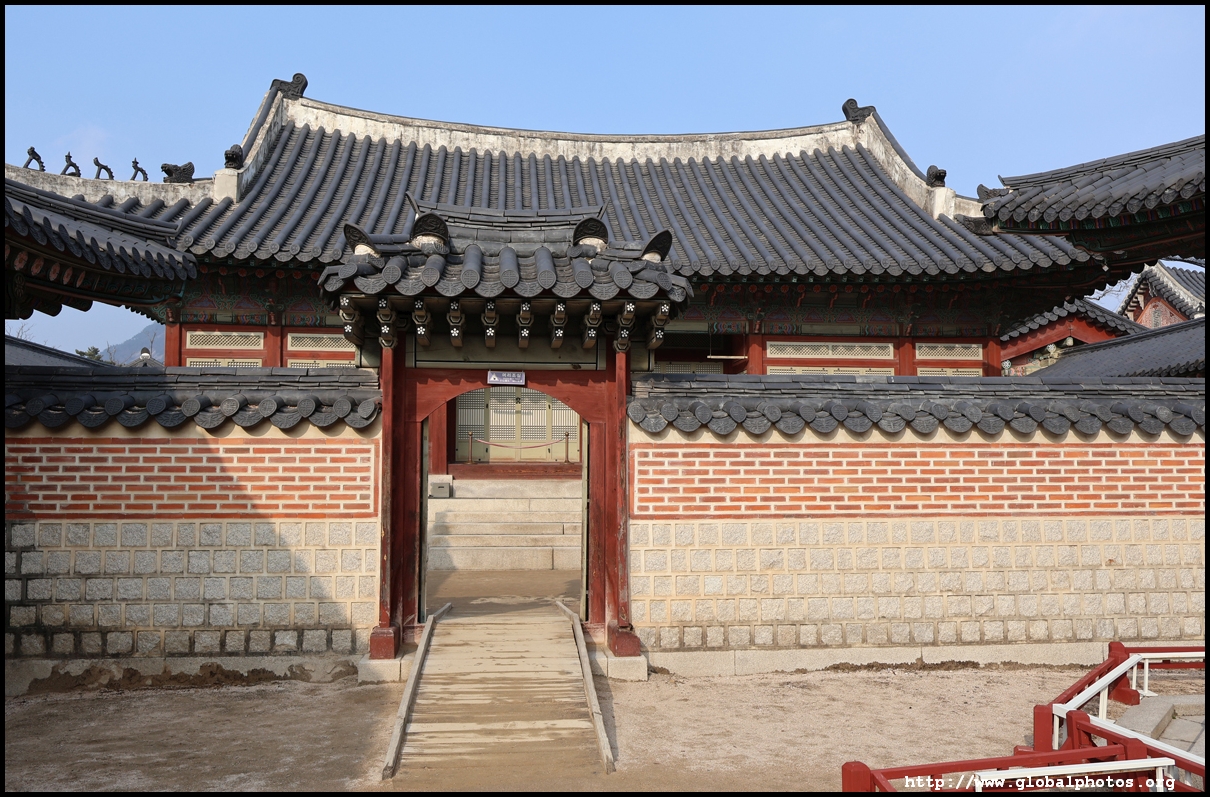
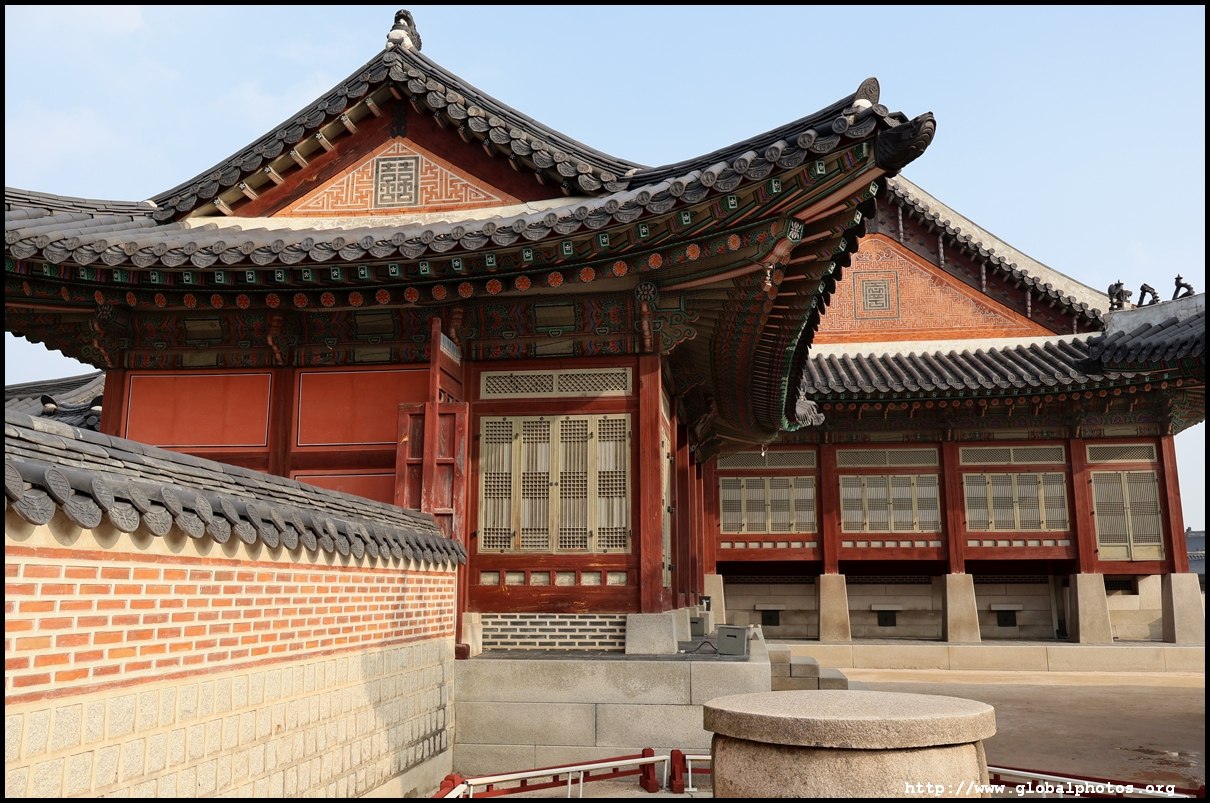
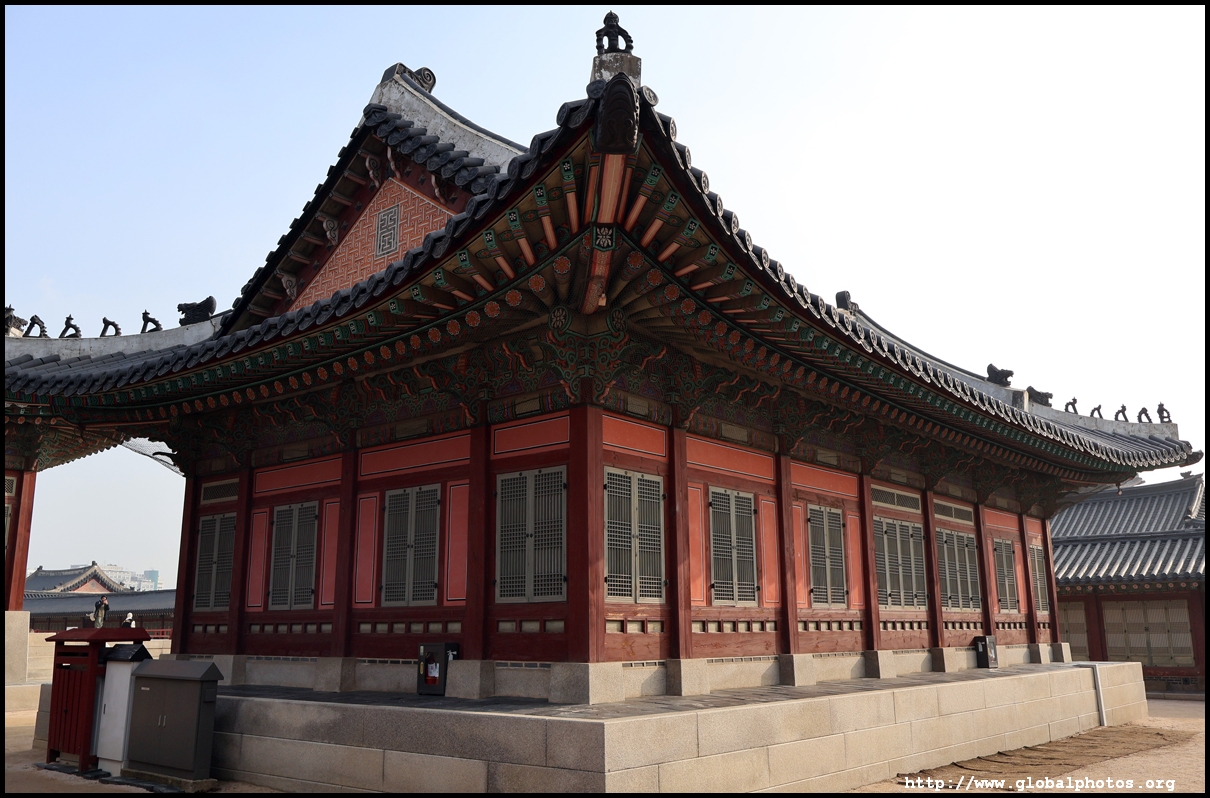
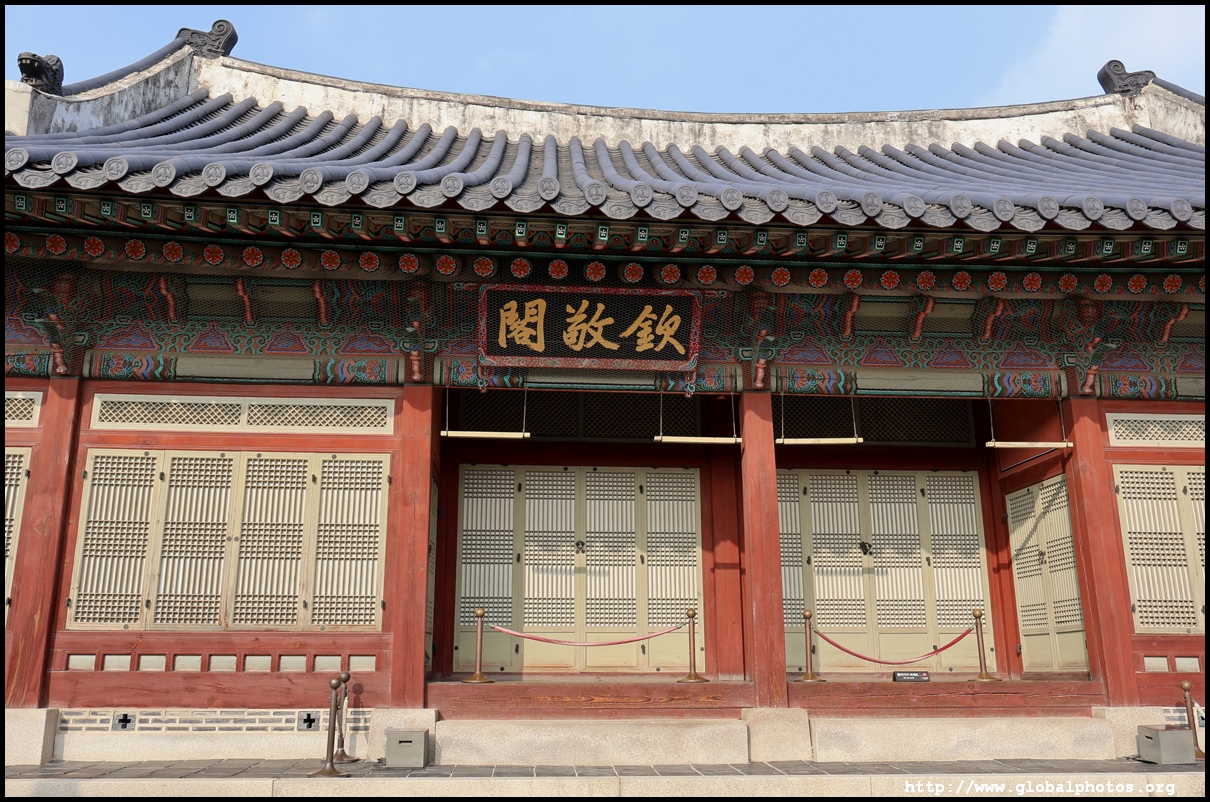
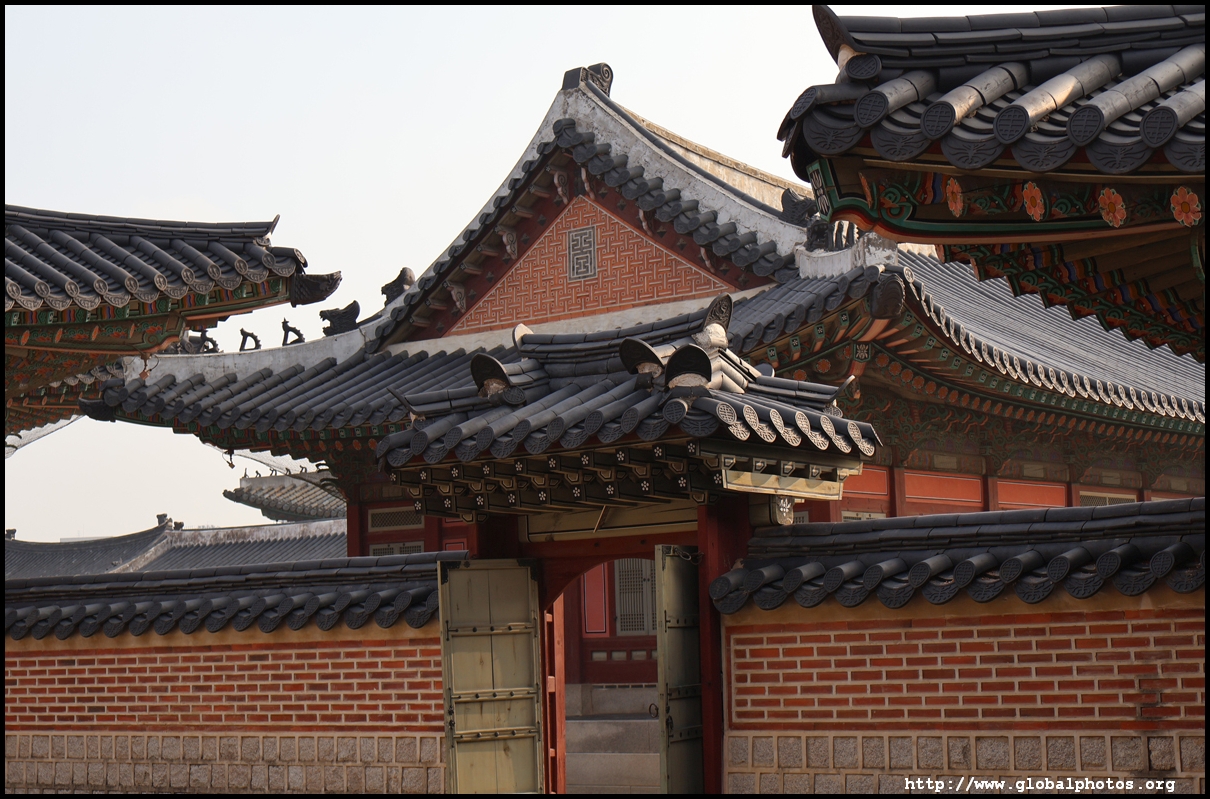
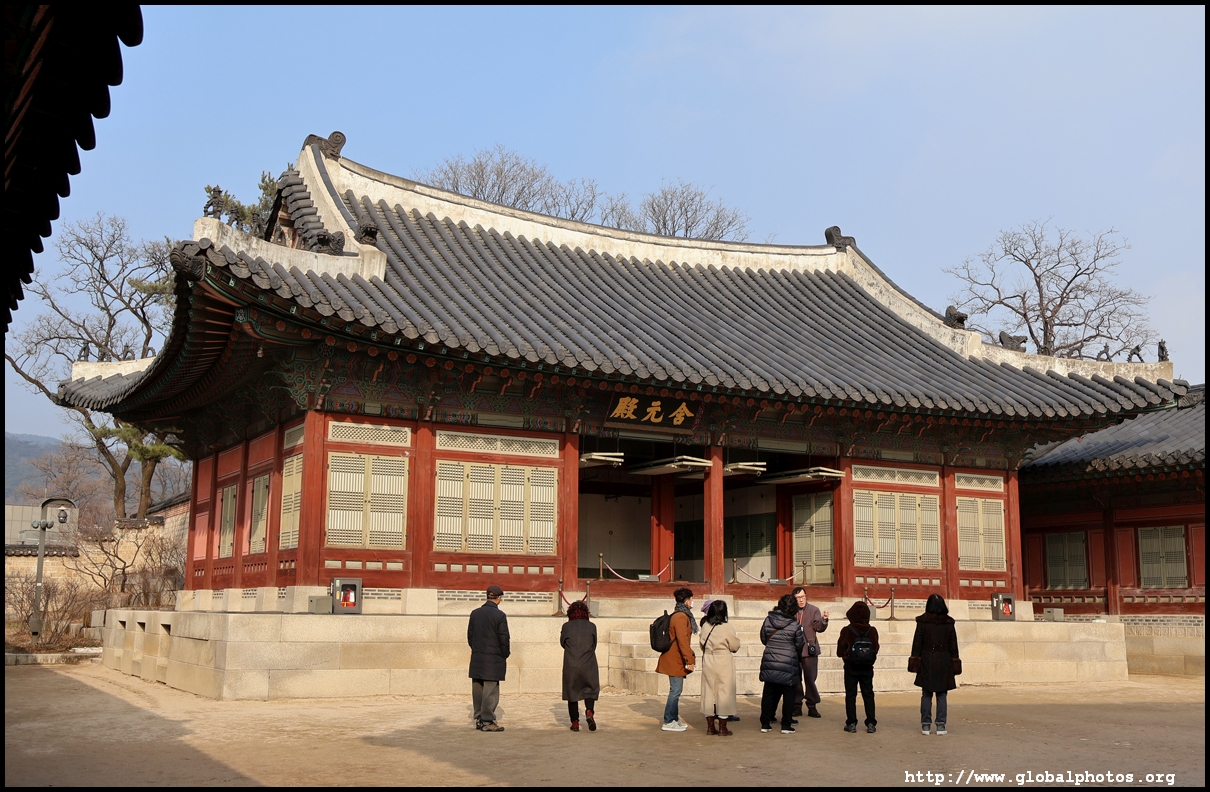
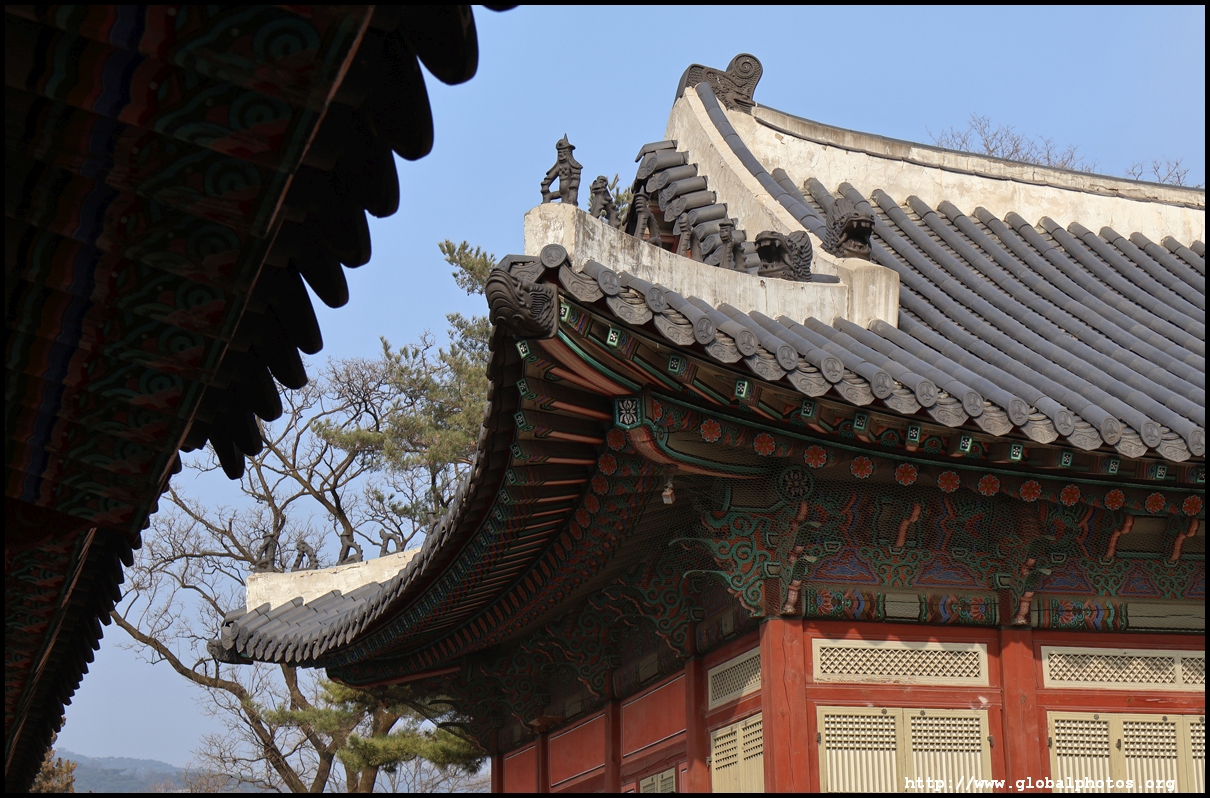
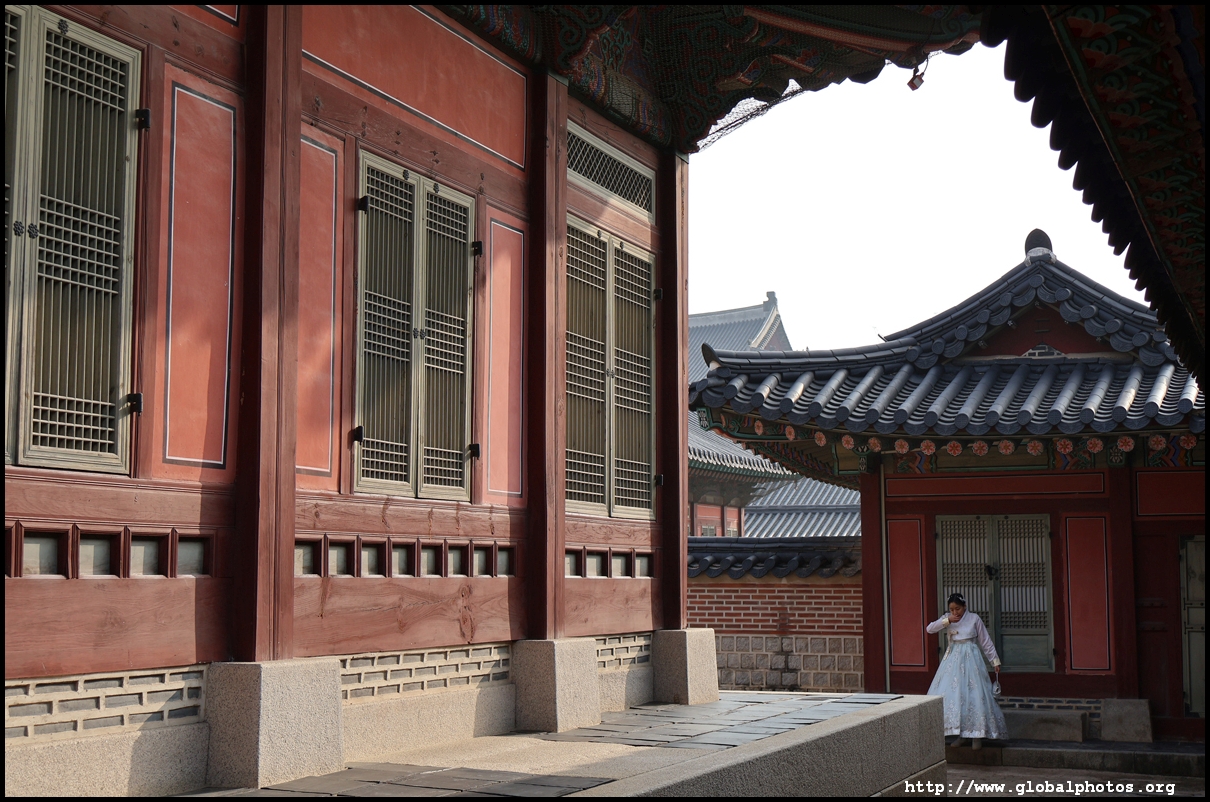
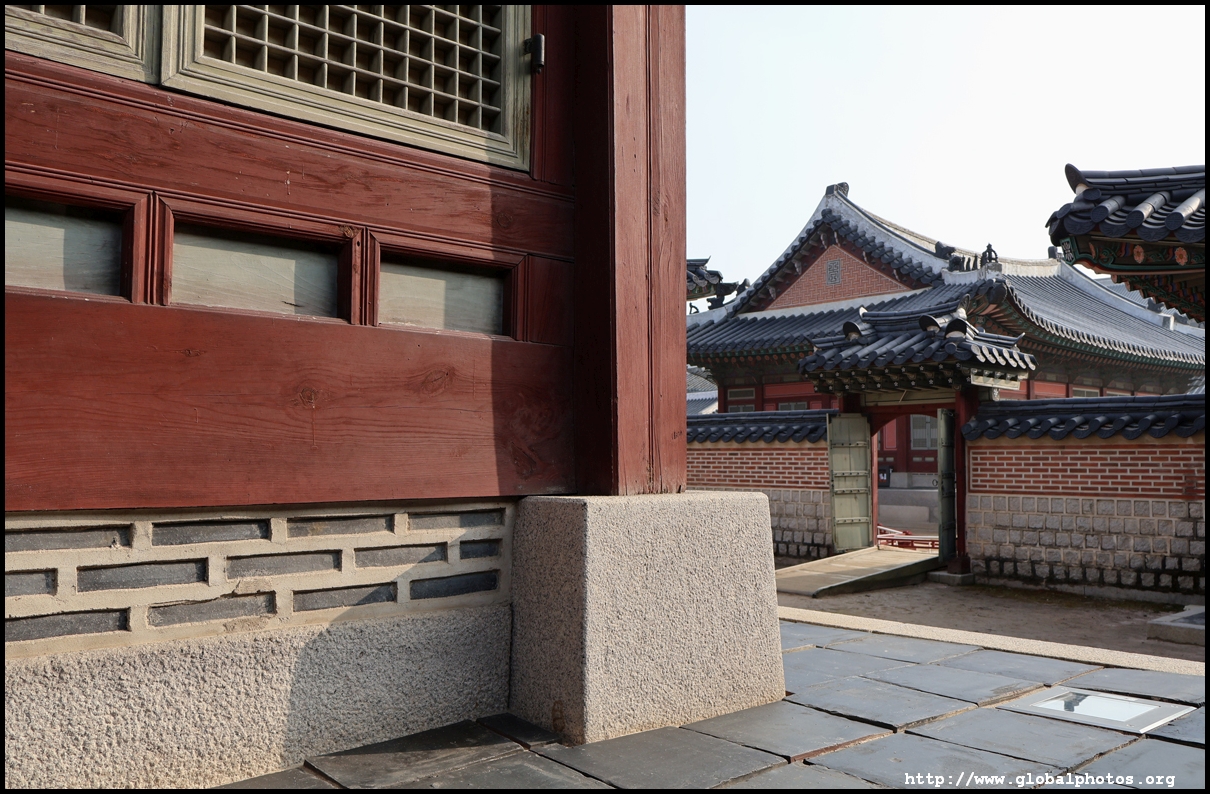
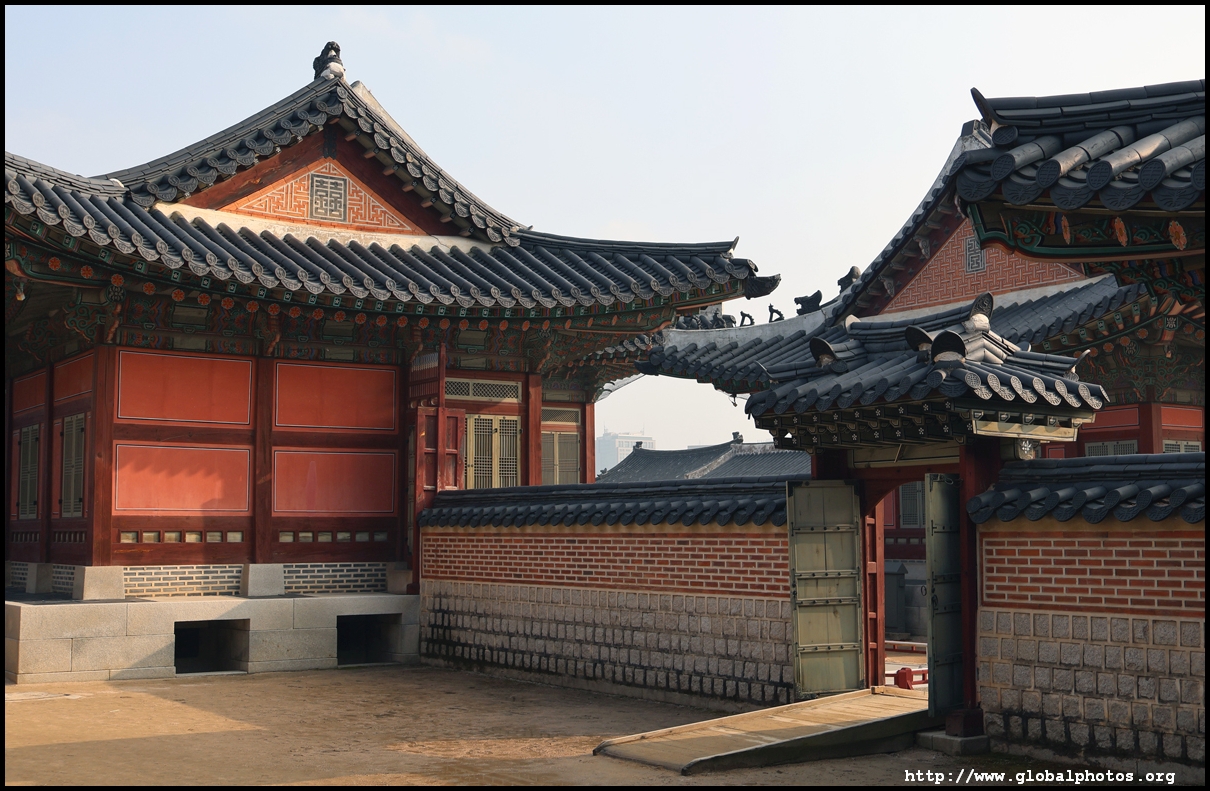
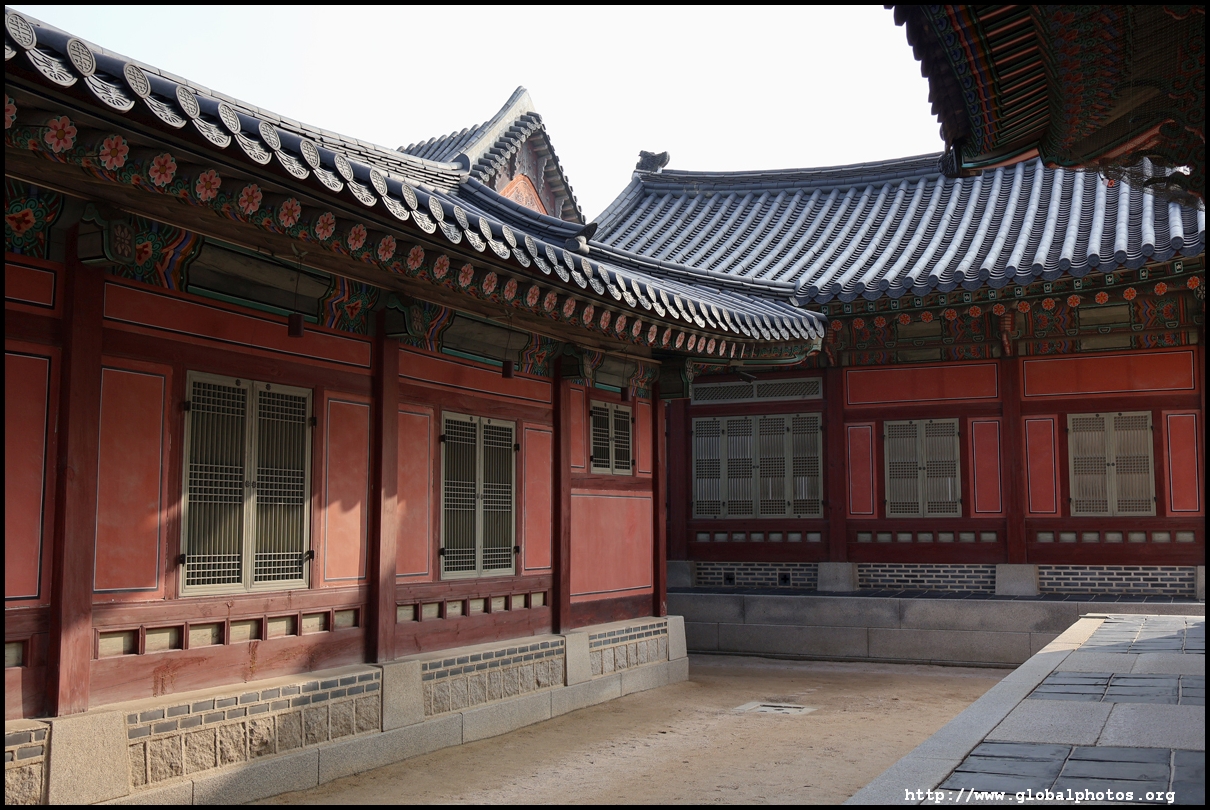
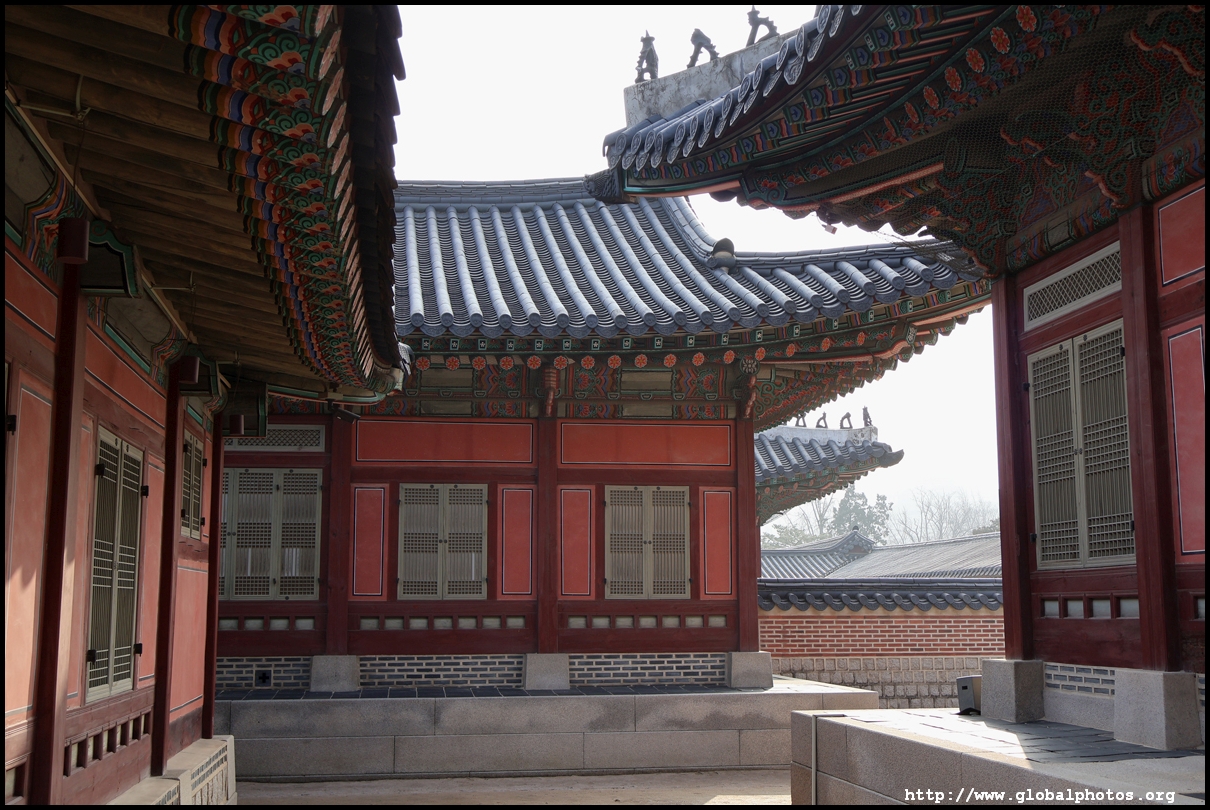
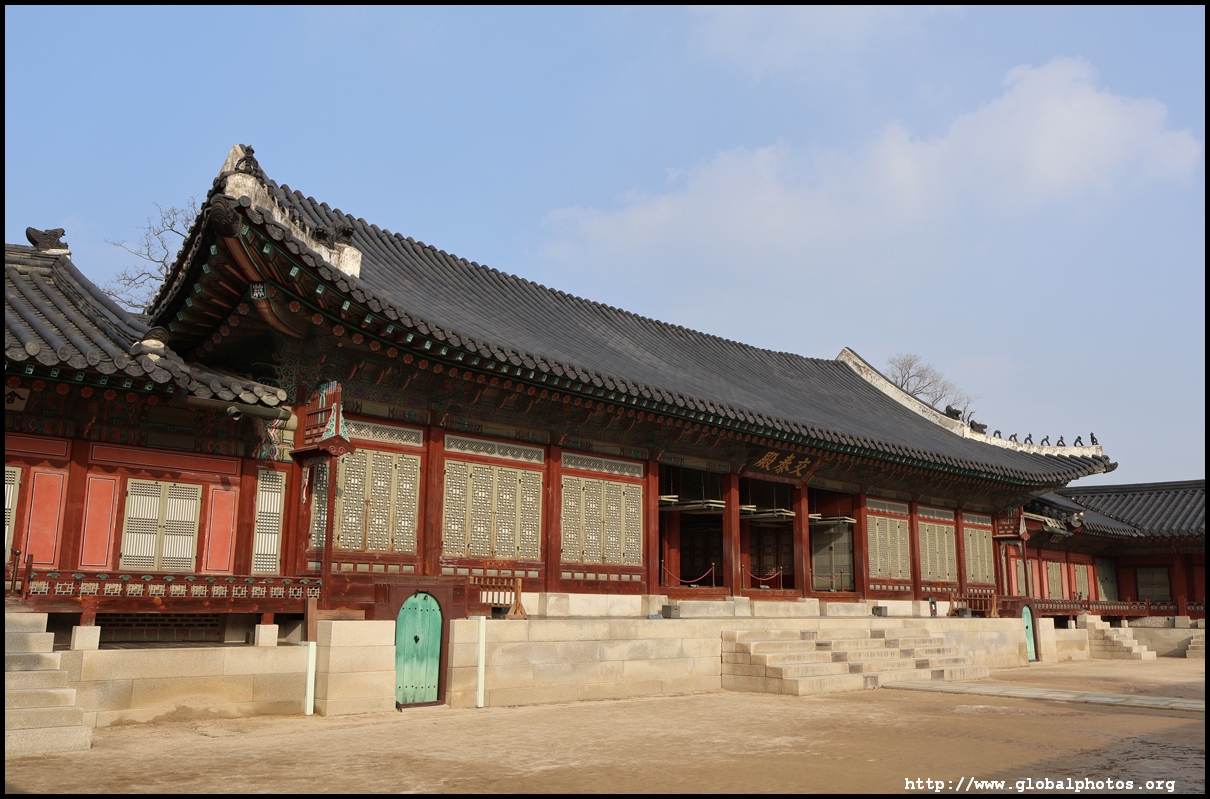
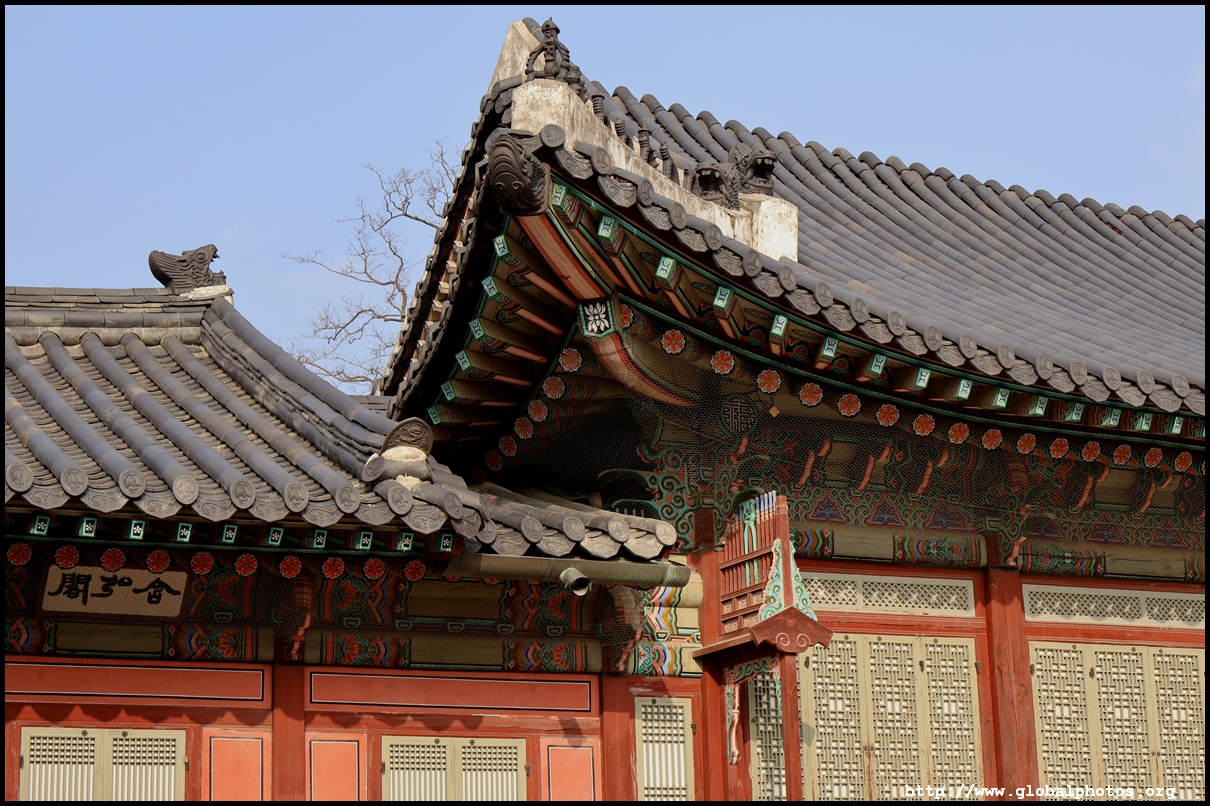
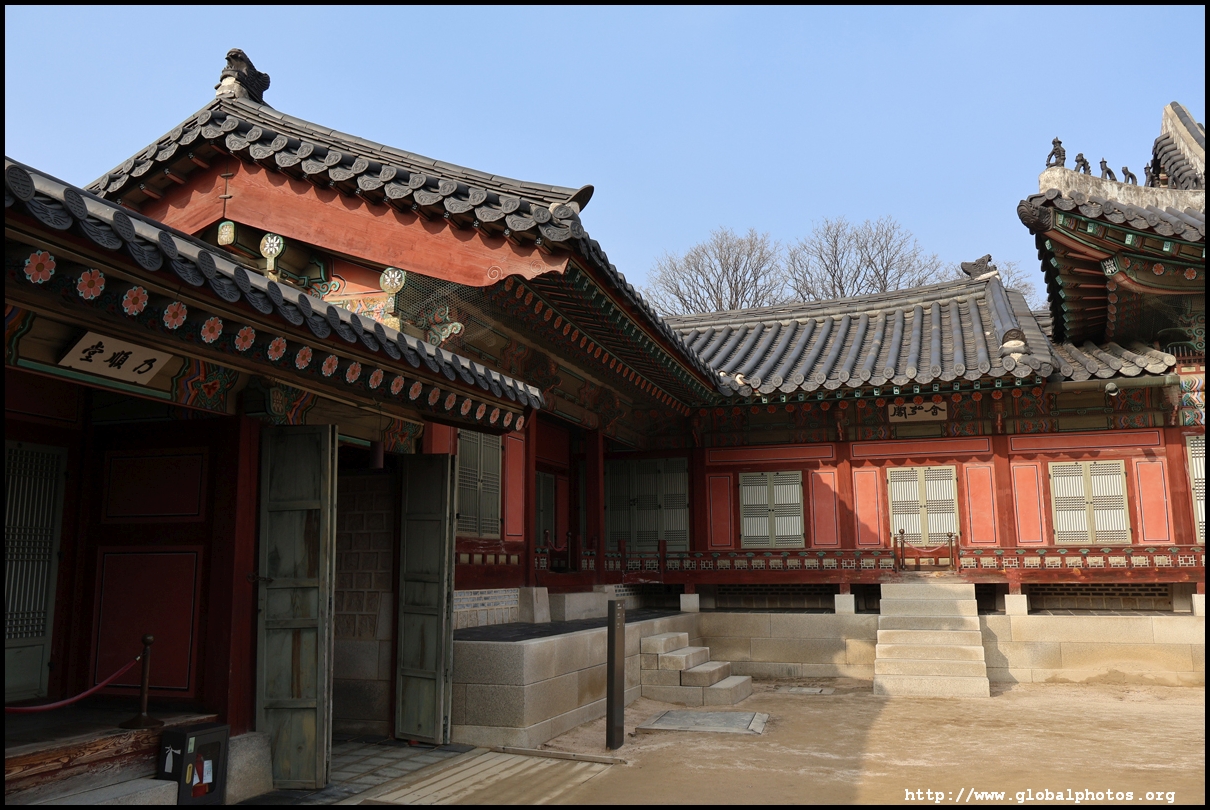
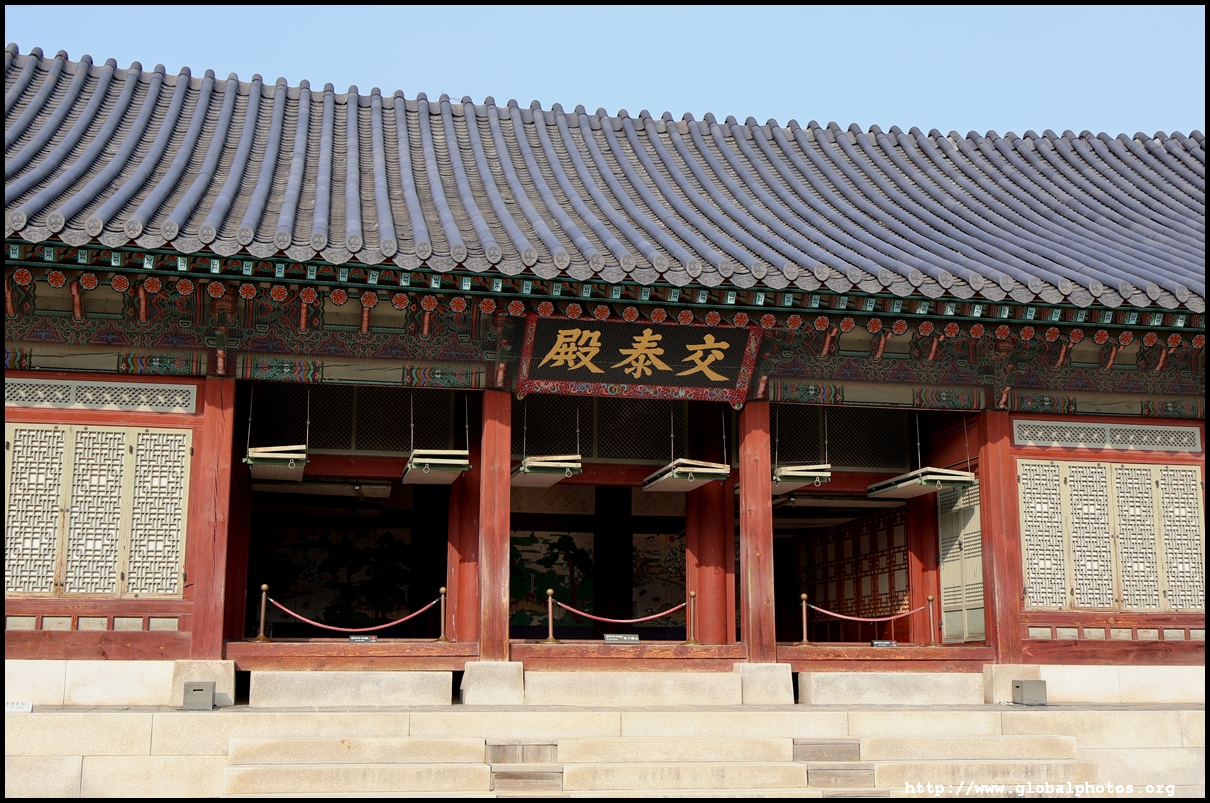
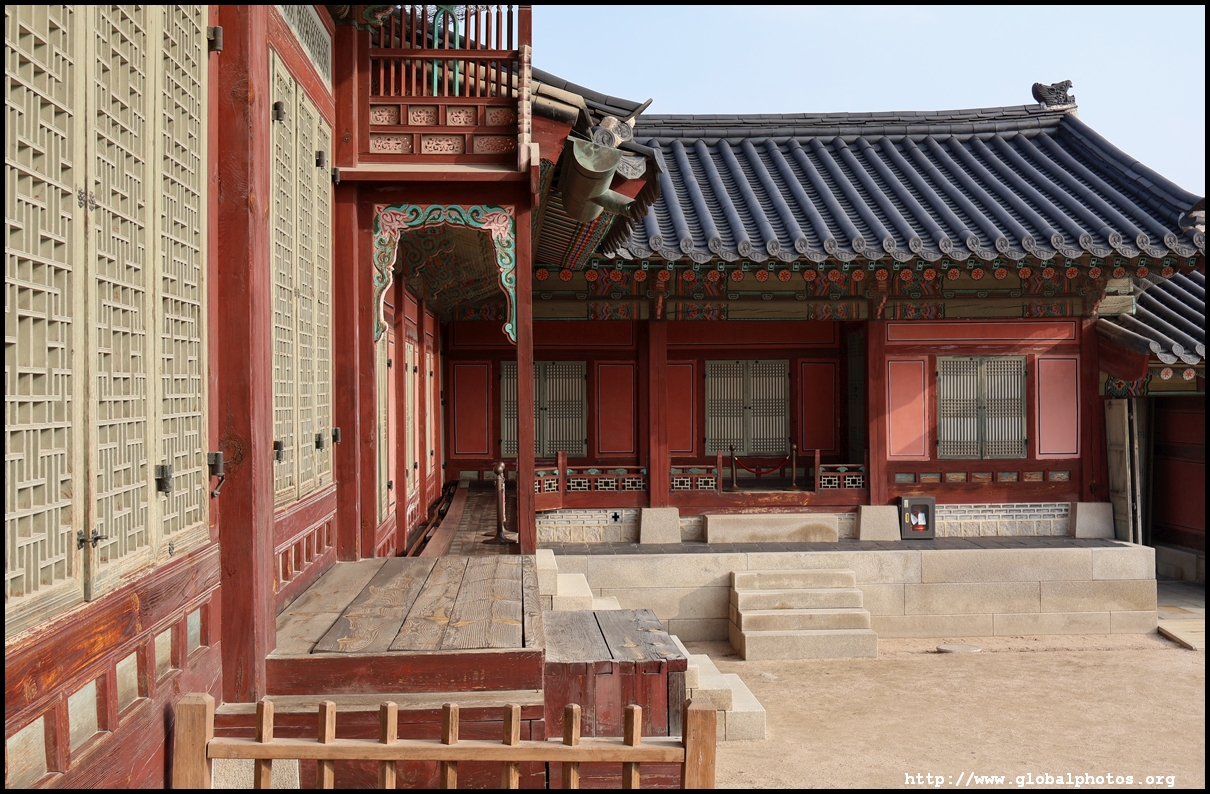
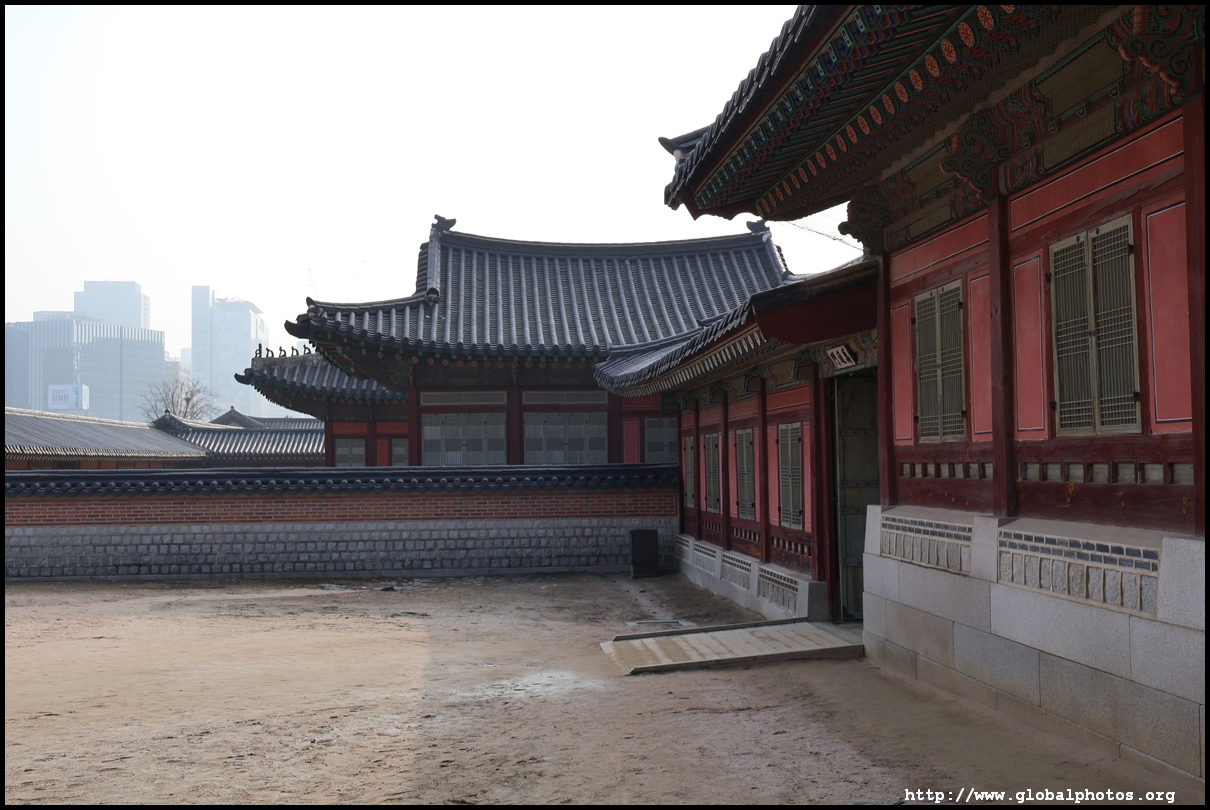
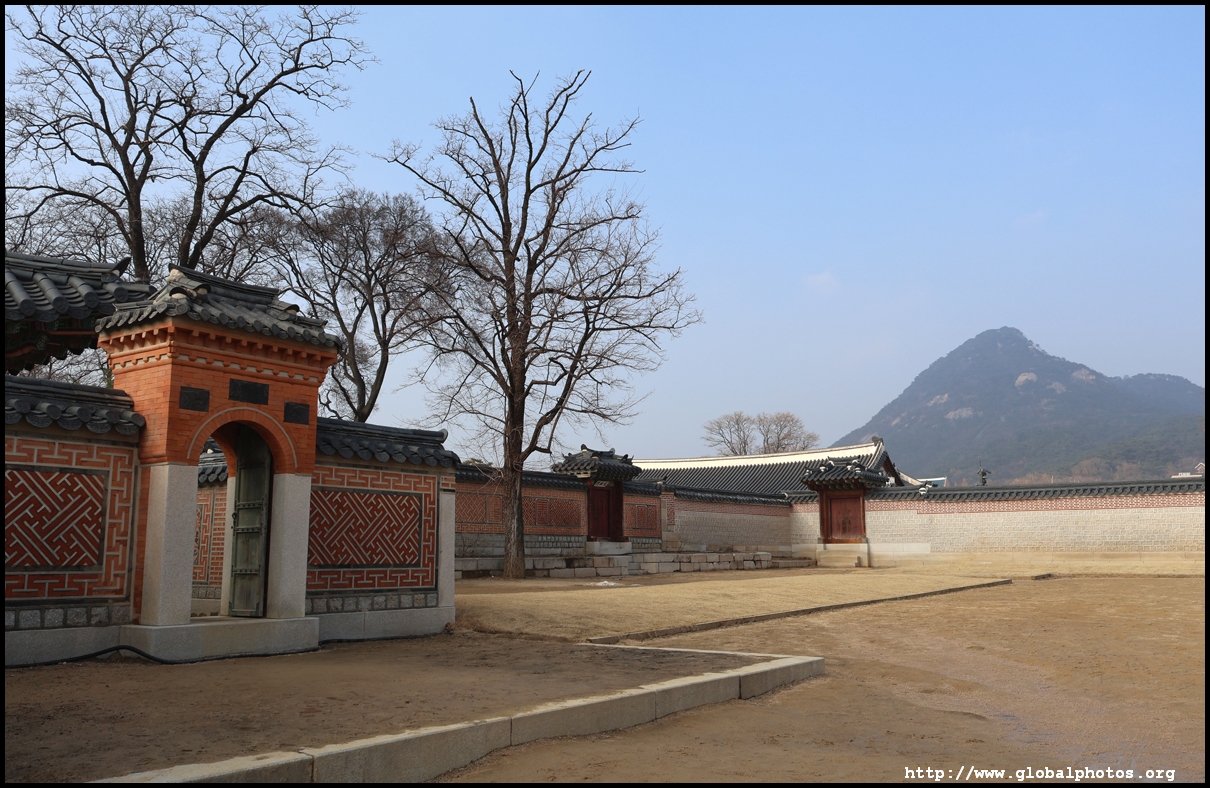
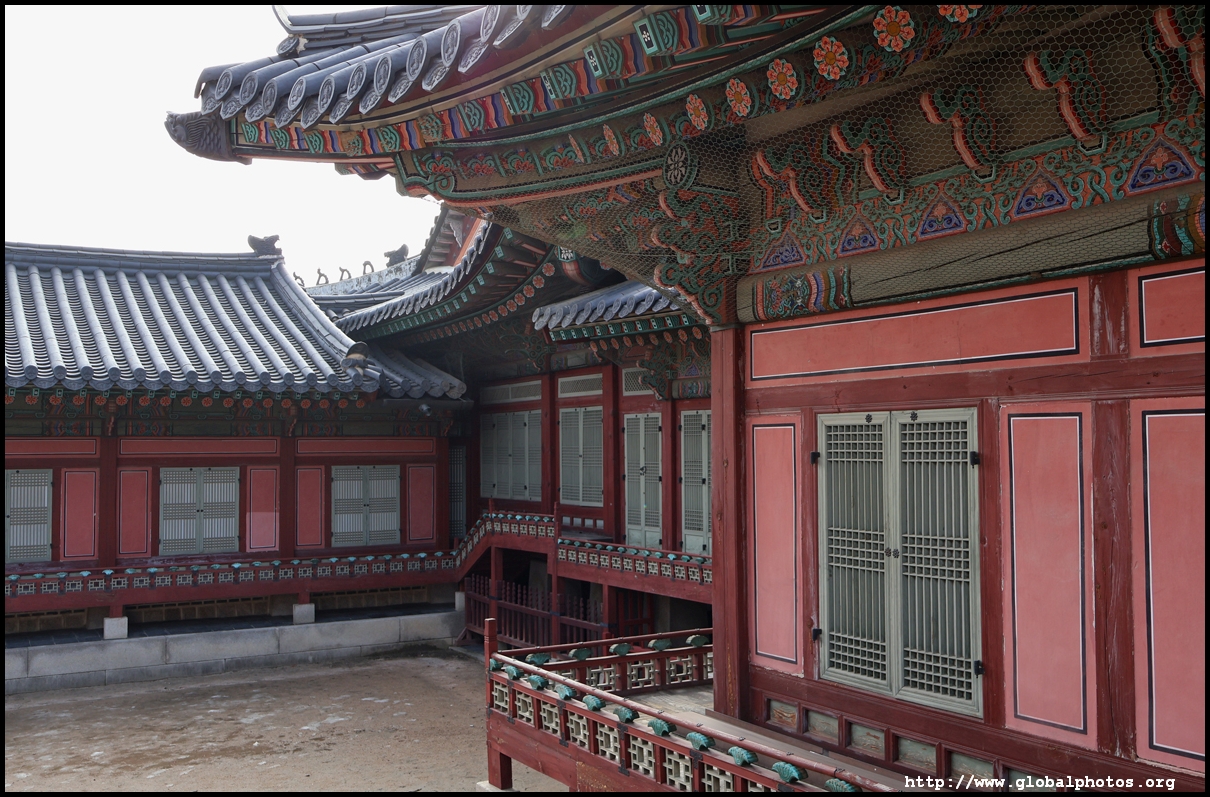
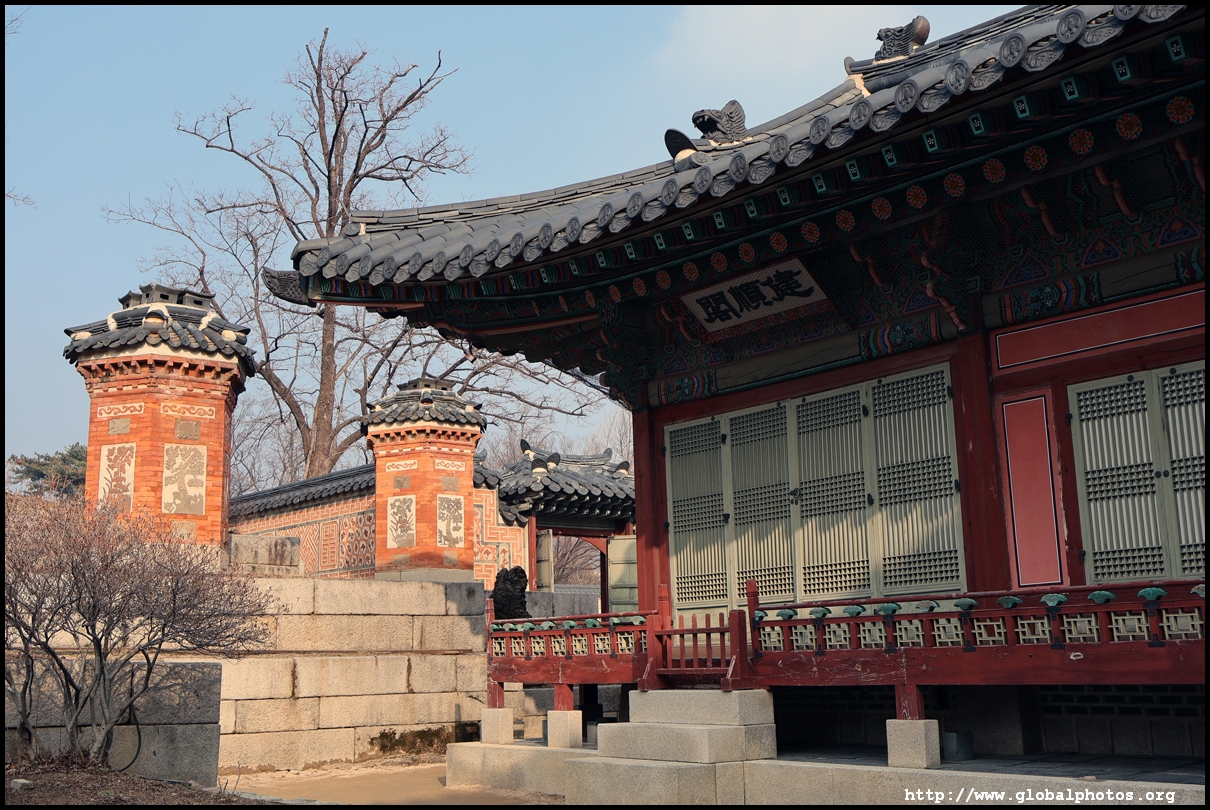
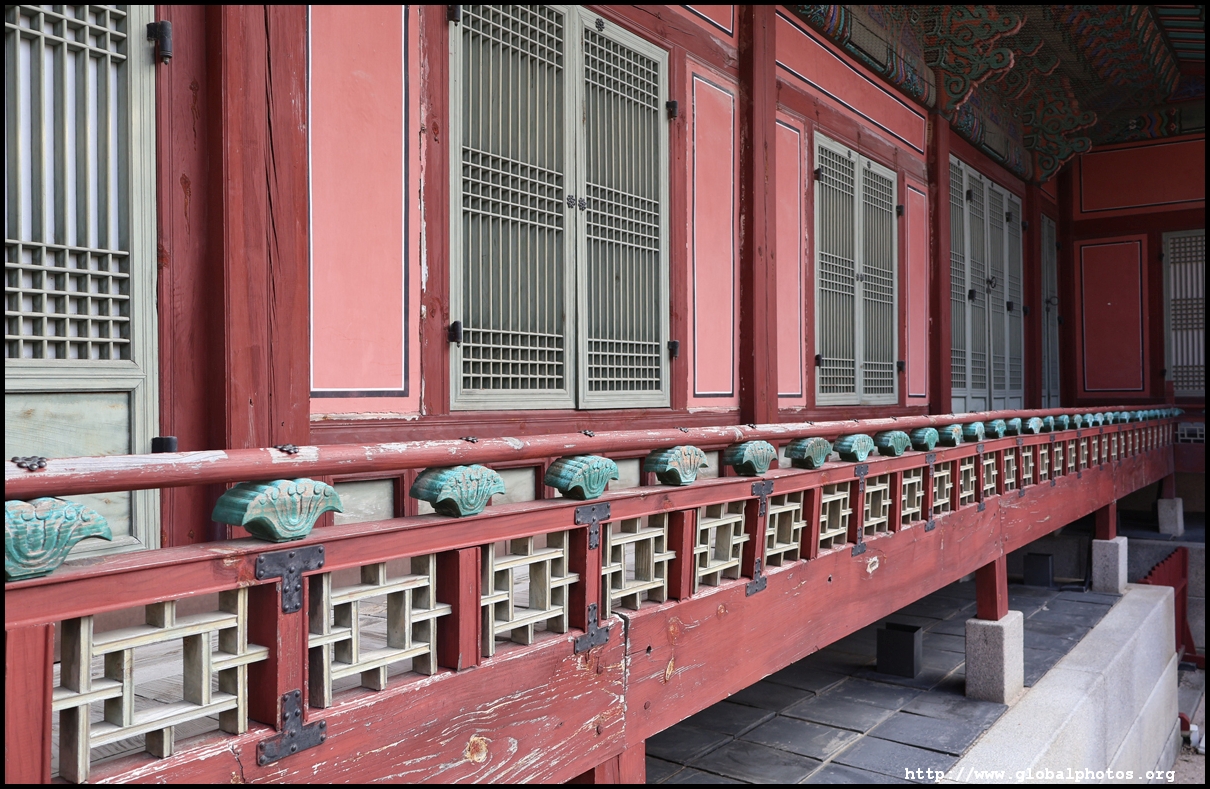
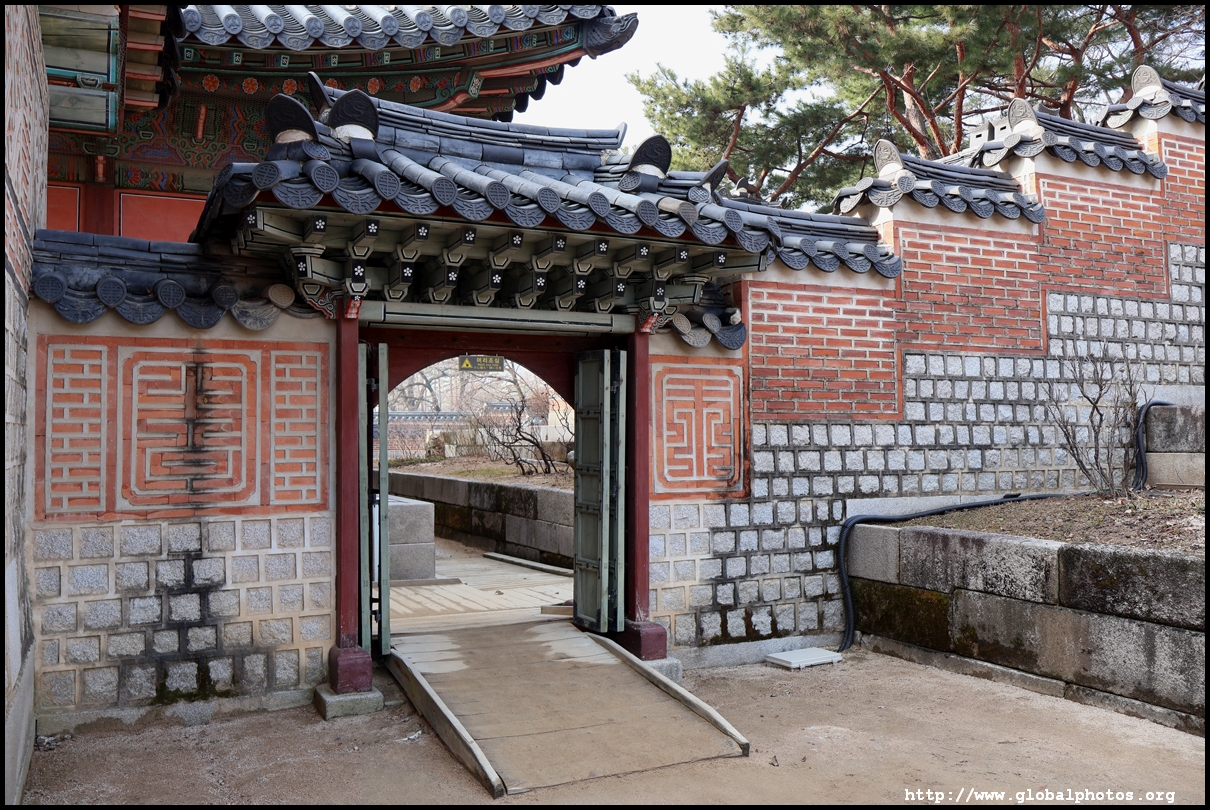
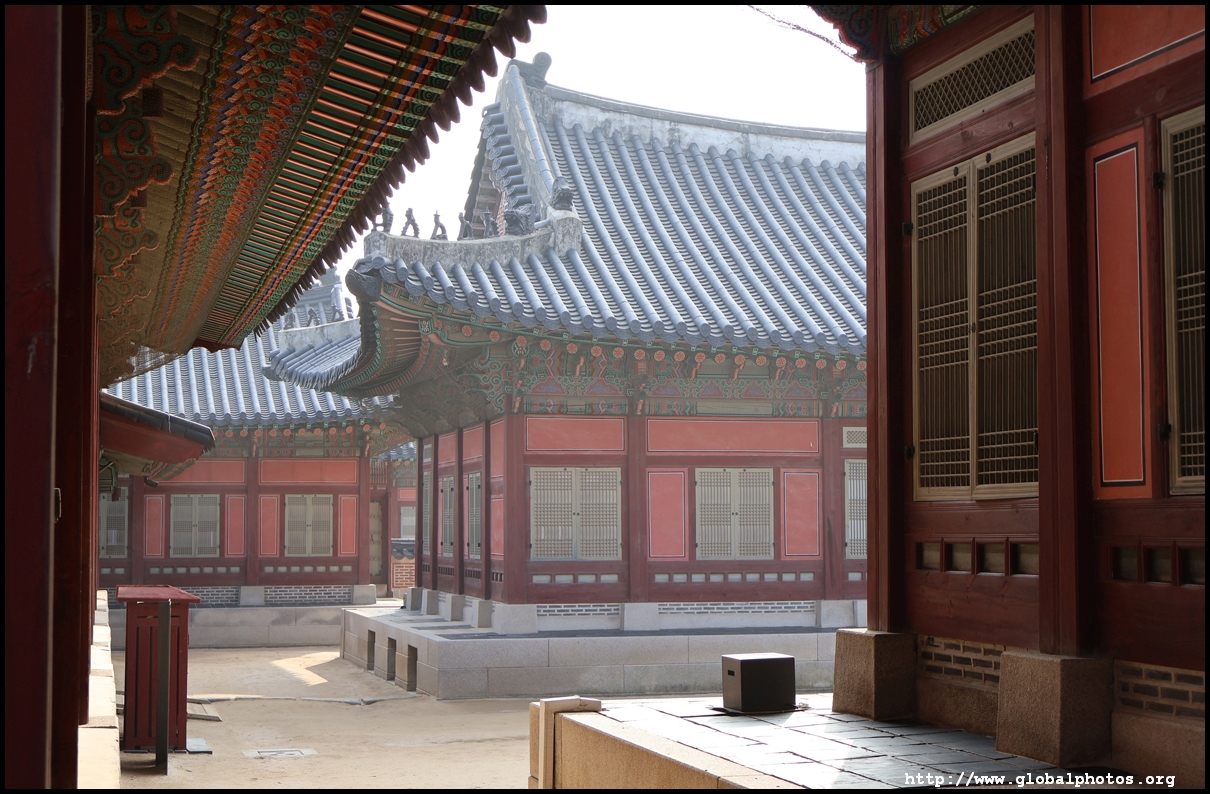
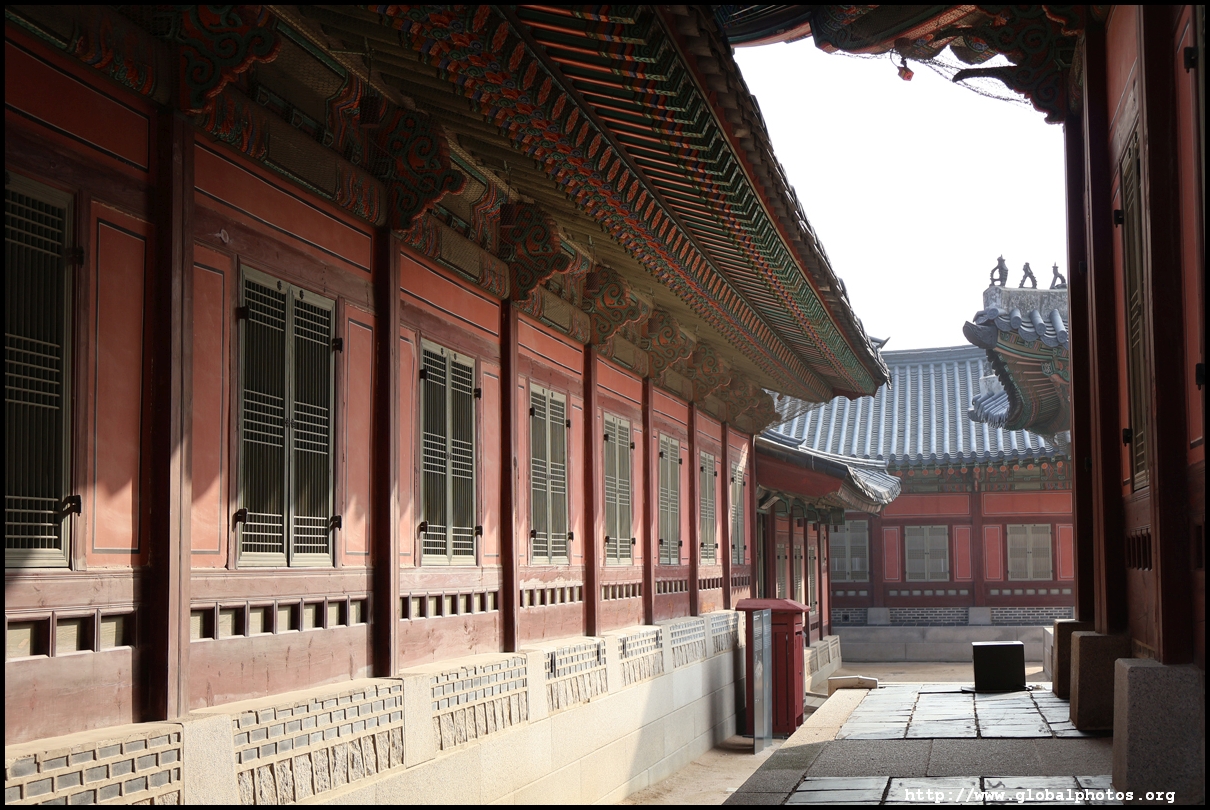
Noticing many foreigners of all sizes and colours dressed in traditional Korean style walking through Gyeongbokgung's main gate, I can't help but think I could have done the same to save on the 3000 won admission charge.Built for the Joseon dynasty's royal family after the capital moved here in the late 14th century, this is the most popular of the city's 5 palaces. Burned down by the Japanese during their invasion in the late 16th century, what we see today is a lot more recent from the 1860s. The Japanese invaders returned and annexed Korea in 1910, using the palace for police interrogation and torture, and changes were made to the structure to break its Korean styles. Behind Geunjeongjeon are various buildings where government business took place and living quarters. The king and queen sleep in separate places.
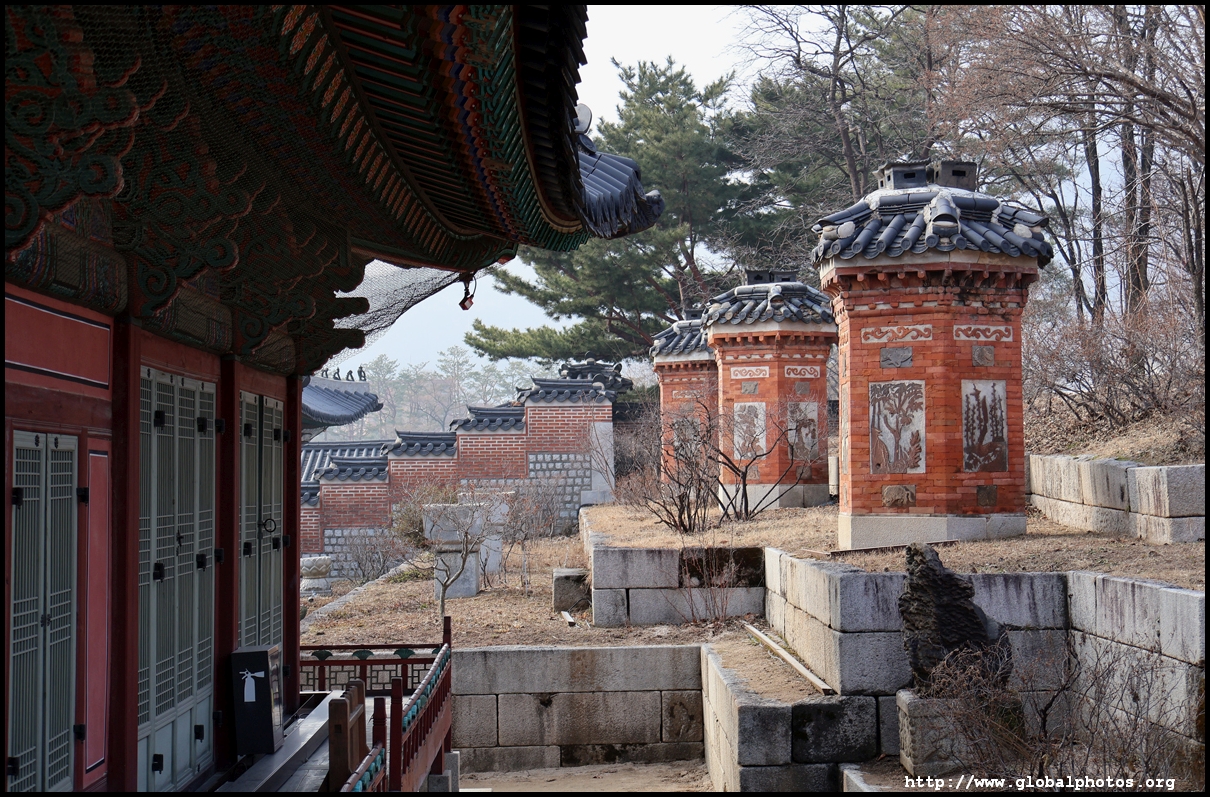
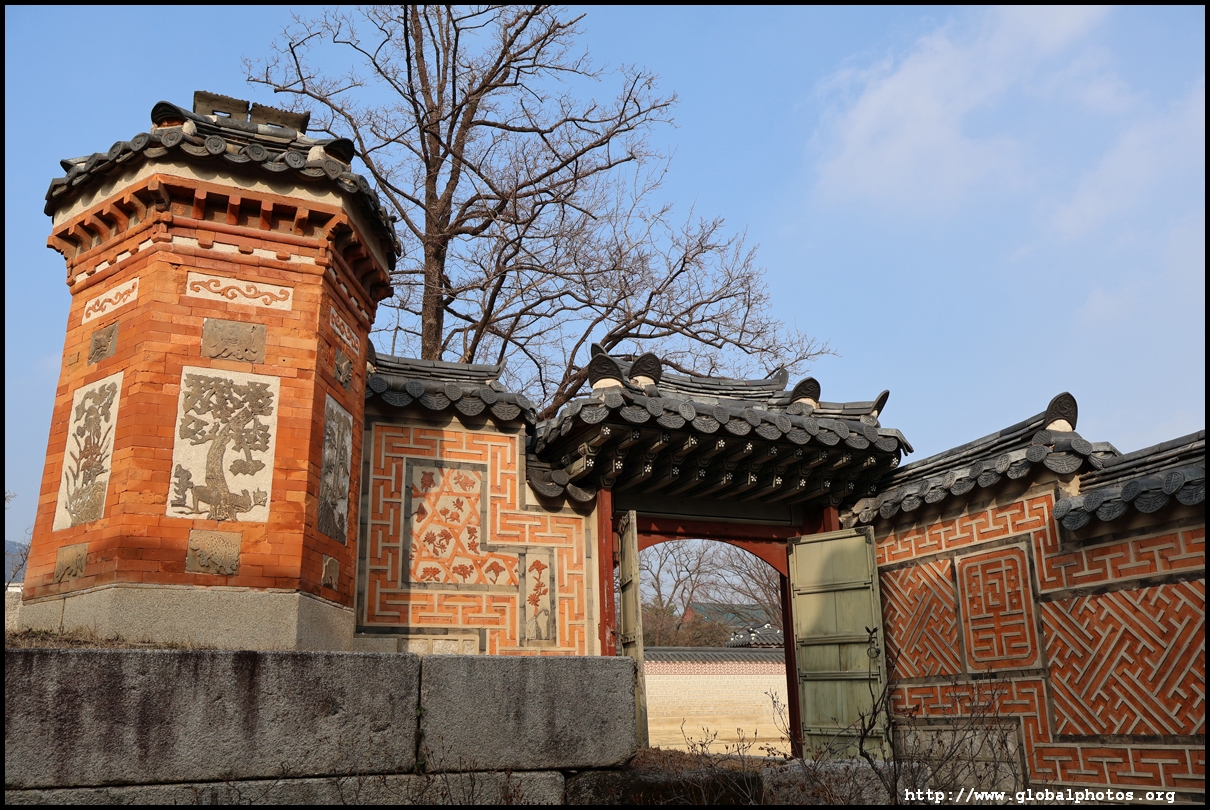
Behind the queen's residence is Amisan, an artificial mound named after China's Emei Shan, known as a beautiful and mysterious mountain.
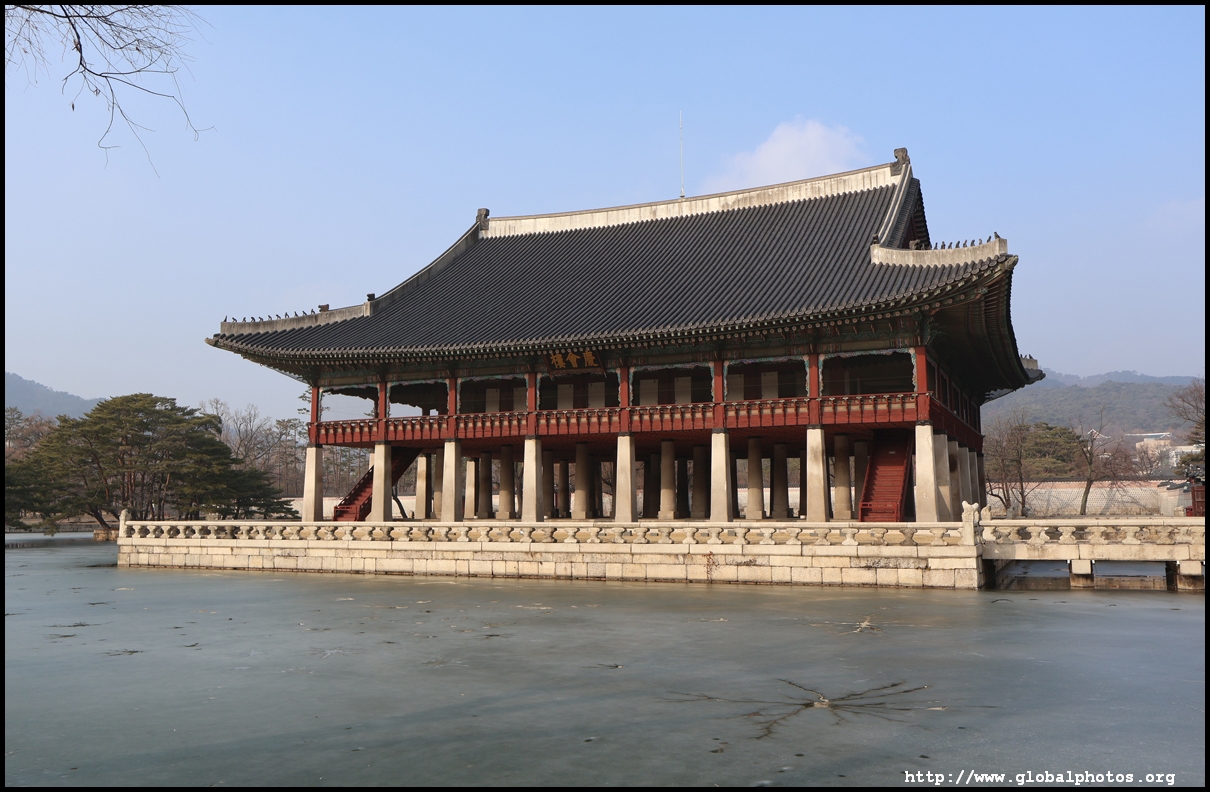
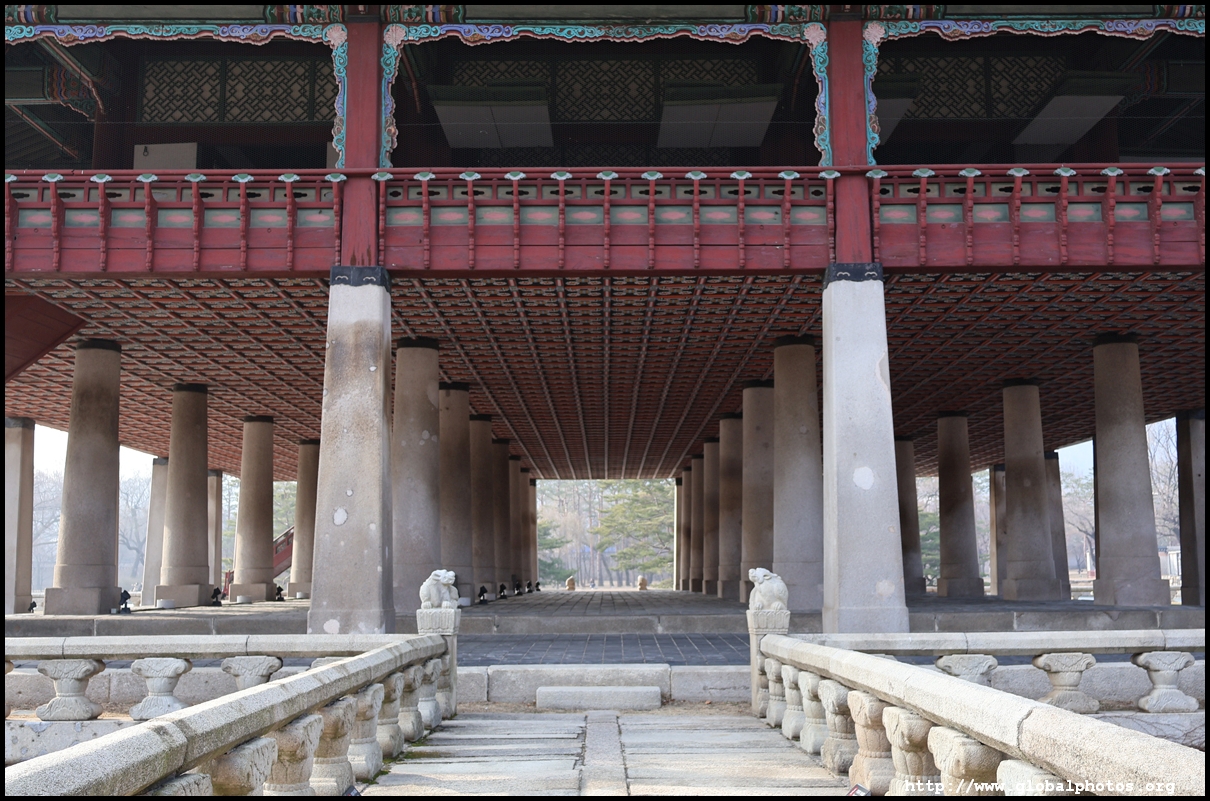
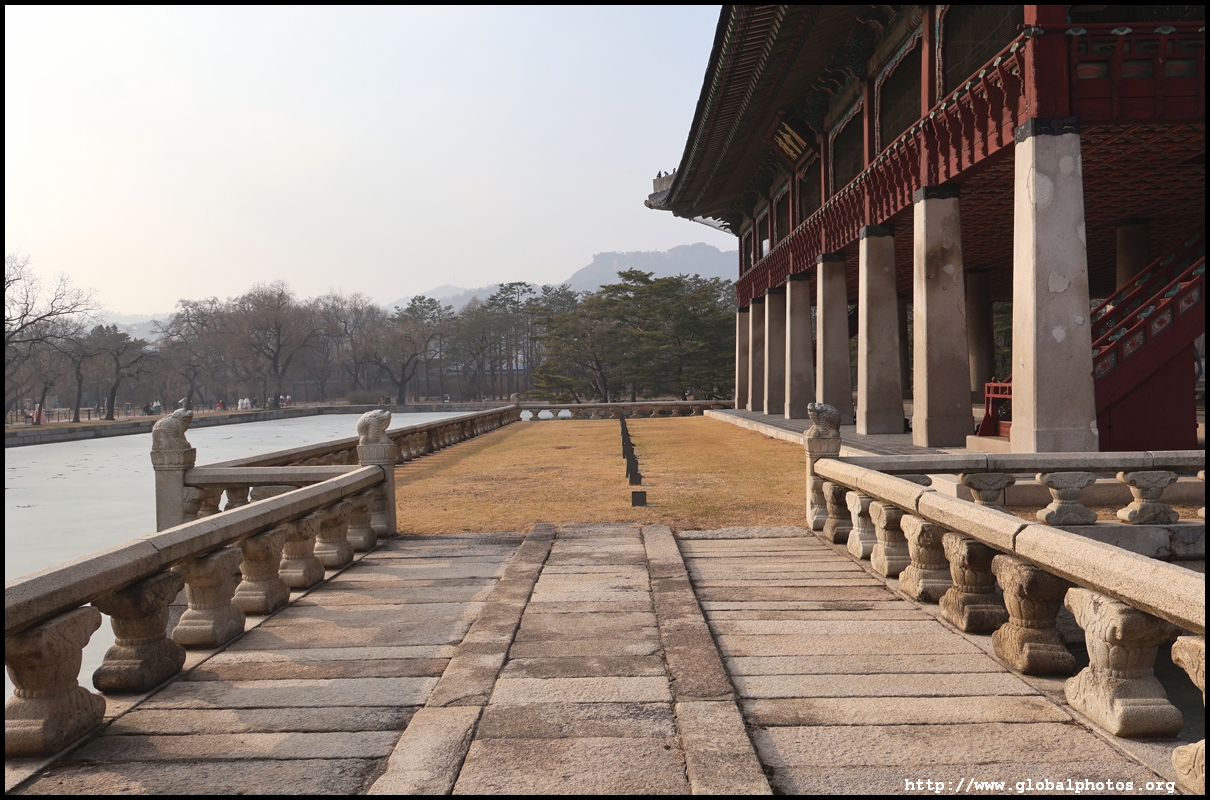
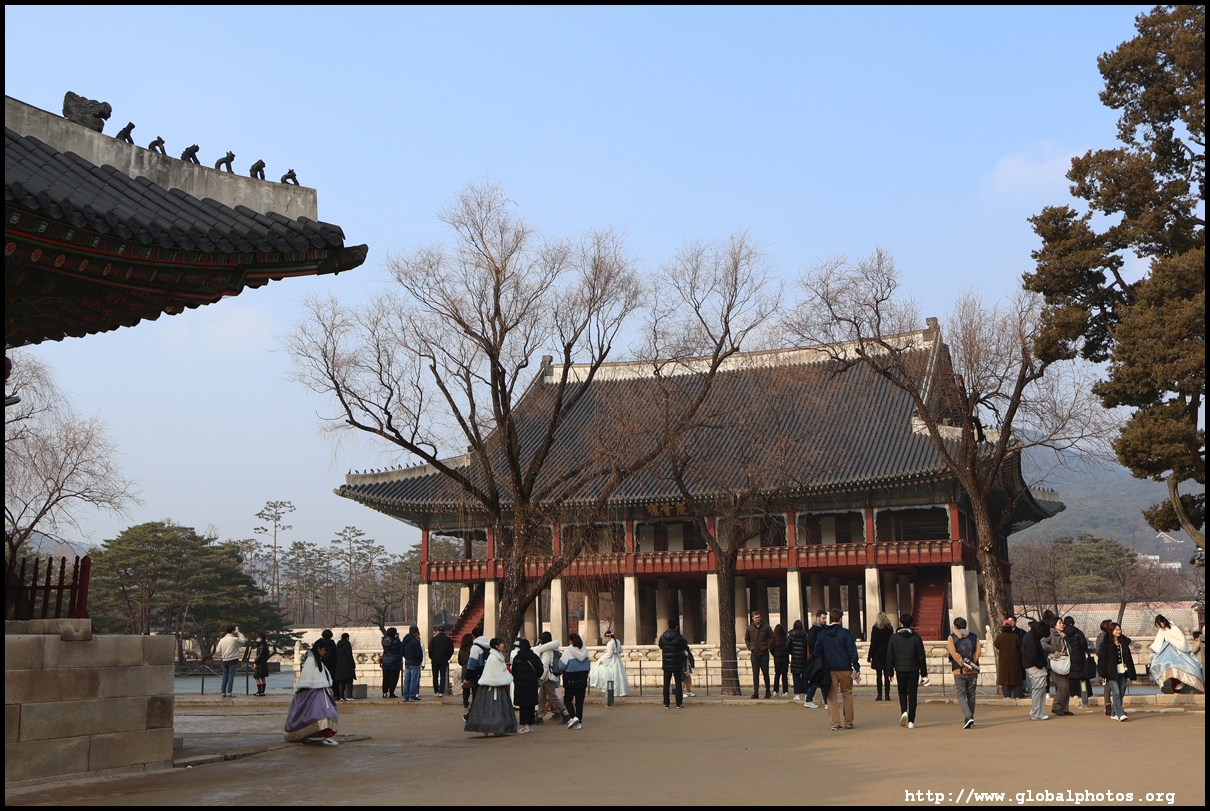
Located west of the living quarters, Gyeonghoeru Pavilion sits in the middle of a pond and was used by the king to host parties and banquets. The original is long gone after the invading Japanese razed it during the late 16th century but it was rebuilt in 1867.
| ||