Silk Road Photo Gallery - Ningxia Museum in Yinchuan
| |||
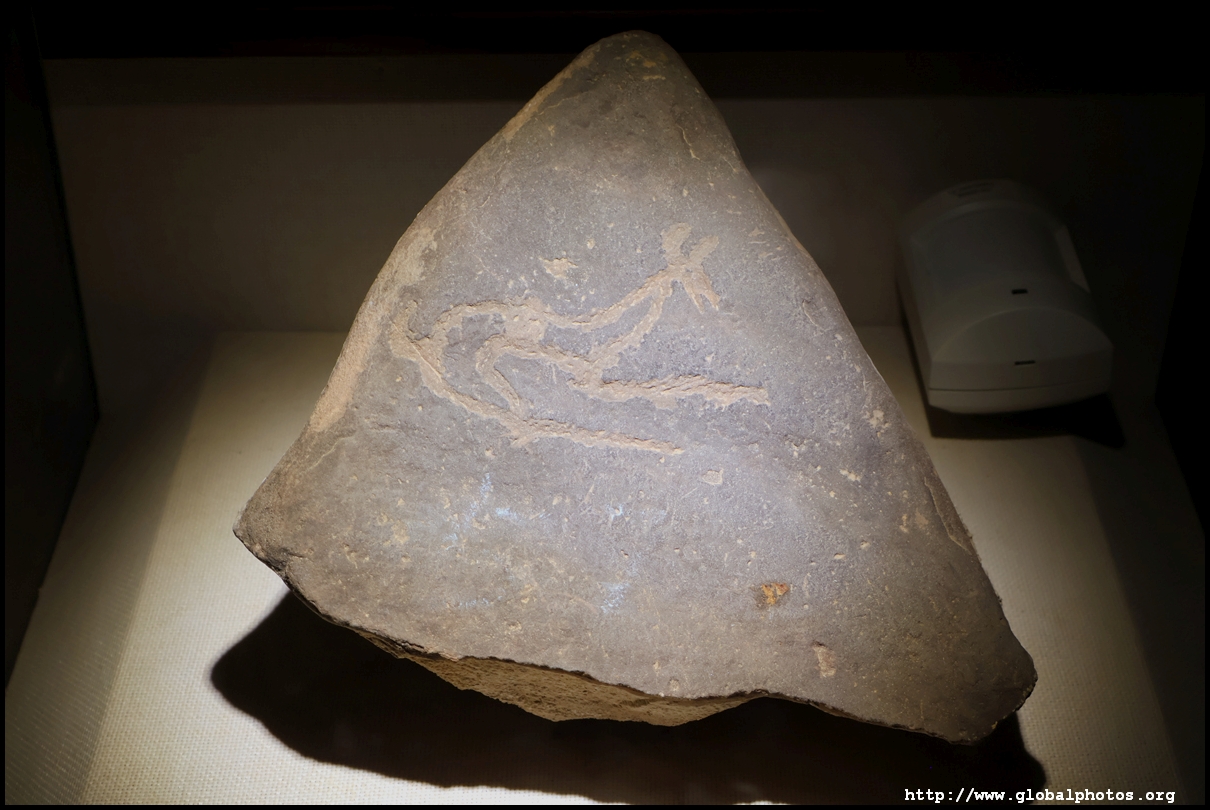
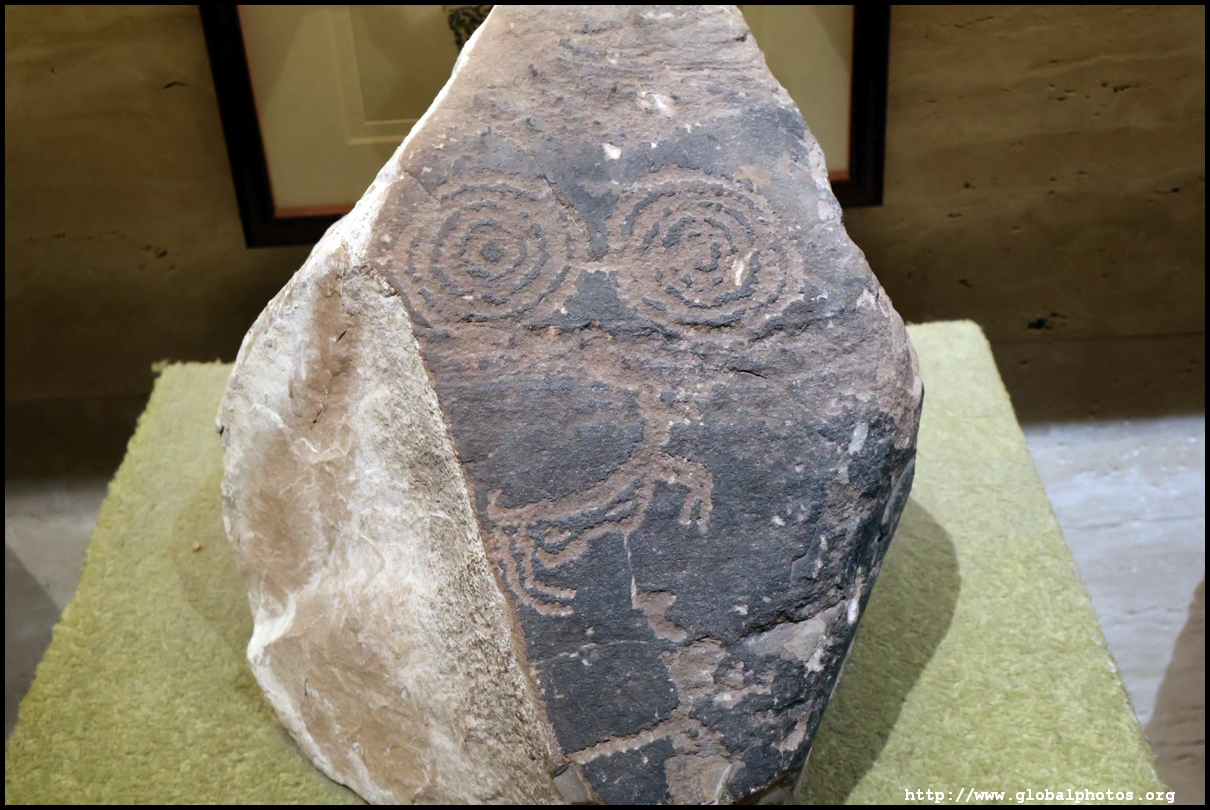
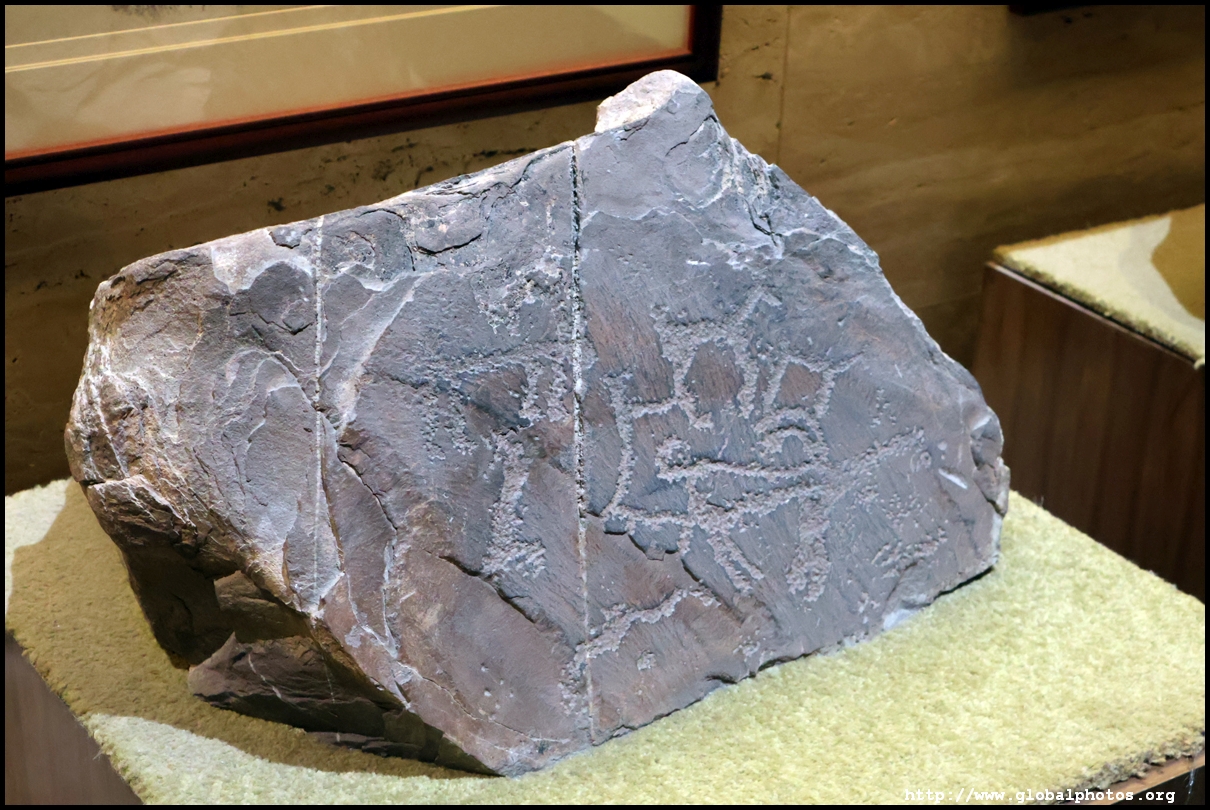
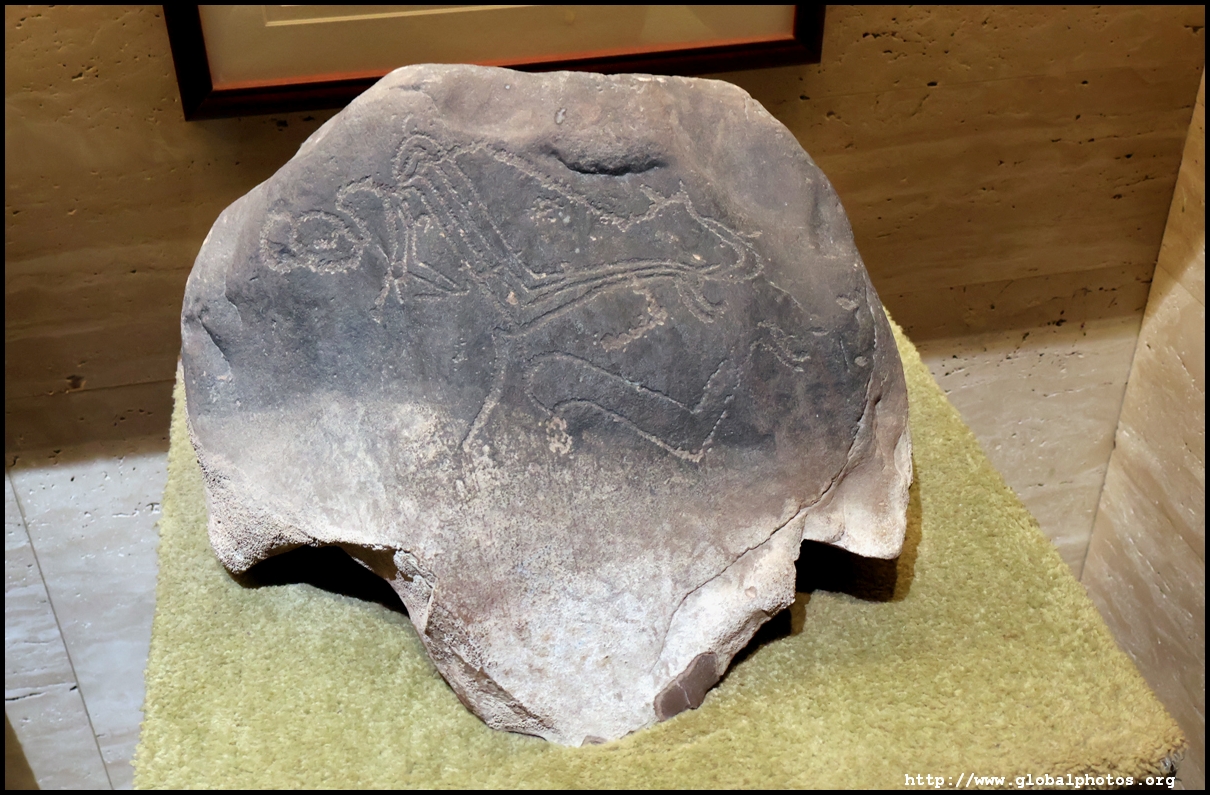
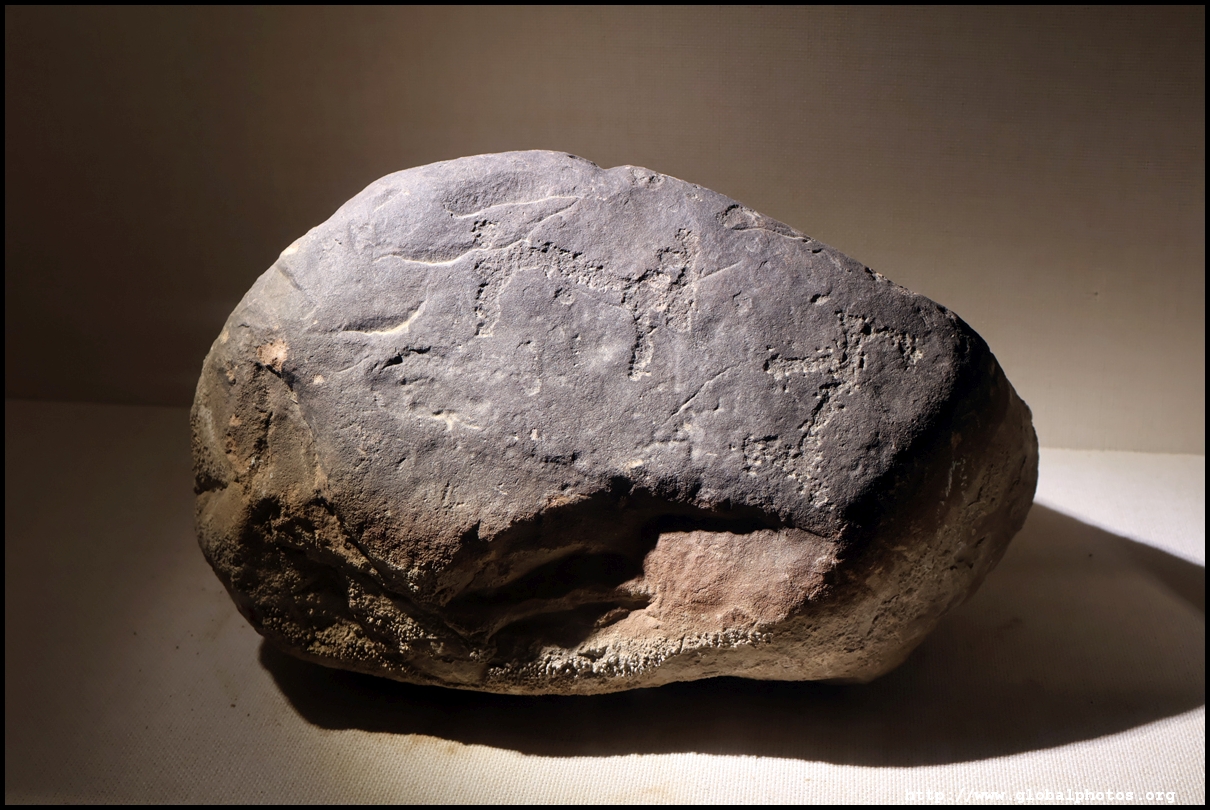
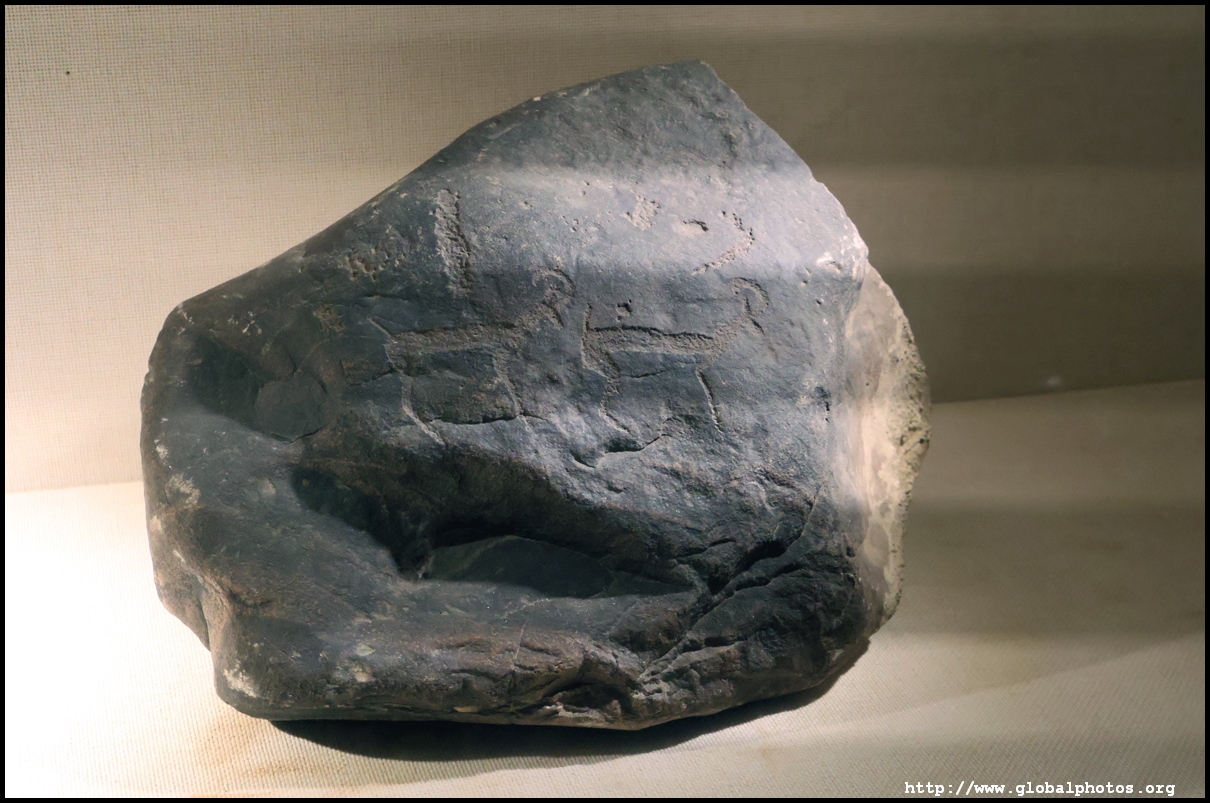
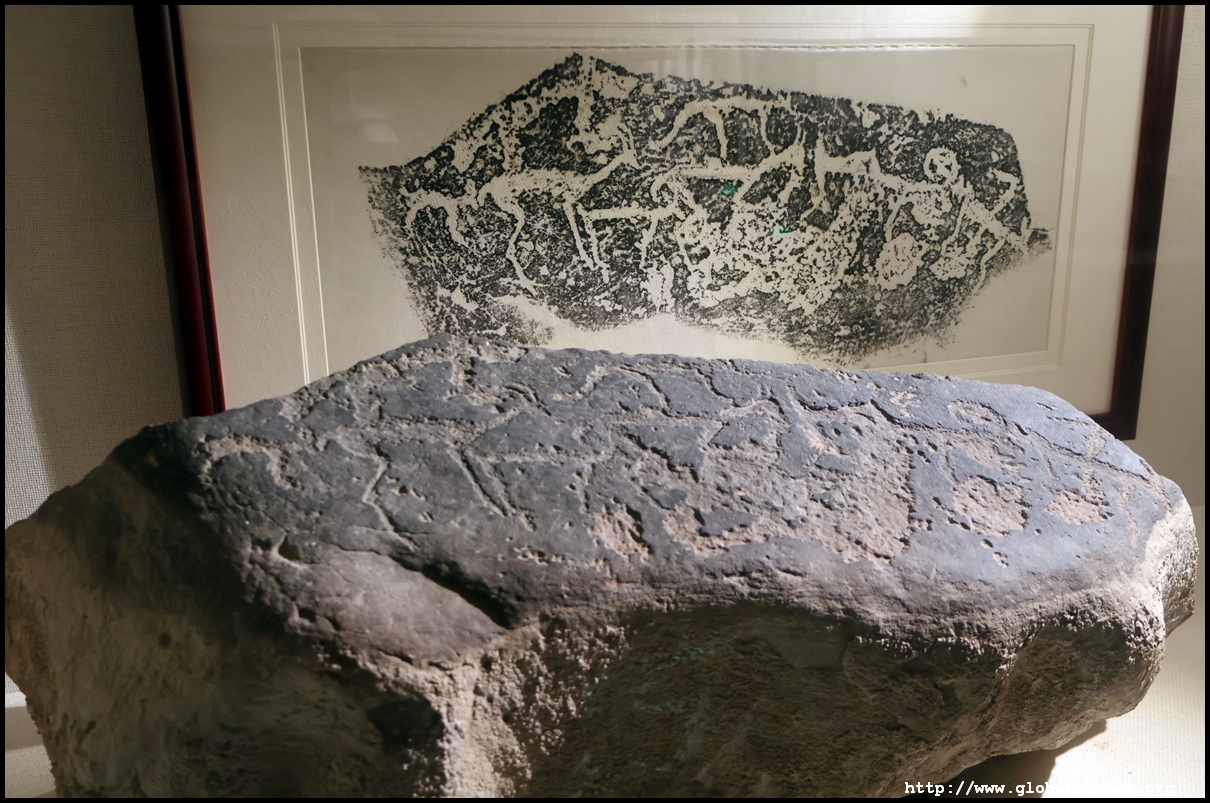
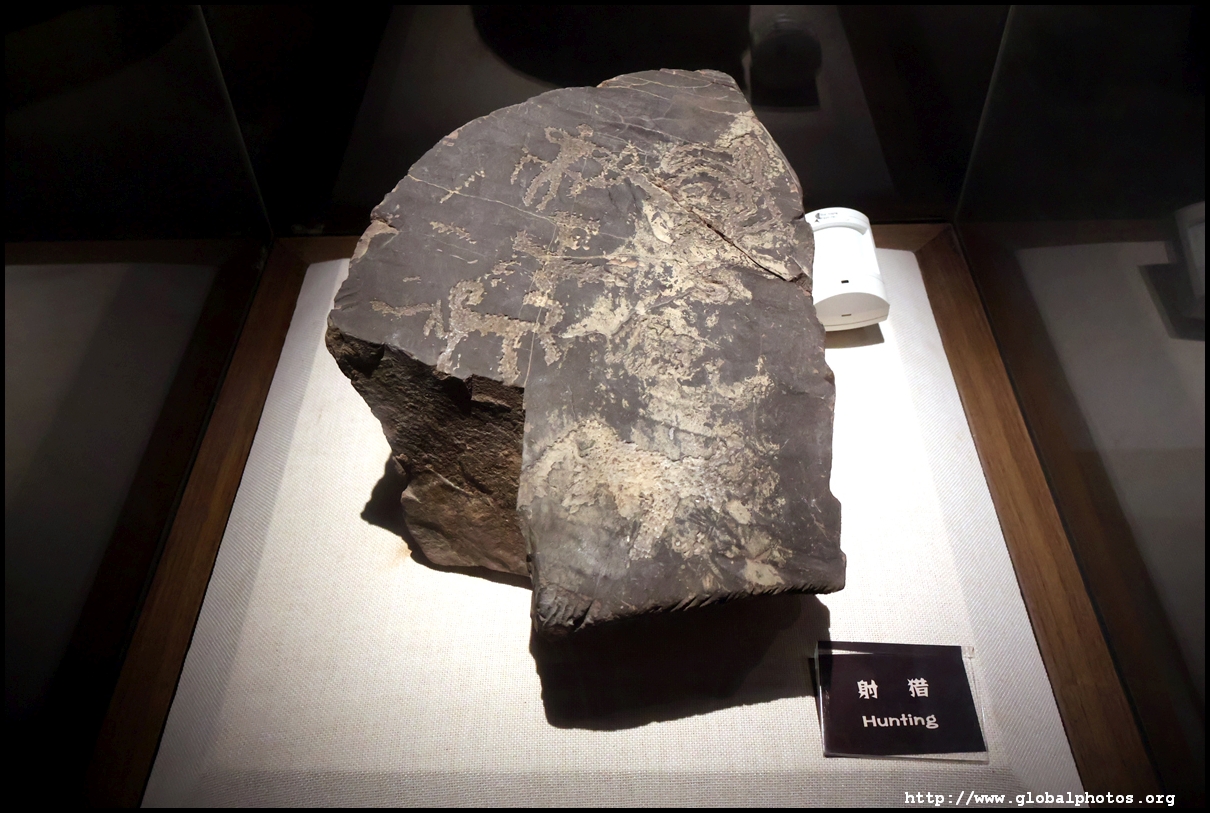
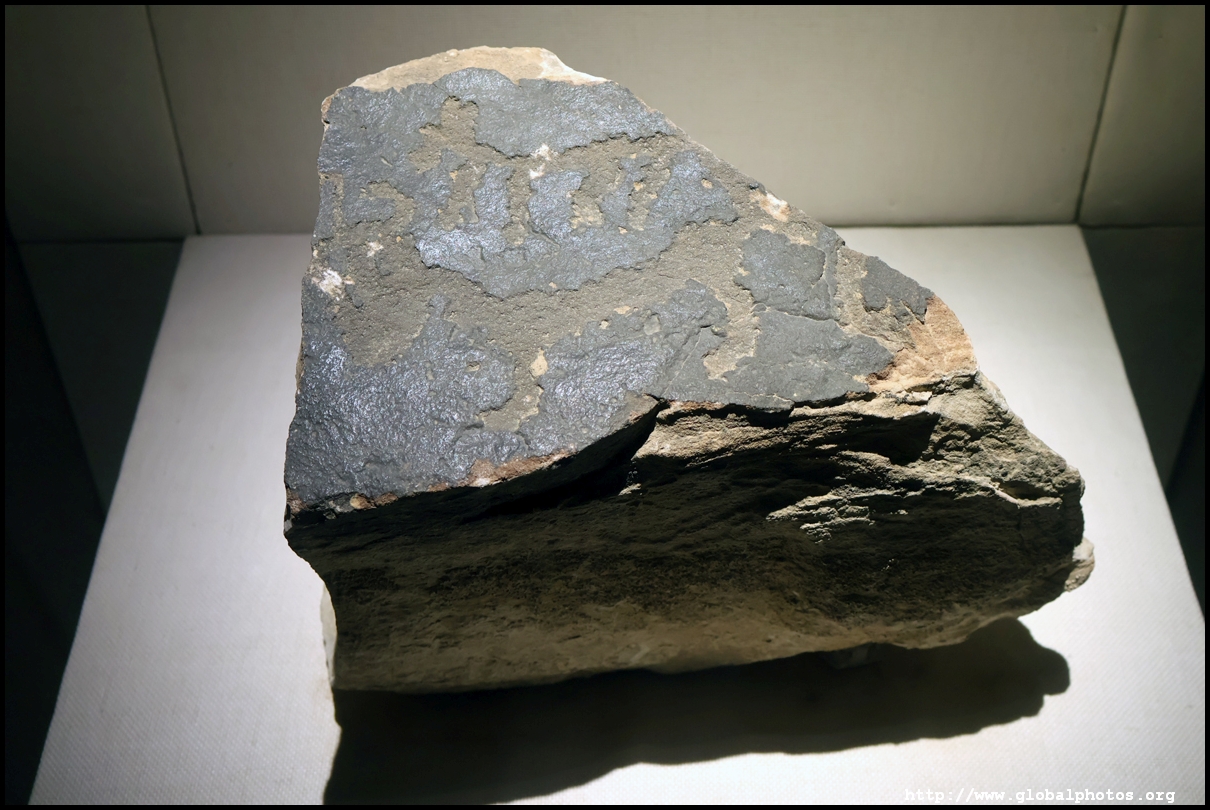
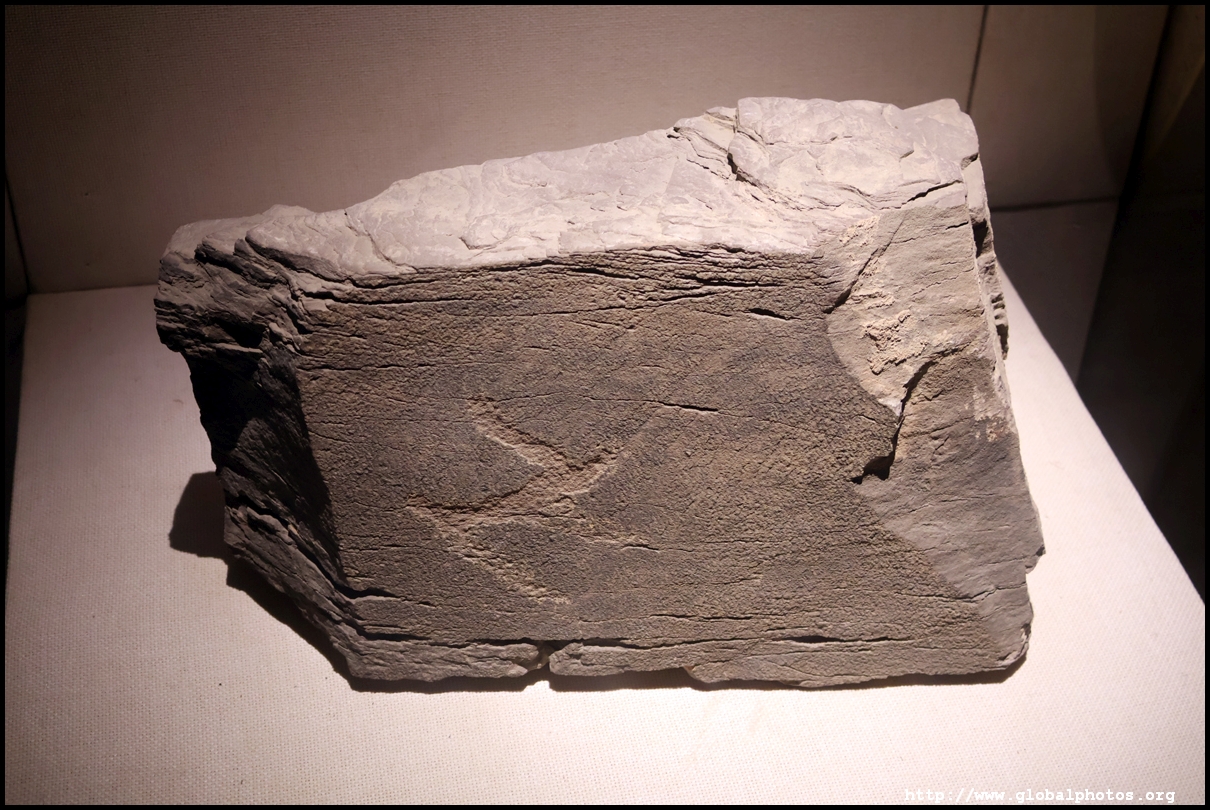
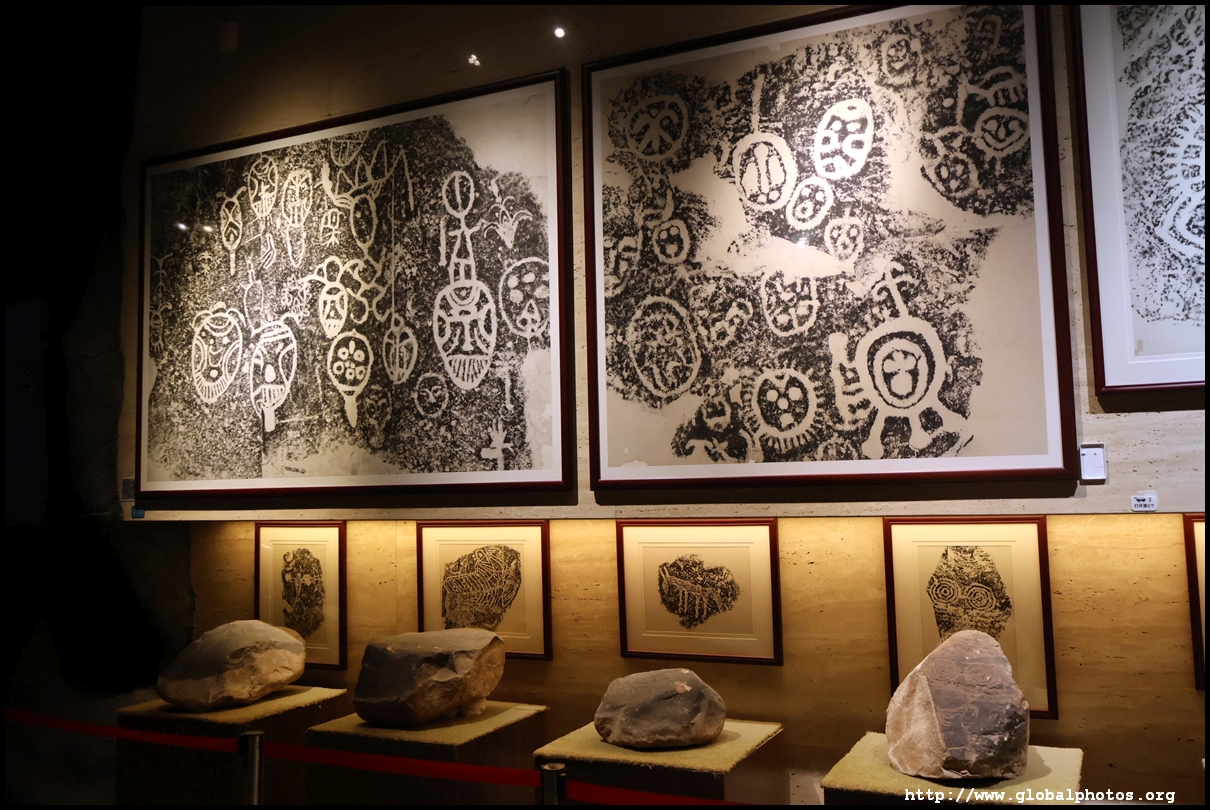
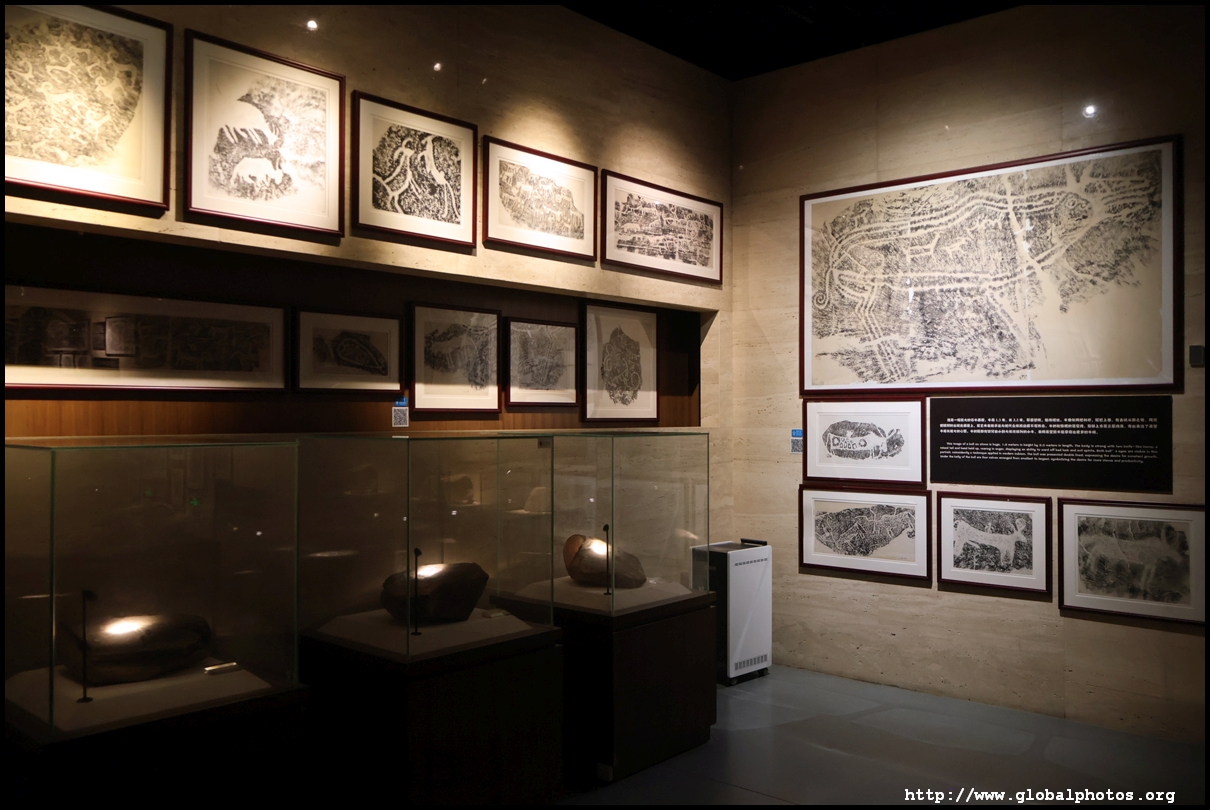
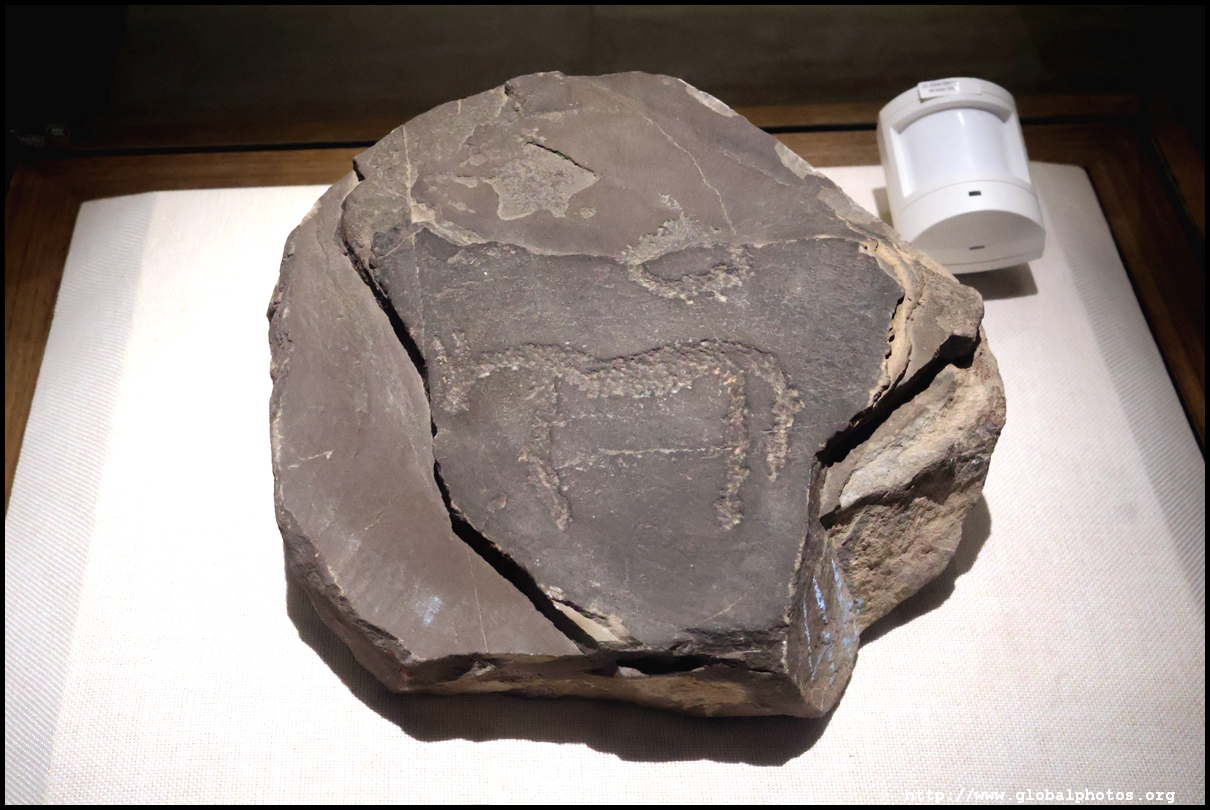
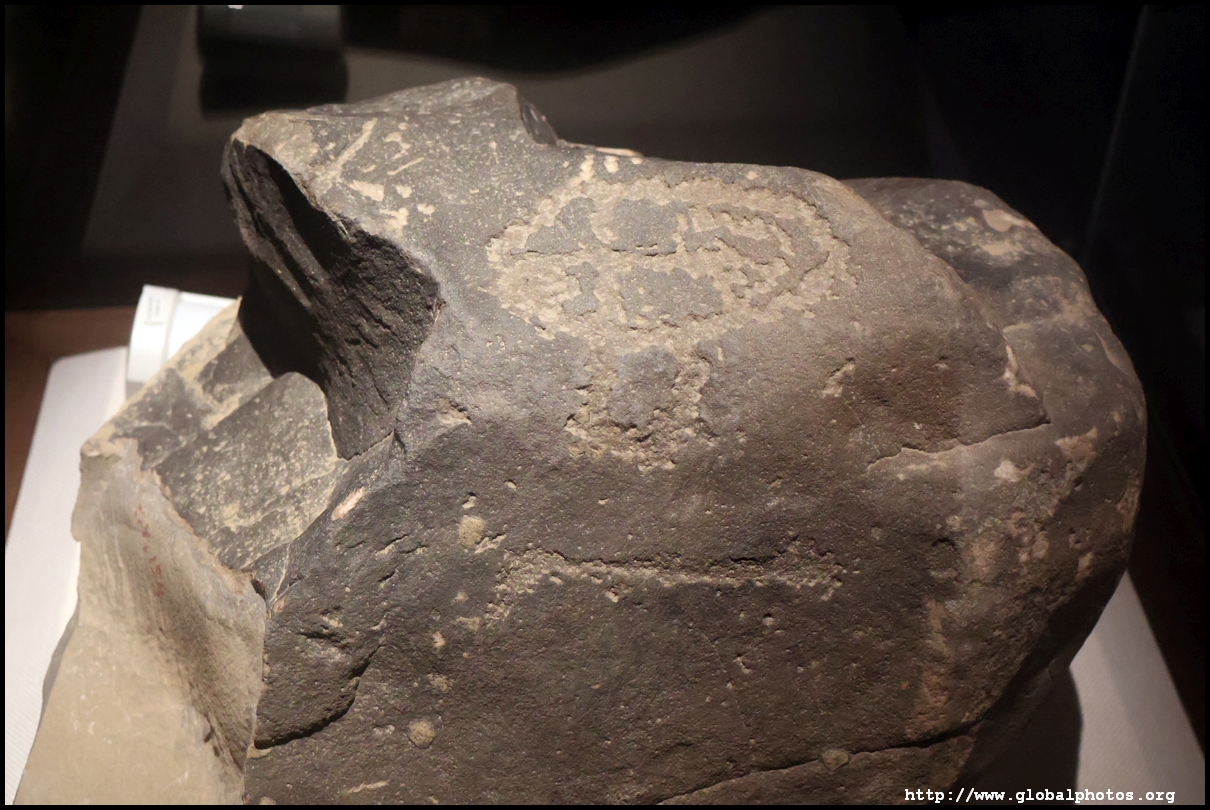
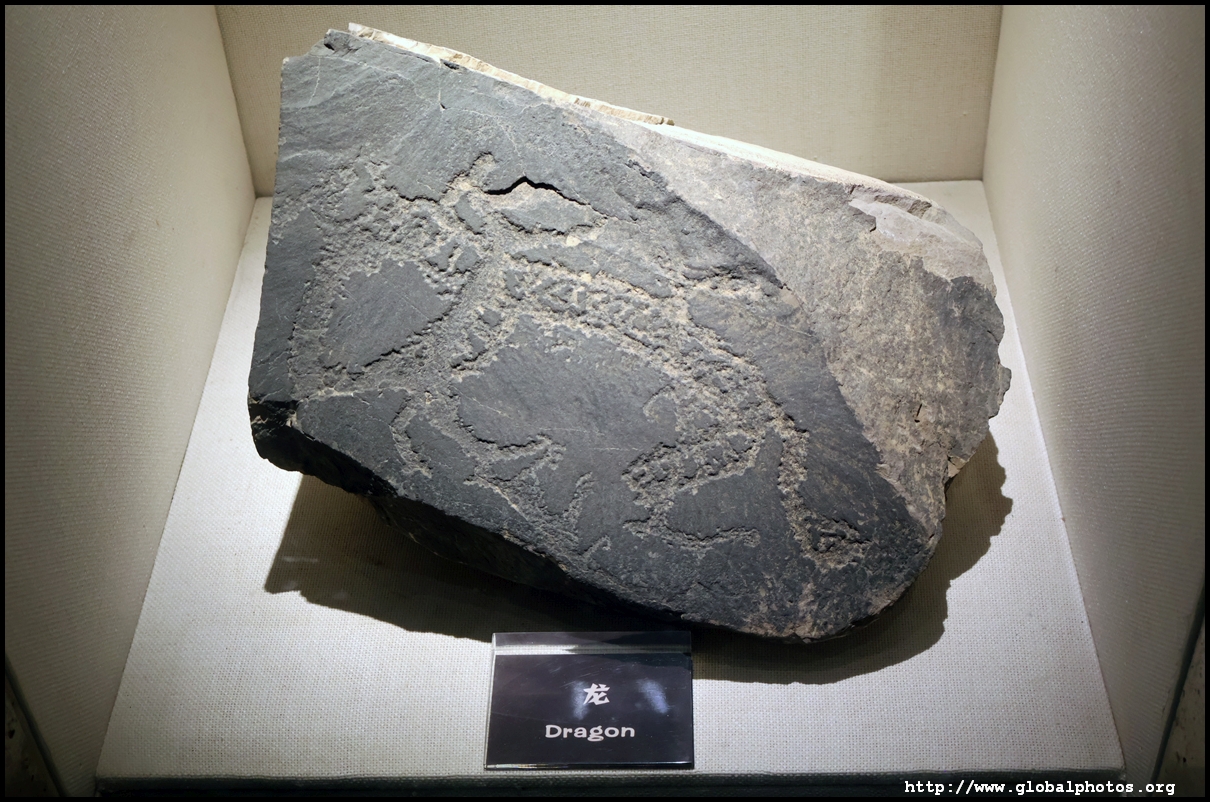
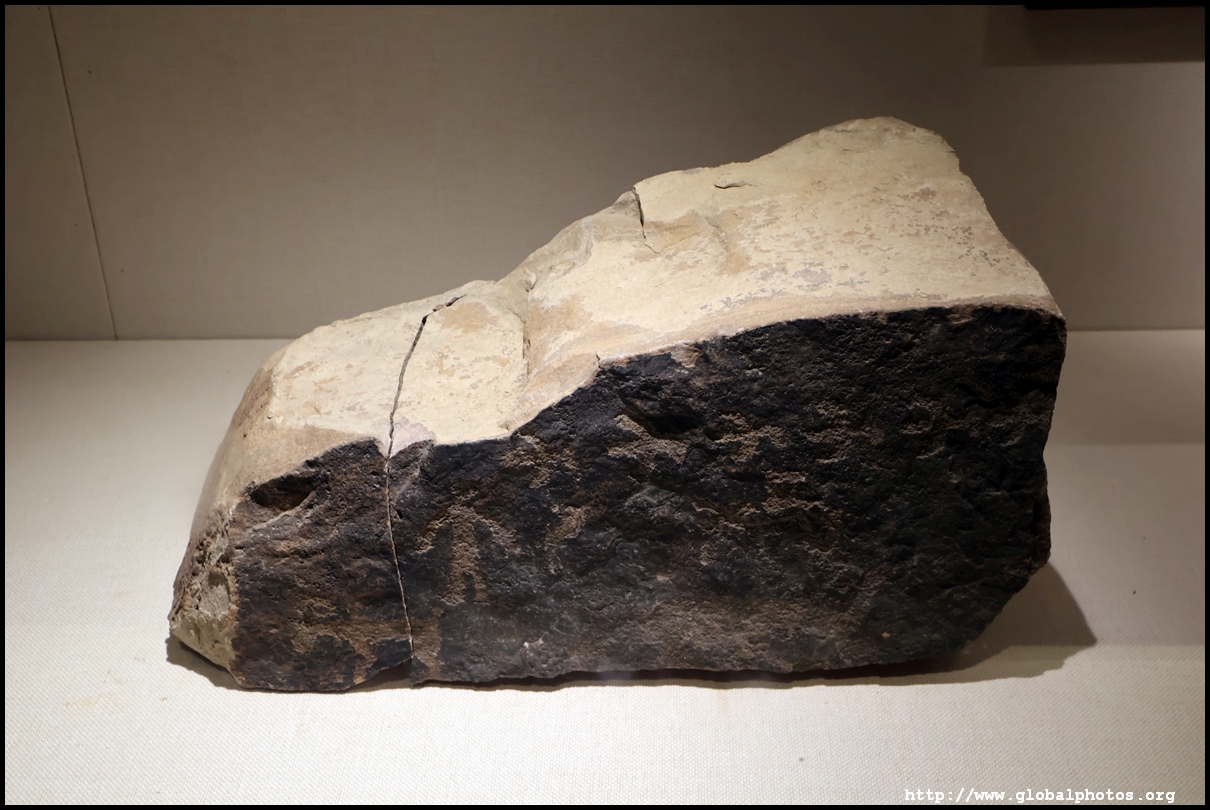
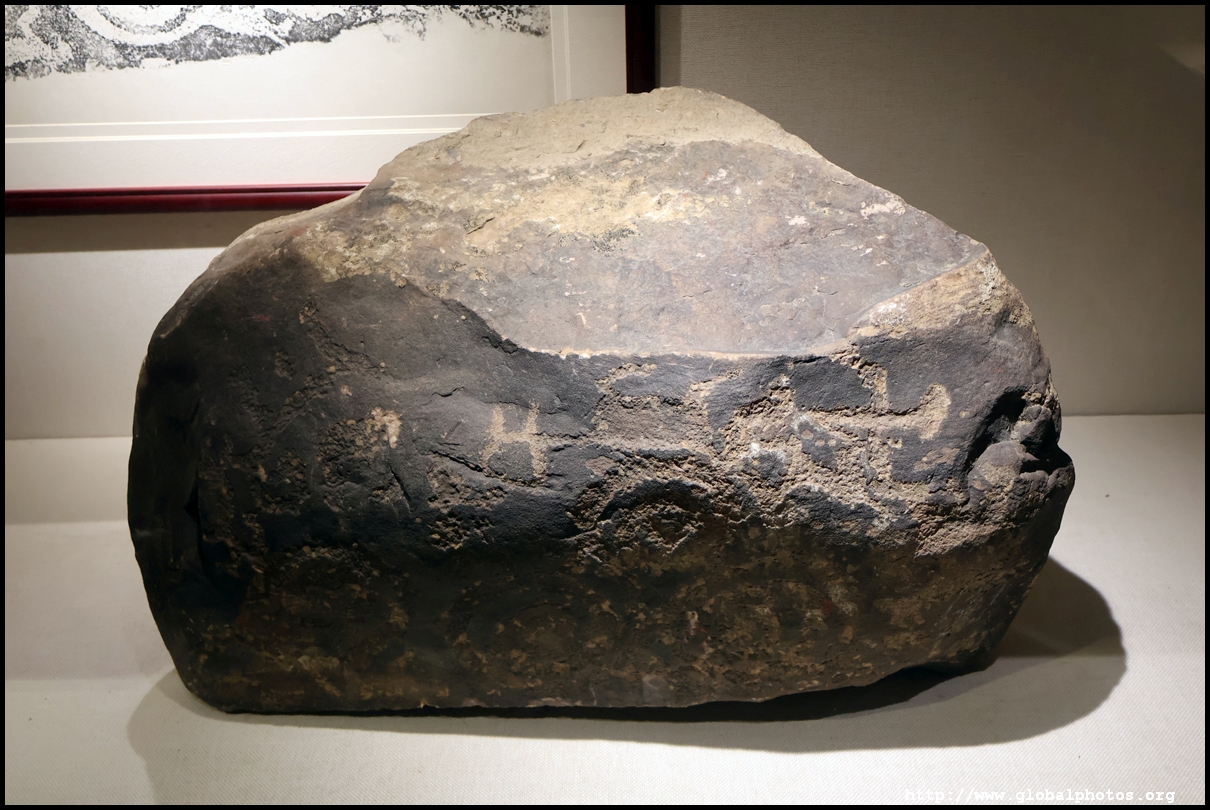
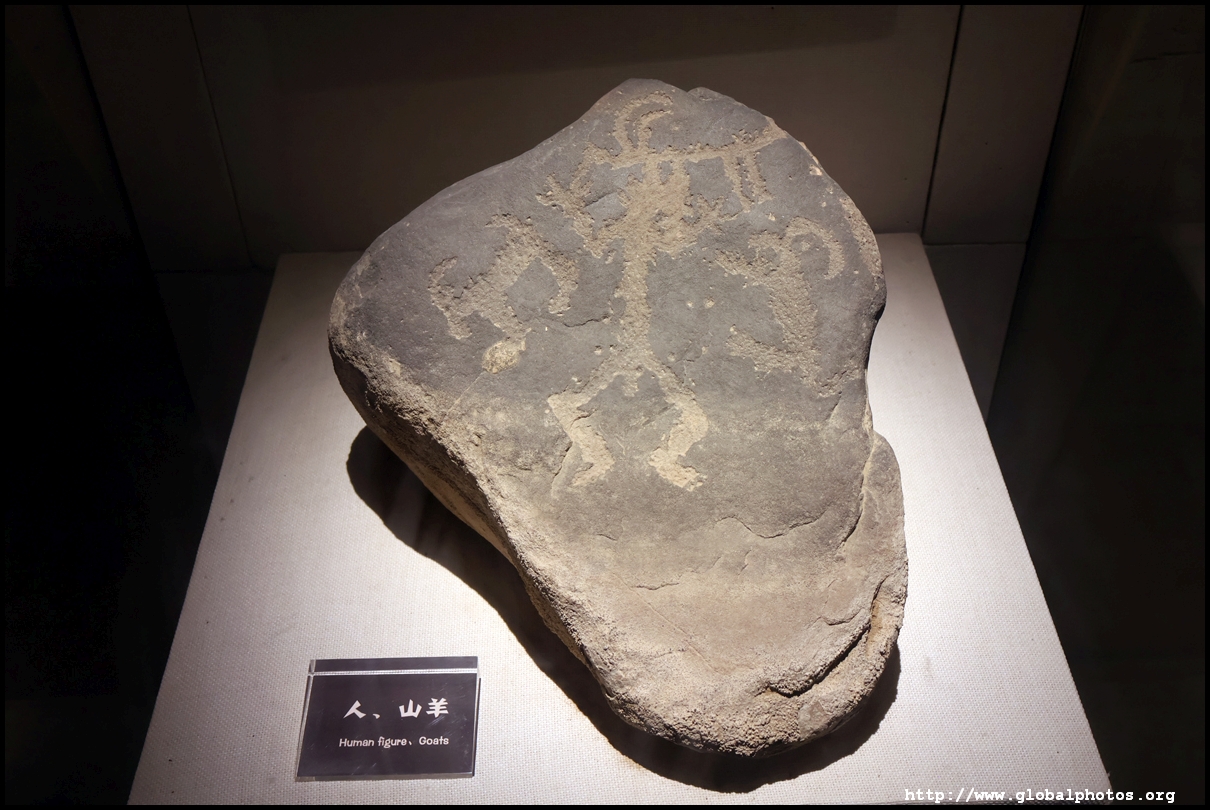
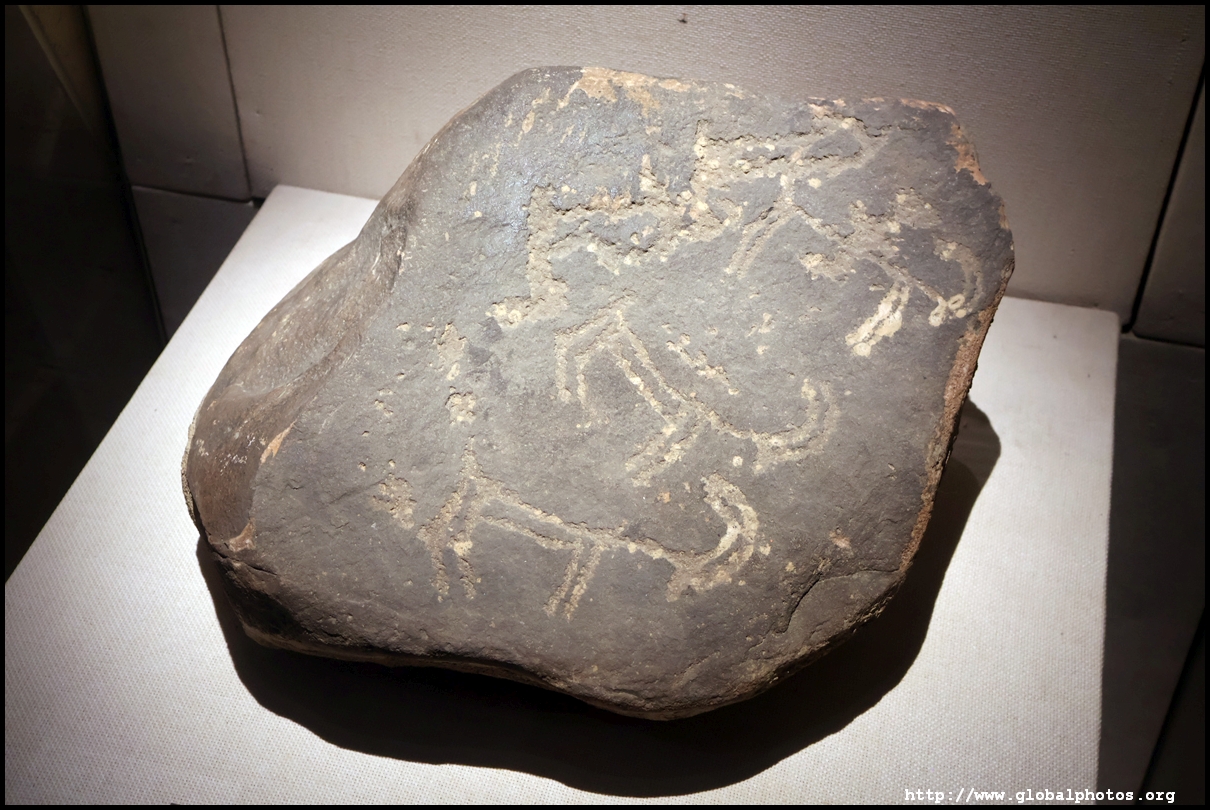
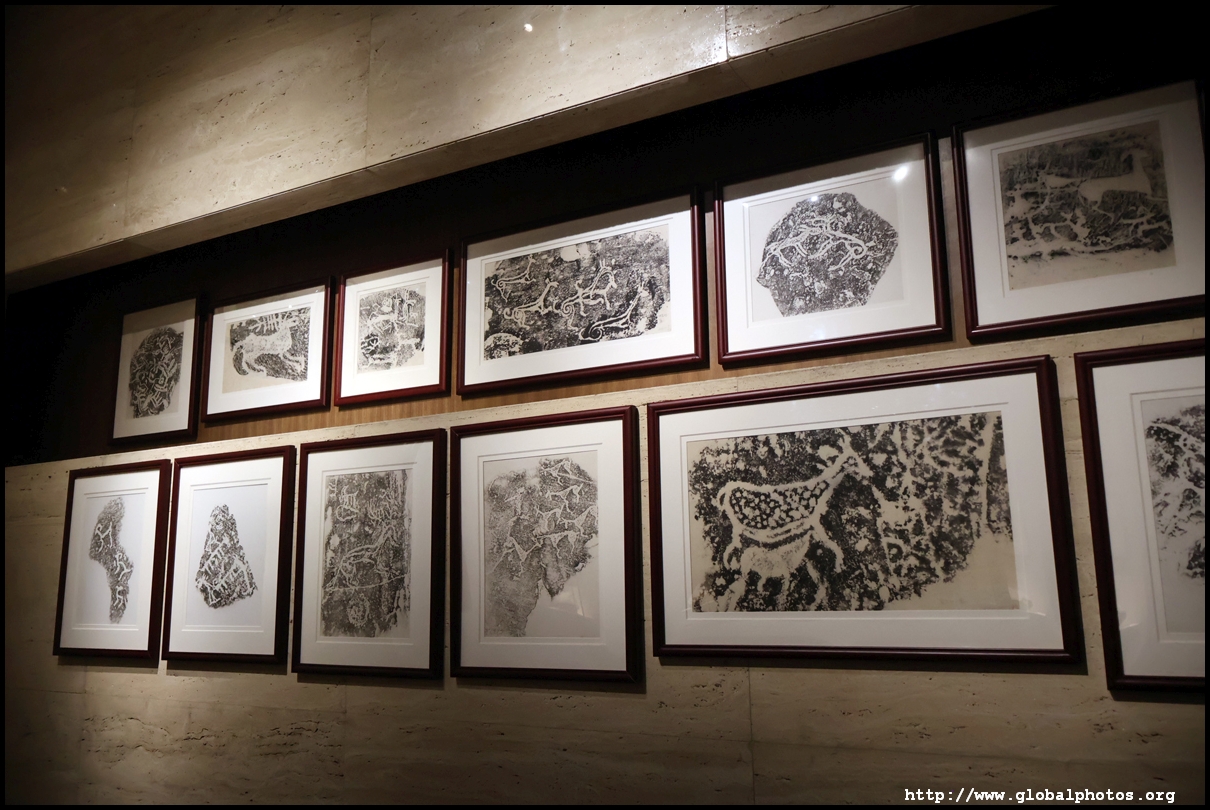
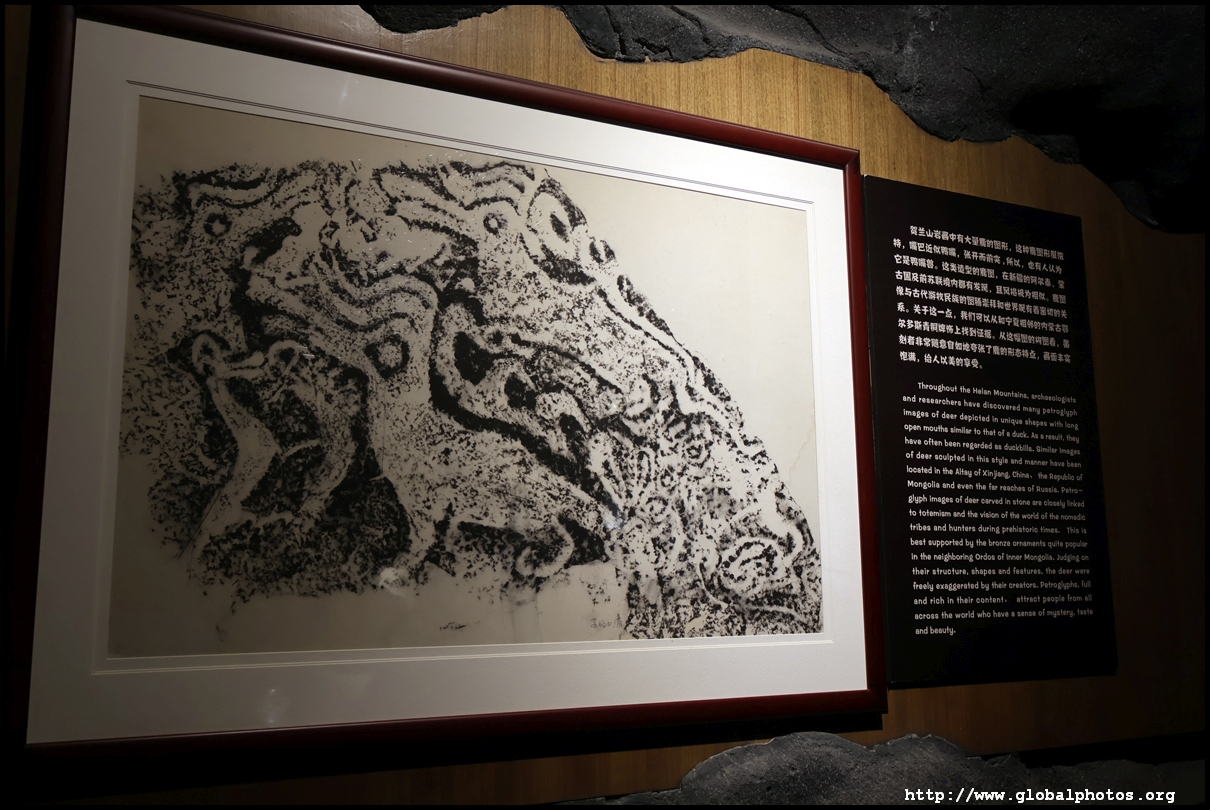
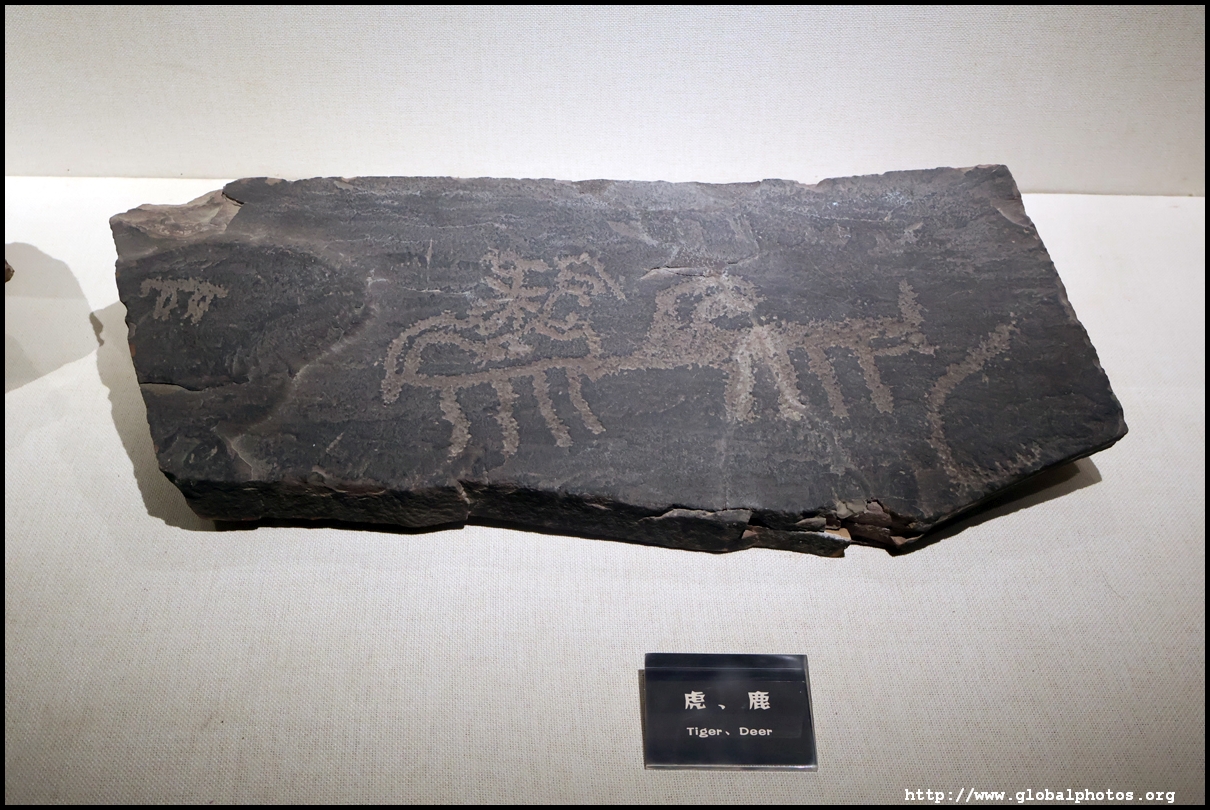
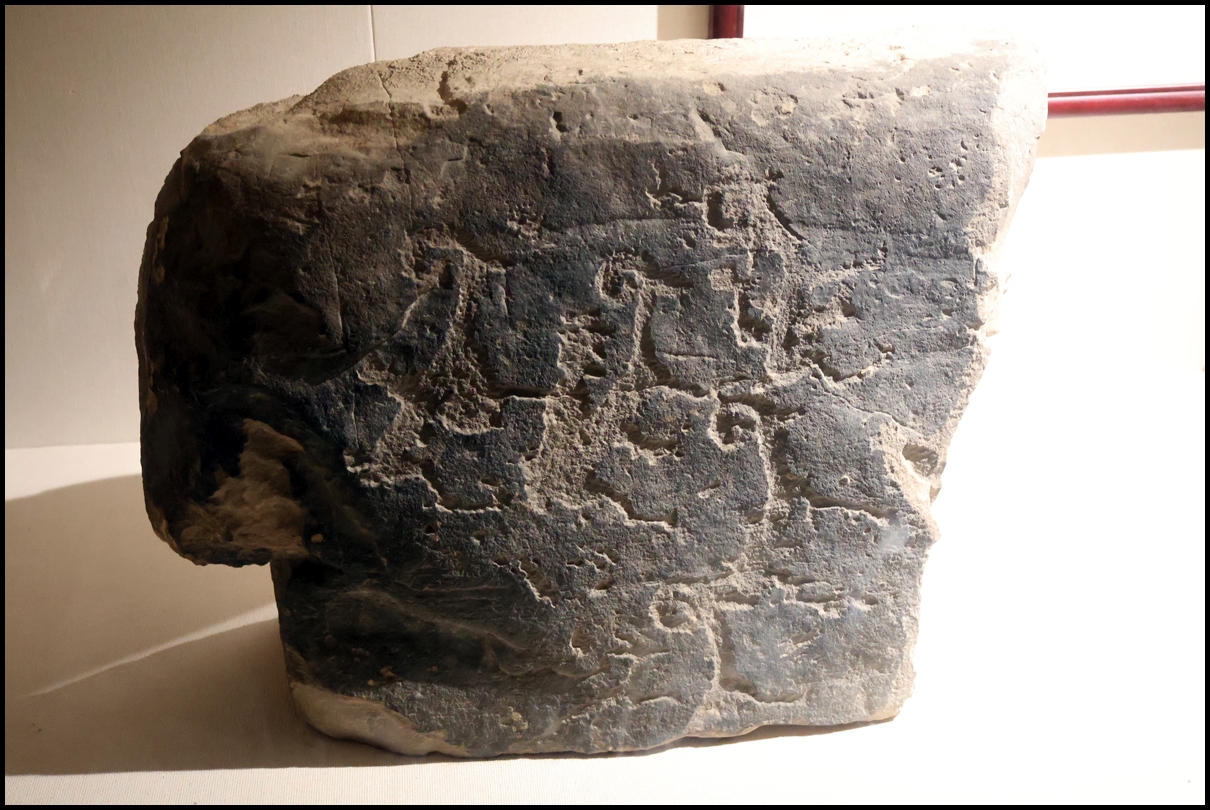
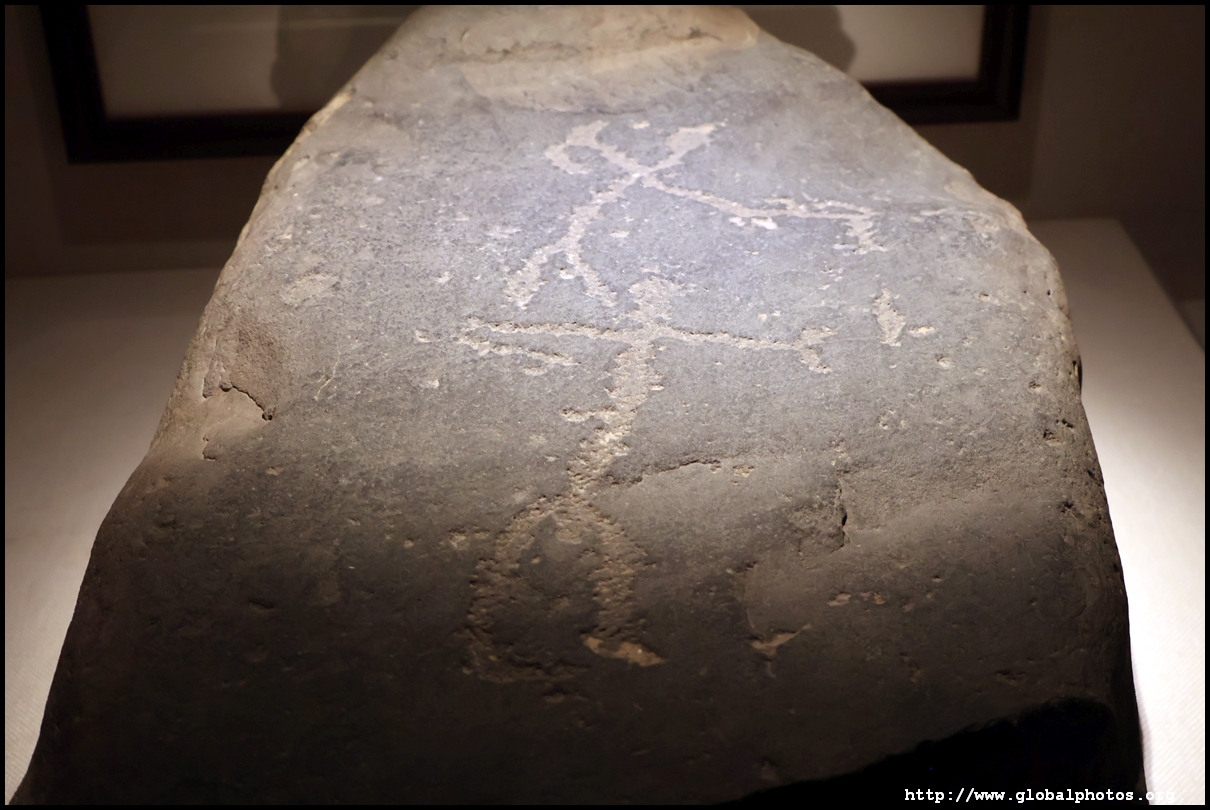
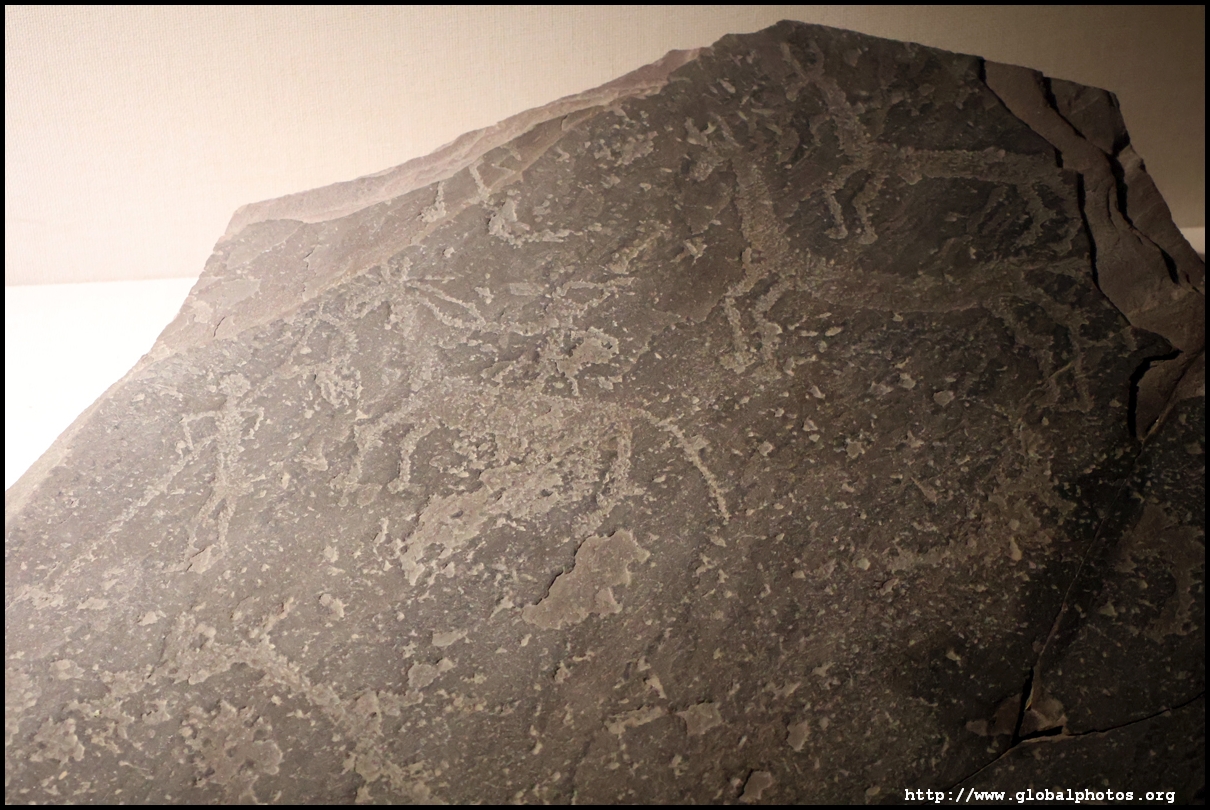
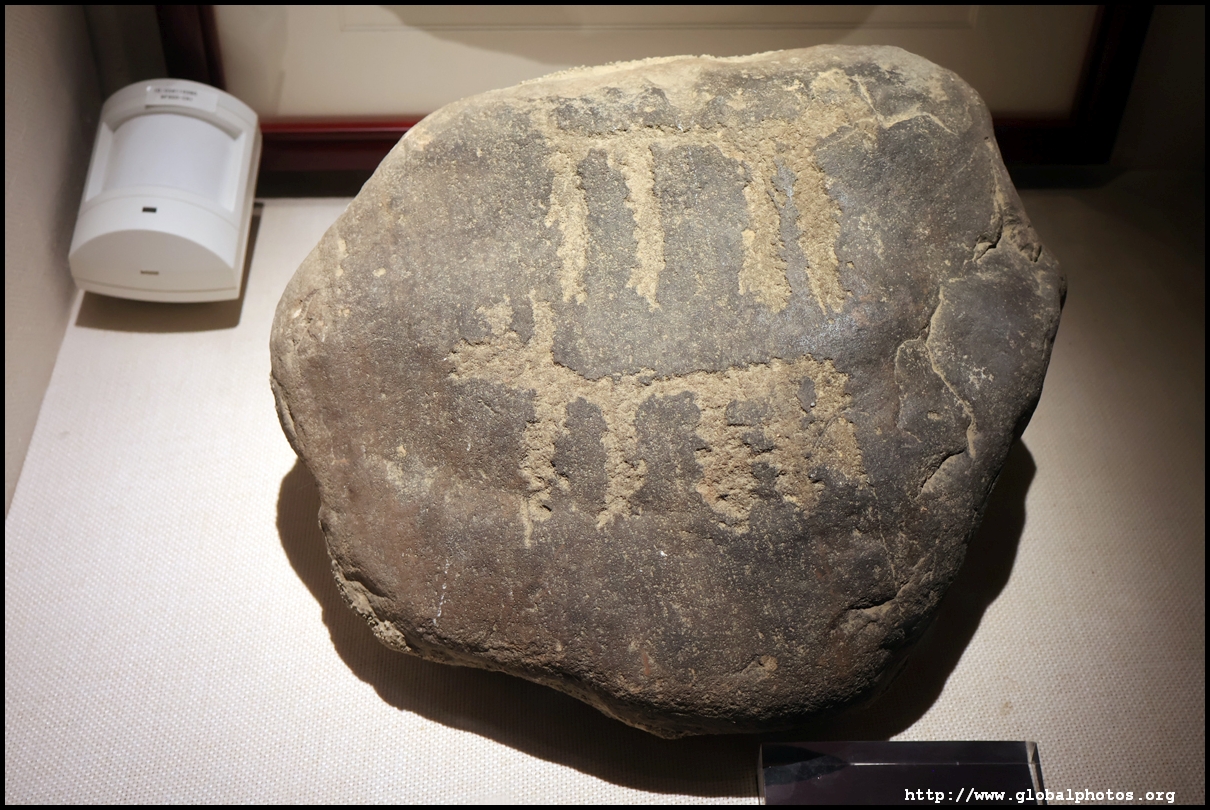
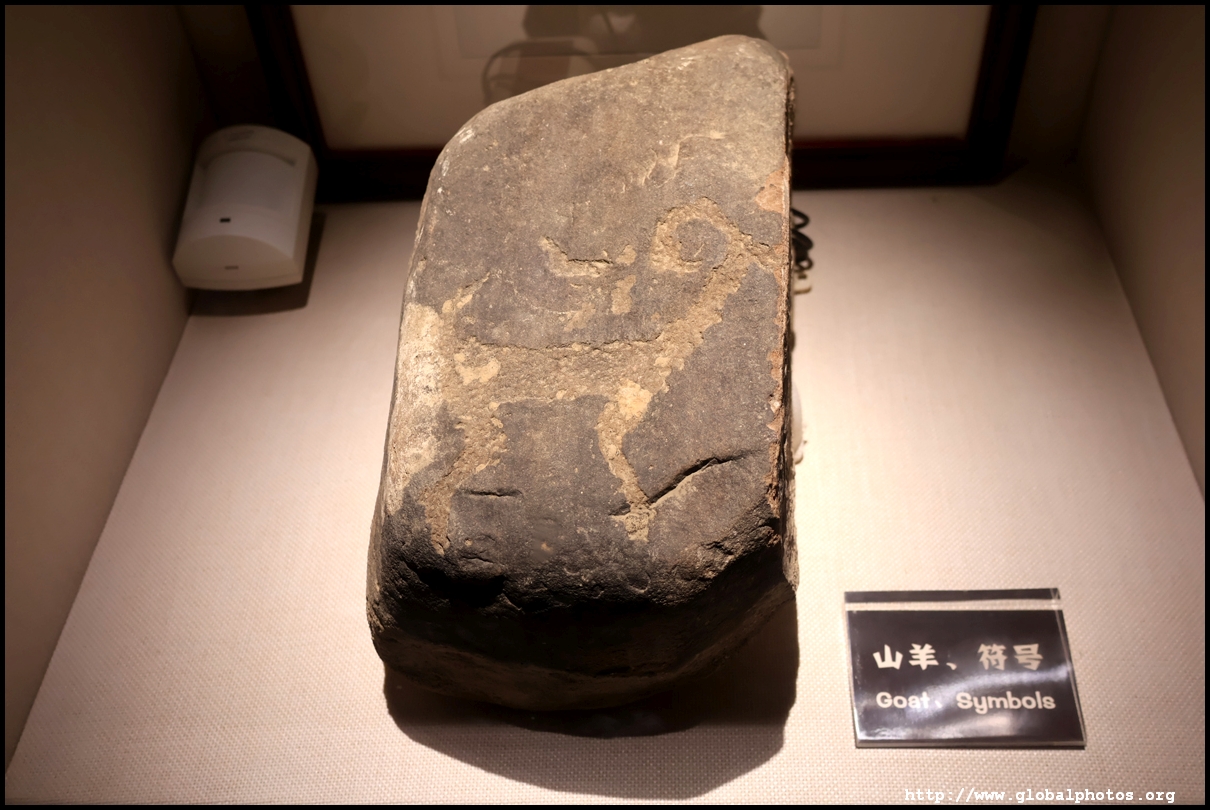
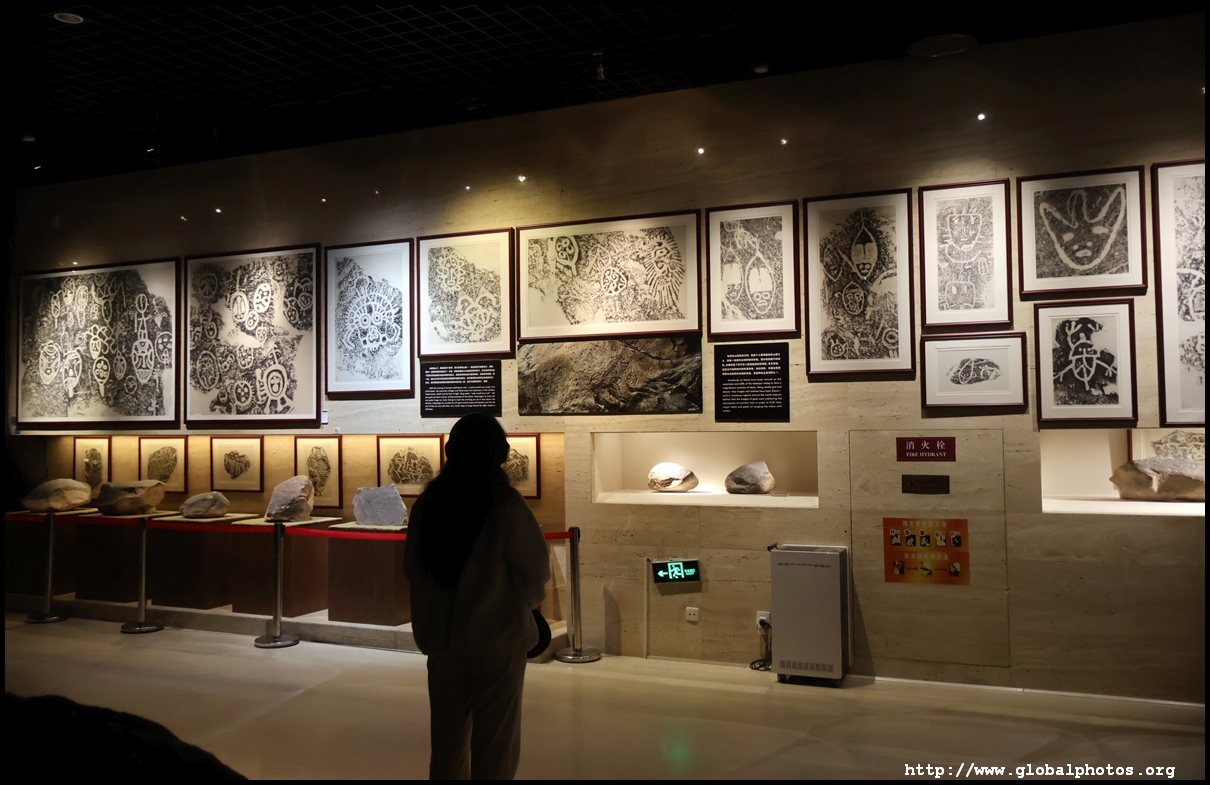
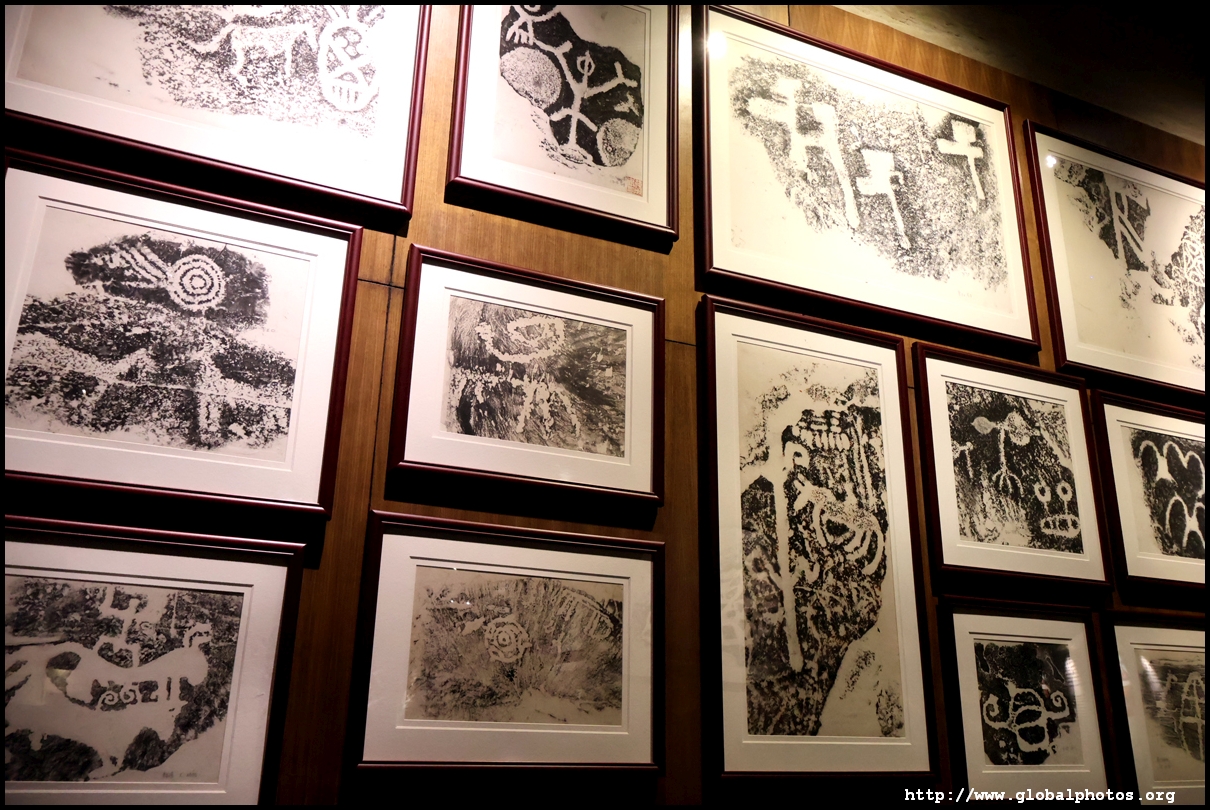
Yinchuan may be a smaller city, but its provincial museum has quite a good collection.There is a gallery dedicated to local rock art, which was found in mountains and along river banks. They depicted daily life by the nomadic peoples as well as animal figures. During prehistoric times, this area was a grassland with plenty of wildlife.
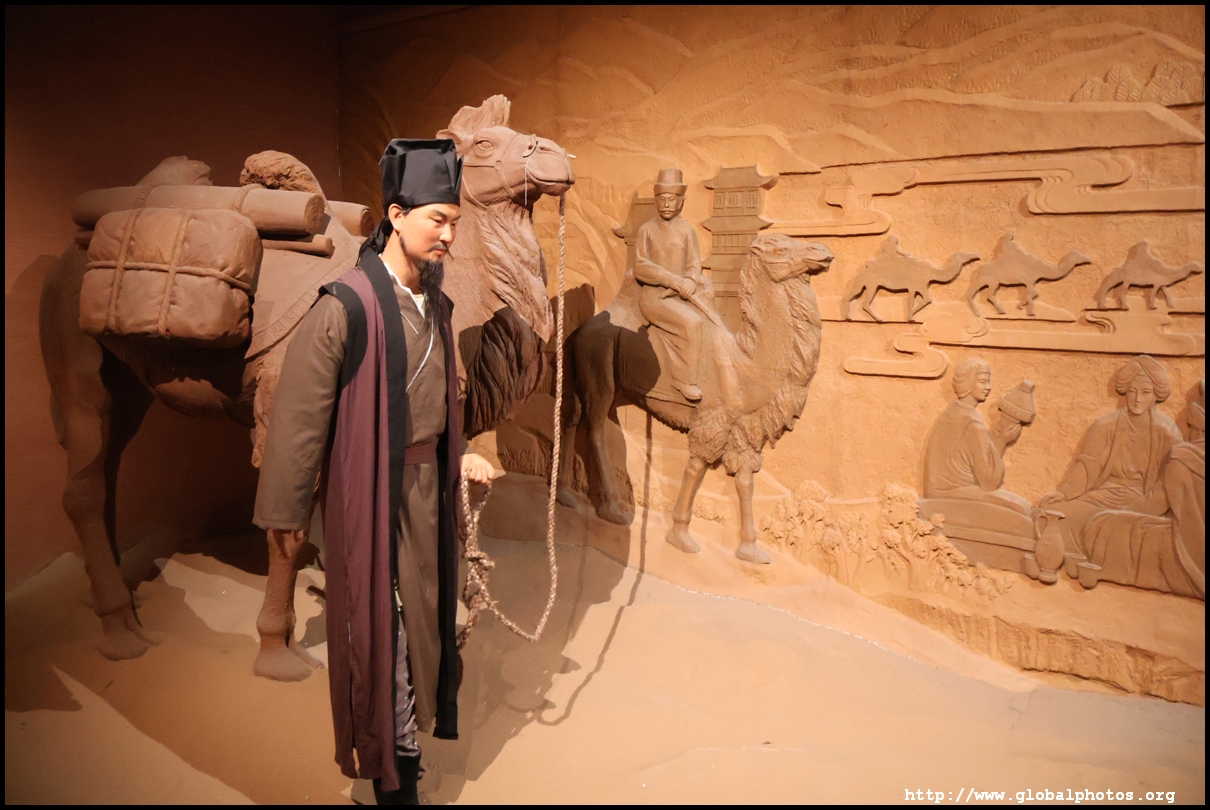
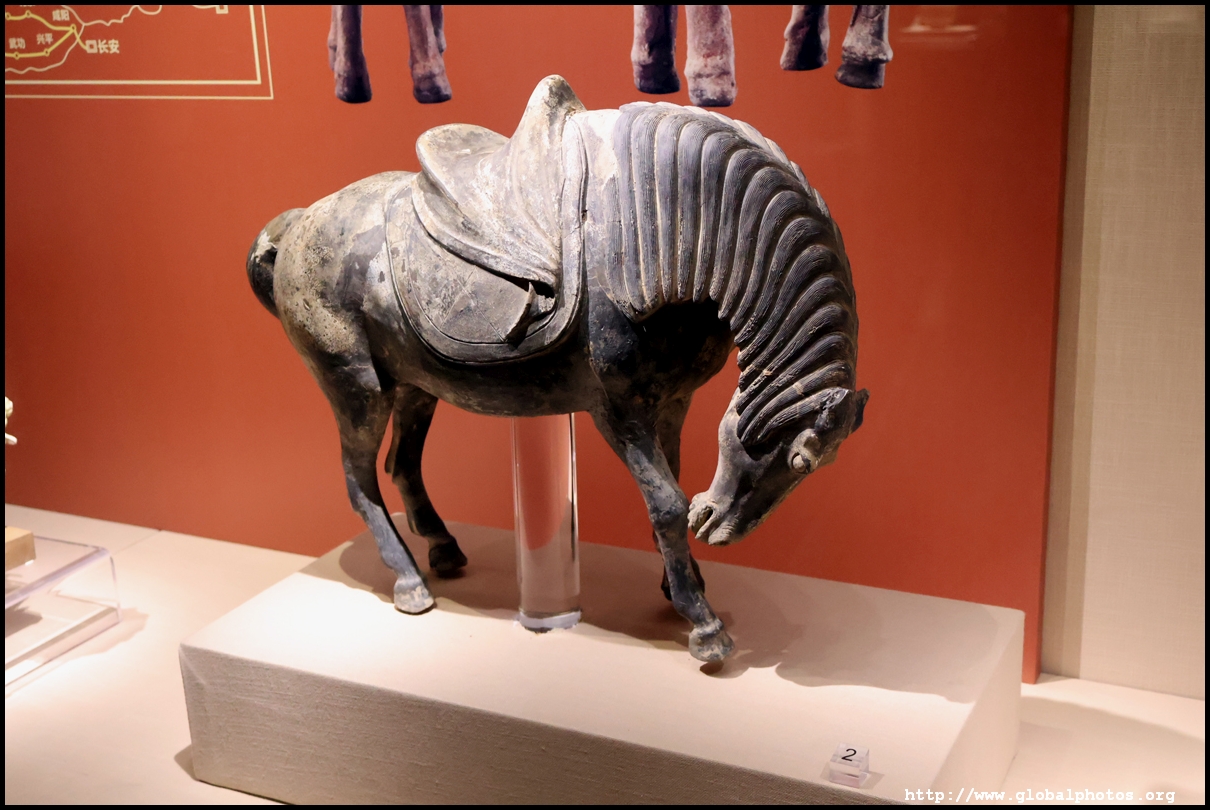
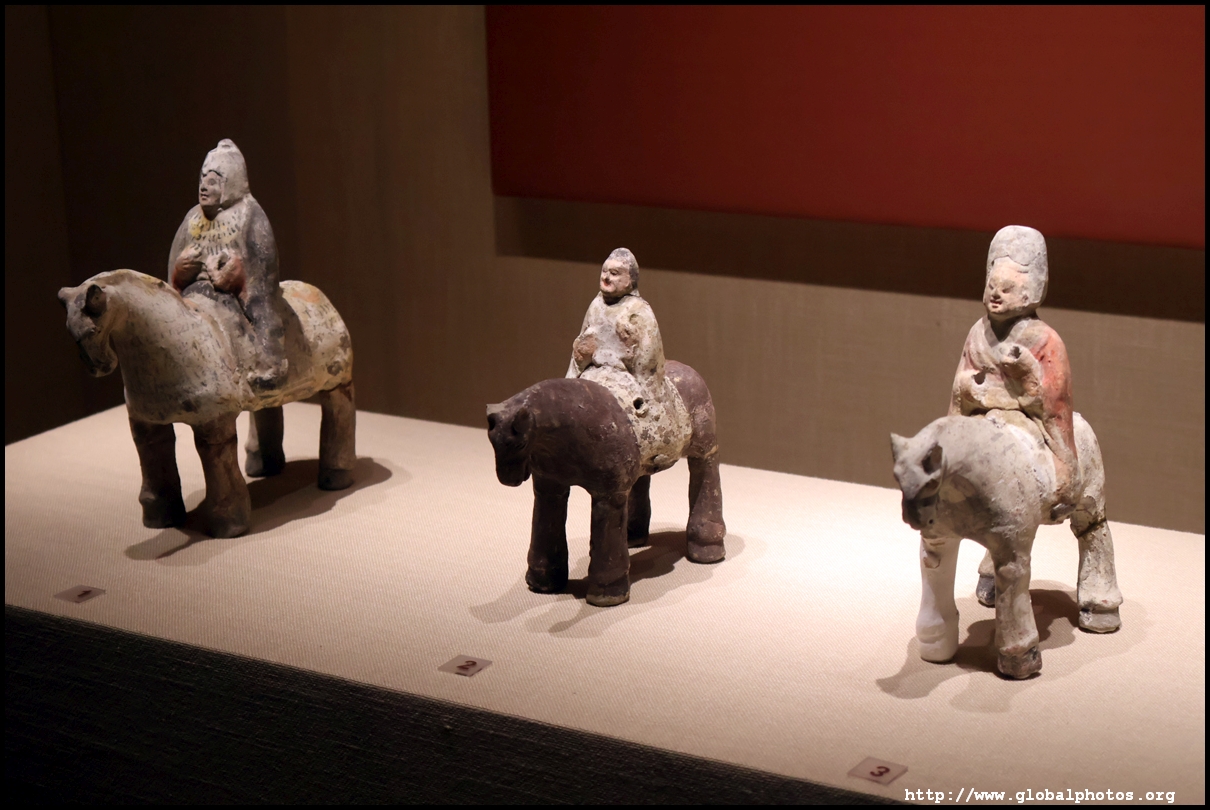
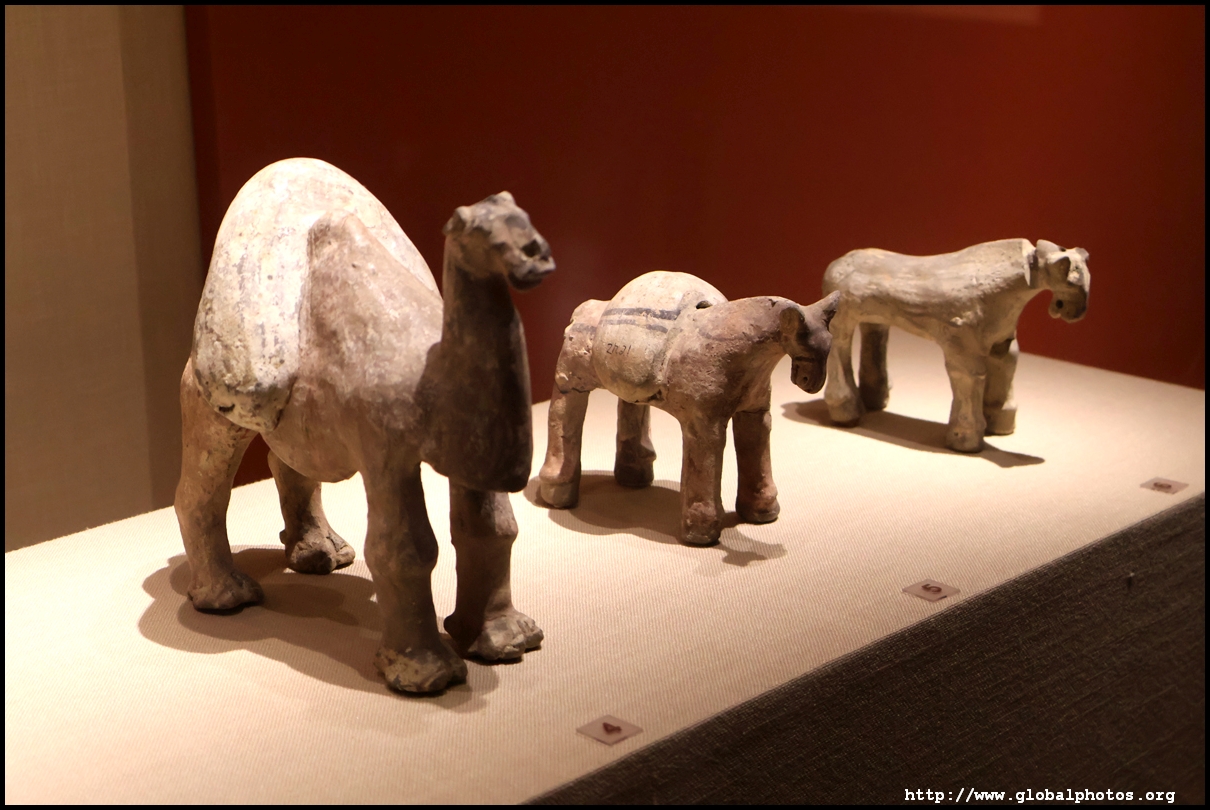
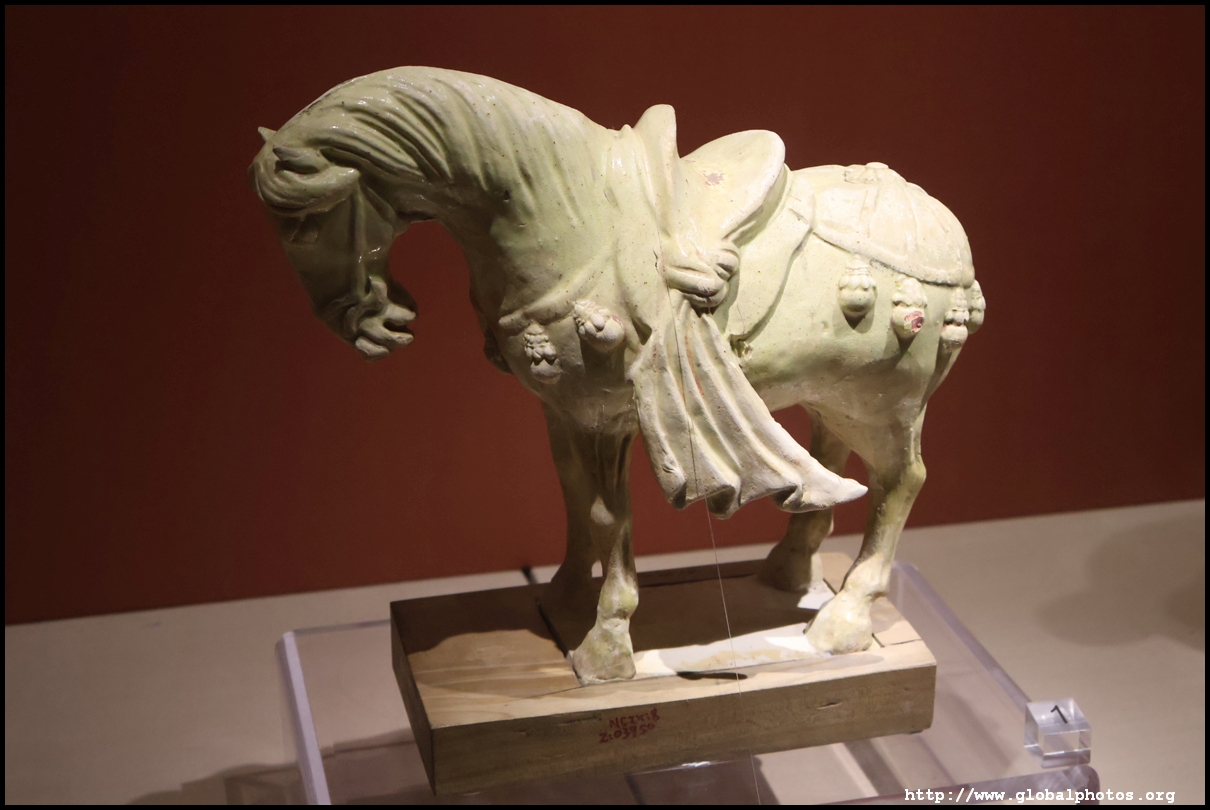
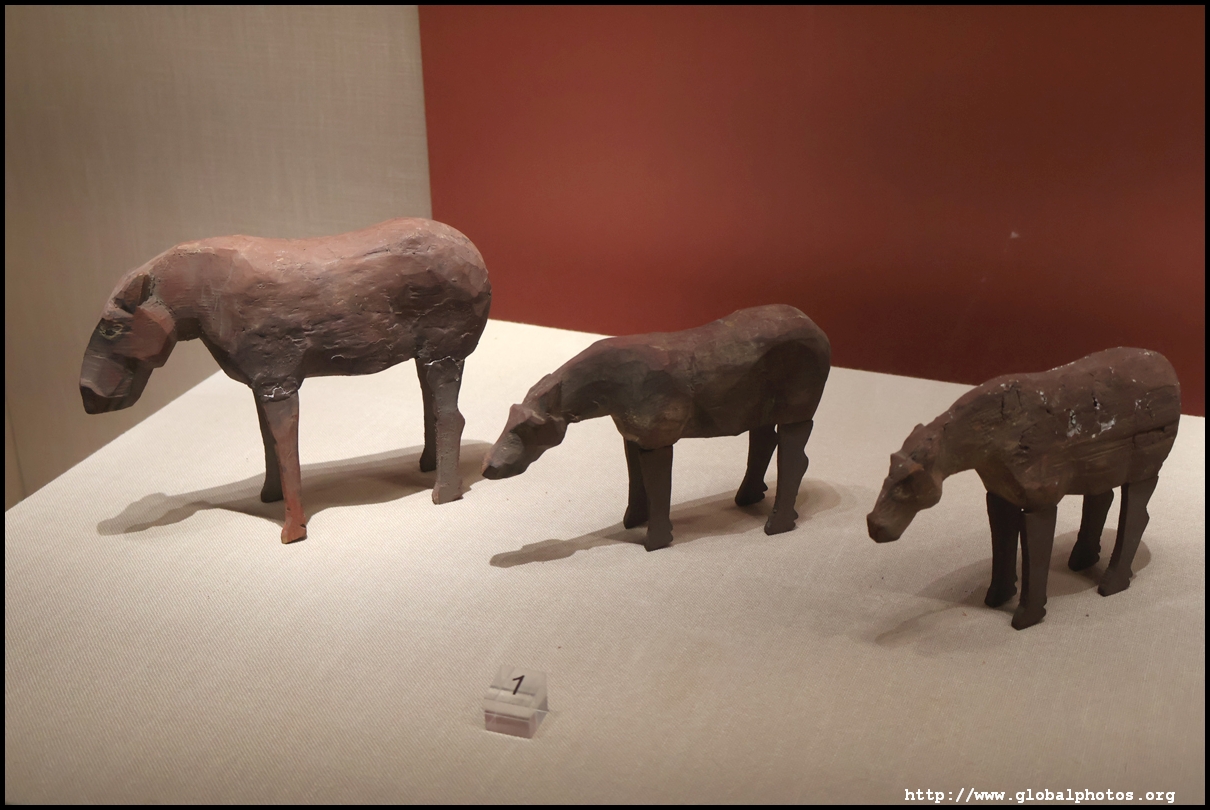
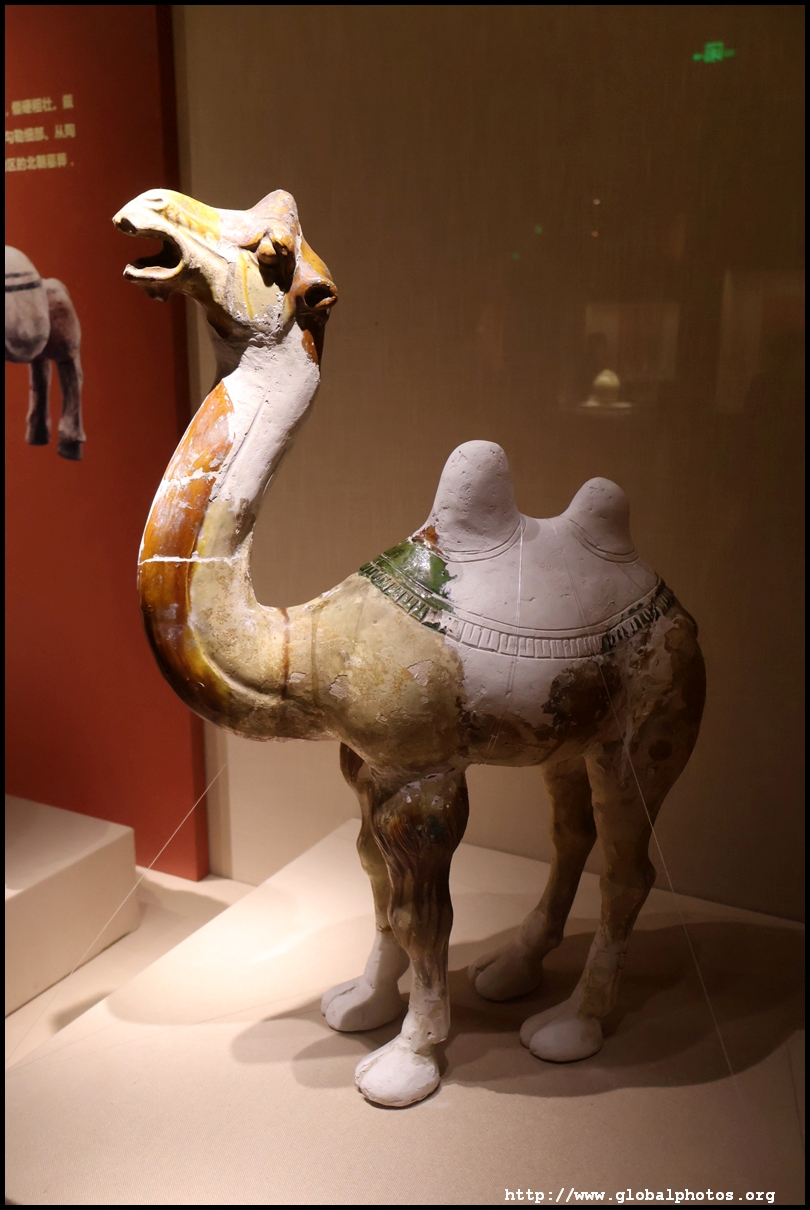
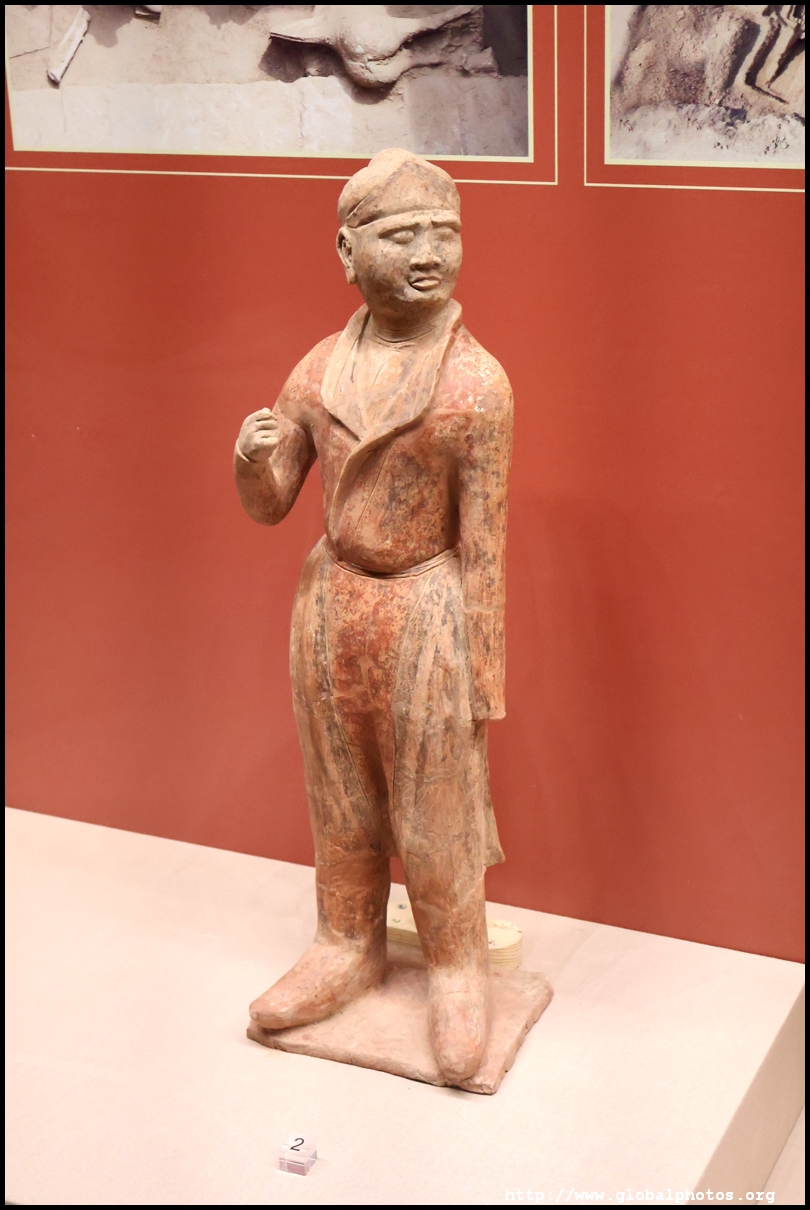
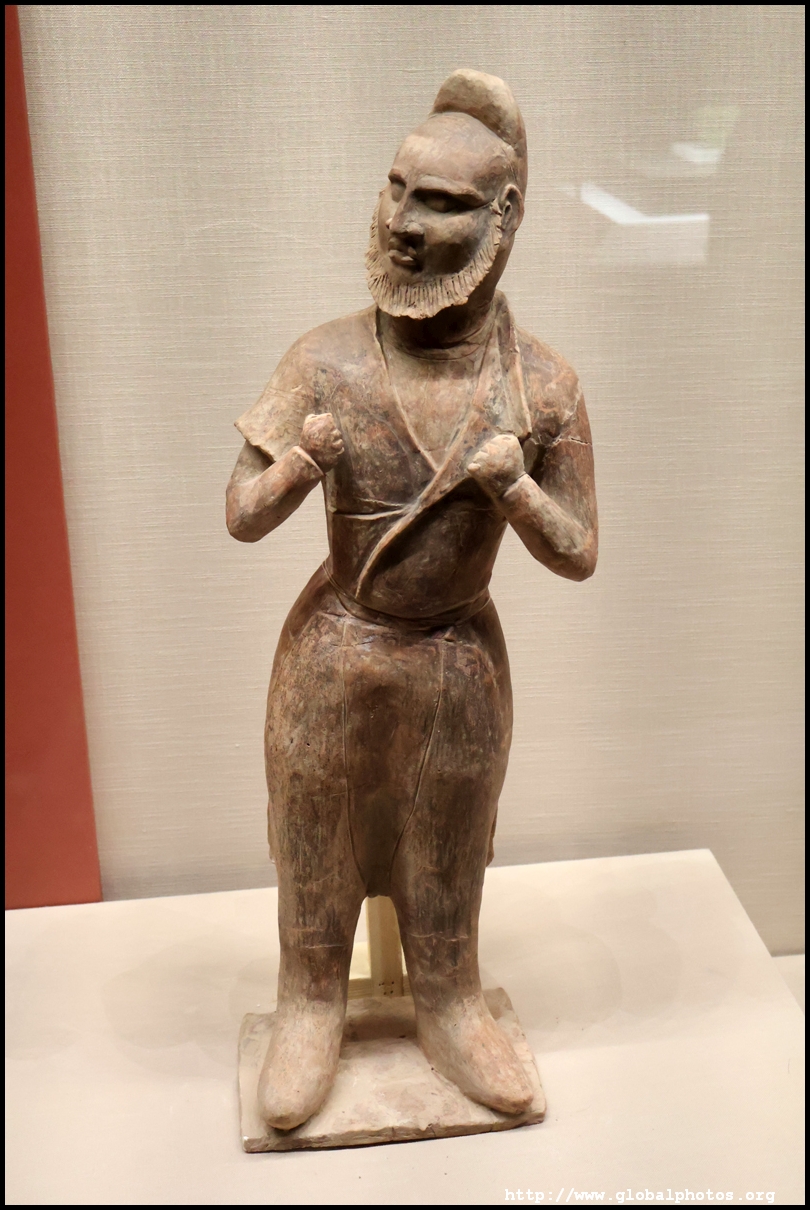
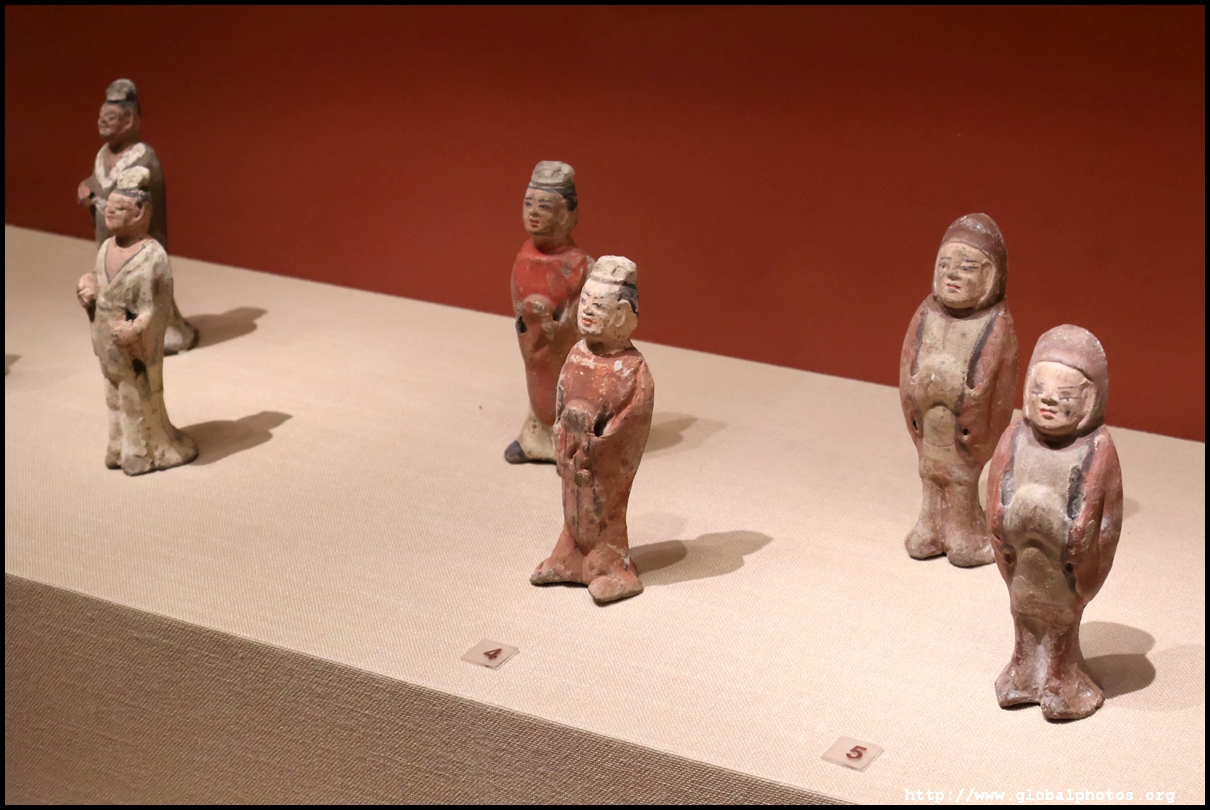
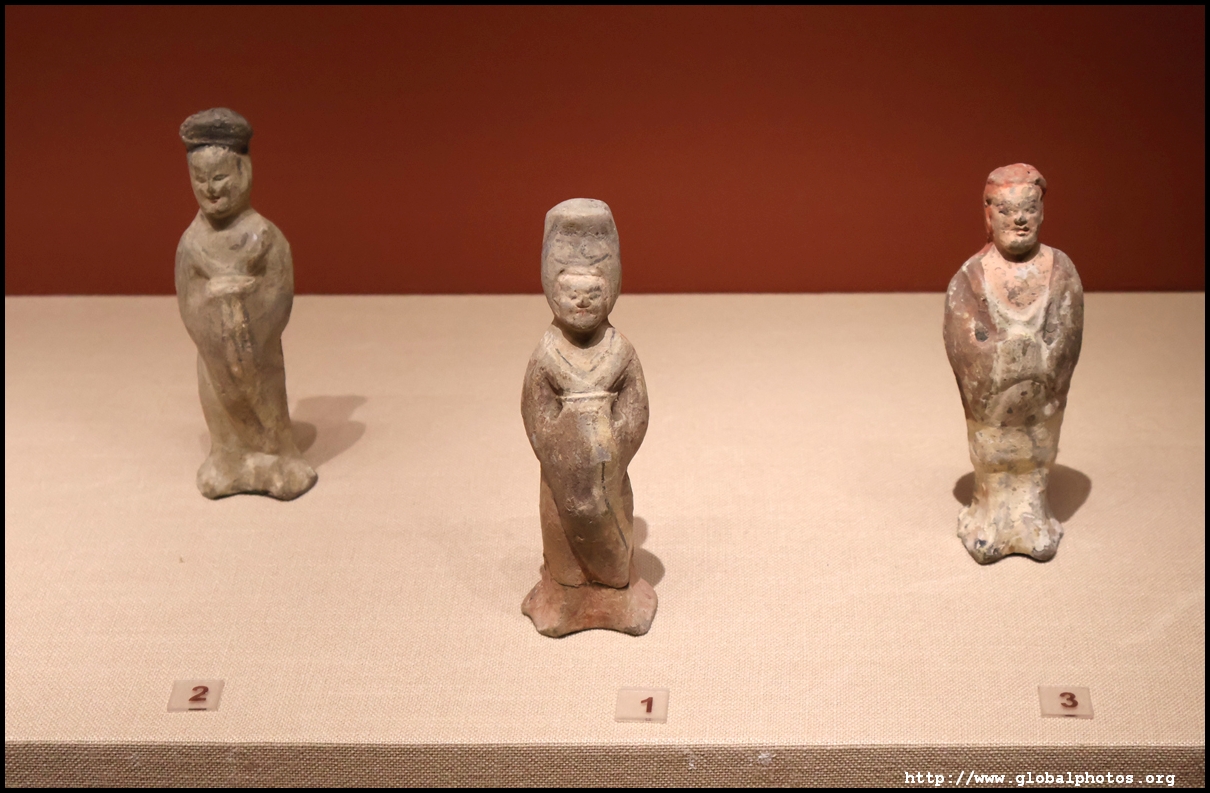
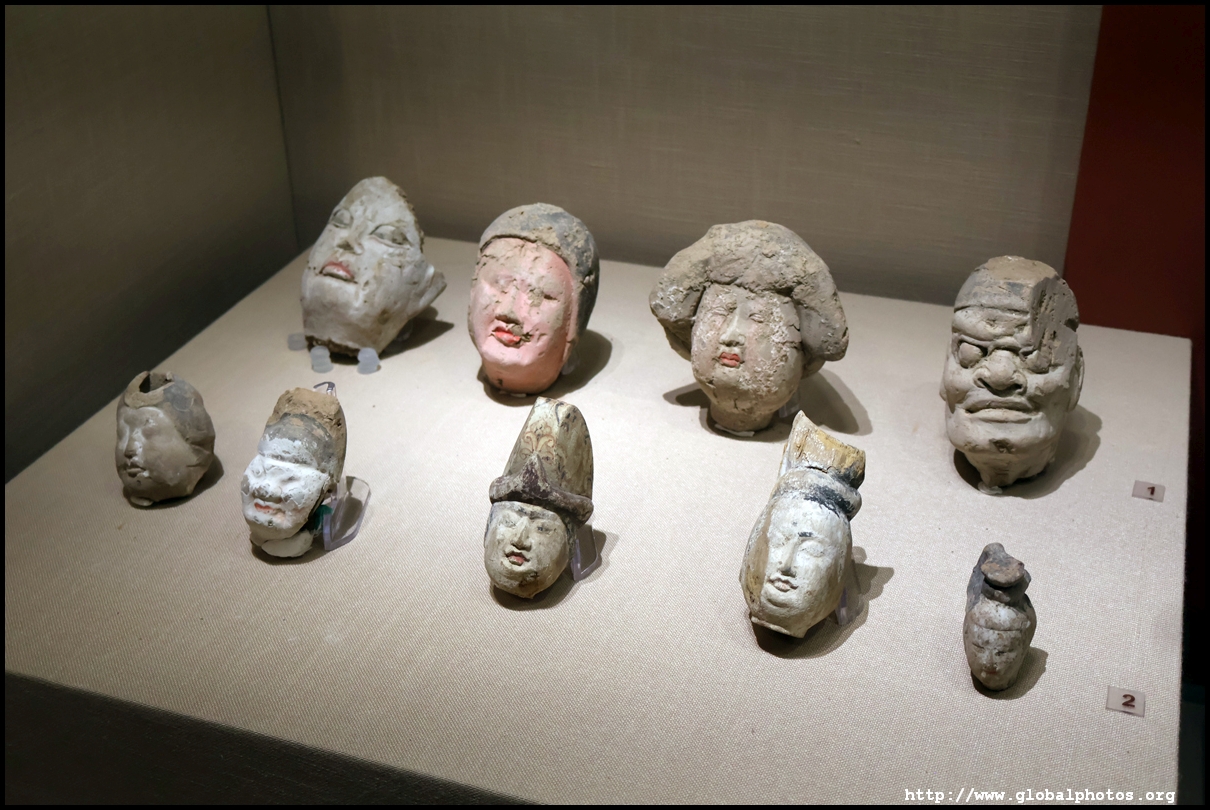
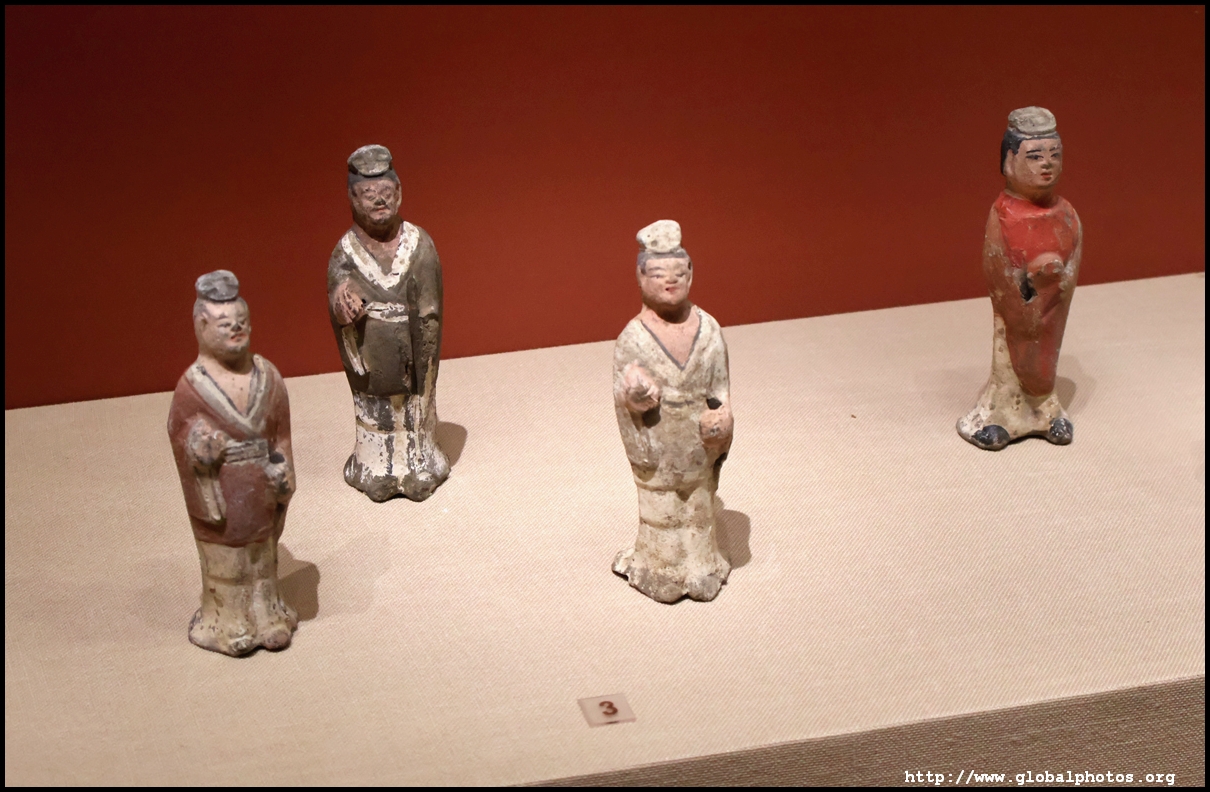
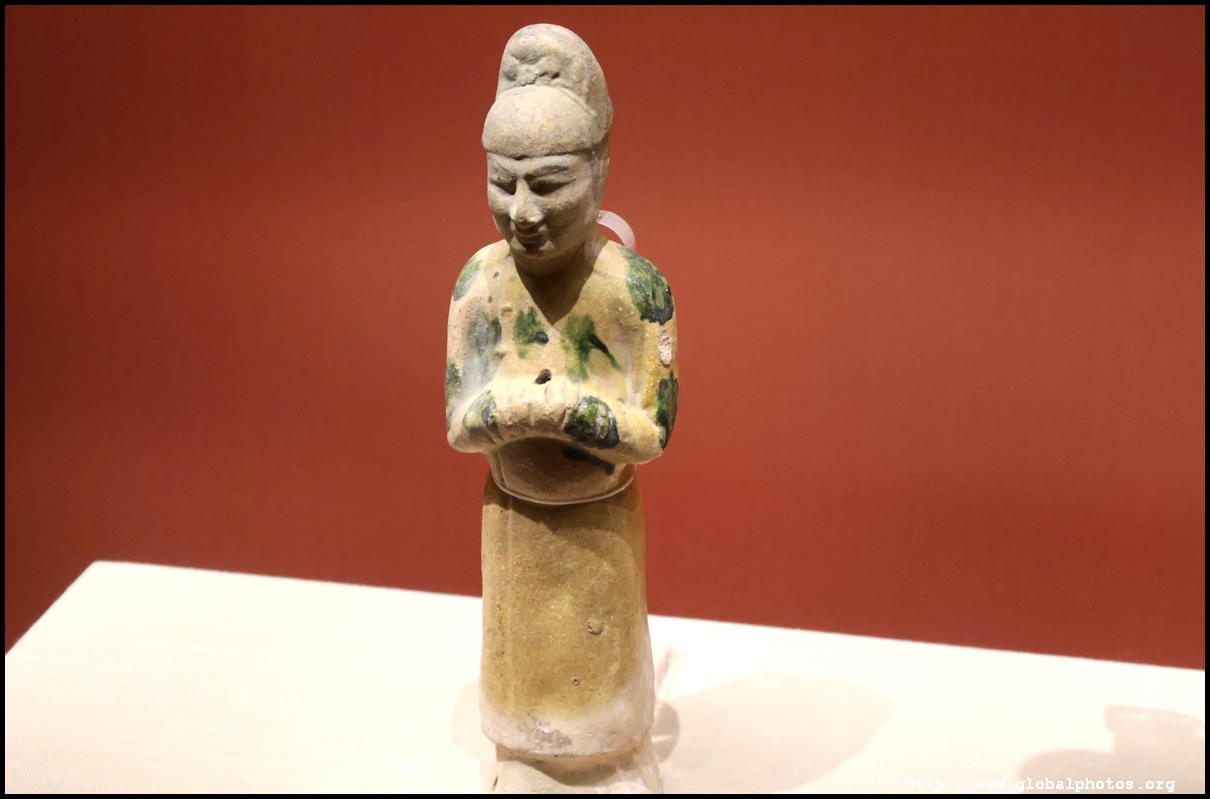
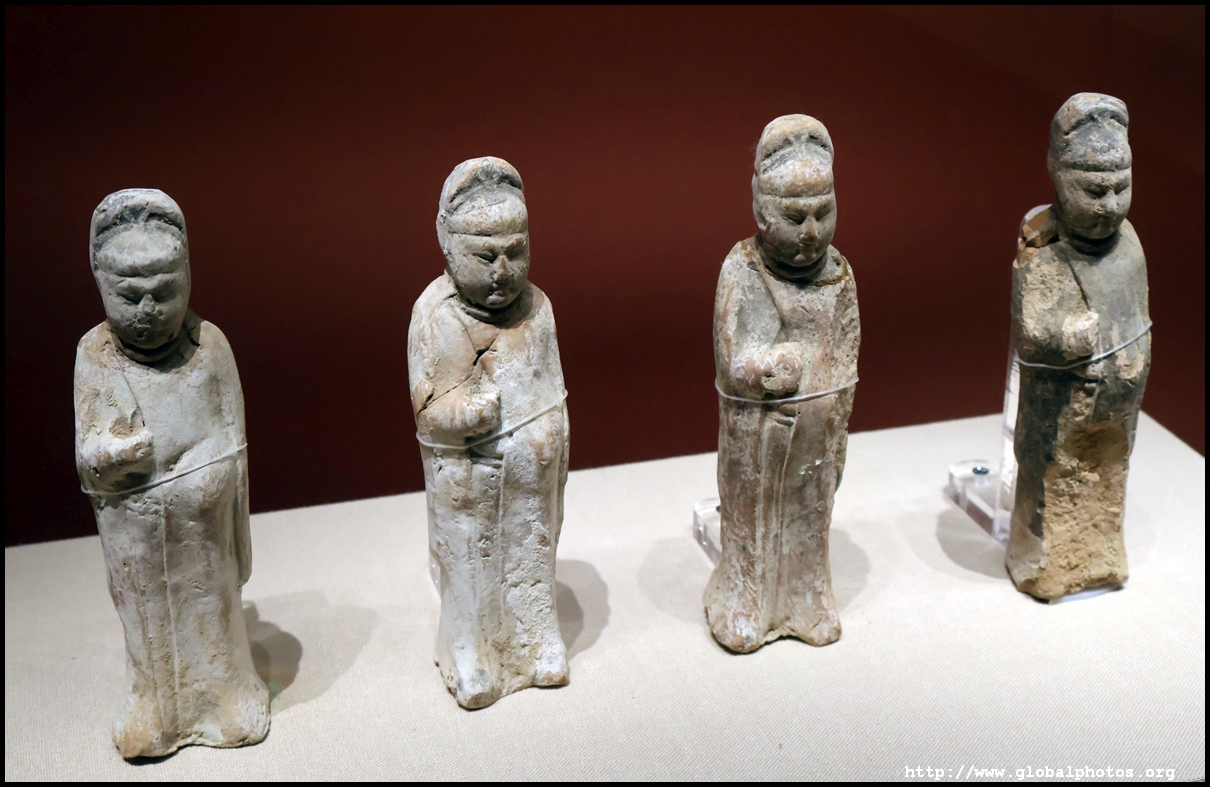
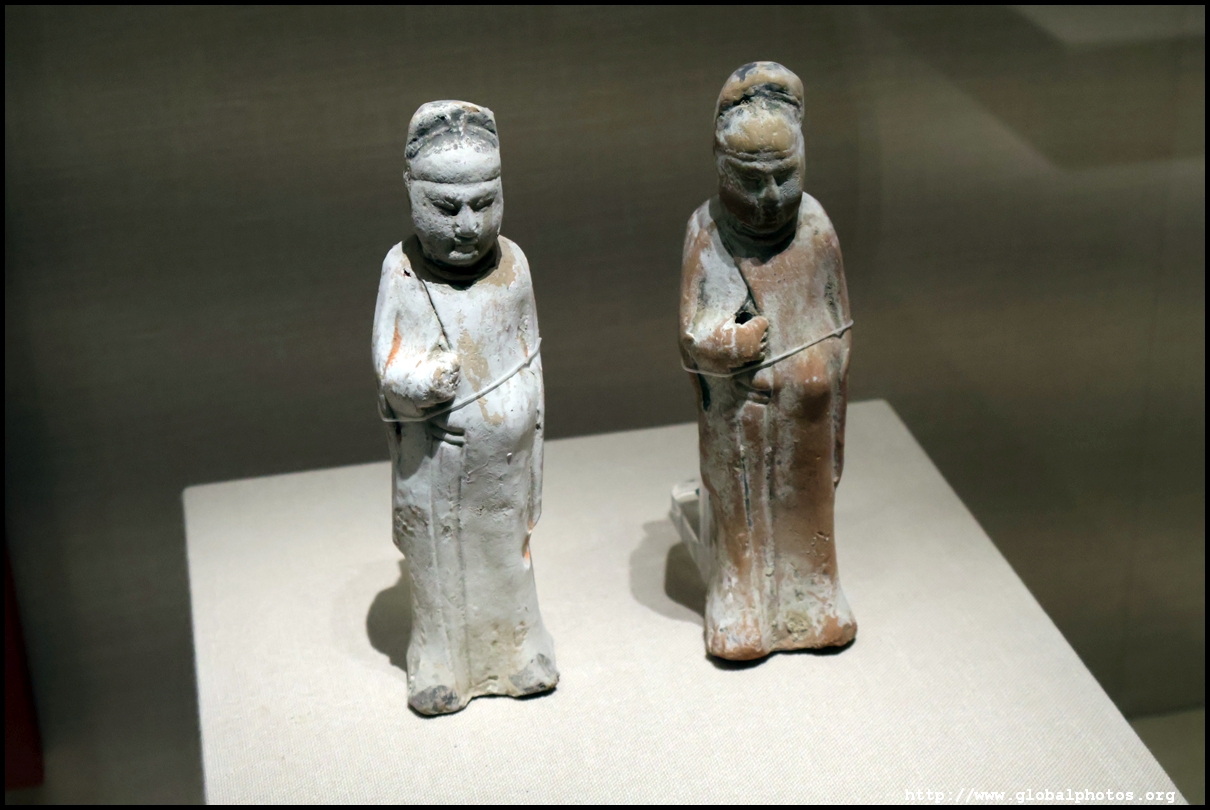
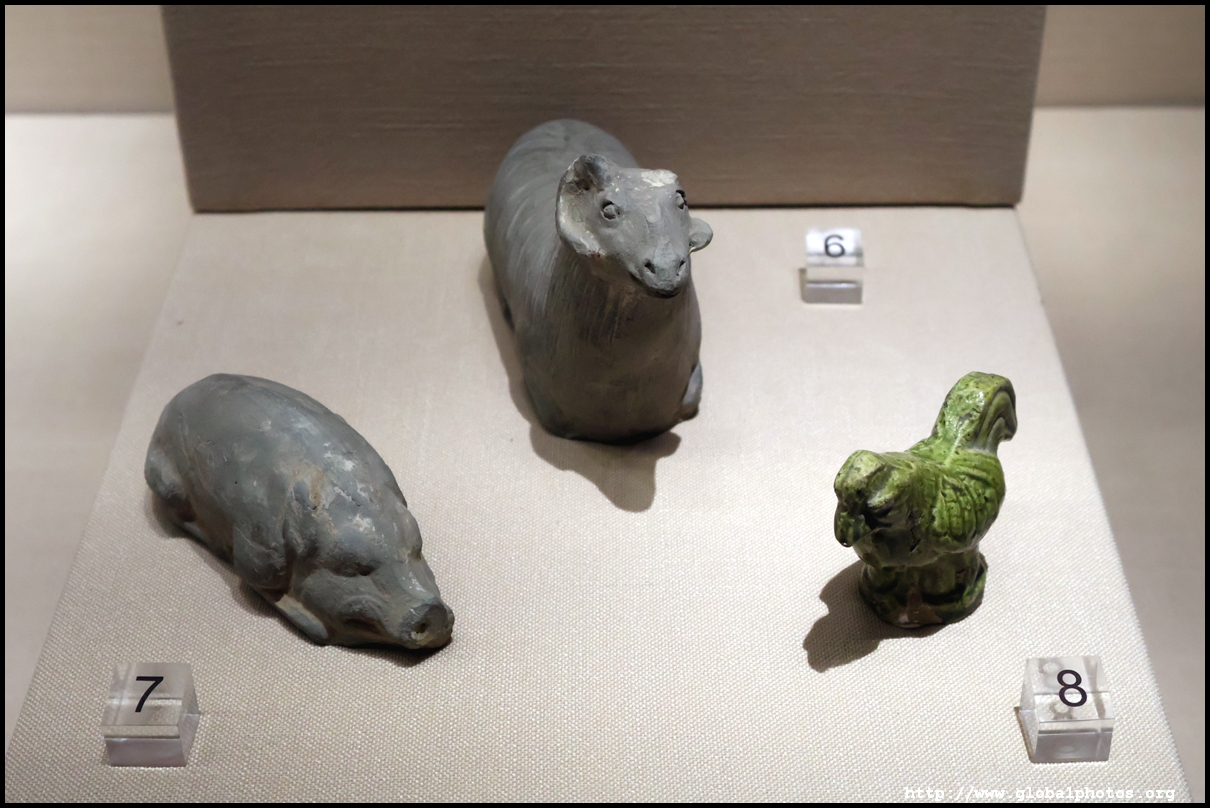
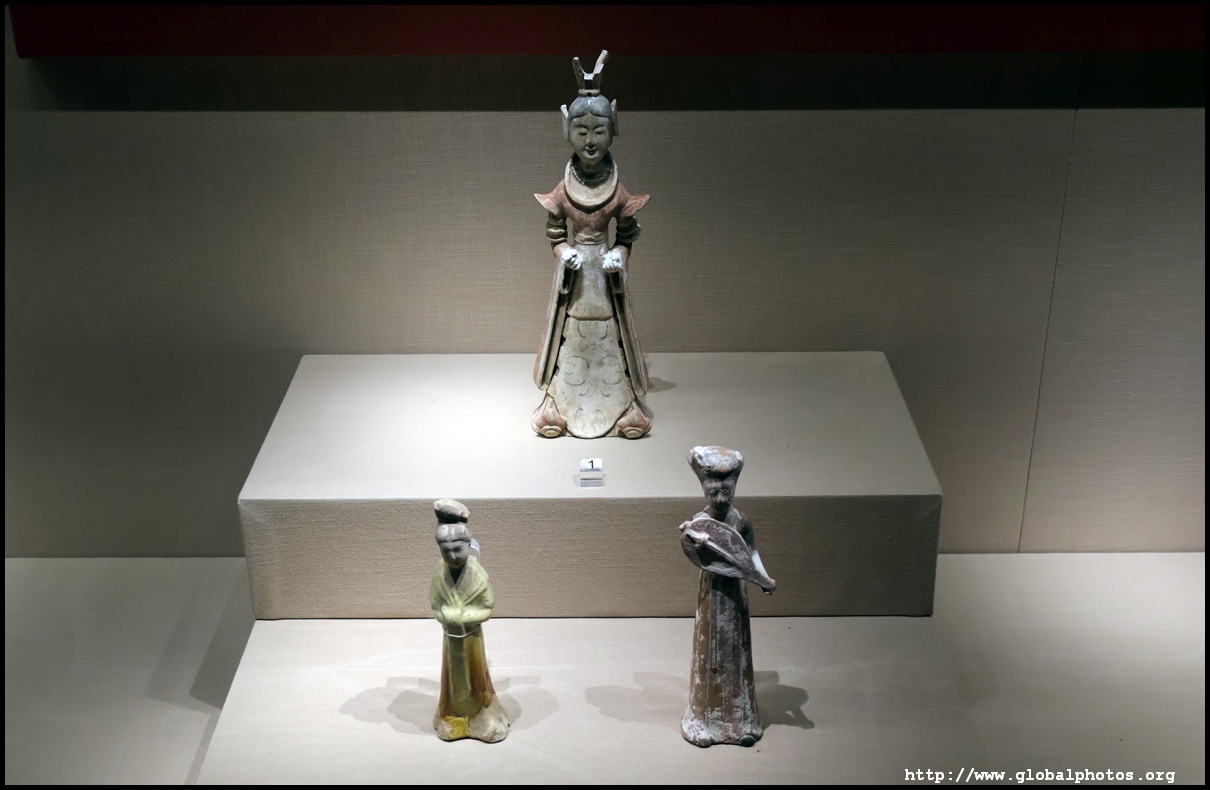
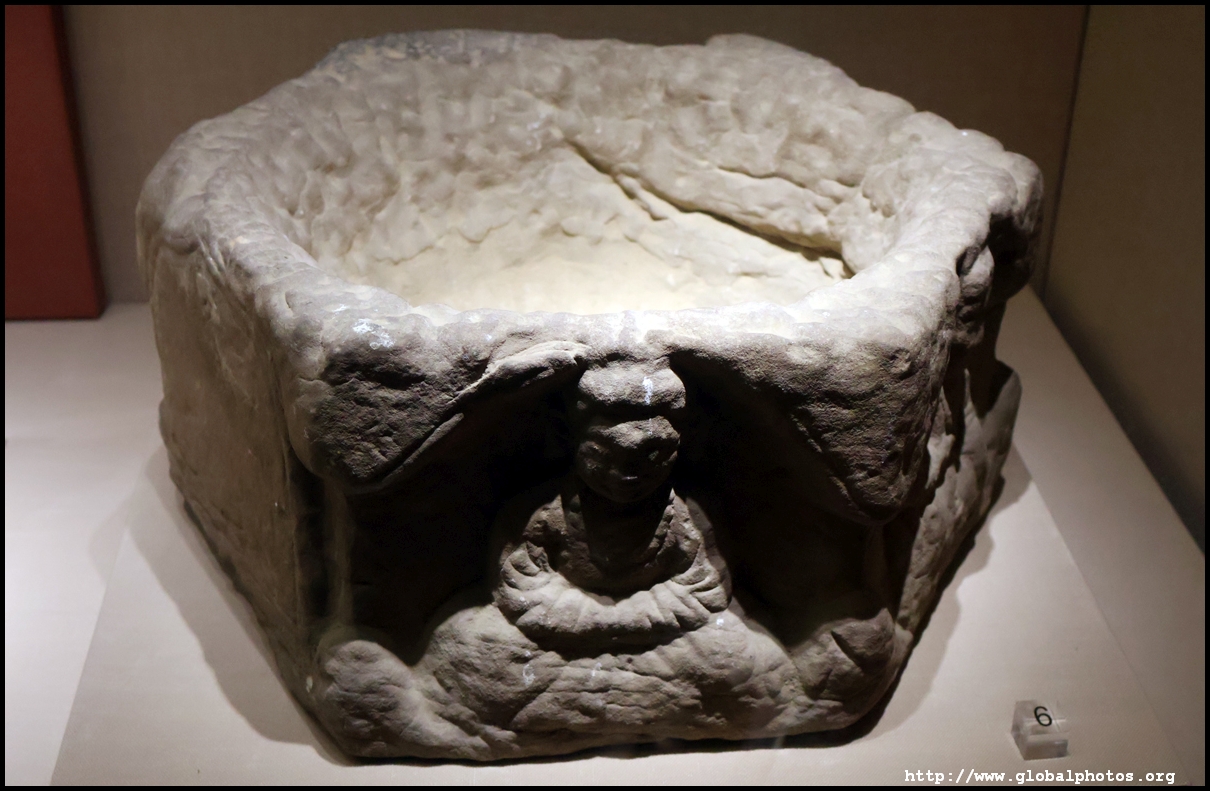
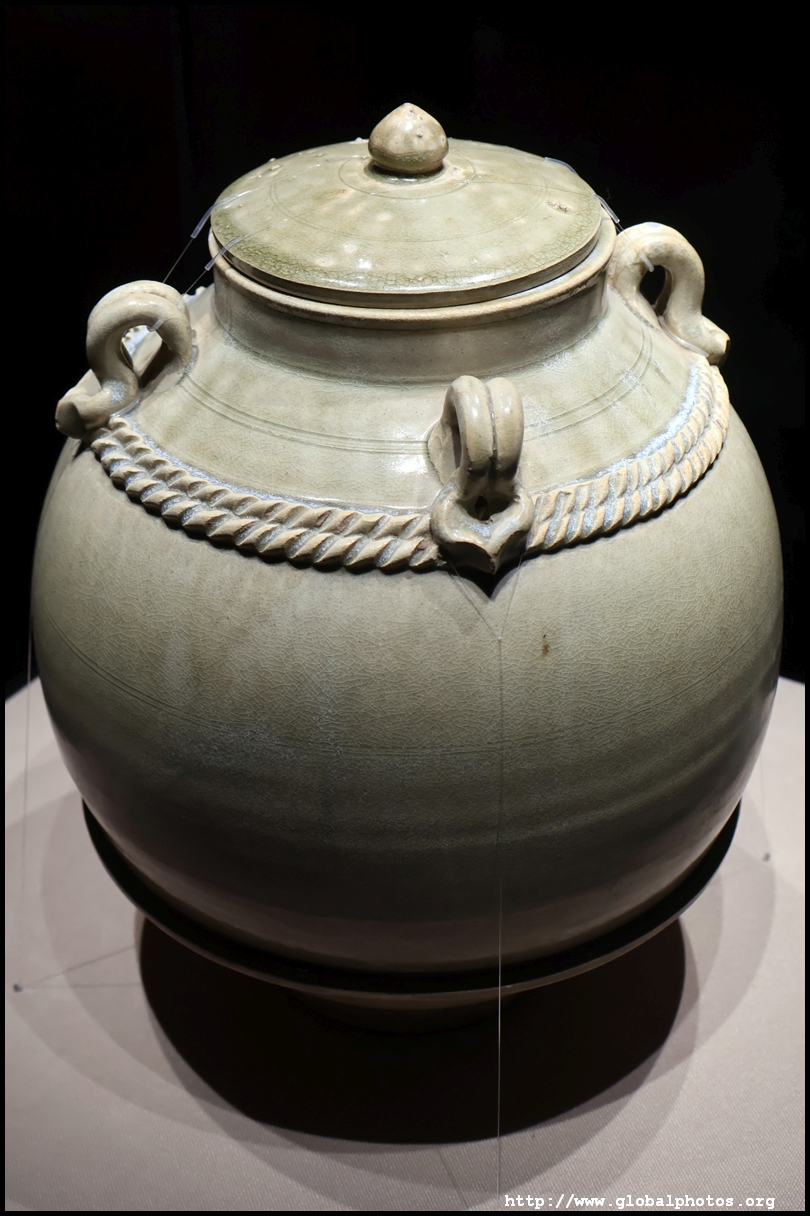
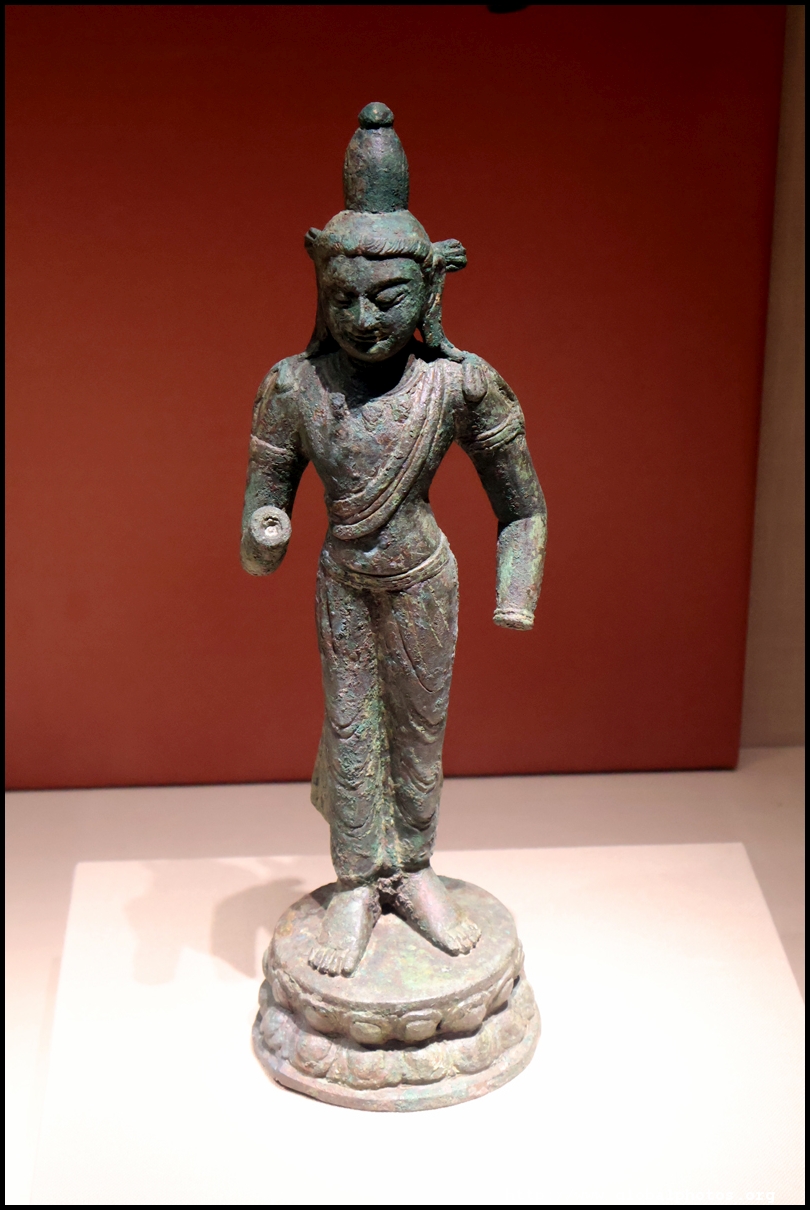
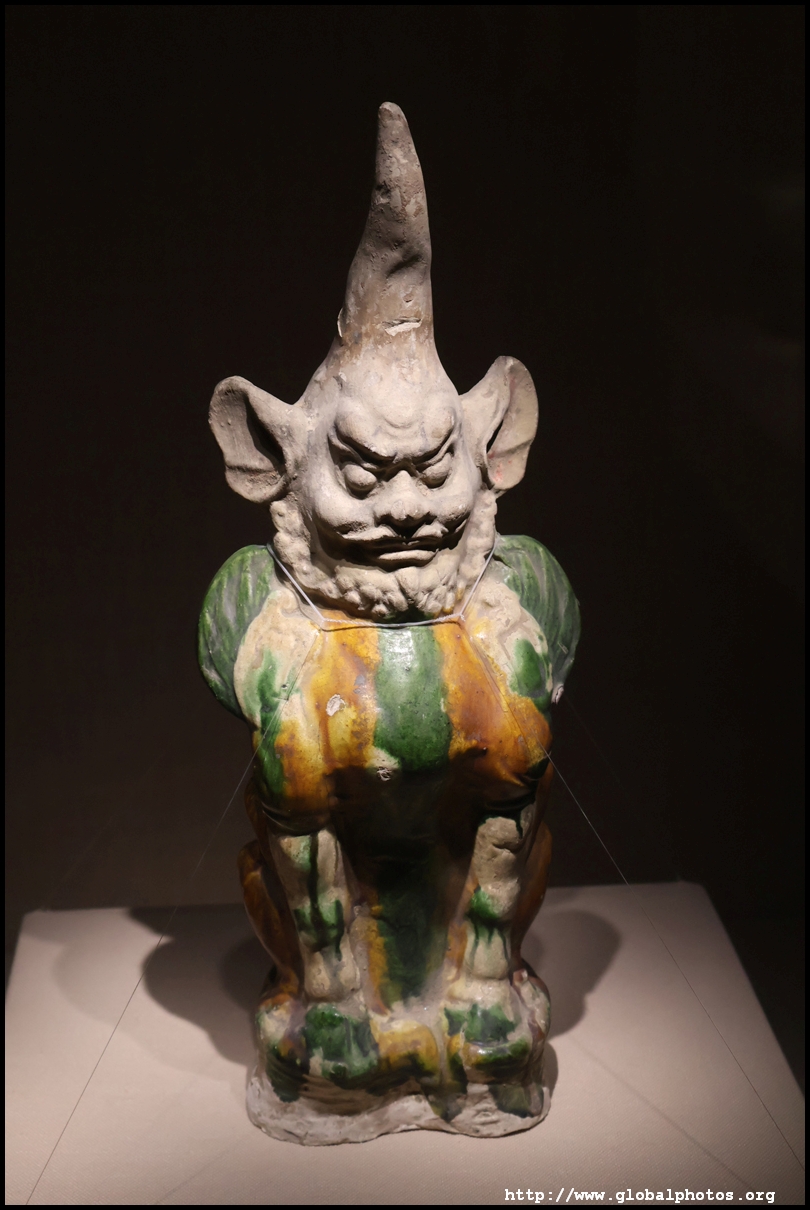
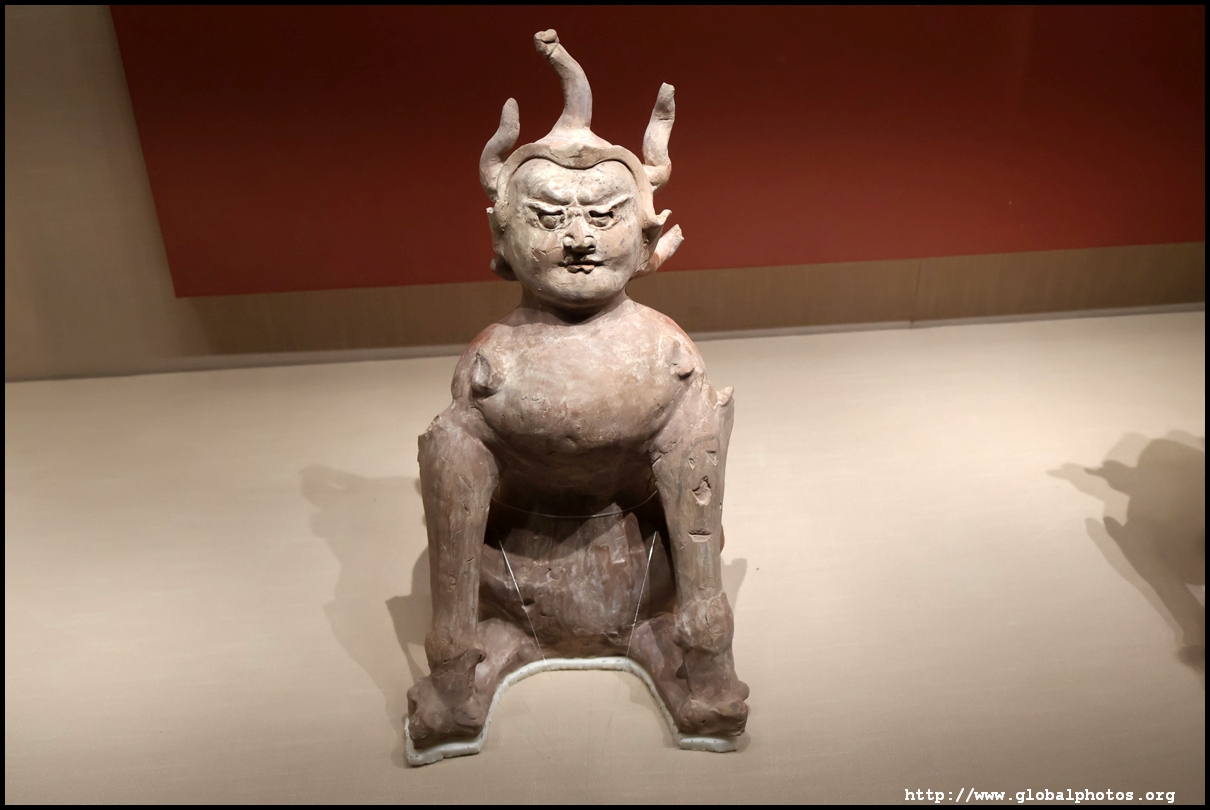
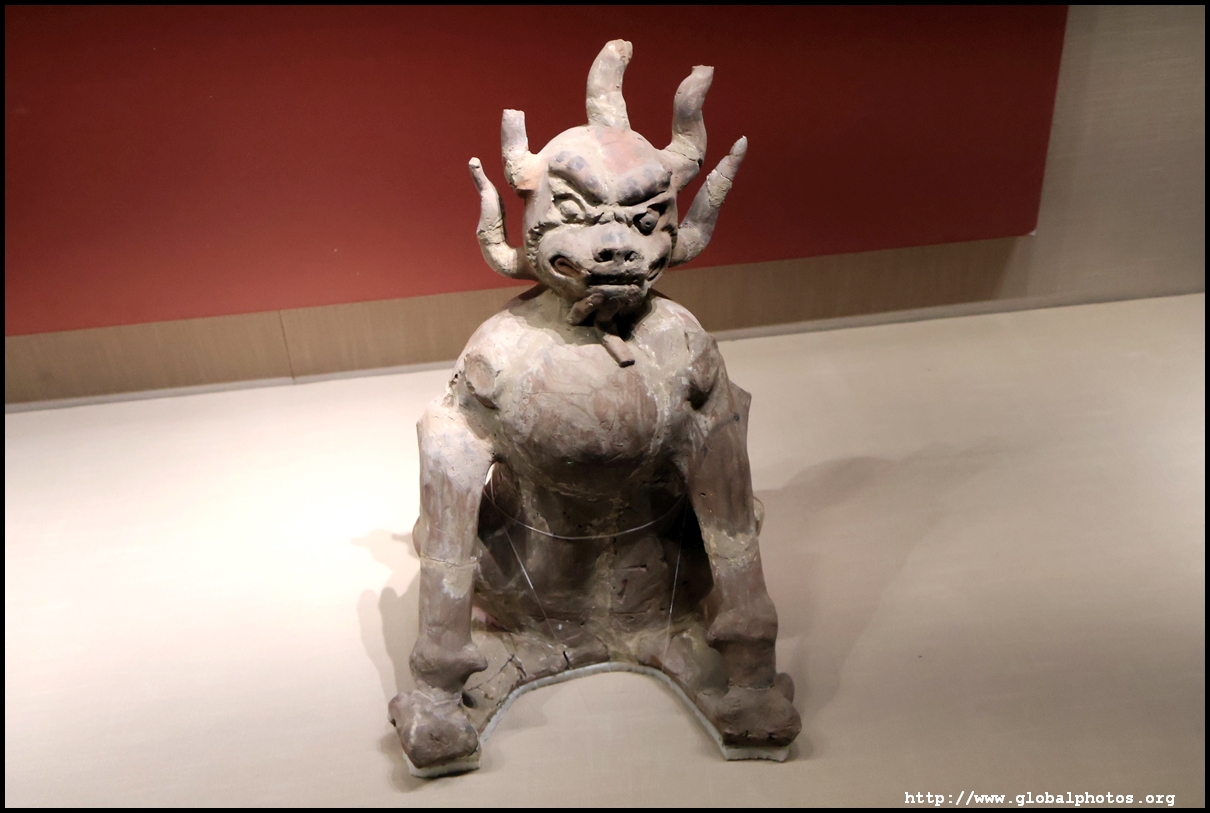
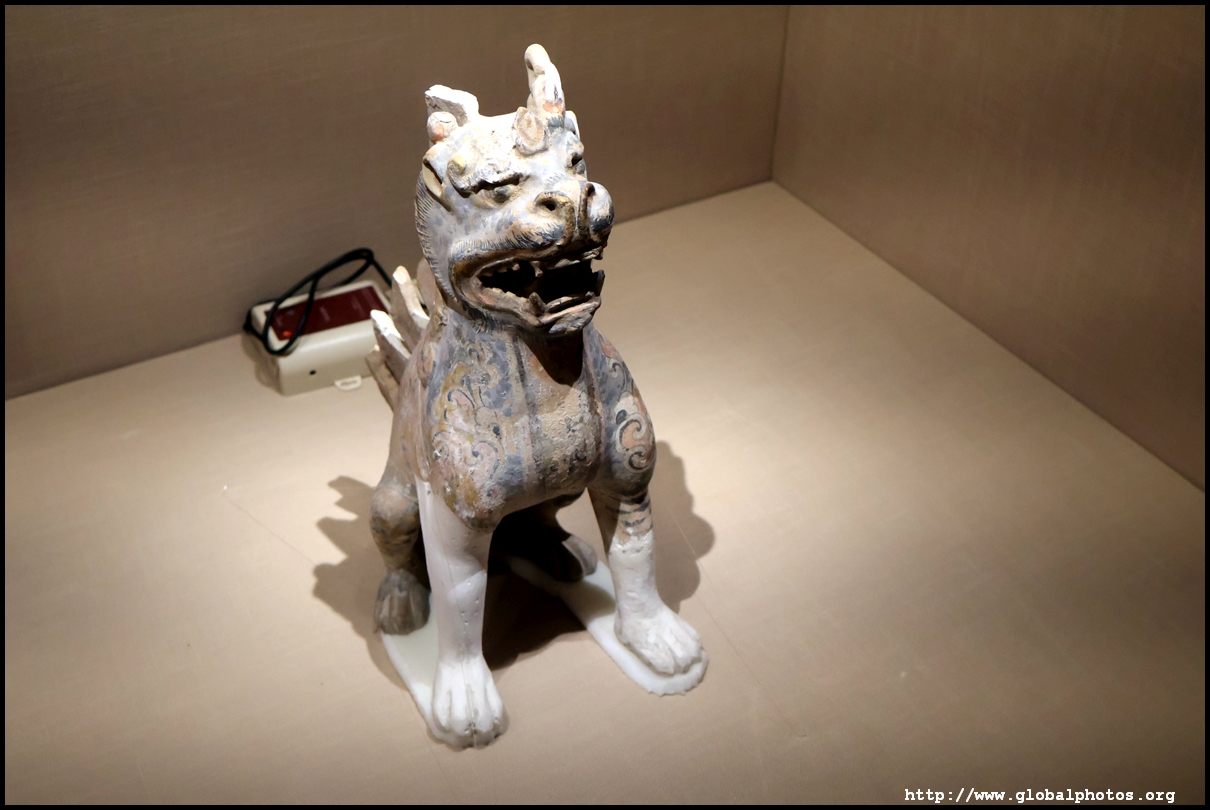
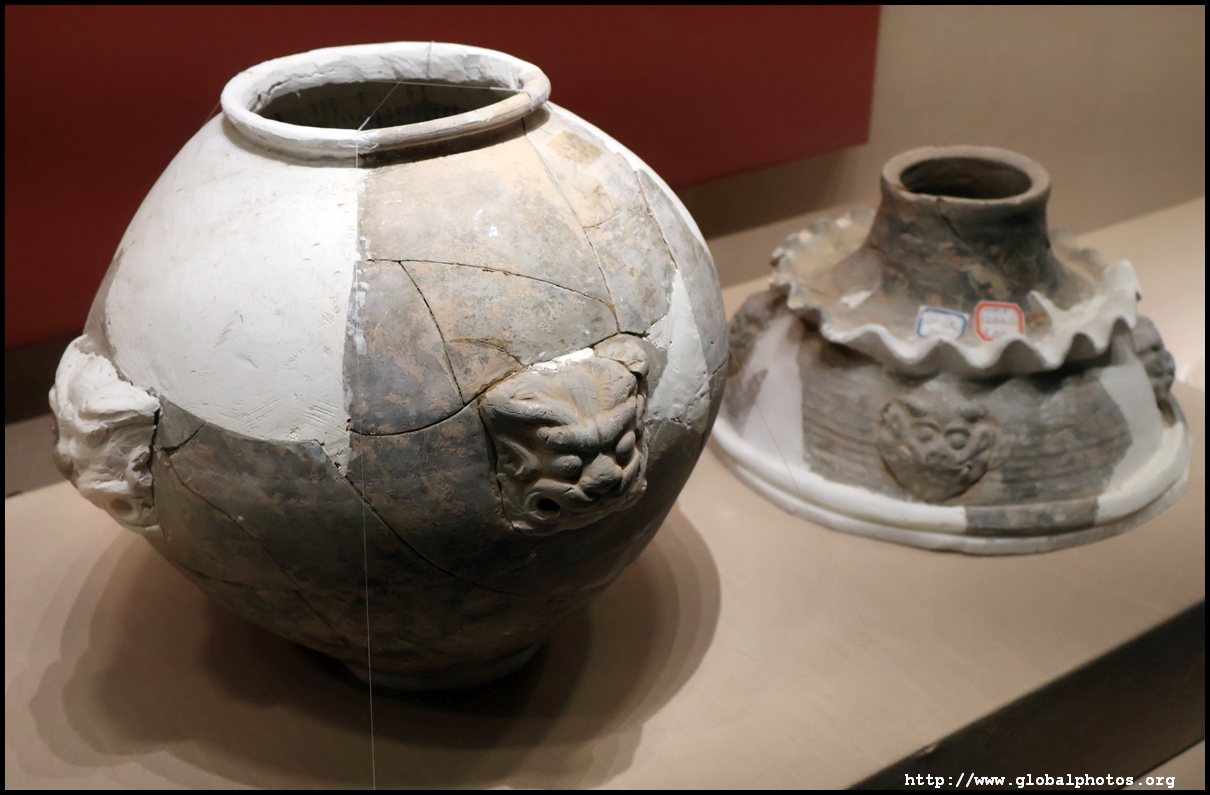
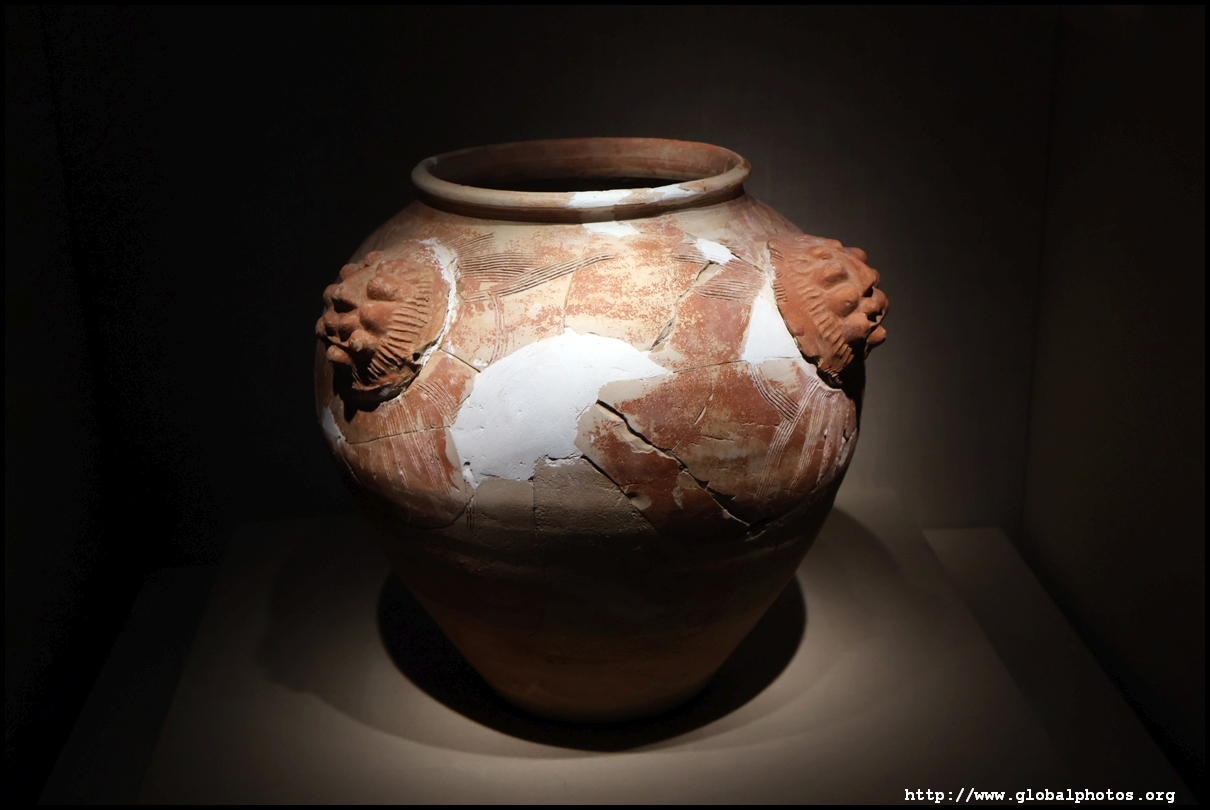
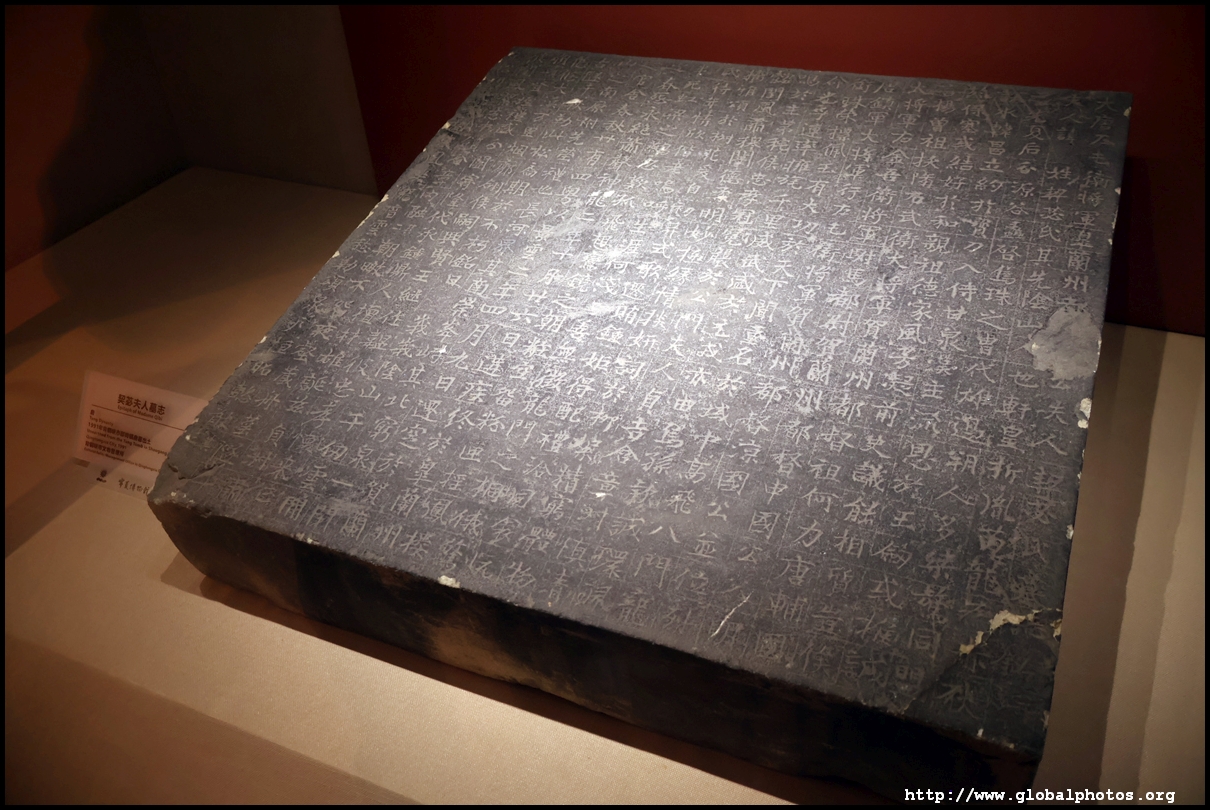
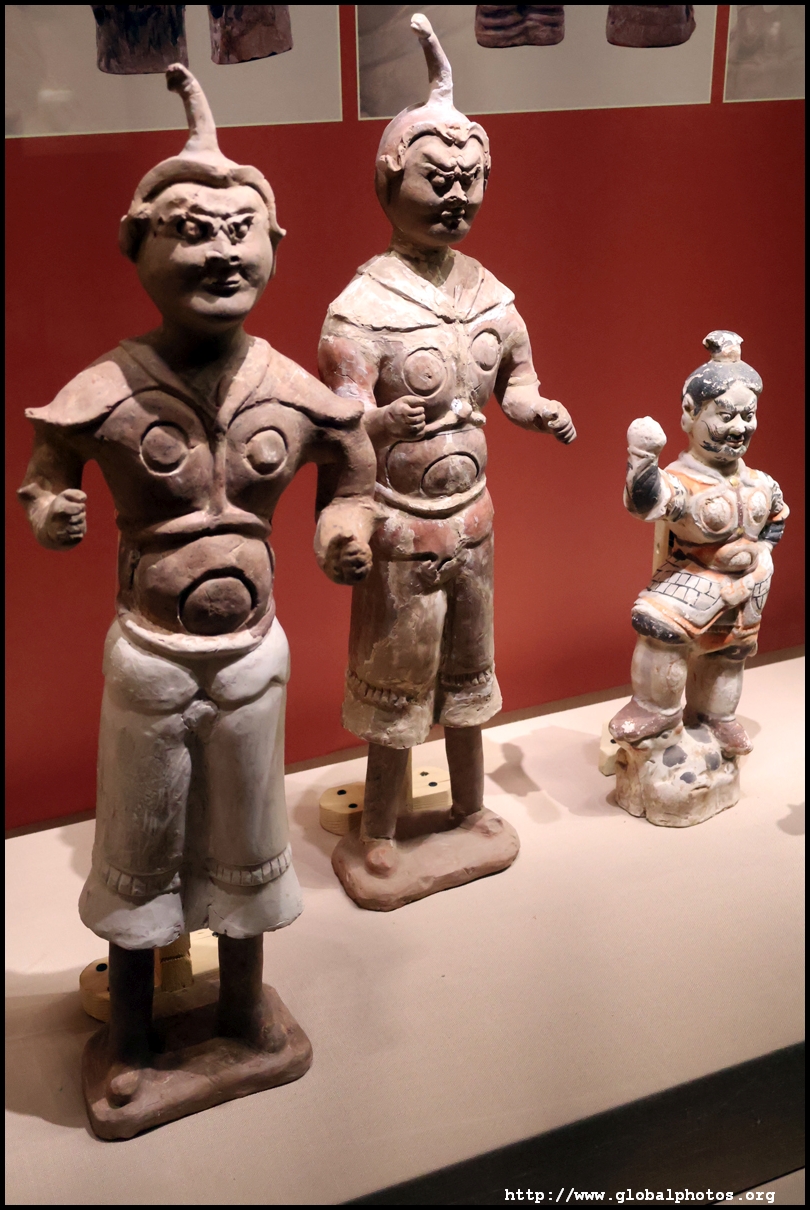
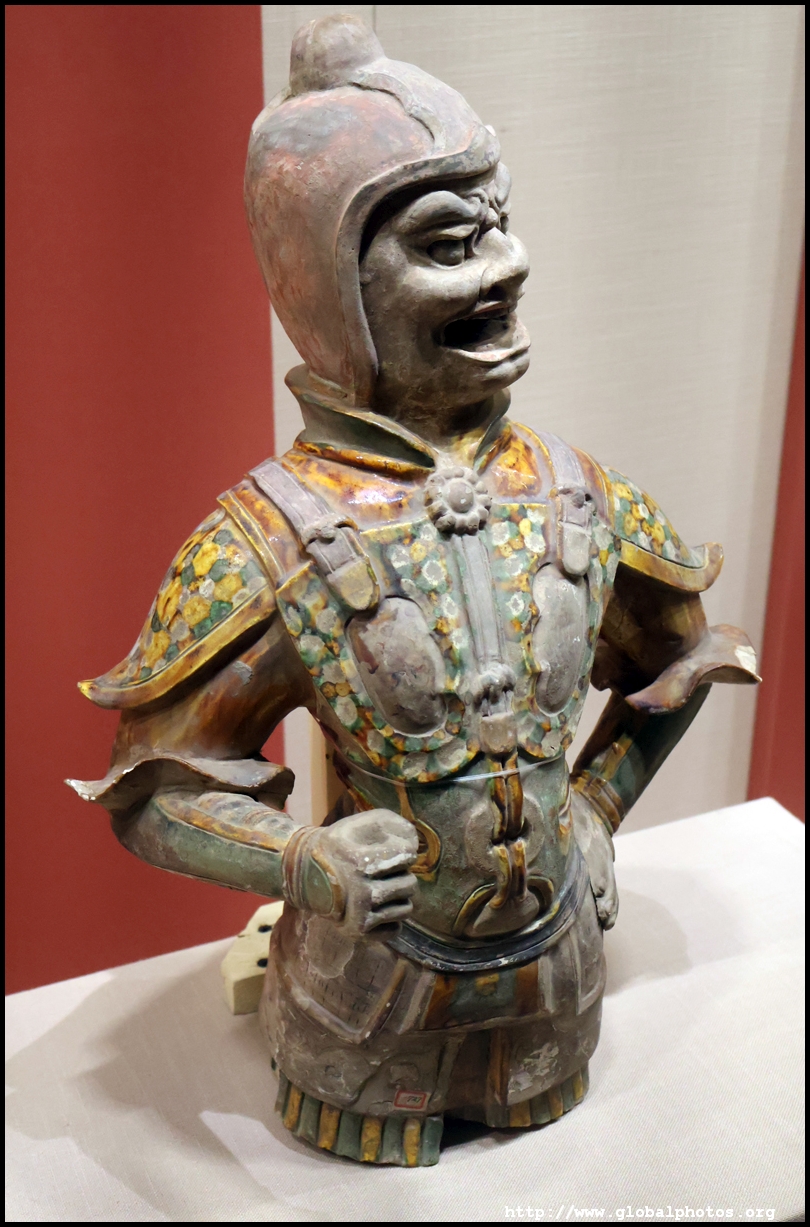
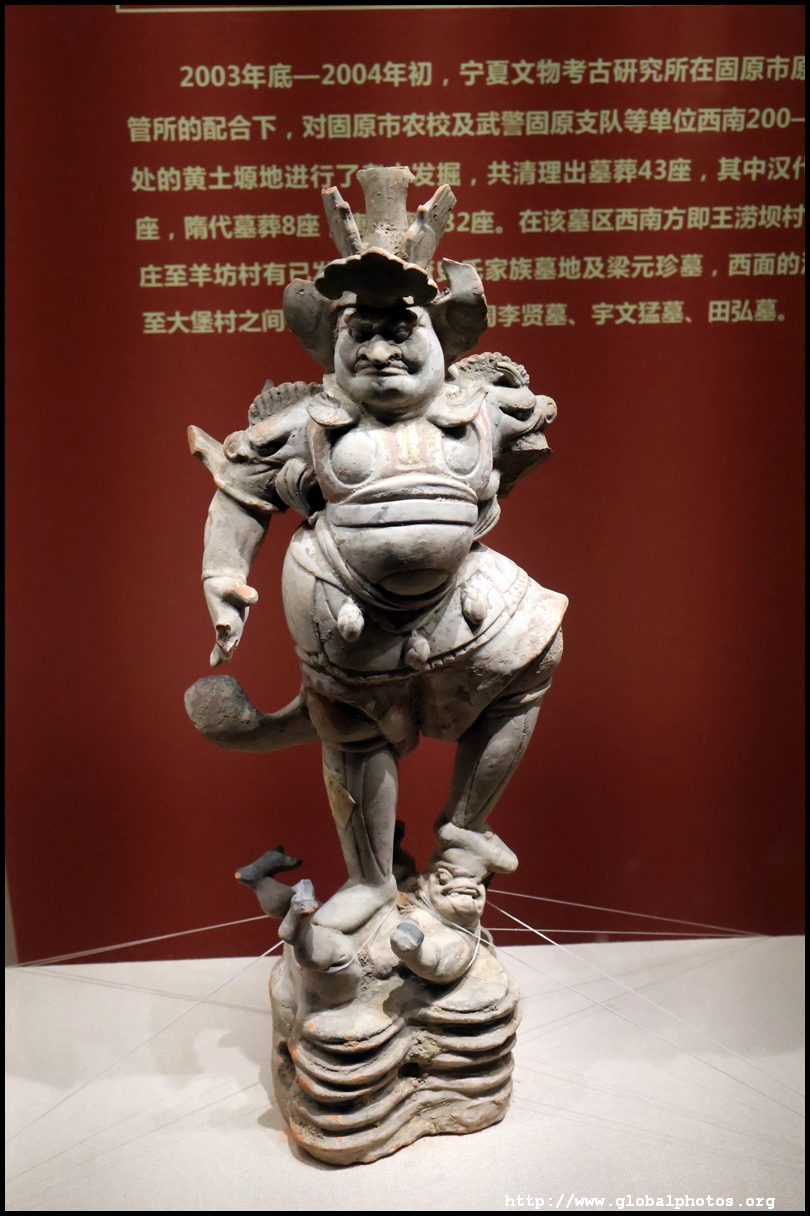
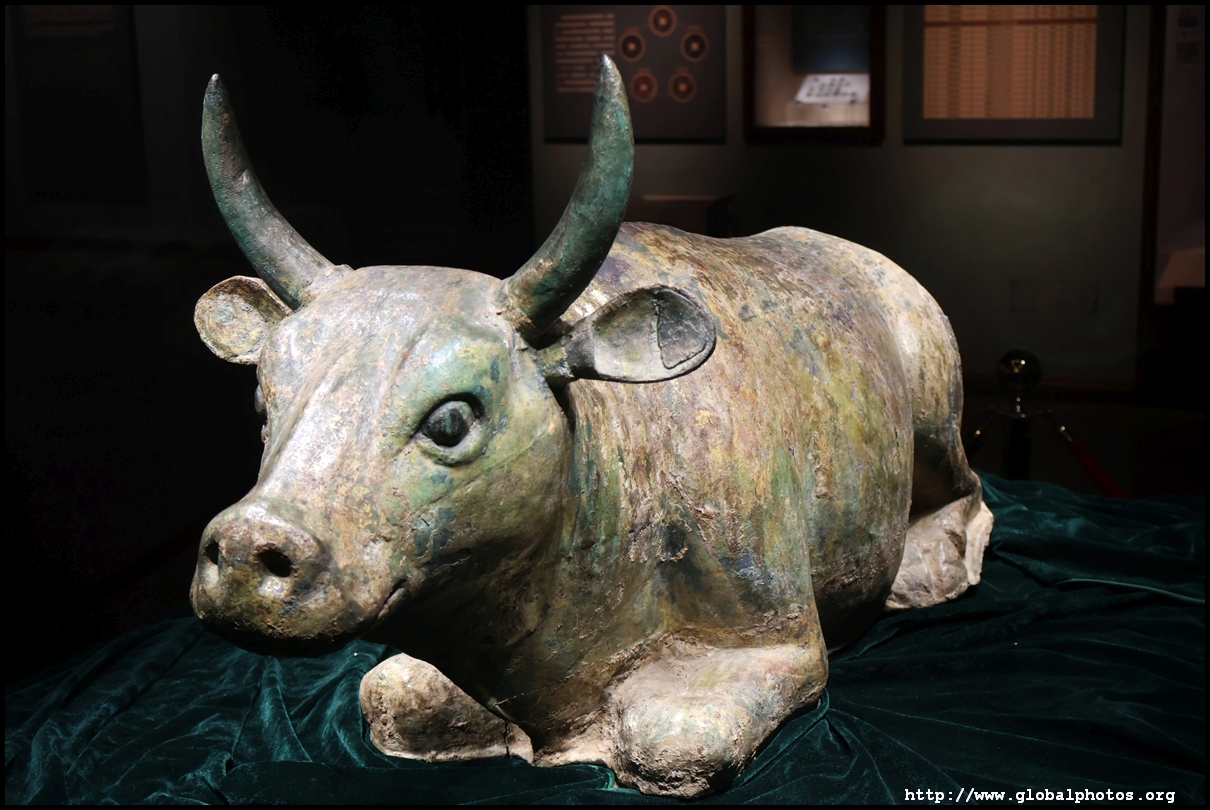
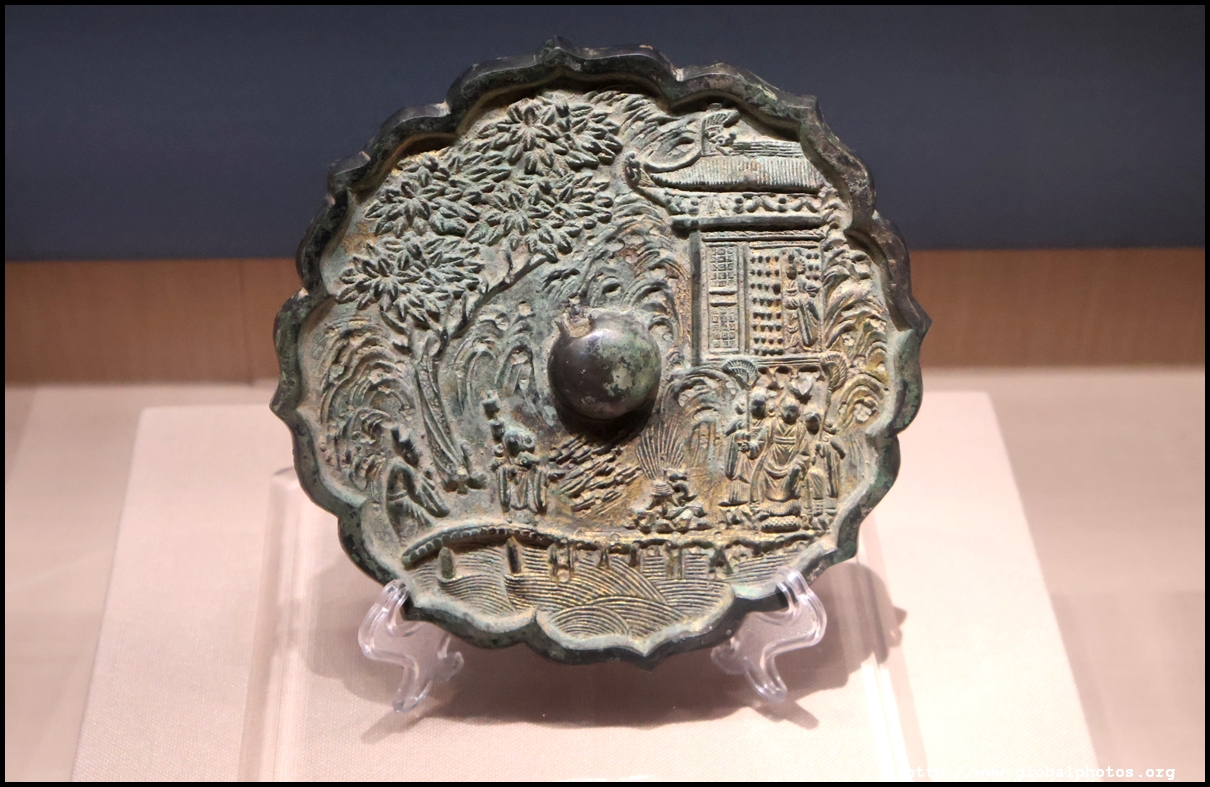
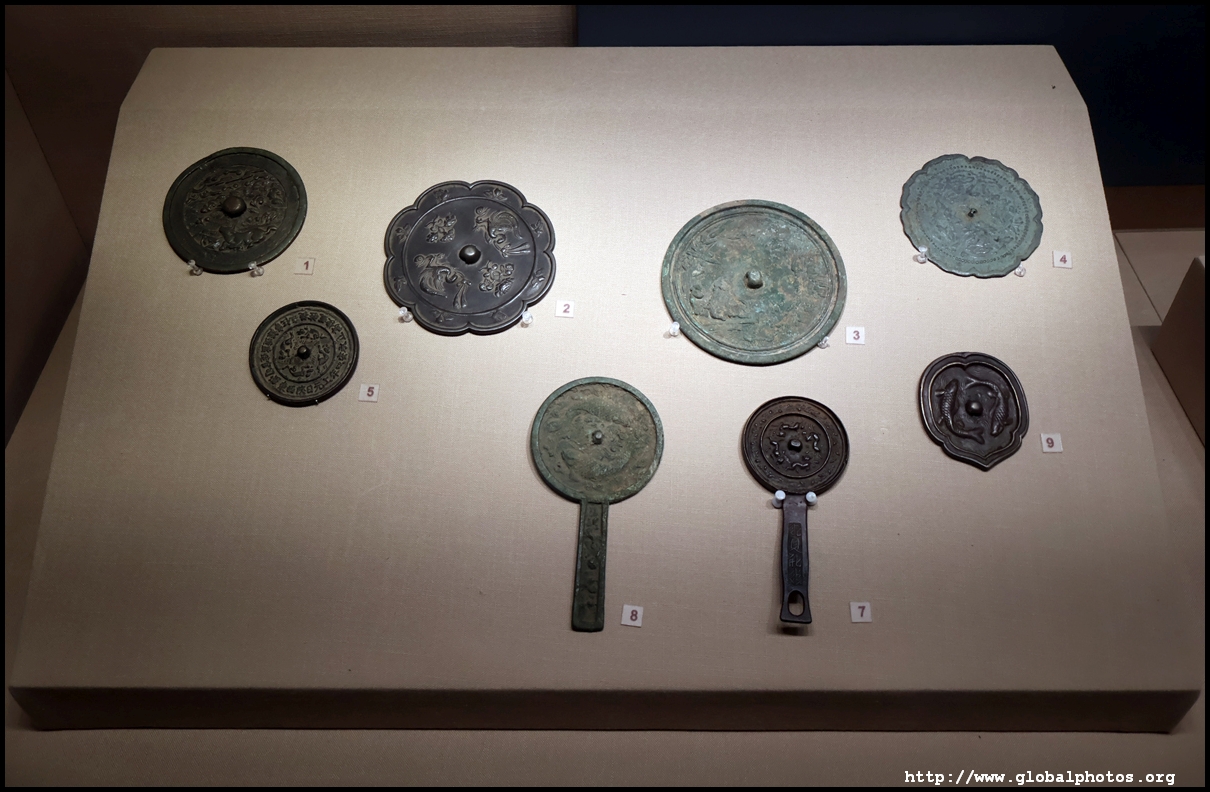
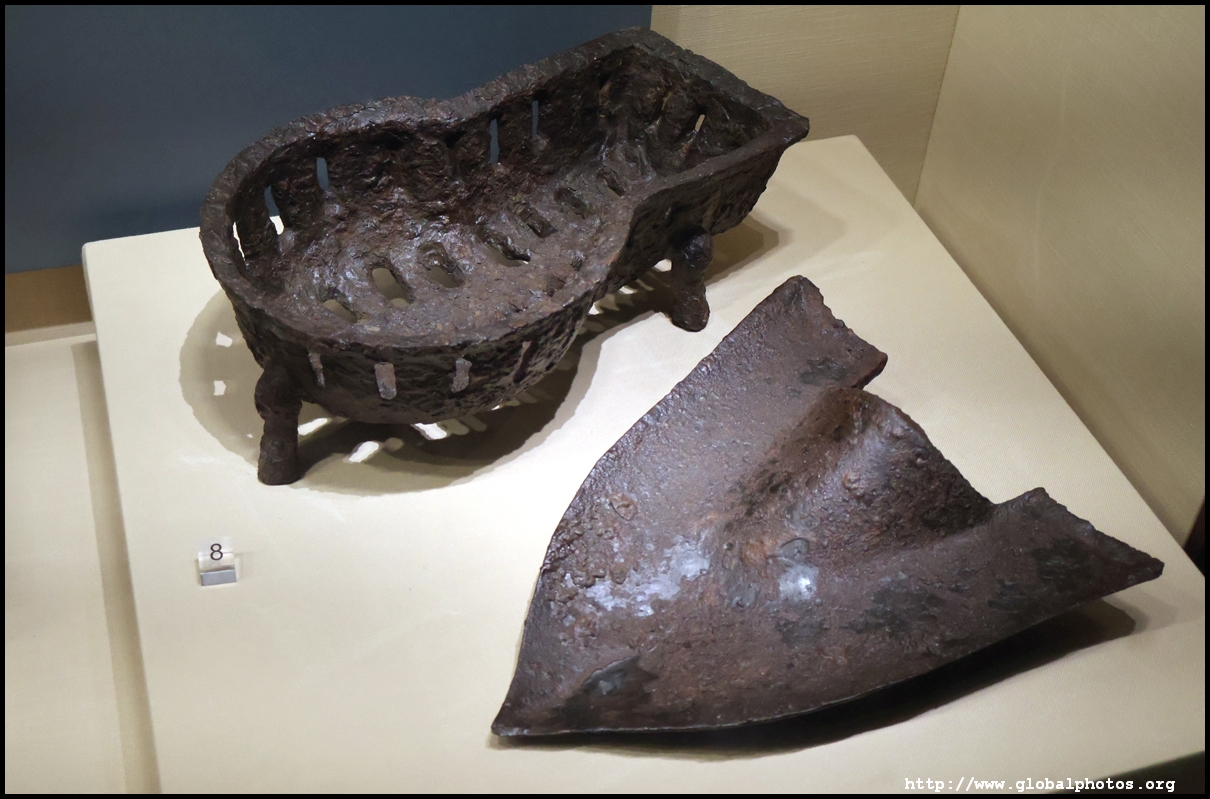
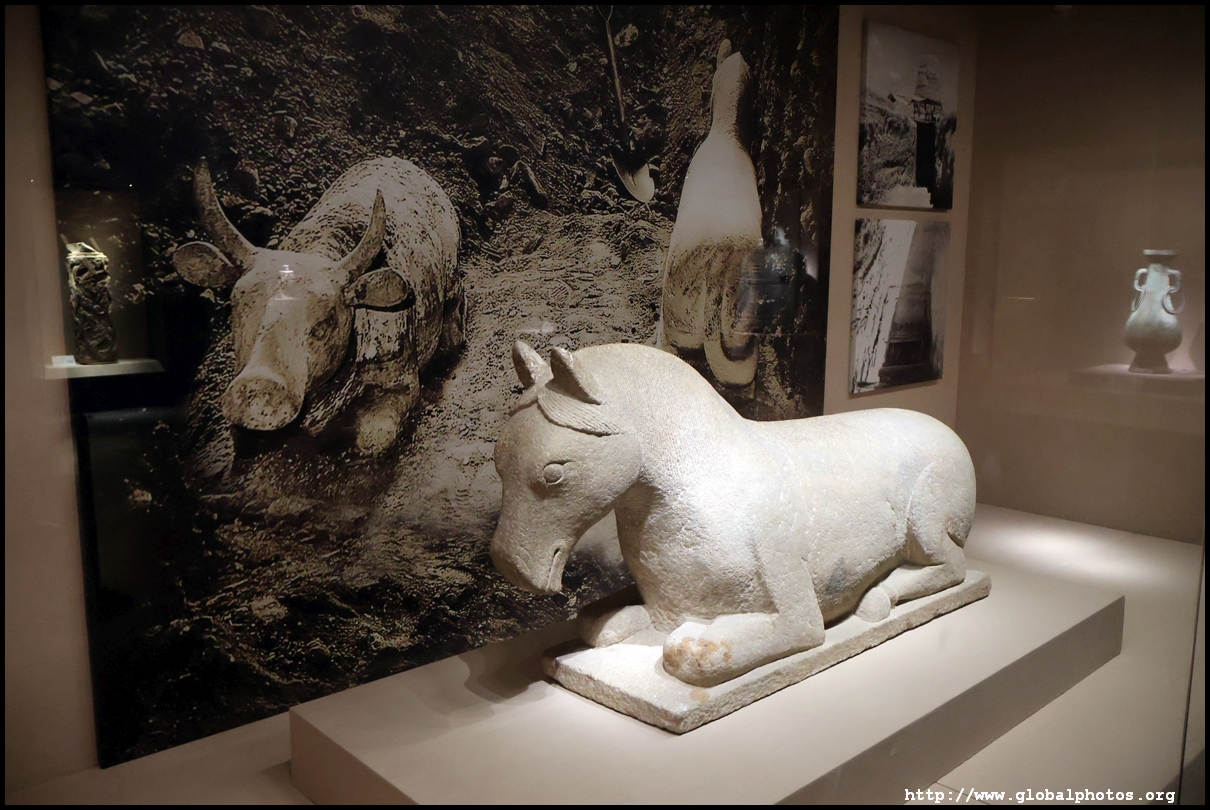
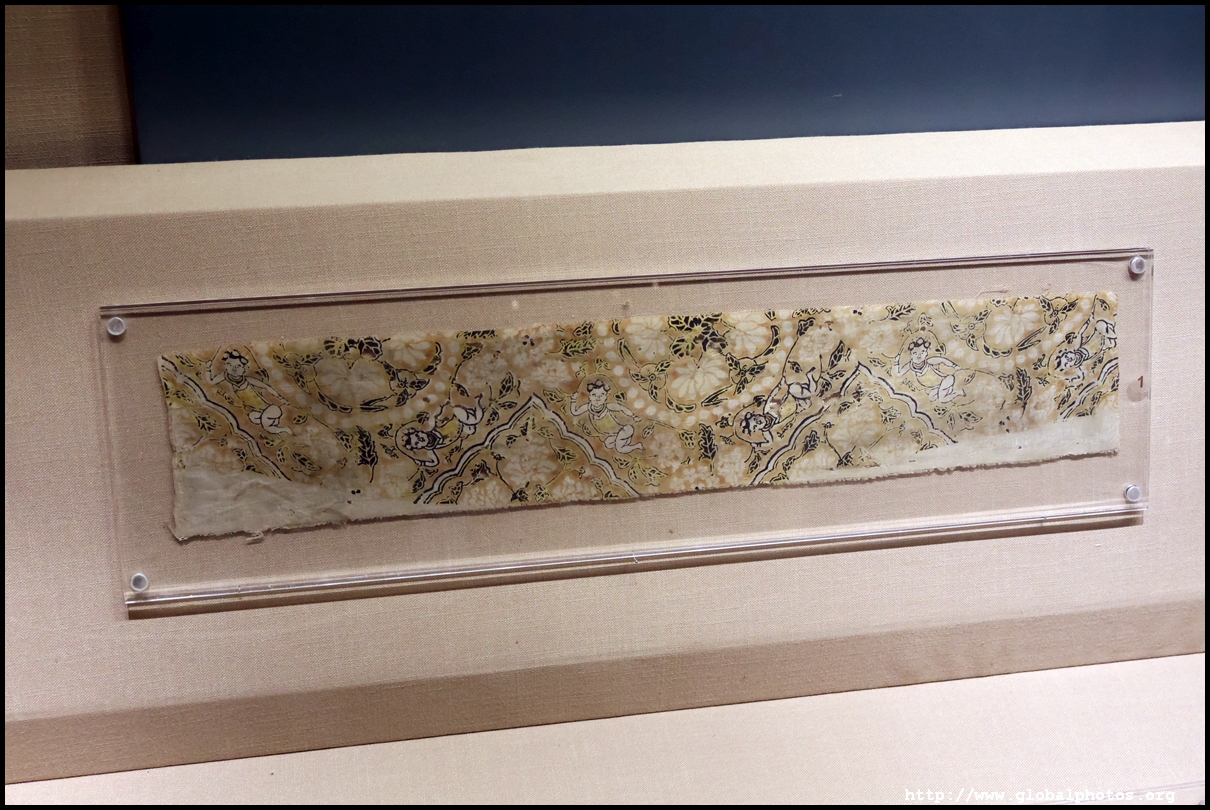
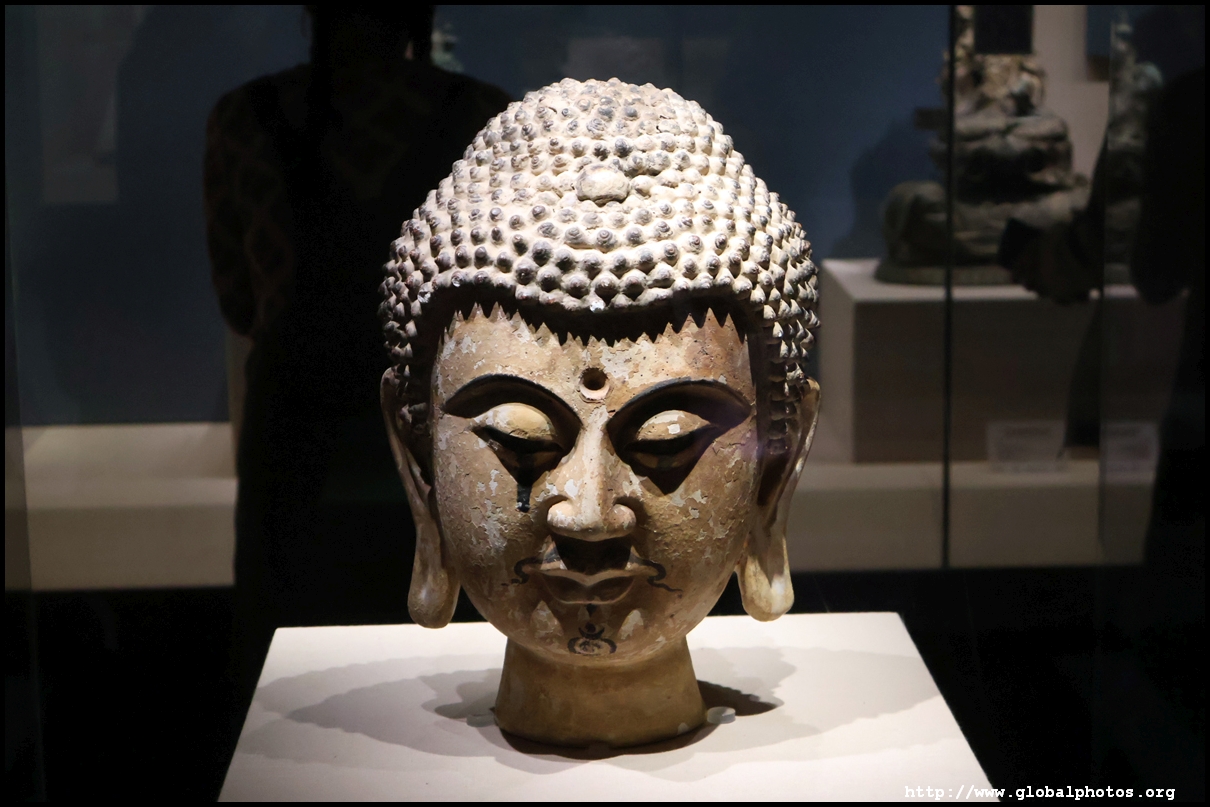
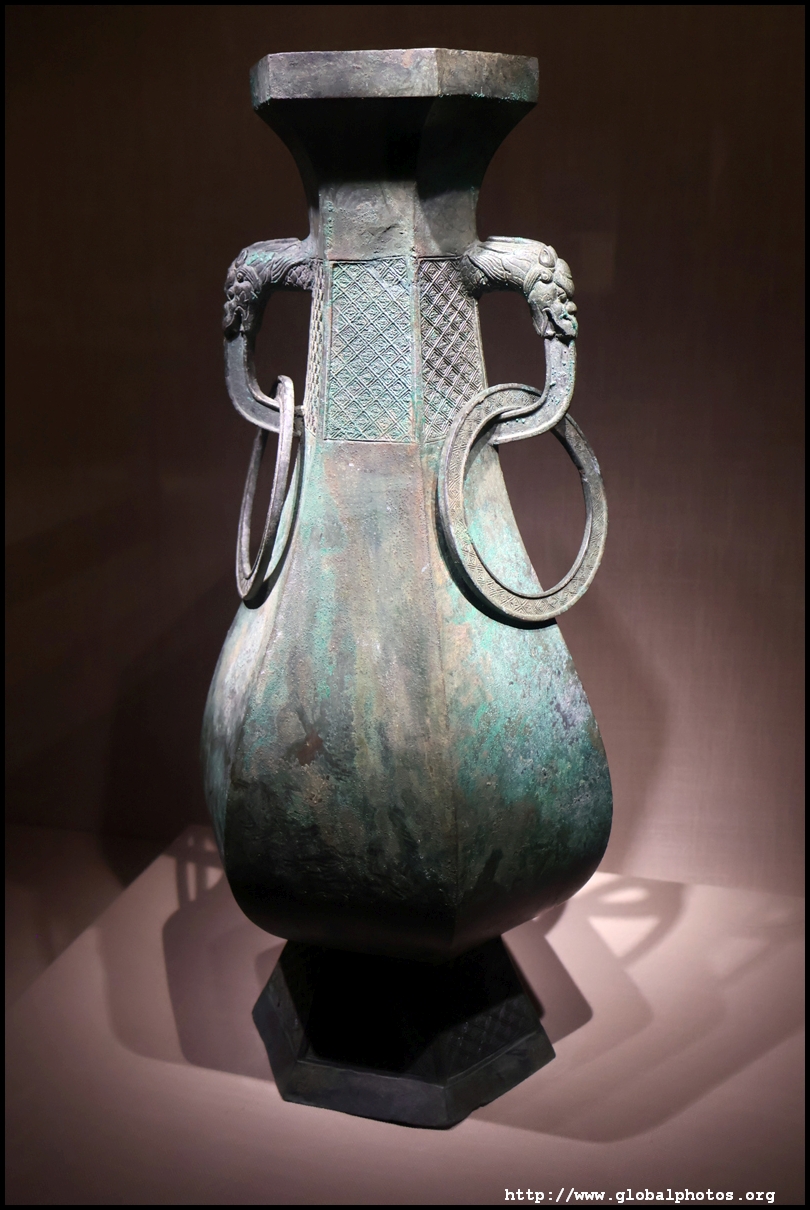
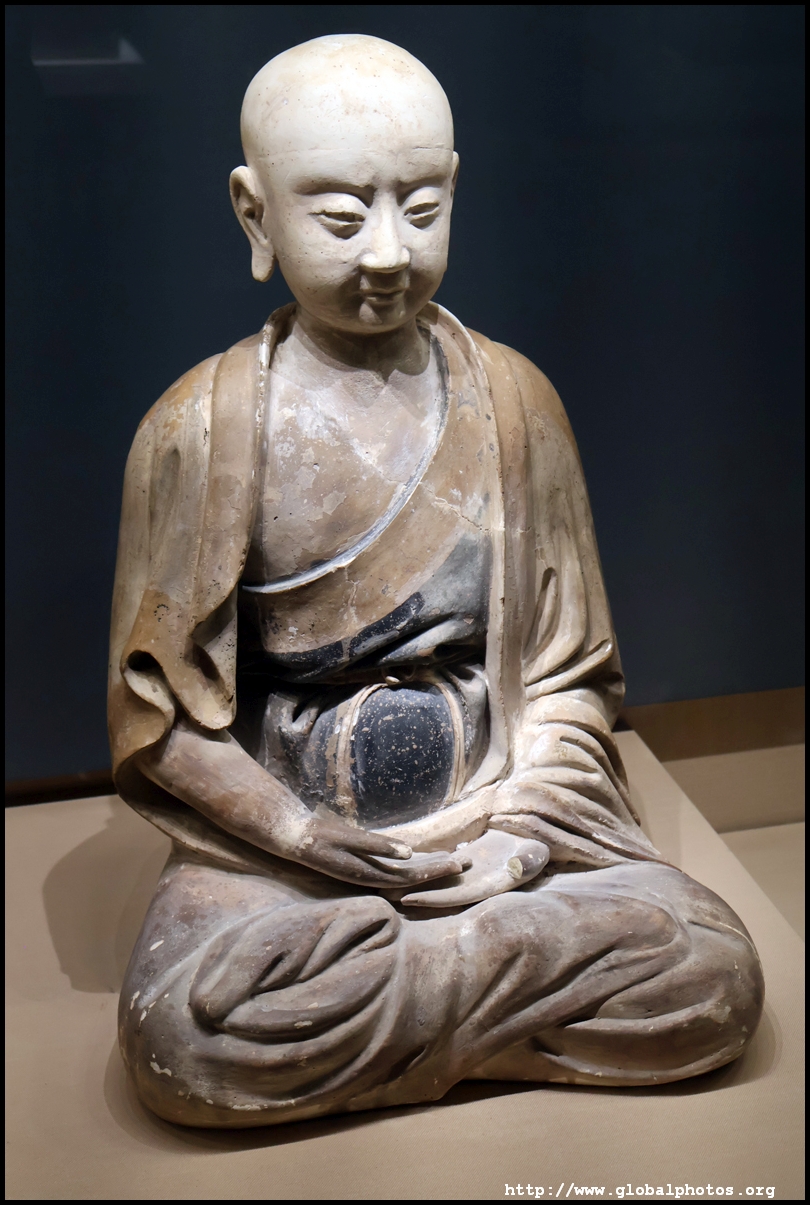
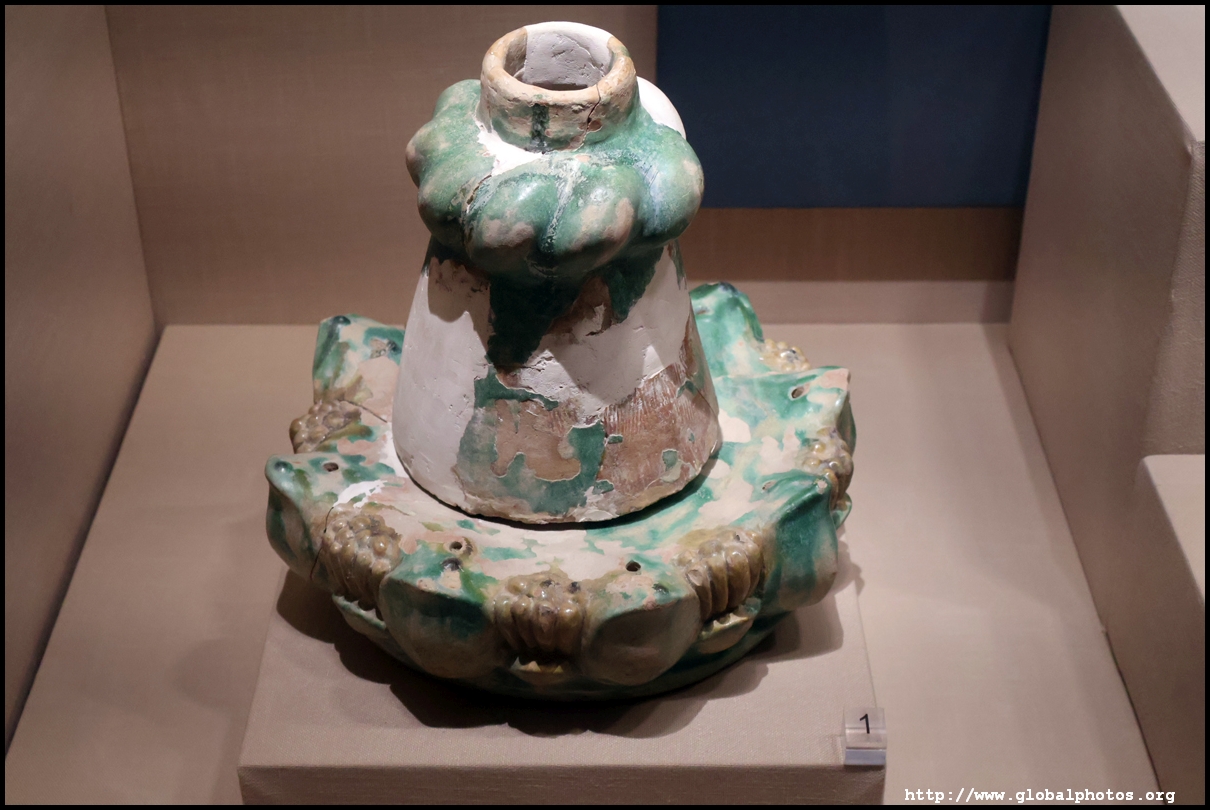
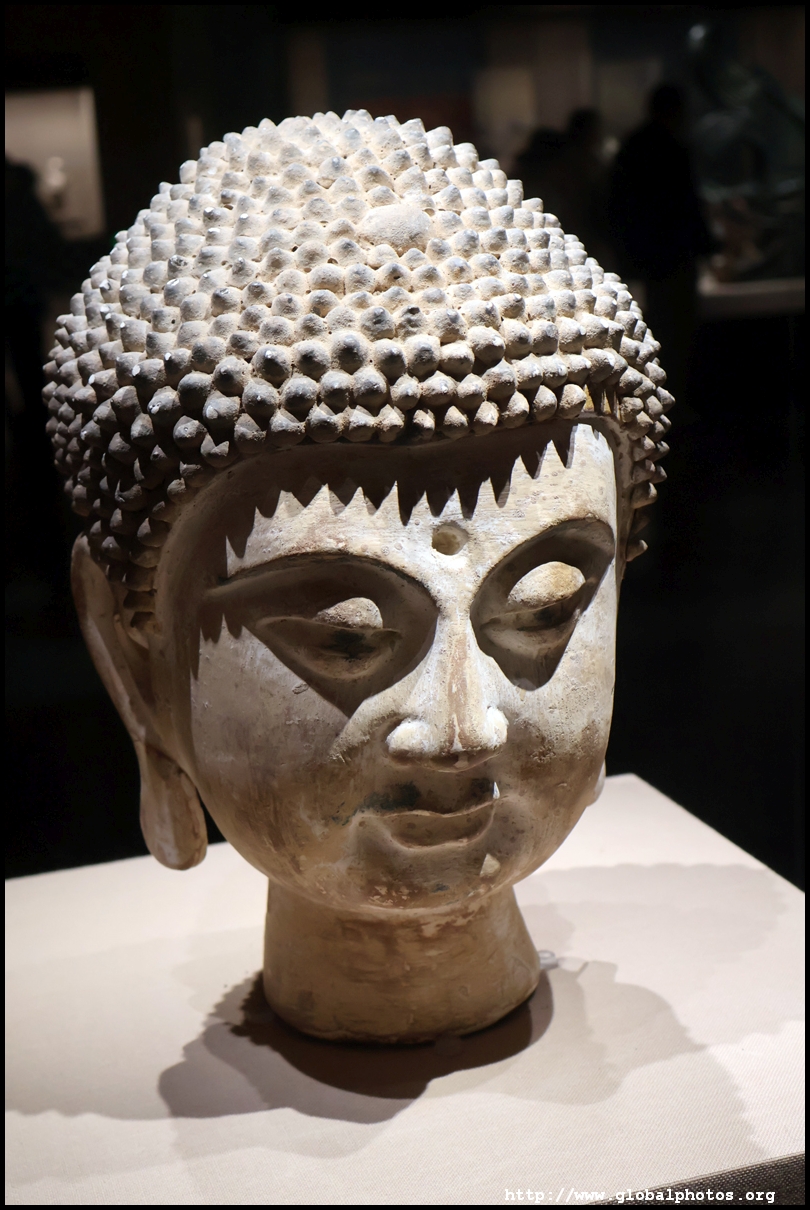
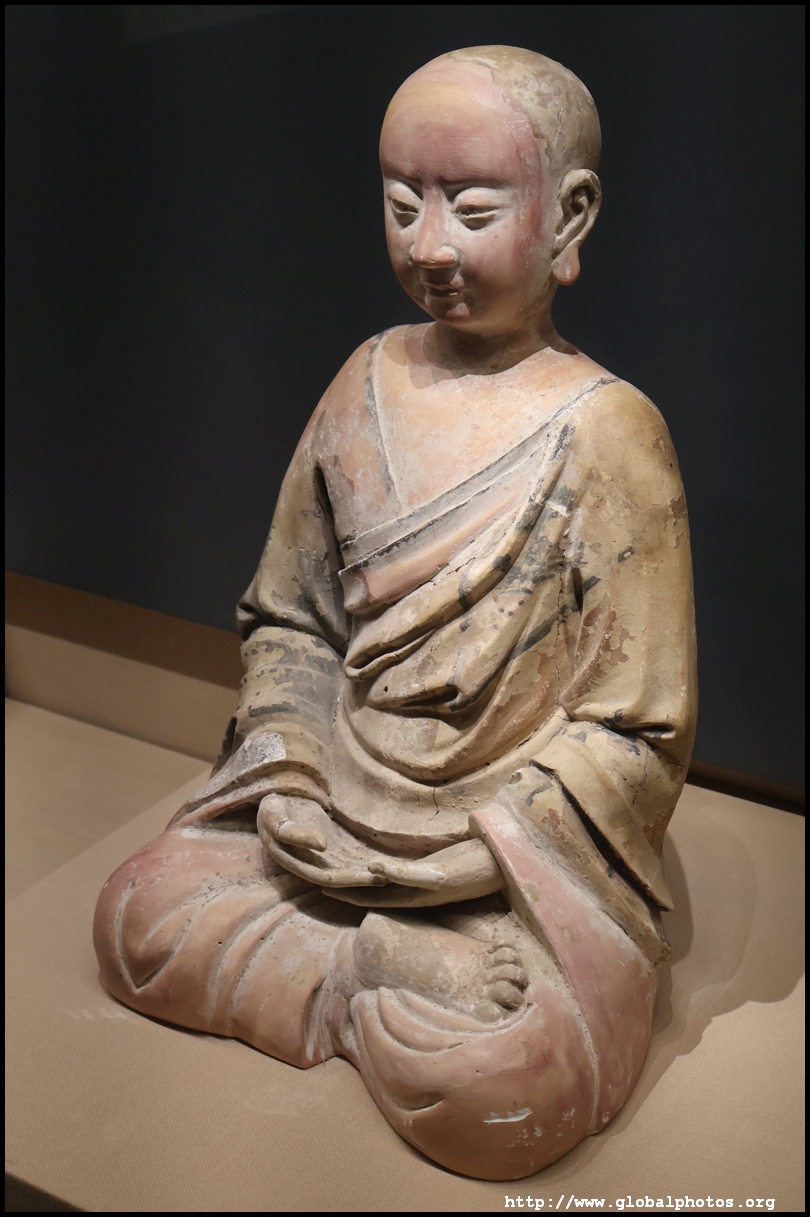
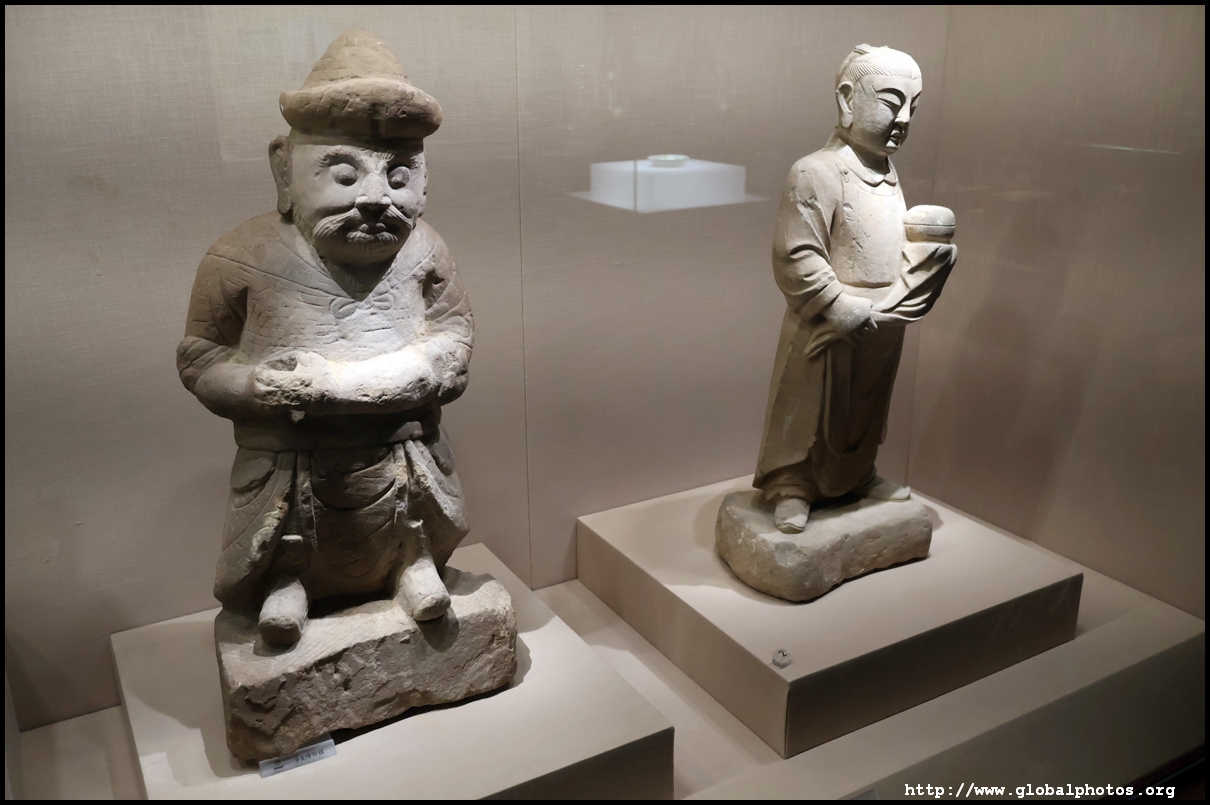
Ningxia was located on the northern route of the Silk Road's eastern section, seeing merchants, traders, monks, and other dignitaries pass by on their journey to/from Chang'an. Archaeologists have found many cultural relics, indicating a prosperous exchange between China and foreign countries. A lot are from the Tang period, a very prosperous time when trade flourished.
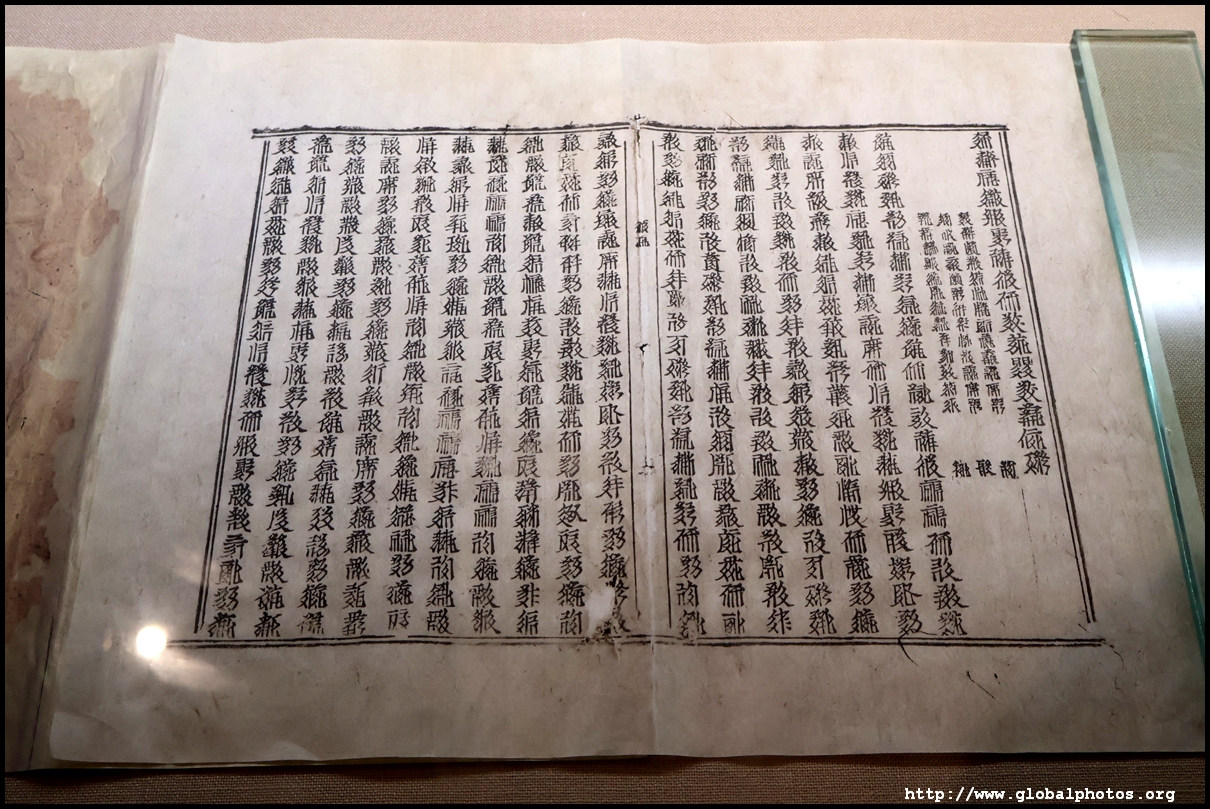
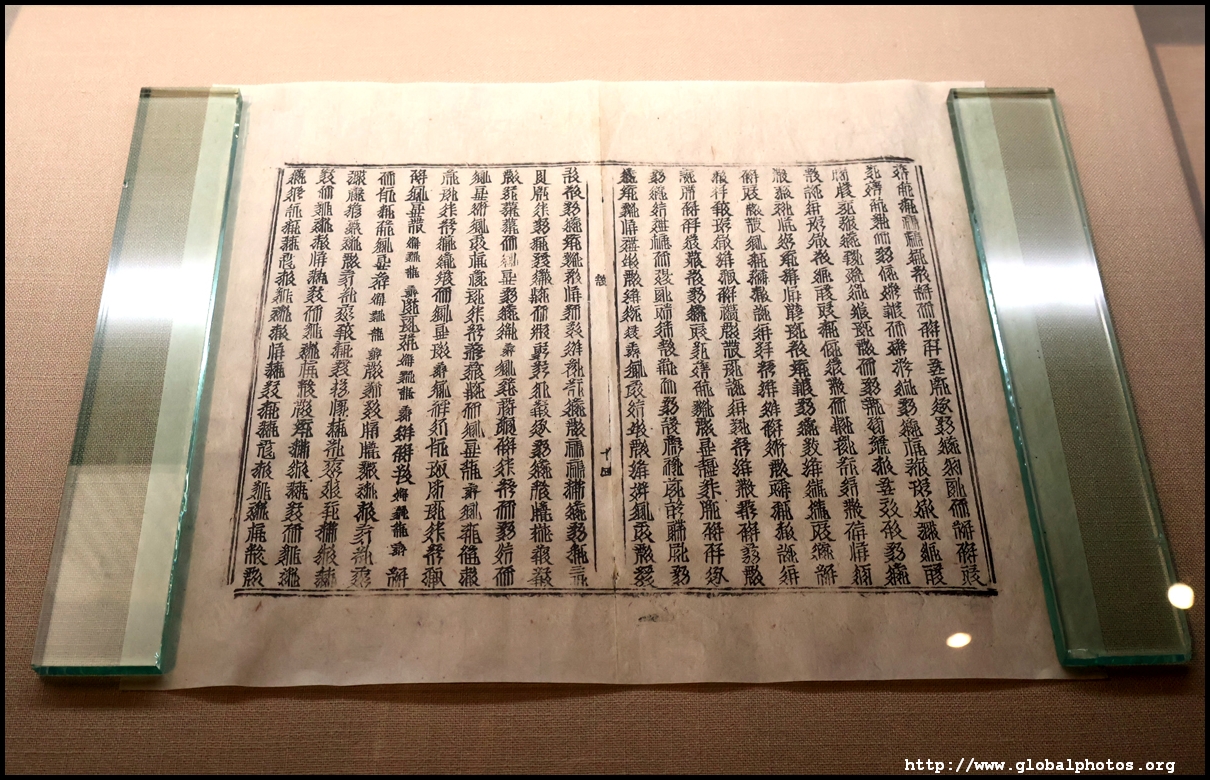
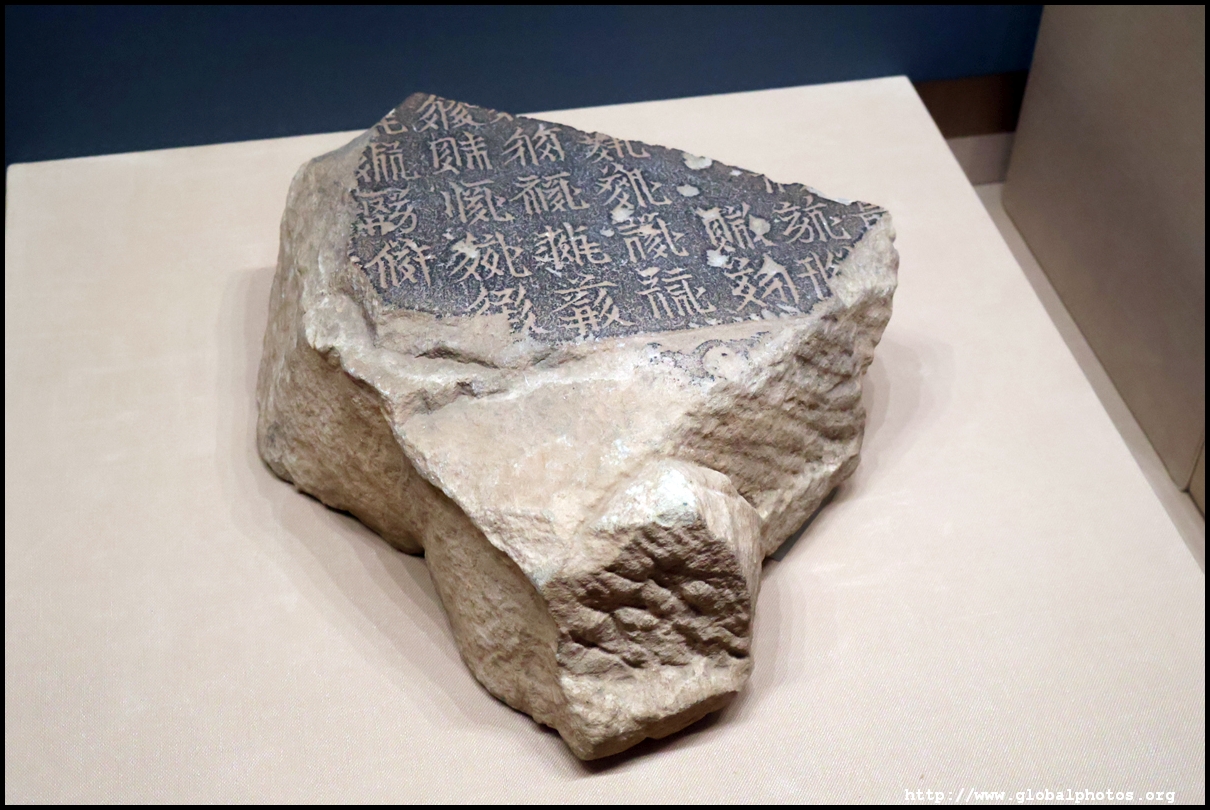
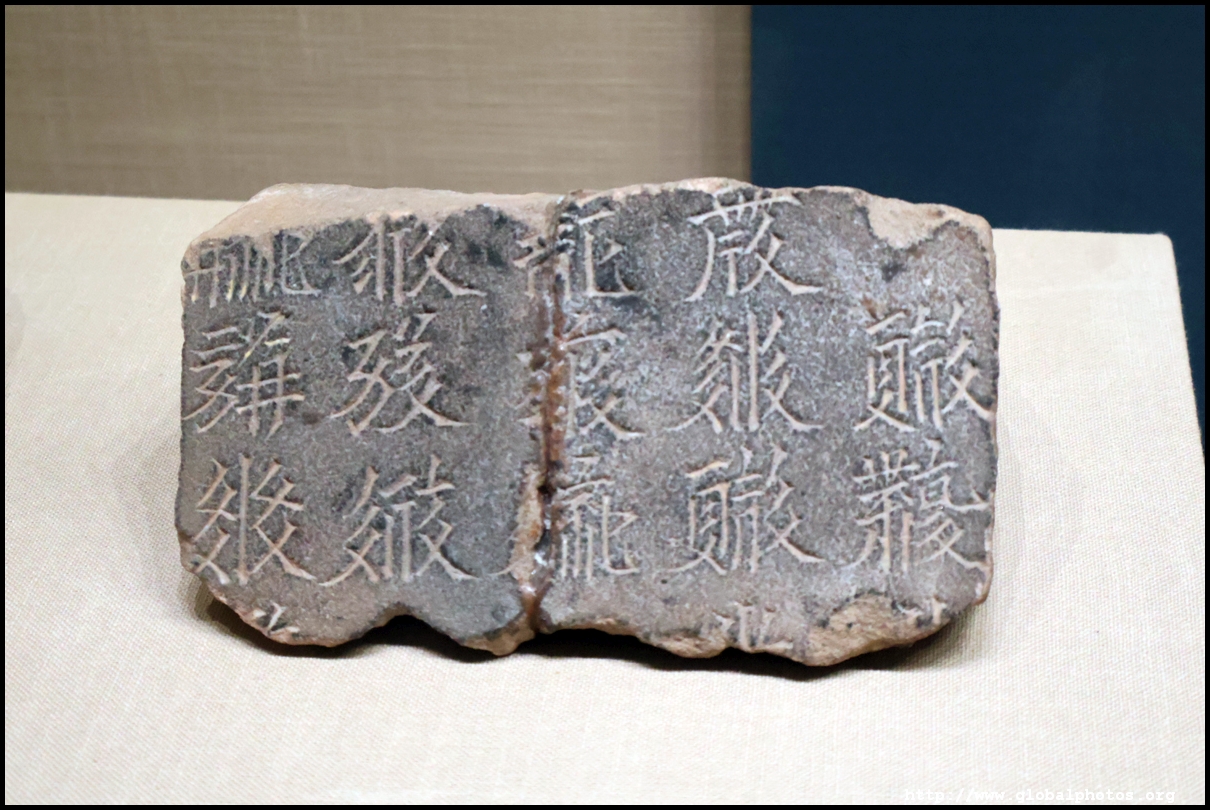
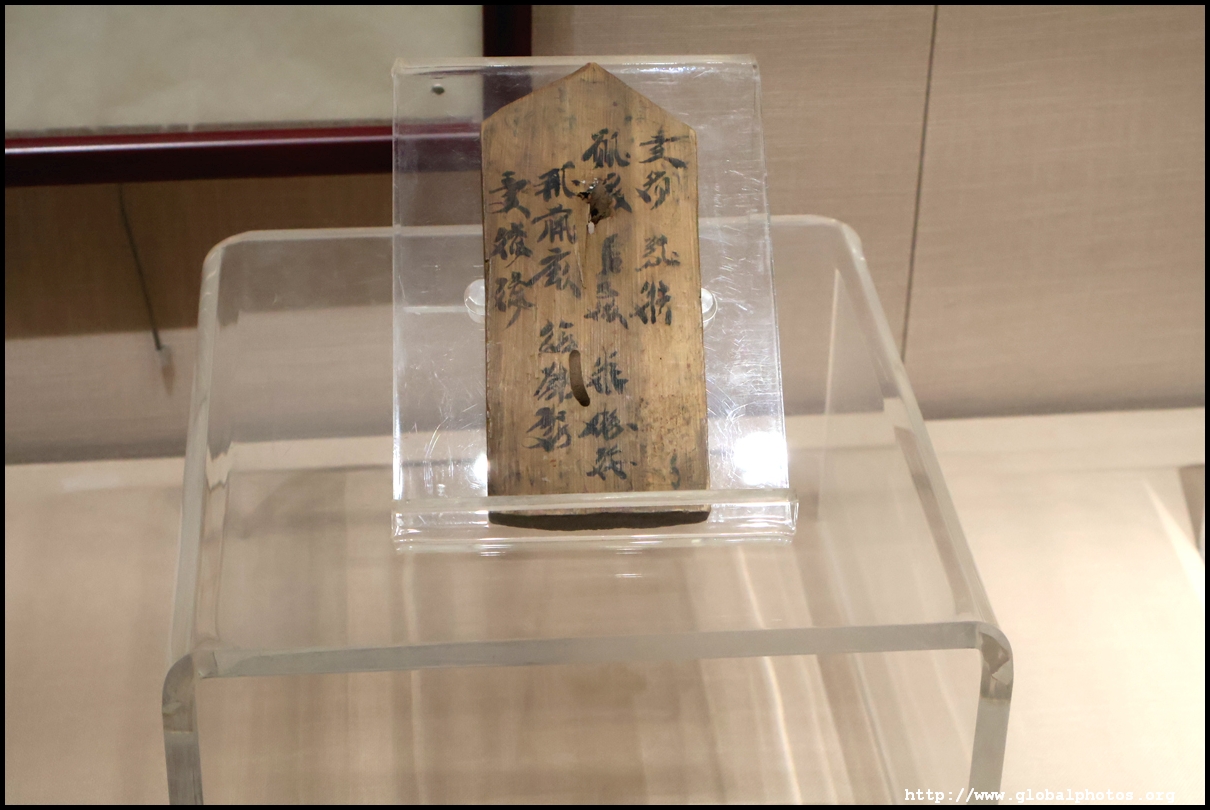
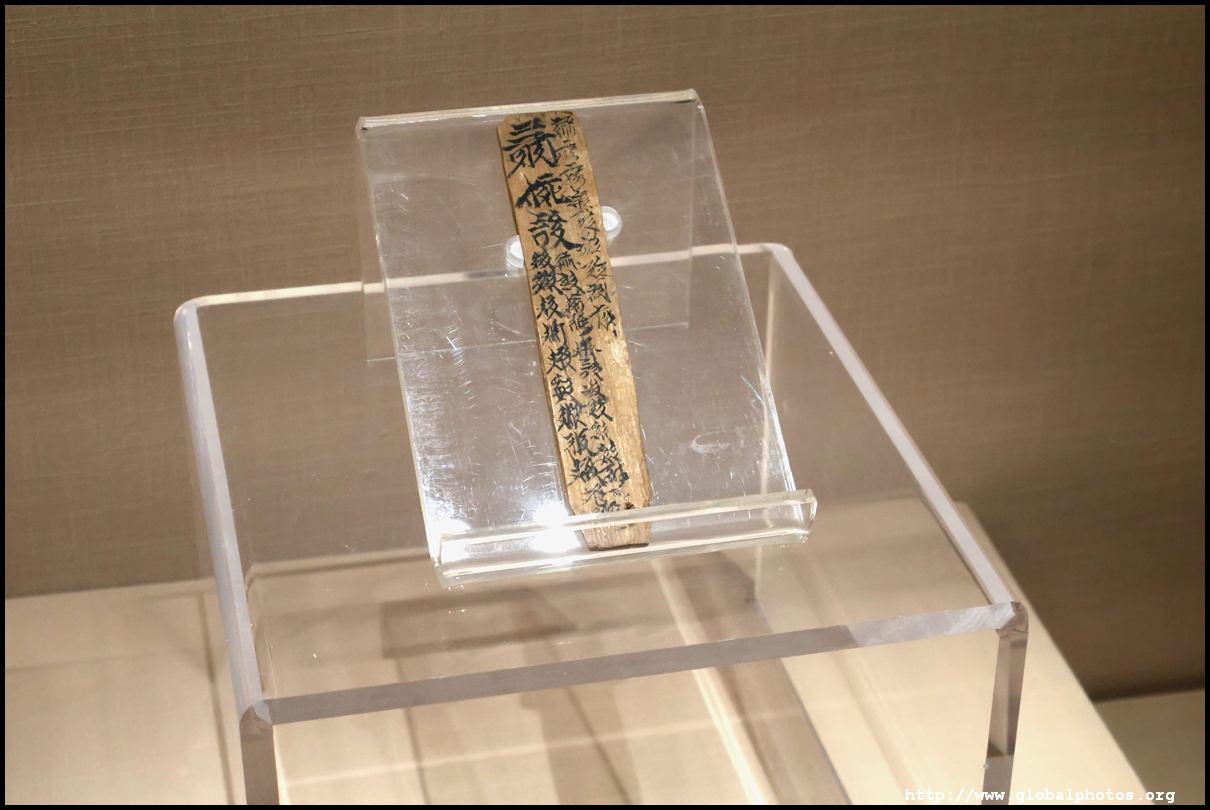
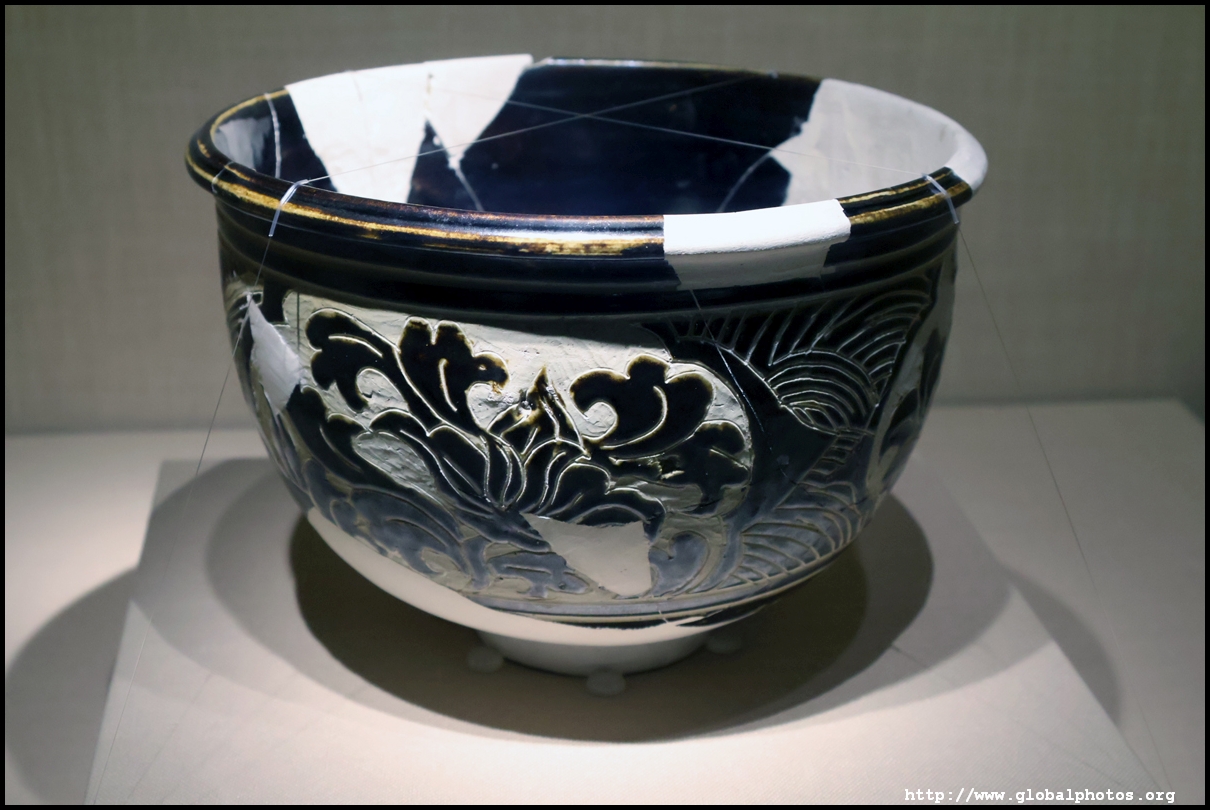
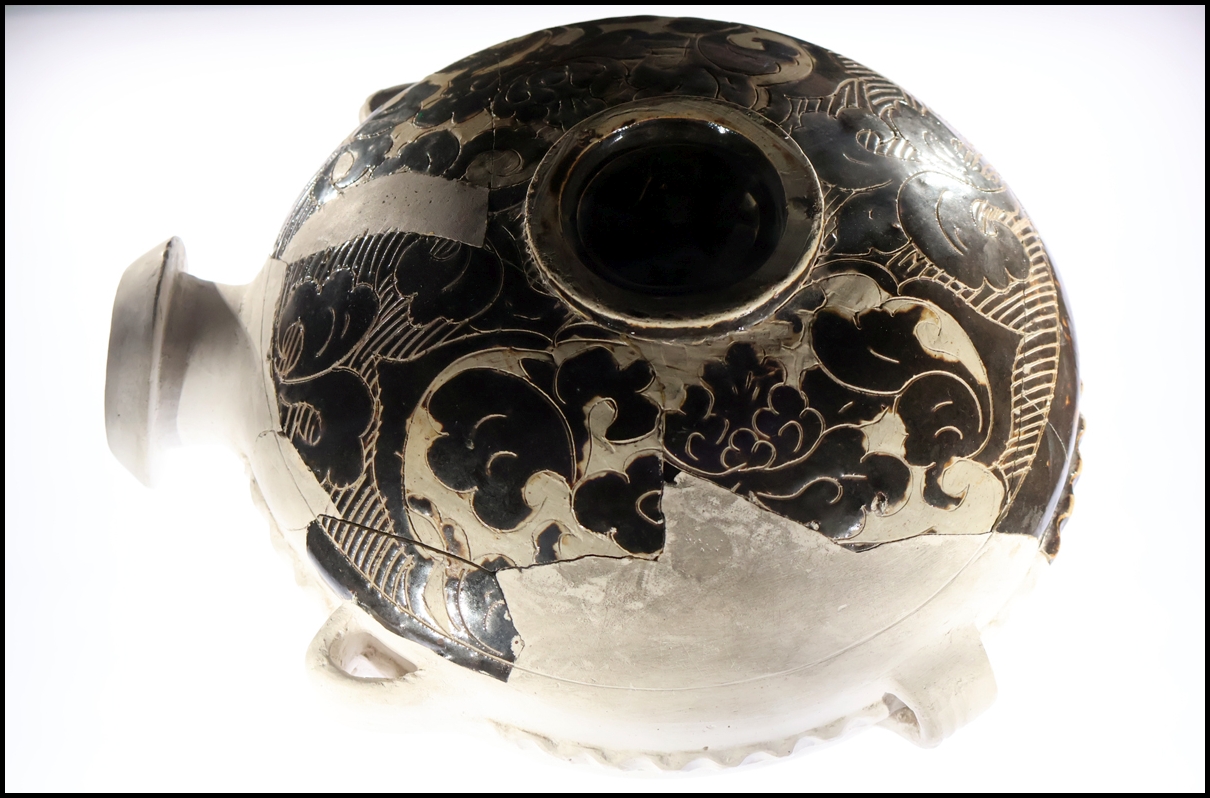
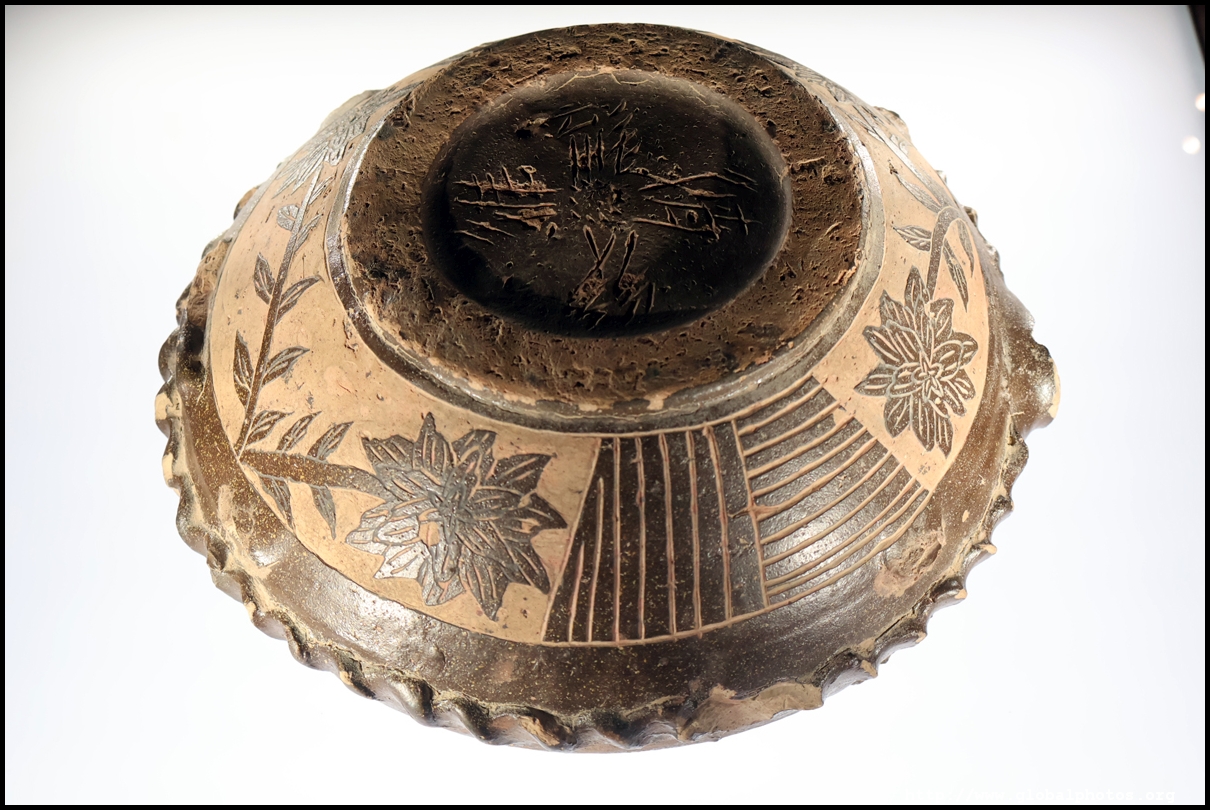
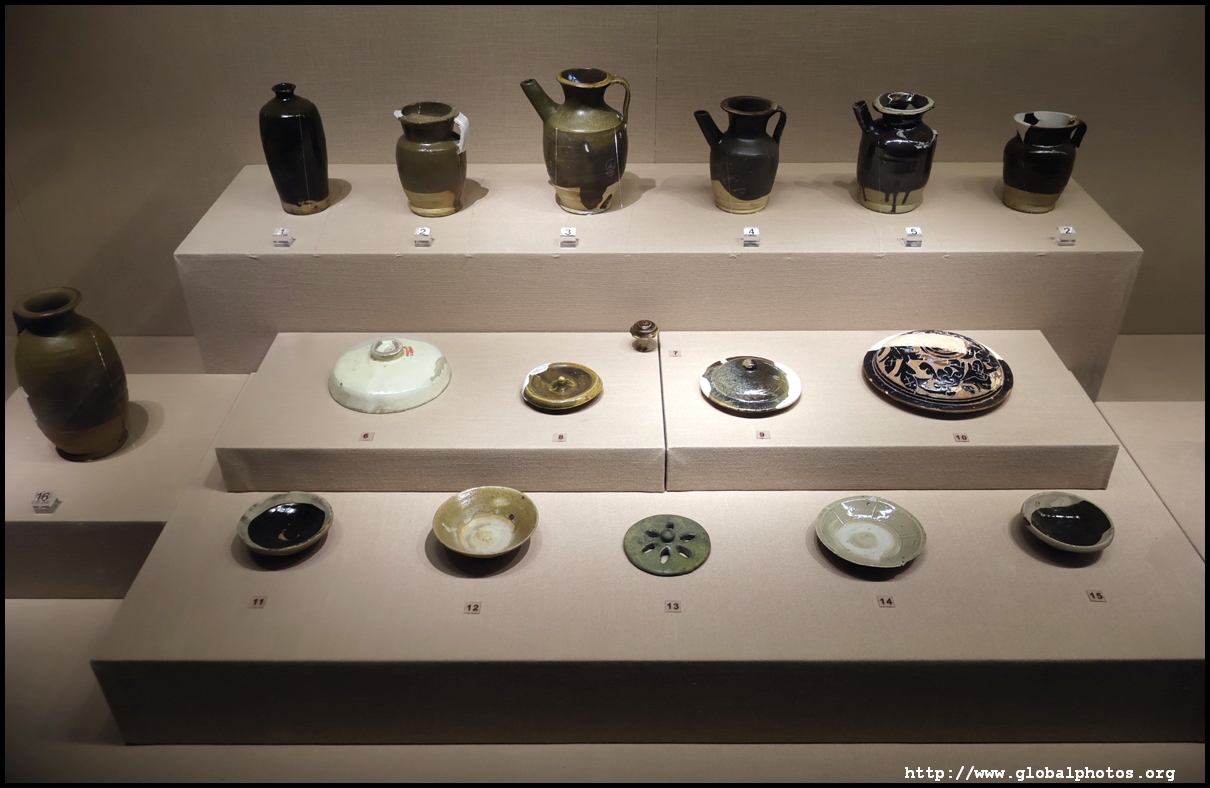
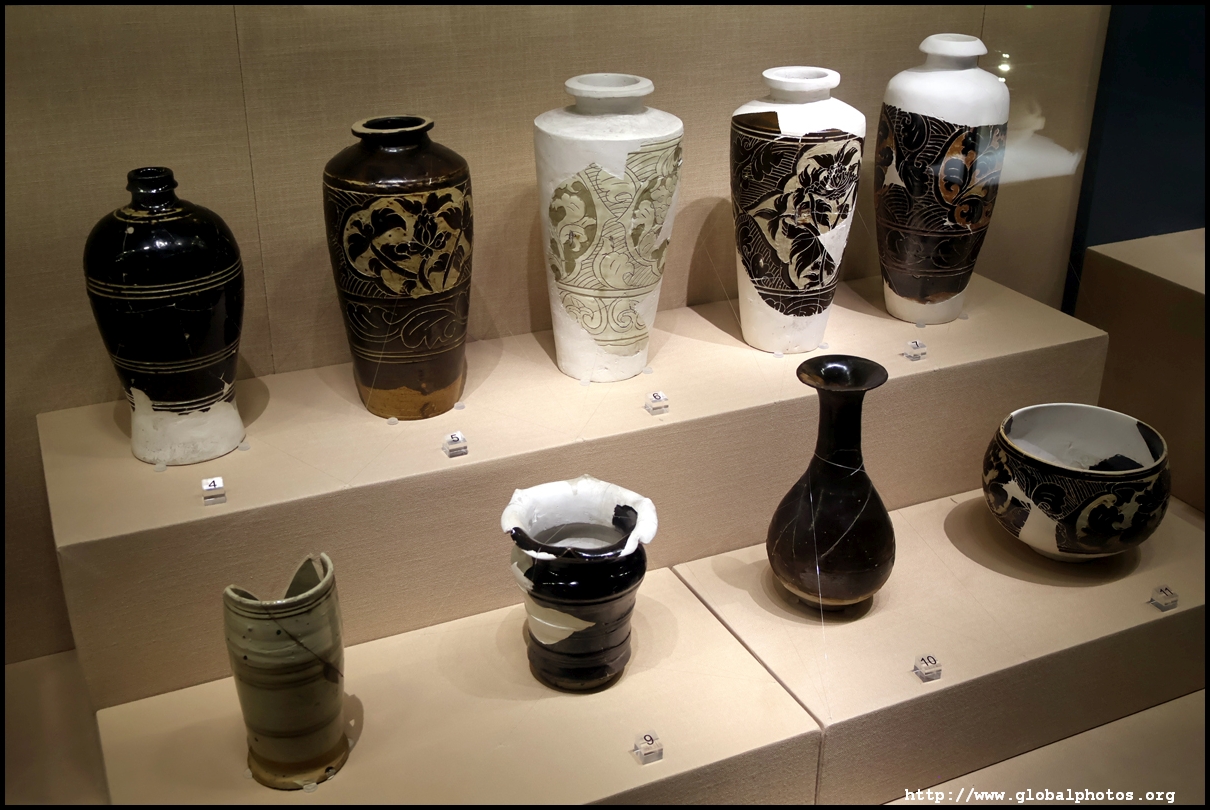
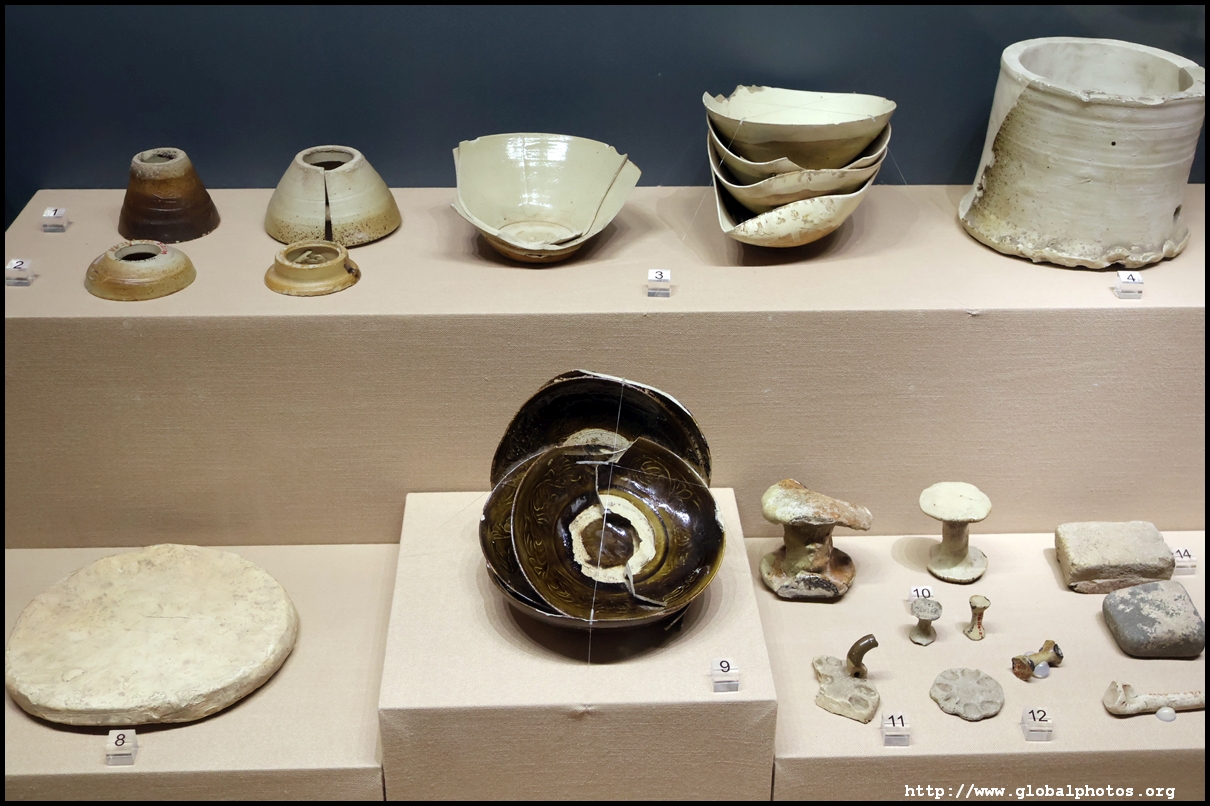
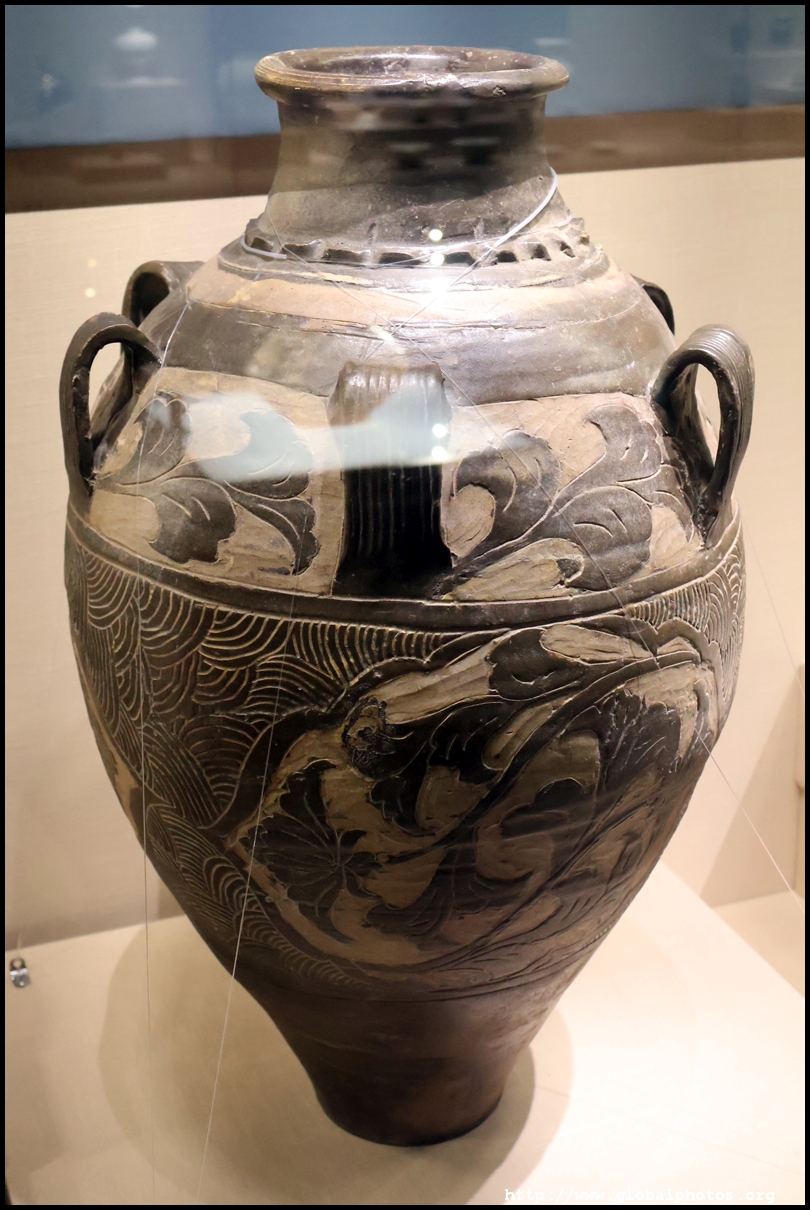
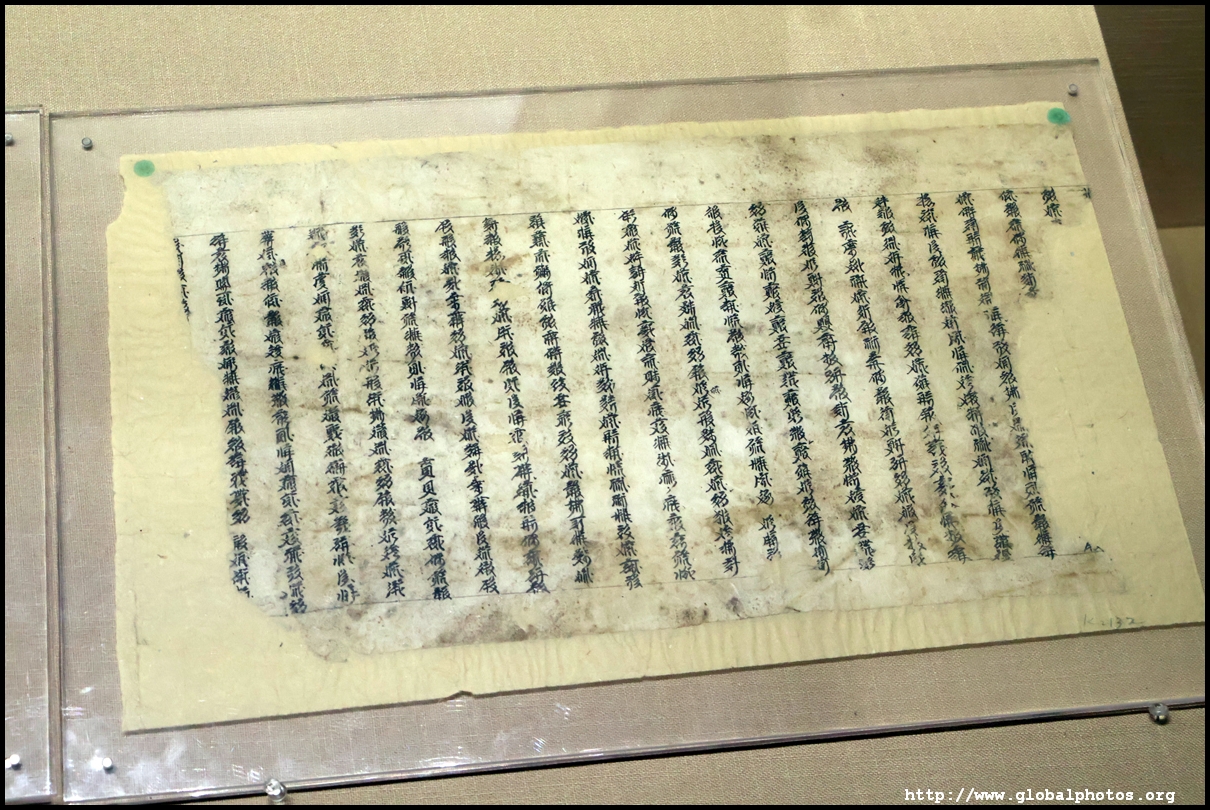
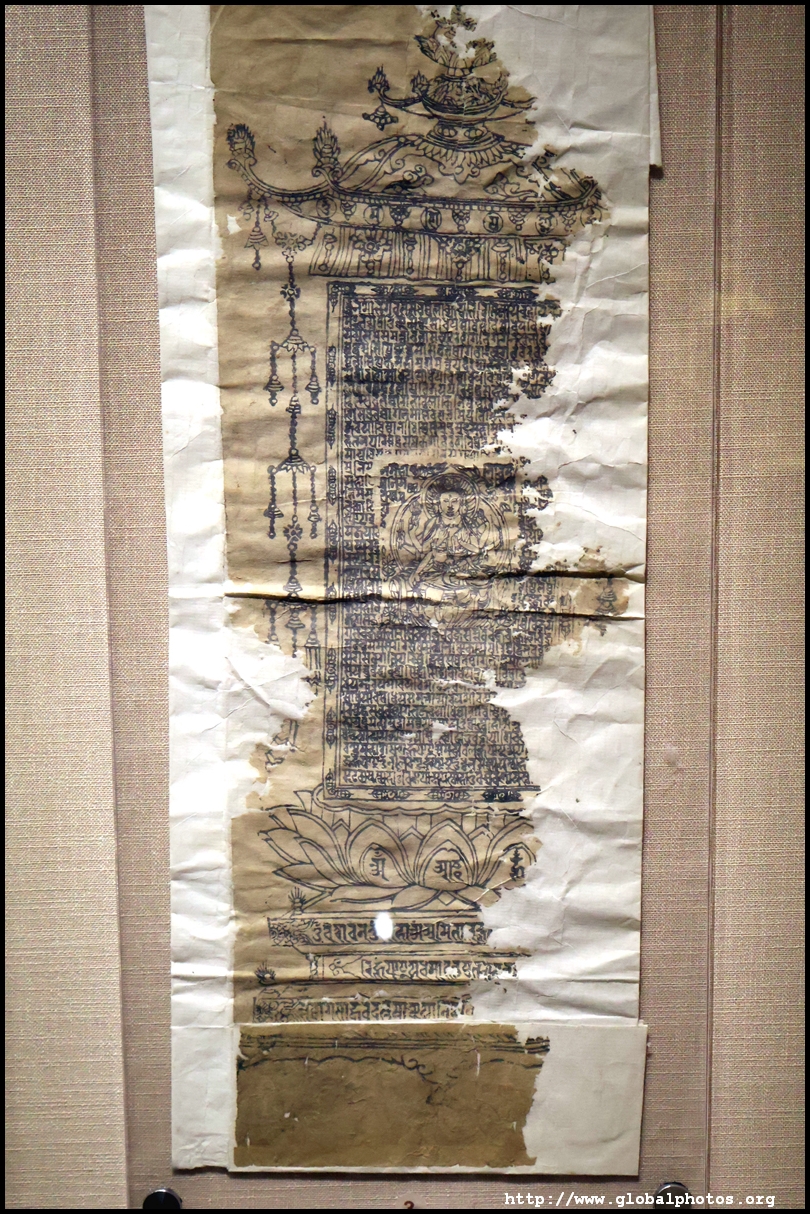
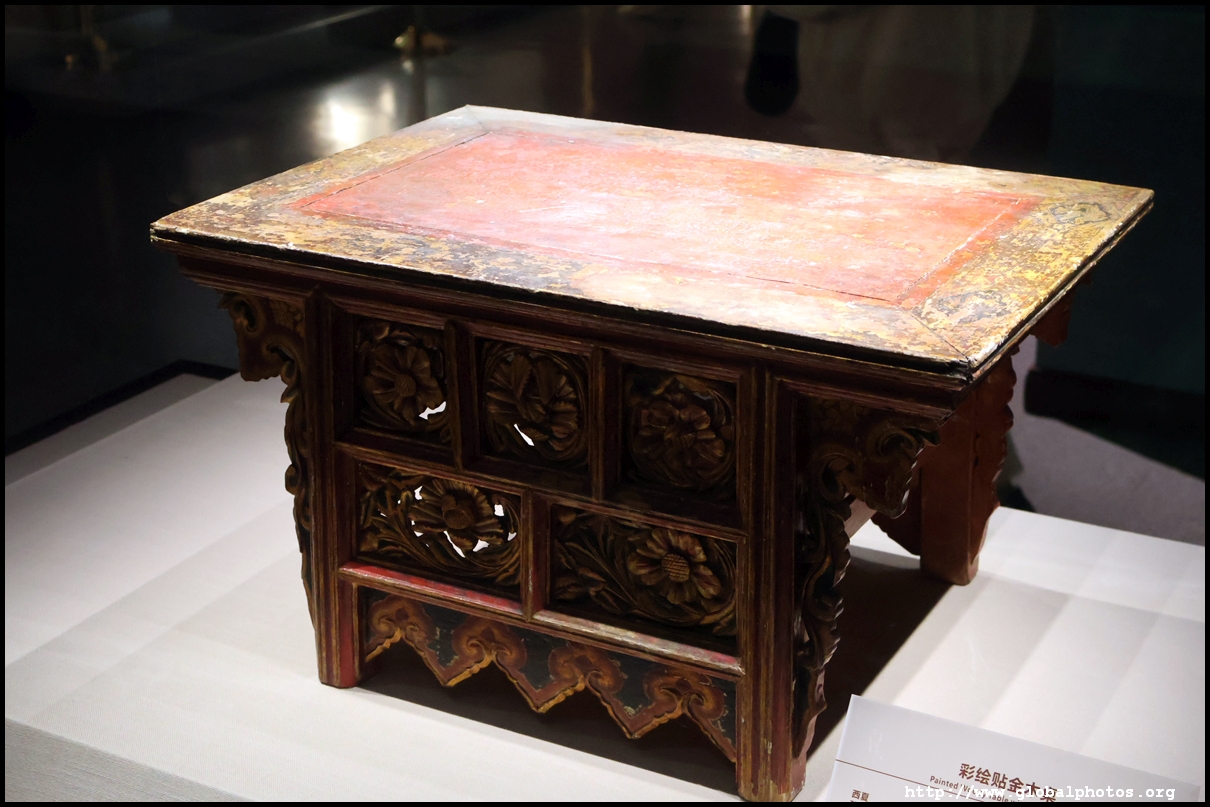
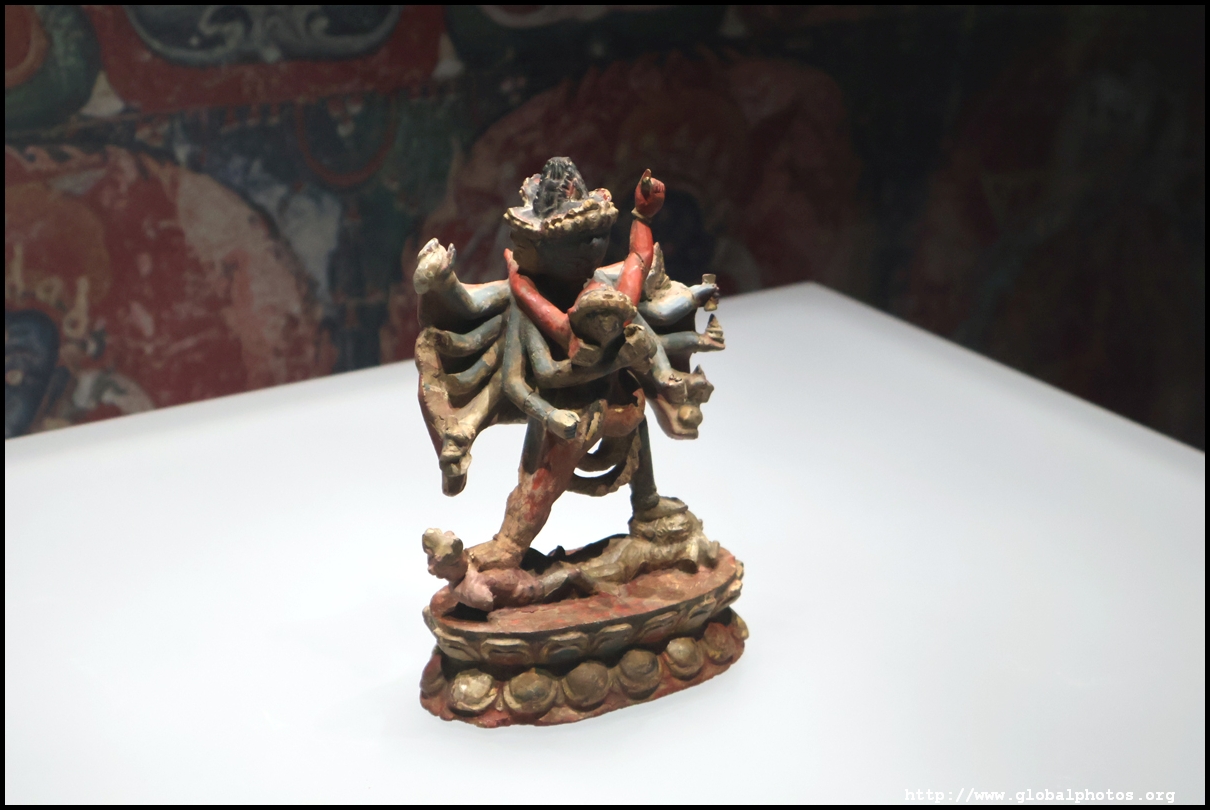
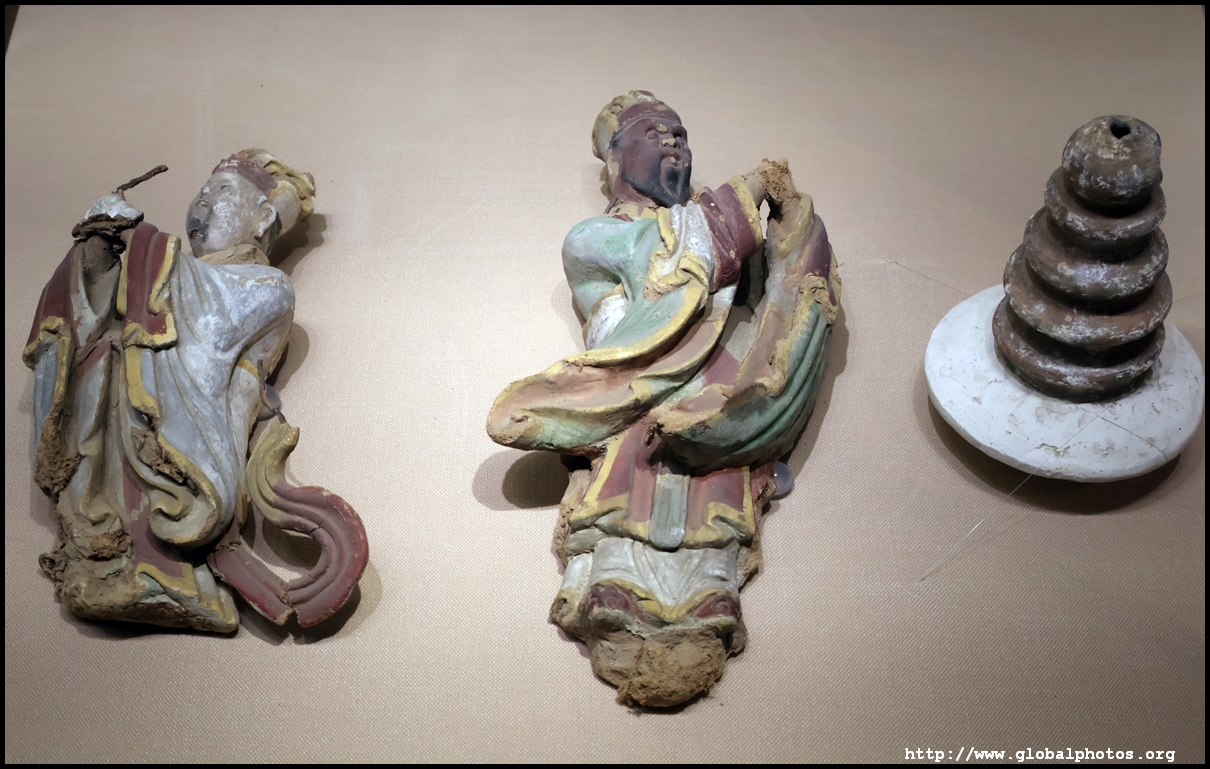
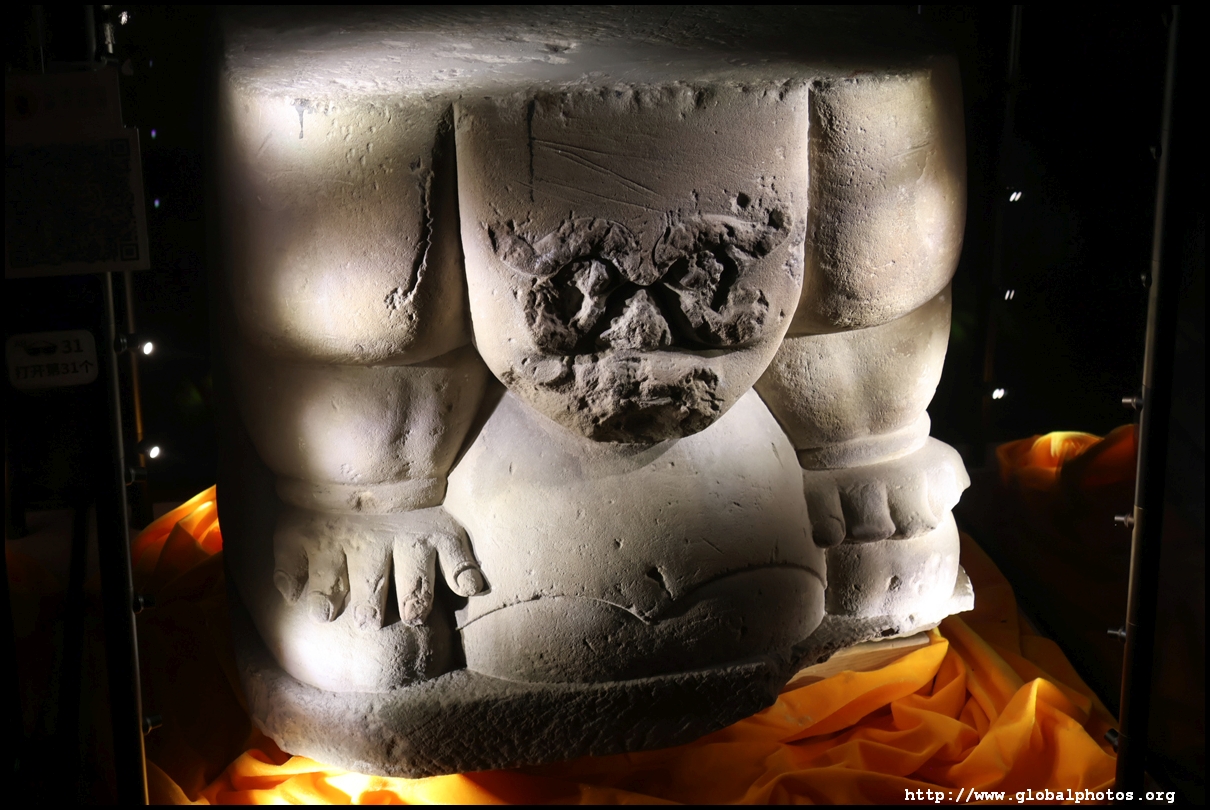
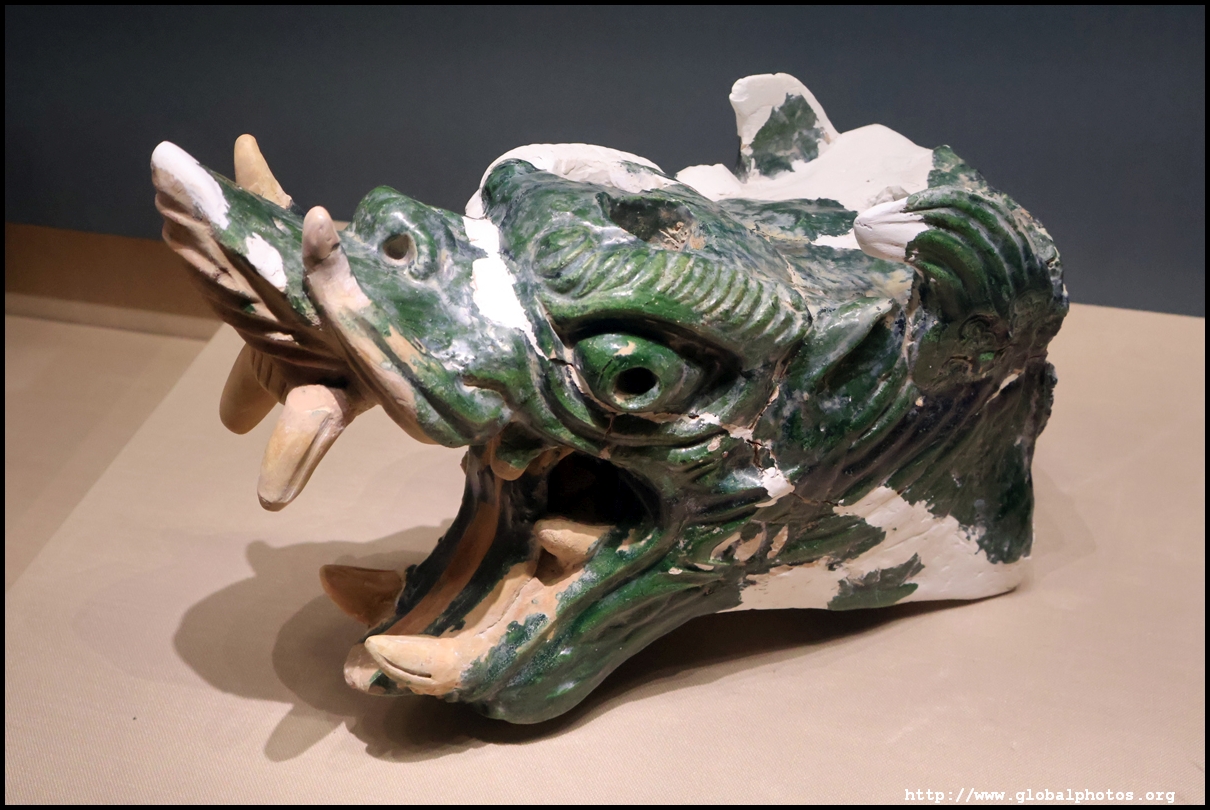
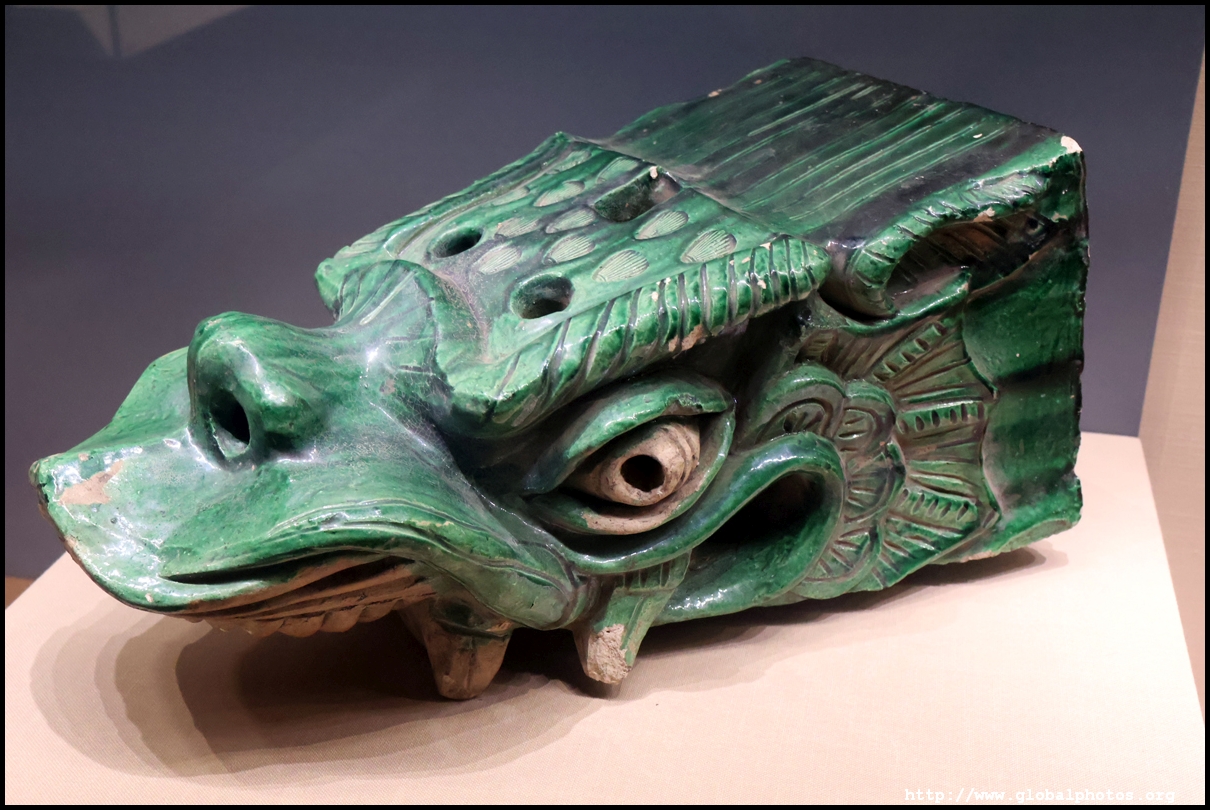
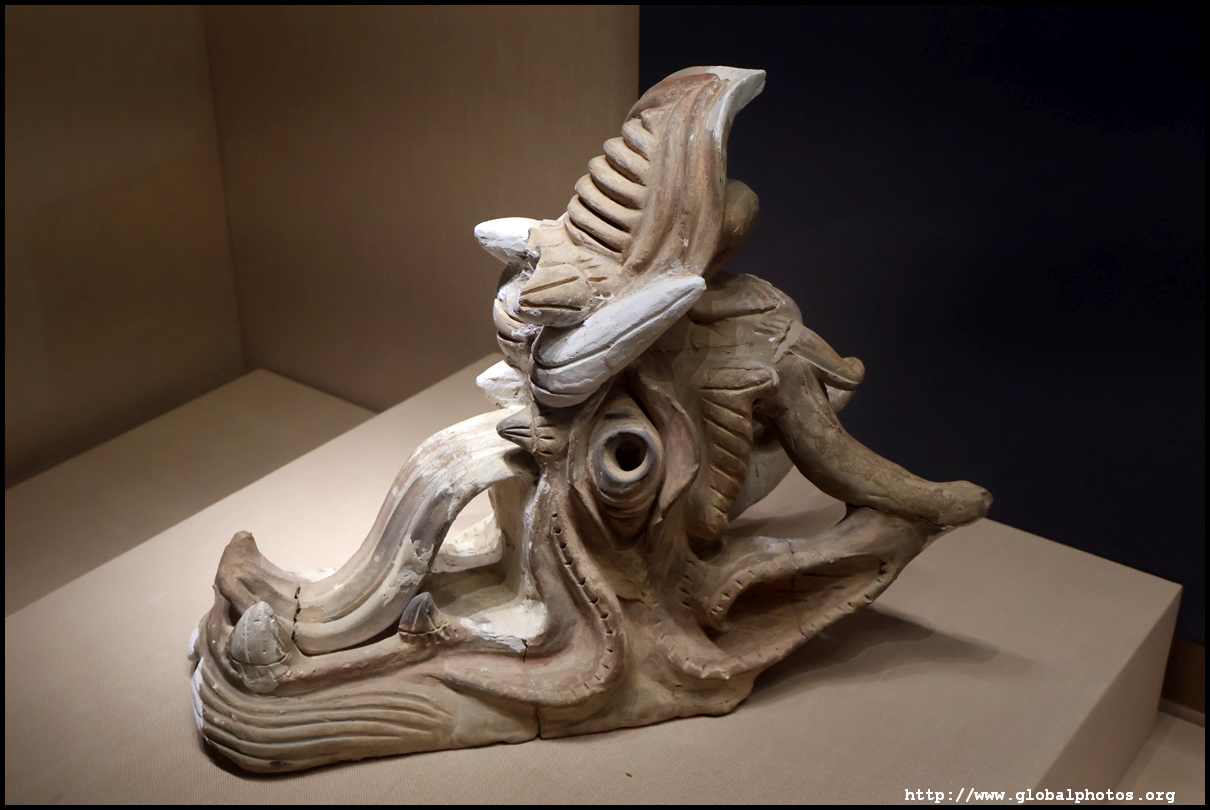
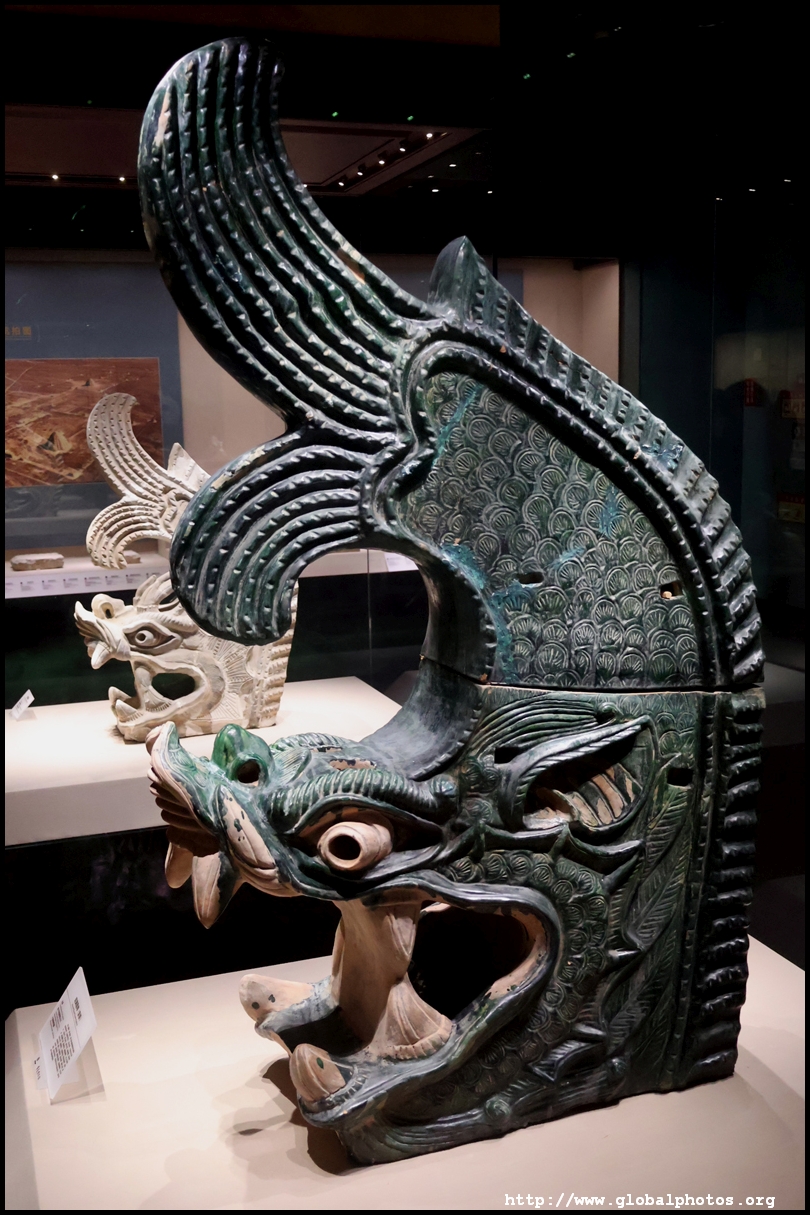
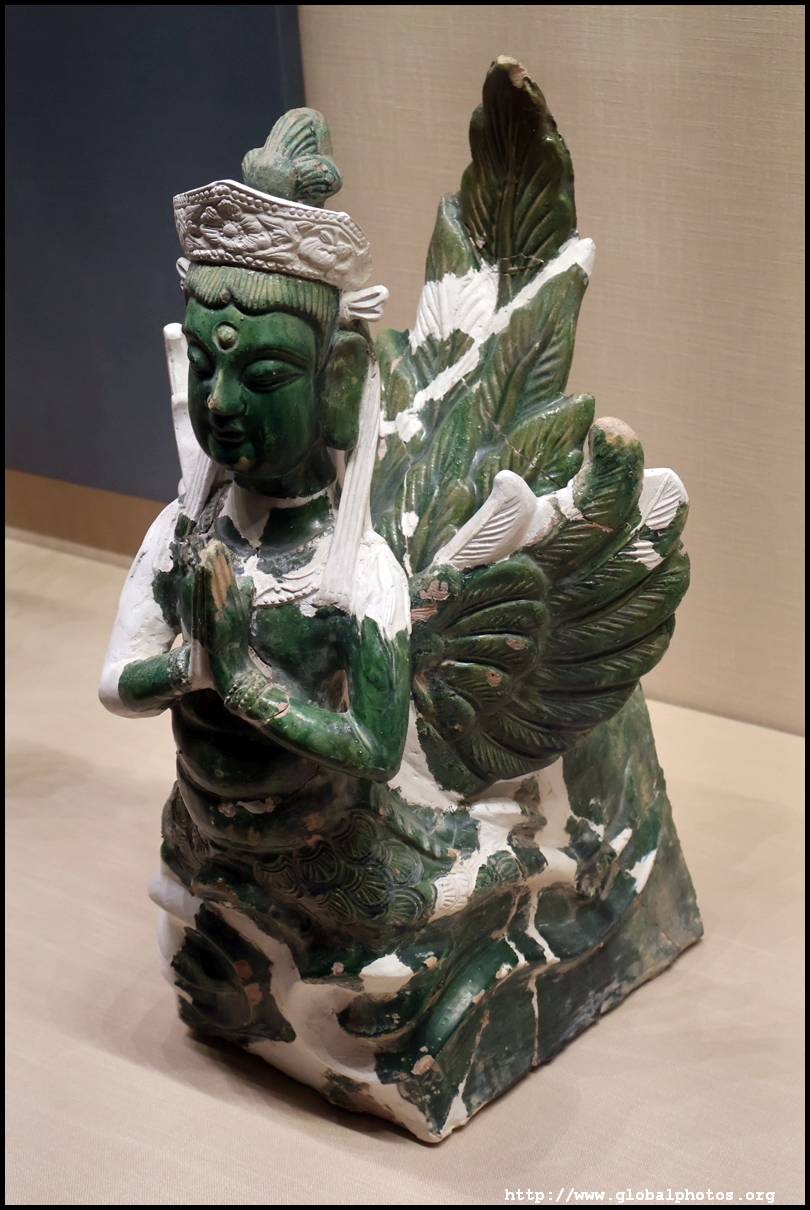
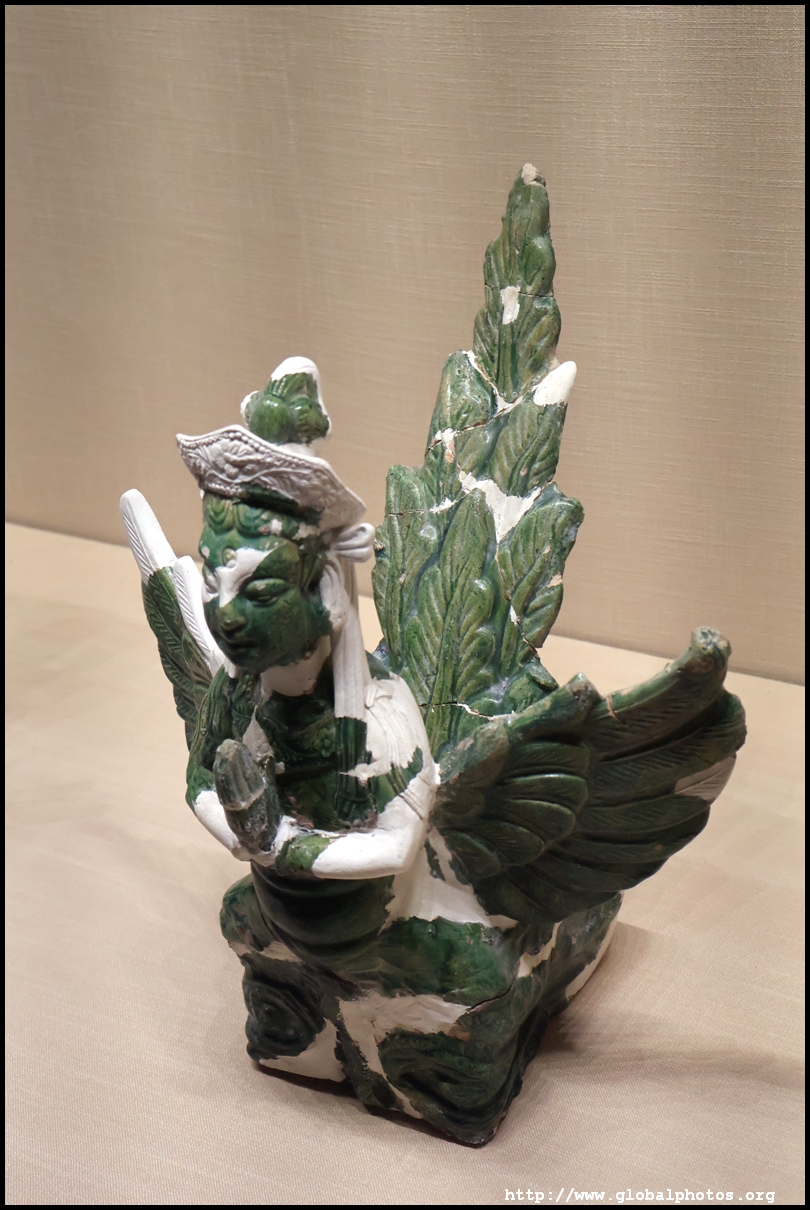
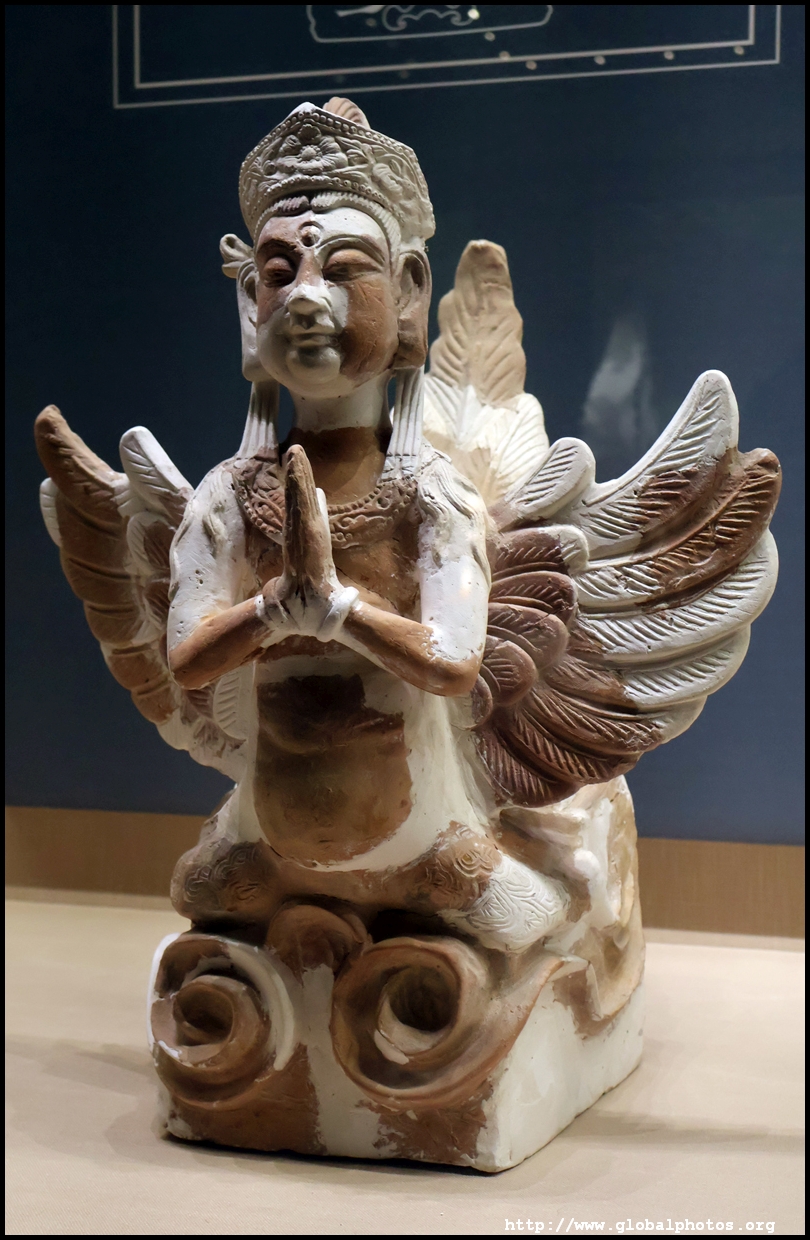
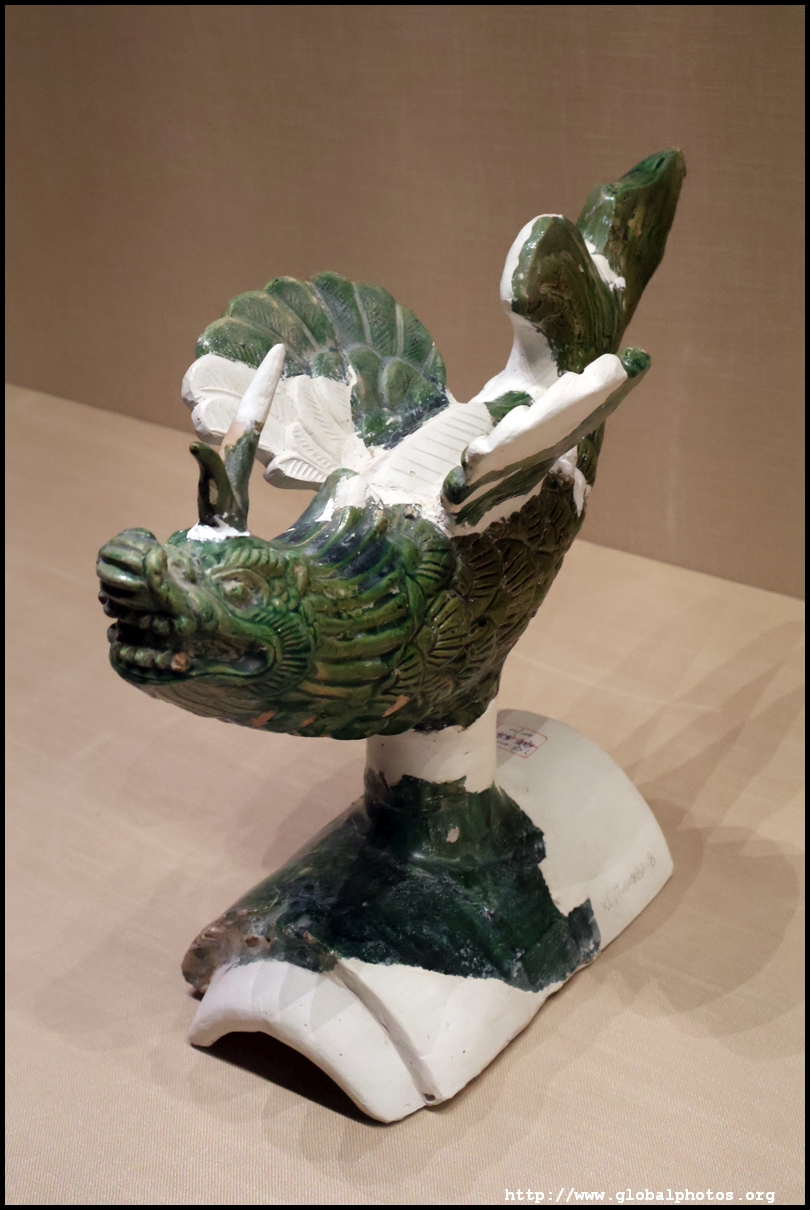
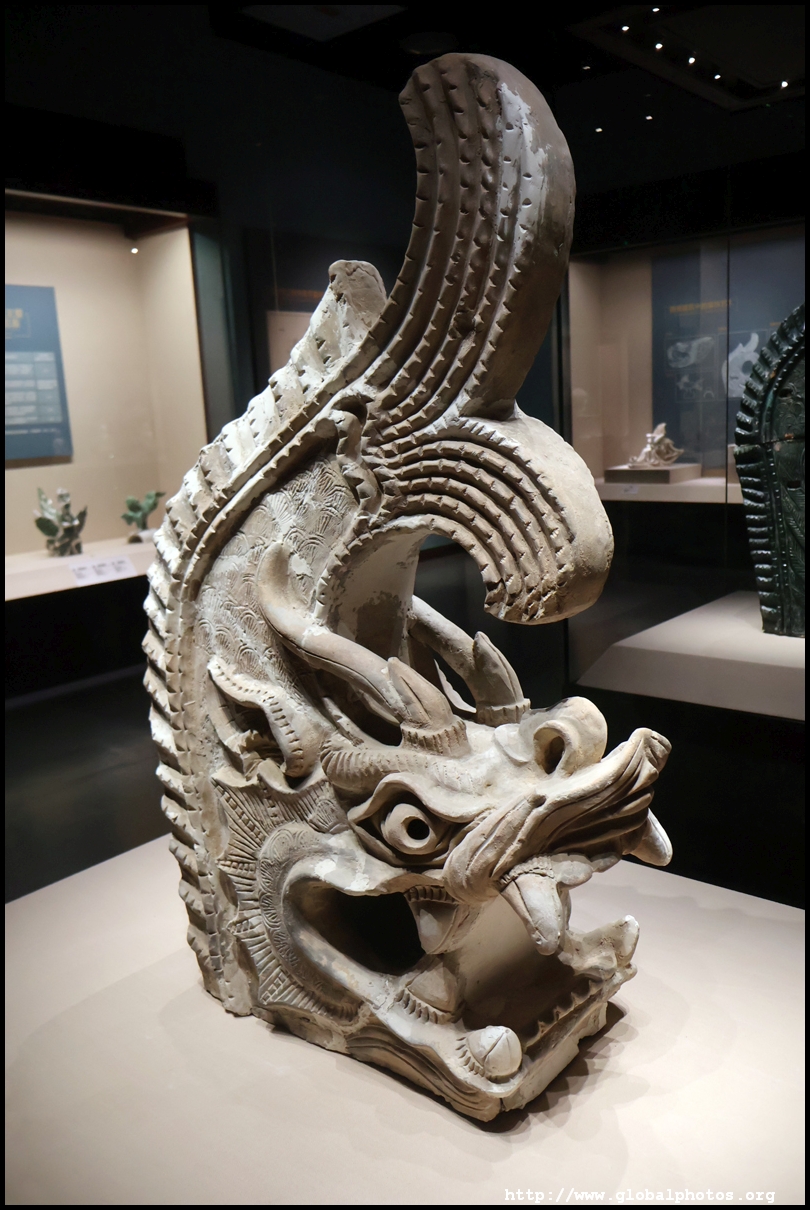
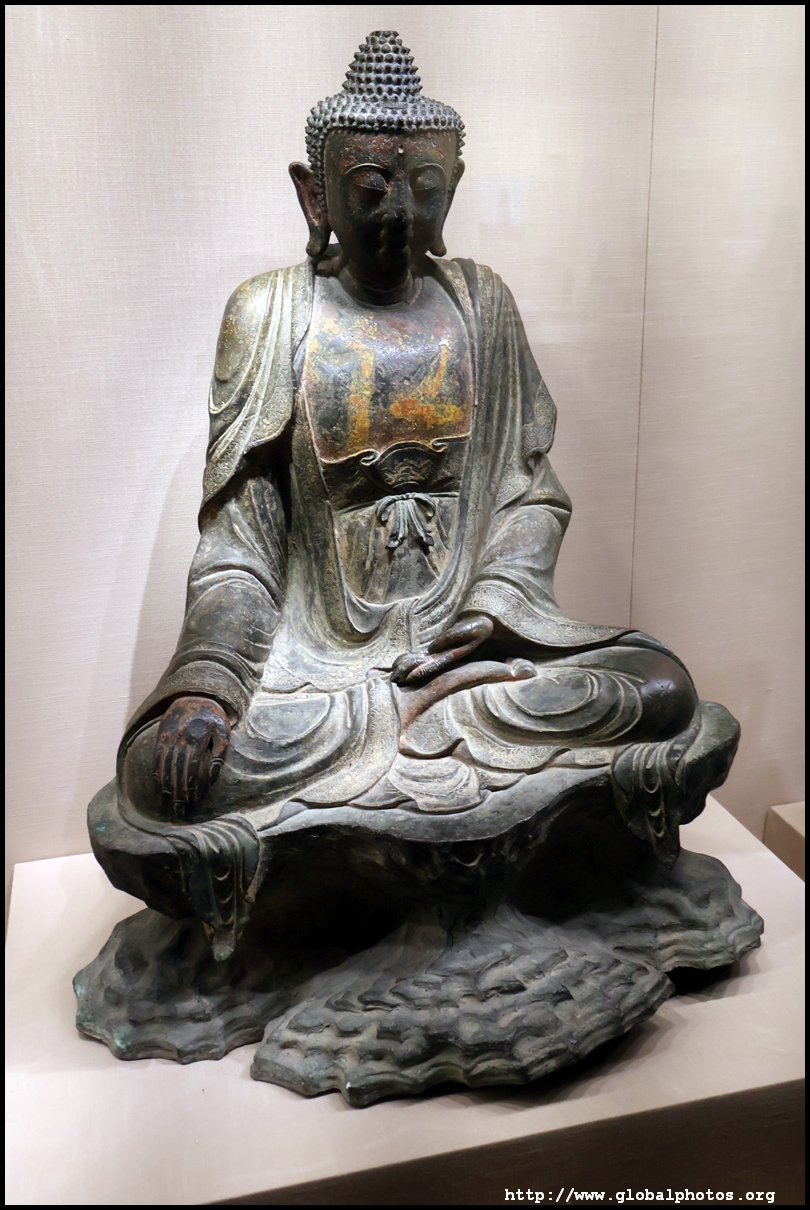
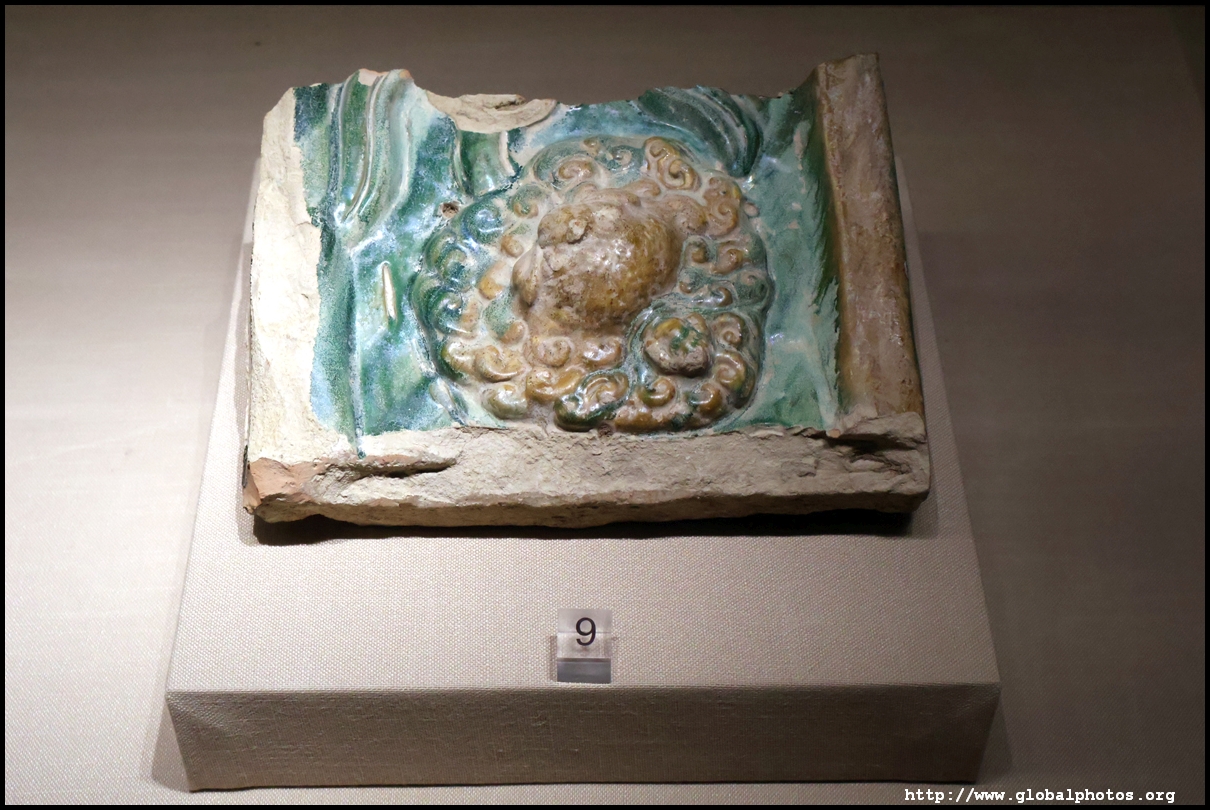
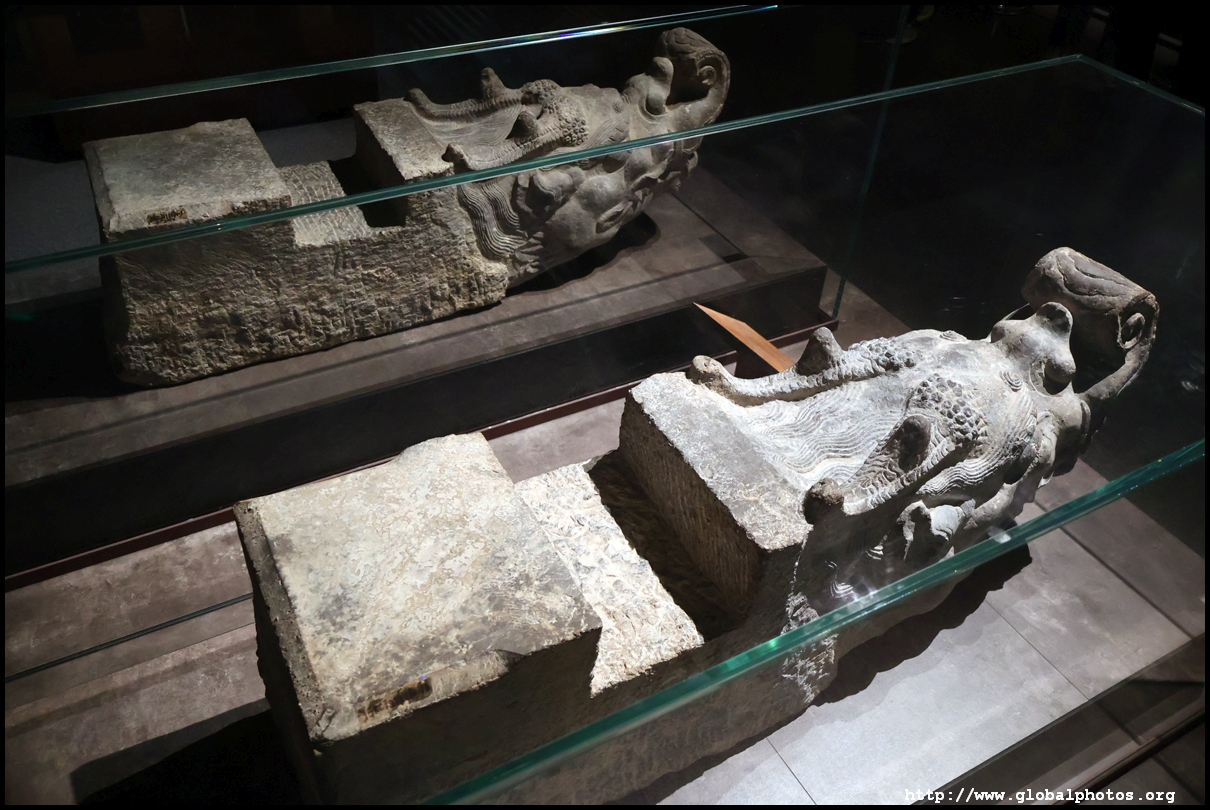
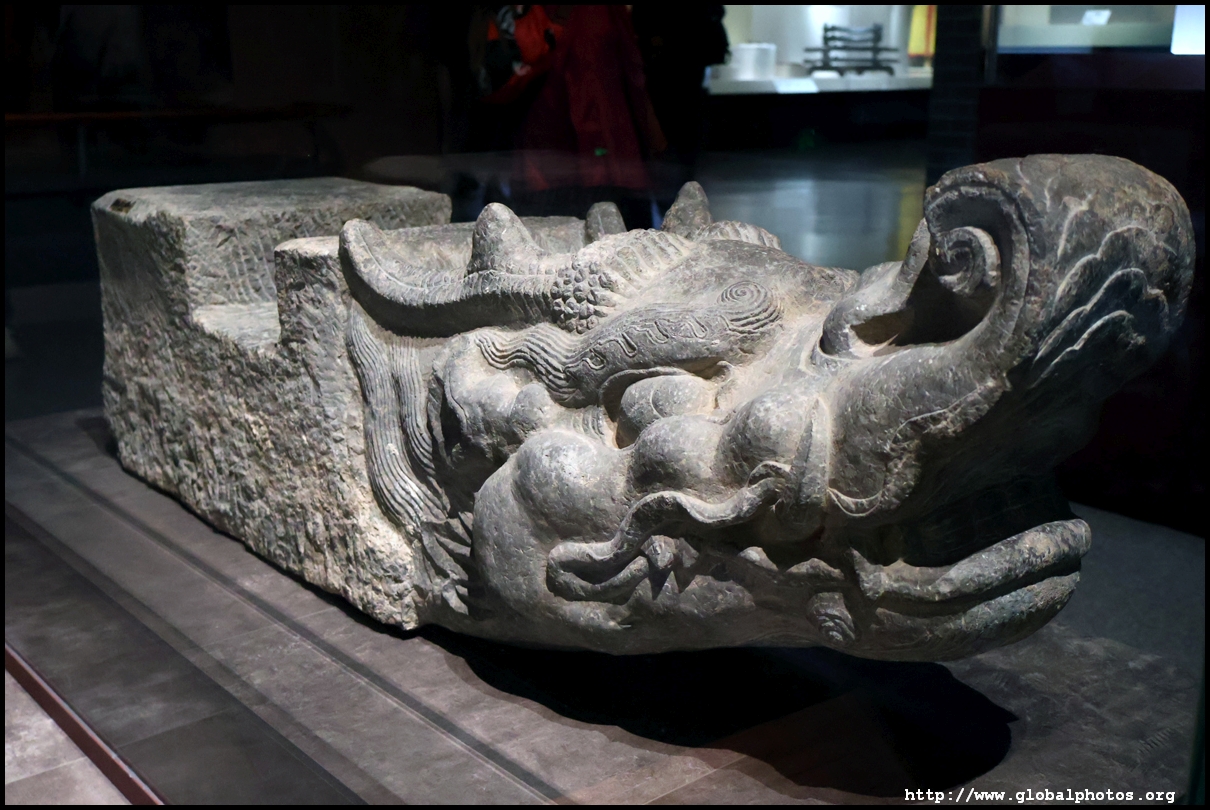
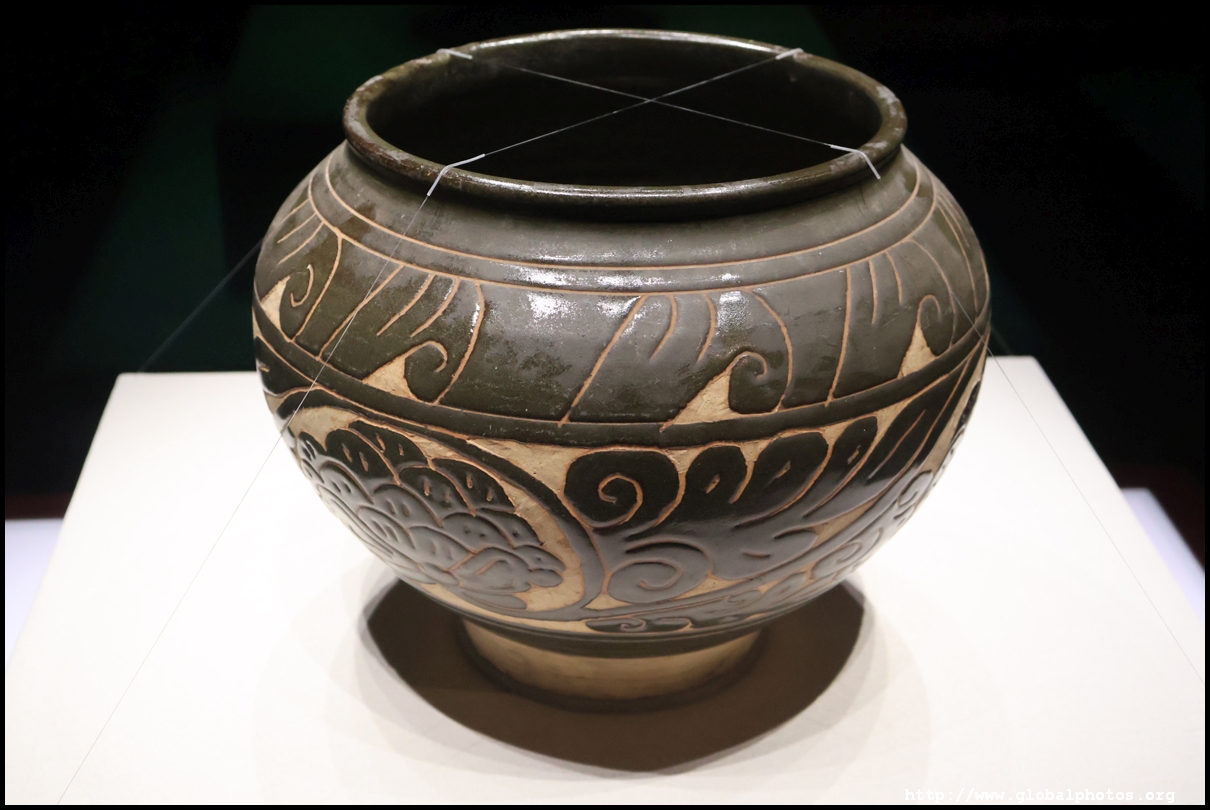
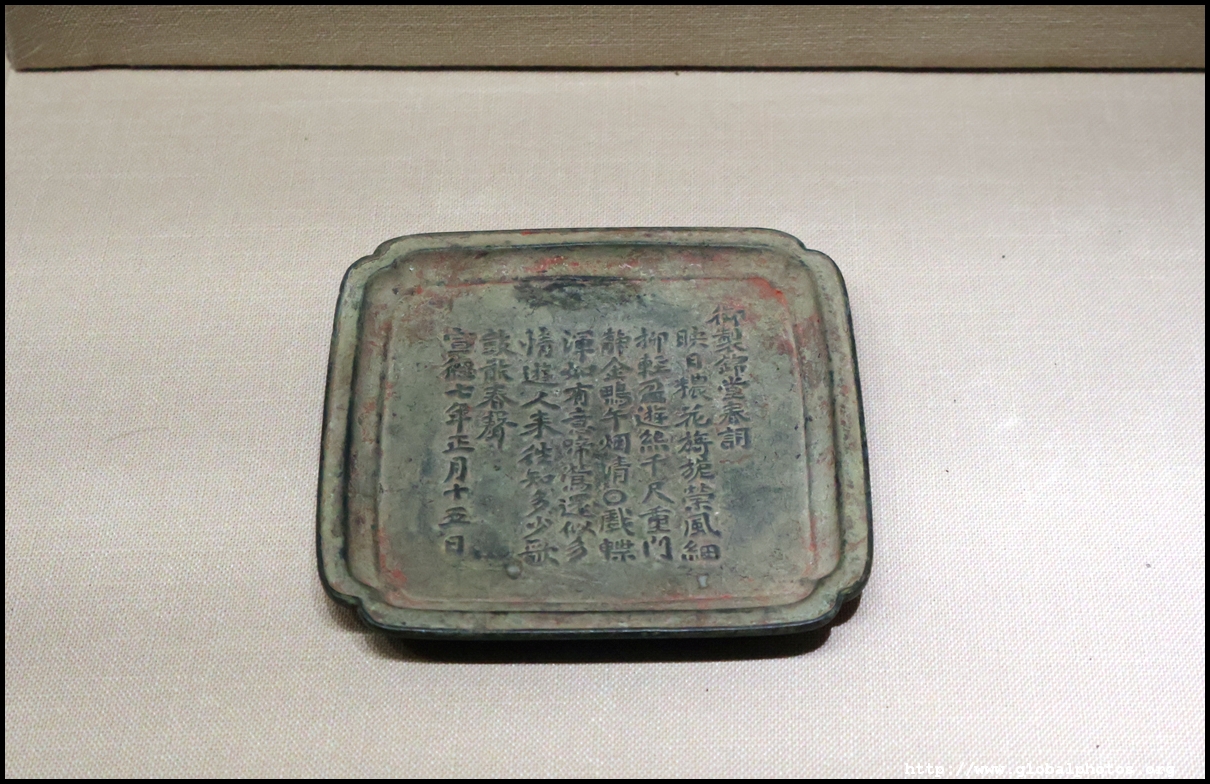
The Western Xia ruled from 1038-1227 with present-day Yinchuan as the capital. Being on the Silk Road, it was influenced by both Chinese and foreign cultures, but still had its distinct culture, with its own written characters, porcelain, and crafts. Of particular interest is their written language, which was based on traditional Chinese characters. It had over 6000 written characters, but had a different structure, style, and appearance. After the fall of the empire, these characters continued to be used in historical records for a few hundred more years.
The Western Xia was absorbed into the Mongol Yuan Dynasty, and the name "Ningxiafu" was adopted for the region in 1288, the first time the name Ningxia was used.
|
|||