2025 Showcase Gallery - 1st Half
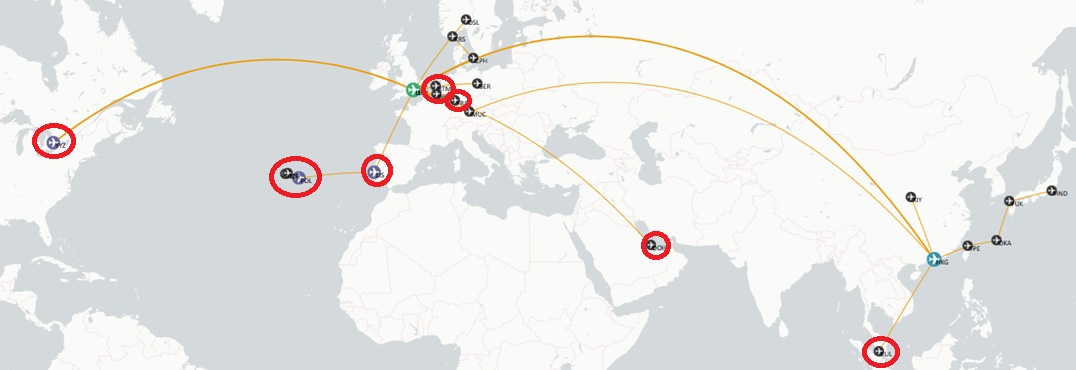
2025 was a busy travel year with a variety of trips. Out of my London base, I did a few of short-haul trips nearby while venturing to exotic Qatar during Ramadan. The Azores were a bit of a surprise with pleasant summer temperatures and a good variety of things to do despite their small size.
| |
Kuala Lumpur (January) |
|
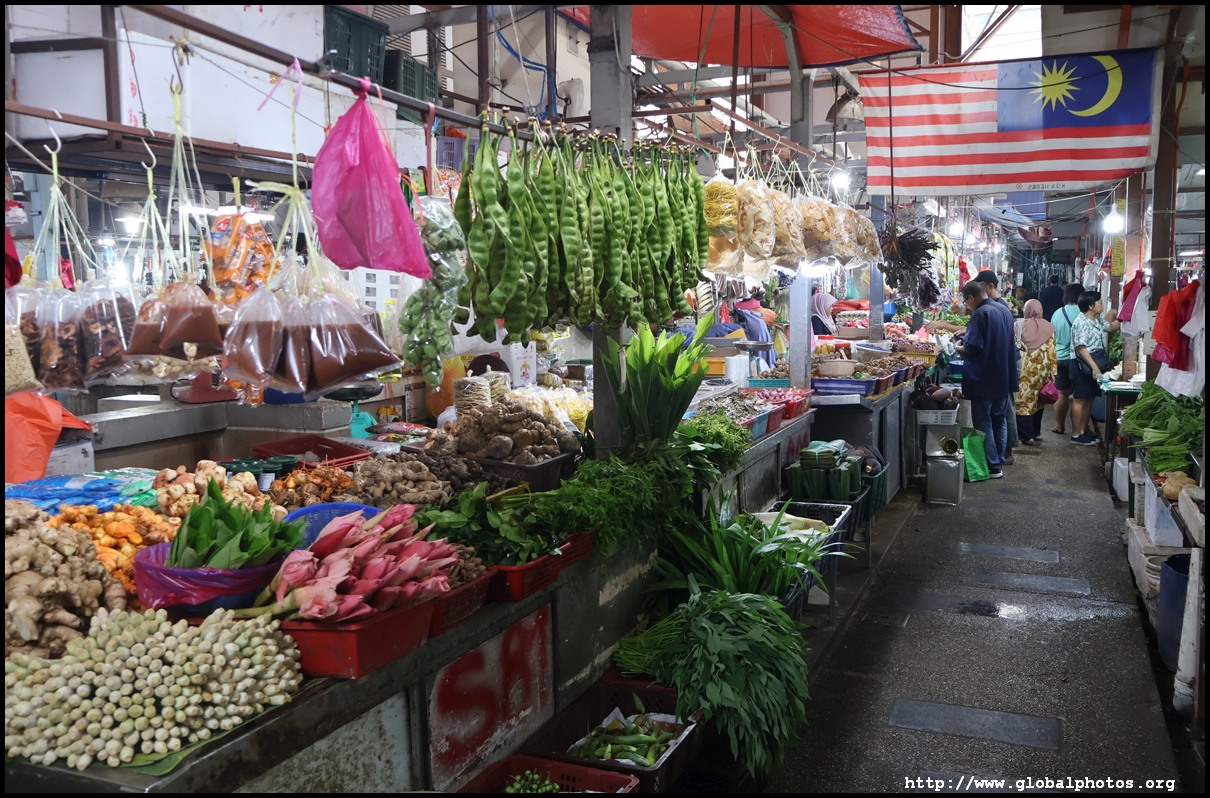
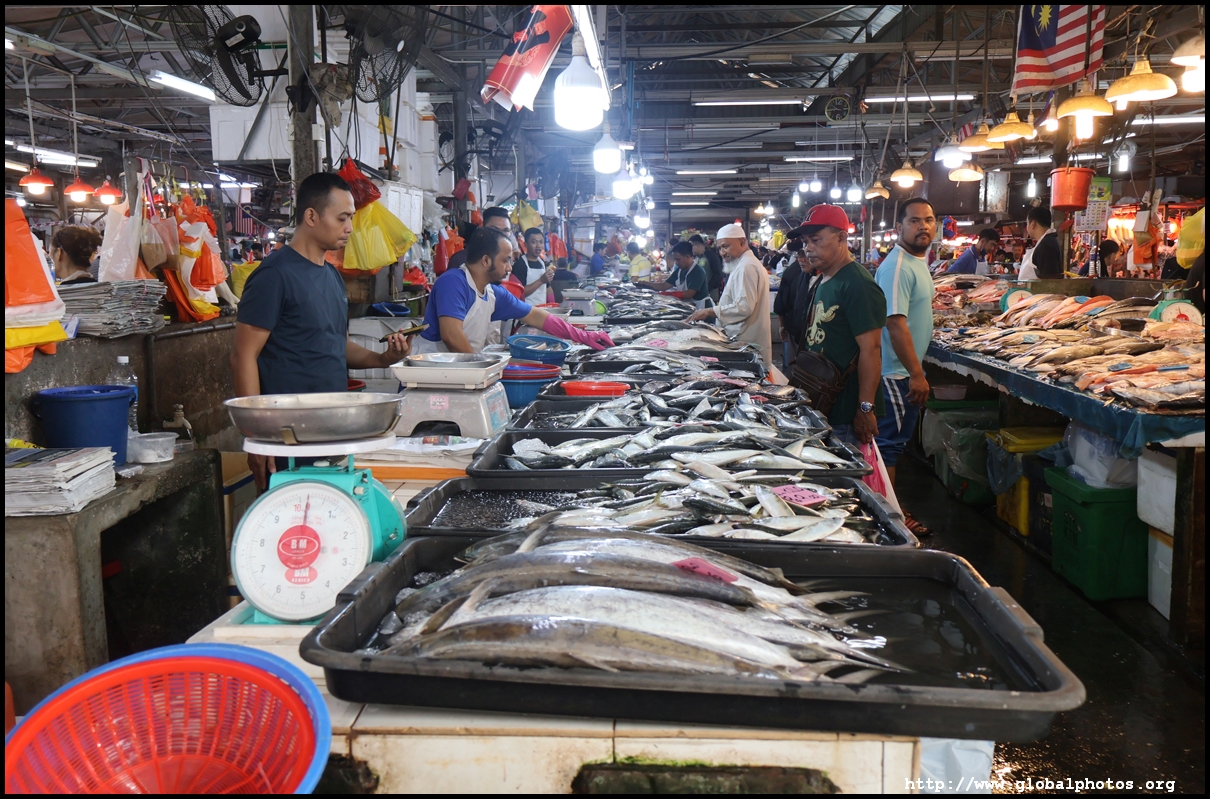
I've always enjoyed my KL trips. Everything is cheap, people speak perfect English, many also speak Cantonese, and housing is extremely affordable. This is a good place for low-cost retirement, and flying out is very easy with AirAsia connecting to so many places.Local markets like Chow Kit are very raw and intense. They're great for photos although I prefer a calmer shopping experience at the supermarket.
|
|
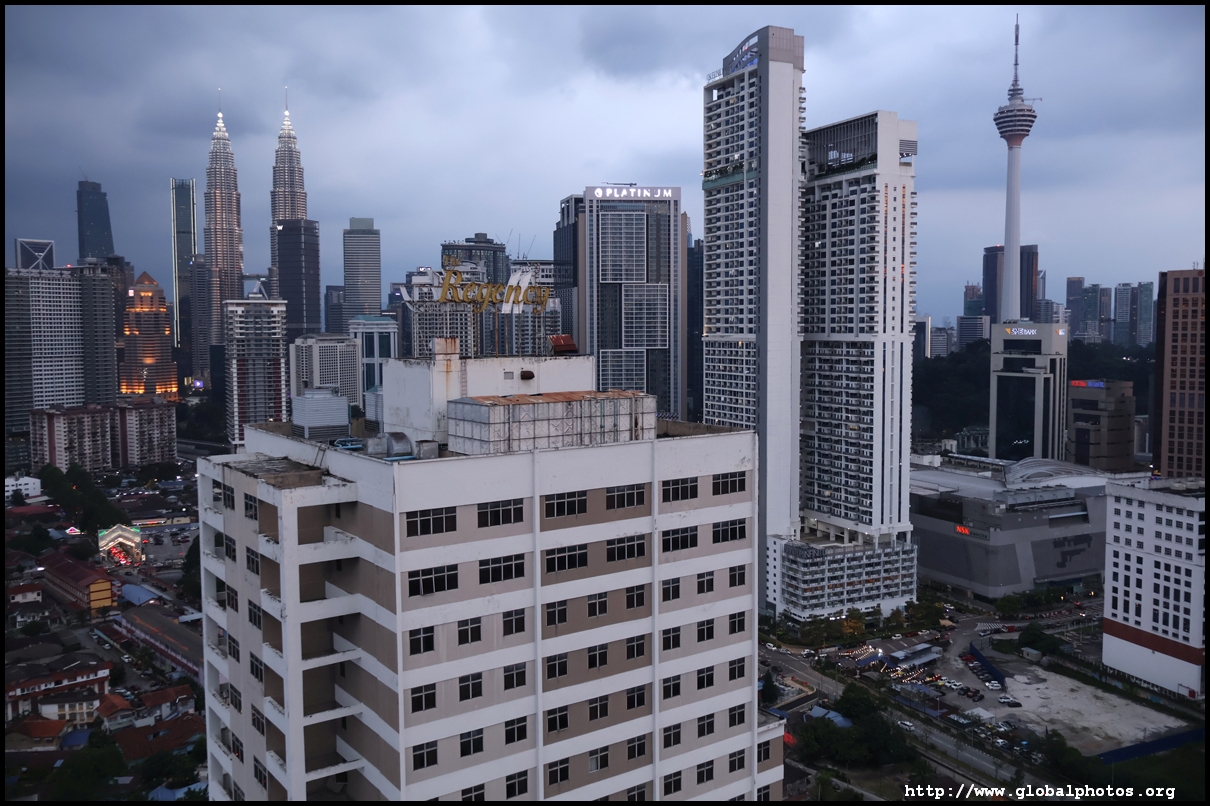
KL is quite an underrated place and hotels offer much better value for money than nearby Bangkok. Amongst the 5-star international brands, prices are generally the cheapest in the region. If you're on a budget and prefer a 4-star or below, many of these types of hotels are still able to offer a rooftop pool with a skyline view.
|
|
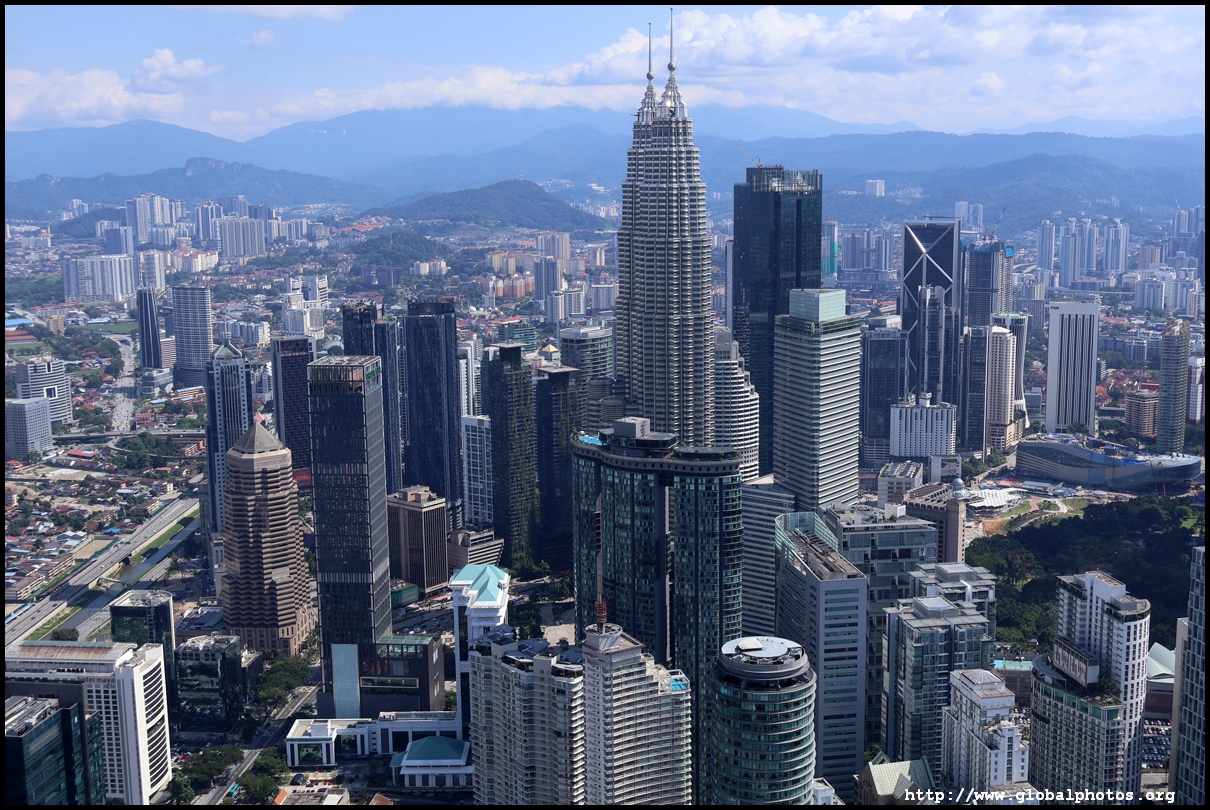
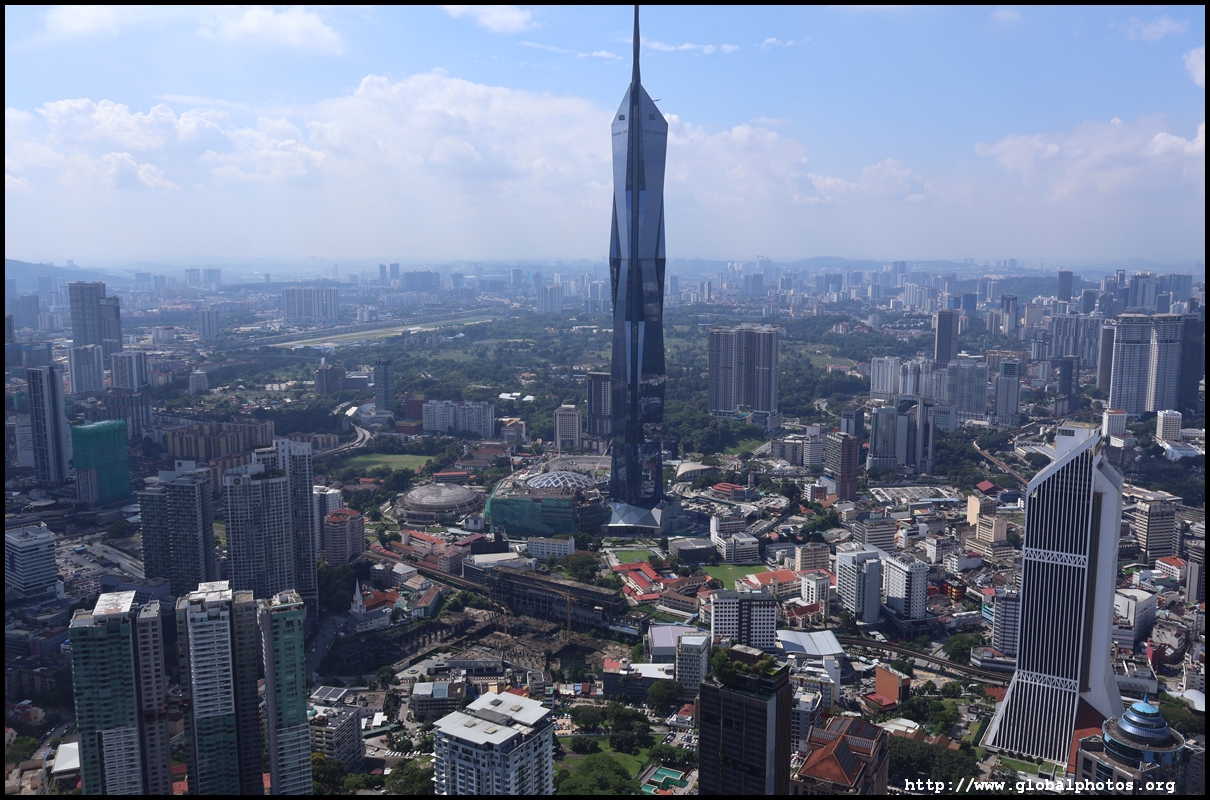
KL Tower is the best place to see the 2 tallest buildings in town - the Petronas Towers and the brand new Merdeka 118. Since my last visit ages ago, they've added some new experiences up there and refreshed the space.It was so good, I stayed long enough to get sunburnt on my arms. That being said, it's still worth going up the sky bridge linking the twin towers to marvel at the architecture and test your nerves.
|
|
Unfortunately, Merdeka 118 was still not open when I visited.
|
|
Doha (March) |
|
Doha was once a stopover where passengers moved from one plane to another and never left the airport. I went against the crowd and did my first overnight stay here in 2017 to explore a dusty city under construction. This time around, they've increased their attractions significantly with world-class museums and a lot of air-conditioned shopping malls. There is enough to fill up a couple of days now so I would definitely recommend at least an overnight stopover to break up a long journey.The long Corniche waterfront promenade offers amazing views of the skyline full of modern buildings.
|
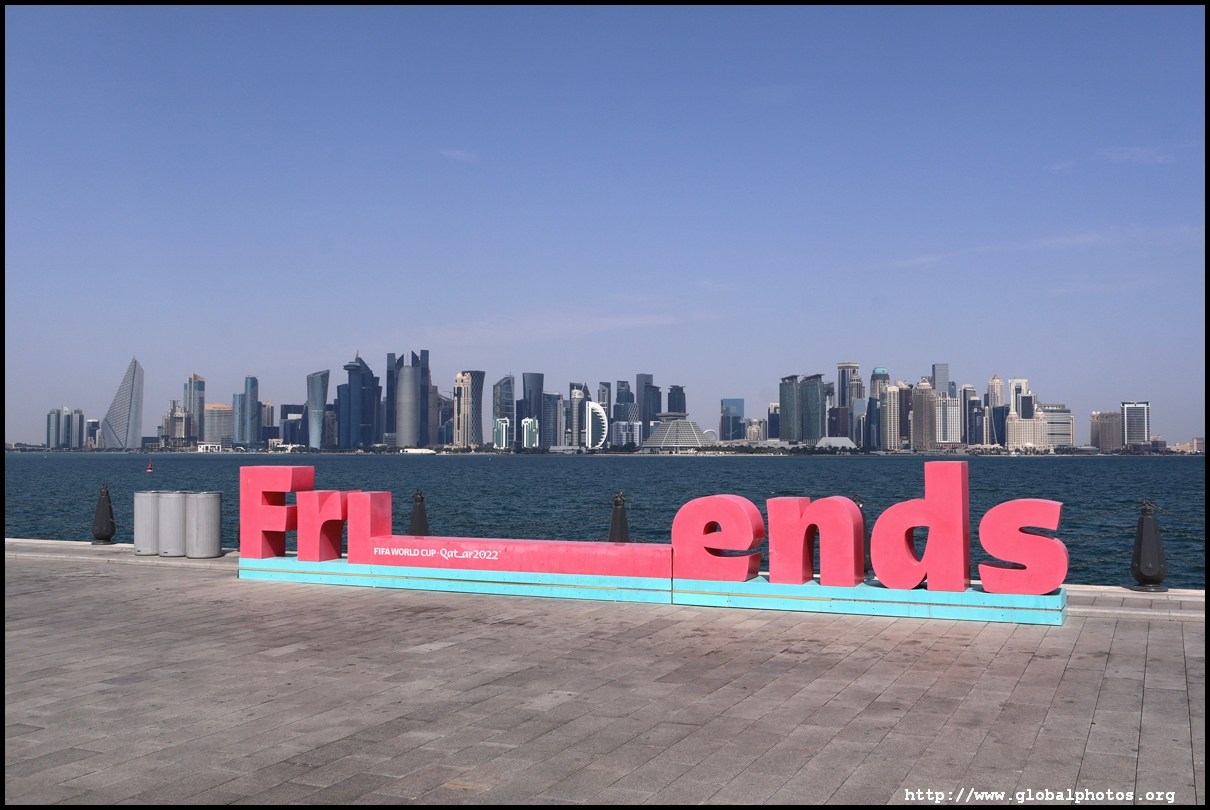
|
West Bay has an impressive amount of architecture but given the hot climate, the street level isn't so interesting as I expect people to be driven around instead of walking. I prefer these views in air-conditioned comfort from my hotel.I specifically picked a hotel at the back end of the district so to get a fuller skyline view.
|

|
Yet, just outside the main skyscraper area, the density tapers off in dramatic fashion and looks a bit like suburban North America.
|

|
The amount of urban development is staggering with lots of waterfront communities. This one even has built shaded corridors, which really helps given the hot desert climate. But with Ramadan, the streets were empty. It didn't look like the residences are all occupied though.
|

|
They even built a canal community and made it look like Venice.
|

|
Lusail is a newly-built planned city 20km north of Doha that could house up to 450,000 people. Its iconic building is this building shaped like the country's national crest which is occupied by 2 premium hotels.
|

|
This was my first experience visiting a Muslim country during Ramadan. I was astonished how quiet the streets were during the day. During the time people fast, restaurants shut except a very few limited places in expat-heavy areas for take-out only. Even the convenience stores at metro stations are closed. I didn't see a single person out eating or even sipping water despite the heat.But on the bright side, attractions re-open in the evening and operate into the late night, which actually works for me as it gives additional time to pack my itinerary, sightseeing the architecture during the day and exploring the museums at night. |
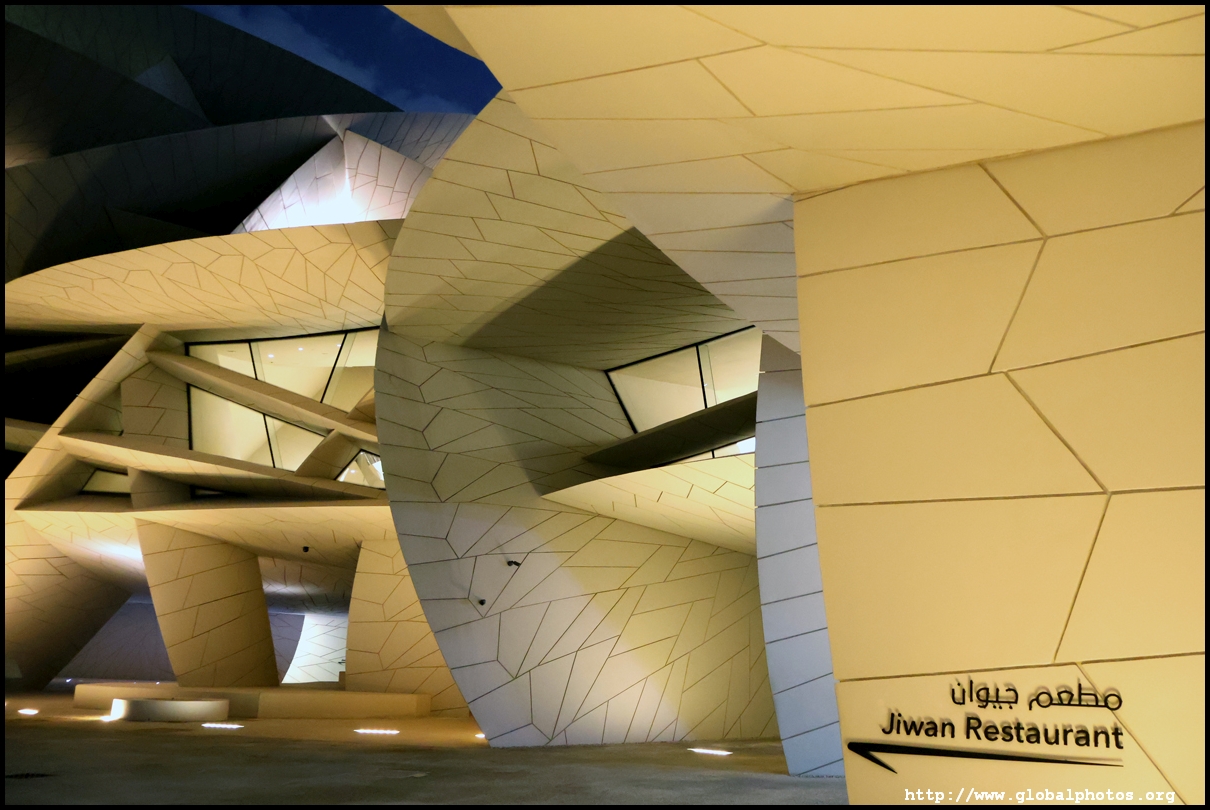
|
Antwerp (April) |
|
Famous for diamonds and its huge port, I wanted to explore Belgium's other main city. It's a short bus ride from Brussels airport to Antwerp and hotels were a lot cheaper. Usually, port cities have a bit of grit to it but I didn't feel it here. The historic centre has beautiful architecture and there are nice waterfront promenades. It's still easy to get to the day trip towns further west. |

|
Their main square looks like a clone of Brussels' Grand Place but without the crowds. |
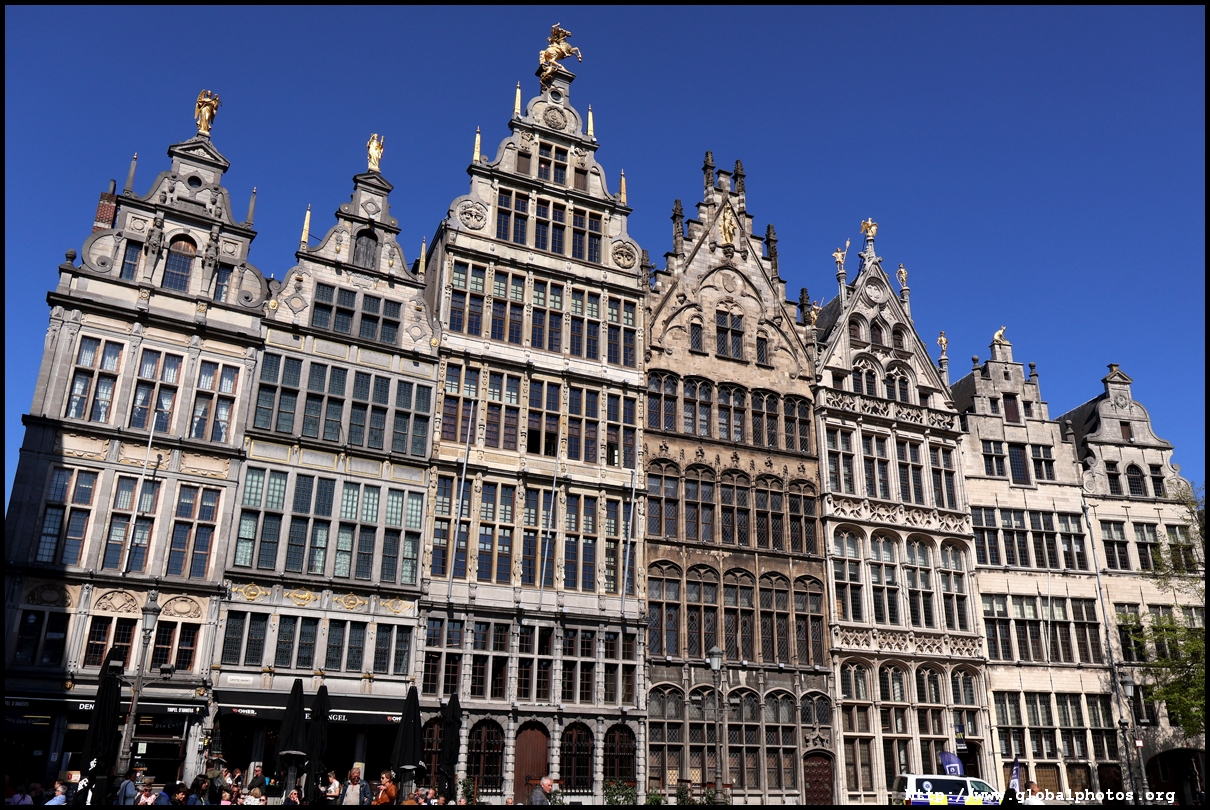
|
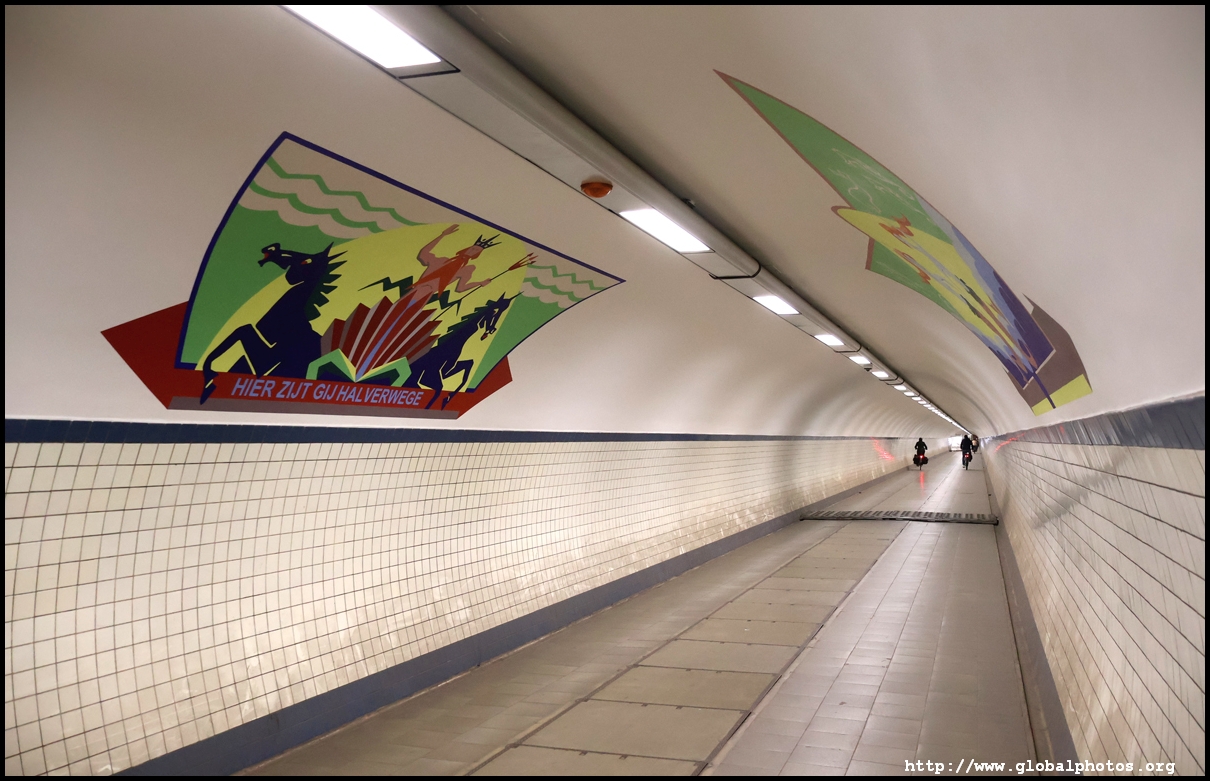
I didn't see any bridges spanning the river and no ferries either so was curious how people cross to the other side.The 572m-long Sint-Annatunnel opened in 1933 and is now used by both pedestrians and cyclists to cross the Scheldt, with wooden escalators on both sides to connect you from 31.5m underground back to the ground.
|
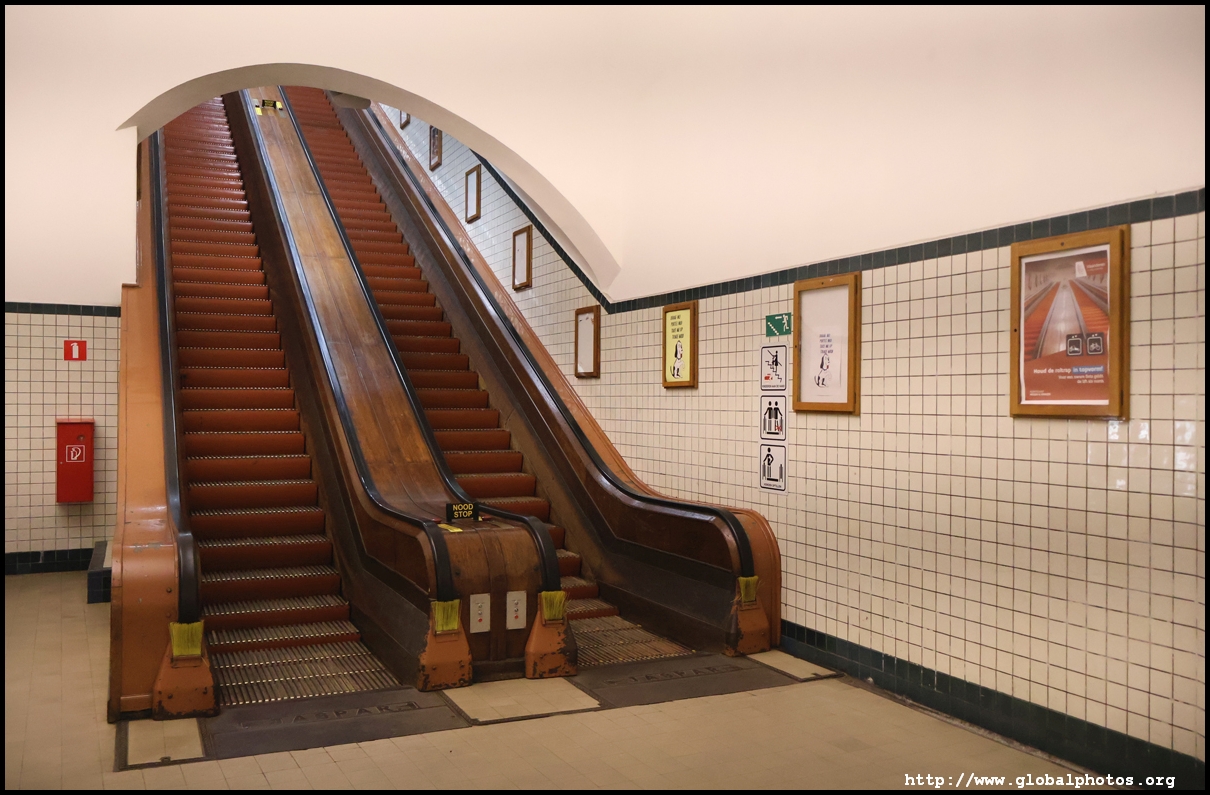
|
The riverfront has a sizeable residential community with a huge public space and manageable density. It looks like a good place to live.
|

|
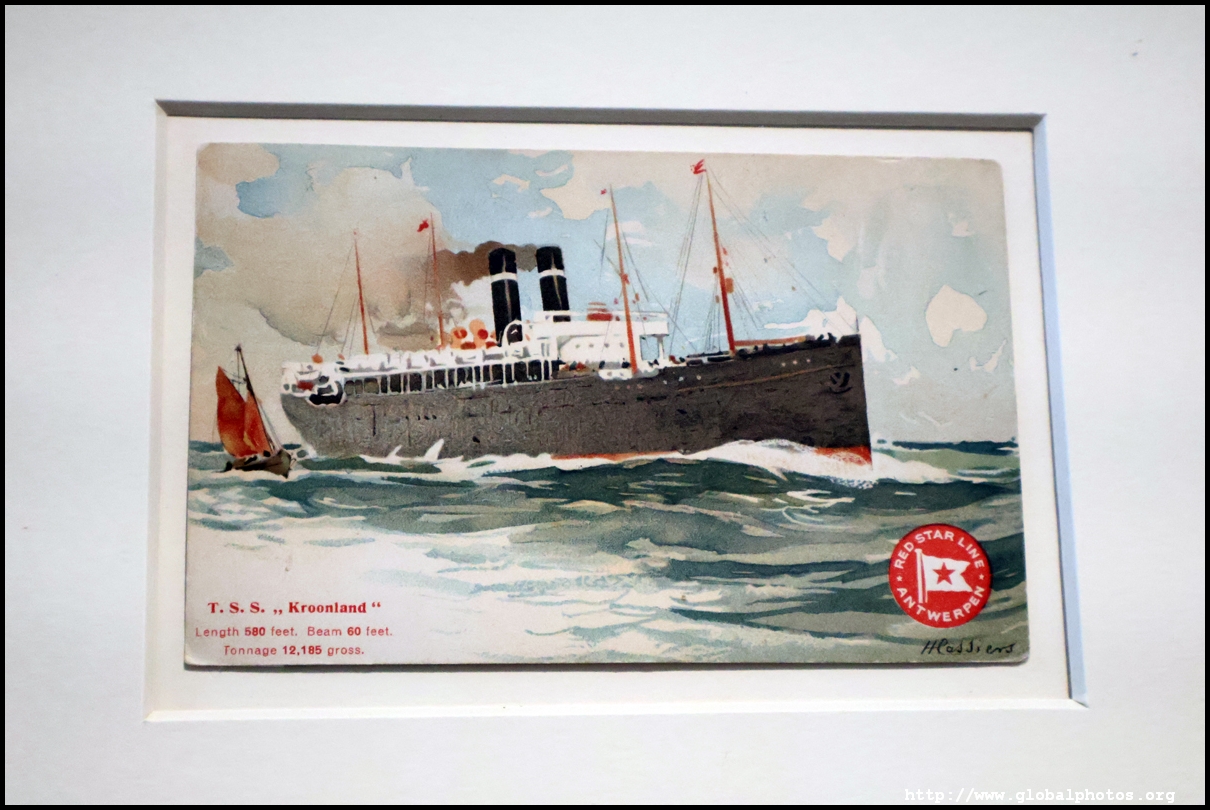
Antwerp had a major role in the immigration history of many Europeans heading for a new life in North America. The Red Star Line's historic premises are now a museum telling this story. Many of these people came from other parts to Europe and they had to undergo inspection after inspection before they could board. The journey to New York took just 10 days.
|
|
Ghent (April) |
|
Ghent was at the heart of the cloth trade during medieval times. They manufactured luxury cloth from imported English wool and became famous throughout Europe until the 15th century. The architecture reflects their wealth and the medieval skyline is best seen from St. Michielsbrug.It's an easy day trip out from either Antwerp or Brussels on the train.
|

|
It's also worth climbing the Belfry, the town's medieval watchtower, for the view. It's the middle tower of the 3 tall historic buildings that make up Ghent's skyline.
|

|
Despite being early April, it seems the summer crowds were out already. The town centre's streets were packed and buzzing with activity. There was also a lot of activity in the canals with many cruise boats, although I preferred slowly walking alongside them to soak up the architecture.
|

|
Rotterdam (April) |
|
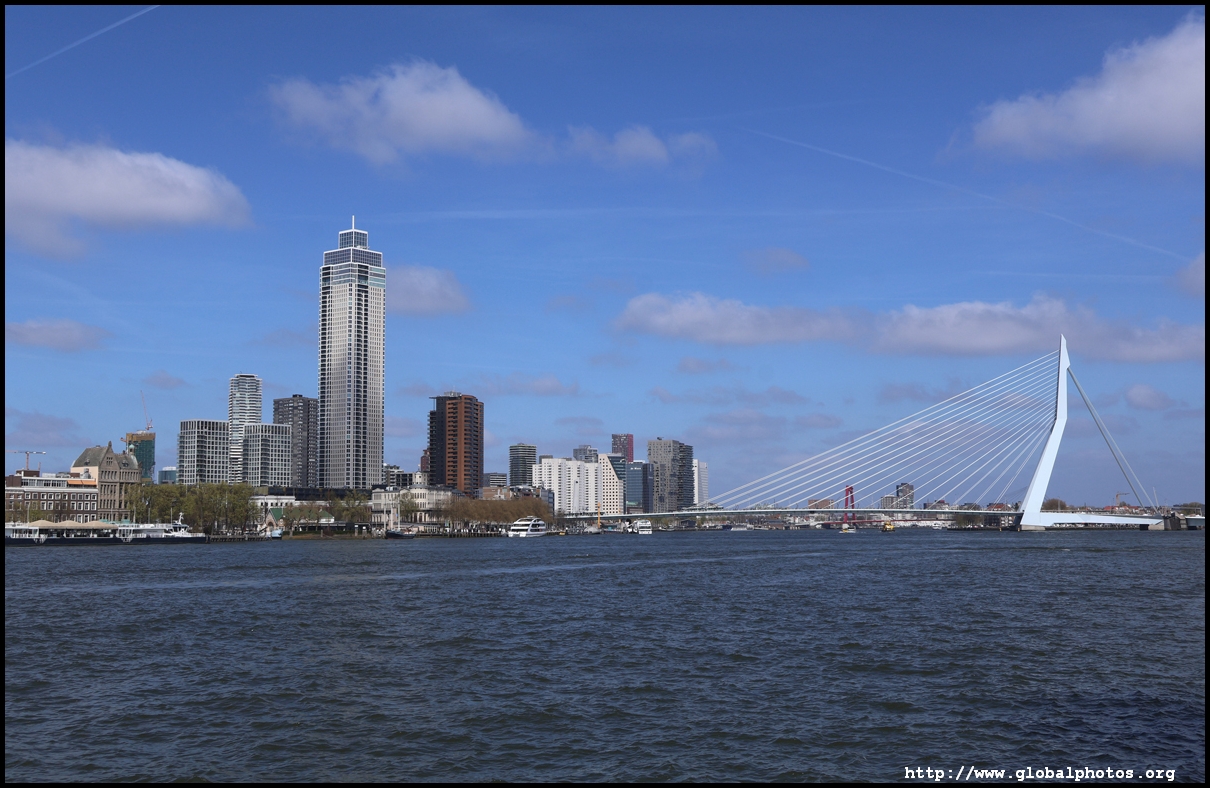
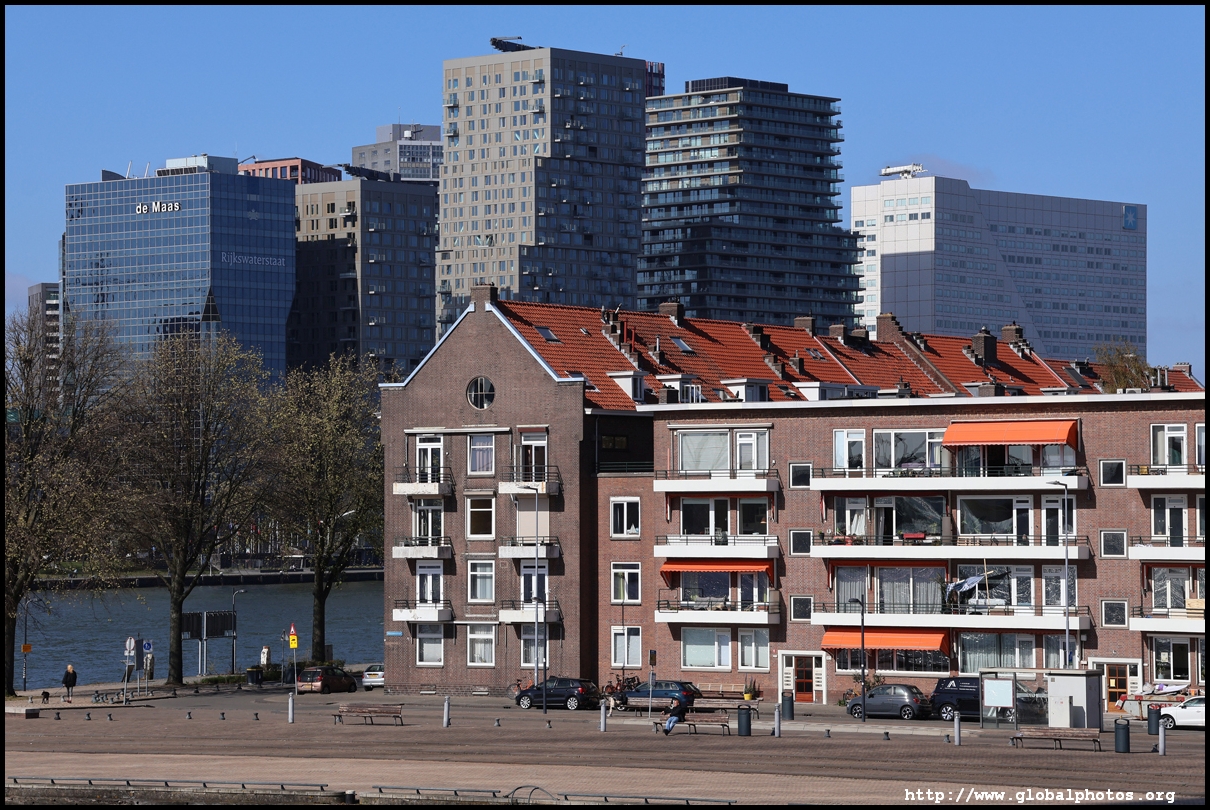
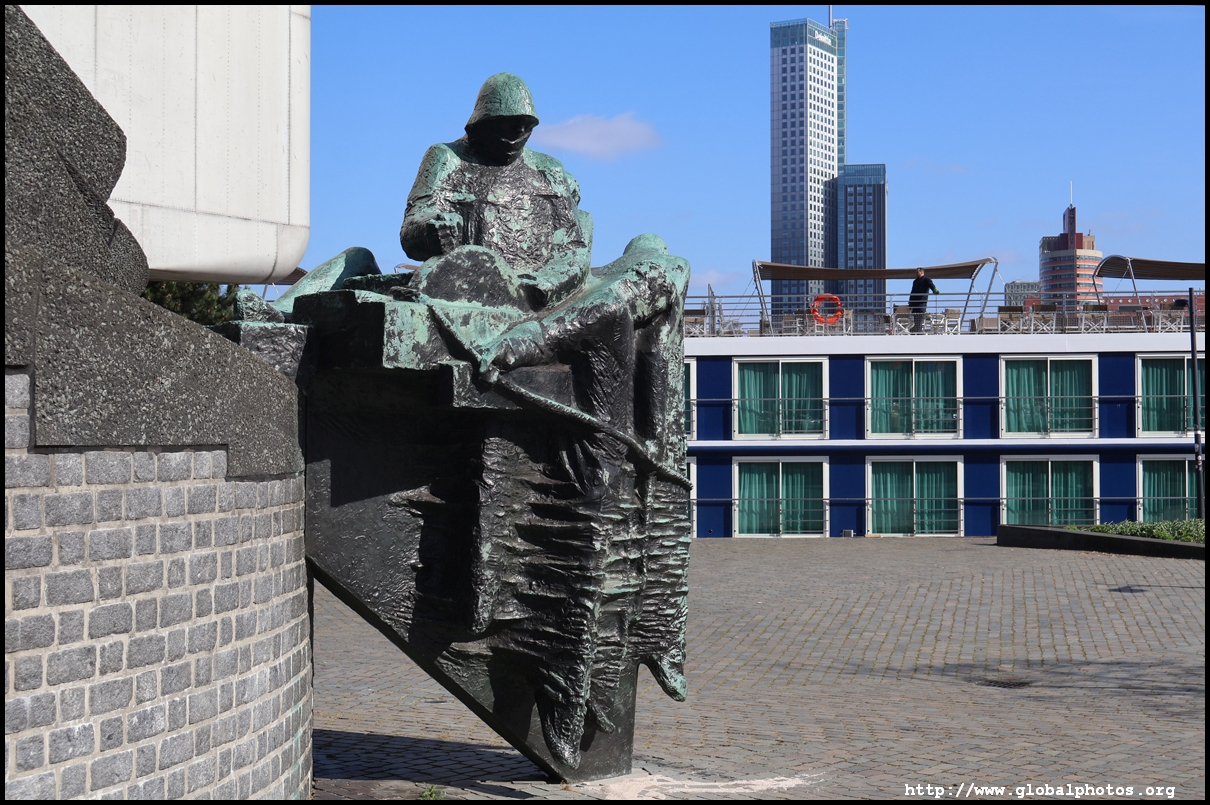
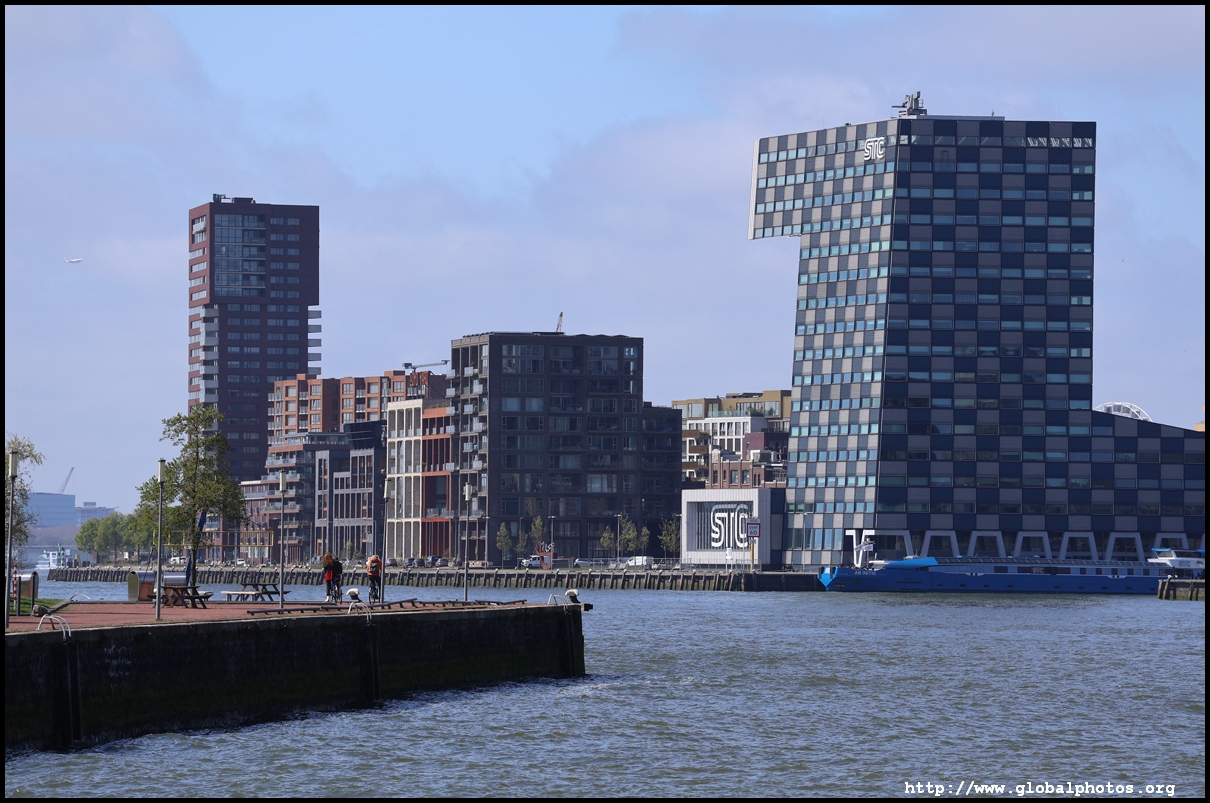
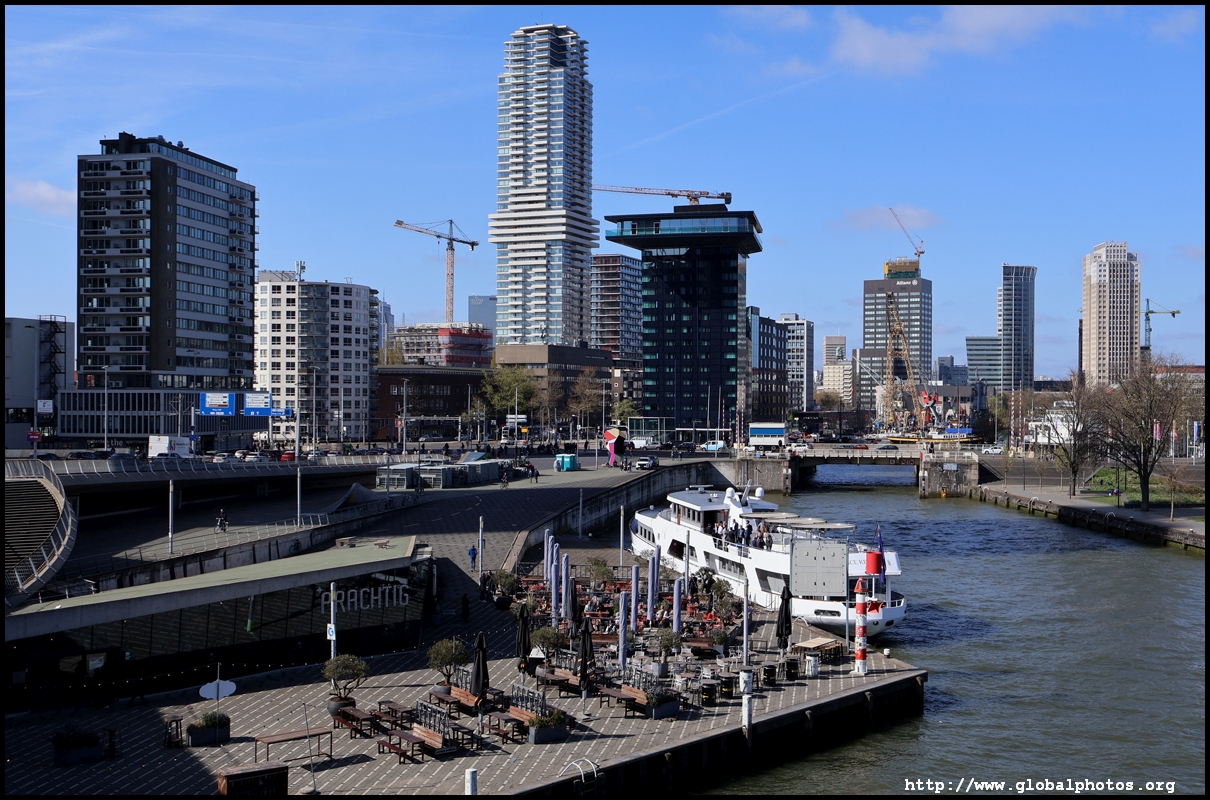
Almost entirely destroyed during World War II, Rotterdam became the Dubai of their era with lots of modern skyscrapers whose designs were very progressive at the time. You can probably tell I enjoy waterfront promenades on my trips and this trip was no exception.I did a long walk to enjoy the architecture from Katendrecht to crossing the Erasmusbrug to Leuvehaven.
|
|
There is still plenty of construction happening in the city centre with lots of new homes mixed with offices. Public spaces are well done with waterfront promenades to take advantage of the river location. Definitely visit if you love architecture. |
|
Toronto (April) |
|
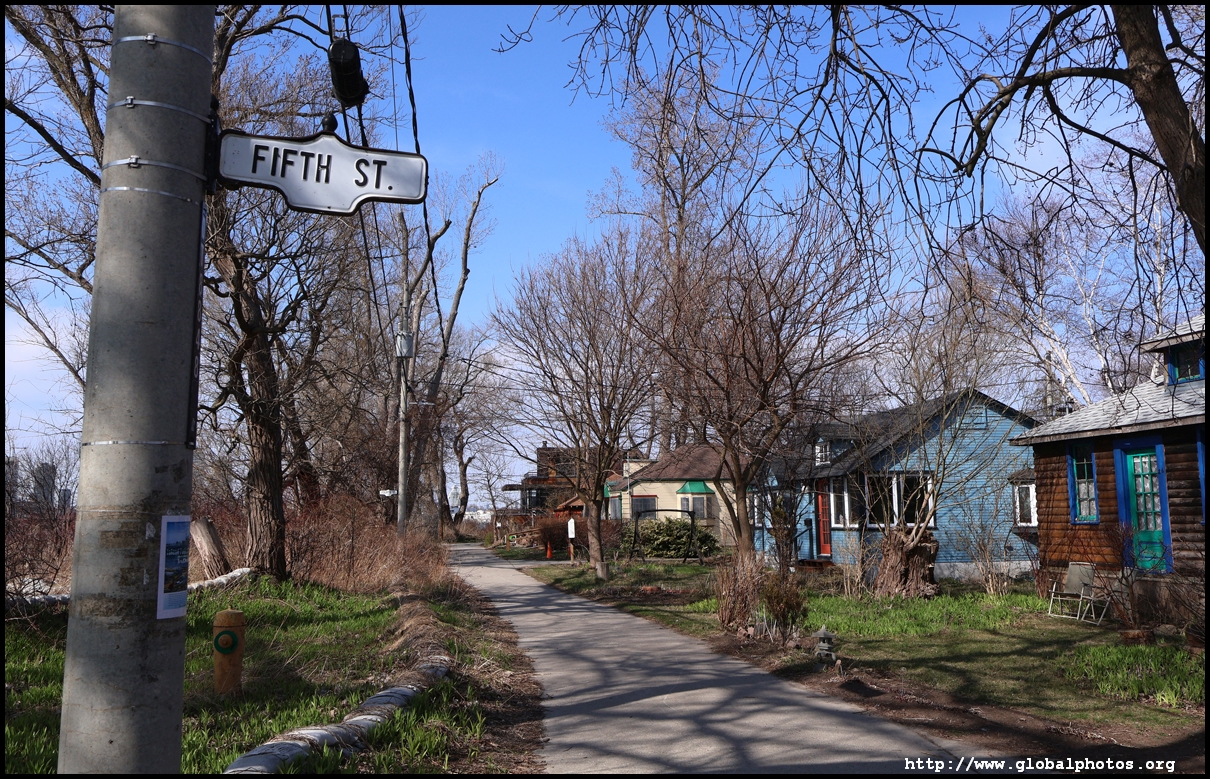
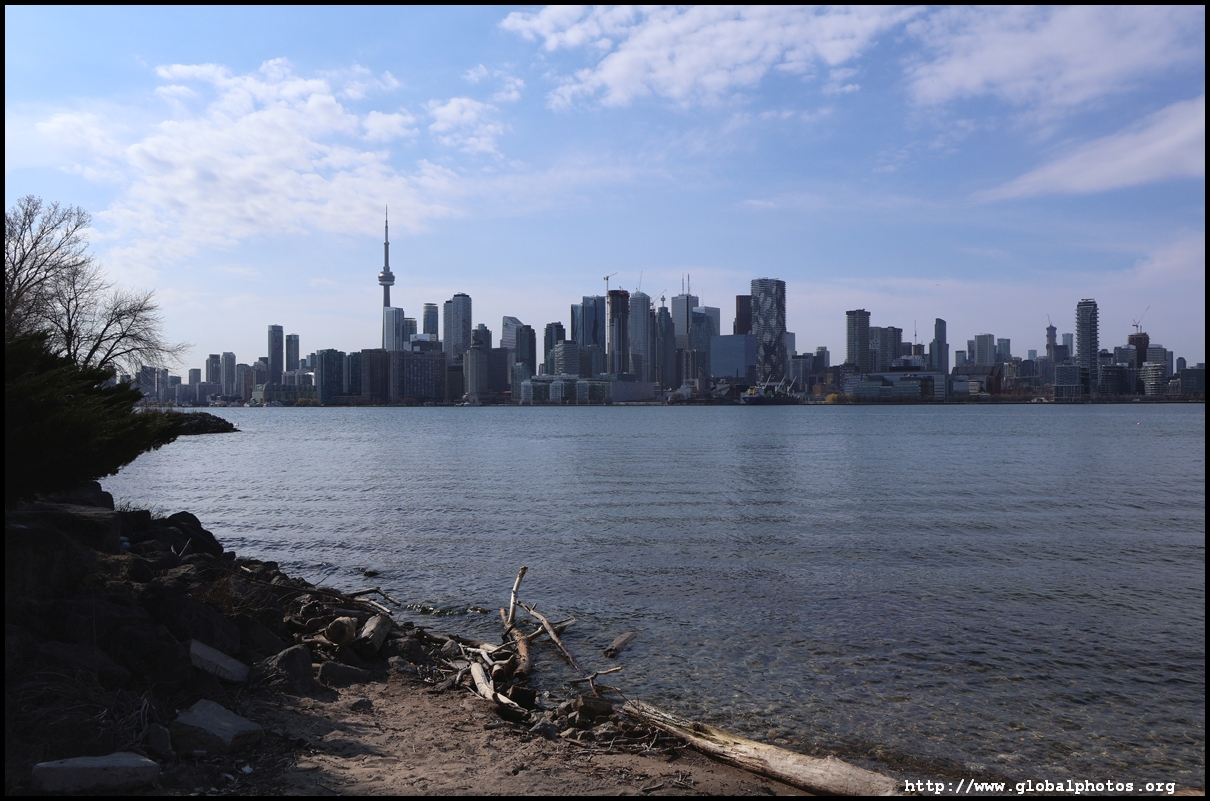
Just off downtown Toronto are a few serene islands that doesn't feel like you're in Canada's largest city. A hardy group of residents still call Ward's Island home even though there are no supermarkets, restaurants, or doctors here. You need to take the frequent ferry back to downtown for your usual essentials but I'm not sure how livable this place will get in the winter.
|
|
Despite plenty of bad suburban planning where people drive even to the closest places, some good city centres are emerging with a decent amount of density. It may actually make sense to walk short distances for your groceries, coffee, or a meal. Mississauga is seeing plenty of construction and some of these towers are quite tall.
|

|
It's a similar story up in Vaughan although they're a bit behind Mississauga but they have the benefit of an actual subway station here.
|

|
Hudson's Bay Co. is Canada's oldest company, founded in 1670 long before the country was born to trade fur under royal charter from King Charles II. It controlled the trade with the indigenous peoples on some 8 million square kilometres across much of today's Canada. But all this came to a sad end in March 2025 when it filed for creditor protection, which ended up becoming a full liquidation and closure.
|

|
Frankfurt (May) |
|
There really isn't that much to see in Frankfurt. It's a business city, although I did spend some time to enjoy the modern architecture. The views from Goetheturm were really good and well worth the trek out.
|

|
However, the view from the 57-storey Main Tower's observation deck is a good alternative if you prefer to stay in the city centre.
|

|
World War II devastated many European cities, wiping out a lot of historic architecture. Frankfurt's medieval old town was pretty much gone, but they've rebuilt it in its likeness that only finished very recently.
|

|
Heidelberg (May) |
|
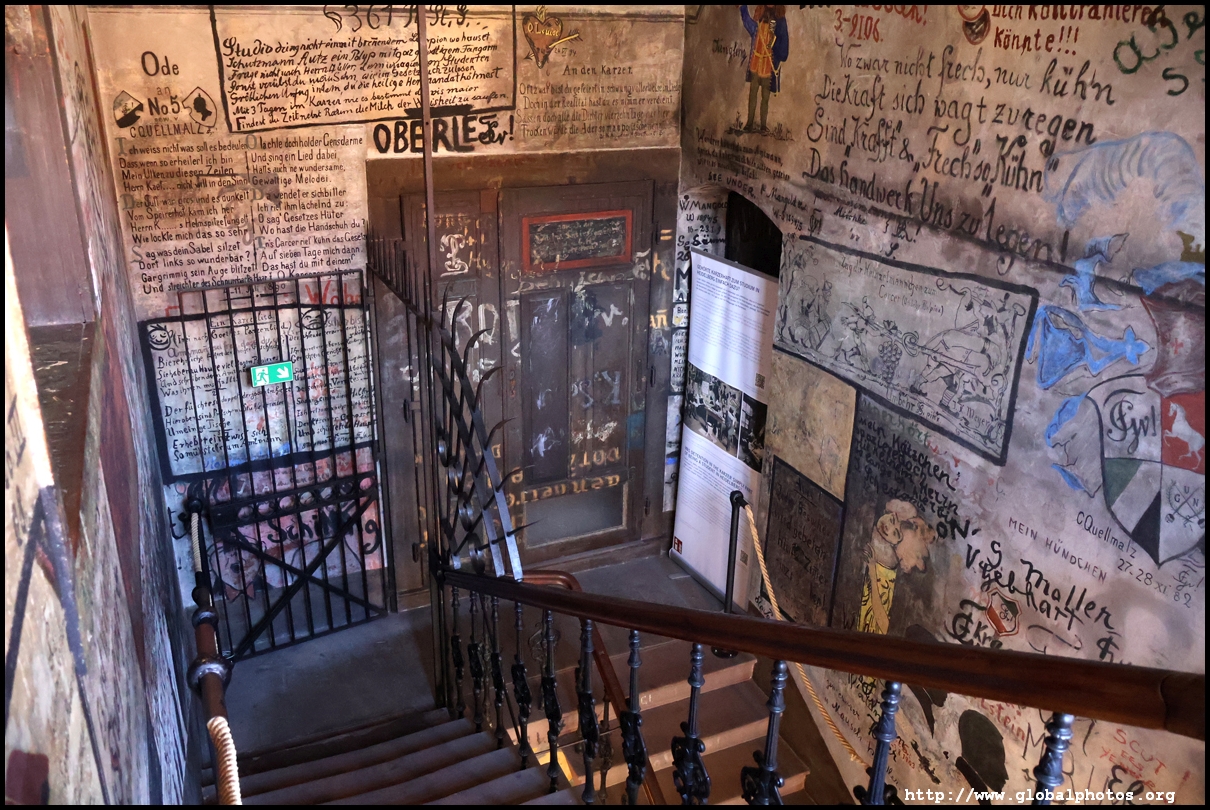
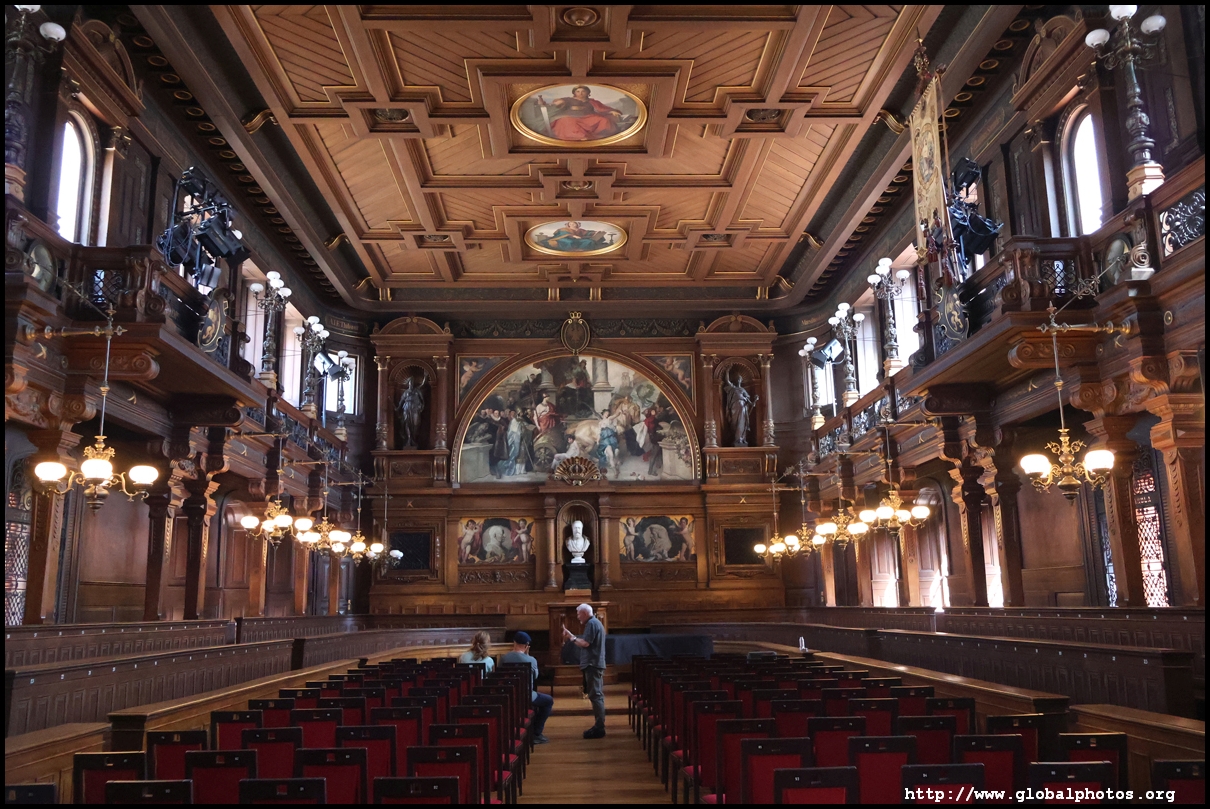
The main reason why I came to Frankfurt was to explore Heidelberg, an easy day trip with beautiful Baroque architecture that survived the war.The university has a few interesting sights, such as an elaborately-decorated Great Hall and graffiti-laden student prison that became a fashionable rite of passage to experience.
|
|
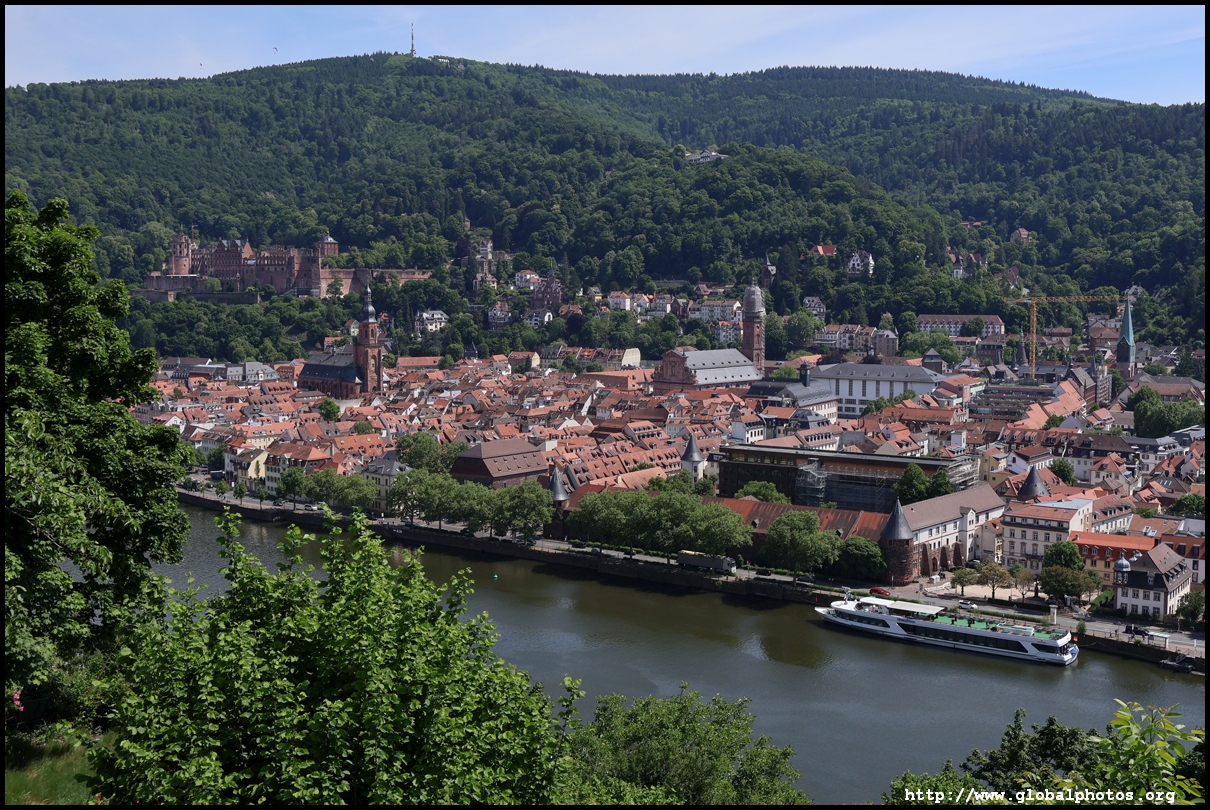
I didn't expect to go hiking though. Philosophenweg is perched up the hills offering a panoramic view of the town. It's a steep climb at first but with only a short amount of time before my bus back to Frankfurt, I had to rush a bit although I ended up walking the entire length of the town along these hills.
|
|
Sao Miguel, Azores (June) |
|
At first, I was a bit skeptical whether the Azores' small islands can fill up a 2 week trip. I ended up having a wonderful time and was only able to cover a sub-set of the key islands.Sao Miguel is the biggest island and a car is necessary to explore all corners. There is plenty to see from hot spring baths to even a green tea plantation. Sete Cidades is a protected area around a volcano caldera stretching over 5km in diameter, which was formed some 36,000 years ago. Drive up, walk a little, and you get a wonderful view. |

|
Heading east from Ponta Delgada, this church along the hillside overlooks the town and sea with a stunning staircase up to the building. |

|
The Furnas area is famous for its thermal pools that are fuelled by active underground volcanoes. A unique dish to try in this area is cozido, a traditional stew of meat and vegetables cooked underground by the seismic heat to cook at around 100C for 6-8 hours.Before lunch, staff from various restaurants in the town come out here to pick up their cooked vats, a spectacle to watch for tourists like me. |

|
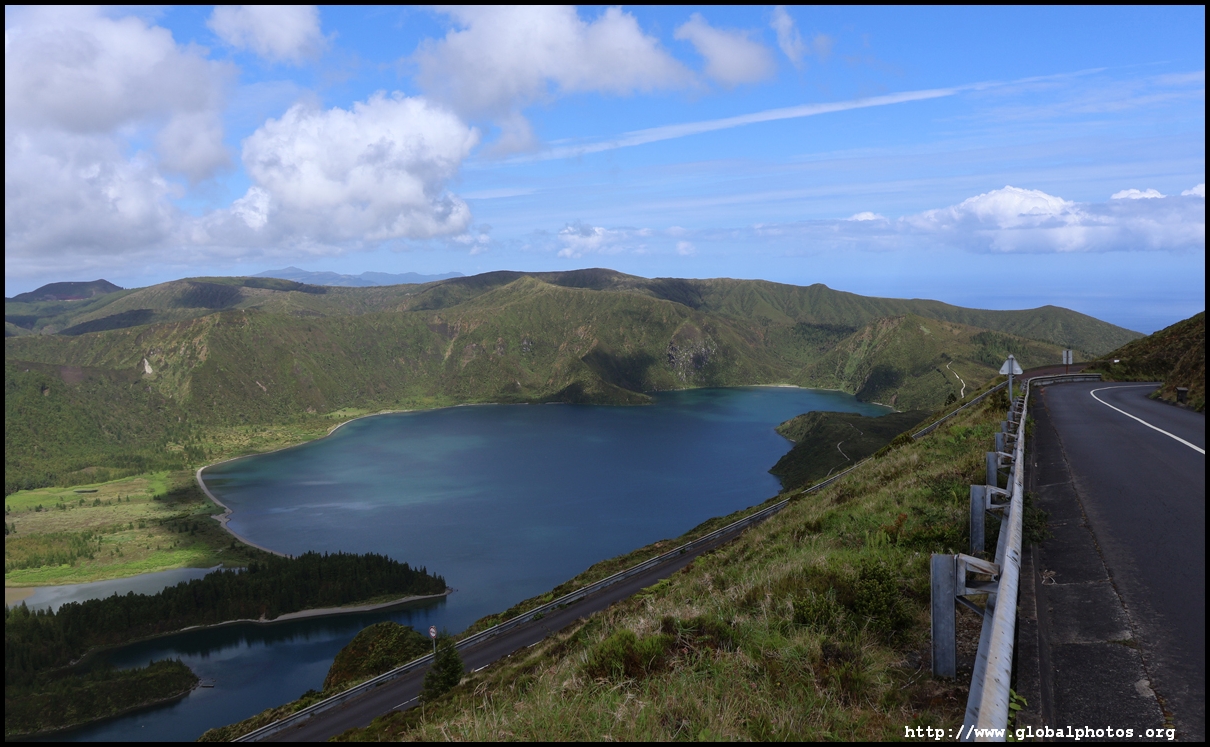
Most sights I went to on this island feature some sort of natural beauty element. Lagoa do Fogo is the youngest and smallest caldera on the island with a lake perched high in the mountains. Getting here wasn't easy since you can't drive up to it but need to park and transfer to a bus that didn't have a published schedule.There is a website that shows live webcam images from around the island, a great feature to plan my mountain outings. For some reason, this mountain's webcam kept on showing 0 visibility. I believed it for some time, since clouds can shroud these mountain-tops even though it is sunny elsewhere. |
|
Although it was June already, the weather was comfortably cool despite the Azores being fairly south. I'd imagine the Atlantic waters will be freezing cold but there were plenty of bathers at the Piscina Natural da Ponta da Ferraria, a natural bathing pool where the thermal spring mixes with sea water. |

|