2025 Showcase Gallery - 2nd Half
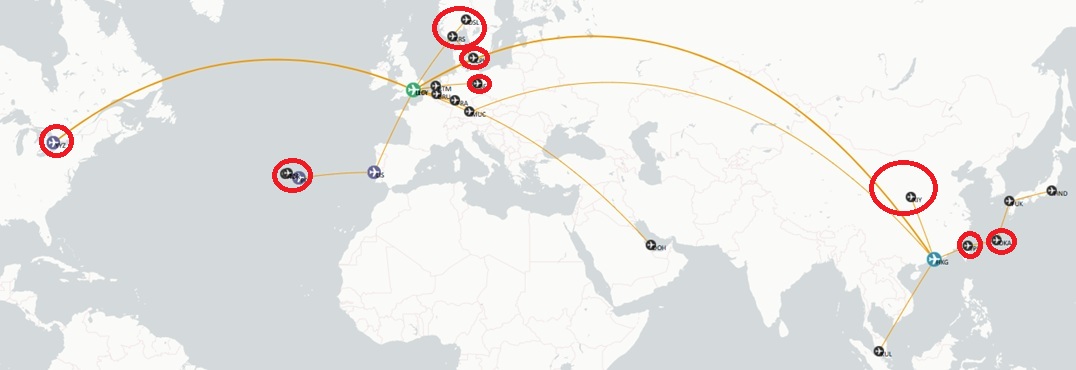
I had 3 particularly long trips in the 2nd half of the year. The Azores were a very exotic experience with plenty of nature, hiking, and good seafood. Toronto is a regular pilgrimmage so there isn't too much new to see. Ningxia and Inner Mongolia along China's Silk Route seemed off-the-beaten track enough and was exceptionally beautiful.
| |
Faial, Azores (July) |
|
The Azores are in the middle of the Atlantic and its location made it a good resupplying stop between the Americas, Africa, and Europe.Faial had a good port at Horta thanks to its safe anchorage and became a popular stop. The visiting crews left their mark with lots of paintings along the waterfront promenade, a tradition to hope for safe passage.
|

|
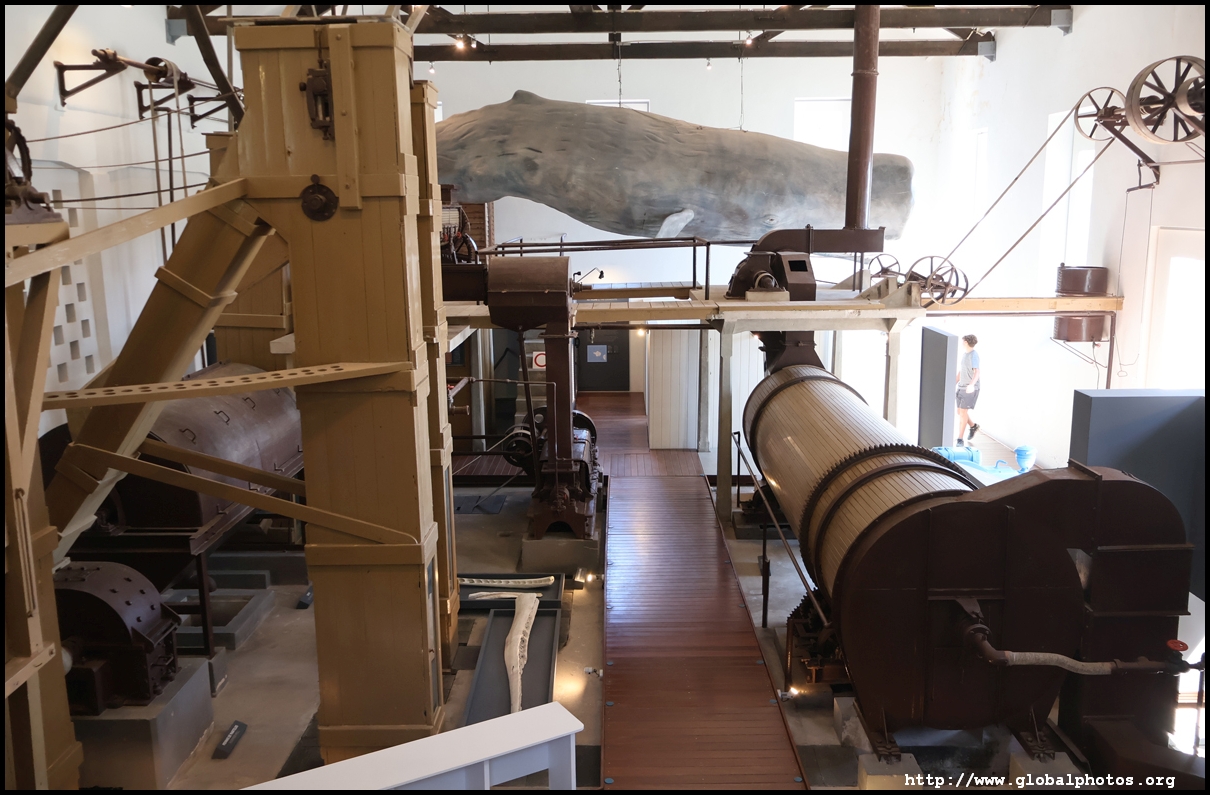
Whaling was once a major industry and a processing factory operated here until 1974. The primary product was oil for lamps and industrial applications, but the factory also didn't waste the meat, bones, and blood.The factory is now a museum explaining the history as well as what was done here in gory detail. |
|
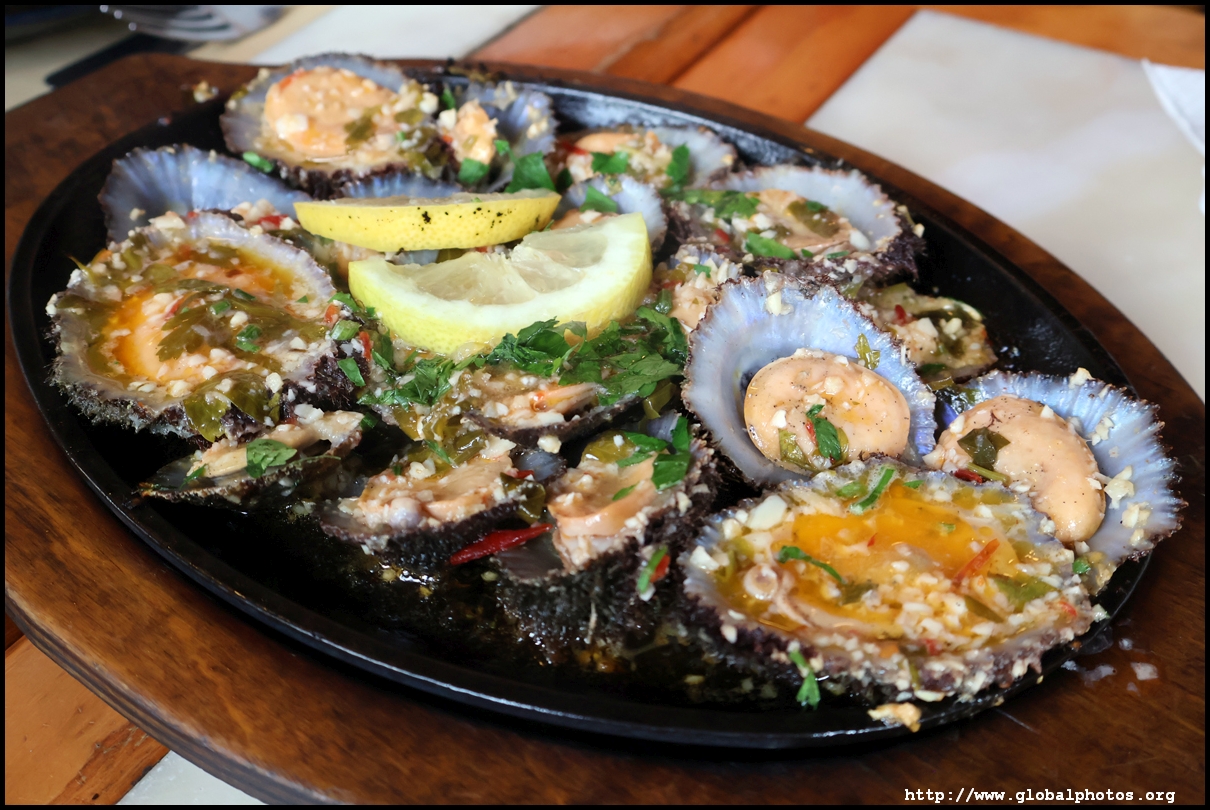
One of my most memorable foods from this trip was the limpet, a sea snail that I ordered multiple times. It's on pretty much all the menus aross the islands and you don't need to do much to them other than oil, butter, and garlic.
|
|
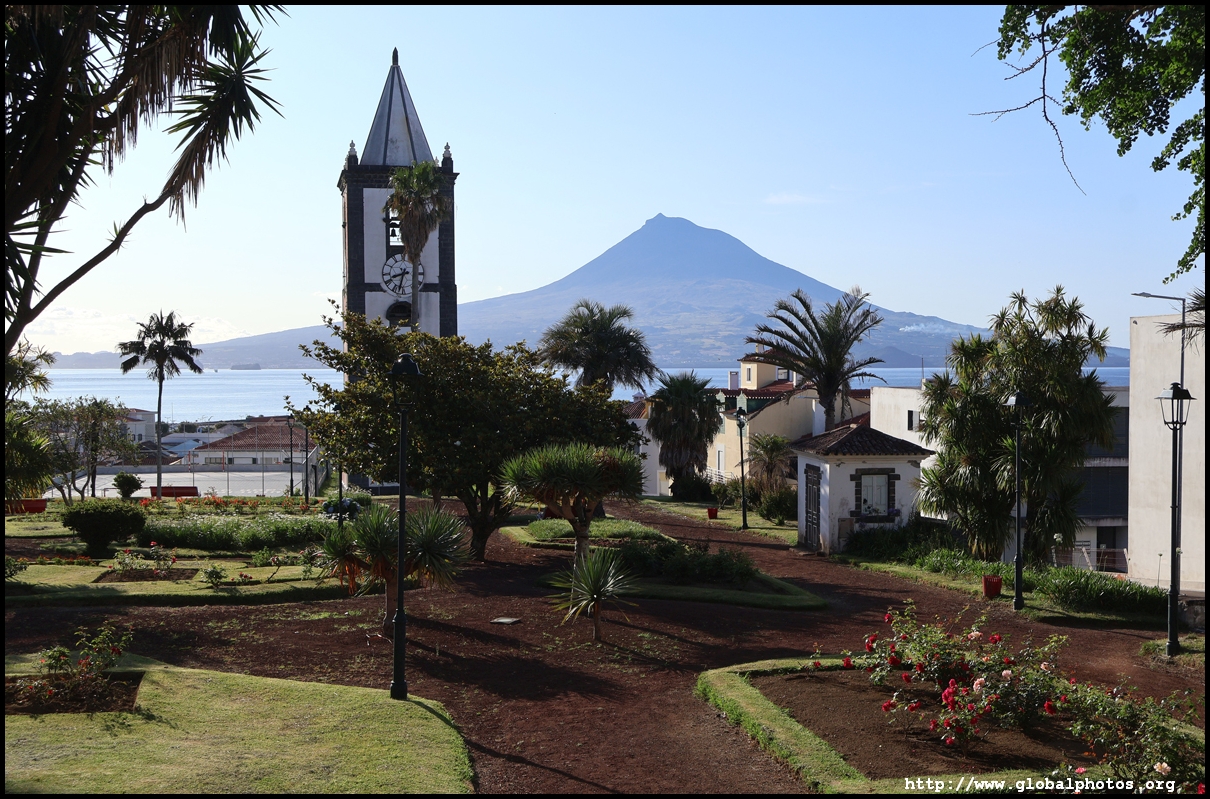
You will see a huge mountain across the water from pretty much anywhere in Horta. This is Pico, a huge volcano rising over 2350m that I will climb next. It's a huge monster hike that will take a full day.
|
|
Pico, Azores (July) |
|
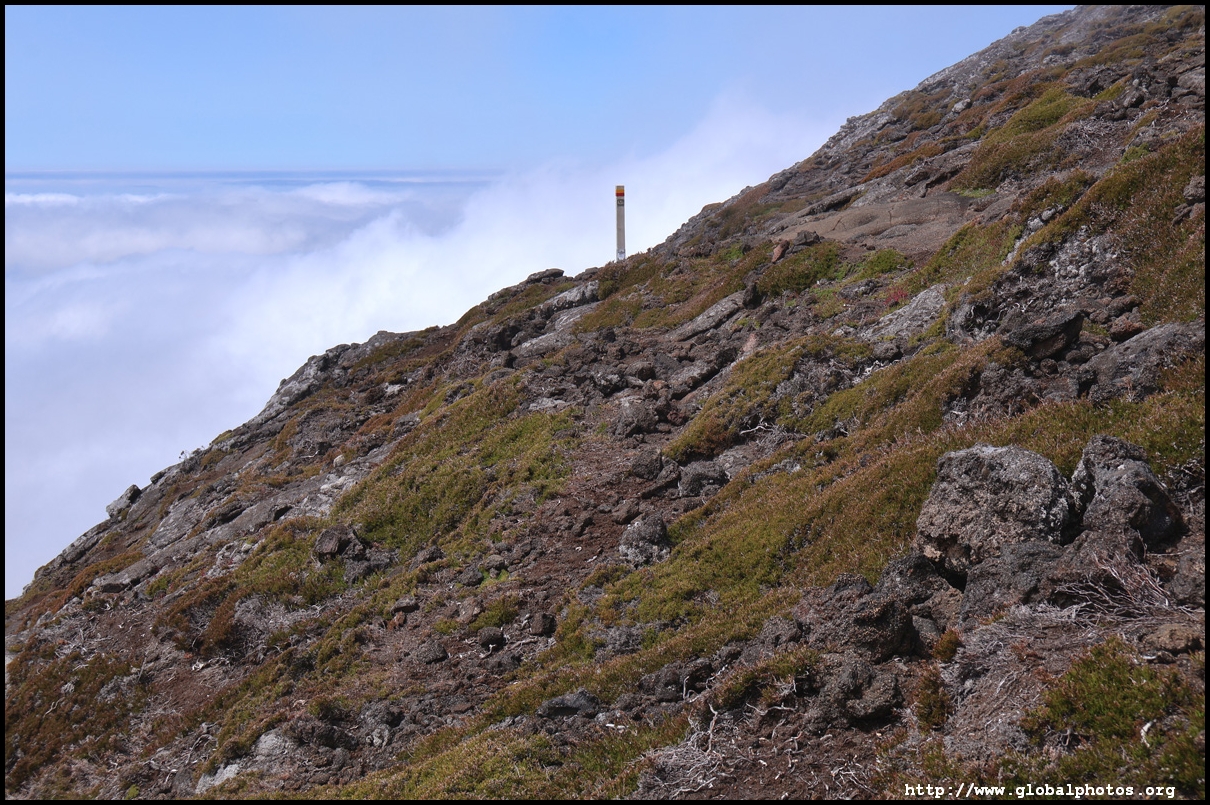
The hike up the volcano is difficult so having a guide was a good decision to do it safely. The starting point is actually about half way up, but it was still a steep and tough ascent into the clouds towards the crater. There isn't a marked path but there are poles along the way even though it's not too obvious how to trek from one pole to another. This was the toughest hike of my life.
|
|
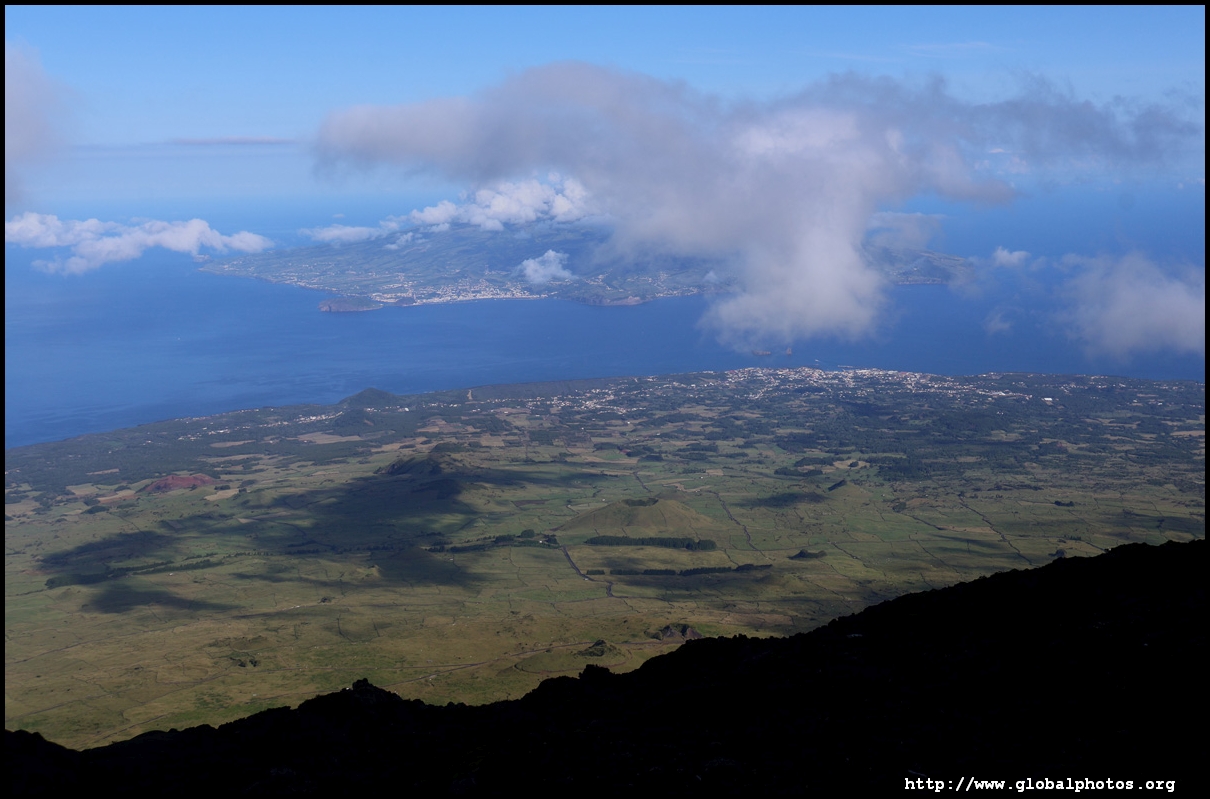
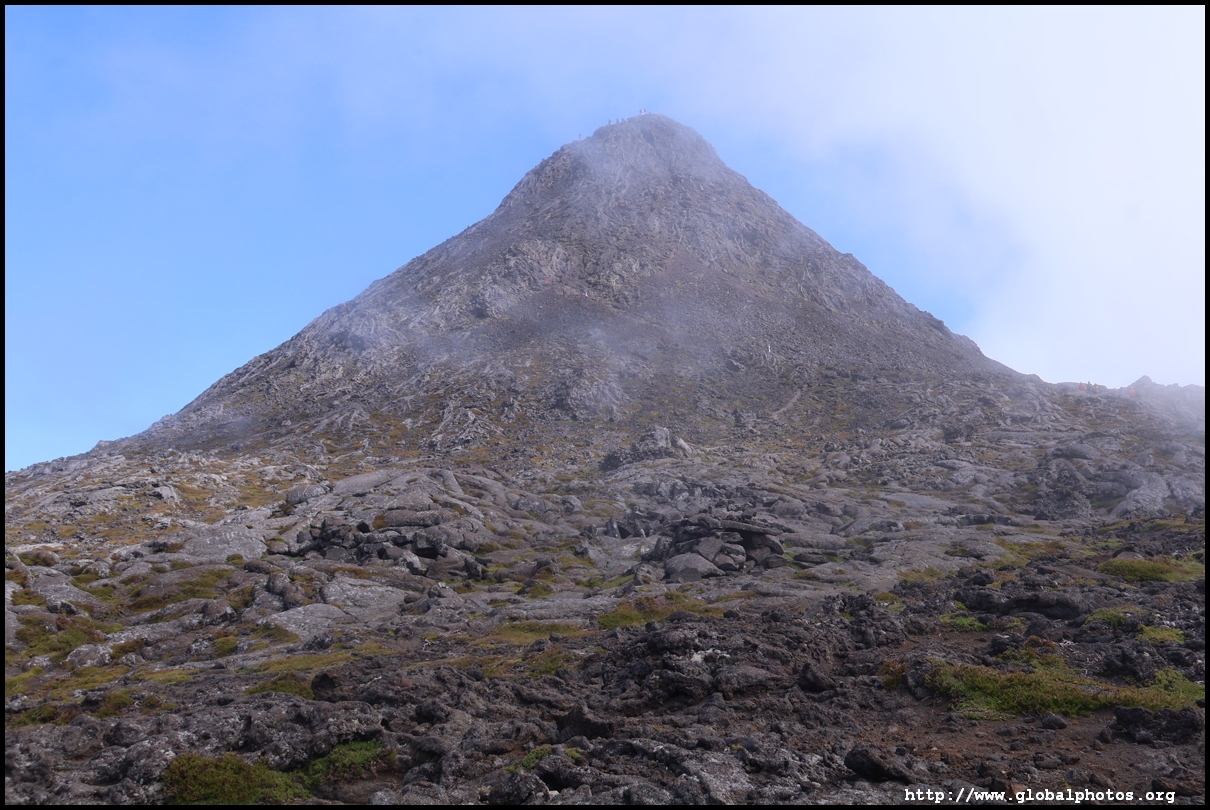
It was incredibly windy, cold, and foggy at the crater. After a simple lunch I packed beforehand and a warm drink from the guide, the skies suddenly cleared and the volcano's top became visible. The weather up here is significantly different than at sea level, which was probably still sunny all this time.It's a bit hard to believe I hiked so far up, the clouds are now beneath me. |
|
Pico is also famous for wine with the vineyards laid out in walls of black basalt to protect them from the elements. It's a very unique way of cultivation that I've never seen before.
|

|
Sao Jorge (July) |
|
The Pico hike didn't kill me (luckily). A few days later, I was hiking on Sao Jorge, but these are much easier trails. This quick one gives a panoramic view of Velas, the town where I was staying.
|

|
I had thought bullfighting was a Spanish thing but was surprised the town had gathered by the waterfront and the bull was let loose. While many were up along the breakwalls watching the action, it was also possible to experience it right on the ground. When the bull approached, the crowd rushed back while some folks at the water's edge jumped into the harbour. I watched with excitement from an at times not-so-safe distance.
|

|
This island has a particularly interesting landform called fajas, made from earth or lava that slid down the cliffs into the sea, creating a new piece of land. Sao Jorge has 74 of these, and I hiked downhill from the mountains towards the sea to check out 2 of them.Getting here is pretty easy. The tourist information centre has a sheet showing the taxi prices for set itineraries and the drivers' phone numbers. It's all transparent so the difficult part is to find a driver who is available. He dropped me off at the mountain top and agreed a time to pick up from the faja several hours later. |

|
Southern Norway (August) |
|
My first trip to Norway in 2018 focused on the mountains and fjords between Oslo and Trondheim. This trip is a bit different, with a focus on the southern coast where the terrain is a lot more flat. Many Norwegians have summer houses along here, and they don't seem to mind swimming in the cold water!Here is the coastline at Arendal.
|

|
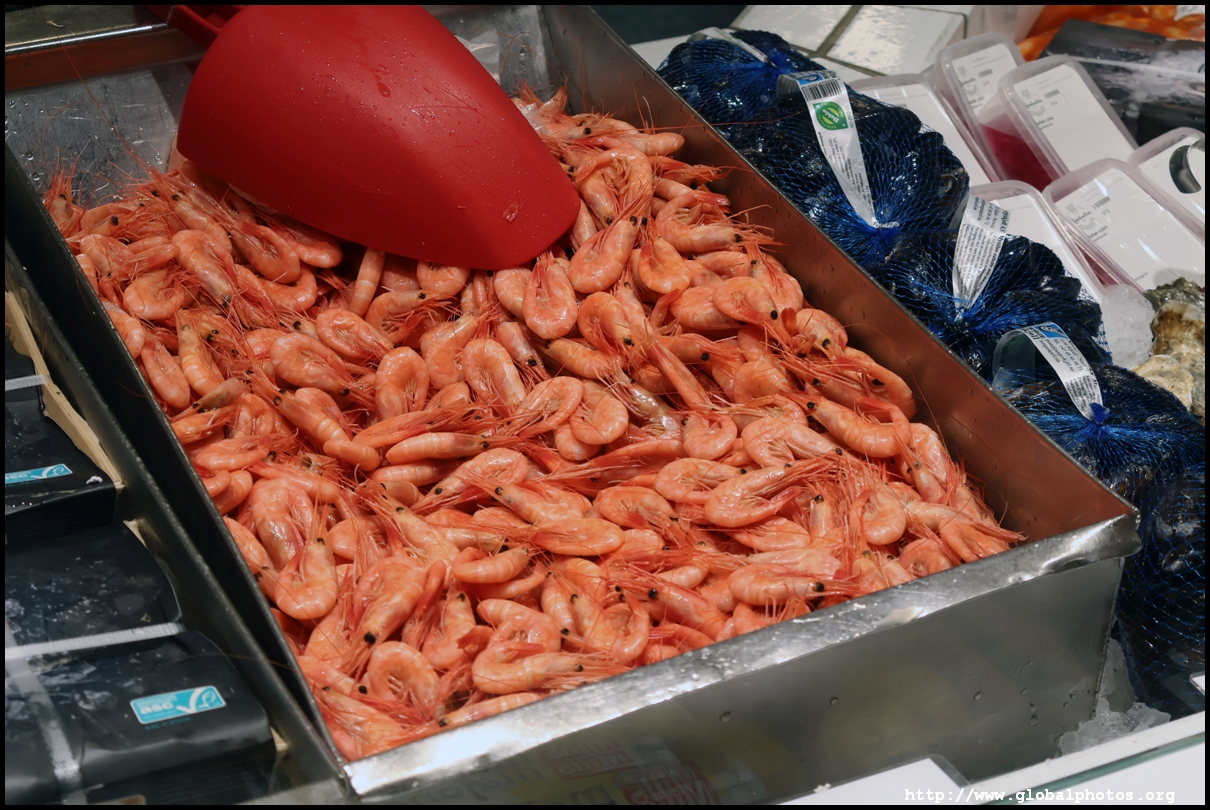
Kristiansand has a fish market but having just been to the Azores, I was a little disappointed with the selection here. But Fiskebrygga was well-organized, quiet, and clean.
|
|
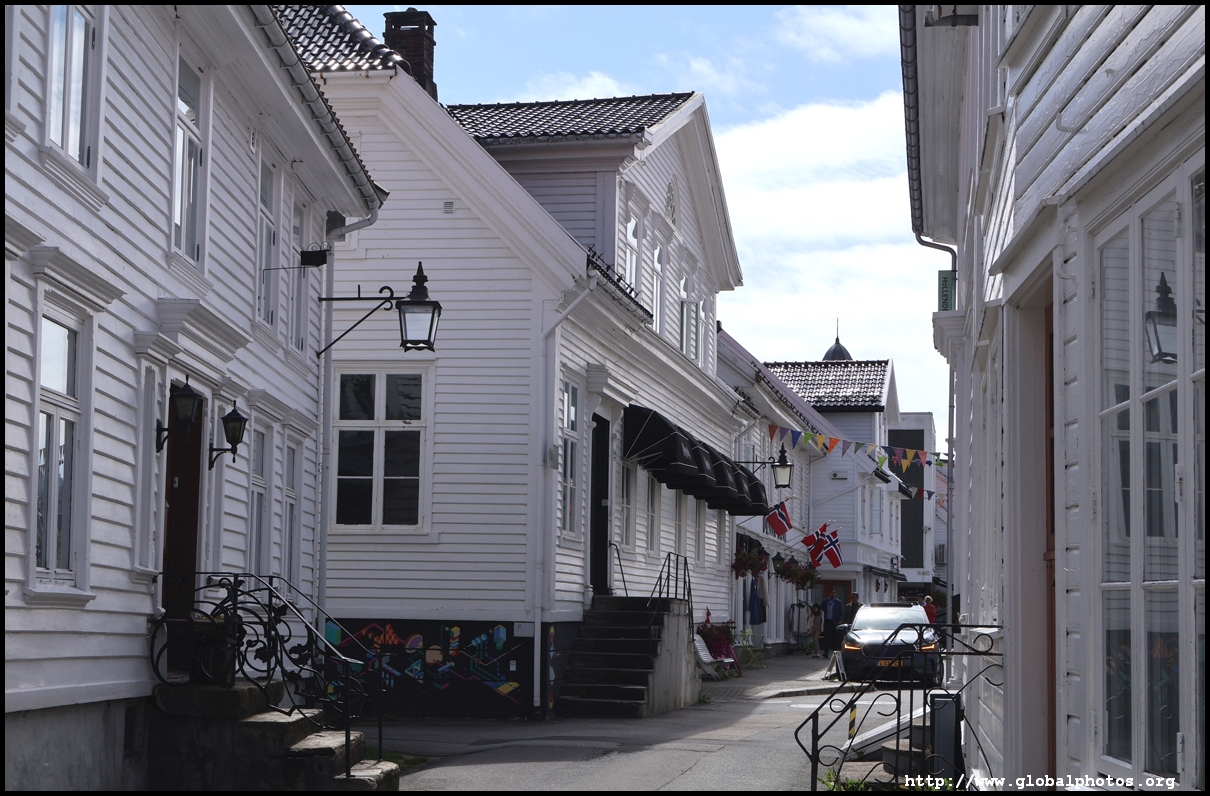
I spent a day exploring Mandal and Flekkefjord. These towns are famous for white wooden houses, a tradition started by the wealthy, who associated imported white paint from England as a status symbol.I don't think I've ever seen a town that is painted in a single colour. In tropical Asia, many buildings are painted in light colours to reflect the sun's heat, but it wasn't white across the board. |

|
|
|
Copenhagen (August) |
|
Copenhagen is one of my favourite cities in Europe. For such a small population, there is so much to see with lots of stunning architecture and a beautiful waterfront. Prices are expensive though, on par if not more expensive than London.
|

|
Ørestad looked like an architecture experiment with lots of innovative residential buildings along a metro line. I love this neighbourhood - walkable, not incredibly dense, and very liveable. |

|
Nordhavn is another good urban regeneration example. The added benefit is they've got a waterfront, and it was super busy with lots of people enjoying the sunshine. Perhaps it is a victim of its own success. If I lived upstairs facing the water, it would be annoyingly noisy with so much traffic downstairs. |

|
Torvehallerne is probably the most touristy market hall in town but I had a good dinner here trying out open sandwiches. The toppings can vary, although the classics include pickled herring and prawn.
|

|
While Denmark features high on the happy index year after year, there is a pocket of town called Christiania that once was lawless, running on counter-culture principles. That era has somewhat come to an end though. The drug trade has been pushed out of sight after things got violent in recent years.However, I didn't see anything sketchy at all. It's a market area now with lots of stalls, food options, and murals. |

|
Christianshavn's Church of Our Saviour is my favourite lookout point towards the historic centre. It's high above the neighbouring rooftops but close enough to zoom into the details. The church is quite historic - consecrated in 1696. |

|
Berlin (September) |
|
Berlin has quite a lot of history to see and is my favourite German city. I first visited 20 years ago and was quite impressed, but I was in a bit of a hurry with Dresden and Prague after so could only get a quick taste.Potsdamer Platz was once no-man's land during the divided days. After re-unification, the area was transformed into a business district and the Kollhoff Tower came up during this time. It has an outdoor observation deck with plenty of space to enjoy the views and a lot of panels detailing the area's history. |

|
The French Cathedral was built between 1701 and 1705 as the place of worship for the Huguenot community. Nearly destroyed during World War II, what we see today is a reconstruction from the 1980s. It's a bit closer to Museum Island than Potsdamer Platz so despite being a shorter vantage point, the view was a little different and worth visiting.
|

|
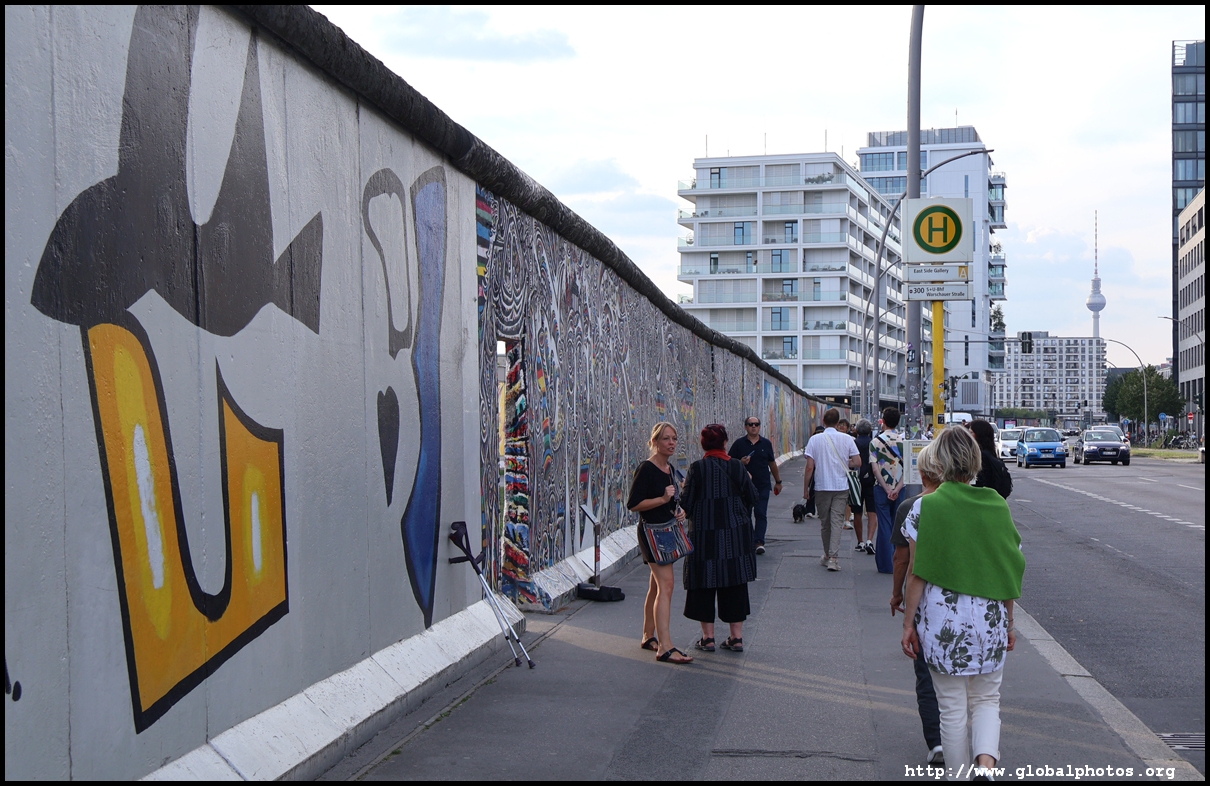
Being a divided city during the Cold War, there are many museums and sites dedicated to this period. There are surviving parts of the Berlin Wall scattered around the city, old border crossings, ghost train stations, museums, and more.
|

|
Berlin was built to be a grand capital, and a huge cathedral was part of the vision. Berliner Dom was designed to rival St. Peter's Basilica and first opened in 1905. A quarter of it was destroyed by the end of World War II and had to be reconstructed.
|

|
While I had a few days of dedicated time to explore Berlin, I didn't have enough to cover Museum Island's 5 big museums. My focus was more on modern history rather than art.
|

|
Yinchuan (October) |
|
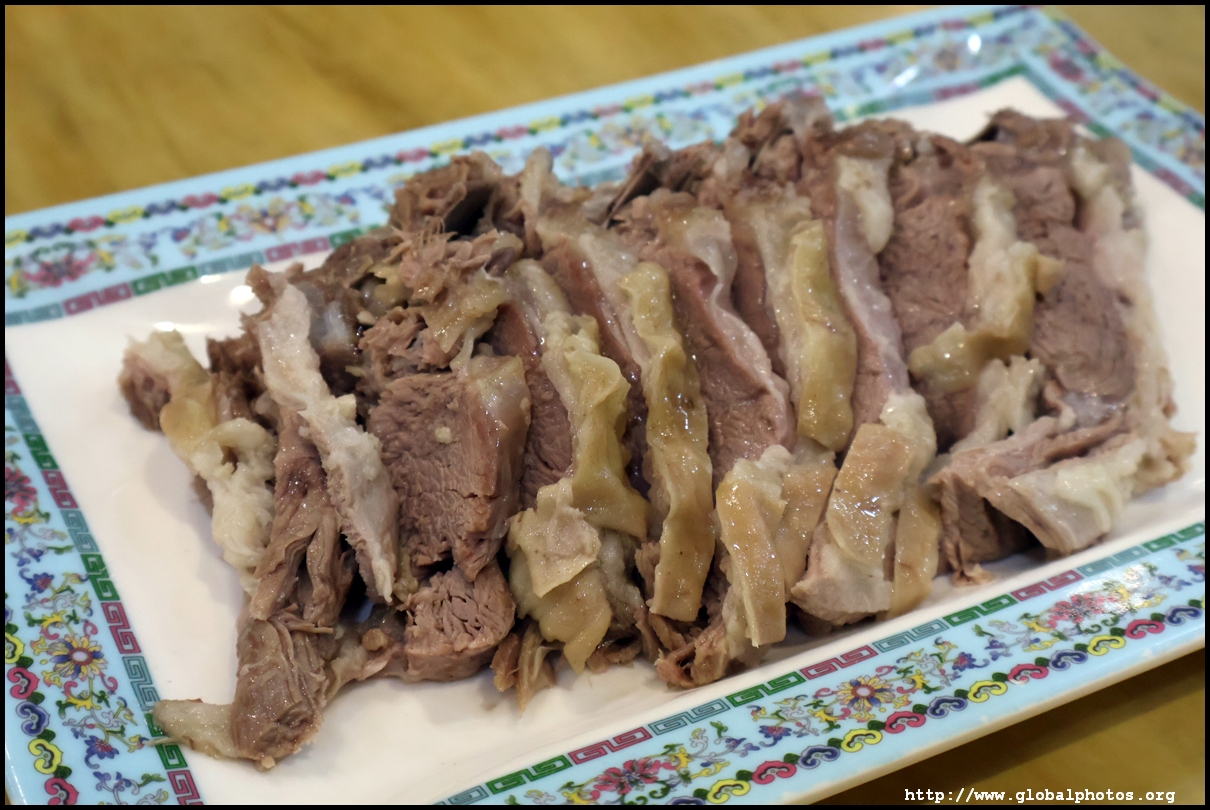
The initial plan was to explore Inner Mongolia's vastness but October might be a bit too cold for such an adventure into the wilderness, so the itinerary changed to Ningxia instead. Yinchuan was once the capital of the Western Xia dynasty, which wasn't a Han Chinese state so doesn't feature prominently in the typical history texts. Obliterated by the Mongols, the area eventually came under Chinese rule and became part of the Silk Road trading route. Being a mainly Muslim region, there was plenty of lamb on offer and the local cuisine had strong spicy and oily tones.
|
|
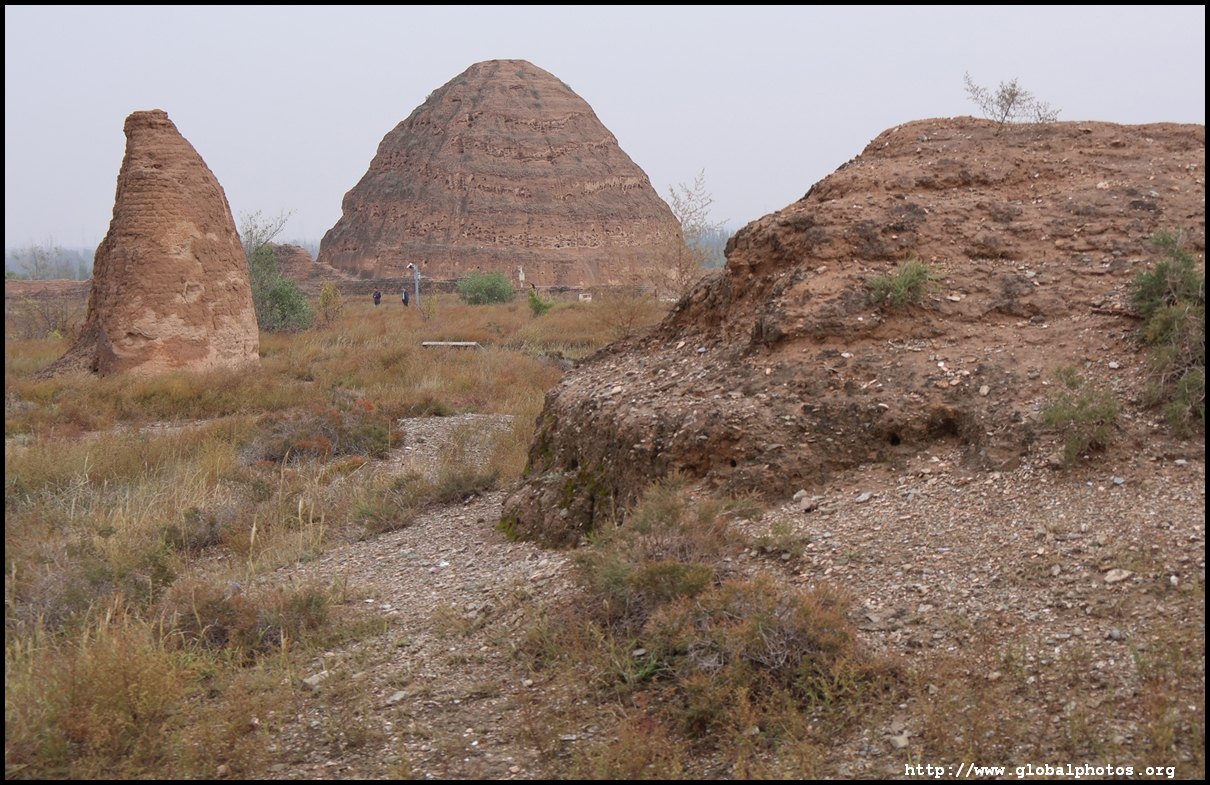
The Western Xia had 12 emperors. 9 had mausoleums built and the assumption is the last 3 died during the empire's decline and mausoleums weren't built for them. The imperial burial zone was located at the eastern foothills of the Helan Mountains covering a vast area.The 3rd mausoleum is a 7-tiered rammed earth pagoda structure with a circular base. Originally, wood and tiles would be attached outside to create the eaves.
|
|
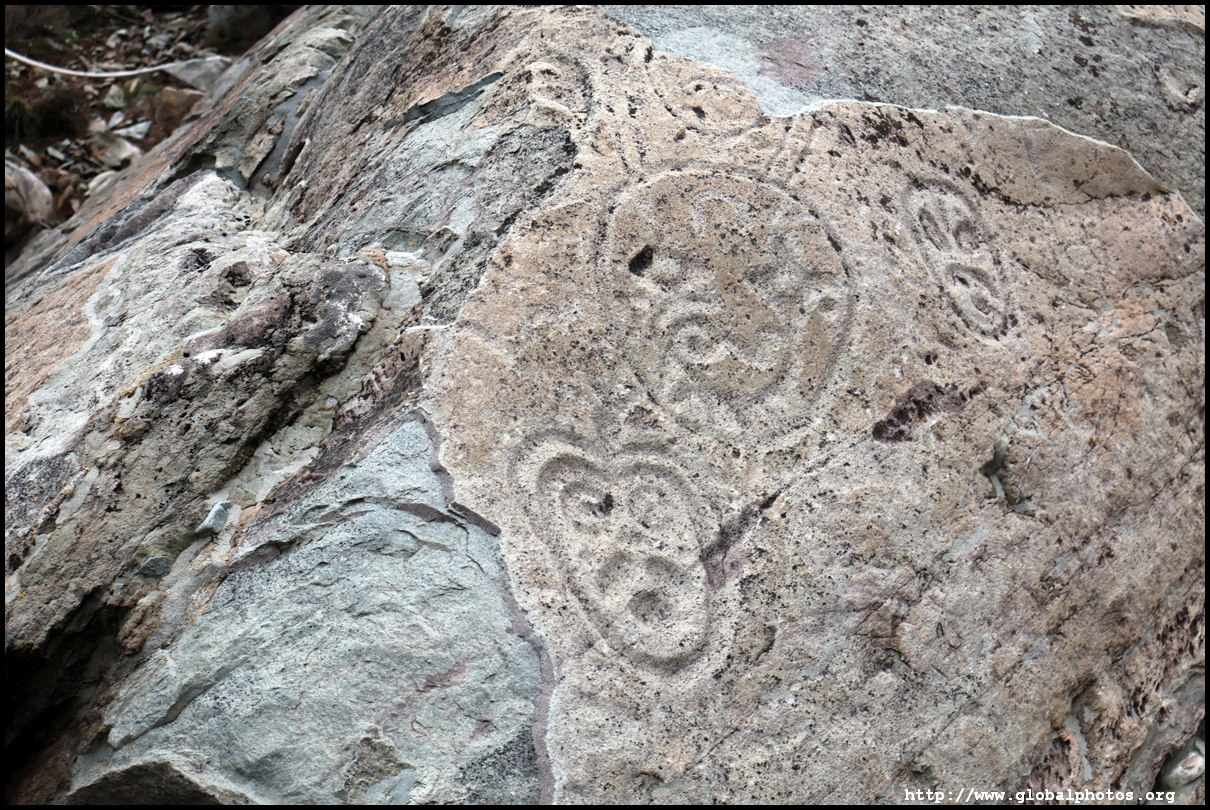
These mountains also have a lot of prehistoric rock art showing human and natural images. A paved tourist trail lets you explore a number of these works, although the authorities give you some help by placing red stickers so it's easier to spot.
|
|
Inner Mongolia (October) |
|
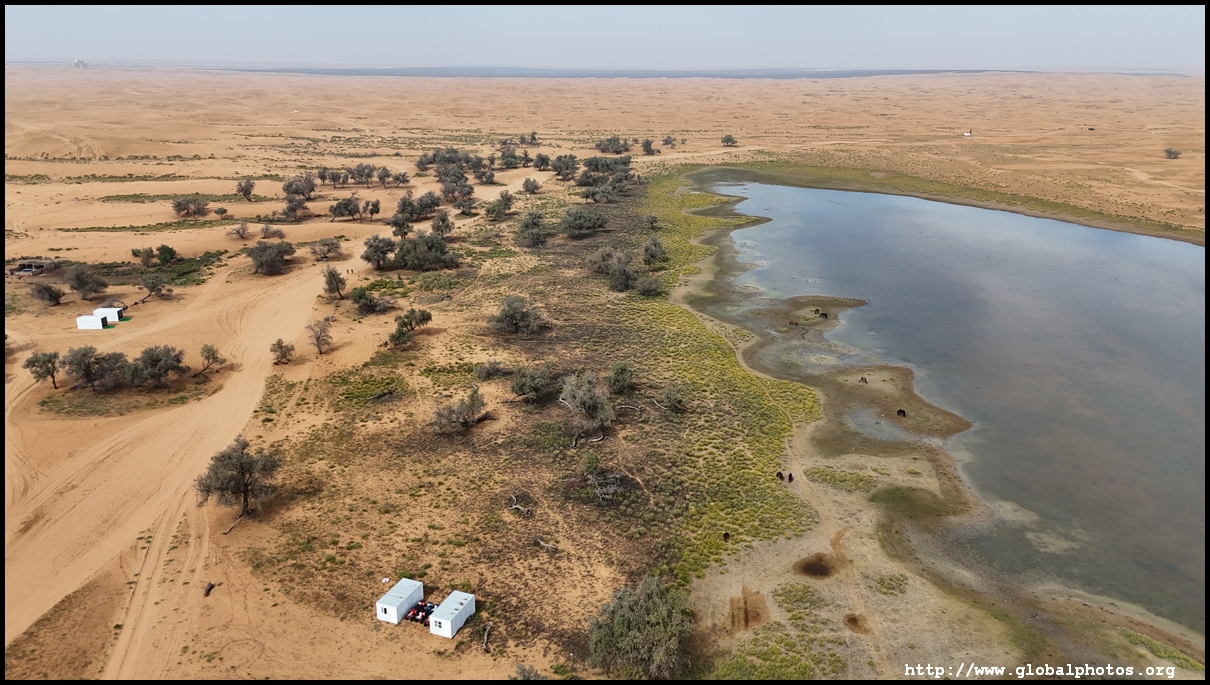
2 hours west of Yinchuan past the Ningxia boundary in Inner Mongolia is a desert landscape with stunningly colourful lakes. For a place in the middle of nowhere, I was surprised many 4x4 trucks were around and there were crowds at the lakefronts.Expecting the view from the air to be much more interesting than on the ground, I went through the painful process of registering my drone in China ahead of the trip. It was cumbersome and not designed to work for foreign tourists, but I got it sorted in the end. There are 4 lakes to see on this day trip. Swan Lake is the first one, offering a taste of things to come. It's a bit odd to see a big lake in the middle of the desert. |
|
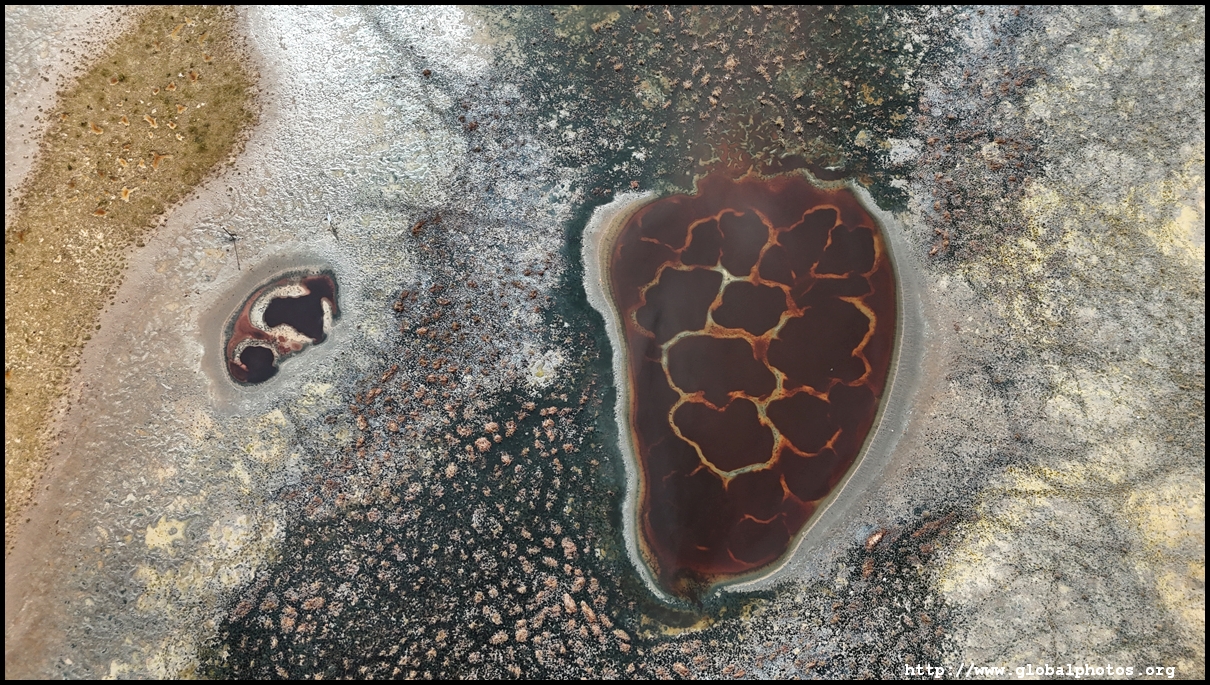
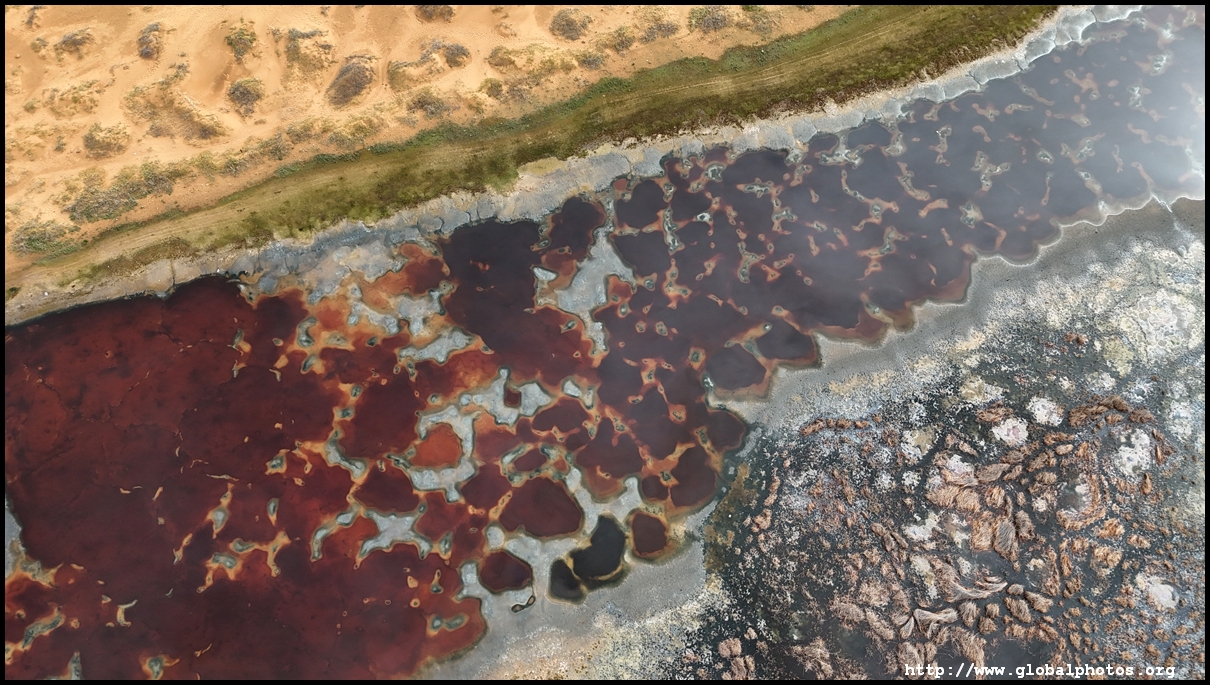
Ulan Lake is where things started getting interesting. The lakefront was loud and busy with plenty of people. I sent my drone further away and spotted some interesting colours in the water. It's hard to see this contrast at ground level, so you really need that aerial view to fully appreciate the landscape.
|
|
|
|
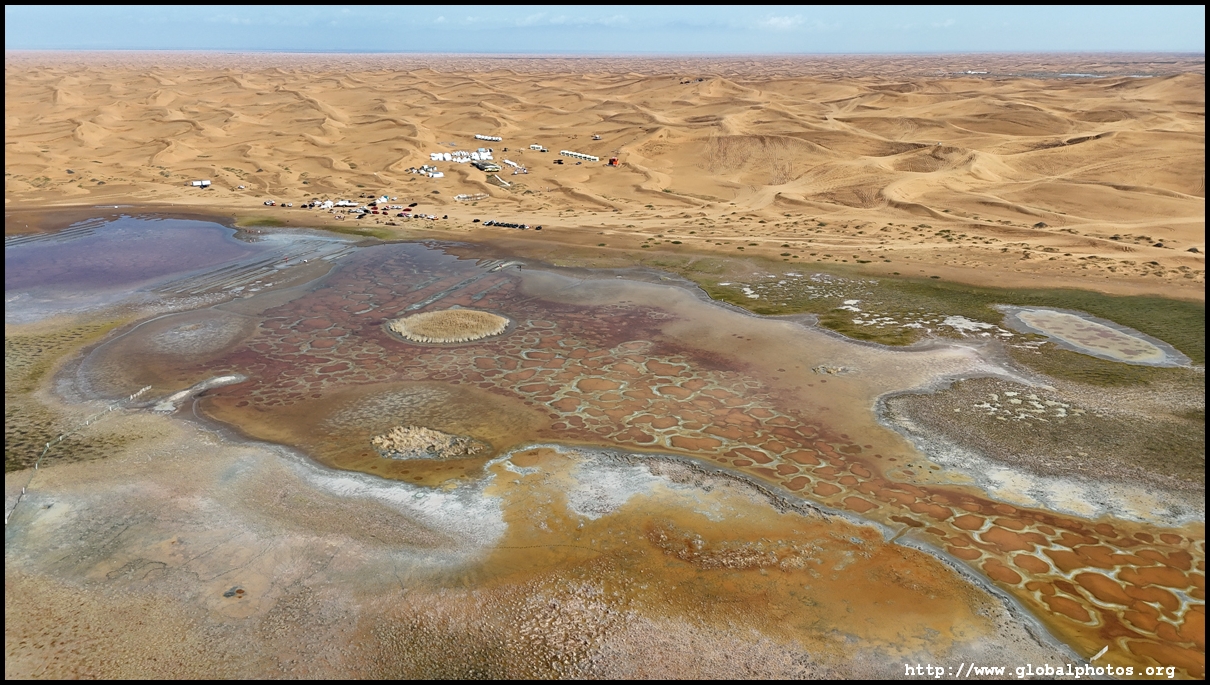
Camel Lake was just as stunning but the colours were different.
|
|
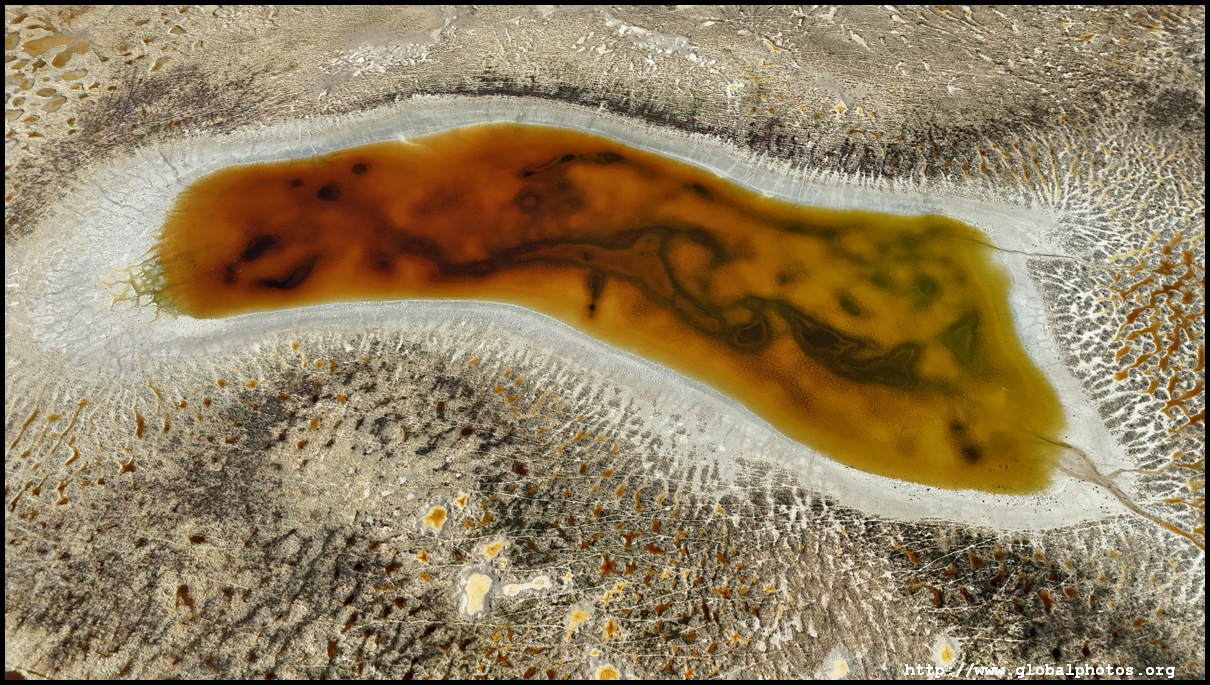
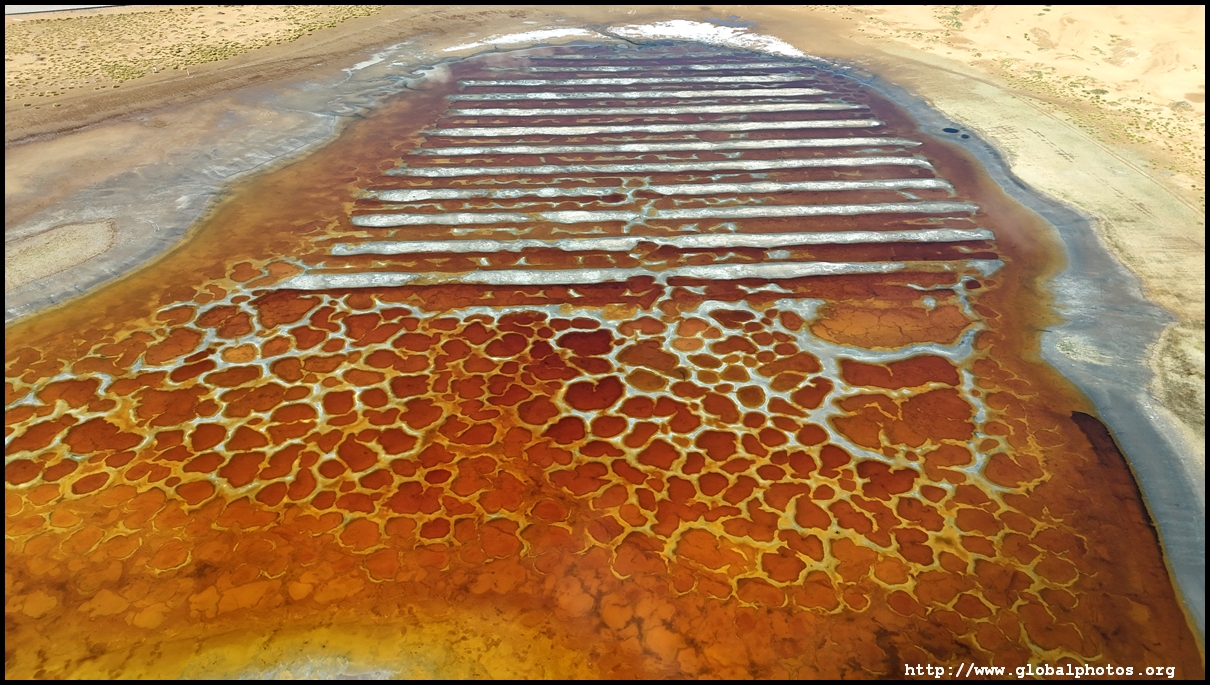
Guitar is the last one and I could spot the end of the desert and the highway back to civilization.
|
|
|
|
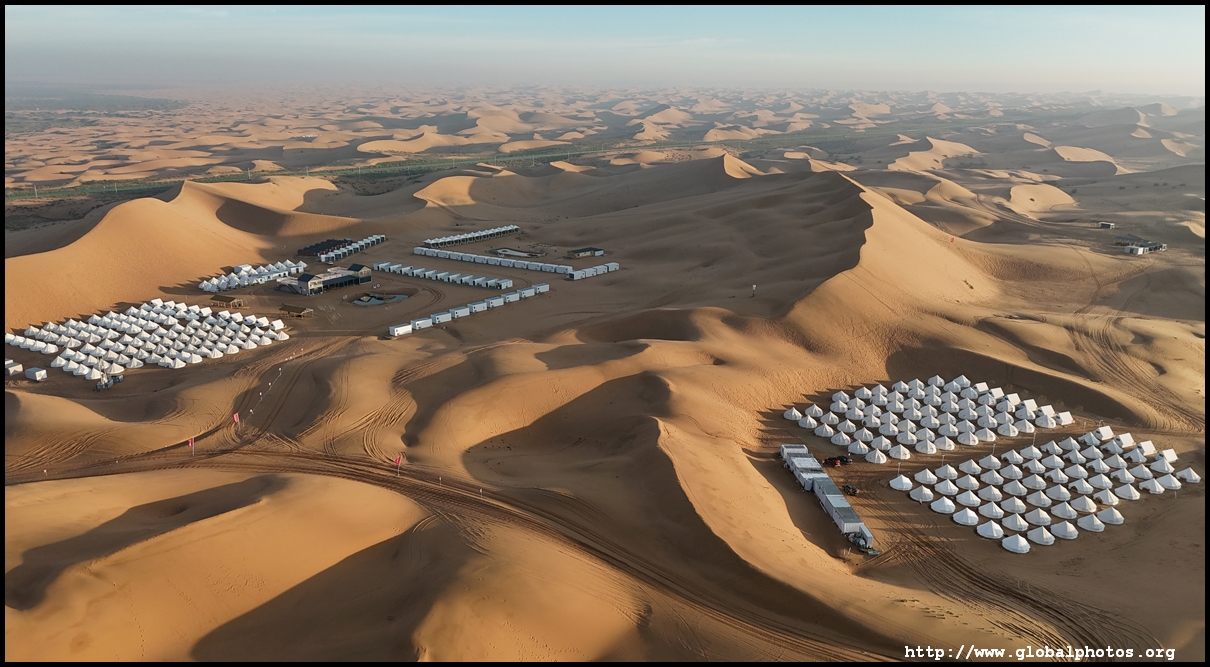
It is possible to stay in the desert overnight, with a number of camps available across budgets. I tried one near Zhongwei but went for a more comfortable cabin with heating and a full private bathroom, costing just over USD $125 a night. The food was passable but the experience of walking along the sand dunes at night and watching the sunrise the next morning in utter silence was well worth the trek out of the city.
|
|
Lanzhou (October) |
|
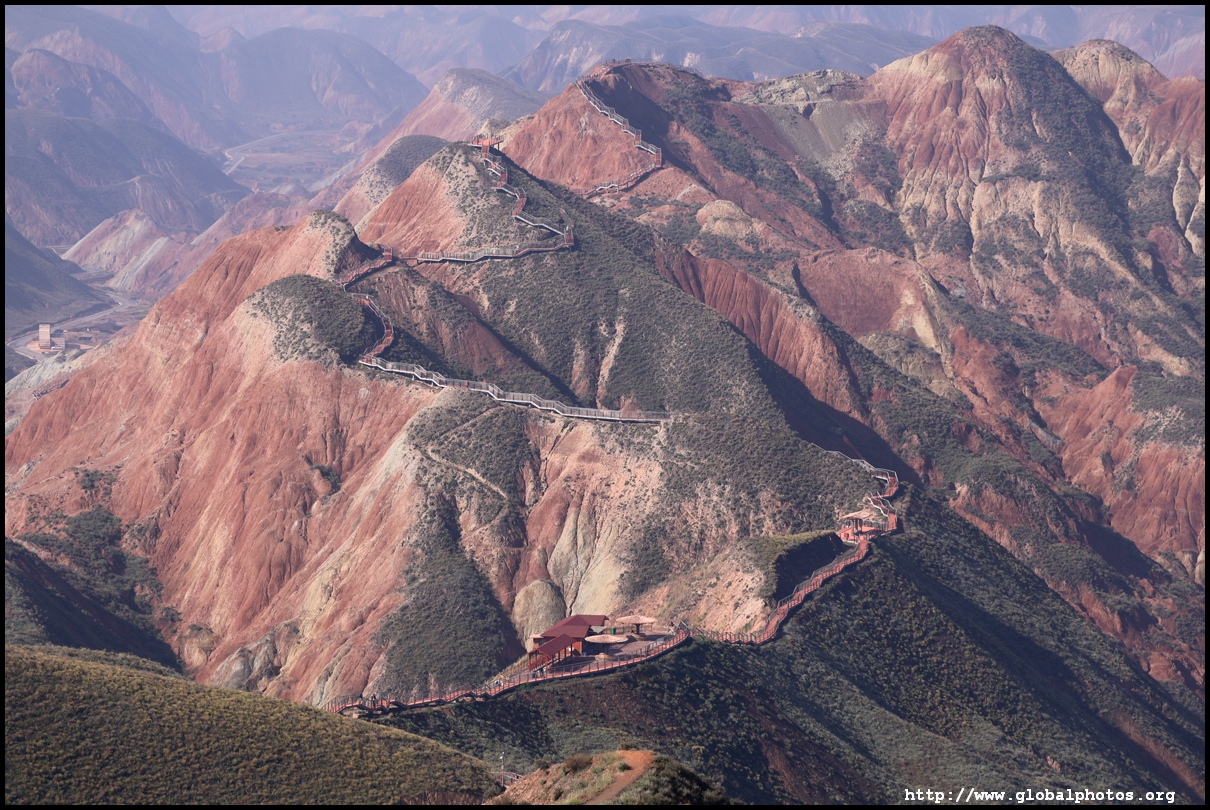
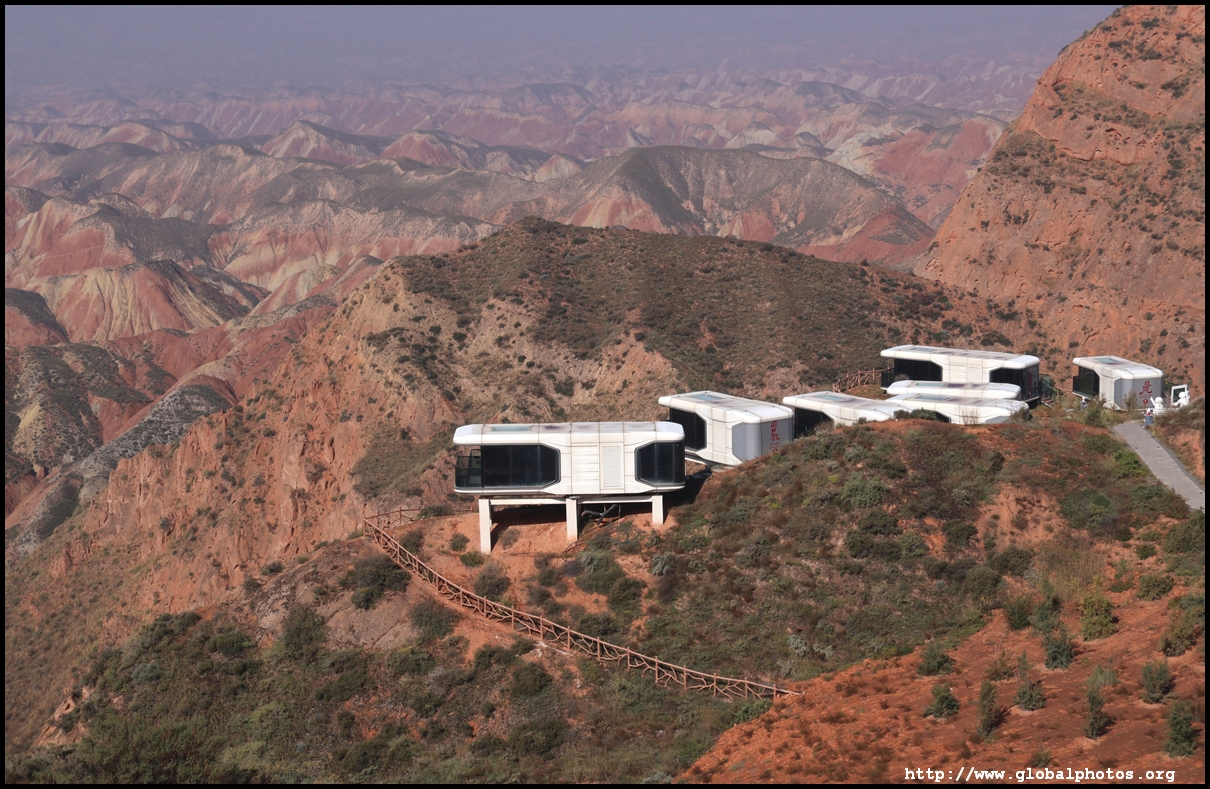
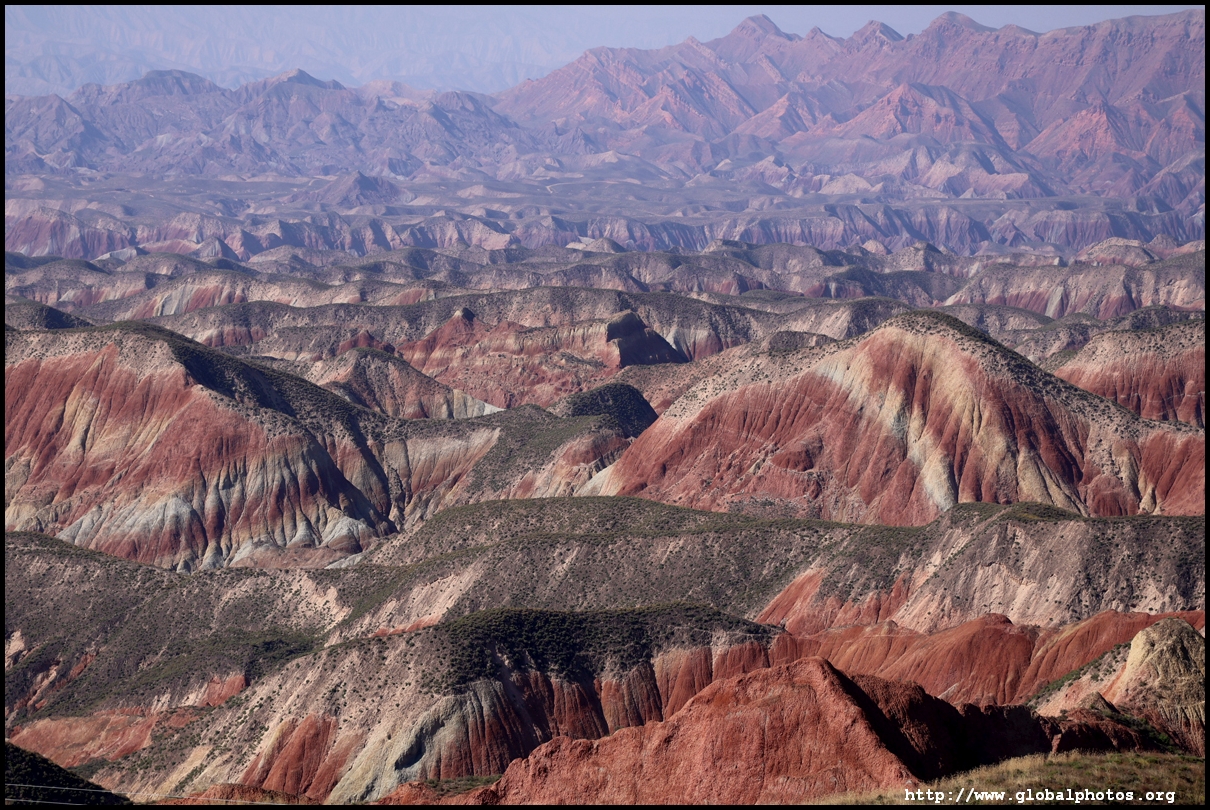
Distances in this part of the Silk Road are vast but the high-speed train makes tourism a lot easier these days. From the desert, I headed to Lanzhou not to explore the industrial city, but to check out an interesting geological formation with bright and colourful mountains.Shuimo Danxia National Park is huge and I don't think a day is enough to see everything. I cheaped out and just got a regular ticket, which gives access to a subset of sights and transport within the park but there was still a lot of hiking. The scenery is nothing short of stunning. A few years ago, I saw something similar further west along the Silk Road, but the weather wasn't great that day so I left disappointed. This time, the blue skies and sun shone brightly to make the colours stand out all the better. I was a bit surprised a place of this calibre was not busy, although the park is vast with so many walkways to disperse the crowds. But the typical bottleneck locations such as transport stops were fairly quiet. Perhaps the other geological park at Zhangye has stolen all the attention. |
|
|
|
Xian (October) |
|
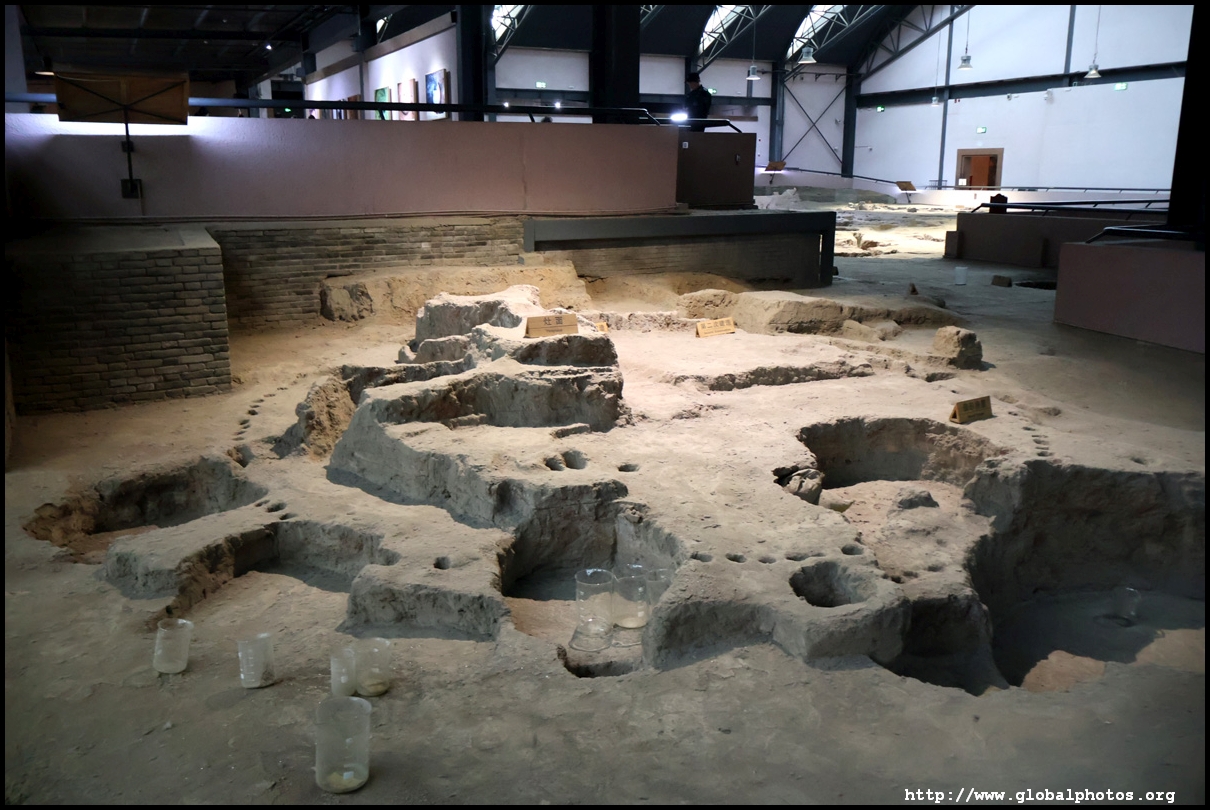
While Xian was not my main destination for this Silk Road trip, I did get a chance to venture out to do some quick exploration before my flight home. Banpo Neolithic Village is an archaeological site believed to date from around 6000 years ago. It was accidentally discovered in 1953 and important enough to have hosted national leaders over the years. 46 houses have been unearthed, which are either round or square in shape.
|
|
Toronto (October / November) |
|
Everyone has heard of Jellycat. Around the world, there are a number of knock-offs to cash in on the plush toys for adults craze. In November 2025, Canadian coffee chain Tim Hortons opened a pop-up merch store at the Eaton Centre offering a Jellycat-like experience with "chefs" cooking up their menu items.
|

|
Meanwhile, not that far away, the real Jellycat has opened up a shop inside a shop in the Distillery District, the brand's first in Canada.
|

|
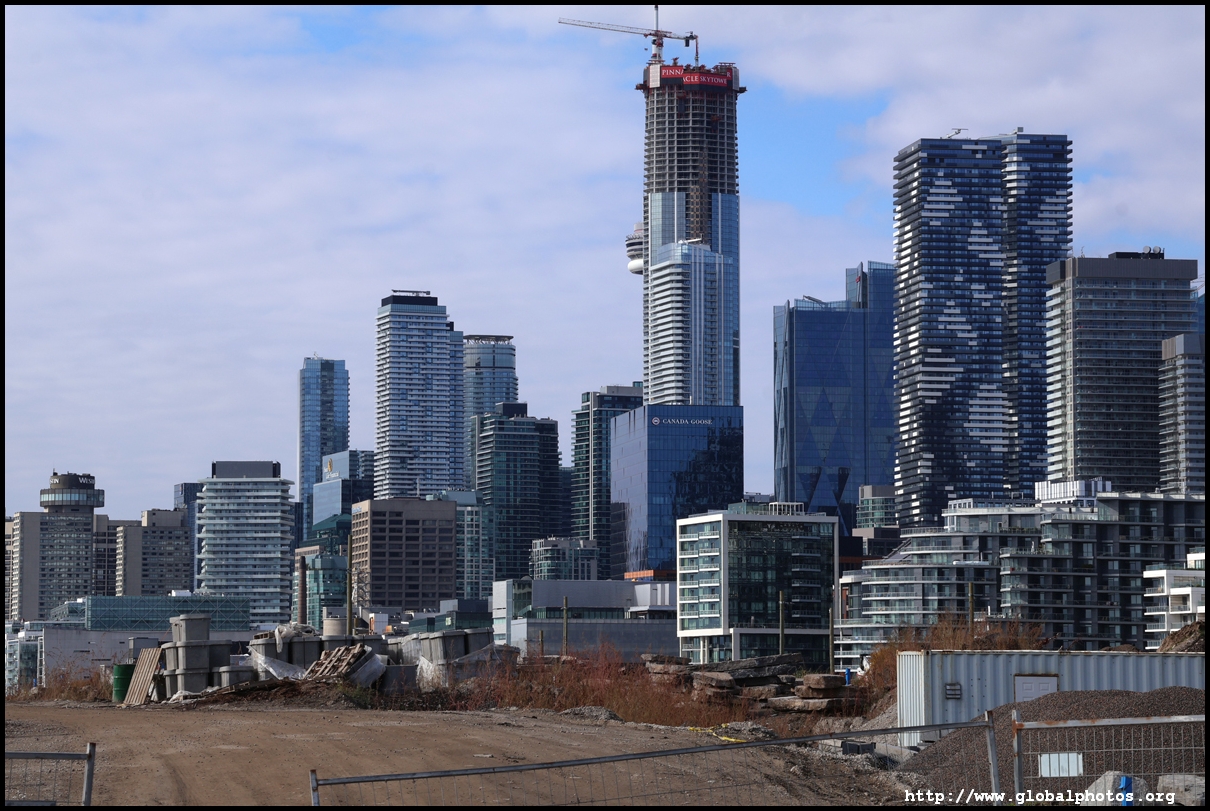
The city's condo market has collapsed in recent years but construction of a huge new supertall continues. It's close to the lakefront and visible from everywhere, joining a fairly dense highrise community that has sprung up in the past few decades.Long ago, the city looked away from its waterfront and people drove hours north to their lakefront cottages in Muskoka. The same problems that still blight the downtown waterfront are still there, notably a huge elevated highway that can't be eliminated no matter how many politicians tried. Instead, the condos were built around it. |
|
Taipei (December) |
|
I used to be a regular visitor to Taiwan with long business trips every year. Being a short flight from my old base in Hong Kong, I also came for purely leisure trips as well. So when the opportunity came up to redeem a free flight to Okinawa via Taipei, I looked forward to a whirlwind quick exit to the city to check out their new sights.However, the winter rains were a bummer so I ended up staying at the airport to explore the newly-opened Terminal 3 north concourse instead, a huge improvement to the existing 2 terminals. |

|
Okinawa (December) |
|
Okinawa has a resort feel that makes it very different from 'mainland' Japan. Naha is the main gateway and offers the typical urban experience but the core of your visit should be out of the city, scuba diving, enjoying time at a resort, and relaxing.When dining out, look for this crunchy seaweed. It's delicious. |

|
I also sampled some decent tuna at the fish market given it accounts for about 70% of the local catch.
|

|
During World War II, Okinawa saw some very bloody battles and the death toll reached over 200,000. Japanese soldiers dug tunnels and entrenched themselves towards the last years of the war, which have been converted into a museum.
|

|